Yerevan
Last updated: June 11, 2026
Yerevan is Armenia’s capital and largest city, with a population of approximately 1.1 million in the metropolitan area. Founded in 782 BCE, it is one of the world’s oldest continuously inhabited cities. Located in the Ararat Valley roughly 44 kilometers west of the Azerbaijan border, Yerevan is home to Republic Square, the Armenian National Museum, Etchmiadzin Cathedral, and numerous universities, theaters, and cultural institutions. The city serves as Armenia’s economic engine, housing the country’s major businesses, media outlets, and educational centers. Key government institutions—the National Assembly (parliament), presidential residence, and government ministries—are located in central Yerevan, making it the seat of state power and the venue where major policy decisions affecting Armenia’s relationship with Azerbaijan , Russia , the United States , Iran , and Turkey are formulated and announced.
Yerevan’s Republic Square remains a symbolic center of Armenian national life, and the surrounding neighborhoods host universities, cultural institutions, and media outlets that shape public discourse on war, peace, and Armenia’s geopolitical alignment.
Yerevan has been the epicenter of Armenia’s major political upheavals since independence in 1991. The so-called Velvet Revolution in 2018 centered on mass protests in Yerevan’s streets against Robert Kocharyan and resulted in Nikol Pashinyan ascending to power. Since then, the city has witnessed successive cycles of protest and state crackdown: street demonstrations against the 2020 ceasefire agreement following the 44-Day War , opposition rallies during Pashinyan’s tenure, and most recently, state pressure on the Armenian Church and arrests of opposition figures ahead of the June 7, 2026 parliamentary elections. Yerevan’s geography and political institutions make it the arena where Armenia’s foreign policy commitments, including negotiations over the Armenia-Azerbaijan Peace Process , commitments to TRIPP (Trump Route for International Peace and Prosperity), and Armenia’s shifting relationship with CSTO membership are debated, contested, and implemented.
The city’s role in Armenia’s current geopolitical predicament is direct and unavoidable. Yerevan’s proximity to the Azerbaijani border and its status as Armenia’s sole major urban center mean that security threats, blockade pressure, and territorial demands all converge on decisions made within the capital’s government buildings. During the Iran War beginning in early 2026, Yerevan became a site of intense diplomatic activity as foreign officials visited to signal American intentions regarding the TRIPP corridor, regional alignment, and Armenia’s relationship with Washington. The city’s parliament elected in June 2026 will determine whether Armenia continues Pashinyan’s course of concessions to Azerbaijan and the West, or whether opposition forces can halt further territorial or sovereignty losses. As such, developments in Yerevan invariably reflect and shape the choices available to Armenia as a state caught between Russia , an increasingly assertive Azerbaijan, a destabilized Iran, and a United States pursuing its own strategic interests in the South Caucasus.
Groong episodes that include this tag
Below are all Groong episodes tagged with Yerevan.
Pietro Shakarian - May 9, Victory Day and Parade, Artsrun Hovhannisyan’s Historical Revision | Ep 436, May 15, 2025 [EP436]
Posted on Thursday, May 15, 2025 | Category: Russia, Armenia, Geopolitics, Nagorno Karabakh, China, Armenian Genocide, Turkey, Azerbaijan, NATO, Ukraine, Genocide, Soviet Armenia, Modern Armenia | Series: cog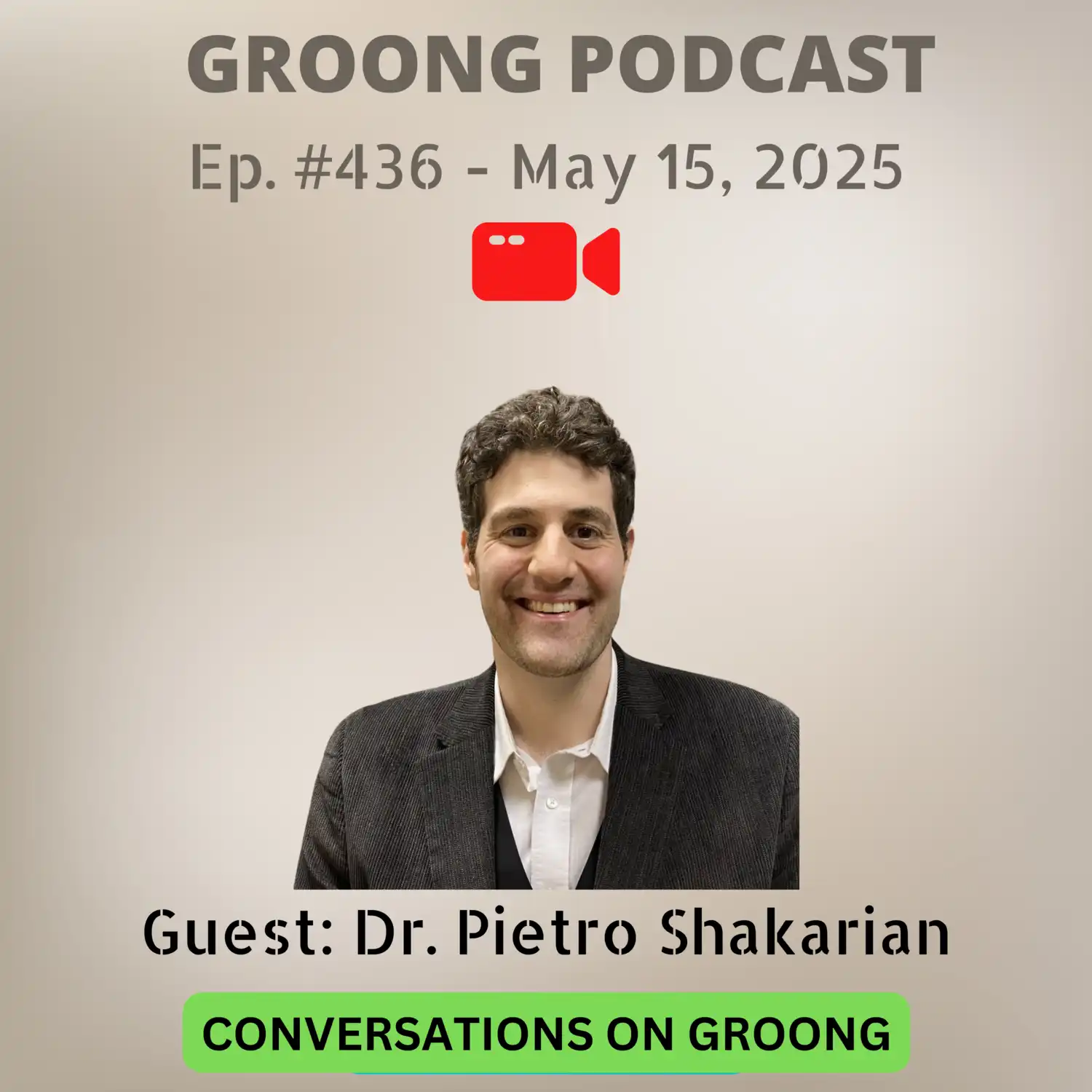
Groong Links:
Guest:
Topics:
- May 9, Victory Day and Parade
- Pashinyan, Aliyev Posture at Victory Day
- Artsrun Hovhannisyanâs Historical Revision
- Armenia and Artsakh Contributions to WW2
Episode 436 | Recorded: May 15, 2025
Pietro Shakarian - May 9, Victory Day and Parade, Artsrun Hovhannisyan’s Historical Revision | Ep 436, May 15, 2025 [EP436]
Posted on Thursday, May 15, 2025 | Category: Russia, Armenia, Geopolitics, Nagorno Karabakh, China, Armenian Genocide, Turkey, Azerbaijan, NATO, Ukraine, Genocide, Soviet Armenia, Modern ArmeniaGroong Links:
Guest:
Topics:
- May 9, Victory Day and Parade
- Pashinyan, Aliyev Posture at Victory Day
- Artsrun Hovhannisyanâs Historical Revision
- Armenia and Artsakh Contributions to WW2
Episode 436 | Recorded: May 15, 2025
Benyamin Poghosyan - US-Iran Tensions, Armenia-Azerbaijan, Victory Day, Journalist Assaulted | Ep 434, May 4, 2025 [EP434]
Posted on Wednesday, May 7, 2025 | Category: Armenia, Politics, Iran, Geopolitics, Artsakh, Nagorno Karabakh, Azerbaijan, Georgia, Turkey, Russia, Israel, China, Ukraine, Syria | Series: wir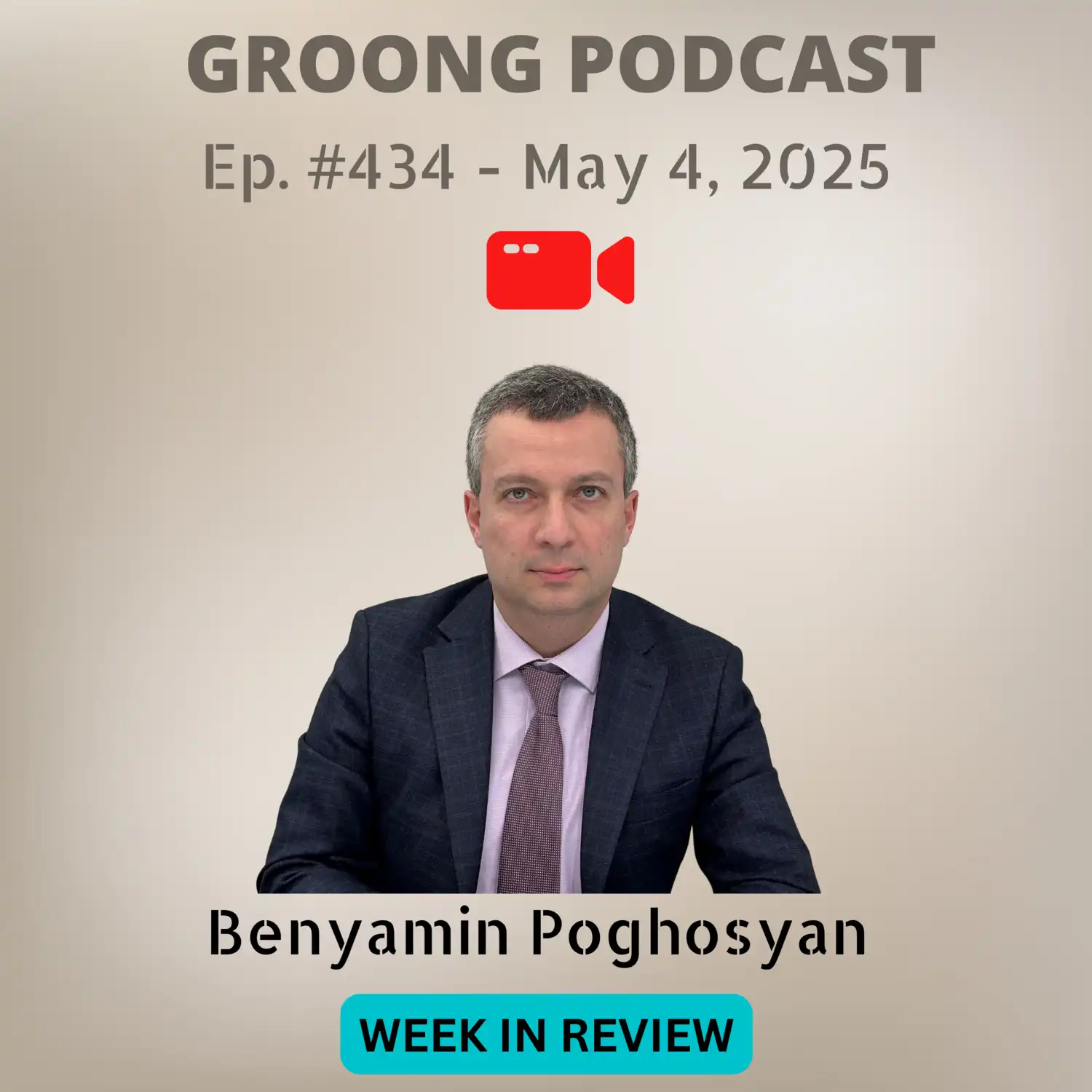
Groong Links:
Guest:
Topics:
- Iran Sanctions Escalate Amid Tensions
- Journalist Beaten Inside Yerevan Office
- Moscow Celebrates Victory Day Parade
- Armenia Caught Between EU and Russia
Episode 434 | Recorded: May 6, 2025
Benyamin Poghosyan - US-Iran Tensions, Armenia-Azerbaijan, Victory Day, Journalist Assaulted | Ep 434, May 4, 2025 [EP434]
Posted on Wednesday, May 7, 2025 | Category: Armenia, Politics, Iran, Geopolitics, Artsakh, Nagorno Karabakh, Azerbaijan, Georgia, Turkey, Russia, Israel, China, Ukraine, SyriaGroong Links:
Guest:
Topics:
- Iran Sanctions Escalate Amid Tensions
- Journalist Beaten Inside Yerevan Office
- Moscow Celebrates Victory Day Parade
- Armenia Caught Between EU and Russia
Episode 434 | Recorded: May 6, 2025
Alberto M. Fernandez – Vatican-Baku Partnership & Erosion of Moral Authority | Ep 431, Apr 29, 2025 [EP431]
Posted on Tuesday, Apr 29, 2025 | Category: Armenia, World, Vatican, Azerbaijan, Artsakh, Nagorno Karabakh, Armenian Church, Iran, Armenian Genocide, Artsakh Blockade, Syria, Genocide, Turkey, Russia, Middle East, Lebanon, Human Rights, Georgia, Israel, China, India, NATO, Ukraine | Series: cog, video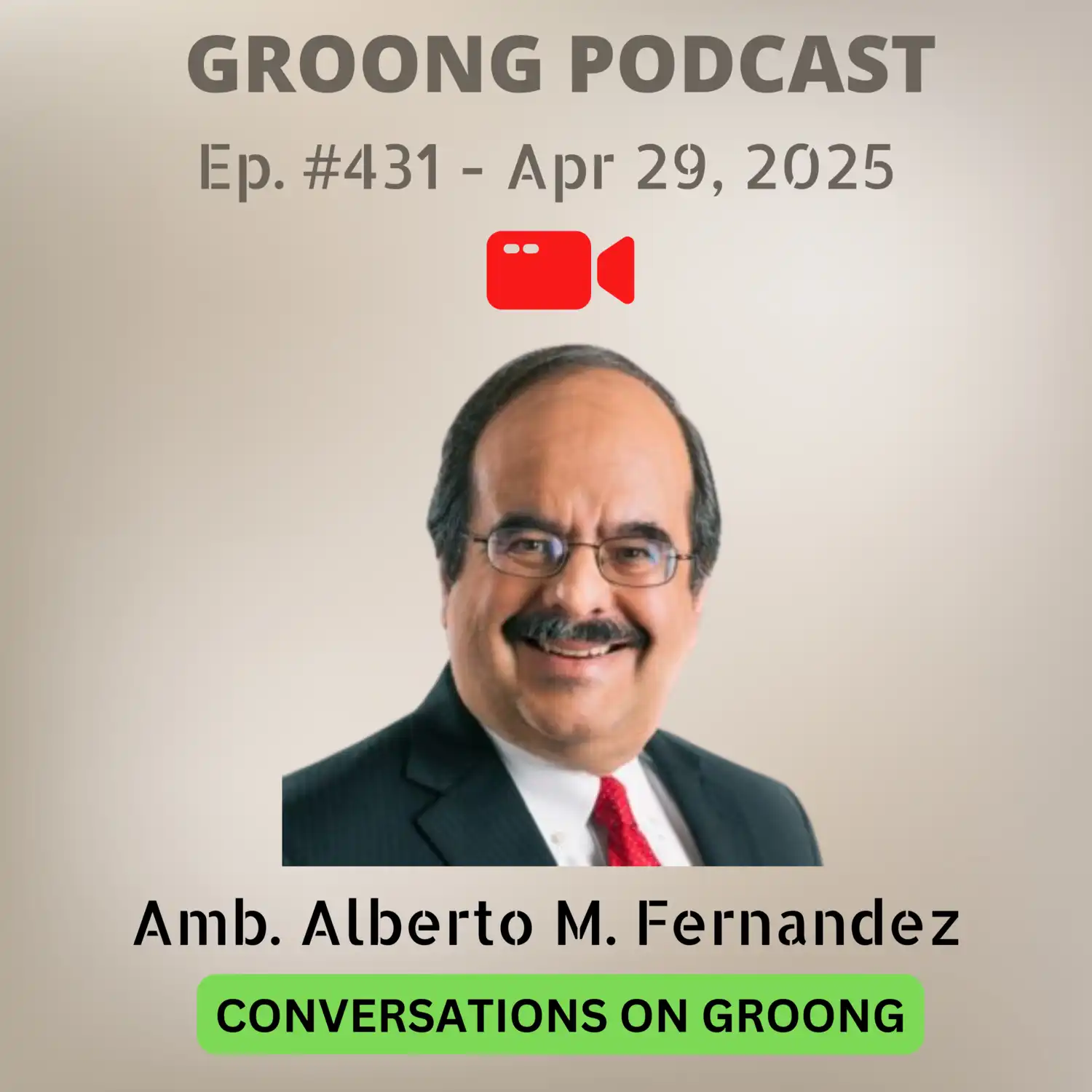
Groong Links:
Guest:
Topics:
- Vaticanâs alliance with Azerbaijan
- Whitewashing of Artsakhâs ethnic cleansing
- Global silence on Armenian Genocide
- U.S. policy under Trump and risks to Armenia
Episode 431 | Recorded: April 29, 2025
Alberto M. Fernandez – Vatican-Baku Partnership & Erosion of Moral Authority | Ep 431, Apr 29, 2025 [EP431]
Posted on Tuesday, Apr 29, 2025 | Category: Armenia, World, Vatican, Azerbaijan, Artsakh, Nagorno Karabakh, Armenian Church, Iran, Armenian Genocide, Artsakh Blockade, Syria, Genocide, Turkey, Russia, Middle East, Lebanon, Human Rights, Georgia, Israel, China, India, NATO, UkraineGroong Links:
Guest:
Topics:
- Vaticanâs alliance with Azerbaijan
- Whitewashing of Artsakhâs ethnic cleansing
- Global silence on Armenian Genocide
- U.S. policy under Trump and risks to Armenia
Episode 431 | Recorded: April 29, 2025
Benyamin Poghosyan - US-Iran, Gyumri, Armenia MFA Blames Artsakh, Negotiations with Azerbaijan | Ep 426, Apr 6, 2025 [EP426]
Posted on Wednesday, Apr 9, 2025 | Category: Armenia, Politics, Iran, Geopolitics, Artsakh, Nagorno Karabakh, Azerbaijan, USA, Russia, China, Israel, Middle East, Ukraine, Artsakh Blockade, Armenian Genocide, Genocide, Turkey, NATO, Syria | Series: wir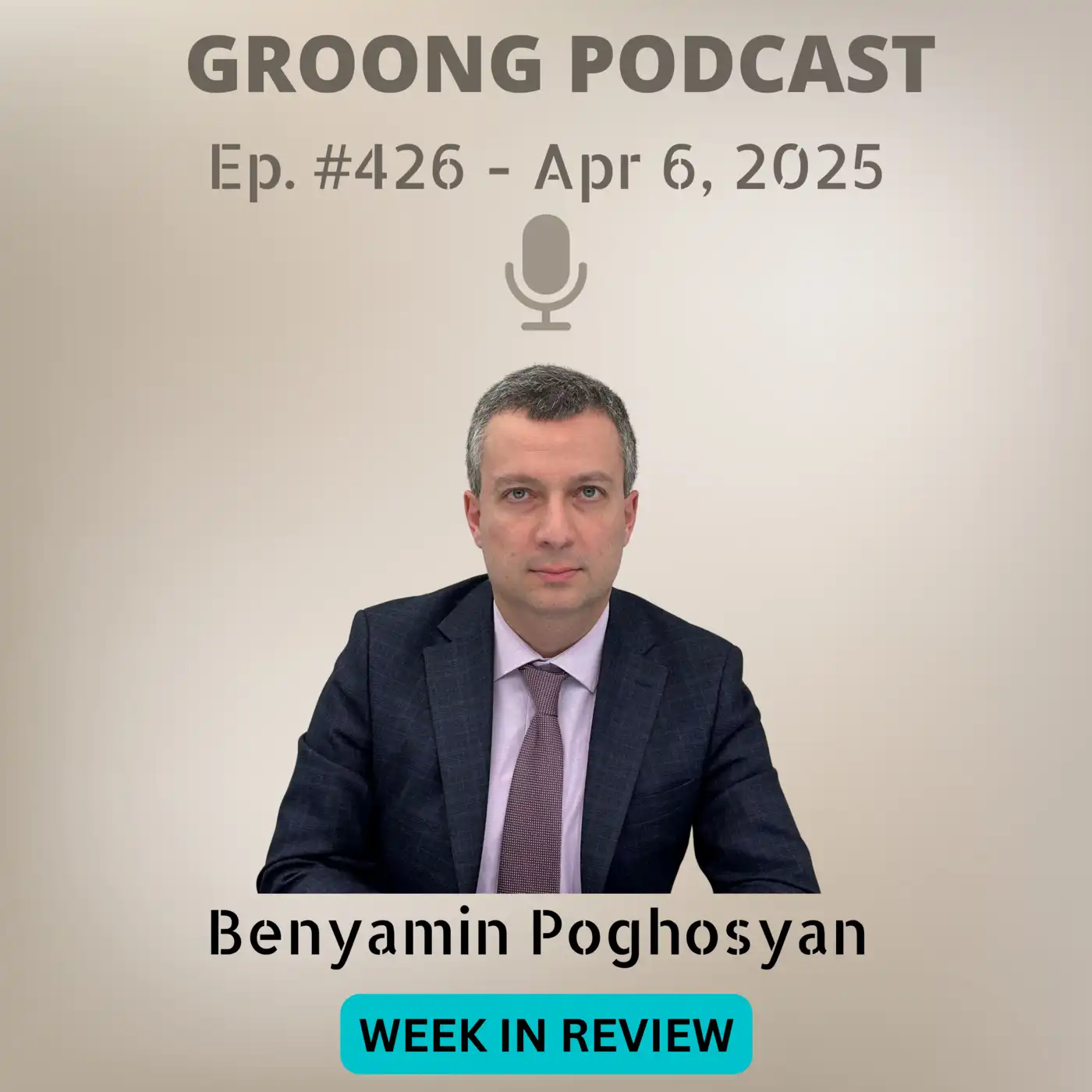
Groong Links:
Guest:
Topics:
- US Iran Escalation
- Aftermath of Gyumri and Parakar
- MFA blames Artsakh for Regional Isolation
- Bullets and Peace
Episode 426 | Recorded: April 8, 2025
Benyamin Poghosyan - US-Iran, Gyumri, Armenia MFA Blames Artsakh, Negotiations with Azerbaijan | Ep 426, Apr 6, 2025 [EP426]
Posted on Wednesday, Apr 9, 2025 | Category: Armenia, Politics, Iran, Geopolitics, Artsakh, Nagorno Karabakh, Azerbaijan, USA, Russia, China, Israel, Middle East, Ukraine, Artsakh Blockade, Armenian Genocide, Genocide, Turkey, NATO, SyriaGroong Links:
Guest:
Topics:
- US Iran Escalation
- Aftermath of Gyumri and Parakar
- MFA blames Artsakh for Regional Isolation
- Bullets and Peace
Episode 426 | Recorded: April 8, 2025
Dziunik Aghajanian - Illusions of Peace and Geopolitical Games | Ep 424 - Mar 23, 2025 [EP424]
Posted on Wednesday, Mar 26, 2025 | Category: Armenia, Politics, Iran, Artsakh, Nagorno Karabakh, Azerbaijan, Middle East, Israel, Geopolitics, Russia, Syria, Turkey, Lebanon, Ukraine, China | Series: wir, video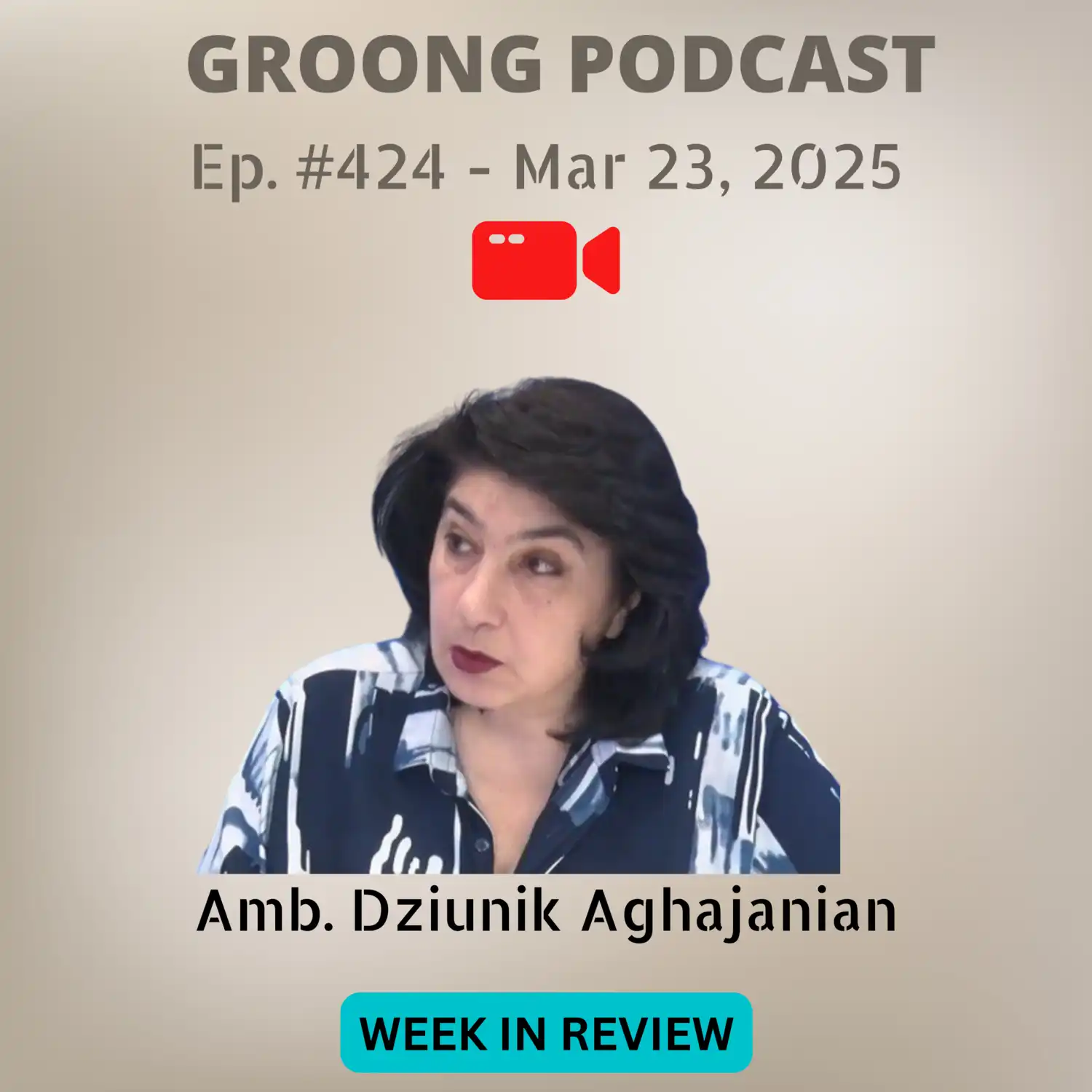
Groong Links:
Guest:
Topics:
- Trumpâs Iran ultimatum explored
- Turkeyâs protests seen as strategic
- Azerbaijanâs peace deal as smokescreen
- Armeniaâs Westward drift analyzed
- Gyumri elections stir controversy
Episode 424 | Recorded: March 25, 2025
Dziunik Aghajanian - Illusions of Peace and Geopolitical Games | Ep 424 - Mar 23, 2025 [EP424]
Posted on Wednesday, Mar 26, 2025 | Category: Armenia, Politics, Iran, Artsakh, Nagorno Karabakh, Azerbaijan, Middle East, Israel, Geopolitics, Russia, Syria, Turkey, Lebanon, Ukraine, ChinaGroong Links:
Guest:
Topics:
- Trumpâs Iran ultimatum explored
- Turkeyâs protests seen as strategic
- Azerbaijanâs peace deal as smokescreen
- Armeniaâs Westward drift analyzed
- Gyumri elections stir controversy
Episode 424 | Recorded: March 25, 2025
Benyamin Poghosyan - Peace or Capitulation? Armenia's Dilemma & Ukraine Shifts | Ep 423 - Mar 16, 2025 [EP423]
Posted on Tuesday, Mar 18, 2025 | Category: Armenia, Politics, Artsakh, Azerbaijan, Geopolitics, Russia, Iran, Turkey, Nagorno Karabakh, NATO, European Union, Ukraine, Israel, China, Middle East, Genocide | Series: wir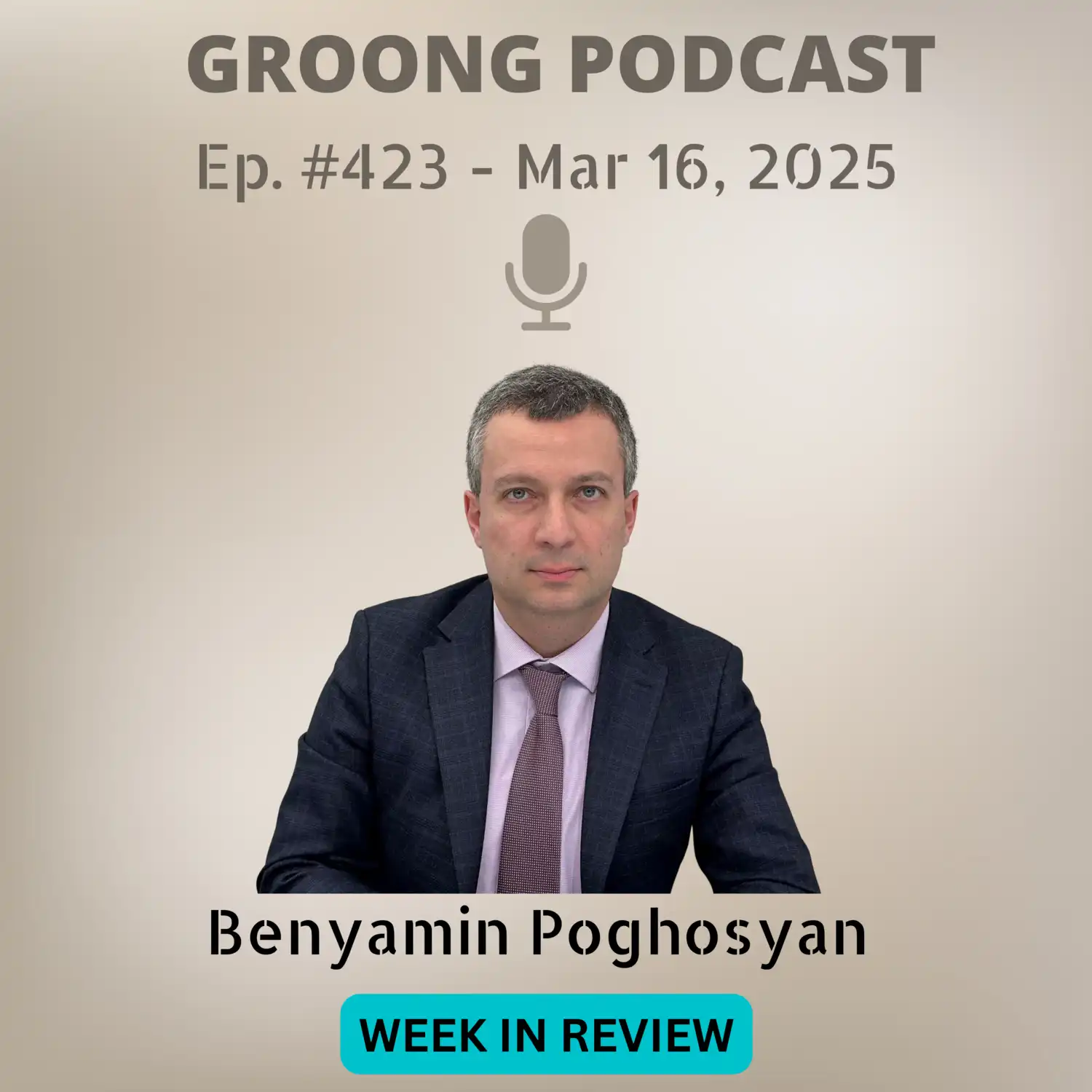
Groong Links:
Guest:
Topics:
- Armenia-Azerbaijan “Treaty”: Concessions, secrecy, opposition backlash.
- Preconditions for Peace: OSCE Minsk dissolution, constitutional changes.
- Ukraine War Talks: Jeddah negotiations, UAV attacks, Trump-Putin call.
- Witkoffâs Baku Stop: Mysterious visit raising geopolitical questions.
Episode 423 | Recorded: March 17, 2025
Benyamin Poghosyan - Peace or Capitulation? Armenia's Dilemma & Ukraine Shifts | Ep 423 - Mar 16, 2025 [EP423]
Posted on Tuesday, Mar 18, 2025 | Category: Armenia, Politics, Artsakh, Azerbaijan, Geopolitics, Russia, Iran, Turkey, Nagorno Karabakh, NATO, European Union, Ukraine, Israel, China, Middle East, GenocideGroong Links:
Guest:
Topics:
- Armenia-Azerbaijan “Treaty”: Concessions, secrecy, opposition backlash.
- Preconditions for Peace: OSCE Minsk dissolution, constitutional changes.
- Ukraine War Talks: Jeddah negotiations, UAV attacks, Trump-Putin call.
- Witkoffâs Baku Stop: Mysterious visit raising geopolitical questions.
Episode 423 | Recorded: March 17, 2025
Arthur G Martirosyan - Ukraine, Edgar Ghazaryan, Robert Kocharyan, Yerevan Bus Fares | Ep 418, Feb 23, 2025 [EP418]
Posted on Tuesday, Feb 25, 2025 | Category: Armenia, Politics, Artsakh, Nagorno Karabakh, Georgia, Turkey, Russia, Azerbaijan, Ukraine, China, Iran, NATO, Israel, European Union, Syria | Series: wir, video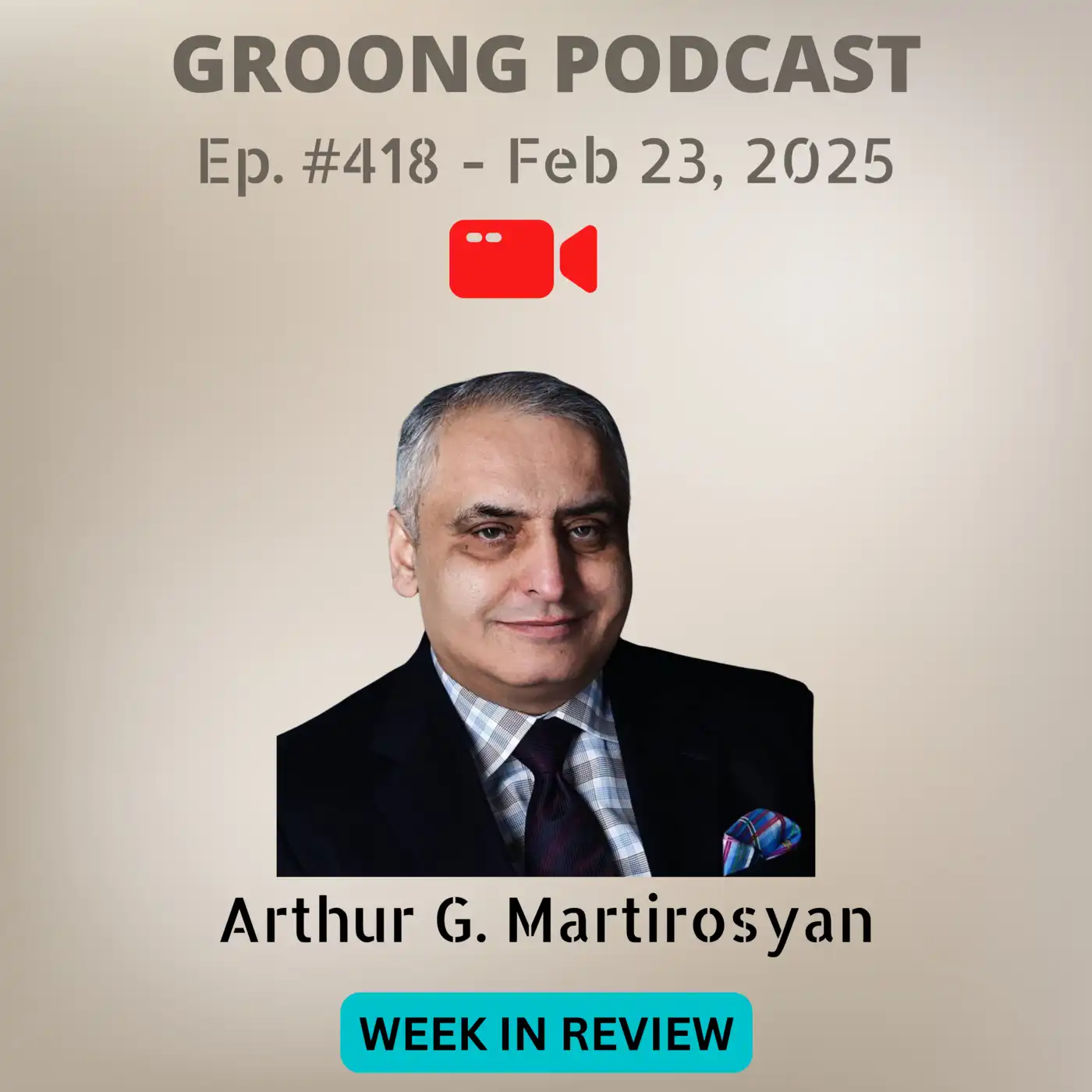
Groong Links:
Guest:
Topics:
- Ukraine Negotiations in Riyadh
- Edgar Ghazayan Bullied by the Government
- Robert Kocharyan Press Conference
- Yerevan Bus Fares
Episode 418 | Recorded: February 24, 2025
Arthur G Martirosyan - Ukraine, Edgar Ghazaryan, Robert Kocharyan, Yerevan Bus Fares | Ep 418, Feb 23, 2025 [EP418]
Posted on Tuesday, Feb 25, 2025 | Category: Armenia, Politics, Artsakh, Nagorno Karabakh, Georgia, Turkey, Russia, Azerbaijan, Ukraine, China, Iran, NATO, Israel, European Union, SyriaGroong Links:
Guest:
Topics:
- Ukraine Negotiations in Riyadh
- Edgar Ghazayan Bullied by the Government
- Robert Kocharyan Press Conference
- Yerevan Bus Fares
Episode 418 | Recorded: February 24, 2025
Hrant Mikaelian - Review of the Armenian Economy in 2024 | Ep 417, Feb 22, 2025 [EP417]
Posted on Saturday, Feb 22, 2025 | Category: Armenia, Turkey, Artsakh, Economy, Poll, Nagorno Karabakh, Russia, Georgia, European Union, Azerbaijan, Ukraine, Iran, NATO, India | Series: cog
Groong Links:
Guest:
Topics:
- TBD
Episode 417 | Recorded: February 12, 2025
Hrant Mikaelian - Review of the Armenian Economy in 2024 | Ep 417, Feb 22, 2025 [EP417]
Posted on Saturday, Feb 22, 2025 | Category: Armenia, Turkey, Artsakh, Economy, Poll, Nagorno Karabakh, Russia, Georgia, European Union, Azerbaijan, Ukraine, Iran, NATO, IndiaGroong Links:
Guest:
Topics:
- TBD
Episode 417 | Recorded: February 12, 2025
Harut Sassounian - Billionaire Kirk Kerkorian’s Benevolent Engagement with Armenia | Ep 409, Feb 2, 2025 [EP409]
Posted on Sunday, Feb 2, 2025 | Category: Armenia, Politics, Nagorno Karabakh, Iran, Georgia, Genocide, Israel, Economy | Series: cog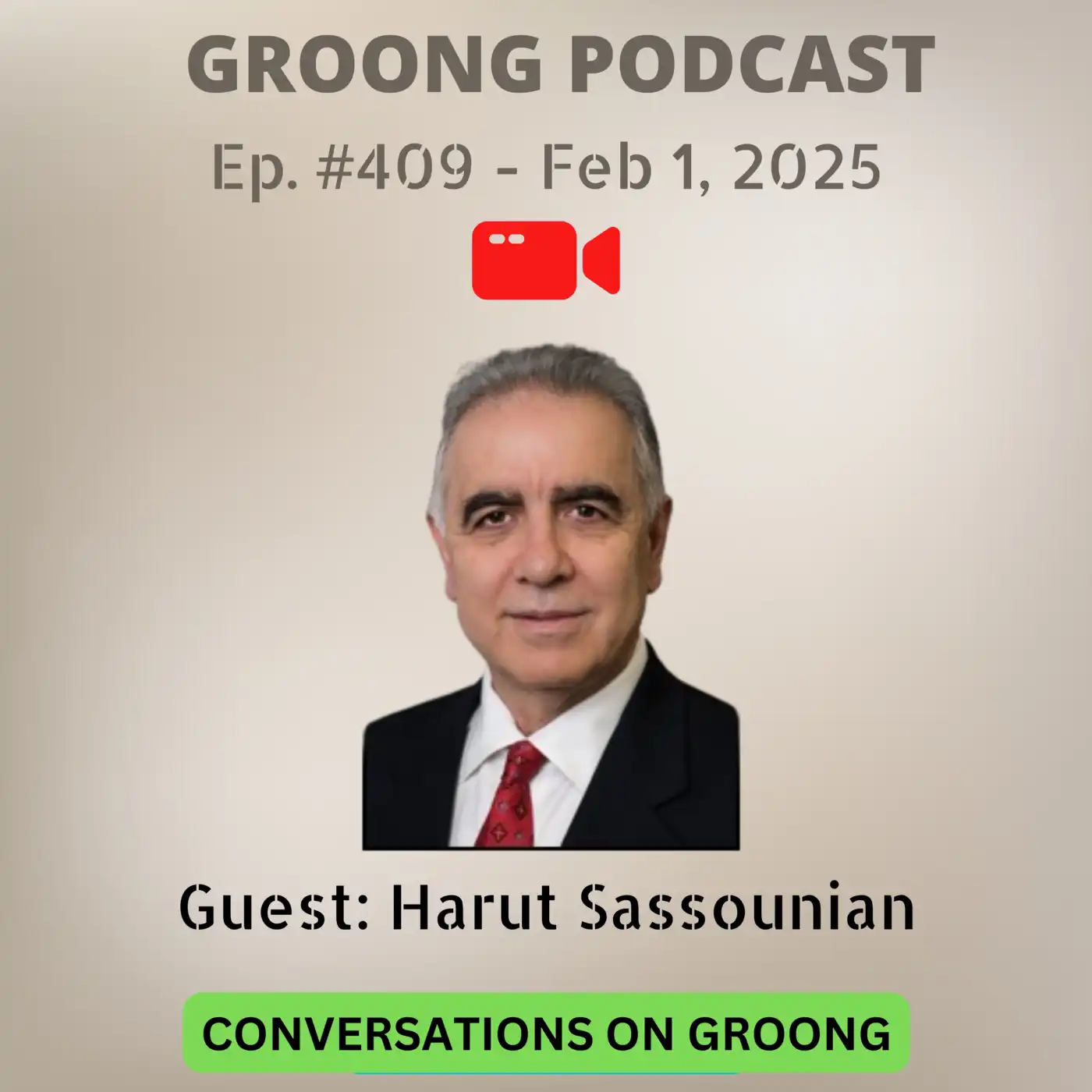
Groong Links:
Guest:
Topics:
- Who was Kirk Kerkorian?
- How Kerkorian Discovered Armenia
- Investing in Armenia
- End of Investments and Death of Kerkorian
Episode 409 | Recorded: January 21, 2025
Harut Sassounian - Billionaire Kirk Kerkorian’s Benevolent Engagement with Armenia | Ep 409, Feb 2, 2025 [EP409]
Posted on Sunday, Feb 2, 2025 | Category: Armenia, Politics, Nagorno Karabakh, Iran, Georgia, Genocide, Israel, EconomyGroong Links:
Guest:
Topics:
- Who was Kirk Kerkorian?
- How Kerkorian Discovered Armenia
- Investing in Armenia
- End of Investments and Death of Kerkorian
Episode 409 | Recorded: January 21, 2025
Transcript: Harut Sassounian - Billionaire Kirk Kerkorian’s Benevolent Engagement with Armenia | Ep 409, Feb 2, 2025 [EP409]
Posted on Sunday, Feb 2, 2025 | Category: Armenia, Politics, Nagorno Karabakh, Iran, Georgia, Genocide, Israel, Economy, TranscriptWho was Kirk Kerkorian? How Kerkorian Discovered Armenia. Investing in Armenia. End of Investments and Death of Kerkorian.
Pietro Shakarian - Russian-Iranian Partnership Pact | Ep 407, Jan 27, 2025 [EP407]
Posted on Monday, Jan 27, 2025 | Category: Russia, Iran, Ukraine, Armenia, Artsakh, Nagorno Karabakh, BRICS, Syria, Turkey, Israel, NATO, Middle East, Azerbaijan, China, Georgia, India | Series: cog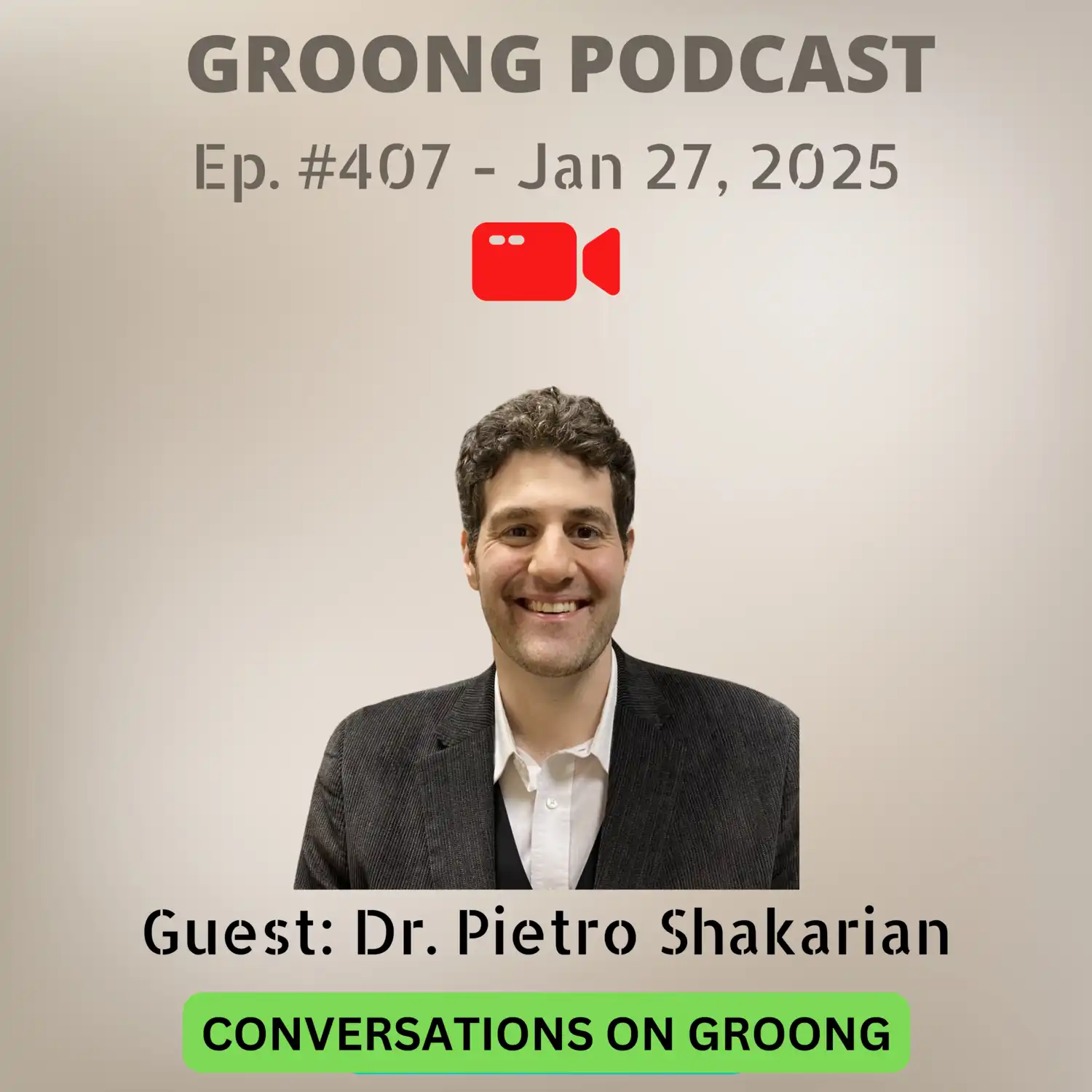
Groong Links:
Guest:
Topics:
- Russo-Iranian Partnership Treaty
- Implications of ð·ðº - ð®ð· pact for Armenia
- Trump Back in Office: War or Peace?
Episode 407 | Recorded: January 25, 2025
Pietro Shakarian - Russian-Iranian Partnership Pact | Ep 407, Jan 27, 2025 [EP407]
Posted on Monday, Jan 27, 2025 | Category: Russia, Iran, Ukraine, Armenia, Artsakh, Nagorno Karabakh, BRICS, Syria, Turkey, Israel, NATO, Middle East, Azerbaijan, China, Georgia, IndiaGroong Links:
Guest:
Topics:
- Russo-Iranian Partnership Treaty
- Implications of ð·ðº - ð®ð· pact for Armenia
- Trump Back in Office: War or Peace?
Episode 407 | Recorded: January 25, 2025
The Political Persecution of Narek Malyan | Ep 402 - Dec 27, 2024 [EP402]
Posted on Friday, Dec 27, 2024 | Category: Armenia, Political Prisoners, Artsakh, Nagorno Karabakh, Human Rights | Series: cog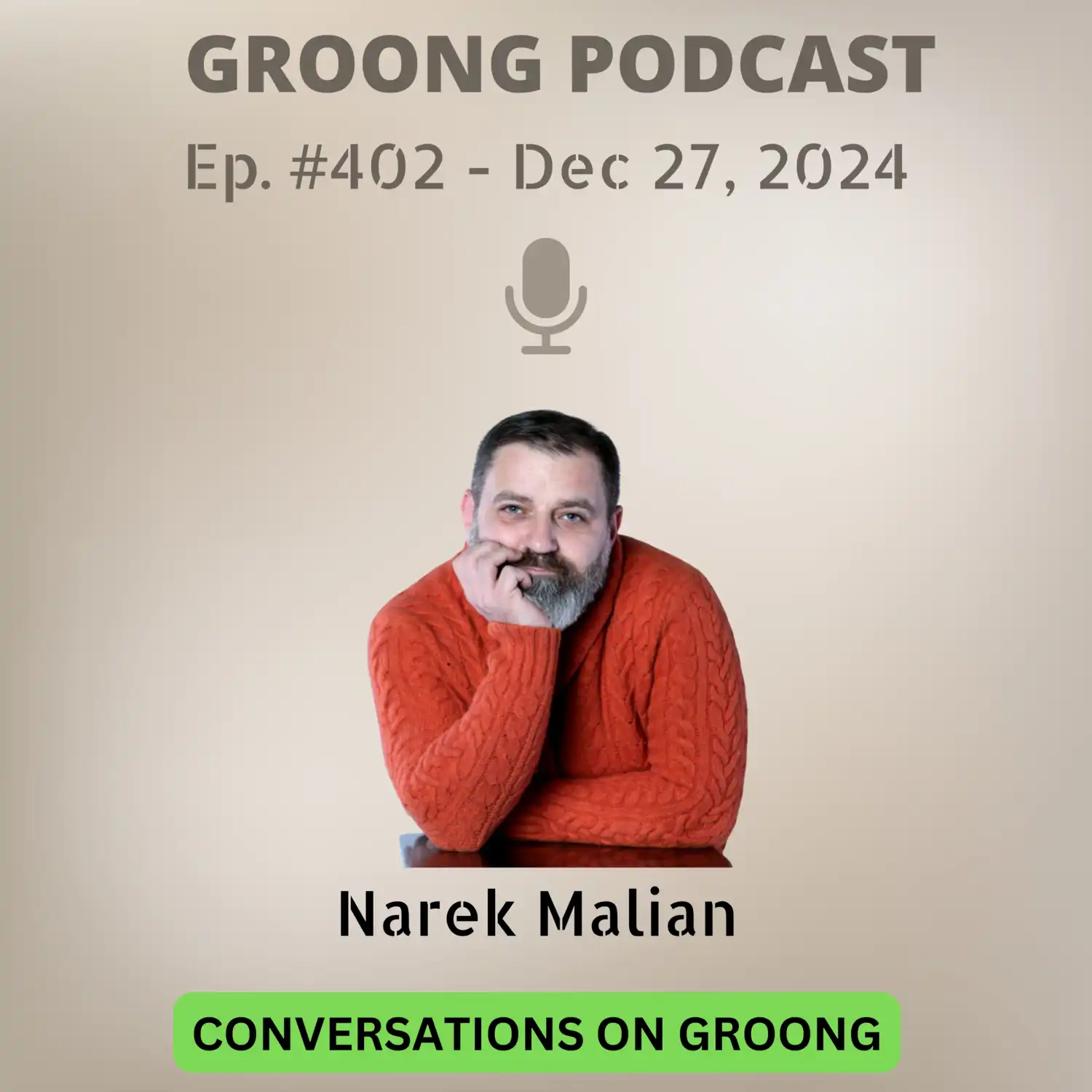
Groong Links:
Guest:
Topics:
- Arrest, one year in prison
- Pre-trial detention as punishment
- Selective “justice” against opposition members
- The silence of the West
Episode 402 | Recorded: November 7, 2024
The Political Persecution of Narek Malyan | Ep 402 - Dec 27, 2024 [EP402]
Posted on Friday, Dec 27, 2024 | Category: Armenia, Political Prisoners, Artsakh, Nagorno Karabakh, Human RightsGroong Links:
Guest:
Topics:
- Arrest, one year in prison
- Pre-trial detention as punishment
- Selective “justice” against opposition members
- The silence of the West
Episode 402 | Recorded: November 7, 2024
Suren Sargsyan - Armenia and Trump’s Election as President Again | Ep 384 - Nov 9, 2024 [EP384]
Posted on Saturday, Nov 9, 2024 | Category: Armenia, Politics, USA, Middle East, Ukraine, Artsakh, Nagorno Karabakh, Israel, Lebanon, Genocide, Armenian Church, China, Russia, NATO, Iran, Economy, Human Rights | Series: cog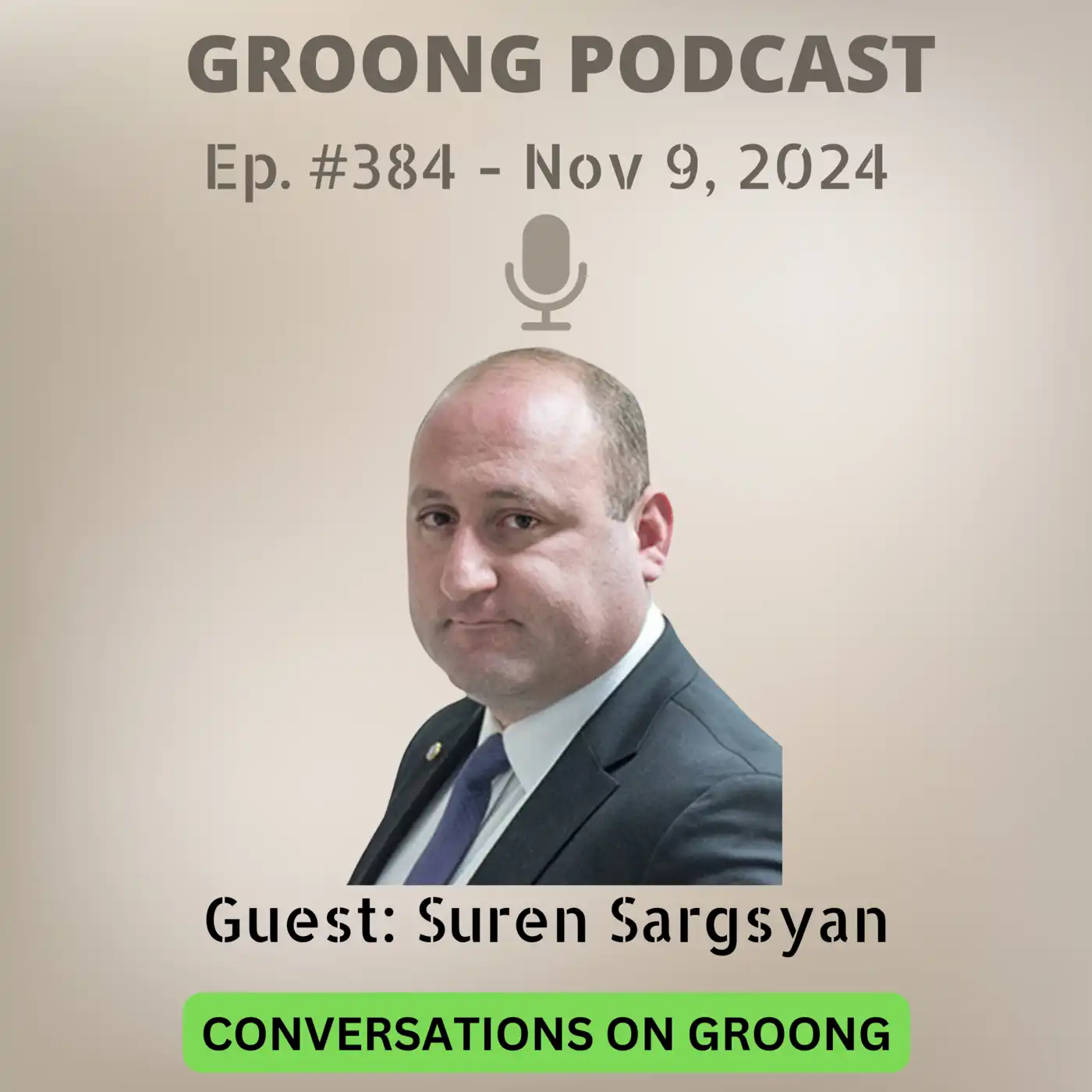
Groong Links:
Guest:
Topic:
- Armenia, Armenian Americans, Artsakh
- Ukraine War, NATO, China
- Israel, Gaza, Lebanon, Iran
Episode 384 | Recorded: April 3, 2023
Suren Sargsyan - Armenia and Trump’s Election as President Again | Ep 384 - Nov 9, 2024 [EP384]
Posted on Saturday, Nov 9, 2024 | Category: Armenia, Politics, USA, Middle East, Ukraine, Artsakh, Nagorno Karabakh, Israel, Lebanon, Genocide, Armenian Church, China, Russia, NATO, Iran, Economy, Human RightsGroong Links:
Guest:
Topic:
- Armenia, Armenian Americans, Artsakh
- Ukraine War, NATO, China
- Israel, Gaza, Lebanon, Iran
Episode 384 | Recorded: April 3, 2023
Նարեկ Մալյան - Քաղաքական Հալածանքներ և Ընտրովի Արդարադատուտյուն | Ep 383 - Nov 8, 2024 [EP383]
Posted on Friday, Nov 8, 2024 | Category: Armenia, Politics, In Armenian, Artsakh, Nagorno Karabakh | Series: cog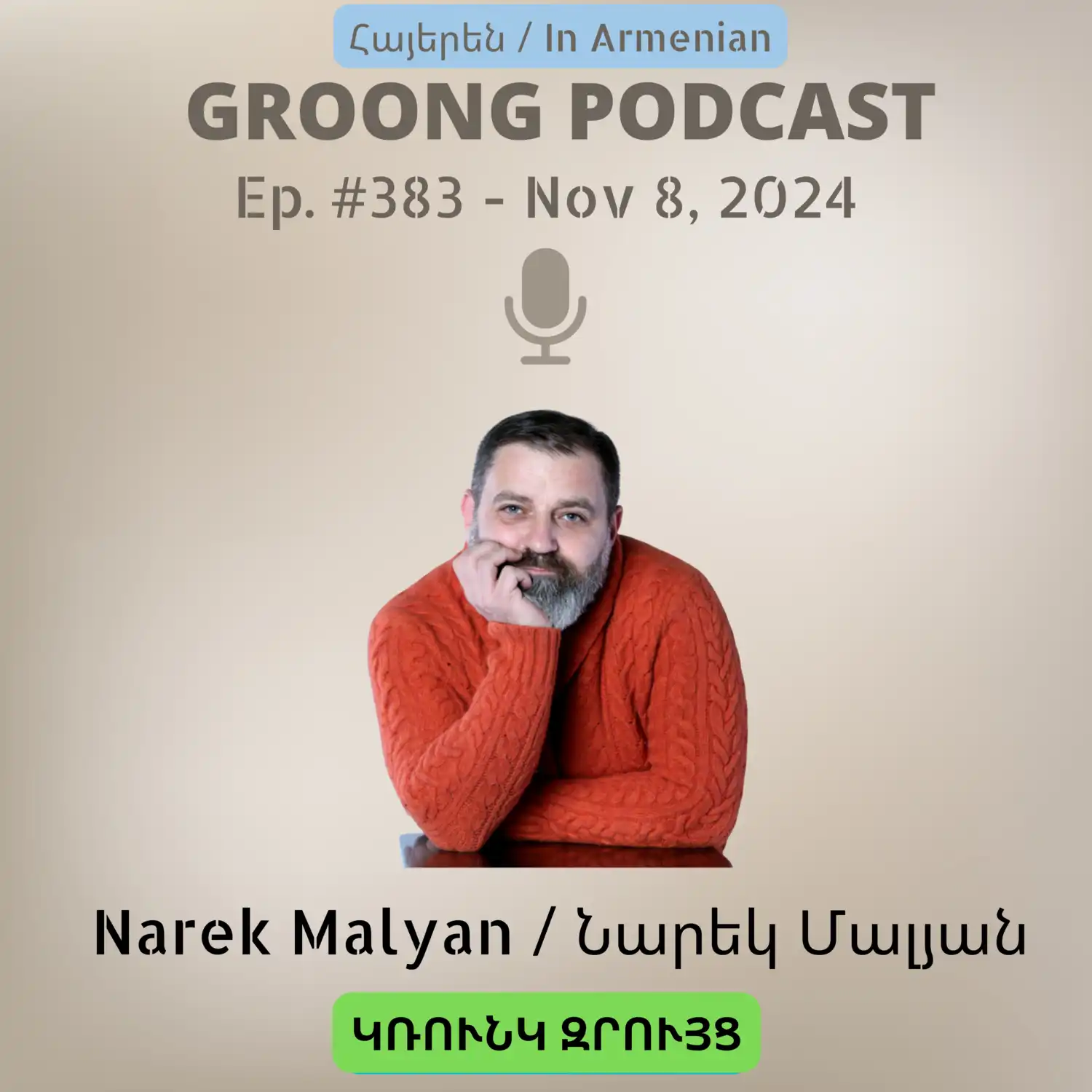
Groong Links:
Guest:
Topics:
- Կալանավորում, մեկ տարի բանտում (Arrest, one year in prison)
- Նախնական կալանք որպես պատիժ (Pretrial detention as punishment)
- Ընտրովի «արդարադատություն» ընդդիմադիրների նկատմամբ (Selective “justice” towards oppositionists)
- Արեւմուտքի լռությունը (The silence of the West)
Episode 382 | Recorded: October 29, 2024
Նարեկ Մալյան - Քաղաքական Հալածանքներ և Ընտրովի Արդարադատուտյուն | Ep 383 - Nov 8, 2024 [EP383]
Posted on Friday, Nov 8, 2024 | Category: Armenia, Politics, In Armenian, Artsakh, Nagorno KarabakhGroong Links:
Guest:
Topics:
- Կալանավորում, մեկ տարի բանտում (Arrest, one year in prison)
- Նախնական կալանք որպես պատիժ (Pretrial detention as punishment)
- Ընտրովի «արդարադատություն» ընդդիմադիրների նկատմամբ (Selective “justice” towards oppositionists)
- Արեւմուտքի լռությունը (The silence of the West)
Episode 382 | Recorded: October 29, 2024
Giro Manoyan - The ARF in Armenia’s Politics | Ep 364 - Sep 16, 2024 [EP364]
Posted on Monday, Sep 16, 2024 | Category: Armenia, Artsakh, Nagorno Karabakh, Azerbaijan, Economy, Diaspora, Russia, Iran, Turkey, Ukraine, Genocide, Georgia | Series: cog
Groong Links:
Guest:
Topics:
- Role of the Opposition
- Relations with the Tavush Movement
- Relations with the Diaspora
Episode 364 | Recorded: September 13, 2024
Giro Manoyan - The ARF in Armenia’s Politics | Ep 364 - Sep 16, 2024 [EP364]
Posted on Monday, Sep 16, 2024 | Category: Armenia, Artsakh, Nagorno Karabakh, Azerbaijan, Economy, Diaspora, Russia, Iran, Turkey, Ukraine, Genocide, GeorgiaGroong Links:
Guest:
Topics:
- Role of the Opposition
- Relations with the Tavush Movement
- Relations with the Diaspora
Episode 364 | Recorded: September 13, 2024
Tevan Poghosyan - US Leadership Changes, Iran Armenia Relations, Russian-Armenian Relations, EU Push for an Agreement, Srbazan Movement Next Steps | Ep 351 - Aug 4, 2024 [EP351]
Posted on Sunday, Aug 4, 2024 | Category: Armenia, Artsakh, Politics, Nagorno Karabakh, Azerbaijan, Iran, Russia, Turkey, Georgia, Economy, China, Genocide, Human Rights, Ukraine, Israel, European Union, NATO | Series: wir
Groong Links:
Guest:
Topics:
- US Leadership Changes
- Iran Armenia Relations
- Russian-Armenian Relations
- EU Push for an Agreement
- Srbazan Movement Next Steps
Episode 351 | Recorded: August 6, 2024
Tevan Poghosyan - US Leadership Changes, Iran Armenia Relations, Russian-Armenian Relations, EU Push for an Agreement, Srbazan Movement Next Steps | Ep 351 - Aug 4, 2024 [EP351]
Posted on Sunday, Aug 4, 2024 | Category: Armenia, Artsakh, Politics, Nagorno Karabakh, Azerbaijan, Iran, Russia, Turkey, Georgia, Economy, China, Genocide, Human Rights, Ukraine, Israel, European Union, NATOGroong Links:
Guest:
Topics:
- US Leadership Changes
- Iran Armenia Relations
- Russian-Armenian Relations
- EU Push for an Agreement
- Srbazan Movement Next Steps
Episode 351 | Recorded: August 6, 2024
Anna Karapetyan | Peace Treaty and more Aliyev Demands | James O’Brien in Yerevan | Srbazan Movement | Ep 335 - June 9, 2024 [EP335]
Posted on Tuesday, Jun 11, 2024 | Category: Armenia, Politics, Artsakh, Nagorno Karabakh, Azerbaijan, Turkey, Russia, Economy, Genocide, Ukraine, Geopolitics, Human Rights, Iran | Series: wir
Groong Links:
Guest:
Topics:
- Peace Treaty and more Aliyev Demands
- James OâBrien in Yerevan
- Russia Armenia Relations
- Srbazan Movement
Episode 335 | Recorded: June 10, 2024
Anna Karapetyan | Peace Treaty and more Aliyev Demands | James O’Brien in Yerevan | Srbazan Movement | Ep 335 - June 9, 2024 [EP335]
Posted on Tuesday, Jun 11, 2024 | Category: Armenia, Politics, Artsakh, Nagorno Karabakh, Azerbaijan, Turkey, Russia, Economy, Genocide, Ukraine, Geopolitics, Human Rights, IranGroong Links:
Guest:
Topics:
- Peace Treaty and more Aliyev Demands
- James OâBrien in Yerevan
- Russia Armenia Relations
- Srbazan Movement
Episode 335 | Recorded: June 10, 2024
Arthur Martirosyan | Heavy Rainstorms and Flood, Srbazan Movement Church and State, Geopolitical Developments | Ep 334 - June 2, 2024 [EP334]
Posted on Tuesday, Jun 4, 2024 | Category: Armenia, Politics, Azerbaijan, Artsakh, Nagorno Karabakh, Armenian Church, Georgia, Russia, Turkey, Genocide, China, Iran, Middle East, Ukraine | Series: wir
Groong Links:
Guest:
Topics:
- Heavy Rainstorms Flood Northern Armenia
- Bagrat Srbazan Movement
- Church and State
- Geopolitical Developments
- Rights and Security for Artsakh Armenians
Episode 334 | Recorded: June 3, 2024
Arthur Martirosyan | Heavy Rainstorms and Flood, Srbazan Movement Church and State, Geopolitical Developments | Ep 334 - June 2, 2024 [EP334]
Posted on Tuesday, Jun 4, 2024 | Category: Armenia, Politics, Azerbaijan, Artsakh, Nagorno Karabakh, Armenian Church, Georgia, Russia, Turkey, Genocide, China, Iran, Middle East, UkraineGroong Links:
Guest:
Topics:
- Heavy Rainstorms Flood Northern Armenia
- Bagrat Srbazan Movement
- Church and State
- Geopolitical Developments
- Rights and Security for Artsakh Armenians
Episode 334 | Recorded: June 3, 2024
Tevan Poghosyan - Political Prisoners in Armenia | Stoltenberg in the South Caucasus | Pashinyan in Tavush | Ep 320 - Mar 24, 2024 [EP320]
Posted on Monday, Mar 25, 2024 | Category: Armenia, Artsakh, Politics, Nagorno Karabakh, Azerbaijan, Turkey, Russia, Iran, NATO, Georgia, Ukraine, Genocide, Human Rights, Economy | Series: wir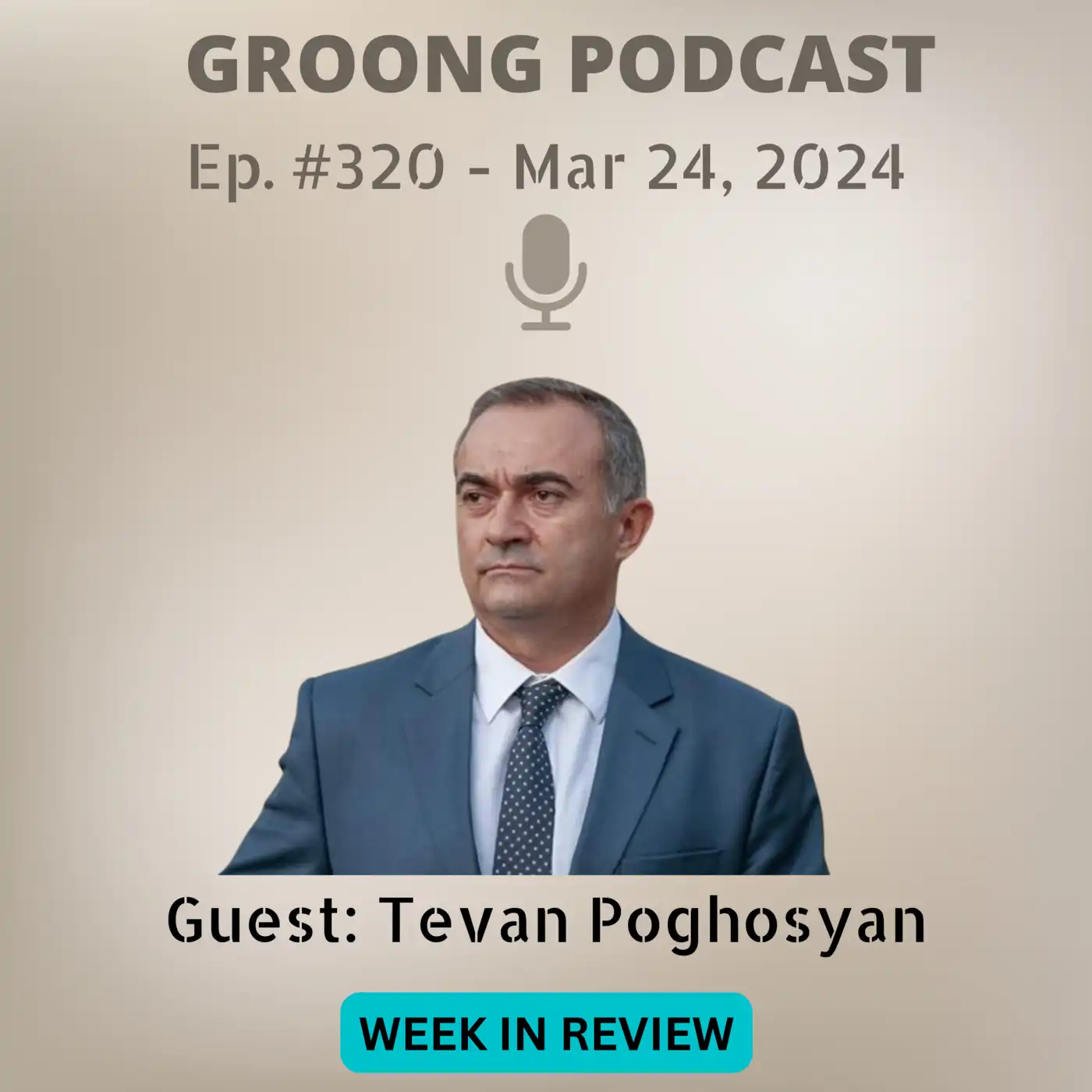
Groong Links:
Guest:
Topics:
- Terror Attack in Moscow
- Growing List of Political Prisoners in Armenia
- Narek Samsonyan & Vazgen Saghatelyan brutally arrested
- Narek Malyan Exonerated, Remains Jailed
- Pashinyan in Tavush
- Stoltenbergâs in the South Caucasus
Episode 320 | Recorded: March 25, 2024
Tevan Poghosyan - Political Prisoners in Armenia | Stoltenberg in the South Caucasus | Pashinyan in Tavush | Ep 320 - Mar 24, 2024 [EP320]
Posted on Monday, Mar 25, 2024 | Category: Armenia, Artsakh, Politics, Nagorno Karabakh, Azerbaijan, Turkey, Russia, Iran, NATO, Georgia, Ukraine, Genocide, Human Rights, EconomyGroong Links:
Guest:
Topics:
- Terror Attack in Moscow
- Growing List of Political Prisoners in Armenia
- Narek Samsonyan & Vazgen Saghatelyan brutally arrested
- Narek Malyan Exonerated, Remains Jailed
- Pashinyan in Tavush
- Stoltenbergâs in the South Caucasus
Episode 320 | Recorded: March 25, 2024
Amb. Andrew Turner - Establishment of Canadian Embassy in Armenia | EU Monitoring Mission | Political Prisoners | Canadian Mil. Supplies to Turkey | Ep 316 - Mar 16, 2024 [EP316]
Posted on Saturday, Mar 16, 2024 | Category: Canada, Armenia, Artsakh, Nagorno Karabakh, Azerbaijan, Armenian Genocide, Artsakh Blockade, NATO, Russia, Turkey, Ukraine, Iran, Genocide, Syria, Middle East, Georgia, Human Rights, China, Economy, European Union | Series: cog, video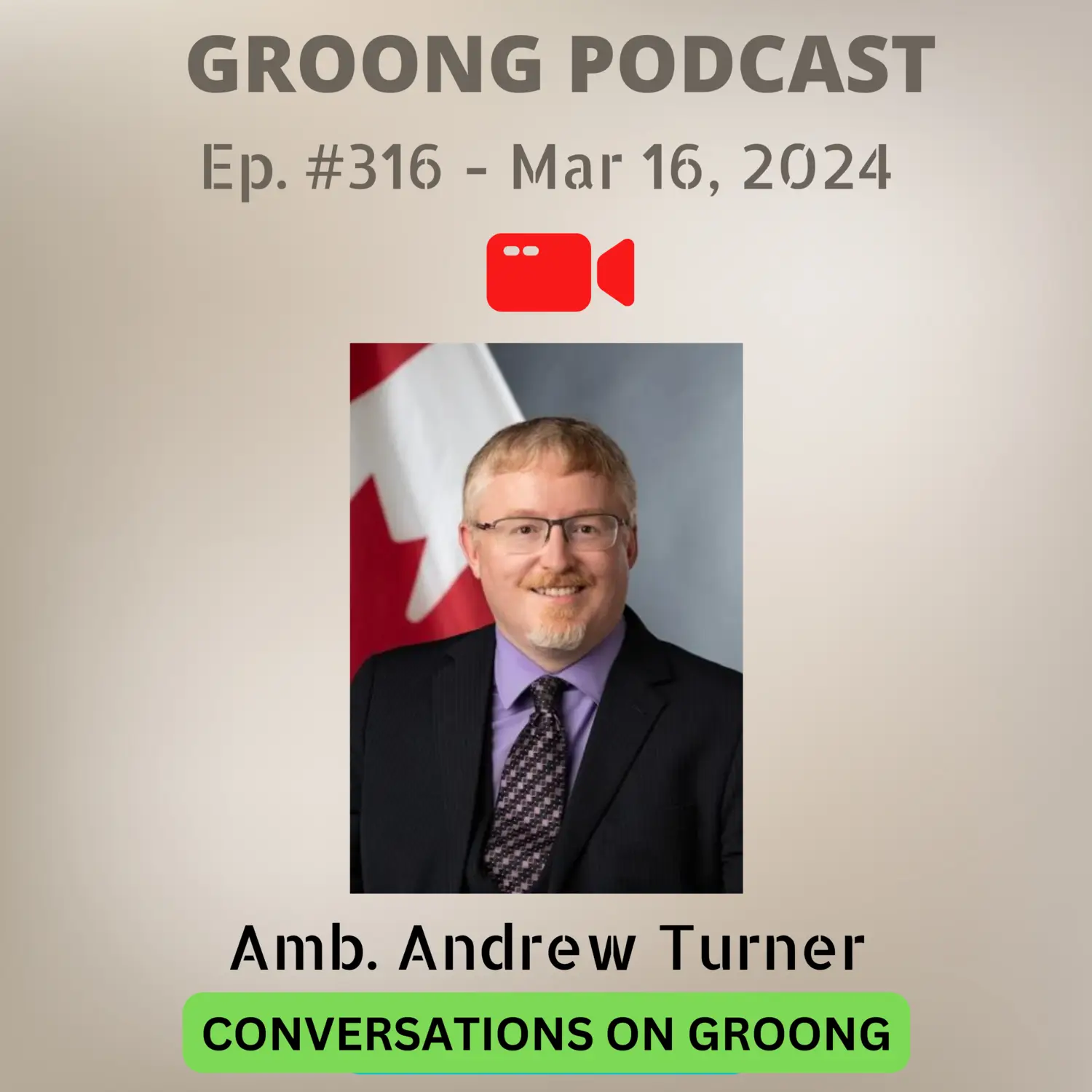
Groong Links:
Guest:
Topics:
- Establishment of Canadian Embassy in Armenia
- EU Monitoring Mission in Armenia (EUMA)
- Political Prisoners
- Canadian Military Supplies to Turkey
Episode 316 | Recorded: March 15, 2024
Amb. Andrew Turner - Establishment of Canadian Embassy in Armenia | EU Monitoring Mission | Political Prisoners | Canadian Mil. Supplies to Turkey | Ep 316 - Mar 16, 2024 [EP316]
Posted on Saturday, Mar 16, 2024 | Category: Canada, Armenia, Artsakh, Nagorno Karabakh, Azerbaijan, Armenian Genocide, Artsakh Blockade, NATO, Russia, Turkey, Ukraine, Iran, Genocide, Syria, Middle East, Georgia, Human Rights, China, Economy, European UnionGroong Links:
Guest:
Topics:
- Establishment of Canadian Embassy in Armenia
- EU Monitoring Mission in Armenia (EUMA)
- Political Prisoners
- Canadian Military Supplies to Turkey
Episode 316 | Recorded: March 15, 2024
Karen Vrtanesyan - Illusion of Normalcy | Political Prisoners & Judicial Harassment | Negotiations | Military Capacity | What Next | Ep 302 - January 14, 2024 [EP302]
Posted on Monday, Jan 15, 2024 | Category: Armenia, Artsakh, Politics, Nagorno Karabakh, Azerbaijan, Armenian Church, Armenian Genocide, Genocide, Turkey, Georgia, Russia, Human Rights, Iran, NATO, India | Series: wir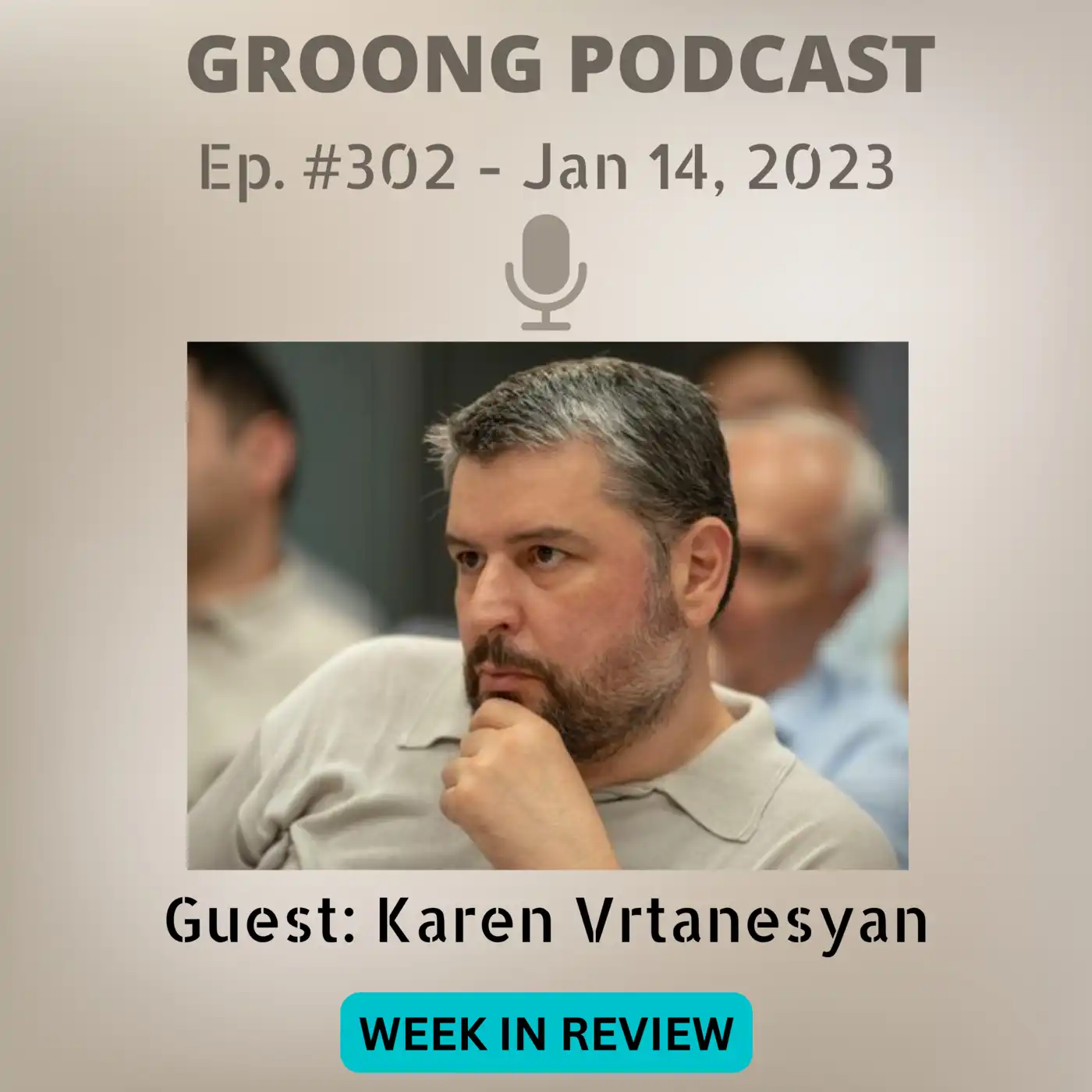
Groong Links:
Guest:
Topics:
- âForced Illusion of Normalcyâ
- Political Prisoners and Judicial Harassment
- Negotiations and âPeace Treatyâ
- Armeniaâs Military Capacity
- What Need to be Done?
- Thoughts from the Participants
Episode 302 | Recorded: January 14, 2024
Karen Vrtanesyan - Illusion of Normalcy | Political Prisoners & Judicial Harassment | Negotiations | Military Capacity | What Next | Ep 302 - January 14, 2024 [EP302]
Posted on Monday, Jan 15, 2024 | Category: Armenia, Artsakh, Politics, Nagorno Karabakh, Azerbaijan, Armenian Church, Armenian Genocide, Genocide, Turkey, Georgia, Russia, Human Rights, Iran, NATO, IndiaGroong Links:
Guest:
Topics:
- âForced Illusion of Normalcyâ
- Political Prisoners and Judicial Harassment
- Negotiations and âPeace Treatyâ
- Armeniaâs Military Capacity
- What Need to be Done?
- Thoughts from the Participants
Episode 302 | Recorded: January 14, 2024
Benyamin Poghosyan - Is the Armenian Azerbaijani Conflict Over? | Ep 283, Oct 5, 2023 [EP283]
Posted on Thursday, Oct 5, 2023 | Category: Armenia, Politics, Artsakh, Nagorno Karabakh, Azerbaijan, USA, Turkey, Ukraine, European Union, Russia, Iran, Geopolitics, Georgia, NATO, Genocide, India | Series: cog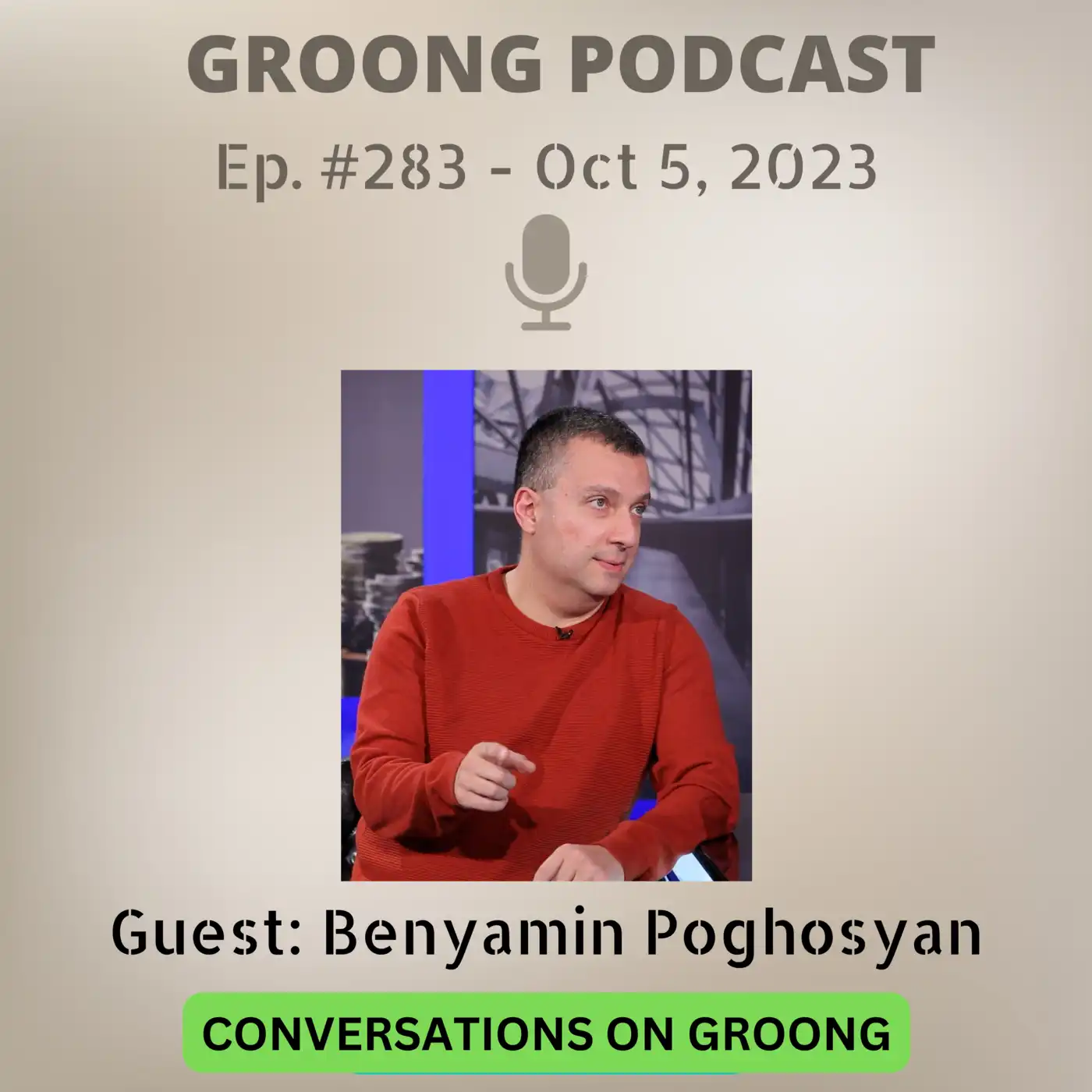
Guest:
Topics:
- Outstanding Causes of the Conflict
- Why did Aliyev Bail out of Granada?
- Could Azerbaijan Attack Armenia?
- How Might Events Unfold?
Episode 283 | Recorded: October 5, 2023
Benyamin Poghosyan - Is the Armenian Azerbaijani Conflict Over? | Ep 283, Oct 5, 2023 [EP283]
Posted on Thursday, Oct 5, 2023 | Category: Armenia, Politics, Artsakh, Nagorno Karabakh, Azerbaijan, USA, Turkey, Ukraine, European Union, Russia, Iran, Geopolitics, Georgia, NATO, Genocide, IndiaGuest:
Topics:
- Outstanding Causes of the Conflict
- Why did Aliyev Bail out of Granada?
- Could Azerbaijan Attack Armenia?
- How Might Events Unfold?
Episode 283 | Recorded: October 5, 2023
Arthur G Martirosyan - The Game of Alternatives | Is Armenia Negotiating Effectively | Ep 282, Oct 3, 2023 [EP282]
Posted on Wednesday, Oct 4, 2023 | Category: Armenia, Politics, Artsakh, Azerbaijan, USA, Nagorno Karabakh, European Union, Russia, Turkey, Georgia, Human Rights, Israel, Middle East, Syria | Series: cog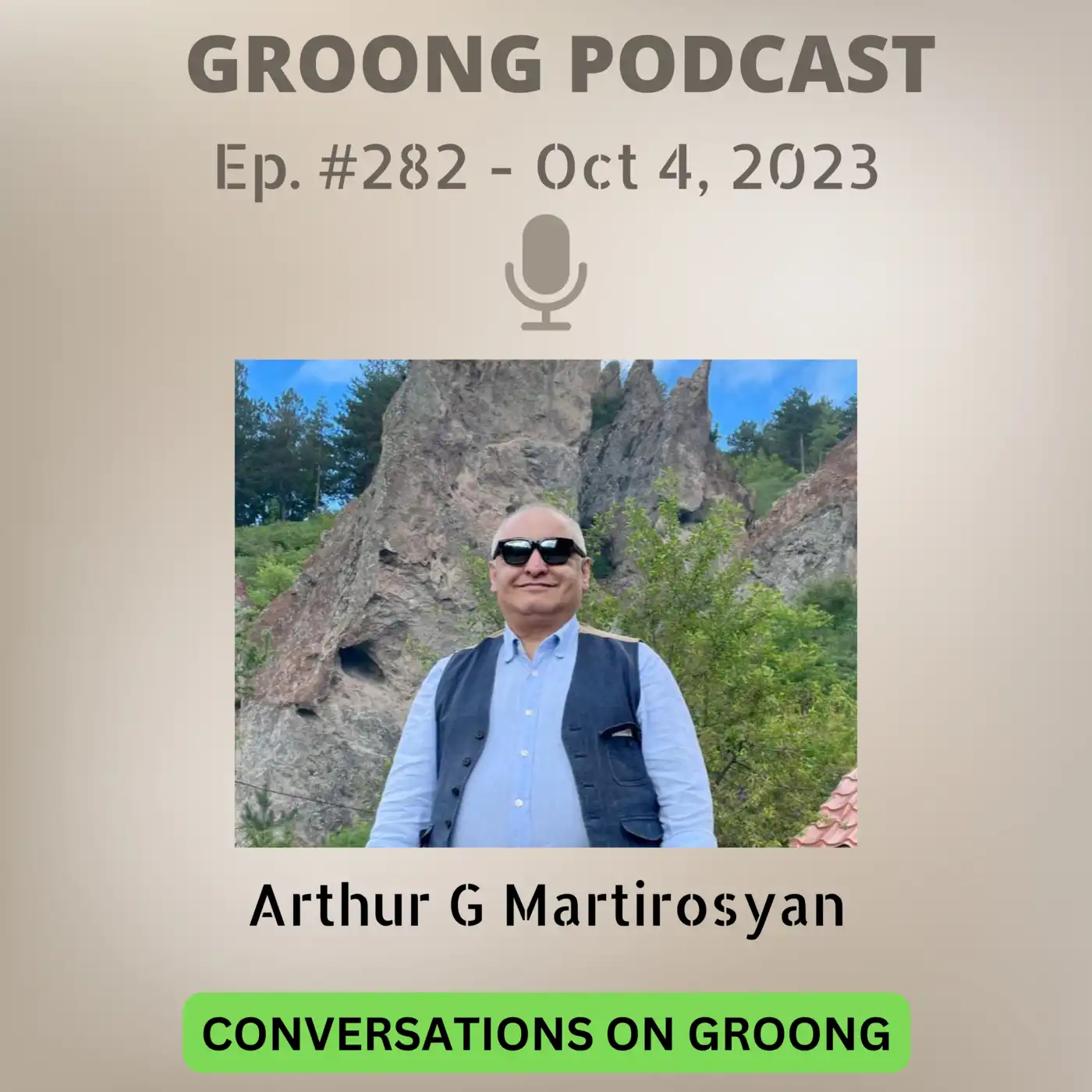
Guest:
Topics:
- The Game of Alternatives
- How does it apply to Negotiations?
- Is Armenia Negotiating Effectively?
Episode 281 | Recorded: October 1, 2023
Arthur G Martirosyan - The Game of Alternatives | Is Armenia Negotiating Effectively | Ep 282, Oct 3, 2023 [EP282]
Posted on Wednesday, Oct 4, 2023 | Category: Armenia, Politics, Artsakh, Azerbaijan, USA, Nagorno Karabakh, European Union, Russia, Turkey, Georgia, Human Rights, Israel, Middle East, SyriaGuest:
Topics:
- The Game of Alternatives
- How does it apply to Negotiations?
- Is Armenia Negotiating Effectively?
Episode 281 | Recorded: October 1, 2023
Hrant Mikaelian - Azerbaijan Attacks Artsakh - Genocide in Progress | Ep 280 - Sep 24, 2023 [EP280]
Posted on Monday, Sep 25, 2023 | Category: Armenia, Artsakh, Politics, Nagorno Karabakh, Genocide, Azerbaijan, Russia, Turkey, Iran, Artsakh Blockade, European Union, Georgia, Economy, Geopolitics, Human Rights, NATO, Ukraine | Series: wir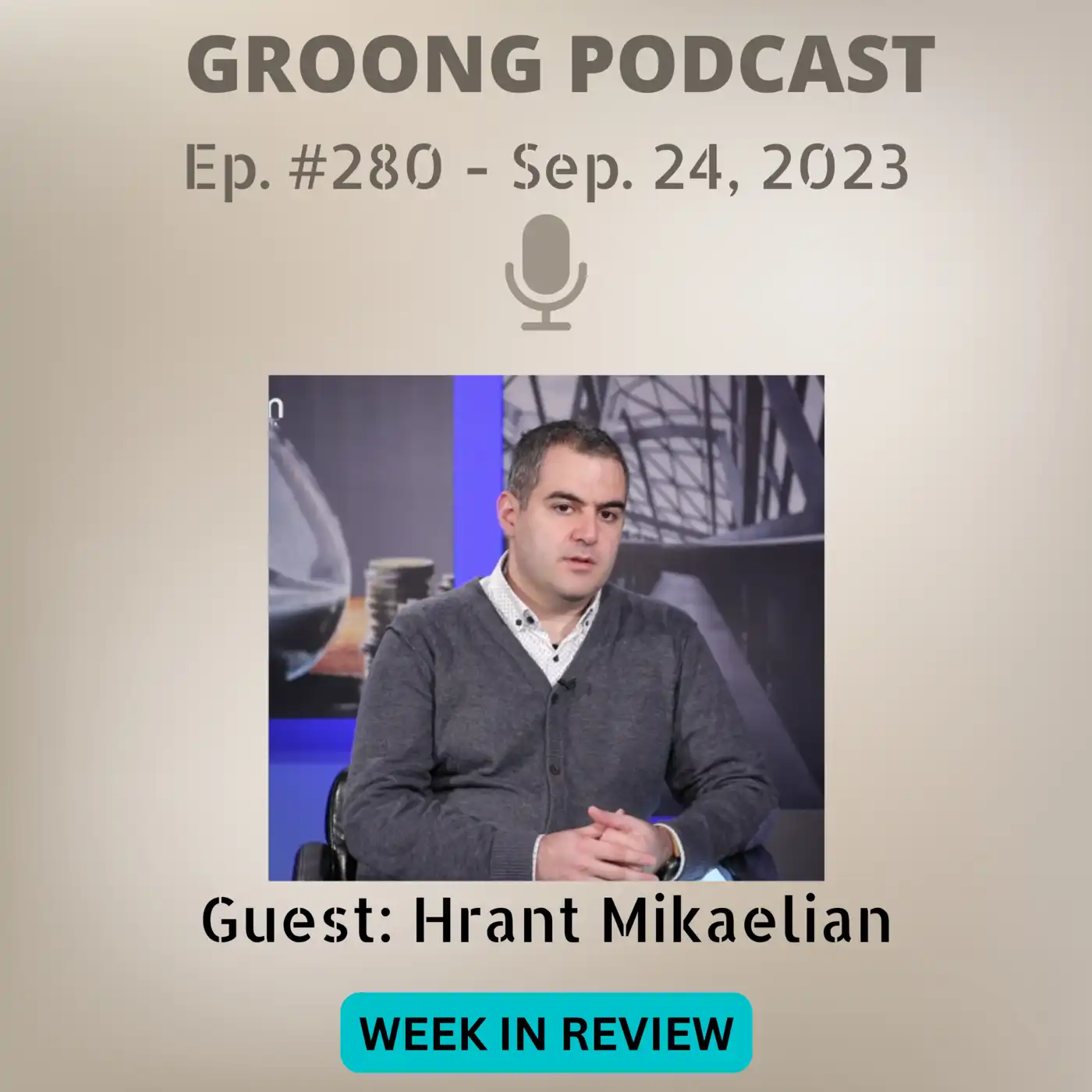
Guest:
Topics:
- Azerbaijan Attacks Artsakh
- Genocide in Progress
Episode 280 | Recorded: Sep 25, 2023
Hrant Mikaelian - Azerbaijan Attacks Artsakh - Genocide in Progress | Ep 280 - Sep 24, 2023 [EP280]
Posted on Monday, Sep 25, 2023 | Category: Armenia, Artsakh, Politics, Nagorno Karabakh, Genocide, Azerbaijan, Russia, Turkey, Iran, Artsakh Blockade, European Union, Georgia, Economy, Geopolitics, Human Rights, NATO, UkraineGuest:
Topics:
- Azerbaijan Attacks Artsakh
- Genocide in Progress
Episode 280 | Recorded: Sep 25, 2023
Dziunik Aghajanian: UN Security Council | Artsakh | Yerevan Elections | Ep 279 - Sep 13, 2023 [EP279]
Posted on Wednesday, Sep 13, 2023 | Category: Armenia, Artsakh, Politics, Relations, Nagorno Karabakh, Artsakh Blockade, Armenian Genocide, Azerbaijan, Russia, Human Rights, Genocide, Turkey, Ukraine | Series: cog, video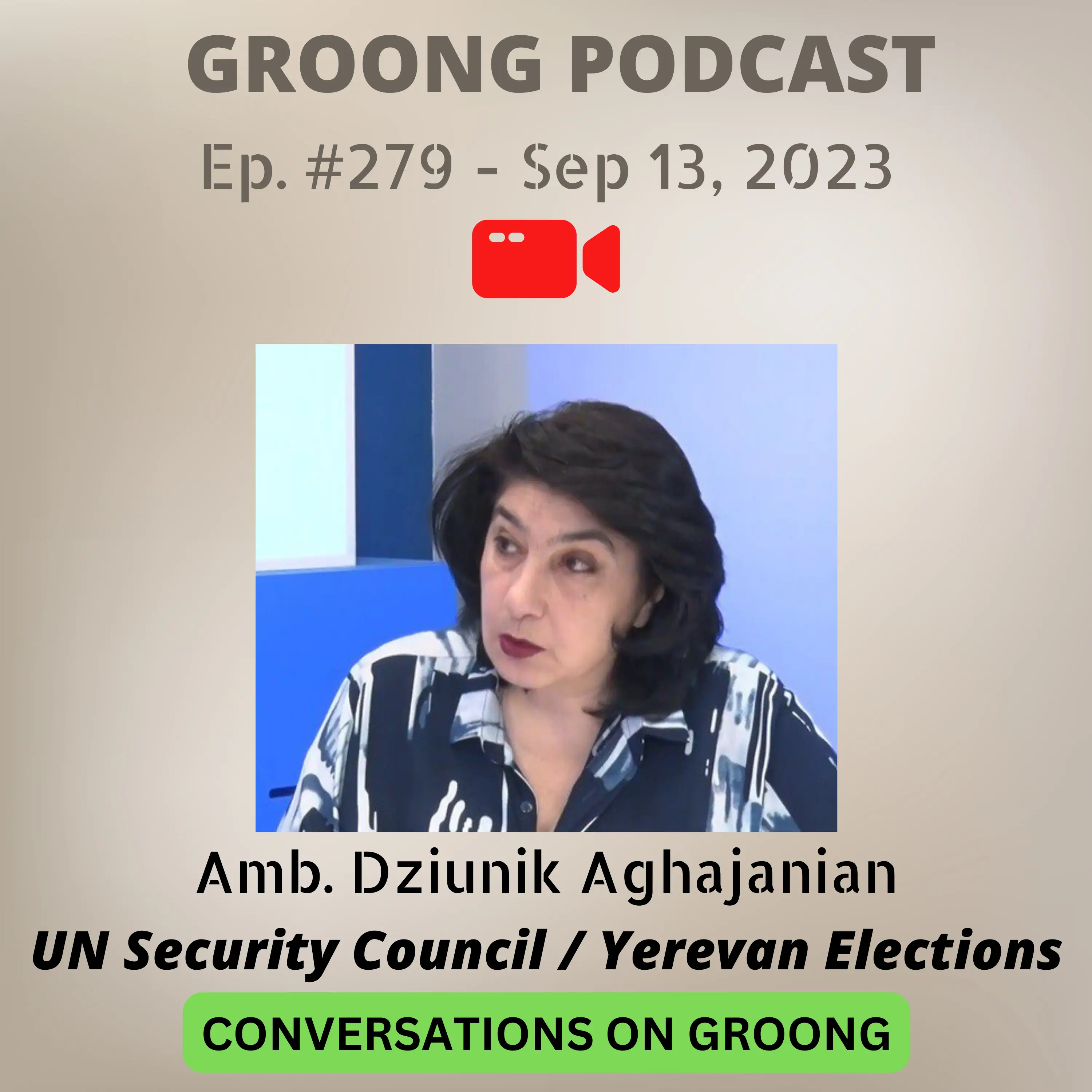
Topics:
- Armenia’s Diplomacy at the UN
- Artsakh Elections / Blockade
- Yerevan Elections
Guest:
Dziunik Aghajanian: UN Security Council | Artsakh | Yerevan Elections | Ep 279 - Sep 13, 2023 [EP279]
Posted on Wednesday, Sep 13, 2023 | Category: Armenia, Artsakh, Politics, Relations, Nagorno Karabakh, Artsakh Blockade, Armenian Genocide, Azerbaijan, Russia, Human Rights, Genocide, Turkey, UkraineTopics:
- Armenia’s Diplomacy at the UN
- Artsakh Elections / Blockade
- Yerevan Elections
Guest:
Benyamin Poghosyan - Developments in Artsakh | Geopolitics in the South Caucasus | Ep 278 - Sep 10, 2023 [EP278]
Posted on Sunday, Sep 10, 2023 | Category: Armenia, Politics, Azerbaijan, Turkey, Russia, Iran, Nagorno Karabakh, Artsakh Blockade, European Union, Geopolitics, Genocide, Georgia, Ukraine, Human Rights, India, China, NATO, Syria | Series: wir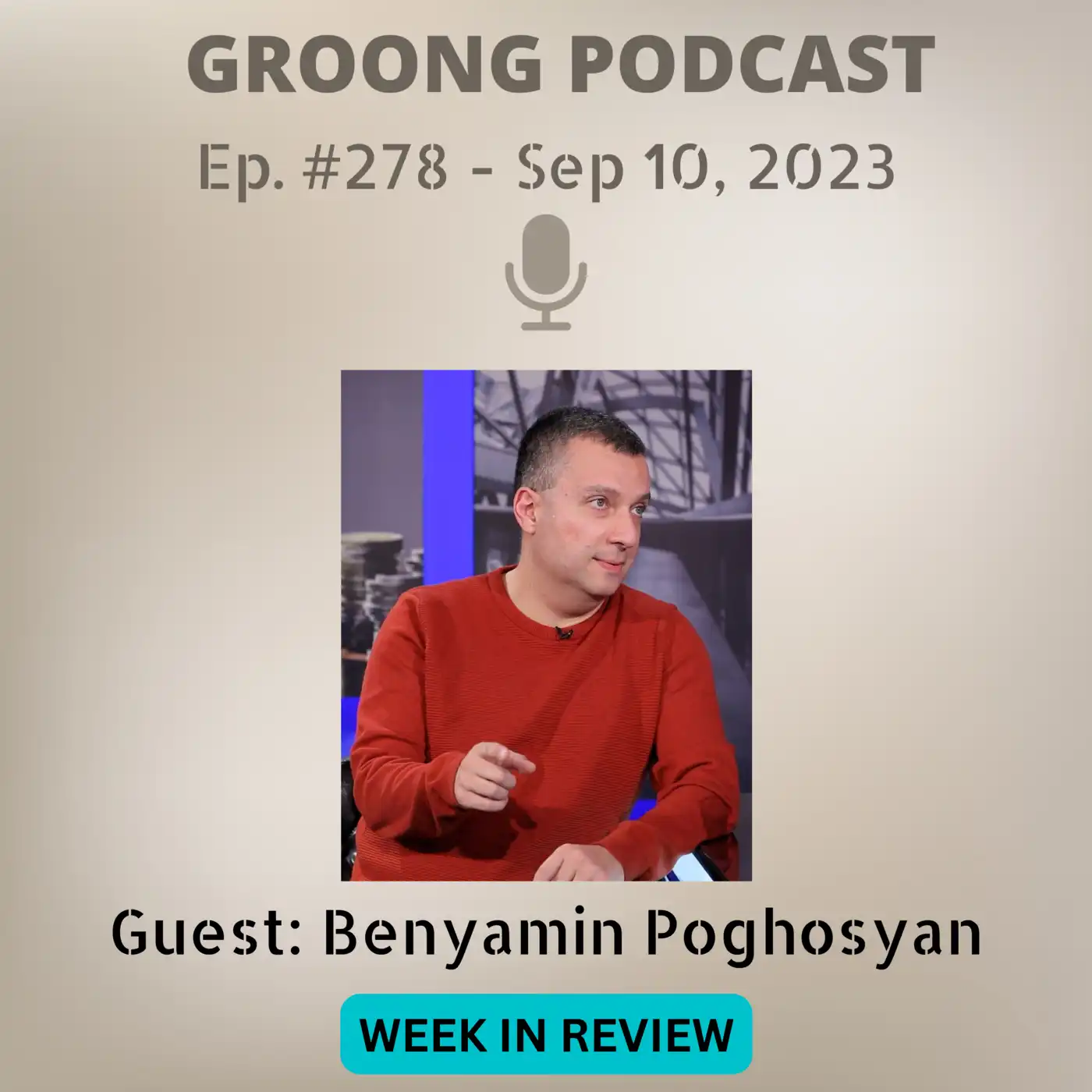
Guest:
Topics:
- Developments in Artsakh
- Geopolitics in the South Caucasus
Episode 278 | Recorded: September 10, 2023
Benyamin Poghosyan - Developments in Artsakh | Geopolitics in the South Caucasus | Ep 278 - Sep 10, 2023 [EP278]
Posted on Sunday, Sep 10, 2023 | Category: Armenia, Politics, Azerbaijan, Turkey, Russia, Iran, Nagorno Karabakh, Artsakh Blockade, European Union, Geopolitics, Genocide, Georgia, Ukraine, Human Rights, India, China, NATO, SyriaGuest:
Topics:
- Developments in Artsakh
- Geopolitics in the South Caucasus
Episode 278 | Recorded: September 10, 2023
Arthur Khachikyan - Yerevan Elections | Artsakh Domestic Developments | Negotiations and Geopolitics | Ep 277 - Sep 3, 2023 [EP277]
Posted on Sunday, Sep 3, 2023 | Category: Armenia, Politics, Poll, Artsakh, Nagorno Karabakh, Azerbaijan, Artsakh Blockade, Armenian Genocide, Russia, Turkey, Israel, Iran, Genocide, India, Ukraine, Human Rights, China, Geopolitics, Lebanon, NATO | Series: wir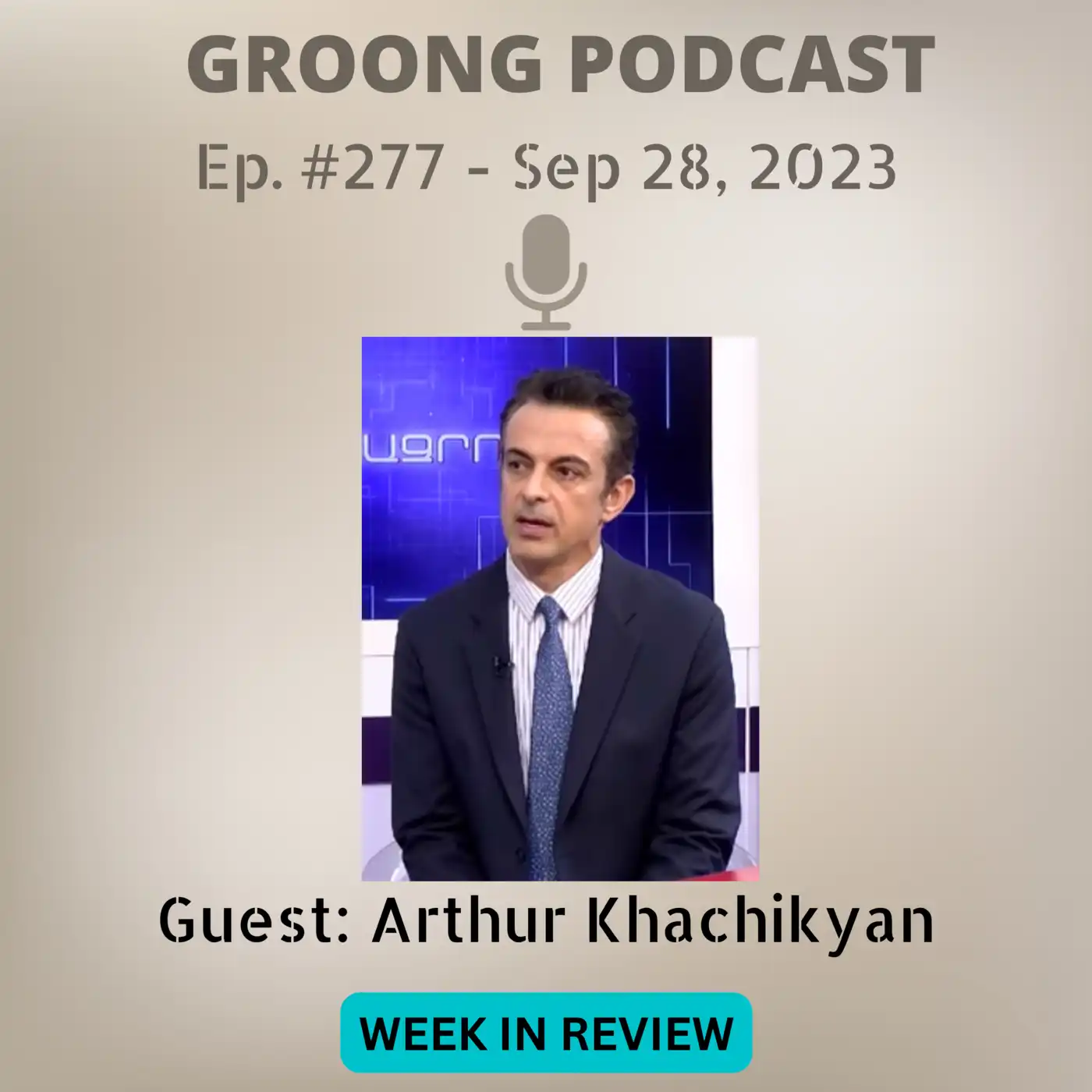
Guest:
Topics:
- Yerevan Mayoral Elections
- Artsakh Domestic Developments
- Developments in Geopolitics and Negotiations
Episode 277 | Recorded: Sep 3, 2023
Arthur Khachikyan - Yerevan Elections | Artsakh Domestic Developments | Negotiations and Geopolitics | Ep 277 - Sep 3, 2023 [EP277]
Posted on Sunday, Sep 3, 2023 | Category: Armenia, Politics, Poll, Artsakh, Nagorno Karabakh, Azerbaijan, Artsakh Blockade, Armenian Genocide, Russia, Turkey, Israel, Iran, Genocide, India, Ukraine, Human Rights, China, Geopolitics, Lebanon, NATOGuest:
Topics:
- Yerevan Mayoral Elections
- Artsakh Domestic Developments
- Developments in Geopolitics and Negotiations
Episode 277 | Recorded: Sep 3, 2023
Artsakh Blockade Flash Update with Gev Iskajyan - Day 264 - Ep 276, September 2, 2023 [EP276]
Posted on Friday, Sep 1, 2023 | Category: Politics, Artsakh, Azerbaijan, Nagorno Karabakh, Artsakh Blockade, Armenia, Russia, Geopolitics | Series: artsakhblockade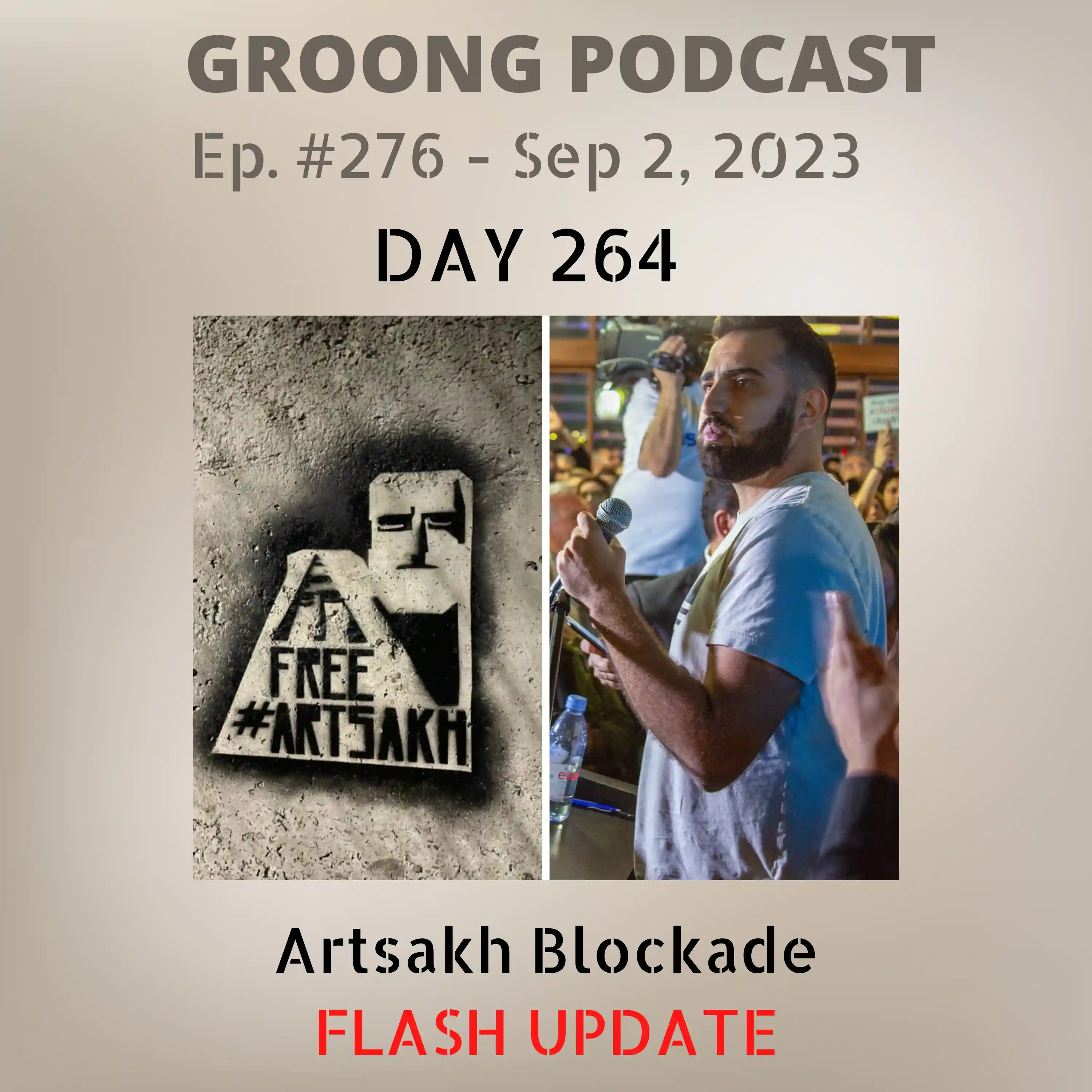
Artsakh Blockade Flash Update with Gev Iskajyan - Day 264 - Ep 276, September 1, 2023
Armenian News Network Groong - September 1, 2023
Guest:
Topics:
- Arayik Harutyunyan resignation
- Samvel Shahramanyan state minister
- Kirill Kulakov new commander of Russian PKs
- September 2 - 32nd anniversary
Episode 276 | Recorded: September 1, 2023
Artsakh Blockade Flash Update with Gev Iskajyan - Day 264 - Ep 276, September 2, 2023 [EP276]
Posted on Friday, Sep 1, 2023 | Category: Politics, Artsakh, Azerbaijan, Nagorno Karabakh, Artsakh Blockade, Armenia, Russia, GeopoliticsArtsakh Blockade Flash Update with Gev Iskajyan - Day 264 - Ep 276, September 1, 2023
Armenian News Network Groong - September 1, 2023
Guest:
Topics:
- Arayik Harutyunyan resignation
- Samvel Shahramanyan state minister
- Kirill Kulakov new commander of Russian PKs
- September 2 - 32nd anniversary
Episode 276 | Recorded: September 1, 2023
Hrant Mikaelian - Situation in Artsakh | Yerevan Elections Heating Up | MPG Poll Outtakes | MPG Poll on Yerevan Elections [EP273]
Posted on Wednesday, Aug 16, 2023 | Category: Armenia, Artsakh, Politics, Poll, Nagorno Karabakh, Azerbaijan, Russia, Artsakh Blockade, Genocide, Turkey, Economy, Ukraine, China, Georgia, India, Iran | Series: wir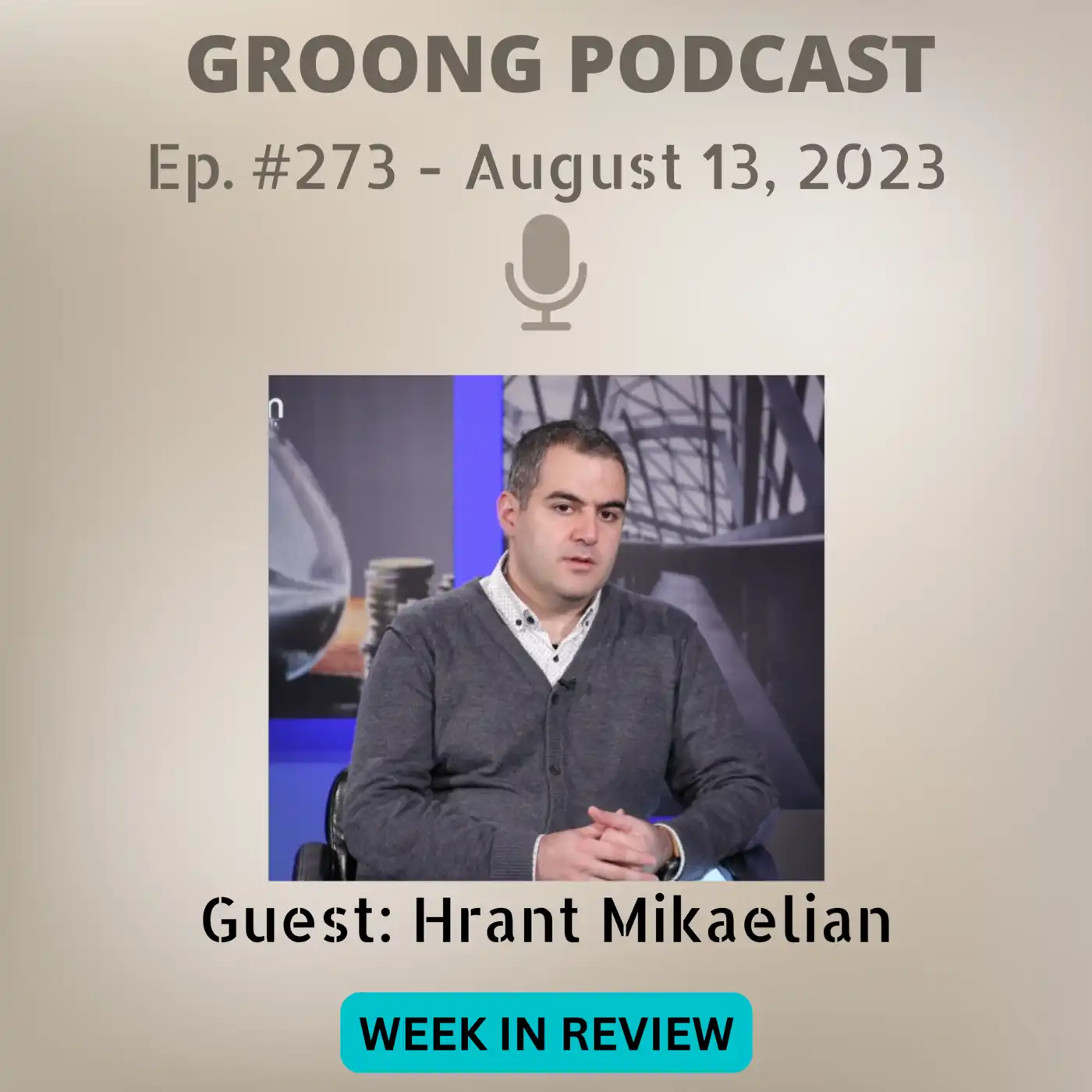
Guest:
Topics:
- Situation in Artsakh
- Yerevan Elections Heating Up
- July MPG Survey Outtakes
- August MPG Survey Outtakes
- Baku Poll
- Thoughts on the Economy
Episode 273 | Recorded: August 15, 2023
Hrant Mikaelian - Situation in Artsakh | Yerevan Elections Heating Up | MPG Poll Outtakes | MPG Poll on Yerevan Elections [EP273]
Posted on Wednesday, Aug 16, 2023 | Category: Armenia, Artsakh, Politics, Poll, Nagorno Karabakh, Azerbaijan, Russia, Artsakh Blockade, Genocide, Turkey, Economy, Ukraine, China, Georgia, India, IranGuest:
Topics:
- Situation in Artsakh
- Yerevan Elections Heating Up
- July MPG Survey Outtakes
- August MPG Survey Outtakes
- Baku Poll
- Thoughts on the Economy
Episode 273 | Recorded: August 15, 2023
Yeghia Tashjian - Armenian Azerbaijani Negotiations | Azerbaijani Propaganda in Shushi | Situation In Artsakh | Ep 271 - July 30, 2023 [EP271]
Posted on Tuesday, Aug 1, 2023 | Category: Armenia, Politics, Azerbaijan, Turkey, Russia, Iran, Artsakh Blockade, Armenian Genocide, European Union, Ukraine, NATO, Syria, Israel, Lebanon, Middle East, China, Economy | Series: wir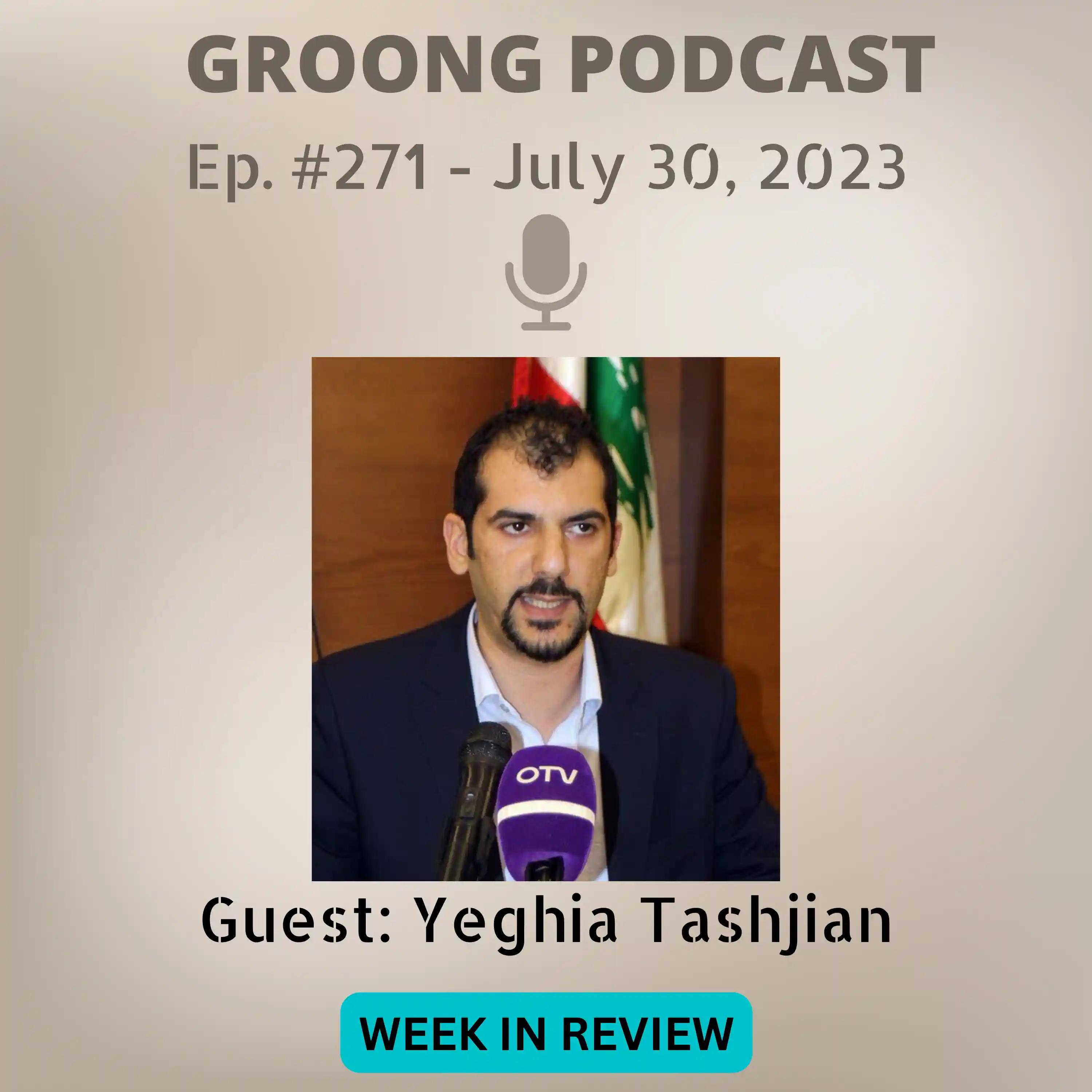
Guest:
Topics:
- Armenian Azerbaijani Negotiations
- Azerbaijani Propaganda in Shushi
- Situation in Artsakh
Episode 271 | Recorded: July 31, 2023
Yeghia Tashjian - Armenian Azerbaijani Negotiations | Azerbaijani Propaganda in Shushi | Situation In Artsakh | Ep 271 - July 30, 2023 [EP271]
Posted on Tuesday, Aug 1, 2023 | Category: Armenia, Politics, Azerbaijan, Turkey, Russia, Iran, Artsakh Blockade, Armenian Genocide, European Union, Ukraine, NATO, Syria, Israel, Lebanon, Middle East, China, EconomyGuest:
Topics:
- Armenian Azerbaijani Negotiations
- Azerbaijani Propaganda in Shushi
- Situation in Artsakh
Episode 271 | Recorded: July 31, 2023
Benyamin Poghosyan - Armenia Azerbaijan Negotiations | US Armenia NSC Advisors Meet | MPG Poll on Current Afaairs | Ep 268 - July 9, 2023 [EP268]
Posted on Monday, Jul 10, 2023 | Category: Armenia, Politics, Artsakh, Nagorno Karabakh, Azerbaijan, Artsakh Blockade, Armenian Genocide, Russia, Turkey, Ukraine, Iran, Israel, European Union, NATO, China | Series: wir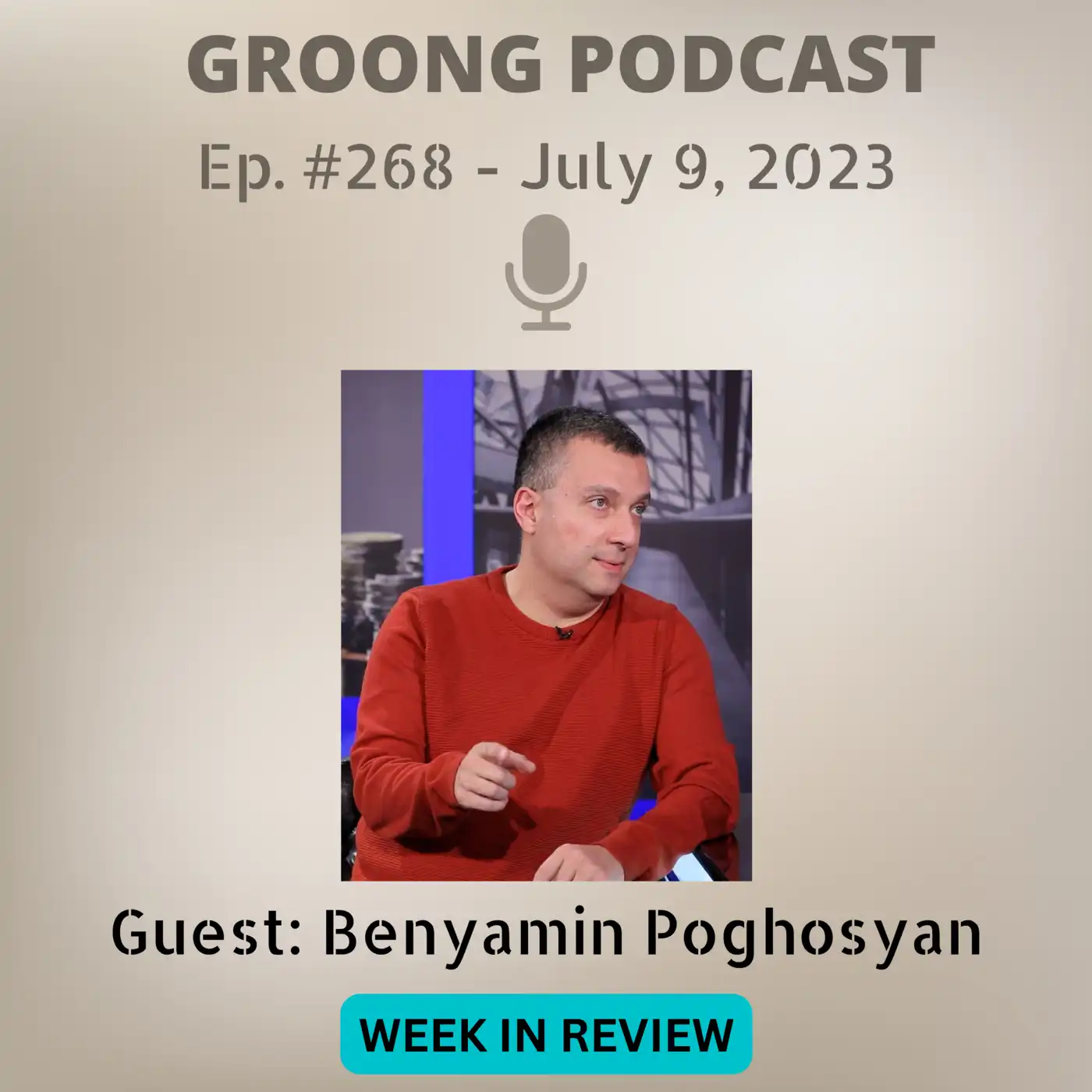
Guest:
Topics:
- Armenia Azerbaijan Negotiations
- US, Armenian NSC Advisors Meet
- New MPG Poll
- Haya-Qve [.am]
Episode 268 | Recorded: July 10, 2023