Yerevan
Last updated: June 11, 2026
Yerevan is Armenia’s capital and largest city, with a population of approximately 1.1 million in the metropolitan area. Founded in 782 BCE, it is one of the world’s oldest continuously inhabited cities. Located in the Ararat Valley roughly 44 kilometers west of the Azerbaijan border, Yerevan is home to Republic Square, the Armenian National Museum, Etchmiadzin Cathedral, and numerous universities, theaters, and cultural institutions. The city serves as Armenia’s economic engine, housing the country’s major businesses, media outlets, and educational centers. Key government institutions—the National Assembly (parliament), presidential residence, and government ministries—are located in central Yerevan, making it the seat of state power and the venue where major policy decisions affecting Armenia’s relationship with Azerbaijan , Russia , the United States , Iran , and Turkey are formulated and announced.
Yerevan’s Republic Square remains a symbolic center of Armenian national life, and the surrounding neighborhoods host universities, cultural institutions, and media outlets that shape public discourse on war, peace, and Armenia’s geopolitical alignment.
Yerevan has been the epicenter of Armenia’s major political upheavals since independence in 1991. The so-called Velvet Revolution in 2018 centered on mass protests in Yerevan’s streets against Robert Kocharyan and resulted in Nikol Pashinyan ascending to power. Since then, the city has witnessed successive cycles of protest and state crackdown: street demonstrations against the 2020 ceasefire agreement following the 44-Day War , opposition rallies during Pashinyan’s tenure, and most recently, state pressure on the Armenian Church and arrests of opposition figures ahead of the June 7, 2026 parliamentary elections. Yerevan’s geography and political institutions make it the arena where Armenia’s foreign policy commitments, including negotiations over the Armenia-Azerbaijan Peace Process , commitments to TRIPP (Trump Route for International Peace and Prosperity), and Armenia’s shifting relationship with CSTO membership are debated, contested, and implemented.
The city’s role in Armenia’s current geopolitical predicament is direct and unavoidable. Yerevan’s proximity to the Azerbaijani border and its status as Armenia’s sole major urban center mean that security threats, blockade pressure, and territorial demands all converge on decisions made within the capital’s government buildings. During the Iran War beginning in early 2026, Yerevan became a site of intense diplomatic activity as foreign officials visited to signal American intentions regarding the TRIPP corridor, regional alignment, and Armenia’s relationship with Washington. The city’s parliament elected in June 2026 will determine whether Armenia continues Pashinyan’s course of concessions to Azerbaijan and the West, or whether opposition forces can halt further territorial or sovereignty losses. As such, developments in Yerevan invariably reflect and shape the choices available to Armenia as a state caught between Russia , an increasingly assertive Azerbaijan, a destabilized Iran, and a United States pursuing its own strategic interests in the South Caucasus.
Groong episodes that include this tag
Below are all Groong episodes tagged with Yerevan.
Karen Vrtanesyan: Artsakh Under Blockade - Day 19 [EP196]
Posted on Friday, Dec 30, 2022 | Category: Artsakh, Politics, Armenia, Azerbaijan, Russia, Turkey, Artsakh Blockade, Nagorno Karabakh, Ukraine, Iran, Israel, NATO, Syria | Series: cog, video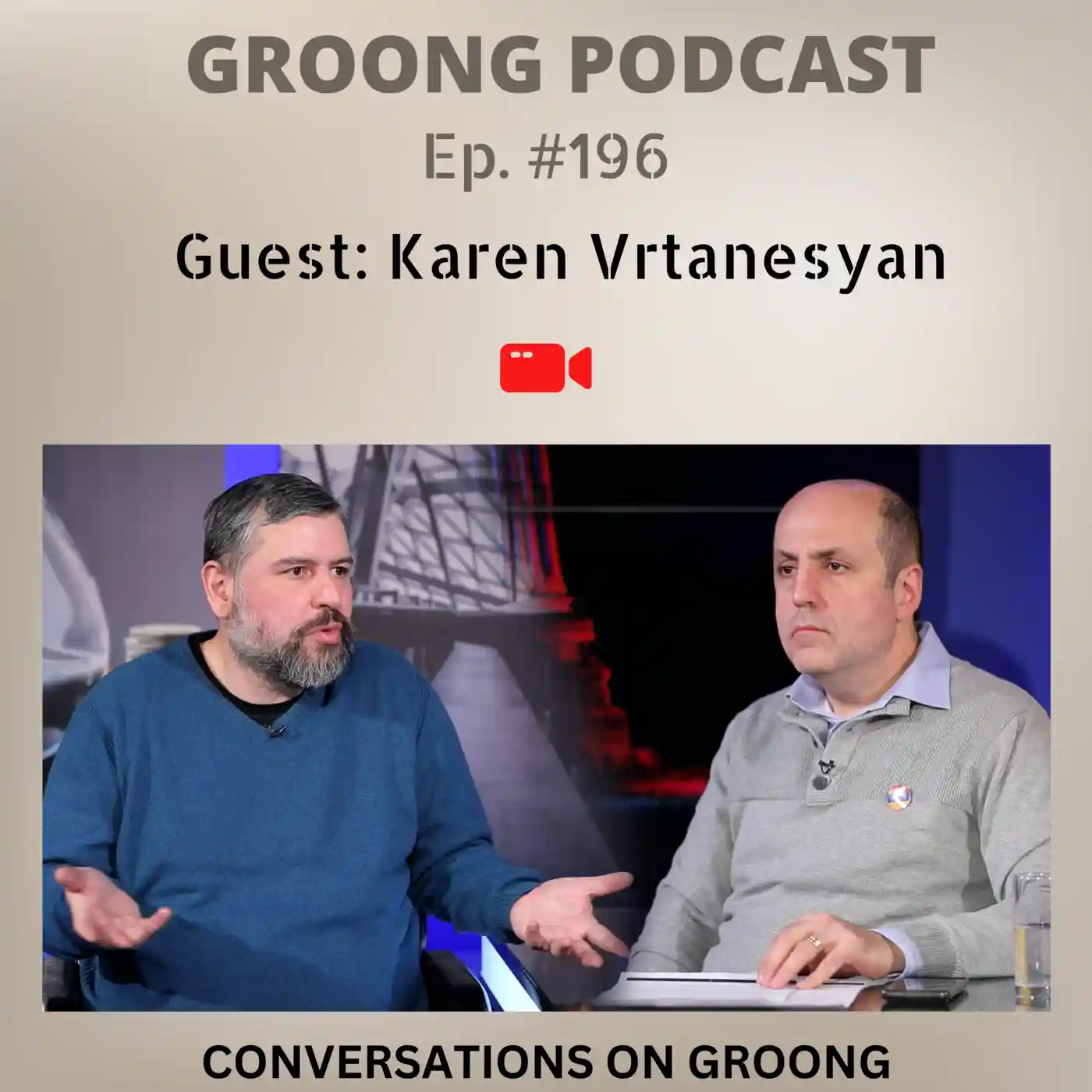
Guest:
- Karen Vrtanesyan , expert on military and warfare strategies with a focus on Armenia and its neighboring region. Co-founder of the website razm.info.
“This is not a humanitarian crisis. This is a political crisis, a crisis of statehood. -Karen Vrtanesyan”
Topic:
This interview is a continuation of the collaboration between Groong and 168 Hours aiming to bring you more English-language coverage on the developments of this very serious humanitarian crisis in progress.
Links:
- 168 Hours: https://168.am
- Groong: https://podcasts.groong.org
Episode 196 | Recorded: December 30, 2022
Karen Vrtanesyan: Artsakh Under Blockade - Day 19 [EP196]
Posted on Friday, Dec 30, 2022 | Category: Artsakh, Politics, Armenia, Azerbaijan, Russia, Turkey, Artsakh Blockade, Nagorno Karabakh, Ukraine, Iran, Israel, NATO, SyriaGuest:
- Karen Vrtanesyan , expert on military and warfare strategies with a focus on Armenia and its neighboring region. Co-founder of the website razm.info.
“This is not a humanitarian crisis. This is a political crisis, a crisis of statehood. -Karen Vrtanesyan”
Topic:
This interview is a continuation of the collaboration between Groong and 168 Hours aiming to bring you more English-language coverage on the developments of this very serious humanitarian crisis in progress.
Links:
- 168 Hours: https://168.am
- Groong: https://podcasts.groong.org
Episode 196 | Recorded: December 30, 2022
Benyamin Poghosyan: Artsakh Under Blockade: Day 16 [EP195]
Posted on Tuesday, Dec 27, 2022 | Category: Artsakh, Politics, Armenia, Azerbaijan, Russia, Turkey, Artsakh Blockade, Nagorno Karabakh, Iran, Ukraine, Geopolitics, Israel, Genocide, Georgia, Middle East | Series: cog, video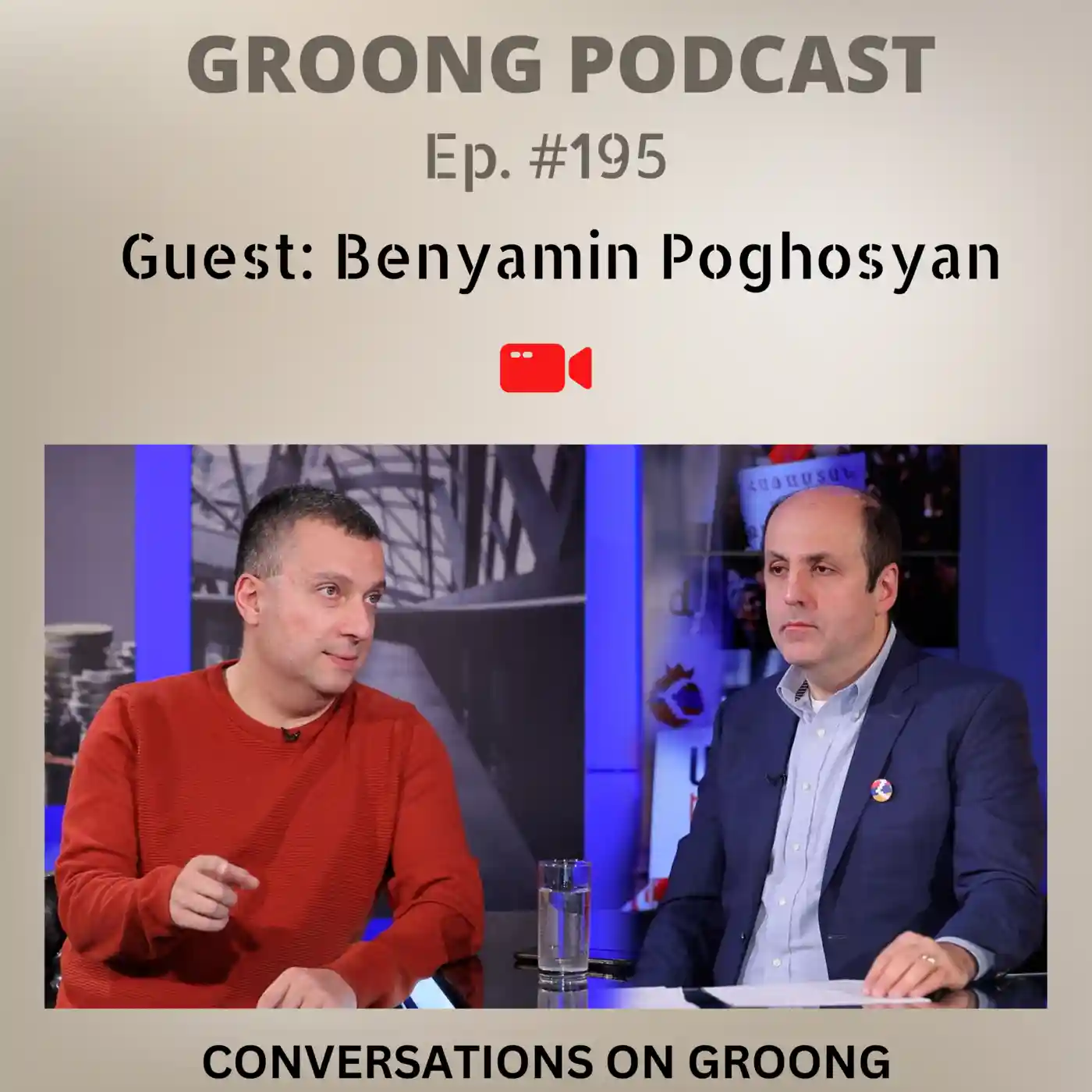
Guest:
- Benyamin Poghosyan , Chairman of the Yerevan based think tank Center for Political and Economic Strategic Studies.
“Aliyev’s strategy is ’no Armenians, no problems’. What is our strategy?” -Benyamin Poghosyan
Topic:
More than 120,000 people remain trapped in the Republic of Artsakh (or Nagorno-Karabakh) due to Azerbaijan’s blockade of the Lachin corridor, as this crisis enters its 16th day.
This interview is a continuation of the collaboration between Groong and 168 Hours aiming to bring you more English-language coverage on the developments of this
Read MoreBenyamin Poghosyan: Artsakh Under Blockade: Day 16 [EP195]
Posted on Tuesday, Dec 27, 2022 | Category: Artsakh, Politics, Armenia, Azerbaijan, Russia, Turkey, Artsakh Blockade, Nagorno Karabakh, Iran, Ukraine, Geopolitics, Israel, Genocide, Georgia, Middle EastGuest:
- Benyamin Poghosyan , Chairman of the Yerevan based think tank Center for Political and Economic Strategic Studies.
“Aliyev’s strategy is ’no Armenians, no problems’. What is our strategy?” -Benyamin Poghosyan
Topic:
More than 120,000 people remain trapped in the Republic of Artsakh (or Nagorno-Karabakh) due to Azerbaijan’s blockade of the Lachin corridor, as this crisis enters its 16th day.
This interview is a continuation of the collaboration between Groong and 168 Hours aiming to bring you more English-language coverage on the developments of this
Read MoreYeghia Tashjian | Artsakh Blockade | Relations with Russia | Role of the Armenian Government | Draft 'Peace' Proposals | Weekend Protests in Artsakh [EP194]
Posted on Monday, Dec 26, 2022 | Category: Politics, Armenia, Artsakh, Azerbaijan, Russia, Turkey, Nagorno Karabakh, Artsakh Blockade, NATO, Ukraine, Iran, China, Georgia, Lebanon, Syria, Human Rights, Economy, Genocide, Israel, Middle East, India | Series: wir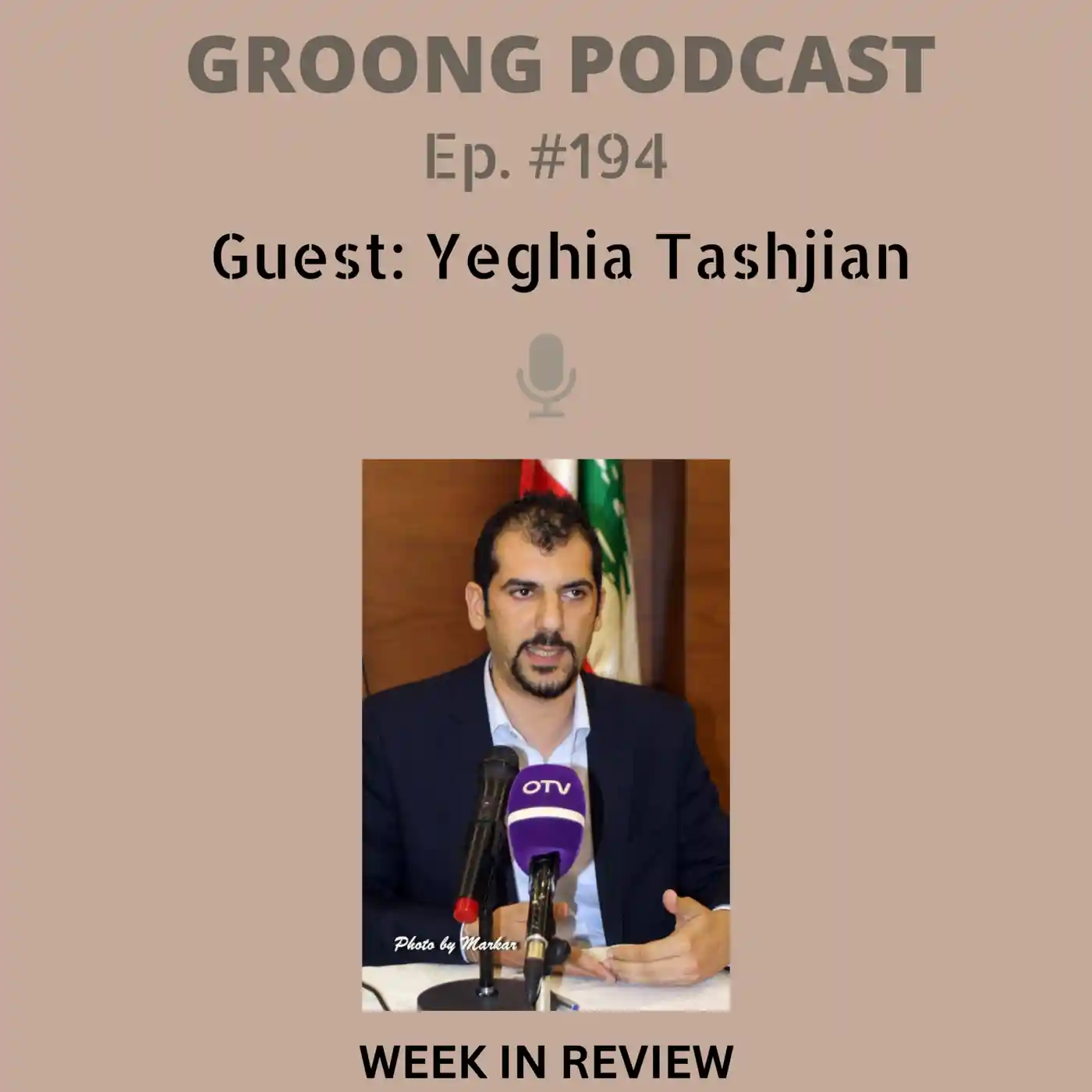
Guest:
Topic:
- The Artsakh Blockade
- The Role of the Armenian Government
- Relations with Russia
- Latest Draft of “Peace” Proposal
- Weekend Protests in Artsakh
Episode 194 | Recorded: December 26, 2022
Yeghia Tashjian | Artsakh Blockade | Relations with Russia | Role of the Armenian Government | Draft 'Peace' Proposals | Weekend Protests in Artsakh [EP194]
Posted on Monday, Dec 26, 2022 | Category: Politics, Armenia, Artsakh, Azerbaijan, Russia, Turkey, Nagorno Karabakh, Artsakh Blockade, NATO, Ukraine, Iran, China, Georgia, Lebanon, Syria, Human Rights, Economy, Genocide, Israel, Middle East, IndiaGuest:
Topic:
- The Artsakh Blockade
- The Role of the Armenian Government
- Relations with Russia
- Latest Draft of “Peace” Proposal
- Weekend Protests in Artsakh
Episode 194 | Recorded: December 26, 2022
Arthur Khachatryan: Artsakh Under Blockade: Day 15 [EP193]
Posted on Monday, Dec 26, 2022 | Category: Artsakh, Politics, Armenia, Azerbaijan, Russia, Turkey, Artsakh Blockade, Armenian Church, Nagorno Karabakh, Economy | Series: cog, video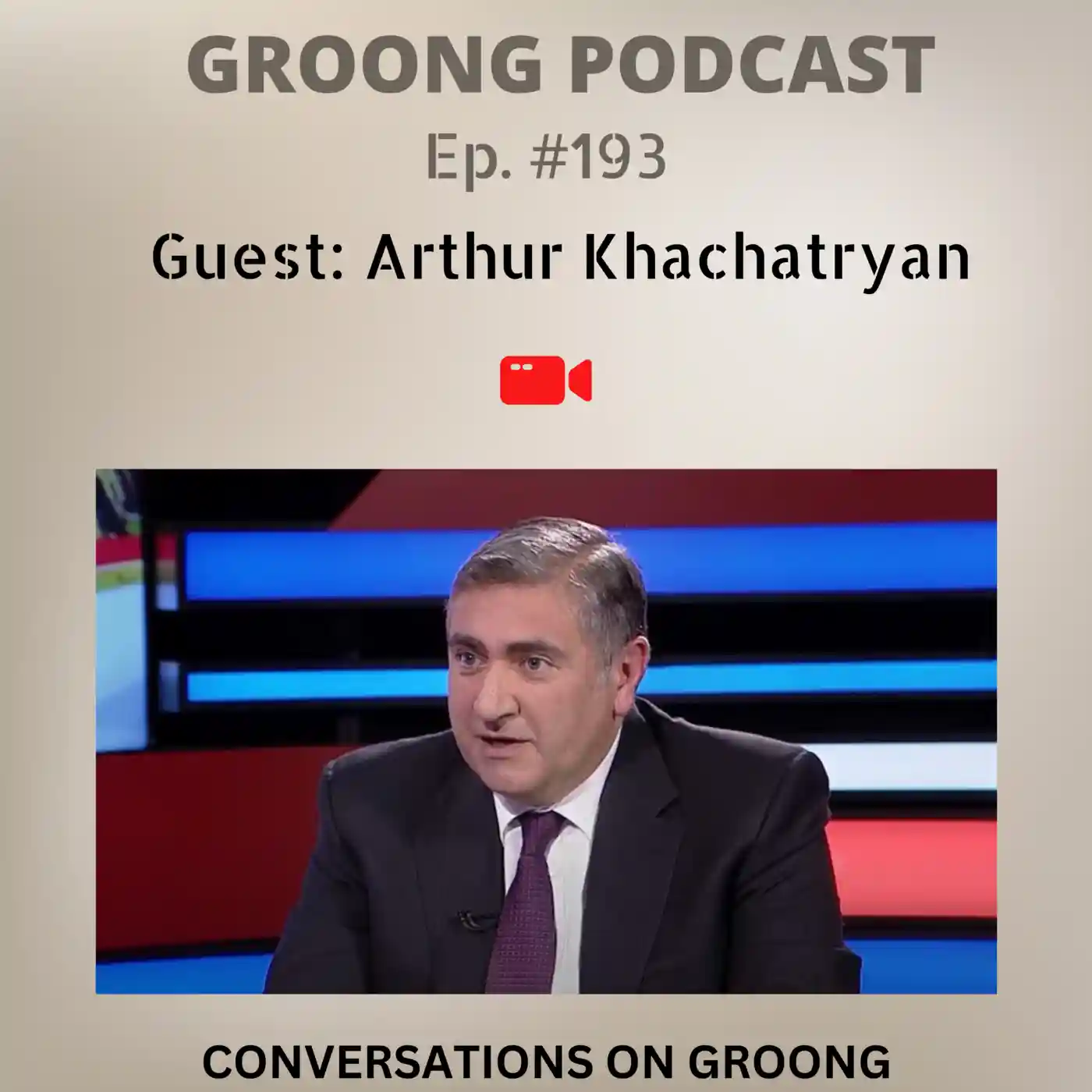
Guest:
- Arthur Khachatryan , an MP from the Hayastan (Armenia) alliance and member of the Armenian Revolutionary Federation (ARF Dashnaktsutyun). In the past, he held government posts such as Deputy Minister of Territorial Administration and Development, Governor of Shirak, and Minister of Agriculture.
“The Armenian authorities are trying to bury the issue of status of Artsakh” -Arthur Khachatryan
Topic:
More than 120,000 people remain trapped in the Republic of Artsakh (or Nagorno-Karabakh) due to Azerbaijanâs blockade of the Lachin corridor, as this crisis enters its 15th day.
Read MoreArthur Khachatryan: Artsakh Under Blockade: Day 15 [EP193]
Posted on Monday, Dec 26, 2022 | Category: Artsakh, Politics, Armenia, Azerbaijan, Russia, Turkey, Artsakh Blockade, Armenian Church, Nagorno Karabakh, EconomyGuest:
- Arthur Khachatryan , an MP from the Hayastan (Armenia) alliance and member of the Armenian Revolutionary Federation (ARF Dashnaktsutyun). In the past, he held government posts such as Deputy Minister of Territorial Administration and Development, Governor of Shirak, and Minister of Agriculture.
“The Armenian authorities are trying to bury the issue of status of Artsakh” -Arthur Khachatryan
Topic:
More than 120,000 people remain trapped in the Republic of Artsakh (or Nagorno-Karabakh) due to Azerbaijanâs blockade of the Lachin corridor, as this crisis enters its 15th day.
Read MoreEdgar Elbakyan: Artsakh Under Blockade: Day 13 [EP192]
Posted on Saturday, Dec 24, 2022 | Category: Artsakh, Politics, Armenia, Azerbaijan, Russia, Turkey, Artsakh Blockade, Nagorno Karabakh, Iran, Genocide, Human Rights, Georgia, Israel, Ukraine | Series: cog, video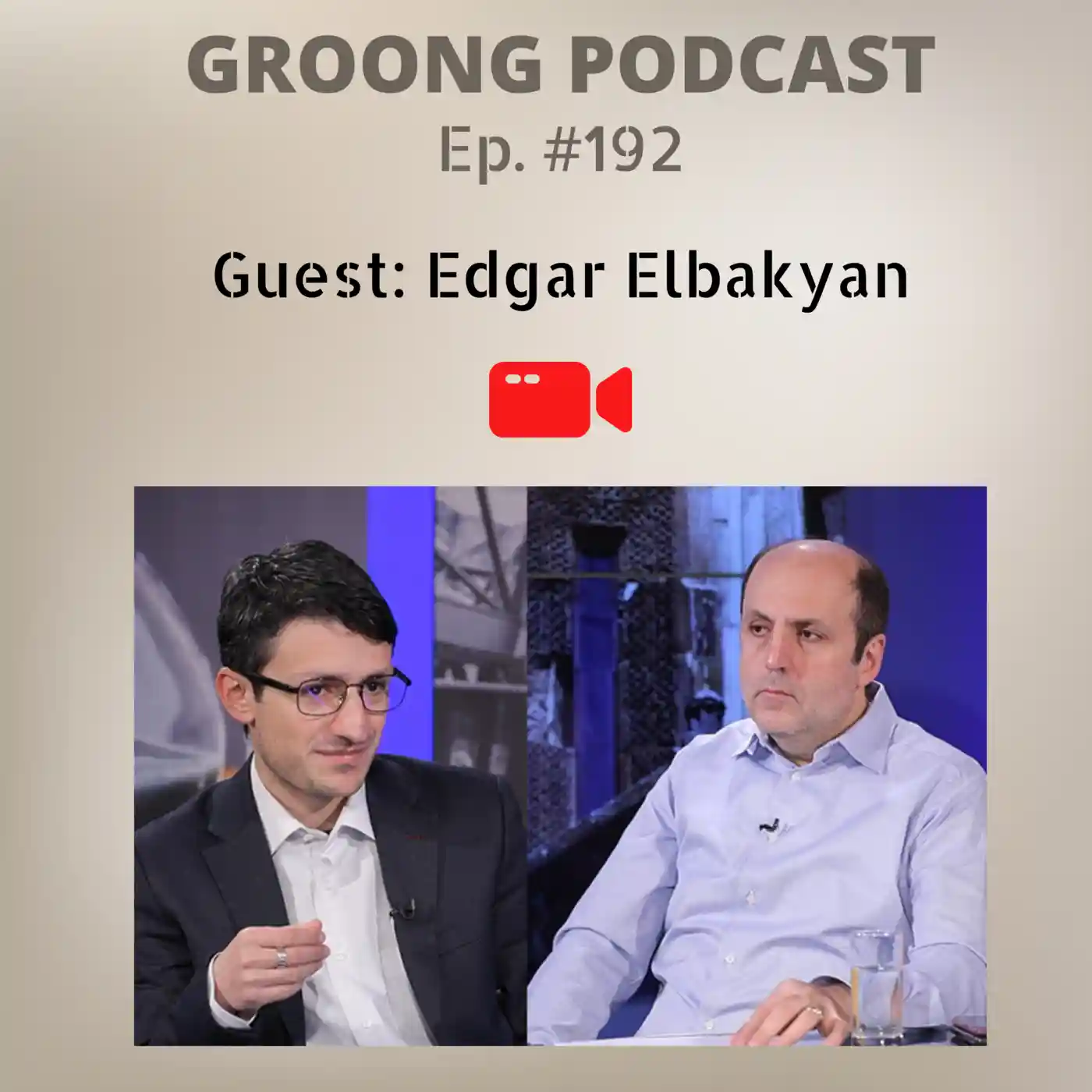
Guest:
- Edgar Elbakyan , a political scientist and social thinker based in Yerevan, Armenia. He is a co-founder of the Armenian Project non-profit organization, which contributes to enhancing Armenian national civil society.
“The problem is not resources or power, the problem is how you put forward your goals”
Topic:
The blockade of Artsakh is now 13 days old. More than 120,000 people remain trapped in the Republic of Artsakh (or Nagorno-Karabakh). Supermarket shelves are empty. Essential medicine is running out.
On Friday, December 23, thatâs yesterday, a meeting between
Read More