Yerevan
Last updated: June 11, 2026
Yerevan is Armenia’s capital and largest city, with a population of approximately 1.1 million in the metropolitan area. Founded in 782 BCE, it is one of the world’s oldest continuously inhabited cities. Located in the Ararat Valley roughly 44 kilometers west of the Azerbaijan border, Yerevan is home to Republic Square, the Armenian National Museum, Etchmiadzin Cathedral, and numerous universities, theaters, and cultural institutions. The city serves as Armenia’s economic engine, housing the country’s major businesses, media outlets, and educational centers. Key government institutions—the National Assembly (parliament), presidential residence, and government ministries—are located in central Yerevan, making it the seat of state power and the venue where major policy decisions affecting Armenia’s relationship with Azerbaijan , Russia , the United States , Iran , and Turkey are formulated and announced.
Yerevan’s Republic Square remains a symbolic center of Armenian national life, and the surrounding neighborhoods host universities, cultural institutions, and media outlets that shape public discourse on war, peace, and Armenia’s geopolitical alignment.
Yerevan has been the epicenter of Armenia’s major political upheavals since independence in 1991. The so-called Velvet Revolution in 2018 centered on mass protests in Yerevan’s streets against Robert Kocharyan and resulted in Nikol Pashinyan ascending to power. Since then, the city has witnessed successive cycles of protest and state crackdown: street demonstrations against the 2020 ceasefire agreement following the 44-Day War , opposition rallies during Pashinyan’s tenure, and most recently, state pressure on the Armenian Church and arrests of opposition figures ahead of the June 7, 2026 parliamentary elections. Yerevan’s geography and political institutions make it the arena where Armenia’s foreign policy commitments, including negotiations over the Armenia-Azerbaijan Peace Process , commitments to TRIPP (Trump Route for International Peace and Prosperity), and Armenia’s shifting relationship with CSTO membership are debated, contested, and implemented.
The city’s role in Armenia’s current geopolitical predicament is direct and unavoidable. Yerevan’s proximity to the Azerbaijani border and its status as Armenia’s sole major urban center mean that security threats, blockade pressure, and territorial demands all converge on decisions made within the capital’s government buildings. During the Iran War beginning in early 2026, Yerevan became a site of intense diplomatic activity as foreign officials visited to signal American intentions regarding the TRIPP corridor, regional alignment, and Armenia’s relationship with Washington. The city’s parliament elected in June 2026 will determine whether Armenia continues Pashinyan’s course of concessions to Azerbaijan and the West, or whether opposition forces can halt further territorial or sovereignty losses. As such, developments in Yerevan invariably reflect and shape the choices available to Armenia as a state caught between Russia , an increasingly assertive Azerbaijan, a destabilized Iran, and a United States pursuing its own strategic interests in the South Caucasus.
Groong episodes that include this tag
Below are all Groong episodes tagged with Yerevan.
Arthur Martirosyan - Armenia at a Crossroads: Railways, Reactors, and Security | Ep 594, Oct 17, 2026 [EP594]
Posted on Saturday, Oct 17, 2026 | Category: Armenia, Politics, Geopolitics | Series: cog, video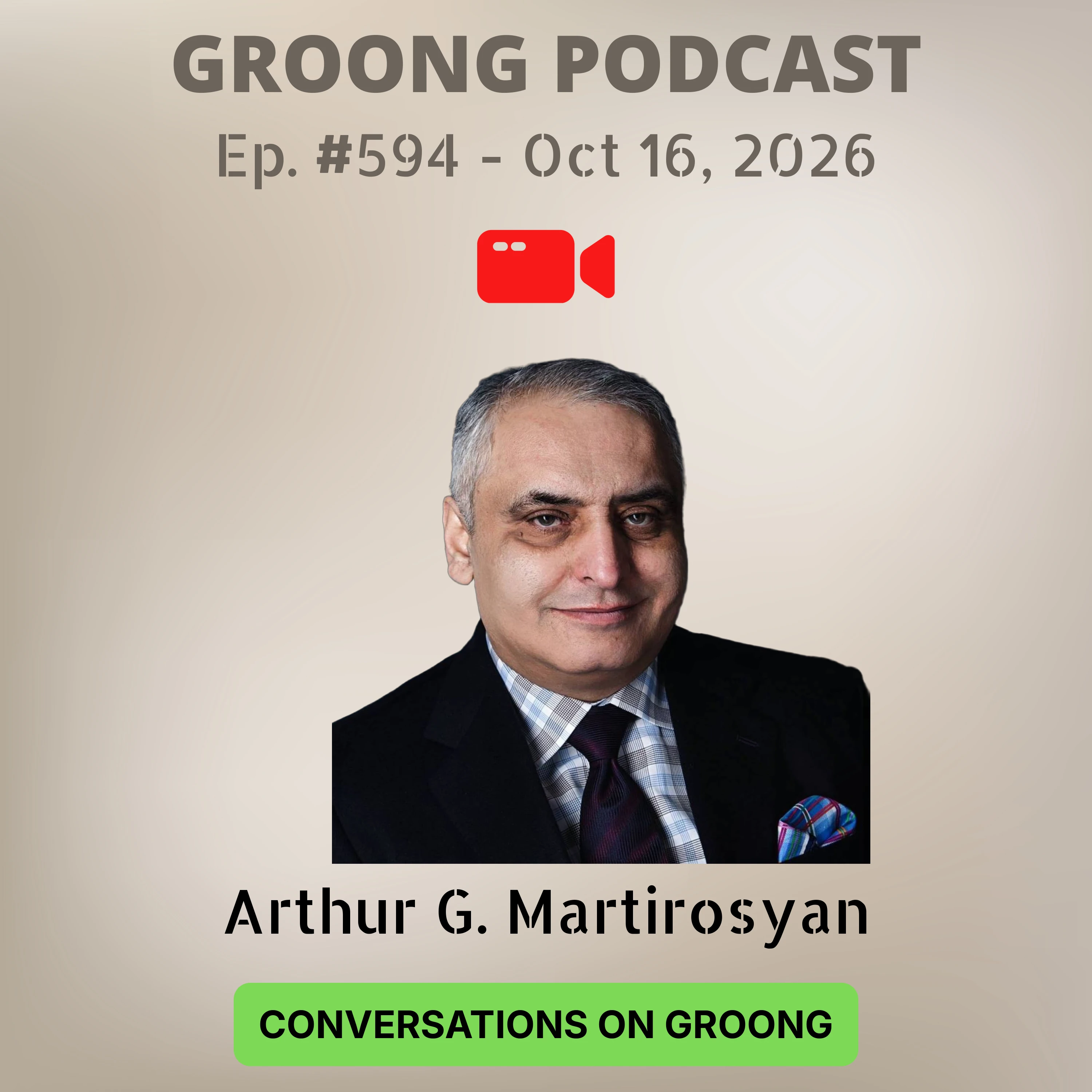
Groong Links:
Guest(s):
Topics:
- Azeri Soldier Infiltration and Shaki Shooting
- Government Accountability and Border Security Failures
- Russian Railways and Armenia’s Strategic Options
- Nuclear Power: Russian Reactors vs. Western SMRs
- TRIPP and Armenia’s Geopolitical Balancing Act
- COP17, Environmental Destruction, and Appeasing Azerbaijan
Episode 594 | Recorded: October 16, 2026
#ArmenianElections #Armenia #NikolPashinyan #CivilContract #StrongArmenia #ArmenianOpposition
Read MoreArthur Martirosyan - Armenia at a Crossroads: Railways, Reactors, and Security | Ep 594, Oct 17, 2026 [EP594]
Posted on Saturday, Oct 17, 2026 | Category: Armenia, Politics, GeopoliticsGroong Links:
Guest(s):
Topics:
- Azeri Soldier Infiltration and Shaki Shooting
- Government Accountability and Border Security Failures
- Russian Railways and Armenia’s Strategic Options
- Nuclear Power: Russian Reactors vs. Western SMRs
- TRIPP and Armenia’s Geopolitical Balancing Act
- COP17, Environmental Destruction, and Appeasing Azerbaijan
Episode 594 | Recorded: October 16, 2026
#ArmenianElections #Armenia #NikolPashinyan #CivilContract #StrongArmenia #ArmenianOpposition
Read MoreTranscript: Arthur Martirosyan - Armenia at a Crossroads: Railways, Reactors, and Security | Ep 594, Oct 17, 2026 [EP594]
Posted on Saturday, Oct 17, 2026 | Category: Armenia, Politics, Geopolitics, TranscriptIn this episode of Conversations on Groong, we speak with Arthur G. Martirosyan about Armenia at a crossroads in politics and security. We discuss the Shaki infiltration incident and government accountability, Pashinyan’s standoff with Russian Railways over the rail concession, nuclear energy options including Western SMRs versus Russian reactors, TRIPP’s implications for Armenian geopolitics, and environmental destruction at COP17.
Ambassador Jack Matlock - Did the West Fumble the Post-Cold War Peace? | Ep 580, Aug 28, 2026 [EP580]
Posted on Friday, Aug 28, 2026 | Category: Armenia, US, Russia, Geopolitics, History, Soviet Armenia, USSR | Series: cog, video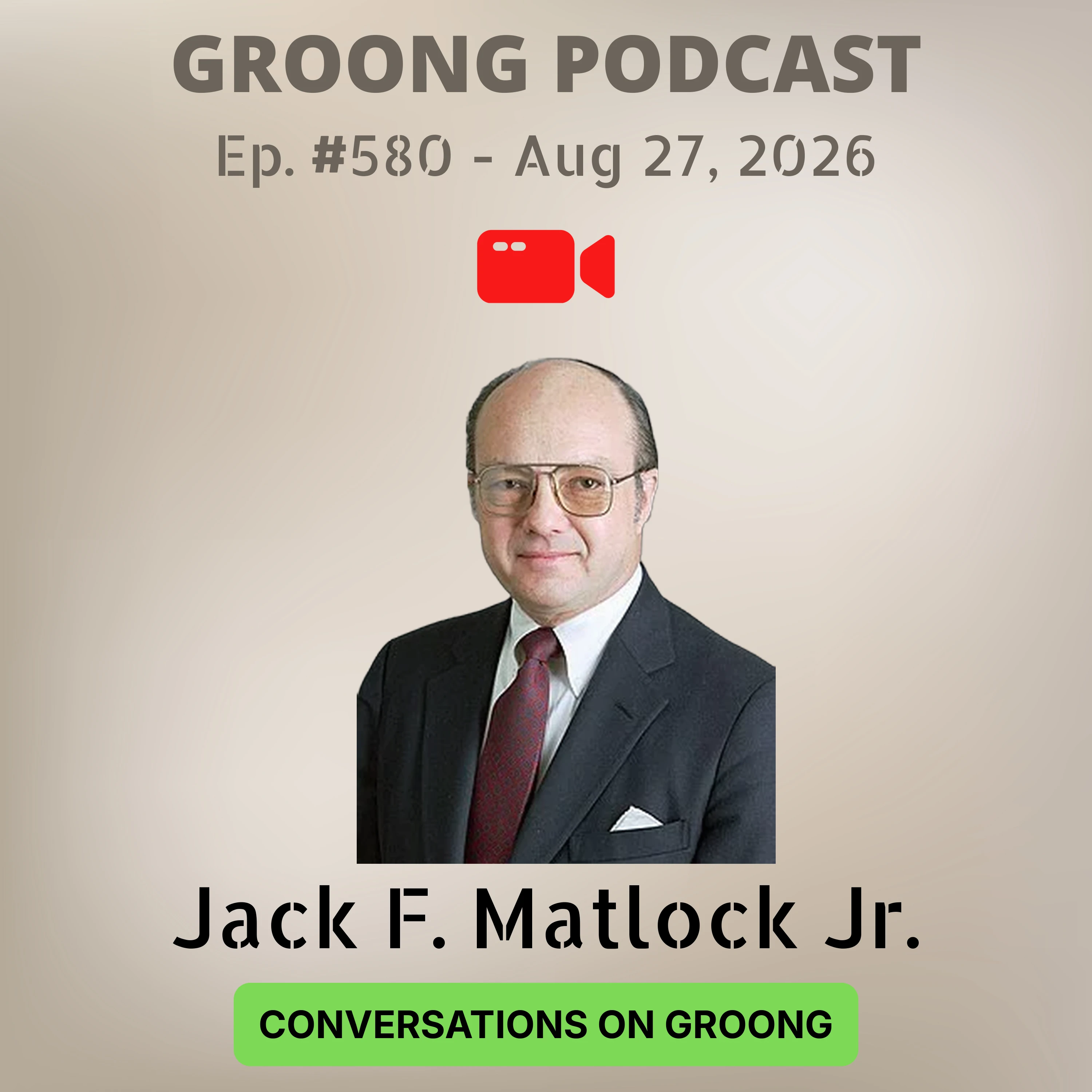
Groong Links:
Guest(s):
Topics:
- Recollections from Soviet South Caucasus
- Why the Soviet Union collapsed
- How the Cold War ended
- Reagan and Gorbachev’s diplomacy
- America’s post-Cold War triumphalism
- NATO expansion and Russian backlash
- Great-power rivalry in the Caucasus
- Armenia’s geopolitical choices today
Episode 580 | Recorded: Aug 27, 2026
#JackMatlock #ColdWar #SovietUnion #Reagan #Gorbachev #NATO #Russia #SouthCaucasus #Armenia
Ambassador Jack Matlock - Did the West Fumble the Post-Cold War Peace? | Ep 580, Aug 28, 2026 [EP580]
Posted on Friday, Aug 28, 2026 | Category: Armenia, US, Russia, Geopolitics, History, Soviet Armenia, USSRGroong Links:
Guest(s):
Topics:
- Recollections from Soviet South Caucasus
- Why the Soviet Union collapsed
- How the Cold War ended
- Reagan and Gorbachev’s diplomacy
- America’s post-Cold War triumphalism
- NATO expansion and Russian backlash
- Great-power rivalry in the Caucasus
- Armenia’s geopolitical choices today
Episode 580 | Recorded: Aug 27, 2026
#JackMatlock #ColdWar #SovietUnion #Reagan #Gorbachev #NATO #Russia #SouthCaucasus #Armenia
Transcript: Ambassador Jack Matlock - Did the West Fumble the Post-Cold War Peace? | Ep 580, Aug 28, 2026 [EP580]
Posted on Friday, Aug 28, 2026 | Category: Armenia, US, Russia, Geopolitics, History, Soviet Armenia, USSR, TranscriptIn this episode of Conversations on Groong, we speak with Ambassador Jack Matlock, the last US Ambassador to the Soviet Union, about whether the West missed a historic opportunity to integrate Russia into Western security architecture after the Cold War. We discuss the internal collapse of the Soviet Union, Reagan-Gorbachev diplomacy, NATO expansion and Russian backlash, and how Cold War-era decisions shape Armenia’s geopolitical choices today, including Matlock’s firsthand observations of Soviet Armenia during glasnost and the Nagorno Karabakh movement.
Rubio Visit, New MPG and IRI Polls, Hidden Votes and Why Are You Alive? | Ep 550, May 24, 2026 [EP550]
Posted on Wednesday, May 27, 2026 | Category: Armenia, Politics, Poll, Armenian Church, Nagorno Karabakh, Armenian Genocide, Azerbaijan, Russia, China | Series: wir, video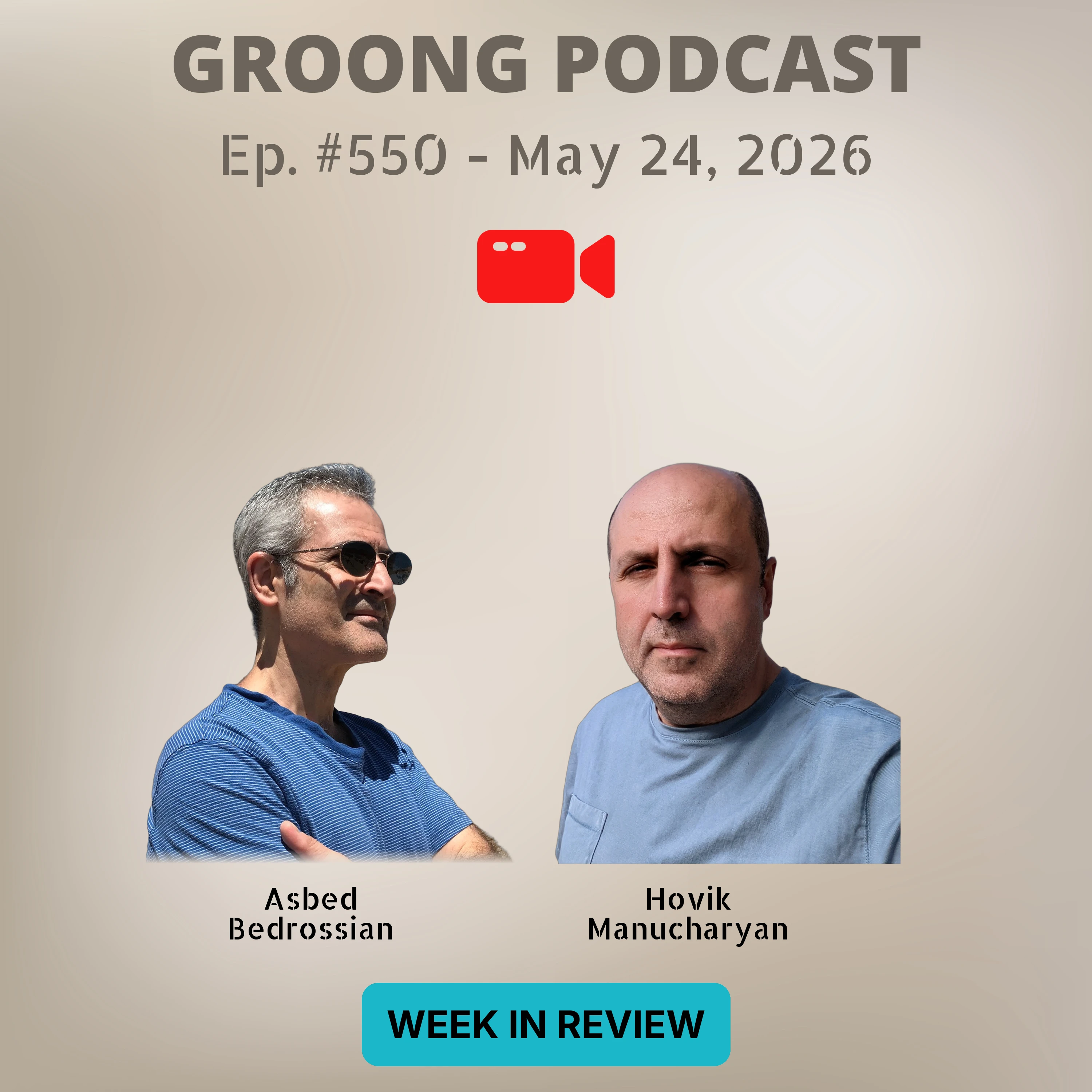
Groong Links:
Topics:
- Rubio’s sudden Armenia visit
- Polls diverge before election
- Hidden vote raises questions
- TRIPP remains deeply polarizing
- “Western Azerbaijan” pressure grows
- Opposition faces arrests, threats
- “Why are you alive?” campaign rhetoric
Episode 550 | Recorded: May 25, 2026
#ArmeniaElections #Armenia #NikolPashinyan #TRIPP #ZangezurCorridor #WesternAzerbaijan #ArmenianOpposition
Rubio Visit, New MPG and IRI Polls, Hidden Votes and Why Are You Alive? | Ep 550, May 24, 2026 [EP550]
Posted on Wednesday, May 27, 2026 | Category: Armenia, Politics, Poll, Armenian Church, Nagorno Karabakh, Armenian Genocide, Azerbaijan, Russia, ChinaGroong Links:
Topics:
- Rubio’s sudden Armenia visit
- Polls diverge before election
- Hidden vote raises questions
- TRIPP remains deeply polarizing
- “Western Azerbaijan” pressure grows
- Opposition faces arrests, threats
- “Why are you alive?” campaign rhetoric
Episode 550 | Recorded: May 25, 2026
#ArmeniaElections #Armenia #NikolPashinyan #TRIPP #ZangezurCorridor #WesternAzerbaijan #ArmenianOpposition
Transcript: Rubio Visit, New MPG and IRI Polls, Hidden Votes and Why Are You Alive? | Ep 550, May 24, 2026 [EP550]
Posted on Wednesday, May 27, 2026 | Category: Armenia, Politics, Poll, Armenian Church, Nagorno Karabakh, Armenian Genocide, Azerbaijan, Russia, China, TranscriptThis Week in Review examines the tightening political climate in Armenia ahead of the June 2026 parliamentary elections. Asbed and Hovik discuss Marco Rubio’s sudden Armenia visit, new polling from IRI, MPG, and CAEAC, and what the wide gaps in voter disclosure may reveal about hidden opposition support. The episode also covers TRIPP, “Western Azerbaijan” rhetoric, public trust in the Armenian Apostolic Church, and the growing use of arrests, threats, and state pressure against opposition figures. The discussion centers on Pashinyan’s escalating campaign rhetoric, including his “Why are you alive?” outburst, and what it signals about the stakes of the coming election.
Edgar Elbakyan - The Battle for Armenia’s Political Future | Ep 549, May 24, 2026 [EP549]
Posted on Sunday, May 24, 2026 | Category: Armenia, Politics, Armenian Church, Nagorno Karabakh, Azerbaijan | Series: cog, video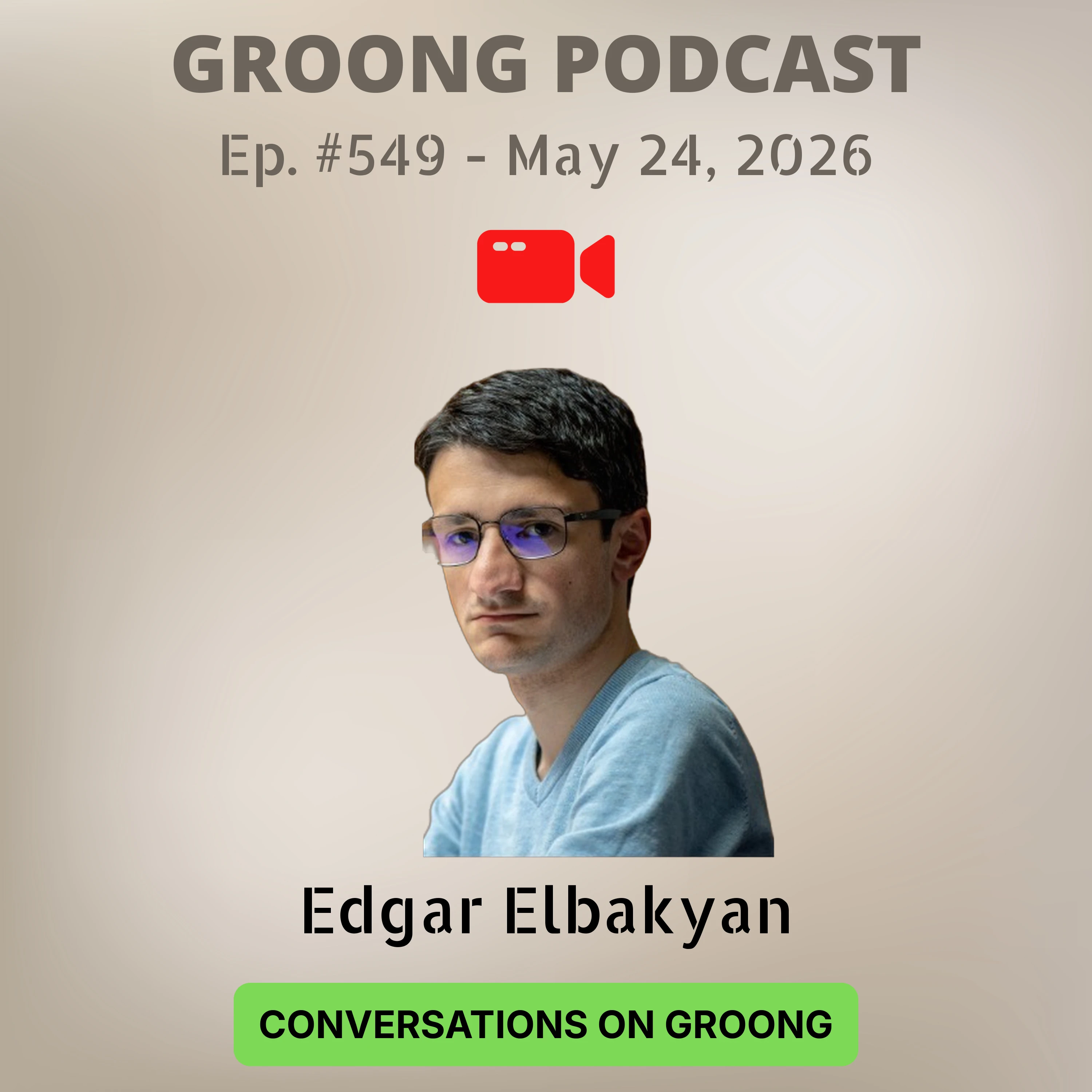
Groong Links:
Guest:
Topics:
- Armenia’s existential election
- Polling under fear
- Divergent polling results
- Church and state conflict
- Post-election street pressure
Episode 549 | Recorded: May 22, 2026
#Armenia #ArmenianPolitics #EdgarElbakyan #StrongArmenia #ArmeniaAlliance #ArmeniaElections
Edgar Elbakyan - The Battle for Armenia’s Political Future | Ep 549, May 24, 2026 [EP549]
Posted on Sunday, May 24, 2026 | Category: Armenia, Politics, Armenian Church, Nagorno Karabakh, AzerbaijanGroong Links:
Guest:
Topics:
- Armenia’s existential election
- Polling under fear
- Divergent polling results
- Church and state conflict
- Post-election street pressure
Episode 549 | Recorded: May 22, 2026
#Armenia #ArmenianPolitics #EdgarElbakyan #StrongArmenia #ArmeniaAlliance #ArmeniaElections
Parties and Alliances in the 2026 Armenian Parliamentary Election | Ep 548, May 22, 2026 [EP548]
Posted on Saturday, May 23, 2026 | Category: Armenia, Politics, Armenian Church, Nagorno Karabakh, Artsakh Blockade, BRICS, Russia, Iran, Azerbaijan, European Union | Series: cog, video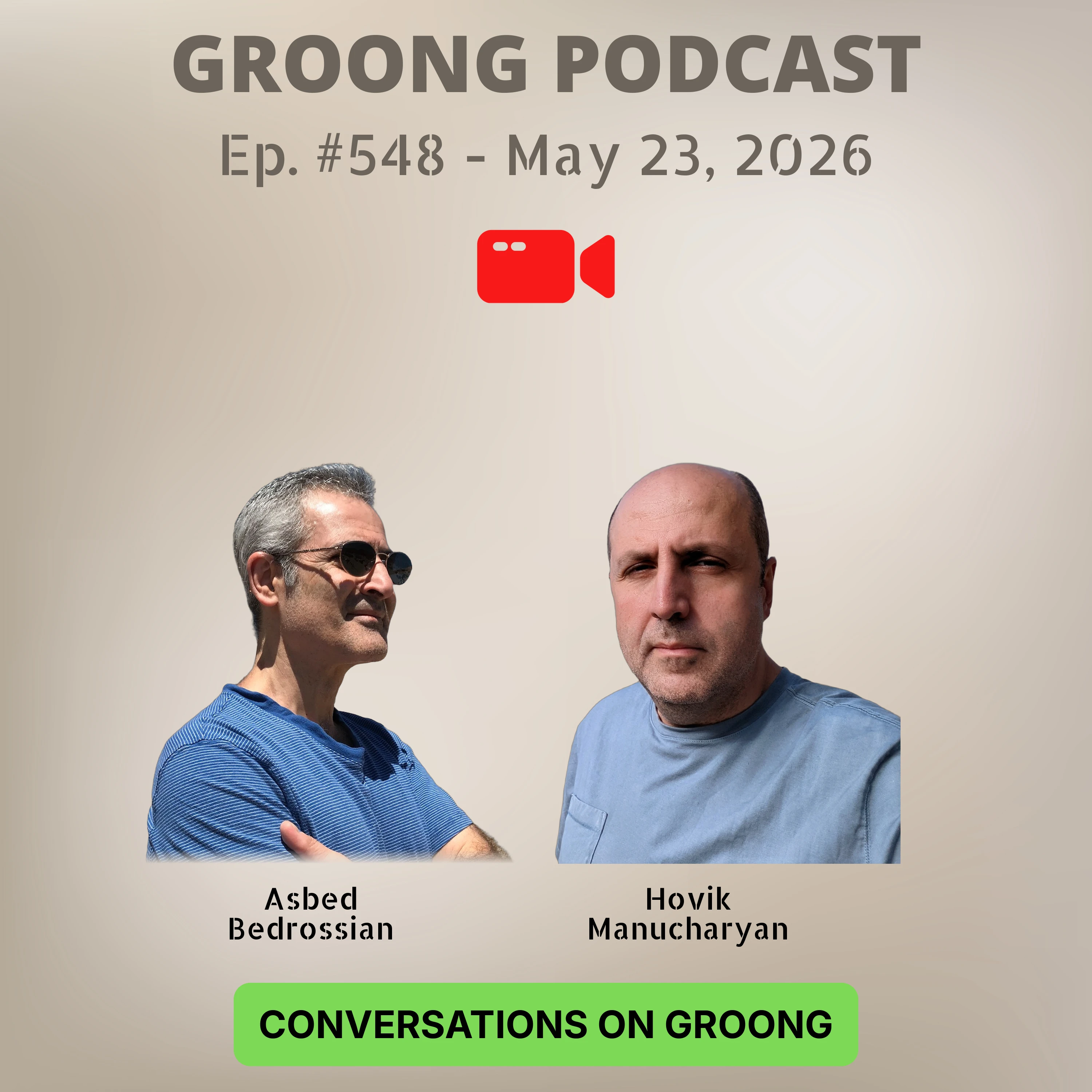
Groong Links:
Topics:
- Armenia’s election rules
- Parties and alliances competing
- MPG polling and thresholds
- Opposition challenges and turnout
- Geopolitical positions heatmap
Episode 548 | Recorded: May 22, 2026
#Armenia #ArmenianElections #ArmenianPolitics #Artsakh #SouthCaucasus #CivilContract #StrongArmenia #HayastanDashinq
Parties and Alliances in the 2026 Armenian Parliamentary Election | Ep 548, May 22, 2026 [EP548]
Posted on Saturday, May 23, 2026 | Category: Armenia, Politics, Armenian Church, Nagorno Karabakh, Artsakh Blockade, BRICS, Russia, Iran, Azerbaijan, European UnionGroong Links:
Topics:
- Armenia’s election rules
- Parties and alliances competing
- MPG polling and thresholds
- Opposition challenges and turnout
- Geopolitical positions heatmap
Episode 548 | Recorded: May 22, 2026
#Armenia #ArmenianElections #ArmenianPolitics #Artsakh #SouthCaucasus #CivilContract #StrongArmenia #HayastanDashinq
Transcript: Edgar Elbakyan - The Battle for Armenia’s Political Future | Ep 549, May 24, 2026 [EP549]
Posted on Sunday, May 24, 2026 | Category: Armenia, Politics, Armenian Church, Nagorno Karabakh, Azerbaijan, TranscriptThis Conversations on Groong episode features Edgar Elbakyan in a discussion of Armenia’s upcoming election and the wider struggle over the country’s political future. The conversation examines whether the vote should be viewed as an existential election, how fear and pressure shape public opinion, why polling results differ so sharply, and which political forces may be positioned to enter parliament. The episode also looks at whether the opposition is focused on the issues that matter most, including statehood, security, public trust, and the possibility that the election may not end at the ballot box.
Transcript: Parties and Alliances in the 2026 Armenian Parliamentary Election | Ep 548, May 22, 2026 [EP548]
Posted on Saturday, May 23, 2026 | Category: Armenia, Politics, Armenian Church, Nagorno Karabakh, Artsakh Blockade, BRICS, Russia, Iran, Azerbaijan, European Union, TranscriptThis Conversations on Groong episode provides a primer on Armenia’s June 7, 2026 parliamentary elections, reviewing the 17 parties and 2 alliances registered to compete. The discussion explains the election rules, thresholds, coalition process, and the “stable majority” mechanism, while stressing the uneven political environment facing opposition forces. The episode then walks through each participant, including Civil Contract, Strong Armenia, Armenia Alliance, Prosperous Armenia, Wings of Unity, Bright Armenia, ANC, Bever, Republic, DOK, Democratic Consolidation, and smaller parties with Read More
Anna Grigoryan - Armenia Alliance in the 2026 Armenian Parliamentary Election | Ep 544, May 11, 2026 [EP544]
Posted on Monday, May 11, 2026 | Category: Nagorno Karabakh, Armenia, Azerbaijan, Russia, Iran, European Union, Economy, NATO, Human Rights | Series: cog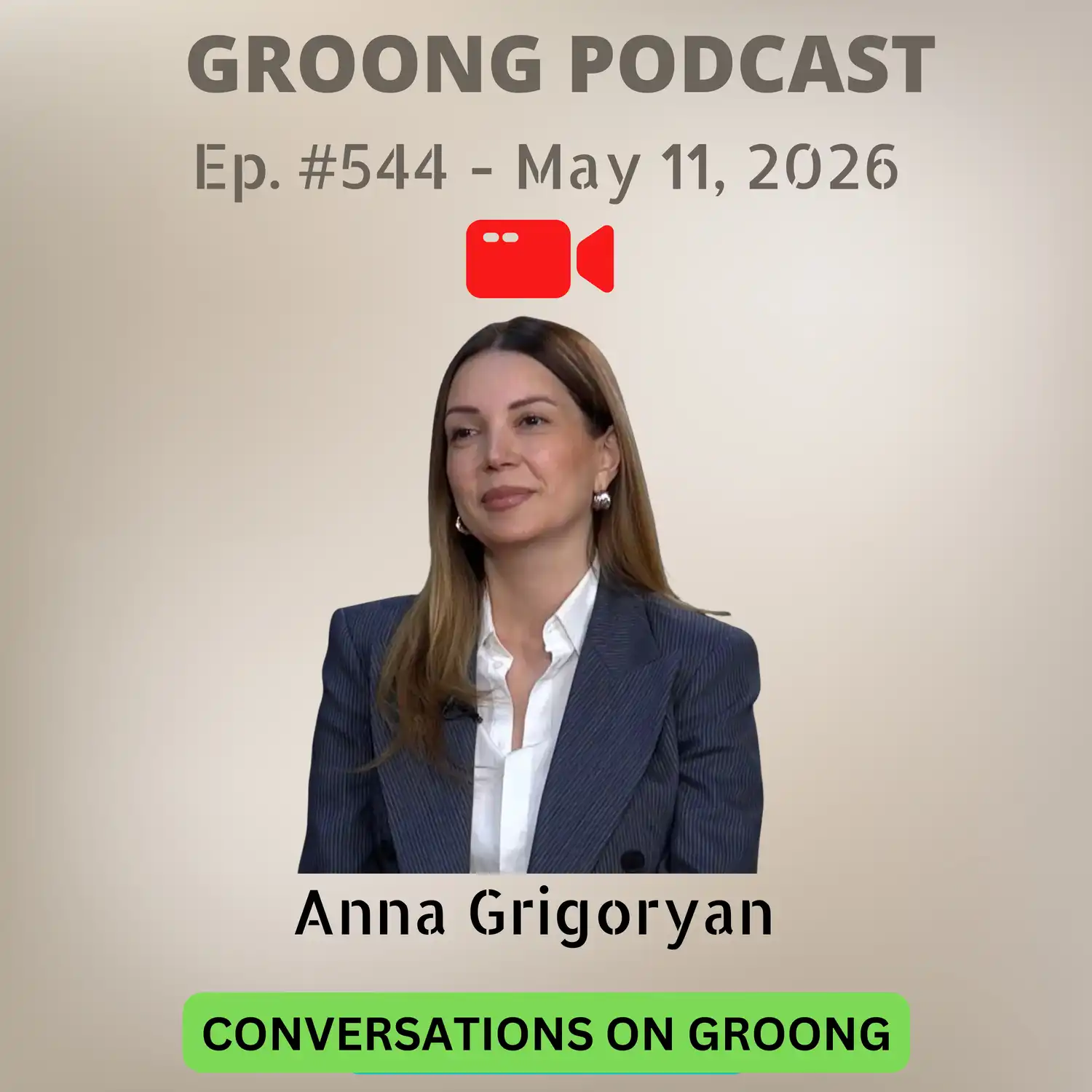
Groong Links:
Guest(s):
Topics:
- Election campaign and opposition strategy
- EPC, EU-Armenia summit, and foreign influence
- Foreign policy, security, and regional risks
- Domestic priorities and election integrity
Episode 544 | Recorded: May 9, 2026
#AnnaGrigoryan #Armenia #ArmenianPolitics #ArmeniaElections #HayastanDashinq #EPCSummit #TRIPP #Artsakh
Anna Grigoryan - Armenia Alliance in the 2026 Armenian Parliamentary Election | Ep 544, May 11, 2026 [EP544]
Posted on Monday, May 11, 2026 | Category: Nagorno Karabakh, Armenia, Azerbaijan, Russia, Iran, European Union, Economy, NATO, Human RightsGroong Links:
Guest(s):
Topics:
- Election campaign and opposition strategy
- EPC, EU-Armenia summit, and foreign influence
- Foreign policy, security, and regional risks
- Domestic priorities and election integrity
Episode 544 | Recorded: May 9, 2026
#AnnaGrigoryan #Armenia #ArmenianPolitics #ArmeniaElections #HayastanDashinq #EPCSummit #TRIPP #Artsakh
EU Interference and Armenia's 2026 Elections | Ep 543, May 10, 2026 [EP543]
Posted on Sunday, May 10, 2026 | Category: Armenia, Politics, Armenian Church, Nagorno Karabakh, Artsakh Blockade, Russia, Azerbaijan, Iran, Turkey, Georgia, Human Rights, NATO, European Union | Series: cog, video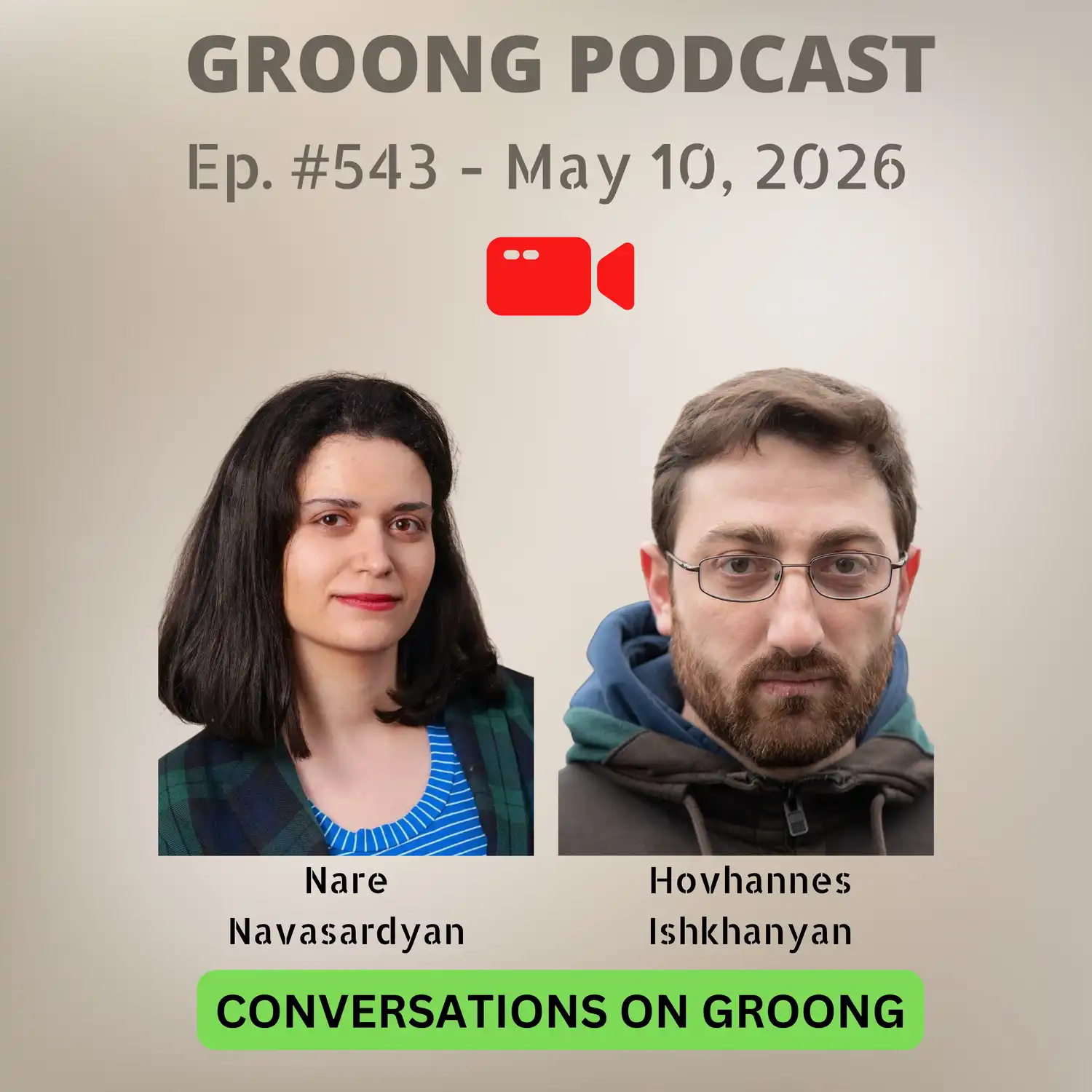
Groong Links:
Guest(s):
Topics:
- EU role in Armenia’s elections
- Fact-checkers and political bias
- Dissent labeled as disinformation
- Lawsuits, pressure, and intimidation
- Censorship and social media control
Episode 543 | Recorded: May 7, 2026
#Armenia #ArmenianElections #EU #Disinformation #FactChecking #Censorship #CivilSociety #FreeSpeech
EU Interference and Armenia's 2026 Elections | Ep 543, May 10, 2026 [EP543]
Posted on Sunday, May 10, 2026 | Category: Armenia, Politics, Armenian Church, Nagorno Karabakh, Artsakh Blockade, Russia, Azerbaijan, Iran, Turkey, Georgia, Human Rights, NATO, European UnionGroong Links:
Guest(s):
Topics:
- EU role in Armenia’s elections
- Fact-checkers and political bias
- Dissent labeled as disinformation
- Lawsuits, pressure, and intimidation
- Censorship and social media control
Episode 543 | Recorded: May 7, 2026
#Armenia #ArmenianElections #EU #Disinformation #FactChecking #Censorship #CivilSociety #FreeSpeech
Transcript: Anna Grigoryan - Armenia Alliance in the 2026 Armenian Parliamentary Election | Ep 544, May 11, 2026 [EP544]
Posted on Monday, May 11, 2026 | Category: Nagorno Karabakh, Armenia, Azerbaijan, Russia, Iran, European Union, Economy, NATO, Human Rights, TranscriptAnna Grigoryan of Hayastan Dashinq (Armenia Alliance) joins Groong to discuss Armenia’s June 7 parliamentary election and the start of the official campaign. The conversation examines the EPC and Armenia-EU summits in Yerevan, EU political and financial support for Pashinyan, Aliyev’s remote demarche, and opposition protests around Artsakh rights, Armenian prisoners, and democratic backsliding. The episode also covers opposition coalition math, Hayastan Dashinq’s 8% bloc threshold, Strong Armenia’s lead among opposition forces, possible post-election governing formulas, Read More
Transcript: EU Interference and Armenia's 2026 Elections | Ep 543, May 10, 2026 [EP543]
Posted on Sunday, May 10, 2026 | Category: Armenia, Politics, Armenian Church, Nagorno Karabakh, Artsakh Blockade, Russia, Azerbaijan, Iran, Turkey, Georgia, Human Rights, NATO, European Union, TranscriptHovhannes Ishkhanyan and Nare Navasardyan discuss the growing role of the EU, fact-checking networks, and counter-disinformation programs in Armenia’s 2026 election environment. The conversation examines claims of foreign interference, the use of “hybrid threats” and “disinformation” labels against domestic dissent, and the political bias of Armenia’s fact-checking ecosystem. The guests also share personal experiences with lawsuits, public confrontation, protest, and censorship, raising broader questions about free speech, election fairness, and the management of Armenia’s information space.
Trump’s Iran Ceasefire, Operation Kochari, and Armenia’s Election Fog | Ep 539, May 3, 2026 [EP539]
Posted on Tuesday, May 5, 2026 | Category: Armenia, Politics, Poll, Armenian News, Israel, Artsakh, Nagorno Karabakh, Azerbaijan, USA, Armenian Church, Artsakh Blockade, Armenian Genocide, Iran, Russia, Georgia, Genocide, Human Rights | Series: wir, video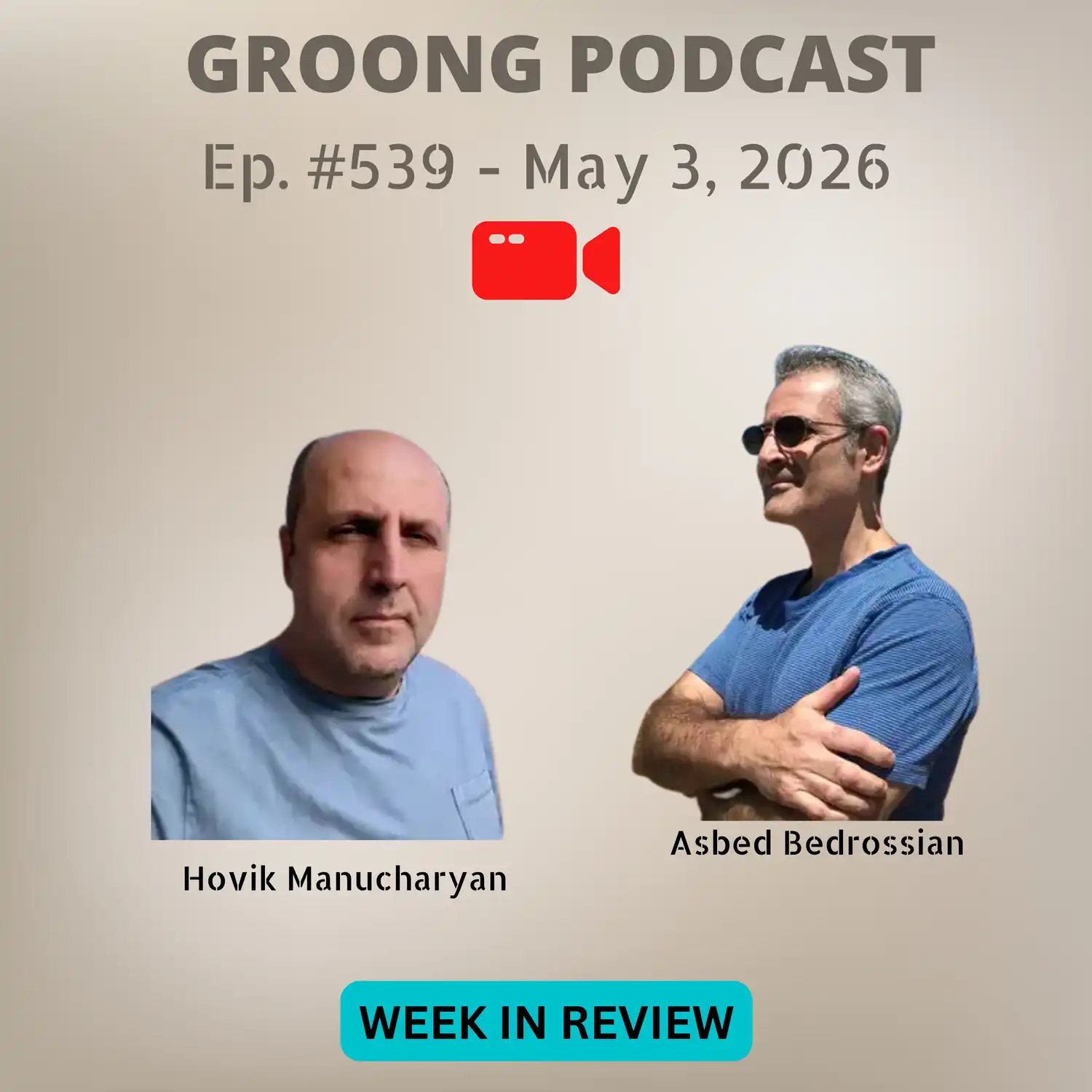
Groong Links:
Topics:
- Iran War
- Mustafayev in Armenia
- Destruction of the Stepanakert cathedral by Azerbaijan
- Election politics
Episode 539 | Recorded: May 3, 2026
#Armenia #Azerbaijan #IranWar #TRIPP #Artsakh #Stepanakert #ArmenianElections #Groong
Trump’s Iran Ceasefire, Operation Kochari, and Armenia’s Election Fog | Ep 539, May 3, 2026 [EP539]
Posted on Tuesday, May 5, 2026 | Category: Armenia, Politics, Poll, Armenian News, Israel, Artsakh, Nagorno Karabakh, Azerbaijan, USA, Armenian Church, Artsakh Blockade, Armenian Genocide, Iran, Russia, Georgia, Genocide, Human RightsGroong Links:
Topics:
- Iran War
- Mustafayev in Armenia
- Destruction of the Stepanakert cathedral by Azerbaijan
- Election politics
Episode 539 | Recorded: May 3, 2026
#Armenia #Azerbaijan #IranWar #TRIPP #Artsakh #Stepanakert #ArmenianElections #Groong
Transcript: Trump’s Iran Ceasefire, Operation Kochari, and Armenia’s Election Fog | Ep 539, May 3, 2026 [EP539]
Posted on Tuesday, May 5, 2026 | Category: Armenia, Politics, Poll, Armenian News, Israel, Artsakh, Nagorno Karabakh, Azerbaijan, USA, Armenian Church, Artsakh Blockade, Armenian Genocide, Iran, Russia, Georgia, Genocide, Human Rights, TranscriptThis Groong Week in Review covers Trump’s Iran ceasefire, failed US-Iran talks in Islamabad, the naval blockade, and Washington’s war politics. Asbed and Hovik also examine “Operation Kochari,” Shahin Mustafayev’s secret visit to Armenia, TRIPP, border demarcation, Armenia-Azerbaijan trade, Azerbaijan’s destruction of the Stepanakert cathedral, Pashinyan’s response, the MPG poll, opposition coalition math, election fraud risks, the EPC meeting, legal pressure, mass surveillance, and Armenia’s falling press freedom ranking.
Hrair Balian - From Karabakh to TRIPP: Armenia’s Security Dilemma | Ep 538, May 3, 2026 [EP538]
Posted on Sunday, May 3, 2026 | Category: Armenia, Politics, Artsakh, Nagorno Karabakh, Iran, Israel, Azerbaijan, Turkey, Lebanon, Armenian News, Artsakh Blockade, Russia, Georgia, NATO, Human Rights | Series: cog, video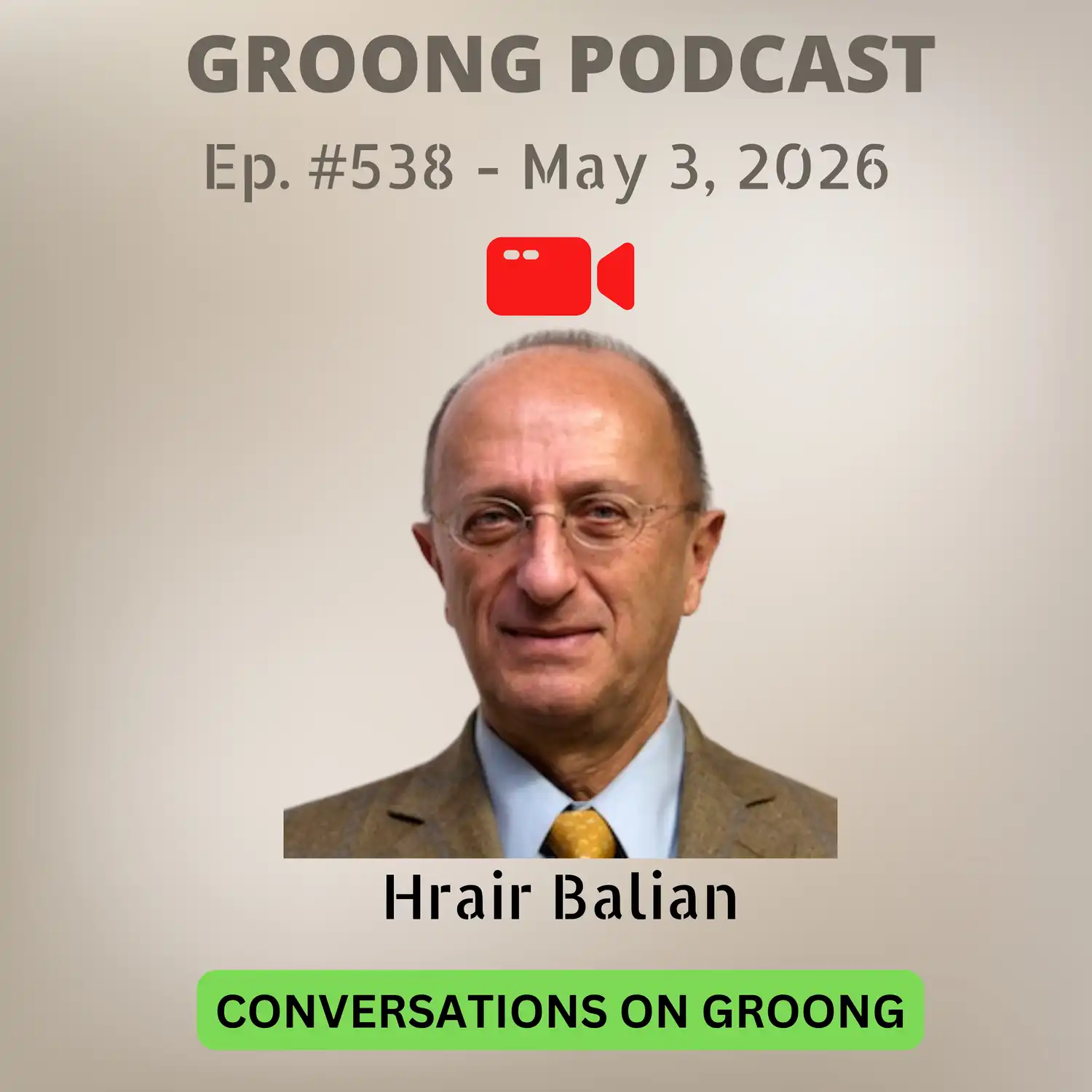
Groong Links:
Guest:
Mr. Balian’s book: https://www.amazon.com/Anatomy-Peacemaking-Nagorno-Karabakh-Opportunities-Rethinking/dp/3032124891
Topics:
- US-Iran war and failed diplomacy
- TRIPP and Armenia’s security risks
- Karabakh negotiations and missed chances
- Pashinyan’s Artsakh policy reversal
- Armenia’s June elections and monitoring
Episode 538 | Recorded: April 30, 2026
#HrairBalian #Groong #Armenia #Artsakh #NagornoKarabakh #TRIPP #ZangezurCorridor #ArmenianElections
Hrair Balian - From Karabakh to TRIPP: Armenia’s Security Dilemma | Ep 538, May 3, 2026 [EP538]
Posted on Sunday, May 3, 2026 | Category: Armenia, Politics, Artsakh, Nagorno Karabakh, Iran, Israel, Azerbaijan, Turkey, Lebanon, Armenian News, Artsakh Blockade, Russia, Georgia, NATO, Human RightsGroong Links:
Guest:
Mr. Balian’s book: https://www.amazon.com/Anatomy-Peacemaking-Nagorno-Karabakh-Opportunities-Rethinking/dp/3032124891
Topics:
- US-Iran war and failed diplomacy
- TRIPP and Armenia’s security risks
- Karabakh negotiations and missed chances
- Pashinyan’s Artsakh policy reversal
- Armenia’s June elections and monitoring
Episode 538 | Recorded: April 30, 2026
#HrairBalian #Groong #Armenia #Artsakh #NagornoKarabakh #TRIPP #ZangezurCorridor #ArmenianElections
Transcript: Hrair Balian - From Karabakh to TRIPP: Armenia’s Security Dilemma | Ep 538, May 3, 2026 [EP538]
Posted on Sunday, May 3, 2026 | Category: Armenia, Politics, Artsakh, Nagorno Karabakh, Iran, Israel, Azerbaijan, Turkey, Lebanon, Armenian News, Artsakh Blockade, Russia, Georgia, NATO, Human Rights, TranscriptHrair Balian joins us to discuss his book Anatomy of Peacemaking: Nagorno Karabakh Conflict & Missed Opportunities, the failure of diplomacy around Artsakh, and what Armenia should learn from the long collapse of the peace process. The conversation also looks at the Iran war, US and Israeli goals in the region, the TRIPP/Zangezur Corridor and its security impact on Armenia, and the role of outside powers in shaping outcomes in the South Caucasus. The episode closes with a discussion of Armenia’s June parliamentary elections, opposition repression, election monitoring, and whether international observers will judge the vote by facts on the ground or political convenience.
Transcript: Arthur Martirosyan - Iran War, Effect on Armenia, June Parliamentary | Ep 536, Apr 26, 2026 [EP536]
Posted on Tuesday, Apr 28, 2026 | Category: Armenia, Politics, Armenian Church, Ukraine, Iran, Azerbaijan, Israel, USA, Turkey, Russia, Artsakh, Nagorno Karabakh, Armenian Genocide, Armenian News, Artsakh Blockade, Genocide, Georgia, European Union, TranscriptWe examine how the Iran war fallout and the extension of the ceasefire are reshaping Armenia’s geopolitical position. We break down the push for the TRIPP or Zangezur Corridor and the claims of Armenia-Azerbaijan normalization, and assess how they tie to regional power dynamics involving Iran, Russia, Turkey, and the United States. The episode also covers Armenia’s 2026 elections and rising elite tensions. In addition, we discuss the global commemoration of the Armenian Genocide, contrasting international messaging with domestic narratives and linking it to ongoing debates around Artsakh and historical continuity.
Arthur Martirosyan - Iran War, Effect on Armenia, June Parliamentary | Ep 536, Apr 26, 2026 [EP536]
Posted on Tuesday, Apr 28, 2026 | Category: Armenia, Politics, Armenian Church, Ukraine, Iran, Azerbaijan, Israel, USA, Turkey, Russia, Artsakh, Nagorno Karabakh, Armenian Genocide, Armenian News, Artsakh Blockade, Genocide, Georgia, European Union | Series: wir, video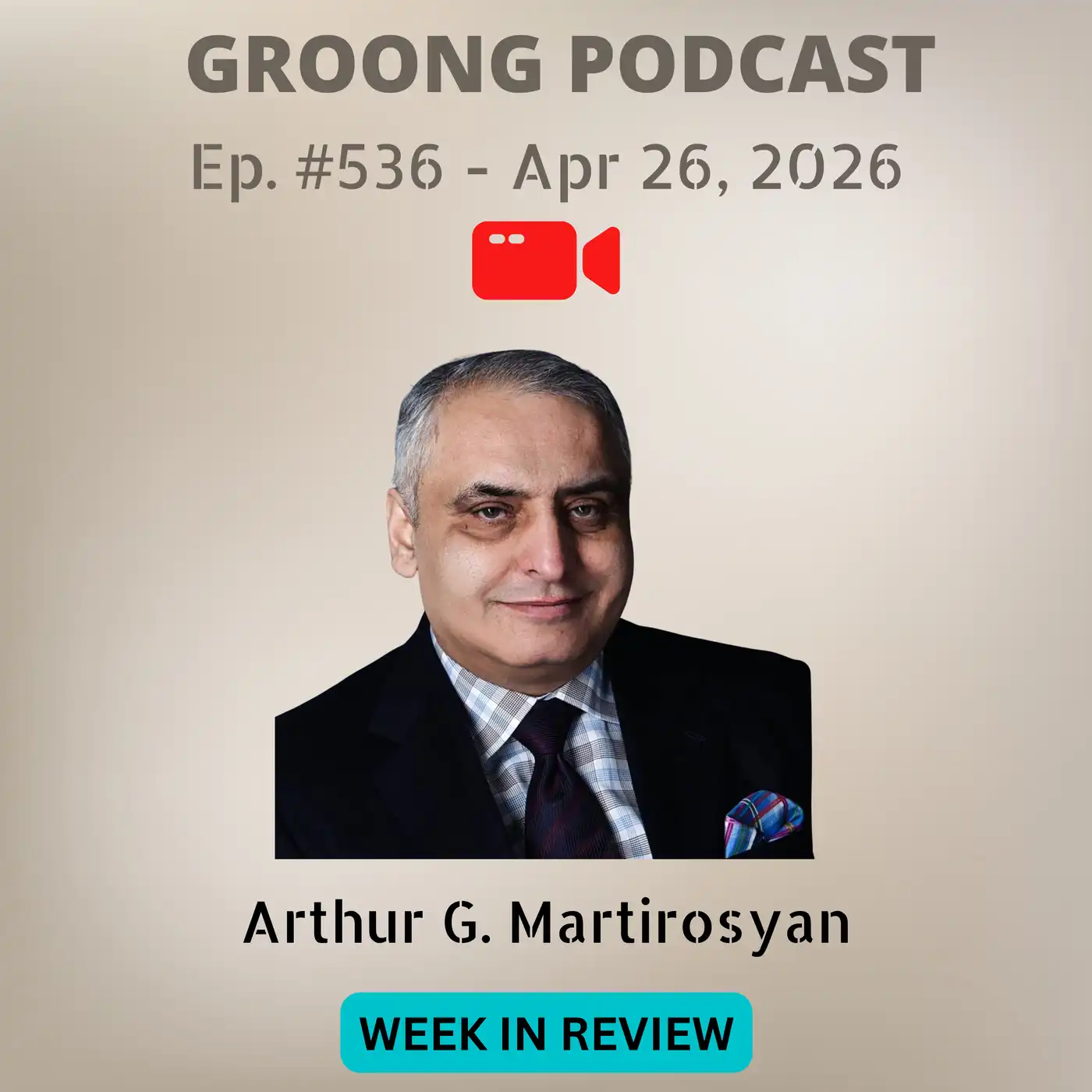
Groong Links:
Guest:
Topics:
- Iran War and TRIPP
- Armenian Genocide commemoration
- Peace narrative vs corridor reality
- Parliamentary election
Episode 536 | Recorded: April 27, 2026
Arthur Martirosyan - Iran War, Effect on Armenia, June Parliamentary | Ep 536, Apr 26, 2026 [EP536]
Posted on Tuesday, Apr 28, 2026 | Category: Armenia, Politics, Armenian Church, Ukraine, Iran, Azerbaijan, Israel, USA, Turkey, Russia, Artsakh, Nagorno Karabakh, Armenian Genocide, Armenian News, Artsakh Blockade, Genocide, Georgia, European UnionGroong Links:
Guest:
Topics:
- Iran War and TRIPP
- Armenian Genocide commemoration
- Peace narrative vs corridor reality
- Parliamentary election
Episode 536 | Recorded: April 27, 2026
Philippe Raffi Kalfayan - Monitoring the June 2026 Parliamentary Elections in Armenia | Ep 535, Apr 27, 2026 [EP535]
Posted on Monday, Apr 27, 2026 | Category: Armenia, Politics, Election, Armenian News, Nagorno Karabakh, Armenian Genocide, Human Rights, Russia | Series: cog, video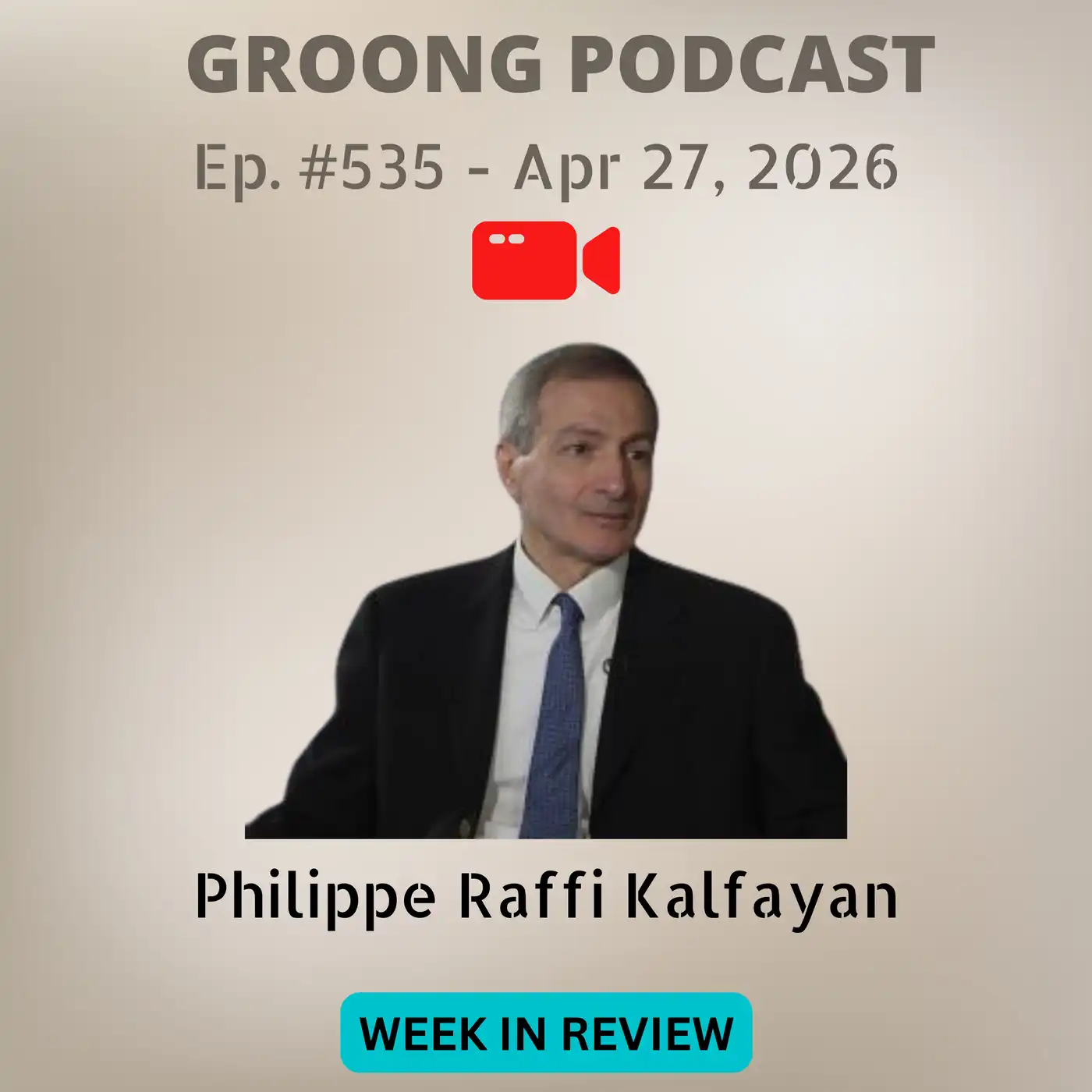
Groong Links:
Guest:
Topics:
- IODA’s mission and election observation work
- Armenia’s June 2026 parliamentary election risks
- Questions around international observer impartiality
- Suspect voter lists, fraud, and transparency concerns
- Pressure on opposition figures and parties
Episode 535 | Recorded: April 24, 2026
#Armenia #ArmenianElections #Election2026 #IODA #OSCE #ODIHR #Geopolitics #Democracy
Philippe Raffi Kalfayan - Monitoring the June 2026 Parliamentary Elections in Armenia | Ep 535, Apr 27, 2026 [EP535]
Posted on Monday, Apr 27, 2026 | Category: Armenia, Politics, Election, Armenian News, Nagorno Karabakh, Armenian Genocide, Human Rights, RussiaGroong Links:
Guest:
Topics:
- IODA’s mission and election observation work
- Armenia’s June 2026 parliamentary election risks
- Questions around international observer impartiality
- Suspect voter lists, fraud, and transparency concerns
- Pressure on opposition figures and parties
Episode 535 | Recorded: April 24, 2026
#Armenia #ArmenianElections #Election2026 #IODA #OSCE #ODIHR #Geopolitics #Democracy
Transcript: Philippe Raffi Kalfayan - Monitoring the June 2026 Parliamentary Elections in Armenia | Ep 535, Apr 27, 2026 [EP535]
Posted on Monday, Apr 27, 2026 | Category: Armenia, Politics, Election, Armenian News, Nagorno Karabakh, Armenian Genocide, Human Rights, Russia, TranscriptDr. Philippe Raffi Kalfayan joined Groong to discuss the International Observatory for Democracy in Armenia (IODA), its work ahead of Armenia’s June 7, 2026 parliamentary elections, and the risks it sees in the pre-election environment. The conversation covered IODA’s mission, its first fact-finding trip to Armenia, concerns about judicial control and administrative resources, questions about OSCE/ODIHR and EU impartiality, and the pressure facing opposition figures and parties before election day.
Dziunik Aghajanian - Iran War, Antalya Diplomatic Forum, Armenian Parliamentary Elections | Ep 532, Apr 19, 2026 [EP532]
Posted on Tuesday, Apr 21, 2026 | Category: Iran, Armenia, Politics, USA, Israel, Azerbaijan, Turkey, Russia, Artsakh, Nagorno Karabakh, Georgia, Armenian Church, Artsakh Blockade, China, NATO | Series: wir, video
Groong Links:
Guest:
- Amb. Dziunik Aghajanian
Topics:
- Iran War Fears
- June Parliamentary Elections
- Attacks on the Armenian Church
Episode 532 | Recorded: April 20, 2026
#Armenia #Iran #IranWar #Hormuz #ArmeniaElections #SouthCaucasus
Dziunik Aghajanian - Iran War, Antalya Diplomatic Forum, Armenian Parliamentary Elections | Ep 532, Apr 19, 2026 [EP532]
Posted on Tuesday, Apr 21, 2026 | Category: Iran, Armenia, Politics, USA, Israel, Azerbaijan, Turkey, Russia, Artsakh, Nagorno Karabakh, Georgia, Armenian Church, Artsakh Blockade, China, NATOGroong Links:
Guest:
- Amb. Dziunik Aghajanian
Topics:
- Iran War Fears
- June Parliamentary Elections
- Attacks on the Armenian Church
Episode 532 | Recorded: April 20, 2026
#Armenia #Iran #IranWar #Hormuz #ArmeniaElections #SouthCaucasus
Transcript: Dziunik Aghajanian - Iran War, Antalya Diplomatic Forum, Armenian Parliamentary Elections | Ep 532, Apr 19, 2026 [EP532]
Posted on Tuesday, Apr 21, 2026 | Category: Iran, Armenia, Politics, USA, Israel, Azerbaijan, Turkey, Russia, Artsakh, Nagorno Karabakh, Georgia, Armenian Church, Artsakh Blockade, China, NATO, TranscriptIn this Week in Review episode, Ambassador Dziunik Aghajanian discusses the stalled Iran negotiations after the Islamabad talks, the renewed pressure around Hormuz and the naval blockade, Turkey’s posture toward Israel and the region; Armenia’s lower-profile participation in the Antalya Diplomatic Forum; Russia’s shifting rhetoric on TRIPP and the South Caucasus; and the June 7 parliamentary election in Armenia, including constitutional changes, border concessions, the gas pipeline rerouting issue, and the use of surveillance and arrests against opposition figures.
Pietro Shakarian - Iran War, Armenia and Russia, June Parliamentary Elections | Ep 529, Apr 4, 2026 [EP529]
Posted on Saturday, Apr 4, 2026 | Category: Armenia, Iran, Russia, Azerbaijan, Turkey, Israel, Nagorno Karabakh, BRICS, European Union, Ukraine, NATO | Series: cog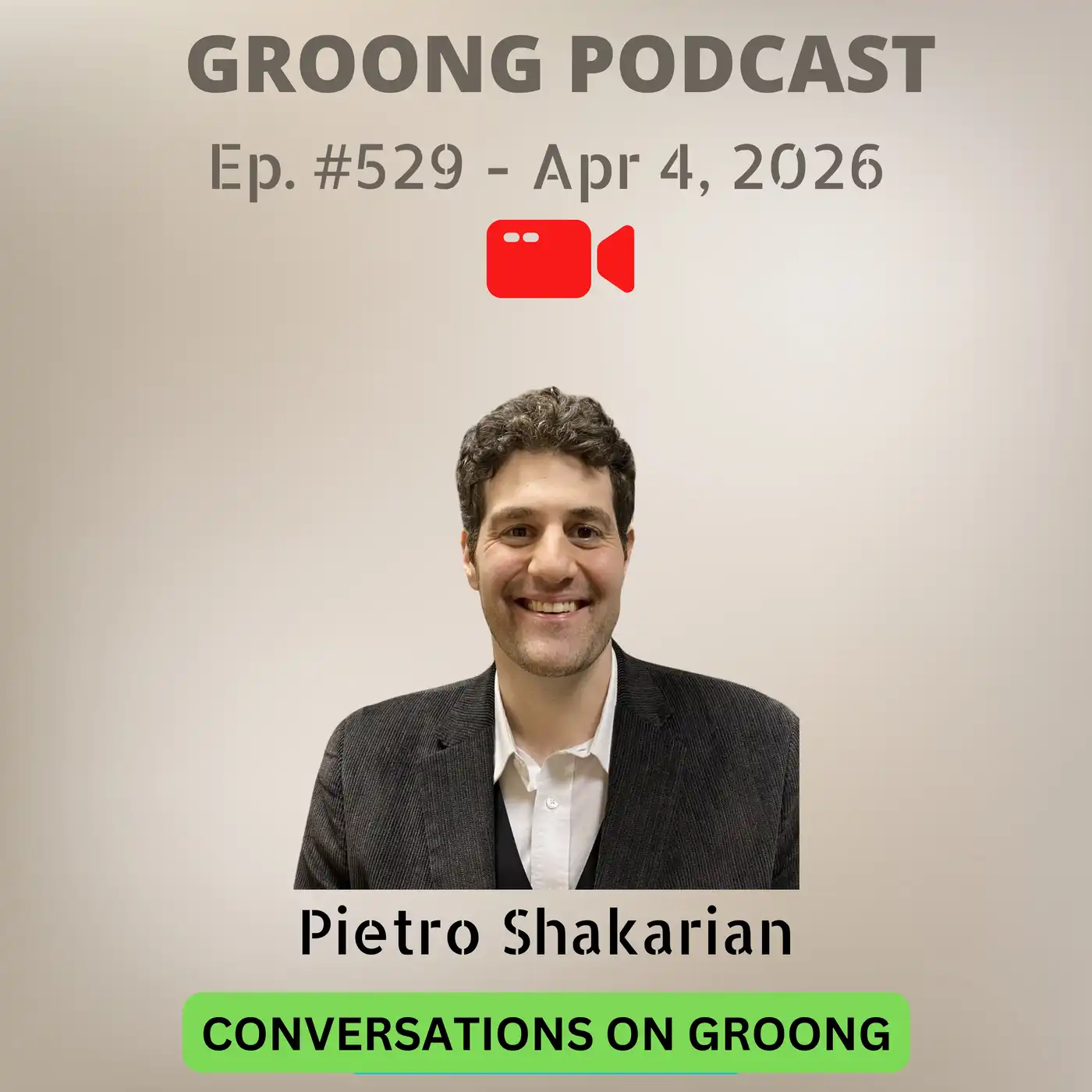
Groong Links:
Guest:
Topics:
- The Iran War and Its Global Impacts
- Armenia-Russia Relations
- Parliamentary Elections in Armenia
Episode 529 | Recorded on April 3, 2026
#IranIsraelWar #IsraelIranConflict #IsraelConflict #Armenia #MiddleEastCrisis #ArmeniaElections #PietroShakarian #TRIPP
Pietro Shakarian - Iran War, Armenia and Russia, June Parliamentary Elections | Ep 529, Apr 4, 2026 [EP529]
Posted on Saturday, Apr 4, 2026 | Category: Armenia, Iran, Russia, Azerbaijan, Turkey, Israel, Nagorno Karabakh, BRICS, European Union, Ukraine, NATOGroong Links:
Guest:
Topics:
- The Iran War and Its Global Impacts
- Armenia-Russia Relations
- Parliamentary Elections in Armenia
Episode 529 | Recorded on April 3, 2026
#IranIsraelWar #IsraelIranConflict #IsraelConflict #Armenia #MiddleEastCrisis #ArmeniaElections #PietroShakarian #TRIPP
Transcript: Pietro Shakarian - Iran War, Armenia and Russia, June Parliamentary Elections | Ep 529, Apr 4, 2026 [EP529]
Posted on Saturday, Apr 4, 2026 | Category: Armenia, Iran, Russia, Azerbaijan, Turkey, Israel, Nagorno Karabakh, BRICS, European Union, Ukraine, NATO, TranscriptDr. Pietro Shakarian joined us to discuss the state of the U.S.-Israel war on Iran, the shrinking chances for a diplomatic off-ramp, and how the conflict is shifting wider Eurasian politics. The conversation then turned to Armenia, including the likely freezing of TRIPP amid the Iran war, Pashinyan’s contentious visit to Moscow, and the deeper low point in Armenia-Russia relations. The final section focused on Armenia’s June parliamentary elections, public sentiment toward Pashinyan, fears over election integrity, and the evolving opposition landscape.
Varuzhan Geghamyan - Iran War, Zangezur Corridor, Nakhijevan Constitution | Ep 524, Mar 20, 2026 [EP524]
Posted on Friday, Mar 20, 2026 | Category: Politics, Iran, Armenia, Israel, Azerbaijan, USA, Turkey, Artsakh, Geopolitics, Middle East, Nagorno Karabakh, Russia, Syria, China, Economy, Georgia, Ukraine | Series: cog, video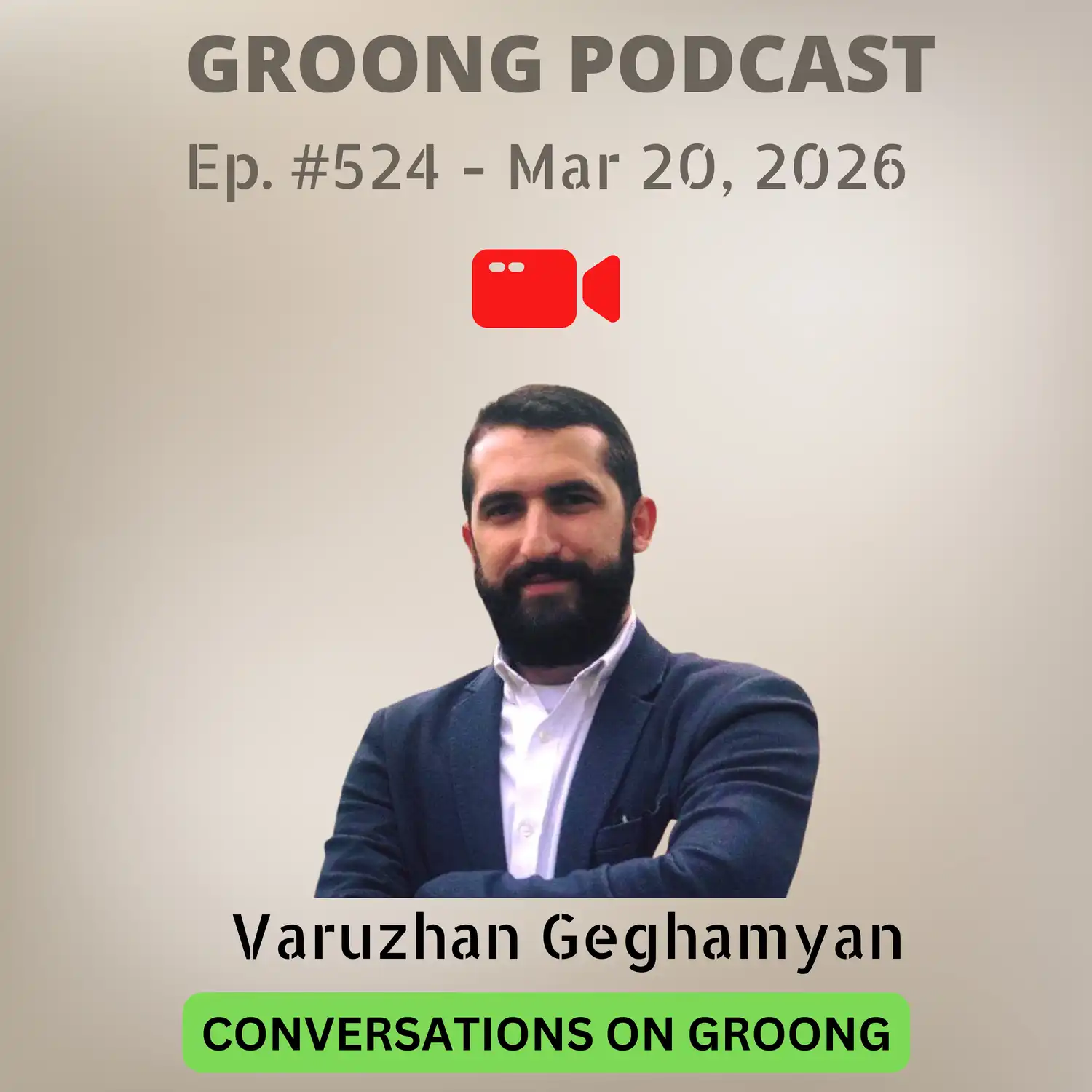
Groong Links:
Guest:
Topics:
- Iran at War
- The Northern Front: Turkey & Azerbaijan
- Changing Nakhichevanâs Constitution
Episode 524 | Recorded: March 19, 2026
#IranWar #VaruzhanGeghamyan #ZangezurCorridor #Syunik #ArmeniaGeopolitics
Varuzhan Geghamyan - Iran War, Zangezur Corridor, Nakhijevan Constitution | Ep 524, Mar 20, 2026 [EP524]
Posted on Friday, Mar 20, 2026 | Category: Politics, Iran, Armenia, Israel, Azerbaijan, USA, Turkey, Artsakh, Geopolitics, Middle East, Nagorno Karabakh, Russia, Syria, China, Economy, Georgia, UkraineGroong Links:
Guest:
Topics:
- Iran at War
- The Northern Front: Turkey & Azerbaijan
- Changing Nakhichevanâs Constitution
Episode 524 | Recorded: March 19, 2026
#IranWar #VaruzhanGeghamyan #ZangezurCorridor #Syunik #ArmeniaGeopolitics
Groong Links:
Guest:
Topics:
- Iran War Update
- IRI Poll Review
- Political Landscape
Episode 521 | Recorded: March 10, 2026
#IranWar #EpicFury #MiddleEastWar #ArmeniaForeignPolicy #Sumgait1988 #IranIsraelConflict
Groong Links:
Guest:
Topics:
- Iran War Update
- IRI Poll Review
- Political Landscape
Episode 521 | Recorded: March 10, 2026
#IranWar #EpicFury #MiddleEastWar #ArmeniaForeignPolicy #Sumgait1988 #IranIsraelConflict
Hrant Mikaelian - Iran War, Effect on Armenia, Sumgait Pogroms | Ep 520, Mar 1, 2026 [EP520]
Posted on Wednesday, Mar 4, 2026 | Category: Iran, Armenia, Artsakh, Nagorno Karabakh, Iran, USA, Israel, Armenia, Azerbaijan, Turkey, Russia, China, BRICS, Ukraine, Middle East, Geopolitics, NATO, Syria | Series: wir, video
Groong Links:
Guest:
Topics:
- US and Israel launch war against Iran
- Decapitation strikes, mass civilian casualties
- Iran retaliates region-wide, war expands
- Armenia leadership silent
- Sumgait remembered
Episode 520 | Recorded: March 3, 2026
#IranWar #EpicFury #MiddleEastWar #ArmeniaForeignPolicy #Sumgait1988 #IranIsraelConflict
Hrant Mikaelian - Iran War, Effect on Armenia, Sumgait Pogroms | Ep 520, Mar 1, 2026 [EP520]
Posted on Wednesday, Mar 4, 2026 | Category: Iran, Armenia, Artsakh, Nagorno Karabakh, Iran, USA, Israel, Armenia, Azerbaijan, Turkey, Russia, China, BRICS, Ukraine, Middle East, Geopolitics, NATO, SyriaGroong Links:
Guest:
Topics:
- US and Israel launch war against Iran
- Decapitation strikes, mass civilian casualties
- Iran retaliates region-wide, war expands
- Armenia leadership silent
- Sumgait remembered
Episode 520 | Recorded: March 3, 2026
#IranWar #EpicFury #MiddleEastWar #ArmeniaForeignPolicy #Sumgait1988 #IranIsraelConflict
JD Vance in Armenia and Azerbaijan | Ep 517, Feb 15, 2026 [EP517]
Posted on Sunday, Feb 15, 2026 | Category: Armenia, Politics, Turkey, Azerbaijan, Armenian Church, Armenian Genocide, Iran, Russia, Genocide, Georgia, Israel, China, Ukraine | Series: cog, video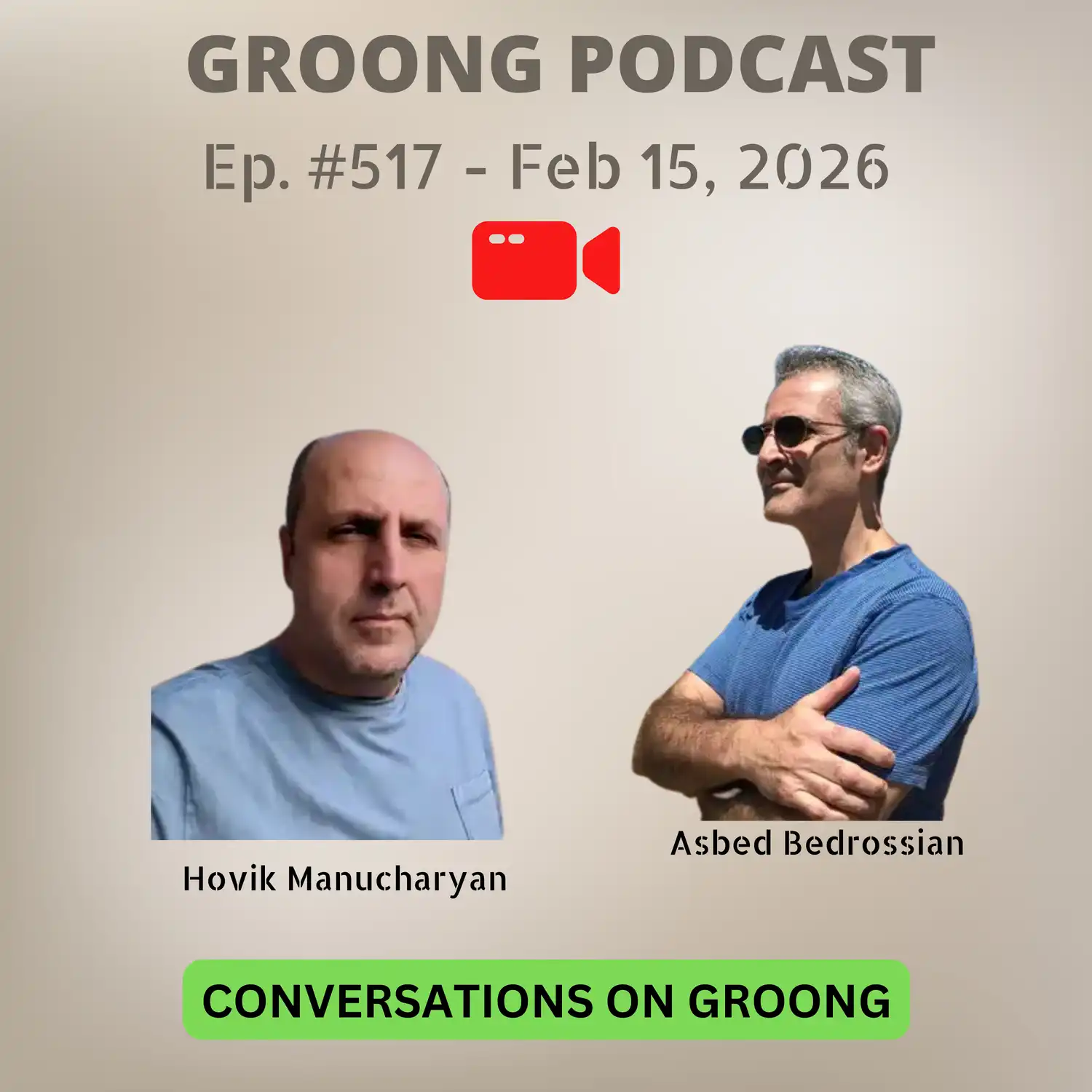
Groong Links:
Topics:
- Vance visit, protocol and optics
- Tsitsernakaberd tweet, âautocorrect diplomacyâ
- TRIPP corridor stake and sovereignty risks
- Nuclear SMR deal, costs and dependency
- Firebird AI project, power and value
- Drones, church silence, Baku charter and prisoners
Episode 517 | Recorded: February 13, 2026
#Groong #Armenia #JDVance #Tsitsernakaberd #TRIPP
JD Vance in Armenia and Azerbaijan | Ep 517, Feb 15, 2026 [EP517]
Posted on Sunday, Feb 15, 2026 | Category: Armenia, Politics, Turkey, Azerbaijan, Armenian Church, Armenian Genocide, Iran, Russia, Genocide, Georgia, Israel, China, UkraineGroong Links:
Topics:
- Vance visit, protocol and optics
- Tsitsernakaberd tweet, âautocorrect diplomacyâ
- TRIPP corridor stake and sovereignty risks
- Nuclear SMR deal, costs and dependency
- Firebird AI project, power and value
- Drones, church silence, Baku charter and prisoners
Episode 517 | Recorded: February 13, 2026
#Groong #Armenia #JDVance #Tsitsernakaberd #TRIPP
James Carden & Pietro Shakarian - Global Affairs in the Age of Trump 2.0 | Ep 515, Feb 7, 2026 [EP515]
Posted on Saturday, Feb 7, 2026 | Category: USA, TRIPP, Iran, Armenia, Israel, Azerbaijan, Armenian Church, Nagorno Karabakh, BRICS, Russia, China, Economy, Syria, Turkey, Ukraine, Human Rights, India, Middle East, NATO | Series: cog, video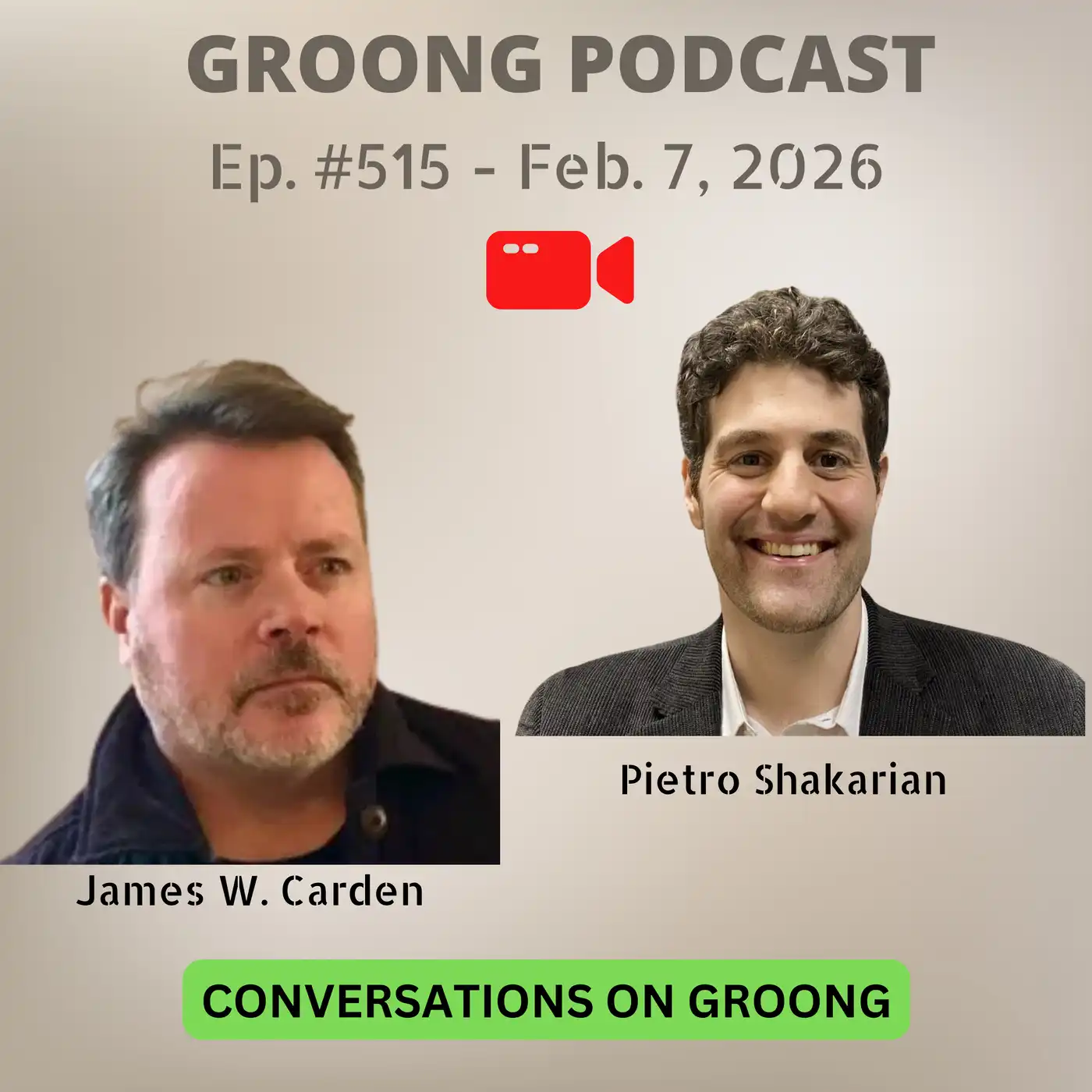
Groong Links:
Guest:
Topics:
- Trump 2.0 and the âDonroe Doctrineâ
- Rules-Based Disorder?
- Iran vs. the âBig, Beautiful Armadaâ
- US Cohesion and Midterms
- JD Vance in the South Caucasus
Episode 515 | Recorded: February 6, 2026
James Carden & Pietro Shakarian - Global Affairs in the Age of Trump 2.0 | Ep 515, Feb 7, 2026 [EP515]
Posted on Saturday, Feb 7, 2026 | Category: USA, TRIPP, Iran, Armenia, Israel, Azerbaijan, Armenian Church, Nagorno Karabakh, BRICS, Russia, China, Economy, Syria, Turkey, Ukraine, Human Rights, India, Middle East, NATOGroong Links:
Guest:
Topics:
- Trump 2.0 and the âDonroe Doctrineâ
- Rules-Based Disorder?
- Iran vs. the âBig, Beautiful Armadaâ
- US Cohesion and Midterms
- JD Vance in the South Caucasus
Episode 515 | Recorded: February 6, 2026
Joel Veldkamp - Christian Solidarity International Visits Armenian Bishops in Jail | Ep 513, Feb 4, 2026 [EP513]
Posted on Wednesday, Feb 4, 2026 | Category: Armenia, Politics, Armenian Church, Artsakh, Nagorno Karabakh, Human Rights, Artsakh Blockade, China, NATO, Iran | Series: cog, video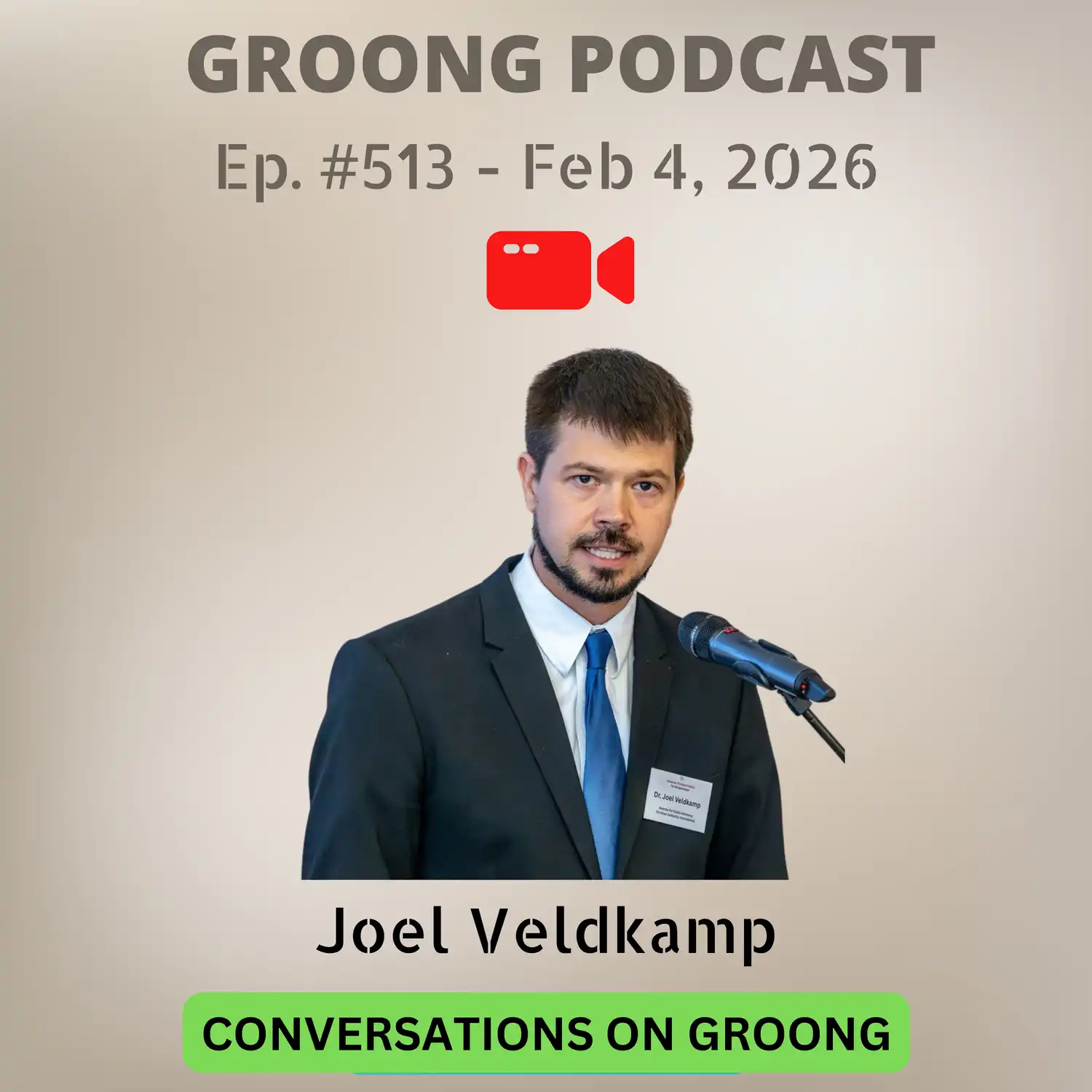
Groong Links:
Guest:
Topics:
- CSI Visits Jailed Cleric
- IRF Summit
- PACE MP Speaks Up
Episode 513 | Recorded: February 3, 2026
#ArmenianChurch #ReligiousFreedom #ClergyArrests #IRFSummit2026 #ChristianSolidarityInternational
Joel Veldkamp - Christian Solidarity International Visits Armenian Bishops in Jail | Ep 513, Feb 4, 2026 [EP513]
Posted on Wednesday, Feb 4, 2026 | Category: Armenia, Politics, Armenian Church, Artsakh, Nagorno Karabakh, Human Rights, Artsakh Blockade, China, NATO, IranGroong Links:
Guest:
Topics:
- CSI Visits Jailed Cleric
- IRF Summit
- PACE MP Speaks Up
Episode 513 | Recorded: February 3, 2026
#ArmenianChurch #ReligiousFreedom #ClergyArrests #IRFSummit2026 #ChristianSolidarityInternational
Asbed & Hovik - Iran, Varchaband, War on Church, Mehmet Oz, Strong Armenia, Noragyugh | Ep 512, Feb 1, 2026 [EP512]
Posted on Tuesday, Feb 3, 2026 | Category: Armenia, Politics, Artsakh, Nagorno Karabakh, Iran, Israel, Azerbaijan, Armenian Church, BRICS, Russia, Turkey, China, India, Ukraine | Series: wir, video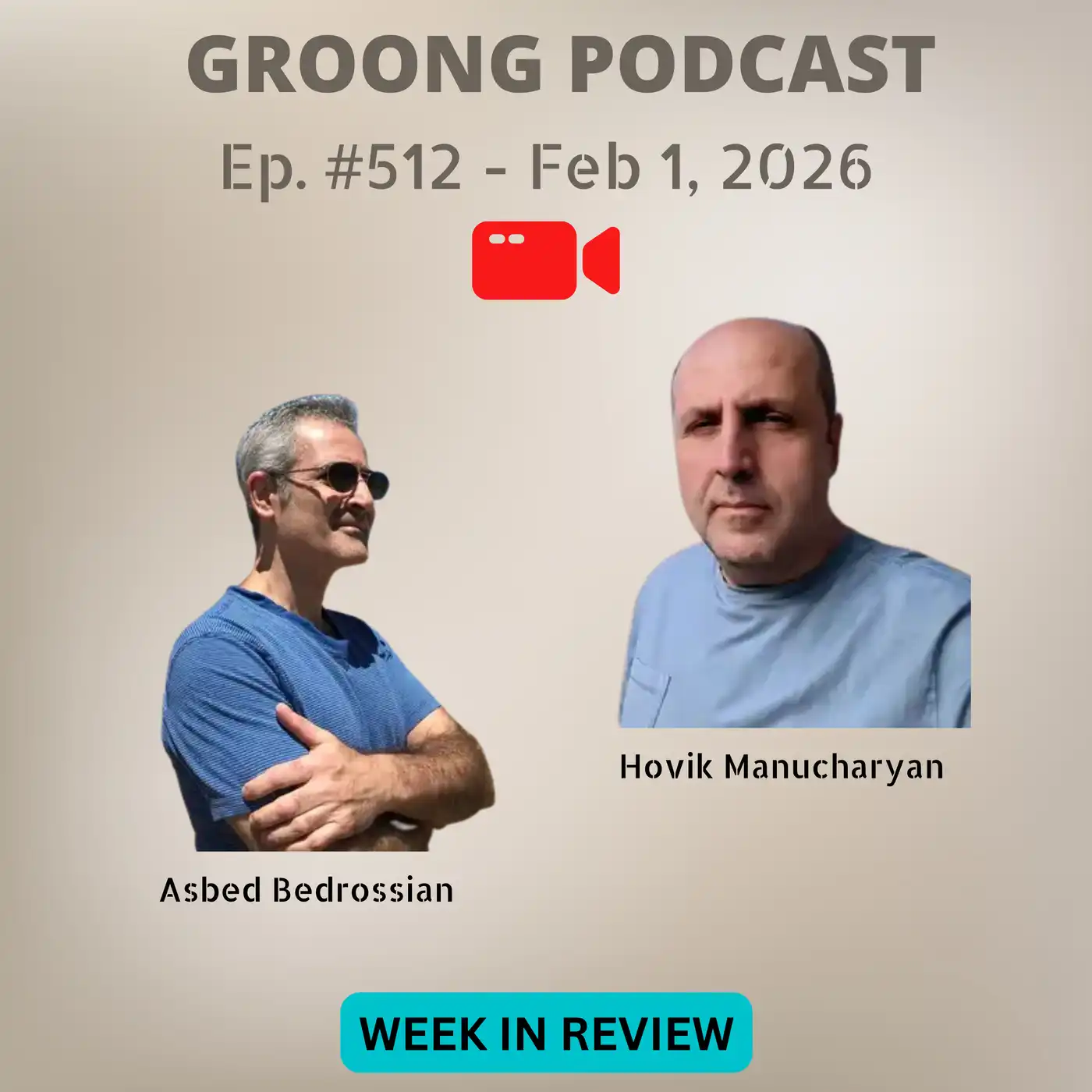
Groong Links:
Topics:
- Iran Conflict
- Varchaband
- War on Armenian Church
- Mehmet Oz vs Armenian Americans
- Narek Karapetyan and Strong Armenia
- A Big Beautiful Noragyugh
Episode 512 | Recorded: February 2, 2026
#IranIsraelWar #TrumpArmada #ArmenianChurch #Pashinyan #ArmenianDiaspora
Asbed & Hovik - Iran, Varchaband, War on Church, Mehmet Oz, Strong Armenia, Noragyugh | Ep 512, Feb 1, 2026 [EP512]
Posted on Tuesday, Feb 3, 2026 | Category: Armenia, Politics, Artsakh, Nagorno Karabakh, Iran, Israel, Azerbaijan, Armenian Church, BRICS, Russia, Turkey, China, India, UkraineGroong Links:
Topics:
- Iran Conflict
- Varchaband
- War on Armenian Church
- Mehmet Oz vs Armenian Americans
- Narek Karapetyan and Strong Armenia
- A Big Beautiful Noragyugh
Episode 512 | Recorded: February 2, 2026
#IranIsraelWar #TrumpArmada #ArmenianChurch #Pashinyan #ArmenianDiaspora
David Davidian - Armenia’s Foreign Intel Service Annual Report | Ep 511, Jan 31, 2026 [EP511]
Posted on Saturday, Jan 31, 2026 | Category: Armenia, Politics, Armenian Genocide, Nagorno Karabakh, Russia, Iran, Azerbaijan, Georgia, Genocide, India, Israel | Series: cog, video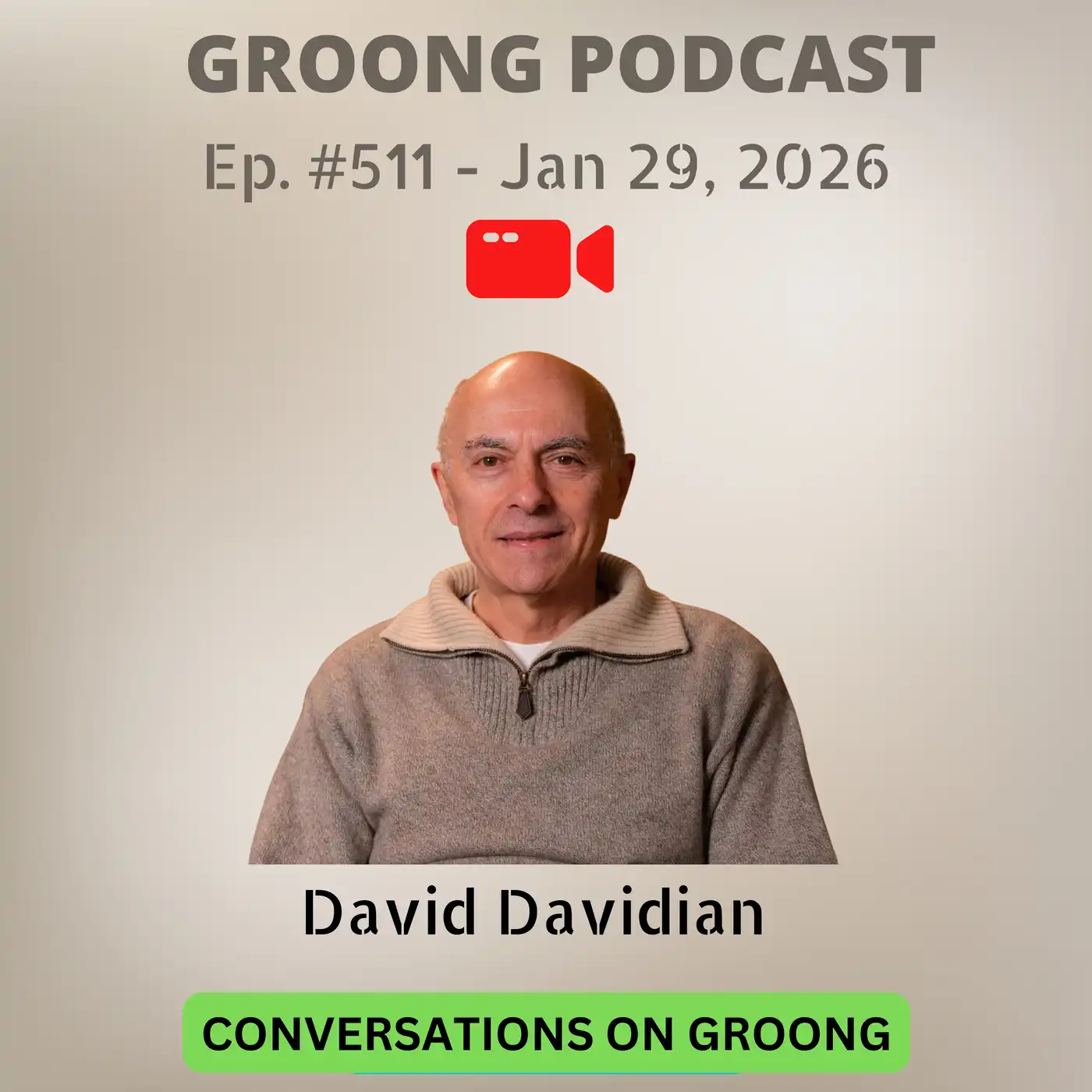
Groong Links:
Guest:
Topics:
- Return of Four Hostages
- Pashinyan vs. Church
- TRIPP
- Armenia Parliamentary Election
Episode 511 | Recorded: January 28, 2026
David Davidian - Armenia’s Foreign Intel Service Annual Report | Ep 511, Jan 31, 2026 [EP511]
Posted on Saturday, Jan 31, 2026 | Category: Armenia, Politics, Armenian Genocide, Nagorno Karabakh, Russia, Iran, Azerbaijan, Georgia, Genocide, India, IsraelGroong Links:
Guest:
Topics:
- Return of Four Hostages
- Pashinyan vs. Church
- TRIPP
- Armenia Parliamentary Election
Episode 511 | Recorded: January 28, 2026
Erhan Arik - Horovel and The Armenian Genocide | Ep 509, Jan 22, 2026 [EP509]
Posted on Thursday, Jan 22, 2026 | Category: Arts, Armenia, Artsakh, Nagorno Karabakh, Armenian Genocide, Turkey, Genocide, Iran, Russia, Middle East, Lebanon, Georgia, India, NATO, Azerbaijan | Series: tcc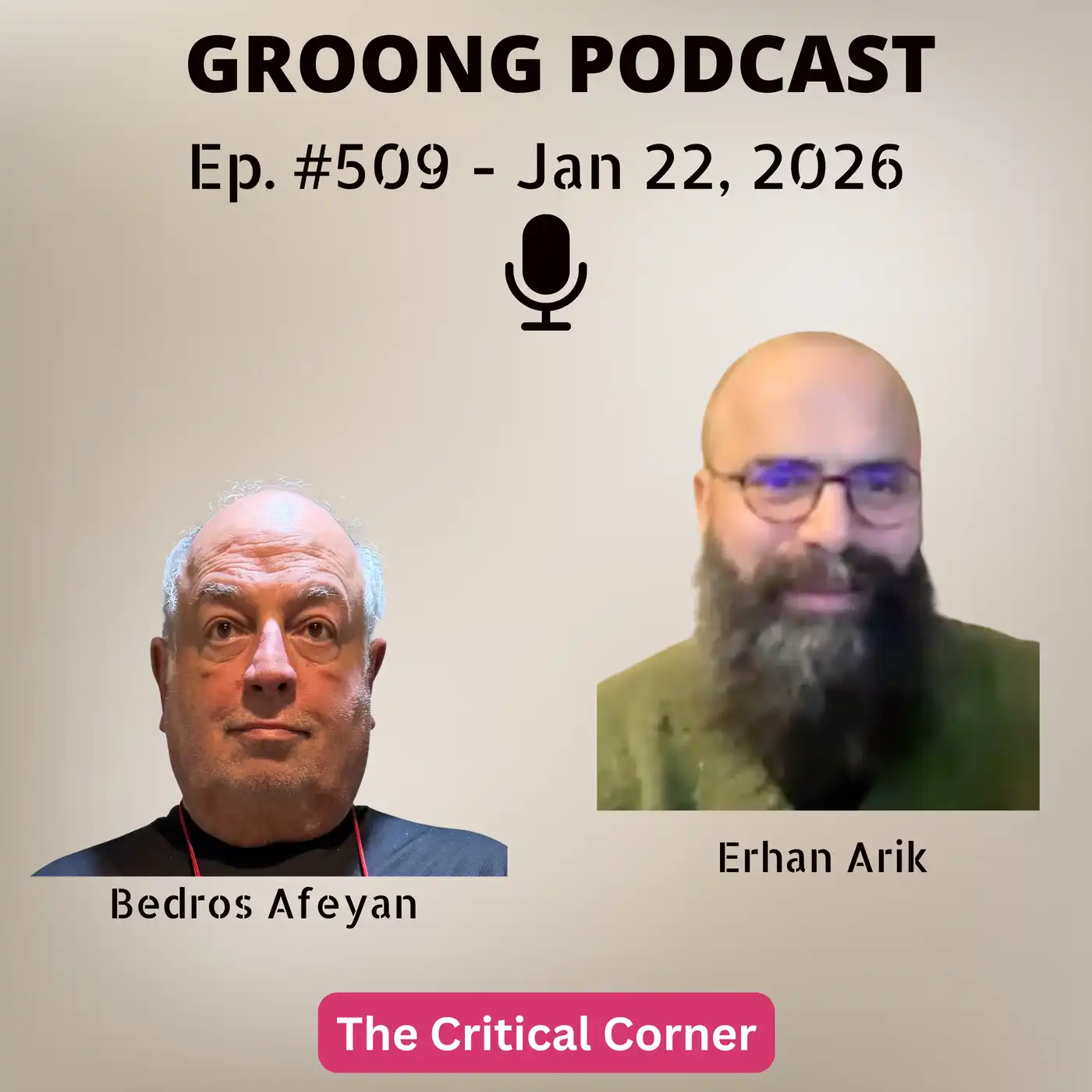
Groong Links:
Guest Host:
Guest:
- Erhan Arik ,Photojournalist
Topics:
- Horovel, a cross-border memory project
- Ojakh, a second trip down memory lane
- Gayan, a wider regional lens
- Our Seeds, continuity across generations
Episode 509 | Recorded: January 18, 2026
Erhan Arik - Horovel and The Armenian Genocide | Ep 509, Jan 22, 2026 [EP509]
Posted on Thursday, Jan 22, 2026 | Category: Arts, Armenia, Artsakh, Nagorno Karabakh, Armenian Genocide, Turkey, Genocide, Iran, Russia, Middle East, Lebanon, Georgia, India, NATO, AzerbaijanGroong Links:
Guest Host:
Guest:
- Erhan Arik ,Photojournalist
Topics:
- Horovel, a cross-border memory project
- Ojakh, a second trip down memory lane
- Gayan, a wider regional lens
- Our Seeds, continuity across generations
Episode 509 | Recorded: January 18, 2026
Pietro Shakarian - Iran, Russia, and the Geopolitics of Post-Soviet Eurasia | Ep 506, Jan 16, 2026 [EP506]
Posted on Friday, Jan 16, 2026 | Category: Armenia, History, Iran, Russia, Azerbaijan, Turkey, Israel, Nagorno Karabakh, BRICS, European Union, Syria, China, Ukraine, Genocide, India, NATO, Georgia, Middle East, Human Rights | Series: cog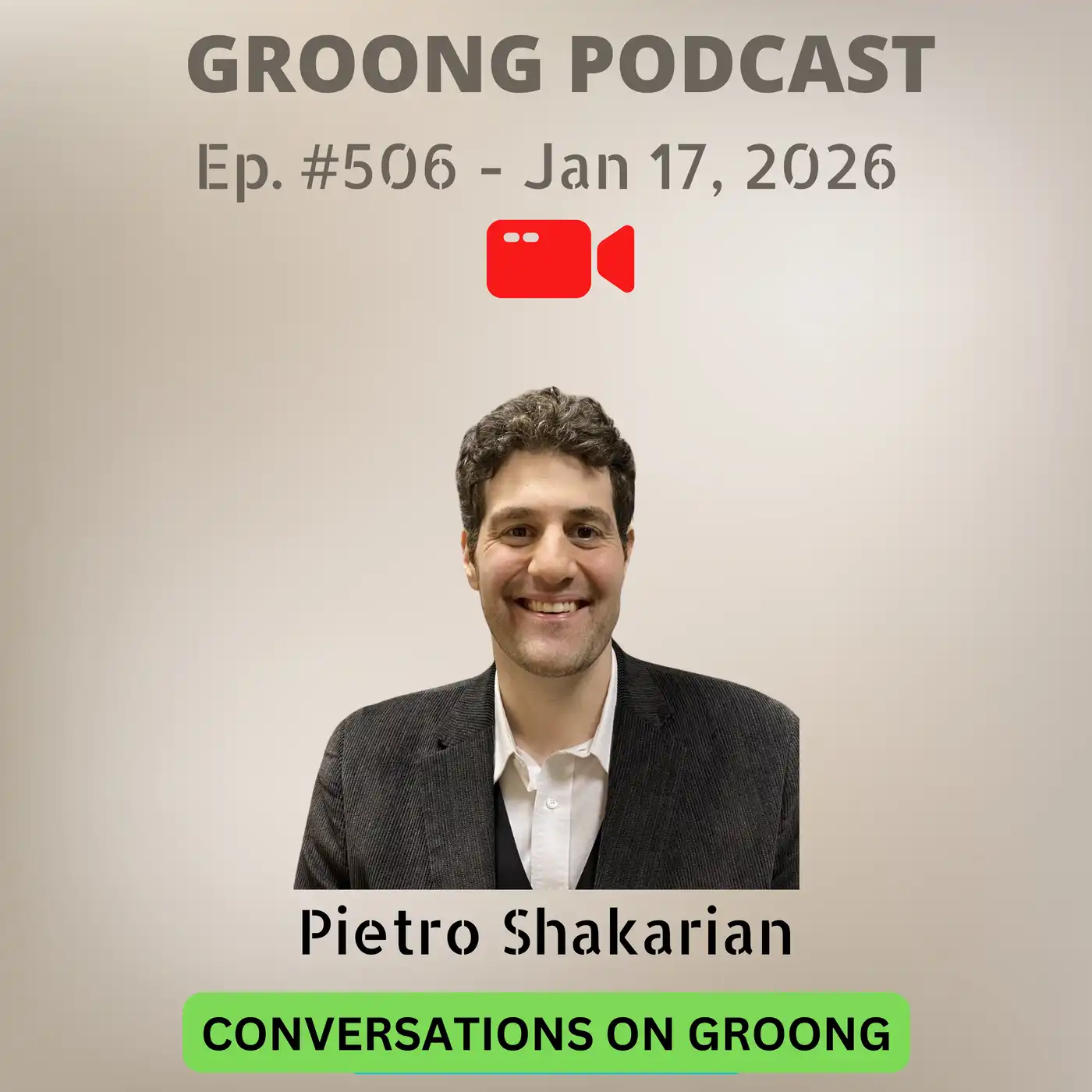
Groong Links:
Guest:
Topics:
- Unrest in Iran
- Russia-Iran Partnership
- Solovyovâs Statements
- Trumpâs âTRIPP Wireâ in the Caucasus
- Release of Armenian hostages
Episode 506 | Recorded on January 14, 2026
Pietro Shakarian - Iran, Russia, and the Geopolitics of Post-Soviet Eurasia | Ep 506, Jan 16, 2026 [EP506]
Posted on Friday, Jan 16, 2026 | Category: Armenia, History, Iran, Russia, Azerbaijan, Turkey, Israel, Nagorno Karabakh, BRICS, European Union, Syria, China, Ukraine, Genocide, India, NATO, Georgia, Middle East, Human RightsGroong Links:
Guest:
Topics:
- Unrest in Iran
- Russia-Iran Partnership
- Solovyovâs Statements
- Trumpâs âTRIPP Wireâ in the Caucasus
- Release of Armenian hostages
Episode 506 | Recorded on January 14, 2026
Kevork Hagopjian - Armenia’s Church-State Showdown | Ep 504, Jan 13, 2026 [EP504]
Posted on Tuesday, Jan 13, 2026 | Category: Armenia, Armenian Church, Politics, Artsakh, Nagorno Karabakh, Artsakh Blockade, Human Rights, Russia, Turkey, Iran, Azerbaijan, Lebanon, NATO, European Union | Series: cog, video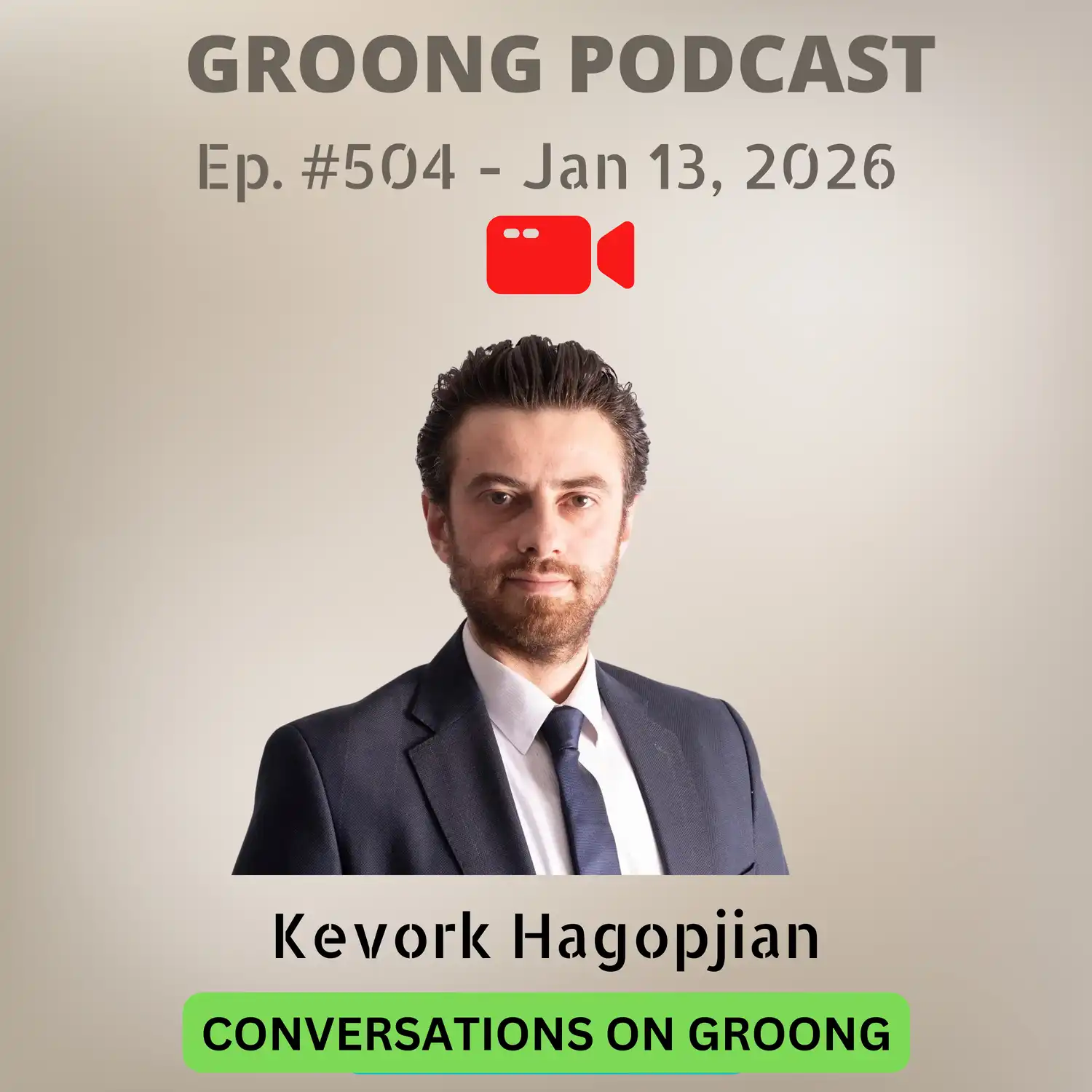
Groong Links:
Guest:
Topics:
- The Legal Architecture: Autonomy, Exclusive Mission, and State Neutrality
- Engineering Parallel, Schismatic Structures
- Criminal Law as Leverage
- Bern in Action and Reaction
- The Deeper Stakes: National Identity
Episode 504 | Recorded: January 12, 2026
#Armenia #ArmenianChurch #Etchmiadzin #HumanRights #ReligiousFreedom