Vladimir Putin
Last updated: May 29, 2026
Vladimir Putin has been the central figure in Russia’s management of the South Caucasus for over two decades. His administration brokered the November 9, 2020 ceasefire that ended the 44-Day War, deployed Russian peacekeepers to Nagorno Karabakh (Artsakh), and positioned Russia as the indispensable mediator between Armenia and Azerbaijan. That architecture has since collapsed: Russia failed to prevent the Lachin Corridor blockade , took no action during Azerbaijan’s September 2023 offensive that resulted in the ethnic cleansing of Artsakh’s entire Armenian population, and watched as Armenia systematically withdrew from Russian-led security and economic structures.
The Ukraine War , which Putin launched in February 2022, fundamentally altered Russia’s capacity and willingness to act in the South Caucasus. With military resources committed to Ukraine and diplomatic isolation from the West deepening, Moscow’s ability to enforce its South Caucasus commitments diminished sharply. Putin’s personal relationships with Aliyev and Pashinyan — and his apparent willingness to tolerate Azerbaijan’s territorial advances — have become a template for how great-power guarantees can unravel when the guarantor’s interests diverge from the guaranteed party’s needs.
Groong covers Putin’s role in South Caucasus affairs through direct analysis of Russian policy, tracking of the peace process mediation formats, and assessment of what Russian withdrawal from its traditional mediating role means for the durability of any future Armenia-Azerbaijan settlement.
Groong episodes that include this tag
Below are all Groong episodes tagged with Vladimir Putin.
Christine Arakelian - Pashinyan vs. the Church, India Armenia, NGOs and Foreign Influence | Ep 462, Aug 17, 2025 [EP462]
Posted on Sunday, Aug 17, 2025 | Category: Georgia, Politics, Armenia, Armenian Church, Human Rights, Russia, India, Turkey, Ukraine, Israel, Economy | Series: cog, video
Groong Links:
Guest:
Topics:
- Pashinyan vs. The Armenian Church
- Indian-Armenian Relations
- NGOs and Foreign Influence
- U.S. Geopolitics and the Trump Corridor
Episode 462 | Recorded: August 15, 2025
Christine Arakelian - Pashinyan vs. the Church, India Armenia, NGOs and Foreign Influence | Ep 462, Aug 17, 2025 [EP462]
Posted on Sunday, Aug 17, 2025 | Category: Georgia, Politics, Armenia, Armenian Church, Human Rights, Russia, India, Turkey, Ukraine, Israel, EconomyGroong Links:
Guest:
Topics:
- Pashinyan vs. The Armenian Church
- Indian-Armenian Relations
- NGOs and Foreign Influence
- U.S. Geopolitics and the Trump Corridor
Episode 462 | Recorded: August 15, 2025
Groong Links:
Guest:
Topics:
- US Geopolitics
- #Gaza, #Iran, #Russia, #Ukraine
- #DonaldTrump, #Pashinyan, #Aliyev meet in the #WhiteHouse
Episode 460 | Recorded: August 11, 2025
Groong Links:
Guest:
Topics:
- US Geopolitics
- #Gaza, #Iran, #Russia, #Ukraine
- #DonaldTrump, #Pashinyan, #Aliyev meet in the #WhiteHouse
Episode 460 | Recorded: August 11, 2025
Dziunik Aghajanian - Trump, Aliyev, Pashinyan Oval Office Meeting and Reactions | Ep 459, Aug 10, 2025 [EP459]
Posted on Tuesday, Aug 12, 2025 | Category: Armenia, Politics, Iran, Nagorno Karabakh, Azerbaijan, Turkey, USA, Russia, BRICS, Genocide, China, Economy, Israel, Ukraine, Human Rights, Lebanon, Middle East, Syria | Series: wir, video
Groong Links:
Guest:
Topics:
- Trump, Aliyev, Pashinyan Meeting
- Iranian Reaction
- Russian Reaction
Episode 459 | Recorded: August 11, 2025
Dziunik Aghajanian - Trump, Aliyev, Pashinyan Oval Office Meeting and Reactions | Ep 459, Aug 10, 2025 [EP459]
Posted on Tuesday, Aug 12, 2025 | Category: Armenia, Politics, Iran, Nagorno Karabakh, Azerbaijan, Turkey, USA, Russia, BRICS, Genocide, China, Economy, Israel, Ukraine, Human Rights, Lebanon, Middle East, SyriaGroong Links:
Guest:
Topics:
- Trump, Aliyev, Pashinyan Meeting
- Iranian Reaction
- Russian Reaction
Episode 459 | Recorded: August 11, 2025
Summary In this episode, Christine Arakelian and Col. Douglas MacGregor join the hosts to analyze U.S. foreign policy moves from Gaza to the South Caucasus. They discuss Israel’s ongoing campaign in Gaza, the recent U.S. and Israeli strikes on Iran, and the likely resumption of hostilities. The conversation examines the Trump–Pashinyan–Aliyev White House summit, the strategic “Trump Corridor” across Armenia, and its impact on Russia, Iran, and India. The guests explore India–Armenia relations, U.S. economic vulnerabilities, and the challenges of sustaining a long-term American role in the Read More
Stanislav Krapivnik - The Evolving World Order, Russia, and the South Caucasus | Ep 458, Aug 9, 2025 [EP458]
Posted on Sunday, Aug 10, 2025 | Category: Georgia, Politics, Ukraine, Artsakh, Nagorno Karabakh, Armenia, Azerbaijan, Armenian Church, Russia, Iran, NATO, Turkey, Economy, Israel | Series: cog, video
Groong Links:
Guest:
Topics:
- Trump, Pashinyan, Aliyev DC Summit
- Ukraine War and the Shifting World Order
- Russia and the South Caucasus
Episode 458 | Recorded: August 9, 2025
Stanislav Krapivnik - The Evolving World Order, Russia, and the South Caucasus | Ep 458, Aug 9, 2025 [EP458]
Posted on Sunday, Aug 10, 2025 | Category: Georgia, Politics, Ukraine, Artsakh, Nagorno Karabakh, Armenia, Azerbaijan, Armenian Church, Russia, Iran, NATO, Turkey, Economy, IsraelGroong Links:
Guest:
Topics:
- Trump, Pashinyan, Aliyev DC Summit
- Ukraine War and the Shifting World Order
- Russia and the South Caucasus
Episode 458 | Recorded: August 9, 2025
Transcript: Stanislav Krapivnik - The Evolving World Order, Russia, and the South Caucasus | Ep 458, Aug 9, 2025 [EP458]
Posted on Sunday, Aug 10, 2025 | Category: Georgia, Politics, Ukraine, Artsakh, Nagorno Karabakh, Armenia, Azerbaijan, Armenian Church, Russia, Iran, NATO, Turkey, Economy, Israel, TranscriptIn this episode, former U.S. Army officer and military-political analyst Stanislav Krapivnik discusses the geopolitical fallout from the Trump-Pashinyan-Aliyev summit in Washington, which saw the announcement of a “peace” framework, the dissolution of the OSCE Minsk Group, U.S. plans for a 99-year “Trump Corridor” across Armenia, and the dropping of Section 907 to allow arms sales to Azerbaijan. He examines Russia’s heavy focus on the Ukraine war at the expense of the South Caucasus, the loss of Russian leverage over Armenia and Azerbaijan, and the growing role of Turkey. Krapivnik warns of Read More
Benyamin Poghosyan - Trump Ultimatum to Putin, Corridor Pressures, DC Summit, Kitchen Sink | Ep 457, Aug 3, 2025 [EP457]
Posted on Tuesday, Aug 5, 2025 | Category: Armenia, Politics, Poll, Artsakh, Nagorno Karabakh, Azerbaijan, Iran, Ukraine, Russia, India, China, Armenian Genocide, NATO | Series: wir, video
Groong Links:
Guest:
Topics:
- Trump Ultimatum to Putin
- US Sanctions effect on Armenia
- Turkey, US, and Armeniaâs Territory
- The Kitchen Sink
Episode 457 | Recorded: August 3, 2025
Benyamin Poghosyan - Trump Ultimatum to Putin, Corridor Pressures, DC Summit, Kitchen Sink | Ep 457, Aug 3, 2025 [EP457]
Posted on Tuesday, Aug 5, 2025 | Category: Armenia, Politics, Poll, Artsakh, Nagorno Karabakh, Azerbaijan, Iran, Ukraine, Russia, India, China, Armenian Genocide, NATOGroong Links:
Guest:
Topics:
- Trump Ultimatum to Putin
- US Sanctions effect on Armenia
- Turkey, US, and Armeniaâs Territory
- The Kitchen Sink
Episode 457 | Recorded: August 3, 2025
Arman Grigoryan - Iran and US vs Iran, Strategic Dangers to Armenia | Ep 448, Jun 23, 2025 [EP448]
Posted on Monday, Jun 23, 2025 | Category: Iran, Russia, Armenia, Israel, Politics, Syria, China, USA, Azerbaijan, European Union, Turkey, Ukraine, Middle East, Georgia | Series: cog, video
Groong Links:
Guest:
Topics:
- Israelâs war on Iran and U.S. involvement
- Risks of Iranian regime change or partition
- Strategic dangers to Armenia
Episode 448 | Recorded: June 21, 2025
Arman Grigoryan - Iran and US vs Iran, Strategic Dangers to Armenia | Ep 448, Jun 23, 2025 [EP448]
Posted on Monday, Jun 23, 2025 | Category: Iran, Russia, Armenia, Israel, Politics, Syria, China, USA, Azerbaijan, European Union, Turkey, Ukraine, Middle East, GeorgiaGroong Links:
Guest:
Topics:
- Israelâs war on Iran and U.S. involvement
- Risks of Iranian regime change or partition
- Strategic dangers to Armenia
Episode 448 | Recorded: June 21, 2025
Fyodor Lukyanov - Israel Attacks Iran: Perspectives From Russia | Ep 447, Jun 16, 2025 [EP447]
Posted on Monday, Jun 16, 2025 | Category: Iran, Russia, Armenia, Israel, Politics, Azerbaijan, Georgia, Geopolitics, Turkey, Ukraine, Armenian Church, Artsakh Blockade, NATO, China, Syria, Middle East, Economy | Series: cog, video
Groong Links:
Guest:
Topics:
- Israel hits Iran, talks collapse
- Armenia at risk if Iran weakens
- Russia hardens stance on Ukraine
Episode 447 | Recorded: June 15, 2025
Fyodor Lukyanov - Israel Attacks Iran: Perspectives From Russia | Ep 447, Jun 16, 2025 [EP447]
Posted on Monday, Jun 16, 2025 | Category: Iran, Russia, Armenia, Israel, Politics, Azerbaijan, Georgia, Geopolitics, Turkey, Ukraine, Armenian Church, Artsakh Blockade, NATO, China, Syria, Middle East, EconomyGroong Links:
Guest:
Topics:
- Israel hits Iran, talks collapse
- Armenia at risk if Iran weakens
- Russia hardens stance on Ukraine
Episode 447 | Recorded: June 15, 2025
Transcript: Fyodor Lukyanov - Israel Attacks Iran: Perspectives From Russia | Ep 447, Jun 16, 2025 [EP447]
Posted on Monday, Jun 16, 2025 | Category: Iran, Russia, Armenia, Israel, Politics, Azerbaijan, Georgia, Geopolitics, Turkey, Ukraine, Armenian Church, Artsakh Blockade, NATO, China, Syria, Middle East, Economy, TranscriptIn this episode of Conversations on Groong, we speak with Fyodor Lukyanov, editor-in-chief of Russia in Global Affairs, to analyze the geopolitical fallout from Israel’s surprise military campaign against Iran, known as Operation Rising Lion. We explore how the attacks may sabotage U.S.-Iran nuclear negotiations, shift Russia’s strategic calculus, and destabilize the South Caucasus—particularly Armenia’s Syunik province. We also examine the implications for Russia-Iran relations, the Zangezur corridor, and Azerbaijan’s military posture. Finally, we discuss Ukraine’s Operation Spiderweb, recent Read More
Hrant Mikaelian - Poland’s Shift, RPA’s Nominee, Economy, Demographics | Ep 444, June 8, 2025 [EP444]
Posted on Wednesday, Jun 11, 2025 | Category: Armenia, Politics, Artsakh, Nagorno Karabakh, Azerbaijan, Ukraine, Russia, Geopolitics, India, Armenian Church, Georgia, Economy, Turkey, NATO, Iran | Series: wir, video
Groong Links:
Guest:
Topics:
- Ukraine’s War, Polandâs Pivot?
- Status Check on the Economy
- RPA Names PM Candidate
- Armeniaâs Demographic Threats
- The Kitchen Sink
Episode 444 | Recorded: June 9, 2025
Hrant Mikaelian - Poland’s Shift, RPA’s Nominee, Economy, Demographics | Ep 444, June 8, 2025 [EP444]
Posted on Wednesday, Jun 11, 2025 | Category: Armenia, Politics, Artsakh, Nagorno Karabakh, Azerbaijan, Ukraine, Russia, Geopolitics, India, Armenian Church, Georgia, Economy, Turkey, NATO, IranGroong Links:
Guest:
Topics:
- Ukraine’s War, Polandâs Pivot?
- Status Check on the Economy
- RPA Names PM Candidate
- Armeniaâs Demographic Threats
- The Kitchen Sink
Episode 444 | Recorded: June 9, 2025
Benyamin Poghosyan - Ukraine and US-Iran, Fidan in Moscow, Lachin, Azerbaijan and Pashinyan attack Armenian Church, Impeachment vs. Elections | Ep 442, June 1, 2025 [EP442]
Posted on Tuesday, Jun 3, 2025 | Category: Armenia, Politics, Iran, Geopolitics, Artsakh, Nagorno Karabakh, Azerbaijan, Georgia, Turkey, Russia, Armenian Church, Ukraine, India, Israel, China, Syria, Economy, European Union | Series: wir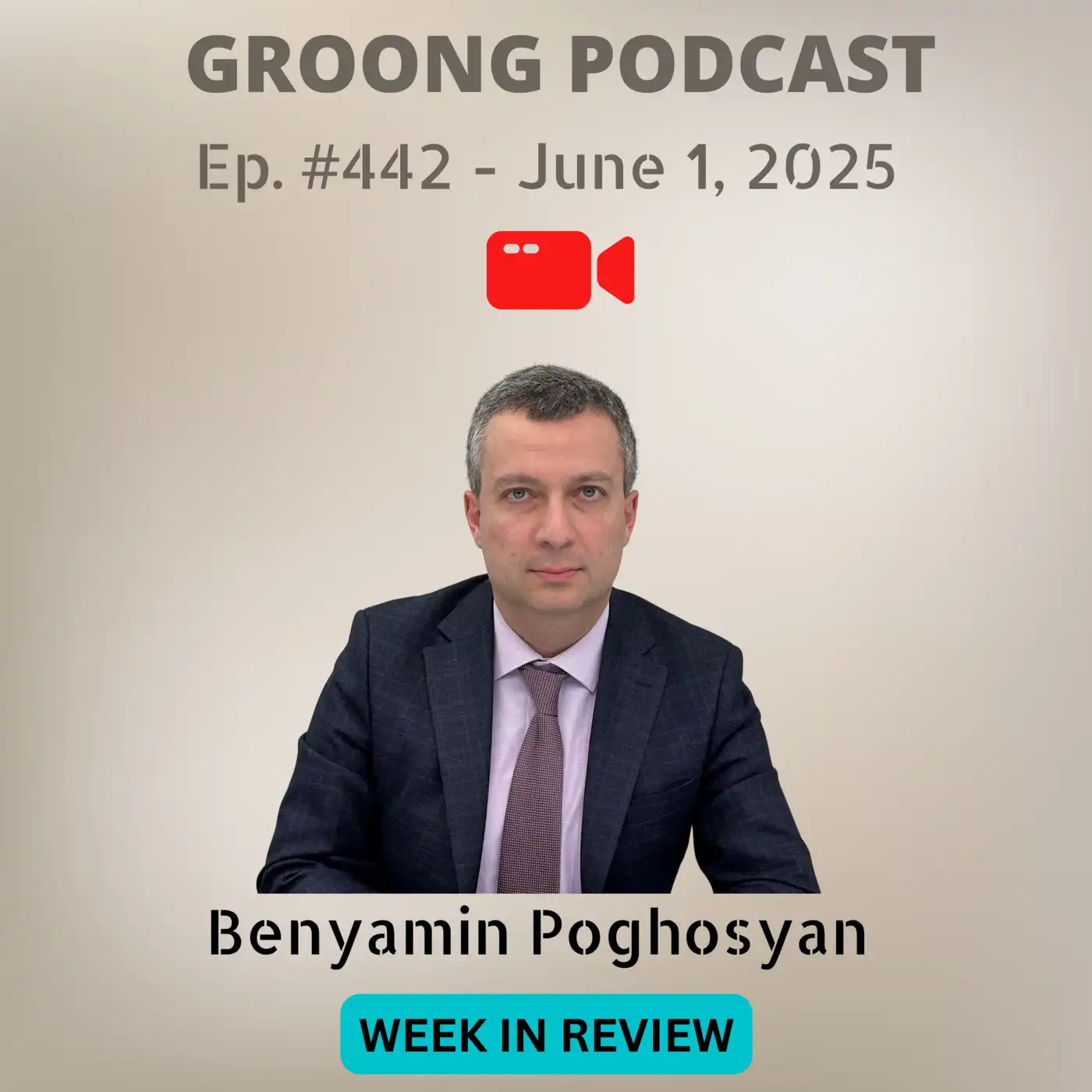
Groong Links:
Guest:
Topics:
- Status of Ukraine and US-Iran Crises
- Hakan Fidan in Moscow
- Erdogan, Aliyev, Sharif in Lachin
- Azerbaijan and Pashinyan Attack the Armenian Church
- Impeachment vs. Elections
- The Kitchen Sink
Episode 442 | Recorded: June 2, 2025
Benyamin Poghosyan - Ukraine and US-Iran, Fidan in Moscow, Lachin, Azerbaijan and Pashinyan attack Armenian Church, Impeachment vs. Elections | Ep 442, June 1, 2025 [EP442]
Posted on Tuesday, Jun 3, 2025 | Category: Armenia, Politics, Iran, Geopolitics, Artsakh, Nagorno Karabakh, Azerbaijan, Georgia, Turkey, Russia, Armenian Church, Ukraine, India, Israel, China, Syria, Economy, European UnionGroong Links:
Guest:
Topics:
- Status of Ukraine and US-Iran Crises
- Hakan Fidan in Moscow
- Erdogan, Aliyev, Sharif in Lachin
- Azerbaijan and Pashinyan Attack the Armenian Church
- Impeachment vs. Elections
- The Kitchen Sink
Episode 442 | Recorded: June 2, 2025
Arthur Khachatryan – Republic Day, EU Drama, and Constitutional Chaos | Ep 441, May 25, 2025 [EP441]
Posted on Thursday, May 29, 2025 | Category: Armenia, Politics, Artsakh, Nagorno Karabakh, Azerbaijan, Georgia, Turkey, Russia, Artsakh Blockade, Armenian Genocide, Genocide, Iran, Human Rights, Economy | Series: wir, video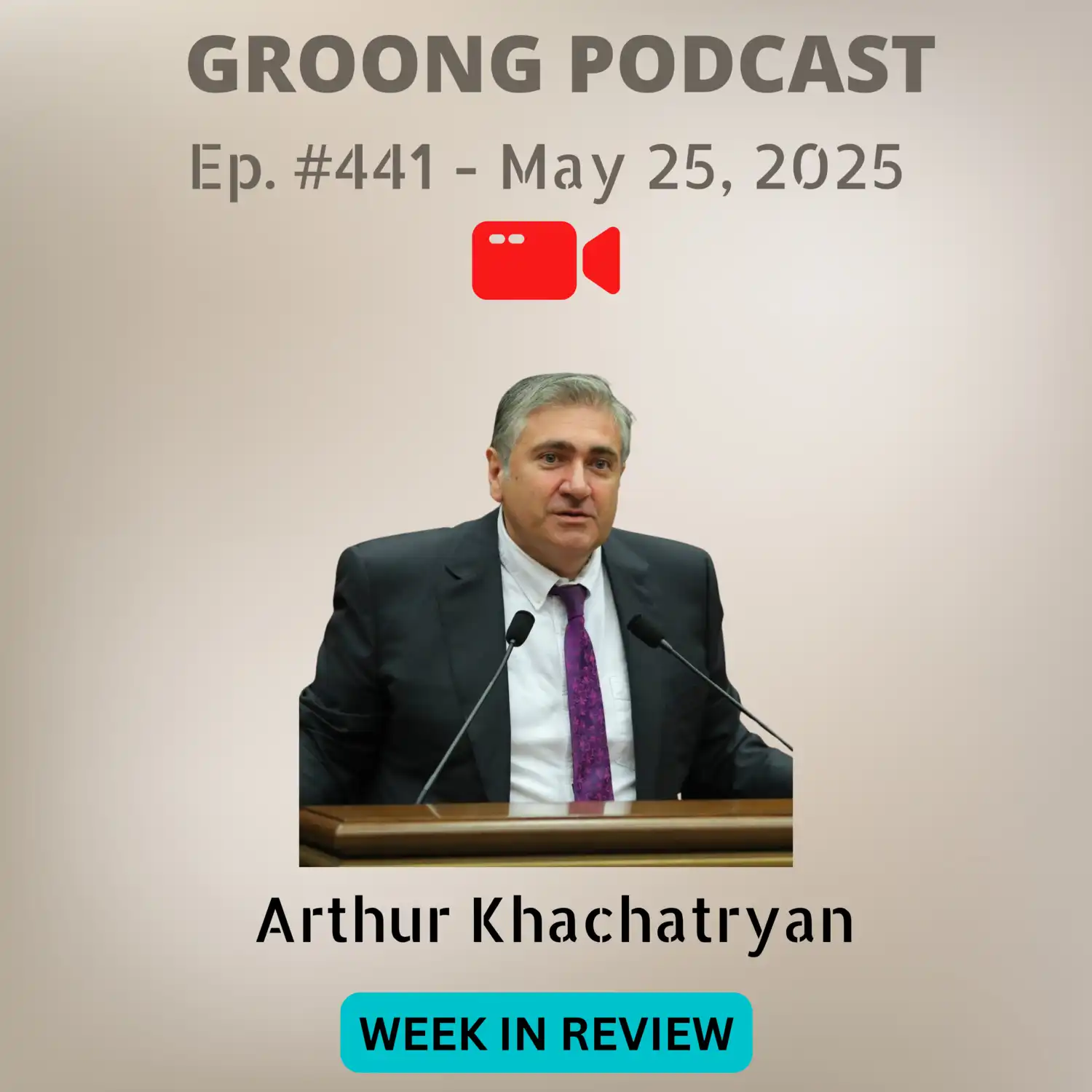
Groong Links:
Guest:
Topics:
- May 28, Republic Day
- Armeniaâs EU-Russia policy confusion
- Constitutional changes for âpeaceâ
- Impeachment vs. election dilemma
- Azeri invasion threat and silence
Episode 441 | Recorded: May 28, 2025
Arthur Khachatryan – Republic Day, EU Drama, and Constitutional Chaos | Ep 441, May 25, 2025 [EP441]
Posted on Thursday, May 29, 2025 | Category: Armenia, Politics, Artsakh, Nagorno Karabakh, Azerbaijan, Georgia, Turkey, Russia, Artsakh Blockade, Armenian Genocide, Genocide, Iran, Human Rights, EconomyGroong Links:
Guest:
Topics:
- May 28, Republic Day
- Armeniaâs EU-Russia policy confusion
- Constitutional changes for âpeaceâ
- Impeachment vs. election dilemma
- Azeri invasion threat and silence
Episode 441 | Recorded: May 28, 2025
Ehsan Movahedian - Iran Amidst Geopolitical Tensions | Ep 437, May 19, 2025 [EP437]
Posted on Monday, May 19, 2025 | Category: Iran, Armenia, Geopolitics, USA, Russia, Israel, Azerbaijan, Syria, Turkey, Georgia, Nagorno Karabakh, NATO, China, Middle East, Economy | Series: cog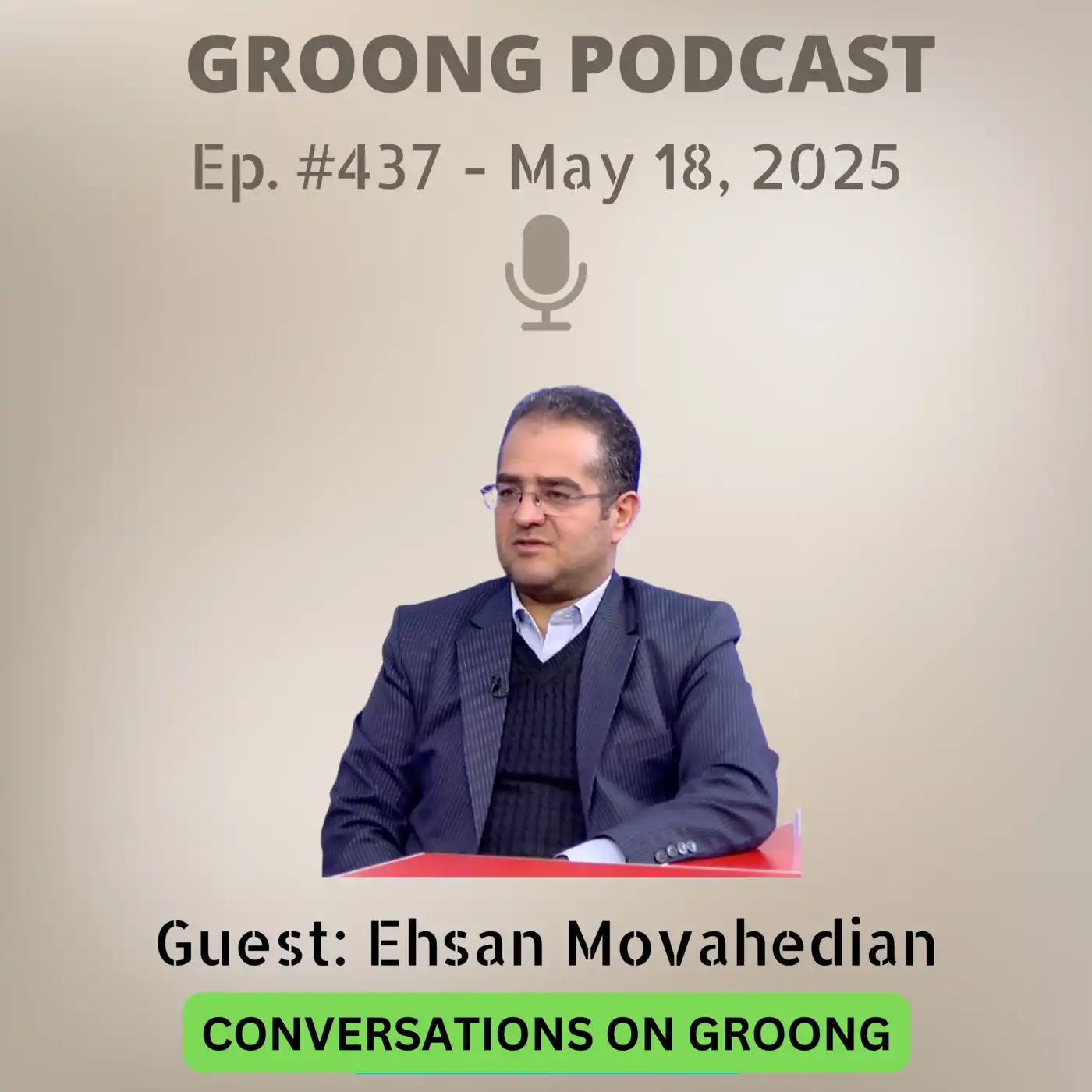
Groong Links:
Guest:
Topics:
- US-Iran Nuclear Talks
- Pezeshkian Visit to Baku
- Iran-Armenia Relations
- US Support for Azerbaijan
Episode 437 | Recorded: May 16, 2025
Ehsan Movahedian - Iran Amidst Geopolitical Tensions | Ep 437, May 19, 2025 [EP437]
Posted on Monday, May 19, 2025 | Category: Iran, Armenia, Geopolitics, USA, Russia, Israel, Azerbaijan, Syria, Turkey, Georgia, Nagorno Karabakh, NATO, China, Middle East, EconomyGroong Links:
Guest:
Topics:
- US-Iran Nuclear Talks
- Pezeshkian Visit to Baku
- Iran-Armenia Relations
- US Support for Azerbaijan
Episode 437 | Recorded: May 16, 2025
Pietro Shakarian - May 9, Victory Day and Parade, Artsrun Hovhannisyan’s Historical Revision | Ep 436, May 15, 2025 [EP436]
Posted on Thursday, May 15, 2025 | Category: Russia, Armenia, Geopolitics, Nagorno Karabakh, China, Armenian Genocide, Turkey, Azerbaijan, NATO, Ukraine, Genocide, Soviet Armenia, Modern Armenia | Series: cog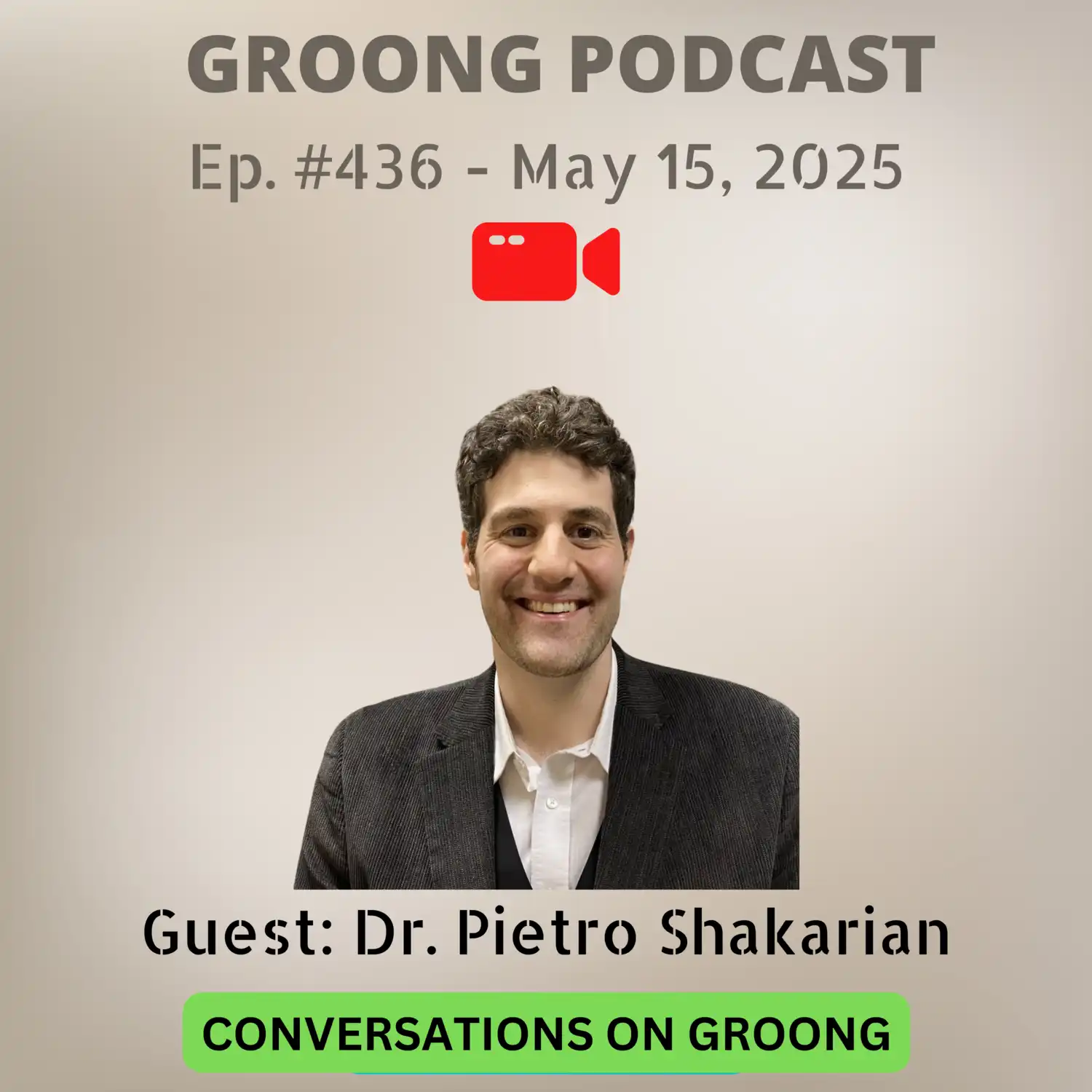
Groong Links:
Guest:
Topics:
- May 9, Victory Day and Parade
- Pashinyan, Aliyev Posture at Victory Day
- Artsrun Hovhannisyanâs Historical Revision
- Armenia and Artsakh Contributions to WW2
Episode 436 | Recorded: May 15, 2025
Pietro Shakarian - May 9, Victory Day and Parade, Artsrun Hovhannisyan’s Historical Revision | Ep 436, May 15, 2025 [EP436]
Posted on Thursday, May 15, 2025 | Category: Russia, Armenia, Geopolitics, Nagorno Karabakh, China, Armenian Genocide, Turkey, Azerbaijan, NATO, Ukraine, Genocide, Soviet Armenia, Modern ArmeniaGroong Links:
Guest:
Topics:
- May 9, Victory Day and Parade
- Pashinyan, Aliyev Posture at Victory Day
- Artsrun Hovhannisyanâs Historical Revision
- Armenia and Artsakh Contributions to WW2
Episode 436 | Recorded: May 15, 2025
Arthur G Martirosyan - Victory Day, India Pakistan, Armenia Azerbaijan, Pope Leo XIV | Ep 435, May 11, 2025 [EP435]
Posted on Wednesday, May 14, 2025 | Category: Armenia, Politics, Russia, Azerbaijan, Armenian Genocide, Armenian Church, India, Turkey, China, Genocide, Ukraine, Israel, Iran, Economy, Georgia | Series: wir
Groong Links:
Guest:
Topics:
- May 9 Victory Parade
- Ukraine
- India and Pakistan
- Armenian Azerbaijani Talks
- American Pope
Episode 435 | Recorded: May 12, 2025
Arthur G Martirosyan - Victory Day, India Pakistan, Armenia Azerbaijan, Pope Leo XIV | Ep 435, May 11, 2025 [EP435]
Posted on Wednesday, May 14, 2025 | Category: Armenia, Politics, Russia, Azerbaijan, Armenian Genocide, Armenian Church, India, Turkey, China, Genocide, Ukraine, Israel, Iran, Economy, GeorgiaGroong Links:
Guest:
Topics:
- May 9 Victory Parade
- Ukraine
- India and Pakistan
- Armenian Azerbaijani Talks
- American Pope
Episode 435 | Recorded: May 12, 2025
Scott Horton - on his book Provoked, U.S. Foreign Policy, Color Revolutions, Ukraine War, Armenia, and more | Ep 433, May 4, 2025 [EP433]
Posted on Sunday, May 4, 2025 | Category: Ukraine, Armenia, Russia, Azerbaijan, Georgia, Nagorno Karabakh, Artsakh, NATO, Israel, Iran, Syria, Turkey, Economy, Genocide, European Union, Lebanon | Series: cog, video
Groong Links:
Guest:
- Scott Horton , Ed. Dir. The Libertarian Institute, AntiWar.com
Topics:
- What happened to Antiwar Voices
- Color Revolutions as US Strategy
- Armenia and Pipeline Geopolitics
- And more!
Episode 433 | Recorded: May 2, 2025
Scott Horton - on his book Provoked, U.S. Foreign Policy, Color Revolutions, Ukraine War, Armenia, and more | Ep 433, May 4, 2025 [EP433]
Posted on Sunday, May 4, 2025 | Category: Ukraine, Armenia, Russia, Azerbaijan, Georgia, Nagorno Karabakh, Artsakh, NATO, Israel, Iran, Syria, Turkey, Economy, Genocide, European Union, LebanonGroong Links:
Guest:
- Scott Horton , Ed. Dir. The Libertarian Institute, AntiWar.com
Topics:
- What happened to Antiwar Voices
- Color Revolutions as US Strategy
- Armenia and Pipeline Geopolitics
- And more!
Episode 433 | Recorded: May 2, 2025
Transcript: Scott Horton - on his book Provoked, U.S. Foreign Policy, Color Revolutions, Ukraine War, Armenia, and more | Ep 433, May 4, 2025 [EP433]
Posted on Sunday, May 4, 2025 | Category: Ukraine, Armenia, Russia, Azerbaijan, Georgia, Nagorno Karabakh, Artsakh, NATO, Israel, Iran, Syria, Turkey, Economy, Genocide, European Union, Lebanon, TranscriptWhat happened to Antiwar Voices. Color Revolutions as US Strategy. Armenia and Pipeline Geopolitics. And more!
Groong Links:
Guest:
Topics:
- U.S. Tariff Wars
- Target: Iran
- The Global South
- The Belt and Road Initiative
Episode 427 | Recorded: April 6, 2025
Groong Links:
Guest:
Topics:
- U.S. Tariff Wars
- Target: Iran
- The Global South
- The Belt and Road Initiative
Episode 427 | Recorded: April 6, 2025
Transcript: Warwick Powell - U.S., China, Tariff Wars, and Multipolarity | Ep 427, Apr 8, 2025 [EP427]
Posted on Thursday, Apr 10, 2025 | Category: Armenia, World, Geopolitics, Economy, USA, China, India, Iran, Russia, Israel, BRICS, TranscriptIn this Conversations on Groong episode, we speak with Professor Warwick Powell about the tectonic shifts in global trade, economics, and geopolitics. From Washington’s renewed tariff wars to China’s expanding influence through BRICS and infrastructure initiatives like the BRI, Powell shares his insights on the emerging multipolar order and the declining dominance of the U.S.-centric financial system.
Benyamin Poghosyan - US-Iran, Gyumri, Armenia MFA Blames Artsakh, Negotiations with Azerbaijan | Ep 426, Apr 6, 2025 [EP426]
Posted on Wednesday, Apr 9, 2025 | Category: Armenia, Politics, Iran, Geopolitics, Artsakh, Nagorno Karabakh, Azerbaijan, USA, Russia, China, Israel, Middle East, Ukraine, Artsakh Blockade, Armenian Genocide, Genocide, Turkey, NATO, Syria | Series: wir
Groong Links:
Guest:
Topics:
- US Iran Escalation
- Aftermath of Gyumri and Parakar
- MFA blames Artsakh for Regional Isolation
- Bullets and Peace
Episode 426 | Recorded: April 8, 2025
Benyamin Poghosyan - US-Iran, Gyumri, Armenia MFA Blames Artsakh, Negotiations with Azerbaijan | Ep 426, Apr 6, 2025 [EP426]
Posted on Wednesday, Apr 9, 2025 | Category: Armenia, Politics, Iran, Geopolitics, Artsakh, Nagorno Karabakh, Azerbaijan, USA, Russia, China, Israel, Middle East, Ukraine, Artsakh Blockade, Armenian Genocide, Genocide, Turkey, NATO, SyriaGroong Links:
Guest:
Topics:
- US Iran Escalation
- Aftermath of Gyumri and Parakar
- MFA blames Artsakh for Regional Isolation
- Bullets and Peace
Episode 426 | Recorded: April 8, 2025
Benyamin Poghosyan - Peace or Capitulation? Armenia's Dilemma & Ukraine Shifts | Ep 423 - Mar 16, 2025 [EP423]
Posted on Tuesday, Mar 18, 2025 | Category: Armenia, Politics, Artsakh, Azerbaijan, Geopolitics, Russia, Iran, Turkey, Nagorno Karabakh, NATO, European Union, Ukraine, Israel, China, Middle East, Genocide | Series: wir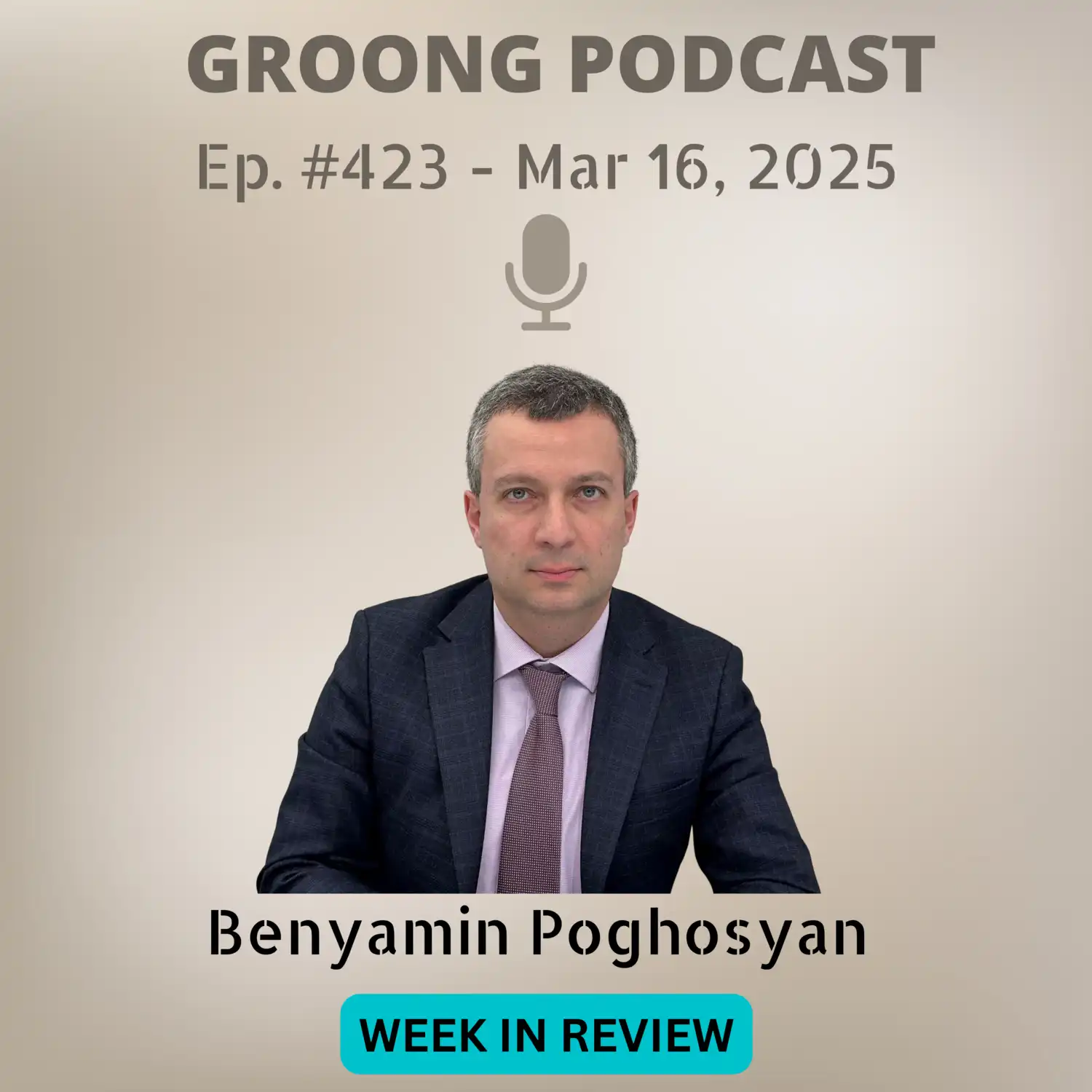
Groong Links:
Guest:
Topics:
- Armenia-Azerbaijan “Treaty”: Concessions, secrecy, opposition backlash.
- Preconditions for Peace: OSCE Minsk dissolution, constitutional changes.
- Ukraine War Talks: Jeddah negotiations, UAV attacks, Trump-Putin call.
- Witkoffâs Baku Stop: Mysterious visit raising geopolitical questions.
Episode 423 | Recorded: March 17, 2025
Benyamin Poghosyan - Peace or Capitulation? Armenia's Dilemma & Ukraine Shifts | Ep 423 - Mar 16, 2025 [EP423]
Posted on Tuesday, Mar 18, 2025 | Category: Armenia, Politics, Artsakh, Azerbaijan, Geopolitics, Russia, Iran, Turkey, Nagorno Karabakh, NATO, European Union, Ukraine, Israel, China, Middle East, GenocideGroong Links:
Guest:
Topics:
- Armenia-Azerbaijan “Treaty”: Concessions, secrecy, opposition backlash.
- Preconditions for Peace: OSCE Minsk dissolution, constitutional changes.
- Ukraine War Talks: Jeddah negotiations, UAV attacks, Trump-Putin call.
- Witkoffâs Baku Stop: Mysterious visit raising geopolitical questions.
Episode 423 | Recorded: March 17, 2025
Negotiations Expert: Ukraine-U.S. Ceasefire Agreement in Jeddah – Is Russia on Board? | Ep 422, Mar 12, 2025 [EP422]
Posted on Thursday, Mar 13, 2025 | Category: Ukraine, Russia, Politics, Geopolitics, Iran, NATO, Armenia, China, Middle East | Series: cog, video
Groong Links:
Guest:
Topics:
- Ceasefire Terms:
- Negotiation Dynamics
- Posturing & International Pressure
- Risks & Challenges
Episode 422 | Recorded: March 12, 2025
Negotiations Expert: Ukraine-U.S. Ceasefire Agreement in Jeddah – Is Russia on Board? | Ep 422, Mar 12, 2025 [EP422]
Posted on Thursday, Mar 13, 2025 | Category: Ukraine, Russia, Politics, Geopolitics, Iran, NATO, Armenia, China, Middle EastGroong Links:
Guest:
Topics:
- Ceasefire Terms:
- Negotiation Dynamics
- Posturing & International Pressure
- Risks & Challenges
Episode 422 | Recorded: March 12, 2025
Hrant Mikaelian - Abkhazia Polls, Armenian Hostages in Baku, Yerevan Protests | Ep 421, Mar 2, 2025 [EP421]
Posted on Wednesday, Mar 5, 2025 | Category: Armenia, Politics, Artsakh, Azerbaijan, Geopolitics, Human Rights, Russia, Nagorno Karabakh, Georgia, Turkey, Ukraine, Iran, China, Israel, Middle East | Series: wir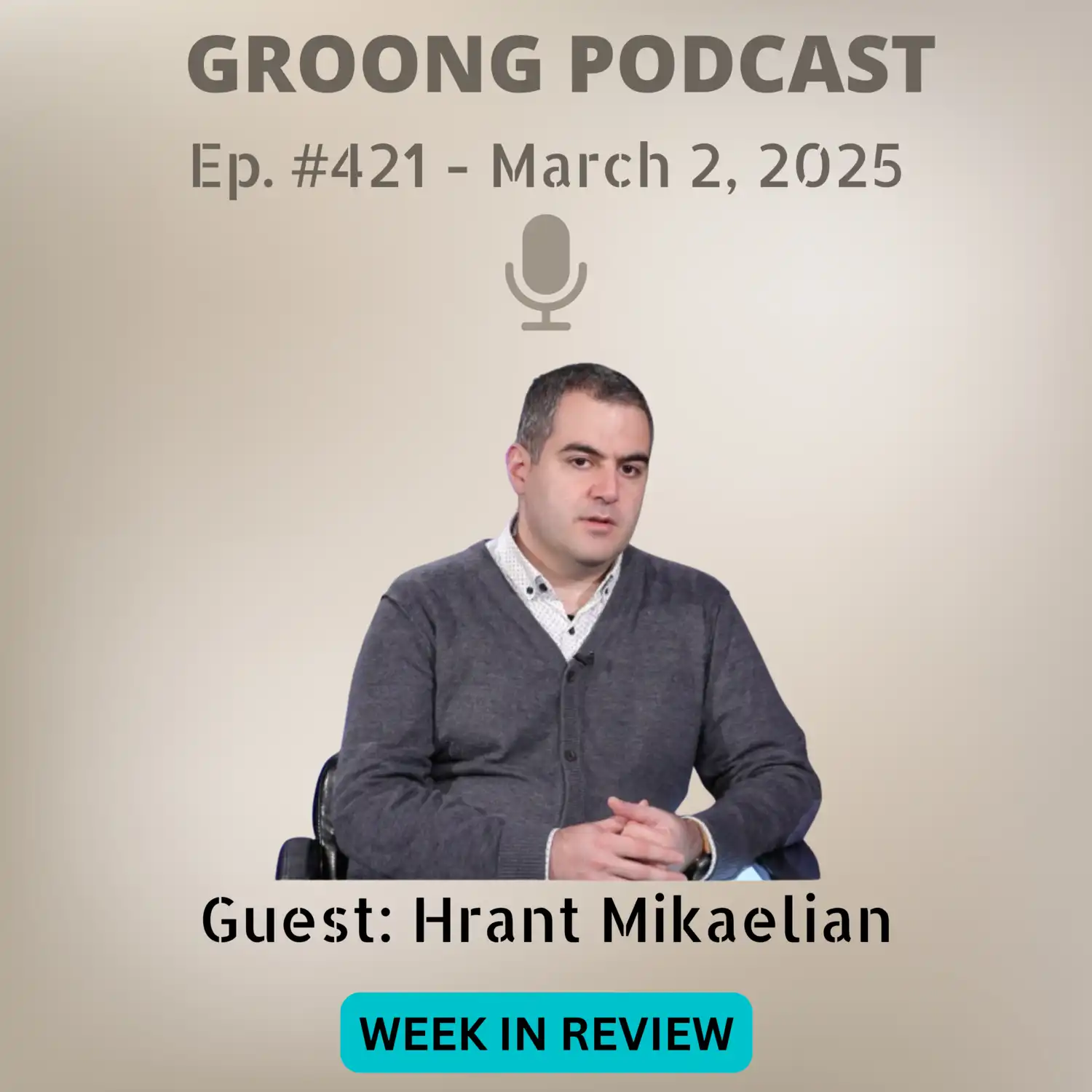
Groong Links:
Guest:
Topics:
- Abkhaz Elections & Regional Implications â The second round of Abkhaziaâs presidential elections, the impact of mass protests, and what Badra Gunbaâs victory means for the region.
- Armenian Hostages in Baku â Ongoing trials of Armenian POWs and former Artsakh leaders, reports of torture, and international calls for independent medical evaluations.
- Protests in Yerevan Over POWs â Civil society and opposition-led demonstrations demanding stronger government action and international intervention.
Hrant Mikaelian - Abkhazia Polls, Armenian Hostages in Baku, Yerevan Protests | Ep 421, Mar 2, 2025 [EP421]
Posted on Wednesday, Mar 5, 2025 | Category: Armenia, Politics, Artsakh, Azerbaijan, Geopolitics, Human Rights, Russia, Nagorno Karabakh, Georgia, Turkey, Ukraine, Iran, China, Israel, Middle EastGroong Links:
Guest:
Topics:
- Abkhaz Elections & Regional Implications â The second round of Abkhaziaâs presidential elections, the impact of mass protests, and what Badra Gunbaâs victory means for the region.
- Armenian Hostages in Baku â Ongoing trials of Armenian POWs and former Artsakh leaders, reports of torture, and international calls for independent medical evaluations.
- Protests in Yerevan Over POWs â Civil society and opposition-led demonstrations demanding stronger government action and international intervention.
Carden, Shakarian - Trump, Foreign Policy, Foreign Aid, US-Armenia and Regions | Ep 420, Mar 3, 2025 [EP420]
Posted on Tuesday, Mar 4, 2025 | Category: USA, Ukraine, Russia, Armenia, Azerbaijan, Turkey, Geopolitics, China, Nagorno Karabakh, NATO, Israel, Iran, Georgia, Human Rights, Syria, Genocide | Series: cog, video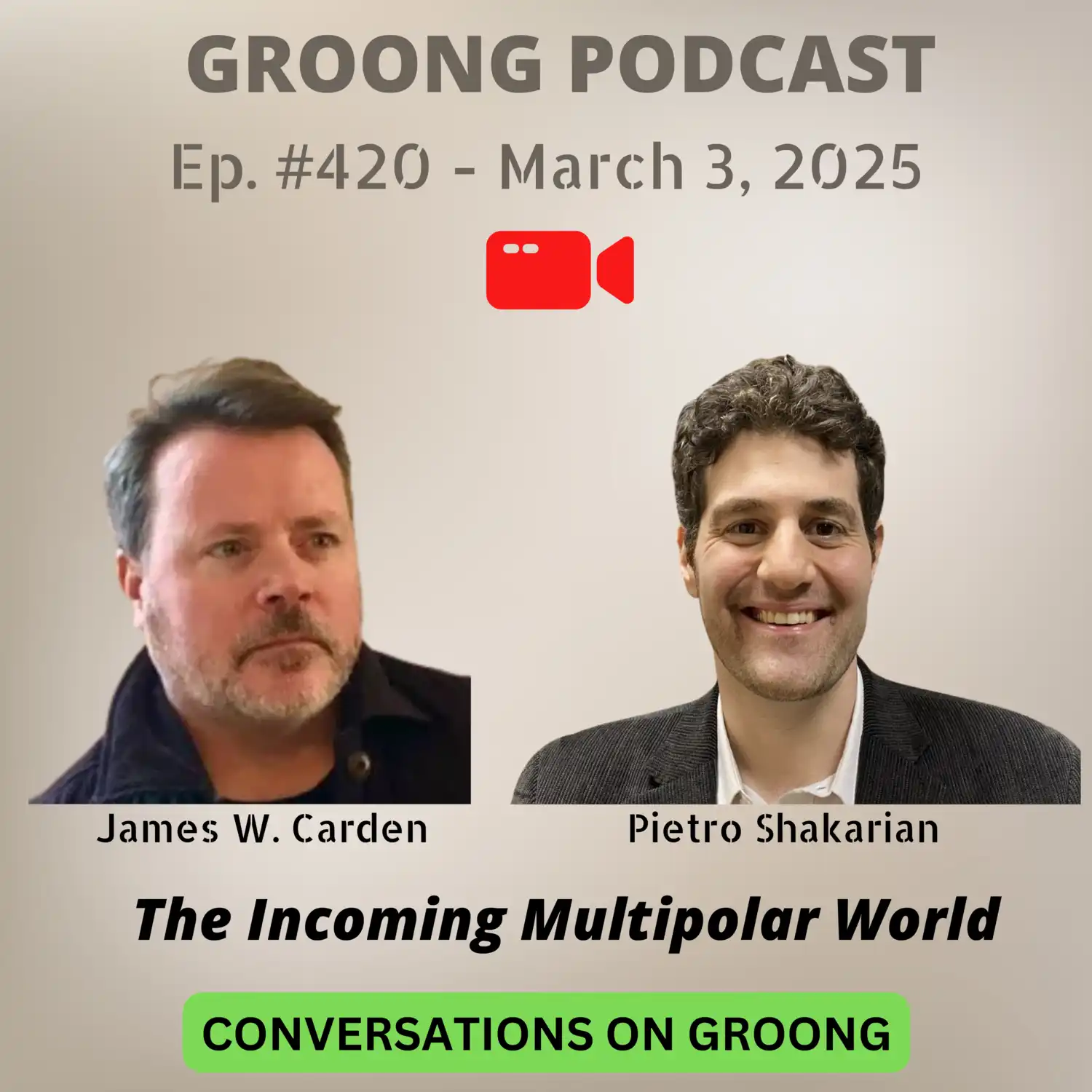
Groong Links:
Guest:
Topics:
- US Foreign Policy Under Trump
- Transactional Foreign Policy
- Trumpâs Cabinet & Policy Shifts
- US-Armenia Relations
Episode 420 | Recorded: February 27, 2025
Carden, Shakarian - Trump, Foreign Policy, Foreign Aid, US-Armenia and Regions | Ep 420, Mar 3, 2025 [EP420]
Posted on Tuesday, Mar 4, 2025 | Category: USA, Ukraine, Russia, Armenia, Azerbaijan, Turkey, Geopolitics, China, Nagorno Karabakh, NATO, Israel, Iran, Georgia, Human Rights, Syria, GenocideGroong Links:
Guest:
Topics:
- US Foreign Policy Under Trump
- Transactional Foreign Policy
- Trumpâs Cabinet & Policy Shifts
- US-Armenia Relations
Episode 420 | Recorded: February 27, 2025
Jean-Daniel Ruch - Geopolitics, Justice and the Future World Order | Ep 419, Mar 1, 2025 [EP419]
Posted on Sunday, Mar 2, 2025 | Category: Armenia, Russia, Ukraine, Artsakh, Nagorno Karabakh, Geopolitics, Azerbaijan, Turkey, NATO, Israel, Georgia, Human Rights, China, Syria, Economy, Iran, Middle East | Series: cog, video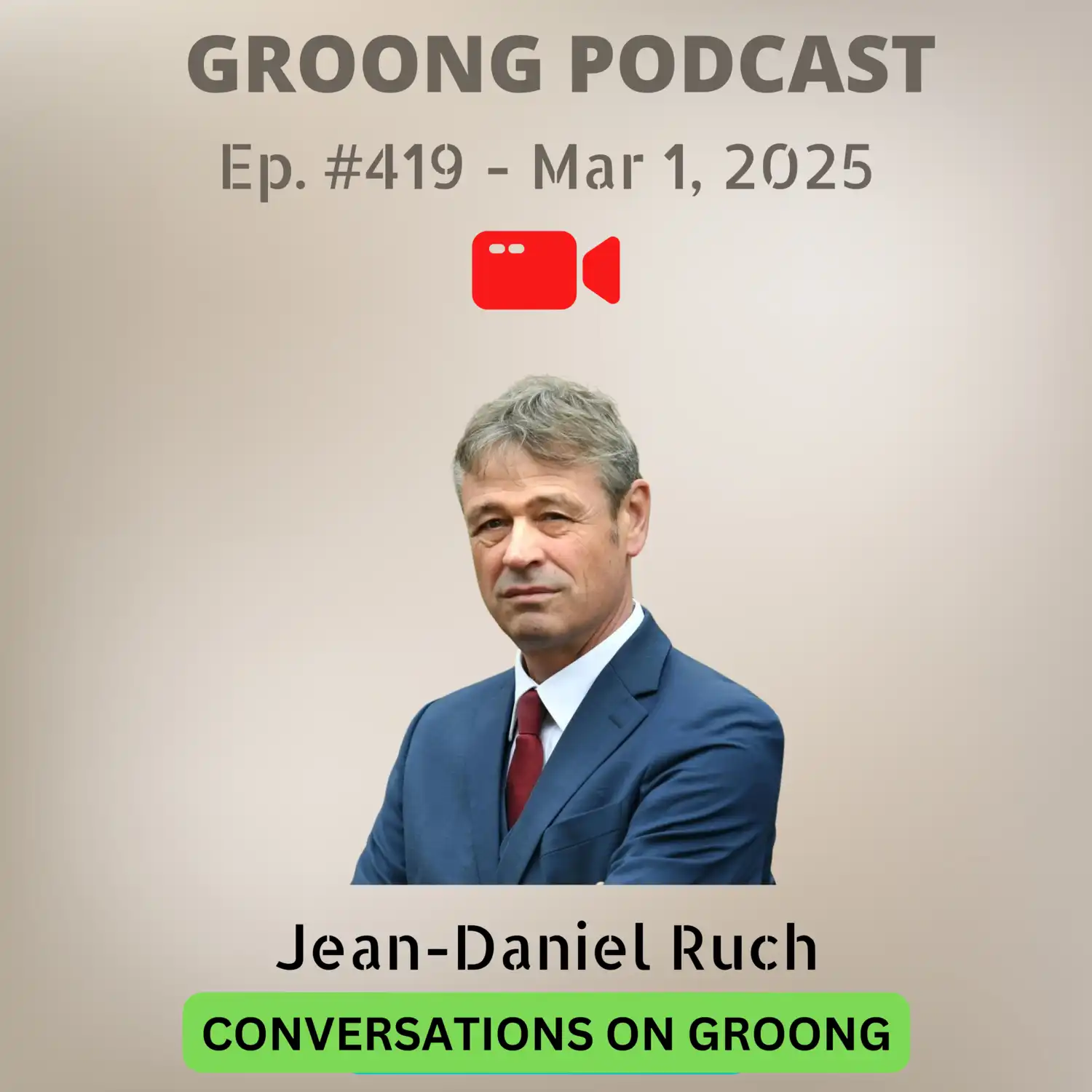
Groong Links:
Guest:
Topics:
- Jean-Daniel Ruchâs Career & Background
- The Role of Diplomacy in Conflict Resolution
- Western Democracy Promotion & Geopolitical Power Plays
- The War in Ukraine & Failed Peace Efforts
- US & European Geopolitical Strategies
- The International Criminal Court & Selective Justice
- The Artsakh Conflict & Armenian Displacement
Episode 419 | Recorded: February 27, 2025
Jean-Daniel Ruch - Geopolitics, Justice and the Future World Order | Ep 419, Mar 1, 2025 [EP419]
Posted on Sunday, Mar 2, 2025 | Category: Armenia, Russia, Ukraine, Artsakh, Nagorno Karabakh, Geopolitics, Azerbaijan, Turkey, NATO, Israel, Georgia, Human Rights, China, Syria, Economy, Iran, Middle EastGroong Links:
Guest:
Topics:
- Jean-Daniel Ruchâs Career & Background
- The Role of Diplomacy in Conflict Resolution
- Western Democracy Promotion & Geopolitical Power Plays
- The War in Ukraine & Failed Peace Efforts
- US & European Geopolitical Strategies
- The International Criminal Court & Selective Justice
- The Artsakh Conflict & Armenian Displacement
Episode 419 | Recorded: February 27, 2025
Arthur G Martirosyan - Ukraine, Edgar Ghazaryan, Robert Kocharyan, Yerevan Bus Fares | Ep 418, Feb 23, 2025 [EP418]
Posted on Tuesday, Feb 25, 2025 | Category: Armenia, Politics, Artsakh, Nagorno Karabakh, Georgia, Turkey, Russia, Azerbaijan, Ukraine, China, Iran, NATO, Israel, European Union, Syria | Series: wir, video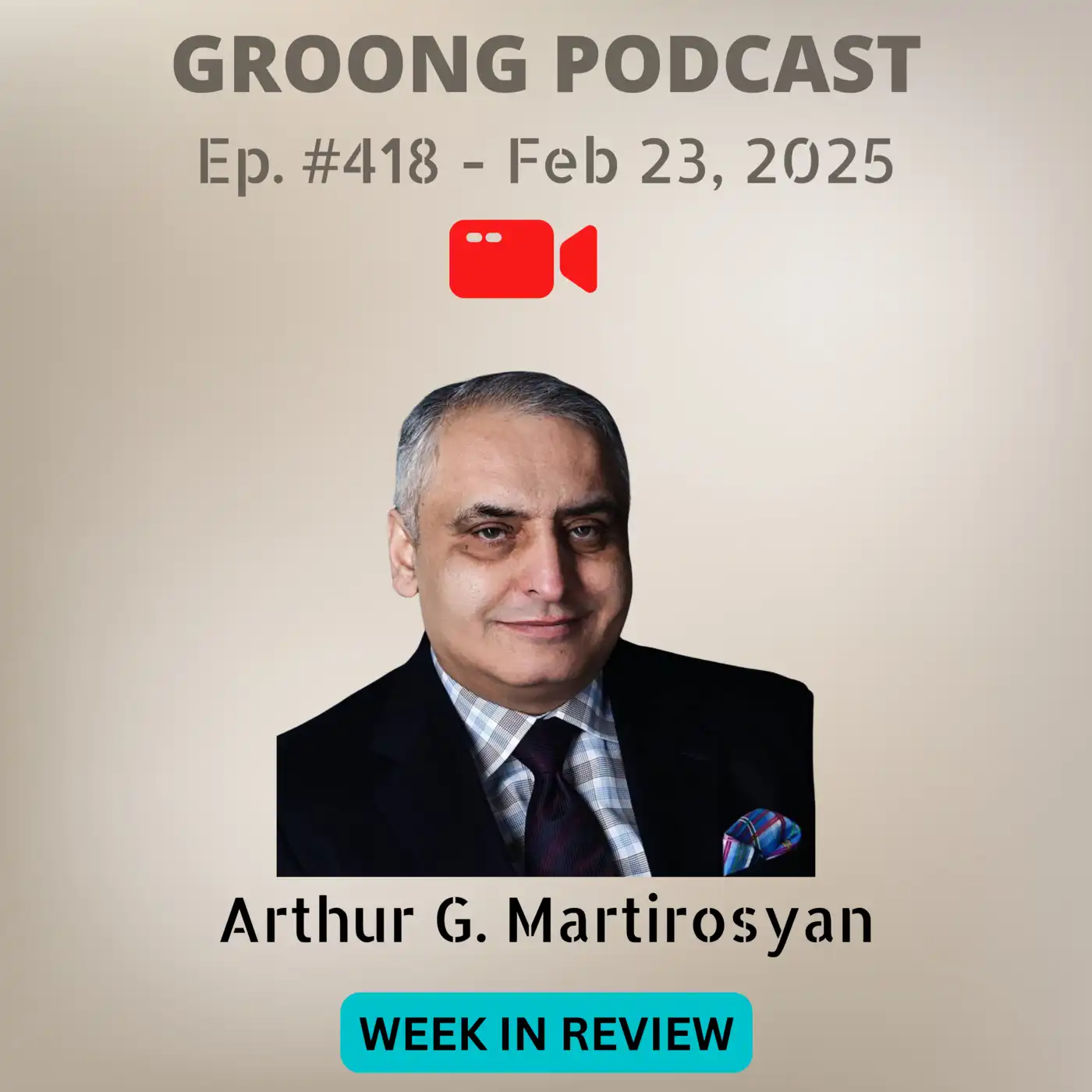
Groong Links:
Guest:
Topics:
- Ukraine Negotiations in Riyadh
- Edgar Ghazayan Bullied by the Government
- Robert Kocharyan Press Conference
- Yerevan Bus Fares
Episode 418 | Recorded: February 24, 2025
Arthur G Martirosyan - Ukraine, Edgar Ghazaryan, Robert Kocharyan, Yerevan Bus Fares | Ep 418, Feb 23, 2025 [EP418]
Posted on Tuesday, Feb 25, 2025 | Category: Armenia, Politics, Artsakh, Nagorno Karabakh, Georgia, Turkey, Russia, Azerbaijan, Ukraine, China, Iran, NATO, Israel, European Union, SyriaGroong Links:
Guest:
Topics:
- Ukraine Negotiations in Riyadh
- Edgar Ghazayan Bullied by the Government
- Robert Kocharyan Press Conference
- Yerevan Bus Fares
Episode 418 | Recorded: February 24, 2025
Glenn Diesen - The Think Tank Racket: Managing the Information War with Russia | Ep 415, Feb 17, 2025 [EP415]
Posted on Monday, Feb 17, 2025 | Category: Russia, Ukraine, Georgia, Armenian Genocide, NATO, European Union, Armenia, Human Rights, Syria, China, Iran, Azerbaijan, Genocide, Geopolitics, Israel | Series: cog, video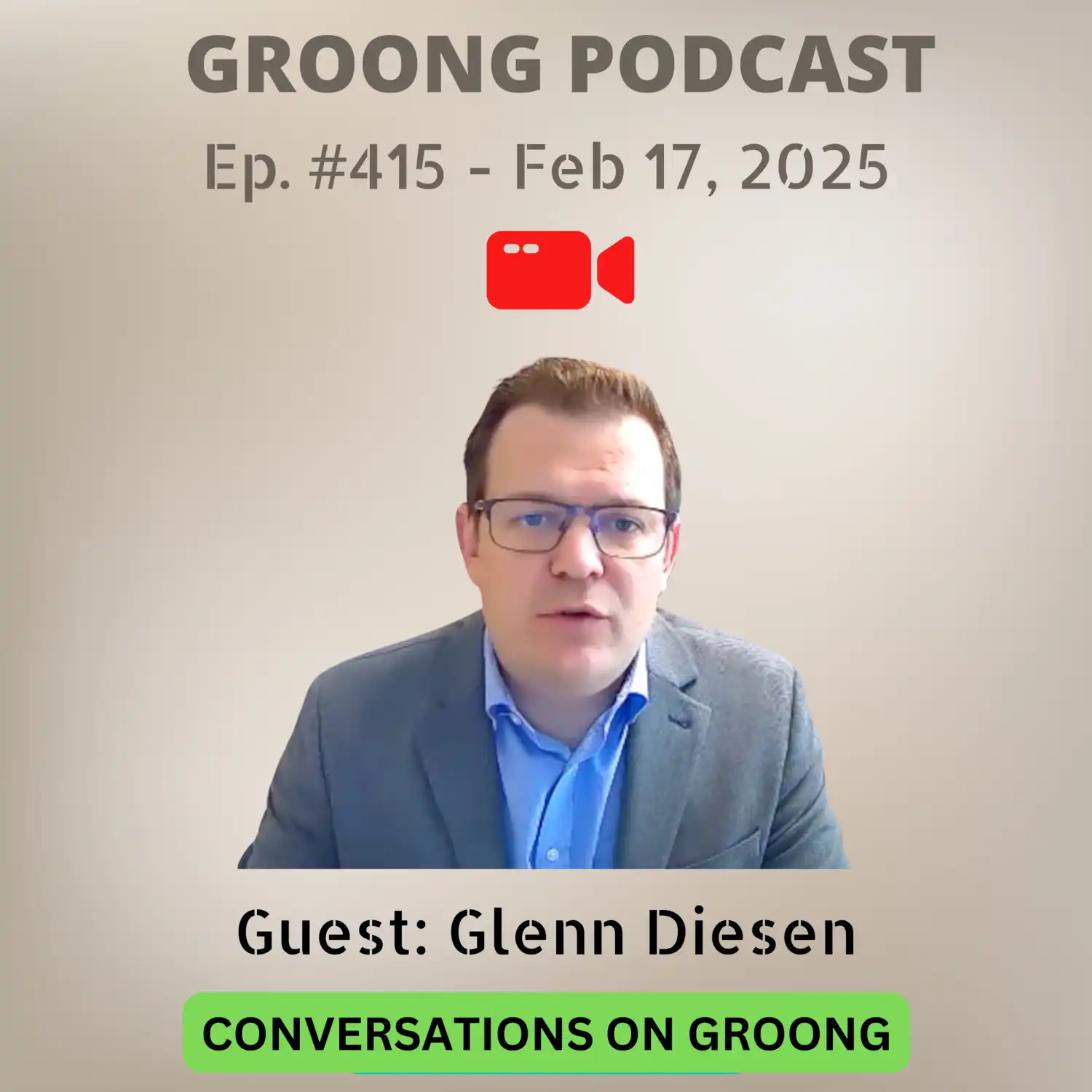
Groong Links:
Guest:
Topics:
- Think Tanks: Defining the Problem
- Media Manipulation, NGOs, and Colored Coups
- Reforming the Think Tank Industry
Episode 415 | Recorded: February 6, 2025
Glenn Diesen - The Think Tank Racket: Managing the Information War with Russia | Ep 415, Feb 17, 2025 [EP415]
Posted on Monday, Feb 17, 2025 | Category: Russia, Ukraine, Georgia, Armenian Genocide, NATO, European Union, Armenia, Human Rights, Syria, China, Iran, Azerbaijan, Genocide, Geopolitics, IsraelGroong Links:
Guest:
Topics:
- Think Tanks: Defining the Problem
- Media Manipulation, NGOs, and Colored Coups
- Reforming the Think Tank Industry
Episode 415 | Recorded: February 6, 2025
Fyodor Lukyanov - Russia, the US, Ukraine, Armenia, Georgia, and the New Global Order | Ep 414, Feb. 16, 2025 [EP414]
Posted on Sunday, Feb 16, 2025 | Category: Russia, Ukraine, Armenia, Azerbaijan, Georgia, Geopolitics, Iran, Turkey, Nagorno Karabakh, BRICS, NATO, European Union, China, Economy, Genocide | Series: cog, video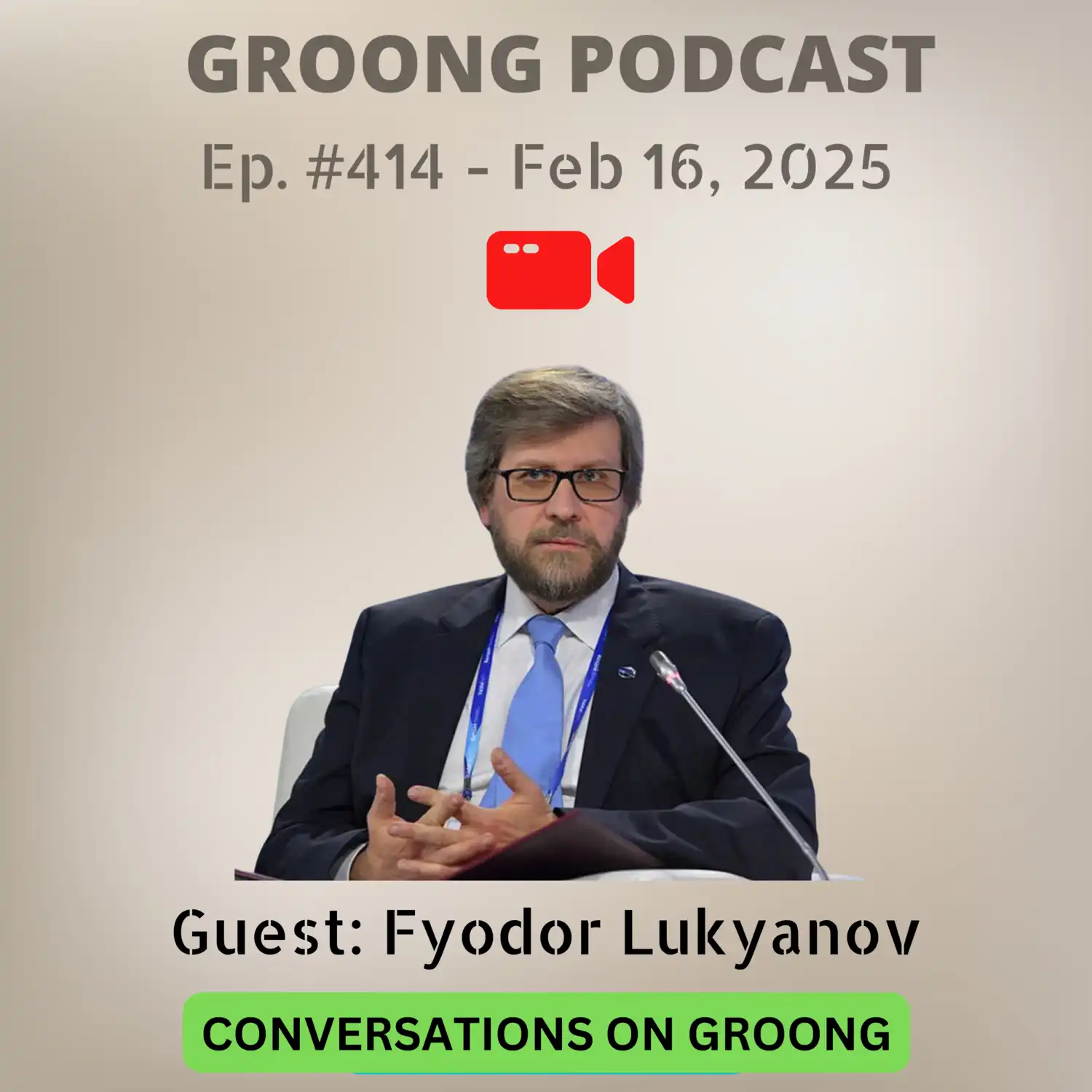
Groong Links:
Guest:
Topics:
- A New Détente?
- The Trump-Putin Call
- Russiaâs Strategic Choices
- Russo-Armenian Relations
- Russo-Azerbaijani Relations
- Georgiaâs Pragmatism
Episode 414 | Recorded: Valentineâs Day, February 14, 2025
Fyodor Lukyanov - Russia, the US, Ukraine, Armenia, Georgia, and the New Global Order | Ep 414, Feb. 16, 2025 [EP414]
Posted on Sunday, Feb 16, 2025 | Category: Russia, Ukraine, Armenia, Azerbaijan, Georgia, Geopolitics, Iran, Turkey, Nagorno Karabakh, BRICS, NATO, European Union, China, Economy, GenocideGroong Links:
Guest:
Topics:
- A New Détente?
- The Trump-Putin Call
- Russiaâs Strategic Choices
- Russo-Armenian Relations
- Russo-Azerbaijani Relations
- Georgiaâs Pragmatism
Episode 414 | Recorded: Valentineâs Day, February 14, 2025
Transcript: Fyodor Lukyanov - Russia, the US, Ukraine, Armenia, Georgia, and the New Global Order | Ep 414, Feb. 16, 2025 [EP414]
Posted on Sunday, Feb 16, 2025 | Category: Russia, Ukraine, Armenia, Azerbaijan, Georgia, Geopolitics, Iran, Turkey, Nagorno Karabakh, BRICS, NATO, European Union, China, Economy, Genocide, TranscriptA New Détente? The Trump-Putin Call. Russia’s Strategic Choices. Russo-Armenian Relations. Russo-Azerbaijani Relations. Georgia’s Pragmatism.
Pietro Shakarian - Russian-Iranian Partnership Pact | Ep 407, Jan 27, 2025 [EP407]
Posted on Monday, Jan 27, 2025 | Category: Russia, Iran, Ukraine, Armenia, Artsakh, Nagorno Karabakh, BRICS, Syria, Turkey, Israel, NATO, Middle East, Azerbaijan, China, Georgia, India | Series: cog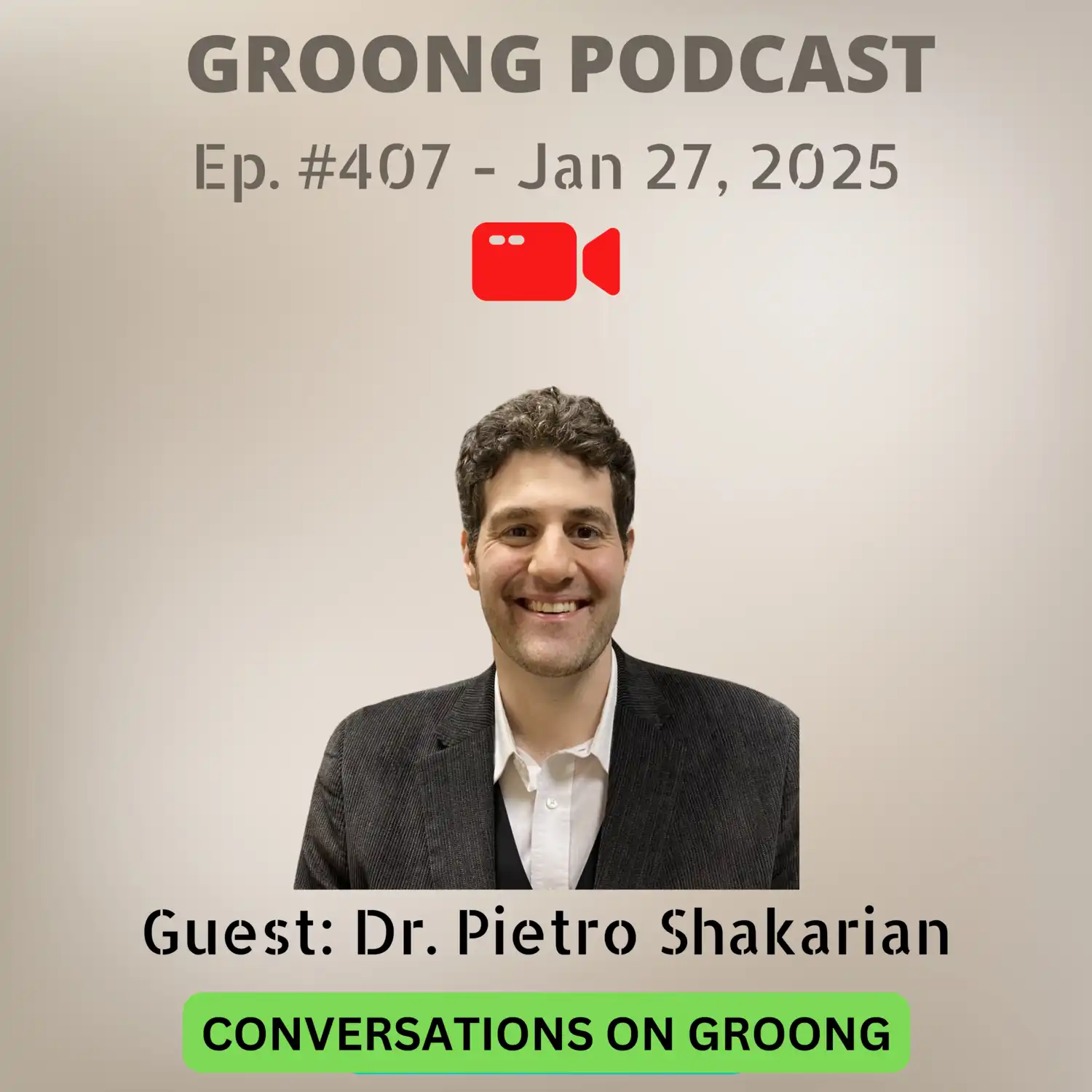
Groong Links:
Guest:
Topics:
- Russo-Iranian Partnership Treaty
- Implications of ð·ðº - ð®ð· pact for Armenia
- Trump Back in Office: War or Peace?
Episode 407 | Recorded: January 25, 2025
Pietro Shakarian - Russian-Iranian Partnership Pact | Ep 407, Jan 27, 2025 [EP407]
Posted on Monday, Jan 27, 2025 | Category: Russia, Iran, Ukraine, Armenia, Artsakh, Nagorno Karabakh, BRICS, Syria, Turkey, Israel, NATO, Middle East, Azerbaijan, China, Georgia, IndiaGroong Links:
Guest:
Topics:
- Russo-Iranian Partnership Treaty
- Implications of ð·ðº - ð®ð· pact for Armenia
- Trump Back in Office: War or Peace?
Episode 407 | Recorded: January 25, 2025
Hrant Mikaelian - Trump Inauguration, Iran-Russia, UK-Ukraine, US-Armenia Strategic Partnerships | Ep 406, Jan 19, 2025 [EP406]
Posted on Tuesday, Jan 21, 2025 | Category: Armenia, Artsakh, Nagorno Karabakh, USA, Iran, Russia, Ukraine, Azerbaijan, Georgia, Israel, Middle East, Turkey, European Union, Syria, China, Economy, Lebanon, NATO | Series: wir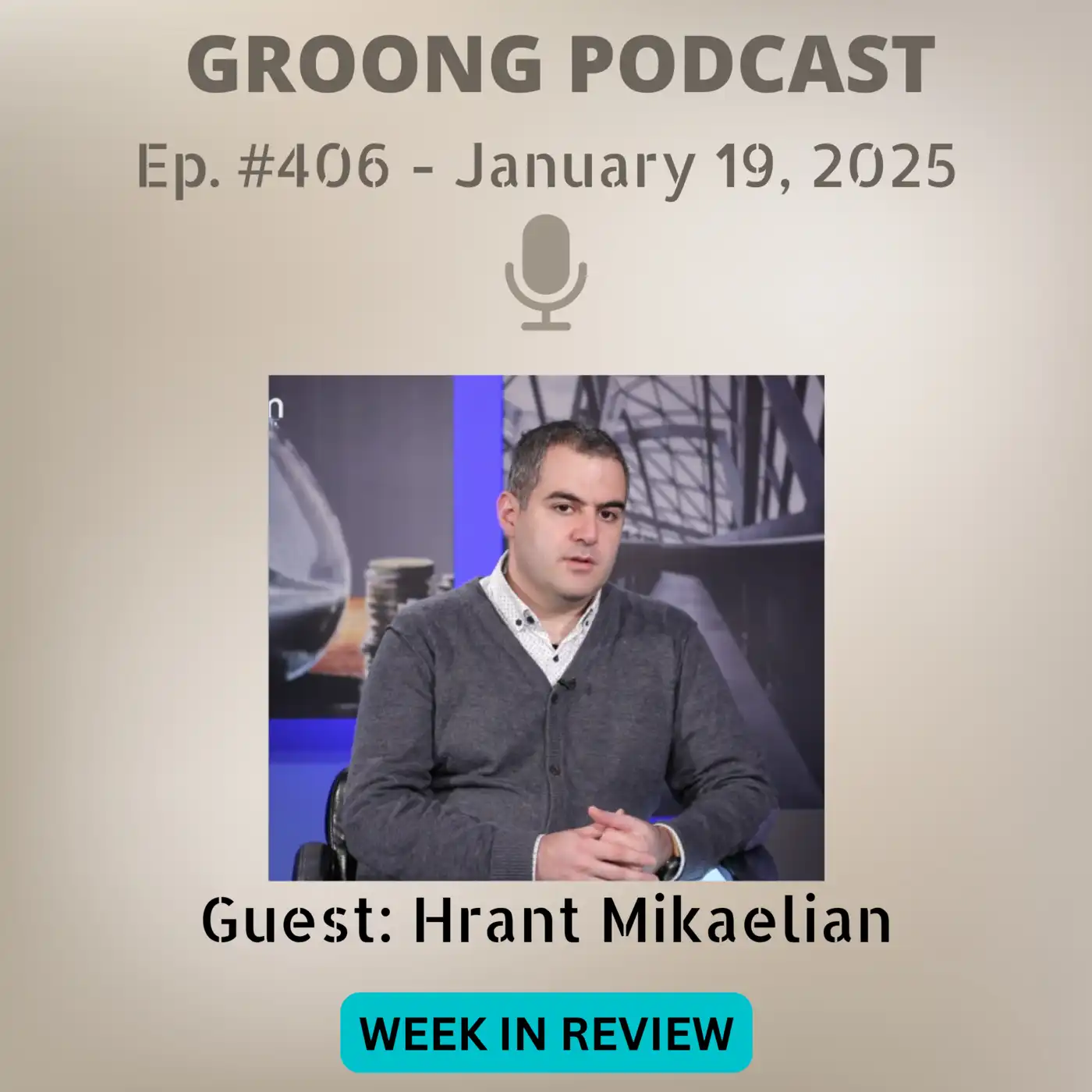
Groong Links:
Guest:
Topics:
- Trump Inauguration
- Russian-Iranian Strategic Partnership
- UK-Ukrainian 100-Year Partnership
- US-Armenian âStrategic Partnershipâ
Episode 406 | Recorded: January 20, 2025
Hrant Mikaelian - Trump Inauguration, Iran-Russia, UK-Ukraine, US-Armenia Strategic Partnerships | Ep 406, Jan 19, 2025 [EP406]
Posted on Tuesday, Jan 21, 2025 | Category: Armenia, Artsakh, Nagorno Karabakh, USA, Iran, Russia, Ukraine, Azerbaijan, Georgia, Israel, Middle East, Turkey, European Union, Syria, China, Economy, Lebanon, NATOGroong Links:
Guest:
Topics:
- Trump Inauguration
- Russian-Iranian Strategic Partnership
- UK-Ukrainian 100-Year Partnership
- US-Armenian âStrategic Partnershipâ
Episode 406 | Recorded: January 20, 2025
Tevan Poghosyan - Incoming Trump, Armenia Azerbaijan Talks, Iran Visit, Pro-West Signals | Ep 404, Jan 12, 2025 [EP404]
Posted on Wednesday, Jan 15, 2025 | Category: Armenia, Artsakh, Nagorno Karabakh, Azerbaijan, USA, Russia, Iran, Ukraine, Turkey, Israel, Syria, China, Georgia, Middle East, NATO, Economy, Genocide, Lebanon, European Union | Series: wir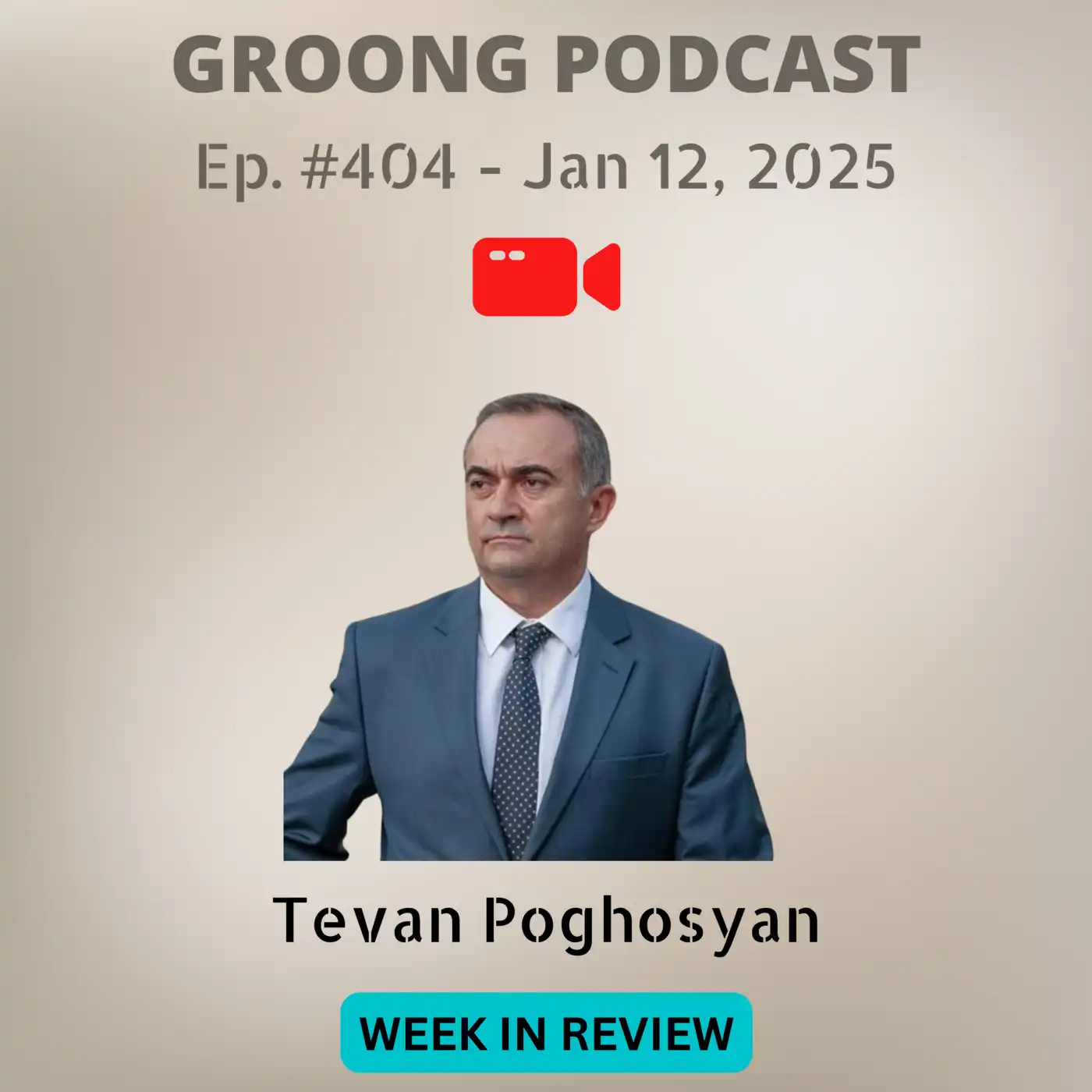
Groong Links:
Guest:
Topics:
- Incoming Trump Admin
- Armenia Azerbaijan Talks Stalled
- Iran Security Chief Visit
- Armeniaâs Pro-West Signals
Episode 404 | Recorded: January 14, 2025
Tevan Poghosyan - Incoming Trump, Armenia Azerbaijan Talks, Iran Visit, Pro-West Signals | Ep 404, Jan 12, 2025 [EP404]
Posted on Wednesday, Jan 15, 2025 | Category: Armenia, Artsakh, Nagorno Karabakh, Azerbaijan, USA, Russia, Iran, Ukraine, Turkey, Israel, Syria, China, Georgia, Middle East, NATO, Economy, Genocide, Lebanon, European UnionGroong Links:
Guest:
Topics:
- Incoming Trump Admin
- Armenia Azerbaijan Talks Stalled
- Iran Security Chief Visit
- Armeniaâs Pro-West Signals
Episode 404 | Recorded: January 14, 2025