Ukraine War
Last updated: June 11, 2026
The Russian Invasion and Its Timing
Russia’s full-scale invasion of Ukraine in February 2022 marked a strategic turning point whose consequences continue to reshape the South Caucasus. When Russia invaded Ukraine, it unleashed a war that would absorb Russian military capacity, provoke Western sanctions, and fundamentally alter Moscow’s ability to function as a regional hegemon. The Russia-Ukraine conflict, rather than remaining a European problem, became the primary lens through which Armenia had to recalculate its own security and geopolitical position. The Russian invasion of Ukraine came at the worst possible moment for Armenia—just as Yerevan was still reeling from the 2020 44-Day War , while Russian peacekeepers were deployed in Artsakh (Nagorno Karabakh ), and while Armenia remained dependent on Moscow for security guarantees that were about to become far less credible.
Russia’s Constrained Capacity and the Credibility Crisis
The Ukraine war stretched Russian military capacity to near-breaking point, diminished Moscow’s leverage as a security guarantor in the South Caucasus, and accelerated the credibility crisis of the CSTO — the collective security alliance that Armenia had relied on since 1992. Russia’s preoccupation with Ukraine meant that Russia could not effectively deter Azerbaijan, could not rapidly resupply Armenian forces, and could not credibly threaten to intervene on Armenia’s behalf. The Russia-Ukraine conflict became a test of whether Russia’s security commitments to smaller states meant anything at all. The answers that emerged were sobering for states depending on Russian protection.
Beyond military constraints, the Ukraine war fundamentally altered Russia’s relationship with Azerbaijan . As Western sanctions isolated Russia from global energy markets, Azerbaijan became strategically indispensable: the country re-packaged Russian energy and resold it to Europeans who were formally sanctioning Russia, providing Moscow with a crucial workaround to maintain revenue flows. Additionally, Azerbaijan emerged as a vital land communication corridor between Russia and Iran and the broader Middle East—a route of growing importance as Russia faced isolation from Europe. These economic and logistical dependencies meant that Russia could not afford to pressure or punish Azerbaijan, even as Azerbaijan threatened Armenia. The Russia-Ukraine conflict thus inverted Russia’s incentives in the South Caucasus: rather than deterring Azerbaijani aggression, Russia had reasons to accommodate Azerbaijani interests.
Direct Impact on Armenia’s Security
For Armenia, the Ukraine War’s most direct and catastrophic consequence was the removal of Russia as an available security backstop at the moment Armenia needed one most. The September 2023 Azerbaijani offensive—which resulted in the ethnic cleansing of the entire Armenian population of Artsakh—occurred against a backdrop of Russian military preoccupation with Ukraine and diplomatic isolation from the West. The Russian peacekeeping force deployed in Artsakh under the November 2020 ceasefire could not prevent the 2023 operation. Russia’s attention was elsewhere; the Armenian population of Artsakh—120,000 people who had expected protection from the ceasefire agreement—were ultimately on their own. The war also disrupted Russian arms supplies to Armenia, cut off technology transfers, and made Moscow an unreliable partner for defense procurement. The Russia-Ukraine conflict thus forced Armenia to rapidly diversify its security partnerships and pursue weapons from France, India, and other sources—a process that would have taken far longer without the urgency imposed by Russian unavailability.
The Western Pivot
The Ukraine war shifted the strategic calculations for Armenia’s Western alignment. As Pashinyan and Civil Contract reassessed Armenia’s position in a world where Russia could not be trusted, the pivot toward France, the EU, India, and the United States became not just geopolitically logical but strategically imperative. The war in Ukraine provided political cover to justify Armenia’s reorientation—it was not ideological choice but strategic necessity. Western governments, for their part, saw in Armenia an opportunity to build leverage in the South Caucasus and to bind a historically Russian-aligned state closer to the Euro-Atlantic orbit. The Ukraine war thus became the catalyst for Armenia’s geopolitical realignment, though the realignment would remain incomplete and contested, particularly as Armenia continued to depend on Russian energy, trade, and historical ties.
Groong’s Coverage and Analysis
Groong covers the Ukraine War not as a standalone topic but as a variable that shapes every calculation in Armenian foreign policy. Episodes in this category examine how Russia’s military capacity, diplomatic constraints, and weakened regional position affect Russian behavior in the South Caucasus, whether the Russia-Ukraine conflict has fundamentally altered Armenia’s security environment, the viability of different negotiating formats for the Armenia-Azerbaijan peace process , and the broader restructuring of European and Eurasian security that the war has accelerated. The conflict illuminates the reality that regional powers face new constraints in projecting influence, and that smaller states must continuously adapt their security strategies to changing circumstances beyond their control.
Groong episodes that include this tag
Below are all Groong episodes tagged with Ukraine War.
Transcript: Scott Horton - on his book Provoked, U.S. Foreign Policy, Color Revolutions, Ukraine War, Armenia, and more | Ep 433, May 4, 2025 [EP433]
Posted on Sunday, May 4, 2025 | Category: Ukraine, Armenia, Russia, Azerbaijan, Georgia, Nagorno Karabakh, Artsakh, NATO, Israel, Iran, Syria, Turkey, Economy, Genocide, European Union, Lebanon, TranscriptWhat happened to Antiwar Voices. Color Revolutions as US Strategy. Armenia and Pipeline Geopolitics. And more!
Hrant Mikaelian - Iran, EXIM and Azerbaijan, Gyumri, Artsakh Refugees in Armenia | Ep 429, Apr 20, 2025 [EP429]
Posted on Wednesday, Apr 23, 2025 | Category: Armenia, Politics, Vatican, Artsakh, Nagorno Karabakh, Azerbaijan, Genocide, Armenian Church, Armenian Genocide, Iran, Russia, Israel, Turkey, Ukraine, Middle East, China, European Union, Economy, Georgia, NATO, Geopolitics, Human Rights | Series: wir
Groong Links:
Guest:
Topics:
- US-Iran Talks & Israeli Threats
- Trump Administration Support for Azerbaijan
- Iran-Azerbaijan Relations & Corridor Demands
- Vatican Controversy & Global Anti-Armenian Propaganda
- Local Elections in Gyumri and Parakar
- Government-Fueled Hate Against Artsakh Refugees
Episode 429 | Recorded: April 22, 2025
Hrant Mikaelian - Iran, EXIM and Azerbaijan, Gyumri, Artsakh Refugees in Armenia | Ep 429, Apr 20, 2025 [EP429]
Posted on Wednesday, Apr 23, 2025 | Category: Armenia, Politics, Vatican, Artsakh, Nagorno Karabakh, Azerbaijan, Genocide, Armenian Church, Armenian Genocide, Iran, Russia, Israel, Turkey, Ukraine, Middle East, China, European Union, Economy, Georgia, NATO, Geopolitics, Human RightsGroong Links:
Guest:
Topics:
- US-Iran Talks & Israeli Threats
- Trump Administration Support for Azerbaijan
- Iran-Azerbaijan Relations & Corridor Demands
- Vatican Controversy & Global Anti-Armenian Propaganda
- Local Elections in Gyumri and Parakar
- Government-Fueled Hate Against Artsakh Refugees
Episode 429 | Recorded: April 22, 2025
Benyamin Poghosyan - US-Iran, Gyumri, Armenia MFA Blames Artsakh, Negotiations with Azerbaijan | Ep 426, Apr 6, 2025 [EP426]
Posted on Wednesday, Apr 9, 2025 | Category: Armenia, Politics, Iran, Geopolitics, Artsakh, Nagorno Karabakh, Azerbaijan, USA, Russia, China, Israel, Middle East, Ukraine, Artsakh Blockade, Armenian Genocide, Genocide, Turkey, NATO, Syria | Series: wir
Groong Links:
Guest:
Topics:
- US Iran Escalation
- Aftermath of Gyumri and Parakar
- MFA blames Artsakh for Regional Isolation
- Bullets and Peace
Episode 426 | Recorded: April 8, 2025
Benyamin Poghosyan - US-Iran, Gyumri, Armenia MFA Blames Artsakh, Negotiations with Azerbaijan | Ep 426, Apr 6, 2025 [EP426]
Posted on Wednesday, Apr 9, 2025 | Category: Armenia, Politics, Iran, Geopolitics, Artsakh, Nagorno Karabakh, Azerbaijan, USA, Russia, China, Israel, Middle East, Ukraine, Artsakh Blockade, Armenian Genocide, Genocide, Turkey, NATO, SyriaGroong Links:
Guest:
Topics:
- US Iran Escalation
- Aftermath of Gyumri and Parakar
- MFA blames Artsakh for Regional Isolation
- Bullets and Peace
Episode 426 | Recorded: April 8, 2025
Benyamin Poghosyan - Peace or Capitulation? Armenia's Dilemma & Ukraine Shifts | Ep 423 - Mar 16, 2025 [EP423]
Posted on Tuesday, Mar 18, 2025 | Category: Armenia, Politics, Artsakh, Azerbaijan, Geopolitics, Russia, Iran, Turkey, Nagorno Karabakh, NATO, European Union, Ukraine, Israel, China, Middle East, Genocide | Series: wir
Groong Links:
Guest:
Topics:
- Armenia-Azerbaijan “Treaty”: Concessions, secrecy, opposition backlash.
- Preconditions for Peace: OSCE Minsk dissolution, constitutional changes.
- Ukraine War Talks: Jeddah negotiations, UAV attacks, Trump-Putin call.
- Witkoffâs Baku Stop: Mysterious visit raising geopolitical questions.
Episode 423 | Recorded: March 17, 2025
Benyamin Poghosyan - Peace or Capitulation? Armenia's Dilemma & Ukraine Shifts | Ep 423 - Mar 16, 2025 [EP423]
Posted on Tuesday, Mar 18, 2025 | Category: Armenia, Politics, Artsakh, Azerbaijan, Geopolitics, Russia, Iran, Turkey, Nagorno Karabakh, NATO, European Union, Ukraine, Israel, China, Middle East, GenocideGroong Links:
Guest:
Topics:
- Armenia-Azerbaijan “Treaty”: Concessions, secrecy, opposition backlash.
- Preconditions for Peace: OSCE Minsk dissolution, constitutional changes.
- Ukraine War Talks: Jeddah negotiations, UAV attacks, Trump-Putin call.
- Witkoffâs Baku Stop: Mysterious visit raising geopolitical questions.
Episode 423 | Recorded: March 17, 2025
Negotiations Expert: Ukraine-U.S. Ceasefire Agreement in Jeddah – Is Russia on Board? | Ep 422, Mar 12, 2025 [EP422]
Posted on Thursday, Mar 13, 2025 | Category: Ukraine, Russia, Politics, Geopolitics, Iran, NATO, Armenia, China, Middle East | Series: cog, video
Groong Links:
Guest:
Topics:
- Ceasefire Terms:
- Negotiation Dynamics
- Posturing & International Pressure
- Risks & Challenges
Episode 422 | Recorded: March 12, 2025
Negotiations Expert: Ukraine-U.S. Ceasefire Agreement in Jeddah – Is Russia on Board? | Ep 422, Mar 12, 2025 [EP422]
Posted on Thursday, Mar 13, 2025 | Category: Ukraine, Russia, Politics, Geopolitics, Iran, NATO, Armenia, China, Middle EastGroong Links:
Guest:
Topics:
- Ceasefire Terms:
- Negotiation Dynamics
- Posturing & International Pressure
- Risks & Challenges
Episode 422 | Recorded: March 12, 2025
Carden, Shakarian - Trump, Foreign Policy, Foreign Aid, US-Armenia and Regions | Ep 420, Mar 3, 2025 [EP420]
Posted on Tuesday, Mar 4, 2025 | Category: USA, Ukraine, Russia, Armenia, Azerbaijan, Turkey, Geopolitics, China, Nagorno Karabakh, NATO, Israel, Iran, Georgia, Human Rights, Syria, Genocide | Series: cog, video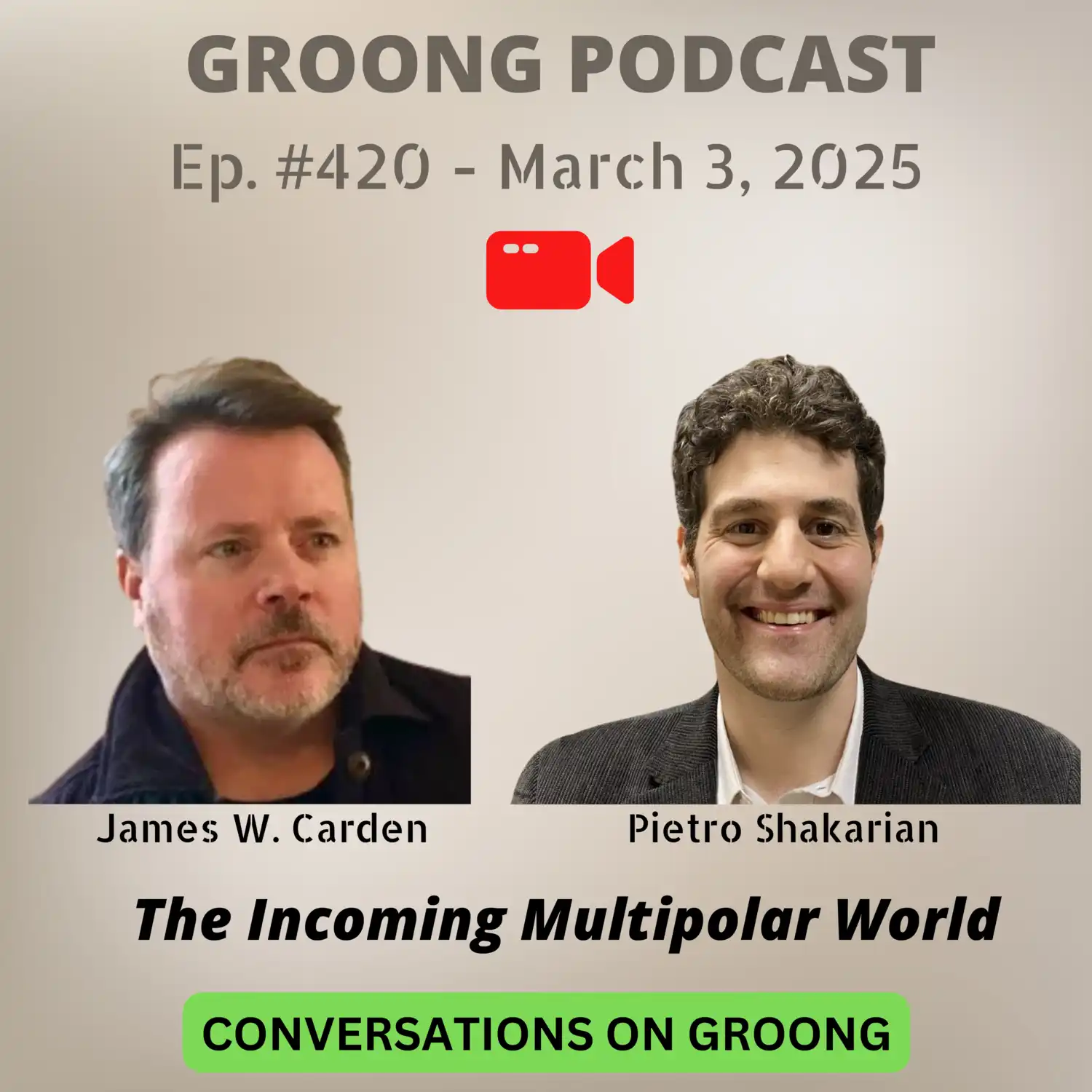
Groong Links:
Guest:
Topics:
- US Foreign Policy Under Trump
- Transactional Foreign Policy
- Trumpâs Cabinet & Policy Shifts
- US-Armenia Relations
Episode 420 | Recorded: February 27, 2025
Carden, Shakarian - Trump, Foreign Policy, Foreign Aid, US-Armenia and Regions | Ep 420, Mar 3, 2025 [EP420]
Posted on Tuesday, Mar 4, 2025 | Category: USA, Ukraine, Russia, Armenia, Azerbaijan, Turkey, Geopolitics, China, Nagorno Karabakh, NATO, Israel, Iran, Georgia, Human Rights, Syria, GenocideGroong Links:
Guest:
Topics:
- US Foreign Policy Under Trump
- Transactional Foreign Policy
- Trumpâs Cabinet & Policy Shifts
- US-Armenia Relations
Episode 420 | Recorded: February 27, 2025
Jean-Daniel Ruch - Geopolitics, Justice and the Future World Order | Ep 419, Mar 1, 2025 [EP419]
Posted on Sunday, Mar 2, 2025 | Category: Armenia, Russia, Ukraine, Artsakh, Nagorno Karabakh, Geopolitics, Azerbaijan, Turkey, NATO, Israel, Georgia, Human Rights, China, Syria, Economy, Iran, Middle East | Series: cog, video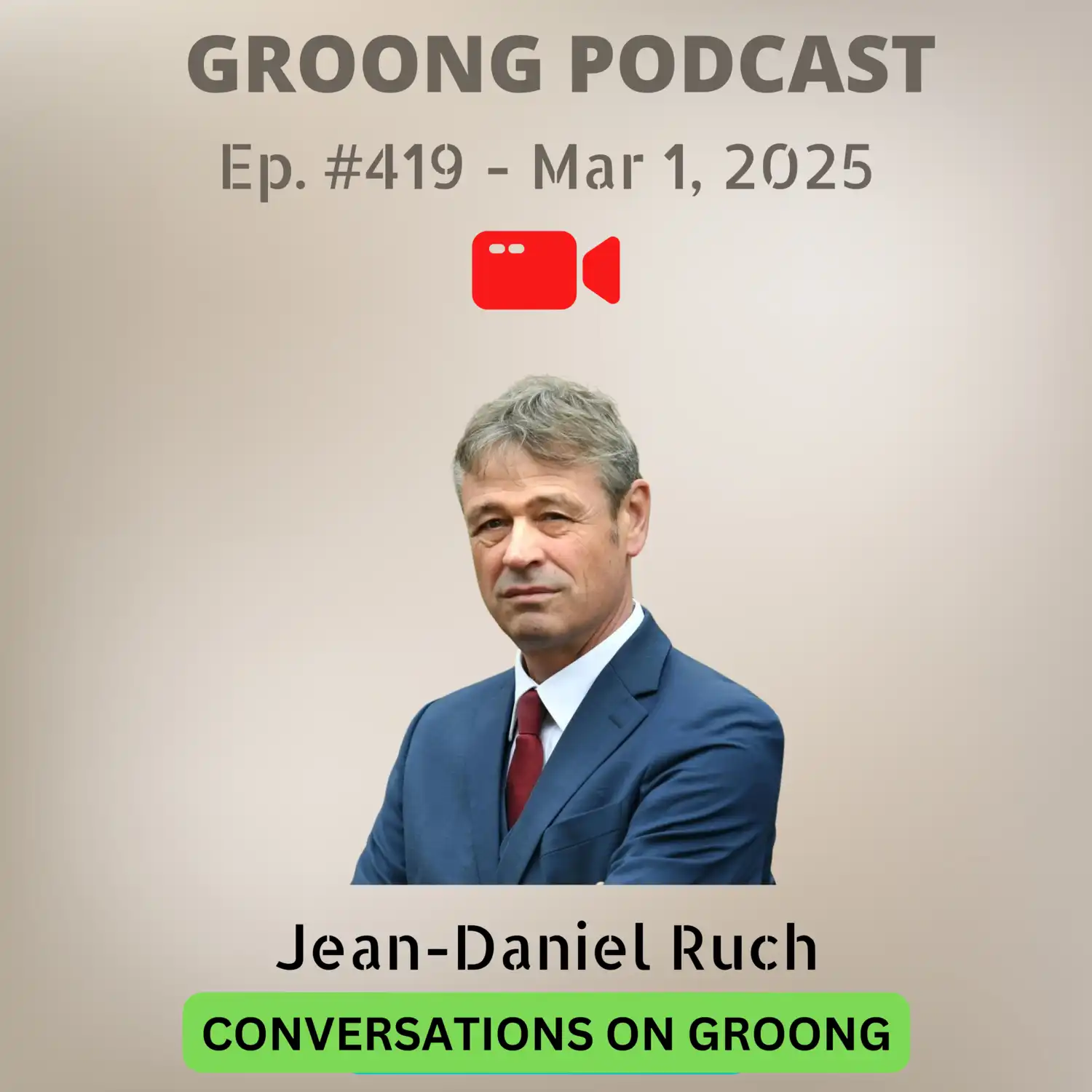
Groong Links:
Guest:
Topics:
- Jean-Daniel Ruchâs Career & Background
- The Role of Diplomacy in Conflict Resolution
- Western Democracy Promotion & Geopolitical Power Plays
- The War in Ukraine & Failed Peace Efforts
- US & European Geopolitical Strategies
- The International Criminal Court & Selective Justice
- The Artsakh Conflict & Armenian Displacement
Episode 419 | Recorded: February 27, 2025
Jean-Daniel Ruch - Geopolitics, Justice and the Future World Order | Ep 419, Mar 1, 2025 [EP419]
Posted on Sunday, Mar 2, 2025 | Category: Armenia, Russia, Ukraine, Artsakh, Nagorno Karabakh, Geopolitics, Azerbaijan, Turkey, NATO, Israel, Georgia, Human Rights, China, Syria, Economy, Iran, Middle EastGroong Links:
Guest:
Topics:
- Jean-Daniel Ruchâs Career & Background
- The Role of Diplomacy in Conflict Resolution
- Western Democracy Promotion & Geopolitical Power Plays
- The War in Ukraine & Failed Peace Efforts
- US & European Geopolitical Strategies
- The International Criminal Court & Selective Justice
- The Artsakh Conflict & Armenian Displacement
Episode 419 | Recorded: February 27, 2025
Glenn Diesen - The Think Tank Racket: Managing the Information War with Russia | Ep 415, Feb 17, 2025 [EP415]
Posted on Monday, Feb 17, 2025 | Category: Russia, Ukraine, Georgia, Armenian Genocide, NATO, European Union, Armenia, Human Rights, Syria, China, Iran, Azerbaijan, Genocide, Geopolitics, Israel | Series: cog, video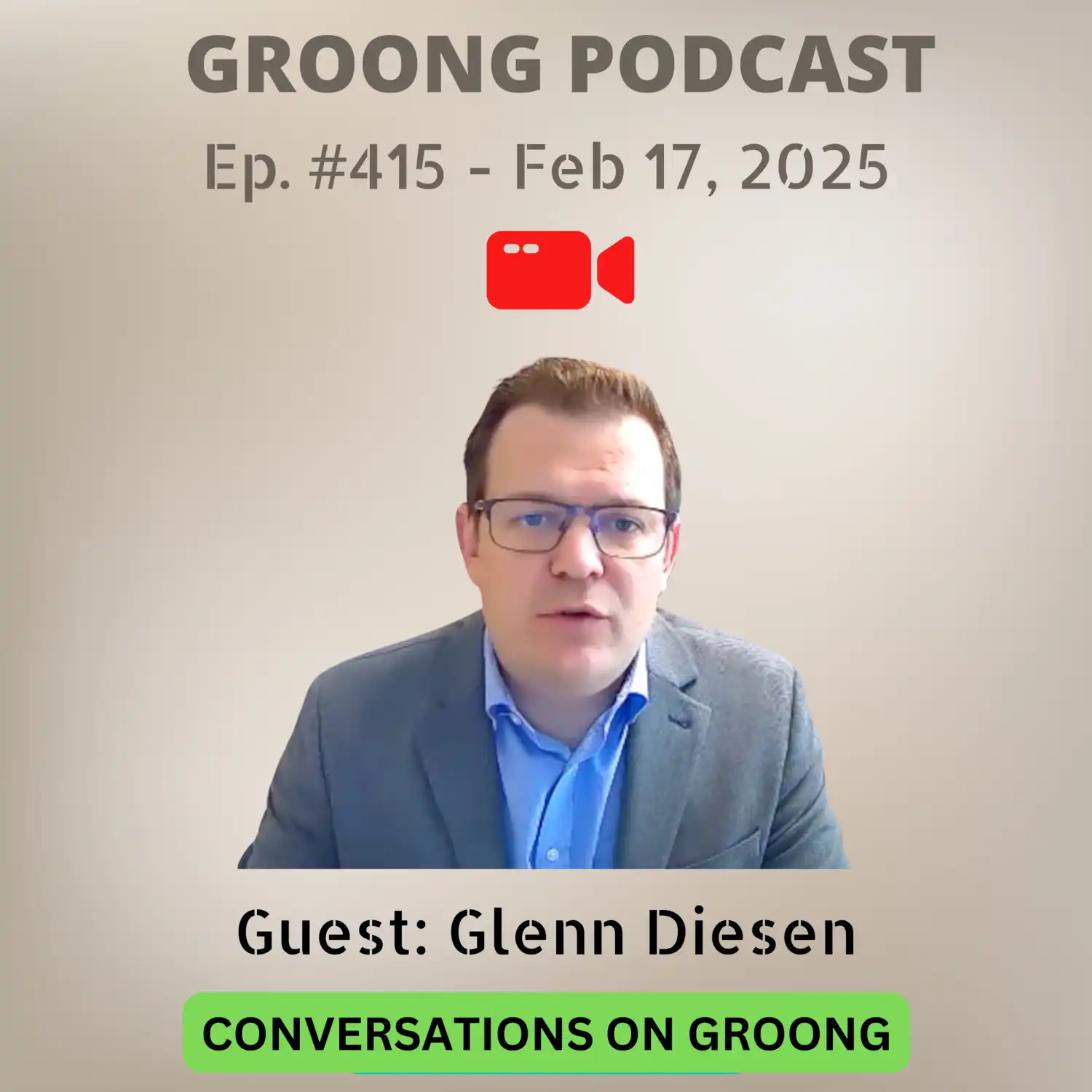
Groong Links:
Guest:
Topics:
- Think Tanks: Defining the Problem
- Media Manipulation, NGOs, and Colored Coups
- Reforming the Think Tank Industry
Episode 415 | Recorded: February 6, 2025
Glenn Diesen - The Think Tank Racket: Managing the Information War with Russia | Ep 415, Feb 17, 2025 [EP415]
Posted on Monday, Feb 17, 2025 | Category: Russia, Ukraine, Georgia, Armenian Genocide, NATO, European Union, Armenia, Human Rights, Syria, China, Iran, Azerbaijan, Genocide, Geopolitics, IsraelGroong Links:
Guest:
Topics:
- Think Tanks: Defining the Problem
- Media Manipulation, NGOs, and Colored Coups
- Reforming the Think Tank Industry
Episode 415 | Recorded: February 6, 2025
Glenn Diesen & Arman Grigoryan - The Incoming Multipolar World | Ep 411, Feb 9, 2025 [EP411]
Posted on Sunday, Feb 9, 2025 | Category: Russia, Ukraine, World Order, Syria, Israel, USA, China, Middle East, BRICS, European Union, NATO, Turkey, Armenia, Economy, Georgia, Iran, Azerbaijan, Geopolitics, Human Rights, India | Series: cog, video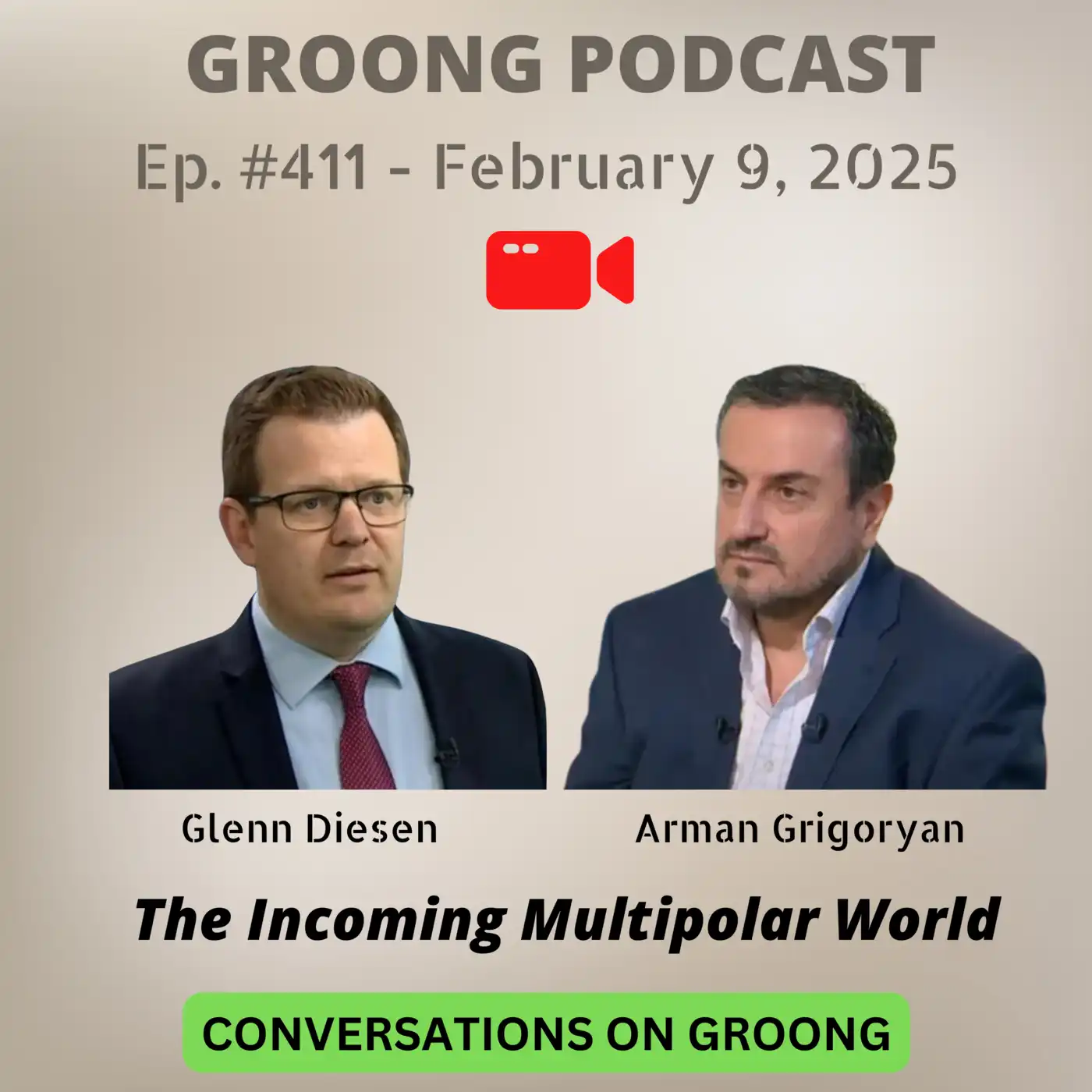
Groong Links:
Guest:
Topics:
- The Ongoing conflicts: Gaza, Syria, Ukraine
- Shifting Global Power and Alliances
- Small Countries in a Multipolar World
Episode 411 | Recorded: February 6, 2025
Glenn Diesen & Arman Grigoryan - The Incoming Multipolar World | Ep 411, Feb 9, 2025 [EP411]
Posted on Sunday, Feb 9, 2025 | Category: Russia, Ukraine, World Order, Syria, Israel, USA, China, Middle East, BRICS, European Union, NATO, Turkey, Armenia, Economy, Georgia, Iran, Azerbaijan, Geopolitics, Human Rights, IndiaGroong Links:
Guest:
Topics:
- The Ongoing conflicts: Gaza, Syria, Ukraine
- Shifting Global Power and Alliances
- Small Countries in a Multipolar World
Episode 411 | Recorded: February 6, 2025
Transcript: Glenn Diesen & Arman Grigoryan - The Incoming Multipolar World | Ep 411, Feb 9, 2025 [EP411]
Posted on Sunday, Feb 9, 2025 | Category: Russia, Ukraine, World Order, Syria, Israel, USA, China, Middle East, BRICS, European Union, NATO, Turkey, Armenia, Economy, Georgia, Iran, Azerbaijan, Geopolitics, Human Rights, India, TranscriptThe Ongoing conflicts: Gaza, Syria, Ukraine. Shifting Global Power and Alliances. Small Countries in a Multipolar World.
Benyamin Poghosyan - MPG Poll, Russia-Azerbaijan Relations Deteriorate, Armenian Strategic Geopolitical Balancing, Azerbaijan and the ‘Zangezur Corridor’ | Ep 410, Feb 2, 2025 [EP410]
Posted on Tuesday, Feb 4, 2025 | Category: Armenia, Azerbaijan, Poll, Artsakh, Nagorno Karabakh, Turkey, Russia, Iran, Ukraine, Geopolitics, Georgia, China, Economy, European Union, Israel | Series: wir
Groong Links:
Guest:
Topics:
- MPG Poll: Pashinyanâs Rating Tanks
- Russia Azerbaijan Relations Deteriorating
- Armeniaâs Strategic Geopolitical Balancing
- Azerbaijan and the âZangezur Corridorâ
Episode 410 | Recorded: February 3, 2025
Benyamin Poghosyan - MPG Poll, Russia-Azerbaijan Relations Deteriorate, Armenian Strategic Geopolitical Balancing, Azerbaijan and the ‘Zangezur Corridor’ | Ep 410, Feb 2, 2025 [EP410]
Posted on Tuesday, Feb 4, 2025 | Category: Armenia, Azerbaijan, Poll, Artsakh, Nagorno Karabakh, Turkey, Russia, Iran, Ukraine, Geopolitics, Georgia, China, Economy, European Union, IsraelGroong Links:
Guest:
Topics:
- MPG Poll: Pashinyanâs Rating Tanks
- Russia Azerbaijan Relations Deteriorating
- Armeniaâs Strategic Geopolitical Balancing
- Azerbaijan and the âZangezur Corridorâ
Episode 410 | Recorded: February 3, 2025
Pietro Shakarian - Russian-Iranian Partnership Pact | Ep 407, Jan 27, 2025 [EP407]
Posted on Monday, Jan 27, 2025 | Category: Russia, Iran, Ukraine, Armenia, Artsakh, Nagorno Karabakh, BRICS, Syria, Turkey, Israel, NATO, Middle East, Azerbaijan, China, Georgia, India | Series: cog
Groong Links:
Guest:
Topics:
- Russo-Iranian Partnership Treaty
- Implications of ð·ðº - ð®ð· pact for Armenia
- Trump Back in Office: War or Peace?
Episode 407 | Recorded: January 25, 2025
Pietro Shakarian - Russian-Iranian Partnership Pact | Ep 407, Jan 27, 2025 [EP407]
Posted on Monday, Jan 27, 2025 | Category: Russia, Iran, Ukraine, Armenia, Artsakh, Nagorno Karabakh, BRICS, Syria, Turkey, Israel, NATO, Middle East, Azerbaijan, China, Georgia, IndiaGroong Links:
Guest:
Topics:
- Russo-Iranian Partnership Treaty
- Implications of ð·ðº - ð®ð· pact for Armenia
- Trump Back in Office: War or Peace?
Episode 407 | Recorded: January 25, 2025
Tevan Poghosyan - Incoming Trump, Armenia Azerbaijan Talks, Iran Visit, Pro-West Signals | Ep 404, Jan 12, 2025 [EP404]
Posted on Wednesday, Jan 15, 2025 | Category: Armenia, Artsakh, Nagorno Karabakh, Azerbaijan, USA, Russia, Iran, Ukraine, Turkey, Israel, Syria, China, Georgia, Middle East, NATO, Economy, Genocide, Lebanon, European Union | Series: wir
Groong Links:
Guest:
Topics:
- Incoming Trump Admin
- Armenia Azerbaijan Talks Stalled
- Iran Security Chief Visit
- Armeniaâs Pro-West Signals
Episode 404 | Recorded: January 14, 2025
Tevan Poghosyan - Incoming Trump, Armenia Azerbaijan Talks, Iran Visit, Pro-West Signals | Ep 404, Jan 12, 2025 [EP404]
Posted on Wednesday, Jan 15, 2025 | Category: Armenia, Artsakh, Nagorno Karabakh, Azerbaijan, USA, Russia, Iran, Ukraine, Turkey, Israel, Syria, China, Georgia, Middle East, NATO, Economy, Genocide, Lebanon, European UnionGroong Links:
Guest:
Topics:
- Incoming Trump Admin
- Armenia Azerbaijan Talks Stalled
- Iran Security Chief Visit
- Armeniaâs Pro-West Signals
Episode 404 | Recorded: January 14, 2025
Benyamin Poghosyan - Pashinyan Lies on Decades of Negotiations, 17 Points to an Agreement, 2024 Review and 2025 Outlook | Ep 403 - Dec 29, 2024 [EP403]
Posted on Wednesday, Jan 1, 2025 | Category: Armenia, Azerbaijan, Artsakh, Nagorno Karabakh, Middle East, Israel, Lebanon, Syria, Iran, Turkey, Russia, Armenian Church, Ukraine, Genocide, Geopolitics, China, Georgia, European Union | Series: wir
Groong Links:
Guest:
Topics:
- Pashinyanâs Lies on Decades of Negotiations
- 17 Points to an Agreement
- 2024 Review and 2025 Outlook
Episode 403 | Recorded: December 31, 2024
Benyamin Poghosyan - Pashinyan Lies on Decades of Negotiations, 17 Points to an Agreement, 2024 Review and 2025 Outlook | Ep 403 - Dec 29, 2024 [EP403]
Posted on Wednesday, Jan 1, 2025 | Category: Armenia, Azerbaijan, Artsakh, Nagorno Karabakh, Middle East, Israel, Lebanon, Syria, Iran, Turkey, Russia, Armenian Church, Ukraine, Genocide, Geopolitics, China, Georgia, European UnionGroong Links:
Guest:
Topics:
- Pashinyanâs Lies on Decades of Negotiations
- 17 Points to an Agreement
- 2024 Review and 2025 Outlook
Episode 403 | Recorded: December 31, 2024
Groong Links:
Guest:
Topics:
- U.S. Imperialism
- The Role of the Think Tank Industry
Episode 400 | Recorded: December 20, 2024
Matthew Hoh - Imperial US Foreign Policy, and the Role of the Think Tank Industry | Ep 400 - Dec 23, 2024 [EP400]
Posted on Sunday, Dec 22, 2024 | Category: USA, World Order, Middle East, Israel, Russia, China, NATO, Syria, Ukraine, Armenia, Economy, Lebanon, IndiaGroong Links:
Guest:
Topics:
- U.S. Imperialism
- The Role of the Think Tank Industry
Episode 400 | Recorded: December 20, 2024
Varuzhan Geghamyan on Syria, Armenia, and Turkey-Iran-Russia Tensions | Ep 396 - Dec 16, 2024 [EP396]
Posted on Monday, Dec 16, 2024 | Category: Middle East, Armenia, Politics, Syria, Turkey, Russia, Nagorno Karabakh, Azerbaijan, Iran, Israel, NATO, Ukraine, Geopolitics, Economy, Georgia | Series: cog, video
Groong Links:
Guest:
Topics:
- Syria and the Middle East
- The South Caucasus
- Turkey, Iran, Russia
Episode 396 | Recorded: December 13, 2024
Varuzhan Geghamyan on Syria, Armenia, and Turkey-Iran-Russia Tensions | Ep 396 - Dec 16, 2024 [EP396]
Posted on Monday, Dec 16, 2024 | Category: Middle East, Armenia, Politics, Syria, Turkey, Russia, Nagorno Karabakh, Azerbaijan, Iran, Israel, NATO, Ukraine, Geopolitics, Economy, GeorgiaGroong Links:
Guest:
Topics:
- Syria and the Middle East
- The South Caucasus
- Turkey, Iran, Russia
Episode 396 | Recorded: December 13, 2024
Hrant Mikaelian - Aliyev's “New” Demands, Fall of Syria, Georgia Post-Election Unrest, Civil Contract Disobedience | Ep 394 - Dec 8, 2024 [EP394]
Posted on Tuesday, Dec 10, 2024 | Category: Armenia, Politics, Economy, Artsakh, Nagorno Karabakh, Azerbaijan, Georgia, Turkey, Russia, Syria, Iran, Israel, Ukraine, European Union, Genocide, Human Rights | Series: wir
Groong Links:
Guest:
Topics:
- Remembering the 1988 Earthquake in Spitak, Armenia
- Aliyevâs âNewâ Demands
- The Fall of Syria
- Georgiaâs Post-Election Unrest
- Civil Contract Disobedience
Episode 394 | Recorded: December 9, 2024
Hrant Mikaelian - Aliyev's “New” Demands, Fall of Syria, Georgia Post-Election Unrest, Civil Contract Disobedience | Ep 394 - Dec 8, 2024 [EP394]
Posted on Tuesday, Dec 10, 2024 | Category: Armenia, Politics, Economy, Artsakh, Nagorno Karabakh, Azerbaijan, Georgia, Turkey, Russia, Syria, Iran, Israel, Ukraine, European Union, Genocide, Human RightsGroong Links:
Guest:
Topics:
- Remembering the 1988 Earthquake in Spitak, Armenia
- Aliyevâs âNewâ Demands
- The Fall of Syria
- Georgiaâs Post-Election Unrest
- Civil Contract Disobedience
Episode 394 | Recorded: December 9, 2024
Ivan Katchanovski on the Maidan Massacre, Ukraine War, and Implications | Ep 393 - Dec 9, 2024 [EP393]
Posted on Monday, Dec 9, 2024 | Category: Ukraine, Politics, Russia, Georgia, Armenia, NATO, European Union, Israel, Human Rights, Geopolitics | Series: cog
Groong Links:
Guest:
- Prof. Ivan Katchanovski , University of Ottawa
SUPPORT PROF. KATCHANOVSI’S WORK HERE: https://gofund.me/52b68e07
Topics:
- The War in Ukraine
- Trumpâs âEastern Approachesâ
- The Maidan Massacre and Its Legacy
- Maidanization of Georgia?
- Armenia in the Shadow of Ukraine
Episode 393 | Recorded: December 7, 2024
Ivan Katchanovski on the Maidan Massacre, Ukraine War, and Implications | Ep 393 - Dec 9, 2024 [EP393]
Posted on Monday, Dec 9, 2024 | Category: Ukraine, Politics, Russia, Georgia, Armenia, NATO, European Union, Israel, Human Rights, GeopoliticsGroong Links:
Guest:
- Prof. Ivan Katchanovski , University of Ottawa
SUPPORT PROF. KATCHANOVSI’S WORK HERE: https://gofund.me/52b68e07
Topics:
- The War in Ukraine
- Trumpâs âEastern Approachesâ
- The Maidan Massacre and Its Legacy
- Maidanization of Georgia?
- Armenia in the Shadow of Ukraine
Episode 393 | Recorded: December 7, 2024
Karen Kwiatkowski on Turkey, NATO, and the 44-Day War | Ep 392 - Dec 7, 2024 [EP392]
Posted on Saturday, Dec 7, 2024 | Category: Politics, Turkey, NATO, Armenia, Nagorno Karabakh, Artsakh, Azerbaijan, USA, Ukraine, Russia, Israel, Iran, Middle East, Geopolitics, Syria, China, Genocide, Georgia, Lebanon, European Union | Series: cog, video
Groong Links:
Guest:
Topics:
- Turkeyâs Role in the 44-Day War
- NATO and Intelligence Sharing
- Global Power Rivalries
- Lessons from U.S. Intelligence Practices
Episode 392 | Recorded: December 2, 2024
Karen Kwiatkowski on Turkey, NATO, and the 44-Day War | Ep 392 - Dec 7, 2024 [EP392]
Posted on Saturday, Dec 7, 2024 | Category: Politics, Turkey, NATO, Armenia, Nagorno Karabakh, Artsakh, Azerbaijan, USA, Ukraine, Russia, Israel, Iran, Middle East, Geopolitics, Syria, China, Genocide, Georgia, Lebanon, European UnionGroong Links:
Guest:
Topics:
- Turkeyâs Role in the 44-Day War
- NATO and Intelligence Sharing
- Global Power Rivalries
- Lessons from U.S. Intelligence Practices
Episode 392 | Recorded: December 2, 2024
Transcript: Karen Kwiatkowski on Turkey, NATO, and the 44-Day War | Ep 392 - Dec 7, 2024 [EP392]
Posted on Saturday, Dec 7, 2024 | Category: Politics, Turkey, NATO, Armenia, Nagorno Karabakh, Artsakh, Azerbaijan, USA, Ukraine, Russia, Israel, Iran, Middle East, Geopolitics, Syria, China, Genocide, Georgia, Lebanon, European Union, TranscriptTurkey’s Role in the 44-Day War. NATO and Intelligence Sharing. Global Power Rivalries. Lessons from U.S. Intelligence Practices.
Groong Links:
Guest:
Topics:
- Constitutional Crisis In Georgia?
- Western Reactions and Escalation
- Russian Reactions and Georgiaâs Strategic Direction
- Unrest In Abkhazia
Episode 388 | Recorded: November 30, 2024
Groong Links:
Guest:
Topics:
- Constitutional Crisis In Georgia?
- Western Reactions and Escalation
- Russian Reactions and Georgiaâs Strategic Direction
- Unrest In Abkhazia
Episode 388 | Recorded: November 30, 2024
Arthur G. Martirosyan - Government Firings by Text, Another Scandalous Pashinyan Interview, New Escalation in Ukraine | Ep 387 - Nov 24, 2024 [EP387]
Posted on Tuesday, Nov 26, 2024 | Category: Armenia, Politics, Artsakh, Nagorno Karabakh, Georgia, Turkey, Russia, Azerbaijan, Ukraine, China, Genocide, Economy, Middle East, NATO, Syria | Series: wir
Groong Links:
Guest:
Topics:
- Supreme Judicial Council Head, MPs resign at Pashinyanâs âAskâ
- Another Pashinyan Interview, More Scandalous Statements
- Speed Cameras, Government Officials Cars
- âWestern Azerbaijanâ â âWestern Armeniaâ
- EU Mission in Armenia
- New Escalation in Ukraine
Episode 387 | Recorded: November 25, 2024
Arthur G. Martirosyan - Government Firings by Text, Another Scandalous Pashinyan Interview, New Escalation in Ukraine | Ep 387 - Nov 24, 2024 [EP387]
Posted on Tuesday, Nov 26, 2024 | Category: Armenia, Politics, Artsakh, Nagorno Karabakh, Georgia, Turkey, Russia, Azerbaijan, Ukraine, China, Genocide, Economy, Middle East, NATO, SyriaGroong Links:
Guest:
Topics:
- Supreme Judicial Council Head, MPs resign at Pashinyanâs âAskâ
- Another Pashinyan Interview, More Scandalous Statements
- Speed Cameras, Government Officials Cars
- âWestern Azerbaijanâ â âWestern Armeniaâ
- EU Mission in Armenia
- New Escalation in Ukraine
Episode 387 | Recorded: November 25, 2024
Arthur Khachatryan - Armenia Azerbaijan Talks, 2025 State Budget, Internal Political Developments | Ep 385 - Nov 10, 2024 [EP385]
Posted on Thursday, Nov 14, 2024 | Category: Armenia, Artsakh, Nagorno Karabakh, Economy, Turkey, Russia, Ukraine, Genocide, Iran, Lebanon, European Union, Georgia, Israel, Middle East, NATO, Syria | Series: wir
Groong Links:
Guest:
Topics:
- Armenia Azerbaijan Talks
- Draft 2025 State Budget
- Armenian Internal Politics
Episode 385 | Recorded: November 13, 2024
Arthur Khachatryan - Armenia Azerbaijan Talks, 2025 State Budget, Internal Political Developments | Ep 385 - Nov 10, 2024 [EP385]
Posted on Thursday, Nov 14, 2024 | Category: Armenia, Artsakh, Nagorno Karabakh, Economy, Turkey, Russia, Ukraine, Genocide, Iran, Lebanon, European Union, Georgia, Israel, Middle East, NATO, SyriaGroong Links:
Guest:
Topics:
- Armenia Azerbaijan Talks
- Draft 2025 State Budget
- Armenian Internal Politics
Episode 385 | Recorded: November 13, 2024
Suren Sargsyan - Armenia and Trump’s Election as President Again | Ep 384 - Nov 9, 2024 [EP384]
Posted on Saturday, Nov 9, 2024 | Category: Armenia, Politics, USA, Middle East, Ukraine, Artsakh, Nagorno Karabakh, Israel, Lebanon, Genocide, Armenian Church, China, Russia, NATO, Iran, Economy, Human Rights | Series: cog
Groong Links:
Guest:
Topic:
- Armenia, Armenian Americans, Artsakh
- Ukraine War, NATO, China
- Israel, Gaza, Lebanon, Iran
Episode 384 | Recorded: April 3, 2023
Suren Sargsyan - Armenia and Trump’s Election as President Again | Ep 384 - Nov 9, 2024 [EP384]
Posted on Saturday, Nov 9, 2024 | Category: Armenia, Politics, USA, Middle East, Ukraine, Artsakh, Nagorno Karabakh, Israel, Lebanon, Genocide, Armenian Church, China, Russia, NATO, Iran, Economy, Human RightsGroong Links:
Guest:
Topic:
- Armenia, Armenian Americans, Artsakh
- Ukraine War, NATO, China
- Israel, Gaza, Lebanon, Iran
Episode 384 | Recorded: April 3, 2023
Benyamin Poghosyan - China, BRICS, New World Order, Armenia in Kazan, Georgian Elections in 2024 | Ep 382 - Nov 4, 2024 [EP382]
Posted on Monday, Nov 4, 2024 | Category: China, World Order, Georgia, Armenia, Russia, USA, India, Ukraine, Azerbaijan, Artsakh Blockade, BRICS, NATO, Turkey, Iran, Economy, European Union, Geopolitics, Syria | Series: cog
Groong Links:
Guest:
Topics:
- China, and the New World Order
- BRICS Summit and Multipolarity
- Armenia at BRICS
- Georgian Elections in 2024
Episode 382 | Recorded: October 29, 2024
Benyamin Poghosyan - China, BRICS, New World Order, Armenia in Kazan, Georgian Elections in 2024 | Ep 382 - Nov 4, 2024 [EP382]
Posted on Monday, Nov 4, 2024 | Category: China, World Order, Georgia, Armenia, Russia, USA, India, Ukraine, Azerbaijan, Artsakh Blockade, BRICS, NATO, Turkey, Iran, Economy, European Union, Geopolitics, SyriaGroong Links:
Guest:
Topics:
- China, and the New World Order
- BRICS Summit and Multipolarity
- Armenia at BRICS
- Georgian Elections in 2024
Episode 382 | Recorded: October 29, 2024
Harut Sassounian - Armenian American and the 2024 US Presidential Elections | Ep 380 - Nov 2, 2024 [EP380]
Posted on Saturday, Nov 2, 2024 | Category: Armenia, Artsakh, USA, Elections, Nagorno Karabakh, Genocide, Azerbaijan, Israel, Lebanon, Armenian Genocide, Ukraine, Russia, NATO, Economy, Middle East, Turkey | Series: cog
Groong Links:
Guest:
Topics:
On the Major US Presidential Candidates Do Minor Candidates Matter for us? Are We Organized Enough to Influence US Elections? How would Harris or Trump Affect Armenia & Region?
Episode 380 | Recorded: November 1, 2024
Harut Sassounian - Armenian American and the 2024 US Presidential Elections | Ep 380 - Nov 2, 2024 [EP380]
Posted on Saturday, Nov 2, 2024 | Category: Armenia, Artsakh, USA, Elections, Nagorno Karabakh, Genocide, Azerbaijan, Israel, Lebanon, Armenian Genocide, Ukraine, Russia, NATO, Economy, Middle East, TurkeyGroong Links:
Guest:
Topics:
On the Major US Presidential Candidates Do Minor Candidates Matter for us? Are We Organized Enough to Influence US Elections? How would Harris or Trump Affect Armenia & Region?
Episode 380 | Recorded: November 1, 2024
Groong Links:
Guest:
Topics:
- Georgian Elections in 2024
- Election Landscape
- Themes of the Campaigns
- Comparison with Moldova 2024
- Outcomes and Expectations
Episode 377 | Recorded: October 23, 2024
Groong Links:
Guest:
Topics:
- Georgian Elections in 2024
- Election Landscape
- Themes of the Campaigns
- Comparison with Moldova 2024
- Outcomes and Expectations
Episode 377 | Recorded: October 23, 2024
Sergei Melkonian - Armenia Azerbaijan, Moldova Georgia Elections, Iran Russia, BRICS in Kazan, Russia | Ep 376 - Oct 20, 2024 [EP376]
Posted on Tuesday, Oct 22, 2024 | Category: Armenia, Azerbaijan, Russia, Georgia, Artsakh, Nagorno Karabakh, Turkey, Iran, USA, Israel, Lebanon, Armenian Church, BRICS, Middle East, Syria, China, Ukraine, Genocide, Human Rights, European Union, Geopolitics | Series: wir
Groong Links:
Guest:
Topics:
- Armenia Azerbaijan Talks
- Elections in Moldova and Georgia
- Iran Russia Relations
- BRICS Summit in Kaza, Russia
Episode 376 | Recorded: October 20, 2024
Sergei Melkonian - Armenia Azerbaijan, Moldova Georgia Elections, Iran Russia, BRICS in Kazan, Russia | Ep 376 - Oct 20, 2024 [EP376]
Posted on Tuesday, Oct 22, 2024 | Category: Armenia, Azerbaijan, Russia, Georgia, Artsakh, Nagorno Karabakh, Turkey, Iran, USA, Israel, Lebanon, Armenian Church, BRICS, Middle East, Syria, China, Ukraine, Genocide, Human Rights, European Union, GeopoliticsGroong Links:
Guest:
Topics:
- Armenia Azerbaijan Talks
- Elections in Moldova and Georgia
- Iran Russia Relations
- BRICS Summit in Kaza, Russia
Episode 376 | Recorded: October 20, 2024
Vahram Ter Matevosyan - The Dynamics of Identity and Geopolitics in the South Caucasus | Ep 372 - Oct 5, 2024 [EP372]
Posted on Saturday, Oct 5, 2024 | Category: Russia, Armenia, Artsakh, Nagorno Karabakh, History, Geopolitics, Georgia, Azerbaijan, Turkey, Iran, Armenian Genocide, Ukraine, Genocide, China, Economy, European Union, India | Series: cog
Groong Links:
Guest:
Topics:
- Armenian Identity and Integration in the South Caucasus
- On the Nature and Thinking of the Armenian Constitution
- Relations with Russia Through Time
- The Geopolitics Around the South Caucasus
Episode 372 | Recorded: October 2, 2024
Vahram Ter Matevosyan - The Dynamics of Identity and Geopolitics in the South Caucasus | Ep 372 - Oct 5, 2024 [EP372]
Posted on Saturday, Oct 5, 2024 | Category: Russia, Armenia, Artsakh, Nagorno Karabakh, History, Geopolitics, Georgia, Azerbaijan, Turkey, Iran, Armenian Genocide, Ukraine, Genocide, China, Economy, European Union, IndiaGroong Links:
Guest:
Topics:
- Armenian Identity and Integration in the South Caucasus
- On the Nature and Thinking of the Armenian Constitution
- Relations with Russia Through Time
- The Geopolitics Around the South Caucasus
Episode 372 | Recorded: October 2, 2024
Hrant Mikaelian - Commemorating the 44-Day War, Armenia Azerbaijan Talks, Draft 2025 State Budget, | Ep 371 - Sep 29, 2024 [EP371]
Posted on Tuesday, Oct 1, 2024 | Category: Armenia, Politics, Economy, Artsakh, Nagorno Karabakh, Azerbaijan, Turkey, Iran, Armenian Church, Russia, Georgia, Ukraine, European Union, India | Series: wir
Groong Links:
Guest:
Topics:
- Tavush Protests Gain Momentum
- Pashinyan Pressing Ahead with Land Concessions
- Poll Results on Tavush Protests
Episode 371 | Recorded: September 30, 2024
Hrant Mikaelian - Commemorating the 44-Day War, Armenia Azerbaijan Talks, Draft 2025 State Budget, | Ep 371 - Sep 29, 2024 [EP371]
Posted on Tuesday, Oct 1, 2024 | Category: Armenia, Politics, Economy, Artsakh, Nagorno Karabakh, Azerbaijan, Turkey, Iran, Armenian Church, Russia, Georgia, Ukraine, European Union, IndiaGroong Links:
Guest:
Topics:
- Tavush Protests Gain Momentum
- Pashinyan Pressing Ahead with Land Concessions
- Poll Results on Tavush Protests
Episode 371 | Recorded: September 30, 2024
Nikoloz Bitsadze - Georgian Elections in October 2024| Ep 370 - Sep 26, 2024 [EP370]
Posted on Thursday, Sep 26, 2024 | Category: Georgia, Armenia, Elections, Azerbaijan, Russia, USA, Human Rights, European Union, Turkey, Genocide, NATO, China, Geopolitics, Ukraine | Series: cog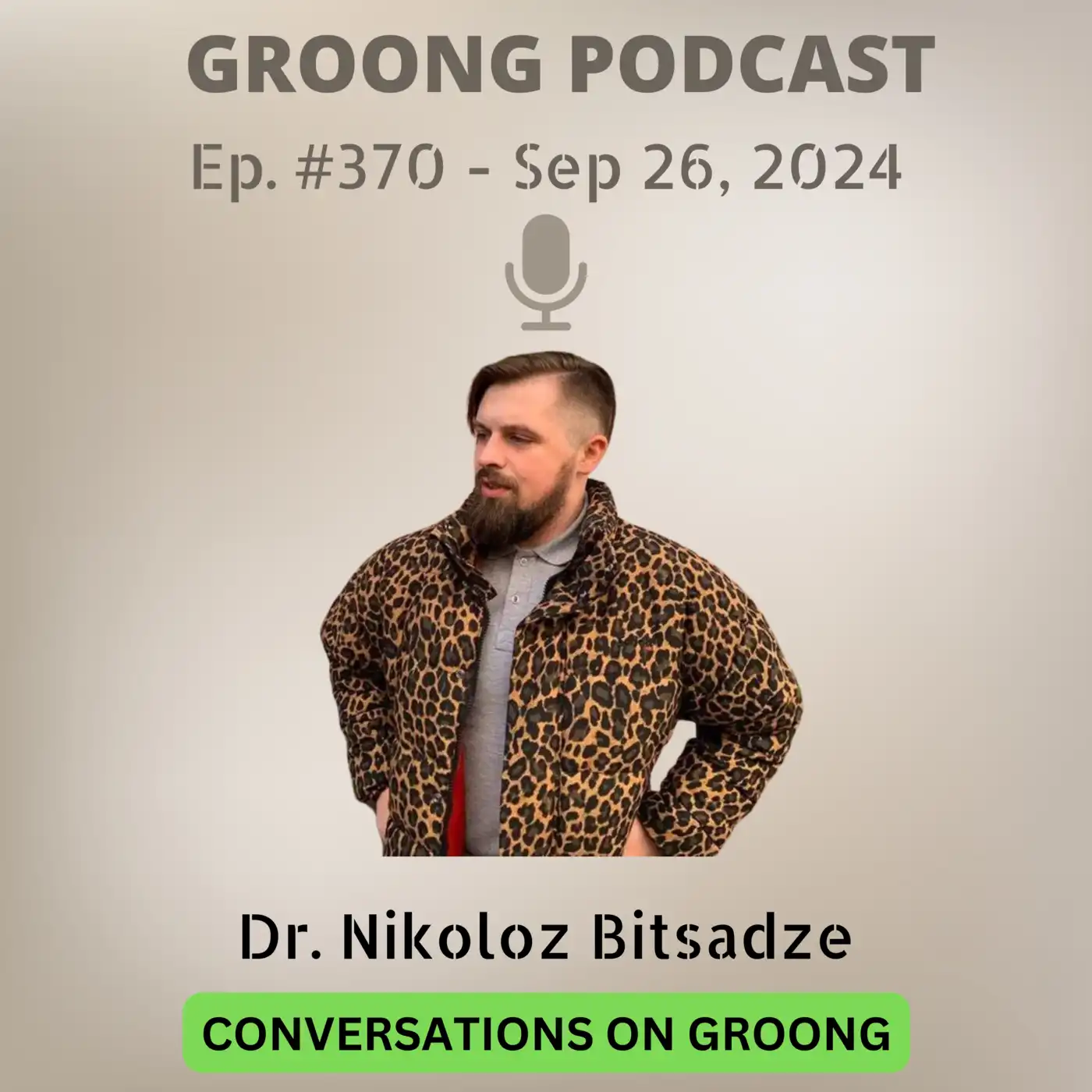
Groong Links:
Guest:
Topics:
- Election, Politics, and The Geopolitical Context
- Who are the Major External Influencers in Georgiaâs Politics?
- Is Talk of Civilizational Catastrophe, or Rapprochement with Abkhazia/South Ossetia Election-time Populism?
- Neutrality and Georgian-Armenian Relations
Episode 370 | Recorded: September 21, 2024
Nikoloz Bitsadze - Georgian Elections in October 2024| Ep 370 - Sep 26, 2024 [EP370]
Posted on Thursday, Sep 26, 2024 | Category: Georgia, Armenia, Elections, Azerbaijan, Russia, USA, Human Rights, European Union, Turkey, Genocide, NATO, China, Geopolitics, UkraineGroong Links:
Guest:
Topics:
- Election, Politics, and The Geopolitical Context
- Who are the Major External Influencers in Georgiaâs Politics?
- Is Talk of Civilizational Catastrophe, or Rapprochement with Abkhazia/South Ossetia Election-time Populism?
- Neutrality and Georgian-Armenian Relations
Episode 370 | Recorded: September 21, 2024
Pascal Lottaz - Neutrality Studies, Armenia and the Incoming Multipolar World | Ep 367 - Sep 23, 2024 [EP367]
Posted on Tuesday, Sep 24, 2024 | Category: Armenia, Artsakh, World Order, Georgia, Russia, Ukraine, Israel, Azerbaijan, BRICS, European Union, China, Genocide, NATO, Lebanon, Turkey, Iran, India | Series: cog, video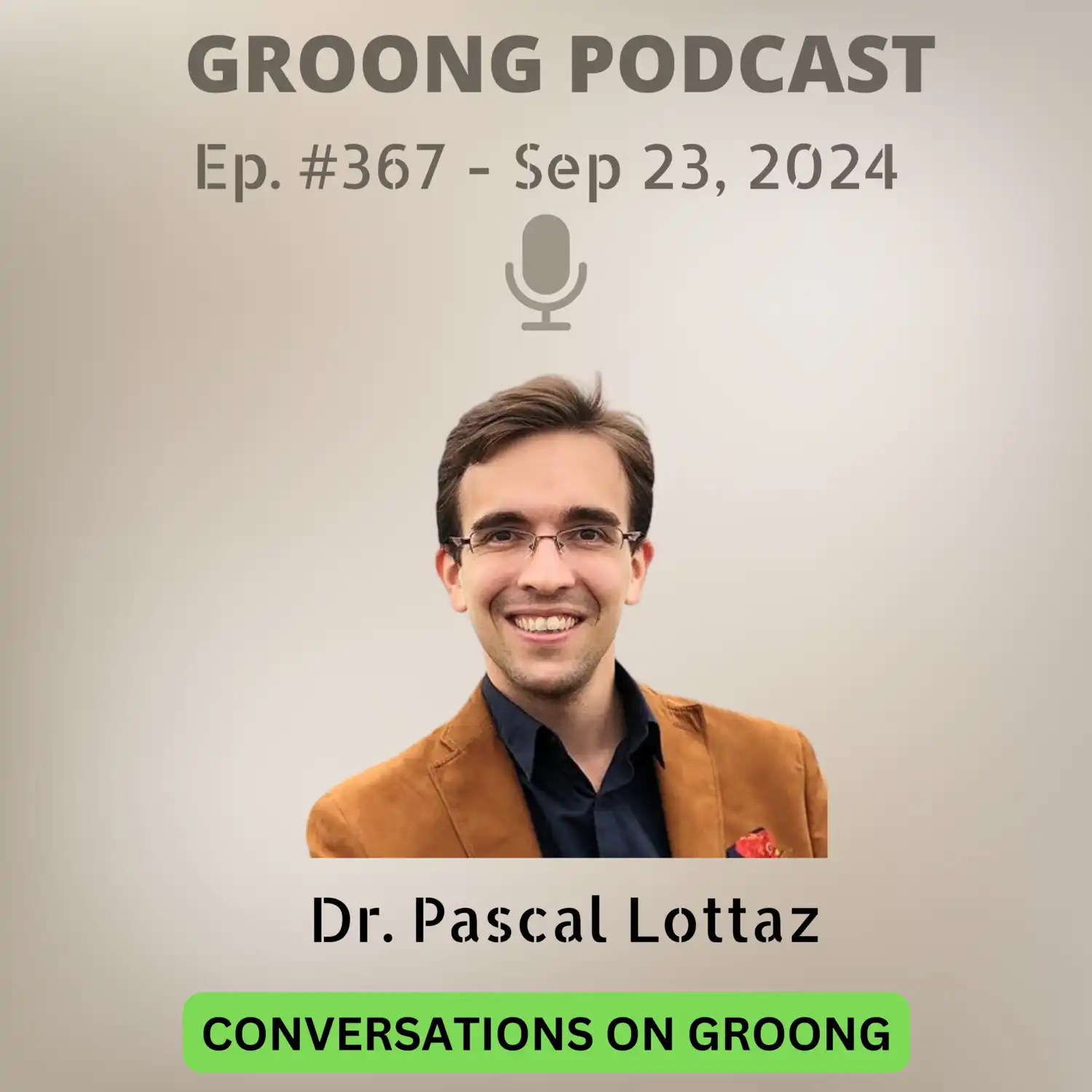
Groong Links:
Guest:
Topics:
- What is Neutrality Studies?
- Rise of the Multi-Polar World
Episode 367 | Recorded: September 18, 2024