Syunik
Last updated: May 29, 2026
Syunik is Armenia’s southernmost province, bordering Iran to the south and containing the cities of Goris and Kapan. It became a flashpoint in the post-2020 period for two related reasons: Azerbaijani demands for a transit corridor through its territory, and the ongoing encroachment of Azerbaijani forces on Armenian sovereign territory along its eastern and northern edges.
The proposed Zangezur Corridor — which Azerbaijan and Turkey have pushed for to connect Azerbaijan proper to the Nakhijevan exclave without crossing Armenian customs or security checkpoints — would run through Syunik. Armenia has consistently rejected extraterritorial corridor arrangements, insisting that any road or rail links operate under Armenian sovereignty and law. The dispute over this corridor has been one of the most contentious elements of the peace process.
Since 2021, Azerbaijani forces have occupied positions on Armenian sovereign territory in the Syunik region, including areas around Goris that effectively severed the direct road to Kapan for a period. The military pressure on Syunik is part of the broader pattern of Azerbaijani land seizures on Armenian territory that continued even after the 44-Day War ceasefire. Groong episodes covering Syunik address the corridor dispute, border security, and the strategic significance of Armenia’s southern corridor for its relationship with Iran.
Groong episodes that include this tag
Below are all Groong episodes tagged with Syunik.
Parties and Alliances in the 2026 Armenian Parliamentary Election | Ep 548, May 22, 2026 [EP548]
Posted on Saturday, May 23, 2026 | Category: Armenia, Politics, Armenian Church, Nagorno Karabakh, Artsakh Blockade, BRICS, Russia, Iran, Azerbaijan, European Union | Series: cog, video
Groong Links:
Topics:
- Armenia’s election rules
- Parties and alliances competing
- MPG polling and thresholds
- Opposition challenges and turnout
- Geopolitical positions heatmap
Episode 548 | Recorded: May 22, 2026
#Armenia #ArmenianElections #ArmenianPolitics #Artsakh #SouthCaucasus #CivilContract #StrongArmenia #HayastanDashinq
Parties and Alliances in the 2026 Armenian Parliamentary Election | Ep 548, May 22, 2026 [EP548]
Posted on Saturday, May 23, 2026 | Category: Armenia, Politics, Armenian Church, Nagorno Karabakh, Artsakh Blockade, BRICS, Russia, Iran, Azerbaijan, European UnionGroong Links:
Topics:
- Armenia’s election rules
- Parties and alliances competing
- MPG polling and thresholds
- Opposition challenges and turnout
- Geopolitical positions heatmap
Episode 548 | Recorded: May 22, 2026
#Armenia #ArmenianElections #ArmenianPolitics #Artsakh #SouthCaucasus #CivilContract #StrongArmenia #HayastanDashinq
Transcript: Parties and Alliances in the 2026 Armenian Parliamentary Election | Ep 548, May 22, 2026 [EP548]
Posted on Saturday, May 23, 2026 | Category: Armenia, Politics, Armenian Church, Nagorno Karabakh, Artsakh Blockade, BRICS, Russia, Iran, Azerbaijan, European Union, TranscriptThis Conversations on Groong episode provides a primer on Armenia’s June 7, 2026 parliamentary elections, reviewing the 17 parties and 2 alliances registered to compete. The discussion explains the election rules, thresholds, coalition process, and the “stable majority” mechanism, while stressing the uneven political environment facing opposition forces. The episode then walks through each participant, including Civil Contract, Strong Armenia, Armenia Alliance, Prosperous Armenia, Wings of Unity, Bright Armenia, ANC, Bever, Republic, DOK, Democratic Consolidation, and smaller parties with Read More
Pashinyan's Hate Speech, Threats, and the June 7 Election Climate | Ep 547, May 17, 2026 [EP547]
Posted on Tuesday, May 19, 2026 | Category: Armenia, Politics, Election, Armenian Church, Nagorno Karabakh, Artsakh Blockade, Russia, China, Azerbaijan, Georgia, Iran, NATO | Series: wir, video
Groong Links:
Topics:
- Trump, China, and Iran
- Armenia-Russia “soft divorce”
- Pashinyan’s violent campaign rhetoric
- State resources and election pressure
- Javakhk church vandalism concerns
Episode 547 | Recorded: May 18, 2026
#Pashinyan #ArmeniaElections #ArmenianPolitics #PoliticalViolence #HateSpeech #ArmeniaRussia #IranWar #SouthCaucasus
Pashinyan's Hate Speech, Threats, and the June 7 Election Climate | Ep 547, May 17, 2026 [EP547]
Posted on Tuesday, May 19, 2026 | Category: Armenia, Politics, Election, Armenian Church, Nagorno Karabakh, Artsakh Blockade, Russia, China, Azerbaijan, Georgia, Iran, NATOGroong Links:
Topics:
- Trump, China, and Iran
- Armenia-Russia “soft divorce”
- Pashinyan’s violent campaign rhetoric
- State resources and election pressure
- Javakhk church vandalism concerns
Episode 547 | Recorded: May 18, 2026
#Pashinyan #ArmeniaElections #ArmenianPolitics #PoliticalViolence #HateSpeech #ArmeniaRussia #IranWar #SouthCaucasus
Transcript: Pashinyan's Hate Speech, Threats, and the June 7 Election Climate | Ep 547, May 17, 2026 [EP547]
Posted on Tuesday, May 19, 2026 | Category: Armenia, Politics, Election, Armenian Church, Nagorno Karabakh, Artsakh Blockade, Russia, China, Azerbaijan, Georgia, Iran, NATO, TranscriptThis Week in Review covers a tense mix of global and Armenian political crises, from Trump’s summit with Xi Jinping and the deepening Iran war, to Armenia’s worsening relations with Russia and the risks to trade, energy, and security ties. Hovik and Asbed also examine Armenia’s heated election climate, including allegations of state pressure, abuse of administrative resources, selective law enforcement, Pashinyan’s violent campaign rhetoric against opposition leaders, and the muted response of international observers. The episode also looks at Robert Kocharyan’s call for major-power guarantees for peace with Azerbaijan, and the vandalism of the Sourp Nshan Armenian Church in Javakhk.
Arman Grigoryan - Revolutionary Recklessness: Armenia After the War | Ep 546, May 15, 2026 [EP546]
Posted on Friday, May 15, 2026 | Category: Armenia, Politics, Geopolitics, Nagorno Karabakh, Artsakh Blockade, Russia, Iran, Israel, Azerbaijan, Turkey, Ukraine, NATO | Series: cog
Groong Links:
Guest(s):
Topics:
- Revolutionary recklessness after 2020
- Armenia’s pivot away from Russia
- Artsakh’s surrender and strategic reorientation
- TRIPP, Syunik, and security guarantees
- Western backing, Armenian risk
Episode 546 | Recorded: May 13, 2026
#ArmanGrigoryan #Armenia #Russia #Pashinyan #Artsakh #TRIPP #SouthCaucasus #Geopolitics
Arman Grigoryan - Revolutionary Recklessness: Armenia After the War | Ep 546, May 15, 2026 [EP546]
Posted on Friday, May 15, 2026 | Category: Armenia, Politics, Geopolitics, Nagorno Karabakh, Artsakh Blockade, Russia, Iran, Israel, Azerbaijan, Turkey, Ukraine, NATOGroong Links:
Guest(s):
Topics:
- Revolutionary recklessness after 2020
- Armenia’s pivot away from Russia
- Artsakh’s surrender and strategic reorientation
- TRIPP, Syunik, and security guarantees
- Western backing, Armenian risk
Episode 546 | Recorded: May 13, 2026
#ArmanGrigoryan #Armenia #Russia #Pashinyan #Artsakh #TRIPP #SouthCaucasus #Geopolitics
Transcript: Arman Grigoryan - Revolutionary Recklessness: Armenia After the War | Ep 546, May 15, 2026 [EP546]
Posted on Friday, May 15, 2026 | Category: Armenia, Politics, Geopolitics, Nagorno Karabakh, Artsakh Blockade, Russia, Iran, Israel, Azerbaijan, Turkey, Ukraine, NATO, TranscriptDr. Arman Grigoryan joins Groong to discuss Armenia’s post-2020 foreign policy and his argument that Pashinyan’s government has replaced one failed project, maximalist claims over Artsakh, with another: a risky strategic pivot away from Russia and toward the West. The conversation examines “revolutionary recklessness,” the roots of the 2020 war, Armenia’s worsening ties with Russia, the surrender of Artsakh, TRIPP and Syunik, Western encouragement, and the absence of firm security guarantees. Grigoryan also considers whether Armenia is gaining real sovereignty or exposing itself to greater pressure from Azerbaijan, Turkey, and Russia.
Week in Review - EPC in Armenia, Russia, Parliamentary Election, Swiss Peace Initiative | Ep 545, May 10, 2026 [EP545]
Posted on Wednesday, May 13, 2026 | Category: Armenia, Politics, Nagorno Karabakh, Artsakh Blockade, Azerbaijan, Russia, Ukraine, NATO, European Union, Human Rights | Series: wir
Groong Links:
Topics:
- EPC fallout and Russia response
- Armenia-EU declaration controversies
- Pashinyan’s Artsakh campaign narrative
- Aliyev-Pashinyan tag-team messaging
- Swiss Peace Initiative
- Pollsters diverge on election forecasts
Episode 545 | Recorded: May 12, 2026
#WeekInReview #Armenia #SwissPeaceInitiative #NagornoKarabakh #Artsakh
Week in Review - EPC in Armenia, Russia, Parliamentary Election, Swiss Peace Initiative | Ep 545, May 10, 2026 [EP545]
Posted on Wednesday, May 13, 2026 | Category: Armenia, Politics, Nagorno Karabakh, Artsakh Blockade, Azerbaijan, Russia, Ukraine, NATO, European Union, Human RightsGroong Links:
Topics:
- EPC fallout and Russia response
- Armenia-EU declaration controversies
- Pashinyan’s Artsakh campaign narrative
- Aliyev-Pashinyan tag-team messaging
- Swiss Peace Initiative
- Pollsters diverge on election forecasts
Episode 545 | Recorded: May 12, 2026
#WeekInReview #Armenia #SwissPeaceInitiative #NagornoKarabakh #Artsakh
Transcript: Week in Review - EPC in Armenia, Russia, Parliamentary Election, Swiss Peace Initiative | Ep 545, May 10, 2026 [EP545]
Posted on Wednesday, May 13, 2026 | Category: Armenia, Politics, Nagorno Karabakh, Artsakh Blockade, Azerbaijan, Russia, Ukraine, NATO, European Union, Human Rights, TranscriptIn this Week in Review, Asbed and Hovik discuss the fallout from the EPC summit in Yerevan, Armenia’s role as a platform for anti-Russian messaging, and Putin’s warning about a possible “separation” if Armenia moves toward the EU. They examine the Armenia-EU declaration, focusing on TRIPP, Ukraine, hybrid threats, security cooperation, visa liberalization, and the Armenian Nuclear Power Plant. The episode then turns to Armenia’s election campaign, Pashinyan’s claim that Artsakh was “never ours,” Aliyev’s parallel messaging from occupied Artsakh, pressure on opposition figures, the Swiss Peace Initiative, and sharp divergence between election polls.
EU Interference and Armenia's 2026 Elections | Ep 543, May 10, 2026 [EP543]
Posted on Sunday, May 10, 2026 | Category: Armenia, Politics, Armenian Church, Nagorno Karabakh, Artsakh Blockade, Russia, Azerbaijan, Iran, Turkey, Georgia, Human Rights, NATO, European Union | Series: cog, video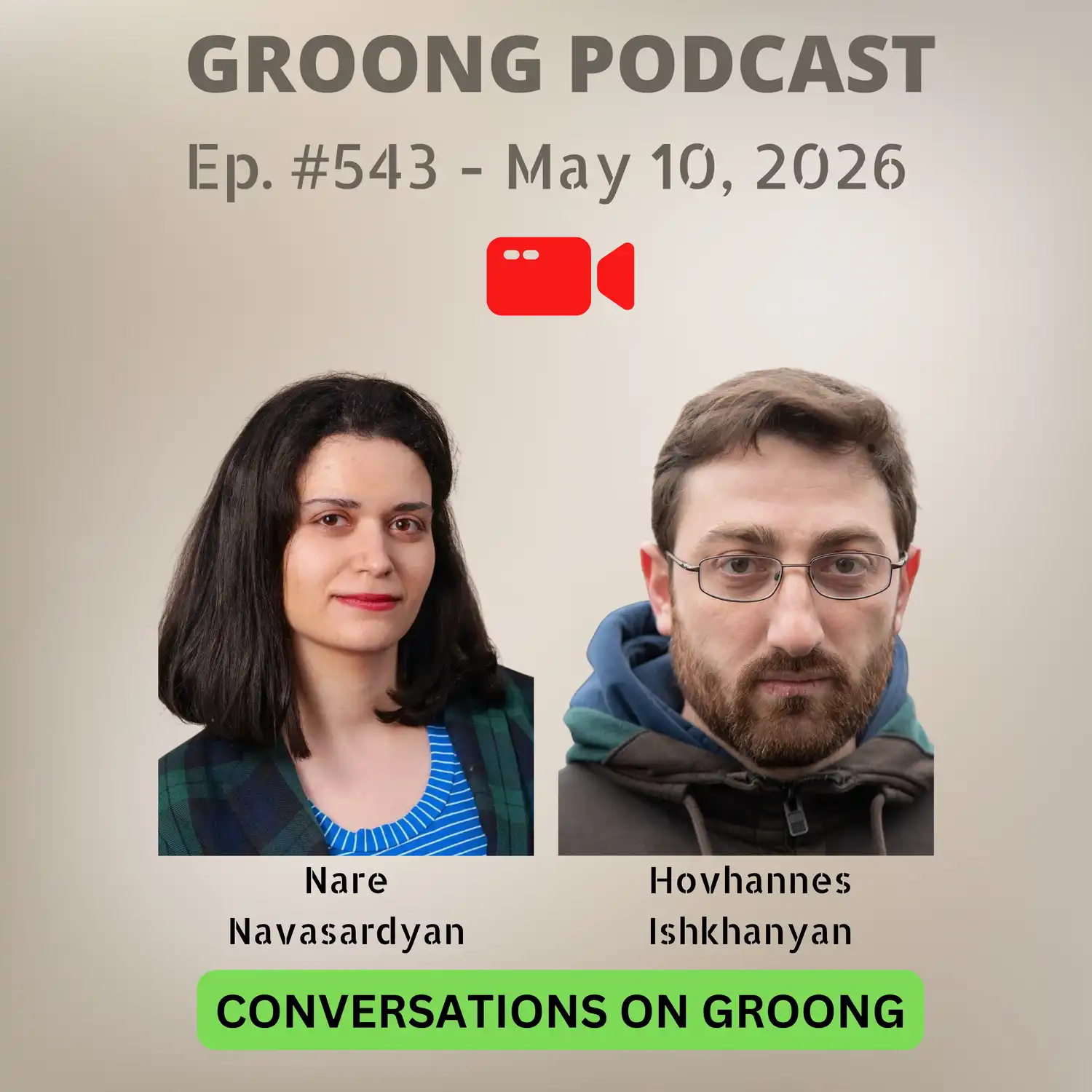
Groong Links:
Guest(s):
Topics:
- EU role in Armenia’s elections
- Fact-checkers and political bias
- Dissent labeled as disinformation
- Lawsuits, pressure, and intimidation
- Censorship and social media control
Episode 543 | Recorded: May 7, 2026
#Armenia #ArmenianElections #EU #Disinformation #FactChecking #Censorship #CivilSociety #FreeSpeech
EU Interference and Armenia's 2026 Elections | Ep 543, May 10, 2026 [EP543]
Posted on Sunday, May 10, 2026 | Category: Armenia, Politics, Armenian Church, Nagorno Karabakh, Artsakh Blockade, Russia, Azerbaijan, Iran, Turkey, Georgia, Human Rights, NATO, European UnionGroong Links:
Guest(s):
Topics:
- EU role in Armenia’s elections
- Fact-checkers and political bias
- Dissent labeled as disinformation
- Lawsuits, pressure, and intimidation
- Censorship and social media control
Episode 543 | Recorded: May 7, 2026
#Armenia #ArmenianElections #EU #Disinformation #FactChecking #Censorship #CivilSociety #FreeSpeech
Transcript: EU Interference and Armenia's 2026 Elections | Ep 543, May 10, 2026 [EP543]
Posted on Sunday, May 10, 2026 | Category: Armenia, Politics, Armenian Church, Nagorno Karabakh, Artsakh Blockade, Russia, Azerbaijan, Iran, Turkey, Georgia, Human Rights, NATO, European Union, TranscriptHovhannes Ishkhanyan and Nare Navasardyan discuss the growing role of the EU, fact-checking networks, and counter-disinformation programs in Armenia’s 2026 election environment. The conversation examines claims of foreign interference, the use of “hybrid threats” and “disinformation” labels against domestic dissent, and the political bias of Armenia’s fact-checking ecosystem. The guests also share personal experiences with lawsuits, public confrontation, protest, and censorship, raising broader questions about free speech, election fairness, and the management of Armenia’s information space.
Arega Hovsepyan - June 2026 Parliamentary Election in Armenia | Ep 537, Apr 30, 2026 [EP537]
Posted on Thursday, Apr 30, 2026 | Category: Armenia, Politics, Artsakh, Nagorno Karabakh, Azerbaijan, Human Rights, Armenian News, Russia, Iran | Series: cog, video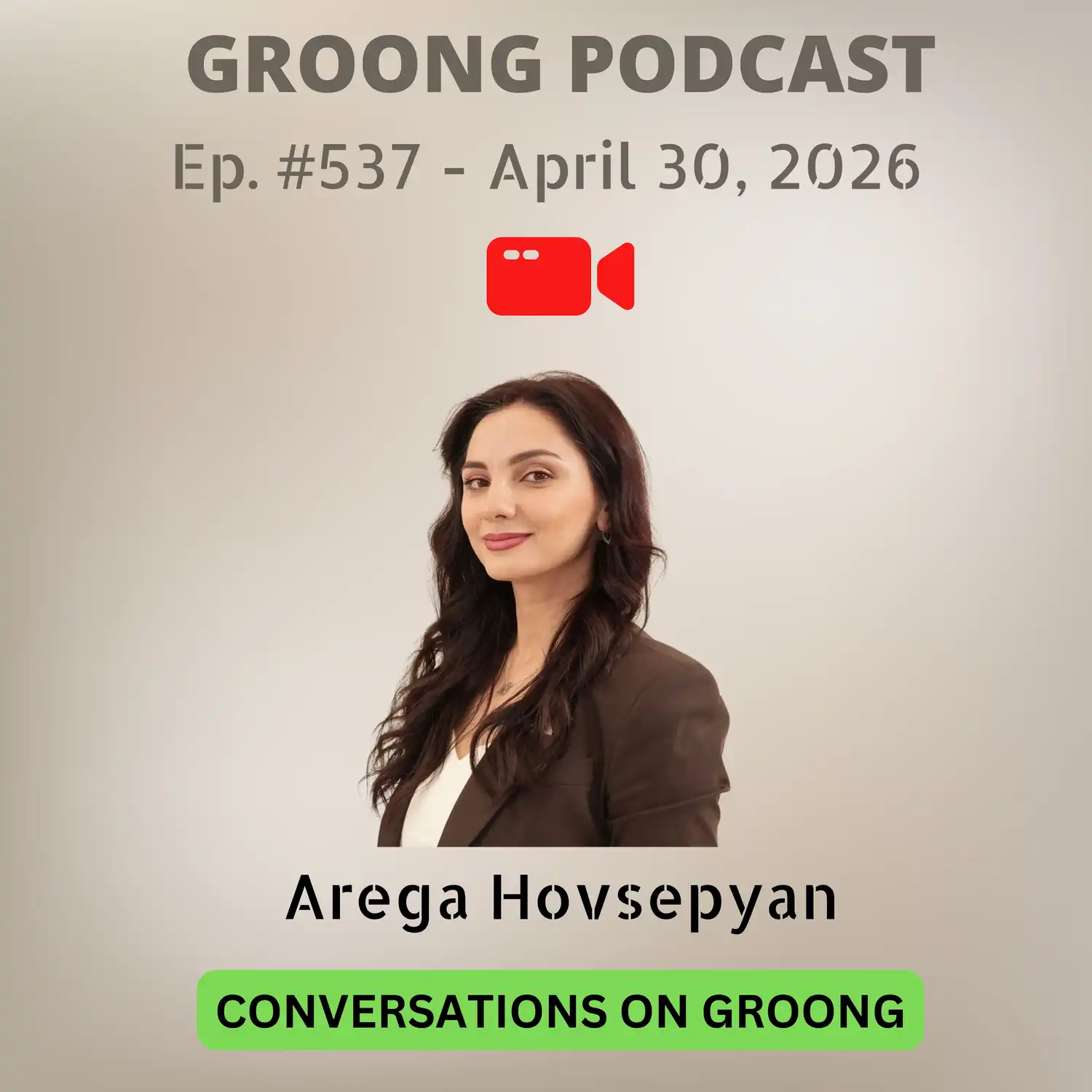
Groong Links:
Guest:
Topics:
- Strong Armenia and election dynamics
- New arrests and political pressure
- Artsakh Armenians and their rights
- TRIPP corridor and regional security
Episode 537 | Recorded: April 27, 2026
#Armenia #Artsakh #StrongArmenia #AregaHovsepyan #ArmenianPolitics #SouthCaucasus #TRIPP #ZangezurCorridor #Geopolitics
Arega Hovsepyan - June 2026 Parliamentary Election in Armenia | Ep 537, Apr 30, 2026 [EP537]
Posted on Thursday, Apr 30, 2026 | Category: Armenia, Politics, Artsakh, Nagorno Karabakh, Azerbaijan, Human Rights, Armenian News, Russia, IranGroong Links:
Guest:
Topics:
- Strong Armenia and election dynamics
- New arrests and political pressure
- Artsakh Armenians and their rights
- TRIPP corridor and regional security
Episode 537 | Recorded: April 27, 2026
#Armenia #Artsakh #StrongArmenia #AregaHovsepyan #ArmenianPolitics #SouthCaucasus #TRIPP #ZangezurCorridor #Geopolitics
Transcript: Arega Hovsepyan - June 2026 Parliamentary Election in Armenia | Ep 537, Apr 30, 2026 [EP537]
Posted on Thursday, Apr 30, 2026 | Category: Armenia, Politics, Artsakh, Nagorno Karabakh, Azerbaijan, Human Rights, Armenian News, Russia, Iran, TranscriptIn this Conversations on Groong episode, we speak with Arega Hovsepyan of the Strong Armenia party about Armenia’s upcoming June 2026 parliamentary elections and the broader political climate. The discussion focuses on recent arrests targeting opposition figures, the situation of displaced Artsakh Armenians, competing narratives around “peace” with Azerbaijan, and the implications of the TRIPP or Zangezur Corridor project. We also examine opposition unity, polling trends, and legal questions surrounding Strong Armenia’s political strategy.
Dziunik Aghajanian - Iran War, Antalya Diplomatic Forum, Armenian Parliamentary Elections | Ep 532, Apr 19, 2026 [EP532]
Posted on Tuesday, Apr 21, 2026 | Category: Iran, Armenia, Politics, USA, Israel, Azerbaijan, Turkey, Russia, Artsakh, Nagorno Karabakh, Georgia, Armenian Church, Artsakh Blockade, China, NATO | Series: wir, video
Groong Links:
Guest:
- Amb. Dziunik Aghajanian
Topics:
- Iran War Fears
- June Parliamentary Elections
- Attacks on the Armenian Church
Episode 532 | Recorded: April 20, 2026
#Armenia #Iran #IranWar #Hormuz #ArmeniaElections #SouthCaucasus
Dziunik Aghajanian - Iran War, Antalya Diplomatic Forum, Armenian Parliamentary Elections | Ep 532, Apr 19, 2026 [EP532]
Posted on Tuesday, Apr 21, 2026 | Category: Iran, Armenia, Politics, USA, Israel, Azerbaijan, Turkey, Russia, Artsakh, Nagorno Karabakh, Georgia, Armenian Church, Artsakh Blockade, China, NATOGroong Links:
Guest:
- Amb. Dziunik Aghajanian
Topics:
- Iran War Fears
- June Parliamentary Elections
- Attacks on the Armenian Church
Episode 532 | Recorded: April 20, 2026
#Armenia #Iran #IranWar #Hormuz #ArmeniaElections #SouthCaucasus
Transcript: Dziunik Aghajanian - Iran War, Antalya Diplomatic Forum, Armenian Parliamentary Elections | Ep 532, Apr 19, 2026 [EP532]
Posted on Tuesday, Apr 21, 2026 | Category: Iran, Armenia, Politics, USA, Israel, Azerbaijan, Turkey, Russia, Artsakh, Nagorno Karabakh, Georgia, Armenian Church, Artsakh Blockade, China, NATO, TranscriptIn this Week in Review episode, Ambassador Dziunik Aghajanian discusses the stalled Iran negotiations after the Islamabad talks, the renewed pressure around Hormuz and the naval blockade, Turkey’s posture toward Israel and the region; Armenia’s lower-profile participation in the Antalya Diplomatic Forum; Russia’s shifting rhetoric on TRIPP and the South Caucasus; and the June 7 parliamentary election in Armenia, including constitutional changes, border concessions, the gas pipeline rerouting issue, and the use of surveillance and arrests against opposition figures.
Varuzhan Geghamyan - Iran War, Zangezur Corridor, Nakhijevan Constitution | Ep 524, Mar 20, 2026 [EP524]
Posted on Friday, Mar 20, 2026 | Category: Politics, Iran, Armenia, Israel, Azerbaijan, USA, Turkey, Artsakh, Geopolitics, Middle East, Nagorno Karabakh, Russia, Syria, China, Economy, Georgia, Ukraine | Series: cog, video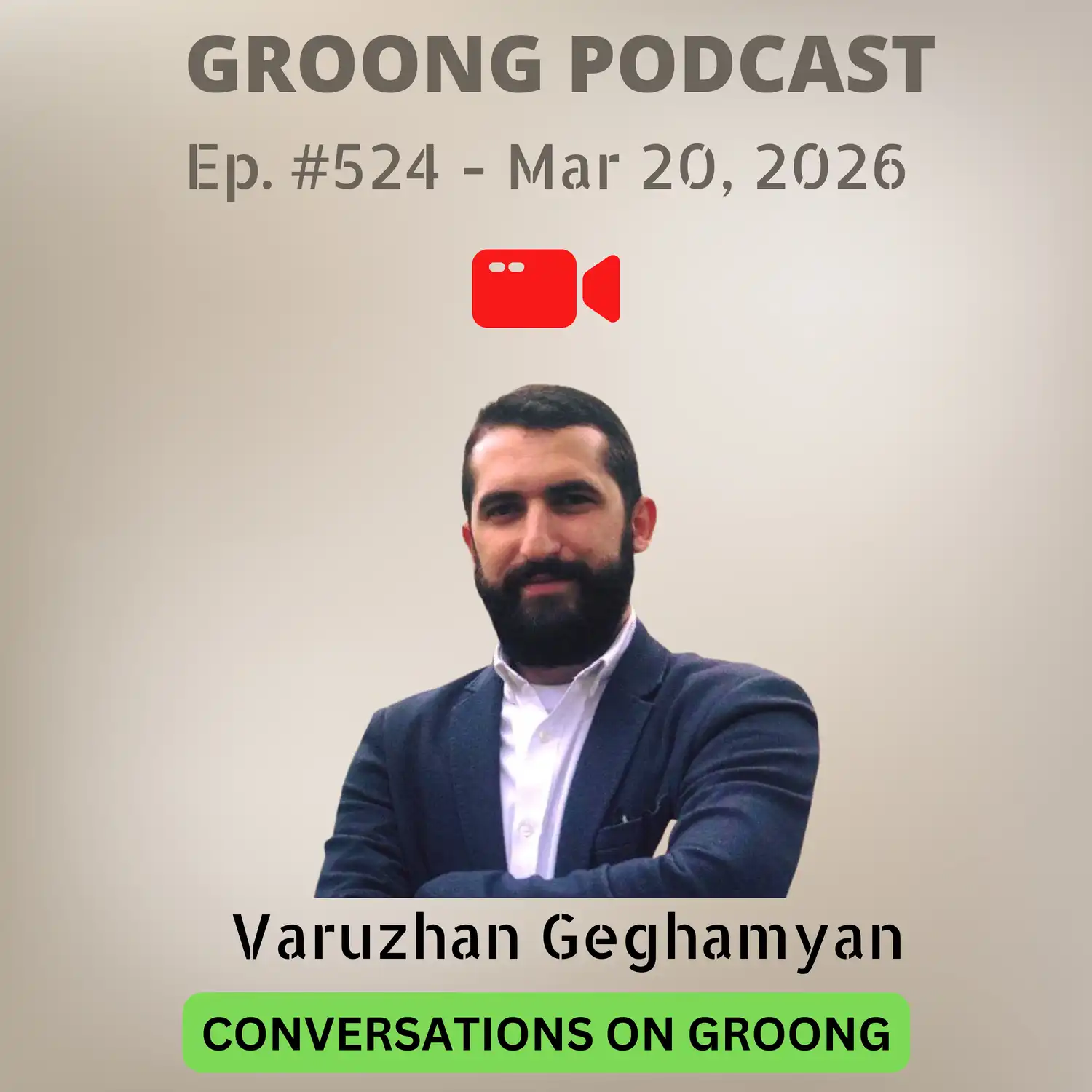
Groong Links:
Guest:
Topics:
- Iran at War
- The Northern Front: Turkey & Azerbaijan
- Changing Nakhichevanâs Constitution
Episode 524 | Recorded: March 19, 2026
#IranWar #VaruzhanGeghamyan #ZangezurCorridor #Syunik #ArmeniaGeopolitics
Varuzhan Geghamyan - Iran War, Zangezur Corridor, Nakhijevan Constitution | Ep 524, Mar 20, 2026 [EP524]
Posted on Friday, Mar 20, 2026 | Category: Politics, Iran, Armenia, Israel, Azerbaijan, USA, Turkey, Artsakh, Geopolitics, Middle East, Nagorno Karabakh, Russia, Syria, China, Economy, Georgia, UkraineGroong Links:
Guest:
Topics:
- Iran at War
- The Northern Front: Turkey & Azerbaijan
- Changing Nakhichevanâs Constitution
Episode 524 | Recorded: March 19, 2026
#IranWar #VaruzhanGeghamyan #ZangezurCorridor #Syunik #ArmeniaGeopolitics
Hrant Mikaelian - Iran War, Effect on Armenia, Sumgait Pogroms | Ep 520, Mar 1, 2026 [EP520]
Posted on Wednesday, Mar 4, 2026 | Category: Iran, Armenia, Artsakh, Nagorno Karabakh, Iran, USA, Israel, Armenia, Azerbaijan, Turkey, Russia, China, BRICS, Ukraine, Middle East, Geopolitics, NATO, Syria | Series: wir, video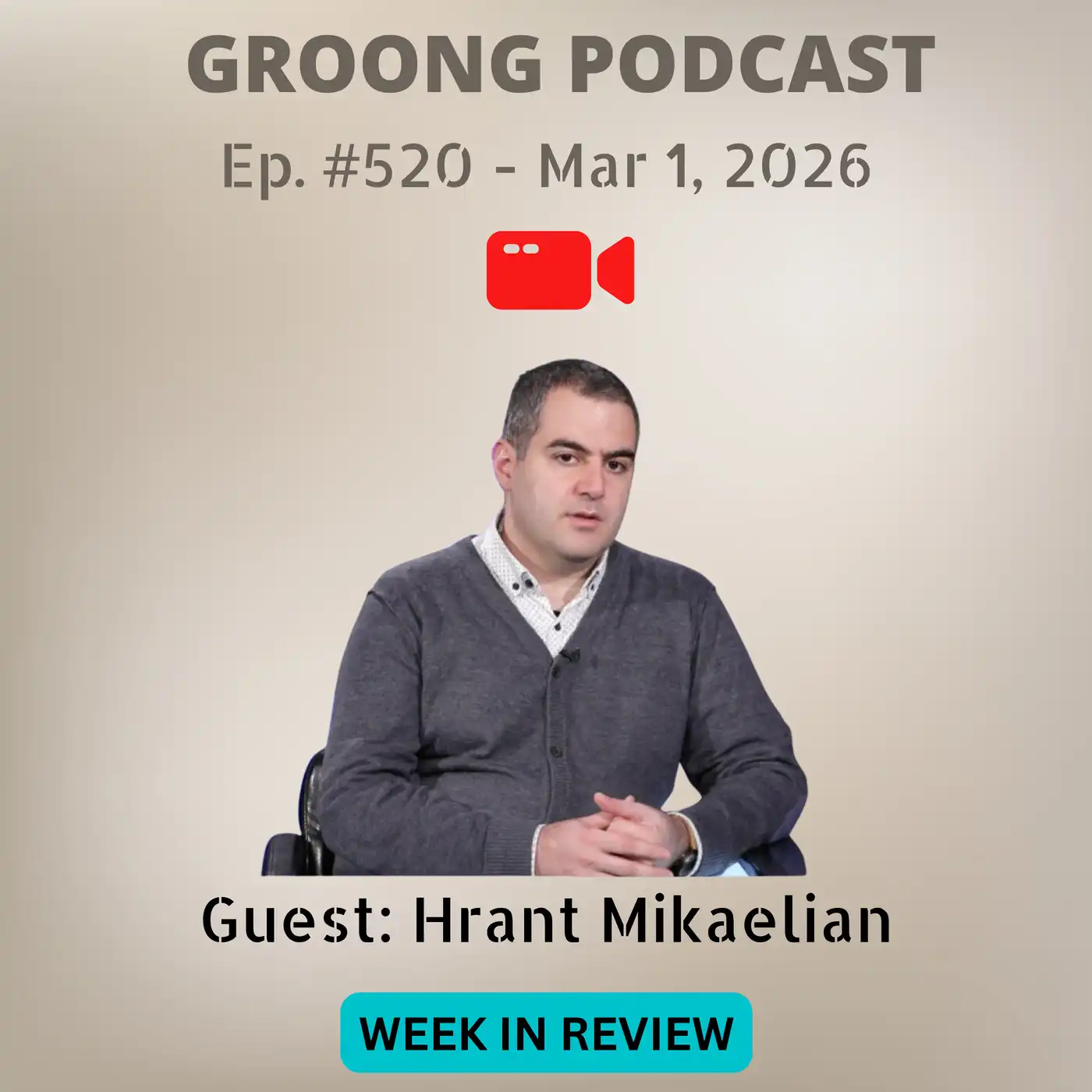
Groong Links:
Guest:
Topics:
- US and Israel launch war against Iran
- Decapitation strikes, mass civilian casualties
- Iran retaliates region-wide, war expands
- Armenia leadership silent
- Sumgait remembered
Episode 520 | Recorded: March 3, 2026
#IranWar #EpicFury #MiddleEastWar #ArmeniaForeignPolicy #Sumgait1988 #IranIsraelConflict
Hrant Mikaelian - Iran War, Effect on Armenia, Sumgait Pogroms | Ep 520, Mar 1, 2026 [EP520]
Posted on Wednesday, Mar 4, 2026 | Category: Iran, Armenia, Artsakh, Nagorno Karabakh, Iran, USA, Israel, Armenia, Azerbaijan, Turkey, Russia, China, BRICS, Ukraine, Middle East, Geopolitics, NATO, SyriaGroong Links:
Guest:
Topics:
- US and Israel launch war against Iran
- Decapitation strikes, mass civilian casualties
- Iran retaliates region-wide, war expands
- Armenia leadership silent
- Sumgait remembered
Episode 520 | Recorded: March 3, 2026
#IranWar #EpicFury #MiddleEastWar #ArmeniaForeignPolicy #Sumgait1988 #IranIsraelConflict
JD Vance in Armenia and Azerbaijan | Ep 517, Feb 15, 2026 [EP517]
Posted on Sunday, Feb 15, 2026 | Category: Armenia, Politics, Turkey, Azerbaijan, Armenian Church, Armenian Genocide, Iran, Russia, Genocide, Georgia, Israel, China, Ukraine | Series: cog, video
Groong Links:
Topics:
- Vance visit, protocol and optics
- Tsitsernakaberd tweet, âautocorrect diplomacyâ
- TRIPP corridor stake and sovereignty risks
- Nuclear SMR deal, costs and dependency
- Firebird AI project, power and value
- Drones, church silence, Baku charter and prisoners
Episode 517 | Recorded: February 13, 2026
#Groong #Armenia #JDVance #Tsitsernakaberd #TRIPP
JD Vance in Armenia and Azerbaijan | Ep 517, Feb 15, 2026 [EP517]
Posted on Sunday, Feb 15, 2026 | Category: Armenia, Politics, Turkey, Azerbaijan, Armenian Church, Armenian Genocide, Iran, Russia, Genocide, Georgia, Israel, China, UkraineGroong Links:
Topics:
- Vance visit, protocol and optics
- Tsitsernakaberd tweet, âautocorrect diplomacyâ
- TRIPP corridor stake and sovereignty risks
- Nuclear SMR deal, costs and dependency
- Firebird AI project, power and value
- Drones, church silence, Baku charter and prisoners
Episode 517 | Recorded: February 13, 2026
#Groong #Armenia #JDVance #Tsitsernakaberd #TRIPP
Sergei Melkonian - Syria, Iran Unrest, TRIPP, Armenian Parliamentary Elections | Ep 508, Jan 18, 2026 [EP508]
Posted on Tuesday, Jan 20, 2026 | Category: Armenia, Politics, Artsakh, Nagorno Karabakh, Azerbaijan, Turkey, Russia, Syria, Iran, Israel, China, Geopolitics, Middle East, Georgia, Ukraine, Economy, India, European Union | Series: wir, video
Groong Links:
Guest:
Topics:
- Syria, Kurds, Turkish advance
- Iran Unrest, War Postponed
- TRIPP and sovereignty dispute
- 2026 Elections and Foreign Influence
Episode 508 | Recorded: January 19, 2026
#ArmenianNews #Syria #Iran #ZangezurCorridor #TRIPP #Geopolitics
Sergei Melkonian - Syria, Iran Unrest, TRIPP, Armenian Parliamentary Elections | Ep 508, Jan 18, 2026 [EP508]
Posted on Tuesday, Jan 20, 2026 | Category: Armenia, Politics, Artsakh, Nagorno Karabakh, Azerbaijan, Turkey, Russia, Syria, Iran, Israel, China, Geopolitics, Middle East, Georgia, Ukraine, Economy, India, European UnionGroong Links:
Guest:
Topics:
- Syria, Kurds, Turkish advance
- Iran Unrest, War Postponed
- TRIPP and sovereignty dispute
- 2026 Elections and Foreign Influence
Episode 508 | Recorded: January 19, 2026
#ArmenianNews #Syria #Iran #ZangezurCorridor #TRIPP #Geopolitics
Fyodor Lukyanov - Russia in Evolving Global Geopolitics | Ep 502, Jan 9, 2026 [EP502]
Posted on Friday, Jan 9, 2026 | Category: Iran, Russia, Armenia, Israel, Politics, China, Ukraine, Armenian Church, Artsakh Blockade, BRICS, European Union, NATO, Azerbaijan | Series: cog, video
Groong Links:
Guest:
Topics:
- Venezuela
- Ukraine War
- Russia-Iran Relations
- TRIPP and Russian-Armenian Relations
Episode 502 | Recorded: January 8, 2026
#FyodorLukyanov #RussiaGeopolitics #UkraineWar #IranIsrael #VenezuelaCrisis #TRIPP
Fyodor Lukyanov - Russia in Evolving Global Geopolitics | Ep 502, Jan 9, 2026 [EP502]
Posted on Friday, Jan 9, 2026 | Category: Iran, Russia, Armenia, Israel, Politics, China, Ukraine, Armenian Church, Artsakh Blockade, BRICS, European Union, NATO, AzerbaijanGroong Links:
Guest:
Topics:
- Venezuela
- Ukraine War
- Russia-Iran Relations
- TRIPP and Russian-Armenian Relations
Episode 502 | Recorded: January 8, 2026
#FyodorLukyanov #RussiaGeopolitics #UkraineWar #IranIsrael #VenezuelaCrisis #TRIPP
Transcript: Fyodor Lukyanov - Russia in Evolving Global Geopolitics | Ep 502, Jan 9, 2026 [EP502]
Posted on Friday, Jan 9, 2026 | Category: Iran, Russia, Armenia, Israel, Politics, China, Ukraine, Armenian Church, Artsakh Blockade, BRICS, European Union, NATO, Azerbaijan, TranscriptFyodor Lukyanov joins Groong to discuss how Moscow reads a fast-shifting global landscape, from the U.S. raid in Venezuela and maritime seizures at sea, to Trump’s Greenland rhetoric, the stalled endgame in Ukraine, the likelihood of a renewed Israel-Iran war, and how TRIPP and “unblocking” disputes in Armenia’s south fit into Russia’s regional priorities.
Dziunik Aghajanian - EU Ukraine Rift, Church Siege, and TRIPP Power Games | Ep 498, Dec 21, 2025 [EP498]
Posted on Thursday, Dec 25, 2025 | Category: Armenia, Politics, Artsakh, Nagorno Karabakh, Azerbaijan, Turkey, Russia, Armenian Church, Ukraine, Iran, Economy, Georgia, European Union, China, Middle East, NATO | Series: wir, video
Groong Links:
Guest:
Topics:
- Ukraine War and EU Rift
- Siege on Etchmiadzin and the Church
- Peace Dividend or Political Theater
- TRIPP and Competing Power Claims
Episode 498 | Recorded: December 23, 2025
#ArmenianChurch #Etchmiadzin #TRIPP #ArmeniaPolitics #Groong
Dziunik Aghajanian - EU Ukraine Rift, Church Siege, and TRIPP Power Games | Ep 498, Dec 21, 2025 [EP498]
Posted on Thursday, Dec 25, 2025 | Category: Armenia, Politics, Artsakh, Nagorno Karabakh, Azerbaijan, Turkey, Russia, Armenian Church, Ukraine, Iran, Economy, Georgia, European Union, China, Middle East, NATOGroong Links:
Guest:
Topics:
- Ukraine War and EU Rift
- Siege on Etchmiadzin and the Church
- Peace Dividend or Political Theater
- TRIPP and Competing Power Claims
Episode 498 | Recorded: December 23, 2025
#ArmenianChurch #Etchmiadzin #TRIPP #ArmeniaPolitics #Groong
Arthur Khachatryan - Euronest, Aliyev Transit Move, Gyumri Mayor Arrest, Pashinyan vs. Church | Ep 481, Oct 26, 2025 [EP481]
Posted on Friday, Oct 31, 2025 | Category: Armenia, Politics, Azerbaijan, Armenian Church, Georgia, Turkey, Russia, Artsakh, Nagorno Karabakh, Artsakh Blockade, European Union, Ukraine, NATO | Series: wir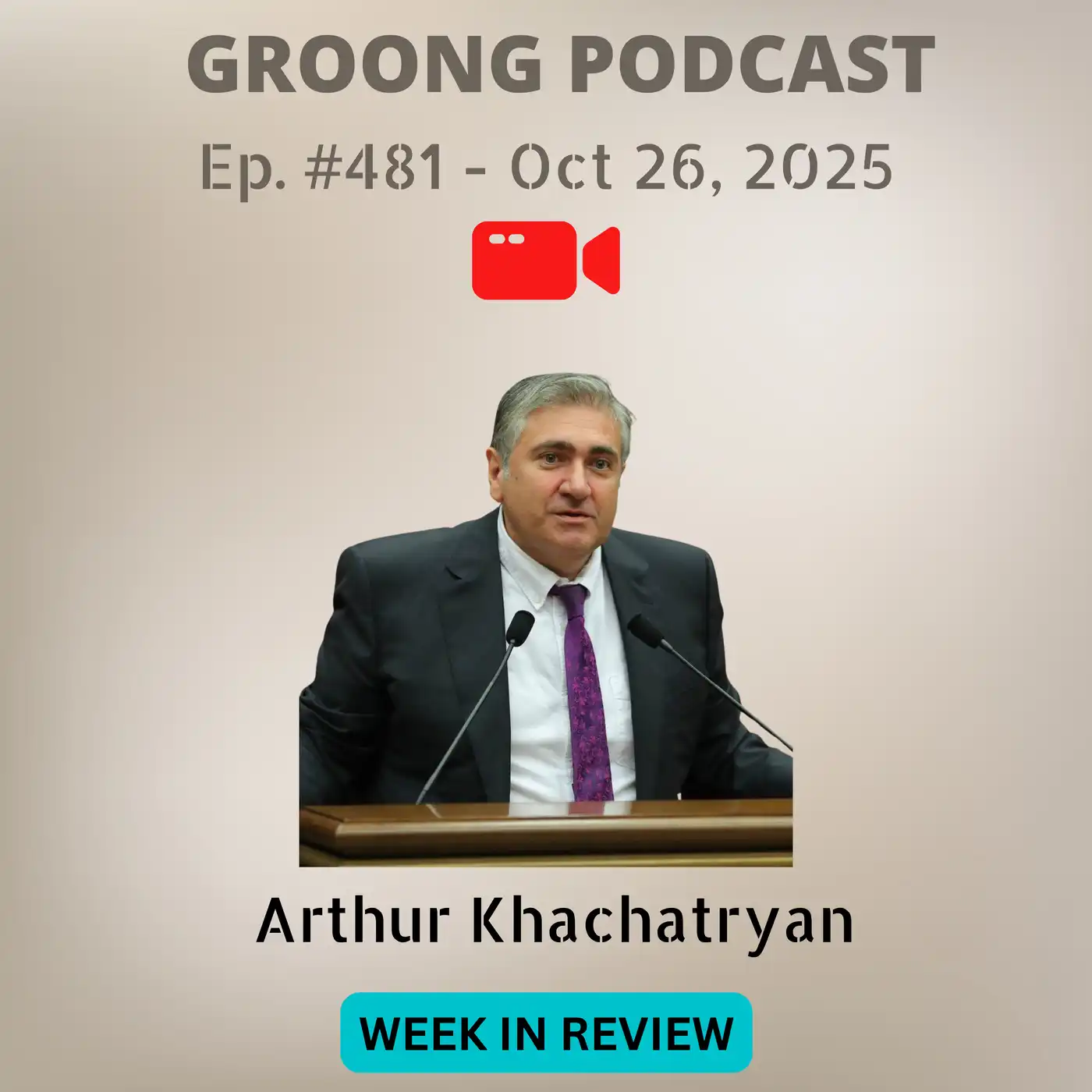
Groong Links:
Guest:
- Arthur Khachatryan , MP
Topics:
- Euronest session takeaways
- Aliyevâs transit move and TRIPP
- Gyumri mayor arrest fallout
- Pashinyanâs push to control the Church
Episode 481 | Recorded: October 29, 2025
Arthur Khachatryan - Euronest, Aliyev Transit Move, Gyumri Mayor Arrest, Pashinyan vs. Church | Ep 481, Oct 26, 2025 [EP481]
Posted on Friday, Oct 31, 2025 | Category: Armenia, Politics, Azerbaijan, Armenian Church, Georgia, Turkey, Russia, Artsakh, Nagorno Karabakh, Artsakh Blockade, European Union, Ukraine, NATOGroong Links:
Guest:
- Arthur Khachatryan , MP
Topics:
- Euronest session takeaways
- Aliyevâs transit move and TRIPP
- Gyumri mayor arrest fallout
- Pashinyanâs push to control the Church
Episode 481 | Recorded: October 29, 2025
Groong Links:
Topics:
- Pashinyan’s rise and Western backing
- Breakdown of talks and secret meetings
- Failures and propaganda during the war
- Aftermath, revisionism, and political responsibility
Episode 476 | Recorded: September 28, 2025
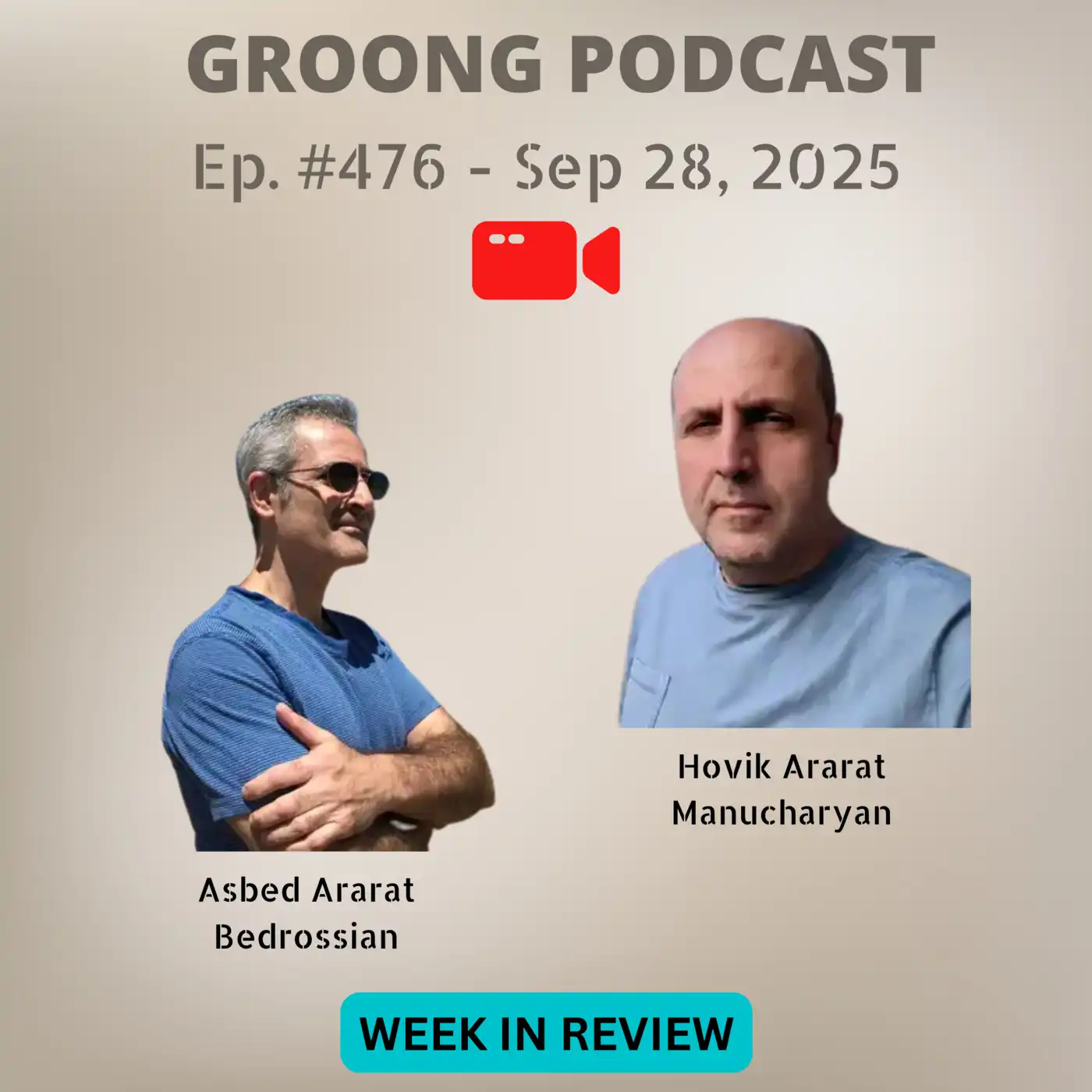
44-Day War, A Tale of Betrayal | Ep 476, Sep 28, 2025 [EP476]
Posted on Wednesday, Oct 1, 2025 | Category: Armenia, Politics, Artsakh, Nagorno Karabakh, Azerbaijan, Turkey, Russia, Genocide, NATO, Ukraine, Georgia, Iran, ChinaGroong Links:
Topics:
- Pashinyan’s rise and Western backing
- Breakdown of talks and secret meetings
- Failures and propaganda during the war
- Aftermath, revisionism, and political responsibility
Episode 476 | Recorded: September 28, 2025
Lenna Hovanessian – White House Meeting Fallout, Artsakh Erasure, Genocide Dismissal, Azerbaijan Playbook in the US | Ep 470, Sep 7, 2025 [EP470]
Posted on Sunday, Sep 7, 2025 | Category: Armenia, Politics, Artsakh, Nagorno Karabakh, Genocide, Azerbaijan, Armenian Church, Israel, Artsakh Blockade | Series: cog, video
Groong Links:
Guest:
Topics:
- Reflections on August 8 White House Meeting
- Tensions in Diaspora-Armenia Relations
- Azerbaijani Lobbying, Caviar Diplomacy, and the Cuellar Bribery Case
Episode 470 | Recorded: September 5, 2025
Lenna Hovanessian – White House Meeting Fallout, Artsakh Erasure, Genocide Dismissal, Azerbaijan Playbook in the US | Ep 470, Sep 7, 2025 [EP470]
Posted on Sunday, Sep 7, 2025 | Category: Armenia, Politics, Artsakh, Nagorno Karabakh, Genocide, Azerbaijan, Armenian Church, Israel, Artsakh BlockadeGroong Links:
Guest:
Topics:
- Reflections on August 8 White House Meeting
- Tensions in Diaspora-Armenia Relations
- Azerbaijani Lobbying, Caviar Diplomacy, and the Cuellar Bribery Case
Episode 470 | Recorded: September 5, 2025
Jeffrey Sachs - TRIPP down Zangezur Corridor | Ep 466, Aug 29, 2025 [EP466]
Posted on Friday, Aug 29, 2025 | Category: Armenia, Geopolitics, Azerbaijan, Artsakh, Nagorno Karabakh, Russia, Iran, Turkey, Georgia, USA, Economy, Israel, European Union, NATO | Series: cog, video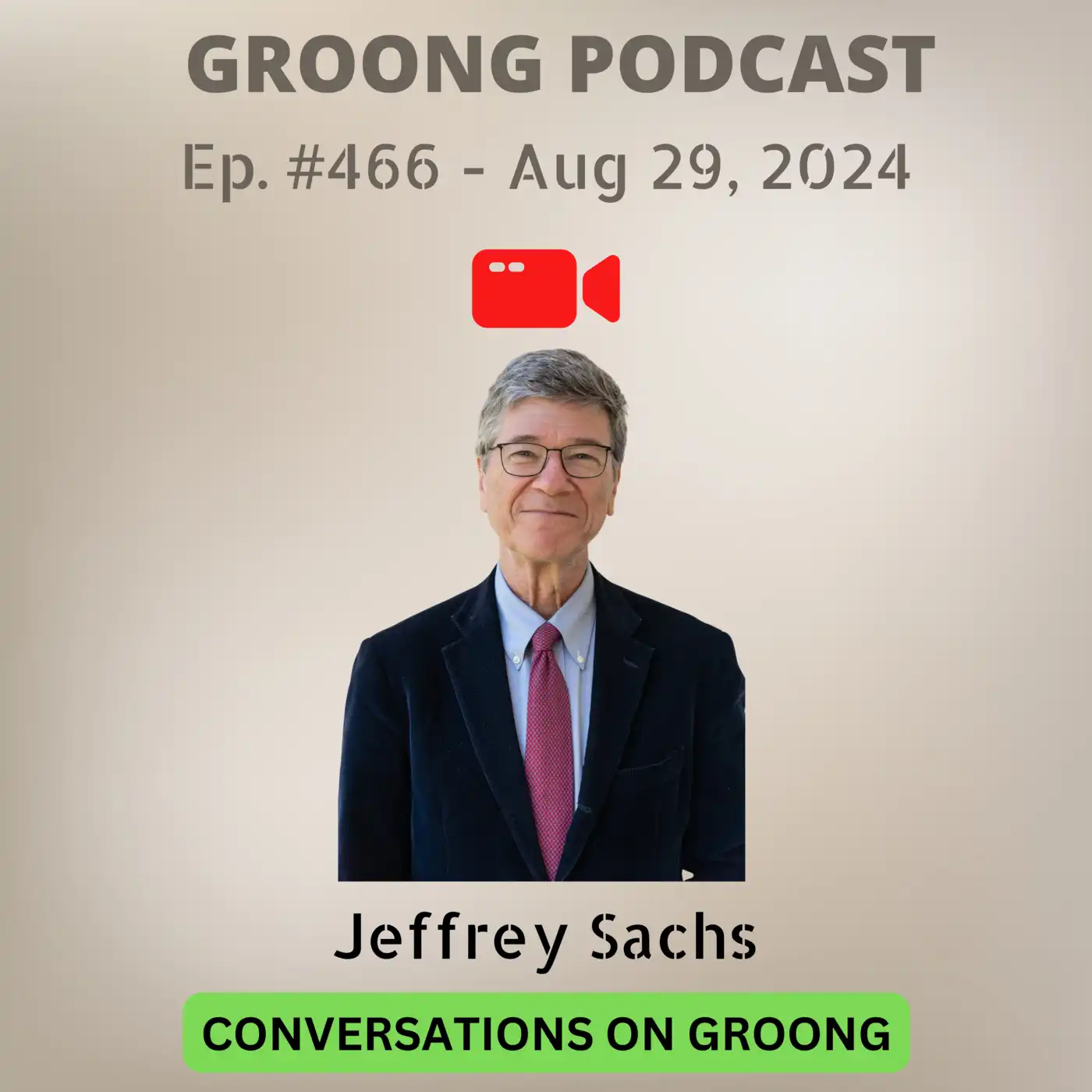
Groong Links:
Guest:
Topics:
- Pashinyan, Aliyev, in the White House
- What âPeaceâ?
- Armenian Economy
Episode 466 | Recorded: August 28, 2025
Jeffrey Sachs - TRIPP down Zangezur Corridor | Ep 466, Aug 29, 2025 [EP466]
Posted on Friday, Aug 29, 2025 | Category: Armenia, Geopolitics, Azerbaijan, Artsakh, Nagorno Karabakh, Russia, Iran, Turkey, Georgia, USA, Economy, Israel, European Union, NATOGroong Links:
Guest:
Topics:
- Pashinyan, Aliyev, in the White House
- What âPeaceâ?
- Armenian Economy
Episode 466 | Recorded: August 28, 2025
Transcript: Jeffrey Sachs - TRIPP down Zangezur Corridor | Ep 466, Aug 29, 2025 [EP466]
Posted on Friday, Aug 29, 2025 | Category: Armenia, Geopolitics, Azerbaijan, Artsakh, Nagorno Karabakh, Russia, Iran, Turkey, Georgia, USA, Economy, Israel, European Union, NATO, TranscriptIn this episode of Conversations on Groong, renowned economist Jeffrey Sachs joins to discuss the U.S.-brokered “TRIPP” (Trump Route for International Peace and Prosperity), also known as the Zangezur Corridor. The discussion covers the risks of foreign powers imposing corridors through Armenia, the muted response from Moscow, Tehran’s strong opposition, and what this means for regional security. Sachs stresses that Armenia should not look to distant powers like the United States for security or stability, but instead pursue prudent arrangements and economic cooperation with its immediate Read More
Sergei Melkonian - Alaska Summit, Trump Corridor, Russia, Azerbaijan, Iran, Our Way | Ep 463, Aug 17, 2025 [EP463]
Posted on Tuesday, Aug 19, 2025 | Category: Armenia, Geopolitics, Artsakh, Nagorno Karabakh, Azerbaijan, Turkey, Russia, Ukraine, Iran, Syria, Armenian Church, NATO | Series: wir, video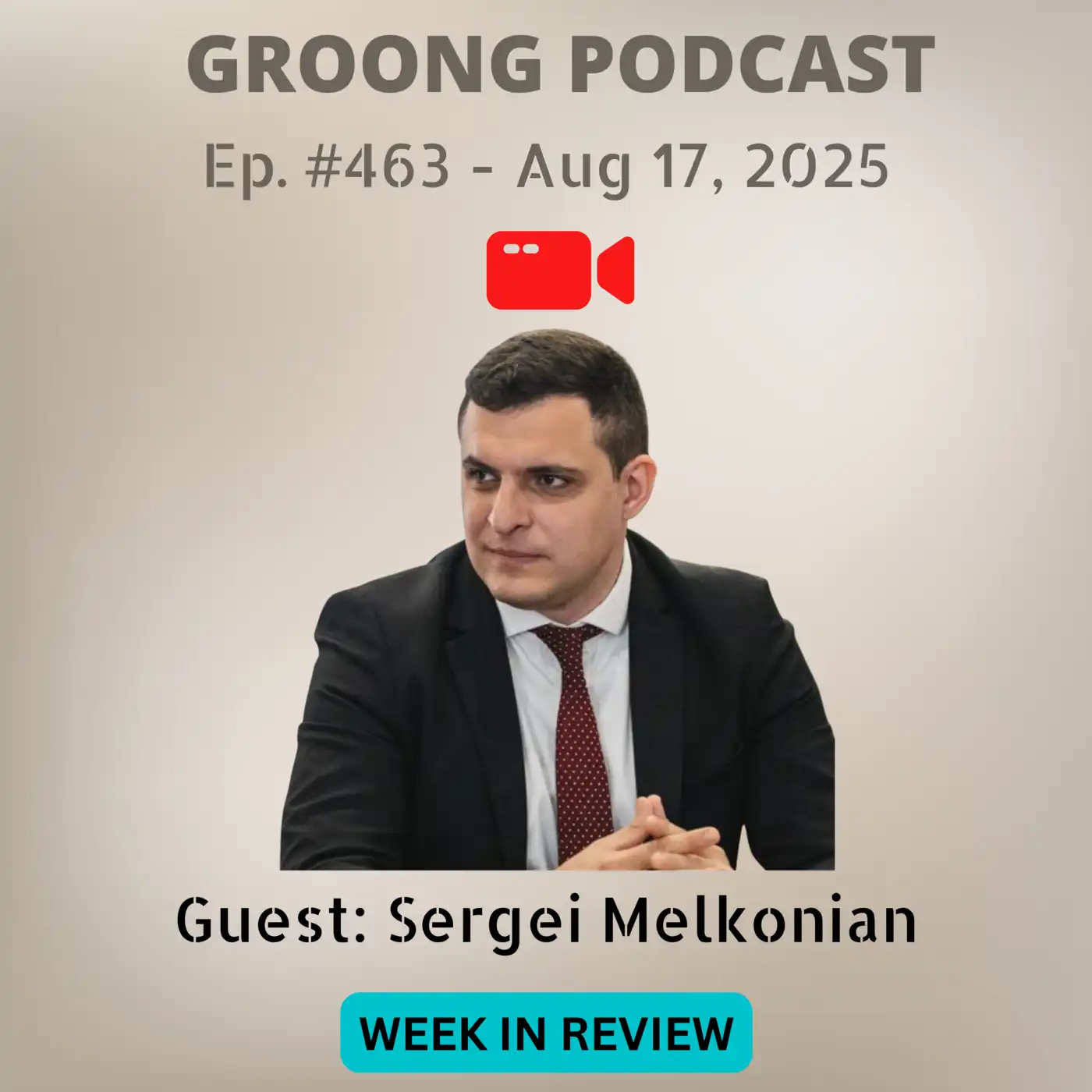
Groong Links:
Guest:
Topics:
- Trump-Putin Alaska Summit
- Trump Corridor Politics
- Russian-Azerbaijani Relations
- Russian-Iranian Recalibration
- New Opposition Emerging - Our Way
Episode 463 | Recorded: August 18, 2025
Sergei Melkonian - Alaska Summit, Trump Corridor, Russia, Azerbaijan, Iran, Our Way | Ep 463, Aug 17, 2025 [EP463]
Posted on Tuesday, Aug 19, 2025 | Category: Armenia, Geopolitics, Artsakh, Nagorno Karabakh, Azerbaijan, Turkey, Russia, Ukraine, Iran, Syria, Armenian Church, NATOGroong Links:
Guest:
Topics:
- Trump-Putin Alaska Summit
- Trump Corridor Politics
- Russian-Azerbaijani Relations
- Russian-Iranian Recalibration
- New Opposition Emerging - Our Way
Episode 463 | Recorded: August 18, 2025
Hamid Bahrami - Iran and the corridor through Syunik, Armenia | Ep 461, Aug 16, 2025 [EP461]
Posted on Saturday, Aug 16, 2025 | Category: Iran, Geopolitics, Armenia, Azerbaijan, Russia, China, Turkey, Israel, Nagorno Karabakh, NATO, Ukraine, Syria, Middle East, Georgia | Series: cog, video
Groong Links:
Guest:
Topics:
- TRIPP Corridor & US Involvement
- US-Israel Strategy & War Risks
- Iranâs Missed Opportunities & Shifts
- Future of IranâArmenia Relations
Episode 461 | Recorded: August 13, 2025
Hamid Bahrami - Iran and the corridor through Syunik, Armenia | Ep 461, Aug 16, 2025 [EP461]
Posted on Saturday, Aug 16, 2025 | Category: Iran, Geopolitics, Armenia, Azerbaijan, Russia, China, Turkey, Israel, Nagorno Karabakh, NATO, Ukraine, Syria, Middle East, GeorgiaGroong Links:
Guest:
Topics:
- TRIPP Corridor & US Involvement
- US-Israel Strategy & War Risks
- Iranâs Missed Opportunities & Shifts
- Future of IranâArmenia Relations
Episode 461 | Recorded: August 13, 2025
Dziunik Aghajanian - Trump, Aliyev, Pashinyan Oval Office Meeting and Reactions | Ep 459, Aug 10, 2025 [EP459]
Posted on Tuesday, Aug 12, 2025 | Category: Armenia, Politics, Iran, Nagorno Karabakh, Azerbaijan, Turkey, USA, Russia, BRICS, Genocide, China, Economy, Israel, Ukraine, Human Rights, Lebanon, Middle East, Syria | Series: wir, video
Groong Links:
Guest:
Topics:
- Trump, Aliyev, Pashinyan Meeting
- Iranian Reaction
- Russian Reaction
Episode 459 | Recorded: August 11, 2025
Dziunik Aghajanian - Trump, Aliyev, Pashinyan Oval Office Meeting and Reactions | Ep 459, Aug 10, 2025 [EP459]
Posted on Tuesday, Aug 12, 2025 | Category: Armenia, Politics, Iran, Nagorno Karabakh, Azerbaijan, Turkey, USA, Russia, BRICS, Genocide, China, Economy, Israel, Ukraine, Human Rights, Lebanon, Middle East, SyriaGroong Links:
Guest:
Topics:
- Trump, Aliyev, Pashinyan Meeting
- Iranian Reaction
- Russian Reaction
Episode 459 | Recorded: August 11, 2025
Benyamin Poghosyan - Public Trust in Freefall, Church on the Rise, and Corridor Pressures Mount | Ep 456, Jul 27, 2025 [EP456]
Posted on Tuesday, Jul 29, 2025 | Category: Armenia, Politics, Poll, Russia, Iran, Georgia, Azerbaijan, Turkey, Ukraine, Middle East, Israel, China, India, Geopolitics, Artsakh, Armenian Church, Nagorno Karabakh, European Union, Economy, Syria | Series: wir, video
Groong Links:
Guest:
Topics:
- Corridor Logic
- Crackdown Logic
- IRI Poll
- Russian-Azerbaijani Relations
Episode 456 | Recorded: July 28, 2025
Benyamin Poghosyan - Public Trust in Freefall, Church on the Rise, and Corridor Pressures Mount | Ep 456, Jul 27, 2025 [EP456]
Posted on Tuesday, Jul 29, 2025 | Category: Armenia, Politics, Poll, Russia, Iran, Georgia, Azerbaijan, Turkey, Ukraine, Middle East, Israel, China, India, Geopolitics, Artsakh, Armenian Church, Nagorno Karabakh, European Union, Economy, SyriaGroong Links:
Guest:
Topics:
- Corridor Logic
- Crackdown Logic
- IRI Poll
- Russian-Azerbaijani Relations
Episode 456 | Recorded: July 28, 2025
Pashinyan Meets Aliyev as Armenia Cracks Down on Opposition and Church | Ep 453, Jul 13, 2025 [EP453]
Posted on Sunday, Jul 13, 2025 | Category: Armenia, Politics, Artsakh, Nagorno Karabakh, Azerbaijan, Turkey, Russia, Armenian Church, Iran, Economy, Israel, NATO, Middle East, Ukraine | Series: wir, video
Groong Links:
Topics:
- Pashinyan meets Aliyev in Abu Dhabi
- Continued Persecution of Church and Opposition
Episode 453 | Recorded: July 13, 2025
Pashinyan Meets Aliyev as Armenia Cracks Down on Opposition and Church | Ep 453, Jul 13, 2025 [EP453]
Posted on Sunday, Jul 13, 2025 | Category: Armenia, Politics, Artsakh, Nagorno Karabakh, Azerbaijan, Turkey, Russia, Armenian Church, Iran, Economy, Israel, NATO, Middle East, UkraineGroong Links:
Topics:
- Pashinyan meets Aliyev in Abu Dhabi
- Continued Persecution of Church and Opposition
Episode 453 | Recorded: July 13, 2025
Dziunik Aghajanian – Fallout from Israel’s War on Iran, Azerbaijan’s Confrontation with Russia, Pashinyan’s Persecution of the Armenian Church, while he courts the EU | Ep 451 [EP451]
Posted on Tuesday, Jul 1, 2025 | Category: Armenia, Politics, Iran, Nagorno Karabakh, Azerbaijan, Turkey, USA, Israel, Armenian Church, Artsakh, Georgia, Russia, Economy | Series: wir, video
Groong Links:
Guest:
Topics:
- Iran War
- Iran-Azerbaijan Relations
- Russian-Azerbaijani Tensions
- Russian-Armenian Relations
- Persecution of The Church Continues
- Kaja Kallas in Armenia
- OIC Declaration
Episode 451 | Recorded: June 30, 2025
Dziunik Aghajanian – Fallout from Israel’s War on Iran, Azerbaijan’s Confrontation with Russia, Pashinyan’s Persecution of the Armenian Church, while he courts the EU | Ep 451 [EP451]
Posted on Tuesday, Jul 1, 2025 | Category: Armenia, Politics, Iran, Nagorno Karabakh, Azerbaijan, Turkey, USA, Israel, Armenian Church, Artsakh, Georgia, Russia, EconomyGroong Links:
Guest:
Topics:
- Iran War
- Iran-Azerbaijan Relations
- Russian-Azerbaijani Tensions
- Russian-Armenian Relations
- Persecution of The Church Continues
- Kaja Kallas in Armenia
- OIC Declaration
Episode 451 | Recorded: June 30, 2025
Arman Grigoryan - Iran and US vs Iran, Strategic Dangers to Armenia | Ep 448, Jun 23, 2025 [EP448]
Posted on Monday, Jun 23, 2025 | Category: Iran, Russia, Armenia, Israel, Politics, Syria, China, USA, Azerbaijan, European Union, Turkey, Ukraine, Middle East, Georgia | Series: cog, video
Groong Links:
Guest:
Topics:
- Israelâs war on Iran and U.S. involvement
- Risks of Iranian regime change or partition
- Strategic dangers to Armenia
Episode 448 | Recorded: June 21, 2025
Arman Grigoryan - Iran and US vs Iran, Strategic Dangers to Armenia | Ep 448, Jun 23, 2025 [EP448]
Posted on Monday, Jun 23, 2025 | Category: Iran, Russia, Armenia, Israel, Politics, Syria, China, USA, Azerbaijan, European Union, Turkey, Ukraine, Middle East, GeorgiaGroong Links:
Guest:
Topics:
- Israelâs war on Iran and U.S. involvement
- Risks of Iranian regime change or partition
- Strategic dangers to Armenia
Episode 448 | Recorded: June 21, 2025
Fyodor Lukyanov - Israel Attacks Iran: Perspectives From Russia | Ep 447, Jun 16, 2025 [EP447]
Posted on Monday, Jun 16, 2025 | Category: Iran, Russia, Armenia, Israel, Politics, Azerbaijan, Georgia, Geopolitics, Turkey, Ukraine, Armenian Church, Artsakh Blockade, NATO, China, Syria, Middle East, Economy | Series: cog, video
Groong Links:
Guest:
Topics:
- Israel hits Iran, talks collapse
- Armenia at risk if Iran weakens
- Russia hardens stance on Ukraine
Episode 447 | Recorded: June 15, 2025
Fyodor Lukyanov - Israel Attacks Iran: Perspectives From Russia | Ep 447, Jun 16, 2025 [EP447]
Posted on Monday, Jun 16, 2025 | Category: Iran, Russia, Armenia, Israel, Politics, Azerbaijan, Georgia, Geopolitics, Turkey, Ukraine, Armenian Church, Artsakh Blockade, NATO, China, Syria, Middle East, EconomyGroong Links:
Guest:
Topics:
- Israel hits Iran, talks collapse
- Armenia at risk if Iran weakens
- Russia hardens stance on Ukraine
Episode 447 | Recorded: June 15, 2025
Transcript: Fyodor Lukyanov - Israel Attacks Iran: Perspectives From Russia | Ep 447, Jun 16, 2025 [EP447]
Posted on Monday, Jun 16, 2025 | Category: Iran, Russia, Armenia, Israel, Politics, Azerbaijan, Georgia, Geopolitics, Turkey, Ukraine, Armenian Church, Artsakh Blockade, NATO, China, Syria, Middle East, Economy, TranscriptIn this episode of Conversations on Groong, we speak with Fyodor Lukyanov, editor-in-chief of Russia in Global Affairs, to analyze the geopolitical fallout from Israel’s surprise military campaign against Iran, known as Operation Rising Lion. We explore how the attacks may sabotage U.S.-Iran nuclear negotiations, shift Russia’s strategic calculus, and destabilize the South Caucasus—particularly Armenia’s Syunik province. We also examine the implications for Russia-Iran relations, the Zangezur corridor, and Azerbaijan’s military posture. Finally, we discuss Ukraine’s Operation Spiderweb, recent Read More