South Caucasus
Last updated: May 29, 2026
The South Caucasus sits at the crossroads of Russia, Turkey, Iran, and the broader Middle East — a small region whose internal conflicts have consistently attracted the attention of great powers. The three states of Armenia, Azerbaijan, and Georgia each navigate overlapping and often contradictory security relationships with Moscow, Washington, and Brussels, while managing unresolved territorial disputes and competing integration ambitions.
The 2020 Nagorno Karabakh war and Azerbaijan’s September 2023 offensive — which resulted in the ethnic cleansing of the entire Armenian population of Artsakh from Nagorno Karabakh — reshaped the regional order, accelerating Armenia’s pivot away from Russian security structures, deepening Azerbaijan’s strategic confidence, and leaving Georgia’s own geopolitical direction in flux following disputed elections and mass protests. The region has become a live testing ground for the limits of Russian influence, the reach of Western soft power, and the emerging role of powers like Turkey, Iran, India , and China.
Groong covers the South Caucasus comprehensively — not just Armenia’s domestic politics and security situation, but the regional dynamics that define the constraints and opportunities facing every state in the area. Episodes in this category examine bilateral relationships, multilateral formats, infrastructure corridors, and the geopolitical competition that makes the South Caucasus one of the most consequential small regions in Eurasian politics.
Groong episodes that include this tag
Below are all Groong episodes tagged with South Caucasus.
Varuzhan Geghamyan - Iran War, Zangezur Corridor, Nakhijevan Constitution | Ep 524, Mar 20, 2026 [EP524]
Posted on Friday, Mar 20, 2026 | Category: Politics, Iran, Armenia, Israel, Azerbaijan, USA, Turkey, Artsakh, Geopolitics, Middle East, Nagorno Karabakh, Russia, Syria, China, Economy, Georgia, Ukraine
Groong Links:
Guest:
Topics:
- Iran at War
- The Northern Front: Turkey & Azerbaijan
- Changing Nakhichevanâs Constitution
Episode 524 | Recorded: March 19, 2026
#IranWar #VaruzhanGeghamyan #ZangezurCorridor #Syunik #ArmeniaGeopolitics
Arthur Martirosyan - Iran War, Effect on Armenia, June Parliamentary | Ep 522, Mar 15, 2026 [EP522]
Posted on Monday, Mar 16, 2026 | Category: Armenia, Politics, Armenian Church, Ukraine, Iran, Azerbaijan, Israel, USA, Turkey, Russia, Artsakh, Nagorno Karabakh, Armenian Genocide, Genocide, Georgia, Middle East | Series: wir, video
Groong Links:
Guest:
Topics:
- Iran War
- Effect on Armenia
- June Parliamentary Elections
Episode 522 | Recorded: March 16, 2026
Arthur Martirosyan - Iran War, Effect on Armenia, June Parliamentary | Ep 522, Mar 15, 2026 [EP522]
Posted on Monday, Mar 16, 2026 | Category: Armenia, Politics, Armenian Church, Ukraine, Iran, Azerbaijan, Israel, USA, Turkey, Russia, Artsakh, Nagorno Karabakh, Armenian Genocide, Genocide, Georgia, Middle EastGroong Links:
Guest:
Topics:
- Iran War
- Effect on Armenia
- June Parliamentary Elections
Episode 522 | Recorded: March 16, 2026
Groong Links:
Guest:
Topics:
- Iran War Update
- IRI Poll Review
- Political Landscape
Episode 521 | Recorded: March 10, 2026
#IranWar #EpicFury #MiddleEastWar #ArmeniaForeignPolicy #Sumgait1988 #IranIsraelConflict
Groong Links:
Guest:
Topics:
- Iran War Update
- IRI Poll Review
- Political Landscape
Episode 521 | Recorded: March 10, 2026
#IranWar #EpicFury #MiddleEastWar #ArmeniaForeignPolicy #Sumgait1988 #IranIsraelConflict
Hrant Mikaelian - Iran War, Effect on Armenia, Sumgait Pogroms | Ep 520, Mar 1, 2026 [EP520]
Posted on Wednesday, Mar 4, 2026 | Category: Iran, Armenia, Artsakh, Nagorno Karabakh, Iran, USA, Israel, Armenia, Azerbaijan, Turkey, Russia, China, BRICS, Ukraine, Middle East, Geopolitics, NATO, Syria | Series: wir, video
Groong Links:
Guest:
Topics:
- US and Israel launch war against Iran
- Decapitation strikes, mass civilian casualties
- Iran retaliates region-wide, war expands
- Armenia leadership silent
- Sumgait remembered
Episode 520 | Recorded: March 3, 2026
#IranWar #EpicFury #MiddleEastWar #ArmeniaForeignPolicy #Sumgait1988 #IranIsraelConflict
Hrant Mikaelian - Iran War, Effect on Armenia, Sumgait Pogroms | Ep 520, Mar 1, 2026 [EP520]
Posted on Wednesday, Mar 4, 2026 | Category: Iran, Armenia, Artsakh, Nagorno Karabakh, Iran, USA, Israel, Armenia, Azerbaijan, Turkey, Russia, China, BRICS, Ukraine, Middle East, Geopolitics, NATO, SyriaGroong Links:
Guest:
Topics:
- US and Israel launch war against Iran
- Decapitation strikes, mass civilian casualties
- Iran retaliates region-wide, war expands
- Armenia leadership silent
- Sumgait remembered
Episode 520 | Recorded: March 3, 2026
#IranWar #EpicFury #MiddleEastWar #ArmeniaForeignPolicy #Sumgait1988 #IranIsraelConflict
Dziunik Aghajanian - Iran War Fears, June Vote Rules, State-Church Clash | Ep 519, Feb 22, 2026 [EP519]
Posted on Thursday, Feb 26, 2026 | Category: Armenia, Politics, Artsakh, Nagorno Karabakh, Azerbaijan, Turkey, Russia, Israel, Genocide, Armenian Church, Iran, Middle East, NATO, Syria | Series: wir, video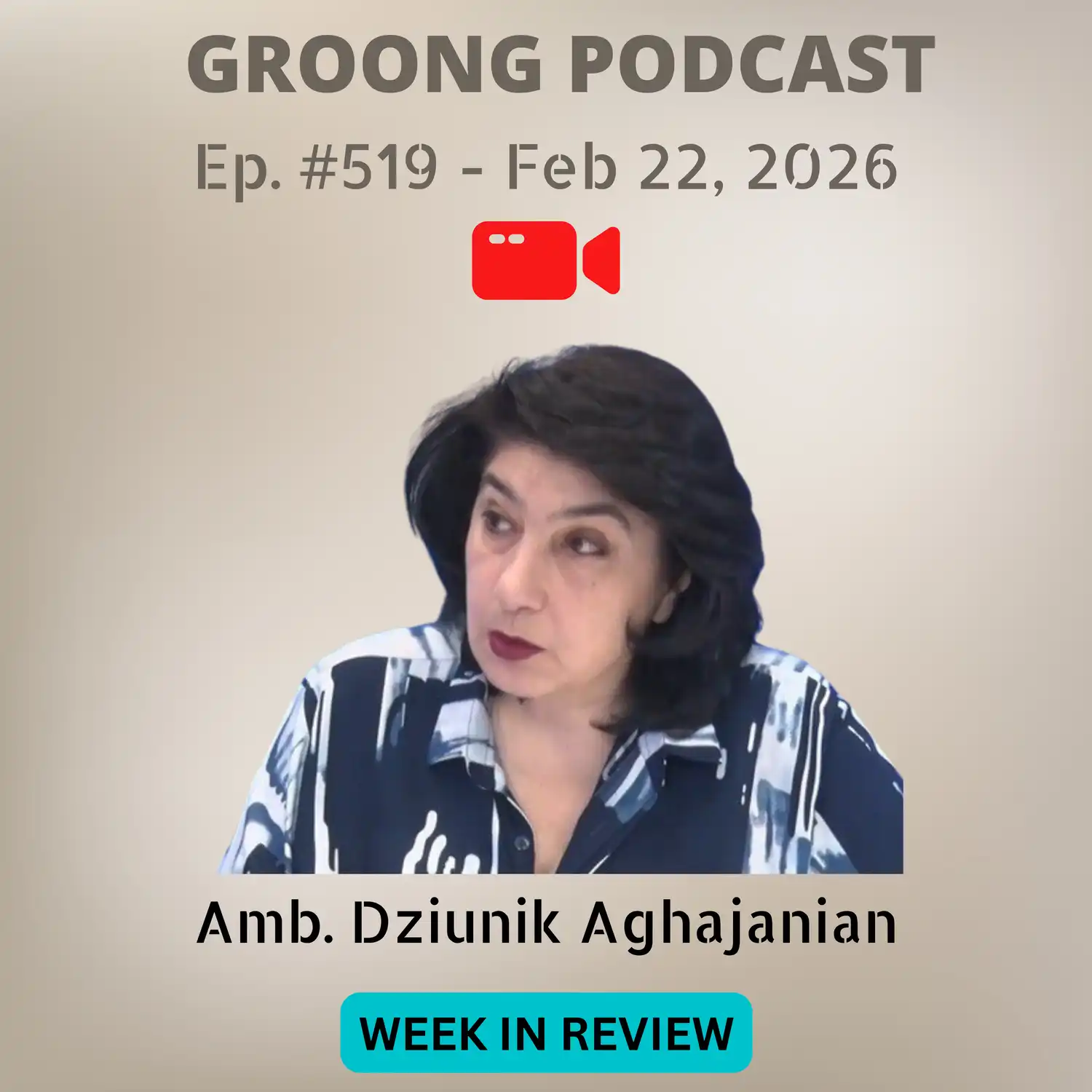
Groong Links:
Guest:
Topics:
- Iran War Fears
- June Parliamentary Elections
- Attacks on the Armenian Church
Episode 519 | Recorded: February 25, 2026
#Armenia #Iran #ArmeniaElections #ArmenianChurch #SouthCaucasus
Dziunik Aghajanian - Iran War Fears, June Vote Rules, State-Church Clash | Ep 519, Feb 22, 2026 [EP519]
Posted on Thursday, Feb 26, 2026 | Category: Armenia, Politics, Artsakh, Nagorno Karabakh, Azerbaijan, Turkey, Russia, Israel, Genocide, Armenian Church, Iran, Middle East, NATO, SyriaGroong Links:
Guest:
Topics:
- Iran War Fears
- June Parliamentary Elections
- Attacks on the Armenian Church
Episode 519 | Recorded: February 25, 2026
#Armenia #Iran #ArmeniaElections #ArmenianChurch #SouthCaucasus
Philippe Raffi Kalfayan - Europe and America, JD Vance in Armenia, Pashinyan vs. Church | Ep 516, Feb 8, 2026 [EP516]
Posted on Wednesday, Feb 11, 2026 | Category: Armenia, Politics, Artsakh, Nagorno Karabakh, USA, Azerbaijan, Turkey, Russia, Syria, Armenian Church, European Union, Iran, China, Ukraine, Human Rights, Georgia, Israel, Genocide, Economy, Geopolitics, India, NATO | Series: wir, video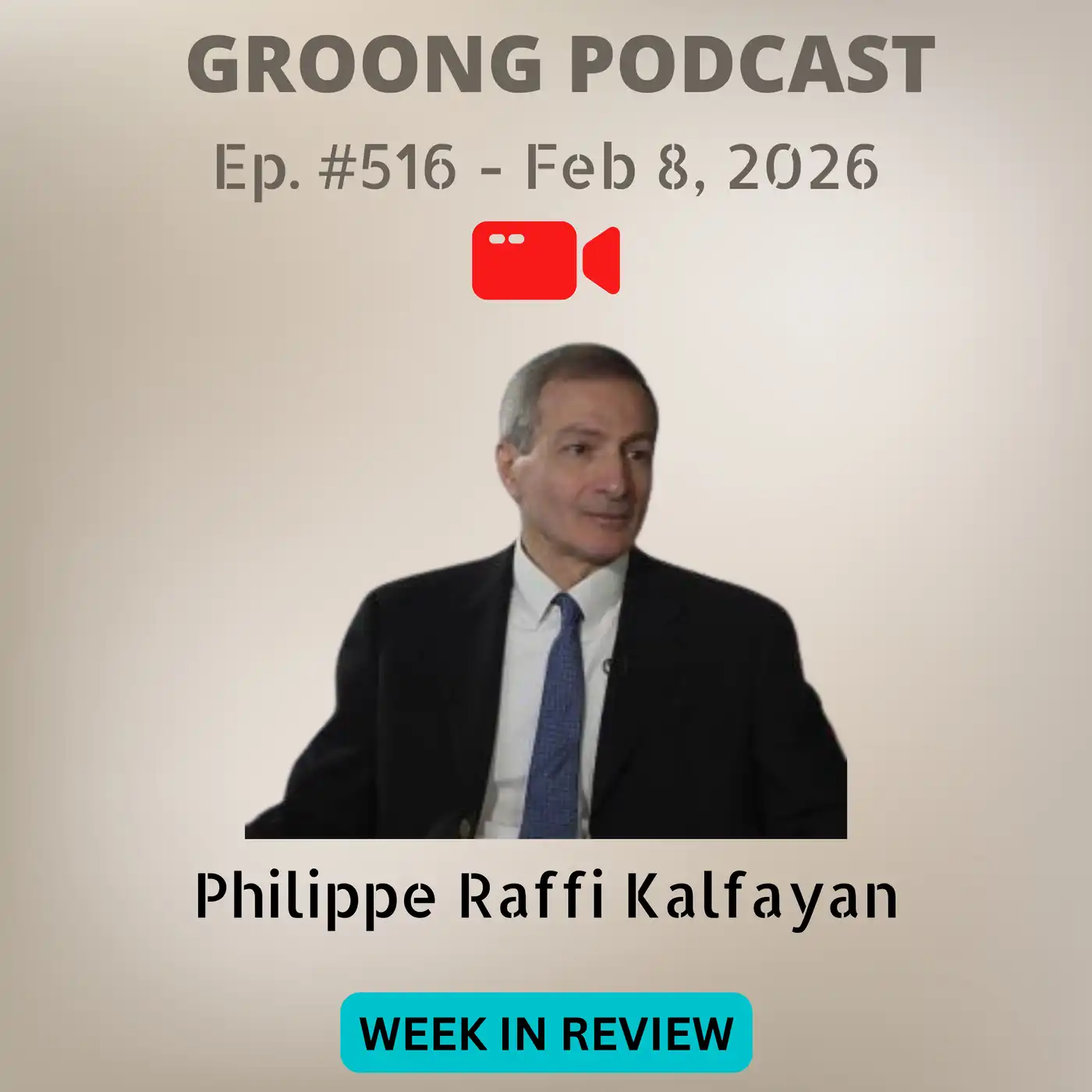
Groong Links:
Guest:
Topics:
- A European View of America
- JD Vance in Armenia
- Pashinyan vs. The Armenian Church
- Europe and Armenia
Episode 516 | Recorded: February 9, 2026
Philippe Raffi Kalfayan - Europe and America, JD Vance in Armenia, Pashinyan vs. Church | Ep 516, Feb 8, 2026 [EP516]
Posted on Wednesday, Feb 11, 2026 | Category: Armenia, Politics, Artsakh, Nagorno Karabakh, USA, Azerbaijan, Turkey, Russia, Syria, Armenian Church, European Union, Iran, China, Ukraine, Human Rights, Georgia, Israel, Genocide, Economy, Geopolitics, India, NATOGroong Links:
Guest:
Topics:
- A European View of America
- JD Vance in Armenia
- Pashinyan vs. The Armenian Church
- Europe and Armenia
Episode 516 | Recorded: February 9, 2026
James Carden & Pietro Shakarian - Global Affairs in the Age of Trump 2.0 | Ep 515, Feb 7, 2026 [EP515]
Posted on Saturday, Feb 7, 2026 | Category: USA, TRIPP, Iran, Armenia, Israel, Azerbaijan, Armenian Church, Nagorno Karabakh, BRICS, Russia, China, Economy, Syria, Turkey, Ukraine, Human Rights, India, Middle East, NATO | Series: cog, video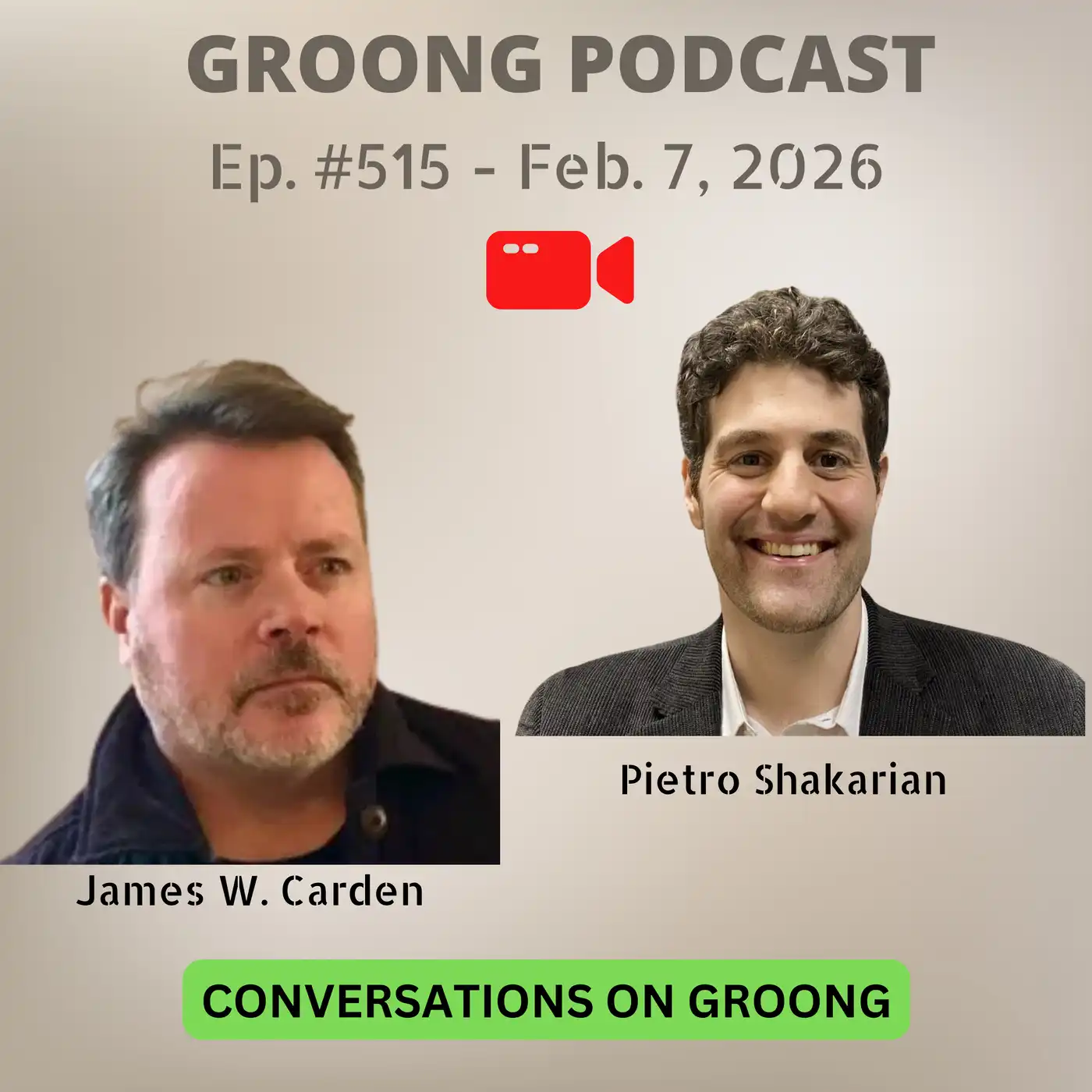
Groong Links:
Guest:
Topics:
- Trump 2.0 and the âDonroe Doctrineâ
- Rules-Based Disorder?
- Iran vs. the âBig, Beautiful Armadaâ
- US Cohesion and Midterms
- JD Vance in the South Caucasus
Episode 515 | Recorded: February 6, 2026
James Carden & Pietro Shakarian - Global Affairs in the Age of Trump 2.0 | Ep 515, Feb 7, 2026 [EP515]
Posted on Saturday, Feb 7, 2026 | Category: USA, TRIPP, Iran, Armenia, Israel, Azerbaijan, Armenian Church, Nagorno Karabakh, BRICS, Russia, China, Economy, Syria, Turkey, Ukraine, Human Rights, India, Middle East, NATOGroong Links:
Guest:
Topics:
- Trump 2.0 and the âDonroe Doctrineâ
- Rules-Based Disorder?
- Iran vs. the âBig, Beautiful Armadaâ
- US Cohesion and Midterms
- JD Vance in the South Caucasus
Episode 515 | Recorded: February 6, 2026
Arthur Khachatryan - Army Day, JD Vance to Armenia, TRIPP, Church, Strong Armenia Political Party | Ep 510, Jan 27, 2026 [EP510]
Posted on Wednesday, Jan 28, 2026 | Category: Armenia, Politics, Artsakh, Nagorno Karabakh, Azerbaijan, Turkey, Russia, Armenian Church, Artsakh Blockade, Iran, Economy, Georgia, Human Rights, Syria | Series: wir, video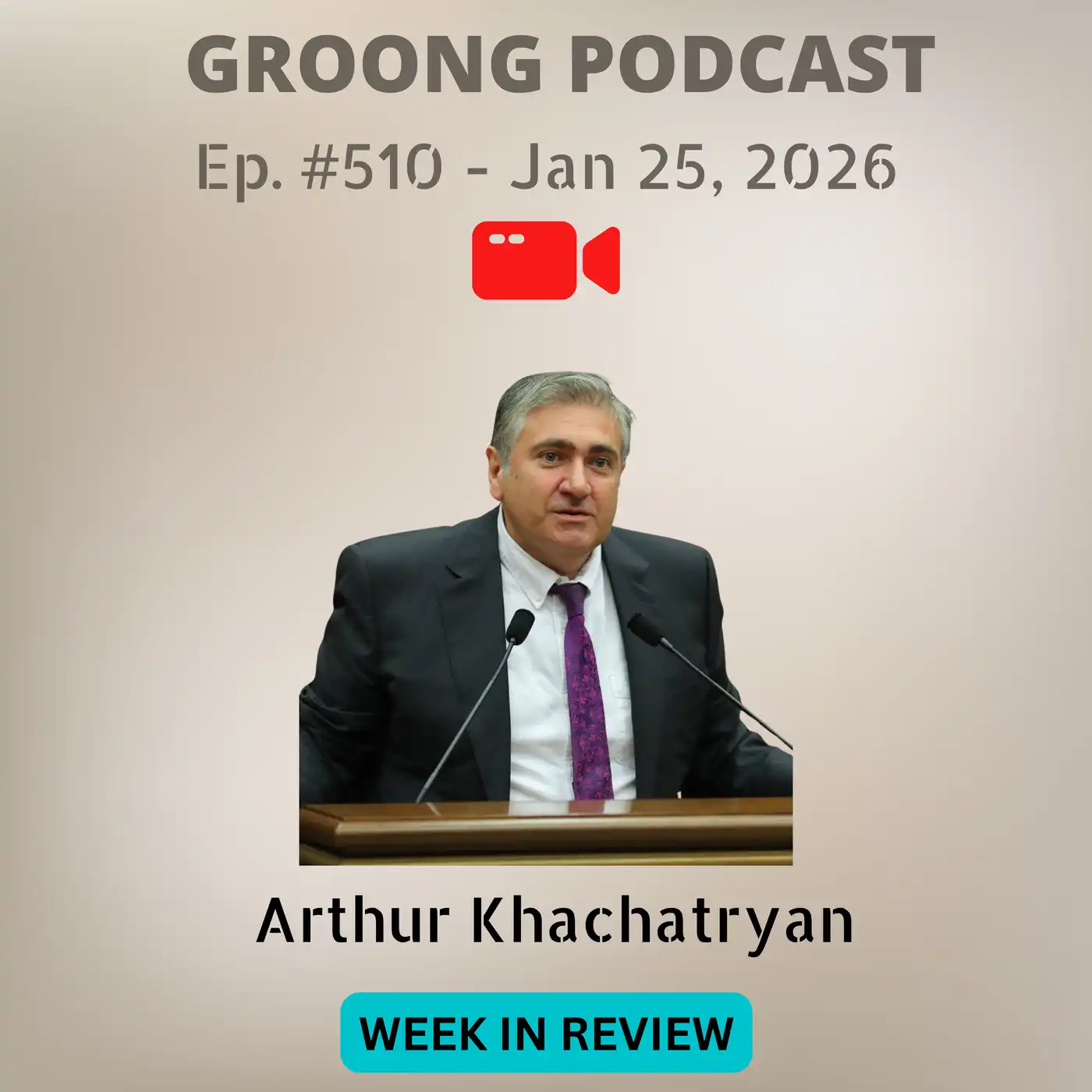
Groong Links:
Guest:
Topics:
- Memorial Day vs. Army Day
- JD Vance to Armenia and Azerbaijan
- Armenian Church Developments
- Strong Armenia - New Political Party
Episode 510 | Recorded: Jnauary 27, 2026
Arthur Khachatryan - Army Day, JD Vance to Armenia, TRIPP, Church, Strong Armenia Political Party | Ep 510, Jan 27, 2026 [EP510]
Posted on Wednesday, Jan 28, 2026 | Category: Armenia, Politics, Artsakh, Nagorno Karabakh, Azerbaijan, Turkey, Russia, Armenian Church, Artsakh Blockade, Iran, Economy, Georgia, Human Rights, SyriaGroong Links:
Guest:
Topics:
- Memorial Day vs. Army Day
- JD Vance to Armenia and Azerbaijan
- Armenian Church Developments
- Strong Armenia - New Political Party
Episode 510 | Recorded: Jnauary 27, 2026
Erhan Arik - Horovel and The Armenian Genocide | Ep 509, Jan 22, 2026 [EP509]
Posted on Thursday, Jan 22, 2026 | Category: Arts, Armenia, Artsakh, Nagorno Karabakh, Armenian Genocide, Turkey, Genocide, Iran, Russia, Middle East, Lebanon, Georgia, India, NATO, Azerbaijan | Series: tcc
Groong Links:
Guest Host:
Guest:
- Erhan Arik ,Photojournalist
Topics:
- Horovel, a cross-border memory project
- Ojakh, a second trip down memory lane
- Gayan, a wider regional lens
- Our Seeds, continuity across generations
Episode 509 | Recorded: January 18, 2026
Erhan Arik - Horovel and The Armenian Genocide | Ep 509, Jan 22, 2026 [EP509]
Posted on Thursday, Jan 22, 2026 | Category: Arts, Armenia, Artsakh, Nagorno Karabakh, Armenian Genocide, Turkey, Genocide, Iran, Russia, Middle East, Lebanon, Georgia, India, NATO, AzerbaijanGroong Links:
Guest Host:
Guest:
- Erhan Arik ,Photojournalist
Topics:
- Horovel, a cross-border memory project
- Ojakh, a second trip down memory lane
- Gayan, a wider regional lens
- Our Seeds, continuity across generations
Episode 509 | Recorded: January 18, 2026
Sergei Melkonian - Syria, Iran Unrest, TRIPP, Armenian Parliamentary Elections | Ep 508, Jan 18, 2026 [EP508]
Posted on Tuesday, Jan 20, 2026 | Category: Armenia, Politics, Artsakh, Nagorno Karabakh, Azerbaijan, Turkey, Russia, Syria, Iran, Israel, China, Geopolitics, Middle East, Georgia, Ukraine, Economy, India, European Union | Series: wir, video
Groong Links:
Guest:
Topics:
- Syria, Kurds, Turkish advance
- Iran Unrest, War Postponed
- TRIPP and sovereignty dispute
- 2026 Elections and Foreign Influence
Episode 508 | Recorded: January 19, 2026
#ArmenianNews #Syria #Iran #ZangezurCorridor #TRIPP #Geopolitics
Sergei Melkonian - Syria, Iran Unrest, TRIPP, Armenian Parliamentary Elections | Ep 508, Jan 18, 2026 [EP508]
Posted on Tuesday, Jan 20, 2026 | Category: Armenia, Politics, Artsakh, Nagorno Karabakh, Azerbaijan, Turkey, Russia, Syria, Iran, Israel, China, Geopolitics, Middle East, Georgia, Ukraine, Economy, India, European UnionGroong Links:
Guest:
Topics:
- Syria, Kurds, Turkish advance
- Iran Unrest, War Postponed
- TRIPP and sovereignty dispute
- 2026 Elections and Foreign Influence
Episode 508 | Recorded: January 19, 2026
#ArmenianNews #Syria #Iran #ZangezurCorridor #TRIPP #Geopolitics
Pietro Shakarian - Iran, Russia, and the Geopolitics of Post-Soviet Eurasia | Ep 506, Jan 16, 2026 [EP506]
Posted on Friday, Jan 16, 2026 | Category: Armenia, History, Iran, Russia, Azerbaijan, Turkey, Israel, Nagorno Karabakh, BRICS, European Union, Syria, China, Ukraine, Genocide, India, NATO, Georgia, Middle East, Human Rights | Series: cog
Groong Links:
Guest:
Topics:
- Unrest in Iran
- Russia-Iran Partnership
- Solovyovâs Statements
- Trumpâs âTRIPP Wireâ in the Caucasus
- Release of Armenian hostages
Episode 506 | Recorded on January 14, 2026
Pietro Shakarian - Iran, Russia, and the Geopolitics of Post-Soviet Eurasia | Ep 506, Jan 16, 2026 [EP506]
Posted on Friday, Jan 16, 2026 | Category: Armenia, History, Iran, Russia, Azerbaijan, Turkey, Israel, Nagorno Karabakh, BRICS, European Union, Syria, China, Ukraine, Genocide, India, NATO, Georgia, Middle East, Human RightsGroong Links:
Guest:
Topics:
- Unrest in Iran
- Russia-Iran Partnership
- Solovyovâs Statements
- Trumpâs âTRIPP Wireâ in the Caucasus
- Release of Armenian hostages
Episode 506 | Recorded on January 14, 2026
Arthur Martirosyan - Ukraine, Iran, Baku Pogroms, Church Clash | Ep 505, Jan 11, 2026 [EP505]
Posted on Wednesday, Jan 14, 2026 | Category: Armenia, Politics, Armenian Church, Ukraine, Artsakh, Nagorno Karabakh, Azerbaijan, Turkey, Russia, USA, Armenian Genocide, Artsakh Blockade, European Union, Iran, Israel, Economy, Georgia, Middle East, Syria, China, Genocide | Series: wir, video
Groong Links:
Guest:
Topics:
- Ukraine warâs global cost to Russia
- Iran unrest and war risk
- Remembering the Baku pogroms
- Russia-Armenia tensions and media threats
- Pashinyanâs clash with Armenian Church
Episode 505 | Recorded: January 13, 2026
Arthur Martirosyan - Ukraine, Iran, Baku Pogroms, Church Clash | Ep 505, Jan 11, 2026 [EP505]
Posted on Wednesday, Jan 14, 2026 | Category: Armenia, Politics, Armenian Church, Ukraine, Artsakh, Nagorno Karabakh, Azerbaijan, Turkey, Russia, USA, Armenian Genocide, Artsakh Blockade, European Union, Iran, Israel, Economy, Georgia, Middle East, Syria, China, GenocideGroong Links:
Guest:
Topics:
- Ukraine warâs global cost to Russia
- Iran unrest and war risk
- Remembering the Baku pogroms
- Russia-Armenia tensions and media threats
- Pashinyanâs clash with Armenian Church
Episode 505 | Recorded: January 13, 2026
Fyodor Lukyanov - Russia in Evolving Global Geopolitics | Ep 502, Jan 9, 2026 [EP502]
Posted on Friday, Jan 9, 2026 | Category: Iran, Russia, Armenia, Israel, Politics, China, Ukraine, Armenian Church, Artsakh Blockade, BRICS, European Union, NATO, Azerbaijan | Series: cog, video
Groong Links:
Guest:
Topics:
- Venezuela
- Ukraine War
- Russia-Iran Relations
- TRIPP and Russian-Armenian Relations
Episode 502 | Recorded: January 8, 2026
#FyodorLukyanov #RussiaGeopolitics #UkraineWar #IranIsrael #VenezuelaCrisis #TRIPP
Fyodor Lukyanov - Russia in Evolving Global Geopolitics | Ep 502, Jan 9, 2026 [EP502]
Posted on Friday, Jan 9, 2026 | Category: Iran, Russia, Armenia, Israel, Politics, China, Ukraine, Armenian Church, Artsakh Blockade, BRICS, European Union, NATO, AzerbaijanGroong Links:
Guest:
Topics:
- Venezuela
- Ukraine War
- Russia-Iran Relations
- TRIPP and Russian-Armenian Relations
Episode 502 | Recorded: January 8, 2026
#FyodorLukyanov #RussiaGeopolitics #UkraineWar #IranIsrael #VenezuelaCrisis #TRIPP
Transcript: Fyodor Lukyanov - Russia in Evolving Global Geopolitics | Ep 502, Jan 9, 2026 [EP502]
Posted on Friday, Jan 9, 2026 | Category: Iran, Russia, Armenia, Israel, Politics, China, Ukraine, Armenian Church, Artsakh Blockade, BRICS, European Union, NATO, Azerbaijan, TranscriptFyodor Lukyanov joins Groong to discuss how Moscow reads a fast-shifting global landscape, from the U.S. raid in Venezuela and maritime seizures at sea, to Trump’s Greenland rhetoric, the stalled endgame in Ukraine, the likelihood of a renewed Israel-Iran war, and how TRIPP and “unblocking” disputes in Armenia’s south fit into Russia’s regional priorities.
Benyamin Poghosyan - Ukraine, Iran, Armenia, Azerbaijan, Russia, TRIPP, Review & Outlook | Ep 500, Dec 28, 2025 [EP500]
Posted on Wednesday, Dec 31, 2025 | Category: Armenia, Geopolitics, Artsakh, Nagorno Karabakh, Azerbaijan, Turkey, Russia, Israel, Iran, Armenian Church, Ukraine, Georgia, China, NATO, Economy, European Union, Syria, India, Middle East, Genocide, Lebanon | Series: video, wir
Groong Links:
Guest:
Topics:
- Foreign Crises Affecting Armenia
- Armenia-Azerbaijan Saga
- Russia and TRIPP
- Change of US Ambassador
- Year-End Review & Outlook
Episode 500 | Recorded: December 31, 2025
Benyamin Poghosyan - Ukraine, Iran, Armenia, Azerbaijan, Russia, TRIPP, Review & Outlook | Ep 500, Dec 28, 2025 [EP500]
Posted on Wednesday, Dec 31, 2025 | Category: Armenia, Geopolitics, Artsakh, Nagorno Karabakh, Azerbaijan, Turkey, Russia, Israel, Iran, Armenian Church, Ukraine, Georgia, China, NATO, Economy, European Union, Syria, India, Middle East, Genocide, LebanonGroong Links:
Guest:
Topics:
- Foreign Crises Affecting Armenia
- Armenia-Azerbaijan Saga
- Russia and TRIPP
- Change of US Ambassador
- Year-End Review & Outlook
Episode 500 | Recorded: December 31, 2025
Dziunik Aghajanian - EU Ukraine Rift, Church Siege, and TRIPP Power Games | Ep 498, Dec 21, 2025 [EP498]
Posted on Thursday, Dec 25, 2025 | Category: Armenia, Politics, Artsakh, Nagorno Karabakh, Azerbaijan, Turkey, Russia, Armenian Church, Ukraine, Iran, Economy, Georgia, European Union, China, Middle East, NATO | Series: wir, video
Groong Links:
Guest:
Topics:
- Ukraine War and EU Rift
- Siege on Etchmiadzin and the Church
- Peace Dividend or Political Theater
- TRIPP and Competing Power Claims
Episode 498 | Recorded: December 23, 2025
#ArmenianChurch #Etchmiadzin #TRIPP #ArmeniaPolitics #Groong
Dziunik Aghajanian - EU Ukraine Rift, Church Siege, and TRIPP Power Games | Ep 498, Dec 21, 2025 [EP498]
Posted on Thursday, Dec 25, 2025 | Category: Armenia, Politics, Artsakh, Nagorno Karabakh, Azerbaijan, Turkey, Russia, Armenian Church, Ukraine, Iran, Economy, Georgia, European Union, China, Middle East, NATOGroong Links:
Guest:
Topics:
- Ukraine War and EU Rift
- Siege on Etchmiadzin and the Church
- Peace Dividend or Political Theater
- TRIPP and Competing Power Claims
Episode 498 | Recorded: December 23, 2025
#ArmenianChurch #Etchmiadzin #TRIPP #ArmeniaPolitics #Groong
Arthur Khachatryan - Foreign Pressure, Attack on Church, Artsakh Repression | Ep 496, Dec 14, 2025 [EP496]
Posted on Tuesday, Dec 16, 2025 | Category: Armenia, Politics, Azerbaijan, Russia, Georgia, Armenian Church, Artsakh, Nagorno Karabakh, Armenian Genocide, European Union, Genocide, Ukraine, Turkey, Iran, Economy, India, NATO | Series: wir, video
Groong Links:
Guest:
Topics:
- Armenia between EU and Russia
- Churchâstate confrontation in Armenia
- Artsakh concessions and return debate
- Economy, debt, and governance
- NSS raids Artsakh offices
Episode 496 | Recorded: December 15, 2025
#ArmeniaPolitics #EUvsRussia #ArmenianChurch #Artsakh #Geopolitics
Arthur Khachatryan - Foreign Pressure, Attack on Church, Artsakh Repression | Ep 496, Dec 14, 2025 [EP496]
Posted on Tuesday, Dec 16, 2025 | Category: Armenia, Politics, Azerbaijan, Russia, Georgia, Armenian Church, Artsakh, Nagorno Karabakh, Armenian Genocide, European Union, Genocide, Ukraine, Turkey, Iran, Economy, India, NATOGroong Links:
Guest:
Topics:
- Armenia between EU and Russia
- Churchâstate confrontation in Armenia
- Artsakh concessions and return debate
- Economy, debt, and governance
- NSS raids Artsakh offices
Episode 496 | Recorded: December 15, 2025
#ArmeniaPolitics #EUvsRussia #ArmenianChurch #Artsakh #Geopolitics
Benyamin Poghosyan - Pashinyan War on Armenian Church, EU-Armenia, Artsakh, Arar Poll | Ep 494, Sep 25, 2025 [EP494]
Posted on Tuesday, Dec 9, 2025 | Category: Armenia, Politics, Artsakh, Poll, Nagorno Karabakh, Azerbaijan, Georgia, Armenian Church, Russia, European Union, Turkey, Ukraine, Iran, India | Series: video, wir
Groong Links:
Guest:
Topics:
- 1988 Earthquake Remembered
- Pashinyanâs War on the Armenian Church
- EU-Armenia Relations
- Nagorno-Karabakh Negotiation Documents
- ARAR Foundation Poll
Episode 494 | Recorded: December 8, 2025
#ArmenianChurch #NSS #Pashinyan #ArarPoll #ArmeniaEU
Benyamin Poghosyan - Pashinyan War on Armenian Church, EU-Armenia, Artsakh, Arar Poll | Ep 494, Sep 25, 2025 [EP494]
Posted on Tuesday, Dec 9, 2025 | Category: Armenia, Politics, Artsakh, Poll, Nagorno Karabakh, Azerbaijan, Georgia, Armenian Church, Russia, European Union, Turkey, Ukraine, Iran, IndiaGroong Links:
Guest:
Topics:
- 1988 Earthquake Remembered
- Pashinyanâs War on the Armenian Church
- EU-Armenia Relations
- Nagorno-Karabakh Negotiation Documents
- ARAR Foundation Poll
Episode 494 | Recorded: December 8, 2025
#ArmenianChurch #NSS #Pashinyan #ArarPoll #ArmeniaEU
Eldar Mamedov - The Global Geopolitics Surrounding the South Caucasus | Ep 492, Dec 1, 2025 [EP492]
Posted on Monday, Dec 1, 2025 | Category: World Order, TRIPP, Armenia, USA, Iran, Israel, Azerbaijan, Turkey, Russia, Ukraine, NATO, European Union, Middle East, Syria, Geopolitics, China, Lebanon | Series: cog, video
Groong Links:
Guest:
Topics:
- US and Venezuela
- Potential for New War on Iran
- Is Azerbaijan a âMiddle Powerâ?
- Europeâs Confused Geopolitical Identity
- Armeniaâs Confused Geopolitics
Episode 492 | Recorded: November 29, 2025
#IranCrisis #AzerbaijanPolitics #EuropeanGeopolitics #ArmeniaSecurity #SouthCaucasus #GlobalPowerPolitics
Eldar Mamedov - The Global Geopolitics Surrounding the South Caucasus | Ep 492, Dec 1, 2025 [EP492]
Posted on Monday, Dec 1, 2025 | Category: World Order, TRIPP, Armenia, USA, Iran, Israel, Azerbaijan, Turkey, Russia, Ukraine, NATO, European Union, Middle East, Syria, Geopolitics, China, LebanonGroong Links:
Guest:
Topics:
- US and Venezuela
- Potential for New War on Iran
- Is Azerbaijan a âMiddle Powerâ?
- Europeâs Confused Geopolitical Identity
- Armeniaâs Confused Geopolitics
Episode 492 | Recorded: November 29, 2025
#IranCrisis #AzerbaijanPolitics #EuropeanGeopolitics #ArmeniaSecurity #SouthCaucasus #GlobalPowerPolitics
Matt Hoh - What Happened to America First, Ukraine, Gaza, TRIPP in Armenia and other US Adventures | Ep 491 - Nov 30, 2025 [EP491]
Posted on Sunday, Nov 30, 2025 | Category: USA, World Order, TRIPP, Ukraine, Israel, Russia, China, Turkey, Azerbaijan, Artsakh, Nagorno Karabakh, Artsakh Blockade, Armenia, Iran, Middle East, Economy, NATO, Genocide, Geopolitics, Human Rights | Series: cog, video
Groong Links:
Guest:
Topics:
- Venezuela
- Ukraine War
- Gaza
- TRIPP in Armenia
Episode 491 | Recorded: November 29, 2025
#Venezuela #AmericaFirst #USForeignPolicy #TRIPP #UkraineWar
Matt Hoh - What Happened to America First, Ukraine, Gaza, TRIPP in Armenia and other US Adventures | Ep 491 - Nov 30, 2025 [EP491]
Posted on Sunday, Nov 30, 2025 | Category: USA, World Order, TRIPP, Ukraine, Israel, Russia, China, Turkey, Azerbaijan, Artsakh, Nagorno Karabakh, Artsakh Blockade, Armenia, Iran, Middle East, Economy, NATO, Genocide, Geopolitics, Human RightsGroong Links:
Guest:
Topics:
- Venezuela
- Ukraine War
- Gaza
- TRIPP in Armenia
Episode 491 | Recorded: November 29, 2025
#Venezuela #AmericaFirst #USForeignPolicy #TRIPP #UkraineWar
Garen Jinbachian - OSCE Human Dimension Conf, Armenia, Azerbaijan, and The West | Ep 489, Nov 26, 2025 [EP489]
Posted on Wednesday, Nov 26, 2025 | Category: Armenia, Artsakh, Political Prisoners, Artsakh, Nagorno Karabakh, Human Rights, Azerbaijan, Armenian Church, Georgia, Genocide, Turkey, Iran, Lebanon | Series: cog
Groong Links:
Guest:
Topics:
- Azerbaijanâs war crimes and impunity
- Sham trials of Artsakh leaders
- Silence of the OSCE and the West
- Armeniaâs growing political repression
- Attacks on the Armenian Church
Episode 489 | Recorded: November 23, 2025
Garen Jinbachian - OSCE Human Dimension Conf, Armenia, Azerbaijan, and The West | Ep 489, Nov 26, 2025 [EP489]
Posted on Wednesday, Nov 26, 2025 | Category: Armenia, Artsakh, Political Prisoners, Artsakh, Nagorno Karabakh, Human Rights, Azerbaijan, Armenian Church, Georgia, Genocide, Turkey, Iran, LebanonGroong Links:
Guest:
Topics:
- Azerbaijanâs war crimes and impunity
- Sham trials of Artsakh leaders
- Silence of the OSCE and the West
- Armeniaâs growing political repression
- Attacks on the Armenian Church
Episode 489 | Recorded: November 23, 2025
Sergei Melkonian - Ukraine, Iran & Israel, C5+1 in DC, Vagharshapat Municipal Outcome | Ep 486, Nov 16, 2025 [EP486]
Posted on Tuesday, Nov 18, 2025 | Category: Armenia, Politics, Iran, Israel, Azerbaijan, Turkey, Russia, Artsakh, Nagorno Karabakh, Armenian Church, Syria, Ukraine, China, Middle East, NATO, Economy, European Union, Geopolitics, India | Series: wir, video
Groong Links:
Guest:
Topics:
- Ukraine and Iran-Israel Conflicts
- C5+1 in Washington DC
- Vagharshapat/Etchmiadzin Municipal
Episode 486 | Recorded: November 17, 2025
Sergei Melkonian - Ukraine, Iran & Israel, C5+1 in DC, Vagharshapat Municipal Outcome | Ep 486, Nov 16, 2025 [EP486]
Posted on Tuesday, Nov 18, 2025 | Category: Armenia, Politics, Iran, Israel, Azerbaijan, Turkey, Russia, Artsakh, Nagorno Karabakh, Armenian Church, Syria, Ukraine, China, Middle East, NATO, Economy, European Union, Geopolitics, IndiaGroong Links:
Guest:
Topics:
- Ukraine and Iran-Israel Conflicts
- C5+1 in Washington DC
- Vagharshapat/Etchmiadzin Municipal
Episode 486 | Recorded: November 17, 2025
Benyamin Poghosyan - Ukraine War update, Pashinyan’s Persecution of Church and Opposition intensifies | Ep 483, Nov 2, 2025 [EP483]
Posted on Tuesday, Nov 4, 2025 | Category: Armenia, Politics, Ukraine, Russia, Azerbaijan, Georgia, Turkey, Artsakh, Nagorno Karabakh, USA, Armenian Church, Artsakh Blockade, China, Economy, Genocide, India, Iran, Middle East, NATO | Series: video, wir
Groong Links:
Guest:
Topics:
- Ukraine war status and U.S.âRussia dynamics
- Churchâstate tensions and religious prosecutions
- Opposition arrests, trials, and civil liberties
- Border demarcation, enclaves
Episode 483 | Recorded: November 3, 2025
Benyamin Poghosyan - Ukraine War update, Pashinyan’s Persecution of Church and Opposition intensifies | Ep 483, Nov 2, 2025 [EP483]
Posted on Tuesday, Nov 4, 2025 | Category: Armenia, Politics, Ukraine, Russia, Azerbaijan, Georgia, Turkey, Artsakh, Nagorno Karabakh, USA, Armenian Church, Artsakh Blockade, China, Economy, Genocide, India, Iran, Middle East, NATOGroong Links:
Guest:
Topics:
- Ukraine war status and U.S.âRussia dynamics
- Churchâstate tensions and religious prosecutions
- Opposition arrests, trials, and civil liberties
- Border demarcation, enclaves
Episode 483 | Recorded: November 3, 2025
Trita Parsi - Prospect, Grounds and Consequences of a Second Israeli War on Iran | Ep 482, Nov 1, 2025 [EP482]
Posted on Saturday, Nov 1, 2025 | Category: Middle East, Iran, Israel, Syria, USA, Armenia, Azerbaijan, European Union, Lebanon, Russia, Turkey | Series: cog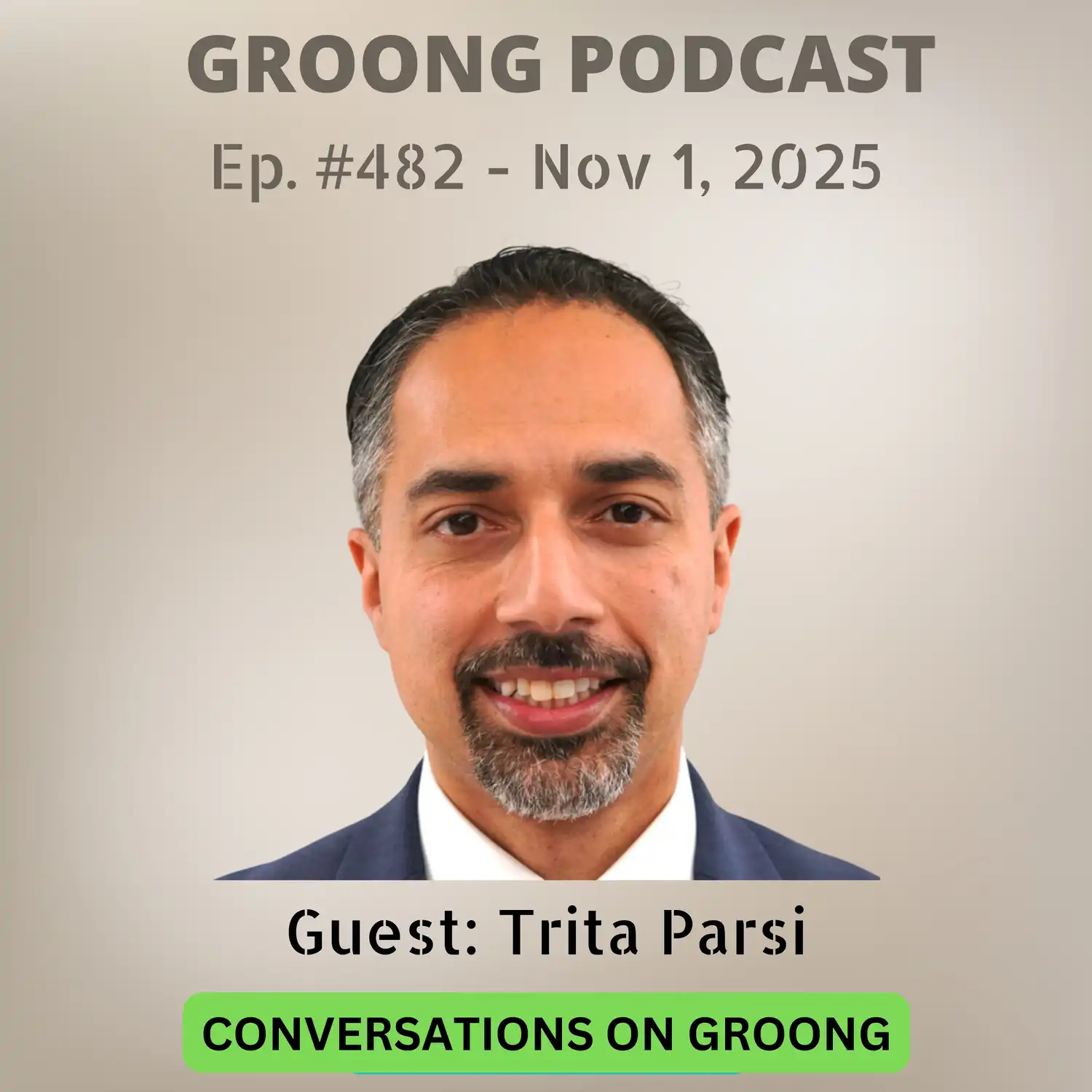
Groong Links:
Guest:
- Dr. Trita Parsi , EVP, Quincy Institute
Topics:
- Timing and intent for an Israel and Iran clash
- Unfinished business from the June war
- US role, limited support or full engagement
- Iranâs escalation ladder and Caucasus spillover scenarios
Episode 482 | Recorded on October 30, 2025
Trita Parsi - Prospect, Grounds and Consequences of a Second Israeli War on Iran | Ep 482, Nov 1, 2025 [EP482]
Posted on Saturday, Nov 1, 2025 | Category: Middle East, Iran, Israel, Syria, USA, Armenia, Azerbaijan, European Union, Lebanon, Russia, TurkeyGroong Links:
Guest:
- Dr. Trita Parsi , EVP, Quincy Institute
Topics:
- Timing and intent for an Israel and Iran clash
- Unfinished business from the June war
- US role, limited support or full engagement
- Iranâs escalation ladder and Caucasus spillover scenarios
Episode 482 | Recorded on October 30, 2025
Transcript: Trita Parsi - Prospect, Grounds and Consequences of a Second Israeli War on Iran | Ep 482, Nov 1, 2025 [EP482]
Posted on Saturday, Nov 1, 2025 | Category: Middle East, Iran, Israel, Syria, USA, Armenia, Azerbaijan, European Union, Lebanon, Russia, Turkey, TranscriptA deep dive with Dr. Trita Parsi on whether Israel will strike Iran again, why June’s war left “unfinished business,” how much Israel depends on the United States, what Iran’s rapid-response playbook looks like after June, and how a wider fight could spill into the South Caucasus and affect Armenia. Recorded Oct 30, 2025.
Arthur Khachatryan - Euronest, Aliyev Transit Move, Gyumri Mayor Arrest, Pashinyan vs. Church | Ep 481, Oct 26, 2025 [EP481]
Posted on Friday, Oct 31, 2025 | Category: Armenia, Politics, Azerbaijan, Armenian Church, Georgia, Turkey, Russia, Artsakh, Nagorno Karabakh, Artsakh Blockade, European Union, Ukraine, NATO | Series: wir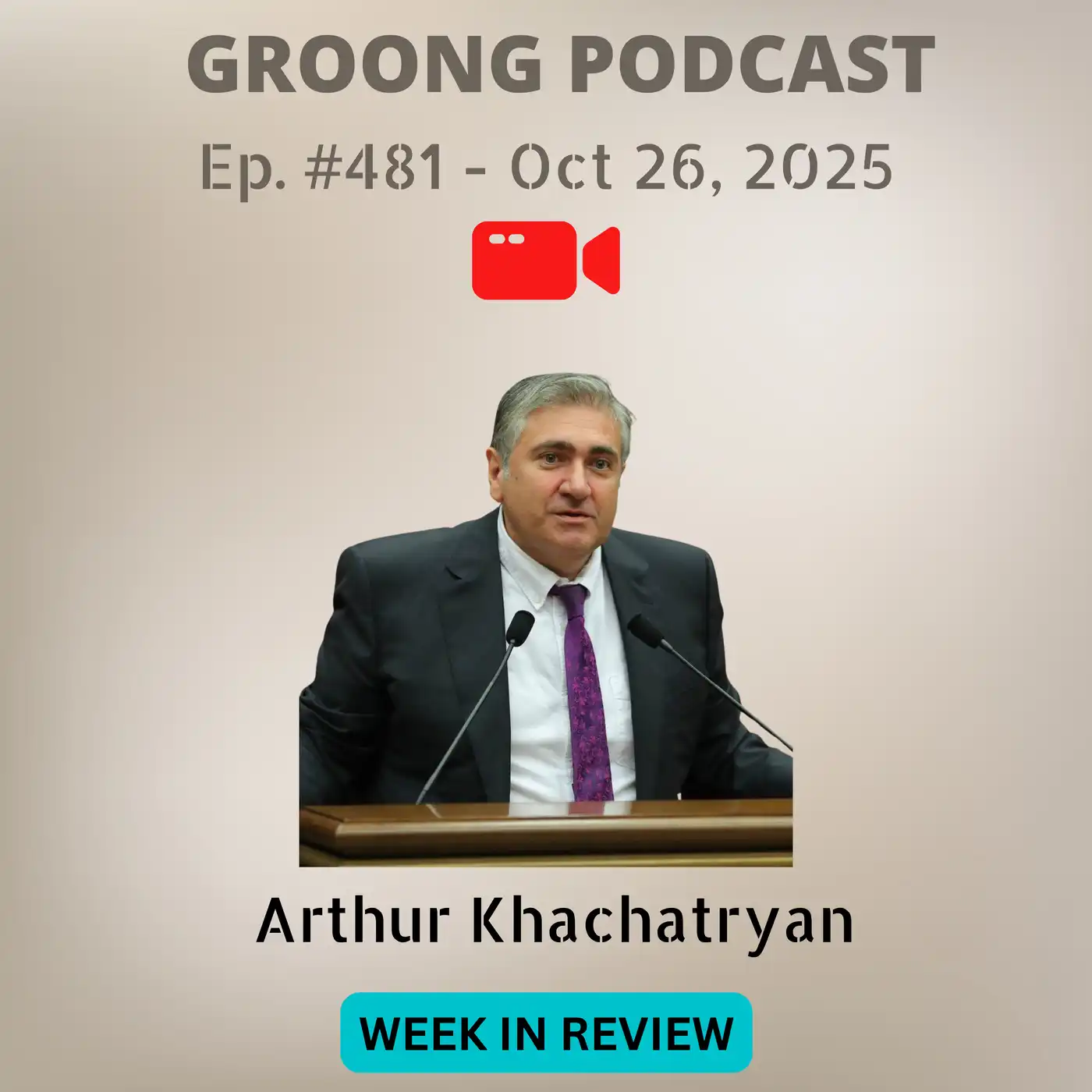
Groong Links:
Guest:
- Arthur Khachatryan , MP
Topics:
- Euronest session takeaways
- Aliyevâs transit move and TRIPP
- Gyumri mayor arrest fallout
- Pashinyanâs push to control the Church
Episode 481 | Recorded: October 29, 2025
Arthur Khachatryan - Euronest, Aliyev Transit Move, Gyumri Mayor Arrest, Pashinyan vs. Church | Ep 481, Oct 26, 2025 [EP481]
Posted on Friday, Oct 31, 2025 | Category: Armenia, Politics, Azerbaijan, Armenian Church, Georgia, Turkey, Russia, Artsakh, Nagorno Karabakh, Artsakh Blockade, European Union, Ukraine, NATOGroong Links:
Guest:
- Arthur Khachatryan , MP
Topics:
- Euronest session takeaways
- Aliyevâs transit move and TRIPP
- Gyumri mayor arrest fallout
- Pashinyanâs push to control the Church
Episode 481 | Recorded: October 29, 2025
Groong Links:
Topics:
- Pashinyan’s rise and Western backing
- Breakdown of talks and secret meetings
- Failures and propaganda during the war
- Aftermath, revisionism, and political responsibility
Episode 476 | Recorded: September 28, 2025
44-Day War, A Tale of Betrayal | Ep 476, Sep 28, 2025 [EP476]
Posted on Wednesday, Oct 1, 2025 | Category: Armenia, Politics, Artsakh, Nagorno Karabakh, Azerbaijan, Turkey, Russia, Genocide, NATO, Ukraine, Georgia, Iran, ChinaGroong Links:
Topics:
- Pashinyan’s rise and Western backing
- Breakdown of talks and secret meetings
- Failures and propaganda during the war
- Aftermath, revisionism, and political responsibility
Episode 476 | Recorded: September 28, 2025
Arthur Martirosyan - Sep 19, Civil Contract, Opposition Inaction, Electric Network | Ep 474, Sep 21, 2025 [EP474]
Posted on Tuesday, Sep 23, 2025 | Category: Armenia, Politics, Artsakh, Nagorno Karabakh, Azerbaijan, Turkey, Russia, Genocide, Artsakh Blockade, European Union, China, Georgia, Israel, Middle East | Series: wir, video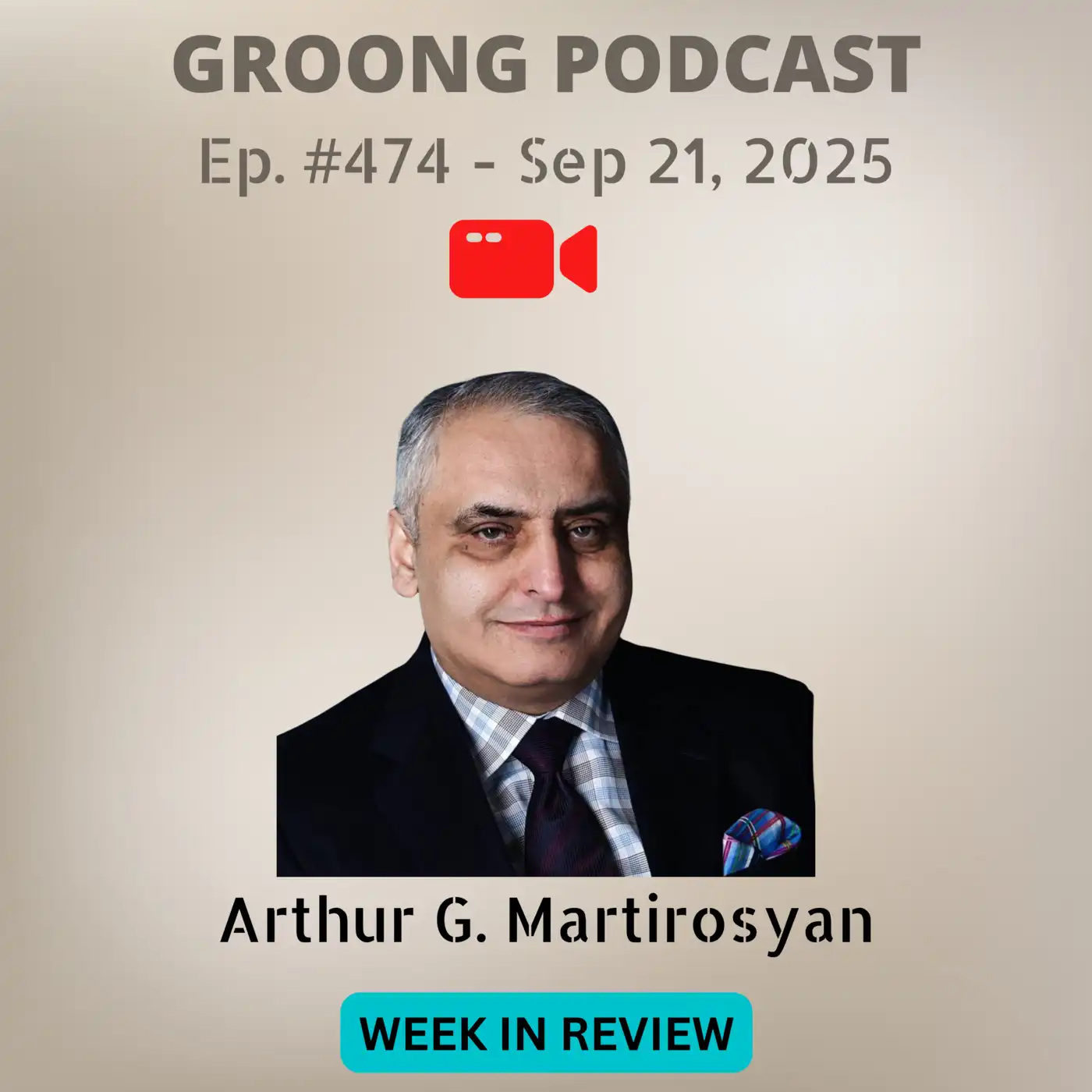
Groong Links:
Guest:
Topics:
- Sep. 19: Day of Artsakhâs Ethnic Cleansing
- Civil Contractâs 7th Congress
- Opposition (In)Action
- Electric Network of Armenia
Episode 474 | Recorded: September 22, 2025
Arthur Martirosyan - Sep 19, Civil Contract, Opposition Inaction, Electric Network | Ep 474, Sep 21, 2025 [EP474]
Posted on Tuesday, Sep 23, 2025 | Category: Armenia, Politics, Artsakh, Nagorno Karabakh, Azerbaijan, Turkey, Russia, Genocide, Artsakh Blockade, European Union, China, Georgia, Israel, Middle EastGroong Links:
Guest:
Topics:
- Sep. 19: Day of Artsakhâs Ethnic Cleansing
- Civil Contractâs 7th Congress
- Opposition (In)Action
- Electric Network of Armenia
Episode 474 | Recorded: September 22, 2025
Hrant Mikaelian - War on Iran, Russia on TRIPP, New MPG Poll in Armenia, Economy | Ep 471, Sep 7, 2025 [EP471]
Posted on Tuesday, Sep 9, 2025 | Category: Armenia, Politics, Iran, Poll, Azerbaijan, Turkey, Russia, Iran, Armenian Church, Nagorno Karabakh, Armenian Genocide, Economy, Georgia, Israel, Genocide, China, Ukraine, India | Series: wir, video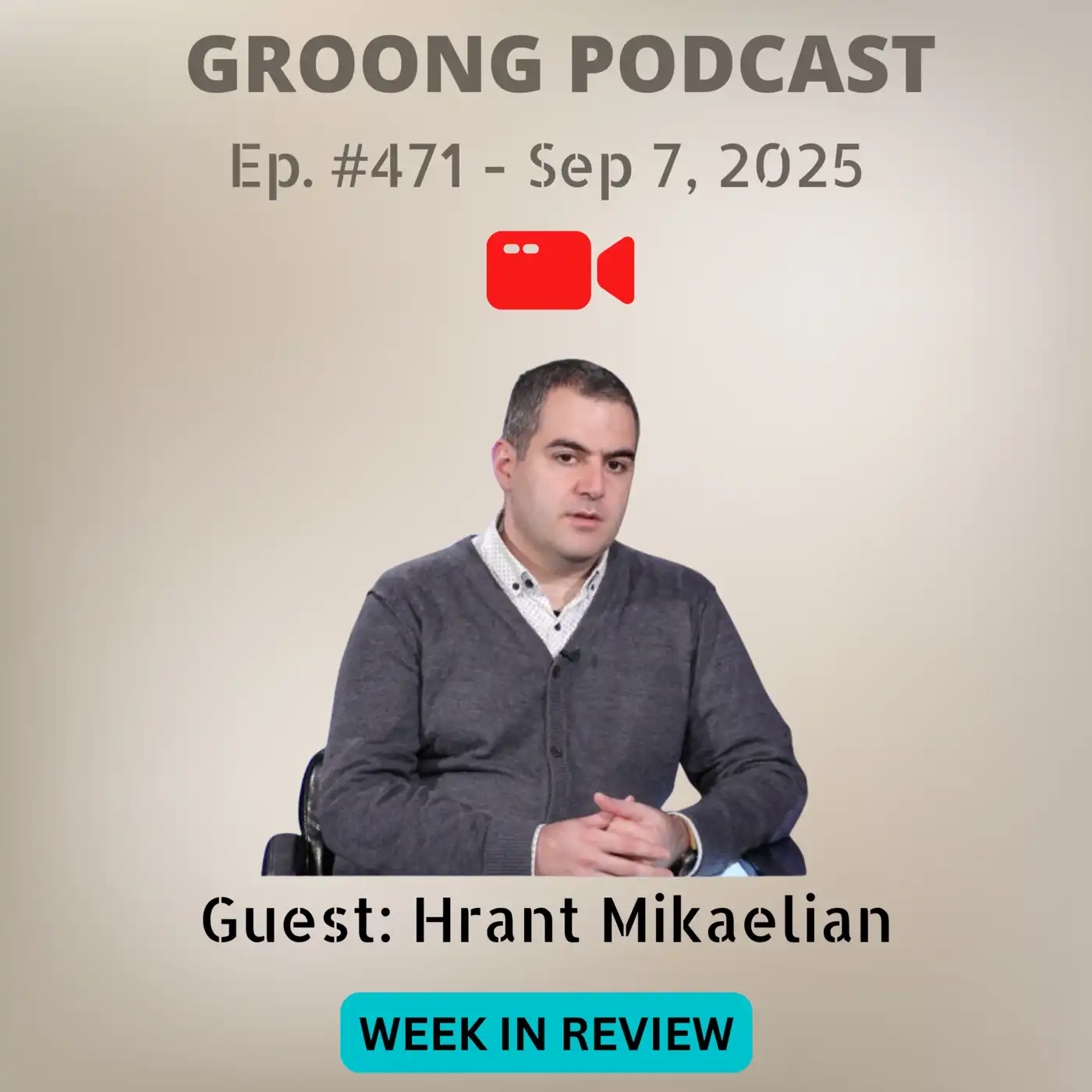
Groong Links:
Guest:
Topics:
- War in Iran, Chapter 2?
- Russiaâs Stance on TRIPP
- New MPG Poll in Armenia
- Armenian Economy in H1/2025
Episode 471 | Recorded: September 8, 2025
Hrant Mikaelian - War on Iran, Russia on TRIPP, New MPG Poll in Armenia, Economy | Ep 471, Sep 7, 2025 [EP471]
Posted on Tuesday, Sep 9, 2025 | Category: Armenia, Politics, Iran, Poll, Azerbaijan, Turkey, Russia, Iran, Armenian Church, Nagorno Karabakh, Armenian Genocide, Economy, Georgia, Israel, Genocide, China, Ukraine, IndiaGroong Links:
Guest:
Topics:
- War in Iran, Chapter 2?
- Russiaâs Stance on TRIPP
- New MPG Poll in Armenia
- Armenian Economy in H1/2025
Episode 471 | Recorded: September 8, 2025
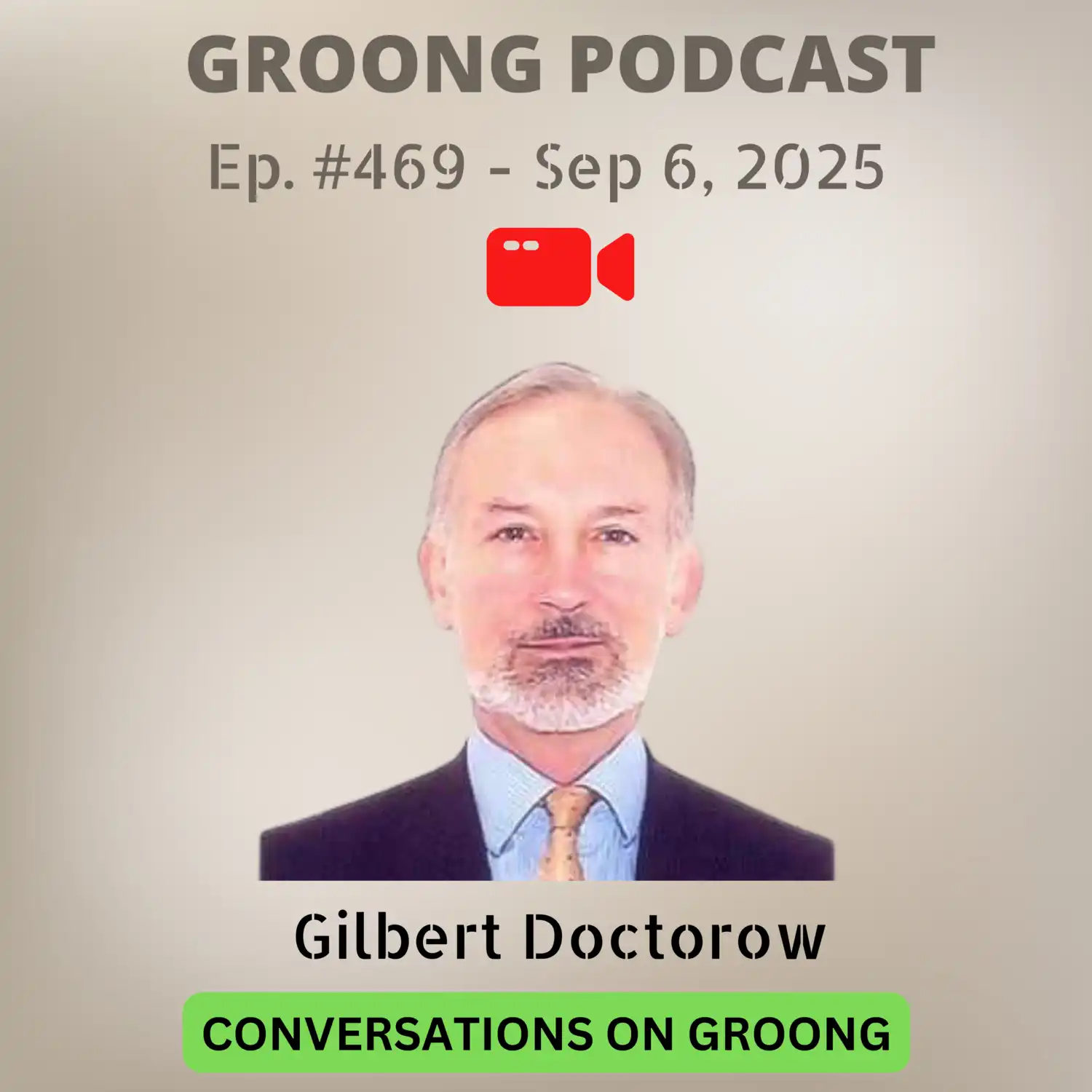
Groong Links:
Guest:
- Dr. Gilbert Doctorow , Author of - War Diaries. Volume 1
Topics:
- SCO Summit in Tianjin, China
- China-India Thaw
- Power of Siberia Gas Pipeline
- Whatâs in it for Armenia?
Episode 469 | Recorded: September 4, 2025
Gilbert Doctorow - Multipolar Shifts at the SCO Summit | Ep 469, Sep 6, 2025 [EP469]
Posted on Saturday, Sep 6, 2025 | Category: Armenia, Politics, Russia, China, India, Nagorno Karabakh, BRICS, Economy, Iran, Azerbaijan, NATO, Turkey, UkraineGroong Links:
Guest:
- Dr. Gilbert Doctorow , Author of - War Diaries. Volume 1
Topics:
- SCO Summit in Tianjin, China
- China-India Thaw
- Power of Siberia Gas Pipeline
- Whatâs in it for Armenia?
Episode 469 | Recorded: September 4, 2025
Benyamin Poghosyan - SCO Summit, TRIPP Corridor, RU - AZ Rift, UK Ties | Ep 467, Aug 31, 2025 [EP467]
Posted on Tuesday, Sep 2, 2025 | Category: Armenia, Politics, Artsakh, Nagorno Karabakh, Azerbaijan, China, India, Russia, USA, Georgia, Armenian Genocide, NATO, Iran, Turkey, Genocide, Israel, European Union | Series: video, wir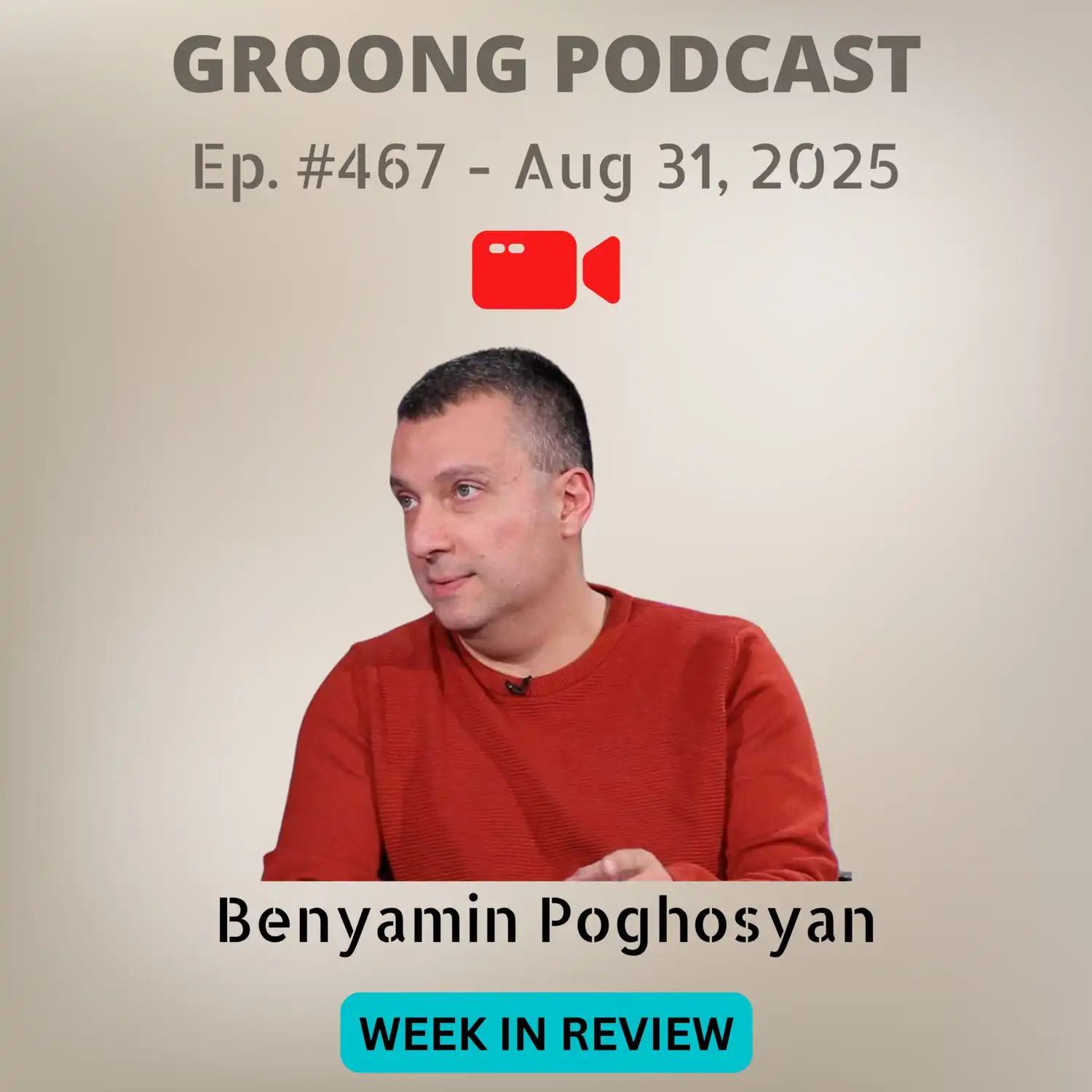
Groong Links:
Guest:
Topics:
- SCO Summit in China
- The UK in Armenia
- TRIPP / Zangezur Corridor
- Russian Azerbaijani Relations
Episode 467 | Recorded: September 1, 2025
Benyamin Poghosyan - SCO Summit, TRIPP Corridor, RU - AZ Rift, UK Ties | Ep 467, Aug 31, 2025 [EP467]
Posted on Tuesday, Sep 2, 2025 | Category: Armenia, Politics, Artsakh, Nagorno Karabakh, Azerbaijan, China, India, Russia, USA, Georgia, Armenian Genocide, NATO, Iran, Turkey, Genocide, Israel, European UnionGroong Links:
Guest:
Topics:
- SCO Summit in China
- The UK in Armenia
- TRIPP / Zangezur Corridor
- Russian Azerbaijani Relations
Episode 467 | Recorded: September 1, 2025
Jeffrey Sachs - TRIPP down Zangezur Corridor | Ep 466, Aug 29, 2025 [EP466]
Posted on Friday, Aug 29, 2025 | Category: Armenia, Geopolitics, Azerbaijan, Artsakh, Nagorno Karabakh, Russia, Iran, Turkey, Georgia, USA, Economy, Israel, European Union, NATO | Series: cog, video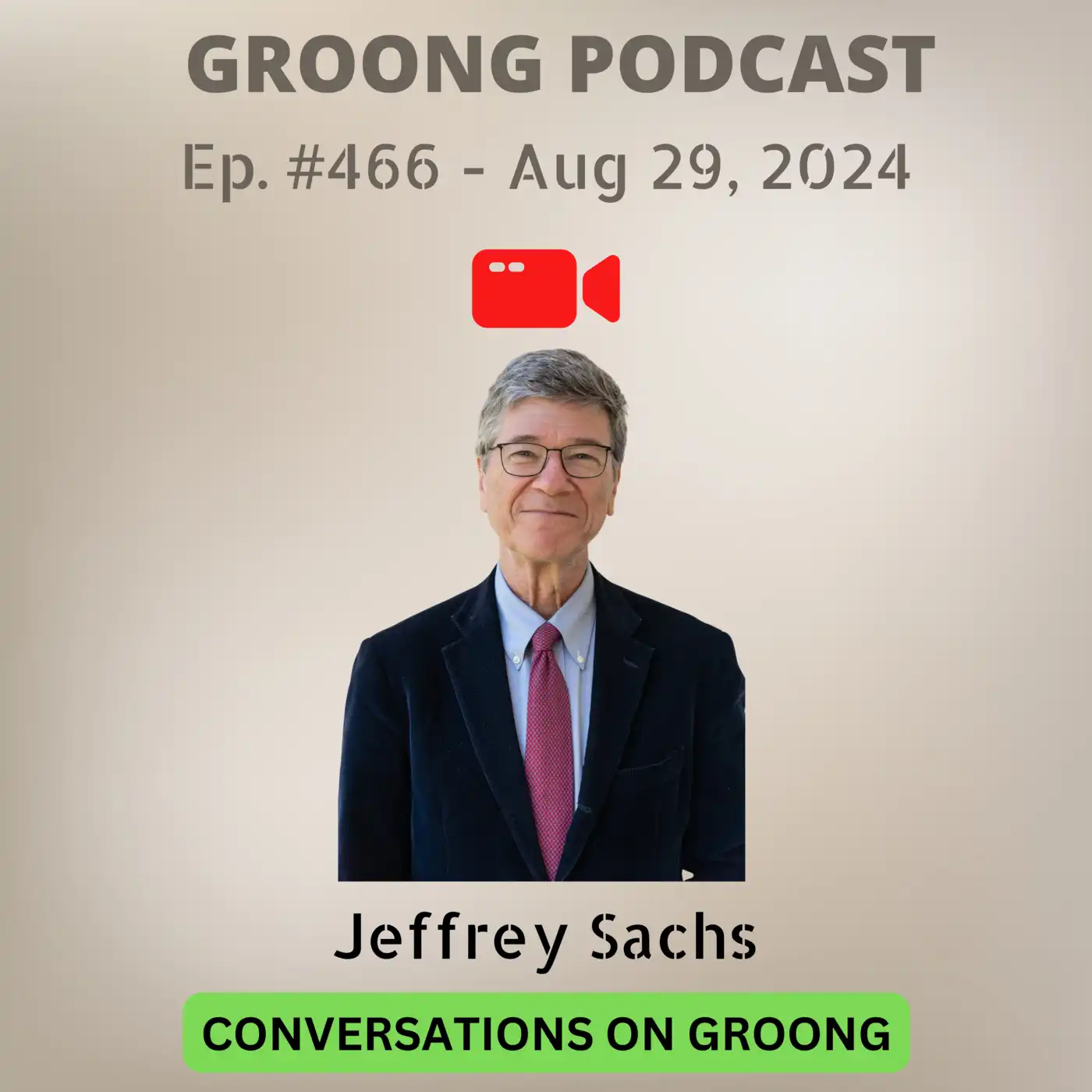
Groong Links:
Guest:
Topics:
- Pashinyan, Aliyev, in the White House
- What âPeaceâ?
- Armenian Economy
Episode 466 | Recorded: August 28, 2025