Political Prisoners
Last updated: May 29, 2026
The arrest and detention of political opponents has been one of the defining controversies of the Pashinyan government, particularly in the period following the 44-Day War and accelerating sharply in 2024 and 2025. Those detained include figures from across the opposition spectrum: leaders of the Armenia Alliance and Hayastan Dashinq blocs, senior clergy of the Armenian Apostolic Church including archbishops and bishops, journalists, civil society activists, and members of political parties competing in the 2026 elections.
Critics of the government argue these arrests constitute politically motivated persecution designed to weaken the opposition ahead of the June 2026 parliamentary elections and to suppress the Srbazan Movement that emerged in spring 2024. The Pashinyan government has characterized the detentions as lawful prosecutions for criminal conduct. International human rights organizations and Western governments have raised concerns about the fairness of proceedings and the conditions of detention.
Groong has covered political prisoners in Armenia extensively, tracking individual cases, the legal proceedings, international responses, and the broader pattern of what critics describe as democratic backsliding. Episodes in this category address the detention of specific individuals, the political context of their arrests, and the implications for Armenia’s stated aspirations toward European integration and rule of law.
Groong episodes that include this tag
Below are all Groong episodes tagged with Political Prisoners.
Trump Offered to Call Aliyev About Armenian Prisoners [EP592]
Posted on Friday, Oct 2, 2026 | Category: Politics, Human Rights, USASassounian says Trump offered to call Aliyev to free Armenian prisoners in Baku, and Pashinyan never took him up on it.
From Yerablur to Etchmiadzin: Armenia’s Battle Over Memory | Ep 591, Sep 27, 2026 [EP591]
Posted on Thursday, Oct 1, 2026 | Category: Armenia, Politics, Geopolitics | Series: wir, video
Groong Links:
Topics:
- September 27 war anniversary and memory
- Pashinyan escalates campaign against Church
- PACE raises concerns over elections
- Armenia, Turkey, Azerbaijan at UNGA
- Witkoff reveals Turkish regional advisers
- Opposition faces post-election divisions
- Arrests and prosecutions over speech
- France and Azerbaijan move toward normalization
Episode 591 | Recorded: September 27, 2026
From Yerablur to Etchmiadzin: Armenia’s Battle Over Memory | Ep 591, Sep 27, 2026 [EP591]
Posted on Thursday, Oct 1, 2026 | Category: Armenia, Politics, GeopoliticsGroong Links:
Topics:
- September 27 war anniversary and memory
- Pashinyan escalates campaign against Church
- PACE raises concerns over elections
- Armenia, Turkey, Azerbaijan at UNGA
- Witkoff reveals Turkish regional advisers
- Opposition faces post-election divisions
- Arrests and prosecutions over speech
- France and Azerbaijan move toward normalization
Episode 591 | Recorded: September 27, 2026
Transcript: From Yerablur to Etchmiadzin: Armenia’s Battle Over Memory | Ep 591, Sep 27, 2026 [EP591]
Posted on Thursday, Oct 1, 2026 | Category: Armenia, Politics, Geopolitics, TranscriptIn this week’s Groong Week in Review, Hovik and Asbed mark the sixth anniversary of the 44-Day War and examine Armenia’s deepening crisis over historical memory and national identity. We discuss the Armenian government’s controversial response to September 27 commemorations, escalating tension between the state and the Armenian Church, international concern over election integrity, and Armenia’s isolated position as Azerbaijan demolishes Artsakh’s Armenian cultural heritage while Turkey advances regional integration plans.
There Is No Judicial System Left in Armenia [EP590]
Posted on Friday, Sep 25, 2026 | Category: Politics, Human Rights, ArmeniaAghajanian says Armenia has no judicial system left, with 75% of judges appointed by the ruling group and orders coming from above.
Arrest, No Basis, Release: The Pashinyan Pattern [EP585]
Posted on Wednesday, Sep 16, 2026 | Category: Human Rights, Politics, ArmeniaArtsakh analyst Alen Ghevondyan was jailed over Facebook posts, then freed months later as a court dismissed the case. The hosts call it a repeating pattern.
Gandzasar Erasure, Chips for Territory, Russian Money & Pashinyan in Space | Ep 585, Sep 13, 2026 [EP585]
Posted on Wednesday, Sep 16, 2026 | Category: Armenia, Politics, Geopolitics | Series: wir, video
Groong Links:
Topics:
- 2022 border war and its legacy
- Hajiyev spouts hate, EU reps giggle
- Armenia’s muted response to Azerbaijan
- TRIPP, NVIDIA chips, and sovereignty
- Pashinyan’s Paris space summit visit
- Russian money flows through Armenia
- Russia-Iran coordination in South Caucasus
- Political prosecutions and Grigoryan reshuffle
Episode 585 | Recorded: September 14, 2026
#Armenia #Artsakh #Gandzasar #TRIPP #SouthCaucasus #Azerbaijan #Russia #Iran
Gandzasar Erasure, Chips for Territory, Russian Money & Pashinyan in Space | Ep 585, Sep 13, 2026 [EP585]
Posted on Wednesday, Sep 16, 2026 | Category: Armenia, Politics, GeopoliticsGroong Links:
Topics:
- 2022 border war and its legacy
- Hajiyev spouts hate, EU reps giggle
- Armenia’s muted response to Azerbaijan
- TRIPP, NVIDIA chips, and sovereignty
- Pashinyan’s Paris space summit visit
- Russian money flows through Armenia
- Russia-Iran coordination in South Caucasus
- Political prosecutions and Grigoryan reshuffle
Episode 585 | Recorded: September 14, 2026
#Armenia #Artsakh #Gandzasar #TRIPP #SouthCaucasus #Azerbaijan #Russia #Iran
Transcript: Gandzasar Erasure, Chips for Territory, Russian Money & Pashinyan in Space | Ep 585, Sep 13, 2026 [EP585]
Posted on Wednesday, Sep 16, 2026 | Category: Armenia, Politics, Geopolitics, TranscriptIn this Groong Week in Review episode, Hovik and Asbed examine the fourth anniversary of the September 2022 border war, Azerbaijan’s ongoing occupation of Armenian territory, and Pashinyan’s political trajectory toward recognizing Artsakh’s loss. We discuss Hajiyev’s inflammatory rhetoric, Armenia’s muted diplomatic response, TRIPP and semiconductor sovereignty, Pashinyan’s attendance at a Paris space summit, Russian financial flows through Armenia, and Russia-Iran coordination in the South Caucasus.
Artsakh Remembered, SCO Theater, Russian Signals, and the Cucumber Paradox | Ep 584, Sep 6, 2026 [EP584]
Posted on Monday, Sep 7, 2026 | Series: wir, video
Groong Links:
Topics:
- Artsakh remembered, its cause unresolved
- Putin puts Russia’s military base on the table
- Church prosecutions begin to unravel
- EU trade headlines look better than the deal
- Army indiscipline fuels mounting non-combat deaths
- New political pressures before local elections
Episode 584 | Recorded: Sep 6, 2026
#Artsakh #Armenia #NagornoKarabakh #SouthCaucasus #SCO #Russia #EuropeanUnion #ArmenianPolitics
Artsakh Remembered, SCO Theater, Russian Signals, and the Cucumber Paradox | Ep 584, Sep 6, 2026 [EP584]
Posted on Monday, Sep 7, 2026Groong Links:
Topics:
- Artsakh remembered, its cause unresolved
- Putin puts Russia’s military base on the table
- Church prosecutions begin to unravel
- EU trade headlines look better than the deal
- Army indiscipline fuels mounting non-combat deaths
- New political pressures before local elections
Episode 584 | Recorded: Sep 6, 2026
#Artsakh #Armenia #NagornoKarabakh #SouthCaucasus #SCO #Russia #EuropeanUnion #ArmenianPolitics
Transcript: Artsakh Remembered, SCO Theater, Russian Signals, and the Cucumber Paradox | Ep 584, Sep 6, 2026 [EP584]
Posted on Monday, Sep 7, 2026 | Category: TranscriptIn this week’s Groong episode, Hovik and Asbed review September 2026 developments across Armenia and the South Caucasus. We examine Artsakh’s remembered independence declaration on September 2, 1991, and its unresolved cause following the 2023 ethnic cleansing; Putin’s signaling on Russia’s military base presence; ongoing Armenian Church prosecutions; EU trade negotiations; mounting non-combat military deaths; and political pressures ahead of local elections. We also analyze U.S. envoy Witkoff and Kushner’s diplomatic shuttle through Moscow and Kyiv.
Groong Podcast Digest — Week of August 31–6, 2026
Posted on Sunday, Sep 6, 2026 | Category: Digest, Podcast DigestHovik and Asbed examine Armenia’s precarious position at the SCO Summit amid Russian escalation in Ukraine, unprecedented Western diplomatic visits to Moscow, renewed US-Iran conflict, and Pashinyan’s meetings with regional leaders while former Artsakh presidents languish in detention and selective political prosecutions continue. Suren Sargsyan examines Washington’s unclear endgame in the Iran War, Russia’s military presence in Armenia amid great-power competition, and the competing U.S. and European stakes in TRIPP and Central Asian transit routes.
No Criminal Charges for School Administrators Who Forced Students to Pashinyan Rallies [EP582]
Posted on Wednesday, Sep 2, 2026 | Category: Politics, Human Rights, ArmeniaSchool administrators forced underage students to attend Pashinyan campaign rallies during elections. The government declined to prosecute, issuing only administrative reprimands, a stark contrast to treatment of opposition figures.
Putin's Birthday Message to Kocharyan: A Subtle Rebuke to Pashinyan [EP582]
Posted on Wednesday, Sep 2, 2026 | Category: Politics, Geopolitics, Russia, ArmeniaPutin congratulates imprisoned Robert Kocharyan on his birthday while ignoring Pashinyan’s reelection. The hosts decode the geopolitical message behind this selective honor.
All Opposition Leaders Under Arrest: Pashinyan's Revenge Politics [EP581]
Posted on Saturday, Aug 29, 2026 | Category: Politics, Human Rights, ArmeniaPashinyan intensifies crackdown against opposition figures post-election. Tsarukyan, Kocharyan, and Karapetyan face arrest and asset seizures as regime consolidates power.
Arthur Martirosyan - The Fourth Republic and the Politics of Erasure | Ep 581, Aug 29, 2026 [EP581]
Posted on Saturday, Aug 29, 2026 | Category: Armenia, Politics | Series: cog, video
Groong Links:
Guest(s):
Topics:
- Pashinyan’s Revenge Against Opposition
- Kocharyan Arrested, Family Under State Pressure
- Opposition Strategy Under Repression
- Pashinyan’s Five-Year Transformation Agenda
- Government Assault on Armenian Church
- Tigranashen and Border Concessions
- TRIPP, Turan, and Central Asia
Episode 581 | Recorded: August 28, 2026
#ArmenianElections #Armenia #NikolPashinyan #CivilContract #StrongArmenia #ArmenianOpposition
Arthur Martirosyan - The Fourth Republic and the Politics of Erasure | Ep 581, Aug 29, 2026 [EP581]
Posted on Saturday, Aug 29, 2026 | Category: Armenia, PoliticsGroong Links:
Guest(s):
Topics:
- Pashinyan’s Revenge Against Opposition
- Kocharyan Arrested, Family Under State Pressure
- Opposition Strategy Under Repression
- Pashinyan’s Five-Year Transformation Agenda
- Government Assault on Armenian Church
- Tigranashen and Border Concessions
- TRIPP, Turan, and Central Asia
Episode 581 | Recorded: August 28, 2026
#ArmenianElections #Armenia #NikolPashinyan #CivilContract #StrongArmenia #ArmenianOpposition
Transcript: Arthur Martirosyan - The Fourth Republic and the Politics of Erasure | Ep 581, Aug 29, 2026 [EP581]
Posted on Saturday, Aug 29, 2026 | Category: Armenia, Politics, TranscriptIn this episode of Conversations on Groong, we speak with Arthur G. Martirosyan about Armenia’s post-election political crisis and Pashinyan’s governance agenda. We discuss the arrest of opposition leaders including Robert Kocharyan, attacks on the Armenian Church, border concessions including Tigranashen, the TRIPP corridor, and how the Established Opposition is strategizing under state repression in the Fourth Republic.
Political Prisoners in Armenia: Thousands Hidden in Plain Sight [EP578]
Posted on Wednesday, Aug 19, 2026 | Category: Human Rights, Politics, ArmeniaArmenia is largely absent from international political prisoner tracking databases despite widespread detention, house arrest, and administrative supervision of opposition figures.
Strong Armenia's Unwritten Deal with Civil Contract: What's the Real Cost? [EP578]
Posted on Wednesday, Aug 19, 2026 | Category: Politics, ArmeniaAn apparent unwritten ethical agreement between Civil Contract and the opposition to maintain parliamentary civility masks a larger question: is Strong Armenia trading political leverage for immunity from prosecution?
The Farmer and the Blogger: How Hooliganism Charges Silence Dissent in Armenia [EP571]
Posted on Tuesday, Jul 28, 2026 | Category: Human Rights, Politics, ArmeniaHovik describes how a farmer was arrested for hooliganism after refusing to be intimidated by a pro-government blogger, exposing the regime’s weaponization of vague charges to silence dissent.
Archbishop Bagrat Galstanyan: 344 Days in Pretrial Detention for Peaceful Protest [EP568]
Posted on Wednesday, Jul 22, 2026 | Category: Human Rights, Armenia, Armenian Church, PoliticsAfter 344 days in pretrial detention on terrorism charges for leading a peaceful protest walk in 2024, Archbishop Bagrat Galstanyan was released to house arrest. The release came weeks after UN criticism of Armenia’s human rights violations.
Armenia's Political Summer: Why the Opposition Is Waiting [EP568]
Posted on Wednesday, Jul 22, 2026 | Category: Politics, Armenia, Human RightsHovik and Asbed debate the Armenian opposition’s summer inaction strategy, asking whether waiting for a political trigger is wise or whether missed labor protest momentum squanders real opportunities.
Iran War, TRIPP Money, and Armenia’s Political Purgatory | Ep 561, Jul 19, 2026 [EP568]
Posted on Wednesday, Jul 22, 2026 | Category: Armenia, Politics | Series: wir, video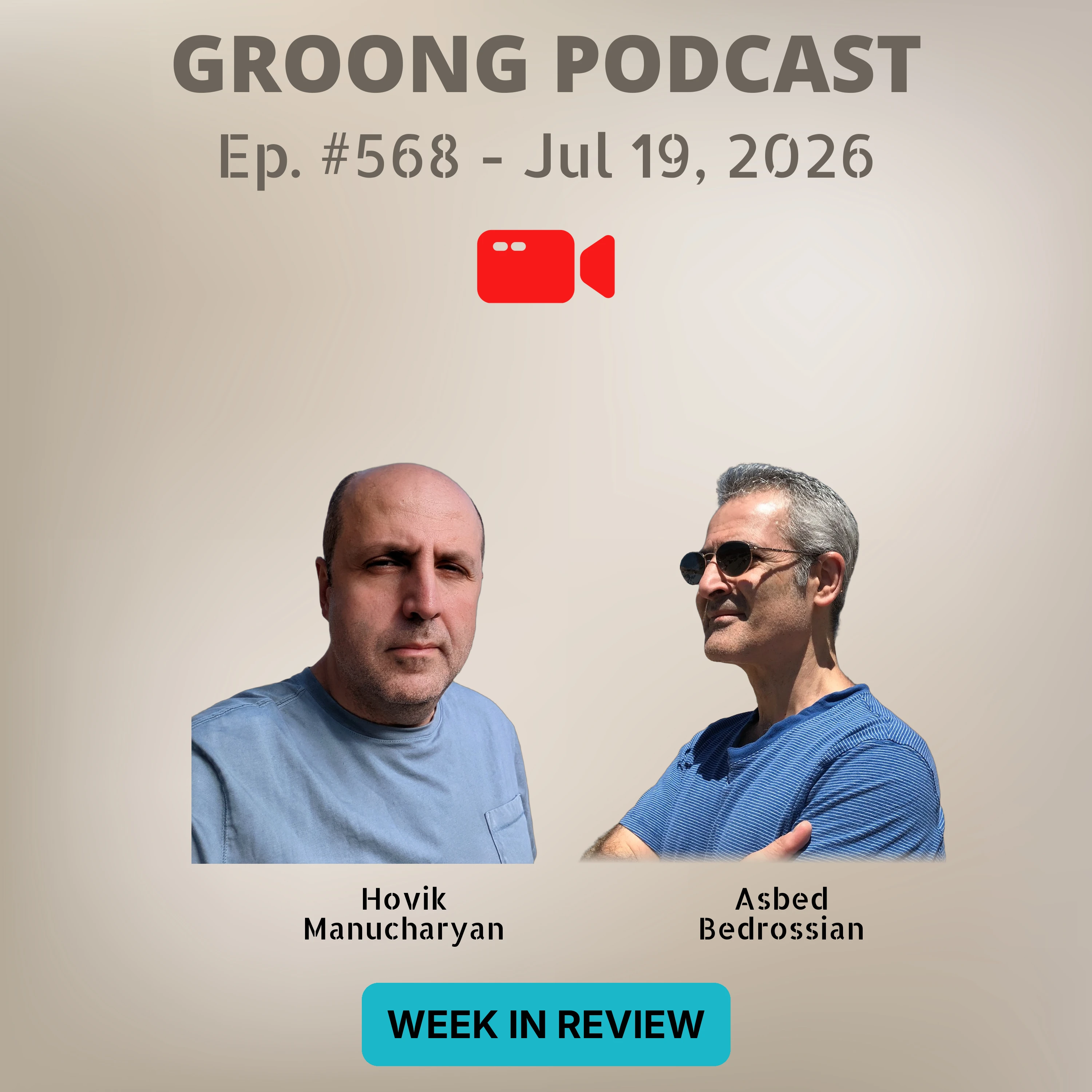
Groong Links:
Topics:
- US-Iran War Continues
- Summer Lull in Yerevan Politics
- Konstantin Sokolov: Master of TRIPP & Teghut
- UN: Abp. Galstanyan Charges Unjustified
- Armenian POW Slams Pashinyan from Baku
Episode 568 | Recorded: July 20, 2026
#IranWar #TRIPP #Teghut #Armenia #PoliticalPrisoners #ArmenianPOWs #KonstantinSokolov
Iran War, TRIPP Money, and Armenia’s Political Purgatory | Ep 561, Jul 19, 2026 [EP568]
Posted on Wednesday, Jul 22, 2026 | Category: Armenia, PoliticsGroong Links:
Topics:
- US-Iran War Continues
- Summer Lull in Yerevan Politics
- Konstantin Sokolov: Master of TRIPP & Teghut
- UN: Abp. Galstanyan Charges Unjustified
- Armenian POW Slams Pashinyan from Baku
Episode 568 | Recorded: July 20, 2026
#IranWar #TRIPP #Teghut #Armenia #PoliticalPrisoners #ArmenianPOWs #KonstantinSokolov
Pashinyan Doesn't Want the POWs Back: The Political Threat of Artsakh Leaders [EP568]
Posted on Wednesday, Jul 22, 2026 | Category: Human Rights, Politics, Artsakh, ArmeniaAsbed argues Pashinyan has no interest in securing the release of Armenian POWs and political prisoners from Baku because these leaders are too popular domestically and pose a threat to Civil Contract’s political dominance.
Transcript: Iran War, TRIPP Money, and Armenia’s Political Purgatory | Ep 561, Jul 19, 2026 [EP568]
Posted on Wednesday, Jul 22, 2026 | Category: Armenia, Politics, TranscriptIn this week’s Groong Week in Review, Hovik and Asbed break down escalating tensions across the Middle East as the US-Iran war intensifies following the collapse of the June ceasefire. We examine the strategic implications for Armenia and the South Caucasus, the role of TRIPP advocates like Konstantin Sokolov, and how regional instability intersects with Pashinyan’s political vulnerabilities at home, including charges against Archbishop Galstanyan and ongoing Armenian POW cases.
Sanation: How Pashinyan is 'Cleansing' Armenian Politics [EP565]
Posted on Friday, Jul 10, 2026 | Category: Armenia, Politics, Human RightsMarkedonov documents Pashinyan’s systematic criminalization of opposition through the concept of ‘Sanation,’ revealing an authoritarian consolidation pattern in post-election Armenia.
2,000 Agents Raid Gagik Tsarukyan's Homes and Businesses in Show Trial Theater [EP564]
Posted on Wednesday, Jul 8, 2026 | Category: Human Rights, Politics, ArmeniaWithin hours of the Constitutional Court ruling, 2,000 NSS agents raided over 70 sites linked to opposition figure Gagik Tsarukyan, using military-grade weaponry in what hosts describe as political theater targeting alleged white-collar crimes.
Constitutional Court Will Deliver Political Ruling, Not Legal Justice [EP563]
Posted on Friday, Jul 3, 2026 | Category: Armenia, Politics, Human RightsAmb. Aghajanian explains why Armenia’s Constitutional Court cannot deliver a fair legal ruling on the disputed June 2026 parliamentary elections, given that all judges were appointed by the ruling Civil Contract party.
Post-Election Crackdown: Stalinist Purge Disabling Opposition Today, Not Tomorrow [EP562]
Posted on Wednesday, Jul 1, 2026 | Category: Politics, Human Rights, ArmeniaAsbed explains the logic behind Armenia’s post-election arrests: disabling opposition in the present, not building lasting cases for future prosecution.
Kocharyan Stopped at Airport, Then Hit With 20-Year-Old Cases [EP561]
Posted on Wednesday, Jun 24, 2026 | Category: Politics, Armenia, Human RightsOpposition leader Robert Kocharyan was detained at the airport without justification, then charged with crimes allegedly committed two decades ago that fall outside the statute of limitations.
The opposition's only remaining path: Constitutional Court and local elections [EP559]
Posted on Saturday, Jun 20, 2026 | Category: Politics, ArmeniaPolitical scientist Hrant Mikaelian outlines the opposition’s realistic options: accept parliamentary mandates, challenge electoral fraud at the Constitutional Court, and prepare for critical local elections in September and October.
Why Pashinyan is terrified even after winning the election [EP559]
Posted on Saturday, Jun 20, 2026 | Category: Politics, ArmeniaPolitical scientist Hrant Mikaelian explains why Pashinyan’s government is escalating repression despite claiming electoral victory, signaling deeper anxiety about legitimacy and control.
Threats as Campaign Strategy: Pashinyan's Message Is Crushing Opponents [EP557]
Posted on Thursday, Jun 11, 2026 | Category: Politics, Human Rights, ArmeniaArthur Martirosyan critiques Pashinyan’s campaign rhetoric as threats of imprisonment and violence. In any republic, such threats would disqualify a candidate; Western media ignored them.
Arthur Osipyan Detained for Asking Pashinyan Questions: Three Charges, No Logic [EP555]
Posted on Saturday, Jun 6, 2026 | Category: Human Rights, PoliticsArthur Osipyan was arrested and charged with three counts, including obstructing a campaign, for politely asking Pashinyan questions on video that the prime minister agreed to answer.
Hate Speech Laws Weaponized Against Critics of Pashinyan [EP555]
Posted on Saturday, Jun 6, 2026 | Category: Human Rights, PoliticsArmenia’s hate speech laws, meant to protect minorities, are being weaponized to criminalize political criticism of Pashinyan, with courts treating his political conduct as a protected characteristic.
Military Service as Electoral Punishment: Citizens Arriving from Russia Face Summons [EP555]
Posted on Saturday, Jun 6, 2026 | Category: Human Rights, PoliticsPashinyan’s Deputy Chief of Staff admits the government is summoning diaspora Armenians arriving from Russia to 25-day military training camps to punish suspected opposition voters.
Spotlight on Silence: Selective Justice in Armenia’s Election Campaign | Ep 555, Jun 6, 2026 [EP555]
Posted on Saturday, Jun 6, 2026 | Category: Armenia, Politics, Nagorno Karabakh, Human Rights | Series: sos, video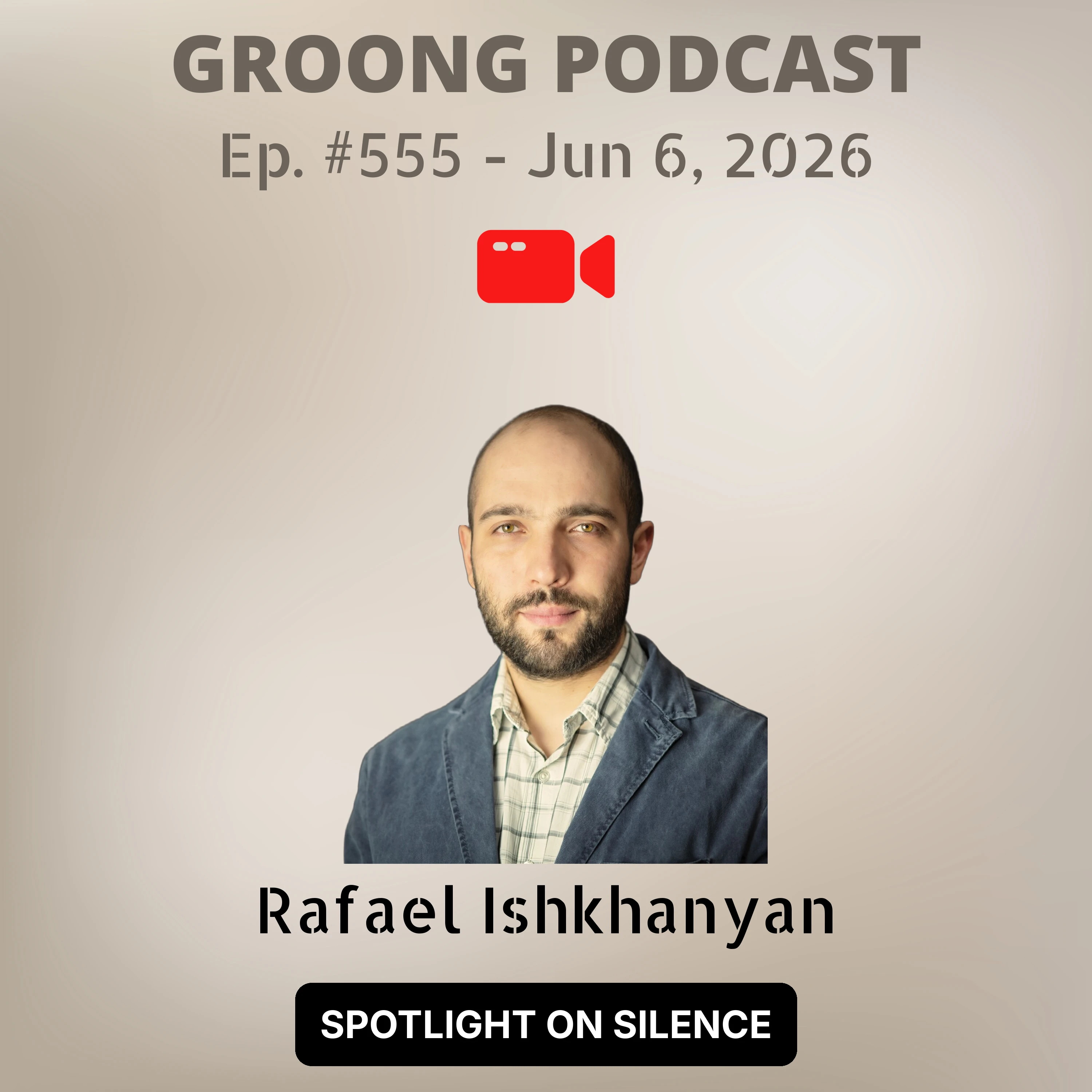
Groong Links:
Guest(s):
Topics:
- Selective law enforcement before elections
- Wiretaps, leaks, and campaign pressure
- Hate speech laws against critics
- Official threats without consequences
- Military summons as political coercion
Episode 555 | Recorded: June 4, 2026
#Armenia #ArmenianElections #HumanRights #PoliticalPersecution #Artsakh #RafaelIshkhanyan #Groong
Spotlight on Silence: Selective Justice in Armenia’s Election Campaign | Ep 555, Jun 6, 2026 [EP555]
Posted on Saturday, Jun 6, 2026 | Category: Armenia, Politics, Nagorno Karabakh, Human RightsGroong Links:
Guest(s):
Topics:
- Selective law enforcement before elections
- Wiretaps, leaks, and campaign pressure
- Hate speech laws against critics
- Official threats without consequences
- Military summons as political coercion
Episode 555 | Recorded: June 4, 2026
#Armenia #ArmenianElections #HumanRights #PoliticalPersecution #Artsakh #RafaelIshkhanyan #Groong
Wiretaps as Campaign Material: The Double Standard in Armenia's Elections [EP555]
Posted on Saturday, Jun 6, 2026 | Category: Politics, Human RightsLaw enforcement in Armenia rapidly leaks opposition wiretaps during the election campaign while ignoring reports of government-side abuse and patronage, creating a stark double standard.
Transcript: Spotlight on Silence: Selective Justice in Armenia’s Election Campaign | Ep 555, Jun 6, 2026 [EP555]
Posted on Saturday, Jun 6, 2026 | Category: Armenia, Politics, Nagorno Karabakh, Human Rights, TranscriptIn this Spotlight on Silence episode, we speak with Rafael Ishkhanyan of the Armenian Center for Political Rights about selective justice and state pressure ahead of the 2026 Armenian Parliamentary Election. We discuss wiretaps and leaks targeting opposition figures, abuse of hate speech laws against government critics, military service summons used as political coercion, and Pashinyan’s threats against political opponents and Artsakh Armenians.
Anna Grigoryan - Armenia Alliance in the 2026 Armenian Parliamentary Election | Ep 544, May 11, 2026 [EP544]
Posted on Monday, May 11, 2026 | Category: Nagorno Karabakh, Armenia, Azerbaijan, Russia, Iran, European Union, Economy, NATO, Human Rights | Series: cog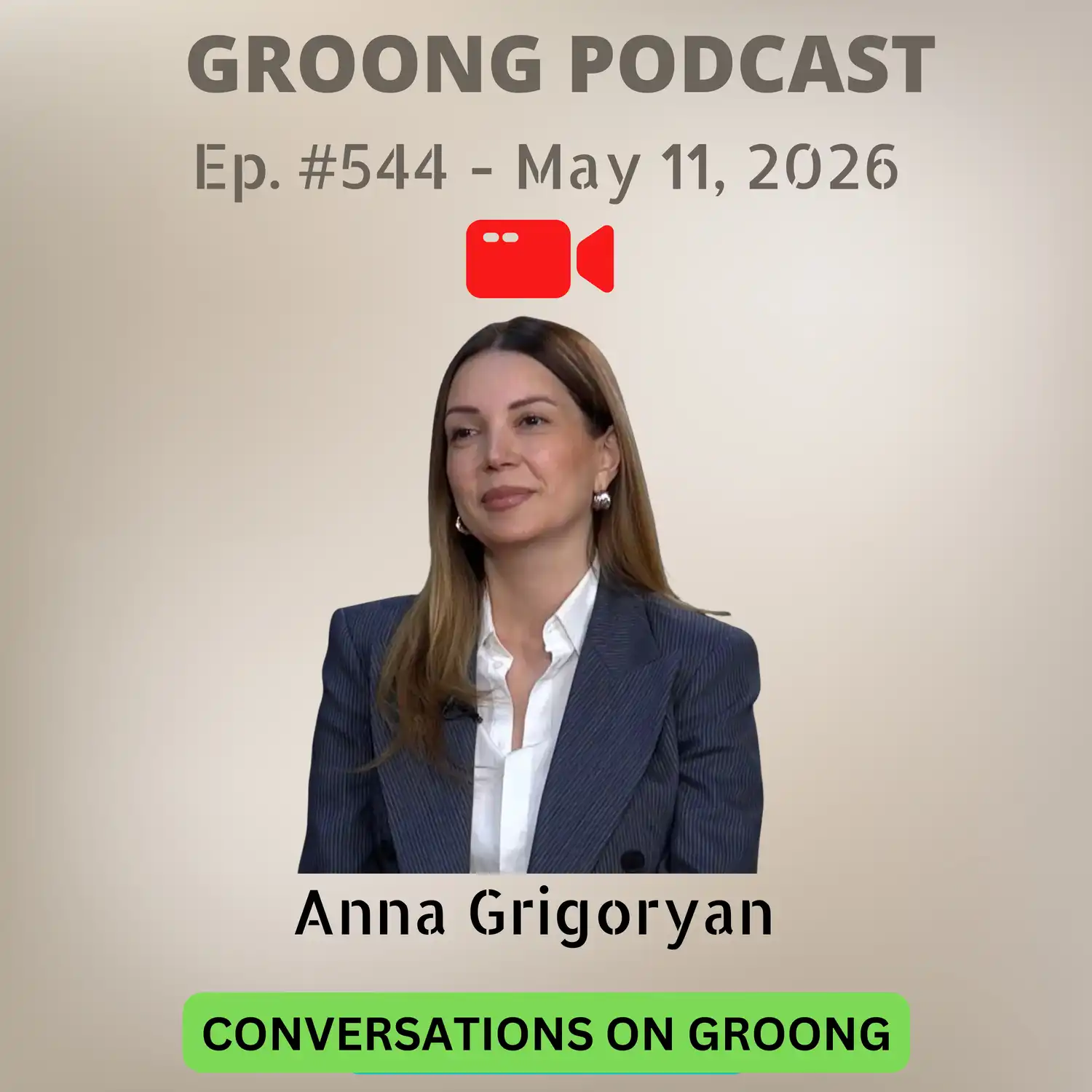
Groong Links:
Guest(s):
Topics:
- Election campaign and opposition strategy
- EPC, EU-Armenia summit, and foreign influence
- Foreign policy, security, and regional risks
- Domestic priorities and election integrity
Episode 544 | Recorded: May 9, 2026
#AnnaGrigoryan #Armenia #ArmenianPolitics #ArmeniaElections #HayastanDashinq #EPCSummit #TRIPP #Artsakh
Anna Grigoryan - Armenia Alliance in the 2026 Armenian Parliamentary Election | Ep 544, May 11, 2026 [EP544]
Posted on Monday, May 11, 2026 | Category: Nagorno Karabakh, Armenia, Azerbaijan, Russia, Iran, European Union, Economy, NATO, Human RightsGroong Links:
Guest(s):
Topics:
- Election campaign and opposition strategy
- EPC, EU-Armenia summit, and foreign influence
- Foreign policy, security, and regional risks
- Domestic priorities and election integrity
Episode 544 | Recorded: May 9, 2026
#AnnaGrigoryan #Armenia #ArmenianPolitics #ArmeniaElections #HayastanDashinq #EPCSummit #TRIPP #Artsakh
EU Interference and Armenia's 2026 Elections | Ep 543, May 10, 2026 [EP543]
Posted on Sunday, May 10, 2026 | Category: Armenia, Politics, Armenian Church, Nagorno Karabakh, Artsakh Blockade, Russia, Azerbaijan, Iran, Turkey, Georgia, Human Rights, NATO, European Union | Series: cog, video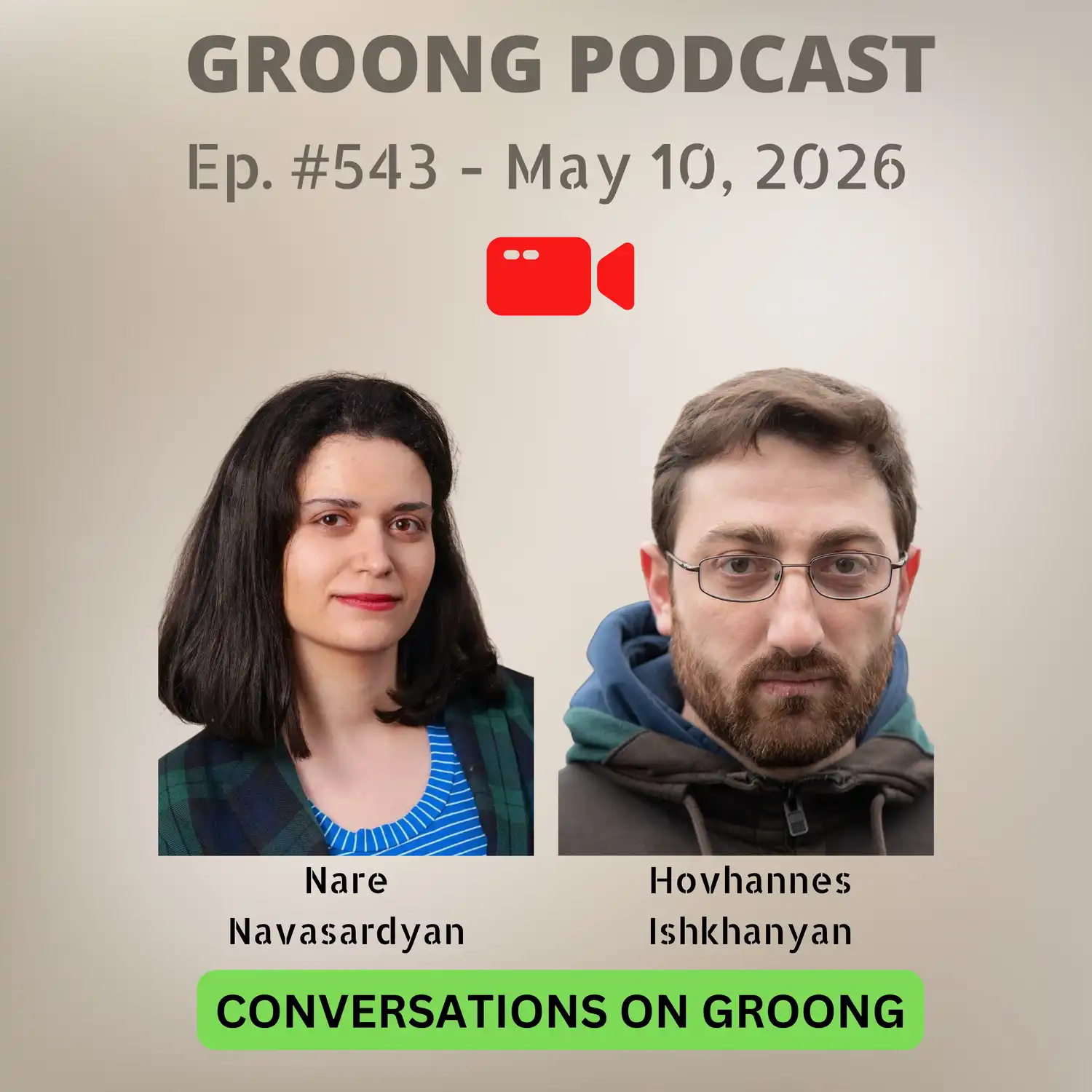
Groong Links:
Guest(s):
Topics:
- EU role in Armenia’s elections
- Fact-checkers and political bias
- Dissent labeled as disinformation
- Lawsuits, pressure, and intimidation
- Censorship and social media control
Episode 543 | Recorded: May 7, 2026
#Armenia #ArmenianElections #EU #Disinformation #FactChecking #Censorship #CivilSociety #FreeSpeech
EU Interference and Armenia's 2026 Elections | Ep 543, May 10, 2026 [EP543]
Posted on Sunday, May 10, 2026 | Category: Armenia, Politics, Armenian Church, Nagorno Karabakh, Artsakh Blockade, Russia, Azerbaijan, Iran, Turkey, Georgia, Human Rights, NATO, European UnionGroong Links:
Guest(s):
Topics:
- EU role in Armenia’s elections
- Fact-checkers and political bias
- Dissent labeled as disinformation
- Lawsuits, pressure, and intimidation
- Censorship and social media control
Episode 543 | Recorded: May 7, 2026
#Armenia #ArmenianElections #EU #Disinformation #FactChecking #Censorship #CivilSociety #FreeSpeech
Transcript: Anna Grigoryan - Armenia Alliance in the 2026 Armenian Parliamentary Election | Ep 544, May 11, 2026 [EP544]
Posted on Monday, May 11, 2026 | Category: Nagorno Karabakh, Armenia, Azerbaijan, Russia, Iran, European Union, Economy, NATO, Human Rights, TranscriptAnna Grigoryan of Hayastan Dashinq (Armenia Alliance) joins Groong to discuss Armenia’s June 7 parliamentary election and the start of the official campaign. The conversation examines the EPC and Armenia-EU summits in Yerevan, EU political and financial support for Pashinyan, Aliyev’s remote demarche, and opposition protests around Artsakh rights, Armenian prisoners, and democratic backsliding. The episode also covers opposition coalition math, Hayastan Dashinq’s 8% bloc threshold, Strong Armenia’s lead among opposition forces, possible post-election governing formulas, Read More
Transcript: EU Interference and Armenia's 2026 Elections | Ep 543, May 10, 2026 [EP543]
Posted on Sunday, May 10, 2026 | Category: Armenia, Politics, Armenian Church, Nagorno Karabakh, Artsakh Blockade, Russia, Azerbaijan, Iran, Turkey, Georgia, Human Rights, NATO, European Union, TranscriptHovhannes Ishkhanyan and Nare Navasardyan discuss the growing role of the EU, fact-checking networks, and counter-disinformation programs in Armenia’s 2026 election environment. The conversation examines claims of foreign interference, the use of “hybrid threats” and “disinformation” labels against domestic dissent, and the political bias of Armenia’s fact-checking ecosystem. The guests also share personal experiences with lawsuits, public confrontation, protest, and censorship, raising broader questions about free speech, election fairness, and the management of Armenia’s information space.
Arega Hovsepyan - June 2026 Parliamentary Election in Armenia | Ep 537, Apr 30, 2026 [EP537]
Posted on Thursday, Apr 30, 2026 | Category: Armenia, Politics, Artsakh, Nagorno Karabakh, Azerbaijan, Human Rights, Armenian News, Russia, Iran | Series: cog, video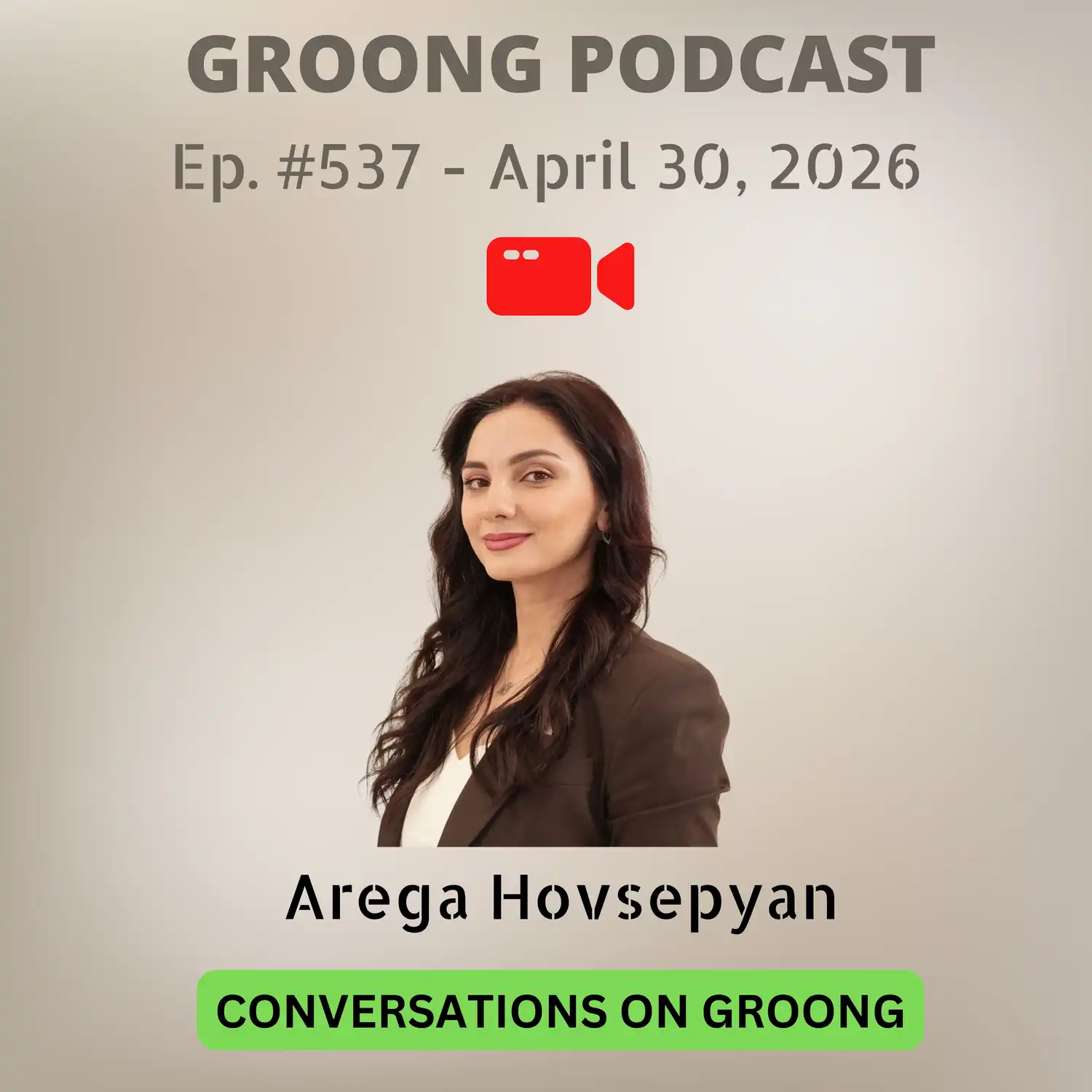
Groong Links:
Guest:
Topics:
- Strong Armenia and election dynamics
- New arrests and political pressure
- Artsakh Armenians and their rights
- TRIPP corridor and regional security
Episode 537 | Recorded: April 27, 2026
#Armenia #Artsakh #StrongArmenia #AregaHovsepyan #ArmenianPolitics #SouthCaucasus #TRIPP #ZangezurCorridor #Geopolitics
Arega Hovsepyan - June 2026 Parliamentary Election in Armenia | Ep 537, Apr 30, 2026 [EP537]
Posted on Thursday, Apr 30, 2026 | Category: Armenia, Politics, Artsakh, Nagorno Karabakh, Azerbaijan, Human Rights, Armenian News, Russia, IranGroong Links:
Guest:
Topics:
- Strong Armenia and election dynamics
- New arrests and political pressure
- Artsakh Armenians and their rights
- TRIPP corridor and regional security
Episode 537 | Recorded: April 27, 2026
#Armenia #Artsakh #StrongArmenia #AregaHovsepyan #ArmenianPolitics #SouthCaucasus #TRIPP #ZangezurCorridor #Geopolitics
Transcript: Arega Hovsepyan - June 2026 Parliamentary Election in Armenia | Ep 537, Apr 30, 2026 [EP537]
Posted on Thursday, Apr 30, 2026 | Category: Armenia, Politics, Artsakh, Nagorno Karabakh, Azerbaijan, Human Rights, Armenian News, Russia, Iran, TranscriptIn this Conversations on Groong episode, we speak with Arega Hovsepyan of the Strong Armenia party about Armenia’s upcoming June 2026 parliamentary elections and the broader political climate. The discussion focuses on recent arrests targeting opposition figures, the situation of displaced Artsakh Armenians, competing narratives around “peace” with Azerbaijan, and the implications of the TRIPP or Zangezur Corridor project. We also examine opposition unity, polling trends, and legal questions surrounding Strong Armenia’s political strategy.
Pietro Shakarian - Iran War, Armenia and Russia, June Parliamentary Elections | Ep 529, Apr 4, 2026 [EP529]
Posted on Saturday, Apr 4, 2026 | Category: Armenia, Iran, Russia, Azerbaijan, Turkey, Israel, Nagorno Karabakh, BRICS, European Union, Ukraine, NATO | Series: cog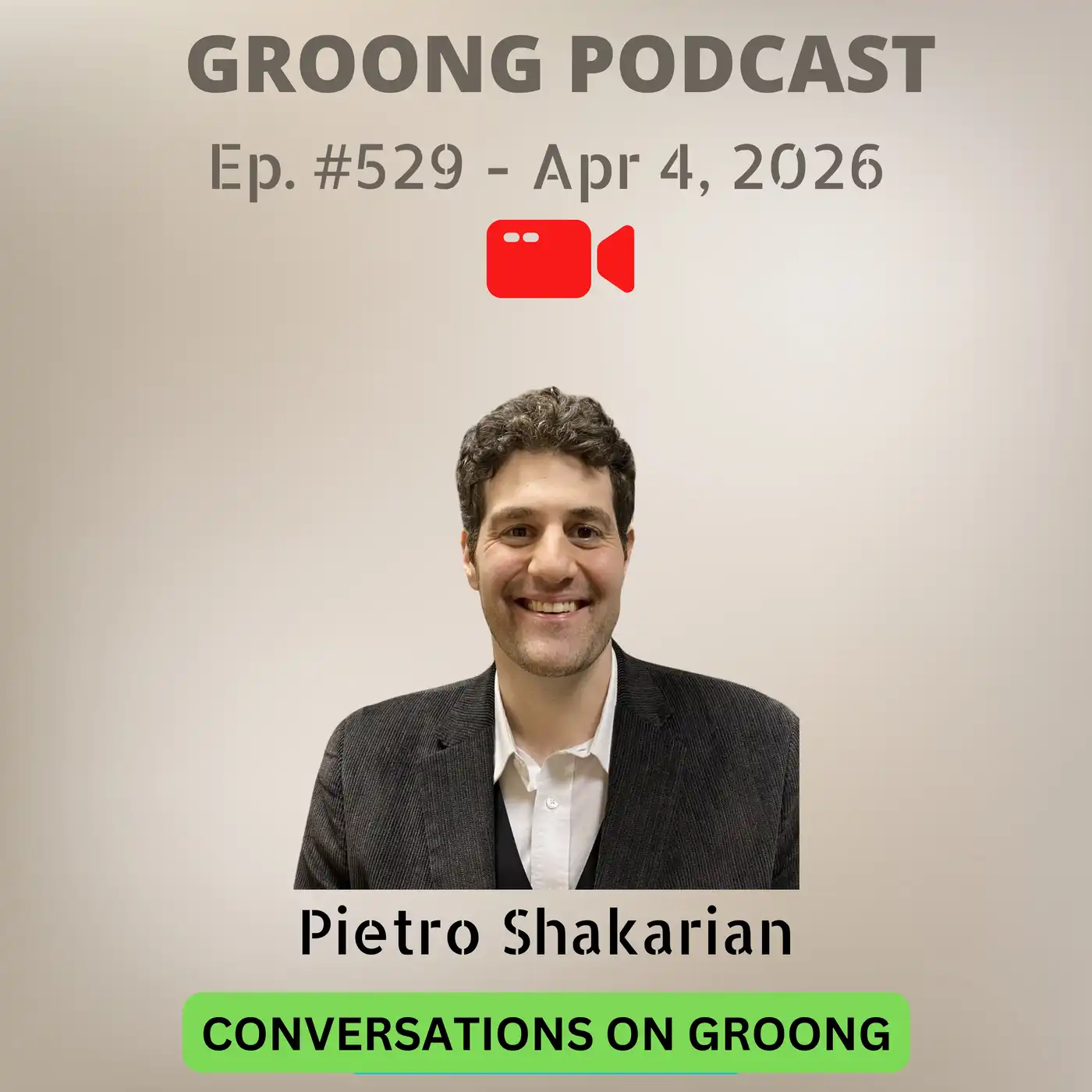
Groong Links:
Guest:
Topics:
- The Iran War and Its Global Impacts
- Armenia-Russia Relations
- Parliamentary Elections in Armenia
Episode 529 | Recorded on April 3, 2026
#IranIsraelWar #IsraelIranConflict #IsraelConflict #Armenia #MiddleEastCrisis #ArmeniaElections #PietroShakarian #TRIPP
Pietro Shakarian - Iran War, Armenia and Russia, June Parliamentary Elections | Ep 529, Apr 4, 2026 [EP529]
Posted on Saturday, Apr 4, 2026 | Category: Armenia, Iran, Russia, Azerbaijan, Turkey, Israel, Nagorno Karabakh, BRICS, European Union, Ukraine, NATOGroong Links:
Guest:
Topics:
- The Iran War and Its Global Impacts
- Armenia-Russia Relations
- Parliamentary Elections in Armenia
Episode 529 | Recorded on April 3, 2026
#IranIsraelWar #IsraelIranConflict #IsraelConflict #Armenia #MiddleEastCrisis #ArmeniaElections #PietroShakarian #TRIPP
Transcript: Pietro Shakarian - Iran War, Armenia and Russia, June Parliamentary Elections | Ep 529, Apr 4, 2026 [EP529]
Posted on Saturday, Apr 4, 2026 | Category: Armenia, Iran, Russia, Azerbaijan, Turkey, Israel, Nagorno Karabakh, BRICS, European Union, Ukraine, NATO, TranscriptDr. Pietro Shakarian joined us to discuss the state of the U.S.-Israel war on Iran, the shrinking chances for a diplomatic off-ramp, and how the conflict is shifting wider Eurasian politics. The conversation then turned to Armenia, including the likely freezing of TRIPP amid the Iran war, Pashinyan’s contentious visit to Moscow, and the deeper low point in Armenia-Russia relations. The final section focused on Armenia’s June parliamentary elections, public sentiment toward Pashinyan, fears over election integrity, and the evolving opposition landscape.
Joel Veldkamp - Christian Solidarity International Visits Armenian Bishops in Jail | Ep 513, Feb 4, 2026 [EP513]
Posted on Wednesday, Feb 4, 2026 | Category: Armenia, Politics, Armenian Church, Artsakh, Nagorno Karabakh, Human Rights, Artsakh Blockade, China, NATO, Iran | Series: cog, video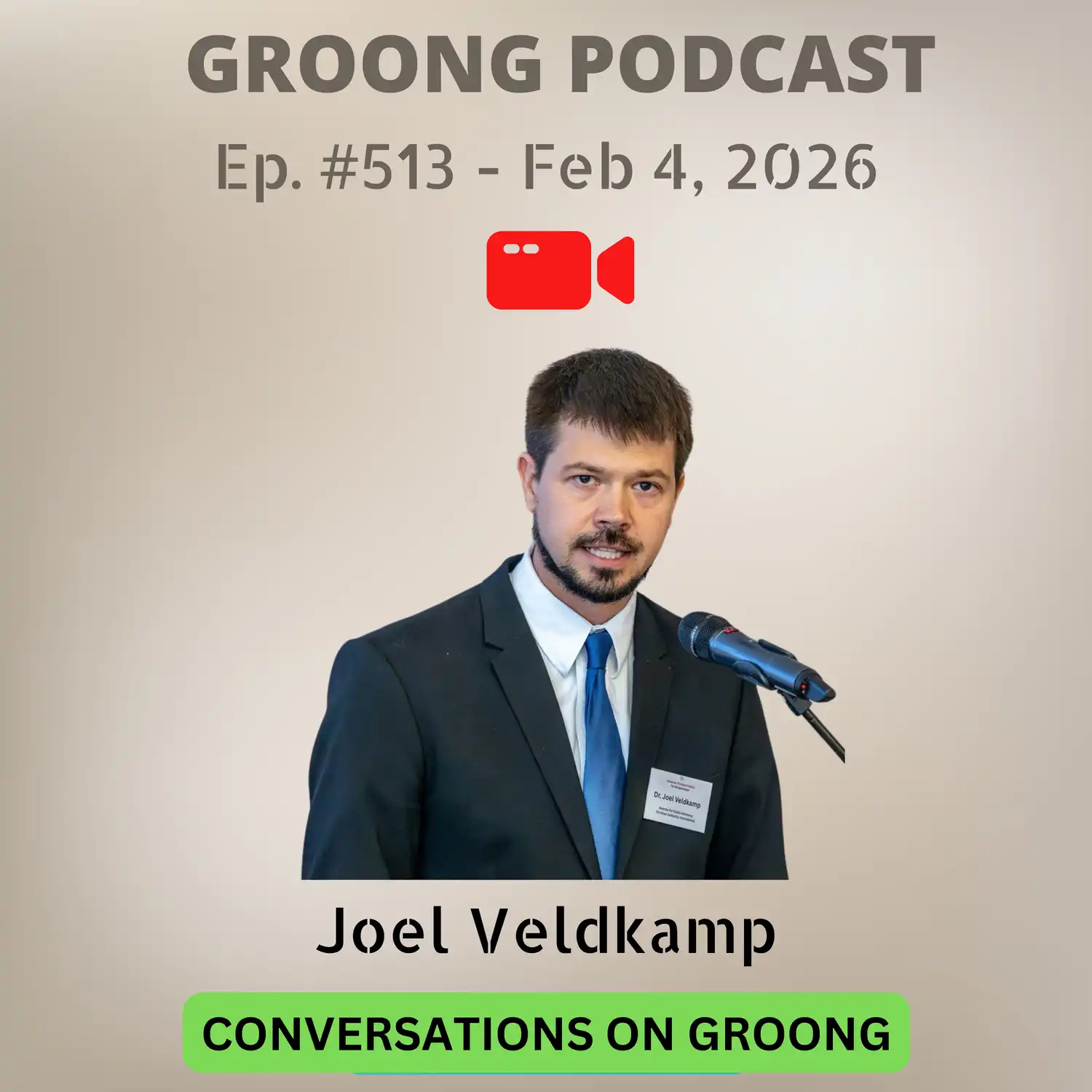
Groong Links:
Guest:
Topics:
- CSI Visits Jailed Cleric
- IRF Summit
- PACE MP Speaks Up
Episode 513 | Recorded: February 3, 2026
#ArmenianChurch #ReligiousFreedom #ClergyArrests #IRFSummit2026 #ChristianSolidarityInternational
Joel Veldkamp - Christian Solidarity International Visits Armenian Bishops in Jail | Ep 513, Feb 4, 2026 [EP513]
Posted on Wednesday, Feb 4, 2026 | Category: Armenia, Politics, Armenian Church, Artsakh, Nagorno Karabakh, Human Rights, Artsakh Blockade, China, NATO, IranGroong Links:
Guest:
Topics:
- CSI Visits Jailed Cleric
- IRF Summit
- PACE MP Speaks Up
Episode 513 | Recorded: February 3, 2026
#ArmenianChurch #ReligiousFreedom #ClergyArrests #IRFSummit2026 #ChristianSolidarityInternational
Kevork Hagopjian - Armenia’s Church-State Showdown | Ep 504, Jan 13, 2026 [EP504]
Posted on Tuesday, Jan 13, 2026 | Category: Armenia, Armenian Church, Politics, Artsakh, Nagorno Karabakh, Artsakh Blockade, Human Rights, Russia, Turkey, Iran, Azerbaijan, Lebanon, NATO, European Union | Series: cog, video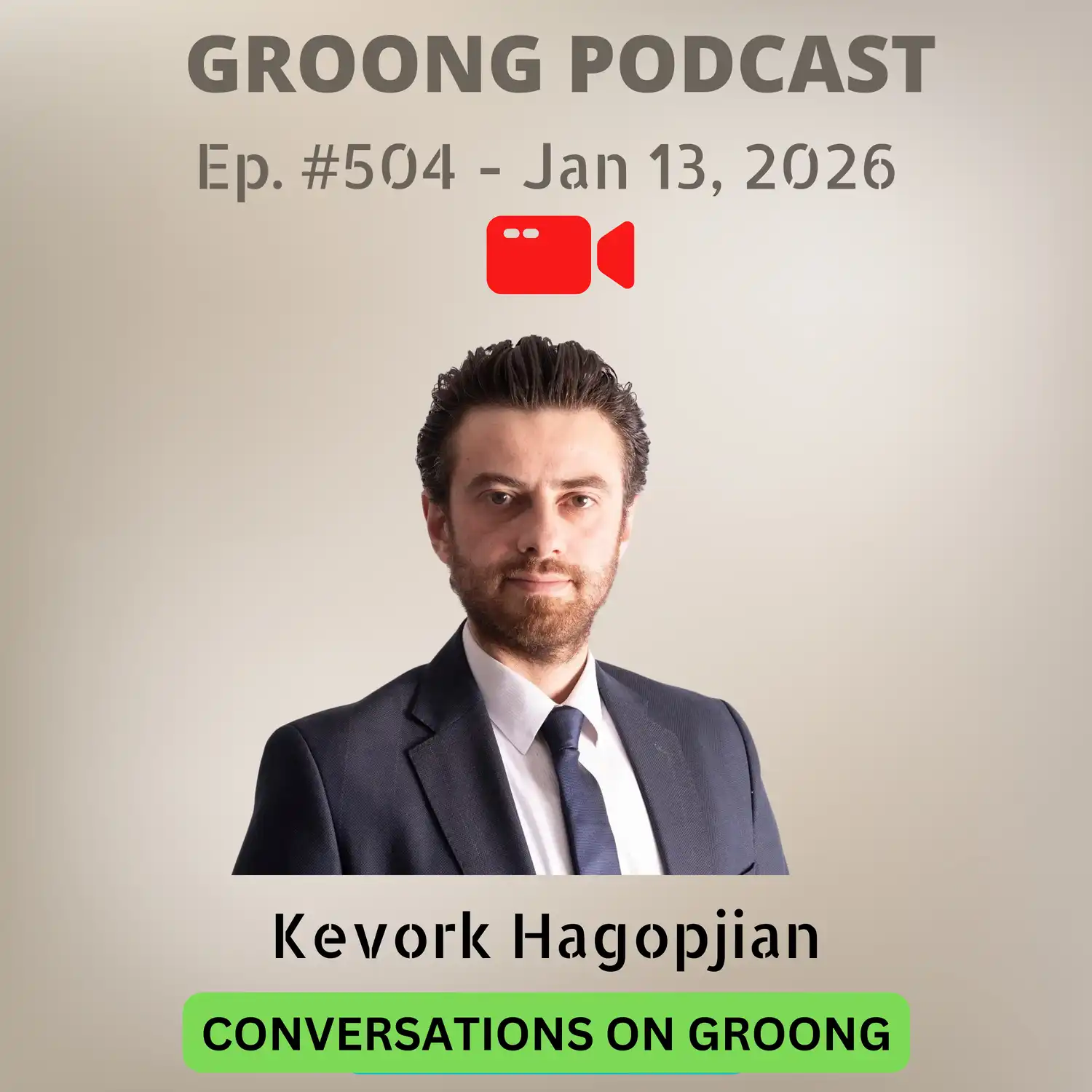
Groong Links:
Guest:
Topics:
- The Legal Architecture: Autonomy, Exclusive Mission, and State Neutrality
- Engineering Parallel, Schismatic Structures
- Criminal Law as Leverage
- Bern in Action and Reaction
- The Deeper Stakes: National Identity
Episode 504 | Recorded: January 12, 2026
#Armenia #ArmenianChurch #Etchmiadzin #HumanRights #ReligiousFreedom
Kevork Hagopjian - Armenia’s Church-State Showdown | Ep 504, Jan 13, 2026 [EP504]
Posted on Tuesday, Jan 13, 2026 | Category: Armenia, Armenian Church, Politics, Artsakh, Nagorno Karabakh, Artsakh Blockade, Human Rights, Russia, Turkey, Iran, Azerbaijan, Lebanon, NATO, European UnionGroong Links:
Guest:
Topics:
- The Legal Architecture: Autonomy, Exclusive Mission, and State Neutrality
- Engineering Parallel, Schismatic Structures
- Criminal Law as Leverage
- Bern in Action and Reaction
- The Deeper Stakes: National Identity
Episode 504 | Recorded: January 12, 2026
#Armenia #ArmenianChurch #Etchmiadzin #HumanRights #ReligiousFreedom
Hrant Mikaelian - Venezuela, Attacks on the Armenian Church Continue, MPG Poll Results | Ep 501, Jan 4, 2026 [EP501]
Posted on Wednesday, Jan 7, 2026 | Category: Armenia, Politics, Poll, Armenian Church, Economy, Azerbaijan, Artsakh, Nagorno Karabakh, BRICS, Russia, China, Geopolitics, Georgia, Human Rights, Iran, NATO, Syria | Series: wir, video
Groong Links:
Guest:
Topics:
- Developments in Venezuela
- Attacks on Armenian Church Continue
- New MPG Poll Results
Episode 501 | Recorded: January 6, 2026
#VenezuelaCrisis #ArmenianChurch #MPGPoll #ArmeniaEconomy #Geopolitics