OSCE Minsk Group
Last updated: May 29, 2026
The OSCE Minsk Group was the international mediation framework established in 1992 to facilitate a peaceful resolution of the Nagorno Karabakh (Artsakh) conflict. Co-chaired by Russia, France, and the United States, it was the primary diplomatic channel for Armenia-Azerbaijan negotiations for nearly three decades until Azerbaijan declared the group obsolete following the 2020 war. Central to the Minsk Group’s mandate was the question of self-determination: the Armenians of Nagorno Karabakh sought recognition of their right to self-determination, and the framework’s ultimate failure to reconcile that claim with Azerbaijan’s insistence on territorial integrity is a key reason no settlement was reached before the outbreak of the 44-Day War .
Groong episodes covering the OSCE Minsk Group examine its history, the reasons its framework ultimately failed to produce a settlement before the outbreak of the 44-Day War, Azerbaijan’s rejection of the group following its 2020 military victory, and the subsequent shift of negotiations to bilateral Armenia-Azerbaijan talks mediated variously by Russia, the European Union, and the United States. The fate of the Minsk Group represents a broader question about the role of multilateral institutions in managing frozen conflicts in the post-Soviet space.
Groong episodes that include this tag
Below are all Groong episodes tagged with OSCE Minsk Group.
Pashinyan's Hate Speech, Threats, and the June 7 Election Climate | Ep 547, May 17, 2026 [EP547]
Posted on Tuesday, May 19, 2026 | Category: Armenia, Politics, Election, Armenian Church, Nagorno Karabakh, Artsakh Blockade, Russia, China, Azerbaijan, Georgia, Iran, NATO | Series: wir, video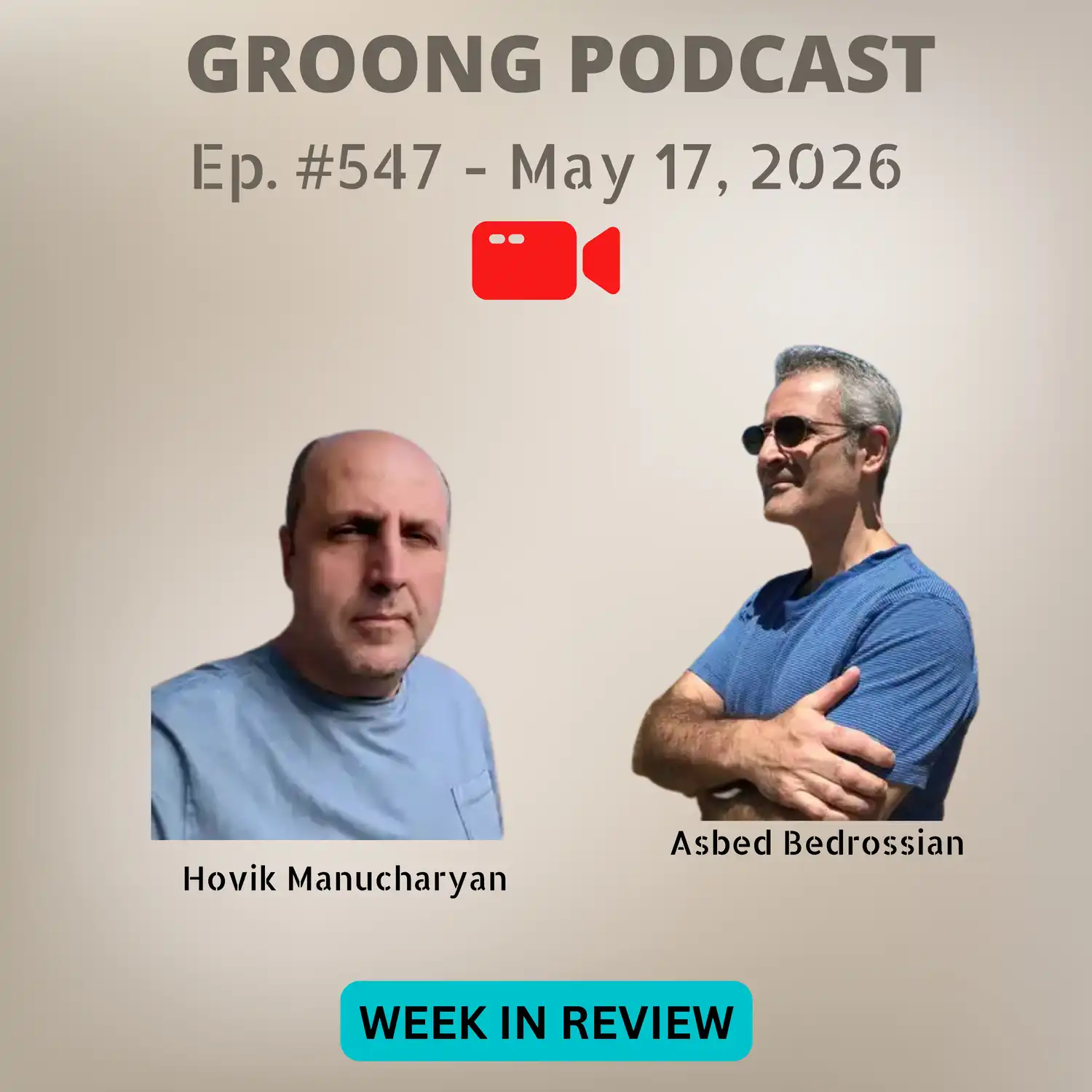
Groong Links:
Topics:
- Trump, China, and Iran
- Armenia-Russia “soft divorce”
- Pashinyan’s violent campaign rhetoric
- State resources and election pressure
- Javakhk church vandalism concerns
Episode 547 | Recorded: May 18, 2026
#Pashinyan #ArmeniaElections #ArmenianPolitics #PoliticalViolence #HateSpeech #ArmeniaRussia #IranWar #SouthCaucasus
Pashinyan's Hate Speech, Threats, and the June 7 Election Climate | Ep 547, May 17, 2026 [EP547]
Posted on Tuesday, May 19, 2026 | Category: Armenia, Politics, Election, Armenian Church, Nagorno Karabakh, Artsakh Blockade, Russia, China, Azerbaijan, Georgia, Iran, NATOGroong Links:
Topics:
- Trump, China, and Iran
- Armenia-Russia “soft divorce”
- Pashinyan’s violent campaign rhetoric
- State resources and election pressure
- Javakhk church vandalism concerns
Episode 547 | Recorded: May 18, 2026
#Pashinyan #ArmeniaElections #ArmenianPolitics #PoliticalViolence #HateSpeech #ArmeniaRussia #IranWar #SouthCaucasus
Transcript: Pashinyan's Hate Speech, Threats, and the June 7 Election Climate | Ep 547, May 17, 2026 [EP547]
Posted on Tuesday, May 19, 2026 | Category: Armenia, Politics, Election, Armenian Church, Nagorno Karabakh, Artsakh Blockade, Russia, China, Azerbaijan, Georgia, Iran, NATO, TranscriptThis Week in Review covers a tense mix of global and Armenian political crises, from Trump’s summit with Xi Jinping and the deepening Iran war, to Armenia’s worsening relations with Russia and the risks to trade, energy, and security ties. Hovik and Asbed also examine Armenia’s heated election climate, including allegations of state pressure, abuse of administrative resources, selective law enforcement, Pashinyan’s violent campaign rhetoric against opposition leaders, and the muted response of international observers. The episode also looks at Robert Kocharyan’s call for major-power guarantees for peace with Azerbaijan, and the vandalism of the Sourp Nshan Armenian Church in Javakhk.
Hrair Balian - From Karabakh to TRIPP: Armenia’s Security Dilemma | Ep 538, May 3, 2026 [EP538]
Posted on Sunday, May 3, 2026 | Category: Armenia, Politics, Artsakh, Nagorno Karabakh, Iran, Israel, Azerbaijan, Turkey, Lebanon, Armenian News, Artsakh Blockade, Russia, Georgia, NATO, Human Rights | Series: cog, video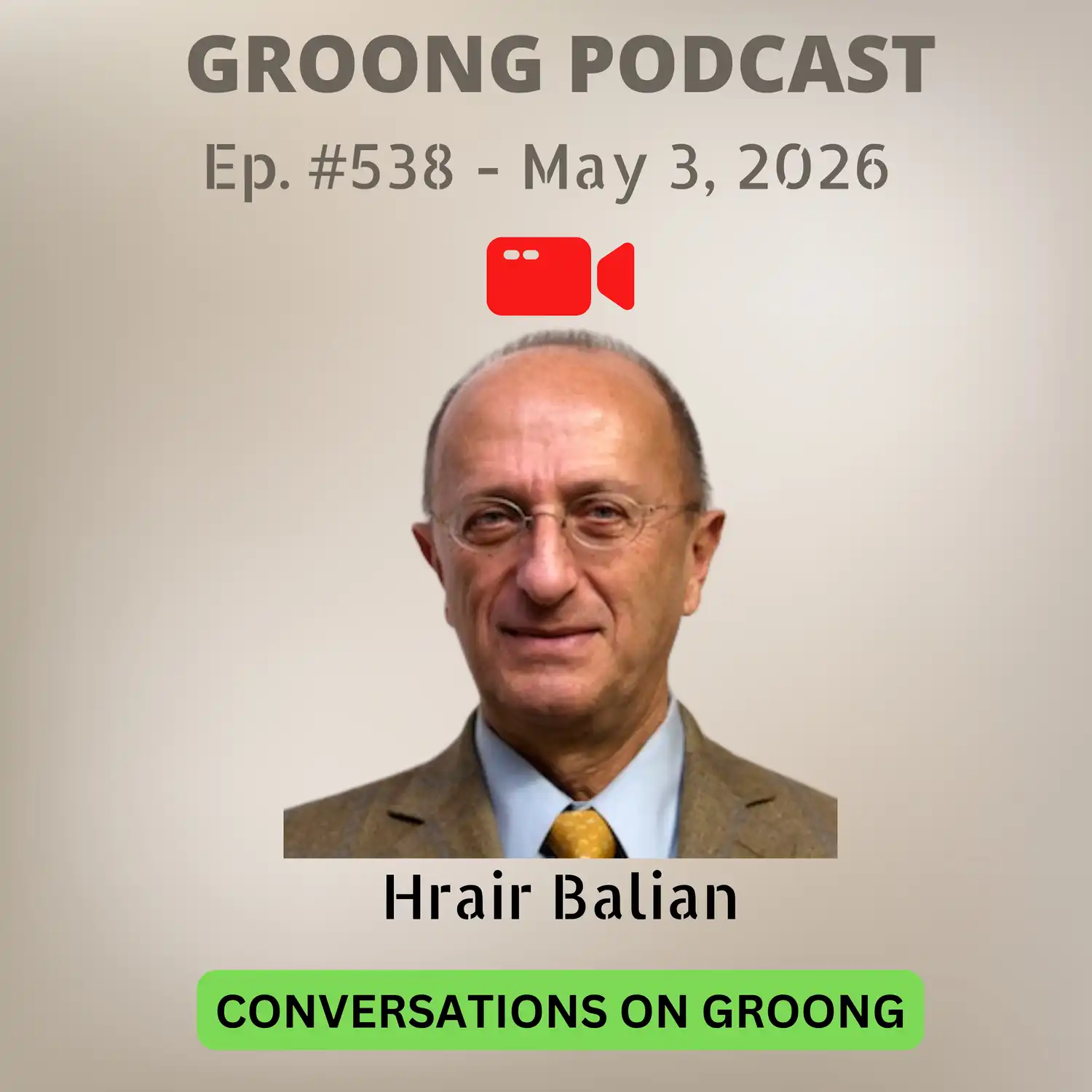
Groong Links:
Guest:
Mr. Balian’s book: https://www.amazon.com/Anatomy-Peacemaking-Nagorno-Karabakh-Opportunities-Rethinking/dp/3032124891
Topics:
- US-Iran war and failed diplomacy
- TRIPP and Armenia’s security risks
- Karabakh negotiations and missed chances
- Pashinyan’s Artsakh policy reversal
- Armenia’s June elections and monitoring
Episode 538 | Recorded: April 30, 2026
#HrairBalian #Groong #Armenia #Artsakh #NagornoKarabakh #TRIPP #ZangezurCorridor #ArmenianElections
Hrair Balian - From Karabakh to TRIPP: Armenia’s Security Dilemma | Ep 538, May 3, 2026 [EP538]
Posted on Sunday, May 3, 2026 | Category: Armenia, Politics, Artsakh, Nagorno Karabakh, Iran, Israel, Azerbaijan, Turkey, Lebanon, Armenian News, Artsakh Blockade, Russia, Georgia, NATO, Human RightsGroong Links:
Guest:
Mr. Balian’s book: https://www.amazon.com/Anatomy-Peacemaking-Nagorno-Karabakh-Opportunities-Rethinking/dp/3032124891
Topics:
- US-Iran war and failed diplomacy
- TRIPP and Armenia’s security risks
- Karabakh negotiations and missed chances
- Pashinyan’s Artsakh policy reversal
- Armenia’s June elections and monitoring
Episode 538 | Recorded: April 30, 2026
#HrairBalian #Groong #Armenia #Artsakh #NagornoKarabakh #TRIPP #ZangezurCorridor #ArmenianElections
Transcript: Hrair Balian - From Karabakh to TRIPP: Armenia’s Security Dilemma | Ep 538, May 3, 2026 [EP538]
Posted on Sunday, May 3, 2026 | Category: Armenia, Politics, Artsakh, Nagorno Karabakh, Iran, Israel, Azerbaijan, Turkey, Lebanon, Armenian News, Artsakh Blockade, Russia, Georgia, NATO, Human Rights, TranscriptHrair Balian joins us to discuss his book Anatomy of Peacemaking: Nagorno Karabakh Conflict & Missed Opportunities, the failure of diplomacy around Artsakh, and what Armenia should learn from the long collapse of the peace process. The conversation also looks at the Iran war, US and Israeli goals in the region, the TRIPP/Zangezur Corridor and its security impact on Armenia, and the role of outside powers in shaping outcomes in the South Caucasus. The episode closes with a discussion of Armenia’s June parliamentary elections, opposition repression, election monitoring, and whether international observers will judge the vote by facts on the ground or political convenience.
Arega Hovsepyan - June 2026 Parliamentary Election in Armenia | Ep 537, Apr 30, 2026 [EP537]
Posted on Thursday, Apr 30, 2026 | Category: Armenia, Politics, Artsakh, Nagorno Karabakh, Azerbaijan, Human Rights, Armenian News, Russia, Iran | Series: cog, video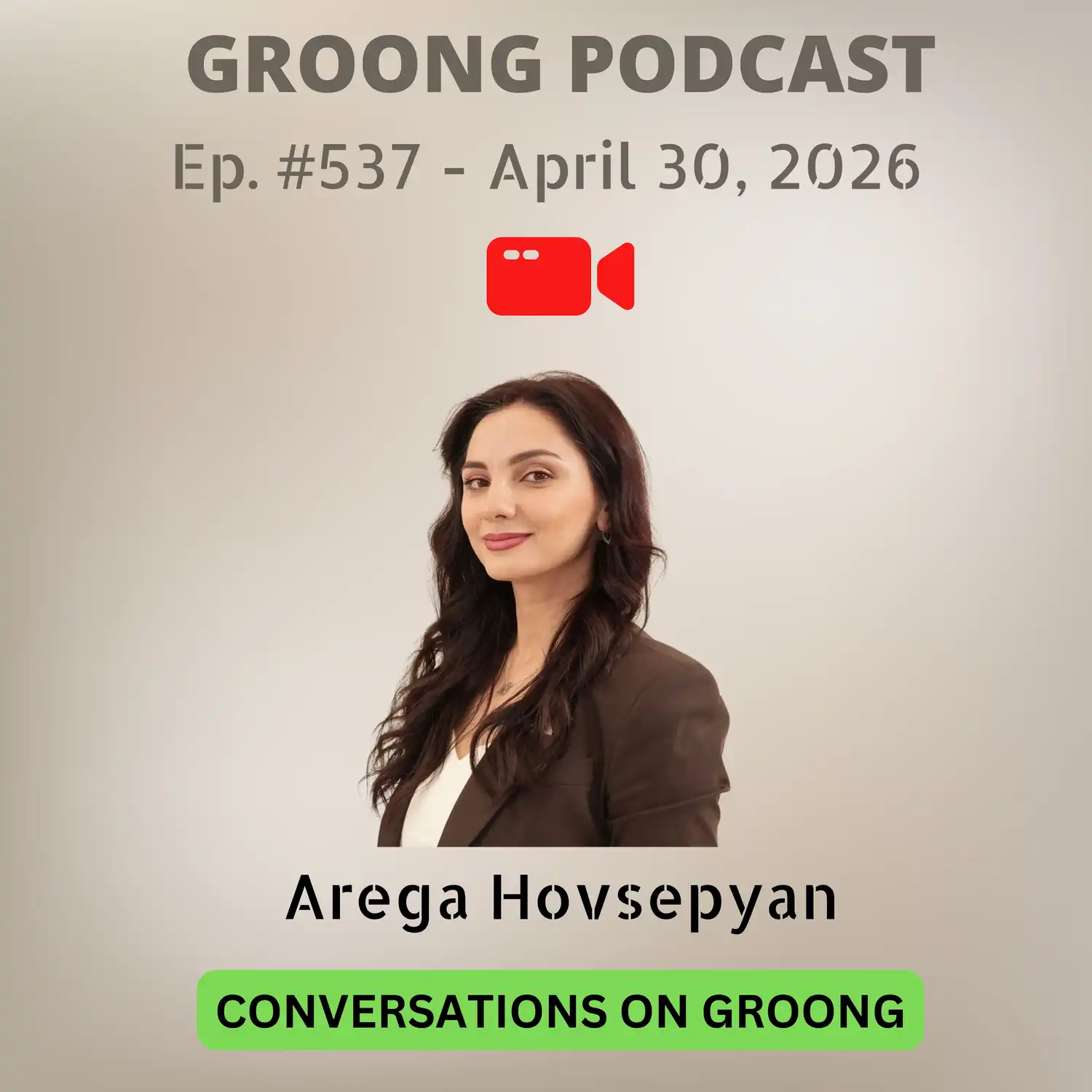
Groong Links:
Guest:
Topics:
- Strong Armenia and election dynamics
- New arrests and political pressure
- Artsakh Armenians and their rights
- TRIPP corridor and regional security
Episode 537 | Recorded: April 27, 2026
#Armenia #Artsakh #StrongArmenia #AregaHovsepyan #ArmenianPolitics #SouthCaucasus #TRIPP #ZangezurCorridor #Geopolitics
Arega Hovsepyan - June 2026 Parliamentary Election in Armenia | Ep 537, Apr 30, 2026 [EP537]
Posted on Thursday, Apr 30, 2026 | Category: Armenia, Politics, Artsakh, Nagorno Karabakh, Azerbaijan, Human Rights, Armenian News, Russia, IranGroong Links:
Guest:
Topics:
- Strong Armenia and election dynamics
- New arrests and political pressure
- Artsakh Armenians and their rights
- TRIPP corridor and regional security
Episode 537 | Recorded: April 27, 2026
#Armenia #Artsakh #StrongArmenia #AregaHovsepyan #ArmenianPolitics #SouthCaucasus #TRIPP #ZangezurCorridor #Geopolitics
Transcript: Arega Hovsepyan - June 2026 Parliamentary Election in Armenia | Ep 537, Apr 30, 2026 [EP537]
Posted on Thursday, Apr 30, 2026 | Category: Armenia, Politics, Artsakh, Nagorno Karabakh, Azerbaijan, Human Rights, Armenian News, Russia, Iran, TranscriptIn this Conversations on Groong episode, we speak with Arega Hovsepyan of the Strong Armenia party about Armenia’s upcoming June 2026 parliamentary elections and the broader political climate. The discussion focuses on recent arrests targeting opposition figures, the situation of displaced Artsakh Armenians, competing narratives around “peace” with Azerbaijan, and the implications of the TRIPP or Zangezur Corridor project. We also examine opposition unity, polling trends, and legal questions surrounding Strong Armenia’s political strategy.
Groong Links:
Guest:
Topics:
- Defining the “Canceling Russia” phenomenon
- The “cancel Russia” lobby
- Containment shifts to coercive transformation
- Russian Orthodox Church as battleground
- Kremlin “towers” and civilizational logic
Episode 514 | Recorded: February 4, 2026
#CancelingRussia #RussianForeignPolicy #UkraineWar #StateCivilization #TowersOfTheKremlin #RussianOrthodoxChurch
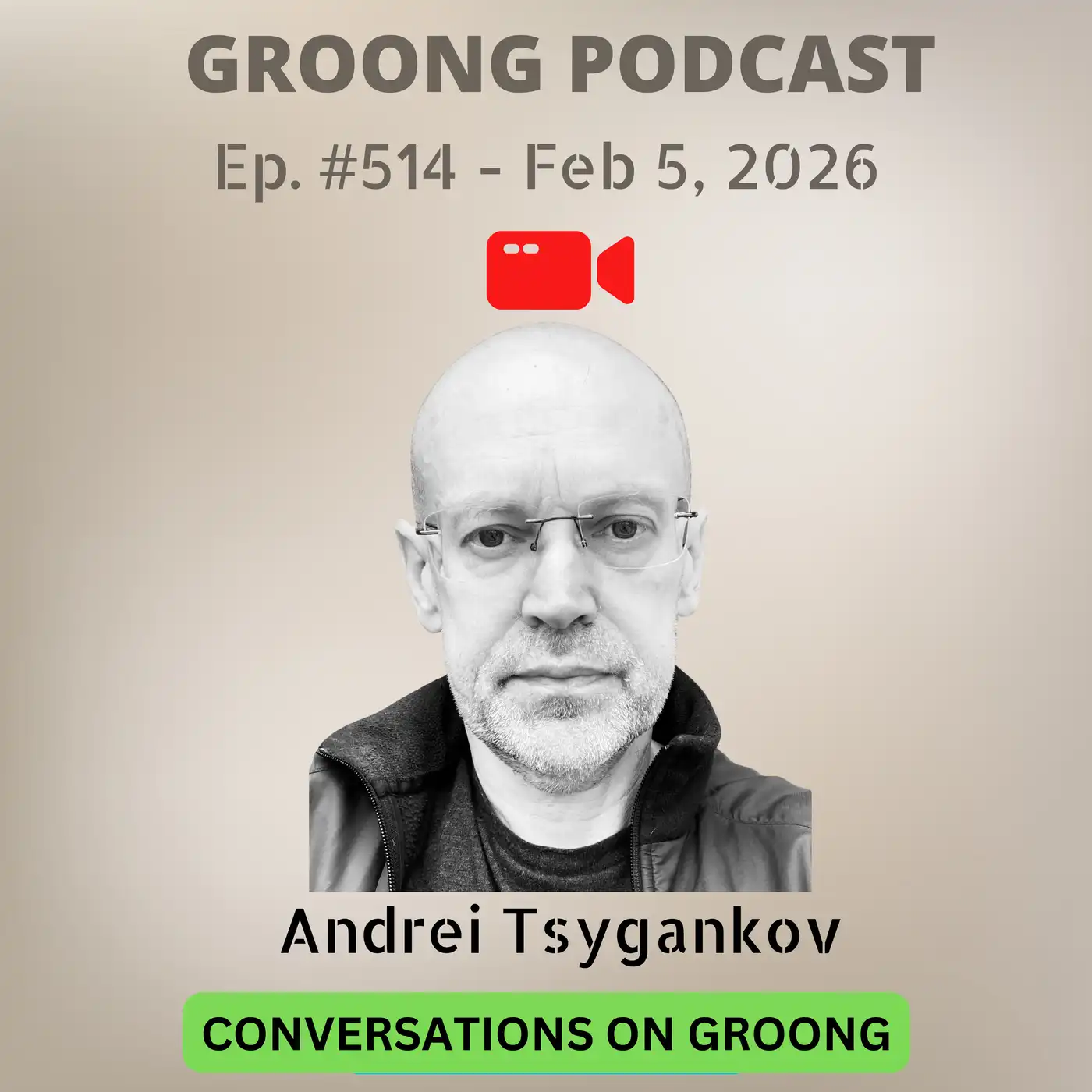
Andrei Tsygankov - Canceling Russia and The Towers of the Kremlin | Ep 514, Feb 5, 2026 [EP514]
Posted on Thursday, Feb 5, 2026 | Category: Russia, Politics, Geopolitics, BRICS, Ukraine, Economy, NATO, Armenia, Georgia, China, European Union, Iran, IsraelGroong Links:
Guest:
Topics:
- Defining the “Canceling Russia” phenomenon
- The “cancel Russia” lobby
- Containment shifts to coercive transformation
- Russian Orthodox Church as battleground
- Kremlin “towers” and civilizational logic
Episode 514 | Recorded: February 4, 2026
#CancelingRussia #RussianForeignPolicy #UkraineWar #StateCivilization #TowersOfTheKremlin #RussianOrthodoxChurch
Benyamin Poghosyan - Pashinyan War on Armenian Church, EU-Armenia, Artsakh, Arar Poll | Ep 494, Sep 25, 2025 [EP494]
Posted on Tuesday, Dec 9, 2025 | Category: Armenia, Politics, Artsakh, Poll, Nagorno Karabakh, Azerbaijan, Georgia, Armenian Church, Russia, European Union, Turkey, Ukraine, Iran, India | Series: video, wir
Groong Links:
Guest:
Topics:
- 1988 Earthquake Remembered
- Pashinyanâs War on the Armenian Church
- EU-Armenia Relations
- Nagorno-Karabakh Negotiation Documents
- ARAR Foundation Poll
Episode 494 | Recorded: December 8, 2025
#ArmenianChurch #NSS #Pashinyan #ArarPoll #ArmeniaEU
Benyamin Poghosyan - Pashinyan War on Armenian Church, EU-Armenia, Artsakh, Arar Poll | Ep 494, Sep 25, 2025 [EP494]
Posted on Tuesday, Dec 9, 2025 | Category: Armenia, Politics, Artsakh, Poll, Nagorno Karabakh, Azerbaijan, Georgia, Armenian Church, Russia, European Union, Turkey, Ukraine, Iran, IndiaGroong Links:
Guest:
Topics:
- 1988 Earthquake Remembered
- Pashinyanâs War on the Armenian Church
- EU-Armenia Relations
- Nagorno-Karabakh Negotiation Documents
- ARAR Foundation Poll
Episode 494 | Recorded: December 8, 2025
#ArmenianChurch #NSS #Pashinyan #ArarPoll #ArmeniaEU
Arthur Khachikyan - OSCE MG Dissolved, Libaridian on Submission, New Constitution, Armenian Church, Prayer Breakfast, Border Commissions meet in Baku | Ep 493, Nov 30, 2025 [EP493]
Posted on Wednesday, Dec 3, 2025 | Category: Armenia, Politics, Nagorno Karabakh, Artsakh, Azerbaijan, Armenian Genocide, Armenian Church, Turkey, Russia, Genocide, Iran, Israel, Middle East, China, NATO | Series: wir, video
Groong Links:
Guest:
Topics:
- OSCE MG Dissolved
- Libaridian on Submitting to Turkey and Azerbaijan
- News Constitution to be Drafted by March 2026
- Archbishops, Letters, Attacks on the Church
- Border Commissions Meet in Baku
- Comments from Jacob Pursley
Episode 493 | Recorded: December 2, 2025
Arthur Khachikyan - OSCE MG Dissolved, Libaridian on Submission, New Constitution, Armenian Church, Prayer Breakfast, Border Commissions meet in Baku | Ep 493, Nov 30, 2025 [EP493]
Posted on Wednesday, Dec 3, 2025 | Category: Armenia, Politics, Nagorno Karabakh, Artsakh, Azerbaijan, Armenian Genocide, Armenian Church, Turkey, Russia, Genocide, Iran, Israel, Middle East, China, NATOGroong Links:
Guest:
Topics:
- OSCE MG Dissolved
- Libaridian on Submitting to Turkey and Azerbaijan
- News Constitution to be Drafted by March 2026
- Archbishops, Letters, Attacks on the Church
- Border Commissions Meet in Baku
- Comments from Jacob Pursley
Episode 493 | Recorded: December 2, 2025
Hrant Mikaelian - Ukraine Talks, Armenia’s Crackdowns, and Rising Tensions | Ep 488, Nov 23, 2025 [EP488]
Posted on Wednesday, Nov 26, 2025 | Category: Armenia, Politics, Russia, Ukraine, Turkey, Georgia, Azerbaijan, Armenian Church, China, Economy, Iran, Middle East, Artsakh, Human Rights, Genocide, Nagorno Karabakh, European Union, NATO | Series: wir, video
Groong Links:
Guest:
Topics:
- High-Stakes Ukraine Talks
- Armeniaâs Growing Political Detentions
- Pashinyan Honored In Kazakhstan
- Rising Pressure On The Church
- Impeachment vs. Elections
- Pashinyan Seizes Power Grid
Episode 488 | Recorded: November 24, 2025
Hrant Mikaelian - Ukraine Talks, Armenia’s Crackdowns, and Rising Tensions | Ep 488, Nov 23, 2025 [EP488]
Posted on Wednesday, Nov 26, 2025 | Category: Armenia, Politics, Russia, Ukraine, Turkey, Georgia, Azerbaijan, Armenian Church, China, Economy, Iran, Middle East, Artsakh, Human Rights, Genocide, Nagorno Karabakh, European Union, NATOGroong Links:
Guest:
Topics:
- High-Stakes Ukraine Talks
- Armeniaâs Growing Political Detentions
- Pashinyan Honored In Kazakhstan
- Rising Pressure On The Church
- Impeachment vs. Elections
- Pashinyan Seizes Power Grid
Episode 488 | Recorded: November 24, 2025
Arthur Martirosyan - 44 Day War, Ukraine, Iran-Israel, Sargsyan and Kocharyan Interviews, Narek Karapetyan on Tucker Carlson | Ep 484, Nov 9, 2025 [EP484]
Posted on Tuesday, Nov 11, 2025 | Category: Armenia, Politics, Artsakh, Nagorno Karabakh, Azerbaijan, Turkey, Russia, Iran, Israel, Ukraine, Middle East, NATO, Georgia, European Union | Series: wir, video
Groong Links:
Guest:
Topics:
- Nov 9: 44-Day War 5 years Hence
- Ukraine and Iran-Israel Conflicts
- Pres. Serge Sargsyanâs Interview
- Pres. Robert Kocharyanâs Interview
- Narek Karapetyan on Tucker Carlson
Episode 484 | Recorded: November 10, 2025
Arthur Martirosyan - 44 Day War, Ukraine, Iran-Israel, Sargsyan and Kocharyan Interviews, Narek Karapetyan on Tucker Carlson | Ep 484, Nov 9, 2025 [EP484]
Posted on Tuesday, Nov 11, 2025 | Category: Armenia, Politics, Artsakh, Nagorno Karabakh, Azerbaijan, Turkey, Russia, Iran, Israel, Ukraine, Middle East, NATO, Georgia, European UnionGroong Links:
Guest:
Topics:
- Nov 9: 44-Day War 5 years Hence
- Ukraine and Iran-Israel Conflicts
- Pres. Serge Sargsyanâs Interview
- Pres. Robert Kocharyanâs Interview
- Narek Karapetyan on Tucker Carlson
Episode 484 | Recorded: November 10, 2025
Hrant Mikaelian - OTS & CIS summits, Trump-Aliyev Tensions, Armenia Opposition Gears up for 2026 | Ep 478, Oct 12, 2025 [EP478]
Posted on Tuesday, Oct 14, 2025 | Category: Armenia, Politics, Artsakh, Nagorno Karabakh, Azerbaijan, Turkey, Russia, Artsakh Blockade, European Union, China | Series: wir, video
Groong Links:
Guest:
Topics:
- Aliyev pushes âZangezur Corridorâ at OTS
- Pashinyan pitches âTrump Routeâ at CIS
- PutinâAliyev meeting eases tensions
- Armeniaâs opposition gears up for 2026
Episode 478 | Recorded: October 14, 2025
Hrant Mikaelian - OTS & CIS summits, Trump-Aliyev Tensions, Armenia Opposition Gears up for 2026 | Ep 478, Oct 12, 2025 [EP478]
Posted on Tuesday, Oct 14, 2025 | Category: Armenia, Politics, Artsakh, Nagorno Karabakh, Azerbaijan, Turkey, Russia, Artsakh Blockade, European Union, ChinaGroong Links:
Guest:
Topics:
- Aliyev pushes âZangezur Corridorâ at OTS
- Pashinyan pitches âTrump Routeâ at CIS
- PutinâAliyev meeting eases tensions
- Armeniaâs opposition gears up for 2026
Episode 478 | Recorded: October 14, 2025
Dziunik Aghajanian - Trump, Aliyev, Pashinyan Oval Office Meeting and Reactions | Ep 459, Aug 10, 2025 [EP459]
Posted on Tuesday, Aug 12, 2025 | Category: Armenia, Politics, Iran, Nagorno Karabakh, Azerbaijan, Turkey, USA, Russia, BRICS, Genocide, China, Economy, Israel, Ukraine, Human Rights, Lebanon, Middle East, Syria | Series: wir, video
Groong Links:
Guest:
Topics:
- Trump, Aliyev, Pashinyan Meeting
- Iranian Reaction
- Russian Reaction
Episode 459 | Recorded: August 11, 2025
Dziunik Aghajanian - Trump, Aliyev, Pashinyan Oval Office Meeting and Reactions | Ep 459, Aug 10, 2025 [EP459]
Posted on Tuesday, Aug 12, 2025 | Category: Armenia, Politics, Iran, Nagorno Karabakh, Azerbaijan, Turkey, USA, Russia, BRICS, Genocide, China, Economy, Israel, Ukraine, Human Rights, Lebanon, Middle East, SyriaGroong Links:
Guest:
Topics:
- Trump, Aliyev, Pashinyan Meeting
- Iranian Reaction
- Russian Reaction
Episode 459 | Recorded: August 11, 2025
Stanislav Krapivnik - The Evolving World Order, Russia, and the South Caucasus | Ep 458, Aug 9, 2025 [EP458]
Posted on Sunday, Aug 10, 2025 | Category: Georgia, Politics, Ukraine, Artsakh, Nagorno Karabakh, Armenia, Azerbaijan, Armenian Church, Russia, Iran, NATO, Turkey, Economy, Israel | Series: cog, video
Groong Links:
Guest:
Topics:
- Trump, Pashinyan, Aliyev DC Summit
- Ukraine War and the Shifting World Order
- Russia and the South Caucasus
Episode 458 | Recorded: August 9, 2025
Stanislav Krapivnik - The Evolving World Order, Russia, and the South Caucasus | Ep 458, Aug 9, 2025 [EP458]
Posted on Sunday, Aug 10, 2025 | Category: Georgia, Politics, Ukraine, Artsakh, Nagorno Karabakh, Armenia, Azerbaijan, Armenian Church, Russia, Iran, NATO, Turkey, Economy, IsraelGroong Links:
Guest:
Topics:
- Trump, Pashinyan, Aliyev DC Summit
- Ukraine War and the Shifting World Order
- Russia and the South Caucasus
Episode 458 | Recorded: August 9, 2025
Transcript: Stanislav Krapivnik - The Evolving World Order, Russia, and the South Caucasus | Ep 458, Aug 9, 2025 [EP458]
Posted on Sunday, Aug 10, 2025 | Category: Georgia, Politics, Ukraine, Artsakh, Nagorno Karabakh, Armenia, Azerbaijan, Armenian Church, Russia, Iran, NATO, Turkey, Economy, Israel, TranscriptIn this episode, former U.S. Army officer and military-political analyst Stanislav Krapivnik discusses the geopolitical fallout from the Trump-Pashinyan-Aliyev summit in Washington, which saw the announcement of a “peace” framework, the dissolution of the OSCE Minsk Group, U.S. plans for a 99-year “Trump Corridor” across Armenia, and the dropping of Section 907 to allow arms sales to Azerbaijan. He examines Russia’s heavy focus on the Ukraine war at the expense of the South Caucasus, the loss of Russian leverage over Armenia and Azerbaijan, and the growing role of Turkey. Krapivnik warns of Read More
Arthur Khachatryan - Artsakh Negotiations, Armenian Domestic Politics | Ep 455, Jul 27, 2025 [EP455]
Posted on Sunday, Jul 27, 2025 | Category: Georgia, Politics, Artsakh, Nagorno Karabakh, Azerbaijan, Armenian Church, Armenia, Russia, Turkey, Human Rights, Ukraine, Genocide | Series: cog
Groong Links:
Guest:
- Arthur Khachatryan , MP
Topics:
- Artsakh Negotiations
- Armenian Domestic Politics
Episode 455 | Recorded: July 25, 2025
Arthur Khachatryan - Artsakh Negotiations, Armenian Domestic Politics | Ep 455, Jul 27, 2025 [EP455]
Posted on Sunday, Jul 27, 2025 | Category: Georgia, Politics, Artsakh, Nagorno Karabakh, Azerbaijan, Armenian Church, Armenia, Russia, Turkey, Human Rights, Ukraine, GenocideGroong Links:
Guest:
- Arthur Khachatryan , MP
Topics:
- Artsakh Negotiations
- Armenian Domestic Politics
Episode 455 | Recorded: July 25, 2025
Hrant Mikaelian - Tirana, Lavrov, Armenian Un-Democracy, Demilitarization, and More | Ep 438, May 18, 2025 [EP438]
Posted on Friday, May 23, 2025 | Category: Armenia, Politics, Vatican, Artsakh, Nagorno Karabakh, Azerbaijan, Turkey, Russia, Iran, Ukraine, India, European Union, Israel, Genocide, Georgia | Series: wir
Groong Links:
Guest:
Topics:
- Pashinyan in Tirana
- Russiaâs Lavrov in Yerevan
- Democracy in Jeopardy
- Armeniaâs Demilitarization by Any Other Name
- The Kitchen Sink
Episode 438 | Recorded: May 21, 2025
Hrant Mikaelian - Tirana, Lavrov, Armenian Un-Democracy, Demilitarization, and More | Ep 438, May 18, 2025 [EP438]
Posted on Friday, May 23, 2025 | Category: Armenia, Politics, Vatican, Artsakh, Nagorno Karabakh, Azerbaijan, Turkey, Russia, Iran, Ukraine, India, European Union, Israel, Genocide, GeorgiaGroong Links:
Guest:
Topics:
- Pashinyan in Tirana
- Russiaâs Lavrov in Yerevan
- Democracy in Jeopardy
- Armeniaâs Demilitarization by Any Other Name
- The Kitchen Sink
Episode 438 | Recorded: May 21, 2025
Arthur G Martirosyan - Victory Day, India Pakistan, Armenia Azerbaijan, Pope Leo XIV | Ep 435, May 11, 2025 [EP435]
Posted on Wednesday, May 14, 2025 | Category: Armenia, Politics, Russia, Azerbaijan, Armenian Genocide, Armenian Church, India, Turkey, China, Genocide, Ukraine, Israel, Iran, Economy, Georgia | Series: wir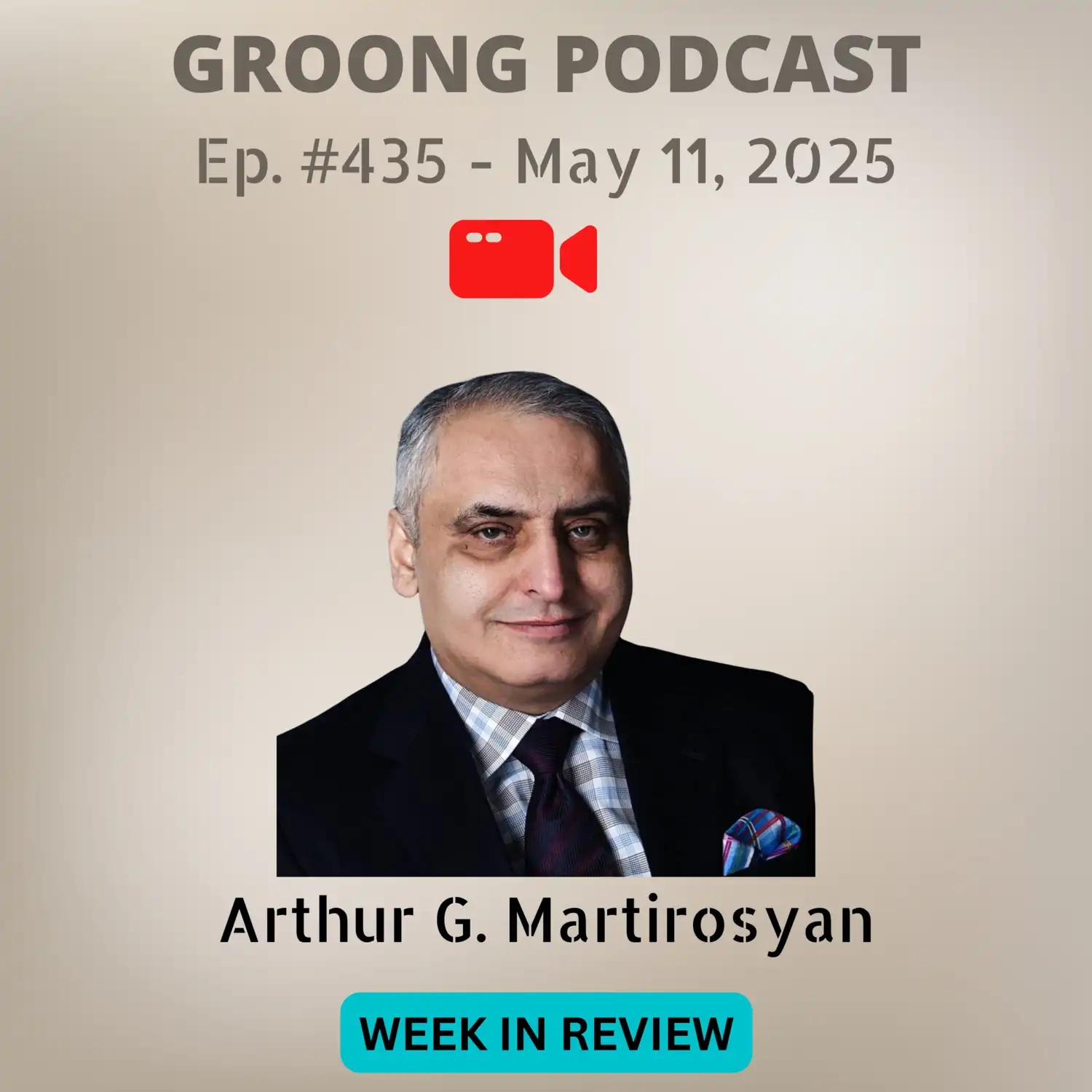
Groong Links:
Guest:
Topics:
- May 9 Victory Parade
- Ukraine
- India and Pakistan
- Armenian Azerbaijani Talks
- American Pope
Episode 435 | Recorded: May 12, 2025
Arthur G Martirosyan - Victory Day, India Pakistan, Armenia Azerbaijan, Pope Leo XIV | Ep 435, May 11, 2025 [EP435]
Posted on Wednesday, May 14, 2025 | Category: Armenia, Politics, Russia, Azerbaijan, Armenian Genocide, Armenian Church, India, Turkey, China, Genocide, Ukraine, Israel, Iran, Economy, GeorgiaGroong Links:
Guest:
Topics:
- May 9 Victory Parade
- Ukraine
- India and Pakistan
- Armenian Azerbaijani Talks
- American Pope
Episode 435 | Recorded: May 12, 2025
Benyamin Poghosyan - US-Iran Tensions, Armenia-Azerbaijan, Victory Day, Journalist Assaulted | Ep 434, May 4, 2025 [EP434]
Posted on Wednesday, May 7, 2025 | Category: Armenia, Politics, Iran, Geopolitics, Artsakh, Nagorno Karabakh, Azerbaijan, Georgia, Turkey, Russia, Israel, China, Ukraine, Syria | Series: wir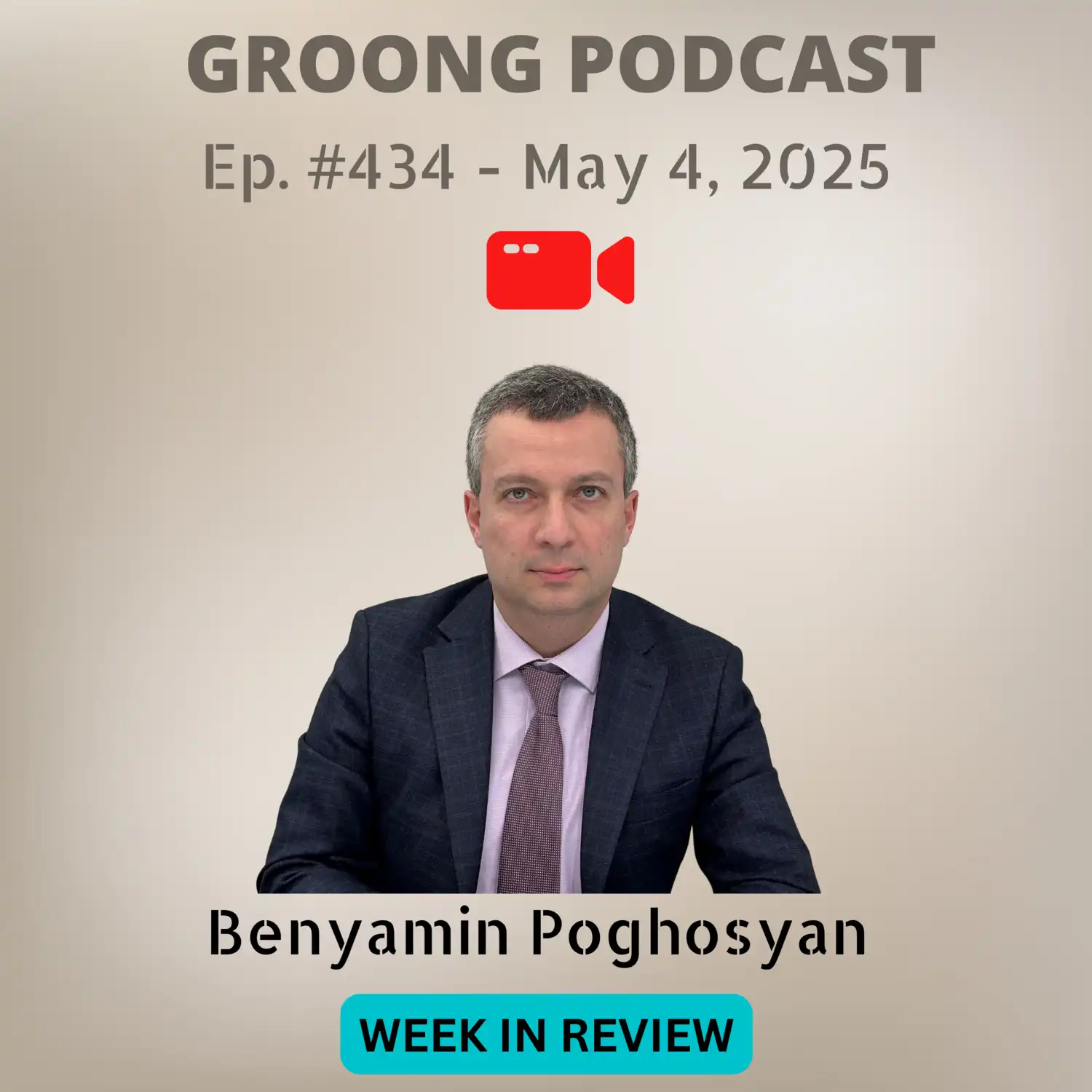
Groong Links:
Guest:
Topics:
- Iran Sanctions Escalate Amid Tensions
- Journalist Beaten Inside Yerevan Office
- Moscow Celebrates Victory Day Parade
- Armenia Caught Between EU and Russia
Episode 434 | Recorded: May 6, 2025
Benyamin Poghosyan - US-Iran Tensions, Armenia-Azerbaijan, Victory Day, Journalist Assaulted | Ep 434, May 4, 2025 [EP434]
Posted on Wednesday, May 7, 2025 | Category: Armenia, Politics, Iran, Geopolitics, Artsakh, Nagorno Karabakh, Azerbaijan, Georgia, Turkey, Russia, Israel, China, Ukraine, SyriaGroong Links:
Guest:
Topics:
- Iran Sanctions Escalate Amid Tensions
- Journalist Beaten Inside Yerevan Office
- Moscow Celebrates Victory Day Parade
- Armenia Caught Between EU and Russia
Episode 434 | Recorded: May 6, 2025
Anna Karapetyan - Iran-Armenia Military Exercises, Azerbaijan Border Shootings, Mirzoyan at Antalya Diplomatic Forum, Genocide Denial by the Armenian Government | Ep 428, Apr 13, 2025 [EP428]
Posted on Tuesday, Apr 15, 2025 | Category: Armenia, Azerbaijan, Artsakh, Iran, Genocide, Nagorno Karabakh, Turkey, Armenian Genocide, Israel, Georgia, India, Middle East, Russia, Syria | Series: wir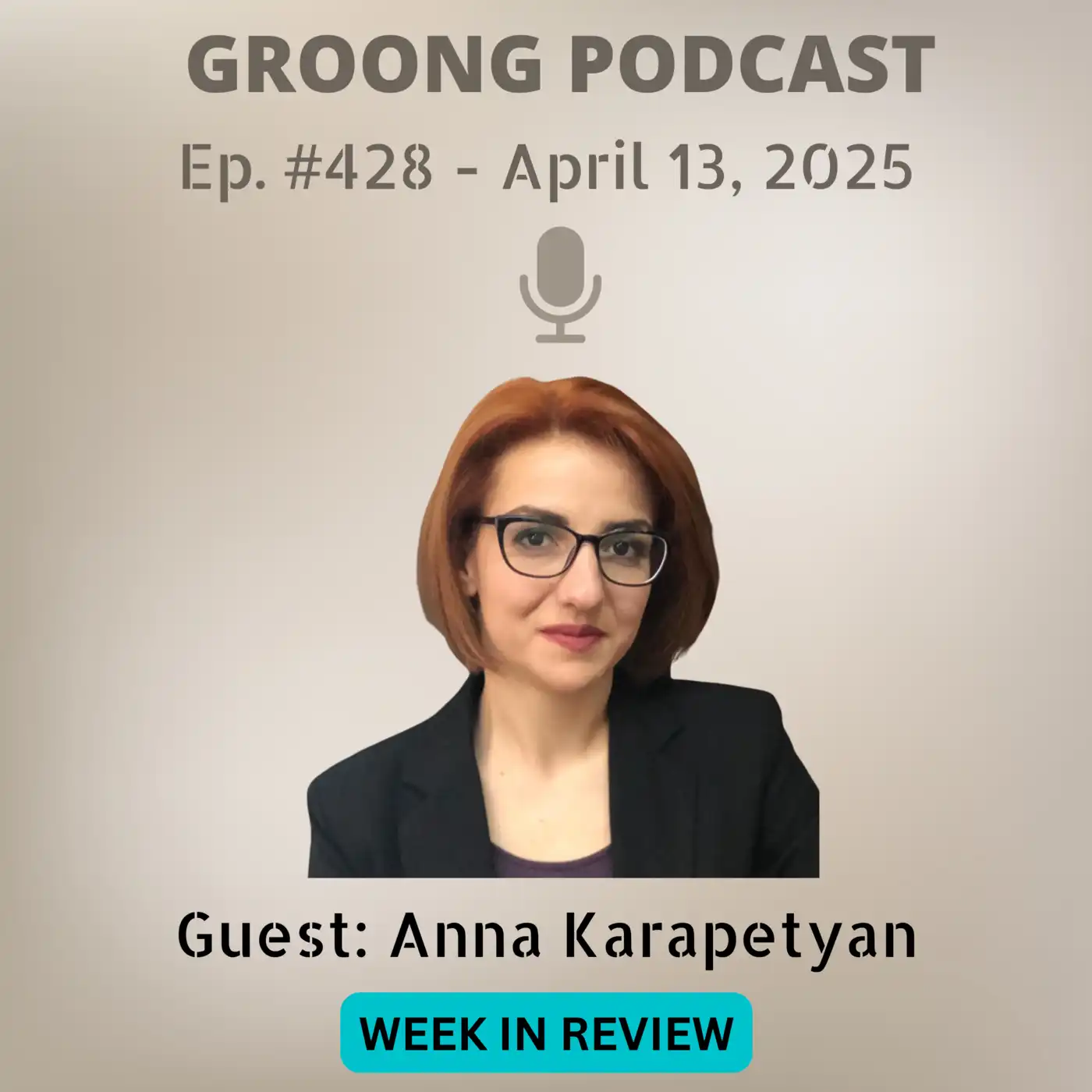
Groong Links:
Guest:
- Anna Karapetyan Director of the Insight Analytical Center for Applied Policy and Research.
Topics:
- Iran-Armenia Military Exercises
- Armenian Villages Terrorized by Azerbaijan
- Mirzoyan in Antalya
- Armeniaâs Genocide Denial
Episode 428 | Recorded: April 14, 2025
Anna Karapetyan - Iran-Armenia Military Exercises, Azerbaijan Border Shootings, Mirzoyan at Antalya Diplomatic Forum, Genocide Denial by the Armenian Government | Ep 428, Apr 13, 2025 [EP428]
Posted on Tuesday, Apr 15, 2025 | Category: Armenia, Azerbaijan, Artsakh, Iran, Genocide, Nagorno Karabakh, Turkey, Armenian Genocide, Israel, Georgia, India, Middle East, Russia, SyriaGroong Links:
Guest:
- Anna Karapetyan Director of the Insight Analytical Center for Applied Policy and Research.
Topics:
- Iran-Armenia Military Exercises
- Armenian Villages Terrorized by Azerbaijan
- Mirzoyan in Antalya
- Armeniaâs Genocide Denial
Episode 428 | Recorded: April 14, 2025
Benyamin Poghosyan - Peace or Capitulation? Armenia's Dilemma & Ukraine Shifts | Ep 423 - Mar 16, 2025 [EP423]
Posted on Tuesday, Mar 18, 2025 | Category: Armenia, Politics, Artsakh, Azerbaijan, Geopolitics, Russia, Iran, Turkey, Nagorno Karabakh, NATO, European Union, Ukraine, Israel, China, Middle East, Genocide | Series: wir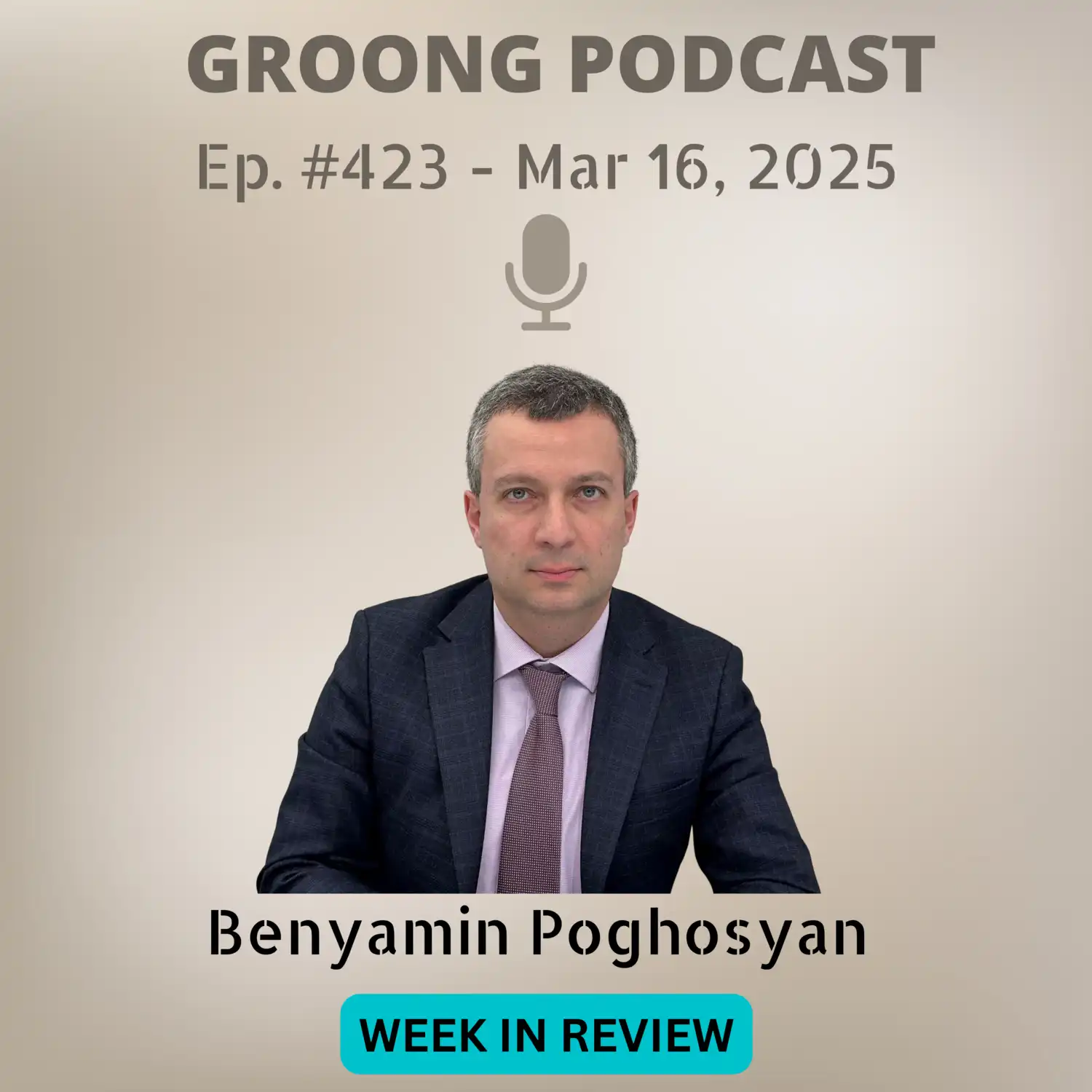
Groong Links:
Guest:
Topics:
- Armenia-Azerbaijan “Treaty”: Concessions, secrecy, opposition backlash.
- Preconditions for Peace: OSCE Minsk dissolution, constitutional changes.
- Ukraine War Talks: Jeddah negotiations, UAV attacks, Trump-Putin call.
- Witkoffâs Baku Stop: Mysterious visit raising geopolitical questions.
Episode 423 | Recorded: March 17, 2025
Benyamin Poghosyan - Peace or Capitulation? Armenia's Dilemma & Ukraine Shifts | Ep 423 - Mar 16, 2025 [EP423]
Posted on Tuesday, Mar 18, 2025 | Category: Armenia, Politics, Artsakh, Azerbaijan, Geopolitics, Russia, Iran, Turkey, Nagorno Karabakh, NATO, European Union, Ukraine, Israel, China, Middle East, GenocideGroong Links:
Guest:
Topics:
- Armenia-Azerbaijan “Treaty”: Concessions, secrecy, opposition backlash.
- Preconditions for Peace: OSCE Minsk dissolution, constitutional changes.
- Ukraine War Talks: Jeddah negotiations, UAV attacks, Trump-Putin call.
- Witkoffâs Baku Stop: Mysterious visit raising geopolitical questions.
Episode 423 | Recorded: March 17, 2025
Negotiations Expert: Ukraine-U.S. Ceasefire Agreement in Jeddah – Is Russia on Board? | Ep 422, Mar 12, 2025 [EP422]
Posted on Thursday, Mar 13, 2025 | Category: Ukraine, Russia, Politics, Geopolitics, Iran, NATO, Armenia, China, Middle East | Series: cog, video
Groong Links:
Guest:
Topics:
- Ceasefire Terms:
- Negotiation Dynamics
- Posturing & International Pressure
- Risks & Challenges
Episode 422 | Recorded: March 12, 2025
Negotiations Expert: Ukraine-U.S. Ceasefire Agreement in Jeddah – Is Russia on Board? | Ep 422, Mar 12, 2025 [EP422]
Posted on Thursday, Mar 13, 2025 | Category: Ukraine, Russia, Politics, Geopolitics, Iran, NATO, Armenia, China, Middle EastGroong Links:
Guest:
Topics:
- Ceasefire Terms:
- Negotiation Dynamics
- Posturing & International Pressure
- Risks & Challenges
Episode 422 | Recorded: March 12, 2025
Jean-Daniel Ruch - Geopolitics, Justice and the Future World Order | Ep 419, Mar 1, 2025 [EP419]
Posted on Sunday, Mar 2, 2025 | Category: Armenia, Russia, Ukraine, Artsakh, Nagorno Karabakh, Geopolitics, Azerbaijan, Turkey, NATO, Israel, Georgia, Human Rights, China, Syria, Economy, Iran, Middle East | Series: cog, video
Groong Links:
Guest:
Topics:
- Jean-Daniel Ruchâs Career & Background
- The Role of Diplomacy in Conflict Resolution
- Western Democracy Promotion & Geopolitical Power Plays
- The War in Ukraine & Failed Peace Efforts
- US & European Geopolitical Strategies
- The International Criminal Court & Selective Justice
- The Artsakh Conflict & Armenian Displacement
Episode 419 | Recorded: February 27, 2025
Jean-Daniel Ruch - Geopolitics, Justice and the Future World Order | Ep 419, Mar 1, 2025 [EP419]
Posted on Sunday, Mar 2, 2025 | Category: Armenia, Russia, Ukraine, Artsakh, Nagorno Karabakh, Geopolitics, Azerbaijan, Turkey, NATO, Israel, Georgia, Human Rights, China, Syria, Economy, Iran, Middle EastGroong Links:
Guest:
Topics:
- Jean-Daniel Ruchâs Career & Background
- The Role of Diplomacy in Conflict Resolution
- Western Democracy Promotion & Geopolitical Power Plays
- The War in Ukraine & Failed Peace Efforts
- US & European Geopolitical Strategies
- The International Criminal Court & Selective Justice
- The Artsakh Conflict & Armenian Displacement
Episode 419 | Recorded: February 27, 2025
Dziunik Aghajanian - Peace Plan 2019, Corridor Talks, Armenia Domestic Politics, World Politics | Ep 416, Feb 16, 2025 [EP416]
Posted on Wednesday, Feb 19, 2025 | Category: Armenia, Azerbaijan, Middle East, Artsakh, Nagorno Karabakh, Georgia, Turkey, Russia, Iran, Geopolitics, BRICS, NATO, European Union, Ukraine, Israel, China, Syria, Human Rights | Series: wir, video
Groong Links:
Guest:
Topics:
- World Politics
- Plan, or No Plan?
- Corridor Talk
- Domestic Politics
Episode 416 | Recorded: February 17, 2025
Dziunik Aghajanian - Peace Plan 2019, Corridor Talks, Armenia Domestic Politics, World Politics | Ep 416, Feb 16, 2025 [EP416]
Posted on Wednesday, Feb 19, 2025 | Category: Armenia, Azerbaijan, Middle East, Artsakh, Nagorno Karabakh, Georgia, Turkey, Russia, Iran, Geopolitics, BRICS, NATO, European Union, Ukraine, Israel, China, Syria, Human RightsGroong Links:
Guest:
Topics:
- World Politics
- Plan, or No Plan?
- Corridor Talk
- Domestic Politics
Episode 416 | Recorded: February 17, 2025
Tevan Poghosyan - Incoming Trump, Armenia Azerbaijan Talks, Iran Visit, Pro-West Signals | Ep 404, Jan 12, 2025 [EP404]
Posted on Wednesday, Jan 15, 2025 | Category: Armenia, Artsakh, Nagorno Karabakh, Azerbaijan, USA, Russia, Iran, Ukraine, Turkey, Israel, Syria, China, Georgia, Middle East, NATO, Economy, Genocide, Lebanon, European Union | Series: wir
Groong Links:
Guest:
Topics:
- Incoming Trump Admin
- Armenia Azerbaijan Talks Stalled
- Iran Security Chief Visit
- Armeniaâs Pro-West Signals
Episode 404 | Recorded: January 14, 2025
Tevan Poghosyan - Incoming Trump, Armenia Azerbaijan Talks, Iran Visit, Pro-West Signals | Ep 404, Jan 12, 2025 [EP404]
Posted on Wednesday, Jan 15, 2025 | Category: Armenia, Artsakh, Nagorno Karabakh, Azerbaijan, USA, Russia, Iran, Ukraine, Turkey, Israel, Syria, China, Georgia, Middle East, NATO, Economy, Genocide, Lebanon, European UnionGroong Links:
Guest:
Topics:
- Incoming Trump Admin
- Armenia Azerbaijan Talks Stalled
- Iran Security Chief Visit
- Armeniaâs Pro-West Signals
Episode 404 | Recorded: January 14, 2025
Benyamin Poghosyan - Pashinyan Lies on Decades of Negotiations, 17 Points to an Agreement, 2024 Review and 2025 Outlook | Ep 403 - Dec 29, 2024 [EP403]
Posted on Wednesday, Jan 1, 2025 | Category: Armenia, Azerbaijan, Artsakh, Nagorno Karabakh, Middle East, Israel, Lebanon, Syria, Iran, Turkey, Russia, Armenian Church, Ukraine, Genocide, Geopolitics, China, Georgia, European Union | Series: wir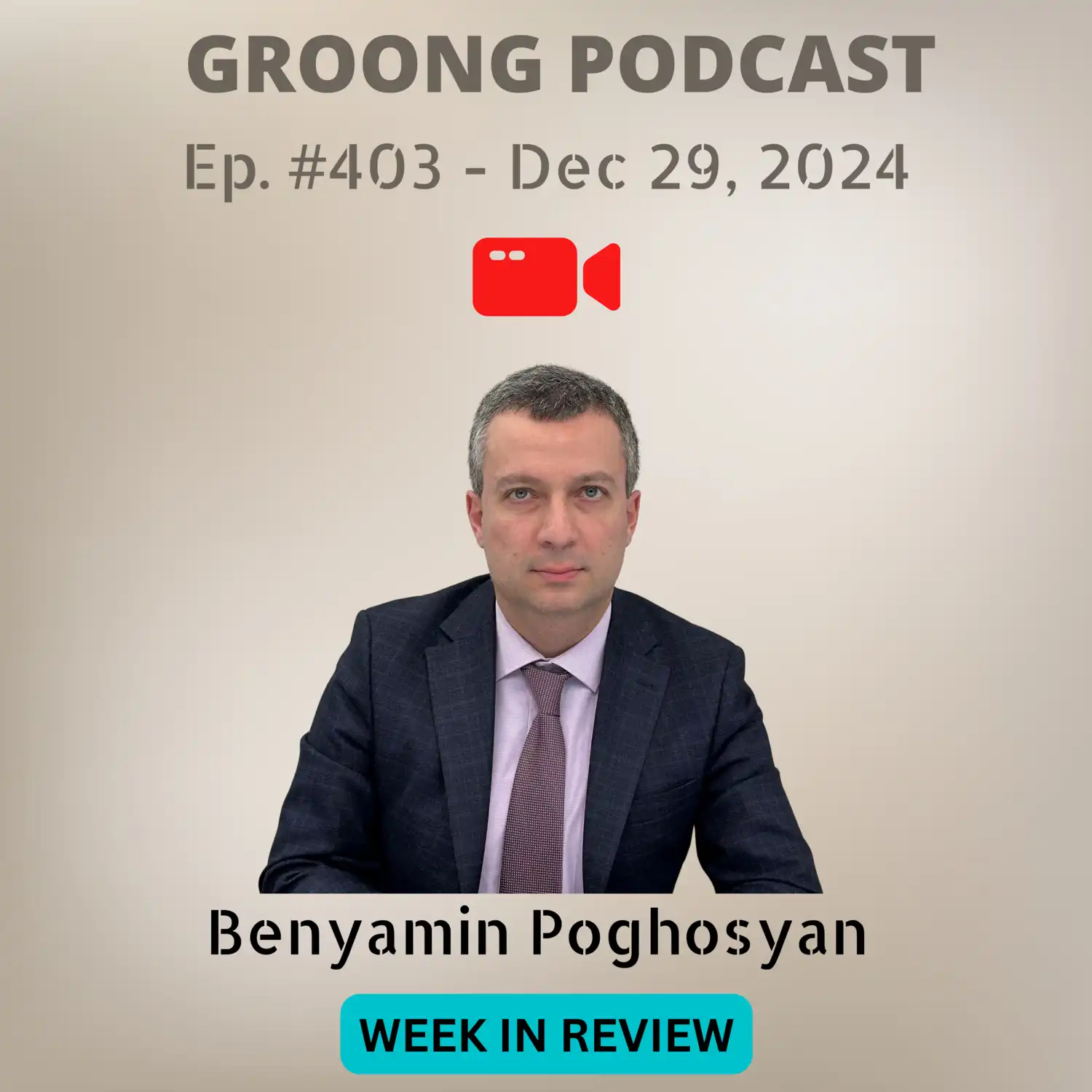
Groong Links:
Guest:
Topics:
- Pashinyanâs Lies on Decades of Negotiations
- 17 Points to an Agreement
- 2024 Review and 2025 Outlook
Episode 403 | Recorded: December 31, 2024
Benyamin Poghosyan - Pashinyan Lies on Decades of Negotiations, 17 Points to an Agreement, 2024 Review and 2025 Outlook | Ep 403 - Dec 29, 2024 [EP403]
Posted on Wednesday, Jan 1, 2025 | Category: Armenia, Azerbaijan, Artsakh, Nagorno Karabakh, Middle East, Israel, Lebanon, Syria, Iran, Turkey, Russia, Armenian Church, Ukraine, Genocide, Geopolitics, China, Georgia, European UnionGroong Links:
Guest:
Topics:
- Pashinyanâs Lies on Decades of Negotiations
- 17 Points to an Agreement
- 2024 Review and 2025 Outlook
Episode 403 | Recorded: December 31, 2024
Ivan Katchanovski on the Maidan Massacre, Ukraine War, and Implications | Ep 393 - Dec 9, 2024 [EP393]
Posted on Monday, Dec 9, 2024 | Category: Ukraine, Politics, Russia, Georgia, Armenia, NATO, European Union, Israel, Human Rights, Geopolitics | Series: cog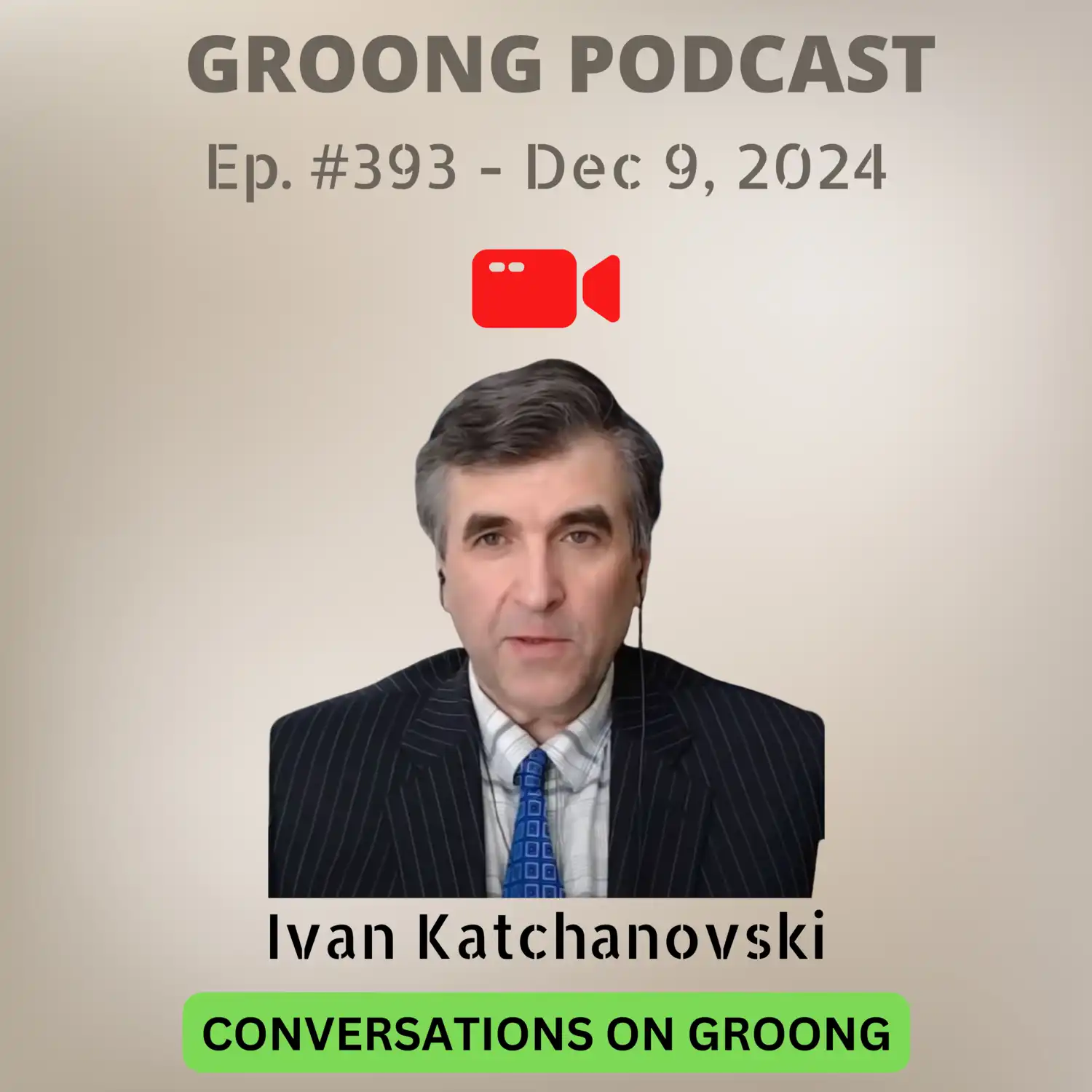
Groong Links:
Guest:
- Prof. Ivan Katchanovski , University of Ottawa
SUPPORT PROF. KATCHANOVSI’S WORK HERE: https://gofund.me/52b68e07
Topics:
- The War in Ukraine
- Trumpâs âEastern Approachesâ
- The Maidan Massacre and Its Legacy
- Maidanization of Georgia?
- Armenia in the Shadow of Ukraine
Episode 393 | Recorded: December 7, 2024
Ivan Katchanovski on the Maidan Massacre, Ukraine War, and Implications | Ep 393 - Dec 9, 2024 [EP393]
Posted on Monday, Dec 9, 2024 | Category: Ukraine, Politics, Russia, Georgia, Armenia, NATO, European Union, Israel, Human Rights, GeopoliticsGroong Links:
Guest:
- Prof. Ivan Katchanovski , University of Ottawa
SUPPORT PROF. KATCHANOVSI’S WORK HERE: https://gofund.me/52b68e07
Topics:
- The War in Ukraine
- Trumpâs âEastern Approachesâ
- The Maidan Massacre and Its Legacy
- Maidanization of Georgia?
- Armenia in the Shadow of Ukraine
Episode 393 | Recorded: December 7, 2024
Glenn Diesen - Russia and The Eurasian World Order | Ep 359 - Sep 4, 2024 [EP359]
Posted on Wednesday, Sep 4, 2024 | Category: Russia, Ukraine, Video, World Order, Armenia, China, Turkey, India, Iran, Georgia, Economy, Israel, Human Rights, Nagorno Karabakh, BRICS, NATO, Azerbaijan | Series: cog, video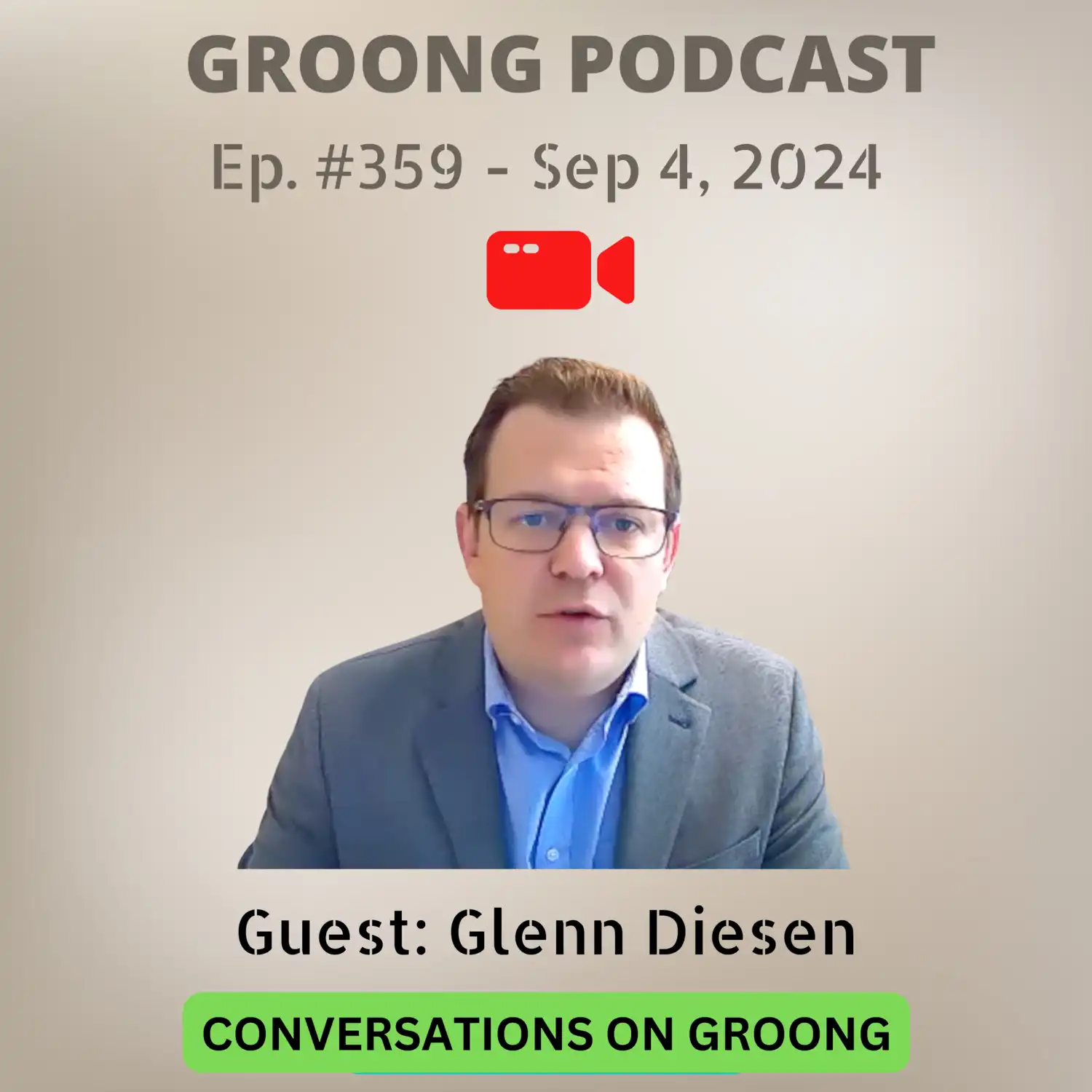
Groong Links:
Guest:
Topics:
- Norwegian & NATO Support for Ukraine
- âThe Ukraine War & the Eurasian World Orderâ
- Small States and Multipolarity
- Armenia’s Position in a Multipolar World
Episode 359 | Recorded: August 30, 2024
Glenn Diesen - Russia and The Eurasian World Order | Ep 359 - Sep 4, 2024 [EP359]
Posted on Wednesday, Sep 4, 2024 | Category: Russia, Ukraine, Video, World Order, Armenia, China, Turkey, India, Iran, Georgia, Economy, Israel, Human Rights, Nagorno Karabakh, BRICS, NATO, AzerbaijanGroong Links:
Guest:
Topics:
- Norwegian & NATO Support for Ukraine
- âThe Ukraine War & the Eurasian World Orderâ
- Small States and Multipolarity
- Armenia’s Position in a Multipolar World
Episode 359 | Recorded: August 30, 2024
Transcript: Glenn Diesen - Russia and The Eurasian World Order | Ep 359 - Sep 4, 2024 [EP359]
Posted on Wednesday, Sep 4, 2024 | Category: Russia, Ukraine, Video, World Order, Armenia, China, Turkey, India, Iran, Georgia, Economy, Israel, Human Rights, Nagorno Karabakh, BRICS, NATO, Azerbaijan, TranscriptNorwegian & NATO Support for Ukraine. “The Ukraine War & the Eurasian World Order”. Small States and Multipolarity. Armenia’s Position in a Multipolar World.
Pietro Shakarian - Russia, Iran, Armenia Relations, Ukraine Kursk Gambit, Travel Notes | Ep 357 - Aug 31, 2024 [EP357]
Posted on Saturday, Aug 31, 2024 | Category: Russia, Ukraine, Armenia, Artsakh, Iran, Nagorno Karabakh, BRICS, NATO, Georgia, Israel, Middle East, Turkey, Genocide, China, Geopolitics, Economy, India | Series: cog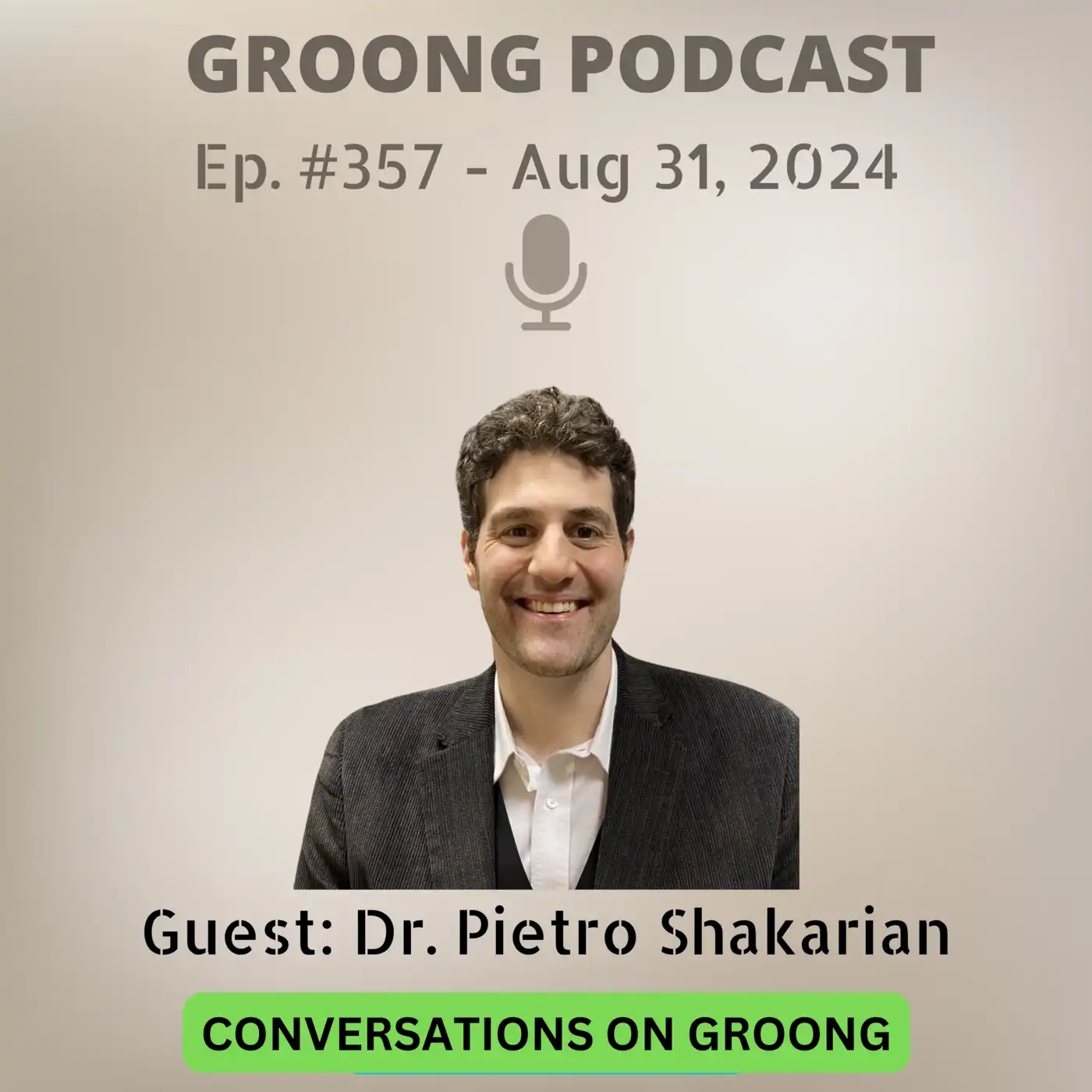
Groong Links:
Guest:
Topics:
- Russian-Iranian Relations
- Russian-Armenian Relations
- Ukraineâs Kursk Gambit
- Pavel Durov Arrested in France
- Observations from Armenia and Russia
Episode 357 | Recorded: August 28, 2024
Pietro Shakarian - Russia, Iran, Armenia Relations, Ukraine Kursk Gambit, Travel Notes | Ep 357 - Aug 31, 2024 [EP357]
Posted on Saturday, Aug 31, 2024 | Category: Russia, Ukraine, Armenia, Artsakh, Iran, Nagorno Karabakh, BRICS, NATO, Georgia, Israel, Middle East, Turkey, Genocide, China, Geopolitics, Economy, IndiaGroong Links:
Guest:
Topics:
- Russian-Iranian Relations
- Russian-Armenian Relations
- Ukraineâs Kursk Gambit
- Pavel Durov Arrested in France
- Observations from Armenia and Russia
Episode 357 | Recorded: August 28, 2024
Anna Karapetyan - Armenia Azerbaijan Talks, Goris Kapan Road Handover Cover Up | Ep 355 - Aug 18, 2024 [EP355]
Posted on Monday, Aug 19, 2024 | Category: Armenia, Azerbaijan, Artsakh, Nagorno Karabakh, Artsakh Blockade, Russia, Iran, NATO, Turkey | Series: wir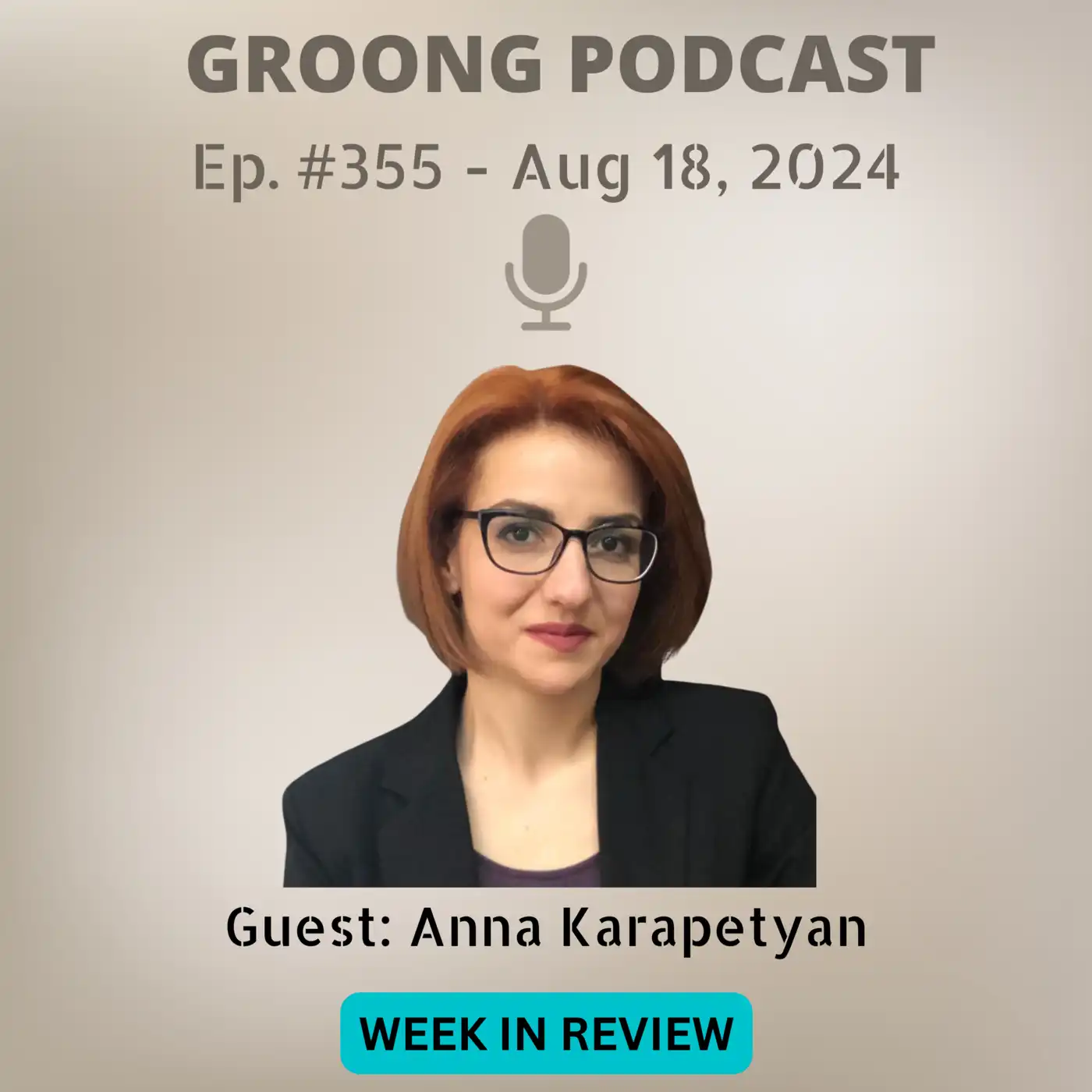
Groong Links:
Guest:
Topics:
- Armenia Azerbaijan Talks
- Goris Kapan Road Cover UP
Episode 355 | Recorded: August 19, 2024
Anna Karapetyan - Armenia Azerbaijan Talks, Goris Kapan Road Handover Cover Up | Ep 355 - Aug 18, 2024 [EP355]
Posted on Monday, Aug 19, 2024 | Category: Armenia, Azerbaijan, Artsakh, Nagorno Karabakh, Artsakh Blockade, Russia, Iran, NATO, TurkeyGroong Links:
Guest:
Topics:
- Armenia Azerbaijan Talks
- Goris Kapan Road Cover UP
Episode 355 | Recorded: August 19, 2024
Sergei Melkonian - Iran President and FM Killed in Helicopter Crash | Bagrat Srbazan Leads Mass Protests in Armenia | Armenian Russian Relations | Ep 333 - May 26, 2024 [EP333]
Posted on Tuesday, May 28, 2024 | Category: Armenia, Azerbaijan, Russia, Iran, India, Armenian Church, Israel, Turkey, Middle East, Ukraine, European Union, Georgia, Human Rights, NATO | Series: wir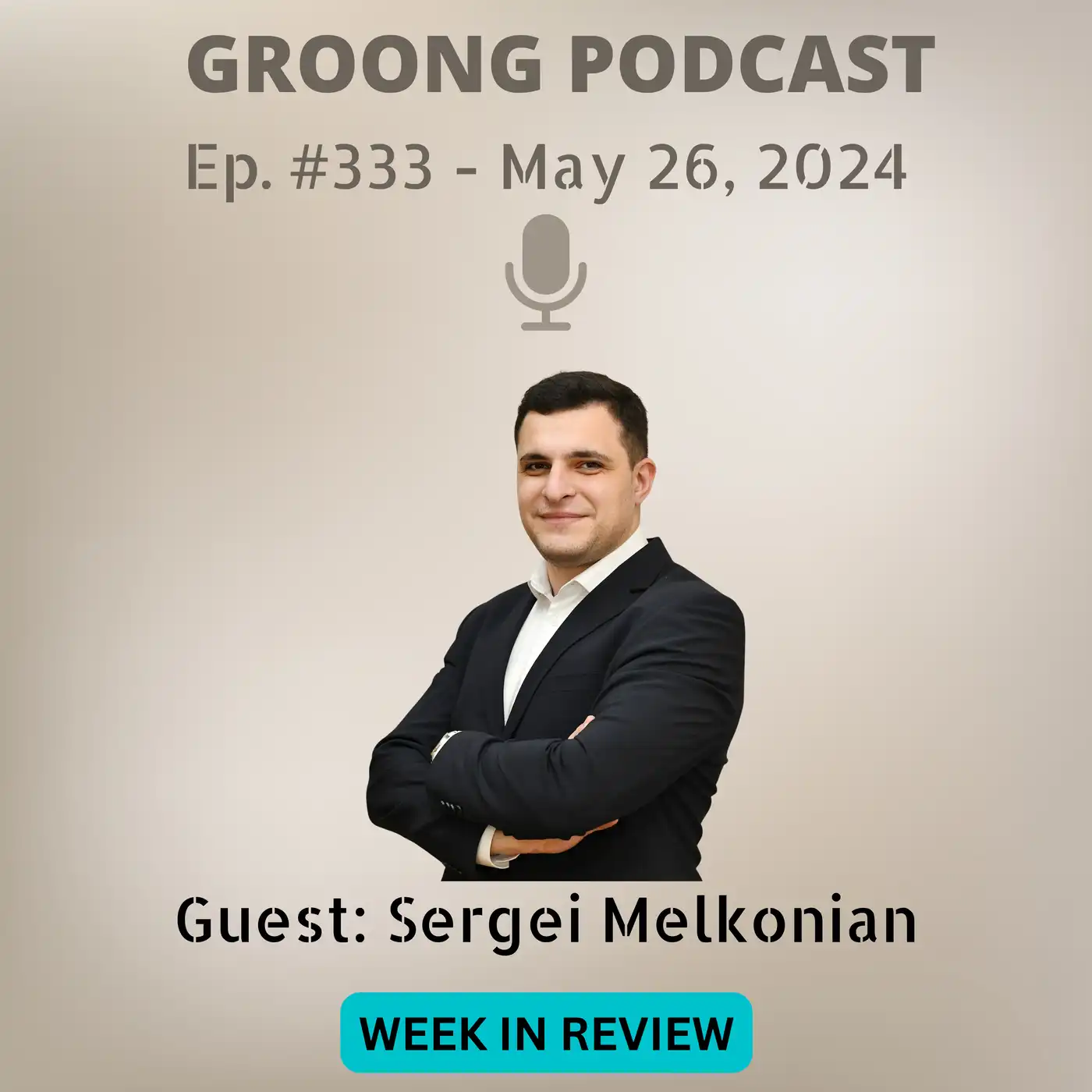
Groong Links:
Guest:
Topics:
- Iran President and FM Killed in Helicopter Crash
- Bagrat Srbazan Leads Mass Protests in Armenia
- Armenian Russian Relations
Episode 333 | Recorded: May 27, 2024
Sergei Melkonian - Iran President and FM Killed in Helicopter Crash | Bagrat Srbazan Leads Mass Protests in Armenia | Armenian Russian Relations | Ep 333 - May 26, 2024 [EP333]
Posted on Tuesday, May 28, 2024 | Category: Armenia, Azerbaijan, Russia, Iran, India, Armenian Church, Israel, Turkey, Middle East, Ukraine, European Union, Georgia, Human Rights, NATOGroong Links:
Guest:
Topics:
- Iran President and FM Killed in Helicopter Crash
- Bagrat Srbazan Leads Mass Protests in Armenia
- Armenian Russian Relations
Episode 333 | Recorded: May 27, 2024
Arthur G Martirosyan - The Game of Alternatives | Is Armenia Negotiating Effectively | Ep 282, Oct 3, 2023 [EP282]
Posted on Wednesday, Oct 4, 2023 | Category: Armenia, Politics, Artsakh, Azerbaijan, USA, Nagorno Karabakh, European Union, Russia, Turkey, Georgia, Human Rights, Israel, Middle East, Syria | Series: cog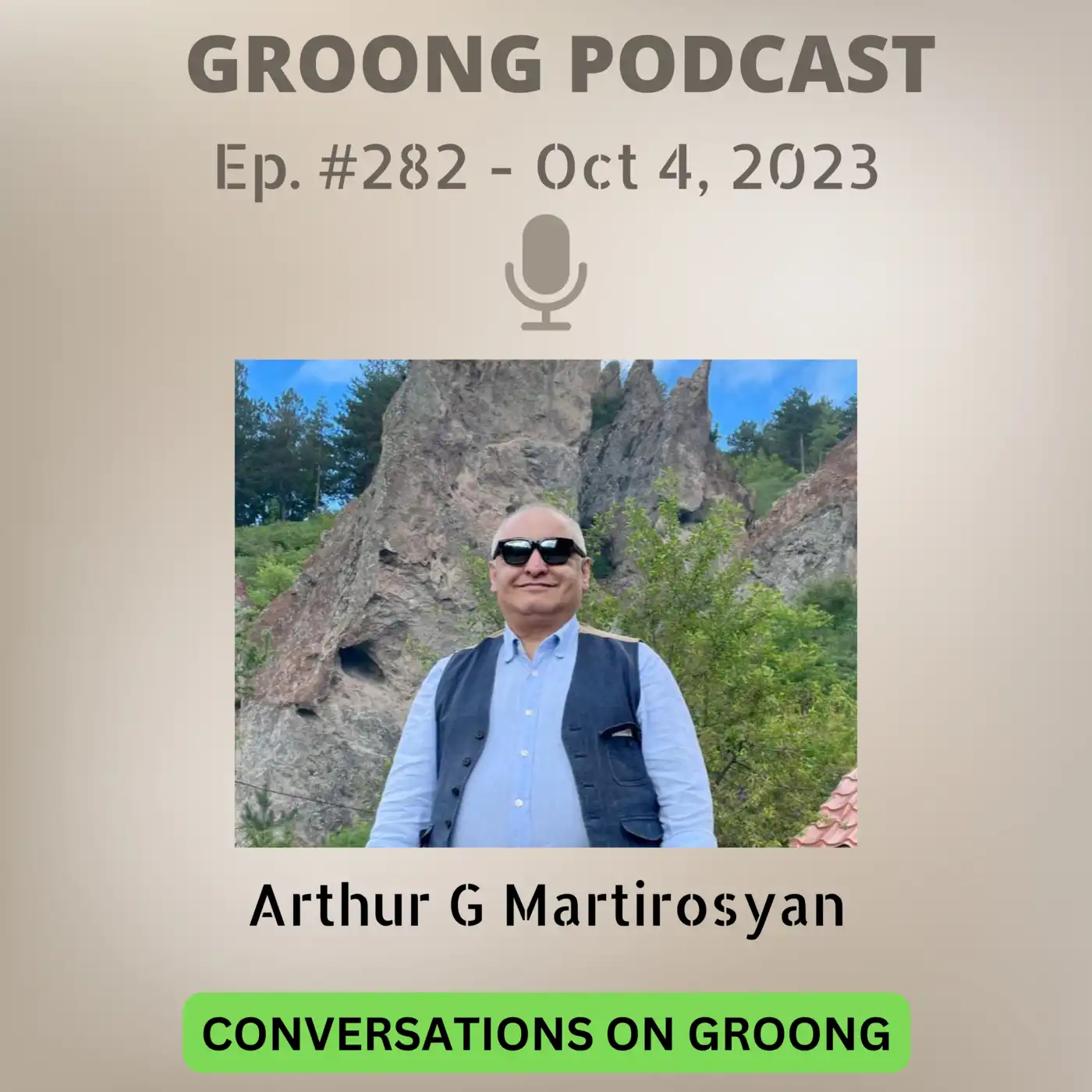
Guest:
Topics:
- The Game of Alternatives
- How does it apply to Negotiations?
- Is Armenia Negotiating Effectively?
Episode 281 | Recorded: October 1, 2023