Nikol Pashinyan
Last updated: May 29, 2026
Nikol Pashinyan has been a central figure in Groong’s coverage since the podcast launched in 2020. He rose to power in 2018 through a street movement that its proponents called the Velvet Revolution — though a substantial segment of Armenian political opinion views the events as a color revolution or externally influenced regime change operation rather than a spontaneous civic uprising. Under Pashinyan, Armenia has undergone one of the most turbulent periods in its post-independence history.
The most consequential event of Pashinyan’s tenure was Armenia’s defeat in the 44-Day War of 2020, which ended with the loss of most of Nagorno Karabakh (Artsakh) under a Russian-brokered ceasefire. Pashinyan survived political pressure to resign and consolidated power through snap elections in 2021. The September 2023 Azerbaijani offensive that caused the ethnic cleansing of the entire Armenian population of Artsakh deepened the crisis of legitimacy — both internationally and domestically — as critics argue his concessions to Aliyev made the outcome inevitable.
Since 2022, Pashinyan has undertaken a significant reorientation of Armenian foreign policy: suspending participation in the CSTO , deepening ties with France, the EU, and the United States, and accepting Western security assistance including an EU monitoring mission on the Armenian border. This pivot away from Russia has defined Armenian geopolitics in the post-Artsakh period. Groong has covered every major step of this reorientation, including what it means for Armenia’s relationship with Iran, India, and other partners.
Domestically, Groong’s coverage of Pashinyan addresses his government’s confrontation with the Armenian Church , the arrest of opposition figures and political prisoners , the Tavush border delimitation controversy, and Civil Contract’s campaign in the June 2026 parliamentary elections . Critics covered extensively on Groong argue that Pashinyan has used his parliamentary supermajority to weaken democratic institutions and neutralize political opposition under the guise of reform.
Groong episodes that include this tag
Below are all Groong episodes tagged with Nikol Pashinyan.
Arthur Martirosyan - 44 Day War, Ukraine, Iran-Israel, Sargsyan and Kocharyan Interviews, Narek Karapetyan on Tucker Carlson | Ep 484, Nov 9, 2025 [EP484]
Posted on Tuesday, Nov 11, 2025 | Category: Armenia, Politics, Artsakh, Nagorno Karabakh, Azerbaijan, Turkey, Russia, Iran, Israel, Ukraine, Middle East, NATO, Georgia, European Union | Series: wir, video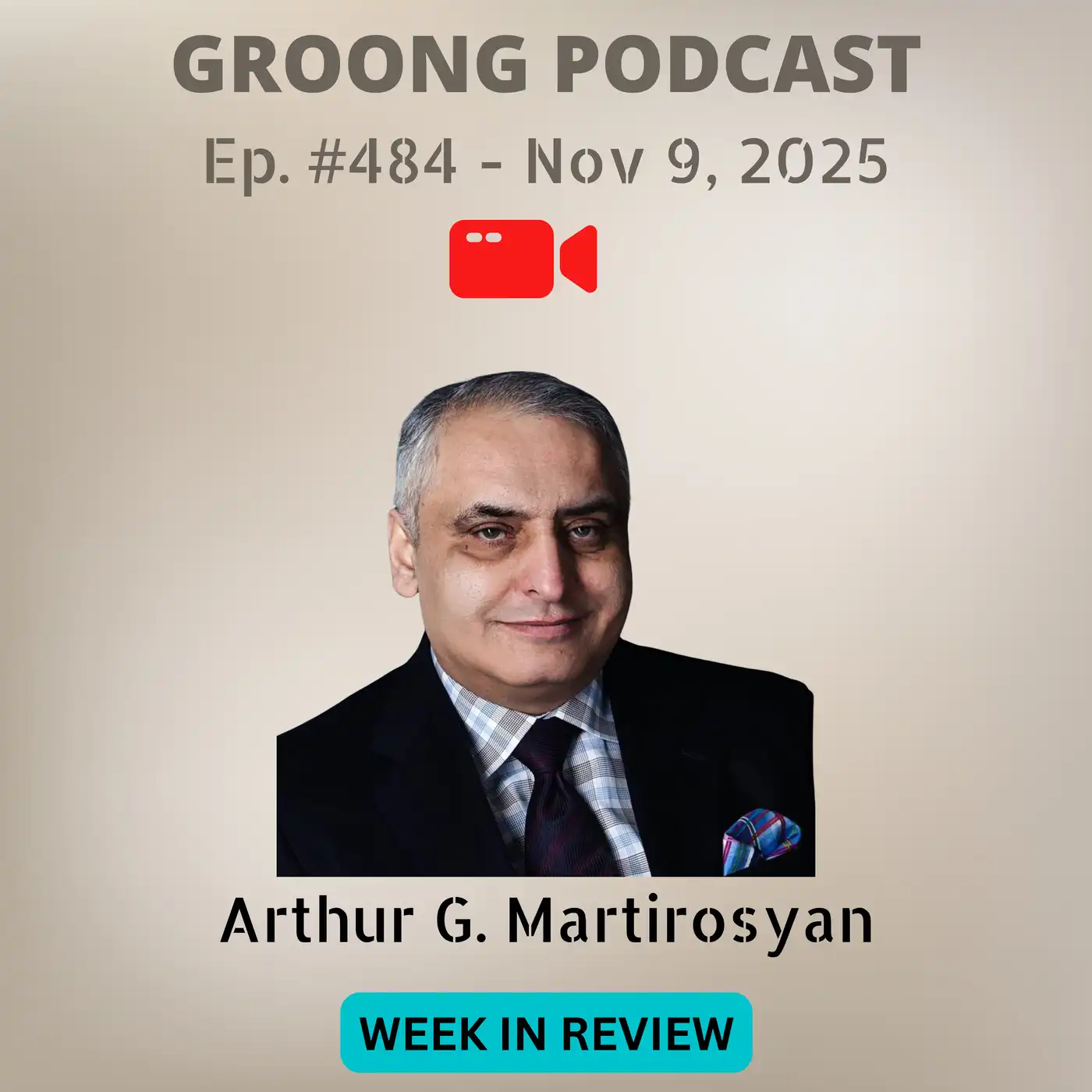
Groong Links:
Guest:
Topics:
- Nov 9: 44-Day War 5 years Hence
- Ukraine and Iran-Israel Conflicts
- Pres. Serge Sargsyanâs Interview
- Pres. Robert Kocharyanâs Interview
- Narek Karapetyan on Tucker Carlson
Episode 484 | Recorded: November 10, 2025
Arthur Martirosyan - 44 Day War, Ukraine, Iran-Israel, Sargsyan and Kocharyan Interviews, Narek Karapetyan on Tucker Carlson | Ep 484, Nov 9, 2025 [EP484]
Posted on Tuesday, Nov 11, 2025 | Category: Armenia, Politics, Artsakh, Nagorno Karabakh, Azerbaijan, Turkey, Russia, Iran, Israel, Ukraine, Middle East, NATO, Georgia, European UnionGroong Links:
Guest:
Topics:
- Nov 9: 44-Day War 5 years Hence
- Ukraine and Iran-Israel Conflicts
- Pres. Serge Sargsyanâs Interview
- Pres. Robert Kocharyanâs Interview
- Narek Karapetyan on Tucker Carlson
Episode 484 | Recorded: November 10, 2025
Benyamin Poghosyan - Ukraine War update, Pashinyan’s Persecution of Church and Opposition intensifies | Ep 483, Nov 2, 2025 [EP483]
Posted on Tuesday, Nov 4, 2025 | Category: Armenia, Politics, Ukraine, Russia, Azerbaijan, Georgia, Turkey, Artsakh, Nagorno Karabakh, USA, Armenian Church, Artsakh Blockade, China, Economy, Genocide, India, Iran, Middle East, NATO | Series: video, wir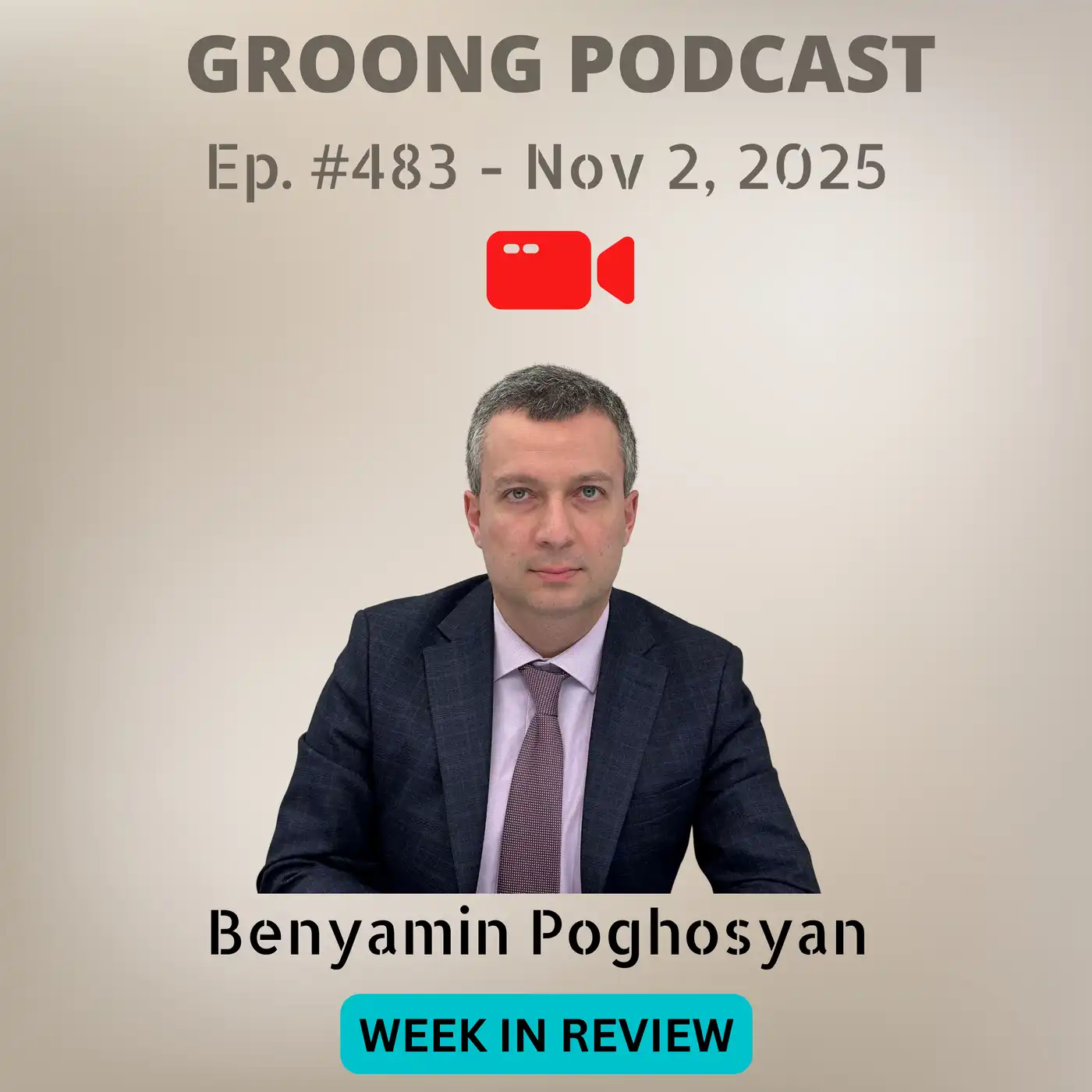
Groong Links:
Guest:
Topics:
- Ukraine war status and U.S.âRussia dynamics
- Churchâstate tensions and religious prosecutions
- Opposition arrests, trials, and civil liberties
- Border demarcation, enclaves
Episode 483 | Recorded: November 3, 2025
Benyamin Poghosyan - Ukraine War update, Pashinyan’s Persecution of Church and Opposition intensifies | Ep 483, Nov 2, 2025 [EP483]
Posted on Tuesday, Nov 4, 2025 | Category: Armenia, Politics, Ukraine, Russia, Azerbaijan, Georgia, Turkey, Artsakh, Nagorno Karabakh, USA, Armenian Church, Artsakh Blockade, China, Economy, Genocide, India, Iran, Middle East, NATOGroong Links:
Guest:
Topics:
- Ukraine war status and U.S.âRussia dynamics
- Churchâstate tensions and religious prosecutions
- Opposition arrests, trials, and civil liberties
- Border demarcation, enclaves
Episode 483 | Recorded: November 3, 2025
Arthur Khachatryan - Euronest, Aliyev Transit Move, Gyumri Mayor Arrest, Pashinyan vs. Church | Ep 481, Oct 26, 2025 [EP481]
Posted on Friday, Oct 31, 2025 | Category: Armenia, Politics, Azerbaijan, Armenian Church, Georgia, Turkey, Russia, Artsakh, Nagorno Karabakh, Artsakh Blockade, European Union, Ukraine, NATO | Series: wir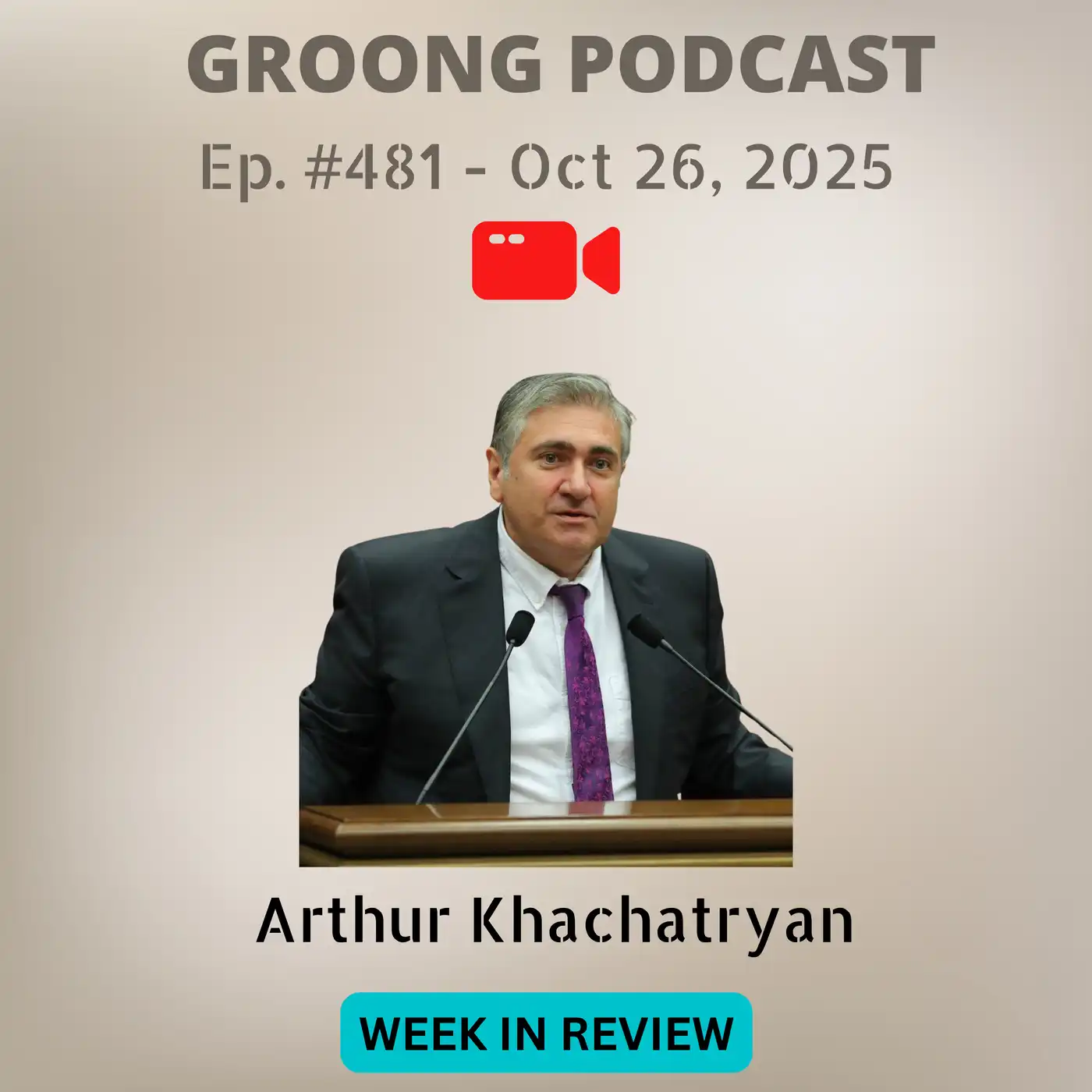
Groong Links:
Guest:
- Arthur Khachatryan , MP
Topics:
- Euronest session takeaways
- Aliyevâs transit move and TRIPP
- Gyumri mayor arrest fallout
- Pashinyanâs push to control the Church
Episode 481 | Recorded: October 29, 2025
Arthur Khachatryan - Euronest, Aliyev Transit Move, Gyumri Mayor Arrest, Pashinyan vs. Church | Ep 481, Oct 26, 2025 [EP481]
Posted on Friday, Oct 31, 2025 | Category: Armenia, Politics, Azerbaijan, Armenian Church, Georgia, Turkey, Russia, Artsakh, Nagorno Karabakh, Artsakh Blockade, European Union, Ukraine, NATOGroong Links:
Guest:
- Arthur Khachatryan , MP
Topics:
- Euronest session takeaways
- Aliyevâs transit move and TRIPP
- Gyumri mayor arrest fallout
- Pashinyanâs push to control the Church
Episode 481 | Recorded: October 29, 2025
Hrant Mikaelian - OTS & CIS summits, Trump-Aliyev Tensions, Armenia Opposition Gears up for 2026 | Ep 478, Oct 12, 2025 [EP478]
Posted on Tuesday, Oct 14, 2025 | Category: Armenia, Politics, Artsakh, Nagorno Karabakh, Azerbaijan, Turkey, Russia, Artsakh Blockade, European Union, China | Series: wir, video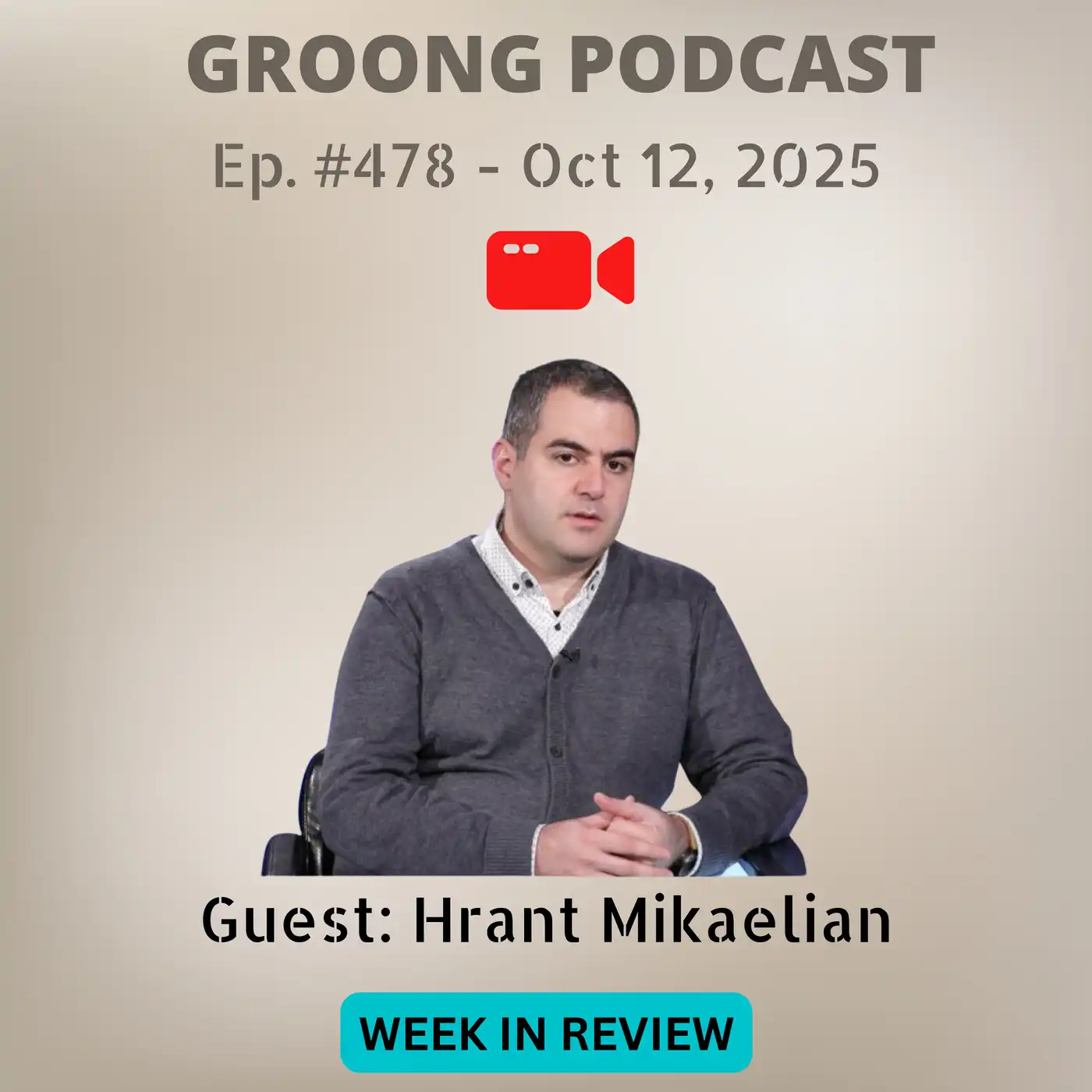
Groong Links:
Guest:
Topics:
- Aliyev pushes âZangezur Corridorâ at OTS
- Pashinyan pitches âTrump Routeâ at CIS
- PutinâAliyev meeting eases tensions
- Armeniaâs opposition gears up for 2026
Episode 478 | Recorded: October 14, 2025
Hrant Mikaelian - OTS & CIS summits, Trump-Aliyev Tensions, Armenia Opposition Gears up for 2026 | Ep 478, Oct 12, 2025 [EP478]
Posted on Tuesday, Oct 14, 2025 | Category: Armenia, Politics, Artsakh, Nagorno Karabakh, Azerbaijan, Turkey, Russia, Artsakh Blockade, European Union, ChinaGroong Links:
Guest:
Topics:
- Aliyev pushes âZangezur Corridorâ at OTS
- Pashinyan pitches âTrump Routeâ at CIS
- PutinâAliyev meeting eases tensions
- Armeniaâs opposition gears up for 2026
Episode 478 | Recorded: October 14, 2025
Benyamin Poghosyan - Ajapahyan Sentenced, Moldova, EPC, Peace Act, Dismantling the Armenian Military | Ep 477, Oct 5, 2025 [EP477]
Posted on Wednesday, Oct 8, 2025 | Category: Armenia, Politics, Artsakh, Nagorno Karabakh, Azerbaijan, Armenian Church, Russia, Ukraine, Iran, Israel, European Union, Turkey, China, Economy | Series: video, wir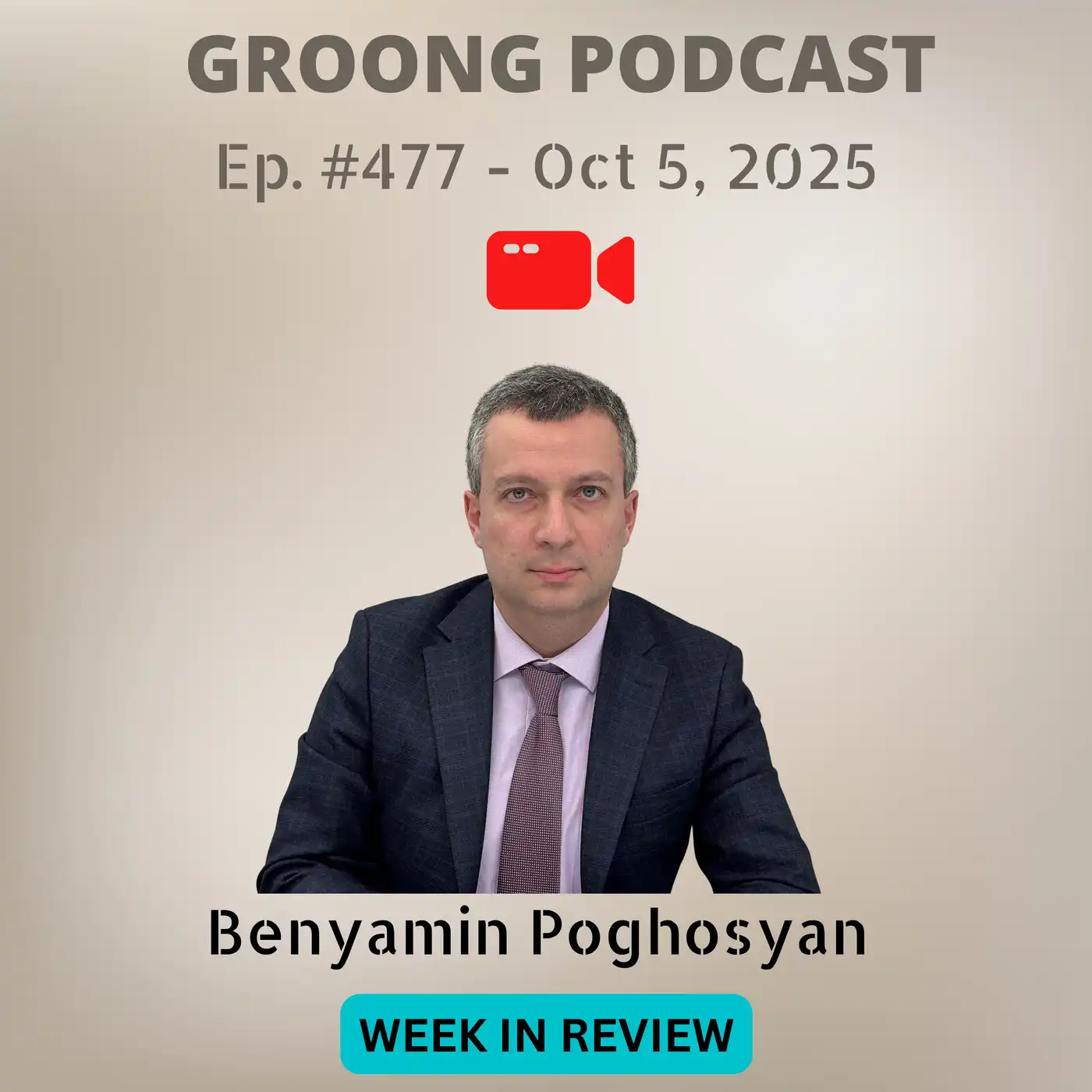
Groong Links:
Guest:
Topics:
- Ajapahyan Sentenced: 2 Years in Jail for speaking out!
- Moldova Election Lessons
- EPC in Copenhagen, WSF in Warsaw
- PEACE Act politics
- Dismantling the Armenian Military
Episode 477 | Recorded: October 6, 2025
Benyamin Poghosyan - Ajapahyan Sentenced, Moldova, EPC, Peace Act, Dismantling the Armenian Military | Ep 477, Oct 5, 2025 [EP477]
Posted on Wednesday, Oct 8, 2025 | Category: Armenia, Politics, Artsakh, Nagorno Karabakh, Azerbaijan, Armenian Church, Russia, Ukraine, Iran, Israel, European Union, Turkey, China, EconomyGroong Links:
Guest:
Topics:
- Ajapahyan Sentenced: 2 Years in Jail for speaking out!
- Moldova Election Lessons
- EPC in Copenhagen, WSF in Warsaw
- PEACE Act politics
- Dismantling the Armenian Military
Episode 477 | Recorded: October 6, 2025
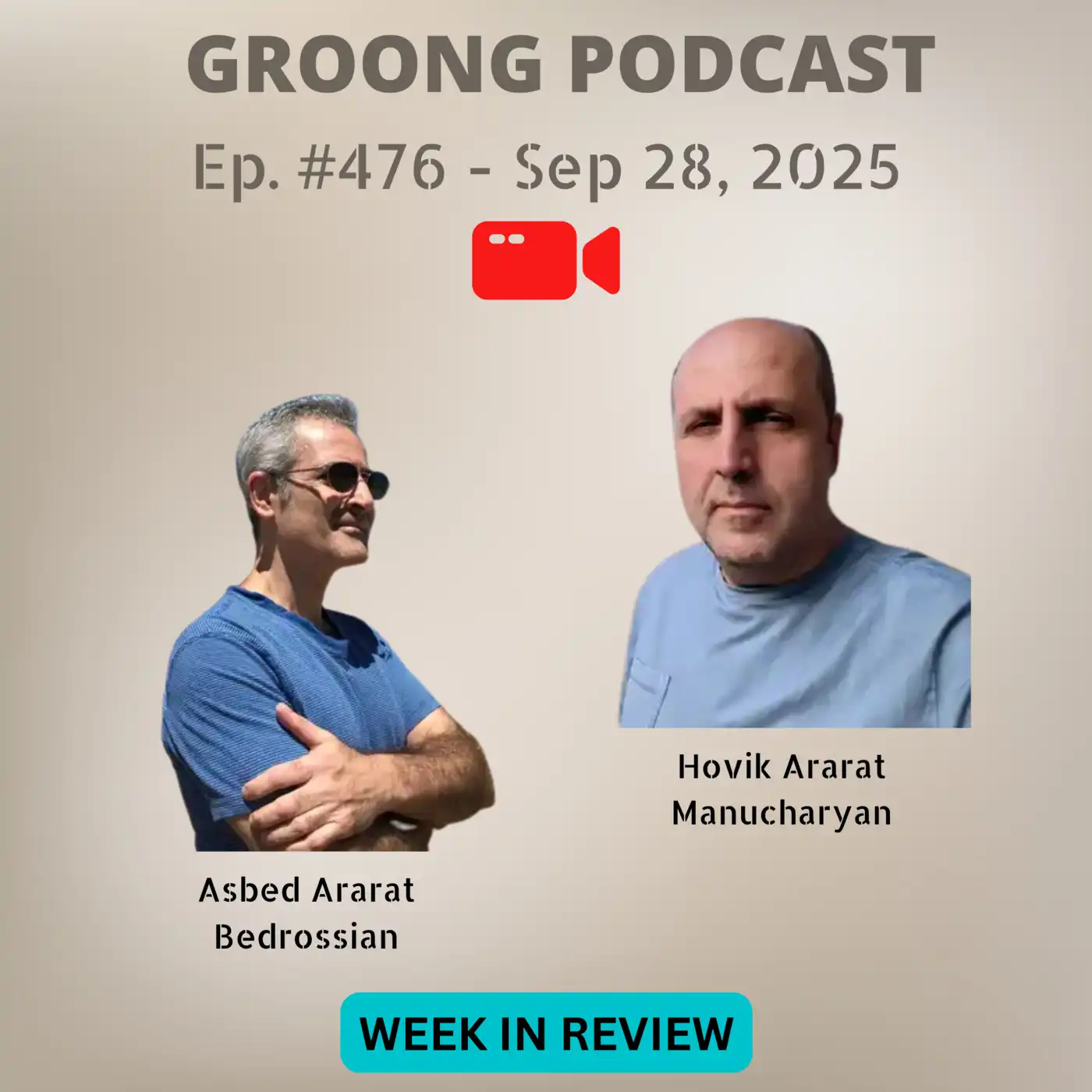
Groong Links:
Topics:
- Pashinyan’s rise and Western backing
- Breakdown of talks and secret meetings
- Failures and propaganda during the war
- Aftermath, revisionism, and political responsibility
Episode 476 | Recorded: September 28, 2025
44-Day War, A Tale of Betrayal | Ep 476, Sep 28, 2025 [EP476]
Posted on Wednesday, Oct 1, 2025 | Category: Armenia, Politics, Artsakh, Nagorno Karabakh, Azerbaijan, Turkey, Russia, Genocide, NATO, Ukraine, Georgia, Iran, ChinaGroong Links:
Topics:
- Pashinyan’s rise and Western backing
- Breakdown of talks and secret meetings
- Failures and propaganda during the war
- Aftermath, revisionism, and political responsibility
Episode 476 | Recorded: September 28, 2025
Archil Sikharulidze - Georgian Municipal Elections 2025 | Ep 475, Sep 30, 2025 [EP475]
Posted on Tuesday, Sep 30, 2025 | Category: Georgia, Politics, Armenia, Azerbaijan, Russia, European Union, Iran, Ukraine, Turkey, Middle East, NATO, Human Rights | Series: cog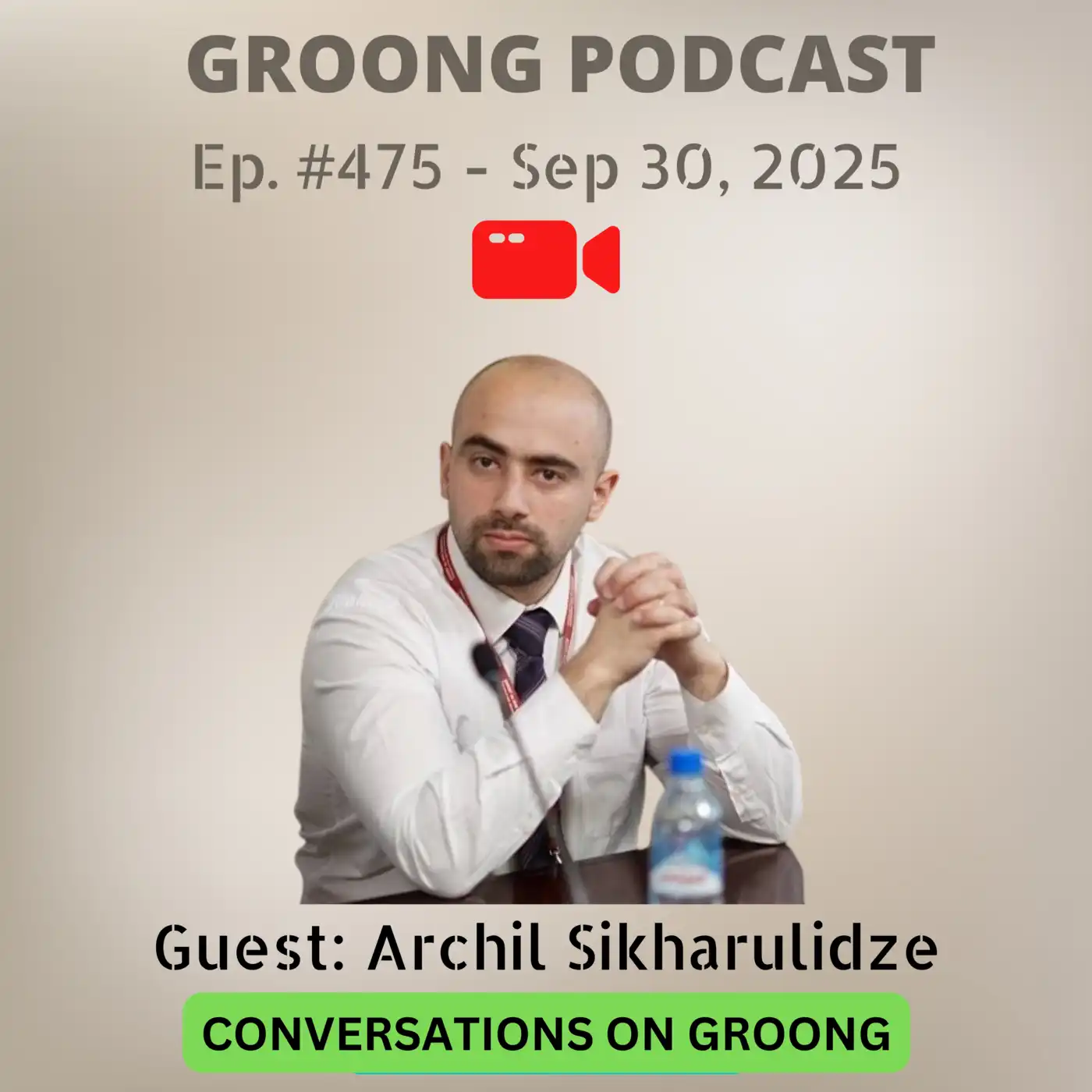
Groong Links:
Guest:
Topics:
- Municipal Elections & Tbilisi Politics
- Foreign Agent Law, One Year Later
- Georgian Perspectives on TRIPP
Episode 475 | Recorded: September 28, 2025
Archil Sikharulidze - Georgian Municipal Elections 2025 | Ep 475, Sep 30, 2025 [EP475]
Posted on Tuesday, Sep 30, 2025 | Category: Georgia, Politics, Armenia, Azerbaijan, Russia, European Union, Iran, Ukraine, Turkey, Middle East, NATO, Human RightsGroong Links:
Guest:
Topics:
- Municipal Elections & Tbilisi Politics
- Foreign Agent Law, One Year Later
- Georgian Perspectives on TRIPP
Episode 475 | Recorded: September 28, 2025
Arthur Martirosyan - Sep 19, Civil Contract, Opposition Inaction, Electric Network | Ep 474, Sep 21, 2025 [EP474]
Posted on Tuesday, Sep 23, 2025 | Category: Armenia, Politics, Artsakh, Nagorno Karabakh, Azerbaijan, Turkey, Russia, Genocide, Artsakh Blockade, European Union, China, Georgia, Israel, Middle East | Series: wir, video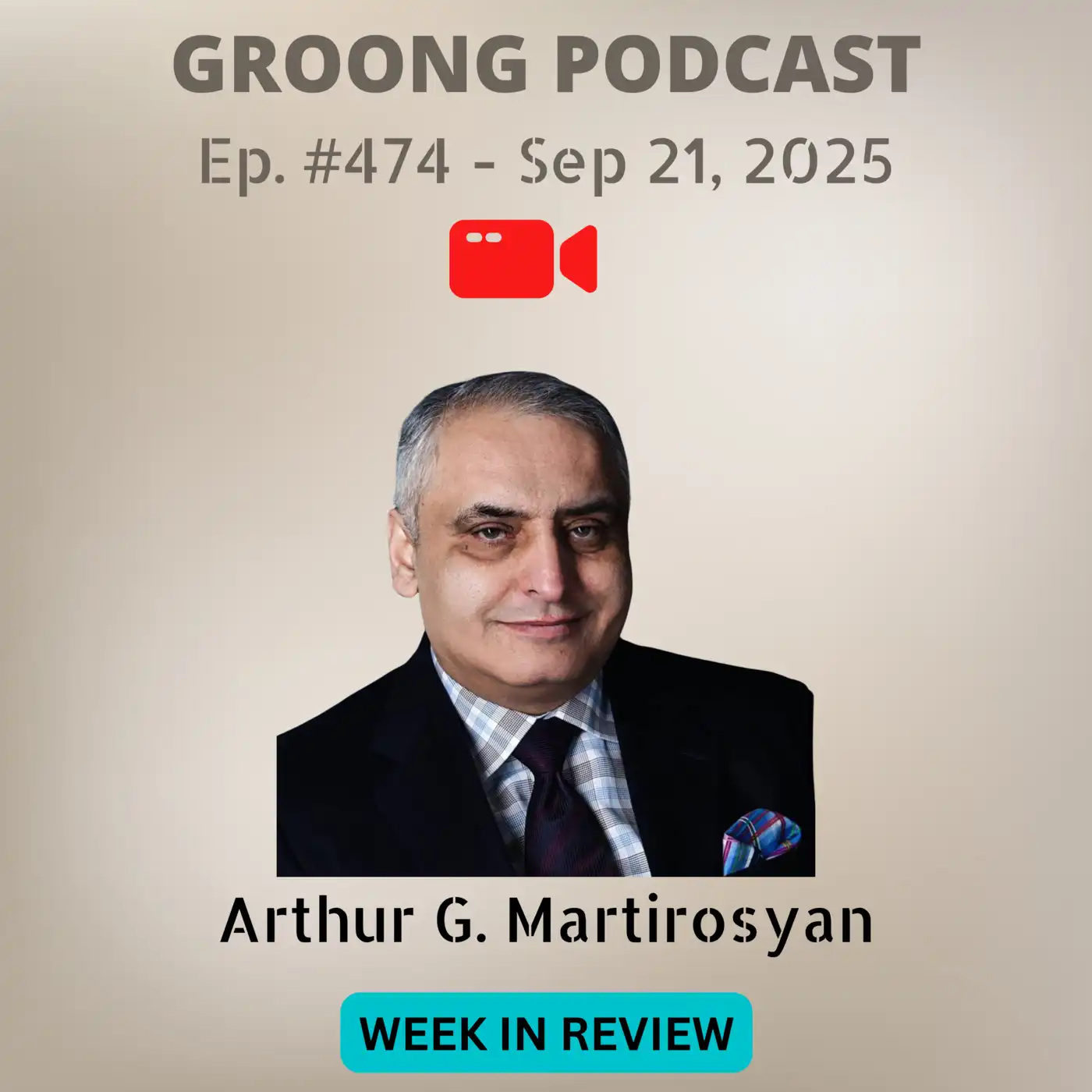
Groong Links:
Guest:
Topics:
- Sep. 19: Day of Artsakhâs Ethnic Cleansing
- Civil Contractâs 7th Congress
- Opposition (In)Action
- Electric Network of Armenia
Episode 474 | Recorded: September 22, 2025
Arthur Martirosyan - Sep 19, Civil Contract, Opposition Inaction, Electric Network | Ep 474, Sep 21, 2025 [EP474]
Posted on Tuesday, Sep 23, 2025 | Category: Armenia, Politics, Artsakh, Nagorno Karabakh, Azerbaijan, Turkey, Russia, Genocide, Artsakh Blockade, European Union, China, Georgia, Israel, Middle EastGroong Links:
Guest:
Topics:
- Sep. 19: Day of Artsakhâs Ethnic Cleansing
- Civil Contractâs 7th Congress
- Opposition (In)Action
- Electric Network of Armenia
Episode 474 | Recorded: September 22, 2025
Armen Ashotyan - Pashinyan Vote of No Confidence, Opposition Strategies | Ep 473, Sep 19, 2025 [EP473]
Posted on Friday, Sep 19, 2025 | Category: Armenia, Artsakh, Nagorno Karabakh, Human Rights, Turkey, Azerbaijan, Economy | Series: cog
Groong Links:
Guest:
- Armen Ashotyan , MP, VP Republican Party of Armenia (HHK)
Topics:
- TRIPP / Trump Route / Zangezur Corridor
- Vote of No Confidence
- âPashinyan or Warâ?
Episode 473 | Recorded on September 17, 2025
Armen Ashotyan - Pashinyan Vote of No Confidence, Opposition Strategies | Ep 473, Sep 19, 2025 [EP473]
Posted on Friday, Sep 19, 2025 | Category: Armenia, Artsakh, Nagorno Karabakh, Human Rights, Turkey, Azerbaijan, EconomyGroong Links:
Guest:
- Armen Ashotyan , MP, VP Republican Party of Armenia (HHK)
Topics:
- TRIPP / Trump Route / Zangezur Corridor
- Vote of No Confidence
- âPashinyan or Warâ?
Episode 473 | Recorded on September 17, 2025
Arthur Khachatryan - September 13 War, Kiliç in Armenia, US $145M for TRIPP, Shorter Military Service | Ep 472, Sep 14, 2025 [EP472]
Posted on Wednesday, Sep 17, 2025 | Category: Armenia, Politics, Artsakh, Nagorno Karabakh, Azerbaijan, Turkey, Artsakh Blockade, Economy, Russia, Georgia, Iran, China | Series: cog
Groong Links:
Guest:
- Arthur Khachatryan , MP
Topics:
- September 13, 2022 War anniversary
- Serdar Kiliç in Armenia for Normalization
- U.S. State Dept. $145M for TRIPP
Episode 472 | Recorded: September 15, 2025
Arthur Khachatryan - September 13 War, Kiliç in Armenia, US $145M for TRIPP, Shorter Military Service | Ep 472, Sep 14, 2025 [EP472]
Posted on Wednesday, Sep 17, 2025 | Category: Armenia, Politics, Artsakh, Nagorno Karabakh, Azerbaijan, Turkey, Artsakh Blockade, Economy, Russia, Georgia, Iran, ChinaGroong Links:
Guest:
- Arthur Khachatryan , MP
Topics:
- September 13, 2022 War anniversary
- Serdar Kiliç in Armenia for Normalization
- U.S. State Dept. $145M for TRIPP
Episode 472 | Recorded: September 15, 2025
Hrant Mikaelian - War on Iran, Russia on TRIPP, New MPG Poll in Armenia, Economy | Ep 471, Sep 7, 2025 [EP471]
Posted on Tuesday, Sep 9, 2025 | Category: Armenia, Politics, Iran, Poll, Azerbaijan, Turkey, Russia, Iran, Armenian Church, Nagorno Karabakh, Armenian Genocide, Economy, Georgia, Israel, Genocide, China, Ukraine, India | Series: wir, video
Groong Links:
Guest:
Topics:
- War in Iran, Chapter 2?
- Russiaâs Stance on TRIPP
- New MPG Poll in Armenia
- Armenian Economy in H1/2025
Episode 471 | Recorded: September 8, 2025
Hrant Mikaelian - War on Iran, Russia on TRIPP, New MPG Poll in Armenia, Economy | Ep 471, Sep 7, 2025 [EP471]
Posted on Tuesday, Sep 9, 2025 | Category: Armenia, Politics, Iran, Poll, Azerbaijan, Turkey, Russia, Iran, Armenian Church, Nagorno Karabakh, Armenian Genocide, Economy, Georgia, Israel, Genocide, China, Ukraine, IndiaGroong Links:
Guest:
Topics:
- War in Iran, Chapter 2?
- Russiaâs Stance on TRIPP
- New MPG Poll in Armenia
- Armenian Economy in H1/2025
Episode 471 | Recorded: September 8, 2025
Lenna Hovanessian – White House Meeting Fallout, Artsakh Erasure, Genocide Dismissal, Azerbaijan Playbook in the US | Ep 470, Sep 7, 2025 [EP470]
Posted on Sunday, Sep 7, 2025 | Category: Armenia, Politics, Artsakh, Nagorno Karabakh, Genocide, Azerbaijan, Armenian Church, Israel, Artsakh Blockade | Series: cog, video
Groong Links:
Guest:
Topics:
- Reflections on August 8 White House Meeting
- Tensions in Diaspora-Armenia Relations
- Azerbaijani Lobbying, Caviar Diplomacy, and the Cuellar Bribery Case
Episode 470 | Recorded: September 5, 2025
Lenna Hovanessian – White House Meeting Fallout, Artsakh Erasure, Genocide Dismissal, Azerbaijan Playbook in the US | Ep 470, Sep 7, 2025 [EP470]
Posted on Sunday, Sep 7, 2025 | Category: Armenia, Politics, Artsakh, Nagorno Karabakh, Genocide, Azerbaijan, Armenian Church, Israel, Artsakh BlockadeGroong Links:
Guest:
Topics:
- Reflections on August 8 White House Meeting
- Tensions in Diaspora-Armenia Relations
- Azerbaijani Lobbying, Caviar Diplomacy, and the Cuellar Bribery Case
Episode 470 | Recorded: September 5, 2025
Groong Links:
Guest:
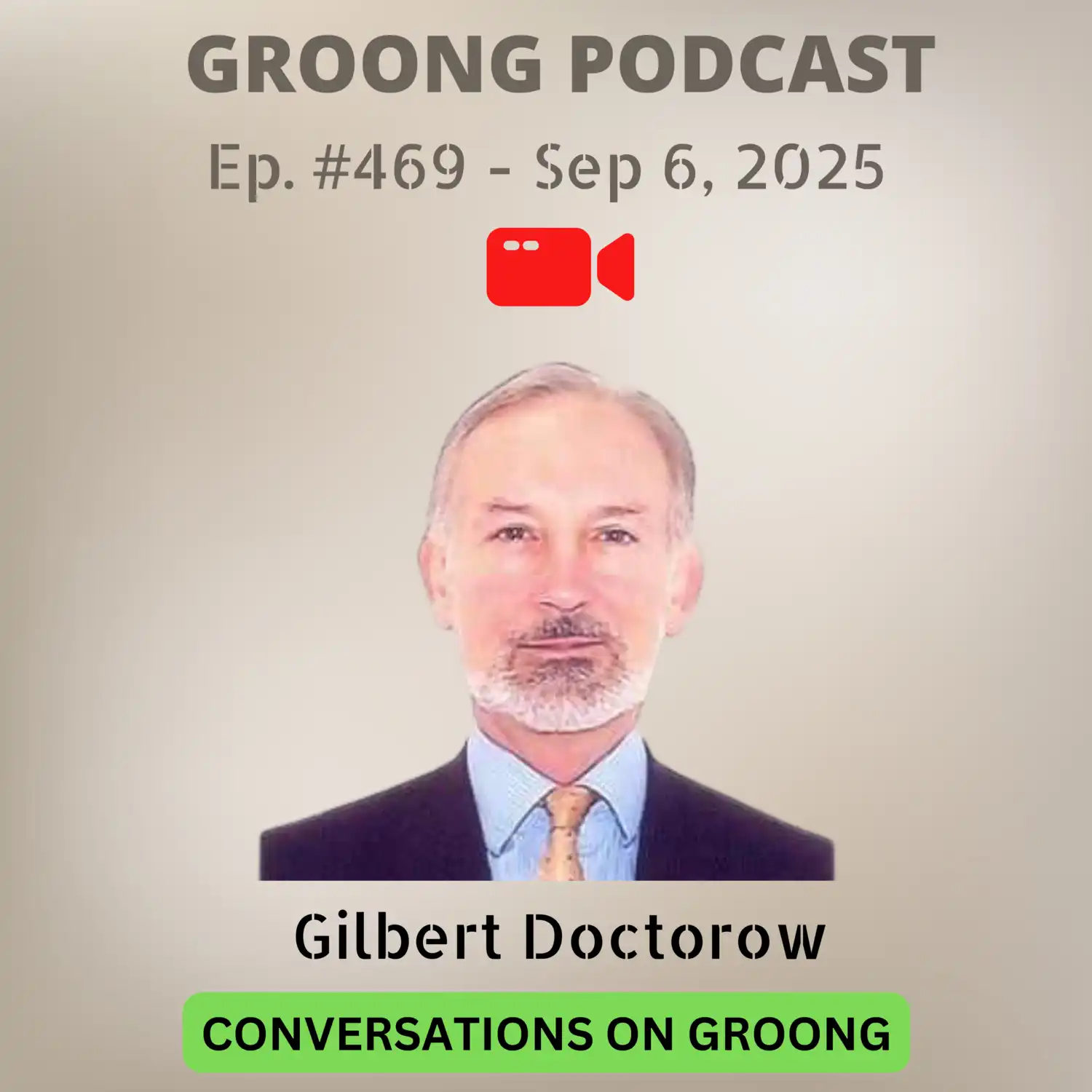
- Dr. Gilbert Doctorow , Author of - War Diaries. Volume 1
Topics:
- SCO Summit in Tianjin, China
- China-India Thaw
- Power of Siberia Gas Pipeline
- Whatâs in it for Armenia?
Episode 469 | Recorded: September 4, 2025
Gilbert Doctorow - Multipolar Shifts at the SCO Summit | Ep 469, Sep 6, 2025 [EP469]
Posted on Saturday, Sep 6, 2025 | Category: Armenia, Politics, Russia, China, India, Nagorno Karabakh, BRICS, Economy, Iran, Azerbaijan, NATO, Turkey, UkraineGroong Links:
Guest:
- Dr. Gilbert Doctorow , Author of - War Diaries. Volume 1
Topics:
- SCO Summit in Tianjin, China
- China-India Thaw
- Power of Siberia Gas Pipeline
- Whatâs in it for Armenia?
Episode 469 | Recorded: September 4, 2025
Robert Amsterdam - In Our Own Way: The Samvel Karapetyan Case | Ep 468, Sep 4, 2025 [EP468]
Posted on Thursday, Sep 4, 2025 | Category: Armenia, Politics, Armenian Church, Russia, Ukraine, Artsakh, Nagorno Karabakh, Human Rights, NATO | Series: cog, video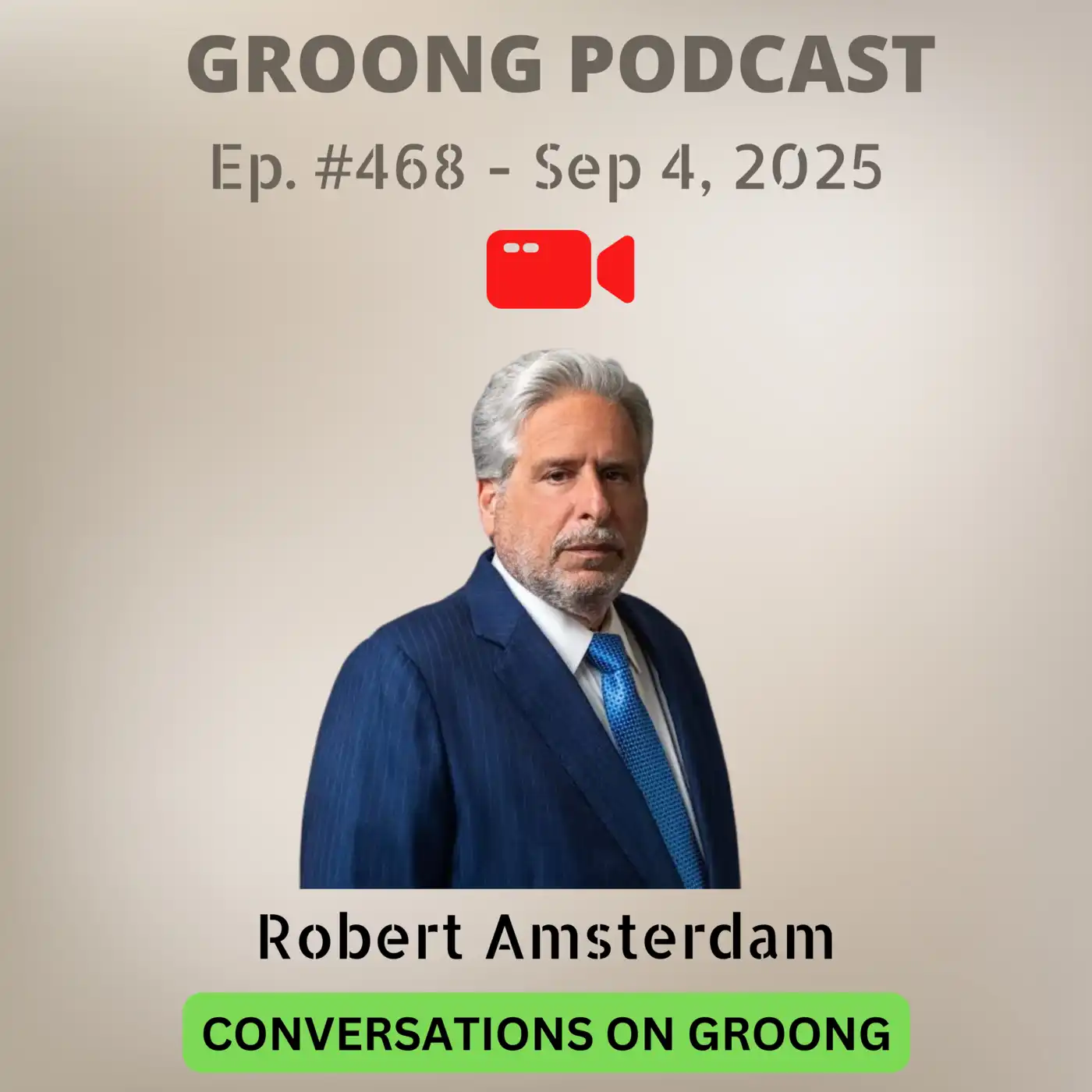
Groong Links:
Guest:
Topics:
- Arrest of Samvel Karapetyan
- Pre-trial detention practices
- Lawfare and double standards
- Armeniaâs global consequences
Episode 468 | Recorded: September 4, 2025
Robert Amsterdam - In Our Own Way: The Samvel Karapetyan Case | Ep 468, Sep 4, 2025 [EP468]
Posted on Thursday, Sep 4, 2025 | Category: Armenia, Politics, Armenian Church, Russia, Ukraine, Artsakh, Nagorno Karabakh, Human Rights, NATOGroong Links:
Guest:
Topics:
- Arrest of Samvel Karapetyan
- Pre-trial detention practices
- Lawfare and double standards
- Armeniaâs global consequences
Episode 468 | Recorded: September 4, 2025
Benyamin Poghosyan - SCO Summit, TRIPP Corridor, RU - AZ Rift, UK Ties | Ep 467, Aug 31, 2025 [EP467]
Posted on Tuesday, Sep 2, 2025 | Category: Armenia, Politics, Artsakh, Nagorno Karabakh, Azerbaijan, China, India, Russia, USA, Georgia, Armenian Genocide, NATO, Iran, Turkey, Genocide, Israel, European Union | Series: video, wir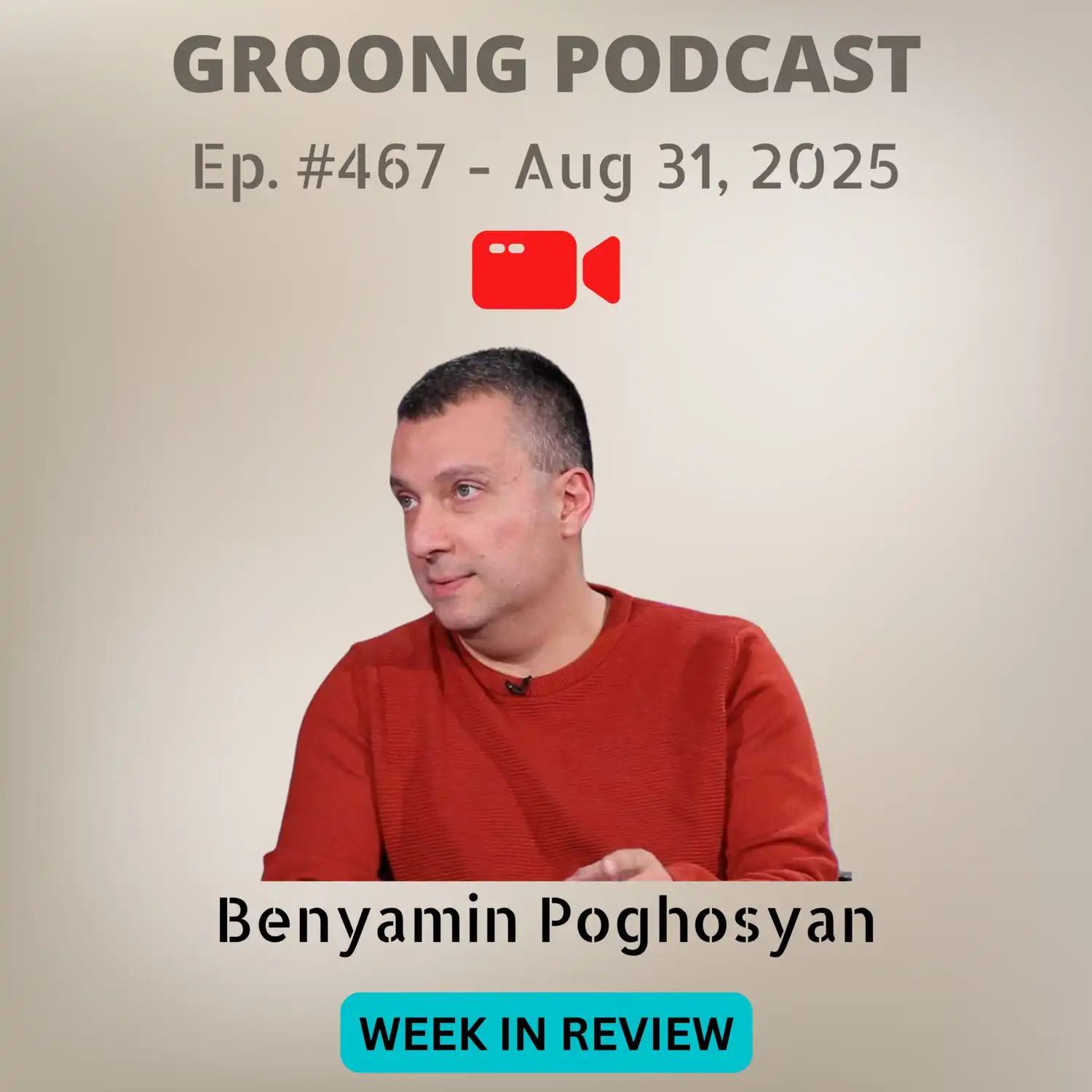
Groong Links:
Guest:
Topics:
- SCO Summit in China
- The UK in Armenia
- TRIPP / Zangezur Corridor
- Russian Azerbaijani Relations
Episode 467 | Recorded: September 1, 2025
Benyamin Poghosyan - SCO Summit, TRIPP Corridor, RU - AZ Rift, UK Ties | Ep 467, Aug 31, 2025 [EP467]
Posted on Tuesday, Sep 2, 2025 | Category: Armenia, Politics, Artsakh, Nagorno Karabakh, Azerbaijan, China, India, Russia, USA, Georgia, Armenian Genocide, NATO, Iran, Turkey, Genocide, Israel, European UnionGroong Links:
Guest:
Topics:
- SCO Summit in China
- The UK in Armenia
- TRIPP / Zangezur Corridor
- Russian Azerbaijani Relations
Episode 467 | Recorded: September 1, 2025
Jeffrey Sachs - TRIPP down Zangezur Corridor | Ep 466, Aug 29, 2025 [EP466]
Posted on Friday, Aug 29, 2025 | Category: Armenia, Geopolitics, Azerbaijan, Artsakh, Nagorno Karabakh, Russia, Iran, Turkey, Georgia, USA, Economy, Israel, European Union, NATO | Series: cog, video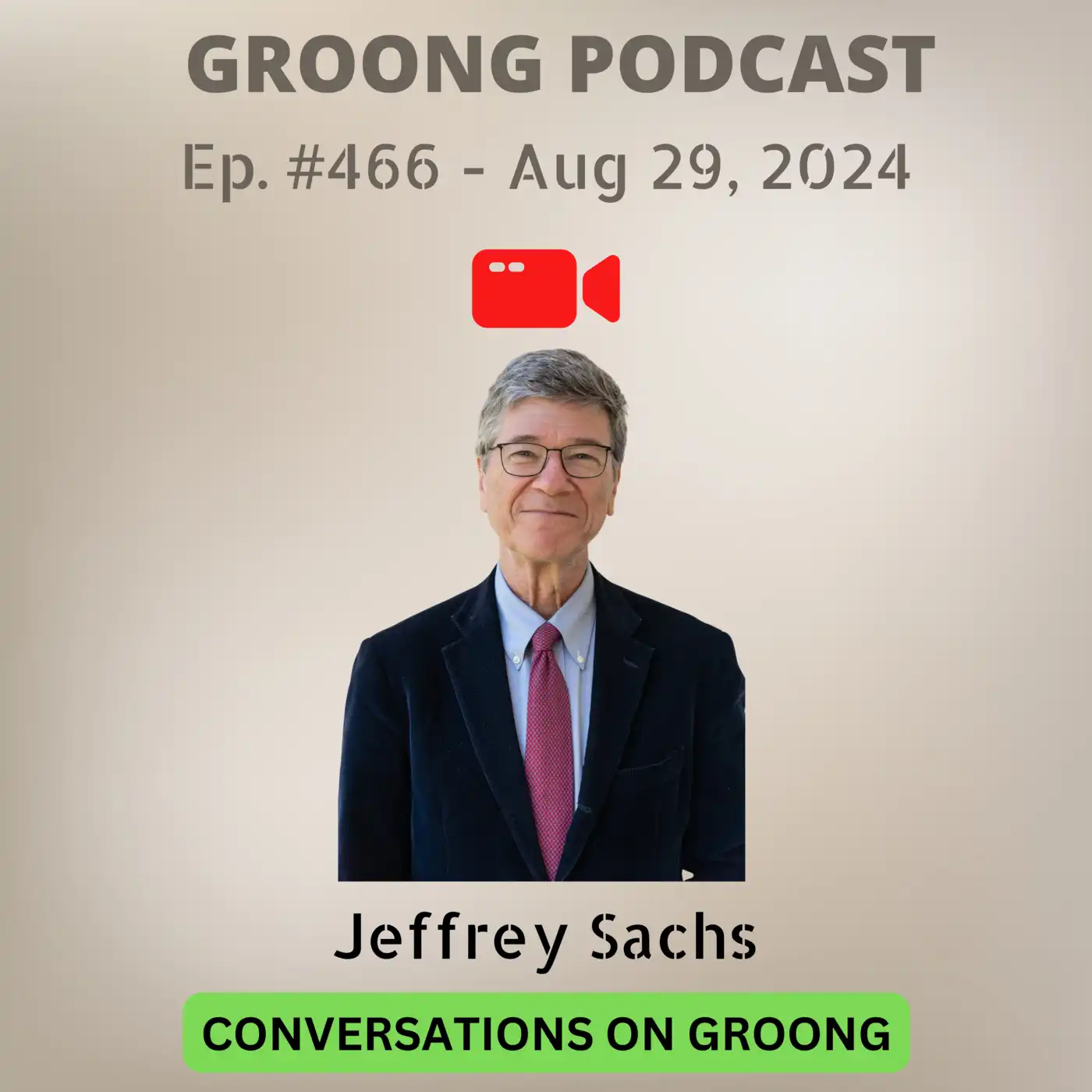
Groong Links:
Guest:
Topics:
- Pashinyan, Aliyev, in the White House
- What âPeaceâ?
- Armenian Economy
Episode 466 | Recorded: August 28, 2025
Jeffrey Sachs - TRIPP down Zangezur Corridor | Ep 466, Aug 29, 2025 [EP466]
Posted on Friday, Aug 29, 2025 | Category: Armenia, Geopolitics, Azerbaijan, Artsakh, Nagorno Karabakh, Russia, Iran, Turkey, Georgia, USA, Economy, Israel, European Union, NATOGroong Links:
Guest:
Topics:
- Pashinyan, Aliyev, in the White House
- What âPeaceâ?
- Armenian Economy
Episode 466 | Recorded: August 28, 2025
Transcript: Jeffrey Sachs - TRIPP down Zangezur Corridor | Ep 466, Aug 29, 2025 [EP466]
Posted on Friday, Aug 29, 2025 | Category: Armenia, Geopolitics, Azerbaijan, Artsakh, Nagorno Karabakh, Russia, Iran, Turkey, Georgia, USA, Economy, Israel, European Union, NATO, TranscriptIn this episode of Conversations on Groong, renowned economist Jeffrey Sachs joins to discuss the U.S.-brokered “TRIPP” (Trump Route for International Peace and Prosperity), also known as the Zangezur Corridor. The discussion covers the risks of foreign powers imposing corridors through Armenia, the muted response from Moscow, Tehran’s strong opposition, and what this means for regional security. Sachs stresses that Armenia should not look to distant powers like the United States for security or stability, but instead pursue prudent arrangements and economic cooperation with its immediate Read More
Armen Ashotyan - Reflections on Life as a Political Prisoner, Attacks on the Church and Sovereignty | Ep 465, Aug 28, 2025 [EP465]
Posted on Thursday, Aug 28, 2025 | Category: Armenia, Artsakh, Nagorno Karabakh, Human Rights, Armenian Church, Lebanon, Syria, Iran, Russia, India, Middle East, China, European Union, Ukraine, Azerbaijan | Series: cog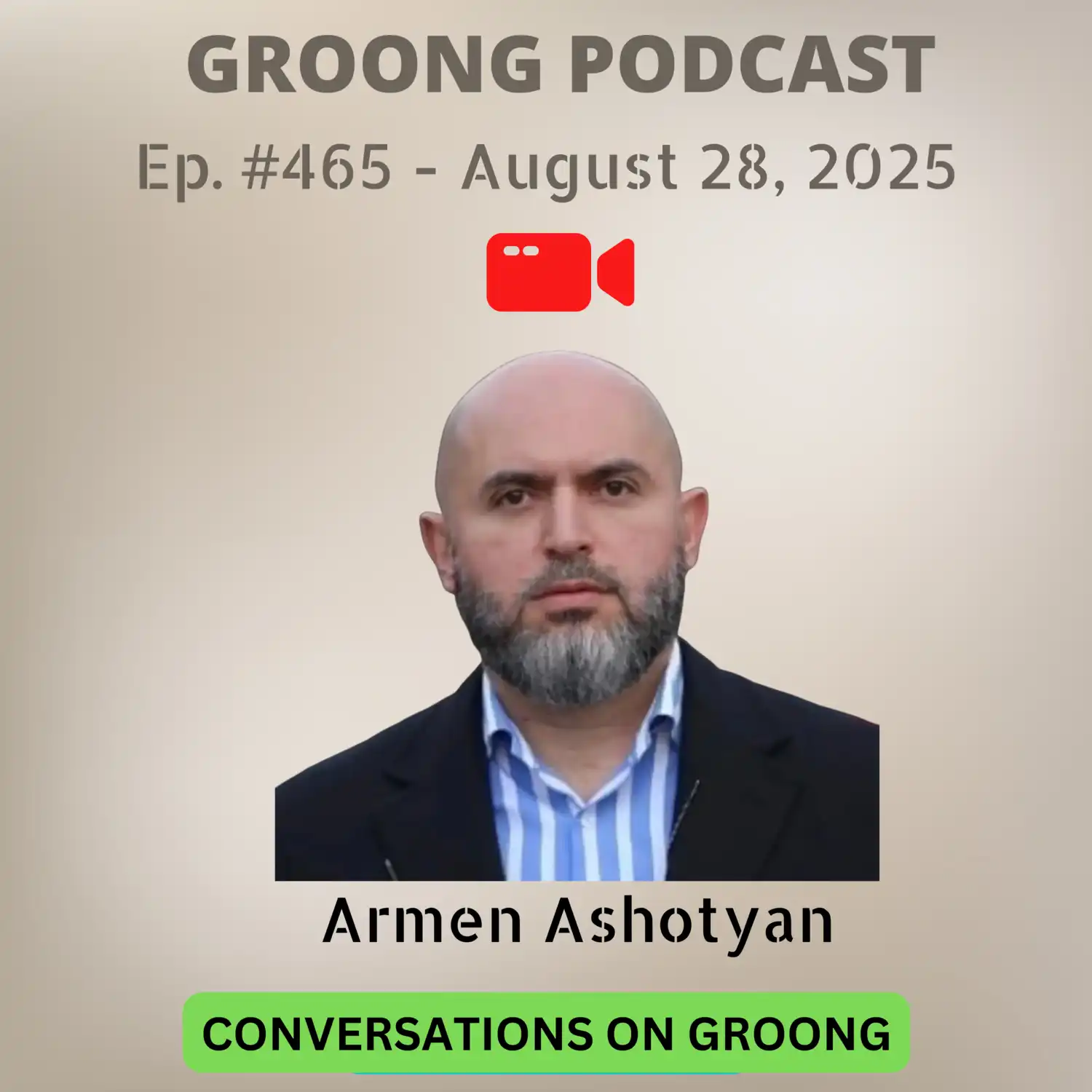
Groong Links:
Guest:
- Armen Ashotyan , MP, VP Republican Party of Armenia (HHK)
Topics:
- Imprisonment and Political Persecution
- International and Diaspora Response
- Pashinyan Regime Attack on the Church
- The Managed Capitulation Process
Episode 465 | Recorded on August 27, 2025
Armen Ashotyan - Reflections on Life as a Political Prisoner, Attacks on the Church and Sovereignty | Ep 465, Aug 28, 2025 [EP465]
Posted on Thursday, Aug 28, 2025 | Category: Armenia, Artsakh, Nagorno Karabakh, Human Rights, Armenian Church, Lebanon, Syria, Iran, Russia, India, Middle East, China, European Union, Ukraine, AzerbaijanGroong Links:
Guest:
- Armen Ashotyan , MP, VP Republican Party of Armenia (HHK)
Topics:
- Imprisonment and Political Persecution
- International and Diaspora Response
- Pashinyan Regime Attack on the Church
- The Managed Capitulation Process
Episode 465 | Recorded on August 27, 2025
Tevan Poghosyan - State Sovereignty Day, TRIPP Trap, Reactions, Kitchen Sink | Ep 464, Aug 24, 2025 [EP464]
Posted on Tuesday, Aug 26, 2025 | Category: Armenia, Geopolitics, Artsakh, Nagorno Karabakh, Azerbaijan, Iran, Turkey, Russia, Israel, Genocide, China, Ukraine | Series: wir, video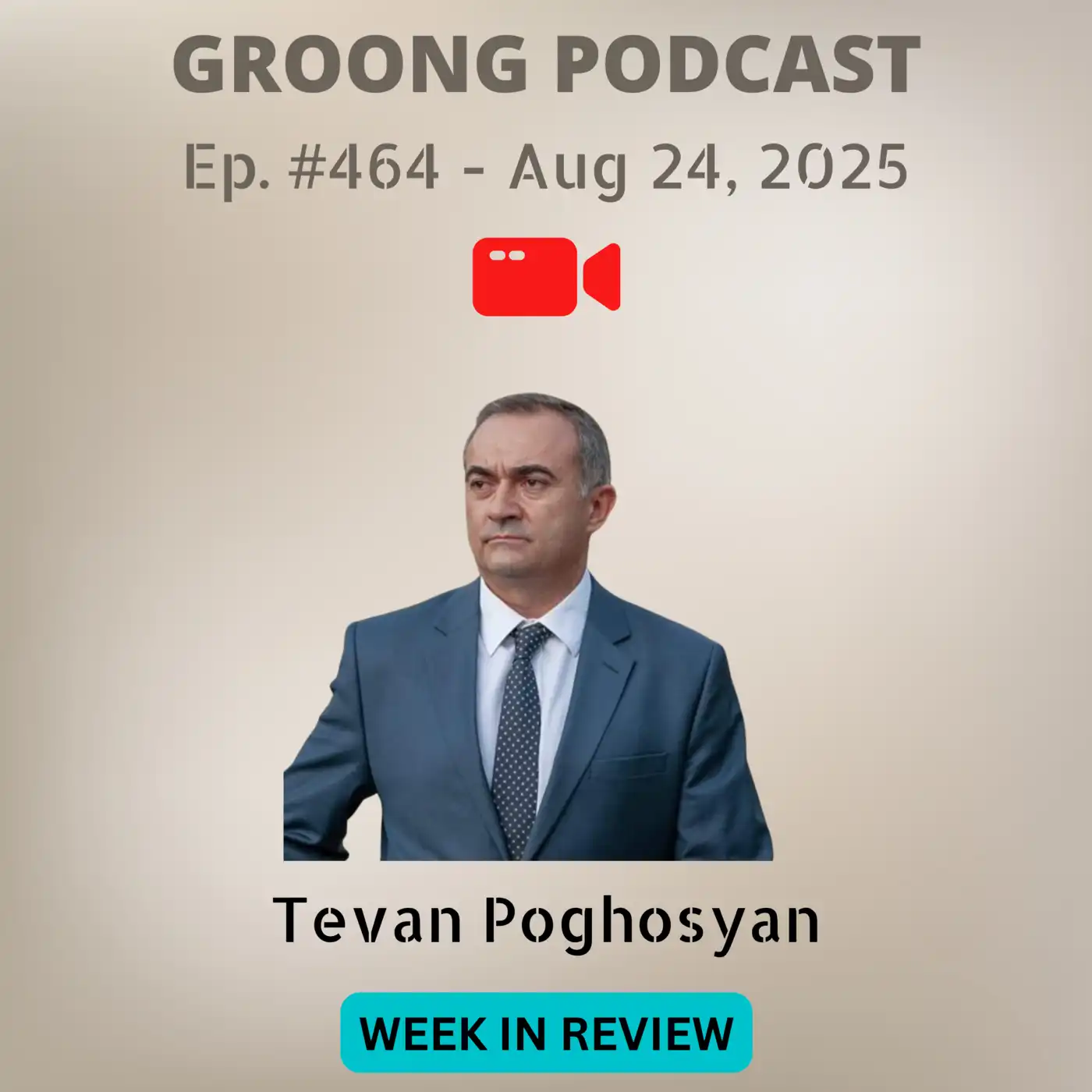
Groong Links:
Guest:
- Tevan Poghosyan , Former MP, Heritage Party
Topics:
- August 23: Armeniaâs declaration of State Sovereignty
- The TRIPP Trap
- Iran - Pezeshkianâs Visit
- Russia - Overchukâs visit
- The Kitchen Sink
Episode 464 | Recorded: August 25, 2025
Tevan Poghosyan - State Sovereignty Day, TRIPP Trap, Reactions, Kitchen Sink | Ep 464, Aug 24, 2025 [EP464]
Posted on Tuesday, Aug 26, 2025 | Category: Armenia, Geopolitics, Artsakh, Nagorno Karabakh, Azerbaijan, Iran, Turkey, Russia, Israel, Genocide, China, UkraineGroong Links:
Guest:
- Tevan Poghosyan , Former MP, Heritage Party
Topics:
- August 23: Armeniaâs declaration of State Sovereignty
- The TRIPP Trap
- Iran - Pezeshkianâs Visit
- Russia - Overchukâs visit
- The Kitchen Sink
Episode 464 | Recorded: August 25, 2025
Sergei Melkonian - Alaska Summit, Trump Corridor, Russia, Azerbaijan, Iran, Our Way | Ep 463, Aug 17, 2025 [EP463]
Posted on Tuesday, Aug 19, 2025 | Category: Armenia, Geopolitics, Artsakh, Nagorno Karabakh, Azerbaijan, Turkey, Russia, Ukraine, Iran, Syria, Armenian Church, NATO | Series: wir, video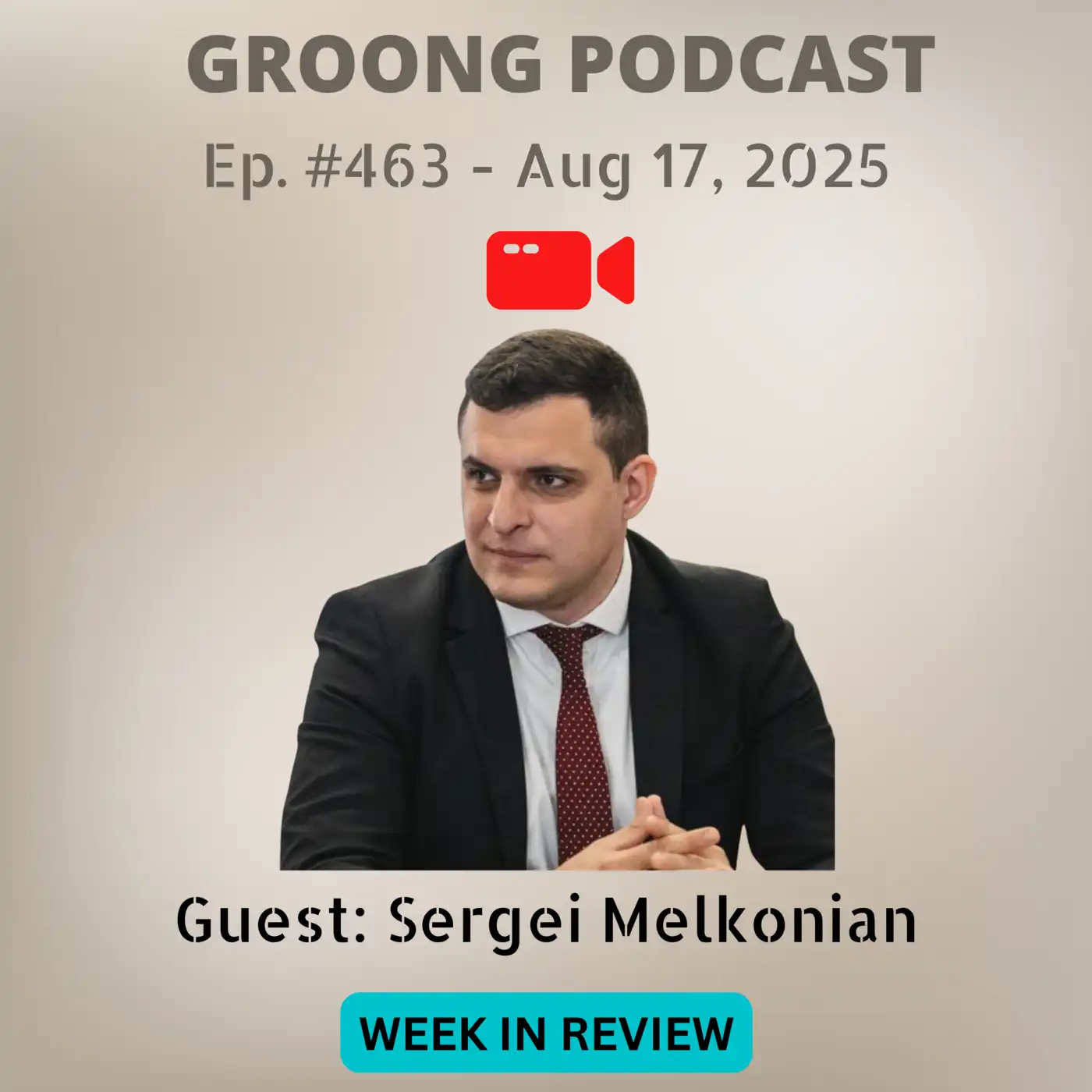
Groong Links:
Guest:
Topics:
- Trump-Putin Alaska Summit
- Trump Corridor Politics
- Russian-Azerbaijani Relations
- Russian-Iranian Recalibration
- New Opposition Emerging - Our Way
Episode 463 | Recorded: August 18, 2025
Sergei Melkonian - Alaska Summit, Trump Corridor, Russia, Azerbaijan, Iran, Our Way | Ep 463, Aug 17, 2025 [EP463]
Posted on Tuesday, Aug 19, 2025 | Category: Armenia, Geopolitics, Artsakh, Nagorno Karabakh, Azerbaijan, Turkey, Russia, Ukraine, Iran, Syria, Armenian Church, NATOGroong Links:
Guest:
Topics:
- Trump-Putin Alaska Summit
- Trump Corridor Politics
- Russian-Azerbaijani Relations
- Russian-Iranian Recalibration
- New Opposition Emerging - Our Way
Episode 463 | Recorded: August 18, 2025
Christine Arakelian - Pashinyan vs. the Church, India Armenia, NGOs and Foreign Influence | Ep 462, Aug 17, 2025 [EP462]
Posted on Sunday, Aug 17, 2025 | Category: Georgia, Politics, Armenia, Armenian Church, Human Rights, Russia, India, Turkey, Ukraine, Israel, Economy | Series: cog, video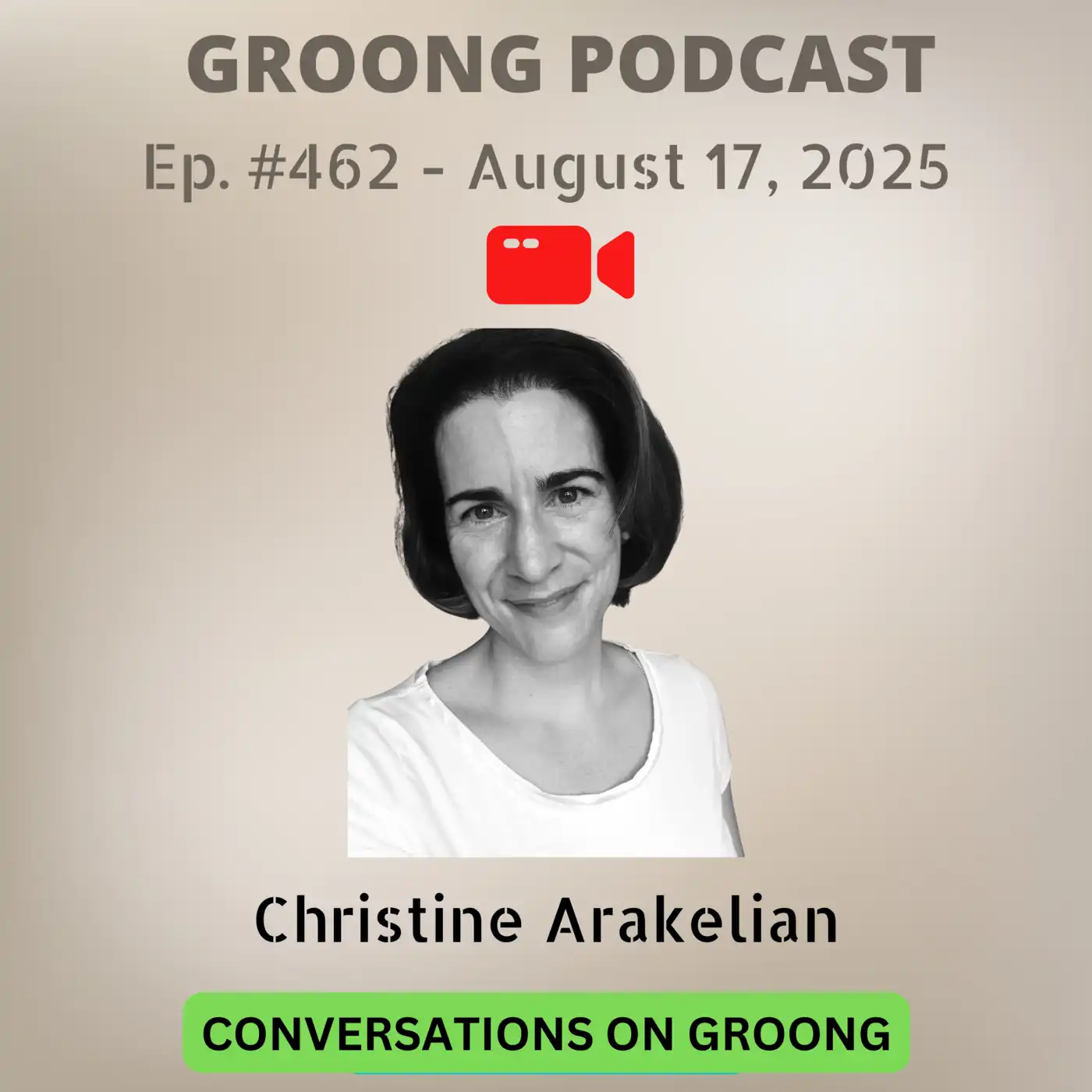
Groong Links:
Guest:
Topics:
- Pashinyan vs. The Armenian Church
- Indian-Armenian Relations
- NGOs and Foreign Influence
- U.S. Geopolitics and the Trump Corridor
Episode 462 | Recorded: August 15, 2025
Christine Arakelian - Pashinyan vs. the Church, India Armenia, NGOs and Foreign Influence | Ep 462, Aug 17, 2025 [EP462]
Posted on Sunday, Aug 17, 2025 | Category: Georgia, Politics, Armenia, Armenian Church, Human Rights, Russia, India, Turkey, Ukraine, Israel, EconomyGroong Links:
Guest:
Topics:
- Pashinyan vs. The Armenian Church
- Indian-Armenian Relations
- NGOs and Foreign Influence
- U.S. Geopolitics and the Trump Corridor
Episode 462 | Recorded: August 15, 2025
Hamid Bahrami - Iran and the corridor through Syunik, Armenia | Ep 461, Aug 16, 2025 [EP461]
Posted on Saturday, Aug 16, 2025 | Category: Iran, Geopolitics, Armenia, Azerbaijan, Russia, China, Turkey, Israel, Nagorno Karabakh, NATO, Ukraine, Syria, Middle East, Georgia | Series: cog, video
Groong Links:
Guest:
Topics:
- TRIPP Corridor & US Involvement
- US-Israel Strategy & War Risks
- Iranâs Missed Opportunities & Shifts
- Future of IranâArmenia Relations
Episode 461 | Recorded: August 13, 2025
Hamid Bahrami - Iran and the corridor through Syunik, Armenia | Ep 461, Aug 16, 2025 [EP461]
Posted on Saturday, Aug 16, 2025 | Category: Iran, Geopolitics, Armenia, Azerbaijan, Russia, China, Turkey, Israel, Nagorno Karabakh, NATO, Ukraine, Syria, Middle East, GeorgiaGroong Links:
Guest:
Topics:
- TRIPP Corridor & US Involvement
- US-Israel Strategy & War Risks
- Iranâs Missed Opportunities & Shifts
- Future of IranâArmenia Relations
Episode 461 | Recorded: August 13, 2025
Groong Links:
Guest:
Topics:
- US Geopolitics
- #Gaza, #Iran, #Russia, #Ukraine
- #DonaldTrump, #Pashinyan, #Aliyev meet in the #WhiteHouse
Episode 460 | Recorded: August 11, 2025
Groong Links:
Guest:
Topics:
- US Geopolitics
- #Gaza, #Iran, #Russia, #Ukraine
- #DonaldTrump, #Pashinyan, #Aliyev meet in the #WhiteHouse
Episode 460 | Recorded: August 11, 2025
Dziunik Aghajanian - Trump, Aliyev, Pashinyan Oval Office Meeting and Reactions | Ep 459, Aug 10, 2025 [EP459]
Posted on Tuesday, Aug 12, 2025 | Category: Armenia, Politics, Iran, Nagorno Karabakh, Azerbaijan, Turkey, USA, Russia, BRICS, Genocide, China, Economy, Israel, Ukraine, Human Rights, Lebanon, Middle East, Syria | Series: wir, video
Groong Links:
Guest:
Topics:
- Trump, Aliyev, Pashinyan Meeting
- Iranian Reaction
- Russian Reaction
Episode 459 | Recorded: August 11, 2025
Dziunik Aghajanian - Trump, Aliyev, Pashinyan Oval Office Meeting and Reactions | Ep 459, Aug 10, 2025 [EP459]
Posted on Tuesday, Aug 12, 2025 | Category: Armenia, Politics, Iran, Nagorno Karabakh, Azerbaijan, Turkey, USA, Russia, BRICS, Genocide, China, Economy, Israel, Ukraine, Human Rights, Lebanon, Middle East, SyriaGroong Links:
Guest:
Topics:
- Trump, Aliyev, Pashinyan Meeting
- Iranian Reaction
- Russian Reaction
Episode 459 | Recorded: August 11, 2025
Summary In this episode, Christine Arakelian and Col. Douglas MacGregor join the hosts to analyze U.S. foreign policy moves from Gaza to the South Caucasus. They discuss Israel’s ongoing campaign in Gaza, the recent U.S. and Israeli strikes on Iran, and the likely resumption of hostilities. The conversation examines the Trump–Pashinyan–Aliyev White House summit, the strategic “Trump Corridor” across Armenia, and its impact on Russia, Iran, and India. The guests explore India–Armenia relations, U.S. economic vulnerabilities, and the challenges of sustaining a long-term American role in the Read More
Stanislav Krapivnik - The Evolving World Order, Russia, and the South Caucasus | Ep 458, Aug 9, 2025 [EP458]
Posted on Sunday, Aug 10, 2025 | Category: Georgia, Politics, Ukraine, Artsakh, Nagorno Karabakh, Armenia, Azerbaijan, Armenian Church, Russia, Iran, NATO, Turkey, Economy, Israel | Series: cog, video
Groong Links:
Guest:
Topics:
- Trump, Pashinyan, Aliyev DC Summit
- Ukraine War and the Shifting World Order
- Russia and the South Caucasus
Episode 458 | Recorded: August 9, 2025
Stanislav Krapivnik - The Evolving World Order, Russia, and the South Caucasus | Ep 458, Aug 9, 2025 [EP458]
Posted on Sunday, Aug 10, 2025 | Category: Georgia, Politics, Ukraine, Artsakh, Nagorno Karabakh, Armenia, Azerbaijan, Armenian Church, Russia, Iran, NATO, Turkey, Economy, IsraelGroong Links:
Guest:
Topics:
- Trump, Pashinyan, Aliyev DC Summit
- Ukraine War and the Shifting World Order
- Russia and the South Caucasus
Episode 458 | Recorded: August 9, 2025
Transcript: Stanislav Krapivnik - The Evolving World Order, Russia, and the South Caucasus | Ep 458, Aug 9, 2025 [EP458]
Posted on Sunday, Aug 10, 2025 | Category: Georgia, Politics, Ukraine, Artsakh, Nagorno Karabakh, Armenia, Azerbaijan, Armenian Church, Russia, Iran, NATO, Turkey, Economy, Israel, TranscriptIn this episode, former U.S. Army officer and military-political analyst Stanislav Krapivnik discusses the geopolitical fallout from the Trump-Pashinyan-Aliyev summit in Washington, which saw the announcement of a “peace” framework, the dissolution of the OSCE Minsk Group, U.S. plans for a 99-year “Trump Corridor” across Armenia, and the dropping of Section 907 to allow arms sales to Azerbaijan. He examines Russia’s heavy focus on the Ukraine war at the expense of the South Caucasus, the loss of Russian leverage over Armenia and Azerbaijan, and the growing role of Turkey. Krapivnik warns of Read More
Benyamin Poghosyan - Public Trust in Freefall, Church on the Rise, and Corridor Pressures Mount | Ep 456, Jul 27, 2025 [EP456]
Posted on Tuesday, Jul 29, 2025 | Category: Armenia, Politics, Poll, Russia, Iran, Georgia, Azerbaijan, Turkey, Ukraine, Middle East, Israel, China, India, Geopolitics, Artsakh, Armenian Church, Nagorno Karabakh, European Union, Economy, Syria | Series: wir, video
Groong Links:
Guest:
Topics:
- Corridor Logic
- Crackdown Logic
- IRI Poll
- Russian-Azerbaijani Relations
Episode 456 | Recorded: July 28, 2025
Benyamin Poghosyan - Public Trust in Freefall, Church on the Rise, and Corridor Pressures Mount | Ep 456, Jul 27, 2025 [EP456]
Posted on Tuesday, Jul 29, 2025 | Category: Armenia, Politics, Poll, Russia, Iran, Georgia, Azerbaijan, Turkey, Ukraine, Middle East, Israel, China, India, Geopolitics, Artsakh, Armenian Church, Nagorno Karabakh, European Union, Economy, SyriaGroong Links:
Guest:
Topics:
- Corridor Logic
- Crackdown Logic
- IRI Poll
- Russian-Azerbaijani Relations
Episode 456 | Recorded: July 28, 2025
Arthur Khachatryan - Artsakh Negotiations, Armenian Domestic Politics | Ep 455, Jul 27, 2025 [EP455]
Posted on Sunday, Jul 27, 2025 | Category: Georgia, Politics, Artsakh, Nagorno Karabakh, Azerbaijan, Armenian Church, Armenia, Russia, Turkey, Human Rights, Ukraine, Genocide | Series: cog
Groong Links:
Guest:
- Arthur Khachatryan , MP
Topics:
- Artsakh Negotiations
- Armenian Domestic Politics
Episode 455 | Recorded: July 25, 2025
Arthur Khachatryan - Artsakh Negotiations, Armenian Domestic Politics | Ep 455, Jul 27, 2025 [EP455]
Posted on Sunday, Jul 27, 2025 | Category: Georgia, Politics, Artsakh, Nagorno Karabakh, Azerbaijan, Armenian Church, Armenia, Russia, Turkey, Human Rights, Ukraine, GenocideGroong Links:
Guest:
- Arthur Khachatryan , MP
Topics:
- Artsakh Negotiations
- Armenian Domestic Politics
Episode 455 | Recorded: July 25, 2025
Archil Sikharulidze - Why does Georgia matter for the EU | Ep 454, Jul 24, 2025 [EP454]
Posted on Thursday, Jul 24, 2025 | Category: Georgia, Politics, Armenia, Azerbaijan, Russia, USA, Armenian Church, Nagorno Karabakh, European Union, Iran, China, Turkey, Ukraine, NATO, Economy, Human Rights, India, Israel | Series: cog
Groong Links:
Guest:
Topics:
- EU Strategy in the South Caucasus
- Attacks on the National Church
- 2025 Local Election Politics
Episode 454 | Recorded: July 22, 2025
Archil Sikharulidze - Why does Georgia matter for the EU | Ep 454, Jul 24, 2025 [EP454]
Posted on Thursday, Jul 24, 2025 | Category: Georgia, Politics, Armenia, Azerbaijan, Russia, USA, Armenian Church, Nagorno Karabakh, European Union, Iran, China, Turkey, Ukraine, NATO, Economy, Human Rights, India, IsraelGroong Links:
Guest:
Topics:
- EU Strategy in the South Caucasus
- Attacks on the National Church
- 2025 Local Election Politics
Episode 454 | Recorded: July 22, 2025
Pashinyan Meets Aliyev as Armenia Cracks Down on Opposition and Church | Ep 453, Jul 13, 2025 [EP453]
Posted on Sunday, Jul 13, 2025 | Category: Armenia, Politics, Artsakh, Nagorno Karabakh, Azerbaijan, Turkey, Russia, Armenian Church, Iran, Economy, Israel, NATO, Middle East, Ukraine | Series: wir, video
Groong Links:
Topics:
- Pashinyan meets Aliyev in Abu Dhabi
- Continued Persecution of Church and Opposition
Episode 453 | Recorded: July 13, 2025
Pashinyan Meets Aliyev as Armenia Cracks Down on Opposition and Church | Ep 453, Jul 13, 2025 [EP453]
Posted on Sunday, Jul 13, 2025 | Category: Armenia, Politics, Artsakh, Nagorno Karabakh, Azerbaijan, Turkey, Russia, Armenian Church, Iran, Economy, Israel, NATO, Middle East, UkraineGroong Links:
Topics:
- Pashinyan meets Aliyev in Abu Dhabi
- Continued Persecution of Church and Opposition
Episode 453 | Recorded: July 13, 2025
Arthur Martirosyan - Constitution, Western Controlled Syunik, Church Crackdown | Ep 452, Jul 6, 2025 [EP452]
Posted on Tuesday, Jul 8, 2025 | Category: Armenia, Politics, Turkey, Azerbaijan, Russia, Iran, Armenian Church, Artsakh, Nagorno Karabakh, Ukraine, NATO, China, Economy, Genocide | Series: wir, video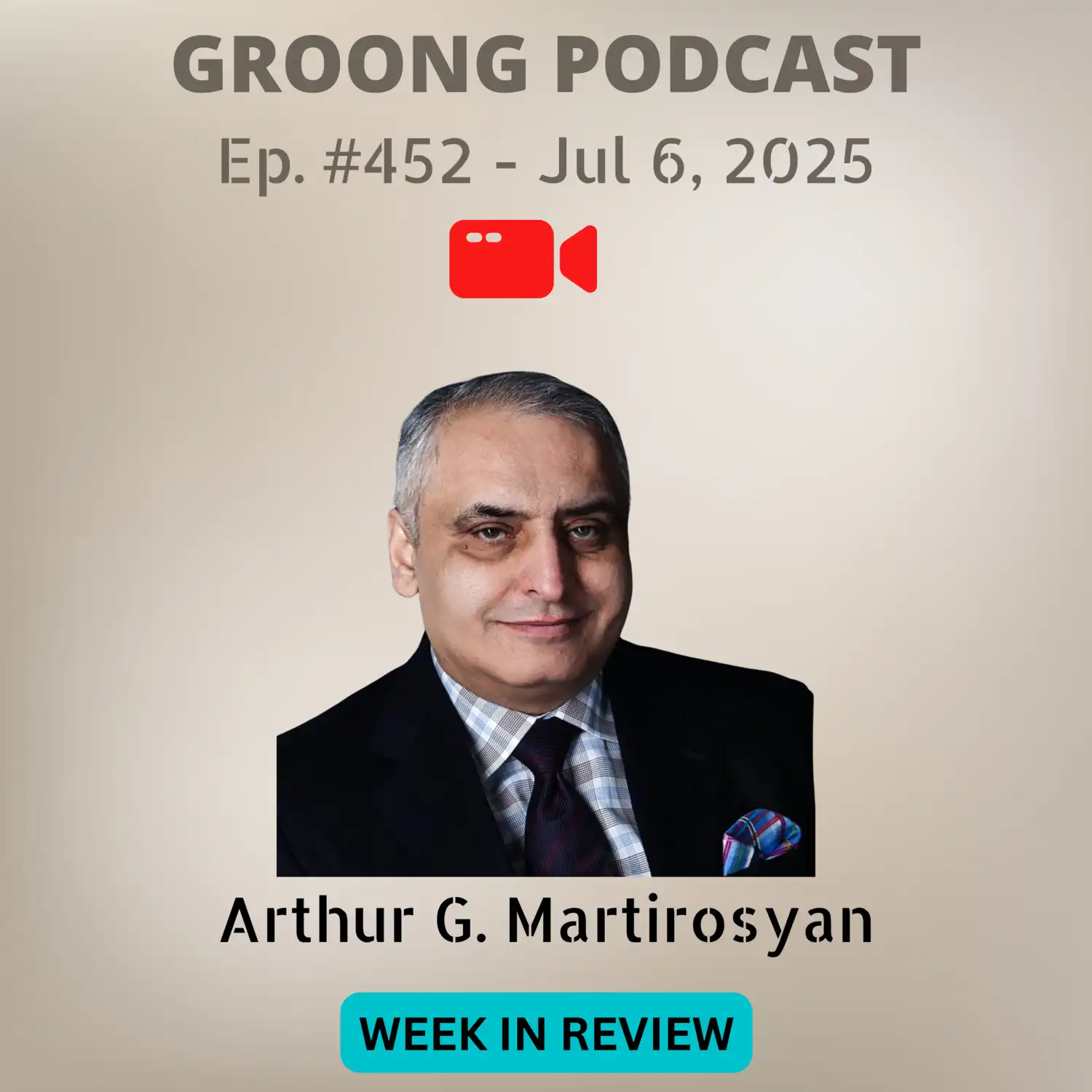
Groong Links:
Guest:
Topics:
- Constitution Day
- Western Controlled Syunik?
- What was Kallas Doing in Yerevan?
- Russian-Azerbaijani Relations
- Coup dâEtat? Or Coup dâÃglise?
- The Kitchen Sink
Episode 452 | Recorded: July 7, 2025