Nikol Pashinyan
Last updated: May 29, 2026
Nikol Pashinyan has been a central figure in Groong’s coverage since the podcast launched in 2020. He rose to power in 2018 through a street movement that its proponents called the Velvet Revolution — though a substantial segment of Armenian political opinion views the events as a color revolution or externally influenced regime change operation rather than a spontaneous civic uprising. Under Pashinyan, Armenia has undergone one of the most turbulent periods in its post-independence history.
The most consequential event of Pashinyan’s tenure was Armenia’s defeat in the 44-Day War of 2020, which ended with the loss of most of Nagorno Karabakh (Artsakh) under a Russian-brokered ceasefire. Pashinyan survived political pressure to resign and consolidated power through snap elections in 2021. The September 2023 Azerbaijani offensive that caused the ethnic cleansing of the entire Armenian population of Artsakh deepened the crisis of legitimacy — both internationally and domestically — as critics argue his concessions to Aliyev made the outcome inevitable.
Since 2022, Pashinyan has undertaken a significant reorientation of Armenian foreign policy: suspending participation in the CSTO , deepening ties with France, the EU, and the United States, and accepting Western security assistance including an EU monitoring mission on the Armenian border. This pivot away from Russia has defined Armenian geopolitics in the post-Artsakh period. Groong has covered every major step of this reorientation, including what it means for Armenia’s relationship with Iran, India, and other partners.
Domestically, Groong’s coverage of Pashinyan addresses his government’s confrontation with the Armenian Church , the arrest of opposition figures and political prisoners , the Tavush border delimitation controversy, and Civil Contract’s campaign in the June 2026 parliamentary elections . Critics covered extensively on Groong argue that Pashinyan has used his parliamentary supermajority to weaken democratic institutions and neutralize political opposition under the guise of reform.
Groong episodes that include this tag
Below are all Groong episodes tagged with Nikol Pashinyan.
Arthur Khachatryan - Opposition Strategy, TRIPP, and the Russian Base | Ep 589, Sep 23, 2026 [EP589]
Posted on Wednesday, Sep 23, 2026 | Series: cog, video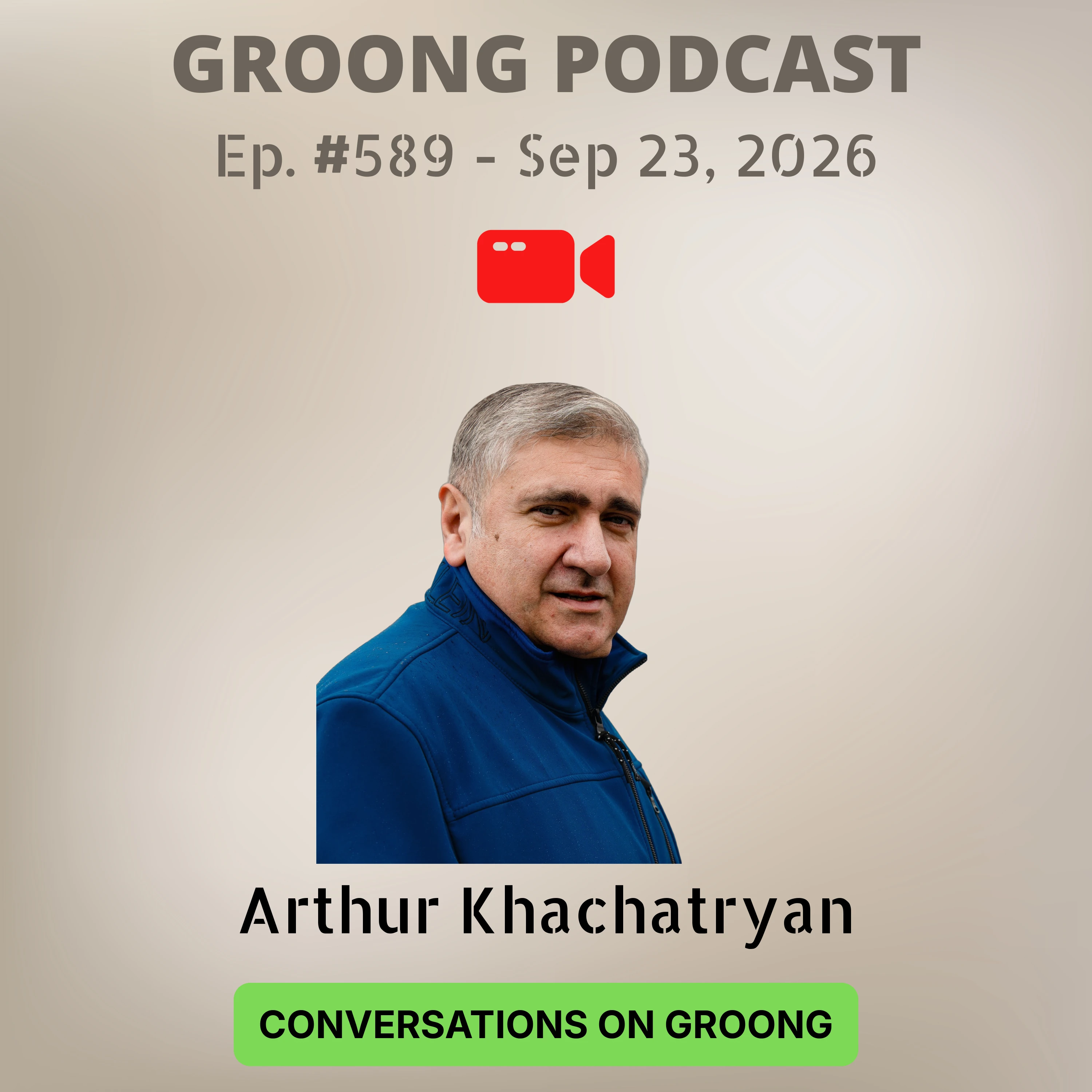
Groong Links:
Guest(s):
Topics:
- Reflections on Independence Day
- Post-election opposition strategy
- Tigranashen and other territorial concessions
- Azerbaijani attacks on Armenian heritage
- Azerbaijani control over TRIPP access
- Future of Russia’s 102nd base
- Asset confiscation and Russia tensions
- Attacks and threats against the ARF
Episode 589 | Recorded: September 22, 2026
#Armenia #ArthurKhachatryan #ArmeniaAlliance #TRIPP #Tigranashen #Artsakh #SouthCaucasus #ArmenianPolitics
Read MoreArmenia at 35: Independence, Loss, and Unfinished Wars | Ep 588, Sep 20, 2026 [EP588]
Posted on Wednesday, Sep 23, 2026 | Category: Armenia, Politics, Geopolitics | Series: wir, video
Groong Links:
Topics:
- Armenia marks 35 years independent
- Artsakh remembered three years later
- Armenian POWs remain in Baku
- Ukraine strikes deep inside Russia
- Turkey-Azerbaijan deepen strategic coordination
- Citizenship costs rise sharply
- Government opacity over war casualties
Episode 588 | Recorded: September 22, 2026
#Armenia #Artsakh #UkraineWar #ArmenianPOWs #Azerbaijan #Turkey #SouthCaucasus #ArmenianPolitics
Armenia at 35: Independence, Loss, and Unfinished Wars | Ep 588, Sep 20, 2026 [EP588]
Posted on Wednesday, Sep 23, 2026 | Category: Armenia, Politics, GeopoliticsGroong Links:
Topics:
- Armenia marks 35 years independent
- Artsakh remembered three years later
- Armenian POWs remain in Baku
- Ukraine strikes deep inside Russia
- Turkey-Azerbaijan deepen strategic coordination
- Citizenship costs rise sharply
- Government opacity over war casualties
Episode 588 | Recorded: September 22, 2026
#Armenia #Artsakh #UkraineWar #ArmenianPOWs #Azerbaijan #Turkey #SouthCaucasus #ArmenianPolitics
Transcript: Armenia at 35: Independence, Loss, and Unfinished Wars | Ep 588, Sep 20, 2026 [EP588]
Posted on Wednesday, Sep 23, 2026 | Category: Armenia, Politics, Geopolitics, TranscriptIn this week’s Groong podcast episode, Hovik and Asbed reflect on Armenia’s 35th independence anniversary amid ongoing regional tensions and unresolved conflicts. We discuss the state of Armenian statehood three years after the ethnic cleansing of Artsakh, Armenian prisoners of war still held in Baku, rising citizenship costs, government opacity over war casualties, and deepening Turkey-Azerbaijan strategic coordination.
AI Chips for 99 Years of Armenian Territory [EP585]
Posted on Wednesday, Sep 16, 2026 | Category: Politics, Technology, USAA Wall Street Journal report says the U.S. dangled NVIDIA AI chips to get Armenia to sign the TRIPP corridor. The hosts weigh revocable chips against a 99-year deal.
Arrest, No Basis, Release: The Pashinyan Pattern [EP585]
Posted on Wednesday, Sep 16, 2026 | Category: Human Rights, Politics, ArmeniaArtsakh analyst Alen Ghevondyan was jailed over Facebook posts, then freed months later as a court dismissed the case. The hosts call it a repeating pattern.
France Launched Azerbaijan's Satellites, Used Against Armenia [EP585]
Posted on Wednesday, Sep 16, 2026 | Category: Politics, Technology, AzerbaijanAs Pashinyan attends a Paris space summit, Hovik notes France helped build and launch Azerbaijan’s satellites, later used against Armenia in war.
Artsakh at 35: A Glorious Day Turned to Mourning [EP584]
Posted on Monday, Sep 7, 2026 | Category: Artsakh, Nagorno Karabakh, HistoryOn the 35th anniversary of Artsakh’s independence, the hosts mourn a homeland emptied of its people and call it the cause of every Armenian generation.
Artsakh Remembered, SCO Theater, Russian Signals, and the Cucumber Paradox | Ep 584, Sep 6, 2026 [EP584]
Posted on Monday, Sep 7, 2026 | Series: wir, video
Groong Links:
Topics:
- Artsakh remembered, its cause unresolved
- Putin puts Russia’s military base on the table
- Church prosecutions begin to unravel
- EU trade headlines look better than the deal
- Army indiscipline fuels mounting non-combat deaths
- New political pressures before local elections
Episode 584 | Recorded: Sep 6, 2026
#Artsakh #Armenia #NagornoKarabakh #SouthCaucasus #SCO #Russia #EuropeanUnion #ArmenianPolitics
Artsakh Remembered, SCO Theater, Russian Signals, and the Cucumber Paradox | Ep 584, Sep 6, 2026 [EP584]
Posted on Monday, Sep 7, 2026Groong Links:
Topics:
- Artsakh remembered, its cause unresolved
- Putin puts Russia’s military base on the table
- Church prosecutions begin to unravel
- EU trade headlines look better than the deal
- Army indiscipline fuels mounting non-combat deaths
- New political pressures before local elections
Episode 584 | Recorded: Sep 6, 2026
#Artsakh #Armenia #NagornoKarabakh #SouthCaucasus #SCO #Russia #EuropeanUnion #ArmenianPolitics
Non-Combat Army Deaths Are Climbing After 'Peace' [EP584]
Posted on Monday, Sep 7, 2026 | Category: Politics, Armenia, Human RightsNon-combat deaths in Armenia’s army are rising sharply since the declared peace. The hosts detail a case of conscripts run over while forced to jog at night.
Pashinyan Blames Army Deaths on His Own 'Peace' [EP584]
Posted on Monday, Sep 7, 2026 | Category: Politics, ArmeniaPashinyan reportedly explains rising army deaths by saying that with no enemy shooting, soldiers grow lax and fight over who sleeps on watch.
The Cucumber Paradox: Armenia's EU Export Sham [EP584]
Posted on Monday, Sep 7, 2026 | Category: Economy, European Union, ArmeniaThe EU says Armenia can export 6,500 tons of cucumbers tariff-free. Armenia only produces 1,100. The hosts break down the export illusion.
The NSC Chief Who Once Called Concessions 'Betrayal' [EP584]
Posted on Monday, Sep 7, 2026 | Category: Politics, Nagorno Karabakh, ArmeniaThe hosts read Arman Grigoryan’s 2012 words calling concessions to Azerbaijan a betrayal, then reveal he was born in Martuni, Artsakh.
Transcript: Artsakh Remembered, SCO Theater, Russian Signals, and the Cucumber Paradox | Ep 584, Sep 6, 2026 [EP584]
Posted on Monday, Sep 7, 2026 | Category: TranscriptIn this week’s Groong episode, Hovik and Asbed review September 2026 developments across Armenia and the South Caucasus. We examine Artsakh’s remembered independence declaration on September 2, 1991, and its unresolved cause following the 2023 ethnic cleansing; Putin’s signaling on Russia’s military base presence; ongoing Armenian Church prosecutions; EU trade negotiations; mounting non-combat military deaths; and political pressures ahead of local elections. We also analyze U.S. envoy Witkoff and Kushner’s diplomatic shuttle through Moscow and Kyiv.
Why Putin and Pashinyan Both Avoid Deciding on Russian Military Base [EP583]
Posted on Saturday, Sep 5, 2026 | Category: Geopolitics, Politics, Armenia, RussiaSuren Sargsyan analyzes why both Putin and Pashinyan publicly defer the decision on the 102nd Russian military base in Gyumri, avoiding responsibility while maintaining the status quo.
Armenia at the SCO Summit as Ukraine and Iran Wars Intensify | Ep 582, Aug 30, 2026 [EP582]
Posted on Wednesday, Sep 2, 2026 | Series: wir, video
Groong Links:
Topics:
- Russia Escalates War Against Ukraine
- Unprecedented Western Visits to Moscow
- US-Iran War Flares Again
- All Artsakh Presidents Behind Bars
- Armenia at the SCO Summit
- Pashinyan Meets Aliyev, Putin, Modi
- Political Persecutions and Selective Justice
Episode 582 | Recorded: September 1, 2026
#Armenia #Artsakh #UkraineWar #IranWar #SCO #Pashinyan #SouthCaucasus #ArmenianPolitics
Armenia at the SCO Summit as Ukraine and Iran Wars Intensify | Ep 582, Aug 30, 2026 [EP582]
Posted on Wednesday, Sep 2, 2026Groong Links:
Topics:
- Russia Escalates War Against Ukraine
- Unprecedented Western Visits to Moscow
- US-Iran War Flares Again
- All Artsakh Presidents Behind Bars
- Armenia at the SCO Summit
- Pashinyan Meets Aliyev, Putin, Modi
- Political Persecutions and Selective Justice
Episode 582 | Recorded: September 1, 2026
#Armenia #Artsakh #UkraineWar #IranWar #SCO #Pashinyan #SouthCaucasus #ArmenianPolitics
No Criminal Charges for School Administrators Who Forced Students to Pashinyan Rallies [EP582]
Posted on Wednesday, Sep 2, 2026 | Category: Politics, Human Rights, ArmeniaSchool administrators forced underage students to attend Pashinyan campaign rallies during elections. The government declined to prosecute, issuing only administrative reprimands, a stark contrast to treatment of opposition figures.
Putin's Birthday Message to Kocharyan: A Subtle Rebuke to Pashinyan [EP582]
Posted on Wednesday, Sep 2, 2026 | Category: Politics, Geopolitics, Russia, ArmeniaPutin congratulates imprisoned Robert Kocharyan on his birthday while ignoring Pashinyan’s reelection. The hosts decode the geopolitical message behind this selective honor.
Transcript: Armenia at the SCO Summit as Ukraine and Iran Wars Intensify | Ep 582, Aug 30, 2026 [EP582]
Posted on Wednesday, Sep 2, 2026 | Category: TranscriptIn this week’s Groong news roundup, Hovik and Asbed examine Armenia’s position at the SCO Summit amid intensifying global conflicts. We discuss Russia’s escalation in Ukraine, unprecedented Western diplomatic visits to Moscow, the renewed US-Iran War, and Pashinyan’s meetings with regional and global leaders including Aliyev and Putin. We also address the ongoing persecution of former Artsakh leaders and the selective justice targeting Armenia’s political landscape.
All Opposition Leaders Under Arrest: Pashinyan's Revenge Politics [EP581]
Posted on Saturday, Aug 29, 2026 | Category: Politics, Human Rights, ArmeniaPashinyan intensifies crackdown against opposition figures post-election. Tsarukyan, Kocharyan, and Karapetyan face arrest and asset seizures as regime consolidates power.
Arthur Martirosyan - The Fourth Republic and the Politics of Erasure | Ep 581, Aug 29, 2026 [EP581]
Posted on Saturday, Aug 29, 2026 | Category: Armenia, Politics | Series: cog, video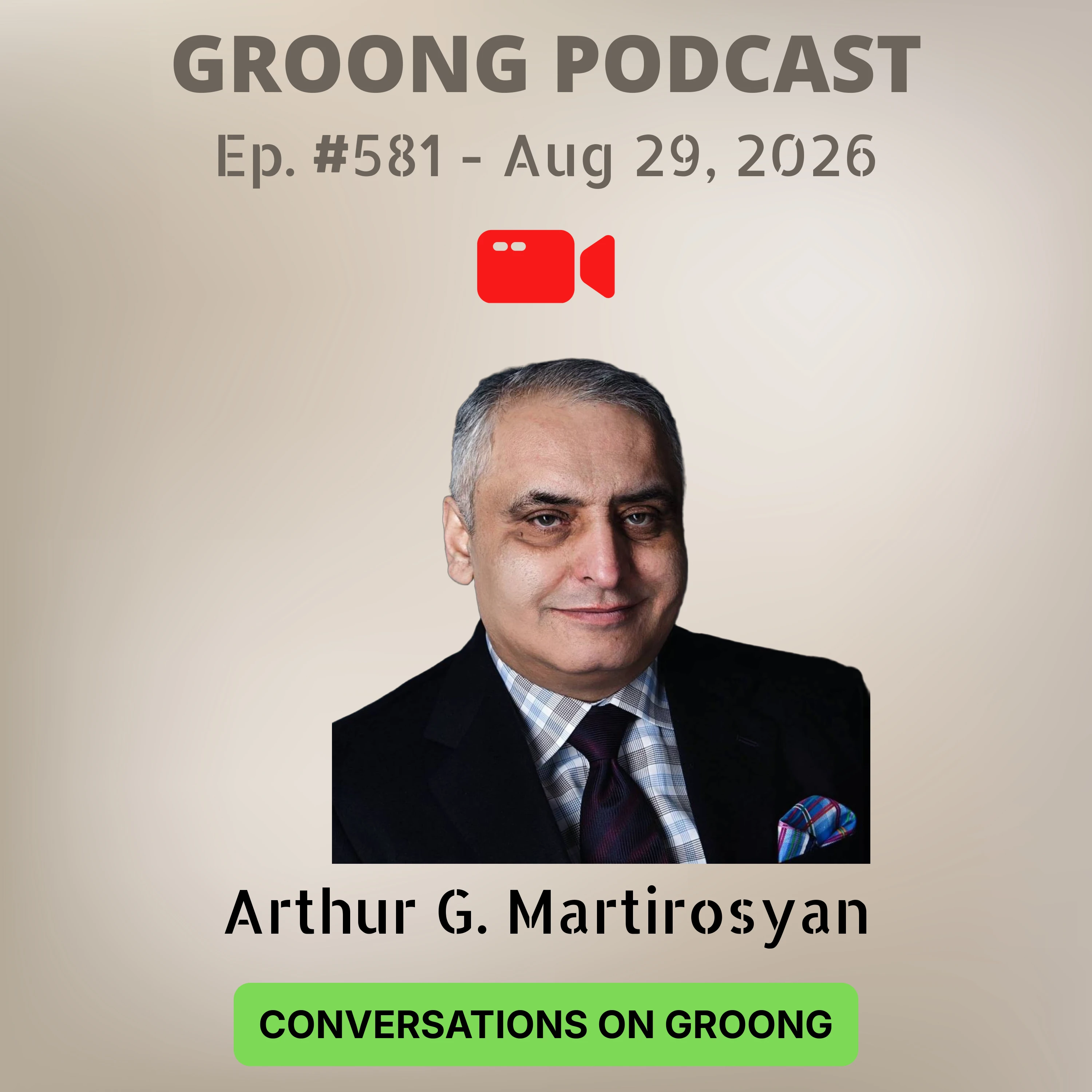
Groong Links:
Guest(s):
Topics:
- Pashinyan’s Revenge Against Opposition
- Kocharyan Arrested, Family Under State Pressure
- Opposition Strategy Under Repression
- Pashinyan’s Five-Year Transformation Agenda
- Government Assault on Armenian Church
- Tigranashen and Border Concessions
- TRIPP, Turan, and Central Asia
Episode 581 | Recorded: August 28, 2026
#ArmenianElections #Armenia #NikolPashinyan #CivilContract #StrongArmenia #ArmenianOpposition
Arthur Martirosyan - The Fourth Republic and the Politics of Erasure | Ep 581, Aug 29, 2026 [EP581]
Posted on Saturday, Aug 29, 2026 | Category: Armenia, PoliticsGroong Links:
Guest(s):
Topics:
- Pashinyan’s Revenge Against Opposition
- Kocharyan Arrested, Family Under State Pressure
- Opposition Strategy Under Repression
- Pashinyan’s Five-Year Transformation Agenda
- Government Assault on Armenian Church
- Tigranashen and Border Concessions
- TRIPP, Turan, and Central Asia
Episode 581 | Recorded: August 28, 2026
#ArmenianElections #Armenia #NikolPashinyan #CivilContract #StrongArmenia #ArmenianOpposition
The AI Factory and Energy Trap: How Armenia Becomes Dependent on Azerbaijan [EP581]
Posted on Saturday, Aug 29, 2026 | Category: Economy, Technology, ArmeniaPashinyan plans 300 MW AI facility but would shut Metsamor nuclear plant, losing net power while creating dependency on Azerbaijani electricity imports.
The Fourth Republic: Pashinyan's Plan to Kill Armenian Identity [EP581]
Posted on Saturday, Aug 29, 2026 | Category: Politics, ArmeniaPashinyan frames the Third Republic as failed and proposes a Fourth Republic based on rejecting Artsakh claims and Armenian diaspora ties. Expert analysis reveals this mirrors Atatürk’s identity transformation strategy.
Tigranashen: The Strategic Enclave Pashinyan Plans to Give Away [EP581]
Posted on Saturday, Aug 29, 2026 | Category: Geopolitics, Politics, ArmeniaPashinyan explicitly stated Armenia comprises 29,743 sq km, excluding Tigranashen. Expert analyzes this strategic territory’s importance and why Azerbaijan uses Jermuk occupation as leverage.
Why Pashinyan Attacks the Armenian Church [EP581]
Posted on Saturday, Aug 29, 2026 | Category: Politics, Armenian Church, ArmeniaPashinyan intensifies attacks on Armenian Apostolic Church after Catholicos speaks about Artsakh rights. Expert analysis reveals this targets the church’s diaspora ties and identity independence.
Transcript: Arthur Martirosyan - The Fourth Republic and the Politics of Erasure | Ep 581, Aug 29, 2026 [EP581]
Posted on Saturday, Aug 29, 2026 | Category: Armenia, Politics, TranscriptIn this episode of Conversations on Groong, we speak with Arthur G. Martirosyan about Armenia’s post-election political crisis and Pashinyan’s governance agenda. We discuss the arrest of opposition leaders including Robert Kocharyan, attacks on the Armenian Church, border concessions including Tigranashen, the TRIPP corridor, and how the Established Opposition is strategizing under state repression in the Fourth Republic.
Dziunik Aghajanian - Armenia Between Iran, Russia & the New Middle East Order | Ep 579, Aug 22, 2026 [EP579]
Posted on Saturday, Aug 22, 2026 | Category: Armenia, Politics, Geopolitics | Series: cog, video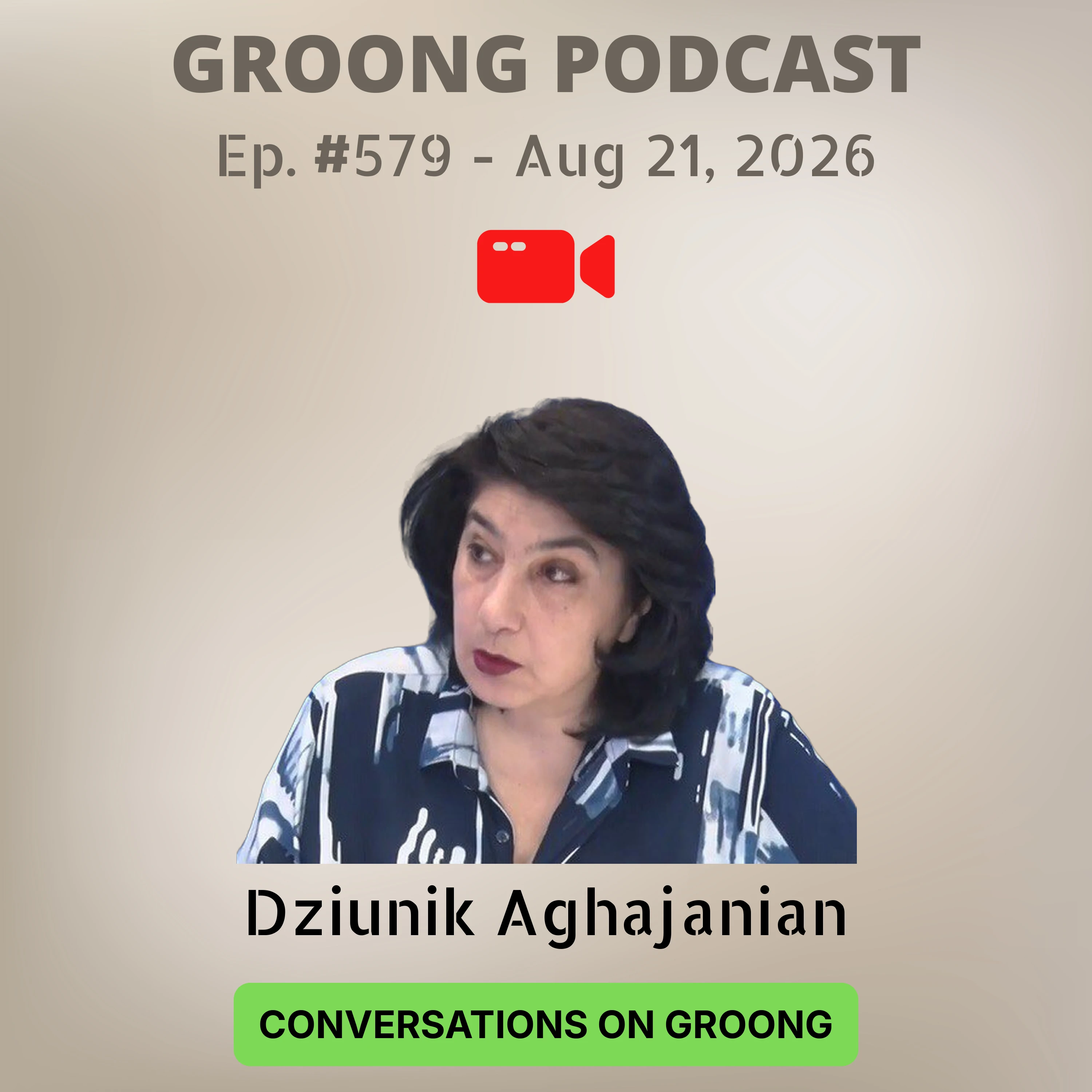
Groong Links:
Guest(s):
Topics:
- Significance of the Mecca joint defense pact
- Iran warns Armenia over TRIPP
- Aliyev advances plans through Syunik
- Armenia faces growing energy dependence
- Russia sets deadlines for Yerevan
- Opposition tests its parliamentary strategy
Episode 579 | Recorded: August 18, 2026
#Armenia #SouthCaucasus #Mecca #TRIPP #Iran #Russia #Azerbaijan #EAEU #CSTO
Dziunik Aghajanian - Armenia Between Iran, Russia & the New Middle East Order | Ep 579, Aug 22, 2026 [EP579]
Posted on Saturday, Aug 22, 2026 | Category: Armenia, Politics, GeopoliticsGroong Links:
Guest(s):
Topics:
- Significance of the Mecca joint defense pact
- Iran warns Armenia over TRIPP
- Aliyev advances plans through Syunik
- Armenia faces growing energy dependence
- Russia sets deadlines for Yerevan
- Opposition tests its parliamentary strategy
Episode 579 | Recorded: August 18, 2026
#Armenia #SouthCaucasus #Mecca #TRIPP #Iran #Russia #Azerbaijan #EAEU #CSTO
Transcript: Dziunik Aghajanian - Armenia Between Iran, Russia & the New Middle East Order | Ep 579, Aug 22, 2026 [EP579]
Posted on Saturday, Aug 22, 2026 | Category: Armenia, Politics, Geopolitics, TranscriptIn this episode of Conversations on Groong, we speak with Dziunik Aghajanian about Armenia’s precarious position between Iran, Russia, and emerging Middle East power shifts. We discuss the Mecca joint defense pact signed by Turkey, Pakistan, and Saudi Arabia, Iran’s warnings over TRIPP, Ilham Aliyev’s militarization plans in Nakhijevan, Armenia’s growing energy dependence, Russian deadlines for Yerevan, and how the Established Opposition is testing its parliamentary strategy ahead of the 2026 Armenian Parliamentary Election.
Aryeh Lightstone: The Rabbi Behind TRIPP and U.S. Armenian Policy [EP576]
Posted on Wednesday, Aug 12, 2026 | Category: Geopolitics, USA, Israel, Politics, ArmeniaHovik profiles Aryeh Lightstone, the Orthodox rabbi and Abraham Accords architect now advising on TRIPP implementation in Armenia.
Corruption and Favoritism: Government Officials' Wives Drawing Massive Salaries Through Rigged Job Contests [EP576]
Posted on Wednesday, Aug 12, 2026 | Category: Politics, Human Rights, ArmeniaHovik and Asbed detail how government officials’ wives are drawing astronomical salaries through rigged job contests while state enterprises decline.
How Long Can Armenia Sit on Two Chairs? EAEU vs. EU Balancing Act Collapsing [EP576]
Posted on Wednesday, Aug 12, 2026 | Category: Geopolitics, Economy, Russia, European Union, ArmeniaAsbed and Hovik discuss Armenia’s impossible balancing act between EAEU membership and EU integration, and the economic and political consequences of Pashinyan’s refusal to choose.
Judge Recuses Himself from Catholicos Case: Admission of Shameful Lawsuit? [EP576]
Posted on Wednesday, Aug 12, 2026 | Category: Politics, Human Rights, Armenian Church, ArmeniaThe judge in the case against Catholicos Garegin II recuses himself citing a dubious conflict of interest, likely recognizing the case’s lack of legal merit.
Pashinyan's Attack on the Armenian Church: Dragging the Catholicos to Court [EP576]
Posted on Wednesday, Aug 12, 2026 | Category: Armenian Church, Politics, Human Rights, ArmeniaHovik condemns Pashinyan’s legal assault on Catholicos Garegin II, calling it an affront to Armenians worldwide and comparing it to past governance failures.
Pashinyan’s Church War, the Russia-EU Choice, and TRIPP | Ep 576, Aug 9, 2026 [EP576]
Posted on Wednesday, Aug 12, 2026 | Category: Armenia, Politics | Series: wir, video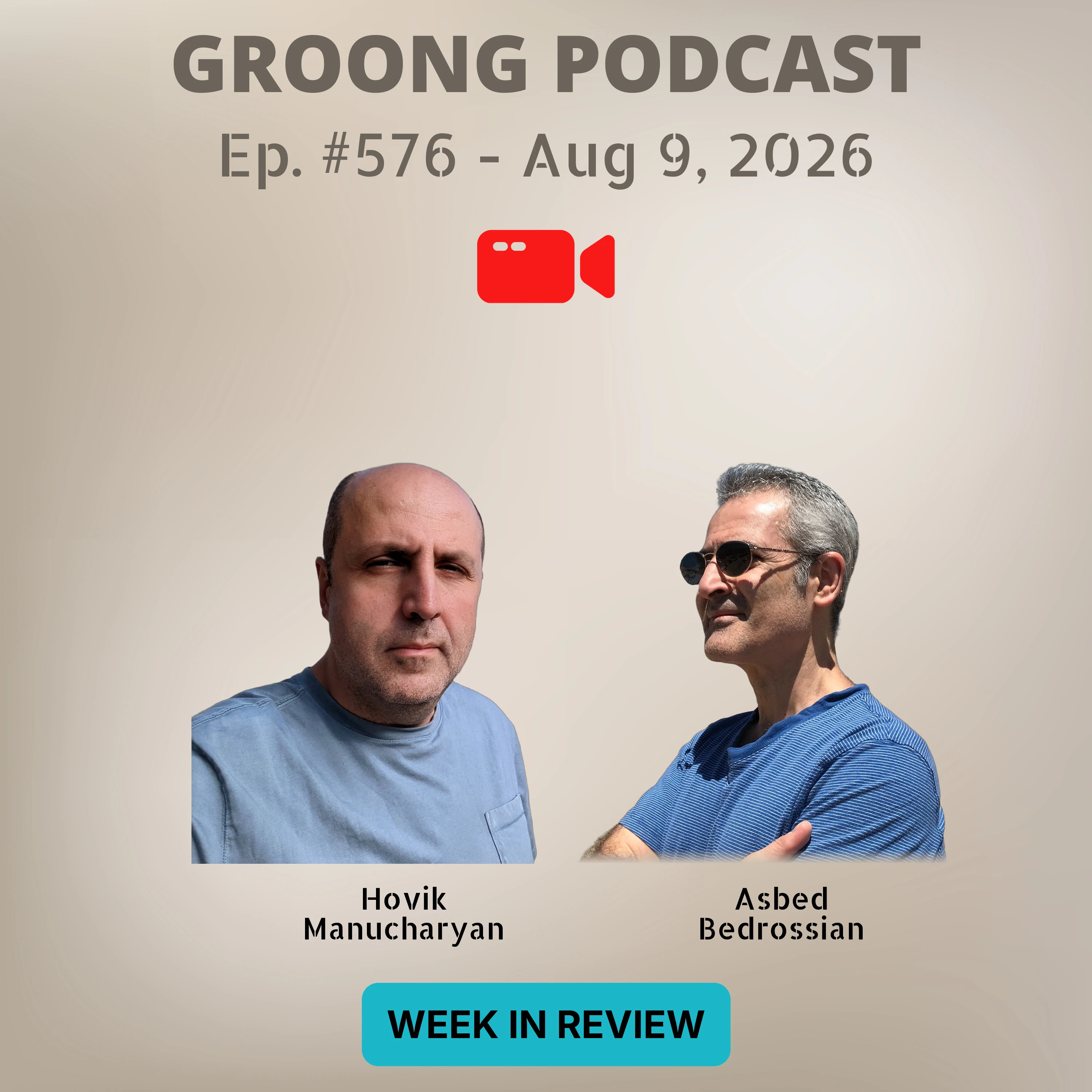
Groong Links:
Topics:
- Turkey-Pakistan-Saudi Alliance
- Iran War Update
- Catholicos on Trial
- EAEU Meeting in Cholpon-Ata
- Corruption & Persecutions
Episode 576 | Recorded: August 10, 2026
#Armenia #ArmenianPolitics #ArmenianChurch #GareginII #TRIPP #ArmeniaRussia #SouthCaucasus #Groong
Pashinyan’s Church War, the Russia-EU Choice, and TRIPP | Ep 576, Aug 9, 2026 [EP576]
Posted on Wednesday, Aug 12, 2026 | Category: Armenia, PoliticsGroong Links:
Topics:
- Turkey-Pakistan-Saudi Alliance
- Iran War Update
- Catholicos on Trial
- EAEU Meeting in Cholpon-Ata
- Corruption & Persecutions
Episode 576 | Recorded: August 10, 2026
#Armenia #ArmenianPolitics #ArmenianChurch #GareginII #TRIPP #ArmeniaRussia #SouthCaucasus #Groong
Transcript: Pashinyan’s Church War, the Russia-EU Choice, and TRIPP | Ep 576, Aug 9, 2026 [EP576]
Posted on Wednesday, Aug 12, 2026 | Category: Armenia, Politics, TranscriptIn this week’s Groong episode, the hosts examine Pashinyan’s confrontation with the Armenian Church, Armenia’s strategic positioning between Russia and the EU, and the geopolitical implications of TRIPP. We discuss the trial of Catholicos Garegin II, Iran’s military leadership realignment, the Turkey-Pakistan-Saudi Arabia defense pact, and how these shifts reshape Armenia’s role in the South Caucasus.
Pashinyan Canceled Military Preparations Before the War, Mikaelian Argues [EP575]
Posted on Saturday, Aug 8, 2026 | Category: Politics, Geopolitics, ArmeniaHrant Mikaelian holds Pashinyan responsible for the 2020 war loss, alleging he dismantled the military rearmament plans developed by the previous government and failed negotiations.
Asbed on the Real Cost: Generations of Armenian Debt [EP574]
Posted on Tuesday, Aug 4, 2026 | Category: Economy, Armenia, PoliticsAsbed Bedrossian warns that Pashinyan plans to finance the railway buyout through new European loans, burdening future generations of Armenians with debt repayment.
Hovik on Tigranashen Handover: Clear as Day [EP574]
Posted on Tuesday, Aug 4, 2026 | Category: Politics, Armenia, GeopoliticsHovik Manucharyan argues that Pashinyan has already agreed to hand over Tigranashen and is executing a piecemeal territorial surrender strategy, bypassing Soviet-era border protocols.
Point 9 of the Ceasefire: Russia's Syunik Presence vs. TRIPP [EP574]
Posted on Tuesday, Aug 4, 2026 | Category: Geopolitics, Armenia, RussiaAsbed explains how Pashinyan has committed Syunik’s transit corridor simultaneously to Russia via the 2020 ceasefire and to the US-backed TRIPP framework, creating an irresolvable conflict.
Railway Dispute: EU Pressure to Kick Out Russia [EP574]
Posted on Tuesday, Aug 4, 2026 | Category: Geopolitics, Economy, Armenia, Russia, European UnionHovik reveals that Pashinyan’s sudden claims of Russian railway mismanagement appeared only after unnamed Western countries pressured him to remove Russian control, signaling geopolitical rather than operational motives.
Rubinyan Dodges Question on Tigranashen Surrender [EP574]
Posted on Tuesday, Aug 4, 2026 | Category: Politics, Armenia, GeopoliticsNew parliament speaker Ruben Rubinyan evades direct questions about whether Tigranashen, a strategically critical Armenian territory, falls within the government’s stated 29,743 square kilometers.
TRIPP, Turkish Railways, and the Real Game [EP574]
Posted on Tuesday, Aug 4, 2026 | Category: Geopolitics, Economy, Armenia, Turkey, AzerbaijanHovik explains why Pashinyan’s proposed Gyumri-Kars railway through Nakhijevan is a fiction: Turkey already has a multi-billion-dollar direct line, and Aliyev has made clear no northern Armenian route exists.
Groong Links:
Guest(s):
Topics:
- Erasing memory across Yerevan
- Great Purge in Soviet Armenia
- Khanjyan’s assassination and Beria
- Repression of Armenia’s national institutions
- Remembering Stalinist repression
- Historical parallels with modern Armenia
- Attacks on memory and Church
- Opposition strategy after the election
Episode 573 | Recorded: July 31, 2026
#Armenia #GreatPurge #AghasiKhanjyan #PietroShakarian #Artsakh #ArmenianChurch #PoliticalRepression #MemoryUnderSiege #Authoritarianism #SovietArmenia
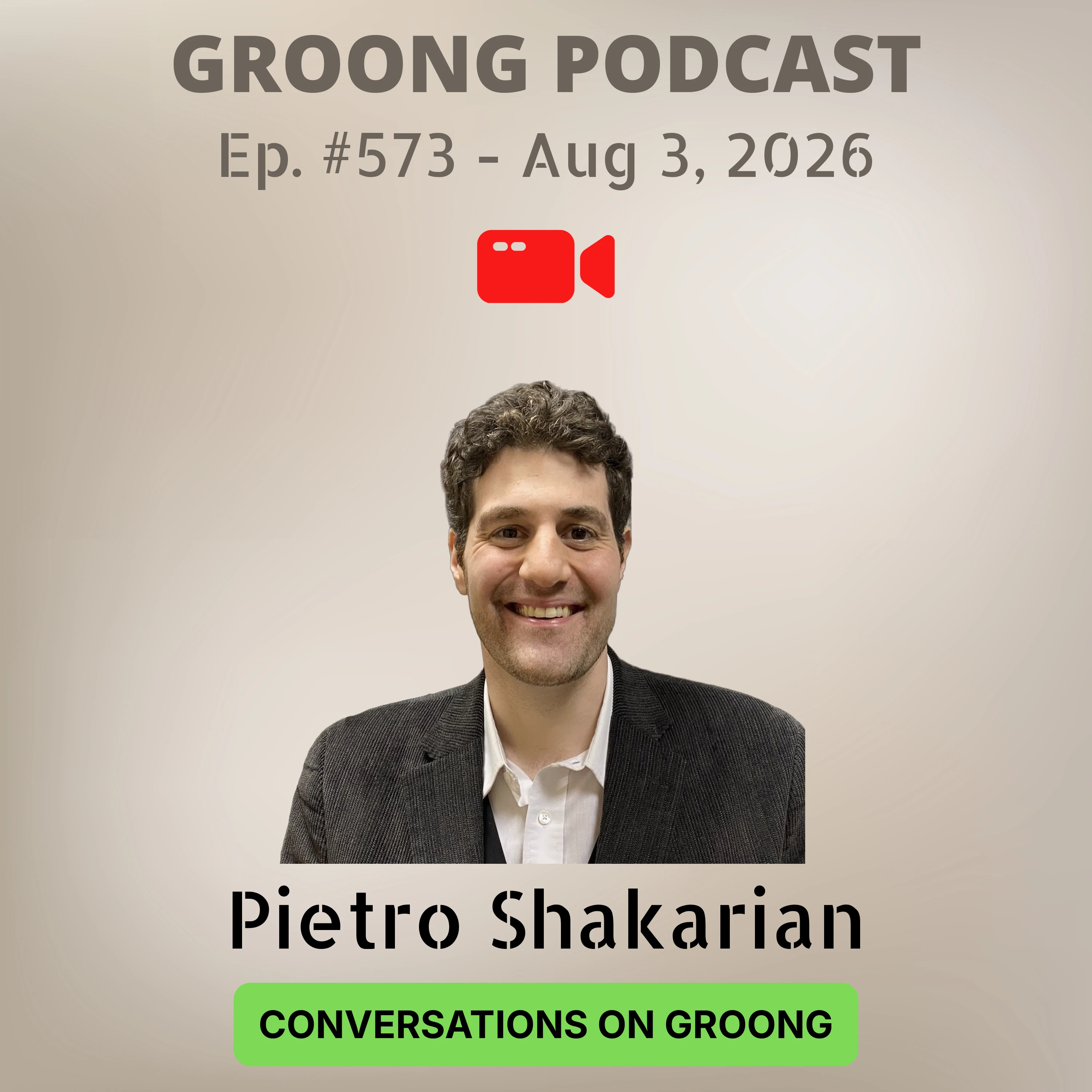
Read MorePietro Shakarian - Memory Under Siege: From Stalin to Pashinyan | Ep 573, Aug 3, 2026 [EP573]
Posted on Monday, Aug 3, 2026 | Category: Armenia, Politics, HistoryGroong Links:
Guest(s):
Topics:
- Erasing memory across Yerevan
- Great Purge in Soviet Armenia
- Khanjyan’s assassination and Beria
- Repression of Armenia’s national institutions
- Remembering Stalinist repression
- Historical parallels with modern Armenia
- Attacks on memory and Church
- Opposition strategy after the election
Episode 573 | Recorded: July 31, 2026
#Armenia #GreatPurge #AghasiKhanjyan #PietroShakarian #Artsakh #ArmenianChurch #PoliticalRepression #MemoryUnderSiege #Authoritarianism #SovietArmenia
Read MoreThe Artsakh Movement is the Foundation of Armenia's Independence [EP573]
Posted on Monday, Aug 3, 2026 | Category: History, Politics, ArtsakhHistorian Pietro Shakarian explains why Pashinyan’s rejection of the Artsakh Movement is an attack on the very foundations of Armenia’s independence and statehood.
Transcript: Pietro Shakarian - Memory Under Siege: From Stalin to Pashinyan | Ep 573, Aug 3, 2026 [EP573]
Posted on Monday, Aug 3, 2026 | Category: Armenia, Politics, History, TranscriptIn this episode of Conversations on Groong, we speak with Dr. Pietro Shakarian about memory, repression, and state power in Armenia across Soviet and contemporary periods. We discuss the Great Purge in Soviet Armenia, the assassination of Aghasi Khanjyan, the suppression of Armenian national institutions under Stalin and Beria, and the parallels between Stalinist erasure and current efforts to control public memory, symbols, and mourning in post-Artsakh Armenia under the Civil Contract regime.
Christine Arakelian - Forever Wars, NATO 3.0, Armenia's High-Stakes Western Pivot | Ep 572, Jul 31, 2026 [EP572]
Posted on Saturday, Aug 1, 2026 | Category: Armenia, USA, European Union, Politics, Geopolitics, Diaspora | Series: cog, video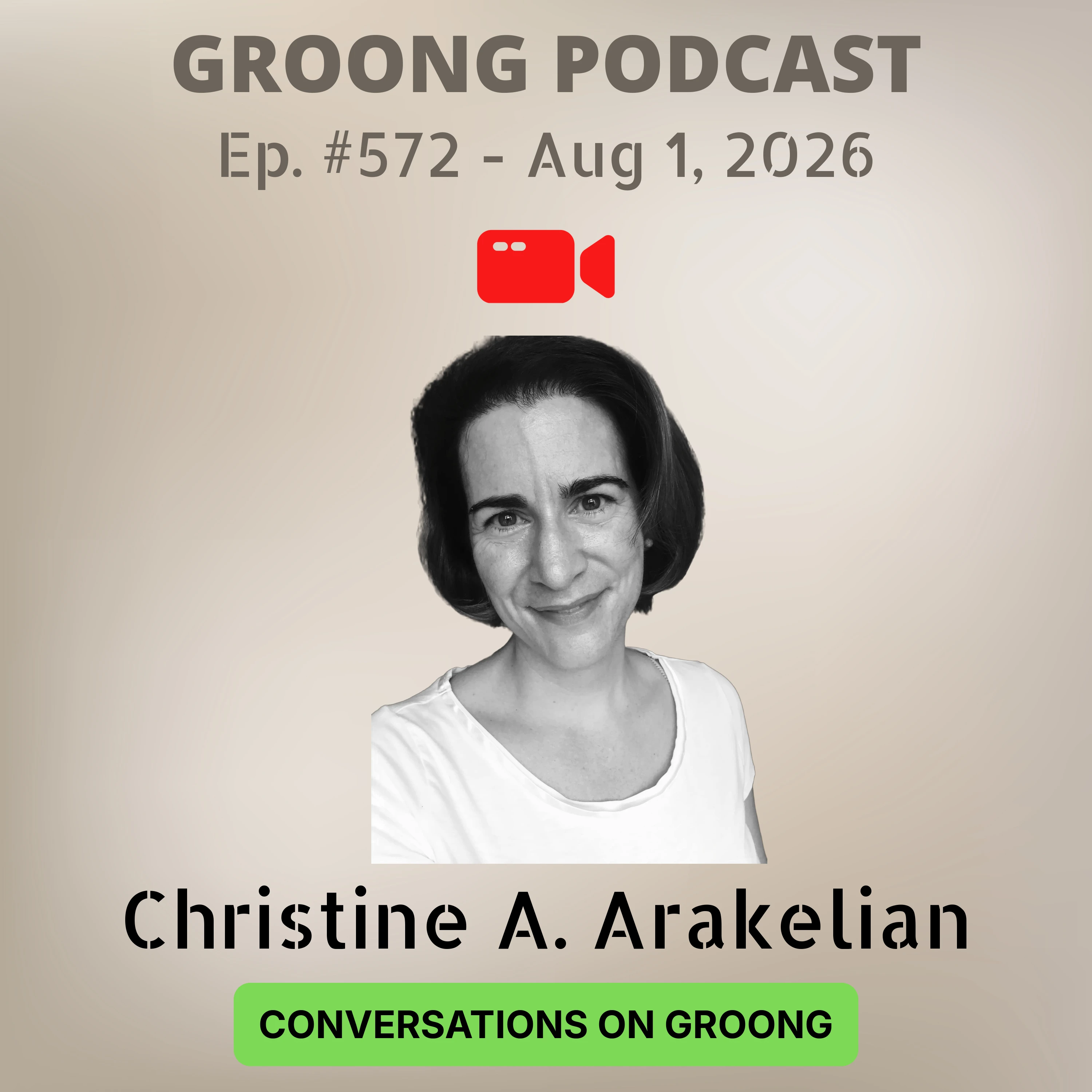
Groong Links:
Guest(s):
Topics:
- US Foreign Policy & the Fracture of MAGA
- Iran and the Risk of Forever Wars
- NATO 3.0 and Europe’s Militarization
- Post-2026 Election Armenia
- TRIPP and Pashinyan’s Pivot to the West
Episode 572 | Recorded: July 29, 2026
#ForeverWars #NATO #IranWar #Armenia #TRIPP #MAGA #USForeignPolicy #SouthCaucasus
Christine Arakelian - Forever Wars, NATO 3.0, Armenia's High-Stakes Western Pivot | Ep 572, Jul 31, 2026 [EP572]
Posted on Saturday, Aug 1, 2026 | Category: Armenia, USA, European Union, Politics, Geopolitics, DiasporaGroong Links:
Guest(s):
Topics:
- US Foreign Policy & the Fracture of MAGA
- Iran and the Risk of Forever Wars
- NATO 3.0 and Europe’s Militarization
- Post-2026 Election Armenia
- TRIPP and Pashinyan’s Pivot to the West
Episode 572 | Recorded: July 29, 2026
#ForeverWars #NATO #IranWar #Armenia #TRIPP #MAGA #USForeignPolicy #SouthCaucasus
Pashinyan's Western Pivot Is All Optics, No Congressional Buy-In [EP572]
Posted on Saturday, Aug 1, 2026 | Category: Geopolitics, Politics, Armenia, USAArakelian argues that Pashinyan’s Western pivot lacks congressional support because it ignores the Armenian-American diaspora, capping Armenia’s influence in Washington and making the strategy vulnerable to changes in administration.
Transcript: Christine Arakelian - Forever Wars, NATO 3.0, Armenia's High-Stakes Western Pivot | Ep 572, Jul 31, 2026 [EP572]
Posted on Saturday, Aug 1, 2026 | Category: Armenia, USA, European Union, Politics, Geopolitics, Diaspora, TranscriptIn this episode of Conversations on Groong, we speak with Christine Arakelian about American foreign policy fractures, Iran war risks, and Armenia’s pivot to the West. We discuss whether the United States has coherent foreign policy, the collapse of the MAGA coalition over Forever Wars, NATO 3.0 and Europe’s militarization, and how Pashinyan’s post-2026 Armenian Parliamentary Election government is navigating TRIPP amid global instability.
Armenia's Housing Crisis: Foreigners Can Buy Apartments Easier Than Armenians [EP571]
Posted on Tuesday, Jul 28, 2026 | Category: Politics, Economy, ArmeniaHovik and Asbed dissect a new regulation allowing foreigners to electronically purchase Armenian apartments with no visit required, while most Armenians cannot afford housing and government property developers are Civil Contract cronies.
Armenian POWs in Baku: Bone Fractures, No Teeth, No Healthcare [EP571]
Posted on Tuesday, Jul 28, 2026 | Category: Human Rights, Politics, ArmeniaAsbed and Hovik describe the dire health of Armenian POWs detained in Baku and detail evidence that Pashinyan deliberately keeps them imprisoned to eliminate political rivals.
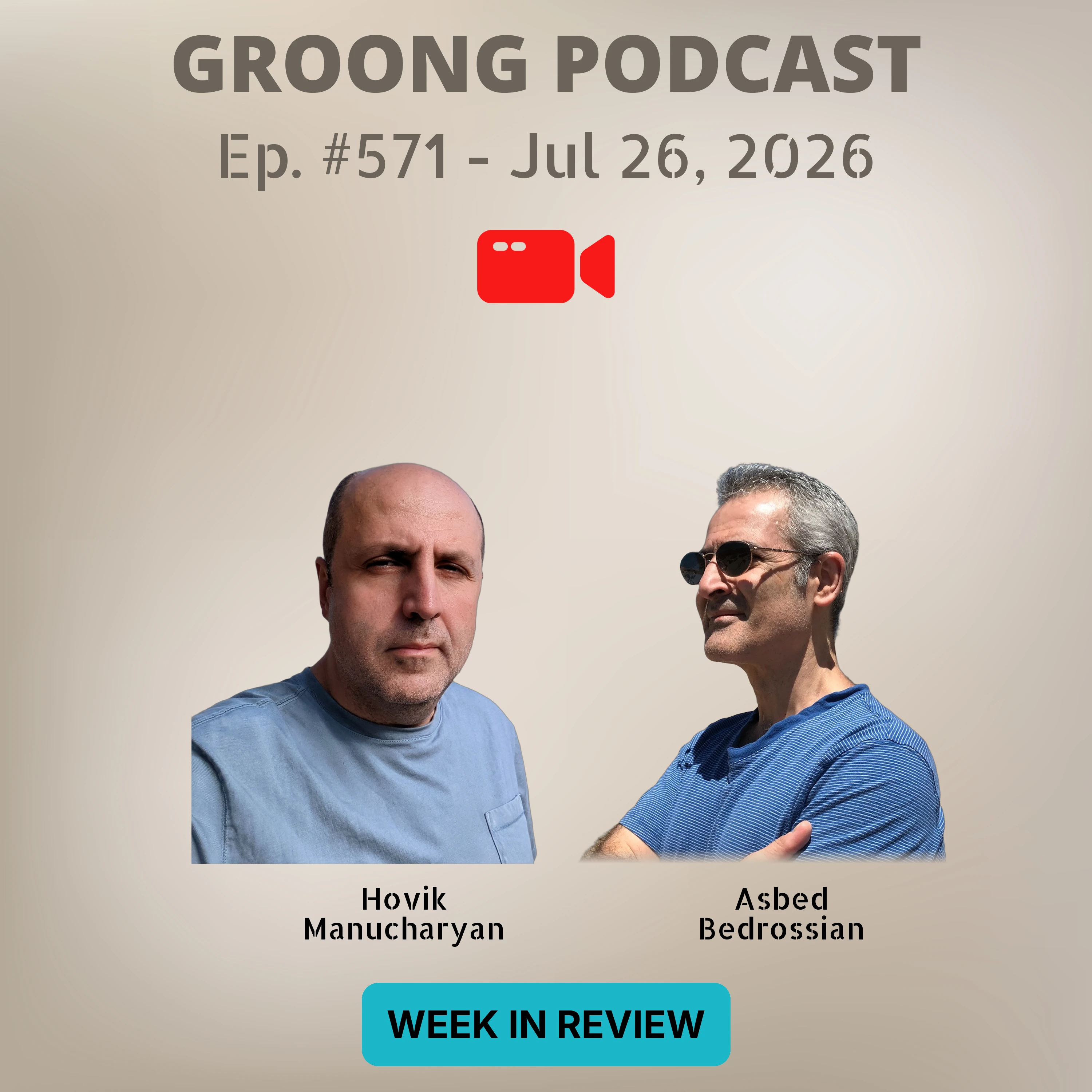
Groong Links:
Topics:
- Ukraine expands its war into the Caspian
- Iran warns of a wider regional response
- Russia and the West test stalled diplomacy
- Aliyev positions Baku as a geopolitical hub
- Armenia faces pressure over EU alignment
- Baku POW abuse and their deteriorating health
- Housing policy expose domestic failures
Episode 571 | Recorded: July 27, 2026
#Armenia #UkraineWar #Iran #CaspianSea #SouthCaucasus #MiddleCorridor #ArmenianPOWs #Geopolitics
From Caspian Drones to Armenia’s Cold Winter | Ep 571, Jul 26, 2026 [EP571]
Posted on Tuesday, Jul 28, 2026 | Category: Armenia, Iran, PoliticsGroong Links:
Topics:
- Ukraine expands its war into the Caspian
- Iran warns of a wider regional response
- Russia and the West test stalled diplomacy
- Aliyev positions Baku as a geopolitical hub
- Armenia faces pressure over EU alignment
- Baku POW abuse and their deteriorating health
- Housing policy expose domestic failures
Episode 571 | Recorded: July 27, 2026
#Armenia #UkraineWar #Iran #CaspianSea #SouthCaucasus #MiddleCorridor #ArmenianPOWs #Geopolitics
Russia's Trade War on Armenia: Pashinyan Calls Putin Over Sanctions [EP571]
Posted on Tuesday, Jul 28, 2026 | Category: Politics, Geopolitics, Economy, ArmeniaHovik explains the strategic pressure Russia is placing on Armenia through trade restrictions, including a dairy embargo, as Pashinyan is forced to call Putin to negotiate while Armenia seeks alternative energy sources from Iran.