MPG Poll
Last updated: June 3, 2026
The Marketing Professional Group, known as MPG, is a member of Gallup International Association and is Armenia’s primary domestic polling organization and a regular source of data on public sentiment regarding political figures, parties, and policy questions. As a Gallup International Armenia affiliate, MPG conducts Armenia MPG poll surveys following internationally recognized methodology, which lends its findings greater credibility than state-adjacent polling operations. Groong covers MPG surveys as essential snapshots of voter preferences and public concern in a country where credible independent polling remains scarce and state-controlled media limits opposition access. MPG polls appear frequently in Groong’s election coverage, analysis of approval ratings for Nikol Pashinyan and Civil Contract , and assessment of how Armenian voters view the Armenia-Azerbaijan Peace Process , the complete ethnic cleansing of Artsakh (Nagorno Karabakh) of more than 150,000 Armenian inhabitants, security concerns, and Armenia’s strategic alignment between Russia, the West, and Iran.
MPG poll results and the 2026 election. Recent MPG poll Armenia data has documented significant shifts in the political landscape ahead of the 2026 Armenian Parliamentary Election scheduled for June 7. MPG poll 2026 findings have tracked Pashinyan’s declining approval ratings, growing Armenian concerns about border security and economic instability, and varying levels of support for opposition coalitions including the Armenia Alliance (Hayastan Dashinq), Strong Armenia , and other parties. The wide divergence between MPG poll results and data from competing pollsters like the International Republican Institute (IRI Armenia Poll ) has raised questions about methodology, sample composition, and the phenomenon of “hidden votes,” where voters withhold their true intentions from pollsters due to fear of state pressure or social judgment.
MPG survey Armenia methodology and the Gallup connection. Each MPG survey Armenia round draws on the Gallup International Armenia poll framework — stratified random sampling across regions and demographic cohorts — which allows for meaningful comparisons over time. Groong episodes have examined what the Gallup Armenia survey methodology implies for interpreting MPG results: what response rates reveal about public trust, how in-person interviewing differs from telephone polling in an environment of potential surveillance, and whether Gallup Armenia poll standards are consistently applied across cycles. MPG poll 2025 data from the pre-election baseline period has served as the reference point against which 2026 shifts are being measured.
Broader context. Groong’s coverage places MPG polling within the broader context of Armenia’s constrained media environment and the structural disadvantages facing opposition forces. Episodes have examined how MPG data contradicts or confirms state television narratives, whether polling reflects genuine voter sentiment or the effects of administrative pressure, and how external actors including the CSTO , Russia, the European Union, and the United States factor into Armenian voting calculations. Discussions with analysts like Benyamin Poghosyan and Hrant Mikaelian have treated MPG results as one layer of evidence about Armenian public opinion, always noting the limitations of polling in an environment where press freedom is constrained and state resources are unevenly deployed.
Browse all Groong episodes tagged MPG Poll below.
Groong episodes that include this tag
Below are all Groong episodes tagged with MPG Poll.
Dziunik Aghajanian: UN Security Council | Artsakh | Yerevan Elections | Ep 279 - Sep 13, 2023 [EP279]
Posted on Wednesday, Sep 13, 2023 | Category: Armenia, Artsakh, Politics, Relations, Nagorno Karabakh, Artsakh Blockade, Armenian Genocide, Azerbaijan, Russia, Human Rights, Genocide, Turkey, Ukraine | Series: cog, video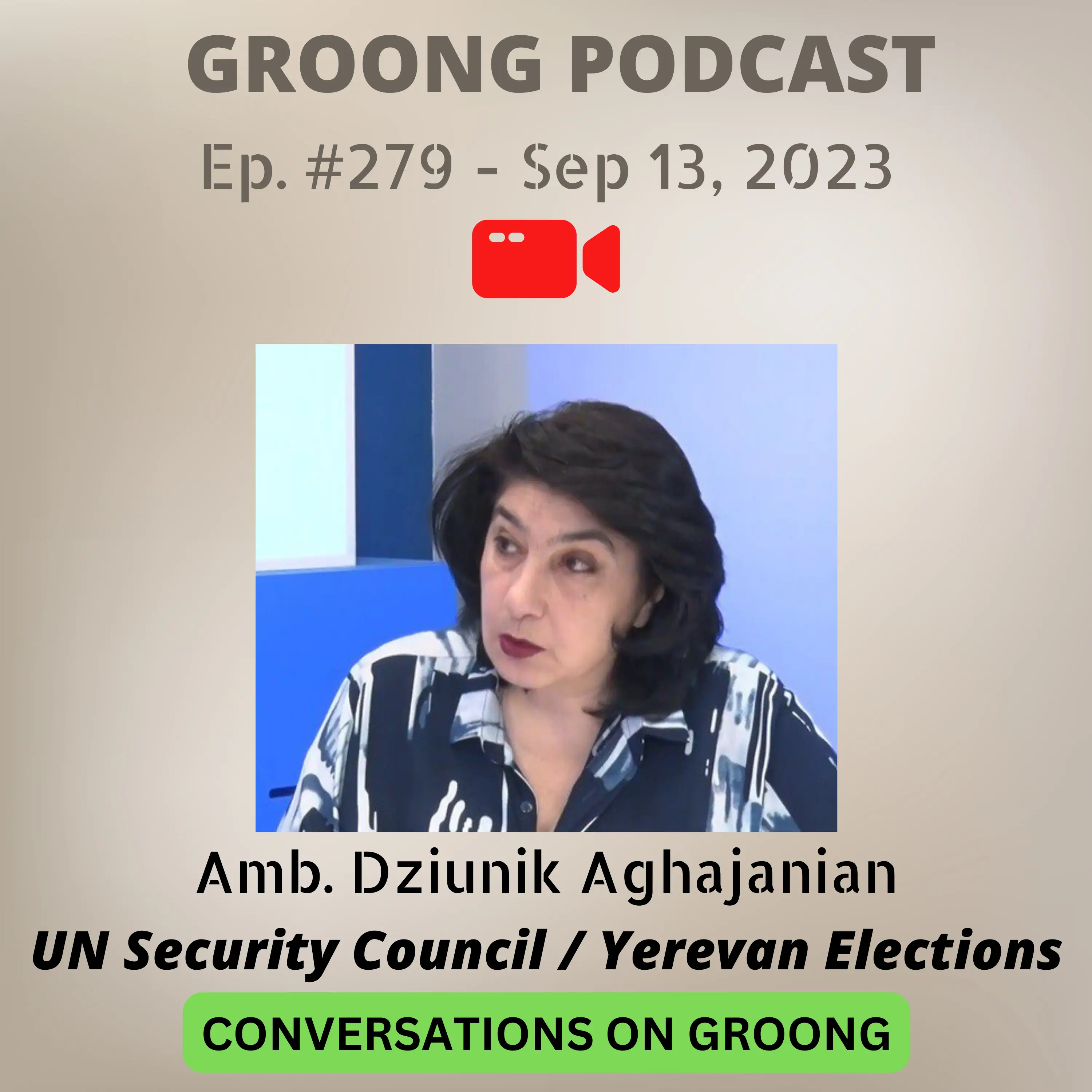
Topics:
- Armenia’s Diplomacy at the UN
- Artsakh Elections / Blockade
- Yerevan Elections
Guest:
Dziunik Aghajanian: UN Security Council | Artsakh | Yerevan Elections | Ep 279 - Sep 13, 2023 [EP279]
Posted on Wednesday, Sep 13, 2023 | Category: Armenia, Artsakh, Politics, Relations, Nagorno Karabakh, Artsakh Blockade, Armenian Genocide, Azerbaijan, Russia, Human Rights, Genocide, Turkey, UkraineTopics:
- Armenia’s Diplomacy at the UN
- Artsakh Elections / Blockade
- Yerevan Elections
Guest:
Arthur Khachikyan - Yerevan Elections | Artsakh Domestic Developments | Negotiations and Geopolitics | Ep 277 - Sep 3, 2023 [EP277]
Posted on Sunday, Sep 3, 2023 | Category: Armenia, Politics, Poll, Artsakh, Nagorno Karabakh, Azerbaijan, Artsakh Blockade, Armenian Genocide, Russia, Turkey, Israel, Iran, Genocide, India, Ukraine, Human Rights, China, Geopolitics, Lebanon, NATO | Series: wir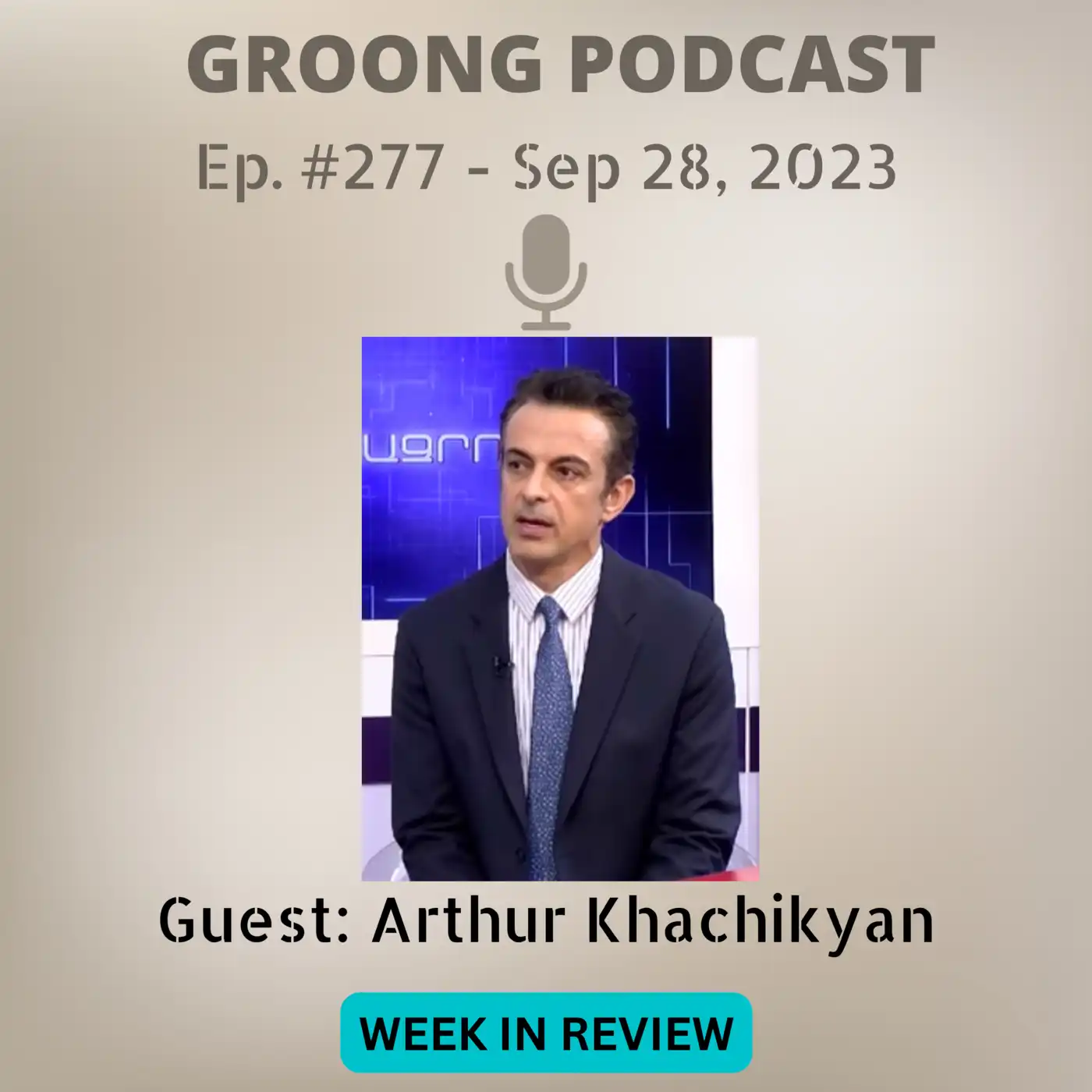
Guest:
Topics:
- Yerevan Mayoral Elections
- Artsakh Domestic Developments
- Developments in Geopolitics and Negotiations
Episode 277 | Recorded: Sep 3, 2023
Arthur Khachikyan - Yerevan Elections | Artsakh Domestic Developments | Negotiations and Geopolitics | Ep 277 - Sep 3, 2023 [EP277]
Posted on Sunday, Sep 3, 2023 | Category: Armenia, Politics, Poll, Artsakh, Nagorno Karabakh, Azerbaijan, Artsakh Blockade, Armenian Genocide, Russia, Turkey, Israel, Iran, Genocide, India, Ukraine, Human Rights, China, Geopolitics, Lebanon, NATOGuest:
Topics:
- Yerevan Mayoral Elections
- Artsakh Domestic Developments
- Developments in Geopolitics and Negotiations
Episode 277 | Recorded: Sep 3, 2023
Hrant Mikaelian - Situation in Artsakh | Yerevan Elections Heating Up | MPG Poll Outtakes | MPG Poll on Yerevan Elections [EP273]
Posted on Wednesday, Aug 16, 2023 | Category: Armenia, Artsakh, Politics, Poll, Nagorno Karabakh, Azerbaijan, Russia, Artsakh Blockade, Genocide, Turkey, Economy, Ukraine, China, Georgia, India, Iran | Series: wir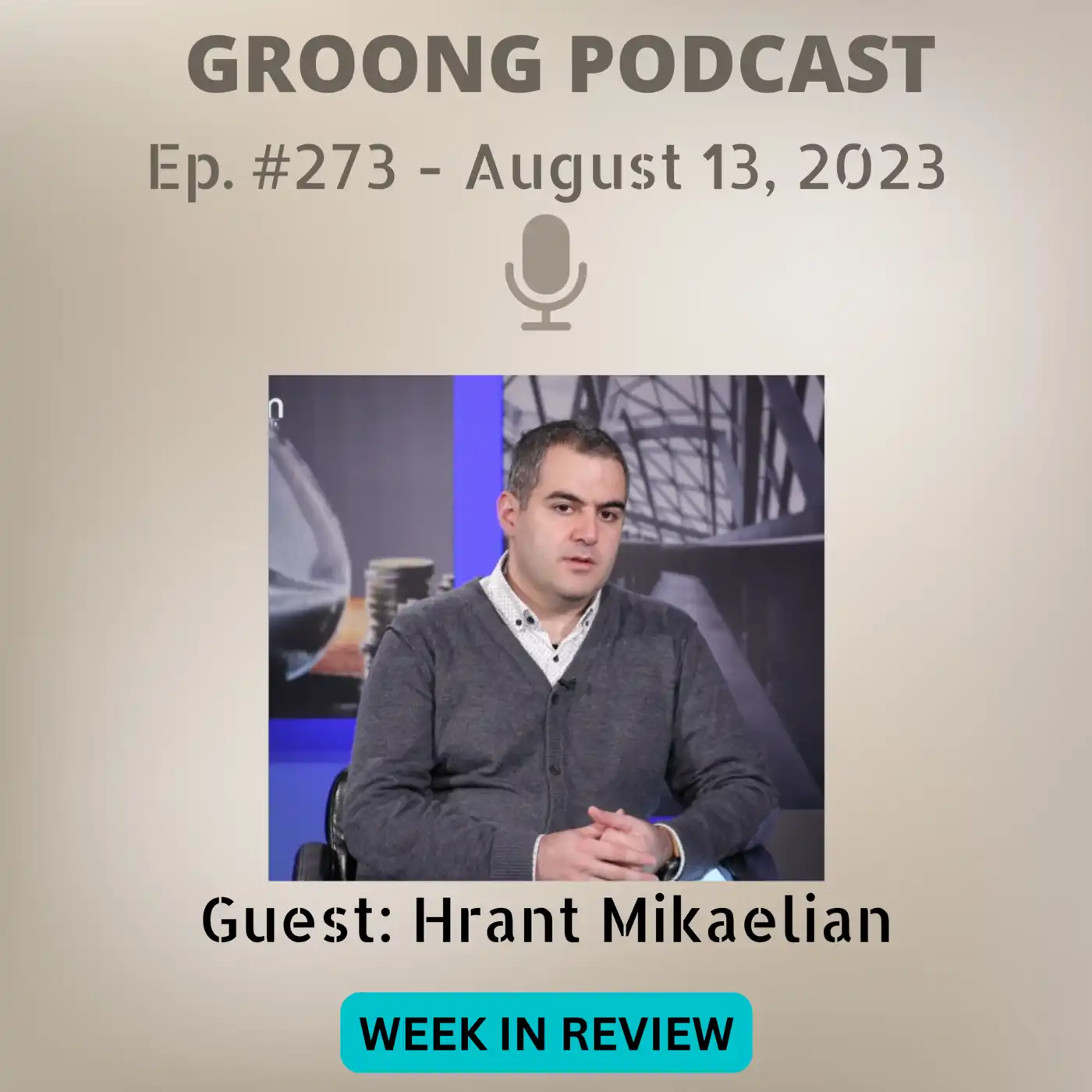
Guest:
Topics:
- Situation in Artsakh
- Yerevan Elections Heating Up
- July MPG Survey Outtakes
- August MPG Survey Outtakes
- Baku Poll
- Thoughts on the Economy
Episode 273 | Recorded: August 15, 2023
Hrant Mikaelian - Situation in Artsakh | Yerevan Elections Heating Up | MPG Poll Outtakes | MPG Poll on Yerevan Elections [EP273]
Posted on Wednesday, Aug 16, 2023 | Category: Armenia, Artsakh, Politics, Poll, Nagorno Karabakh, Azerbaijan, Russia, Artsakh Blockade, Genocide, Turkey, Economy, Ukraine, China, Georgia, India, IranGuest:
Topics:
- Situation in Artsakh
- Yerevan Elections Heating Up
- July MPG Survey Outtakes
- August MPG Survey Outtakes
- Baku Poll
- Thoughts on the Economy
Episode 273 | Recorded: August 15, 2023
Benyamin Poghosyan - Armenia Azerbaijan Negotiations | US Armenia NSC Advisors Meet | MPG Poll on Current Afaairs | Ep 268 - July 9, 2023 [EP268]
Posted on Monday, Jul 10, 2023 | Category: Armenia, Politics, Artsakh, Nagorno Karabakh, Azerbaijan, Artsakh Blockade, Armenian Genocide, Russia, Turkey, Ukraine, Iran, Israel, European Union, NATO, China | Series: wir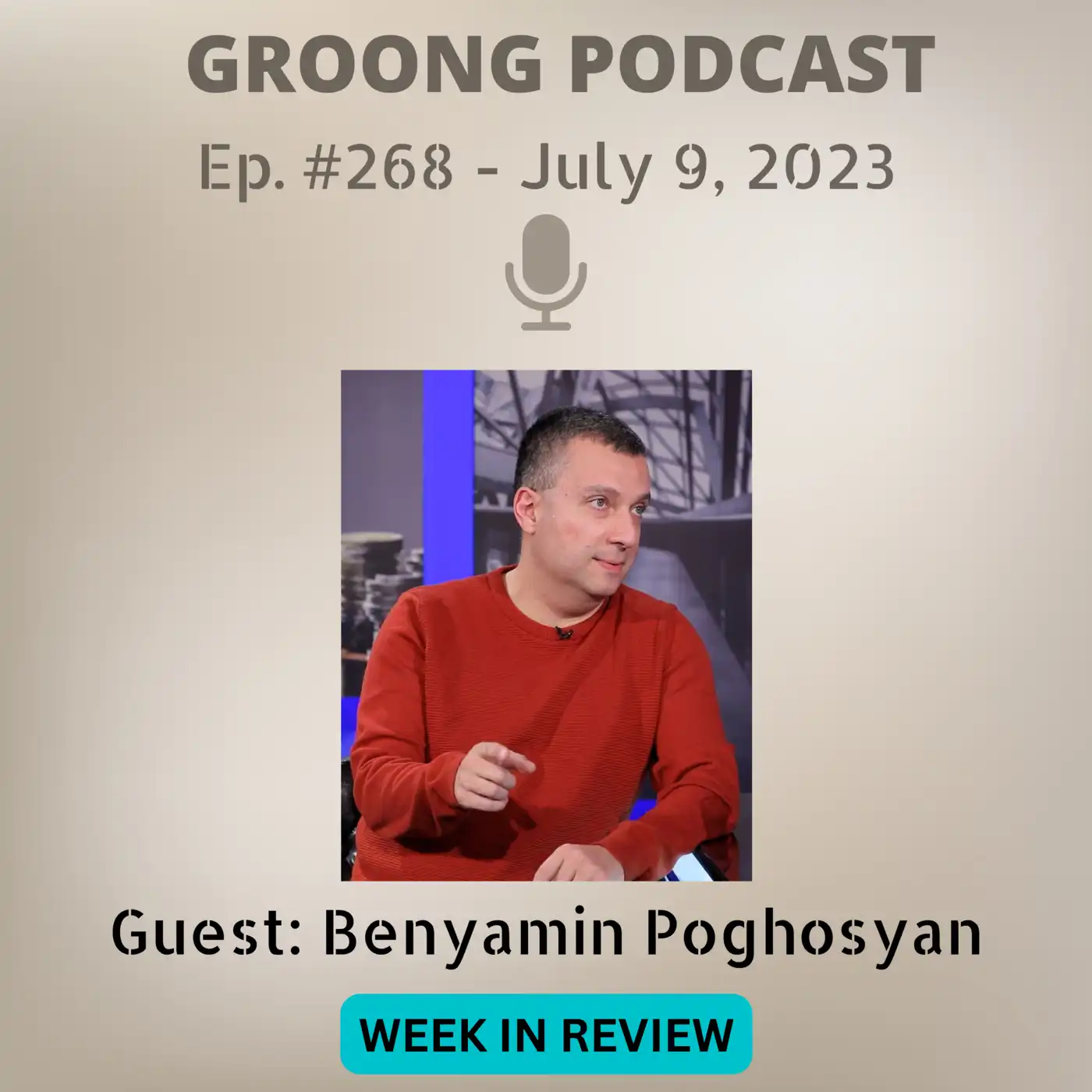
Guest:
Topics:
- Armenia Azerbaijan Negotiations
- US, Armenian NSC Advisors Meet
- New MPG Poll
- Haya-Qve [.am]
Episode 268 | Recorded: July 10, 2023
Benyamin Poghosyan - Armenia Azerbaijan Negotiations | US Armenia NSC Advisors Meet | MPG Poll on Current Afaairs | Ep 268 - July 9, 2023 [EP268]
Posted on Monday, Jul 10, 2023 | Category: Armenia, Politics, Artsakh, Nagorno Karabakh, Azerbaijan, Artsakh Blockade, Armenian Genocide, Russia, Turkey, Ukraine, Iran, Israel, European Union, NATO, ChinaGuest:
Topics:
- Armenia Azerbaijan Negotiations
- US, Armenian NSC Advisors Meet
- New MPG Poll
- Haya-Qve [.am]
Episode 268 | Recorded: July 10, 2023
Hrant Mikaelian - Erdogan Cabinet | Azerbaijan Postpones Meeting | Economic Developments | MPG Poll on Pashinyan Rating [EP262]
Posted on Tuesday, Jun 13, 2023 | Category: Armenia, Artsakh, Politics, Poll, Economy, Nagorno Karabakh, Azerbaijan, Russia, European Union, Turkey, Ukraine, Iran, Georgia, Middle East | Series: wir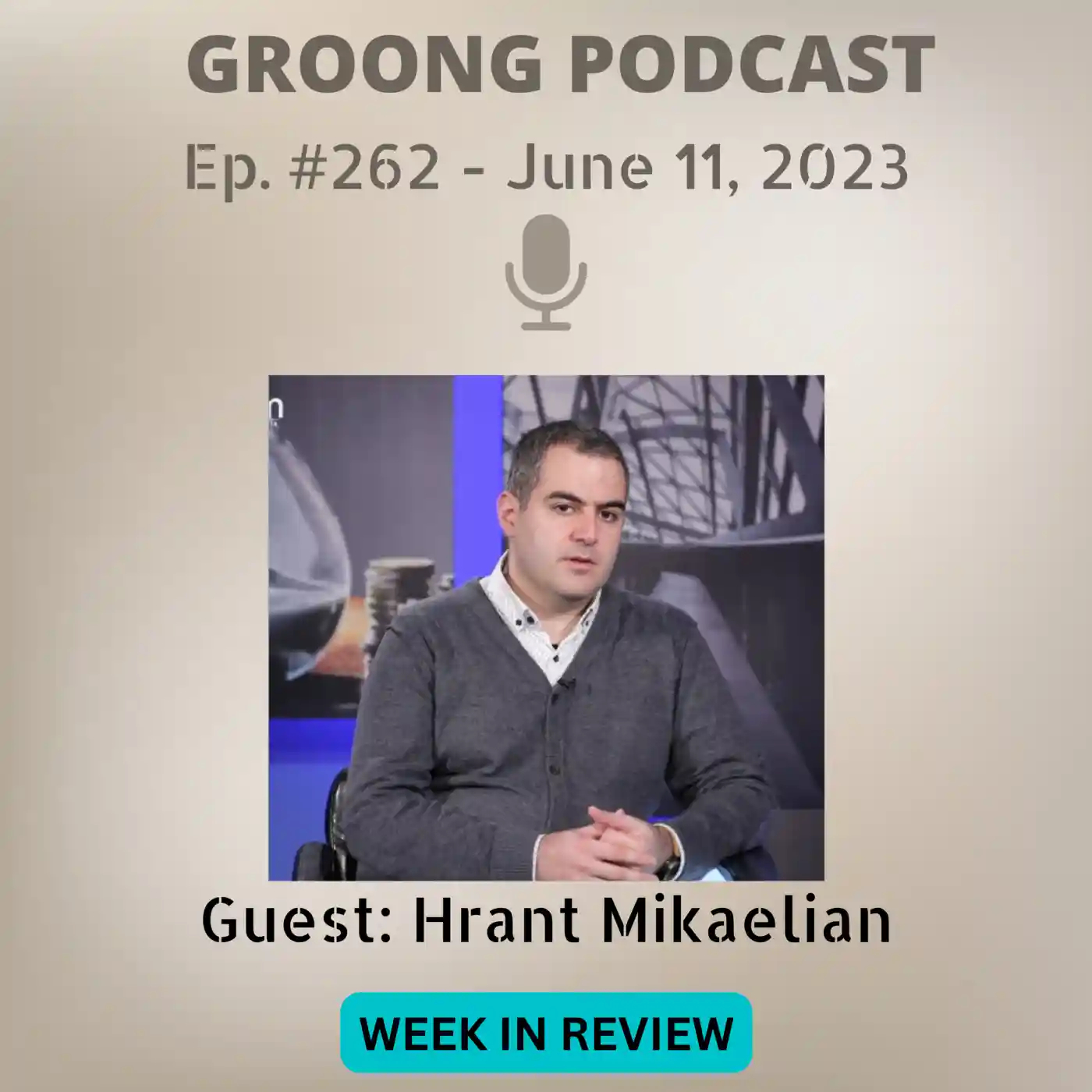
Guest:
Topics:
- Erdogan Reshuffles Cabinet, First Visit to Baku
- Latest Developments in Armenia-Azerbaijan Negotiations, Baku Postpones
- Economic Developments, More Subsidies to IT Sector
- MPG Poll: Pashinyan’s Rating is Falling
Episode 252 | Recorded: June 12, 2023
Hrant Mikaelian - Erdogan Cabinet | Azerbaijan Postpones Meeting | Economic Developments | MPG Poll on Pashinyan Rating [EP262]
Posted on Tuesday, Jun 13, 2023 | Category: Armenia, Artsakh, Politics, Poll, Economy, Nagorno Karabakh, Azerbaijan, Russia, European Union, Turkey, Ukraine, Iran, Georgia, Middle EastGuest:
Topics:
- Erdogan Reshuffles Cabinet, First Visit to Baku
- Latest Developments in Armenia-Azerbaijan Negotiations, Baku Postpones
- Economic Developments, More Subsidies to IT Sector
- MPG Poll: Pashinyan’s Rating is Falling
Episode 252 | Recorded: June 12, 2023
Armenia Azerbaijan Negotiations | Georgia Opposition | MPG Poll | Ep 237 [EP237]
Posted on Monday, Mar 13, 2023 | Category: Armenia, Artsakh, Politics, Poll, Azerbaijan, Georgia, Turkey, Russia, Nagorno Karabakh, Artsakh Blockade, European Union, Genocide, Human Rights, India, Iran | Series: wir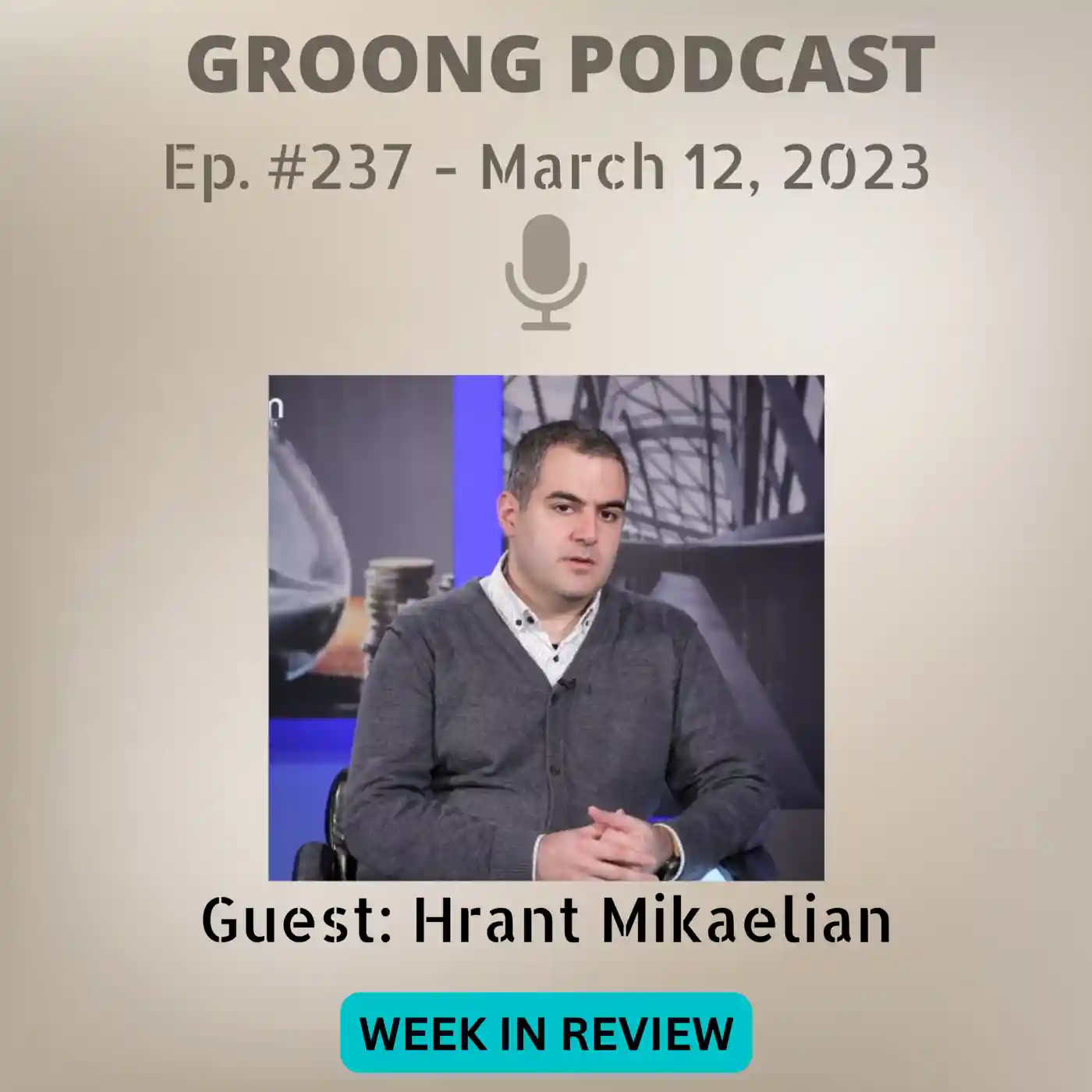
Guest:
Topics:
- Armenia-Azerbaijan Negotiations Continue
- Developments in Artsakh
- No âPeaceâ without âRights and Securityâ?
- Armenia Downgrades CSTO Relations
- Georgian Law on Foreign Agents
- Reflections on MPG Poll âAmotiSarâ Results
Episode 237 | Recorded: March 12, 2023
Armenia Azerbaijan Negotiations | Georgia Opposition | MPG Poll | Ep 237 [EP237]
Posted on Monday, Mar 13, 2023 | Category: Armenia, Artsakh, Politics, Poll, Azerbaijan, Georgia, Turkey, Russia, Nagorno Karabakh, Artsakh Blockade, European Union, Genocide, Human Rights, India, IranGuest:
Topics:
- Armenia-Azerbaijan Negotiations Continue
- Developments in Artsakh
- No âPeaceâ without âRights and Securityâ?
- Armenia Downgrades CSTO Relations
- Georgian Law on Foreign Agents
- Reflections on MPG Poll âAmotiSarâ Results
Episode 237 | Recorded: March 12, 2023
Earthquake in Turkey and Syria | Armenia-Azerbaijan Conflict | Lavrov Interview | EU and CSTO Missions | Shifting Public Perceptions | Yerevan Political Shuffle | Ep 224 - Feb 12, 2023 [EP224]
Posted on Sunday, Feb 12, 2023 | Category: Armenia, Politics, Poll, Artsakh, Nagorno Karabakh, Azerbaijan, Turkey, Syria, Russia, Iran, Artsakh Blockade, European Union, Ukraine, China, India, Geopolitics, Genocide, Georgia, Israel, Lebanon | Series: wir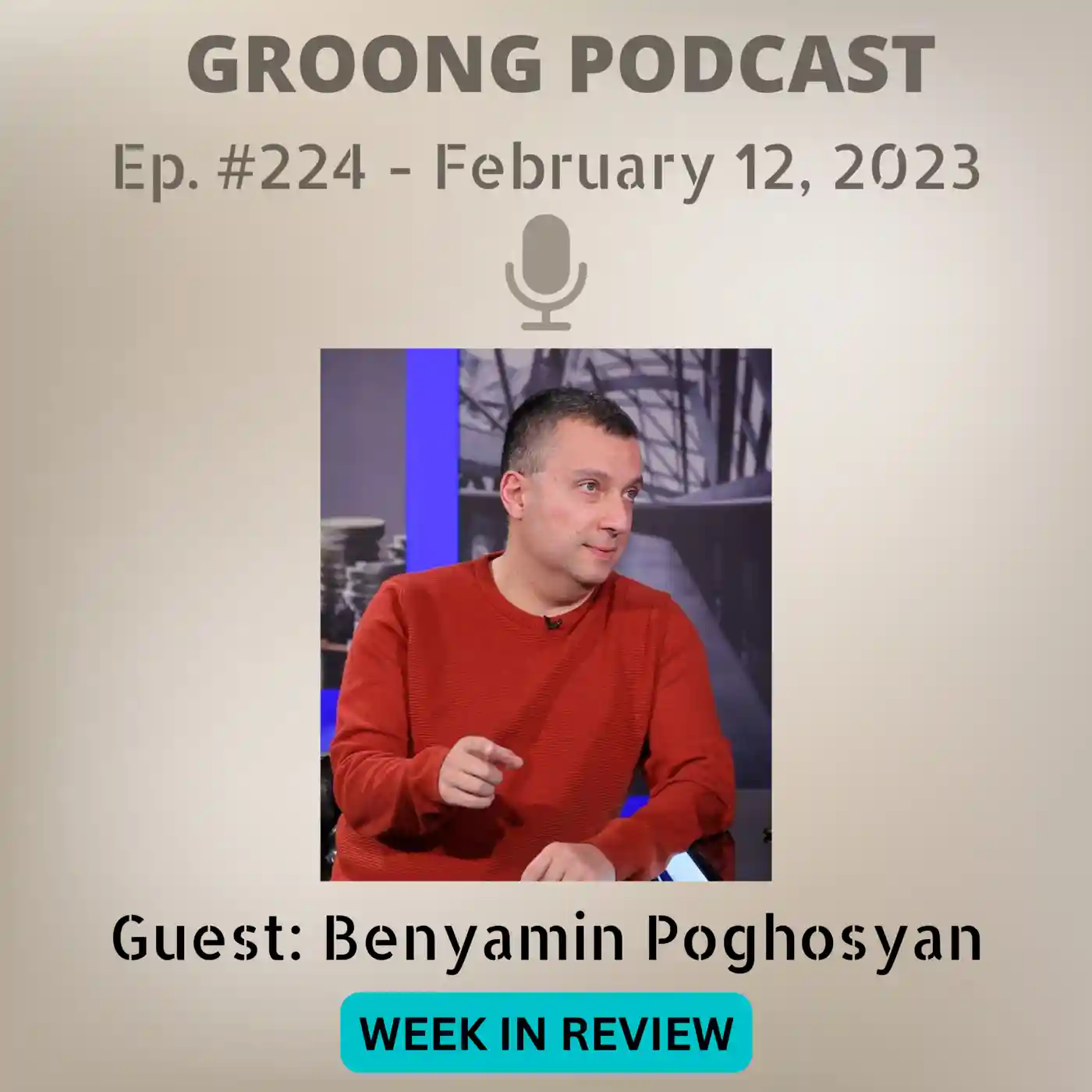
Guest:
Topic:
- Earthquake in Turkey and Syria
- Armenia-Azerbaijan Conflict
- FM Lavrovâs Interview to Russian Media
- EU vs CSTO Missions
- Shifting Public Perceptions
- Political Shuffles in Yerevan
Episode 224 | Recorded: February 12, 2023
Earthquake in Turkey and Syria | Armenia-Azerbaijan Conflict | Lavrov Interview | EU and CSTO Missions | Shifting Public Perceptions | Yerevan Political Shuffle | Ep 224 - Feb 12, 2023 [EP224]
Posted on Sunday, Feb 12, 2023 | Category: Armenia, Politics, Poll, Artsakh, Nagorno Karabakh, Azerbaijan, Turkey, Syria, Russia, Iran, Artsakh Blockade, European Union, Ukraine, China, India, Geopolitics, Genocide, Georgia, Israel, LebanonGuest:
Topic:
- Earthquake in Turkey and Syria
- Armenia-Azerbaijan Conflict
- FM Lavrovâs Interview to Russian Media
- EU vs CSTO Missions
- Shifting Public Perceptions
- Political Shuffles in Yerevan
Episode 224 | Recorded: February 12, 2023
MPG and IRI Polls | Armenian Economy | US Armenia Relations | Geopolitics | Ep 163 - Sep 11, 2022 [EP163]
Posted on Monday, Sep 12, 2022 | Category: Artsakh, Armenia, Politics, Poll, Russia, Azerbaijan, Ukraine, Economy, Georgia, Turkey, Geopolitics, Iran, NATO | Series: wir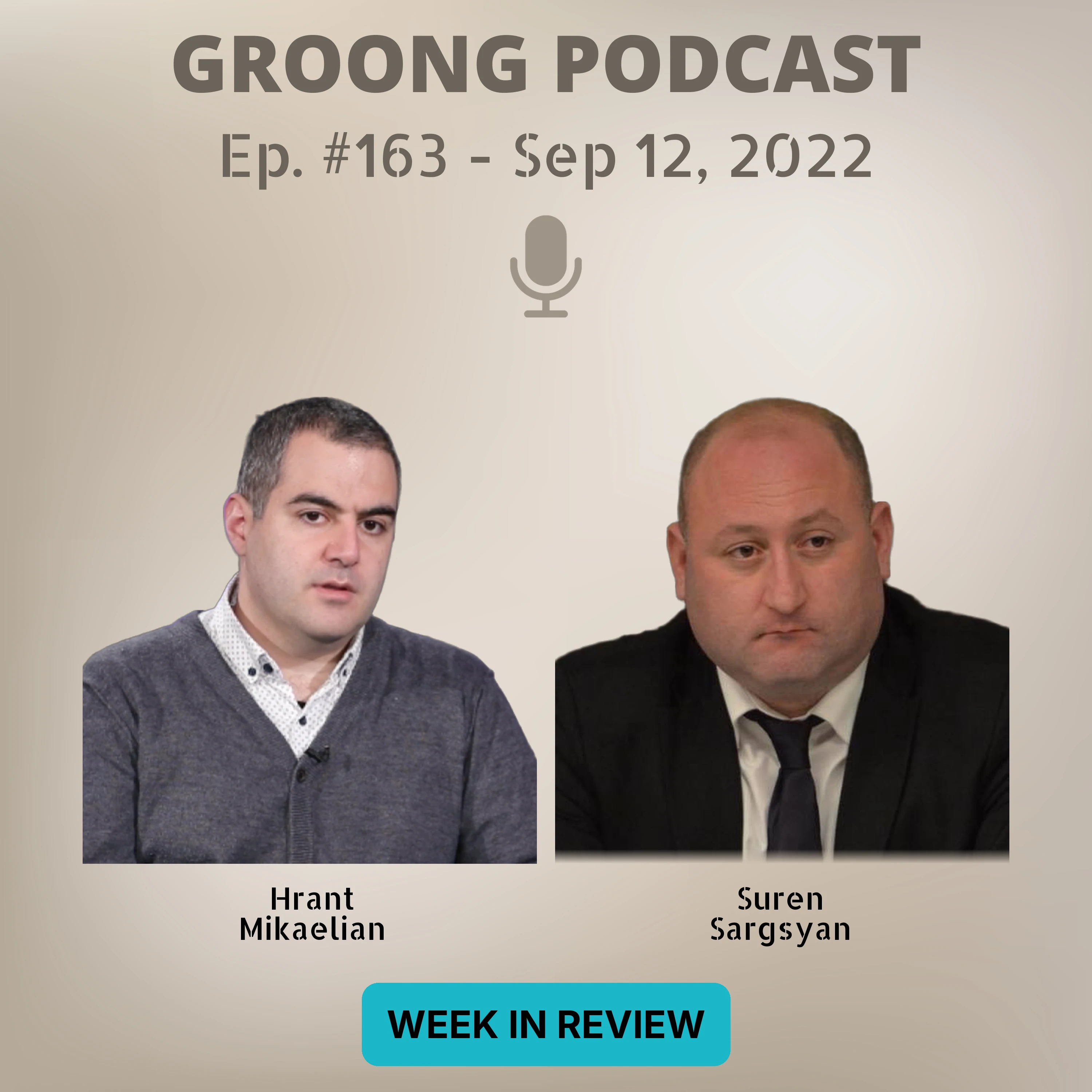
Armenian News Network - Groong Week in Review - Sep 11, 2022
Topics:
- Latest MPG and IRI Poll Results
- Whatâs Up with the Armenian Economy?
- US Armenia Relations
- Geopolitical Developments
Index: 00:00:00 Intro 00:00:52 Guests 00:01:18 Topics 00:02:20 Greetings 00:02:24 MPG and IRI Poll Results 00:21:54 Armenian Economy Dynamics 00:37:13 US-Armenia Relations 00:48:06 Geopolitics, the War in Ukraine 00:55:14 Rants, Personal Statements 00:56:17 Good byes 00:56:27 Closing comments
Guest:
- Hrant Mikaelian - TW/@hrant_m
- Suren Sargsyan - TW/@S_A_Sargsyan
Guest(s):
Read MoreMPG and IRI Polls | Armenian Economy | US Armenia Relations | Geopolitics | Ep 163 - Sep 11, 2022 [EP163]
Posted on Monday, Sep 12, 2022 | Category: Artsakh, Armenia, Politics, Poll, Russia, Azerbaijan, Ukraine, Economy, Georgia, Turkey, Geopolitics, Iran, NATOArmenian News Network - Groong Week in Review - Sep 11, 2022
Topics:
- Latest MPG and IRI Poll Results
- Whatâs Up with the Armenian Economy?
- US Armenia Relations
- Geopolitical Developments
Index: 00:00:00 Intro 00:00:52 Guests 00:01:18 Topics 00:02:20 Greetings 00:02:24 MPG and IRI Poll Results 00:21:54 Armenian Economy Dynamics 00:37:13 US-Armenia Relations 00:48:06 Geopolitics, the War in Ukraine 00:55:14 Rants, Personal Statements 00:56:17 Good byes 00:56:27 Closing comments
Guest:
- Hrant Mikaelian - TW/@hrant_m
- Suren Sargsyan - TW/@S_A_Sargsyan
Guest(s):
Read MoreOSCE MG | Aparan Murders | Vanetsyan Resigns | Jhangiryan Doesn’t | Ep #144 - Jun 26, 2022 [EP144]
Posted on Tuesday, Jun 28, 2022 | Category: Azerbaijan, Armenia, Russia, Ukraine, Artsakh, Turkey, China, Nagorno Karabakh | Series: wir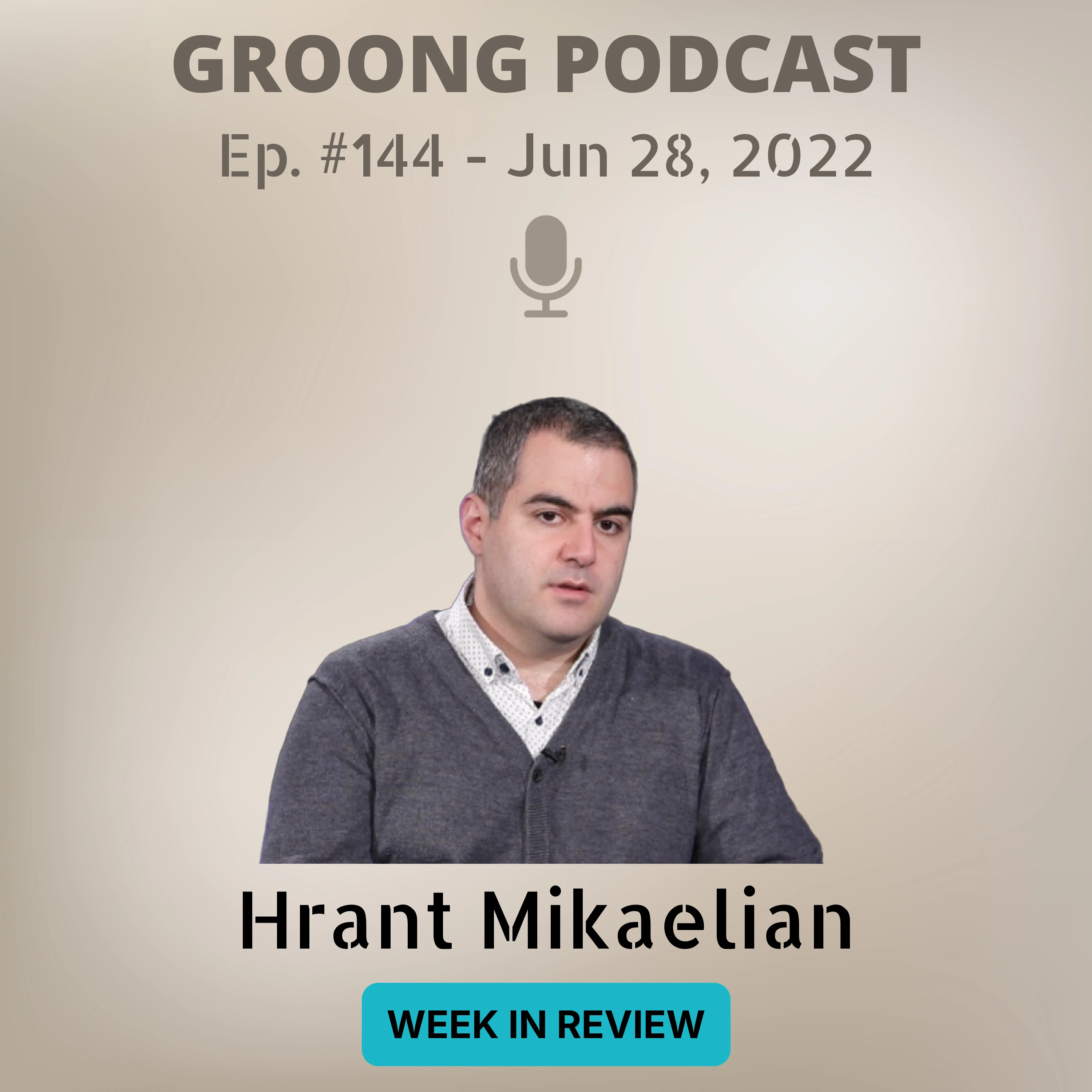
Guest(s):
Armenian News Network/Groong Week in Review - June 26, 2022
Topics:
- 00:00 Introduction
- 02:08 Who killed the OSCE Minsk Group?
- 21:36 Murders in Aparan
- 27:01 Arthur Vanetsyan Resigns from Parliament
- 38:51 Gagik Jhangiryan in the Line of Fire
- 44:39 Rants
Guests:
- Hrant Mikaelian / TW/@Hrant_M
Host:
- Hovik Manucharyan TW/@HovikYerevan
- Asbed Bedrossian TW/@qubriq
Episode 144 | Recorded: Monday, June 27, 2022 Website: https://groong.org/podcasts/WiR-20220626.html
OSCE MG | Aparan Murders | Vanetsyan Resigns | Jhangiryan Doesn’t | Ep #144 - Jun 26, 2022 [EP144]
Posted on Tuesday, Jun 28, 2022 | Category: Azerbaijan, Armenia, Russia, Ukraine, Artsakh, Turkey, China, Nagorno KarabakhGuest(s):
Armenian News Network/Groong Week in Review - June 26, 2022
Topics:
- 00:00 Introduction
- 02:08 Who killed the OSCE Minsk Group?
- 21:36 Murders in Aparan
- 27:01 Arthur Vanetsyan Resigns from Parliament
- 38:51 Gagik Jhangiryan in the Line of Fire
- 44:39 Rants
Guests:
- Hrant Mikaelian / TW/@Hrant_M
Host:
- Hovik Manucharyan TW/@HovikYerevan
- Asbed Bedrossian TW/@qubriq
Episode 144 | Recorded: Monday, June 27, 2022 Website: https://groong.org/podcasts/WiR-20220626.html
Armenian News: Opposition | Brussels | Alison | Economy | Poll | Artsakh | Ep #132 - Apr 10, 2022 [EP132]
Posted on Tuesday, Apr 12, 2022 | Category: Artsakh, Armenia, Politics, Poll, Russia, Turkey, Azerbaijan, Iran, Ukraine, Economy, India, Georgia, Geopolitics, Human Rights, Nagorno Karabakh, Lebanon, Middle East, NATO, Syria, European Union | Series: wir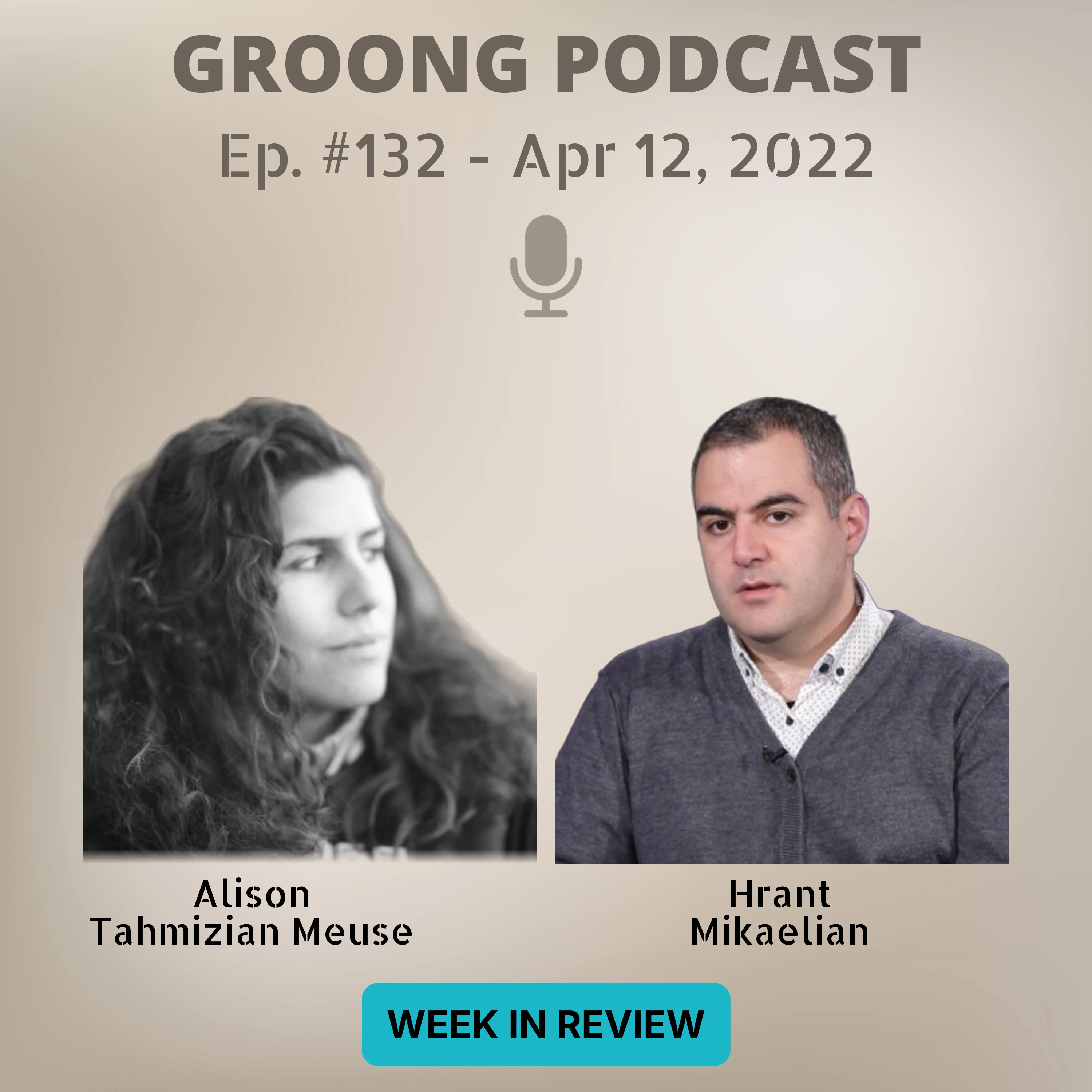
Guest(s):
Armenian News Network/Groong Week in Review - April 10, 2022
Topics:
00:00:00 Introduction
00:02:25 Opposition Protests in Yerevan: Thousands showed up to the opposition protest on Tuesday, outlining the red lines for Pashinyan’s dealings with Aliyev, ahead of the meeting in Brussels. Opposition says this is only the beginning, but have yet to indicate what their next steps will be.
00:12:35 Buying Bread from a Man in Brussels: Pashinyan went to Brussels this week to meet with Charles Michel and Ilham Aliyev. Did the Armenian PM
Armenian News: Opposition | Brussels | Alison | Economy | Poll | Artsakh | Ep #132 - Apr 10, 2022 [EP132]
Posted on Tuesday, Apr 12, 2022 | Category: Artsakh, Armenia, Politics, Poll, Russia, Turkey, Azerbaijan, Iran, Ukraine, Economy, India, Georgia, Geopolitics, Human Rights, Nagorno Karabakh, Lebanon, Middle East, NATO, Syria, European UnionGuest(s):
Armenian News Network/Groong Week in Review - April 10, 2022
Topics:
00:00:00 Introduction
00:02:25 Opposition Protests in Yerevan: Thousands showed up to the opposition protest on Tuesday, outlining the red lines for Pashinyan’s dealings with Aliyev, ahead of the meeting in Brussels. Opposition says this is only the beginning, but have yet to indicate what their next steps will be.
00:12:35 Buying Bread from a Man in Brussels: Pashinyan went to Brussels this week to meet with Charles Michel and Ilham Aliyev. Did the Armenian PM
POWs | War Commission | Degrading Democracy | Lukashenko | MPG poll | Ep #119 - Feb 13, 2022 [EP119]
Posted on Tuesday, Feb 15, 2022 | Category: Artsakh, Armenia, Politics, Poll, Russia, Azerbaijan, Iran, Turkey, China, Ukraine, Georgia, Israel, USA, Economy, Human Rights, Nagorno Karabakh, European Union, Geopolitics, Lebanon, NATO, Syria | Series: wir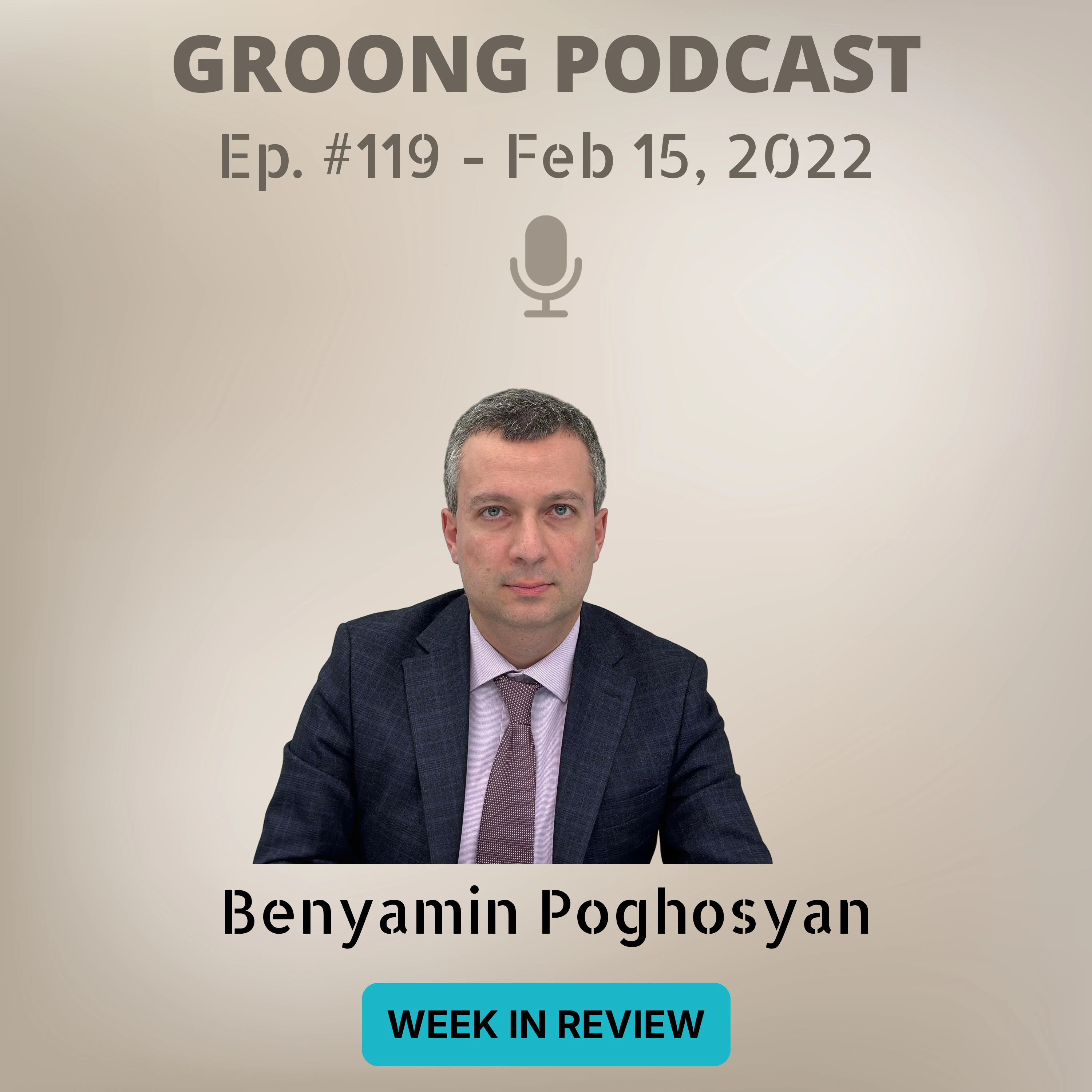
ANN/Groong Week in Review - February 13, 2022
Topics:
- 00:00:00 Introduction
- 00:02:43 8 More POWs Released, But What At What Cost?
- 00:20:40 Parliamentary Commission on the 44-Day War Established
- 00:33:42 The Degrading Norms of Democracy in Armenia
- 00:46:42 Who Needs Armenia?
- 01:06:32 Latest MPG Poll Results in Yerevan
- 01:18:51 Rants
Guest:
- Benyamin Poghosyan
Guest(s):
Hosts:
- Hovik Manucharyan TW/@HovikYerevan
- Asbed Bedrossian TW/@qubriq
Episode 119 | Recorded: Sunday, February 14, 2022 Website: https://groong.org/podcasts/WiR-20220213.html
POWs | War Commission | Degrading Democracy | Lukashenko | MPG poll | Ep #119 - Feb 13, 2022 [EP119]
Posted on Tuesday, Feb 15, 2022 | Category: Artsakh, Armenia, Politics, Poll, Russia, Azerbaijan, Iran, Turkey, China, Ukraine, Georgia, Israel, USA, Economy, Human Rights, Nagorno Karabakh, European Union, Geopolitics, Lebanon, NATO, SyriaANN/Groong Week in Review - February 13, 2022
Topics:
- 00:00:00 Introduction
- 00:02:43 8 More POWs Released, But What At What Cost?
- 00:20:40 Parliamentary Commission on the 44-Day War Established
- 00:33:42 The Degrading Norms of Democracy in Armenia
- 00:46:42 Who Needs Armenia?
- 01:06:32 Latest MPG Poll Results in Yerevan
- 01:18:51 Rants
Guest:
- Benyamin Poghosyan
Guest(s):
Hosts:
- Hovik Manucharyan TW/@HovikYerevan
- Asbed Bedrossian TW/@qubriq
Episode 119 | Recorded: Sunday, February 14, 2022 Website: https://groong.org/podcasts/WiR-20220213.html
Armenian Elections Recap | Protests in Artsakh | (Ep #76) - June 27, 2021 [EP76]
Posted on Tuesday, Jun 29, 2021 | Category: Armenia, Russia, Artsakh, Azerbaijan, China, Iran, Economy, Turkey, Nagorno Karabakh | Series: wir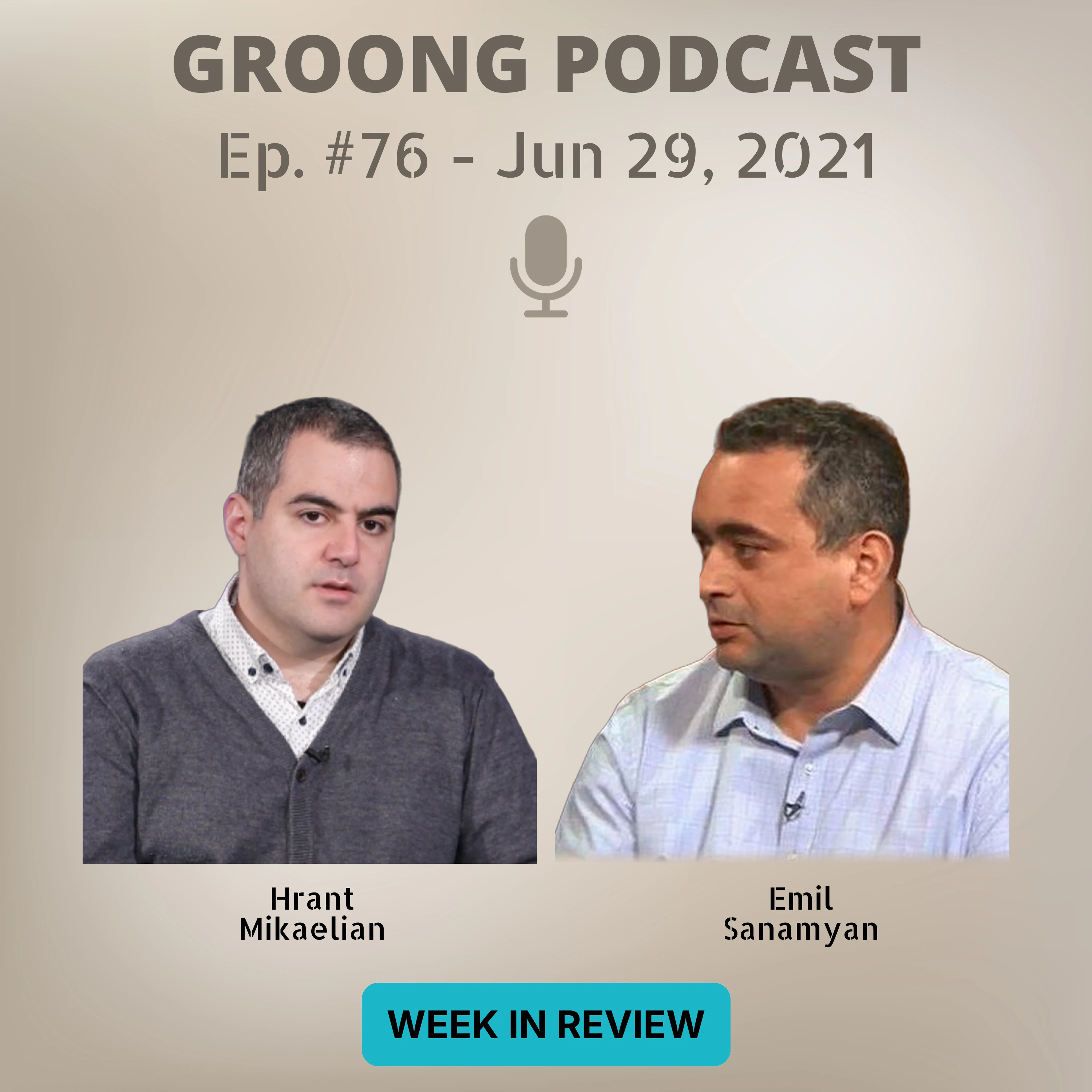
ANN/Groong Week in Review - June 27, 2021 Topics:
- Armenian Elections Recap
- Protests in Artsakh
Guests:
- Hrant Mikaelian
- Emil Sanamyan
Guest(s):
Hosts:
- Hovik Manucharyan
- Asbed Bedrossian
Episode 76 | Recorded: June 27, 2021 https://groong.org/podcasts/WiR-20210627.html
Armenian Elections Recap | Protests in Artsakh | (Ep #76) - June 27, 2021 [EP76]
Posted on Tuesday, Jun 29, 2021 | Category: Armenia, Russia, Artsakh, Azerbaijan, China, Iran, Economy, Turkey, Nagorno KarabakhANN/Groong Week in Review - June 27, 2021 Topics:
- Armenian Elections Recap
- Protests in Artsakh
Guests:
- Hrant Mikaelian
- Emil Sanamyan
Guest(s):
Hosts:
- Hovik Manucharyan
- Asbed Bedrossian
Episode 76 | Recorded: June 27, 2021 https://groong.org/podcasts/WiR-20210627.html
Kocharyan Closes In on Pashinyan’s Lead | Pashinyan Visits Europe | (Ep #66) - June 6, 2021 [EP66]
Posted on Sunday, Jun 6, 2021 | Category: Armenia, Russia, Iran, Azerbaijan, Georgia, Artsakh, Syria, Nagorno Karabakh | Series: wir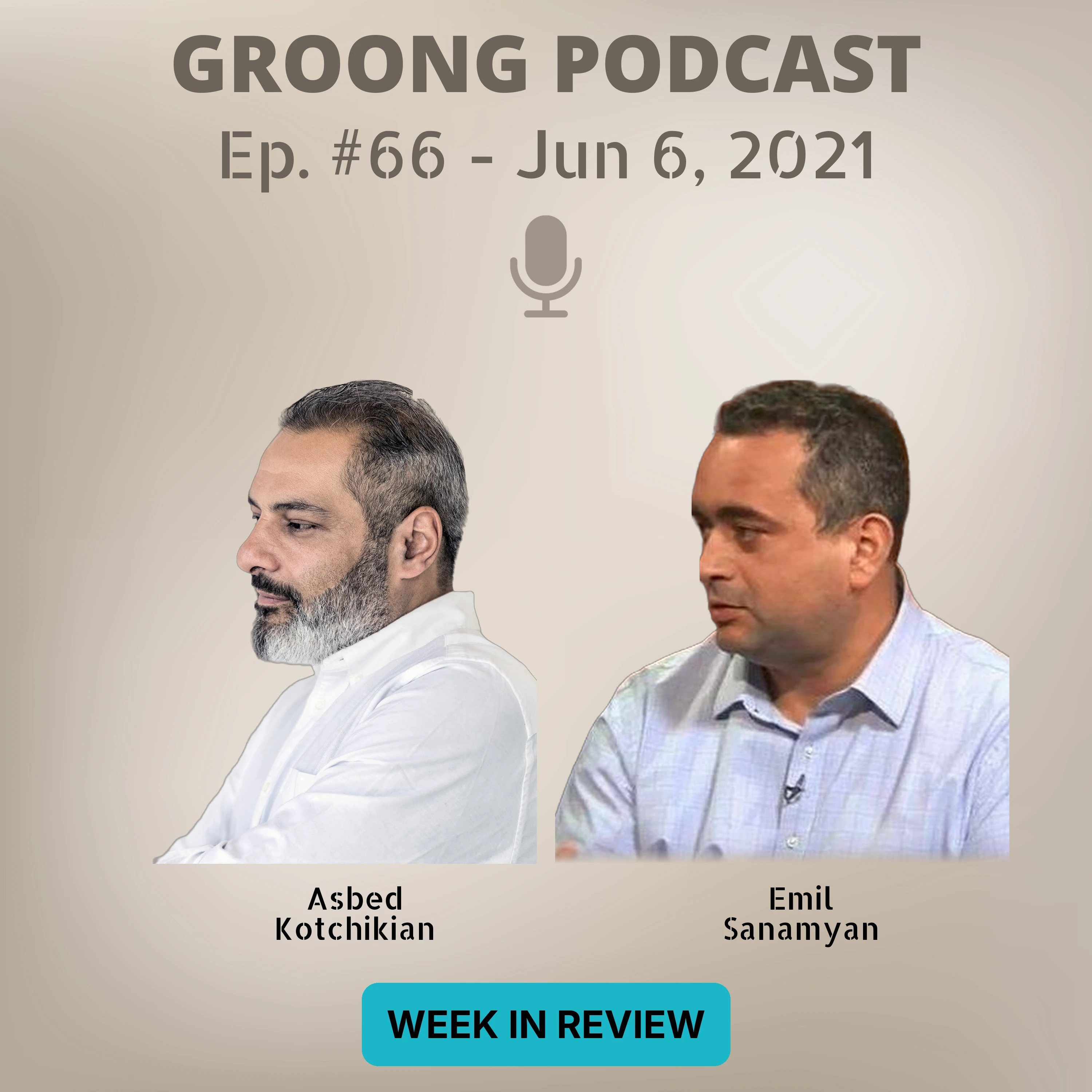
ANN/Groong Week in Review - June 6, 2021
Topics:
- Kocharyan Closes in on Pashinyan in Election Polls
- Pashinyan Visits Europe
Guests:
- Asbed Kotchikian
- Emil Sanamyan
Guest(s):
Hosts:
- Asbed Bedrossian
- Hovik Manucharyan
Website: https://groong.org/podcasts/WiR-20210606.html
Episode 66 | Recorded: June 6, 2021
Kocharyan Closes In on Pashinyan’s Lead | Pashinyan Visits Europe | (Ep #66) - June 6, 2021 [EP66]
Posted on Sunday, Jun 6, 2021 | Category: Armenia, Russia, Iran, Azerbaijan, Georgia, Artsakh, Syria, Nagorno KarabakhANN/Groong Week in Review - June 6, 2021
Topics:
- Kocharyan Closes in on Pashinyan in Election Polls
- Pashinyan Visits Europe
Guests:
- Asbed Kotchikian
- Emil Sanamyan
Guest(s):
Hosts:
- Asbed Bedrossian
- Hovik Manucharyan
Website: https://groong.org/podcasts/WiR-20210606.html
Episode 66 | Recorded: June 6, 2021
Tensions on the Border | Latest IRI & MPG Polls | Election Politics | (Ep #65) - May 30, 2021 [EP65]
Posted on Monday, May 31, 2021 | Category: Armenia, Politics, Poll, Azerbaijan, Russia, Syria, Turkey, Iran, Artsakh, Nagorno Karabakh | Series: wir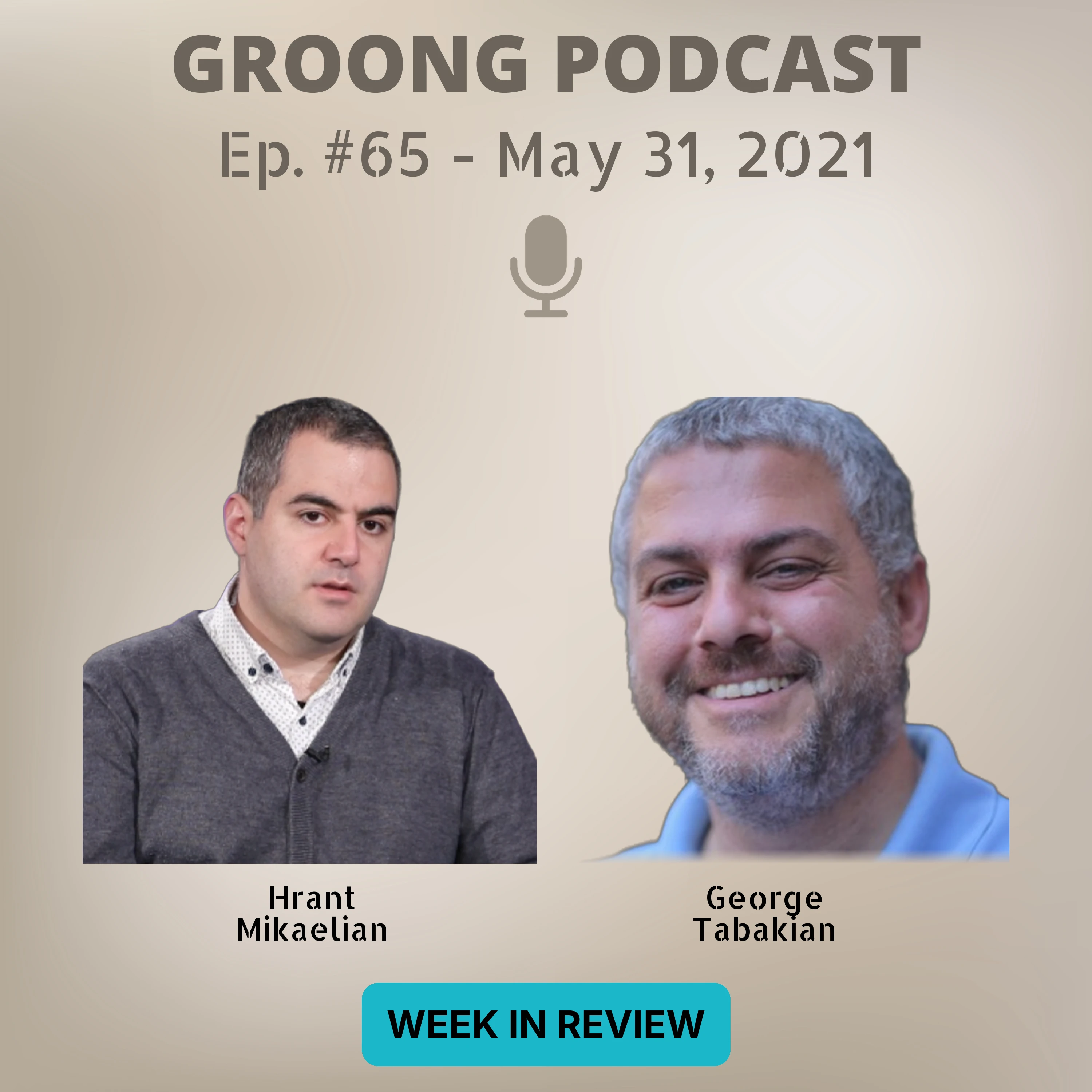
ANN/Groong Week in Review - May 30, 2021 Topics:
- Continued Tensions on the Eastern Border
- Latest IRI and MPG Polls on the Armenian Elections
- Election Politics
Guests:
- Hrant Mikaelian
- George Tabakyan
Guest(s):
Hosts:
- Hovik Manucharyan
- Asbed Bedrossian
Episode 65 | Recorded: May 30, 2021 https://groong.org/podcasts/WiR-20210530.html
Tensions on the Border | Latest IRI & MPG Polls | Election Politics | (Ep #65) - May 30, 2021 [EP65]
Posted on Monday, May 31, 2021 | Category: Armenia, Politics, Poll, Azerbaijan, Russia, Syria, Turkey, Iran, Artsakh, Nagorno KarabakhANN/Groong Week in Review - May 30, 2021 Topics:
- Continued Tensions on the Eastern Border
- Latest IRI and MPG Polls on the Armenian Elections
- Election Politics
Guests:
- Hrant Mikaelian
- George Tabakyan
Guest(s):
Hosts:
- Hovik Manucharyan
- Asbed Bedrossian
Episode 65 | Recorded: May 30, 2021 https://groong.org/podcasts/WiR-20210530.html
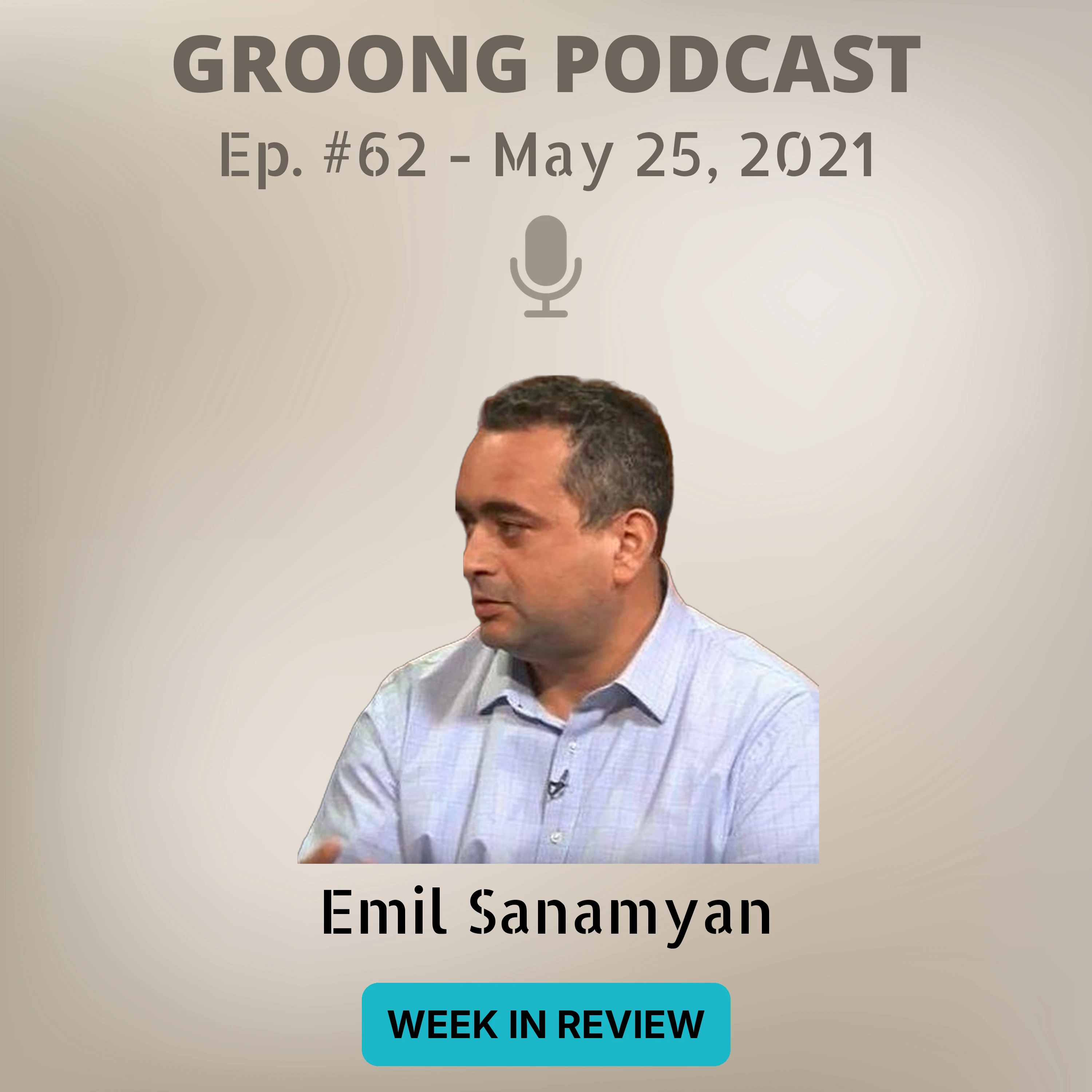
ANN/Groong Week in Review - May 23, 2021
Topics:
- Border update, and Leaked documents
- Azerbaijan membership in the CSTO?
- New MPG Poll on the Armenian Elections
Guest:
- Emil Sanamyan
Guest(s):
Hosts:
- Hovik Manucharyan
- Asbed Bedrossian
Website: https://groong.org/podcasts/WiR-20210523.html Recorded: May 24, 2021
Border Update & Leaks | Azerbaijan in the CSTO? | New Poll & Elections | (Ep #62) - May 23, 2021 [EP62]
Posted on Tuesday, May 25, 2021 | Category: Armenia, Politics, Poll, Azerbaijan, Russia, Georgia, Turkey, Ukraine, China, Iran, Artsakh, Syria, Nagorno Karabakh, NATOANN/Groong Week in Review - May 23, 2021
Topics:
- Border update, and Leaked documents
- Azerbaijan membership in the CSTO?
- New MPG Poll on the Armenian Elections
Guest:
- Emil Sanamyan
Guest(s):
Hosts:
- Hovik Manucharyan
- Asbed Bedrossian
Website: https://groong.org/podcasts/WiR-20210523.html Recorded: May 24, 2021
Kocharyan Case | Electoral reforms | New Gallup Poll | Ukraine heating Up | (Ep #56) - Apr 4, 2021 [EP56]
Posted on Monday, Apr 5, 2021 | Category: Armenia, Politics, Poll, Russia, Ukraine, Azerbaijan, Turkey, China, Georgia, Nagorno Karabakh, NATO | Series: wir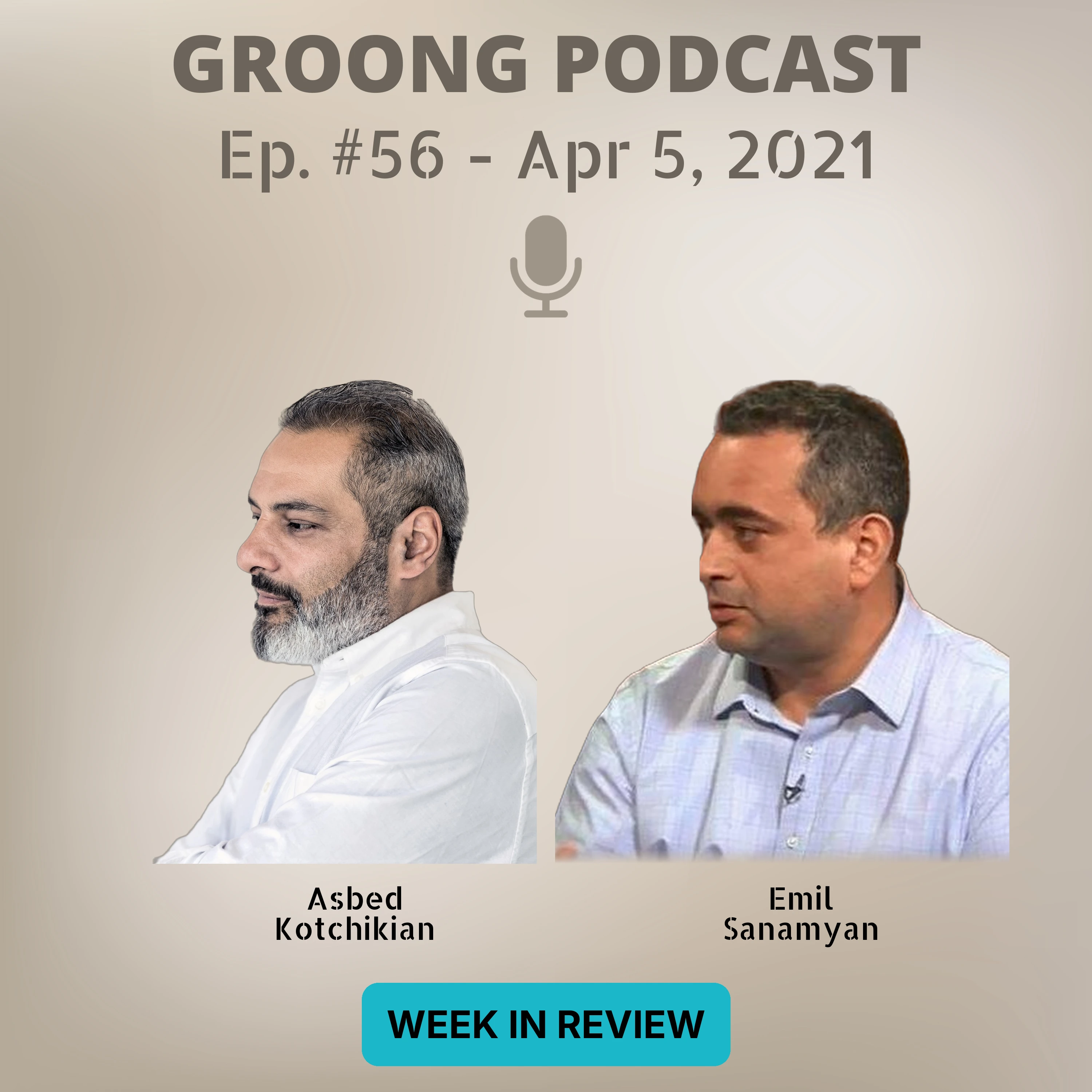
Guest(s):
ANN/Groong Week in Review - April 4, 2021
Topics:
- Kocharyanâs Prosecutors Wonât Go Away
- Snap Electoral Reforms
- New Gallup poll
- Whatâs Going on in Ukraine?
Guests
- Asbed Kotchikian
- Emil Sanamyan
Hosts
- Asbed Bedrossian
- Hovik Manucharyan
Website: https://groong.org/podcasts/WiR-20210404.html Episode 56 | Recorded: April 4, 2021
Kocharyan Case | Electoral reforms | New Gallup Poll | Ukraine heating Up | (Ep #56) - Apr 4, 2021 [EP56]
Posted on Monday, Apr 5, 2021 | Category: Armenia, Politics, Poll, Russia, Ukraine, Azerbaijan, Turkey, China, Georgia, Nagorno Karabakh, NATOGuest(s):
ANN/Groong Week in Review - April 4, 2021
Topics:
- Kocharyanâs Prosecutors Wonât Go Away
- Snap Electoral Reforms
- New Gallup poll
- Whatâs Going on in Ukraine?
Guests
- Asbed Kotchikian
- Emil Sanamyan
Hosts
- Asbed Bedrossian
- Hovik Manucharyan
Website: https://groong.org/podcasts/WiR-20210404.html Episode 56 | Recorded: April 4, 2021
Border Demarcation between Armenia and Azerbaijan | Scene in Yerevan | COVID | Armenia Fund (Ep. 29) [EP29]
Posted on Friday, Dec 4, 2020 | Category: Armenia, Georgia, Economy, Russia, China, Middle East, Armenian Church | Series: wir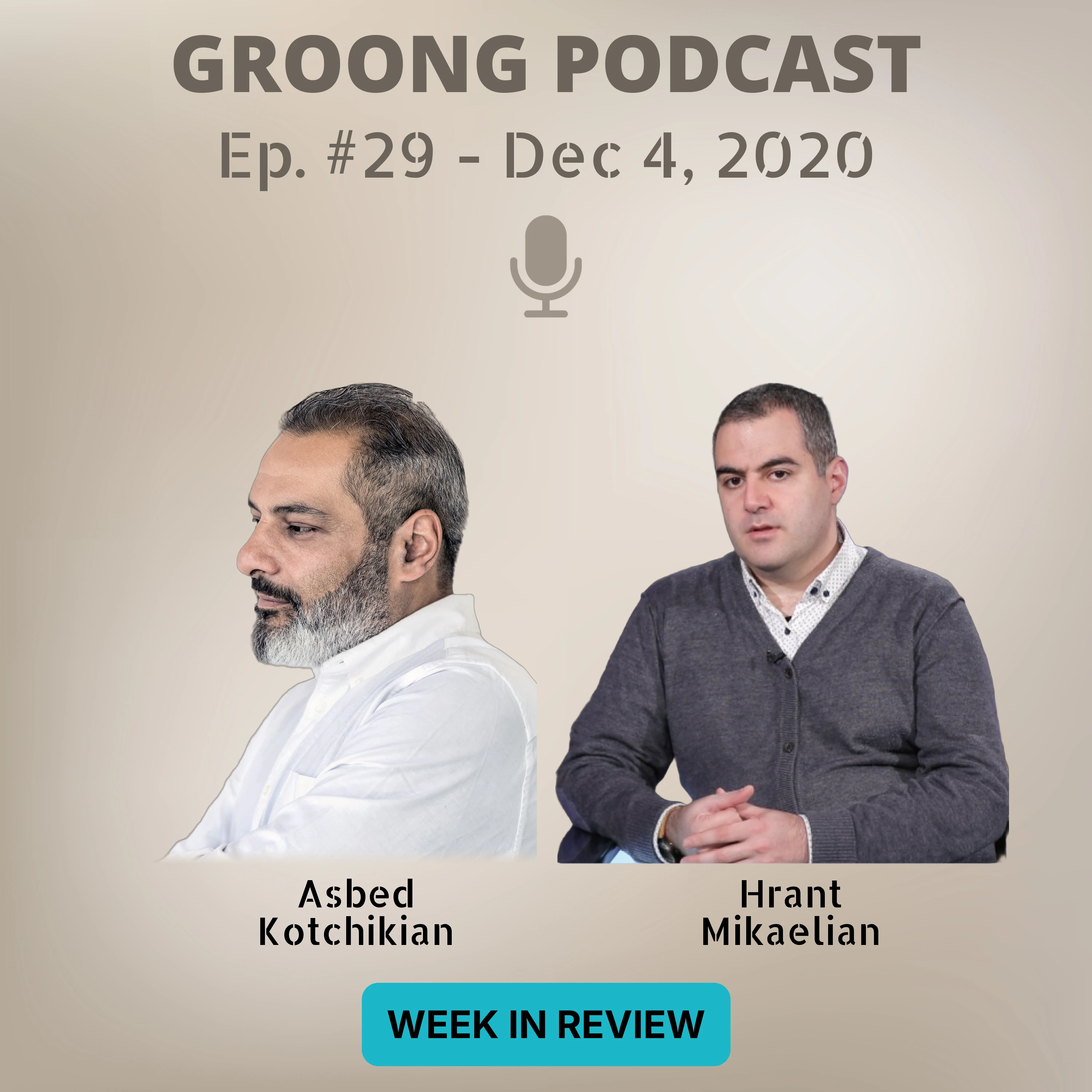
Guest(s):
ANN/Groong Week in Review Episode 29 - Nov 29, 2020
Topics Covered:
- Border Demarcation between Armenia and Azerbaijan
- The Scene in Yerevan
- COVID Update
- Armenia Fund support for the post-war Economy
Your Hosts:
- Asbed Bedrossian
- Hovik Manucharyan
Resident Panelists:
- Asbed Kotchikian
- Hrant Mikaelian
Recorded: Nov 29, 2020
Border Demarcation between Armenia and Azerbaijan | Scene in Yerevan | COVID | Armenia Fund (Ep. 29) [EP29]
Posted on Friday, Dec 4, 2020 | Category: Armenia, Georgia, Economy, Russia, China, Middle East, Armenian ChurchGuest(s):
ANN/Groong Week in Review Episode 29 - Nov 29, 2020
Topics Covered:
- Border Demarcation between Armenia and Azerbaijan
- The Scene in Yerevan
- COVID Update
- Armenia Fund support for the post-war Economy
Your Hosts:
- Asbed Bedrossian
- Hovik Manucharyan
Resident Panelists:
- Asbed Kotchikian
- Hrant Mikaelian
Recorded: Nov 29, 2020
Constitutional Court Standoff | Polls | Armenia Response to COVID | Armenian Media | Headlines | People in the News | Ep 1 - Jul 12, 2020 [EP1]
Posted on Sunday, Jul 12, 2020 | Category: Armenia, Artsakh, Politics, Poll, Azerbaijan, Georgia, Economy, China, Turkey, Armenian Genocide | Series: wir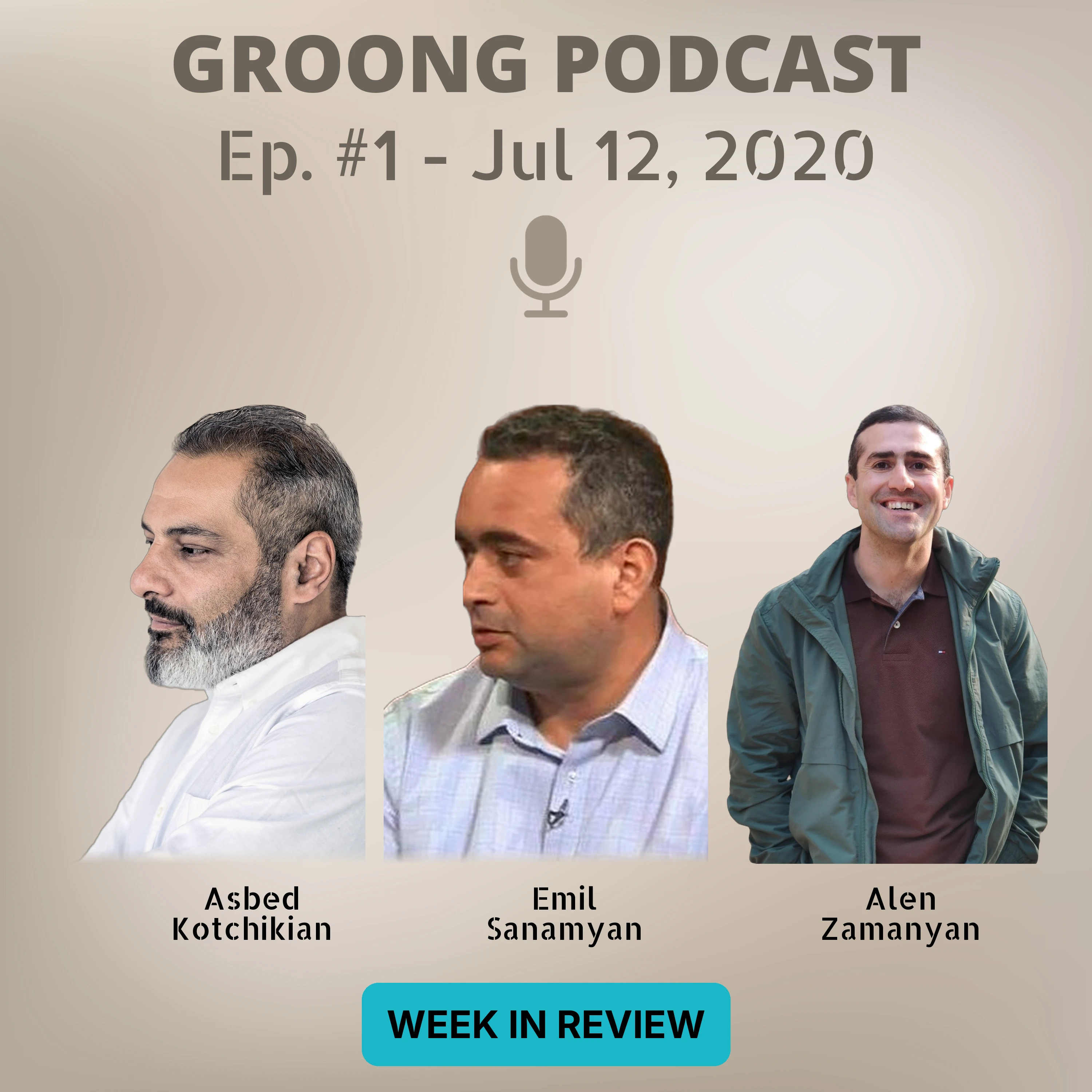
ANN/Groong Week in Review - 07/12/2020
Topics:
- The Constitutional Court Standoff Continues in Limbo
- Polls, and what you should know about them
- The Armenian Government’s response to COVID-19
- The State of Armenian Media: Media Freedoms During Covid
Guests:
Episode 1 | Recorded on July 12, 2020
Constitutional Court Standoff | Polls | Armenia Response to COVID | Armenian Media | Headlines | People in the News | Ep 1 - Jul 12, 2020 [EP1]
Posted on Sunday, Jul 12, 2020 | Category: Armenia, Artsakh, Politics, Poll, Azerbaijan, Georgia, Economy, China, Turkey, Armenian GenocideANN/Groong Week in Review - 07/12/2020
Topics:
- The Constitutional Court Standoff Continues in Limbo
- Polls, and what you should know about them
- The Armenian Government’s response to COVID-19
- The State of Armenian Media: Media Freedoms During Covid
Guests:
Episode 1 | Recorded on July 12, 2020