MPG Poll
Last updated: June 3, 2026
The Marketing Professional Group, known as MPG, is a member of Gallup International Association and is Armenia’s primary domestic polling organization and a regular source of data on public sentiment regarding political figures, parties, and policy questions. As a Gallup International Armenia affiliate, MPG conducts Armenia MPG poll surveys following internationally recognized methodology, which lends its findings greater credibility than state-adjacent polling operations. Groong covers MPG surveys as essential snapshots of voter preferences and public concern in a country where credible independent polling remains scarce and state-controlled media limits opposition access. MPG polls appear frequently in Groong’s election coverage, analysis of approval ratings for Nikol Pashinyan and Civil Contract , and assessment of how Armenian voters view the Armenia-Azerbaijan Peace Process , the complete ethnic cleansing of Artsakh (Nagorno Karabakh) of more than 150,000 Armenian inhabitants, security concerns, and Armenia’s strategic alignment between Russia, the West, and Iran.
MPG poll results and the 2026 election. Recent MPG poll Armenia data has documented significant shifts in the political landscape ahead of the 2026 Armenian Parliamentary Election scheduled for June 7. MPG poll 2026 findings have tracked Pashinyan’s declining approval ratings, growing Armenian concerns about border security and economic instability, and varying levels of support for opposition coalitions including the Armenia Alliance (Hayastan Dashinq), Strong Armenia , and other parties. The wide divergence between MPG poll results and data from competing pollsters like the International Republican Institute (IRI Armenia Poll ) has raised questions about methodology, sample composition, and the phenomenon of “hidden votes,” where voters withhold their true intentions from pollsters due to fear of state pressure or social judgment.
MPG survey Armenia methodology and the Gallup connection. Each MPG survey Armenia round draws on the Gallup International Armenia poll framework — stratified random sampling across regions and demographic cohorts — which allows for meaningful comparisons over time. Groong episodes have examined what the Gallup Armenia survey methodology implies for interpreting MPG results: what response rates reveal about public trust, how in-person interviewing differs from telephone polling in an environment of potential surveillance, and whether Gallup Armenia poll standards are consistently applied across cycles. MPG poll 2025 data from the pre-election baseline period has served as the reference point against which 2026 shifts are being measured.
Broader context. Groong’s coverage places MPG polling within the broader context of Armenia’s constrained media environment and the structural disadvantages facing opposition forces. Episodes have examined how MPG data contradicts or confirms state television narratives, whether polling reflects genuine voter sentiment or the effects of administrative pressure, and how external actors including the CSTO , Russia, the European Union, and the United States factor into Armenian voting calculations. Discussions with analysts like Benyamin Poghosyan and Hrant Mikaelian have treated MPG results as one layer of evidence about Armenian public opinion, always noting the limitations of polling in an environment where press freedom is constrained and state resources are unevenly deployed.
Browse all Groong episodes tagged MPG Poll below.
Groong episodes that include this tag
Below are all Groong episodes tagged with MPG Poll.
Groong Links:
Guest(s):
Topics:
- Election aftermath and disputed legitimacy
- Threats against opposition parties
- Armenia-Russia tensions after vote
- EU lifeline for Armenian exports
- Polling failures and hidden votes
Episode 559 | Recorded: June 18, 2026
#Armenia #ArmenianElections #HrantMikaelian #NikolPashinyan #CivilContract #ArmeniaRussia #Polling
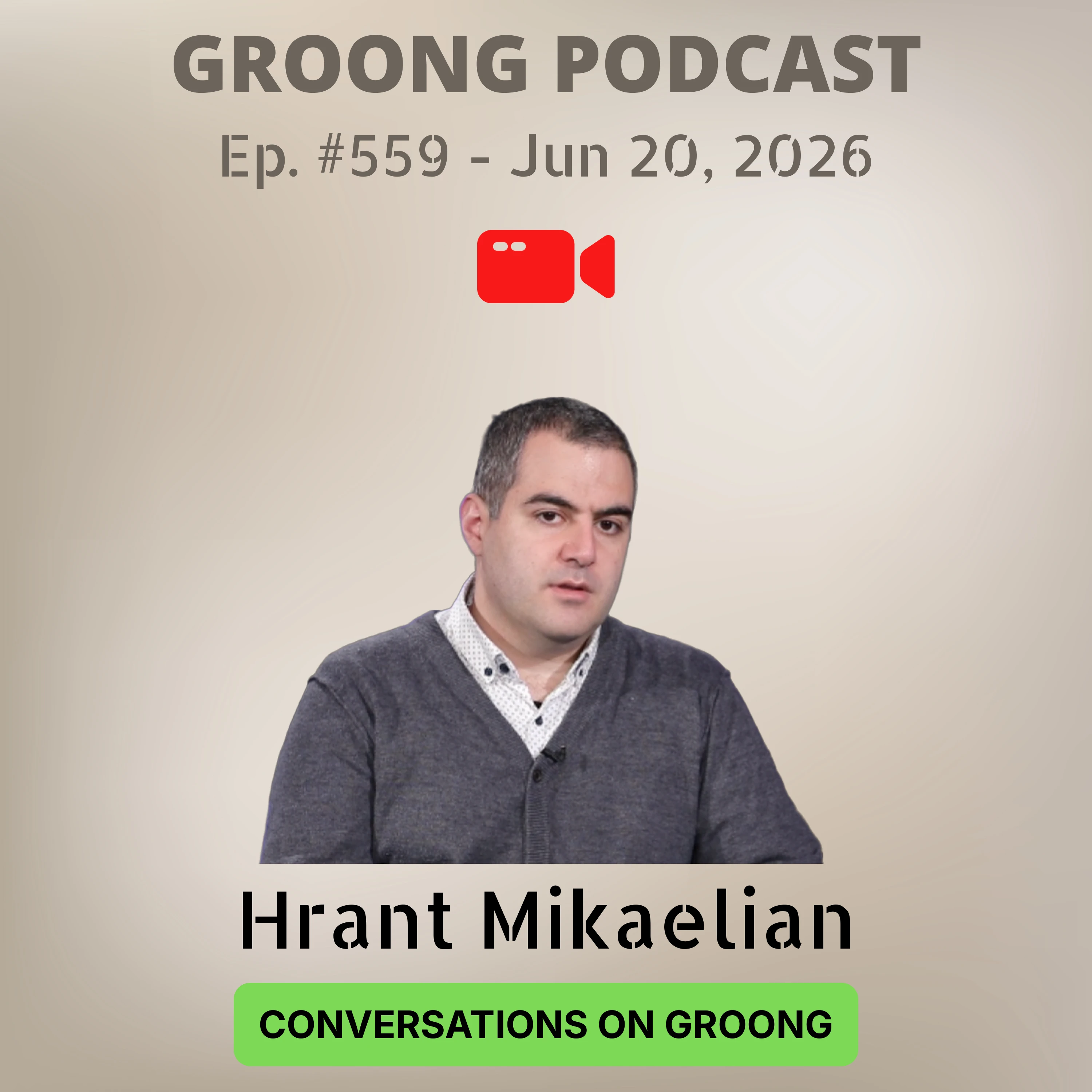
Hrant Mikaelian - Election Aftermath and Polls in Armenia | Ep 559, Jun 20, 2026 [EP559]
Posted on Saturday, Jun 20, 2026 | Category: Armenia, Politics, PollGroong Links:
Guest(s):
Topics:
- Election aftermath and disputed legitimacy
- Threats against opposition parties
- Armenia-Russia tensions after vote
- EU lifeline for Armenian exports
- Polling failures and hidden votes
Episode 559 | Recorded: June 18, 2026
#Armenia #ArmenianElections #HrantMikaelian #NikolPashinyan #CivilContract #ArmeniaRussia #Polling
Transcript: Hrant Mikaelian - Election Aftermath and Polls in Armenia | Ep 559, Jun 20, 2026 [EP559]
Posted on Saturday, Jun 20, 2026 | Category: Armenia, Politics, Poll, TranscriptIn this episode of Conversations on Groong, we speak with Hrant Mikaelian about the disputed aftermath of Armenia’s June 7, 2026 parliamentary election. We discuss allegations of electoral fraud, threats against opposition parties, the Anti-Corruption Committee’s proposed ban on opposition groups, Armenia-Russia tensions following the vote, and the EU’s financial support for Armenian agricultural exports amid Russian sanctions.
Arthur Khachatryan - Armenia Alliance in the 2026 Armenian Parliamentary Election | Ep 551, May 31, 2026 [EP551]
Posted on Sunday, May 31, 2026 | Category: Armenia, Politics, Nagorno Karabakh | Series: cog, video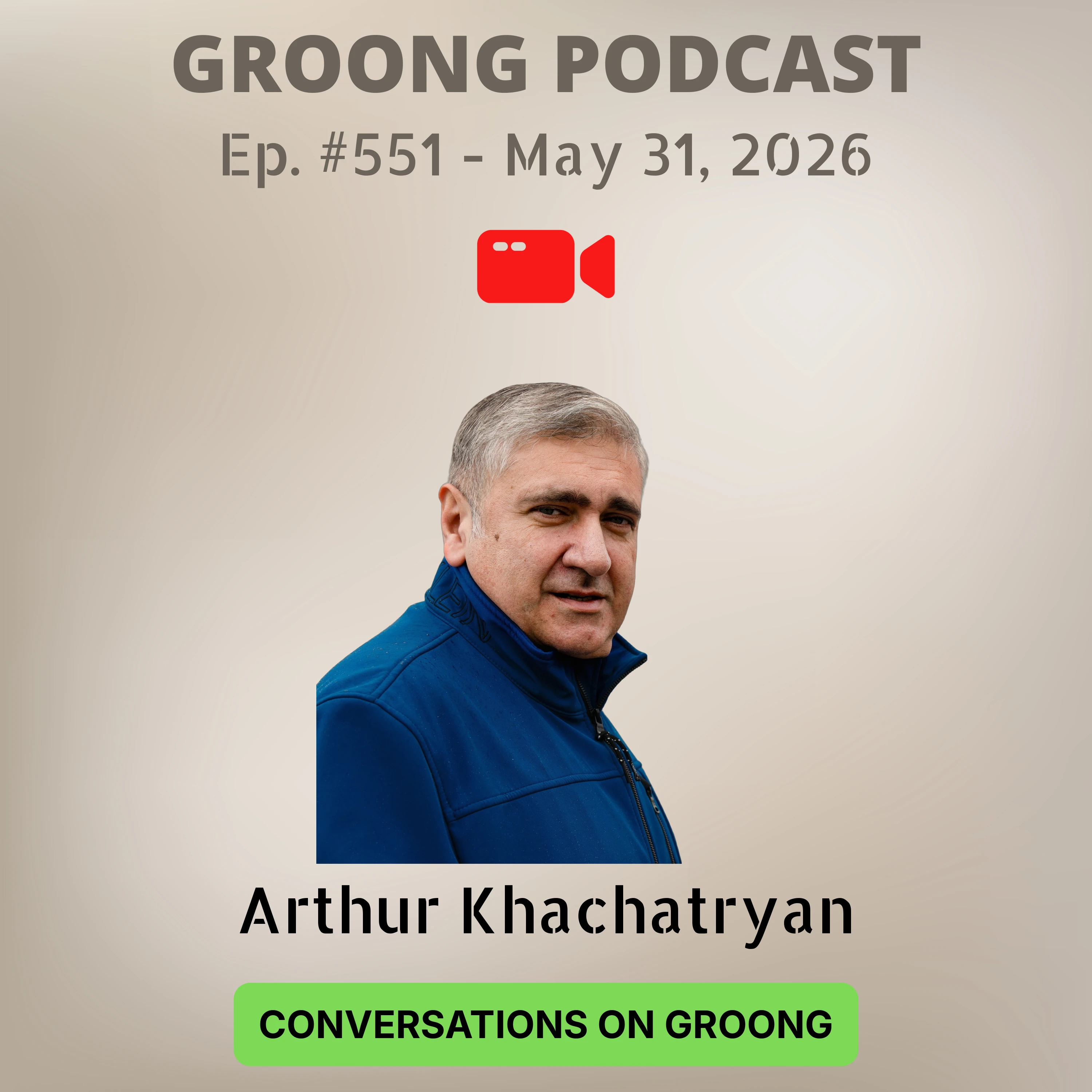
Groong Links:
Guest(s):
Topics:
- Free and fair elections
- Polls and opposition unity
- Hayastan Dashinq platform
- TRIPP and foreign policy
- Economy and Russian pressure
Episode 551 | Recorded: May 30, 2026
#ArmeniaElections #ArthurKhachatryan #HayastanDashinq #ArmenianOpposition #Pashinyan #TRIPP #SouthCaucasus #Groong
Arthur Khachatryan - Armenia Alliance in the 2026 Armenian Parliamentary Election | Ep 551, May 31, 2026 [EP551]
Posted on Sunday, May 31, 2026 | Category: Armenia, Politics, Nagorno KarabakhGroong Links:
Guest(s):
Topics:
- Free and fair elections
- Polls and opposition unity
- Hayastan Dashinq platform
- TRIPP and foreign policy
- Economy and Russian pressure
Episode 551 | Recorded: May 30, 2026
#ArmeniaElections #ArthurKhachatryan #HayastanDashinq #ArmenianOpposition #Pashinyan #TRIPP #SouthCaucasus #Groong
Transcript: Arthur Khachatryan - Armenia Alliance in the 2026 Armenian Parliamentary Election | Ep 551, May 31, 2026 [EP551]
Posted on Sunday, May 31, 2026 | Category: Armenia, Politics, Nagorno Karabakh, TranscriptIn this episode of Conversations on Groong, we speak with Arthur Khachatryan of the Hayastan Dashinq, Armenia Alliance about the 2026 Armenian Parliamentary Election scheduled for June 7. We discuss whether free and fair elections are possible given foreign interference from the West, abuse of administrative resources by the ruling Civil Contract party, media control, and competing pressures from the United States, EU, Russia, and regional actors including Turkey and Azerbaijan.
Rubio Visit, New MPG and IRI Polls, Hidden Votes and Why Are You Alive? | Ep 550, May 24, 2026 [EP550]
Posted on Wednesday, May 27, 2026 | Category: Armenia, Politics, Poll, Armenian Church, Nagorno Karabakh, Armenian Genocide, Azerbaijan, Russia, China | Series: wir, video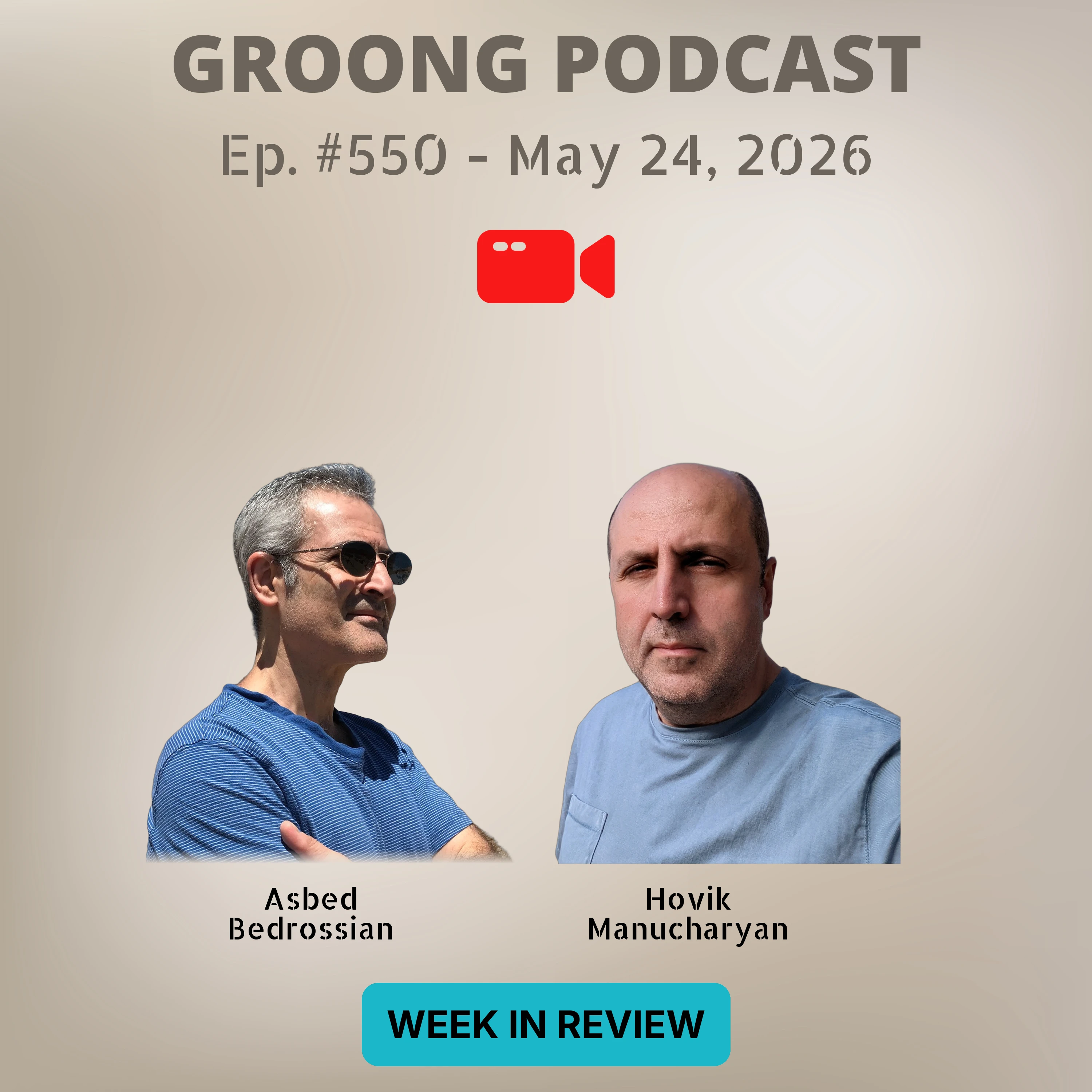
Groong Links:
Topics:
- Rubio’s sudden Armenia visit
- Polls diverge before election
- Hidden vote raises questions
- TRIPP remains deeply polarizing
- “Western Azerbaijan” pressure grows
- Opposition faces arrests, threats
- “Why are you alive?” campaign rhetoric
Episode 550 | Recorded: May 25, 2026
#ArmeniaElections #Armenia #NikolPashinyan #TRIPP #ZangezurCorridor #WesternAzerbaijan #ArmenianOpposition
Rubio Visit, New MPG and IRI Polls, Hidden Votes and Why Are You Alive? | Ep 550, May 24, 2026 [EP550]
Posted on Wednesday, May 27, 2026 | Category: Armenia, Politics, Poll, Armenian Church, Nagorno Karabakh, Armenian Genocide, Azerbaijan, Russia, ChinaGroong Links:
Topics:
- Rubio’s sudden Armenia visit
- Polls diverge before election
- Hidden vote raises questions
- TRIPP remains deeply polarizing
- “Western Azerbaijan” pressure grows
- Opposition faces arrests, threats
- “Why are you alive?” campaign rhetoric
Episode 550 | Recorded: May 25, 2026
#ArmeniaElections #Armenia #NikolPashinyan #TRIPP #ZangezurCorridor #WesternAzerbaijan #ArmenianOpposition
Transcript: Rubio Visit, New MPG and IRI Polls, Hidden Votes and Why Are You Alive? | Ep 550, May 24, 2026 [EP550]
Posted on Wednesday, May 27, 2026 | Category: Armenia, Politics, Poll, Armenian Church, Nagorno Karabakh, Armenian Genocide, Azerbaijan, Russia, China, TranscriptThis Week in Review examines the tightening political climate in Armenia ahead of the June 2026 parliamentary elections. Asbed and Hovik discuss Marco Rubio’s sudden Armenia visit, new polling from IRI, MPG, and CAEAC, and what the wide gaps in voter disclosure may reveal about hidden opposition support. The episode also covers TRIPP, “Western Azerbaijan” rhetoric, public trust in the Armenian Apostolic Church, and the growing use of arrests, threats, and state pressure against opposition figures. The discussion centers on Pashinyan’s escalating campaign rhetoric, including his “Why are you alive?” outburst, and what it signals about the stakes of the coming election.
Parties and Alliances in the 2026 Armenian Parliamentary Election | Ep 548, May 22, 2026 [EP548]
Posted on Saturday, May 23, 2026 | Category: Armenia, Politics, Armenian Church, Nagorno Karabakh, Artsakh Blockade, BRICS, Russia, Iran, Azerbaijan, European Union | Series: cog, video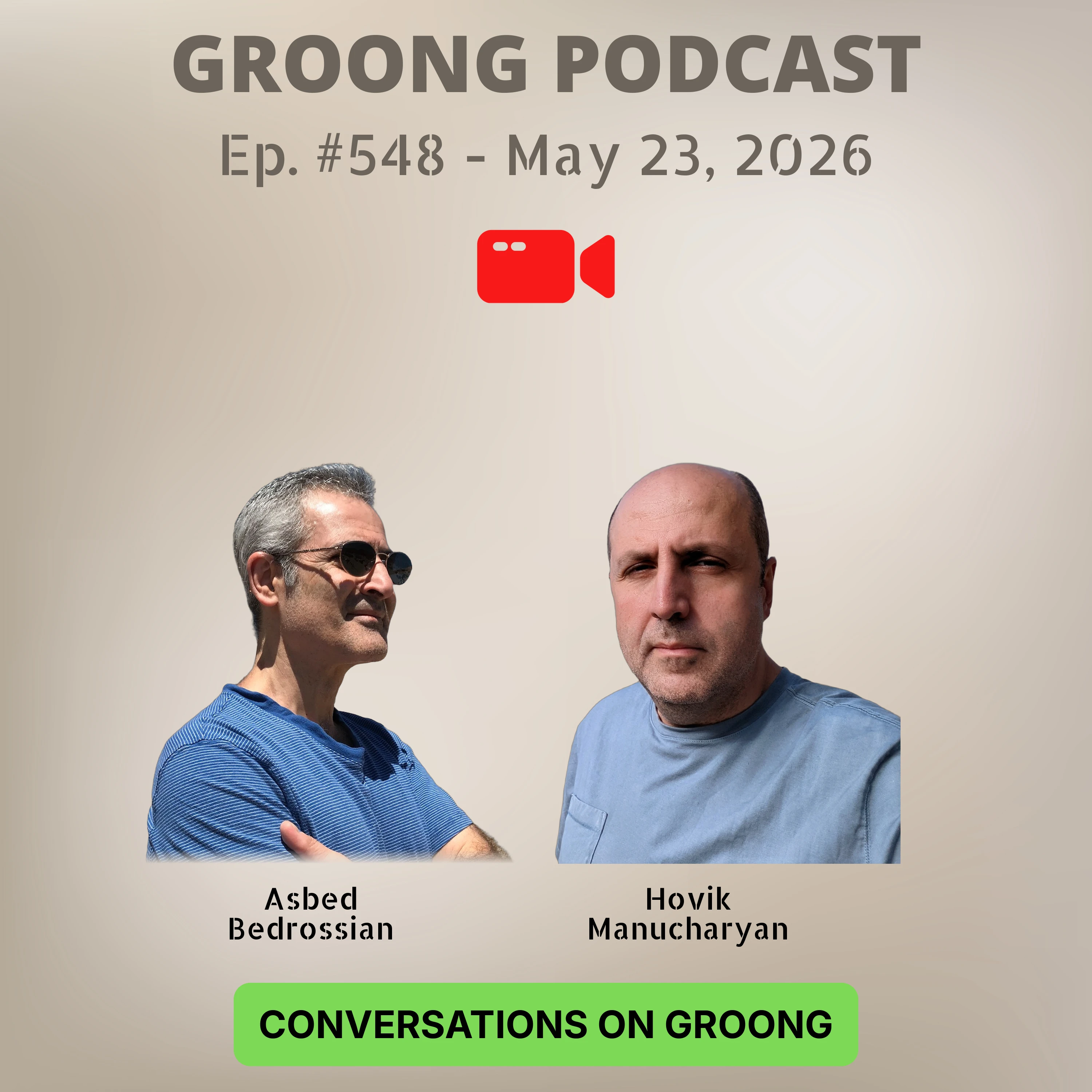
Groong Links:
Topics:
- Armenia’s election rules
- Parties and alliances competing
- MPG polling and thresholds
- Opposition challenges and turnout
- Geopolitical positions heatmap
Episode 548 | Recorded: May 22, 2026
#Armenia #ArmenianElections #ArmenianPolitics #Artsakh #SouthCaucasus #CivilContract #StrongArmenia #HayastanDashinq
Parties and Alliances in the 2026 Armenian Parliamentary Election | Ep 548, May 22, 2026 [EP548]
Posted on Saturday, May 23, 2026 | Category: Armenia, Politics, Armenian Church, Nagorno Karabakh, Artsakh Blockade, BRICS, Russia, Iran, Azerbaijan, European UnionGroong Links:
Topics:
- Armenia’s election rules
- Parties and alliances competing
- MPG polling and thresholds
- Opposition challenges and turnout
- Geopolitical positions heatmap
Episode 548 | Recorded: May 22, 2026
#Armenia #ArmenianElections #ArmenianPolitics #Artsakh #SouthCaucasus #CivilContract #StrongArmenia #HayastanDashinq
Transcript: Parties and Alliances in the 2026 Armenian Parliamentary Election | Ep 548, May 22, 2026 [EP548]
Posted on Saturday, May 23, 2026 | Category: Armenia, Politics, Armenian Church, Nagorno Karabakh, Artsakh Blockade, BRICS, Russia, Iran, Azerbaijan, European Union, TranscriptThis Conversations on Groong episode provides a primer on Armenia’s June 7, 2026 parliamentary elections, reviewing the 17 parties and 2 alliances registered to compete. The discussion explains the election rules, thresholds, coalition process, and the “stable majority” mechanism, while stressing the uneven political environment facing opposition forces. The episode then walks through each participant, including Civil Contract, Strong Armenia, Armenia Alliance, Prosperous Armenia, Wings of Unity, Bright Armenia, ANC, Bever, Republic, DOK, Democratic Consolidation, and smaller parties with Read More
Week in Review - EPC in Armenia, Russia, Parliamentary Election, Swiss Peace Initiative | Ep 545, May 10, 2026 [EP545]
Posted on Wednesday, May 13, 2026 | Category: Armenia, Politics, Nagorno Karabakh, Artsakh Blockade, Azerbaijan, Russia, Ukraine, NATO, European Union, Human Rights | Series: wir
Groong Links:
Topics:
- EPC fallout and Russia response
- Armenia-EU declaration controversies
- Pashinyan’s Artsakh campaign narrative
- Aliyev-Pashinyan tag-team messaging
- Swiss Peace Initiative
- Pollsters diverge on election forecasts
Episode 545 | Recorded: May 12, 2026
#WeekInReview #Armenia #SwissPeaceInitiative #NagornoKarabakh #Artsakh
Week in Review - EPC in Armenia, Russia, Parliamentary Election, Swiss Peace Initiative | Ep 545, May 10, 2026 [EP545]
Posted on Wednesday, May 13, 2026 | Category: Armenia, Politics, Nagorno Karabakh, Artsakh Blockade, Azerbaijan, Russia, Ukraine, NATO, European Union, Human RightsGroong Links:
Topics:
- EPC fallout and Russia response
- Armenia-EU declaration controversies
- Pashinyan’s Artsakh campaign narrative
- Aliyev-Pashinyan tag-team messaging
- Swiss Peace Initiative
- Pollsters diverge on election forecasts
Episode 545 | Recorded: May 12, 2026
#WeekInReview #Armenia #SwissPeaceInitiative #NagornoKarabakh #Artsakh
Transcript: Week in Review - EPC in Armenia, Russia, Parliamentary Election, Swiss Peace Initiative | Ep 545, May 10, 2026 [EP545]
Posted on Wednesday, May 13, 2026 | Category: Armenia, Politics, Nagorno Karabakh, Artsakh Blockade, Azerbaijan, Russia, Ukraine, NATO, European Union, Human Rights, TranscriptIn this Week in Review, Asbed and Hovik discuss the fallout from the EPC summit in Yerevan, Armenia’s role as a platform for anti-Russian messaging, and Putin’s warning about a possible “separation” if Armenia moves toward the EU. They examine the Armenia-EU declaration, focusing on TRIPP, Ukraine, hybrid threats, security cooperation, visa liberalization, and the Armenian Nuclear Power Plant. The episode then turns to Armenia’s election campaign, Pashinyan’s claim that Artsakh was “never ours,” Aliyev’s parallel messaging from occupied Artsakh, pressure on opposition figures, the Swiss Peace Initiative, and sharp divergence between election polls.
Anna Grigoryan - Armenia Alliance in the 2026 Armenian Parliamentary Election | Ep 544, May 11, 2026 [EP544]
Posted on Monday, May 11, 2026 | Category: Nagorno Karabakh, Armenia, Azerbaijan, Russia, Iran, European Union, Economy, NATO, Human Rights | Series: cog
Groong Links:
Guest(s):
Topics:
- Election campaign and opposition strategy
- EPC, EU-Armenia summit, and foreign influence
- Foreign policy, security, and regional risks
- Domestic priorities and election integrity
Episode 544 | Recorded: May 9, 2026
#AnnaGrigoryan #Armenia #ArmenianPolitics #ArmeniaElections #HayastanDashinq #EPCSummit #TRIPP #Artsakh
Anna Grigoryan - Armenia Alliance in the 2026 Armenian Parliamentary Election | Ep 544, May 11, 2026 [EP544]
Posted on Monday, May 11, 2026 | Category: Nagorno Karabakh, Armenia, Azerbaijan, Russia, Iran, European Union, Economy, NATO, Human RightsGroong Links:
Guest(s):
Topics:
- Election campaign and opposition strategy
- EPC, EU-Armenia summit, and foreign influence
- Foreign policy, security, and regional risks
- Domestic priorities and election integrity
Episode 544 | Recorded: May 9, 2026
#AnnaGrigoryan #Armenia #ArmenianPolitics #ArmeniaElections #HayastanDashinq #EPCSummit #TRIPP #Artsakh
EU Interference and Armenia's 2026 Elections | Ep 543, May 10, 2026 [EP543]
Posted on Sunday, May 10, 2026 | Category: Armenia, Politics, Armenian Church, Nagorno Karabakh, Artsakh Blockade, Russia, Azerbaijan, Iran, Turkey, Georgia, Human Rights, NATO, European Union | Series: cog, video
Groong Links:
Guest(s):
Topics:
- EU role in Armenia’s elections
- Fact-checkers and political bias
- Dissent labeled as disinformation
- Lawsuits, pressure, and intimidation
- Censorship and social media control
Episode 543 | Recorded: May 7, 2026
#Armenia #ArmenianElections #EU #Disinformation #FactChecking #Censorship #CivilSociety #FreeSpeech
EU Interference and Armenia's 2026 Elections | Ep 543, May 10, 2026 [EP543]
Posted on Sunday, May 10, 2026 | Category: Armenia, Politics, Armenian Church, Nagorno Karabakh, Artsakh Blockade, Russia, Azerbaijan, Iran, Turkey, Georgia, Human Rights, NATO, European UnionGroong Links:
Guest(s):
Topics:
- EU role in Armenia’s elections
- Fact-checkers and political bias
- Dissent labeled as disinformation
- Lawsuits, pressure, and intimidation
- Censorship and social media control
Episode 543 | Recorded: May 7, 2026
#Armenia #ArmenianElections #EU #Disinformation #FactChecking #Censorship #CivilSociety #FreeSpeech
Transcript: Anna Grigoryan - Armenia Alliance in the 2026 Armenian Parliamentary Election | Ep 544, May 11, 2026 [EP544]
Posted on Monday, May 11, 2026 | Category: Nagorno Karabakh, Armenia, Azerbaijan, Russia, Iran, European Union, Economy, NATO, Human Rights, TranscriptAnna Grigoryan of Hayastan Dashinq (Armenia Alliance) joins Groong to discuss Armenia’s June 7 parliamentary election and the start of the official campaign. The conversation examines the EPC and Armenia-EU summits in Yerevan, EU political and financial support for Pashinyan, Aliyev’s remote demarche, and opposition protests around Artsakh rights, Armenian prisoners, and democratic backsliding. The episode also covers opposition coalition math, Hayastan Dashinq’s 8% bloc threshold, Strong Armenia’s lead among opposition forces, possible post-election governing formulas, Read More
Transcript: EU Interference and Armenia's 2026 Elections | Ep 543, May 10, 2026 [EP543]
Posted on Sunday, May 10, 2026 | Category: Armenia, Politics, Armenian Church, Nagorno Karabakh, Artsakh Blockade, Russia, Azerbaijan, Iran, Turkey, Georgia, Human Rights, NATO, European Union, TranscriptHovhannes Ishkhanyan and Nare Navasardyan discuss the growing role of the EU, fact-checking networks, and counter-disinformation programs in Armenia’s 2026 election environment. The conversation examines claims of foreign interference, the use of “hybrid threats” and “disinformation” labels against domestic dissent, and the political bias of Armenia’s fact-checking ecosystem. The guests also share personal experiences with lawsuits, public confrontation, protest, and censorship, raising broader questions about free speech, election fairness, and the management of Armenia’s information space.
Trump’s Iran Ceasefire, Operation Kochari, and Armenia’s Election Fog | Ep 539, May 3, 2026 [EP539]
Posted on Tuesday, May 5, 2026 | Category: Armenia, Politics, Poll, Armenian News, Israel, Artsakh, Nagorno Karabakh, Azerbaijan, USA, Armenian Church, Artsakh Blockade, Armenian Genocide, Iran, Russia, Georgia, Genocide, Human Rights | Series: wir, video
Groong Links:
Topics:
- Iran War
- Mustafayev in Armenia
- Destruction of the Stepanakert cathedral by Azerbaijan
- Election politics
Episode 539 | Recorded: May 3, 2026
#Armenia #Azerbaijan #IranWar #TRIPP #Artsakh #Stepanakert #ArmenianElections #Groong
Trump’s Iran Ceasefire, Operation Kochari, and Armenia’s Election Fog | Ep 539, May 3, 2026 [EP539]
Posted on Tuesday, May 5, 2026 | Category: Armenia, Politics, Poll, Armenian News, Israel, Artsakh, Nagorno Karabakh, Azerbaijan, USA, Armenian Church, Artsakh Blockade, Armenian Genocide, Iran, Russia, Georgia, Genocide, Human RightsGroong Links:
Topics:
- Iran War
- Mustafayev in Armenia
- Destruction of the Stepanakert cathedral by Azerbaijan
- Election politics
Episode 539 | Recorded: May 3, 2026
#Armenia #Azerbaijan #IranWar #TRIPP #Artsakh #Stepanakert #ArmenianElections #Groong
Transcript: Trump’s Iran Ceasefire, Operation Kochari, and Armenia’s Election Fog | Ep 539, May 3, 2026 [EP539]
Posted on Tuesday, May 5, 2026 | Category: Armenia, Politics, Poll, Armenian News, Israel, Artsakh, Nagorno Karabakh, Azerbaijan, USA, Armenian Church, Artsakh Blockade, Armenian Genocide, Iran, Russia, Georgia, Genocide, Human Rights, TranscriptThis Groong Week in Review covers Trump’s Iran ceasefire, failed US-Iran talks in Islamabad, the naval blockade, and Washington’s war politics. Asbed and Hovik also examine “Operation Kochari,” Shahin Mustafayev’s secret visit to Armenia, TRIPP, border demarcation, Armenia-Azerbaijan trade, Azerbaijan’s destruction of the Stepanakert cathedral, Pashinyan’s response, the MPG poll, opposition coalition math, election fraud risks, the EPC meeting, legal pressure, mass surveillance, and Armenia’s falling press freedom ranking.
Hrant Mikaelian - US-Iran Talks, Orban Loses, Armenian Parliamentary Elections, MPG Polls | Ep 531, Apr 12, 2026 [EP531]
Posted on Thursday, Apr 16, 2026 | Category: Iran, Armenia, Election, Poll, Iran, Armenia, USA, Israel, Georgia, Russia, Azerbaijan, Turkey, Artsakh, Nagorno Karabakh, European Union | Series: wir, video
Groong Links:
Guest:
Topics:
- US-Iran Talks in Pakistan
- Orban Loses Hungary Elections
- Armenian Parliamentary Elections
- Polls: MPG, IRI, ARAR, EVN
Episode 531 | Recorded: April 14, 2026
#Armenia #IranWar #ArmenianPolitics #HungaryElections #ArmeniaPolls
Hrant Mikaelian - US-Iran Talks, Orban Loses, Armenian Parliamentary Elections, MPG Polls | Ep 531, Apr 12, 2026 [EP531]
Posted on Thursday, Apr 16, 2026 | Category: Iran, Armenia, Election, Poll, Iran, Armenia, USA, Israel, Georgia, Russia, Azerbaijan, Turkey, Artsakh, Nagorno Karabakh, European UnionGroong Links:
Guest:
Topics:
- US-Iran Talks in Pakistan
- Orban Loses Hungary Elections
- Armenian Parliamentary Elections
- Polls: MPG, IRI, ARAR, EVN
Episode 531 | Recorded: April 14, 2026
#Armenia #IranWar #ArmenianPolitics #HungaryElections #ArmeniaPolls
Transcript: Hrant Mikaelian - US-Iran Talks, Orban Loses, Armenian Parliamentary Elections, MPG Polls | Ep 531, Apr 12, 2026 [EP531]
Posted on Thursday, Apr 16, 2026 | Category: Iran, Armenia, Election, Poll, Iran, Armenia, USA, Israel, Georgia, Russia, Azerbaijan, Turkey, Artsakh, Nagorno Karabakh, European Union, TranscriptThis Week in Review examines how foreign shocks and internal political pressures are converging for Armenia. We look at the breakdown of US-Iran talks and the threat of a new naval blockade, Viktor Orban’s defeat in Hungary and what it may mean for the region, and fresh polling in Armenia on security, war, free speech, voter participation, and party support ahead of the 2026 elections. The episode also explores whether the Abkhaz railway could offer Armenia a real alternative to routes that deepen dependence on Azerbaijan and Turkey, and what the latest polling says about the opposition’s position.
Hovik & Asbed - Iran War, April 2016 War, Armenia & Russia, Politics & Election | Ep 530, Apr 5, 2026 [EP530]
Posted on Wednesday, Apr 8, 2026 | Category: Iran, Armenia, Politics, Election, Artsakh, Nagorno Karabakh, Azerbaijan, Armenian Church, European Union, Russia, Georgia, Turkey | Series: cog, video
Groong Links:
Topics:
- Iran War Update
- 2016 April War
- Aftermath of Pashinyan in Moscow
- Domestic Politics & Election
Episode 530 | Recorded: April 7, 2026
#Groong #Armenia
Hovik & Asbed - Iran War, April 2016 War, Armenia & Russia, Politics & Election | Ep 530, Apr 5, 2026 [EP530]
Posted on Wednesday, Apr 8, 2026 | Category: Iran, Armenia, Politics, Election, Artsakh, Nagorno Karabakh, Azerbaijan, Armenian Church, European Union, Russia, Georgia, TurkeyGroong Links:
Topics:
- Iran War Update
- 2016 April War
- Aftermath of Pashinyan in Moscow
- Domestic Politics & Election
Episode 530 | Recorded: April 7, 2026
#Groong #Armenia
Transcript: Hovik & Asbed - Iran War, April 2016 War, Armenia & Russia, Politics & Election | Ep 530, Apr 5, 2026 [EP530]
Posted on Wednesday, Apr 8, 2026 | Category: Iran, Armenia, Politics, Election, Artsakh, Nagorno Karabakh, Azerbaijan, Armenian Church, European Union, Russia, Georgia, Turkey, TranscriptIn this Week in Review, Hovik and Asbed discussed the escalating US-Israeli war on Iran and the danger of a wider regional catastrophe; we reflected on the tenth anniversary of the April 2016 Four-Day War and what it revealed about Armenia’s military and diplomatic posture; we examined the fallout from Pashinyan’s Moscow visit and the increasingly blunt Russian response, and reviewed the fast-moving Armenian election campaign, including pressure on the opposition, EU involvement, and the emerging strategies of major the various alliances.
Groong Links:
Guest:
Topics:
- Iran War Update
- IRI Poll Review
- Political Landscape
Episode 521 | Recorded: March 10, 2026
#IranWar #EpicFury #MiddleEastWar #ArmeniaForeignPolicy #Sumgait1988 #IranIsraelConflict
Groong Links:
Guest:
Topics:
- Iran War Update
- IRI Poll Review
- Political Landscape
Episode 521 | Recorded: March 10, 2026
#IranWar #EpicFury #MiddleEastWar #ArmeniaForeignPolicy #Sumgait1988 #IranIsraelConflict
Asbed & Hovik - Iran, Varchaband, War on Church, Mehmet Oz, Strong Armenia, Noragyugh | Ep 512, Feb 1, 2026 [EP512]
Posted on Tuesday, Feb 3, 2026 | Category: Armenia, Politics, Artsakh, Nagorno Karabakh, Iran, Israel, Azerbaijan, Armenian Church, BRICS, Russia, Turkey, China, India, Ukraine | Series: wir, video
Groong Links:
Topics:
- Iran Conflict
- Varchaband
- War on Armenian Church
- Mehmet Oz vs Armenian Americans
- Narek Karapetyan and Strong Armenia
- A Big Beautiful Noragyugh
Episode 512 | Recorded: February 2, 2026
#IranIsraelWar #TrumpArmada #ArmenianChurch #Pashinyan #ArmenianDiaspora
Asbed & Hovik - Iran, Varchaband, War on Church, Mehmet Oz, Strong Armenia, Noragyugh | Ep 512, Feb 1, 2026 [EP512]
Posted on Tuesday, Feb 3, 2026 | Category: Armenia, Politics, Artsakh, Nagorno Karabakh, Iran, Israel, Azerbaijan, Armenian Church, BRICS, Russia, Turkey, China, India, UkraineGroong Links:
Topics:
- Iran Conflict
- Varchaband
- War on Armenian Church
- Mehmet Oz vs Armenian Americans
- Narek Karapetyan and Strong Armenia
- A Big Beautiful Noragyugh
Episode 512 | Recorded: February 2, 2026
#IranIsraelWar #TrumpArmada #ArmenianChurch #Pashinyan #ArmenianDiaspora
Anna Grigoryan - Armenia’s Political Crisis | Ep 507, Jan 17, 2026 [EP507]
Posted on Saturday, Jan 17, 2026 | Category: Armenia, Artsakh, Elections, Politics, Armenian Church, Nagorno Karabakh, Russia, Iran, Azerbaijan, Turkey, European Union, Economy, Syria, Human Rights, Georgia, Israel, Ukraine | Series: cog, video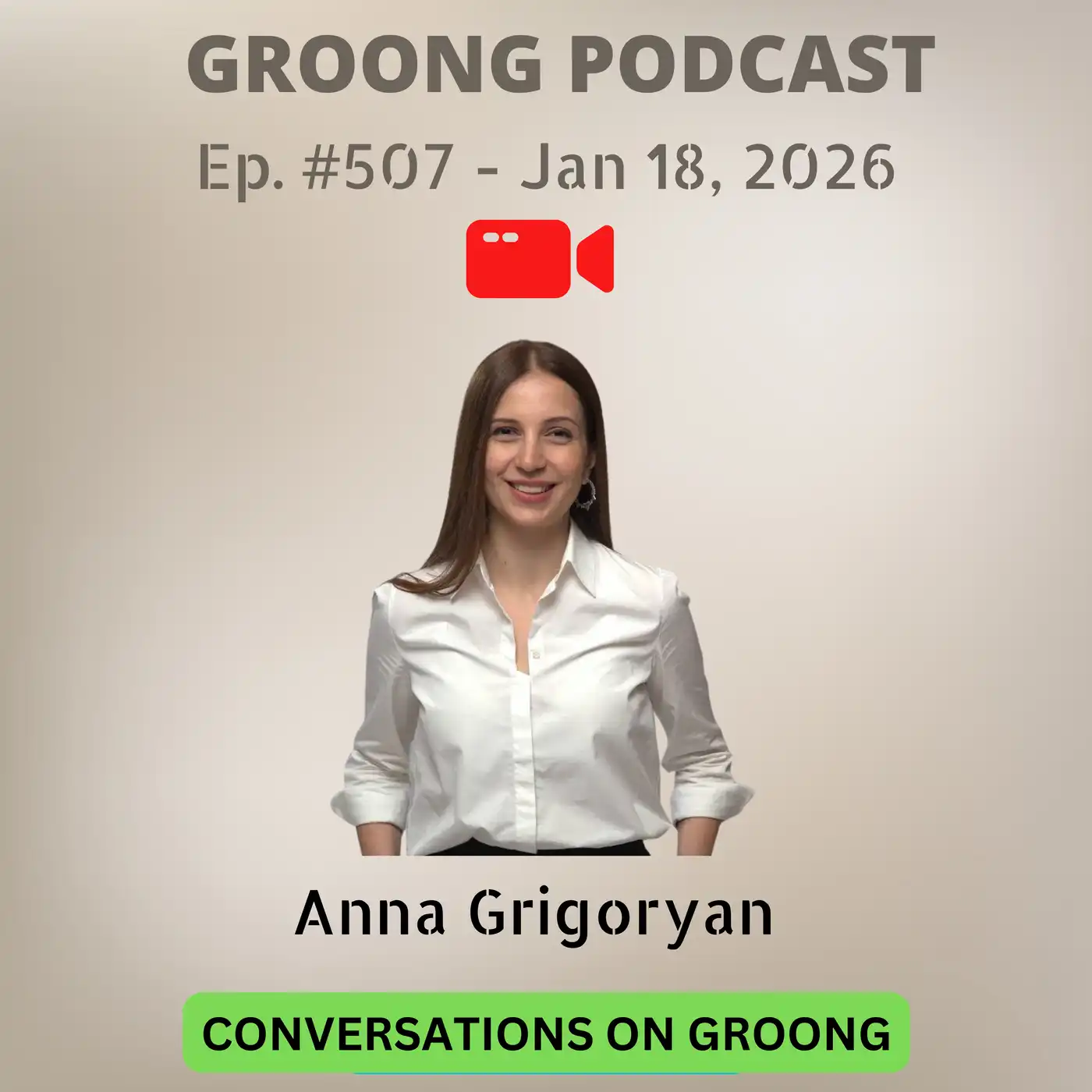
Groong Links:
Guest:
Topics:
- Return of Four Hostages
- Pashinyan vs. Church
- TRIPP
- Armenia Parliamentary Election
Episode 507 | Recorded: January 16, 2026
#AnnaGrigoryan #Armenia #ArmenianPolitics #TRIPP #ArmenianChurch #POWs
Anna Grigoryan - Armenia’s Political Crisis | Ep 507, Jan 17, 2026 [EP507]
Posted on Saturday, Jan 17, 2026 | Category: Armenia, Artsakh, Elections, Politics, Armenian Church, Nagorno Karabakh, Russia, Iran, Azerbaijan, Turkey, European Union, Economy, Syria, Human Rights, Georgia, Israel, UkraineGroong Links:
Guest:
Topics:
- Return of Four Hostages
- Pashinyan vs. Church
- TRIPP
- Armenia Parliamentary Election
Episode 507 | Recorded: January 16, 2026
#AnnaGrigoryan #Armenia #ArmenianPolitics #TRIPP #ArmenianChurch #POWs
Kevork Hagopjian - Armenia’s Church-State Showdown | Ep 504, Jan 13, 2026 [EP504]
Posted on Tuesday, Jan 13, 2026 | Category: Armenia, Armenian Church, Politics, Artsakh, Nagorno Karabakh, Artsakh Blockade, Human Rights, Russia, Turkey, Iran, Azerbaijan, Lebanon, NATO, European Union | Series: cog, video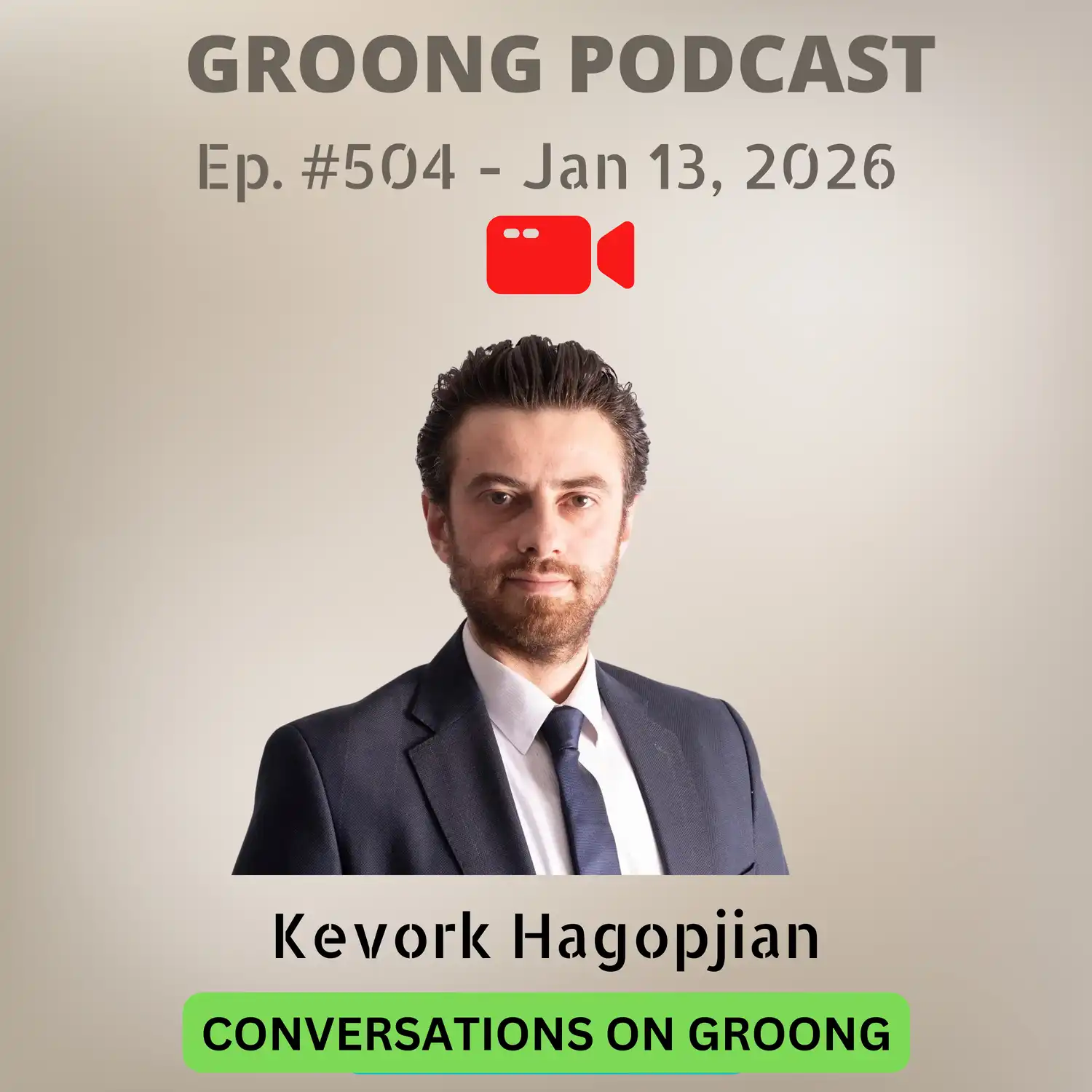
Groong Links:
Guest:
Topics:
- The Legal Architecture: Autonomy, Exclusive Mission, and State Neutrality
- Engineering Parallel, Schismatic Structures
- Criminal Law as Leverage
- Bern in Action and Reaction
- The Deeper Stakes: National Identity
Episode 504 | Recorded: January 12, 2026
#Armenia #ArmenianChurch #Etchmiadzin #HumanRights #ReligiousFreedom
Kevork Hagopjian - Armenia’s Church-State Showdown | Ep 504, Jan 13, 2026 [EP504]
Posted on Tuesday, Jan 13, 2026 | Category: Armenia, Armenian Church, Politics, Artsakh, Nagorno Karabakh, Artsakh Blockade, Human Rights, Russia, Turkey, Iran, Azerbaijan, Lebanon, NATO, European UnionGroong Links:
Guest:
Topics:
- The Legal Architecture: Autonomy, Exclusive Mission, and State Neutrality
- Engineering Parallel, Schismatic Structures
- Criminal Law as Leverage
- Bern in Action and Reaction
- The Deeper Stakes: National Identity
Episode 504 | Recorded: January 12, 2026
#Armenia #ArmenianChurch #Etchmiadzin #HumanRights #ReligiousFreedom
Hrant Mikaelian - Venezuela, Attacks on the Armenian Church Continue, MPG Poll Results | Ep 501, Jan 4, 2026 [EP501]
Posted on Wednesday, Jan 7, 2026 | Category: Armenia, Politics, Poll, Armenian Church, Economy, Azerbaijan, Artsakh, Nagorno Karabakh, BRICS, Russia, China, Geopolitics, Georgia, Human Rights, Iran, NATO, Syria | Series: wir, video
Groong Links:
Guest:
Topics:
- Developments in Venezuela
- Attacks on Armenian Church Continue
- New MPG Poll Results
Episode 501 | Recorded: January 6, 2026
#VenezuelaCrisis #ArmenianChurch #MPGPoll #ArmeniaEconomy #Geopolitics
Hrant Mikaelian - Venezuela, Attacks on the Armenian Church Continue, MPG Poll Results | Ep 501, Jan 4, 2026 [EP501]
Posted on Wednesday, Jan 7, 2026 | Category: Armenia, Politics, Poll, Armenian Church, Economy, Azerbaijan, Artsakh, Nagorno Karabakh, BRICS, Russia, China, Geopolitics, Georgia, Human Rights, Iran, NATO, SyriaGroong Links:
Guest:
Topics:
- Developments in Venezuela
- Attacks on Armenian Church Continue
- New MPG Poll Results
Episode 501 | Recorded: January 6, 2026
#VenezuelaCrisis #ArmenianChurch #MPGPoll #ArmeniaEconomy #Geopolitics
Hrant Mikaelian - Ukraine Talks, Armenia’s Crackdowns, and Rising Tensions | Ep 488, Nov 23, 2025 [EP488]
Posted on Wednesday, Nov 26, 2025 | Category: Armenia, Politics, Russia, Ukraine, Turkey, Georgia, Azerbaijan, Armenian Church, China, Economy, Iran, Middle East, Artsakh, Human Rights, Genocide, Nagorno Karabakh, European Union, NATO | Series: wir, video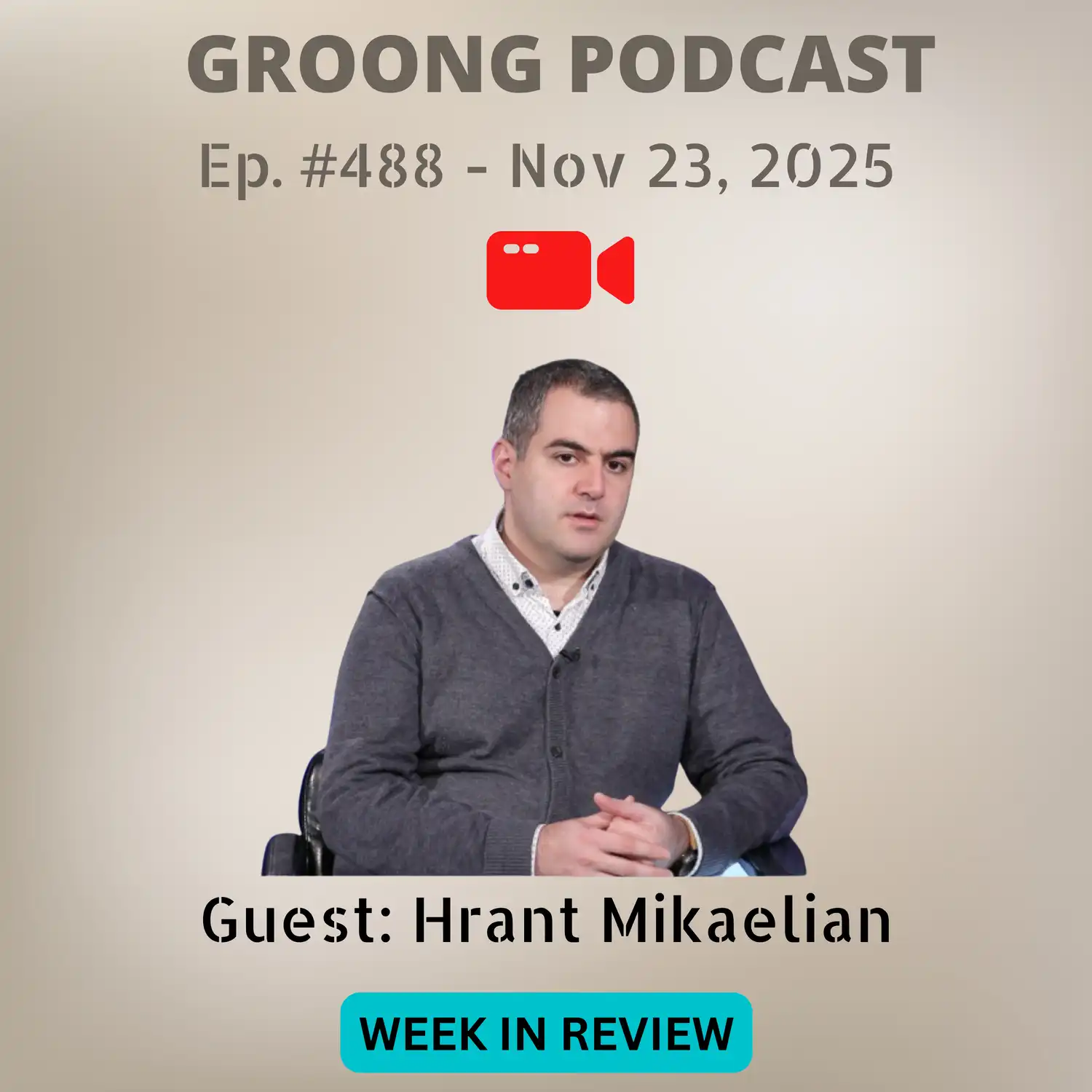
Groong Links:
Guest:
Topics:
- High-Stakes Ukraine Talks
- Armeniaâs Growing Political Detentions
- Pashinyan Honored In Kazakhstan
- Rising Pressure On The Church
- Impeachment vs. Elections
- Pashinyan Seizes Power Grid
Episode 488 | Recorded: November 24, 2025
Hrant Mikaelian - Ukraine Talks, Armenia’s Crackdowns, and Rising Tensions | Ep 488, Nov 23, 2025 [EP488]
Posted on Wednesday, Nov 26, 2025 | Category: Armenia, Politics, Russia, Ukraine, Turkey, Georgia, Azerbaijan, Armenian Church, China, Economy, Iran, Middle East, Artsakh, Human Rights, Genocide, Nagorno Karabakh, European Union, NATOGroong Links:
Guest:
Topics:
- High-Stakes Ukraine Talks
- Armeniaâs Growing Political Detentions
- Pashinyan Honored In Kazakhstan
- Rising Pressure On The Church
- Impeachment vs. Elections
- Pashinyan Seizes Power Grid
Episode 488 | Recorded: November 24, 2025
Hrant Mikaelian - Review of the Armenian Economy in 2024 | Ep 417, Feb 22, 2025 [EP417]
Posted on Saturday, Feb 22, 2025 | Category: Armenia, Turkey, Artsakh, Economy, Poll, Nagorno Karabakh, Russia, Georgia, European Union, Azerbaijan, Ukraine, Iran, NATO, India | Series: cog
Groong Links:
Guest:
Topics:
- TBD
Episode 417 | Recorded: February 12, 2025
Hrant Mikaelian - Review of the Armenian Economy in 2024 | Ep 417, Feb 22, 2025 [EP417]
Posted on Saturday, Feb 22, 2025 | Category: Armenia, Turkey, Artsakh, Economy, Poll, Nagorno Karabakh, Russia, Georgia, European Union, Azerbaijan, Ukraine, Iran, NATO, IndiaGroong Links:
Guest:
Topics:
- TBD
Episode 417 | Recorded: February 12, 2025
Benyamin Poghosyan - MPG Poll, Russia-Azerbaijan Relations Deteriorate, Armenian Strategic Geopolitical Balancing, Azerbaijan and the ‘Zangezur Corridor’ | Ep 410, Feb 2, 2025 [EP410]
Posted on Tuesday, Feb 4, 2025 | Category: Armenia, Azerbaijan, Poll, Artsakh, Nagorno Karabakh, Turkey, Russia, Iran, Ukraine, Geopolitics, Georgia, China, Economy, European Union, Israel | Series: wir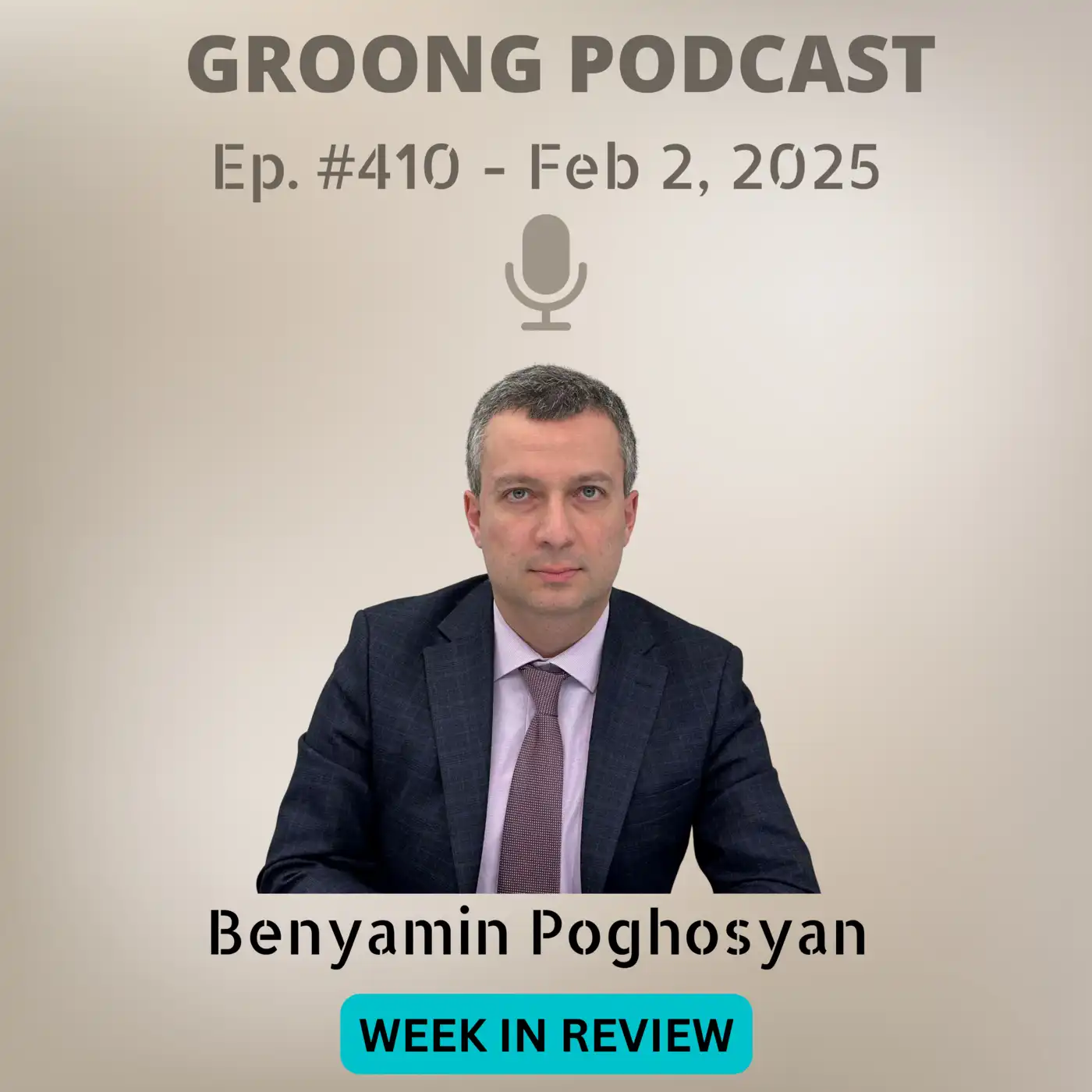
Groong Links:
Guest:
Topics:
- MPG Poll: Pashinyanâs Rating Tanks
- Russia Azerbaijan Relations Deteriorating
- Armeniaâs Strategic Geopolitical Balancing
- Azerbaijan and the âZangezur Corridorâ
Episode 410 | Recorded: February 3, 2025
Benyamin Poghosyan - MPG Poll, Russia-Azerbaijan Relations Deteriorate, Armenian Strategic Geopolitical Balancing, Azerbaijan and the ‘Zangezur Corridor’ | Ep 410, Feb 2, 2025 [EP410]
Posted on Tuesday, Feb 4, 2025 | Category: Armenia, Azerbaijan, Poll, Artsakh, Nagorno Karabakh, Turkey, Russia, Iran, Ukraine, Geopolitics, Georgia, China, Economy, European Union, IsraelGroong Links:
Guest:
Topics:
- MPG Poll: Pashinyanâs Rating Tanks
- Russia Azerbaijan Relations Deteriorating
- Armeniaâs Strategic Geopolitical Balancing
- Azerbaijan and the âZangezur Corridorâ
Episode 410 | Recorded: February 3, 2025
Hayk Mamijanyan - Prospect of a Trump Presidency on the Caucasus, Update on political prisoners, PACE report, Referendum on joining EU, Bagrat Srbazan Tavush movement | Ep 346, July 19, 2024 [EP346]
Posted on Friday, Jul 19, 2024 | Category: Armenia, Artsakh, Political Prisoners, Artsakh Blockade, European Union, Russia, Georgia, Human Rights, Ukraine, China, NATO, Turkey, India | Series: cog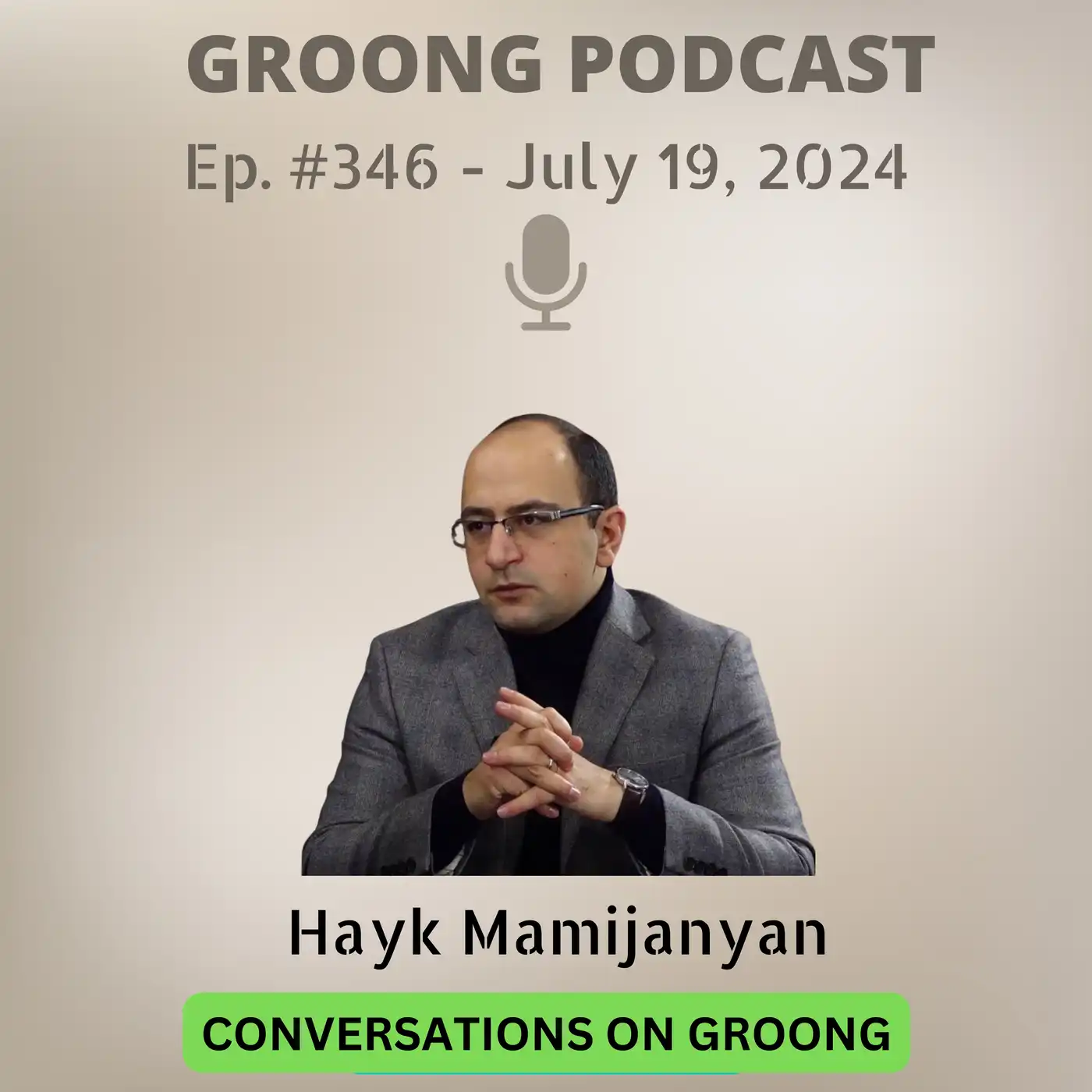
Groong Links:
Guest:
Topics:
- Prospect of a Trump Presidency on the Caucasus
- Update on political prisoners
- PACE report
- Referendum on joining EU
- Bagrat Srbazan Tavush movement
Episode 346 | Recorded: July 18, 2024
Hayk Mamijanyan - Prospect of a Trump Presidency on the Caucasus, Update on political prisoners, PACE report, Referendum on joining EU, Bagrat Srbazan Tavush movement | Ep 346, July 19, 2024 [EP346]
Posted on Friday, Jul 19, 2024 | Category: Armenia, Artsakh, Political Prisoners, Artsakh Blockade, European Union, Russia, Georgia, Human Rights, Ukraine, China, NATO, Turkey, IndiaGroong Links:
Guest:
Topics:
- Prospect of a Trump Presidency on the Caucasus
- Update on political prisoners
- PACE report
- Referendum on joining EU
- Bagrat Srbazan Tavush movement
Episode 346 | Recorded: July 18, 2024
Hrant Mikaelian - Prospect of Trump Presidency on the South Caucasus, Mirzoyan at NATO, Parade of US Officials in Armenia, MPG Poll Review | Ep 345 - July 14, 2024 [EP345]
Posted on Thursday, Jul 18, 2024 | Category: Armenia, Politics, Poll, Azerbaijan, Russia, Turkey, Israel, Iran, NATO, Ukraine, European Union, Middle East, Georgia | Series: wir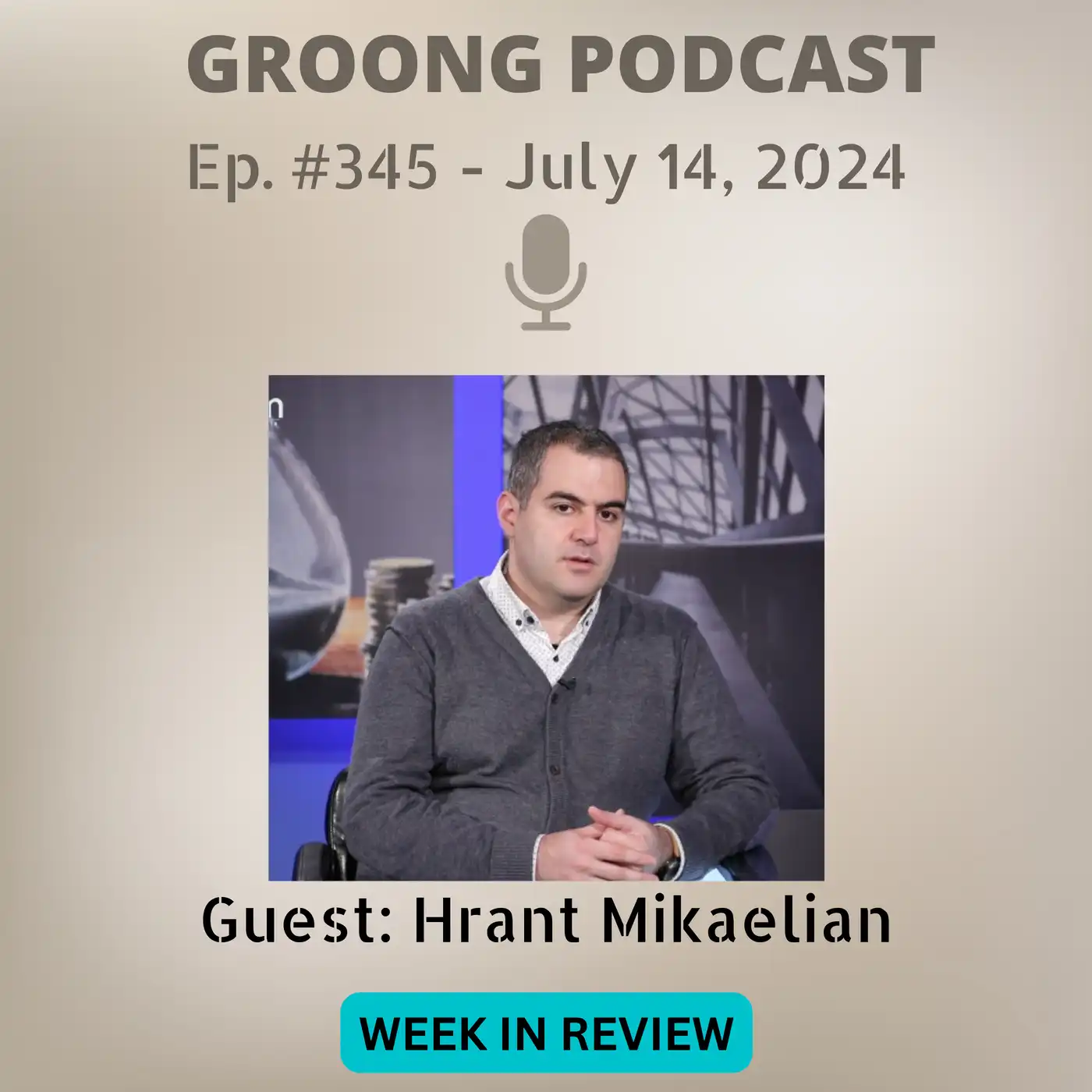
Groong Links:
Guest:
Topics:
- Prospect of Trump Presidency on the Caucasus
- Mirzoyan at NATO Summit in DC
- Parade of US Officials in Armenia
- MPG Poll
Episode 345 | Recorded: July 16, 2024
Hrant Mikaelian - Prospect of Trump Presidency on the South Caucasus, Mirzoyan at NATO, Parade of US Officials in Armenia, MPG Poll Review | Ep 345 - July 14, 2024 [EP345]
Posted on Thursday, Jul 18, 2024 | Category: Armenia, Politics, Poll, Azerbaijan, Russia, Turkey, Israel, Iran, NATO, Ukraine, European Union, Middle East, GeorgiaGroong Links:
Guest:
Topics:
- Prospect of Trump Presidency on the Caucasus
- Mirzoyan at NATO Summit in DC
- Parade of US Officials in Armenia
- MPG Poll
Episode 345 | Recorded: July 16, 2024
Hrant Mikaelian - Tavush Protests Gain Momentum | Pashinyan Pressing Ahead with Land Concessions | Poll Results on Protests | Ep 331 - May 19, 2024 [EP331]
Posted on Sunday, May 19, 2024 | Category: Armenia, Politics, Poll, Artsakh, Nagorno Karabakh, Azerbaijan, Russia, Georgia, Iran, NATO, China, Human Rights, Turkey, Ukraine | Series: wir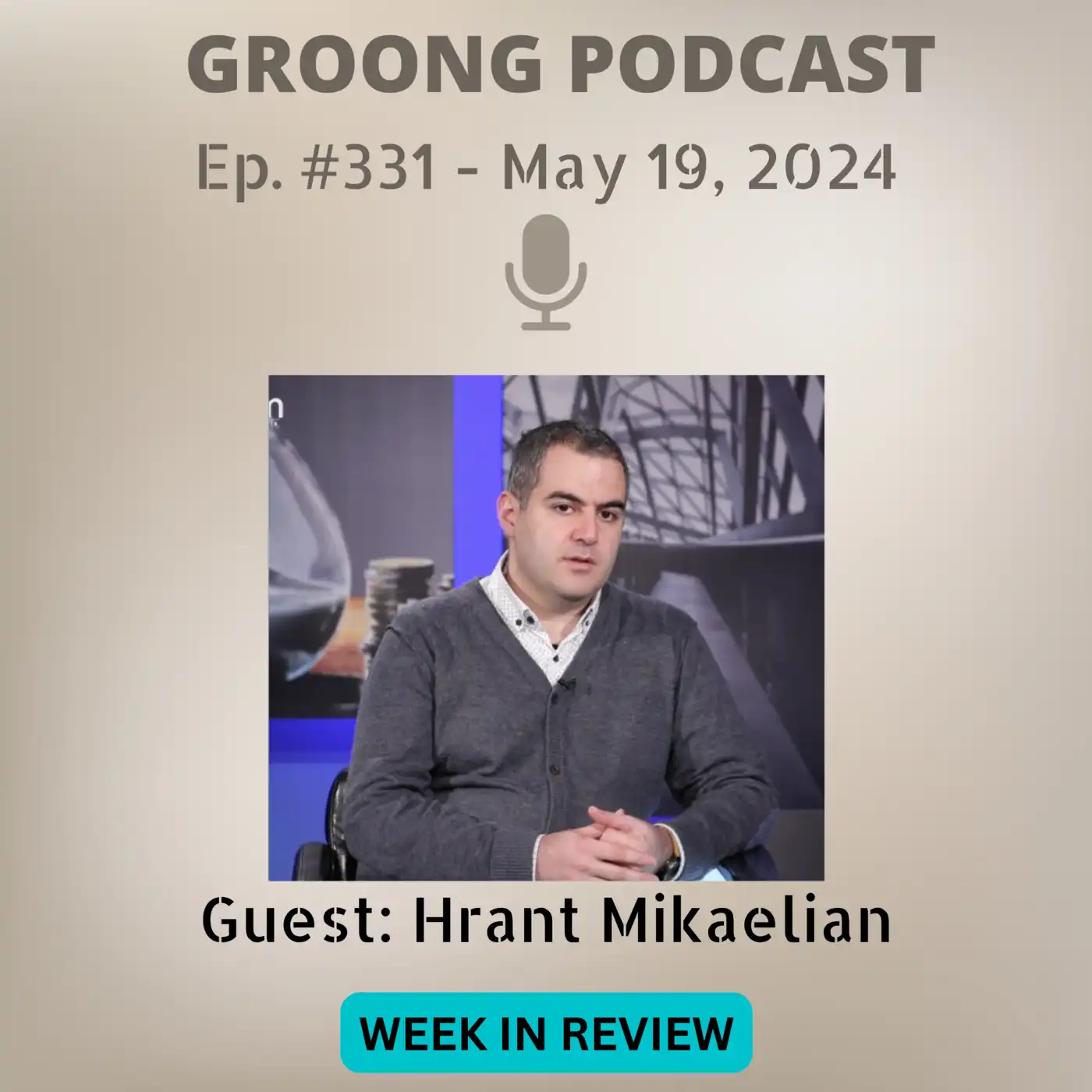
Groong Links:
Guest:
Topics:
- Tavush Protests Gain Momentum
- Pashinyan Pressing Ahead with Land Concessions
- Poll Results on Tavush Protests
Episode 331 | Recorded: May 18, 2024
Hrant Mikaelian - Tavush Protests Gain Momentum | Pashinyan Pressing Ahead with Land Concessions | Poll Results on Protests | Ep 331 - May 19, 2024 [EP331]
Posted on Sunday, May 19, 2024 | Category: Armenia, Politics, Poll, Artsakh, Nagorno Karabakh, Azerbaijan, Russia, Georgia, Iran, NATO, China, Human Rights, Turkey, UkraineGroong Links:
Guest:
Topics:
- Tavush Protests Gain Momentum
- Pashinyan Pressing Ahead with Land Concessions
- Poll Results on Tavush Protests
Episode 331 | Recorded: May 18, 2024
Hrant Mikaelian - Analysis of Recent MPG and IRI Poll Results| Ep 317 - Feb 17, 2024 [EP317]
Posted on Monday, Mar 18, 2024 | Category: Armenia, Politics, Poll, Artsakh, Nagorno Karabakh, Azerbaijan, NATO, Russia, Turkey, Iran, Economy, European Union, China, Genocide, Georgia, Israel, Syria, India | Series: cog, video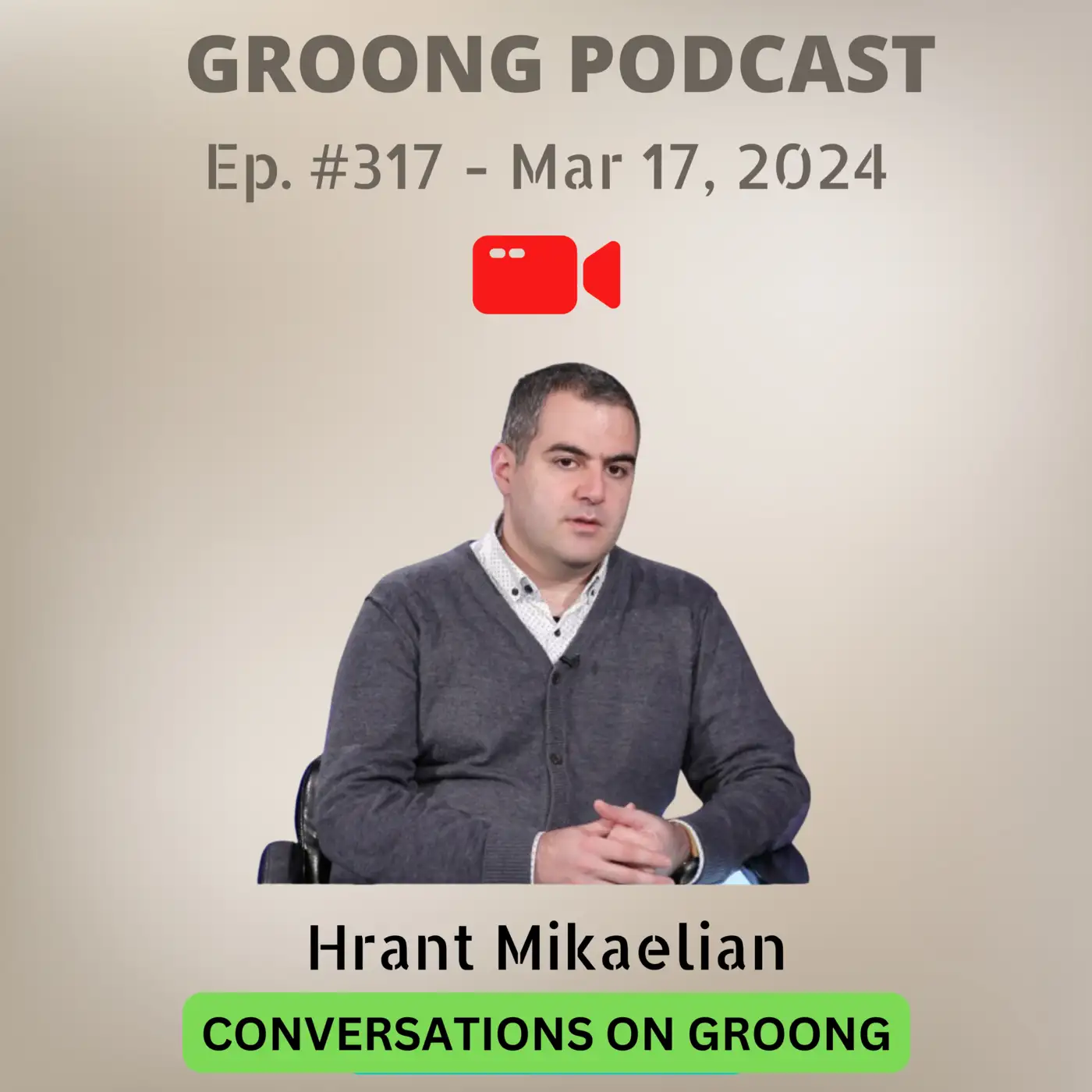
Groong Links:
Topics:
- IRI Poll, December 2023
- MPG Poll, February 2024
Guest:
Topics:
Episode 317 | Recorded: March 16, 2024
Hrant Mikaelian - Analysis of Recent MPG and IRI Poll Results| Ep 317 - Feb 17, 2024 [EP317]
Posted on Monday, Mar 18, 2024 | Category: Armenia, Politics, Poll, Artsakh, Nagorno Karabakh, Azerbaijan, NATO, Russia, Turkey, Iran, Economy, European Union, China, Genocide, Georgia, Israel, Syria, IndiaGroong Links:
Topics:
- IRI Poll, December 2023
- MPG Poll, February 2024
Guest:
Topics:
Episode 317 | Recorded: March 16, 2024
Ehsan Movahedian - Iran Parliamentary Elections | Geopolitical U-Turn in Armenia? | Iran Armenia Relations | Anti-Iranian Propaganda from NGOs| Ep 314 - Mar 12, 2024 [EP314]
Posted on Wednesday, Mar 13, 2024 | Category: Iran, Armenia, Middle East, Nagorno Karabakh, Artsakh, Azerbaijan, Russia, Turkey, India, Georgia, NATO, Israel, Economy, European Union, Geopolitics, Lebanon, Syria, Ukraine | Series: cog
Groong Links:
Guest:
Topics:
- Iran Parliamentary Elections
- Geopolitical U-turn in Armenia?
- Iran Armenia Relations
- Anti-Iranian Propaganda from NGOs
Episode 314 | Recorded: March 11, 2024
Ehsan Movahedian - Iran Parliamentary Elections | Geopolitical U-Turn in Armenia? | Iran Armenia Relations | Anti-Iranian Propaganda from NGOs| Ep 314 - Mar 12, 2024 [EP314]
Posted on Wednesday, Mar 13, 2024 | Category: Iran, Armenia, Middle East, Nagorno Karabakh, Artsakh, Azerbaijan, Russia, Turkey, India, Georgia, NATO, Israel, Economy, European Union, Geopolitics, Lebanon, Syria, UkraineGroong Links:
Guest:
Topics:
- Iran Parliamentary Elections
- Geopolitical U-turn in Armenia?
- Iran Armenia Relations
- Anti-Iranian Propaganda from NGOs
Episode 314 | Recorded: March 11, 2024
Hrant Mikaelian - Yerevan Politics | Aliyev “Elections”| Armenia & Georgia | MPG Polls | Ep 309 - Feb 11, 2024 [EP309]
Posted on Sunday, Feb 11, 2024 | Category: Armenia, Politics, Poll, Artsakh, Nagorno Karabakh, Russia, Iran, Georgia, Ukraine, Turkey, China, Economy, European Union, Middle East, NATO, India | Series: wir
Groong Links:
Guest:
Topics:
- Yerevan City Politics
- Aliyev âElectionsâ
- Armenia-Georgia Strategic Partnership
- Latest MPG Poll Review
Episode 309 | Recorded: Feb 11, 2024
Hrant Mikaelian - Yerevan Politics | Aliyev “Elections”| Armenia & Georgia | MPG Polls | Ep 309 - Feb 11, 2024 [EP309]
Posted on Sunday, Feb 11, 2024 | Category: Armenia, Politics, Poll, Artsakh, Nagorno Karabakh, Russia, Iran, Georgia, Ukraine, Turkey, China, Economy, European Union, Middle East, NATO, IndiaGroong Links:
Guest:
Topics:
- Yerevan City Politics
- Aliyev âElectionsâ
- Armenia-Georgia Strategic Partnership
- Latest MPG Poll Review
Episode 309 | Recorded: Feb 11, 2024
Hrant Mikaelian - Armenian Foreign Policy Vectors | MPG Poll Results | Economy and 2024 Budget | Ep 295 - Nov 12, 2023 [EP295]
Posted on Wednesday, Nov 15, 2023 | Category: Armenia, Politics, Poll, Artsakh, Nagorno Karabakh, Genocide, Azerbaijan, Russia, Turkey, Iran, Artsakh Blockade, European Union, Economy, Israel, Ukraine, Georgia, China, India, NATO | Series: wir
Groong Links:
Guest:
Topics:
- Armenian Foreign Policy Vectors
- Latest MPG Poll Result Analysis
- Armenian Economy and 2024 Budget
Episode 295 | Recorded: Nov 15, 2023
Hrant Mikaelian - Armenian Foreign Policy Vectors | MPG Poll Results | Economy and 2024 Budget | Ep 295 - Nov 12, 2023 [EP295]
Posted on Wednesday, Nov 15, 2023 | Category: Armenia, Politics, Poll, Artsakh, Nagorno Karabakh, Genocide, Azerbaijan, Russia, Turkey, Iran, Artsakh Blockade, European Union, Economy, Israel, Ukraine, Georgia, China, India, NATOGroong Links:
Guest:
Topics:
- Armenian Foreign Policy Vectors
- Latest MPG Poll Result Analysis
- Armenian Economy and 2024 Budget
Episode 295 | Recorded: Nov 15, 2023