Hayastan Dashinq
Last updated: May 29, 2026
Hayastan Dashinq — the Armenia Alliance — is the principal opposition coalition in Armenian politics, led by former President Robert Kocharyan . The alliance brings together Kocharyan’s political bloc with the Armenian Revolutionary Federation (ARF/Dashnaktsutyun) and other parties. It holds a consistently patriotic and nationalistic foreign policy orientation, and has been the most vocal opposition force against the Pashinyan government’s peace negotiations with Azerbaijan.
The alliance competed in the 2021 parliamentary elections and is registered to compete in the June 7, 2026 elections as one of the two alliances in the race. Groong episodes covering Hayastan Dashinq examine its internal dynamics, its positions on the Nagorno Karabakh (Artsakh) conflict and the right of return for displaced Armenians, its relationship with Russia and the CSTO, and its electoral strategy as the best-organized opposition force heading into the 2026 vote.
Groong episodes that include this tag
Below are all Groong episodes tagged with Hayastan Dashinq.
Transcript: Dziunik Aghajanian - Iran War, Antalya Diplomatic Forum, Armenian Parliamentary Elections | Ep 532, Apr 19, 2026 [EP532]
Posted on Tuesday, Apr 21, 2026 | Category: Iran, Armenia, Politics, USA, Israel, Azerbaijan, Turkey, Russia, Artsakh, Nagorno Karabakh, Georgia, Armenian Church, Artsakh Blockade, China, NATO, TranscriptIn this Week in Review episode, Ambassador Dziunik Aghajanian discusses the stalled Iran negotiations after the Islamabad talks, the renewed pressure around Hormuz and the naval blockade, Turkey’s posture toward Israel and the region; Armenia’s lower-profile participation in the Antalya Diplomatic Forum; Russia’s shifting rhetoric on TRIPP and the South Caucasus; and the June 7 parliamentary election in Armenia, including constitutional changes, border concessions, the gas pipeline rerouting issue, and the use of surveillance and arrests against opposition figures.
Hrant Mikaelian - US-Iran Talks, Orban Loses, Armenian Parliamentary Elections, MPG Polls | Ep 531, Apr 12, 2026 [EP531]
Posted on Thursday, Apr 16, 2026 | Category: Iran, Armenia, Election, Poll, Iran, Armenia, USA, Israel, Georgia, Russia, Azerbaijan, Turkey, Artsakh, Nagorno Karabakh, European Union | Series: wir, video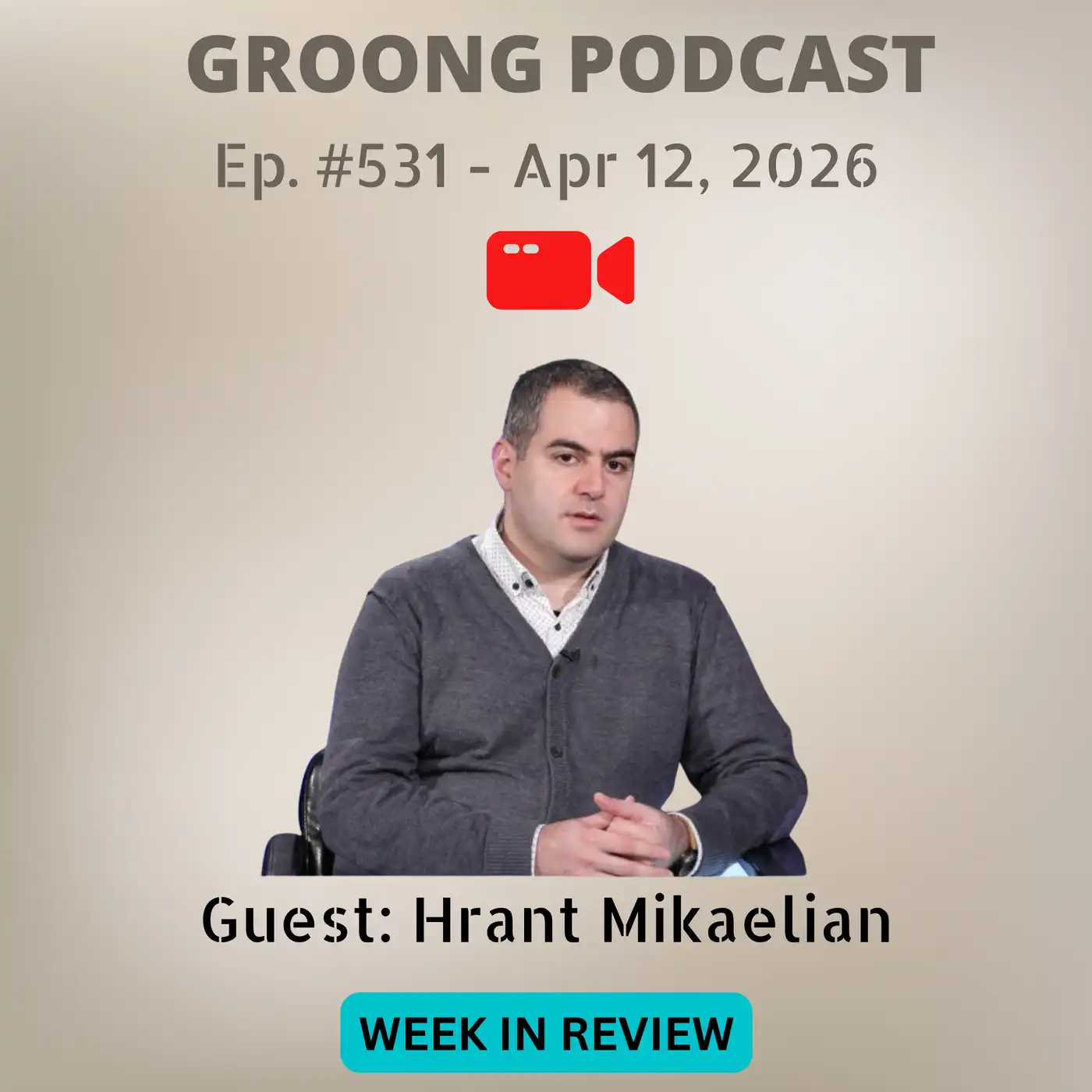
Groong Links:
Guest:
Topics:
- US-Iran Talks in Pakistan
- Orban Loses Hungary Elections
- Armenian Parliamentary Elections
- Polls: MPG, IRI, ARAR, EVN
Episode 531 | Recorded: April 14, 2026
#Armenia #IranWar #ArmenianPolitics #HungaryElections #ArmeniaPolls
Hrant Mikaelian - US-Iran Talks, Orban Loses, Armenian Parliamentary Elections, MPG Polls | Ep 531, Apr 12, 2026 [EP531]
Posted on Thursday, Apr 16, 2026 | Category: Iran, Armenia, Election, Poll, Iran, Armenia, USA, Israel, Georgia, Russia, Azerbaijan, Turkey, Artsakh, Nagorno Karabakh, European UnionGroong Links:
Guest:
Topics:
- US-Iran Talks in Pakistan
- Orban Loses Hungary Elections
- Armenian Parliamentary Elections
- Polls: MPG, IRI, ARAR, EVN
Episode 531 | Recorded: April 14, 2026
#Armenia #IranWar #ArmenianPolitics #HungaryElections #ArmeniaPolls
Transcript: Hrant Mikaelian - US-Iran Talks, Orban Loses, Armenian Parliamentary Elections, MPG Polls | Ep 531, Apr 12, 2026 [EP531]
Posted on Thursday, Apr 16, 2026 | Category: Iran, Armenia, Election, Poll, Iran, Armenia, USA, Israel, Georgia, Russia, Azerbaijan, Turkey, Artsakh, Nagorno Karabakh, European Union, TranscriptThis Week in Review examines how foreign shocks and internal political pressures are converging for Armenia. We look at the breakdown of US-Iran talks and the threat of a new naval blockade, Viktor Orban’s defeat in Hungary and what it may mean for the region, and fresh polling in Armenia on security, war, free speech, voter participation, and party support ahead of the 2026 elections. The episode also explores whether the Abkhaz railway could offer Armenia a real alternative to routes that deepen dependence on Azerbaijan and Turkey, and what the latest polling says about the opposition’s position.
Hovik & Asbed - Iran War, April 2016 War, Armenia & Russia, Politics & Election | Ep 530, Apr 5, 2026 [EP530]
Posted on Wednesday, Apr 8, 2026 | Category: Iran, Armenia, Politics, Election, Artsakh, Nagorno Karabakh, Azerbaijan, Armenian Church, European Union, Russia, Georgia, Turkey | Series: cog, video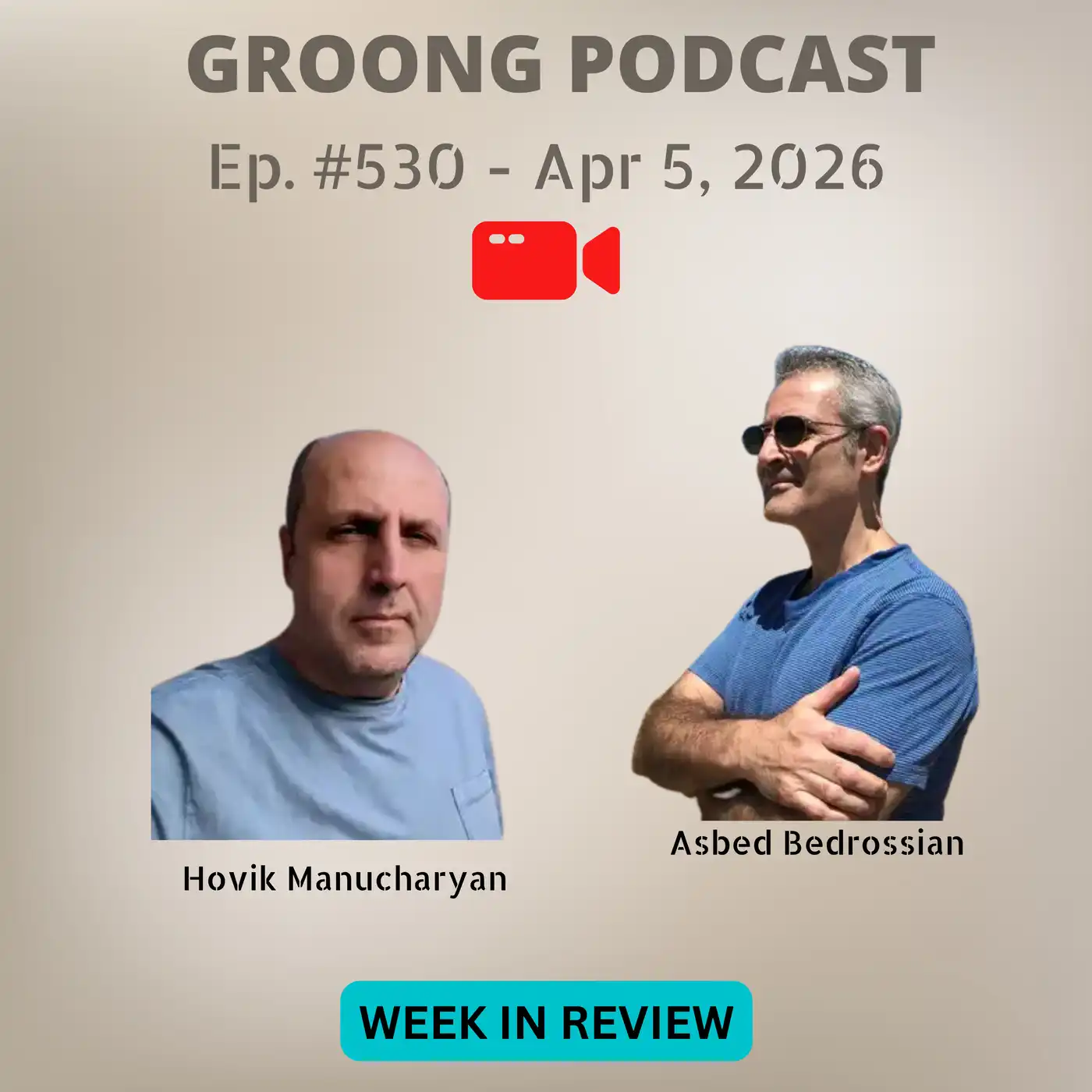
Groong Links:
Topics:
- Iran War Update
- 2016 April War
- Aftermath of Pashinyan in Moscow
- Domestic Politics & Election
Episode 530 | Recorded: April 7, 2026
#Groong #Armenia
Hovik & Asbed - Iran War, April 2016 War, Armenia & Russia, Politics & Election | Ep 530, Apr 5, 2026 [EP530]
Posted on Wednesday, Apr 8, 2026 | Category: Iran, Armenia, Politics, Election, Artsakh, Nagorno Karabakh, Azerbaijan, Armenian Church, European Union, Russia, Georgia, TurkeyGroong Links:
Topics:
- Iran War Update
- 2016 April War
- Aftermath of Pashinyan in Moscow
- Domestic Politics & Election
Episode 530 | Recorded: April 7, 2026
#Groong #Armenia
Transcript: Hovik & Asbed - Iran War, April 2016 War, Armenia & Russia, Politics & Election | Ep 530, Apr 5, 2026 [EP530]
Posted on Wednesday, Apr 8, 2026 | Category: Iran, Armenia, Politics, Election, Artsakh, Nagorno Karabakh, Azerbaijan, Armenian Church, European Union, Russia, Georgia, Turkey, TranscriptIn this Week in Review, Hovik and Asbed discussed the escalating US-Israeli war on Iran and the danger of a wider regional catastrophe; we reflected on the tenth anniversary of the April 2016 Four-Day War and what it revealed about Armenia’s military and diplomatic posture; we examined the fallout from Pashinyan’s Moscow visit and the increasingly blunt Russian response, and reviewed the fast-moving Armenian election campaign, including pressure on the opposition, EU involvement, and the emerging strategies of major the various alliances.
Pietro Shakarian - Iran War, Armenia and Russia, June Parliamentary Elections | Ep 529, Apr 4, 2026 [EP529]
Posted on Saturday, Apr 4, 2026 | Category: Armenia, Iran, Russia, Azerbaijan, Turkey, Israel, Nagorno Karabakh, BRICS, European Union, Ukraine, NATO | Series: cog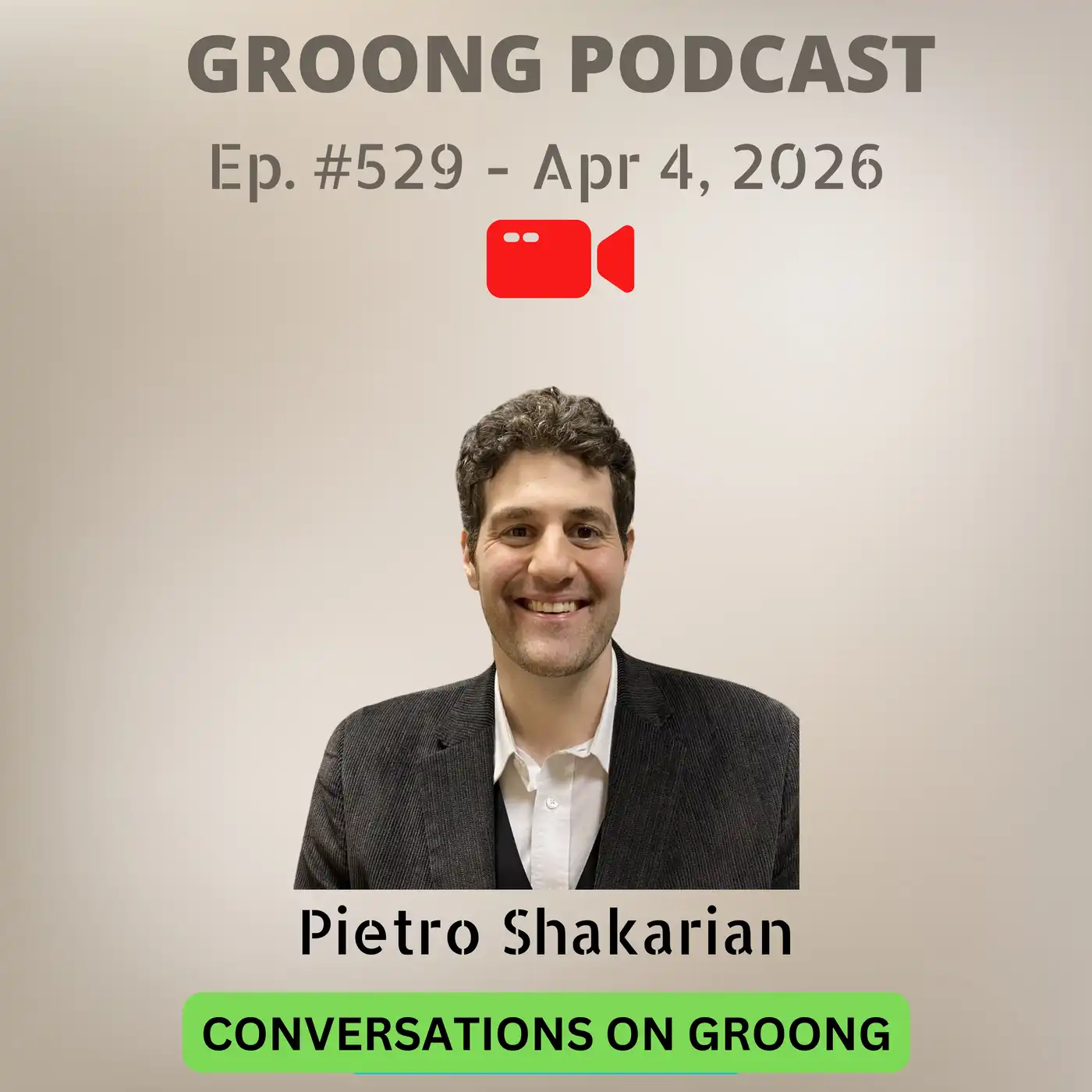
Groong Links:
Guest:
Topics:
- The Iran War and Its Global Impacts
- Armenia-Russia Relations
- Parliamentary Elections in Armenia
Episode 529 | Recorded on April 3, 2026
#IranIsraelWar #IsraelIranConflict #IsraelConflict #Armenia #MiddleEastCrisis #ArmeniaElections #PietroShakarian #TRIPP
Pietro Shakarian - Iran War, Armenia and Russia, June Parliamentary Elections | Ep 529, Apr 4, 2026 [EP529]
Posted on Saturday, Apr 4, 2026 | Category: Armenia, Iran, Russia, Azerbaijan, Turkey, Israel, Nagorno Karabakh, BRICS, European Union, Ukraine, NATOGroong Links:
Guest:
Topics:
- The Iran War and Its Global Impacts
- Armenia-Russia Relations
- Parliamentary Elections in Armenia
Episode 529 | Recorded on April 3, 2026
#IranIsraelWar #IsraelIranConflict #IsraelConflict #Armenia #MiddleEastCrisis #ArmeniaElections #PietroShakarian #TRIPP
Transcript: Pietro Shakarian - Iran War, Armenia and Russia, June Parliamentary Elections | Ep 529, Apr 4, 2026 [EP529]
Posted on Saturday, Apr 4, 2026 | Category: Armenia, Iran, Russia, Azerbaijan, Turkey, Israel, Nagorno Karabakh, BRICS, European Union, Ukraine, NATO, TranscriptDr. Pietro Shakarian joined us to discuss the state of the U.S.-Israel war on Iran, the shrinking chances for a diplomatic off-ramp, and how the conflict is shifting wider Eurasian politics. The conversation then turned to Armenia, including the likely freezing of TRIPP amid the Iran war, Pashinyan’s contentious visit to Moscow, and the deeper low point in Armenia-Russia relations. The final section focused on Armenia’s June parliamentary elections, public sentiment toward Pashinyan, fears over election integrity, and the evolving opposition landscape.
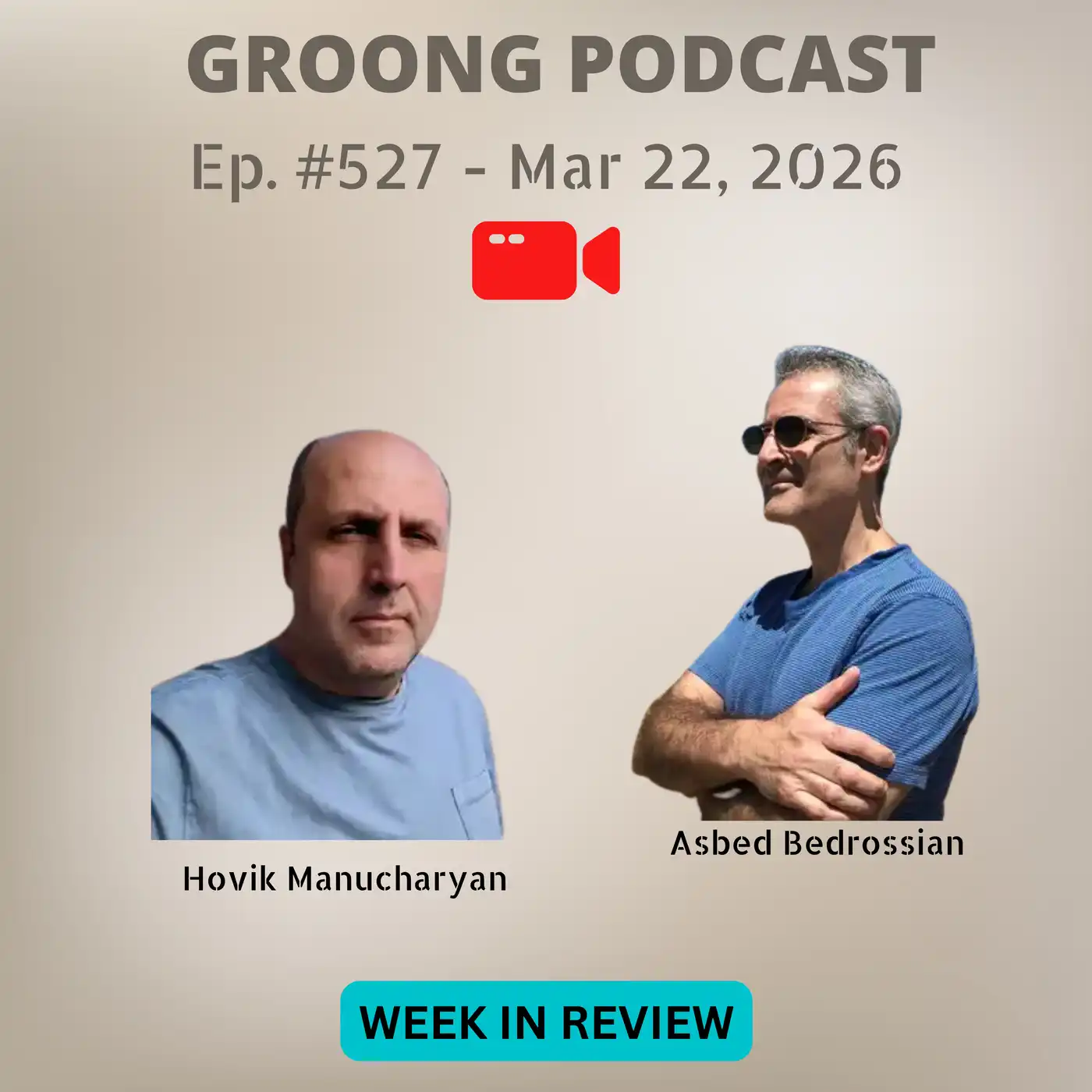
Groong Links:
Topics:
- Georgian Patriarch Ilia II passes away
- Karekin II travel banned from funeral
- Iran war update
- June election in Armenia
Episode 527 | Recorded: March 23, 2026
#Groong #Armenia
Hovik & Asbed - Karekin II & Ilia II Funeral, Iran War, Armenia Elections | Ep 527, Mar 22, 2026 [EP527]
Posted on Tuesday, Mar 24, 2026 | Category: Iran, Armenia, Politics, Israel, USA, Turkey, Russia, China, Artsakh, Nagorno Karabakh, Azerbaijan, Georgia, Economy, LebanonGroong Links:
Topics:
- Georgian Patriarch Ilia II passes away
- Karekin II travel banned from funeral
- Iran war update
- June election in Armenia
Episode 527 | Recorded: March 23, 2026
#Groong #Armenia
Dziunik Aghajanian - Iran War Fears, June Vote Rules, State-Church Clash | Ep 519, Feb 22, 2026 [EP519]
Posted on Thursday, Feb 26, 2026 | Category: Armenia, Politics, Artsakh, Nagorno Karabakh, Azerbaijan, Turkey, Russia, Israel, Genocide, Armenian Church, Iran, Middle East, NATO, Syria | Series: wir, video
Groong Links:
Guest:
Topics:
- Iran War Fears
- June Parliamentary Elections
- Attacks on the Armenian Church
Episode 519 | Recorded: February 25, 2026
#Armenia #Iran #ArmeniaElections #ArmenianChurch #SouthCaucasus
Dziunik Aghajanian - Iran War Fears, June Vote Rules, State-Church Clash | Ep 519, Feb 22, 2026 [EP519]
Posted on Thursday, Feb 26, 2026 | Category: Armenia, Politics, Artsakh, Nagorno Karabakh, Azerbaijan, Turkey, Russia, Israel, Genocide, Armenian Church, Iran, Middle East, NATO, SyriaGroong Links:
Guest:
Topics:
- Iran War Fears
- June Parliamentary Elections
- Attacks on the Armenian Church
Episode 519 | Recorded: February 25, 2026
#Armenia #Iran #ArmeniaElections #ArmenianChurch #SouthCaucasus
Arthur Khachatryan - Army Day, JD Vance to Armenia, TRIPP, Church, Strong Armenia Political Party | Ep 510, Jan 27, 2026 [EP510]
Posted on Wednesday, Jan 28, 2026 | Category: Armenia, Politics, Artsakh, Nagorno Karabakh, Azerbaijan, Turkey, Russia, Armenian Church, Artsakh Blockade, Iran, Economy, Georgia, Human Rights, Syria | Series: wir, video
Groong Links:
Guest:
Topics:
- Memorial Day vs. Army Day
- JD Vance to Armenia and Azerbaijan
- Armenian Church Developments
- Strong Armenia - New Political Party
Episode 510 | Recorded: Jnauary 27, 2026
Arthur Khachatryan - Army Day, JD Vance to Armenia, TRIPP, Church, Strong Armenia Political Party | Ep 510, Jan 27, 2026 [EP510]
Posted on Wednesday, Jan 28, 2026 | Category: Armenia, Politics, Artsakh, Nagorno Karabakh, Azerbaijan, Turkey, Russia, Armenian Church, Artsakh Blockade, Iran, Economy, Georgia, Human Rights, SyriaGroong Links:
Guest:
Topics:
- Memorial Day vs. Army Day
- JD Vance to Armenia and Azerbaijan
- Armenian Church Developments
- Strong Armenia - New Political Party
Episode 510 | Recorded: Jnauary 27, 2026
Anna Grigoryan - Armenia’s Political Crisis | Ep 507, Jan 17, 2026 [EP507]
Posted on Saturday, Jan 17, 2026 | Category: Armenia, Artsakh, Elections, Politics, Armenian Church, Nagorno Karabakh, Russia, Iran, Azerbaijan, Turkey, European Union, Economy, Syria, Human Rights, Georgia, Israel, Ukraine | Series: cog, video
Groong Links:
Guest:
Topics:
- Return of Four Hostages
- Pashinyan vs. Church
- TRIPP
- Armenia Parliamentary Election
Episode 507 | Recorded: January 16, 2026
#AnnaGrigoryan #Armenia #ArmenianPolitics #TRIPP #ArmenianChurch #POWs
Anna Grigoryan - Armenia’s Political Crisis | Ep 507, Jan 17, 2026 [EP507]
Posted on Saturday, Jan 17, 2026 | Category: Armenia, Artsakh, Elections, Politics, Armenian Church, Nagorno Karabakh, Russia, Iran, Azerbaijan, Turkey, European Union, Economy, Syria, Human Rights, Georgia, Israel, UkraineGroong Links:
Guest:
Topics:
- Return of Four Hostages
- Pashinyan vs. Church
- TRIPP
- Armenia Parliamentary Election
Episode 507 | Recorded: January 16, 2026
#AnnaGrigoryan #Armenia #ArmenianPolitics #TRIPP #ArmenianChurch #POWs
Hrant Mikaelian - Venezuela, Attacks on the Armenian Church Continue, MPG Poll Results | Ep 501, Jan 4, 2026 [EP501]
Posted on Wednesday, Jan 7, 2026 | Category: Armenia, Politics, Poll, Armenian Church, Economy, Azerbaijan, Artsakh, Nagorno Karabakh, BRICS, Russia, China, Geopolitics, Georgia, Human Rights, Iran, NATO, Syria | Series: wir, video
Groong Links:
Guest:
Topics:
- Developments in Venezuela
- Attacks on Armenian Church Continue
- New MPG Poll Results
Episode 501 | Recorded: January 6, 2026
#VenezuelaCrisis #ArmenianChurch #MPGPoll #ArmeniaEconomy #Geopolitics
Hrant Mikaelian - Venezuela, Attacks on the Armenian Church Continue, MPG Poll Results | Ep 501, Jan 4, 2026 [EP501]
Posted on Wednesday, Jan 7, 2026 | Category: Armenia, Politics, Poll, Armenian Church, Economy, Azerbaijan, Artsakh, Nagorno Karabakh, BRICS, Russia, China, Geopolitics, Georgia, Human Rights, Iran, NATO, SyriaGroong Links:
Guest:
Topics:
- Developments in Venezuela
- Attacks on Armenian Church Continue
- New MPG Poll Results
Episode 501 | Recorded: January 6, 2026
#VenezuelaCrisis #ArmenianChurch #MPGPoll #ArmeniaEconomy #Geopolitics
Arthur Khachatryan - Foreign Pressure, Attack on Church, Artsakh Repression | Ep 496, Dec 14, 2025 [EP496]
Posted on Tuesday, Dec 16, 2025 | Category: Armenia, Politics, Azerbaijan, Russia, Georgia, Armenian Church, Artsakh, Nagorno Karabakh, Armenian Genocide, European Union, Genocide, Ukraine, Turkey, Iran, Economy, India, NATO | Series: wir, video
Groong Links:
Guest:
Topics:
- Armenia between EU and Russia
- Churchâstate confrontation in Armenia
- Artsakh concessions and return debate
- Economy, debt, and governance
- NSS raids Artsakh offices
Episode 496 | Recorded: December 15, 2025
#ArmeniaPolitics #EUvsRussia #ArmenianChurch #Artsakh #Geopolitics
Arthur Khachatryan - Foreign Pressure, Attack on Church, Artsakh Repression | Ep 496, Dec 14, 2025 [EP496]
Posted on Tuesday, Dec 16, 2025 | Category: Armenia, Politics, Azerbaijan, Russia, Georgia, Armenian Church, Artsakh, Nagorno Karabakh, Armenian Genocide, European Union, Genocide, Ukraine, Turkey, Iran, Economy, India, NATOGroong Links:
Guest:
Topics:
- Armenia between EU and Russia
- Churchâstate confrontation in Armenia
- Artsakh concessions and return debate
- Economy, debt, and governance
- NSS raids Artsakh offices
Episode 496 | Recorded: December 15, 2025
#ArmeniaPolitics #EUvsRussia #ArmenianChurch #Artsakh #Geopolitics
Hrant Mikaelian - Ukraine Talks, Armenia’s Crackdowns, and Rising Tensions | Ep 488, Nov 23, 2025 [EP488]
Posted on Wednesday, Nov 26, 2025 | Category: Armenia, Politics, Russia, Ukraine, Turkey, Georgia, Azerbaijan, Armenian Church, China, Economy, Iran, Middle East, Artsakh, Human Rights, Genocide, Nagorno Karabakh, European Union, NATO | Series: wir, video
Groong Links:
Guest:
Topics:
- High-Stakes Ukraine Talks
- Armeniaâs Growing Political Detentions
- Pashinyan Honored In Kazakhstan
- Rising Pressure On The Church
- Impeachment vs. Elections
- Pashinyan Seizes Power Grid
Episode 488 | Recorded: November 24, 2025
Hrant Mikaelian - Ukraine Talks, Armenia’s Crackdowns, and Rising Tensions | Ep 488, Nov 23, 2025 [EP488]
Posted on Wednesday, Nov 26, 2025 | Category: Armenia, Politics, Russia, Ukraine, Turkey, Georgia, Azerbaijan, Armenian Church, China, Economy, Iran, Middle East, Artsakh, Human Rights, Genocide, Nagorno Karabakh, European Union, NATOGroong Links:
Guest:
Topics:
- High-Stakes Ukraine Talks
- Armeniaâs Growing Political Detentions
- Pashinyan Honored In Kazakhstan
- Rising Pressure On The Church
- Impeachment vs. Elections
- Pashinyan Seizes Power Grid
Episode 488 | Recorded: November 24, 2025
Hayk Mamijanyan - Freedom of Expression at Risk in Armenia, Vagharshapat, RPA Strategy | Ep 487, Nov 19, 2025 [EP487]
Posted on Wednesday, Nov 19, 2025 | Category: Armenia, Artsakh, Political Prisoners, Artsakh, Nagorno Karabakh, Armenian Church, Geopolitics, European Union, Iran | Series: cog
Groong Links:
Guest:
Topics:
- Freedom of Expression at Risk in Armenia
- Vagharshapat Municipal Outcomes
- Republican Party Election Strategy
- Stand in Support of Independent Media and Journalism in Armenia
Episode 487 | Recorded: November 18, 2025
Hayk Mamijanyan - Freedom of Expression at Risk in Armenia, Vagharshapat, RPA Strategy | Ep 487, Nov 19, 2025 [EP487]
Posted on Wednesday, Nov 19, 2025 | Category: Armenia, Artsakh, Political Prisoners, Artsakh, Nagorno Karabakh, Armenian Church, Geopolitics, European Union, IranGroong Links:
Guest:
Topics:
- Freedom of Expression at Risk in Armenia
- Vagharshapat Municipal Outcomes
- Republican Party Election Strategy
- Stand in Support of Independent Media and Journalism in Armenia
Episode 487 | Recorded: November 18, 2025
Arthur Khachatryan - Euronest, Aliyev Transit Move, Gyumri Mayor Arrest, Pashinyan vs. Church | Ep 481, Oct 26, 2025 [EP481]
Posted on Friday, Oct 31, 2025 | Category: Armenia, Politics, Azerbaijan, Armenian Church, Georgia, Turkey, Russia, Artsakh, Nagorno Karabakh, Artsakh Blockade, European Union, Ukraine, NATO | Series: wir
Groong Links:
Guest:
- Arthur Khachatryan , MP
Topics:
- Euronest session takeaways
- Aliyevâs transit move and TRIPP
- Gyumri mayor arrest fallout
- Pashinyanâs push to control the Church
Episode 481 | Recorded: October 29, 2025
Arthur Khachatryan - Euronest, Aliyev Transit Move, Gyumri Mayor Arrest, Pashinyan vs. Church | Ep 481, Oct 26, 2025 [EP481]
Posted on Friday, Oct 31, 2025 | Category: Armenia, Politics, Azerbaijan, Armenian Church, Georgia, Turkey, Russia, Artsakh, Nagorno Karabakh, Artsakh Blockade, European Union, Ukraine, NATOGroong Links:
Guest:
- Arthur Khachatryan , MP
Topics:
- Euronest session takeaways
- Aliyevâs transit move and TRIPP
- Gyumri mayor arrest fallout
- Pashinyanâs push to control the Church
Episode 481 | Recorded: October 29, 2025
Hrant Mikaelian - OTS & CIS summits, Trump-Aliyev Tensions, Armenia Opposition Gears up for 2026 | Ep 478, Oct 12, 2025 [EP478]
Posted on Tuesday, Oct 14, 2025 | Category: Armenia, Politics, Artsakh, Nagorno Karabakh, Azerbaijan, Turkey, Russia, Artsakh Blockade, European Union, China | Series: wir, video
Groong Links:
Guest:
Topics:
- Aliyev pushes âZangezur Corridorâ at OTS
- Pashinyan pitches âTrump Routeâ at CIS
- PutinâAliyev meeting eases tensions
- Armeniaâs opposition gears up for 2026
Episode 478 | Recorded: October 14, 2025
Hrant Mikaelian - OTS & CIS summits, Trump-Aliyev Tensions, Armenia Opposition Gears up for 2026 | Ep 478, Oct 12, 2025 [EP478]
Posted on Tuesday, Oct 14, 2025 | Category: Armenia, Politics, Artsakh, Nagorno Karabakh, Azerbaijan, Turkey, Russia, Artsakh Blockade, European Union, ChinaGroong Links:
Guest:
Topics:
- Aliyev pushes âZangezur Corridorâ at OTS
- Pashinyan pitches âTrump Routeâ at CIS
- PutinâAliyev meeting eases tensions
- Armeniaâs opposition gears up for 2026
Episode 478 | Recorded: October 14, 2025
Armen Ashotyan - Pashinyan Vote of No Confidence, Opposition Strategies | Ep 473, Sep 19, 2025 [EP473]
Posted on Friday, Sep 19, 2025 | Category: Armenia, Artsakh, Nagorno Karabakh, Human Rights, Turkey, Azerbaijan, Economy | Series: cog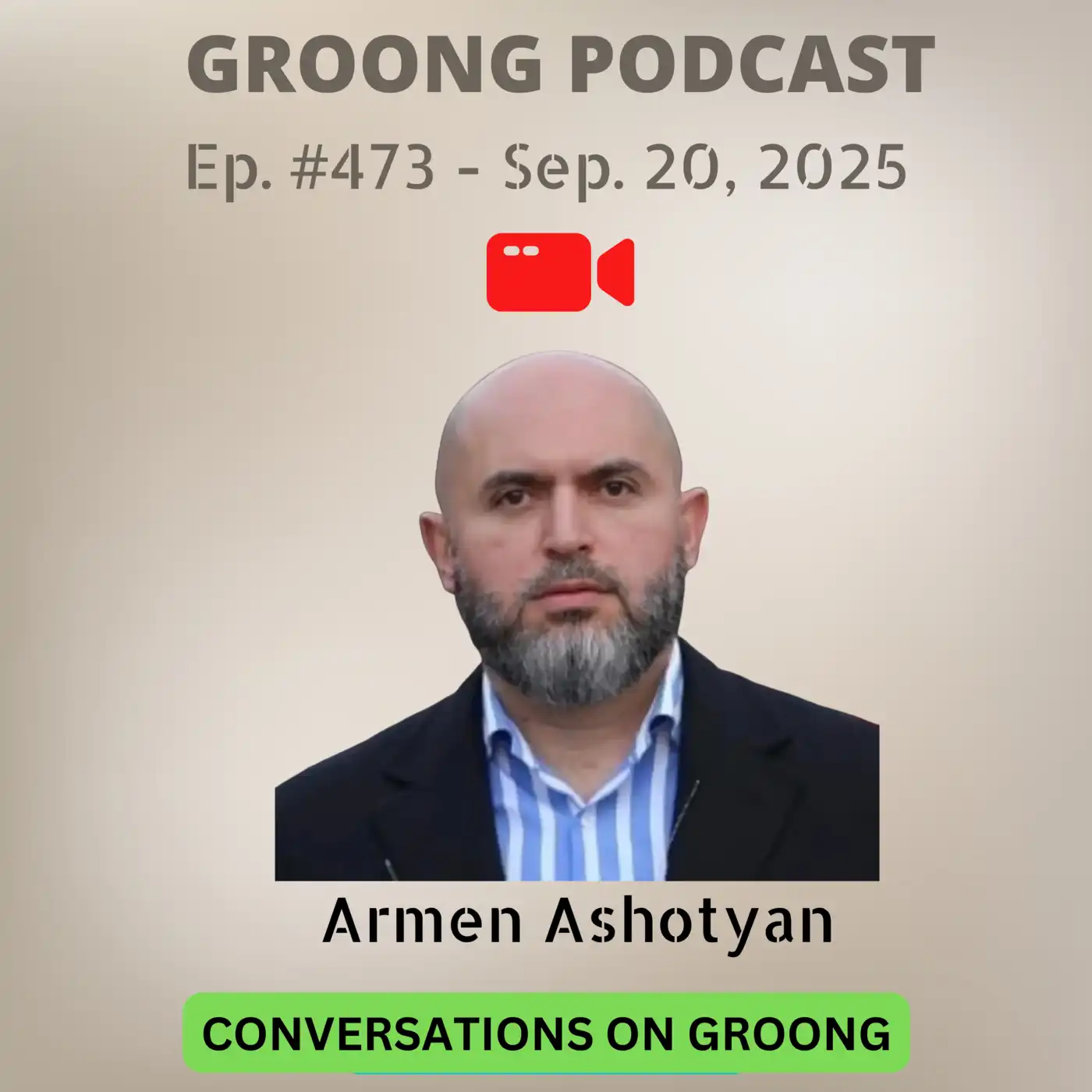
Groong Links:
Guest:
- Armen Ashotyan , MP, VP Republican Party of Armenia (HHK)
Topics:
- TRIPP / Trump Route / Zangezur Corridor
- Vote of No Confidence
- âPashinyan or Warâ?
Episode 473 | Recorded on September 17, 2025
Armen Ashotyan - Pashinyan Vote of No Confidence, Opposition Strategies | Ep 473, Sep 19, 2025 [EP473]
Posted on Friday, Sep 19, 2025 | Category: Armenia, Artsakh, Nagorno Karabakh, Human Rights, Turkey, Azerbaijan, EconomyGroong Links:
Guest:
- Armen Ashotyan , MP, VP Republican Party of Armenia (HHK)
Topics:
- TRIPP / Trump Route / Zangezur Corridor
- Vote of No Confidence
- âPashinyan or Warâ?
Episode 473 | Recorded on September 17, 2025
Arthur Khachatryan - September 13 War, Kiliç in Armenia, US $145M for TRIPP, Shorter Military Service | Ep 472, Sep 14, 2025 [EP472]
Posted on Wednesday, Sep 17, 2025 | Category: Armenia, Politics, Artsakh, Nagorno Karabakh, Azerbaijan, Turkey, Artsakh Blockade, Economy, Russia, Georgia, Iran, China | Series: cog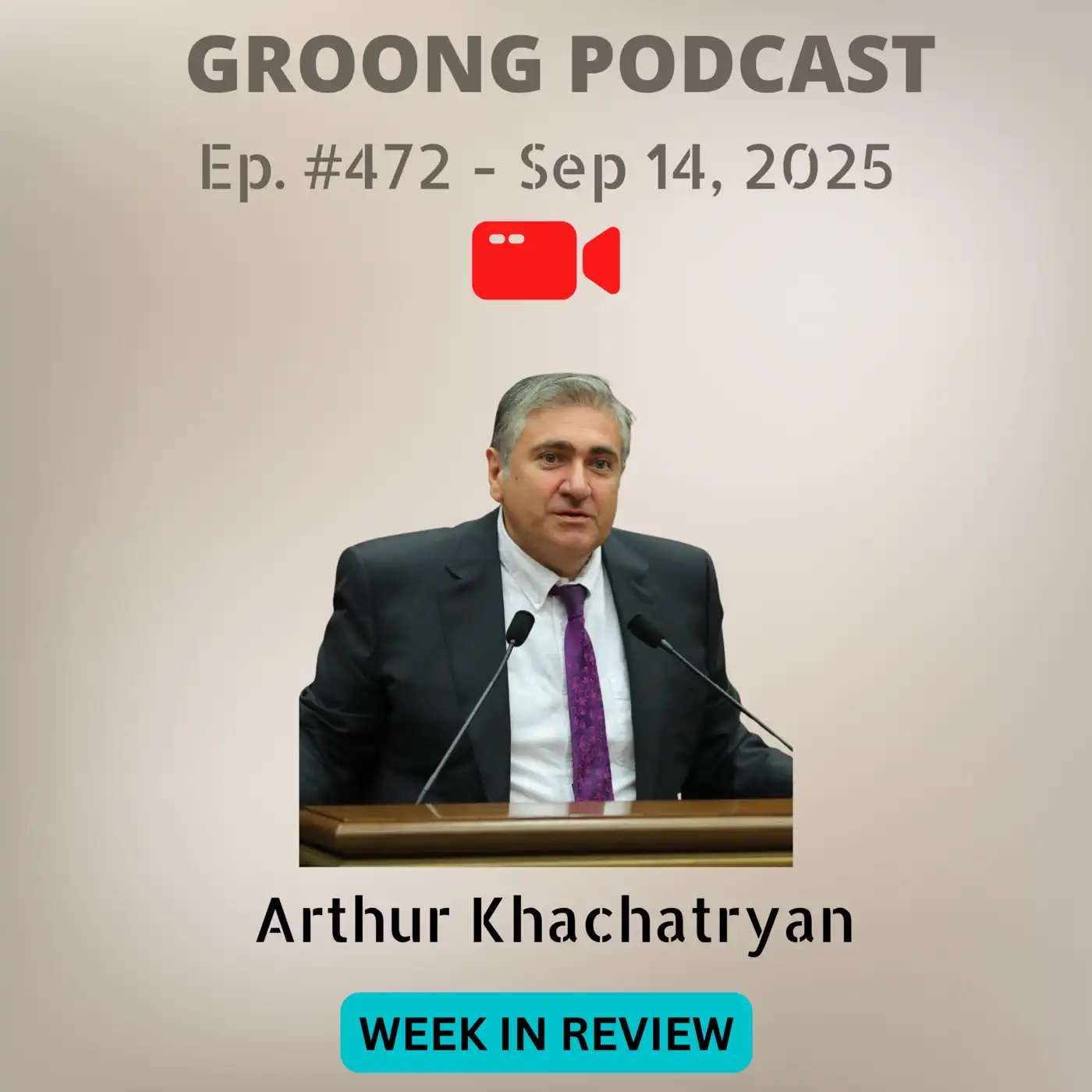
Groong Links:
Guest:
- Arthur Khachatryan , MP
Topics:
- September 13, 2022 War anniversary
- Serdar Kiliç in Armenia for Normalization
- U.S. State Dept. $145M for TRIPP
Episode 472 | Recorded: September 15, 2025
Arthur Khachatryan - September 13 War, Kiliç in Armenia, US $145M for TRIPP, Shorter Military Service | Ep 472, Sep 14, 2025 [EP472]
Posted on Wednesday, Sep 17, 2025 | Category: Armenia, Politics, Artsakh, Nagorno Karabakh, Azerbaijan, Turkey, Artsakh Blockade, Economy, Russia, Georgia, Iran, ChinaGroong Links:
Guest:
- Arthur Khachatryan , MP
Topics:
- September 13, 2022 War anniversary
- Serdar Kiliç in Armenia for Normalization
- U.S. State Dept. $145M for TRIPP
Episode 472 | Recorded: September 15, 2025
Arthur Khachatryan - Artsakh Negotiations, Armenian Domestic Politics | Ep 455, Jul 27, 2025 [EP455]
Posted on Sunday, Jul 27, 2025 | Category: Georgia, Politics, Artsakh, Nagorno Karabakh, Azerbaijan, Armenian Church, Armenia, Russia, Turkey, Human Rights, Ukraine, Genocide | Series: cog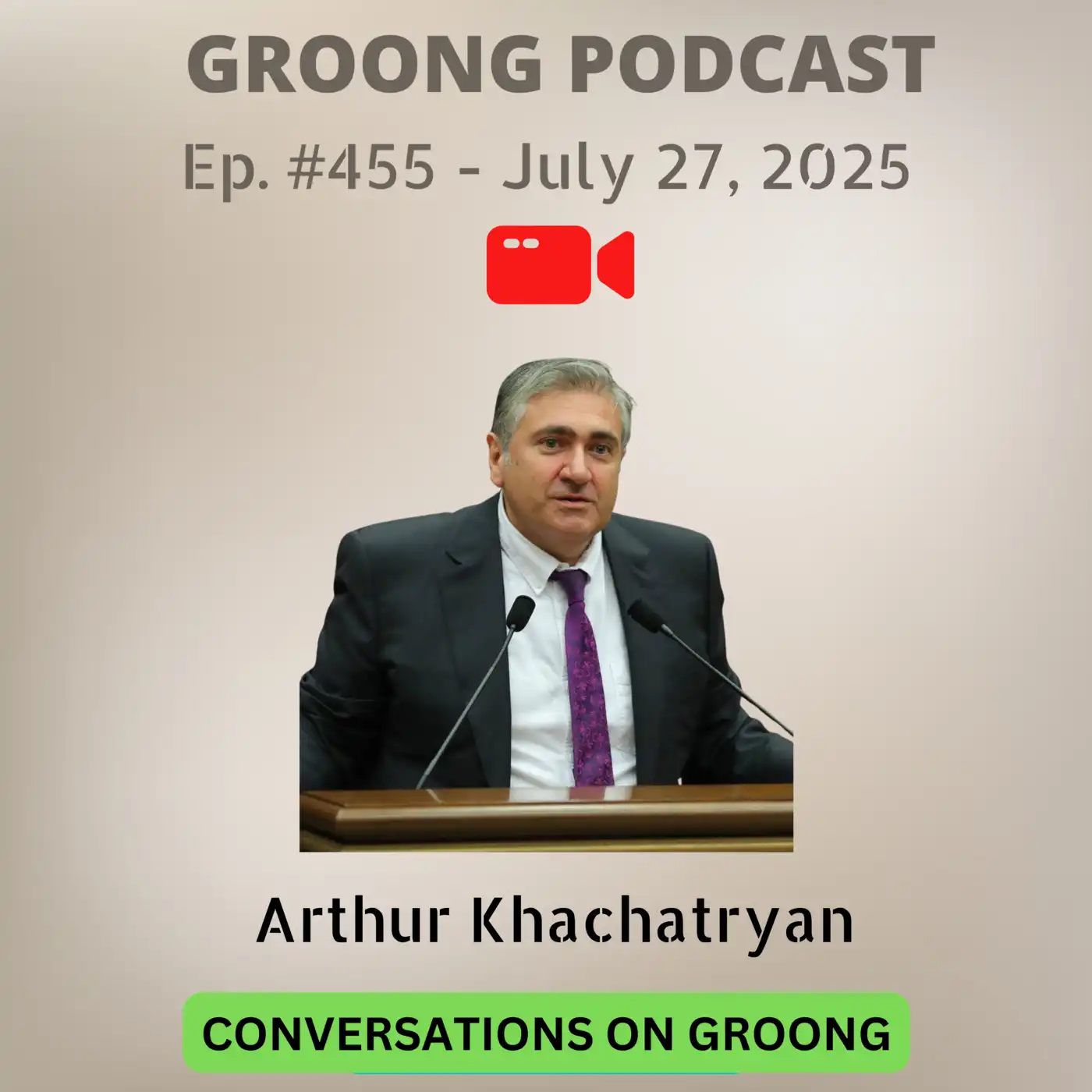
Groong Links:
Guest:
- Arthur Khachatryan , MP
Topics:
- Artsakh Negotiations
- Armenian Domestic Politics
Episode 455 | Recorded: July 25, 2025
Arthur Khachatryan - Artsakh Negotiations, Armenian Domestic Politics | Ep 455, Jul 27, 2025 [EP455]
Posted on Sunday, Jul 27, 2025 | Category: Georgia, Politics, Artsakh, Nagorno Karabakh, Azerbaijan, Armenian Church, Armenia, Russia, Turkey, Human Rights, Ukraine, GenocideGroong Links:
Guest:
- Arthur Khachatryan , MP
Topics:
- Artsakh Negotiations
- Armenian Domestic Politics
Episode 455 | Recorded: July 25, 2025
Arthur Khachatryan – Republic Day, EU Drama, and Constitutional Chaos | Ep 441, May 25, 2025 [EP441]
Posted on Thursday, May 29, 2025 | Category: Armenia, Politics, Artsakh, Nagorno Karabakh, Azerbaijan, Georgia, Turkey, Russia, Artsakh Blockade, Armenian Genocide, Genocide, Iran, Human Rights, Economy | Series: wir, video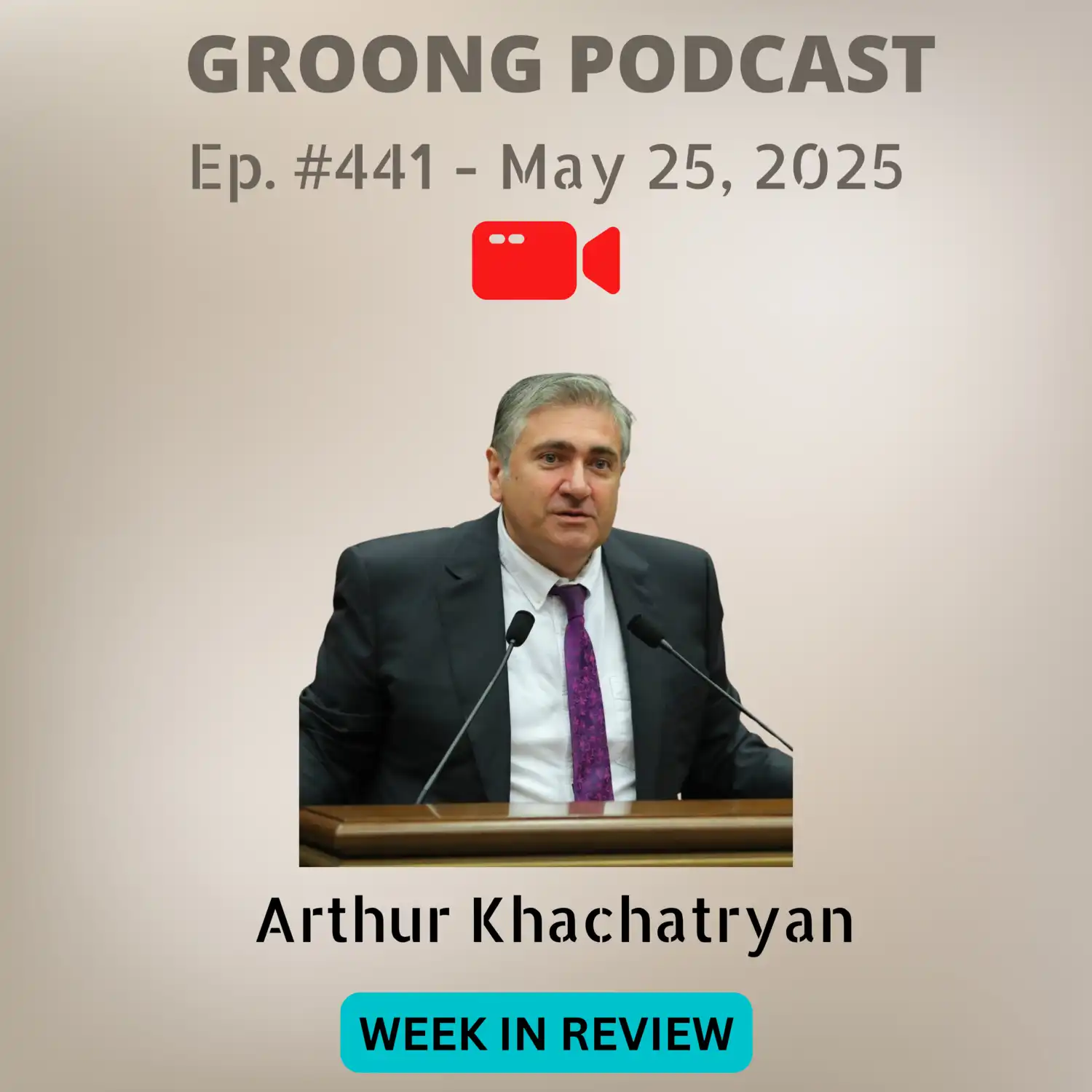
Groong Links:
Guest:
Topics:
- May 28, Republic Day
- Armeniaâs EU-Russia policy confusion
- Constitutional changes for âpeaceâ
- Impeachment vs. election dilemma
- Azeri invasion threat and silence
Episode 441 | Recorded: May 28, 2025
Arthur Khachatryan – Republic Day, EU Drama, and Constitutional Chaos | Ep 441, May 25, 2025 [EP441]
Posted on Thursday, May 29, 2025 | Category: Armenia, Politics, Artsakh, Nagorno Karabakh, Azerbaijan, Georgia, Turkey, Russia, Artsakh Blockade, Armenian Genocide, Genocide, Iran, Human Rights, EconomyGroong Links:
Guest:
Topics:
- May 28, Republic Day
- Armeniaâs EU-Russia policy confusion
- Constitutional changes for âpeaceâ
- Impeachment vs. election dilemma
- Azeri invasion threat and silence
Episode 441 | Recorded: May 28, 2025
Hrant Mikaelian - Tirana, Lavrov, Armenian Un-Democracy, Demilitarization, and More | Ep 438, May 18, 2025 [EP438]
Posted on Friday, May 23, 2025 | Category: Armenia, Politics, Vatican, Artsakh, Nagorno Karabakh, Azerbaijan, Turkey, Russia, Iran, Ukraine, India, European Union, Israel, Genocide, Georgia | Series: wir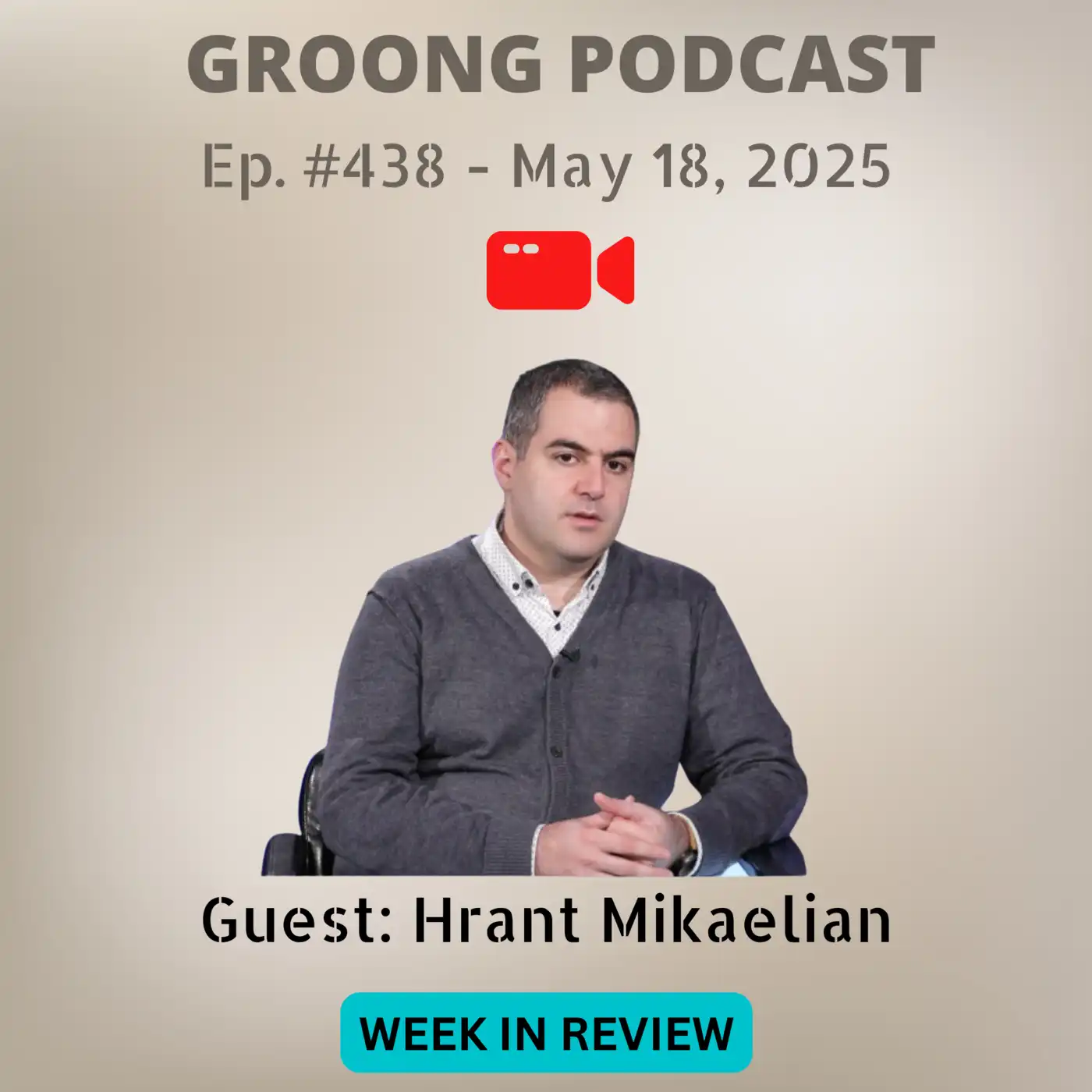
Groong Links:
Guest:
Topics:
- Pashinyan in Tirana
- Russiaâs Lavrov in Yerevan
- Democracy in Jeopardy
- Armeniaâs Demilitarization by Any Other Name
- The Kitchen Sink
Episode 438 | Recorded: May 21, 2025
Hrant Mikaelian - Tirana, Lavrov, Armenian Un-Democracy, Demilitarization, and More | Ep 438, May 18, 2025 [EP438]
Posted on Friday, May 23, 2025 | Category: Armenia, Politics, Vatican, Artsakh, Nagorno Karabakh, Azerbaijan, Turkey, Russia, Iran, Ukraine, India, European Union, Israel, Genocide, GeorgiaGroong Links:
Guest:
Topics:
- Pashinyan in Tirana
- Russiaâs Lavrov in Yerevan
- Democracy in Jeopardy
- Armeniaâs Demilitarization by Any Other Name
- The Kitchen Sink
Episode 438 | Recorded: May 21, 2025
Arthur Khachatryan - Iran, US, Armenia, Fake Peace, Gyumri & Parakar Municipal Elections | Ep 425, Mar 30, 2025 [EP425]
Posted on Tuesday, Apr 1, 2025 | Category: Armenia, Artsakh, Nagorno Karabakh, Elections, Azerbaijan, Iran, USA, European Union, Turkey, Israel, Genocide, Russia, China, Georgia, Human Rights, Syria, Middle East | Series: wir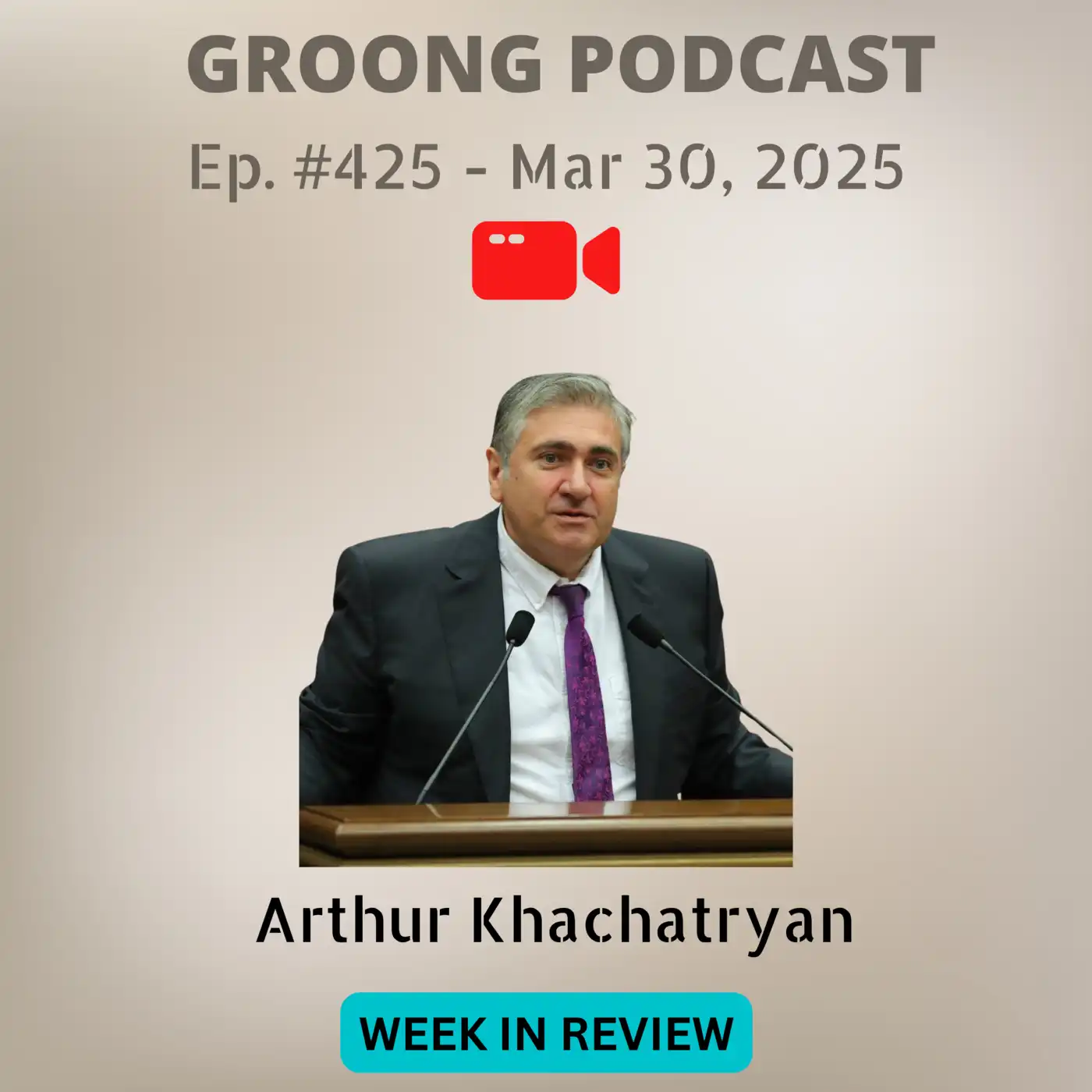
Groong Links:
Guest:
- Mr. Arthur Khachatryan , MP, Hayastan Dashinq/Armenia Alliance
Topics:
- Iran Rejects US Offer of Direct Negotiations
- Iran and Armenia Ties
- Gyumri and Parakar Municipal Elections
- Artsakh Refugee Protests in Armenia
Episode 425 | Recorded: March 31, 2025
Arthur Khachatryan - Iran, US, Armenia, Fake Peace, Gyumri & Parakar Municipal Elections | Ep 425, Mar 30, 2025 [EP425]
Posted on Tuesday, Apr 1, 2025 | Category: Armenia, Artsakh, Nagorno Karabakh, Elections, Azerbaijan, Iran, USA, European Union, Turkey, Israel, Genocide, Russia, China, Georgia, Human Rights, Syria, Middle EastGroong Links:
Guest:
- Mr. Arthur Khachatryan , MP, Hayastan Dashinq/Armenia Alliance
Topics:
- Iran Rejects US Offer of Direct Negotiations
- Iran and Armenia Ties
- Gyumri and Parakar Municipal Elections
- Artsakh Refugee Protests in Armenia
Episode 425 | Recorded: March 31, 2025
Hrant Mikaelian - Review of the Armenian Economy in 2024 | Ep 417, Feb 22, 2025 [EP417]
Posted on Saturday, Feb 22, 2025 | Category: Armenia, Turkey, Artsakh, Economy, Poll, Nagorno Karabakh, Russia, Georgia, European Union, Azerbaijan, Ukraine, Iran, NATO, India | Series: cog
Groong Links:
Guest:
Topics:
- TBD
Episode 417 | Recorded: February 12, 2025
Hrant Mikaelian - Review of the Armenian Economy in 2024 | Ep 417, Feb 22, 2025 [EP417]
Posted on Saturday, Feb 22, 2025 | Category: Armenia, Turkey, Artsakh, Economy, Poll, Nagorno Karabakh, Russia, Georgia, European Union, Azerbaijan, Ukraine, Iran, NATO, IndiaGroong Links:
Guest:
Topics:
- TBD
Episode 417 | Recorded: February 12, 2025
Arthur Khachatryan - Mirzoyan in Moscow, Kostanyan in Tehran, Mher Grigoryan on the Border, FIS Annual Report, Silence of the Lambs | Ep 409, Jan 26, 2025 [EP408]
Posted on Thursday, Jan 30, 2025 | Category: Armenia, Artsakh, Nagorno Karabakh, Economy, Azerbaijan, Georgia, Turkey, Russia, Armenian Church, Armenian Genocide, Iran, European Union, Genocide, Syria, Lebanon, NATO, Middle East, Ukraine, Human Rights | Series: wir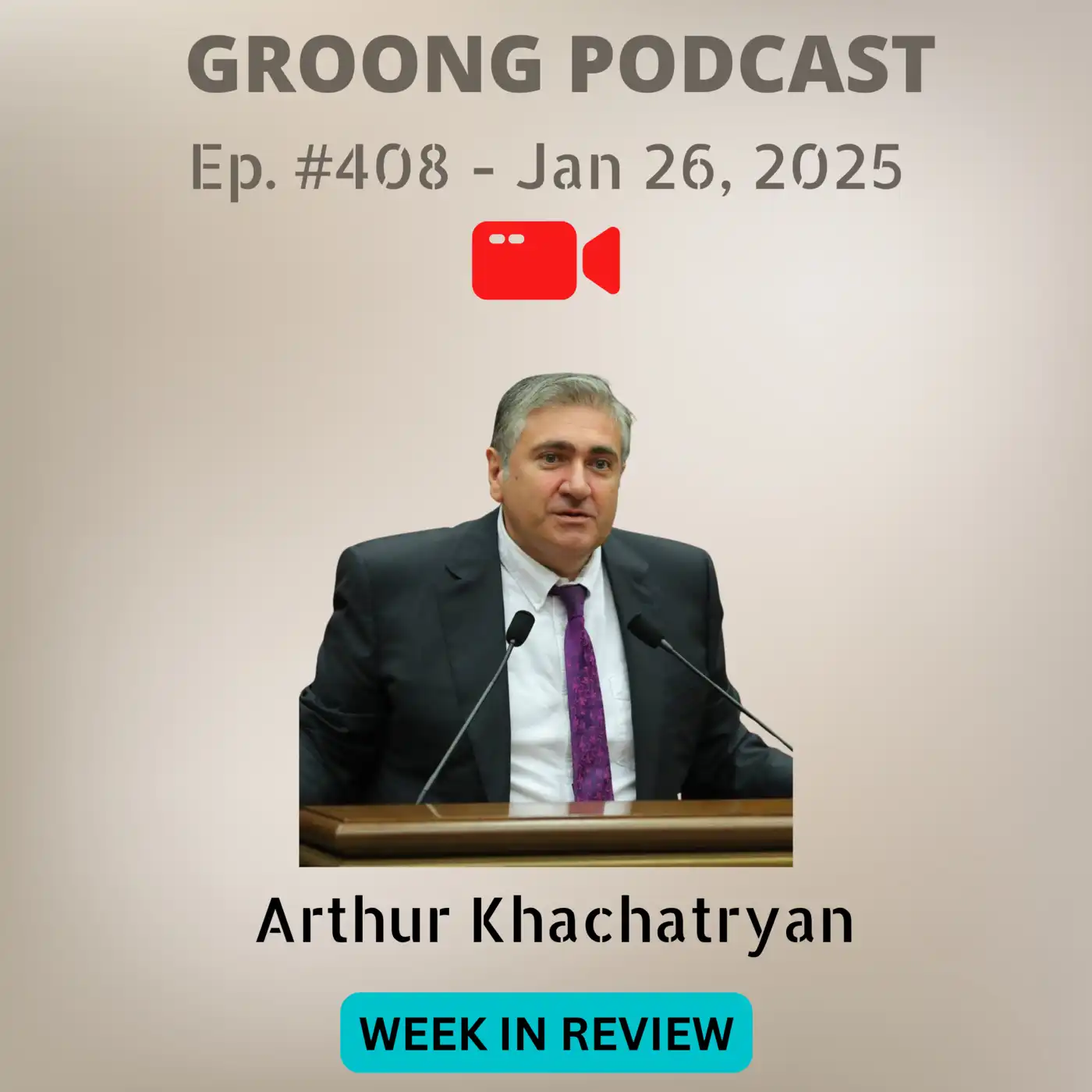
Groong Links:
Guest:
- Mr. Arthur Khachatryan , MP, Hayastan Dashinq/Armenia Alliance
Topics:
- Mirzoyan in Moscow
- Vahan Kostanyan in Tehran
- Mher Grigoryan on the Border (concessions)
- FIS Annual Report 2025
- The Silence of the Lambs
Episode 408 | Recorded: January 29, 2025
Arthur Khachatryan - Mirzoyan in Moscow, Kostanyan in Tehran, Mher Grigoryan on the Border, FIS Annual Report, Silence of the Lambs | Ep 409, Jan 26, 2025 [EP408]
Posted on Thursday, Jan 30, 2025 | Category: Armenia, Artsakh, Nagorno Karabakh, Economy, Azerbaijan, Georgia, Turkey, Russia, Armenian Church, Armenian Genocide, Iran, European Union, Genocide, Syria, Lebanon, NATO, Middle East, Ukraine, Human RightsGroong Links:
Guest:
- Mr. Arthur Khachatryan , MP, Hayastan Dashinq/Armenia Alliance
Topics:
- Mirzoyan in Moscow
- Vahan Kostanyan in Tehran
- Mher Grigoryan on the Border (concessions)
- FIS Annual Report 2025
- The Silence of the Lambs
Episode 408 | Recorded: January 29, 2025
Arthur Khachatryan - Armenia Azerbaijan Talks, 2025 State Budget, Internal Political Developments | Ep 385 - Nov 10, 2024 [EP385]
Posted on Thursday, Nov 14, 2024 | Category: Armenia, Artsakh, Nagorno Karabakh, Economy, Turkey, Russia, Ukraine, Genocide, Iran, Lebanon, European Union, Georgia, Israel, Middle East, NATO, Syria | Series: wir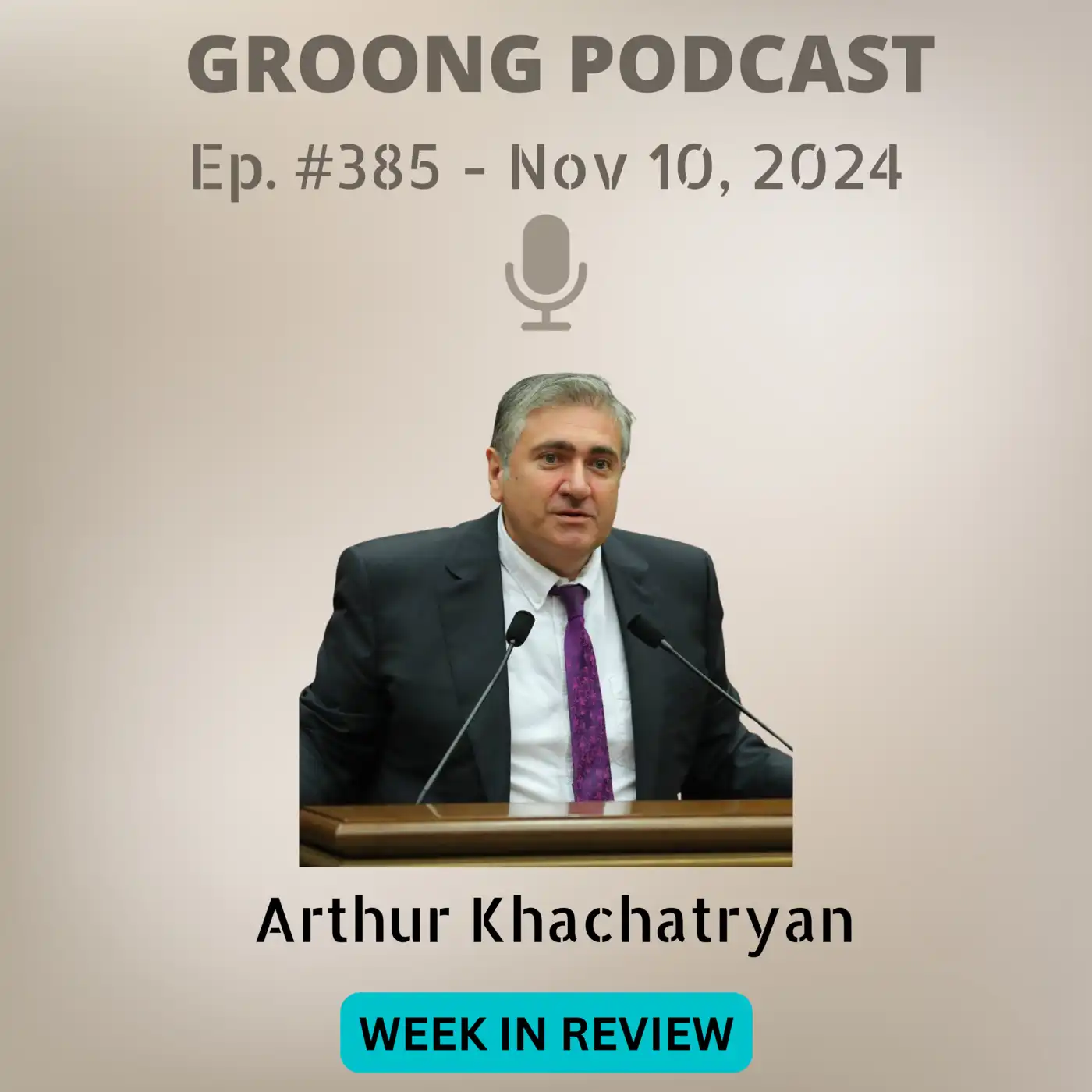
Groong Links:
Guest:
Topics:
- Armenia Azerbaijan Talks
- Draft 2025 State Budget
- Armenian Internal Politics
Episode 385 | Recorded: November 13, 2024
Arthur Khachatryan - Armenia Azerbaijan Talks, 2025 State Budget, Internal Political Developments | Ep 385 - Nov 10, 2024 [EP385]
Posted on Thursday, Nov 14, 2024 | Category: Armenia, Artsakh, Nagorno Karabakh, Economy, Turkey, Russia, Ukraine, Genocide, Iran, Lebanon, European Union, Georgia, Israel, Middle East, NATO, SyriaGroong Links:
Guest:
Topics:
- Armenia Azerbaijan Talks
- Draft 2025 State Budget
- Armenian Internal Politics
Episode 385 | Recorded: November 13, 2024
Arthur Khachatryan - Politics and Economy in Armenia, Fall 2024 | Ep 366 - Sep 21, 2024 [EP366]
Posted on Saturday, Sep 21, 2024 | Category: Armenia, Artsakh, Nagorno Karabakh, Economy, Georgia, Russia, Turkey, Lebanon, Iran, European Union, Israel, Genocide, Ukraine | Series: cog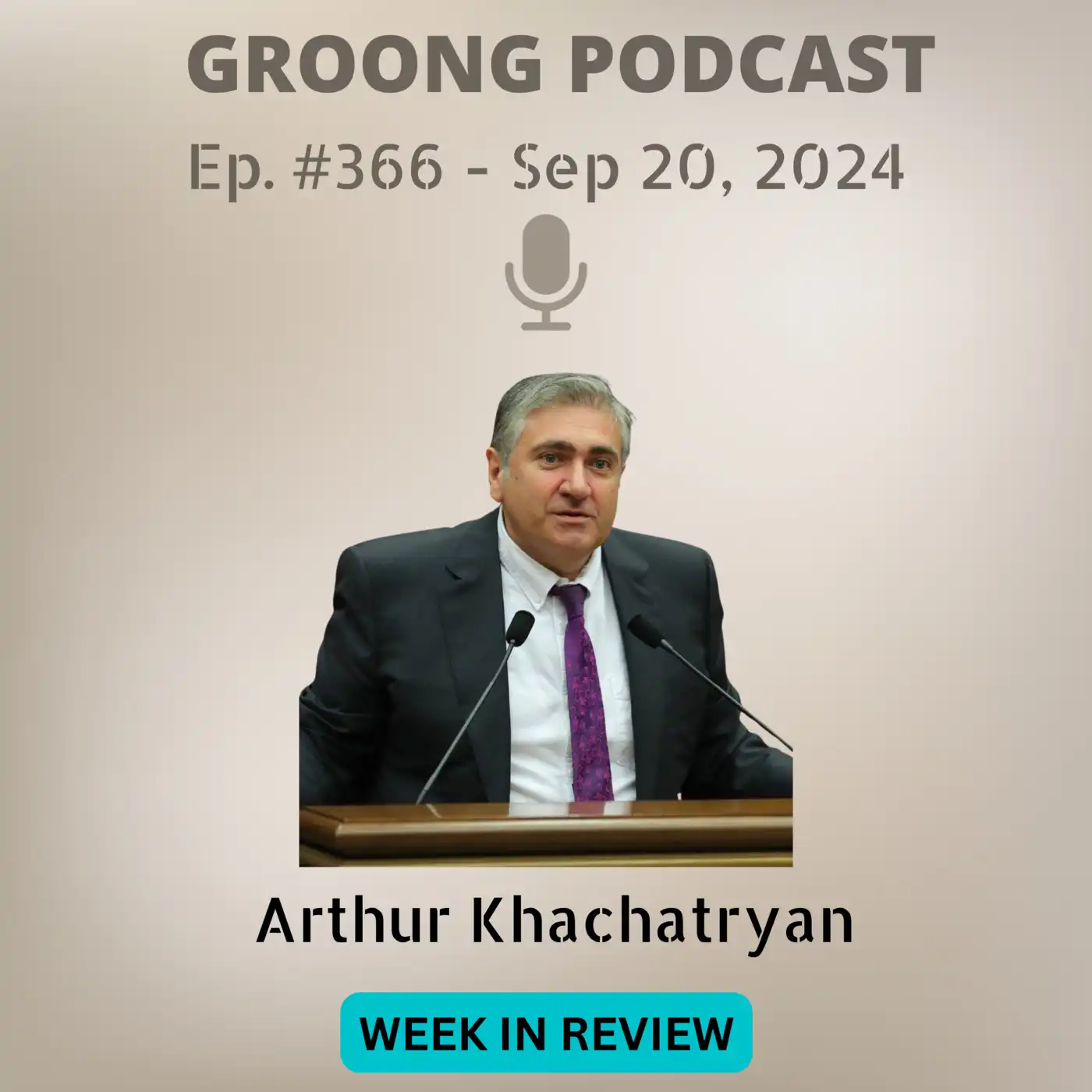
Groong Links:
Guest:
Topics:
- The Governmentâs Track Record
- The State of the Economy
- âPivot to the Westâ
- Elections in Georgia
Episode 366 | Recorded: September 18, 2024
Arthur Khachatryan - Politics and Economy in Armenia, Fall 2024 | Ep 366 - Sep 21, 2024 [EP366]
Posted on Saturday, Sep 21, 2024 | Category: Armenia, Artsakh, Nagorno Karabakh, Economy, Georgia, Russia, Turkey, Lebanon, Iran, European Union, Israel, Genocide, UkraineGroong Links:
Guest:
Topics:
- The Governmentâs Track Record
- The State of the Economy
- âPivot to the Westâ
- Elections in Georgia
Episode 366 | Recorded: September 18, 2024
Giro Manoyan - The ARF in Armenia’s Politics | Ep 364 - Sep 16, 2024 [EP364]
Posted on Monday, Sep 16, 2024 | Category: Armenia, Artsakh, Nagorno Karabakh, Azerbaijan, Economy, Diaspora, Russia, Iran, Turkey, Ukraine, Genocide, Georgia | Series: cog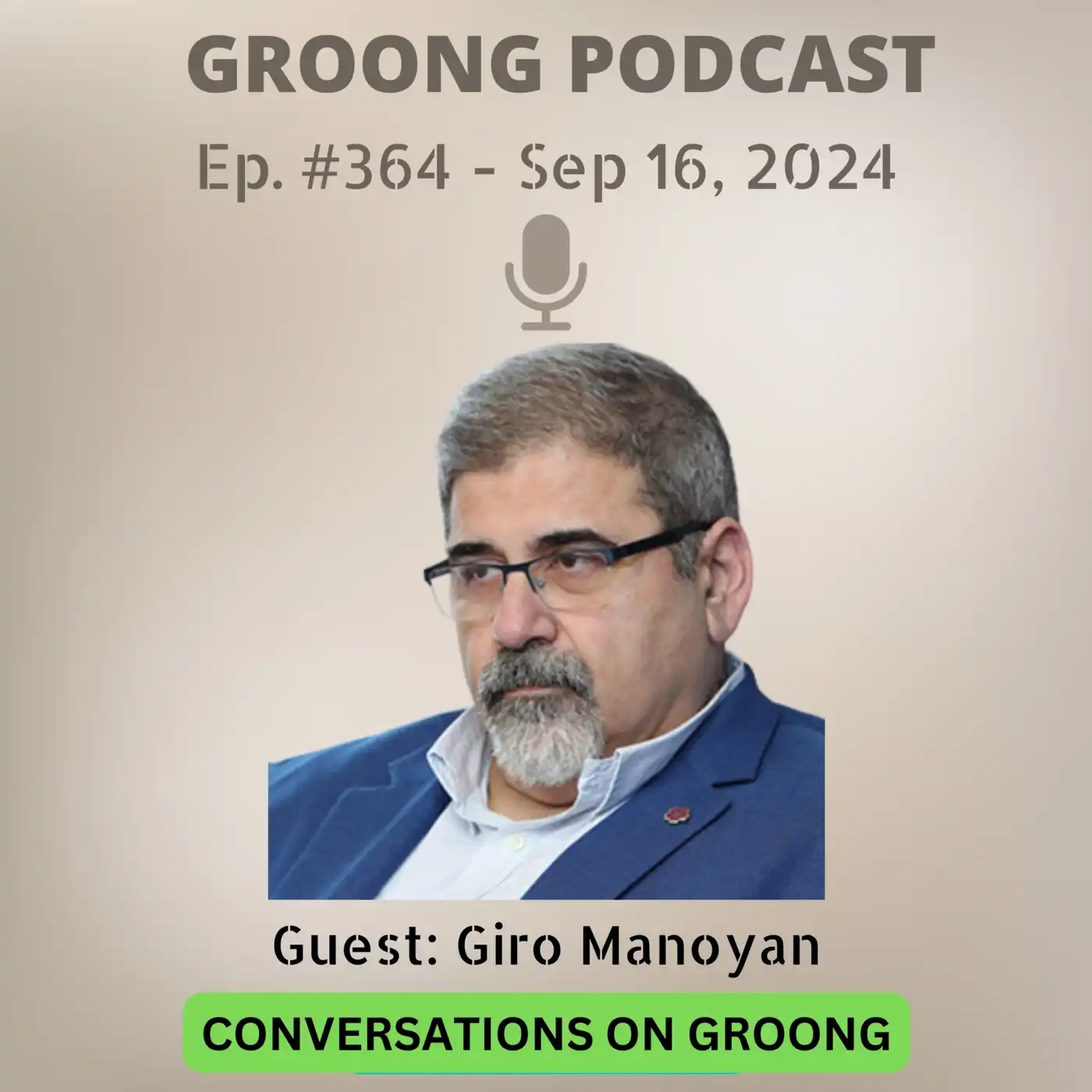
Groong Links:
Guest:
Topics:
- Role of the Opposition
- Relations with the Tavush Movement
- Relations with the Diaspora
Episode 364 | Recorded: September 13, 2024
Giro Manoyan - The ARF in Armenia’s Politics | Ep 364 - Sep 16, 2024 [EP364]
Posted on Monday, Sep 16, 2024 | Category: Armenia, Artsakh, Nagorno Karabakh, Azerbaijan, Economy, Diaspora, Russia, Iran, Turkey, Ukraine, Genocide, GeorgiaGroong Links:
Guest:
Topics:
- Role of the Opposition
- Relations with the Tavush Movement
- Relations with the Diaspora
Episode 364 | Recorded: September 13, 2024
Aghasi Yenokian - Ruling Party Power Grabs | Early Elections | Judiciary Concerns | Ալտերնատիվ պատմություն Հայոց | Ep 298, Dec. 14, 2023 [EP298]
Posted on Thursday, Dec 14, 2023 | Category: Armenia, Artsakh, Nagorno Karabakh, Azerbaijan, Iran, NATO | Series: cog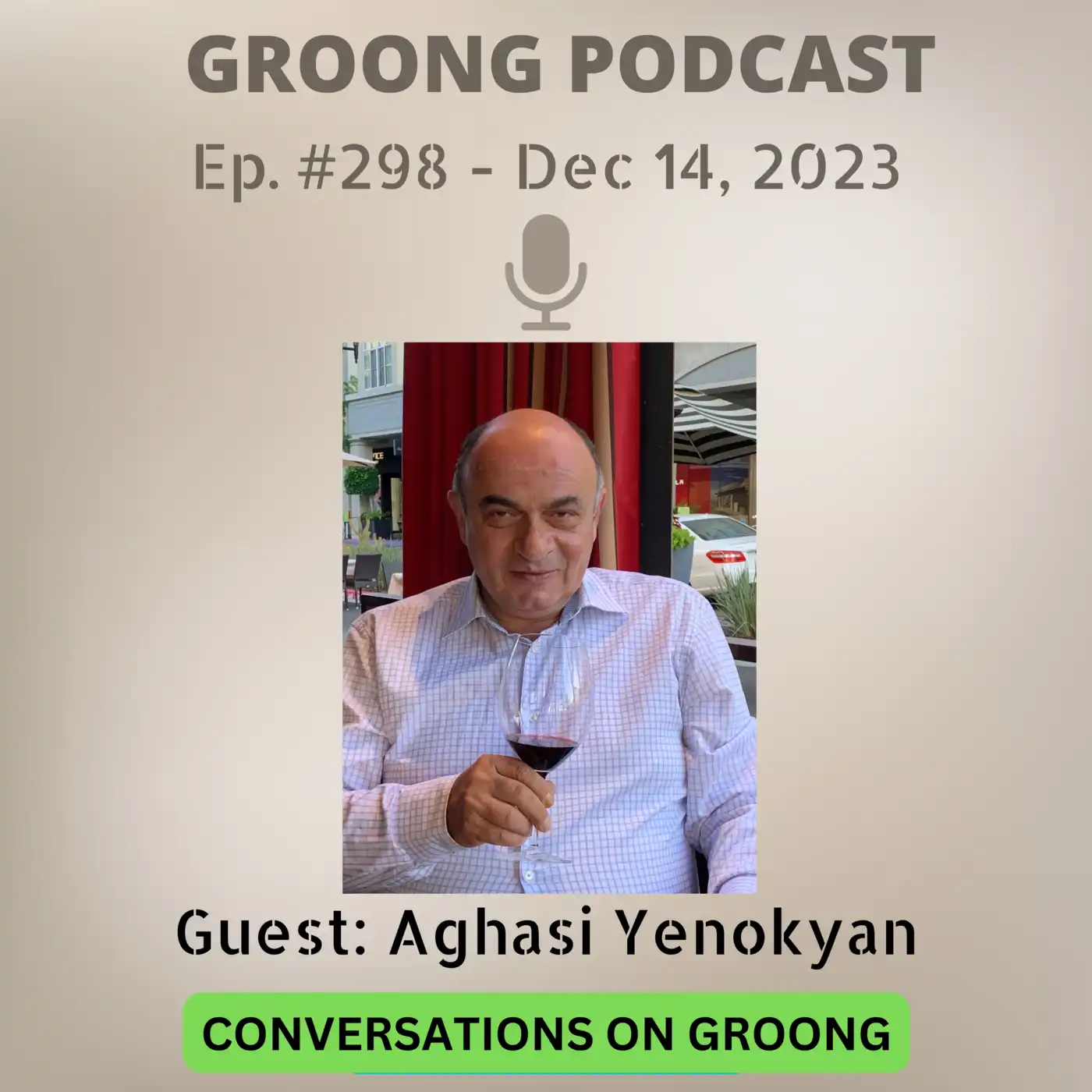
Groong Links:
Guest:
Topics:
- Ruling Party Power Grabs
- Why is Civil Contract so Adamant on Total Municipal Control
- Political Prisoners
- Early/Snap Elections?
- Armeniaâs Controlled Judiciary
- About Yenokianâs new book: Ô±Õ¬Õ¿Õ¥ÖÕ¶Õ¡Õ¿Õ«Õ¾ ÕºÕ¡Õ¿Õ´Õ¸ÖÕ©ÕµÕ¸ÖÕ¶ ÕÕ¡ÕµÕ¸Ö
Episode 298 | Recorded: December 13, 2023
Aghasi Yenokian - Ruling Party Power Grabs | Early Elections | Judiciary Concerns | Ալտերնատիվ պատմություն Հայոց | Ep 298, Dec. 14, 2023 [EP298]
Posted on Thursday, Dec 14, 2023 | Category: Armenia, Artsakh, Nagorno Karabakh, Azerbaijan, Iran, NATOGroong Links:
Guest:
Topics:
- Ruling Party Power Grabs
- Why is Civil Contract so Adamant on Total Municipal Control
- Political Prisoners
- Early/Snap Elections?
- Armeniaâs Controlled Judiciary
- About Yenokianâs new book: Ô±Õ¬Õ¿Õ¥ÖÕ¶Õ¡Õ¿Õ«Õ¾ ÕºÕ¡Õ¿Õ´Õ¸ÖÕ©ÕµÕ¸ÖÕ¶ ÕÕ¡ÕµÕ¸Ö
Episode 298 | Recorded: December 13, 2023
Hrant Mikaelian - Situation in Artsakh | Yerevan Elections Heating Up | MPG Poll Outtakes | MPG Poll on Yerevan Elections [EP273]
Posted on Wednesday, Aug 16, 2023 | Category: Armenia, Artsakh, Politics, Poll, Nagorno Karabakh, Azerbaijan, Russia, Artsakh Blockade, Genocide, Turkey, Economy, Ukraine, China, Georgia, India, Iran | Series: wir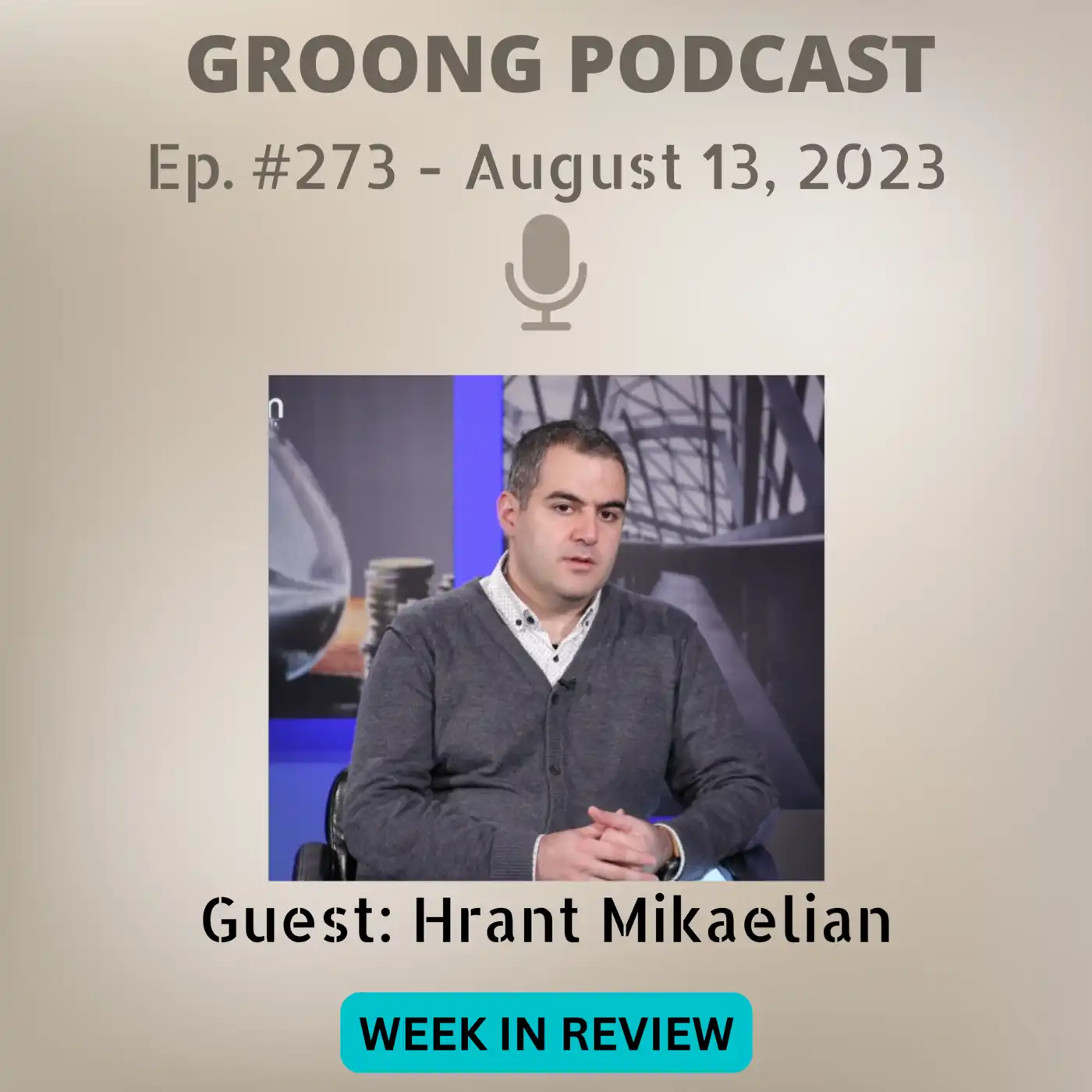
Guest:
Topics:
- Situation in Artsakh
- Yerevan Elections Heating Up
- July MPG Survey Outtakes
- August MPG Survey Outtakes
- Baku Poll
- Thoughts on the Economy
Episode 273 | Recorded: August 15, 2023
Hrant Mikaelian - Situation in Artsakh | Yerevan Elections Heating Up | MPG Poll Outtakes | MPG Poll on Yerevan Elections [EP273]
Posted on Wednesday, Aug 16, 2023 | Category: Armenia, Artsakh, Politics, Poll, Nagorno Karabakh, Azerbaijan, Russia, Artsakh Blockade, Genocide, Turkey, Economy, Ukraine, China, Georgia, India, IranGuest:
Topics:
- Situation in Artsakh
- Yerevan Elections Heating Up
- July MPG Survey Outtakes
- August MPG Survey Outtakes
- Baku Poll
- Thoughts on the Economy
Episode 273 | Recorded: August 15, 2023
Hovhannes Ishkanyan: Artsakh Under Blockade - Day 25 [EP198]
Posted on Thursday, Jan 5, 2023 | Category: Artsakh, Politics, Armenia, Azerbaijan, Russia, Turkey, Artsakh Blockade, Nagorno Karabakh, Armenian Genocide, Human Rights, Genocide, Ukraine, China, Georgia, NATO, Syria, European Union, Iran, Israel | Series: cog, video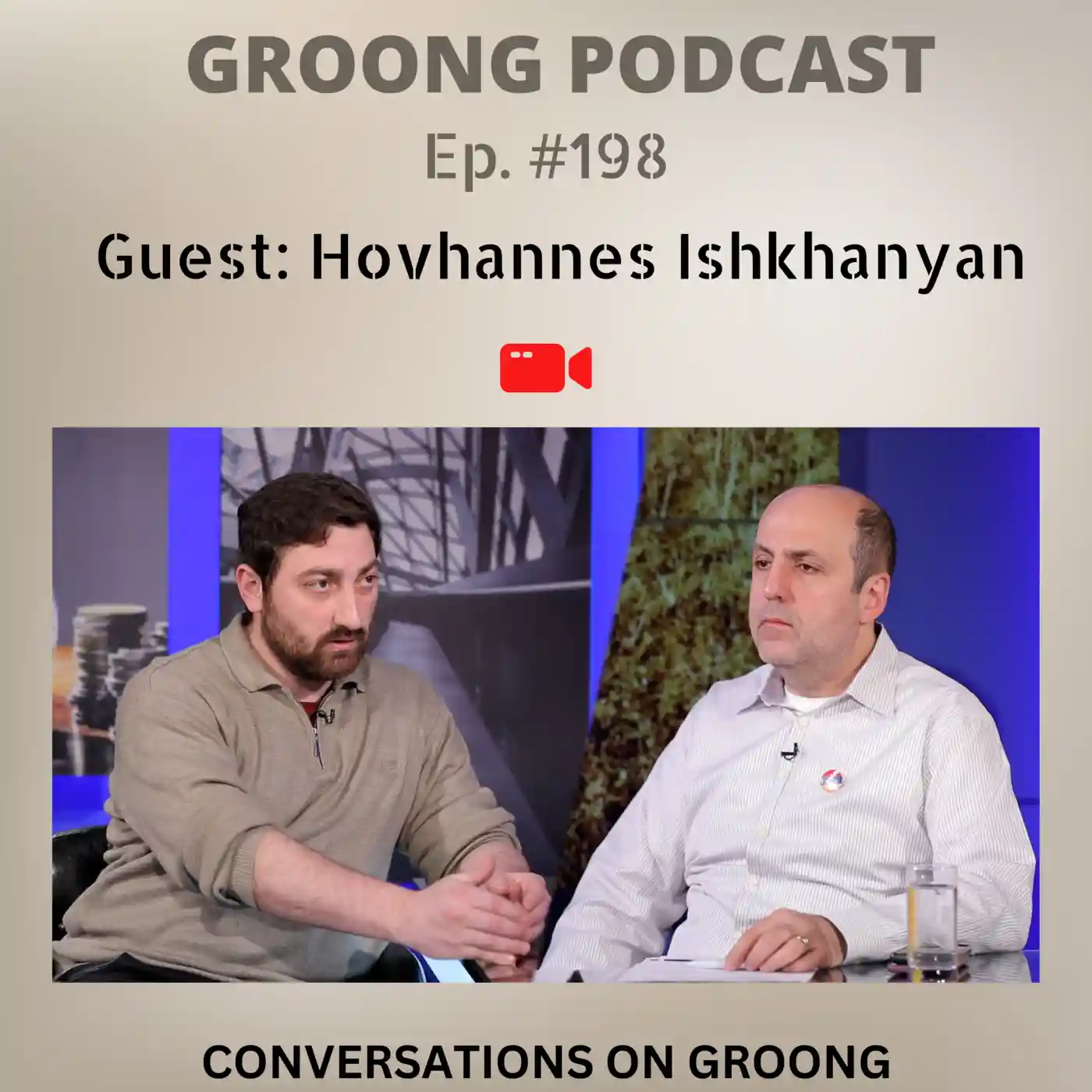
Guest:
- Hovhannes Ishkhanyan , writer, documentary filmmaker, publicist, co-founder of Eye for an Eye (Akn Und Akan), a community of documentarians. Hovhannes has a Master’s in journalism from the Georgian Institute of Public Affairs.
Using art to prevent catastrophes instead of reacting to them
Ishkhanyan’s documentary “Sleep art”: https://www.youtube.com/watch?v=rzqzPpVsK-g
Topic:
More than 120,000 people remain trapped in the Republic of Artsakh (or Nagorno-Karabakh) due to Azerbaijanâs blockade of the Lachin (Berdzor) corridor, as this crisis enters its 25th
Read MoreHovhannes Ishkanyan: Artsakh Under Blockade - Day 25 [EP198]
Posted on Thursday, Jan 5, 2023 | Category: Artsakh, Politics, Armenia, Azerbaijan, Russia, Turkey, Artsakh Blockade, Nagorno Karabakh, Armenian Genocide, Human Rights, Genocide, Ukraine, China, Georgia, NATO, Syria, European Union, Iran, IsraelGuest:
- Hovhannes Ishkhanyan , writer, documentary filmmaker, publicist, co-founder of Eye for an Eye (Akn Und Akan), a community of documentarians. Hovhannes has a Master’s in journalism from the Georgian Institute of Public Affairs.
Using art to prevent catastrophes instead of reacting to them
Ishkhanyan’s documentary “Sleep art”: https://www.youtube.com/watch?v=rzqzPpVsK-g
Topic:
More than 120,000 people remain trapped in the Republic of Artsakh (or Nagorno-Karabakh) due to Azerbaijanâs blockade of the Lachin (Berdzor) corridor, as this crisis enters its 25th
Read MoreReflections on Artsakh Blockade | Is Russia Pressuring Armenia to join Union State | Bill to Control Internet during Martial Law | Highlights and Lowlights of 2022 | Predictions for 2023 [EP197]
Posted on Tuesday, Jan 3, 2023 | Category: Armenia, Politics, Artsakh, Nagorno Karabakh, Azerbaijan, Russia, Ukraine, Artsakh Blockade, Lebanon, Syria, Turkey, European Union, Genocide, Israel, Economy, Georgia, Human Rights | Series: wir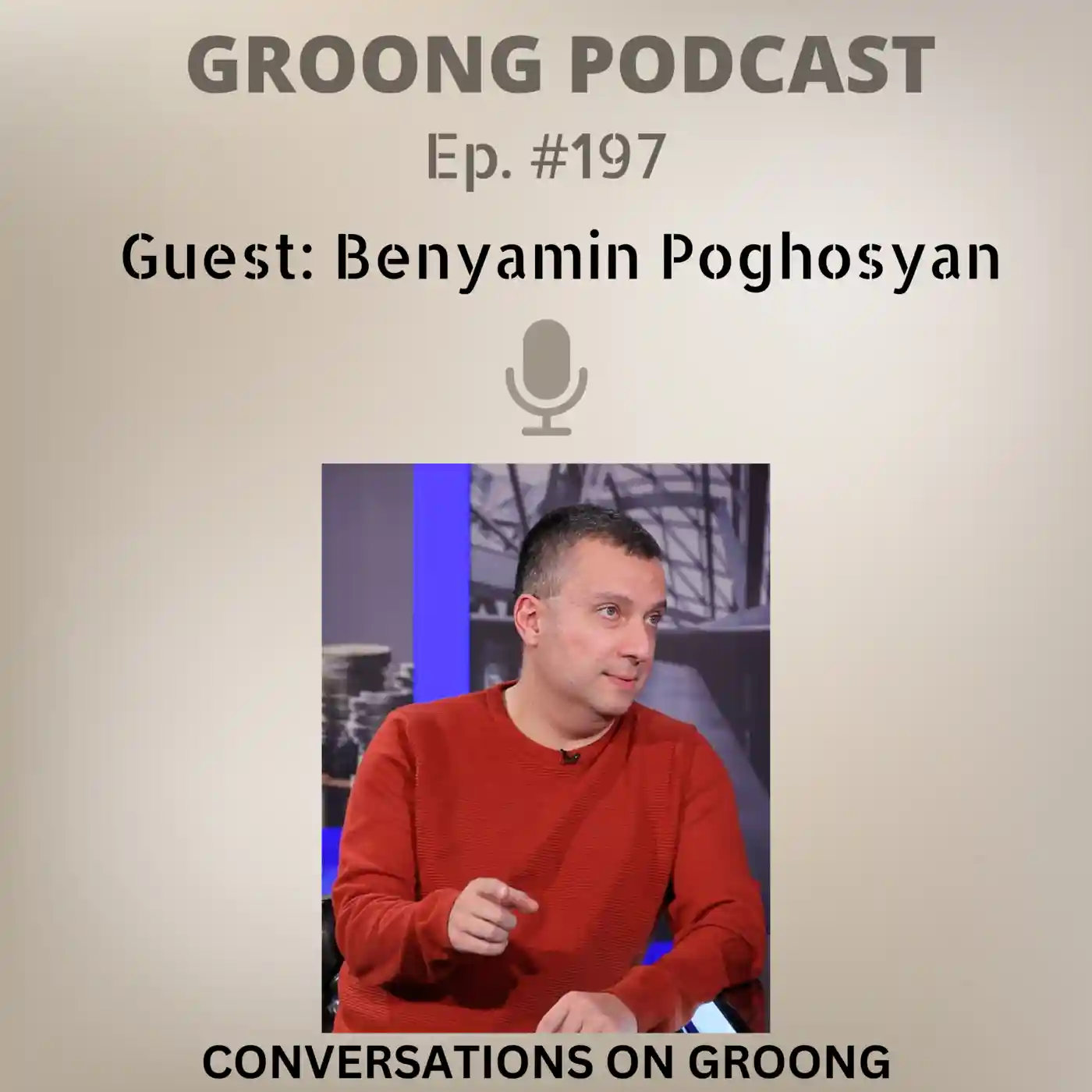
Guest:
Topic:
- Hovikâs Reflections from the Artsakh Blockade Interviews
- Is Russia Pressuring Armenia to join a âUnion Stateâ?
- Government Bill to Control the Internet During Martial Law
- Highlights and Lowlights from Armenian News in 2022
- Predictions for 2023
Episode 197 | Recorded: January 3, 2023
Reflections on Artsakh Blockade | Is Russia Pressuring Armenia to join Union State | Bill to Control Internet during Martial Law | Highlights and Lowlights of 2022 | Predictions for 2023 [EP197]
Posted on Tuesday, Jan 3, 2023 | Category: Armenia, Politics, Artsakh, Nagorno Karabakh, Azerbaijan, Russia, Ukraine, Artsakh Blockade, Lebanon, Syria, Turkey, European Union, Genocide, Israel, Economy, Georgia, Human RightsGuest:
Topic:
- Hovikâs Reflections from the Artsakh Blockade Interviews
- Is Russia Pressuring Armenia to join a âUnion Stateâ?
- Government Bill to Control the Internet During Martial Law
- Highlights and Lowlights from Armenian News in 2022
- Predictions for 2023
Episode 197 | Recorded: January 3, 2023