Genocide
Last updated: June 11, 2026
The Armenian Genocide of 1915 represents one of history’s first systematic mass killings of a civilian population, in which Ottoman Turkish forces and local militias killed approximately 1.5 million Armenians and displaced hundreds of thousands more from their ancestral homelands in Anatolia. Perpetrators used massacres, deportations into desert conditions, and starvation as deliberate instruments of elimination. Survivors scattered across the globe, establishing diaspora communities in the Middle East, Europe, North America, and beyond. Turkey has denied the genocide for over a century, refusing to acknowledge the Ottoman state’s intent to destroy the Armenian people, a position that shapes contemporary Turkish-Armenian relations and regional politics. Genocide denial remains an official Turkish state policy backed by legal penalties in Turkey itself for those who acknowledge the historical record, complicating efforts toward Turkish-Armenian normalization and historical justice.
The ethnic cleansing of Artsakh (Nagorno Karabakh) in September 2023 displaced more than 150,000 Armenian inhabitants from the enclave in a matter of hours, following Azerbaijan’s 24-hour military offensive on September 19–20, 2023. Unlike the 44-Day War of 2020, which ended in a ceasefire with Russian peacekeepers deployed, the 2023 operation resulted in complete displacement of the Armenian population and the effective erasure of Armenian self-governance in a territory that had been ethnically Armenian for centuries. Azerbaijan’s destruction of Christian heritage sites, including damage to the Stepanakert Cathedral documented in early 2026, compounds the physical and cultural dimension of the cleansing. The international community, including Western governments and human rights organizations, provided minimal diplomatic pressure or consequences for the displacement, contrasting sharply with rhetoric regarding other contemporary conflicts. Through works like photographer Erhan Arik’s Horovel project and the documentary Ojakh: On the Other Side of Silence, artists and documentarians have recorded the personal stakes of Armenian memory and continuity—capturing testimony from elderly Armenians whose families originated from historic Armenian regions and reflecting on how identity and community persist despite rupture and loss.
The concept of genocide denial has become inseparable from Armenian political consciousness. Turkey’s refusal to acknowledge the 1915 genocide shapes the terms on which Armenia negotiates peace with Azerbaijan and Turkey, as recognition remains a precondition for many Armenians and diaspora organizations seeking justice and historical truth. The speed and completeness of the 2023 displacement from Artsakh has prompted scholars and Armenian analysts to assess whether the term genocide applies to the 2023 events, a question with legal, moral, and political dimensions. Arthur Martirosyan examined in January 2026 the long-term consequences of the Baku pogroms, connecting historical violence to ongoing patterns of threat and displacement. Whether international law will address either the 1915 genocide or the 2023 cleansing through accountability mechanisms remains uncertain, leaving Armenia in a position where historical memory and contemporary survival are bound to geopolitical outcomes beyond Armenian control.
Groong episodes that include this tag
Below are all Groong episodes tagged with Genocide.
Const Court Decision | PM Appts | Aliyev Threats | Russian Gens in Yerevan | Ep #79 - July 18, 2021 [EP79]
Posted on Tuesday, Jul 20, 2021 | Category: Armenia, Azerbaijan, Russia, Turkey, Genocide, Armenian Genocide, Artsakh, Syria, Iran, Economy, Georgia, Ukraine, Nagorno Karabakh, European Union, NATO | Series: wir
ANN/Groong Week in Review - July 18, 2021
Topics:
- Constitutional Court Decisions on Election Results
- New Pashinyan Appointments
- More Threats from Azerbaijan
- Russian Generals in Yerevan Again
Guests:
- Suren Sargsyan
Guest(s):
Hosts:
- Hovik Manucharyan
- Asbed Bedrossian
Episode 79 | Recorded: July 19, 2021 https://groong.org/podcasts/WiR-20210718.html
Const Court Decision | PM Appts | Aliyev Threats | Russian Gens in Yerevan | Ep #79 - July 18, 2021 [EP79]
Posted on Tuesday, Jul 20, 2021 | Category: Armenia, Azerbaijan, Russia, Turkey, Genocide, Armenian Genocide, Artsakh, Syria, Iran, Economy, Georgia, Ukraine, Nagorno Karabakh, European Union, NATOANN/Groong Week in Review - July 18, 2021
Topics:
- Constitutional Court Decisions on Election Results
- New Pashinyan Appointments
- More Threats from Azerbaijan
- Russian Generals in Yerevan Again
Guests:
- Suren Sargsyan
Guest(s):
Hosts:
- Hovik Manucharyan
- Asbed Bedrossian
Episode 79 | Recorded: July 19, 2021 https://groong.org/podcasts/WiR-20210718.html
Putin / Pashinyan | Const. Court | Steel out of Velvet | Year-in-Review (Ep #78) - July 11, 2021 [EP78]
Posted on Tuesday, Jul 13, 2021 | Category: Armenia, Russia, Turkey, Azerbaijan, Georgia, Economy, Iran, Ukraine, Artsakh, Syria, Genocide, Middle East, Nagorno Karabakh, NATO | Series: wir
ANN/Groong Week in Review - July 11, 2021
Topics:
- Putin / Pashinyan meeting
- Constitutional Court Challenge
- Forging Steel out of Velvet
- Groong Podcastâs Year-in-Review
Guests: Asbed Kotchikian
Guest(s):
Hosts:
- Hovik Manucharyan
- Asbed Bedrossian
Website: https://groong.org/podcasts/WiR-20210711.html
Episode 78 | Recorded: July 11, 2021
Putin / Pashinyan | Const. Court | Steel out of Velvet | Year-in-Review (Ep #78) - July 11, 2021 [EP78]
Posted on Tuesday, Jul 13, 2021 | Category: Armenia, Russia, Turkey, Azerbaijan, Georgia, Economy, Iran, Ukraine, Artsakh, Syria, Genocide, Middle East, Nagorno Karabakh, NATOANN/Groong Week in Review - July 11, 2021
Topics:
- Putin / Pashinyan meeting
- Constitutional Court Challenge
- Forging Steel out of Velvet
- Groong Podcastâs Year-in-Review
Guests: Asbed Kotchikian
Guest(s):
Hosts:
- Hovik Manucharyan
- Asbed Bedrossian
Website: https://groong.org/podcasts/WiR-20210711.html
Episode 78 | Recorded: July 11, 2021
Preserving Armenian Heritage - Maghakyan, Khatchadourian, Maranci | Ep #77 - June 30, 2021 [EP77]
Posted on Wednesday, Jun 30, 2021 | Category: Armenia, Azerbaijan, Turkey, Artsakh, Armenian Church, Human Rights, Genocide, Syria, Nagorno Karabakh, NATO | Series: cog
Guest(s):
Preserving Armenian Heritage
Topics:
- What is Armenian Art and Architecture?
- Where does Artsakhâs Heritage fit in the larger Armenian picture?
- What Armenian Heritage fell under Azerbaijani Control in 2020?
- What is Caucasus Heritage Watch and What does it do?
- What can International Organizations do for Artsakh?
- How do International Instruments fail in Preserving Armenian Heritage?
Host:
- Simon Maghakyan is an independent researcher of cultural destruction and lecturer in International Relations at the University of Colorado Denver.
Guests
Read MorePreserving Armenian Heritage - Maghakyan, Khatchadourian, Maranci | Ep #77 - June 30, 2021 [EP77]
Posted on Wednesday, Jun 30, 2021 | Category: Armenia, Azerbaijan, Turkey, Artsakh, Armenian Church, Human Rights, Genocide, Syria, Nagorno Karabakh, NATOGuest(s):
Preserving Armenian Heritage
Topics:
- What is Armenian Art and Architecture?
- Where does Artsakhâs Heritage fit in the larger Armenian picture?
- What Armenian Heritage fell under Azerbaijani Control in 2020?
- What is Caucasus Heritage Watch and What does it do?
- What can International Organizations do for Artsakh?
- How do International Instruments fail in Preserving Armenian Heritage?
Host:
- Simon Maghakyan is an independent researcher of cultural destruction and lecturer in International Relations at the University of Colorado Denver.
Guests
Read MoreArmVote21 | Am/Az Negotiations | Erdogan in Az | Biden Meets Erdogan & Putin| Ep #74 - June 20, 2021 [EP74]
Posted on Monday, Jun 21, 2021 | Category: Armenia, Russia, Azerbaijan, Iran, Turkey, China, Middle East, Armenian Genocide, Genocide, Georgia, Syria, Ukraine, Nagorno Karabakh, NATO | Series: wir
ANN/Groong Week in Review - June 20, 2021 Topics:
- Armeniaâs Elections
- Behind The Scenes with Armenia and Azerbaijan
- Erdogan in Azerbaijan
- Biden Meets Erdogan, then Putin
Guests:
- Asbed Kotchikian
- @Emil_Sanamyan
Guest(s):
Hosts:
- Hovik Manucharyan
- Asbed Bedrossian
Episode 74 | Recorded: June 20, 2021 Website: https://groong.org/podcasts/WiR-20210620.html
ArmVote21 | Am/Az Negotiations | Erdogan in Az | Biden Meets Erdogan & Putin| Ep #74 - June 20, 2021 [EP74]
Posted on Monday, Jun 21, 2021 | Category: Armenia, Russia, Azerbaijan, Iran, Turkey, China, Middle East, Armenian Genocide, Genocide, Georgia, Syria, Ukraine, Nagorno Karabakh, NATOANN/Groong Week in Review - June 20, 2021 Topics:
- Armeniaâs Elections
- Behind The Scenes with Armenia and Azerbaijan
- Erdogan in Azerbaijan
- Biden Meets Erdogan, then Putin
Guests:
- Asbed Kotchikian
- @Emil_Sanamyan
Guest(s):
Hosts:
- Hovik Manucharyan
- Asbed Bedrossian
Episode 74 | Recorded: June 20, 2021 Website: https://groong.org/podcasts/WiR-20210620.html
Unblocking The South Caucasus, Facts & 'Alternative Facts' | Ep 83 - Aug 1, 2021 (Recorded 6/14/21) [EP83]
Posted on Monday, Jun 14, 2021 | Category: Armenia, Politics, Azerbaijan, Turkey, Artsakh, Nagorno Karabakh, Georgia, Iran, Russia, Artsakh Blockade, Armenian Genocide, Economy, Genocide, Israel, NATO | Series: cog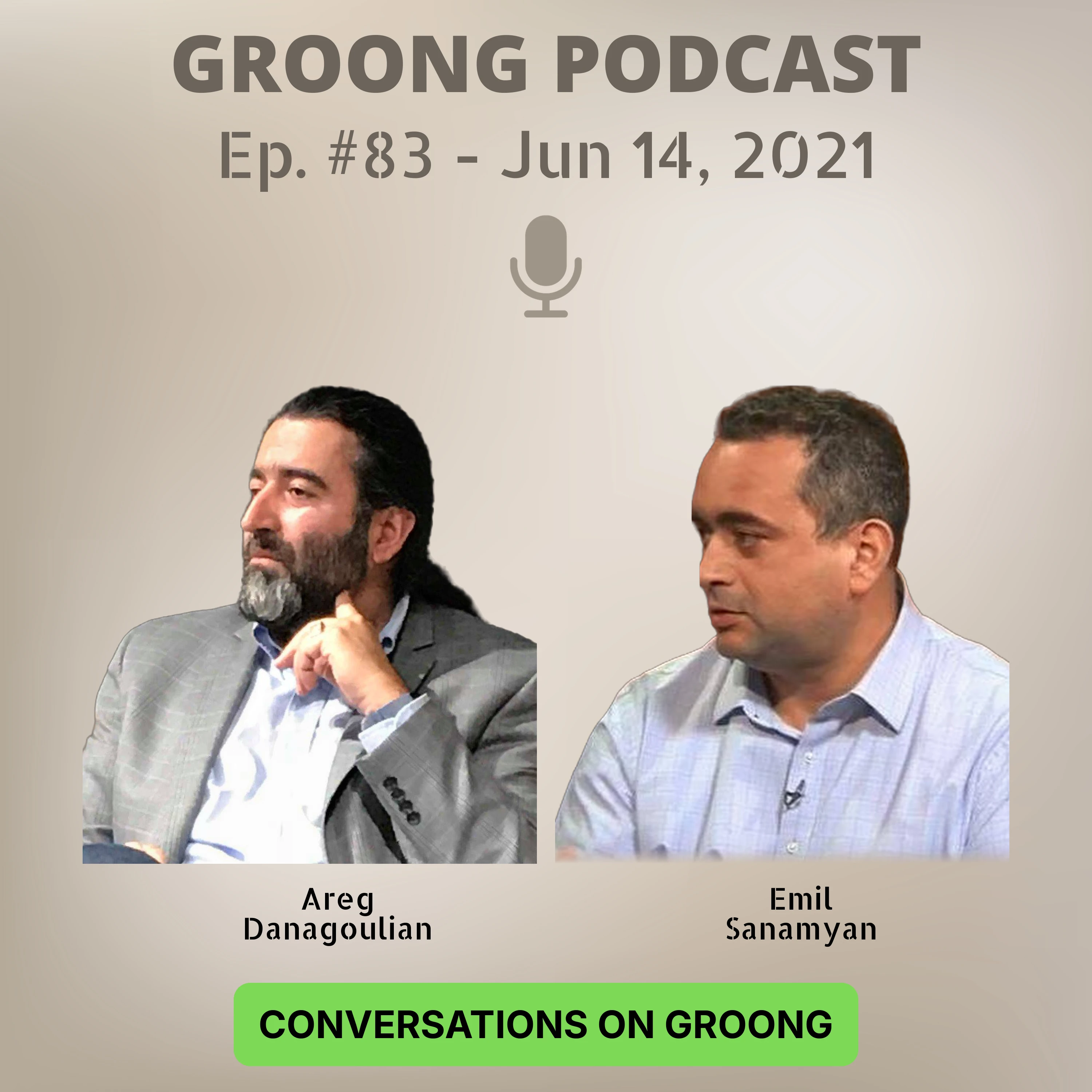
Guests:
Topic:
- This Conversations on Groong episode is our first Live Show on Clubhouse and hopefully it will be an informative, as well as an enjoyable discussion for all. We will be talking about the politics of opening the paths of communication, lifting blockades, and the rumors, facts, and fallacies around so-called âcorridorsâ through each otherâs countries.
Episode 83 | Recorded: June 14, 2021
Unblocking The South Caucasus, Facts & 'Alternative Facts' | Ep 83 - Aug 1, 2021 (Recorded 6/14/21) [EP83]
Posted on Monday, Jun 14, 2021 | Category: Armenia, Politics, Azerbaijan, Turkey, Artsakh, Nagorno Karabakh, Georgia, Iran, Russia, Artsakh Blockade, Armenian Genocide, Economy, Genocide, Israel, NATOGuests:
Topic:
- This Conversations on Groong episode is our first Live Show on Clubhouse and hopefully it will be an informative, as well as an enjoyable discussion for all. We will be talking about the politics of opening the paths of communication, lifting blockades, and the rumors, facts, and fallacies around so-called âcorridorsâ through each otherâs countries.
Episode 83 | Recorded: June 14, 2021
Armenia, Superpowers and The New Cold War | (Ep #68) - June 8, 2021 [EP68]
Posted on Tuesday, Jun 8, 2021 | Category: Russia, Armenia, Georgia, Turkey, China, Ukraine, Economy, Azerbaijan, India, Iran, Artsakh, Genocide, Middle East, Syria, Nagorno Karabakh, NATO | Series: cog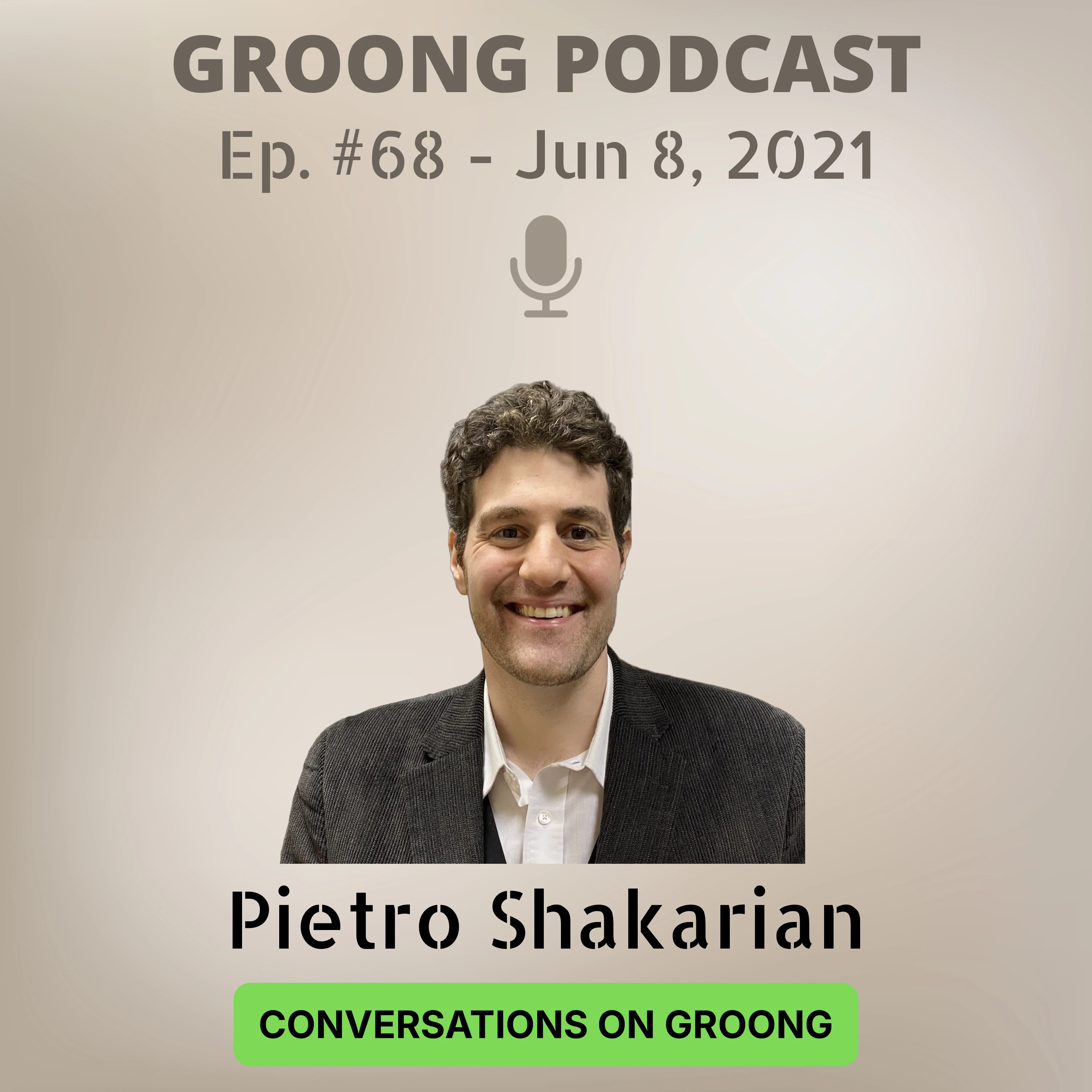
Armenia, Superpowers and The New Cold War
A Conversation with:
Guest:
- Dr. Pietro Shakarian, who is a Cleveland-based historian of Russia and the Soviet Union, with a focus on Soviet Armenia and the Caucasus during the era of Nikita Khrushchevâs Thaw.
Topics
- Democracy-building in the Post Soviet Space
- NATO and expansion
- Russia in the Caucasus
- China and the New Silk Road through Iran and Georgia
Guest(s):
Hosts:
- Hovik Manucharyan
- Asbed Bedrossian
Episode 68 | Recorded: June 4, 2021 Website: https://groong.org/podcasts/CoG-20210608.html
Armenia, Superpowers and The New Cold War | (Ep #68) - June 8, 2021 [EP68]
Posted on Tuesday, Jun 8, 2021 | Category: Russia, Armenia, Georgia, Turkey, China, Ukraine, Economy, Azerbaijan, India, Iran, Artsakh, Genocide, Middle East, Syria, Nagorno Karabakh, NATOArmenia, Superpowers and The New Cold War
A Conversation with:
Guest:
- Dr. Pietro Shakarian, who is a Cleveland-based historian of Russia and the Soviet Union, with a focus on Soviet Armenia and the Caucasus during the era of Nikita Khrushchevâs Thaw.
Topics
- Democracy-building in the Post Soviet Space
- NATO and expansion
- Russia in the Caucasus
- China and the New Silk Road through Iran and Georgia
Guest(s):
Hosts:
- Hovik Manucharyan
- Asbed Bedrossian
Episode 68 | Recorded: June 4, 2021 Website: https://groong.org/podcasts/CoG-20210608.html
A Conversation with Narek Margaryan (Ep 63) - 05/25/2021 [EP63]
Posted on Tuesday, May 25, 2021 | Category: Armenia, Turkey, Genocide, Russia, China, Iran, Armenian Genocide | Series: cog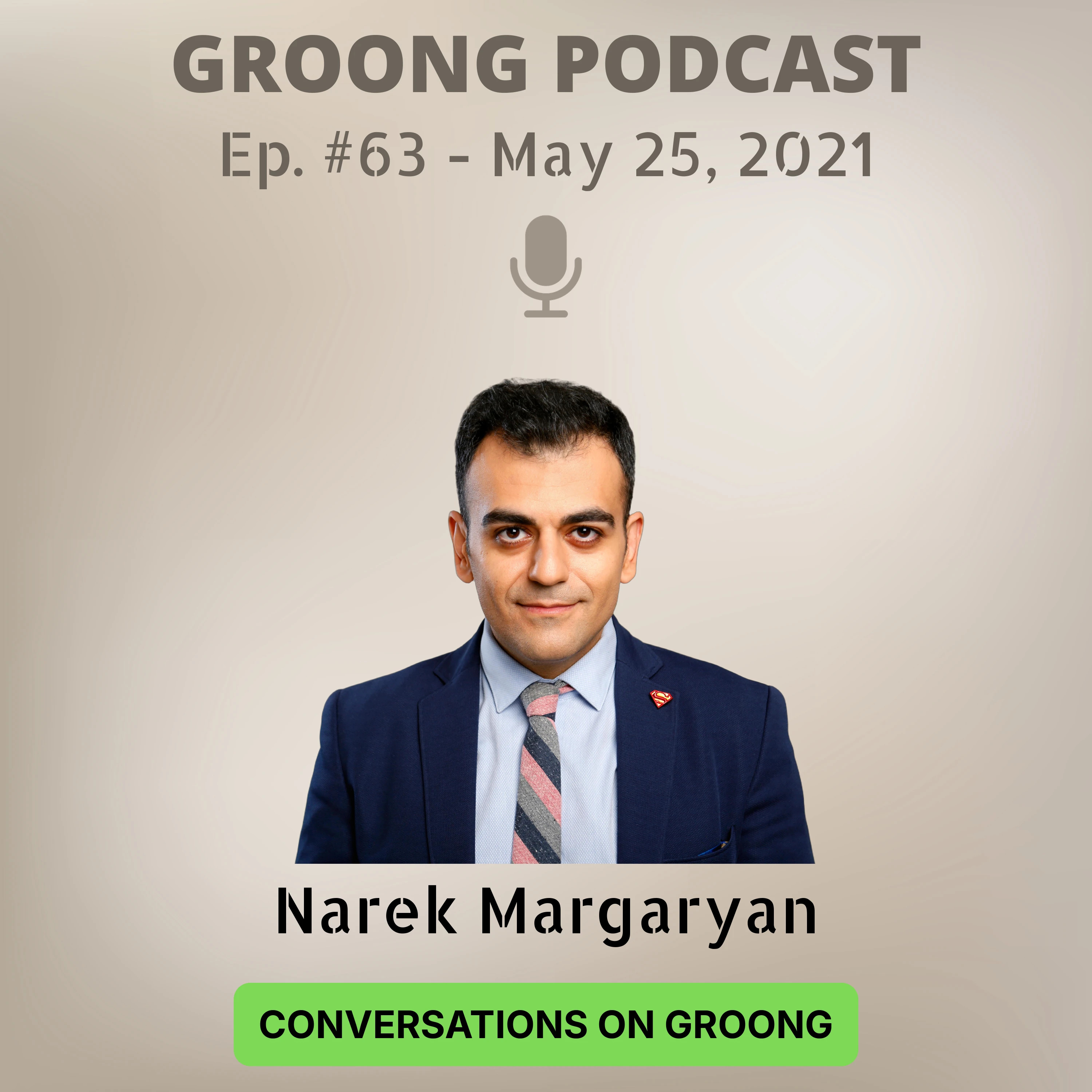
Guest(s):
A Conversation with Narek Margaryan - 05/25/2021
Guest:
Narek Margaryan is an Armenian comedian, screenwriter and TV host. Along with his co-host Sergey Sargsyan, Narek stars in ArmComedy, a satiric news show series broadcast on Armenian television and on Youtube.
Hosts
Hovik Manucharyan Asbed Bedrossian
Episode 63 | Recorded: April 25, 2021
A Conversation with Narek Margaryan (Ep 63) - 05/25/2021 [EP63]
Posted on Tuesday, May 25, 2021 | Category: Armenia, Turkey, Genocide, Russia, China, Iran, Armenian GenocideGuest(s):
A Conversation with Narek Margaryan - 05/25/2021
Guest:
Narek Margaryan is an Armenian comedian, screenwriter and TV host. Along with his co-host Sergey Sargsyan, Narek stars in ArmComedy, a satiric news show series broadcast on Armenian television and on Youtube.
Hosts
Hovik Manucharyan Asbed Bedrossian
Episode 63 | Recorded: April 25, 2021
Azerbaijan Incursion in Syunik | Lavrov in Yerevan/Baku | Electoral Politics (Ep #61) May 16, 2021 [EP61]
Posted on Monday, May 17, 2021 | Category: Armenia, Russia, Azerbaijan, Turkey, Georgia, Iran, Ukraine, China, Genocide, India, Israel, Middle East, Nagorno Karabakh, NATO | Series: wir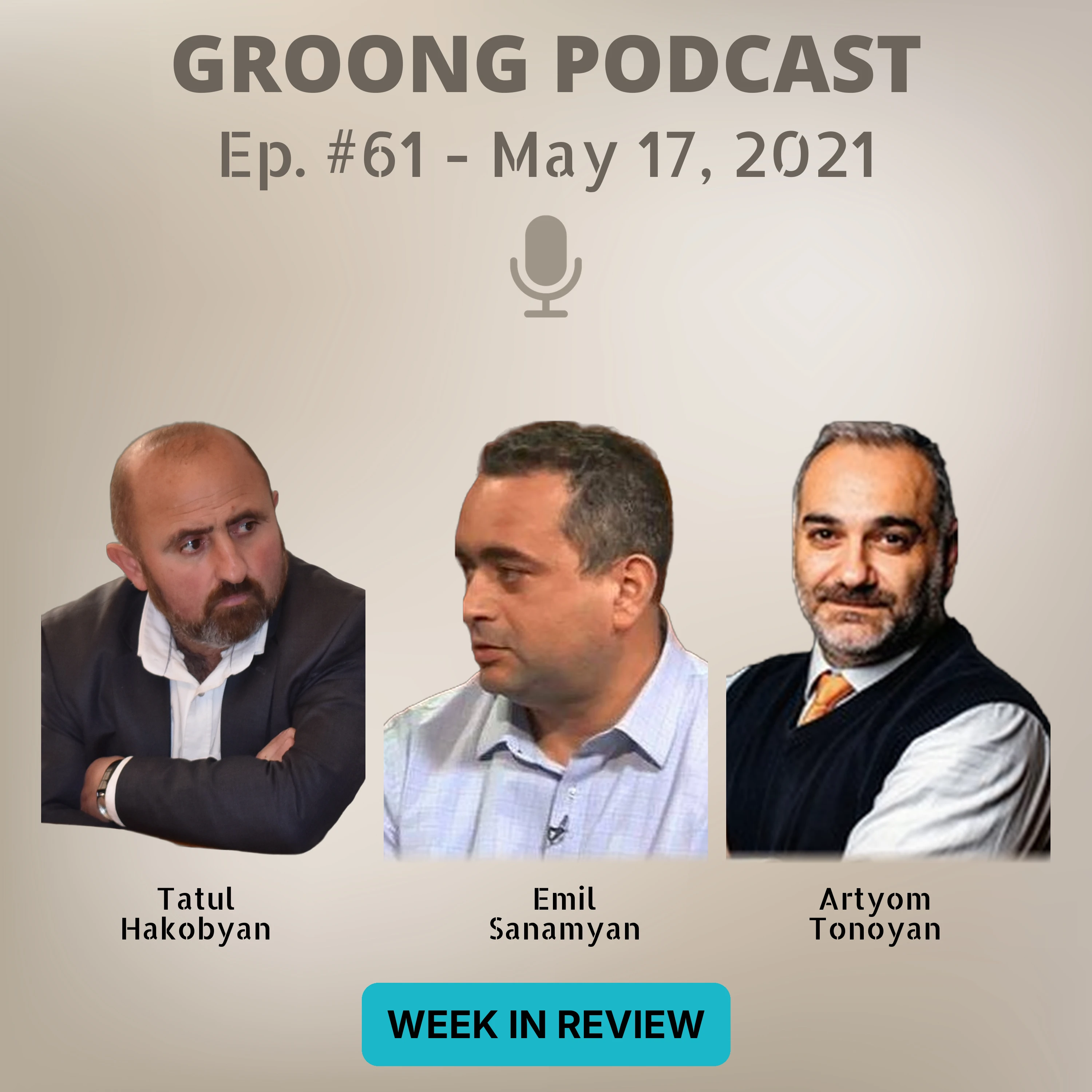
ANN/Groong Week in Review - May 16, 2021 Topics:
- Azerbaijanâs Incursion into Syunik
- Lavrovâs Visit to Yerevan and Baku
- Electoral Politics
Guests:
- Tatul Hakobyan
- Emil Sanamyan
- Artyom Tonoyan
Guest(s):
Hosts:
- Hovik Manucharyan @HovikYerevan
- Asbed Bedrossian @qubriq
Episode 60 | Recorded: May 2, 2021 Website: https://groong.org/podcasts/WiR-20210516.html
Azerbaijan Incursion in Syunik | Lavrov in Yerevan/Baku | Electoral Politics (Ep #61) May 16, 2021 [EP61]
Posted on Monday, May 17, 2021 | Category: Armenia, Russia, Azerbaijan, Turkey, Georgia, Iran, Ukraine, China, Genocide, India, Israel, Middle East, Nagorno Karabakh, NATOANN/Groong Week in Review - May 16, 2021 Topics:
- Azerbaijanâs Incursion into Syunik
- Lavrovâs Visit to Yerevan and Baku
- Electoral Politics
Guests:
- Tatul Hakobyan
- Emil Sanamyan
- Artyom Tonoyan
Guest(s):
Hosts:
- Hovik Manucharyan @HovikYerevan
- Asbed Bedrossian @qubriq
Episode 60 | Recorded: May 2, 2021 Website: https://groong.org/podcasts/WiR-20210516.html
Armenia-Russia | Iran-Russia/Iran-Armenia | Election Latest Polls | Sargsyan (Ep #60) - May 2, 2021 [EP60]
Posted on Monday, May 3, 2021 | Category: Armenia, Politics, Poll, Russia, Iran, Azerbaijan, Georgia, China, Turkey, Genocide, Geopolitics, Ukraine, Middle East, Artsakh, Economy, Nagorno Karabakh, NATO | Series: wir
ANN/Groong Week in Review - May 2, 2021
Topics:
- Armenia-Russia Relations and the New Cold War
- Iran-Russia and Iran-Armenia Relations
- Election Politics and the Latest MPG Polls
- Serge Sargsyanâs Interview
Guests:
- Marine Manucharyan @armoland
- Pietro Shakarian
Guest(s):
Hosts:
- Asbed Bedrossian @qubriq
- Hovik Manucharyan @HovikYerevan
Episode 60 | Recorded: May 2, 2021
Armenia-Russia | Iran-Russia/Iran-Armenia | Election Latest Polls | Sargsyan (Ep #60) - May 2, 2021 [EP60]
Posted on Monday, May 3, 2021 | Category: Armenia, Politics, Poll, Russia, Iran, Azerbaijan, Georgia, China, Turkey, Genocide, Geopolitics, Ukraine, Middle East, Artsakh, Economy, Nagorno Karabakh, NATOANN/Groong Week in Review - May 2, 2021
Topics:
- Armenia-Russia Relations and the New Cold War
- Iran-Russia and Iran-Armenia Relations
- Election Politics and the Latest MPG Polls
- Serge Sargsyanâs Interview
Guests:
- Marine Manucharyan @armoland
- Pietro Shakarian
Guest(s):
Hosts:
- Asbed Bedrossian @qubriq
- Hovik Manucharyan @HovikYerevan
Episode 60 | Recorded: May 2, 2021
PM Roadmap, NA Polls | Syunik | Recognized. What next? | Stepanakert | Space! - Ep #59: 2021-04-25 [EP59]
Posted on Monday, Apr 26, 2021 | Category: Armenia, Turkey, Azerbaijan, Russia, Genocide, Armenian Genocide, Georgia, Iran, Economy, Israel, Artsakh, China, Syria, Armenian Church, Nagorno Karabakh | Series: wir
ANN/Groong Week in Review - April 25, 2021
Topics:
- Nikol Pashinyanâs Roadmap & Snap Parliamentary Polls
- The Visit to Syunik
- Biden Recognizes the Armenian Genocide, Now What?
- Update from Stepanakert
- Are we Going to Mars?
Guests:
- Tevan Poghosyan
- Emil Sanamyan
Guest(s):
Hosts:
- Asbed Bedrossian
- Hovik Manucharyan
Website: https://groong.org/podcasts/WiR-20210425.html Episode 59 | Recorded: April 25, 2021
PM Roadmap, NA Polls | Syunik | Recognized. What next? | Stepanakert | Space! - Ep #59: 2021-04-25 [EP59]
Posted on Monday, Apr 26, 2021 | Category: Armenia, Turkey, Azerbaijan, Russia, Genocide, Armenian Genocide, Georgia, Iran, Economy, Israel, Artsakh, China, Syria, Armenian Church, Nagorno KarabakhANN/Groong Week in Review - April 25, 2021
Topics:
- Nikol Pashinyanâs Roadmap & Snap Parliamentary Polls
- The Visit to Syunik
- Biden Recognizes the Armenian Genocide, Now What?
- Update from Stepanakert
- Are we Going to Mars?
Guests:
- Tevan Poghosyan
- Emil Sanamyan
Guest(s):
Hosts:
- Asbed Bedrossian
- Hovik Manucharyan
Website: https://groong.org/podcasts/WiR-20210425.html Episode 59 | Recorded: April 25, 2021
Guest(s):
ANN/Groong Week in Review - March 28, 2021
Topics:
- Whatâs Going on with the Armed Forces?
- Turkey: Enemy No More?
- What Just Happened in the General Staff?
- Morale and Readiness of the Armed Forces
- The Defense Budget
- Report from Syunik
Guests
- George Tabakian
- Karen Vrtanesyan
Hosts
- Hovik Manucharyan
- Asbed Bedrossian
Website: https://groong.org/podcasts/WiR-20210328.html Episode 55 | Recorded: March 28, 2021
Guest(s):
ANN/Groong Week in Review - March 28, 2021
Topics:
- Whatâs Going on with the Armed Forces?
- Turkey: Enemy No More?
- What Just Happened in the General Staff?
- Morale and Readiness of the Armed Forces
- The Defense Budget
- Report from Syunik
Guests
- George Tabakian
- Karen Vrtanesyan
Hosts
- Hovik Manucharyan
- Asbed Bedrossian
Website: https://groong.org/podcasts/WiR-20210328.html Episode 55 | Recorded: March 28, 2021
Guest(s):
ANN/Groong Week in Review - March 21, 2021
Topics:
- Snap On - June 20th!
- Gas Through Azerbaijan
- Military Exercises by Armenia and Azerbaijan
Guests
- David Davidian
- Emil Sanamyan
Hosts
- Hovik Manucharyan
- Asbed Bedrossian
Website: https://groong.org/podcasts/WiR-20210321.html Episode 54 | Recorded: March 21, 2021
Guest(s):
ANN/Groong Week in Review - March 21, 2021
Topics:
- Snap On - June 20th!
- Gas Through Azerbaijan
- Military Exercises by Armenia and Azerbaijan
Guests
- David Davidian
- Emil Sanamyan
Hosts
- Hovik Manucharyan
- Asbed Bedrossian
Website: https://groong.org/podcasts/WiR-20210321.html Episode 54 | Recorded: March 21, 2021
Supreme Judicial Council | Turk-Azerbaijani Military Exercises in Kars | Blinken on Armenia (Ep #45) [EP45]
Posted on Monday, Jan 25, 2021 | Category: Armenia, Azerbaijan, Russia, Turkey, Iran, Genocide, Syria, Artsakh, Armenian Genocide, Israel, Nagorno Karabakh, NATO | Series: wir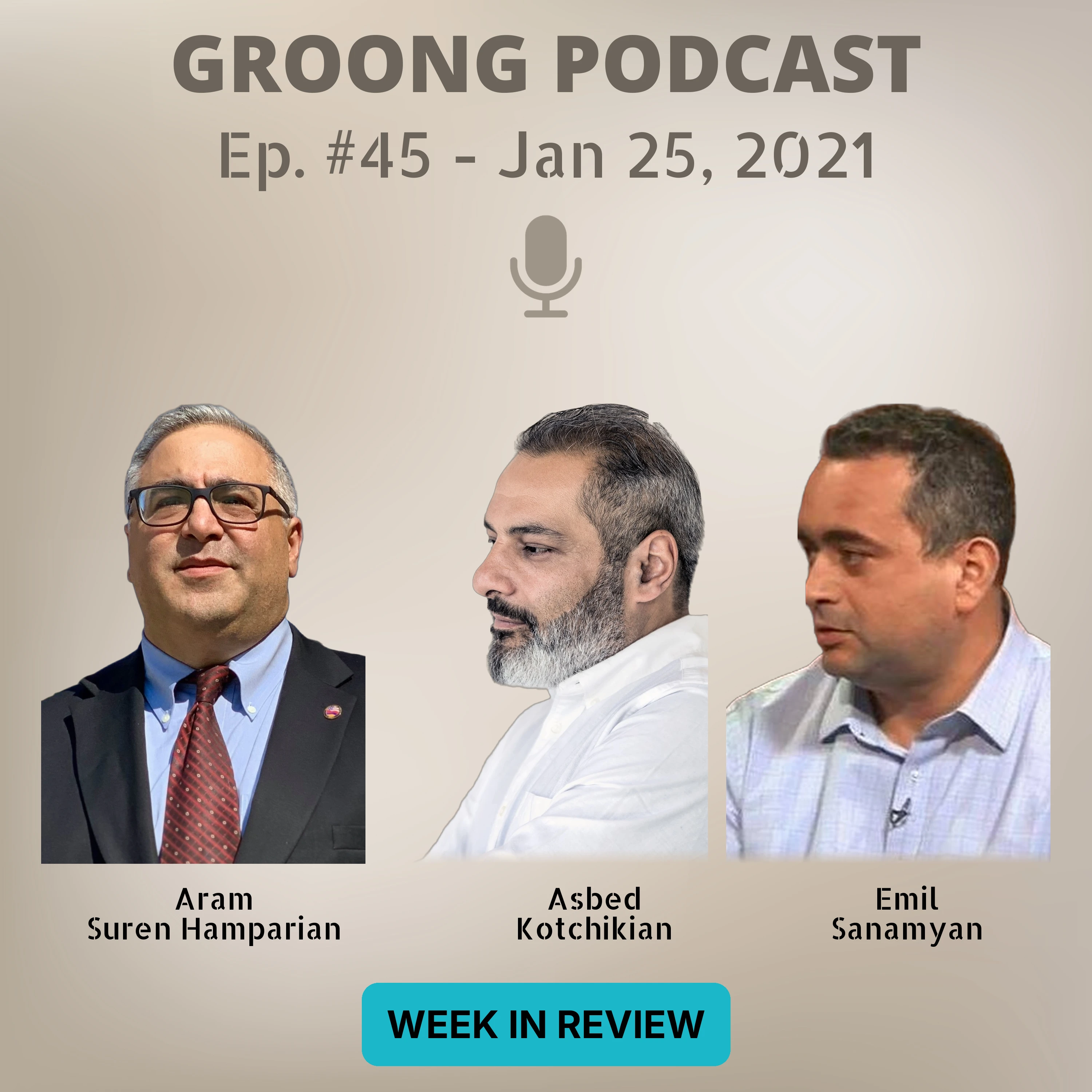
Guest(s):
ANN/Groong Week in Review - Jan 24, 2021
Topics Covered:
- Supreme Judicial Council Appointments
- Turkish-Azerbaijan Military Exercises in Kars Region
- Incoming US Secretary of State Tony Blinken on Armenia
Guests
- Aram Hamparian
- Asbed Kotchikian
- Emil Sanamyan
Your Hosts:
- Asbed Bedrossian
- Hovik Manucharyan
Website: https://groong.org/podcasts/WiR-20210124.html Episode 45 | Recorded on January 24, 2021
Supreme Judicial Council | Turk-Azerbaijani Military Exercises in Kars | Blinken on Armenia (Ep #45) [EP45]
Posted on Monday, Jan 25, 2021 | Category: Armenia, Azerbaijan, Russia, Turkey, Iran, Genocide, Syria, Artsakh, Armenian Genocide, Israel, Nagorno Karabakh, NATOGuest(s):
ANN/Groong Week in Review - Jan 24, 2021
Topics Covered:
- Supreme Judicial Council Appointments
- Turkish-Azerbaijan Military Exercises in Kars Region
- Incoming US Secretary of State Tony Blinken on Armenia
Guests
- Aram Hamparian
- Asbed Kotchikian
- Emil Sanamyan
Your Hosts:
- Asbed Bedrossian
- Hovik Manucharyan
Website: https://groong.org/podcasts/WiR-20210124.html Episode 45 | Recorded on January 24, 2021
Armen Ashotyan - Opposition Talks | Ep 44, Jan 19, 2021 [EP44]
Posted on Tuesday, Jan 19, 2021 | Category: Armenia, Politics, Artsakh, Nagorno Karabakh, Armenian Genocide, Azerbaijan, Russia, China, European Union, Genocide, Geopolitics, Turkey | Series: cog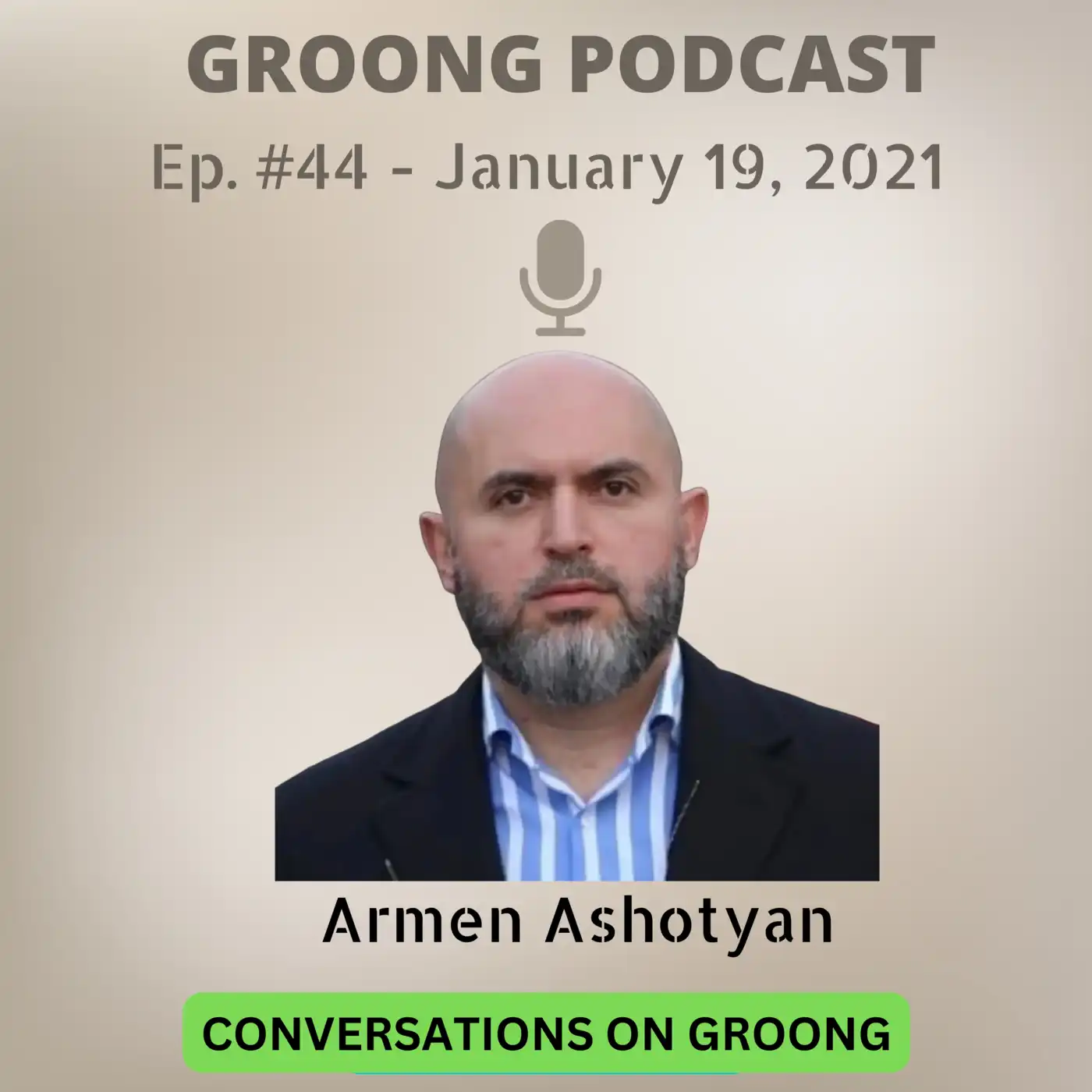
Groong Links:
Guest:
- Armen Ashotyan , MP, VP Republican Party of Armenia (HHK)
Topics:
- What took place in 2018?
- Why did RPA support Vazgen Manukyan as PM candidate?
- Nov. 9/10 ceasefire agreement & Jan 11 statement
- Is the RPA truly serious about removing Pashinyan? Why hasnât the opposition mobilized more people onto the streets?
- Lessons learned from Dec. 2018 elections.
Episode 44 | Recorded on January 17, 2021
Armen Ashotyan - Opposition Talks | Ep 44, Jan 19, 2021 [EP44]
Posted on Tuesday, Jan 19, 2021 | Category: Armenia, Politics, Artsakh, Nagorno Karabakh, Armenian Genocide, Azerbaijan, Russia, China, European Union, Genocide, Geopolitics, TurkeyGroong Links:
Guest:
- Armen Ashotyan , MP, VP Republican Party of Armenia (HHK)
Topics:
- What took place in 2018?
- Why did RPA support Vazgen Manukyan as PM candidate?
- Nov. 9/10 ceasefire agreement & Jan 11 statement
- Is the RPA truly serious about removing Pashinyan? Why hasnât the opposition mobilized more people onto the streets?
- Lessons learned from Dec. 2018 elections.
Episode 44 | Recorded on January 17, 2021
Opposition Talks: Edmon Marukyan of Bright Armenia Party (Ep. 36) [EP36]
Posted on Wednesday, Dec 23, 2020 | Category: Armenia, Russia, Turkey, Economy, Genocide, Human Rights, NATO | Series: cog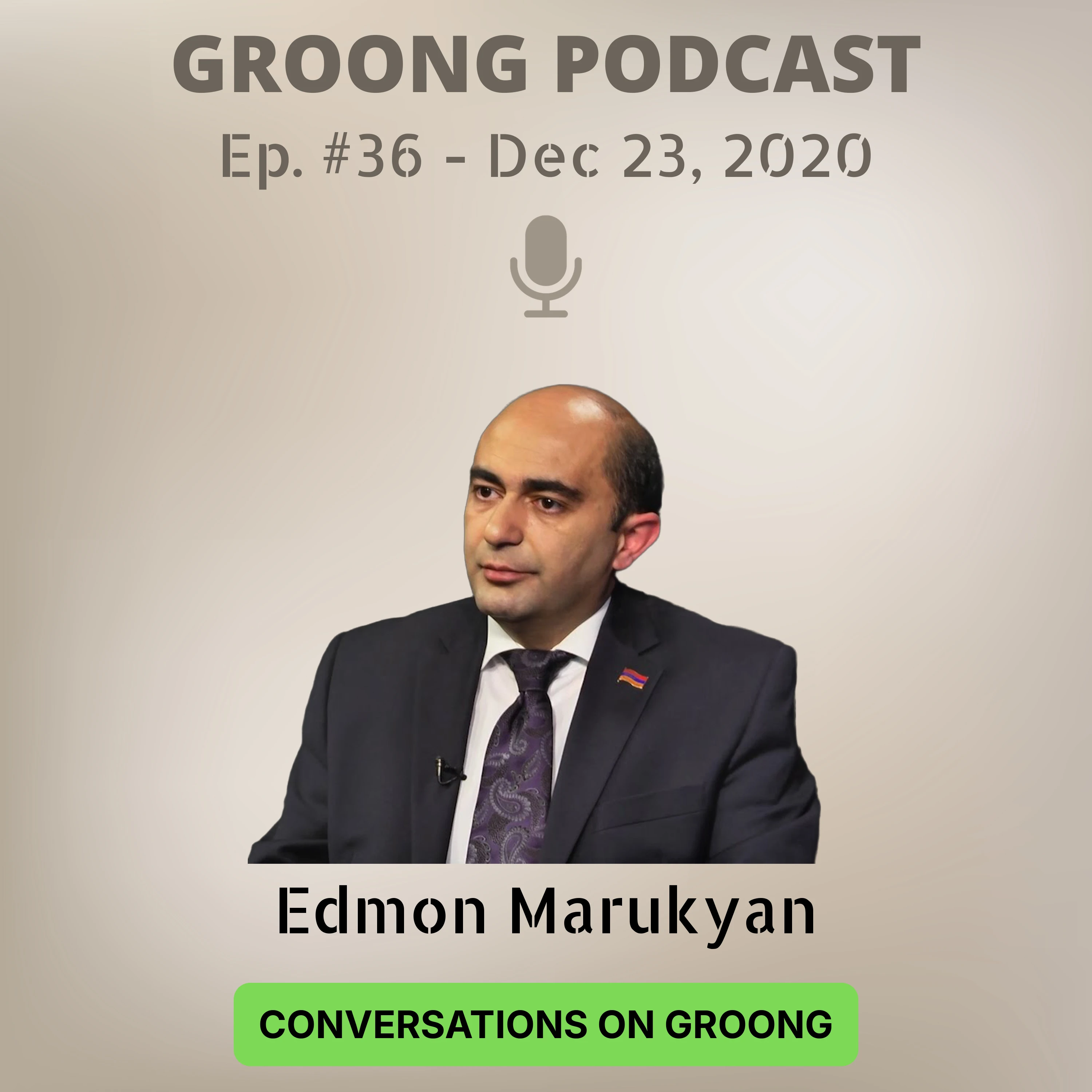
Guest(s):
Conversation with Bright Armenia’s Edmon Marukyan
Following the trilateral Karabakh ceasefire of Nov 9, all major political forces in Armenia (except for the ruling party) condemned Nikol Pashinyanâs agreement to the deal. While the dissatisfaction with the agreement is widespread, the opposition is not entirely unified on what to do next.
Weâll talk with the leader of one of the 2 parliamentary opposition factions, Bright Armenia about his, and his partyâs vision and subsequent actions to be taken by Armenia.
What is Bright Armeniaâs vision for post
Read MoreOpposition Talks: Edmon Marukyan of Bright Armenia Party (Ep. 36) [EP36]
Posted on Wednesday, Dec 23, 2020 | Category: Armenia, Russia, Turkey, Economy, Genocide, Human Rights, NATOGuest(s):
Conversation with Bright Armenia’s Edmon Marukyan
Following the trilateral Karabakh ceasefire of Nov 9, all major political forces in Armenia (except for the ruling party) condemned Nikol Pashinyanâs agreement to the deal. While the dissatisfaction with the agreement is widespread, the opposition is not entirely unified on what to do next.
Weâll talk with the leader of one of the 2 parliamentary opposition factions, Bright Armenia about his, and his partyâs vision and subsequent actions to be taken by Armenia.
What is Bright Armeniaâs vision for post
Read MoreOpposition Talks: Arthur Khachatryan - ARF Dashnaktsutyun (Ep. 34) [EP34]
Posted on Saturday, Dec 19, 2020 | Category: Armenia, Russia, Armenian Genocide, Economy, Genocide, Turkey | Series: cog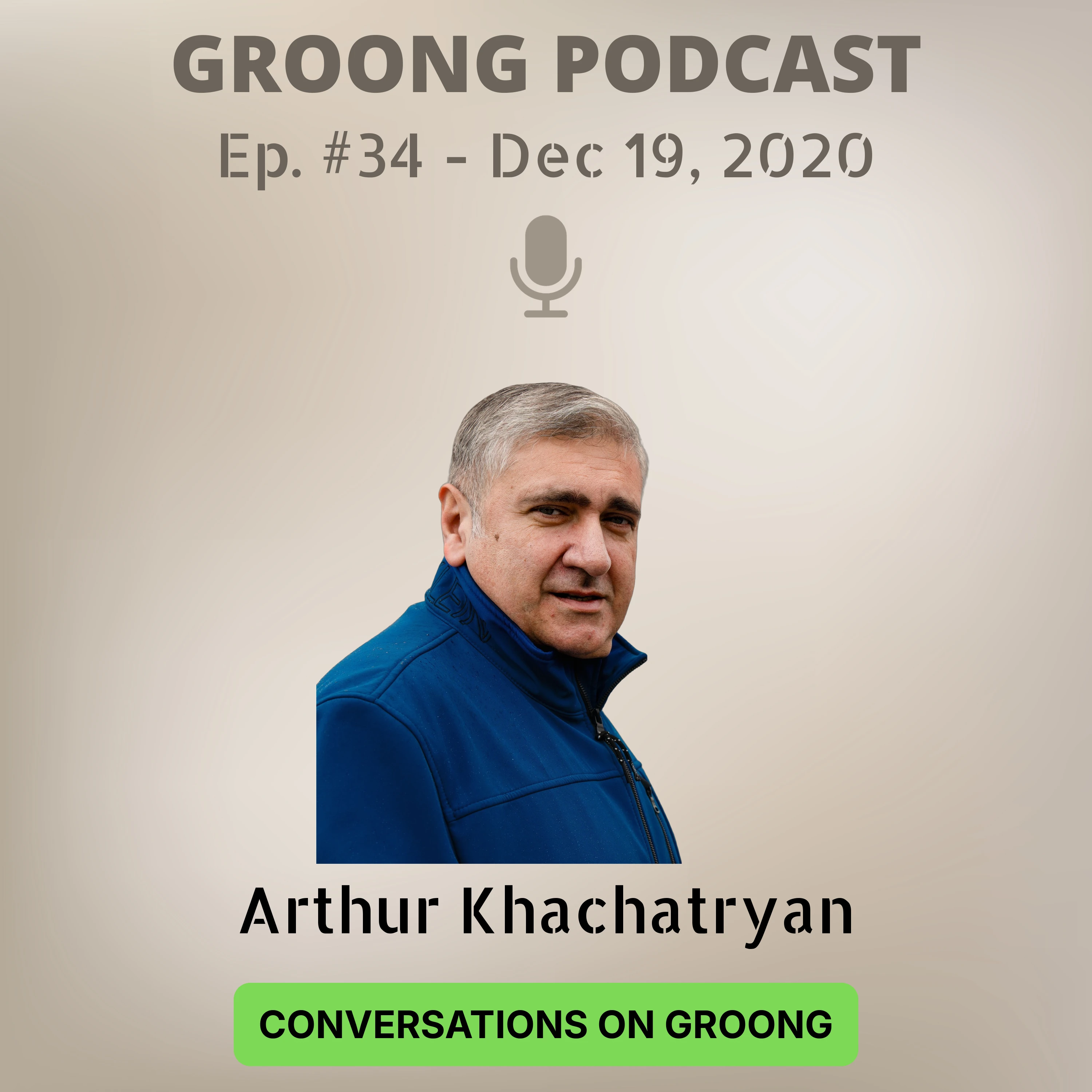
Guest(s):
Conversation with ARF’s Arthur Khachatryan
Following the trilateral Karabakh ceasefire of Nov 9, the Armenian opposition has nearly universally condemned Nikol Pashinyanâs agreement to the deal. The largest opposition grouping, called Movement of the Salvation of the Homeland (ÕÕ¡ÕµÖÕ¥Õ¶Õ«ÖÕ« ÖÖÕ¯Õ¸ÖÕ©ÕµÕ¡Õ¶ Õ·Õ¡ÕªÕ¸ÖÕ´ in Armenian), composed of 17 political parties including the Armenian Revolutionary Federation (ARF), Prosperous Armenia, and the Republican Party, are demanding Pashinyanâs immediate resignation and the appointment of their
Read MoreOpposition Talks: Arthur Khachatryan - ARF Dashnaktsutyun (Ep. 34) [EP34]
Posted on Saturday, Dec 19, 2020 | Category: Armenia, Russia, Armenian Genocide, Economy, Genocide, TurkeyGuest(s):
Conversation with ARF’s Arthur Khachatryan
Following the trilateral Karabakh ceasefire of Nov 9, the Armenian opposition has nearly universally condemned Nikol Pashinyanâs agreement to the deal. The largest opposition grouping, called Movement of the Salvation of the Homeland (ÕÕ¡ÕµÖÕ¥Õ¶Õ«ÖÕ« ÖÖÕ¯Õ¸ÖÕ©ÕµÕ¡Õ¶ Õ·Õ¡ÕªÕ¸ÖÕ´ in Armenian), composed of 17 political parties including the Armenian Revolutionary Federation (ARF), Prosperous Armenia, and the Republican Party, are demanding Pashinyanâs immediate resignation and the appointment of their
Read More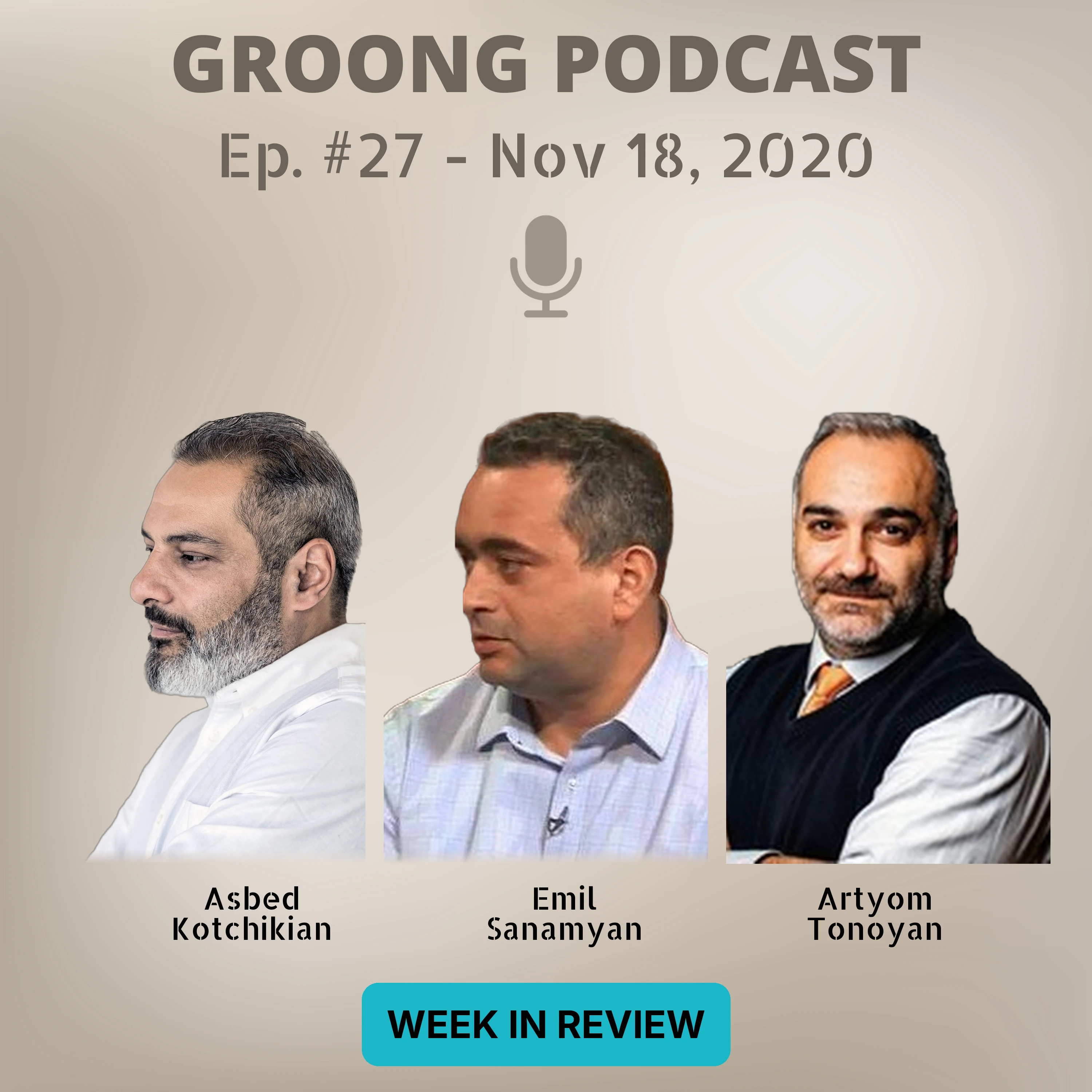
Guest(s):
ANN/Groong Week in Review Episode 27 - Nov 15, 2020
Topics Covered:
- The war ends. What are the terms of the deal?
- Pax Russiana
- The extent of Turkeyâs presence in Azerbaijan
- Jubilation in Baku
Your Hosts:
- Asbed Bedrossian
- Hovik Manucharyan
Resident Panelists:
- Asbed Kotchikian
- Emil Sanamyan
- Artyom Tonoyan
Recorded: Nov 15, 2020
Guest(s):
ANN/Groong Week in Review Episode 27 - Nov 15, 2020
Topics Covered:
- The war ends. What are the terms of the deal?
- Pax Russiana
- The extent of Turkeyâs presence in Azerbaijan
- Jubilation in Baku
Your Hosts:
- Asbed Bedrossian
- Hovik Manucharyan
Resident Panelists:
- Asbed Kotchikian
- Emil Sanamyan
- Artyom Tonoyan
Recorded: Nov 15, 2020
Armeenia and Artsakh in the Arab Media (Ep #24) - 10/28/2020 [EP24]
Posted on Monday, Nov 2, 2020 | Category: Armenia, Turkey, Syria, Lebanon, Azerbaijan, Middle East, Genocide, Armenian Genocide, Iran, Artsakh, Israel, Russia, Armenian Church, Nagorno Karabakh | Series: cog
Guest(s):
Conversations on Groong: Artsakh in the Arab Media - Oct 28, 2020
Since September 27, Azerbaijan has been waging an all out war on Artsakh, cluster-bombing towns and villages and killing civilians and destroying churches and cultural centers, with the aim to destroy and depopulate the region. The worldwide Armenian Diaspora has come together to fight this existential threat.
Weâve read much about the Diasporaâs activities around most of the world, but what about the Arab world? This episode explores some of the challenges and opportunities that
Read MoreArmeenia and Artsakh in the Arab Media (Ep #24) - 10/28/2020 [EP24]
Posted on Monday, Nov 2, 2020 | Category: Armenia, Turkey, Syria, Lebanon, Azerbaijan, Middle East, Genocide, Armenian Genocide, Iran, Artsakh, Israel, Russia, Armenian Church, Nagorno KarabakhGuest(s):
Conversations on Groong: Artsakh in the Arab Media - Oct 28, 2020
Since September 27, Azerbaijan has been waging an all out war on Artsakh, cluster-bombing towns and villages and killing civilians and destroying churches and cultural centers, with the aim to destroy and depopulate the region. The worldwide Armenian Diaspora has come together to fight this existential threat.
Weâve read much about the Diasporaâs activities around most of the world, but what about the Arab world? This episode explores some of the challenges and opportunities that
Read More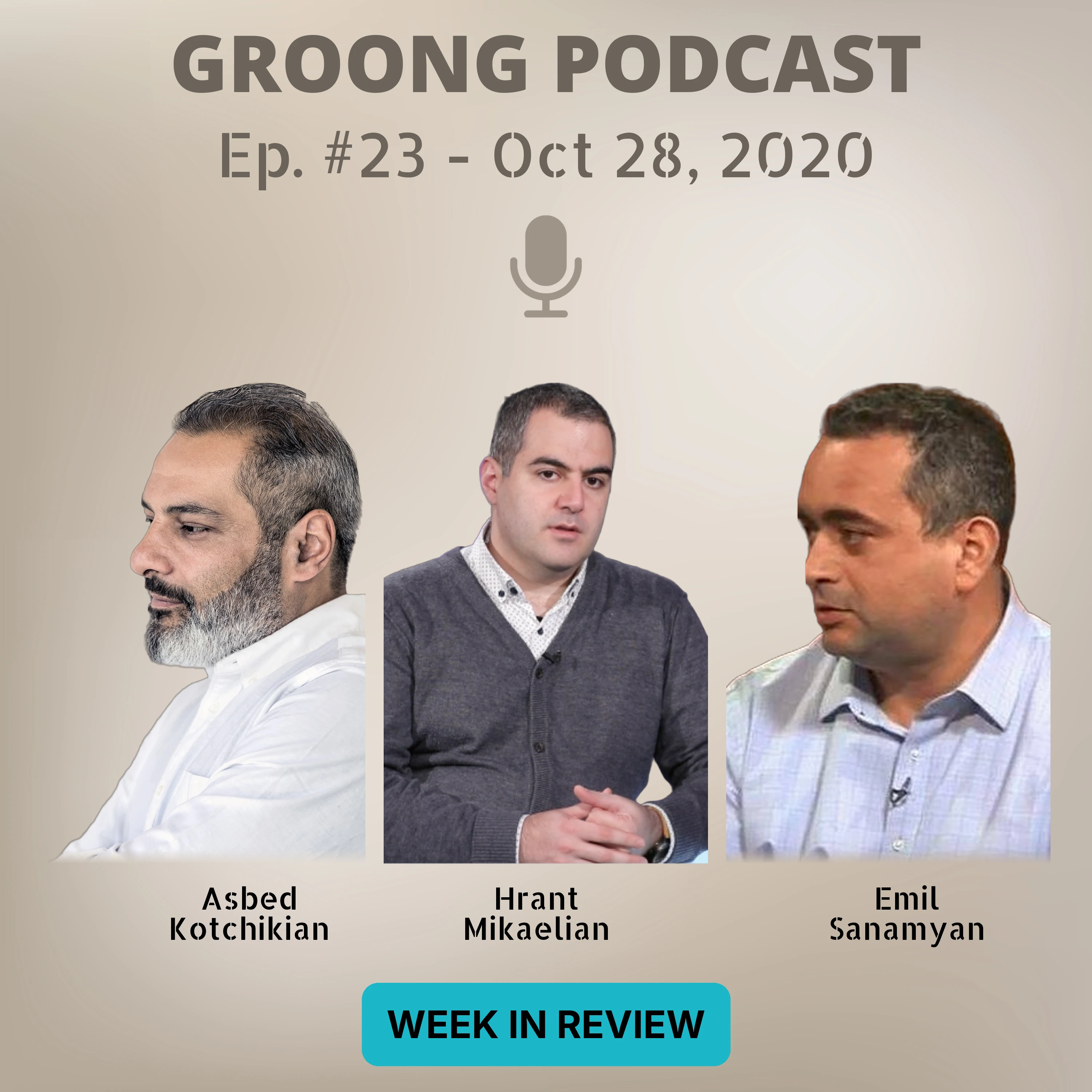
Guest(s):
ANN/Groong Week in Review - 10/25/2020
Topics Covered:
- International diplomacy on the move?
- What is Turkeyâs endgame?
- War and post-war economy
- Update on COVID
Guests:
- Asbed Kotchikian
- Hrant Mikaelian
- Emil Sanamyan
Your Hosts:
- Hovik Manucharyan
- Asbed Bedrossian
Website: https://groong.org/podcasts/WiR-20201025.html Episode 23 | Recorded on October 25, 2020
International diplomacy | Turkey’s endgame | War and post-war economy | Update on COVID - 10/25/2020 [EP23]
Posted on Wednesday, Oct 28, 2020 | Category: Armenia, Russia, Turkey, Syria, Iran, Economy, Armenian Genocide, Genocide, LebanonGuest(s):
ANN/Groong Week in Review - 10/25/2020
Topics Covered:
- International diplomacy on the move?
- What is Turkeyâs endgame?
- War and post-war economy
- Update on COVID
Guests:
- Asbed Kotchikian
- Hrant Mikaelian
- Emil Sanamyan
Your Hosts:
- Hovik Manucharyan
- Asbed Bedrossian
Website: https://groong.org/podcasts/WiR-20201025.html Episode 23 | Recorded on October 25, 2020
Artsakh War: Security situation | Diplomatic activity | Humanitarian impact (Ep. 21) [EP21]
Posted on Tuesday, Oct 13, 2020 | Category: Armenia, Turkey, Russia, Human Rights, Genocide, Syria | Series: wir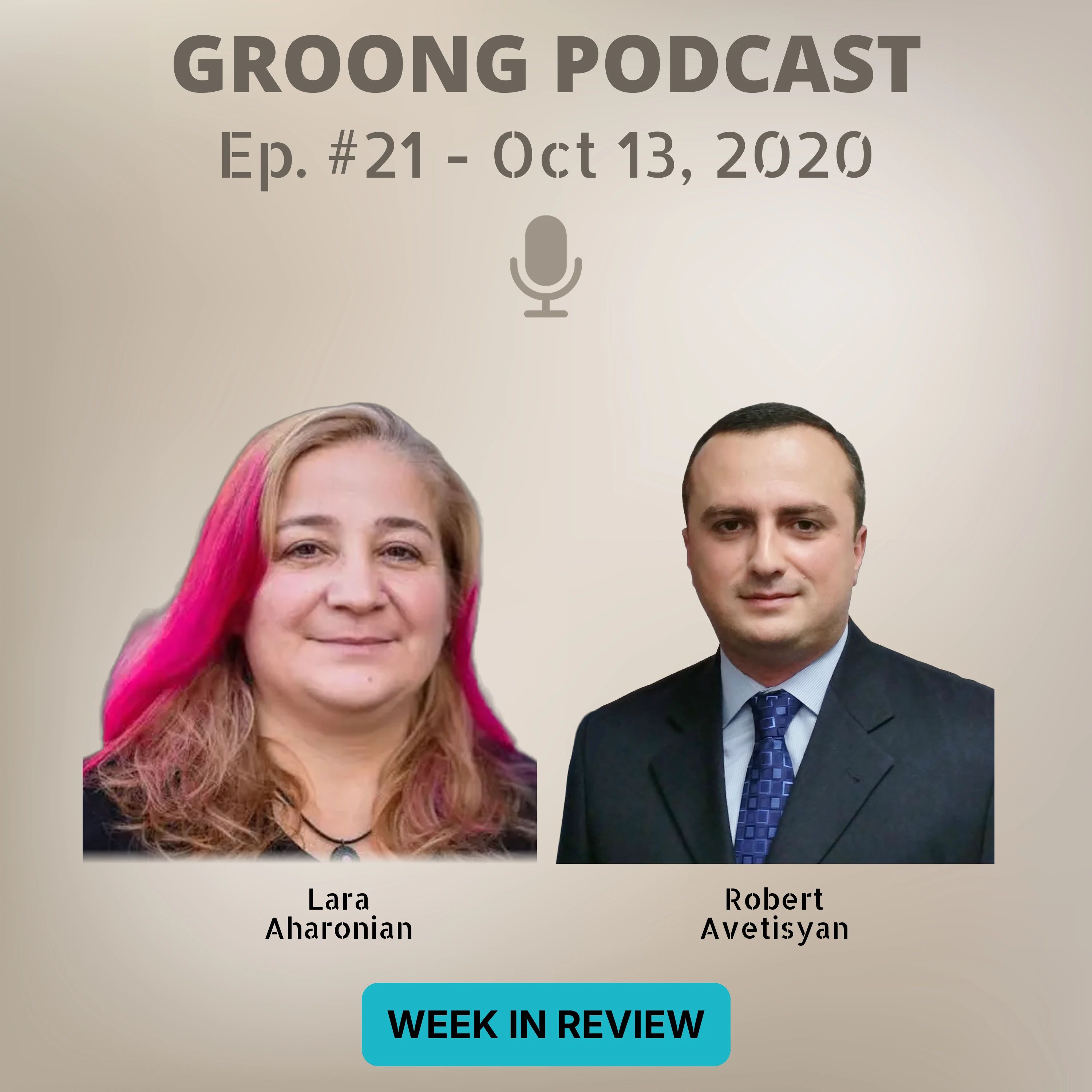
Guest(s):
ANN/Groong Week in Review - October 12, 2020
Topics Covered:
- Security situation on the ground;
- Diplomatic activity, short & long term goals;
- Humanitarian impact in Artsakh & Armenia;
- Effect of social media on the war.
Your Hosts:
- Asbed Bedrossian
- Asbed Kotchikian
Resident Panelists:
- Lara Aharonian: Co-founder & co-director of the Women’s Resource Center NGO in Yerevan
- Robert Avetisyan: Representative of Nagorno Karabakh Republic in the US
Episode 21 Recorded: Oct 12, 2020 Full details: https://groong.org/podcasts/WiR-20201012.html Playlist: WiR (Week in Review)
Artsakh War: Security situation | Diplomatic activity | Humanitarian impact (Ep. 21) [EP21]
Posted on Tuesday, Oct 13, 2020 | Category: Armenia, Turkey, Russia, Human Rights, Genocide, SyriaGuest(s):
ANN/Groong Week in Review - October 12, 2020
Topics Covered:
- Security situation on the ground;
- Diplomatic activity, short & long term goals;
- Humanitarian impact in Artsakh & Armenia;
- Effect of social media on the war.
Your Hosts:
- Asbed Bedrossian
- Asbed Kotchikian
Resident Panelists:
- Lara Aharonian: Co-founder & co-director of the Women’s Resource Center NGO in Yerevan
- Robert Avetisyan: Representative of Nagorno Karabakh Republic in the US
Episode 21 Recorded: Oct 12, 2020 Full details: https://groong.org/podcasts/WiR-20201012.html Playlist: WiR (Week in Review)
Armenia-Azerbaijan Conflict in Regional Context - Libaridian / De Waal (Ep. 19) [EP19]
Posted on Saturday, Oct 3, 2020 | Category: Russia, Armenia, Azerbaijan, Turkey, Iran, Middle East, Genocide, Artsakh, China, Geopolitics, Georgia, Human Rights, India, Lebanon, Syria, Nagorno Karabakh, NATO | Series: cog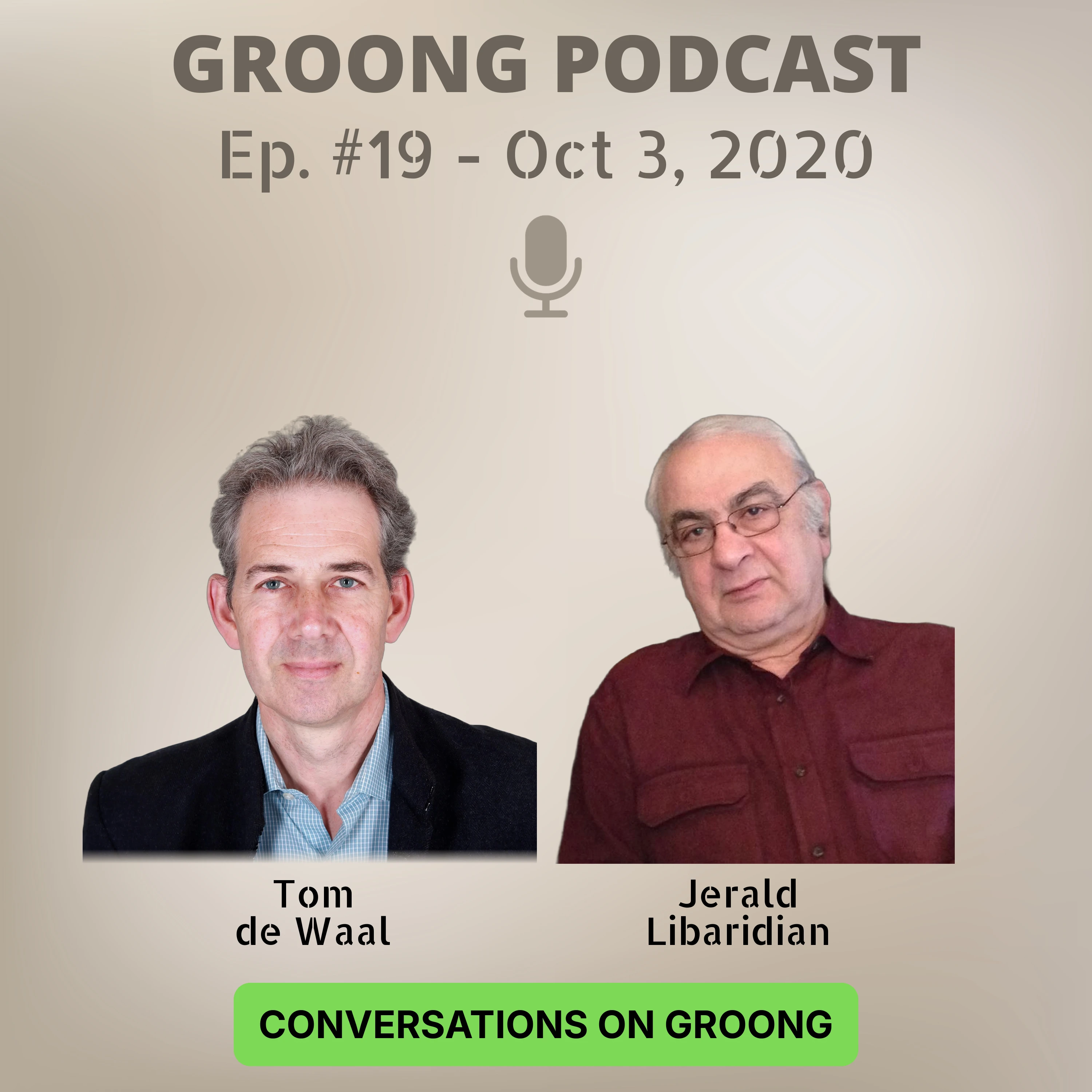
Guest(s):
Conversations on Groong - October 3, 2020
It has now been 7 days since Azerbaijan initiated a wide-scale attack against Armenia and Artsakh. The tragic news of deaths and destruction continue to stream in every hour.
In todayâs conversation on Groong, we talk to Jirair Libaridian and Thomas DeWaal about the regional geopolitics that helped create a ripe environment for renewed fighting and various potential scenarios that may develop as a result of it.
Questions explored:
- What was the path leading to the latest escalation?
- Why has Turkey taken an
Armenia-Azerbaijan Conflict in Regional Context - Libaridian / De Waal (Ep. 19) [EP19]
Posted on Saturday, Oct 3, 2020 | Category: Russia, Armenia, Azerbaijan, Turkey, Iran, Middle East, Genocide, Artsakh, China, Geopolitics, Georgia, Human Rights, India, Lebanon, Syria, Nagorno Karabakh, NATOGuest(s):
Conversations on Groong - October 3, 2020
It has now been 7 days since Azerbaijan initiated a wide-scale attack against Armenia and Artsakh. The tragic news of deaths and destruction continue to stream in every hour.
In todayâs conversation on Groong, we talk to Jirair Libaridian and Thomas DeWaal about the regional geopolitics that helped create a ripe environment for renewed fighting and various potential scenarios that may develop as a result of it.
Questions explored:
- What was the path leading to the latest escalation?
- Why has Turkey taken an
ANN/Groong Week in Review - (Ep #18) - 09/27/2020 [EP18]
Posted on Monday, Sep 28, 2020 | Category: Armenia, Azerbaijan, Iran, Israel, Russia, Georgia, Turkey, Syria, Artsakh, China, Economy, Genocide, Lebanon, Ukraine, Nagorno Karabakh, Armenian Genocide | Series: wir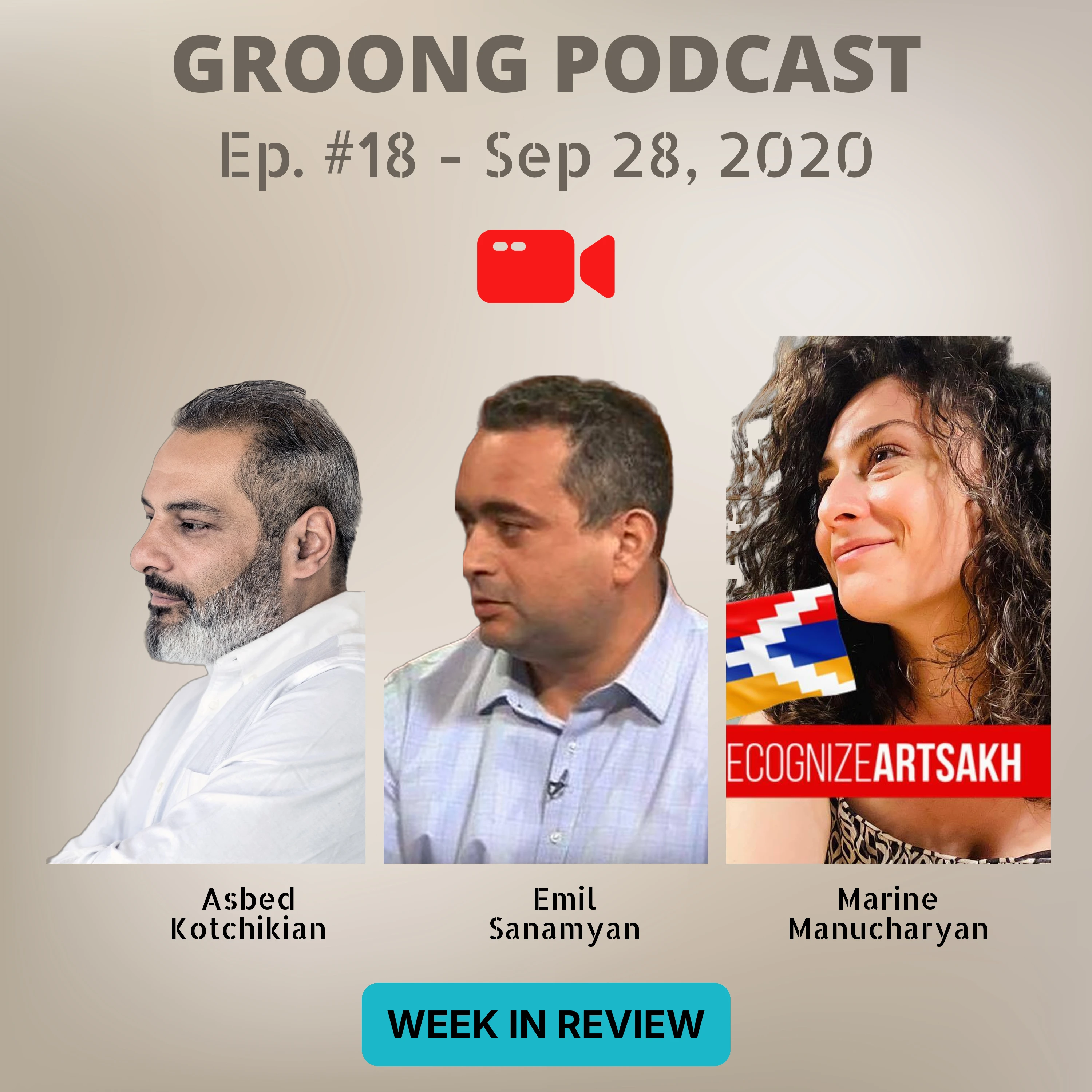
Guest(s):
ANN/Groong Week in Review - (Ep #18) - 09/27/2020
Topics:
- The 29th Anniversary of Armenian Independence;
- Armeniaâs foreign policy;
- Azerbaijan war of disinformation; and lastly
- Opposition trio rally and Tsarukyanâs arrest
Guests
- Asbed Kotchikian
- Marine Manucharyan
- Emil Sanamyan
Hosts
- Asbed Bedrossian
- Hovik Manucharyan
Website: https://groong.org/podcasts/WiR-20200927.html Episode 18 | Recorded on September 26, 2020
ANN/Groong Week in Review - (Ep #18) - 09/27/2020 [EP18]
Posted on Monday, Sep 28, 2020 | Category: Armenia, Azerbaijan, Iran, Israel, Russia, Georgia, Turkey, Syria, Artsakh, China, Economy, Genocide, Lebanon, Ukraine, Nagorno Karabakh, Armenian GenocideGuest(s):
ANN/Groong Week in Review - (Ep #18) - 09/27/2020
Topics:
- The 29th Anniversary of Armenian Independence;
- Armeniaâs foreign policy;
- Azerbaijan war of disinformation; and lastly
- Opposition trio rally and Tsarukyanâs arrest
Guests
- Asbed Kotchikian
- Marine Manucharyan
- Emil Sanamyan
Hosts
- Asbed Bedrossian
- Hovik Manucharyan
Website: https://groong.org/podcasts/WiR-20200927.html Episode 18 | Recorded on September 26, 2020
ANN/Groong Week in Review - (Ep #16) - 09/20/2020 [EP16]
Posted on Monday, Sep 21, 2020 | Category: Armenia, Russia, Azerbaijan, Turkey, Genocide, Human Rights, Israel, Armenian Church, Armenian Genocide, NATO | Series: wir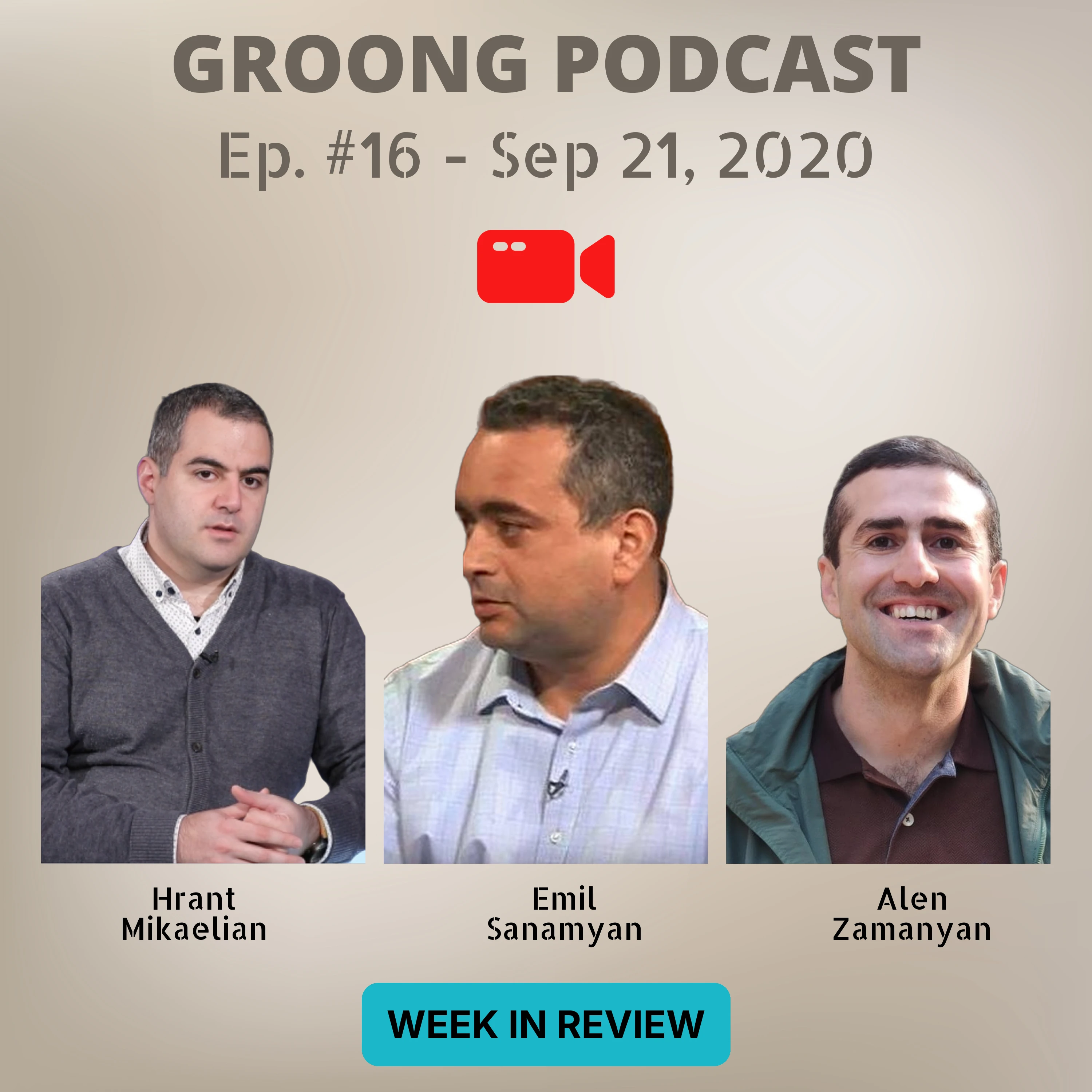
Guest(s):
ANN/Groong Week in Review - 09/20/2020
Topics:
- Constitutional Court Appointment
- Armeniaâs Growing National Debt
- Calls for the Resignation of the Minister of Education
- Escalated Tensions on the Armenian-Azerbaijan border
- Armenian Soldier dies amidst escalation
- Azerbaijan again slams negotiations, turns away Russian AWACS
- Khodorkovsky Publishes New Dossier on Armenian & Azerbaijan
- Bob Dole hired by Embassy of Armenia as a Lobbyist
Guests
- Hrant Mikaelyan
- Emil Sanamyan
- Alen Zamanyan
Hosts
- Asbed Bedrossian
- Hovik Manucharyan
ANN/Groong Week in Review - (Ep #16) - 09/20/2020 [EP16]
Posted on Monday, Sep 21, 2020 | Category: Armenia, Russia, Azerbaijan, Turkey, Genocide, Human Rights, Israel, Armenian Church, Armenian Genocide, NATOGuest(s):
ANN/Groong Week in Review - 09/20/2020
Topics:
- Constitutional Court Appointment
- Armeniaâs Growing National Debt
- Calls for the Resignation of the Minister of Education
- Escalated Tensions on the Armenian-Azerbaijan border
- Armenian Soldier dies amidst escalation
- Azerbaijan again slams negotiations, turns away Russian AWACS
- Khodorkovsky Publishes New Dossier on Armenian & Azerbaijan
- Bob Dole hired by Embassy of Armenia as a Lobbyist
Guests
- Hrant Mikaelyan
- Emil Sanamyan
- Alen Zamanyan
Hosts
- Asbed Bedrossian
- Hovik Manucharyan
Turkey - Part 2 - Zero Problems? | Ep. 10 - Aug 28, 2020 [EP10]
Posted on Friday, Aug 28, 2020 | Category: Turkey, Armenia, Genocide, Armenian Genocide, Azerbaijan, Russia, China, Middle East, Syria, Georgia, Iran, Economy, Nagorno Karabakh, NATO | Series: cog
Topics:
- Turkey: Zero Problems?
- Azerbaijan: The Myth of Brotherly Relations?
- Armenia: From Diplomatic Overtures to a Mini Cold War
Guests:
Host:
Episode 10 | Recorded: August 2020
Turkey - Part 2 - Zero Problems? | Ep. 10 - Aug 28, 2020 [EP10]
Posted on Friday, Aug 28, 2020 | Category: Turkey, Armenia, Genocide, Armenian Genocide, Azerbaijan, Russia, China, Middle East, Syria, Georgia, Iran, Economy, Nagorno Karabakh, NATOTopics:
- Turkey: Zero Problems?
- Azerbaijan: The Myth of Brotherly Relations?
- Armenia: From Diplomatic Overtures to a Mini Cold War
Guests:
Host:
Episode 10 | Recorded: August 2020
Turkey - Part 1 - Transformation and Continuity | Ep. 9 - Aug 24, 2020 [EP9]
Posted on Tuesday, Aug 25, 2020 | Category: Turkey, Armenia, Genocide, Middle East, Syria, Azerbaijan, Iran, Israel, Lebanon, Economy, NATO, Russia | Series: cog
Topics:
- Turkeyâs Transformation in Historical Perspective
- Change and Continuity of Turkish Political Culture
- Turkeyâs Foreign Policy
Guests:
Host:
Episode 9 | Recorded: August 2020
Turkey - Part 1 - Transformation and Continuity | Ep. 9 - Aug 24, 2020 [EP9]
Posted on Tuesday, Aug 25, 2020 | Category: Turkey, Armenia, Genocide, Middle East, Syria, Azerbaijan, Iran, Israel, Lebanon, Economy, NATO, RussiaTopics:
- Turkeyâs Transformation in Historical Perspective
- Change and Continuity of Turkish Political Culture
- Turkeyâs Foreign Policy
Guests:
Host:
Episode 9 | Recorded: August 2020
ANN/Groong Week in Review - (Ep #8) - 08/16/2020 [EP8]
Posted on Monday, Aug 17, 2020 | Category: Armenia, Russia, Economy, Azerbaijan, Georgia, Ukraine, Iran, Human Rights, Genocide, Israel, China, Turkey, Middle East, Nagorno Karabakh, European Union, NATO | Series: wir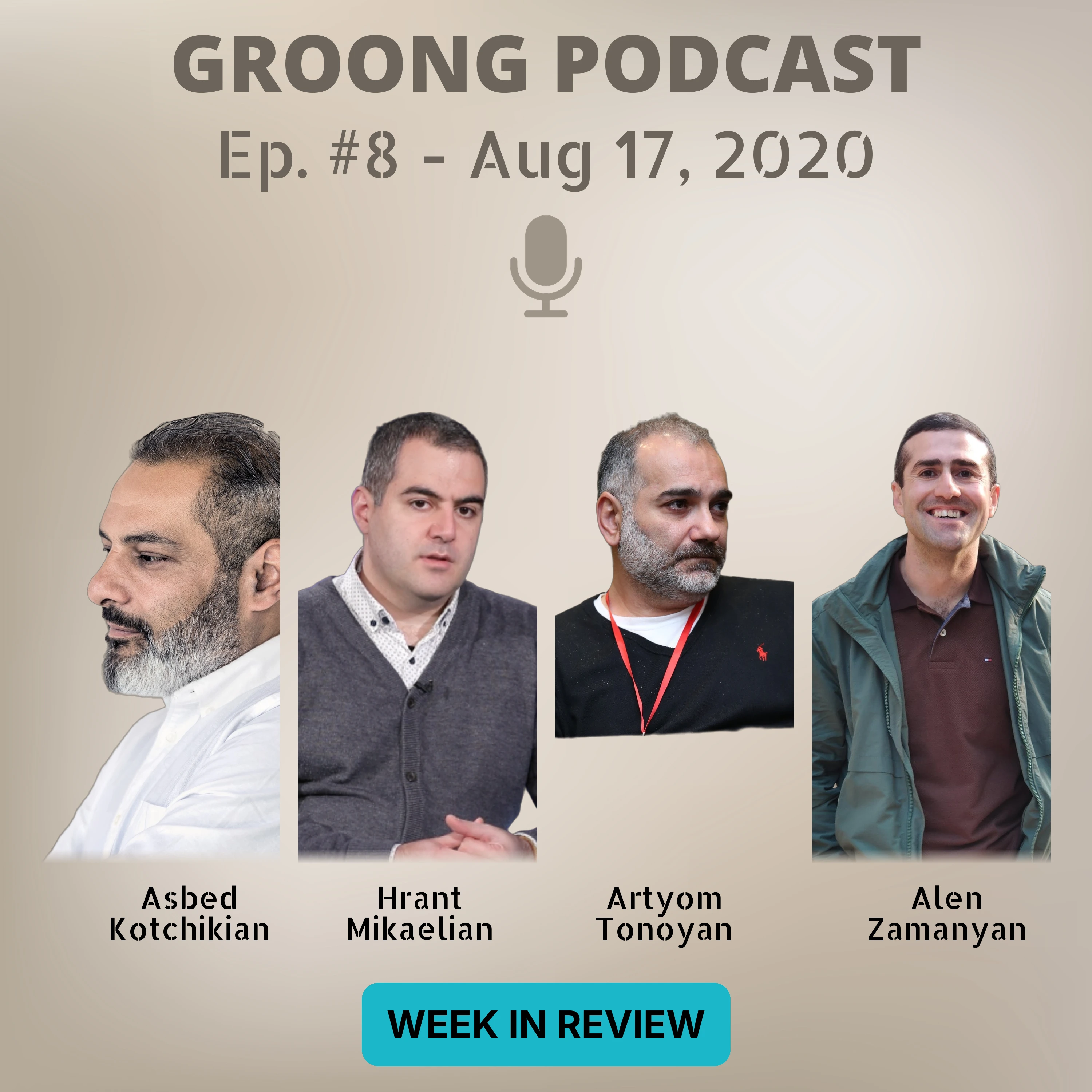
Guest(s):
ANN/Groong Week in Review - 08/16/2020
This Week in Review we talk with Hrant Mikaelian to discuss important issues and developments around Armenia, such as the Coronavirus Pandemic, and its economic effect; Armenia’s membership in EurAsian Economic Union and the economic effect of that organization on Armenia; and some of the trends affecting Russia and its economy.
Hrant will then join us in our weekly lightning round of questions from the past weekâs headlines, to analyze Prime Minister Pashinyanâs
Read MoreANN/Groong Week in Review - (Ep #8) - 08/16/2020 [EP8]
Posted on Monday, Aug 17, 2020 | Category: Armenia, Russia, Economy, Azerbaijan, Georgia, Ukraine, Iran, Human Rights, Genocide, Israel, China, Turkey, Middle East, Nagorno Karabakh, European Union, NATOGuest(s):
ANN/Groong Week in Review - 08/16/2020
This Week in Review we talk with Hrant Mikaelian to discuss important issues and developments around Armenia, such as the Coronavirus Pandemic, and its economic effect; Armenia’s membership in EurAsian Economic Union and the economic effect of that organization on Armenia; and some of the trends affecting Russia and its economy.
Hrant will then join us in our weekly lightning round of questions from the past weekâs headlines, to analyze Prime Minister Pashinyanâs
Read More#WordsNotSwords | Kocharyan Interview | SIS Charges Arthur Danielyan | Constitutional Court Nominees | State of Covid | Changes in Diaspora High Commissioner Office | Headlines | People | Ep 8 - Aug 2, 2020 [EP5]
Posted on Monday, Aug 3, 2020 | Category: Armenia, Azerbaijan, Economy, Artsakh, Georgia, Iran, Russia, Turkey, Armenian Church, China, Genocide, Human Rights, Israel, Ukraine, Nagorno Karabakh, NATO, European Union | Series: wir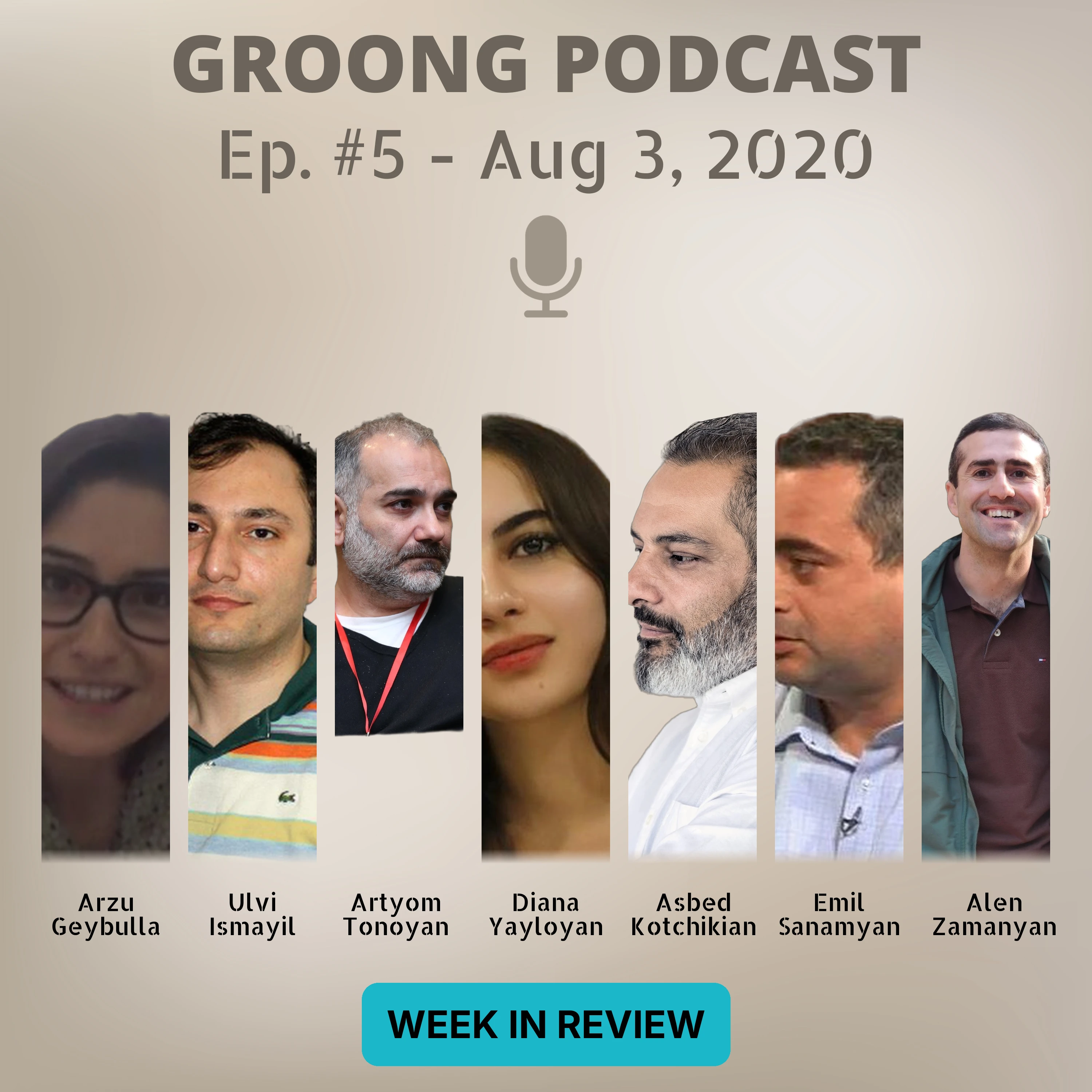
ANN Groong Week in Review - 08/02/2020
Topics:
- Living With Conflict #WordsNotSwords
- Panel Discussion on Robert Kocharyanâs Interview
- Lightning Round
- The SIS Charges Arthur Danielyan
- Nominees for the Constitutional Court
- The PMâs Outlook on the State of the Pandemic
- Staff Changes in the Diaspora High Commissionerâs Office
Guests
Resident panelists:
Episode 5 | Recorded ob August 2, 2020
#WordsNotSwords | Kocharyan Interview | SIS Charges Arthur Danielyan | Constitutional Court Nominees | State of Covid | Changes in Diaspora High Commissioner Office | Headlines | People | Ep 8 - Aug 2, 2020 [EP5]
Posted on Monday, Aug 3, 2020 | Category: Armenia, Azerbaijan, Economy, Artsakh, Georgia, Iran, Russia, Turkey, Armenian Church, China, Genocide, Human Rights, Israel, Ukraine, Nagorno Karabakh, NATO, European UnionANN Groong Week in Review - 08/02/2020
Topics:
- Living With Conflict #WordsNotSwords
- Panel Discussion on Robert Kocharyanâs Interview
- Lightning Round
- The SIS Charges Arthur Danielyan
- Nominees for the Constitutional Court
- The PMâs Outlook on the State of the Pandemic
- Staff Changes in the Diaspora High Commissionerâs Office
Guests
Resident panelists:
Episode 5 | Recorded ob August 2, 2020