Genocide
Last updated: June 11, 2026
The Armenian Genocide of 1915 represents one of history’s first systematic mass killings of a civilian population, in which Ottoman Turkish forces and local militias killed approximately 1.5 million Armenians and displaced hundreds of thousands more from their ancestral homelands in Anatolia. Perpetrators used massacres, deportations into desert conditions, and starvation as deliberate instruments of elimination. Survivors scattered across the globe, establishing diaspora communities in the Middle East, Europe, North America, and beyond. Turkey has denied the genocide for over a century, refusing to acknowledge the Ottoman state’s intent to destroy the Armenian people, a position that shapes contemporary Turkish-Armenian relations and regional politics. Genocide denial remains an official Turkish state policy backed by legal penalties in Turkey itself for those who acknowledge the historical record, complicating efforts toward Turkish-Armenian normalization and historical justice.
The ethnic cleansing of Artsakh (Nagorno Karabakh) in September 2023 displaced more than 150,000 Armenian inhabitants from the enclave in a matter of hours, following Azerbaijan’s 24-hour military offensive on September 19–20, 2023. Unlike the 44-Day War of 2020, which ended in a ceasefire with Russian peacekeepers deployed, the 2023 operation resulted in complete displacement of the Armenian population and the effective erasure of Armenian self-governance in a territory that had been ethnically Armenian for centuries. Azerbaijan’s destruction of Christian heritage sites, including damage to the Stepanakert Cathedral documented in early 2026, compounds the physical and cultural dimension of the cleansing. The international community, including Western governments and human rights organizations, provided minimal diplomatic pressure or consequences for the displacement, contrasting sharply with rhetoric regarding other contemporary conflicts. Through works like photographer Erhan Arik’s Horovel project and the documentary Ojakh: On the Other Side of Silence, artists and documentarians have recorded the personal stakes of Armenian memory and continuity—capturing testimony from elderly Armenians whose families originated from historic Armenian regions and reflecting on how identity and community persist despite rupture and loss.
The concept of genocide denial has become inseparable from Armenian political consciousness. Turkey’s refusal to acknowledge the 1915 genocide shapes the terms on which Armenia negotiates peace with Azerbaijan and Turkey, as recognition remains a precondition for many Armenians and diaspora organizations seeking justice and historical truth. The speed and completeness of the 2023 displacement from Artsakh has prompted scholars and Armenian analysts to assess whether the term genocide applies to the 2023 events, a question with legal, moral, and political dimensions. Arthur Martirosyan examined in January 2026 the long-term consequences of the Baku pogroms, connecting historical violence to ongoing patterns of threat and displacement. Whether international law will address either the 1915 genocide or the 2023 cleansing through accountability mechanisms remains uncertain, leaving Armenia in a position where historical memory and contemporary survival are bound to geopolitical outcomes beyond Armenian control.
Groong episodes that include this tag
Below are all Groong episodes tagged with Genocide.
State of Affairs in Lebanon & the Armenians a Year After the Beirut Explosion | Ep #98 - Nov 8, 2021 [EP98]
Posted on Monday, Nov 8, 2021 | Category: Armenia, Lebanon, Iran, Turkey, Economy, Syria, Armenian Genocide, Artsakh, China, Genocide, Israel, Middle East, Russia, Nagorno Karabakh, European Union | Series: cog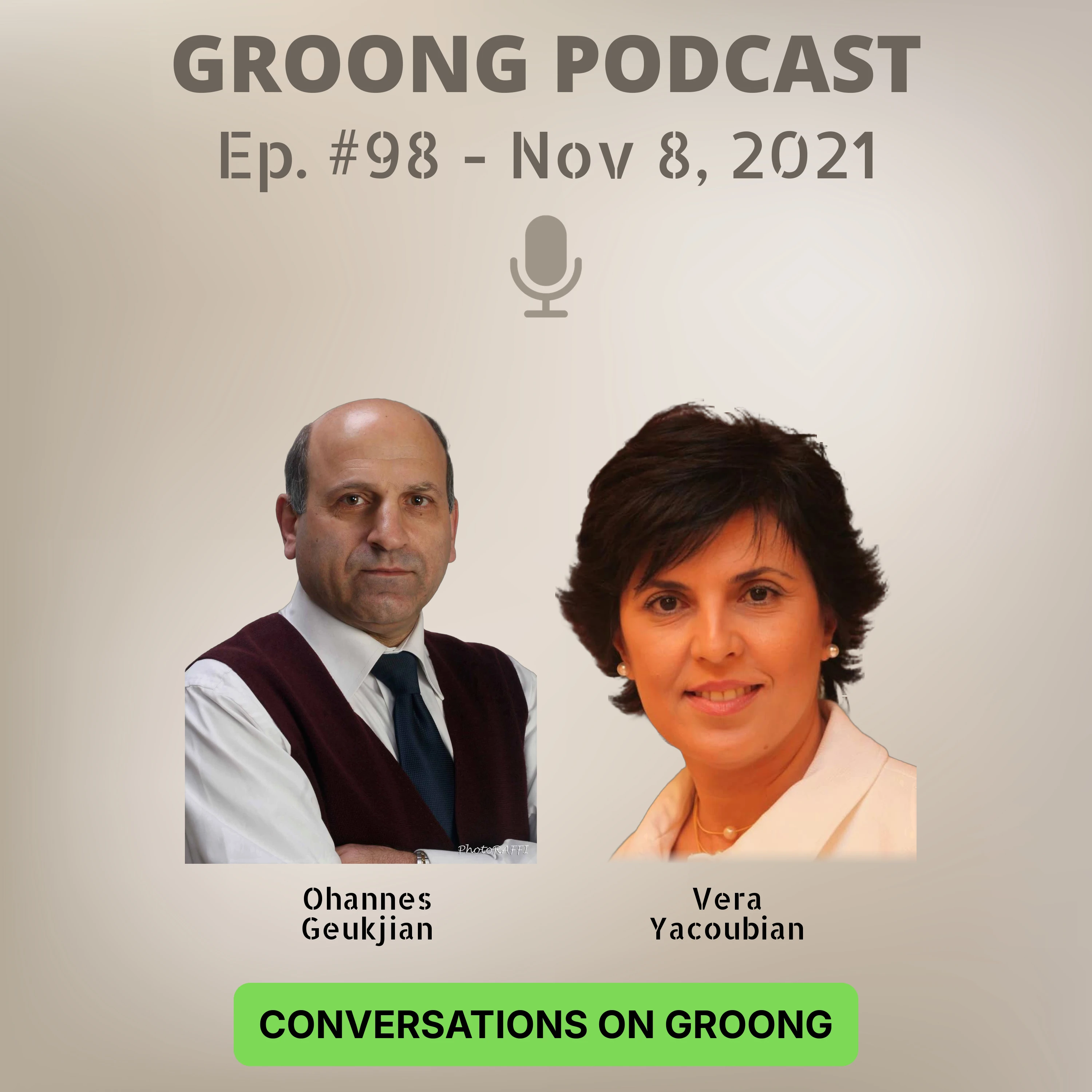
The State of Affairs in Lebanon A Conversation with Dr. Ohannes Geukjian and Vera Yacoubian
Topics:
- A year after the Beirut Explosion, whatâs the state of investigations?
- Has Anyone been held Accountable?
- Who are the Internal and External Players in Lebanon?
- Whatâs the State and Future of the Armenian Community in Lebanon?
Guests:
- Dr. Ohannes Geukjian
- Vera Yacoubian
Guest(s):
Hosts:
- Asbed Bedrossian TW/@qubriq
- Katia Peltekian TW/@KatiaPeltekian
Episode 98: Recorded on Saturday, November 6, 2021 Show notes: https://groong.org/podcasts/CoG-20211108.html
State of Affairs in Lebanon & the Armenians a Year After the Beirut Explosion | Ep #98 - Nov 8, 2021 [EP98]
Posted on Monday, Nov 8, 2021 | Category: Armenia, Lebanon, Iran, Turkey, Economy, Syria, Armenian Genocide, Artsakh, China, Genocide, Israel, Middle East, Russia, Nagorno Karabakh, European UnionThe State of Affairs in Lebanon A Conversation with Dr. Ohannes Geukjian and Vera Yacoubian
Topics:
- A year after the Beirut Explosion, whatâs the state of investigations?
- Has Anyone been held Accountable?
- Who are the Internal and External Players in Lebanon?
- Whatâs the State and Future of the Armenian Community in Lebanon?
Guests:
- Dr. Ohannes Geukjian
- Vera Yacoubian
Guest(s):
Hosts:
- Asbed Bedrossian TW/@qubriq
- Katia Peltekian TW/@KatiaPeltekian
Episode 98: Recorded on Saturday, November 6, 2021 Show notes: https://groong.org/podcasts/CoG-20211108.html
Save Our Monuments | A Year After the War in Artsakh | AM/AZ Case at the ICJ | Ep #97 - Nov 3, 2021 [EP97]
Posted on Wednesday, Nov 3, 2021 | Category: Armenia, Azerbaijan, Russia, Genocide, Artsakh, Georgia, Turkey, Nagorno Karabakh | Series: cog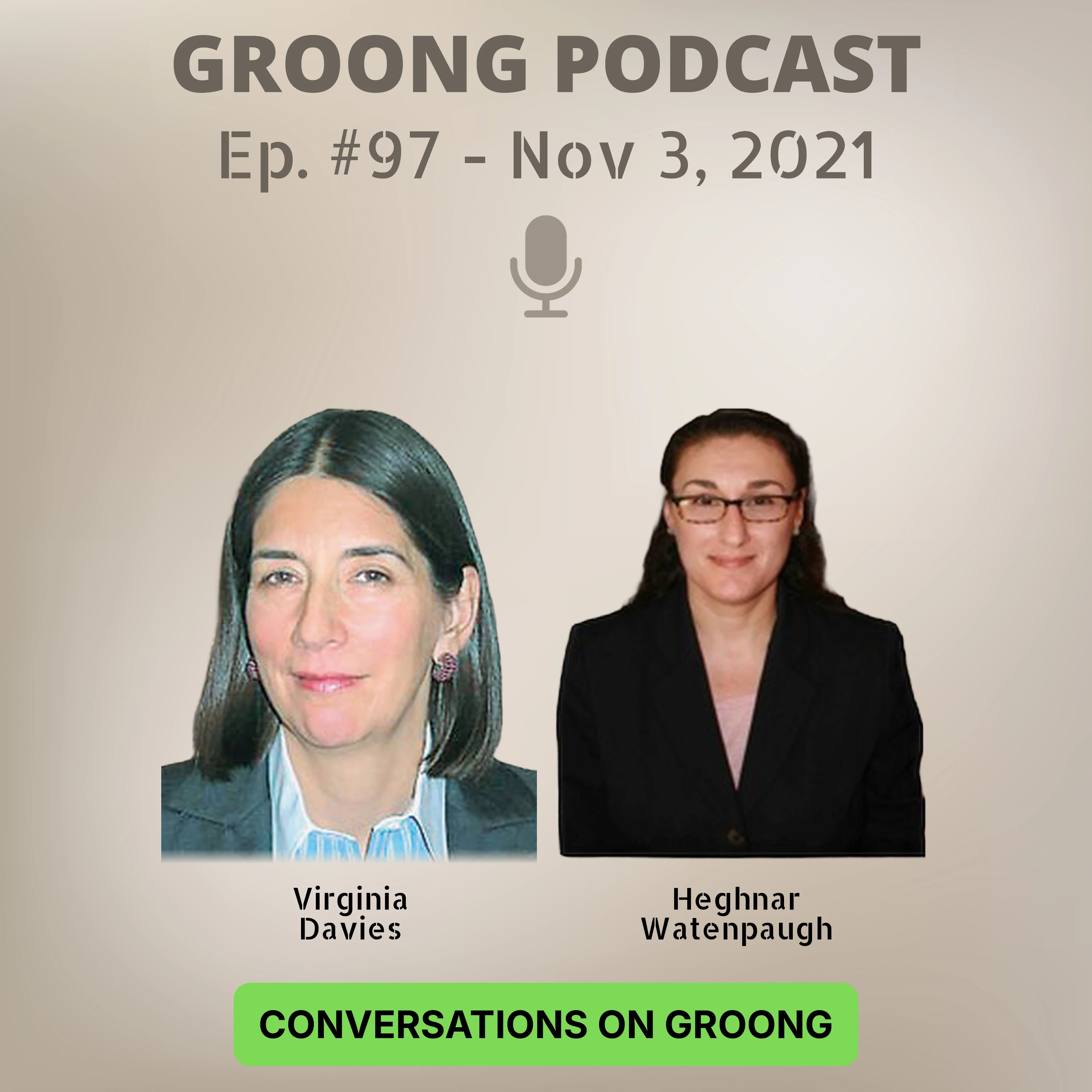
Guest(s):
Save Armenian Monuments A Conversation with Virginia Davies and Heghnar Watenpaugh
Topics:
- One year after the War in Artsakh, the State of Armenian Monuments in Lands turned over to Azerbaijan
- What is Save Armenian Monuments?
- The Significance of Pilgrimage and Holy Sites
- Armenia and Azerbaijan at the International Court of Justice: Is Intentional Cultural Destruction a form of Racial Discrimination?
- What Next Steps?
Guests:
- Virginia Davies TW/@vdaviesnyc
- Heghnar Watenpaugh TW/@HeghnarW
Host:
- Simon Maghakyan TW/@simonforco
Episode 97 |
Read MoreSave Our Monuments | A Year After the War in Artsakh | AM/AZ Case at the ICJ | Ep #97 - Nov 3, 2021 [EP97]
Posted on Wednesday, Nov 3, 2021 | Category: Armenia, Azerbaijan, Russia, Genocide, Artsakh, Georgia, Turkey, Nagorno KarabakhGuest(s):
Save Armenian Monuments A Conversation with Virginia Davies and Heghnar Watenpaugh
Topics:
- One year after the War in Artsakh, the State of Armenian Monuments in Lands turned over to Azerbaijan
- What is Save Armenian Monuments?
- The Significance of Pilgrimage and Holy Sites
- Armenia and Azerbaijan at the International Court of Justice: Is Intentional Cultural Destruction a form of Racial Discrimination?
- What Next Steps?
Guests:
- Virginia Davies TW/@vdaviesnyc
- Heghnar Watenpaugh TW/@HeghnarW
Host:
- Simon Maghakyan TW/@simonforco
Episode 97 |
Read More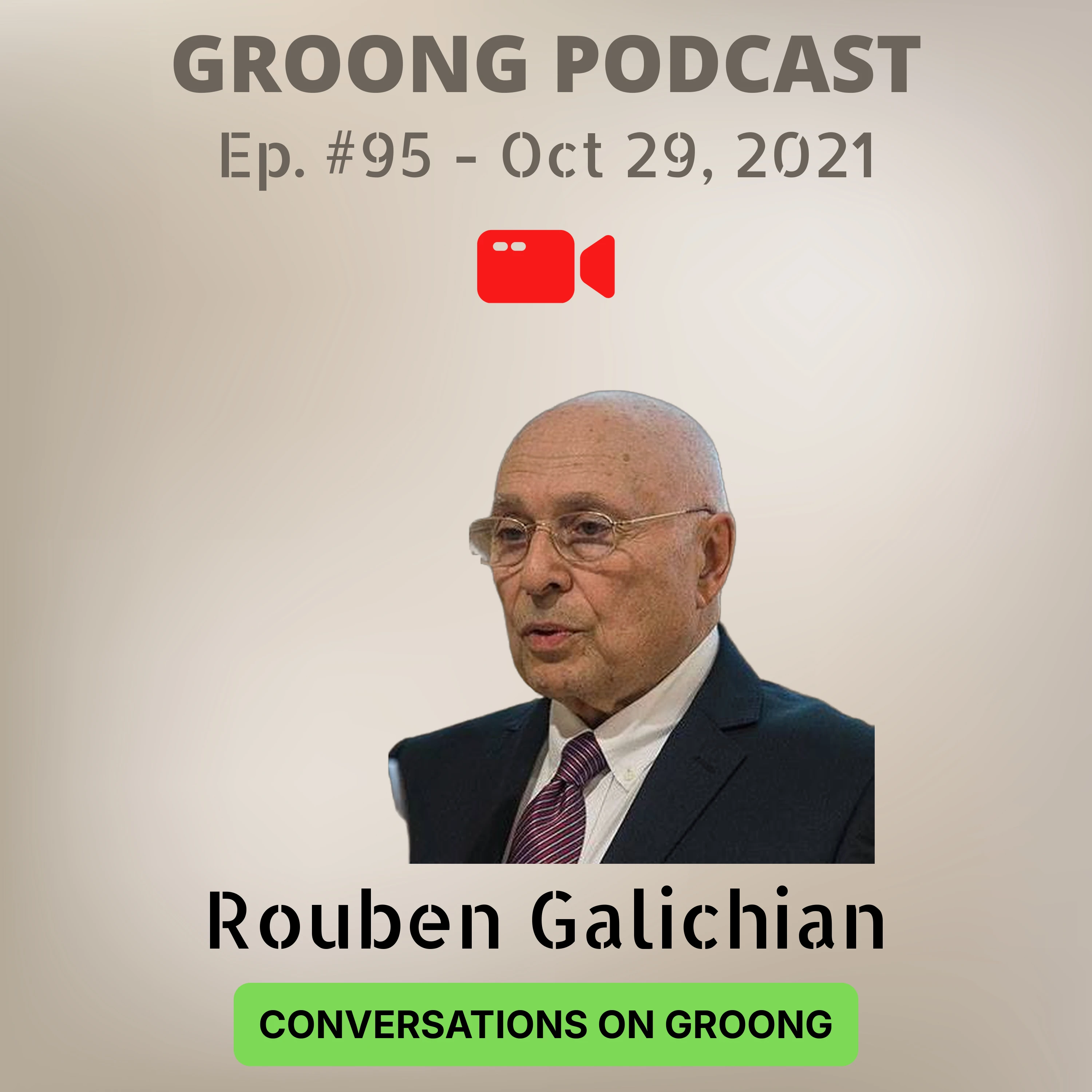
Armenia’s Borders in Maps - A Conversation with Rouben Galichian | Ep 95 - Oct 29, 2021
Guest:
Topics:
- Following the 44-day War in Artsakh, Azerbaijan’s president demands Armenia sign a “Peace Treaty” involving full border recognition.
- Historical and contemporary mapping of Armenian borders
- Early cartography and 20th-century developments
- Enclaves, the Goris-Kapan Highway, and Sev Lake
- Armenia-Iran border considerations
Episode 95 | Recorded: October 29, 2021
Armenia's Borders in Maps - A Conversation with Rouben Galichian | Ep 95 - Oct 29, 2021 [EP95]
Posted on Friday, Oct 29, 2021 | Category: Armenia, Artsakh, Azerbaijan, History, Maps, Nagorno Karabakh, Iran, Russia, Georgia, Turkey, Genocide, NATO, SyriaArmenia’s Borders in Maps - A Conversation with Rouben Galichian | Ep 95 - Oct 29, 2021
Guest:
Topics:
- Following the 44-day War in Artsakh, Azerbaijan’s president demands Armenia sign a “Peace Treaty” involving full border recognition.
- Historical and contemporary mapping of Armenian borders
- Early cartography and 20th-century developments
- Enclaves, the Goris-Kapan Highway, and Sev Lake
- Armenia-Iran border considerations
Episode 95 | Recorded: October 29, 2021
One-year anniversary of Artsakh War | Can the Opposition Reorg | TARC 2.0 | Ep 90 - Sep 26, 2021 [EP90]
Posted on Sunday, Sep 26, 2021 | Category: Armenia, Politics, Azerbaijan, Georgia, Turkey, Russia, Nagorno Karabakh, Armenian Genocide, Genocide, Economy, China, Syria | Series: wir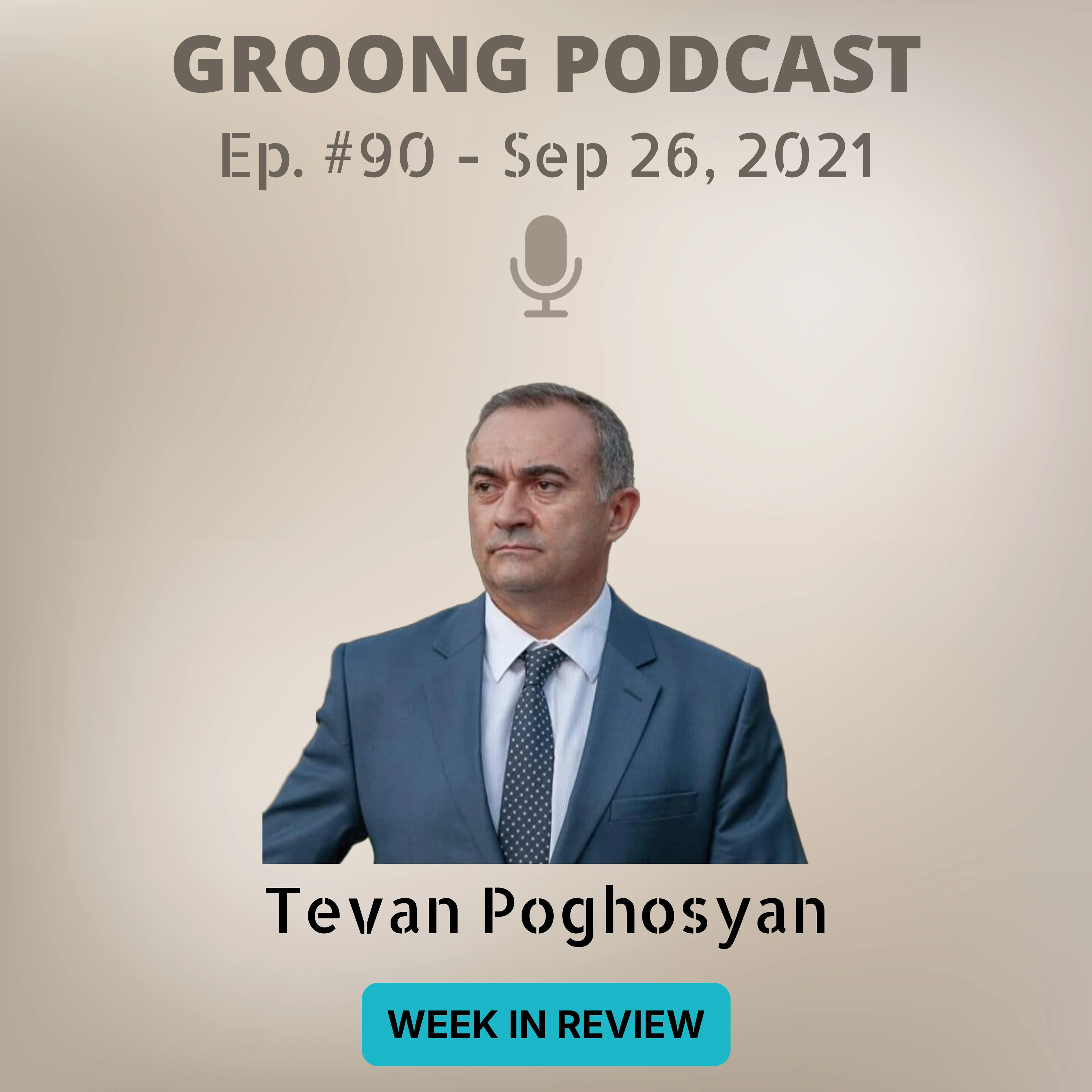
Guest:
- Tevan Poghosyan , is president of the International Center for Human Development in Yerevan. Mr. Poghosyan was an MP in the National Assembly between 2012 and 2017 from the Heritage party. From 1997 to 1999 he served as the Nagorno-Karabakh Public Affairs Office Director in Washington, D.C.
Topic:
- The One-year anniversary of The War in Artsakh
- Can the Opposition Reorganize?
- Turkish-Armenian Possible Rapprochement
Episode 90 | Recorded: September 27, 2021
One-year anniversary of Artsakh War | Can the Opposition Reorg | TARC 2.0 | Ep 90 - Sep 26, 2021 [EP90]
Posted on Sunday, Sep 26, 2021 | Category: Armenia, Politics, Azerbaijan, Georgia, Turkey, Russia, Nagorno Karabakh, Armenian Genocide, Genocide, Economy, China, SyriaGuest:
- Tevan Poghosyan , is president of the International Center for Human Development in Yerevan. Mr. Poghosyan was an MP in the National Assembly between 2012 and 2017 from the Heritage party. From 1997 to 1999 he served as the Nagorno-Karabakh Public Affairs Office Director in Washington, D.C.
Topic:
- The One-year anniversary of The War in Artsakh
- Can the Opposition Reorganize?
- Turkish-Armenian Possible Rapprochement
Episode 90 | Recorded: September 27, 2021
Independence Day | Pashinyan's Turkish Overtures | Goris-Kapan Highway | Ep #89 - Sep 19, 2021 [EP89]
Posted on Tuesday, Sep 21, 2021 | Category: Armenia, Azerbaijan, Turkey, Iran, Russia, Georgia, Artsakh, Ukraine, Economy, Genocide, Israel, Nagorno Karabakh, Artsakh Blockade, Armenian Genocide, European Union | Series: wir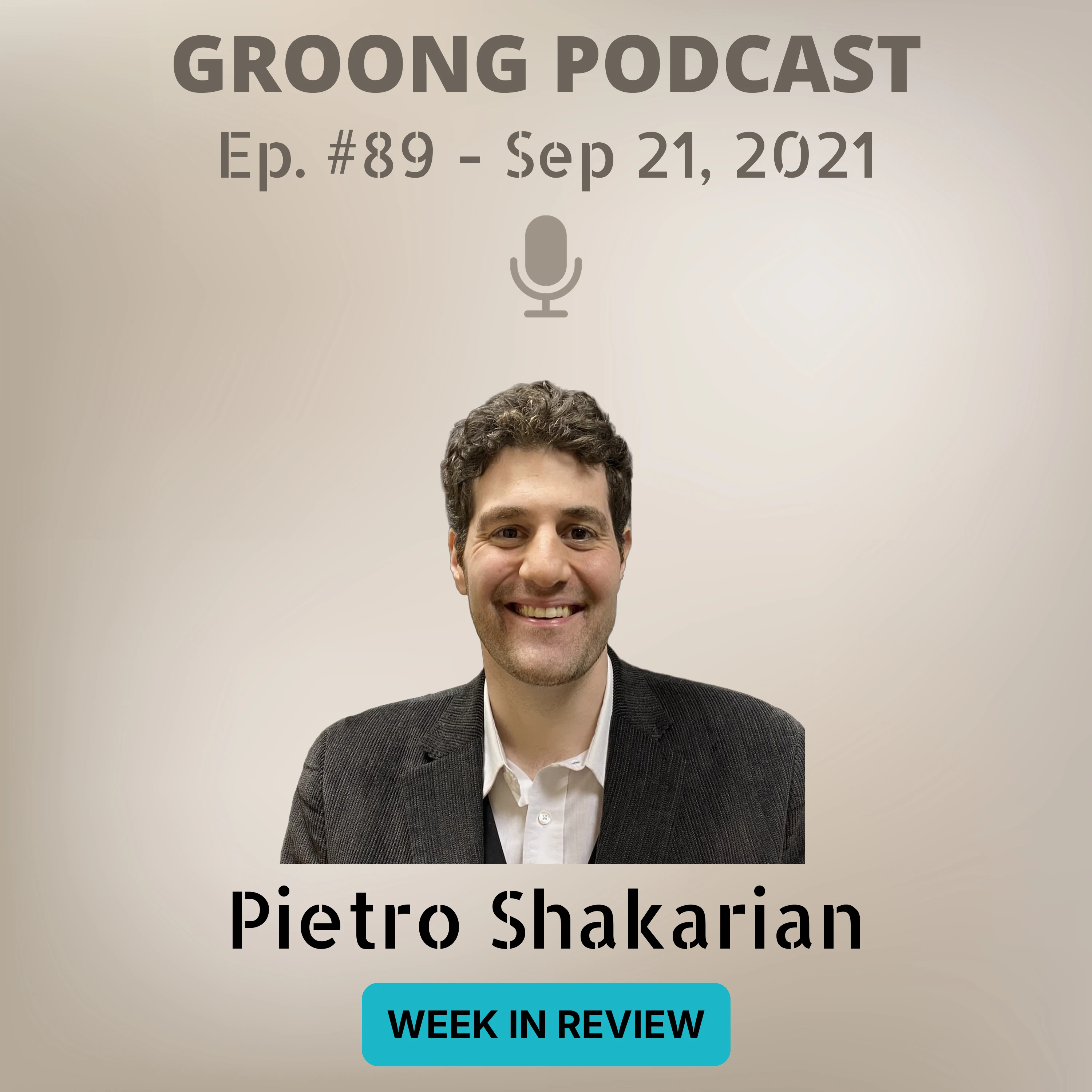
Guest(s):
ANN/Groong Week in Review - September 19, 2021
Topics:
- Independence Day
- Pashinyanâs Turkish overtures
- Goris-Kapan highway
Guests:
- Dr. Pietro Shakarian
Host:
- Hovik Manucharyan
Episode #89 | Recorded: September 20, 2021 Website: https://groong.org/podcasts/WiR-20210919.html