Genocide Denial
Last updated: May 29, 2026
Genocide denial refers to the systematic refusal by Turkey and Azerbaijan to acknowledge the Armenian Genocide of 1915–1923, in which an estimated 1.5 million Armenians were killed by the Ottoman Empire. Turkey rejects the genocide characterization entirely and has long wielded diplomatic and economic leverage to discourage foreign governments from recognizing it. Azerbaijan amplifies Turkey’s position and has increasingly framed its own narratives around the Karabakh conflict in terms designed to undercut Armenian historical claims.
Denial operates at multiple levels: official state positions that dispute the historical record, pressure on third countries considering recognition legislation, funding of counter-narrative academic and lobbying efforts, and, in the Azerbaijani case, public statements that have been widely condemned as incitement. Armenia’s government under Nikol Pashinyan has at times drawn criticism domestically for subordinating genocide recognition language to the demands of the peace process — a charge of what critics have called de facto normalization of denial.
Groong covers genocide denial as both a historical and a live political issue: the ongoing recognition campaigns in diaspora communities, legislative debates in countries like the United States, France, and Canada, the Pashinyan government’s approach to the genocide in the context of peace talks, and the role of denial in Azerbaijani and Turkish state rhetoric toward Armenia.
Groong episodes that include this tag
Below are all Groong episodes tagged with Genocide Denial.
Benyamin Poghosyan - Trump Ultimatum to Putin, Corridor Pressures, DC Summit, Kitchen Sink | Ep 457, Aug 3, 2025 [EP457]
Posted on Tuesday, Aug 5, 2025 | Category: Armenia, Politics, Poll, Artsakh, Nagorno Karabakh, Azerbaijan, Iran, Ukraine, Russia, India, China, Armenian Genocide, NATO | Series: wir, video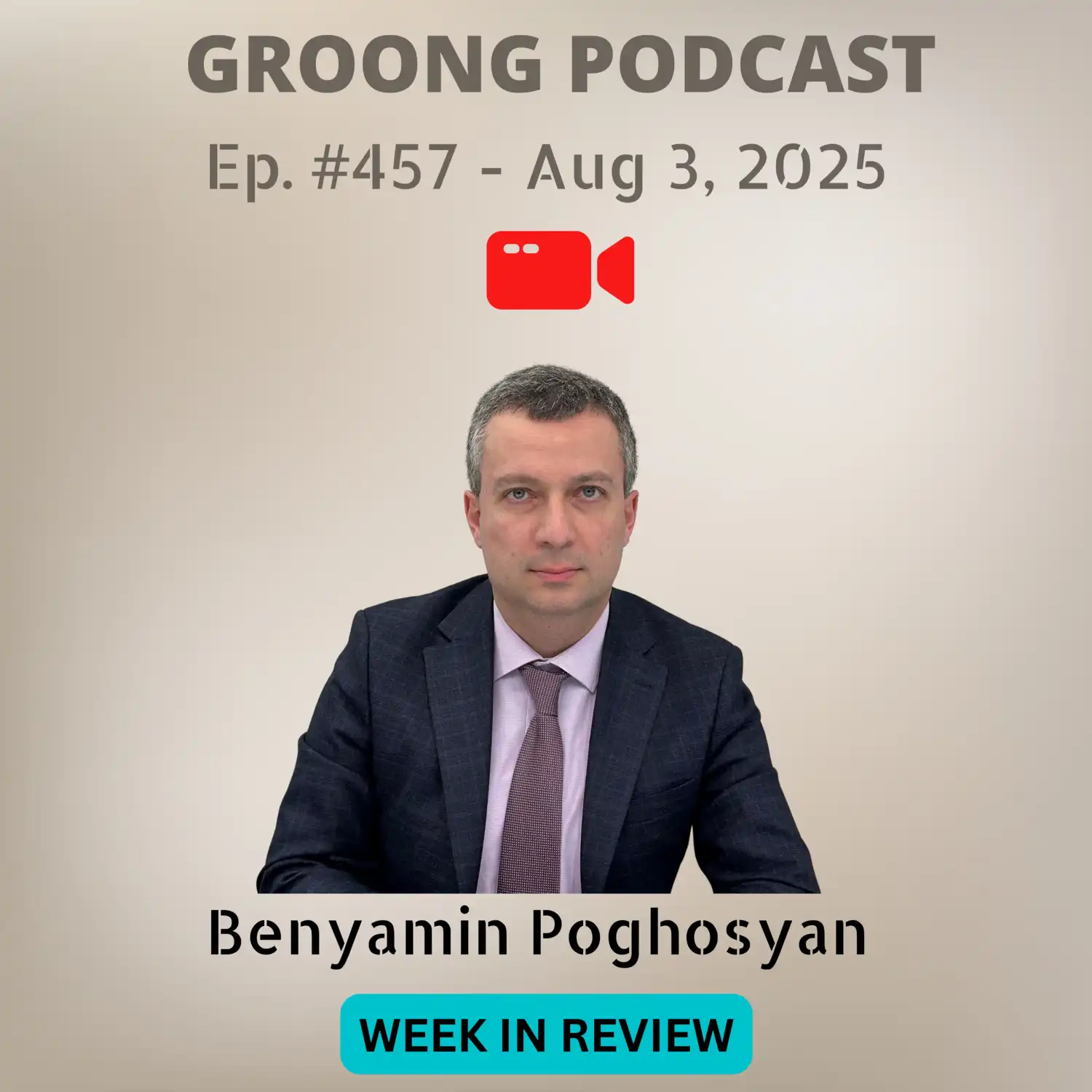
Groong Links:
Guest:
Topics:
- Trump Ultimatum to Putin
- US Sanctions effect on Armenia
- Turkey, US, and Armeniaâs Territory
- The Kitchen Sink
Episode 457 | Recorded: August 3, 2025
Benyamin Poghosyan - Trump Ultimatum to Putin, Corridor Pressures, DC Summit, Kitchen Sink | Ep 457, Aug 3, 2025 [EP457]
Posted on Tuesday, Aug 5, 2025 | Category: Armenia, Politics, Poll, Artsakh, Nagorno Karabakh, Azerbaijan, Iran, Ukraine, Russia, India, China, Armenian Genocide, NATOGroong Links:
Guest:
Topics:
- Trump Ultimatum to Putin
- US Sanctions effect on Armenia
- Turkey, US, and Armeniaâs Territory
- The Kitchen Sink
Episode 457 | Recorded: August 3, 2025
Dziunik Aghajanian - Armenian State Genocide Denial, Politics of Silence, Pezeshkian in Baku, Bandar Abbas | Ep 432, Apr 27, 2025 [EP432]
Posted on Wednesday, Apr 30, 2025 | Category: Armenia, Politics, Iran, Artsakh, Nagorno Karabakh, Turkey, Azerbaijan, Russia, China, India, Geopolitics, Diaspora, Armenian Genocide, Artsakh Blockade, BRICS, Genocide, European Union, Middle East, Economy, Lebanon, Georgia, Human Rights, Israel | Series: wir, video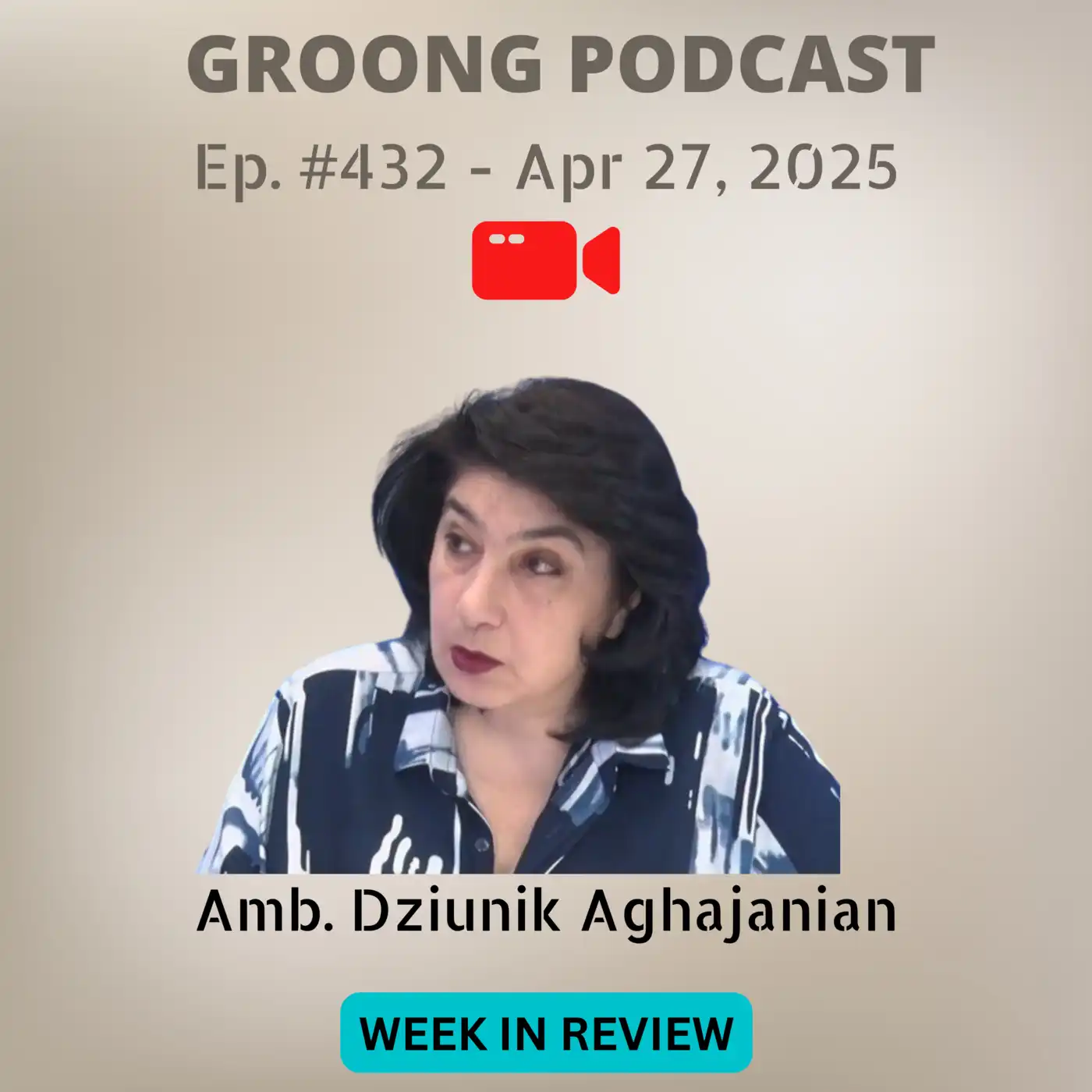
Groong Links:
Guest:
Topics:
- Genocide Recognition and State Silence
- Iran-Azerbaijan Talks & Geopolitical Shifts
- Bandar Abbas: Explosion, or Warning?
Episode 432 | Recorded: April 29, 2025
Dziunik Aghajanian - Armenian State Genocide Denial, Politics of Silence, Pezeshkian in Baku, Bandar Abbas | Ep 432, Apr 27, 2025 [EP432]
Posted on Wednesday, Apr 30, 2025 | Category: Armenia, Politics, Iran, Artsakh, Nagorno Karabakh, Turkey, Azerbaijan, Russia, China, India, Geopolitics, Diaspora, Armenian Genocide, Artsakh Blockade, BRICS, Genocide, European Union, Middle East, Economy, Lebanon, Georgia, Human Rights, IsraelGroong Links:
Guest:
Topics:
- Genocide Recognition and State Silence
- Iran-Azerbaijan Talks & Geopolitical Shifts
- Bandar Abbas: Explosion, or Warning?
Episode 432 | Recorded: April 29, 2025
Vatican Betrays Armenians, Aids Azerbaijani Propaganda (Hadjian & Matiossian) | Ep 430, Apr 29, 2025 [EP430]
Posted on Monday, Apr 28, 2025 | Category: Armenia, World, Vatican, Azerbaijan, Nagorno Karabakh, Artsakh, Armenian Genocide, Armenian Church, Genocide, Turkey, China, Iran, Israel, Russia | Series: cog, video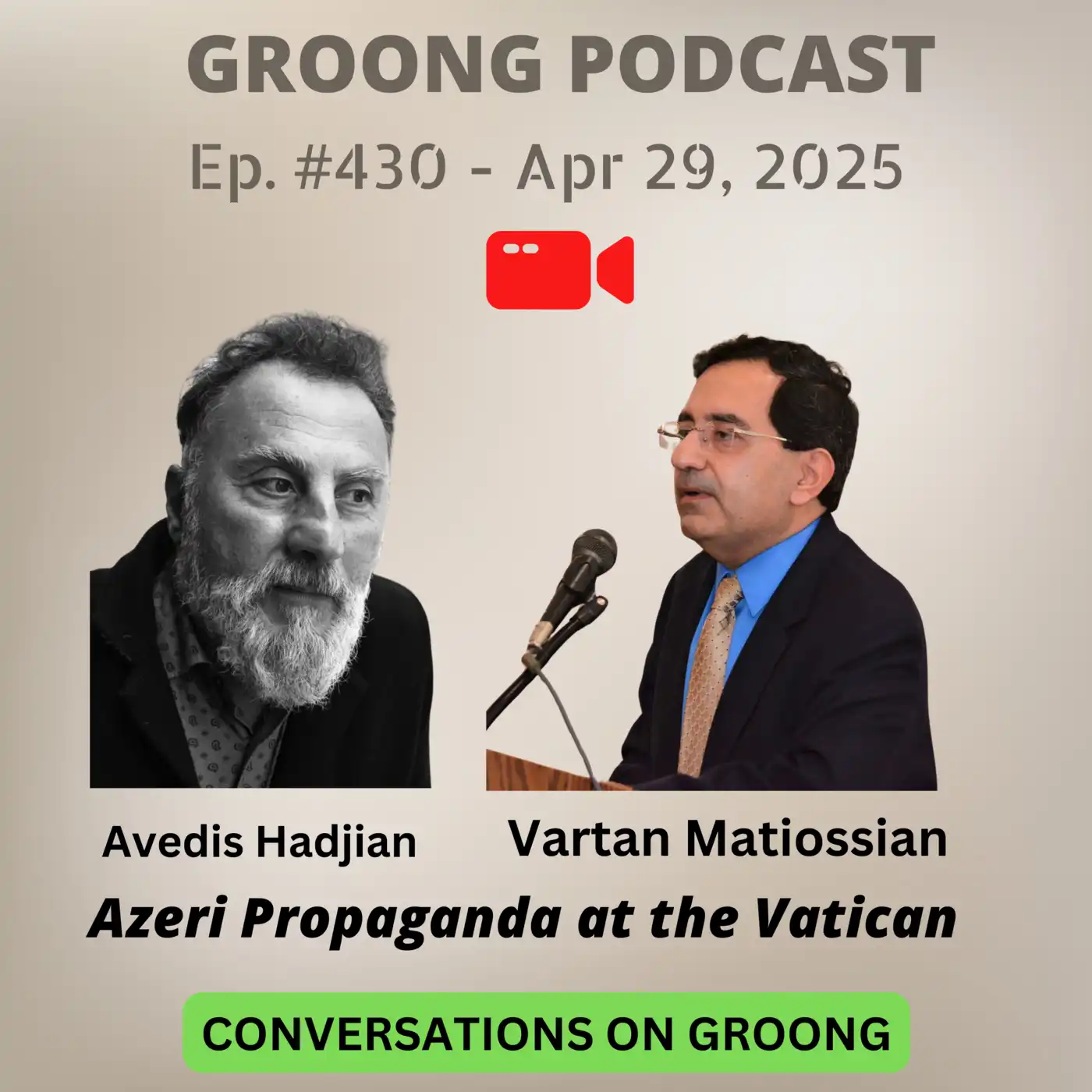
Groong Links:
Guest:
Topics:
- Vatican Hosts Fake Azeri Conference
- Azerbaijani Propaganda and Cultural Misappropriation
- Weakness and Silent Complicity of the Armenian State
Episode 430 | Recorded: April 26, 2025
Vatican Betrays Armenians, Aids Azerbaijani Propaganda (Hadjian & Matiossian) | Ep 430, Apr 29, 2025 [EP430]
Posted on Monday, Apr 28, 2025 | Category: Armenia, World, Vatican, Azerbaijan, Nagorno Karabakh, Artsakh, Armenian Genocide, Armenian Church, Genocide, Turkey, China, Iran, Israel, RussiaGroong Links:
Guest:
Topics:
- Vatican Hosts Fake Azeri Conference
- Azerbaijani Propaganda and Cultural Misappropriation
- Weakness and Silent Complicity of the Armenian State
Episode 430 | Recorded: April 26, 2025
Anna Karapetyan - Iran-Armenia Military Exercises, Azerbaijan Border Shootings, Mirzoyan at Antalya Diplomatic Forum, Genocide Denial by the Armenian Government | Ep 428, Apr 13, 2025 [EP428]
Posted on Tuesday, Apr 15, 2025 | Category: Armenia, Azerbaijan, Artsakh, Iran, Genocide, Nagorno Karabakh, Turkey, Armenian Genocide, Israel, Georgia, India, Middle East, Russia, Syria | Series: wir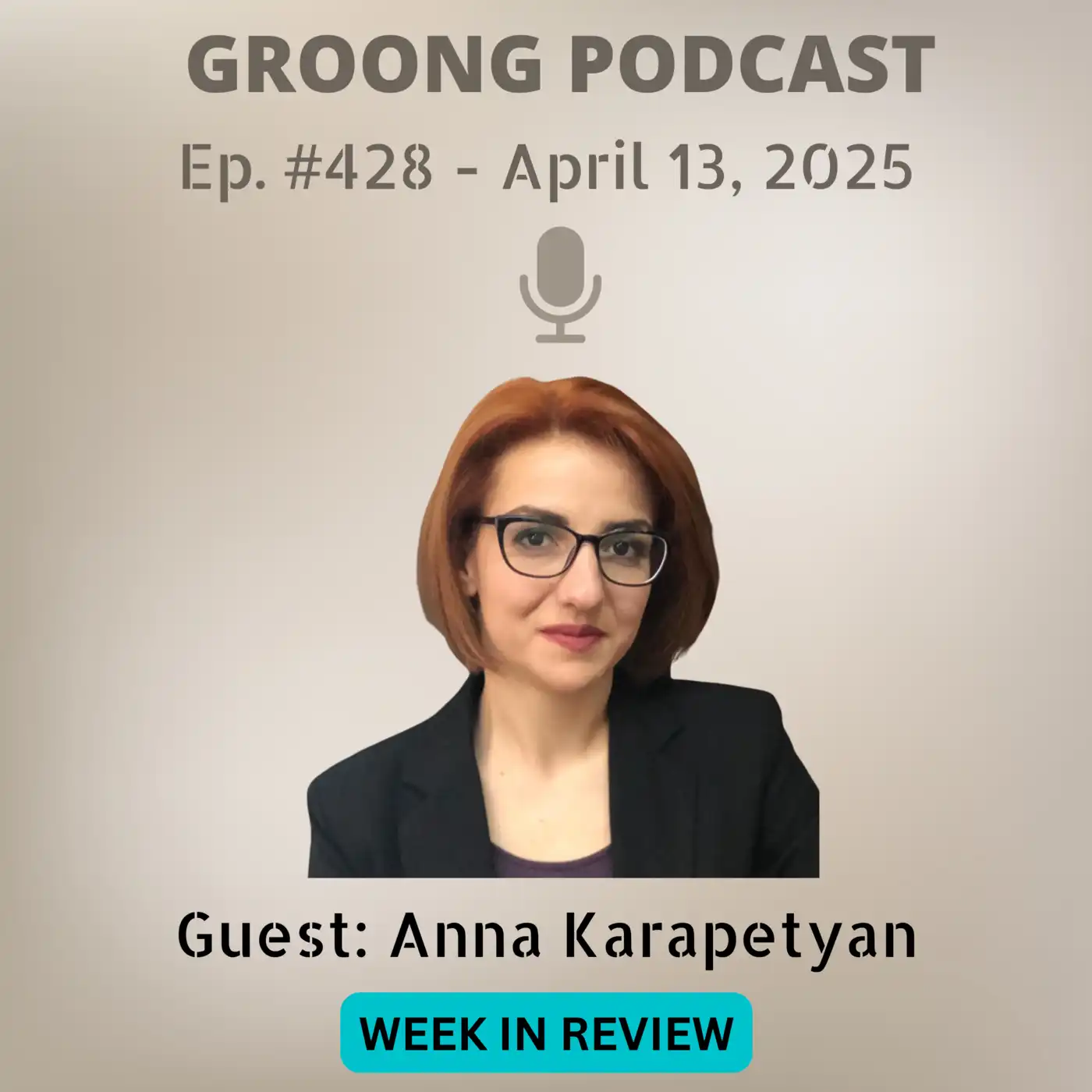
Groong Links:
Guest:
- Anna Karapetyan Director of the Insight Analytical Center for Applied Policy and Research.
Topics:
- Iran-Armenia Military Exercises
- Armenian Villages Terrorized by Azerbaijan
- Mirzoyan in Antalya
- Armeniaâs Genocide Denial
Episode 428 | Recorded: April 14, 2025
Anna Karapetyan - Iran-Armenia Military Exercises, Azerbaijan Border Shootings, Mirzoyan at Antalya Diplomatic Forum, Genocide Denial by the Armenian Government | Ep 428, Apr 13, 2025 [EP428]
Posted on Tuesday, Apr 15, 2025 | Category: Armenia, Azerbaijan, Artsakh, Iran, Genocide, Nagorno Karabakh, Turkey, Armenian Genocide, Israel, Georgia, India, Middle East, Russia, SyriaGroong Links:
Guest:
- Anna Karapetyan Director of the Insight Analytical Center for Applied Policy and Research.
Topics:
- Iran-Armenia Military Exercises
- Armenian Villages Terrorized by Azerbaijan
- Mirzoyan in Antalya
- Armeniaâs Genocide Denial
Episode 428 | Recorded: April 14, 2025
Arthur Khachatryan - Mirzoyan in Moscow, Kostanyan in Tehran, Mher Grigoryan on the Border, FIS Annual Report, Silence of the Lambs | Ep 409, Jan 26, 2025 [EP408]
Posted on Thursday, Jan 30, 2025 | Category: Armenia, Artsakh, Nagorno Karabakh, Economy, Azerbaijan, Georgia, Turkey, Russia, Armenian Church, Armenian Genocide, Iran, European Union, Genocide, Syria, Lebanon, NATO, Middle East, Ukraine, Human Rights | Series: wir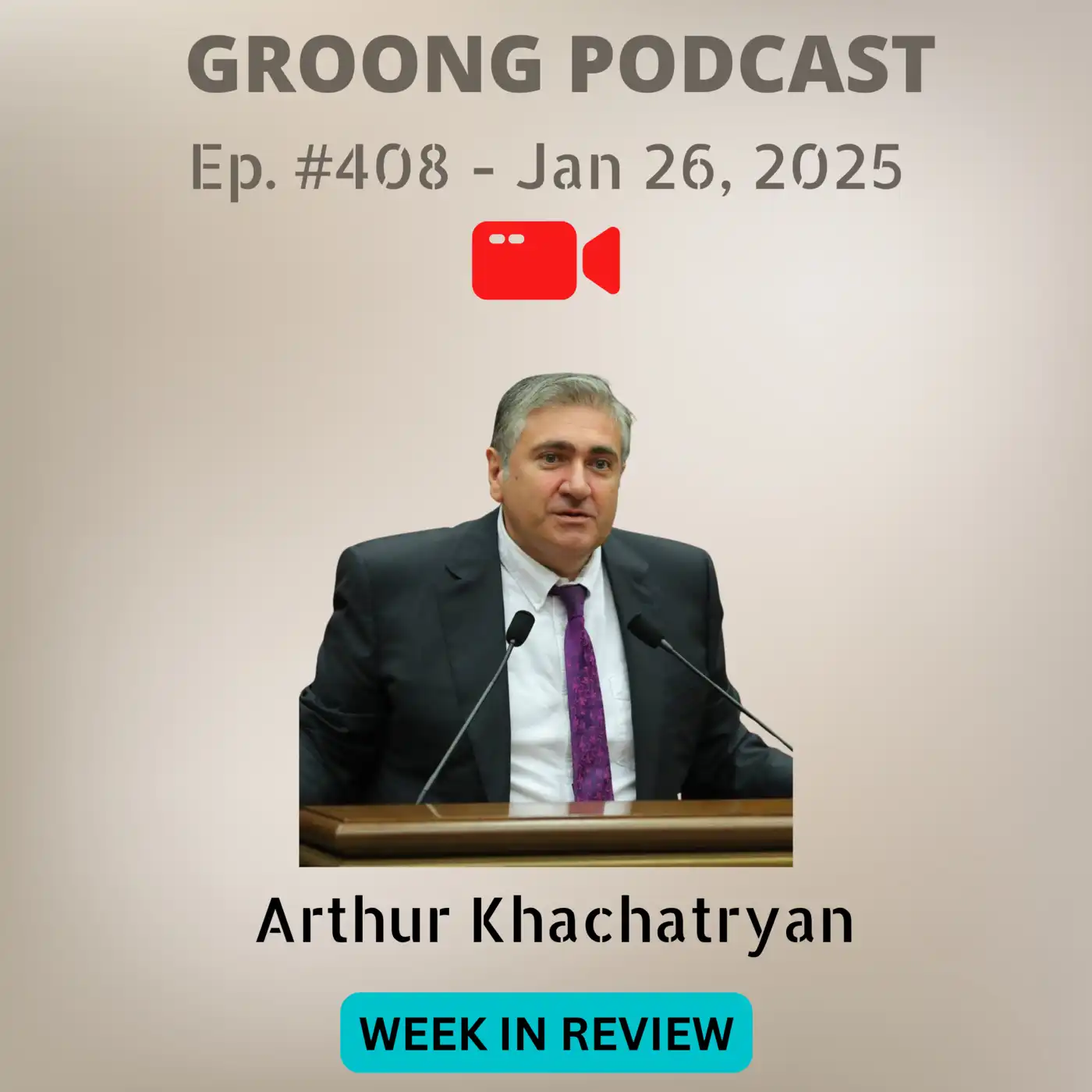
Groong Links:
Guest:
- Mr. Arthur Khachatryan , MP, Hayastan Dashinq/Armenia Alliance
Topics:
- Mirzoyan in Moscow
- Vahan Kostanyan in Tehran
- Mher Grigoryan on the Border (concessions)
- FIS Annual Report 2025
- The Silence of the Lambs
Episode 408 | Recorded: January 29, 2025
Arthur Khachatryan - Mirzoyan in Moscow, Kostanyan in Tehran, Mher Grigoryan on the Border, FIS Annual Report, Silence of the Lambs | Ep 409, Jan 26, 2025 [EP408]
Posted on Thursday, Jan 30, 2025 | Category: Armenia, Artsakh, Nagorno Karabakh, Economy, Azerbaijan, Georgia, Turkey, Russia, Armenian Church, Armenian Genocide, Iran, European Union, Genocide, Syria, Lebanon, NATO, Middle East, Ukraine, Human RightsGroong Links:
Guest:
- Mr. Arthur Khachatryan , MP, Hayastan Dashinq/Armenia Alliance
Topics:
- Mirzoyan in Moscow
- Vahan Kostanyan in Tehran
- Mher Grigoryan on the Border (concessions)
- FIS Annual Report 2025
- The Silence of the Lambs
Episode 408 | Recorded: January 29, 2025
Elisa von Joeden-Forgey - Lemkin Inst, Genocide in Artsakh, Pashinyan Genocide Denial, Gaza, other | Ep 341 - June 28, 2024 [EP341]
Posted on Friday, Jun 28, 2024 | Category: Genocide, Armenia, Artsakh, Nagorno Karabakh, Human Rights, Armenian Genocide, Israel, Turkey, Russia, China, Economy, Middle East, Ukraine, India | Series: cog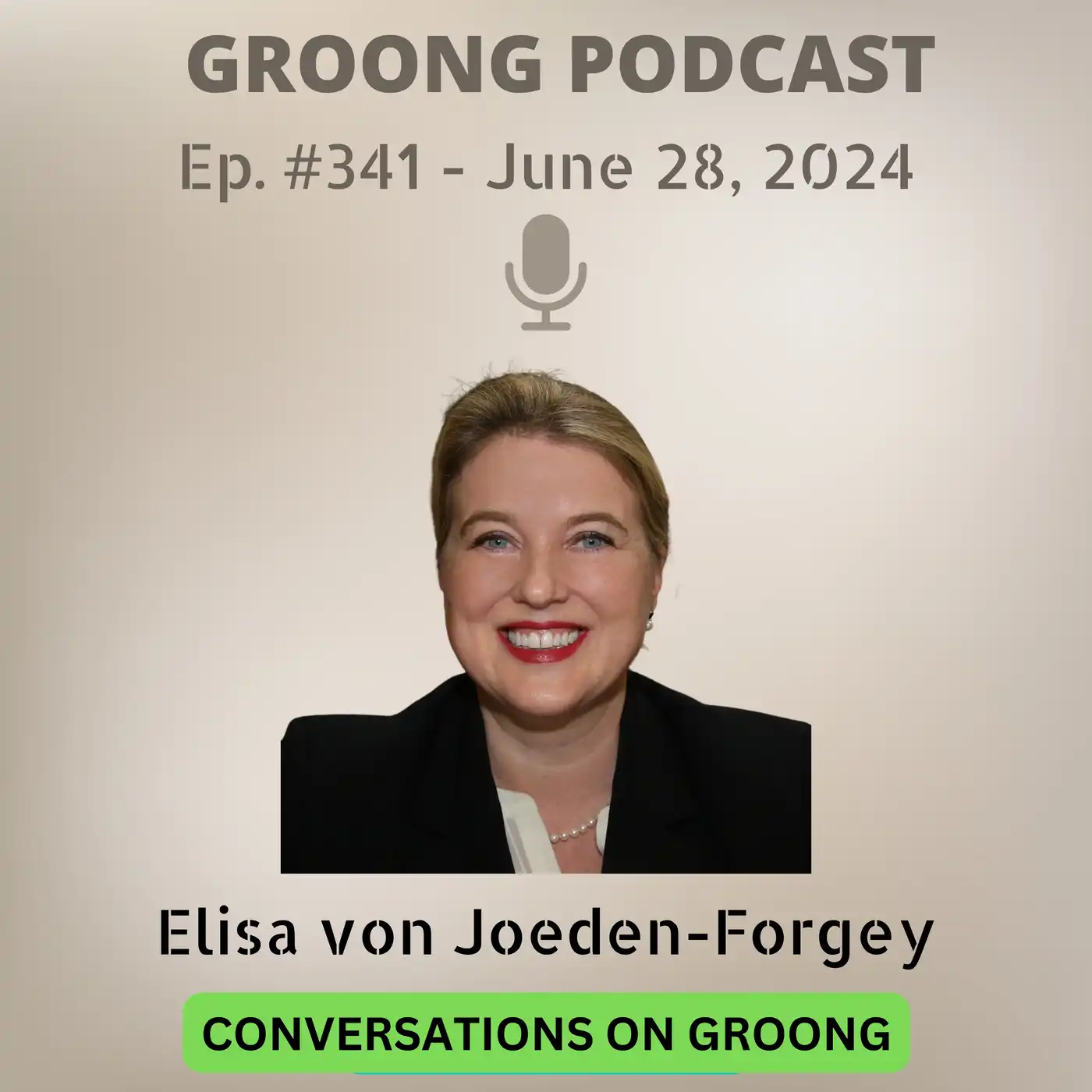
Groong Links:
Guest:
Topics:
- Background on the Lemkin Institute
- Genocide in Artsakh
- Armenian Governmentâs Genocide Denial
- Gaza and other Genocides
Episode 341 | Recorded: June 25, 2024
Elisa von Joeden-Forgey - Lemkin Inst, Genocide in Artsakh, Pashinyan Genocide Denial, Gaza, other | Ep 341 - June 28, 2024 [EP341]
Posted on Friday, Jun 28, 2024 | Category: Genocide, Armenia, Artsakh, Nagorno Karabakh, Human Rights, Armenian Genocide, Israel, Turkey, Russia, China, Economy, Middle East, Ukraine, IndiaGroong Links:
Guest:
Topics:
- Background on the Lemkin Institute
- Genocide in Artsakh
- Armenian Governmentâs Genocide Denial
- Gaza and other Genocides
Episode 341 | Recorded: June 25, 2024
Edgar Elbakyan - 109th Commemorations of the Armenian Genocide | Pashinyan Concedes Tavush Territories | Russia Withdrawing Peacekeepers from Artsakh | Ep 326 - Apr 21, 2024 [EP326]
Posted on Thursday, Apr 25, 2024 | Category: Armenia, Artsakh, Politics, Nagorno Karabakh, Azerbaijan, Turkey, Russia, Artsakh Blockade, Armenian Genocide, European Union, Genocide, Iran, Georgia, Ukraine, Geopolitics | Series: wir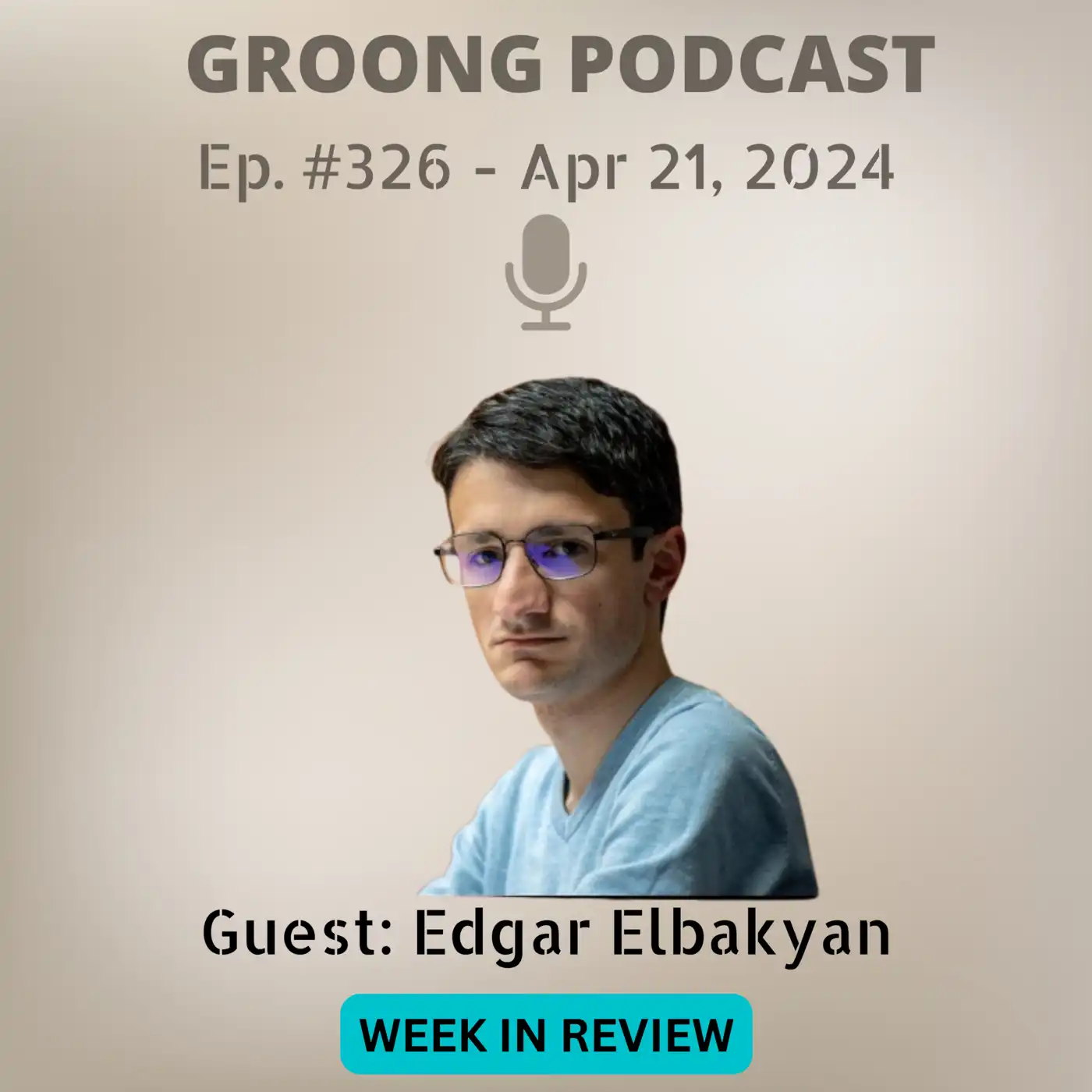
Groong Links:
Guest:
Topics:
- 109th Commemorations of the Armenian Genocide
- Pashinyan Concedes Tavush Territories
- Russia Withdrawing Peacekeepers from Artsakh
Episode 326 | Recorded: April 24, 2024
Edgar Elbakyan - 109th Commemorations of the Armenian Genocide | Pashinyan Concedes Tavush Territories | Russia Withdrawing Peacekeepers from Artsakh | Ep 326 - Apr 21, 2024 [EP326]
Posted on Thursday, Apr 25, 2024 | Category: Armenia, Artsakh, Politics, Nagorno Karabakh, Azerbaijan, Turkey, Russia, Artsakh Blockade, Armenian Genocide, European Union, Genocide, Iran, Georgia, Ukraine, GeopoliticsGroong Links:
Guest:
Topics:
- 109th Commemorations of the Armenian Genocide
- Pashinyan Concedes Tavush Territories
- Russia Withdrawing Peacekeepers from Artsakh
Episode 326 | Recorded: April 24, 2024
Benyamin Poghosyan - Genocide Denial by the Armenian Government | Armenia Azerbaijan Talks | Iran Amidst Conflicts | Political Prisoners | Ep 324 - Apr 14, 2024 [EP324]
Posted on Wednesday, Apr 17, 2024 | Category: Armenia, Artsakh, Politics, Nagorno Karabakh, Azerbaijan, Iran, Israel, Armenian Genocide, Genocide, Russia, Turkey, Syria, Middle East, Georgia, Ukraine, European Union, Human Rights, Geopolitics, NATO | Series: wir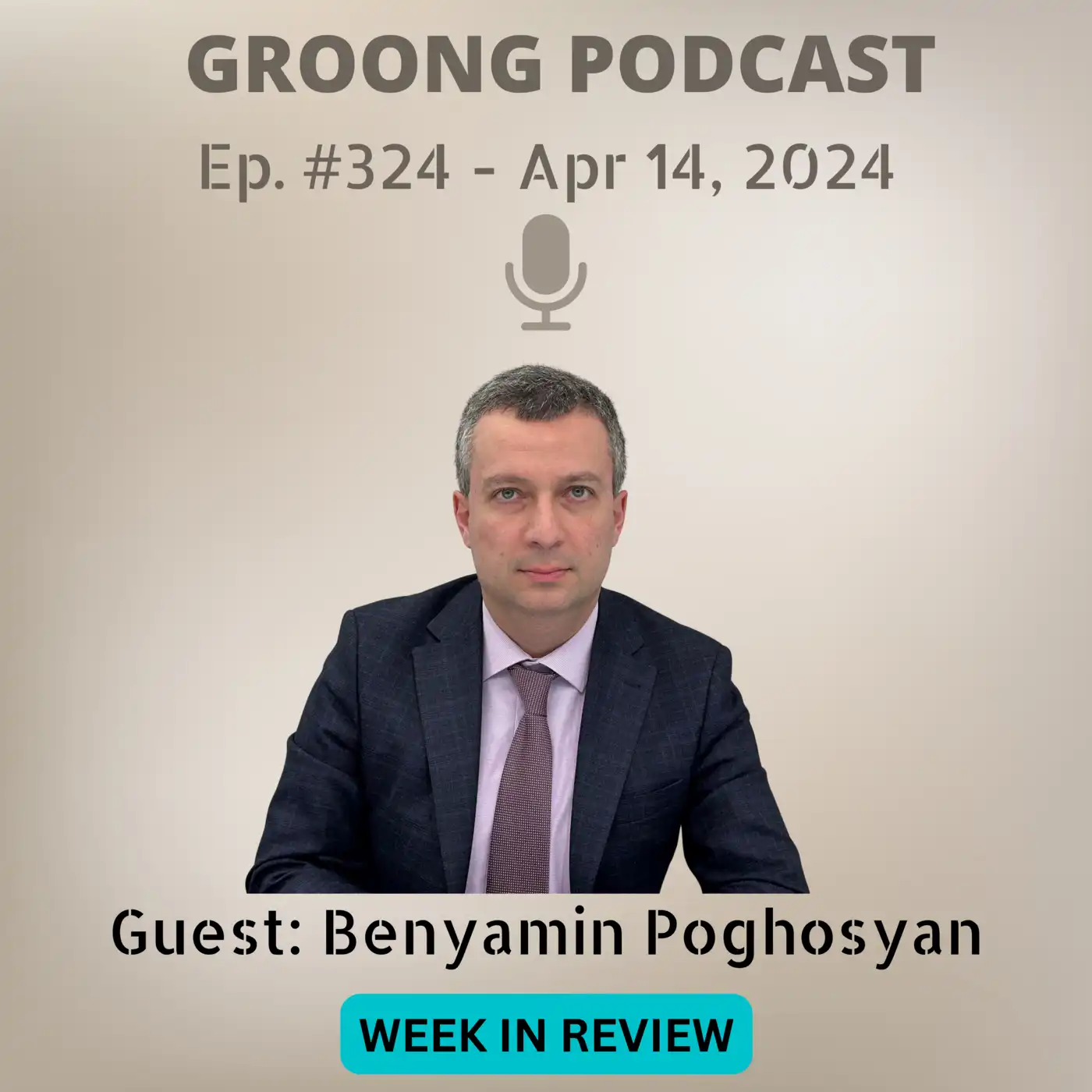
Groong Links:
Guest:
Topics:
- Armenia Azerbaijan Talks
- Iran Amidst Conflicts
- Political Prisoners
Episode 324 | Recorded: April 16, 2024
Benyamin Poghosyan - Genocide Denial by the Armenian Government | Armenia Azerbaijan Talks | Iran Amidst Conflicts | Political Prisoners | Ep 324 - Apr 14, 2024 [EP324]
Posted on Wednesday, Apr 17, 2024 | Category: Armenia, Artsakh, Politics, Nagorno Karabakh, Azerbaijan, Iran, Israel, Armenian Genocide, Genocide, Russia, Turkey, Syria, Middle East, Georgia, Ukraine, European Union, Human Rights, Geopolitics, NATOGroong Links:
Guest:
Topics:
- Armenia Azerbaijan Talks
- Iran Amidst Conflicts
- Political Prisoners
Episode 324 | Recorded: April 16, 2024
Earthquake in Turkey and Syria | Armenia-Azerbaijan Conflict | Lavrov Interview | EU and CSTO Missions | Shifting Public Perceptions | Yerevan Political Shuffle | Ep 224 - Feb 12, 2023 [EP224]
Posted on Sunday, Feb 12, 2023 | Category: Armenia, Politics, Poll, Artsakh, Nagorno Karabakh, Azerbaijan, Turkey, Syria, Russia, Iran, Artsakh Blockade, European Union, Ukraine, China, India, Geopolitics, Genocide, Georgia, Israel, Lebanon | Series: wir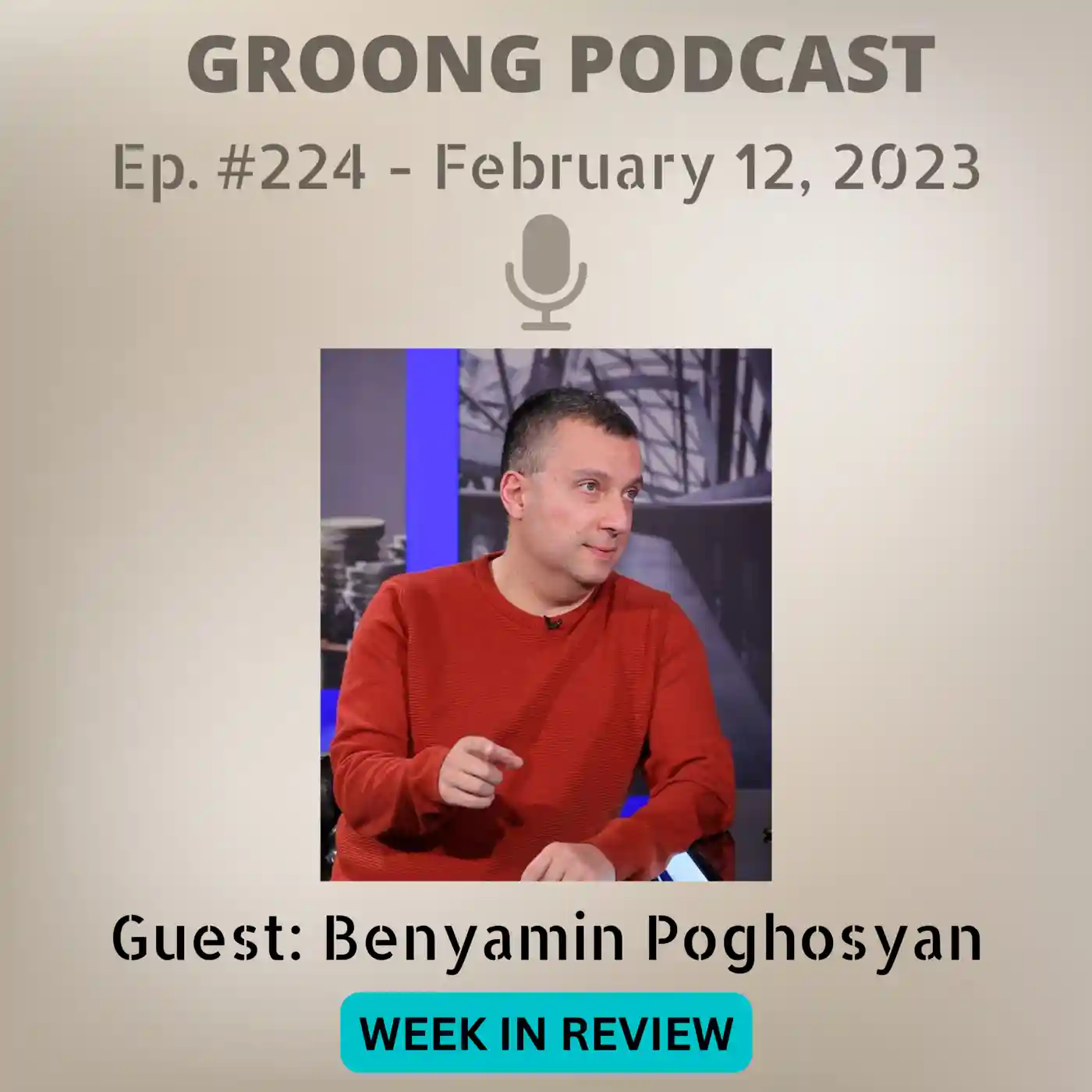
Guest:
Topic:
- Earthquake in Turkey and Syria
- Armenia-Azerbaijan Conflict
- FM Lavrovâs Interview to Russian Media
- EU vs CSTO Missions
- Shifting Public Perceptions
- Political Shuffles in Yerevan
Episode 224 | Recorded: February 12, 2023
Earthquake in Turkey and Syria | Armenia-Azerbaijan Conflict | Lavrov Interview | EU and CSTO Missions | Shifting Public Perceptions | Yerevan Political Shuffle | Ep 224 - Feb 12, 2023 [EP224]
Posted on Sunday, Feb 12, 2023 | Category: Armenia, Politics, Poll, Artsakh, Nagorno Karabakh, Azerbaijan, Turkey, Syria, Russia, Iran, Artsakh Blockade, European Union, Ukraine, China, India, Geopolitics, Genocide, Georgia, Israel, LebanonGuest:
Topic:
- Earthquake in Turkey and Syria
- Armenia-Azerbaijan Conflict
- FM Lavrovâs Interview to Russian Media
- EU vs CSTO Missions
- Shifting Public Perceptions
- Political Shuffles in Yerevan
Episode 224 | Recorded: February 12, 2023
ANCA Advocacy Agenda 2022 with Aram Hamparian | Ep #136 - May 13, 2022 [EP136]
Posted on Friday, May 13, 2022 | Category: Armenia, Turkey, Genocide, Armenian Genocide, Azerbaijan, India, Russia, Syria, Geopolitics, Iran, Israel, Ukraine, Artsakh, Georgia, Human Rights, Armenian Church, Middle East, Nagorno Karabakh, NATO | Series: cog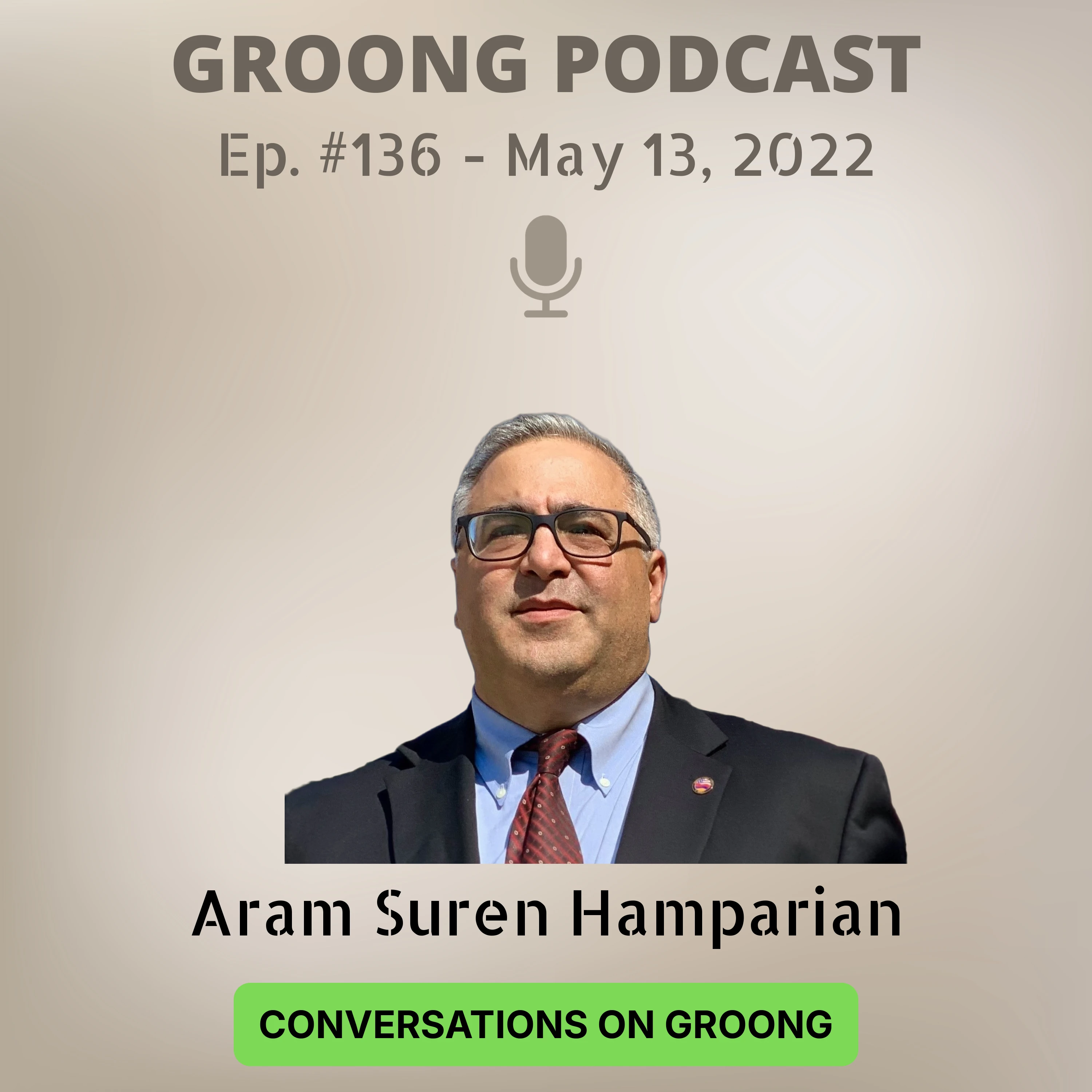
ANCA Advocacy Agenda 2022 - MaY 13, 2022 A Conversation with ARAM SUREN HAMPARIAN
Topics:
- The US/Turkey F-35/F-16 Fallout
- US Aid to Armenia and Artsakh
- The Armenian Genocide Education Bill
- Dr. Oz is Mehmet Oz
- The US Election Cycles of 2022 and 2024
Guest:
- Aram Suren Hamparian is the Executive Director of the Armenian National Committee of America.
Guest(s):
Hosts:
- Hovik Manucharyan TW/@HovikYerevan
- Asbed Bedrossian TW/@qubriq
Episode 136 | Recorded on Thursday, May 12, 2022 Show notes: https://groong.org/podcasts/CoG-20220513.html
ANCA Advocacy Agenda 2022 with Aram Hamparian | Ep #136 - May 13, 2022 [EP136]
Posted on Friday, May 13, 2022 | Category: Armenia, Turkey, Genocide, Armenian Genocide, Azerbaijan, India, Russia, Syria, Geopolitics, Iran, Israel, Ukraine, Artsakh, Georgia, Human Rights, Armenian Church, Middle East, Nagorno Karabakh, NATOANCA Advocacy Agenda 2022 - MaY 13, 2022 A Conversation with ARAM SUREN HAMPARIAN
Topics:
- The US/Turkey F-35/F-16 Fallout
- US Aid to Armenia and Artsakh
- The Armenian Genocide Education Bill
- Dr. Oz is Mehmet Oz
- The US Election Cycles of 2022 and 2024
Guest:
- Aram Suren Hamparian is the Executive Director of the Armenian National Committee of America.
Guest(s):
Hosts:
- Hovik Manucharyan TW/@HovikYerevan
- Asbed Bedrossian TW/@qubriq
Episode 136 | Recorded on Thursday, May 12, 2022 Show notes: https://groong.org/podcasts/CoG-20220513.html
Armenian News: April 24 Never Forget | Brussels Meet | Pashinyan in Moscow | Ep #133 - Apr 24, 2022 [EP133]
Posted on Tuesday, Apr 26, 2022 | Category: Armenia, Russia, Azerbaijan, Turkey, Genocide, Armenian Genocide, Ukraine, Artsakh, Georgia, China, Human Rights, Nagorno Karabakh, European Union, NATO, Lebanon | Series: wir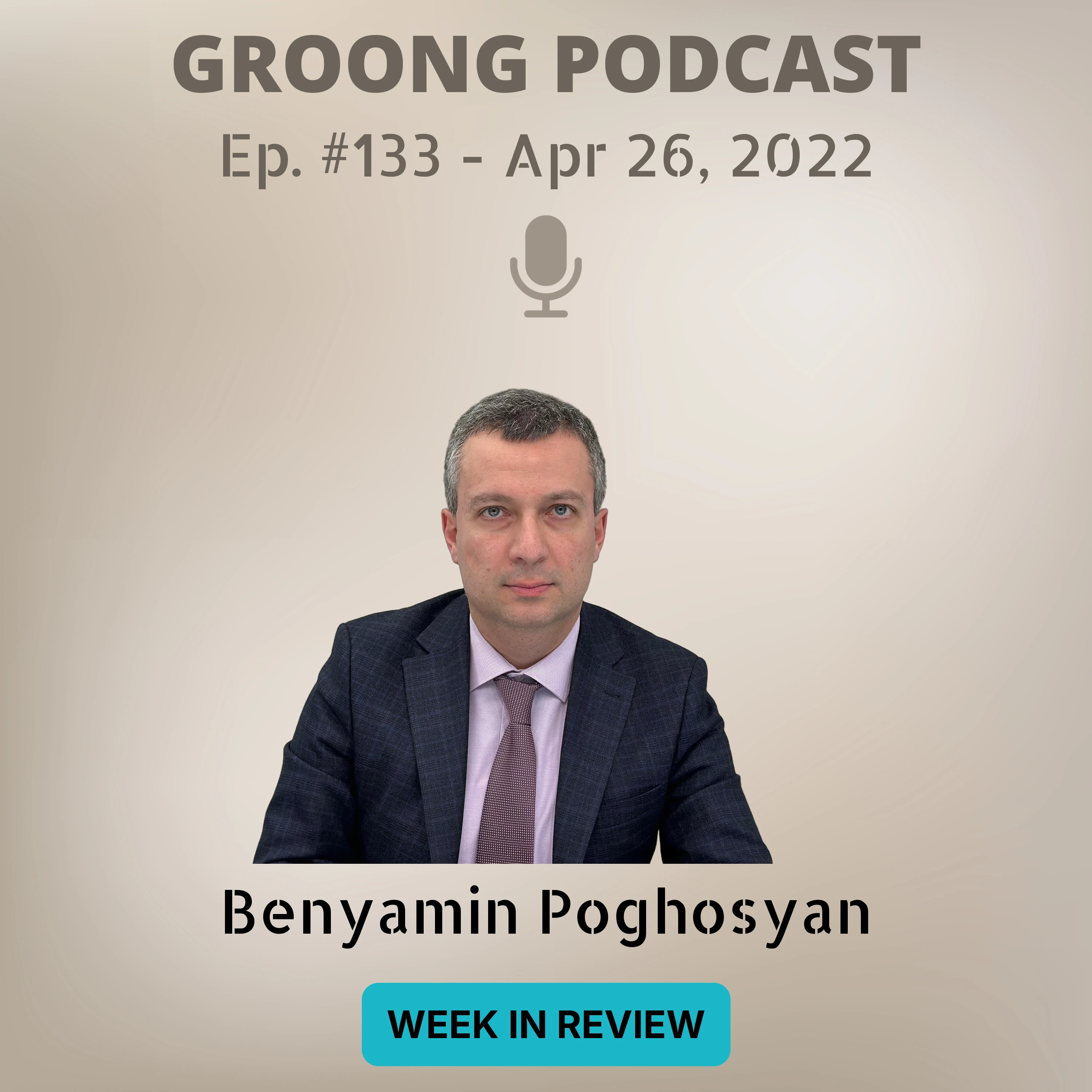
Guest(s):
Armenian News Network/Groong Week in Review - April 24, 2022
Topics:
- 00:00:00 Intro
- 00:00:53 April 24, Never Forget!
- 00:15:54 Aliyev and Pashinyan in Brussels
- 00:41:01 Pashinyan in Moscow
- 01:01:36 Rants
Guest:
- Benyamin Poghosyan TW/@Benyamin_Poghos
Host:
- Hovik Manucharyan TW/@HovikYerevan
- Asbed Bedrossian TW/@qubriq
Episode 133 | Recorded: Monday, April 25, 2022 Website: https://groong.org/podcasts/WiR-20220424.html
Armenian News: April 24 Never Forget | Brussels Meet | Pashinyan in Moscow | Ep #133 - Apr 24, 2022 [EP133]
Posted on Tuesday, Apr 26, 2022 | Category: Armenia, Russia, Azerbaijan, Turkey, Genocide, Armenian Genocide, Ukraine, Artsakh, Georgia, China, Human Rights, Nagorno Karabakh, European Union, NATO, LebanonGuest(s):
Armenian News Network/Groong Week in Review - April 24, 2022
Topics:
- 00:00:00 Intro
- 00:00:53 April 24, Never Forget!
- 00:15:54 Aliyev and Pashinyan in Brussels
- 00:41:01 Pashinyan in Moscow
- 01:01:36 Rants
Guest:
- Benyamin Poghosyan TW/@Benyamin_Poghos
Host:
- Hovik Manucharyan TW/@HovikYerevan
- Asbed Bedrossian TW/@qubriq
Episode 133 | Recorded: Monday, April 25, 2022 Website: https://groong.org/podcasts/WiR-20220424.html