Ethnic Cleansing
Last updated: June 11, 2026
In September 2023, Azerbaijan completed the ethnic cleansing of Artsakh (Nagorno Karabakh) through a 24-hour military offensive that expelled the entire Armenian population of the enclave. More than 150,000 Armenians fled or were forced to leave, ending Armenian habitation of Artsakh and marking the culmination of a process that began with the 44-Day War in 2020 and accelerated through border incursions, blockades, and military threats over the subsequent three years. The operation left Armenian towns and villages emptied and subject to Azerbaijani control, cultural erasure, and redevelopment under a new administration. Arayik Harutyunyan , the last Armenian administrator of Artsakh, oversaw the evacuation and subsequently resigned, acknowledging the catastrophic loss of Armenian territorial and political presence in the region.
The displacement created an immediate humanitarian and political crisis for Armenia. Tens of thousands of Artsakhtsis arrived in Armenia without homes, employment, or documentation recognizing their displaced status. Questions of property rights, compensation, and the right of return remained unresolved as Pashinyan pursued negotiations framed as “peace” but which involved accepting Armenian territorial loss without securing guarantees for displaced populations or their future repatriation. Arega Hovsepyan of Strong Armenia emphasized in February 2026 that displaced Artsakhtsis faced voting rights complications, documentation barriers, and inadequate government support, while cultural heritage sites throughout Artsakh were destroyed or repurposed under Azerbaijani administration. The ethnic cleansing also raised accountability questions: no international investigation was launched, and the responsibility of outside powers, particularly Russia , for failing to prevent the displacement remained contested even as Russian peacekeeping forces withdrew in September 2023.
Travel blogger YoungMin visited Artsakh after the ethnic cleansing and documented the controlled nature of access, the selective tourism permitted by Azerbaijani authorities, and the emotional reality of witnessing emptied Armenian towns undergoing redevelopment. The cleansing represents a finality that earlier ceasefire agreements had not guaranteed: the total removal of an Armenian population from a historically Armenian territory, accomplished through military force in the absence of international intervention.
Institutional Erasure and Memory Suppression
Beyond the physical displacement, the Pashinyan administration has committed to an institutional erasure of Artsakh from Armenian historical and political discourse. Under pressure from Azerbaijan’s capitulative demands—including constitutional amendments removing references to Artsakh—the government has vowed to suppress memory of Artsakh and to punish those who attempt to resurrect or commemorate it. This represents a second phase of erasure: first the expulsion of the Armenian population, then the suppression of Armenian claims to historical memory. Individuals and organizations that continue to advocate for Artsakh’s Armenian identity or the rights of displaced Artsakhtsis face legal and administrative consequences, effectively criminalizing historical memory and political dissent.
The Armenian Church , historically the keeper of Armenian identity and memory, has emerged as one of the few institutions willing to advocate publicly for Artsakh Armenians and their rights. The Catholicos (Primate) of the Armenian Apostolic Church participated in a Bern meeting in 2024 where the issue of Karabakh was discussed, affirming the Church’s continued commitment to Artsakh Armenians. In response, Pashinyan’s government intensified its attacks against the Church, viewing it as a threat to the institutional erasure project. The state has targeted Church leadership with arrests and accusations, sought to restrict the Church’s autonomy, and pressured the Church to abandon its advocacy for displaced Artsakhtsis. These attacks represent the government’s determination to eliminate all institutional voices capable of preserving Armenian memory and historical claims to Artsakh.
Continuity with the Armenian Genocide
Some scholars and Armenian analysts view the ethnic cleansing of Artsakh as a continuation of the Armenian Genocide of 1915, arguing that the dispossession, displacement, and cultural erasure reflect a persistent pattern of territorial and demographic elimination spanning more than a century. The 2023 operation completed what Ottoman forces began in 1915: the removal of Armenians from territories they had inhabited for millennia. This perspective emphasizes that the international community’s failure to recognize or prevent the Artsakh cleansing perpetuates a historical pattern of impunity for crimes against the Armenian people, allowing successive regimes to complete the work of erasure—both physical and institutional—without facing accountability or consequences.
Whether Armenia will ever achieve a right of return for displaced Artsakhtsis, whether the international community will recognize the cleansing as such, and whether Armenia can maintain Armenian identity and claims to Artsakh absent an Armenian population remain open questions shaping Armenia’s political discourse and its negotiations with Azerbaijan as of 2026.
Groong episodes that include this tag
Below are all Groong episodes tagged with Ethnic Cleansing.
Groong News Digest — Week of September 28–4, 2026
Posted on Sunday, Oct 4, 2026 | Category: Digest, News DigestArmenia faces domestic political turmoil, border security breaches, and international pressure over the Azerbaijani serviceman incident and church persecution, while peace negotiations proceed amid regional tensions.
Groong Podcast Digest — Week of September 28–4, 2026
Posted on Sunday, Oct 4, 2026 | Category: Digest, Podcast DigestHovik and Asbed mark the sixth anniversary of the 44-Day War while examining Armenia’s deepening crisis over historical memory, escalating tensions between the state and the Armenian Church, international concern over election integrity, and Armenia’s isolated position as Azerbaijan demolishes Artsakh’s Armenian cultural heritage. Harut Sassounian examines Armenia’s identity crisis amid escalating conflict between Pashinyan’s government and the Armenian Apostolic Church, discussing Catholicos Garegin II’s statements at the May 2025 World Council of Churches Read More
A Tata Concert on the Anniversary of the War [EP591]
Posted on Thursday, Oct 1, 2026 | Category: History, Politics, Nagorno KarabakhOn the sixth anniversary of the 2020 war, thousands streamed to Yerablur while state TV aired a pop concert and no Civil Contract official appeared.
From Yerablur to Etchmiadzin: Armenia’s Battle Over Memory | Ep 591, Sep 27, 2026 [EP591]
Posted on Thursday, Oct 1, 2026 | Category: Armenia, Politics, Geopolitics | Series: wir, video
Groong Links:
Topics:
- September 27 war anniversary and memory
- Pashinyan escalates campaign against Church
- PACE raises concerns over elections
- Armenia, Turkey, Azerbaijan at UNGA
- Witkoff reveals Turkish regional advisers
- Opposition faces post-election divisions
- Arrests and prosecutions over speech
- France and Azerbaijan move toward normalization
Episode 591 | Recorded: September 27, 2026
From Yerablur to Etchmiadzin: Armenia’s Battle Over Memory | Ep 591, Sep 27, 2026 [EP591]
Posted on Thursday, Oct 1, 2026 | Category: Armenia, Politics, GeopoliticsGroong Links:
Topics:
- September 27 war anniversary and memory
- Pashinyan escalates campaign against Church
- PACE raises concerns over elections
- Armenia, Turkey, Azerbaijan at UNGA
- Witkoff reveals Turkish regional advisers
- Opposition faces post-election divisions
- Arrests and prosecutions over speech
- France and Azerbaijan move toward normalization
Episode 591 | Recorded: September 27, 2026
Transcript: From Yerablur to Etchmiadzin: Armenia’s Battle Over Memory | Ep 591, Sep 27, 2026 [EP591]
Posted on Thursday, Oct 1, 2026 | Category: Armenia, Politics, Geopolitics, TranscriptIn this week’s Groong Week in Review, Hovik and Asbed mark the sixth anniversary of the 44-Day War and examine Armenia’s deepening crisis over historical memory and national identity. We discuss the Armenian government’s controversial response to September 27 commemorations, escalating tension between the state and the Armenian Church, international concern over election integrity, and Armenia’s isolated position as Azerbaijan demolishes Artsakh’s Armenian cultural heritage while Turkey advances regional integration plans.
Armenia at 35: Independence, Loss, and Unfinished Wars | Ep 588, Sep 20, 2026 [EP588]
Posted on Wednesday, Sep 23, 2026 | Category: Armenia, Politics, Geopolitics | Series: wir, video
Groong Links:
Topics:
- Armenia marks 35 years independent
- Artsakh remembered three years later
- Armenian POWs remain in Baku
- Ukraine strikes deep inside Russia
- Turkey-Azerbaijan deepen strategic coordination
- Citizenship costs rise sharply
- Government opacity over war casualties
Episode 588 | Recorded: September 22, 2026
#Armenia #Artsakh #UkraineWar #ArmenianPOWs #Azerbaijan #Turkey #SouthCaucasus #ArmenianPolitics
Armenia at 35: Independence, Loss, and Unfinished Wars | Ep 588, Sep 20, 2026 [EP588]
Posted on Wednesday, Sep 23, 2026 | Category: Armenia, Politics, GeopoliticsGroong Links:
Topics:
- Armenia marks 35 years independent
- Artsakh remembered three years later
- Armenian POWs remain in Baku
- Ukraine strikes deep inside Russia
- Turkey-Azerbaijan deepen strategic coordination
- Citizenship costs rise sharply
- Government opacity over war casualties
Episode 588 | Recorded: September 22, 2026
#Armenia #Artsakh #UkraineWar #ArmenianPOWs #Azerbaijan #Turkey #SouthCaucasus #ArmenianPolitics
Transcript: Armenia at 35: Independence, Loss, and Unfinished Wars | Ep 588, Sep 20, 2026 [EP588]
Posted on Wednesday, Sep 23, 2026 | Category: Armenia, Politics, Geopolitics, TranscriptIn this week’s Groong podcast episode, Hovik and Asbed reflect on Armenia’s 35th independence anniversary amid ongoing regional tensions and unresolved conflicts. We discuss the state of Armenian statehood three years after the ethnic cleansing of Artsakh, Armenian prisoners of war still held in Baku, rising citizenship costs, government opacity over war casualties, and deepening Turkey-Azerbaijan strategic coordination.
Azerbaijan Mocks Armenian Manuscript With Blank Pages [EP585]
Posted on Wednesday, Sep 16, 2026 | Category: Artsakh, Culture, AzerbaijanAt Gandzasar, an Azerbaijani official held up a blank-paged replica of an Armenian manuscript and called it empty, as European diplomats smiled.
Artsakh at 35: A Glorious Day Turned to Mourning [EP584]
Posted on Monday, Sep 7, 2026 | Category: Artsakh, Nagorno Karabakh, HistoryOn the 35th anniversary of Artsakh’s independence, the hosts mourn a homeland emptied of its people and call it the cause of every Armenian generation.
Artsakh Remembered, SCO Theater, Russian Signals, and the Cucumber Paradox | Ep 584, Sep 6, 2026 [EP584]
Posted on Monday, Sep 7, 2026 | Series: wir, video
Groong Links:
Topics:
- Artsakh remembered, its cause unresolved
- Putin puts Russia’s military base on the table
- Church prosecutions begin to unravel
- EU trade headlines look better than the deal
- Army indiscipline fuels mounting non-combat deaths
- New political pressures before local elections
Episode 584 | Recorded: Sep 6, 2026
#Artsakh #Armenia #NagornoKarabakh #SouthCaucasus #SCO #Russia #EuropeanUnion #ArmenianPolitics
Artsakh Remembered, SCO Theater, Russian Signals, and the Cucumber Paradox | Ep 584, Sep 6, 2026 [EP584]
Posted on Monday, Sep 7, 2026Groong Links:
Topics:
- Artsakh remembered, its cause unresolved
- Putin puts Russia’s military base on the table
- Church prosecutions begin to unravel
- EU trade headlines look better than the deal
- Army indiscipline fuels mounting non-combat deaths
- New political pressures before local elections
Episode 584 | Recorded: Sep 6, 2026
#Artsakh #Armenia #NagornoKarabakh #SouthCaucasus #SCO #Russia #EuropeanUnion #ArmenianPolitics
Transcript: Artsakh Remembered, SCO Theater, Russian Signals, and the Cucumber Paradox | Ep 584, Sep 6, 2026 [EP584]
Posted on Monday, Sep 7, 2026 | Category: TranscriptIn this week’s Groong episode, Hovik and Asbed review September 2026 developments across Armenia and the South Caucasus. We examine Artsakh’s remembered independence declaration on September 2, 1991, and its unresolved cause following the 2023 ethnic cleansing; Putin’s signaling on Russia’s military base presence; ongoing Armenian Church prosecutions; EU trade negotiations; mounting non-combat military deaths; and political pressures ahead of local elections. We also analyze U.S. envoy Witkoff and Kushner’s diplomatic shuttle through Moscow and Kyiv.
Groong Links:
Guest(s):
Topics:
- Erasing memory across Yerevan
- Great Purge in Soviet Armenia
- Khanjyan’s assassination and Beria
- Repression of Armenia’s national institutions
- Remembering Stalinist repression
- Historical parallels with modern Armenia
- Attacks on memory and Church
- Opposition strategy after the election
Episode 573 | Recorded: July 31, 2026
#Armenia #GreatPurge #AghasiKhanjyan #PietroShakarian #Artsakh #ArmenianChurch #PoliticalRepression #MemoryUnderSiege #Authoritarianism #SovietArmenia
Read MorePietro Shakarian - Memory Under Siege: From Stalin to Pashinyan | Ep 573, Aug 3, 2026 [EP573]
Posted on Monday, Aug 3, 2026 | Category: Armenia, Politics, HistoryGroong Links:
Guest(s):
Topics:
- Erasing memory across Yerevan
- Great Purge in Soviet Armenia
- Khanjyan’s assassination and Beria
- Repression of Armenia’s national institutions
- Remembering Stalinist repression
- Historical parallels with modern Armenia
- Attacks on memory and Church
- Opposition strategy after the election
Episode 573 | Recorded: July 31, 2026
#Armenia #GreatPurge #AghasiKhanjyan #PietroShakarian #Artsakh #ArmenianChurch #PoliticalRepression #MemoryUnderSiege #Authoritarianism #SovietArmenia
Read MoreTranscript: Pietro Shakarian - Memory Under Siege: From Stalin to Pashinyan | Ep 573, Aug 3, 2026 [EP573]
Posted on Monday, Aug 3, 2026 | Category: Armenia, Politics, History, TranscriptIn this episode of Conversations on Groong, we speak with Dr. Pietro Shakarian about memory, repression, and state power in Armenia across Soviet and contemporary periods. We discuss the Great Purge in Soviet Armenia, the assassination of Aghasi Khanjyan, the suppression of Armenian national institutions under Stalin and Beria, and the parallels between Stalinist erasure and current efforts to control public memory, symbols, and mourning in post-Artsakh Armenia under the Civil Contract regime.
Groong Links:
Guest(s):
Topics:
- Armenian-American advocacy and its next phase
- Genocide recognition, justice, and reparations
- Church-state conflict and national unity
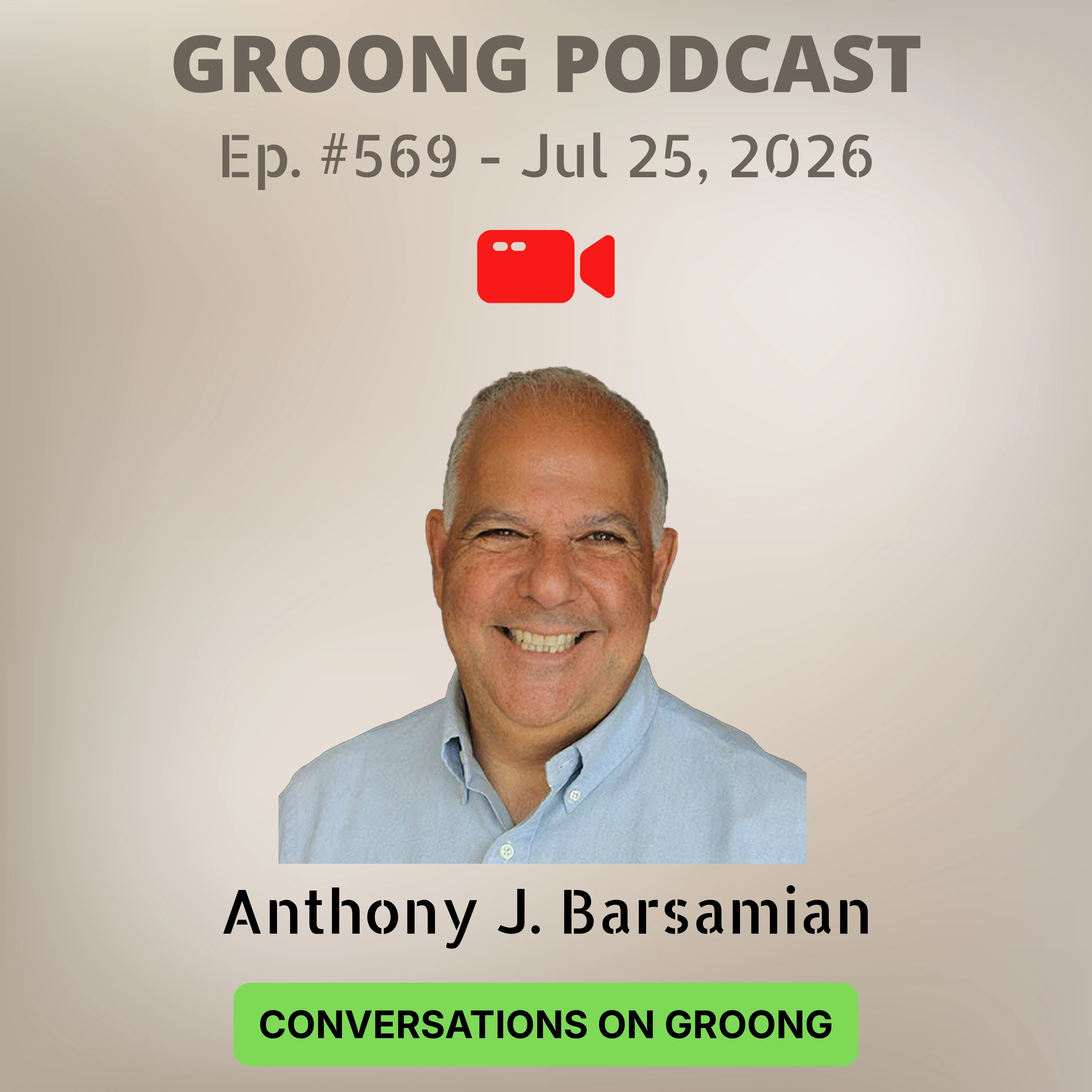
Episode 569 | Recorded: July 21, 2026
#ArmenianDiaspora #AnthonyBarsamian #ArmenianGenocide #ArmenianChurch #ArmeniaDiaspora #SouthCaucasus
Anthony Barsamian - Armenia-Diaspora checkpoint | Ep 569, Jul 25, 2026 [EP569]
Posted on Saturday, Jul 25, 2026 | Category: Armenia, Diaspora, PoliticsGroong Links:
Guest(s):
Topics:
- Armenian-American advocacy and its next phase
- Genocide recognition, justice, and reparations
- Church-state conflict and national unity
Episode 569 | Recorded: July 21, 2026
#ArmenianDiaspora #AnthonyBarsamian #ArmenianGenocide #ArmenianChurch #ArmeniaDiaspora #SouthCaucasus
Transcript: Anthony Barsamian - Armenia-Diaspora checkpoint | Ep 569, Jul 25, 2026 [EP569]
Posted on Saturday, Jul 25, 2026 | Category: Armenia, Diaspora, Politics, TranscriptIn this episode of Conversations on Groong, we speak with Anthony Barsamian about Armenian Diaspora advocacy, Armenia-Diaspora relations, and the next phase of Armenian-American activism. We discuss decades of work securing U.S.-Armenia relations and aid packages, the achievement of U.S. Armenian Genocide recognition and what comes next, and the role of the Armenian Republic in promoting international genocide recognition—including recent developments with Israeli recognition efforts.
Groong Links:
Guest(s):
Topics:
- Ukraine’s long war and endgame
- Novorossiya and a landlocked Ukraine?
- Europe rearms against Russia
- NATO 3.0 and containment
- Armenia’s post-election Western pivot
- EU promises versus EAEU dependence
- TRIPP, Syunik, and Russian red lines
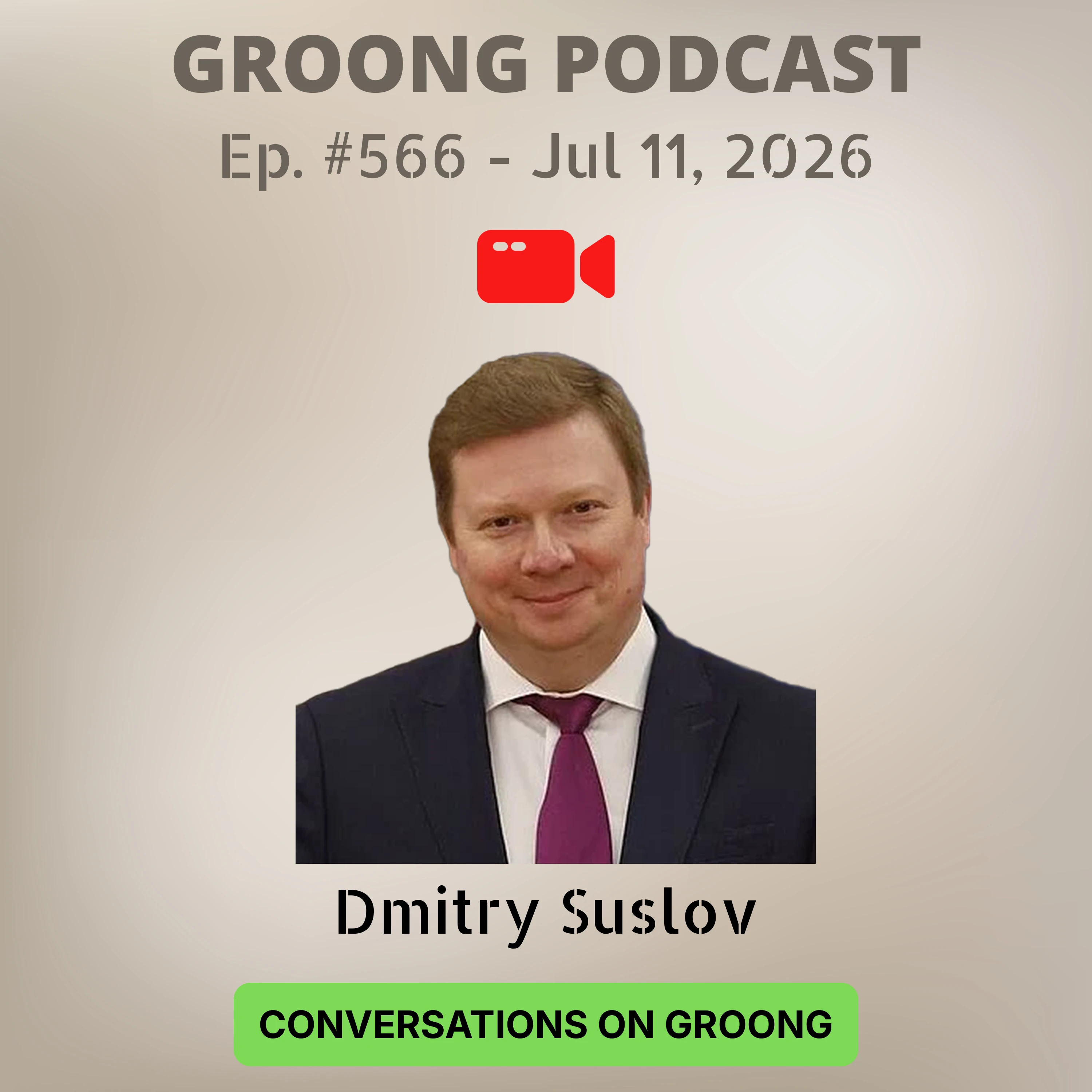
Episode 566 | Recorded: July 9, 2026
#Russia #UkraineWar #NATO #Europe #Armenia #SouthCaucasus #TRIPP #Syunik #EAEU
Dmitry Suslov - Ukraine’s Endgame, Armenia’s Crossroads | Ep 566, Jul 11, 2026 [EP566]
Posted on Saturday, Jul 11, 2026 | Category: Armenia, Russia, Ukraine, PoliticsGroong Links:
Guest(s):
Topics:
- Ukraine’s long war and endgame
- Novorossiya and a landlocked Ukraine?
- Europe rearms against Russia
- NATO 3.0 and containment
- Armenia’s post-election Western pivot
- EU promises versus EAEU dependence
- TRIPP, Syunik, and Russian red lines
Episode 566 | Recorded: July 9, 2026
#Russia #UkraineWar #NATO #Europe #Armenia #SouthCaucasus #TRIPP #Syunik #EAEU
Transcript: Dmitry Suslov - Ukraine’s Endgame, Armenia’s Crossroads | Ep 566, Jul 11, 2026 [EP566]
Posted on Saturday, Jul 11, 2026 | Category: Armenia, Russia, Ukraine, Politics, TranscriptIn this episode of Conversations on Groong, we speak with Dr. Dmitry Suslov about Russia’s strategic position across multiple fronts: the Ukraine War, Armenia’s post-election Western pivot, TRIPP and Syunik, and Europe’s rearmament against Russia. We discuss the long-term confrontation between Russia and NATO, Pashinyan’s Western alignment after the June 2026 Armenian Parliamentary Election, and how transport corridors in the South Caucasus may reshape regional containment lines.
Sergey Markedonov - Ukraine, TRIPP, and Armenia’s Western Pivot | Ep 565, Jul 10, 2026 [EP565]
Posted on Friday, Jul 10, 2026 | Series: cog, video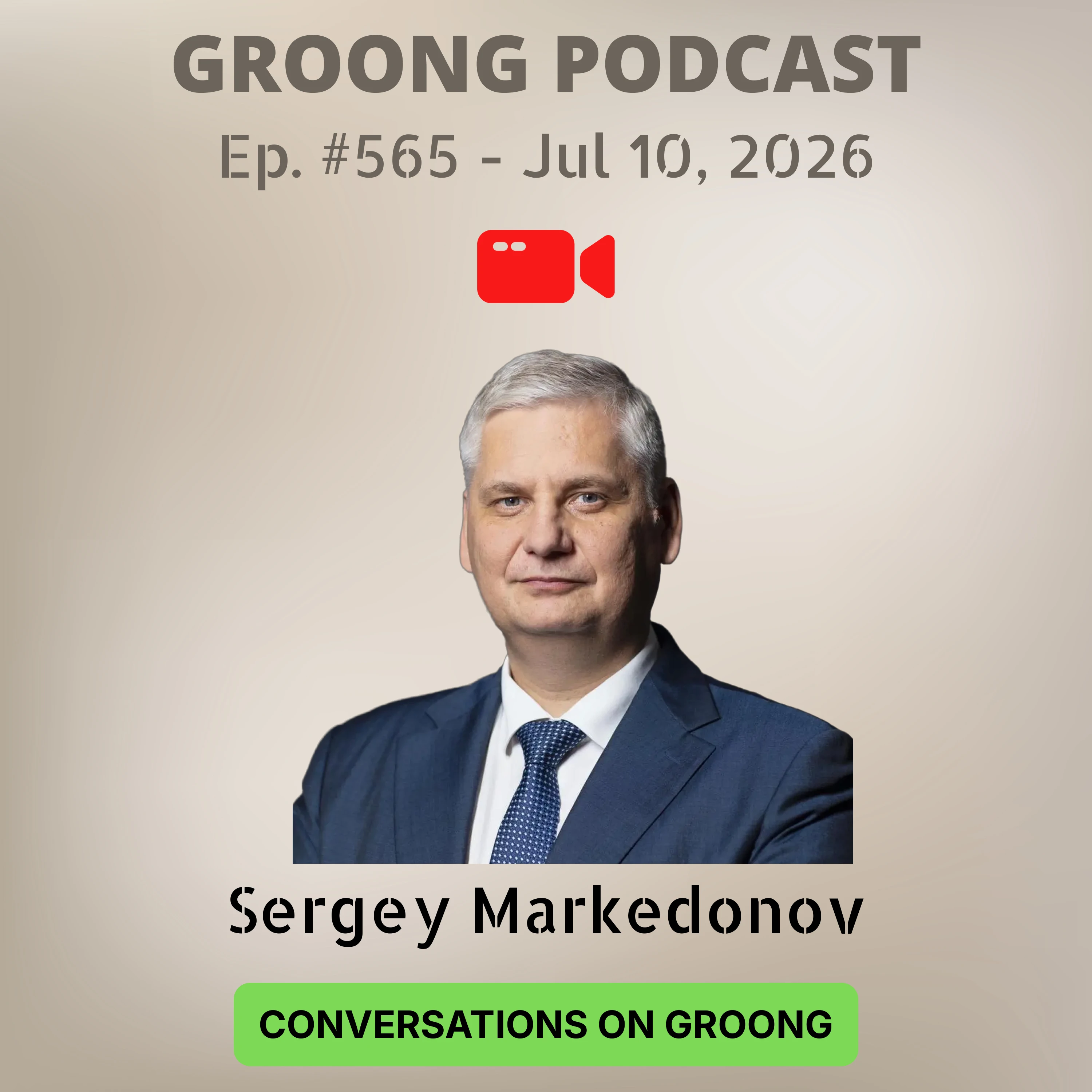
Groong Links:
Guest(s):
Topics:
- Ukraine’s war of attrition
- Russia’s strategic bandwidth problem
- TRIPP and Iran’s red lines
- Israel’s Armenian Genocide move
- Armenia’s Western pivot after elections
Episode 565 | Recorded: July 8, 2026
#ArmenianNews #SouthCaucasus #UkraineWar #Russia #Armenia #EAEU #TRIPP #Geopolitics
Sergey Markedonov - Ukraine, TRIPP, and Armenia’s Western Pivot | Ep 565, Jul 10, 2026 [EP565]
Posted on Friday, Jul 10, 2026Groong Links:
Guest(s):
Topics:
- Ukraine’s war of attrition
- Russia’s strategic bandwidth problem
- TRIPP and Iran’s red lines
- Israel’s Armenian Genocide move
- Armenia’s Western pivot after elections
Episode 565 | Recorded: July 8, 2026
#ArmenianNews #SouthCaucasus #UkraineWar #Russia #Armenia #EAEU #TRIPP #Geopolitics
Transcript: Sergey Markedonov - Ukraine, TRIPP, and Armenia’s Western Pivot | Ep 565, Jul 10, 2026 [EP565]
Posted on Friday, Jul 10, 2026 | Category: TranscriptIn this episode of Conversations on Groong, we speak with Dr. Sergey Markedonov about Russia’s strategic position amid the Ukraine War and its implications for Armenia. We discuss why Moscow remains bogged down in Ukraine despite its military superiority, how the war of attrition shapes Russian bandwidth for the South Caucasus, the geopolitical role of the Trump Route for International Peace and Prosperity, and Pashinyan’s Western pivot following the June 2026 Armenian Parliamentary Election.
EU Praises Aliyev for Peace While Ignoring Armenian POWs and Ethnic Cleansing [EP564]
Posted on Wednesday, Jul 8, 2026 | Category: Human Rights, Geopolitics, ArmeniaEU Commission President Ursula von der Leyen visited Baku and praised Aliyev for peace and cooperation, while remaining silent on Armenian POWs still held, ethnic cleansing of Artsakh, and destruction of Armenian heritage sites.
If Aliyev Kills 99% of Armenians, EU Will Thank Him for the Museum [EP564]
Posted on Wednesday, Jul 8, 2026 | Category: Human Rights, Geopolitics, ArmeniaHovik’s stark warning that EU priorities have shifted so radically toward Azerbaijan that even large-scale ethnic cleansing would likely be reframed as regional stability and economic progress.
When Israel Recognizes and Yerevan Dodges | Ep 562, Apr 25, 2026 [EP562]
Posted on Wednesday, Jul 1, 2026 | Category: Armenia, Politics | Series: wir, video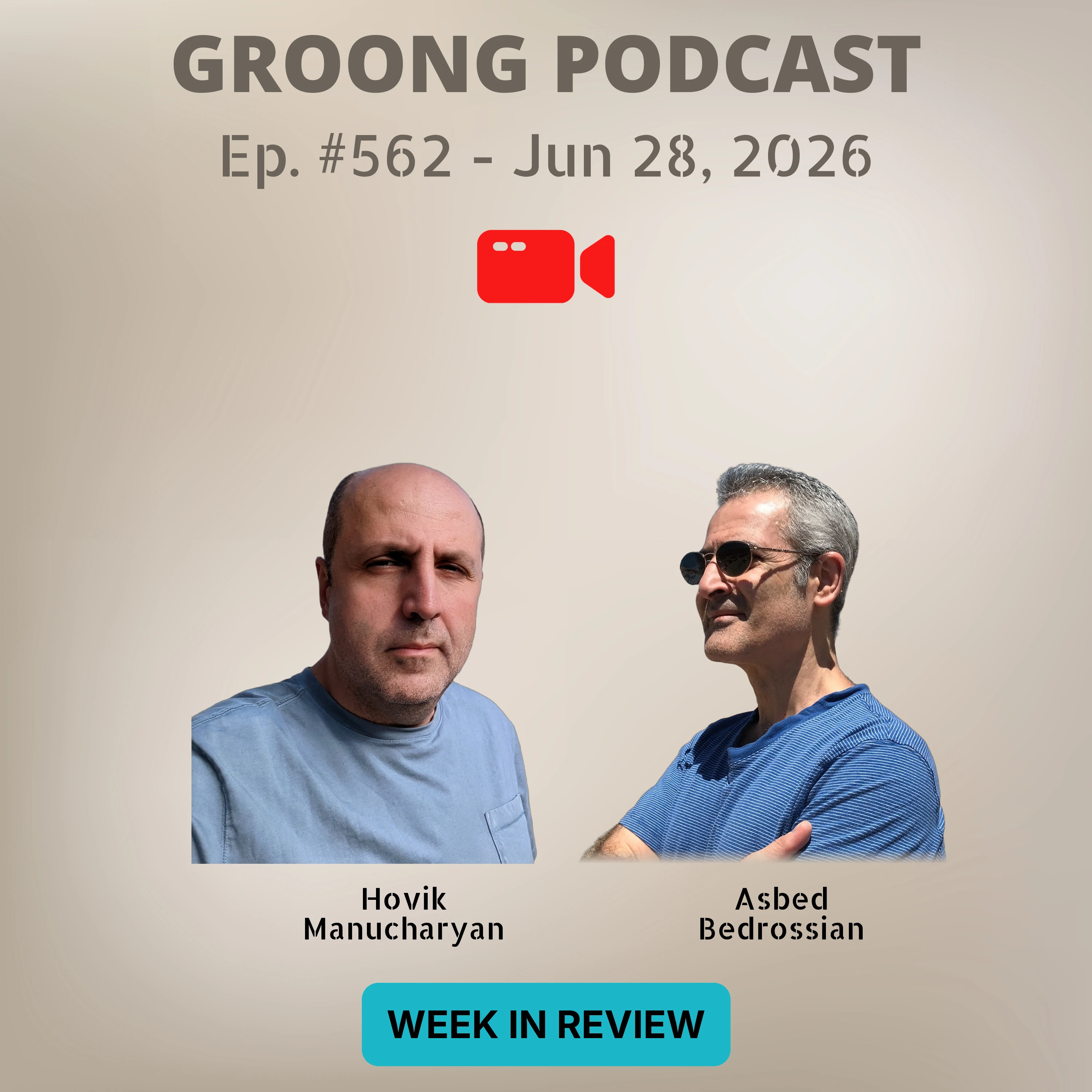
Groong Links:
Topics:
- Israel Recognizes the Armenian Genocide
- Russian Warnings Continue
- Post Election Limbo
Episode 562 | Recorded: June 29, 2026
#ArmenianGenocide #Armenia #Israel #Pashinyan #RussiaArmenia #SouthCaucasus
When Israel Recognizes and Yerevan Dodges | Ep 562, Apr 25, 2026 [EP562]
Posted on Wednesday, Jul 1, 2026 | Category: Armenia, PoliticsGroong Links:
Topics:
- Israel Recognizes the Armenian Genocide
- Russian Warnings Continue
- Post Election Limbo
Episode 562 | Recorded: June 29, 2026
#ArmenianGenocide #Armenia #Israel #Pashinyan #RussiaArmenia #SouthCaucasus
Transcript: When Israel Recognizes and Yerevan Dodges | Ep 562, Apr 25, 2026 [EP562]
Posted on Wednesday, Jul 1, 2026 | Category: Armenia, Politics, TranscriptIn this week’s Groong Week in Review, Hovik and Asbed discuss Israel’s historic recognition of the Armenian Genocide, Russia’s ongoing warnings toward Armenia, and the political uncertainty following the 2026 Armenian Parliamentary Election. We examine the geopolitical context behind Israel’s decision, Pashinyan’s measured response, and what these developments signal about Armenia’s regional position amid shifting US-Turkey relations and broader Middle East tensions.
Artsakh Refugees Targeted with Dehumanizing Rhetoric During Election Campaign [EP555]
Posted on Saturday, Jun 6, 2026 | Category: Human Rights, Politics, ArtsakhOver 150,000 Artsakh Armenians displaced in September 2023 face dehumanizing rhetoric from Civil Contract officials, including Pashinyan, during the 2026 election campaign.
Hrair Balian - From Karabakh to TRIPP: Armenia’s Security Dilemma | Ep 538, May 3, 2026 [EP538]
Posted on Sunday, May 3, 2026 | Category: Armenia, Politics, Artsakh, Nagorno Karabakh, Iran, Israel, Azerbaijan, Turkey, Lebanon, Armenian News, Artsakh Blockade, Russia, Georgia, NATO, Human Rights | Series: cog, video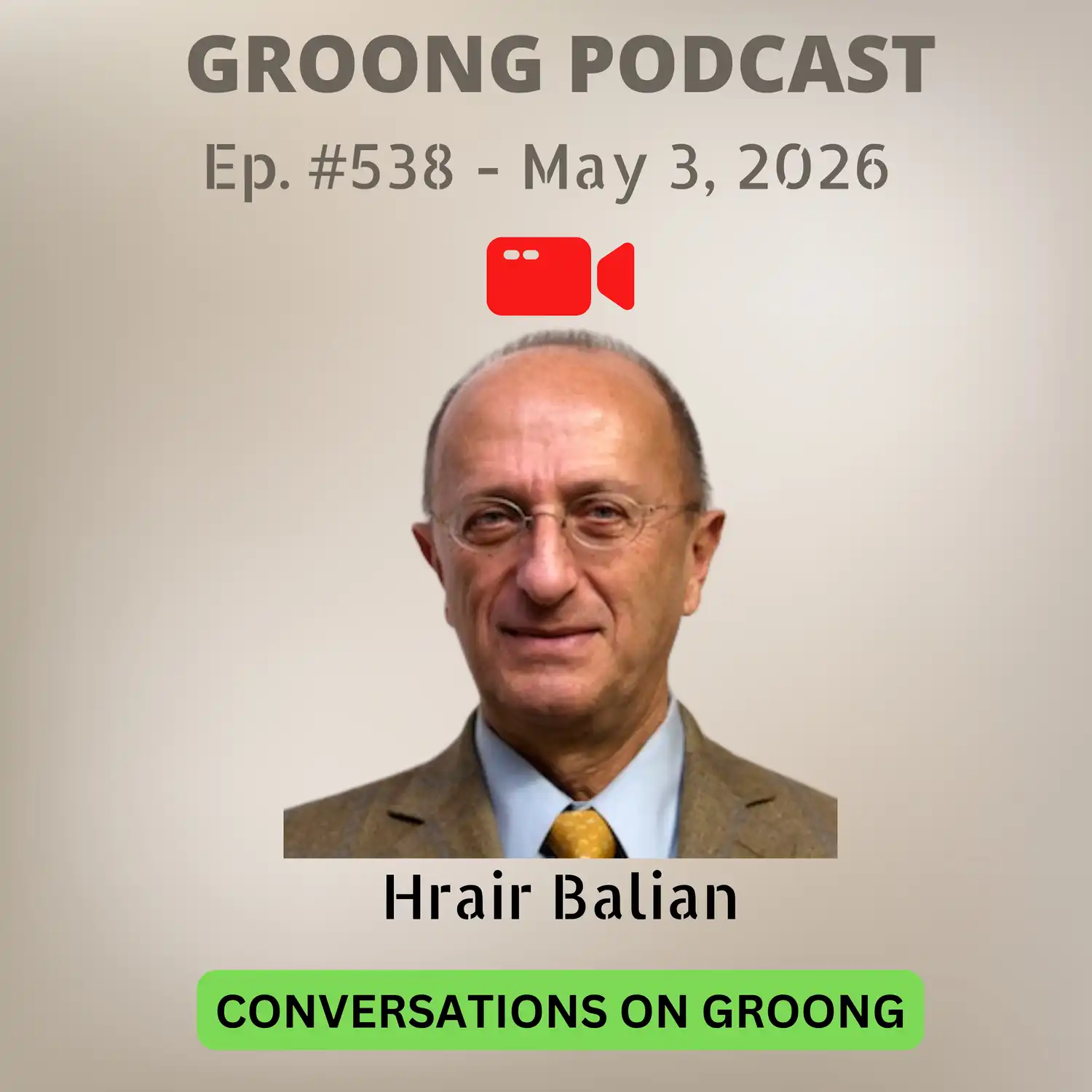
Groong Links:
Guest:
Mr. Balian’s book: https://www.amazon.com/Anatomy-Peacemaking-Nagorno-Karabakh-Opportunities-Rethinking/dp/3032124891
Topics:
- US-Iran war and failed diplomacy
- TRIPP and Armenia’s security risks
- Karabakh negotiations and missed chances
- Pashinyan’s Artsakh policy reversal
- Armenia’s June elections and monitoring
Episode 538 | Recorded: April 30, 2026
#HrairBalian #Groong #Armenia #Artsakh #NagornoKarabakh #TRIPP #ZangezurCorridor #ArmenianElections
Hrair Balian - From Karabakh to TRIPP: Armenia’s Security Dilemma | Ep 538, May 3, 2026 [EP538]
Posted on Sunday, May 3, 2026 | Category: Armenia, Politics, Artsakh, Nagorno Karabakh, Iran, Israel, Azerbaijan, Turkey, Lebanon, Armenian News, Artsakh Blockade, Russia, Georgia, NATO, Human RightsGroong Links:
Guest:
Mr. Balian’s book: https://www.amazon.com/Anatomy-Peacemaking-Nagorno-Karabakh-Opportunities-Rethinking/dp/3032124891
Topics:
- US-Iran war and failed diplomacy
- TRIPP and Armenia’s security risks
- Karabakh negotiations and missed chances
- Pashinyan’s Artsakh policy reversal
- Armenia’s June elections and monitoring
Episode 538 | Recorded: April 30, 2026
#HrairBalian #Groong #Armenia #Artsakh #NagornoKarabakh #TRIPP #ZangezurCorridor #ArmenianElections
Transcript: Hrair Balian - From Karabakh to TRIPP: Armenia’s Security Dilemma | Ep 538, May 3, 2026 [EP538]
Posted on Sunday, May 3, 2026 | Category: Armenia, Politics, Artsakh, Nagorno Karabakh, Iran, Israel, Azerbaijan, Turkey, Lebanon, Armenian News, Artsakh Blockade, Russia, Georgia, NATO, Human Rights, TranscriptHrair Balian joins us to discuss his book Anatomy of Peacemaking: Nagorno Karabakh Conflict & Missed Opportunities, the failure of diplomacy around Artsakh, and what Armenia should learn from the long collapse of the peace process. The conversation also looks at the Iran war, US and Israeli goals in the region, the TRIPP/Zangezur Corridor and its security impact on Armenia, and the role of outside powers in shaping outcomes in the South Caucasus. The episode closes with a discussion of Armenia’s June parliamentary elections, opposition repression, election monitoring, and whether international observers will judge the vote by facts on the ground or political convenience.
Arega Hovsepyan - June 2026 Parliamentary Election in Armenia | Ep 537, Apr 30, 2026 [EP537]
Posted on Thursday, Apr 30, 2026 | Category: Armenia, Politics, Artsakh, Nagorno Karabakh, Azerbaijan, Human Rights, Armenian News, Russia, Iran | Series: cog, video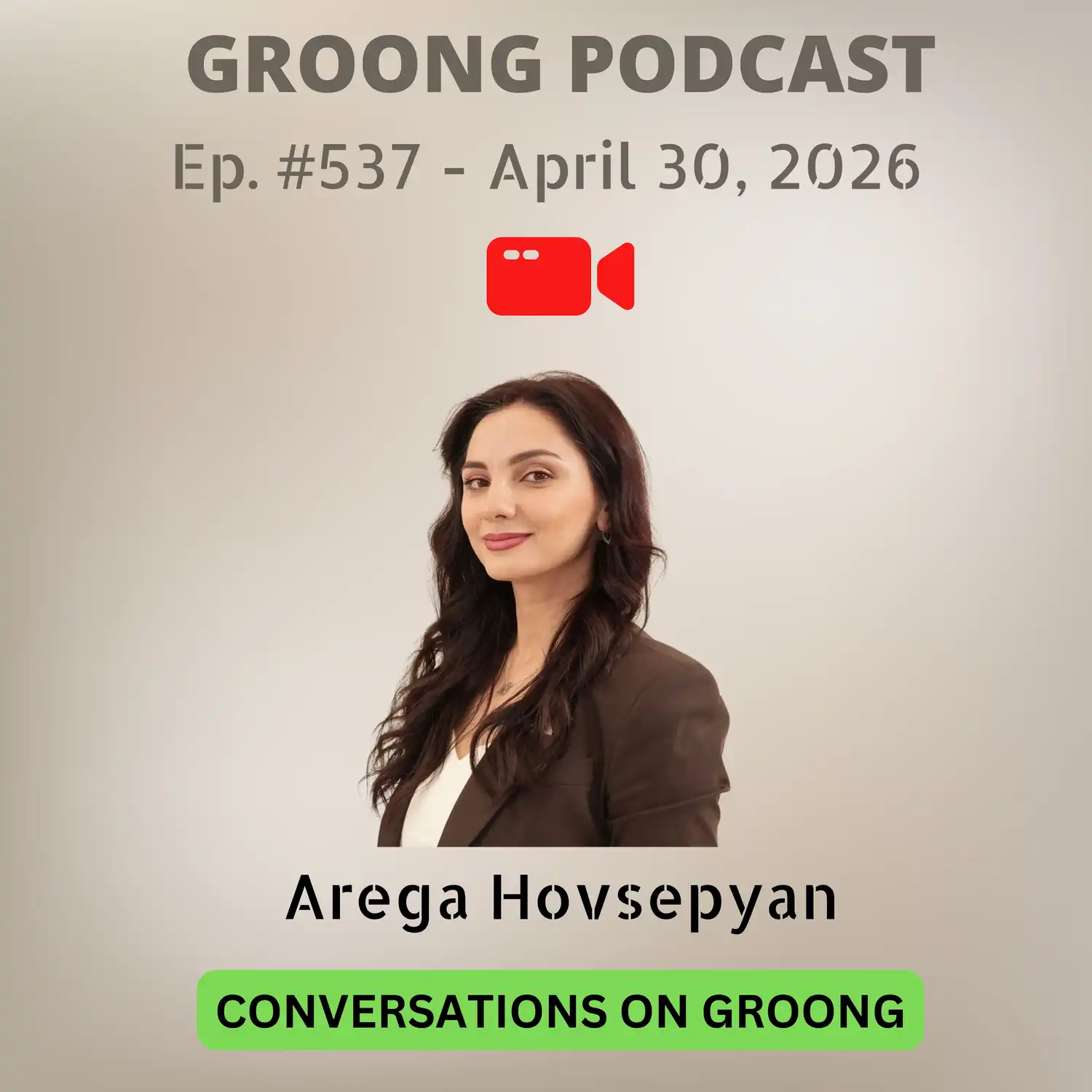
Groong Links:
Guest:
Topics:
- Strong Armenia and election dynamics
- New arrests and political pressure
- Artsakh Armenians and their rights
- TRIPP corridor and regional security
Episode 537 | Recorded: April 27, 2026
#Armenia #Artsakh #StrongArmenia #AregaHovsepyan #ArmenianPolitics #SouthCaucasus #TRIPP #ZangezurCorridor #Geopolitics
Arega Hovsepyan - June 2026 Parliamentary Election in Armenia | Ep 537, Apr 30, 2026 [EP537]
Posted on Thursday, Apr 30, 2026 | Category: Armenia, Politics, Artsakh, Nagorno Karabakh, Azerbaijan, Human Rights, Armenian News, Russia, IranGroong Links:
Guest:
Topics:
- Strong Armenia and election dynamics
- New arrests and political pressure
- Artsakh Armenians and their rights
- TRIPP corridor and regional security
Episode 537 | Recorded: April 27, 2026
#Armenia #Artsakh #StrongArmenia #AregaHovsepyan #ArmenianPolitics #SouthCaucasus #TRIPP #ZangezurCorridor #Geopolitics
Transcript: Arega Hovsepyan - June 2026 Parliamentary Election in Armenia | Ep 537, Apr 30, 2026 [EP537]
Posted on Thursday, Apr 30, 2026 | Category: Armenia, Politics, Artsakh, Nagorno Karabakh, Azerbaijan, Human Rights, Armenian News, Russia, Iran, TranscriptIn this Conversations on Groong episode, we speak with Arega Hovsepyan of the Strong Armenia party about Armenia’s upcoming June 2026 parliamentary elections and the broader political climate. The discussion focuses on recent arrests targeting opposition figures, the situation of displaced Artsakh Armenians, competing narratives around “peace” with Azerbaijan, and the implications of the TRIPP or Zangezur Corridor project. We also examine opposition unity, polling trends, and legal questions surrounding Strong Armenia’s political strategy.
Transcript: Arthur Martirosyan - Iran War, Effect on Armenia, June Parliamentary | Ep 536, Apr 26, 2026 [EP536]
Posted on Tuesday, Apr 28, 2026 | Category: Armenia, Politics, Armenian Church, Ukraine, Iran, Azerbaijan, Israel, USA, Turkey, Russia, Artsakh, Nagorno Karabakh, Armenian Genocide, Armenian News, Artsakh Blockade, Genocide, Georgia, European Union, TranscriptWe examine how the Iran war fallout and the extension of the ceasefire are reshaping Armenia’s geopolitical position. We break down the push for the TRIPP or Zangezur Corridor and the claims of Armenia-Azerbaijan normalization, and assess how they tie to regional power dynamics involving Iran, Russia, Turkey, and the United States. The episode also covers Armenia’s 2026 elections and rising elite tensions. In addition, we discuss the global commemoration of the Armenian Genocide, contrasting international messaging with domestic narratives and linking it to ongoing debates around Artsakh and historical continuity.
Arthur Martirosyan - Iran War, Effect on Armenia, June Parliamentary | Ep 536, Apr 26, 2026 [EP536]
Posted on Tuesday, Apr 28, 2026 | Category: Armenia, Politics, Armenian Church, Ukraine, Iran, Azerbaijan, Israel, USA, Turkey, Russia, Artsakh, Nagorno Karabakh, Armenian Genocide, Armenian News, Artsakh Blockade, Genocide, Georgia, European Union | Series: wir, video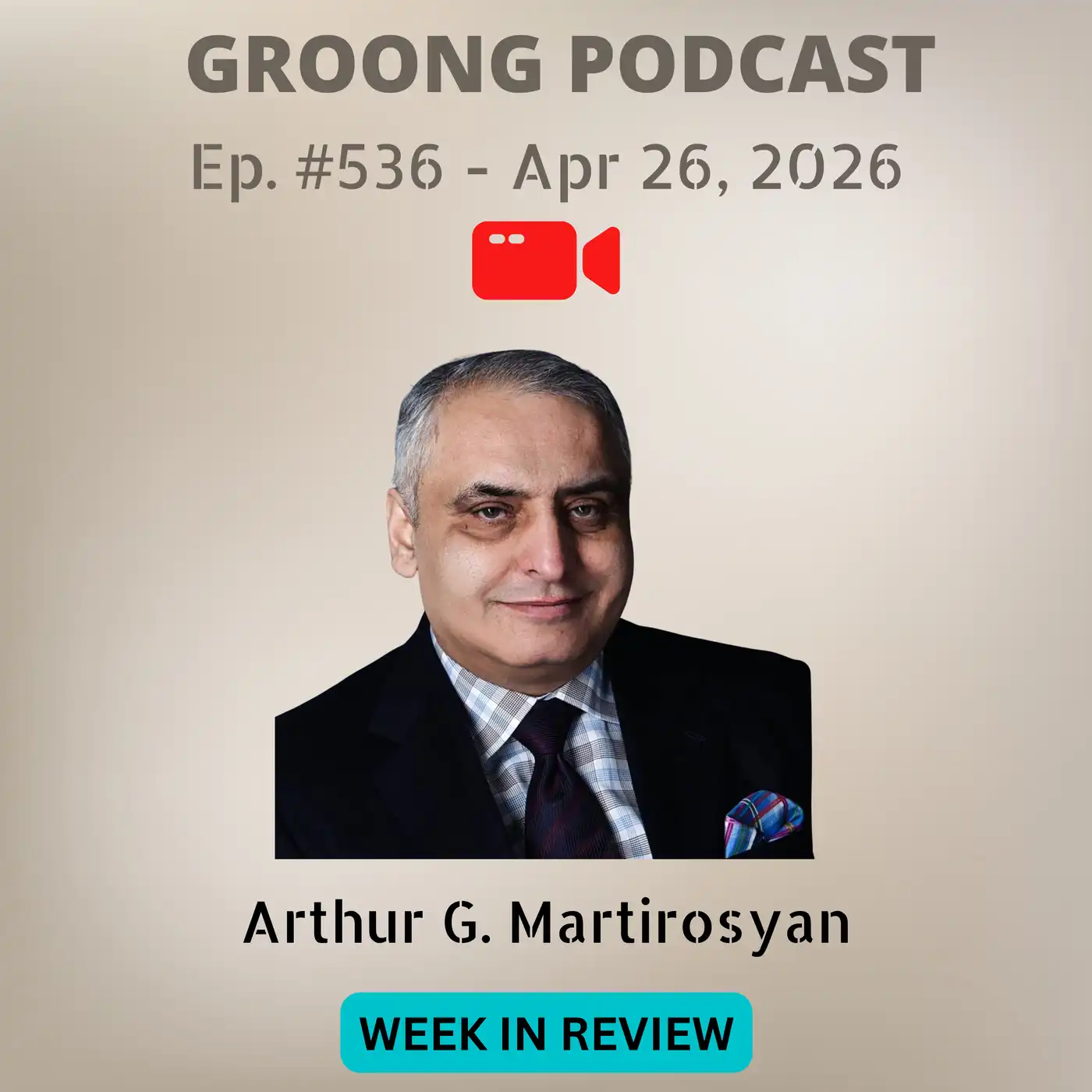
Groong Links:
Guest:
Topics:
- Iran War and TRIPP
- Armenian Genocide commemoration
- Peace narrative vs corridor reality
- Parliamentary election
Episode 536 | Recorded: April 27, 2026
Arthur Martirosyan - Iran War, Effect on Armenia, June Parliamentary | Ep 536, Apr 26, 2026 [EP536]
Posted on Tuesday, Apr 28, 2026 | Category: Armenia, Politics, Armenian Church, Ukraine, Iran, Azerbaijan, Israel, USA, Turkey, Russia, Artsakh, Nagorno Karabakh, Armenian Genocide, Armenian News, Artsakh Blockade, Genocide, Georgia, European UnionGroong Links:
Guest:
Topics:
- Iran War and TRIPP
- Armenian Genocide commemoration
- Peace narrative vs corridor reality
- Parliamentary election
Episode 536 | Recorded: April 27, 2026
Anna Karapetyan - Iran War, Pashinyan Fake Narratives, Fear-mongering, Silencing Talk of Artsakh | Ep 528, Mar 29, 2026 [EP528]
Posted on Tuesday, Mar 31, 2026 | Category: Iran, Armenia, Artsakh, Election, Nagorno Karabakh, USA, Azerbaijan, Armenian Genocide | Series: wir, video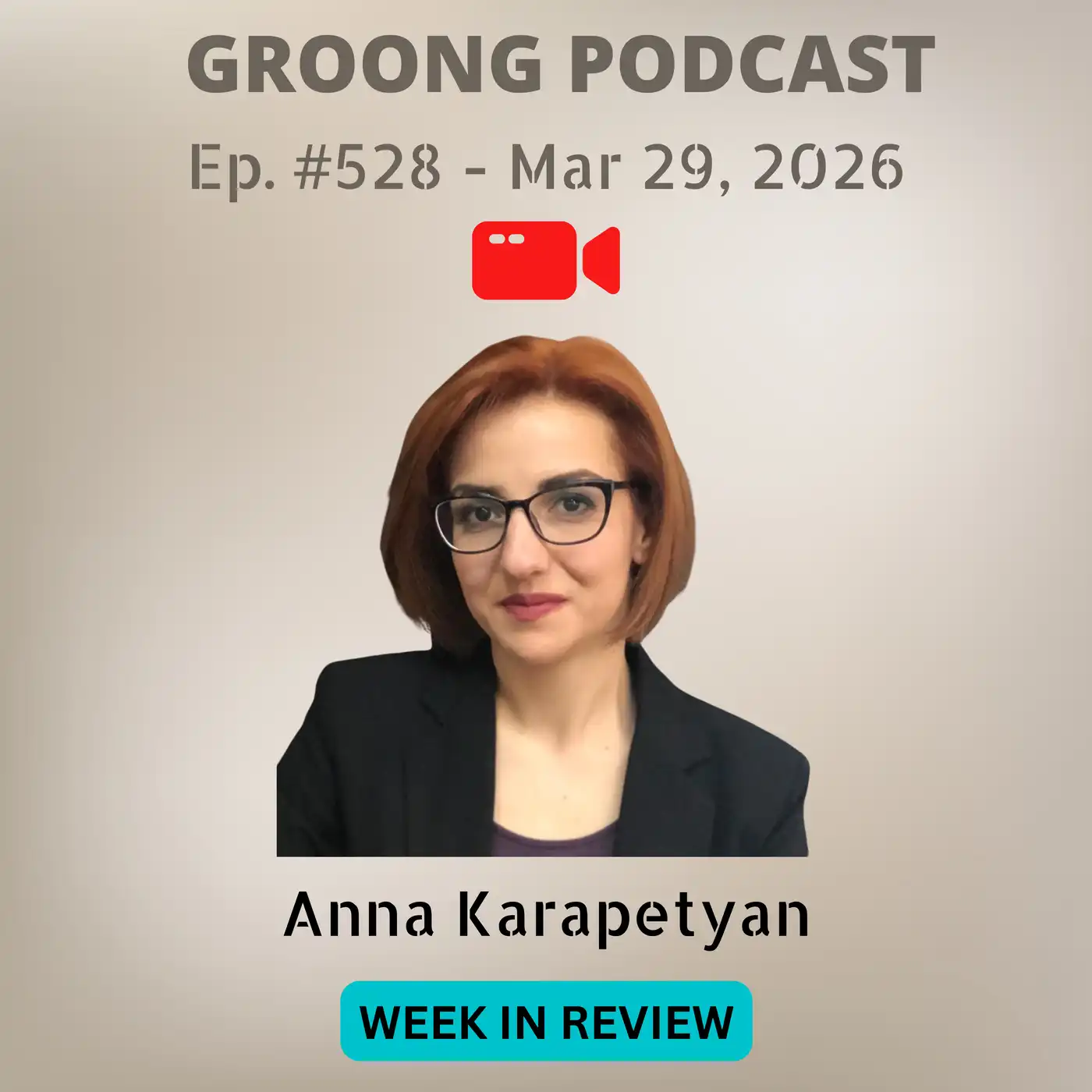
Groong Links:
Guest:
- Anna Karapetyan Director of the Insight Analytical Center for Applied Policy and Research.
Topics:
- Iran war escalation and spillover
- Pashinyanâs Fake âpeaceâ narrative
- Elections built on fear-mongering
- Silencing talk of Artsakh
Episode 528 | Recorded: March 30, 2026
Anna Karapetyan - Iran War, Pashinyan Fake Narratives, Fear-mongering, Silencing Talk of Artsakh | Ep 528, Mar 29, 2026 [EP528]
Posted on Tuesday, Mar 31, 2026 | Category: Iran, Armenia, Artsakh, Election, Nagorno Karabakh, USA, Azerbaijan, Armenian GenocideGroong Links:
Guest:
- Anna Karapetyan Director of the Insight Analytical Center for Applied Policy and Research.
Topics:
- Iran war escalation and spillover
- Pashinyanâs Fake âpeaceâ narrative
- Elections built on fear-mongering
- Silencing talk of Artsakh
Episode 528 | Recorded: March 30, 2026
YoungMin - Travel Blogger’s Visit to Occupied and Ethnically Cleansed Artsakh | Ep 526, Mar 22, 2026 [EP526]
Posted on Sunday, Mar 22, 2026 | Category: Artsakh, Kagorno Karabakh, Armenia, Azerbaijan, Iran, Nagorno Karabakh, Geopolitics, Middle East, Syria, India, Israel, Russia | Series: cog, video
Groong Links:
Guest:
- YoungMin
- YouTube: https://www.youtube.com/@YoungMinSkies
- Instagram: https://www.instagram.com/YoungMinSkies
Topics:
- YoungMinâs journey into post-2023 Artsakh
- Controlled access, guided narratives
- Erasing Traces of Armenians
- In Agdam, Askeran, and Stepanakert
- Memory, loss, and the aftermath of Ethnic Cleansing
Episode 526 | Recorded: March 21, 2026
#Artsakh #Armenia #YoungMin #NagornoKarabakh #EthnicCleansing
Read MoreYoungMin - Travel Blogger’s Visit to Occupied and Ethnically Cleansed Artsakh | Ep 526, Mar 22, 2026 [EP526]
Posted on Sunday, Mar 22, 2026 | Category: Artsakh, Kagorno Karabakh, Armenia, Azerbaijan, Iran, Nagorno Karabakh, Geopolitics, Middle East, Syria, India, Israel, RussiaGroong Links:
Guest:
- YoungMin
- YouTube: https://www.youtube.com/@YoungMinSkies
- Instagram: https://www.instagram.com/YoungMinSkies
Topics:
- YoungMinâs journey into post-2023 Artsakh
- Controlled access, guided narratives
- Erasing Traces of Armenians
- In Agdam, Askeran, and Stepanakert
- Memory, loss, and the aftermath of Ethnic Cleansing
Episode 526 | Recorded: March 21, 2026
#Artsakh #Armenia #YoungMin #NagornoKarabakh #EthnicCleansing
Read MoreArthur Martirosyan - Iran War, Effect on Armenia, June Parliamentary | Ep 522, Mar 15, 2026 [EP522]
Posted on Monday, Mar 16, 2026 | Category: Armenia, Politics, Armenian Church, Ukraine, Iran, Azerbaijan, Israel, USA, Turkey, Russia, Artsakh, Nagorno Karabakh, Armenian Genocide, Genocide, Georgia, Middle East | Series: wir, video
Groong Links:
Guest:
Topics:
- Iran War
- Effect on Armenia
- June Parliamentary Elections
Episode 522 | Recorded: March 16, 2026
Arthur Martirosyan - Iran War, Effect on Armenia, June Parliamentary | Ep 522, Mar 15, 2026 [EP522]
Posted on Monday, Mar 16, 2026 | Category: Armenia, Politics, Armenian Church, Ukraine, Iran, Azerbaijan, Israel, USA, Turkey, Russia, Artsakh, Nagorno Karabakh, Armenian Genocide, Genocide, Georgia, Middle EastGroong Links:
Guest:
Topics:
- Iran War
- Effect on Armenia
- June Parliamentary Elections
Episode 522 | Recorded: March 16, 2026
Philippe Raffi Kalfayan - Europe and America, JD Vance in Armenia, Pashinyan vs. Church | Ep 516, Feb 8, 2026 [EP516]
Posted on Wednesday, Feb 11, 2026 | Category: Armenia, Politics, Artsakh, Nagorno Karabakh, USA, Azerbaijan, Turkey, Russia, Syria, Armenian Church, European Union, Iran, China, Ukraine, Human Rights, Georgia, Israel, Genocide, Economy, Geopolitics, India, NATO | Series: wir, video
Groong Links:
Guest:
Topics:
- A European View of America
- JD Vance in Armenia
- Pashinyan vs. The Armenian Church
- Europe and Armenia
Episode 516 | Recorded: February 9, 2026
Philippe Raffi Kalfayan - Europe and America, JD Vance in Armenia, Pashinyan vs. Church | Ep 516, Feb 8, 2026 [EP516]
Posted on Wednesday, Feb 11, 2026 | Category: Armenia, Politics, Artsakh, Nagorno Karabakh, USA, Azerbaijan, Turkey, Russia, Syria, Armenian Church, European Union, Iran, China, Ukraine, Human Rights, Georgia, Israel, Genocide, Economy, Geopolitics, India, NATOGroong Links:
Guest:
Topics:
- A European View of America
- JD Vance in Armenia
- Pashinyan vs. The Armenian Church
- Europe and Armenia
Episode 516 | Recorded: February 9, 2026
Joel Veldkamp - Christian Solidarity International Visits Armenian Bishops in Jail | Ep 513, Feb 4, 2026 [EP513]
Posted on Wednesday, Feb 4, 2026 | Category: Armenia, Politics, Armenian Church, Artsakh, Nagorno Karabakh, Human Rights, Artsakh Blockade, China, NATO, Iran | Series: cog, video
Groong Links:
Guest:
Topics:
- CSI Visits Jailed Cleric
- IRF Summit
- PACE MP Speaks Up
Episode 513 | Recorded: February 3, 2026
#ArmenianChurch #ReligiousFreedom #ClergyArrests #IRFSummit2026 #ChristianSolidarityInternational
Joel Veldkamp - Christian Solidarity International Visits Armenian Bishops in Jail | Ep 513, Feb 4, 2026 [EP513]
Posted on Wednesday, Feb 4, 2026 | Category: Armenia, Politics, Armenian Church, Artsakh, Nagorno Karabakh, Human Rights, Artsakh Blockade, China, NATO, IranGroong Links:
Guest:
Topics:
- CSI Visits Jailed Cleric
- IRF Summit
- PACE MP Speaks Up
Episode 513 | Recorded: February 3, 2026
#ArmenianChurch #ReligiousFreedom #ClergyArrests #IRFSummit2026 #ChristianSolidarityInternational
Arthur Martirosyan - Ukraine, Iran, Baku Pogroms, Church Clash | Ep 505, Jan 11, 2026 [EP505]
Posted on Wednesday, Jan 14, 2026 | Category: Armenia, Politics, Armenian Church, Ukraine, Artsakh, Nagorno Karabakh, Azerbaijan, Turkey, Russia, USA, Armenian Genocide, Artsakh Blockade, European Union, Iran, Israel, Economy, Georgia, Middle East, Syria, China, Genocide | Series: wir, video
Groong Links:
Guest:
Topics:
- Ukraine warâs global cost to Russia
- Iran unrest and war risk
- Remembering the Baku pogroms
- Russia-Armenia tensions and media threats
- Pashinyanâs clash with Armenian Church
Episode 505 | Recorded: January 13, 2026
Arthur Martirosyan - Ukraine, Iran, Baku Pogroms, Church Clash | Ep 505, Jan 11, 2026 [EP505]
Posted on Wednesday, Jan 14, 2026 | Category: Armenia, Politics, Armenian Church, Ukraine, Artsakh, Nagorno Karabakh, Azerbaijan, Turkey, Russia, USA, Armenian Genocide, Artsakh Blockade, European Union, Iran, Israel, Economy, Georgia, Middle East, Syria, China, GenocideGroong Links:
Guest:
Topics:
- Ukraine warâs global cost to Russia
- Iran unrest and war risk
- Remembering the Baku pogroms
- Russia-Armenia tensions and media threats
- Pashinyanâs clash with Armenian Church
Episode 505 | Recorded: January 13, 2026
Kevork Hagopjian - Armenia’s Church-State Showdown | Ep 504, Jan 13, 2026 [EP504]
Posted on Tuesday, Jan 13, 2026 | Category: Armenia, Armenian Church, Politics, Artsakh, Nagorno Karabakh, Artsakh Blockade, Human Rights, Russia, Turkey, Iran, Azerbaijan, Lebanon, NATO, European Union | Series: cog, video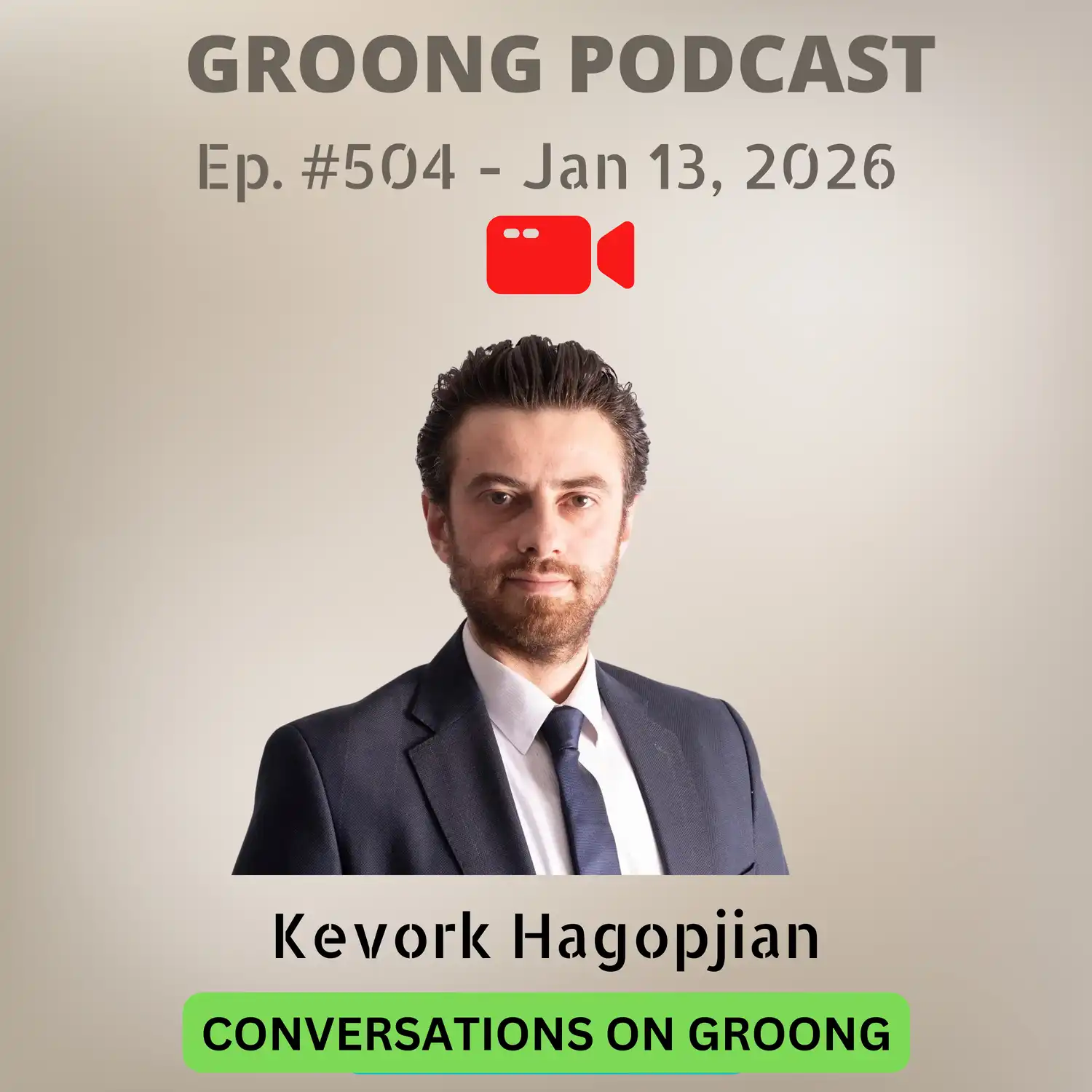
Groong Links:
Guest:
Topics:
- The Legal Architecture: Autonomy, Exclusive Mission, and State Neutrality
- Engineering Parallel, Schismatic Structures
- Criminal Law as Leverage
- Bern in Action and Reaction
- The Deeper Stakes: National Identity
Episode 504 | Recorded: January 12, 2026
#Armenia #ArmenianChurch #Etchmiadzin #HumanRights #ReligiousFreedom
Kevork Hagopjian - Armenia’s Church-State Showdown | Ep 504, Jan 13, 2026 [EP504]
Posted on Tuesday, Jan 13, 2026 | Category: Armenia, Armenian Church, Politics, Artsakh, Nagorno Karabakh, Artsakh Blockade, Human Rights, Russia, Turkey, Iran, Azerbaijan, Lebanon, NATO, European UnionGroong Links:
Guest:
Topics:
- The Legal Architecture: Autonomy, Exclusive Mission, and State Neutrality
- Engineering Parallel, Schismatic Structures
- Criminal Law as Leverage
- Bern in Action and Reaction
- The Deeper Stakes: National Identity
Episode 504 | Recorded: January 12, 2026
#Armenia #ArmenianChurch #Etchmiadzin #HumanRights #ReligiousFreedom
Arthur Khachatryan - Foreign Pressure, Attack on Church, Artsakh Repression | Ep 496, Dec 14, 2025 [EP496]
Posted on Tuesday, Dec 16, 2025 | Category: Armenia, Politics, Azerbaijan, Russia, Georgia, Armenian Church, Artsakh, Nagorno Karabakh, Armenian Genocide, European Union, Genocide, Ukraine, Turkey, Iran, Economy, India, NATO | Series: wir, video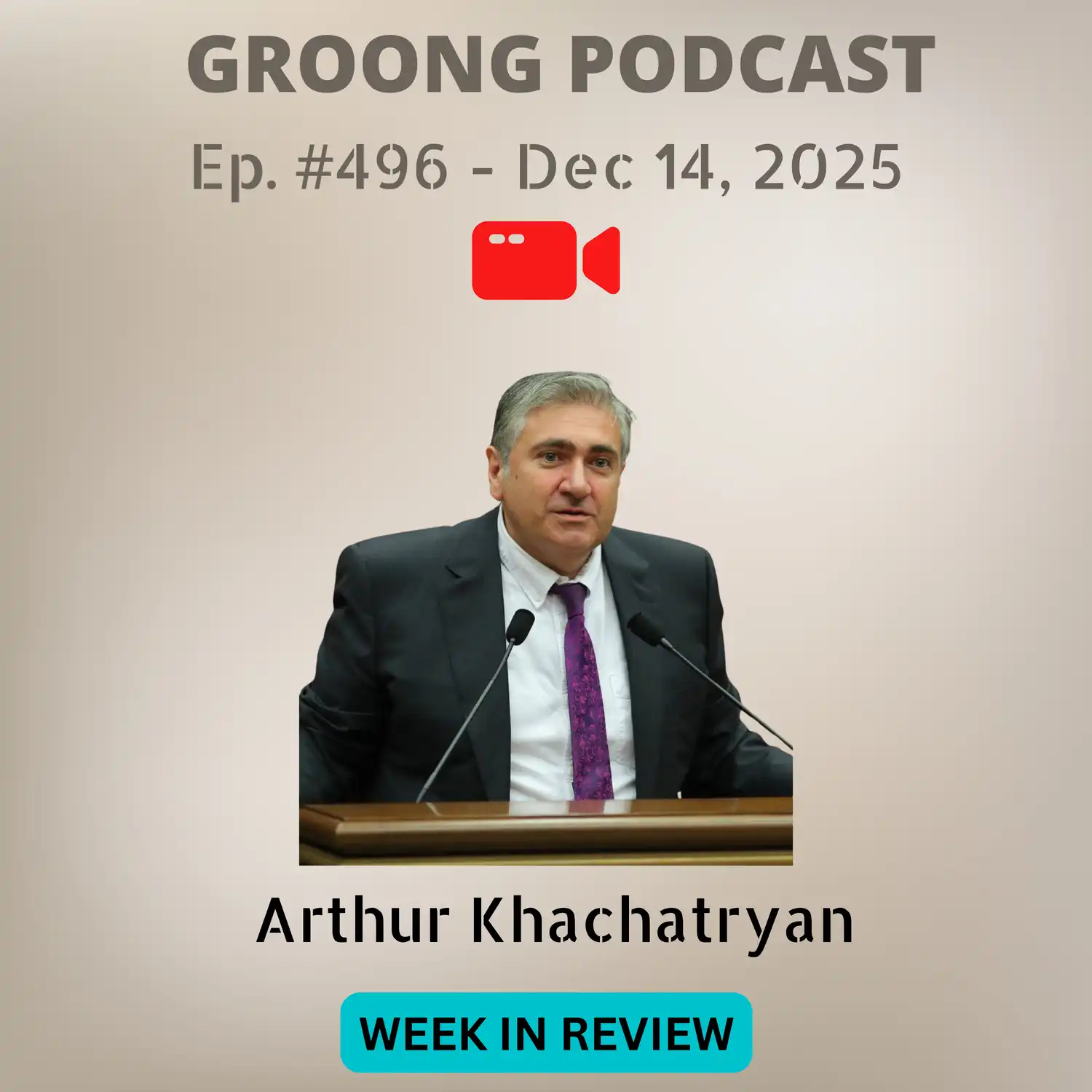
Groong Links:
Guest:
Topics:
- Armenia between EU and Russia
- Churchâstate confrontation in Armenia
- Artsakh concessions and return debate
- Economy, debt, and governance
- NSS raids Artsakh offices
Episode 496 | Recorded: December 15, 2025
#ArmeniaPolitics #EUvsRussia #ArmenianChurch #Artsakh #Geopolitics
Arthur Khachatryan - Foreign Pressure, Attack on Church, Artsakh Repression | Ep 496, Dec 14, 2025 [EP496]
Posted on Tuesday, Dec 16, 2025 | Category: Armenia, Politics, Azerbaijan, Russia, Georgia, Armenian Church, Artsakh, Nagorno Karabakh, Armenian Genocide, European Union, Genocide, Ukraine, Turkey, Iran, Economy, India, NATOGroong Links:
Guest:
Topics:
- Armenia between EU and Russia
- Churchâstate confrontation in Armenia
- Artsakh concessions and return debate
- Economy, debt, and governance
- NSS raids Artsakh offices
Episode 496 | Recorded: December 15, 2025
#ArmeniaPolitics #EUvsRussia #ArmenianChurch #Artsakh #Geopolitics
Benyamin Poghosyan - Pashinyan War on Armenian Church, EU-Armenia, Artsakh, Arar Poll | Ep 494, Sep 25, 2025 [EP494]
Posted on Tuesday, Dec 9, 2025 | Category: Armenia, Politics, Artsakh, Poll, Nagorno Karabakh, Azerbaijan, Georgia, Armenian Church, Russia, European Union, Turkey, Ukraine, Iran, India | Series: video, wir
Groong Links:
Guest:
Topics:
- 1988 Earthquake Remembered
- Pashinyanâs War on the Armenian Church
- EU-Armenia Relations
- Nagorno-Karabakh Negotiation Documents
- ARAR Foundation Poll
Episode 494 | Recorded: December 8, 2025
#ArmenianChurch #NSS #Pashinyan #ArarPoll #ArmeniaEU
Benyamin Poghosyan - Pashinyan War on Armenian Church, EU-Armenia, Artsakh, Arar Poll | Ep 494, Sep 25, 2025 [EP494]
Posted on Tuesday, Dec 9, 2025 | Category: Armenia, Politics, Artsakh, Poll, Nagorno Karabakh, Azerbaijan, Georgia, Armenian Church, Russia, European Union, Turkey, Ukraine, Iran, IndiaGroong Links:
Guest:
Topics:
- 1988 Earthquake Remembered
- Pashinyanâs War on the Armenian Church
- EU-Armenia Relations
- Nagorno-Karabakh Negotiation Documents
- ARAR Foundation Poll
Episode 494 | Recorded: December 8, 2025
#ArmenianChurch #NSS #Pashinyan #ArarPoll #ArmeniaEU
Arthur Khachikyan - OSCE MG Dissolved, Libaridian on Submission, New Constitution, Armenian Church, Prayer Breakfast, Border Commissions meet in Baku | Ep 493, Nov 30, 2025 [EP493]
Posted on Wednesday, Dec 3, 2025 | Category: Armenia, Politics, Nagorno Karabakh, Artsakh, Azerbaijan, Armenian Genocide, Armenian Church, Turkey, Russia, Genocide, Iran, Israel, Middle East, China, NATO | Series: wir, video
Groong Links:
Guest:
Topics:
- OSCE MG Dissolved
- Libaridian on Submitting to Turkey and Azerbaijan
- News Constitution to be Drafted by March 2026
- Archbishops, Letters, Attacks on the Church
- Border Commissions Meet in Baku
- Comments from Jacob Pursley
Episode 493 | Recorded: December 2, 2025