Donald Trump
Last updated: May 29, 2026
Donald Trump’s return to the presidency in January 2025 brought a distinct set of priorities to US engagement in the South Caucasus. The Trump administration’s signature regional initiative has been the Trump Route for International Peace and Prosperity (TRIPP), a connectivity proposal centered on opening the Zangezur Corridor through Armenia to link Turkey and Azerbaijan — and potentially extending to regional economic integration. The proposal has been controversial in Armenia, where many view it as pressure to make territorial concessions to Azerbaijan under the banner of economic development.
More broadly, the Trump administration’s approach to the South Caucasus reflects its transactional foreign policy: prioritizing deal-making, reducing emphasis on democracy and human rights conditions, and recalibrating relationships with traditional allies and adversaries alike. For Armenia, this has meant navigating a US posture that is simultaneously a potential counterweight to Russia and a source of pressure on the peace process .
Groong has covered Trump’s impact on Armenian affairs extensively, from the TRIPP proposal and its reception in Yerevan to US-Armenia security cooperation, Congressional dynamics, and how Trump-era US foreign policy compares with the Biden approach to the South Caucasus.
Groong episodes that include this tag
Below are all Groong episodes tagged with Donald Trump.
Benyamin Poghosyan - Pashinyan Lies on Decades of Negotiations, 17 Points to an Agreement, 2024 Review and 2025 Outlook | Ep 403 - Dec 29, 2024 [EP403]
Posted on Wednesday, Jan 1, 2025 | Category: Armenia, Azerbaijan, Artsakh, Nagorno Karabakh, Middle East, Israel, Lebanon, Syria, Iran, Turkey, Russia, Armenian Church, Ukraine, Genocide, Geopolitics, China, Georgia, European Union | Series: wir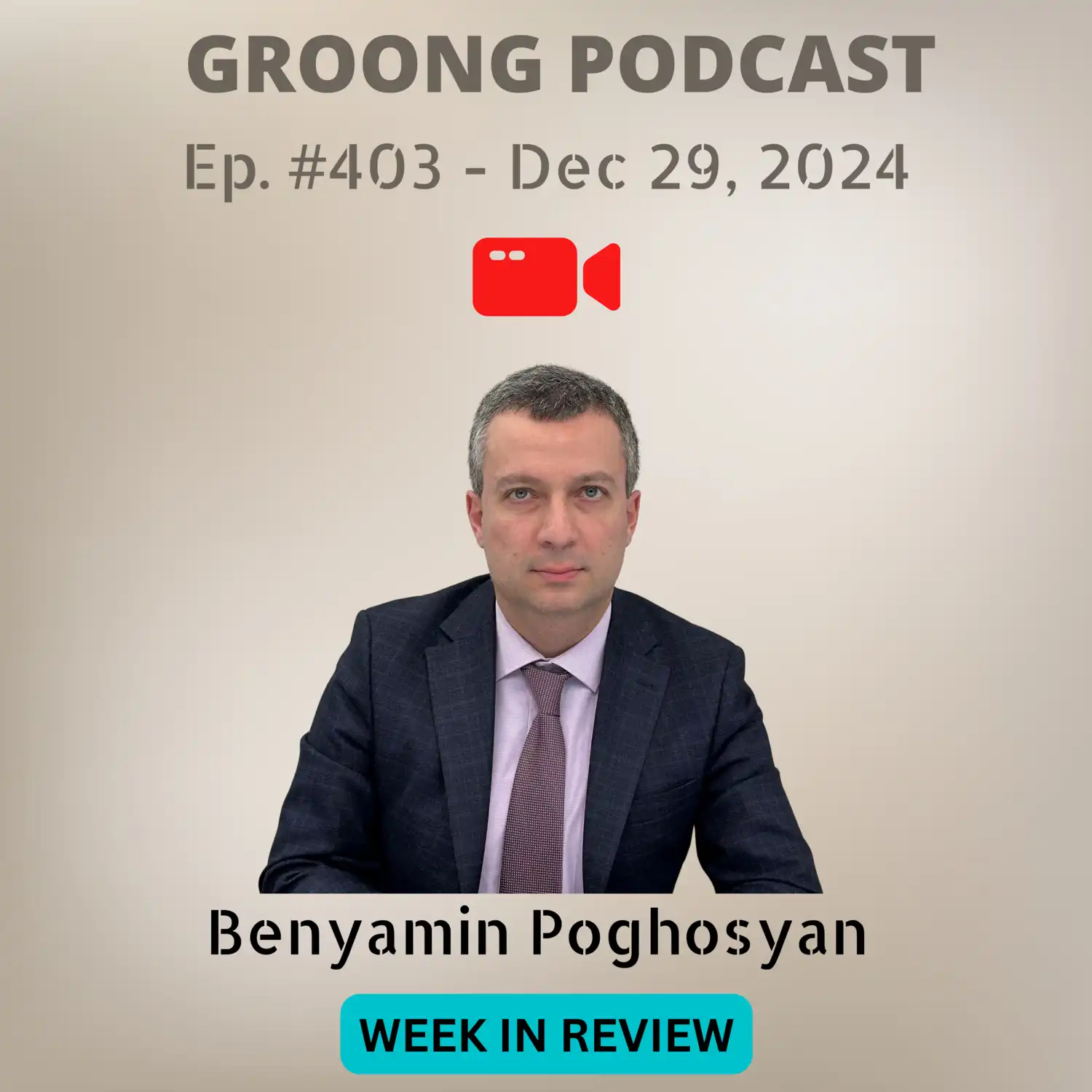
Groong Links:
Guest:
Topics:
- Pashinyanâs Lies on Decades of Negotiations
- 17 Points to an Agreement
- 2024 Review and 2025 Outlook
Episode 403 | Recorded: December 31, 2024
Benyamin Poghosyan - Pashinyan Lies on Decades of Negotiations, 17 Points to an Agreement, 2024 Review and 2025 Outlook | Ep 403 - Dec 29, 2024 [EP403]
Posted on Wednesday, Jan 1, 2025 | Category: Armenia, Azerbaijan, Artsakh, Nagorno Karabakh, Middle East, Israel, Lebanon, Syria, Iran, Turkey, Russia, Armenian Church, Ukraine, Genocide, Geopolitics, China, Georgia, European UnionGroong Links:
Guest:
Topics:
- Pashinyanâs Lies on Decades of Negotiations
- 17 Points to an Agreement
- 2024 Review and 2025 Outlook
Episode 403 | Recorded: December 31, 2024
Dziunik Aghajanian - Armenia Azerbaijan Talks, Syria, Defense Politics, Civil Contract Strife | Ep 401 - Dec 22, 2024 [EP401]
Posted on Wednesday, Dec 25, 2024 | Category: Armenia, Azerbaijan, Middle East, Artsakh, Nagorno Karabakh, Russia, Iran, Israel, BRICS, Syria, Turkey, Georgia, Ukraine, Human Rights, Lebanon, NATO, China, Economy | Series: wir, video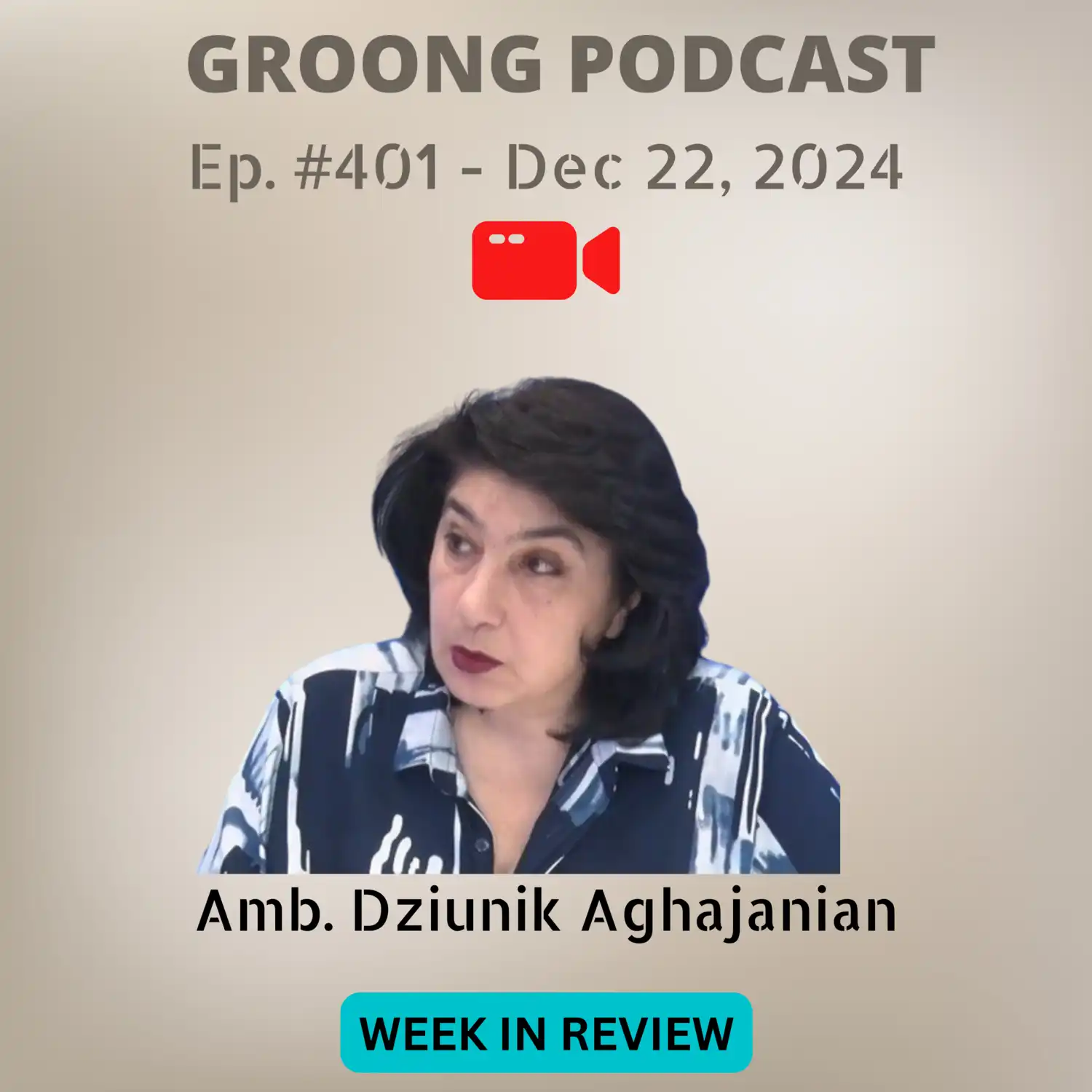
Groong Links:
Guest:
Topics:
- Armenian Azerbaijani Stalled Talks
- Fall of Syria
- Defense Politics
- Un-Civil Strife
Episode 401 | Recorded: December 24, 2024
Dziunik Aghajanian - Armenia Azerbaijan Talks, Syria, Defense Politics, Civil Contract Strife | Ep 401 - Dec 22, 2024 [EP401]
Posted on Wednesday, Dec 25, 2024 | Category: Armenia, Azerbaijan, Middle East, Artsakh, Nagorno Karabakh, Russia, Iran, Israel, BRICS, Syria, Turkey, Georgia, Ukraine, Human Rights, Lebanon, NATO, China, EconomyGroong Links:
Guest:
Topics:
- Armenian Azerbaijani Stalled Talks
- Fall of Syria
- Defense Politics
- Un-Civil Strife
Episode 401 | Recorded: December 24, 2024
Groong Links:
Guest:
Topics:
- U.S. Imperialism
- The Role of the Think Tank Industry
Episode 400 | Recorded: December 20, 2024
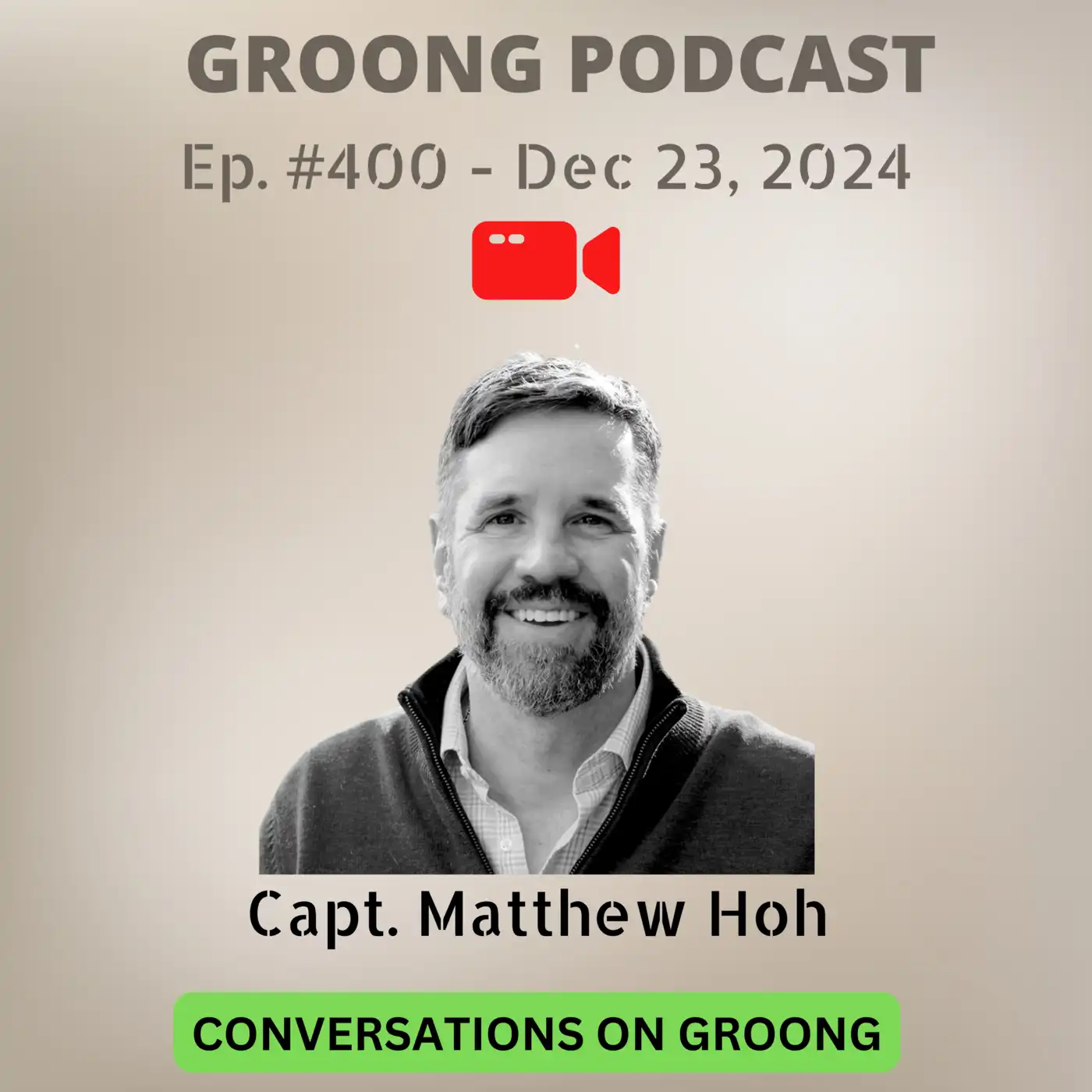
Matthew Hoh - Imperial US Foreign Policy, and the Role of the Think Tank Industry | Ep 400 - Dec 23, 2024 [EP400]
Posted on Sunday, Dec 22, 2024 | Category: USA, World Order, Middle East, Israel, Russia, China, NATO, Syria, Ukraine, Armenia, Economy, Lebanon, IndiaGroong Links:
Guest:
Topics:
- U.S. Imperialism
- The Role of the Think Tank Industry
Episode 400 | Recorded: December 20, 2024
Anna Karapetyan - Azerbaijan Preparing for War, Pashinyan's Deceptive Discourse on Negotiations, Armenians Uninformed, Swiss Parliamentary Motion on Artsakh Armenians Right of Return | Ep 398 - Dec 15, 2024 [EP398]
Posted on Thursday, Dec 19, 2024 | Category: Armenia, Azerbaijan, Artsakh, Nagorno Karabakh, Turkey, Russia, Syria, Iran, Israel, Ukraine | Series: wir
Groong Links:
Guest:
- Anna Karapetyan Director of the Insight Analytical Center for Applied Policy and Research.
Topics:
- Is Azerbaijan Preparing for War?
- Pashinyanâs Deceptive Discourse on Talks with Azerbaijan
- Are Armenans Aware of the Dangers facing the Nation?
- Swiss Parliamentary Motion on Artsakh Armeniansâ Right of Return
Episode 398 | Recorded: December 17, 2024
Anna Karapetyan - Azerbaijan Preparing for War, Pashinyan's Deceptive Discourse on Negotiations, Armenians Uninformed, Swiss Parliamentary Motion on Artsakh Armenians Right of Return | Ep 398 - Dec 15, 2024 [EP398]
Posted on Thursday, Dec 19, 2024 | Category: Armenia, Azerbaijan, Artsakh, Nagorno Karabakh, Turkey, Russia, Syria, Iran, Israel, UkraineGroong Links:
Guest:
- Anna Karapetyan Director of the Insight Analytical Center for Applied Policy and Research.
Topics:
- Is Azerbaijan Preparing for War?
- Pashinyanâs Deceptive Discourse on Talks with Azerbaijan
- Are Armenans Aware of the Dangers facing the Nation?
- Swiss Parliamentary Motion on Artsakh Armeniansâ Right of Return
Episode 398 | Recorded: December 17, 2024
Ethnic Cleansing of Artsakh: Gev Iskajyan Reflects on Survival and Tragedy | Ep 397 - Dec 18, 2024 [EP397]
Posted on Wednesday, Dec 18, 2024 | Category: Artsakh, Armenia, Artsakh Blockade, Nagorno Karabakh, Azerbaijan, Russia, Ukraine, Iran, Turkey, Genocide, Georgia, Human Rights, Syria | Series: cog, video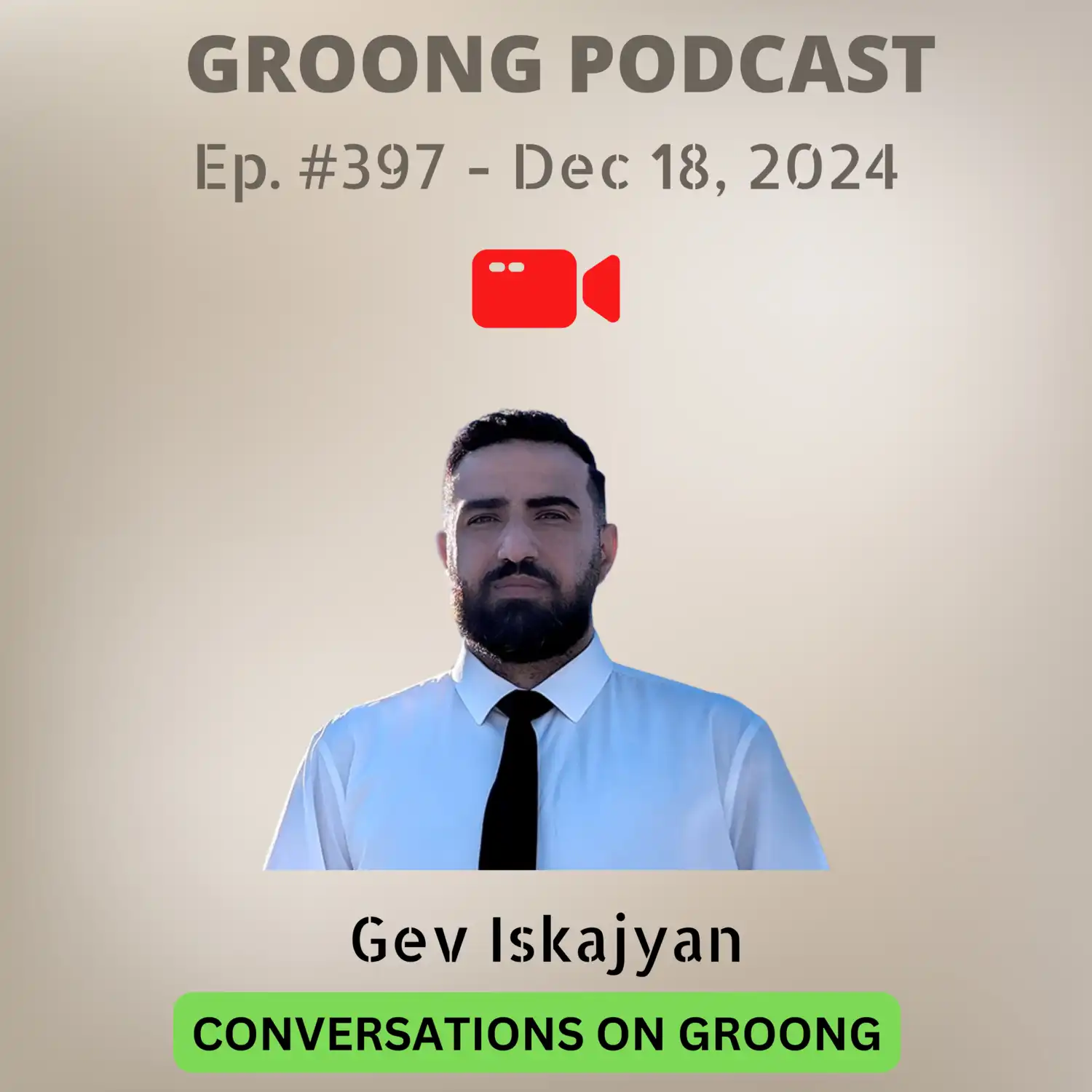
Groong Links:
Guest:
Topics:
- Memories of the Artsakh Blockade
- Ethnic Cleansing
- Trump Returns to the White House
Episode 397 | Recorded: December 18, 2024
Ethnic Cleansing of Artsakh: Gev Iskajyan Reflects on Survival and Tragedy | Ep 397 - Dec 18, 2024 [EP397]
Posted on Wednesday, Dec 18, 2024 | Category: Artsakh, Armenia, Artsakh Blockade, Nagorno Karabakh, Azerbaijan, Russia, Ukraine, Iran, Turkey, Genocide, Georgia, Human Rights, SyriaGroong Links:
Guest:
Topics:
- Memories of the Artsakh Blockade
- Ethnic Cleansing
- Trump Returns to the White House
Episode 397 | Recorded: December 18, 2024
Larry C Johnson - Syria, South Caucasus, and Regional Power Dynamics | Ep 395, Dec 14, 2024 [EP395]
Posted on Saturday, Dec 14, 2024 | Category: Middle East, Armenia, Politics, Syria, Turkey, Israel, Russia, Nagorno Karabakh, Iran, Armenian Genocide, NATO, Ukraine, Azerbaijan, China, European Union, Genocide, Georgia, Lebanon | Series: cog, video
Groong Links:
Guest:
Topics:
- Syria and the Middle East
- The South Caucasus
- Intelligence, Surveillance, Reconnaissance
- 44-Day War and the ISR Factor
- Fueling Other Wars
Episode 395 | Recorded: December 12, 2024
Larry C Johnson - Syria, South Caucasus, and Regional Power Dynamics | Ep 395, Dec 14, 2024 [EP395]
Posted on Saturday, Dec 14, 2024 | Category: Middle East, Armenia, Politics, Syria, Turkey, Israel, Russia, Nagorno Karabakh, Iran, Armenian Genocide, NATO, Ukraine, Azerbaijan, China, European Union, Genocide, Georgia, LebanonGroong Links:
Guest:
Topics:
- Syria and the Middle East
- The South Caucasus
- Intelligence, Surveillance, Reconnaissance
- 44-Day War and the ISR Factor
- Fueling Other Wars
Episode 395 | Recorded: December 12, 2024
Transcript: Larry C Johnson - Syria, South Caucasus, and Regional Power Dynamics | Ep 395, Dec 14, 2024 [EP395]
Posted on Saturday, Dec 14, 2024 | Category: Middle East, Armenia, Politics, Syria, Turkey, Israel, Russia, Nagorno Karabakh, Iran, Armenian Genocide, NATO, Ukraine, Azerbaijan, China, European Union, Genocide, Georgia, Lebanon, TranscriptSyria and the Middle East. The South Caucasus. Intelligence, Surveillance, Reconnaissance. 44-Day War and the ISR Factor. Fueling Other Wars.
Hrant Mikaelian - Aliyev's “New” Demands, Fall of Syria, Georgia Post-Election Unrest, Civil Contract Disobedience | Ep 394 - Dec 8, 2024 [EP394]
Posted on Tuesday, Dec 10, 2024 | Category: Armenia, Politics, Economy, Artsakh, Nagorno Karabakh, Azerbaijan, Georgia, Turkey, Russia, Syria, Iran, Israel, Ukraine, European Union, Genocide, Human Rights | Series: wir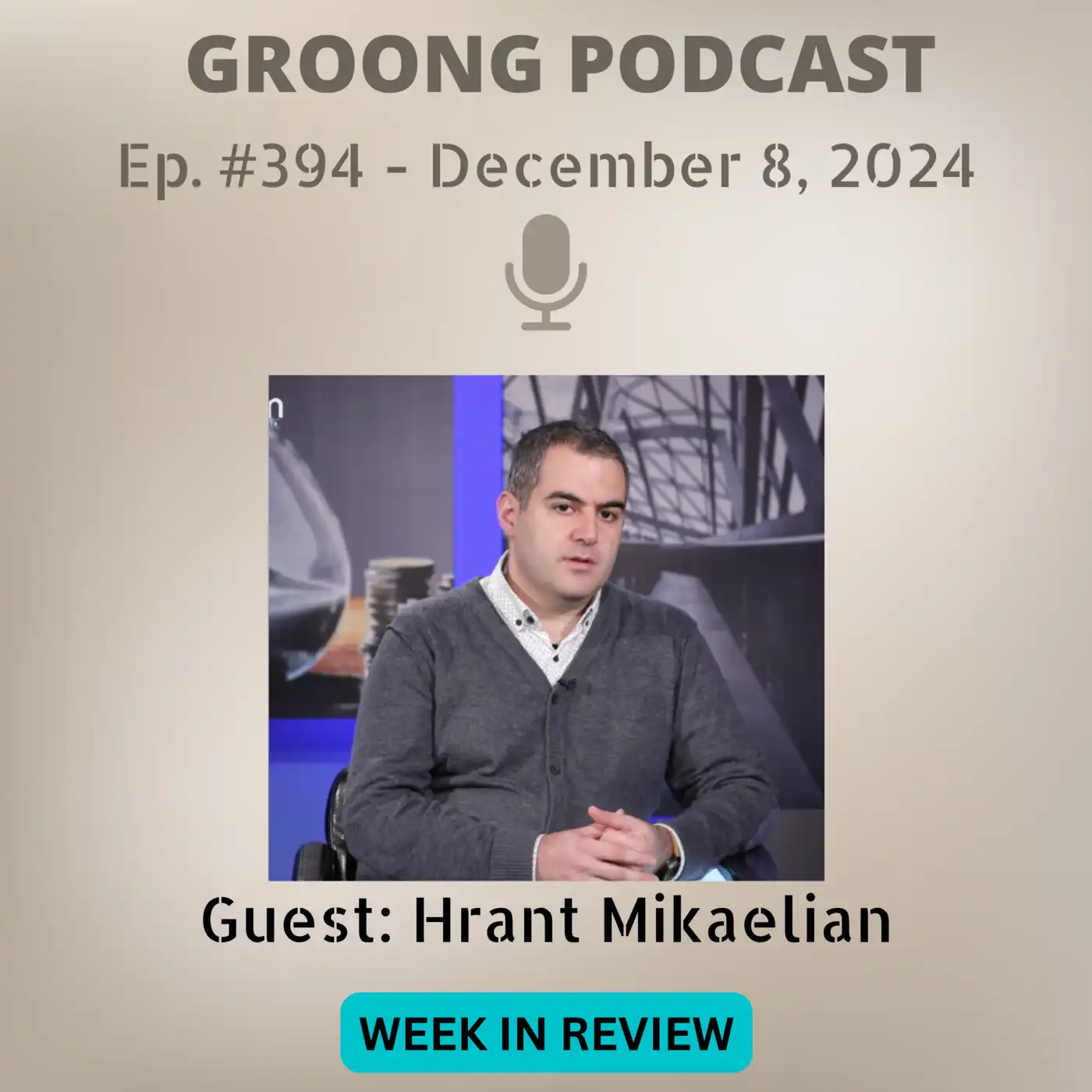
Groong Links:
Guest:
Topics:
- Remembering the 1988 Earthquake in Spitak, Armenia
- Aliyevâs âNewâ Demands
- The Fall of Syria
- Georgiaâs Post-Election Unrest
- Civil Contract Disobedience
Episode 394 | Recorded: December 9, 2024
Hrant Mikaelian - Aliyev's “New” Demands, Fall of Syria, Georgia Post-Election Unrest, Civil Contract Disobedience | Ep 394 - Dec 8, 2024 [EP394]
Posted on Tuesday, Dec 10, 2024 | Category: Armenia, Politics, Economy, Artsakh, Nagorno Karabakh, Azerbaijan, Georgia, Turkey, Russia, Syria, Iran, Israel, Ukraine, European Union, Genocide, Human RightsGroong Links:
Guest:
Topics:
- Remembering the 1988 Earthquake in Spitak, Armenia
- Aliyevâs âNewâ Demands
- The Fall of Syria
- Georgiaâs Post-Election Unrest
- Civil Contract Disobedience
Episode 394 | Recorded: December 9, 2024
Ivan Katchanovski on the Maidan Massacre, Ukraine War, and Implications | Ep 393 - Dec 9, 2024 [EP393]
Posted on Monday, Dec 9, 2024 | Category: Ukraine, Politics, Russia, Georgia, Armenia, NATO, European Union, Israel, Human Rights, Geopolitics | Series: cog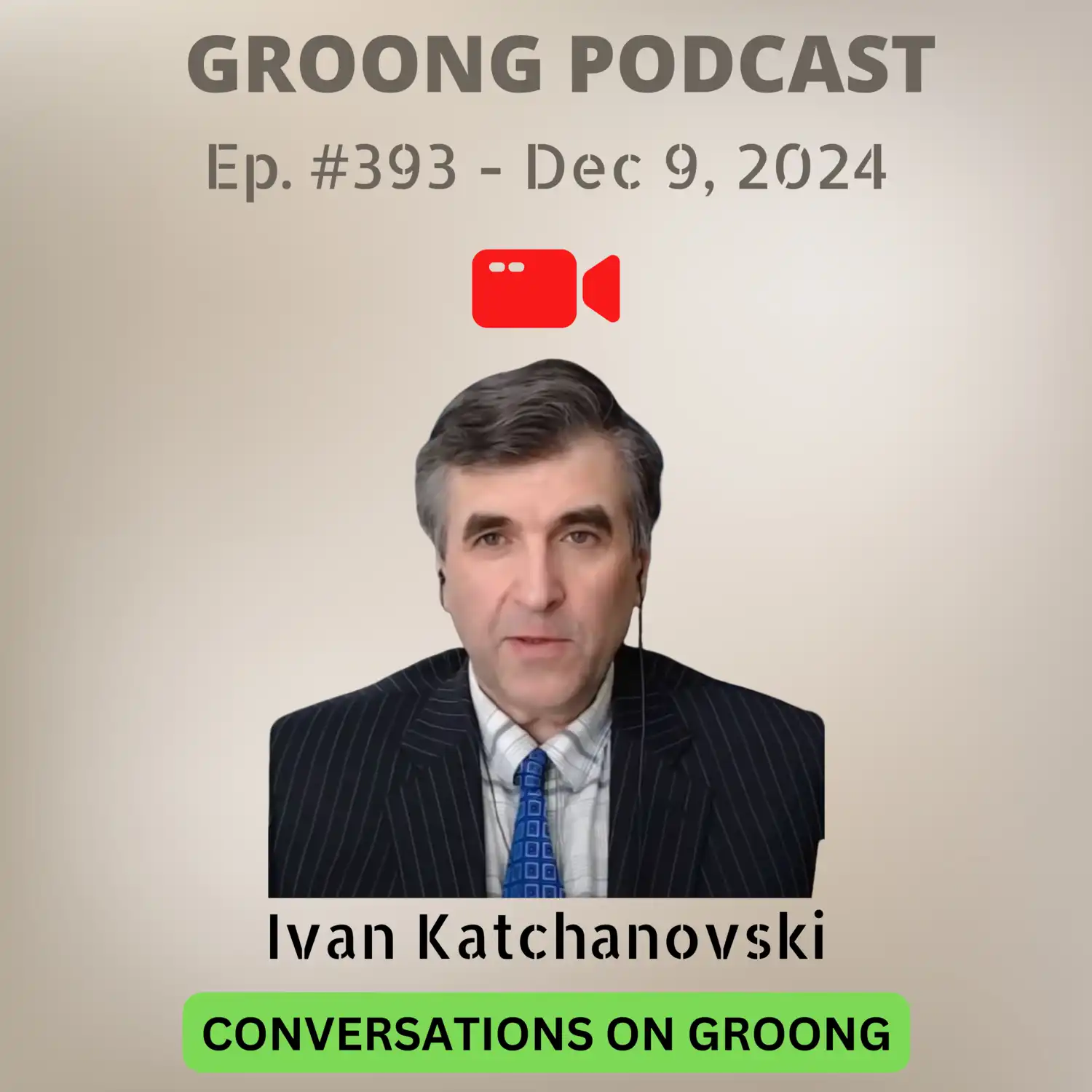
Groong Links:
Guest:
- Prof. Ivan Katchanovski , University of Ottawa
SUPPORT PROF. KATCHANOVSI’S WORK HERE: https://gofund.me/52b68e07
Topics:
- The War in Ukraine
- Trumpâs âEastern Approachesâ
- The Maidan Massacre and Its Legacy
- Maidanization of Georgia?
- Armenia in the Shadow of Ukraine
Episode 393 | Recorded: December 7, 2024
Ivan Katchanovski on the Maidan Massacre, Ukraine War, and Implications | Ep 393 - Dec 9, 2024 [EP393]
Posted on Monday, Dec 9, 2024 | Category: Ukraine, Politics, Russia, Georgia, Armenia, NATO, European Union, Israel, Human Rights, GeopoliticsGroong Links:
Guest:
- Prof. Ivan Katchanovski , University of Ottawa
SUPPORT PROF. KATCHANOVSI’S WORK HERE: https://gofund.me/52b68e07
Topics:
- The War in Ukraine
- Trumpâs âEastern Approachesâ
- The Maidan Massacre and Its Legacy
- Maidanization of Georgia?
- Armenia in the Shadow of Ukraine
Episode 393 | Recorded: December 7, 2024
Karen Kwiatkowski on Turkey, NATO, and the 44-Day War | Ep 392 - Dec 7, 2024 [EP392]
Posted on Saturday, Dec 7, 2024 | Category: Politics, Turkey, NATO, Armenia, Nagorno Karabakh, Artsakh, Azerbaijan, USA, Ukraine, Russia, Israel, Iran, Middle East, Geopolitics, Syria, China, Genocide, Georgia, Lebanon, European Union | Series: cog, video
Groong Links:
Guest:
Topics:
- Turkeyâs Role in the 44-Day War
- NATO and Intelligence Sharing
- Global Power Rivalries
- Lessons from U.S. Intelligence Practices
Episode 392 | Recorded: December 2, 2024
Karen Kwiatkowski on Turkey, NATO, and the 44-Day War | Ep 392 - Dec 7, 2024 [EP392]
Posted on Saturday, Dec 7, 2024 | Category: Politics, Turkey, NATO, Armenia, Nagorno Karabakh, Artsakh, Azerbaijan, USA, Ukraine, Russia, Israel, Iran, Middle East, Geopolitics, Syria, China, Genocide, Georgia, Lebanon, European UnionGroong Links:
Guest:
Topics:
- Turkeyâs Role in the 44-Day War
- NATO and Intelligence Sharing
- Global Power Rivalries
- Lessons from U.S. Intelligence Practices
Episode 392 | Recorded: December 2, 2024
Transcript: Karen Kwiatkowski on Turkey, NATO, and the 44-Day War | Ep 392 - Dec 7, 2024 [EP392]
Posted on Saturday, Dec 7, 2024 | Category: Politics, Turkey, NATO, Armenia, Nagorno Karabakh, Artsakh, Azerbaijan, USA, Ukraine, Russia, Israel, Iran, Middle East, Geopolitics, Syria, China, Genocide, Georgia, Lebanon, European Union, TranscriptTurkey’s Role in the 44-Day War. NATO and Intelligence Sharing. Global Power Rivalries. Lessons from U.S. Intelligence Practices.
Jeffrey Sachs - Escalation in Syria, COP29, Advice for Armenia | Ep 391 - Dec 5, 2024 [EP391]
Posted on Thursday, Dec 5, 2024 | Category: Syria, Armenia, Azerbaijan, USA, Turkey, Russia, Nagorno Karabakh, Artsakh, Iran, Ukraine, Israel, Middle East, Georgia, BRICS, NATO, Geopolitics, China, European Union, Lebanon | Series: cog, video
Groong Links:
Guest:
Topics:
- Escalation in Syria
- COP29 Summit
- Can NATO save Armenia?
Episode 391 | Recorded: December 4, 2024
Jeffrey Sachs - Escalation in Syria, COP29, Advice for Armenia | Ep 391 - Dec 5, 2024 [EP391]
Posted on Thursday, Dec 5, 2024 | Category: Syria, Armenia, Azerbaijan, USA, Turkey, Russia, Nagorno Karabakh, Artsakh, Iran, Ukraine, Israel, Middle East, Georgia, BRICS, NATO, Geopolitics, China, European Union, LebanonGroong Links:
Guest:
Topics:
- Escalation in Syria
- COP29 Summit
- Can NATO save Armenia?
Episode 391 | Recorded: December 4, 2024
Transcript: Jeffrey Sachs - Escalation in Syria, COP29, Advice for Armenia | Ep 391 - Dec 5, 2024 [EP391]
Posted on Thursday, Dec 5, 2024 | Category: Syria, Armenia, Azerbaijan, USA, Turkey, Russia, Nagorno Karabakh, Artsakh, Iran, Ukraine, Israel, Middle East, Georgia, BRICS, NATO, Geopolitics, China, European Union, Lebanon, TranscriptEscalation in Syria. COP29 Summit. Can NATO save Armenia?
Groong Links:
Guest:
Topics:
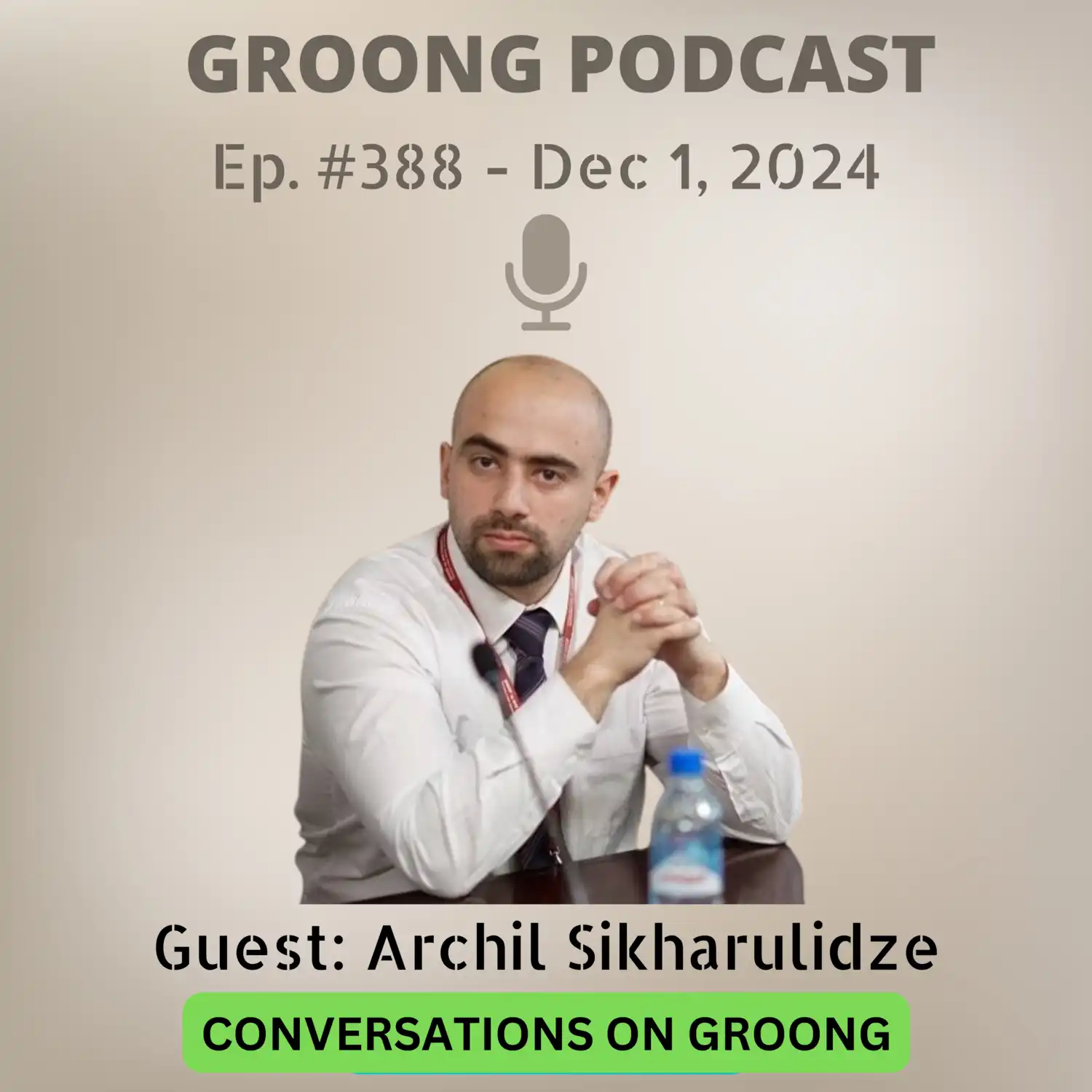
- Constitutional Crisis In Georgia?
- Western Reactions and Escalation
- Russian Reactions and Georgiaâs Strategic Direction
- Unrest In Abkhazia
Episode 388 | Recorded: November 30, 2024
Groong Links:
Guest:
Topics:
- Constitutional Crisis In Georgia?
- Western Reactions and Escalation
- Russian Reactions and Georgiaâs Strategic Direction
- Unrest In Abkhazia
Episode 388 | Recorded: November 30, 2024
Arthur G. Martirosyan - Government Firings by Text, Another Scandalous Pashinyan Interview, New Escalation in Ukraine | Ep 387 - Nov 24, 2024 [EP387]
Posted on Tuesday, Nov 26, 2024 | Category: Armenia, Politics, Artsakh, Nagorno Karabakh, Georgia, Turkey, Russia, Azerbaijan, Ukraine, China, Genocide, Economy, Middle East, NATO, Syria | Series: wir
Groong Links:
Guest:
Topics:
- Supreme Judicial Council Head, MPs resign at Pashinyanâs âAskâ
- Another Pashinyan Interview, More Scandalous Statements
- Speed Cameras, Government Officials Cars
- âWestern Azerbaijanâ â âWestern Armeniaâ
- EU Mission in Armenia
- New Escalation in Ukraine
Episode 387 | Recorded: November 25, 2024
Arthur G. Martirosyan - Government Firings by Text, Another Scandalous Pashinyan Interview, New Escalation in Ukraine | Ep 387 - Nov 24, 2024 [EP387]
Posted on Tuesday, Nov 26, 2024 | Category: Armenia, Politics, Artsakh, Nagorno Karabakh, Georgia, Turkey, Russia, Azerbaijan, Ukraine, China, Genocide, Economy, Middle East, NATO, SyriaGroong Links:
Guest:
Topics:
- Supreme Judicial Council Head, MPs resign at Pashinyanâs âAskâ
- Another Pashinyan Interview, More Scandalous Statements
- Speed Cameras, Government Officials Cars
- âWestern Azerbaijanâ â âWestern Armeniaâ
- EU Mission in Armenia
- New Escalation in Ukraine
Episode 387 | Recorded: November 25, 2024
Tevan Poghosyan - Armenia-Azerbaijan Talks, COP29 in Baku, Gyumri Politics, Police Reform | Ep 386 - Nov 17, 2024 [EP386]
Posted on Tuesday, Nov 19, 2024 | Category: Armenia, Artsakh, Nagorno Karabakh, Azerbaijan, Georgia, Turkey, Russia, Human Rights, Economy, Ukraine, China, Iran, Israel, Middle East | Series: wir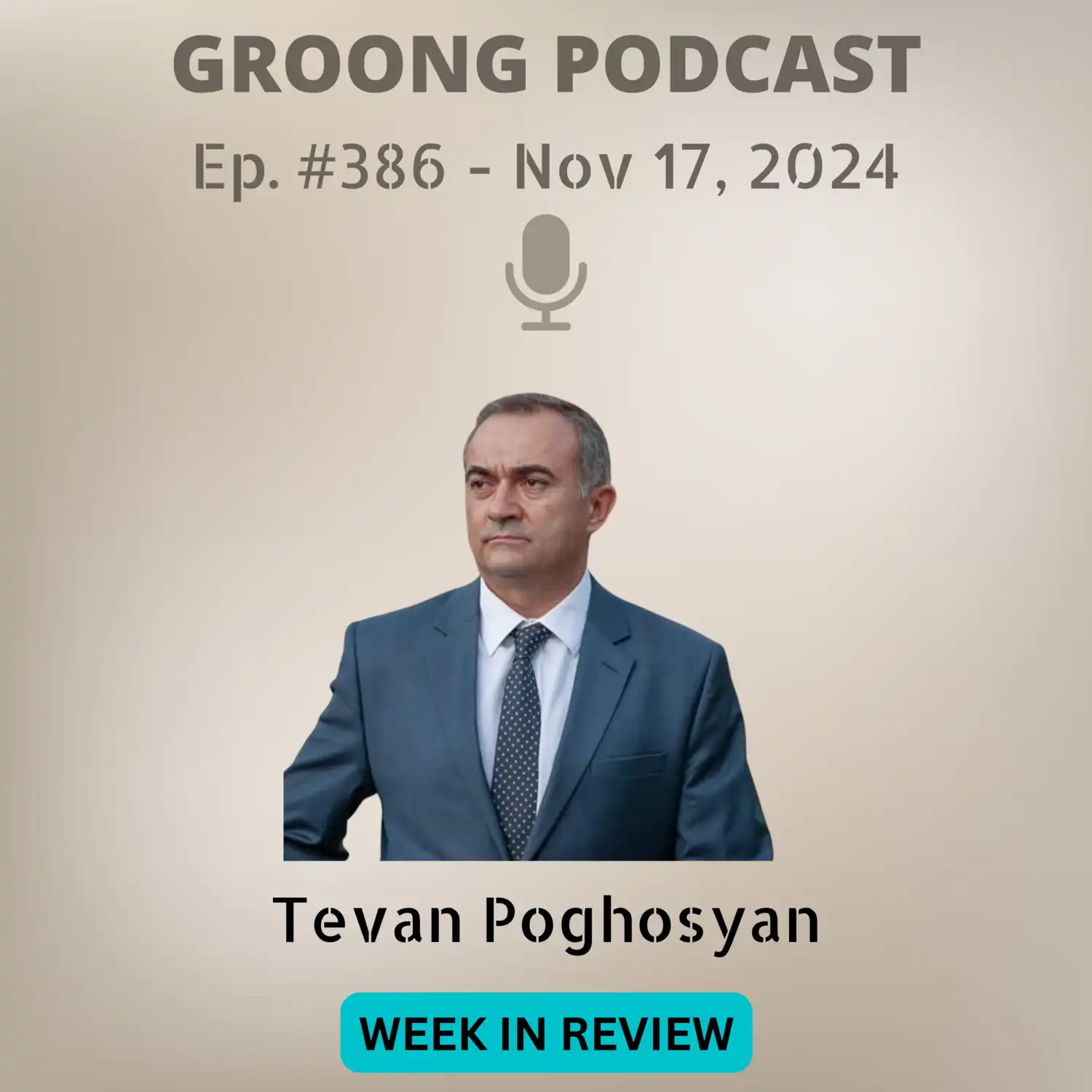
Groong Links:
Guest:
Topics:
- Armenia-Azerbaijan talks
- COP29: Diplomacy and boycotts
- Gyumri’s political intrigues
- Mass dismissal of Armenian government members
- Police âreformâ
- Legislative Changes In Preparation For Elections
Episode 386 | Recorded: November 17, 2024
Tevan Poghosyan - Armenia-Azerbaijan Talks, COP29 in Baku, Gyumri Politics, Police Reform | Ep 386 - Nov 17, 2024 [EP386]
Posted on Tuesday, Nov 19, 2024 | Category: Armenia, Artsakh, Nagorno Karabakh, Azerbaijan, Georgia, Turkey, Russia, Human Rights, Economy, Ukraine, China, Iran, Israel, Middle EastGroong Links:
Guest:
Topics:
- Armenia-Azerbaijan talks
- COP29: Diplomacy and boycotts
- Gyumri’s political intrigues
- Mass dismissal of Armenian government members
- Police âreformâ
- Legislative Changes In Preparation For Elections
Episode 386 | Recorded: November 17, 2024
Arthur Khachatryan - Armenia Azerbaijan Talks, 2025 State Budget, Internal Political Developments | Ep 385 - Nov 10, 2024 [EP385]
Posted on Thursday, Nov 14, 2024 | Category: Armenia, Artsakh, Nagorno Karabakh, Economy, Turkey, Russia, Ukraine, Genocide, Iran, Lebanon, European Union, Georgia, Israel, Middle East, NATO, Syria | Series: wir
Groong Links:
Guest:
Topics:
- Armenia Azerbaijan Talks
- Draft 2025 State Budget
- Armenian Internal Politics
Episode 385 | Recorded: November 13, 2024
Arthur Khachatryan - Armenia Azerbaijan Talks, 2025 State Budget, Internal Political Developments | Ep 385 - Nov 10, 2024 [EP385]
Posted on Thursday, Nov 14, 2024 | Category: Armenia, Artsakh, Nagorno Karabakh, Economy, Turkey, Russia, Ukraine, Genocide, Iran, Lebanon, European Union, Georgia, Israel, Middle East, NATO, SyriaGroong Links:
Guest:
Topics:
- Armenia Azerbaijan Talks
- Draft 2025 State Budget
- Armenian Internal Politics
Episode 385 | Recorded: November 13, 2024
Suren Sargsyan - Armenia and Trump’s Election as President Again | Ep 384 - Nov 9, 2024 [EP384]
Posted on Saturday, Nov 9, 2024 | Category: Armenia, Politics, USA, Middle East, Ukraine, Artsakh, Nagorno Karabakh, Israel, Lebanon, Genocide, Armenian Church, China, Russia, NATO, Iran, Economy, Human Rights | Series: cog
Groong Links:
Guest:
Topic:
- Armenia, Armenian Americans, Artsakh
- Ukraine War, NATO, China
- Israel, Gaza, Lebanon, Iran
Episode 384 | Recorded: April 3, 2023
Suren Sargsyan - Armenia and Trump’s Election as President Again | Ep 384 - Nov 9, 2024 [EP384]
Posted on Saturday, Nov 9, 2024 | Category: Armenia, Politics, USA, Middle East, Ukraine, Artsakh, Nagorno Karabakh, Israel, Lebanon, Genocide, Armenian Church, China, Russia, NATO, Iran, Economy, Human RightsGroong Links:
Guest:
Topic:
- Armenia, Armenian Americans, Artsakh
- Ukraine War, NATO, China
- Israel, Gaza, Lebanon, Iran
Episode 384 | Recorded: April 3, 2023
Benyamin Poghosyan - China, BRICS, New World Order, Armenia in Kazan, Georgian Elections in 2024 | Ep 382 - Nov 4, 2024 [EP382]
Posted on Monday, Nov 4, 2024 | Category: China, World Order, Georgia, Armenia, Russia, USA, India, Ukraine, Azerbaijan, Artsakh Blockade, BRICS, NATO, Turkey, Iran, Economy, European Union, Geopolitics, Syria | Series: cog
Groong Links:
Guest:
Topics:
- China, and the New World Order
- BRICS Summit and Multipolarity
- Armenia at BRICS
- Georgian Elections in 2024
Episode 382 | Recorded: October 29, 2024
Benyamin Poghosyan - China, BRICS, New World Order, Armenia in Kazan, Georgian Elections in 2024 | Ep 382 - Nov 4, 2024 [EP382]
Posted on Monday, Nov 4, 2024 | Category: China, World Order, Georgia, Armenia, Russia, USA, India, Ukraine, Azerbaijan, Artsakh Blockade, BRICS, NATO, Turkey, Iran, Economy, European Union, Geopolitics, SyriaGroong Links:
Guest:
Topics:
- China, and the New World Order
- BRICS Summit and Multipolarity
- Armenia at BRICS
- Georgian Elections in 2024
Episode 382 | Recorded: October 29, 2024
Groong Links:
Guest:
Topics:
- Georgian Elections Outcome
- Political Landscape
- Effect on Armenia and Beyond
Episode 381 | Recorded: November 3, 2024
Groong Links:
Guest:
Topics:
- Georgian Elections Outcome
- Political Landscape
- Effect on Armenia and Beyond
Episode 381 | Recorded: November 3, 2024
Harut Sassounian - Armenian American and the 2024 US Presidential Elections | Ep 380 - Nov 2, 2024 [EP380]
Posted on Saturday, Nov 2, 2024 | Category: Armenia, Artsakh, USA, Elections, Nagorno Karabakh, Genocide, Azerbaijan, Israel, Lebanon, Armenian Genocide, Ukraine, Russia, NATO, Economy, Middle East, Turkey | Series: cog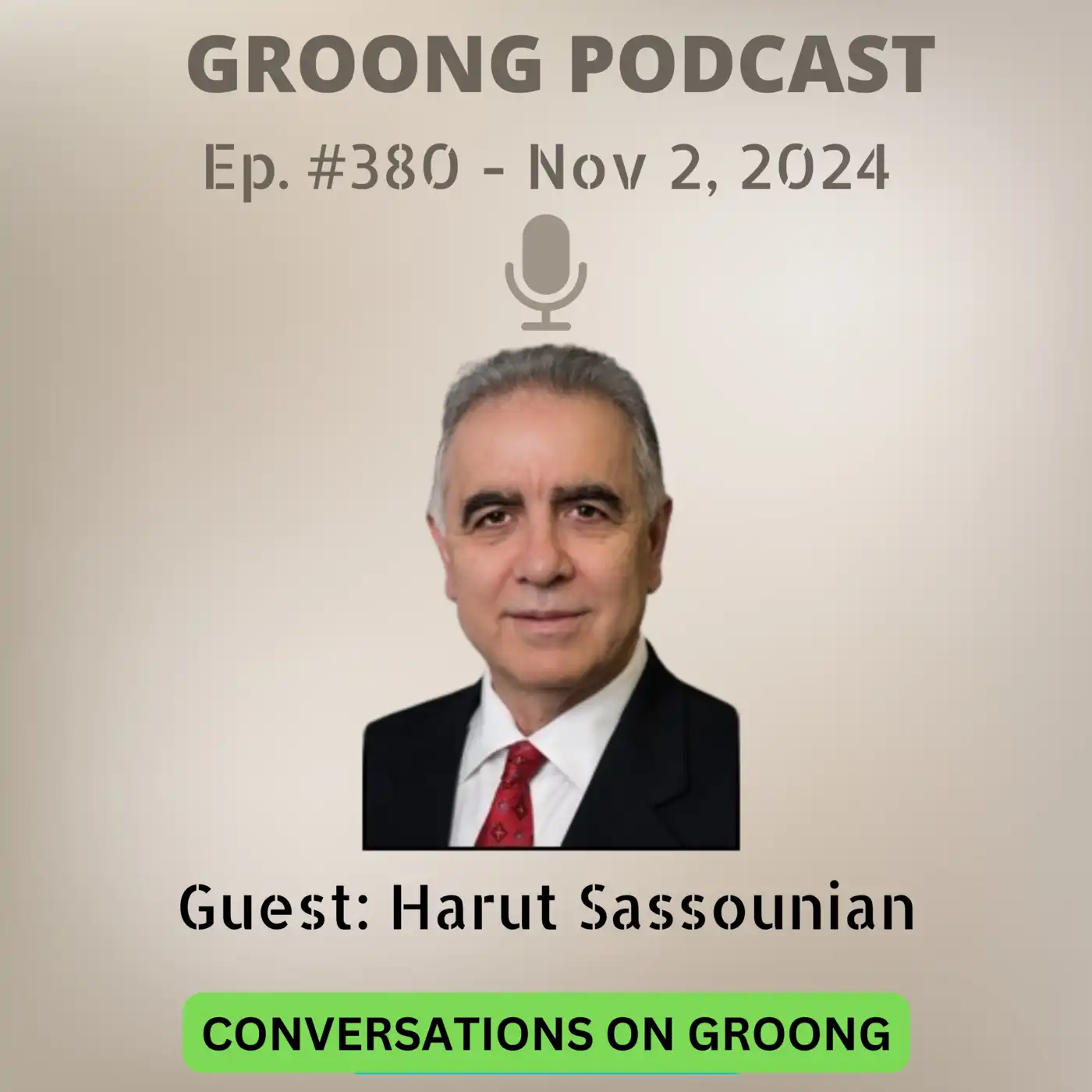
Groong Links:
Guest:
Topics:
On the Major US Presidential Candidates Do Minor Candidates Matter for us? Are We Organized Enough to Influence US Elections? How would Harris or Trump Affect Armenia & Region?
Episode 380 | Recorded: November 1, 2024
Harut Sassounian - Armenian American and the 2024 US Presidential Elections | Ep 380 - Nov 2, 2024 [EP380]
Posted on Saturday, Nov 2, 2024 | Category: Armenia, Artsakh, USA, Elections, Nagorno Karabakh, Genocide, Azerbaijan, Israel, Lebanon, Armenian Genocide, Ukraine, Russia, NATO, Economy, Middle East, TurkeyGroong Links:
Guest:
Topics:
On the Major US Presidential Candidates Do Minor Candidates Matter for us? Are We Organized Enough to Influence US Elections? How would Harris or Trump Affect Armenia & Region?
Episode 380 | Recorded: November 1, 2024
Aram Suren Hamparian - Armenian American and the 2024 US Presidential Elections | Ep 378 - Oct 27, 2024 [EP378]
Posted on Sunday, Oct 27, 2024 | Category: Armenia, Artsakh, USA, Elections, Nagorno Karabakh, Genocide, Azerbaijan, Turkey, Israel, Artsakh Blockade, Armenian Genocide, NATO | Series: cog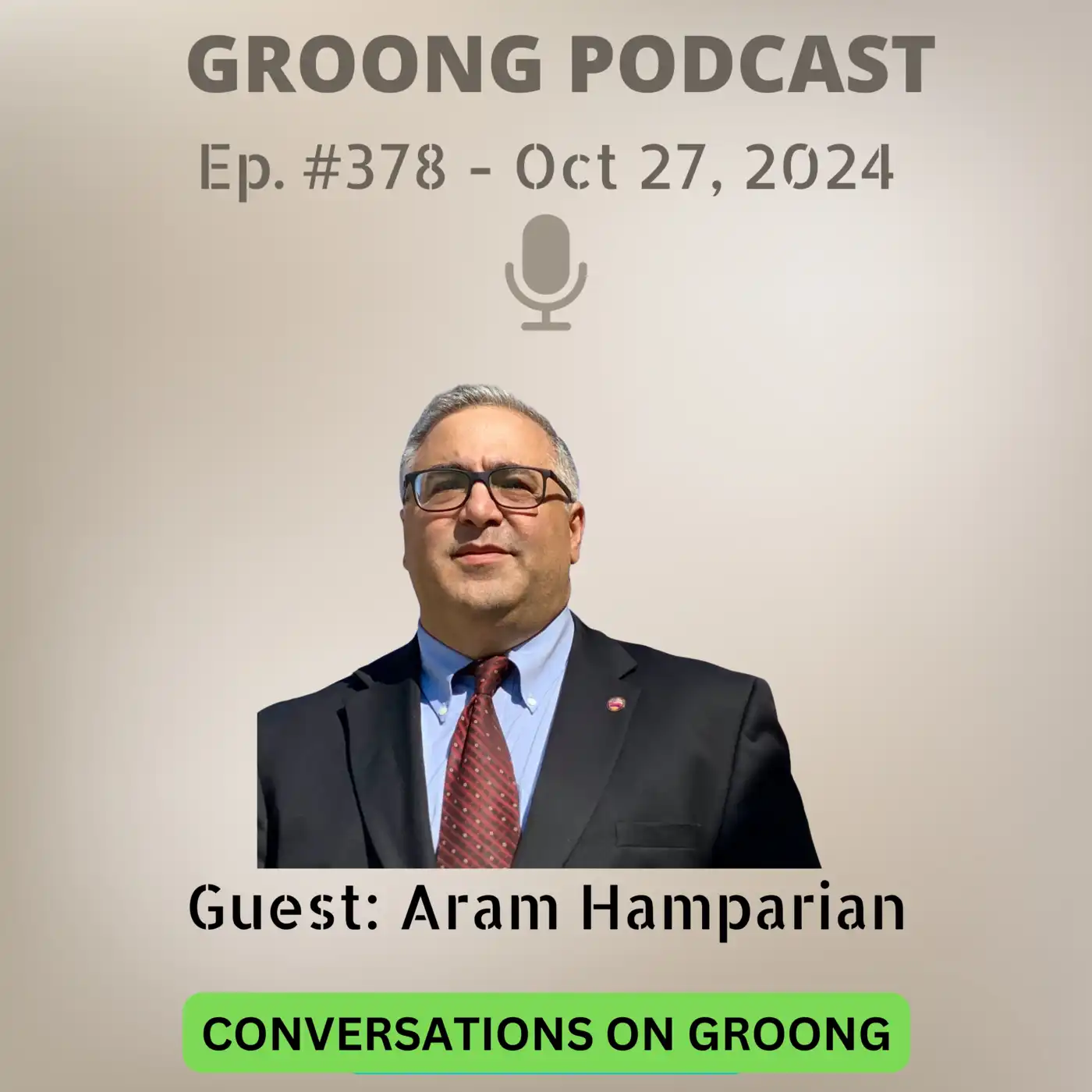
Groong Links:
Guest:
Topics:
- ANCA Endorsements Methodology
- On the Major Presidential Candidates
- Arab-Americans Still Uncommitted
- Where is the Armenian Vote?
Episode 378 | Recorded: October 25, 2024
Aram Suren Hamparian - Armenian American and the 2024 US Presidential Elections | Ep 378 - Oct 27, 2024 [EP378]
Posted on Sunday, Oct 27, 2024 | Category: Armenia, Artsakh, USA, Elections, Nagorno Karabakh, Genocide, Azerbaijan, Turkey, Israel, Artsakh Blockade, Armenian Genocide, NATOGroong Links:
Guest:
Topics:
- ANCA Endorsements Methodology
- On the Major Presidential Candidates
- Arab-Americans Still Uncommitted
- Where is the Armenian Vote?
Episode 378 | Recorded: October 25, 2024
Aram Suren Hamparian - Armenian American Priorities in the 2024 US Elections | Ep 360 - Sep 6, 2024 [EP360]
Posted on Friday, Sep 6, 2024 | Category: Armenia, Artsakh, USA, Elections, Nagorno Karabakh, Genocide, Russia, Azerbaijan, Turkey, Israel, Artsakh Blockade, Armenian Genocide, Iran, NATO, Syria, Geopolitics, Georgia, Human Rights, Middle East | Series: cog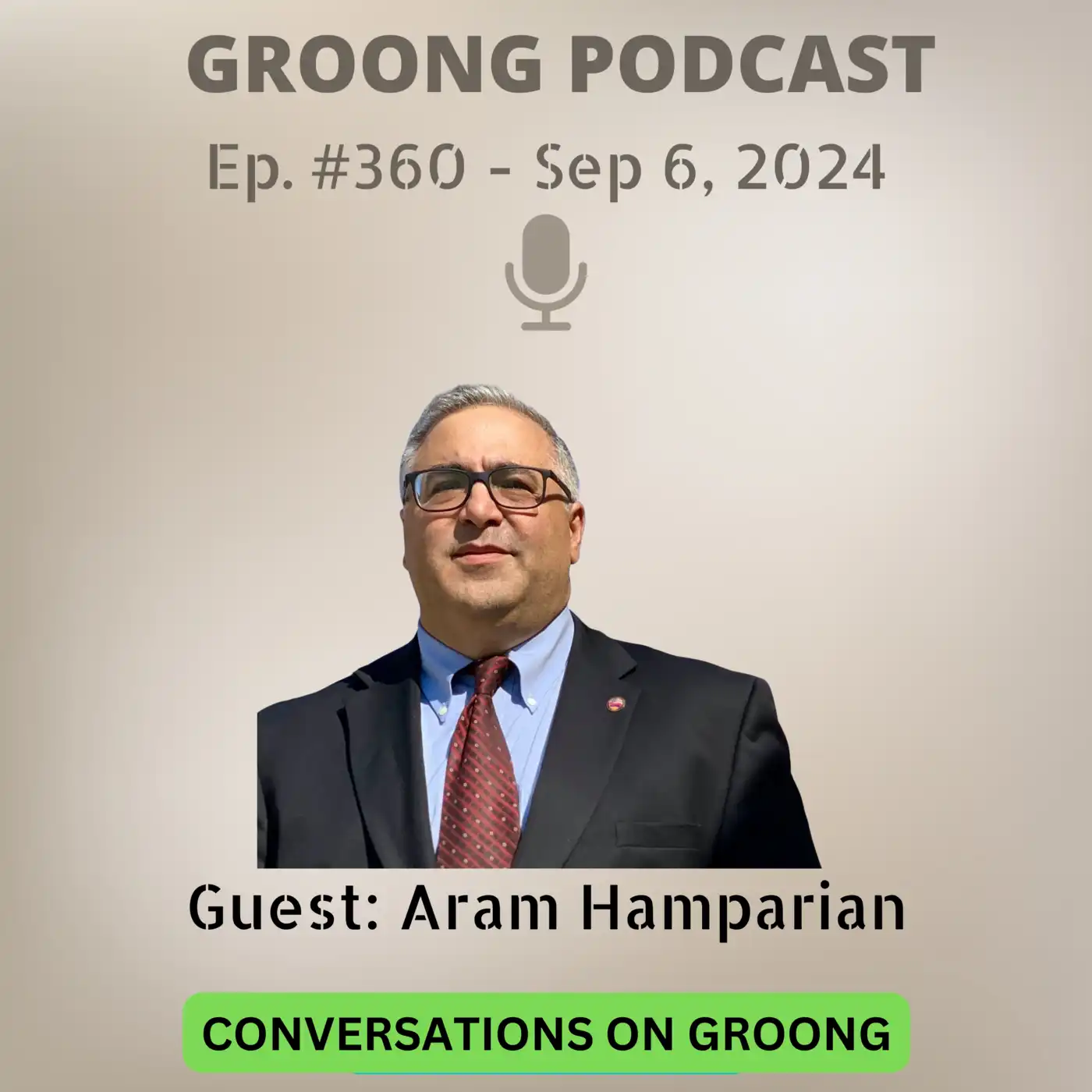
Groong Links:
Guest:
Topics:
- Armenia, Artsakh and the 2024 US Elections
- On the Major Presidential Candidates
- On the Vice President Candidates
- On the National Security Apparatus
- Arab-American âUncommittedâ Movement
- And the Armenian Vote goes toâ¦
Episode 360 | Recorded: September 4, 2024
Aram Suren Hamparian - Armenian American Priorities in the 2024 US Elections | Ep 360 - Sep 6, 2024 [EP360]
Posted on Friday, Sep 6, 2024 | Category: Armenia, Artsakh, USA, Elections, Nagorno Karabakh, Genocide, Russia, Azerbaijan, Turkey, Israel, Artsakh Blockade, Armenian Genocide, Iran, NATO, Syria, Geopolitics, Georgia, Human Rights, Middle EastGroong Links:
Guest:
Topics:
- Armenia, Artsakh and the 2024 US Elections
- On the Major Presidential Candidates
- On the Vice President Candidates
- On the National Security Apparatus
- Arab-American âUncommittedâ Movement
- And the Armenian Vote goes toâ¦
Episode 360 | Recorded: September 4, 2024
Glenn Diesen - Russia and The Eurasian World Order | Ep 359 - Sep 4, 2024 [EP359]
Posted on Wednesday, Sep 4, 2024 | Category: Russia, Ukraine, Video, World Order, Armenia, China, Turkey, India, Iran, Georgia, Economy, Israel, Human Rights, Nagorno Karabakh, BRICS, NATO, Azerbaijan | Series: cog, video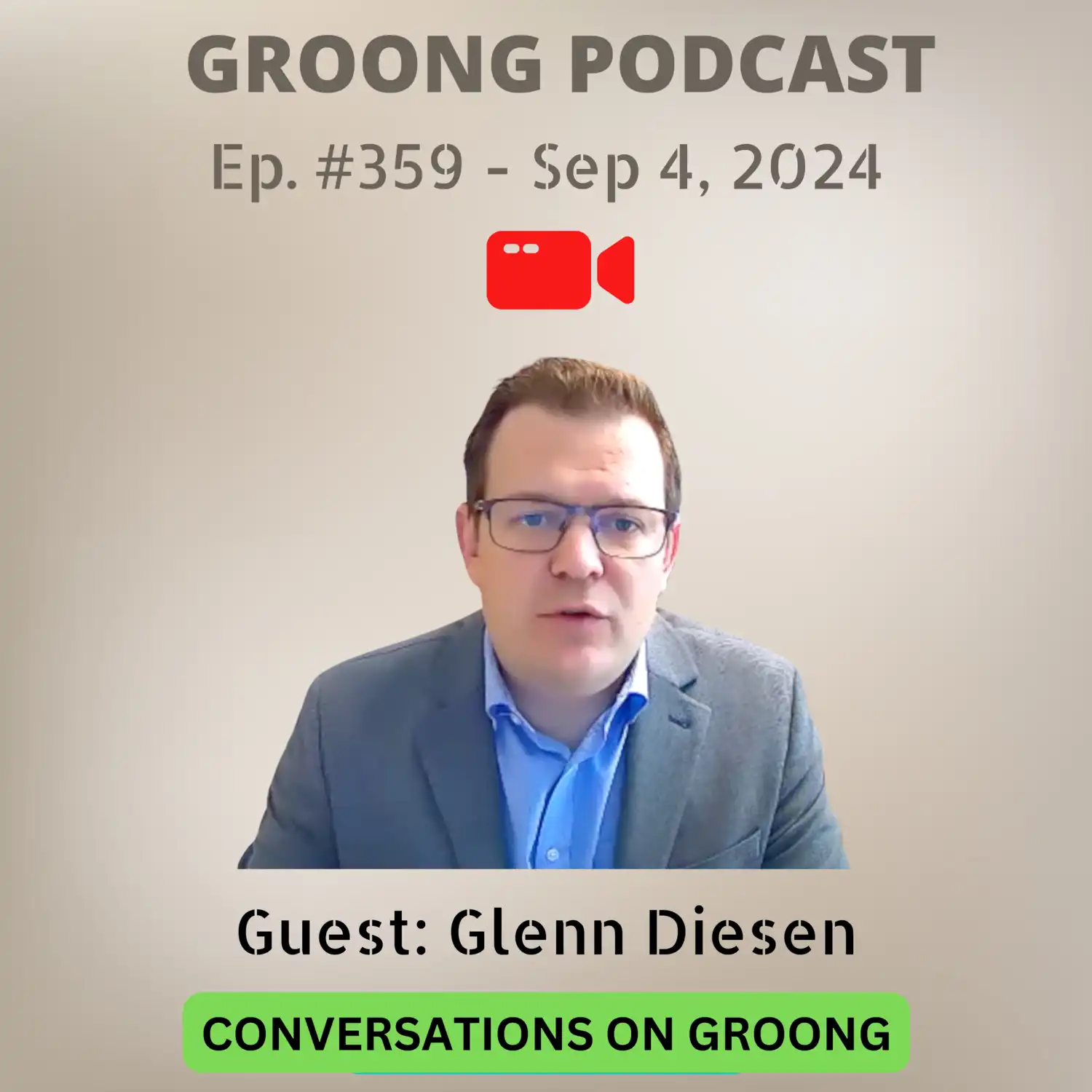
Groong Links:
Guest:
Topics:
- Norwegian & NATO Support for Ukraine
- âThe Ukraine War & the Eurasian World Orderâ
- Small States and Multipolarity
- Armenia’s Position in a Multipolar World
Episode 359 | Recorded: August 30, 2024
Glenn Diesen - Russia and The Eurasian World Order | Ep 359 - Sep 4, 2024 [EP359]
Posted on Wednesday, Sep 4, 2024 | Category: Russia, Ukraine, Video, World Order, Armenia, China, Turkey, India, Iran, Georgia, Economy, Israel, Human Rights, Nagorno Karabakh, BRICS, NATO, AzerbaijanGroong Links:
Guest:
Topics:
- Norwegian & NATO Support for Ukraine
- âThe Ukraine War & the Eurasian World Orderâ
- Small States and Multipolarity
- Armenia’s Position in a Multipolar World
Episode 359 | Recorded: August 30, 2024
Transcript: Glenn Diesen - Russia and The Eurasian World Order | Ep 359 - Sep 4, 2024 [EP359]
Posted on Wednesday, Sep 4, 2024 | Category: Russia, Ukraine, Video, World Order, Armenia, China, Turkey, India, Iran, Georgia, Economy, Israel, Human Rights, Nagorno Karabakh, BRICS, NATO, Azerbaijan, TranscriptNorwegian & NATO Support for Ukraine. “The Ukraine War & the Eurasian World Order”. Small States and Multipolarity. Armenia’s Position in a Multipolar World.
Benyamin Poghosyan - Armenia, Artsakh, Pashinyan Press Conf, Putin in Baku | Ep 358 - Sep 1, 2024 [EP358]
Posted on Tuesday, Sep 3, 2024 | Category: Armenia, Artsakh, Nagorno Karabakh, Azerbaijan, Turkey, Russia, Iran, BRICS, Georgia, Ukraine, China, Israel, European Union, NATO, Economy, Geopolitics | Series: wir
Groong Links:
Guest:
Topics:
- Armenia Azerbaijan Talks
- Declarations of Independence
- Declaration of State Sovereignty of Armenia (1990)
- Artsakh Independence Day - September 2 (1991)
- Pashinyan Press Conference
- Negotiations Formats
- Artsakh Rights & Security as Pashinyanâs âNational Securityâ Problem
- Armenian and Azerbaijani Constitutions
- Liberating Occupied Armenian Territories
- Putin in Baku
- Azerbaijanâs Application to BRICS
Episode 358 | Recorded: September 2, 2024
Benyamin Poghosyan - Armenia, Artsakh, Pashinyan Press Conf, Putin in Baku | Ep 358 - Sep 1, 2024 [EP358]
Posted on Tuesday, Sep 3, 2024 | Category: Armenia, Artsakh, Nagorno Karabakh, Azerbaijan, Turkey, Russia, Iran, BRICS, Georgia, Ukraine, China, Israel, European Union, NATO, Economy, GeopoliticsGroong Links:
Guest:
Topics:
- Armenia Azerbaijan Talks
- Declarations of Independence
- Declaration of State Sovereignty of Armenia (1990)
- Artsakh Independence Day - September 2 (1991)
- Pashinyan Press Conference
- Negotiations Formats
- Artsakh Rights & Security as Pashinyanâs âNational Securityâ Problem
- Armenian and Azerbaijani Constitutions
- Liberating Occupied Armenian Territories
- Putin in Baku
- Azerbaijanâs Application to BRICS
Episode 358 | Recorded: September 2, 2024
Pietro Shakarian - Russia, Iran, Armenia Relations, Ukraine Kursk Gambit, Travel Notes | Ep 357 - Aug 31, 2024 [EP357]
Posted on Saturday, Aug 31, 2024 | Category: Russia, Ukraine, Armenia, Artsakh, Iran, Nagorno Karabakh, BRICS, NATO, Georgia, Israel, Middle East, Turkey, Genocide, China, Geopolitics, Economy, India | Series: cog
Groong Links:
Guest:
Topics:
- Russian-Iranian Relations
- Russian-Armenian Relations
- Ukraineâs Kursk Gambit
- Pavel Durov Arrested in France
- Observations from Armenia and Russia
Episode 357 | Recorded: August 28, 2024
Pietro Shakarian - Russia, Iran, Armenia Relations, Ukraine Kursk Gambit, Travel Notes | Ep 357 - Aug 31, 2024 [EP357]
Posted on Saturday, Aug 31, 2024 | Category: Russia, Ukraine, Armenia, Artsakh, Iran, Nagorno Karabakh, BRICS, NATO, Georgia, Israel, Middle East, Turkey, Genocide, China, Geopolitics, Economy, IndiaGroong Links:
Guest:
Topics:
- Russian-Iranian Relations
- Russian-Armenian Relations
- Ukraineâs Kursk Gambit
- Pavel Durov Arrested in France
- Observations from Armenia and Russia
Episode 357 | Recorded: August 28, 2024
Kevork Almassian - The Middle East In Turmoil: Syria, Gaza, Iran | Ep 354 - Aug 17, 2024 [EP354]
Posted on Sunday, Aug 18, 2024 | Category: Middle East, Iran, Syria, Israel, Armenian Genocide, Armenia, Russia, Turkey, Lebanon, China, Ukraine, Georgia, Economy, Genocide, Geopolitics, Human Rights, NATO | Series: cog
Groong Links:
Guest:
Topics:
Episode 354 | Recorded: August 17, 2024
Kevork Almassian - The Middle East In Turmoil: Syria, Gaza, Iran | Ep 354 - Aug 17, 2024 [EP354]
Posted on Sunday, Aug 18, 2024 | Category: Middle East, Iran, Syria, Israel, Armenian Genocide, Armenia, Russia, Turkey, Lebanon, China, Ukraine, Georgia, Economy, Genocide, Geopolitics, Human Rights, NATOGroong Links:
Guest:
Topics:
Episode 354 | Recorded: August 17, 2024
Tevan Poghosyan - US Leadership Changes, Iran Armenia Relations, Russian-Armenian Relations, EU Push for an Agreement, Srbazan Movement Next Steps | Ep 351 - Aug 4, 2024 [EP351]
Posted on Sunday, Aug 4, 2024 | Category: Armenia, Artsakh, Politics, Nagorno Karabakh, Azerbaijan, Iran, Russia, Turkey, Georgia, Economy, China, Genocide, Human Rights, Ukraine, Israel, European Union, NATO | Series: wir
Groong Links:
Guest:
Topics:
- US Leadership Changes
- Iran Armenia Relations
- Russian-Armenian Relations
- EU Push for an Agreement
- Srbazan Movement Next Steps
Episode 351 | Recorded: August 6, 2024
Tevan Poghosyan - US Leadership Changes, Iran Armenia Relations, Russian-Armenian Relations, EU Push for an Agreement, Srbazan Movement Next Steps | Ep 351 - Aug 4, 2024 [EP351]
Posted on Sunday, Aug 4, 2024 | Category: Armenia, Artsakh, Politics, Nagorno Karabakh, Azerbaijan, Iran, Russia, Turkey, Georgia, Economy, China, Genocide, Human Rights, Ukraine, Israel, European Union, NATOGroong Links:
Guest:
Topics:
- US Leadership Changes
- Iran Armenia Relations
- Russian-Armenian Relations
- EU Push for an Agreement
- Srbazan Movement Next Steps
Episode 351 | Recorded: August 6, 2024
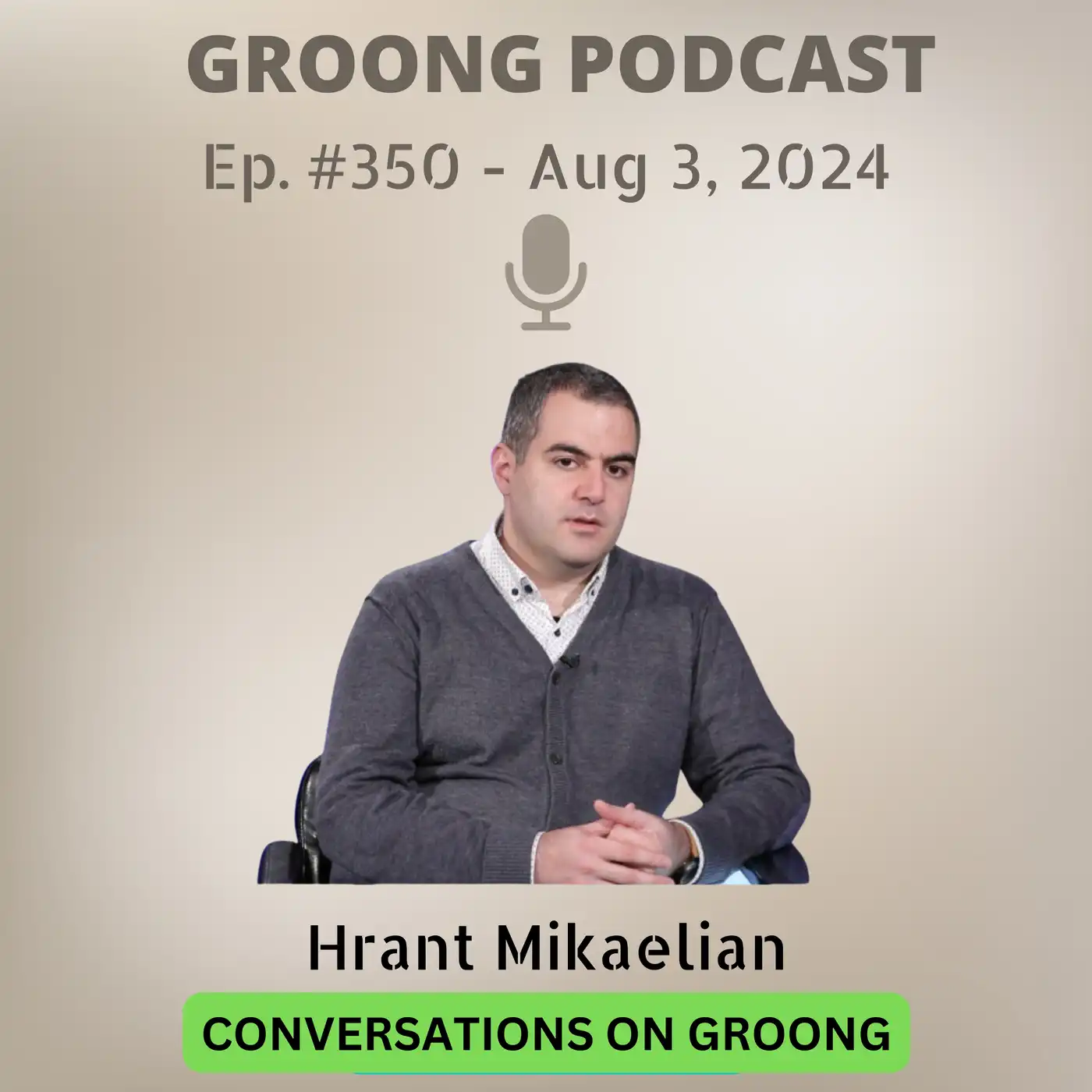
Groong Links:
Guest:
Topics:
- Economy in the First Half of 2024
- State Revenues & Spending
- Finance Sector
- Looking Ahead
Episode 350 | Recorded: August 1, 2024
Groong Links:
Guest:
Topics:
- Economy in the First Half of 2024
- State Revenues & Spending
- Finance Sector
- Looking Ahead
Episode 350 | Recorded: August 1, 2024
Arthur G Martirosyan - Next POTUS | Turkish-Armenian Talks | US-Armenian Defense Coop | Armenia Azerbaijan Talks | Ep 347 - July 28, 2024 [EP348]
Posted on Wednesday, Jul 31, 2024 | Category: Armenia, Politics, Turkey, USA, Azerbaijan, Russia, Ukraine, Israel, Middle East, European Union, Human Rights, Lebanon, NATO, Syria, China, Genocide, Iran, India | Series: wir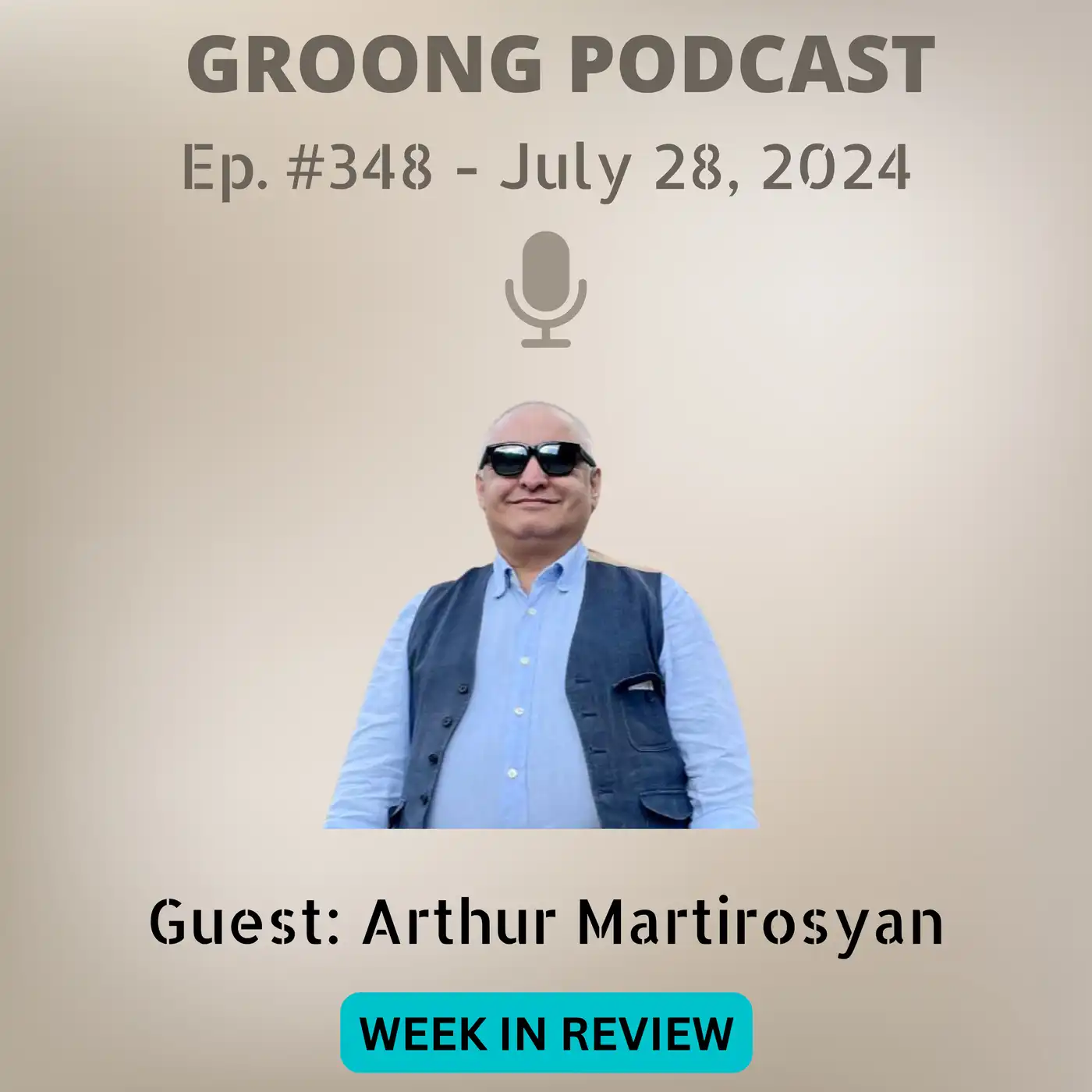
Groong Links:
Guest:
Topics:
- Who Will be the Next Leader of the US?
- Turkish-Armenian Talks
- US-Armenian Defense Coop
- Armenia Azerbaijan Talks
Episode 348 | Recorded: July 30, 2024
Arthur G Martirosyan - Next POTUS | Turkish-Armenian Talks | US-Armenian Defense Coop | Armenia Azerbaijan Talks | Ep 347 - July 28, 2024 [EP348]
Posted on Wednesday, Jul 31, 2024 | Category: Armenia, Politics, Turkey, USA, Azerbaijan, Russia, Ukraine, Israel, Middle East, European Union, Human Rights, Lebanon, NATO, Syria, China, Genocide, Iran, IndiaGroong Links:
Guest:
Topics:
- Who Will be the Next Leader of the US?
- Turkish-Armenian Talks
- US-Armenian Defense Coop
- Armenia Azerbaijan Talks
Episode 348 | Recorded: July 30, 2024
Benyamin Poghosyan - New Leaderships, Armenian Azerbaijani Negotiations, US Defense Attache to Armenia, Midyear Review of 2024 | Ep 347 - July 21, 2024 [EP347]
Posted on Tuesday, Jul 23, 2024 | Category: Armenia, Artsakh, Nagorno Karabakh, Azerbaijan, Artsakh Blockade, Georgia, Russia, Turkey, Iran, Ukraine, China, European Union, Israel, NATO, Genocide, Geopolitics, Lebanon | Series: wir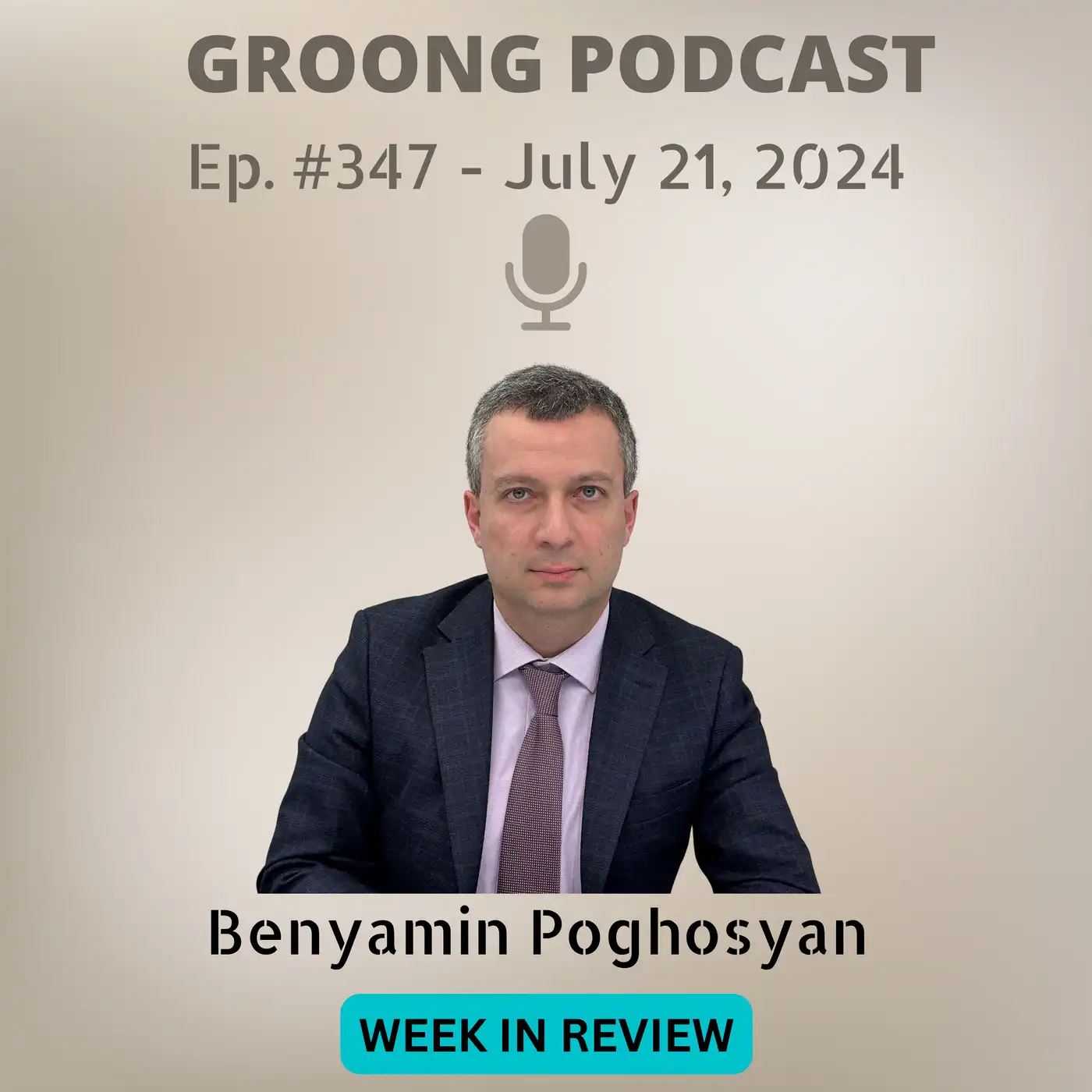
Groong Links:
Guest:
Topics:
- New Leadership Coming to Many Countries
- Aliyev Continues to Thumb the Nose of The West
- Permanent US Defense Attaché to Armenia
- Mid-year Review of our 2024 Predictions
Episode 347 | Recorded: July 22, 2024
Benyamin Poghosyan - New Leaderships, Armenian Azerbaijani Negotiations, US Defense Attache to Armenia, Midyear Review of 2024 | Ep 347 - July 21, 2024 [EP347]
Posted on Tuesday, Jul 23, 2024 | Category: Armenia, Artsakh, Nagorno Karabakh, Azerbaijan, Artsakh Blockade, Georgia, Russia, Turkey, Iran, Ukraine, China, European Union, Israel, NATO, Genocide, Geopolitics, LebanonGroong Links:
Guest:
Topics:
- New Leadership Coming to Many Countries
- Aliyev Continues to Thumb the Nose of The West
- Permanent US Defense Attaché to Armenia
- Mid-year Review of our 2024 Predictions
Episode 347 | Recorded: July 22, 2024