Cold War
Groong episodes that include this tag
Below are all Groong episodes tagged with Cold War.
Groong News Digest — Week of August 24–30, 2026
Posted on Sunday, Aug 30, 2026 | Category: Digest, News DigestPashinyan presents contentious five-year government program amid church confrontation, opposition arrests, and deepening rifts with Russia over EU membership and CSTO participation.
Groong Podcast Digest — Week of August 24–30, 2026
Posted on Sunday, Aug 30, 2026 | Category: Digest, Podcast DigestAmbassador Jack Matlock, the last U.S. Ambassador to the Soviet Union, examines whether the West missed a historic opportunity to integrate Russia into Western security architecture after the Cold War, and reflects on how Cold War-era decisions shape Armenia’s geopolitical choices today. Arthur G. Martirosyan discusses Armenia’s post-election political crisis, the arrest of opposition leaders including Robert Kocharyan, attacks on the Armenian Church, border concessions including Tigranashen, the TRIPP corridor, and how the Established Opposition is strategizing under state repression in what Pashinyan calls the Fourth Republic.
Ambassador Jack Matlock - Did the West Fumble the Post-Cold War Peace? | Ep 580, Aug 28, 2026 [EP580]
Posted on Friday, Aug 28, 2026 | Category: Armenia, US, Russia, Geopolitics, History, Soviet Armenia, USSR | Series: cog, video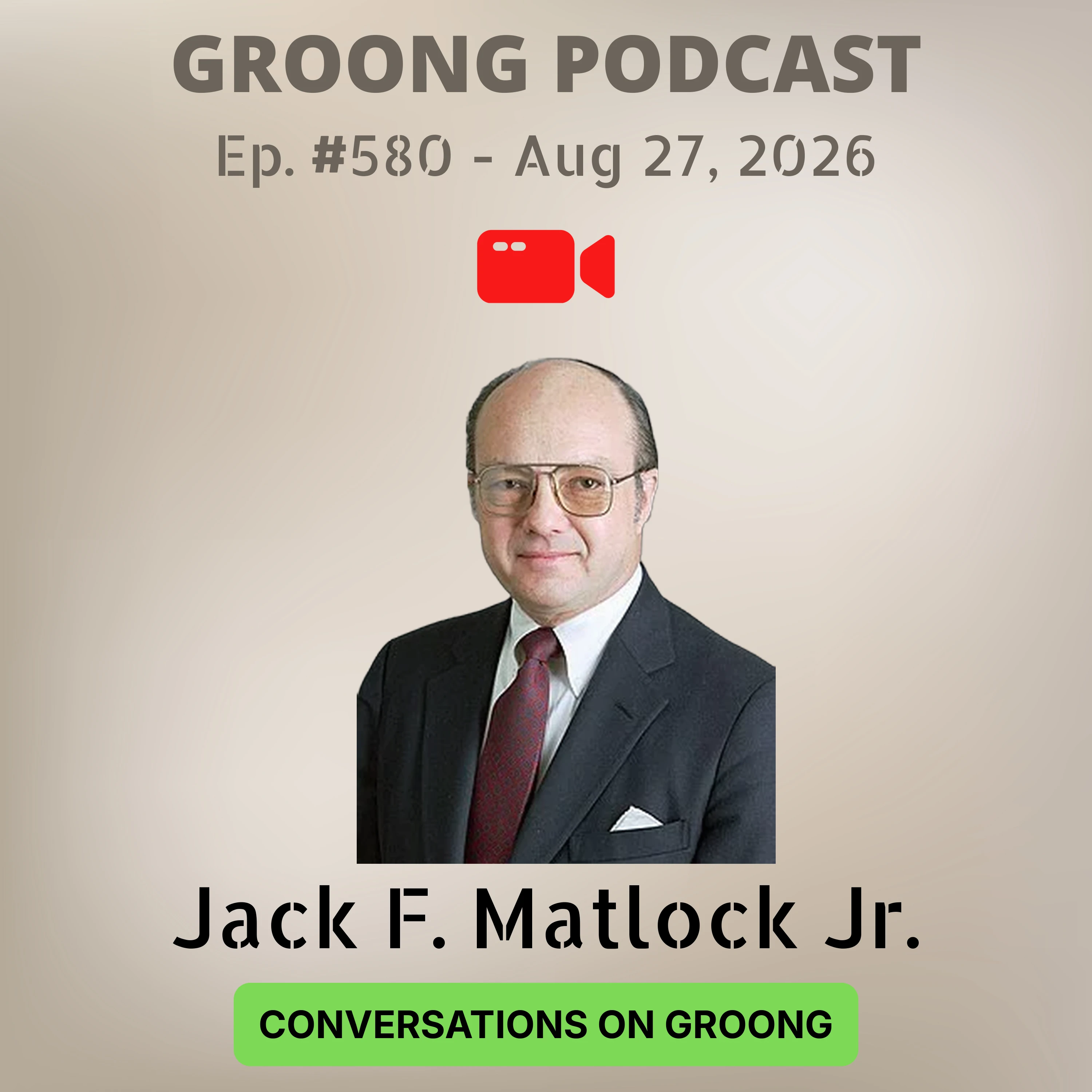
Groong Links:
Guest(s):
Topics:
- Recollections from Soviet South Caucasus
- Why the Soviet Union collapsed
- How the Cold War ended
- Reagan and Gorbachev’s diplomacy
- America’s post-Cold War triumphalism
- NATO expansion and Russian backlash
- Great-power rivalry in the Caucasus
- Armenia’s geopolitical choices today
Episode 580 | Recorded: Aug 27, 2026
#JackMatlock #ColdWar #SovietUnion #Reagan #Gorbachev #NATO #Russia #SouthCaucasus #Armenia
Ambassador Jack Matlock - Did the West Fumble the Post-Cold War Peace? | Ep 580, Aug 28, 2026 [EP580]
Posted on Friday, Aug 28, 2026 | Category: Armenia, US, Russia, Geopolitics, History, Soviet Armenia, USSRGroong Links:
Guest(s):
Topics:
- Recollections from Soviet South Caucasus
- Why the Soviet Union collapsed
- How the Cold War ended
- Reagan and Gorbachev’s diplomacy
- America’s post-Cold War triumphalism
- NATO expansion and Russian backlash
- Great-power rivalry in the Caucasus
- Armenia’s geopolitical choices today
Episode 580 | Recorded: Aug 27, 2026
#JackMatlock #ColdWar #SovietUnion #Reagan #Gorbachev #NATO #Russia #SouthCaucasus #Armenia
Matlock Witnessed Stalin's Statue Fall in Yerevan [EP580]
Posted on Friday, Aug 28, 2026 | Category: History, Soviet ArmeniaAmbassador Matlock recalls witnessing the removal of Stalin’s statue from Victory Park in Yerevan during Khrushchev’s denunciation of Stalin in the early 1960s.
Reagan Never Insulted Soviet Leaders, Unlike Modern Diplomacy [EP580]
Posted on Friday, Aug 28, 2026 | Category: Geopolitics, HistoryMatlock contrasts Reagan’s respectful Cold War diplomacy with contemporary Western leaders’ public insults toward foreign counterparts, arguing the shift undermines conflict resolution.
Secretary Baker's 'Not One Inch' Promise: NATO Expansion and the Two Plus Four Treaty [EP580]
Posted on Friday, Aug 28, 2026 | Category: Geopolitics, HistoryMatlock, present at the negotiations, provides firsthand testimony that James Baker did assure the Soviet Union that NATO would not expand eastward, and explains how this pledge was later circumvented.
Why the Soviet Union Collapsed from Within, Not by Western Pressure [EP580]
Posted on Friday, Aug 28, 2026 | Category: History, Geopolitics, USSRAmbassador Matlock argues that internal Soviet weaknesses, not Western military or economic pressure, caused the USSR’s collapse, and that the Cold War had already ended before the Union broke apart.
Transcript: Ambassador Jack Matlock - Did the West Fumble the Post-Cold War Peace? | Ep 580, Aug 28, 2026 [EP580]
Posted on Friday, Aug 28, 2026 | Category: Armenia, US, Russia, Geopolitics, History, Soviet Armenia, USSR, TranscriptIn this episode of Conversations on Groong, we speak with Ambassador Jack Matlock, the last US Ambassador to the Soviet Union, about whether the West missed a historic opportunity to integrate Russia into Western security architecture after the Cold War. We discuss the internal collapse of the Soviet Union, Reagan-Gorbachev diplomacy, NATO expansion and Russian backlash, and how Cold War-era decisions shape Armenia’s geopolitical choices today, including Matlock’s firsthand observations of Soviet Armenia during glasnost and the Nagorno Karabakh movement.