Civil Contract
Last updated: May 29, 2026
Civil Contract is the ruling political party of Armenia, founded and led by Prime Minister Nikol Pashinyan . It rose to power following the 2018 so-called “Velvet Revolution” (which critics term a “regime change”) and obtained parliamentary majority in the 2021 snap elections, giving it the supermajority that has defined Armenia’s legislative landscape for the past several years. The opposition challenged the results of the election as unfair.
With more than 80 episodes referencing the party, Groong’s coverage of Civil Contract is extensive. Topics include the government’s handling of the 2020 Nagorno Karabakh war and its aftermath, the peace negotiation process with Azerbaijan, Armenia’s pivot away from Russia and toward the European Union and the United States, the crackdown on opposition and civic institutions, the 2025 confrontation with the Armenian Apostolic Church , and the party’s campaign positioning ahead of the June 7, 2026 parliamentary elections.
Critics of Civil Contract covered in Groong episodes argue that the party has used its supermajority to consolidate power, weaken state institutions, suppress political opposition, and pursue a foreign policy that has left Armenia isolated and vulnerable. Supporters counter that it represents a genuine break from the corruption and military adventurism of previous governments.
Groong episodes that include this tag
Below are all Groong episodes tagged with Civil Contract.
Armen Ashotyan - Pashinyan Vote of No Confidence, Opposition Strategies | Ep 473, Sep 19, 2025 [EP473]
Posted on Friday, Sep 19, 2025 | Category: Armenia, Artsakh, Nagorno Karabakh, Human Rights, Turkey, Azerbaijan, Economy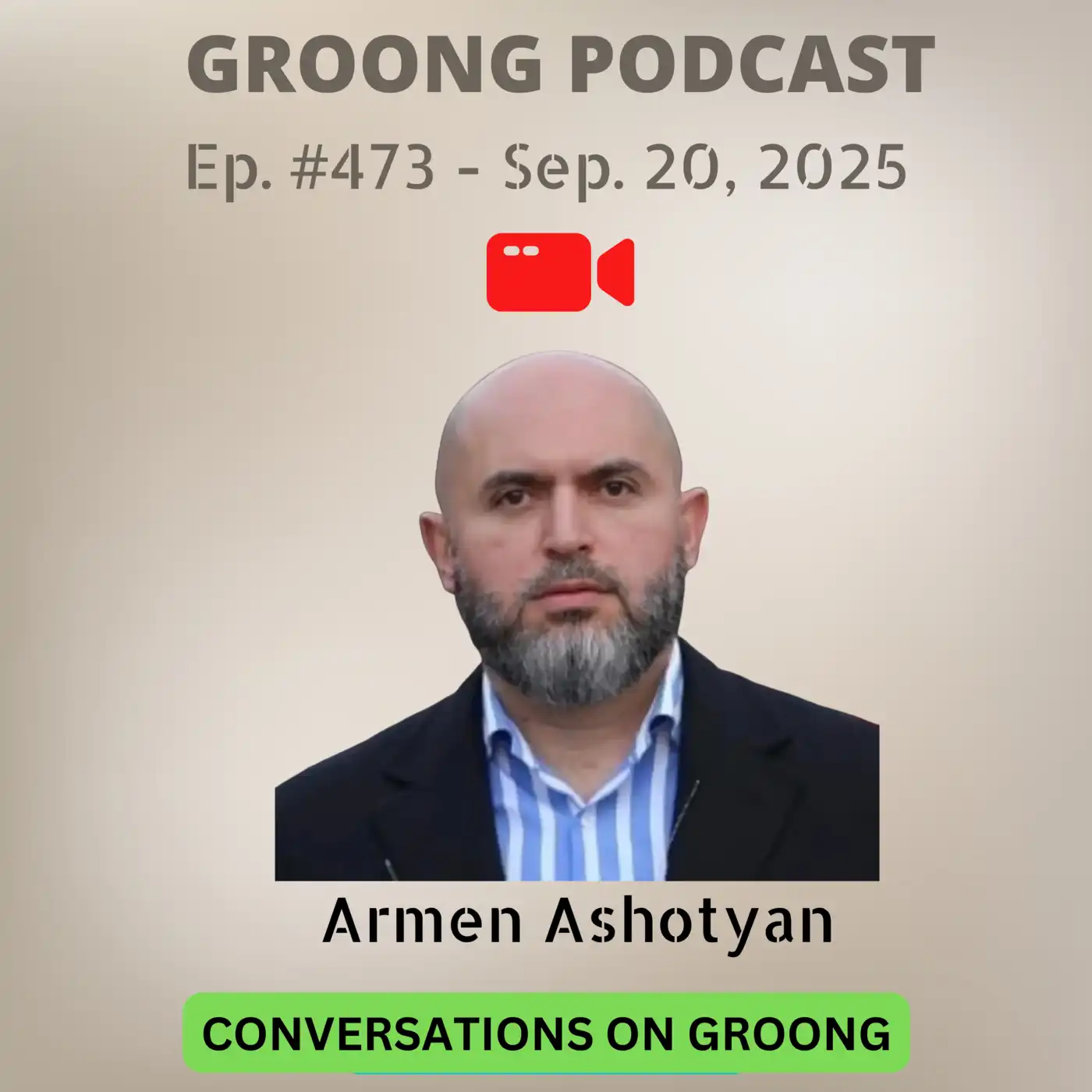
Groong Links:
Guest:
- Armen Ashotyan , MP, VP Republican Party of Armenia (HHK)
Topics:
- TRIPP / Trump Route / Zangezur Corridor
- Vote of No Confidence
- âPashinyan or Warâ?
Episode 473 | Recorded on September 17, 2025
Hrant Mikaelian - War on Iran, Russia on TRIPP, New MPG Poll in Armenia, Economy | Ep 471, Sep 7, 2025 [EP471]
Posted on Tuesday, Sep 9, 2025 | Category: Armenia, Politics, Iran, Poll, Azerbaijan, Turkey, Russia, Iran, Armenian Church, Nagorno Karabakh, Armenian Genocide, Economy, Georgia, Israel, Genocide, China, Ukraine, India | Series: wir, video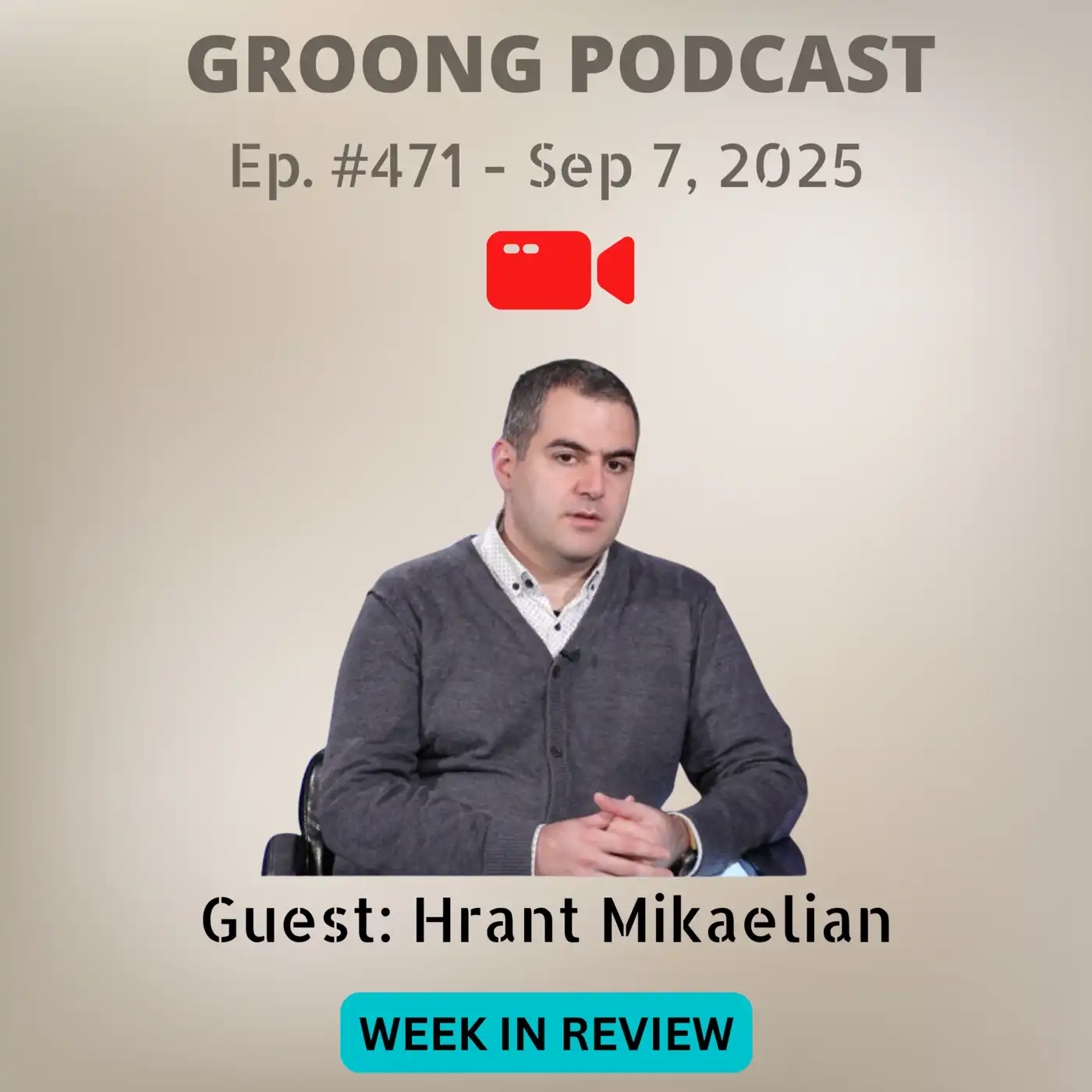
Groong Links:
Guest:
Topics:
- War in Iran, Chapter 2?
- Russiaâs Stance on TRIPP
- New MPG Poll in Armenia
- Armenian Economy in H1/2025
Episode 471 | Recorded: September 8, 2025
Hrant Mikaelian - War on Iran, Russia on TRIPP, New MPG Poll in Armenia, Economy | Ep 471, Sep 7, 2025 [EP471]
Posted on Tuesday, Sep 9, 2025 | Category: Armenia, Politics, Iran, Poll, Azerbaijan, Turkey, Russia, Iran, Armenian Church, Nagorno Karabakh, Armenian Genocide, Economy, Georgia, Israel, Genocide, China, Ukraine, IndiaGroong Links:
Guest:
Topics:
- War in Iran, Chapter 2?
- Russiaâs Stance on TRIPP
- New MPG Poll in Armenia
- Armenian Economy in H1/2025
Episode 471 | Recorded: September 8, 2025
Benyamin Poghosyan - Public Trust in Freefall, Church on the Rise, and Corridor Pressures Mount | Ep 456, Jul 27, 2025 [EP456]
Posted on Tuesday, Jul 29, 2025 | Category: Armenia, Politics, Poll, Russia, Iran, Georgia, Azerbaijan, Turkey, Ukraine, Middle East, Israel, China, India, Geopolitics, Artsakh, Armenian Church, Nagorno Karabakh, European Union, Economy, Syria | Series: wir, video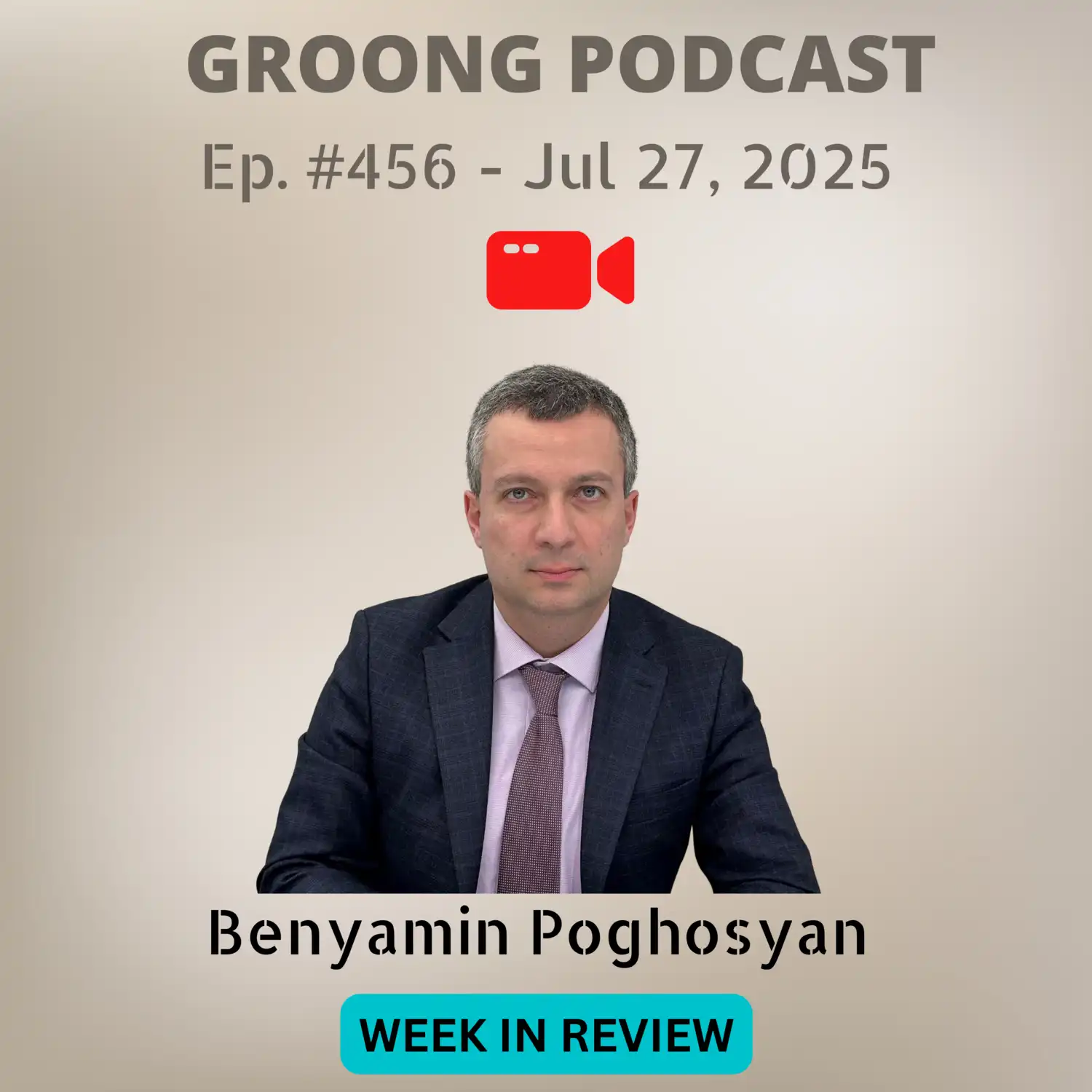
Groong Links:
Guest:
Topics:
- Corridor Logic
- Crackdown Logic
- IRI Poll
- Russian-Azerbaijani Relations
Episode 456 | Recorded: July 28, 2025
Benyamin Poghosyan - Public Trust in Freefall, Church on the Rise, and Corridor Pressures Mount | Ep 456, Jul 27, 2025 [EP456]
Posted on Tuesday, Jul 29, 2025 | Category: Armenia, Politics, Poll, Russia, Iran, Georgia, Azerbaijan, Turkey, Ukraine, Middle East, Israel, China, India, Geopolitics, Artsakh, Armenian Church, Nagorno Karabakh, European Union, Economy, SyriaGroong Links:
Guest:
Topics:
- Corridor Logic
- Crackdown Logic
- IRI Poll
- Russian-Azerbaijani Relations
Episode 456 | Recorded: July 28, 2025
Arthur Khachatryan - Artsakh Negotiations, Armenian Domestic Politics | Ep 455, Jul 27, 2025 [EP455]
Posted on Sunday, Jul 27, 2025 | Category: Georgia, Politics, Artsakh, Nagorno Karabakh, Azerbaijan, Armenian Church, Armenia, Russia, Turkey, Human Rights, Ukraine, Genocide | Series: cog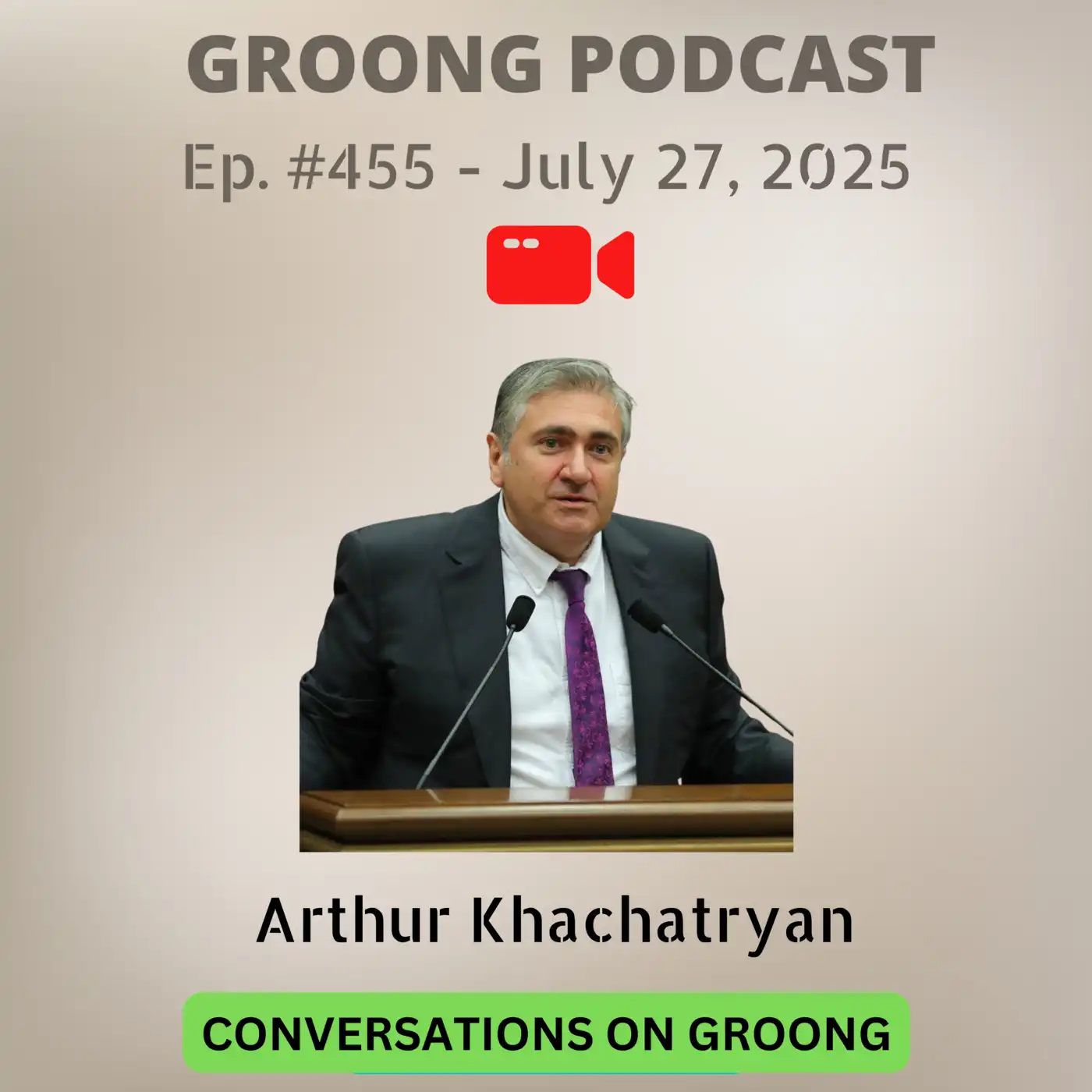
Groong Links:
Guest:
- Arthur Khachatryan , MP
Topics:
- Artsakh Negotiations
- Armenian Domestic Politics
Episode 455 | Recorded: July 25, 2025
Arthur Khachatryan - Artsakh Negotiations, Armenian Domestic Politics | Ep 455, Jul 27, 2025 [EP455]
Posted on Sunday, Jul 27, 2025 | Category: Georgia, Politics, Artsakh, Nagorno Karabakh, Azerbaijan, Armenian Church, Armenia, Russia, Turkey, Human Rights, Ukraine, GenocideGroong Links:
Guest:
- Arthur Khachatryan , MP
Topics:
- Artsakh Negotiations
- Armenian Domestic Politics
Episode 455 | Recorded: July 25, 2025
Pashinyan Meets Aliyev as Armenia Cracks Down on Opposition and Church | Ep 453, Jul 13, 2025 [EP453]
Posted on Sunday, Jul 13, 2025 | Category: Armenia, Politics, Artsakh, Nagorno Karabakh, Azerbaijan, Turkey, Russia, Armenian Church, Iran, Economy, Israel, NATO, Middle East, Ukraine | Series: wir, video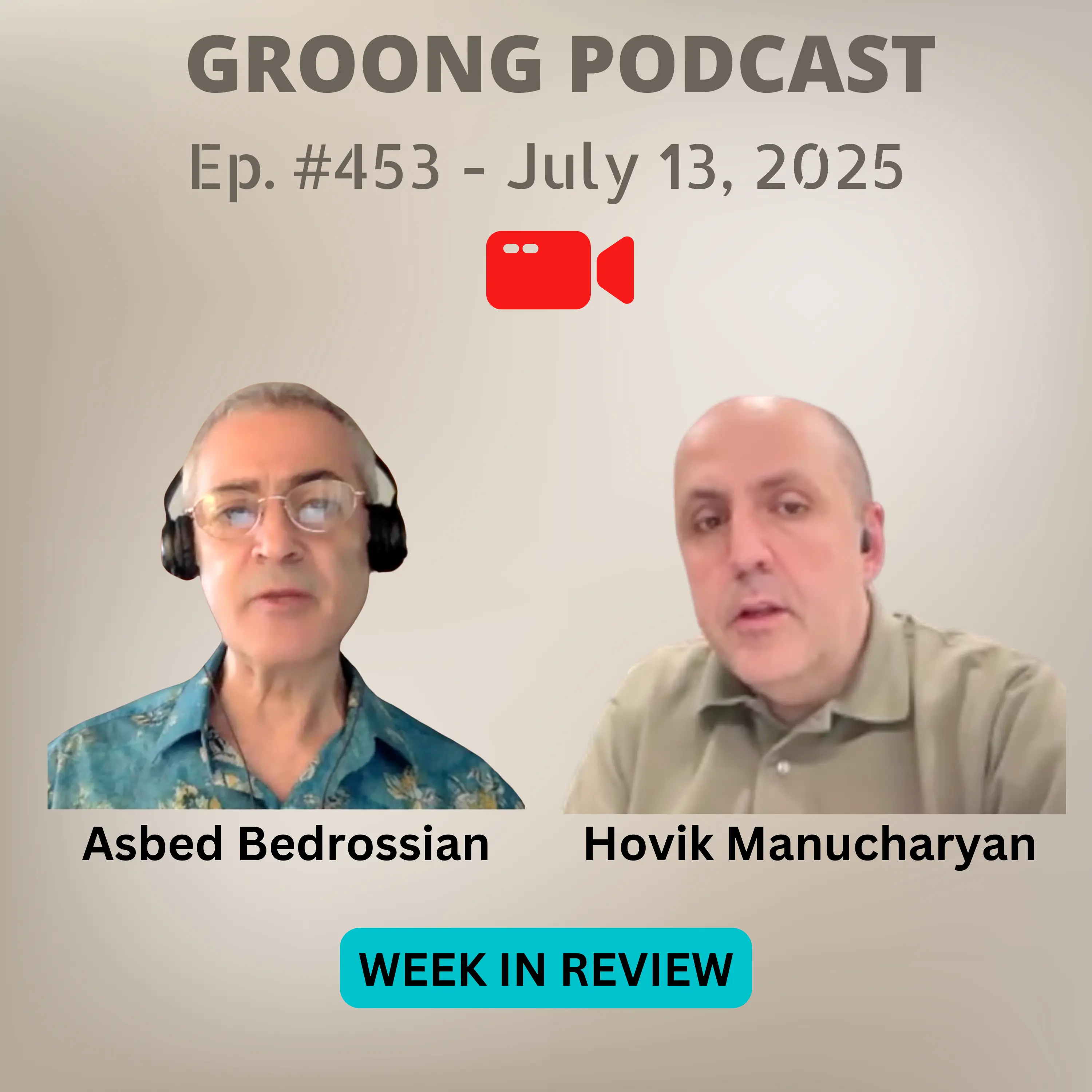
Groong Links:
Topics:
- Pashinyan meets Aliyev in Abu Dhabi
- Continued Persecution of Church and Opposition
Episode 453 | Recorded: July 13, 2025
Pashinyan Meets Aliyev as Armenia Cracks Down on Opposition and Church | Ep 453, Jul 13, 2025 [EP453]
Posted on Sunday, Jul 13, 2025 | Category: Armenia, Politics, Artsakh, Nagorno Karabakh, Azerbaijan, Turkey, Russia, Armenian Church, Iran, Economy, Israel, NATO, Middle East, UkraineGroong Links:
Topics:
- Pashinyan meets Aliyev in Abu Dhabi
- Continued Persecution of Church and Opposition
Episode 453 | Recorded: July 13, 2025
Arthur Martirosyan - Constitution, Western Controlled Syunik, Church Crackdown | Ep 452, Jul 6, 2025 [EP452]
Posted on Tuesday, Jul 8, 2025 | Category: Armenia, Politics, Turkey, Azerbaijan, Russia, Iran, Armenian Church, Artsakh, Nagorno Karabakh, Ukraine, NATO, China, Economy, Genocide | Series: wir, video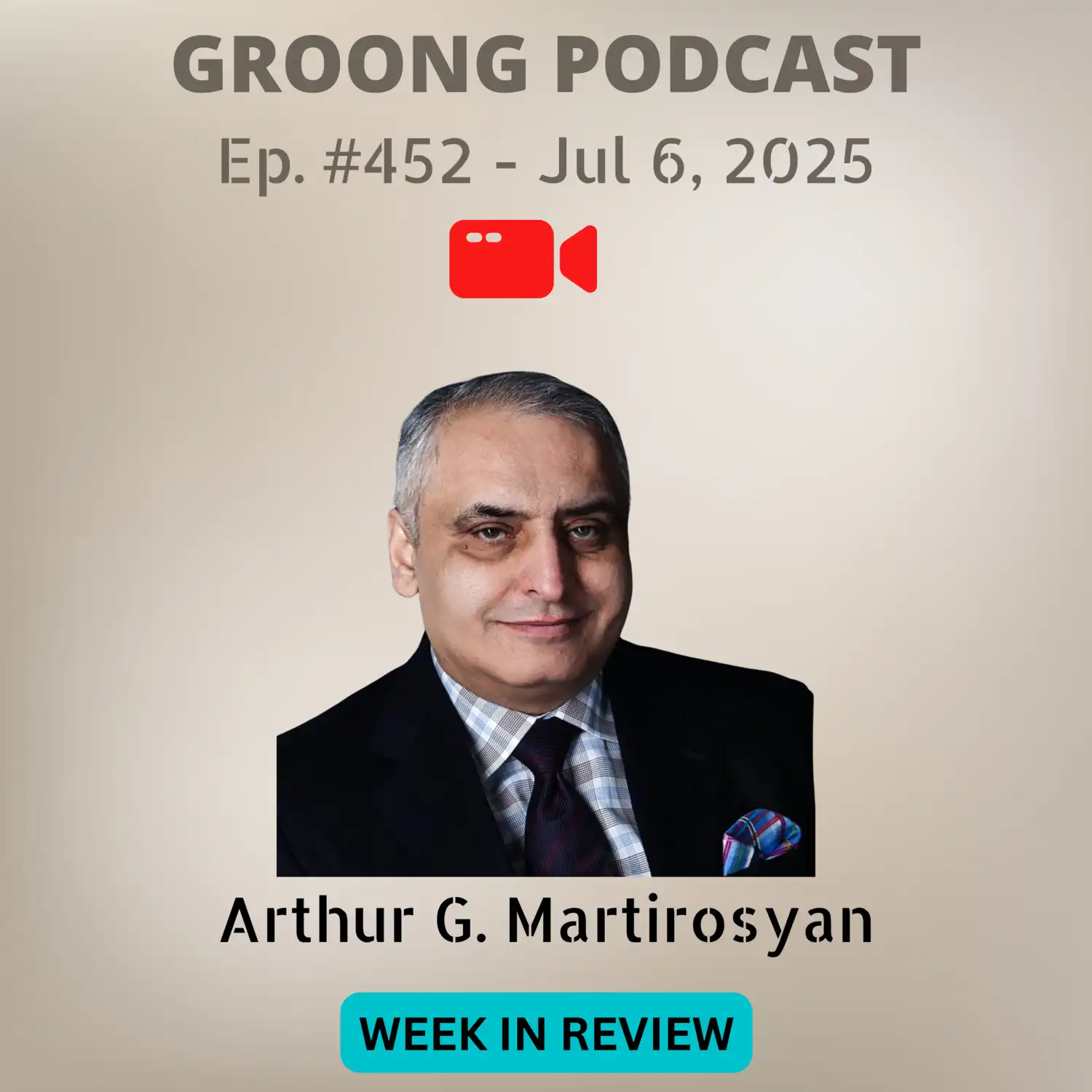
Groong Links:
Guest:
Topics:
- Constitution Day
- Western Controlled Syunik?
- What was Kallas Doing in Yerevan?
- Russian-Azerbaijani Relations
- Coup dâEtat? Or Coup dâÃglise?
- The Kitchen Sink
Episode 452 | Recorded: July 7, 2025
Arthur Martirosyan - Constitution, Western Controlled Syunik, Church Crackdown | Ep 452, Jul 6, 2025 [EP452]
Posted on Tuesday, Jul 8, 2025 | Category: Armenia, Politics, Turkey, Azerbaijan, Russia, Iran, Armenian Church, Artsakh, Nagorno Karabakh, Ukraine, NATO, China, Economy, GenocideGroong Links:
Guest:
Topics:
- Constitution Day
- Western Controlled Syunik?
- What was Kallas Doing in Yerevan?
- Russian-Azerbaijani Relations
- Coup dâEtat? Or Coup dâÃglise?
- The Kitchen Sink
Episode 452 | Recorded: July 7, 2025
Groong Links:
Guest:
Topics:
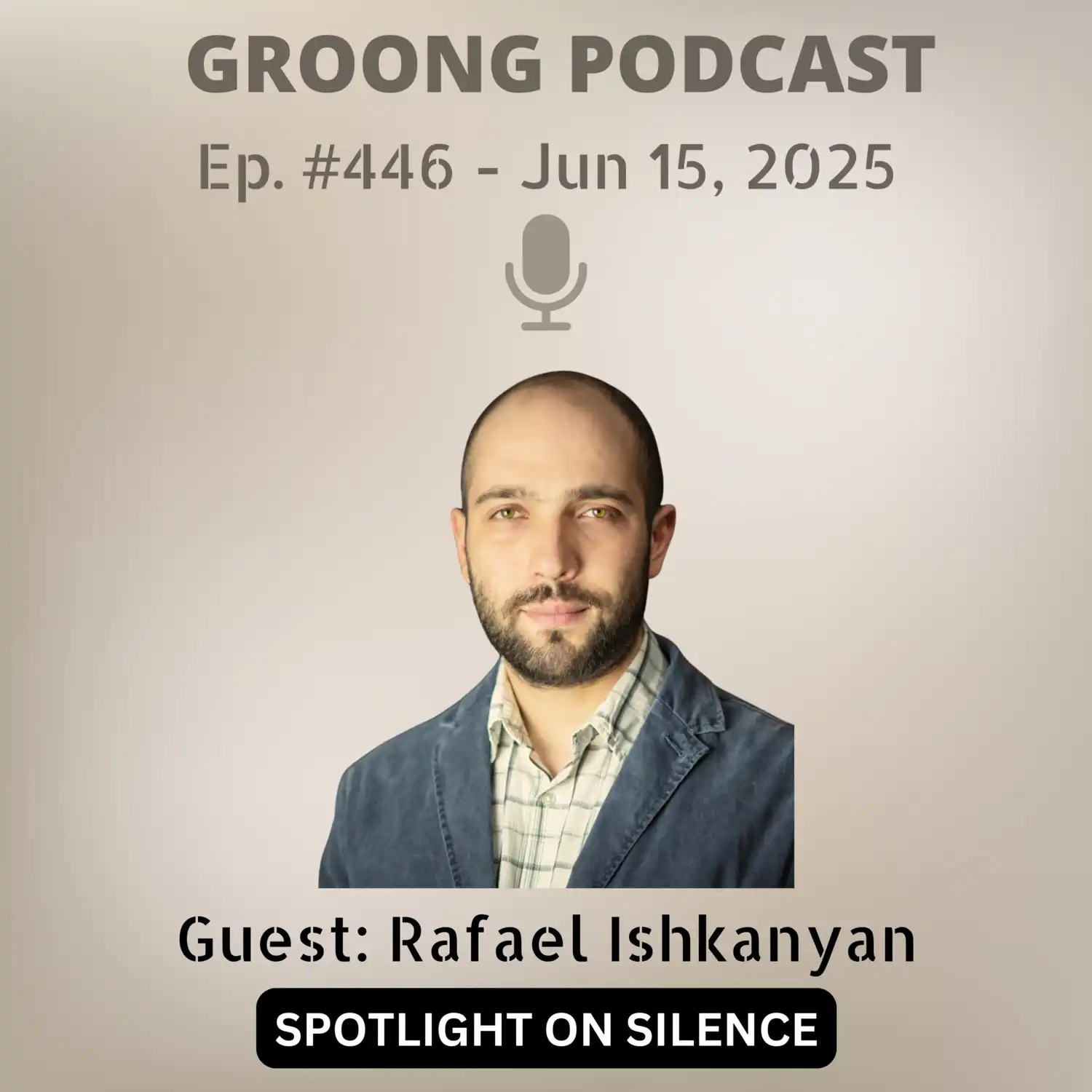
- Armenia legalizes round-the-clock surveillance.
- Law enables political targeting, critics warn.
- No oversight, no privacy laws.
- Silence from Armenia’s new geopolitical allies.
Episode 446 | Recorded: June 12, 2025
Spotlight on Silence: Surveillance State: Armenia’s Biometric Crackdown | Ep 446, Jun 15, 2025 [EP446]
Posted on Sunday, Jun 15, 2025 | Category: Armenia, Privacy, Human Rights, Georgia, Russia, Economy, Ukraine, ChinaGroong Links:
Guest:
Topics:
- Armenia legalizes round-the-clock surveillance.
- Law enables political targeting, critics warn.
- No oversight, no privacy laws.
- Silence from Armenia’s new geopolitical allies.
Episode 446 | Recorded: June 12, 2025
Transcript: Spotlight on Silence: Surveillance State: Armenia’s Biometric Crackdown | Ep 446, Jun 15, 2025 [EP446]
Posted on Sunday, Jun 15, 2025 | Category: Armenia, Privacy, Human Rights, Georgia, Russia, Economy, Ukraine, China, TranscriptIn this episode of Groong: Spotlight on Silence, we speak with Rafael Ishkhanyan of the Armenian Center for Political Rights about Armenia’s sweeping new surveillance law. Passed quietly in March 2025, the law grants police 24/7 access to camera networks across public institutions and allows for real-time facial recognition, raising deep concerns about privacy, political targeting, and unchecked state power. We explore what the law says, what it leaves out, and why international silence—despite clear risks to civil liberties—has been so striking.
Hrant Mikaelian - Poland’s Shift, RPA’s Nominee, Economy, Demographics | Ep 444, June 8, 2025 [EP444]
Posted on Wednesday, Jun 11, 2025 | Category: Armenia, Politics, Artsakh, Nagorno Karabakh, Azerbaijan, Ukraine, Russia, Geopolitics, India, Armenian Church, Georgia, Economy, Turkey, NATO, Iran | Series: wir, video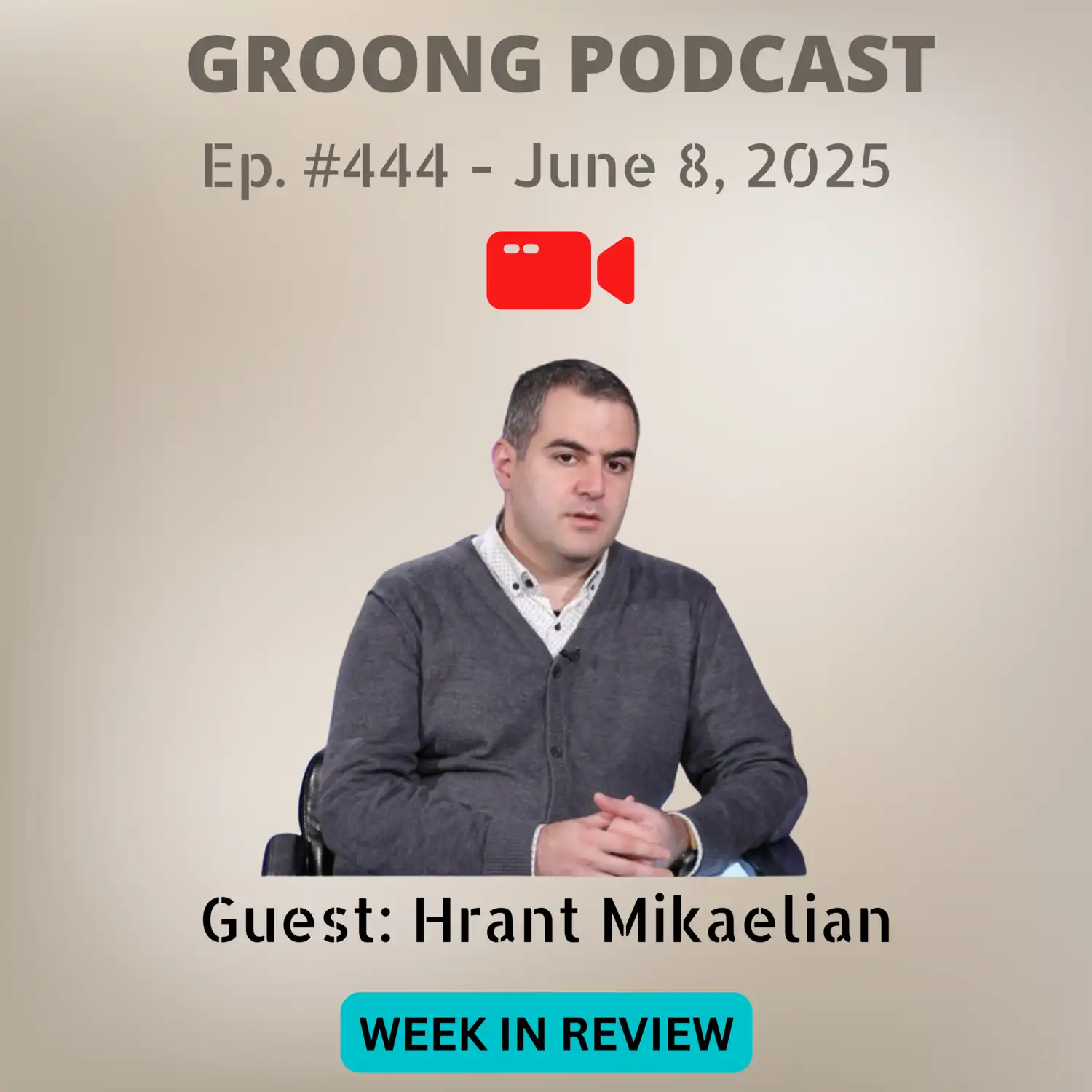
Groong Links:
Guest:
Topics:
- Ukraine’s War, Polandâs Pivot?
- Status Check on the Economy
- RPA Names PM Candidate
- Armeniaâs Demographic Threats
- The Kitchen Sink
Episode 444 | Recorded: June 9, 2025
Hrant Mikaelian - Poland’s Shift, RPA’s Nominee, Economy, Demographics | Ep 444, June 8, 2025 [EP444]
Posted on Wednesday, Jun 11, 2025 | Category: Armenia, Politics, Artsakh, Nagorno Karabakh, Azerbaijan, Ukraine, Russia, Geopolitics, India, Armenian Church, Georgia, Economy, Turkey, NATO, IranGroong Links:
Guest:
Topics:
- Ukraine’s War, Polandâs Pivot?
- Status Check on the Economy
- RPA Names PM Candidate
- Armeniaâs Demographic Threats
- The Kitchen Sink
Episode 444 | Recorded: June 9, 2025
Benyamin Poghosyan - Ukraine and US-Iran, Fidan in Moscow, Lachin, Azerbaijan and Pashinyan attack Armenian Church, Impeachment vs. Elections | Ep 442, June 1, 2025 [EP442]
Posted on Tuesday, Jun 3, 2025 | Category: Armenia, Politics, Iran, Geopolitics, Artsakh, Nagorno Karabakh, Azerbaijan, Georgia, Turkey, Russia, Armenian Church, Ukraine, India, Israel, China, Syria, Economy, European Union | Series: wir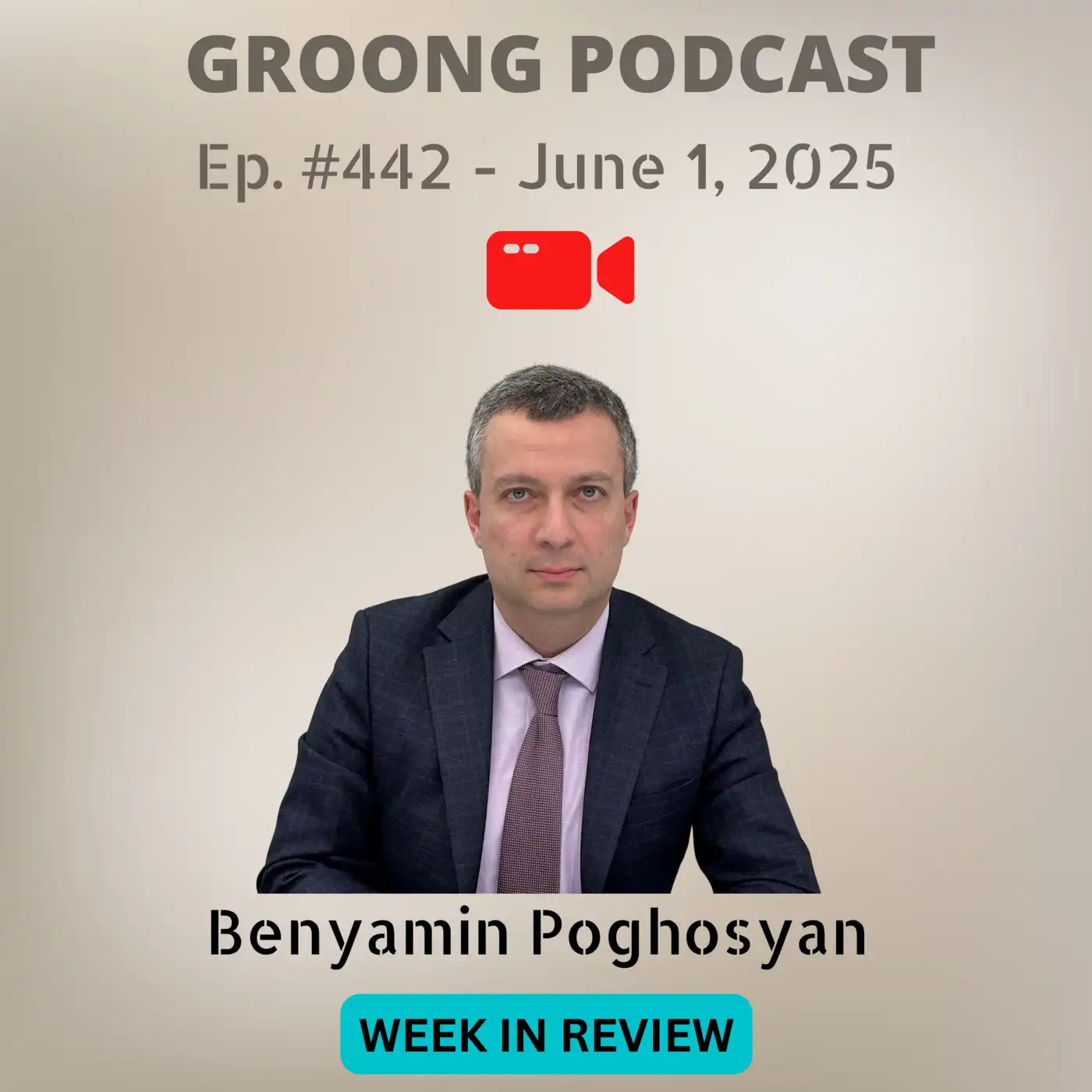
Groong Links:
Guest:
Topics:
- Status of Ukraine and US-Iran Crises
- Hakan Fidan in Moscow
- Erdogan, Aliyev, Sharif in Lachin
- Azerbaijan and Pashinyan Attack the Armenian Church
- Impeachment vs. Elections
- The Kitchen Sink
Episode 442 | Recorded: June 2, 2025
Benyamin Poghosyan - Ukraine and US-Iran, Fidan in Moscow, Lachin, Azerbaijan and Pashinyan attack Armenian Church, Impeachment vs. Elections | Ep 442, June 1, 2025 [EP442]
Posted on Tuesday, Jun 3, 2025 | Category: Armenia, Politics, Iran, Geopolitics, Artsakh, Nagorno Karabakh, Azerbaijan, Georgia, Turkey, Russia, Armenian Church, Ukraine, India, Israel, China, Syria, Economy, European UnionGroong Links:
Guest:
Topics:
- Status of Ukraine and US-Iran Crises
- Hakan Fidan in Moscow
- Erdogan, Aliyev, Sharif in Lachin
- Azerbaijan and Pashinyan Attack the Armenian Church
- Impeachment vs. Elections
- The Kitchen Sink
Episode 442 | Recorded: June 2, 2025
Arthur Khachatryan – Republic Day, EU Drama, and Constitutional Chaos | Ep 441, May 25, 2025 [EP441]
Posted on Thursday, May 29, 2025 | Category: Armenia, Politics, Artsakh, Nagorno Karabakh, Azerbaijan, Georgia, Turkey, Russia, Artsakh Blockade, Armenian Genocide, Genocide, Iran, Human Rights, Economy | Series: wir, video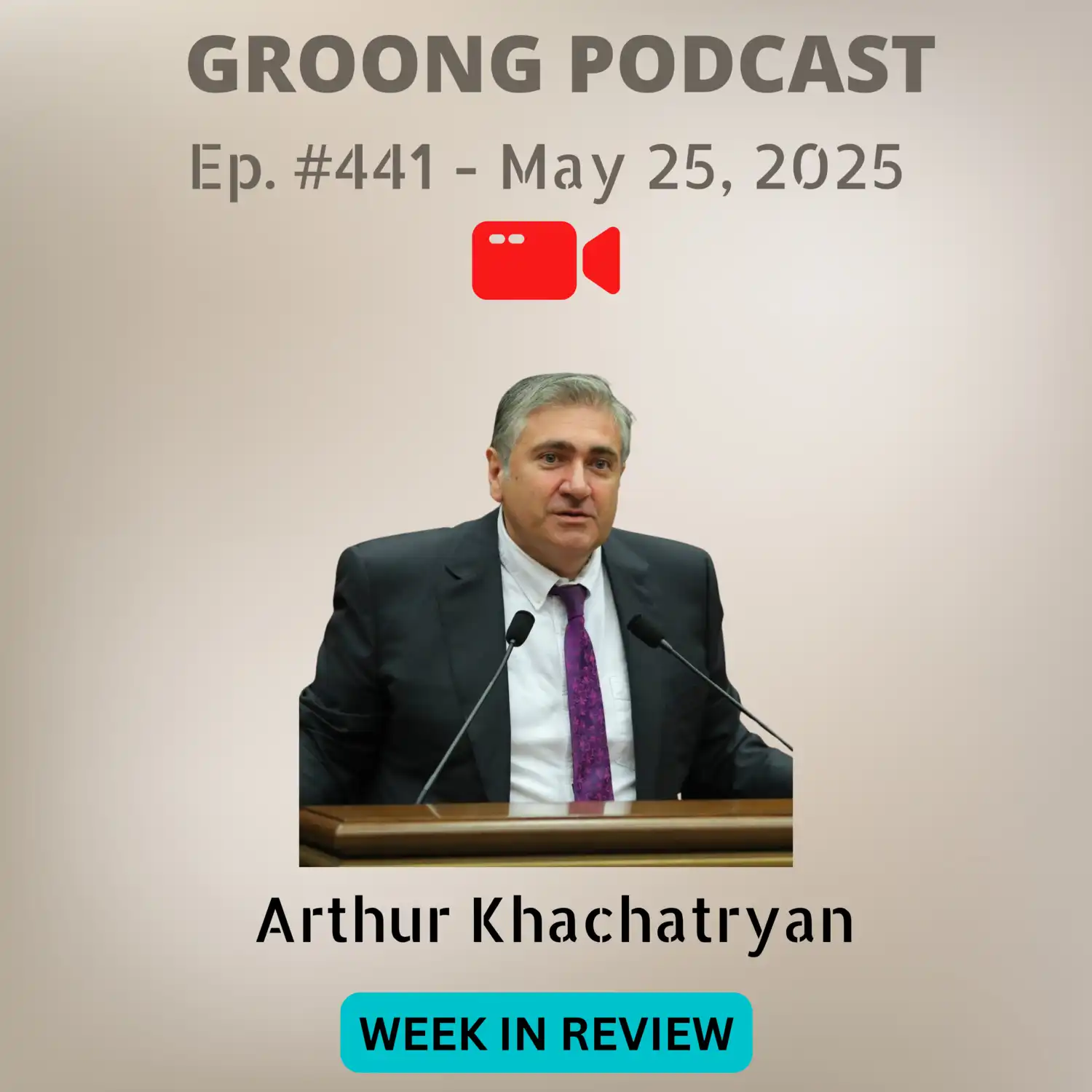
Groong Links:
Guest:
Topics:
- May 28, Republic Day
- Armeniaâs EU-Russia policy confusion
- Constitutional changes for âpeaceâ
- Impeachment vs. election dilemma
- Azeri invasion threat and silence
Episode 441 | Recorded: May 28, 2025
Arthur Khachatryan – Republic Day, EU Drama, and Constitutional Chaos | Ep 441, May 25, 2025 [EP441]
Posted on Thursday, May 29, 2025 | Category: Armenia, Politics, Artsakh, Nagorno Karabakh, Azerbaijan, Georgia, Turkey, Russia, Artsakh Blockade, Armenian Genocide, Genocide, Iran, Human Rights, EconomyGroong Links:
Guest:
Topics:
- May 28, Republic Day
- Armeniaâs EU-Russia policy confusion
- Constitutional changes for âpeaceâ
- Impeachment vs. election dilemma
- Azeri invasion threat and silence
Episode 441 | Recorded: May 28, 2025
Էդգար Ղազարյան – Խոսքի ազատության գործը և մամուլի վիճակը Հայաստանում | Ep 440, May 28, 2025 [EP440]
Posted on Wednesday, May 28, 2025 | Category: Armenia, Politics, In Armenian, Nagorno Karabakh, Azerbaijan, Human Rights, India, European Union | Series: cog, video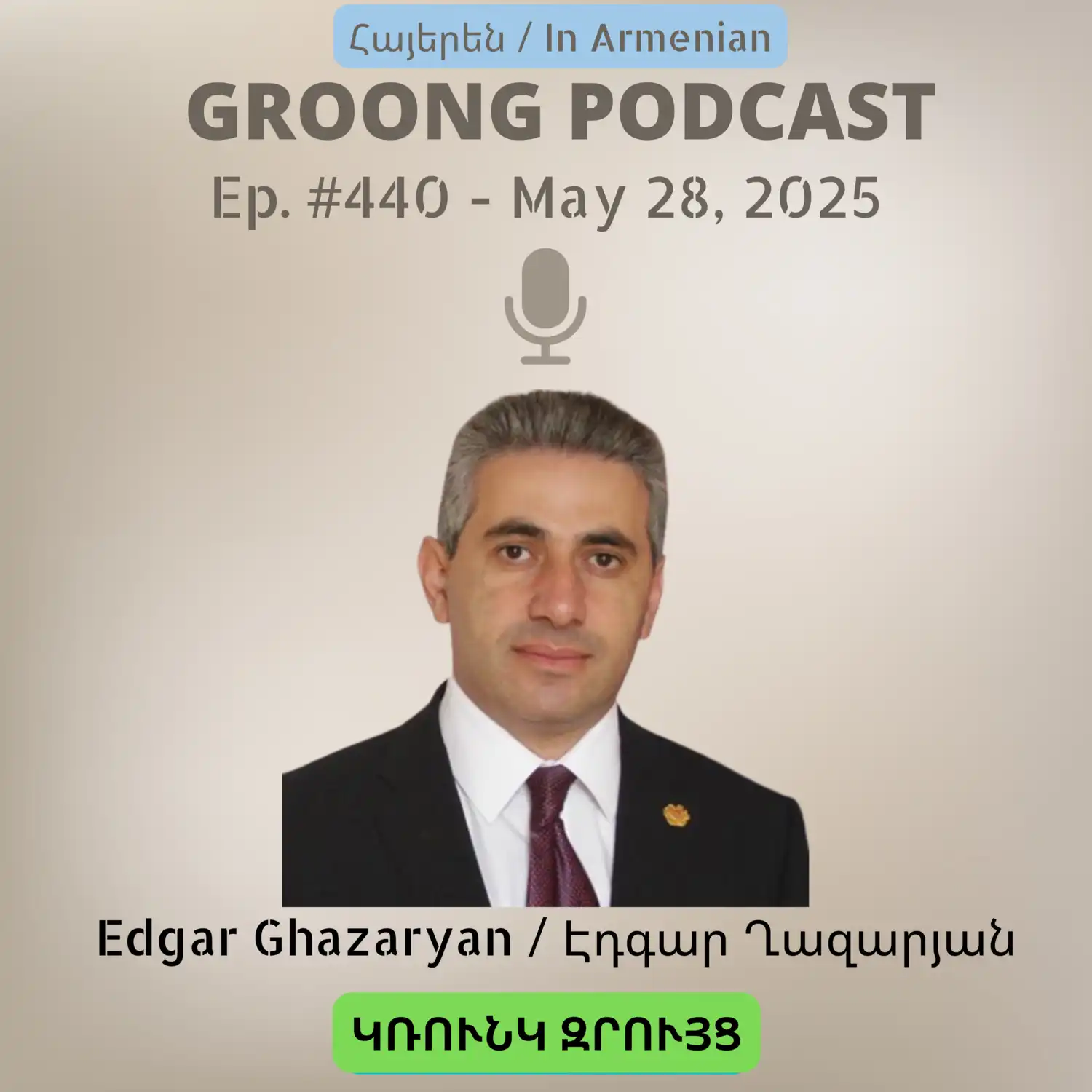
INTERVIEW IN ARMENIAN / ՀԱՐՑԱԶՐՈՒՅՑ ՀԱՅԵՐԵՆ
Groong Links:
Guest:
Topics:
- Criminal charges used to silence Edgar Ghazaryan / Քրեական մեղադրանքներ՝ Էդգար Ղազարյանին լռեցնելու համար
- Media freedom in Armenia under Pashinyan’s rule / Մամուլի ազատությունը Հայաստանում Փաշինյանի կառավարման օրոք
- Public broadcasting under political control / Հանրային հեռարձակումը քաղաքական վերահսկողության տակ
- State-aligned actors spreading misinformation / Ապատեղեկատվություն տարածող պետական կողմի դերակատարները
Episode 440 | Recorded: March 9, 2025
Read MoreԷդգար Ղազարյան – Խոսքի ազատության գործը և մամուլի վիճակը Հայաստանում | Ep 440, May 28, 2025 [EP440]
Posted on Wednesday, May 28, 2025 | Category: Armenia, Politics, In Armenian, Nagorno Karabakh, Azerbaijan, Human Rights, India, European UnionINTERVIEW IN ARMENIAN / ՀԱՐՑԱԶՐՈՒՅՑ ՀԱՅԵՐԵՆ
Groong Links:
Guest:
Topics:
- Criminal charges used to silence Edgar Ghazaryan / Քրեական մեղադրանքներ՝ Էդգար Ղազարյանին լռեցնելու համար
- Media freedom in Armenia under Pashinyan’s rule / Մամուլի ազատությունը Հայաստանում Փաշինյանի կառավարման օրոք
- Public broadcasting under political control / Հանրային հեռարձակումը քաղաքական վերահսկողության տակ
- State-aligned actors spreading misinformation / Ապատեղեկատվություն տարածող պետական կողմի դերակատարները
Episode 440 | Recorded: March 9, 2025
Read MoreHrant Mikaelian - Tirana, Lavrov, Armenian Un-Democracy, Demilitarization, and More | Ep 438, May 18, 2025 [EP438]
Posted on Friday, May 23, 2025 | Category: Armenia, Politics, Vatican, Artsakh, Nagorno Karabakh, Azerbaijan, Turkey, Russia, Iran, Ukraine, India, European Union, Israel, Genocide, Georgia | Series: wir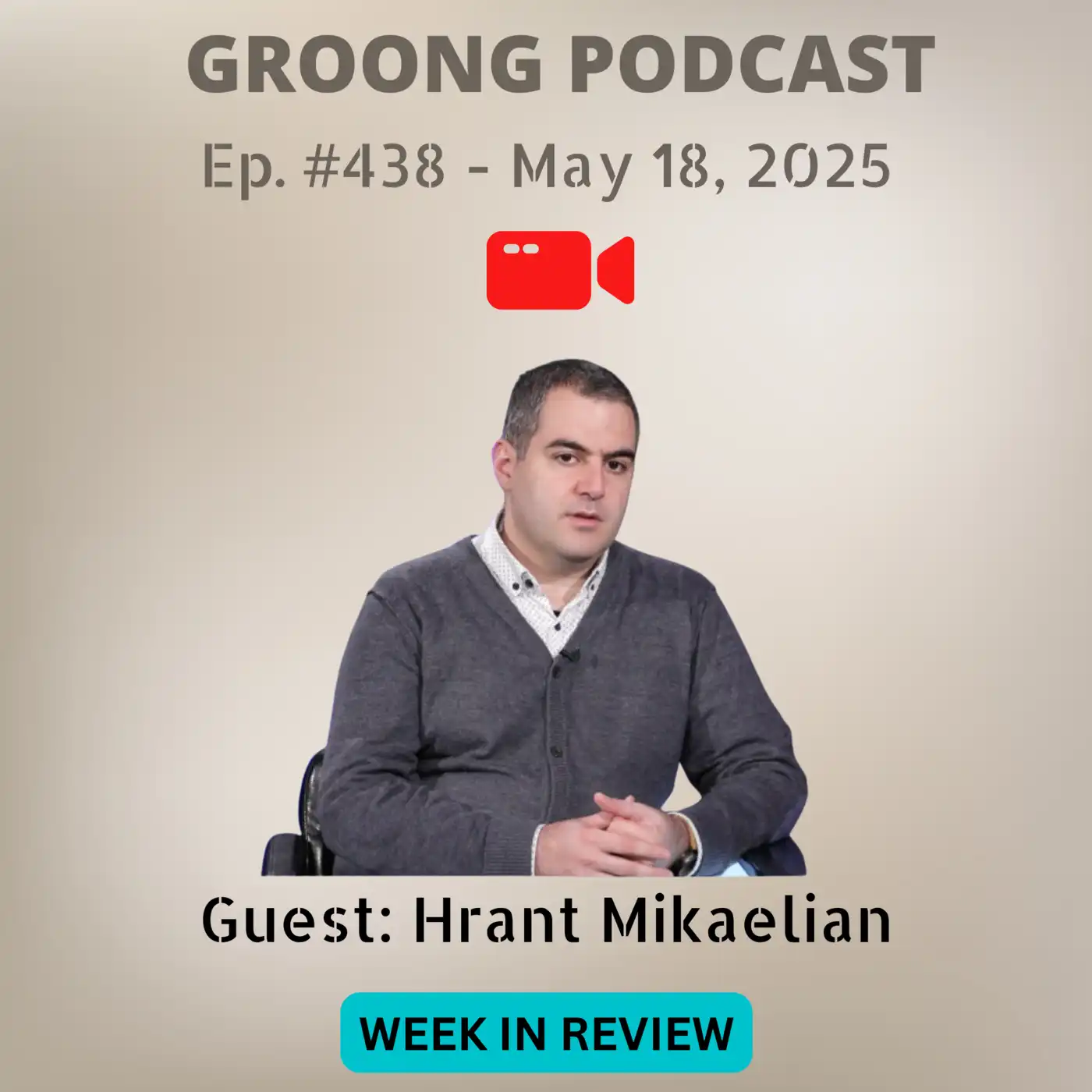
Groong Links:
Guest:
Topics:
- Pashinyan in Tirana
- Russiaâs Lavrov in Yerevan
- Democracy in Jeopardy
- Armeniaâs Demilitarization by Any Other Name
- The Kitchen Sink
Episode 438 | Recorded: May 21, 2025
Hrant Mikaelian - Tirana, Lavrov, Armenian Un-Democracy, Demilitarization, and More | Ep 438, May 18, 2025 [EP438]
Posted on Friday, May 23, 2025 | Category: Armenia, Politics, Vatican, Artsakh, Nagorno Karabakh, Azerbaijan, Turkey, Russia, Iran, Ukraine, India, European Union, Israel, Genocide, GeorgiaGroong Links:
Guest:
Topics:
- Pashinyan in Tirana
- Russiaâs Lavrov in Yerevan
- Democracy in Jeopardy
- Armeniaâs Demilitarization by Any Other Name
- The Kitchen Sink
Episode 438 | Recorded: May 21, 2025
Benyamin Poghosyan - US-Iran Tensions, Armenia-Azerbaijan, Victory Day, Journalist Assaulted | Ep 434, May 4, 2025 [EP434]
Posted on Wednesday, May 7, 2025 | Category: Armenia, Politics, Iran, Geopolitics, Artsakh, Nagorno Karabakh, Azerbaijan, Georgia, Turkey, Russia, Israel, China, Ukraine, Syria | Series: wir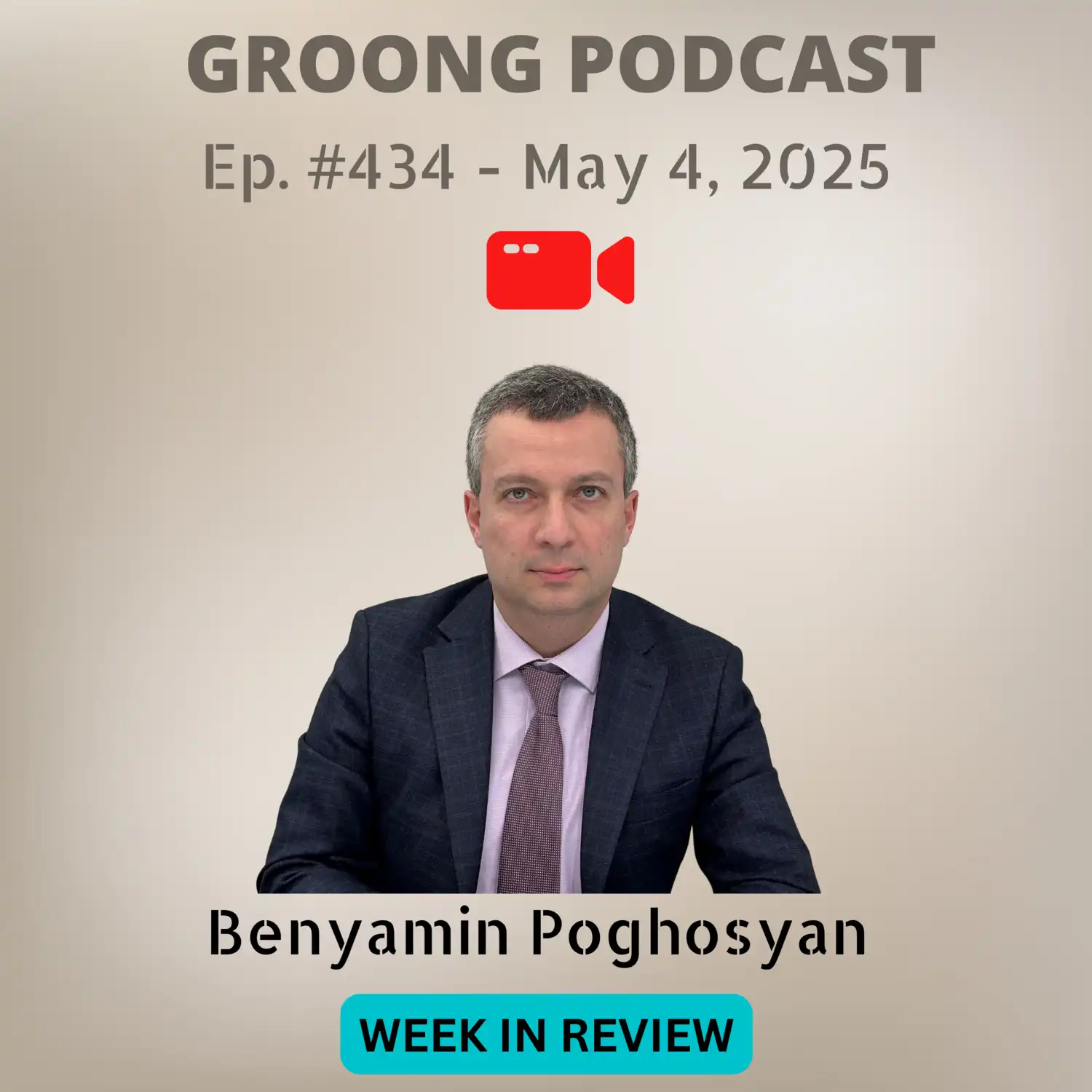
Groong Links:
Guest:
Topics:
- Iran Sanctions Escalate Amid Tensions
- Journalist Beaten Inside Yerevan Office
- Moscow Celebrates Victory Day Parade
- Armenia Caught Between EU and Russia
Episode 434 | Recorded: May 6, 2025
Benyamin Poghosyan - US-Iran Tensions, Armenia-Azerbaijan, Victory Day, Journalist Assaulted | Ep 434, May 4, 2025 [EP434]
Posted on Wednesday, May 7, 2025 | Category: Armenia, Politics, Iran, Geopolitics, Artsakh, Nagorno Karabakh, Azerbaijan, Georgia, Turkey, Russia, Israel, China, Ukraine, SyriaGroong Links:
Guest:
Topics:
- Iran Sanctions Escalate Amid Tensions
- Journalist Beaten Inside Yerevan Office
- Moscow Celebrates Victory Day Parade
- Armenia Caught Between EU and Russia
Episode 434 | Recorded: May 6, 2025
Hrant Mikaelian - Iran, EXIM and Azerbaijan, Gyumri, Artsakh Refugees in Armenia | Ep 429, Apr 20, 2025 [EP429]
Posted on Wednesday, Apr 23, 2025 | Category: Armenia, Politics, Vatican, Artsakh, Nagorno Karabakh, Azerbaijan, Genocide, Armenian Church, Armenian Genocide, Iran, Russia, Israel, Turkey, Ukraine, Middle East, China, European Union, Economy, Georgia, NATO, Geopolitics, Human Rights | Series: wir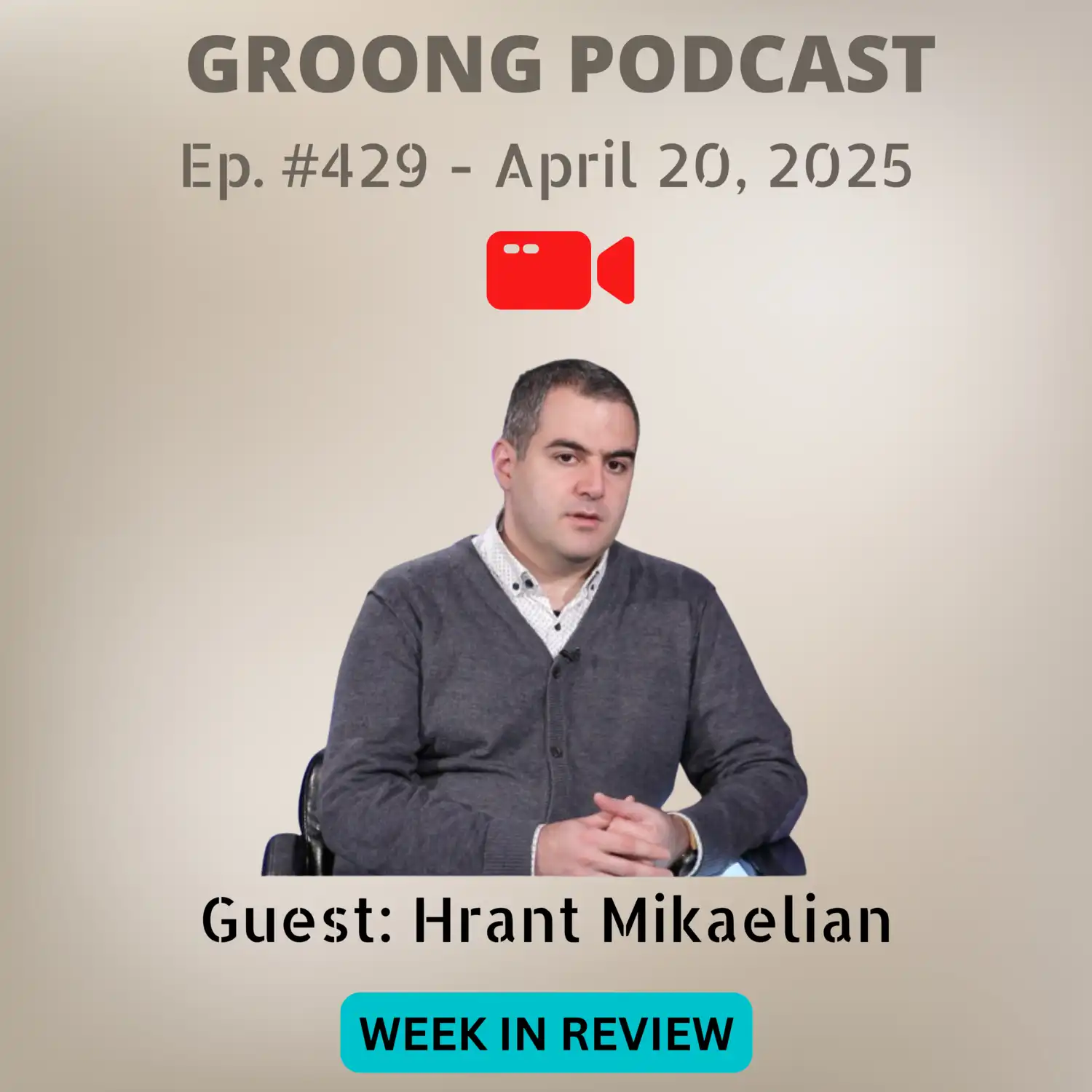
Groong Links:
Guest:
Topics:
- US-Iran Talks & Israeli Threats
- Trump Administration Support for Azerbaijan
- Iran-Azerbaijan Relations & Corridor Demands
- Vatican Controversy & Global Anti-Armenian Propaganda
- Local Elections in Gyumri and Parakar
- Government-Fueled Hate Against Artsakh Refugees
Episode 429 | Recorded: April 22, 2025
Hrant Mikaelian - Iran, EXIM and Azerbaijan, Gyumri, Artsakh Refugees in Armenia | Ep 429, Apr 20, 2025 [EP429]
Posted on Wednesday, Apr 23, 2025 | Category: Armenia, Politics, Vatican, Artsakh, Nagorno Karabakh, Azerbaijan, Genocide, Armenian Church, Armenian Genocide, Iran, Russia, Israel, Turkey, Ukraine, Middle East, China, European Union, Economy, Georgia, NATO, Geopolitics, Human RightsGroong Links:
Guest:
Topics:
- US-Iran Talks & Israeli Threats
- Trump Administration Support for Azerbaijan
- Iran-Azerbaijan Relations & Corridor Demands
- Vatican Controversy & Global Anti-Armenian Propaganda
- Local Elections in Gyumri and Parakar
- Government-Fueled Hate Against Artsakh Refugees
Episode 429 | Recorded: April 22, 2025
Benyamin Poghosyan - US-Iran, Gyumri, Armenia MFA Blames Artsakh, Negotiations with Azerbaijan | Ep 426, Apr 6, 2025 [EP426]
Posted on Wednesday, Apr 9, 2025 | Category: Armenia, Politics, Iran, Geopolitics, Artsakh, Nagorno Karabakh, Azerbaijan, USA, Russia, China, Israel, Middle East, Ukraine, Artsakh Blockade, Armenian Genocide, Genocide, Turkey, NATO, Syria | Series: wir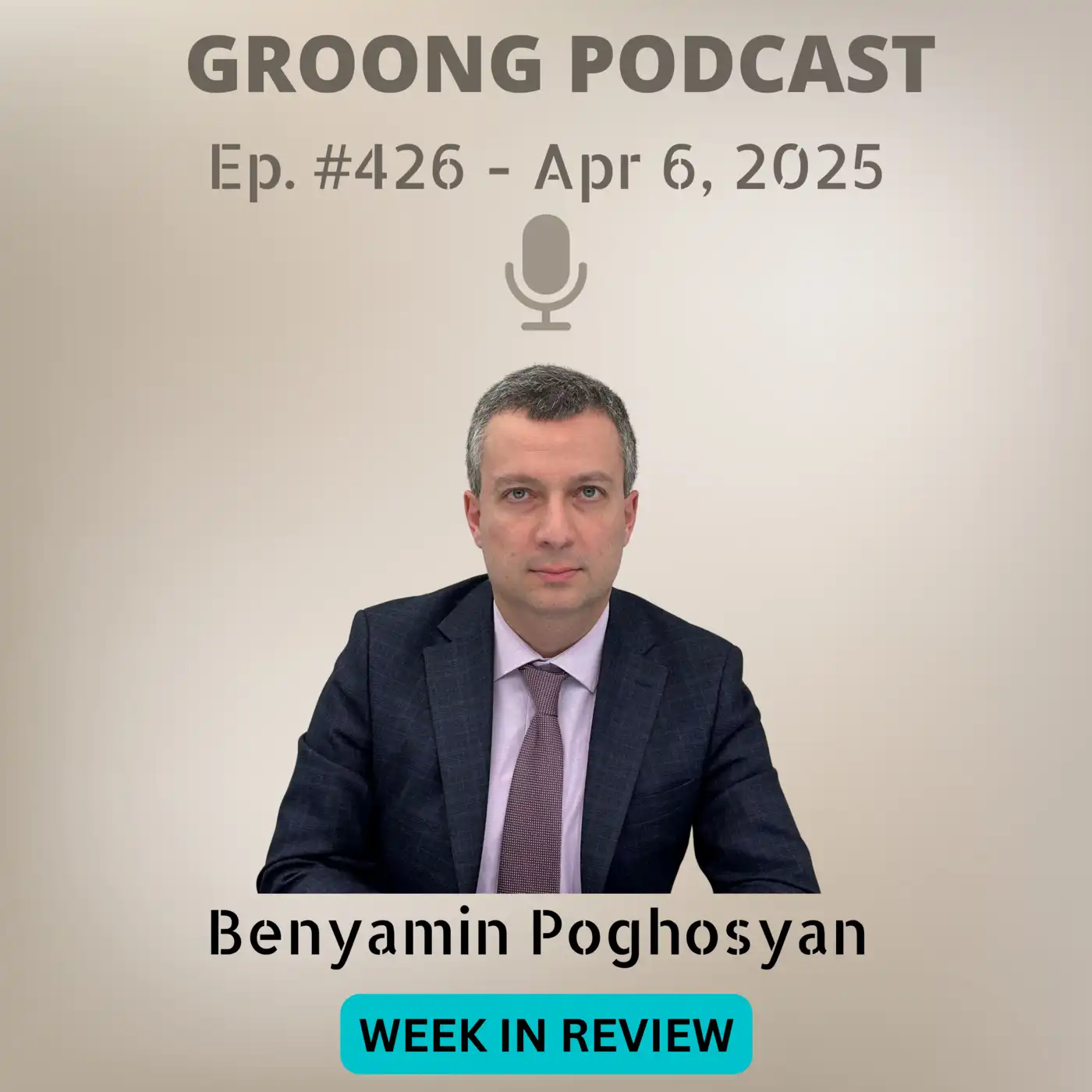
Groong Links:
Guest:
Topics:
- US Iran Escalation
- Aftermath of Gyumri and Parakar
- MFA blames Artsakh for Regional Isolation
- Bullets and Peace
Episode 426 | Recorded: April 8, 2025
Benyamin Poghosyan - US-Iran, Gyumri, Armenia MFA Blames Artsakh, Negotiations with Azerbaijan | Ep 426, Apr 6, 2025 [EP426]
Posted on Wednesday, Apr 9, 2025 | Category: Armenia, Politics, Iran, Geopolitics, Artsakh, Nagorno Karabakh, Azerbaijan, USA, Russia, China, Israel, Middle East, Ukraine, Artsakh Blockade, Armenian Genocide, Genocide, Turkey, NATO, SyriaGroong Links:
Guest:
Topics:
- US Iran Escalation
- Aftermath of Gyumri and Parakar
- MFA blames Artsakh for Regional Isolation
- Bullets and Peace
Episode 426 | Recorded: April 8, 2025
Arthur Khachatryan - Iran, US, Armenia, Fake Peace, Gyumri & Parakar Municipal Elections | Ep 425, Mar 30, 2025 [EP425]
Posted on Tuesday, Apr 1, 2025 | Category: Armenia, Artsakh, Nagorno Karabakh, Elections, Azerbaijan, Iran, USA, European Union, Turkey, Israel, Genocide, Russia, China, Georgia, Human Rights, Syria, Middle East | Series: wir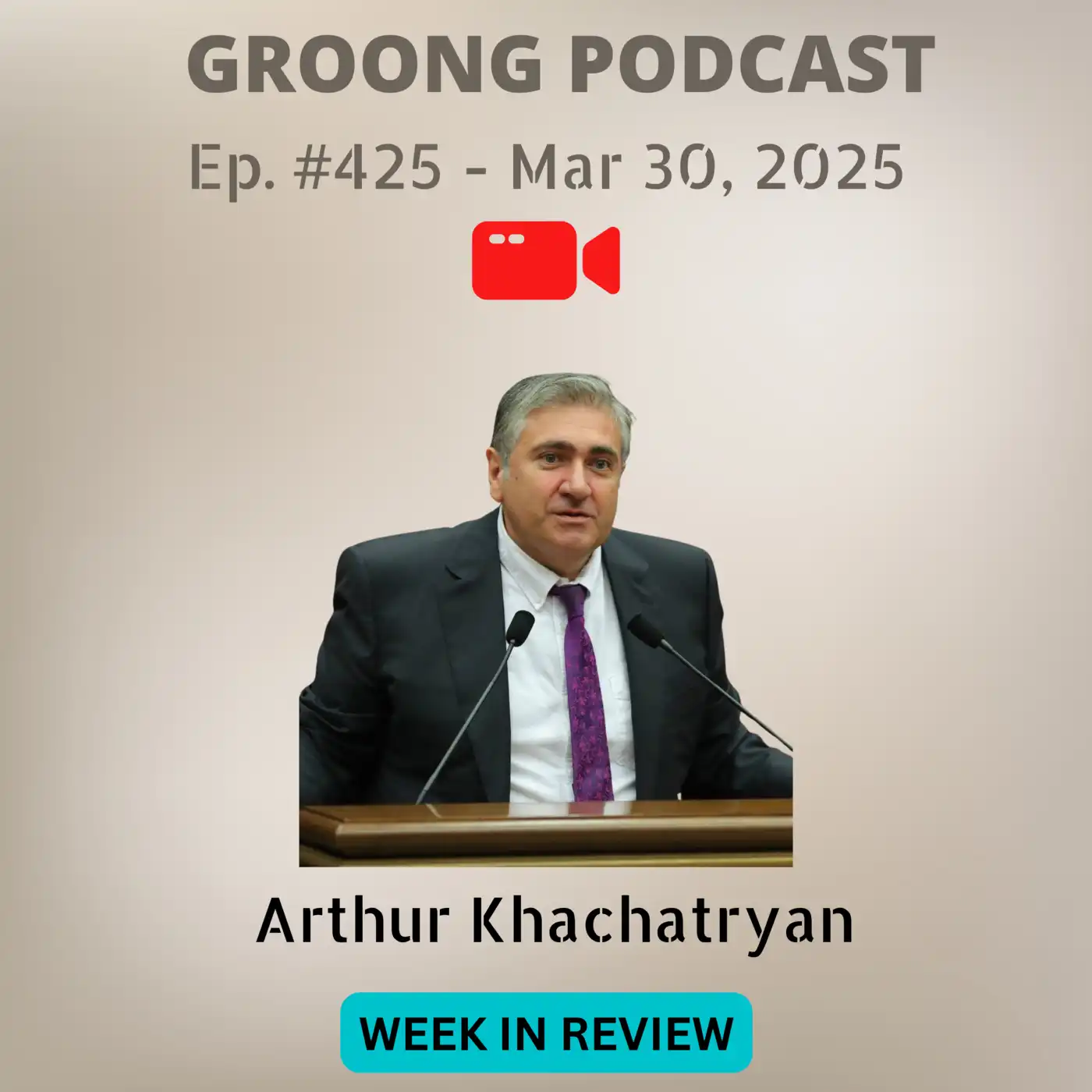
Groong Links:
Guest:
- Mr. Arthur Khachatryan , MP, Hayastan Dashinq/Armenia Alliance
Topics:
- Iran Rejects US Offer of Direct Negotiations
- Iran and Armenia Ties
- Gyumri and Parakar Municipal Elections
- Artsakh Refugee Protests in Armenia
Episode 425 | Recorded: March 31, 2025
Arthur Khachatryan - Iran, US, Armenia, Fake Peace, Gyumri & Parakar Municipal Elections | Ep 425, Mar 30, 2025 [EP425]
Posted on Tuesday, Apr 1, 2025 | Category: Armenia, Artsakh, Nagorno Karabakh, Elections, Azerbaijan, Iran, USA, European Union, Turkey, Israel, Genocide, Russia, China, Georgia, Human Rights, Syria, Middle EastGroong Links:
Guest:
- Mr. Arthur Khachatryan , MP, Hayastan Dashinq/Armenia Alliance
Topics:
- Iran Rejects US Offer of Direct Negotiations
- Iran and Armenia Ties
- Gyumri and Parakar Municipal Elections
- Artsakh Refugee Protests in Armenia
Episode 425 | Recorded: March 31, 2025
Dziunik Aghajanian - Illusions of Peace and Geopolitical Games | Ep 424 - Mar 23, 2025 [EP424]
Posted on Wednesday, Mar 26, 2025 | Category: Armenia, Politics, Iran, Artsakh, Nagorno Karabakh, Azerbaijan, Middle East, Israel, Geopolitics, Russia, Syria, Turkey, Lebanon, Ukraine, China | Series: wir, video
Groong Links:
Guest:
Topics:
- Trumpâs Iran ultimatum explored
- Turkeyâs protests seen as strategic
- Azerbaijanâs peace deal as smokescreen
- Armeniaâs Westward drift analyzed
- Gyumri elections stir controversy
Episode 424 | Recorded: March 25, 2025
Dziunik Aghajanian - Illusions of Peace and Geopolitical Games | Ep 424 - Mar 23, 2025 [EP424]
Posted on Wednesday, Mar 26, 2025 | Category: Armenia, Politics, Iran, Artsakh, Nagorno Karabakh, Azerbaijan, Middle East, Israel, Geopolitics, Russia, Syria, Turkey, Lebanon, Ukraine, ChinaGroong Links:
Guest:
Topics:
- Trumpâs Iran ultimatum explored
- Turkeyâs protests seen as strategic
- Azerbaijanâs peace deal as smokescreen
- Armeniaâs Westward drift analyzed
- Gyumri elections stir controversy
Episode 424 | Recorded: March 25, 2025
Benyamin Poghosyan - Peace or Capitulation? Armenia's Dilemma & Ukraine Shifts | Ep 423 - Mar 16, 2025 [EP423]
Posted on Tuesday, Mar 18, 2025 | Category: Armenia, Politics, Artsakh, Azerbaijan, Geopolitics, Russia, Iran, Turkey, Nagorno Karabakh, NATO, European Union, Ukraine, Israel, China, Middle East, Genocide | Series: wir
Groong Links:
Guest:
Topics:
- Armenia-Azerbaijan “Treaty”: Concessions, secrecy, opposition backlash.
- Preconditions for Peace: OSCE Minsk dissolution, constitutional changes.
- Ukraine War Talks: Jeddah negotiations, UAV attacks, Trump-Putin call.
- Witkoffâs Baku Stop: Mysterious visit raising geopolitical questions.
Episode 423 | Recorded: March 17, 2025
Benyamin Poghosyan - Peace or Capitulation? Armenia's Dilemma & Ukraine Shifts | Ep 423 - Mar 16, 2025 [EP423]
Posted on Tuesday, Mar 18, 2025 | Category: Armenia, Politics, Artsakh, Azerbaijan, Geopolitics, Russia, Iran, Turkey, Nagorno Karabakh, NATO, European Union, Ukraine, Israel, China, Middle East, GenocideGroong Links:
Guest:
Topics:
- Armenia-Azerbaijan “Treaty”: Concessions, secrecy, opposition backlash.
- Preconditions for Peace: OSCE Minsk dissolution, constitutional changes.
- Ukraine War Talks: Jeddah negotiations, UAV attacks, Trump-Putin call.
- Witkoffâs Baku Stop: Mysterious visit raising geopolitical questions.
Episode 423 | Recorded: March 17, 2025
Hrant Mikaelian - Review of the Armenian Economy in 2024 | Ep 417, Feb 22, 2025 [EP417]
Posted on Saturday, Feb 22, 2025 | Category: Armenia, Turkey, Artsakh, Economy, Poll, Nagorno Karabakh, Russia, Georgia, European Union, Azerbaijan, Ukraine, Iran, NATO, India | Series: cog
Groong Links:
Guest:
Topics:
- TBD
Episode 417 | Recorded: February 12, 2025
Hrant Mikaelian - Review of the Armenian Economy in 2024 | Ep 417, Feb 22, 2025 [EP417]
Posted on Saturday, Feb 22, 2025 | Category: Armenia, Turkey, Artsakh, Economy, Poll, Nagorno Karabakh, Russia, Georgia, European Union, Azerbaijan, Ukraine, Iran, NATO, IndiaGroong Links:
Guest:
Topics:
- TBD
Episode 417 | Recorded: February 12, 2025
Benyamin Poghosyan - MPG Poll, Russia-Azerbaijan Relations Deteriorate, Armenian Strategic Geopolitical Balancing, Azerbaijan and the ‘Zangezur Corridor’ | Ep 410, Feb 2, 2025 [EP410]
Posted on Tuesday, Feb 4, 2025 | Category: Armenia, Azerbaijan, Poll, Artsakh, Nagorno Karabakh, Turkey, Russia, Iran, Ukraine, Geopolitics, Georgia, China, Economy, European Union, Israel | Series: wir
Groong Links:
Guest:
Topics:
- MPG Poll: Pashinyanâs Rating Tanks
- Russia Azerbaijan Relations Deteriorating
- Armeniaâs Strategic Geopolitical Balancing
- Azerbaijan and the âZangezur Corridorâ
Episode 410 | Recorded: February 3, 2025
Benyamin Poghosyan - MPG Poll, Russia-Azerbaijan Relations Deteriorate, Armenian Strategic Geopolitical Balancing, Azerbaijan and the ‘Zangezur Corridor’ | Ep 410, Feb 2, 2025 [EP410]
Posted on Tuesday, Feb 4, 2025 | Category: Armenia, Azerbaijan, Poll, Artsakh, Nagorno Karabakh, Turkey, Russia, Iran, Ukraine, Geopolitics, Georgia, China, Economy, European Union, IsraelGroong Links:
Guest:
Topics:
- MPG Poll: Pashinyanâs Rating Tanks
- Russia Azerbaijan Relations Deteriorating
- Armeniaâs Strategic Geopolitical Balancing
- Azerbaijan and the âZangezur Corridorâ
Episode 410 | Recorded: February 3, 2025
Benyamin Poghosyan - Pashinyan Lies on Decades of Negotiations, 17 Points to an Agreement, 2024 Review and 2025 Outlook | Ep 403 - Dec 29, 2024 [EP403]
Posted on Wednesday, Jan 1, 2025 | Category: Armenia, Azerbaijan, Artsakh, Nagorno Karabakh, Middle East, Israel, Lebanon, Syria, Iran, Turkey, Russia, Armenian Church, Ukraine, Genocide, Geopolitics, China, Georgia, European Union | Series: wir
Groong Links:
Guest:
Topics:
- Pashinyanâs Lies on Decades of Negotiations
- 17 Points to an Agreement
- 2024 Review and 2025 Outlook
Episode 403 | Recorded: December 31, 2024
Benyamin Poghosyan - Pashinyan Lies on Decades of Negotiations, 17 Points to an Agreement, 2024 Review and 2025 Outlook | Ep 403 - Dec 29, 2024 [EP403]
Posted on Wednesday, Jan 1, 2025 | Category: Armenia, Azerbaijan, Artsakh, Nagorno Karabakh, Middle East, Israel, Lebanon, Syria, Iran, Turkey, Russia, Armenian Church, Ukraine, Genocide, Geopolitics, China, Georgia, European UnionGroong Links:
Guest:
Topics:
- Pashinyanâs Lies on Decades of Negotiations
- 17 Points to an Agreement
- 2024 Review and 2025 Outlook
Episode 403 | Recorded: December 31, 2024
The Political Persecution of Narek Malyan | Ep 402 - Dec 27, 2024 [EP402]
Posted on Friday, Dec 27, 2024 | Category: Armenia, Political Prisoners, Artsakh, Nagorno Karabakh, Human Rights | Series: cog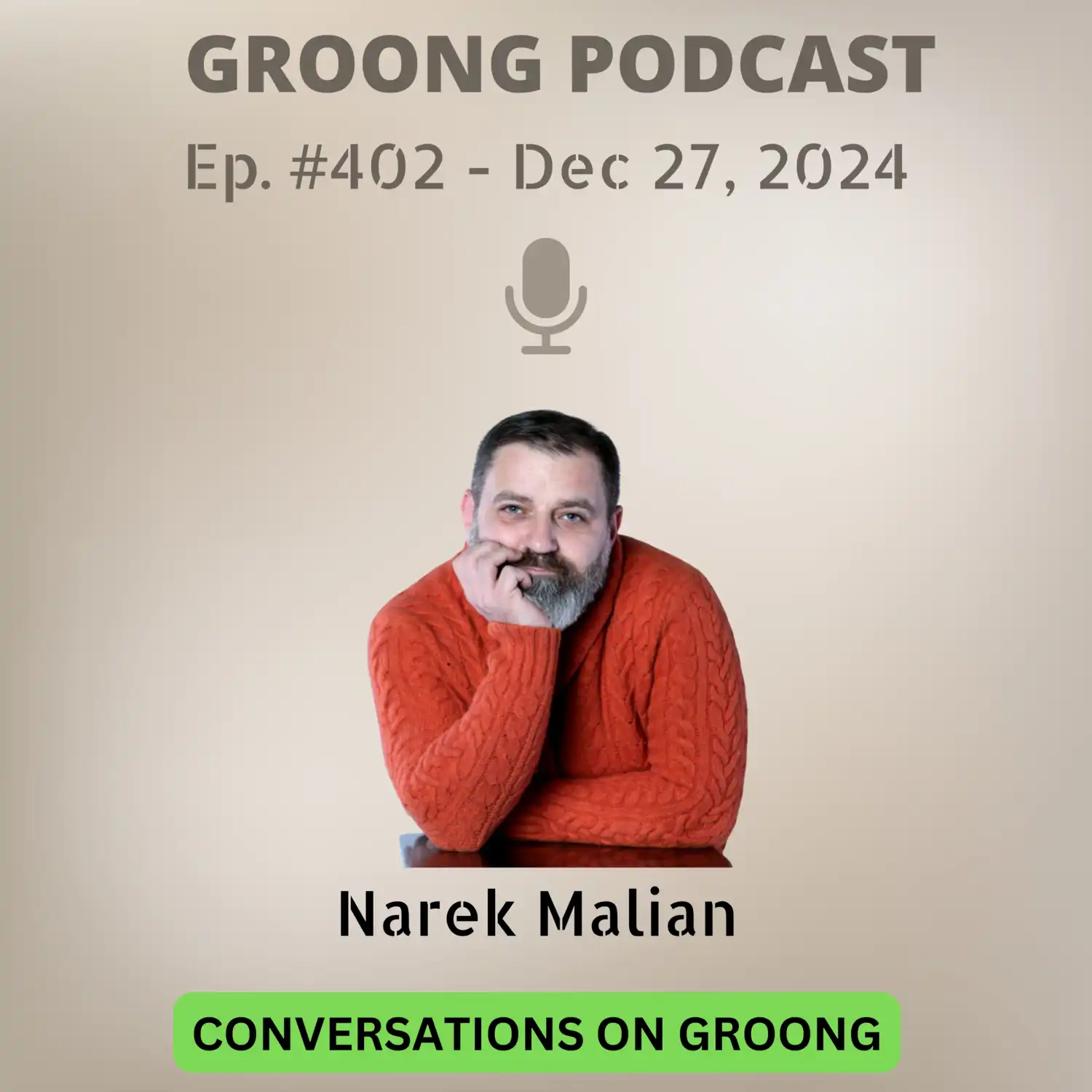
Groong Links:
Guest:
Topics:
- Arrest, one year in prison
- Pre-trial detention as punishment
- Selective “justice” against opposition members
- The silence of the West
Episode 402 | Recorded: November 7, 2024
The Political Persecution of Narek Malyan | Ep 402 - Dec 27, 2024 [EP402]
Posted on Friday, Dec 27, 2024 | Category: Armenia, Political Prisoners, Artsakh, Nagorno Karabakh, Human RightsGroong Links:
Guest:
Topics:
- Arrest, one year in prison
- Pre-trial detention as punishment
- Selective “justice” against opposition members
- The silence of the West
Episode 402 | Recorded: November 7, 2024
Dziunik Aghajanian - Armenia Azerbaijan Talks, Syria, Defense Politics, Civil Contract Strife | Ep 401 - Dec 22, 2024 [EP401]
Posted on Wednesday, Dec 25, 2024 | Category: Armenia, Azerbaijan, Middle East, Artsakh, Nagorno Karabakh, Russia, Iran, Israel, BRICS, Syria, Turkey, Georgia, Ukraine, Human Rights, Lebanon, NATO, China, Economy | Series: wir, video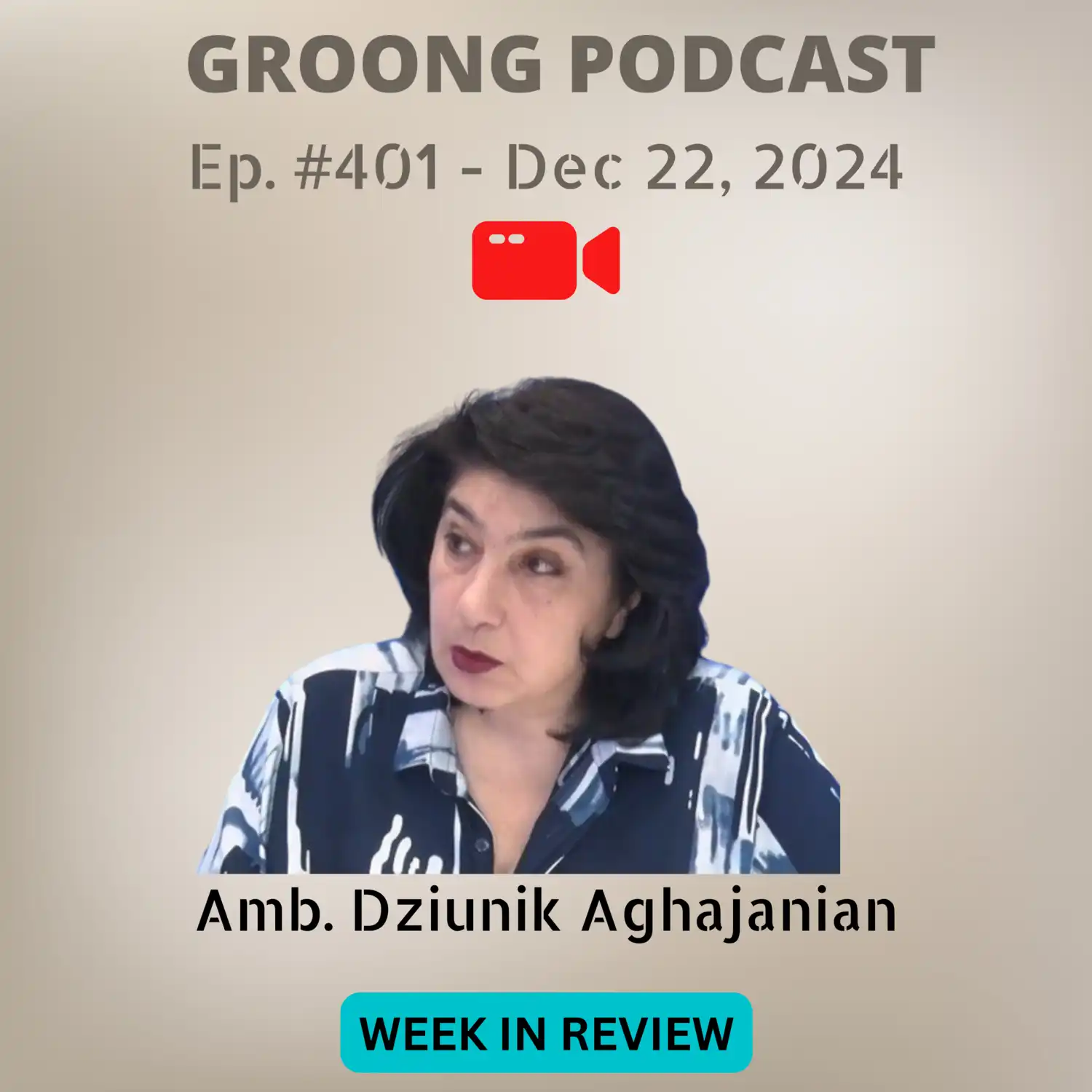
Groong Links:
Guest:
Topics:
- Armenian Azerbaijani Stalled Talks
- Fall of Syria
- Defense Politics
- Un-Civil Strife
Episode 401 | Recorded: December 24, 2024
Dziunik Aghajanian - Armenia Azerbaijan Talks, Syria, Defense Politics, Civil Contract Strife | Ep 401 - Dec 22, 2024 [EP401]
Posted on Wednesday, Dec 25, 2024 | Category: Armenia, Azerbaijan, Middle East, Artsakh, Nagorno Karabakh, Russia, Iran, Israel, BRICS, Syria, Turkey, Georgia, Ukraine, Human Rights, Lebanon, NATO, China, EconomyGroong Links:
Guest:
Topics:
- Armenian Azerbaijani Stalled Talks
- Fall of Syria
- Defense Politics
- Un-Civil Strife
Episode 401 | Recorded: December 24, 2024
Hrant Mikaelian - Aliyev's “New” Demands, Fall of Syria, Georgia Post-Election Unrest, Civil Contract Disobedience | Ep 394 - Dec 8, 2024 [EP394]
Posted on Tuesday, Dec 10, 2024 | Category: Armenia, Politics, Economy, Artsakh, Nagorno Karabakh, Azerbaijan, Georgia, Turkey, Russia, Syria, Iran, Israel, Ukraine, European Union, Genocide, Human Rights | Series: wir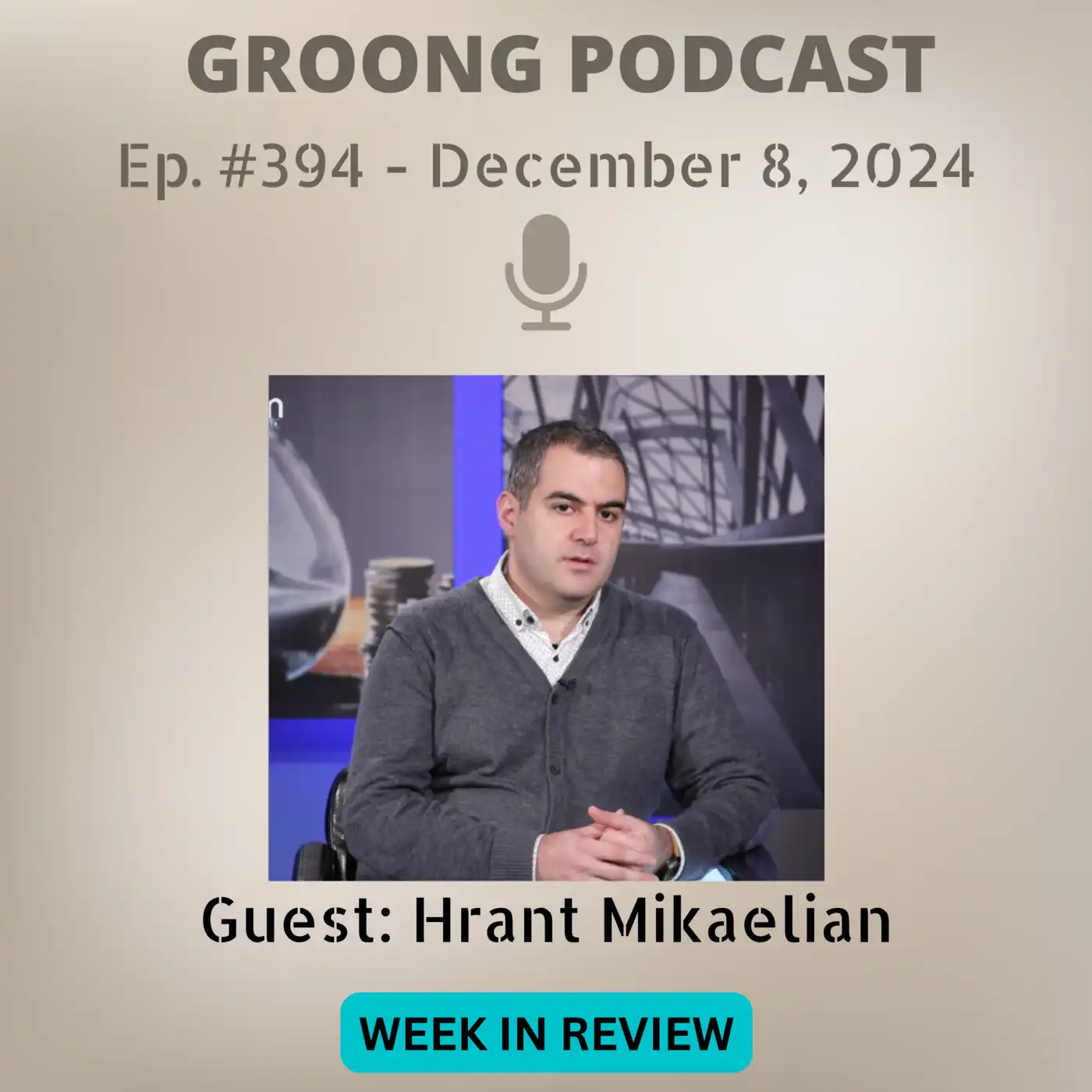
Groong Links:
Guest:
Topics:
- Remembering the 1988 Earthquake in Spitak, Armenia
- Aliyevâs âNewâ Demands
- The Fall of Syria
- Georgiaâs Post-Election Unrest
- Civil Contract Disobedience
Episode 394 | Recorded: December 9, 2024
Hrant Mikaelian - Aliyev's “New” Demands, Fall of Syria, Georgia Post-Election Unrest, Civil Contract Disobedience | Ep 394 - Dec 8, 2024 [EP394]
Posted on Tuesday, Dec 10, 2024 | Category: Armenia, Politics, Economy, Artsakh, Nagorno Karabakh, Azerbaijan, Georgia, Turkey, Russia, Syria, Iran, Israel, Ukraine, European Union, Genocide, Human RightsGroong Links:
Guest:
Topics:
- Remembering the 1988 Earthquake in Spitak, Armenia
- Aliyevâs âNewâ Demands
- The Fall of Syria
- Georgiaâs Post-Election Unrest
- Civil Contract Disobedience
Episode 394 | Recorded: December 9, 2024
Benyamin Poghosyan - COP29 Post Mortem, Azerbaijan Slams Polish President, Developments in the Middle East, Post-Election Georgia, Russian-Armenian Relations | Ep 390 - Dec 1, 2024 [EP390]
Posted on Wednesday, Dec 4, 2024 | Category: Armenia, Middle East, Georgia, Artsakh, Nagorno Karabakh, Azerbaijan, Israel, Lebanon, Syria, Iran, Turkey, Russia, Ukraine, European Union, NATO, China, Geopolitics, Human Rights | Series: wir
Groong Links:
Guest:
Topics:
- COP29 Post-Mortem
- Azerbaijan Slams Polish President in Armenia
- Developments in the Middle East
- Post-election Developments in Georgia
- Russian Intel Warnings to Armenia
Episode 390 | Recorded: December 2, 2024
Benyamin Poghosyan - COP29 Post Mortem, Azerbaijan Slams Polish President, Developments in the Middle East, Post-Election Georgia, Russian-Armenian Relations | Ep 390 - Dec 1, 2024 [EP390]
Posted on Wednesday, Dec 4, 2024 | Category: Armenia, Middle East, Georgia, Artsakh, Nagorno Karabakh, Azerbaijan, Israel, Lebanon, Syria, Iran, Turkey, Russia, Ukraine, European Union, NATO, China, Geopolitics, Human RightsGroong Links:
Guest:
Topics:
- COP29 Post-Mortem
- Azerbaijan Slams Polish President in Armenia
- Developments in the Middle East
- Post-election Developments in Georgia
- Russian Intel Warnings to Armenia
Episode 390 | Recorded: December 2, 2024
Tevan Poghosyan - Armenia-Azerbaijan Talks, COP29 in Baku, Gyumri Politics, Police Reform | Ep 386 - Nov 17, 2024 [EP386]
Posted on Tuesday, Nov 19, 2024 | Category: Armenia, Artsakh, Nagorno Karabakh, Azerbaijan, Georgia, Turkey, Russia, Human Rights, Economy, Ukraine, China, Iran, Israel, Middle East | Series: wir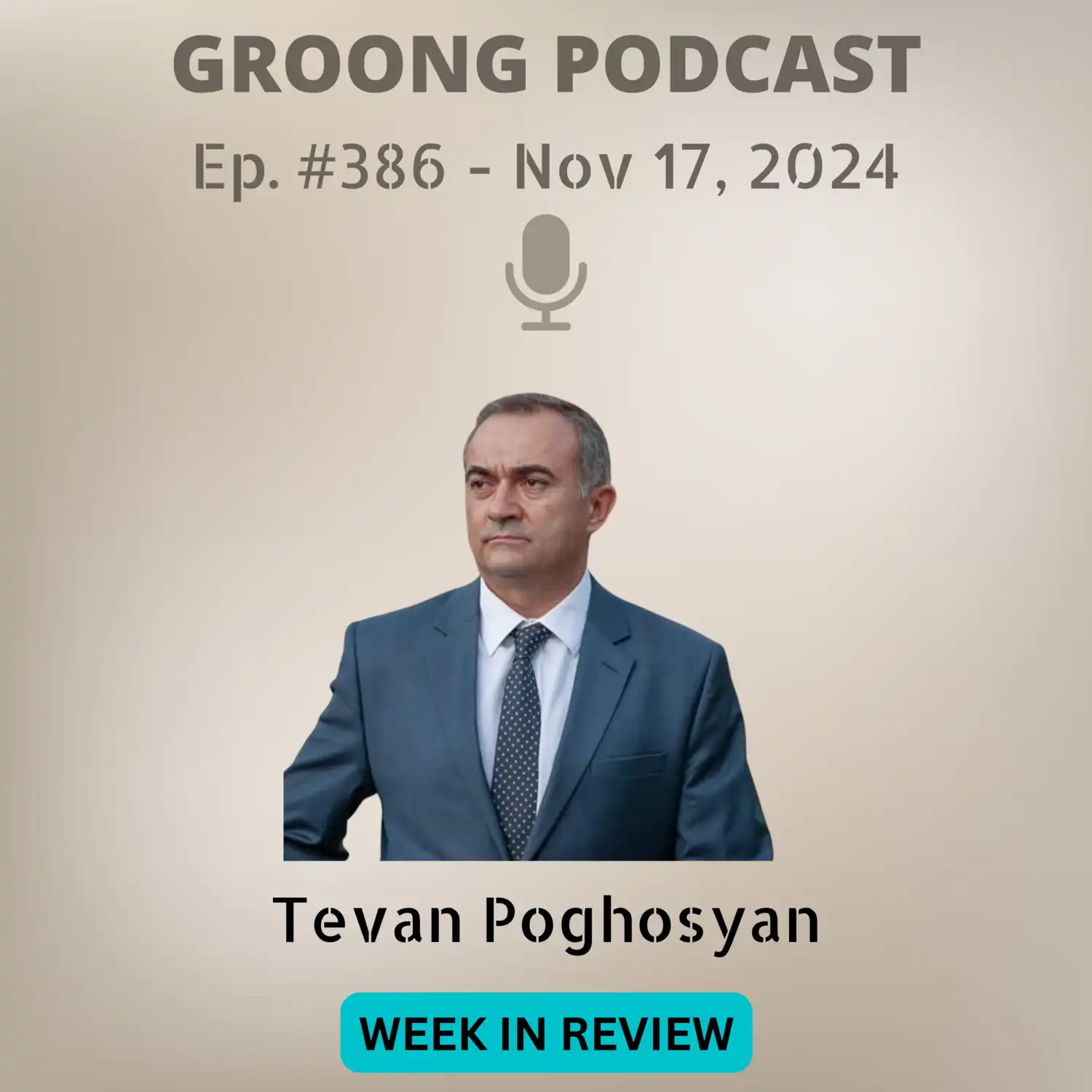
Groong Links:
Guest:
Topics:
- Armenia-Azerbaijan talks
- COP29: Diplomacy and boycotts
- Gyumri’s political intrigues
- Mass dismissal of Armenian government members
- Police âreformâ
- Legislative Changes In Preparation For Elections
Episode 386 | Recorded: November 17, 2024
Tevan Poghosyan - Armenia-Azerbaijan Talks, COP29 in Baku, Gyumri Politics, Police Reform | Ep 386 - Nov 17, 2024 [EP386]
Posted on Tuesday, Nov 19, 2024 | Category: Armenia, Artsakh, Nagorno Karabakh, Azerbaijan, Georgia, Turkey, Russia, Human Rights, Economy, Ukraine, China, Iran, Israel, Middle EastGroong Links:
Guest:
Topics:
- Armenia-Azerbaijan talks
- COP29: Diplomacy and boycotts
- Gyumri’s political intrigues
- Mass dismissal of Armenian government members
- Police âreformâ
- Legislative Changes In Preparation For Elections
Episode 386 | Recorded: November 17, 2024
Arthur Khachatryan - Armenia Azerbaijan Talks, 2025 State Budget, Internal Political Developments | Ep 385 - Nov 10, 2024 [EP385]
Posted on Thursday, Nov 14, 2024 | Category: Armenia, Artsakh, Nagorno Karabakh, Economy, Turkey, Russia, Ukraine, Genocide, Iran, Lebanon, European Union, Georgia, Israel, Middle East, NATO, Syria | Series: wir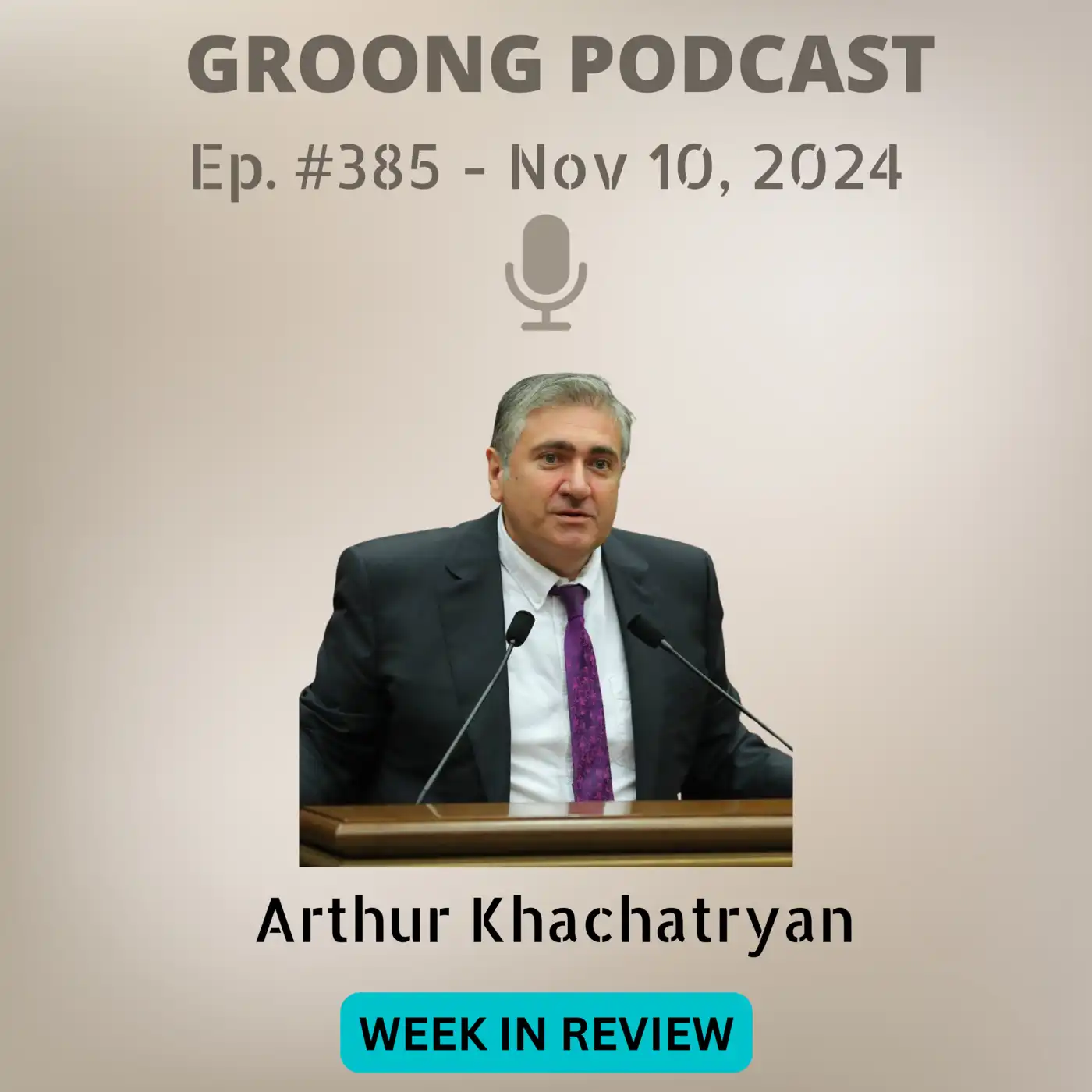
Groong Links:
Guest:
Topics:
- Armenia Azerbaijan Talks
- Draft 2025 State Budget
- Armenian Internal Politics
Episode 385 | Recorded: November 13, 2024
Arthur Khachatryan - Armenia Azerbaijan Talks, 2025 State Budget, Internal Political Developments | Ep 385 - Nov 10, 2024 [EP385]
Posted on Thursday, Nov 14, 2024 | Category: Armenia, Artsakh, Nagorno Karabakh, Economy, Turkey, Russia, Ukraine, Genocide, Iran, Lebanon, European Union, Georgia, Israel, Middle East, NATO, SyriaGroong Links:
Guest:
Topics:
- Armenia Azerbaijan Talks
- Draft 2025 State Budget
- Armenian Internal Politics
Episode 385 | Recorded: November 13, 2024
Harut Sassounian - Armenian American and the 2024 US Presidential Elections | Ep 380 - Nov 2, 2024 [EP380]
Posted on Saturday, Nov 2, 2024 | Category: Armenia, Artsakh, USA, Elections, Nagorno Karabakh, Genocide, Azerbaijan, Israel, Lebanon, Armenian Genocide, Ukraine, Russia, NATO, Economy, Middle East, Turkey | Series: cog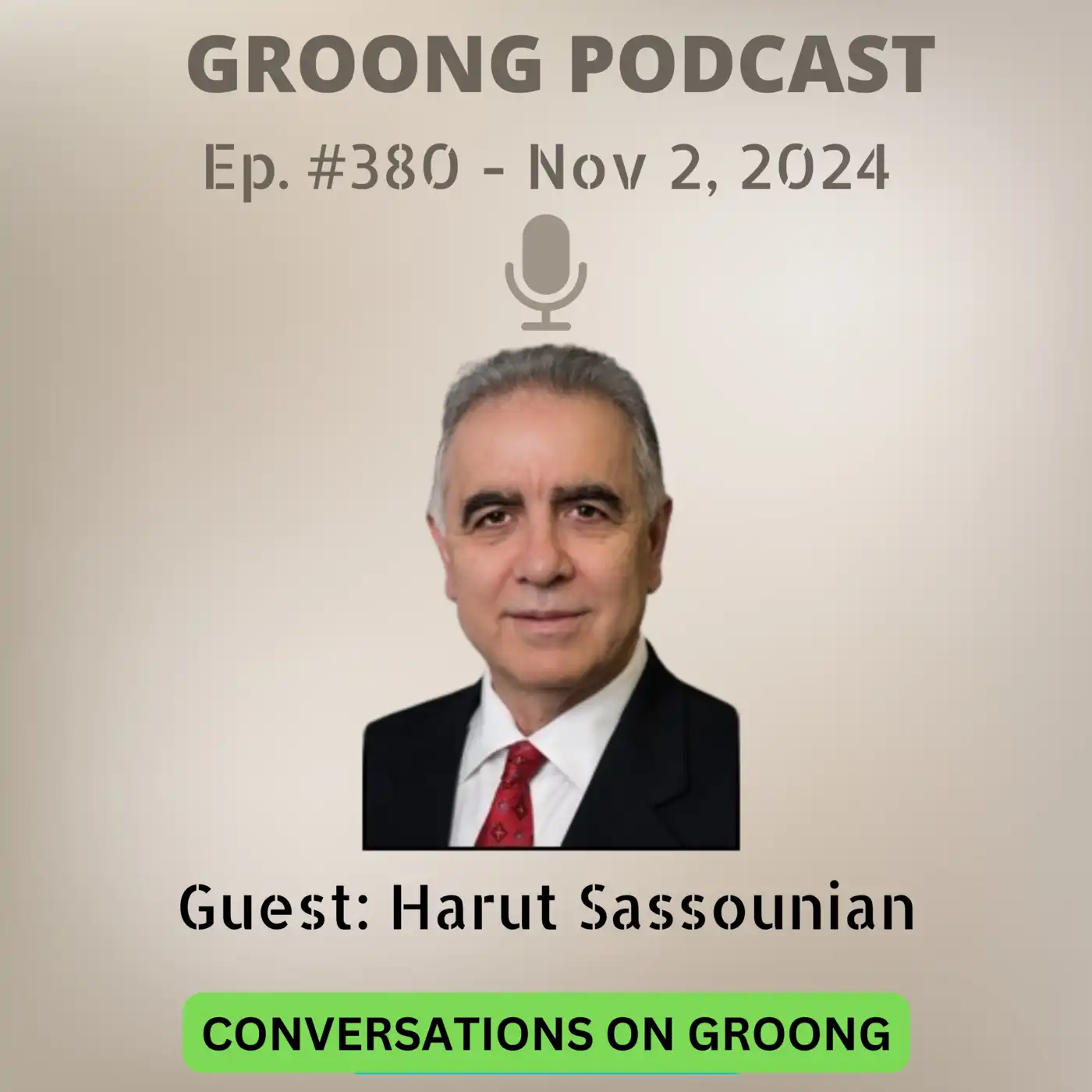
Groong Links:
Guest:
Topics:
On the Major US Presidential Candidates Do Minor Candidates Matter for us? Are We Organized Enough to Influence US Elections? How would Harris or Trump Affect Armenia & Region?
Episode 380 | Recorded: November 1, 2024
Harut Sassounian - Armenian American and the 2024 US Presidential Elections | Ep 380 - Nov 2, 2024 [EP380]
Posted on Saturday, Nov 2, 2024 | Category: Armenia, Artsakh, USA, Elections, Nagorno Karabakh, Genocide, Azerbaijan, Israel, Lebanon, Armenian Genocide, Ukraine, Russia, NATO, Economy, Middle East, TurkeyGroong Links:
Guest:
Topics:
On the Major US Presidential Candidates Do Minor Candidates Matter for us? Are We Organized Enough to Influence US Elections? How would Harris or Trump Affect Armenia & Region?
Episode 380 | Recorded: November 1, 2024
Dziunik Aghajanian - Azerbaijan Escalates Threats, Russia-Armenia Relations, Eat Rice, not Wheat, Have some Cold Winters, Srbazan Movement Update, Regional Geopolitics, Georgian Elections | Ep 374 - Oct 13, 2024 [EP374]
Posted on Tuesday, Oct 15, 2024 | Category: Armenia, Azerbaijan, Georgia, Middle East, Iran, Artsakh, Nagorno Karabakh, Russia, Israel, Artsakh Blockade, Economy, European Union, NATO, Lebanon, Syria, Turkey, China, Ukraine | Series: wir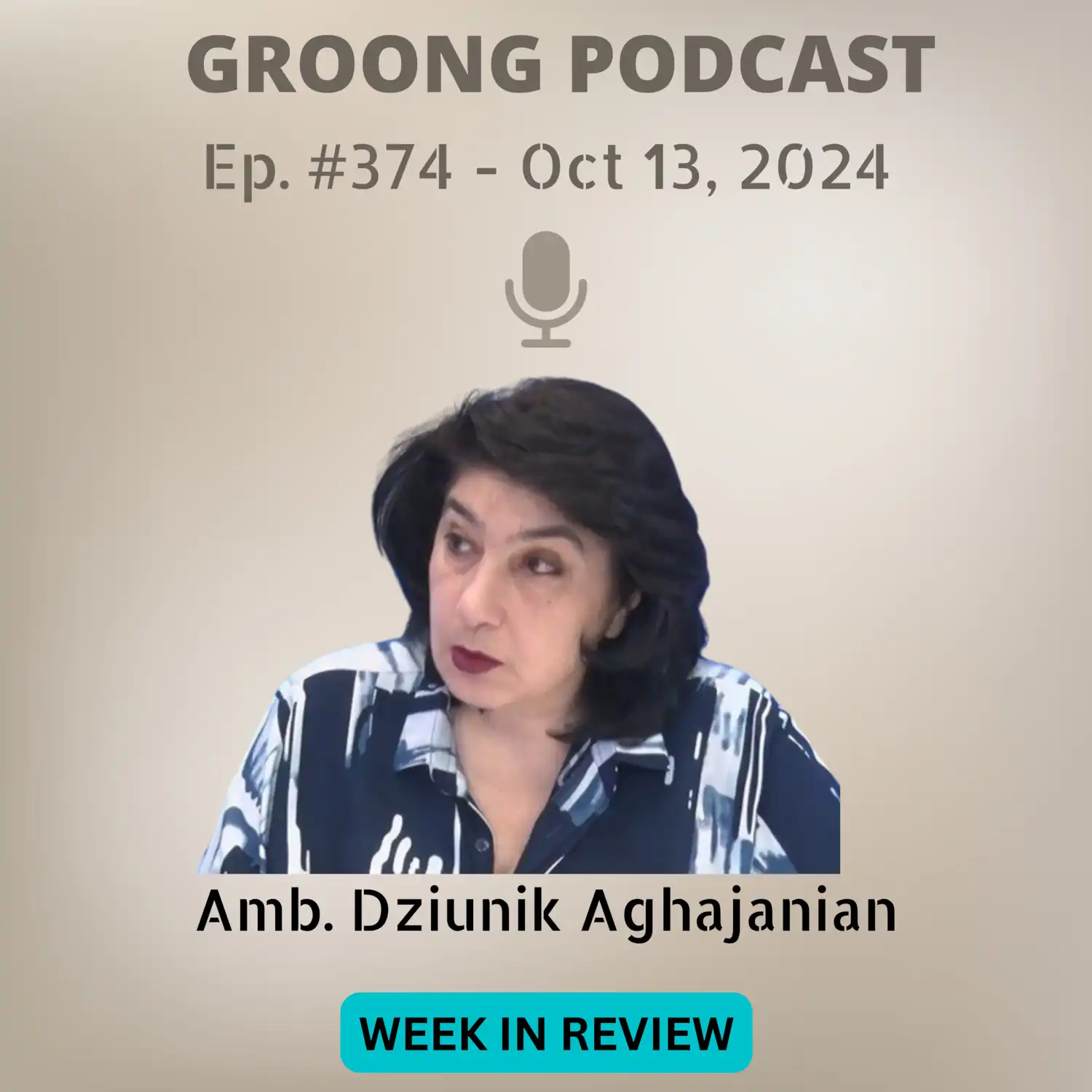
Groong Links:
Guest:
Topics:
- Azerbaijan Escalates Threats
- Russia-Armenia Relations
- Eat Rice, not Wheat, Have some Cold Winters!
- Srbazan Movement Update
- Regional Geopolitics
- Iran-Russia
- Israel-Iran
- Georgian Elections
Episode 374 | Recorded: October 14, 2024
Dziunik Aghajanian - Azerbaijan Escalates Threats, Russia-Armenia Relations, Eat Rice, not Wheat, Have some Cold Winters, Srbazan Movement Update, Regional Geopolitics, Georgian Elections | Ep 374 - Oct 13, 2024 [EP374]
Posted on Tuesday, Oct 15, 2024 | Category: Armenia, Azerbaijan, Georgia, Middle East, Iran, Artsakh, Nagorno Karabakh, Russia, Israel, Artsakh Blockade, Economy, European Union, NATO, Lebanon, Syria, Turkey, China, UkraineGroong Links:
Guest:
Topics:
- Azerbaijan Escalates Threats
- Russia-Armenia Relations
- Eat Rice, not Wheat, Have some Cold Winters!
- Srbazan Movement Update
- Regional Geopolitics
- Iran-Russia
- Israel-Iran
- Georgian Elections
Episode 374 | Recorded: October 14, 2024
Hrant Mikaelian - Commemorating the 44-Day War, Armenia Azerbaijan Talks, Draft 2025 State Budget, | Ep 371 - Sep 29, 2024 [EP371]
Posted on Tuesday, Oct 1, 2024 | Category: Armenia, Politics, Economy, Artsakh, Nagorno Karabakh, Azerbaijan, Turkey, Iran, Armenian Church, Russia, Georgia, Ukraine, European Union, India | Series: wir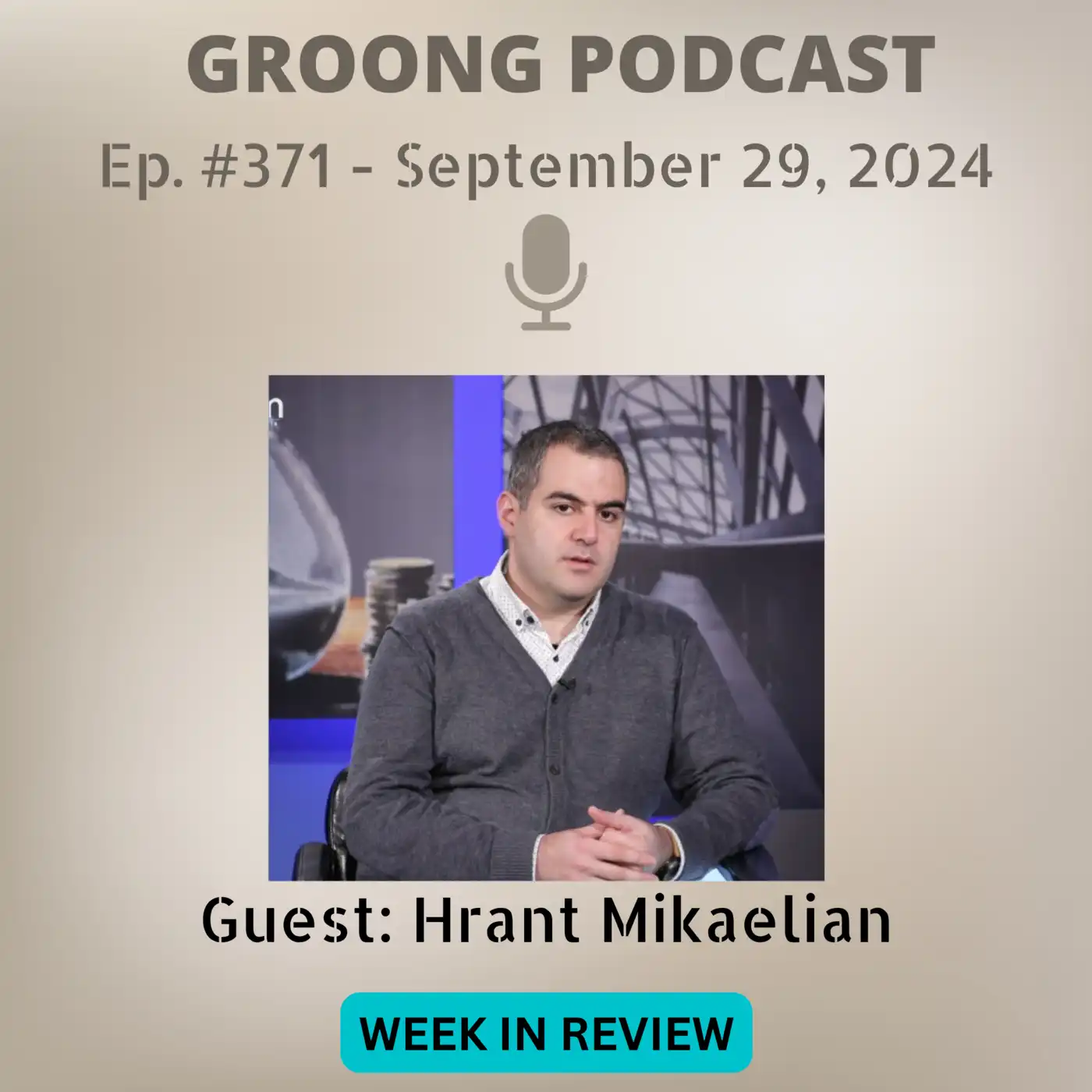
Groong Links:
Guest:
Topics:
- Tavush Protests Gain Momentum
- Pashinyan Pressing Ahead with Land Concessions
- Poll Results on Tavush Protests
Episode 371 | Recorded: September 30, 2024
Hrant Mikaelian - Commemorating the 44-Day War, Armenia Azerbaijan Talks, Draft 2025 State Budget, | Ep 371 - Sep 29, 2024 [EP371]
Posted on Tuesday, Oct 1, 2024 | Category: Armenia, Politics, Economy, Artsakh, Nagorno Karabakh, Azerbaijan, Turkey, Iran, Armenian Church, Russia, Georgia, Ukraine, European Union, IndiaGroong Links:
Guest:
Topics:
- Tavush Protests Gain Momentum
- Pashinyan Pressing Ahead with Land Concessions
- Poll Results on Tavush Protests
Episode 371 | Recorded: September 30, 2024