BRICS
Last updated: May 29, 2026
BRICS is a bloc of major emerging economies — originally Brazil, Russia, India, China, and South Africa — that has expanded in recent years to include additional members and has increasingly positioned itself as an alternative to Western-dominated multilateral institutions. Its summits, trade frameworks, and proposals for a non-dollar settlement currency have made it a focal point of discussion among states seeking to hedge against Western economic and political pressure.
For Armenia, BRICS has emerged as a topic of debate in the context of the country’s foreign policy realignment. Some Armenian political forces argue that BRICS membership or association could provide economic alternatives to both Russian dependency and the conditions attached to Western integration. Others argue that associating with a Russia- and China-led bloc would undermine Armenia’s aspirations for EU alignment and deepen its entanglement with a sanctions-ridden Russian economy.
Groong covers BRICS in the context of Armenian foreign policy choices, the competing global connectivity frameworks being promoted in the South Caucasus , and the broader question of whether Armenia can pursue meaningful economic diversification outside the Western orbit.
Groong episodes that include this tag
Below are all Groong episodes tagged with BRICS.
China Is an Enabling Power, Not an Extractive One [EP587]
Posted on Sunday, Sep 20, 2026 | Category: Geopolitics, China, EconomyWarwick Powell defines China as an enabling power that funds infrastructure, training, and open source models with very few strings, not an extractive hegemon.
Warwick Powell - From BRICS to AI: The Infrastructure Multipolarity | Ep 587, Sep 20, 2026 [EP587]
Posted on Sunday, Sep 20, 2026 | Category: Armenia, China, Geopolitics | Series: cog, video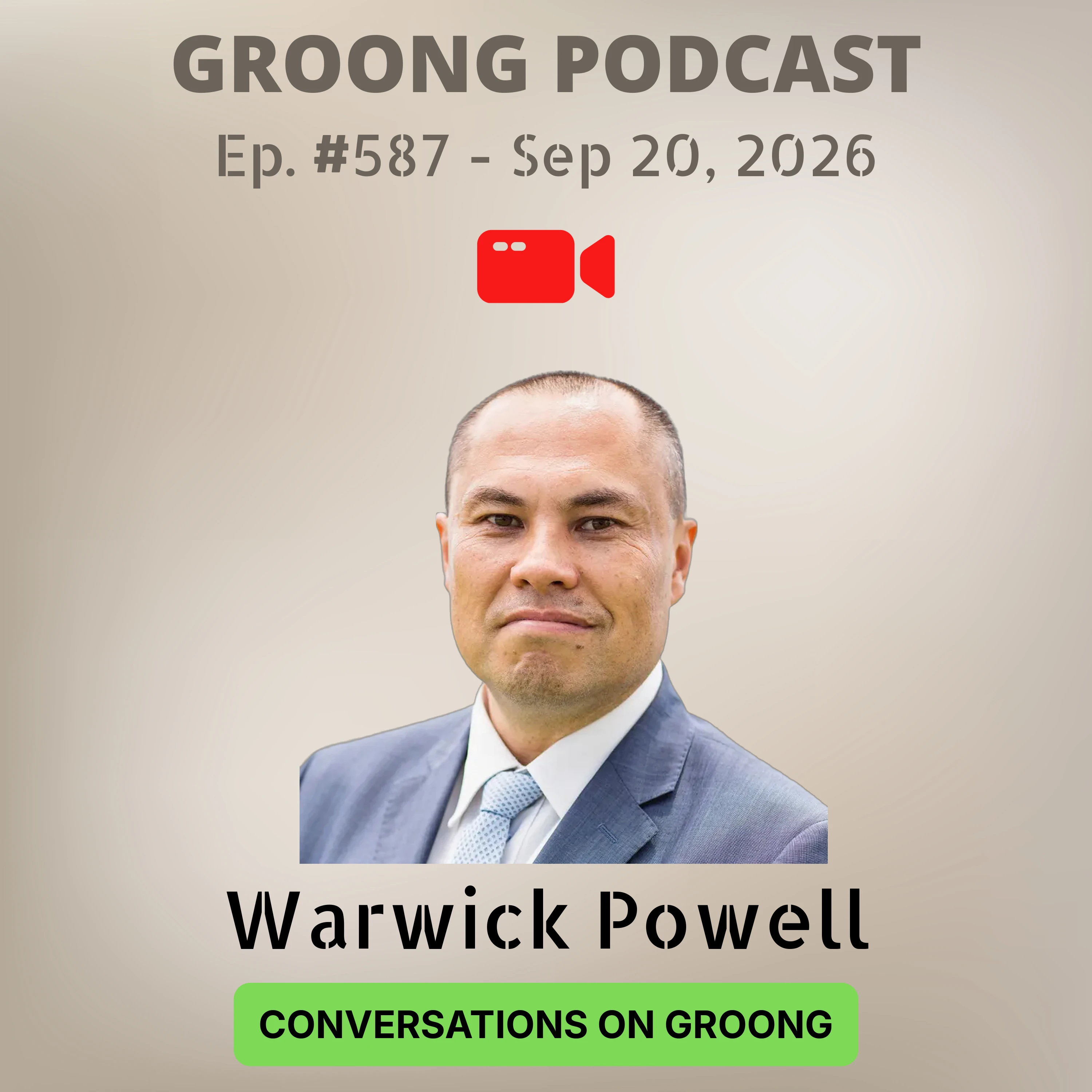
Groong Links:
Guest(s):
Topics:
- SCO and BRICS summit outcomes
- BRICS financial architecture and currencies
- AI safety and strategic competition
- AI sovereignty for smaller states
Episode 587 | Recorded: September 17, 2026
#BRICS #China #SCO #Multipolarity #Artificial0Intelligence #AISafety #DigitalSovereignty #TRIPP
Warwick Powell - From BRICS to AI: The Infrastructure Multipolarity | Ep 587, Sep 20, 2026 [EP587]
Posted on Sunday, Sep 20, 2026 | Category: Armenia, China, GeopoliticsGroong Links:
Guest(s):
Topics:
- SCO and BRICS summit outcomes
- BRICS financial architecture and currencies
- AI safety and strategic competition
- AI sovereignty for smaller states
Episode 587 | Recorded: September 17, 2026
#BRICS #China #SCO #Multipolarity #Artificial0Intelligence #AISafety #DigitalSovereignty #TRIPP
Why the American AI Business Model Collapsed [EP587]
Posted on Sunday, Sep 20, 2026 | Category: Technology, China, GeopoliticsWarwick Powell explains how DeepSeek’s open source model broke the proprietary American AI moat and why safety talk now doubles as commercial cover.
Transcript: Warwick Powell - From BRICS to AI: The Infrastructure Multipolarity | Ep 587, Sep 20, 2026 [EP587]
Posted on Sunday, Sep 20, 2026 | Category: Armenia, China, Geopolitics, TranscriptIn this episode of Conversations on Groong, we speak with Professor Warwick Powell about multipolarity, infrastructure, and the strategic implications of emerging power blocs. We discuss tangible outcomes from the SCO and BRICS summits, the shift toward local-currency settlement and financial alternatives to Western institutions, China’s role as an enabling power, and how countries like Armenia navigate the infrastructure competition between TRIPP and competing regional corridors. We also examine AI safety and digital sovereignty in a multipolar world, where both Washington and Beijing view artificial intelligence as a decisive strategic contest.
Christine Arakelian - Forever Wars, NATO 3.0, Armenia's High-Stakes Western Pivot | Ep 572, Jul 31, 2026 [EP572]
Posted on Saturday, Aug 1, 2026 | Category: Armenia, USA, European Union, Politics, Geopolitics, Diaspora | Series: cog, video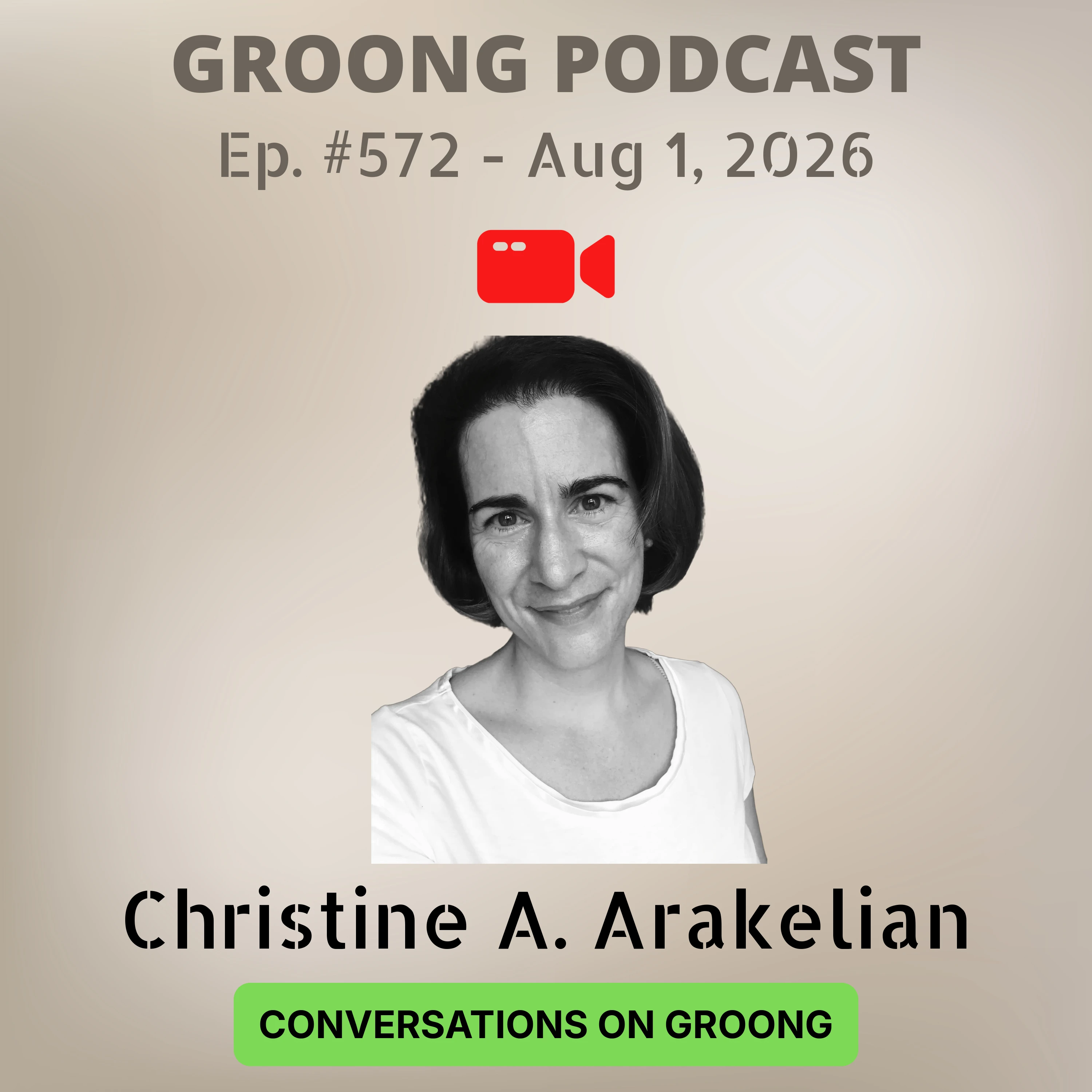
Groong Links:
Guest(s):
Topics:
- US Foreign Policy & the Fracture of MAGA
- Iran and the Risk of Forever Wars
- NATO 3.0 and Europe’s Militarization
- Post-2026 Election Armenia
- TRIPP and Pashinyan’s Pivot to the West
Episode 572 | Recorded: July 29, 2026
#ForeverWars #NATO #IranWar #Armenia #TRIPP #MAGA #USForeignPolicy #SouthCaucasus
Christine Arakelian - Forever Wars, NATO 3.0, Armenia's High-Stakes Western Pivot | Ep 572, Jul 31, 2026 [EP572]
Posted on Saturday, Aug 1, 2026 | Category: Armenia, USA, European Union, Politics, Geopolitics, DiasporaGroong Links:
Guest(s):
Topics:
- US Foreign Policy & the Fracture of MAGA
- Iran and the Risk of Forever Wars
- NATO 3.0 and Europe’s Militarization
- Post-2026 Election Armenia
- TRIPP and Pashinyan’s Pivot to the West
Episode 572 | Recorded: July 29, 2026
#ForeverWars #NATO #IranWar #Armenia #TRIPP #MAGA #USForeignPolicy #SouthCaucasus
Transcript: Christine Arakelian - Forever Wars, NATO 3.0, Armenia's High-Stakes Western Pivot | Ep 572, Jul 31, 2026 [EP572]
Posted on Saturday, Aug 1, 2026 | Category: Armenia, USA, European Union, Politics, Geopolitics, Diaspora, TranscriptIn this episode of Conversations on Groong, we speak with Christine Arakelian about American foreign policy fractures, Iran war risks, and Armenia’s pivot to the West. We discuss whether the United States has coherent foreign policy, the collapse of the MAGA coalition over Forever Wars, NATO 3.0 and Europe’s militarization, and how Pashinyan’s post-2026 Armenian Parliamentary Election government is navigating TRIPP amid global instability.
Parties and Alliances in the 2026 Armenian Parliamentary Election | Ep 548, May 22, 2026 [EP548]
Posted on Saturday, May 23, 2026 | Category: Armenia, Politics, Armenian Church, Nagorno Karabakh, Artsakh Blockade, BRICS, Russia, Iran, Azerbaijan, European Union | Series: cog, video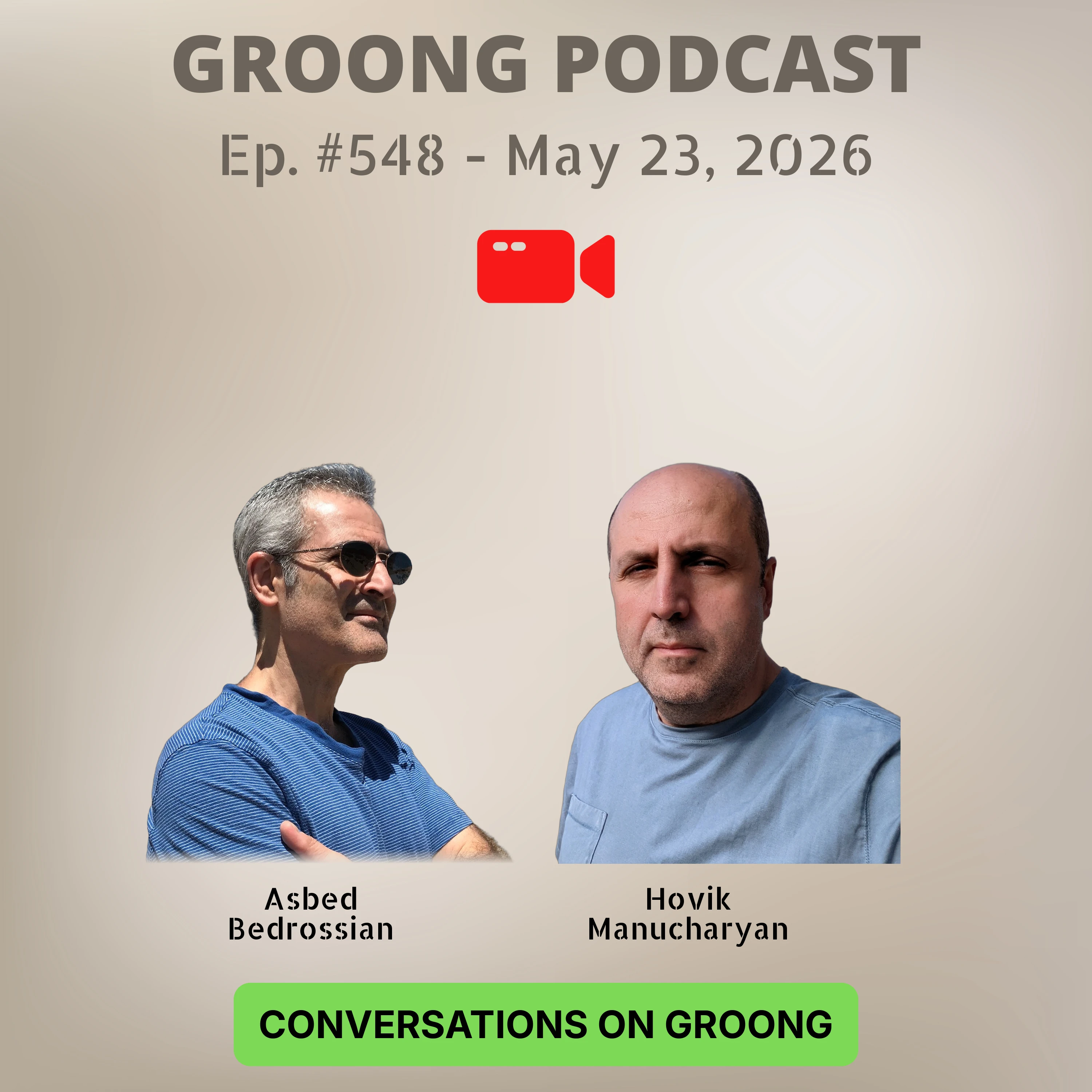
Groong Links:
Topics:
- Armenia’s election rules
- Parties and alliances competing
- MPG polling and thresholds
- Opposition challenges and turnout
- Geopolitical positions heatmap
Episode 548 | Recorded: May 22, 2026
#Armenia #ArmenianElections #ArmenianPolitics #Artsakh #SouthCaucasus #CivilContract #StrongArmenia #HayastanDashinq
Parties and Alliances in the 2026 Armenian Parliamentary Election | Ep 548, May 22, 2026 [EP548]
Posted on Saturday, May 23, 2026 | Category: Armenia, Politics, Armenian Church, Nagorno Karabakh, Artsakh Blockade, BRICS, Russia, Iran, Azerbaijan, European UnionGroong Links:
Topics:
- Armenia’s election rules
- Parties and alliances competing
- MPG polling and thresholds
- Opposition challenges and turnout
- Geopolitical positions heatmap
Episode 548 | Recorded: May 22, 2026
#Armenia #ArmenianElections #ArmenianPolitics #Artsakh #SouthCaucasus #CivilContract #StrongArmenia #HayastanDashinq
Transcript: Parties and Alliances in the 2026 Armenian Parliamentary Election | Ep 548, May 22, 2026 [EP548]
Posted on Saturday, May 23, 2026 | Category: Armenia, Politics, Armenian Church, Nagorno Karabakh, Artsakh Blockade, BRICS, Russia, Iran, Azerbaijan, European Union, TranscriptThis Conversations on Groong episode provides a primer on Armenia’s June 7, 2026 parliamentary elections, reviewing the 17 parties and 2 alliances registered to compete. The discussion explains the election rules, thresholds, coalition process, and the “stable majority” mechanism, while stressing the uneven political environment facing opposition forces. The episode then walks through each participant, including Civil Contract, Strong Armenia, Armenia Alliance, Prosperous Armenia, Wings of Unity, Bright Armenia, ANC, Bever, Republic, DOK, Democratic Consolidation, and smaller parties with Read More
Dmitry Suslov - War, Leverage, and Corridors, Russia’s View from All Fronts | Ep 534, Apr 25, 2026 [EP534]
Posted on Saturday, Apr 25, 2026 | Category: Geopolitics, Iran, World, Economy, Armenia, USA, China, Russia, Nagorno Karabakh, Artsakh Blockade, BRICS, Azerbaijan, Ukraine, European Union, Turkey | Series: cog, video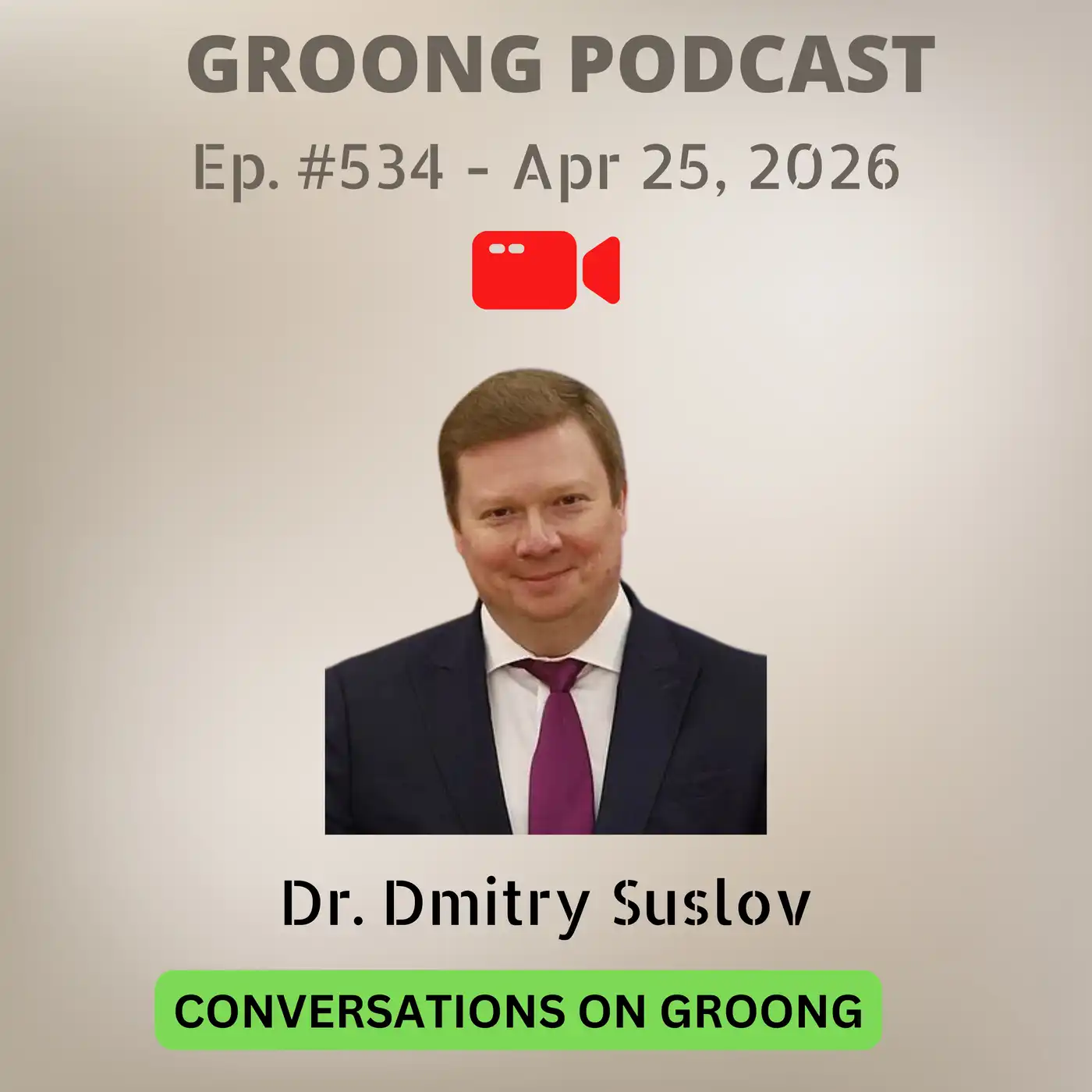
Groong Links:
Guest:
Topics:
- Iran war dynamics and Russiaâs role
- Ukraine war and Europeâs militarization
- Armeniaâs pivot and Russiaâs response
- Regional power balance
Episode 534 | Recorded: April 21, 2026
Dmitry Suslov - War, Leverage, and Corridors, Russia’s View from All Fronts | Ep 534, Apr 25, 2026 [EP534]
Posted on Saturday, Apr 25, 2026 | Category: Geopolitics, Iran, World, Economy, Armenia, USA, China, Russia, Nagorno Karabakh, Artsakh Blockade, BRICS, Azerbaijan, Ukraine, European Union, TurkeyGroong Links:
Guest:
Topics:
- Iran war dynamics and Russiaâs role
- Ukraine war and Europeâs militarization
- Armeniaâs pivot and Russiaâs response
- Regional power balance
Episode 534 | Recorded: April 21, 2026
Transcript: Dmitry Suslov - War, Leverage, and Corridors, Russia’s View from All Fronts | Ep 534, Apr 25, 2026 [EP534]
Posted on Saturday, Apr 25, 2026 | Category: Geopolitics, Iran, World, Economy, Armenia, USA, China, Russia, Nagorno Karabakh, Artsakh Blockade, BRICS, Azerbaijan, Ukraine, European Union, Turkey, TranscriptIn this episode of the Groong podcast, we speak with Dr. Dmitry Suslov about the shifting geopolitical landscape across the Iran war, the Ukraine conflict, and the South Caucasus. We examine the fragile state of the Iran war and its impact on global trade and regional escalation, Russia’s strategic positioning, and the potential for a broader conflict involving Azerbaijan and Turkey. The discussion then turns to the Ukraine war, focusing on attrition, Europe’s growing militarization, and the prospects for a long-term Russia–Europe confrontation. Finally, we explore Russia’s policy in the South Read More
Warwick Powell - ThermoEconomics, Iran, and the New Geopolitical Economy | Ep 533, Apr 23, 2026 [EP533]
Posted on Thursday, Apr 23, 2026 | Category: Geopolitics, Iran, World, Economy, Armenia, USA, China, Russia, BRICS, Israel, Middle East, NATO | Series: cog, video
Groong Links:
Guest:
Topics:
- ThermoEconomics and global power
- Iran war and energy
- De-dollarization and sovereignty
- Armenia: AI data centers, SMRs, and imperialism
Episode 533 | Recorded: April 21, 2026
Warwick Powell - ThermoEconomics, Iran, and the New Geopolitical Economy | Ep 533, Apr 23, 2026 [EP533]
Posted on Thursday, Apr 23, 2026 | Category: Geopolitics, Iran, World, Economy, Armenia, USA, China, Russia, BRICS, Israel, Middle East, NATOGroong Links:
Guest:
Topics:
- ThermoEconomics and global power
- Iran war and energy
- De-dollarization and sovereignty
- Armenia: AI data centers, SMRs, and imperialism
Episode 533 | Recorded: April 21, 2026
Transcript: Warwick Powell - ThermoEconomics, Iran, and the New Geopolitical Economy | Ep 533, Apr 23, 2026 [EP533]
Posted on Thursday, Apr 23, 2026 | Category: Geopolitics, Iran, World, Economy, Armenia, USA, China, Russia, BRICS, Israel, Middle East, NATO, TranscriptProf. Warwick Powell discusses his thermoeconomic view of world politics, where energy, money, and information form a single system. We connect the war on Iran to declining U.S. energy efficiency, the limits of airpower, de-dollarization, and the rise of alternative financial and information architectures. We also bring the conversation back to Armenia, asking what TRIPP, SMRs, and large AI data centers could mean for a small state trying to protect its energy and information sovereignty. We close by reflecting on considerations for Armenia in implementing centralized data infrastructure, more Read More
Pietro Shakarian - Iran War, Armenia and Russia, June Parliamentary Elections | Ep 529, Apr 4, 2026 [EP529]
Posted on Saturday, Apr 4, 2026 | Category: Armenia, Iran, Russia, Azerbaijan, Turkey, Israel, Nagorno Karabakh, BRICS, European Union, Ukraine, NATO | Series: cog
Groong Links:
Guest:
Topics:
- The Iran War and Its Global Impacts
- Armenia-Russia Relations
- Parliamentary Elections in Armenia
Episode 529 | Recorded on April 3, 2026
#IranIsraelWar #IsraelIranConflict #IsraelConflict #Armenia #MiddleEastCrisis #ArmeniaElections #PietroShakarian #TRIPP
Pietro Shakarian - Iran War, Armenia and Russia, June Parliamentary Elections | Ep 529, Apr 4, 2026 [EP529]
Posted on Saturday, Apr 4, 2026 | Category: Armenia, Iran, Russia, Azerbaijan, Turkey, Israel, Nagorno Karabakh, BRICS, European Union, Ukraine, NATOGroong Links:
Guest:
Topics:
- The Iran War and Its Global Impacts
- Armenia-Russia Relations
- Parliamentary Elections in Armenia
Episode 529 | Recorded on April 3, 2026
#IranIsraelWar #IsraelIranConflict #IsraelConflict #Armenia #MiddleEastCrisis #ArmeniaElections #PietroShakarian #TRIPP
Transcript: Pietro Shakarian - Iran War, Armenia and Russia, June Parliamentary Elections | Ep 529, Apr 4, 2026 [EP529]
Posted on Saturday, Apr 4, 2026 | Category: Armenia, Iran, Russia, Azerbaijan, Turkey, Israel, Nagorno Karabakh, BRICS, European Union, Ukraine, NATO, TranscriptDr. Pietro Shakarian joined us to discuss the state of the U.S.-Israel war on Iran, the shrinking chances for a diplomatic off-ramp, and how the conflict is shifting wider Eurasian politics. The conversation then turned to Armenia, including the likely freezing of TRIPP amid the Iran war, Pashinyan’s contentious visit to Moscow, and the deeper low point in Armenia-Russia relations. The final section focused on Armenia’s June parliamentary elections, public sentiment toward Pashinyan, fears over election integrity, and the evolving opposition landscape.
Hrant Mikaelian - Iran War, Effect on Armenia, Sumgait Pogroms | Ep 520, Mar 1, 2026 [EP520]
Posted on Wednesday, Mar 4, 2026 | Category: Iran, Armenia, Artsakh, Nagorno Karabakh, Iran, USA, Israel, Armenia, Azerbaijan, Turkey, Russia, China, BRICS, Ukraine, Middle East, Geopolitics, NATO, Syria | Series: wir, video
Groong Links:
Guest:
Topics:
- US and Israel launch war against Iran
- Decapitation strikes, mass civilian casualties
- Iran retaliates region-wide, war expands
- Armenia leadership silent
- Sumgait remembered
Episode 520 | Recorded: March 3, 2026
#IranWar #EpicFury #MiddleEastWar #ArmeniaForeignPolicy #Sumgait1988 #IranIsraelConflict
Hrant Mikaelian - Iran War, Effect on Armenia, Sumgait Pogroms | Ep 520, Mar 1, 2026 [EP520]
Posted on Wednesday, Mar 4, 2026 | Category: Iran, Armenia, Artsakh, Nagorno Karabakh, Iran, USA, Israel, Armenia, Azerbaijan, Turkey, Russia, China, BRICS, Ukraine, Middle East, Geopolitics, NATO, SyriaGroong Links:
Guest:
Topics:
- US and Israel launch war against Iran
- Decapitation strikes, mass civilian casualties
- Iran retaliates region-wide, war expands
- Armenia leadership silent
- Sumgait remembered
Episode 520 | Recorded: March 3, 2026
#IranWar #EpicFury #MiddleEastWar #ArmeniaForeignPolicy #Sumgait1988 #IranIsraelConflict
James Carden & Pietro Shakarian - Global Affairs in the Age of Trump 2.0 | Ep 515, Feb 7, 2026 [EP515]
Posted on Saturday, Feb 7, 2026 | Category: USA, TRIPP, Iran, Armenia, Israel, Azerbaijan, Armenian Church, Nagorno Karabakh, BRICS, Russia, China, Economy, Syria, Turkey, Ukraine, Human Rights, India, Middle East, NATO | Series: cog, video
Groong Links:
Guest:
Topics:
- Trump 2.0 and the âDonroe Doctrineâ
- Rules-Based Disorder?
- Iran vs. the âBig, Beautiful Armadaâ
- US Cohesion and Midterms
- JD Vance in the South Caucasus
Episode 515 | Recorded: February 6, 2026
James Carden & Pietro Shakarian - Global Affairs in the Age of Trump 2.0 | Ep 515, Feb 7, 2026 [EP515]
Posted on Saturday, Feb 7, 2026 | Category: USA, TRIPP, Iran, Armenia, Israel, Azerbaijan, Armenian Church, Nagorno Karabakh, BRICS, Russia, China, Economy, Syria, Turkey, Ukraine, Human Rights, India, Middle East, NATOGroong Links:
Guest:
Topics:
- Trump 2.0 and the âDonroe Doctrineâ
- Rules-Based Disorder?
- Iran vs. the âBig, Beautiful Armadaâ
- US Cohesion and Midterms
- JD Vance in the South Caucasus
Episode 515 | Recorded: February 6, 2026
Groong Links:
Guest:
Topics:
- Defining the “Canceling Russia” phenomenon
- The “cancel Russia” lobby
- Containment shifts to coercive transformation
- Russian Orthodox Church as battleground
- Kremlin “towers” and civilizational logic
Episode 514 | Recorded: February 4, 2026
#CancelingRussia #RussianForeignPolicy #UkraineWar #StateCivilization #TowersOfTheKremlin #RussianOrthodoxChurch
Andrei Tsygankov - Canceling Russia and The Towers of the Kremlin | Ep 514, Feb 5, 2026 [EP514]
Posted on Thursday, Feb 5, 2026 | Category: Russia, Politics, Geopolitics, BRICS, Ukraine, Economy, NATO, Armenia, Georgia, China, European Union, Iran, IsraelGroong Links:
Guest:
Topics:
- Defining the “Canceling Russia” phenomenon
- The “cancel Russia” lobby
- Containment shifts to coercive transformation
- Russian Orthodox Church as battleground
- Kremlin “towers” and civilizational logic
Episode 514 | Recorded: February 4, 2026
#CancelingRussia #RussianForeignPolicy #UkraineWar #StateCivilization #TowersOfTheKremlin #RussianOrthodoxChurch
Asbed & Hovik - Iran, Varchaband, War on Church, Mehmet Oz, Strong Armenia, Noragyugh | Ep 512, Feb 1, 2026 [EP512]
Posted on Tuesday, Feb 3, 2026 | Category: Armenia, Politics, Artsakh, Nagorno Karabakh, Iran, Israel, Azerbaijan, Armenian Church, BRICS, Russia, Turkey, China, India, Ukraine | Series: wir, video
Groong Links:
Topics:
- Iran Conflict
- Varchaband
- War on Armenian Church
- Mehmet Oz vs Armenian Americans
- Narek Karapetyan and Strong Armenia
- A Big Beautiful Noragyugh
Episode 512 | Recorded: February 2, 2026
#IranIsraelWar #TrumpArmada #ArmenianChurch #Pashinyan #ArmenianDiaspora
Asbed & Hovik - Iran, Varchaband, War on Church, Mehmet Oz, Strong Armenia, Noragyugh | Ep 512, Feb 1, 2026 [EP512]
Posted on Tuesday, Feb 3, 2026 | Category: Armenia, Politics, Artsakh, Nagorno Karabakh, Iran, Israel, Azerbaijan, Armenian Church, BRICS, Russia, Turkey, China, India, UkraineGroong Links:
Topics:
- Iran Conflict
- Varchaband
- War on Armenian Church
- Mehmet Oz vs Armenian Americans
- Narek Karapetyan and Strong Armenia
- A Big Beautiful Noragyugh
Episode 512 | Recorded: February 2, 2026
#IranIsraelWar #TrumpArmada #ArmenianChurch #Pashinyan #ArmenianDiaspora
Pietro Shakarian - Iran, Russia, and the Geopolitics of Post-Soviet Eurasia | Ep 506, Jan 16, 2026 [EP506]
Posted on Friday, Jan 16, 2026 | Category: Armenia, History, Iran, Russia, Azerbaijan, Turkey, Israel, Nagorno Karabakh, BRICS, European Union, Syria, China, Ukraine, Genocide, India, NATO, Georgia, Middle East, Human Rights | Series: cog
Groong Links:
Guest:
Topics:
- Unrest in Iran
- Russia-Iran Partnership
- Solovyovâs Statements
- Trumpâs âTRIPP Wireâ in the Caucasus
- Release of Armenian hostages
Episode 506 | Recorded on January 14, 2026
Pietro Shakarian - Iran, Russia, and the Geopolitics of Post-Soviet Eurasia | Ep 506, Jan 16, 2026 [EP506]
Posted on Friday, Jan 16, 2026 | Category: Armenia, History, Iran, Russia, Azerbaijan, Turkey, Israel, Nagorno Karabakh, BRICS, European Union, Syria, China, Ukraine, Genocide, India, NATO, Georgia, Middle East, Human RightsGroong Links:
Guest:
Topics:
- Unrest in Iran
- Russia-Iran Partnership
- Solovyovâs Statements
- Trumpâs âTRIPP Wireâ in the Caucasus
- Release of Armenian hostages
Episode 506 | Recorded on January 14, 2026
Fyodor Lukyanov - Russia in Evolving Global Geopolitics | Ep 502, Jan 9, 2026 [EP502]
Posted on Friday, Jan 9, 2026 | Category: Iran, Russia, Armenia, Israel, Politics, China, Ukraine, Armenian Church, Artsakh Blockade, BRICS, European Union, NATO, Azerbaijan | Series: cog, video
Groong Links:
Guest:
Topics:
- Venezuela
- Ukraine War
- Russia-Iran Relations
- TRIPP and Russian-Armenian Relations
Episode 502 | Recorded: January 8, 2026
#FyodorLukyanov #RussiaGeopolitics #UkraineWar #IranIsrael #VenezuelaCrisis #TRIPP
Fyodor Lukyanov - Russia in Evolving Global Geopolitics | Ep 502, Jan 9, 2026 [EP502]
Posted on Friday, Jan 9, 2026 | Category: Iran, Russia, Armenia, Israel, Politics, China, Ukraine, Armenian Church, Artsakh Blockade, BRICS, European Union, NATO, AzerbaijanGroong Links:
Guest:
Topics:
- Venezuela
- Ukraine War
- Russia-Iran Relations
- TRIPP and Russian-Armenian Relations
Episode 502 | Recorded: January 8, 2026
#FyodorLukyanov #RussiaGeopolitics #UkraineWar #IranIsrael #VenezuelaCrisis #TRIPP
Transcript: Fyodor Lukyanov - Russia in Evolving Global Geopolitics | Ep 502, Jan 9, 2026 [EP502]
Posted on Friday, Jan 9, 2026 | Category: Iran, Russia, Armenia, Israel, Politics, China, Ukraine, Armenian Church, Artsakh Blockade, BRICS, European Union, NATO, Azerbaijan, TranscriptFyodor Lukyanov joins Groong to discuss how Moscow reads a fast-shifting global landscape, from the U.S. raid in Venezuela and maritime seizures at sea, to Trump’s Greenland rhetoric, the stalled endgame in Ukraine, the likelihood of a renewed Israel-Iran war, and how TRIPP and “unblocking” disputes in Armenia’s south fit into Russia’s regional priorities.
Hrant Mikaelian - Venezuela, Attacks on the Armenian Church Continue, MPG Poll Results | Ep 501, Jan 4, 2026 [EP501]
Posted on Wednesday, Jan 7, 2026 | Category: Armenia, Politics, Poll, Armenian Church, Economy, Azerbaijan, Artsakh, Nagorno Karabakh, BRICS, Russia, China, Geopolitics, Georgia, Human Rights, Iran, NATO, Syria | Series: wir, video
Groong Links:
Guest:
Topics:
- Developments in Venezuela
- Attacks on Armenian Church Continue
- New MPG Poll Results
Episode 501 | Recorded: January 6, 2026
#VenezuelaCrisis #ArmenianChurch #MPGPoll #ArmeniaEconomy #Geopolitics
Hrant Mikaelian - Venezuela, Attacks on the Armenian Church Continue, MPG Poll Results | Ep 501, Jan 4, 2026 [EP501]
Posted on Wednesday, Jan 7, 2026 | Category: Armenia, Politics, Poll, Armenian Church, Economy, Azerbaijan, Artsakh, Nagorno Karabakh, BRICS, Russia, China, Geopolitics, Georgia, Human Rights, Iran, NATO, SyriaGroong Links:
Guest:
Topics:
- Developments in Venezuela
- Attacks on Armenian Church Continue
- New MPG Poll Results
Episode 501 | Recorded: January 6, 2026
#VenezuelaCrisis #ArmenianChurch #MPGPoll #ArmeniaEconomy #Geopolitics
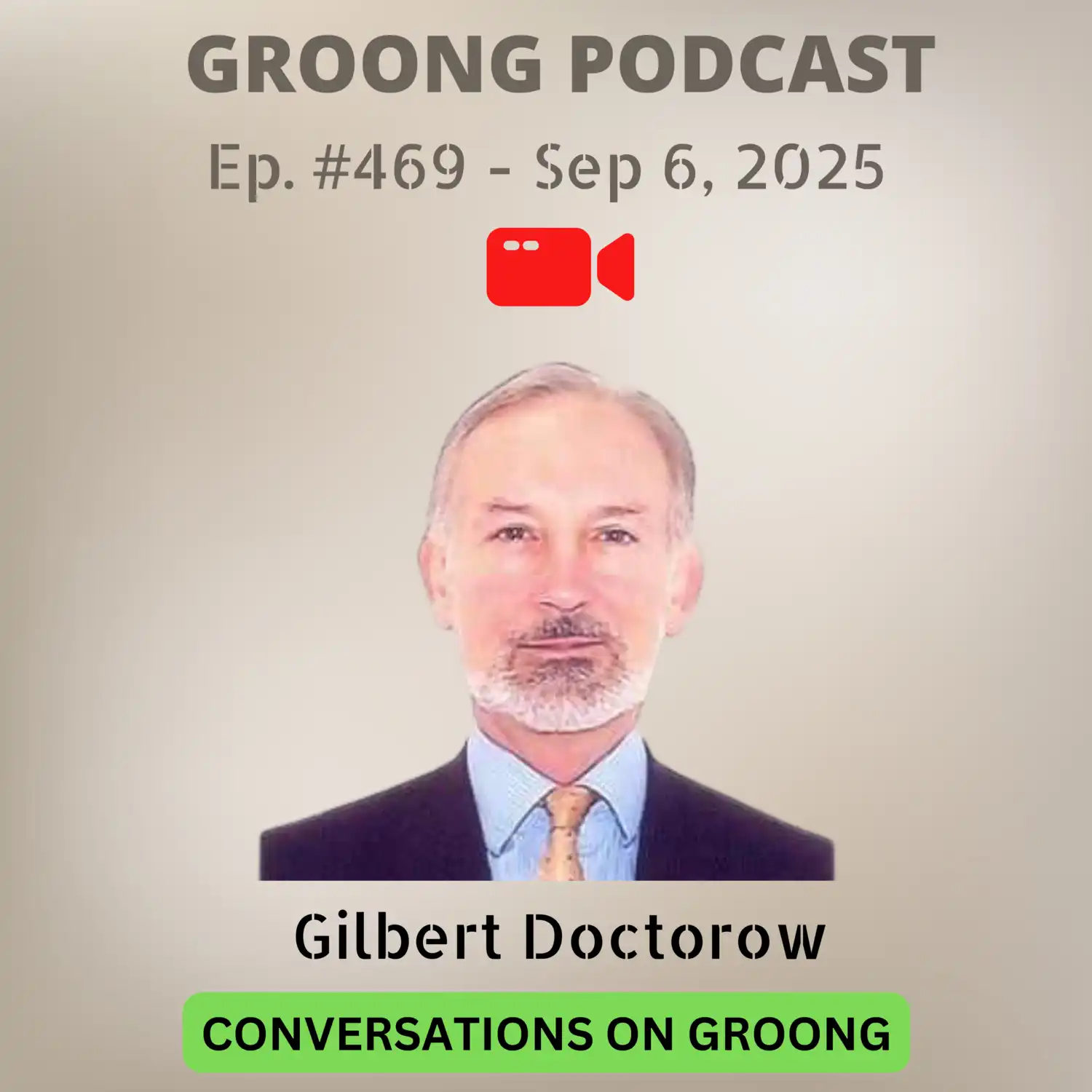
Groong Links:
Guest:
- Dr. Gilbert Doctorow , Author of - War Diaries. Volume 1
Topics:
- SCO Summit in Tianjin, China
- China-India Thaw
- Power of Siberia Gas Pipeline
- Whatâs in it for Armenia?
Episode 469 | Recorded: September 4, 2025
Gilbert Doctorow - Multipolar Shifts at the SCO Summit | Ep 469, Sep 6, 2025 [EP469]
Posted on Saturday, Sep 6, 2025 | Category: Armenia, Politics, Russia, China, India, Nagorno Karabakh, BRICS, Economy, Iran, Azerbaijan, NATO, Turkey, UkraineGroong Links:
Guest:
- Dr. Gilbert Doctorow , Author of - War Diaries. Volume 1
Topics:
- SCO Summit in Tianjin, China
- China-India Thaw
- Power of Siberia Gas Pipeline
- Whatâs in it for Armenia?
Episode 469 | Recorded: September 4, 2025
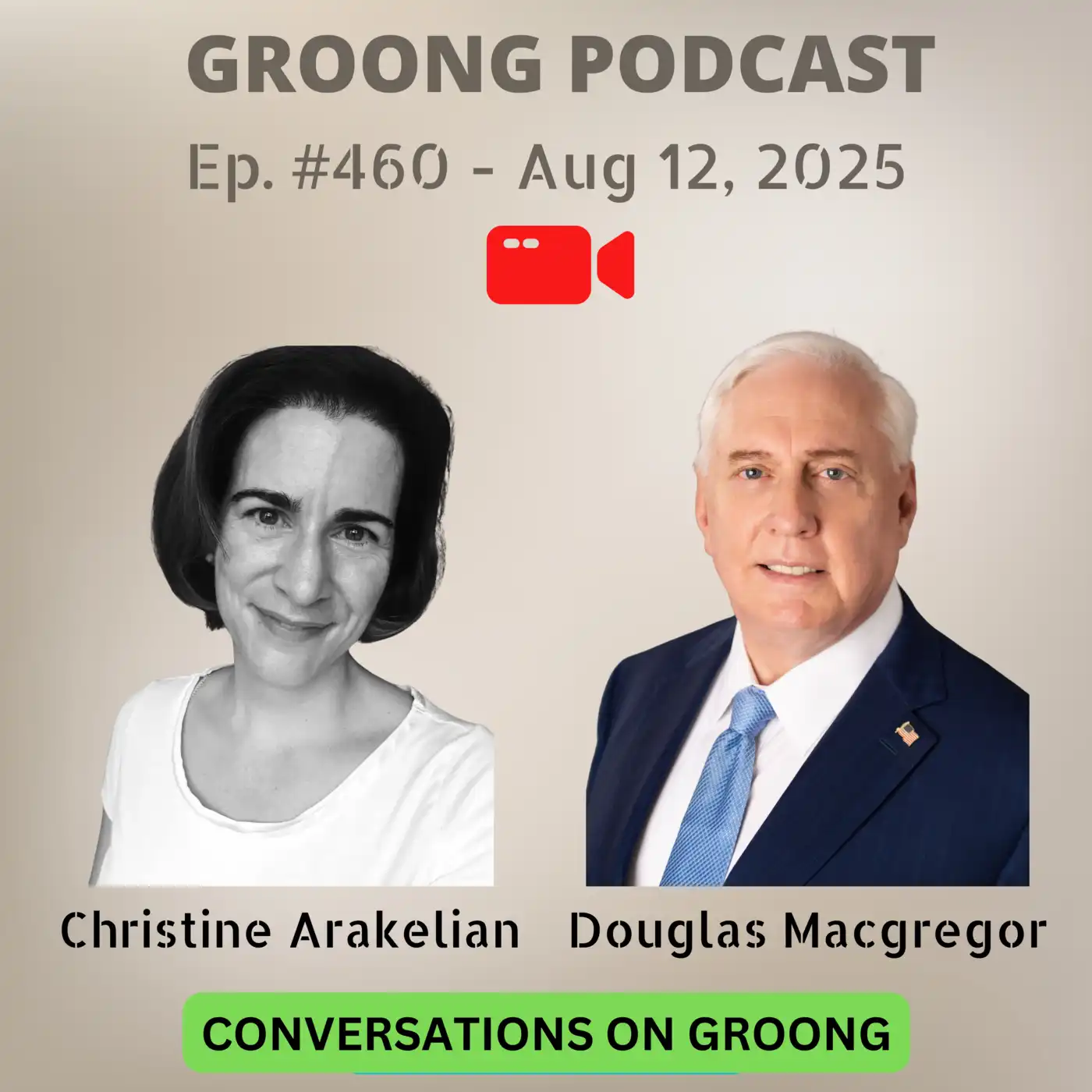
Groong Links:
Guest:
Topics:
- US Geopolitics
- #Gaza, #Iran, #Russia, #Ukraine
- #DonaldTrump, #Pashinyan, #Aliyev meet in the #WhiteHouse
Episode 460 | Recorded: August 11, 2025
Groong Links:
Guest:
Topics:
- US Geopolitics
- #Gaza, #Iran, #Russia, #Ukraine
- #DonaldTrump, #Pashinyan, #Aliyev meet in the #WhiteHouse
Episode 460 | Recorded: August 11, 2025
Dziunik Aghajanian - Trump, Aliyev, Pashinyan Oval Office Meeting and Reactions | Ep 459, Aug 10, 2025 [EP459]
Posted on Tuesday, Aug 12, 2025 | Category: Armenia, Politics, Iran, Nagorno Karabakh, Azerbaijan, Turkey, USA, Russia, BRICS, Genocide, China, Economy, Israel, Ukraine, Human Rights, Lebanon, Middle East, Syria | Series: wir, video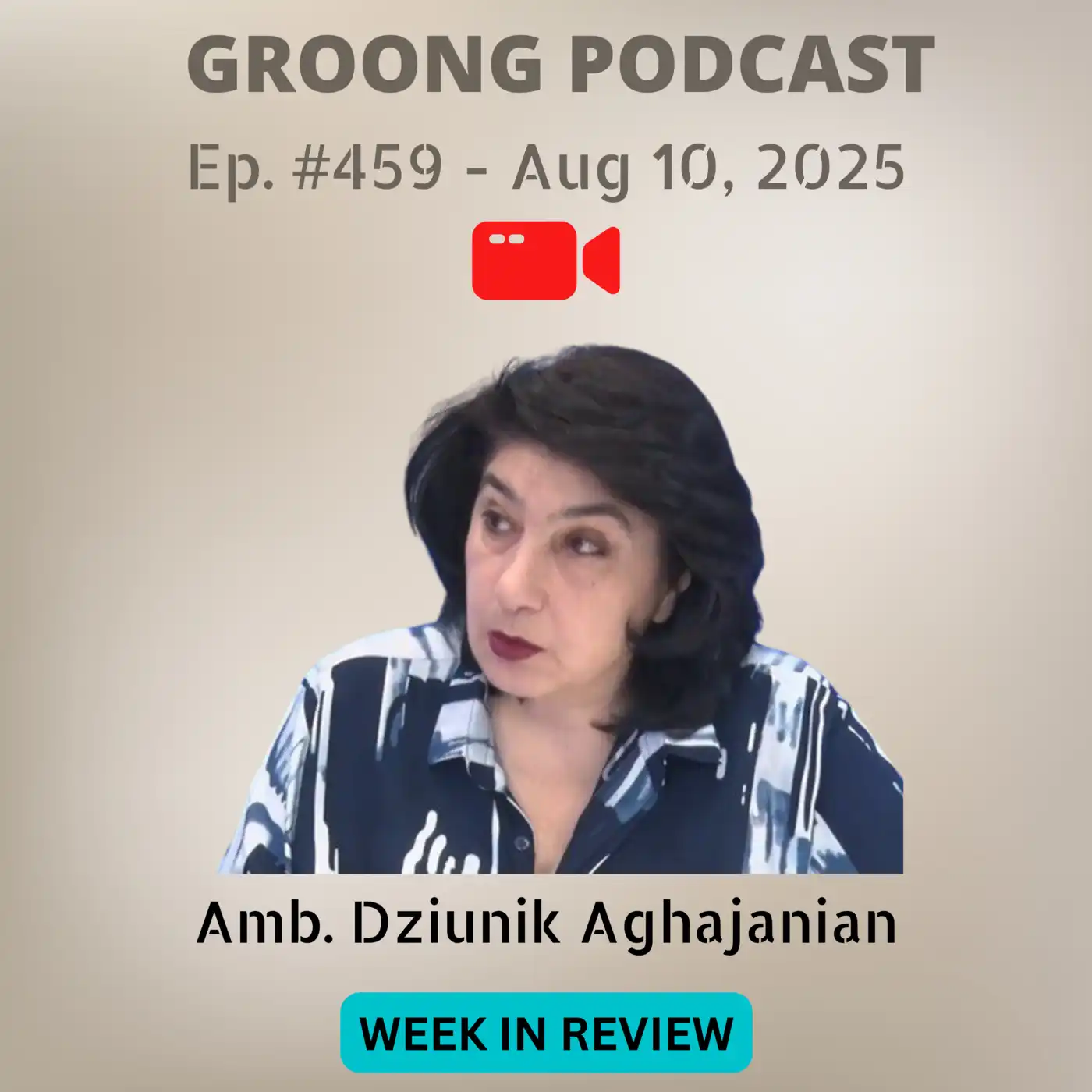
Groong Links:
Guest:
Topics:
- Trump, Aliyev, Pashinyan Meeting
- Iranian Reaction
- Russian Reaction
Episode 459 | Recorded: August 11, 2025
Dziunik Aghajanian - Trump, Aliyev, Pashinyan Oval Office Meeting and Reactions | Ep 459, Aug 10, 2025 [EP459]
Posted on Tuesday, Aug 12, 2025 | Category: Armenia, Politics, Iran, Nagorno Karabakh, Azerbaijan, Turkey, USA, Russia, BRICS, Genocide, China, Economy, Israel, Ukraine, Human Rights, Lebanon, Middle East, SyriaGroong Links:
Guest:
Topics:
- Trump, Aliyev, Pashinyan Meeting
- Iranian Reaction
- Russian Reaction
Episode 459 | Recorded: August 11, 2025
Summary In this episode, Christine Arakelian and Col. Douglas MacGregor join the hosts to analyze U.S. foreign policy moves from Gaza to the South Caucasus. They discuss Israel’s ongoing campaign in Gaza, the recent U.S. and Israeli strikes on Iran, and the likely resumption of hostilities. The conversation examines the Trump–Pashinyan–Aliyev White House summit, the strategic “Trump Corridor” across Armenia, and its impact on Russia, Iran, and India. The guests explore India–Armenia relations, U.S. economic vulnerabilities, and the challenges of sustaining a long-term American role in the Read More
Abhinav Pandya - From Sindoor to Syunik: India’s New Geopolitical Frontline | Ep 443, June 5, 2025 [EP443]
Posted on Friday, Jun 6, 2025 | Category: Armenia, Geopolitics, India, Azerbaijan, Turkey, Israel, Iran, Artsakh, Nagorno Karabakh, Syria, China, Russia, BRICS, Economy | Series: cog, video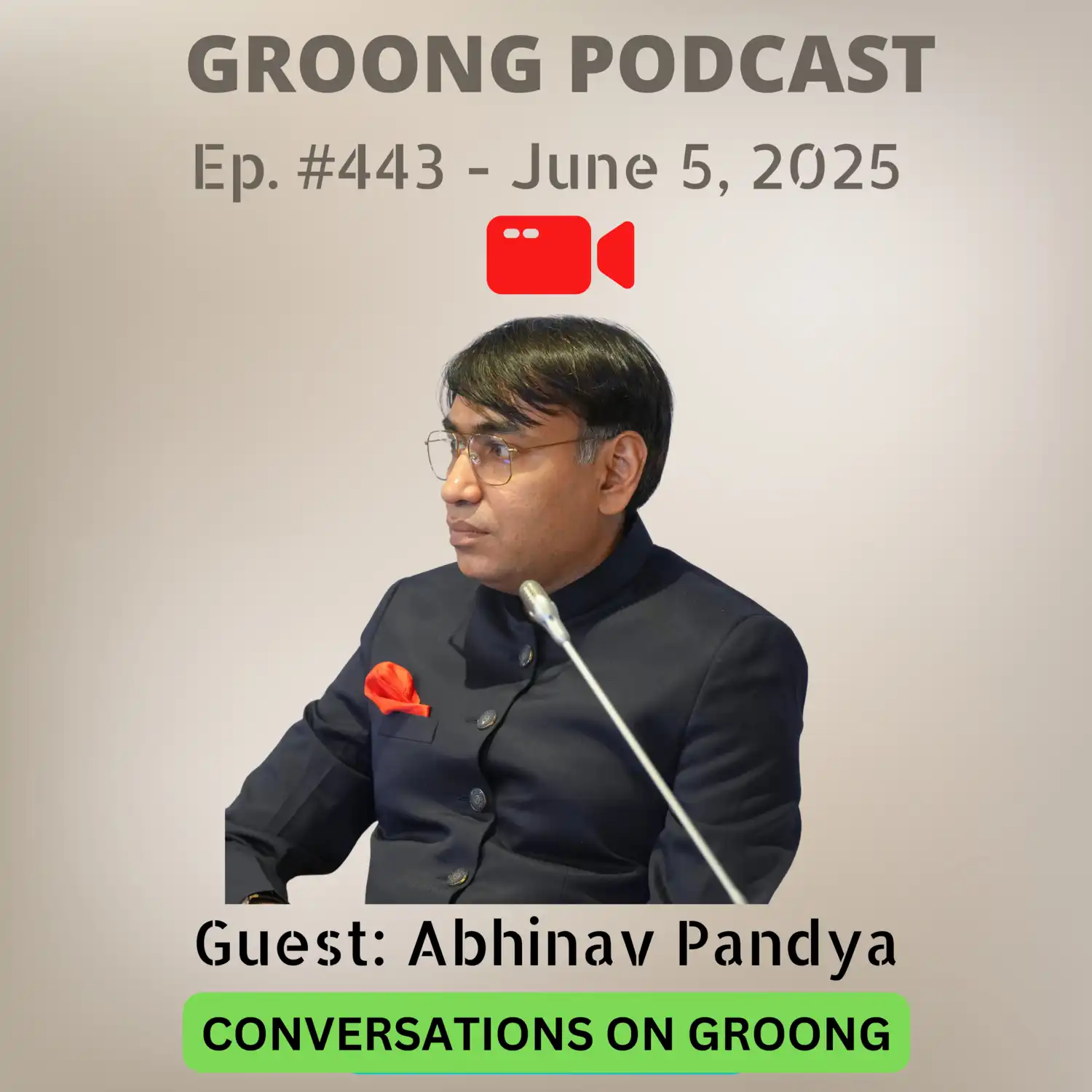
Groong Links:
Guest:
- Dr. Abhinav Pandya , Founder, President and CEO of Usanas Foundation Think Tank.
Topics:
- Turkey-Pakistan-Azerbaijan Axis
- Operation Sindoor
- Armenia As a Strategic Partner
- West Asia and Eurasia Context
- Future Outlook
Episode 443 | Recorded: June 3, 2025
Abhinav Pandya - From Sindoor to Syunik: India’s New Geopolitical Frontline | Ep 443, June 5, 2025 [EP443]
Posted on Friday, Jun 6, 2025 | Category: Armenia, Geopolitics, India, Azerbaijan, Turkey, Israel, Iran, Artsakh, Nagorno Karabakh, Syria, China, Russia, BRICS, EconomyGroong Links:
Guest:
- Dr. Abhinav Pandya , Founder, President and CEO of Usanas Foundation Think Tank.
Topics:
- Turkey-Pakistan-Azerbaijan Axis
- Operation Sindoor
- Armenia As a Strategic Partner
- West Asia and Eurasia Context
- Future Outlook
Episode 443 | Recorded: June 3, 2025
Dziunik Aghajanian - Armenian State Genocide Denial, Politics of Silence, Pezeshkian in Baku, Bandar Abbas | Ep 432, Apr 27, 2025 [EP432]
Posted on Wednesday, Apr 30, 2025 | Category: Armenia, Politics, Iran, Artsakh, Nagorno Karabakh, Turkey, Azerbaijan, Russia, China, India, Geopolitics, Diaspora, Armenian Genocide, Artsakh Blockade, BRICS, Genocide, European Union, Middle East, Economy, Lebanon, Georgia, Human Rights, Israel | Series: wir, video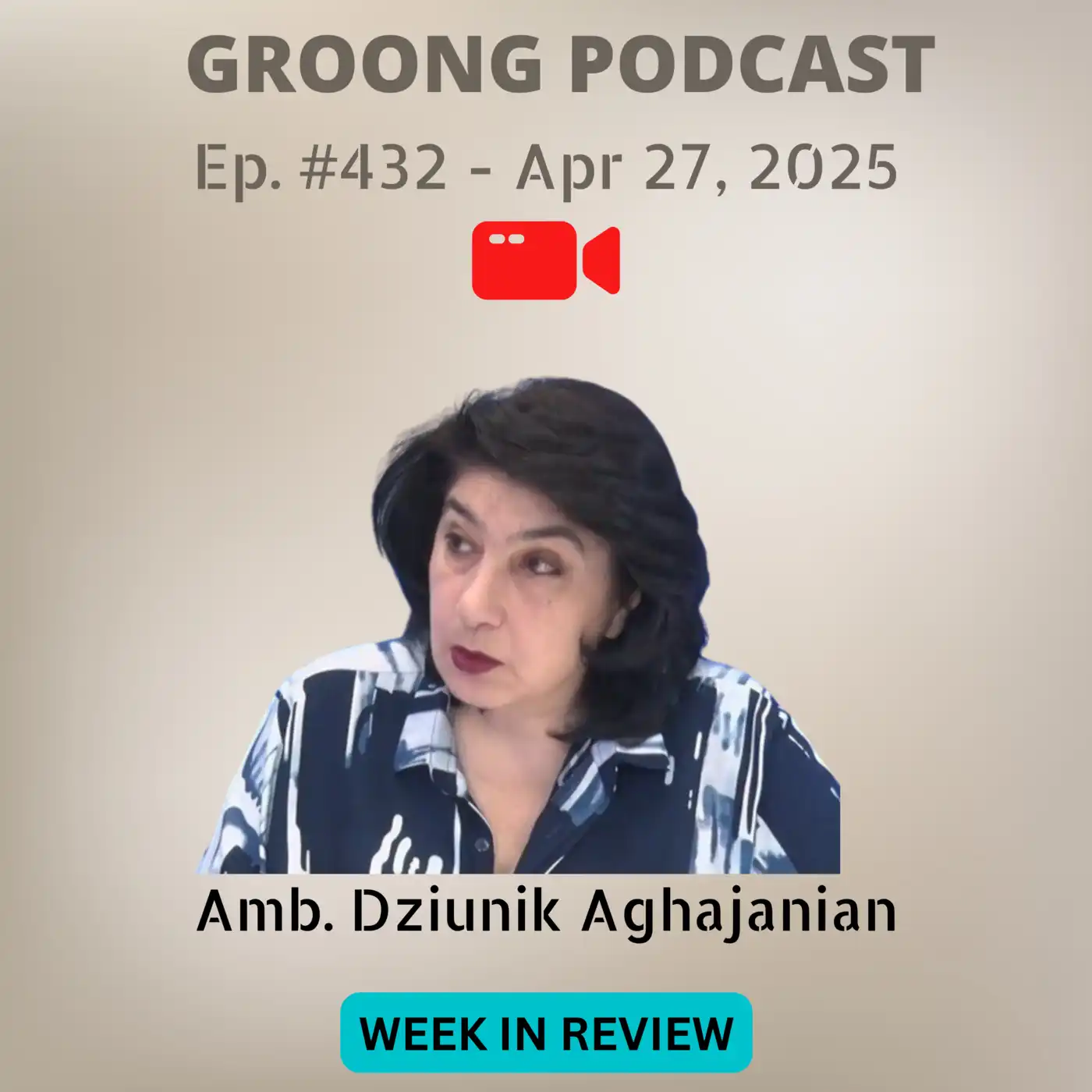
Groong Links:
Guest:
Topics:
- Genocide Recognition and State Silence
- Iran-Azerbaijan Talks & Geopolitical Shifts
- Bandar Abbas: Explosion, or Warning?
Episode 432 | Recorded: April 29, 2025
Dziunik Aghajanian - Armenian State Genocide Denial, Politics of Silence, Pezeshkian in Baku, Bandar Abbas | Ep 432, Apr 27, 2025 [EP432]
Posted on Wednesday, Apr 30, 2025 | Category: Armenia, Politics, Iran, Artsakh, Nagorno Karabakh, Turkey, Azerbaijan, Russia, China, India, Geopolitics, Diaspora, Armenian Genocide, Artsakh Blockade, BRICS, Genocide, European Union, Middle East, Economy, Lebanon, Georgia, Human Rights, IsraelGroong Links:
Guest:
Topics:
- Genocide Recognition and State Silence
- Iran-Azerbaijan Talks & Geopolitical Shifts
- Bandar Abbas: Explosion, or Warning?
Episode 432 | Recorded: April 29, 2025
Groong Links:
Guest:
Topics:
- U.S. Tariff Wars
- Target: Iran
- The Global South
- The Belt and Road Initiative
Episode 427 | Recorded: April 6, 2025
Groong Links:
Guest:
Topics:
- U.S. Tariff Wars
- Target: Iran
- The Global South
- The Belt and Road Initiative
Episode 427 | Recorded: April 6, 2025
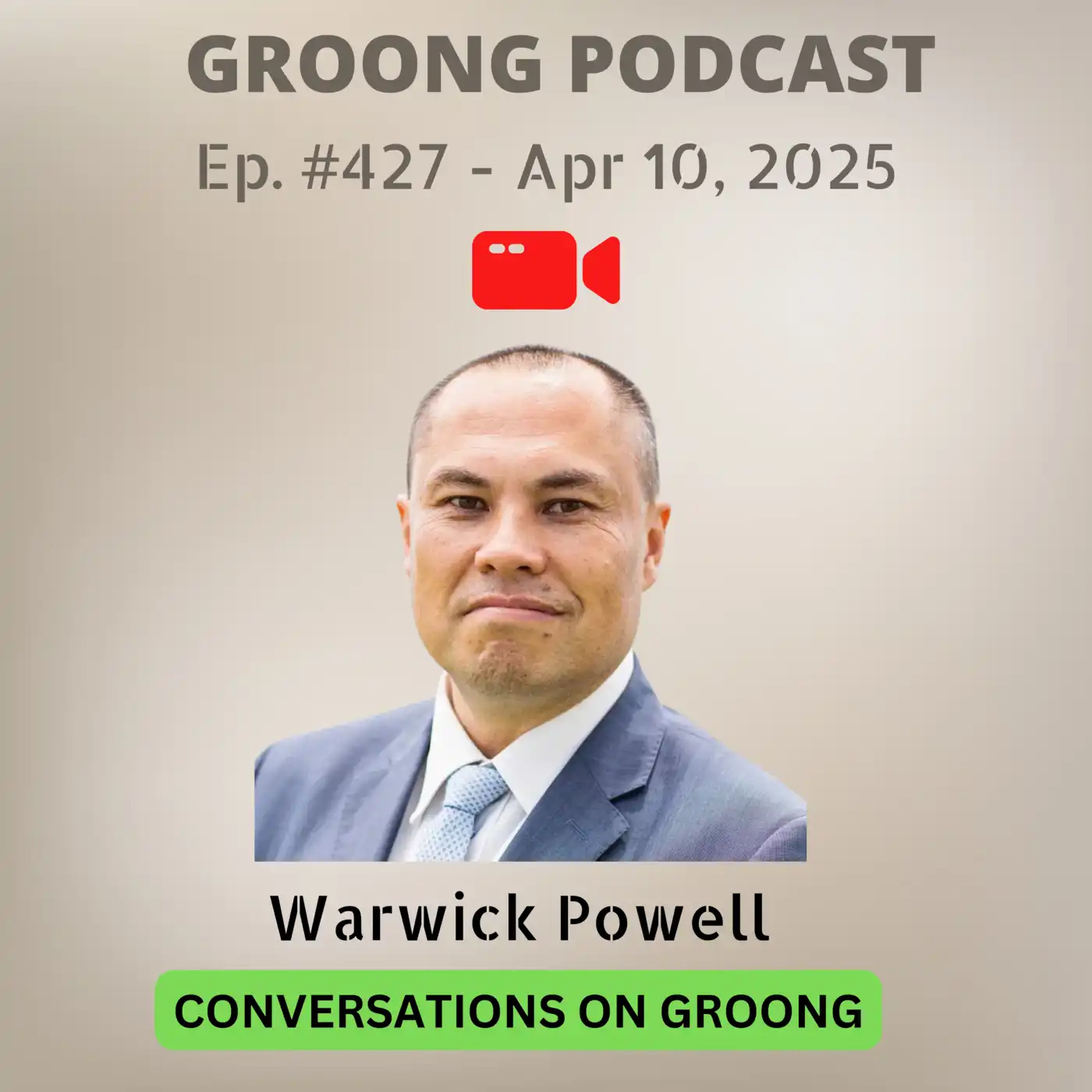
Transcript: Warwick Powell - U.S., China, Tariff Wars, and Multipolarity | Ep 427, Apr 8, 2025 [EP427]
Posted on Thursday, Apr 10, 2025 | Category: Armenia, World, Geopolitics, Economy, USA, China, India, Iran, Russia, Israel, BRICS, TranscriptIn this Conversations on Groong episode, we speak with Professor Warwick Powell about the tectonic shifts in global trade, economics, and geopolitics. From Washington’s renewed tariff wars to China’s expanding influence through BRICS and infrastructure initiatives like the BRI, Powell shares his insights on the emerging multipolar order and the declining dominance of the U.S.-centric financial system.
Dziunik Aghajanian - Peace Plan 2019, Corridor Talks, Armenia Domestic Politics, World Politics | Ep 416, Feb 16, 2025 [EP416]
Posted on Wednesday, Feb 19, 2025 | Category: Armenia, Azerbaijan, Middle East, Artsakh, Nagorno Karabakh, Georgia, Turkey, Russia, Iran, Geopolitics, BRICS, NATO, European Union, Ukraine, Israel, China, Syria, Human Rights | Series: wir, video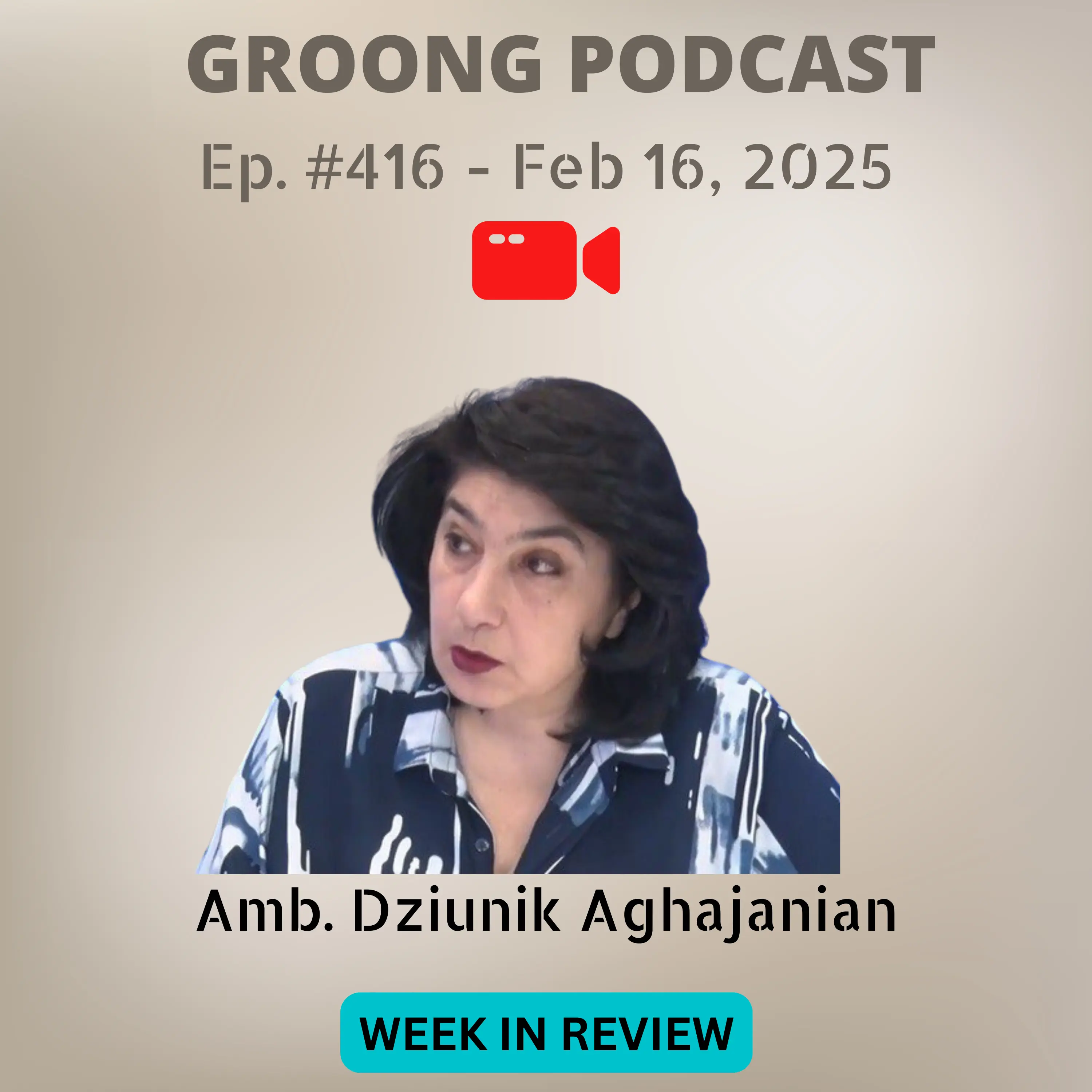
Groong Links:
Guest:
Topics:
- World Politics
- Plan, or No Plan?
- Corridor Talk
- Domestic Politics
Episode 416 | Recorded: February 17, 2025
Dziunik Aghajanian - Peace Plan 2019, Corridor Talks, Armenia Domestic Politics, World Politics | Ep 416, Feb 16, 2025 [EP416]
Posted on Wednesday, Feb 19, 2025 | Category: Armenia, Azerbaijan, Middle East, Artsakh, Nagorno Karabakh, Georgia, Turkey, Russia, Iran, Geopolitics, BRICS, NATO, European Union, Ukraine, Israel, China, Syria, Human RightsGroong Links:
Guest:
Topics:
- World Politics
- Plan, or No Plan?
- Corridor Talk
- Domestic Politics
Episode 416 | Recorded: February 17, 2025
Fyodor Lukyanov - Russia, the US, Ukraine, Armenia, Georgia, and the New Global Order | Ep 414, Feb. 16, 2025 [EP414]
Posted on Sunday, Feb 16, 2025 | Category: Russia, Ukraine, Armenia, Azerbaijan, Georgia, Geopolitics, Iran, Turkey, Nagorno Karabakh, BRICS, NATO, European Union, China, Economy, Genocide | Series: cog, video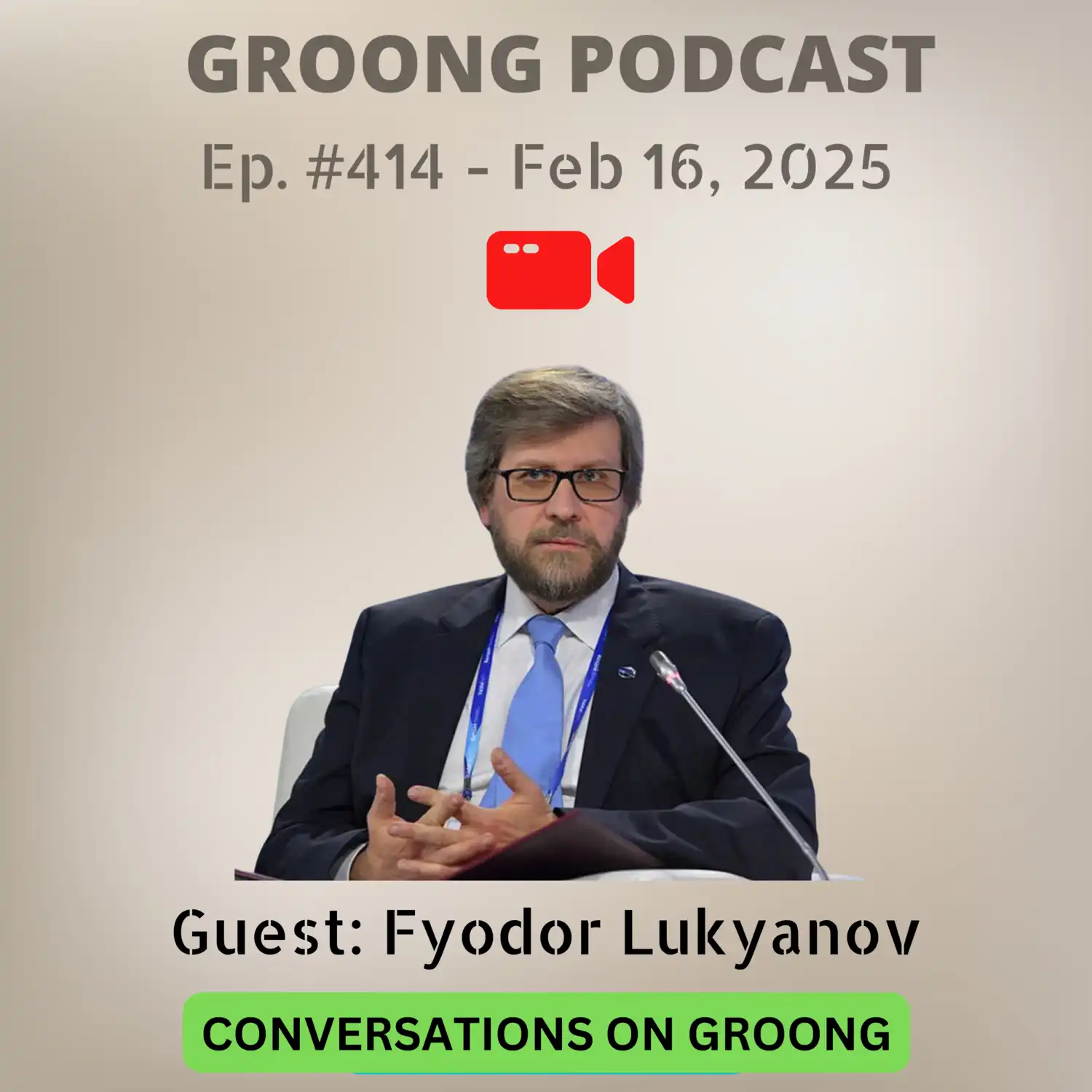
Groong Links:
Guest:
Topics:
- A New Détente?
- The Trump-Putin Call
- Russiaâs Strategic Choices
- Russo-Armenian Relations
- Russo-Azerbaijani Relations
- Georgiaâs Pragmatism
Episode 414 | Recorded: Valentineâs Day, February 14, 2025
Fyodor Lukyanov - Russia, the US, Ukraine, Armenia, Georgia, and the New Global Order | Ep 414, Feb. 16, 2025 [EP414]
Posted on Sunday, Feb 16, 2025 | Category: Russia, Ukraine, Armenia, Azerbaijan, Georgia, Geopolitics, Iran, Turkey, Nagorno Karabakh, BRICS, NATO, European Union, China, Economy, GenocideGroong Links:
Guest:
Topics:
- A New Détente?
- The Trump-Putin Call
- Russiaâs Strategic Choices
- Russo-Armenian Relations
- Russo-Azerbaijani Relations
- Georgiaâs Pragmatism
Episode 414 | Recorded: Valentineâs Day, February 14, 2025
Transcript: Fyodor Lukyanov - Russia, the US, Ukraine, Armenia, Georgia, and the New Global Order | Ep 414, Feb. 16, 2025 [EP414]
Posted on Sunday, Feb 16, 2025 | Category: Russia, Ukraine, Armenia, Azerbaijan, Georgia, Geopolitics, Iran, Turkey, Nagorno Karabakh, BRICS, NATO, European Union, China, Economy, Genocide, TranscriptA New Détente? The Trump-Putin Call. Russia’s Strategic Choices. Russo-Armenian Relations. Russo-Azerbaijani Relations. Georgia’s Pragmatism.
Glenn Diesen & Arman Grigoryan - The Incoming Multipolar World | Ep 411, Feb 9, 2025 [EP411]
Posted on Sunday, Feb 9, 2025 | Category: Russia, Ukraine, World Order, Syria, Israel, USA, China, Middle East, BRICS, European Union, NATO, Turkey, Armenia, Economy, Georgia, Iran, Azerbaijan, Geopolitics, Human Rights, India | Series: cog, video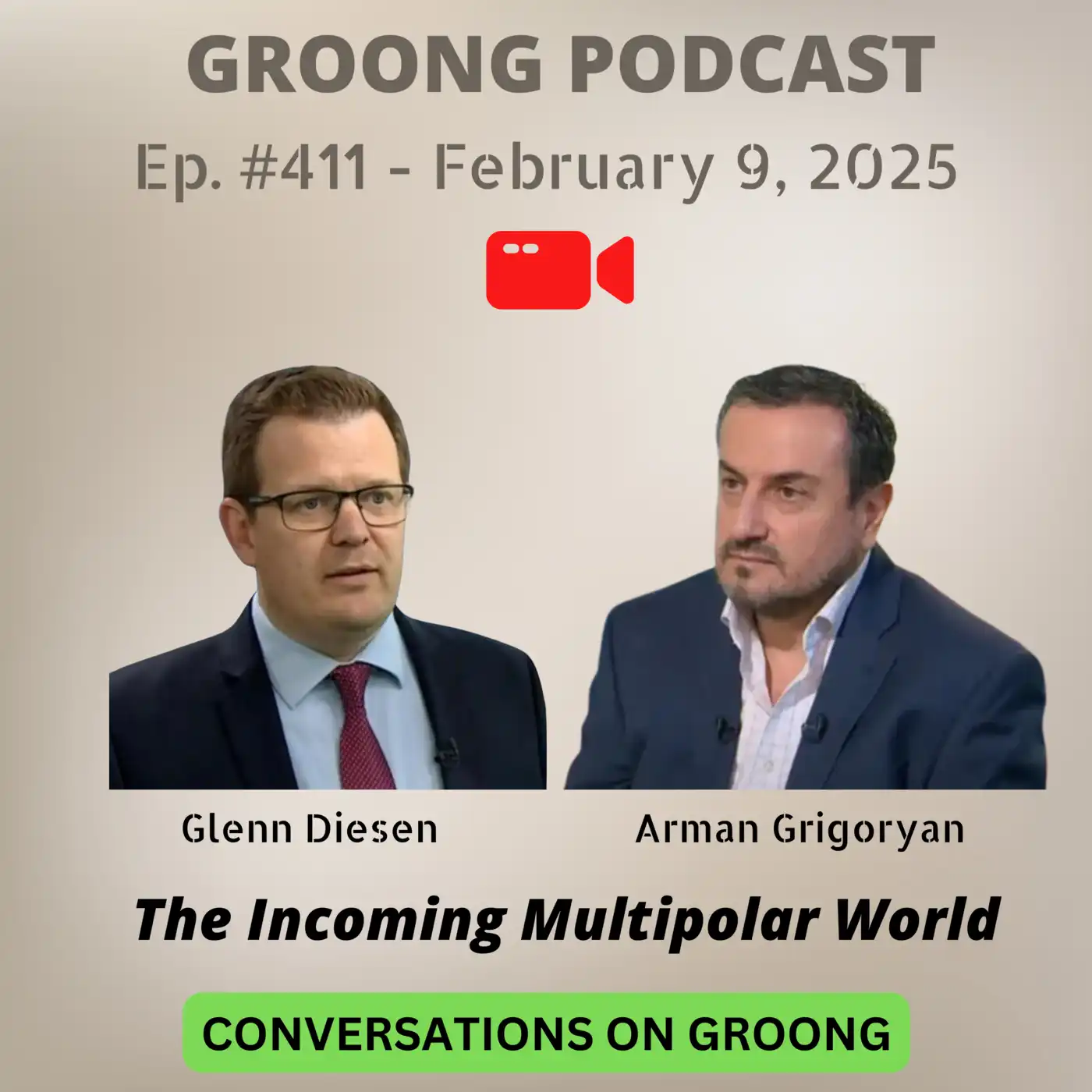
Groong Links:
Guest:
Topics:
- The Ongoing conflicts: Gaza, Syria, Ukraine
- Shifting Global Power and Alliances
- Small Countries in a Multipolar World
Episode 411 | Recorded: February 6, 2025
Glenn Diesen & Arman Grigoryan - The Incoming Multipolar World | Ep 411, Feb 9, 2025 [EP411]
Posted on Sunday, Feb 9, 2025 | Category: Russia, Ukraine, World Order, Syria, Israel, USA, China, Middle East, BRICS, European Union, NATO, Turkey, Armenia, Economy, Georgia, Iran, Azerbaijan, Geopolitics, Human Rights, IndiaGroong Links:
Guest:
Topics:
- The Ongoing conflicts: Gaza, Syria, Ukraine
- Shifting Global Power and Alliances
- Small Countries in a Multipolar World
Episode 411 | Recorded: February 6, 2025
Transcript: Glenn Diesen & Arman Grigoryan - The Incoming Multipolar World | Ep 411, Feb 9, 2025 [EP411]
Posted on Sunday, Feb 9, 2025 | Category: Russia, Ukraine, World Order, Syria, Israel, USA, China, Middle East, BRICS, European Union, NATO, Turkey, Armenia, Economy, Georgia, Iran, Azerbaijan, Geopolitics, Human Rights, India, TranscriptThe Ongoing conflicts: Gaza, Syria, Ukraine. Shifting Global Power and Alliances. Small Countries in a Multipolar World.
Pietro Shakarian - Russian-Iranian Partnership Pact | Ep 407, Jan 27, 2025 [EP407]
Posted on Monday, Jan 27, 2025 | Category: Russia, Iran, Ukraine, Armenia, Artsakh, Nagorno Karabakh, BRICS, Syria, Turkey, Israel, NATO, Middle East, Azerbaijan, China, Georgia, India | Series: cog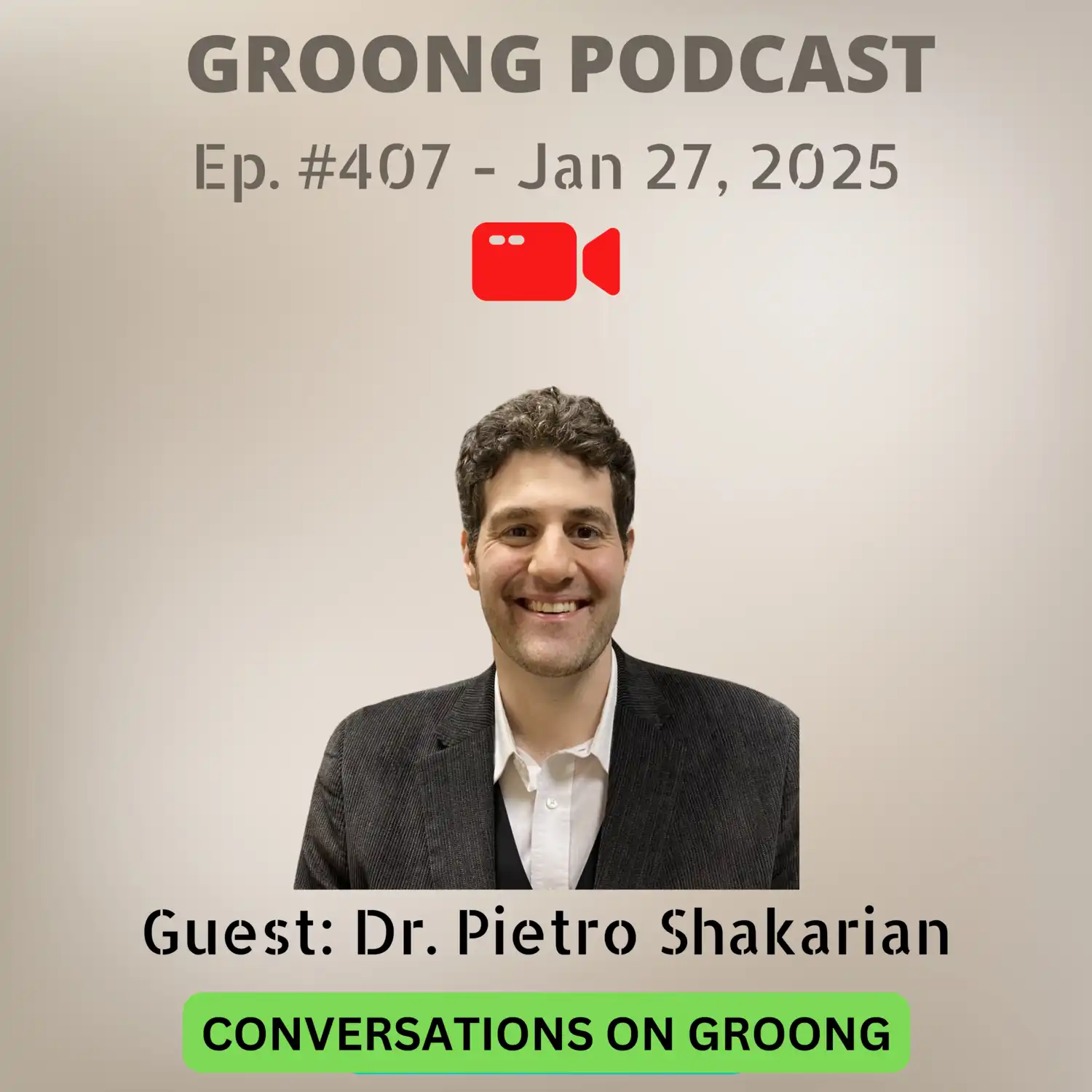
Groong Links:
Guest:
Topics:
- Russo-Iranian Partnership Treaty
- Implications of ð·ðº - ð®ð· pact for Armenia
- Trump Back in Office: War or Peace?
Episode 407 | Recorded: January 25, 2025
Pietro Shakarian - Russian-Iranian Partnership Pact | Ep 407, Jan 27, 2025 [EP407]
Posted on Monday, Jan 27, 2025 | Category: Russia, Iran, Ukraine, Armenia, Artsakh, Nagorno Karabakh, BRICS, Syria, Turkey, Israel, NATO, Middle East, Azerbaijan, China, Georgia, IndiaGroong Links:
Guest:
Topics:
- Russo-Iranian Partnership Treaty
- Implications of ð·ðº - ð®ð· pact for Armenia
- Trump Back in Office: War or Peace?
Episode 407 | Recorded: January 25, 2025
Dziunik Aghajanian - Armenia Azerbaijan Talks, Syria, Defense Politics, Civil Contract Strife | Ep 401 - Dec 22, 2024 [EP401]
Posted on Wednesday, Dec 25, 2024 | Category: Armenia, Azerbaijan, Middle East, Artsakh, Nagorno Karabakh, Russia, Iran, Israel, BRICS, Syria, Turkey, Georgia, Ukraine, Human Rights, Lebanon, NATO, China, Economy | Series: wir, video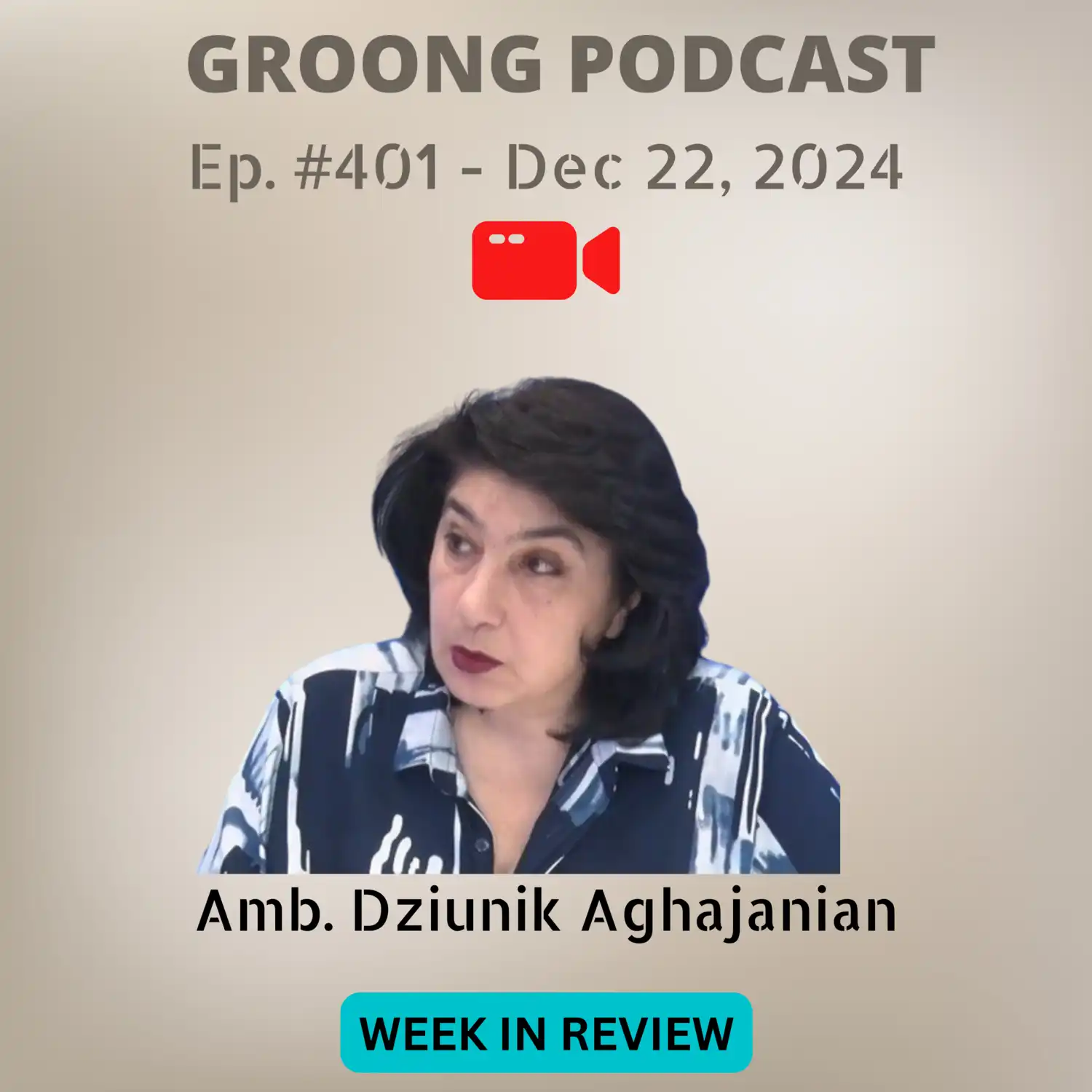
Groong Links:
Guest:
Topics:
- Armenian Azerbaijani Stalled Talks
- Fall of Syria
- Defense Politics
- Un-Civil Strife
Episode 401 | Recorded: December 24, 2024