Borders
Last updated: June 10, 2026
Armenia’s land borders span approximately 1,570 kilometers and connect it to four neighboring countries: Azerbaijan (910 km to the east and north), Turkey (311 km to the west), Iran (910 km to the south and southeast), and Georgia (164 km to the north). The borders define Armenia’s access to regional markets, energy supplies, and transit options. Turkey has maintained a unilateral blockade of Armenia since 1993, closing its land border and airspace. Following the ceasefire agreements of 1994 and 2020, border demarcation and delimitation with Azerbaijan have remained contested, with disputes over enclaves, territorial control, and transit corridor status creating persistent tensions.
Armenia’s borders determine its survival as a sovereign state. The loss of Artsakh (Nagorno Karabakh) in a 24-hour offensive on September 19–20, 2023, ethnically cleansed the enclave of its more than 150,000 Armenian inhabitants and reduced Armenian territorial control to the Republic proper. The primary obstacle to the Armenia-Azerbaijan peace process is Azerbaijan’s precondition that Armenia amend its constitution to remove references to Artsakh and recognize Azerbaijani territorial claims. Border demarcation and delimitation, while technically complex and lengthy, is proceeding but Armenian opposition parties criticize the Pashinyan government for accepting Azerbaijan’s sequencing priorities in determining which areas are demarcated first. Beyond the constitutional demands and demarcation process, Azerbaijan demands implementation of transit arrangements that would connect mainland Azerbaijan to Nakhijevan across Armenian Syunik province. Armenia fears that such arrangements, marketed as TRIPP (Trump Route for International Peace and Prosperity) by Washington, would cement Azerbaijani and Turkish control over Armenian territory and sever Armenia’s ability to maintain open transit with Iran through Syunik , a critical lifeline for trade and energy independent of hostile neighbors.
The Zangezur Corridor label itself reflects geopolitical competition over naming rights and intent. The United States frames the corridor as TRIPP, a transit project designed to connect Asia to Europe while bypassing Russia and Iran and serving American strategic interests in accessing critical minerals and limiting Chinese and Russian influence. Azerbaijan and Turkey call it the “Zangezur Corridor,” terminology rooted in pan-Turanic ambitions to integrate the region under Turkish-Azerbaijani leadership. This is not a semantic difference. Implementation would allow Turkey to link directly with Azerbaijan and Central Asia, completing a corridor that many Armenian analysts see as a threat to Armenian sovereignty rather than a neutral infrastructure project. The Iran War that erupted in early 2026 has frozen TRIPP’s implementation by making the corridor’s passage through Syunik strategically volatile, but it has not resolved the underlying question of whether Armenia will eventually be forced to accept transit arrangements that benefit Turkey and Azerbaijan more than Armenia itself.
Armenia’s border situation defines its options for trade, energy, and geopolitical alignment. With Turkey’s border closed since 1993, Armenia cannot access Europe overland and remains dependent on air and sea routes through Georgia and Iran. Armenia’s southern border with Iran remains open and functional, and the northern border with Georgia is also open. These two neighbors provide Armenia’s only reliable transit routes for goods and energy independent of hostile powers. Turkey’s continued closure of its border means that any corridor arrangement through Syunik that severs Armenia’s direct access to Iran would eliminate Armenia’s most critical independent trade pathway. In this context, border demarcation with Azerbaijan becomes more than a technical boundary matter: it determines whether Armenia can survive as a sovereign state or whether it will be economically strangled by hostile neighbors and forced into submission. Fyodor Lukyanov and Varuzhan Geghamyan have analyzed how the corridor question and border disputes shape Armenia’s choices between competing blocs, and how Armenia’s weakness in border negotiations reflects its broader loss of leverage in a region where Russia no longer guarantees its security and the West offers support without binding commitments.
Groong episodes that include this tag
Below are all Groong episodes tagged with Borders.
Transcript: Karen Kwiatkowski - Israel Attacks Iran, Where did Trump’s America 1st Go | Ep 450, June 28, 2025 [EP450]
Posted on Saturday, Jun 28, 2025 | Category: Iran, USA, Geopolitics, Israel, Ukraine, China, Russia, Armenia, NATO, Syria, Turkey, Middle East, Lebanon, Azerbaijan, TranscriptThe 12-Day War. Where did Trump’s American 1st Go?
Sergei Melkonian - Israel & Iran, Opposition Crackdown, Pashinyan in Istanbul | Ep 449, Jun 22, 2025 [EP449]
Posted on Thursday, Jun 26, 2025 | Category: Armenia, Politics, Iran, Israel, Azerbaijan, Turkey, Russia, Artsakh, Nagorno Karabakh, Armenian Church, Economy, China, Middle East | Series: wir, video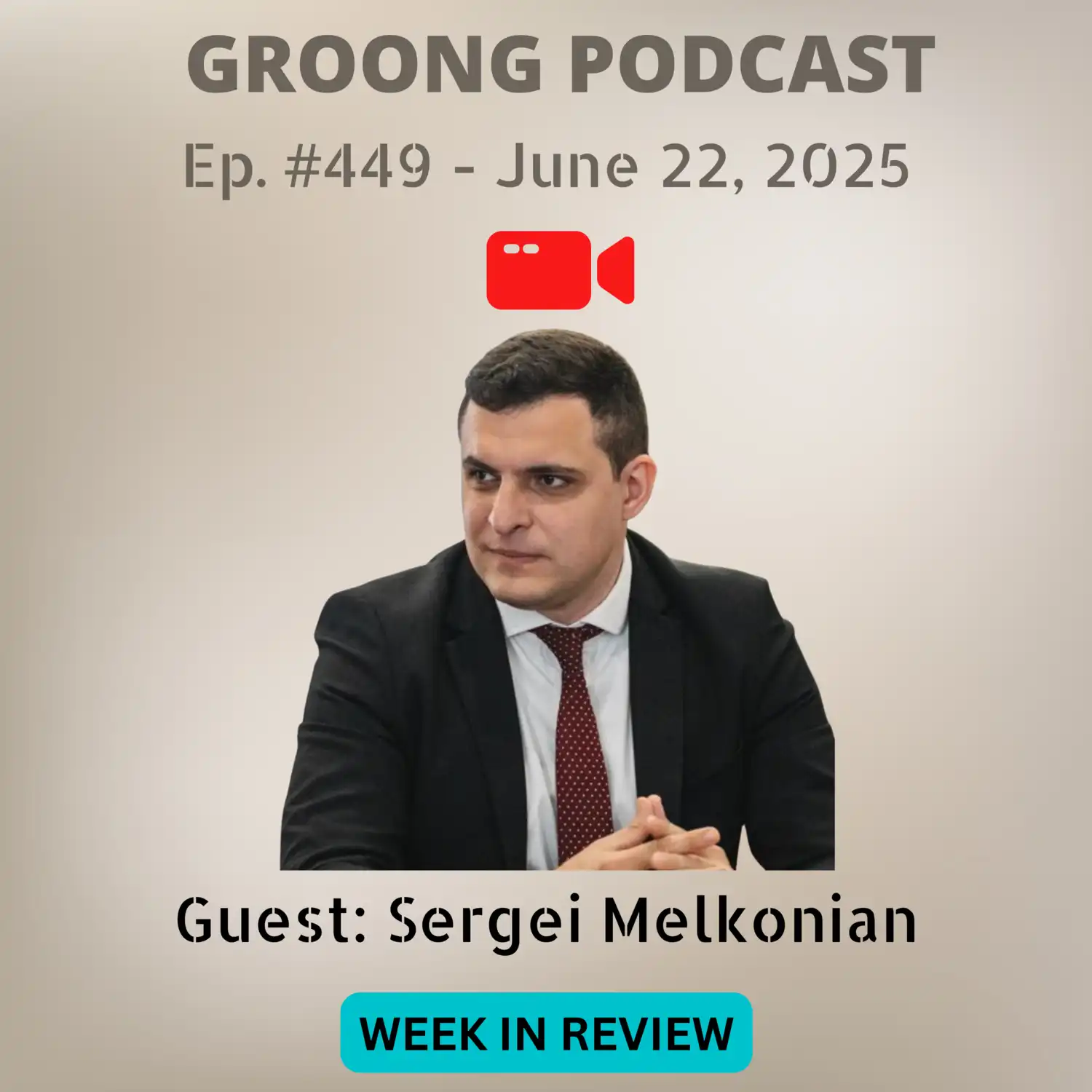
Groong Links:
Guest:
Topics:
- Israel and Iran
- Crackdown on the Opposition
- Pashinyan in Istanbul
- The Kitchen Sink
Episode 449 | Recorded: June 25, 2025
Sergei Melkonian - Israel & Iran, Opposition Crackdown, Pashinyan in Istanbul | Ep 449, Jun 22, 2025 [EP449]
Posted on Thursday, Jun 26, 2025 | Category: Armenia, Politics, Iran, Israel, Azerbaijan, Turkey, Russia, Artsakh, Nagorno Karabakh, Armenian Church, Economy, China, Middle EastGroong Links:
Guest:
Topics:
- Israel and Iran
- Crackdown on the Opposition
- Pashinyan in Istanbul
- The Kitchen Sink
Episode 449 | Recorded: June 25, 2025
Fyodor Lukyanov - Israel Attacks Iran: Perspectives From Russia | Ep 447, Jun 16, 2025 [EP447]
Posted on Monday, Jun 16, 2025 | Category: Iran, Russia, Armenia, Israel, Politics, Azerbaijan, Georgia, Geopolitics, Turkey, Ukraine, Armenian Church, Artsakh Blockade, NATO, China, Syria, Middle East, Economy | Series: cog, video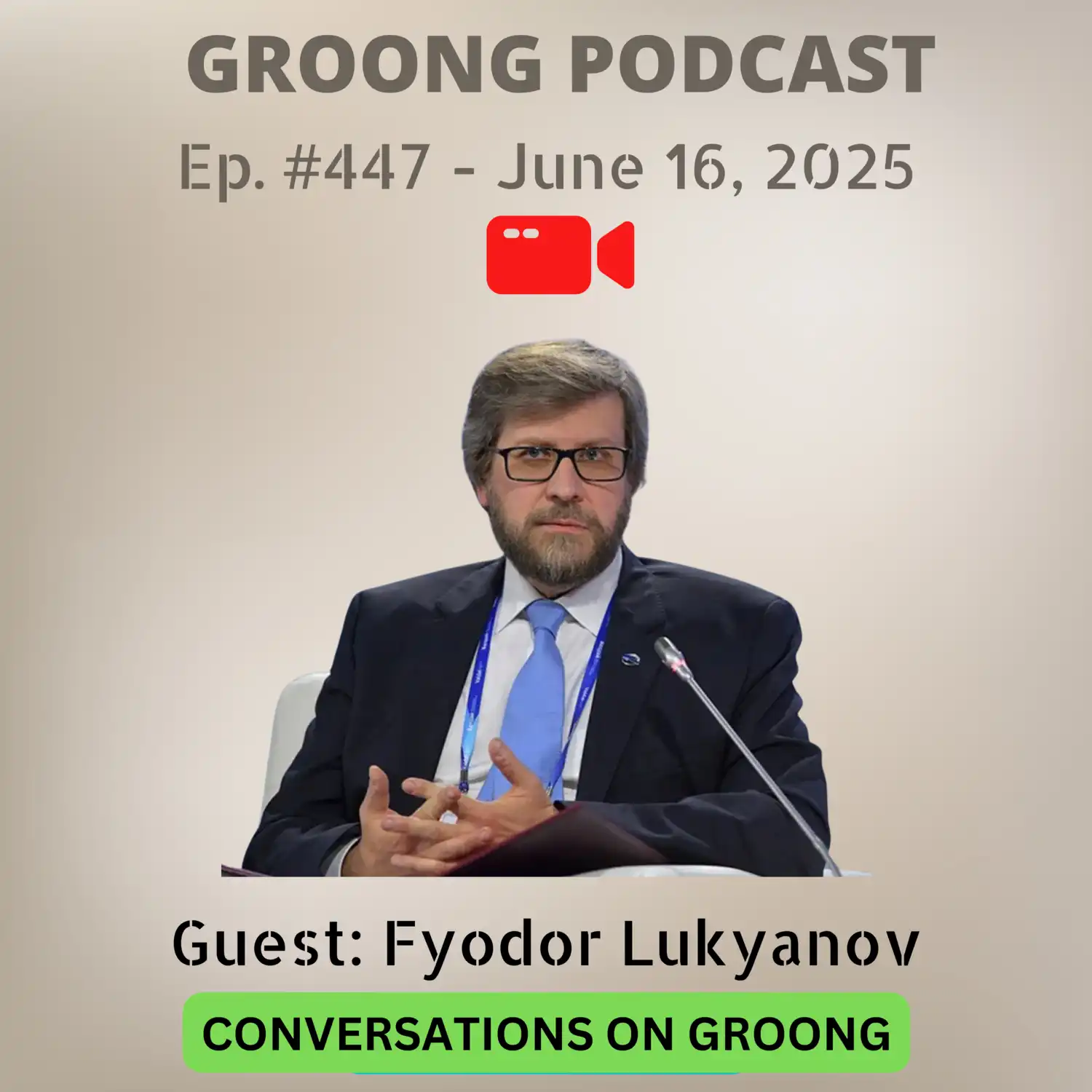
Groong Links:
Guest:
Topics:
- Israel hits Iran, talks collapse
- Armenia at risk if Iran weakens
- Russia hardens stance on Ukraine
Episode 447 | Recorded: June 15, 2025
Fyodor Lukyanov - Israel Attacks Iran: Perspectives From Russia | Ep 447, Jun 16, 2025 [EP447]
Posted on Monday, Jun 16, 2025 | Category: Iran, Russia, Armenia, Israel, Politics, Azerbaijan, Georgia, Geopolitics, Turkey, Ukraine, Armenian Church, Artsakh Blockade, NATO, China, Syria, Middle East, EconomyGroong Links:
Guest:
Topics:
- Israel hits Iran, talks collapse
- Armenia at risk if Iran weakens
- Russia hardens stance on Ukraine
Episode 447 | Recorded: June 15, 2025
Transcript: Fyodor Lukyanov - Israel Attacks Iran: Perspectives From Russia | Ep 447, Jun 16, 2025 [EP447]
Posted on Monday, Jun 16, 2025 | Category: Iran, Russia, Armenia, Israel, Politics, Azerbaijan, Georgia, Geopolitics, Turkey, Ukraine, Armenian Church, Artsakh Blockade, NATO, China, Syria, Middle East, Economy, TranscriptIn this episode of Conversations on Groong, we speak with Fyodor Lukyanov, editor-in-chief of Russia in Global Affairs, to analyze the geopolitical fallout from Israel’s surprise military campaign against Iran, known as Operation Rising Lion. We explore how the attacks may sabotage U.S.-Iran nuclear negotiations, shift Russia’s strategic calculus, and destabilize the South Caucasus—particularly Armenia’s Syunik province. We also examine the implications for Russia-Iran relations, the Zangezur corridor, and Azerbaijan’s military posture. Finally, we discuss Ukraine’s Operation Spiderweb, recent Read More
Rananjay Anand – Will India Turn to Armenia Amid Turkey-Azerbaijan Fallout? | Ep 445, June 12, 2025 [EP445]
Posted on Thursday, Jun 12, 2025 | Category: Armenia, Geopolitics, India, Turkey, Azerbaijan, Nagorno Karabakh, Economy, China, Genocide | Series: cog, video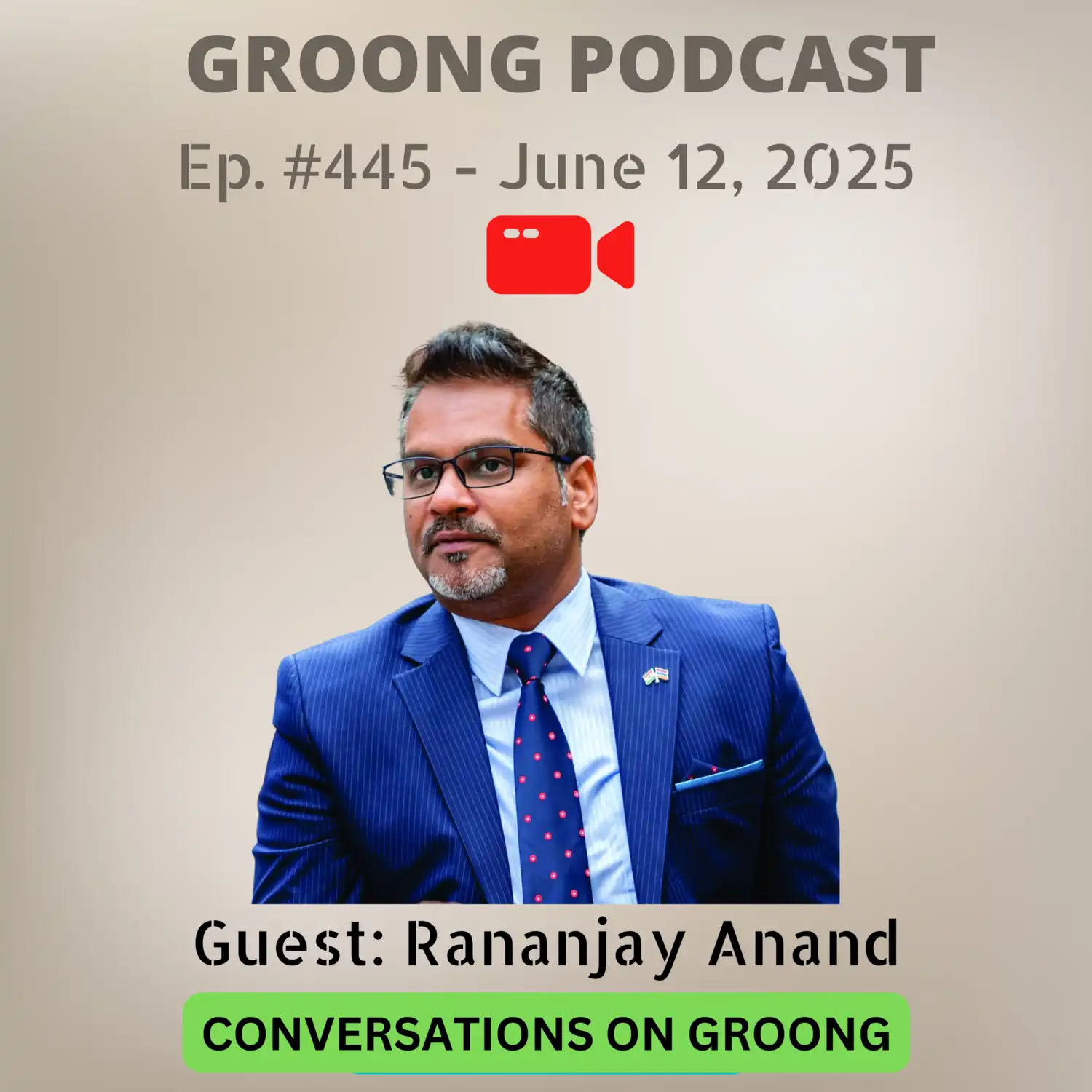
Groong Links:
Guest:
- Rananjay Anand , Co-Founder & President of the Indo-Armenian Friendship NGO.
Topics:
- Operation Sindoor
- Indians Boycott Turkey & Azerbaijan
- Armenia as a Robus Partner
Episode 445 | Recorded: June 9, 2025
Rananjay Anand – Will India Turn to Armenia Amid Turkey-Azerbaijan Fallout? | Ep 445, June 12, 2025 [EP445]
Posted on Thursday, Jun 12, 2025 | Category: Armenia, Geopolitics, India, Turkey, Azerbaijan, Nagorno Karabakh, Economy, China, GenocideGroong Links:
Guest:
- Rananjay Anand , Co-Founder & President of the Indo-Armenian Friendship NGO.
Topics:
- Operation Sindoor
- Indians Boycott Turkey & Azerbaijan
- Armenia as a Robus Partner
Episode 445 | Recorded: June 9, 2025
Abhinav Pandya - From Sindoor to Syunik: India’s New Geopolitical Frontline | Ep 443, June 5, 2025 [EP443]
Posted on Friday, Jun 6, 2025 | Category: Armenia, Geopolitics, India, Azerbaijan, Turkey, Israel, Iran, Artsakh, Nagorno Karabakh, Syria, China, Russia, BRICS, Economy | Series: cog, video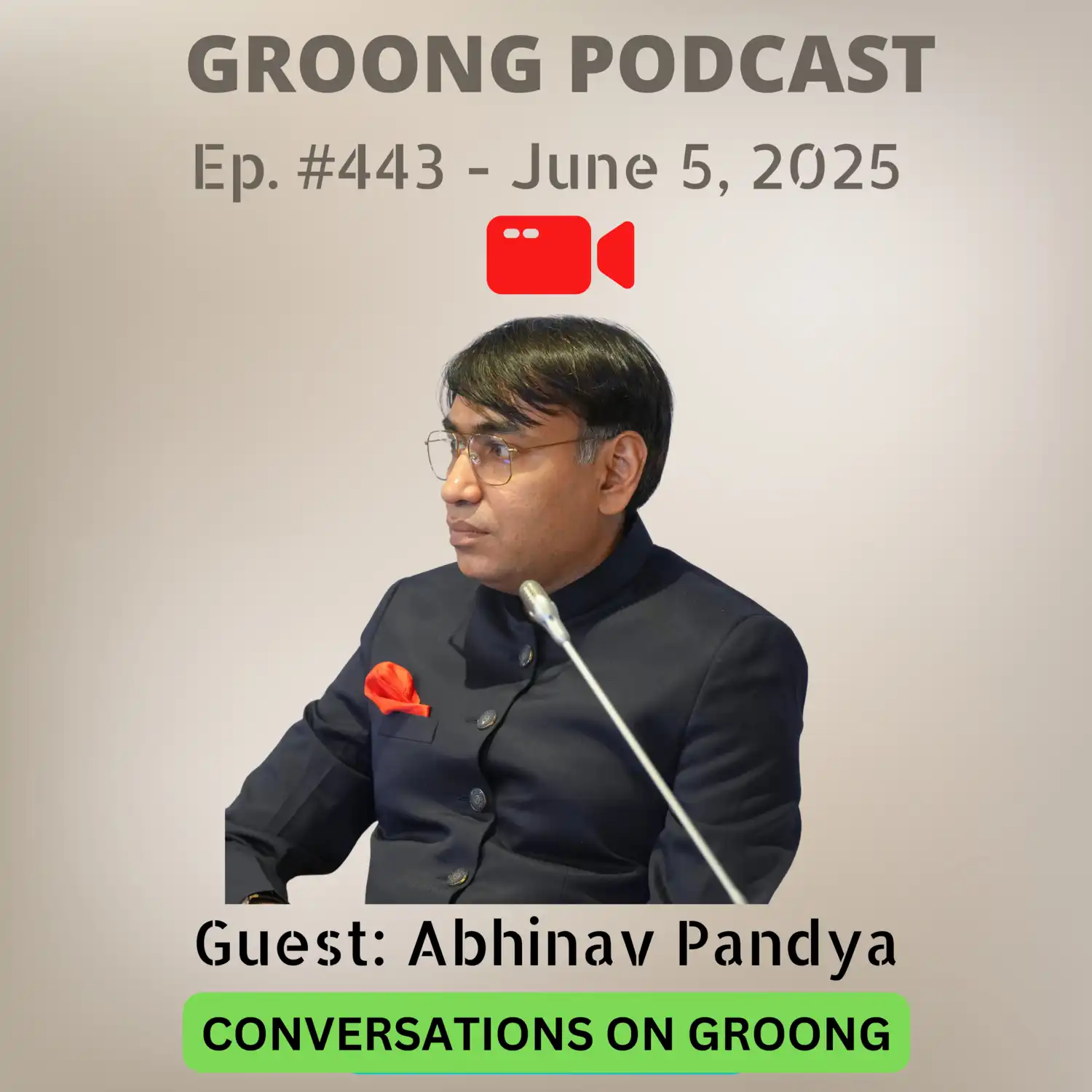
Groong Links:
Guest:
- Dr. Abhinav Pandya , Founder, President and CEO of Usanas Foundation Think Tank.
Topics:
- Turkey-Pakistan-Azerbaijan Axis
- Operation Sindoor
- Armenia As a Strategic Partner
- West Asia and Eurasia Context
- Future Outlook
Episode 443 | Recorded: June 3, 2025
Abhinav Pandya - From Sindoor to Syunik: India’s New Geopolitical Frontline | Ep 443, June 5, 2025 [EP443]
Posted on Friday, Jun 6, 2025 | Category: Armenia, Geopolitics, India, Azerbaijan, Turkey, Israel, Iran, Artsakh, Nagorno Karabakh, Syria, China, Russia, BRICS, EconomyGroong Links:
Guest:
- Dr. Abhinav Pandya , Founder, President and CEO of Usanas Foundation Think Tank.
Topics:
- Turkey-Pakistan-Azerbaijan Axis
- Operation Sindoor
- Armenia As a Strategic Partner
- West Asia and Eurasia Context
- Future Outlook
Episode 443 | Recorded: June 3, 2025
Benyamin Poghosyan - Ukraine and US-Iran, Fidan in Moscow, Lachin, Azerbaijan and Pashinyan attack Armenian Church, Impeachment vs. Elections | Ep 442, June 1, 2025 [EP442]
Posted on Tuesday, Jun 3, 2025 | Category: Armenia, Politics, Iran, Geopolitics, Artsakh, Nagorno Karabakh, Azerbaijan, Georgia, Turkey, Russia, Armenian Church, Ukraine, India, Israel, China, Syria, Economy, European Union | Series: wir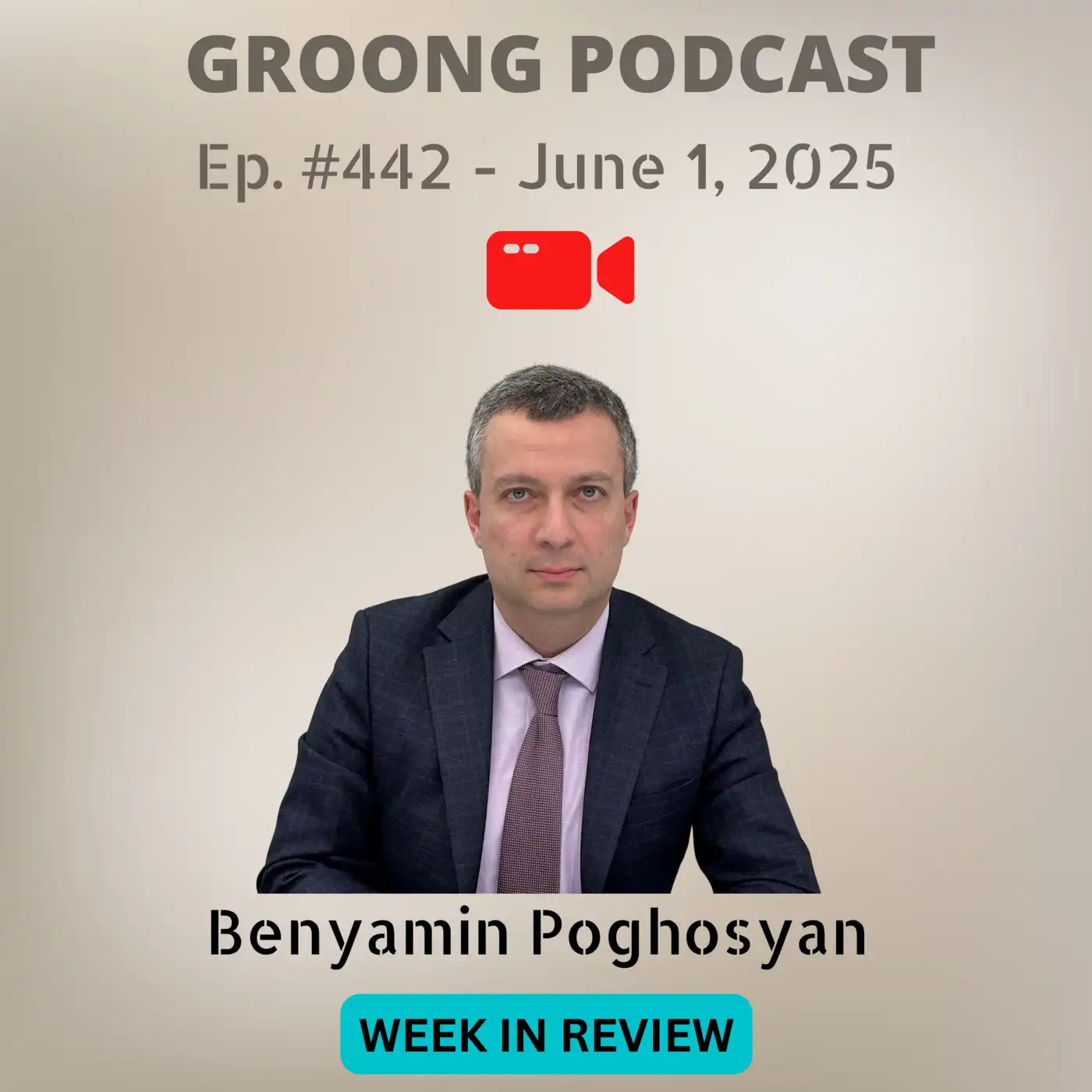
Groong Links:
Guest:
Topics:
- Status of Ukraine and US-Iran Crises
- Hakan Fidan in Moscow
- Erdogan, Aliyev, Sharif in Lachin
- Azerbaijan and Pashinyan Attack the Armenian Church
- Impeachment vs. Elections
- The Kitchen Sink
Episode 442 | Recorded: June 2, 2025
Benyamin Poghosyan - Ukraine and US-Iran, Fidan in Moscow, Lachin, Azerbaijan and Pashinyan attack Armenian Church, Impeachment vs. Elections | Ep 442, June 1, 2025 [EP442]
Posted on Tuesday, Jun 3, 2025 | Category: Armenia, Politics, Iran, Geopolitics, Artsakh, Nagorno Karabakh, Azerbaijan, Georgia, Turkey, Russia, Armenian Church, Ukraine, India, Israel, China, Syria, Economy, European UnionGroong Links:
Guest:
Topics:
- Status of Ukraine and US-Iran Crises
- Hakan Fidan in Moscow
- Erdogan, Aliyev, Sharif in Lachin
- Azerbaijan and Pashinyan Attack the Armenian Church
- Impeachment vs. Elections
- The Kitchen Sink
Episode 442 | Recorded: June 2, 2025
Arthur Khachatryan – Republic Day, EU Drama, and Constitutional Chaos | Ep 441, May 25, 2025 [EP441]
Posted on Thursday, May 29, 2025 | Category: Armenia, Politics, Artsakh, Nagorno Karabakh, Azerbaijan, Georgia, Turkey, Russia, Artsakh Blockade, Armenian Genocide, Genocide, Iran, Human Rights, Economy | Series: wir, video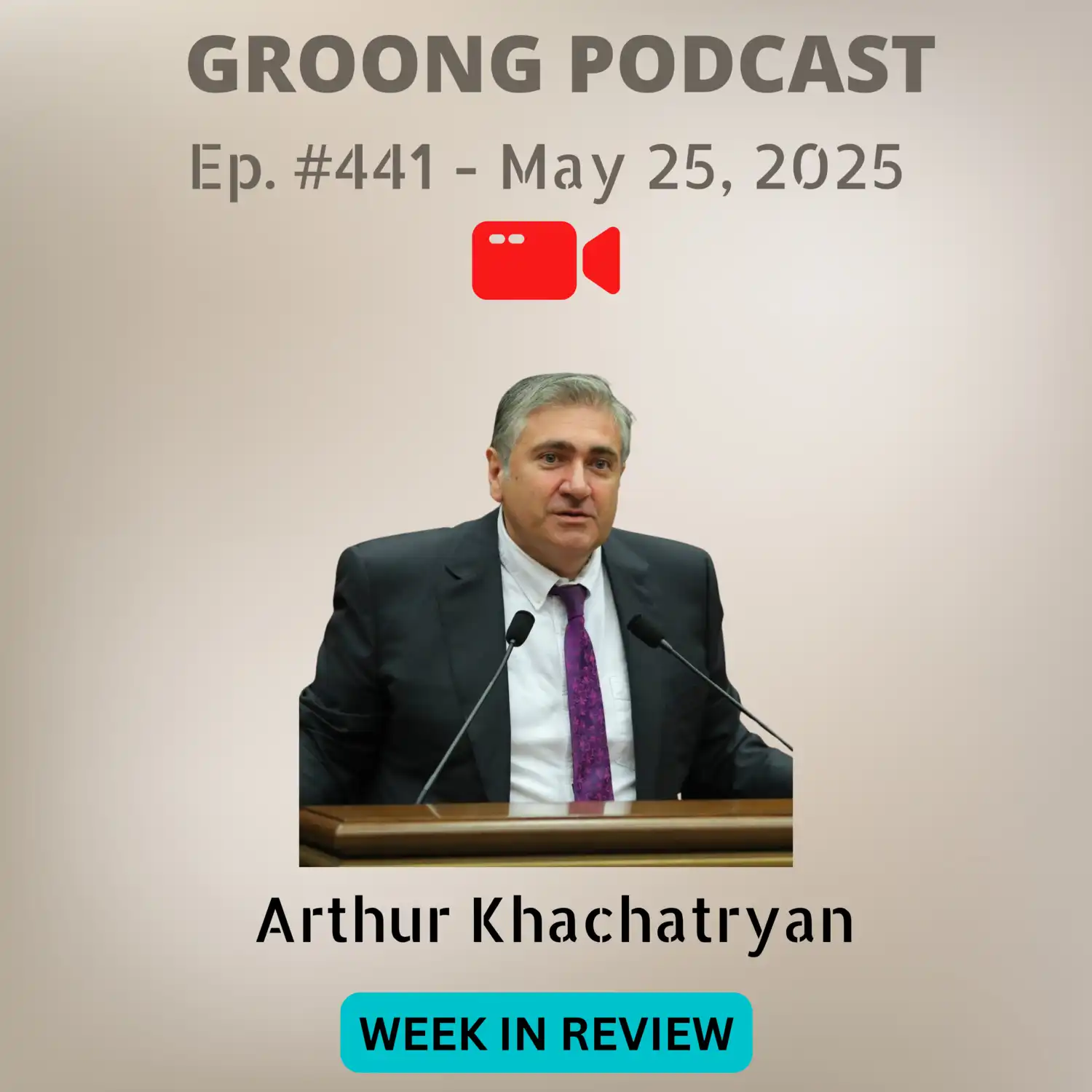
Groong Links:
Guest:
Topics:
- May 28, Republic Day
- Armeniaâs EU-Russia policy confusion
- Constitutional changes for âpeaceâ
- Impeachment vs. election dilemma
- Azeri invasion threat and silence
Episode 441 | Recorded: May 28, 2025
Arthur Khachatryan – Republic Day, EU Drama, and Constitutional Chaos | Ep 441, May 25, 2025 [EP441]
Posted on Thursday, May 29, 2025 | Category: Armenia, Politics, Artsakh, Nagorno Karabakh, Azerbaijan, Georgia, Turkey, Russia, Artsakh Blockade, Armenian Genocide, Genocide, Iran, Human Rights, EconomyGroong Links:
Guest:
Topics:
- May 28, Republic Day
- Armeniaâs EU-Russia policy confusion
- Constitutional changes for âpeaceâ
- Impeachment vs. election dilemma
- Azeri invasion threat and silence
Episode 441 | Recorded: May 28, 2025
Hrant Mikaelian - Tirana, Lavrov, Armenian Un-Democracy, Demilitarization, and More | Ep 438, May 18, 2025 [EP438]
Posted on Friday, May 23, 2025 | Category: Armenia, Politics, Vatican, Artsakh, Nagorno Karabakh, Azerbaijan, Turkey, Russia, Iran, Ukraine, India, European Union, Israel, Genocide, Georgia | Series: wir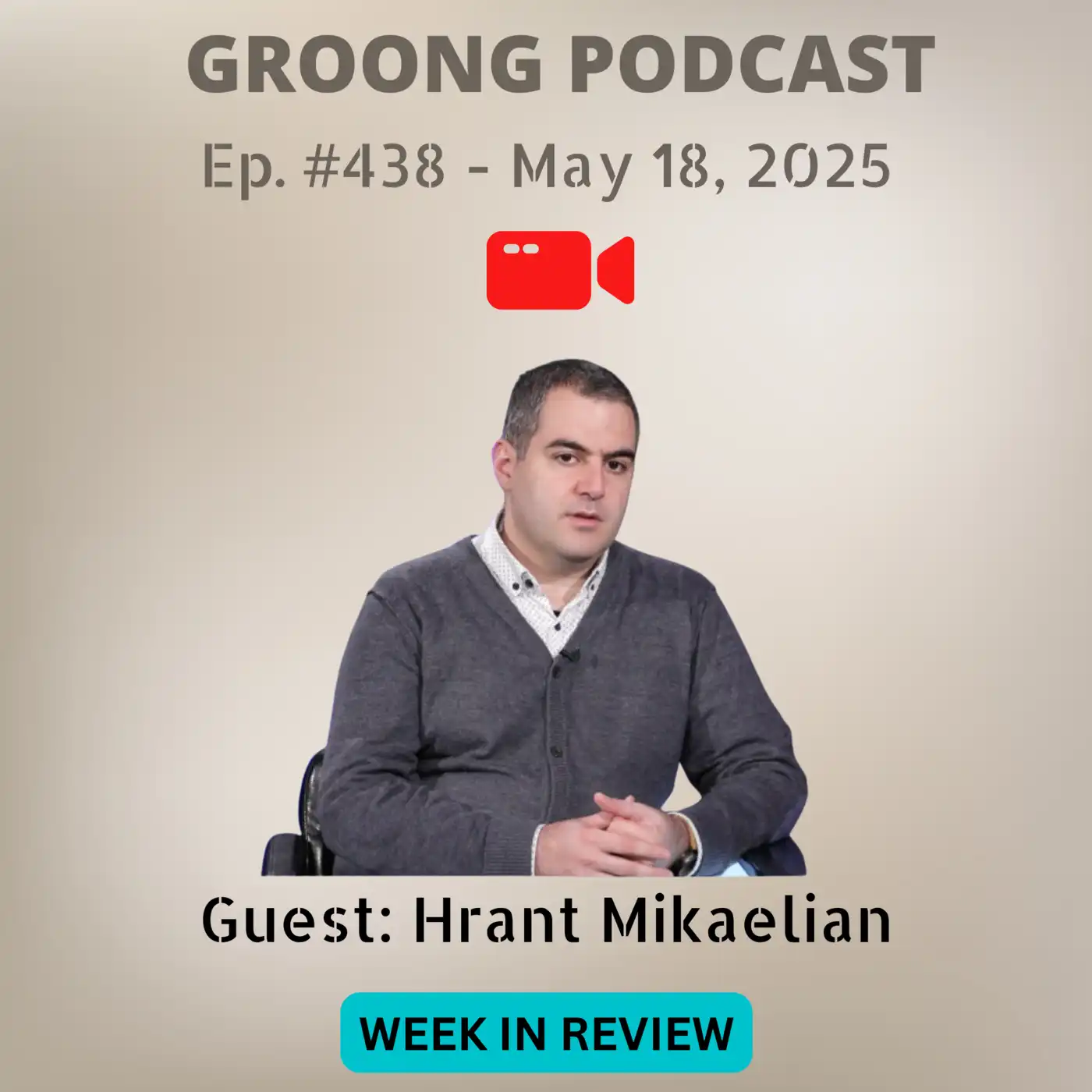
Groong Links:
Guest:
Topics:
- Pashinyan in Tirana
- Russiaâs Lavrov in Yerevan
- Democracy in Jeopardy
- Armeniaâs Demilitarization by Any Other Name
- The Kitchen Sink
Episode 438 | Recorded: May 21, 2025
Hrant Mikaelian - Tirana, Lavrov, Armenian Un-Democracy, Demilitarization, and More | Ep 438, May 18, 2025 [EP438]
Posted on Friday, May 23, 2025 | Category: Armenia, Politics, Vatican, Artsakh, Nagorno Karabakh, Azerbaijan, Turkey, Russia, Iran, Ukraine, India, European Union, Israel, Genocide, GeorgiaGroong Links:
Guest:
Topics:
- Pashinyan in Tirana
- Russiaâs Lavrov in Yerevan
- Democracy in Jeopardy
- Armeniaâs Demilitarization by Any Other Name
- The Kitchen Sink
Episode 438 | Recorded: May 21, 2025
Ehsan Movahedian - Iran Amidst Geopolitical Tensions | Ep 437, May 19, 2025 [EP437]
Posted on Monday, May 19, 2025 | Category: Iran, Armenia, Geopolitics, USA, Russia, Israel, Azerbaijan, Syria, Turkey, Georgia, Nagorno Karabakh, NATO, China, Middle East, Economy | Series: cog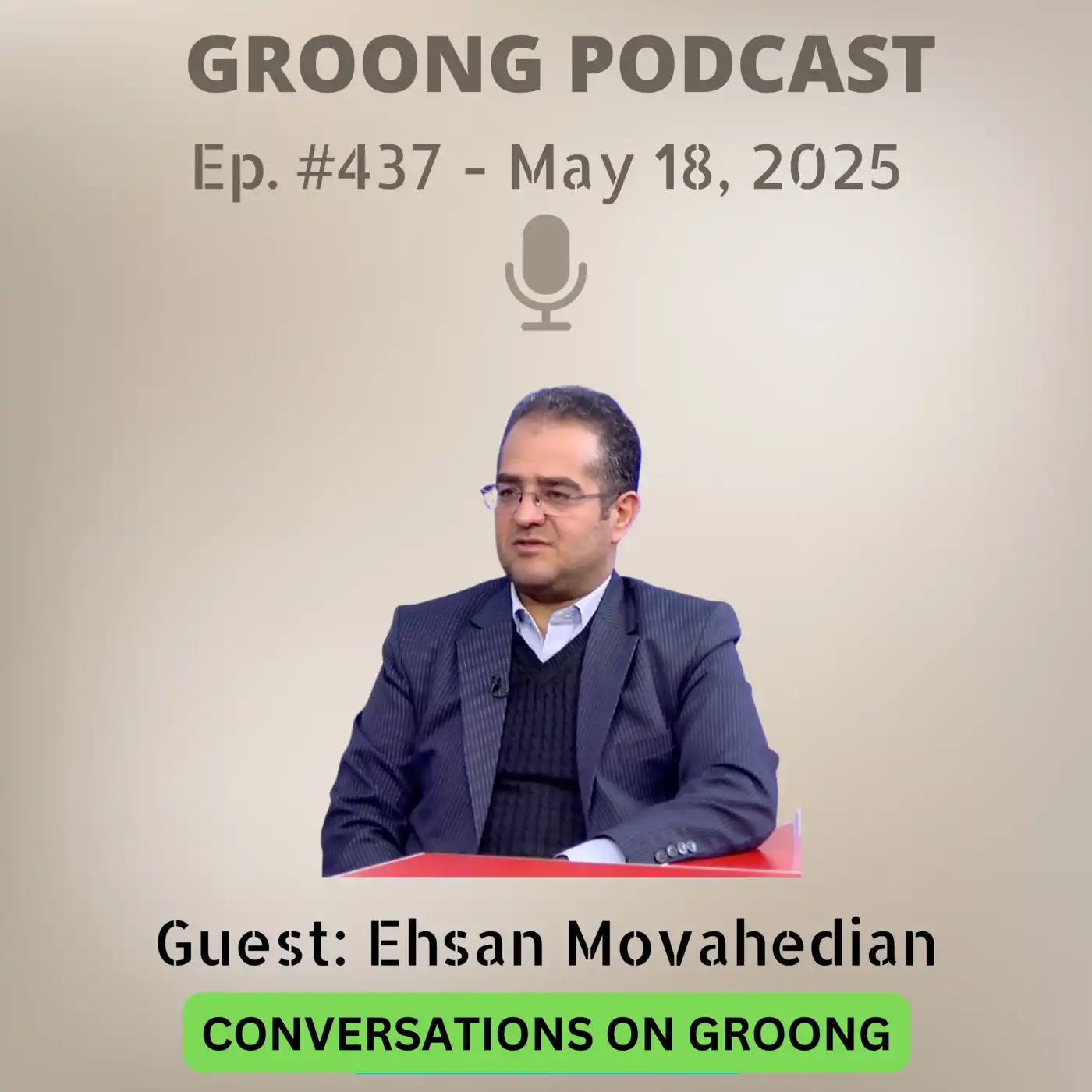
Groong Links:
Guest:
Topics:
- US-Iran Nuclear Talks
- Pezeshkian Visit to Baku
- Iran-Armenia Relations
- US Support for Azerbaijan
Episode 437 | Recorded: May 16, 2025
Ehsan Movahedian - Iran Amidst Geopolitical Tensions | Ep 437, May 19, 2025 [EP437]
Posted on Monday, May 19, 2025 | Category: Iran, Armenia, Geopolitics, USA, Russia, Israel, Azerbaijan, Syria, Turkey, Georgia, Nagorno Karabakh, NATO, China, Middle East, EconomyGroong Links:
Guest:
Topics:
- US-Iran Nuclear Talks
- Pezeshkian Visit to Baku
- Iran-Armenia Relations
- US Support for Azerbaijan
Episode 437 | Recorded: May 16, 2025
Benyamin Poghosyan - US-Iran Tensions, Armenia-Azerbaijan, Victory Day, Journalist Assaulted | Ep 434, May 4, 2025 [EP434]
Posted on Wednesday, May 7, 2025 | Category: Armenia, Politics, Iran, Geopolitics, Artsakh, Nagorno Karabakh, Azerbaijan, Georgia, Turkey, Russia, Israel, China, Ukraine, Syria | Series: wir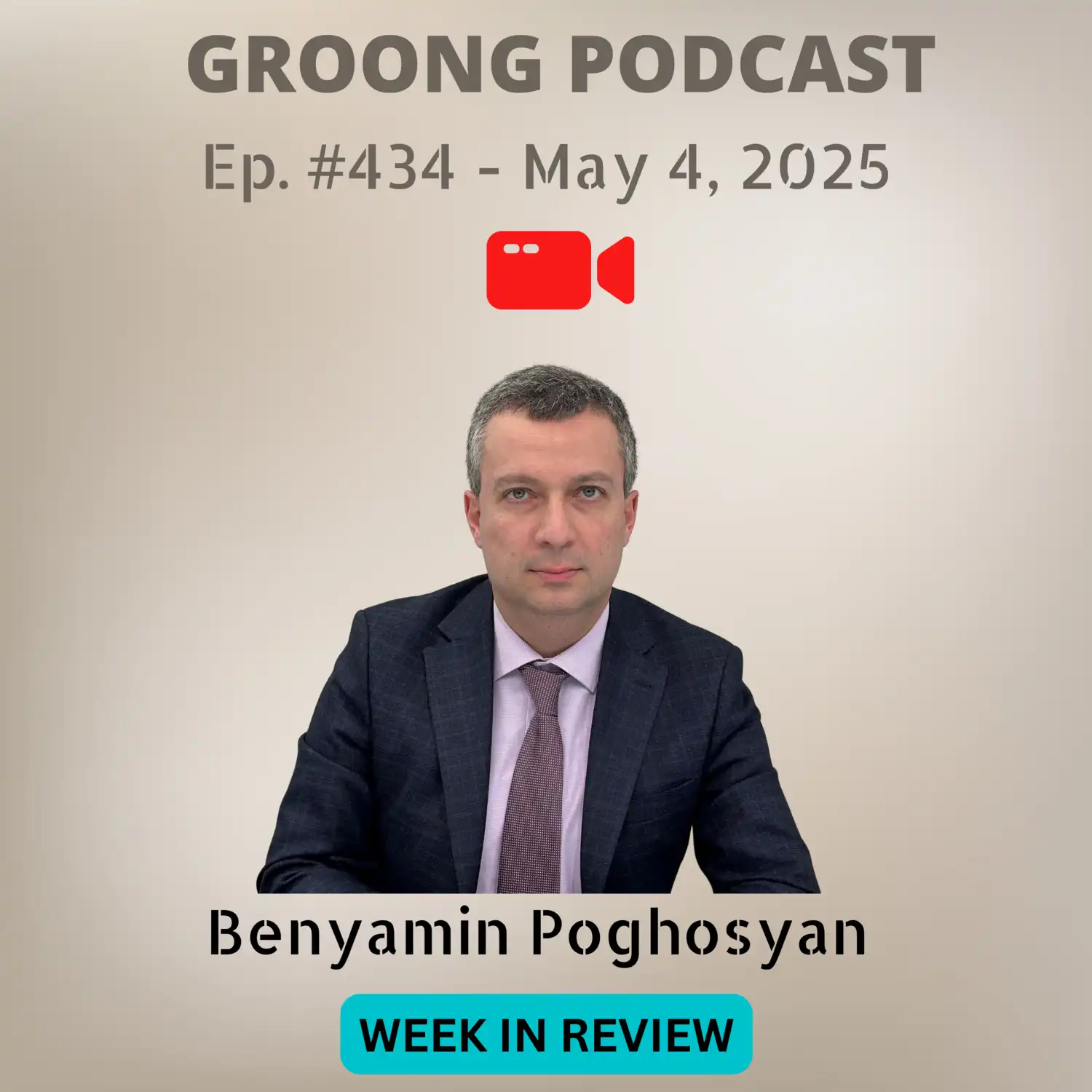
Groong Links:
Guest:
Topics:
- Iran Sanctions Escalate Amid Tensions
- Journalist Beaten Inside Yerevan Office
- Moscow Celebrates Victory Day Parade
- Armenia Caught Between EU and Russia
Episode 434 | Recorded: May 6, 2025
Benyamin Poghosyan - US-Iran Tensions, Armenia-Azerbaijan, Victory Day, Journalist Assaulted | Ep 434, May 4, 2025 [EP434]
Posted on Wednesday, May 7, 2025 | Category: Armenia, Politics, Iran, Geopolitics, Artsakh, Nagorno Karabakh, Azerbaijan, Georgia, Turkey, Russia, Israel, China, Ukraine, SyriaGroong Links:
Guest:
Topics:
- Iran Sanctions Escalate Amid Tensions
- Journalist Beaten Inside Yerevan Office
- Moscow Celebrates Victory Day Parade
- Armenia Caught Between EU and Russia
Episode 434 | Recorded: May 6, 2025
Dziunik Aghajanian - Armenian State Genocide Denial, Politics of Silence, Pezeshkian in Baku, Bandar Abbas | Ep 432, Apr 27, 2025 [EP432]
Posted on Wednesday, Apr 30, 2025 | Category: Armenia, Politics, Iran, Artsakh, Nagorno Karabakh, Turkey, Azerbaijan, Russia, China, India, Geopolitics, Diaspora, Armenian Genocide, Artsakh Blockade, BRICS, Genocide, European Union, Middle East, Economy, Lebanon, Georgia, Human Rights, Israel | Series: wir, video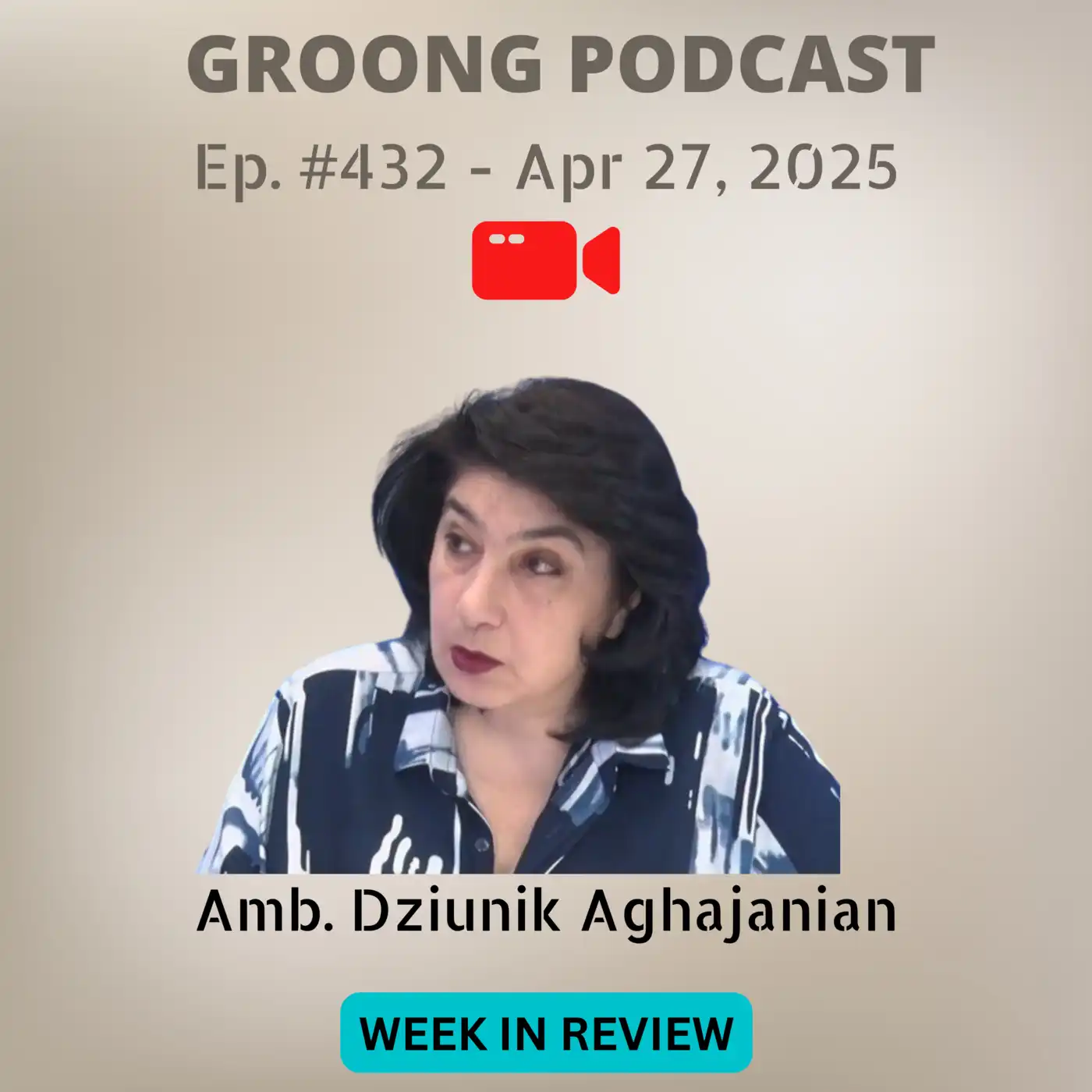
Groong Links:
Guest:
Topics:
- Genocide Recognition and State Silence
- Iran-Azerbaijan Talks & Geopolitical Shifts
- Bandar Abbas: Explosion, or Warning?
Episode 432 | Recorded: April 29, 2025
Dziunik Aghajanian - Armenian State Genocide Denial, Politics of Silence, Pezeshkian in Baku, Bandar Abbas | Ep 432, Apr 27, 2025 [EP432]
Posted on Wednesday, Apr 30, 2025 | Category: Armenia, Politics, Iran, Artsakh, Nagorno Karabakh, Turkey, Azerbaijan, Russia, China, India, Geopolitics, Diaspora, Armenian Genocide, Artsakh Blockade, BRICS, Genocide, European Union, Middle East, Economy, Lebanon, Georgia, Human Rights, IsraelGroong Links:
Guest:
Topics:
- Genocide Recognition and State Silence
- Iran-Azerbaijan Talks & Geopolitical Shifts
- Bandar Abbas: Explosion, or Warning?
Episode 432 | Recorded: April 29, 2025
Alberto M. Fernandez – Vatican-Baku Partnership & Erosion of Moral Authority | Ep 431, Apr 29, 2025 [EP431]
Posted on Tuesday, Apr 29, 2025 | Category: Armenia, World, Vatican, Azerbaijan, Artsakh, Nagorno Karabakh, Armenian Church, Iran, Armenian Genocide, Artsakh Blockade, Syria, Genocide, Turkey, Russia, Middle East, Lebanon, Human Rights, Georgia, Israel, China, India, NATO, Ukraine | Series: cog, video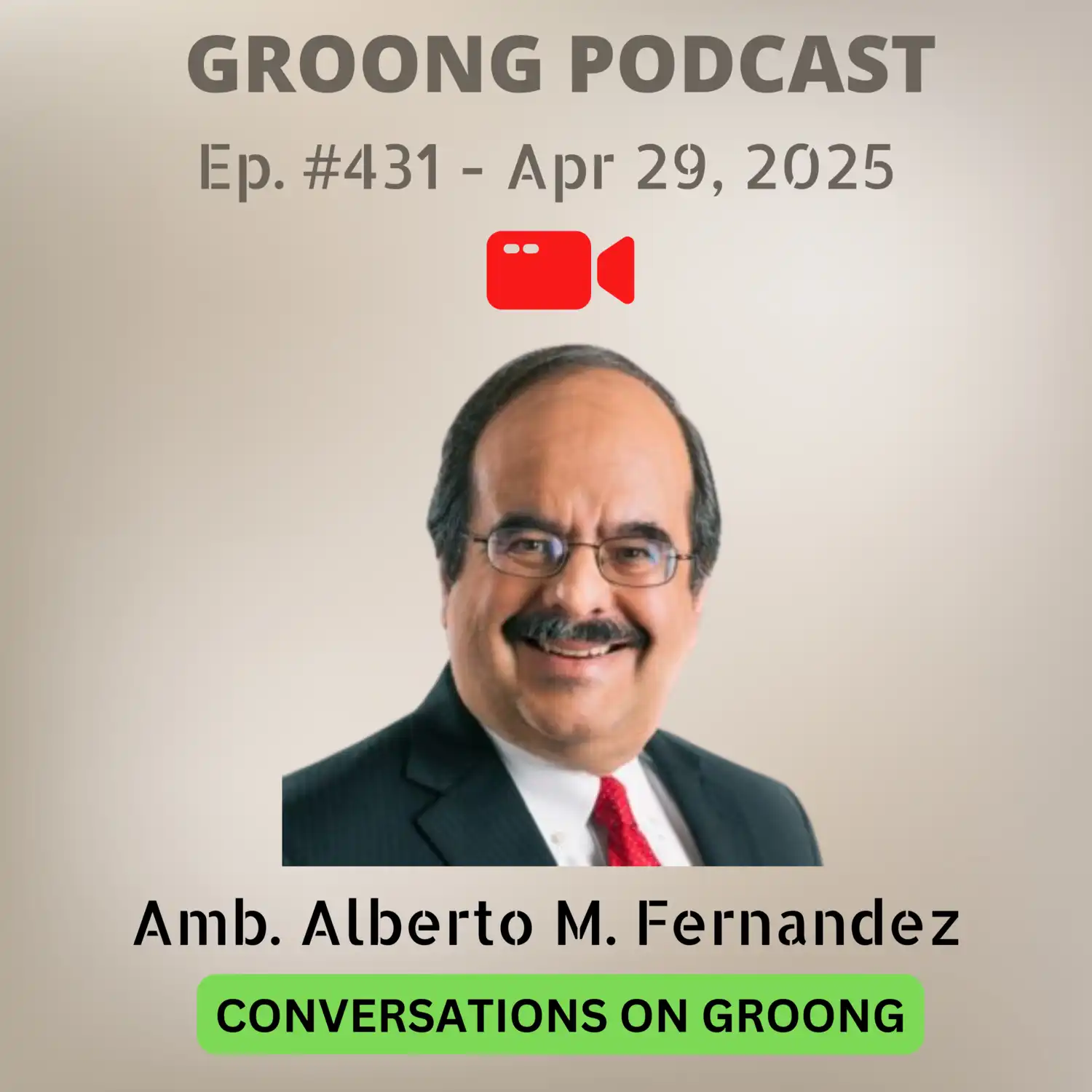
Groong Links:
Guest:
Topics:
- Vaticanâs alliance with Azerbaijan
- Whitewashing of Artsakhâs ethnic cleansing
- Global silence on Armenian Genocide
- U.S. policy under Trump and risks to Armenia
Episode 431 | Recorded: April 29, 2025
Alberto M. Fernandez – Vatican-Baku Partnership & Erosion of Moral Authority | Ep 431, Apr 29, 2025 [EP431]
Posted on Tuesday, Apr 29, 2025 | Category: Armenia, World, Vatican, Azerbaijan, Artsakh, Nagorno Karabakh, Armenian Church, Iran, Armenian Genocide, Artsakh Blockade, Syria, Genocide, Turkey, Russia, Middle East, Lebanon, Human Rights, Georgia, Israel, China, India, NATO, UkraineGroong Links:
Guest:
Topics:
- Vaticanâs alliance with Azerbaijan
- Whitewashing of Artsakhâs ethnic cleansing
- Global silence on Armenian Genocide
- U.S. policy under Trump and risks to Armenia
Episode 431 | Recorded: April 29, 2025
Anna Karapetyan - Iran-Armenia Military Exercises, Azerbaijan Border Shootings, Mirzoyan at Antalya Diplomatic Forum, Genocide Denial by the Armenian Government | Ep 428, Apr 13, 2025 [EP428]
Posted on Tuesday, Apr 15, 2025 | Category: Armenia, Azerbaijan, Artsakh, Iran, Genocide, Nagorno Karabakh, Turkey, Armenian Genocide, Israel, Georgia, India, Middle East, Russia, Syria | Series: wir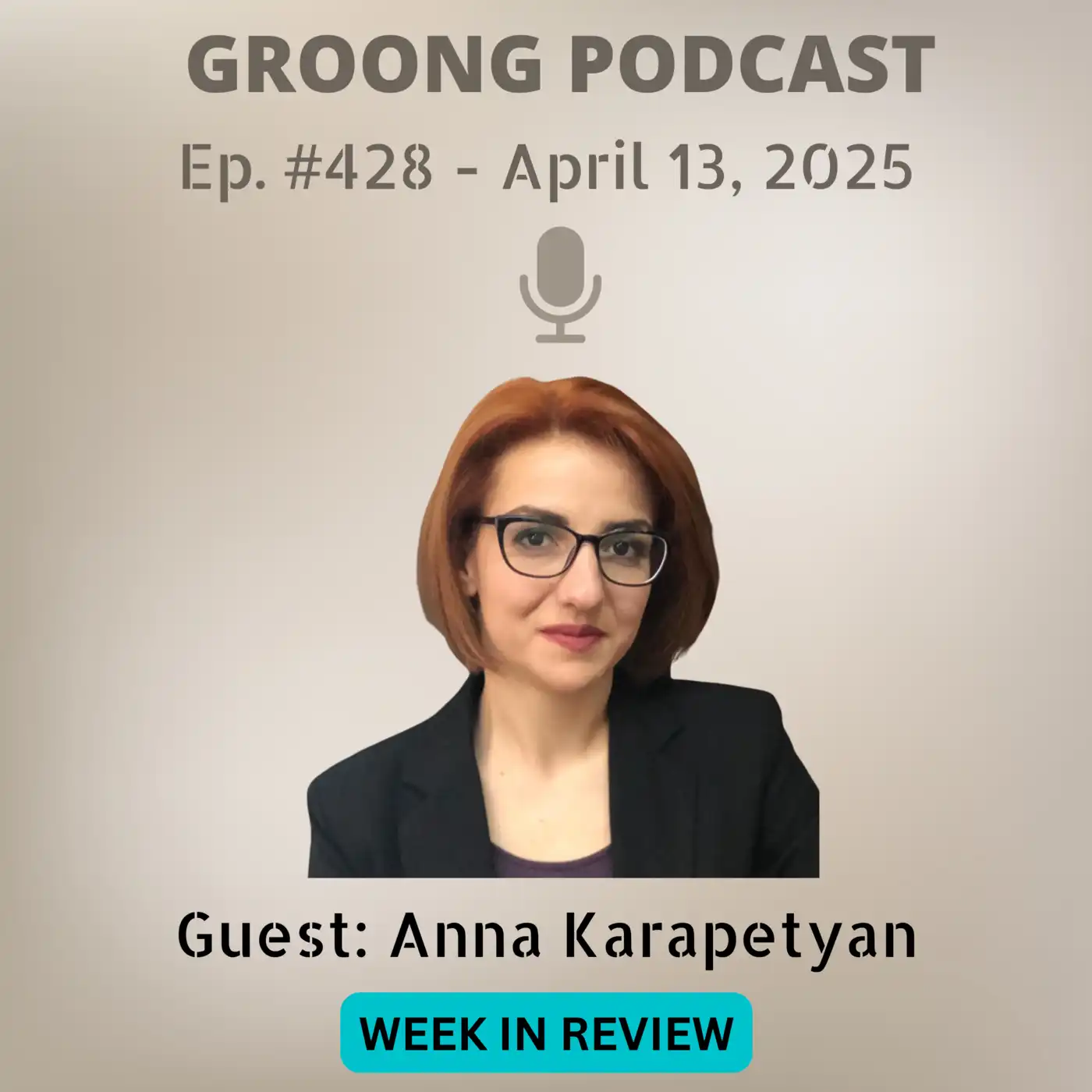
Groong Links:
Guest:
- Anna Karapetyan Director of the Insight Analytical Center for Applied Policy and Research.
Topics:
- Iran-Armenia Military Exercises
- Armenian Villages Terrorized by Azerbaijan
- Mirzoyan in Antalya
- Armeniaâs Genocide Denial
Episode 428 | Recorded: April 14, 2025
Anna Karapetyan - Iran-Armenia Military Exercises, Azerbaijan Border Shootings, Mirzoyan at Antalya Diplomatic Forum, Genocide Denial by the Armenian Government | Ep 428, Apr 13, 2025 [EP428]
Posted on Tuesday, Apr 15, 2025 | Category: Armenia, Azerbaijan, Artsakh, Iran, Genocide, Nagorno Karabakh, Turkey, Armenian Genocide, Israel, Georgia, India, Middle East, Russia, SyriaGroong Links:
Guest:
- Anna Karapetyan Director of the Insight Analytical Center for Applied Policy and Research.
Topics:
- Iran-Armenia Military Exercises
- Armenian Villages Terrorized by Azerbaijan
- Mirzoyan in Antalya
- Armeniaâs Genocide Denial
Episode 428 | Recorded: April 14, 2025
Arthur Khachatryan - Iran, US, Armenia, Fake Peace, Gyumri & Parakar Municipal Elections | Ep 425, Mar 30, 2025 [EP425]
Posted on Tuesday, Apr 1, 2025 | Category: Armenia, Artsakh, Nagorno Karabakh, Elections, Azerbaijan, Iran, USA, European Union, Turkey, Israel, Genocide, Russia, China, Georgia, Human Rights, Syria, Middle East | Series: wir
Groong Links:
Guest:
- Mr. Arthur Khachatryan , MP, Hayastan Dashinq/Armenia Alliance
Topics:
- Iran Rejects US Offer of Direct Negotiations
- Iran and Armenia Ties
- Gyumri and Parakar Municipal Elections
- Artsakh Refugee Protests in Armenia
Episode 425 | Recorded: March 31, 2025
Arthur Khachatryan - Iran, US, Armenia, Fake Peace, Gyumri & Parakar Municipal Elections | Ep 425, Mar 30, 2025 [EP425]
Posted on Tuesday, Apr 1, 2025 | Category: Armenia, Artsakh, Nagorno Karabakh, Elections, Azerbaijan, Iran, USA, European Union, Turkey, Israel, Genocide, Russia, China, Georgia, Human Rights, Syria, Middle EastGroong Links:
Guest:
- Mr. Arthur Khachatryan , MP, Hayastan Dashinq/Armenia Alliance
Topics:
- Iran Rejects US Offer of Direct Negotiations
- Iran and Armenia Ties
- Gyumri and Parakar Municipal Elections
- Artsakh Refugee Protests in Armenia
Episode 425 | Recorded: March 31, 2025
Dziunik Aghajanian - Illusions of Peace and Geopolitical Games | Ep 424 - Mar 23, 2025 [EP424]
Posted on Wednesday, Mar 26, 2025 | Category: Armenia, Politics, Iran, Artsakh, Nagorno Karabakh, Azerbaijan, Middle East, Israel, Geopolitics, Russia, Syria, Turkey, Lebanon, Ukraine, China | Series: wir, video
Groong Links:
Guest:
Topics:
- Trumpâs Iran ultimatum explored
- Turkeyâs protests seen as strategic
- Azerbaijanâs peace deal as smokescreen
- Armeniaâs Westward drift analyzed
- Gyumri elections stir controversy
Episode 424 | Recorded: March 25, 2025
Dziunik Aghajanian - Illusions of Peace and Geopolitical Games | Ep 424 - Mar 23, 2025 [EP424]
Posted on Wednesday, Mar 26, 2025 | Category: Armenia, Politics, Iran, Artsakh, Nagorno Karabakh, Azerbaijan, Middle East, Israel, Geopolitics, Russia, Syria, Turkey, Lebanon, Ukraine, ChinaGroong Links:
Guest:
Topics:
- Trumpâs Iran ultimatum explored
- Turkeyâs protests seen as strategic
- Azerbaijanâs peace deal as smokescreen
- Armeniaâs Westward drift analyzed
- Gyumri elections stir controversy
Episode 424 | Recorded: March 25, 2025
Dziunik Aghajanian - Peace Plan 2019, Corridor Talks, Armenia Domestic Politics, World Politics | Ep 416, Feb 16, 2025 [EP416]
Posted on Wednesday, Feb 19, 2025 | Category: Armenia, Azerbaijan, Middle East, Artsakh, Nagorno Karabakh, Georgia, Turkey, Russia, Iran, Geopolitics, BRICS, NATO, European Union, Ukraine, Israel, China, Syria, Human Rights | Series: wir, video
Groong Links:
Guest:
Topics:
- World Politics
- Plan, or No Plan?
- Corridor Talk
- Domestic Politics
Episode 416 | Recorded: February 17, 2025
Dziunik Aghajanian - Peace Plan 2019, Corridor Talks, Armenia Domestic Politics, World Politics | Ep 416, Feb 16, 2025 [EP416]
Posted on Wednesday, Feb 19, 2025 | Category: Armenia, Azerbaijan, Middle East, Artsakh, Nagorno Karabakh, Georgia, Turkey, Russia, Iran, Geopolitics, BRICS, NATO, European Union, Ukraine, Israel, China, Syria, Human RightsGroong Links:
Guest:
Topics:
- World Politics
- Plan, or No Plan?
- Corridor Talk
- Domestic Politics
Episode 416 | Recorded: February 17, 2025
Glenn Diesen - The Think Tank Racket: Managing the Information War with Russia | Ep 415, Feb 17, 2025 [EP415]
Posted on Monday, Feb 17, 2025 | Category: Russia, Ukraine, Georgia, Armenian Genocide, NATO, European Union, Armenia, Human Rights, Syria, China, Iran, Azerbaijan, Genocide, Geopolitics, Israel | Series: cog, video
Groong Links:
Guest:
Topics:
- Think Tanks: Defining the Problem
- Media Manipulation, NGOs, and Colored Coups
- Reforming the Think Tank Industry
Episode 415 | Recorded: February 6, 2025
Glenn Diesen - The Think Tank Racket: Managing the Information War with Russia | Ep 415, Feb 17, 2025 [EP415]
Posted on Monday, Feb 17, 2025 | Category: Russia, Ukraine, Georgia, Armenian Genocide, NATO, European Union, Armenia, Human Rights, Syria, China, Iran, Azerbaijan, Genocide, Geopolitics, IsraelGroong Links:
Guest:
Topics:
- Think Tanks: Defining the Problem
- Media Manipulation, NGOs, and Colored Coups
- Reforming the Think Tank Industry
Episode 415 | Recorded: February 6, 2025
Fyodor Lukyanov - Russia, the US, Ukraine, Armenia, Georgia, and the New Global Order | Ep 414, Feb. 16, 2025 [EP414]
Posted on Sunday, Feb 16, 2025 | Category: Russia, Ukraine, Armenia, Azerbaijan, Georgia, Geopolitics, Iran, Turkey, Nagorno Karabakh, BRICS, NATO, European Union, China, Economy, Genocide | Series: cog, video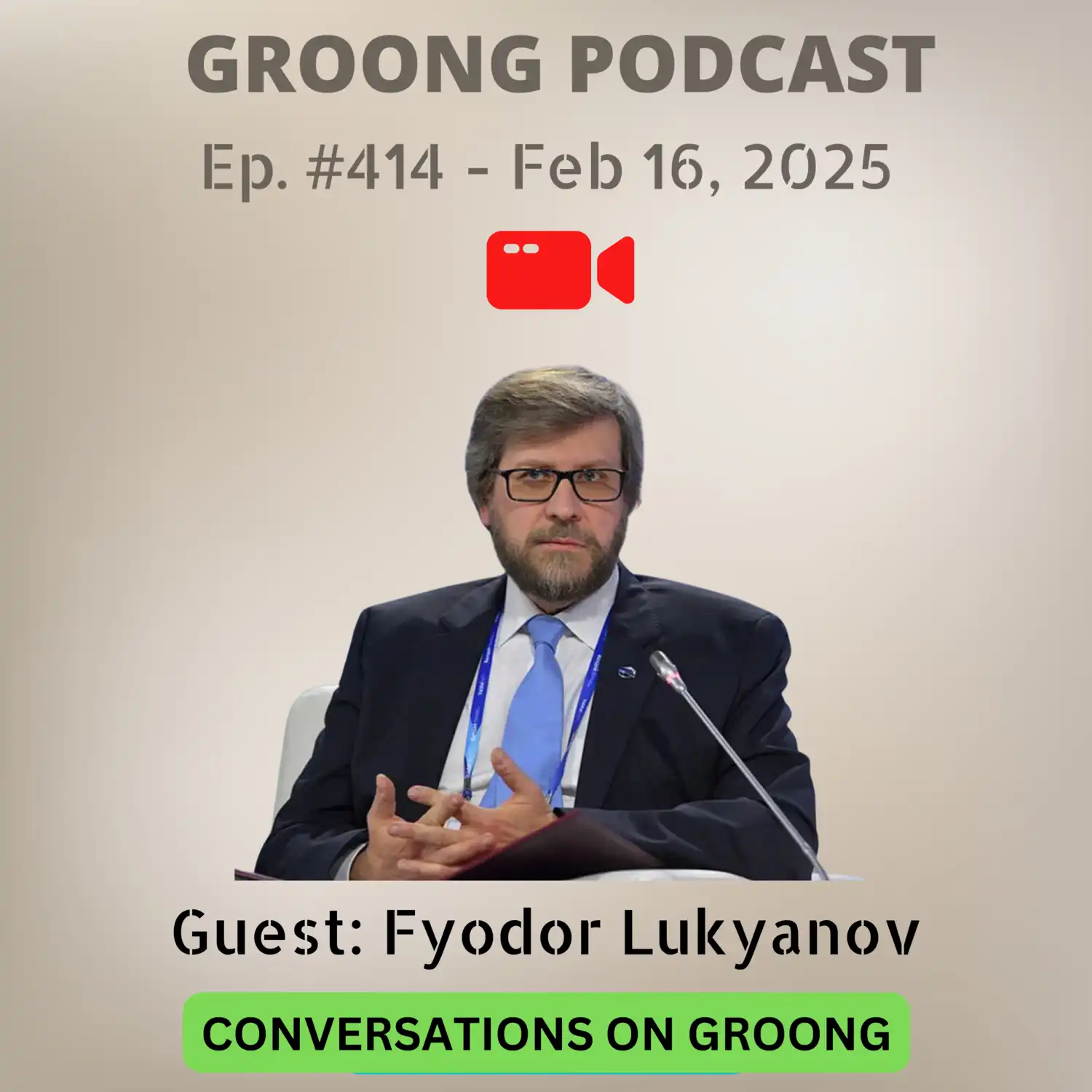
Groong Links:
Guest:
Topics:
- A New Détente?
- The Trump-Putin Call
- Russiaâs Strategic Choices
- Russo-Armenian Relations
- Russo-Azerbaijani Relations
- Georgiaâs Pragmatism
Episode 414 | Recorded: Valentineâs Day, February 14, 2025
Fyodor Lukyanov - Russia, the US, Ukraine, Armenia, Georgia, and the New Global Order | Ep 414, Feb. 16, 2025 [EP414]
Posted on Sunday, Feb 16, 2025 | Category: Russia, Ukraine, Armenia, Azerbaijan, Georgia, Geopolitics, Iran, Turkey, Nagorno Karabakh, BRICS, NATO, European Union, China, Economy, GenocideGroong Links:
Guest:
Topics:
- A New Détente?
- The Trump-Putin Call
- Russiaâs Strategic Choices
- Russo-Armenian Relations
- Russo-Azerbaijani Relations
- Georgiaâs Pragmatism
Episode 414 | Recorded: Valentineâs Day, February 14, 2025
Transcript: Fyodor Lukyanov - Russia, the US, Ukraine, Armenia, Georgia, and the New Global Order | Ep 414, Feb. 16, 2025 [EP414]
Posted on Sunday, Feb 16, 2025 | Category: Russia, Ukraine, Armenia, Azerbaijan, Georgia, Geopolitics, Iran, Turkey, Nagorno Karabakh, BRICS, NATO, European Union, China, Economy, Genocide, TranscriptA New Détente? The Trump-Putin Call. Russia’s Strategic Choices. Russo-Armenian Relations. Russo-Azerbaijani Relations. Georgia’s Pragmatism.
Benyamin Poghosyan - MPG Poll, Russia-Azerbaijan Relations Deteriorate, Armenian Strategic Geopolitical Balancing, Azerbaijan and the ‘Zangezur Corridor’ | Ep 410, Feb 2, 2025 [EP410]
Posted on Tuesday, Feb 4, 2025 | Category: Armenia, Azerbaijan, Poll, Artsakh, Nagorno Karabakh, Turkey, Russia, Iran, Ukraine, Geopolitics, Georgia, China, Economy, European Union, Israel | Series: wir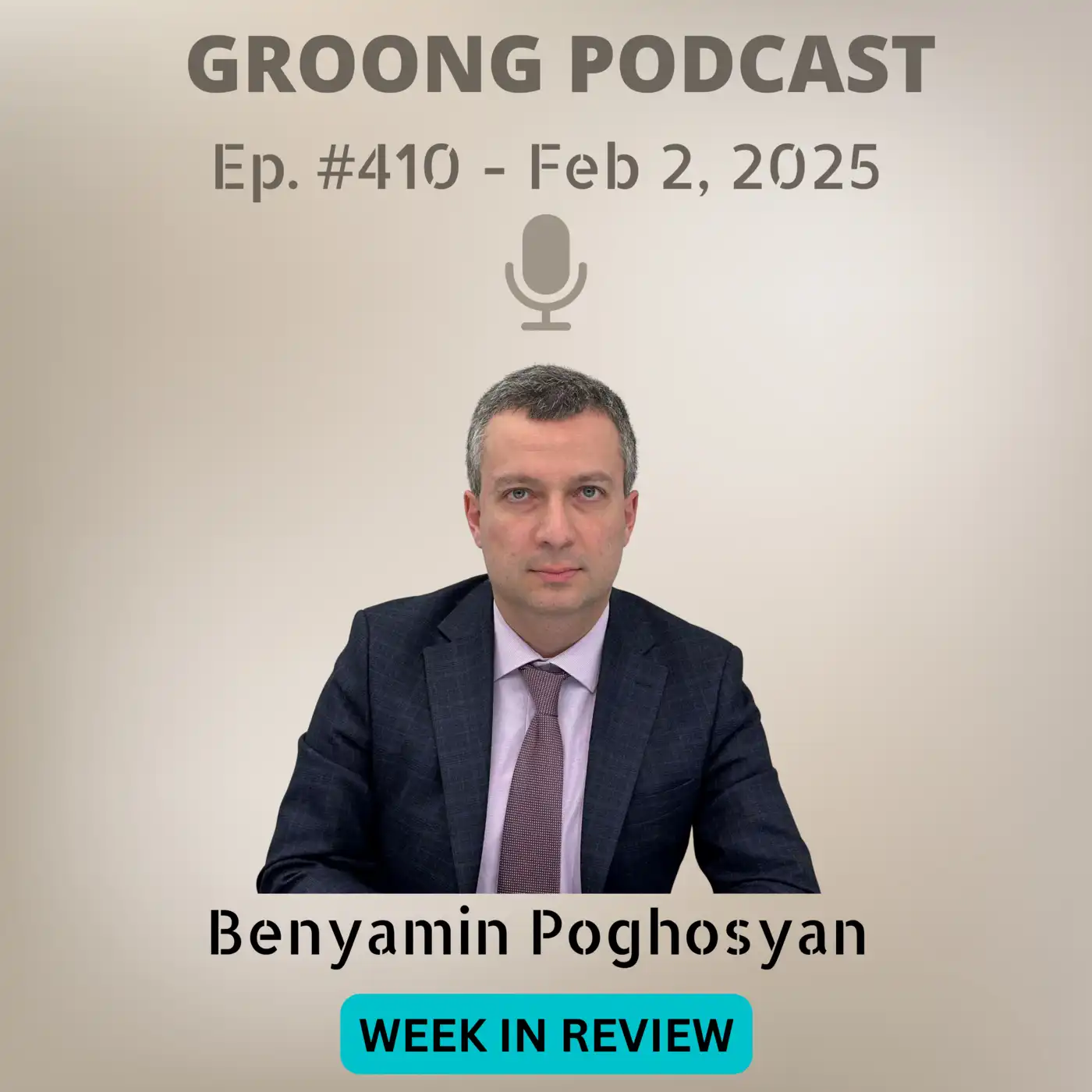
Groong Links:
Guest:
Topics:
- MPG Poll: Pashinyanâs Rating Tanks
- Russia Azerbaijan Relations Deteriorating
- Armeniaâs Strategic Geopolitical Balancing
- Azerbaijan and the âZangezur Corridorâ
Episode 410 | Recorded: February 3, 2025
Benyamin Poghosyan - MPG Poll, Russia-Azerbaijan Relations Deteriorate, Armenian Strategic Geopolitical Balancing, Azerbaijan and the ‘Zangezur Corridor’ | Ep 410, Feb 2, 2025 [EP410]
Posted on Tuesday, Feb 4, 2025 | Category: Armenia, Azerbaijan, Poll, Artsakh, Nagorno Karabakh, Turkey, Russia, Iran, Ukraine, Geopolitics, Georgia, China, Economy, European Union, IsraelGroong Links:
Guest:
Topics:
- MPG Poll: Pashinyanâs Rating Tanks
- Russia Azerbaijan Relations Deteriorating
- Armeniaâs Strategic Geopolitical Balancing
- Azerbaijan and the âZangezur Corridorâ
Episode 410 | Recorded: February 3, 2025
Arthur Khachatryan - Mirzoyan in Moscow, Kostanyan in Tehran, Mher Grigoryan on the Border, FIS Annual Report, Silence of the Lambs | Ep 409, Jan 26, 2025 [EP408]
Posted on Thursday, Jan 30, 2025 | Category: Armenia, Artsakh, Nagorno Karabakh, Economy, Azerbaijan, Georgia, Turkey, Russia, Armenian Church, Armenian Genocide, Iran, European Union, Genocide, Syria, Lebanon, NATO, Middle East, Ukraine, Human Rights | Series: wir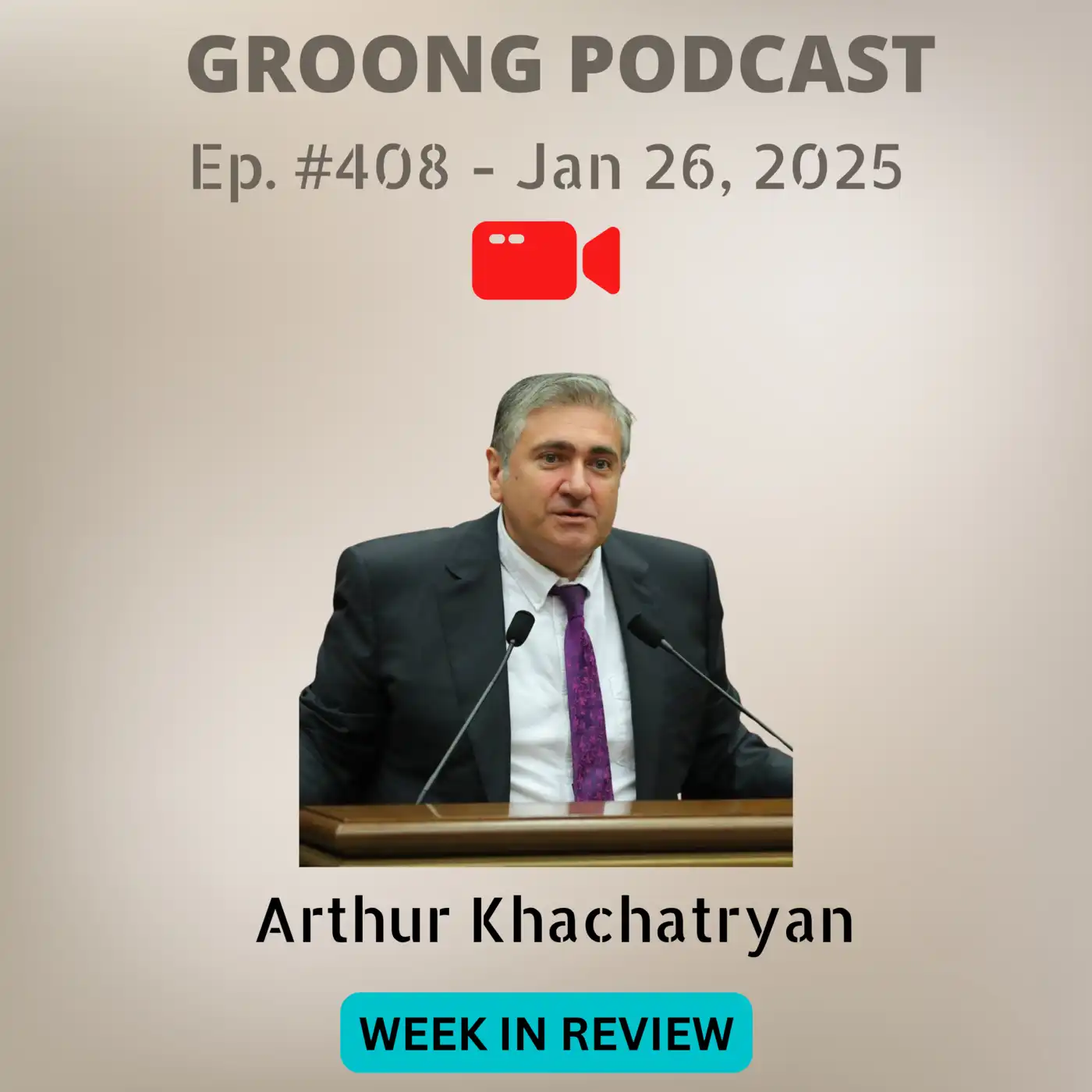
Groong Links:
Guest:
- Mr. Arthur Khachatryan , MP, Hayastan Dashinq/Armenia Alliance
Topics:
- Mirzoyan in Moscow
- Vahan Kostanyan in Tehran
- Mher Grigoryan on the Border (concessions)
- FIS Annual Report 2025
- The Silence of the Lambs
Episode 408 | Recorded: January 29, 2025
Arthur Khachatryan - Mirzoyan in Moscow, Kostanyan in Tehran, Mher Grigoryan on the Border, FIS Annual Report, Silence of the Lambs | Ep 409, Jan 26, 2025 [EP408]
Posted on Thursday, Jan 30, 2025 | Category: Armenia, Artsakh, Nagorno Karabakh, Economy, Azerbaijan, Georgia, Turkey, Russia, Armenian Church, Armenian Genocide, Iran, European Union, Genocide, Syria, Lebanon, NATO, Middle East, Ukraine, Human RightsGroong Links:
Guest:
- Mr. Arthur Khachatryan , MP, Hayastan Dashinq/Armenia Alliance
Topics:
- Mirzoyan in Moscow
- Vahan Kostanyan in Tehran
- Mher Grigoryan on the Border (concessions)
- FIS Annual Report 2025
- The Silence of the Lambs
Episode 408 | Recorded: January 29, 2025
Yeghia Tashjian - New Leadership in Lebanon - New President, New Prime Minister | Ep 405, Jan 21, 2025 [EP405]
Posted on Monday, Jan 20, 2025 | Category: Lebanon, Middle East, Israel, Iran, Turkey, USA, Syria, Armenia, Russia, China, Geopolitics, NATO | Series: cog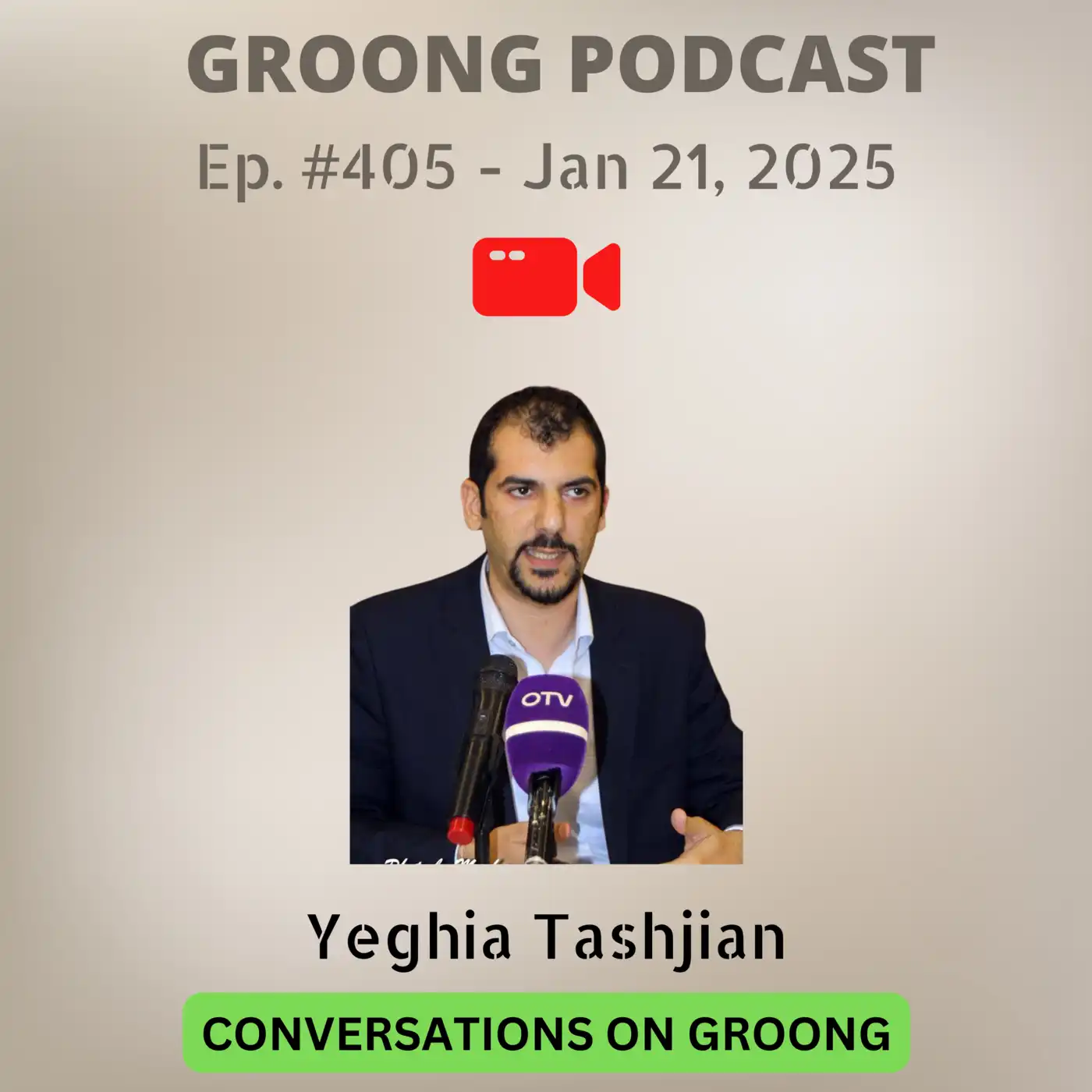
Groong Links:
Guest:
Topics:
- President Joseph Aoun
- Prime Minister-designate Nawaf Salam
- The Changing Face of the Middle East
- Armenian Communityâs and Joseph Aoun
Episode 405 | Recorded: Januaqry 19, 2025
Yeghia Tashjian - New Leadership in Lebanon - New President, New Prime Minister | Ep 405, Jan 21, 2025 [EP405]
Posted on Monday, Jan 20, 2025 | Category: Lebanon, Middle East, Israel, Iran, Turkey, USA, Syria, Armenia, Russia, China, Geopolitics, NATOGroong Links:
Guest:
Topics:
- President Joseph Aoun
- Prime Minister-designate Nawaf Salam
- The Changing Face of the Middle East
- Armenian Communityâs and Joseph Aoun
Episode 405 | Recorded: Januaqry 19, 2025
Tevan Poghosyan - Incoming Trump, Armenia Azerbaijan Talks, Iran Visit, Pro-West Signals | Ep 404, Jan 12, 2025 [EP404]
Posted on Wednesday, Jan 15, 2025 | Category: Armenia, Artsakh, Nagorno Karabakh, Azerbaijan, USA, Russia, Iran, Ukraine, Turkey, Israel, Syria, China, Georgia, Middle East, NATO, Economy, Genocide, Lebanon, European Union | Series: wir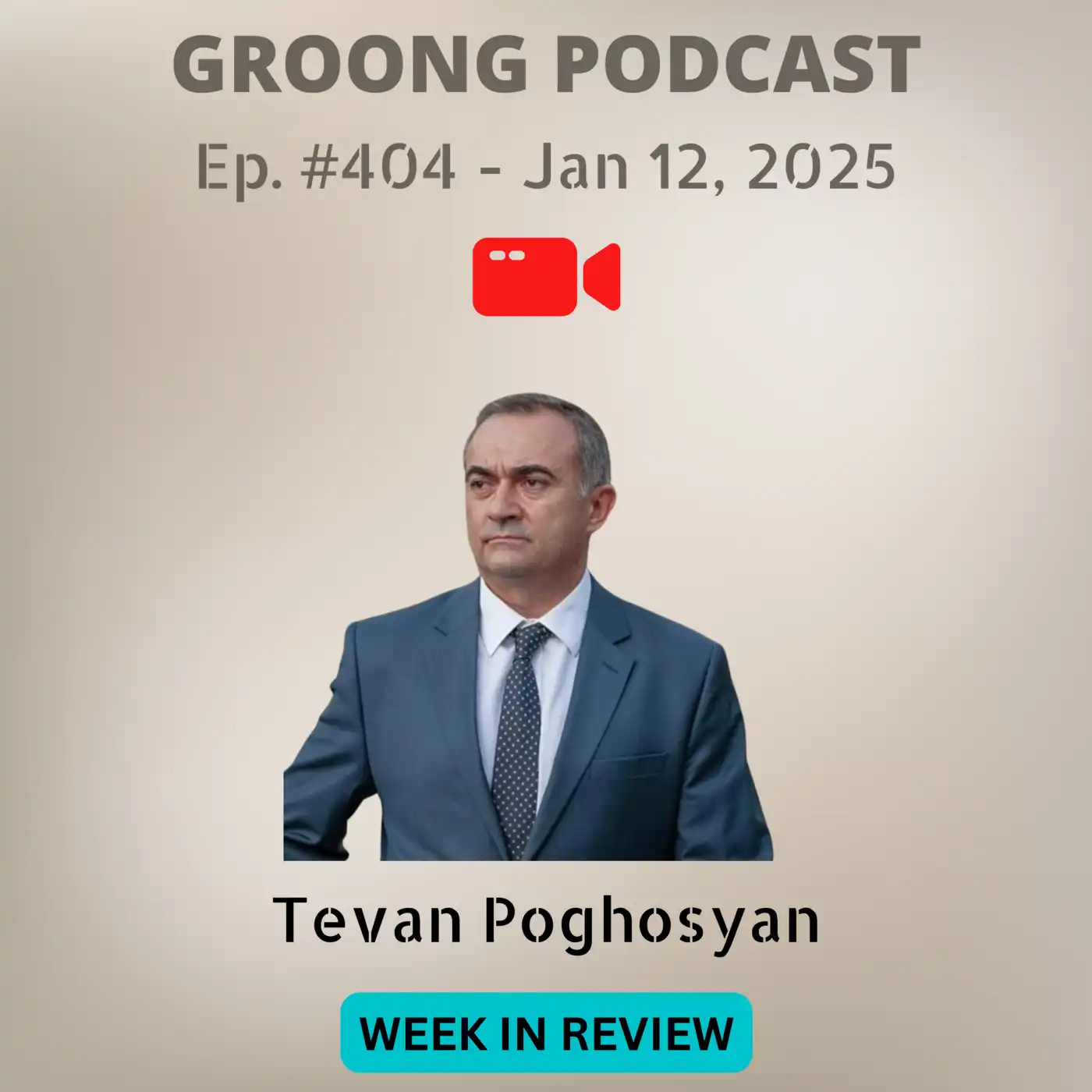
Groong Links:
Guest:
Topics:
- Incoming Trump Admin
- Armenia Azerbaijan Talks Stalled
- Iran Security Chief Visit
- Armeniaâs Pro-West Signals
Episode 404 | Recorded: January 14, 2025
Tevan Poghosyan - Incoming Trump, Armenia Azerbaijan Talks, Iran Visit, Pro-West Signals | Ep 404, Jan 12, 2025 [EP404]
Posted on Wednesday, Jan 15, 2025 | Category: Armenia, Artsakh, Nagorno Karabakh, Azerbaijan, USA, Russia, Iran, Ukraine, Turkey, Israel, Syria, China, Georgia, Middle East, NATO, Economy, Genocide, Lebanon, European UnionGroong Links:
Guest:
Topics:
- Incoming Trump Admin
- Armenia Azerbaijan Talks Stalled
- Iran Security Chief Visit
- Armeniaâs Pro-West Signals
Episode 404 | Recorded: January 14, 2025
Benyamin Poghosyan - Pashinyan Lies on Decades of Negotiations, 17 Points to an Agreement, 2024 Review and 2025 Outlook | Ep 403 - Dec 29, 2024 [EP403]
Posted on Wednesday, Jan 1, 2025 | Category: Armenia, Azerbaijan, Artsakh, Nagorno Karabakh, Middle East, Israel, Lebanon, Syria, Iran, Turkey, Russia, Armenian Church, Ukraine, Genocide, Geopolitics, China, Georgia, European Union | Series: wir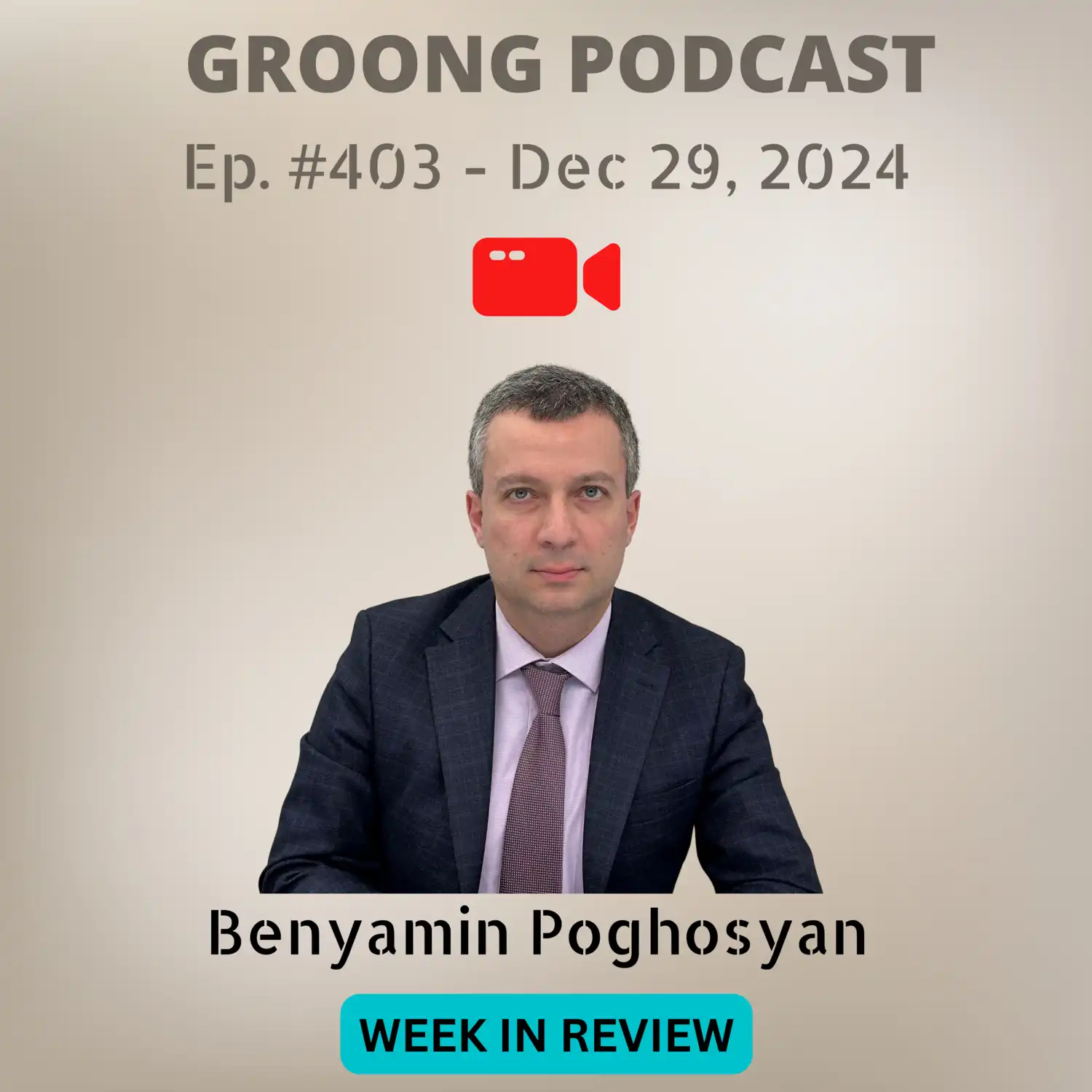
Groong Links:
Guest:
Topics:
- Pashinyanâs Lies on Decades of Negotiations
- 17 Points to an Agreement
- 2024 Review and 2025 Outlook
Episode 403 | Recorded: December 31, 2024
Benyamin Poghosyan - Pashinyan Lies on Decades of Negotiations, 17 Points to an Agreement, 2024 Review and 2025 Outlook | Ep 403 - Dec 29, 2024 [EP403]
Posted on Wednesday, Jan 1, 2025 | Category: Armenia, Azerbaijan, Artsakh, Nagorno Karabakh, Middle East, Israel, Lebanon, Syria, Iran, Turkey, Russia, Armenian Church, Ukraine, Genocide, Geopolitics, China, Georgia, European UnionGroong Links:
Guest:
Topics:
- Pashinyanâs Lies on Decades of Negotiations
- 17 Points to an Agreement
- 2024 Review and 2025 Outlook
Episode 403 | Recorded: December 31, 2024
Dziunik Aghajanian - Armenia Azerbaijan Talks, Syria, Defense Politics, Civil Contract Strife | Ep 401 - Dec 22, 2024 [EP401]
Posted on Wednesday, Dec 25, 2024 | Category: Armenia, Azerbaijan, Middle East, Artsakh, Nagorno Karabakh, Russia, Iran, Israel, BRICS, Syria, Turkey, Georgia, Ukraine, Human Rights, Lebanon, NATO, China, Economy | Series: wir, video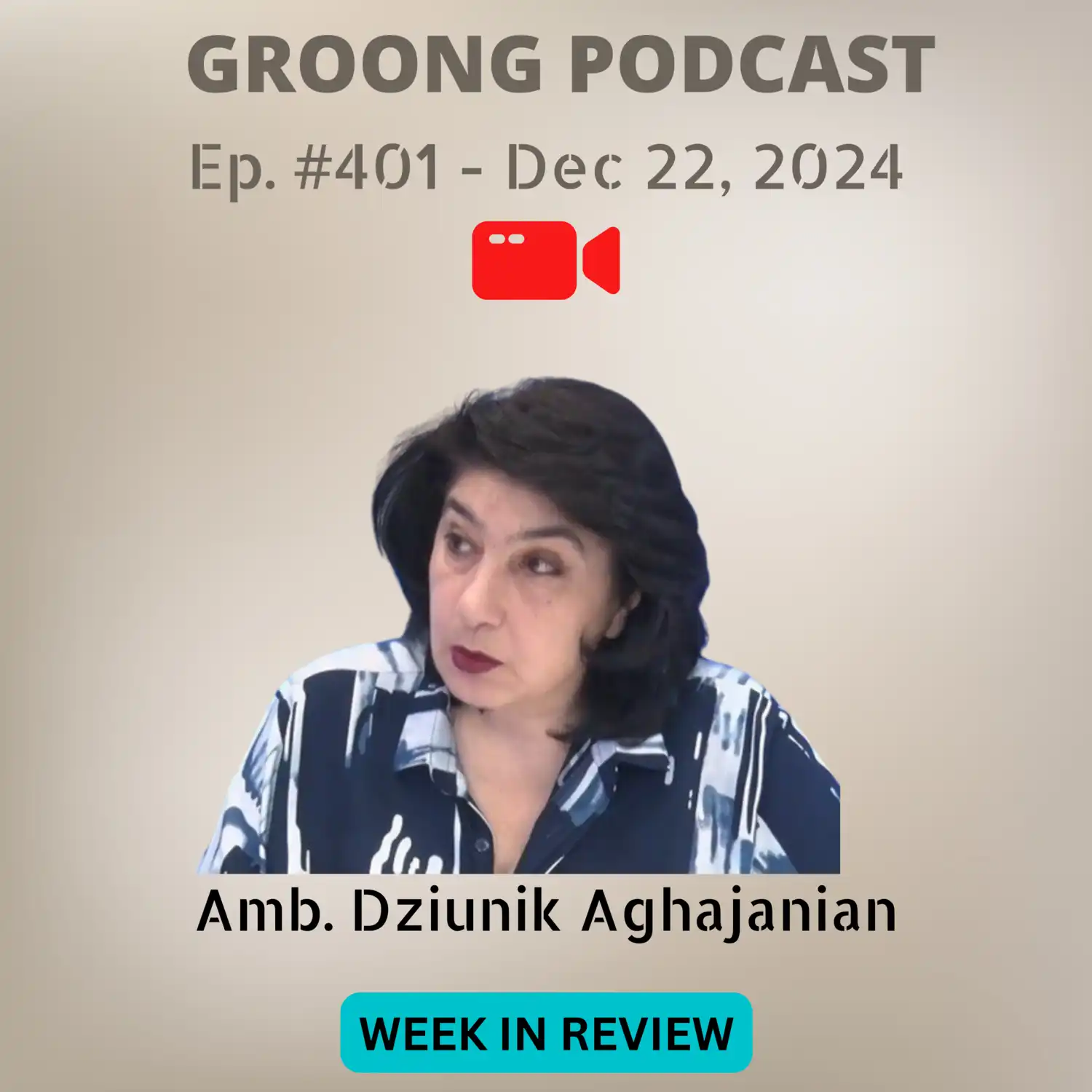
Groong Links:
Guest:
Topics:
- Armenian Azerbaijani Stalled Talks
- Fall of Syria
- Defense Politics
- Un-Civil Strife
Episode 401 | Recorded: December 24, 2024
Dziunik Aghajanian - Armenia Azerbaijan Talks, Syria, Defense Politics, Civil Contract Strife | Ep 401 - Dec 22, 2024 [EP401]
Posted on Wednesday, Dec 25, 2024 | Category: Armenia, Azerbaijan, Middle East, Artsakh, Nagorno Karabakh, Russia, Iran, Israel, BRICS, Syria, Turkey, Georgia, Ukraine, Human Rights, Lebanon, NATO, China, EconomyGroong Links:
Guest:
Topics:
- Armenian Azerbaijani Stalled Talks
- Fall of Syria
- Defense Politics
- Un-Civil Strife
Episode 401 | Recorded: December 24, 2024
Arman Grigoryan - Beyond the Fall of Syria, Armenian and Global Geopolitics, | Ep 399 - Dec 21, 2024 [EP399]
Posted on Saturday, Dec 21, 2024 | Category: Middle East, Armenia, Politics, Syria, BRICS, Russia, Iran, Turkey, Ukraine, Israel, Azerbaijan, Georgia, Human Rights, NATO | Series: cog, video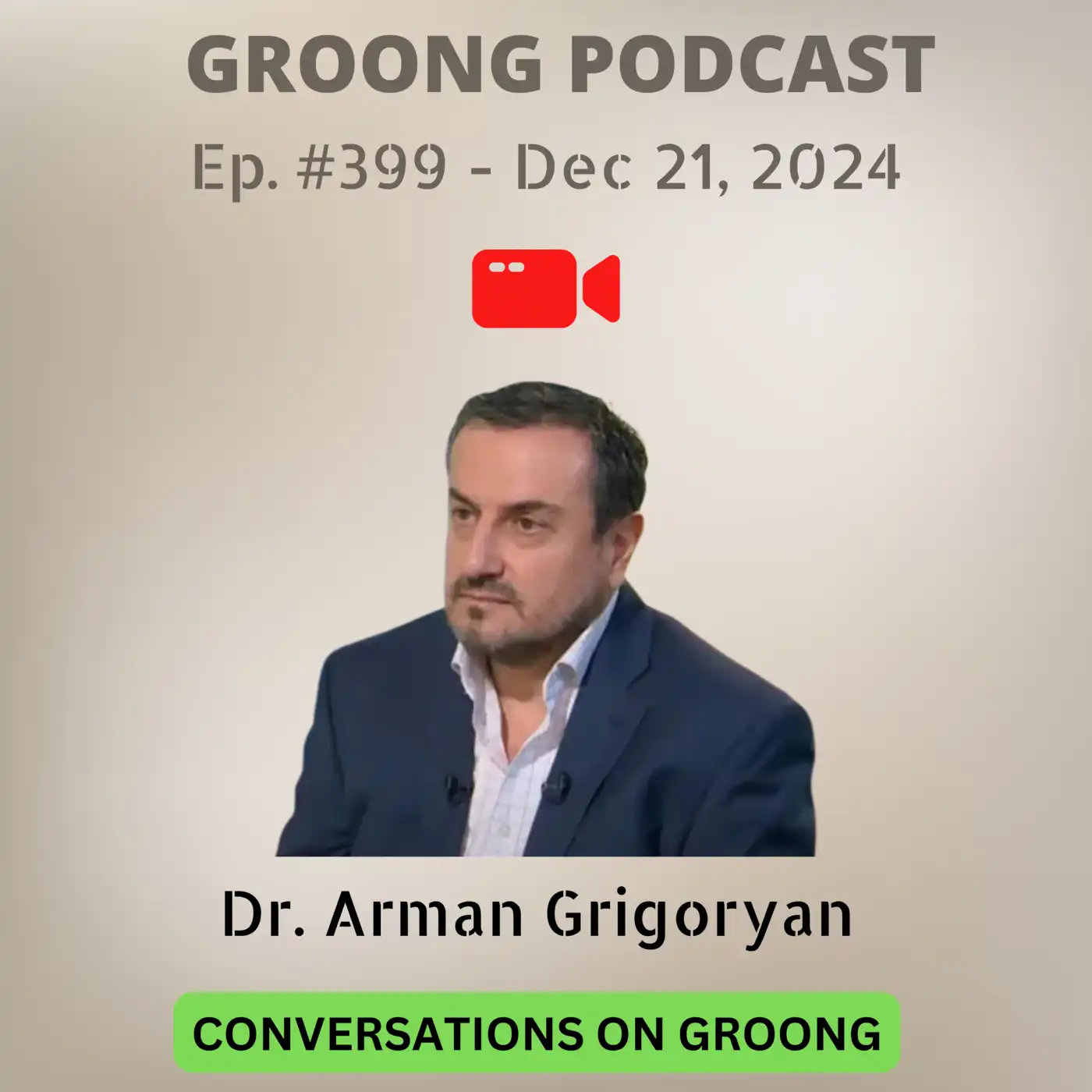
Groong Links:
Guest:
Topics:
- Syria’s Fall and Regional Power Shifts
- Turkey’s Expanding Influence in Syria
- Impact on Armenia-Azerbaijan Relations
- Russia and Iran’s Middle East Strategy
Episode 399 | Recorded: December 19, 2024
Arman Grigoryan - Beyond the Fall of Syria, Armenian and Global Geopolitics, | Ep 399 - Dec 21, 2024 [EP399]
Posted on Saturday, Dec 21, 2024 | Category: Middle East, Armenia, Politics, Syria, BRICS, Russia, Iran, Turkey, Ukraine, Israel, Azerbaijan, Georgia, Human Rights, NATOGroong Links:
Guest:
Topics:
- Syria’s Fall and Regional Power Shifts
- Turkey’s Expanding Influence in Syria
- Impact on Armenia-Azerbaijan Relations
- Russia and Iran’s Middle East Strategy
Episode 399 | Recorded: December 19, 2024
Varuzhan Geghamyan on Syria, Armenia, and Turkey-Iran-Russia Tensions | Ep 396 - Dec 16, 2024 [EP396]
Posted on Monday, Dec 16, 2024 | Category: Middle East, Armenia, Politics, Syria, Turkey, Russia, Nagorno Karabakh, Azerbaijan, Iran, Israel, NATO, Ukraine, Geopolitics, Economy, Georgia | Series: cog, video
Groong Links:
Guest:
Topics:
- Syria and the Middle East
- The South Caucasus
- Turkey, Iran, Russia
Episode 396 | Recorded: December 13, 2024
Varuzhan Geghamyan on Syria, Armenia, and Turkey-Iran-Russia Tensions | Ep 396 - Dec 16, 2024 [EP396]
Posted on Monday, Dec 16, 2024 | Category: Middle East, Armenia, Politics, Syria, Turkey, Russia, Nagorno Karabakh, Azerbaijan, Iran, Israel, NATO, Ukraine, Geopolitics, Economy, GeorgiaGroong Links:
Guest:
Topics:
- Syria and the Middle East
- The South Caucasus
- Turkey, Iran, Russia
Episode 396 | Recorded: December 13, 2024
Larry C Johnson - Syria, South Caucasus, and Regional Power Dynamics | Ep 395, Dec 14, 2024 [EP395]
Posted on Saturday, Dec 14, 2024 | Category: Middle East, Armenia, Politics, Syria, Turkey, Israel, Russia, Nagorno Karabakh, Iran, Armenian Genocide, NATO, Ukraine, Azerbaijan, China, European Union, Genocide, Georgia, Lebanon | Series: cog, video
Groong Links:
Guest:
Topics:
- Syria and the Middle East
- The South Caucasus
- Intelligence, Surveillance, Reconnaissance
- 44-Day War and the ISR Factor
- Fueling Other Wars
Episode 395 | Recorded: December 12, 2024
Larry C Johnson - Syria, South Caucasus, and Regional Power Dynamics | Ep 395, Dec 14, 2024 [EP395]
Posted on Saturday, Dec 14, 2024 | Category: Middle East, Armenia, Politics, Syria, Turkey, Israel, Russia, Nagorno Karabakh, Iran, Armenian Genocide, NATO, Ukraine, Azerbaijan, China, European Union, Genocide, Georgia, LebanonGroong Links:
Guest:
Topics:
- Syria and the Middle East
- The South Caucasus
- Intelligence, Surveillance, Reconnaissance
- 44-Day War and the ISR Factor
- Fueling Other Wars
Episode 395 | Recorded: December 12, 2024
Transcript: Larry C Johnson - Syria, South Caucasus, and Regional Power Dynamics | Ep 395, Dec 14, 2024 [EP395]
Posted on Saturday, Dec 14, 2024 | Category: Middle East, Armenia, Politics, Syria, Turkey, Israel, Russia, Nagorno Karabakh, Iran, Armenian Genocide, NATO, Ukraine, Azerbaijan, China, European Union, Genocide, Georgia, Lebanon, TranscriptSyria and the Middle East. The South Caucasus. Intelligence, Surveillance, Reconnaissance. 44-Day War and the ISR Factor. Fueling Other Wars.
Hrant Mikaelian - Aliyev's “New” Demands, Fall of Syria, Georgia Post-Election Unrest, Civil Contract Disobedience | Ep 394 - Dec 8, 2024 [EP394]
Posted on Tuesday, Dec 10, 2024 | Category: Armenia, Politics, Economy, Artsakh, Nagorno Karabakh, Azerbaijan, Georgia, Turkey, Russia, Syria, Iran, Israel, Ukraine, European Union, Genocide, Human Rights | Series: wir
Groong Links:
Guest:
Topics:
- Remembering the 1988 Earthquake in Spitak, Armenia
- Aliyevâs âNewâ Demands
- The Fall of Syria
- Georgiaâs Post-Election Unrest
- Civil Contract Disobedience
Episode 394 | Recorded: December 9, 2024
Hrant Mikaelian - Aliyev's “New” Demands, Fall of Syria, Georgia Post-Election Unrest, Civil Contract Disobedience | Ep 394 - Dec 8, 2024 [EP394]
Posted on Tuesday, Dec 10, 2024 | Category: Armenia, Politics, Economy, Artsakh, Nagorno Karabakh, Azerbaijan, Georgia, Turkey, Russia, Syria, Iran, Israel, Ukraine, European Union, Genocide, Human RightsGroong Links:
Guest:
Topics:
- Remembering the 1988 Earthquake in Spitak, Armenia
- Aliyevâs âNewâ Demands
- The Fall of Syria
- Georgiaâs Post-Election Unrest
- Civil Contract Disobedience
Episode 394 | Recorded: December 9, 2024
Benyamin Poghosyan - COP29 Post Mortem, Azerbaijan Slams Polish President, Developments in the Middle East, Post-Election Georgia, Russian-Armenian Relations | Ep 390 - Dec 1, 2024 [EP390]
Posted on Wednesday, Dec 4, 2024 | Category: Armenia, Middle East, Georgia, Artsakh, Nagorno Karabakh, Azerbaijan, Israel, Lebanon, Syria, Iran, Turkey, Russia, Ukraine, European Union, NATO, China, Geopolitics, Human Rights | Series: wir
Groong Links:
Guest:
Topics:
- COP29 Post-Mortem
- Azerbaijan Slams Polish President in Armenia
- Developments in the Middle East
- Post-election Developments in Georgia
- Russian Intel Warnings to Armenia
Episode 390 | Recorded: December 2, 2024
Benyamin Poghosyan - COP29 Post Mortem, Azerbaijan Slams Polish President, Developments in the Middle East, Post-Election Georgia, Russian-Armenian Relations | Ep 390 - Dec 1, 2024 [EP390]
Posted on Wednesday, Dec 4, 2024 | Category: Armenia, Middle East, Georgia, Artsakh, Nagorno Karabakh, Azerbaijan, Israel, Lebanon, Syria, Iran, Turkey, Russia, Ukraine, European Union, NATO, China, Geopolitics, Human RightsGroong Links:
Guest:
Topics:
- COP29 Post-Mortem
- Azerbaijan Slams Polish President in Armenia
- Developments in the Middle East
- Post-election Developments in Georgia
- Russian Intel Warnings to Armenia
Episode 390 | Recorded: December 2, 2024