Azerbaijan
Last updated: June 10, 2026
Azerbaijan is a South Caucasus republic with a population of approximately 10 million and a territory spanning roughly 86,600 square kilometers. The country is governed as a presidential republic under President Ilham Aliyev , who has held power since 2003. Azerbaijan’s economy is heavily dependent on oil and natural gas exports, particularly through the Baku-Tbilisi-Ceyhan (BTC) pipeline and the Southern Gas Corridor, which connects Caspian energy reserves to European markets. The capital, Baku, serves as a major regional hub. Azerbaijan is a member of the United Nations, OSCE, and various regional organizations. The country’s Azerbaijani-speaking population is predominantly Muslim. Azerbaijan also includes the Nakhchivan Autonomous Republic, an exclave separated from mainland Azerbaijan by Armenian territory.
However, international human rights organizations, including Human Rights Watch and Amnesty International, have extensively documented systematic human rights abuses in Azerbaijan, including arbitrary detention, torture, suppression of political opposition, restrictions on press freedom, and limitations on civil society. Aliyev’s government maintains tight control over dissent, with opposition politicians, journalists, and activists facing harassment, imprisonment, and violence. The country ranks poorly on freedom indices, with Reporters Without Borders, Freedom House, and Transparency International consistently ranking Azerbaijan among the world’s most repressive states regarding democratic freedoms and rule of law. Prison conditions are documented as harsh, and extrajudicial executions and enforced disappearances have been reported. The state monopoly on media, combined with internet censorship and restrictions on assembly, creates an environment where independent voices face significant risk. These governance practices have been particularly intensified since Aliyev’s re-election in 2018 and remain central to how the regime maintains internal control while projecting external power.
Azerbaijan is a South Caucasus republic whose military campaigns against Armenia in 2020 and 2023 have reshaped the regional balance of power. Following the 44-Day War in 2020 and the complete capture of Artsakh (Nagorno Karabakh) in a 24-hour offensive on September 19–20, 2023, Azerbaijan controls territory that was previously under Armenian administration, ethnically cleansing the enclave of its more than 150,000 Armenian inhabitants. President Ilham Aliyev has used military victory to extract territorial and geopolitical concessions from Armenia, including commitments toward the so-called “Zangezur Corridor”—what Washington frames as TRIPP (Trump Route for International Peace and Prosperity), a transit corridor through Armenian Syunik province that would connect Azerbaijan to Turkey via Armenian land. Aliyev has consistently framed these arrangements in pan-Turanic terms, treating them as steps toward regional integration under Turkish-Azerbaijani leadership rather than as neutral infrastructure projects. Azerbaijan’s leverage over Armenia derives not only from military superiority but from Armenia’s isolation: as Russia has grown less reliable as a security guarantor and Armenia has sought Western partnerships that remain incomplete, Baku has incrementally pressed its advantage through border incursions, blockade threats, and demands for “unblocking” that contain implicit security concessions.
Azerbaijan’s relationship with Turkey is central to its strategy and its self-conception as a regional power. The two states share language, historical narratives around pan-Turkism, and military-strategic interests in offsetting Iran and resisting Russian influence. Turkey provided air support during the 2020 war and has supplied weapons and military training throughout Azerbaijan’s buildup. However, the relationship is not symmetrical: Azerbaijan maintains its own foreign policy interests, including energy partnerships with Europe via the Southern Gas Corridor and a degree of hedging toward Russia that reflects Baku’s awareness that it cannot afford permanent enmity with Moscow. In early 2026, tensions between Azerbaijan and Iran spiked following military exercises in Nakhijevan and constitutional changes that centralized control over the exclave, raising questions about whether Baku is positioning itself as a U.S.-backed pressure point against Iran or merely consolidating internal authority. The trajectory of the U.S.-Israeli war on Iran, discussed in episodes examining the regional dimensions of that conflict, has direct bearing on Azerbaijan’s calculations about its northern neighbor and its room for maneuver between Washington and Moscow.
Armenia’s vulnerability has translated into Azerbaijan’s expanding room for territorial and political demands. Pashinyan has signed successive ceasefire agreements and acknowledged Armenian territorial losses while framing them as necessary trade-offs for regional peace. Yet Azerbaijan has continued to occupy positions inside internationally recognized Armenian territory, has threatened blockades over the movement of humanitarian supplies to Armenia, and has used negotiations over transit corridors as leverage to extract security concessions from Yerevan. Eldar Mamedov’s analysis of the Iran war and Azerbaijan’s role as a potential northern front, alongside Arman Grigoryan’s assessment of what he terms Armenia’s “revolutionary recklessness” in abandoning Russian security ties without securing firm Western alternatives, illustrates the degree to which Azerbaijan’s actions are embedded in a wider geopolitical struggle between Russia, the United States, Europe, Iran, and Turkey. Whether Azerbaijan consolidates its wartime gains into a permanent shift in the regional balance or whether changed circumstances in Iran, Russia, or Western policy create openings for Armenian repositioning remains among the most contested questions shaping the South Caucasus through 2026 and beyond.
Groong episodes that include this tag
Below are all Groong episodes tagged with Azerbaijan.
Lenna Hovanessian – White House Meeting Fallout, Artsakh Erasure, Genocide Dismissal, Azerbaijan Playbook in the US | Ep 470, Sep 7, 2025 [EP470]
Posted on Sunday, Sep 7, 2025 | Category: Armenia, Politics, Artsakh, Nagorno Karabakh, Genocide, Azerbaijan, Armenian Church, Israel, Artsakh Blockade | Series: cog, video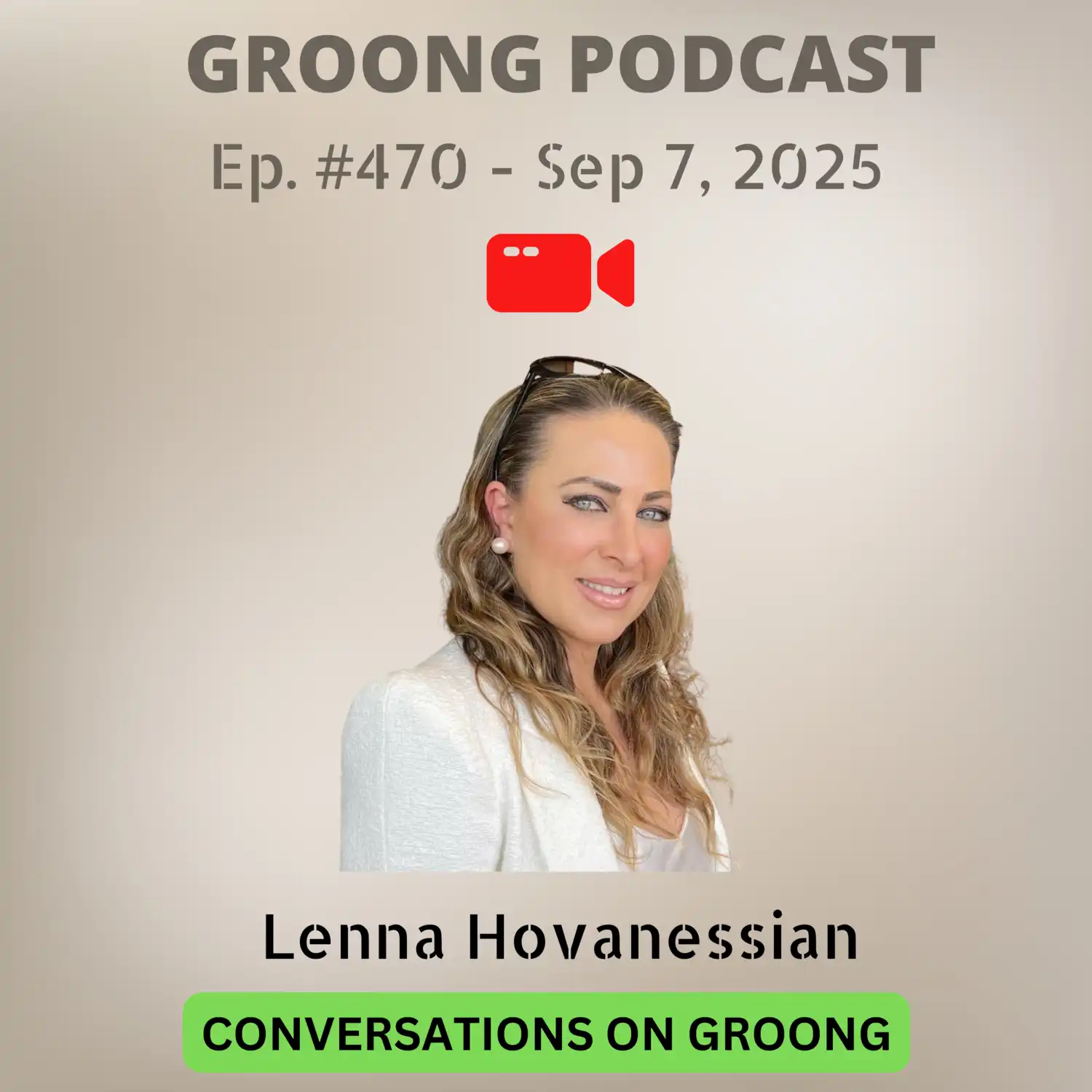
Groong Links:
Guest:
Topics:
- Reflections on August 8 White House Meeting
- Tensions in Diaspora-Armenia Relations
- Azerbaijani Lobbying, Caviar Diplomacy, and the Cuellar Bribery Case
Episode 470 | Recorded: September 5, 2025
Lenna Hovanessian – White House Meeting Fallout, Artsakh Erasure, Genocide Dismissal, Azerbaijan Playbook in the US | Ep 470, Sep 7, 2025 [EP470]
Posted on Sunday, Sep 7, 2025 | Category: Armenia, Politics, Artsakh, Nagorno Karabakh, Genocide, Azerbaijan, Armenian Church, Israel, Artsakh BlockadeGroong Links:
Guest:
Topics:
- Reflections on August 8 White House Meeting
- Tensions in Diaspora-Armenia Relations
- Azerbaijani Lobbying, Caviar Diplomacy, and the Cuellar Bribery Case
Episode 470 | Recorded: September 5, 2025
Groong Links:
Guest:
- Dr. Gilbert Doctorow , Author of - War Diaries. Volume 1
Topics:
- SCO Summit in Tianjin, China
- China-India Thaw
- Power of Siberia Gas Pipeline
- Whatâs in it for Armenia?
Episode 469 | Recorded: September 4, 2025
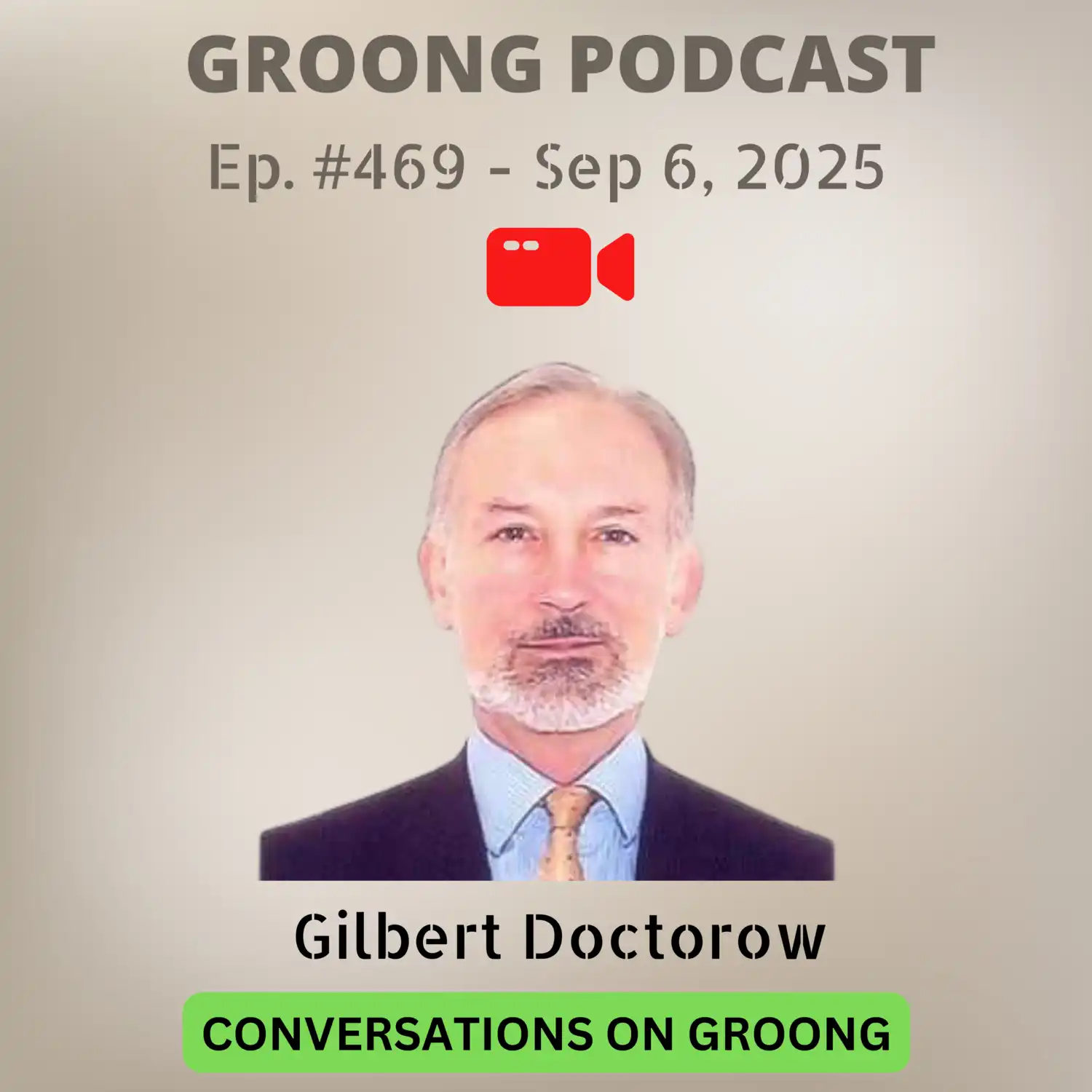
Gilbert Doctorow - Multipolar Shifts at the SCO Summit | Ep 469, Sep 6, 2025 [EP469]
Posted on Saturday, Sep 6, 2025 | Category: Armenia, Politics, Russia, China, India, Nagorno Karabakh, BRICS, Economy, Iran, Azerbaijan, NATO, Turkey, UkraineGroong Links:
Guest:
- Dr. Gilbert Doctorow , Author of - War Diaries. Volume 1
Topics:
- SCO Summit in Tianjin, China
- China-India Thaw
- Power of Siberia Gas Pipeline
- Whatâs in it for Armenia?
Episode 469 | Recorded: September 4, 2025
Benyamin Poghosyan - SCO Summit, TRIPP Corridor, RU - AZ Rift, UK Ties | Ep 467, Aug 31, 2025 [EP467]
Posted on Tuesday, Sep 2, 2025 | Category: Armenia, Politics, Artsakh, Nagorno Karabakh, Azerbaijan, China, India, Russia, USA, Georgia, Armenian Genocide, NATO, Iran, Turkey, Genocide, Israel, European Union | Series: video, wir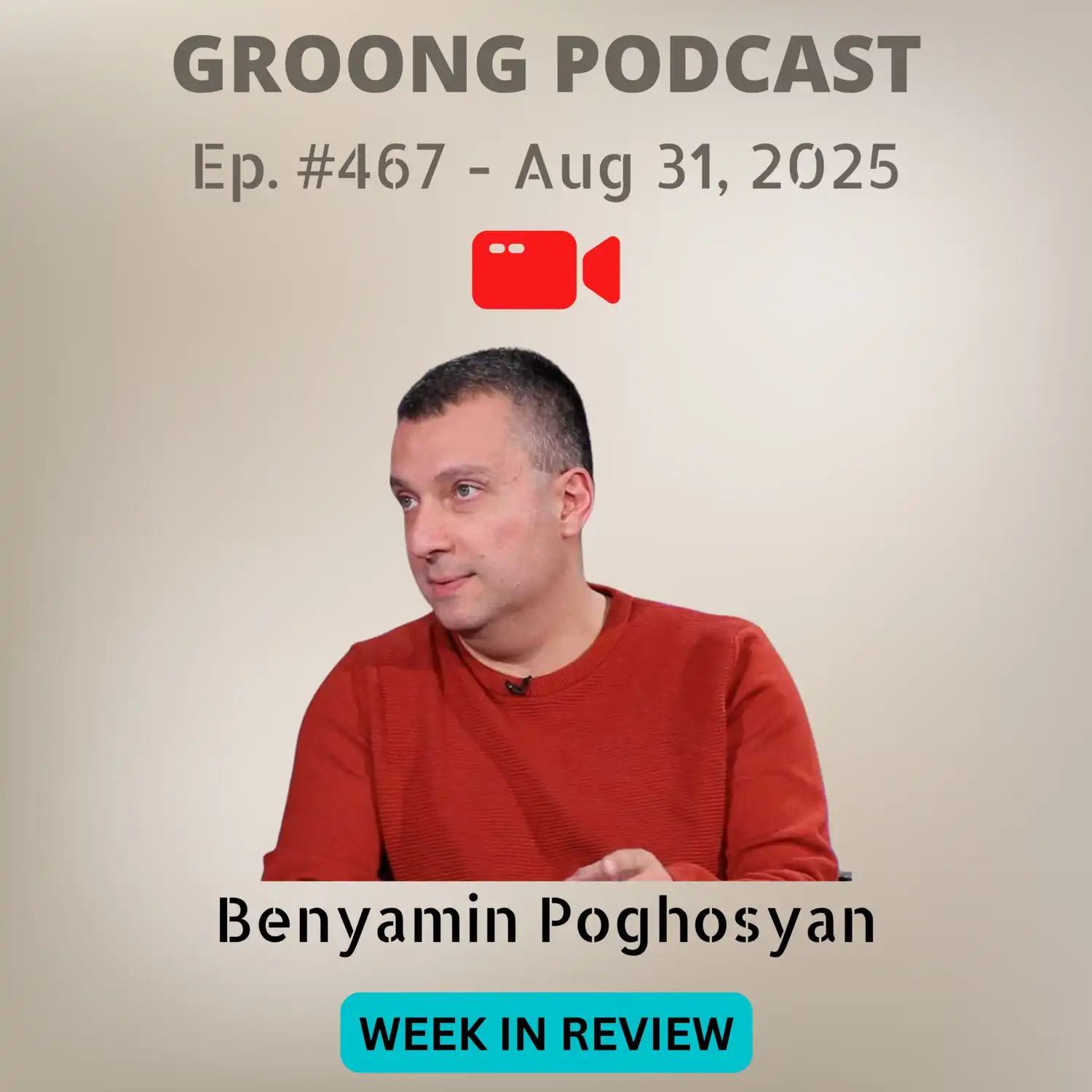
Groong Links:
Guest:
Topics:
- SCO Summit in China
- The UK in Armenia
- TRIPP / Zangezur Corridor
- Russian Azerbaijani Relations
Episode 467 | Recorded: September 1, 2025
Benyamin Poghosyan - SCO Summit, TRIPP Corridor, RU - AZ Rift, UK Ties | Ep 467, Aug 31, 2025 [EP467]
Posted on Tuesday, Sep 2, 2025 | Category: Armenia, Politics, Artsakh, Nagorno Karabakh, Azerbaijan, China, India, Russia, USA, Georgia, Armenian Genocide, NATO, Iran, Turkey, Genocide, Israel, European UnionGroong Links:
Guest:
Topics:
- SCO Summit in China
- The UK in Armenia
- TRIPP / Zangezur Corridor
- Russian Azerbaijani Relations
Episode 467 | Recorded: September 1, 2025
Jeffrey Sachs - TRIPP down Zangezur Corridor | Ep 466, Aug 29, 2025 [EP466]
Posted on Friday, Aug 29, 2025 | Category: Armenia, Geopolitics, Azerbaijan, Artsakh, Nagorno Karabakh, Russia, Iran, Turkey, Georgia, USA, Economy, Israel, European Union, NATO | Series: cog, video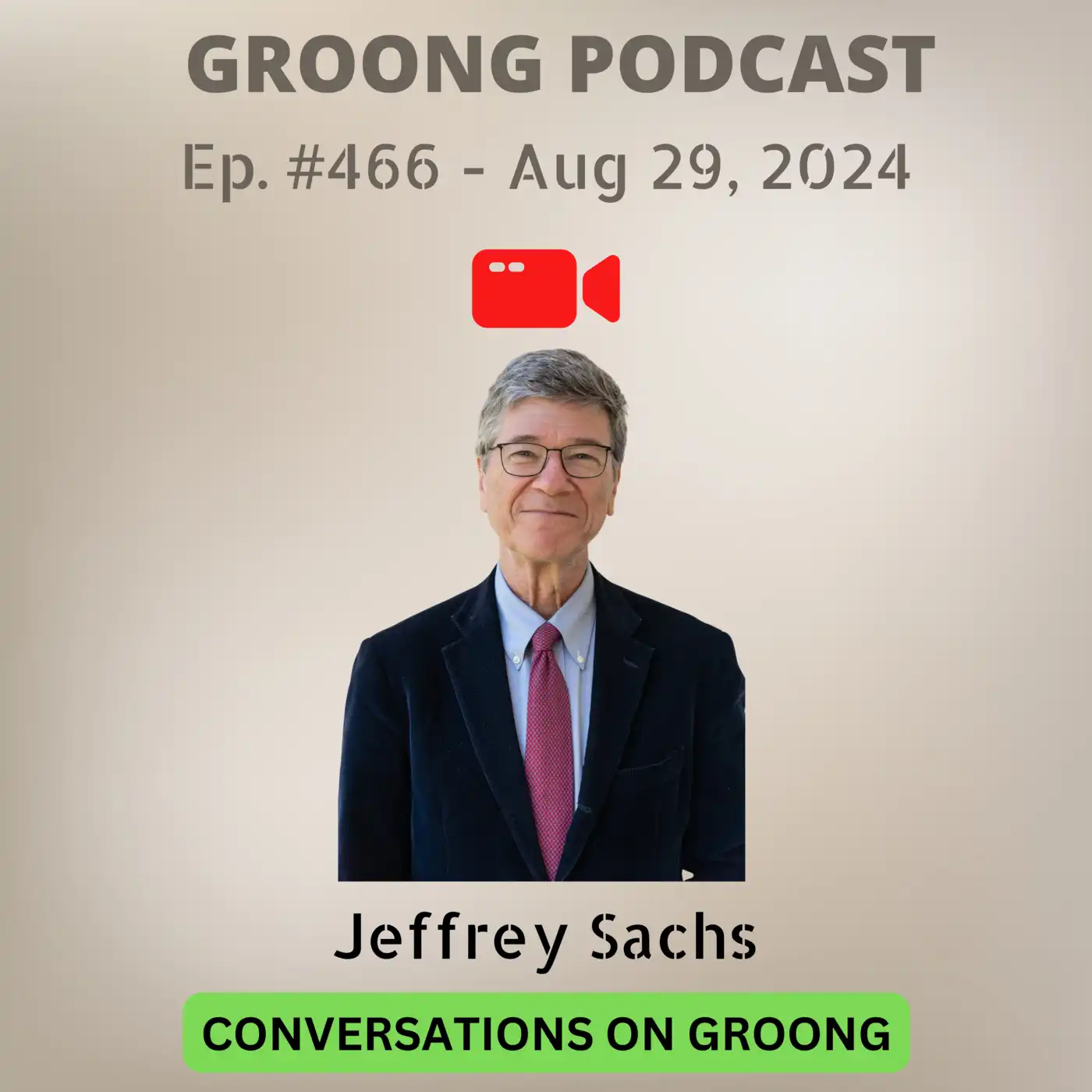
Groong Links:
Guest:
Topics:
- Pashinyan, Aliyev, in the White House
- What âPeaceâ?
- Armenian Economy
Episode 466 | Recorded: August 28, 2025
Jeffrey Sachs - TRIPP down Zangezur Corridor | Ep 466, Aug 29, 2025 [EP466]
Posted on Friday, Aug 29, 2025 | Category: Armenia, Geopolitics, Azerbaijan, Artsakh, Nagorno Karabakh, Russia, Iran, Turkey, Georgia, USA, Economy, Israel, European Union, NATOGroong Links:
Guest:
Topics:
- Pashinyan, Aliyev, in the White House
- What âPeaceâ?
- Armenian Economy
Episode 466 | Recorded: August 28, 2025
Transcript: Jeffrey Sachs - TRIPP down Zangezur Corridor | Ep 466, Aug 29, 2025 [EP466]
Posted on Friday, Aug 29, 2025 | Category: Armenia, Geopolitics, Azerbaijan, Artsakh, Nagorno Karabakh, Russia, Iran, Turkey, Georgia, USA, Economy, Israel, European Union, NATO, TranscriptIn this episode of Conversations on Groong, renowned economist Jeffrey Sachs joins to discuss the U.S.-brokered “TRIPP” (Trump Route for International Peace and Prosperity), also known as the Zangezur Corridor. The discussion covers the risks of foreign powers imposing corridors through Armenia, the muted response from Moscow, Tehran’s strong opposition, and what this means for regional security. Sachs stresses that Armenia should not look to distant powers like the United States for security or stability, but instead pursue prudent arrangements and economic cooperation with its immediate Read More
Armen Ashotyan - Reflections on Life as a Political Prisoner, Attacks on the Church and Sovereignty | Ep 465, Aug 28, 2025 [EP465]
Posted on Thursday, Aug 28, 2025 | Category: Armenia, Artsakh, Nagorno Karabakh, Human Rights, Armenian Church, Lebanon, Syria, Iran, Russia, India, Middle East, China, European Union, Ukraine, Azerbaijan | Series: cog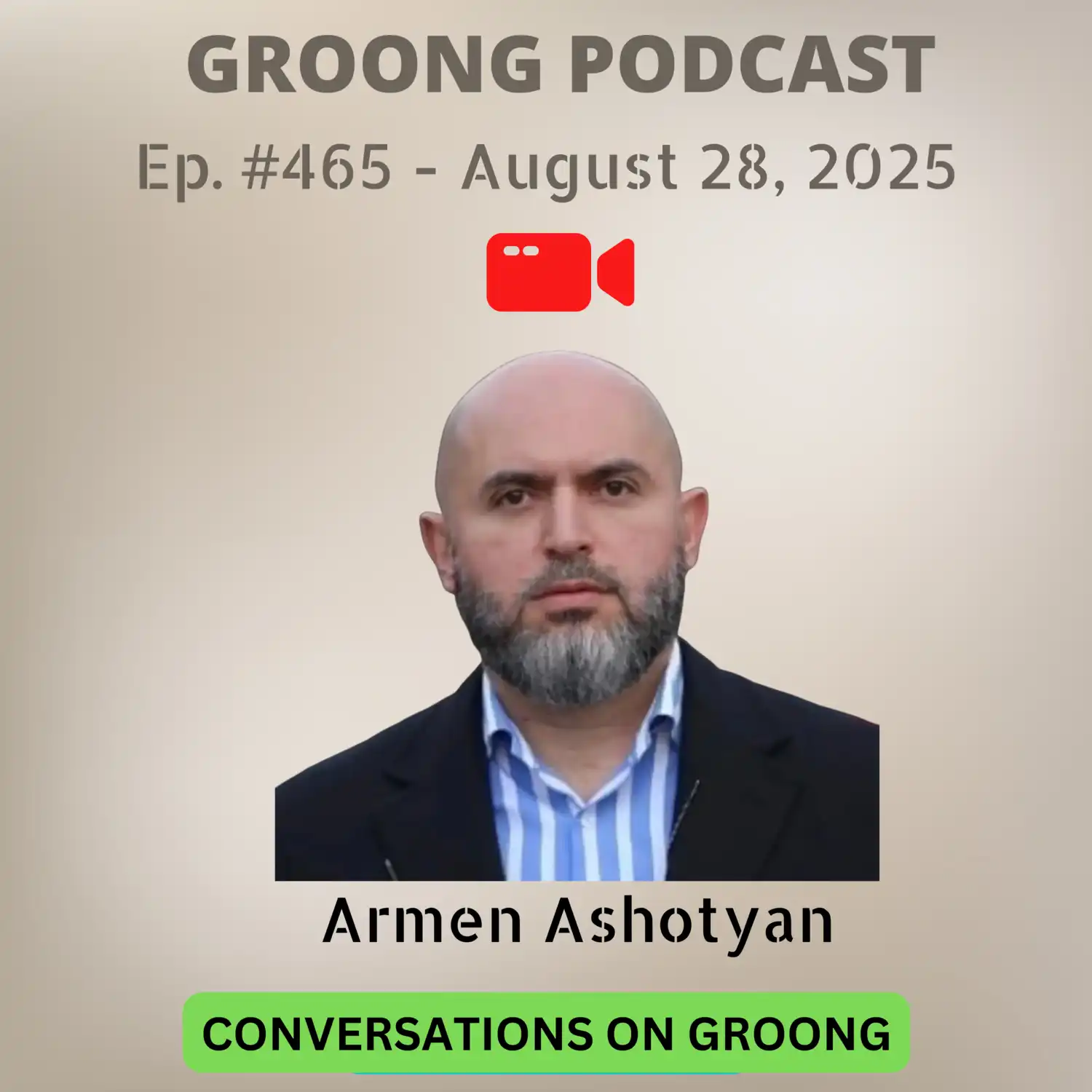
Groong Links:
Guest:
- Armen Ashotyan , MP, VP Republican Party of Armenia (HHK)
Topics:
- Imprisonment and Political Persecution
- International and Diaspora Response
- Pashinyan Regime Attack on the Church
- The Managed Capitulation Process
Episode 465 | Recorded on August 27, 2025
Armen Ashotyan - Reflections on Life as a Political Prisoner, Attacks on the Church and Sovereignty | Ep 465, Aug 28, 2025 [EP465]
Posted on Thursday, Aug 28, 2025 | Category: Armenia, Artsakh, Nagorno Karabakh, Human Rights, Armenian Church, Lebanon, Syria, Iran, Russia, India, Middle East, China, European Union, Ukraine, AzerbaijanGroong Links:
Guest:
- Armen Ashotyan , MP, VP Republican Party of Armenia (HHK)
Topics:
- Imprisonment and Political Persecution
- International and Diaspora Response
- Pashinyan Regime Attack on the Church
- The Managed Capitulation Process
Episode 465 | Recorded on August 27, 2025
Tevan Poghosyan - State Sovereignty Day, TRIPP Trap, Reactions, Kitchen Sink | Ep 464, Aug 24, 2025 [EP464]
Posted on Tuesday, Aug 26, 2025 | Category: Armenia, Geopolitics, Artsakh, Nagorno Karabakh, Azerbaijan, Iran, Turkey, Russia, Israel, Genocide, China, Ukraine | Series: wir, video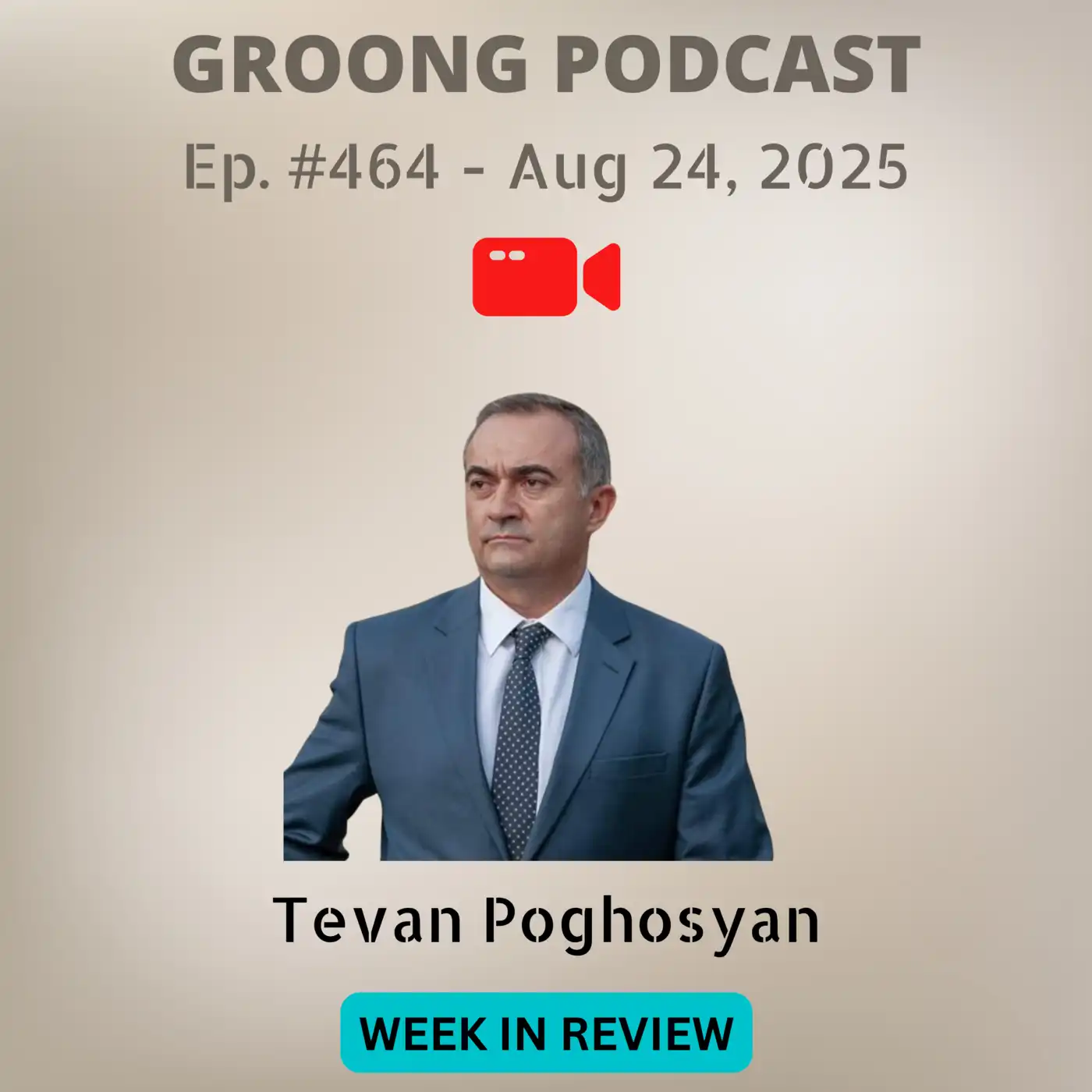
Groong Links:
Guest:
- Tevan Poghosyan , Former MP, Heritage Party
Topics:
- August 23: Armeniaâs declaration of State Sovereignty
- The TRIPP Trap
- Iran - Pezeshkianâs Visit
- Russia - Overchukâs visit
- The Kitchen Sink
Episode 464 | Recorded: August 25, 2025
Tevan Poghosyan - State Sovereignty Day, TRIPP Trap, Reactions, Kitchen Sink | Ep 464, Aug 24, 2025 [EP464]
Posted on Tuesday, Aug 26, 2025 | Category: Armenia, Geopolitics, Artsakh, Nagorno Karabakh, Azerbaijan, Iran, Turkey, Russia, Israel, Genocide, China, UkraineGroong Links:
Guest:
- Tevan Poghosyan , Former MP, Heritage Party
Topics:
- August 23: Armeniaâs declaration of State Sovereignty
- The TRIPP Trap
- Iran - Pezeshkianâs Visit
- Russia - Overchukâs visit
- The Kitchen Sink
Episode 464 | Recorded: August 25, 2025
Sergei Melkonian - Alaska Summit, Trump Corridor, Russia, Azerbaijan, Iran, Our Way | Ep 463, Aug 17, 2025 [EP463]
Posted on Tuesday, Aug 19, 2025 | Category: Armenia, Geopolitics, Artsakh, Nagorno Karabakh, Azerbaijan, Turkey, Russia, Ukraine, Iran, Syria, Armenian Church, NATO | Series: wir, video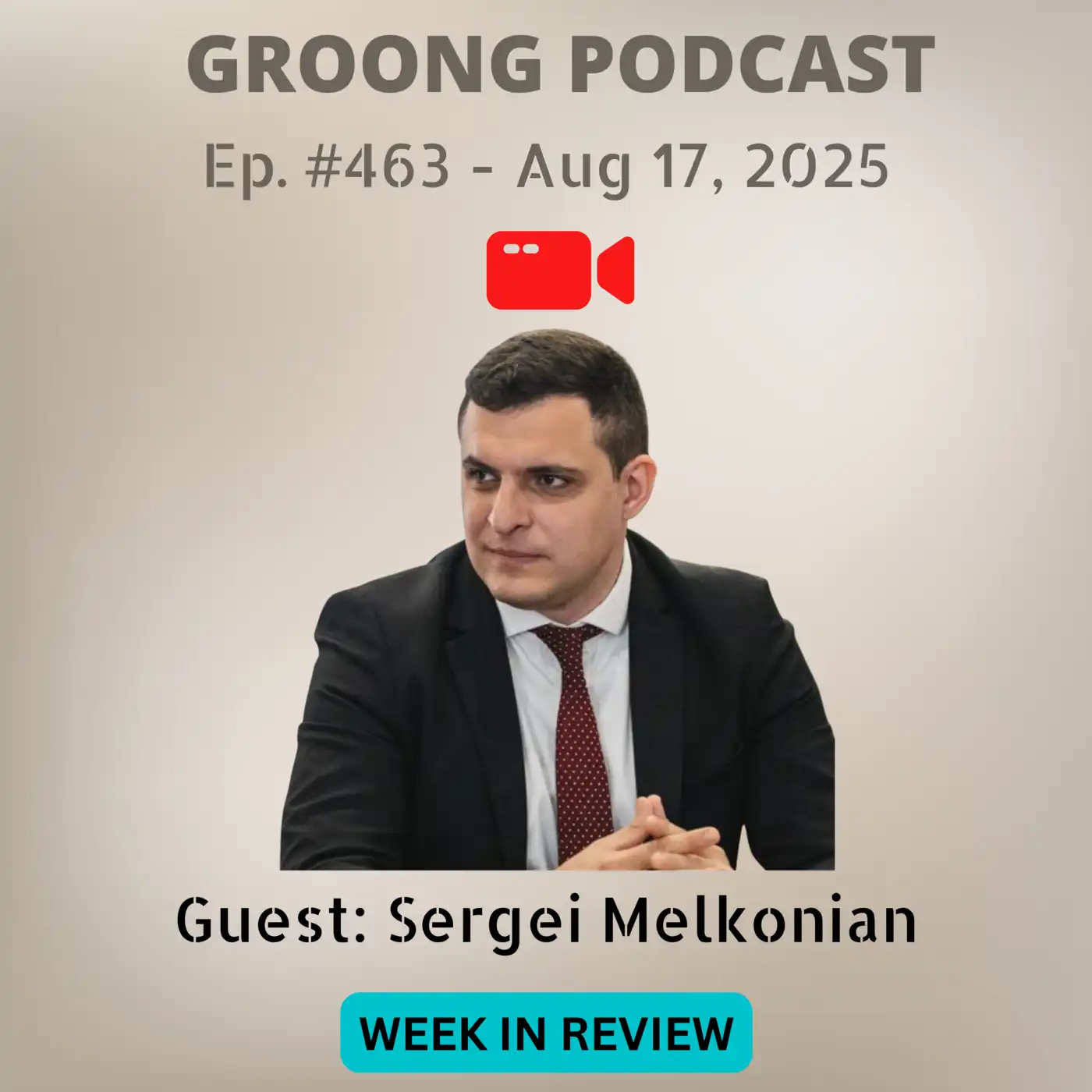
Groong Links:
Guest:
Topics:
- Trump-Putin Alaska Summit
- Trump Corridor Politics
- Russian-Azerbaijani Relations
- Russian-Iranian Recalibration
- New Opposition Emerging - Our Way
Episode 463 | Recorded: August 18, 2025
Sergei Melkonian - Alaska Summit, Trump Corridor, Russia, Azerbaijan, Iran, Our Way | Ep 463, Aug 17, 2025 [EP463]
Posted on Tuesday, Aug 19, 2025 | Category: Armenia, Geopolitics, Artsakh, Nagorno Karabakh, Azerbaijan, Turkey, Russia, Ukraine, Iran, Syria, Armenian Church, NATOGroong Links:
Guest:
Topics:
- Trump-Putin Alaska Summit
- Trump Corridor Politics
- Russian-Azerbaijani Relations
- Russian-Iranian Recalibration
- New Opposition Emerging - Our Way
Episode 463 | Recorded: August 18, 2025
Hamid Bahrami - Iran and the corridor through Syunik, Armenia | Ep 461, Aug 16, 2025 [EP461]
Posted on Saturday, Aug 16, 2025 | Category: Iran, Geopolitics, Armenia, Azerbaijan, Russia, China, Turkey, Israel, Nagorno Karabakh, NATO, Ukraine, Syria, Middle East, Georgia | Series: cog, video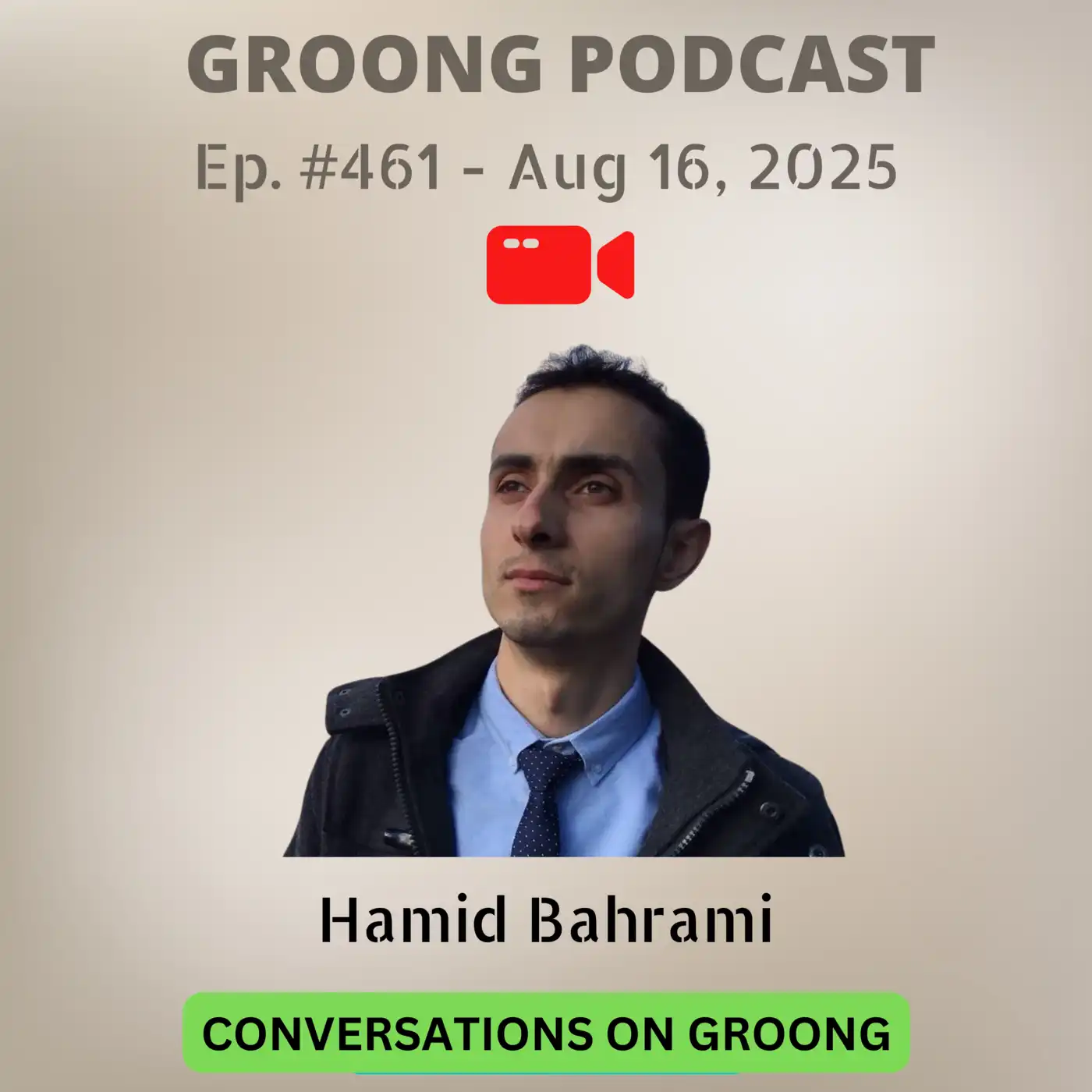
Groong Links:
Guest:
Topics:
- TRIPP Corridor & US Involvement
- US-Israel Strategy & War Risks
- Iranâs Missed Opportunities & Shifts
- Future of IranâArmenia Relations
Episode 461 | Recorded: August 13, 2025
Hamid Bahrami - Iran and the corridor through Syunik, Armenia | Ep 461, Aug 16, 2025 [EP461]
Posted on Saturday, Aug 16, 2025 | Category: Iran, Geopolitics, Armenia, Azerbaijan, Russia, China, Turkey, Israel, Nagorno Karabakh, NATO, Ukraine, Syria, Middle East, GeorgiaGroong Links:
Guest:
Topics:
- TRIPP Corridor & US Involvement
- US-Israel Strategy & War Risks
- Iranâs Missed Opportunities & Shifts
- Future of IranâArmenia Relations
Episode 461 | Recorded: August 13, 2025
Dziunik Aghajanian - Trump, Aliyev, Pashinyan Oval Office Meeting and Reactions | Ep 459, Aug 10, 2025 [EP459]
Posted on Tuesday, Aug 12, 2025 | Category: Armenia, Politics, Iran, Nagorno Karabakh, Azerbaijan, Turkey, USA, Russia, BRICS, Genocide, China, Economy, Israel, Ukraine, Human Rights, Lebanon, Middle East, Syria | Series: wir, video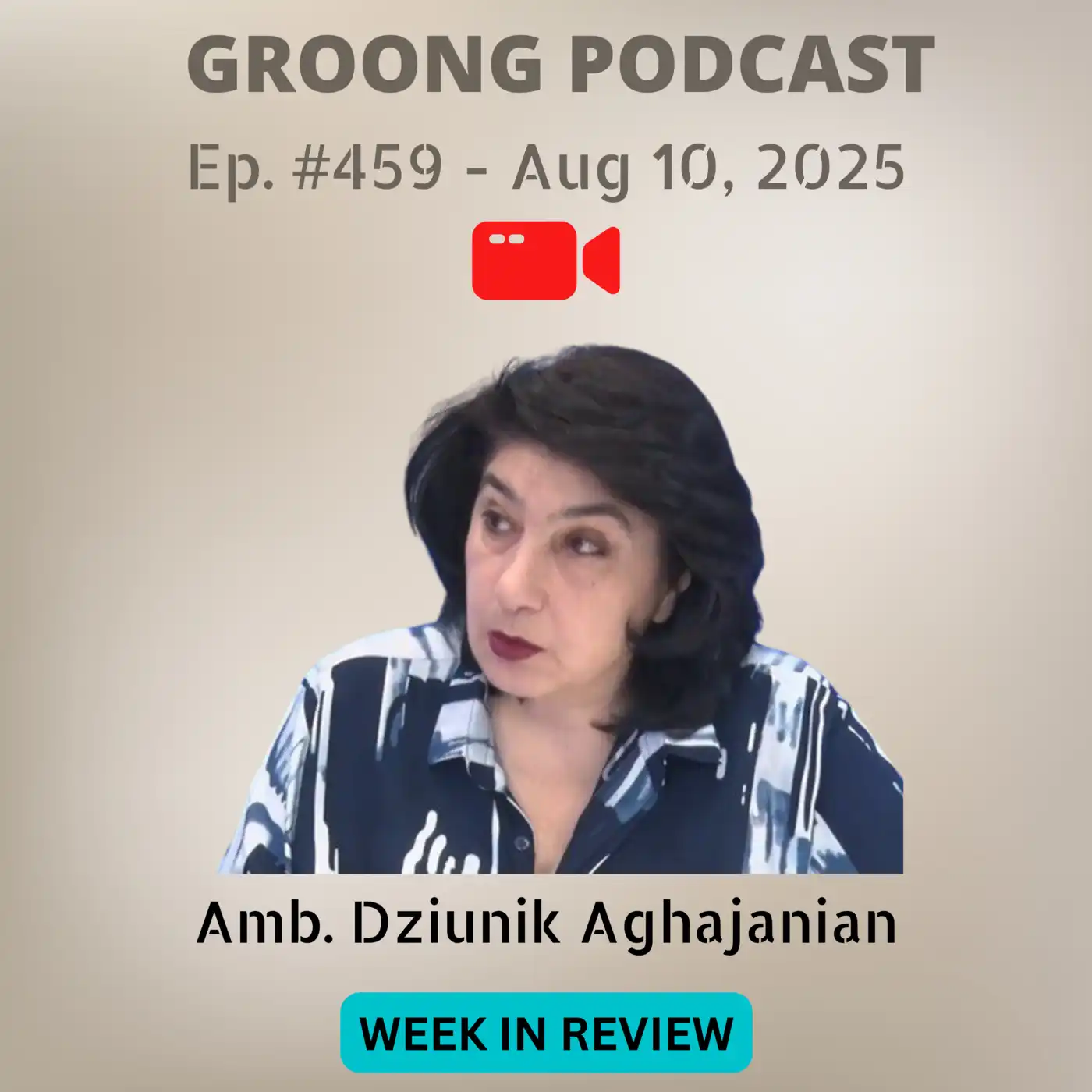
Groong Links:
Guest:
Topics:
- Trump, Aliyev, Pashinyan Meeting
- Iranian Reaction
- Russian Reaction
Episode 459 | Recorded: August 11, 2025
Dziunik Aghajanian - Trump, Aliyev, Pashinyan Oval Office Meeting and Reactions | Ep 459, Aug 10, 2025 [EP459]
Posted on Tuesday, Aug 12, 2025 | Category: Armenia, Politics, Iran, Nagorno Karabakh, Azerbaijan, Turkey, USA, Russia, BRICS, Genocide, China, Economy, Israel, Ukraine, Human Rights, Lebanon, Middle East, SyriaGroong Links:
Guest:
Topics:
- Trump, Aliyev, Pashinyan Meeting
- Iranian Reaction
- Russian Reaction
Episode 459 | Recorded: August 11, 2025
Stanislav Krapivnik - The Evolving World Order, Russia, and the South Caucasus | Ep 458, Aug 9, 2025 [EP458]
Posted on Sunday, Aug 10, 2025 | Category: Georgia, Politics, Ukraine, Artsakh, Nagorno Karabakh, Armenia, Azerbaijan, Armenian Church, Russia, Iran, NATO, Turkey, Economy, Israel | Series: cog, video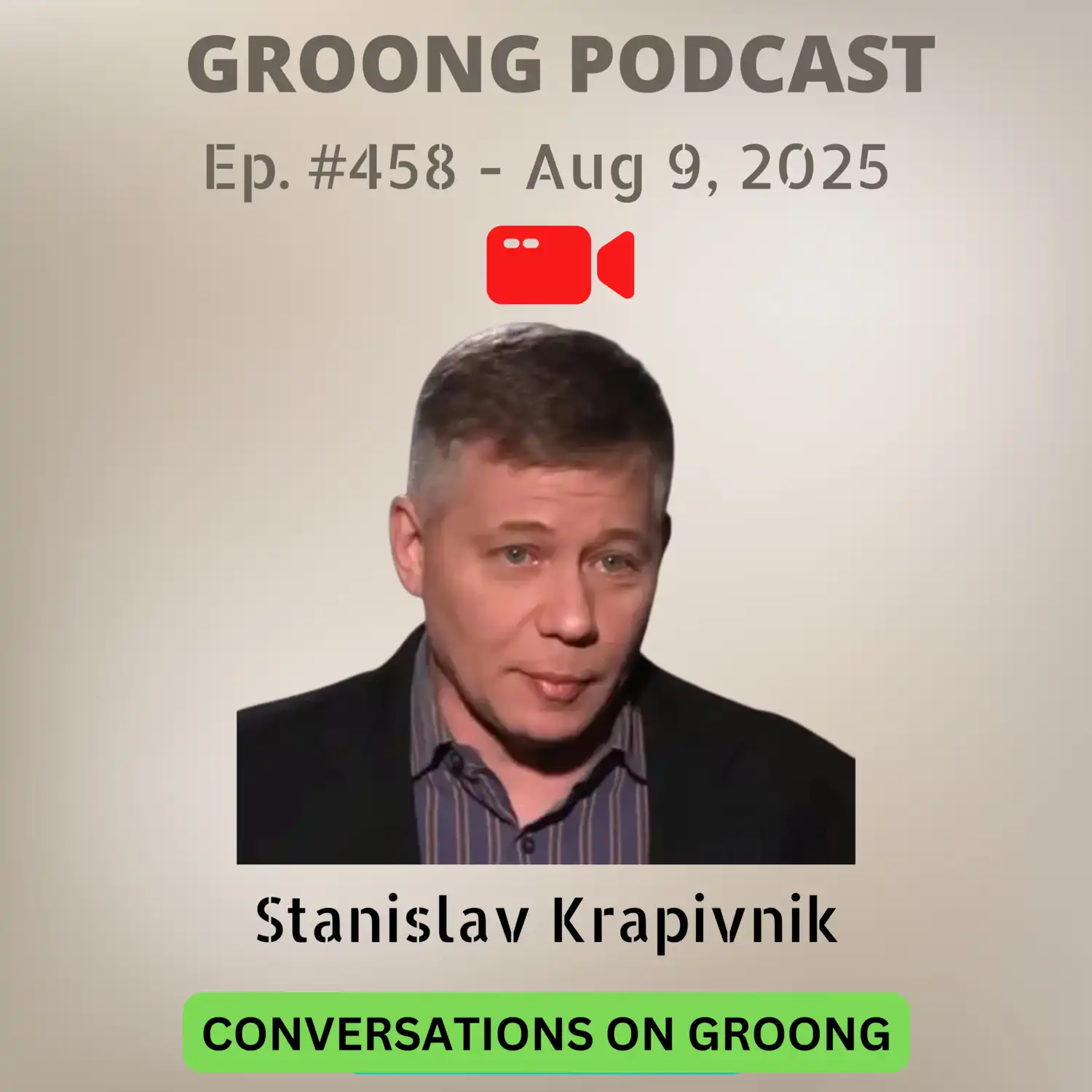
Groong Links:
Guest:
Topics:
- Trump, Pashinyan, Aliyev DC Summit
- Ukraine War and the Shifting World Order
- Russia and the South Caucasus
Episode 458 | Recorded: August 9, 2025
Stanislav Krapivnik - The Evolving World Order, Russia, and the South Caucasus | Ep 458, Aug 9, 2025 [EP458]
Posted on Sunday, Aug 10, 2025 | Category: Georgia, Politics, Ukraine, Artsakh, Nagorno Karabakh, Armenia, Azerbaijan, Armenian Church, Russia, Iran, NATO, Turkey, Economy, IsraelGroong Links:
Guest:
Topics:
- Trump, Pashinyan, Aliyev DC Summit
- Ukraine War and the Shifting World Order
- Russia and the South Caucasus
Episode 458 | Recorded: August 9, 2025
Transcript: Stanislav Krapivnik - The Evolving World Order, Russia, and the South Caucasus | Ep 458, Aug 9, 2025 [EP458]
Posted on Sunday, Aug 10, 2025 | Category: Georgia, Politics, Ukraine, Artsakh, Nagorno Karabakh, Armenia, Azerbaijan, Armenian Church, Russia, Iran, NATO, Turkey, Economy, Israel, TranscriptIn this episode, former U.S. Army officer and military-political analyst Stanislav Krapivnik discusses the geopolitical fallout from the Trump-Pashinyan-Aliyev summit in Washington, which saw the announcement of a “peace” framework, the dissolution of the OSCE Minsk Group, U.S. plans for a 99-year “Trump Corridor” across Armenia, and the dropping of Section 907 to allow arms sales to Azerbaijan. He examines Russia’s heavy focus on the Ukraine war at the expense of the South Caucasus, the loss of Russian leverage over Armenia and Azerbaijan, and the growing role of Turkey. Krapivnik warns of Read More
Benyamin Poghosyan - Trump Ultimatum to Putin, Corridor Pressures, DC Summit, Kitchen Sink | Ep 457, Aug 3, 2025 [EP457]
Posted on Tuesday, Aug 5, 2025 | Category: Armenia, Politics, Poll, Artsakh, Nagorno Karabakh, Azerbaijan, Iran, Ukraine, Russia, India, China, Armenian Genocide, NATO | Series: wir, video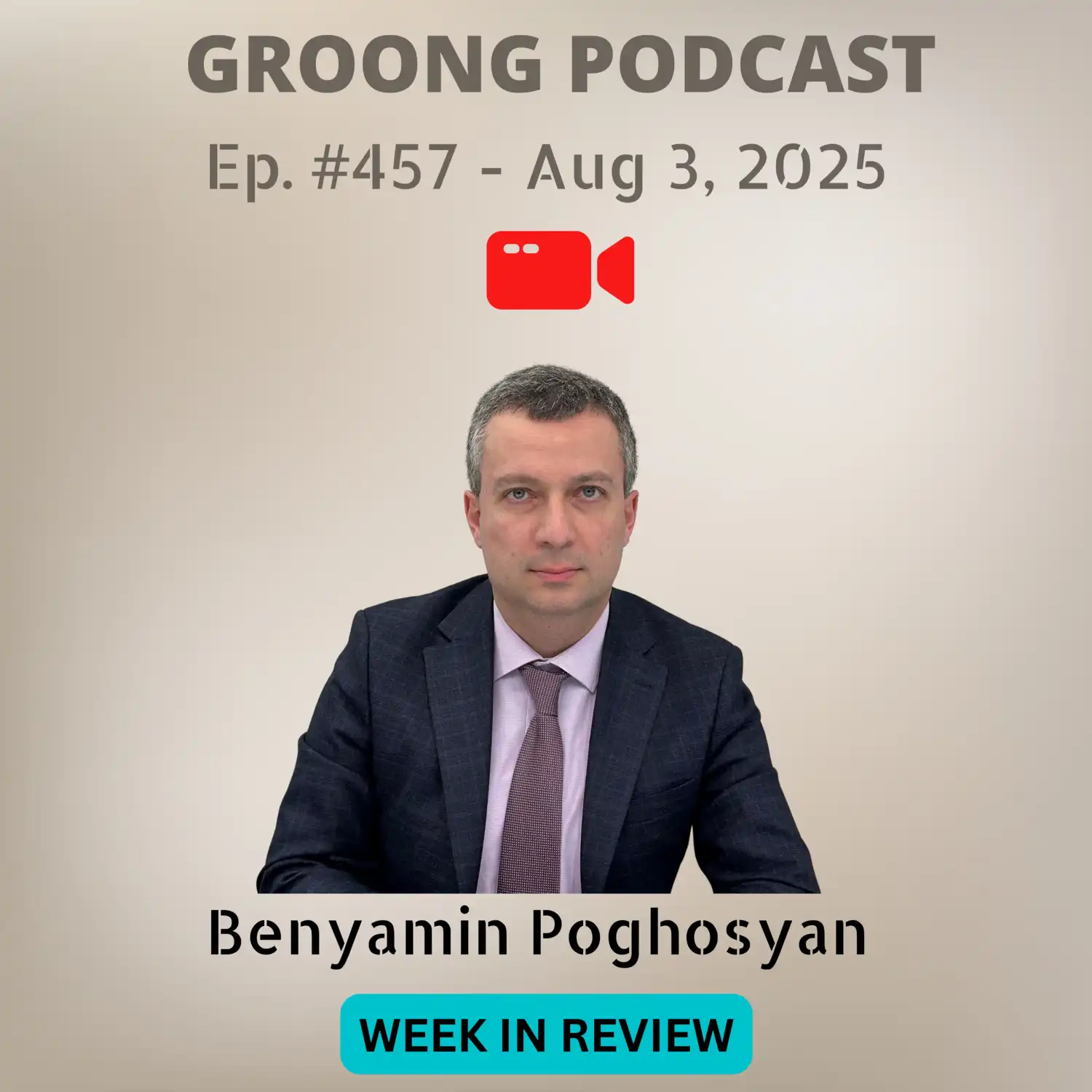
Groong Links:
Guest:
Topics:
- Trump Ultimatum to Putin
- US Sanctions effect on Armenia
- Turkey, US, and Armeniaâs Territory
- The Kitchen Sink
Episode 457 | Recorded: August 3, 2025
Benyamin Poghosyan - Trump Ultimatum to Putin, Corridor Pressures, DC Summit, Kitchen Sink | Ep 457, Aug 3, 2025 [EP457]
Posted on Tuesday, Aug 5, 2025 | Category: Armenia, Politics, Poll, Artsakh, Nagorno Karabakh, Azerbaijan, Iran, Ukraine, Russia, India, China, Armenian Genocide, NATOGroong Links:
Guest:
Topics:
- Trump Ultimatum to Putin
- US Sanctions effect on Armenia
- Turkey, US, and Armeniaâs Territory
- The Kitchen Sink
Episode 457 | Recorded: August 3, 2025
Benyamin Poghosyan - Public Trust in Freefall, Church on the Rise, and Corridor Pressures Mount | Ep 456, Jul 27, 2025 [EP456]
Posted on Tuesday, Jul 29, 2025 | Category: Armenia, Politics, Poll, Russia, Iran, Georgia, Azerbaijan, Turkey, Ukraine, Middle East, Israel, China, India, Geopolitics, Artsakh, Armenian Church, Nagorno Karabakh, European Union, Economy, Syria | Series: wir, video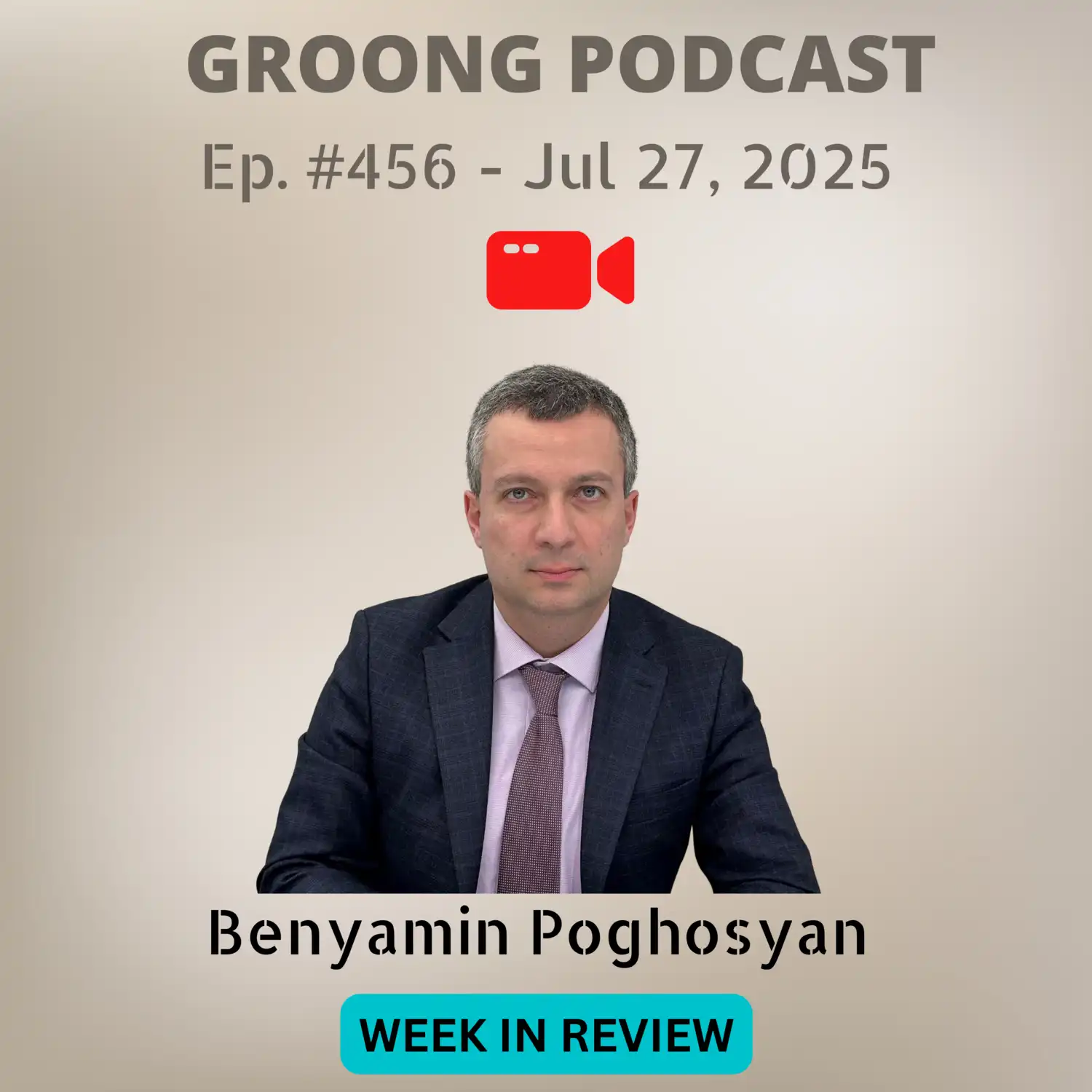
Groong Links:
Guest:
Topics:
- Corridor Logic
- Crackdown Logic
- IRI Poll
- Russian-Azerbaijani Relations
Episode 456 | Recorded: July 28, 2025
Benyamin Poghosyan - Public Trust in Freefall, Church on the Rise, and Corridor Pressures Mount | Ep 456, Jul 27, 2025 [EP456]
Posted on Tuesday, Jul 29, 2025 | Category: Armenia, Politics, Poll, Russia, Iran, Georgia, Azerbaijan, Turkey, Ukraine, Middle East, Israel, China, India, Geopolitics, Artsakh, Armenian Church, Nagorno Karabakh, European Union, Economy, SyriaGroong Links:
Guest:
Topics:
- Corridor Logic
- Crackdown Logic
- IRI Poll
- Russian-Azerbaijani Relations
Episode 456 | Recorded: July 28, 2025
Arthur Khachatryan - Artsakh Negotiations, Armenian Domestic Politics | Ep 455, Jul 27, 2025 [EP455]
Posted on Sunday, Jul 27, 2025 | Category: Georgia, Politics, Artsakh, Nagorno Karabakh, Azerbaijan, Armenian Church, Armenia, Russia, Turkey, Human Rights, Ukraine, Genocide | Series: cog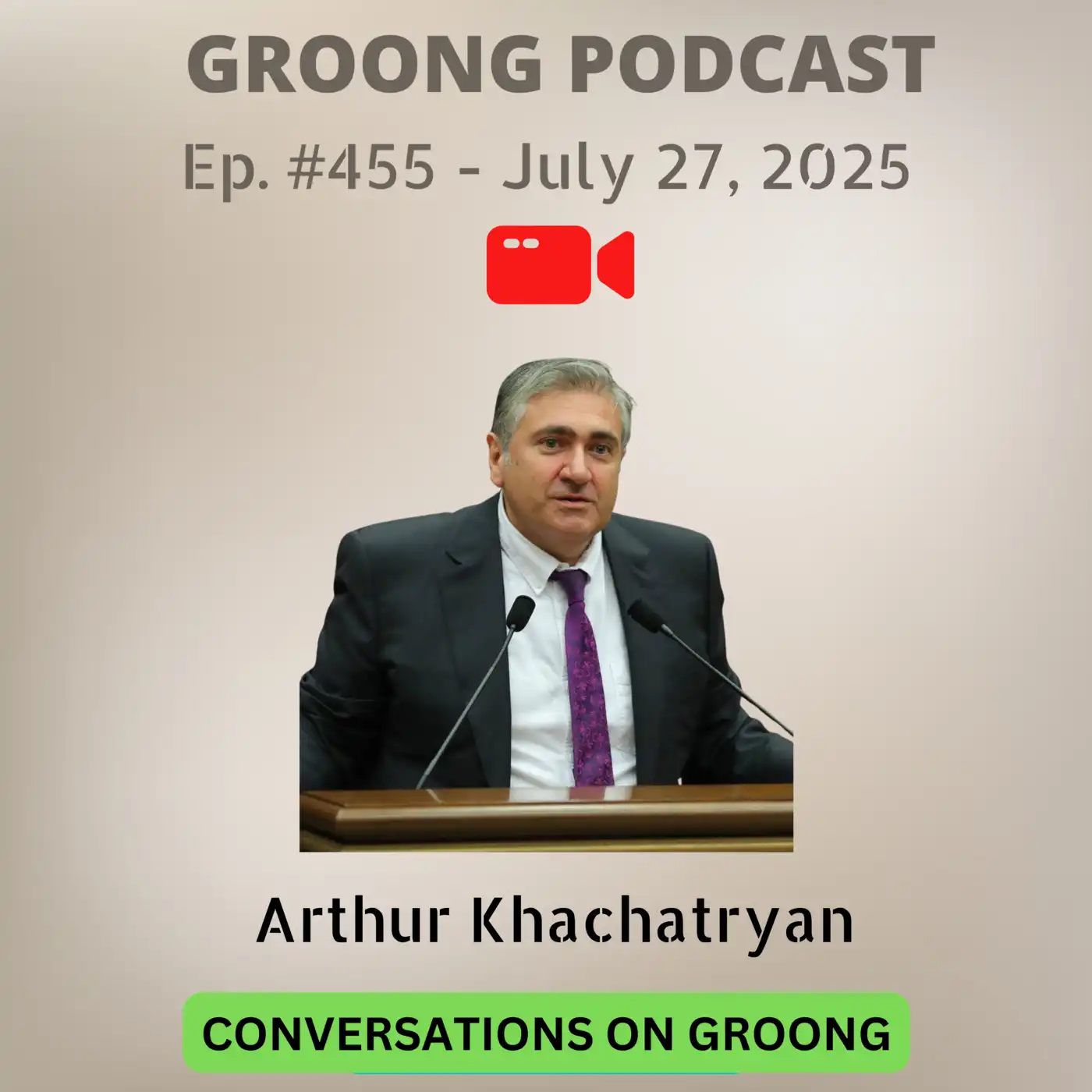
Groong Links:
Guest:
- Arthur Khachatryan , MP
Topics:
- Artsakh Negotiations
- Armenian Domestic Politics
Episode 455 | Recorded: July 25, 2025
Arthur Khachatryan - Artsakh Negotiations, Armenian Domestic Politics | Ep 455, Jul 27, 2025 [EP455]
Posted on Sunday, Jul 27, 2025 | Category: Georgia, Politics, Artsakh, Nagorno Karabakh, Azerbaijan, Armenian Church, Armenia, Russia, Turkey, Human Rights, Ukraine, GenocideGroong Links:
Guest:
- Arthur Khachatryan , MP
Topics:
- Artsakh Negotiations
- Armenian Domestic Politics
Episode 455 | Recorded: July 25, 2025
Archil Sikharulidze - Why does Georgia matter for the EU | Ep 454, Jul 24, 2025 [EP454]
Posted on Thursday, Jul 24, 2025 | Category: Georgia, Politics, Armenia, Azerbaijan, Russia, USA, Armenian Church, Nagorno Karabakh, European Union, Iran, China, Turkey, Ukraine, NATO, Economy, Human Rights, India, Israel | Series: cog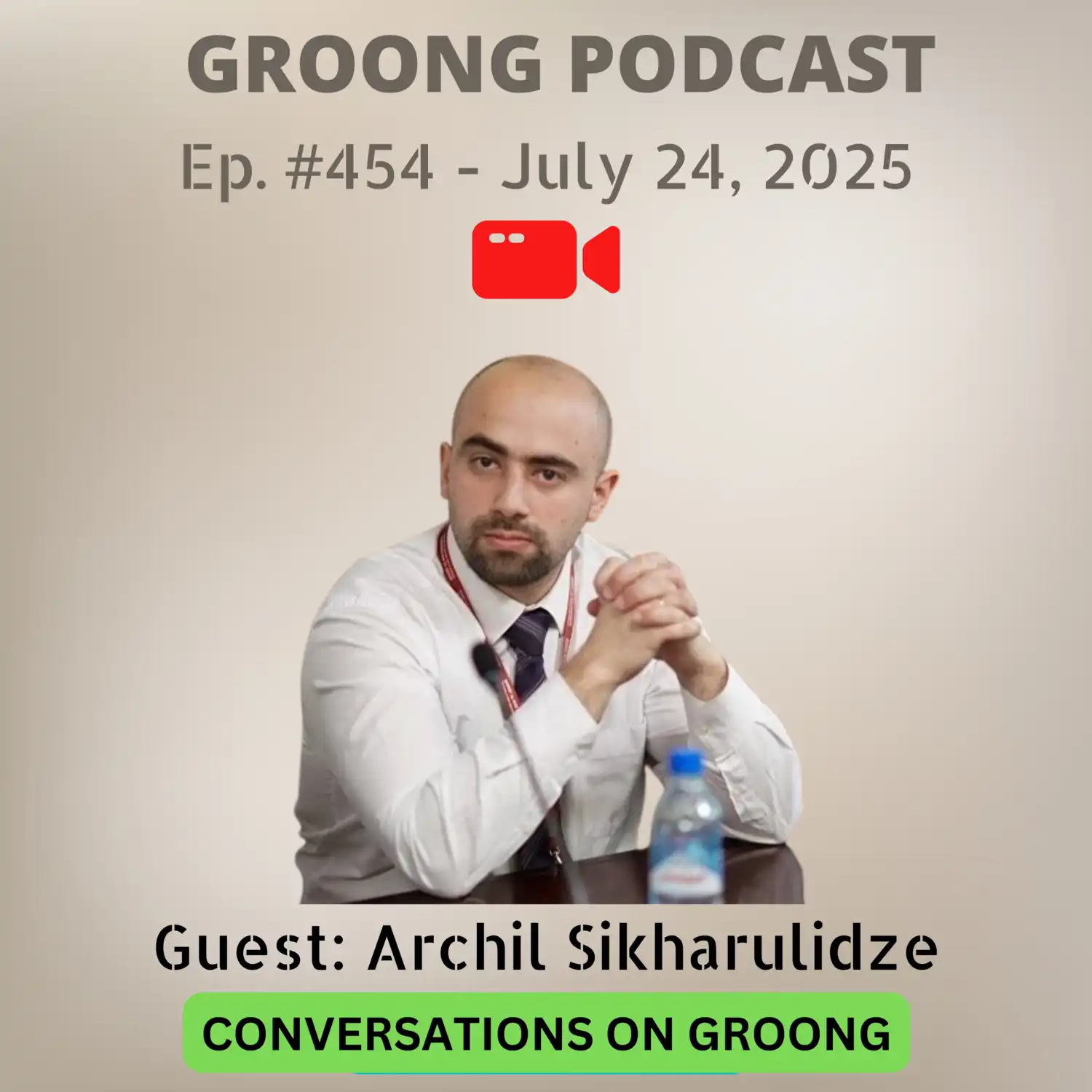
Groong Links:
Guest:
Topics:
- EU Strategy in the South Caucasus
- Attacks on the National Church
- 2025 Local Election Politics
Episode 454 | Recorded: July 22, 2025
Archil Sikharulidze - Why does Georgia matter for the EU | Ep 454, Jul 24, 2025 [EP454]
Posted on Thursday, Jul 24, 2025 | Category: Georgia, Politics, Armenia, Azerbaijan, Russia, USA, Armenian Church, Nagorno Karabakh, European Union, Iran, China, Turkey, Ukraine, NATO, Economy, Human Rights, India, IsraelGroong Links:
Guest:
Topics:
- EU Strategy in the South Caucasus
- Attacks on the National Church
- 2025 Local Election Politics
Episode 454 | Recorded: July 22, 2025
Pashinyan Meets Aliyev as Armenia Cracks Down on Opposition and Church | Ep 453, Jul 13, 2025 [EP453]
Posted on Sunday, Jul 13, 2025 | Category: Armenia, Politics, Artsakh, Nagorno Karabakh, Azerbaijan, Turkey, Russia, Armenian Church, Iran, Economy, Israel, NATO, Middle East, Ukraine | Series: wir, video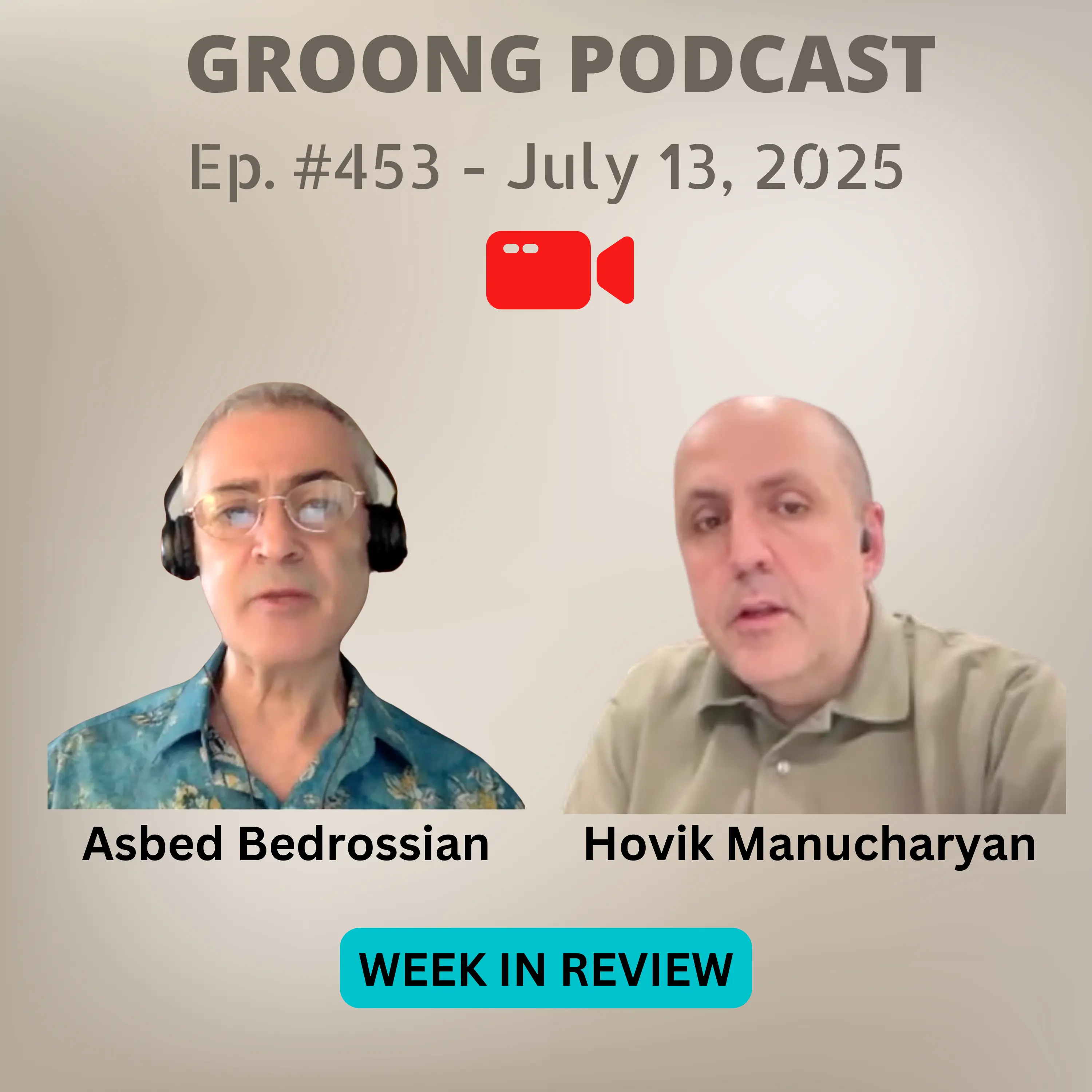
Groong Links:
Topics:
- Pashinyan meets Aliyev in Abu Dhabi
- Continued Persecution of Church and Opposition
Episode 453 | Recorded: July 13, 2025
Pashinyan Meets Aliyev as Armenia Cracks Down on Opposition and Church | Ep 453, Jul 13, 2025 [EP453]
Posted on Sunday, Jul 13, 2025 | Category: Armenia, Politics, Artsakh, Nagorno Karabakh, Azerbaijan, Turkey, Russia, Armenian Church, Iran, Economy, Israel, NATO, Middle East, UkraineGroong Links:
Topics:
- Pashinyan meets Aliyev in Abu Dhabi
- Continued Persecution of Church and Opposition
Episode 453 | Recorded: July 13, 2025
Arthur Martirosyan - Constitution, Western Controlled Syunik, Church Crackdown | Ep 452, Jul 6, 2025 [EP452]
Posted on Tuesday, Jul 8, 2025 | Category: Armenia, Politics, Turkey, Azerbaijan, Russia, Iran, Armenian Church, Artsakh, Nagorno Karabakh, Ukraine, NATO, China, Economy, Genocide | Series: wir, video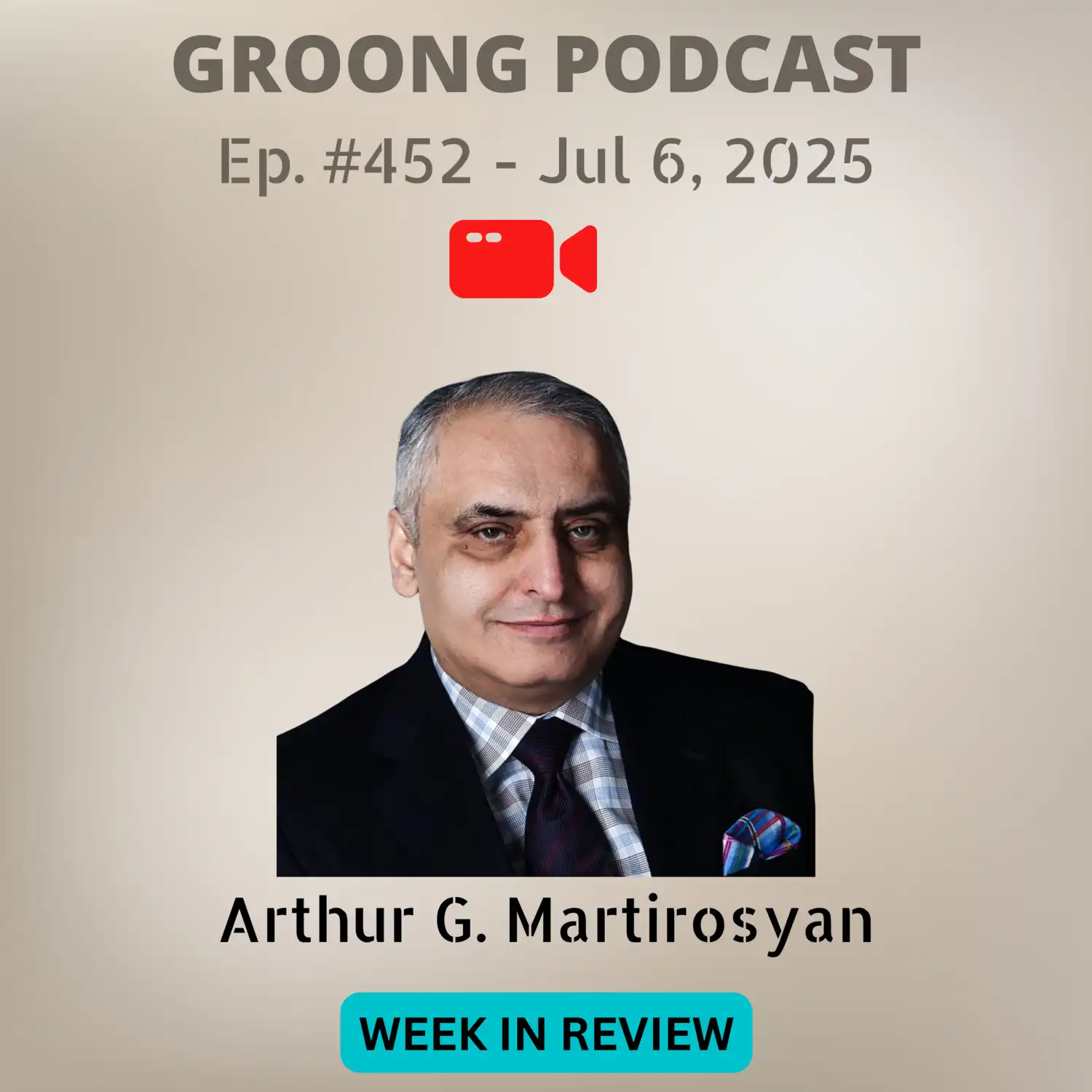
Groong Links:
Guest:
Topics:
- Constitution Day
- Western Controlled Syunik?
- What was Kallas Doing in Yerevan?
- Russian-Azerbaijani Relations
- Coup dâEtat? Or Coup dâÃglise?
- The Kitchen Sink
Episode 452 | Recorded: July 7, 2025
Arthur Martirosyan - Constitution, Western Controlled Syunik, Church Crackdown | Ep 452, Jul 6, 2025 [EP452]
Posted on Tuesday, Jul 8, 2025 | Category: Armenia, Politics, Turkey, Azerbaijan, Russia, Iran, Armenian Church, Artsakh, Nagorno Karabakh, Ukraine, NATO, China, Economy, GenocideGroong Links:
Guest:
Topics:
- Constitution Day
- Western Controlled Syunik?
- What was Kallas Doing in Yerevan?
- Russian-Azerbaijani Relations
- Coup dâEtat? Or Coup dâÃglise?
- The Kitchen Sink
Episode 452 | Recorded: July 7, 2025
Dziunik Aghajanian – Fallout from Israel’s War on Iran, Azerbaijan’s Confrontation with Russia, Pashinyan’s Persecution of the Armenian Church, while he courts the EU | Ep 451 [EP451]
Posted on Tuesday, Jul 1, 2025 | Category: Armenia, Politics, Iran, Nagorno Karabakh, Azerbaijan, Turkey, USA, Israel, Armenian Church, Artsakh, Georgia, Russia, Economy | Series: wir, video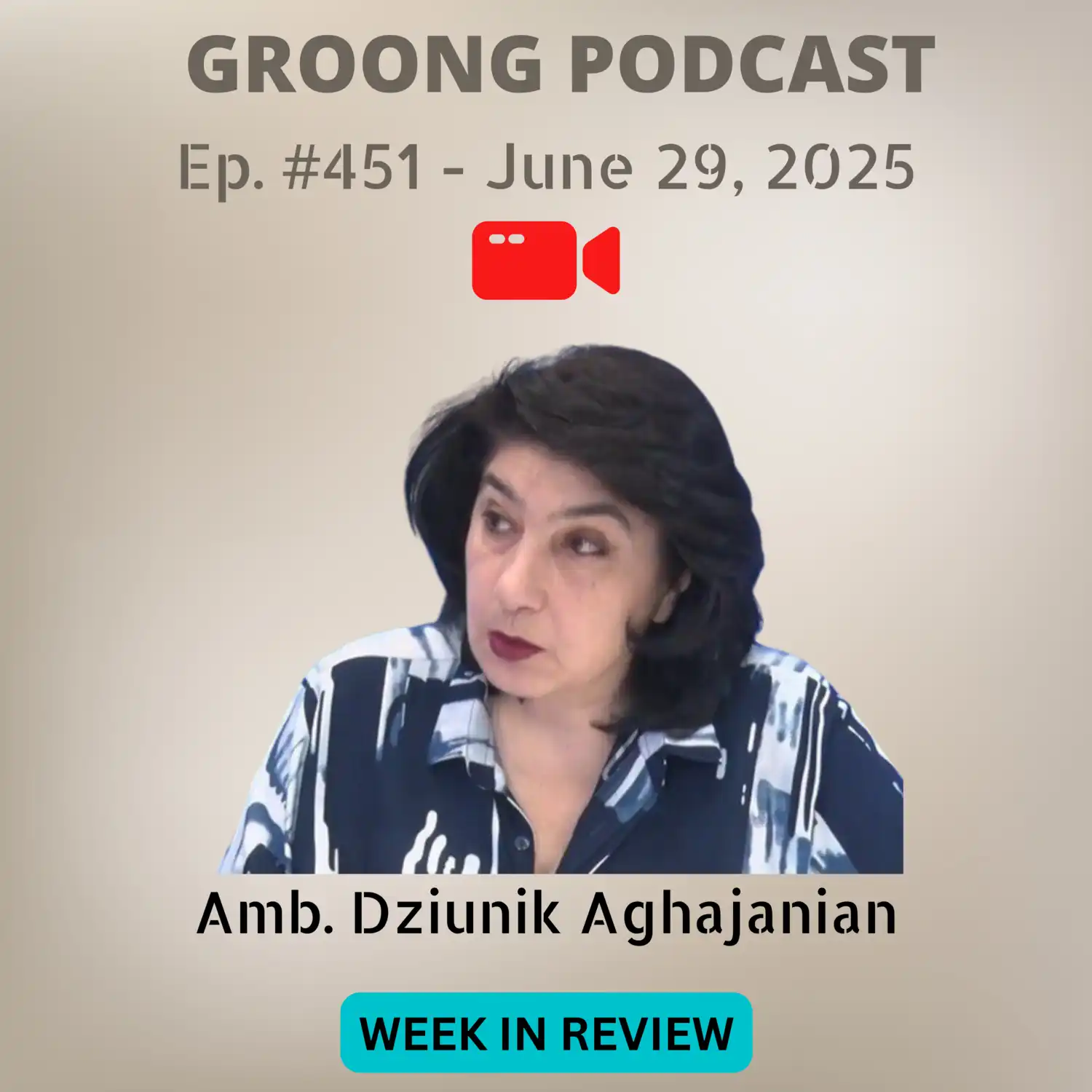
Groong Links:
Guest:
Topics:
- Iran War
- Iran-Azerbaijan Relations
- Russian-Azerbaijani Tensions
- Russian-Armenian Relations
- Persecution of The Church Continues
- Kaja Kallas in Armenia
- OIC Declaration
Episode 451 | Recorded: June 30, 2025
Dziunik Aghajanian – Fallout from Israel’s War on Iran, Azerbaijan’s Confrontation with Russia, Pashinyan’s Persecution of the Armenian Church, while he courts the EU | Ep 451 [EP451]
Posted on Tuesday, Jul 1, 2025 | Category: Armenia, Politics, Iran, Nagorno Karabakh, Azerbaijan, Turkey, USA, Israel, Armenian Church, Artsakh, Georgia, Russia, EconomyGroong Links:
Guest:
Topics:
- Iran War
- Iran-Azerbaijan Relations
- Russian-Azerbaijani Tensions
- Russian-Armenian Relations
- Persecution of The Church Continues
- Kaja Kallas in Armenia
- OIC Declaration
Episode 451 | Recorded: June 30, 2025
Karen Kwiatkowski - Israel Attacks Iran, Where did Trump’s America 1st Go | Ep 450, June 28, 2025 [EP450]
Posted on Saturday, Jun 28, 2025 | Category: Iran, USA, Geopolitics, Israel, Ukraine, China, Russia, Armenia, NATO, Syria, Turkey, Middle East, Lebanon, Azerbaijan | Series: cog, video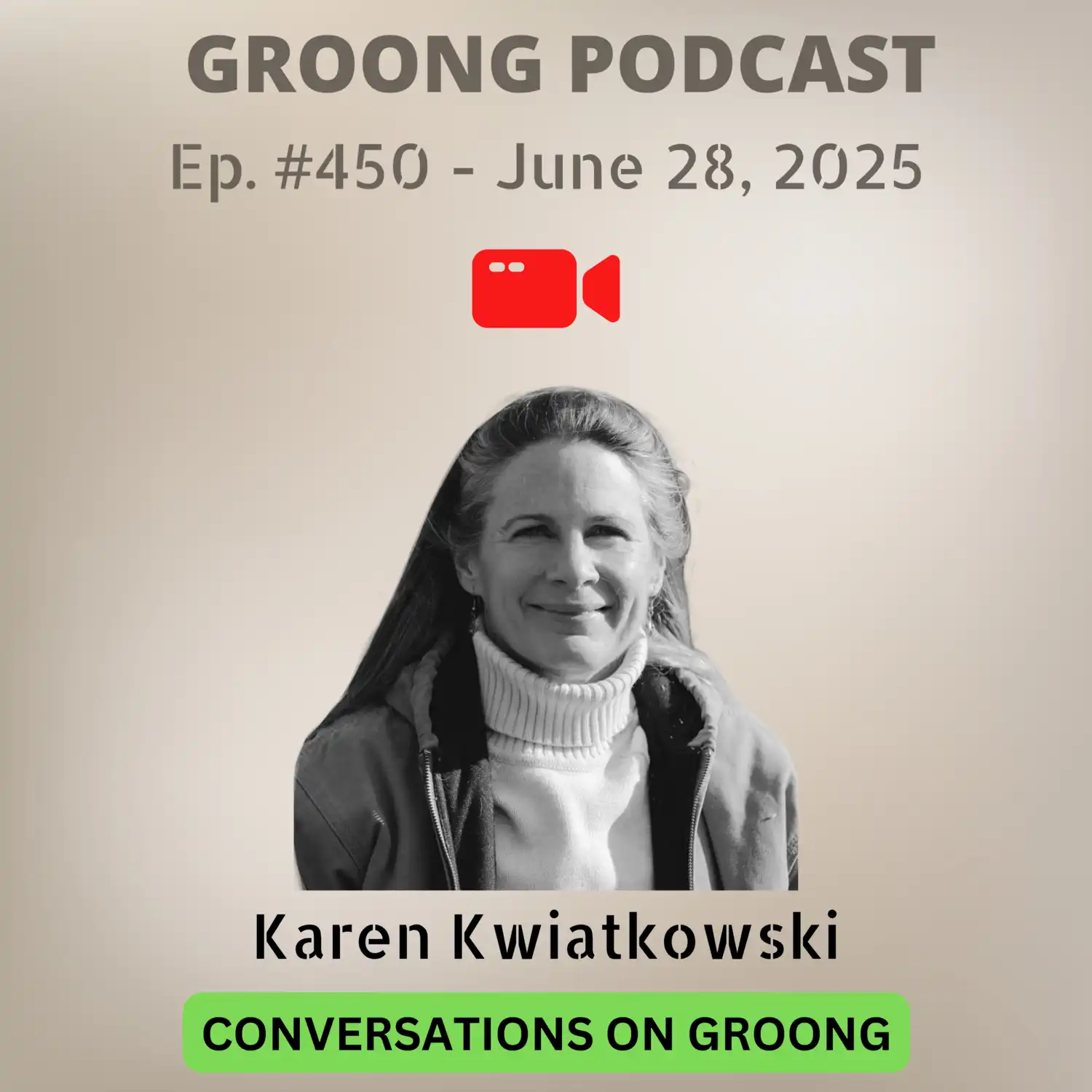
Groong Links:
Guest:
Topics:
- The 12-Day War
- Where did Trumpâs American 1st Go?
Episode 450 | Recorded: June 26, 2025
Karen Kwiatkowski - Israel Attacks Iran, Where did Trump’s America 1st Go | Ep 450, June 28, 2025 [EP450]
Posted on Saturday, Jun 28, 2025 | Category: Iran, USA, Geopolitics, Israel, Ukraine, China, Russia, Armenia, NATO, Syria, Turkey, Middle East, Lebanon, AzerbaijanGroong Links:
Guest:
Topics:
- The 12-Day War
- Where did Trumpâs American 1st Go?
Episode 450 | Recorded: June 26, 2025
Transcript: Karen Kwiatkowski - Israel Attacks Iran, Where did Trump’s America 1st Go | Ep 450, June 28, 2025 [EP450]
Posted on Saturday, Jun 28, 2025 | Category: Iran, USA, Geopolitics, Israel, Ukraine, China, Russia, Armenia, NATO, Syria, Turkey, Middle East, Lebanon, Azerbaijan, TranscriptThe 12-Day War. Where did Trump’s American 1st Go?
Sergei Melkonian - Israel & Iran, Opposition Crackdown, Pashinyan in Istanbul | Ep 449, Jun 22, 2025 [EP449]
Posted on Thursday, Jun 26, 2025 | Category: Armenia, Politics, Iran, Israel, Azerbaijan, Turkey, Russia, Artsakh, Nagorno Karabakh, Armenian Church, Economy, China, Middle East | Series: wir, video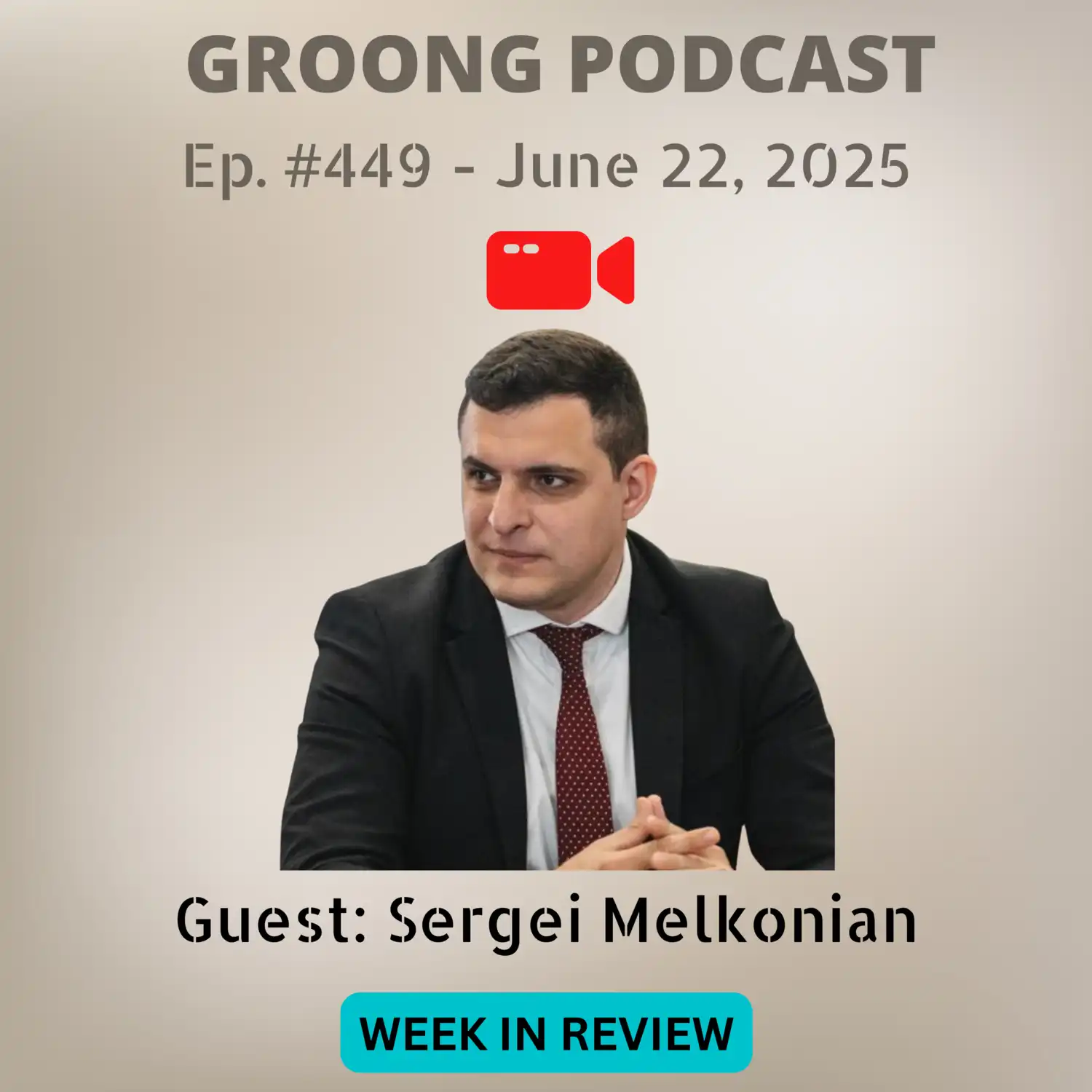
Groong Links:
Guest:
Topics:
- Israel and Iran
- Crackdown on the Opposition
- Pashinyan in Istanbul
- The Kitchen Sink
Episode 449 | Recorded: June 25, 2025
Sergei Melkonian - Israel & Iran, Opposition Crackdown, Pashinyan in Istanbul | Ep 449, Jun 22, 2025 [EP449]
Posted on Thursday, Jun 26, 2025 | Category: Armenia, Politics, Iran, Israel, Azerbaijan, Turkey, Russia, Artsakh, Nagorno Karabakh, Armenian Church, Economy, China, Middle EastGroong Links:
Guest:
Topics:
- Israel and Iran
- Crackdown on the Opposition
- Pashinyan in Istanbul
- The Kitchen Sink
Episode 449 | Recorded: June 25, 2025
Arman Grigoryan - Iran and US vs Iran, Strategic Dangers to Armenia | Ep 448, Jun 23, 2025 [EP448]
Posted on Monday, Jun 23, 2025 | Category: Iran, Russia, Armenia, Israel, Politics, Syria, China, USA, Azerbaijan, European Union, Turkey, Ukraine, Middle East, Georgia | Series: cog, video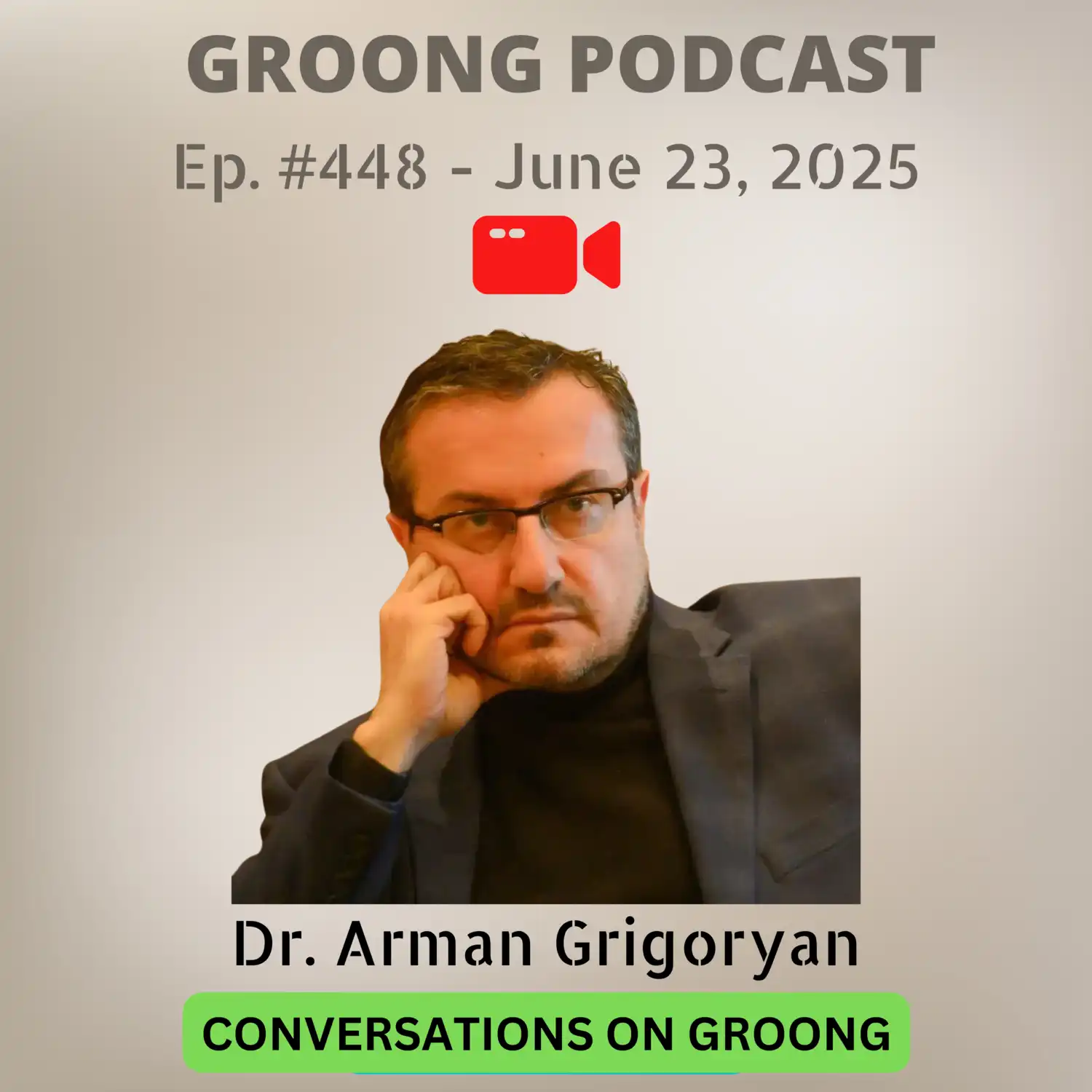
Groong Links:
Guest:
Topics:
- Israelâs war on Iran and U.S. involvement
- Risks of Iranian regime change or partition
- Strategic dangers to Armenia
Episode 448 | Recorded: June 21, 2025
Arman Grigoryan - Iran and US vs Iran, Strategic Dangers to Armenia | Ep 448, Jun 23, 2025 [EP448]
Posted on Monday, Jun 23, 2025 | Category: Iran, Russia, Armenia, Israel, Politics, Syria, China, USA, Azerbaijan, European Union, Turkey, Ukraine, Middle East, GeorgiaGroong Links:
Guest:
Topics:
- Israelâs war on Iran and U.S. involvement
- Risks of Iranian regime change or partition
- Strategic dangers to Armenia
Episode 448 | Recorded: June 21, 2025
Fyodor Lukyanov - Israel Attacks Iran: Perspectives From Russia | Ep 447, Jun 16, 2025 [EP447]
Posted on Monday, Jun 16, 2025 | Category: Iran, Russia, Armenia, Israel, Politics, Azerbaijan, Georgia, Geopolitics, Turkey, Ukraine, Armenian Church, Artsakh Blockade, NATO, China, Syria, Middle East, Economy | Series: cog, video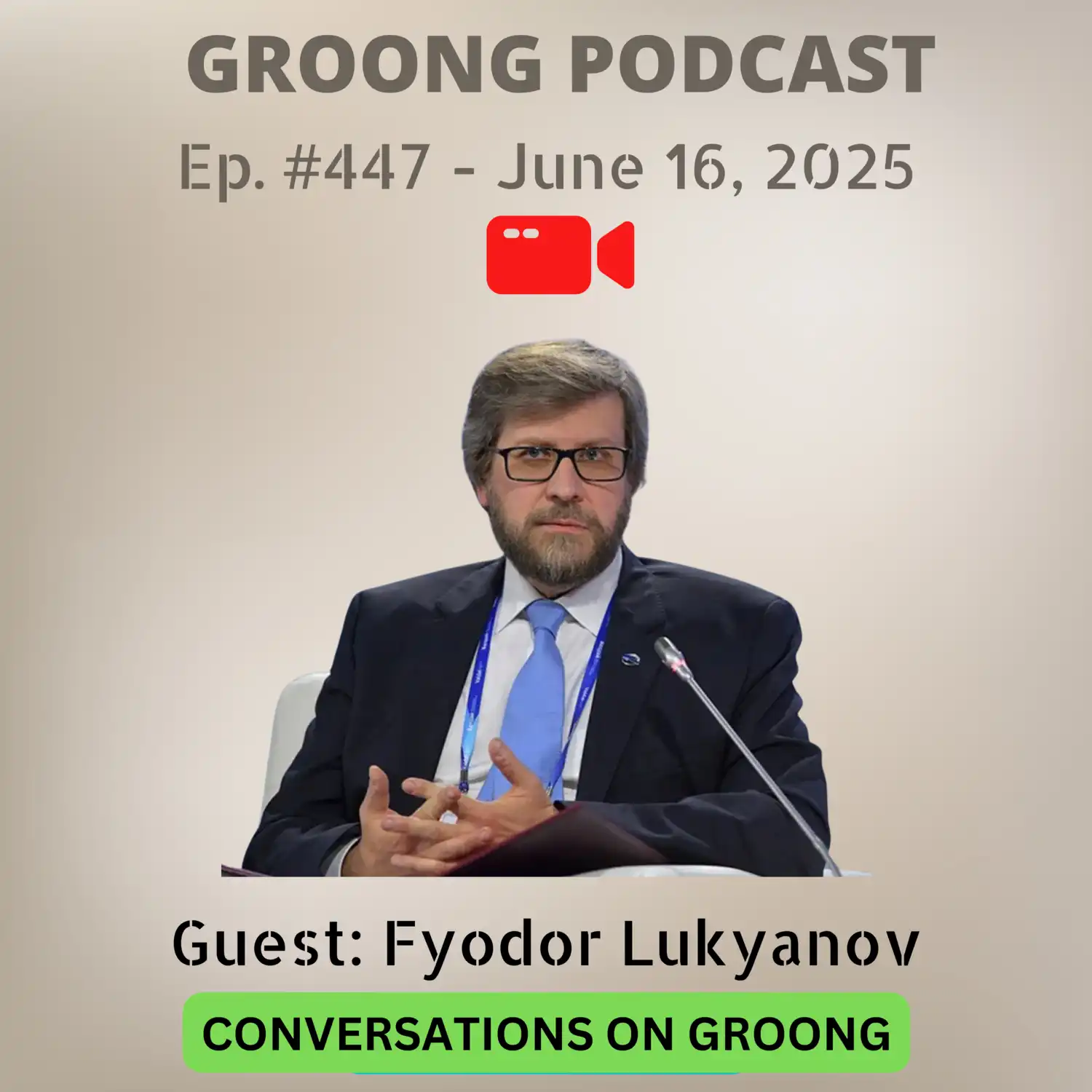
Groong Links:
Guest:
Topics:
- Israel hits Iran, talks collapse
- Armenia at risk if Iran weakens
- Russia hardens stance on Ukraine
Episode 447 | Recorded: June 15, 2025
Fyodor Lukyanov - Israel Attacks Iran: Perspectives From Russia | Ep 447, Jun 16, 2025 [EP447]
Posted on Monday, Jun 16, 2025 | Category: Iran, Russia, Armenia, Israel, Politics, Azerbaijan, Georgia, Geopolitics, Turkey, Ukraine, Armenian Church, Artsakh Blockade, NATO, China, Syria, Middle East, EconomyGroong Links:
Guest:
Topics:
- Israel hits Iran, talks collapse
- Armenia at risk if Iran weakens
- Russia hardens stance on Ukraine
Episode 447 | Recorded: June 15, 2025
Transcript: Fyodor Lukyanov - Israel Attacks Iran: Perspectives From Russia | Ep 447, Jun 16, 2025 [EP447]
Posted on Monday, Jun 16, 2025 | Category: Iran, Russia, Armenia, Israel, Politics, Azerbaijan, Georgia, Geopolitics, Turkey, Ukraine, Armenian Church, Artsakh Blockade, NATO, China, Syria, Middle East, Economy, TranscriptIn this episode of Conversations on Groong, we speak with Fyodor Lukyanov, editor-in-chief of Russia in Global Affairs, to analyze the geopolitical fallout from Israel’s surprise military campaign against Iran, known as Operation Rising Lion. We explore how the attacks may sabotage U.S.-Iran nuclear negotiations, shift Russia’s strategic calculus, and destabilize the South Caucasus—particularly Armenia’s Syunik province. We also examine the implications for Russia-Iran relations, the Zangezur corridor, and Azerbaijan’s military posture. Finally, we discuss Ukraine’s Operation Spiderweb, recent Read More
Rananjay Anand – Will India Turn to Armenia Amid Turkey-Azerbaijan Fallout? | Ep 445, June 12, 2025 [EP445]
Posted on Thursday, Jun 12, 2025 | Category: Armenia, Geopolitics, India, Turkey, Azerbaijan, Nagorno Karabakh, Economy, China, Genocide | Series: cog, video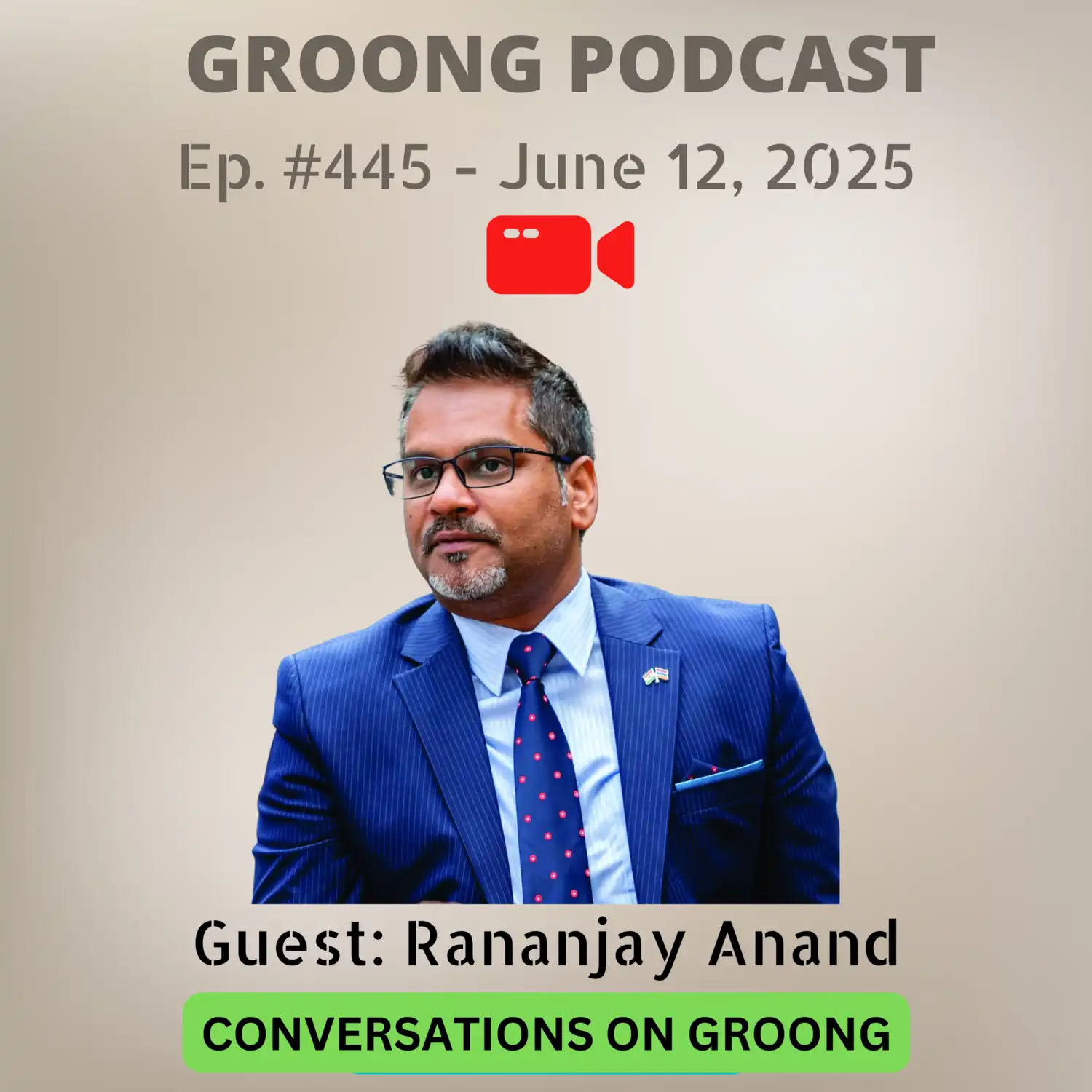
Groong Links:
Guest:
- Rananjay Anand , Co-Founder & President of the Indo-Armenian Friendship NGO.
Topics:
- Operation Sindoor
- Indians Boycott Turkey & Azerbaijan
- Armenia as a Robus Partner
Episode 445 | Recorded: June 9, 2025
Rananjay Anand – Will India Turn to Armenia Amid Turkey-Azerbaijan Fallout? | Ep 445, June 12, 2025 [EP445]
Posted on Thursday, Jun 12, 2025 | Category: Armenia, Geopolitics, India, Turkey, Azerbaijan, Nagorno Karabakh, Economy, China, GenocideGroong Links:
Guest:
- Rananjay Anand , Co-Founder & President of the Indo-Armenian Friendship NGO.
Topics:
- Operation Sindoor
- Indians Boycott Turkey & Azerbaijan
- Armenia as a Robus Partner
Episode 445 | Recorded: June 9, 2025
Hrant Mikaelian - Poland’s Shift, RPA’s Nominee, Economy, Demographics | Ep 444, June 8, 2025 [EP444]
Posted on Wednesday, Jun 11, 2025 | Category: Armenia, Politics, Artsakh, Nagorno Karabakh, Azerbaijan, Ukraine, Russia, Geopolitics, India, Armenian Church, Georgia, Economy, Turkey, NATO, Iran | Series: wir, video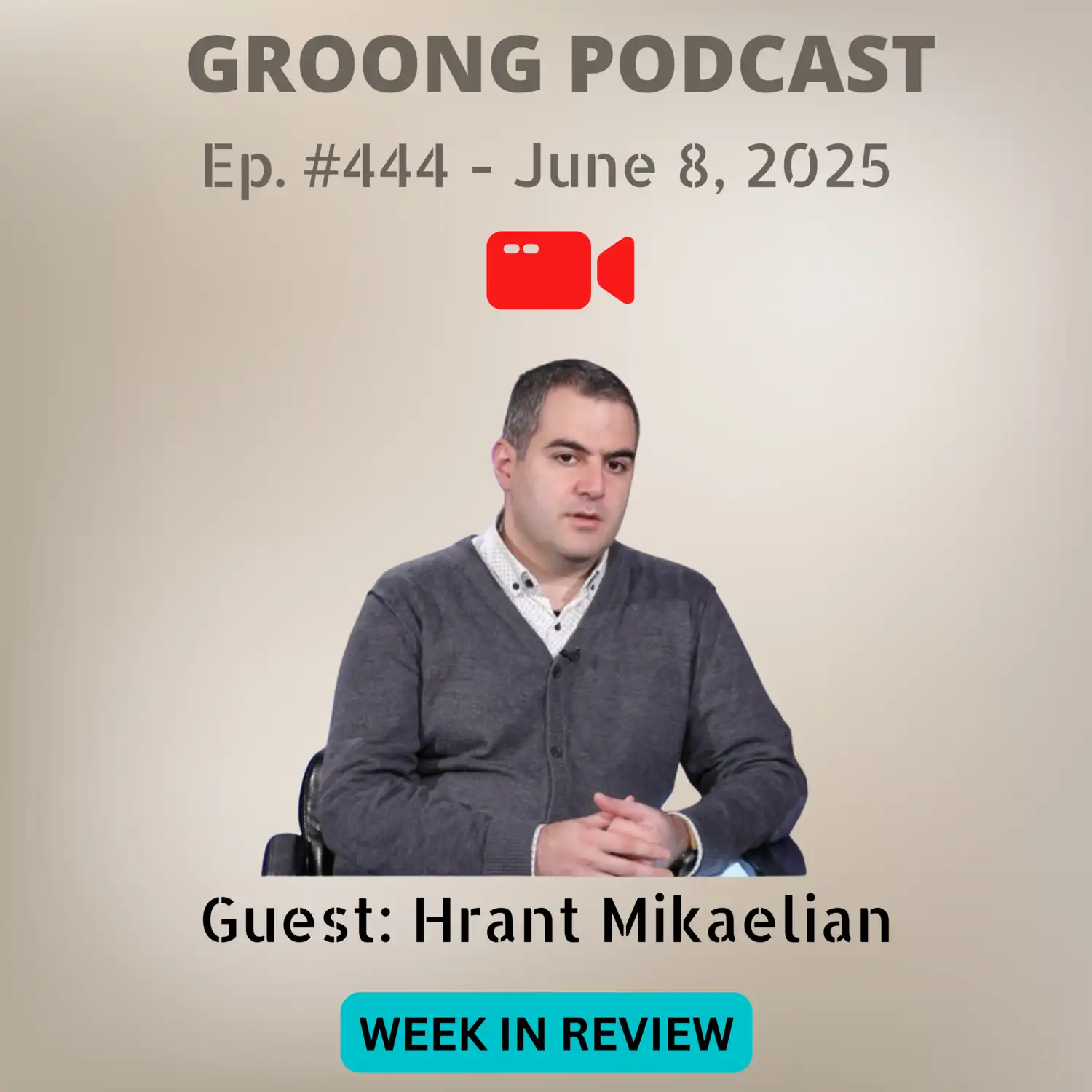
Groong Links:
Guest:
Topics:
- Ukraine’s War, Polandâs Pivot?
- Status Check on the Economy
- RPA Names PM Candidate
- Armeniaâs Demographic Threats
- The Kitchen Sink
Episode 444 | Recorded: June 9, 2025
Hrant Mikaelian - Poland’s Shift, RPA’s Nominee, Economy, Demographics | Ep 444, June 8, 2025 [EP444]
Posted on Wednesday, Jun 11, 2025 | Category: Armenia, Politics, Artsakh, Nagorno Karabakh, Azerbaijan, Ukraine, Russia, Geopolitics, India, Armenian Church, Georgia, Economy, Turkey, NATO, IranGroong Links:
Guest:
Topics:
- Ukraine’s War, Polandâs Pivot?
- Status Check on the Economy
- RPA Names PM Candidate
- Armeniaâs Demographic Threats
- The Kitchen Sink
Episode 444 | Recorded: June 9, 2025
Abhinav Pandya - From Sindoor to Syunik: India’s New Geopolitical Frontline | Ep 443, June 5, 2025 [EP443]
Posted on Friday, Jun 6, 2025 | Category: Armenia, Geopolitics, India, Azerbaijan, Turkey, Israel, Iran, Artsakh, Nagorno Karabakh, Syria, China, Russia, BRICS, Economy | Series: cog, video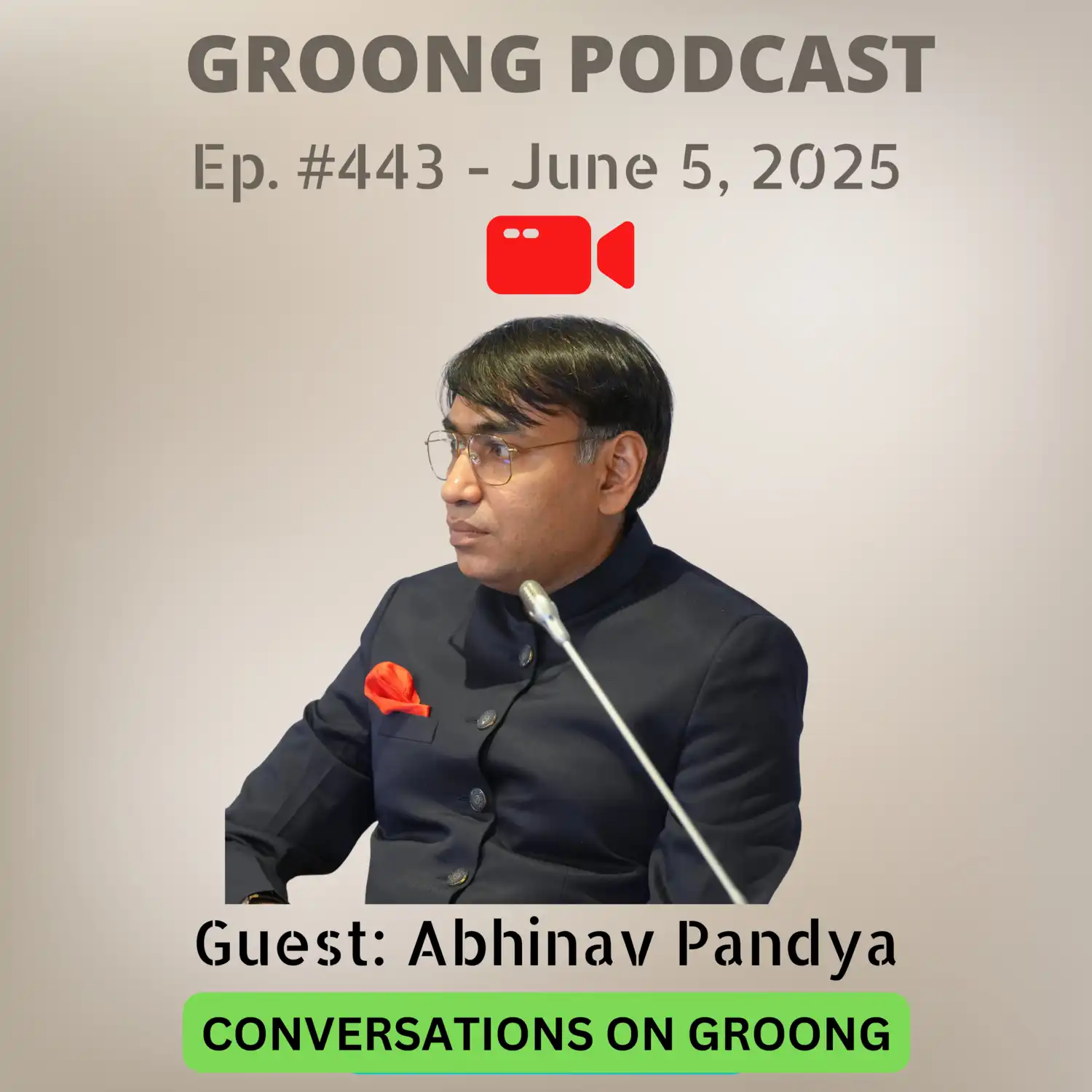
Groong Links:
Guest:
- Dr. Abhinav Pandya , Founder, President and CEO of Usanas Foundation Think Tank.
Topics:
- Turkey-Pakistan-Azerbaijan Axis
- Operation Sindoor
- Armenia As a Strategic Partner
- West Asia and Eurasia Context
- Future Outlook
Episode 443 | Recorded: June 3, 2025
Abhinav Pandya - From Sindoor to Syunik: India’s New Geopolitical Frontline | Ep 443, June 5, 2025 [EP443]
Posted on Friday, Jun 6, 2025 | Category: Armenia, Geopolitics, India, Azerbaijan, Turkey, Israel, Iran, Artsakh, Nagorno Karabakh, Syria, China, Russia, BRICS, EconomyGroong Links:
Guest:
- Dr. Abhinav Pandya , Founder, President and CEO of Usanas Foundation Think Tank.
Topics:
- Turkey-Pakistan-Azerbaijan Axis
- Operation Sindoor
- Armenia As a Strategic Partner
- West Asia and Eurasia Context
- Future Outlook
Episode 443 | Recorded: June 3, 2025
Benyamin Poghosyan - Ukraine and US-Iran, Fidan in Moscow, Lachin, Azerbaijan and Pashinyan attack Armenian Church, Impeachment vs. Elections | Ep 442, June 1, 2025 [EP442]
Posted on Tuesday, Jun 3, 2025 | Category: Armenia, Politics, Iran, Geopolitics, Artsakh, Nagorno Karabakh, Azerbaijan, Georgia, Turkey, Russia, Armenian Church, Ukraine, India, Israel, China, Syria, Economy, European Union | Series: wir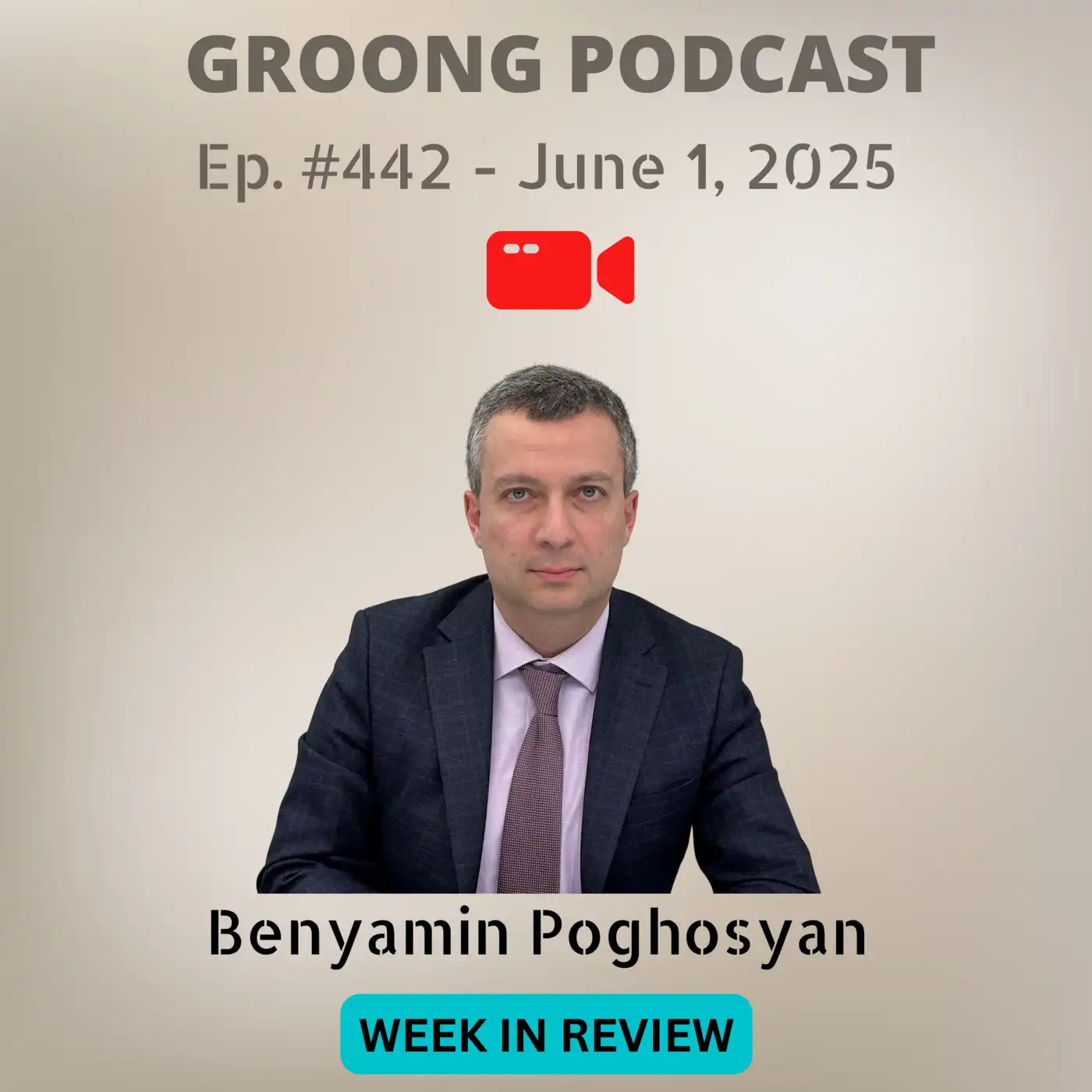
Groong Links:
Guest:
Topics:
- Status of Ukraine and US-Iran Crises
- Hakan Fidan in Moscow
- Erdogan, Aliyev, Sharif in Lachin
- Azerbaijan and Pashinyan Attack the Armenian Church
- Impeachment vs. Elections
- The Kitchen Sink
Episode 442 | Recorded: June 2, 2025
Benyamin Poghosyan - Ukraine and US-Iran, Fidan in Moscow, Lachin, Azerbaijan and Pashinyan attack Armenian Church, Impeachment vs. Elections | Ep 442, June 1, 2025 [EP442]
Posted on Tuesday, Jun 3, 2025 | Category: Armenia, Politics, Iran, Geopolitics, Artsakh, Nagorno Karabakh, Azerbaijan, Georgia, Turkey, Russia, Armenian Church, Ukraine, India, Israel, China, Syria, Economy, European UnionGroong Links:
Guest:
Topics:
- Status of Ukraine and US-Iran Crises
- Hakan Fidan in Moscow
- Erdogan, Aliyev, Sharif in Lachin
- Azerbaijan and Pashinyan Attack the Armenian Church
- Impeachment vs. Elections
- The Kitchen Sink
Episode 442 | Recorded: June 2, 2025
Arthur Khachatryan – Republic Day, EU Drama, and Constitutional Chaos | Ep 441, May 25, 2025 [EP441]
Posted on Thursday, May 29, 2025 | Category: Armenia, Politics, Artsakh, Nagorno Karabakh, Azerbaijan, Georgia, Turkey, Russia, Artsakh Blockade, Armenian Genocide, Genocide, Iran, Human Rights, Economy | Series: wir, video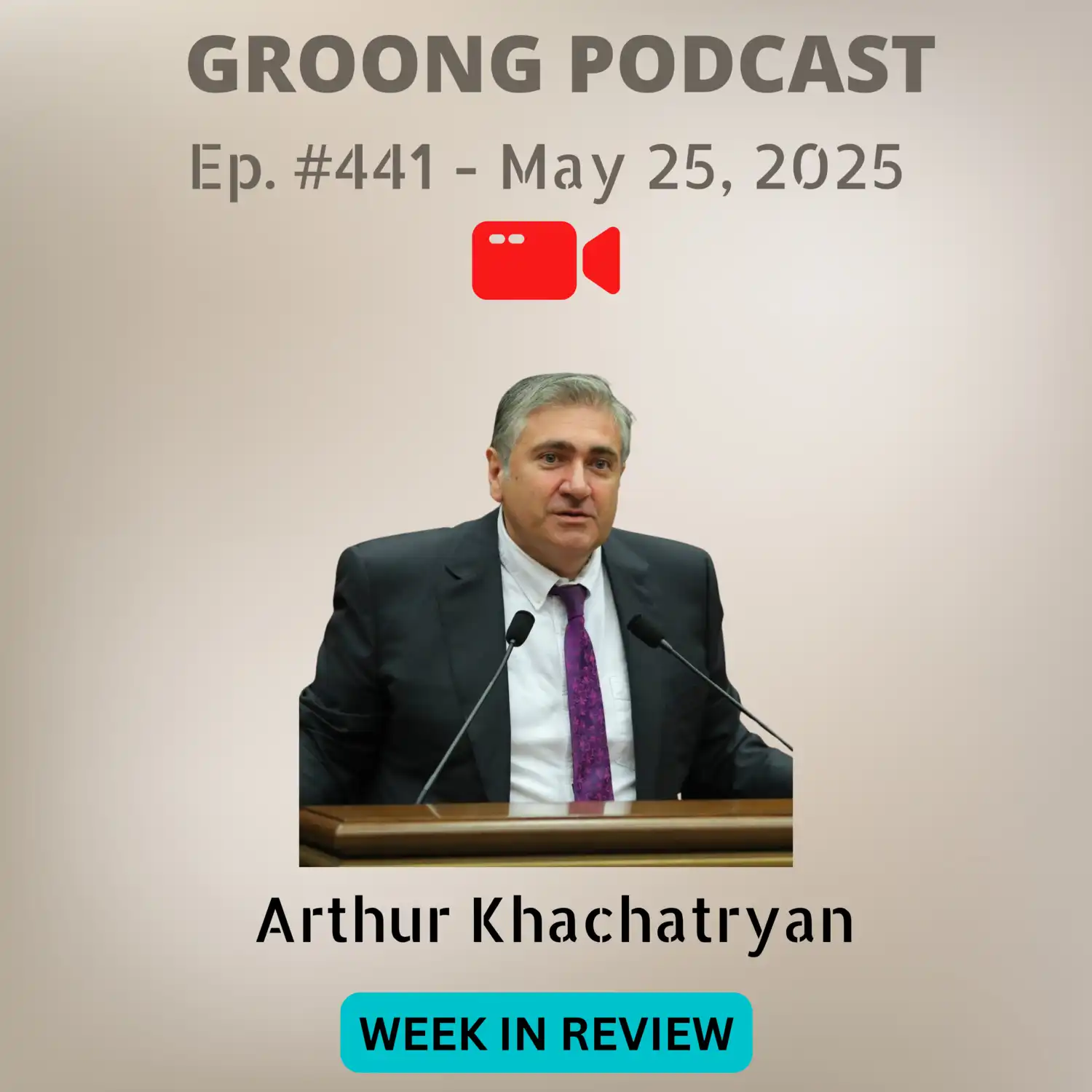
Groong Links:
Guest:
Topics:
- May 28, Republic Day
- Armeniaâs EU-Russia policy confusion
- Constitutional changes for âpeaceâ
- Impeachment vs. election dilemma
- Azeri invasion threat and silence
Episode 441 | Recorded: May 28, 2025
Arthur Khachatryan – Republic Day, EU Drama, and Constitutional Chaos | Ep 441, May 25, 2025 [EP441]
Posted on Thursday, May 29, 2025 | Category: Armenia, Politics, Artsakh, Nagorno Karabakh, Azerbaijan, Georgia, Turkey, Russia, Artsakh Blockade, Armenian Genocide, Genocide, Iran, Human Rights, EconomyGroong Links:
Guest:
Topics:
- May 28, Republic Day
- Armeniaâs EU-Russia policy confusion
- Constitutional changes for âpeaceâ
- Impeachment vs. election dilemma
- Azeri invasion threat and silence
Episode 441 | Recorded: May 28, 2025
Էդգար Ղազարյան – Խոսքի ազատության գործը և մամուլի վիճակը Հայաստանում | Ep 440, May 28, 2025 [EP440]
Posted on Wednesday, May 28, 2025 | Category: Armenia, Politics, In Armenian, Nagorno Karabakh, Azerbaijan, Human Rights, India, European Union | Series: cog, video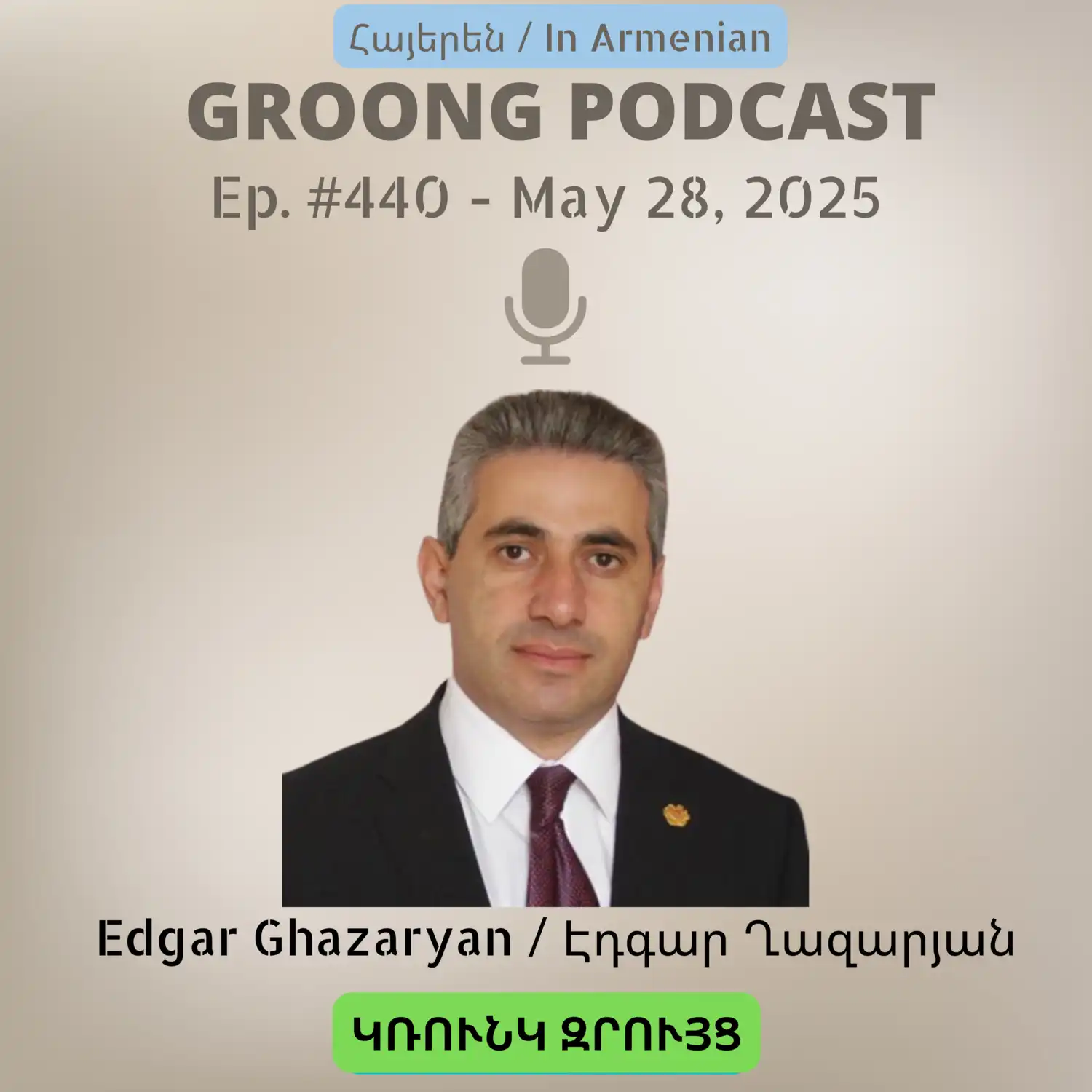
INTERVIEW IN ARMENIAN / ՀԱՐՑԱԶՐՈՒՅՑ ՀԱՅԵՐԵՆ
Groong Links:
Guest:
Topics:
- Criminal charges used to silence Edgar Ghazaryan / Քրեական մեղադրանքներ՝ Էդգար Ղազարյանին լռեցնելու համար
- Media freedom in Armenia under Pashinyan’s rule / Մամուլի ազատությունը Հայաստանում Փաշինյանի կառավարման օրոք
- Public broadcasting under political control / Հանրային հեռարձակումը քաղաքական վերահսկողության տակ
- State-aligned actors spreading misinformation / Ապատեղեկատվություն տարածող պետական կողմի դերակատարները
Episode 440 | Recorded: March 9, 2025
Read MoreԷդգար Ղազարյան – Խոսքի ազատության գործը և մամուլի վիճակը Հայաստանում | Ep 440, May 28, 2025 [EP440]
Posted on Wednesday, May 28, 2025 | Category: Armenia, Politics, In Armenian, Nagorno Karabakh, Azerbaijan, Human Rights, India, European UnionINTERVIEW IN ARMENIAN / ՀԱՐՑԱԶՐՈՒՅՑ ՀԱՅԵՐԵՆ
Groong Links:
Guest:
Topics:
- Criminal charges used to silence Edgar Ghazaryan / Քրեական մեղադրանքներ՝ Էդգար Ղազարյանին լռեցնելու համար
- Media freedom in Armenia under Pashinyan’s rule / Մամուլի ազատությունը Հայաստանում Փաշինյանի կառավարման օրոք
- Public broadcasting under political control / Հանրային հեռարձակումը քաղաքական վերահսկողության տակ
- State-aligned actors spreading misinformation / Ապատեղեկատվություն տարածող պետական կողմի դերակատարները
Episode 440 | Recorded: March 9, 2025
Read MoreLevon Zourabian - US-Iran, Russia-Ukraine, Armenia-Azerbaijan, 2026 Campaigns | Ep 439, May 26, 2025 [EP439]
Posted on Tuesday, May 27, 2025 | Category: Armenia, Geopolitics, Iran, Russia, Ukraine, Israel, Azerbaijan, Economy, Turkey, Middle East, European Union, Genocide | Series: cog, video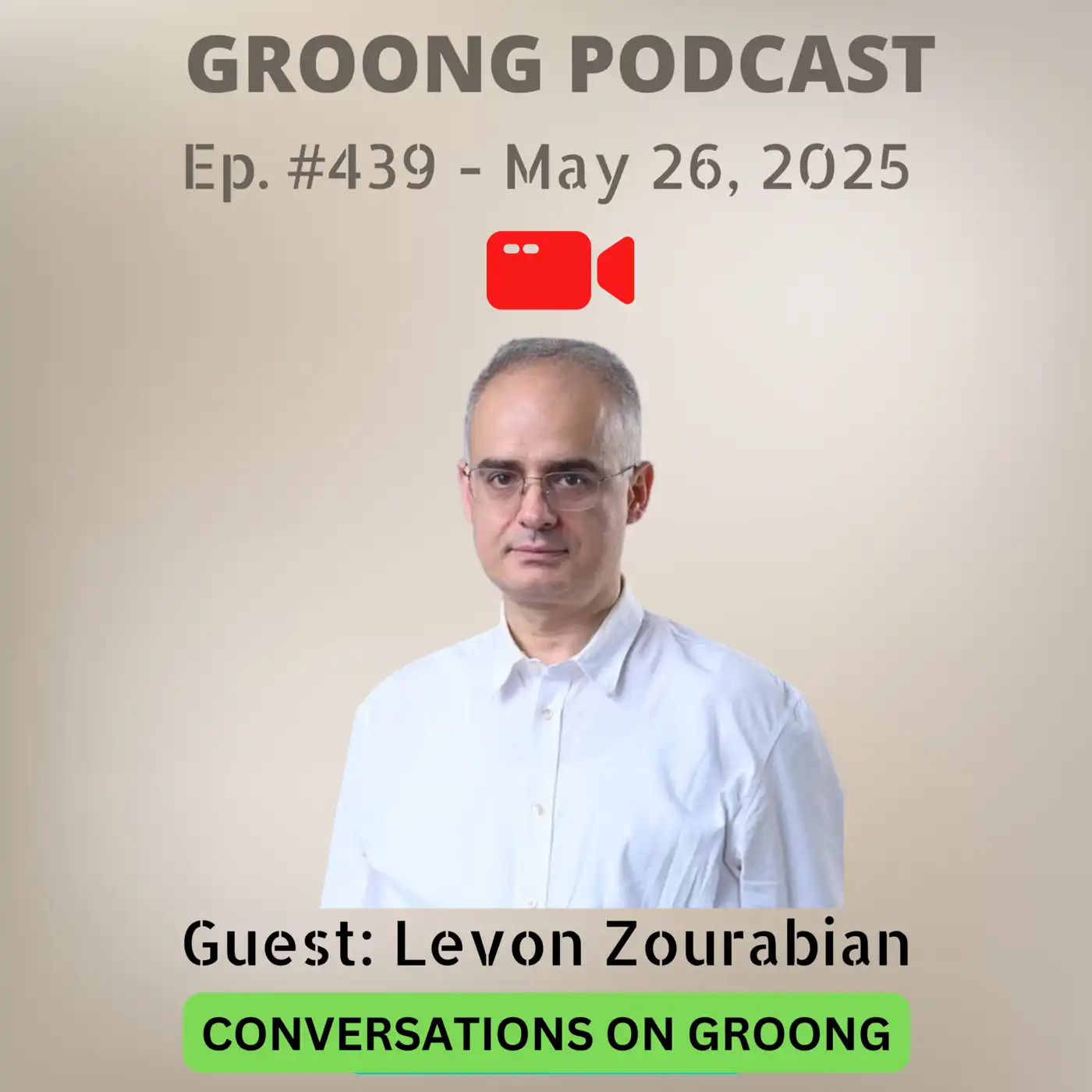
Groong Links:
Guest:
- Levon Zourabian , Vice-President of the Armenian National Congress (ANC) party of Armenia.
Topics:
- US-Iran Nuclear Talks
- Russia and Ukraine
- Armenia Azerbaijan Talks
- Armenian Elections in 2026
Episode 439 | Recorded: May 23, 2025
Levon Zourabian - US-Iran, Russia-Ukraine, Armenia-Azerbaijan, 2026 Campaigns | Ep 439, May 26, 2025 [EP439]
Posted on Tuesday, May 27, 2025 | Category: Armenia, Geopolitics, Iran, Russia, Ukraine, Israel, Azerbaijan, Economy, Turkey, Middle East, European Union, GenocideGroong Links:
Guest:
- Levon Zourabian , Vice-President of the Armenian National Congress (ANC) party of Armenia.
Topics:
- US-Iran Nuclear Talks
- Russia and Ukraine
- Armenia Azerbaijan Talks
- Armenian Elections in 2026
Episode 439 | Recorded: May 23, 2025