Azerbaijan
Last updated: June 10, 2026
Azerbaijan is a South Caucasus republic with a population of approximately 10 million and a territory spanning roughly 86,600 square kilometers. The country is governed as a presidential republic under President Ilham Aliyev , who has held power since 2003. Azerbaijan’s economy is heavily dependent on oil and natural gas exports, particularly through the Baku-Tbilisi-Ceyhan (BTC) pipeline and the Southern Gas Corridor, which connects Caspian energy reserves to European markets. The capital, Baku, serves as a major regional hub. Azerbaijan is a member of the United Nations, OSCE, and various regional organizations. The country’s Azerbaijani-speaking population is predominantly Muslim. Azerbaijan also includes the Nakhchivan Autonomous Republic, an exclave separated from mainland Azerbaijan by Armenian territory.
However, international human rights organizations, including Human Rights Watch and Amnesty International, have extensively documented systematic human rights abuses in Azerbaijan, including arbitrary detention, torture, suppression of political opposition, restrictions on press freedom, and limitations on civil society. Aliyev’s government maintains tight control over dissent, with opposition politicians, journalists, and activists facing harassment, imprisonment, and violence. The country ranks poorly on freedom indices, with Reporters Without Borders, Freedom House, and Transparency International consistently ranking Azerbaijan among the world’s most repressive states regarding democratic freedoms and rule of law. Prison conditions are documented as harsh, and extrajudicial executions and enforced disappearances have been reported. The state monopoly on media, combined with internet censorship and restrictions on assembly, creates an environment where independent voices face significant risk. These governance practices have been particularly intensified since Aliyev’s re-election in 2018 and remain central to how the regime maintains internal control while projecting external power.
Azerbaijan is a South Caucasus republic whose military campaigns against Armenia in 2020 and 2023 have reshaped the regional balance of power. Following the 44-Day War in 2020 and the complete capture of Artsakh (Nagorno Karabakh) in a 24-hour offensive on September 19–20, 2023, Azerbaijan controls territory that was previously under Armenian administration, ethnically cleansing the enclave of its more than 150,000 Armenian inhabitants. President Ilham Aliyev has used military victory to extract territorial and geopolitical concessions from Armenia, including commitments toward the so-called “Zangezur Corridor”—what Washington frames as TRIPP (Trump Route for International Peace and Prosperity), a transit corridor through Armenian Syunik province that would connect Azerbaijan to Turkey via Armenian land. Aliyev has consistently framed these arrangements in pan-Turanic terms, treating them as steps toward regional integration under Turkish-Azerbaijani leadership rather than as neutral infrastructure projects. Azerbaijan’s leverage over Armenia derives not only from military superiority but from Armenia’s isolation: as Russia has grown less reliable as a security guarantor and Armenia has sought Western partnerships that remain incomplete, Baku has incrementally pressed its advantage through border incursions, blockade threats, and demands for “unblocking” that contain implicit security concessions.
Azerbaijan’s relationship with Turkey is central to its strategy and its self-conception as a regional power. The two states share language, historical narratives around pan-Turkism, and military-strategic interests in offsetting Iran and resisting Russian influence. Turkey provided air support during the 2020 war and has supplied weapons and military training throughout Azerbaijan’s buildup. However, the relationship is not symmetrical: Azerbaijan maintains its own foreign policy interests, including energy partnerships with Europe via the Southern Gas Corridor and a degree of hedging toward Russia that reflects Baku’s awareness that it cannot afford permanent enmity with Moscow. In early 2026, tensions between Azerbaijan and Iran spiked following military exercises in Nakhijevan and constitutional changes that centralized control over the exclave, raising questions about whether Baku is positioning itself as a U.S.-backed pressure point against Iran or merely consolidating internal authority. The trajectory of the U.S.-Israeli war on Iran, discussed in episodes examining the regional dimensions of that conflict, has direct bearing on Azerbaijan’s calculations about its northern neighbor and its room for maneuver between Washington and Moscow.
Armenia’s vulnerability has translated into Azerbaijan’s expanding room for territorial and political demands. Pashinyan has signed successive ceasefire agreements and acknowledged Armenian territorial losses while framing them as necessary trade-offs for regional peace. Yet Azerbaijan has continued to occupy positions inside internationally recognized Armenian territory, has threatened blockades over the movement of humanitarian supplies to Armenia, and has used negotiations over transit corridors as leverage to extract security concessions from Yerevan. Eldar Mamedov’s analysis of the Iran war and Azerbaijan’s role as a potential northern front, alongside Arman Grigoryan’s assessment of what he terms Armenia’s “revolutionary recklessness” in abandoning Russian security ties without securing firm Western alternatives, illustrates the degree to which Azerbaijan’s actions are embedded in a wider geopolitical struggle between Russia, the United States, Europe, Iran, and Turkey. Whether Azerbaijan consolidates its wartime gains into a permanent shift in the regional balance or whether changed circumstances in Iran, Russia, or Western policy create openings for Armenian repositioning remains among the most contested questions shaping the South Caucasus through 2026 and beyond.
Groong episodes that include this tag
Below are all Groong episodes tagged with Azerbaijan.
Transcript: Mikael Darbinian - Armenia’s Borders, TRIPP, and the Price of Weakness | Ep 540, May 6, 2026 [EP540]
Posted on Wednesday, May 6, 2026 | Category: Armenia, Politics, Geopolitics, Armenian News, Azerbaijan, Russia, Turkey, NATO, Iran, Georgia, Artsakh, Nagorno Karabakh, European Union, TranscriptThis Conversations on Groong episode with Mikael Darbinian examines Armenia’s security crisis through the lens of the Strong Armenia doctrine. The discussion focuses on deterrence, diplomacy from a position of strength, Azerbaijani positions inside Armenia’s sovereign territory, the risks around TRIPP and the Zangezur Corridor, the rights of Artsakh Armenians, regional war scenarios involving Iran, and the gap between international political theater and Armenia’s unresolved national security threats.
Trump’s Iran Ceasefire, Operation Kochari, and Armenia’s Election Fog | Ep 539, May 3, 2026 [EP539]
Posted on Tuesday, May 5, 2026 | Category: Armenia, Politics, Poll, Armenian News, Israel, Artsakh, Nagorno Karabakh, Azerbaijan, USA, Armenian Church, Artsakh Blockade, Armenian Genocide, Iran, Russia, Georgia, Genocide, Human Rights | Series: wir, video
Groong Links:
Topics:
- Iran War
- Mustafayev in Armenia
- Destruction of the Stepanakert cathedral by Azerbaijan
- Election politics
Episode 539 | Recorded: May 3, 2026
#Armenia #Azerbaijan #IranWar #TRIPP #Artsakh #Stepanakert #ArmenianElections #Groong
Trump’s Iran Ceasefire, Operation Kochari, and Armenia’s Election Fog | Ep 539, May 3, 2026 [EP539]
Posted on Tuesday, May 5, 2026 | Category: Armenia, Politics, Poll, Armenian News, Israel, Artsakh, Nagorno Karabakh, Azerbaijan, USA, Armenian Church, Artsakh Blockade, Armenian Genocide, Iran, Russia, Georgia, Genocide, Human RightsGroong Links:
Topics:
- Iran War
- Mustafayev in Armenia
- Destruction of the Stepanakert cathedral by Azerbaijan
- Election politics
Episode 539 | Recorded: May 3, 2026
#Armenia #Azerbaijan #IranWar #TRIPP #Artsakh #Stepanakert #ArmenianElections #Groong
Transcript: Trump’s Iran Ceasefire, Operation Kochari, and Armenia’s Election Fog | Ep 539, May 3, 2026 [EP539]
Posted on Tuesday, May 5, 2026 | Category: Armenia, Politics, Poll, Armenian News, Israel, Artsakh, Nagorno Karabakh, Azerbaijan, USA, Armenian Church, Artsakh Blockade, Armenian Genocide, Iran, Russia, Georgia, Genocide, Human Rights, TranscriptThis Groong Week in Review covers Trump’s Iran ceasefire, failed US-Iran talks in Islamabad, the naval blockade, and Washington’s war politics. Asbed and Hovik also examine “Operation Kochari,” Shahin Mustafayev’s secret visit to Armenia, TRIPP, border demarcation, Armenia-Azerbaijan trade, Azerbaijan’s destruction of the Stepanakert cathedral, Pashinyan’s response, the MPG poll, opposition coalition math, election fraud risks, the EPC meeting, legal pressure, mass surveillance, and Armenia’s falling press freedom ranking.
Hrair Balian - From Karabakh to TRIPP: Armenia’s Security Dilemma | Ep 538, May 3, 2026 [EP538]
Posted on Sunday, May 3, 2026 | Category: Armenia, Politics, Artsakh, Nagorno Karabakh, Iran, Israel, Azerbaijan, Turkey, Lebanon, Armenian News, Artsakh Blockade, Russia, Georgia, NATO, Human Rights | Series: cog, video
Groong Links:
Guest:
Mr. Balian’s book: https://www.amazon.com/Anatomy-Peacemaking-Nagorno-Karabakh-Opportunities-Rethinking/dp/3032124891
Topics:
- US-Iran war and failed diplomacy
- TRIPP and Armenia’s security risks
- Karabakh negotiations and missed chances
- Pashinyan’s Artsakh policy reversal
- Armenia’s June elections and monitoring
Episode 538 | Recorded: April 30, 2026
#HrairBalian #Groong #Armenia #Artsakh #NagornoKarabakh #TRIPP #ZangezurCorridor #ArmenianElections
Hrair Balian - From Karabakh to TRIPP: Armenia’s Security Dilemma | Ep 538, May 3, 2026 [EP538]
Posted on Sunday, May 3, 2026 | Category: Armenia, Politics, Artsakh, Nagorno Karabakh, Iran, Israel, Azerbaijan, Turkey, Lebanon, Armenian News, Artsakh Blockade, Russia, Georgia, NATO, Human RightsGroong Links:
Guest:
Mr. Balian’s book: https://www.amazon.com/Anatomy-Peacemaking-Nagorno-Karabakh-Opportunities-Rethinking/dp/3032124891
Topics:
- US-Iran war and failed diplomacy
- TRIPP and Armenia’s security risks
- Karabakh negotiations and missed chances
- Pashinyan’s Artsakh policy reversal
- Armenia’s June elections and monitoring
Episode 538 | Recorded: April 30, 2026
#HrairBalian #Groong #Armenia #Artsakh #NagornoKarabakh #TRIPP #ZangezurCorridor #ArmenianElections
Transcript: Hrair Balian - From Karabakh to TRIPP: Armenia’s Security Dilemma | Ep 538, May 3, 2026 [EP538]
Posted on Sunday, May 3, 2026 | Category: Armenia, Politics, Artsakh, Nagorno Karabakh, Iran, Israel, Azerbaijan, Turkey, Lebanon, Armenian News, Artsakh Blockade, Russia, Georgia, NATO, Human Rights, TranscriptHrair Balian joins us to discuss his book Anatomy of Peacemaking: Nagorno Karabakh Conflict & Missed Opportunities, the failure of diplomacy around Artsakh, and what Armenia should learn from the long collapse of the peace process. The conversation also looks at the Iran war, US and Israeli goals in the region, the TRIPP/Zangezur Corridor and its security impact on Armenia, and the role of outside powers in shaping outcomes in the South Caucasus. The episode closes with a discussion of Armenia’s June parliamentary elections, opposition repression, election monitoring, and whether international observers will judge the vote by facts on the ground or political convenience.
Arega Hovsepyan - June 2026 Parliamentary Election in Armenia | Ep 537, Apr 30, 2026 [EP537]
Posted on Thursday, Apr 30, 2026 | Category: Armenia, Politics, Artsakh, Nagorno Karabakh, Azerbaijan, Human Rights, Armenian News, Russia, Iran | Series: cog, video
Groong Links:
Guest:
Topics:
- Strong Armenia and election dynamics
- New arrests and political pressure
- Artsakh Armenians and their rights
- TRIPP corridor and regional security
Episode 537 | Recorded: April 27, 2026
#Armenia #Artsakh #StrongArmenia #AregaHovsepyan #ArmenianPolitics #SouthCaucasus #TRIPP #ZangezurCorridor #Geopolitics
Arega Hovsepyan - June 2026 Parliamentary Election in Armenia | Ep 537, Apr 30, 2026 [EP537]
Posted on Thursday, Apr 30, 2026 | Category: Armenia, Politics, Artsakh, Nagorno Karabakh, Azerbaijan, Human Rights, Armenian News, Russia, IranGroong Links:
Guest:
Topics:
- Strong Armenia and election dynamics
- New arrests and political pressure
- Artsakh Armenians and their rights
- TRIPP corridor and regional security
Episode 537 | Recorded: April 27, 2026
#Armenia #Artsakh #StrongArmenia #AregaHovsepyan #ArmenianPolitics #SouthCaucasus #TRIPP #ZangezurCorridor #Geopolitics
Transcript: Arega Hovsepyan - June 2026 Parliamentary Election in Armenia | Ep 537, Apr 30, 2026 [EP537]
Posted on Thursday, Apr 30, 2026 | Category: Armenia, Politics, Artsakh, Nagorno Karabakh, Azerbaijan, Human Rights, Armenian News, Russia, Iran, TranscriptIn this Conversations on Groong episode, we speak with Arega Hovsepyan of the Strong Armenia party about Armenia’s upcoming June 2026 parliamentary elections and the broader political climate. The discussion focuses on recent arrests targeting opposition figures, the situation of displaced Artsakh Armenians, competing narratives around “peace” with Azerbaijan, and the implications of the TRIPP or Zangezur Corridor project. We also examine opposition unity, polling trends, and legal questions surrounding Strong Armenia’s political strategy.
Transcript: Arthur Martirosyan - Iran War, Effect on Armenia, June Parliamentary | Ep 536, Apr 26, 2026 [EP536]
Posted on Tuesday, Apr 28, 2026 | Category: Armenia, Politics, Armenian Church, Ukraine, Iran, Azerbaijan, Israel, USA, Turkey, Russia, Artsakh, Nagorno Karabakh, Armenian Genocide, Armenian News, Artsakh Blockade, Genocide, Georgia, European Union, TranscriptWe examine how the Iran war fallout and the extension of the ceasefire are reshaping Armenia’s geopolitical position. We break down the push for the TRIPP or Zangezur Corridor and the claims of Armenia-Azerbaijan normalization, and assess how they tie to regional power dynamics involving Iran, Russia, Turkey, and the United States. The episode also covers Armenia’s 2026 elections and rising elite tensions. In addition, we discuss the global commemoration of the Armenian Genocide, contrasting international messaging with domestic narratives and linking it to ongoing debates around Artsakh and historical continuity.
Arthur Martirosyan - Iran War, Effect on Armenia, June Parliamentary | Ep 536, Apr 26, 2026 [EP536]
Posted on Tuesday, Apr 28, 2026 | Category: Armenia, Politics, Armenian Church, Ukraine, Iran, Azerbaijan, Israel, USA, Turkey, Russia, Artsakh, Nagorno Karabakh, Armenian Genocide, Armenian News, Artsakh Blockade, Genocide, Georgia, European Union | Series: wir, video
Groong Links:
Guest:
Topics:
- Iran War and TRIPP
- Armenian Genocide commemoration
- Peace narrative vs corridor reality
- Parliamentary election
Episode 536 | Recorded: April 27, 2026
Arthur Martirosyan - Iran War, Effect on Armenia, June Parliamentary | Ep 536, Apr 26, 2026 [EP536]
Posted on Tuesday, Apr 28, 2026 | Category: Armenia, Politics, Armenian Church, Ukraine, Iran, Azerbaijan, Israel, USA, Turkey, Russia, Artsakh, Nagorno Karabakh, Armenian Genocide, Armenian News, Artsakh Blockade, Genocide, Georgia, European UnionGroong Links:
Guest:
Topics:
- Iran War and TRIPP
- Armenian Genocide commemoration
- Peace narrative vs corridor reality
- Parliamentary election
Episode 536 | Recorded: April 27, 2026
Dmitry Suslov - War, Leverage, and Corridors, Russia’s View from All Fronts | Ep 534, Apr 25, 2026 [EP534]
Posted on Saturday, Apr 25, 2026 | Category: Geopolitics, Iran, World, Economy, Armenia, USA, China, Russia, Nagorno Karabakh, Artsakh Blockade, BRICS, Azerbaijan, Ukraine, European Union, Turkey | Series: cog, video
Groong Links:
Guest:
Topics:
- Iran war dynamics and Russiaâs role
- Ukraine war and Europeâs militarization
- Armeniaâs pivot and Russiaâs response
- Regional power balance
Episode 534 | Recorded: April 21, 2026
Dmitry Suslov - War, Leverage, and Corridors, Russia’s View from All Fronts | Ep 534, Apr 25, 2026 [EP534]
Posted on Saturday, Apr 25, 2026 | Category: Geopolitics, Iran, World, Economy, Armenia, USA, China, Russia, Nagorno Karabakh, Artsakh Blockade, BRICS, Azerbaijan, Ukraine, European Union, TurkeyGroong Links:
Guest:
Topics:
- Iran war dynamics and Russiaâs role
- Ukraine war and Europeâs militarization
- Armeniaâs pivot and Russiaâs response
- Regional power balance
Episode 534 | Recorded: April 21, 2026
Transcript: Dmitry Suslov - War, Leverage, and Corridors, Russia’s View from All Fronts | Ep 534, Apr 25, 2026 [EP534]
Posted on Saturday, Apr 25, 2026 | Category: Geopolitics, Iran, World, Economy, Armenia, USA, China, Russia, Nagorno Karabakh, Artsakh Blockade, BRICS, Azerbaijan, Ukraine, European Union, Turkey, TranscriptIn this episode of the Groong podcast, we speak with Dr. Dmitry Suslov about the shifting geopolitical landscape across the Iran war, the Ukraine conflict, and the South Caucasus. We examine the fragile state of the Iran war and its impact on global trade and regional escalation, Russia’s strategic positioning, and the potential for a broader conflict involving Azerbaijan and Turkey. The discussion then turns to the Ukraine war, focusing on attrition, Europe’s growing militarization, and the prospects for a long-term Russia–Europe confrontation. Finally, we explore Russia’s policy in the South Read More
Dziunik Aghajanian - Iran War, Antalya Diplomatic Forum, Armenian Parliamentary Elections | Ep 532, Apr 19, 2026 [EP532]
Posted on Tuesday, Apr 21, 2026 | Category: Iran, Armenia, Politics, USA, Israel, Azerbaijan, Turkey, Russia, Artsakh, Nagorno Karabakh, Georgia, Armenian Church, Artsakh Blockade, China, NATO | Series: wir, video
Groong Links:
Guest:
- Amb. Dziunik Aghajanian
Topics:
- Iran War Fears
- June Parliamentary Elections
- Attacks on the Armenian Church
Episode 532 | Recorded: April 20, 2026
#Armenia #Iran #IranWar #Hormuz #ArmeniaElections #SouthCaucasus
Dziunik Aghajanian - Iran War, Antalya Diplomatic Forum, Armenian Parliamentary Elections | Ep 532, Apr 19, 2026 [EP532]
Posted on Tuesday, Apr 21, 2026 | Category: Iran, Armenia, Politics, USA, Israel, Azerbaijan, Turkey, Russia, Artsakh, Nagorno Karabakh, Georgia, Armenian Church, Artsakh Blockade, China, NATOGroong Links:
Guest:
- Amb. Dziunik Aghajanian
Topics:
- Iran War Fears
- June Parliamentary Elections
- Attacks on the Armenian Church
Episode 532 | Recorded: April 20, 2026
#Armenia #Iran #IranWar #Hormuz #ArmeniaElections #SouthCaucasus
Transcript: Dziunik Aghajanian - Iran War, Antalya Diplomatic Forum, Armenian Parliamentary Elections | Ep 532, Apr 19, 2026 [EP532]
Posted on Tuesday, Apr 21, 2026 | Category: Iran, Armenia, Politics, USA, Israel, Azerbaijan, Turkey, Russia, Artsakh, Nagorno Karabakh, Georgia, Armenian Church, Artsakh Blockade, China, NATO, TranscriptIn this Week in Review episode, Ambassador Dziunik Aghajanian discusses the stalled Iran negotiations after the Islamabad talks, the renewed pressure around Hormuz and the naval blockade, Turkey’s posture toward Israel and the region; Armenia’s lower-profile participation in the Antalya Diplomatic Forum; Russia’s shifting rhetoric on TRIPP and the South Caucasus; and the June 7 parliamentary election in Armenia, including constitutional changes, border concessions, the gas pipeline rerouting issue, and the use of surveillance and arrests against opposition figures.
Hrant Mikaelian - US-Iran Talks, Orban Loses, Armenian Parliamentary Elections, MPG Polls | Ep 531, Apr 12, 2026 [EP531]
Posted on Thursday, Apr 16, 2026 | Category: Iran, Armenia, Election, Poll, Iran, Armenia, USA, Israel, Georgia, Russia, Azerbaijan, Turkey, Artsakh, Nagorno Karabakh, European Union | Series: wir, video
Groong Links:
Guest:
Topics:
- US-Iran Talks in Pakistan
- Orban Loses Hungary Elections
- Armenian Parliamentary Elections
- Polls: MPG, IRI, ARAR, EVN
Episode 531 | Recorded: April 14, 2026
#Armenia #IranWar #ArmenianPolitics #HungaryElections #ArmeniaPolls
Hrant Mikaelian - US-Iran Talks, Orban Loses, Armenian Parliamentary Elections, MPG Polls | Ep 531, Apr 12, 2026 [EP531]
Posted on Thursday, Apr 16, 2026 | Category: Iran, Armenia, Election, Poll, Iran, Armenia, USA, Israel, Georgia, Russia, Azerbaijan, Turkey, Artsakh, Nagorno Karabakh, European UnionGroong Links:
Guest:
Topics:
- US-Iran Talks in Pakistan
- Orban Loses Hungary Elections
- Armenian Parliamentary Elections
- Polls: MPG, IRI, ARAR, EVN
Episode 531 | Recorded: April 14, 2026
#Armenia #IranWar #ArmenianPolitics #HungaryElections #ArmeniaPolls
Transcript: Hrant Mikaelian - US-Iran Talks, Orban Loses, Armenian Parliamentary Elections, MPG Polls | Ep 531, Apr 12, 2026 [EP531]
Posted on Thursday, Apr 16, 2026 | Category: Iran, Armenia, Election, Poll, Iran, Armenia, USA, Israel, Georgia, Russia, Azerbaijan, Turkey, Artsakh, Nagorno Karabakh, European Union, TranscriptThis Week in Review examines how foreign shocks and internal political pressures are converging for Armenia. We look at the breakdown of US-Iran talks and the threat of a new naval blockade, Viktor Orban’s defeat in Hungary and what it may mean for the region, and fresh polling in Armenia on security, war, free speech, voter participation, and party support ahead of the 2026 elections. The episode also explores whether the Abkhaz railway could offer Armenia a real alternative to routes that deepen dependence on Azerbaijan and Turkey, and what the latest polling says about the opposition’s position.
Hovik & Asbed - Iran War, April 2016 War, Armenia & Russia, Politics & Election | Ep 530, Apr 5, 2026 [EP530]
Posted on Wednesday, Apr 8, 2026 | Category: Iran, Armenia, Politics, Election, Artsakh, Nagorno Karabakh, Azerbaijan, Armenian Church, European Union, Russia, Georgia, Turkey | Series: cog, video
Groong Links:
Topics:
- Iran War Update
- 2016 April War
- Aftermath of Pashinyan in Moscow
- Domestic Politics & Election
Episode 530 | Recorded: April 7, 2026
#Groong #Armenia
Hovik & Asbed - Iran War, April 2016 War, Armenia & Russia, Politics & Election | Ep 530, Apr 5, 2026 [EP530]
Posted on Wednesday, Apr 8, 2026 | Category: Iran, Armenia, Politics, Election, Artsakh, Nagorno Karabakh, Azerbaijan, Armenian Church, European Union, Russia, Georgia, TurkeyGroong Links:
Topics:
- Iran War Update
- 2016 April War
- Aftermath of Pashinyan in Moscow
- Domestic Politics & Election
Episode 530 | Recorded: April 7, 2026
#Groong #Armenia
Transcript: Hovik & Asbed - Iran War, April 2016 War, Armenia & Russia, Politics & Election | Ep 530, Apr 5, 2026 [EP530]
Posted on Wednesday, Apr 8, 2026 | Category: Iran, Armenia, Politics, Election, Artsakh, Nagorno Karabakh, Azerbaijan, Armenian Church, European Union, Russia, Georgia, Turkey, TranscriptIn this Week in Review, Hovik and Asbed discussed the escalating US-Israeli war on Iran and the danger of a wider regional catastrophe; we reflected on the tenth anniversary of the April 2016 Four-Day War and what it revealed about Armenia’s military and diplomatic posture; we examined the fallout from Pashinyan’s Moscow visit and the increasingly blunt Russian response, and reviewed the fast-moving Armenian election campaign, including pressure on the opposition, EU involvement, and the emerging strategies of major the various alliances.
Pietro Shakarian - Iran War, Armenia and Russia, June Parliamentary Elections | Ep 529, Apr 4, 2026 [EP529]
Posted on Saturday, Apr 4, 2026 | Category: Armenia, Iran, Russia, Azerbaijan, Turkey, Israel, Nagorno Karabakh, BRICS, European Union, Ukraine, NATO | Series: cog
Groong Links:
Guest:
Topics:
- The Iran War and Its Global Impacts
- Armenia-Russia Relations
- Parliamentary Elections in Armenia
Episode 529 | Recorded on April 3, 2026
#IranIsraelWar #IsraelIranConflict #IsraelConflict #Armenia #MiddleEastCrisis #ArmeniaElections #PietroShakarian #TRIPP
Pietro Shakarian - Iran War, Armenia and Russia, June Parliamentary Elections | Ep 529, Apr 4, 2026 [EP529]
Posted on Saturday, Apr 4, 2026 | Category: Armenia, Iran, Russia, Azerbaijan, Turkey, Israel, Nagorno Karabakh, BRICS, European Union, Ukraine, NATOGroong Links:
Guest:
Topics:
- The Iran War and Its Global Impacts
- Armenia-Russia Relations
- Parliamentary Elections in Armenia
Episode 529 | Recorded on April 3, 2026
#IranIsraelWar #IsraelIranConflict #IsraelConflict #Armenia #MiddleEastCrisis #ArmeniaElections #PietroShakarian #TRIPP
Transcript: Pietro Shakarian - Iran War, Armenia and Russia, June Parliamentary Elections | Ep 529, Apr 4, 2026 [EP529]
Posted on Saturday, Apr 4, 2026 | Category: Armenia, Iran, Russia, Azerbaijan, Turkey, Israel, Nagorno Karabakh, BRICS, European Union, Ukraine, NATO, TranscriptDr. Pietro Shakarian joined us to discuss the state of the U.S.-Israel war on Iran, the shrinking chances for a diplomatic off-ramp, and how the conflict is shifting wider Eurasian politics. The conversation then turned to Armenia, including the likely freezing of TRIPP amid the Iran war, Pashinyan’s contentious visit to Moscow, and the deeper low point in Armenia-Russia relations. The final section focused on Armenia’s June parliamentary elections, public sentiment toward Pashinyan, fears over election integrity, and the evolving opposition landscape.
Anna Karapetyan - Iran War, Pashinyan Fake Narratives, Fear-mongering, Silencing Talk of Artsakh | Ep 528, Mar 29, 2026 [EP528]
Posted on Tuesday, Mar 31, 2026 | Category: Iran, Armenia, Artsakh, Election, Nagorno Karabakh, USA, Azerbaijan, Armenian Genocide | Series: wir, video
Groong Links:
Guest:
- Anna Karapetyan Director of the Insight Analytical Center for Applied Policy and Research.
Topics:
- Iran war escalation and spillover
- Pashinyanâs Fake âpeaceâ narrative
- Elections built on fear-mongering
- Silencing talk of Artsakh
Episode 528 | Recorded: March 30, 2026
Anna Karapetyan - Iran War, Pashinyan Fake Narratives, Fear-mongering, Silencing Talk of Artsakh | Ep 528, Mar 29, 2026 [EP528]
Posted on Tuesday, Mar 31, 2026 | Category: Iran, Armenia, Artsakh, Election, Nagorno Karabakh, USA, Azerbaijan, Armenian GenocideGroong Links:
Guest:
- Anna Karapetyan Director of the Insight Analytical Center for Applied Policy and Research.
Topics:
- Iran war escalation and spillover
- Pashinyanâs Fake âpeaceâ narrative
- Elections built on fear-mongering
- Silencing talk of Artsakh
Episode 528 | Recorded: March 30, 2026
Groong Links:
Topics:
- Georgian Patriarch Ilia II passes away
- Karekin II travel banned from funeral
- Iran war update
- June election in Armenia
Episode 527 | Recorded: March 23, 2026
#Groong #Armenia
Hovik & Asbed - Karekin II & Ilia II Funeral, Iran War, Armenia Elections | Ep 527, Mar 22, 2026 [EP527]
Posted on Tuesday, Mar 24, 2026 | Category: Iran, Armenia, Politics, Israel, USA, Turkey, Russia, China, Artsakh, Nagorno Karabakh, Azerbaijan, Georgia, Economy, LebanonGroong Links:
Topics:
- Georgian Patriarch Ilia II passes away
- Karekin II travel banned from funeral
- Iran war update
- June election in Armenia
Episode 527 | Recorded: March 23, 2026
#Groong #Armenia
YoungMin - Travel Blogger’s Visit to Occupied and Ethnically Cleansed Artsakh | Ep 526, Mar 22, 2026 [EP526]
Posted on Sunday, Mar 22, 2026 | Category: Artsakh, Kagorno Karabakh, Armenia, Azerbaijan, Iran, Nagorno Karabakh, Geopolitics, Middle East, Syria, India, Israel, Russia | Series: cog, video
Groong Links:
Guest:
- YoungMin
- YouTube: https://www.youtube.com/@YoungMinSkies
- Instagram: https://www.instagram.com/YoungMinSkies
Topics:
- YoungMinâs journey into post-2023 Artsakh
- Controlled access, guided narratives
- Erasing Traces of Armenians
- In Agdam, Askeran, and Stepanakert
- Memory, loss, and the aftermath of Ethnic Cleansing
Episode 526 | Recorded: March 21, 2026
#Artsakh #Armenia #YoungMin #NagornoKarabakh #EthnicCleansing
Read MoreYoungMin - Travel Blogger’s Visit to Occupied and Ethnically Cleansed Artsakh | Ep 526, Mar 22, 2026 [EP526]
Posted on Sunday, Mar 22, 2026 | Category: Artsakh, Kagorno Karabakh, Armenia, Azerbaijan, Iran, Nagorno Karabakh, Geopolitics, Middle East, Syria, India, Israel, RussiaGroong Links:
Guest:
- YoungMin
- YouTube: https://www.youtube.com/@YoungMinSkies
- Instagram: https://www.instagram.com/YoungMinSkies
Topics:
- YoungMinâs journey into post-2023 Artsakh
- Controlled access, guided narratives
- Erasing Traces of Armenians
- In Agdam, Askeran, and Stepanakert
- Memory, loss, and the aftermath of Ethnic Cleansing
Episode 526 | Recorded: March 21, 2026
#Artsakh #Armenia #YoungMin #NagornoKarabakh #EthnicCleansing
Read MoreEldar Mamedov - Iran War: The Northern Front | Ep 525, Mar 22, 2026 [EP525]
Posted on Sunday, Mar 22, 2026 | Category: Iran, Politics, Armenia, Israel, USA, Turkey, Azerbaijan, Artsakh, Nagorno Karabakh, Syria, Economy, Genocide, NATO, Russia, Georgia, Middle East | Series: cog, video
Groong Links:
Guest:
Topics:
- Iran at War
- The Northern Front: Turkey & Azerbaijan
- Changing Nakhijevanâs Constitution
Episode 525 | Recorded: March 20, 2026
#GroongPodcast #EldarMamedov #IranWar #Azerbaijan #SouthCaucasus
Eldar Mamedov - Iran War: The Northern Front | Ep 525, Mar 22, 2026 [EP525]
Posted on Sunday, Mar 22, 2026 | Category: Iran, Politics, Armenia, Israel, USA, Turkey, Azerbaijan, Artsakh, Nagorno Karabakh, Syria, Economy, Genocide, NATO, Russia, Georgia, Middle EastGroong Links:
Guest:
Topics:
- Iran at War
- The Northern Front: Turkey & Azerbaijan
- Changing Nakhijevanâs Constitution
Episode 525 | Recorded: March 20, 2026
#GroongPodcast #EldarMamedov #IranWar #Azerbaijan #SouthCaucasus
Varuzhan Geghamyan - Iran War, Zangezur Corridor, Nakhijevan Constitution | Ep 524, Mar 20, 2026 [EP524]
Posted on Friday, Mar 20, 2026 | Category: Politics, Iran, Armenia, Israel, Azerbaijan, USA, Turkey, Artsakh, Geopolitics, Middle East, Nagorno Karabakh, Russia, Syria, China, Economy, Georgia, Ukraine | Series: cog, video
Groong Links:
Guest:
Topics:
- Iran at War
- The Northern Front: Turkey & Azerbaijan
- Changing Nakhichevanâs Constitution
Episode 524 | Recorded: March 19, 2026
#IranWar #VaruzhanGeghamyan #ZangezurCorridor #Syunik #ArmeniaGeopolitics
Varuzhan Geghamyan - Iran War, Zangezur Corridor, Nakhijevan Constitution | Ep 524, Mar 20, 2026 [EP524]
Posted on Friday, Mar 20, 2026 | Category: Politics, Iran, Armenia, Israel, Azerbaijan, USA, Turkey, Artsakh, Geopolitics, Middle East, Nagorno Karabakh, Russia, Syria, China, Economy, Georgia, UkraineGroong Links:
Guest:
Topics:
- Iran at War
- The Northern Front: Turkey & Azerbaijan
- Changing Nakhichevanâs Constitution
Episode 524 | Recorded: March 19, 2026
#IranWar #VaruzhanGeghamyan #ZangezurCorridor #Syunik #ArmeniaGeopolitics
Scott Horton - Why Are We at War with Iran? | Ep 523, Mar 20, 2026 [EP523]
Posted on Friday, Mar 20, 2026 | Category: Politics, US, Iran, Israel, Syria, Lebanon, Turkey, Azerbaijan, Nagorno Karabakh, China, NATO | Series: cog, video
Groong Links:
Guest:
Topics:
- Why this war began
- U.S. fallout and political costs
- Paths to wider regional escalation
Episode 523 | Recorded: March 19, 2026
#IranWar #ScottHorton #USIsrael #MiddleEastWar #Geopolitics
Scott Horton - Why Are We at War with Iran? | Ep 523, Mar 20, 2026 [EP523]
Posted on Friday, Mar 20, 2026 | Category: Politics, US, Iran, Israel, Syria, Lebanon, Turkey, Azerbaijan, Nagorno Karabakh, China, NATOGroong Links:
Guest:
Topics:
- Why this war began
- U.S. fallout and political costs
- Paths to wider regional escalation
Episode 523 | Recorded: March 19, 2026
#IranWar #ScottHorton #USIsrael #MiddleEastWar #Geopolitics
Transcript: Scott Horton - Why Are We at War with Iran? | Ep 523, Mar 20, 2026 [EP523]
Posted on Friday, Mar 20, 2026 | Category: Politics, US, Iran, Israel, Syria, Lebanon, Turkey, Azerbaijan, Nagorno Karabakh, China, NATO, TranscriptScott Horton joins us to examine the U.S.-Israeli war on Iran, asking how this war began, what strategic goals are driving it, and where it could lead next. We discuss the limits of air power, the risk of a wider or ground war, the longer arc of U.S. and Israeli policy toward Iran and Syria, Turkey’s role in the region, and the domestic political consequences inside the United States as Trump presses ahead without broad public or congressional support.
Arthur Martirosyan - Iran War, Effect on Armenia, June Parliamentary | Ep 522, Mar 15, 2026 [EP522]
Posted on Monday, Mar 16, 2026 | Category: Armenia, Politics, Armenian Church, Ukraine, Iran, Azerbaijan, Israel, USA, Turkey, Russia, Artsakh, Nagorno Karabakh, Armenian Genocide, Genocide, Georgia, Middle East | Series: wir, video
Groong Links:
Guest:
Topics:
- Iran War
- Effect on Armenia
- June Parliamentary Elections
Episode 522 | Recorded: March 16, 2026
Arthur Martirosyan - Iran War, Effect on Armenia, June Parliamentary | Ep 522, Mar 15, 2026 [EP522]
Posted on Monday, Mar 16, 2026 | Category: Armenia, Politics, Armenian Church, Ukraine, Iran, Azerbaijan, Israel, USA, Turkey, Russia, Artsakh, Nagorno Karabakh, Armenian Genocide, Genocide, Georgia, Middle EastGroong Links:
Guest:
Topics:
- Iran War
- Effect on Armenia
- June Parliamentary Elections
Episode 522 | Recorded: March 16, 2026
Groong Links:
Guest:
Topics:
- Iran War Update
- IRI Poll Review
- Political Landscape
Episode 521 | Recorded: March 10, 2026
#IranWar #EpicFury #MiddleEastWar #ArmeniaForeignPolicy #Sumgait1988 #IranIsraelConflict
Groong Links:
Guest:
Topics:
- Iran War Update
- IRI Poll Review
- Political Landscape
Episode 521 | Recorded: March 10, 2026
#IranWar #EpicFury #MiddleEastWar #ArmeniaForeignPolicy #Sumgait1988 #IranIsraelConflict
Hrant Mikaelian - Iran War, Effect on Armenia, Sumgait Pogroms | Ep 520, Mar 1, 2026 [EP520]
Posted on Wednesday, Mar 4, 2026 | Category: Iran, Armenia, Artsakh, Nagorno Karabakh, Iran, USA, Israel, Armenia, Azerbaijan, Turkey, Russia, China, BRICS, Ukraine, Middle East, Geopolitics, NATO, Syria | Series: wir, video
Groong Links:
Guest:
Topics:
- US and Israel launch war against Iran
- Decapitation strikes, mass civilian casualties
- Iran retaliates region-wide, war expands
- Armenia leadership silent
- Sumgait remembered
Episode 520 | Recorded: March 3, 2026
#IranWar #EpicFury #MiddleEastWar #ArmeniaForeignPolicy #Sumgait1988 #IranIsraelConflict
Hrant Mikaelian - Iran War, Effect on Armenia, Sumgait Pogroms | Ep 520, Mar 1, 2026 [EP520]
Posted on Wednesday, Mar 4, 2026 | Category: Iran, Armenia, Artsakh, Nagorno Karabakh, Iran, USA, Israel, Armenia, Azerbaijan, Turkey, Russia, China, BRICS, Ukraine, Middle East, Geopolitics, NATO, SyriaGroong Links:
Guest:
Topics:
- US and Israel launch war against Iran
- Decapitation strikes, mass civilian casualties
- Iran retaliates region-wide, war expands
- Armenia leadership silent
- Sumgait remembered
Episode 520 | Recorded: March 3, 2026
#IranWar #EpicFury #MiddleEastWar #ArmeniaForeignPolicy #Sumgait1988 #IranIsraelConflict
Dziunik Aghajanian - Iran War Fears, June Vote Rules, State-Church Clash | Ep 519, Feb 22, 2026 [EP519]
Posted on Thursday, Feb 26, 2026 | Category: Armenia, Politics, Artsakh, Nagorno Karabakh, Azerbaijan, Turkey, Russia, Israel, Genocide, Armenian Church, Iran, Middle East, NATO, Syria | Series: wir, video
Groong Links:
Guest:
Topics:
- Iran War Fears
- June Parliamentary Elections
- Attacks on the Armenian Church
Episode 519 | Recorded: February 25, 2026
#Armenia #Iran #ArmeniaElections #ArmenianChurch #SouthCaucasus
Dziunik Aghajanian - Iran War Fears, June Vote Rules, State-Church Clash | Ep 519, Feb 22, 2026 [EP519]
Posted on Thursday, Feb 26, 2026 | Category: Armenia, Politics, Artsakh, Nagorno Karabakh, Azerbaijan, Turkey, Russia, Israel, Genocide, Armenian Church, Iran, Middle East, NATO, SyriaGroong Links:
Guest:
Topics:
- Iran War Fears
- June Parliamentary Elections
- Attacks on the Armenian Church
Episode 519 | Recorded: February 25, 2026
#Armenia #Iran #ArmeniaElections #ArmenianChurch #SouthCaucasus
JD Vance in Armenia and Azerbaijan | Ep 517, Feb 15, 2026 [EP517]
Posted on Sunday, Feb 15, 2026 | Category: Armenia, Politics, Turkey, Azerbaijan, Armenian Church, Armenian Genocide, Iran, Russia, Genocide, Georgia, Israel, China, Ukraine | Series: cog, video
Groong Links:
Topics:
- Vance visit, protocol and optics
- Tsitsernakaberd tweet, âautocorrect diplomacyâ
- TRIPP corridor stake and sovereignty risks
- Nuclear SMR deal, costs and dependency
- Firebird AI project, power and value
- Drones, church silence, Baku charter and prisoners
Episode 517 | Recorded: February 13, 2026
#Groong #Armenia #JDVance #Tsitsernakaberd #TRIPP
JD Vance in Armenia and Azerbaijan | Ep 517, Feb 15, 2026 [EP517]
Posted on Sunday, Feb 15, 2026 | Category: Armenia, Politics, Turkey, Azerbaijan, Armenian Church, Armenian Genocide, Iran, Russia, Genocide, Georgia, Israel, China, UkraineGroong Links:
Topics:
- Vance visit, protocol and optics
- Tsitsernakaberd tweet, âautocorrect diplomacyâ
- TRIPP corridor stake and sovereignty risks
- Nuclear SMR deal, costs and dependency
- Firebird AI project, power and value
- Drones, church silence, Baku charter and prisoners
Episode 517 | Recorded: February 13, 2026
#Groong #Armenia #JDVance #Tsitsernakaberd #TRIPP
Philippe Raffi Kalfayan - Europe and America, JD Vance in Armenia, Pashinyan vs. Church | Ep 516, Feb 8, 2026 [EP516]
Posted on Wednesday, Feb 11, 2026 | Category: Armenia, Politics, Artsakh, Nagorno Karabakh, USA, Azerbaijan, Turkey, Russia, Syria, Armenian Church, European Union, Iran, China, Ukraine, Human Rights, Georgia, Israel, Genocide, Economy, Geopolitics, India, NATO | Series: wir, video
Groong Links:
Guest:
Topics:
- A European View of America
- JD Vance in Armenia
- Pashinyan vs. The Armenian Church
- Europe and Armenia
Episode 516 | Recorded: February 9, 2026
Philippe Raffi Kalfayan - Europe and America, JD Vance in Armenia, Pashinyan vs. Church | Ep 516, Feb 8, 2026 [EP516]
Posted on Wednesday, Feb 11, 2026 | Category: Armenia, Politics, Artsakh, Nagorno Karabakh, USA, Azerbaijan, Turkey, Russia, Syria, Armenian Church, European Union, Iran, China, Ukraine, Human Rights, Georgia, Israel, Genocide, Economy, Geopolitics, India, NATOGroong Links:
Guest:
Topics:
- A European View of America
- JD Vance in Armenia
- Pashinyan vs. The Armenian Church
- Europe and Armenia
Episode 516 | Recorded: February 9, 2026
James Carden & Pietro Shakarian - Global Affairs in the Age of Trump 2.0 | Ep 515, Feb 7, 2026 [EP515]
Posted on Saturday, Feb 7, 2026 | Category: USA, TRIPP, Iran, Armenia, Israel, Azerbaijan, Armenian Church, Nagorno Karabakh, BRICS, Russia, China, Economy, Syria, Turkey, Ukraine, Human Rights, India, Middle East, NATO | Series: cog, video
Groong Links:
Guest:
Topics:
- Trump 2.0 and the âDonroe Doctrineâ
- Rules-Based Disorder?
- Iran vs. the âBig, Beautiful Armadaâ
- US Cohesion and Midterms
- JD Vance in the South Caucasus
Episode 515 | Recorded: February 6, 2026
James Carden & Pietro Shakarian - Global Affairs in the Age of Trump 2.0 | Ep 515, Feb 7, 2026 [EP515]
Posted on Saturday, Feb 7, 2026 | Category: USA, TRIPP, Iran, Armenia, Israel, Azerbaijan, Armenian Church, Nagorno Karabakh, BRICS, Russia, China, Economy, Syria, Turkey, Ukraine, Human Rights, India, Middle East, NATOGroong Links:
Guest:
Topics:
- Trump 2.0 and the âDonroe Doctrineâ
- Rules-Based Disorder?
- Iran vs. the âBig, Beautiful Armadaâ
- US Cohesion and Midterms
- JD Vance in the South Caucasus
Episode 515 | Recorded: February 6, 2026
Asbed & Hovik - Iran, Varchaband, War on Church, Mehmet Oz, Strong Armenia, Noragyugh | Ep 512, Feb 1, 2026 [EP512]
Posted on Tuesday, Feb 3, 2026 | Category: Armenia, Politics, Artsakh, Nagorno Karabakh, Iran, Israel, Azerbaijan, Armenian Church, BRICS, Russia, Turkey, China, India, Ukraine | Series: wir, video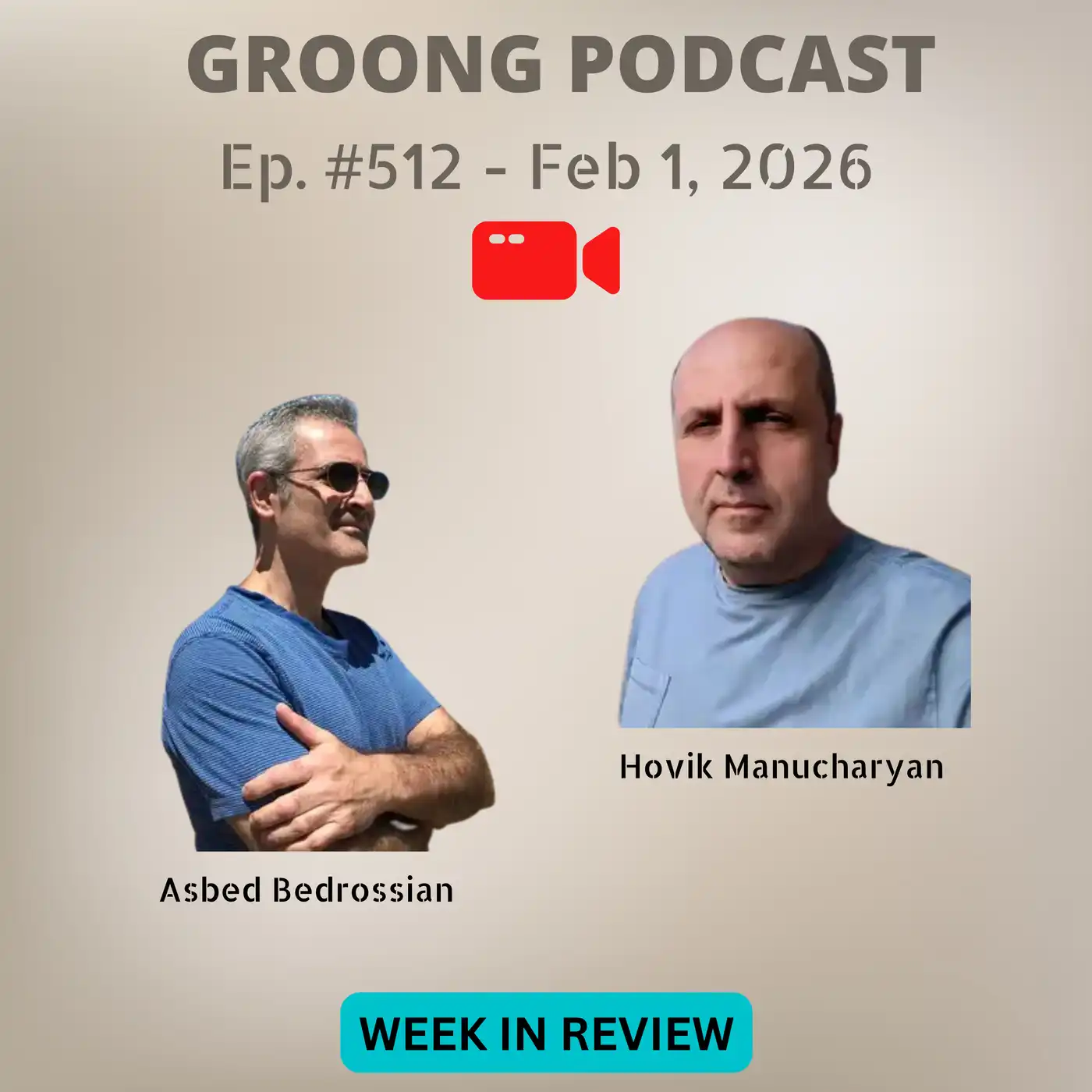
Groong Links:
Topics:
- Iran Conflict
- Varchaband
- War on Armenian Church
- Mehmet Oz vs Armenian Americans
- Narek Karapetyan and Strong Armenia
- A Big Beautiful Noragyugh
Episode 512 | Recorded: February 2, 2026
#IranIsraelWar #TrumpArmada #ArmenianChurch #Pashinyan #ArmenianDiaspora
Asbed & Hovik - Iran, Varchaband, War on Church, Mehmet Oz, Strong Armenia, Noragyugh | Ep 512, Feb 1, 2026 [EP512]
Posted on Tuesday, Feb 3, 2026 | Category: Armenia, Politics, Artsakh, Nagorno Karabakh, Iran, Israel, Azerbaijan, Armenian Church, BRICS, Russia, Turkey, China, India, UkraineGroong Links:
Topics:
- Iran Conflict
- Varchaband
- War on Armenian Church
- Mehmet Oz vs Armenian Americans
- Narek Karapetyan and Strong Armenia
- A Big Beautiful Noragyugh
Episode 512 | Recorded: February 2, 2026
#IranIsraelWar #TrumpArmada #ArmenianChurch #Pashinyan #ArmenianDiaspora
David Davidian - Armenia’s Foreign Intel Service Annual Report | Ep 511, Jan 31, 2026 [EP511]
Posted on Saturday, Jan 31, 2026 | Category: Armenia, Politics, Armenian Genocide, Nagorno Karabakh, Russia, Iran, Azerbaijan, Georgia, Genocide, India, Israel | Series: cog, video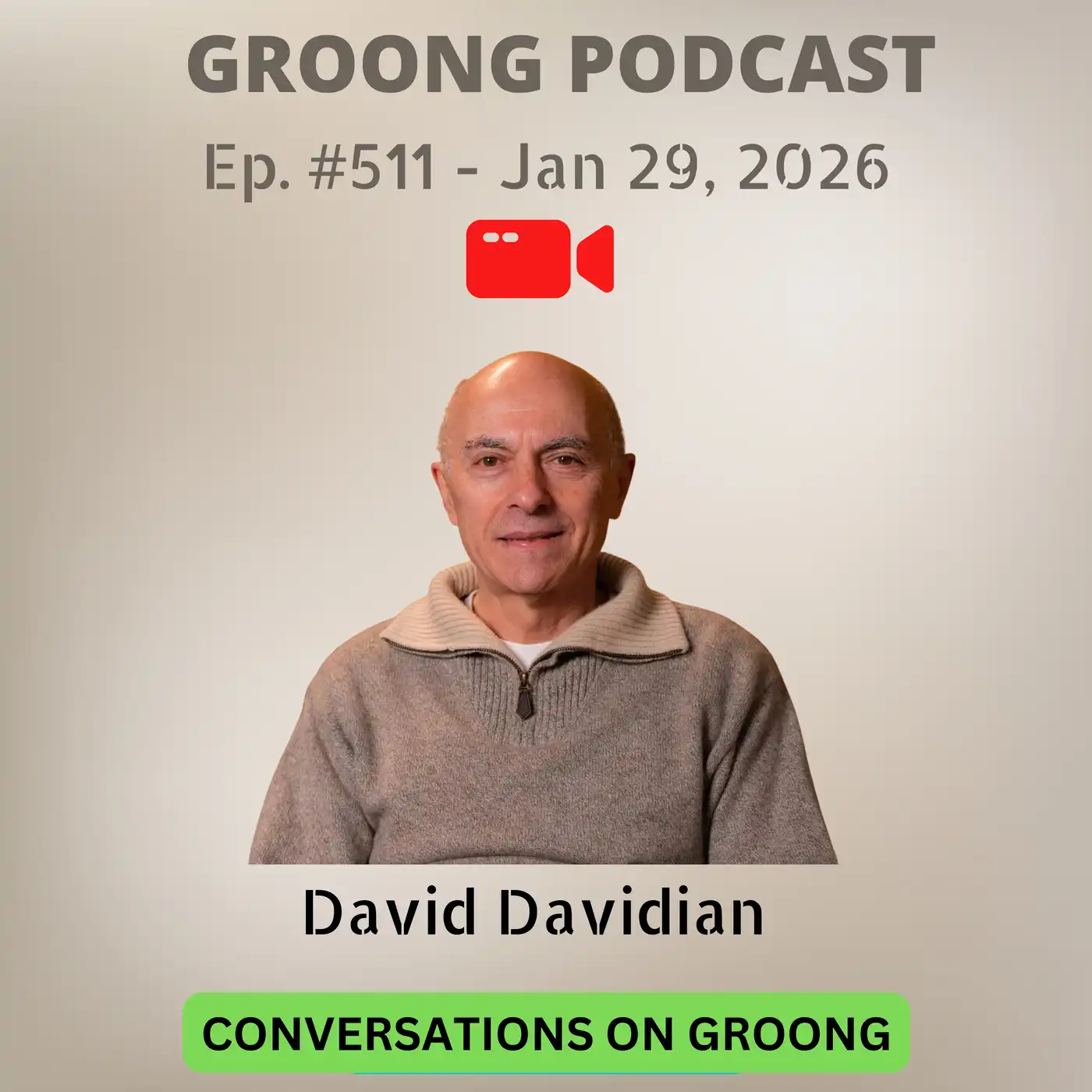
Groong Links:
Guest:
Topics:
- Return of Four Hostages
- Pashinyan vs. Church
- TRIPP
- Armenia Parliamentary Election
Episode 511 | Recorded: January 28, 2026
David Davidian - Armenia’s Foreign Intel Service Annual Report | Ep 511, Jan 31, 2026 [EP511]
Posted on Saturday, Jan 31, 2026 | Category: Armenia, Politics, Armenian Genocide, Nagorno Karabakh, Russia, Iran, Azerbaijan, Georgia, Genocide, India, IsraelGroong Links:
Guest:
Topics:
- Return of Four Hostages
- Pashinyan vs. Church
- TRIPP
- Armenia Parliamentary Election
Episode 511 | Recorded: January 28, 2026
Arthur Khachatryan - Army Day, JD Vance to Armenia, TRIPP, Church, Strong Armenia Political Party | Ep 510, Jan 27, 2026 [EP510]
Posted on Wednesday, Jan 28, 2026 | Category: Armenia, Politics, Artsakh, Nagorno Karabakh, Azerbaijan, Turkey, Russia, Armenian Church, Artsakh Blockade, Iran, Economy, Georgia, Human Rights, Syria | Series: wir, video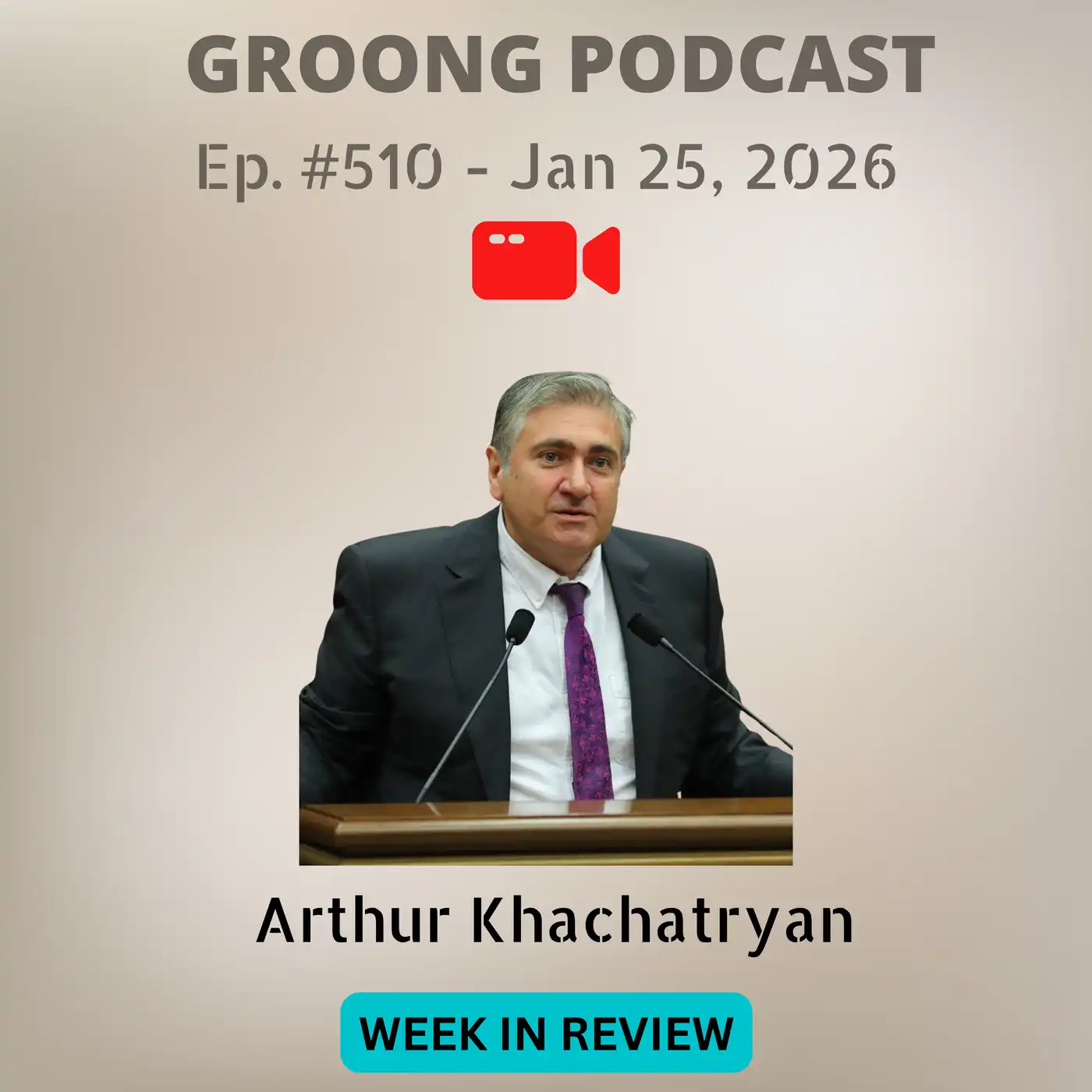
Groong Links:
Guest:
Topics:
- Memorial Day vs. Army Day
- JD Vance to Armenia and Azerbaijan
- Armenian Church Developments
- Strong Armenia - New Political Party
Episode 510 | Recorded: Jnauary 27, 2026