Azerbaijan
Last updated: June 10, 2026
Azerbaijan is a South Caucasus republic with a population of approximately 10 million and a territory spanning roughly 86,600 square kilometers. The country is governed as a presidential republic under President Ilham Aliyev , who has held power since 2003. Azerbaijan’s economy is heavily dependent on oil and natural gas exports, particularly through the Baku-Tbilisi-Ceyhan (BTC) pipeline and the Southern Gas Corridor, which connects Caspian energy reserves to European markets. The capital, Baku, serves as a major regional hub. Azerbaijan is a member of the United Nations, OSCE, and various regional organizations. The country’s Azerbaijani-speaking population is predominantly Muslim. Azerbaijan also includes the Nakhchivan Autonomous Republic, an exclave separated from mainland Azerbaijan by Armenian territory.
However, international human rights organizations, including Human Rights Watch and Amnesty International, have extensively documented systematic human rights abuses in Azerbaijan, including arbitrary detention, torture, suppression of political opposition, restrictions on press freedom, and limitations on civil society. Aliyev’s government maintains tight control over dissent, with opposition politicians, journalists, and activists facing harassment, imprisonment, and violence. The country ranks poorly on freedom indices, with Reporters Without Borders, Freedom House, and Transparency International consistently ranking Azerbaijan among the world’s most repressive states regarding democratic freedoms and rule of law. Prison conditions are documented as harsh, and extrajudicial executions and enforced disappearances have been reported. The state monopoly on media, combined with internet censorship and restrictions on assembly, creates an environment where independent voices face significant risk. These governance practices have been particularly intensified since Aliyev’s re-election in 2018 and remain central to how the regime maintains internal control while projecting external power.
Azerbaijan is a South Caucasus republic whose military campaigns against Armenia in 2020 and 2023 have reshaped the regional balance of power. Following the 44-Day War in 2020 and the complete capture of Artsakh (Nagorno Karabakh) in a 24-hour offensive on September 19–20, 2023, Azerbaijan controls territory that was previously under Armenian administration, ethnically cleansing the enclave of its more than 150,000 Armenian inhabitants. President Ilham Aliyev has used military victory to extract territorial and geopolitical concessions from Armenia, including commitments toward the so-called “Zangezur Corridor”—what Washington frames as TRIPP (Trump Route for International Peace and Prosperity), a transit corridor through Armenian Syunik province that would connect Azerbaijan to Turkey via Armenian land. Aliyev has consistently framed these arrangements in pan-Turanic terms, treating them as steps toward regional integration under Turkish-Azerbaijani leadership rather than as neutral infrastructure projects. Azerbaijan’s leverage over Armenia derives not only from military superiority but from Armenia’s isolation: as Russia has grown less reliable as a security guarantor and Armenia has sought Western partnerships that remain incomplete, Baku has incrementally pressed its advantage through border incursions, blockade threats, and demands for “unblocking” that contain implicit security concessions.
Azerbaijan’s relationship with Turkey is central to its strategy and its self-conception as a regional power. The two states share language, historical narratives around pan-Turkism, and military-strategic interests in offsetting Iran and resisting Russian influence. Turkey provided air support during the 2020 war and has supplied weapons and military training throughout Azerbaijan’s buildup. However, the relationship is not symmetrical: Azerbaijan maintains its own foreign policy interests, including energy partnerships with Europe via the Southern Gas Corridor and a degree of hedging toward Russia that reflects Baku’s awareness that it cannot afford permanent enmity with Moscow. In early 2026, tensions between Azerbaijan and Iran spiked following military exercises in Nakhijevan and constitutional changes that centralized control over the exclave, raising questions about whether Baku is positioning itself as a U.S.-backed pressure point against Iran or merely consolidating internal authority. The trajectory of the U.S.-Israeli war on Iran, discussed in episodes examining the regional dimensions of that conflict, has direct bearing on Azerbaijan’s calculations about its northern neighbor and its room for maneuver between Washington and Moscow.
Armenia’s vulnerability has translated into Azerbaijan’s expanding room for territorial and political demands. Pashinyan has signed successive ceasefire agreements and acknowledged Armenian territorial losses while framing them as necessary trade-offs for regional peace. Yet Azerbaijan has continued to occupy positions inside internationally recognized Armenian territory, has threatened blockades over the movement of humanitarian supplies to Armenia, and has used negotiations over transit corridors as leverage to extract security concessions from Yerevan. Eldar Mamedov’s analysis of the Iran war and Azerbaijan’s role as a potential northern front, alongside Arman Grigoryan’s assessment of what he terms Armenia’s “revolutionary recklessness” in abandoning Russian security ties without securing firm Western alternatives, illustrates the degree to which Azerbaijan’s actions are embedded in a wider geopolitical struggle between Russia, the United States, Europe, Iran, and Turkey. Whether Azerbaijan consolidates its wartime gains into a permanent shift in the regional balance or whether changed circumstances in Iran, Russia, or Western policy create openings for Armenian repositioning remains among the most contested questions shaping the South Caucasus through 2026 and beyond.
Groong episodes that include this tag
Below are all Groong episodes tagged with Azerbaijan.
Arthur Martirosyan - Armenia at a Crossroads: Railways, Reactors, and Security | Ep 594, Oct 17, 2026 [EP594]
Posted on Saturday, Oct 17, 2026 | Category: Armenia, Politics, Geopolitics | Series: cog, video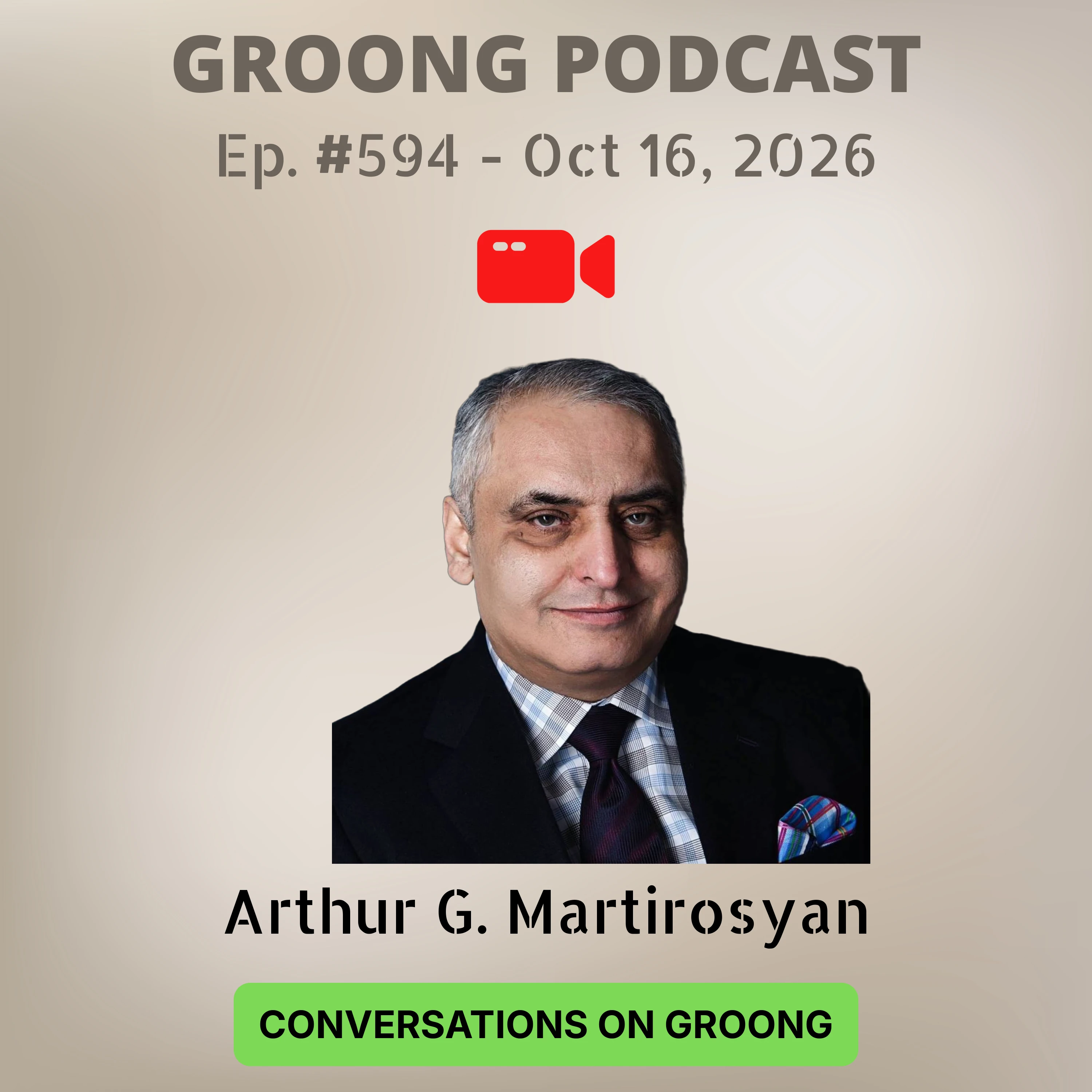
Groong Links:
Guest(s):
Topics:
- Azeri Soldier Infiltration and Shaki Shooting
- Government Accountability and Border Security Failures
- Russian Railways and Armenia’s Strategic Options
- Nuclear Power: Russian Reactors vs. Western SMRs
- TRIPP and Armenia’s Geopolitical Balancing Act
- COP17, Environmental Destruction, and Appeasing Azerbaijan
Episode 594 | Recorded: October 16, 2026
#ArmenianElections #Armenia #NikolPashinyan #CivilContract #StrongArmenia #ArmenianOpposition
Read MoreArthur Martirosyan - Armenia at a Crossroads: Railways, Reactors, and Security | Ep 594, Oct 17, 2026 [EP594]
Posted on Saturday, Oct 17, 2026 | Category: Armenia, Politics, GeopoliticsGroong Links:
Guest(s):
Topics:
- Azeri Soldier Infiltration and Shaki Shooting
- Government Accountability and Border Security Failures
- Russian Railways and Armenia’s Strategic Options
- Nuclear Power: Russian Reactors vs. Western SMRs
- TRIPP and Armenia’s Geopolitical Balancing Act
- COP17, Environmental Destruction, and Appeasing Azerbaijan
Episode 594 | Recorded: October 16, 2026
#ArmenianElections #Armenia #NikolPashinyan #CivilContract #StrongArmenia #ArmenianOpposition
Read MoreTranscript: Arthur Martirosyan - Armenia at a Crossroads: Railways, Reactors, and Security | Ep 594, Oct 17, 2026 [EP594]
Posted on Saturday, Oct 17, 2026 | Category: Armenia, Politics, Geopolitics, TranscriptIn this episode of Conversations on Groong, we speak with Arthur G. Martirosyan about Armenia at a crossroads in politics and security. We discuss the Shaki infiltration incident and government accountability, Pashinyan’s standoff with Russian Railways over the rail concession, nuclear energy options including Western SMRs versus Russian reactors, TRIPP’s implications for Armenian geopolitics, and environmental destruction at COP17.
Pashinyan's Nuclear U-Turn and Armenia's Security Failures | Ep 593, Oct 11, 2026 [EP593]
Posted on Wednesday, Oct 14, 2026 | Category: Armenia, Politics, Geopolitics | Series: wir, video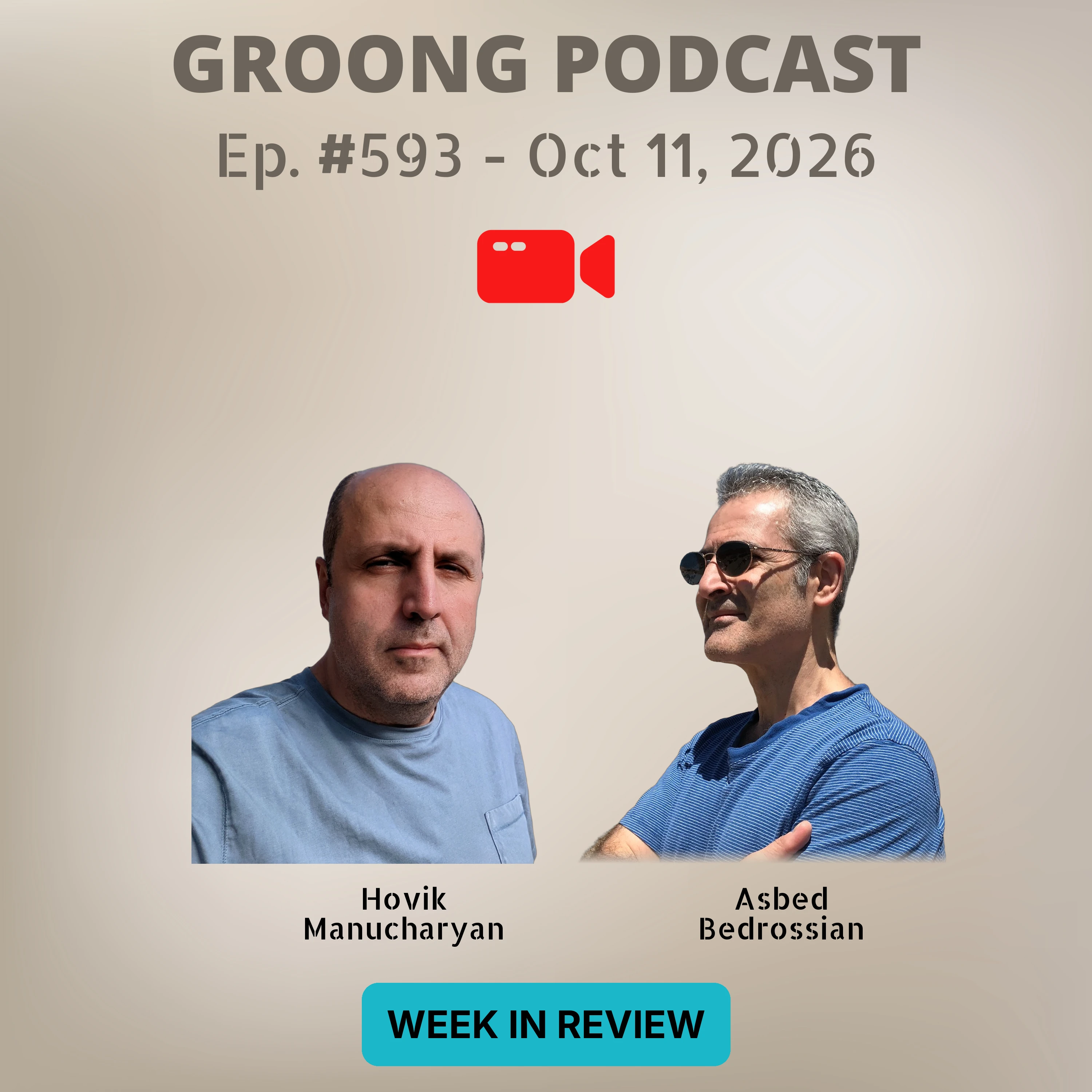
Groong Links:
Topics:
- Pashinyan’s Nuclear Policy U-Turn
- Azerbaijani Infiltration Into Shaki
- Karapetyan To Unite The Opposition?
- COP17 Spending Corruption
- Pashinyan’s Broken Environmental Promises
Episode 593 | Recorded: October 13, 2026
#Armenia #Pashinyan #NuclearEnergy #Azerbaijan #NationalSecurity #SamvelKarapetyan #Corruption #Amulsar
Pashinyan's Nuclear U-Turn and Armenia's Security Failures | Ep 593, Oct 11, 2026 [EP593]
Posted on Wednesday, Oct 14, 2026 | Category: Armenia, Politics, GeopoliticsGroong Links:
Topics:
- Pashinyan’s Nuclear Policy U-Turn
- Azerbaijani Infiltration Into Shaki
- Karapetyan To Unite The Opposition?
- COP17 Spending Corruption
- Pashinyan’s Broken Environmental Promises
Episode 593 | Recorded: October 13, 2026
#Armenia #Pashinyan #NuclearEnergy #Azerbaijan #NationalSecurity #SamvelKarapetyan #Corruption #Amulsar
Transcript: Pashinyan's Nuclear U-Turn and Armenia's Security Failures | Ep 593, Oct 11, 2026 [EP593]
Posted on Wednesday, Oct 14, 2026 | Category: Armenia, Politics, Geopolitics, TranscriptIn this week’s episode of Groong Week in Review, Hovik and Asbed examine Pashinyan’s abrupt reversal on nuclear energy policy, shifting from Western small modular reactors to consideration of a Russian gigawatt-scale plant amid surging data center demands. We discuss the security implications of long-term energy dependency, the geopolitics behind Armenia’s power infrastructure choices, and ongoing concerns about Azerbaijani infiltration, opposition unity under Samvel Karapetyan, and corruption at COP17.
Groong News Digest — Week of September 28–4, 2026
Posted on Sunday, Oct 4, 2026 | Category: Digest, News DigestArmenia faces domestic political turmoil, border security breaches, and international pressure over the Azerbaijani serviceman incident and church persecution, while peace negotiations proceed amid regional tensions.
Groong Podcast Digest — Week of September 28–4, 2026
Posted on Sunday, Oct 4, 2026 | Category: Digest, Podcast DigestHovik and Asbed mark the sixth anniversary of the 44-Day War while examining Armenia’s deepening crisis over historical memory, escalating tensions between the state and the Armenian Church, international concern over election integrity, and Armenia’s isolated position as Azerbaijan demolishes Artsakh’s Armenian cultural heritage. Harut Sassounian examines Armenia’s identity crisis amid escalating conflict between Pashinyan’s government and the Armenian Apostolic Church, discussing Catholicos Garegin II’s statements at the May 2025 World Council of Churches Read More
From Yerablur to Etchmiadzin: Armenia’s Battle Over Memory | Ep 591, Sep 27, 2026 [EP591]
Posted on Thursday, Oct 1, 2026 | Category: Armenia, Politics, Geopolitics | Series: wir, video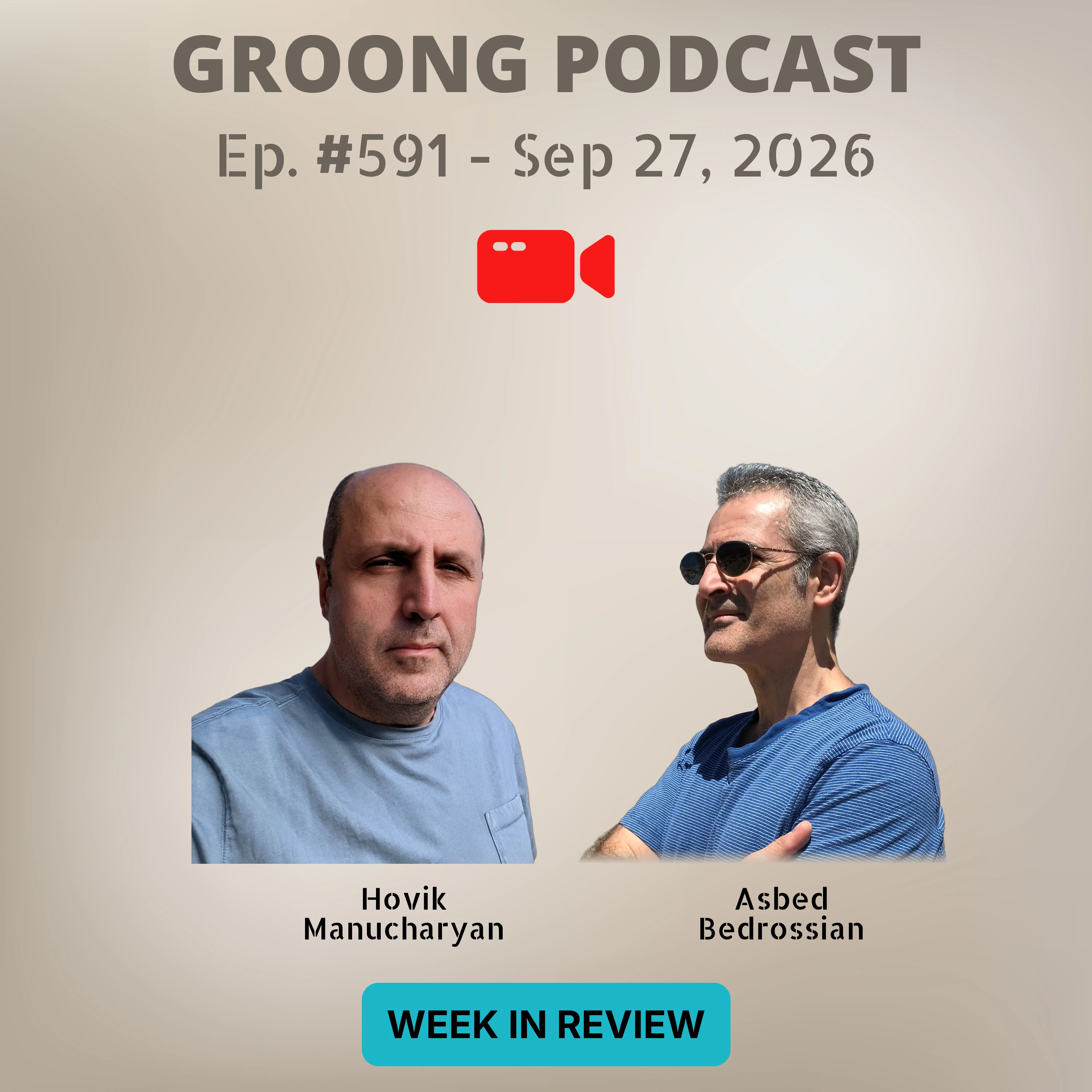
Groong Links:
Topics:
- September 27 war anniversary and memory
- Pashinyan escalates campaign against Church
- PACE raises concerns over elections
- Armenia, Turkey, Azerbaijan at UNGA
- Witkoff reveals Turkish regional advisers
- Opposition faces post-election divisions
- Arrests and prosecutions over speech
- France and Azerbaijan move toward normalization
Episode 591 | Recorded: September 27, 2026
From Yerablur to Etchmiadzin: Armenia’s Battle Over Memory | Ep 591, Sep 27, 2026 [EP591]
Posted on Thursday, Oct 1, 2026 | Category: Armenia, Politics, GeopoliticsGroong Links:
Topics:
- September 27 war anniversary and memory
- Pashinyan escalates campaign against Church
- PACE raises concerns over elections
- Armenia, Turkey, Azerbaijan at UNGA
- Witkoff reveals Turkish regional advisers
- Opposition faces post-election divisions
- Arrests and prosecutions over speech
- France and Azerbaijan move toward normalization
Episode 591 | Recorded: September 27, 2026
Transcript: From Yerablur to Etchmiadzin: Armenia’s Battle Over Memory | Ep 591, Sep 27, 2026 [EP591]
Posted on Thursday, Oct 1, 2026 | Category: Armenia, Politics, Geopolitics, TranscriptIn this week’s Groong Week in Review, Hovik and Asbed mark the sixth anniversary of the 44-Day War and examine Armenia’s deepening crisis over historical memory and national identity. We discuss the Armenian government’s controversial response to September 27 commemorations, escalating tension between the state and the Armenian Church, international concern over election integrity, and Armenia’s isolated position as Azerbaijan demolishes Artsakh’s Armenian cultural heritage while Turkey advances regional integration plans.
Dziunik Aghajanian - From Moscow to Riyadh: New Fault Lines Around Armenia | Ep 590, Sep 25, 2026 [EP590]
Posted on Friday, Sep 25, 2026 | Category: Armenia, Politics, Geopolitics | Series: cog, video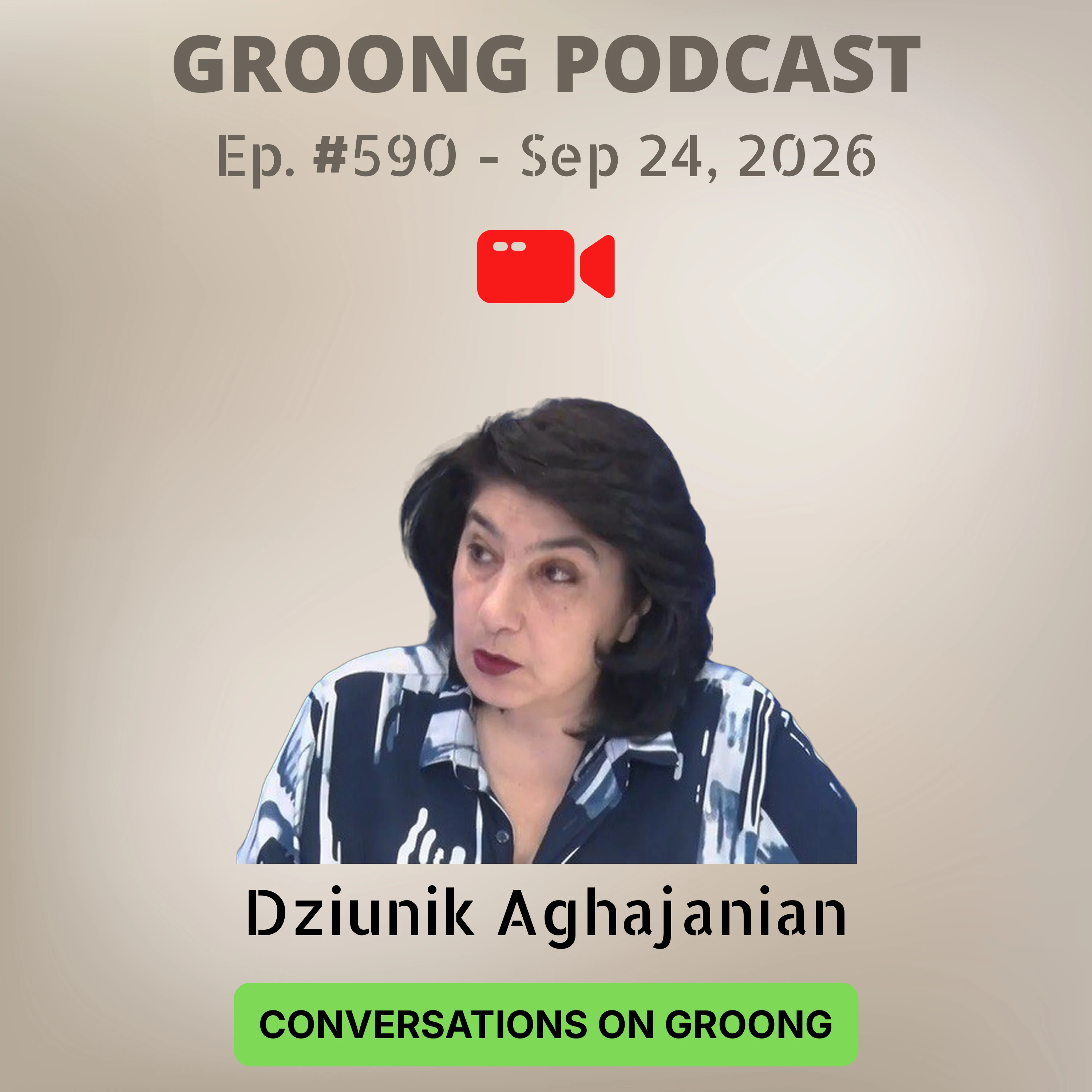
Groong Links:
Guest(s):
Topics:
- Russian parliamentary election outcome
- Middle East escalation and the Houthis
- Armenia-Russia confrontation, including the 102nd base
- Asset confiscation, anti-corruption, and Russian interests
- Azerbaijan-Armenia “durable peace” tensions
- Armenian opposition strategy
Episode 590 | Recorded: September 23, 2026
#Armenia #Russia #SouthCaucasus #Azerbaijan #MiddleEast #UkraineWar #ArmenianPolitics #Geopolitics
Dziunik Aghajanian - From Moscow to Riyadh: New Fault Lines Around Armenia | Ep 590, Sep 25, 2026 [EP590]
Posted on Friday, Sep 25, 2026 | Category: Armenia, Politics, GeopoliticsGroong Links:
Guest(s):
Topics:
- Russian parliamentary election outcome
- Middle East escalation and the Houthis
- Armenia-Russia confrontation, including the 102nd base
- Asset confiscation, anti-corruption, and Russian interests
- Azerbaijan-Armenia “durable peace” tensions
- Armenian opposition strategy
Episode 590 | Recorded: September 23, 2026
#Armenia #Russia #SouthCaucasus #Azerbaijan #MiddleEast #UkraineWar #ArmenianPolitics #Geopolitics
Transcript: Dziunik Aghajanian - From Moscow to Riyadh: New Fault Lines Around Armenia | Ep 590, Sep 25, 2026 [EP590]
Posted on Friday, Sep 25, 2026 | Category: Armenia, Politics, Geopolitics, TranscriptIn this episode of Conversations on Groong, we speak with Dziunik Aghajanian about shifting geopolitical pressures on Armenia following Russia’s September 2026 parliamentary elections. We discuss Putin’s strengthened domestic position, the Armenia-Russia confrontation over the 102nd base, asset confiscation and anti-corruption efforts targeting Russian interests, and how Middle East escalation and the Iran War reshape Armenia’s strategic environment amid ongoing Armenia-Azerbaijan Peace Process tensions.
Armenia at 35: Independence, Loss, and Unfinished Wars | Ep 588, Sep 20, 2026 [EP588]
Posted on Wednesday, Sep 23, 2026 | Category: Armenia, Politics, Geopolitics | Series: wir, video
Groong Links:
Topics:
- Armenia marks 35 years independent
- Artsakh remembered three years later
- Armenian POWs remain in Baku
- Ukraine strikes deep inside Russia
- Turkey-Azerbaijan deepen strategic coordination
- Citizenship costs rise sharply
- Government opacity over war casualties
Episode 588 | Recorded: September 22, 2026
#Armenia #Artsakh #UkraineWar #ArmenianPOWs #Azerbaijan #Turkey #SouthCaucasus #ArmenianPolitics
Armenia at 35: Independence, Loss, and Unfinished Wars | Ep 588, Sep 20, 2026 [EP588]
Posted on Wednesday, Sep 23, 2026 | Category: Armenia, Politics, GeopoliticsGroong Links:
Topics:
- Armenia marks 35 years independent
- Artsakh remembered three years later
- Armenian POWs remain in Baku
- Ukraine strikes deep inside Russia
- Turkey-Azerbaijan deepen strategic coordination
- Citizenship costs rise sharply
- Government opacity over war casualties
Episode 588 | Recorded: September 22, 2026
#Armenia #Artsakh #UkraineWar #ArmenianPOWs #Azerbaijan #Turkey #SouthCaucasus #ArmenianPolitics
Artsakh Declared Independence Before Azerbaijan Did [EP588]
Posted on Wednesday, Sep 23, 2026 | Category: History, Nagorno Karabakh, AzerbaijanAsbed lays out how Artsakh legally became a republic, following all Soviet and international laws, before Azerbaijan declared its own independence.
Transcript: Armenia at 35: Independence, Loss, and Unfinished Wars | Ep 588, Sep 20, 2026 [EP588]
Posted on Wednesday, Sep 23, 2026 | Category: Armenia, Politics, Geopolitics, TranscriptIn this week’s Groong podcast episode, Hovik and Asbed reflect on Armenia’s 35th independence anniversary amid ongoing regional tensions and unresolved conflicts. We discuss the state of Armenian statehood three years after the ethnic cleansing of Artsakh, Armenian prisoners of war still held in Baku, rising citizenship costs, government opacity over war casualties, and deepening Turkey-Azerbaijan strategic coordination.
Gandzasar Erasure, Chips for Territory, Russian Money & Pashinyan in Space | Ep 585, Sep 13, 2026 [EP585]
Posted on Wednesday, Sep 16, 2026 | Category: Armenia, Politics, Geopolitics | Series: wir, video
Groong Links:
Topics:
- 2022 border war and its legacy
- Hajiyev spouts hate, EU reps giggle
- Armenia’s muted response to Azerbaijan
- TRIPP, NVIDIA chips, and sovereignty
- Pashinyan’s Paris space summit visit
- Russian money flows through Armenia
- Russia-Iran coordination in South Caucasus
- Political prosecutions and Grigoryan reshuffle
Episode 585 | Recorded: September 14, 2026
#Armenia #Artsakh #Gandzasar #TRIPP #SouthCaucasus #Azerbaijan #Russia #Iran
Gandzasar Erasure, Chips for Territory, Russian Money & Pashinyan in Space | Ep 585, Sep 13, 2026 [EP585]
Posted on Wednesday, Sep 16, 2026 | Category: Armenia, Politics, GeopoliticsGroong Links:
Topics:
- 2022 border war and its legacy
- Hajiyev spouts hate, EU reps giggle
- Armenia’s muted response to Azerbaijan
- TRIPP, NVIDIA chips, and sovereignty
- Pashinyan’s Paris space summit visit
- Russian money flows through Armenia
- Russia-Iran coordination in South Caucasus
- Political prosecutions and Grigoryan reshuffle
Episode 585 | Recorded: September 14, 2026
#Armenia #Artsakh #Gandzasar #TRIPP #SouthCaucasus #Azerbaijan #Russia #Iran
Transcript: Gandzasar Erasure, Chips for Territory, Russian Money & Pashinyan in Space | Ep 585, Sep 13, 2026 [EP585]
Posted on Wednesday, Sep 16, 2026 | Category: Armenia, Politics, Geopolitics, TranscriptIn this Groong Week in Review episode, Hovik and Asbed examine the fourth anniversary of the September 2022 border war, Azerbaijan’s ongoing occupation of Armenian territory, and Pashinyan’s political trajectory toward recognizing Artsakh’s loss. We discuss Hajiyev’s inflammatory rhetoric, Armenia’s muted diplomatic response, TRIPP and semiconductor sovereignty, Pashinyan’s attendance at a Paris space summit, Russian financial flows through Armenia, and Russia-Iran coordination in the South Caucasus.
Suren Sargsyan - Central Asia, TRIPP, Iran, and Armenia in the New Great Game | Ep 583, Sep 5, 2026 [EP583]
Posted on Saturday, Sep 5, 2026 | Category: Armenia, Geopolitics | Series: cog, video
Groong Links:
Guest(s):
Topics:
- U.S. objectives in the Iran war
- Russia’s 102nd base in Armenia
- Pashinyan’s sovereignty policy contradictions
- Great-power rivalry across Central Asia
- U.S. and EU interests in TRIPP
- Armenia’s place in Eurasian competition
Episode 583 | Recorded: Sep 4, 2026
#Armenia #IranWar #TRIPP #CentralAsia #Russia #UnitedStates #Geopolitics #SouthCaucasus
Suren Sargsyan - Central Asia, TRIPP, Iran, and Armenia in the New Great Game | Ep 583, Sep 5, 2026 [EP583]
Posted on Saturday, Sep 5, 2026 | Category: Armenia, GeopoliticsGroong Links:
Guest(s):
Topics:
- U.S. objectives in the Iran war
- Russia’s 102nd base in Armenia
- Pashinyan’s sovereignty policy contradictions
- Great-power rivalry across Central Asia
- U.S. and EU interests in TRIPP
- Armenia’s place in Eurasian competition
Episode 583 | Recorded: Sep 4, 2026
#Armenia #IranWar #TRIPP #CentralAsia #Russia #UnitedStates #Geopolitics #SouthCaucasus
TRIPP: Who Developed the Corridor Deal and Why Steve Witkoff Matters [EP583]
Posted on Saturday, Sep 5, 2026 | Category: Geopolitics, Armenia, Azerbaijan, USASuren Sargsyan traces the origins of TRIPP back decades and identifies Steve Witkoff as the key architect of the current U.S. initiative.
Why Russia Might Outsource South Caucasus Control to Iran [EP583]
Posted on Saturday, Sep 5, 2026 | Category: Geopolitics, Russia, Iran, ArmeniaSuren Sargsyan explores whether Russia might cede South Caucasus dominance to Iran as a strategic partner, given Moscow’s focus on Ukraine.
Transcript: Suren Sargsyan - Central Asia, TRIPP, Iran, and Armenia in the New Great Game | Ep 583, Sep 5, 2026 [EP583]
Posted on Saturday, Sep 5, 2026 | Category: Armenia, Geopolitics, TranscriptIn this episode of Conversations on Groong, we speak with Suren Sargsyan about the Iran War and great power competition for Armenia’s strategic position. We discuss Washington’s unclear endgame in the conflict with Iran, the future of Russia’s military presence in Armenia and CSTO membership, and competing U.S. and European interests in new east-west transit routes through Armenia and Central Asia amid broader geopolitical rivalries.
Armenia at the SCO Summit as Ukraine and Iran Wars Intensify | Ep 582, Aug 30, 2026 [EP582]
Posted on Wednesday, Sep 2, 2026 | Series: wir, video
Groong Links:
Topics:
- Russia Escalates War Against Ukraine
- Unprecedented Western Visits to Moscow
- US-Iran War Flares Again
- All Artsakh Presidents Behind Bars
- Armenia at the SCO Summit
- Pashinyan Meets Aliyev, Putin, Modi
- Political Persecutions and Selective Justice
Episode 582 | Recorded: September 1, 2026
#Armenia #Artsakh #UkraineWar #IranWar #SCO #Pashinyan #SouthCaucasus #ArmenianPolitics
Armenia at the SCO Summit as Ukraine and Iran Wars Intensify | Ep 582, Aug 30, 2026 [EP582]
Posted on Wednesday, Sep 2, 2026Groong Links:
Topics:
- Russia Escalates War Against Ukraine
- Unprecedented Western Visits to Moscow
- US-Iran War Flares Again
- All Artsakh Presidents Behind Bars
- Armenia at the SCO Summit
- Pashinyan Meets Aliyev, Putin, Modi
- Political Persecutions and Selective Justice
Episode 582 | Recorded: September 1, 2026
#Armenia #Artsakh #UkraineWar #IranWar #SCO #Pashinyan #SouthCaucasus #ArmenianPolitics
Transcript: Armenia at the SCO Summit as Ukraine and Iran Wars Intensify | Ep 582, Aug 30, 2026 [EP582]
Posted on Wednesday, Sep 2, 2026 | Category: TranscriptIn this week’s Groong news roundup, Hovik and Asbed examine Armenia’s position at the SCO Summit amid intensifying global conflicts. We discuss Russia’s escalation in Ukraine, unprecedented Western diplomatic visits to Moscow, the renewed US-Iran War, and Pashinyan’s meetings with regional and global leaders including Aliyev and Putin. We also address the ongoing persecution of former Artsakh leaders and the selective justice targeting Armenia’s political landscape.
Arthur Martirosyan - The Fourth Republic and the Politics of Erasure | Ep 581, Aug 29, 2026 [EP581]
Posted on Saturday, Aug 29, 2026 | Category: Armenia, Politics | Series: cog, video
Groong Links:
Guest(s):
Topics:
- Pashinyan’s Revenge Against Opposition
- Kocharyan Arrested, Family Under State Pressure
- Opposition Strategy Under Repression
- Pashinyan’s Five-Year Transformation Agenda
- Government Assault on Armenian Church
- Tigranashen and Border Concessions
- TRIPP, Turan, and Central Asia
Episode 581 | Recorded: August 28, 2026
#ArmenianElections #Armenia #NikolPashinyan #CivilContract #StrongArmenia #ArmenianOpposition
Arthur Martirosyan - The Fourth Republic and the Politics of Erasure | Ep 581, Aug 29, 2026 [EP581]
Posted on Saturday, Aug 29, 2026 | Category: Armenia, PoliticsGroong Links:
Guest(s):
Topics:
- Pashinyan’s Revenge Against Opposition
- Kocharyan Arrested, Family Under State Pressure
- Opposition Strategy Under Repression
- Pashinyan’s Five-Year Transformation Agenda
- Government Assault on Armenian Church
- Tigranashen and Border Concessions
- TRIPP, Turan, and Central Asia
Episode 581 | Recorded: August 28, 2026
#ArmenianElections #Armenia #NikolPashinyan #CivilContract #StrongArmenia #ArmenianOpposition
The AI Factory and Energy Trap: How Armenia Becomes Dependent on Azerbaijan [EP581]
Posted on Saturday, Aug 29, 2026 | Category: Economy, Technology, ArmeniaPashinyan plans 300 MW AI facility but would shut Metsamor nuclear plant, losing net power while creating dependency on Azerbaijani electricity imports.
Ambassador Jack Matlock - Did the West Fumble the Post-Cold War Peace? | Ep 580, Aug 28, 2026 [EP580]
Posted on Friday, Aug 28, 2026 | Category: Armenia, US, Russia, Geopolitics, History, Soviet Armenia, USSR | Series: cog, video
Groong Links:
Guest(s):
Topics:
- Recollections from Soviet South Caucasus
- Why the Soviet Union collapsed
- How the Cold War ended
- Reagan and Gorbachev’s diplomacy
- America’s post-Cold War triumphalism
- NATO expansion and Russian backlash
- Great-power rivalry in the Caucasus
- Armenia’s geopolitical choices today
Episode 580 | Recorded: Aug 27, 2026
#JackMatlock #ColdWar #SovietUnion #Reagan #Gorbachev #NATO #Russia #SouthCaucasus #Armenia
Ambassador Jack Matlock - Did the West Fumble the Post-Cold War Peace? | Ep 580, Aug 28, 2026 [EP580]
Posted on Friday, Aug 28, 2026 | Category: Armenia, US, Russia, Geopolitics, History, Soviet Armenia, USSRGroong Links:
Guest(s):
Topics:
- Recollections from Soviet South Caucasus
- Why the Soviet Union collapsed
- How the Cold War ended
- Reagan and Gorbachev’s diplomacy
- America’s post-Cold War triumphalism
- NATO expansion and Russian backlash
- Great-power rivalry in the Caucasus
- Armenia’s geopolitical choices today
Episode 580 | Recorded: Aug 27, 2026
#JackMatlock #ColdWar #SovietUnion #Reagan #Gorbachev #NATO #Russia #SouthCaucasus #Armenia
Transcript: Arthur Martirosyan - The Fourth Republic and the Politics of Erasure | Ep 581, Aug 29, 2026 [EP581]
Posted on Saturday, Aug 29, 2026 | Category: Armenia, Politics, TranscriptIn this episode of Conversations on Groong, we speak with Arthur G. Martirosyan about Armenia’s post-election political crisis and Pashinyan’s governance agenda. We discuss the arrest of opposition leaders including Robert Kocharyan, attacks on the Armenian Church, border concessions including Tigranashen, the TRIPP corridor, and how the Established Opposition is strategizing under state repression in the Fourth Republic.
Transcript: Ambassador Jack Matlock - Did the West Fumble the Post-Cold War Peace? | Ep 580, Aug 28, 2026 [EP580]
Posted on Friday, Aug 28, 2026 | Category: Armenia, US, Russia, Geopolitics, History, Soviet Armenia, USSR, TranscriptIn this episode of Conversations on Groong, we speak with Ambassador Jack Matlock, the last US Ambassador to the Soviet Union, about whether the West missed a historic opportunity to integrate Russia into Western security architecture after the Cold War. We discuss the internal collapse of the Soviet Union, Reagan-Gorbachev diplomacy, NATO expansion and Russian backlash, and how Cold War-era decisions shape Armenia’s geopolitical choices today, including Matlock’s firsthand observations of Soviet Armenia during glasnost and the Nagorno Karabakh movement.
Armenia's Nuclear Power Plant: Turkey & Azerbaijan's Prize, Security Guarantee Lost [EP579]
Posted on Saturday, Aug 22, 2026 | Category: Politics, Armenia, Azerbaijan, TurkeyAmbassador explains why Armenia’s nuclear power plant is not just an energy asset but a critical strategic deterrent against Turkish and Azerbaijani aggression, and why closing it would be catastrophic.
Dziunik Aghajanian - Armenia Between Iran, Russia & the New Middle East Order | Ep 579, Aug 22, 2026 [EP579]
Posted on Saturday, Aug 22, 2026 | Category: Armenia, Politics, Geopolitics | Series: cog, video
Groong Links:
Guest(s):
Topics:
- Significance of the Mecca joint defense pact
- Iran warns Armenia over TRIPP
- Aliyev advances plans through Syunik
- Armenia faces growing energy dependence
- Russia sets deadlines for Yerevan
- Opposition tests its parliamentary strategy
Episode 579 | Recorded: August 18, 2026
#Armenia #SouthCaucasus #Mecca #TRIPP #Iran #Russia #Azerbaijan #EAEU #CSTO
Dziunik Aghajanian - Armenia Between Iran, Russia & the New Middle East Order | Ep 579, Aug 22, 2026 [EP579]
Posted on Saturday, Aug 22, 2026 | Category: Armenia, Politics, GeopoliticsGroong Links:
Guest(s):
Topics:
- Significance of the Mecca joint defense pact
- Iran warns Armenia over TRIPP
- Aliyev advances plans through Syunik
- Armenia faces growing energy dependence
- Russia sets deadlines for Yerevan
- Opposition tests its parliamentary strategy
Episode 579 | Recorded: August 18, 2026
#Armenia #SouthCaucasus #Mecca #TRIPP #Iran #Russia #Azerbaijan #EAEU #CSTO
Transcript: Dziunik Aghajanian - Armenia Between Iran, Russia & the New Middle East Order | Ep 579, Aug 22, 2026 [EP579]
Posted on Saturday, Aug 22, 2026 | Category: Armenia, Politics, Geopolitics, TranscriptIn this episode of Conversations on Groong, we speak with Dziunik Aghajanian about Armenia’s precarious position between Iran, Russia, and emerging Middle East power shifts. We discuss the Mecca joint defense pact signed by Turkey, Pakistan, and Saudi Arabia, Iran’s warnings over TRIPP, Ilham Aliyev’s militarization plans in Nakhijevan, Armenia’s growing energy dependence, Russian deadlines for Yerevan, and how the Established Opposition is testing its parliamentary strategy ahead of the 2026 Armenian Parliamentary Election.
Nakhichevan Militarization: Target is Iran, Not Just Armenia [EP578]
Posted on Wednesday, Aug 19, 2026 | Category: Geopolitics, Iran, Azerbaijan, ArmeniaExperts argue Nakhichevan’s extreme militarization under Aliyev is primarily aimed at Iran, not Armenia, and reflects preparations for potential future conflict.
Groong News Digest — Week of August 10–16, 2026
Posted on Sunday, Aug 16, 2026 | Category: Digest, News DigestOne year after Washington’s Armenia-Azerbaijan peace summit, regional tensions escalate as Aliyev threatens military action, Iran rejects TRIPP terms, and Pashinyan pursues EU integration while constitutional reform divides the opposition.
Groong Podcast Digest — Week of August 10–16, 2026
Posted on Sunday, Aug 16, 2026 | Category: Digest, Podcast DigestAsbed and Hovik examine Pashinyan’s confrontation with the Armenian Church, Armenia’s balancing act between Russia and the EU, the geopolitical implications of TRIPP, Iran’s military leadership realignment under wartime pressure, the Turkey-Pakistan-Saudi Arabia defense pact, and how these shifts reshape Armenia’s role in the South Caucasus. Richard Campbell discusses the global AI race, data center economics, energy constraints, and Armenia’s Firebird project, examining whether current AI infrastructure investments align with physical and economic realities.
Pashinyan’s Church War, the Russia-EU Choice, and TRIPP | Ep 576, Aug 9, 2026 [EP576]
Posted on Wednesday, Aug 12, 2026 | Category: Armenia, Politics | Series: wir, video
Groong Links:
Topics:
- Turkey-Pakistan-Saudi Alliance
- Iran War Update
- Catholicos on Trial
- EAEU Meeting in Cholpon-Ata
- Corruption & Persecutions
Episode 576 | Recorded: August 10, 2026
#Armenia #ArmenianPolitics #ArmenianChurch #GareginII #TRIPP #ArmeniaRussia #SouthCaucasus #Groong
Pashinyan’s Church War, the Russia-EU Choice, and TRIPP | Ep 576, Aug 9, 2026 [EP576]
Posted on Wednesday, Aug 12, 2026 | Category: Armenia, PoliticsGroong Links:
Topics:
- Turkey-Pakistan-Saudi Alliance
- Iran War Update
- Catholicos on Trial
- EAEU Meeting in Cholpon-Ata
- Corruption & Persecutions
Episode 576 | Recorded: August 10, 2026
#Armenia #ArmenianPolitics #ArmenianChurch #GareginII #TRIPP #ArmeniaRussia #SouthCaucasus #Groong
Transcript: Pashinyan’s Church War, the Russia-EU Choice, and TRIPP | Ep 576, Aug 9, 2026 [EP576]
Posted on Wednesday, Aug 12, 2026 | Category: Armenia, Politics, TranscriptIn this week’s Groong episode, the hosts examine Pashinyan’s confrontation with the Armenian Church, Armenia’s strategic positioning between Russia and the EU, and the geopolitical implications of TRIPP. We discuss the trial of Catholicos Garegin II, Iran’s military leadership realignment, the Turkey-Pakistan-Saudi Arabia defense pact, and how these shifts reshape Armenia’s role in the South Caucasus.
Appeasement of Aggressors Doesn't Stop War, Hrant Mikaelian Says [EP575]
Posted on Saturday, Aug 8, 2026 | Category: Geopolitics, Politics, ArmeniaHrant Mikaelian argues that appeasement of aggressors, citing the pre-WWII Chamberlain-Daladier example, historically fails to prevent war and invites further aggression.
Tigranashen Unanswered, Russia’s Railways Challenged | Ep 574, Aug 2, 2026 [EP574]
Posted on Tuesday, Aug 4, 2026 | Category: Armenia, Politics, Geopolitics | Series: wir, video
Groong Links:
Topics:
- New parliament is sworn in
- Tigranashen and Armenia’s territorial red lines
- Civil Contract’s evasive enclave answers
- Armenia challenges Russia’s railway concession
- TRIPP reshapes regional power and transit
Episode 574 | Recorded: August 3, 2026
#ArmenianNews #Tigranashen #ArmenianRailways #TRIPP #SouthCaucasus #ArmeniaRussia #ZangezurCorridor #Geopolitics
Tigranashen Unanswered, Russia’s Railways Challenged | Ep 574, Aug 2, 2026 [EP574]
Posted on Tuesday, Aug 4, 2026 | Category: Armenia, Politics, GeopoliticsGroong Links:
Topics:
- New parliament is sworn in
- Tigranashen and Armenia’s territorial red lines
- Civil Contract’s evasive enclave answers
- Armenia challenges Russia’s railway concession
- TRIPP reshapes regional power and transit
Episode 574 | Recorded: August 3, 2026
#ArmenianNews #Tigranashen #ArmenianRailways #TRIPP #SouthCaucasus #ArmeniaRussia #ZangezurCorridor #Geopolitics
TRIPP, Turkish Railways, and the Real Game [EP574]
Posted on Tuesday, Aug 4, 2026 | Category: Geopolitics, Economy, Armenia, Turkey, AzerbaijanHovik explains why Pashinyan’s proposed Gyumri-Kars railway through Nakhijevan is a fiction: Turkey already has a multi-billion-dollar direct line, and Aliyev has made clear no northern Armenian route exists.
Transcript: Tigranashen Unanswered, Russia’s Railways Challenged | Ep 574, Aug 2, 2026 [EP574]
Posted on Tuesday, Aug 4, 2026 | Category: Armenia, Politics, Geopolitics, TranscriptIn this week’s Groong Week in Review, Hovik and Asbed discuss Armenia’s new parliament sworn in on August 2, 2026, and the Armenia Alliance’s direct challenge to Civil Contract over Tigranashen. We examine the government’s evasive responses on territorial red lines, Armenia’s challenge to Russia’s railway concession, and how TRIPP reshapes regional power dynamics in the South Caucasus.
Armenian POWs in Baku: Bone Fractures, No Teeth, No Healthcare [EP571]
Posted on Tuesday, Jul 28, 2026 | Category: Human Rights, Politics, ArmeniaAsbed and Hovik describe the dire health of Armenian POWs detained in Baku and detail evidence that Pashinyan deliberately keeps them imprisoned to eliminate political rivals.
Groong Links:
Topics:
- Ukraine expands its war into the Caspian
- Iran warns of a wider regional response
- Russia and the West test stalled diplomacy
- Aliyev positions Baku as a geopolitical hub
- Armenia faces pressure over EU alignment
- Baku POW abuse and their deteriorating health
- Housing policy expose domestic failures
Episode 571 | Recorded: July 27, 2026
#Armenia #UkraineWar #Iran #CaspianSea #SouthCaucasus #MiddleCorridor #ArmenianPOWs #Geopolitics
From Caspian Drones to Armenia’s Cold Winter | Ep 571, Jul 26, 2026 [EP571]
Posted on Tuesday, Jul 28, 2026 | Category: Armenia, Iran, PoliticsGroong Links:
Topics:
- Ukraine expands its war into the Caspian
- Iran warns of a wider regional response
- Russia and the West test stalled diplomacy
- Aliyev positions Baku as a geopolitical hub
- Armenia faces pressure over EU alignment
- Baku POW abuse and their deteriorating health
- Housing policy expose domestic failures
Episode 571 | Recorded: July 27, 2026
#Armenia #UkraineWar #Iran #CaspianSea #SouthCaucasus #MiddleCorridor #ArmenianPOWs #Geopolitics
Secret German-Russian Talks in Baku: Aliyev Throws Merz Under the Bus [EP571]
Posted on Tuesday, Jul 28, 2026 | Category: Geopolitics, PoliticsAsbed describes how Aliyev publicly contradicted Merz’s denial of secret German-Russian talks in Baku, exposing the backchannels and leverage plays reshaping Ukraine peace negotiations.
Archil Sikharulidze - Armenia and Georgia Between Russia and Europe | Ep 570, Jul 26, 2026 [EP570]
Posted on Monday, Jul 27, 2026 | Category: Armenia, Georgia, Geopolitics, Politics | Series: cog, video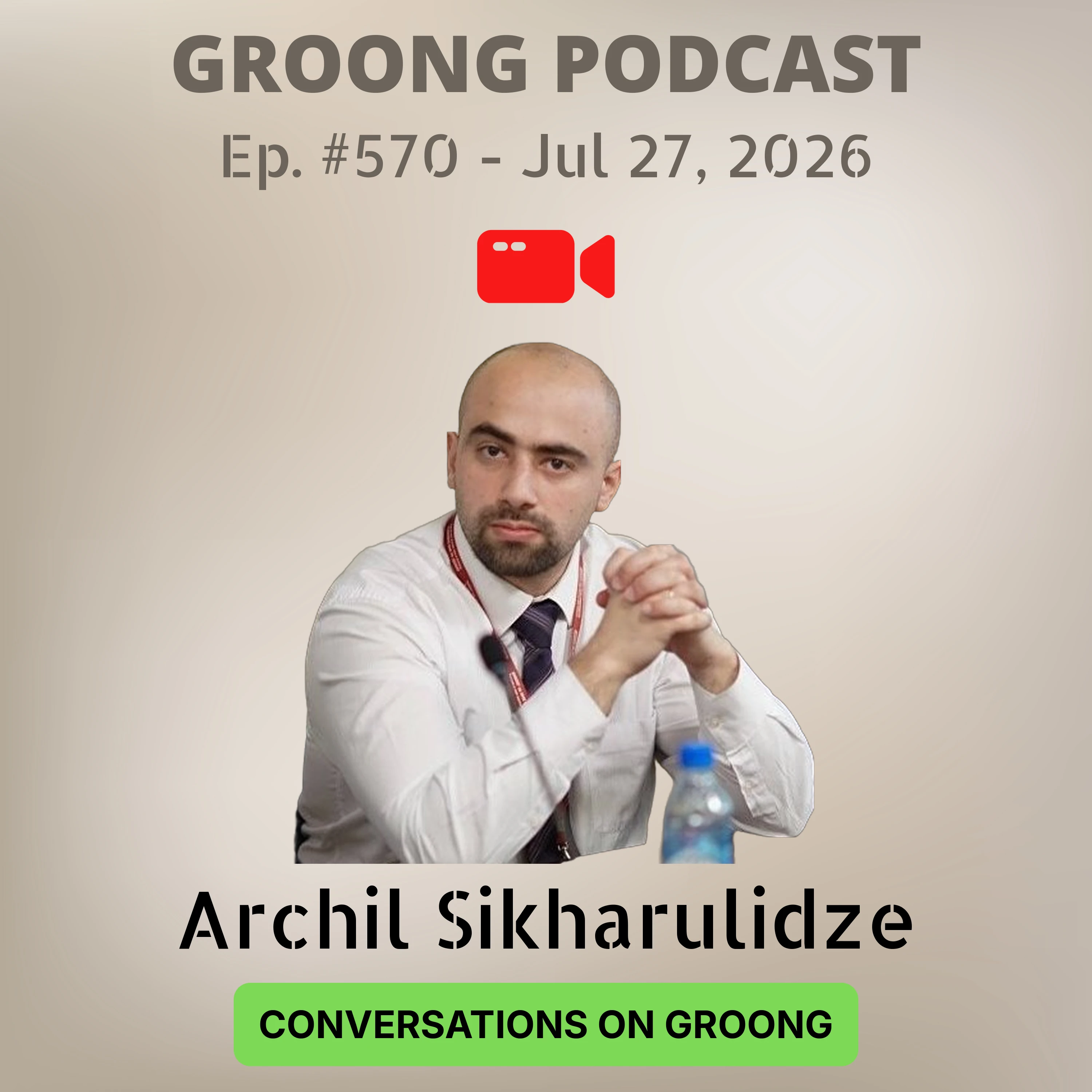
Groong Links:
Guest(s):
Topics:
- Russia’s changing South Caucasus strategy
- Georgia’s widening dispute with Europe
- Armenia’s shift away from Russia
- Georgia’s role in regional transit
- Armenia-Georgia ties under pressure
Episode 570 | Recorded: July 24, 2026
#Armenia #Georgia #Russia #EuropeanUnion #SouthCaucasus #GeorgianDream #NikolPashinyan #MiddleCorridor
Archil Sikharulidze - Armenia and Georgia Between Russia and Europe | Ep 570, Jul 26, 2026 [EP570]
Posted on Monday, Jul 27, 2026 | Category: Armenia, Georgia, Geopolitics, PoliticsGroong Links:
Guest(s):
Topics:
- Russia’s changing South Caucasus strategy
- Georgia’s widening dispute with Europe
- Armenia’s shift away from Russia
- Georgia’s role in regional transit
- Armenia-Georgia ties under pressure
Episode 570 | Recorded: July 24, 2026
#Armenia #Georgia #Russia #EuropeanUnion #SouthCaucasus #GeorgianDream #NikolPashinyan #MiddleCorridor
Transcript: From Caspian Drones to Armenia’s Cold Winter | Ep 571, Jul 26, 2026 [EP571]
Posted on Tuesday, Jul 28, 2026 | Category: Armenia, Iran, Politics, TranscriptIn this week’s edition of the Armenian News podcast, Hovik and Asbed analyze escalating regional tensions as Ukraine expands operations into the Caspian Sea, striking Iranian and Russian assets. We examine how this merger of the Northern and Southern conflicts affects Armenia, Kazakhstan’s energy security, and Pashinyan’s diplomatic positioning amid new pressure from Western capitals following Aliyev’s recent visits to Germany and Berlin.
Transcript: Archil Sikharulidze - Armenia and Georgia Between Russia and Europe | Ep 570, Jul 26, 2026 [EP570]
Posted on Monday, Jul 27, 2026 | Category: Armenia, Georgia, Geopolitics, Politics, TranscriptIn this episode of Conversations on Groong, we speak with Dr. Archil Sikharulidze about Russia’s shifting strategy in the South Caucasus and Armenia and Georgia’s diverging paths. We discuss Moscow’s assessment of Armenia-Azerbaijan Peace Process developments, Georgia’s widening dispute with Europe, Armenia’s shift away from Russia, and how regional transit corridors reshape geopolitical competition between Moscow, Brussels, and Washington.
Iran War, TRIPP Money, and Armenia’s Political Purgatory | Ep 561, Jul 19, 2026 [EP568]
Posted on Wednesday, Jul 22, 2026 | Category: Armenia, Politics | Series: wir, video
Groong Links:
Topics:
- US-Iran War Continues
- Summer Lull in Yerevan Politics
- Konstantin Sokolov: Master of TRIPP & Teghut
- UN: Abp. Galstanyan Charges Unjustified
- Armenian POW Slams Pashinyan from Baku
Episode 568 | Recorded: July 20, 2026
#IranWar #TRIPP #Teghut #Armenia #PoliticalPrisoners #ArmenianPOWs #KonstantinSokolov