Artsakh Blockade
Last updated: May 29, 2026
The Artsakh blockade began in December 2022 when Azerbaijani activists, later joined by military personnel, established a checkpoint on the Lachin Corridor , the only road connecting Nagorno Karabakh to Armenia. Over the following nine months, the blockade progressively tightened, cutting off gas, electricity, food deliveries, and medical evacuations. By the summer of 2023, the population of Artsakh was facing acute food shortages and a humanitarian emergency.
The blockade drew condemnation from Western governments and was the subject of proceedings at the International Court of Justice, which issued provisional measures ordering Azerbaijan to ensure free movement through the corridor. Those measures were not enforced. Russia’s peacekeeping contingent, which held a mandate to guarantee passage under the 2020 ceasefire, took no action to reopen the road. The United States and European Union issued statements but applied no meaningful pressure.
Azerbaijan’s military offensive on September 19, 2023 ended the blockade by ending the existence of Armenian Nagorno Karabakh entirely. Within three weeks, nearly the entire population of 150,000 Armenians had been driven from Artsakh to Armenia — what human rights organizations and international observers have characterized as ethnic cleansing. Groong covered the blockade in real time throughout its duration — the humanitarian conditions inside Artsakh, the diplomatic failures, and the eventual collapse.
Groong episodes that include this tag
Below are all Groong episodes tagged with Artsakh Blockade.
Unblocking The South Caucasus, Facts & 'Alternative Facts' | Ep 83 - Aug 1, 2021 (Recorded 6/14/21) [EP83]
Posted on Monday, Jun 14, 2021 | Category: Armenia, Politics, Azerbaijan, Turkey, Artsakh, Nagorno Karabakh, Georgia, Iran, Russia, Artsakh Blockade, Armenian Genocide, Economy, Genocide, Israel, NATO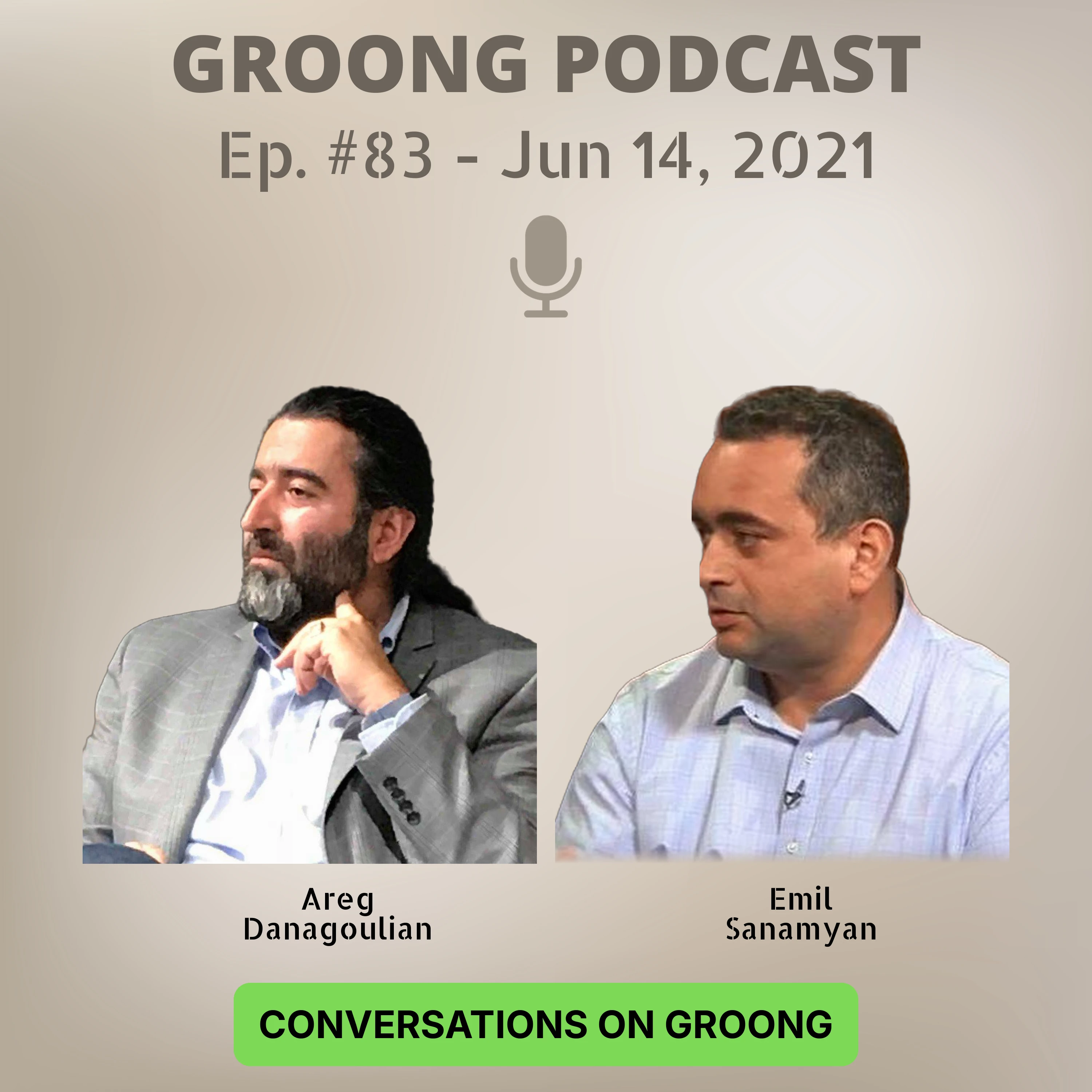
Guests:
Topic:
- This Conversations on Groong episode is our first Live Show on Clubhouse and hopefully it will be an informative, as well as an enjoyable discussion for all. We will be talking about the politics of opening the paths of communication, lifting blockades, and the rumors, facts, and fallacies around so-called âcorridorsâ through each otherâs countries.
Episode 83 | Recorded: June 14, 2021
Conversation with Aram Vardevanyan (Ep #41) - 01/13/2021 [EP41]
Posted on Wednesday, Jan 13, 2021 | Category: Armenia, Human Rights, Azerbaijan, Artsakh, Israel, Russia, Nagorno Karabakh, Artsakh Blockade | Series: cog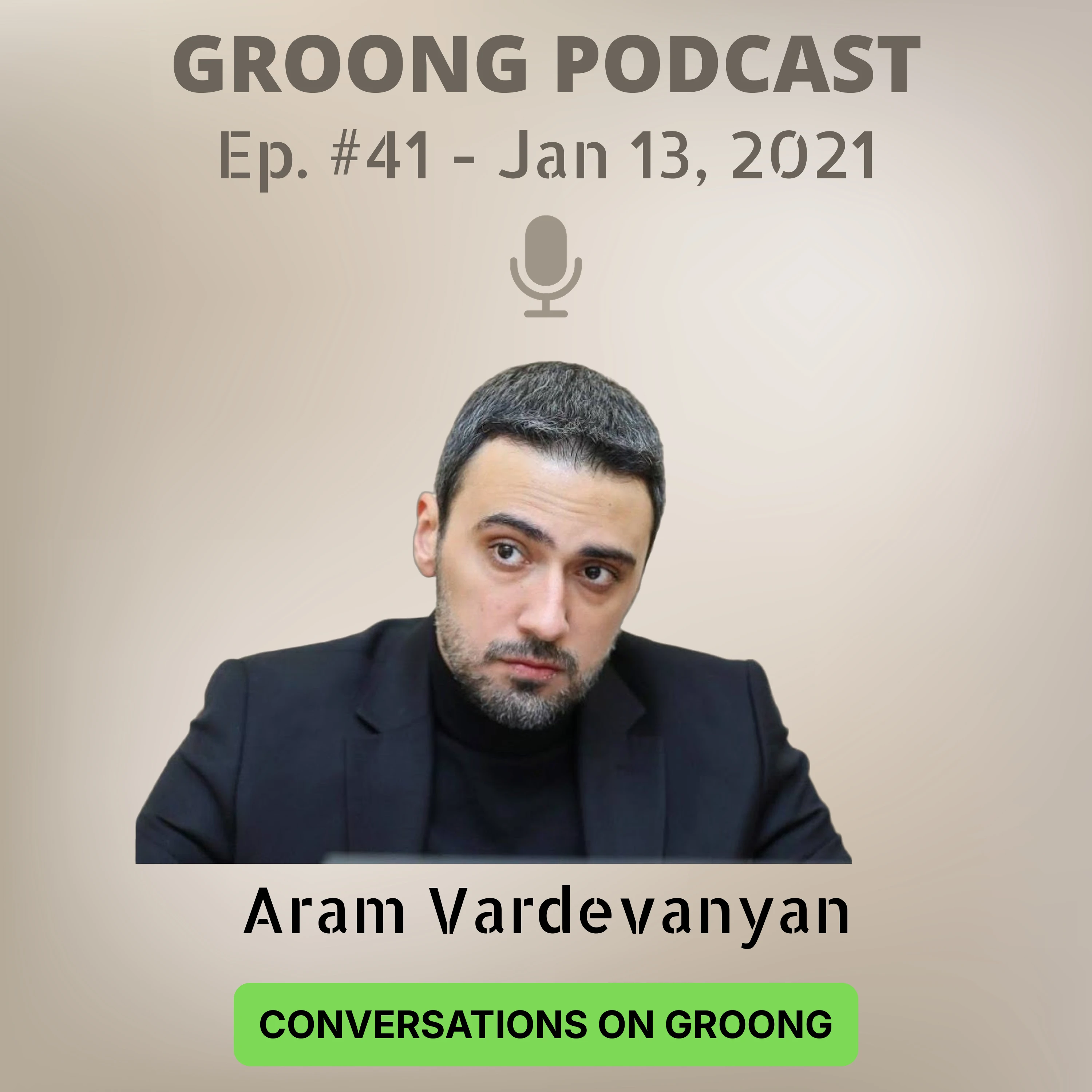
Guest(s):
Conversation with Aram Vardevanyan - 01/13/2021
Since Nikol Pashinyan came to power in 2018, and prior to the Artsakh war of 2020, issues around the Armenian constitution and constitutional court have been in the center of public attention. These issues have been partly fueled by one of the most prominent legal cases in recent Armenian history, the March 1 trial against Armenian president Robert Kocharyan and military leadership at the time. We’ll explore issues surrounding the March 1 case, as well as legal and specifically constitutional questions related
Read MoreConversation with Aram Vardevanyan (Ep #41) - 01/13/2021 [EP41]
Posted on Wednesday, Jan 13, 2021 | Category: Armenia, Human Rights, Azerbaijan, Artsakh, Israel, Russia, Nagorno Karabakh, Artsakh BlockadeGuest(s):
Conversation with Aram Vardevanyan - 01/13/2021
Since Nikol Pashinyan came to power in 2018, and prior to the Artsakh war of 2020, issues around the Armenian constitution and constitutional court have been in the center of public attention. These issues have been partly fueled by one of the most prominent legal cases in recent Armenian history, the March 1 trial against Armenian president Robert Kocharyan and military leadership at the time. We’ll explore issues surrounding the March 1 case, as well as legal and specifically constitutional questions related
Read More