Artsakh Blockade
Last updated: May 29, 2026
The Artsakh blockade began in December 2022 when Azerbaijani activists, later joined by military personnel, established a checkpoint on the Lachin Corridor , the only road connecting Nagorno Karabakh to Armenia. Over the following nine months, the blockade progressively tightened, cutting off gas, electricity, food deliveries, and medical evacuations. By the summer of 2023, the population of Artsakh was facing acute food shortages and a humanitarian emergency.
The blockade drew condemnation from Western governments and was the subject of proceedings at the International Court of Justice, which issued provisional measures ordering Azerbaijan to ensure free movement through the corridor. Those measures were not enforced. Russia’s peacekeeping contingent, which held a mandate to guarantee passage under the 2020 ceasefire, took no action to reopen the road. The United States and European Union issued statements but applied no meaningful pressure.
Azerbaijan’s military offensive on September 19, 2023 ended the blockade by ending the existence of Armenian Nagorno Karabakh entirely. Within three weeks, nearly the entire population of 150,000 Armenians had been driven from Artsakh to Armenia — what human rights organizations and international observers have characterized as ethnic cleansing. Groong covered the blockade in real time throughout its duration — the humanitarian conditions inside Artsakh, the diplomatic failures, and the eventual collapse.
Groong episodes that include this tag
Below are all Groong episodes tagged with Artsakh Blockade.
Sergei Melkonian - Israel-Palestine | Future of Artsakhtsis | Armenia Azerbaijani Negotiations | Ep 284, Oct 8, 2023 [EP284]
Posted on Monday, Oct 9, 2023 | Category: Armenia, Israel, Politics, Artsakh, Nagorno Karabakh, Azerbaijan, Genocide, Turkey, Russia, Iran, Middle East, Syria, Armenian Church, Artsakh Blockade, European Union, Georgia, Economy, Geopolitics, Ukraine | Series: wir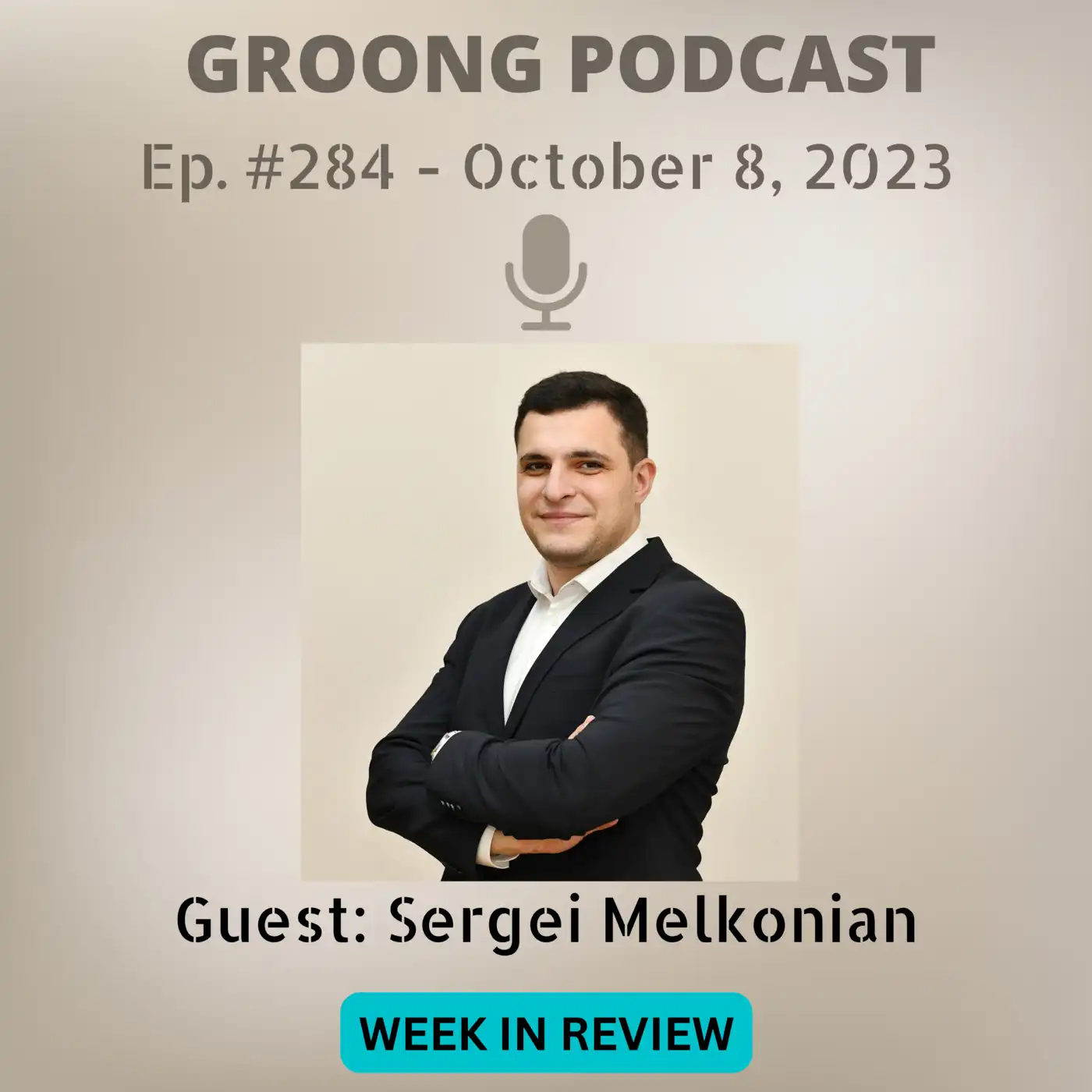
Guest:
Topics:
- Israeli-Palestinian Conflict Flares Up
- The Future of Artsakh and Artsakhtsis
- Armenian-Azerbaijani Negotiations
Episode 284 | Recorded: October 9, 2023
Sergei Melkonian - Israel-Palestine | Future of Artsakhtsis | Armenia Azerbaijani Negotiations | Ep 284, Oct 8, 2023 [EP284]
Posted on Monday, Oct 9, 2023 | Category: Armenia, Israel, Politics, Artsakh, Nagorno Karabakh, Azerbaijan, Genocide, Turkey, Russia, Iran, Middle East, Syria, Armenian Church, Artsakh Blockade, European Union, Georgia, Economy, Geopolitics, UkraineGuest:
Topics:
- Israeli-Palestinian Conflict Flares Up
- The Future of Artsakh and Artsakhtsis
- Armenian-Azerbaijani Negotiations
Episode 284 | Recorded: October 9, 2023
Arthur G Martirosyan - Artsakh Surrenders, Armenia Watches | What 'Peace Treaty' in Granada? | Arrested Artsakh Leaders Held Hostage [EP281]
Posted on Monday, Oct 2, 2023 | Category: Armenia, Artsakh, Politics, Nagorno Karabakh, Azerbaijan, Russia, Turkey, Genocide, USA, Artsakh Blockade, European Union, China, Human Rights, Middle East, Ukraine | Series: wir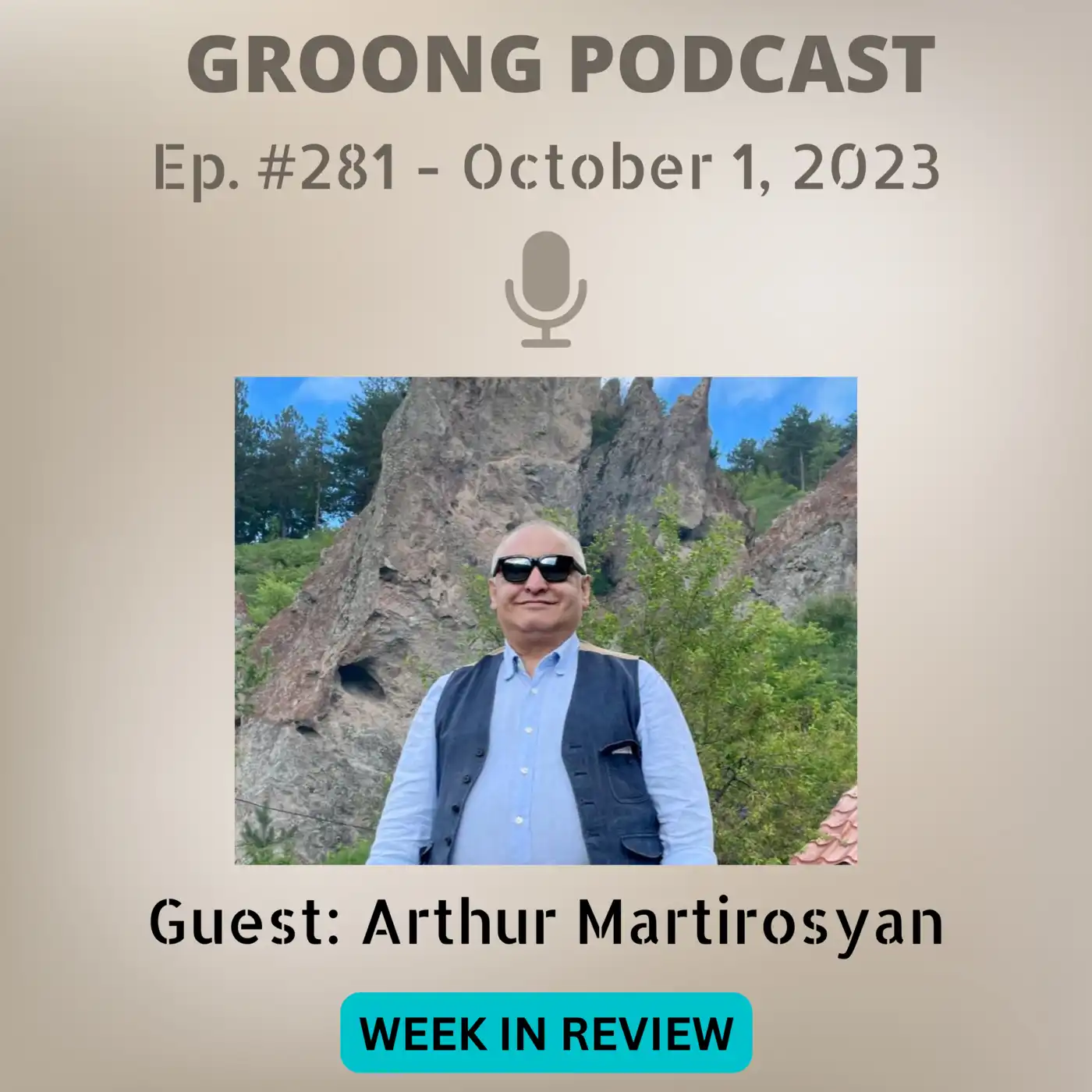
Guest:
Topics:
- Artsakh Surrenders, Armenia Watches
- What “Peace Treaty” in Granada?
- Arrested Artsakh Leaders Held Hostage
Episode 281 | Recorded: October 1, 2023
Arthur G Martirosyan - Artsakh Surrenders, Armenia Watches | What 'Peace Treaty' in Granada? | Arrested Artsakh Leaders Held Hostage [EP281]
Posted on Monday, Oct 2, 2023 | Category: Armenia, Artsakh, Politics, Nagorno Karabakh, Azerbaijan, Russia, Turkey, Genocide, USA, Artsakh Blockade, European Union, China, Human Rights, Middle East, UkraineGuest:
Topics:
- Artsakh Surrenders, Armenia Watches
- What “Peace Treaty” in Granada?
- Arrested Artsakh Leaders Held Hostage
Episode 281 | Recorded: October 1, 2023
Hrant Mikaelian - Azerbaijan Attacks Artsakh - Genocide in Progress | Ep 280 - Sep 24, 2023 [EP280]
Posted on Monday, Sep 25, 2023 | Category: Armenia, Artsakh, Politics, Nagorno Karabakh, Genocide, Azerbaijan, Russia, Turkey, Iran, Artsakh Blockade, European Union, Georgia, Economy, Geopolitics, Human Rights, NATO, Ukraine | Series: wir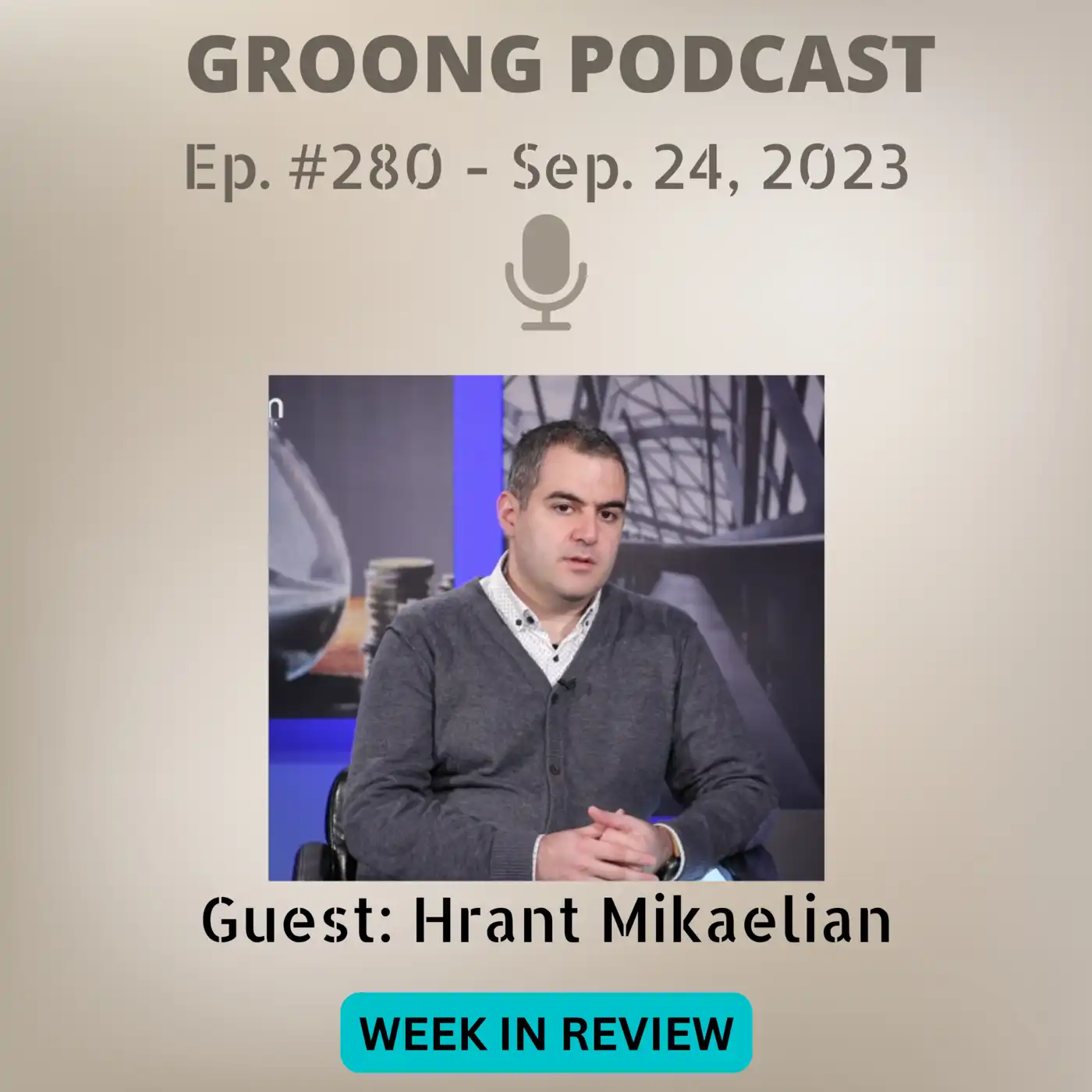
Guest:
Topics:
- Azerbaijan Attacks Artsakh
- Genocide in Progress
Episode 280 | Recorded: Sep 25, 2023
Hrant Mikaelian - Azerbaijan Attacks Artsakh - Genocide in Progress | Ep 280 - Sep 24, 2023 [EP280]
Posted on Monday, Sep 25, 2023 | Category: Armenia, Artsakh, Politics, Nagorno Karabakh, Genocide, Azerbaijan, Russia, Turkey, Iran, Artsakh Blockade, European Union, Georgia, Economy, Geopolitics, Human Rights, NATO, UkraineGuest:
Topics:
- Azerbaijan Attacks Artsakh
- Genocide in Progress
Episode 280 | Recorded: Sep 25, 2023
Dziunik Aghajanian: UN Security Council | Artsakh | Yerevan Elections | Ep 279 - Sep 13, 2023 [EP279]
Posted on Wednesday, Sep 13, 2023 | Category: Armenia, Artsakh, Politics, Relations, Nagorno Karabakh, Artsakh Blockade, Armenian Genocide, Azerbaijan, Russia, Human Rights, Genocide, Turkey, Ukraine | Series: cog, video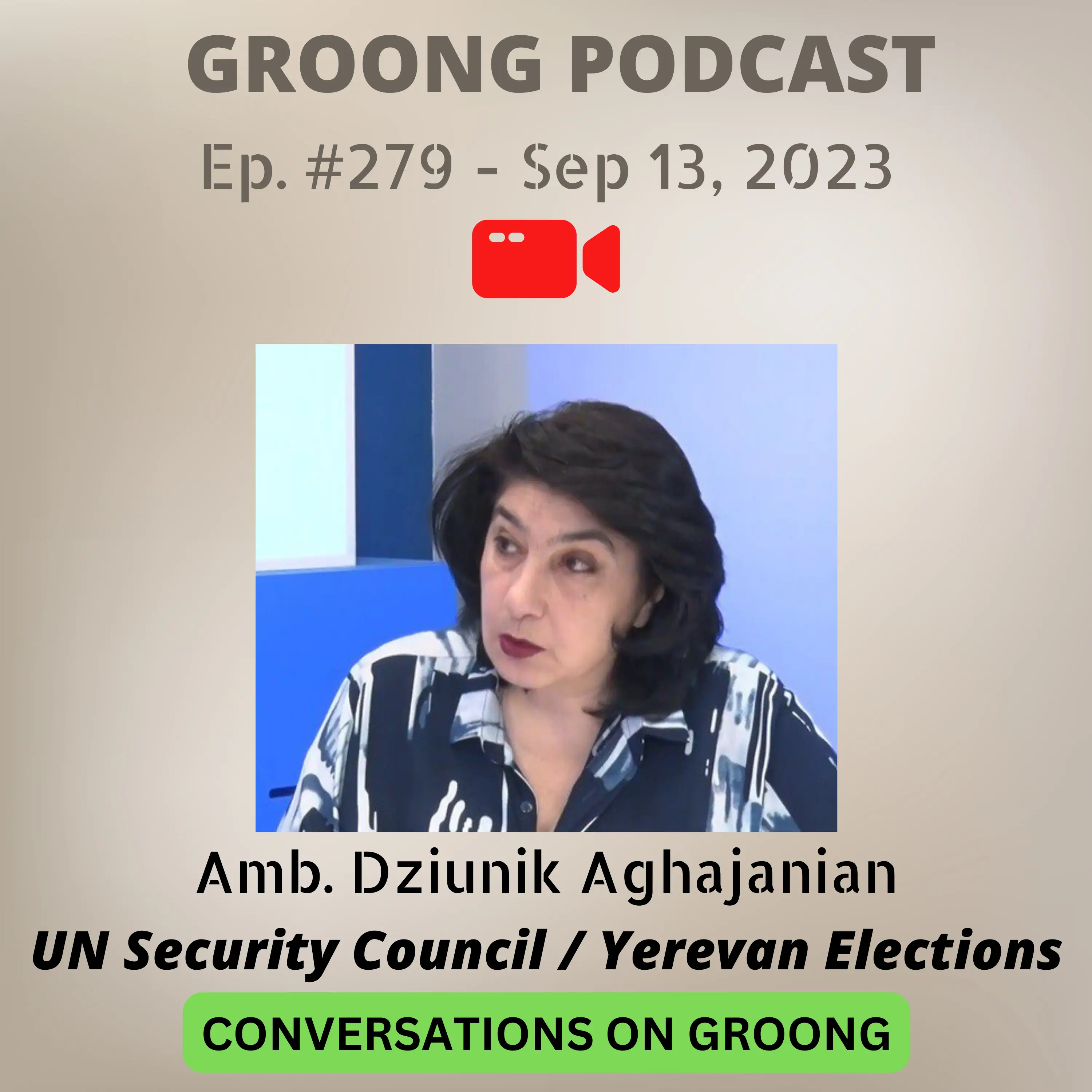
Topics:
- Armenia’s Diplomacy at the UN
- Artsakh Elections / Blockade
- Yerevan Elections
Guest:
Dziunik Aghajanian: UN Security Council | Artsakh | Yerevan Elections | Ep 279 - Sep 13, 2023 [EP279]
Posted on Wednesday, Sep 13, 2023 | Category: Armenia, Artsakh, Politics, Relations, Nagorno Karabakh, Artsakh Blockade, Armenian Genocide, Azerbaijan, Russia, Human Rights, Genocide, Turkey, UkraineTopics:
- Armenia’s Diplomacy at the UN
- Artsakh Elections / Blockade
- Yerevan Elections
Guest:
Benyamin Poghosyan - Developments in Artsakh | Geopolitics in the South Caucasus | Ep 278 - Sep 10, 2023 [EP278]
Posted on Sunday, Sep 10, 2023 | Category: Armenia, Politics, Azerbaijan, Turkey, Russia, Iran, Nagorno Karabakh, Artsakh Blockade, European Union, Geopolitics, Genocide, Georgia, Ukraine, Human Rights, India, China, NATO, Syria | Series: wir
Guest:
Topics:
- Developments in Artsakh
- Geopolitics in the South Caucasus
Episode 278 | Recorded: September 10, 2023
Benyamin Poghosyan - Developments in Artsakh | Geopolitics in the South Caucasus | Ep 278 - Sep 10, 2023 [EP278]
Posted on Sunday, Sep 10, 2023 | Category: Armenia, Politics, Azerbaijan, Turkey, Russia, Iran, Nagorno Karabakh, Artsakh Blockade, European Union, Geopolitics, Genocide, Georgia, Ukraine, Human Rights, India, China, NATO, SyriaGuest:
Topics:
- Developments in Artsakh
- Geopolitics in the South Caucasus
Episode 278 | Recorded: September 10, 2023
Arthur Khachikyan - Yerevan Elections | Artsakh Domestic Developments | Negotiations and Geopolitics | Ep 277 - Sep 3, 2023 [EP277]
Posted on Sunday, Sep 3, 2023 | Category: Armenia, Politics, Poll, Artsakh, Nagorno Karabakh, Azerbaijan, Artsakh Blockade, Armenian Genocide, Russia, Turkey, Israel, Iran, Genocide, India, Ukraine, Human Rights, China, Geopolitics, Lebanon, NATO | Series: wir
Guest:
Topics:
- Yerevan Mayoral Elections
- Artsakh Domestic Developments
- Developments in Geopolitics and Negotiations
Episode 277 | Recorded: Sep 3, 2023
Arthur Khachikyan - Yerevan Elections | Artsakh Domestic Developments | Negotiations and Geopolitics | Ep 277 - Sep 3, 2023 [EP277]
Posted on Sunday, Sep 3, 2023 | Category: Armenia, Politics, Poll, Artsakh, Nagorno Karabakh, Azerbaijan, Artsakh Blockade, Armenian Genocide, Russia, Turkey, Israel, Iran, Genocide, India, Ukraine, Human Rights, China, Geopolitics, Lebanon, NATOGuest:
Topics:
- Yerevan Mayoral Elections
- Artsakh Domestic Developments
- Developments in Geopolitics and Negotiations
Episode 277 | Recorded: Sep 3, 2023
Artsakh Blockade Flash Update with Gev Iskajyan - Day 264 - Ep 276, September 2, 2023 [EP276]
Posted on Friday, Sep 1, 2023 | Category: Politics, Artsakh, Azerbaijan, Nagorno Karabakh, Artsakh Blockade, Armenia, Russia, Geopolitics | Series: artsakhblockade
Artsakh Blockade Flash Update with Gev Iskajyan - Day 264 - Ep 276, September 1, 2023
Armenian News Network Groong - September 1, 2023
Guest:
Topics:
- Arayik Harutyunyan resignation
- Samvel Shahramanyan state minister
- Kirill Kulakov new commander of Russian PKs
- September 2 - 32nd anniversary
Episode 276 | Recorded: September 1, 2023
Artsakh Blockade Flash Update with Gev Iskajyan - Day 264 - Ep 276, September 2, 2023 [EP276]
Posted on Friday, Sep 1, 2023 | Category: Politics, Artsakh, Azerbaijan, Nagorno Karabakh, Artsakh Blockade, Armenia, Russia, GeopoliticsArtsakh Blockade Flash Update with Gev Iskajyan - Day 264 - Ep 276, September 1, 2023
Armenian News Network Groong - September 1, 2023
Guest:
Topics:
- Arayik Harutyunyan resignation
- Samvel Shahramanyan state minister
- Kirill Kulakov new commander of Russian PKs
- September 2 - 32nd anniversary
Episode 276 | Recorded: September 1, 2023
Tevan Poghosyan - UNSC Meeting on Karabakh | Artsakh Internal Developments | Yerevan Elections | Ep 275 - August 20, 2023 [EP275]
Posted on Tuesday, Aug 22, 2023 | Category: Armenia, Artsakh, Politics, Azerbaijan, Nagorno Karabakh, Artsakh Blockade, Russia, Iran, Turkey, Genocide, Ukraine | Series: wir
Guest:
Topics:
- UNSC Meeting on Artsakh
- Artsakh Internal Developments
- Yerevan Elections
Episode 275 | Recorded: August 22, 2023
Tevan Poghosyan - UNSC Meeting on Karabakh | Artsakh Internal Developments | Yerevan Elections | Ep 275 - August 20, 2023 [EP275]
Posted on Tuesday, Aug 22, 2023 | Category: Armenia, Artsakh, Politics, Azerbaijan, Nagorno Karabakh, Artsakh Blockade, Russia, Iran, Turkey, Genocide, UkraineGuest:
Topics:
- UNSC Meeting on Artsakh
- Artsakh Internal Developments
- Yerevan Elections
Episode 275 | Recorded: August 22, 2023
Artsakh Blockade Flash Update with Gev Iskajyan - Ep 274, August 19, 2023 [EP274]
Posted on Sunday, Aug 20, 2023 | Category: Politics, Artsakh, Nagorno Karabakh, Armenia, Azerbaijan, Artsakh Blockade, Genocide | Series: artsakhblockade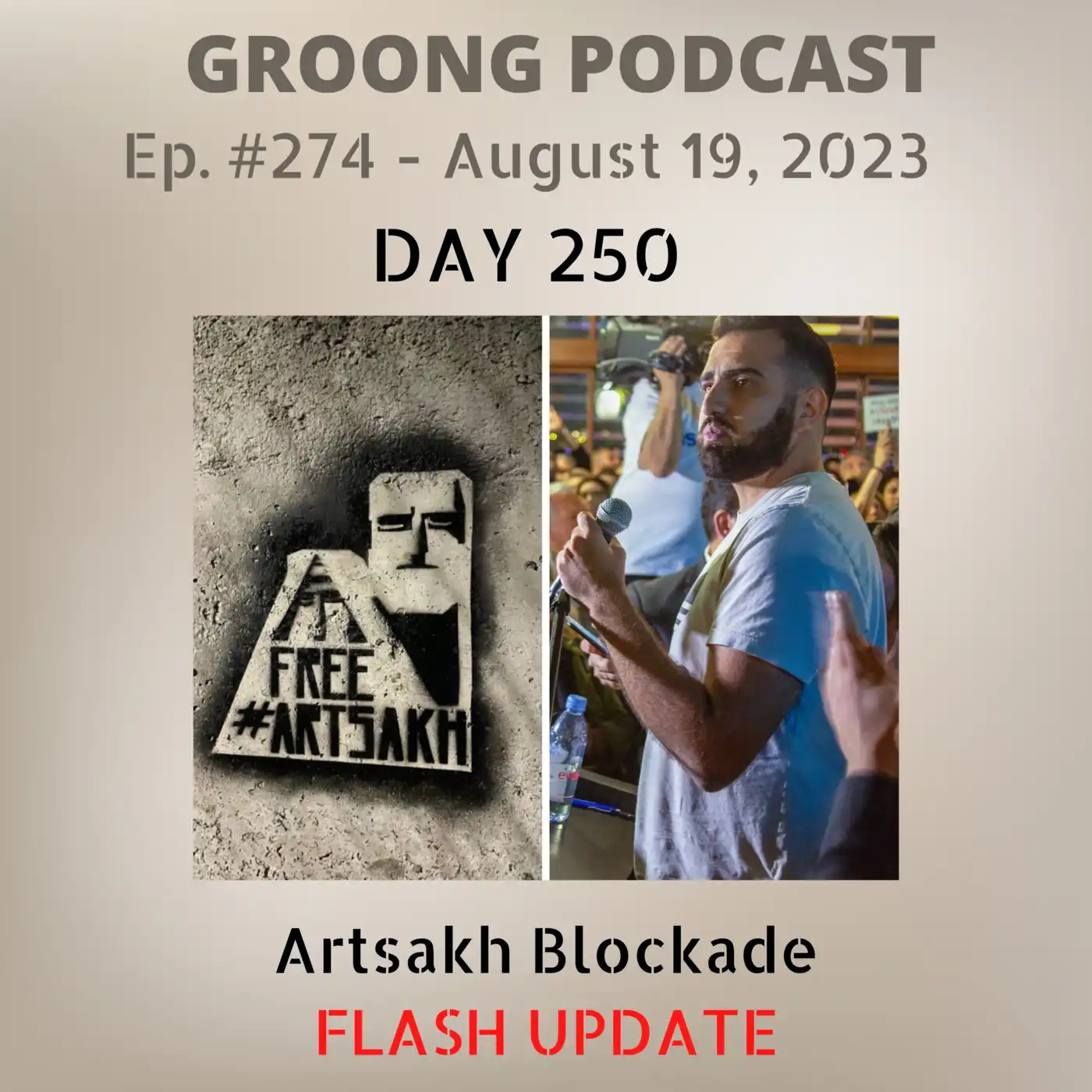
Artsakh Blockade Flash Update with Gev Iskajyan - Ep 274, August 19, 2023
Armenian News Network Groong - August 19, 2023
Guest:
Topics:
- Latest Developments around Artsakh
- Kidnapping of People at Checkpoints
- Cases of Starvation, Miscarriages
- UNSC Discussion of ArtsakhÂ
- Lack of a Resolution and Follow-Through
- Armeniaâs Diplomatic Failures
- New Artsakh parliament speaker David Ishkhanyan
- Internet Stoppage, Food, Gas, Electricity Shortages
- Continuing Azeri Aggression, troop movements and Buildup
Episode 274 | Recorded: August 19, 2023
Artsakh Blockade Flash Update with Gev Iskajyan - Ep 274, August 19, 2023 [EP274]
Posted on Sunday, Aug 20, 2023 | Category: Politics, Artsakh, Nagorno Karabakh, Armenia, Azerbaijan, Artsakh Blockade, GenocideArtsakh Blockade Flash Update with Gev Iskajyan - Ep 274, August 19, 2023
Armenian News Network Groong - August 19, 2023
Guest:
Topics:
- Latest Developments around Artsakh
- Kidnapping of People at Checkpoints
- Cases of Starvation, Miscarriages
- UNSC Discussion of ArtsakhÂ
- Lack of a Resolution and Follow-Through
- Armeniaâs Diplomatic Failures
- New Artsakh parliament speaker David Ishkhanyan
- Internet Stoppage, Food, Gas, Electricity Shortages
- Continuing Azeri Aggression, troop movements and Buildup
Episode 274 | Recorded: August 19, 2023
Hrant Mikaelian - Situation in Artsakh | Yerevan Elections Heating Up | MPG Poll Outtakes | MPG Poll on Yerevan Elections [EP273]
Posted on Wednesday, Aug 16, 2023 | Category: Armenia, Artsakh, Politics, Poll, Nagorno Karabakh, Azerbaijan, Russia, Artsakh Blockade, Genocide, Turkey, Economy, Ukraine, China, Georgia, India, Iran | Series: wir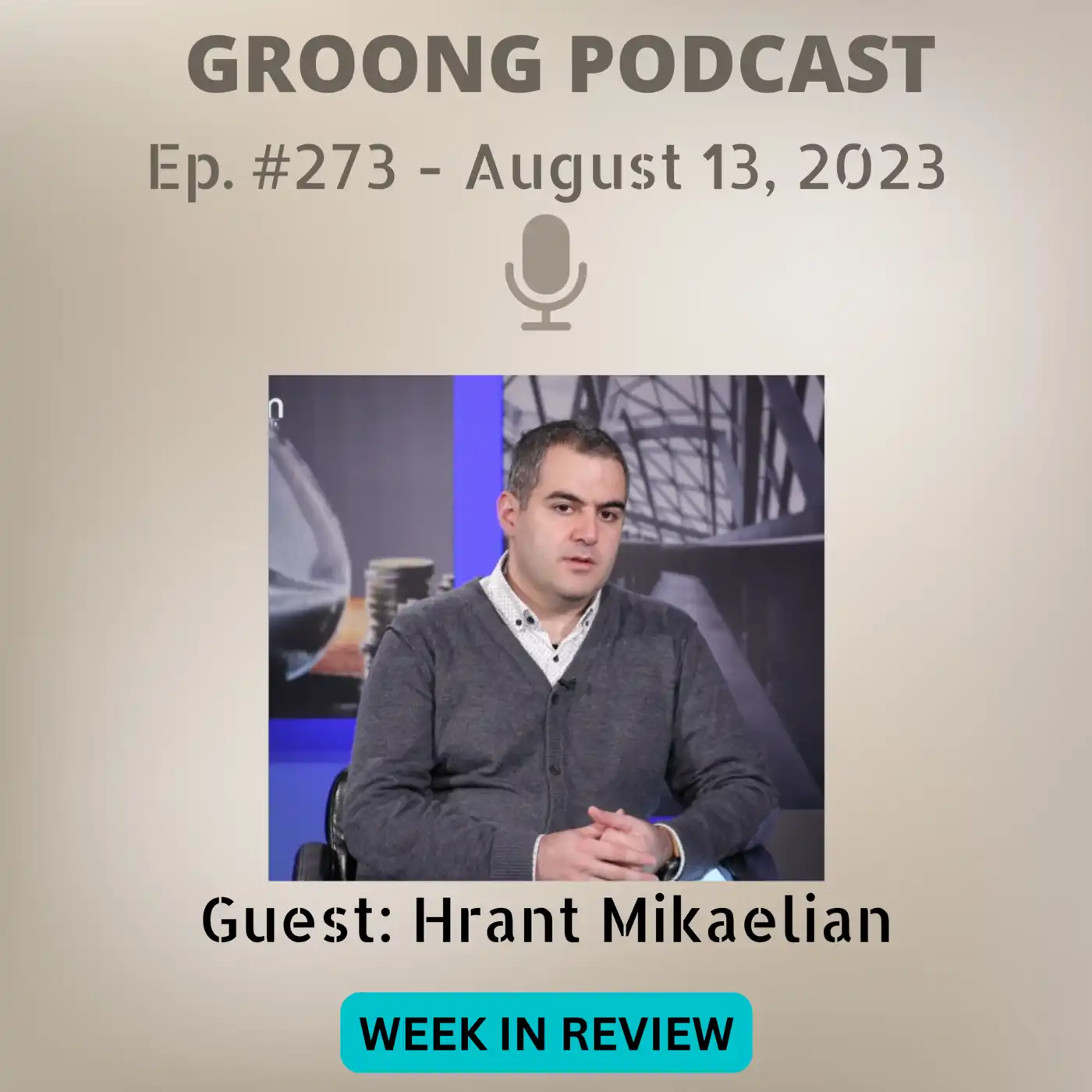
Guest:
Topics:
- Situation in Artsakh
- Yerevan Elections Heating Up
- July MPG Survey Outtakes
- August MPG Survey Outtakes
- Baku Poll
- Thoughts on the Economy
Episode 273 | Recorded: August 15, 2023
Hrant Mikaelian - Situation in Artsakh | Yerevan Elections Heating Up | MPG Poll Outtakes | MPG Poll on Yerevan Elections [EP273]
Posted on Wednesday, Aug 16, 2023 | Category: Armenia, Artsakh, Politics, Poll, Nagorno Karabakh, Azerbaijan, Russia, Artsakh Blockade, Genocide, Turkey, Economy, Ukraine, China, Georgia, India, IranGuest:
Topics:
- Situation in Artsakh
- Yerevan Elections Heating Up
- July MPG Survey Outtakes
- August MPG Survey Outtakes
- Baku Poll
- Thoughts on the Economy
Episode 273 | Recorded: August 15, 2023
Sergei Melkonian - War of Words with Russia | Iran's Diplomatic Perspective | Armenia-Azerbaijan Negotiations | Artsakh: New Parliament Speaker [EP272]
Posted on Tuesday, Aug 8, 2023 | Category: Armenia, Artsakh, Nagorno Karabakh, Azerbaijan, Russia, Iran, Turkey, Geopolitics, Artsakh Blockade, European Union, Ukraine, Syria, NATO, Israel, India, Lebanon, Middle East | Series: wir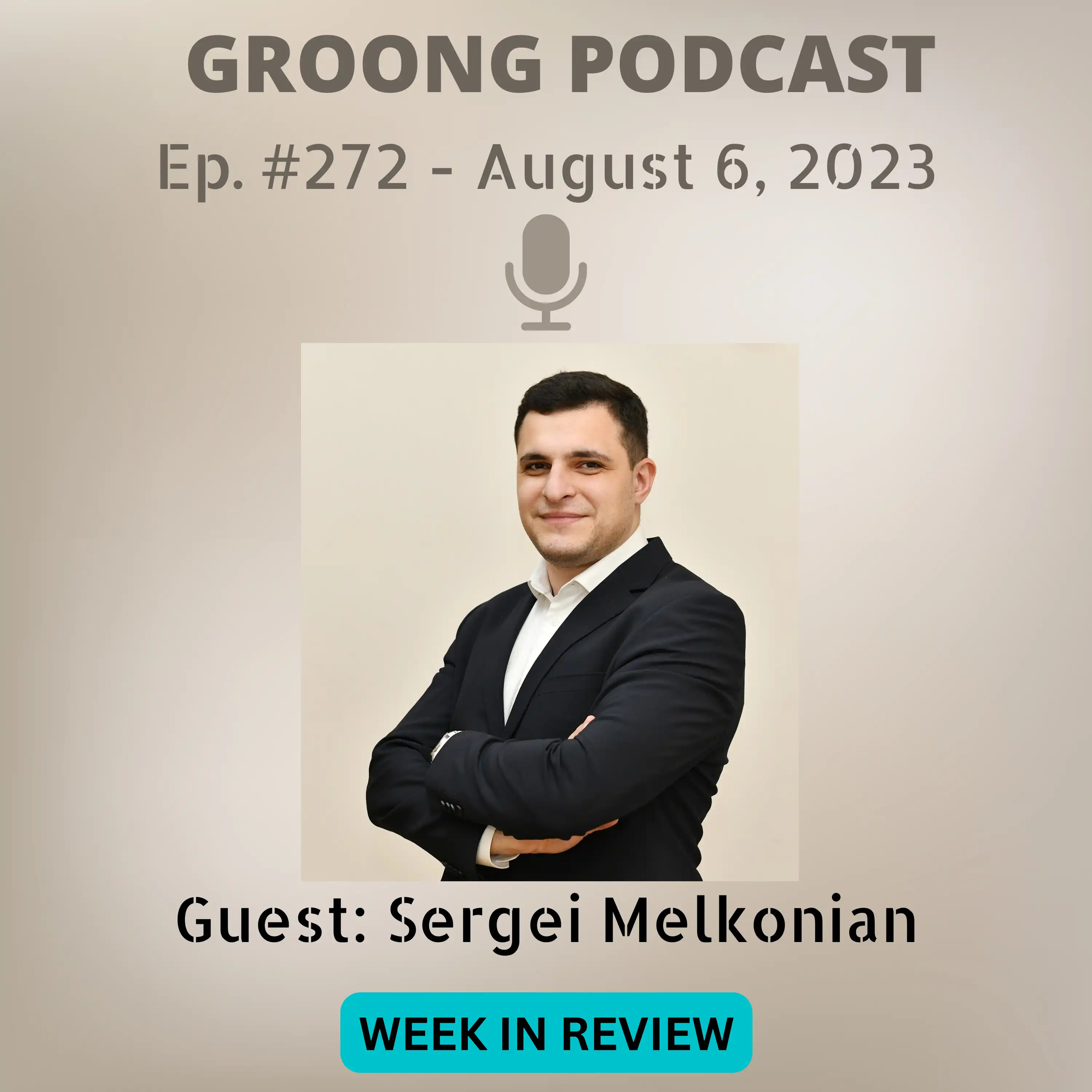
Guest:
Topics:
- War of Words with Russia
- Iran’s Diplomatic Perspective
- Armenian-Azerbaijani Negotiations
- Artsakh: New Parliament Speaker
Episode 272 | Recorded: August 7, 2023
Sergei Melkonian - War of Words with Russia | Iran's Diplomatic Perspective | Armenia-Azerbaijan Negotiations | Artsakh: New Parliament Speaker [EP272]
Posted on Tuesday, Aug 8, 2023 | Category: Armenia, Artsakh, Nagorno Karabakh, Azerbaijan, Russia, Iran, Turkey, Geopolitics, Artsakh Blockade, European Union, Ukraine, Syria, NATO, Israel, India, Lebanon, Middle EastGuest:
Topics:
- War of Words with Russia
- Iran’s Diplomatic Perspective
- Armenian-Azerbaijani Negotiations
- Artsakh: New Parliament Speaker
Episode 272 | Recorded: August 7, 2023
Yeghia Tashjian - Armenian Azerbaijani Negotiations | Azerbaijani Propaganda in Shushi | Situation In Artsakh | Ep 271 - July 30, 2023 [EP271]
Posted on Tuesday, Aug 1, 2023 | Category: Armenia, Politics, Azerbaijan, Turkey, Russia, Iran, Artsakh Blockade, Armenian Genocide, European Union, Ukraine, NATO, Syria, Israel, Lebanon, Middle East, China, Economy | Series: wir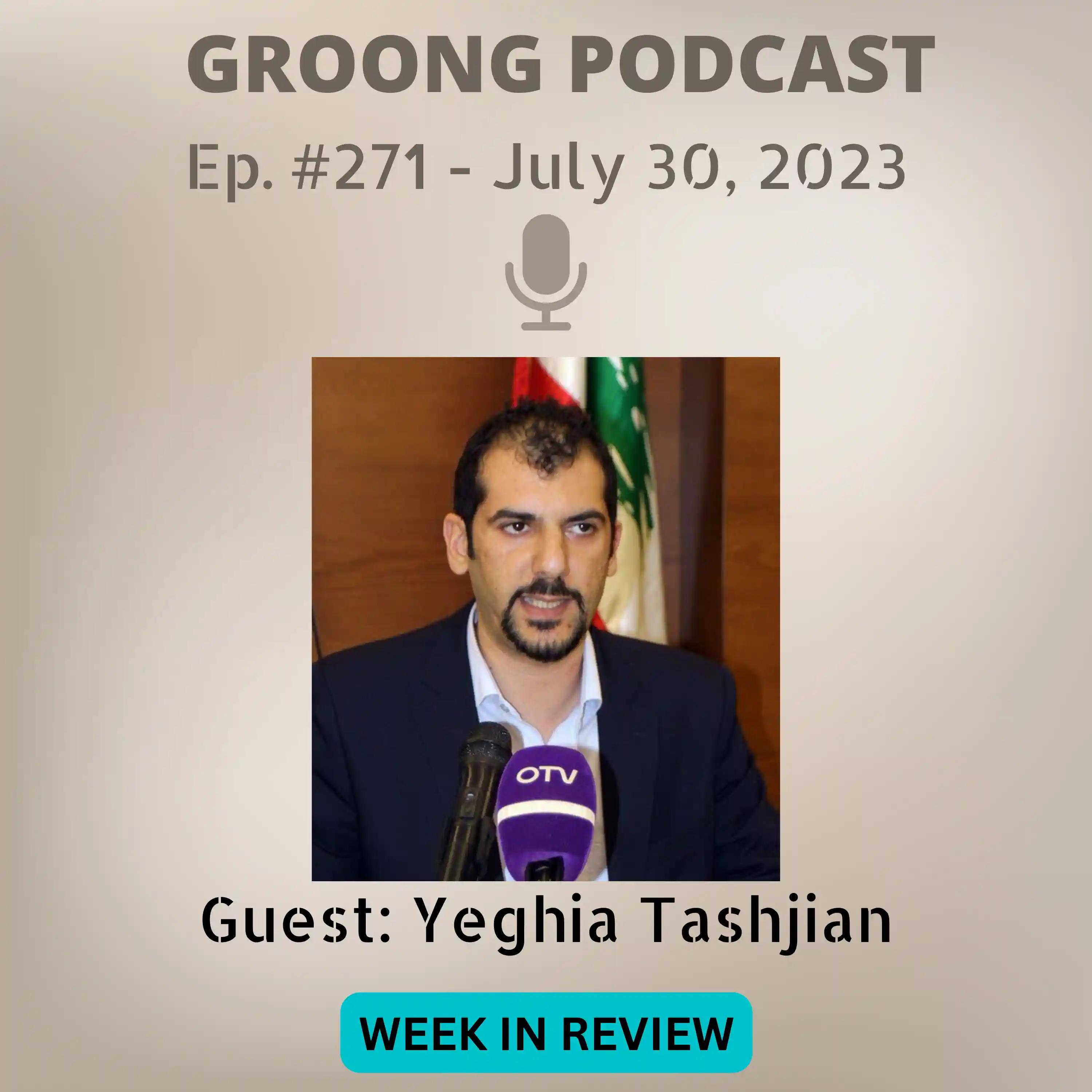
Guest:
Topics:
- Armenian Azerbaijani Negotiations
- Azerbaijani Propaganda in Shushi
- Situation in Artsakh
Episode 271 | Recorded: July 31, 2023
Yeghia Tashjian - Armenian Azerbaijani Negotiations | Azerbaijani Propaganda in Shushi | Situation In Artsakh | Ep 271 - July 30, 2023 [EP271]
Posted on Tuesday, Aug 1, 2023 | Category: Armenia, Politics, Azerbaijan, Turkey, Russia, Iran, Artsakh Blockade, Armenian Genocide, European Union, Ukraine, NATO, Syria, Israel, Lebanon, Middle East, China, EconomyGuest:
Topics:
- Armenian Azerbaijani Negotiations
- Azerbaijani Propaganda in Shushi
- Situation in Artsakh
Episode 271 | Recorded: July 31, 2023
Artsakh Blockade Flash Update with Gev Iskajyan - Ep 270, July 19, 2023 [EP270]
Posted on Thursday, Jul 20, 2023 | Category: Politics, Artsakh, Nagorno Karabakh, Armenia, Azerbaijan, Artsakh Blockade, Human Rights, Russia, Turkey | Series: artsakhblockade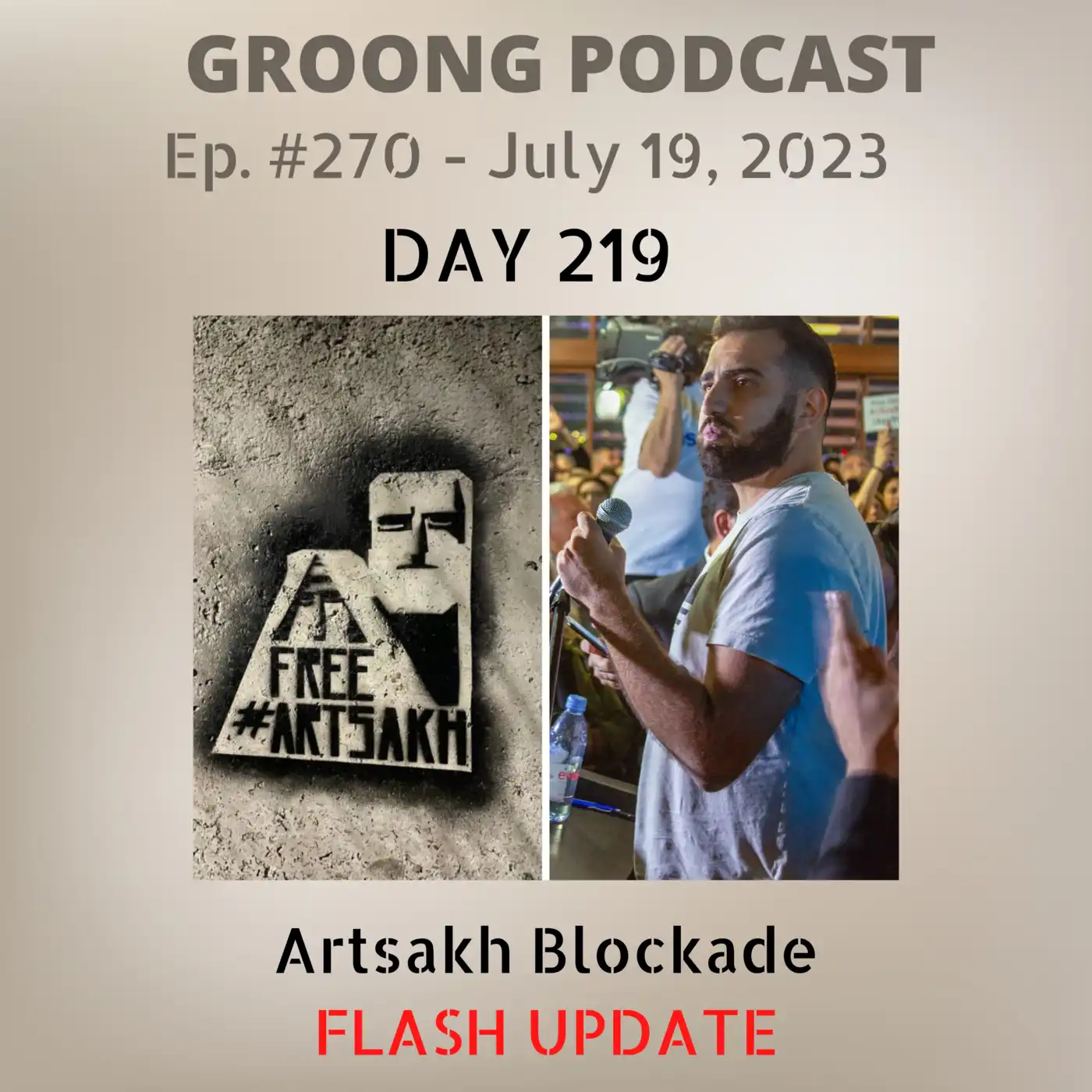
Artsakh Blockade Flash Update with Gev Iskajyan - Ep 270, July 19, 2023
Armenian News Network Groong - July 19, 2023
Guest:
Topics:
- Continuing Azeri Aggression
- Daily shootings, mortar fire
- Constant shooting at farmers in the fields
- Level of hardship
- Level of determination
- Azerbaijan claims Armenians can use road through Aghdam
- Chales Michel welcomes this!?!?!?!?
- âNational Movementâ Launched on July 14, 2023
- What is the message to the world, and goals?
- HayaQve (.am)
Episode 270 | Recorded: July 19, 2023
Artsakh Blockade Flash Update with Gev Iskajyan - Ep 270, July 19, 2023 [EP270]
Posted on Thursday, Jul 20, 2023 | Category: Politics, Artsakh, Nagorno Karabakh, Armenia, Azerbaijan, Artsakh Blockade, Human Rights, Russia, TurkeyArtsakh Blockade Flash Update with Gev Iskajyan - Ep 270, July 19, 2023
Armenian News Network Groong - July 19, 2023
Guest:
Topics:
- Continuing Azeri Aggression
- Daily shootings, mortar fire
- Constant shooting at farmers in the fields
- Level of hardship
- Level of determination
- Azerbaijan claims Armenians can use road through Aghdam
- Chales Michel welcomes this!?!?!?!?
- âNational Movementâ Launched on July 14, 2023
- What is the message to the world, and goals?
- HayaQve (.am)
Episode 270 | Recorded: July 19, 2023
Hrant Mikaelian - Latest on Armenian Azerbaijani Negotiations | Economic State in Armenia | September Yerevan Mayoral Elections | Estimating the War Dead | Hayaqve [.am] [EP269]
Posted on Monday, Jul 17, 2023 | Category: Armenia, Artsakh, Politics, Poll, Nagorno Karabakh, Azerbaijan, Russia, Economy, Artsakh Blockade, Human Rights, Turkey, Ukraine | Series: wir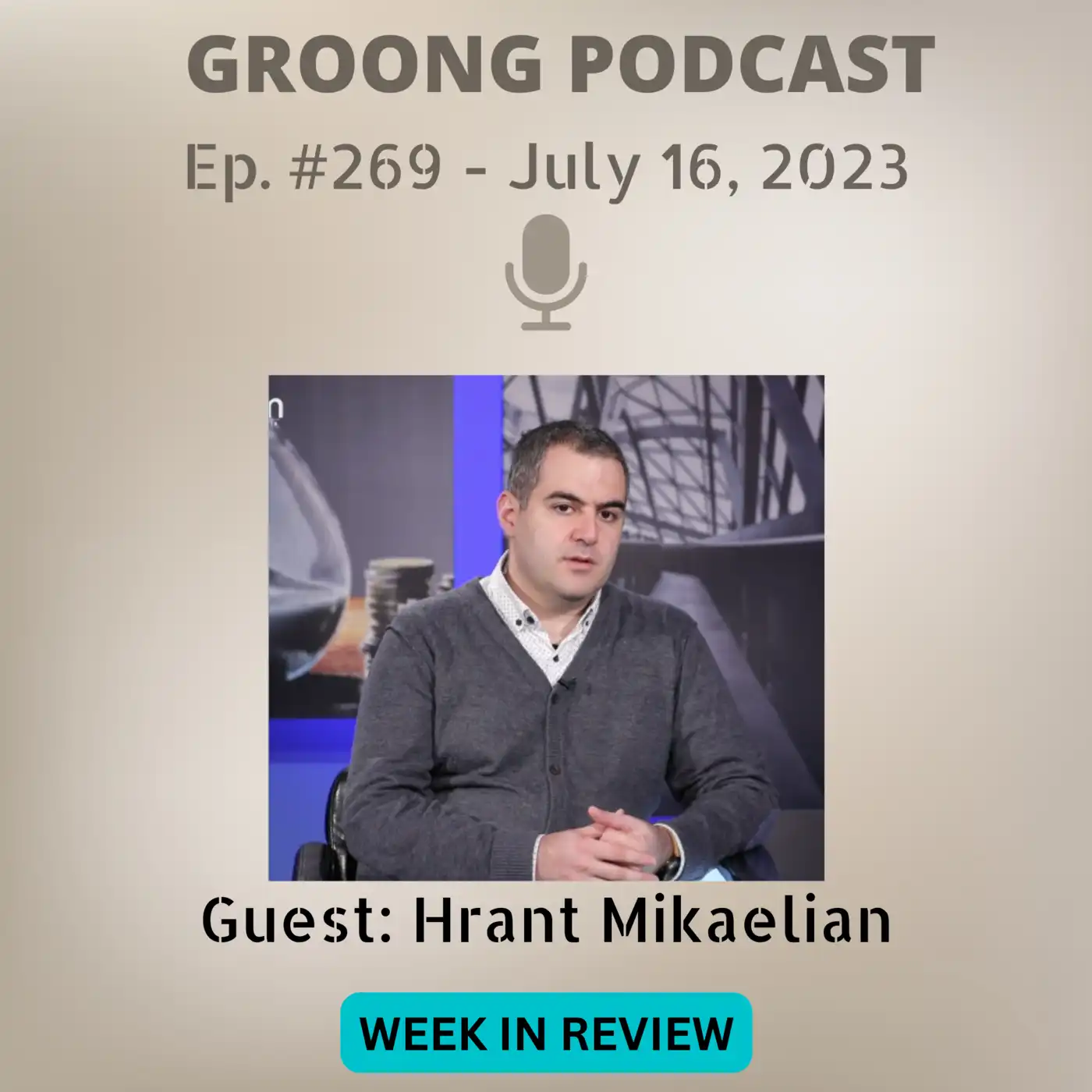
Guest:
Topics:
- Latest on Armenian Azerbaijani Negotiations
- Economic State in Armenia
- September Yerevan Mayoral Elections
- Estimating the War Dead
- Hayaqve [.am]
Episode 269 | Recorded: July 17, 2023
Hrant Mikaelian - Latest on Armenian Azerbaijani Negotiations | Economic State in Armenia | September Yerevan Mayoral Elections | Estimating the War Dead | Hayaqve [.am] [EP269]
Posted on Monday, Jul 17, 2023 | Category: Armenia, Artsakh, Politics, Poll, Nagorno Karabakh, Azerbaijan, Russia, Economy, Artsakh Blockade, Human Rights, Turkey, UkraineGuest:
Topics:
- Latest on Armenian Azerbaijani Negotiations
- Economic State in Armenia
- September Yerevan Mayoral Elections
- Estimating the War Dead
- Hayaqve [.am]
Episode 269 | Recorded: July 17, 2023
Benyamin Poghosyan - Armenia Azerbaijan Negotiations | US Armenia NSC Advisors Meet | MPG Poll on Current Afaairs | Ep 268 - July 9, 2023 [EP268]
Posted on Monday, Jul 10, 2023 | Category: Armenia, Politics, Artsakh, Nagorno Karabakh, Azerbaijan, Artsakh Blockade, Armenian Genocide, Russia, Turkey, Ukraine, Iran, Israel, European Union, NATO, China | Series: wir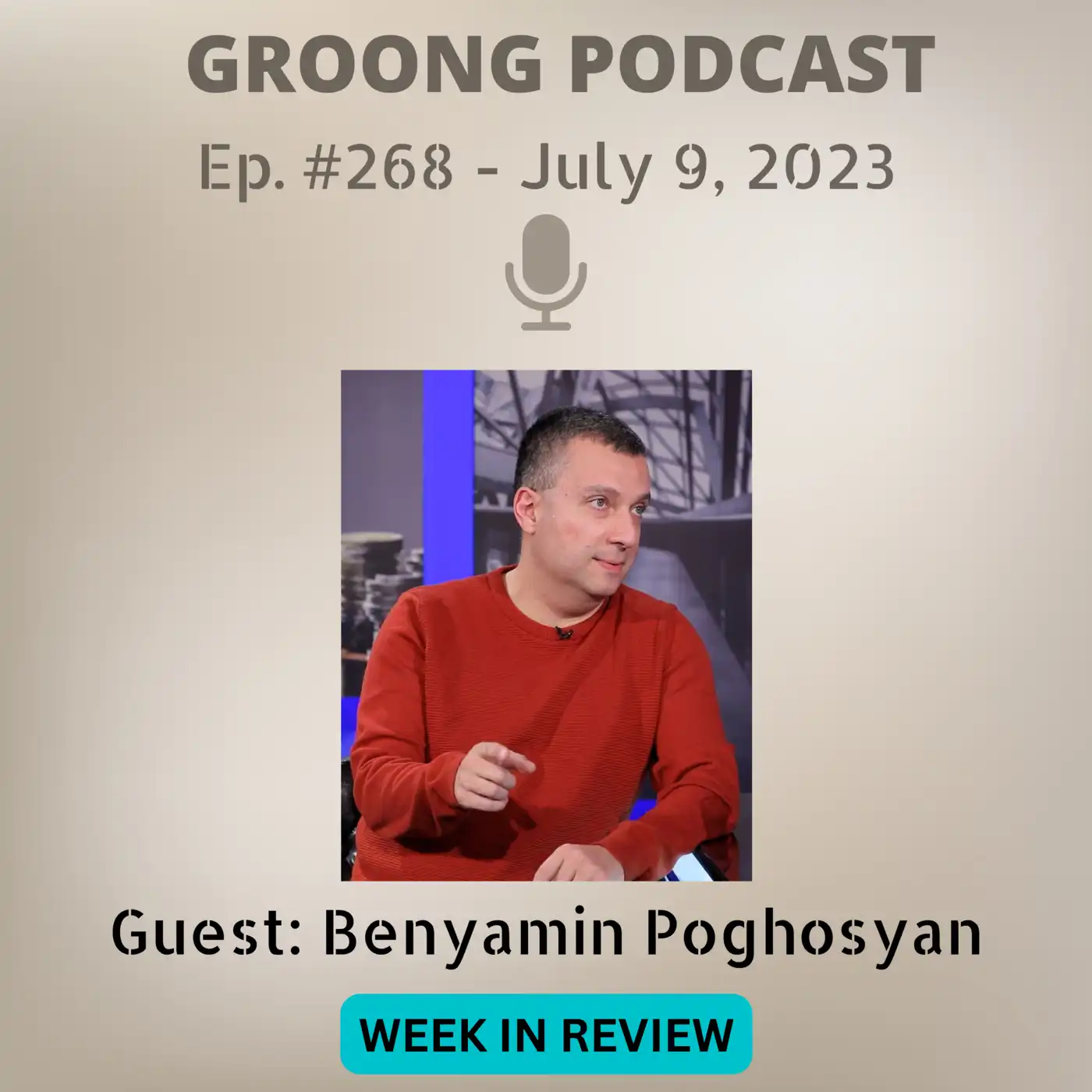
Guest:
Topics:
- Armenia Azerbaijan Negotiations
- US, Armenian NSC Advisors Meet
- New MPG Poll
- Haya-Qve [.am]
Episode 268 | Recorded: July 10, 2023
Benyamin Poghosyan - Armenia Azerbaijan Negotiations | US Armenia NSC Advisors Meet | MPG Poll on Current Afaairs | Ep 268 - July 9, 2023 [EP268]
Posted on Monday, Jul 10, 2023 | Category: Armenia, Politics, Artsakh, Nagorno Karabakh, Azerbaijan, Artsakh Blockade, Armenian Genocide, Russia, Turkey, Ukraine, Iran, Israel, European Union, NATO, ChinaGuest:
Topics:
- Armenia Azerbaijan Negotiations
- US, Armenian NSC Advisors Meet
- New MPG Poll
- Haya-Qve [.am]
Episode 268 | Recorded: July 10, 2023
Artsakh Blockade Flash Update with Gev Iskajyan - Ep 267, July 7, 2023 [EP267]
Posted on Friday, Jul 7, 2023 | Category: Politics, Artsakh, Nagorno Karabakh, Armenia, Azerbaijan, USA, Artsakh Blockade, Russia, Iran, Israel | Series: artsakhblockade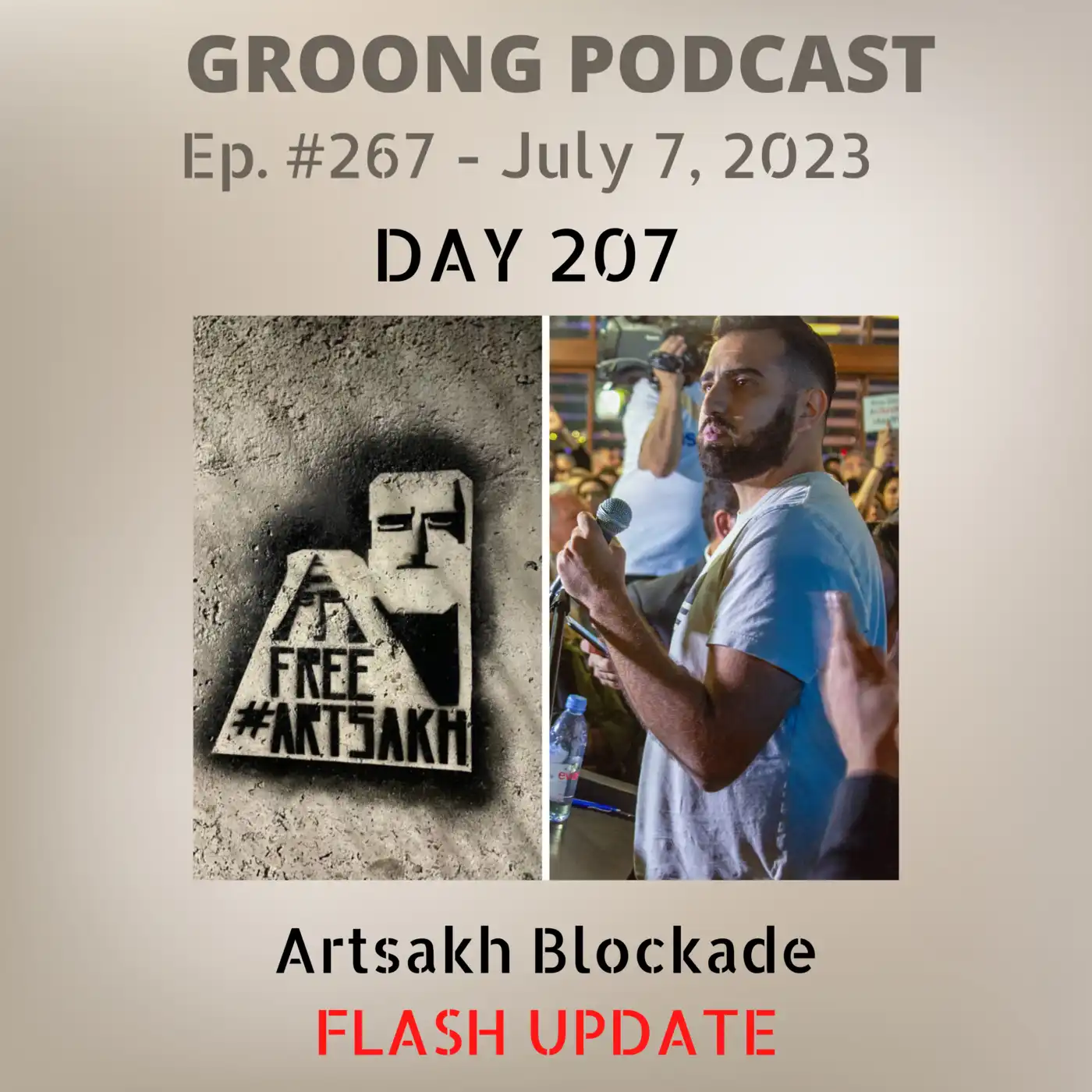
Artsakh Blockade Flash Update with Gev Iskajyan - Ep 267, July 7, 2023
Armenian News Network Groong - July 7, 2023
Guest:
Topics:
- Catastrophic Situation in Artsakh - Gegham Stepanyan
- Zakharova Confirms Conditions, Calls on Azerbaijan to Drop Blockade
- Hakari video fiasco - Pashinyan propaganda?
- Azeri preconditions to Baku-Stepanakert talks
- ANCA supported NDAA resolutions in US Congress
Episode 267 | Recorded: July 7, 2023
Artsakh Blockade Flash Update with Gev Iskajyan - Ep 267, July 7, 2023 [EP267]
Posted on Friday, Jul 7, 2023 | Category: Politics, Artsakh, Nagorno Karabakh, Armenia, Azerbaijan, USA, Artsakh Blockade, Russia, Iran, IsraelArtsakh Blockade Flash Update with Gev Iskajyan - Ep 267, July 7, 2023
Armenian News Network Groong - July 7, 2023
Guest:
Topics:
- Catastrophic Situation in Artsakh - Gegham Stepanyan
- Zakharova Confirms Conditions, Calls on Azerbaijan to Drop Blockade
- Hakari video fiasco - Pashinyan propaganda?
- Azeri preconditions to Baku-Stepanakert talks
- ANCA supported NDAA resolutions in US Congress
Episode 267 | Recorded: July 7, 2023
Arthur G Martirosyan - Armenia Azerbaijan Negotiations Continue | Self-Determination for Artsakh | Hayaqve [.am] [EP266]
Posted on Tuesday, Jul 4, 2023 | Category: Armenia, Artsakh, Politics, Nagorno Karabakh, Azerbaijan, Turkey, Russia, Artsakh Blockade, European Union, Georgia, Ukraine, Genocide, Human Rights, India, Iran, Middle East, NATO | Series: wir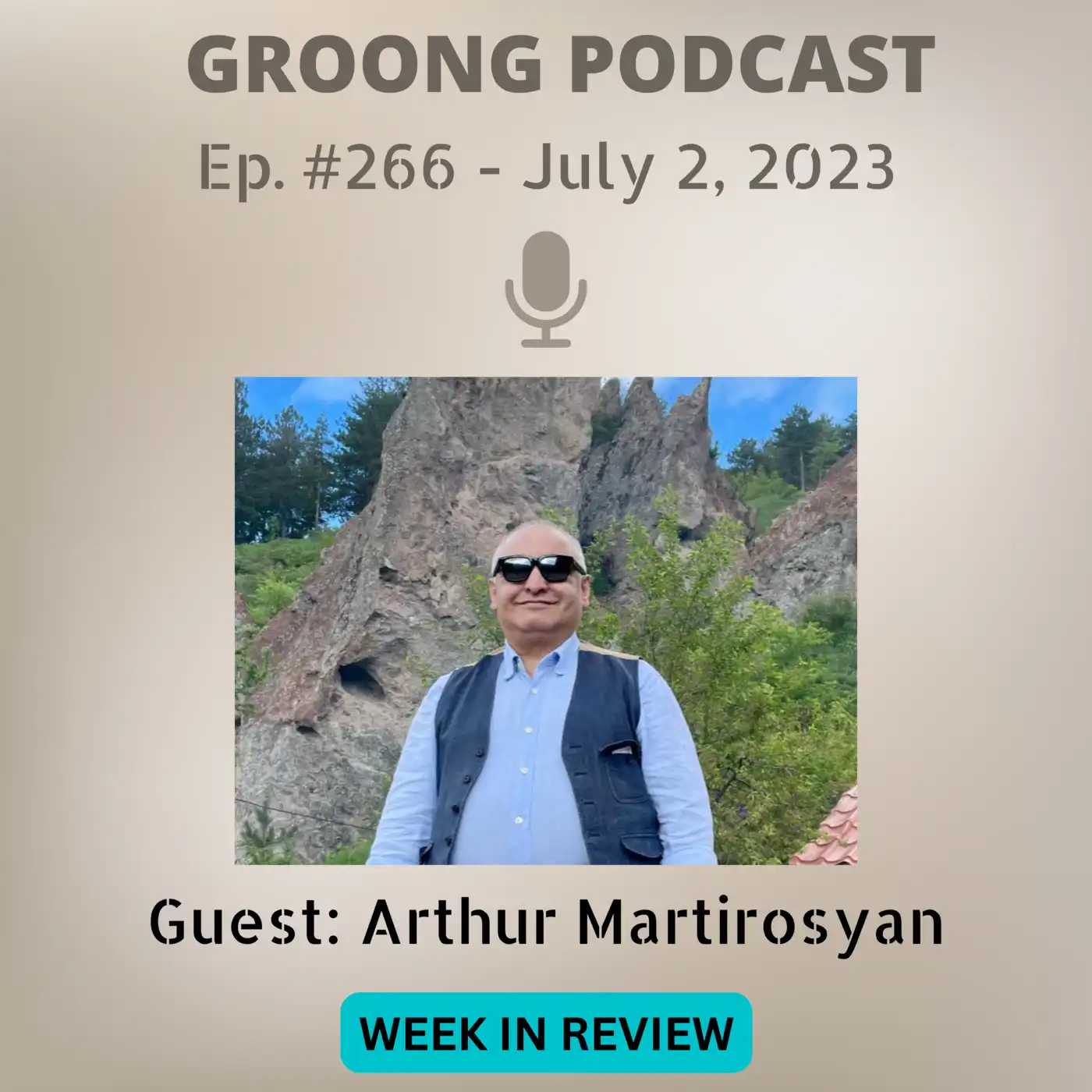
Guest:
Topics:
- Armenian Azerbaijan Negotiations Continue
- Negotiations in DC: chances of progress
- Vartan Oskanian on negotiations
- Rights and Security
- Self-Determination for Artsakh
- Border Demarcation
- No Unblocking or Guarantees
- Hayaqve.am
- Rants
Episode 266 | Recorded: July 4, 2023
Arthur G Martirosyan - Armenia Azerbaijan Negotiations Continue | Self-Determination for Artsakh | Hayaqve [.am] [EP266]
Posted on Tuesday, Jul 4, 2023 | Category: Armenia, Artsakh, Politics, Nagorno Karabakh, Azerbaijan, Turkey, Russia, Artsakh Blockade, European Union, Georgia, Ukraine, Genocide, Human Rights, India, Iran, Middle East, NATOGuest:
Topics:
- Armenian Azerbaijan Negotiations Continue
- Negotiations in DC: chances of progress
- Vartan Oskanian on negotiations
- Rights and Security
- Self-Determination for Artsakh
- Border Demarcation
- No Unblocking or Guarantees
- Hayaqve.am
- Rants
Episode 266 | Recorded: July 4, 2023
Tevan Poghosyan - Barriers on Hakari | Erdogan in Azerbaijan | Lukashenko at CSTO | Wagner Defused | Pashinyan Testimony | Hayaqve | Ep 264 - June 25, 2023 [EP264]
Posted on Tuesday, Jun 27, 2023 | Category: Armenia, Artsakh, Politics, Azerbaijan, Georgia, Turkey, Russia, Nagorno Karabakh, Artsakh Blockade, Iran, Ukraine, Genocide, India | Series: wir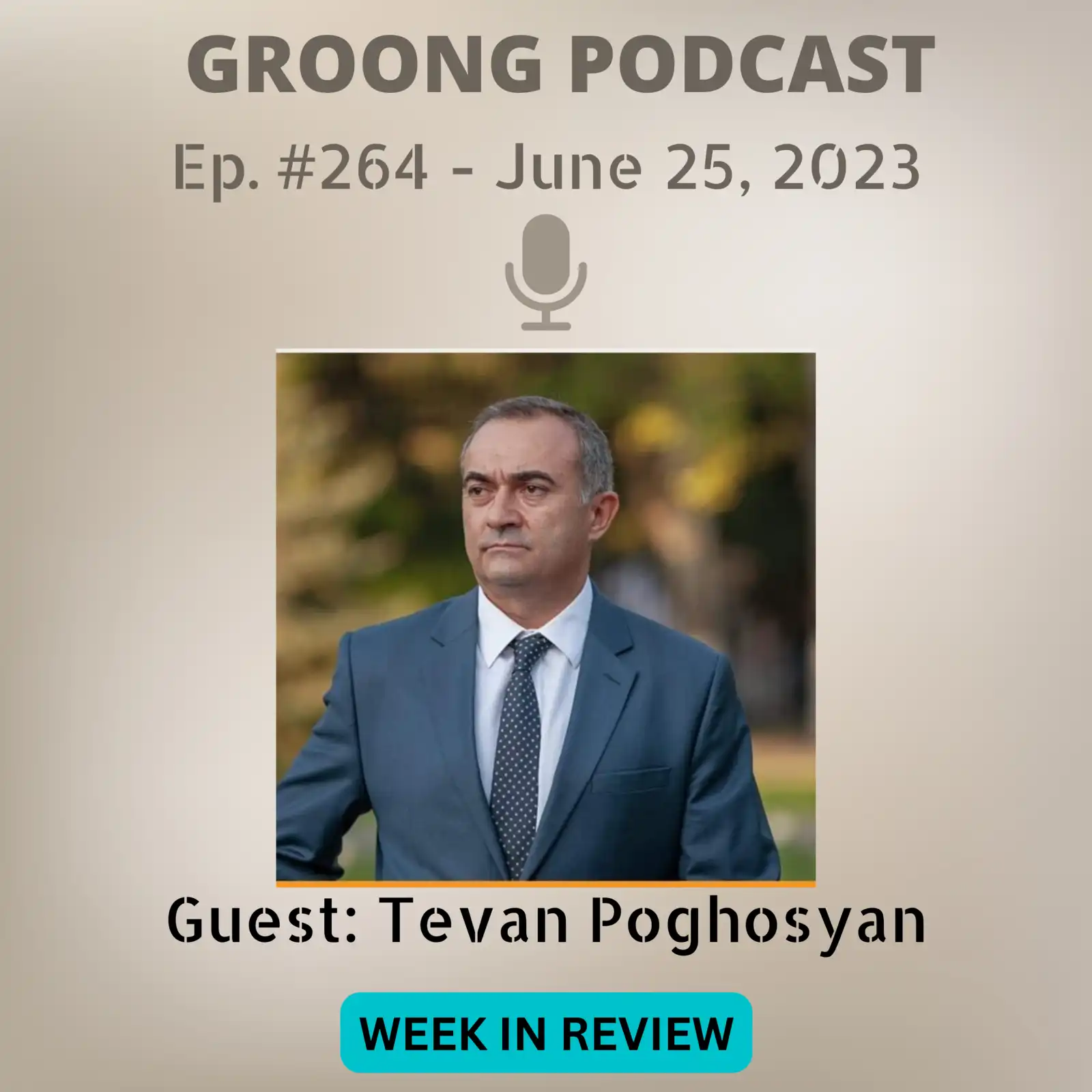
Guest:
Topics:
- Concrete Barriers On Hakari Bridge
- Erdogan visit to Azerbaijan
- Lukashenko at the CSTO
- Putin Defuses Wagnerian Opera
- Pashinyan 44-Day War Testimony in Parliament
- HayaQve [.am]
Episode 264 | Recorded: June 27, 2023
Tevan Poghosyan - Barriers on Hakari | Erdogan in Azerbaijan | Lukashenko at CSTO | Wagner Defused | Pashinyan Testimony | Hayaqve | Ep 264 - June 25, 2023 [EP264]
Posted on Tuesday, Jun 27, 2023 | Category: Armenia, Artsakh, Politics, Azerbaijan, Georgia, Turkey, Russia, Nagorno Karabakh, Artsakh Blockade, Iran, Ukraine, Genocide, IndiaGuest:
Topics:
- Concrete Barriers On Hakari Bridge
- Erdogan visit to Azerbaijan
- Lukashenko at the CSTO
- Putin Defuses Wagnerian Opera
- Pashinyan 44-Day War Testimony in Parliament
- HayaQve [.am]
Episode 264 | Recorded: June 27, 2023
Artsakh Blockade Flash Update with Gev Iskajyan - Ep 263, June 15, 2023 [EP263]
Posted on Thursday, Jun 15, 2023 | Category: Politics, Artsakh, Nagorno Karabakh, Armenia, Azerbaijan, Russia, Artsakh Blockade, Human Rights | Series: artsakhblockade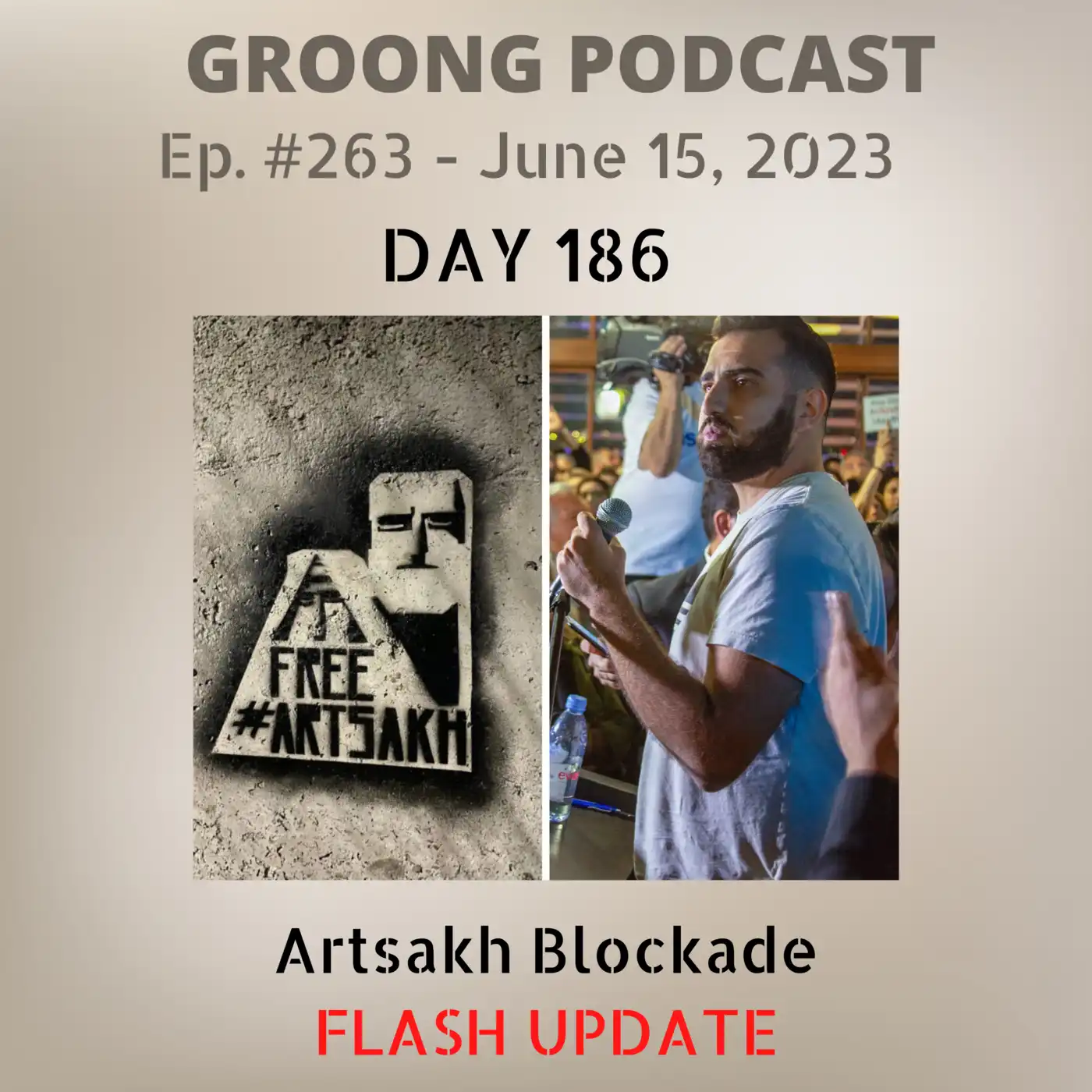
Artsakh Blockade Flash Update with Gev Iskajyan - Ep 263, June 15, 2023
Armenian News Network Groong - June 15, 2023
Guest:
Topics:
- Azerbaijan Blocks Lachin/Berdzor Corridor after Shootings near Hakari bridge
- Has Artsakh âreturned to the negotiation tableâ?
- International actions viewed from Stepanakert
- Noting the half-year mark of the blockade
- Artsakh Ombuds Report summary
Episode 263 | Recorded: June 15, 2023
Artsakh Blockade Flash Update with Gev Iskajyan - Ep 263, June 15, 2023 [EP263]
Posted on Thursday, Jun 15, 2023 | Category: Politics, Artsakh, Nagorno Karabakh, Armenia, Azerbaijan, Russia, Artsakh Blockade, Human RightsArtsakh Blockade Flash Update with Gev Iskajyan - Ep 263, June 15, 2023
Armenian News Network Groong - June 15, 2023
Guest:
Topics:
- Azerbaijan Blocks Lachin/Berdzor Corridor after Shootings near Hakari bridge
- Has Artsakh âreturned to the negotiation tableâ?
- International actions viewed from Stepanakert
- Noting the half-year mark of the blockade
- Artsakh Ombuds Report summary
Episode 263 | Recorded: June 15, 2023
Sergei Melkonian - Armenian Azerbaijani Negotiations Continue in Chisinau/Kishinev and Moscow | Pashinyan Attends Erdogan Inauguration | Israeli President in Azerbaijan | Ep 260 - June 4, 2023 [EP260]
Posted on Monday, Jun 5, 2023 | Category: Armenia, Politics, Israel, Artsakh, Nagorno Karabakh, Azerbaijan, Iran, Artsakh Blockade, Russia, Turkey, Syria, China, Middle East, Ukraine, European Union, Georgia, Lebanon, NATO | Series: wir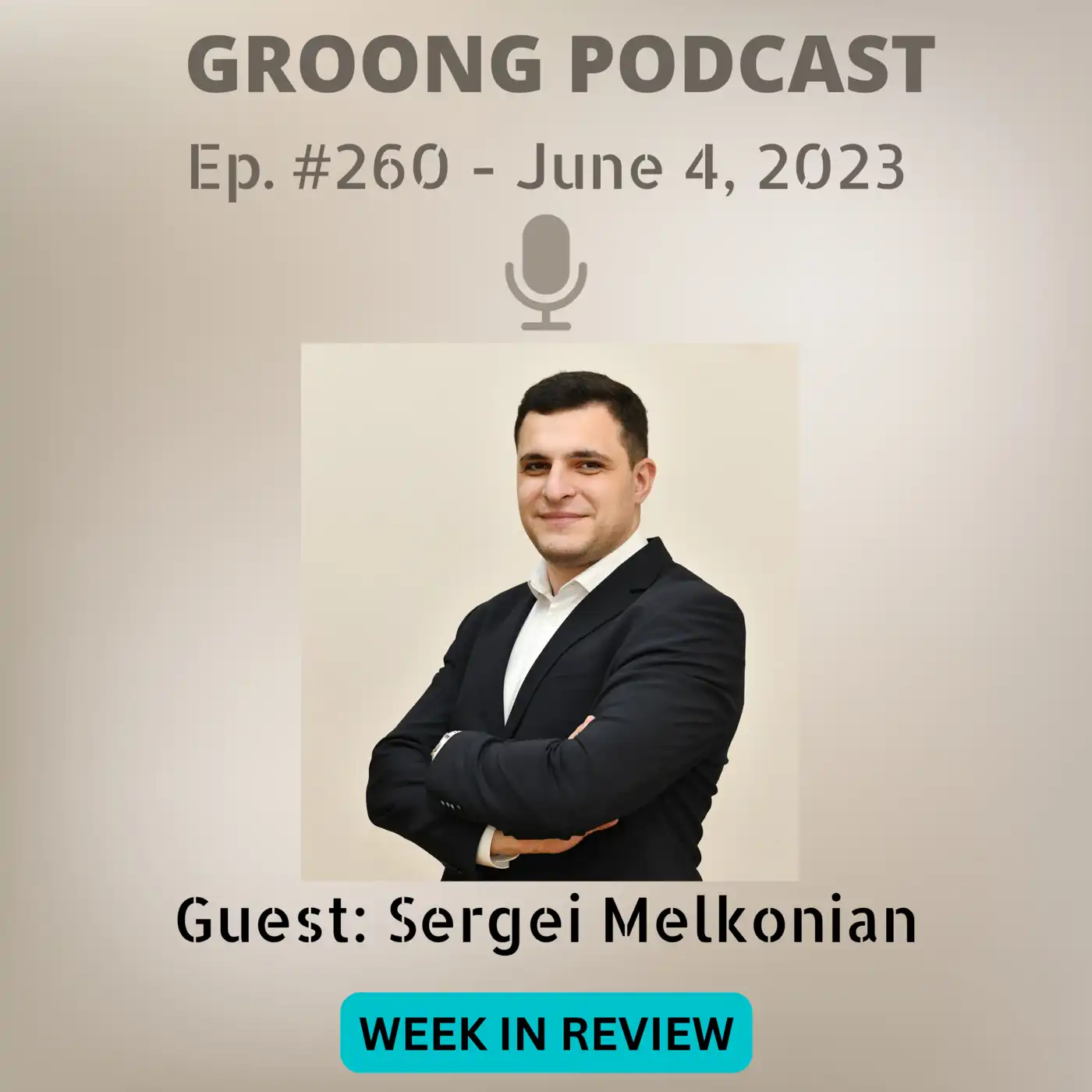
Guest:
Topics:
- Armenian Azerbaijani Negotiations Continue
- You say Chisinau, I say Kishinev
- Deputy PMs Meet in Moscow
- Israeli President Visits Azerbaijan
- Pashinyan Attends Erdoganâs Inauguration
- Armenia-Russia Relations
Episode 260 | Recorded: June 5, 2023
Sergei Melkonian - Armenian Azerbaijani Negotiations Continue in Chisinau/Kishinev and Moscow | Pashinyan Attends Erdogan Inauguration | Israeli President in Azerbaijan | Ep 260 - June 4, 2023 [EP260]
Posted on Monday, Jun 5, 2023 | Category: Armenia, Politics, Israel, Artsakh, Nagorno Karabakh, Azerbaijan, Iran, Artsakh Blockade, Russia, Turkey, Syria, China, Middle East, Ukraine, European Union, Georgia, Lebanon, NATOGuest:
Topics:
- Armenian Azerbaijani Negotiations Continue
- You say Chisinau, I say Kishinev
- Deputy PMs Meet in Moscow
- Israeli President Visits Azerbaijan
- Pashinyan Attends Erdoganâs Inauguration
- Armenia-Russia Relations
Episode 260 | Recorded: June 5, 2023
Artsakh Blockade Flash Update with Gev Iskajyan - Ep 259, June 2, 2023 [EP259]
Posted on Friday, Jun 2, 2023 | Category: Politics, Artsakh, Nagorno Karabakh, Armenia, Azerbaijan, Russia, Artsakh Blockade, NATO | Series: artsakhblockade
Artsakh Blockade Flash Update with Gev Iskajyan - Ep 259, June 2, 2023
Armenian News Network Groong - June 2, 2023
Guest:
Topics:
- Current Living and Humanitarian Conditions
- Morale after Pashinyanâs Recognition of Artsakh in Azerbaijan
- How is Artsakh Responding to Aliyevâs Amnesty Threats?
- Moral of the Artsakhtsi Population
- About Artsakh Men Being Denied Transit through Azeri Checkpoints
- Have the Russian Peacekeepers Changed Under Lentsov?
- All Parties are in Breach of the November 2020 Trilateral Ceasefire Agreement
Episode 259 | Recorded: June 2, 2023
Artsakh Blockade Flash Update with Gev Iskajyan - Ep 259, June 2, 2023 [EP259]
Posted on Friday, Jun 2, 2023 | Category: Politics, Artsakh, Nagorno Karabakh, Armenia, Azerbaijan, Russia, Artsakh Blockade, NATOArtsakh Blockade Flash Update with Gev Iskajyan - Ep 259, June 2, 2023
Armenian News Network Groong - June 2, 2023
Guest:
Topics:
- Current Living and Humanitarian Conditions
- Morale after Pashinyanâs Recognition of Artsakh in Azerbaijan
- How is Artsakh Responding to Aliyevâs Amnesty Threats?
- Moral of the Artsakhtsi Population
- About Artsakh Men Being Denied Transit through Azeri Checkpoints
- Have the Russian Peacekeepers Changed Under Lentsov?
- All Parties are in Breach of the November 2020 Trilateral Ceasefire Agreement
Episode 259 | Recorded: June 2, 2023
Dziunik Aghajanian - on Armenian Diplomacy, Foreign Policy, the Pashinyan Agenda, and Mother Armenia | Ep. 258 - June 1, 2023 [EP258]
Posted on Thursday, Jun 1, 2023 | Category: Armenia, Artsakh, Politics, Relations, Nagorno Karabakh, Azerbaijan, Russia, Turkey, USA, Iran, Armenian Genocide, Artsakh Blockade, European Union, Genocide, NATO, Middle East | Series: cog
Dziunik Aghajanian - on Armenian Diplomacy, Foreign Policy, the Pashinyan Agenda, and Mother Armenia
Guest:
Topics:
- Intro to Ms Aghajanian
- Career path, Mentors, Influencers
- Parting ways with the MFA
- How did Armenia Resist Turkish Pressure prior to 2018
- Impressions of 2018 events
- On Pashinyanâs Policies to Surrender Artsakh
- Letter Planning the Surrender
- Messaging Aliyev to begin Instigations
- Changing Security Doctrine
- The Myth of Western Security Guarantees
- Pashinyanâs Fiction re Alma Ata and Madrid Principles
- On Armeniaâs National Interests
- On Armenian
Dziunik Aghajanian - on Armenian Diplomacy, Foreign Policy, the Pashinyan Agenda, and Mother Armenia | Ep. 258 - June 1, 2023 [EP258]
Posted on Thursday, Jun 1, 2023 | Category: Armenia, Artsakh, Politics, Relations, Nagorno Karabakh, Azerbaijan, Russia, Turkey, USA, Iran, Armenian Genocide, Artsakh Blockade, European Union, Genocide, NATO, Middle EastDziunik Aghajanian - on Armenian Diplomacy, Foreign Policy, the Pashinyan Agenda, and Mother Armenia
Guest:
Topics:
- Intro to Ms Aghajanian
- Career path, Mentors, Influencers
- Parting ways with the MFA
- How did Armenia Resist Turkish Pressure prior to 2018
- Impressions of 2018 events
- On Pashinyanâs Policies to Surrender Artsakh
- Letter Planning the Surrender
- Messaging Aliyev to begin Instigations
- Changing Security Doctrine
- The Myth of Western Security Guarantees
- Pashinyanâs Fiction re Alma Ata and Madrid Principles
- On Armeniaâs National Interests
- On Armenian
Negotiations Carousel | Meghri Railway | Rasht-Astara Railway | Kornidzor Rally | Artsakh Politics | Ep 256 - May 21, 2023 [EP256]
Posted on Monday, May 22, 2023 | Category: Armenia, Artsakh, Politics, Nagorno Karabakh, Azerbaijan, Russia, Iran, Artsakh Blockade, Armenian Genocide, India, Genocide, Ukraine, Turkey, Israel, Georgia | Series: wir
Guest:
Topics:
- Accelerated Negotiations
- Negotiations Carousel
- Meghri Railway
- Russia Finances Rasht-Astara
- Rallies in Artsakh and Kornidzor
- Artsakh Domestic Politics
Episode 256 | Recorded: May 22, 2023
Negotiations Carousel | Meghri Railway | Rasht-Astara Railway | Kornidzor Rally | Artsakh Politics | Ep 256 - May 21, 2023 [EP256]
Posted on Monday, May 22, 2023 | Category: Armenia, Artsakh, Politics, Nagorno Karabakh, Azerbaijan, Russia, Iran, Artsakh Blockade, Armenian Genocide, India, Genocide, Ukraine, Turkey, Israel, GeorgiaGuest:
Topics:
- Accelerated Negotiations
- Negotiations Carousel
- Meghri Railway
- Russia Finances Rasht-Astara
- Rallies in Artsakh and Kornidzor
- Artsakh Domestic Politics
Episode 256 | Recorded: May 22, 2023
Artsakh Blockade Flash Update with Gev Iskajyan - Ep 253, May 11, 2023 [EP253]
Posted on Thursday, May 11, 2023 | Category: Politics, Artsakh, Nagorno Karabakh, Armenia, Azerbaijan, Russia, Artsakh Blockade, European Union, Genocide, Human Rights | Series: artsakhblockade
Artsakh Blockade Flash Update with Gev Iskajyan - Ep 253, May 11, 2023
Armenian News Network Groong - Mayil 11, 2023
Guest:
Topics:
- May 11 Azeri attacks on Sotk, Armenia
- Azerbaijan blocking ICRC convoys
- Sarsang reservoir depleting
- Rumors of a second pseudo-eco activist effort
- Lentsov in Baku - what results?
- Artsakh Ombuds & FM activities
- Matthew Bryza bemoans Armenian Opp & diaspora
- US Senate FR committee calls for sanctions
- May 9 in Artsakh
- Armenians, Artsakh and the victory in WW2
Episode 253 | Recorded: May 11, 2023
Read MoreArtsakh Blockade Flash Update with Gev Iskajyan - Ep 253, May 11, 2023 [EP253]
Posted on Thursday, May 11, 2023 | Category: Politics, Artsakh, Nagorno Karabakh, Armenia, Azerbaijan, Russia, Artsakh Blockade, European Union, Genocide, Human RightsArtsakh Blockade Flash Update with Gev Iskajyan - Ep 253, May 11, 2023
Armenian News Network Groong - Mayil 11, 2023
Guest:
Topics:
- May 11 Azeri attacks on Sotk, Armenia
- Azerbaijan blocking ICRC convoys
- Sarsang reservoir depleting
- Rumors of a second pseudo-eco activist effort
- Lentsov in Baku - what results?
- Artsakh Ombuds & FM activities
- Matthew Bryza bemoans Armenian Opp & diaspora
- US Senate FR committee calls for sanctions
- May 9 in Artsakh
- Armenians, Artsakh and the victory in WW2
Episode 253 | Recorded: May 11, 2023
Read MoreAzerbaijan Officially Blocks Lachin/Berdzor Corridor | Armenian-Azeri Negotiations | Drug Use Epidemic in Armenia | Ep 251 - April 30, 2023 [EP251]
Posted on Monday, May 1, 2023 | Category: Armenia, Politics, Azerbaijan, Artsakh, Nagorno Karabakh, Russia, USA, Armenian Genocide, Artsakh Blockade, Turkey, Genocide, Iran, Israel, Ukraine, Economy, NATO | Series: wir
Guest:
Topics:
- Azerbaijan Officially Blocks Berdzor/Lachin Corridor
- Update on Armenian-Azeri Negotiations
- Drug Use Epidemic in Armenia
Episode 251 | Recorded: May 1, 2023
Azerbaijan Officially Blocks Lachin/Berdzor Corridor | Armenian-Azeri Negotiations | Drug Use Epidemic in Armenia | Ep 251 - April 30, 2023 [EP251]
Posted on Monday, May 1, 2023 | Category: Armenia, Politics, Azerbaijan, Artsakh, Nagorno Karabakh, Russia, USA, Armenian Genocide, Artsakh Blockade, Turkey, Genocide, Iran, Israel, Ukraine, Economy, NATOGuest:
Topics:
- Azerbaijan Officially Blocks Berdzor/Lachin Corridor
- Update on Armenian-Azeri Negotiations
- Drug Use Epidemic in Armenia
Episode 251 | Recorded: May 1, 2023
Artsakh Blockade Flash Update with Gev Iskajyan - Ep 250, Apr 28, 2023 [EP250]
Posted on Friday, Apr 28, 2023 | Category: Politics, Artsakh, Nagorno Karabakh, Armenia, Azerbaijan, Russia, Artsakh Blockade, Armenian Genocide, Genocide | Series: artsakhblockade
Artsakh Blockade Flash Update with Gev Iskajyan - Ep 250, Apr 28, 2023
Armenian News Network Groong - April 28, 2023
Guest:
Topics:
- Lachin/Berdzor Corridor Blocked
on April 23
- So-called âEco-activistsâ Have Left.
- Armenian Rejects Discussions on Corridor Conditions
- Does the Government have a plan?
- Lentsov Replaces Volkov
- Artsakh Farmers Fired Upon - Again
- Would Artsakhtsis accept Azerbaijani Citizenship?
Episode 250 | Recorded: April 28, 2023
Artsakh Blockade Flash Update with Gev Iskajyan - Ep 250, Apr 28, 2023 [EP250]
Posted on Friday, Apr 28, 2023 | Category: Politics, Artsakh, Nagorno Karabakh, Armenia, Azerbaijan, Russia, Artsakh Blockade, Armenian Genocide, GenocideArtsakh Blockade Flash Update with Gev Iskajyan - Ep 250, Apr 28, 2023
Armenian News Network Groong - April 28, 2023
Guest:
Topics:
- Lachin/Berdzor Corridor Blocked
on April 23
- So-called âEco-activistsâ Have Left.
- Armenian Rejects Discussions on Corridor Conditions
- Does the Government have a plan?
- Lentsov Replaces Volkov
- Artsakh Farmers Fired Upon - Again
- Would Artsakhtsis accept Azerbaijani Citizenship?
Episode 250 | Recorded: April 28, 2023
Armenian Genocide Anniversary | Artsakh In Stranglehold | Israel-Azerbaijan [EP249]
Posted on Tuesday, Apr 25, 2023 | Category: Armenia, Politics, Azerbaijan, Georgia, Turkey, Russia, Iran, Israel, Armenian Genocide, Nagorno Karabakh, Artsakh Blockade, Genocide, China, Human Rights, India, Lebanon, Middle East, Syria, Ukraine, European Union | Series: wir
Guest:
Topics:
- Armenian Genocide: 108 Anniversary
- Azerbaijan Strangles Artsakh
- Artsakh Strangled
- International Community
- Pashinyanâs Parliament Speech
- Madrid Principles
- Aliyev Continues Threats, Ultimatum to Artsakh Armenians
- What Can Diaspora Do?
- Israel - Azerbaijan cooperation against Iran?
- Rants
Episode 249 | Recorded: April 25, 2023
Armenian Genocide Anniversary | Artsakh In Stranglehold | Israel-Azerbaijan [EP249]
Posted on Tuesday, Apr 25, 2023 | Category: Armenia, Politics, Azerbaijan, Georgia, Turkey, Russia, Iran, Israel, Armenian Genocide, Nagorno Karabakh, Artsakh Blockade, Genocide, China, Human Rights, India, Lebanon, Middle East, Syria, Ukraine, European UnionGuest:
Topics:
- Armenian Genocide: 108 Anniversary
- Azerbaijan Strangles Artsakh
- Artsakh Strangled
- International Community
- Pashinyanâs Parliament Speech
- Madrid Principles
- Aliyev Continues Threats, Ultimatum to Artsakh Armenians
- What Can Diaspora Do?
- Israel - Azerbaijan cooperation against Iran?
- Rants
Episode 249 | Recorded: April 25, 2023
Anna Kostanyan - New HR Ombudswoman Anahit Manasyan | Azeri Attacks and Infiltrations into Armenia | Yerevan Mayor-less Until End of 2023 Elections [EP248]
Posted on Sunday, Apr 16, 2023 | Category: Armenia, Politics, Artsakh, Human Rights, Azerbaijan, Nagorno Karabakh, Artsakh Blockade, Russia, China, Economy | Series: wir
Guest:
Topics:
- Intro to Anna Kostanyan and Hamakhmbum (Consolidation) Movement
- New HR Ombudswoman Anahit Manasyan
- Azeri Attacks and Infiltrations into Armenia
- Yerevan Mayor-less Until End of 2023 Elections
Episode 248 | Recorded: April 16, 2023
Anna Kostanyan - New HR Ombudswoman Anahit Manasyan | Azeri Attacks and Infiltrations into Armenia | Yerevan Mayor-less Until End of 2023 Elections [EP248]
Posted on Sunday, Apr 16, 2023 | Category: Armenia, Politics, Artsakh, Human Rights, Azerbaijan, Nagorno Karabakh, Artsakh Blockade, Russia, China, EconomyGuest:
Topics:
- Intro to Anna Kostanyan and Hamakhmbum (Consolidation) Movement
- New HR Ombudswoman Anahit Manasyan
- Azeri Attacks and Infiltrations into Armenia
- Yerevan Mayor-less Until End of 2023 Elections
Episode 248 | Recorded: April 16, 2023
Artsakh Blockade Flash Update with Gev Iskajyan - Ep 246, Apr 12, 2023 [EP246]
Posted on Wednesday, Apr 12, 2023 | Category: Politics, Artsakh, Nagorno Karabakh, Armenia, Azerbaijan, Russia, Artsakh Blockade, European Union, Israel | Series: artsakhblockade
Artsakh Blockade Flash Update with Gev Iskajyan - Ep 246, Apr 12, 2023
Armenian News Network Groong - April 12, 2023
Guest:
Topics:
- April 11 Azeri Aggression
near Tegh
- What Agency does Artsakh have in keeping links open?
- Bothsidism of EU and Russia in the face of Azeri Aggression
- Who is to Blame for the Continuing Losses in Armenian Life?
- Reaction of the Armenian Government
- About the EU Mission and its Role and Effectiveness
- Stepanakert invites Baku to talks
- Artsakh Farmers Urged to work in Russian Presence
Episode 246 | Recorded: April 12, 2023
Read MoreArtsakh Blockade Flash Update with Gev Iskajyan - Ep 246, Apr 12, 2023 [EP246]
Posted on Wednesday, Apr 12, 2023 | Category: Politics, Artsakh, Nagorno Karabakh, Armenia, Azerbaijan, Russia, Artsakh Blockade, European Union, IsraelArtsakh Blockade Flash Update with Gev Iskajyan - Ep 246, Apr 12, 2023
Armenian News Network Groong - April 12, 2023
Guest:
Topics:
- April 11 Azeri Aggression
near Tegh
- What Agency does Artsakh have in keeping links open?
- Bothsidism of EU and Russia in the face of Azeri Aggression
- Who is to Blame for the Continuing Losses in Armenian Life?
- Reaction of the Armenian Government
- About the EU Mission and its Role and Effectiveness
- Stepanakert invites Baku to talks
- Artsakh Farmers Urged to work in Russian Presence
Episode 246 | Recorded: April 12, 2023
Read MoreNaira Melikyan: Turned Away at Kornidzor Post | Ep 245 - Apr 7, 2023 [EP245]
Posted on Friday, Apr 7, 2023 | Category: Armenia, Artsakh, Politics, Nagorno Karabakh, Artsakh Blockade, Russia, Azerbaijan, NATO, Iran, Israel | Series: cog, video
Guest:
In this Conversations on Groong episode, weâll be talking Naira Melikyan who shares troubling information from her attempt to travel to Artsakh via the newly built road passing by the village of Kornidzor. Armenian border guards turned away the Miasin group citing security concerns.
Episode 245 | Recorded: April 7, 2023
Naira Melikyan: Turned Away at Kornidzor Post | Ep 245 - Apr 7, 2023 [EP245]
Posted on Friday, Apr 7, 2023 | Category: Armenia, Artsakh, Politics, Nagorno Karabakh, Artsakh Blockade, Russia, Azerbaijan, NATO, Iran, IsraelGuest:
In this Conversations on Groong episode, weâll be talking Naira Melikyan who shares troubling information from her attempt to travel to Artsakh via the newly built road passing by the village of Kornidzor. Armenian border guards turned away the Miasin group citing security concerns.
Episode 245 | Recorded: April 7, 2023