Artsakh Blockade
Last updated: May 29, 2026
The Artsakh blockade began in December 2022 when Azerbaijani activists, later joined by military personnel, established a checkpoint on the Lachin Corridor , the only road connecting Nagorno Karabakh to Armenia. Over the following nine months, the blockade progressively tightened, cutting off gas, electricity, food deliveries, and medical evacuations. By the summer of 2023, the population of Artsakh was facing acute food shortages and a humanitarian emergency.
The blockade drew condemnation from Western governments and was the subject of proceedings at the International Court of Justice, which issued provisional measures ordering Azerbaijan to ensure free movement through the corridor. Those measures were not enforced. Russia’s peacekeeping contingent, which held a mandate to guarantee passage under the 2020 ceasefire, took no action to reopen the road. The United States and European Union issued statements but applied no meaningful pressure.
Azerbaijan’s military offensive on September 19, 2023 ended the blockade by ending the existence of Armenian Nagorno Karabakh entirely. Within three weeks, nearly the entire population of 150,000 Armenians had been driven from Artsakh to Armenia — what human rights organizations and international observers have characterized as ethnic cleansing. Groong covered the blockade in real time throughout its duration — the humanitarian conditions inside Artsakh, the diplomatic failures, and the eventual collapse.
Groong episodes that include this tag
Below are all Groong episodes tagged with Artsakh Blockade.
Lenna Hovanessian – White House Meeting Fallout, Artsakh Erasure, Genocide Dismissal, Azerbaijan Playbook in the US | Ep 470, Sep 7, 2025 [EP470]
Posted on Sunday, Sep 7, 2025 | Category: Armenia, Politics, Artsakh, Nagorno Karabakh, Genocide, Azerbaijan, Armenian Church, Israel, Artsakh Blockade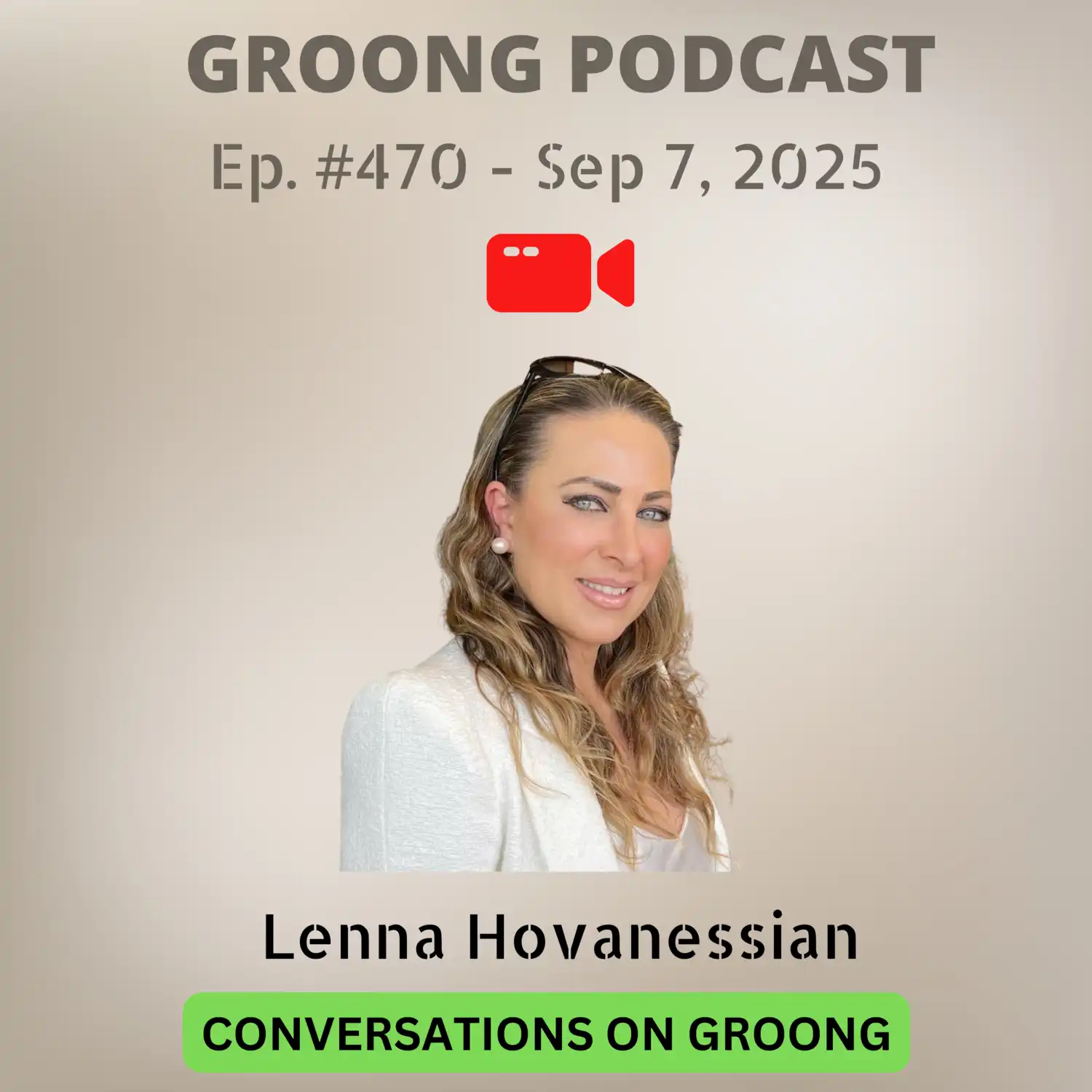
Groong Links:
Guest:
Topics:
- Reflections on August 8 White House Meeting
- Tensions in Diaspora-Armenia Relations
- Azerbaijani Lobbying, Caviar Diplomacy, and the Cuellar Bribery Case
Episode 470 | Recorded: September 5, 2025
Fyodor Lukyanov - Israel Attacks Iran: Perspectives From Russia | Ep 447, Jun 16, 2025 [EP447]
Posted on Monday, Jun 16, 2025 | Category: Iran, Russia, Armenia, Israel, Politics, Azerbaijan, Georgia, Geopolitics, Turkey, Ukraine, Armenian Church, Artsakh Blockade, NATO, China, Syria, Middle East, Economy | Series: cog, video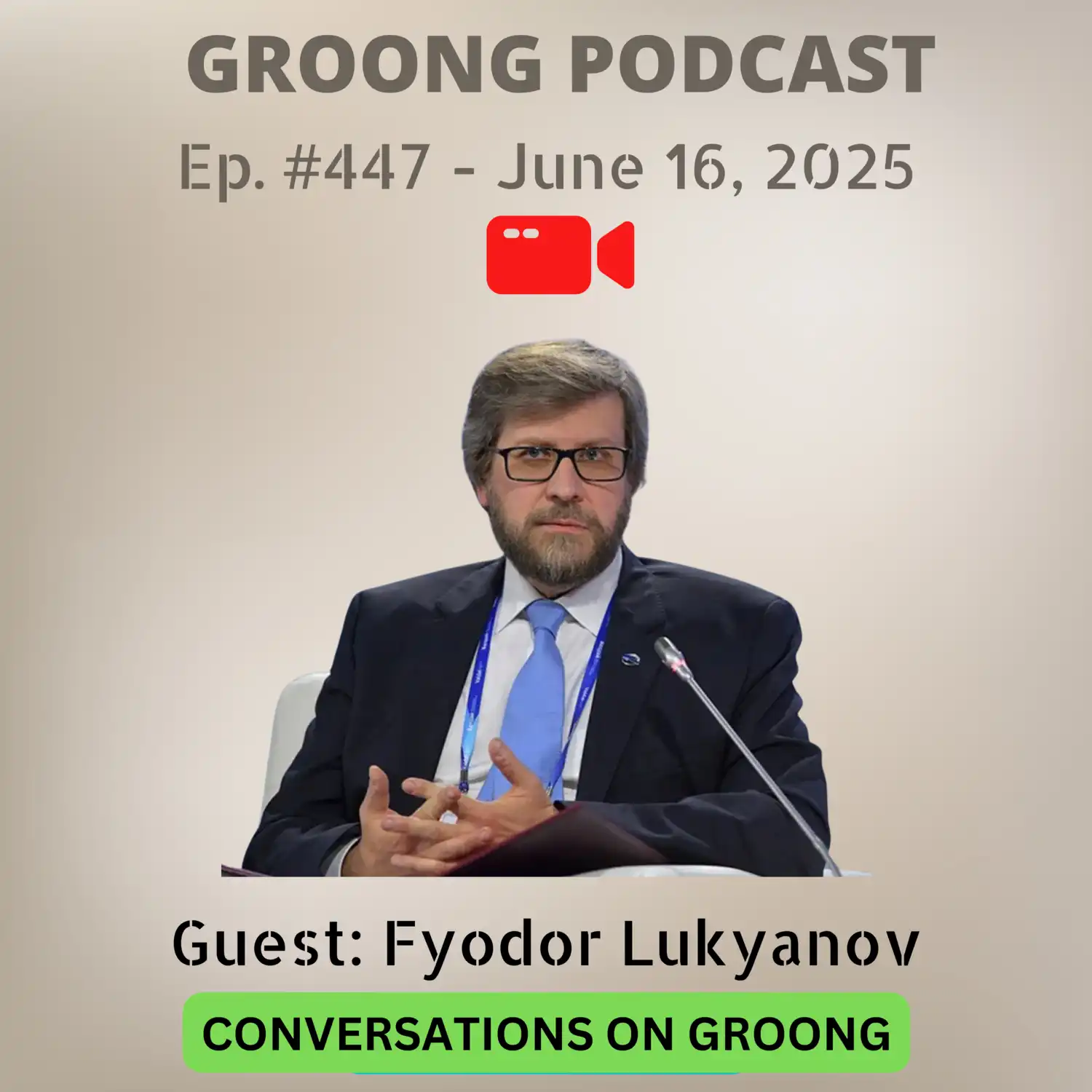
Groong Links:
Guest:
Topics:
- Israel hits Iran, talks collapse
- Armenia at risk if Iran weakens
- Russia hardens stance on Ukraine
Episode 447 | Recorded: June 15, 2025
Fyodor Lukyanov - Israel Attacks Iran: Perspectives From Russia | Ep 447, Jun 16, 2025 [EP447]
Posted on Monday, Jun 16, 2025 | Category: Iran, Russia, Armenia, Israel, Politics, Azerbaijan, Georgia, Geopolitics, Turkey, Ukraine, Armenian Church, Artsakh Blockade, NATO, China, Syria, Middle East, EconomyGroong Links:
Guest:
Topics:
- Israel hits Iran, talks collapse
- Armenia at risk if Iran weakens
- Russia hardens stance on Ukraine
Episode 447 | Recorded: June 15, 2025
Transcript: Fyodor Lukyanov - Israel Attacks Iran: Perspectives From Russia | Ep 447, Jun 16, 2025 [EP447]
Posted on Monday, Jun 16, 2025 | Category: Iran, Russia, Armenia, Israel, Politics, Azerbaijan, Georgia, Geopolitics, Turkey, Ukraine, Armenian Church, Artsakh Blockade, NATO, China, Syria, Middle East, Economy, TranscriptIn this episode of Conversations on Groong, we speak with Fyodor Lukyanov, editor-in-chief of Russia in Global Affairs, to analyze the geopolitical fallout from Israel’s surprise military campaign against Iran, known as Operation Rising Lion. We explore how the attacks may sabotage U.S.-Iran nuclear negotiations, shift Russia’s strategic calculus, and destabilize the South Caucasus—particularly Armenia’s Syunik province. We also examine the implications for Russia-Iran relations, the Zangezur corridor, and Azerbaijan’s military posture. Finally, we discuss Ukraine’s Operation Spiderweb, recent Read More
Arthur Khachatryan – Republic Day, EU Drama, and Constitutional Chaos | Ep 441, May 25, 2025 [EP441]
Posted on Thursday, May 29, 2025 | Category: Armenia, Politics, Artsakh, Nagorno Karabakh, Azerbaijan, Georgia, Turkey, Russia, Artsakh Blockade, Armenian Genocide, Genocide, Iran, Human Rights, Economy | Series: wir, video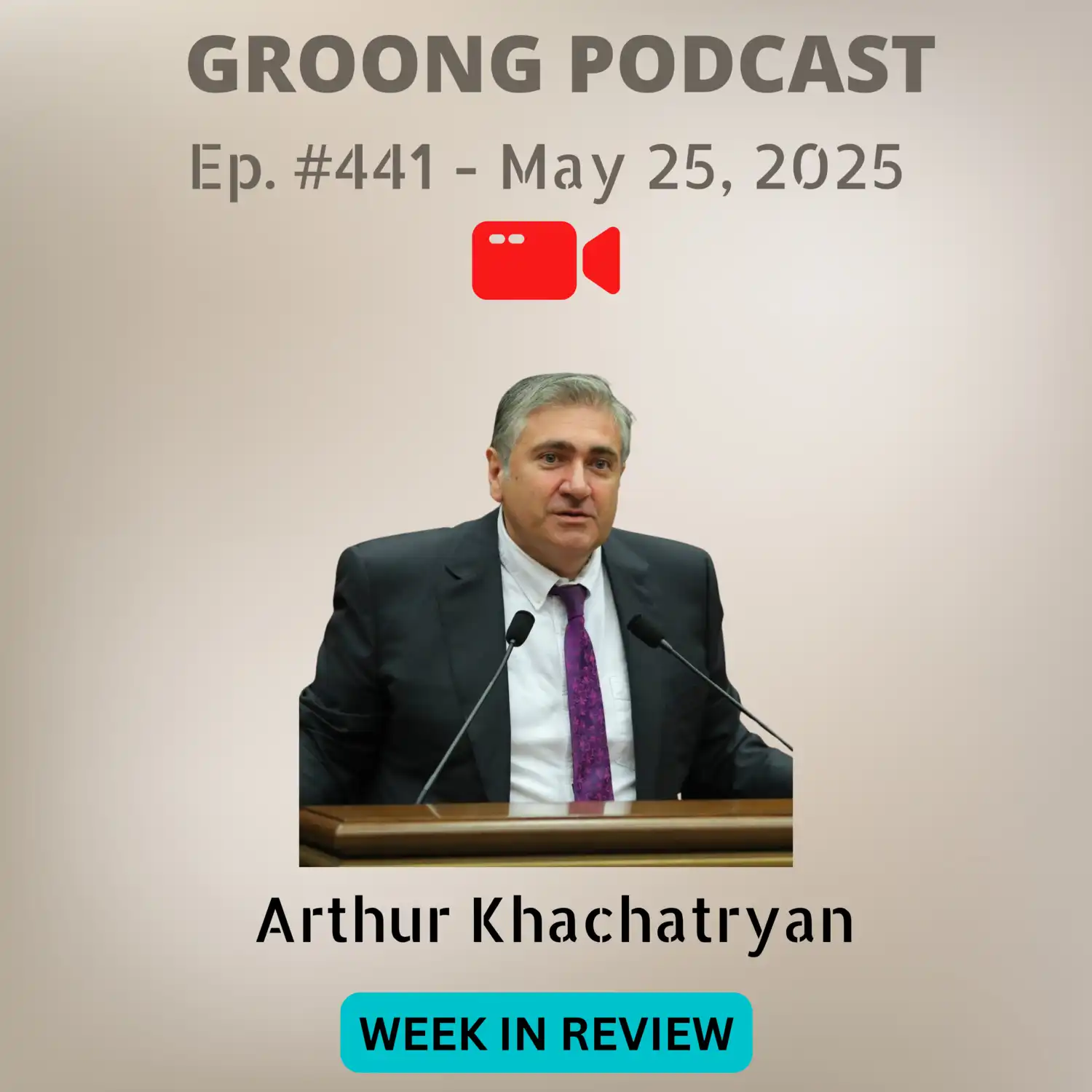
Groong Links:
Guest:
Topics:
- May 28, Republic Day
- Armeniaâs EU-Russia policy confusion
- Constitutional changes for âpeaceâ
- Impeachment vs. election dilemma
- Azeri invasion threat and silence
Episode 441 | Recorded: May 28, 2025
Arthur Khachatryan – Republic Day, EU Drama, and Constitutional Chaos | Ep 441, May 25, 2025 [EP441]
Posted on Thursday, May 29, 2025 | Category: Armenia, Politics, Artsakh, Nagorno Karabakh, Azerbaijan, Georgia, Turkey, Russia, Artsakh Blockade, Armenian Genocide, Genocide, Iran, Human Rights, EconomyGroong Links:
Guest:
Topics:
- May 28, Republic Day
- Armeniaâs EU-Russia policy confusion
- Constitutional changes for âpeaceâ
- Impeachment vs. election dilemma
- Azeri invasion threat and silence
Episode 441 | Recorded: May 28, 2025
Dziunik Aghajanian - Armenian State Genocide Denial, Politics of Silence, Pezeshkian in Baku, Bandar Abbas | Ep 432, Apr 27, 2025 [EP432]
Posted on Wednesday, Apr 30, 2025 | Category: Armenia, Politics, Iran, Artsakh, Nagorno Karabakh, Turkey, Azerbaijan, Russia, China, India, Geopolitics, Diaspora, Armenian Genocide, Artsakh Blockade, BRICS, Genocide, European Union, Middle East, Economy, Lebanon, Georgia, Human Rights, Israel | Series: wir, video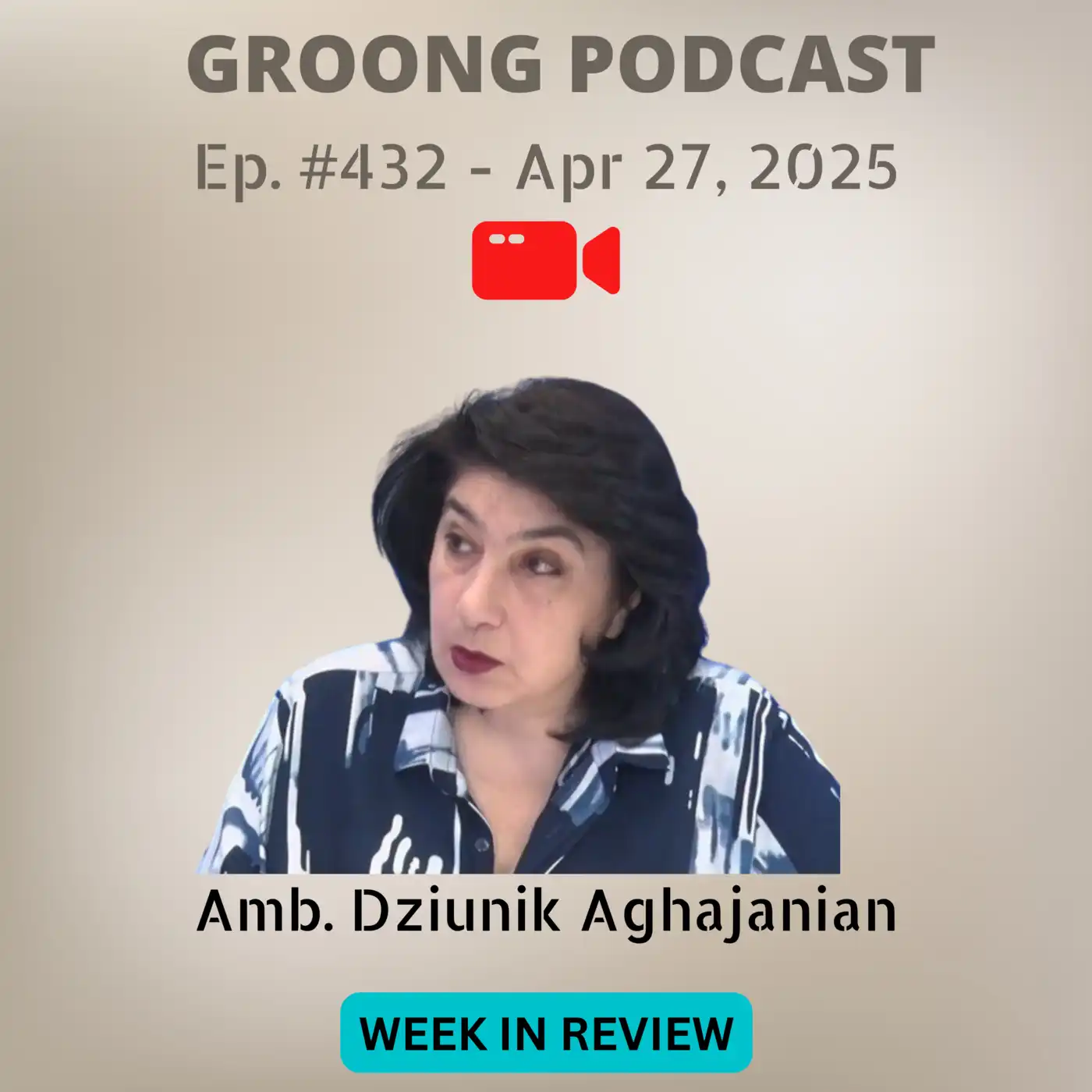
Groong Links:
Guest:
Topics:
- Genocide Recognition and State Silence
- Iran-Azerbaijan Talks & Geopolitical Shifts
- Bandar Abbas: Explosion, or Warning?
Episode 432 | Recorded: April 29, 2025
Dziunik Aghajanian - Armenian State Genocide Denial, Politics of Silence, Pezeshkian in Baku, Bandar Abbas | Ep 432, Apr 27, 2025 [EP432]
Posted on Wednesday, Apr 30, 2025 | Category: Armenia, Politics, Iran, Artsakh, Nagorno Karabakh, Turkey, Azerbaijan, Russia, China, India, Geopolitics, Diaspora, Armenian Genocide, Artsakh Blockade, BRICS, Genocide, European Union, Middle East, Economy, Lebanon, Georgia, Human Rights, IsraelGroong Links:
Guest:
Topics:
- Genocide Recognition and State Silence
- Iran-Azerbaijan Talks & Geopolitical Shifts
- Bandar Abbas: Explosion, or Warning?
Episode 432 | Recorded: April 29, 2025
Alberto M. Fernandez – Vatican-Baku Partnership & Erosion of Moral Authority | Ep 431, Apr 29, 2025 [EP431]
Posted on Tuesday, Apr 29, 2025 | Category: Armenia, World, Vatican, Azerbaijan, Artsakh, Nagorno Karabakh, Armenian Church, Iran, Armenian Genocide, Artsakh Blockade, Syria, Genocide, Turkey, Russia, Middle East, Lebanon, Human Rights, Georgia, Israel, China, India, NATO, Ukraine | Series: cog, video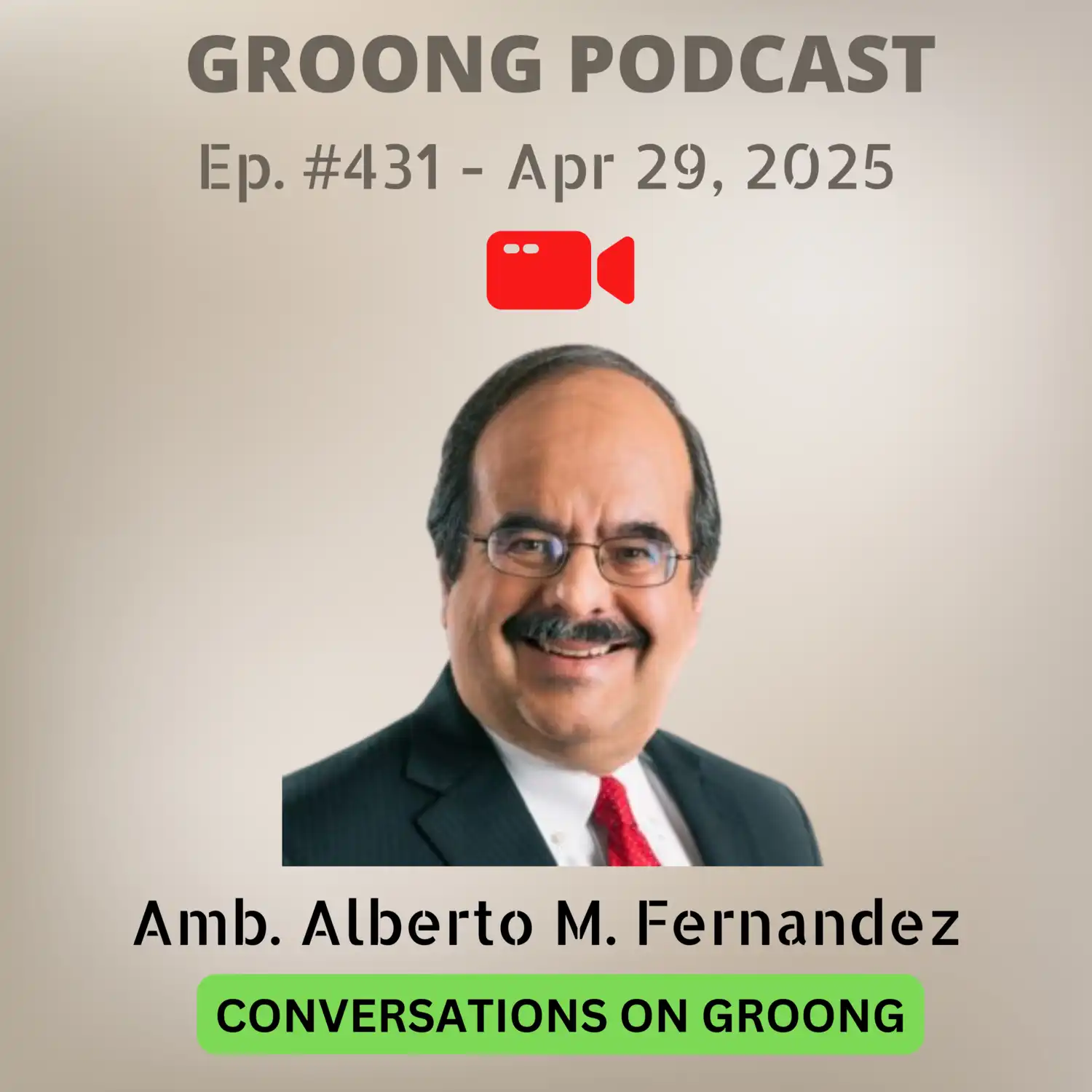
Groong Links:
Guest:
Topics:
- Vaticanâs alliance with Azerbaijan
- Whitewashing of Artsakhâs ethnic cleansing
- Global silence on Armenian Genocide
- U.S. policy under Trump and risks to Armenia
Episode 431 | Recorded: April 29, 2025
Alberto M. Fernandez – Vatican-Baku Partnership & Erosion of Moral Authority | Ep 431, Apr 29, 2025 [EP431]
Posted on Tuesday, Apr 29, 2025 | Category: Armenia, World, Vatican, Azerbaijan, Artsakh, Nagorno Karabakh, Armenian Church, Iran, Armenian Genocide, Artsakh Blockade, Syria, Genocide, Turkey, Russia, Middle East, Lebanon, Human Rights, Georgia, Israel, China, India, NATO, UkraineGroong Links:
Guest:
Topics:
- Vaticanâs alliance with Azerbaijan
- Whitewashing of Artsakhâs ethnic cleansing
- Global silence on Armenian Genocide
- U.S. policy under Trump and risks to Armenia
Episode 431 | Recorded: April 29, 2025
Benyamin Poghosyan - US-Iran, Gyumri, Armenia MFA Blames Artsakh, Negotiations with Azerbaijan | Ep 426, Apr 6, 2025 [EP426]
Posted on Wednesday, Apr 9, 2025 | Category: Armenia, Politics, Iran, Geopolitics, Artsakh, Nagorno Karabakh, Azerbaijan, USA, Russia, China, Israel, Middle East, Ukraine, Artsakh Blockade, Armenian Genocide, Genocide, Turkey, NATO, Syria | Series: wir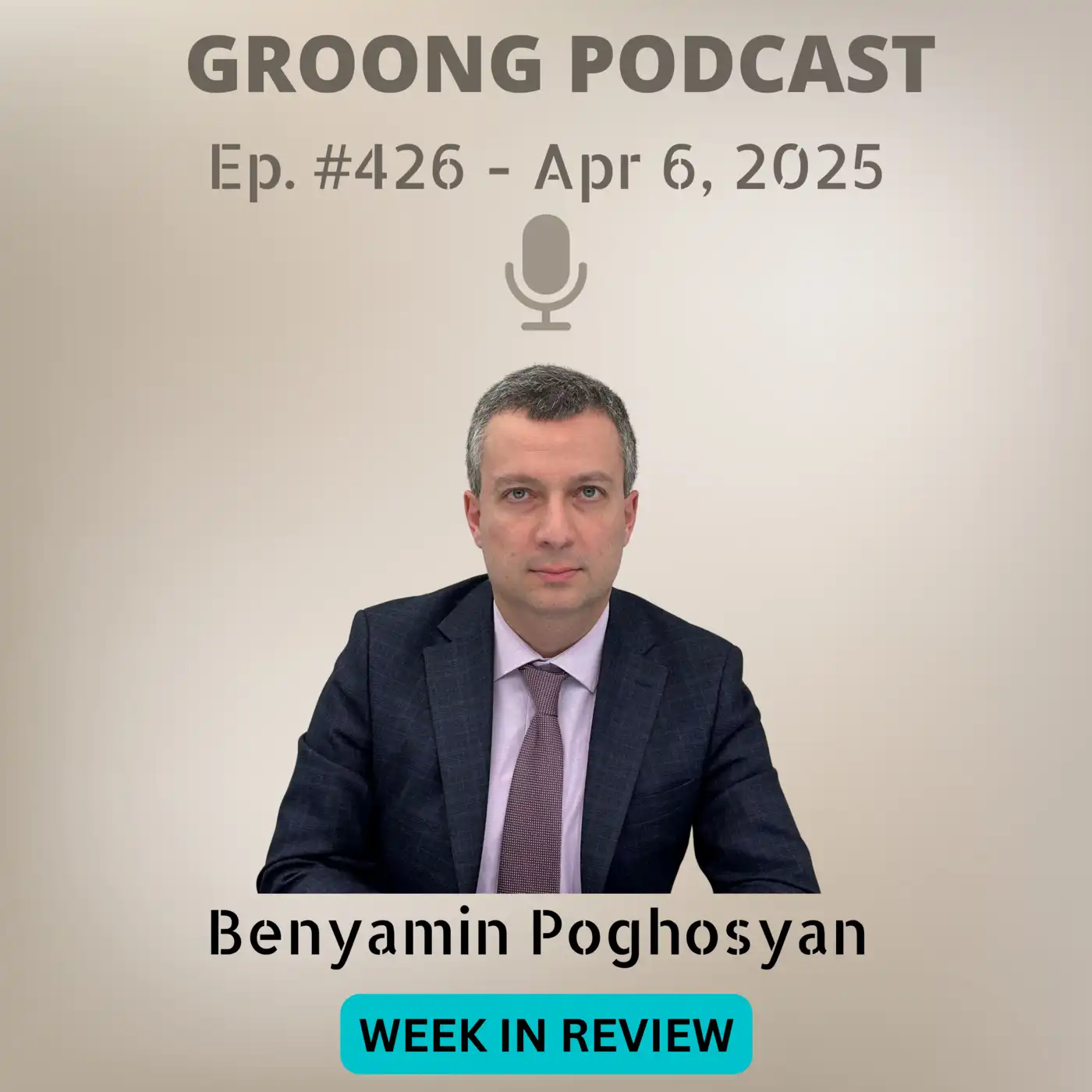
Groong Links:
Guest:
Topics:
- US Iran Escalation
- Aftermath of Gyumri and Parakar
- MFA blames Artsakh for Regional Isolation
- Bullets and Peace
Episode 426 | Recorded: April 8, 2025
Benyamin Poghosyan - US-Iran, Gyumri, Armenia MFA Blames Artsakh, Negotiations with Azerbaijan | Ep 426, Apr 6, 2025 [EP426]
Posted on Wednesday, Apr 9, 2025 | Category: Armenia, Politics, Iran, Geopolitics, Artsakh, Nagorno Karabakh, Azerbaijan, USA, Russia, China, Israel, Middle East, Ukraine, Artsakh Blockade, Armenian Genocide, Genocide, Turkey, NATO, SyriaGroong Links:
Guest:
Topics:
- US Iran Escalation
- Aftermath of Gyumri and Parakar
- MFA blames Artsakh for Regional Isolation
- Bullets and Peace
Episode 426 | Recorded: April 8, 2025
Anna Karapetyan - Pashinyan in DC, Trump Sanctions ICC, Azerbaijani Diplomacy, Workers Strike at ZCMC | Ep 413, Feb 9, 2025 [EP413]
Posted on Thursday, Feb 13, 2025 | Category: Armenia, Azerbaijan, Artsakh, Nagorno Karabakh, Iran, Artsakh Blockade, Armenian Genocide, Russia, Genocide, Turkey, Geopolitics, Human Rights, NATO | Series: wir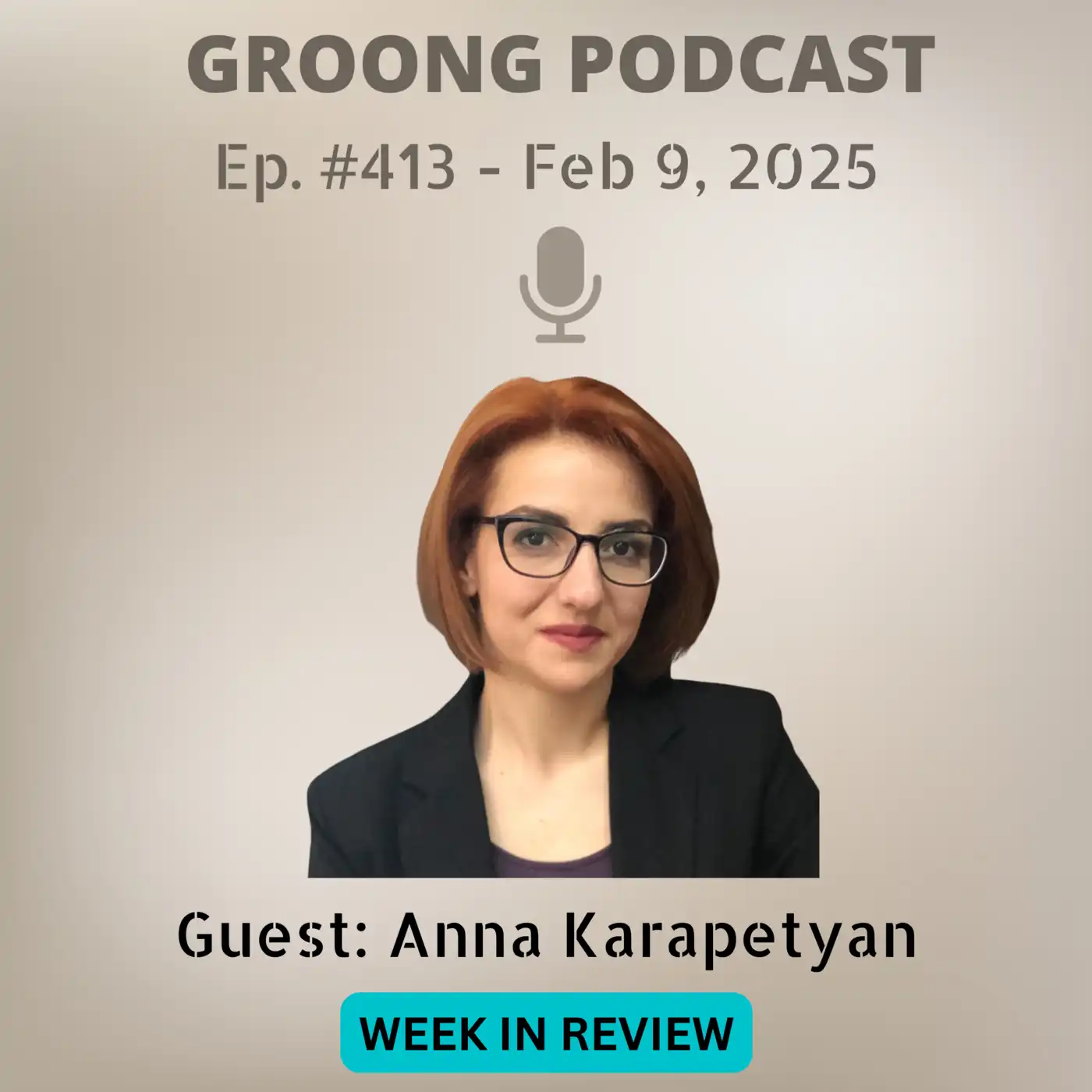
Groong Links:
Guest:
- Anna Karapetyan Director of the Insight Analytical Center for Applied Policy and Research.
Topics:
- Pashinyan in DC
- Trump Sanctions the ICC
- Azerbaijani Diplomacy in Action
- Workers Strike at Zangezur Mining Co.
Episode 413 | Recorded: February 11, 2025
Anna Karapetyan - Pashinyan in DC, Trump Sanctions ICC, Azerbaijani Diplomacy, Workers Strike at ZCMC | Ep 413, Feb 9, 2025 [EP413]
Posted on Thursday, Feb 13, 2025 | Category: Armenia, Azerbaijan, Artsakh, Nagorno Karabakh, Iran, Artsakh Blockade, Armenian Genocide, Russia, Genocide, Turkey, Geopolitics, Human Rights, NATOGroong Links:
Guest:
- Anna Karapetyan Director of the Insight Analytical Center for Applied Policy and Research.
Topics:
- Pashinyan in DC
- Trump Sanctions the ICC
- Azerbaijani Diplomacy in Action
- Workers Strike at Zangezur Mining Co.
Episode 413 | Recorded: February 11, 2025
Ethnic Cleansing of Artsakh: Gev Iskajyan Reflects on Survival and Tragedy | Ep 397 - Dec 18, 2024 [EP397]
Posted on Wednesday, Dec 18, 2024 | Category: Artsakh, Armenia, Artsakh Blockade, Nagorno Karabakh, Azerbaijan, Russia, Ukraine, Iran, Turkey, Genocide, Georgia, Human Rights, Syria | Series: cog, video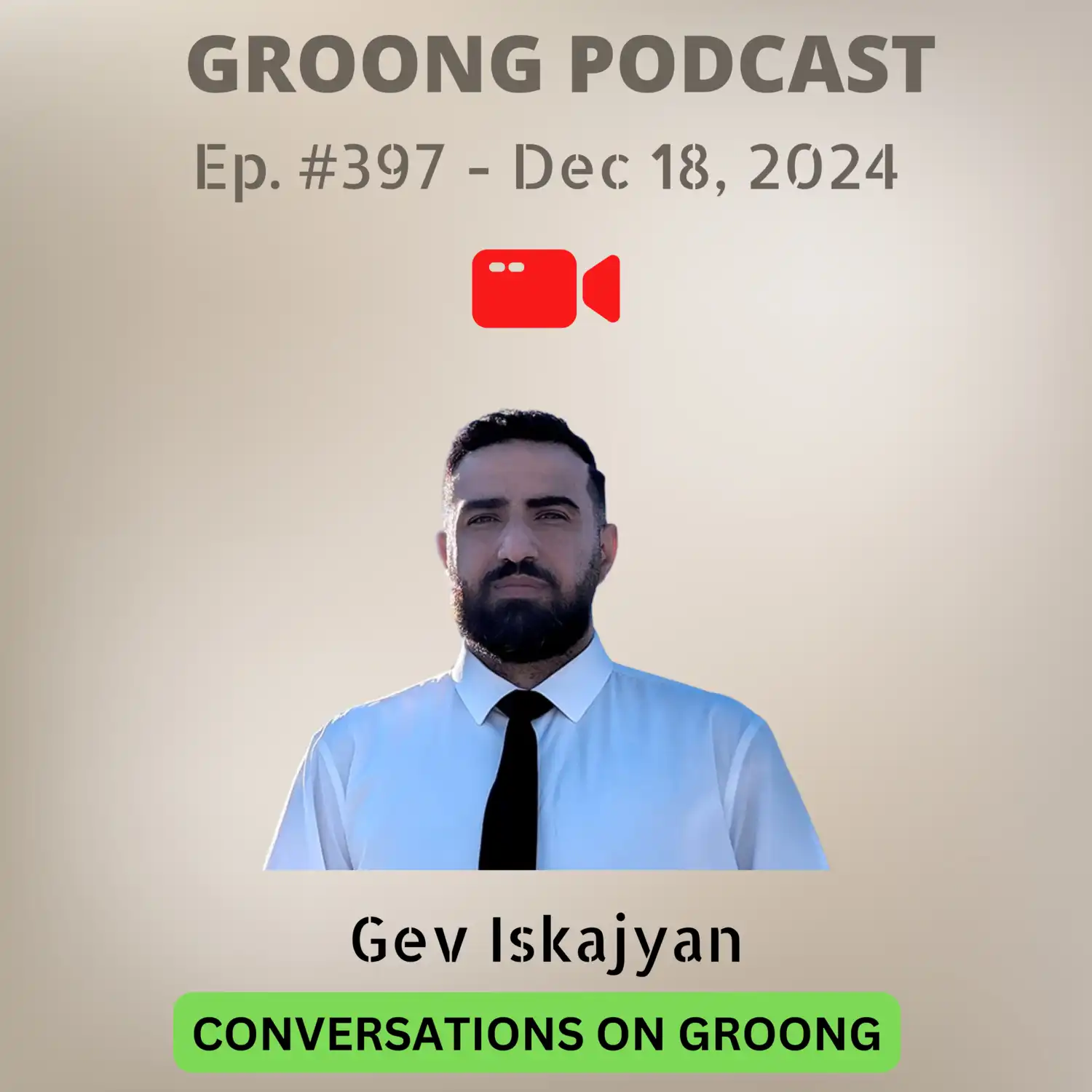
Groong Links:
Guest:
Topics:
- Memories of the Artsakh Blockade
- Ethnic Cleansing
- Trump Returns to the White House
Episode 397 | Recorded: December 18, 2024
Ethnic Cleansing of Artsakh: Gev Iskajyan Reflects on Survival and Tragedy | Ep 397 - Dec 18, 2024 [EP397]
Posted on Wednesday, Dec 18, 2024 | Category: Artsakh, Armenia, Artsakh Blockade, Nagorno Karabakh, Azerbaijan, Russia, Ukraine, Iran, Turkey, Genocide, Georgia, Human Rights, SyriaGroong Links:
Guest:
Topics:
- Memories of the Artsakh Blockade
- Ethnic Cleansing
- Trump Returns to the White House
Episode 397 | Recorded: December 18, 2024
Benyamin Poghosyan - China, BRICS, New World Order, Armenia in Kazan, Georgian Elections in 2024 | Ep 382 - Nov 4, 2024 [EP382]
Posted on Monday, Nov 4, 2024 | Category: China, World Order, Georgia, Armenia, Russia, USA, India, Ukraine, Azerbaijan, Artsakh Blockade, BRICS, NATO, Turkey, Iran, Economy, European Union, Geopolitics, Syria | Series: cog
Groong Links:
Guest:
Topics:
- China, and the New World Order
- BRICS Summit and Multipolarity
- Armenia at BRICS
- Georgian Elections in 2024
Episode 382 | Recorded: October 29, 2024
Benyamin Poghosyan - China, BRICS, New World Order, Armenia in Kazan, Georgian Elections in 2024 | Ep 382 - Nov 4, 2024 [EP382]
Posted on Monday, Nov 4, 2024 | Category: China, World Order, Georgia, Armenia, Russia, USA, India, Ukraine, Azerbaijan, Artsakh Blockade, BRICS, NATO, Turkey, Iran, Economy, European Union, Geopolitics, SyriaGroong Links:
Guest:
Topics:
- China, and the New World Order
- BRICS Summit and Multipolarity
- Armenia at BRICS
- Georgian Elections in 2024
Episode 382 | Recorded: October 29, 2024
Aram Suren Hamparian - Armenian American and the 2024 US Presidential Elections | Ep 378 - Oct 27, 2024 [EP378]
Posted on Sunday, Oct 27, 2024 | Category: Armenia, Artsakh, USA, Elections, Nagorno Karabakh, Genocide, Azerbaijan, Turkey, Israel, Artsakh Blockade, Armenian Genocide, NATO | Series: cog
Groong Links:
Guest:
Topics:
- ANCA Endorsements Methodology
- On the Major Presidential Candidates
- Arab-Americans Still Uncommitted
- Where is the Armenian Vote?
Episode 378 | Recorded: October 25, 2024
Aram Suren Hamparian - Armenian American and the 2024 US Presidential Elections | Ep 378 - Oct 27, 2024 [EP378]
Posted on Sunday, Oct 27, 2024 | Category: Armenia, Artsakh, USA, Elections, Nagorno Karabakh, Genocide, Azerbaijan, Turkey, Israel, Artsakh Blockade, Armenian Genocide, NATOGroong Links:
Guest:
Topics:
- ANCA Endorsements Methodology
- On the Major Presidential Candidates
- Arab-Americans Still Uncommitted
- Where is the Armenian Vote?
Episode 378 | Recorded: October 25, 2024
Dziunik Aghajanian - Azerbaijan Escalates Threats, Russia-Armenia Relations, Eat Rice, not Wheat, Have some Cold Winters, Srbazan Movement Update, Regional Geopolitics, Georgian Elections | Ep 374 - Oct 13, 2024 [EP374]
Posted on Tuesday, Oct 15, 2024 | Category: Armenia, Azerbaijan, Georgia, Middle East, Iran, Artsakh, Nagorno Karabakh, Russia, Israel, Artsakh Blockade, Economy, European Union, NATO, Lebanon, Syria, Turkey, China, Ukraine | Series: wir
Groong Links:
Guest:
Topics:
- Azerbaijan Escalates Threats
- Russia-Armenia Relations
- Eat Rice, not Wheat, Have some Cold Winters!
- Srbazan Movement Update
- Regional Geopolitics
- Iran-Russia
- Israel-Iran
- Georgian Elections
Episode 374 | Recorded: October 14, 2024
Dziunik Aghajanian - Azerbaijan Escalates Threats, Russia-Armenia Relations, Eat Rice, not Wheat, Have some Cold Winters, Srbazan Movement Update, Regional Geopolitics, Georgian Elections | Ep 374 - Oct 13, 2024 [EP374]
Posted on Tuesday, Oct 15, 2024 | Category: Armenia, Azerbaijan, Georgia, Middle East, Iran, Artsakh, Nagorno Karabakh, Russia, Israel, Artsakh Blockade, Economy, European Union, NATO, Lebanon, Syria, Turkey, China, UkraineGroong Links:
Guest:
Topics:
- Azerbaijan Escalates Threats
- Russia-Armenia Relations
- Eat Rice, not Wheat, Have some Cold Winters!
- Srbazan Movement Update
- Regional Geopolitics
- Iran-Russia
- Israel-Iran
- Georgian Elections
Episode 374 | Recorded: October 14, 2024
Sergei Melkonian - September 12-13 Anniv, Armenia Azerbaijan Talks, More USAID, Georgian Parliamentary Elections | Ep 365 - Sep 15, 2024 [EP365]
Posted on Thursday, Sep 19, 2024 | Category: Armenia, Azerbaijan, Russia, Artsakh, Nagorno Karabakh, Artsakh Blockade, Turkey, Georgia, Iran, NATO, Ukraine, China, Genocide, Geopolitics, Israel, Middle East, India | Series: wir
Groong Links:
Guest:
Topics:
- September 12-13 Anniversary
- Between Blinken and a Hard Place
- More USAID for Armenia
- Georgian Parliamentary Elections
Episode 365 | Recorded: Sep. 17, 2024
Sergei Melkonian - September 12-13 Anniv, Armenia Azerbaijan Talks, More USAID, Georgian Parliamentary Elections | Ep 365 - Sep 15, 2024 [EP365]
Posted on Thursday, Sep 19, 2024 | Category: Armenia, Azerbaijan, Russia, Artsakh, Nagorno Karabakh, Artsakh Blockade, Turkey, Georgia, Iran, NATO, Ukraine, China, Genocide, Geopolitics, Israel, Middle East, IndiaGroong Links:
Guest:
Topics:
- September 12-13 Anniversary
- Between Blinken and a Hard Place
- More USAID for Armenia
- Georgian Parliamentary Elections
Episode 365 | Recorded: Sep. 17, 2024
Dziunik Aghajanian - Iran Shuts Down Talk of Zangezur Corridor, Regional Trade Routes, Accountability and the Foreign Intelligence Service, Georgian and Azerbaijani Elections | Ep 361 - Sep 8, 2024 [EP361]
Posted on Thursday, Sep 12, 2024 | Category: Armenia, Azerbaijan, Iran, Artsakh, Nagorno Karabakh, Georgia, Turkey, Russia, Geopolitics, Artsakh Blockade, Armenian Genocide, BRICS, European Union, NATO, Ukraine, Genocide, China, Economy, Israel, Middle East | Series: wir
Groong Links:
Guest:
Topics:
- Iran Shuts Down Talk of âZangezur Corridorâ
- Armenia Azerbaijan Talks
- Iran Armenia Trade / BRICS
- Foreign Intelligence Service
- Georgian and Azerbaijani Elections
Episode 361 | Recorded: September 11, 2024
Dziunik Aghajanian - Iran Shuts Down Talk of Zangezur Corridor, Regional Trade Routes, Accountability and the Foreign Intelligence Service, Georgian and Azerbaijani Elections | Ep 361 - Sep 8, 2024 [EP361]
Posted on Thursday, Sep 12, 2024 | Category: Armenia, Azerbaijan, Iran, Artsakh, Nagorno Karabakh, Georgia, Turkey, Russia, Geopolitics, Artsakh Blockade, Armenian Genocide, BRICS, European Union, NATO, Ukraine, Genocide, China, Economy, Israel, Middle EastGroong Links:
Guest:
Topics:
- Iran Shuts Down Talk of âZangezur Corridorâ
- Armenia Azerbaijan Talks
- Iran Armenia Trade / BRICS
- Foreign Intelligence Service
- Georgian and Azerbaijani Elections
Episode 361 | Recorded: September 11, 2024
Aram Suren Hamparian - Armenian American Priorities in the 2024 US Elections | Ep 360 - Sep 6, 2024 [EP360]
Posted on Friday, Sep 6, 2024 | Category: Armenia, Artsakh, USA, Elections, Nagorno Karabakh, Genocide, Russia, Azerbaijan, Turkey, Israel, Artsakh Blockade, Armenian Genocide, Iran, NATO, Syria, Geopolitics, Georgia, Human Rights, Middle East | Series: cog
Groong Links:
Guest:
Topics:
- Armenia, Artsakh and the 2024 US Elections
- On the Major Presidential Candidates
- On the Vice President Candidates
- On the National Security Apparatus
- Arab-American âUncommittedâ Movement
- And the Armenian Vote goes toâ¦
Episode 360 | Recorded: September 4, 2024
Aram Suren Hamparian - Armenian American Priorities in the 2024 US Elections | Ep 360 - Sep 6, 2024 [EP360]
Posted on Friday, Sep 6, 2024 | Category: Armenia, Artsakh, USA, Elections, Nagorno Karabakh, Genocide, Russia, Azerbaijan, Turkey, Israel, Artsakh Blockade, Armenian Genocide, Iran, NATO, Syria, Geopolitics, Georgia, Human Rights, Middle EastGroong Links:
Guest:
Topics:
- Armenia, Artsakh and the 2024 US Elections
- On the Major Presidential Candidates
- On the Vice President Candidates
- On the National Security Apparatus
- Arab-American âUncommittedâ Movement
- And the Armenian Vote goes toâ¦
Episode 360 | Recorded: September 4, 2024
Anna Karapetyan - Armenia Azerbaijan Talks, Goris Kapan Road Handover Cover Up | Ep 355 - Aug 18, 2024 [EP355]
Posted on Monday, Aug 19, 2024 | Category: Armenia, Azerbaijan, Artsakh, Nagorno Karabakh, Artsakh Blockade, Russia, Iran, NATO, Turkey | Series: wir
Groong Links:
Guest:
Topics:
- Armenia Azerbaijan Talks
- Goris Kapan Road Cover UP
Episode 355 | Recorded: August 19, 2024
Anna Karapetyan - Armenia Azerbaijan Talks, Goris Kapan Road Handover Cover Up | Ep 355 - Aug 18, 2024 [EP355]
Posted on Monday, Aug 19, 2024 | Category: Armenia, Azerbaijan, Artsakh, Nagorno Karabakh, Artsakh Blockade, Russia, Iran, NATO, TurkeyGroong Links:
Guest:
Topics:
- Armenia Azerbaijan Talks
- Goris Kapan Road Cover UP
Episode 355 | Recorded: August 19, 2024
Benyamin Poghosyan - New Leaderships, Armenian Azerbaijani Negotiations, US Defense Attache to Armenia, Midyear Review of 2024 | Ep 347 - July 21, 2024 [EP347]
Posted on Tuesday, Jul 23, 2024 | Category: Armenia, Artsakh, Nagorno Karabakh, Azerbaijan, Artsakh Blockade, Georgia, Russia, Turkey, Iran, Ukraine, China, European Union, Israel, NATO, Genocide, Geopolitics, Lebanon | Series: wir
Groong Links:
Guest:
Topics:
- New Leadership Coming to Many Countries
- Aliyev Continues to Thumb the Nose of The West
- Permanent US Defense Attaché to Armenia
- Mid-year Review of our 2024 Predictions
Episode 347 | Recorded: July 22, 2024
Benyamin Poghosyan - New Leaderships, Armenian Azerbaijani Negotiations, US Defense Attache to Armenia, Midyear Review of 2024 | Ep 347 - July 21, 2024 [EP347]
Posted on Tuesday, Jul 23, 2024 | Category: Armenia, Artsakh, Nagorno Karabakh, Azerbaijan, Artsakh Blockade, Georgia, Russia, Turkey, Iran, Ukraine, China, European Union, Israel, NATO, Genocide, Geopolitics, LebanonGroong Links:
Guest:
Topics:
- New Leadership Coming to Many Countries
- Aliyev Continues to Thumb the Nose of The West
- Permanent US Defense Attaché to Armenia
- Mid-year Review of our 2024 Predictions
Episode 347 | Recorded: July 22, 2024
Hayk Mamijanyan - Prospect of a Trump Presidency on the Caucasus, Update on political prisoners, PACE report, Referendum on joining EU, Bagrat Srbazan Tavush movement | Ep 346, July 19, 2024 [EP346]
Posted on Friday, Jul 19, 2024 | Category: Armenia, Artsakh, Political Prisoners, Artsakh Blockade, European Union, Russia, Georgia, Human Rights, Ukraine, China, NATO, Turkey, India | Series: cog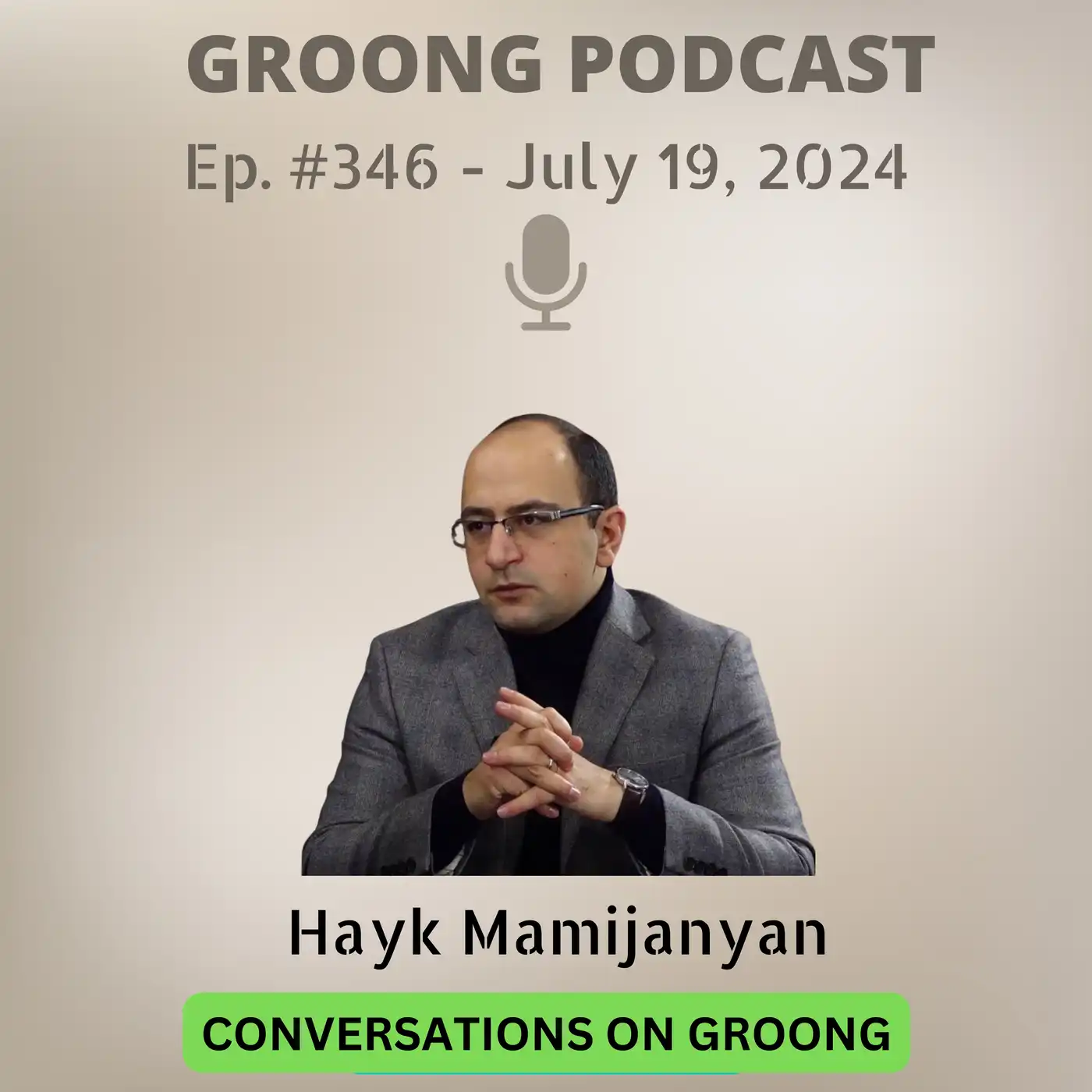
Groong Links:
Guest:
Topics:
- Prospect of a Trump Presidency on the Caucasus
- Update on political prisoners
- PACE report
- Referendum on joining EU
- Bagrat Srbazan Tavush movement
Episode 346 | Recorded: July 18, 2024
Hayk Mamijanyan - Prospect of a Trump Presidency on the Caucasus, Update on political prisoners, PACE report, Referendum on joining EU, Bagrat Srbazan Tavush movement | Ep 346, July 19, 2024 [EP346]
Posted on Friday, Jul 19, 2024 | Category: Armenia, Artsakh, Political Prisoners, Artsakh Blockade, European Union, Russia, Georgia, Human Rights, Ukraine, China, NATO, Turkey, IndiaGroong Links:
Guest:
Topics:
- Prospect of a Trump Presidency on the Caucasus
- Update on political prisoners
- PACE report
- Referendum on joining EU
- Bagrat Srbazan Tavush movement
Episode 346 | Recorded: July 18, 2024
Dziunik Aghajanian - Srbazan Movement Pause, EU Right Shift, Renewed Azerbaijan War Threats, Did Pashinyan get Marching Orders from Erdogan | Ep 339 - June 23, 2024 [EP339]
Posted on Tuesday, Jun 25, 2024 | Category: Armenia, Azerbaijan, Turkey, Russia, Georgia, Armenian Church, Artsakh Blockade, Iran, Israel, Ukraine, European Union, NATO, Economy, Human Rights, China, Geopolitics, Lebanon | Series: wir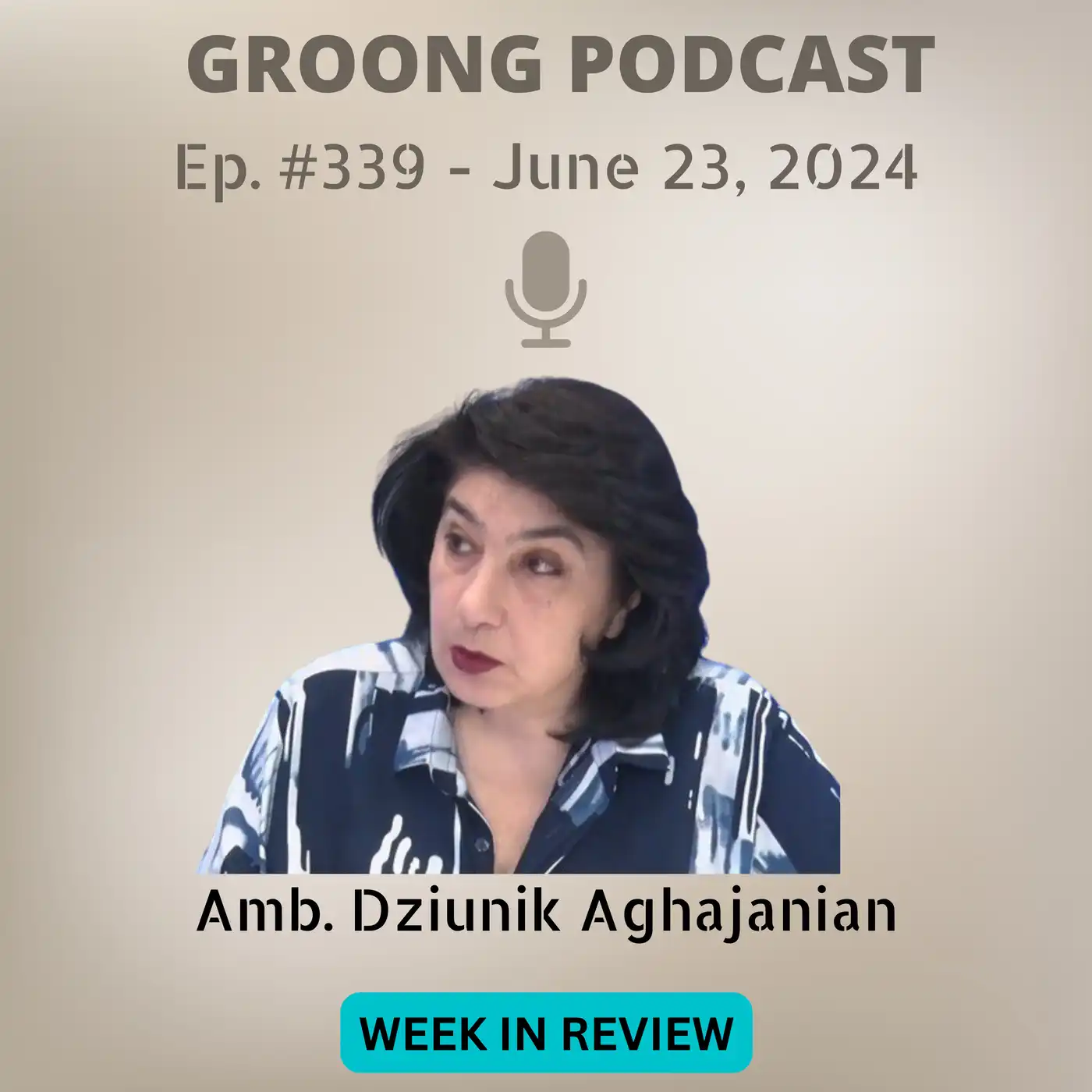
Groong Links:
Guest:
Topics:
- Srbazan Movement: Pause & Regroup?
- EU Parliamentary Shift to the Right
- Armenia and EU Membership
- Renewed Azerbaijani Threats of War
- Armenia Reports CAESAR Artillery Acquisition
- Did Pashinyan Get Marching Orders from Erdogan?
Episode 339 | Recorded: June 23, 2024
Dziunik Aghajanian - Srbazan Movement Pause, EU Right Shift, Renewed Azerbaijan War Threats, Did Pashinyan get Marching Orders from Erdogan | Ep 339 - June 23, 2024 [EP339]
Posted on Tuesday, Jun 25, 2024 | Category: Armenia, Azerbaijan, Turkey, Russia, Georgia, Armenian Church, Artsakh Blockade, Iran, Israel, Ukraine, European Union, NATO, Economy, Human Rights, China, Geopolitics, LebanonGroong Links:
Guest:
Topics:
- Srbazan Movement: Pause & Regroup?
- EU Parliamentary Shift to the Right
- Armenia and EU Membership
- Renewed Azerbaijani Threats of War
- Armenia Reports CAESAR Artillery Acquisition
- Did Pashinyan Get Marching Orders from Erdogan?
Episode 339 | Recorded: June 23, 2024
Rafael Ishkhanyan - Protesters Arrested, MPs Beaten, Artsakh Mayors Jailed | Ep 336 - Jun 16, 2024 [EP336]
Posted on Monday, Jun 17, 2024 | Category: Armenia, Spotlight on Silence, Political Prisoners, Human Rights, Georgia, Iran, Artsakh Blockade, NATO | Series: sos, video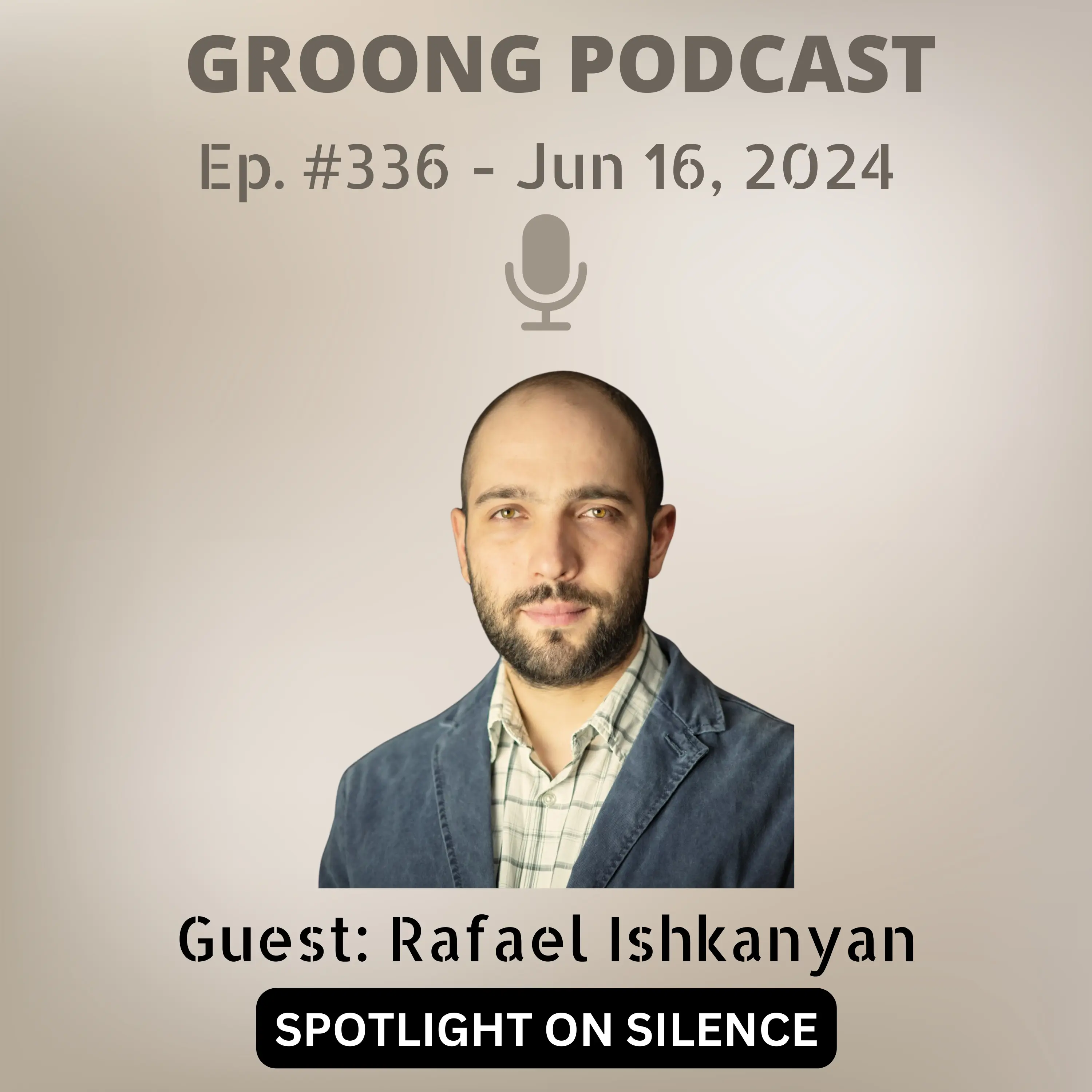
Groong Links:
Topics:
- Detention vs. Arrest
- Hundreds Of Protesters Arrested
- âRed Beretsâ Beat Up MP
- Artsakh Mayors Under Arrest
- Podcasters Released But Banned From Podcasting
- Narek Samsonyan
- Vazgen Saghatelyan
Guest:
Episode 336 | Recorded: June 16, 2024
Rafael Ishkhanyan - Protesters Arrested, MPs Beaten, Artsakh Mayors Jailed | Ep 336 - Jun 16, 2024 [EP336]
Posted on Monday, Jun 17, 2024 | Category: Armenia, Spotlight on Silence, Political Prisoners, Human Rights, Georgia, Iran, Artsakh Blockade, NATOGroong Links:
Topics:
- Detention vs. Arrest
- Hundreds Of Protesters Arrested
- âRed Beretsâ Beat Up MP
- Artsakh Mayors Under Arrest
- Podcasters Released But Banned From Podcasting
- Narek Samsonyan
- Vazgen Saghatelyan
Guest:
Episode 336 | Recorded: June 16, 2024
Edgar Elbakyan - 109th Commemorations of the Armenian Genocide | Pashinyan Concedes Tavush Territories | Russia Withdrawing Peacekeepers from Artsakh | Ep 326 - Apr 21, 2024 [EP326]
Posted on Thursday, Apr 25, 2024 | Category: Armenia, Artsakh, Politics, Nagorno Karabakh, Azerbaijan, Turkey, Russia, Artsakh Blockade, Armenian Genocide, European Union, Genocide, Iran, Georgia, Ukraine, Geopolitics | Series: wir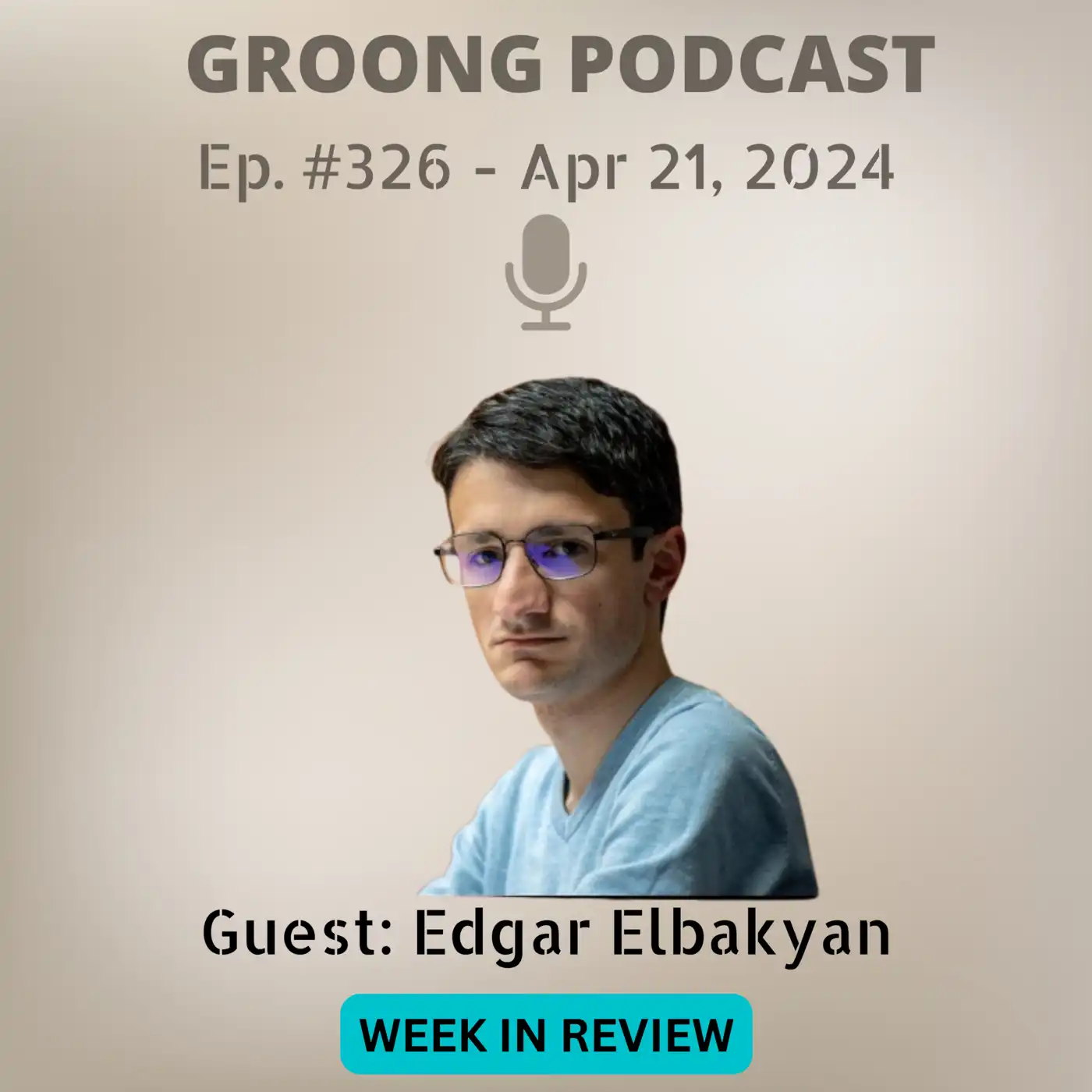
Groong Links:
Guest:
Topics:
- 109th Commemorations of the Armenian Genocide
- Pashinyan Concedes Tavush Territories
- Russia Withdrawing Peacekeepers from Artsakh
Episode 326 | Recorded: April 24, 2024
Edgar Elbakyan - 109th Commemorations of the Armenian Genocide | Pashinyan Concedes Tavush Territories | Russia Withdrawing Peacekeepers from Artsakh | Ep 326 - Apr 21, 2024 [EP326]
Posted on Thursday, Apr 25, 2024 | Category: Armenia, Artsakh, Politics, Nagorno Karabakh, Azerbaijan, Turkey, Russia, Artsakh Blockade, Armenian Genocide, European Union, Genocide, Iran, Georgia, Ukraine, GeopoliticsGroong Links:
Guest:
Topics:
- 109th Commemorations of the Armenian Genocide
- Pashinyan Concedes Tavush Territories
- Russia Withdrawing Peacekeepers from Artsakh
Episode 326 | Recorded: April 24, 2024
Rafael Ishkhanyan - Political Prisoners in Armenia | Armenia’s Hate Speech Laws | Cases: Samuel Vardanyan. Narek Malyan. Armen Grigorian | Ep 325 - Apr 22, 2024 [EP325]
Posted on Monday, Apr 22, 2024 | Category: Armenia, Spotlight on Silence, Political Prisoners, Human Rights, Artsakh Blockade, NATO, Geopolitics, Iran, Turkey | Series: sos, video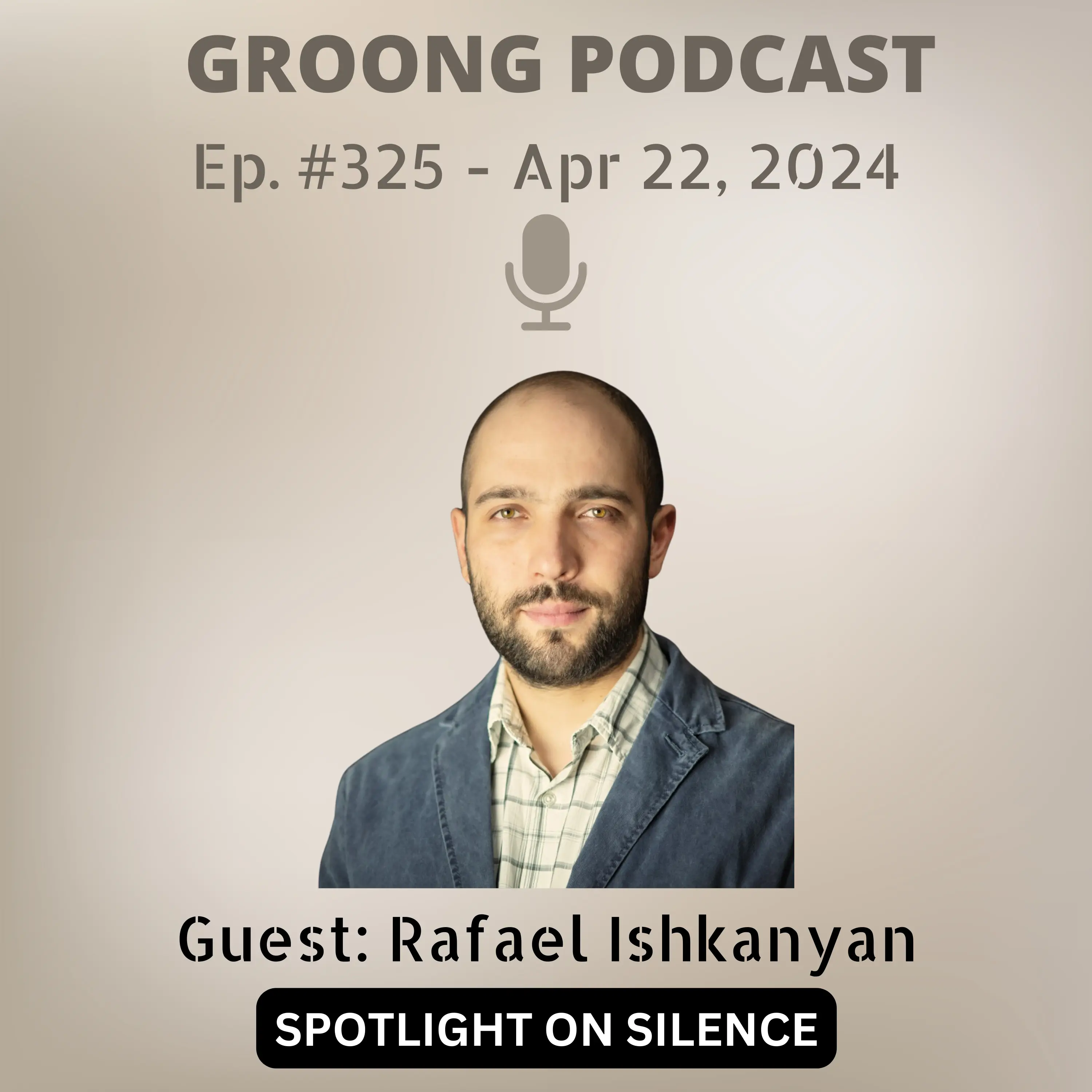
Groong Links:
Topics:
- Political Prisoners in Armenia
- Armenia’s Hate Speech Laws
- Cases
- Samuel Vardanyan
- Narek Malyan
- Armen Grigorian
Guest:
Episode 325 | Recorded: April 20, 2024
Rafael Ishkhanyan - Political Prisoners in Armenia | Armenia’s Hate Speech Laws | Cases: Samuel Vardanyan. Narek Malyan. Armen Grigorian | Ep 325 - Apr 22, 2024 [EP325]
Posted on Monday, Apr 22, 2024 | Category: Armenia, Spotlight on Silence, Political Prisoners, Human Rights, Artsakh Blockade, NATO, Geopolitics, Iran, TurkeyGroong Links:
Topics:
- Political Prisoners in Armenia
- Armenia’s Hate Speech Laws
- Cases
- Samuel Vardanyan
- Narek Malyan
- Armen Grigorian
Guest:
Episode 325 | Recorded: April 20, 2024
Anna Karapetyan - Trilateral US-EU-Armenia Meeting | Talks with Azerbaijan | Relations with Russia in Free fall | Pashinyan Suppressing Artsakh Leadership | Ep 323 - Apr 7, 2024 [EP323]
Posted on Tuesday, Apr 9, 2024 | Category: Armenia, Politics, Artsakh, Nagorno Karabakh, Azerbaijan, Russia, USA, Artsakh Blockade, European Union, NATO, Turkey, Economy, Iran, Georgia, Ukraine, India | Series: wir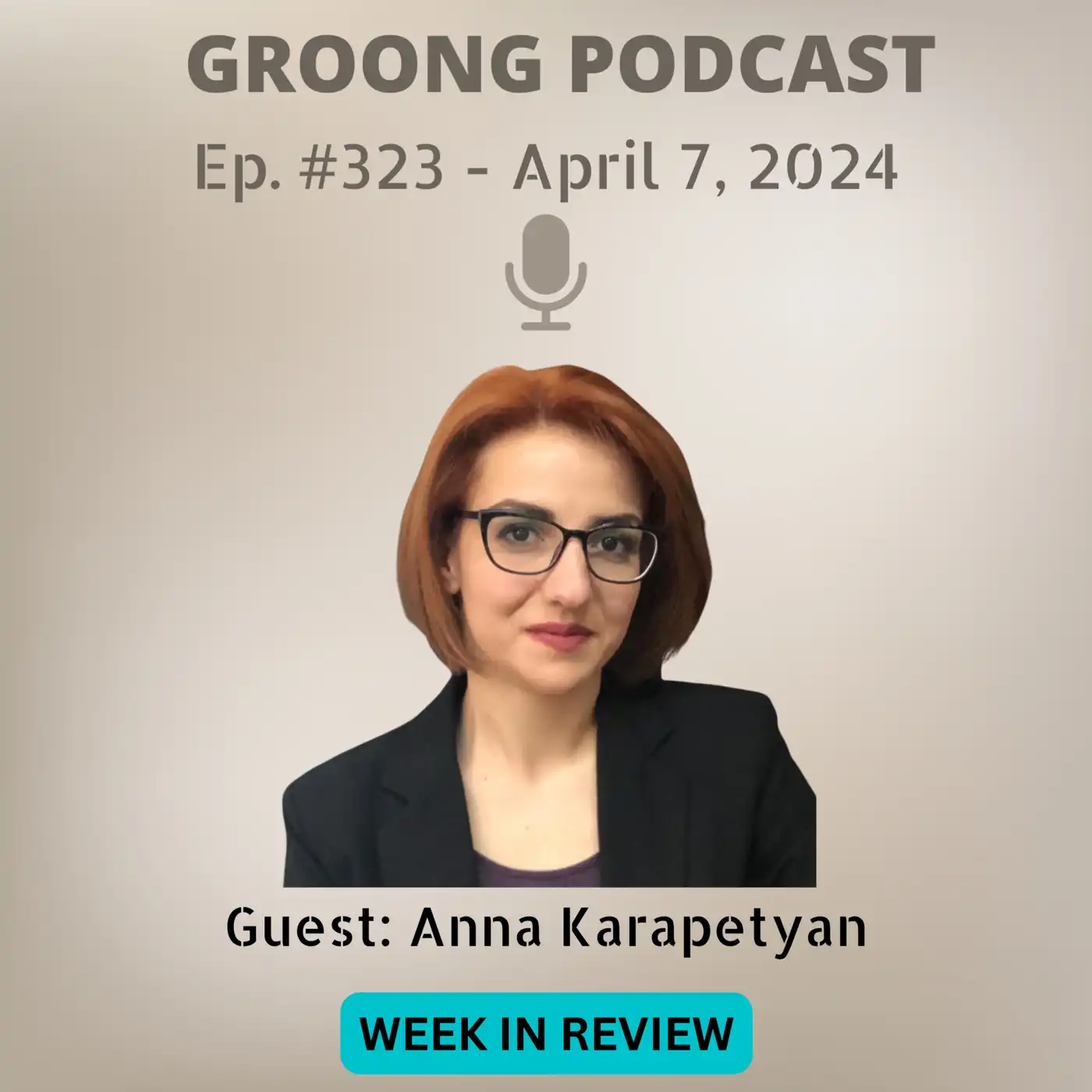
Groong Links:
Guest:
Topics:
- Trilateral US-EU-Armenia Meeting
- Talks with Azerbaijan
- Tavush: What has Pashinyan Promised
- Relations with Russia in Freefall
- Pashinyan Suppressing Artsakh Leadership
Episode 323 | Recorded: April 8, 2024
Anna Karapetyan - Trilateral US-EU-Armenia Meeting | Talks with Azerbaijan | Relations with Russia in Free fall | Pashinyan Suppressing Artsakh Leadership | Ep 323 - Apr 7, 2024 [EP323]
Posted on Tuesday, Apr 9, 2024 | Category: Armenia, Politics, Artsakh, Nagorno Karabakh, Azerbaijan, Russia, USA, Artsakh Blockade, European Union, NATO, Turkey, Economy, Iran, Georgia, Ukraine, IndiaGroong Links:
Guest:
Topics:
- Trilateral US-EU-Armenia Meeting
- Talks with Azerbaijan
- Tavush: What has Pashinyan Promised
- Relations with Russia in Freefall
- Pashinyan Suppressing Artsakh Leadership
Episode 323 | Recorded: April 8, 2024
Arthur G Martirosyan - Impressions of Canadian Amb. Interview | More Concessions by Pashinyan | EU Resolution for Armenia | Systemic Corruption | Ep 318 - Mar 18, 2024 [EP318]
Posted on Tuesday, Mar 19, 2024 | Category: Armenia, Artsakh, Politics, Nagorno Karabakh, Azerbaijan, Turkey, Russia, Iran, Artsakh Blockade, European Union, Ukraine, Georgia, Genocide, Economy, Middle East, Syria, Human Rights | Series: wir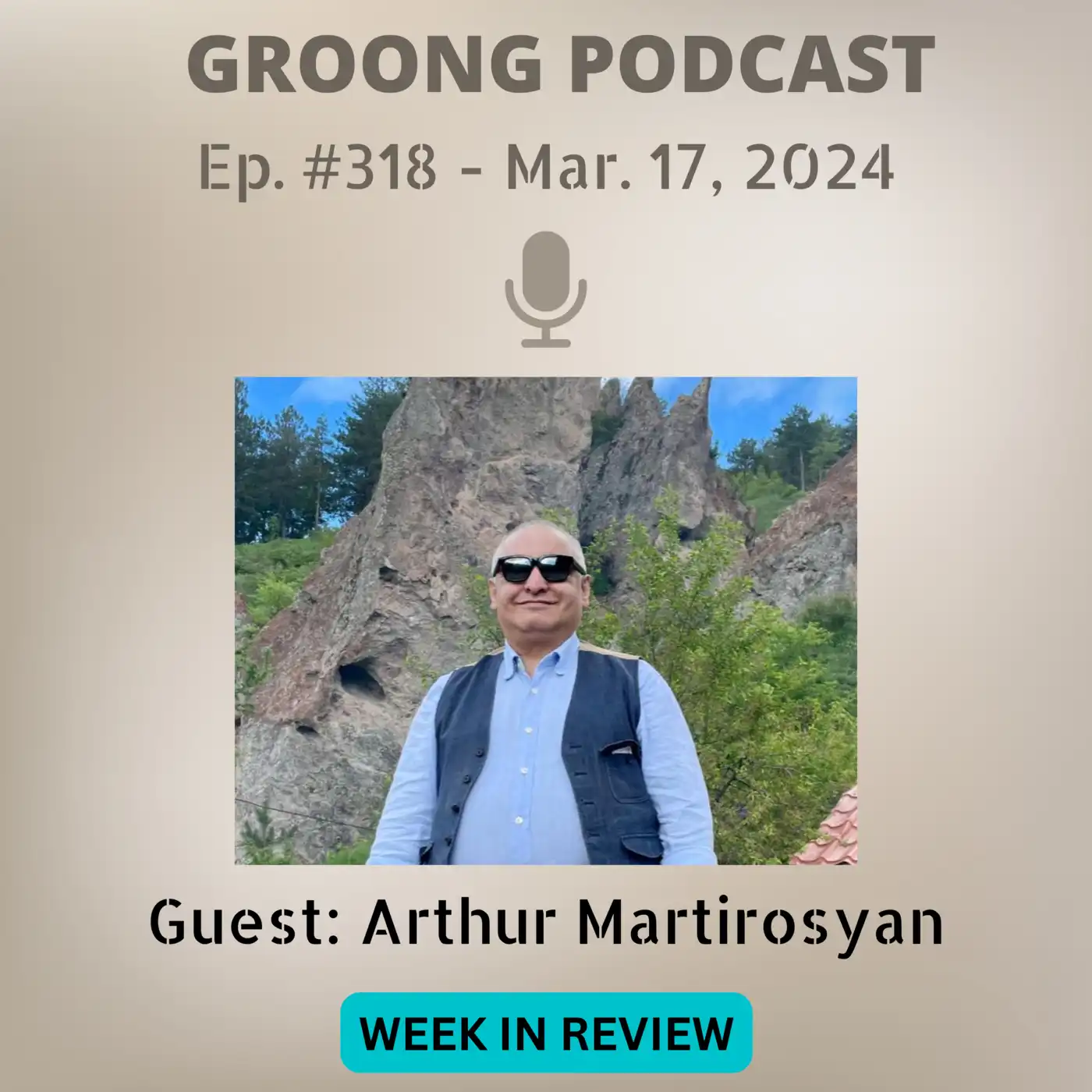
Groong Links:
Guest:
Topics:
- Reactions to Interview with Canadian Ambassador
- More Concessions Signaled by Pashinyan
- EU Parliament Resolution on Armenia
- Fish Rots from the Head
Episode 318 | Recorded: March 18, 2024
Arthur G Martirosyan - Impressions of Canadian Amb. Interview | More Concessions by Pashinyan | EU Resolution for Armenia | Systemic Corruption | Ep 318 - Mar 18, 2024 [EP318]
Posted on Tuesday, Mar 19, 2024 | Category: Armenia, Artsakh, Politics, Nagorno Karabakh, Azerbaijan, Turkey, Russia, Iran, Artsakh Blockade, European Union, Ukraine, Georgia, Genocide, Economy, Middle East, Syria, Human RightsGroong Links:
Guest:
Topics:
- Reactions to Interview with Canadian Ambassador
- More Concessions Signaled by Pashinyan
- EU Parliament Resolution on Armenia
- Fish Rots from the Head
Episode 318 | Recorded: March 18, 2024
Amb. Andrew Turner - Establishment of Canadian Embassy in Armenia | EU Monitoring Mission | Political Prisoners | Canadian Mil. Supplies to Turkey | Ep 316 - Mar 16, 2024 [EP316]
Posted on Saturday, Mar 16, 2024 | Category: Canada, Armenia, Artsakh, Nagorno Karabakh, Azerbaijan, Armenian Genocide, Artsakh Blockade, NATO, Russia, Turkey, Ukraine, Iran, Genocide, Syria, Middle East, Georgia, Human Rights, China, Economy, European Union | Series: cog, video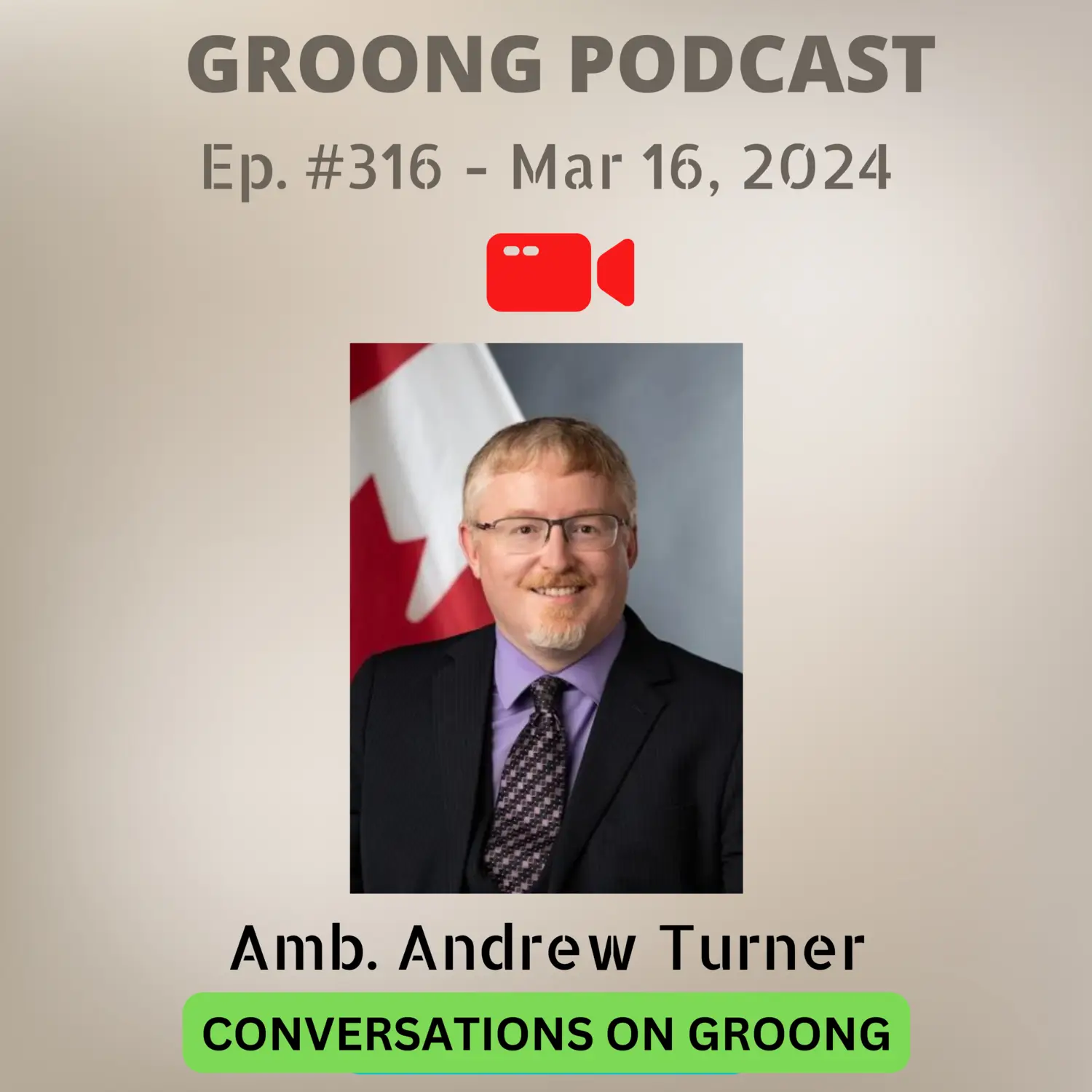
Groong Links:
Guest:
Topics:
- Establishment of Canadian Embassy in Armenia
- EU Monitoring Mission in Armenia (EUMA)
- Political Prisoners
- Canadian Military Supplies to Turkey
Episode 316 | Recorded: March 15, 2024
Amb. Andrew Turner - Establishment of Canadian Embassy in Armenia | EU Monitoring Mission | Political Prisoners | Canadian Mil. Supplies to Turkey | Ep 316 - Mar 16, 2024 [EP316]
Posted on Saturday, Mar 16, 2024 | Category: Canada, Armenia, Artsakh, Nagorno Karabakh, Azerbaijan, Armenian Genocide, Artsakh Blockade, NATO, Russia, Turkey, Ukraine, Iran, Genocide, Syria, Middle East, Georgia, Human Rights, China, Economy, European UnionGroong Links:
Guest:
Topics:
- Establishment of Canadian Embassy in Armenia
- EU Monitoring Mission in Armenia (EUMA)
- Political Prisoners
- Canadian Military Supplies to Turkey
Episode 316 | Recorded: March 15, 2024
Anna Karapetyan - Armenian Azerbaijani Talks | Is Armenia Rearming? | Pashinyan and the Constitution | Ep 305 - Jan 28, 2024 [EP305]
Posted on Monday, Jan 29, 2024 | Category: Armenia, Politics, Artsakh, Nagorno Karabakh, Azerbaijan, Georgia, India, Artsakh Blockade, Armenian Genocide, Russia, Iran, Turkey, Ukraine, NATO, Israel, Genocide | Series: wir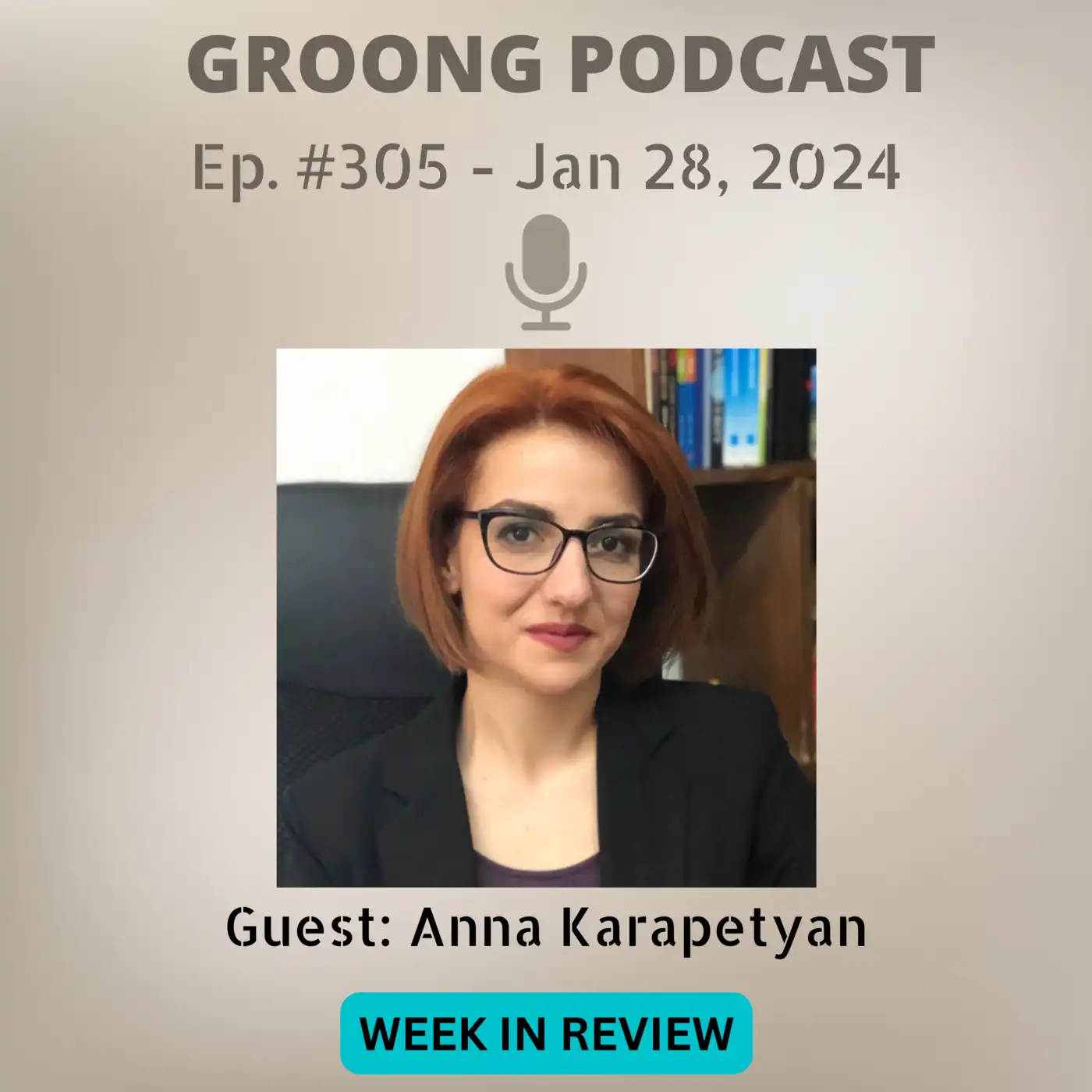
Groong Links:
Guest:
Topics:
- Armenia Azerbaijan Negotiations
- Is Armenia Rearming itself?
- Pashinyan and the Constitution
Episode 305 | Recorded: January 29, 2024
Anna Karapetyan - Armenian Azerbaijani Talks | Is Armenia Rearming? | Pashinyan and the Constitution | Ep 305 - Jan 28, 2024 [EP305]
Posted on Monday, Jan 29, 2024 | Category: Armenia, Politics, Artsakh, Nagorno Karabakh, Azerbaijan, Georgia, India, Artsakh Blockade, Armenian Genocide, Russia, Iran, Turkey, Ukraine, NATO, Israel, GenocideGroong Links:
Guest:
Topics:
- Armenia Azerbaijan Negotiations
- Is Armenia Rearming itself?
- Pashinyan and the Constitution
Episode 305 | Recorded: January 29, 2024
Benyamin Poghosyan - Status of Armenia-Azerbaijan Negotiations | Armenian Diplomacy in the West | Relations with Russia | Ep 296, Dec 3, 2023 [EP296]
Posted on Monday, Dec 4, 2023 | Category: Armenia, Politics, Artsakh, Nagorno Karabakh, Azerbaijan, Turkey, Russia, USA, Iran, Artsakh Blockade, European Union, Georgia, NATO, China, Israel, Ukraine, Geopolitics, Genocide, India, Middle East, Economy | Series: wir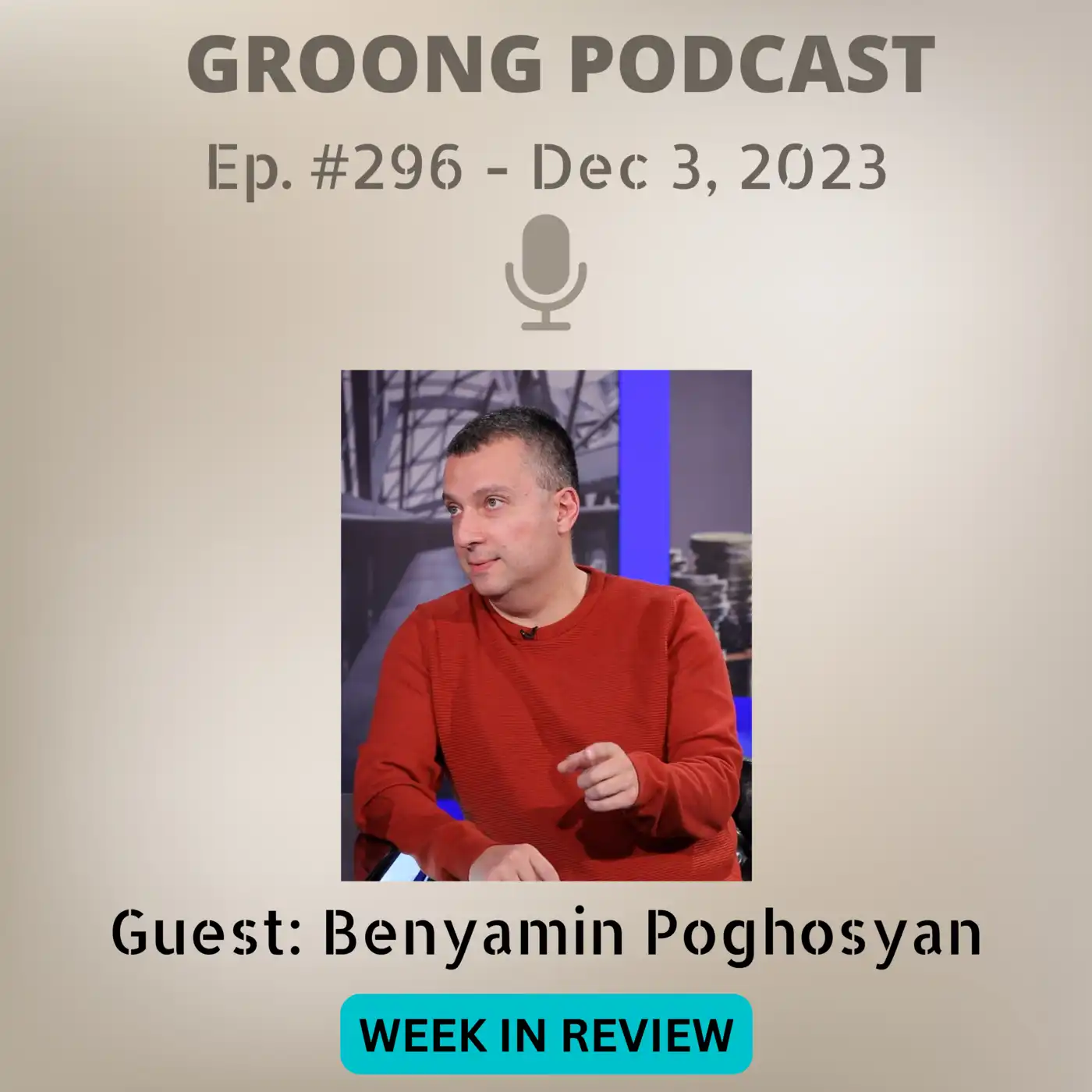
Groong Links:
Guest:
Topics:
- Armenian-Azerbaijani Negotiations
- Armenian Diplomacy in the West
- Relations with Russia
Episode 296 | Recorded: December 3, 2023
Benyamin Poghosyan - Status of Armenia-Azerbaijan Negotiations | Armenian Diplomacy in the West | Relations with Russia | Ep 296, Dec 3, 2023 [EP296]
Posted on Monday, Dec 4, 2023 | Category: Armenia, Politics, Artsakh, Nagorno Karabakh, Azerbaijan, Turkey, Russia, USA, Iran, Artsakh Blockade, European Union, Georgia, NATO, China, Israel, Ukraine, Geopolitics, Genocide, India, Middle East, EconomyGroong Links:
Guest:
Topics:
- Armenian-Azerbaijani Negotiations
- Armenian Diplomacy in the West
- Relations with Russia
Episode 296 | Recorded: December 3, 2023
Hrant Mikaelian - Armenian Foreign Policy Vectors | MPG Poll Results | Economy and 2024 Budget | Ep 295 - Nov 12, 2023 [EP295]
Posted on Wednesday, Nov 15, 2023 | Category: Armenia, Politics, Poll, Artsakh, Nagorno Karabakh, Genocide, Azerbaijan, Russia, Turkey, Iran, Artsakh Blockade, European Union, Economy, Israel, Ukraine, Georgia, China, India, NATO | Series: wir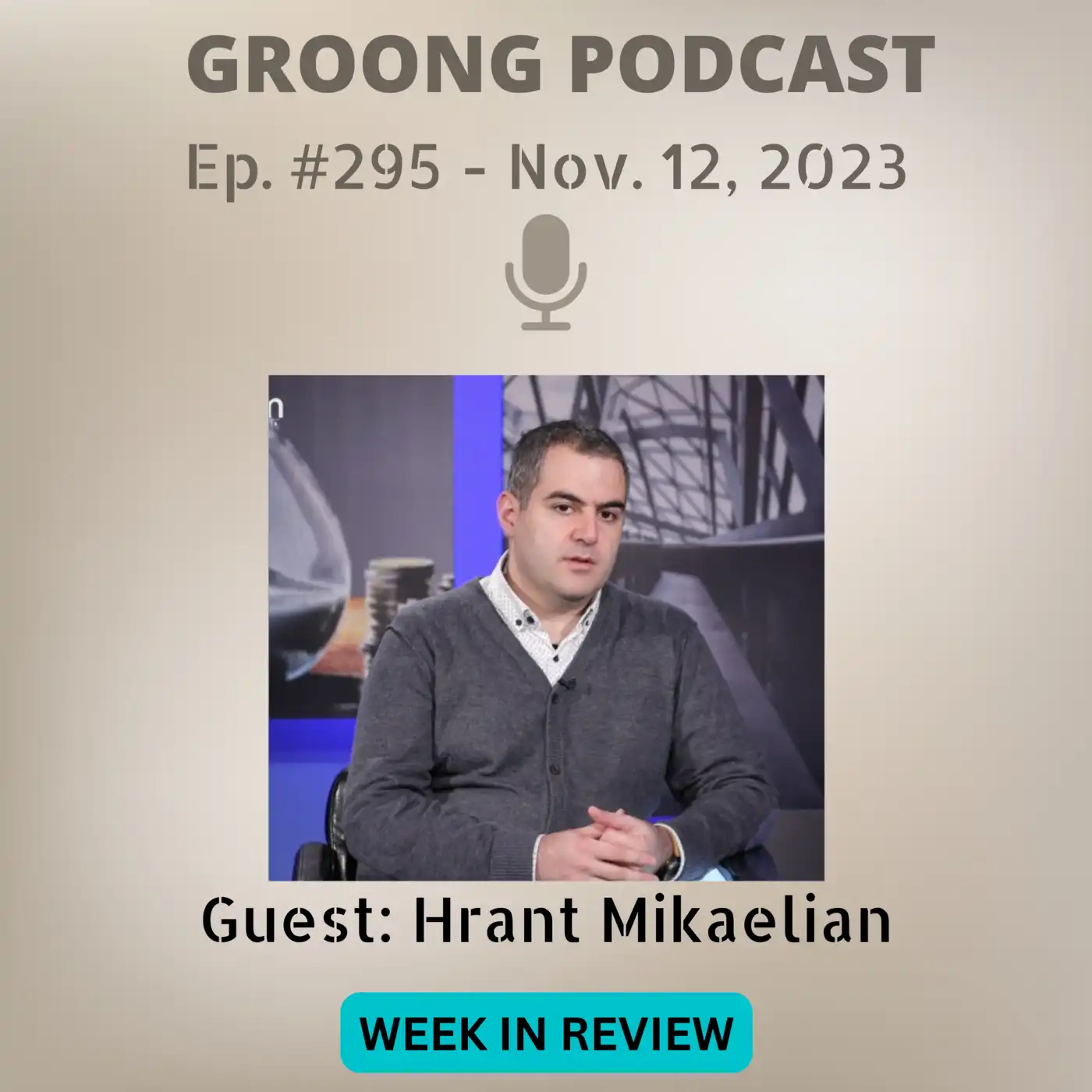
Groong Links:
Guest:
Topics:
- Armenian Foreign Policy Vectors
- Latest MPG Poll Result Analysis
- Armenian Economy and 2024 Budget
Episode 295 | Recorded: Nov 15, 2023
Hrant Mikaelian - Armenian Foreign Policy Vectors | MPG Poll Results | Economy and 2024 Budget | Ep 295 - Nov 12, 2023 [EP295]
Posted on Wednesday, Nov 15, 2023 | Category: Armenia, Politics, Poll, Artsakh, Nagorno Karabakh, Genocide, Azerbaijan, Russia, Turkey, Iran, Artsakh Blockade, European Union, Economy, Israel, Ukraine, Georgia, China, India, NATOGroong Links:
Guest:
Topics:
- Armenian Foreign Policy Vectors
- Latest MPG Poll Result Analysis
- Armenian Economy and 2024 Budget
Episode 295 | Recorded: Nov 15, 2023
Yeghia Tashjian - Aftermath of the Ethnic Cleansing of Artsakh | Israeli-Palestinian Crisis & Ripples | Ep. 288 - Oct 22, 2023 [EP288]
Posted on Sunday, Oct 22, 2023 | Category: Armenia, Politics, Israel, Middle East, Artsakh, Nagorno Karabakh, Russia, Turkey, Iran, Azerbaijan, China, India, Artsakh Blockade, Armenian Genocide, Lebanon, Georgia, Syria, Ukraine, Genocide, European Union | Series: wir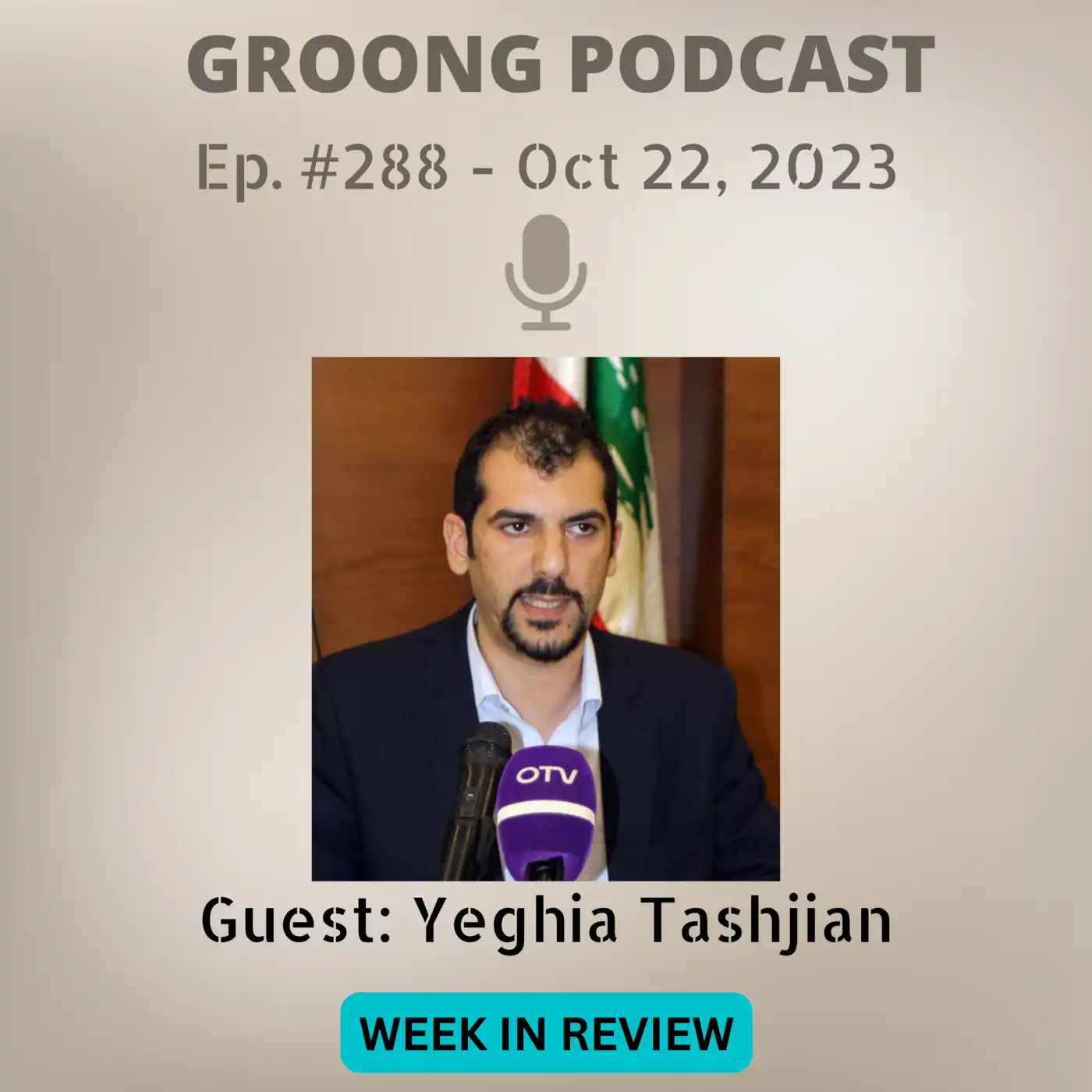
Guest:
Topics:
- Aftermath of the Ethnic Cleansing of Artsakh
- Shahramanyan meets Protesters
- âRights & Securityâ
- Government-in-Exile
- Israeli-Palestinian Conflict
- Ripple Effects to the South Caucasus
- Effects in the Middle East
- Lebanon & the Armenian Community
Episode 288 | Recorded: October 22, 2023
Yeghia Tashjian - Aftermath of the Ethnic Cleansing of Artsakh | Israeli-Palestinian Crisis & Ripples | Ep. 288 - Oct 22, 2023 [EP288]
Posted on Sunday, Oct 22, 2023 | Category: Armenia, Politics, Israel, Middle East, Artsakh, Nagorno Karabakh, Russia, Turkey, Iran, Azerbaijan, China, India, Artsakh Blockade, Armenian Genocide, Lebanon, Georgia, Syria, Ukraine, Genocide, European UnionGuest:
Topics:
- Aftermath of the Ethnic Cleansing of Artsakh
- Shahramanyan meets Protesters
- âRights & Securityâ
- Government-in-Exile
- Israeli-Palestinian Conflict
- Ripple Effects to the South Caucasus
- Effects in the Middle East
- Lebanon & the Armenian Community
Episode 288 | Recorded: October 22, 2023
Benyamin Poghosyan - At the Brink of a New War? | Armenia Russia Relations | Platform Shuffle: Brussels vs Moscow | Yerevan Mayor | Ep 286, Oct 15, 2023 [EP286]
Posted on Tuesday, Oct 17, 2023 | Category: Armenia, Politics, Artsakh, Nagorno Karabakh, Azerbaijan, Genocide, Russia, Iran, Artsakh Blockade, European Union, Turkey, Georgia, Israel, NATO, Ukraine | Series: wir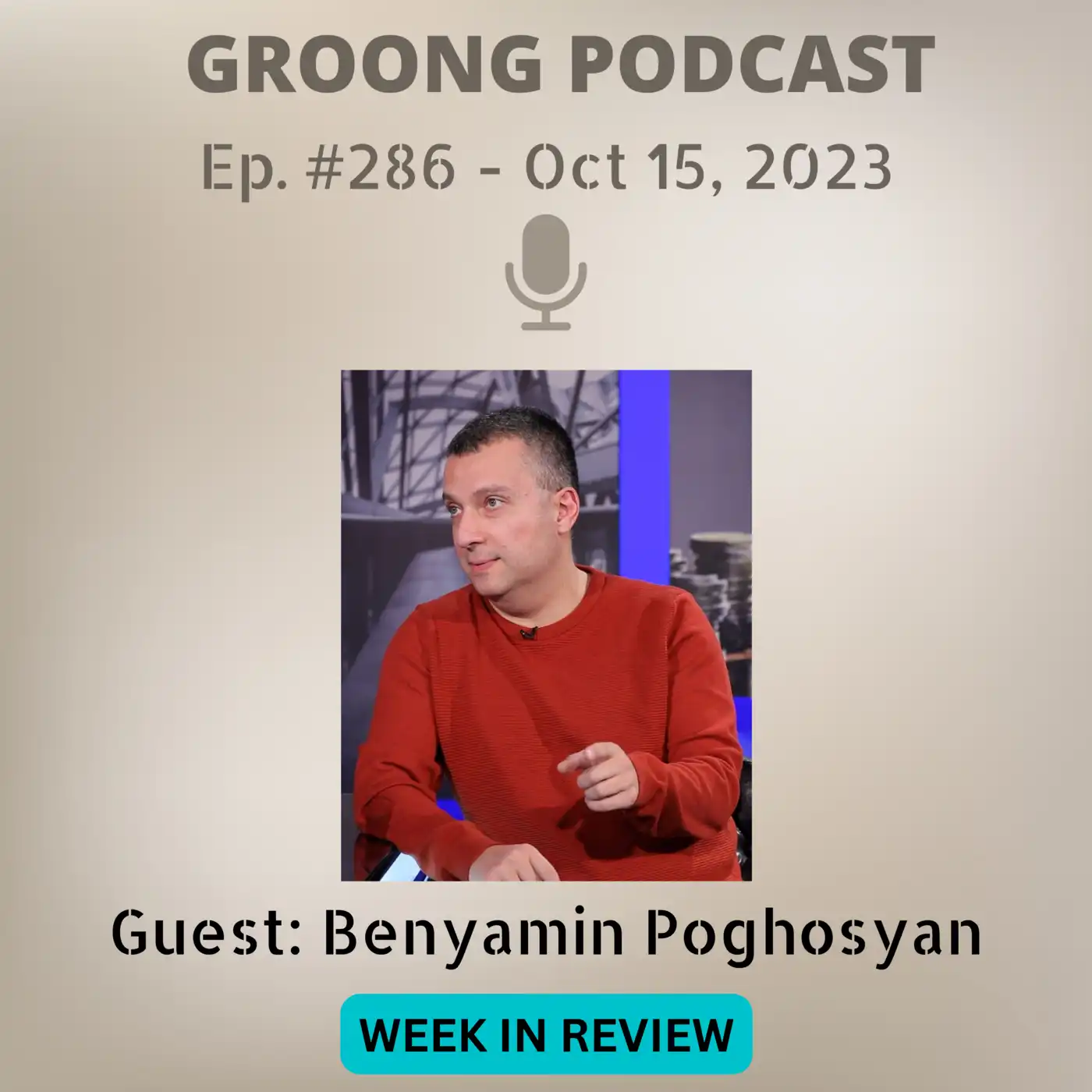
Guest:
Topics:
- At the Brink of a New War?
- Relations with Russia
- Platform Shuffle: Brussels vs. Moscow
- Update on Yerevan Mayor
Episode 286 | Recorded: October 17, 2023
Benyamin Poghosyan - At the Brink of a New War? | Armenia Russia Relations | Platform Shuffle: Brussels vs Moscow | Yerevan Mayor | Ep 286, Oct 15, 2023 [EP286]
Posted on Tuesday, Oct 17, 2023 | Category: Armenia, Politics, Artsakh, Nagorno Karabakh, Azerbaijan, Genocide, Russia, Iran, Artsakh Blockade, European Union, Turkey, Georgia, Israel, NATO, UkraineGuest:
Topics:
- At the Brink of a New War?
- Relations with Russia
- Platform Shuffle: Brussels vs. Moscow
- Update on Yerevan Mayor
Episode 286 | Recorded: October 17, 2023
Aram Orbelyan - Genocide & Consequences | Refugees | Legal Status | Artsakh Government in Exile | Ep 285 - Oct 13, 2023 [EP285]
Posted on Friday, Oct 13, 2023 | Category: Armenia, Artsakh, Genocide, Nagorno Karabakh, Azerbaijan, Armenian Church, Artsakh Blockade, Turkey, Israel, Human Rights, European Union, Russia, Iran | Series: cog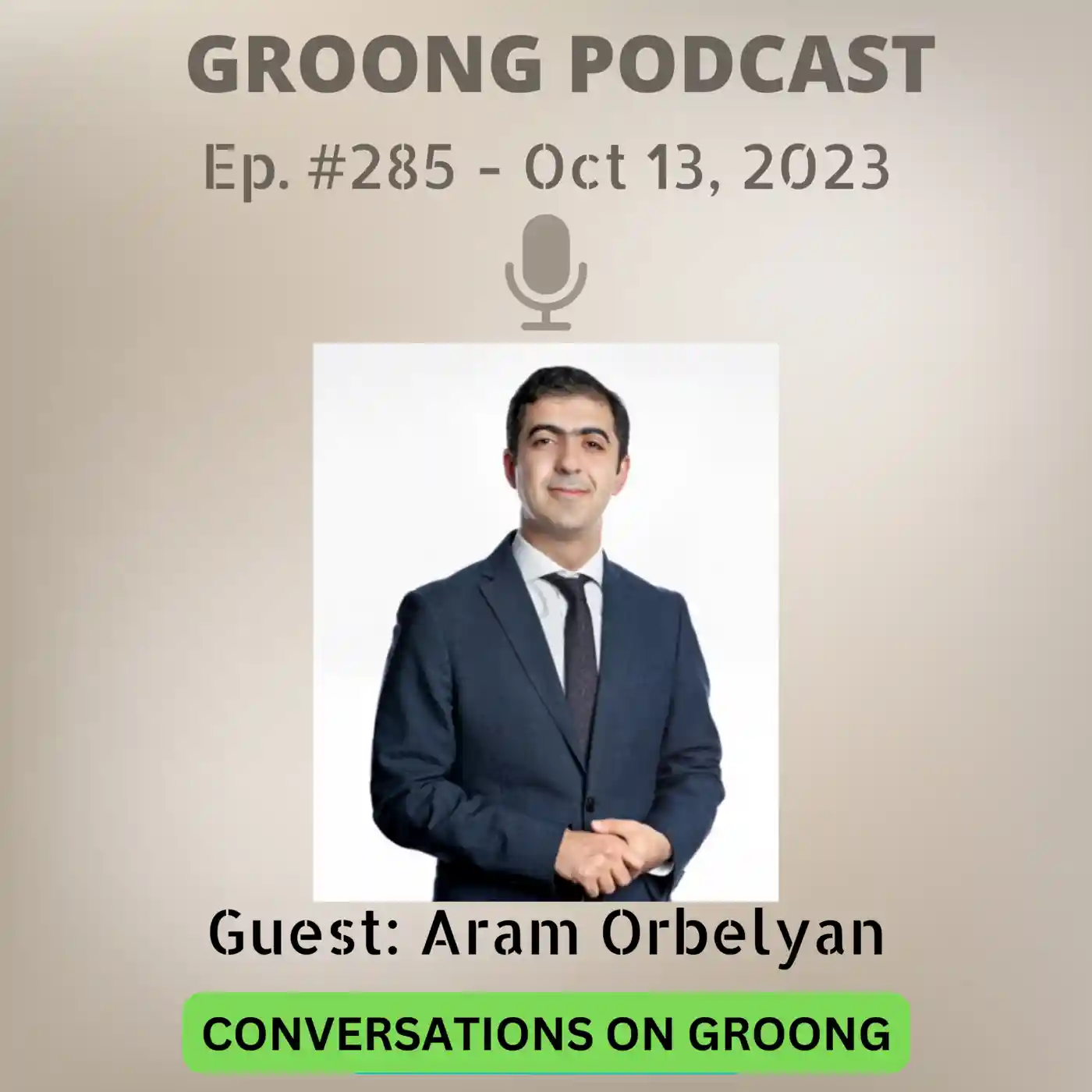
Guest:
Topics:
- Genocide & Consequences
- Legal Status of Former Artsakh Leadership
- Artsakh Government in Exile
Episode 285 | Recorded: October 11, 2023
Aram Orbelyan - Genocide & Consequences | Refugees | Legal Status | Artsakh Government in Exile | Ep 285 - Oct 13, 2023 [EP285]
Posted on Friday, Oct 13, 2023 | Category: Armenia, Artsakh, Genocide, Nagorno Karabakh, Azerbaijan, Armenian Church, Artsakh Blockade, Turkey, Israel, Human Rights, European Union, Russia, IranGuest:
Topics:
- Genocide & Consequences
- Legal Status of Former Artsakh Leadership
- Artsakh Government in Exile
Episode 285 | Recorded: October 11, 2023