Armenian Parliamentary Elections
Last updated: May 30, 2026
Parliamentary elections in Armenia determine the composition of the National Assembly under a proportional representation system with party and alliance thresholds. Groong covers these elections as events of strategic importance to Armenia’s direction, given the country’s precarious geopolitical position, its fractured opposition landscape, and the concentration of state resources and media access in the hands of the incumbent government. The 2026 Armenian Parliamentary Election on June 7 represents the most consequential vote since the 2018 Velvet Revolution, a color revolution that brought Nikol Pashinyan and Civil Contract to power. The Pashinyan regime’s rule took place amid Armenia’s loss in the 44-Day War , territorial concessions, the Artsakh Blockade followed by complete ethnic cleansing of Artsakh, and an Armenia-Azerbaijan Peace Process that is still unresolved.
Election coverage on Groong examines the competing parties and alliances, polling trends from organizations like MPG and IRI, the structural disadvantages facing opposition forces, and the broader geopolitical context that shapes electoral outcomes. Recent episodes have analyzed the phenomenon of “hidden votes,” where public polls fail to capture the true voting intentions of citizens, the campaign rhetoric of Civil Contract and opposition figures including those aligned with the Strong Armenia [/tags/strong-armenia/], Armenia Alliance , Prosperous Armenia , and others, and the use of arrests, administrative pressure, and surveillance against opposition politicians and civil society activists. Groong has also examined how external actors, including Emmanuel Macron and France’s Armenia policy, the European Union’s political messaging around elections, and the CSTO and Russia’s role in Armenia’s security framework, intersect with domestic political competition.
A central question running through Groong’s election coverage is whether fragmented opposition forces can collectively clear enough thresholds to deny Civil Contract parliamentary supermajorities, and whether voters will treat the election as a choice about Armenia’s strategic direction, particularly regarding the Zangezur Corridor also known as the Trump Route for International Peace and Prosperity (TRIPP), Armenia’s relationship with the Armenian Church , and ties to the Armenian Diaspora . Episodes have also explored the constitutional changes Pashinyan’s government has implemented, allegations of unfair electoral conditions, and the constraints on free speech and press freedom in the pre-election environment. These discussions place parliamentary elections in the context of Armenia’s ongoing confrontation with Azerbaijan, its deepening engagement with Western institutions, and the limits of what domestic political change can achieve in a country subject to intense external pressures.
Groong episodes that include this tag
Below are all Groong episodes tagged with Armenian Parliamentary Elections.
Benyamin Poghosyan - US-Iran, Gyumri, Armenia MFA Blames Artsakh, Negotiations with Azerbaijan | Ep 426, Apr 6, 2025 [EP426]
Posted on Wednesday, Apr 9, 2025 | Category: Armenia, Politics, Iran, Geopolitics, Artsakh, Nagorno Karabakh, Azerbaijan, USA, Russia, China, Israel, Middle East, Ukraine, Artsakh Blockade, Armenian Genocide, Genocide, Turkey, NATO, Syria | Series: wir
Groong Links:
Guest:
Topics:
- US Iran Escalation
- Aftermath of Gyumri and Parakar
- MFA blames Artsakh for Regional Isolation
- Bullets and Peace
Episode 426 | Recorded: April 8, 2025
Benyamin Poghosyan - US-Iran, Gyumri, Armenia MFA Blames Artsakh, Negotiations with Azerbaijan | Ep 426, Apr 6, 2025 [EP426]
Posted on Wednesday, Apr 9, 2025 | Category: Armenia, Politics, Iran, Geopolitics, Artsakh, Nagorno Karabakh, Azerbaijan, USA, Russia, China, Israel, Middle East, Ukraine, Artsakh Blockade, Armenian Genocide, Genocide, Turkey, NATO, SyriaGroong Links:
Guest:
Topics:
- US Iran Escalation
- Aftermath of Gyumri and Parakar
- MFA blames Artsakh for Regional Isolation
- Bullets and Peace
Episode 426 | Recorded: April 8, 2025
Hrant Mikaelian - Review of the Armenian Economy in 2024 | Ep 417, Feb 22, 2025 [EP417]
Posted on Saturday, Feb 22, 2025 | Category: Armenia, Turkey, Artsakh, Economy, Poll, Nagorno Karabakh, Russia, Georgia, European Union, Azerbaijan, Ukraine, Iran, NATO, India | Series: cog
Groong Links:
Guest:
Topics:
- TBD
Episode 417 | Recorded: February 12, 2025
Hrant Mikaelian - Review of the Armenian Economy in 2024 | Ep 417, Feb 22, 2025 [EP417]
Posted on Saturday, Feb 22, 2025 | Category: Armenia, Turkey, Artsakh, Economy, Poll, Nagorno Karabakh, Russia, Georgia, European Union, Azerbaijan, Ukraine, Iran, NATO, IndiaGroong Links:
Guest:
Topics:
- TBD
Episode 417 | Recorded: February 12, 2025
Benyamin Poghosyan - MPG Poll, Russia-Azerbaijan Relations Deteriorate, Armenian Strategic Geopolitical Balancing, Azerbaijan and the ‘Zangezur Corridor’ | Ep 410, Feb 2, 2025 [EP410]
Posted on Tuesday, Feb 4, 2025 | Category: Armenia, Azerbaijan, Poll, Artsakh, Nagorno Karabakh, Turkey, Russia, Iran, Ukraine, Geopolitics, Georgia, China, Economy, European Union, Israel | Series: wir
Groong Links:
Guest:
Topics:
- MPG Poll: Pashinyanâs Rating Tanks
- Russia Azerbaijan Relations Deteriorating
- Armeniaâs Strategic Geopolitical Balancing
- Azerbaijan and the âZangezur Corridorâ
Episode 410 | Recorded: February 3, 2025
Benyamin Poghosyan - MPG Poll, Russia-Azerbaijan Relations Deteriorate, Armenian Strategic Geopolitical Balancing, Azerbaijan and the ‘Zangezur Corridor’ | Ep 410, Feb 2, 2025 [EP410]
Posted on Tuesday, Feb 4, 2025 | Category: Armenia, Azerbaijan, Poll, Artsakh, Nagorno Karabakh, Turkey, Russia, Iran, Ukraine, Geopolitics, Georgia, China, Economy, European Union, IsraelGroong Links:
Guest:
Topics:
- MPG Poll: Pashinyanâs Rating Tanks
- Russia Azerbaijan Relations Deteriorating
- Armeniaâs Strategic Geopolitical Balancing
- Azerbaijan and the âZangezur Corridorâ
Episode 410 | Recorded: February 3, 2025
Yeghia Tashjian - New Leadership in Lebanon - New President, New Prime Minister | Ep 405, Jan 21, 2025 [EP405]
Posted on Monday, Jan 20, 2025 | Category: Lebanon, Middle East, Israel, Iran, Turkey, USA, Syria, Armenia, Russia, China, Geopolitics, NATO | Series: cog
Groong Links:
Guest:
Topics:
- President Joseph Aoun
- Prime Minister-designate Nawaf Salam
- The Changing Face of the Middle East
- Armenian Communityâs and Joseph Aoun
Episode 405 | Recorded: Januaqry 19, 2025
Yeghia Tashjian - New Leadership in Lebanon - New President, New Prime Minister | Ep 405, Jan 21, 2025 [EP405]
Posted on Monday, Jan 20, 2025 | Category: Lebanon, Middle East, Israel, Iran, Turkey, USA, Syria, Armenia, Russia, China, Geopolitics, NATOGroong Links:
Guest:
Topics:
- President Joseph Aoun
- Prime Minister-designate Nawaf Salam
- The Changing Face of the Middle East
- Armenian Communityâs and Joseph Aoun
Episode 405 | Recorded: Januaqry 19, 2025
Benyamin Poghosyan - Pashinyan Lies on Decades of Negotiations, 17 Points to an Agreement, 2024 Review and 2025 Outlook | Ep 403 - Dec 29, 2024 [EP403]
Posted on Wednesday, Jan 1, 2025 | Category: Armenia, Azerbaijan, Artsakh, Nagorno Karabakh, Middle East, Israel, Lebanon, Syria, Iran, Turkey, Russia, Armenian Church, Ukraine, Genocide, Geopolitics, China, Georgia, European Union | Series: wir
Groong Links:
Guest:
Topics:
- Pashinyanâs Lies on Decades of Negotiations
- 17 Points to an Agreement
- 2024 Review and 2025 Outlook
Episode 403 | Recorded: December 31, 2024
Benyamin Poghosyan - Pashinyan Lies on Decades of Negotiations, 17 Points to an Agreement, 2024 Review and 2025 Outlook | Ep 403 - Dec 29, 2024 [EP403]
Posted on Wednesday, Jan 1, 2025 | Category: Armenia, Azerbaijan, Artsakh, Nagorno Karabakh, Middle East, Israel, Lebanon, Syria, Iran, Turkey, Russia, Armenian Church, Ukraine, Genocide, Geopolitics, China, Georgia, European UnionGroong Links:
Guest:
Topics:
- Pashinyanâs Lies on Decades of Negotiations
- 17 Points to an Agreement
- 2024 Review and 2025 Outlook
Episode 403 | Recorded: December 31, 2024
Dziunik Aghajanian - Armenia Azerbaijan Talks, Syria, Defense Politics, Civil Contract Strife | Ep 401 - Dec 22, 2024 [EP401]
Posted on Wednesday, Dec 25, 2024 | Category: Armenia, Azerbaijan, Middle East, Artsakh, Nagorno Karabakh, Russia, Iran, Israel, BRICS, Syria, Turkey, Georgia, Ukraine, Human Rights, Lebanon, NATO, China, Economy | Series: wir, video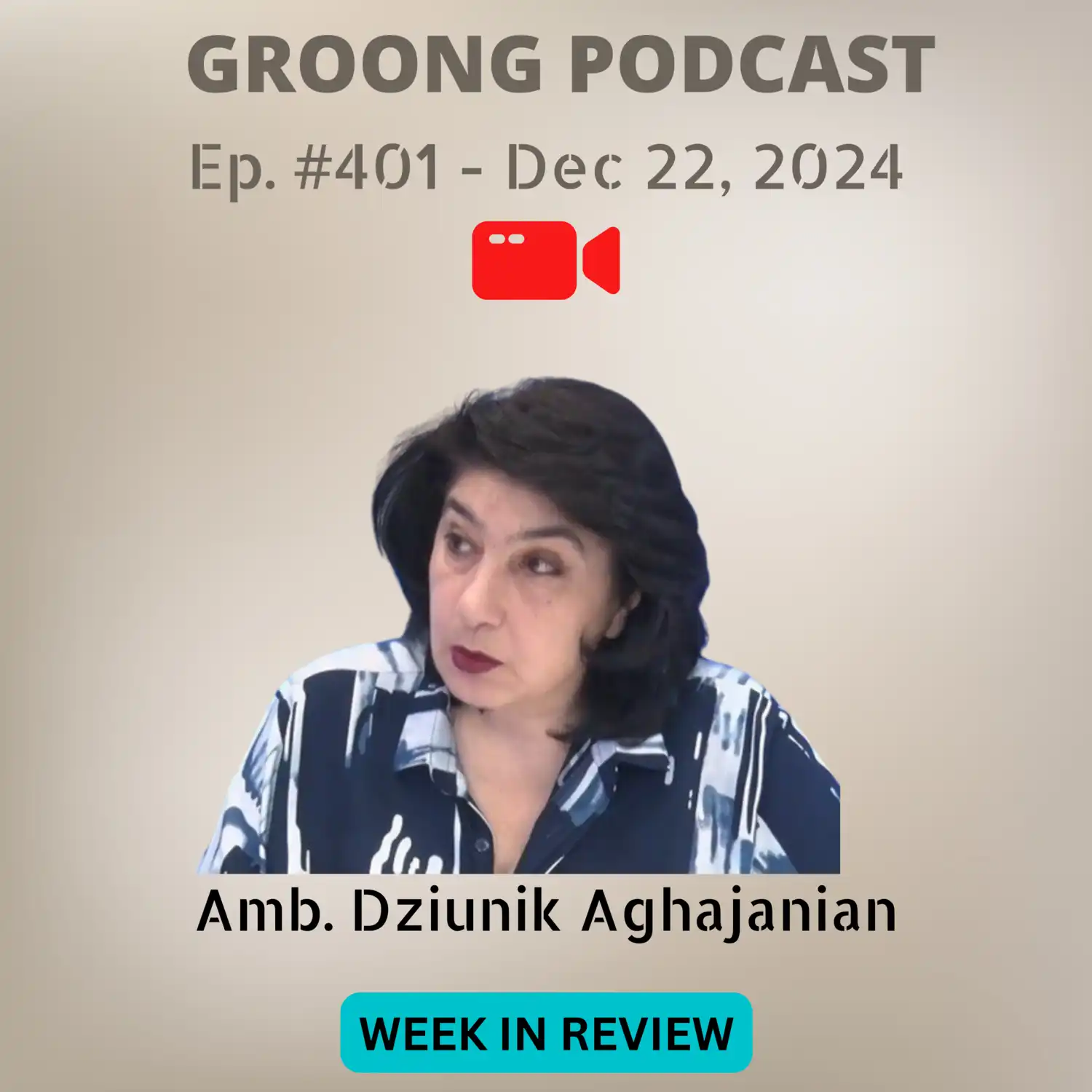
Groong Links:
Guest:
Topics:
- Armenian Azerbaijani Stalled Talks
- Fall of Syria
- Defense Politics
- Un-Civil Strife
Episode 401 | Recorded: December 24, 2024
Dziunik Aghajanian - Armenia Azerbaijan Talks, Syria, Defense Politics, Civil Contract Strife | Ep 401 - Dec 22, 2024 [EP401]
Posted on Wednesday, Dec 25, 2024 | Category: Armenia, Azerbaijan, Middle East, Artsakh, Nagorno Karabakh, Russia, Iran, Israel, BRICS, Syria, Turkey, Georgia, Ukraine, Human Rights, Lebanon, NATO, China, EconomyGroong Links:
Guest:
Topics:
- Armenian Azerbaijani Stalled Talks
- Fall of Syria
- Defense Politics
- Un-Civil Strife
Episode 401 | Recorded: December 24, 2024
Ivan Katchanovski on the Maidan Massacre, Ukraine War, and Implications | Ep 393 - Dec 9, 2024 [EP393]
Posted on Monday, Dec 9, 2024 | Category: Ukraine, Politics, Russia, Georgia, Armenia, NATO, European Union, Israel, Human Rights, Geopolitics | Series: cog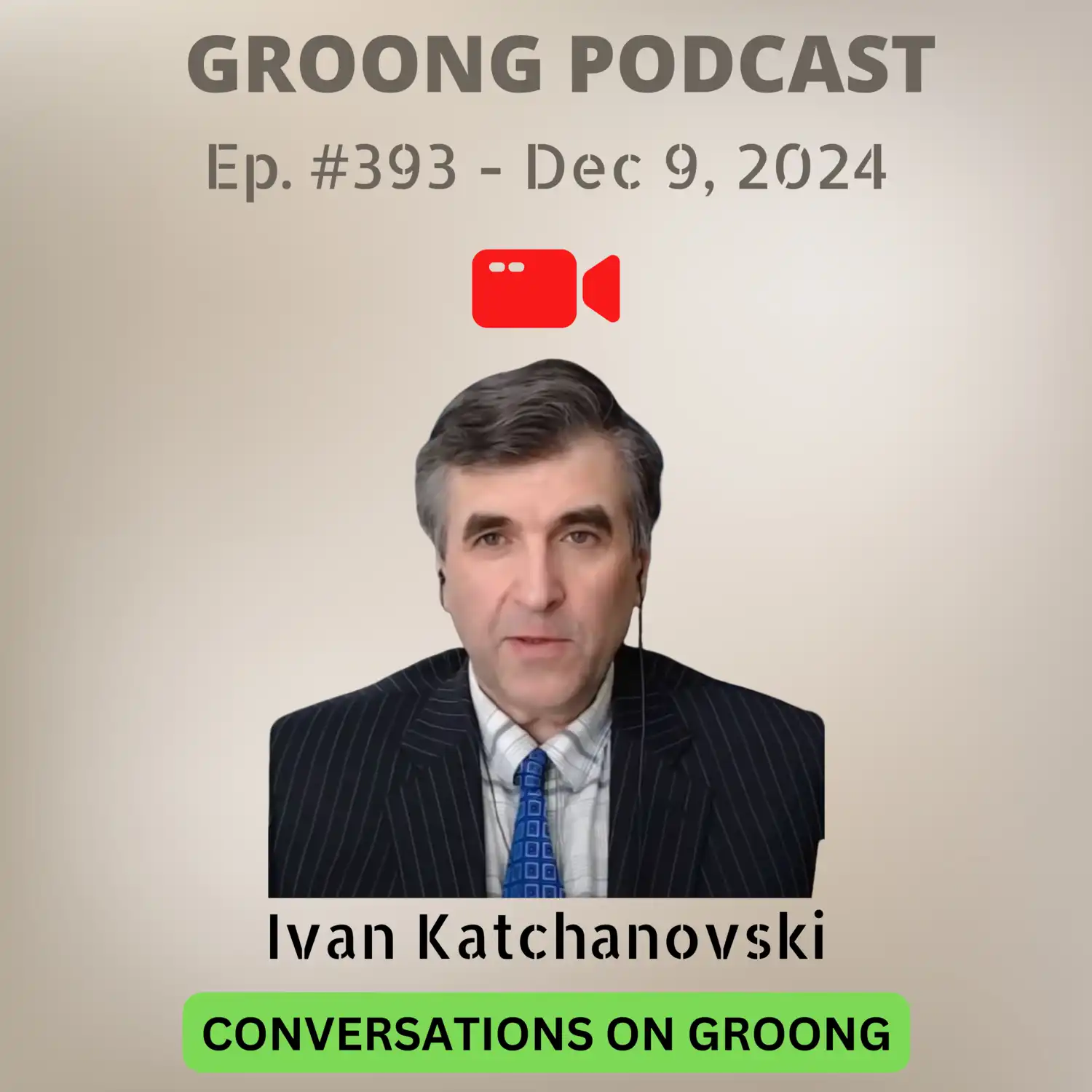
Groong Links:
Guest:
- Prof. Ivan Katchanovski , University of Ottawa
SUPPORT PROF. KATCHANOVSI’S WORK HERE: https://gofund.me/52b68e07
Topics:
- The War in Ukraine
- Trumpâs âEastern Approachesâ
- The Maidan Massacre and Its Legacy
- Maidanization of Georgia?
- Armenia in the Shadow of Ukraine
Episode 393 | Recorded: December 7, 2024
Ivan Katchanovski on the Maidan Massacre, Ukraine War, and Implications | Ep 393 - Dec 9, 2024 [EP393]
Posted on Monday, Dec 9, 2024 | Category: Ukraine, Politics, Russia, Georgia, Armenia, NATO, European Union, Israel, Human Rights, GeopoliticsGroong Links:
Guest:
- Prof. Ivan Katchanovski , University of Ottawa
SUPPORT PROF. KATCHANOVSI’S WORK HERE: https://gofund.me/52b68e07
Topics:
- The War in Ukraine
- Trumpâs âEastern Approachesâ
- The Maidan Massacre and Its Legacy
- Maidanization of Georgia?
- Armenia in the Shadow of Ukraine
Episode 393 | Recorded: December 7, 2024
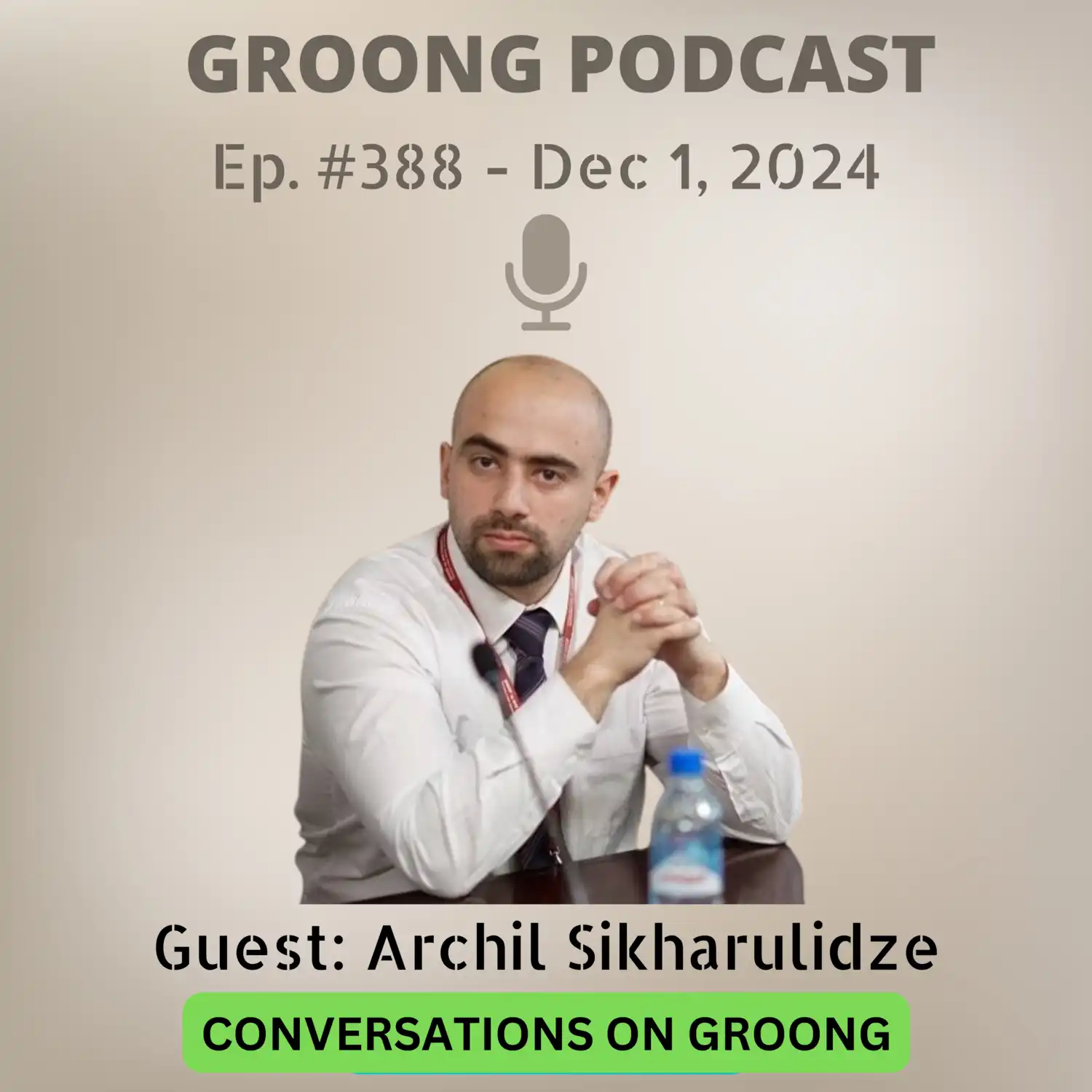
Groong Links:
Guest:
Topics:
- Constitutional Crisis In Georgia?
- Western Reactions and Escalation
- Russian Reactions and Georgiaâs Strategic Direction
- Unrest In Abkhazia
Episode 388 | Recorded: November 30, 2024
Groong Links:
Guest:
Topics:
- Constitutional Crisis In Georgia?
- Western Reactions and Escalation
- Russian Reactions and Georgiaâs Strategic Direction
- Unrest In Abkhazia
Episode 388 | Recorded: November 30, 2024
Benyamin Poghosyan - China, BRICS, New World Order, Armenia in Kazan, Georgian Elections in 2024 | Ep 382 - Nov 4, 2024 [EP382]
Posted on Monday, Nov 4, 2024 | Category: China, World Order, Georgia, Armenia, Russia, USA, India, Ukraine, Azerbaijan, Artsakh Blockade, BRICS, NATO, Turkey, Iran, Economy, European Union, Geopolitics, Syria | Series: cog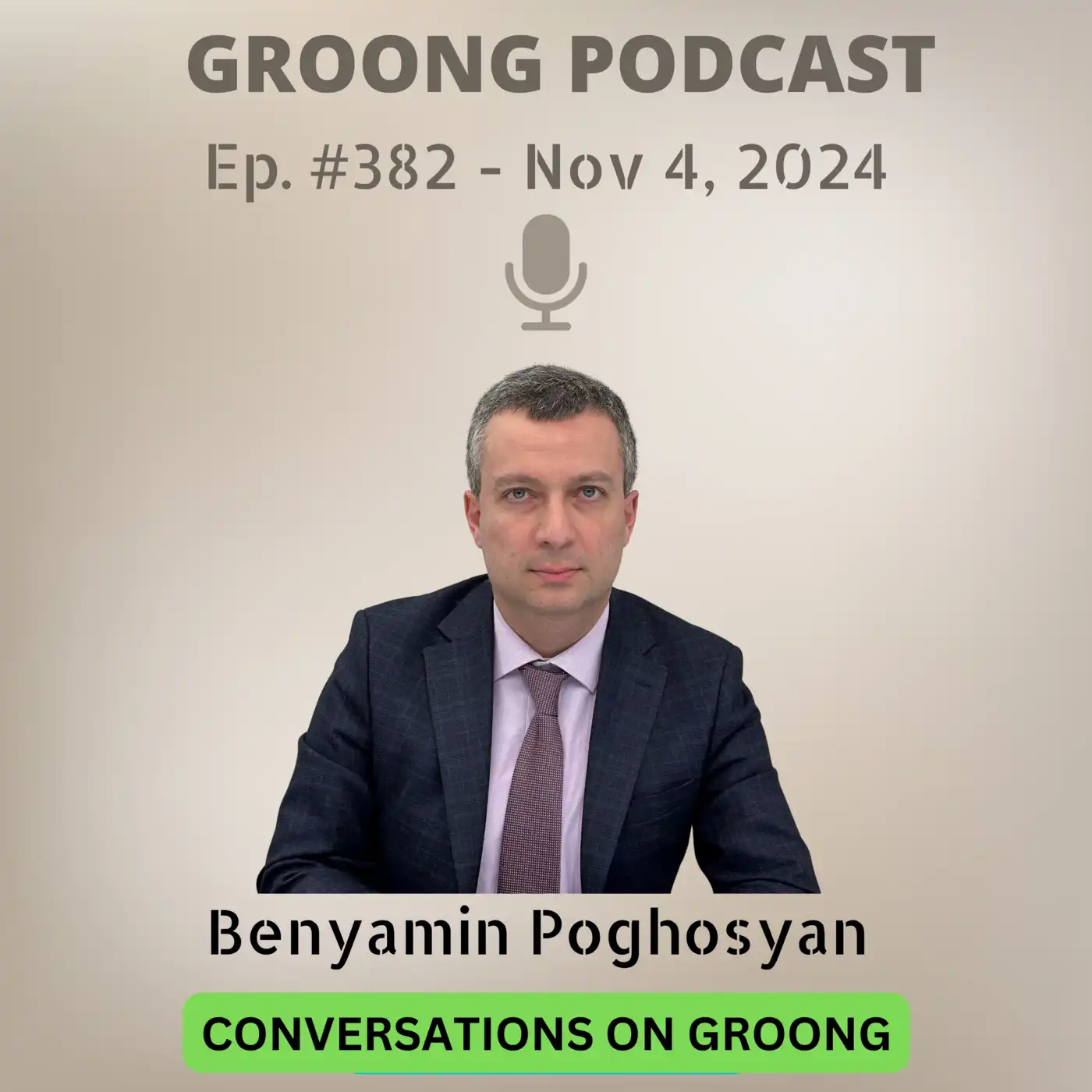
Groong Links:
Guest:
Topics:
- China, and the New World Order
- BRICS Summit and Multipolarity
- Armenia at BRICS
- Georgian Elections in 2024
Episode 382 | Recorded: October 29, 2024
Benyamin Poghosyan - China, BRICS, New World Order, Armenia in Kazan, Georgian Elections in 2024 | Ep 382 - Nov 4, 2024 [EP382]
Posted on Monday, Nov 4, 2024 | Category: China, World Order, Georgia, Armenia, Russia, USA, India, Ukraine, Azerbaijan, Artsakh Blockade, BRICS, NATO, Turkey, Iran, Economy, European Union, Geopolitics, SyriaGroong Links:
Guest:
Topics:
- China, and the New World Order
- BRICS Summit and Multipolarity
- Armenia at BRICS
- Georgian Elections in 2024
Episode 382 | Recorded: October 29, 2024
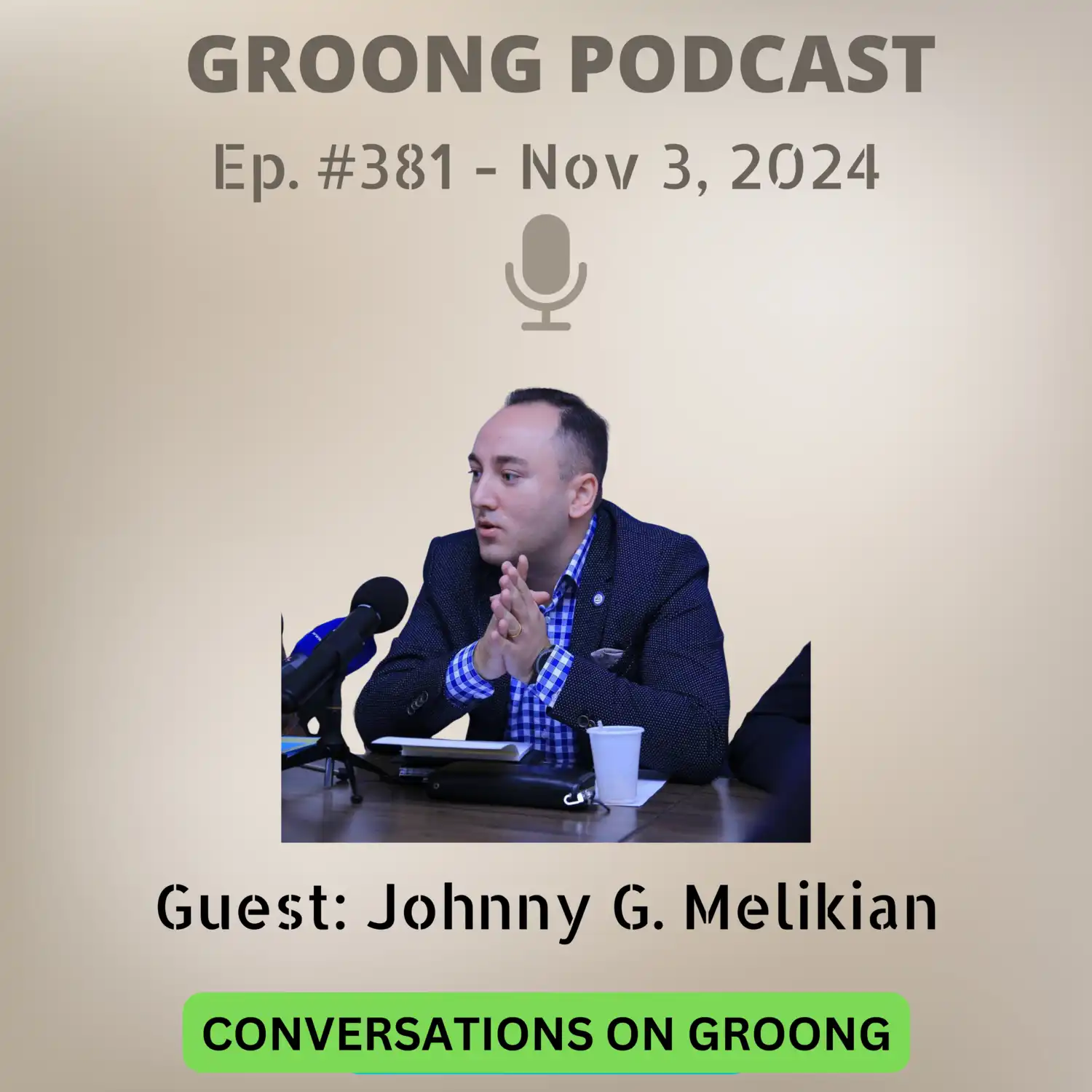
Groong Links:
Guest:
Topics:
- Georgian Elections Outcome
- Political Landscape
- Effect on Armenia and Beyond
Episode 381 | Recorded: November 3, 2024
Groong Links:
Guest:
Topics:
- Georgian Elections Outcome
- Political Landscape
- Effect on Armenia and Beyond
Episode 381 | Recorded: November 3, 2024

Groong Links:
Guest:
Topics:
- Georgian Elections in 2024
- Election Landscape
- Themes of the Campaigns
- Comparison with Moldova 2024
- Outcomes and Expectations
Episode 377 | Recorded: October 23, 2024
Groong Links:
Guest:
Topics:
- Georgian Elections in 2024
- Election Landscape
- Themes of the Campaigns
- Comparison with Moldova 2024
- Outcomes and Expectations
Episode 377 | Recorded: October 23, 2024
Dziunik Aghajanian - Azerbaijan Escalates Threats, Russia-Armenia Relations, Eat Rice, not Wheat, Have some Cold Winters, Srbazan Movement Update, Regional Geopolitics, Georgian Elections | Ep 374 - Oct 13, 2024 [EP374]
Posted on Tuesday, Oct 15, 2024 | Category: Armenia, Azerbaijan, Georgia, Middle East, Iran, Artsakh, Nagorno Karabakh, Russia, Israel, Artsakh Blockade, Economy, European Union, NATO, Lebanon, Syria, Turkey, China, Ukraine | Series: wir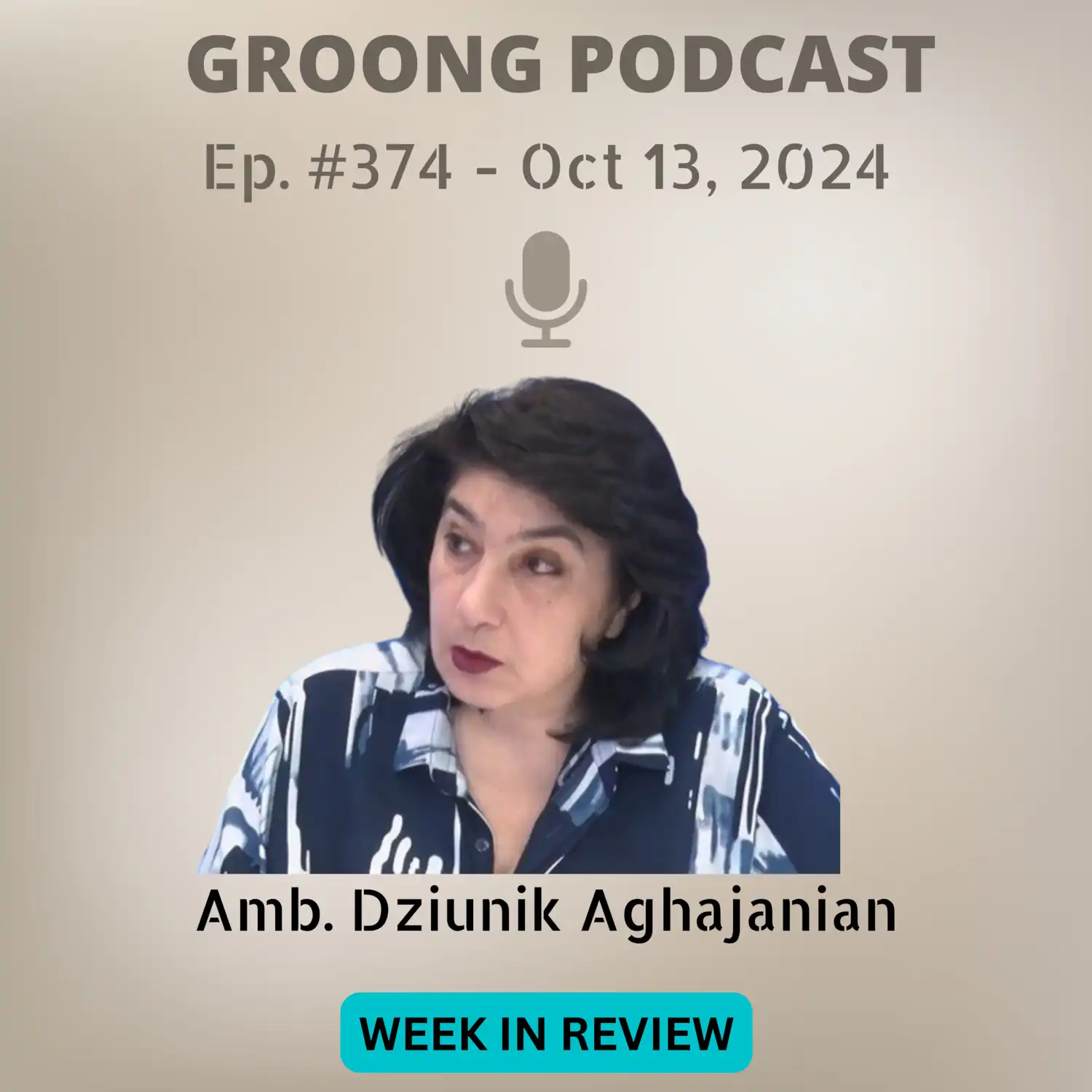
Groong Links:
Guest:
Topics:
- Azerbaijan Escalates Threats
- Russia-Armenia Relations
- Eat Rice, not Wheat, Have some Cold Winters!
- Srbazan Movement Update
- Regional Geopolitics
- Iran-Russia
- Israel-Iran
- Georgian Elections
Episode 374 | Recorded: October 14, 2024
Dziunik Aghajanian - Azerbaijan Escalates Threats, Russia-Armenia Relations, Eat Rice, not Wheat, Have some Cold Winters, Srbazan Movement Update, Regional Geopolitics, Georgian Elections | Ep 374 - Oct 13, 2024 [EP374]
Posted on Tuesday, Oct 15, 2024 | Category: Armenia, Azerbaijan, Georgia, Middle East, Iran, Artsakh, Nagorno Karabakh, Russia, Israel, Artsakh Blockade, Economy, European Union, NATO, Lebanon, Syria, Turkey, China, UkraineGroong Links:
Guest:
Topics:
- Azerbaijan Escalates Threats
- Russia-Armenia Relations
- Eat Rice, not Wheat, Have some Cold Winters!
- Srbazan Movement Update
- Regional Geopolitics
- Iran-Russia
- Israel-Iran
- Georgian Elections
Episode 374 | Recorded: October 14, 2024
Nikoloz Bitsadze - Georgian Elections in October 2024| Ep 370 - Sep 26, 2024 [EP370]
Posted on Thursday, Sep 26, 2024 | Category: Georgia, Armenia, Elections, Azerbaijan, Russia, USA, Human Rights, European Union, Turkey, Genocide, NATO, China, Geopolitics, Ukraine | Series: cog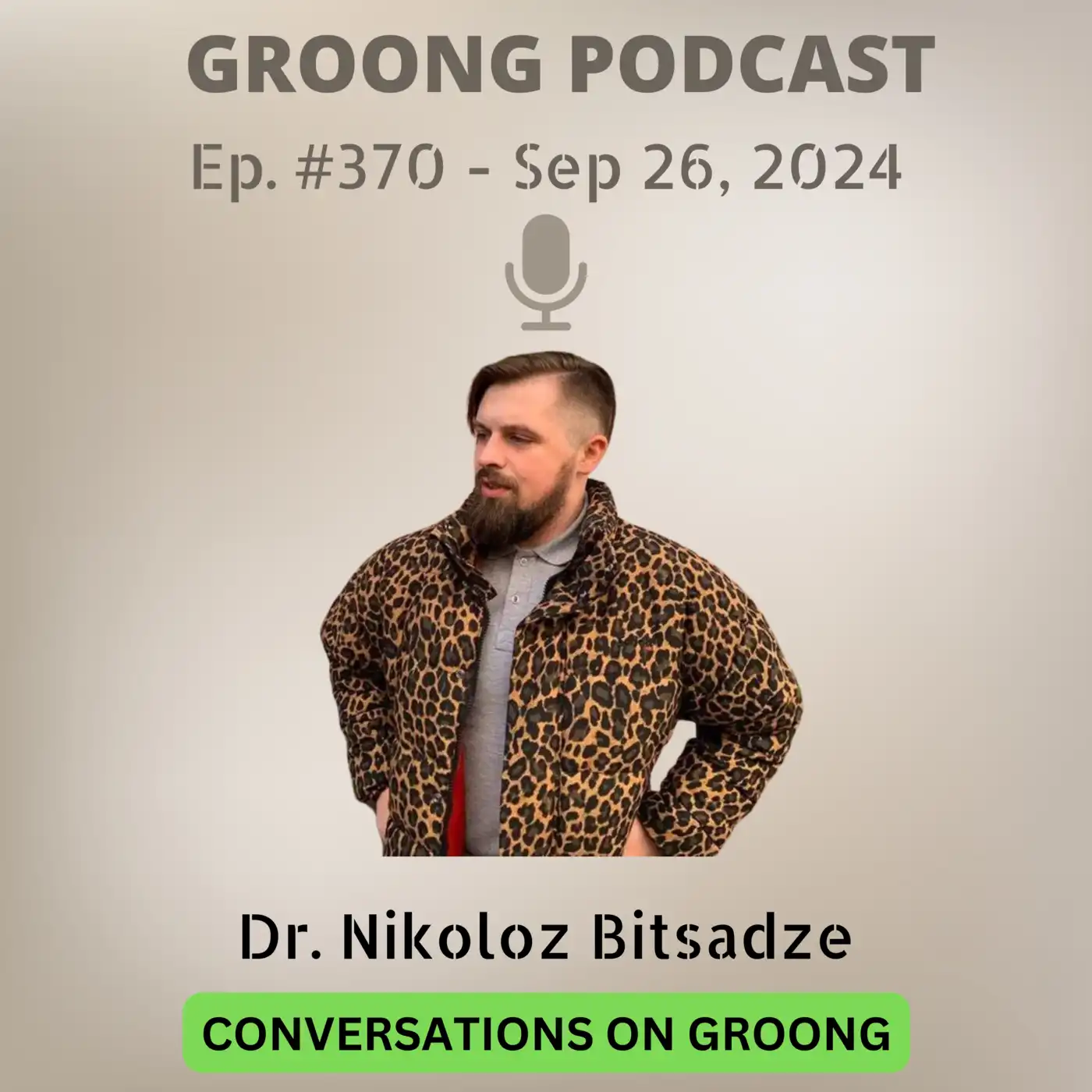
Groong Links:
Guest:
Topics:
- Election, Politics, and The Geopolitical Context
- Who are the Major External Influencers in Georgiaâs Politics?
- Is Talk of Civilizational Catastrophe, or Rapprochement with Abkhazia/South Ossetia Election-time Populism?
- Neutrality and Georgian-Armenian Relations
Episode 370 | Recorded: September 21, 2024
Nikoloz Bitsadze - Georgian Elections in October 2024| Ep 370 - Sep 26, 2024 [EP370]
Posted on Thursday, Sep 26, 2024 | Category: Georgia, Armenia, Elections, Azerbaijan, Russia, USA, Human Rights, European Union, Turkey, Genocide, NATO, China, Geopolitics, UkraineGroong Links:
Guest:
Topics:
- Election, Politics, and The Geopolitical Context
- Who are the Major External Influencers in Georgiaâs Politics?
- Is Talk of Civilizational Catastrophe, or Rapprochement with Abkhazia/South Ossetia Election-time Populism?
- Neutrality and Georgian-Armenian Relations
Episode 370 | Recorded: September 21, 2024
Arthur Khachatryan - Politics and Economy in Armenia, Fall 2024 | Ep 366 - Sep 21, 2024 [EP366]
Posted on Saturday, Sep 21, 2024 | Category: Armenia, Artsakh, Nagorno Karabakh, Economy, Georgia, Russia, Turkey, Lebanon, Iran, European Union, Israel, Genocide, Ukraine | Series: cog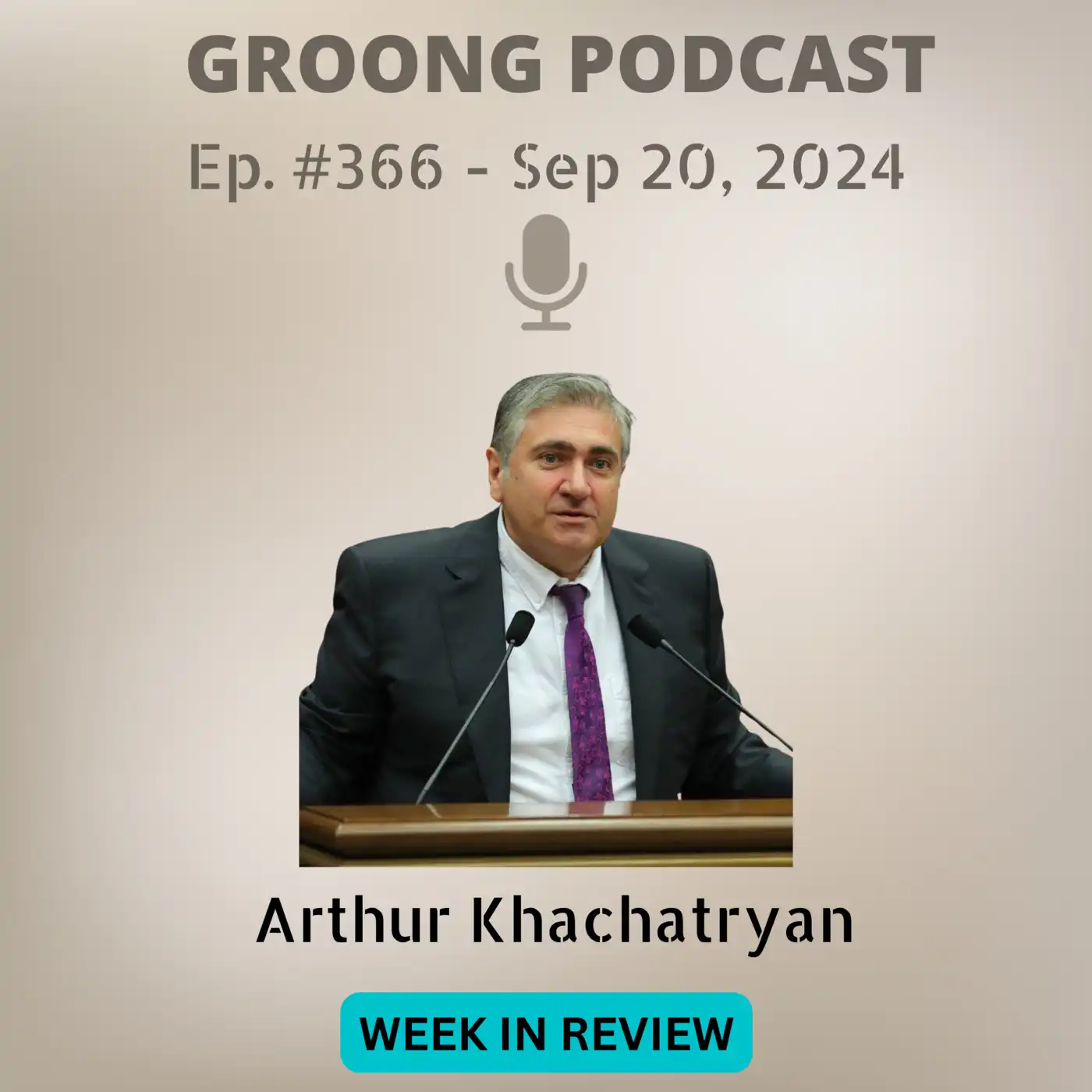
Groong Links:
Guest:
Topics:
- The Governmentâs Track Record
- The State of the Economy
- âPivot to the Westâ
- Elections in Georgia
Episode 366 | Recorded: September 18, 2024
Arthur Khachatryan - Politics and Economy in Armenia, Fall 2024 | Ep 366 - Sep 21, 2024 [EP366]
Posted on Saturday, Sep 21, 2024 | Category: Armenia, Artsakh, Nagorno Karabakh, Economy, Georgia, Russia, Turkey, Lebanon, Iran, European Union, Israel, Genocide, UkraineGroong Links:
Guest:
Topics:
- The Governmentâs Track Record
- The State of the Economy
- âPivot to the Westâ
- Elections in Georgia
Episode 366 | Recorded: September 18, 2024
Sergei Melkonian - September 12-13 Anniv, Armenia Azerbaijan Talks, More USAID, Georgian Parliamentary Elections | Ep 365 - Sep 15, 2024 [EP365]
Posted on Thursday, Sep 19, 2024 | Category: Armenia, Azerbaijan, Russia, Artsakh, Nagorno Karabakh, Artsakh Blockade, Turkey, Georgia, Iran, NATO, Ukraine, China, Genocide, Geopolitics, Israel, Middle East, India | Series: wir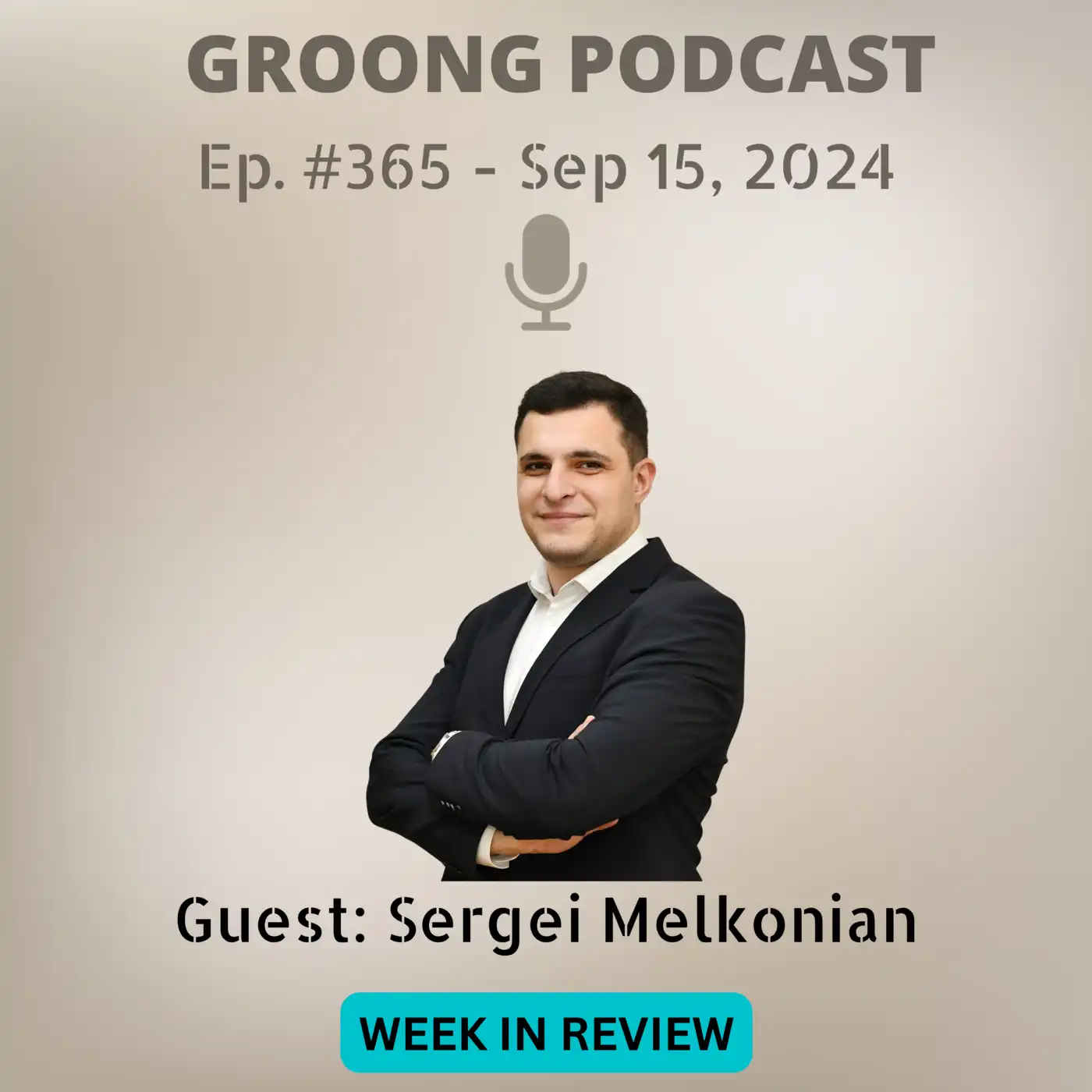
Groong Links:
Guest:
Topics:
- September 12-13 Anniversary
- Between Blinken and a Hard Place
- More USAID for Armenia
- Georgian Parliamentary Elections
Episode 365 | Recorded: Sep. 17, 2024
Sergei Melkonian - September 12-13 Anniv, Armenia Azerbaijan Talks, More USAID, Georgian Parliamentary Elections | Ep 365 - Sep 15, 2024 [EP365]
Posted on Thursday, Sep 19, 2024 | Category: Armenia, Azerbaijan, Russia, Artsakh, Nagorno Karabakh, Artsakh Blockade, Turkey, Georgia, Iran, NATO, Ukraine, China, Genocide, Geopolitics, Israel, Middle East, IndiaGroong Links:
Guest:
Topics:
- September 12-13 Anniversary
- Between Blinken and a Hard Place
- More USAID for Armenia
- Georgian Parliamentary Elections
Episode 365 | Recorded: Sep. 17, 2024
David Darchiashvili - Georgian Elections in October 2024| Ep 363 - Sep 14, 2024 [EP363]
Posted on Saturday, Sep 14, 2024 | Category: Georgia, Armenia, Elections, Azerbaijan, Russia, USA, Human Rights, Armenian Church, European Union, Turkey, Ukraine, Iran, Economy, NATO, China | Series: cog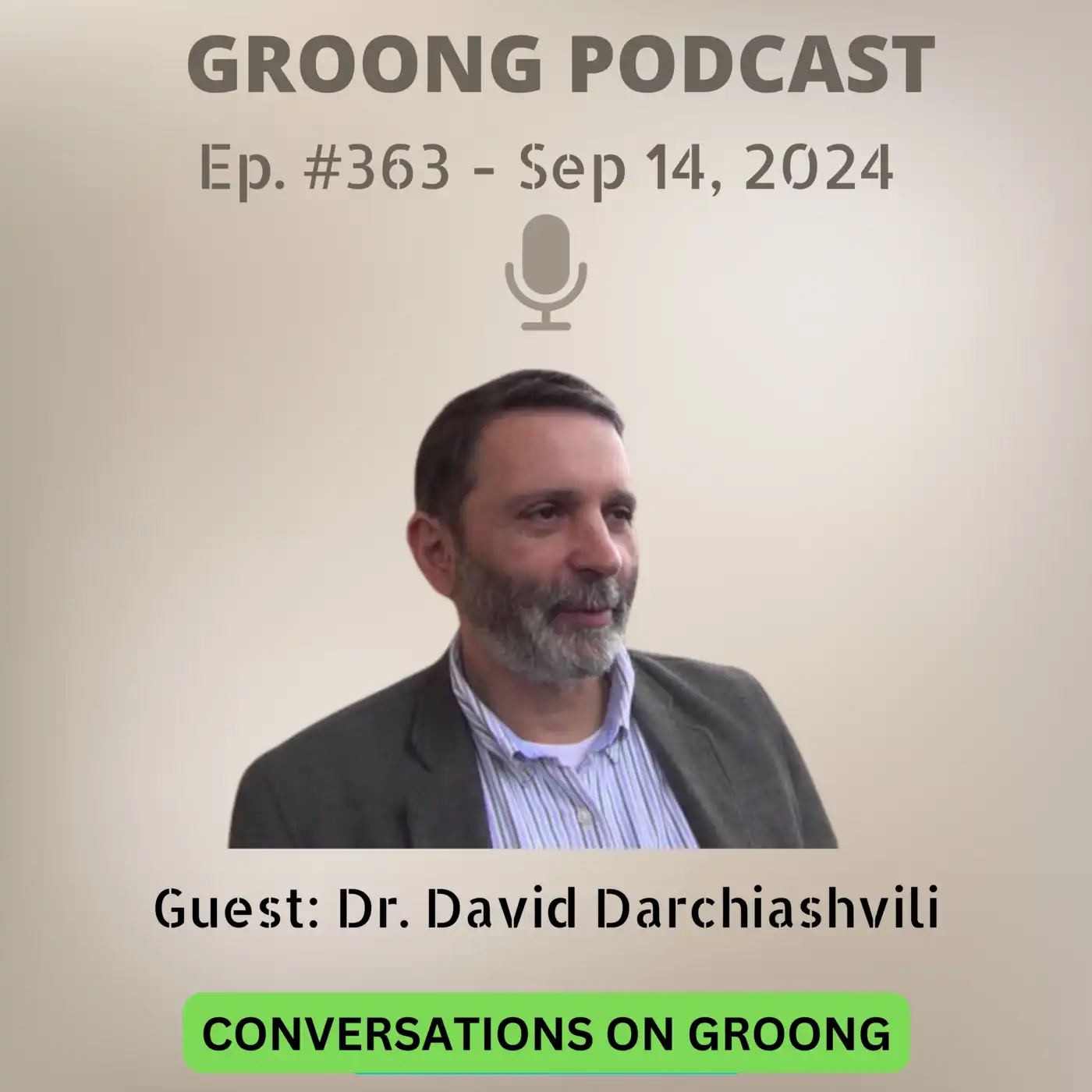
Groong Links:
Guest:
Topics:
- Election and Politics, and The Geopolitical Context
- Who are the Major External Influencers in Georgiaâs Politics?
- Why is the EU hell bent against the Law on âForeign Agentsâ?
- Armenia, Georgia, Azerbaijan and Russia Relations
Episode 363 | Recorded: September 11, 2024
David Darchiashvili - Georgian Elections in October 2024| Ep 363 - Sep 14, 2024 [EP363]
Posted on Saturday, Sep 14, 2024 | Category: Georgia, Armenia, Elections, Azerbaijan, Russia, USA, Human Rights, Armenian Church, European Union, Turkey, Ukraine, Iran, Economy, NATO, ChinaGroong Links:
Guest:
Topics:
- Election and Politics, and The Geopolitical Context
- Who are the Major External Influencers in Georgiaâs Politics?
- Why is the EU hell bent against the Law on âForeign Agentsâ?
- Armenia, Georgia, Azerbaijan and Russia Relations
Episode 363 | Recorded: September 11, 2024
Dziunik Aghajanian - Iran Shuts Down Talk of Zangezur Corridor, Regional Trade Routes, Accountability and the Foreign Intelligence Service, Georgian and Azerbaijani Elections | Ep 361 - Sep 8, 2024 [EP361]
Posted on Thursday, Sep 12, 2024 | Category: Armenia, Azerbaijan, Iran, Artsakh, Nagorno Karabakh, Georgia, Turkey, Russia, Geopolitics, Artsakh Blockade, Armenian Genocide, BRICS, European Union, NATO, Ukraine, Genocide, China, Economy, Israel, Middle East | Series: wir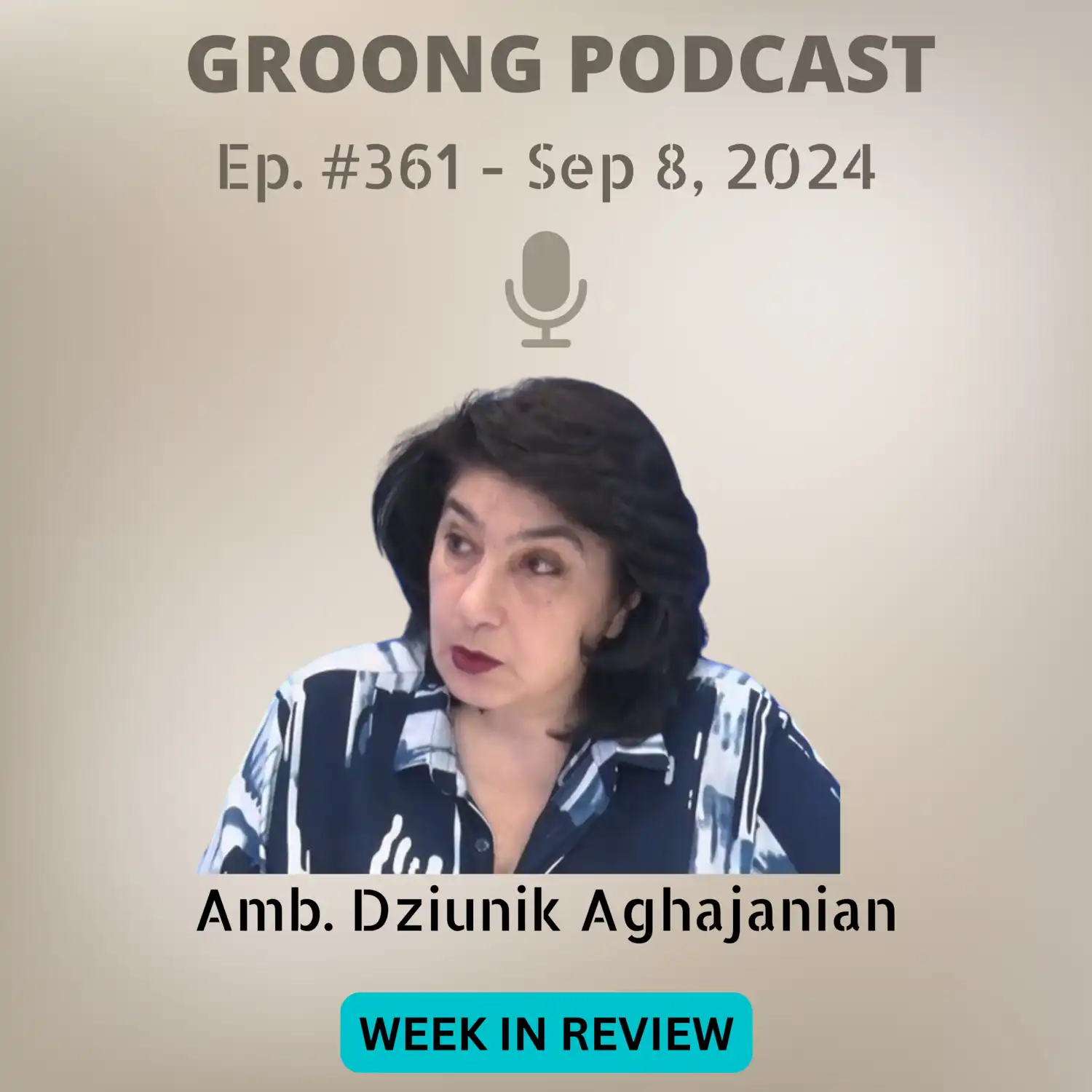
Groong Links:
Guest:
Topics:
- Iran Shuts Down Talk of âZangezur Corridorâ
- Armenia Azerbaijan Talks
- Iran Armenia Trade / BRICS
- Foreign Intelligence Service
- Georgian and Azerbaijani Elections
Episode 361 | Recorded: September 11, 2024
Dziunik Aghajanian - Iran Shuts Down Talk of Zangezur Corridor, Regional Trade Routes, Accountability and the Foreign Intelligence Service, Georgian and Azerbaijani Elections | Ep 361 - Sep 8, 2024 [EP361]
Posted on Thursday, Sep 12, 2024 | Category: Armenia, Azerbaijan, Iran, Artsakh, Nagorno Karabakh, Georgia, Turkey, Russia, Geopolitics, Artsakh Blockade, Armenian Genocide, BRICS, European Union, NATO, Ukraine, Genocide, China, Economy, Israel, Middle EastGroong Links:
Guest:
Topics:
- Iran Shuts Down Talk of âZangezur Corridorâ
- Armenia Azerbaijan Talks
- Iran Armenia Trade / BRICS
- Foreign Intelligence Service
- Georgian and Azerbaijani Elections
Episode 361 | Recorded: September 11, 2024
Benyamin Poghosyan - Armenia, Artsakh, Pashinyan Press Conf, Putin in Baku | Ep 358 - Sep 1, 2024 [EP358]
Posted on Tuesday, Sep 3, 2024 | Category: Armenia, Artsakh, Nagorno Karabakh, Azerbaijan, Turkey, Russia, Iran, BRICS, Georgia, Ukraine, China, Israel, European Union, NATO, Economy, Geopolitics | Series: wir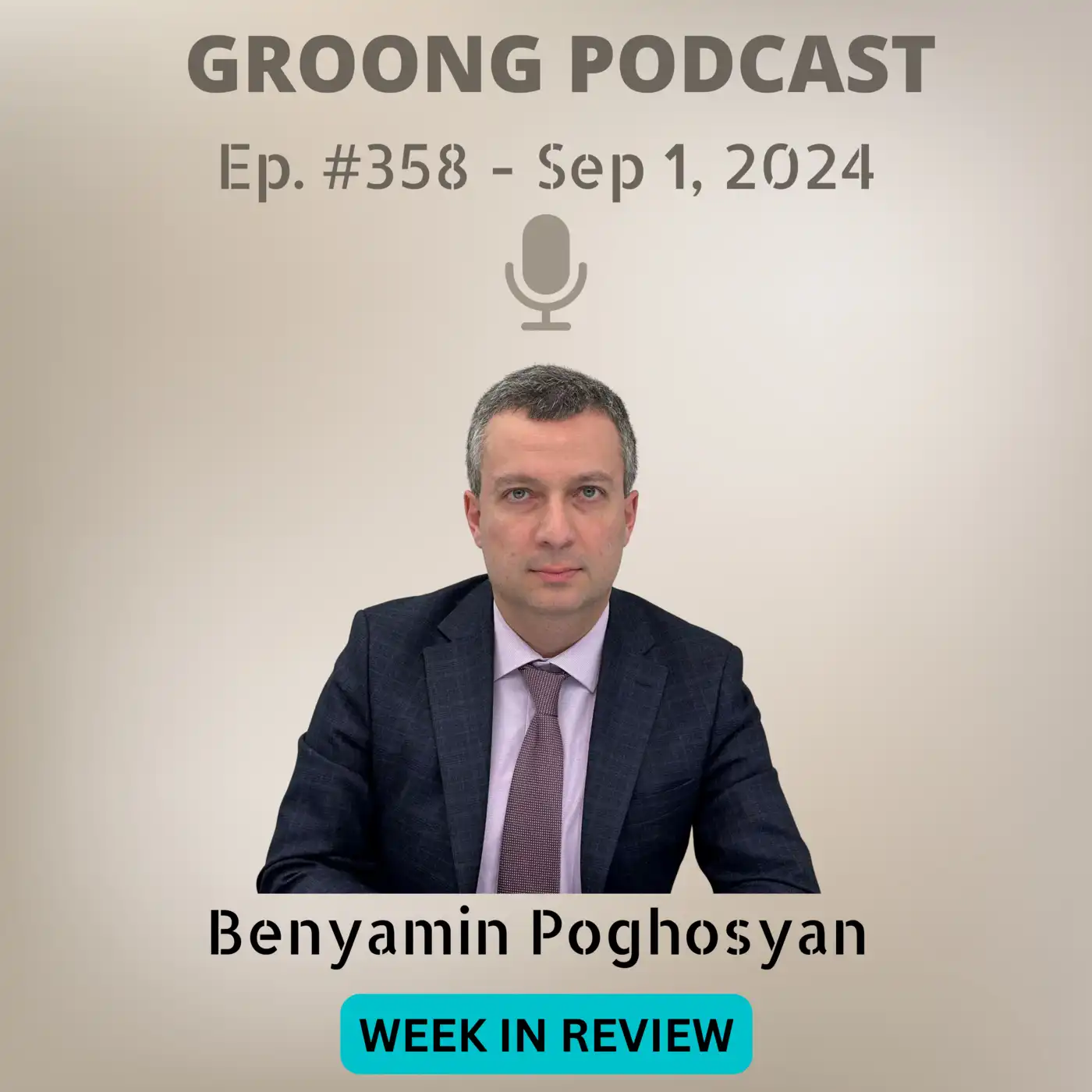
Groong Links:
Guest:
Topics:
- Armenia Azerbaijan Talks
- Declarations of Independence
- Declaration of State Sovereignty of Armenia (1990)
- Artsakh Independence Day - September 2 (1991)
- Pashinyan Press Conference
- Negotiations Formats
- Artsakh Rights & Security as Pashinyanâs âNational Securityâ Problem
- Armenian and Azerbaijani Constitutions
- Liberating Occupied Armenian Territories
- Putin in Baku
- Azerbaijanâs Application to BRICS
Episode 358 | Recorded: September 2, 2024
Benyamin Poghosyan - Armenia, Artsakh, Pashinyan Press Conf, Putin in Baku | Ep 358 - Sep 1, 2024 [EP358]
Posted on Tuesday, Sep 3, 2024 | Category: Armenia, Artsakh, Nagorno Karabakh, Azerbaijan, Turkey, Russia, Iran, BRICS, Georgia, Ukraine, China, Israel, European Union, NATO, Economy, GeopoliticsGroong Links:
Guest:
Topics:
- Armenia Azerbaijan Talks
- Declarations of Independence
- Declaration of State Sovereignty of Armenia (1990)
- Artsakh Independence Day - September 2 (1991)
- Pashinyan Press Conference
- Negotiations Formats
- Artsakh Rights & Security as Pashinyanâs âNational Securityâ Problem
- Armenian and Azerbaijani Constitutions
- Liberating Occupied Armenian Territories
- Putin in Baku
- Azerbaijanâs Application to BRICS
Episode 358 | Recorded: September 2, 2024
Pietro Shakarian - Russia, Iran, Armenia Relations, Ukraine Kursk Gambit, Travel Notes | Ep 357 - Aug 31, 2024 [EP357]
Posted on Saturday, Aug 31, 2024 | Category: Russia, Ukraine, Armenia, Artsakh, Iran, Nagorno Karabakh, BRICS, NATO, Georgia, Israel, Middle East, Turkey, Genocide, China, Geopolitics, Economy, India | Series: cog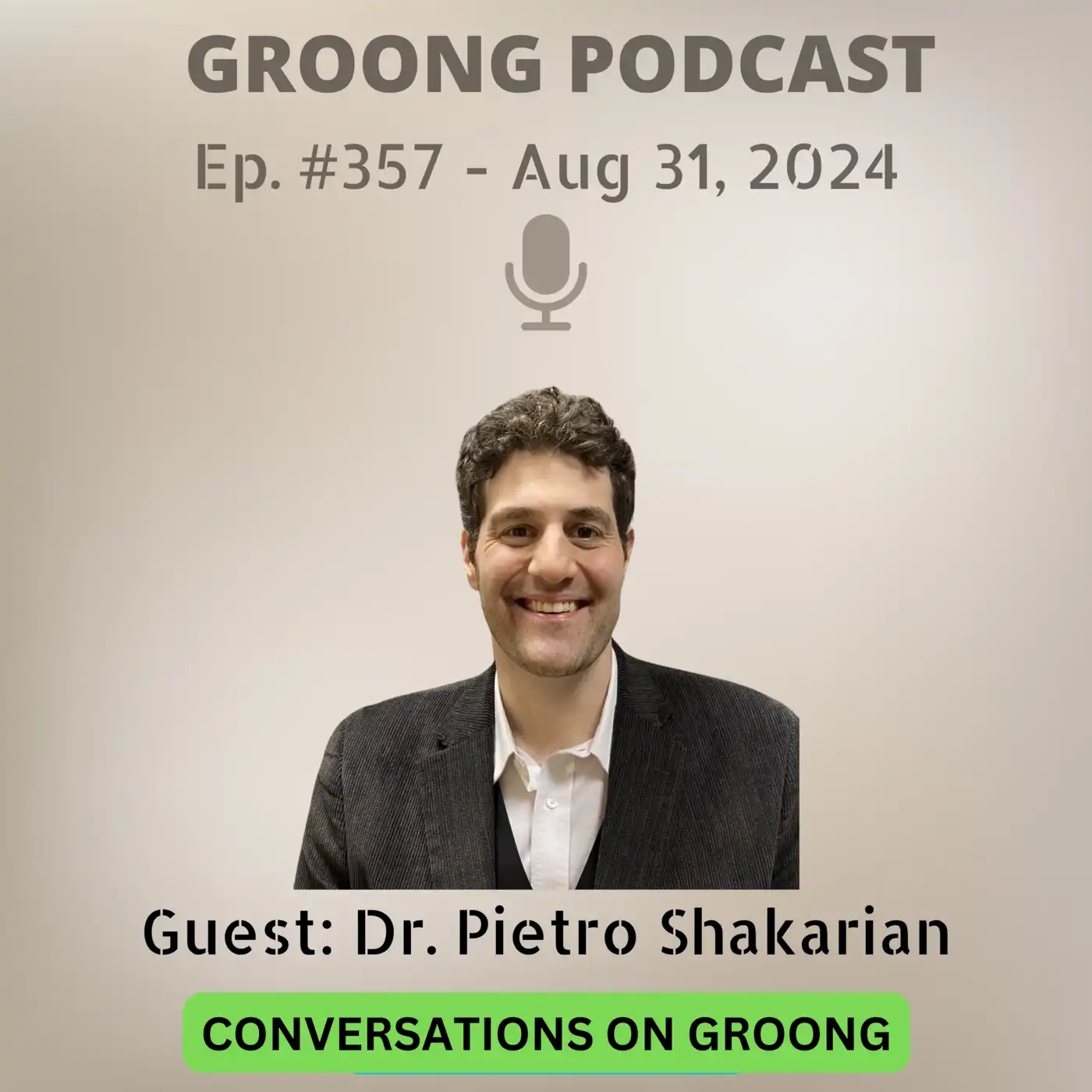
Groong Links:
Guest:
Topics:
- Russian-Iranian Relations
- Russian-Armenian Relations
- Ukraineâs Kursk Gambit
- Pavel Durov Arrested in France
- Observations from Armenia and Russia
Episode 357 | Recorded: August 28, 2024
Pietro Shakarian - Russia, Iran, Armenia Relations, Ukraine Kursk Gambit, Travel Notes | Ep 357 - Aug 31, 2024 [EP357]
Posted on Saturday, Aug 31, 2024 | Category: Russia, Ukraine, Armenia, Artsakh, Iran, Nagorno Karabakh, BRICS, NATO, Georgia, Israel, Middle East, Turkey, Genocide, China, Geopolitics, Economy, IndiaGroong Links:
Guest:
Topics:
- Russian-Iranian Relations
- Russian-Armenian Relations
- Ukraineâs Kursk Gambit
- Pavel Durov Arrested in France
- Observations from Armenia and Russia
Episode 357 | Recorded: August 28, 2024
Archil Sikharulidze - Georgian Politics, Amidst Global Currents. Attacks Against the Georgian Church, Book on Russian and Georgian Relations | Ep 356, Aug 23, 2024 [EP356]
Posted on Friday, Aug 23, 2024 | Category: Georgia, Armenia, Russia, Armenian Church, European Union, Turkey, Ukraine, NATO, Economy, Human Rights, Iran, Genocide, Geopolitics | Series: cog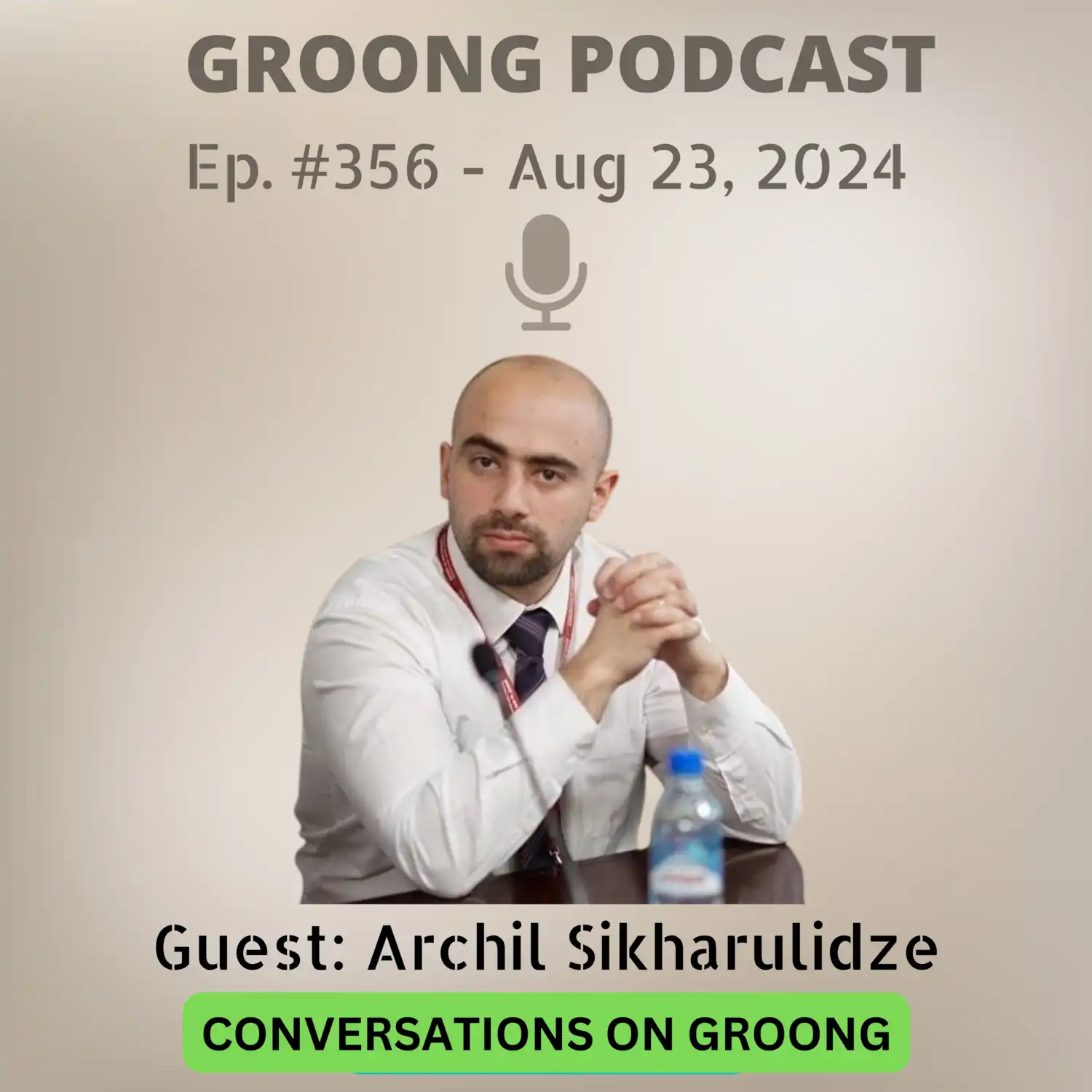
Groong Links:
Guest:
Topics:
- Georgian Politics, Amidst Global Currents
- Attacks Against the Georgian Church
- Thoughts on Russian and Georgian Relations
Episode 356 | Recorded: Aug 21, 2024
Archil Sikharulidze - Georgian Politics, Amidst Global Currents. Attacks Against the Georgian Church, Book on Russian and Georgian Relations | Ep 356, Aug 23, 2024 [EP356]
Posted on Friday, Aug 23, 2024 | Category: Georgia, Armenia, Russia, Armenian Church, European Union, Turkey, Ukraine, NATO, Economy, Human Rights, Iran, Genocide, GeopoliticsGroong Links:
Guest:
Topics:
- Georgian Politics, Amidst Global Currents
- Attacks Against the Georgian Church
- Thoughts on Russian and Georgian Relations
Episode 356 | Recorded: Aug 21, 2024
Anna Karapetyan - Armenia Azerbaijan Talks, Goris Kapan Road Handover Cover Up | Ep 355 - Aug 18, 2024 [EP355]
Posted on Monday, Aug 19, 2024 | Category: Armenia, Azerbaijan, Artsakh, Nagorno Karabakh, Artsakh Blockade, Russia, Iran, NATO, Turkey | Series: wir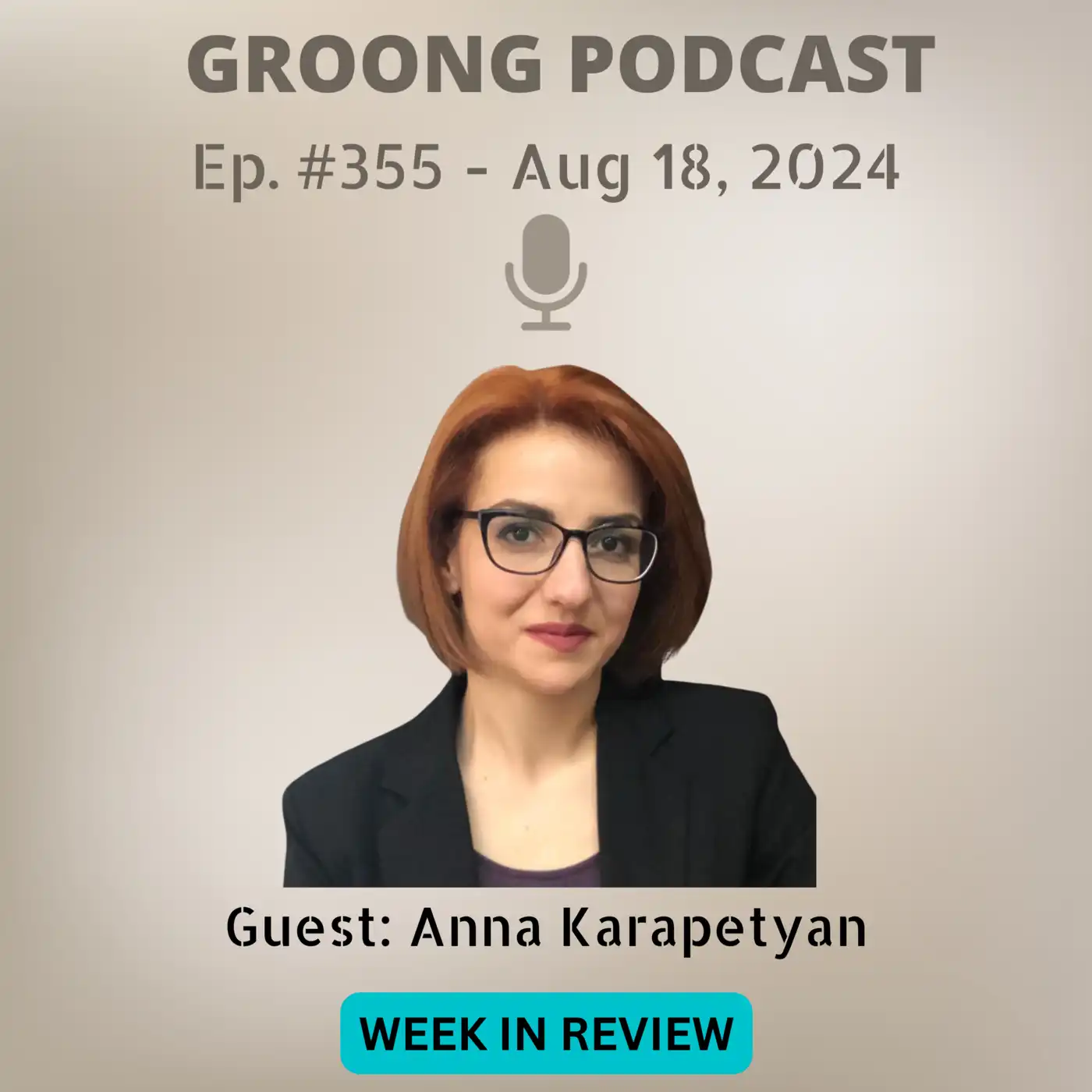
Groong Links:
Guest:
Topics:
- Armenia Azerbaijan Talks
- Goris Kapan Road Cover UP
Episode 355 | Recorded: August 19, 2024
Anna Karapetyan - Armenia Azerbaijan Talks, Goris Kapan Road Handover Cover Up | Ep 355 - Aug 18, 2024 [EP355]
Posted on Monday, Aug 19, 2024 | Category: Armenia, Azerbaijan, Artsakh, Nagorno Karabakh, Artsakh Blockade, Russia, Iran, NATO, TurkeyGroong Links:
Guest:
Topics:
- Armenia Azerbaijan Talks
- Goris Kapan Road Cover UP
Episode 355 | Recorded: August 19, 2024
Tevan Poghosyan - US Leadership Changes, Iran Armenia Relations, Russian-Armenian Relations, EU Push for an Agreement, Srbazan Movement Next Steps | Ep 351 - Aug 4, 2024 [EP351]
Posted on Sunday, Aug 4, 2024 | Category: Armenia, Artsakh, Politics, Nagorno Karabakh, Azerbaijan, Iran, Russia, Turkey, Georgia, Economy, China, Genocide, Human Rights, Ukraine, Israel, European Union, NATO | Series: wir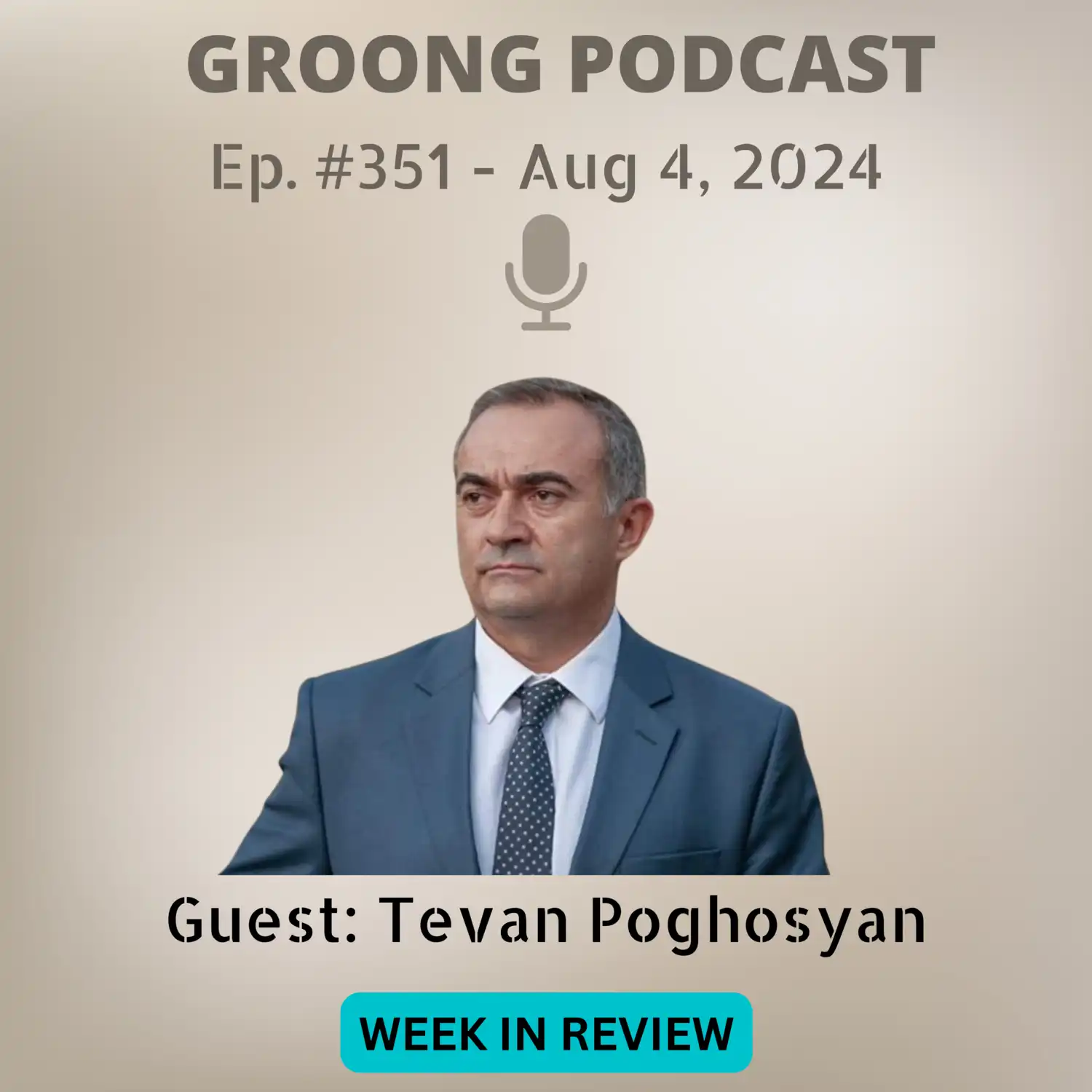
Groong Links:
Guest:
Topics:
- US Leadership Changes
- Iran Armenia Relations
- Russian-Armenian Relations
- EU Push for an Agreement
- Srbazan Movement Next Steps
Episode 351 | Recorded: August 6, 2024
Tevan Poghosyan - US Leadership Changes, Iran Armenia Relations, Russian-Armenian Relations, EU Push for an Agreement, Srbazan Movement Next Steps | Ep 351 - Aug 4, 2024 [EP351]
Posted on Sunday, Aug 4, 2024 | Category: Armenia, Artsakh, Politics, Nagorno Karabakh, Azerbaijan, Iran, Russia, Turkey, Georgia, Economy, China, Genocide, Human Rights, Ukraine, Israel, European Union, NATOGroong Links:
Guest:
Topics:
- US Leadership Changes
- Iran Armenia Relations
- Russian-Armenian Relations
- EU Push for an Agreement
- Srbazan Movement Next Steps
Episode 351 | Recorded: August 6, 2024
Benyamin Poghosyan - New Leaderships, Armenian Azerbaijani Negotiations, US Defense Attache to Armenia, Midyear Review of 2024 | Ep 347 - July 21, 2024 [EP347]
Posted on Tuesday, Jul 23, 2024 | Category: Armenia, Artsakh, Nagorno Karabakh, Azerbaijan, Artsakh Blockade, Georgia, Russia, Turkey, Iran, Ukraine, China, European Union, Israel, NATO, Genocide, Geopolitics, Lebanon | Series: wir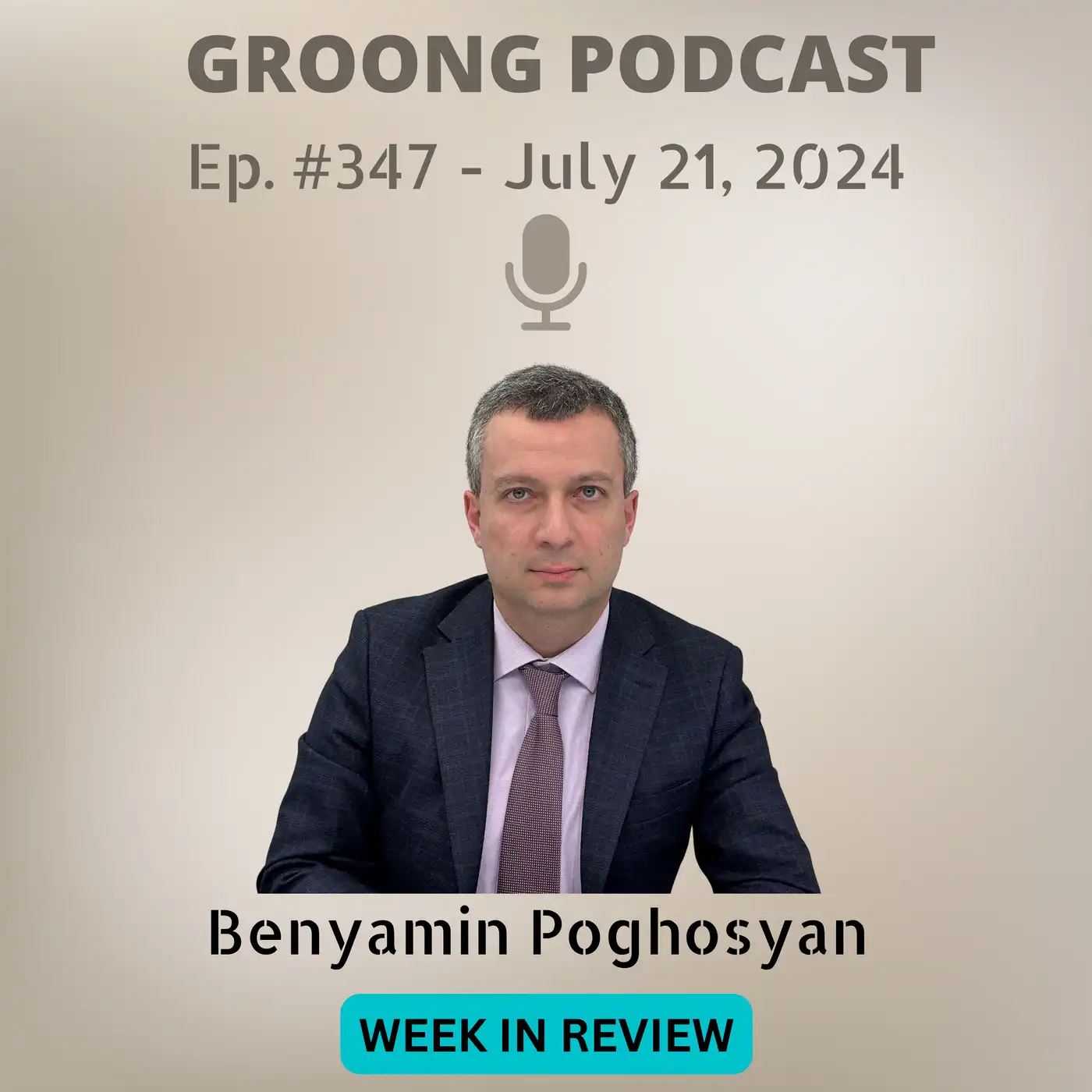
Groong Links:
Guest:
Topics:
- New Leadership Coming to Many Countries
- Aliyev Continues to Thumb the Nose of The West
- Permanent US Defense Attaché to Armenia
- Mid-year Review of our 2024 Predictions
Episode 347 | Recorded: July 22, 2024
Benyamin Poghosyan - New Leaderships, Armenian Azerbaijani Negotiations, US Defense Attache to Armenia, Midyear Review of 2024 | Ep 347 - July 21, 2024 [EP347]
Posted on Tuesday, Jul 23, 2024 | Category: Armenia, Artsakh, Nagorno Karabakh, Azerbaijan, Artsakh Blockade, Georgia, Russia, Turkey, Iran, Ukraine, China, European Union, Israel, NATO, Genocide, Geopolitics, LebanonGroong Links:
Guest:
Topics:
- New Leadership Coming to Many Countries
- Aliyev Continues to Thumb the Nose of The West
- Permanent US Defense Attaché to Armenia
- Mid-year Review of our 2024 Predictions
Episode 347 | Recorded: July 22, 2024
Hrant Mikaelian - Prospect of Trump Presidency on the South Caucasus, Mirzoyan at NATO, Parade of US Officials in Armenia, MPG Poll Review | Ep 345 - July 14, 2024 [EP345]
Posted on Thursday, Jul 18, 2024 | Category: Armenia, Politics, Poll, Azerbaijan, Russia, Turkey, Israel, Iran, NATO, Ukraine, European Union, Middle East, Georgia | Series: wir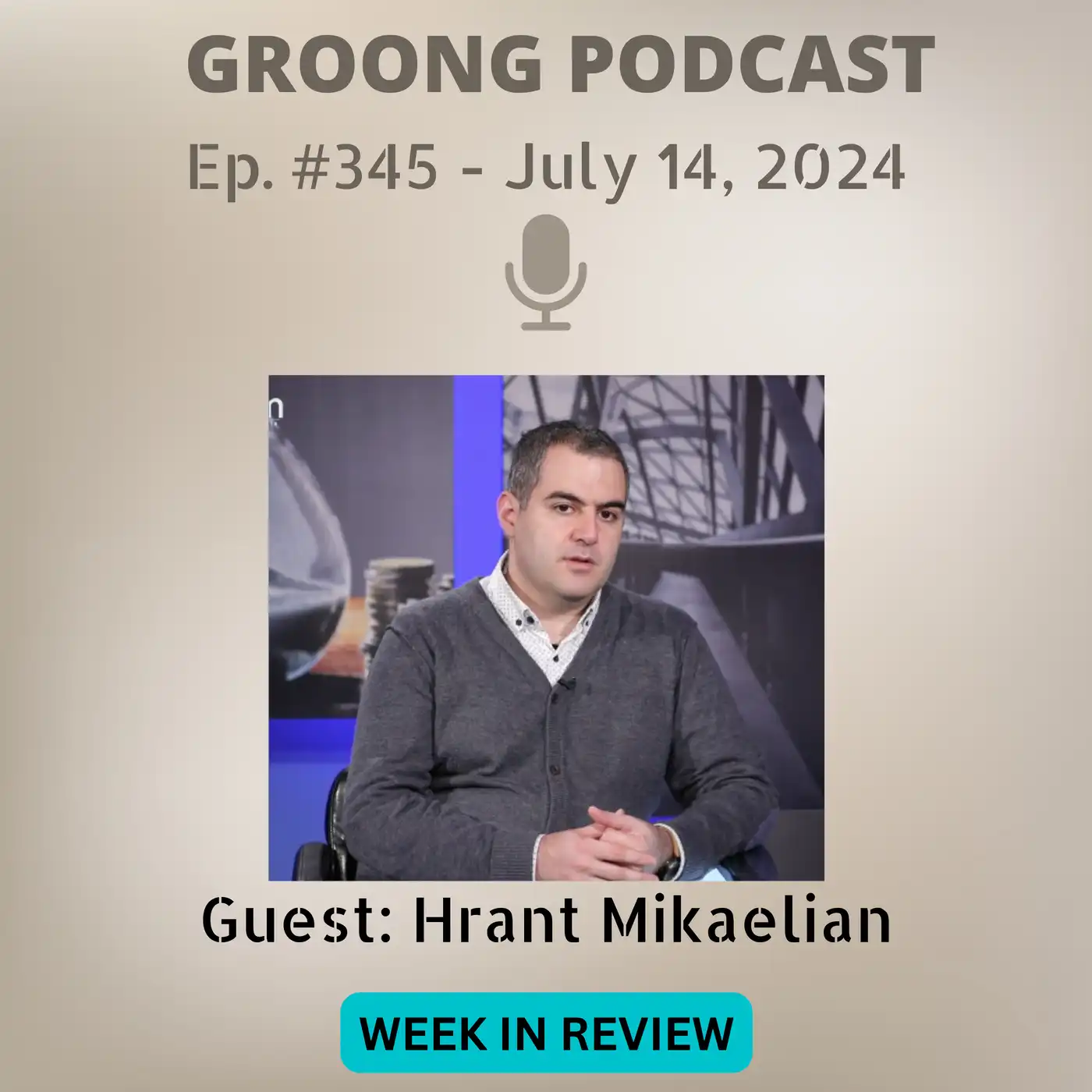
Groong Links:
Guest:
Topics:
- Prospect of Trump Presidency on the Caucasus
- Mirzoyan at NATO Summit in DC
- Parade of US Officials in Armenia
- MPG Poll
Episode 345 | Recorded: July 16, 2024
Hrant Mikaelian - Prospect of Trump Presidency on the South Caucasus, Mirzoyan at NATO, Parade of US Officials in Armenia, MPG Poll Review | Ep 345 - July 14, 2024 [EP345]
Posted on Thursday, Jul 18, 2024 | Category: Armenia, Politics, Poll, Azerbaijan, Russia, Turkey, Israel, Iran, NATO, Ukraine, European Union, Middle East, GeorgiaGroong Links:
Guest:
Topics:
- Prospect of Trump Presidency on the Caucasus
- Mirzoyan at NATO Summit in DC
- Parade of US Officials in Armenia
- MPG Poll
Episode 345 | Recorded: July 16, 2024
Karen Vrtanesyan - Armenia, Azerbaijan at NATO, Border Talks, Srbazan Movement, Arms or Alms for Rearming | Ep 342 - July 7, 2024 [EP342]
Posted on Wednesday, Jul 10, 2024 | Category: Armenia, Artsakh, Politics, Azerbaijan, Georgia, Iran, Russia, NATO, Ukraine, Turkey, Genocide, Israel, European Union, India | Series: wir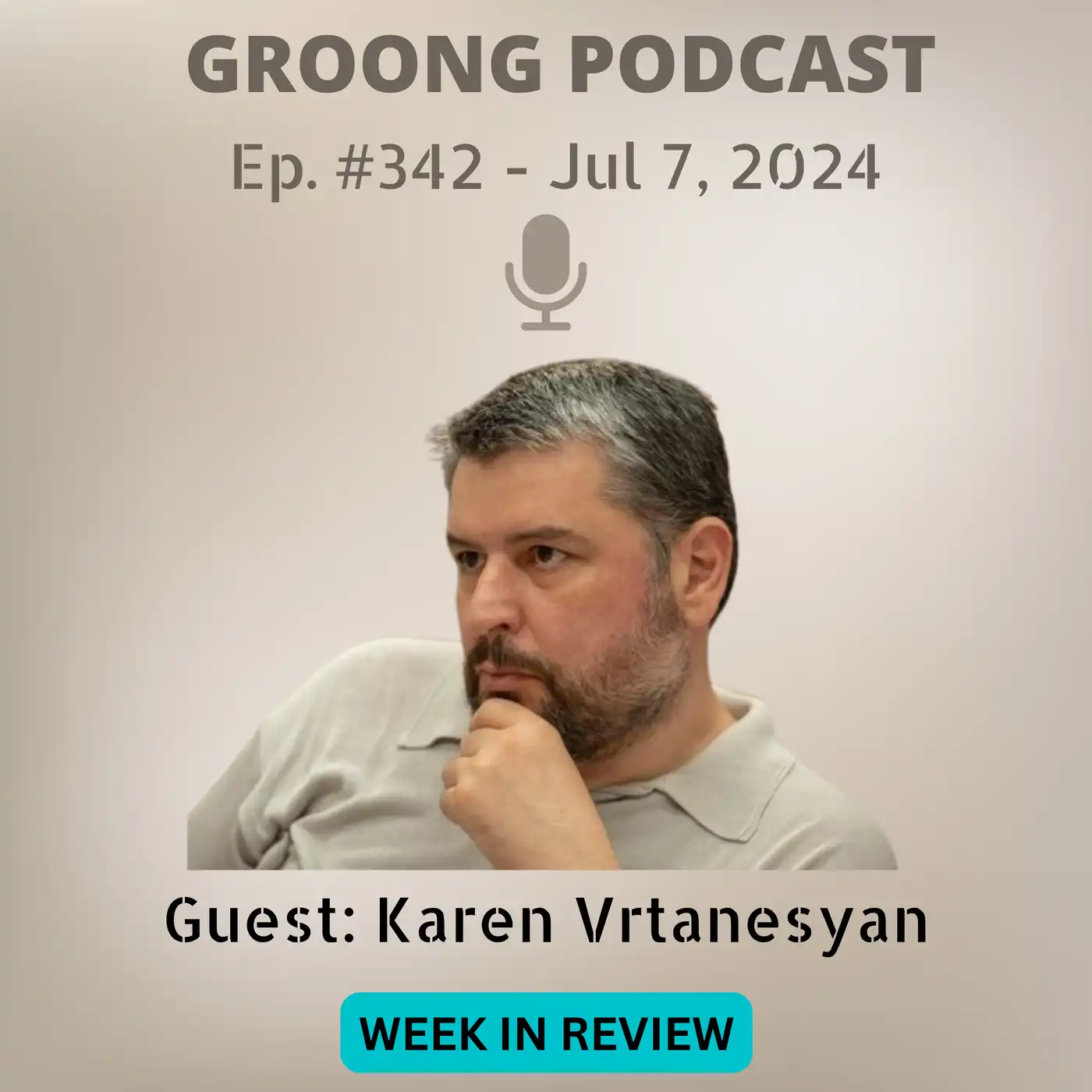
Groong Links:
Guest:
Topics:
- Armenia, Azerbaijan, at NATO Summit
- Border Talks Still in Chaos
- Srbazan in Syunik
- Pashinyan in Syunik
- Srbazan Movement
- Arms, or Alms for Armenia?
- Orban, Aliyevâs Man inside the EU
- Eagle Partner 2024 in Armenia
Episode 342 | Recorded: July 8, 2024
Karen Vrtanesyan - Armenia, Azerbaijan at NATO, Border Talks, Srbazan Movement, Arms or Alms for Rearming | Ep 342 - July 7, 2024 [EP342]
Posted on Wednesday, Jul 10, 2024 | Category: Armenia, Artsakh, Politics, Azerbaijan, Georgia, Iran, Russia, NATO, Ukraine, Turkey, Genocide, Israel, European Union, IndiaGroong Links:
Guest:
Topics:
- Armenia, Azerbaijan, at NATO Summit
- Border Talks Still in Chaos
- Srbazan in Syunik
- Pashinyan in Syunik
- Srbazan Movement
- Arms, or Alms for Armenia?
- Orban, Aliyevâs Man inside the EU
- Eagle Partner 2024 in Armenia
Episode 342 | Recorded: July 8, 2024
Aram Orbelyan - Legality of Armenian Territorial Handovers to Azerbaijan, Triggering Parliamentary Elections through Opposition Resignations | Ep 340 - June 23, 2024 [EP340]
Posted on Wednesday, Jun 26, 2024 | Category: Armenia, Azerbaijan, Politics, Russia, European Union, Iran, Ukraine, India | Series: cog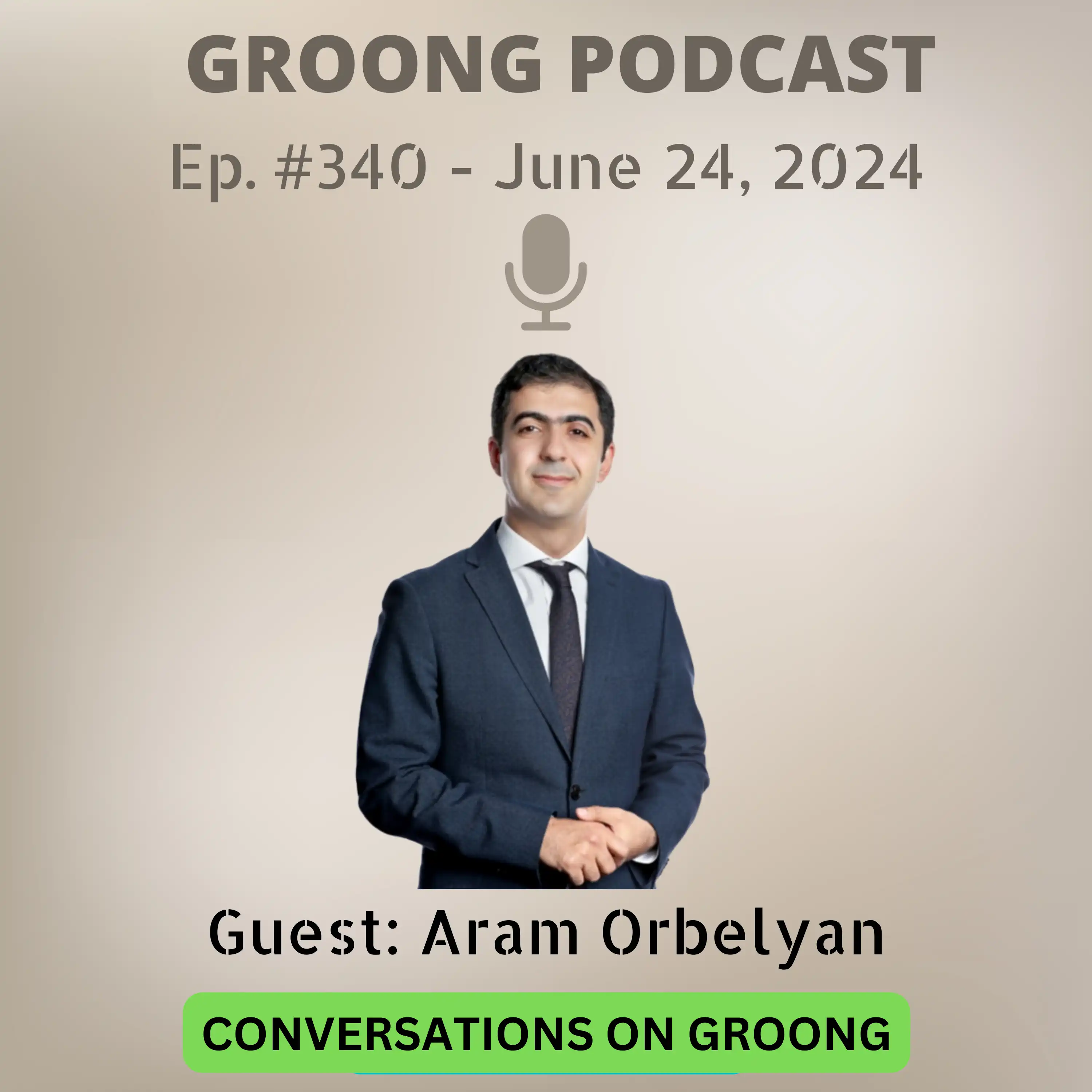
Groong Links:
Guest:
Topics:
- Unconstitutional “Delimitation” Process
- Could the Opposition Trigger New Elections?
Episode 340 | Recorded: June 21, 2024
Aram Orbelyan - Legality of Armenian Territorial Handovers to Azerbaijan, Triggering Parliamentary Elections through Opposition Resignations | Ep 340 - June 23, 2024 [EP340]
Posted on Wednesday, Jun 26, 2024 | Category: Armenia, Azerbaijan, Politics, Russia, European Union, Iran, Ukraine, IndiaGroong Links:
Guest:
Topics:
- Unconstitutional “Delimitation” Process
- Could the Opposition Trigger New Elections?
Episode 340 | Recorded: June 21, 2024
Dziunik Aghajanian - Srbazan Movement Pause, EU Right Shift, Renewed Azerbaijan War Threats, Did Pashinyan get Marching Orders from Erdogan | Ep 339 - June 23, 2024 [EP339]
Posted on Tuesday, Jun 25, 2024 | Category: Armenia, Azerbaijan, Turkey, Russia, Georgia, Armenian Church, Artsakh Blockade, Iran, Israel, Ukraine, European Union, NATO, Economy, Human Rights, China, Geopolitics, Lebanon | Series: wir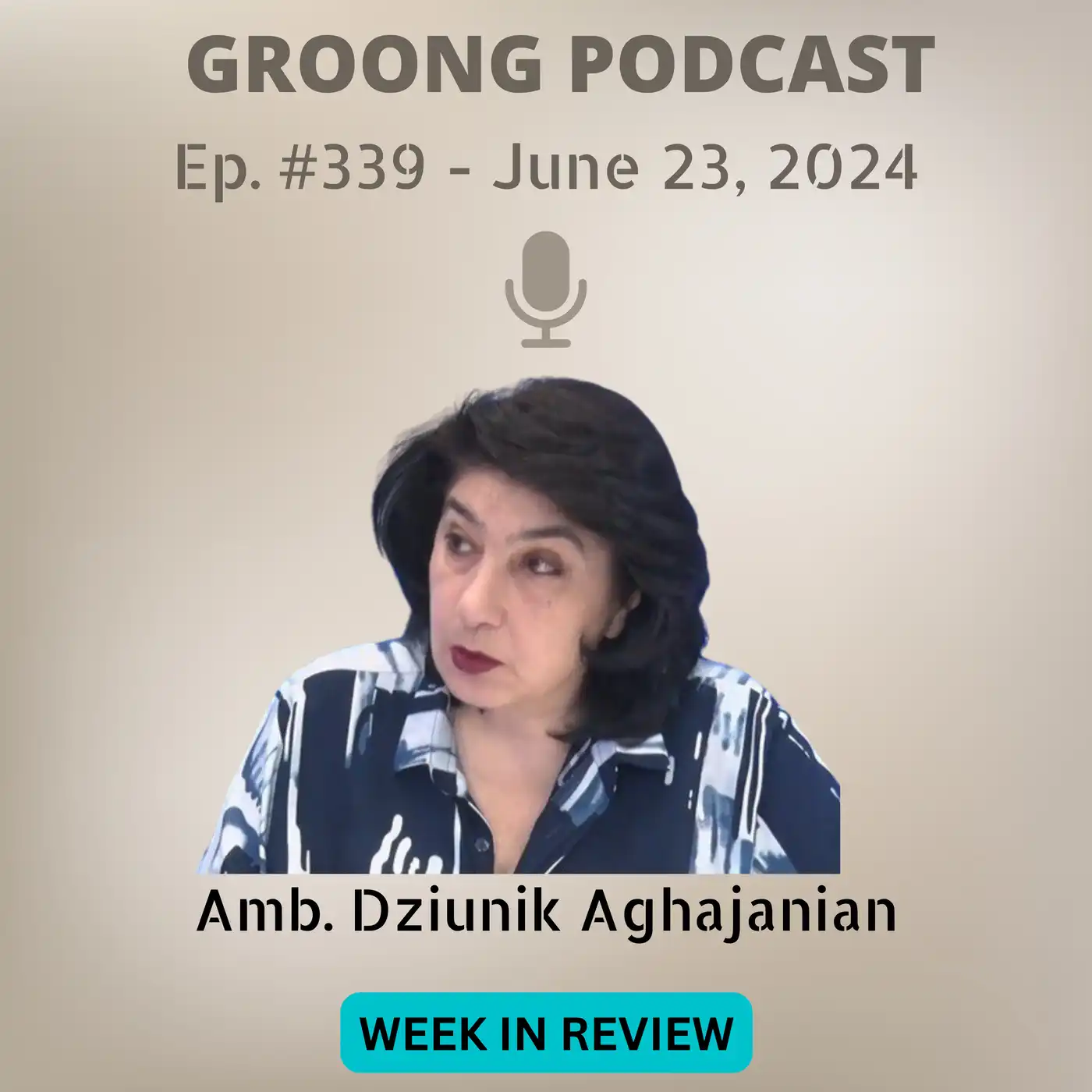
Groong Links:
Guest:
Topics:
- Srbazan Movement: Pause & Regroup?
- EU Parliamentary Shift to the Right
- Armenia and EU Membership
- Renewed Azerbaijani Threats of War
- Armenia Reports CAESAR Artillery Acquisition
- Did Pashinyan Get Marching Orders from Erdogan?
Episode 339 | Recorded: June 23, 2024
Dziunik Aghajanian - Srbazan Movement Pause, EU Right Shift, Renewed Azerbaijan War Threats, Did Pashinyan get Marching Orders from Erdogan | Ep 339 - June 23, 2024 [EP339]
Posted on Tuesday, Jun 25, 2024 | Category: Armenia, Azerbaijan, Turkey, Russia, Georgia, Armenian Church, Artsakh Blockade, Iran, Israel, Ukraine, European Union, NATO, Economy, Human Rights, China, Geopolitics, LebanonGroong Links:
Guest:
Topics:
- Srbazan Movement: Pause & Regroup?
- EU Parliamentary Shift to the Right
- Armenia and EU Membership
- Renewed Azerbaijani Threats of War
- Armenia Reports CAESAR Artillery Acquisition
- Did Pashinyan Get Marching Orders from Erdogan?
Episode 339 | Recorded: June 23, 2024
Benyamin Poghosyan - Police Brutality, Violence, and Repressions, Armenia Azerbaijan Talks, Armenia Russia Relations | Ep 337 - June 16, 2024 [EP337]
Posted on Tuesday, Jun 18, 2024 | Category: Armenia, Artsakh, Politics, Nagorno Karabakh, Azerbaijan, Iran, Israel, Russia, Turkey, Ukraine, China, Economy, Geopolitics, European Union, Genocide, Human Rights, India | Series: wir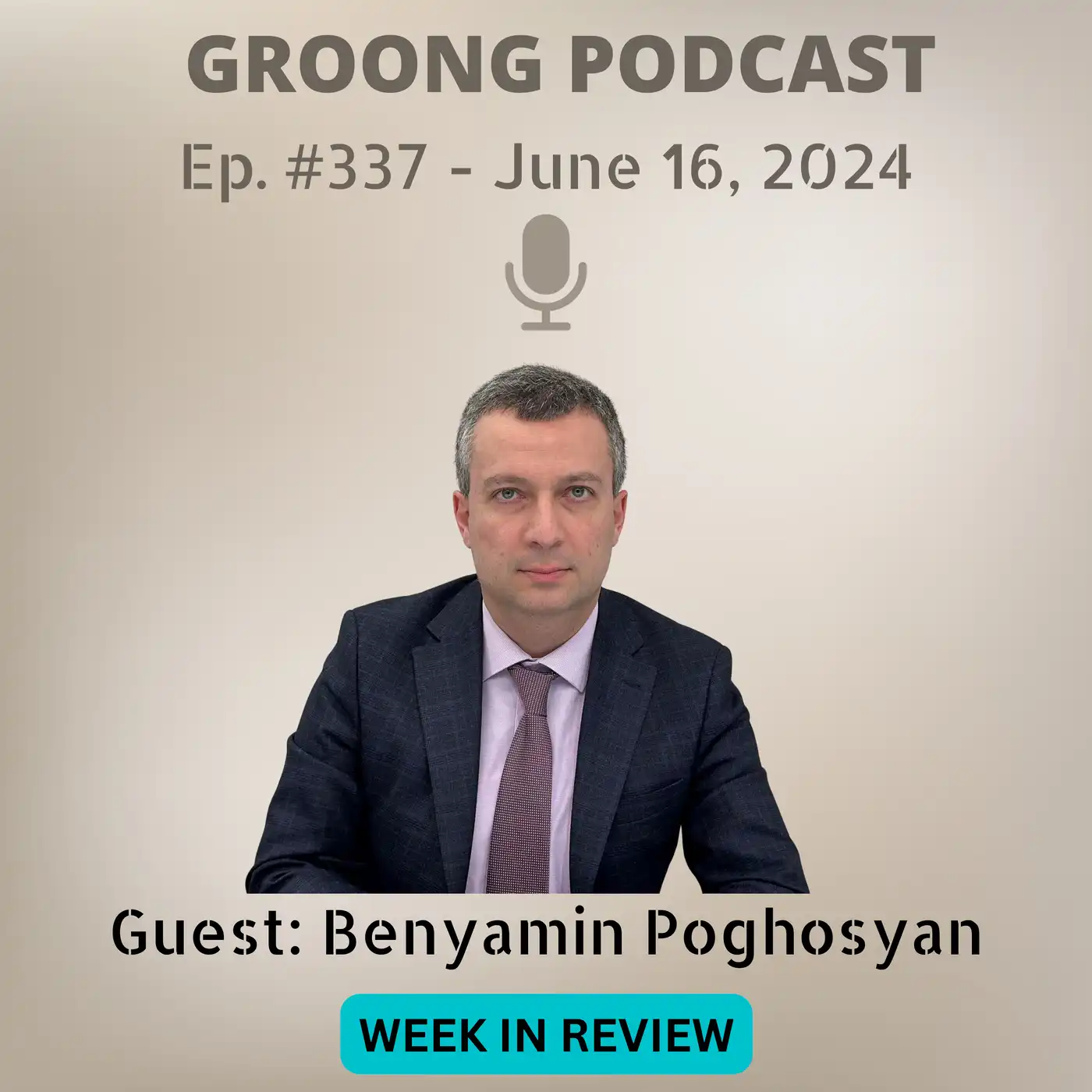
Groong Links:
Guest:
Topics:
- Police Brutality, Violence & Repressions
- Armenia Azerbaijan Talks
- Armenia Russia Relations
Episode 337 | Recorded: June 17, 2024
Benyamin Poghosyan - Police Brutality, Violence, and Repressions, Armenia Azerbaijan Talks, Armenia Russia Relations | Ep 337 - June 16, 2024 [EP337]
Posted on Tuesday, Jun 18, 2024 | Category: Armenia, Artsakh, Politics, Nagorno Karabakh, Azerbaijan, Iran, Israel, Russia, Turkey, Ukraine, China, Economy, Geopolitics, European Union, Genocide, Human Rights, IndiaGroong Links:
Guest:
Topics:
- Police Brutality, Violence & Repressions
- Armenia Azerbaijan Talks
- Armenia Russia Relations
Episode 337 | Recorded: June 17, 2024
Anna Karapetyan | Peace Treaty and more Aliyev Demands | James O’Brien in Yerevan | Srbazan Movement | Ep 335 - June 9, 2024 [EP335]
Posted on Tuesday, Jun 11, 2024 | Category: Armenia, Politics, Artsakh, Nagorno Karabakh, Azerbaijan, Turkey, Russia, Economy, Genocide, Ukraine, Geopolitics, Human Rights, Iran | Series: wir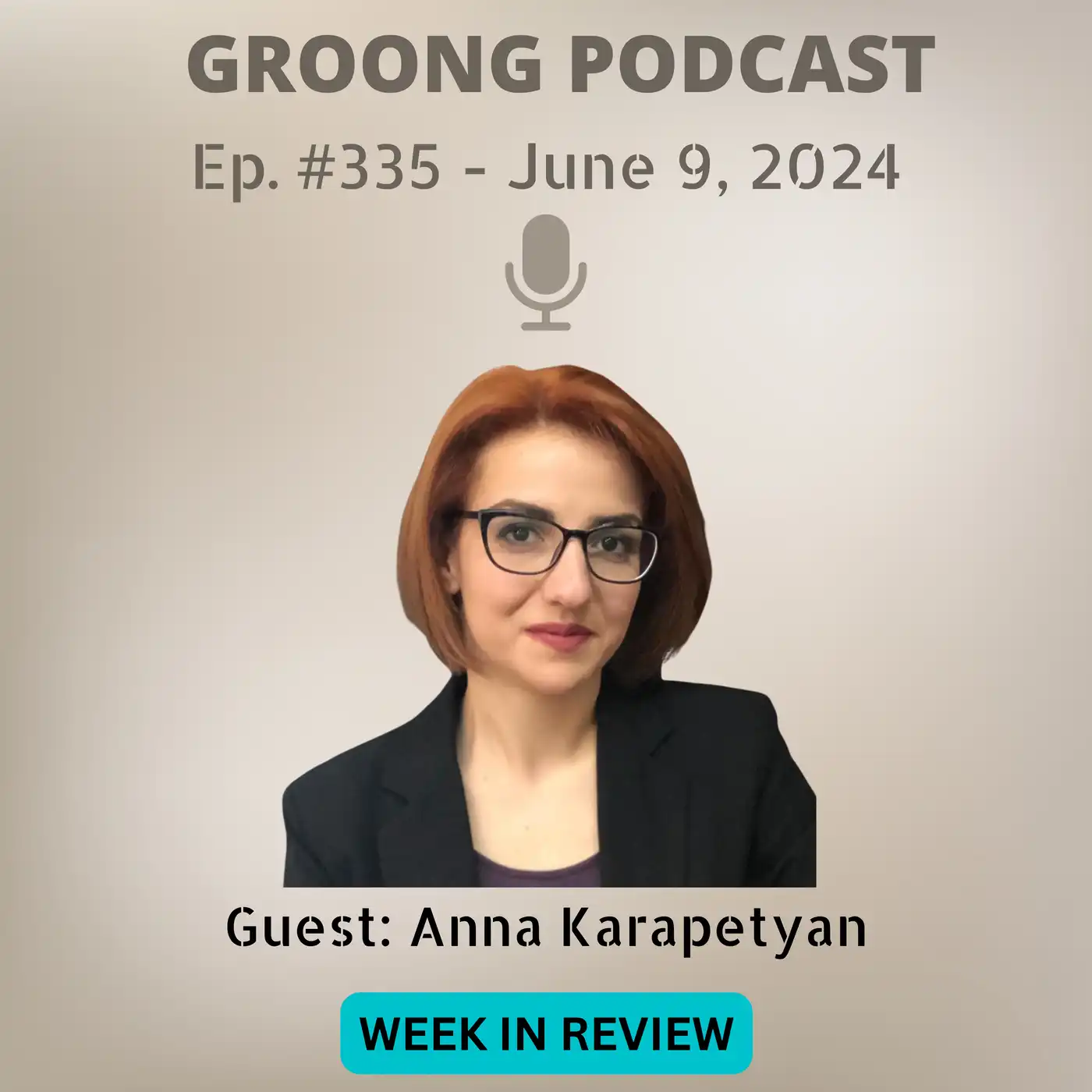
Groong Links:
Guest:
Topics:
- Peace Treaty and more Aliyev Demands
- James OâBrien in Yerevan
- Russia Armenia Relations
- Srbazan Movement
Episode 335 | Recorded: June 10, 2024
Anna Karapetyan | Peace Treaty and more Aliyev Demands | James O’Brien in Yerevan | Srbazan Movement | Ep 335 - June 9, 2024 [EP335]
Posted on Tuesday, Jun 11, 2024 | Category: Armenia, Politics, Artsakh, Nagorno Karabakh, Azerbaijan, Turkey, Russia, Economy, Genocide, Ukraine, Geopolitics, Human Rights, IranGroong Links:
Guest:
Topics:
- Peace Treaty and more Aliyev Demands
- James OâBrien in Yerevan
- Russia Armenia Relations
- Srbazan Movement
Episode 335 | Recorded: June 10, 2024
Archil Sikharulidze - Georgian Law on Foreign Agents | Tavush Movement in Armenia | Parallels in Foreign Influence | Ep 332 - May 26, 2024 [EP332]
Posted on Sunday, May 26, 2024 | Category: Georgia, Armenia, Russia, European Union, NATO, Iran, Turkey, Ukraine, Human Rights, China, Economy, Genocide | Series: cog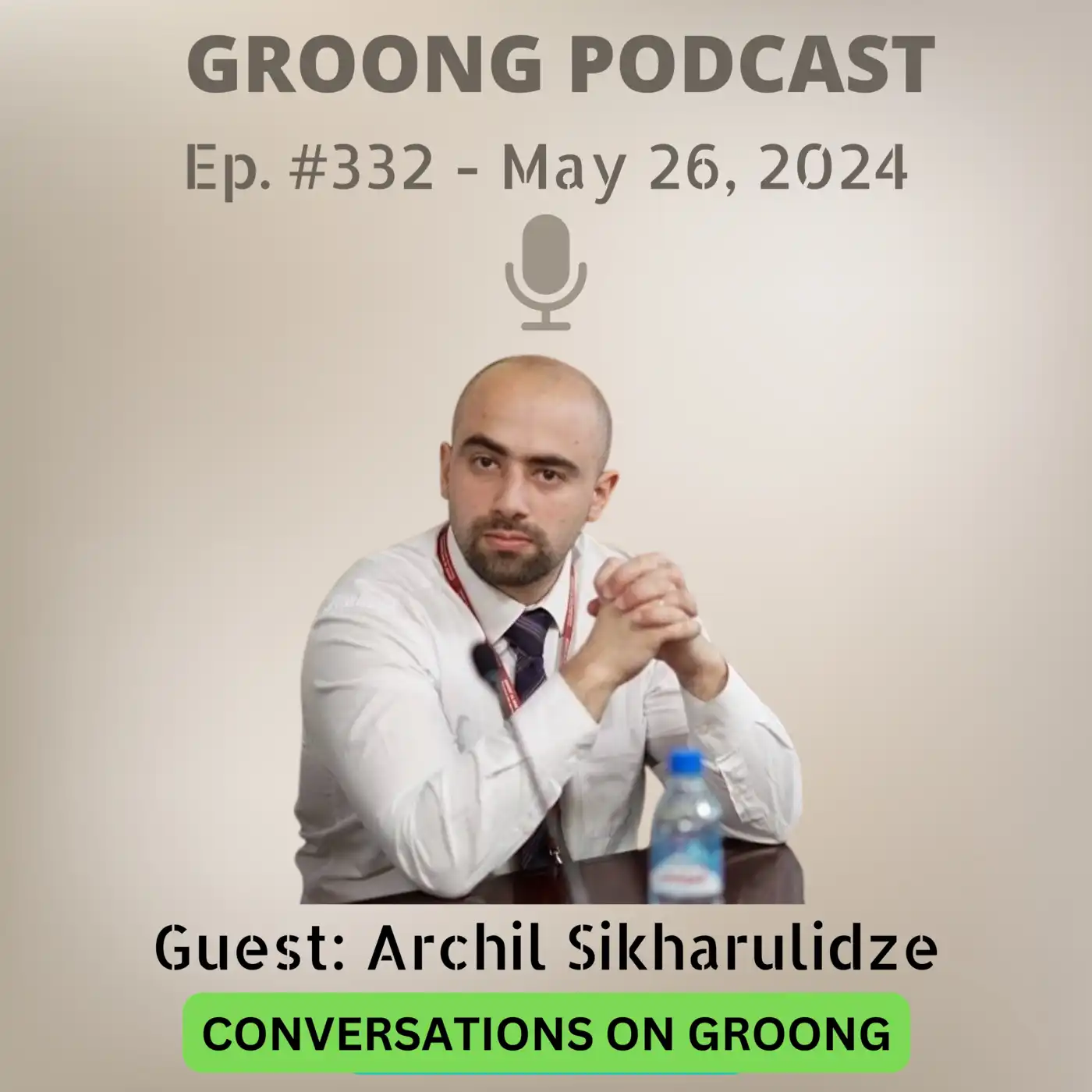
Groong Links:
Guest:
Topics:
- Georgian Law on Foreign Agents
- Politics and Diplomacy of Armenia
- Parallels and Lessons from Georgia
Episode 332 | Recorded: May 25, 2024
Archil Sikharulidze - Georgian Law on Foreign Agents | Tavush Movement in Armenia | Parallels in Foreign Influence | Ep 332 - May 26, 2024 [EP332]
Posted on Sunday, May 26, 2024 | Category: Georgia, Armenia, Russia, European Union, NATO, Iran, Turkey, Ukraine, Human Rights, China, Economy, GenocideGroong Links:
Guest:
Topics:
- Georgian Law on Foreign Agents
- Politics and Diplomacy of Armenia
- Parallels and Lessons from Georgia
Episode 332 | Recorded: May 25, 2024