Armenian Parliamentary Elections
Last updated: May 30, 2026
Parliamentary elections in Armenia determine the composition of the National Assembly under a proportional representation system with party and alliance thresholds. Groong covers these elections as events of strategic importance to Armenia’s direction, given the country’s precarious geopolitical position, its fractured opposition landscape, and the concentration of state resources and media access in the hands of the incumbent government. The 2026 Armenian Parliamentary Election on June 7 represents the most consequential vote since the 2018 Velvet Revolution, a color revolution that brought Nikol Pashinyan and Civil Contract to power. The Pashinyan regime’s rule took place amid Armenia’s loss in the 44-Day War , territorial concessions, the Artsakh Blockade followed by complete ethnic cleansing of Artsakh, and an Armenia-Azerbaijan Peace Process that is still unresolved.
Election coverage on Groong examines the competing parties and alliances, polling trends from organizations like MPG and IRI, the structural disadvantages facing opposition forces, and the broader geopolitical context that shapes electoral outcomes. Recent episodes have analyzed the phenomenon of “hidden votes,” where public polls fail to capture the true voting intentions of citizens, the campaign rhetoric of Civil Contract and opposition figures including those aligned with the Strong Armenia [/tags/strong-armenia/], Armenia Alliance , Prosperous Armenia , and others, and the use of arrests, administrative pressure, and surveillance against opposition politicians and civil society activists. Groong has also examined how external actors, including Emmanuel Macron and France’s Armenia policy, the European Union’s political messaging around elections, and the CSTO and Russia’s role in Armenia’s security framework, intersect with domestic political competition.
A central question running through Groong’s election coverage is whether fragmented opposition forces can collectively clear enough thresholds to deny Civil Contract parliamentary supermajorities, and whether voters will treat the election as a choice about Armenia’s strategic direction, particularly regarding the Zangezur Corridor also known as the Trump Route for International Peace and Prosperity (TRIPP), Armenia’s relationship with the Armenian Church , and ties to the Armenian Diaspora . Episodes have also explored the constitutional changes Pashinyan’s government has implemented, allegations of unfair electoral conditions, and the constraints on free speech and press freedom in the pre-election environment. These discussions place parliamentary elections in the context of Armenia’s ongoing confrontation with Azerbaijan, its deepening engagement with Western institutions, and the limits of what domestic political change can achieve in a country subject to intense external pressures.
Groong episodes that include this tag
Below are all Groong episodes tagged with Armenian Parliamentary Elections.
Robert Markarian: Party Platforms in June 20 Parliamentary Elections (Ep #73) - June 20, 2021 [EP73]
Posted on Saturday, Jun 19, 2021 | Category: In Armenian, Armenia, Politics, Economy, Azerbaijan, Artsakh, Russia, Iran, Nagorno Karabakh, NATO | Series: cog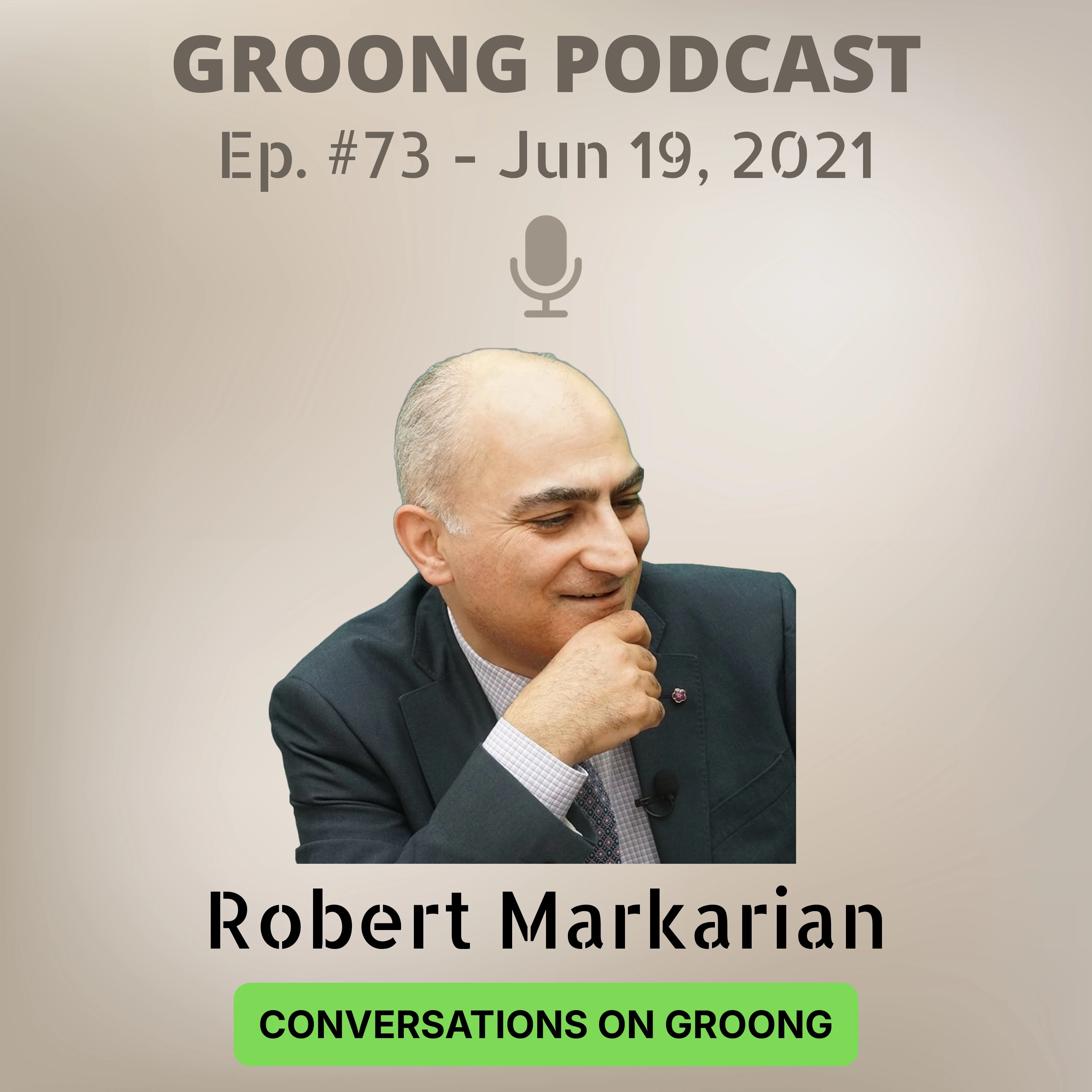
Analyzing Party Platforms in June 20 Parliamentary Elections
A Conversation with Robert Markarian
Guest:
Robert Markarian was born in Iran and has university education in physics and law. For 25 years, he has worked as a host, editor, and analyst on Armenian Radio Hour in Iranâs public radio and television. He has cooperated articles covering Armenia and Artsakh in Armenian, Persian, and English published by Iranian and Armenian sites and analytical centers.
Topics:
- Security/Defense
- Economy and Social
- Artsakh
- Diaspora Relations
Conversation in English and Armenian
Guest(s):
Read MoreRobert Markarian: Party Platforms in June 20 Parliamentary Elections (Ep #73) - June 20, 2021 [EP73]
Posted on Saturday, Jun 19, 2021 | Category: In Armenian, Armenia, Politics, Economy, Azerbaijan, Artsakh, Russia, Iran, Nagorno Karabakh, NATOAnalyzing Party Platforms in June 20 Parliamentary Elections
A Conversation with Robert Markarian
Guest:
Robert Markarian was born in Iran and has university education in physics and law. For 25 years, he has worked as a host, editor, and analyst on Armenian Radio Hour in Iranâs public radio and television. He has cooperated articles covering Armenia and Artsakh in Armenian, Persian, and English published by Iranian and Armenian sites and analytical centers.
Topics:
- Security/Defense
- Economy and Social
- Artsakh
- Diaspora Relations
Conversation in English and Armenian
Guest(s):
Read More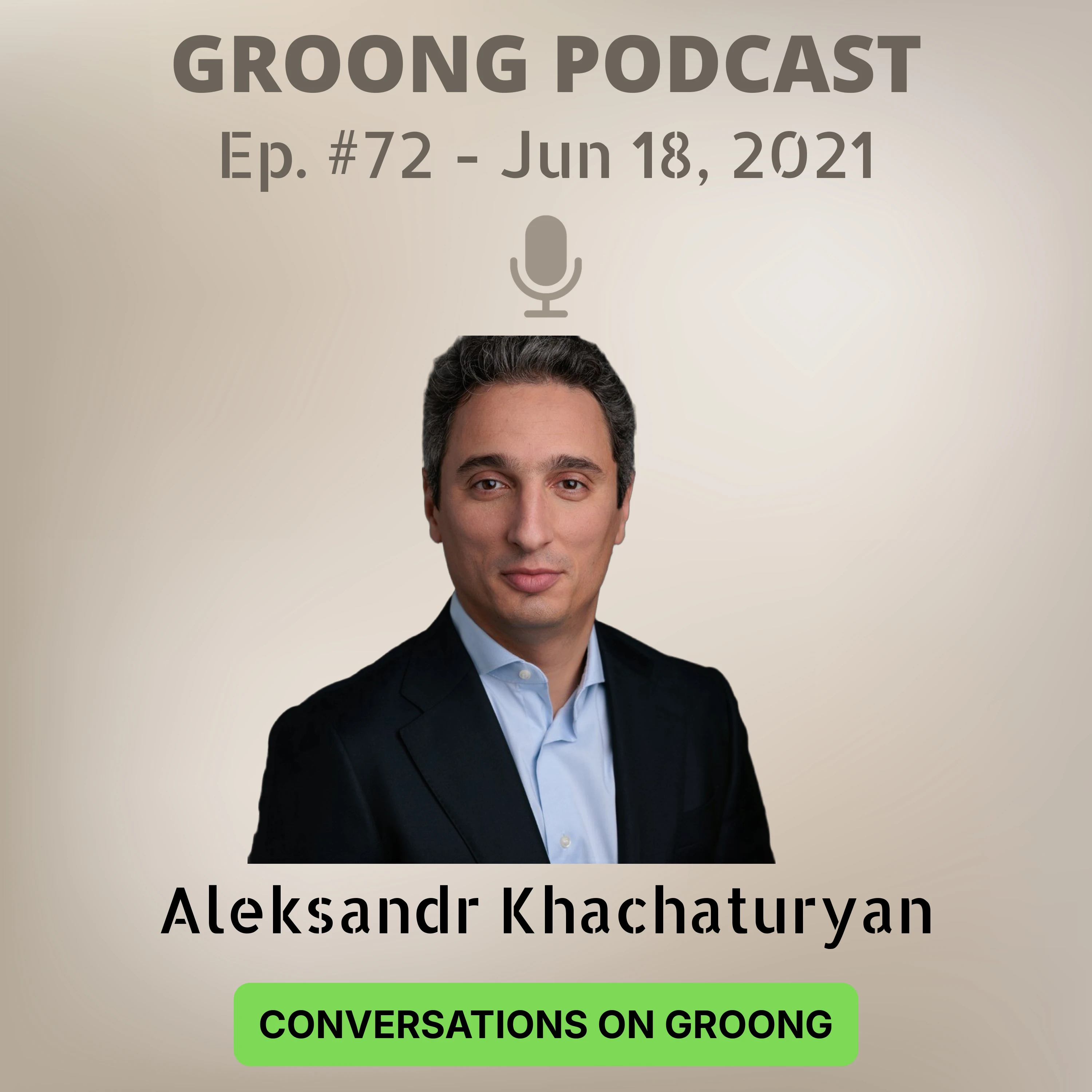
Aleksandr Khachaturyan on the 2021 Armenian Elections
Guest:
Aleksandr Khachaturyan who is a Managing Partner at TK & Partners, in Yerevan. In 2016 he served as an advisor to the Prime Minister of the Republic of Armenia, Karen Karapetyan, and was CEO of the Center for Strategic Initiatives, advising the government on key economic and public administration reforms and strategies. He serves as a board member at ID Bank and various non-profits, and lectures on corporate finance law at the French University of Armenia (FUA). He holds law degrees from Boston University, FUA, and Jean Moulin
Read MoreAleksandr Khachaturyan on the 2021 Armenian Elections
Guest:
Aleksandr Khachaturyan who is a Managing Partner at TK & Partners, in Yerevan. In 2016 he served as an advisor to the Prime Minister of the Republic of Armenia, Karen Karapetyan, and was CEO of the Center for Strategic Initiatives, advising the government on key economic and public administration reforms and strategies. He serves as a board member at ID Bank and various non-profits, and lectures on corporate finance law at the French University of Armenia (FUA). He holds law degrees from Boston University, FUA, and Jean Moulin
Read MoreAspram Krpeyan: Hayastan Dashinq, Elections and Postwar Outlook (Ep #71) - June 18, 2021 [EP71]
Posted on Friday, Jun 18, 2021 | Category: Armenia, Politics, Turkey, Human Rights, Russia, Artsakh Blockade | Series: cog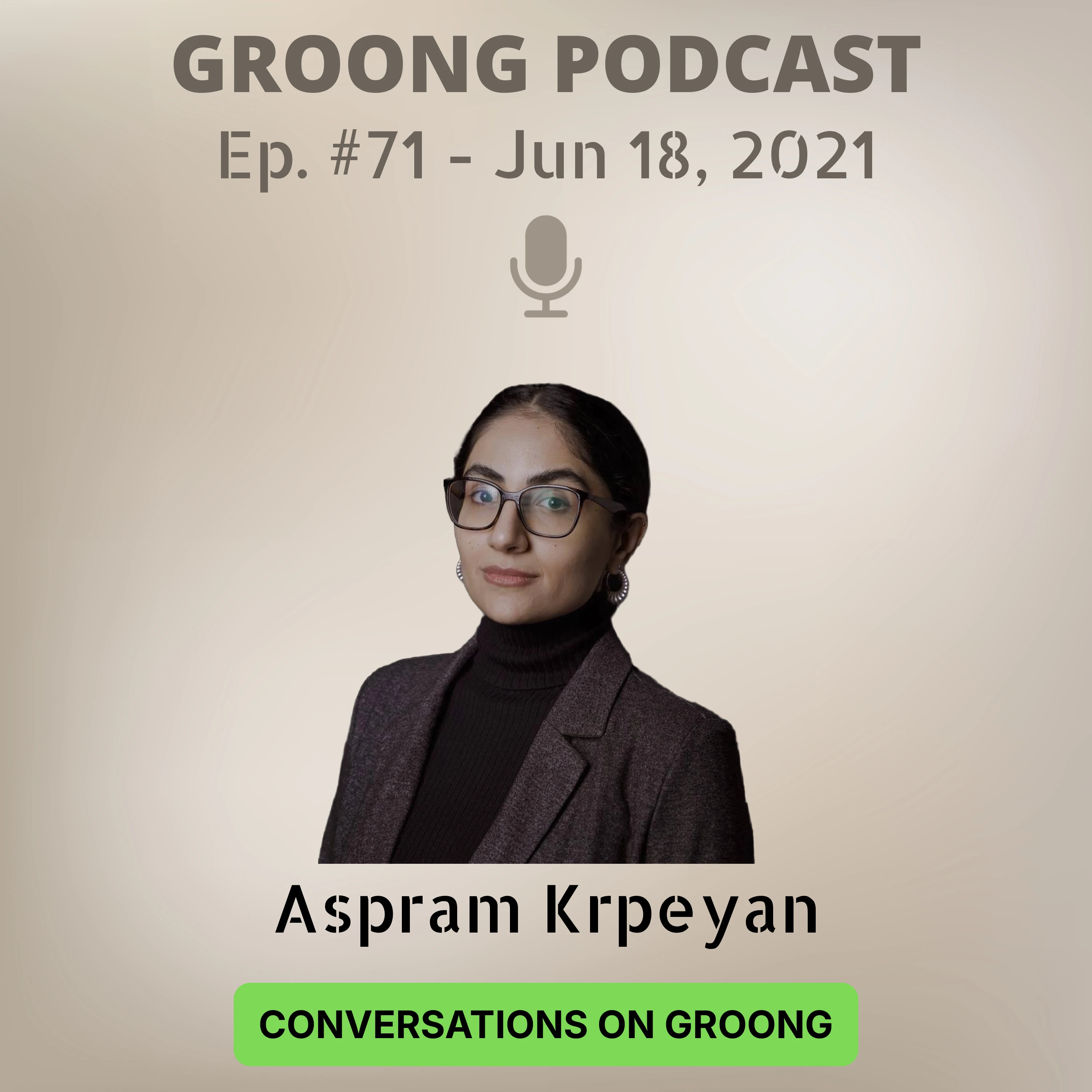
Hayastan Dashinq (Armenia Alliance), Elections and Postwar Outlook
Guest
Aspram Krpeyan, is a member of the Hayastan Dashinq led by former president Robert Kocharyan in the upcoming elections in Armenia, and a member of its list of parliamentary party representatives. She holds an MSt in Diplomatic Studies from the University of Oxford and an LLM from the Geneva Academy of the International Humanitarian Law and Human Rights. Her research interests lie in international law with a focus on the interplay between international humanitarian law and human rights, use of force, including the conduct
Read MoreAspram Krpeyan: Hayastan Dashinq, Elections and Postwar Outlook (Ep #71) - June 18, 2021 [EP71]
Posted on Friday, Jun 18, 2021 | Category: Armenia, Politics, Turkey, Human Rights, Russia, Artsakh BlockadeHayastan Dashinq (Armenia Alliance), Elections and Postwar Outlook
Guest
Aspram Krpeyan, is a member of the Hayastan Dashinq led by former president Robert Kocharyan in the upcoming elections in Armenia, and a member of its list of parliamentary party representatives. She holds an MSt in Diplomatic Studies from the University of Oxford and an LLM from the Geneva Academy of the International Humanitarian Law and Human Rights. Her research interests lie in international law with a focus on the interplay between international humanitarian law and human rights, use of force, including the conduct
Read MoreARF-Dashnaktsutyun: Roadmap & Challenges - Conversation with Giro Manoyan | (Ep #69) - June 11, 2021 [EP69]
Posted on Friday, Jun 11, 2021 | Category: Armenia, Azerbaijan, Artsakh, Russia, Turkey, Armenian Church, Economy, Iran, Lebanon, Middle East, Nagorno Karabakh, NATO | Series: cog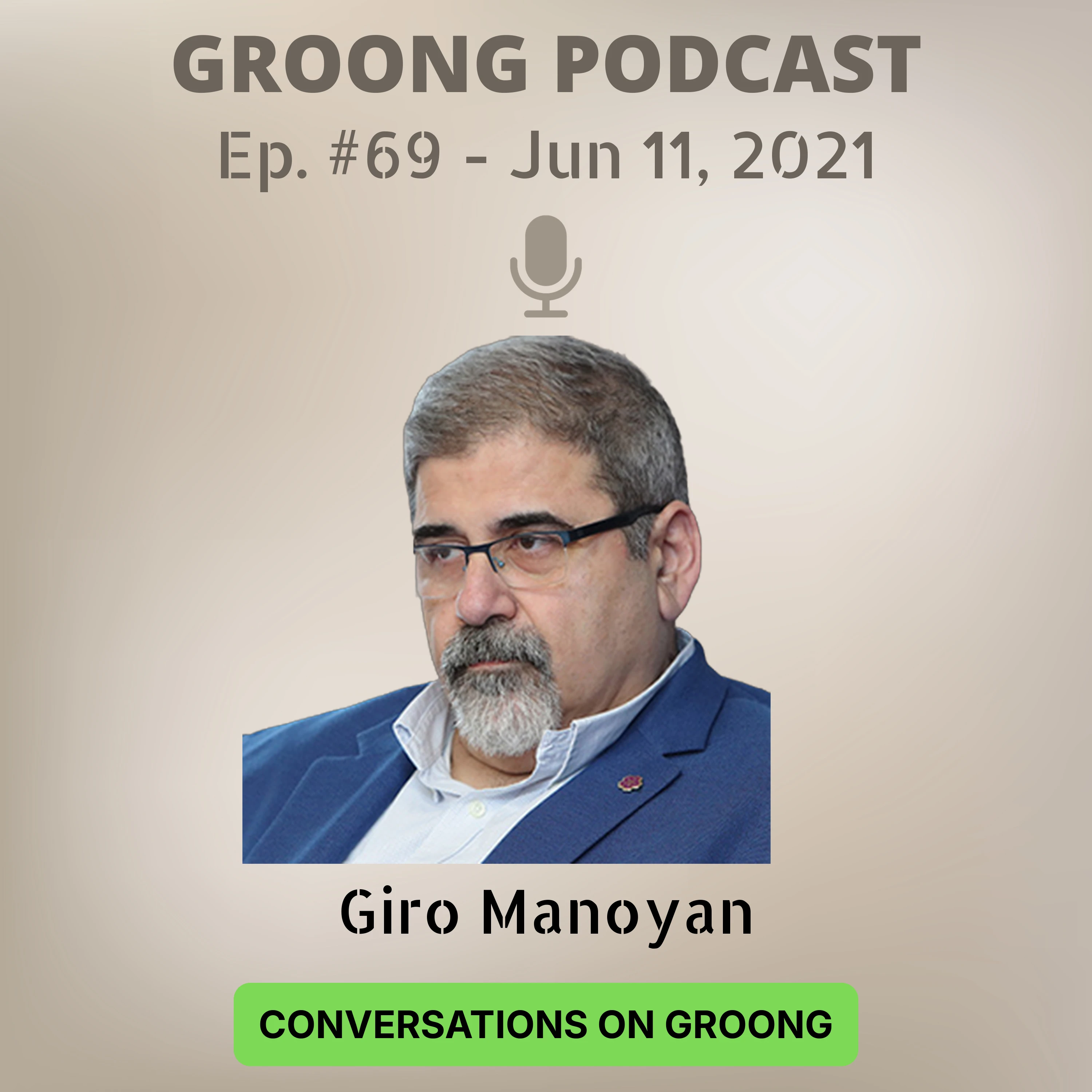
ARF-Dashnaktsutyun: Roadmap and Challenges
Guest
- Giro Manoyan has been a member of the ARF-D Bureau since 2015. Originally from Beirut, Lebanon, he moved to Montreal, Canada in 1976. He has served as the Executive Secretary of the Armenian National Committee of Canada, as well as the Editor in Chief of the Horizon Armenian Weekly. In 1999 he moved to Yerevan and has served as the Executive Director of the Bureau of the ARF-D, in charge of the Armenian Cause, Hai Tahd Central Committee.
Topics
- The ARF in the Politics of Armenia
- On the War in 2020
- On the Upcoming Elections in 2021
- On the
ARF-Dashnaktsutyun: Roadmap & Challenges - Conversation with Giro Manoyan | (Ep #69) - June 11, 2021 [EP69]
Posted on Friday, Jun 11, 2021 | Category: Armenia, Azerbaijan, Artsakh, Russia, Turkey, Armenian Church, Economy, Iran, Lebanon, Middle East, Nagorno Karabakh, NATOARF-Dashnaktsutyun: Roadmap and Challenges
Guest
- Giro Manoyan has been a member of the ARF-D Bureau since 2015. Originally from Beirut, Lebanon, he moved to Montreal, Canada in 1976. He has served as the Executive Secretary of the Armenian National Committee of Canada, as well as the Editor in Chief of the Horizon Armenian Weekly. In 1999 he moved to Yerevan and has served as the Executive Director of the Bureau of the ARF-D, in charge of the Armenian Cause, Hai Tahd Central Committee.
Topics
- The ARF in the Politics of Armenia
- On the War in 2020
- On the Upcoming Elections in 2021
- On the
Iran: Foreign Relations, Upcoming Elections (Ep. 67) - 06/07/2021 [EP67]
Posted on Monday, Jun 7, 2021 | Category: Iran, Armenia, Azerbaijan, Russia, China, Israel, Middle East, Syria, Artsakh, Georgia, Turkey, Nagorno Karabakh | Series: cog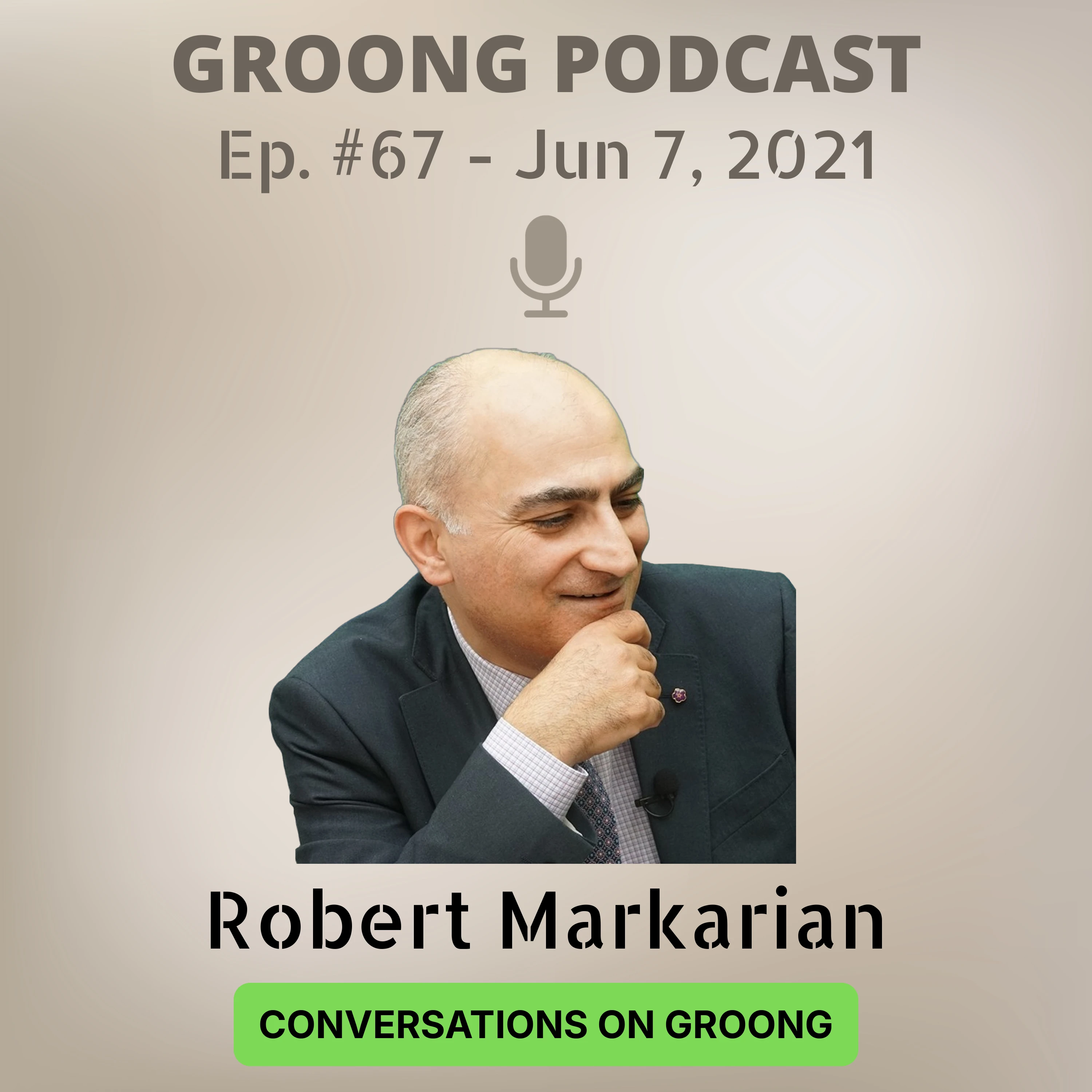
Guest(s):
Iran: Foreign Relations and Upcoming Elections A Conversation with Robert Markarian
The South Caucasus comprises Armenia, Azerbaijan, and Georgia. The three regional powers surrounding them are Russia to the north, Turkey to the west, and Iran in the south.
Iran has been largely quiet about events on its northern border with Armenia and Azerbaijan, due largely to its marginalization on the world stage because of the Western economic sanctions but also because Iran is home to millions of ethnic Azeris and any perceived support for Armenia could result in additional
Read More