Armenian Parliamentary Elections
Last updated: May 30, 2026
Parliamentary elections in Armenia determine the composition of the National Assembly under a proportional representation system with party and alliance thresholds. Groong covers these elections as events of strategic importance to Armenia’s direction, given the country’s precarious geopolitical position, its fractured opposition landscape, and the concentration of state resources and media access in the hands of the incumbent government. The 2026 Armenian Parliamentary Election on June 7 represents the most consequential vote since the 2018 Velvet Revolution, a color revolution that brought Nikol Pashinyan and Civil Contract to power. The Pashinyan regime’s rule took place amid Armenia’s loss in the 44-Day War , territorial concessions, the Artsakh Blockade followed by complete ethnic cleansing of Artsakh, and an Armenia-Azerbaijan Peace Process that is still unresolved.
Election coverage on Groong examines the competing parties and alliances, polling trends from organizations like MPG and IRI, the structural disadvantages facing opposition forces, and the broader geopolitical context that shapes electoral outcomes. Recent episodes have analyzed the phenomenon of “hidden votes,” where public polls fail to capture the true voting intentions of citizens, the campaign rhetoric of Civil Contract and opposition figures including those aligned with the Strong Armenia [/tags/strong-armenia/], Armenia Alliance , Prosperous Armenia , and others, and the use of arrests, administrative pressure, and surveillance against opposition politicians and civil society activists. Groong has also examined how external actors, including Emmanuel Macron and France’s Armenia policy, the European Union’s political messaging around elections, and the CSTO and Russia’s role in Armenia’s security framework, intersect with domestic political competition.
A central question running through Groong’s election coverage is whether fragmented opposition forces can collectively clear enough thresholds to deny Civil Contract parliamentary supermajorities, and whether voters will treat the election as a choice about Armenia’s strategic direction, particularly regarding the Zangezur Corridor also known as the Trump Route for International Peace and Prosperity (TRIPP), Armenia’s relationship with the Armenian Church , and ties to the Armenian Diaspora . Episodes have also explored the constitutional changes Pashinyan’s government has implemented, allegations of unfair electoral conditions, and the constraints on free speech and press freedom in the pre-election environment. These discussions place parliamentary elections in the context of Armenia’s ongoing confrontation with Azerbaijan, its deepening engagement with Western institutions, and the limits of what domestic political change can achieve in a country subject to intense external pressures.
Groong episodes that include this tag
Below are all Groong episodes tagged with Armenian Parliamentary Elections.
Saakashvili in Georgia | Putin Erdogan in Sochi | OSCE MG in NK | Tonoyan in Jail | Ep 91 Oct 3 2021 [EP91]
Posted on Monday, Oct 4, 2021 | Category: Armenia, Politics, Georgia, Geopolitics, Russia, Azerbaijan, Turkey, Artsakh, Ukraine, Iran, Syria, China, Nagorno Karabakh, NATO, European Union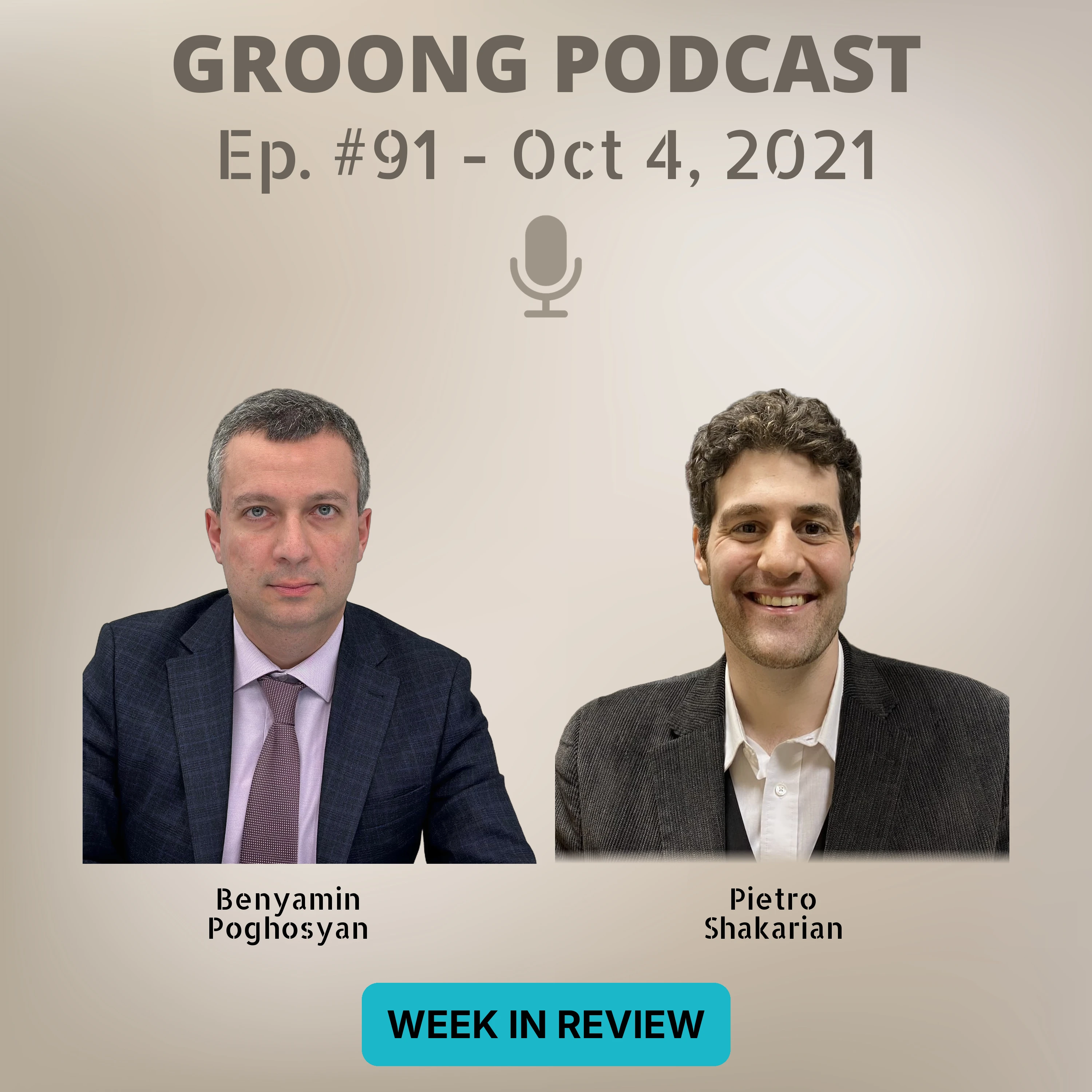
ANN/Groong Week in Review - October 3, 2021
Topics:
- Saakashvili Back in Georgia
- Putin, Erdogan, in Sochi
- OSCE Minsk Group in Artsakh?
- Tonoyan, Galstyan in Jail
- Hovik in Stepanakert
Guests:
- Benyamin Poghosyan TW/@benyamin_poghos
- Pietro Shakarian
Guest(s):
Hosts:
- Asbed Bedrossian TW/@qubriq
- Hovik Manucharyan TW/@HovikYerevan
Episode 91 | Recorded: October 3, 2021 https://groong.org/podcasts/WiR-20211003.html
Calls for a Commission to Analyze the Defeat in the 2020 Artsakh War | Ep. #82 - July 31, 2021 [EP82]
Posted on Saturday, Jul 31, 2021 | Category: Armenia, Azerbaijan, Russia, Israel, Artsakh, Turkey, Economy, Geopolitics, Nagorno Karabakh, NATO | Series: cog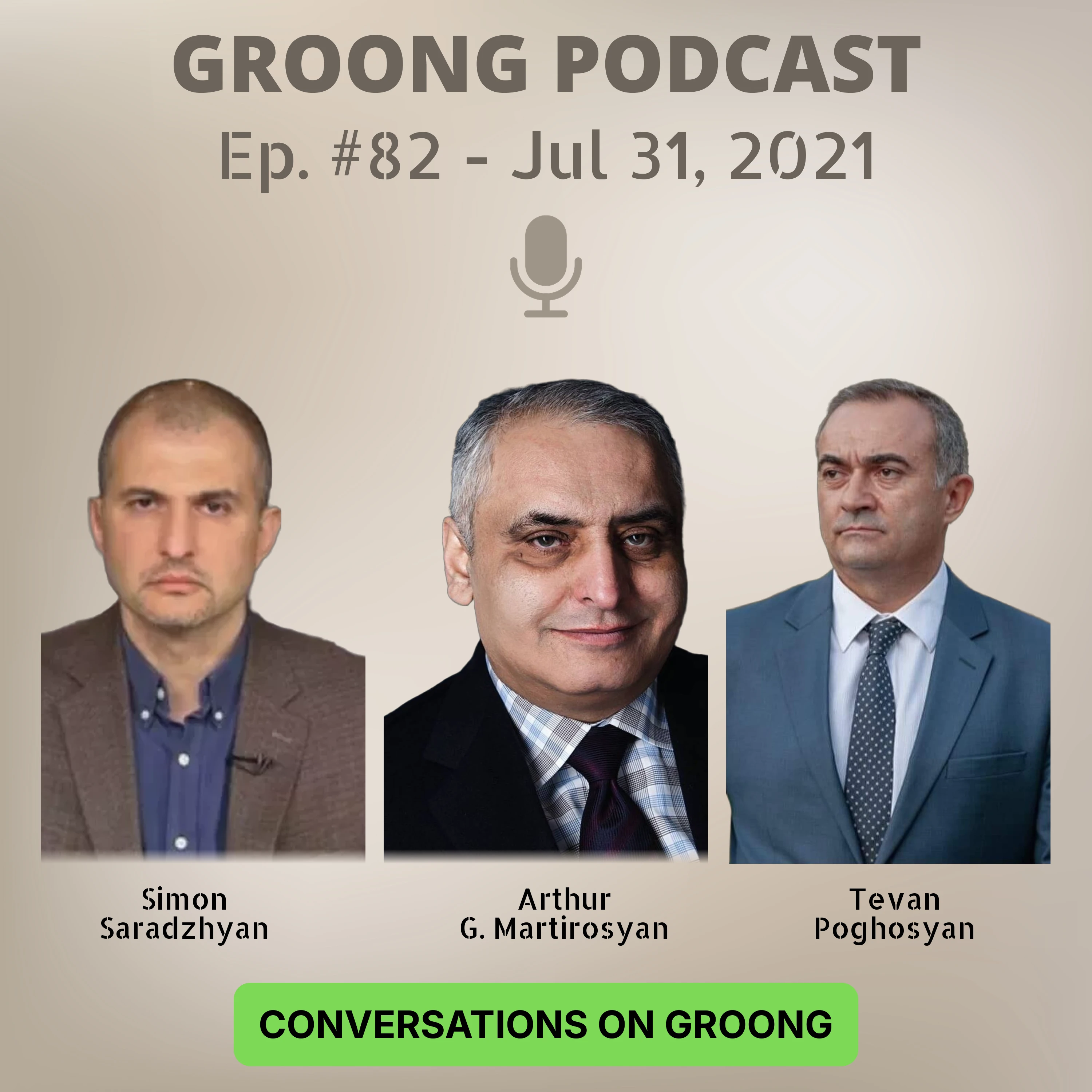
Calls for a Commission to Analyze the Defeat in the 2020 Artsakh War
A Conversation with Dr. Simon Saradzhyan, Arthur G. Martirosyan, and Tevan Poghosyan
The disastrous outcome of the 2020 War in Artsakh has left Armenians in Armenia and around the world with many unanswered questions. Many long-time held beliefs about the capability of Armenia to defend Artsakh, and Armenia itself, were shattered on November 9, with the signing of the trilateral ceasefire statement.
A group of more than 10 academics and researchers recently published a lengthy set of questions that are proposed as a basis for
Read MoreCalls for a Commission to Analyze the Defeat in the 2020 Artsakh War | Ep. #82 - July 31, 2021 [EP82]
Posted on Saturday, Jul 31, 2021 | Category: Armenia, Azerbaijan, Russia, Israel, Artsakh, Turkey, Economy, Geopolitics, Nagorno Karabakh, NATOCalls for a Commission to Analyze the Defeat in the 2020 Artsakh War
A Conversation with Dr. Simon Saradzhyan, Arthur G. Martirosyan, and Tevan Poghosyan
The disastrous outcome of the 2020 War in Artsakh has left Armenians in Armenia and around the world with many unanswered questions. Many long-time held beliefs about the capability of Armenia to defend Artsakh, and Armenia itself, were shattered on November 9, with the signing of the trilateral ceasefire statement.
A group of more than 10 academics and researchers recently published a lengthy set of questions that are proposed as a basis for
Read MoreConst Court Decision | PM Appts | Aliyev Threats | Russian Gens in Yerevan | Ep #79 - July 18, 2021 [EP79]
Posted on Tuesday, Jul 20, 2021 | Category: Armenia, Azerbaijan, Russia, Turkey, Genocide, Armenian Genocide, Artsakh, Syria, Iran, Economy, Georgia, Ukraine, Nagorno Karabakh, European Union, NATO | Series: wir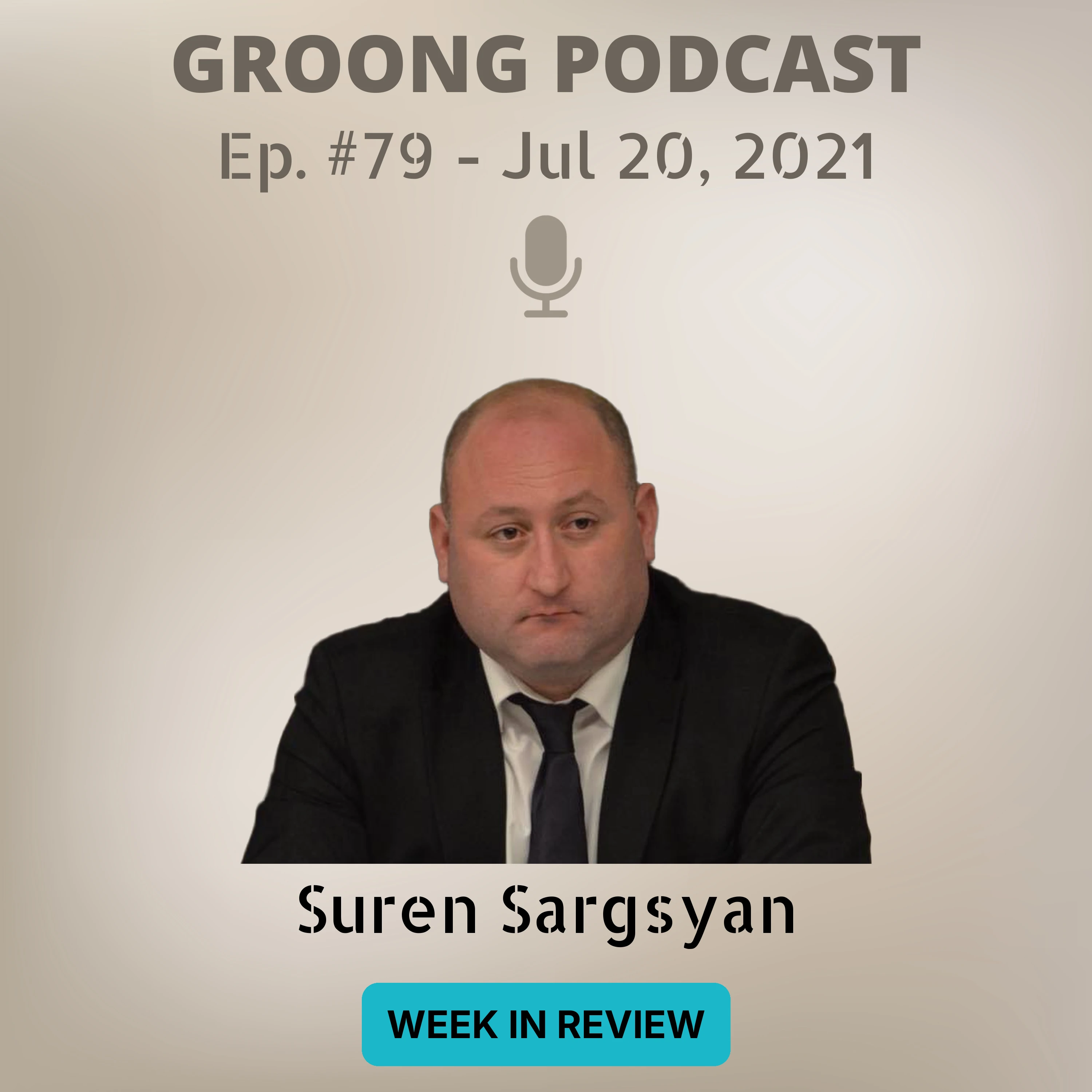
ANN/Groong Week in Review - July 18, 2021
Topics:
- Constitutional Court Decisions on Election Results
- New Pashinyan Appointments
- More Threats from Azerbaijan
- Russian Generals in Yerevan Again
Guests:
- Suren Sargsyan
Guest(s):
Hosts:
- Hovik Manucharyan
- Asbed Bedrossian
Episode 79 | Recorded: July 19, 2021 https://groong.org/podcasts/WiR-20210718.html
Const Court Decision | PM Appts | Aliyev Threats | Russian Gens in Yerevan | Ep #79 - July 18, 2021 [EP79]
Posted on Tuesday, Jul 20, 2021 | Category: Armenia, Azerbaijan, Russia, Turkey, Genocide, Armenian Genocide, Artsakh, Syria, Iran, Economy, Georgia, Ukraine, Nagorno Karabakh, European Union, NATOANN/Groong Week in Review - July 18, 2021
Topics:
- Constitutional Court Decisions on Election Results
- New Pashinyan Appointments
- More Threats from Azerbaijan
- Russian Generals in Yerevan Again
Guests:
- Suren Sargsyan
Guest(s):
Hosts:
- Hovik Manucharyan
- Asbed Bedrossian
Episode 79 | Recorded: July 19, 2021 https://groong.org/podcasts/WiR-20210718.html
Aram Navasardyan: How to Explain The MPG Polling Discrepancy? (Ep #75) - June 21, 2021 [EP75]
Posted on Monday, Jun 21, 2021 | Category: In Armenian, Armenia, Politics, Poll, | Series: cog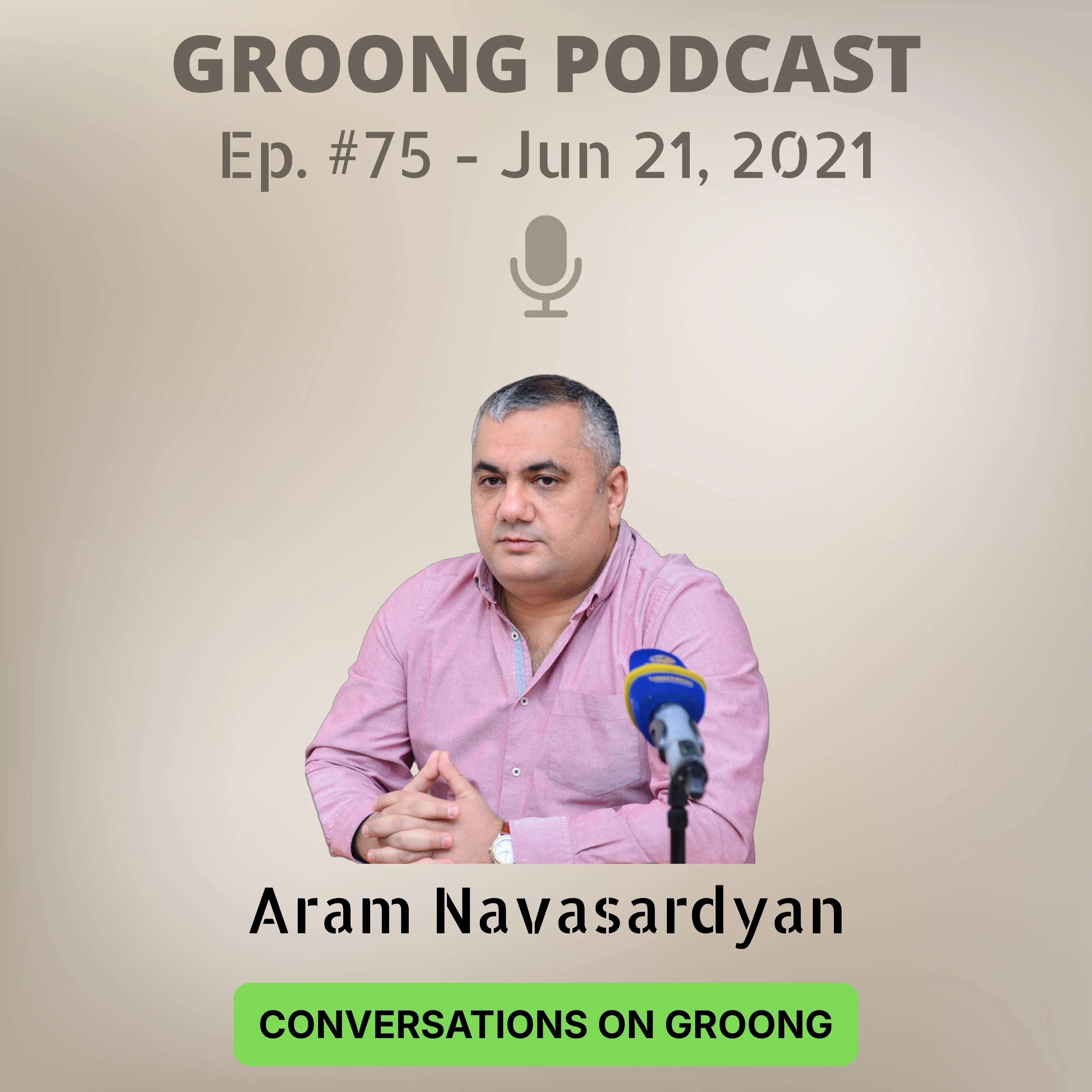
How to Explain The MPG Polling Discrepancy With Election Results? A Conversation (in Armenian) with Aram Navasardyan
Guest: Aram Navasardyan is Director of MPG, a member of Gallup International Association and one of the main pollsters in the pre-election campaign for June 2021 parliamentary elections.
– Ինչպե՞ս բացատրել MPG- ի հարցումների անհամապատասխանությունը ընտրությունների արդյունքների հետ Զրույց Արամ Նավասարդյանի հետ
Հյուր: Արամ Նավասարդյանը MPG- ի տնօրենն է որը հանդիսանում է Gallup International Association- ի անդամ և հիմնական հետազոտական կազմակերպություններից մեկն եր 2021
Read MoreAram Navasardyan: How to Explain The MPG Polling Discrepancy? (Ep #75) - June 21, 2021 [EP75]
Posted on Monday, Jun 21, 2021 | Category: In Armenian, Armenia, Politics, Poll,How to Explain The MPG Polling Discrepancy With Election Results? A Conversation (in Armenian) with Aram Navasardyan
Guest: Aram Navasardyan is Director of MPG, a member of Gallup International Association and one of the main pollsters in the pre-election campaign for June 2021 parliamentary elections.
– Ինչպե՞ս բացատրել MPG- ի հարցումների անհամապատասխանությունը ընտրությունների արդյունքների հետ Զրույց Արամ Նավասարդյանի հետ
Հյուր: Արամ Նավասարդյանը MPG- ի տնօրենն է որը հանդիսանում է Gallup International Association- ի անդամ և հիմնական հետազոտական կազմակերպություններից մեկն եր 2021
Read MoreArmVote21 | Am/Az Negotiations | Erdogan in Az | Biden Meets Erdogan & Putin| Ep #74 - June 20, 2021 [EP74]
Posted on Monday, Jun 21, 2021 | Category: Armenia, Russia, Azerbaijan, Iran, Turkey, China, Middle East, Armenian Genocide, Genocide, Georgia, Syria, Ukraine, Nagorno Karabakh, NATO | Series: wir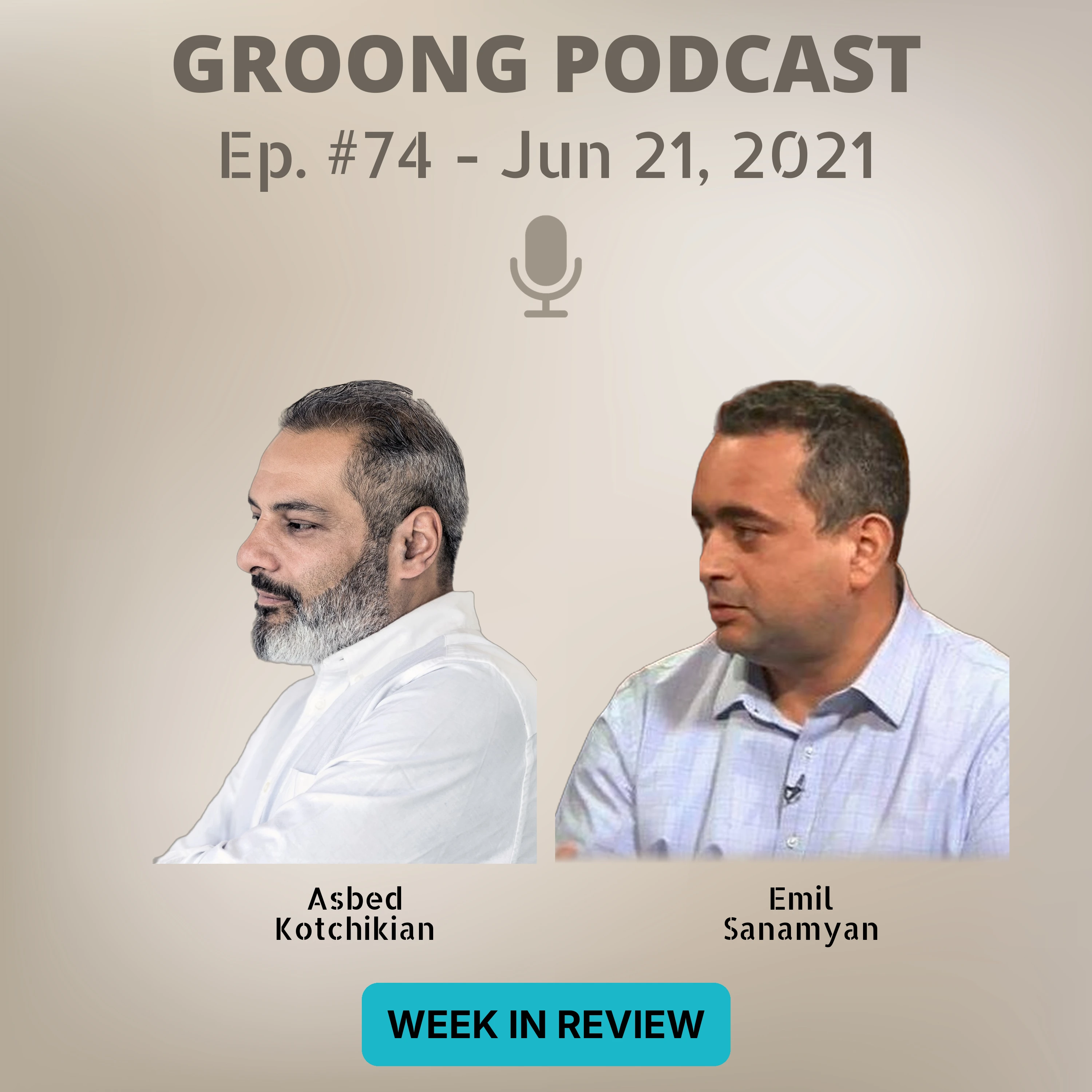
ANN/Groong Week in Review - June 20, 2021 Topics:
- Armeniaâs Elections
- Behind The Scenes with Armenia and Azerbaijan
- Erdogan in Azerbaijan
- Biden Meets Erdogan, then Putin
Guests:
- Asbed Kotchikian
- @Emil_Sanamyan
Guest(s):
Hosts:
- Hovik Manucharyan
- Asbed Bedrossian
Episode 74 | Recorded: June 20, 2021 Website: https://groong.org/podcasts/WiR-20210620.html
ArmVote21 | Am/Az Negotiations | Erdogan in Az | Biden Meets Erdogan & Putin| Ep #74 - June 20, 2021 [EP74]
Posted on Monday, Jun 21, 2021 | Category: Armenia, Russia, Azerbaijan, Iran, Turkey, China, Middle East, Armenian Genocide, Genocide, Georgia, Syria, Ukraine, Nagorno Karabakh, NATOANN/Groong Week in Review - June 20, 2021 Topics:
- Armeniaâs Elections
- Behind The Scenes with Armenia and Azerbaijan
- Erdogan in Azerbaijan
- Biden Meets Erdogan, then Putin
Guests:
- Asbed Kotchikian
- @Emil_Sanamyan
Guest(s):
Hosts:
- Hovik Manucharyan
- Asbed Bedrossian
Episode 74 | Recorded: June 20, 2021 Website: https://groong.org/podcasts/WiR-20210620.html