Armenian News
Last updated: May 29, 2026
Armenian News Network/Groong is one of the leading English-language Armenian podcasts, publishing weekly episodes, a YouTube channel, and written digests covering developments in Armenia, Artsakh (Nagorno Karabakh), and the broader South Caucasus . The Armenian podcast launched in July 2020 and has since become a trusted source for listeners seeking serious, in-depth coverage of recent Armenian news in English.
Every week, Groong brings together analysts, journalists, and policymakers to give Armenian news the depth it rarely receives in mainstream media. Whether you are looking for the latest Armenian news on domestic politics, Armenia’s relationships with Russia, the United States, the EU, Turkey, and Azerbaijan — or for background context on longstanding conflicts and historical questions — Groong covers it in a format designed for careful listeners.
Watch on YouTube. Groong publishes every episode to its YouTube channel , making it one of the most active Armenian news channels on the platform. Subscribers receive notifications as soon as new episodes are released — the fastest way to follow the latest Armenian news from Groong.
Listen as an Armenian podcast. Groong is available on Apple Podcasts, Spotify, and all major podcast platforms. New episodes publish every week without exception.
Read the digest. For listeners who prefer text, Groong publishes a weekly written digest summarizing the most important Armenian news of the week at substack.groong.org .
As an independent Armenian news website and media outlet, Groong operates without commercial or state funding — supported entirely by its community of listeners. Episodes in this category cover the full range of Armenian news topics tracked across the site.
Groong episodes that include this tag
Below are all Groong episodes tagged with Armenian News.
Guest(s):
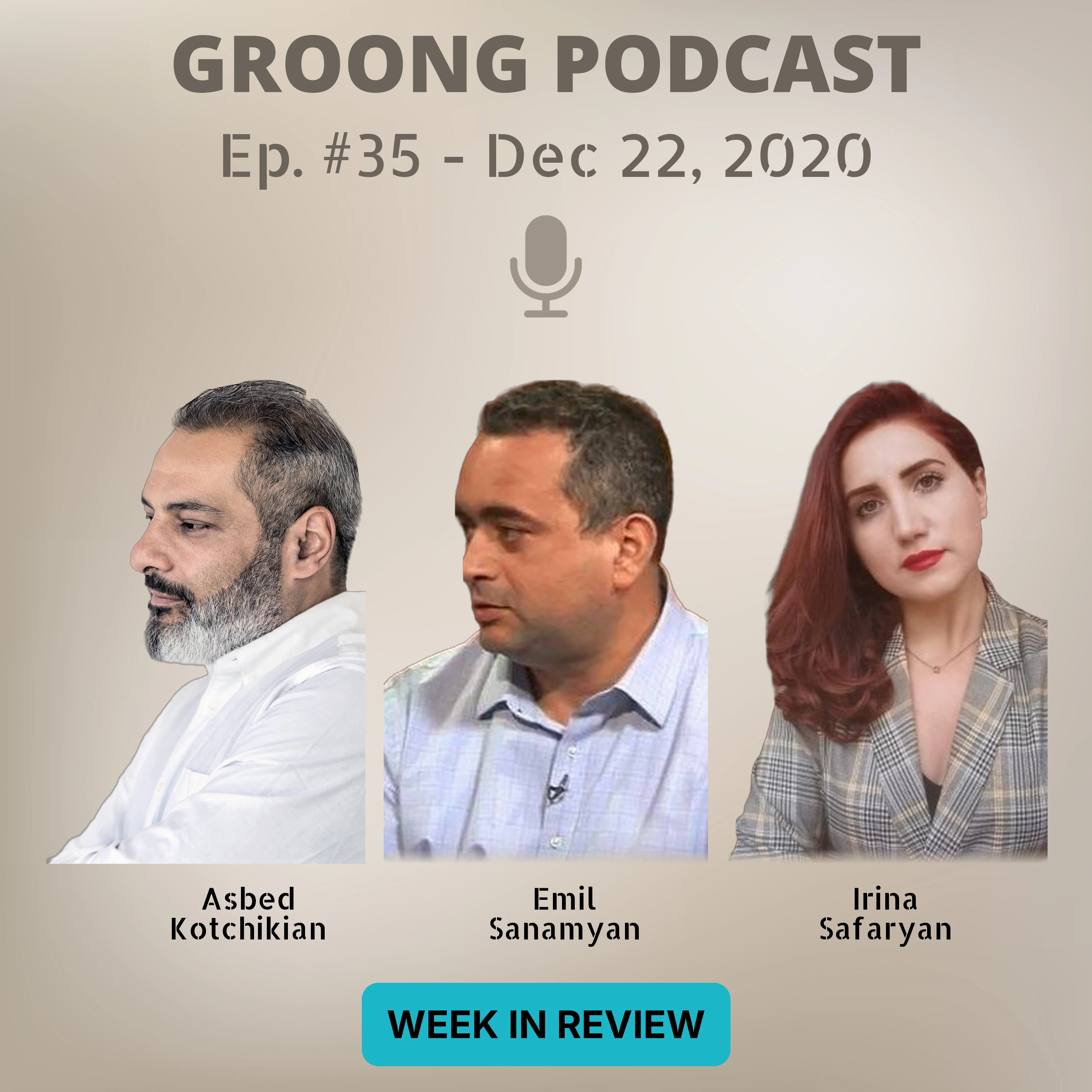
ANN/Groong Week in Review Episode 35 - Dec 20, 2020
Topics Covered:
- Life in Artsakh
- Update on Hin Tagher & Khtsaberd
- Internal Political Situation in Yerevan
- Kapan Border Tension
Guests
- Asbed Kotchikian
- Irina Safaryan
- Emil Sanamyan
Your Hosts:
- Asbed Bedrossian
- Hovik Manucharyan
Website: https://groong.org/podcasts/WiR-20201220.html Recorded: Dec 20, 2020
Opposition Talks: Arthur Khachatryan - ARF Dashnaktsutyun (Ep. 34) [EP34]
Posted on Saturday, Dec 19, 2020 | Category: Armenia, Russia, Armenian Genocide, Economy, Genocide, Turkey | Series: cog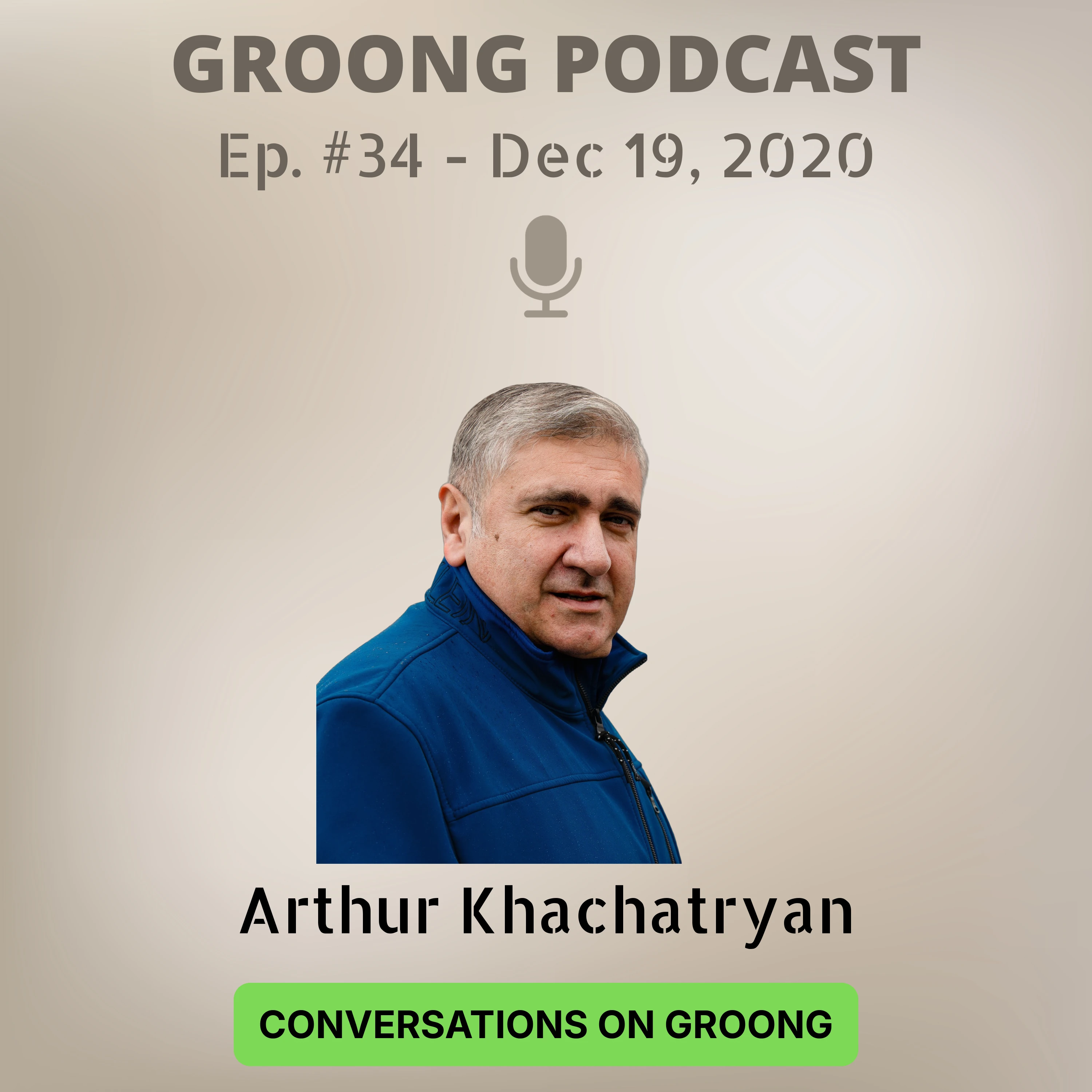
Guest(s):
Conversation with ARF’s Arthur Khachatryan
Following the trilateral Karabakh ceasefire of Nov 9, the Armenian opposition has nearly universally condemned Nikol Pashinyanâs agreement to the deal. The largest opposition grouping, called Movement of the Salvation of the Homeland (ÕÕ¡ÕµÖÕ¥Õ¶Õ«ÖÕ« ÖÖÕ¯Õ¸ÖÕ©ÕµÕ¡Õ¶ Õ·Õ¡ÕªÕ¸ÖÕ´ in Armenian), composed of 17 political parties including the Armenian Revolutionary Federation (ARF), Prosperous Armenia, and the Republican Party, are demanding Pashinyanâs immediate resignation and the appointment of their
Read MoreOpposition Talks: Arthur Khachatryan - ARF Dashnaktsutyun (Ep. 34) [EP34]
Posted on Saturday, Dec 19, 2020 | Category: Armenia, Russia, Armenian Genocide, Economy, Genocide, TurkeyGuest(s):
Conversation with ARF’s Arthur Khachatryan
Following the trilateral Karabakh ceasefire of Nov 9, the Armenian opposition has nearly universally condemned Nikol Pashinyanâs agreement to the deal. The largest opposition grouping, called Movement of the Salvation of the Homeland (ÕÕ¡ÕµÖÕ¥Õ¶Õ«ÖÕ« ÖÖÕ¯Õ¸ÖÕ©ÕµÕ¡Õ¶ Õ·Õ¡ÕªÕ¸ÖÕ´ in Armenian), composed of 17 political parties including the Armenian Revolutionary Federation (ARF), Prosperous Armenia, and the Republican Party, are demanding Pashinyanâs immediate resignation and the appointment of their
Read More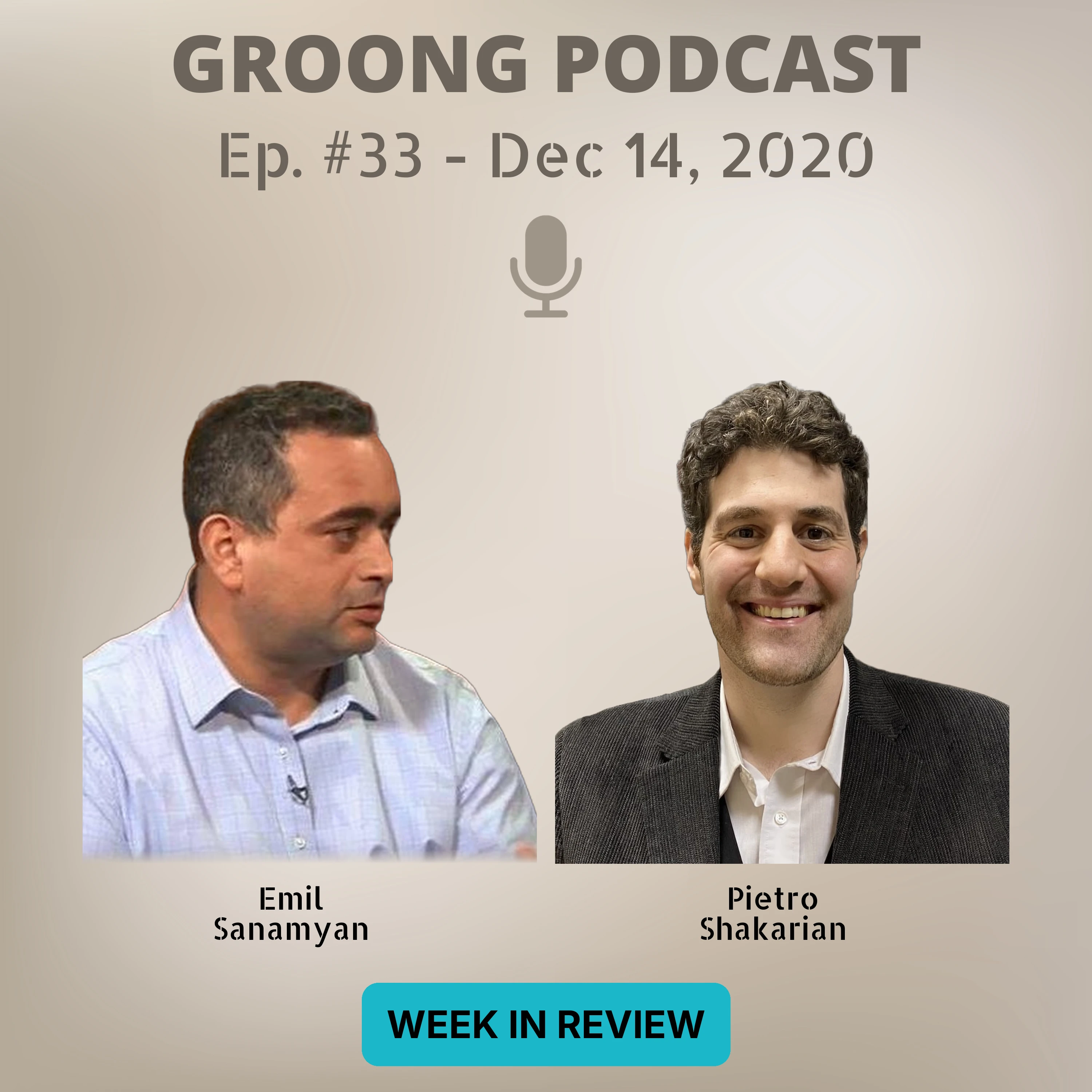
Guest(s):
ANN/Groong Week in Review Episode 33 - Dec 13, 2020
Topics Covered:
- Renewed Fighting & the OSCE MG visit
- Expedited Border Demarcation?
- What will happen to Sotq?
- Diplomatic Relations with Azerbaijan?
Your Hosts:
- Asbed Bedrossian
- Hovik Manucharyan
Resident Panelists:
- Emil Sanamyan
- Pietro Shakarian
Recorded: Dec 13, 2020
Guest(s):
ANN/Groong Week in Review Episode 33 - Dec 13, 2020
Topics Covered:
- Renewed Fighting & the OSCE MG visit
- Expedited Border Demarcation?
- What will happen to Sotq?
- Diplomatic Relations with Azerbaijan?
Your Hosts:
- Asbed Bedrossian
- Hovik Manucharyan
Resident Panelists:
- Emil Sanamyan
- Pietro Shakarian
Recorded: Dec 13, 2020
The Role of The Humanities and Social Studies in Armenian Life (Ep #32) - 12/13/2020 [EP32]
Posted on Monday, Dec 14, 2020 | Category: Armenia, Economy, China, Iran, Russia, Armenian Church | Series: cog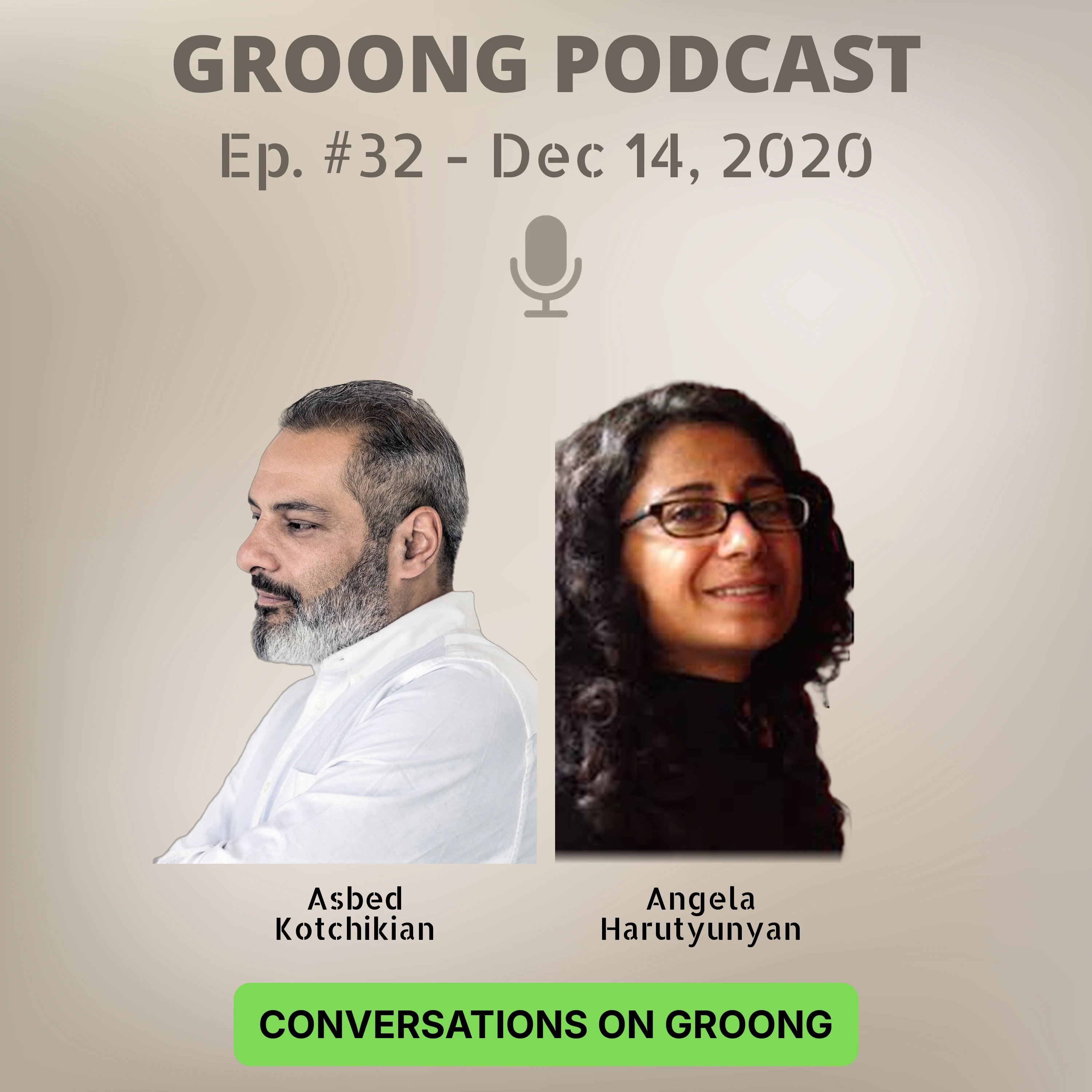
Guest(s):
The Role of The Humanities and Social Studies in Armenian Life - 12/13/2020
Conversations on Groong
Academia and academic work, especially in the fields of humanities and social sciences, has always been instrumentalized by various ideologies and/or political regimes. Moreover, various disciplines within each of those fields such as anthropology, art history, literature, etc., have a long tradition of being the middle children of academia and are rarely considered to have a role in shaping minds and trends in society. In Armenia the roles of
Read MoreThe Role of The Humanities and Social Studies in Armenian Life (Ep #32) - 12/13/2020 [EP32]
Posted on Monday, Dec 14, 2020 | Category: Armenia, Economy, China, Iran, Russia, Armenian ChurchGuest(s):
The Role of The Humanities and Social Studies in Armenian Life - 12/13/2020
Conversations on Groong
Academia and academic work, especially in the fields of humanities and social sciences, has always been instrumentalized by various ideologies and/or political regimes. Moreover, various disciplines within each of those fields such as anthropology, art history, literature, etc., have a long tradition of being the middle children of academia and are rarely considered to have a role in shaping minds and trends in society. In Armenia the roles of
Read More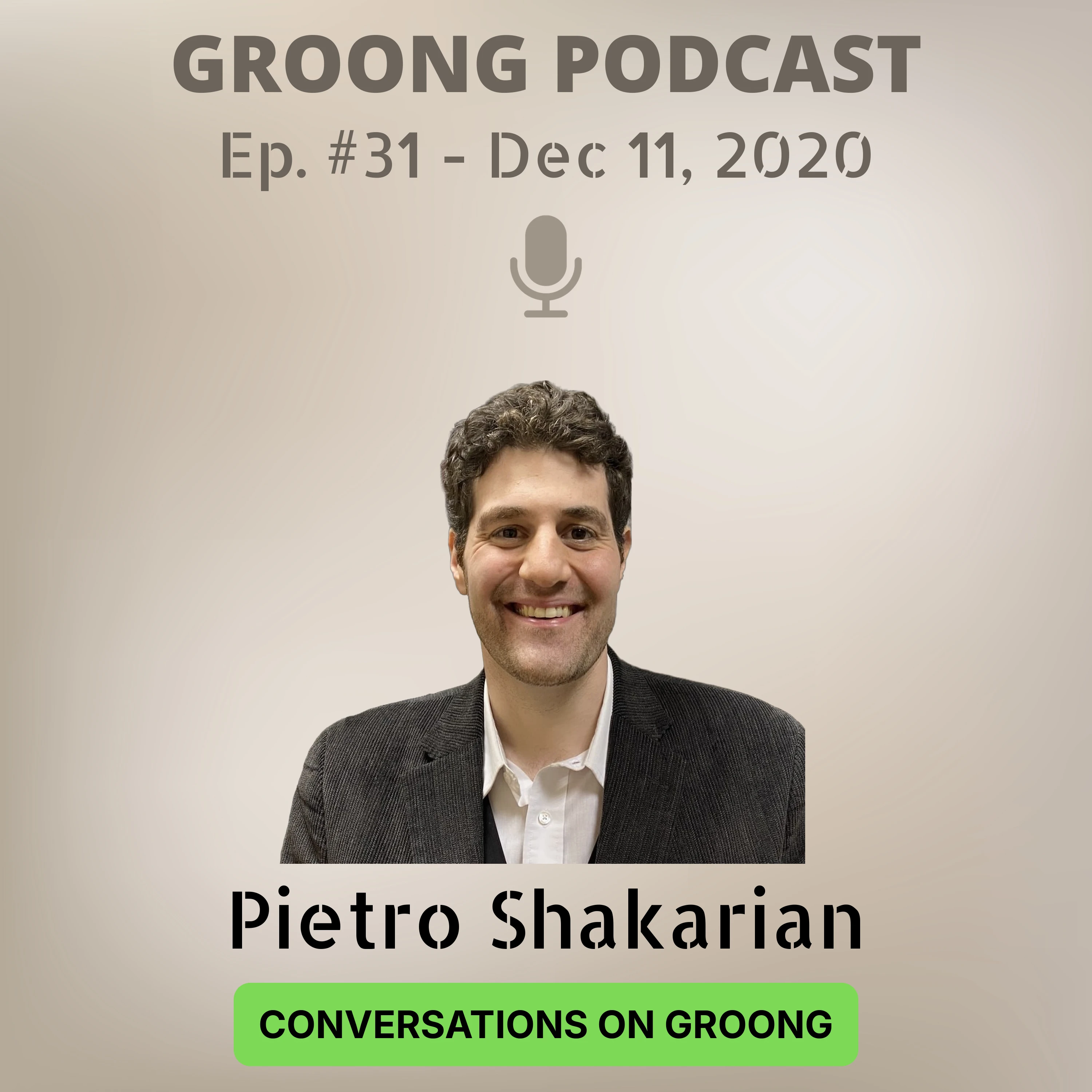
On November 9, Armenia, Azerbaijan and Russia signed The Statement ending the war in Artsakh, known more commonly as Nagorno-Karabakh. Russia emerged as a major winner, by ending the violence, introducing peacekeepers, and upholding its historical role as the regional referee in the Caucasus. What are Russiaâs interests in the region, and in this agreement?
Pietro Shakarian helps us explore. He is a historian and a Ph.D. candidate in Russian History at the Ohio State University. His analyses on Russia, Armenia, and the post-Soviet space have appeared in several publications, including The
Read MoreOn November 9, Armenia, Azerbaijan and Russia signed The Statement ending the war in Artsakh, known more commonly as Nagorno-Karabakh. Russia emerged as a major winner, by ending the violence, introducing peacekeepers, and upholding its historical role as the regional referee in the Caucasus. What are Russiaâs interests in the region, and in this agreement?
Pietro Shakarian helps us explore. He is a historian and a Ph.D. candidate in Russian History at the Ohio State University. His analyses on Russia, Armenia, and the post-Soviet space have appeared in several publications, including The
Read More