Armenian Church
Last updated: May 29, 2026
The Armenian Apostolic Church — sometimes referred to in Western sources as the Armenian Orthodox Church, though the Church itself uses the Apostolic designation — was founded in 301 AD when Armenia became the first nation to adopt Christianity as a state religion, making it among the world’s oldest Christian institutions. Its spiritual center is the Mother See of Holy Etchmiadzin , and it is led by the Catholicos of All Armenians, currently Garegin II .
Groong has covered the Armenian Church across more than 80 episodes, from its theological and cultural role in Armenian identity to its increasingly contested political position. Coverage includes the church’s response to the 2020 Nagorno Karabakh war, the emergence of tensions between the Catholicosate and the Pashinyan government, and the dramatic events of 2025 in which multiple senior archbishops were arrested.
A central theme in recent coverage is the Pashinyan government’s effort to weaken the Armenian Apostolic Church under the framing of institutional reform. Critics argue that the government has used legislative and legal mechanisms to reduce the church’s influence in Armenian public life — stripping its exemptions, challenging its land holdings, and targeting clergy through the court system — in what many observers describe as a politically motivated campaign to neutralize a powerful institution that has historically commanded broad public trust.
The arrests of multiple senior clergy in 2025 form the sharpest edge of this confrontation. Archbishop Bagrat Galstanyan led a mass opposition movement before his arrest in June. Archbishops Mikayel Ajapahyan and Arshak Khachatryan and Bishop Mkrtich Proshyan were also arrested later that year. These events have made the church-state relationship one of the most closely watched dimensions of Armenian domestic politics heading into the 2026 parliamentary elections.
Groong episodes that include this tag
Below are all Groong episodes tagged with Armenian Church.
NATO in Ankara, War in Iran, and the Scissors Over Armenia | Ep 567, Jul 12, 2026 [EP567]
Posted on Wednesday, Jul 15, 2026 | Category: Armenia, Politics | Series: wir, video
Groong Links:
Topics:
- NATO summit in Ankara
- Iran War Update
- Taking Scissors to Armenia
- Shaping the Parliament
- OSCE vs. Garegin II
Episode 567 | Recorded: July 13, 2026
#ArmenianNews #NATOSummit #IranWar #TRIPP #ArmeniaAzerbaijan #ArmenianParliament #GareginII #OSCE
NATO in Ankara, War in Iran, and the Scissors Over Armenia | Ep 567, Jul 12, 2026 [EP567]
Posted on Wednesday, Jul 15, 2026 | Category: Armenia, PoliticsGroong Links:
Topics:
- NATO summit in Ankara
- Iran War Update
- Taking Scissors to Armenia
- Shaping the Parliament
- OSCE vs. Garegin II
Episode 567 | Recorded: July 13, 2026
#ArmenianNews #NATOSummit #IranWar #TRIPP #ArmeniaAzerbaijan #ArmenianParliament #GareginII #OSCE
OSCE Secretary General Offers to Help Remove Armenian Catholicos [EP567]
Posted on Wednesday, Jul 15, 2026 | Category: Armenian Church, Politics, Human RightsHovik recounts a prank call where OSCE Secretary General Feridun Sinirlioğlu promised to help Pashinyan remove Catholicos Garegin II and agreed that OSCE’s election monitoring was unfair to Armenia.
Transcript: NATO in Ankara, War in Iran, and the Scissors Over Armenia | Ep 567, Jul 12, 2026 [EP567]
Posted on Wednesday, Jul 15, 2026 | Category: Armenia, Politics, TranscriptIn this Groong Week in Review episode, Hovik and Asbed cover the 36th NATO summit in Ankara, escalating Iran war developments, and Armenia’s removal of murals honoring fallen soldiers. We discuss NATO’s defense spending surge, Trump’s shift on Turkey and F-35 access, Ukraine aid commitments, and what these geopolitical shifts mean for Armenia and the South Caucasus amid ongoing Armenia-Azerbaijan peace negotiations.
Sergey Markedonov - Russia-Armenia Relations Before the Vote | Ep 552, June 1, 2026 [EP552]
Posted on Monday, Jun 1, 2026 | Category: Armenia, Politics, Russia, Armenian Church, Nagorno Karabakh, Azerbaijan, Artsakh, Turkey, Iran, Georgia | Series: cog
Groong Links:
Guest(s):
Topics:
- TRIPP and Regional Balance
- Armenia’s Geopolitical Election
- Pashinyan’s “Real Armenia”
- Russia’s Economic Pressure
Episode 552 | Recorded: May 31, 2026
#RussiaArmenia #SergeyMarkedonov #ArmeniaElections #Pashinyan #TRIPP #SouthCaucasus #RealArmenia #EAEU
Sergey Markedonov - Russia-Armenia Relations Before the Vote | Ep 552, June 1, 2026 [EP552]
Posted on Monday, Jun 1, 2026 | Category: Armenia, Politics, Russia, Armenian Church, Nagorno Karabakh, Azerbaijan, Artsakh, Turkey, Iran, GeorgiaGroong Links:
Guest(s):
Topics:
- TRIPP and Regional Balance
- Armenia’s Geopolitical Election
- Pashinyan’s “Real Armenia”
- Russia’s Economic Pressure
Episode 552 | Recorded: May 31, 2026
#RussiaArmenia #SergeyMarkedonov #ArmeniaElections #Pashinyan #TRIPP #SouthCaucasus #RealArmenia #EAEU
Transcript: Sergey Markedonov - Russia-Armenia Relations Before the Vote | Ep 552, June 1, 2026 [EP552]
Posted on Monday, Jun 1, 2026 | Category: Armenia, Politics, Russia, Armenian Church, Nagorno Karabakh, Azerbaijan, Artsakh, Turkey, Iran, Georgia, TranscriptIn this episode of Conversations on Groong, we speak with Dr. Sergey Markedonov about Russia-Armenia relations and Armenia’s geopolitical position ahead of the June 7, 2026 Armenian parliamentary elections. We discuss the Trump Route for International Peace and Prosperity (TRIPP), Russian concerns about regional balance, Pashinyan’s westward orientation, economic pressure from Moscow, and how Armenia’s strategic partnerships will shape its future in the South Caucasus.
Rubio Visit, New MPG and IRI Polls, Hidden Votes and Why Are You Alive? | Ep 550, May 24, 2026 [EP550]
Posted on Wednesday, May 27, 2026 | Category: Armenia, Politics, Poll, Armenian Church, Nagorno Karabakh, Armenian Genocide, Azerbaijan, Russia, China | Series: wir, video
Groong Links:
Topics:
- Rubio’s sudden Armenia visit
- Polls diverge before election
- Hidden vote raises questions
- TRIPP remains deeply polarizing
- “Western Azerbaijan” pressure grows
- Opposition faces arrests, threats
- “Why are you alive?” campaign rhetoric
Episode 550 | Recorded: May 25, 2026
#ArmeniaElections #Armenia #NikolPashinyan #TRIPP #ZangezurCorridor #WesternAzerbaijan #ArmenianOpposition
Rubio Visit, New MPG and IRI Polls, Hidden Votes and Why Are You Alive? | Ep 550, May 24, 2026 [EP550]
Posted on Wednesday, May 27, 2026 | Category: Armenia, Politics, Poll, Armenian Church, Nagorno Karabakh, Armenian Genocide, Azerbaijan, Russia, ChinaGroong Links:
Topics:
- Rubio’s sudden Armenia visit
- Polls diverge before election
- Hidden vote raises questions
- TRIPP remains deeply polarizing
- “Western Azerbaijan” pressure grows
- Opposition faces arrests, threats
- “Why are you alive?” campaign rhetoric
Episode 550 | Recorded: May 25, 2026
#ArmeniaElections #Armenia #NikolPashinyan #TRIPP #ZangezurCorridor #WesternAzerbaijan #ArmenianOpposition
Transcript: Rubio Visit, New MPG and IRI Polls, Hidden Votes and Why Are You Alive? | Ep 550, May 24, 2026 [EP550]
Posted on Wednesday, May 27, 2026 | Category: Armenia, Politics, Poll, Armenian Church, Nagorno Karabakh, Armenian Genocide, Azerbaijan, Russia, China, TranscriptThis Week in Review examines the tightening political climate in Armenia ahead of the June 2026 parliamentary elections. Asbed and Hovik discuss Marco Rubio’s sudden Armenia visit, new polling from IRI, MPG, and CAEAC, and what the wide gaps in voter disclosure may reveal about hidden opposition support. The episode also covers TRIPP, “Western Azerbaijan” rhetoric, public trust in the Armenian Apostolic Church, and the growing use of arrests, threats, and state pressure against opposition figures. The discussion centers on Pashinyan’s escalating campaign rhetoric, including his “Why are you alive?” outburst, and what it signals about the stakes of the coming election.
Edgar Elbakyan - The Battle for Armenia’s Political Future | Ep 549, May 24, 2026 [EP549]
Posted on Sunday, May 24, 2026 | Category: Armenia, Politics, Armenian Church, Nagorno Karabakh, Azerbaijan | Series: cog, video
Groong Links:
Guest:
Topics:
- Armenia’s existential election
- Polling under fear
- Divergent polling results
- Church and state conflict
- Post-election street pressure
Episode 549 | Recorded: May 22, 2026
#Armenia #ArmenianPolitics #EdgarElbakyan #StrongArmenia #ArmeniaAlliance #ArmeniaElections
Edgar Elbakyan - The Battle for Armenia’s Political Future | Ep 549, May 24, 2026 [EP549]
Posted on Sunday, May 24, 2026 | Category: Armenia, Politics, Armenian Church, Nagorno Karabakh, AzerbaijanGroong Links:
Guest:
Topics:
- Armenia’s existential election
- Polling under fear
- Divergent polling results
- Church and state conflict
- Post-election street pressure
Episode 549 | Recorded: May 22, 2026
#Armenia #ArmenianPolitics #EdgarElbakyan #StrongArmenia #ArmeniaAlliance #ArmeniaElections
Parties and Alliances in the 2026 Armenian Parliamentary Election | Ep 548, May 22, 2026 [EP548]
Posted on Saturday, May 23, 2026 | Category: Armenia, Politics, Armenian Church, Nagorno Karabakh, Artsakh Blockade, BRICS, Russia, Iran, Azerbaijan, European Union | Series: cog, video
Groong Links:
Topics:
- Armenia’s election rules
- Parties and alliances competing
- MPG polling and thresholds
- Opposition challenges and turnout
- Geopolitical positions heatmap
Episode 548 | Recorded: May 22, 2026
#Armenia #ArmenianElections #ArmenianPolitics #Artsakh #SouthCaucasus #CivilContract #StrongArmenia #HayastanDashinq
Parties and Alliances in the 2026 Armenian Parliamentary Election | Ep 548, May 22, 2026 [EP548]
Posted on Saturday, May 23, 2026 | Category: Armenia, Politics, Armenian Church, Nagorno Karabakh, Artsakh Blockade, BRICS, Russia, Iran, Azerbaijan, European UnionGroong Links:
Topics:
- Armenia’s election rules
- Parties and alliances competing
- MPG polling and thresholds
- Opposition challenges and turnout
- Geopolitical positions heatmap
Episode 548 | Recorded: May 22, 2026
#Armenia #ArmenianElections #ArmenianPolitics #Artsakh #SouthCaucasus #CivilContract #StrongArmenia #HayastanDashinq
Transcript: Edgar Elbakyan - The Battle for Armenia’s Political Future | Ep 549, May 24, 2026 [EP549]
Posted on Sunday, May 24, 2026 | Category: Armenia, Politics, Armenian Church, Nagorno Karabakh, Azerbaijan, TranscriptThis Conversations on Groong episode features Edgar Elbakyan in a discussion of Armenia’s upcoming election and the wider struggle over the country’s political future. The conversation examines whether the vote should be viewed as an existential election, how fear and pressure shape public opinion, why polling results differ so sharply, and which political forces may be positioned to enter parliament. The episode also looks at whether the opposition is focused on the issues that matter most, including statehood, security, public trust, and the possibility that the election may not end at the ballot box.
Transcript: Parties and Alliances in the 2026 Armenian Parliamentary Election | Ep 548, May 22, 2026 [EP548]
Posted on Saturday, May 23, 2026 | Category: Armenia, Politics, Armenian Church, Nagorno Karabakh, Artsakh Blockade, BRICS, Russia, Iran, Azerbaijan, European Union, TranscriptThis Conversations on Groong episode provides a primer on Armenia’s June 7, 2026 parliamentary elections, reviewing the 17 parties and 2 alliances registered to compete. The discussion explains the election rules, thresholds, coalition process, and the “stable majority” mechanism, while stressing the uneven political environment facing opposition forces. The episode then walks through each participant, including Civil Contract, Strong Armenia, Armenia Alliance, Prosperous Armenia, Wings of Unity, Bright Armenia, ANC, Bever, Republic, DOK, Democratic Consolidation, and smaller parties with Read More
Pashinyan's Hate Speech, Threats, and the June 7 Election Climate | Ep 547, May 17, 2026 [EP547]
Posted on Tuesday, May 19, 2026 | Category: Armenia, Politics, Election, Armenian Church, Nagorno Karabakh, Artsakh Blockade, Russia, China, Azerbaijan, Georgia, Iran, NATO | Series: wir, video
Groong Links:
Topics:
- Trump, China, and Iran
- Armenia-Russia “soft divorce”
- Pashinyan’s violent campaign rhetoric
- State resources and election pressure
- Javakhk church vandalism concerns
Episode 547 | Recorded: May 18, 2026
#Pashinyan #ArmeniaElections #ArmenianPolitics #PoliticalViolence #HateSpeech #ArmeniaRussia #IranWar #SouthCaucasus
Pashinyan's Hate Speech, Threats, and the June 7 Election Climate | Ep 547, May 17, 2026 [EP547]
Posted on Tuesday, May 19, 2026 | Category: Armenia, Politics, Election, Armenian Church, Nagorno Karabakh, Artsakh Blockade, Russia, China, Azerbaijan, Georgia, Iran, NATOGroong Links:
Topics:
- Trump, China, and Iran
- Armenia-Russia “soft divorce”
- Pashinyan’s violent campaign rhetoric
- State resources and election pressure
- Javakhk church vandalism concerns
Episode 547 | Recorded: May 18, 2026
#Pashinyan #ArmeniaElections #ArmenianPolitics #PoliticalViolence #HateSpeech #ArmeniaRussia #IranWar #SouthCaucasus
Transcript: Pashinyan's Hate Speech, Threats, and the June 7 Election Climate | Ep 547, May 17, 2026 [EP547]
Posted on Tuesday, May 19, 2026 | Category: Armenia, Politics, Election, Armenian Church, Nagorno Karabakh, Artsakh Blockade, Russia, China, Azerbaijan, Georgia, Iran, NATO, TranscriptThis Week in Review covers a tense mix of global and Armenian political crises, from Trump’s summit with Xi Jinping and the deepening Iran war, to Armenia’s worsening relations with Russia and the risks to trade, energy, and security ties. Hovik and Asbed also examine Armenia’s heated election climate, including allegations of state pressure, abuse of administrative resources, selective law enforcement, Pashinyan’s violent campaign rhetoric against opposition leaders, and the muted response of international observers. The episode also looks at Robert Kocharyan’s call for major-power guarantees for peace with Azerbaijan, and the vandalism of the Sourp Nshan Armenian Church in Javakhk.
EU Interference and Armenia's 2026 Elections | Ep 543, May 10, 2026 [EP543]
Posted on Sunday, May 10, 2026 | Category: Armenia, Politics, Armenian Church, Nagorno Karabakh, Artsakh Blockade, Russia, Azerbaijan, Iran, Turkey, Georgia, Human Rights, NATO, European Union | Series: cog, video
Groong Links:
Guest(s):
Topics:
- EU role in Armenia’s elections
- Fact-checkers and political bias
- Dissent labeled as disinformation
- Lawsuits, pressure, and intimidation
- Censorship and social media control
Episode 543 | Recorded: May 7, 2026
#Armenia #ArmenianElections #EU #Disinformation #FactChecking #Censorship #CivilSociety #FreeSpeech
EU Interference and Armenia's 2026 Elections | Ep 543, May 10, 2026 [EP543]
Posted on Sunday, May 10, 2026 | Category: Armenia, Politics, Armenian Church, Nagorno Karabakh, Artsakh Blockade, Russia, Azerbaijan, Iran, Turkey, Georgia, Human Rights, NATO, European UnionGroong Links:
Guest(s):
Topics:
- EU role in Armenia’s elections
- Fact-checkers and political bias
- Dissent labeled as disinformation
- Lawsuits, pressure, and intimidation
- Censorship and social media control
Episode 543 | Recorded: May 7, 2026
#Armenia #ArmenianElections #EU #Disinformation #FactChecking #Censorship #CivilSociety #FreeSpeech
Transcript: EU Interference and Armenia's 2026 Elections | Ep 543, May 10, 2026 [EP543]
Posted on Sunday, May 10, 2026 | Category: Armenia, Politics, Armenian Church, Nagorno Karabakh, Artsakh Blockade, Russia, Azerbaijan, Iran, Turkey, Georgia, Human Rights, NATO, European Union, TranscriptHovhannes Ishkhanyan and Nare Navasardyan discuss the growing role of the EU, fact-checking networks, and counter-disinformation programs in Armenia’s 2026 election environment. The conversation examines claims of foreign interference, the use of “hybrid threats” and “disinformation” labels against domestic dissent, and the political bias of Armenia’s fact-checking ecosystem. The guests also share personal experiences with lawsuits, public confrontation, protest, and censorship, raising broader questions about free speech, election fairness, and the management of Armenia’s information space.
Trump’s Iran Ceasefire, Operation Kochari, and Armenia’s Election Fog | Ep 539, May 3, 2026 [EP539]
Posted on Tuesday, May 5, 2026 | Category: Armenia, Politics, Poll, Armenian News, Israel, Artsakh, Nagorno Karabakh, Azerbaijan, USA, Armenian Church, Artsakh Blockade, Armenian Genocide, Iran, Russia, Georgia, Genocide, Human Rights | Series: wir, video
Groong Links:
Topics:
- Iran War
- Mustafayev in Armenia
- Destruction of the Stepanakert cathedral by Azerbaijan
- Election politics
Episode 539 | Recorded: May 3, 2026
#Armenia #Azerbaijan #IranWar #TRIPP #Artsakh #Stepanakert #ArmenianElections #Groong
Trump’s Iran Ceasefire, Operation Kochari, and Armenia’s Election Fog | Ep 539, May 3, 2026 [EP539]
Posted on Tuesday, May 5, 2026 | Category: Armenia, Politics, Poll, Armenian News, Israel, Artsakh, Nagorno Karabakh, Azerbaijan, USA, Armenian Church, Artsakh Blockade, Armenian Genocide, Iran, Russia, Georgia, Genocide, Human RightsGroong Links:
Topics:
- Iran War
- Mustafayev in Armenia
- Destruction of the Stepanakert cathedral by Azerbaijan
- Election politics
Episode 539 | Recorded: May 3, 2026
#Armenia #Azerbaijan #IranWar #TRIPP #Artsakh #Stepanakert #ArmenianElections #Groong
Transcript: Trump’s Iran Ceasefire, Operation Kochari, and Armenia’s Election Fog | Ep 539, May 3, 2026 [EP539]
Posted on Tuesday, May 5, 2026 | Category: Armenia, Politics, Poll, Armenian News, Israel, Artsakh, Nagorno Karabakh, Azerbaijan, USA, Armenian Church, Artsakh Blockade, Armenian Genocide, Iran, Russia, Georgia, Genocide, Human Rights, TranscriptThis Groong Week in Review covers Trump’s Iran ceasefire, failed US-Iran talks in Islamabad, the naval blockade, and Washington’s war politics. Asbed and Hovik also examine “Operation Kochari,” Shahin Mustafayev’s secret visit to Armenia, TRIPP, border demarcation, Armenia-Azerbaijan trade, Azerbaijan’s destruction of the Stepanakert cathedral, Pashinyan’s response, the MPG poll, opposition coalition math, election fraud risks, the EPC meeting, legal pressure, mass surveillance, and Armenia’s falling press freedom ranking.
Transcript: Arthur Martirosyan - Iran War, Effect on Armenia, June Parliamentary | Ep 536, Apr 26, 2026 [EP536]
Posted on Tuesday, Apr 28, 2026 | Category: Armenia, Politics, Armenian Church, Ukraine, Iran, Azerbaijan, Israel, USA, Turkey, Russia, Artsakh, Nagorno Karabakh, Armenian Genocide, Armenian News, Artsakh Blockade, Genocide, Georgia, European Union, TranscriptWe examine how the Iran war fallout and the extension of the ceasefire are reshaping Armenia’s geopolitical position. We break down the push for the TRIPP or Zangezur Corridor and the claims of Armenia-Azerbaijan normalization, and assess how they tie to regional power dynamics involving Iran, Russia, Turkey, and the United States. The episode also covers Armenia’s 2026 elections and rising elite tensions. In addition, we discuss the global commemoration of the Armenian Genocide, contrasting international messaging with domestic narratives and linking it to ongoing debates around Artsakh and historical continuity.
Arthur Martirosyan - Iran War, Effect on Armenia, June Parliamentary | Ep 536, Apr 26, 2026 [EP536]
Posted on Tuesday, Apr 28, 2026 | Category: Armenia, Politics, Armenian Church, Ukraine, Iran, Azerbaijan, Israel, USA, Turkey, Russia, Artsakh, Nagorno Karabakh, Armenian Genocide, Armenian News, Artsakh Blockade, Genocide, Georgia, European Union | Series: wir, video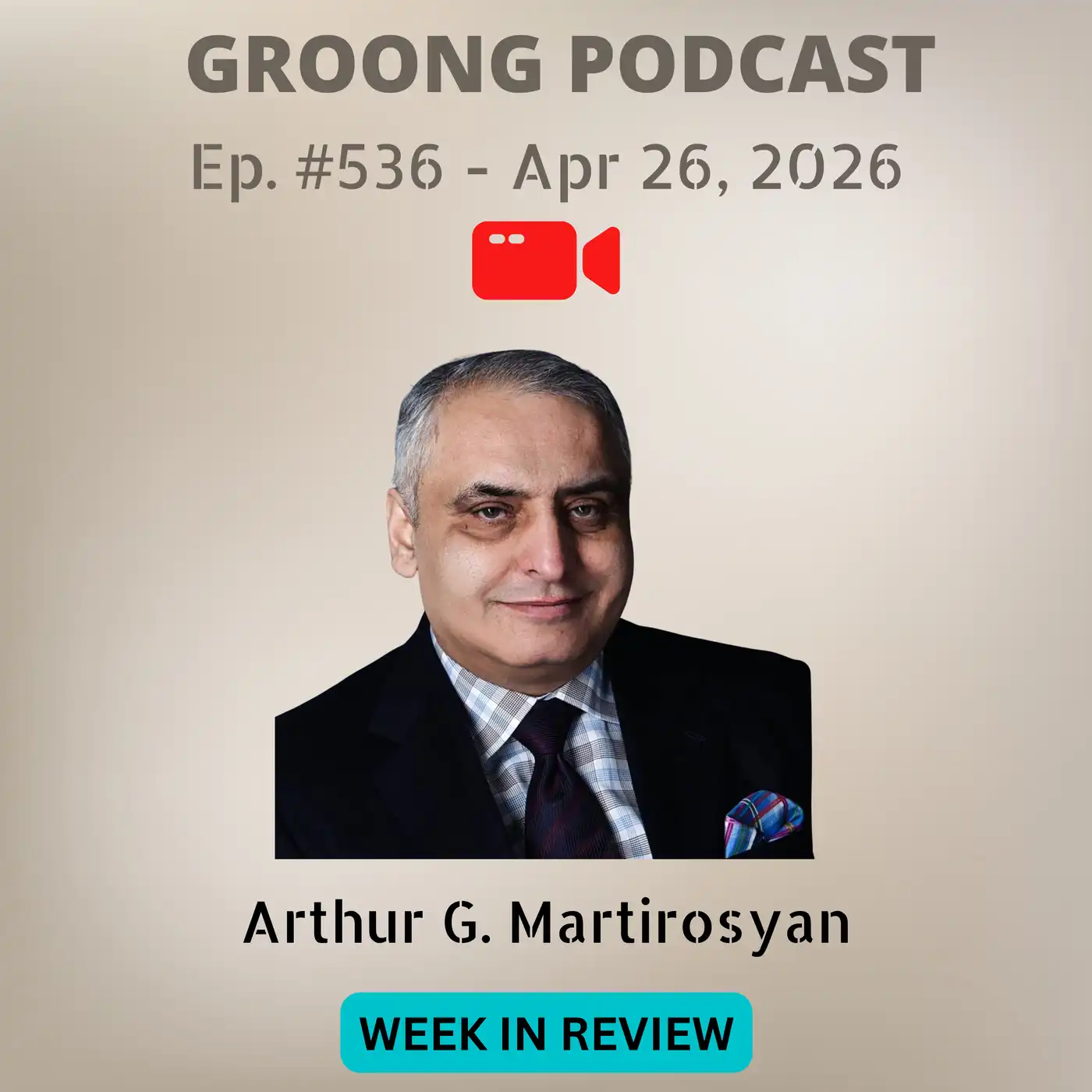
Groong Links:
Guest:
Topics:
- Iran War and TRIPP
- Armenian Genocide commemoration
- Peace narrative vs corridor reality
- Parliamentary election
Episode 536 | Recorded: April 27, 2026
Arthur Martirosyan - Iran War, Effect on Armenia, June Parliamentary | Ep 536, Apr 26, 2026 [EP536]
Posted on Tuesday, Apr 28, 2026 | Category: Armenia, Politics, Armenian Church, Ukraine, Iran, Azerbaijan, Israel, USA, Turkey, Russia, Artsakh, Nagorno Karabakh, Armenian Genocide, Armenian News, Artsakh Blockade, Genocide, Georgia, European UnionGroong Links:
Guest:
Topics:
- Iran War and TRIPP
- Armenian Genocide commemoration
- Peace narrative vs corridor reality
- Parliamentary election
Episode 536 | Recorded: April 27, 2026
Dziunik Aghajanian - Iran War, Antalya Diplomatic Forum, Armenian Parliamentary Elections | Ep 532, Apr 19, 2026 [EP532]
Posted on Tuesday, Apr 21, 2026 | Category: Iran, Armenia, Politics, USA, Israel, Azerbaijan, Turkey, Russia, Artsakh, Nagorno Karabakh, Georgia, Armenian Church, Artsakh Blockade, China, NATO | Series: wir, video
Groong Links:
Guest:
- Amb. Dziunik Aghajanian
Topics:
- Iran War Fears
- June Parliamentary Elections
- Attacks on the Armenian Church
Episode 532 | Recorded: April 20, 2026
#Armenia #Iran #IranWar #Hormuz #ArmeniaElections #SouthCaucasus
Dziunik Aghajanian - Iran War, Antalya Diplomatic Forum, Armenian Parliamentary Elections | Ep 532, Apr 19, 2026 [EP532]
Posted on Tuesday, Apr 21, 2026 | Category: Iran, Armenia, Politics, USA, Israel, Azerbaijan, Turkey, Russia, Artsakh, Nagorno Karabakh, Georgia, Armenian Church, Artsakh Blockade, China, NATOGroong Links:
Guest:
- Amb. Dziunik Aghajanian
Topics:
- Iran War Fears
- June Parliamentary Elections
- Attacks on the Armenian Church
Episode 532 | Recorded: April 20, 2026
#Armenia #Iran #IranWar #Hormuz #ArmeniaElections #SouthCaucasus
Transcript: Dziunik Aghajanian - Iran War, Antalya Diplomatic Forum, Armenian Parliamentary Elections | Ep 532, Apr 19, 2026 [EP532]
Posted on Tuesday, Apr 21, 2026 | Category: Iran, Armenia, Politics, USA, Israel, Azerbaijan, Turkey, Russia, Artsakh, Nagorno Karabakh, Georgia, Armenian Church, Artsakh Blockade, China, NATO, TranscriptIn this Week in Review episode, Ambassador Dziunik Aghajanian discusses the stalled Iran negotiations after the Islamabad talks, the renewed pressure around Hormuz and the naval blockade, Turkey’s posture toward Israel and the region; Armenia’s lower-profile participation in the Antalya Diplomatic Forum; Russia’s shifting rhetoric on TRIPP and the South Caucasus; and the June 7 parliamentary election in Armenia, including constitutional changes, border concessions, the gas pipeline rerouting issue, and the use of surveillance and arrests against opposition figures.
Hovik & Asbed - Iran War, April 2016 War, Armenia & Russia, Politics & Election | Ep 530, Apr 5, 2026 [EP530]
Posted on Wednesday, Apr 8, 2026 | Category: Iran, Armenia, Politics, Election, Artsakh, Nagorno Karabakh, Azerbaijan, Armenian Church, European Union, Russia, Georgia, Turkey | Series: cog, video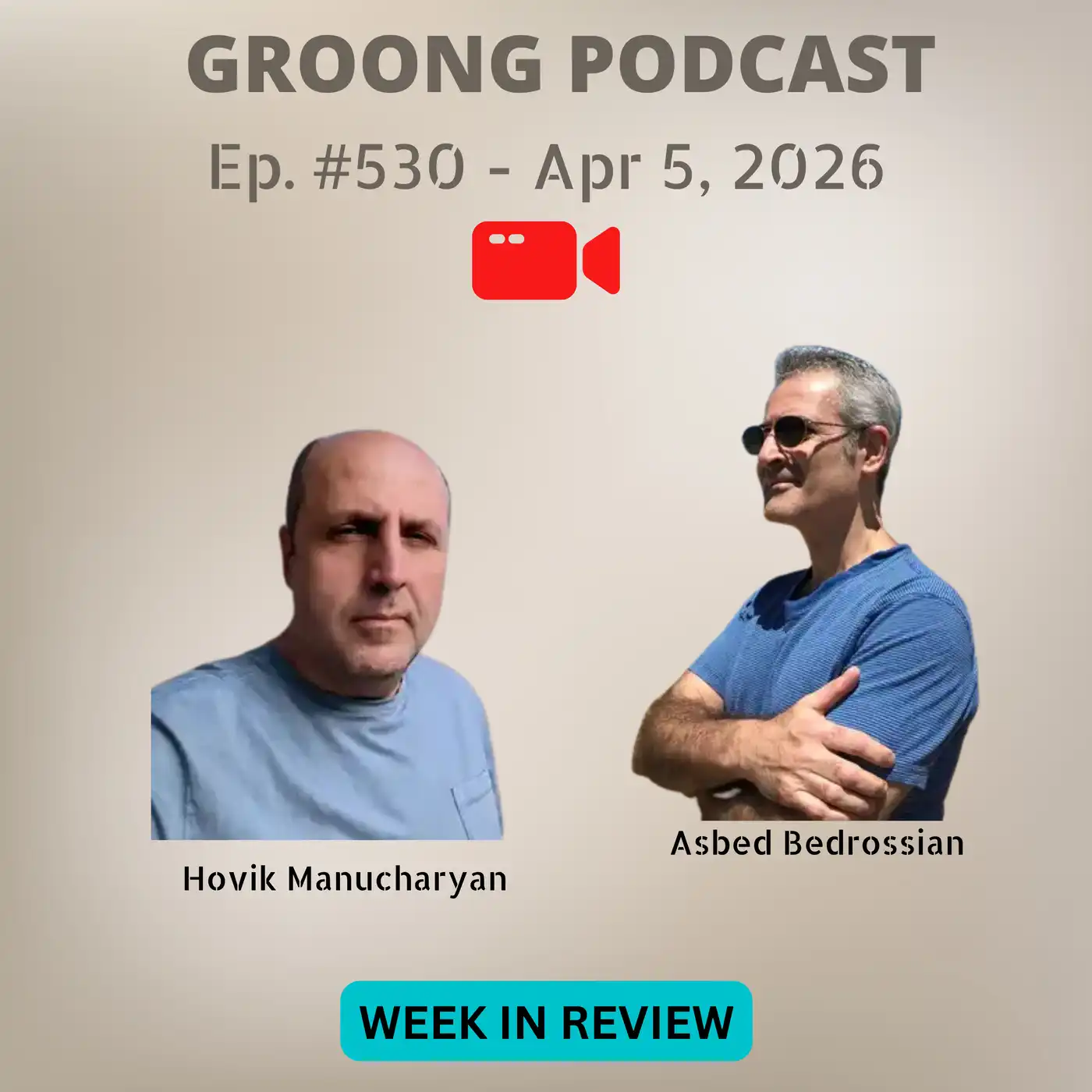
Groong Links:
Topics:
- Iran War Update
- 2016 April War
- Aftermath of Pashinyan in Moscow
- Domestic Politics & Election
Episode 530 | Recorded: April 7, 2026
#Groong #Armenia
Hovik & Asbed - Iran War, April 2016 War, Armenia & Russia, Politics & Election | Ep 530, Apr 5, 2026 [EP530]
Posted on Wednesday, Apr 8, 2026 | Category: Iran, Armenia, Politics, Election, Artsakh, Nagorno Karabakh, Azerbaijan, Armenian Church, European Union, Russia, Georgia, TurkeyGroong Links:
Topics:
- Iran War Update
- 2016 April War
- Aftermath of Pashinyan in Moscow
- Domestic Politics & Election
Episode 530 | Recorded: April 7, 2026
#Groong #Armenia
Transcript: Hovik & Asbed - Iran War, April 2016 War, Armenia & Russia, Politics & Election | Ep 530, Apr 5, 2026 [EP530]
Posted on Wednesday, Apr 8, 2026 | Category: Iran, Armenia, Politics, Election, Artsakh, Nagorno Karabakh, Azerbaijan, Armenian Church, European Union, Russia, Georgia, Turkey, TranscriptIn this Week in Review, Hovik and Asbed discussed the escalating US-Israeli war on Iran and the danger of a wider regional catastrophe; we reflected on the tenth anniversary of the April 2016 Four-Day War and what it revealed about Armenia’s military and diplomatic posture; we examined the fallout from Pashinyan’s Moscow visit and the increasingly blunt Russian response, and reviewed the fast-moving Armenian election campaign, including pressure on the opposition, EU involvement, and the emerging strategies of major the various alliances.
Dziunik Aghajanian - Iran War Fears, June Vote Rules, State-Church Clash | Ep 519, Feb 22, 2026 [EP519]
Posted on Thursday, Feb 26, 2026 | Category: Armenia, Politics, Artsakh, Nagorno Karabakh, Azerbaijan, Turkey, Russia, Israel, Genocide, Armenian Church, Iran, Middle East, NATO, Syria | Series: wir, video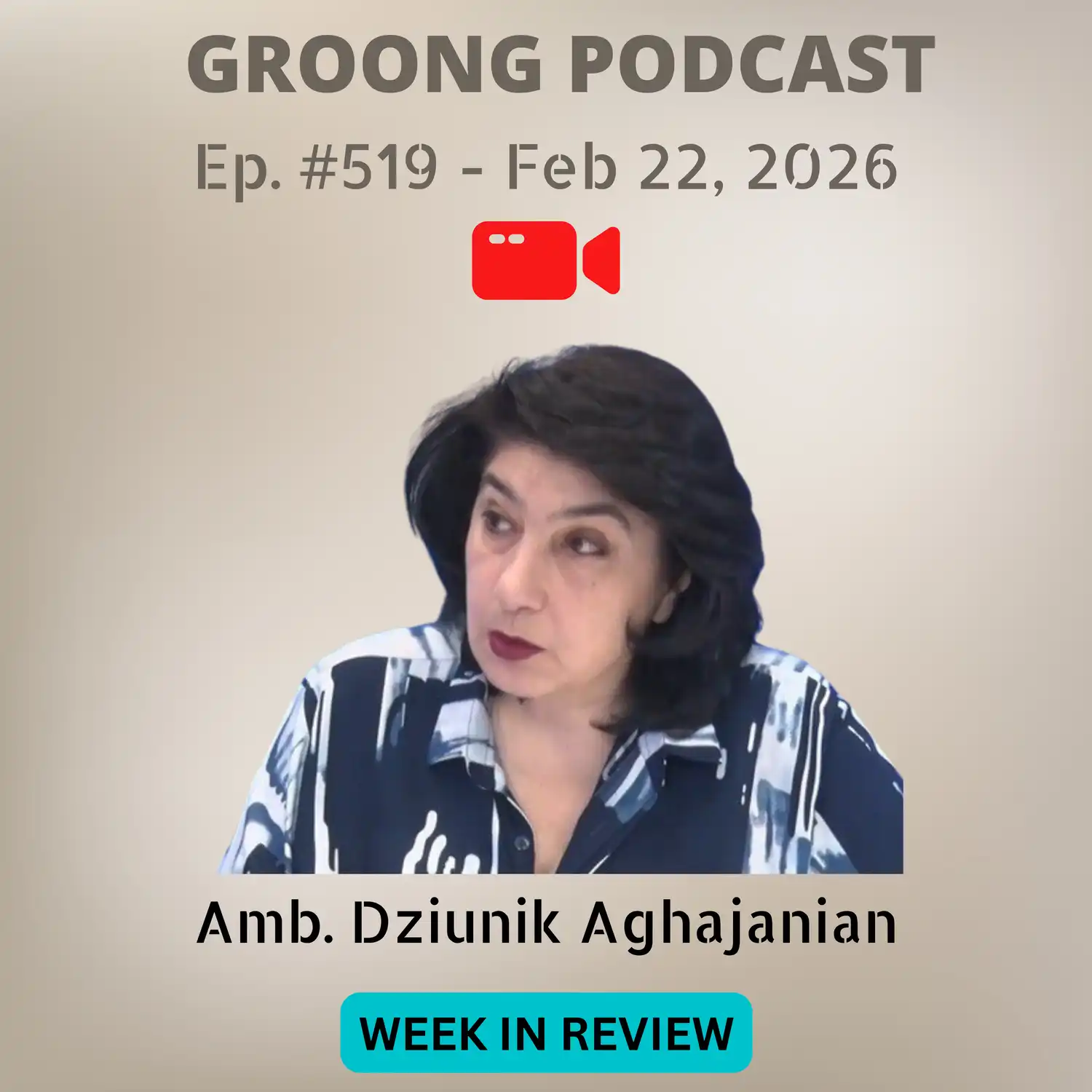
Groong Links:
Guest:
Topics:
- Iran War Fears
- June Parliamentary Elections
- Attacks on the Armenian Church
Episode 519 | Recorded: February 25, 2026
#Armenia #Iran #ArmeniaElections #ArmenianChurch #SouthCaucasus
Dziunik Aghajanian - Iran War Fears, June Vote Rules, State-Church Clash | Ep 519, Feb 22, 2026 [EP519]
Posted on Thursday, Feb 26, 2026 | Category: Armenia, Politics, Artsakh, Nagorno Karabakh, Azerbaijan, Turkey, Russia, Israel, Genocide, Armenian Church, Iran, Middle East, NATO, SyriaGroong Links:
Guest:
Topics:
- Iran War Fears
- June Parliamentary Elections
- Attacks on the Armenian Church
Episode 519 | Recorded: February 25, 2026
#Armenia #Iran #ArmeniaElections #ArmenianChurch #SouthCaucasus
Zaroui Pogossian - Vardanank, The Battle of Avarayr in 451 AD | Ep 518, Feb 24, 2026 [EP518]
Posted on Tuesday, Feb 24, 2026 | Category: Armenia, History, Medieval Armenia, Armenian Church, Iran | Series: gdh, video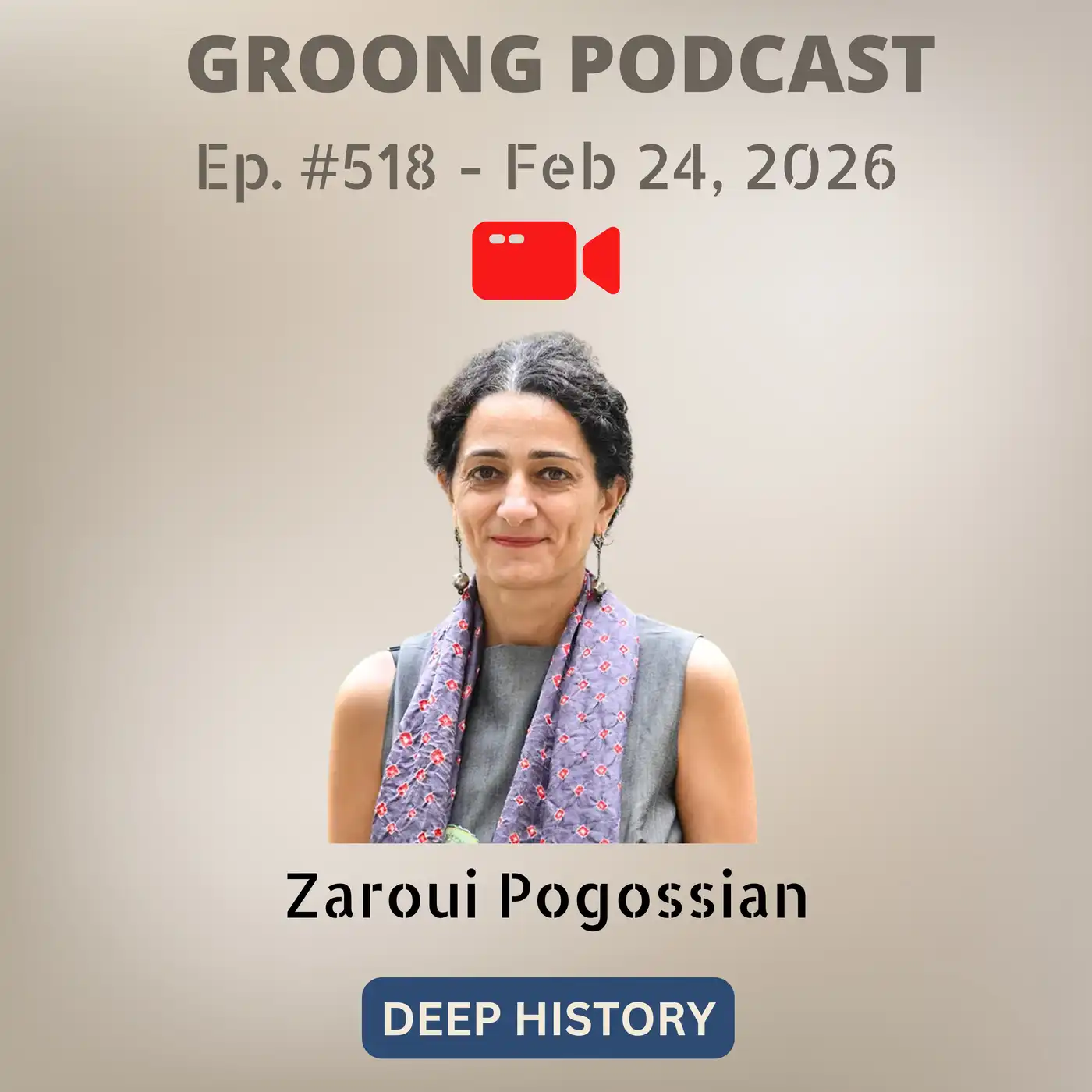
Groong Links:
Guest:
Topics:
- Vardanank Wars and Battle of Avarayr
- Armenian Sources, Yeghishe and Parpetsi
- Politics, Christianity, Nakharar Power Dynamics
Episode 518 | Recorded: February 22, 2026
#GroongDeepHistory #Vardanank #BattleOfAvarayr #ArmenianHistory #ZarouiPogossian
Zaroui Pogossian - Vardanank, The Battle of Avarayr in 451 AD | Ep 518, Feb 24, 2026 [EP518]
Posted on Tuesday, Feb 24, 2026 | Category: Armenia, History, Medieval Armenia, Armenian Church, IranGroong Links:
Guest:
Topics:
- Vardanank Wars and Battle of Avarayr
- Armenian Sources, Yeghishe and Parpetsi
- Politics, Christianity, Nakharar Power Dynamics
Episode 518 | Recorded: February 22, 2026
#GroongDeepHistory #Vardanank #BattleOfAvarayr #ArmenianHistory #ZarouiPogossian
JD Vance in Armenia and Azerbaijan | Ep 517, Feb 15, 2026 [EP517]
Posted on Sunday, Feb 15, 2026 | Category: Armenia, Politics, Turkey, Azerbaijan, Armenian Church, Armenian Genocide, Iran, Russia, Genocide, Georgia, Israel, China, Ukraine | Series: cog, video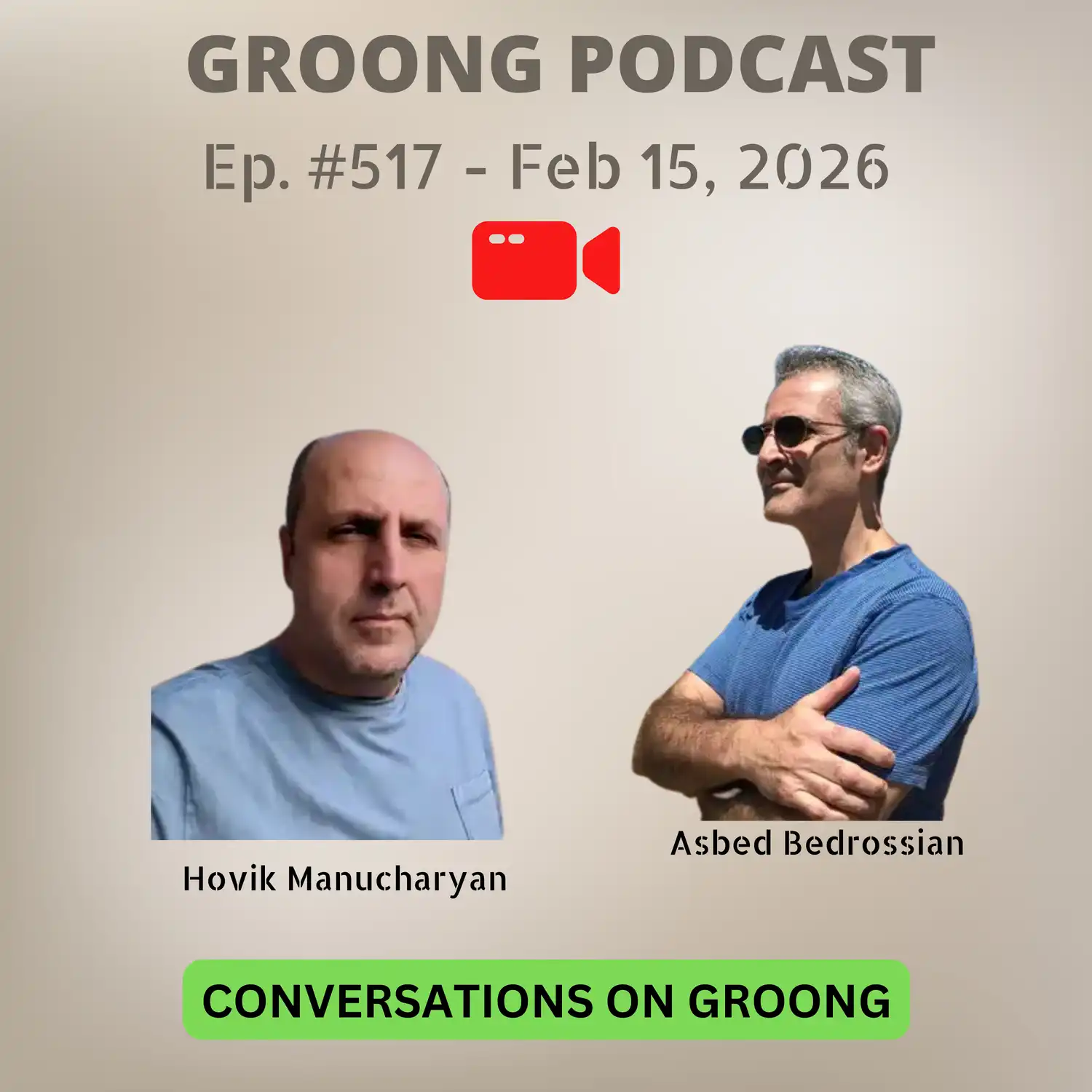
Groong Links:
Topics:
- Vance visit, protocol and optics
- Tsitsernakaberd tweet, âautocorrect diplomacyâ
- TRIPP corridor stake and sovereignty risks
- Nuclear SMR deal, costs and dependency
- Firebird AI project, power and value
- Drones, church silence, Baku charter and prisoners
Episode 517 | Recorded: February 13, 2026
#Groong #Armenia #JDVance #Tsitsernakaberd #TRIPP
JD Vance in Armenia and Azerbaijan | Ep 517, Feb 15, 2026 [EP517]
Posted on Sunday, Feb 15, 2026 | Category: Armenia, Politics, Turkey, Azerbaijan, Armenian Church, Armenian Genocide, Iran, Russia, Genocide, Georgia, Israel, China, UkraineGroong Links:
Topics:
- Vance visit, protocol and optics
- Tsitsernakaberd tweet, âautocorrect diplomacyâ
- TRIPP corridor stake and sovereignty risks
- Nuclear SMR deal, costs and dependency
- Firebird AI project, power and value
- Drones, church silence, Baku charter and prisoners
Episode 517 | Recorded: February 13, 2026
#Groong #Armenia #JDVance #Tsitsernakaberd #TRIPP
Philippe Raffi Kalfayan - Europe and America, JD Vance in Armenia, Pashinyan vs. Church | Ep 516, Feb 8, 2026 [EP516]
Posted on Wednesday, Feb 11, 2026 | Category: Armenia, Politics, Artsakh, Nagorno Karabakh, USA, Azerbaijan, Turkey, Russia, Syria, Armenian Church, European Union, Iran, China, Ukraine, Human Rights, Georgia, Israel, Genocide, Economy, Geopolitics, India, NATO | Series: wir, video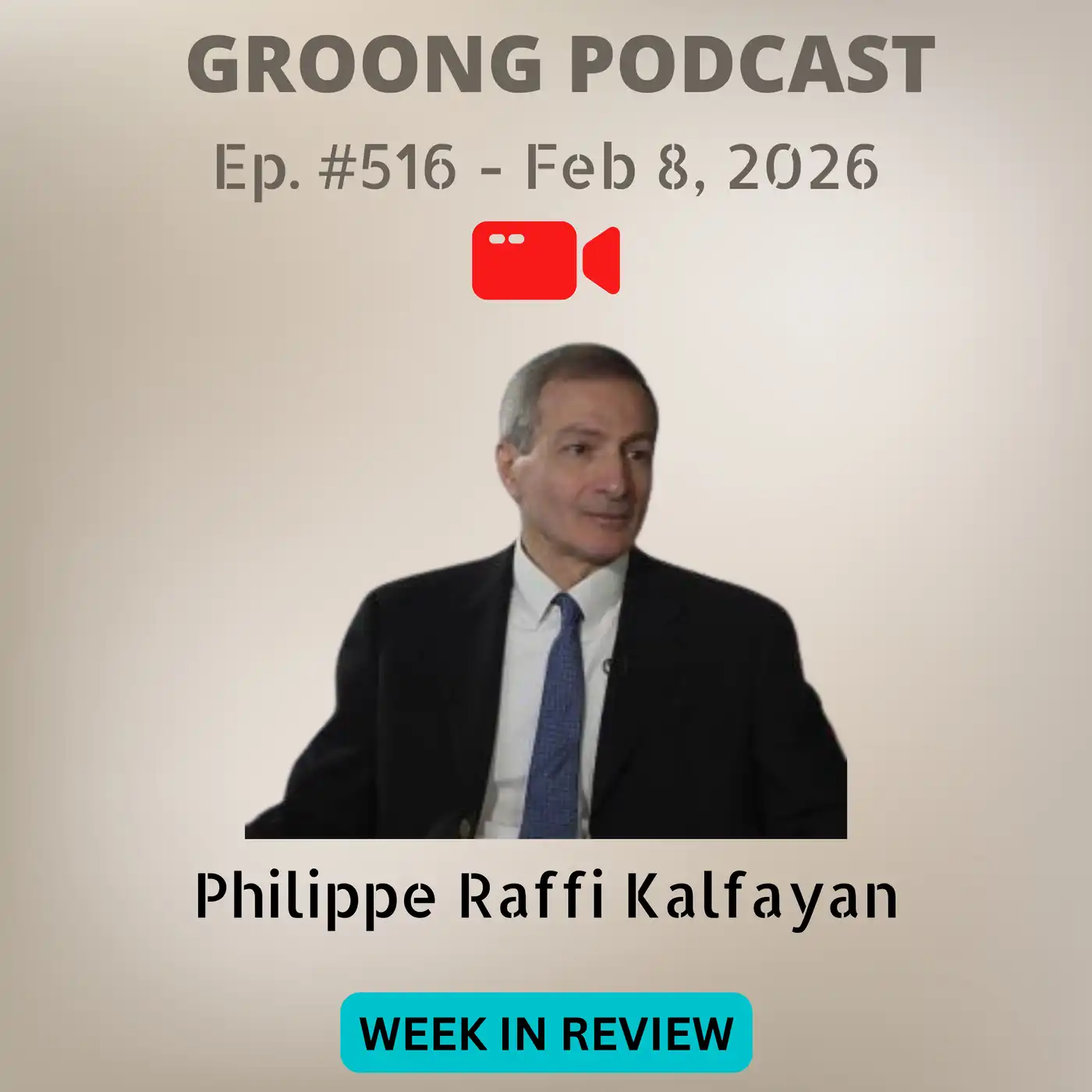
Groong Links:
Guest:
Topics:
- A European View of America
- JD Vance in Armenia
- Pashinyan vs. The Armenian Church
- Europe and Armenia
Episode 516 | Recorded: February 9, 2026
Philippe Raffi Kalfayan - Europe and America, JD Vance in Armenia, Pashinyan vs. Church | Ep 516, Feb 8, 2026 [EP516]
Posted on Wednesday, Feb 11, 2026 | Category: Armenia, Politics, Artsakh, Nagorno Karabakh, USA, Azerbaijan, Turkey, Russia, Syria, Armenian Church, European Union, Iran, China, Ukraine, Human Rights, Georgia, Israel, Genocide, Economy, Geopolitics, India, NATOGroong Links:
Guest:
Topics:
- A European View of America
- JD Vance in Armenia
- Pashinyan vs. The Armenian Church
- Europe and Armenia
Episode 516 | Recorded: February 9, 2026
James Carden & Pietro Shakarian - Global Affairs in the Age of Trump 2.0 | Ep 515, Feb 7, 2026 [EP515]
Posted on Saturday, Feb 7, 2026 | Category: USA, TRIPP, Iran, Armenia, Israel, Azerbaijan, Armenian Church, Nagorno Karabakh, BRICS, Russia, China, Economy, Syria, Turkey, Ukraine, Human Rights, India, Middle East, NATO | Series: cog, video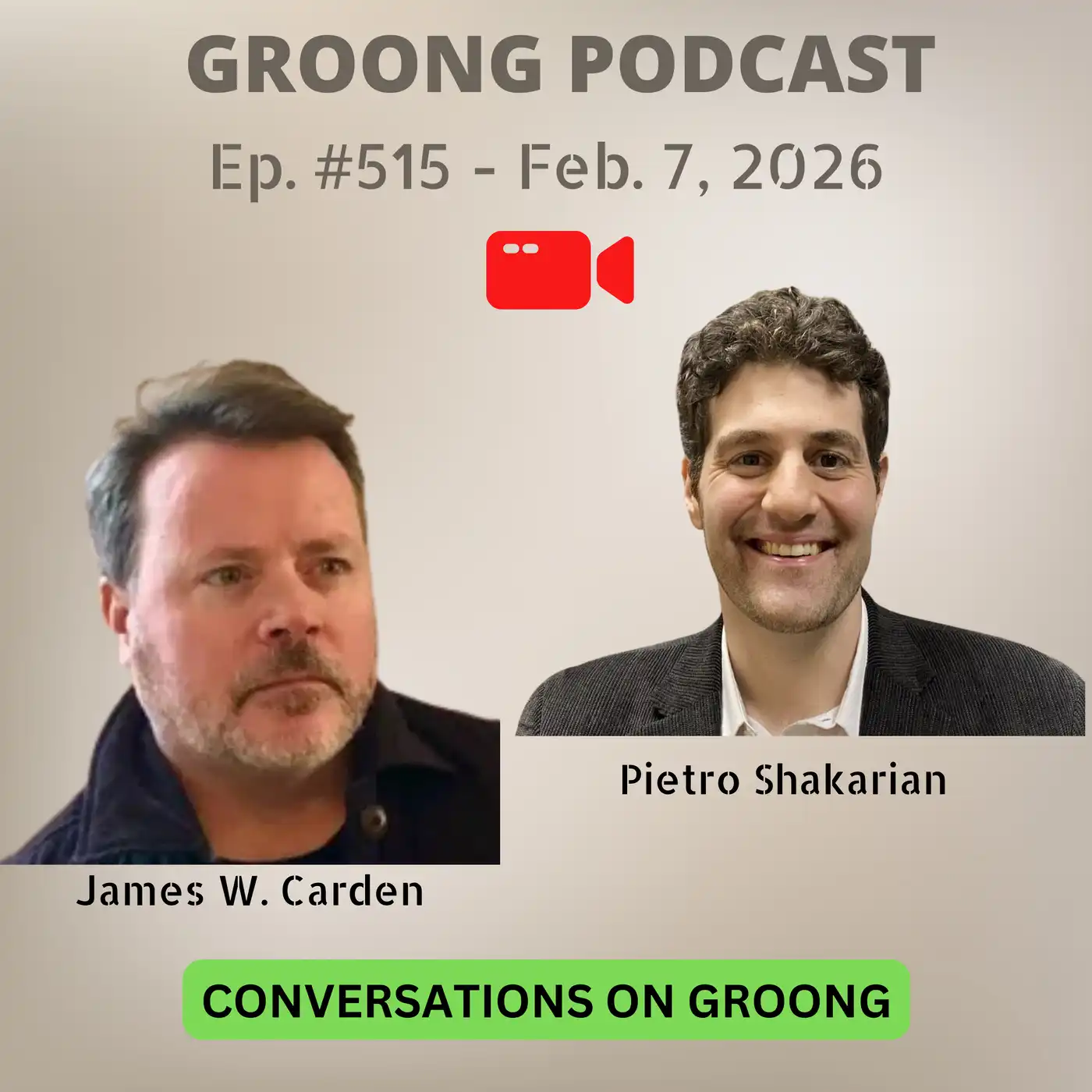
Groong Links:
Guest:
Topics:
- Trump 2.0 and the âDonroe Doctrineâ
- Rules-Based Disorder?
- Iran vs. the âBig, Beautiful Armadaâ
- US Cohesion and Midterms
- JD Vance in the South Caucasus
Episode 515 | Recorded: February 6, 2026
James Carden & Pietro Shakarian - Global Affairs in the Age of Trump 2.0 | Ep 515, Feb 7, 2026 [EP515]
Posted on Saturday, Feb 7, 2026 | Category: USA, TRIPP, Iran, Armenia, Israel, Azerbaijan, Armenian Church, Nagorno Karabakh, BRICS, Russia, China, Economy, Syria, Turkey, Ukraine, Human Rights, India, Middle East, NATOGroong Links:
Guest:
Topics:
- Trump 2.0 and the âDonroe Doctrineâ
- Rules-Based Disorder?
- Iran vs. the âBig, Beautiful Armadaâ
- US Cohesion and Midterms
- JD Vance in the South Caucasus
Episode 515 | Recorded: February 6, 2026
Joel Veldkamp - Christian Solidarity International Visits Armenian Bishops in Jail | Ep 513, Feb 4, 2026 [EP513]
Posted on Wednesday, Feb 4, 2026 | Category: Armenia, Politics, Armenian Church, Artsakh, Nagorno Karabakh, Human Rights, Artsakh Blockade, China, NATO, Iran | Series: cog, video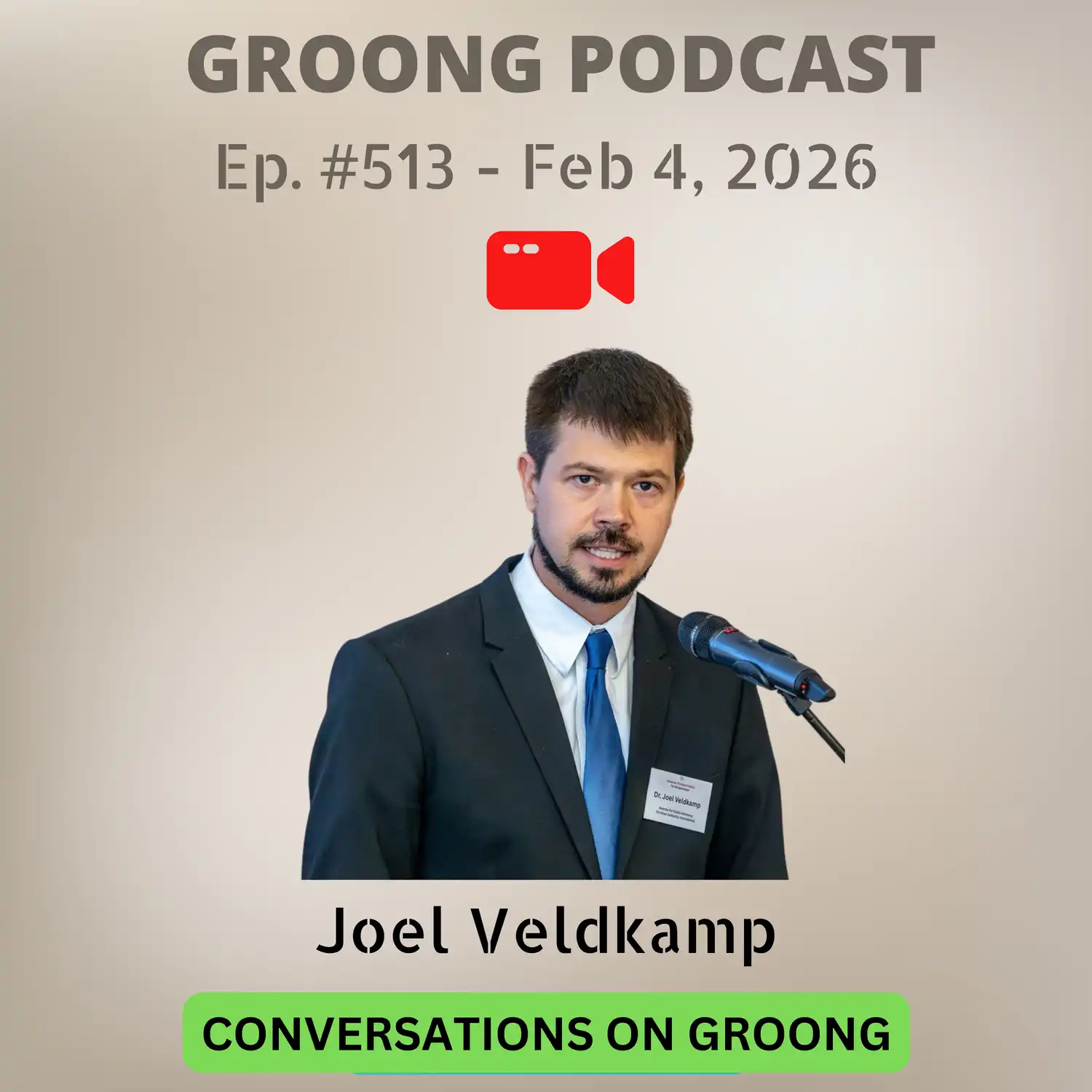
Groong Links:
Guest:
Topics:
- CSI Visits Jailed Cleric
- IRF Summit
- PACE MP Speaks Up
Episode 513 | Recorded: February 3, 2026
#ArmenianChurch #ReligiousFreedom #ClergyArrests #IRFSummit2026 #ChristianSolidarityInternational
Joel Veldkamp - Christian Solidarity International Visits Armenian Bishops in Jail | Ep 513, Feb 4, 2026 [EP513]
Posted on Wednesday, Feb 4, 2026 | Category: Armenia, Politics, Armenian Church, Artsakh, Nagorno Karabakh, Human Rights, Artsakh Blockade, China, NATO, IranGroong Links:
Guest:
Topics:
- CSI Visits Jailed Cleric
- IRF Summit
- PACE MP Speaks Up
Episode 513 | Recorded: February 3, 2026
#ArmenianChurch #ReligiousFreedom #ClergyArrests #IRFSummit2026 #ChristianSolidarityInternational
Asbed & Hovik - Iran, Varchaband, War on Church, Mehmet Oz, Strong Armenia, Noragyugh | Ep 512, Feb 1, 2026 [EP512]
Posted on Tuesday, Feb 3, 2026 | Category: Armenia, Politics, Artsakh, Nagorno Karabakh, Iran, Israel, Azerbaijan, Armenian Church, BRICS, Russia, Turkey, China, India, Ukraine | Series: wir, video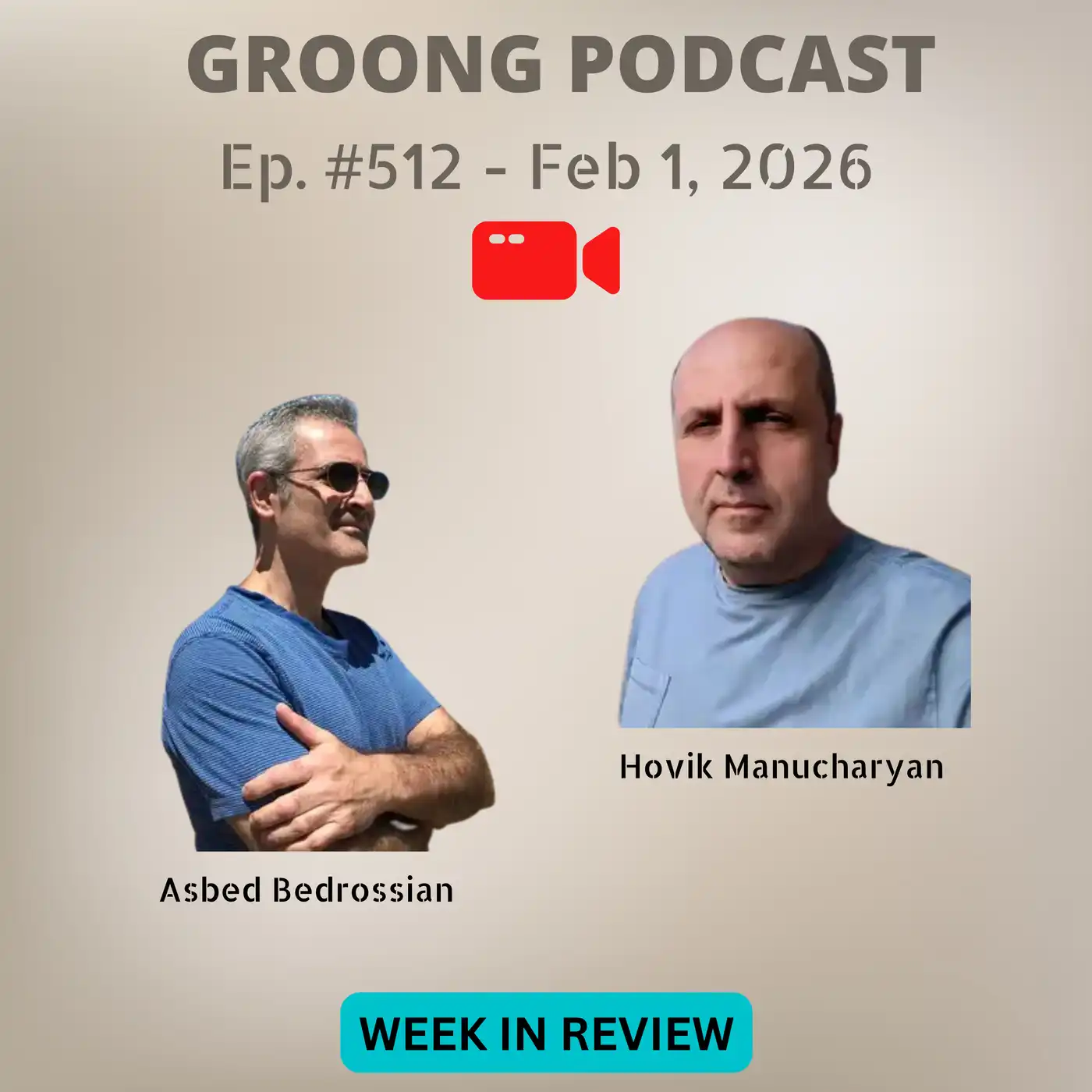
Groong Links:
Topics:
- Iran Conflict
- Varchaband
- War on Armenian Church
- Mehmet Oz vs Armenian Americans
- Narek Karapetyan and Strong Armenia
- A Big Beautiful Noragyugh
Episode 512 | Recorded: February 2, 2026
#IranIsraelWar #TrumpArmada #ArmenianChurch #Pashinyan #ArmenianDiaspora
Asbed & Hovik - Iran, Varchaband, War on Church, Mehmet Oz, Strong Armenia, Noragyugh | Ep 512, Feb 1, 2026 [EP512]
Posted on Tuesday, Feb 3, 2026 | Category: Armenia, Politics, Artsakh, Nagorno Karabakh, Iran, Israel, Azerbaijan, Armenian Church, BRICS, Russia, Turkey, China, India, UkraineGroong Links:
Topics:
- Iran Conflict
- Varchaband
- War on Armenian Church
- Mehmet Oz vs Armenian Americans
- Narek Karapetyan and Strong Armenia
- A Big Beautiful Noragyugh
Episode 512 | Recorded: February 2, 2026
#IranIsraelWar #TrumpArmada #ArmenianChurch #Pashinyan #ArmenianDiaspora
Arthur Khachatryan - Army Day, JD Vance to Armenia, TRIPP, Church, Strong Armenia Political Party | Ep 510, Jan 27, 2026 [EP510]
Posted on Wednesday, Jan 28, 2026 | Category: Armenia, Politics, Artsakh, Nagorno Karabakh, Azerbaijan, Turkey, Russia, Armenian Church, Artsakh Blockade, Iran, Economy, Georgia, Human Rights, Syria | Series: wir, video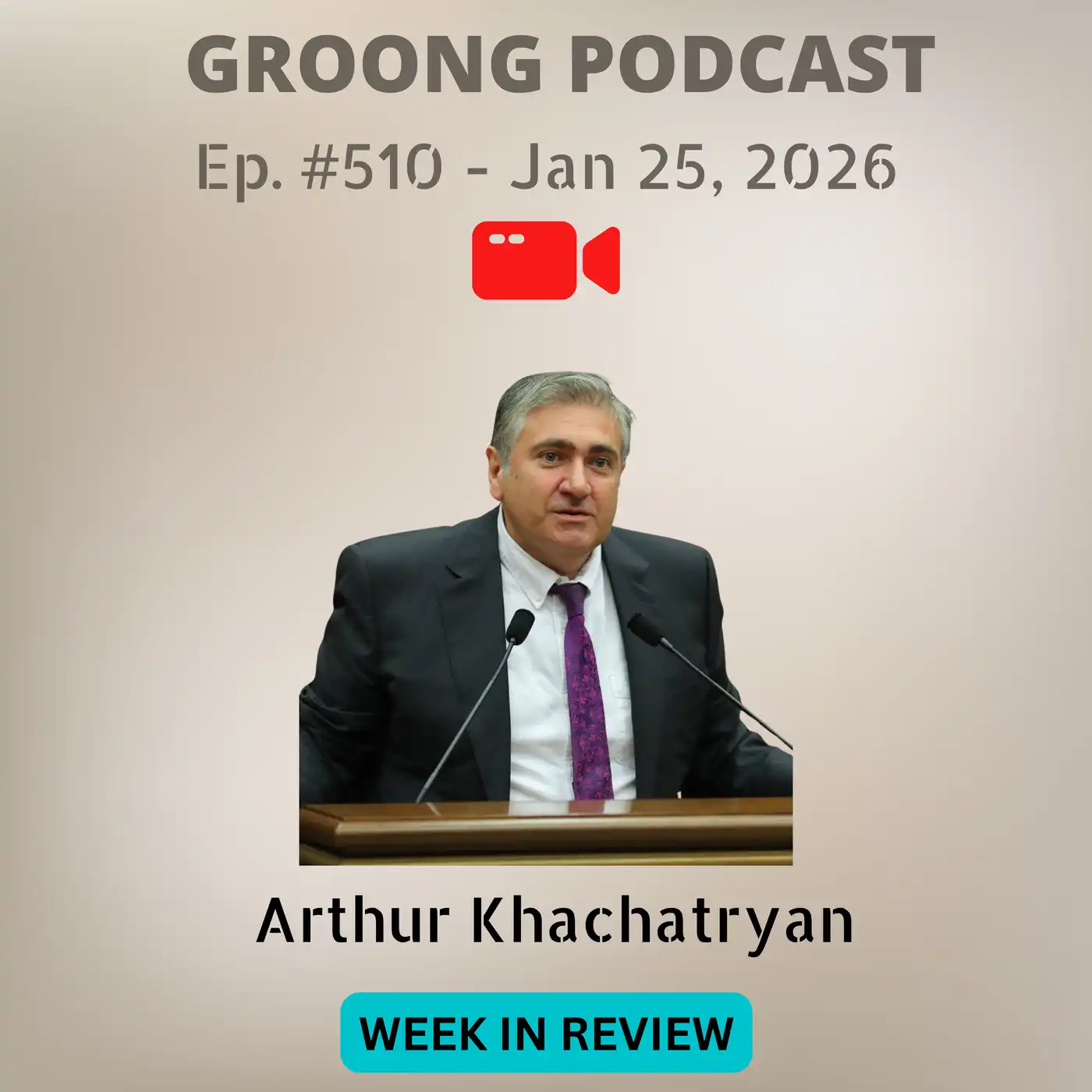
Groong Links:
Guest:
Topics:
- Memorial Day vs. Army Day
- JD Vance to Armenia and Azerbaijan
- Armenian Church Developments
- Strong Armenia - New Political Party
Episode 510 | Recorded: Jnauary 27, 2026
Arthur Khachatryan - Army Day, JD Vance to Armenia, TRIPP, Church, Strong Armenia Political Party | Ep 510, Jan 27, 2026 [EP510]
Posted on Wednesday, Jan 28, 2026 | Category: Armenia, Politics, Artsakh, Nagorno Karabakh, Azerbaijan, Turkey, Russia, Armenian Church, Artsakh Blockade, Iran, Economy, Georgia, Human Rights, SyriaGroong Links:
Guest:
Topics:
- Memorial Day vs. Army Day
- JD Vance to Armenia and Azerbaijan
- Armenian Church Developments
- Strong Armenia - New Political Party
Episode 510 | Recorded: Jnauary 27, 2026
Anna Grigoryan - Armenia’s Political Crisis | Ep 507, Jan 17, 2026 [EP507]
Posted on Saturday, Jan 17, 2026 | Category: Armenia, Artsakh, Elections, Politics, Armenian Church, Nagorno Karabakh, Russia, Iran, Azerbaijan, Turkey, European Union, Economy, Syria, Human Rights, Georgia, Israel, Ukraine | Series: cog, video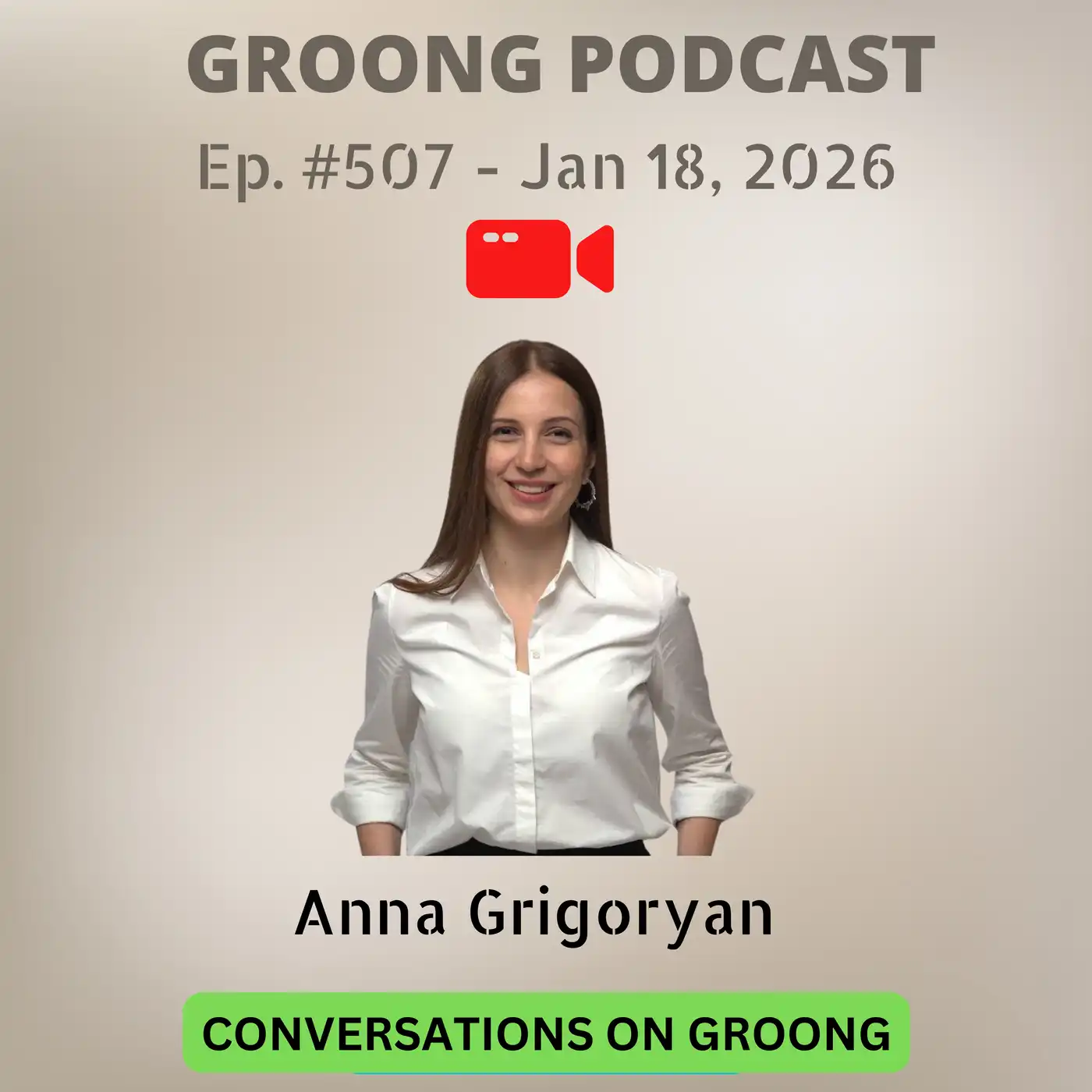
Groong Links:
Guest:
Topics:
- Return of Four Hostages
- Pashinyan vs. Church
- TRIPP
- Armenia Parliamentary Election
Episode 507 | Recorded: January 16, 2026
#AnnaGrigoryan #Armenia #ArmenianPolitics #TRIPP #ArmenianChurch #POWs
Anna Grigoryan - Armenia’s Political Crisis | Ep 507, Jan 17, 2026 [EP507]
Posted on Saturday, Jan 17, 2026 | Category: Armenia, Artsakh, Elections, Politics, Armenian Church, Nagorno Karabakh, Russia, Iran, Azerbaijan, Turkey, European Union, Economy, Syria, Human Rights, Georgia, Israel, UkraineGroong Links:
Guest:
Topics:
- Return of Four Hostages
- Pashinyan vs. Church
- TRIPP
- Armenia Parliamentary Election
Episode 507 | Recorded: January 16, 2026
#AnnaGrigoryan #Armenia #ArmenianPolitics #TRIPP #ArmenianChurch #POWs
Arthur Martirosyan - Ukraine, Iran, Baku Pogroms, Church Clash | Ep 505, Jan 11, 2026 [EP505]
Posted on Wednesday, Jan 14, 2026 | Category: Armenia, Politics, Armenian Church, Ukraine, Artsakh, Nagorno Karabakh, Azerbaijan, Turkey, Russia, USA, Armenian Genocide, Artsakh Blockade, European Union, Iran, Israel, Economy, Georgia, Middle East, Syria, China, Genocide | Series: wir, video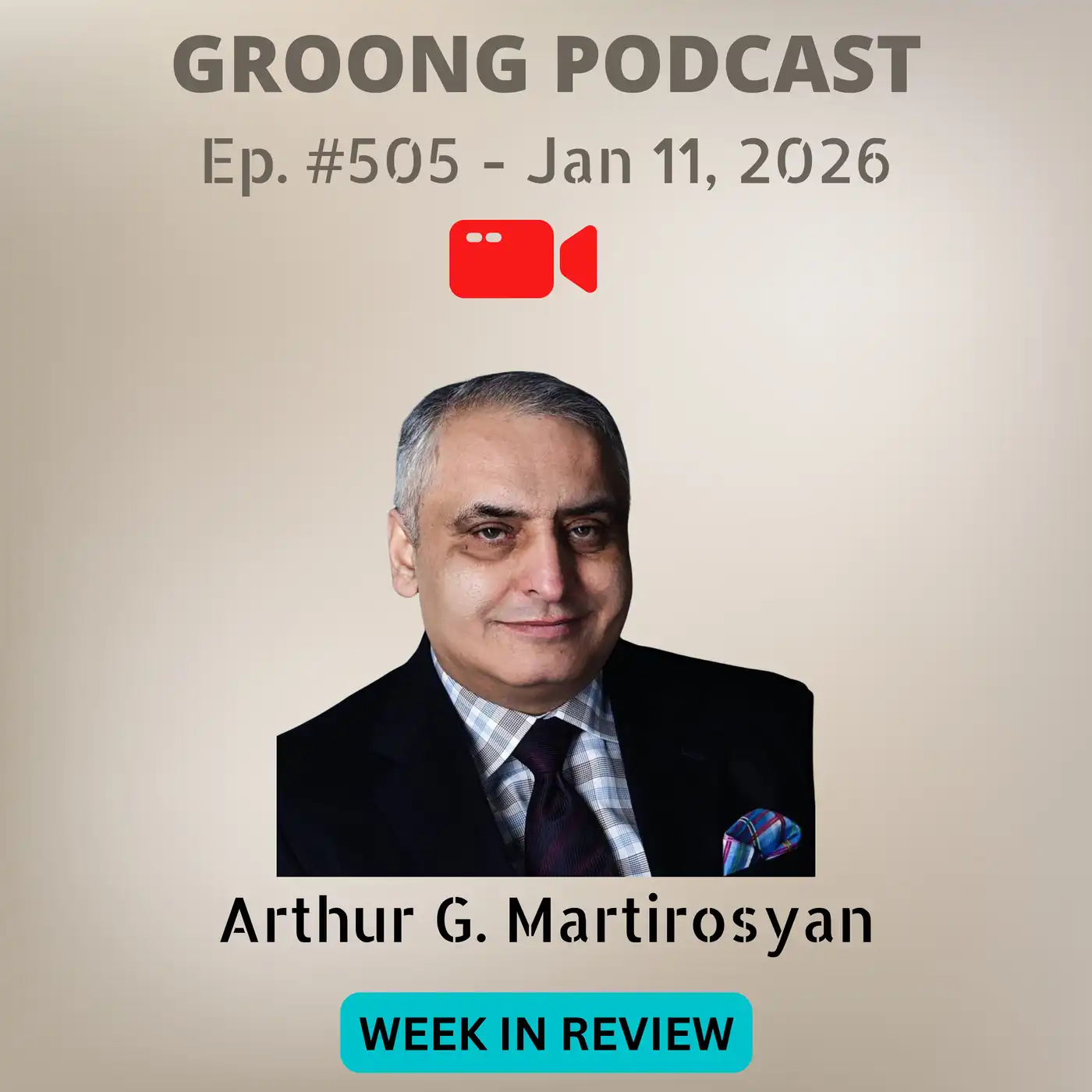
Groong Links:
Guest:
Topics:
- Ukraine warâs global cost to Russia
- Iran unrest and war risk
- Remembering the Baku pogroms
- Russia-Armenia tensions and media threats
- Pashinyanâs clash with Armenian Church
Episode 505 | Recorded: January 13, 2026
Arthur Martirosyan - Ukraine, Iran, Baku Pogroms, Church Clash | Ep 505, Jan 11, 2026 [EP505]
Posted on Wednesday, Jan 14, 2026 | Category: Armenia, Politics, Armenian Church, Ukraine, Artsakh, Nagorno Karabakh, Azerbaijan, Turkey, Russia, USA, Armenian Genocide, Artsakh Blockade, European Union, Iran, Israel, Economy, Georgia, Middle East, Syria, China, GenocideGroong Links:
Guest:
Topics:
- Ukraine warâs global cost to Russia
- Iran unrest and war risk
- Remembering the Baku pogroms
- Russia-Armenia tensions and media threats
- Pashinyanâs clash with Armenian Church
Episode 505 | Recorded: January 13, 2026
Kevork Hagopjian - Armenia’s Church-State Showdown | Ep 504, Jan 13, 2026 [EP504]
Posted on Tuesday, Jan 13, 2026 | Category: Armenia, Armenian Church, Politics, Artsakh, Nagorno Karabakh, Artsakh Blockade, Human Rights, Russia, Turkey, Iran, Azerbaijan, Lebanon, NATO, European Union | Series: cog, video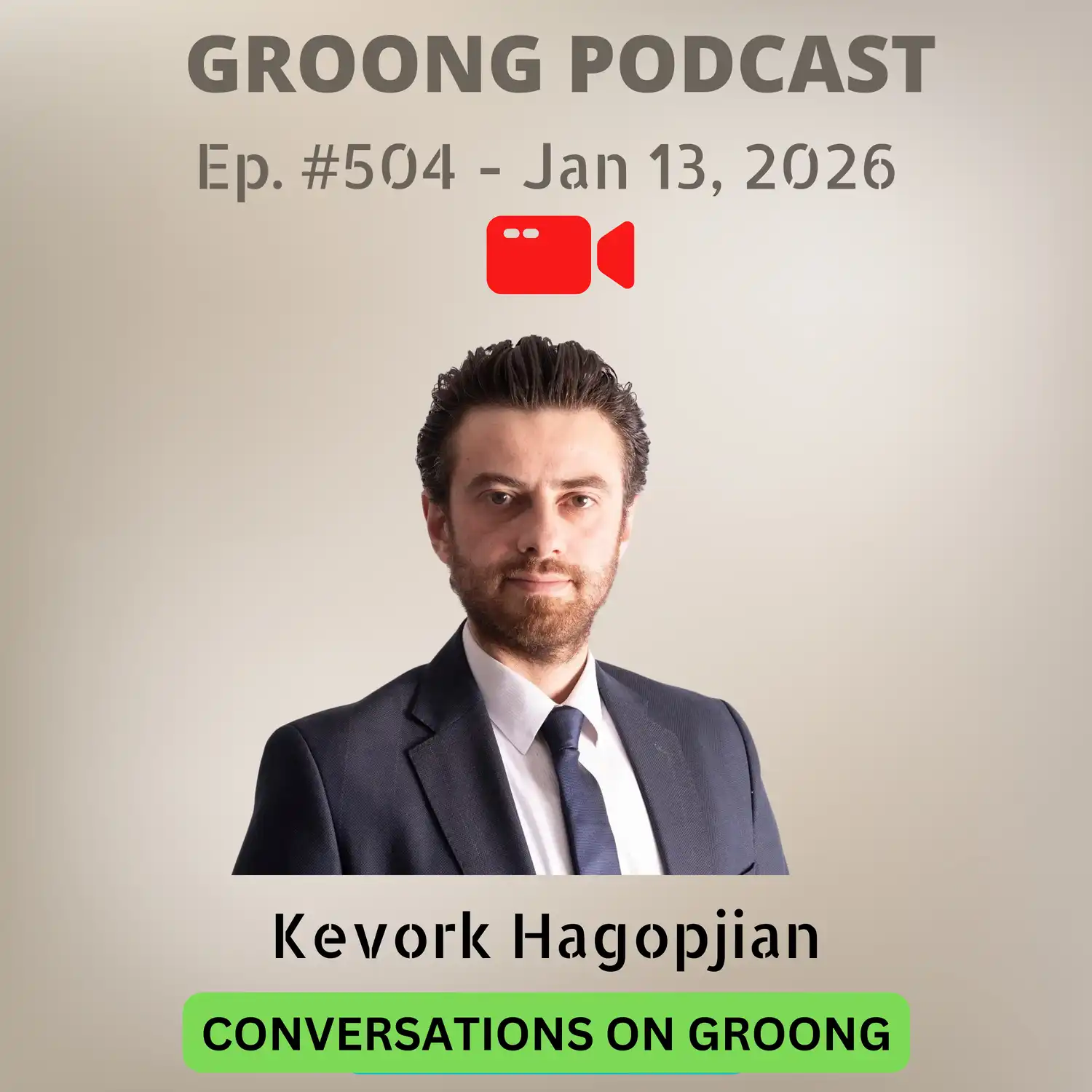
Groong Links:
Guest:
Topics:
- The Legal Architecture: Autonomy, Exclusive Mission, and State Neutrality
- Engineering Parallel, Schismatic Structures
- Criminal Law as Leverage
- Bern in Action and Reaction
- The Deeper Stakes: National Identity
Episode 504 | Recorded: January 12, 2026
#Armenia #ArmenianChurch #Etchmiadzin #HumanRights #ReligiousFreedom
Kevork Hagopjian - Armenia’s Church-State Showdown | Ep 504, Jan 13, 2026 [EP504]
Posted on Tuesday, Jan 13, 2026 | Category: Armenia, Armenian Church, Politics, Artsakh, Nagorno Karabakh, Artsakh Blockade, Human Rights, Russia, Turkey, Iran, Azerbaijan, Lebanon, NATO, European UnionGroong Links:
Guest:
Topics:
- The Legal Architecture: Autonomy, Exclusive Mission, and State Neutrality
- Engineering Parallel, Schismatic Structures
- Criminal Law as Leverage
- Bern in Action and Reaction
- The Deeper Stakes: National Identity
Episode 504 | Recorded: January 12, 2026
#Armenia #ArmenianChurch #Etchmiadzin #HumanRights #ReligiousFreedom
Fr. Serop Azarian - Armenian Church Under Attack | Ep 503, Jan 11, 2026 [EP503]
Posted on Sunday, Jan 11, 2026 | Category: Armenia, Armenian Church, Politics, Artsakh, Nagorno Karabakh, Artsakh Blockade, Armenian Genocide, Georgia, Turkey, Genocide, Azerbaijan, Russia, Iran, Syria, Ukraine, Israel, NATO, India | Series: cog, video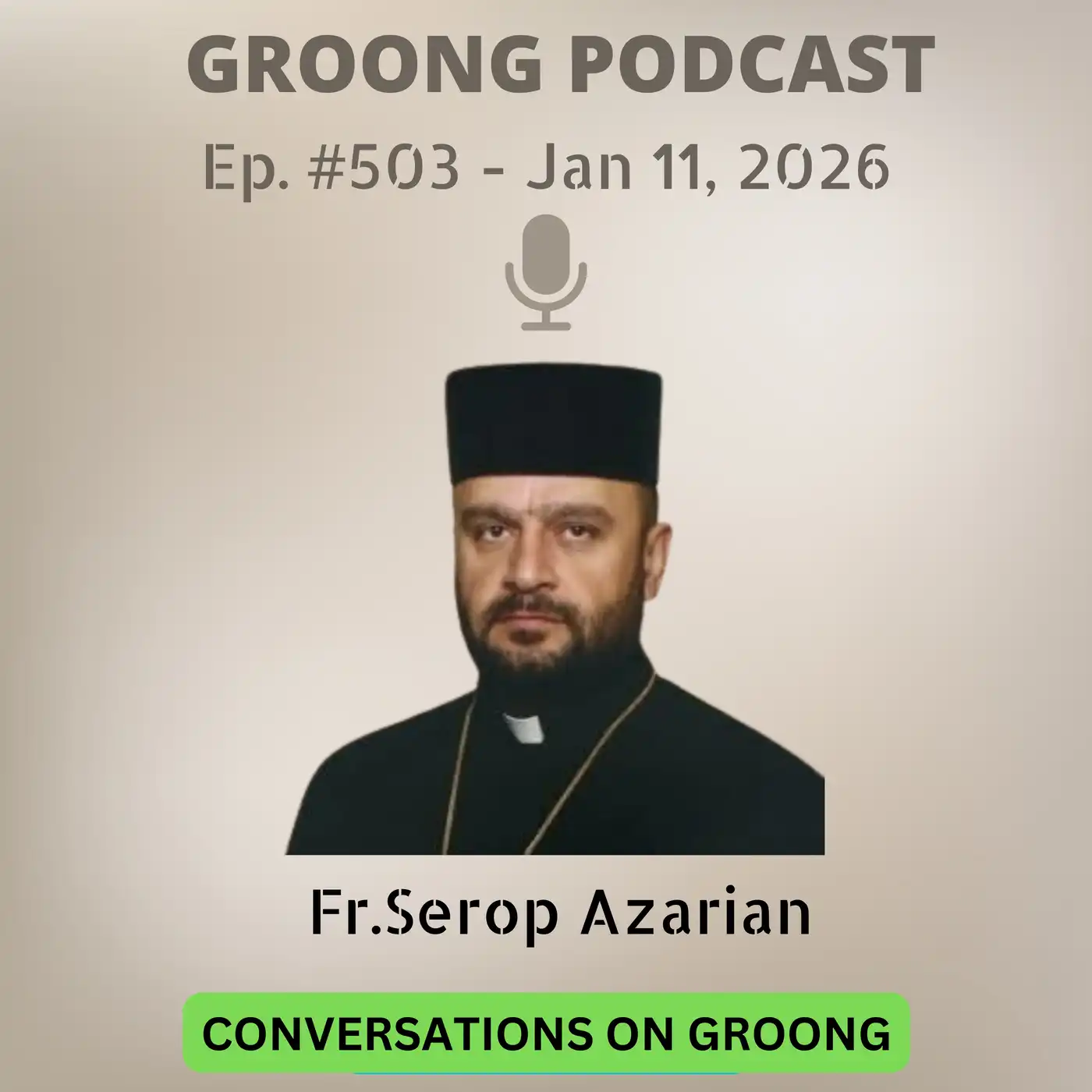
Groong Links:
Guest:
Topics:
- Pashinyan Attacks: Geopolitics or Vendetta?
- Renegade Bishops: Demands and Narratives
- Stolen Church Property
- From Christmas to Easter
Episode 503 | Recorded: January 9, 2026
#ArmenianApostolicChurch #ArmenianChurch #Garegin #Catholicos #NikolPashinyan #ArmenianDiaspora
Fr. Serop Azarian - Armenian Church Under Attack | Ep 503, Jan 11, 2026 [EP503]
Posted on Sunday, Jan 11, 2026 | Category: Armenia, Armenian Church, Politics, Artsakh, Nagorno Karabakh, Artsakh Blockade, Armenian Genocide, Georgia, Turkey, Genocide, Azerbaijan, Russia, Iran, Syria, Ukraine, Israel, NATO, IndiaGroong Links:
Guest:
Topics:
- Pashinyan Attacks: Geopolitics or Vendetta?
- Renegade Bishops: Demands and Narratives
- Stolen Church Property
- From Christmas to Easter
Episode 503 | Recorded: January 9, 2026
#ArmenianApostolicChurch #ArmenianChurch #Garegin #Catholicos #NikolPashinyan #ArmenianDiaspora
Fyodor Lukyanov - Russia in Evolving Global Geopolitics | Ep 502, Jan 9, 2026 [EP502]
Posted on Friday, Jan 9, 2026 | Category: Iran, Russia, Armenia, Israel, Politics, China, Ukraine, Armenian Church, Artsakh Blockade, BRICS, European Union, NATO, Azerbaijan | Series: cog, video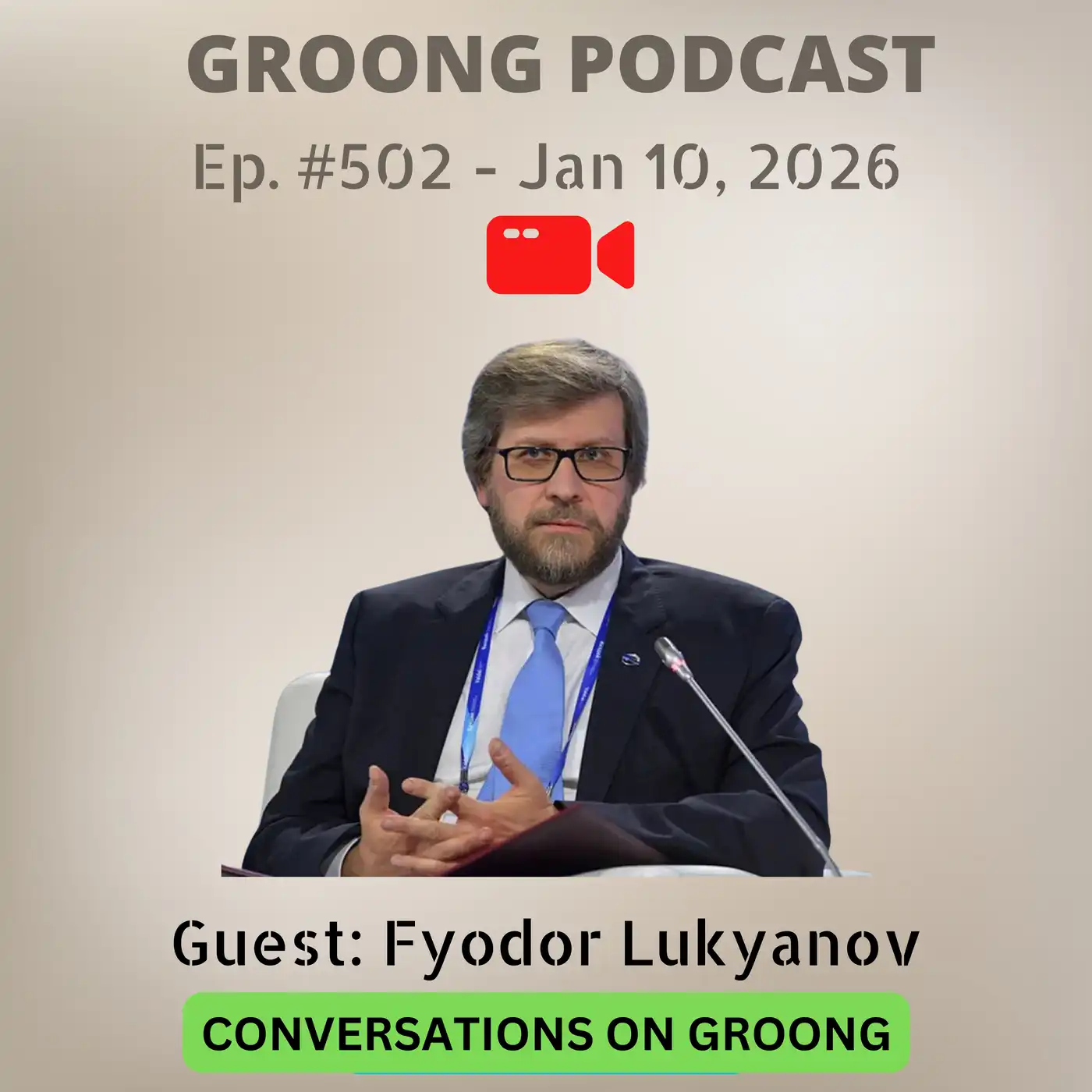
Groong Links:
Guest:
Topics:
- Venezuela
- Ukraine War
- Russia-Iran Relations
- TRIPP and Russian-Armenian Relations
Episode 502 | Recorded: January 8, 2026
#FyodorLukyanov #RussiaGeopolitics #UkraineWar #IranIsrael #VenezuelaCrisis #TRIPP
Fyodor Lukyanov - Russia in Evolving Global Geopolitics | Ep 502, Jan 9, 2026 [EP502]
Posted on Friday, Jan 9, 2026 | Category: Iran, Russia, Armenia, Israel, Politics, China, Ukraine, Armenian Church, Artsakh Blockade, BRICS, European Union, NATO, AzerbaijanGroong Links:
Guest:
Topics:
- Venezuela
- Ukraine War
- Russia-Iran Relations
- TRIPP and Russian-Armenian Relations
Episode 502 | Recorded: January 8, 2026
#FyodorLukyanov #RussiaGeopolitics #UkraineWar #IranIsrael #VenezuelaCrisis #TRIPP