Armenia
Last updated: June 10, 2026
Armenia is a landlocked nation in the South Caucasus region of Western Asia, bordered by Georgia, Azerbaijan, Iran, and Turkey. With a population of approximately 3 million, Armenia is one of the world’s oldest Christian civilizations, having adopted Christianity as its state religion in 301 CE—the first country to do so. The capital and largest city is Yerevan, located in the central part of the country. Armenia’s geography is characterized by the Armenian Highlands, a mountainous region with an average elevation exceeding 1,600 meters. The country is known for its rich cultural heritage, including ancient churches, monasteries, and archaeological sites. Armenia is a member of numerous international organizations including the United Nations, World Trade Organization, and the Eurasian Economic Union.
In the context of Groong’s coverage, Armenia is a landlocked South Caucasus republic facing an acute strategic and political crisis. Since the 2020 44-Day War , the country has lost control of Artsakh (Nagorno Karabakh) and hundreds of square kilometers of territory to Azerbaijan, undergone the complete ethnic cleansing of more than 150,000 Armenian inhabitants from Artsakh, and seen its borders redrawn under duress. Prime Minister Nikol Pashinyan and his Civil Contract party have governed through this catastrophe while pursuing what opponents describe as a capitulation strategy: signing ceasefire agreements, negotiating territorial concessions, and attempting to normalize relations with Turkey despite no reciprocal gesture. The government frames this course as realism and peace-building; critics argue it surrenders Armenian sovereignty without securing the rights or security of displaced Artsakhtsis. Armenia’s relationship with its traditional security guarantor Russia has deteriorated sharply, while its pivot toward the European Union and United States remains hesitant and incomplete, leaving the country in a precarious middle position between Moscow and the West.
Domestic politics in Armenia since 2021 have been dominated by the opposition’s demand for Pashinyan’s resignation and accountability for the war’s loss. The Established Opposition parties—Strong Armenia , Armenia Alliance (Hayastan Dashinq) , Prosperous Armenia , and the Republican Party of Armenia —have held street protests, mounted electoral challenges, and attempted to build coalitions for the June 7, 2026 parliamentary elections. Civil Contract’s supermajority in parliament has allowed it to pass constitutional amendments, strip opposition figures of immunity, and advance its agenda despite sustained criticism over corruption, misuse of administrative resources, and alleged election irregularities. The government has also escalated confrontation with the Armenian Church , arresting clergy, seizing church property, and pressuring the Catholicos , actions that have alarmed international observers and divided public opinion. Simultaneously, Pashinyan has consolidated control over state institutions, including the judiciary and security services, raising concerns about democratic backsliding and rule of law.
Armenia’s economy remains fragile. Growth statistics mask structural weaknesses: the country is heavily dependent on remittances and Russian trade, faces declining foreign investment, carries rising national debt, and has seen its ties to Iran—a key trade and energy partner—complicated by U.S. pressure over TRIPP, the so-called Trump Route for International Peace and Prosperity . The project aims to open transport corridors through Armenian territory in Syunik province, a move that would connect Azerbaijan to Turkey via Armenian land and raise questions about Armenian sovereignty over the route and control of its security. Russia has shifted from enthusiastic support of the corridor to public ambivalence, while Iran has issued explicit warnings that it will not accept any arrangement that bypasses or threatens its interests. The competing pressures from Washington, Moscow, Tehran, and Baku leave Armenia’s leadership navigating impossible choices between security guarantees that do not yet exist and economic partnerships that require territorial and strategic concessions it is reluctant to make permanent. The 2026 election will determine whether Armenian voters remain committed to Pashinyan’s course or whether opposition forces can forge a unified alternative around themes of security, sovereignty, and the rights of displaced Artsakhtsis to return home.
Groong episodes that include this tag
Below are all Groong episodes tagged with Armenia.
Dziunik Aghajanian - Peace Plan 2019, Corridor Talks, Armenia Domestic Politics, World Politics | Ep 416, Feb 16, 2025 [EP416]
Posted on Wednesday, Feb 19, 2025 | Category: Armenia, Azerbaijan, Middle East, Artsakh, Nagorno Karabakh, Georgia, Turkey, Russia, Iran, Geopolitics, BRICS, NATO, European Union, Ukraine, Israel, China, Syria, Human Rights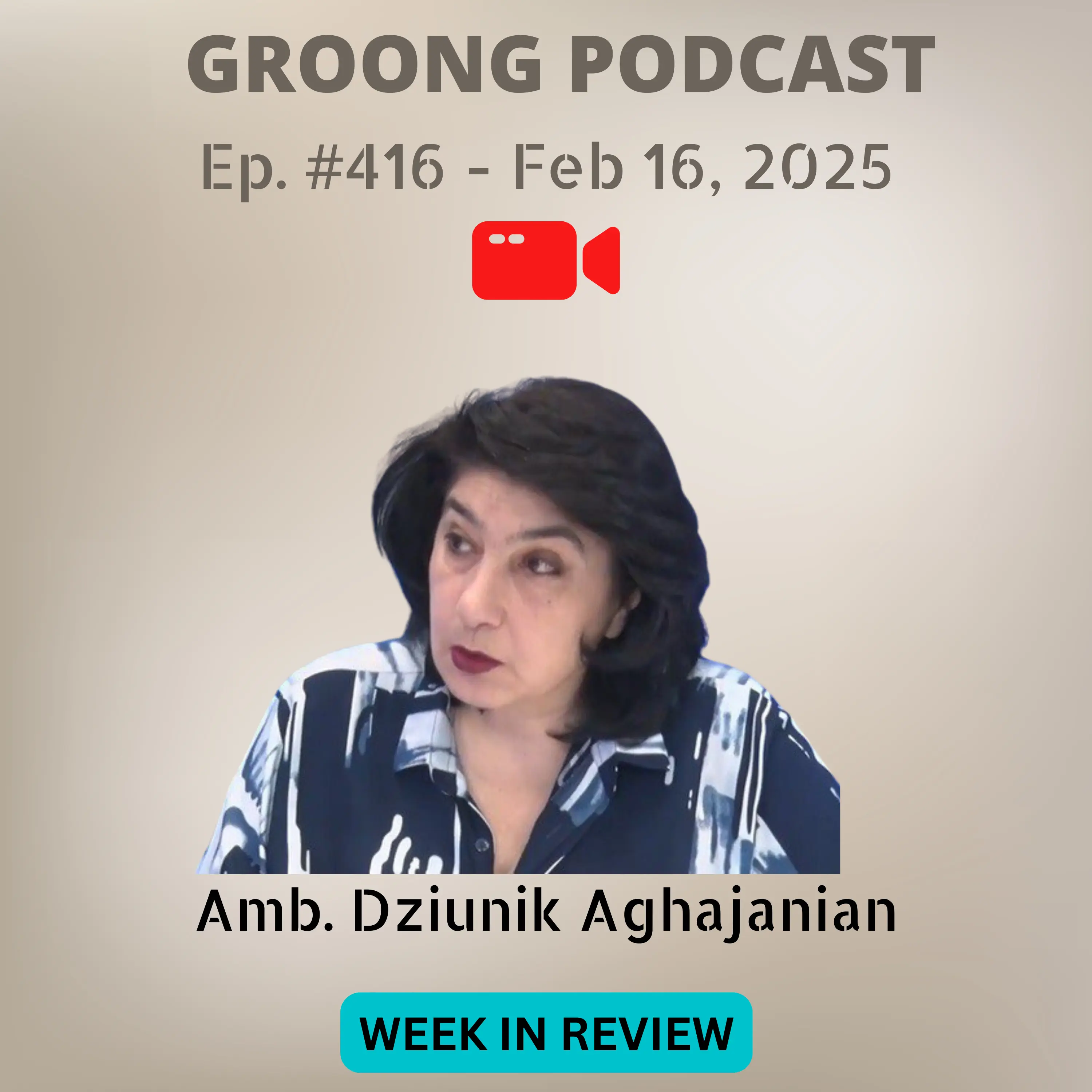
Groong Links:
Guest:
Topics:
- World Politics
- Plan, or No Plan?
- Corridor Talk
- Domestic Politics
Episode 416 | Recorded: February 17, 2025
Glenn Diesen - The Think Tank Racket: Managing the Information War with Russia | Ep 415, Feb 17, 2025 [EP415]
Posted on Monday, Feb 17, 2025 | Category: Russia, Ukraine, Georgia, Armenian Genocide, NATO, European Union, Armenia, Human Rights, Syria, China, Iran, Azerbaijan, Genocide, Geopolitics, Israel | Series: cog, video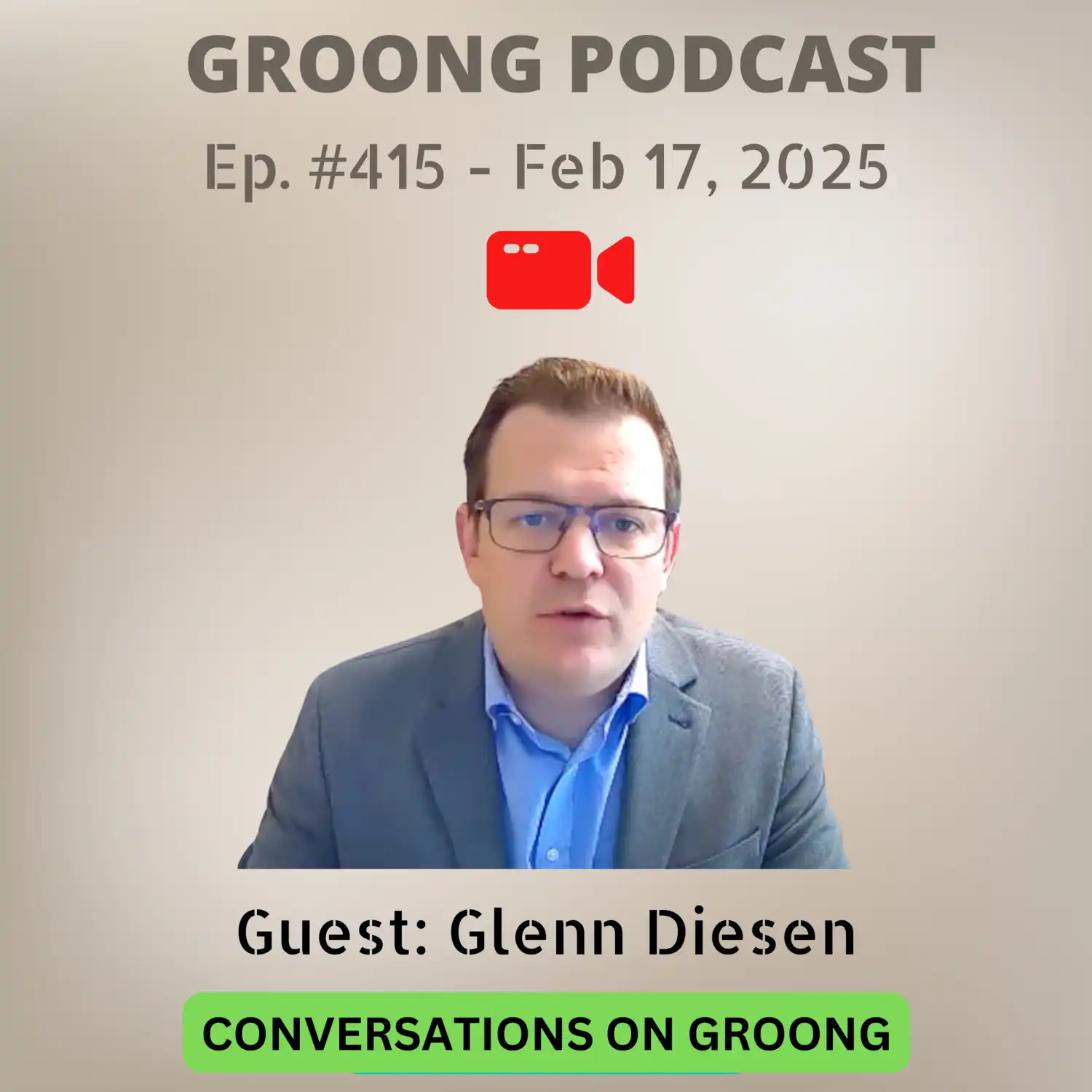
Groong Links:
Guest:
Topics:
- Think Tanks: Defining the Problem
- Media Manipulation, NGOs, and Colored Coups
- Reforming the Think Tank Industry
Episode 415 | Recorded: February 6, 2025
Glenn Diesen - The Think Tank Racket: Managing the Information War with Russia | Ep 415, Feb 17, 2025 [EP415]
Posted on Monday, Feb 17, 2025 | Category: Russia, Ukraine, Georgia, Armenian Genocide, NATO, European Union, Armenia, Human Rights, Syria, China, Iran, Azerbaijan, Genocide, Geopolitics, IsraelGroong Links:
Guest:
Topics:
- Think Tanks: Defining the Problem
- Media Manipulation, NGOs, and Colored Coups
- Reforming the Think Tank Industry
Episode 415 | Recorded: February 6, 2025
Fyodor Lukyanov - Russia, the US, Ukraine, Armenia, Georgia, and the New Global Order | Ep 414, Feb. 16, 2025 [EP414]
Posted on Sunday, Feb 16, 2025 | Category: Russia, Ukraine, Armenia, Azerbaijan, Georgia, Geopolitics, Iran, Turkey, Nagorno Karabakh, BRICS, NATO, European Union, China, Economy, Genocide | Series: cog, video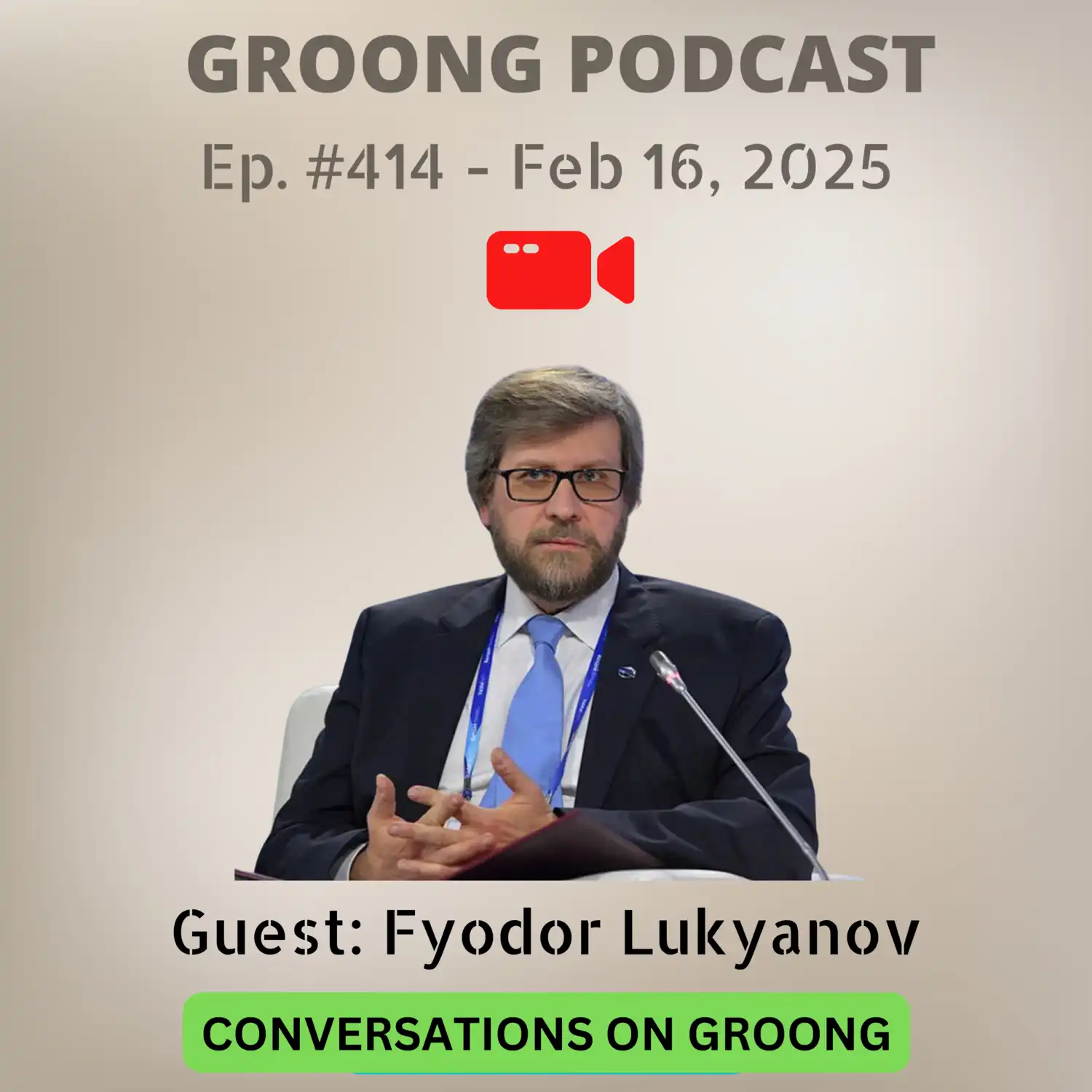
Groong Links:
Guest:
Topics:
- A New Détente?
- The Trump-Putin Call
- Russiaâs Strategic Choices
- Russo-Armenian Relations
- Russo-Azerbaijani Relations
- Georgiaâs Pragmatism
Episode 414 | Recorded: Valentineâs Day, February 14, 2025
Fyodor Lukyanov - Russia, the US, Ukraine, Armenia, Georgia, and the New Global Order | Ep 414, Feb. 16, 2025 [EP414]
Posted on Sunday, Feb 16, 2025 | Category: Russia, Ukraine, Armenia, Azerbaijan, Georgia, Geopolitics, Iran, Turkey, Nagorno Karabakh, BRICS, NATO, European Union, China, Economy, GenocideGroong Links:
Guest:
Topics:
- A New Détente?
- The Trump-Putin Call
- Russiaâs Strategic Choices
- Russo-Armenian Relations
- Russo-Azerbaijani Relations
- Georgiaâs Pragmatism
Episode 414 | Recorded: Valentineâs Day, February 14, 2025
Transcript: Fyodor Lukyanov - Russia, the US, Ukraine, Armenia, Georgia, and the New Global Order | Ep 414, Feb. 16, 2025 [EP414]
Posted on Sunday, Feb 16, 2025 | Category: Russia, Ukraine, Armenia, Azerbaijan, Georgia, Geopolitics, Iran, Turkey, Nagorno Karabakh, BRICS, NATO, European Union, China, Economy, Genocide, TranscriptA New Détente? The Trump-Putin Call. Russia’s Strategic Choices. Russo-Armenian Relations. Russo-Azerbaijani Relations. Georgia’s Pragmatism.
Anna Karapetyan - Pashinyan in DC, Trump Sanctions ICC, Azerbaijani Diplomacy, Workers Strike at ZCMC | Ep 413, Feb 9, 2025 [EP413]
Posted on Thursday, Feb 13, 2025 | Category: Armenia, Azerbaijan, Artsakh, Nagorno Karabakh, Iran, Artsakh Blockade, Armenian Genocide, Russia, Genocide, Turkey, Geopolitics, Human Rights, NATO | Series: wir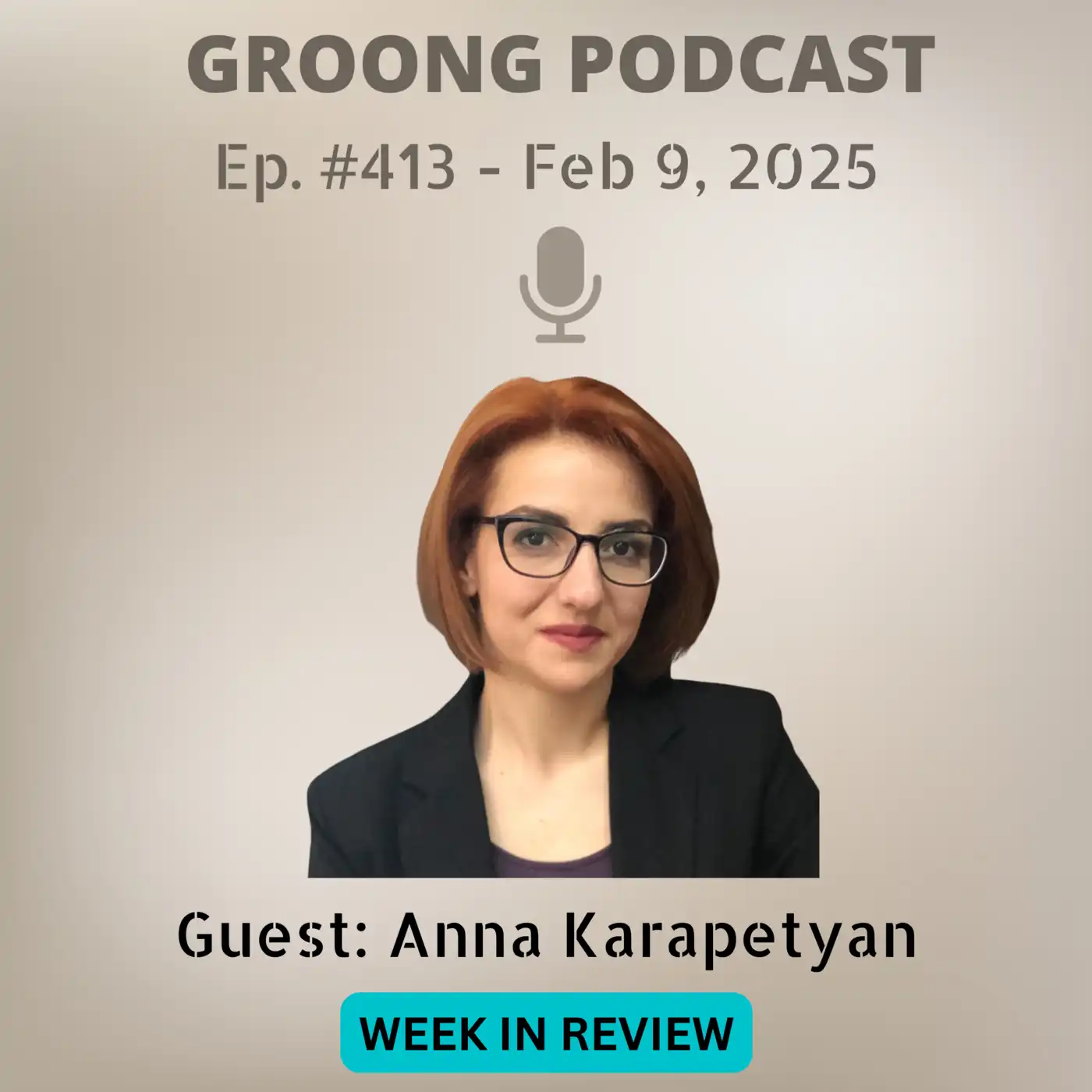
Groong Links:
Guest:
- Anna Karapetyan Director of the Insight Analytical Center for Applied Policy and Research.
Topics:
- Pashinyan in DC
- Trump Sanctions the ICC
- Azerbaijani Diplomacy in Action
- Workers Strike at Zangezur Mining Co.
Episode 413 | Recorded: February 11, 2025
Anna Karapetyan - Pashinyan in DC, Trump Sanctions ICC, Azerbaijani Diplomacy, Workers Strike at ZCMC | Ep 413, Feb 9, 2025 [EP413]
Posted on Thursday, Feb 13, 2025 | Category: Armenia, Azerbaijan, Artsakh, Nagorno Karabakh, Iran, Artsakh Blockade, Armenian Genocide, Russia, Genocide, Turkey, Geopolitics, Human Rights, NATOGroong Links:
Guest:
- Anna Karapetyan Director of the Insight Analytical Center for Applied Policy and Research.
Topics:
- Pashinyan in DC
- Trump Sanctions the ICC
- Azerbaijani Diplomacy in Action
- Workers Strike at Zangezur Mining Co.
Episode 413 | Recorded: February 11, 2025
Archil Sikharulidze - The Estrangement of Georgia and the West | Ep 412, Feb 10, 2025 [EP412]
Posted on Tuesday, Feb 11, 2025 | Category: Georgia, Politics, Armenia, Russia, European Union, NATO, Ukraine, Turkey, Azerbaijan, Human Rights, Iran, Economy, Geopolitics | Series: cog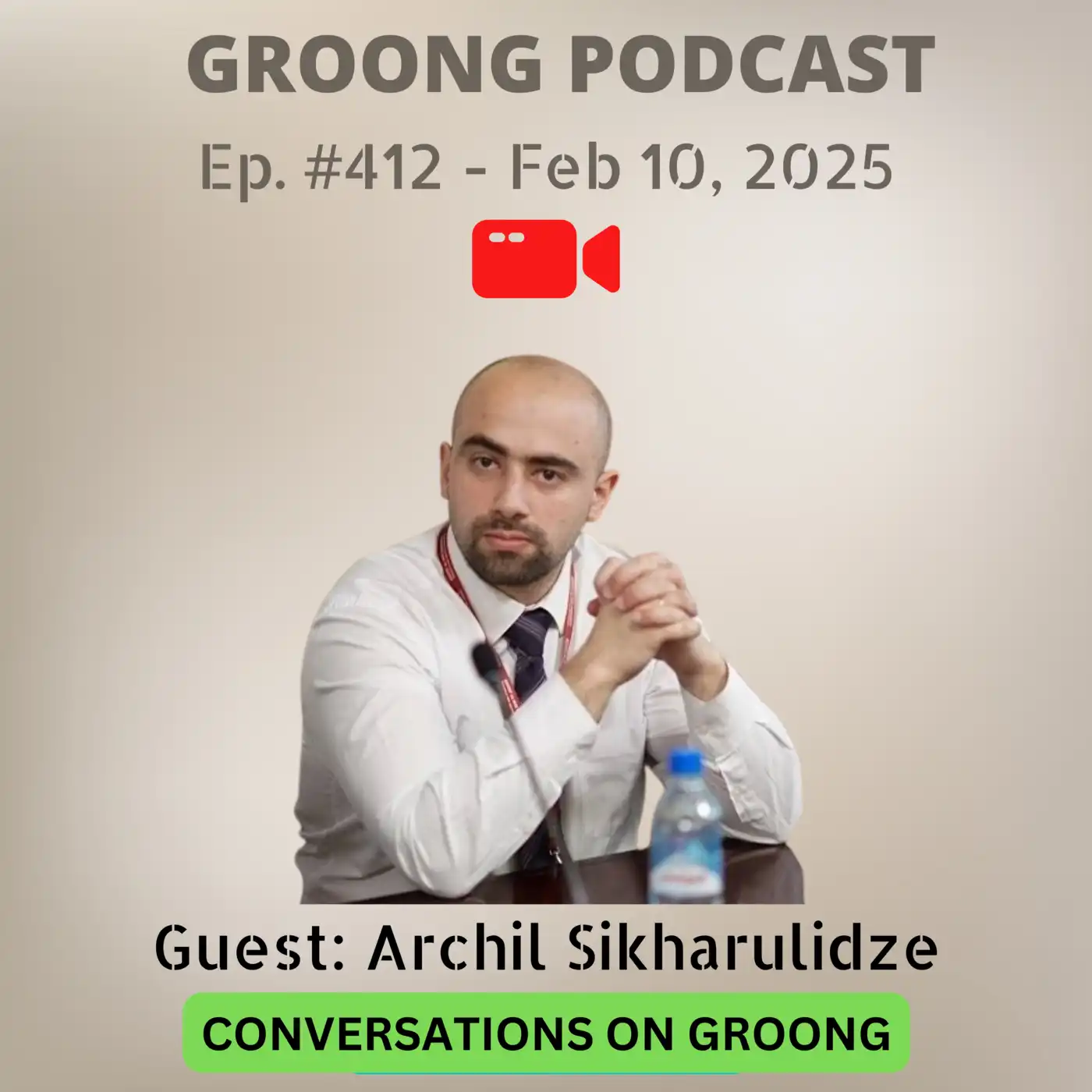
Groong Links:
Guest:
Topics:
- Effects of the Shutdown of USAID
- Georgia and the EU
- Georgia and the South Caucasus
Episode 412 | Recorded: February 9, 2025
Archil Sikharulidze - The Estrangement of Georgia and the West | Ep 412, Feb 10, 2025 [EP412]
Posted on Tuesday, Feb 11, 2025 | Category: Georgia, Politics, Armenia, Russia, European Union, NATO, Ukraine, Turkey, Azerbaijan, Human Rights, Iran, Economy, GeopoliticsGroong Links:
Guest:
Topics:
- Effects of the Shutdown of USAID
- Georgia and the EU
- Georgia and the South Caucasus
Episode 412 | Recorded: February 9, 2025
Glenn Diesen & Arman Grigoryan - The Incoming Multipolar World | Ep 411, Feb 9, 2025 [EP411]
Posted on Sunday, Feb 9, 2025 | Category: Russia, Ukraine, World Order, Syria, Israel, USA, China, Middle East, BRICS, European Union, NATO, Turkey, Armenia, Economy, Georgia, Iran, Azerbaijan, Geopolitics, Human Rights, India | Series: cog, video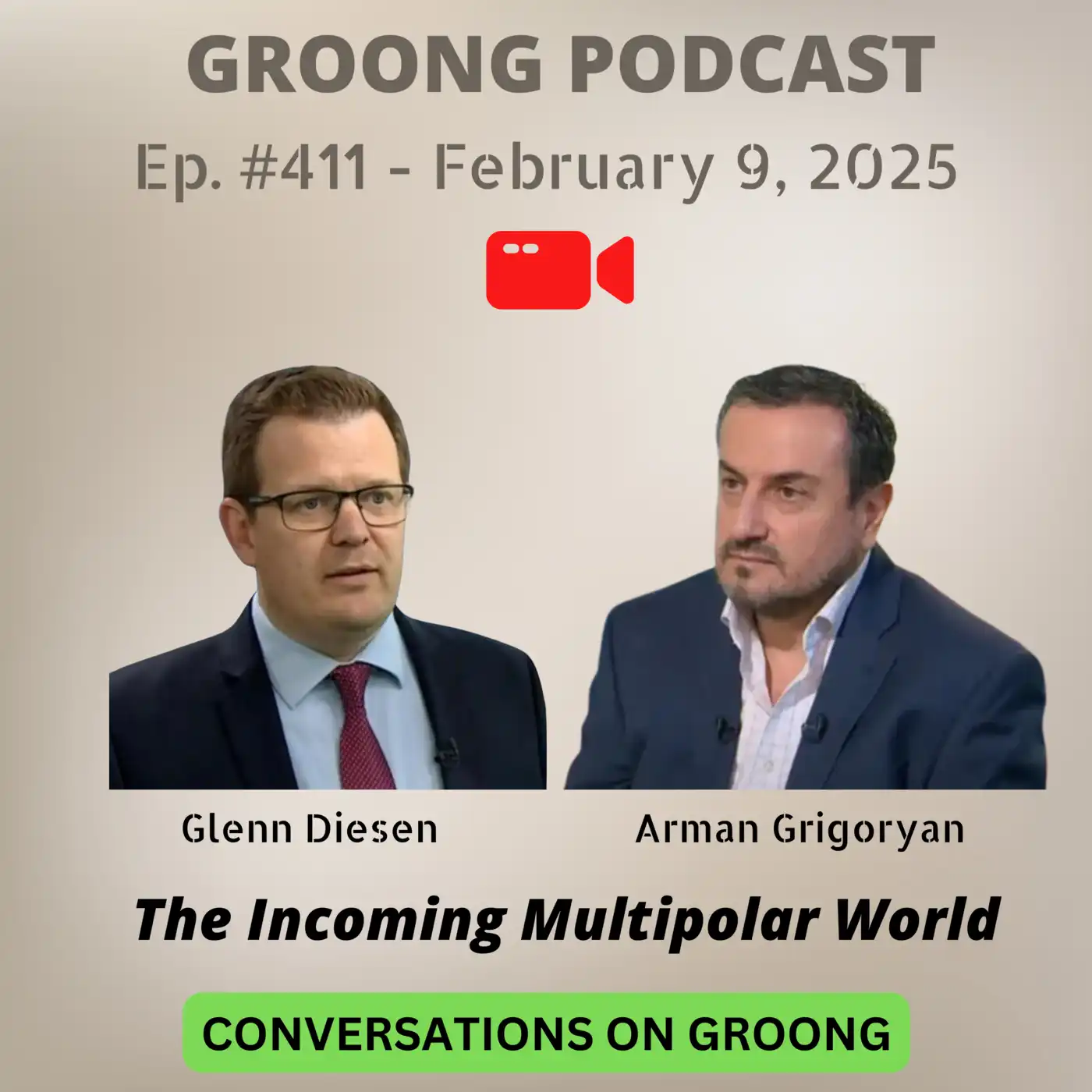
Groong Links:
Guest:
Topics:
- The Ongoing conflicts: Gaza, Syria, Ukraine
- Shifting Global Power and Alliances
- Small Countries in a Multipolar World
Episode 411 | Recorded: February 6, 2025
Glenn Diesen & Arman Grigoryan - The Incoming Multipolar World | Ep 411, Feb 9, 2025 [EP411]
Posted on Sunday, Feb 9, 2025 | Category: Russia, Ukraine, World Order, Syria, Israel, USA, China, Middle East, BRICS, European Union, NATO, Turkey, Armenia, Economy, Georgia, Iran, Azerbaijan, Geopolitics, Human Rights, IndiaGroong Links:
Guest:
Topics:
- The Ongoing conflicts: Gaza, Syria, Ukraine
- Shifting Global Power and Alliances
- Small Countries in a Multipolar World
Episode 411 | Recorded: February 6, 2025
Transcript: Glenn Diesen & Arman Grigoryan - The Incoming Multipolar World | Ep 411, Feb 9, 2025 [EP411]
Posted on Sunday, Feb 9, 2025 | Category: Russia, Ukraine, World Order, Syria, Israel, USA, China, Middle East, BRICS, European Union, NATO, Turkey, Armenia, Economy, Georgia, Iran, Azerbaijan, Geopolitics, Human Rights, India, TranscriptThe Ongoing conflicts: Gaza, Syria, Ukraine. Shifting Global Power and Alliances. Small Countries in a Multipolar World.
Benyamin Poghosyan - MPG Poll, Russia-Azerbaijan Relations Deteriorate, Armenian Strategic Geopolitical Balancing, Azerbaijan and the ‘Zangezur Corridor’ | Ep 410, Feb 2, 2025 [EP410]
Posted on Tuesday, Feb 4, 2025 | Category: Armenia, Azerbaijan, Poll, Artsakh, Nagorno Karabakh, Turkey, Russia, Iran, Ukraine, Geopolitics, Georgia, China, Economy, European Union, Israel | Series: wir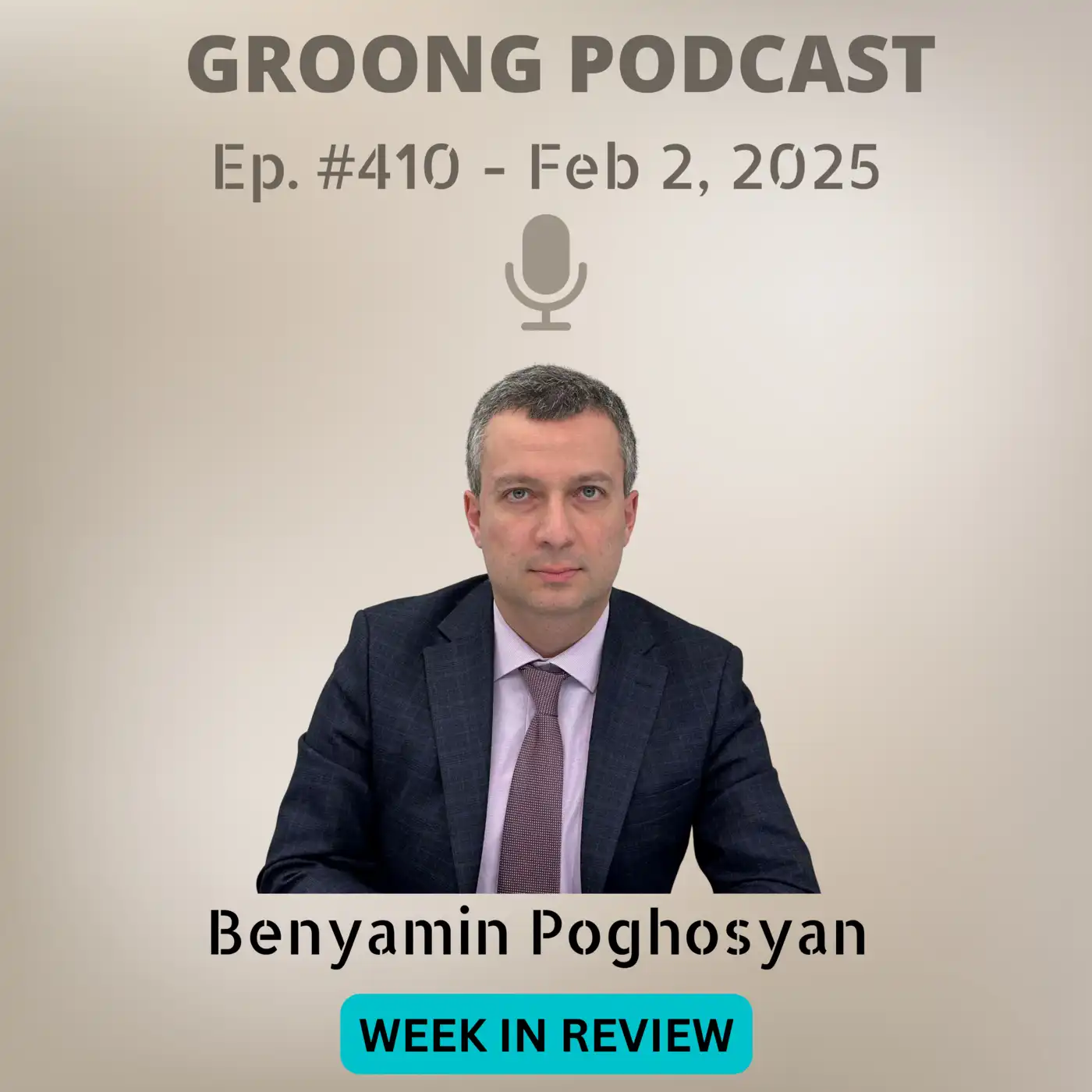
Groong Links:
Guest:
Topics:
- MPG Poll: Pashinyanâs Rating Tanks
- Russia Azerbaijan Relations Deteriorating
- Armeniaâs Strategic Geopolitical Balancing
- Azerbaijan and the âZangezur Corridorâ
Episode 410 | Recorded: February 3, 2025
Benyamin Poghosyan - MPG Poll, Russia-Azerbaijan Relations Deteriorate, Armenian Strategic Geopolitical Balancing, Azerbaijan and the ‘Zangezur Corridor’ | Ep 410, Feb 2, 2025 [EP410]
Posted on Tuesday, Feb 4, 2025 | Category: Armenia, Azerbaijan, Poll, Artsakh, Nagorno Karabakh, Turkey, Russia, Iran, Ukraine, Geopolitics, Georgia, China, Economy, European Union, IsraelGroong Links:
Guest:
Topics:
- MPG Poll: Pashinyanâs Rating Tanks
- Russia Azerbaijan Relations Deteriorating
- Armeniaâs Strategic Geopolitical Balancing
- Azerbaijan and the âZangezur Corridorâ
Episode 410 | Recorded: February 3, 2025
Harut Sassounian - Billionaire Kirk Kerkorian’s Benevolent Engagement with Armenia | Ep 409, Feb 2, 2025 [EP409]
Posted on Sunday, Feb 2, 2025 | Category: Armenia, Politics, Nagorno Karabakh, Iran, Georgia, Genocide, Israel, Economy | Series: cog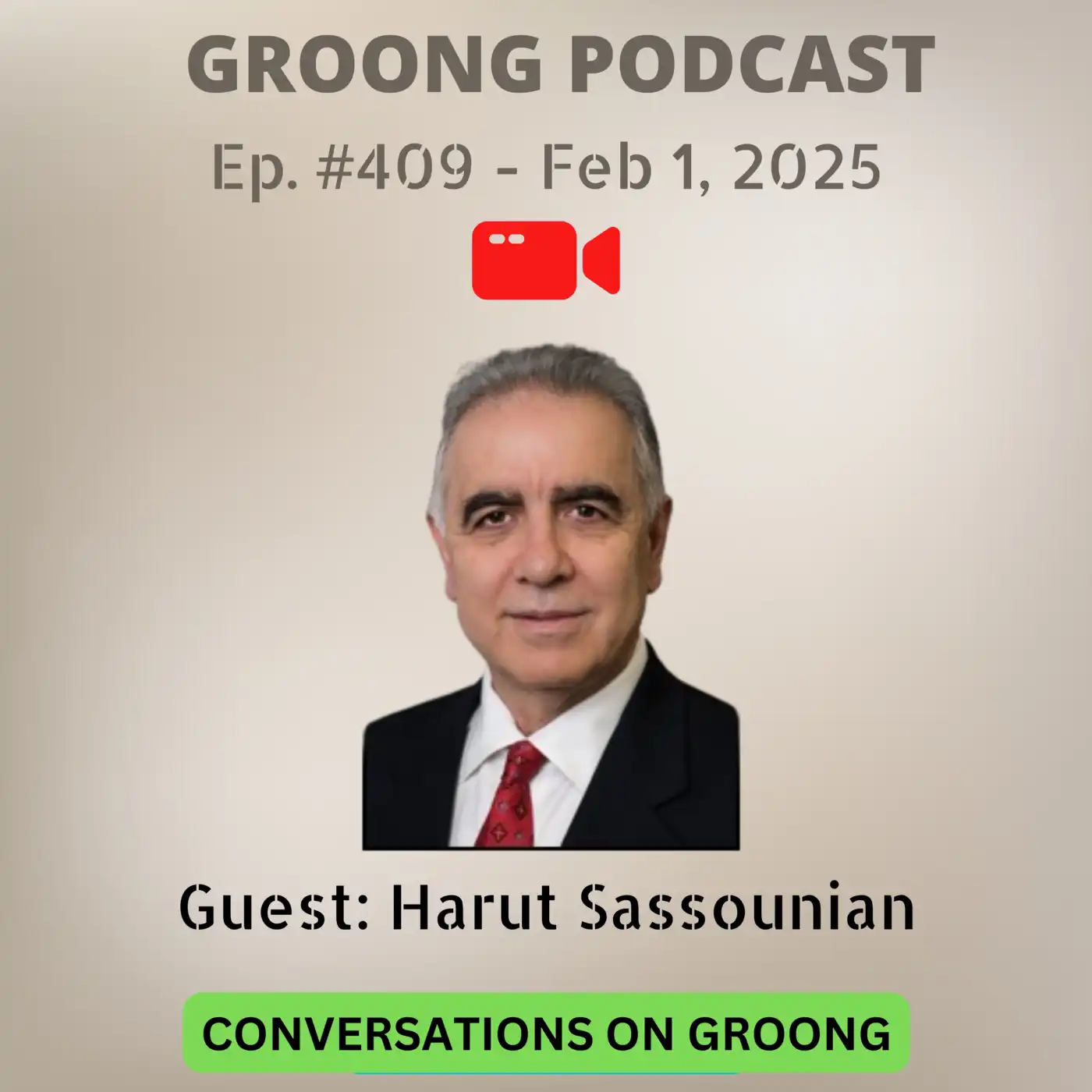
Groong Links:
Guest:
Topics:
- Who was Kirk Kerkorian?
- How Kerkorian Discovered Armenia
- Investing in Armenia
- End of Investments and Death of Kerkorian
Episode 409 | Recorded: January 21, 2025
Harut Sassounian - Billionaire Kirk Kerkorian’s Benevolent Engagement with Armenia | Ep 409, Feb 2, 2025 [EP409]
Posted on Sunday, Feb 2, 2025 | Category: Armenia, Politics, Nagorno Karabakh, Iran, Georgia, Genocide, Israel, EconomyGroong Links:
Guest:
Topics:
- Who was Kirk Kerkorian?
- How Kerkorian Discovered Armenia
- Investing in Armenia
- End of Investments and Death of Kerkorian
Episode 409 | Recorded: January 21, 2025
Transcript: Harut Sassounian - Billionaire Kirk Kerkorian’s Benevolent Engagement with Armenia | Ep 409, Feb 2, 2025 [EP409]
Posted on Sunday, Feb 2, 2025 | Category: Armenia, Politics, Nagorno Karabakh, Iran, Georgia, Genocide, Israel, Economy, TranscriptWho was Kirk Kerkorian? How Kerkorian Discovered Armenia. Investing in Armenia. End of Investments and Death of Kerkorian.
Arthur Khachatryan - Mirzoyan in Moscow, Kostanyan in Tehran, Mher Grigoryan on the Border, FIS Annual Report, Silence of the Lambs | Ep 409, Jan 26, 2025 [EP408]
Posted on Thursday, Jan 30, 2025 | Category: Armenia, Artsakh, Nagorno Karabakh, Economy, Azerbaijan, Georgia, Turkey, Russia, Armenian Church, Armenian Genocide, Iran, European Union, Genocide, Syria, Lebanon, NATO, Middle East, Ukraine, Human Rights | Series: wir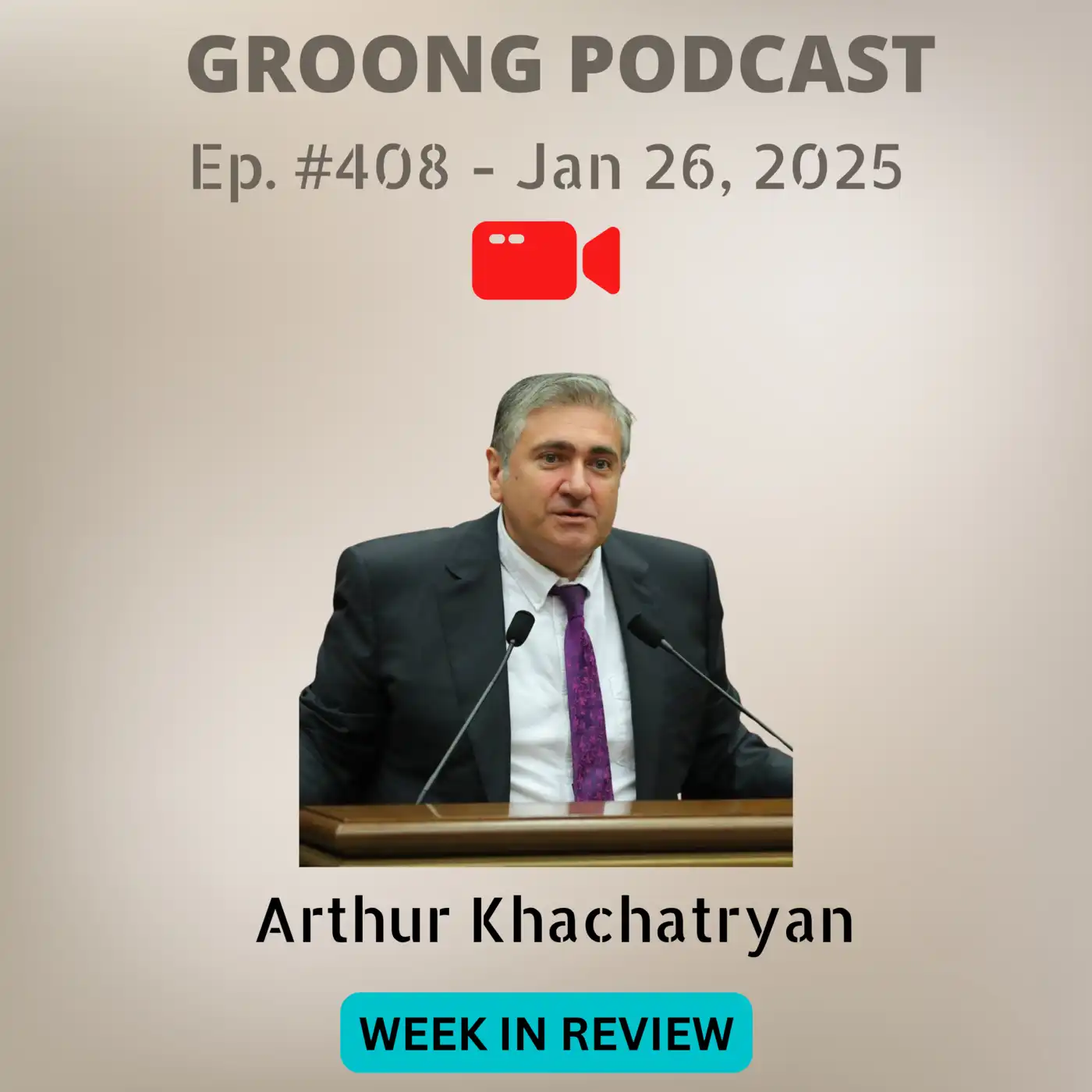
Groong Links:
Guest:
- Mr. Arthur Khachatryan , MP, Hayastan Dashinq/Armenia Alliance
Topics:
- Mirzoyan in Moscow
- Vahan Kostanyan in Tehran
- Mher Grigoryan on the Border (concessions)
- FIS Annual Report 2025
- The Silence of the Lambs
Episode 408 | Recorded: January 29, 2025
Arthur Khachatryan - Mirzoyan in Moscow, Kostanyan in Tehran, Mher Grigoryan on the Border, FIS Annual Report, Silence of the Lambs | Ep 409, Jan 26, 2025 [EP408]
Posted on Thursday, Jan 30, 2025 | Category: Armenia, Artsakh, Nagorno Karabakh, Economy, Azerbaijan, Georgia, Turkey, Russia, Armenian Church, Armenian Genocide, Iran, European Union, Genocide, Syria, Lebanon, NATO, Middle East, Ukraine, Human RightsGroong Links:
Guest:
- Mr. Arthur Khachatryan , MP, Hayastan Dashinq/Armenia Alliance
Topics:
- Mirzoyan in Moscow
- Vahan Kostanyan in Tehran
- Mher Grigoryan on the Border (concessions)
- FIS Annual Report 2025
- The Silence of the Lambs
Episode 408 | Recorded: January 29, 2025
Pietro Shakarian - Russian-Iranian Partnership Pact | Ep 407, Jan 27, 2025 [EP407]
Posted on Monday, Jan 27, 2025 | Category: Russia, Iran, Ukraine, Armenia, Artsakh, Nagorno Karabakh, BRICS, Syria, Turkey, Israel, NATO, Middle East, Azerbaijan, China, Georgia, India | Series: cog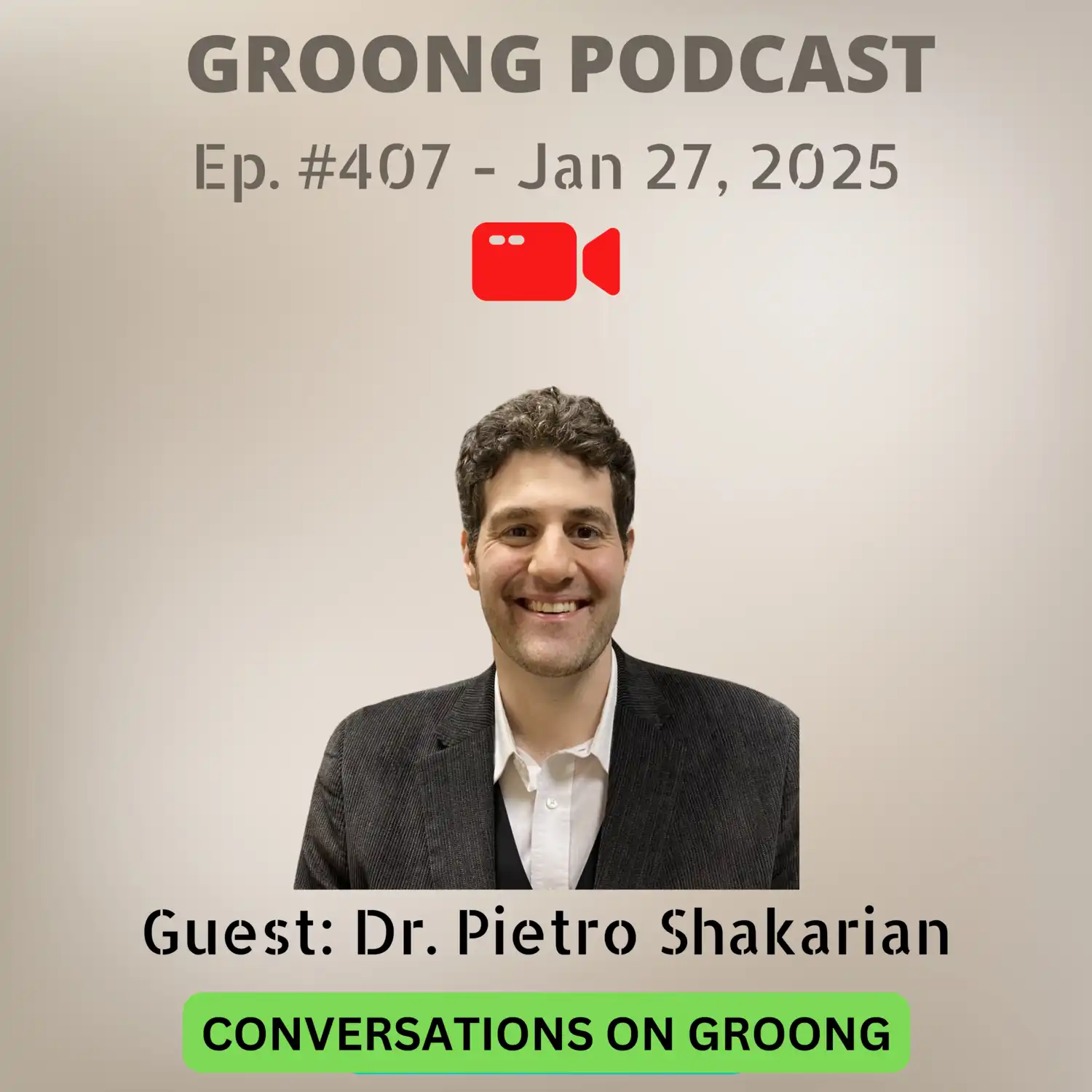
Groong Links:
Guest:
Topics:
- Russo-Iranian Partnership Treaty
- Implications of ð·ðº - ð®ð· pact for Armenia
- Trump Back in Office: War or Peace?
Episode 407 | Recorded: January 25, 2025
Pietro Shakarian - Russian-Iranian Partnership Pact | Ep 407, Jan 27, 2025 [EP407]
Posted on Monday, Jan 27, 2025 | Category: Russia, Iran, Ukraine, Armenia, Artsakh, Nagorno Karabakh, BRICS, Syria, Turkey, Israel, NATO, Middle East, Azerbaijan, China, Georgia, IndiaGroong Links:
Guest:
Topics:
- Russo-Iranian Partnership Treaty
- Implications of ð·ðº - ð®ð· pact for Armenia
- Trump Back in Office: War or Peace?
Episode 407 | Recorded: January 25, 2025
Hrant Mikaelian - Trump Inauguration, Iran-Russia, UK-Ukraine, US-Armenia Strategic Partnerships | Ep 406, Jan 19, 2025 [EP406]
Posted on Tuesday, Jan 21, 2025 | Category: Armenia, Artsakh, Nagorno Karabakh, USA, Iran, Russia, Ukraine, Azerbaijan, Georgia, Israel, Middle East, Turkey, European Union, Syria, China, Economy, Lebanon, NATO | Series: wir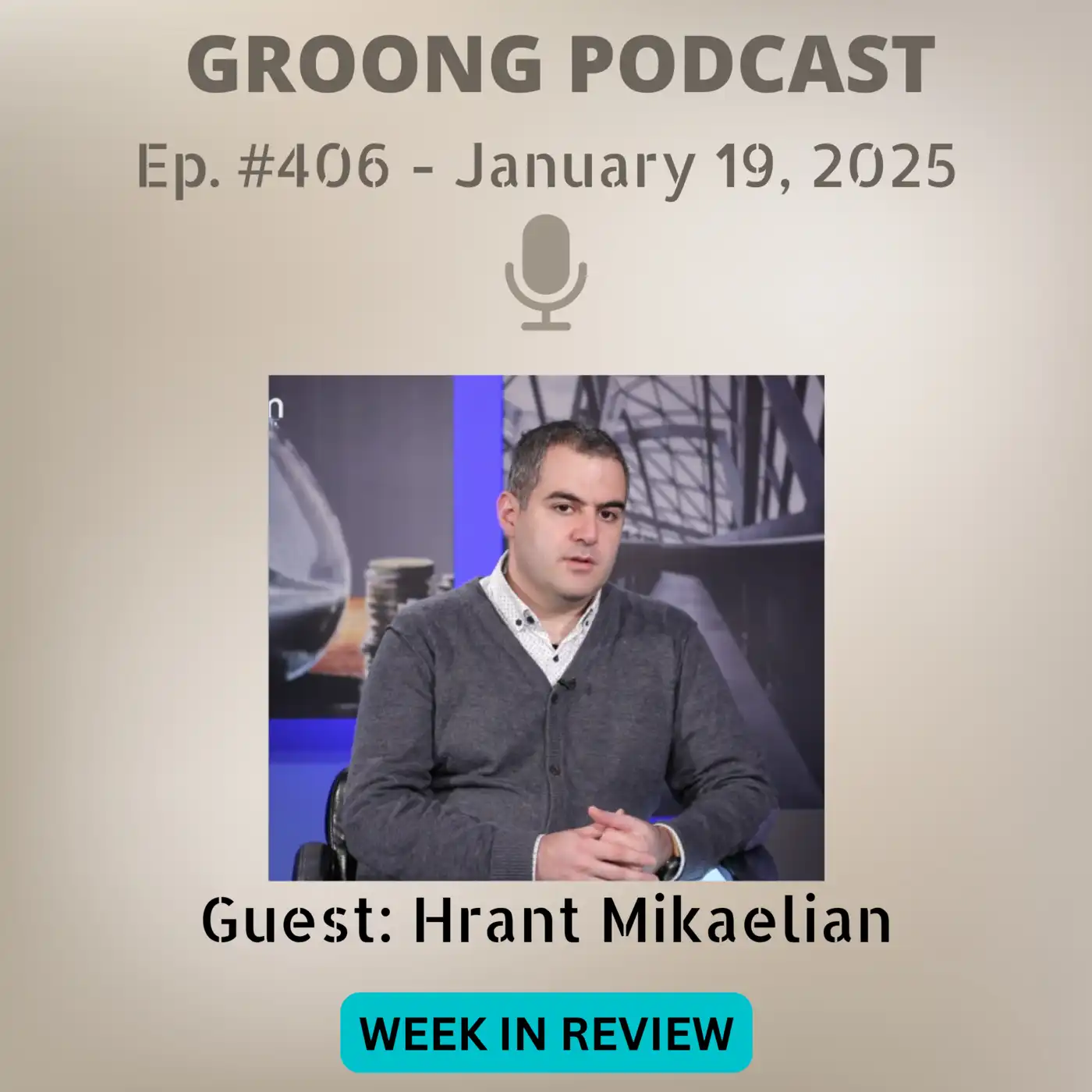
Groong Links:
Guest:
Topics:
- Trump Inauguration
- Russian-Iranian Strategic Partnership
- UK-Ukrainian 100-Year Partnership
- US-Armenian âStrategic Partnershipâ
Episode 406 | Recorded: January 20, 2025
Hrant Mikaelian - Trump Inauguration, Iran-Russia, UK-Ukraine, US-Armenia Strategic Partnerships | Ep 406, Jan 19, 2025 [EP406]
Posted on Tuesday, Jan 21, 2025 | Category: Armenia, Artsakh, Nagorno Karabakh, USA, Iran, Russia, Ukraine, Azerbaijan, Georgia, Israel, Middle East, Turkey, European Union, Syria, China, Economy, Lebanon, NATOGroong Links:
Guest:
Topics:
- Trump Inauguration
- Russian-Iranian Strategic Partnership
- UK-Ukrainian 100-Year Partnership
- US-Armenian âStrategic Partnershipâ
Episode 406 | Recorded: January 20, 2025
Yeghia Tashjian - New Leadership in Lebanon - New President, New Prime Minister | Ep 405, Jan 21, 2025 [EP405]
Posted on Monday, Jan 20, 2025 | Category: Lebanon, Middle East, Israel, Iran, Turkey, USA, Syria, Armenia, Russia, China, Geopolitics, NATO | Series: cog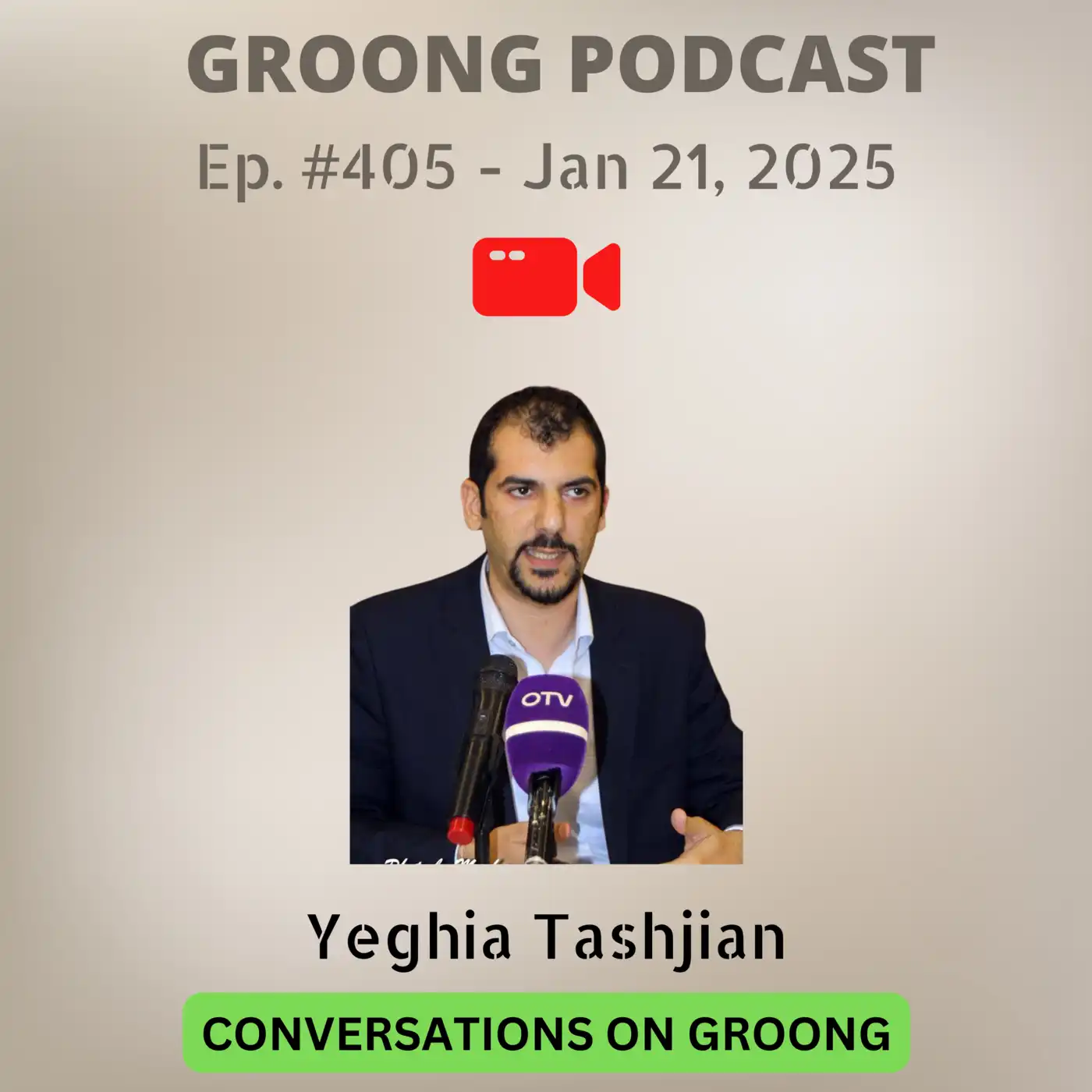
Groong Links:
Guest:
Topics:
- President Joseph Aoun
- Prime Minister-designate Nawaf Salam
- The Changing Face of the Middle East
- Armenian Communityâs and Joseph Aoun
Episode 405 | Recorded: Januaqry 19, 2025
Yeghia Tashjian - New Leadership in Lebanon - New President, New Prime Minister | Ep 405, Jan 21, 2025 [EP405]
Posted on Monday, Jan 20, 2025 | Category: Lebanon, Middle East, Israel, Iran, Turkey, USA, Syria, Armenia, Russia, China, Geopolitics, NATOGroong Links:
Guest:
Topics:
- President Joseph Aoun
- Prime Minister-designate Nawaf Salam
- The Changing Face of the Middle East
- Armenian Communityâs and Joseph Aoun
Episode 405 | Recorded: Januaqry 19, 2025
Tevan Poghosyan - Incoming Trump, Armenia Azerbaijan Talks, Iran Visit, Pro-West Signals | Ep 404, Jan 12, 2025 [EP404]
Posted on Wednesday, Jan 15, 2025 | Category: Armenia, Artsakh, Nagorno Karabakh, Azerbaijan, USA, Russia, Iran, Ukraine, Turkey, Israel, Syria, China, Georgia, Middle East, NATO, Economy, Genocide, Lebanon, European Union | Series: wir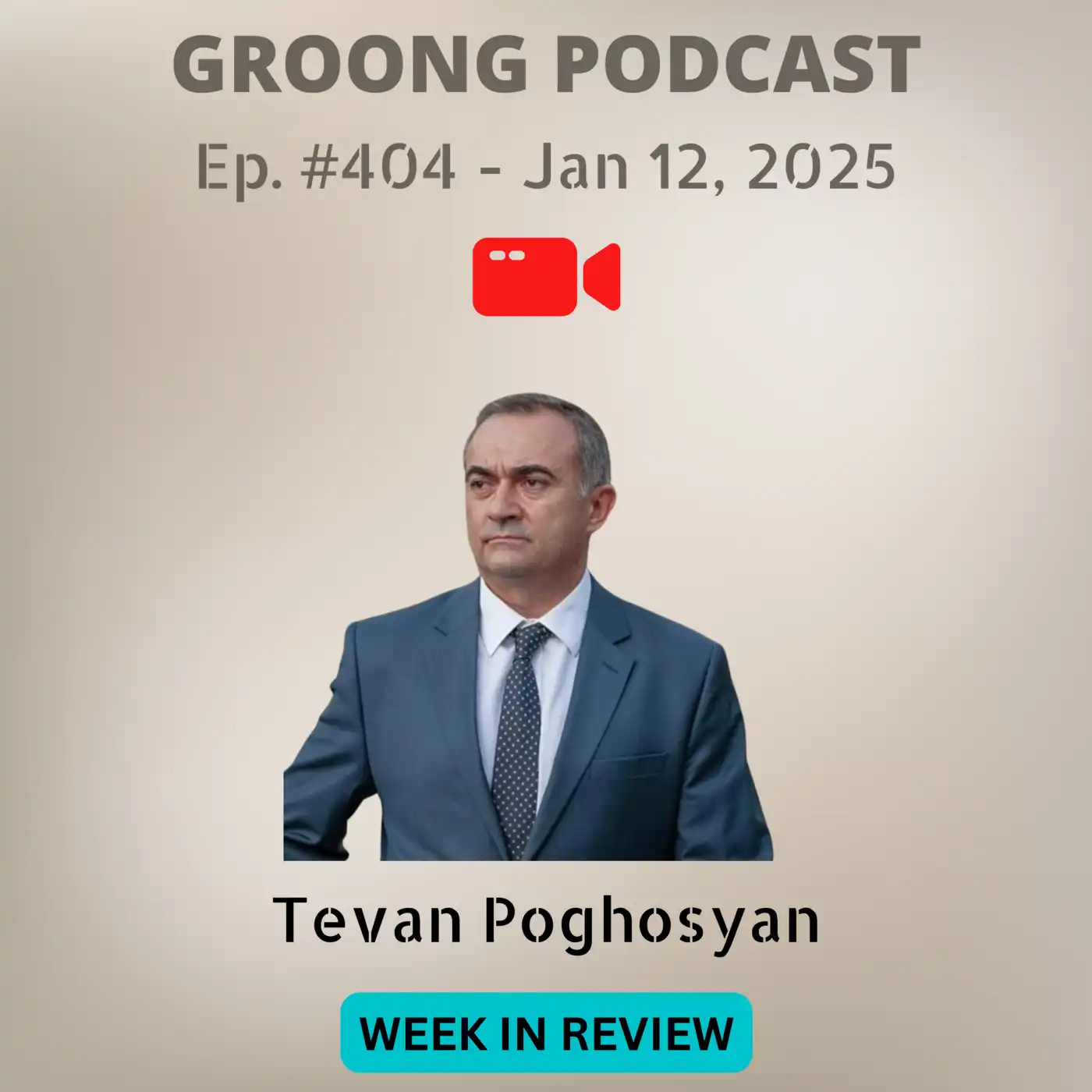
Groong Links:
Guest:
Topics:
- Incoming Trump Admin
- Armenia Azerbaijan Talks Stalled
- Iran Security Chief Visit
- Armeniaâs Pro-West Signals
Episode 404 | Recorded: January 14, 2025
Tevan Poghosyan - Incoming Trump, Armenia Azerbaijan Talks, Iran Visit, Pro-West Signals | Ep 404, Jan 12, 2025 [EP404]
Posted on Wednesday, Jan 15, 2025 | Category: Armenia, Artsakh, Nagorno Karabakh, Azerbaijan, USA, Russia, Iran, Ukraine, Turkey, Israel, Syria, China, Georgia, Middle East, NATO, Economy, Genocide, Lebanon, European UnionGroong Links:
Guest:
Topics:
- Incoming Trump Admin
- Armenia Azerbaijan Talks Stalled
- Iran Security Chief Visit
- Armeniaâs Pro-West Signals
Episode 404 | Recorded: January 14, 2025
Benyamin Poghosyan - Pashinyan Lies on Decades of Negotiations, 17 Points to an Agreement, 2024 Review and 2025 Outlook | Ep 403 - Dec 29, 2024 [EP403]
Posted on Wednesday, Jan 1, 2025 | Category: Armenia, Azerbaijan, Artsakh, Nagorno Karabakh, Middle East, Israel, Lebanon, Syria, Iran, Turkey, Russia, Armenian Church, Ukraine, Genocide, Geopolitics, China, Georgia, European Union | Series: wir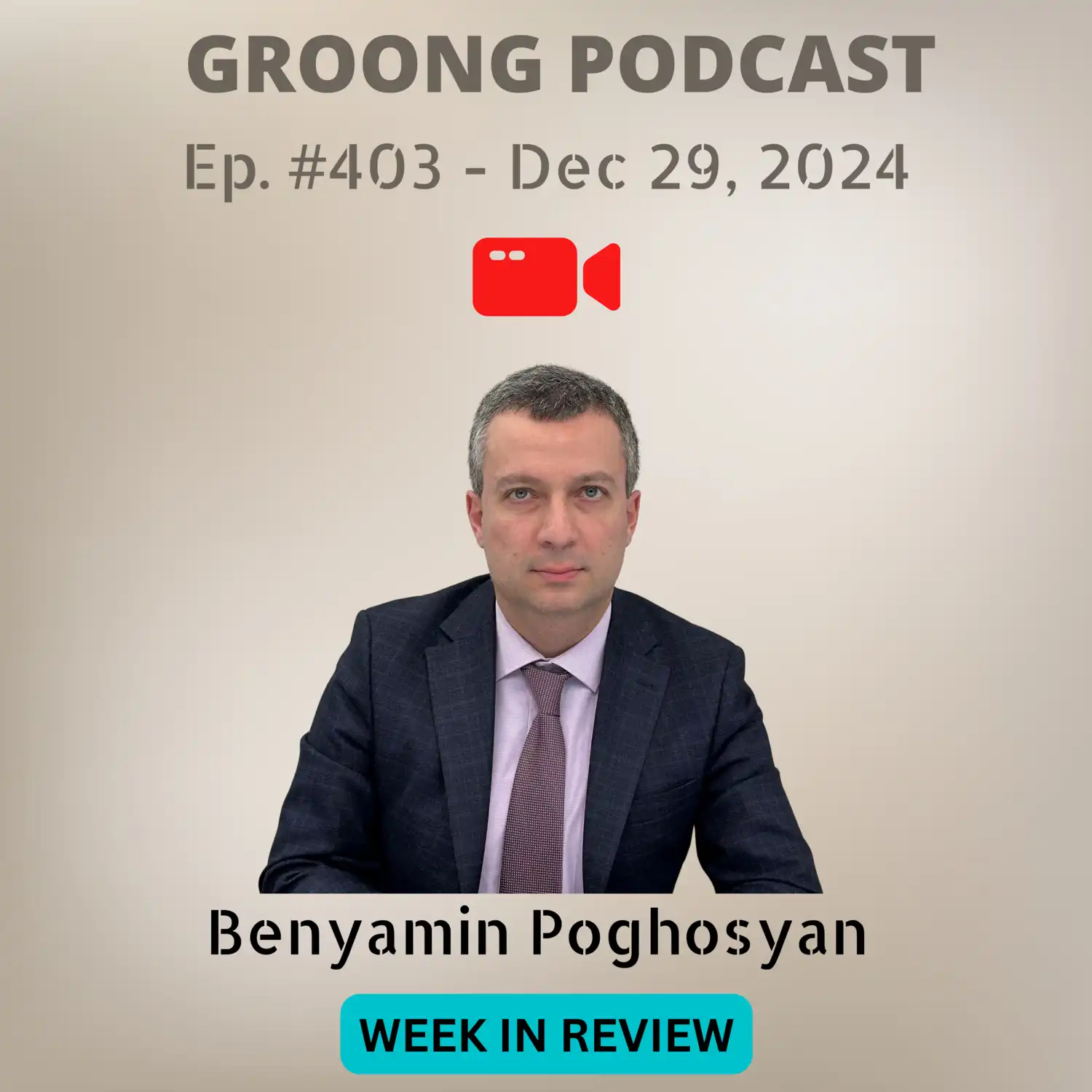
Groong Links:
Guest:
Topics:
- Pashinyanâs Lies on Decades of Negotiations
- 17 Points to an Agreement
- 2024 Review and 2025 Outlook
Episode 403 | Recorded: December 31, 2024
Benyamin Poghosyan - Pashinyan Lies on Decades of Negotiations, 17 Points to an Agreement, 2024 Review and 2025 Outlook | Ep 403 - Dec 29, 2024 [EP403]
Posted on Wednesday, Jan 1, 2025 | Category: Armenia, Azerbaijan, Artsakh, Nagorno Karabakh, Middle East, Israel, Lebanon, Syria, Iran, Turkey, Russia, Armenian Church, Ukraine, Genocide, Geopolitics, China, Georgia, European UnionGroong Links:
Guest:
Topics:
- Pashinyanâs Lies on Decades of Negotiations
- 17 Points to an Agreement
- 2024 Review and 2025 Outlook
Episode 403 | Recorded: December 31, 2024
The Political Persecution of Narek Malyan | Ep 402 - Dec 27, 2024 [EP402]
Posted on Friday, Dec 27, 2024 | Category: Armenia, Political Prisoners, Artsakh, Nagorno Karabakh, Human Rights | Series: cog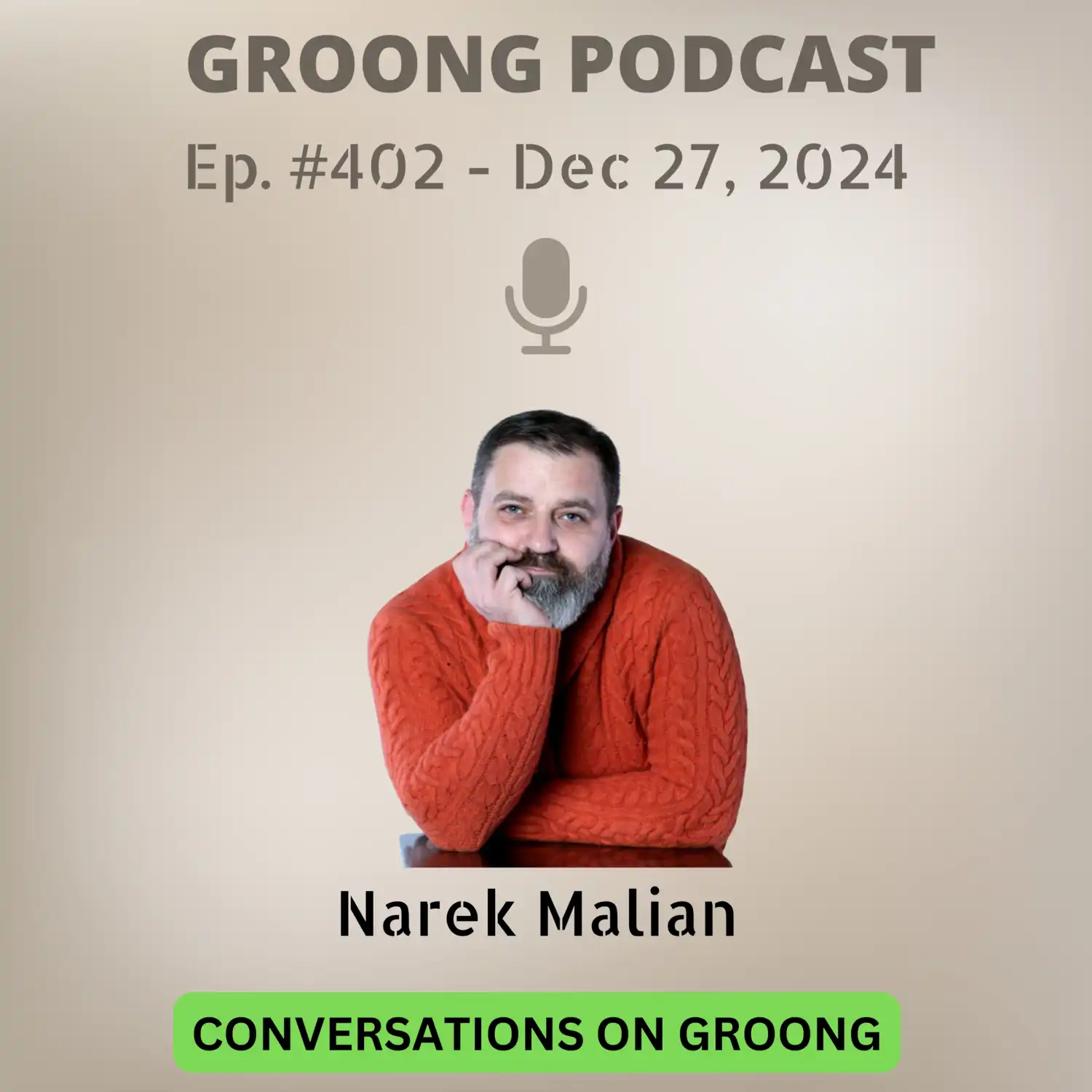
Groong Links:
Guest:
Topics:
- Arrest, one year in prison
- Pre-trial detention as punishment
- Selective “justice” against opposition members
- The silence of the West
Episode 402 | Recorded: November 7, 2024
The Political Persecution of Narek Malyan | Ep 402 - Dec 27, 2024 [EP402]
Posted on Friday, Dec 27, 2024 | Category: Armenia, Political Prisoners, Artsakh, Nagorno Karabakh, Human RightsGroong Links:
Guest:
Topics:
- Arrest, one year in prison
- Pre-trial detention as punishment
- Selective “justice” against opposition members
- The silence of the West
Episode 402 | Recorded: November 7, 2024
Dziunik Aghajanian - Armenia Azerbaijan Talks, Syria, Defense Politics, Civil Contract Strife | Ep 401 - Dec 22, 2024 [EP401]
Posted on Wednesday, Dec 25, 2024 | Category: Armenia, Azerbaijan, Middle East, Artsakh, Nagorno Karabakh, Russia, Iran, Israel, BRICS, Syria, Turkey, Georgia, Ukraine, Human Rights, Lebanon, NATO, China, Economy | Series: wir, video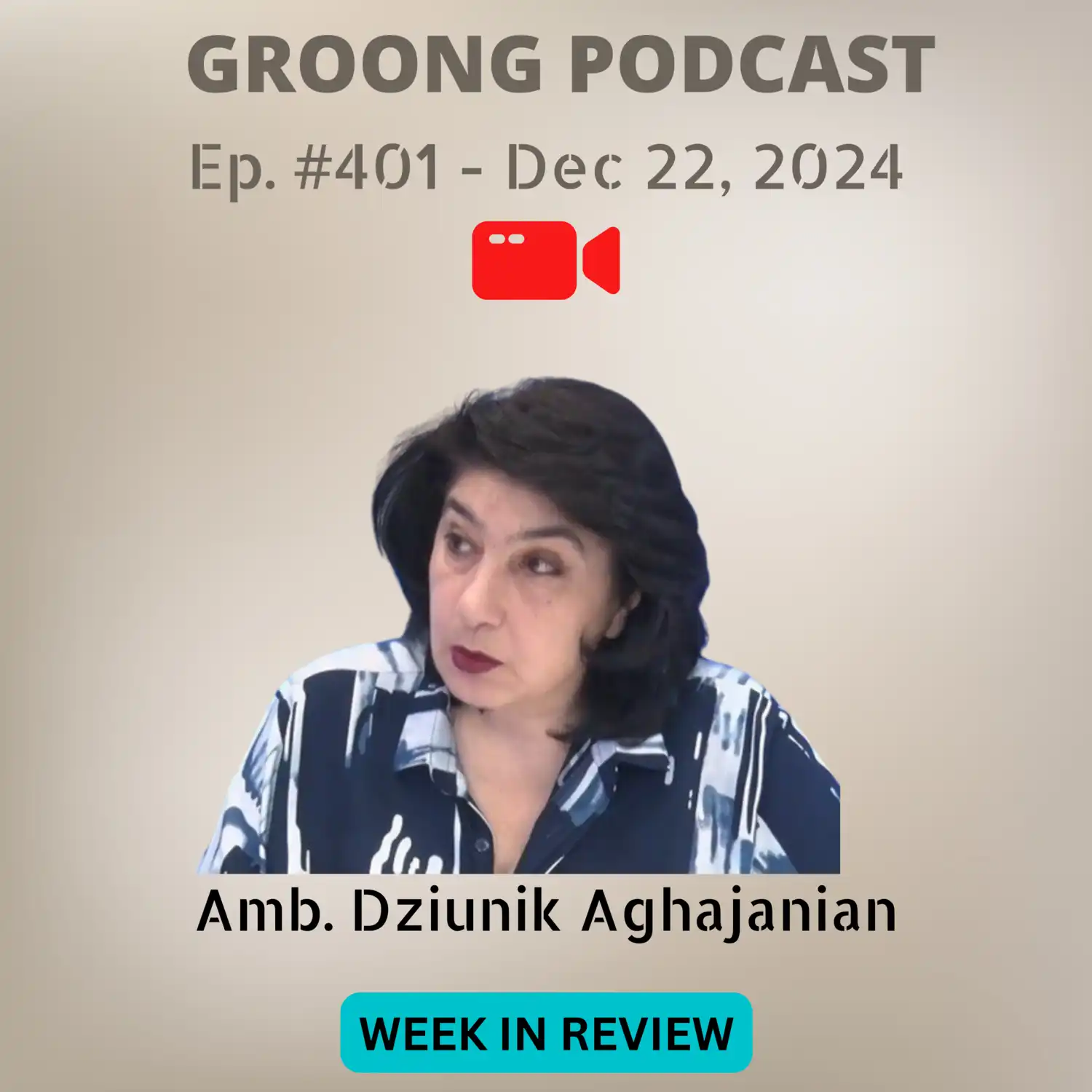
Groong Links:
Guest:
Topics:
- Armenian Azerbaijani Stalled Talks
- Fall of Syria
- Defense Politics
- Un-Civil Strife
Episode 401 | Recorded: December 24, 2024
Dziunik Aghajanian - Armenia Azerbaijan Talks, Syria, Defense Politics, Civil Contract Strife | Ep 401 - Dec 22, 2024 [EP401]
Posted on Wednesday, Dec 25, 2024 | Category: Armenia, Azerbaijan, Middle East, Artsakh, Nagorno Karabakh, Russia, Iran, Israel, BRICS, Syria, Turkey, Georgia, Ukraine, Human Rights, Lebanon, NATO, China, EconomyGroong Links:
Guest:
Topics:
- Armenian Azerbaijani Stalled Talks
- Fall of Syria
- Defense Politics
- Un-Civil Strife
Episode 401 | Recorded: December 24, 2024
Groong Links:
Guest:
Topics:
- U.S. Imperialism
- The Role of the Think Tank Industry
Episode 400 | Recorded: December 20, 2024
Matthew Hoh - Imperial US Foreign Policy, and the Role of the Think Tank Industry | Ep 400 - Dec 23, 2024 [EP400]
Posted on Sunday, Dec 22, 2024 | Category: USA, World Order, Middle East, Israel, Russia, China, NATO, Syria, Ukraine, Armenia, Economy, Lebanon, IndiaGroong Links:
Guest:
Topics:
- U.S. Imperialism
- The Role of the Think Tank Industry
Episode 400 | Recorded: December 20, 2024
Arman Grigoryan - Beyond the Fall of Syria, Armenian and Global Geopolitics, | Ep 399 - Dec 21, 2024 [EP399]
Posted on Saturday, Dec 21, 2024 | Category: Middle East, Armenia, Politics, Syria, BRICS, Russia, Iran, Turkey, Ukraine, Israel, Azerbaijan, Georgia, Human Rights, NATO | Series: cog, video
Groong Links:
Guest:
Topics:
- Syria’s Fall and Regional Power Shifts
- Turkey’s Expanding Influence in Syria
- Impact on Armenia-Azerbaijan Relations
- Russia and Iran’s Middle East Strategy
Episode 399 | Recorded: December 19, 2024
Arman Grigoryan - Beyond the Fall of Syria, Armenian and Global Geopolitics, | Ep 399 - Dec 21, 2024 [EP399]
Posted on Saturday, Dec 21, 2024 | Category: Middle East, Armenia, Politics, Syria, BRICS, Russia, Iran, Turkey, Ukraine, Israel, Azerbaijan, Georgia, Human Rights, NATOGroong Links:
Guest:
Topics:
- Syria’s Fall and Regional Power Shifts
- Turkey’s Expanding Influence in Syria
- Impact on Armenia-Azerbaijan Relations
- Russia and Iran’s Middle East Strategy
Episode 399 | Recorded: December 19, 2024
Anna Karapetyan - Azerbaijan Preparing for War, Pashinyan's Deceptive Discourse on Negotiations, Armenians Uninformed, Swiss Parliamentary Motion on Artsakh Armenians Right of Return | Ep 398 - Dec 15, 2024 [EP398]
Posted on Thursday, Dec 19, 2024 | Category: Armenia, Azerbaijan, Artsakh, Nagorno Karabakh, Turkey, Russia, Syria, Iran, Israel, Ukraine | Series: wir
Groong Links:
Guest:
- Anna Karapetyan Director of the Insight Analytical Center for Applied Policy and Research.
Topics:
- Is Azerbaijan Preparing for War?
- Pashinyanâs Deceptive Discourse on Talks with Azerbaijan
- Are Armenans Aware of the Dangers facing the Nation?
- Swiss Parliamentary Motion on Artsakh Armeniansâ Right of Return
Episode 398 | Recorded: December 17, 2024
Anna Karapetyan - Azerbaijan Preparing for War, Pashinyan's Deceptive Discourse on Negotiations, Armenians Uninformed, Swiss Parliamentary Motion on Artsakh Armenians Right of Return | Ep 398 - Dec 15, 2024 [EP398]
Posted on Thursday, Dec 19, 2024 | Category: Armenia, Azerbaijan, Artsakh, Nagorno Karabakh, Turkey, Russia, Syria, Iran, Israel, UkraineGroong Links:
Guest:
- Anna Karapetyan Director of the Insight Analytical Center for Applied Policy and Research.
Topics:
- Is Azerbaijan Preparing for War?
- Pashinyanâs Deceptive Discourse on Talks with Azerbaijan
- Are Armenans Aware of the Dangers facing the Nation?
- Swiss Parliamentary Motion on Artsakh Armeniansâ Right of Return
Episode 398 | Recorded: December 17, 2024
Ethnic Cleansing of Artsakh: Gev Iskajyan Reflects on Survival and Tragedy | Ep 397 - Dec 18, 2024 [EP397]
Posted on Wednesday, Dec 18, 2024 | Category: Artsakh, Armenia, Artsakh Blockade, Nagorno Karabakh, Azerbaijan, Russia, Ukraine, Iran, Turkey, Genocide, Georgia, Human Rights, Syria | Series: cog, video
Groong Links:
Guest:
Topics:
- Memories of the Artsakh Blockade
- Ethnic Cleansing
- Trump Returns to the White House
Episode 397 | Recorded: December 18, 2024
Ethnic Cleansing of Artsakh: Gev Iskajyan Reflects on Survival and Tragedy | Ep 397 - Dec 18, 2024 [EP397]
Posted on Wednesday, Dec 18, 2024 | Category: Artsakh, Armenia, Artsakh Blockade, Nagorno Karabakh, Azerbaijan, Russia, Ukraine, Iran, Turkey, Genocide, Georgia, Human Rights, SyriaGroong Links:
Guest:
Topics:
- Memories of the Artsakh Blockade
- Ethnic Cleansing
- Trump Returns to the White House
Episode 397 | Recorded: December 18, 2024
Varuzhan Geghamyan on Syria, Armenia, and Turkey-Iran-Russia Tensions | Ep 396 - Dec 16, 2024 [EP396]
Posted on Monday, Dec 16, 2024 | Category: Middle East, Armenia, Politics, Syria, Turkey, Russia, Nagorno Karabakh, Azerbaijan, Iran, Israel, NATO, Ukraine, Geopolitics, Economy, Georgia | Series: cog, video
Groong Links:
Guest:
Topics:
- Syria and the Middle East
- The South Caucasus
- Turkey, Iran, Russia
Episode 396 | Recorded: December 13, 2024
Varuzhan Geghamyan on Syria, Armenia, and Turkey-Iran-Russia Tensions | Ep 396 - Dec 16, 2024 [EP396]
Posted on Monday, Dec 16, 2024 | Category: Middle East, Armenia, Politics, Syria, Turkey, Russia, Nagorno Karabakh, Azerbaijan, Iran, Israel, NATO, Ukraine, Geopolitics, Economy, GeorgiaGroong Links:
Guest:
Topics:
- Syria and the Middle East
- The South Caucasus
- Turkey, Iran, Russia
Episode 396 | Recorded: December 13, 2024
Larry C Johnson - Syria, South Caucasus, and Regional Power Dynamics | Ep 395, Dec 14, 2024 [EP395]
Posted on Saturday, Dec 14, 2024 | Category: Middle East, Armenia, Politics, Syria, Turkey, Israel, Russia, Nagorno Karabakh, Iran, Armenian Genocide, NATO, Ukraine, Azerbaijan, China, European Union, Genocide, Georgia, Lebanon | Series: cog, video
Groong Links:
Guest:
Topics:
- Syria and the Middle East
- The South Caucasus
- Intelligence, Surveillance, Reconnaissance
- 44-Day War and the ISR Factor
- Fueling Other Wars
Episode 395 | Recorded: December 12, 2024
Larry C Johnson - Syria, South Caucasus, and Regional Power Dynamics | Ep 395, Dec 14, 2024 [EP395]
Posted on Saturday, Dec 14, 2024 | Category: Middle East, Armenia, Politics, Syria, Turkey, Israel, Russia, Nagorno Karabakh, Iran, Armenian Genocide, NATO, Ukraine, Azerbaijan, China, European Union, Genocide, Georgia, LebanonGroong Links:
Guest:
Topics:
- Syria and the Middle East
- The South Caucasus
- Intelligence, Surveillance, Reconnaissance
- 44-Day War and the ISR Factor
- Fueling Other Wars
Episode 395 | Recorded: December 12, 2024
Transcript: Larry C Johnson - Syria, South Caucasus, and Regional Power Dynamics | Ep 395, Dec 14, 2024 [EP395]
Posted on Saturday, Dec 14, 2024 | Category: Middle East, Armenia, Politics, Syria, Turkey, Israel, Russia, Nagorno Karabakh, Iran, Armenian Genocide, NATO, Ukraine, Azerbaijan, China, European Union, Genocide, Georgia, Lebanon, TranscriptSyria and the Middle East. The South Caucasus. Intelligence, Surveillance, Reconnaissance. 44-Day War and the ISR Factor. Fueling Other Wars.
Hrant Mikaelian - Aliyev's “New” Demands, Fall of Syria, Georgia Post-Election Unrest, Civil Contract Disobedience | Ep 394 - Dec 8, 2024 [EP394]
Posted on Tuesday, Dec 10, 2024 | Category: Armenia, Politics, Economy, Artsakh, Nagorno Karabakh, Azerbaijan, Georgia, Turkey, Russia, Syria, Iran, Israel, Ukraine, European Union, Genocide, Human Rights | Series: wir
Groong Links:
Guest:
Topics:
- Remembering the 1988 Earthquake in Spitak, Armenia
- Aliyevâs âNewâ Demands
- The Fall of Syria
- Georgiaâs Post-Election Unrest
- Civil Contract Disobedience
Episode 394 | Recorded: December 9, 2024
Hrant Mikaelian - Aliyev's “New” Demands, Fall of Syria, Georgia Post-Election Unrest, Civil Contract Disobedience | Ep 394 - Dec 8, 2024 [EP394]
Posted on Tuesday, Dec 10, 2024 | Category: Armenia, Politics, Economy, Artsakh, Nagorno Karabakh, Azerbaijan, Georgia, Turkey, Russia, Syria, Iran, Israel, Ukraine, European Union, Genocide, Human RightsGroong Links:
Guest:
Topics:
- Remembering the 1988 Earthquake in Spitak, Armenia
- Aliyevâs âNewâ Demands
- The Fall of Syria
- Georgiaâs Post-Election Unrest
- Civil Contract Disobedience
Episode 394 | Recorded: December 9, 2024
Ivan Katchanovski on the Maidan Massacre, Ukraine War, and Implications | Ep 393 - Dec 9, 2024 [EP393]
Posted on Monday, Dec 9, 2024 | Category: Ukraine, Politics, Russia, Georgia, Armenia, NATO, European Union, Israel, Human Rights, Geopolitics | Series: cog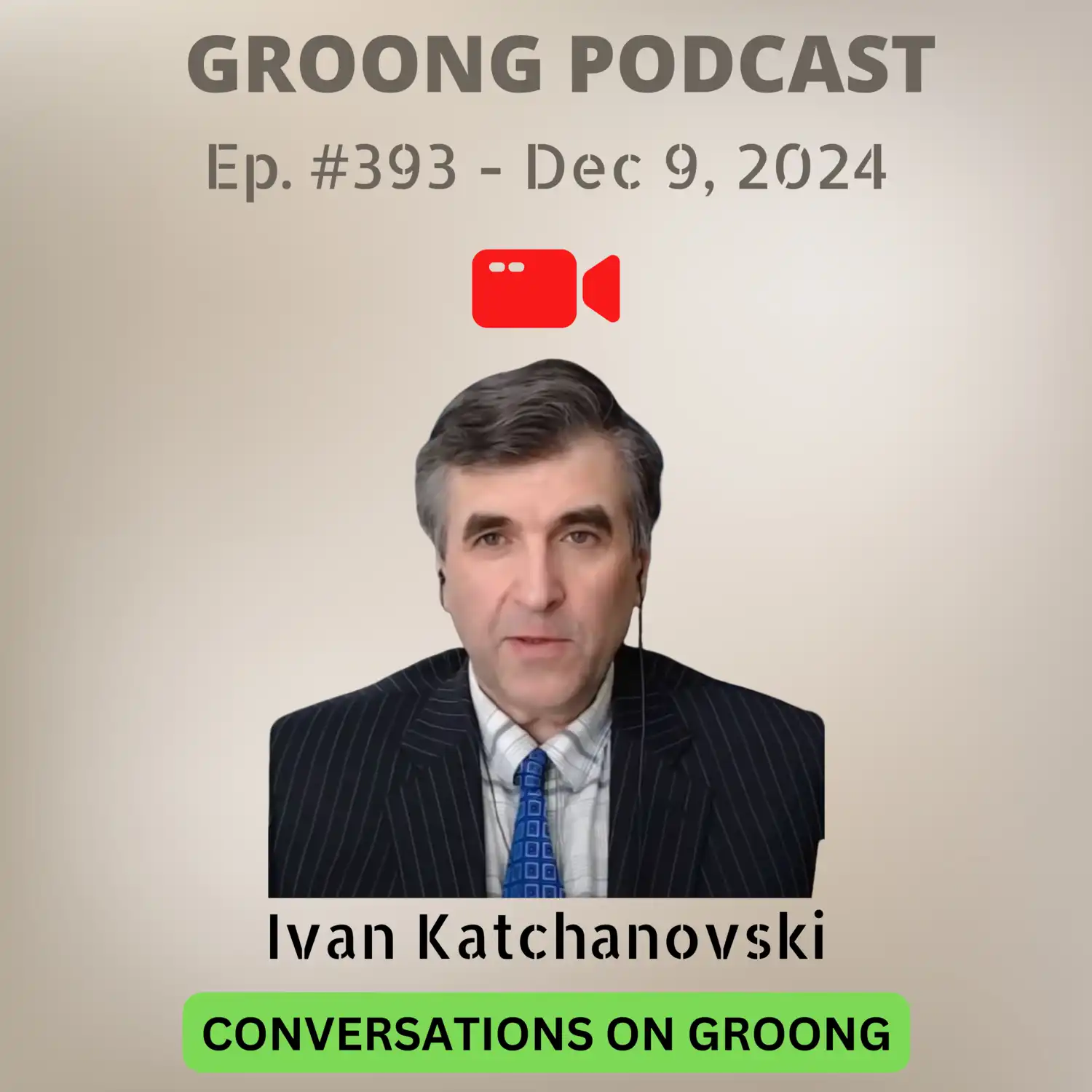
Groong Links:
Guest:
- Prof. Ivan Katchanovski , University of Ottawa
SUPPORT PROF. KATCHANOVSI’S WORK HERE: https://gofund.me/52b68e07
Topics:
- The War in Ukraine
- Trumpâs âEastern Approachesâ
- The Maidan Massacre and Its Legacy
- Maidanization of Georgia?
- Armenia in the Shadow of Ukraine
Episode 393 | Recorded: December 7, 2024
Ivan Katchanovski on the Maidan Massacre, Ukraine War, and Implications | Ep 393 - Dec 9, 2024 [EP393]
Posted on Monday, Dec 9, 2024 | Category: Ukraine, Politics, Russia, Georgia, Armenia, NATO, European Union, Israel, Human Rights, GeopoliticsGroong Links:
Guest:
- Prof. Ivan Katchanovski , University of Ottawa
SUPPORT PROF. KATCHANOVSI’S WORK HERE: https://gofund.me/52b68e07
Topics:
- The War in Ukraine
- Trumpâs âEastern Approachesâ
- The Maidan Massacre and Its Legacy
- Maidanization of Georgia?
- Armenia in the Shadow of Ukraine
Episode 393 | Recorded: December 7, 2024
Karen Kwiatkowski on Turkey, NATO, and the 44-Day War | Ep 392 - Dec 7, 2024 [EP392]
Posted on Saturday, Dec 7, 2024 | Category: Politics, Turkey, NATO, Armenia, Nagorno Karabakh, Artsakh, Azerbaijan, USA, Ukraine, Russia, Israel, Iran, Middle East, Geopolitics, Syria, China, Genocide, Georgia, Lebanon, European Union | Series: cog, video
Groong Links:
Guest:
Topics:
- Turkeyâs Role in the 44-Day War
- NATO and Intelligence Sharing
- Global Power Rivalries
- Lessons from U.S. Intelligence Practices
Episode 392 | Recorded: December 2, 2024
Karen Kwiatkowski on Turkey, NATO, and the 44-Day War | Ep 392 - Dec 7, 2024 [EP392]
Posted on Saturday, Dec 7, 2024 | Category: Politics, Turkey, NATO, Armenia, Nagorno Karabakh, Artsakh, Azerbaijan, USA, Ukraine, Russia, Israel, Iran, Middle East, Geopolitics, Syria, China, Genocide, Georgia, Lebanon, European UnionGroong Links:
Guest:
Topics:
- Turkeyâs Role in the 44-Day War
- NATO and Intelligence Sharing
- Global Power Rivalries
- Lessons from U.S. Intelligence Practices
Episode 392 | Recorded: December 2, 2024
Transcript: Karen Kwiatkowski on Turkey, NATO, and the 44-Day War | Ep 392 - Dec 7, 2024 [EP392]
Posted on Saturday, Dec 7, 2024 | Category: Politics, Turkey, NATO, Armenia, Nagorno Karabakh, Artsakh, Azerbaijan, USA, Ukraine, Russia, Israel, Iran, Middle East, Geopolitics, Syria, China, Genocide, Georgia, Lebanon, European Union, TranscriptTurkey’s Role in the 44-Day War. NATO and Intelligence Sharing. Global Power Rivalries. Lessons from U.S. Intelligence Practices.
Jeffrey Sachs - Escalation in Syria, COP29, Advice for Armenia | Ep 391 - Dec 5, 2024 [EP391]
Posted on Thursday, Dec 5, 2024 | Category: Syria, Armenia, Azerbaijan, USA, Turkey, Russia, Nagorno Karabakh, Artsakh, Iran, Ukraine, Israel, Middle East, Georgia, BRICS, NATO, Geopolitics, China, European Union, Lebanon | Series: cog, video
Groong Links:
Guest:
Topics:
- Escalation in Syria
- COP29 Summit
- Can NATO save Armenia?
Episode 391 | Recorded: December 4, 2024
Jeffrey Sachs - Escalation in Syria, COP29, Advice for Armenia | Ep 391 - Dec 5, 2024 [EP391]
Posted on Thursday, Dec 5, 2024 | Category: Syria, Armenia, Azerbaijan, USA, Turkey, Russia, Nagorno Karabakh, Artsakh, Iran, Ukraine, Israel, Middle East, Georgia, BRICS, NATO, Geopolitics, China, European Union, LebanonGroong Links:
Guest:
Topics:
- Escalation in Syria
- COP29 Summit
- Can NATO save Armenia?
Episode 391 | Recorded: December 4, 2024
Transcript: Jeffrey Sachs - Escalation in Syria, COP29, Advice for Armenia | Ep 391 - Dec 5, 2024 [EP391]
Posted on Thursday, Dec 5, 2024 | Category: Syria, Armenia, Azerbaijan, USA, Turkey, Russia, Nagorno Karabakh, Artsakh, Iran, Ukraine, Israel, Middle East, Georgia, BRICS, NATO, Geopolitics, China, European Union, Lebanon, TranscriptEscalation in Syria. COP29 Summit. Can NATO save Armenia?
Benyamin Poghosyan - COP29 Post Mortem, Azerbaijan Slams Polish President, Developments in the Middle East, Post-Election Georgia, Russian-Armenian Relations | Ep 390 - Dec 1, 2024 [EP390]
Posted on Wednesday, Dec 4, 2024 | Category: Armenia, Middle East, Georgia, Artsakh, Nagorno Karabakh, Azerbaijan, Israel, Lebanon, Syria, Iran, Turkey, Russia, Ukraine, European Union, NATO, China, Geopolitics, Human Rights | Series: wir
Groong Links:
Guest:
Topics:
- COP29 Post-Mortem
- Azerbaijan Slams Polish President in Armenia
- Developments in the Middle East
- Post-election Developments in Georgia
- Russian Intel Warnings to Armenia
Episode 390 | Recorded: December 2, 2024
Benyamin Poghosyan - COP29 Post Mortem, Azerbaijan Slams Polish President, Developments in the Middle East, Post-Election Georgia, Russian-Armenian Relations | Ep 390 - Dec 1, 2024 [EP390]
Posted on Wednesday, Dec 4, 2024 | Category: Armenia, Middle East, Georgia, Artsakh, Nagorno Karabakh, Azerbaijan, Israel, Lebanon, Syria, Iran, Turkey, Russia, Ukraine, European Union, NATO, China, Geopolitics, Human RightsGroong Links:
Guest:
Topics:
- COP29 Post-Mortem
- Azerbaijan Slams Polish President in Armenia
- Developments in the Middle East
- Post-election Developments in Georgia
- Russian Intel Warnings to Armenia
Episode 390 | Recorded: December 2, 2024
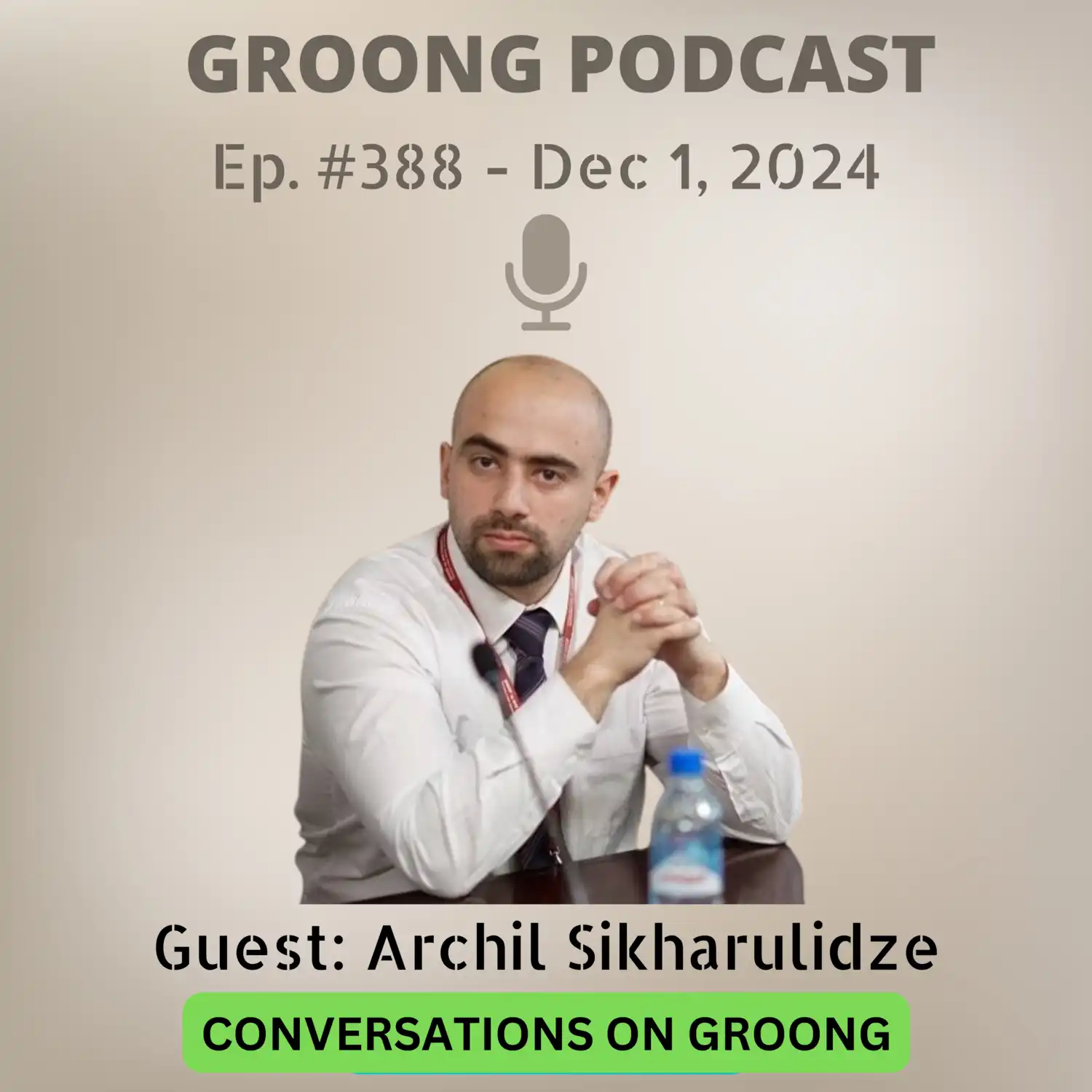
Groong Links:
Guest:
Topics:
- Constitutional Crisis In Georgia?
- Western Reactions and Escalation
- Russian Reactions and Georgiaâs Strategic Direction
- Unrest In Abkhazia
Episode 388 | Recorded: November 30, 2024