Armenia
Last updated: June 10, 2026
Armenia is a landlocked nation in the South Caucasus region of Western Asia, bordered by Georgia, Azerbaijan, Iran, and Turkey. With a population of approximately 3 million, Armenia is one of the world’s oldest Christian civilizations, having adopted Christianity as its state religion in 301 CE—the first country to do so. The capital and largest city is Yerevan, located in the central part of the country. Armenia’s geography is characterized by the Armenian Highlands, a mountainous region with an average elevation exceeding 1,600 meters. The country is known for its rich cultural heritage, including ancient churches, monasteries, and archaeological sites. Armenia is a member of numerous international organizations including the United Nations, World Trade Organization, and the Eurasian Economic Union.
In the context of Groong’s coverage, Armenia is a landlocked South Caucasus republic facing an acute strategic and political crisis. Since the 2020 44-Day War , the country has lost control of Artsakh (Nagorno Karabakh) and hundreds of square kilometers of territory to Azerbaijan, undergone the complete ethnic cleansing of more than 150,000 Armenian inhabitants from Artsakh, and seen its borders redrawn under duress. Prime Minister Nikol Pashinyan and his Civil Contract party have governed through this catastrophe while pursuing what opponents describe as a capitulation strategy: signing ceasefire agreements, negotiating territorial concessions, and attempting to normalize relations with Turkey despite no reciprocal gesture. The government frames this course as realism and peace-building; critics argue it surrenders Armenian sovereignty without securing the rights or security of displaced Artsakhtsis. Armenia’s relationship with its traditional security guarantor Russia has deteriorated sharply, while its pivot toward the European Union and United States remains hesitant and incomplete, leaving the country in a precarious middle position between Moscow and the West.
Domestic politics in Armenia since 2021 have been dominated by the opposition’s demand for Pashinyan’s resignation and accountability for the war’s loss. The Established Opposition parties—Strong Armenia , Armenia Alliance (Hayastan Dashinq) , Prosperous Armenia , and the Republican Party of Armenia —have held street protests, mounted electoral challenges, and attempted to build coalitions for the June 7, 2026 parliamentary elections. Civil Contract’s supermajority in parliament has allowed it to pass constitutional amendments, strip opposition figures of immunity, and advance its agenda despite sustained criticism over corruption, misuse of administrative resources, and alleged election irregularities. The government has also escalated confrontation with the Armenian Church , arresting clergy, seizing church property, and pressuring the Catholicos , actions that have alarmed international observers and divided public opinion. Simultaneously, Pashinyan has consolidated control over state institutions, including the judiciary and security services, raising concerns about democratic backsliding and rule of law.
Armenia’s economy remains fragile. Growth statistics mask structural weaknesses: the country is heavily dependent on remittances and Russian trade, faces declining foreign investment, carries rising national debt, and has seen its ties to Iran—a key trade and energy partner—complicated by U.S. pressure over TRIPP, the so-called Trump Route for International Peace and Prosperity . The project aims to open transport corridors through Armenian territory in Syunik province, a move that would connect Azerbaijan to Turkey via Armenian land and raise questions about Armenian sovereignty over the route and control of its security. Russia has shifted from enthusiastic support of the corridor to public ambivalence, while Iran has issued explicit warnings that it will not accept any arrangement that bypasses or threatens its interests. The competing pressures from Washington, Moscow, Tehran, and Baku leave Armenia’s leadership navigating impossible choices between security guarantees that do not yet exist and economic partnerships that require territorial and strategic concessions it is reluctant to make permanent. The 2026 election will determine whether Armenian voters remain committed to Pashinyan’s course or whether opposition forces can forge a unified alternative around themes of security, sovereignty, and the rights of displaced Artsakhtsis to return home.
Groong episodes that include this tag
Below are all Groong episodes tagged with Armenia.
Arthur Khachatryan - September 13 War, Kiliç in Armenia, US $145M for TRIPP, Shorter Military Service | Ep 472, Sep 14, 2025 [EP472]
Posted on Wednesday, Sep 17, 2025 | Category: Armenia, Politics, Artsakh, Nagorno Karabakh, Azerbaijan, Turkey, Artsakh Blockade, Economy, Russia, Georgia, Iran, China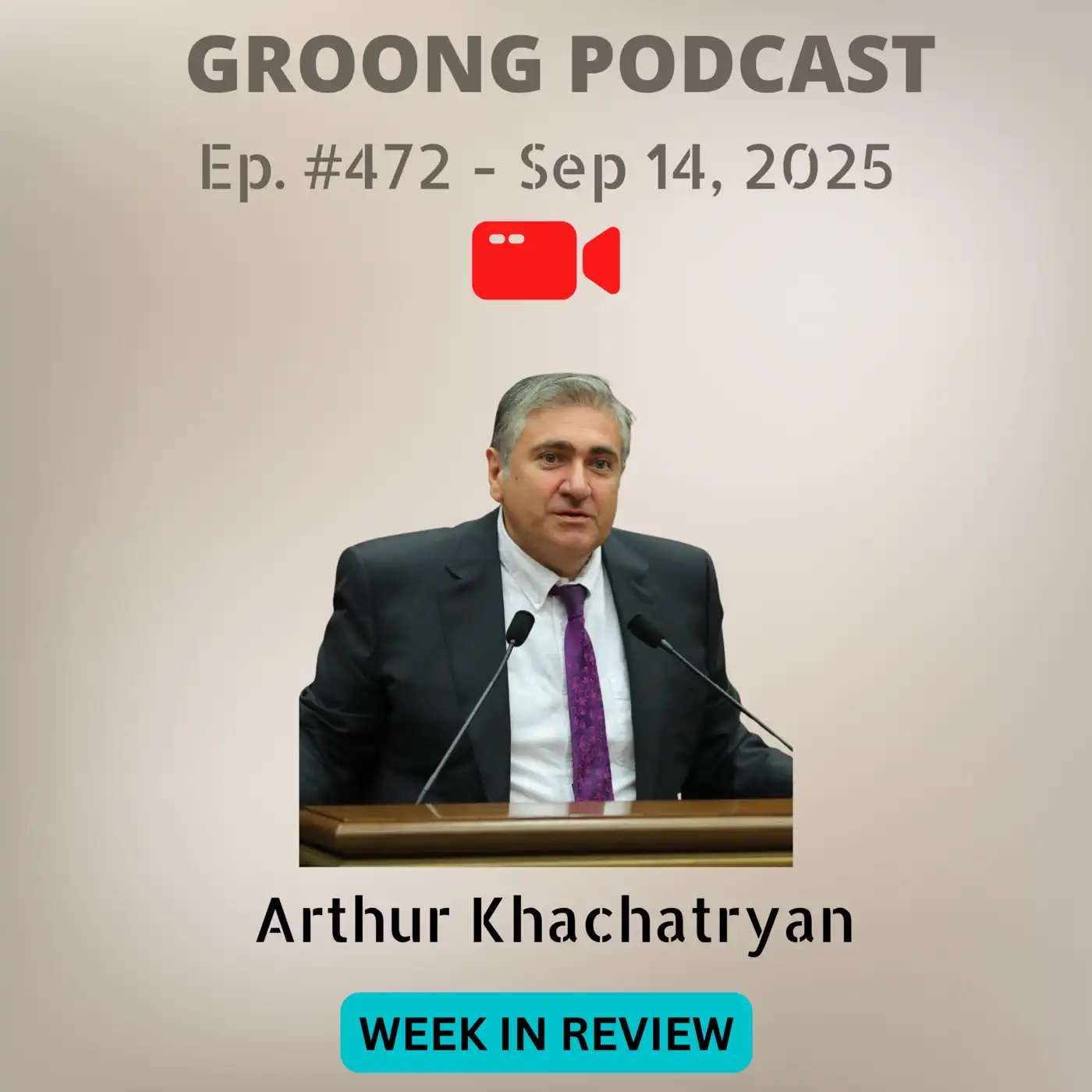
Groong Links:
Guest:
- Arthur Khachatryan , MP
Topics:
- September 13, 2022 War anniversary
- Serdar Kiliç in Armenia for Normalization
- U.S. State Dept. $145M for TRIPP
Episode 472 | Recorded: September 15, 2025
Hrant Mikaelian - War on Iran, Russia on TRIPP, New MPG Poll in Armenia, Economy | Ep 471, Sep 7, 2025 [EP471]
Posted on Tuesday, Sep 9, 2025 | Category: Armenia, Politics, Iran, Poll, Azerbaijan, Turkey, Russia, Iran, Armenian Church, Nagorno Karabakh, Armenian Genocide, Economy, Georgia, Israel, Genocide, China, Ukraine, India | Series: wir, video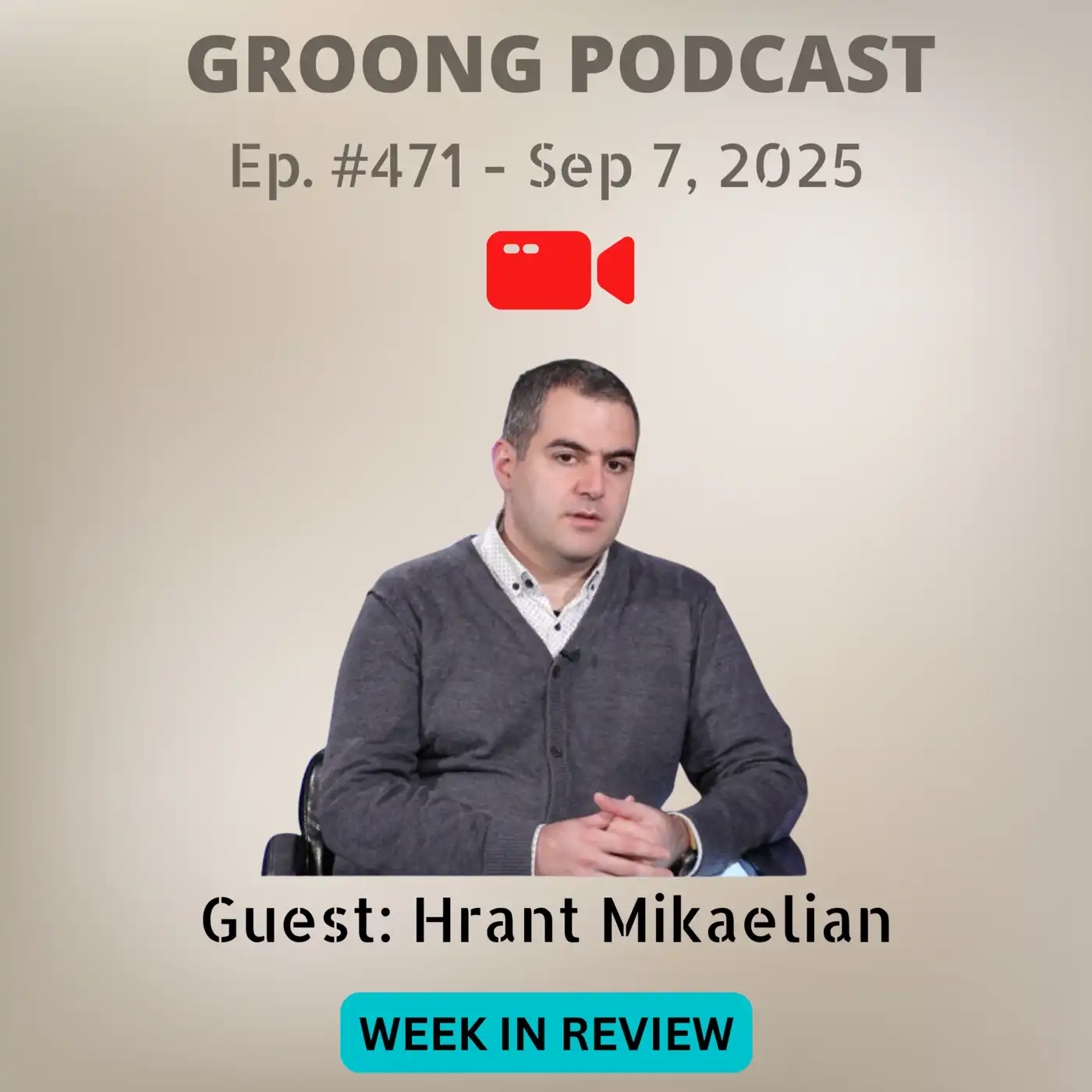
Groong Links:
Guest:
Topics:
- War in Iran, Chapter 2?
- Russiaâs Stance on TRIPP
- New MPG Poll in Armenia
- Armenian Economy in H1/2025
Episode 471 | Recorded: September 8, 2025
Hrant Mikaelian - War on Iran, Russia on TRIPP, New MPG Poll in Armenia, Economy | Ep 471, Sep 7, 2025 [EP471]
Posted on Tuesday, Sep 9, 2025 | Category: Armenia, Politics, Iran, Poll, Azerbaijan, Turkey, Russia, Iran, Armenian Church, Nagorno Karabakh, Armenian Genocide, Economy, Georgia, Israel, Genocide, China, Ukraine, IndiaGroong Links:
Guest:
Topics:
- War in Iran, Chapter 2?
- Russiaâs Stance on TRIPP
- New MPG Poll in Armenia
- Armenian Economy in H1/2025
Episode 471 | Recorded: September 8, 2025
Lenna Hovanessian – White House Meeting Fallout, Artsakh Erasure, Genocide Dismissal, Azerbaijan Playbook in the US | Ep 470, Sep 7, 2025 [EP470]
Posted on Sunday, Sep 7, 2025 | Category: Armenia, Politics, Artsakh, Nagorno Karabakh, Genocide, Azerbaijan, Armenian Church, Israel, Artsakh Blockade | Series: cog, video
Groong Links:
Guest:
Topics:
- Reflections on August 8 White House Meeting
- Tensions in Diaspora-Armenia Relations
- Azerbaijani Lobbying, Caviar Diplomacy, and the Cuellar Bribery Case
Episode 470 | Recorded: September 5, 2025
Lenna Hovanessian – White House Meeting Fallout, Artsakh Erasure, Genocide Dismissal, Azerbaijan Playbook in the US | Ep 470, Sep 7, 2025 [EP470]
Posted on Sunday, Sep 7, 2025 | Category: Armenia, Politics, Artsakh, Nagorno Karabakh, Genocide, Azerbaijan, Armenian Church, Israel, Artsakh BlockadeGroong Links:
Guest:
Topics:
- Reflections on August 8 White House Meeting
- Tensions in Diaspora-Armenia Relations
- Azerbaijani Lobbying, Caviar Diplomacy, and the Cuellar Bribery Case
Episode 470 | Recorded: September 5, 2025
Groong Links:
Guest:
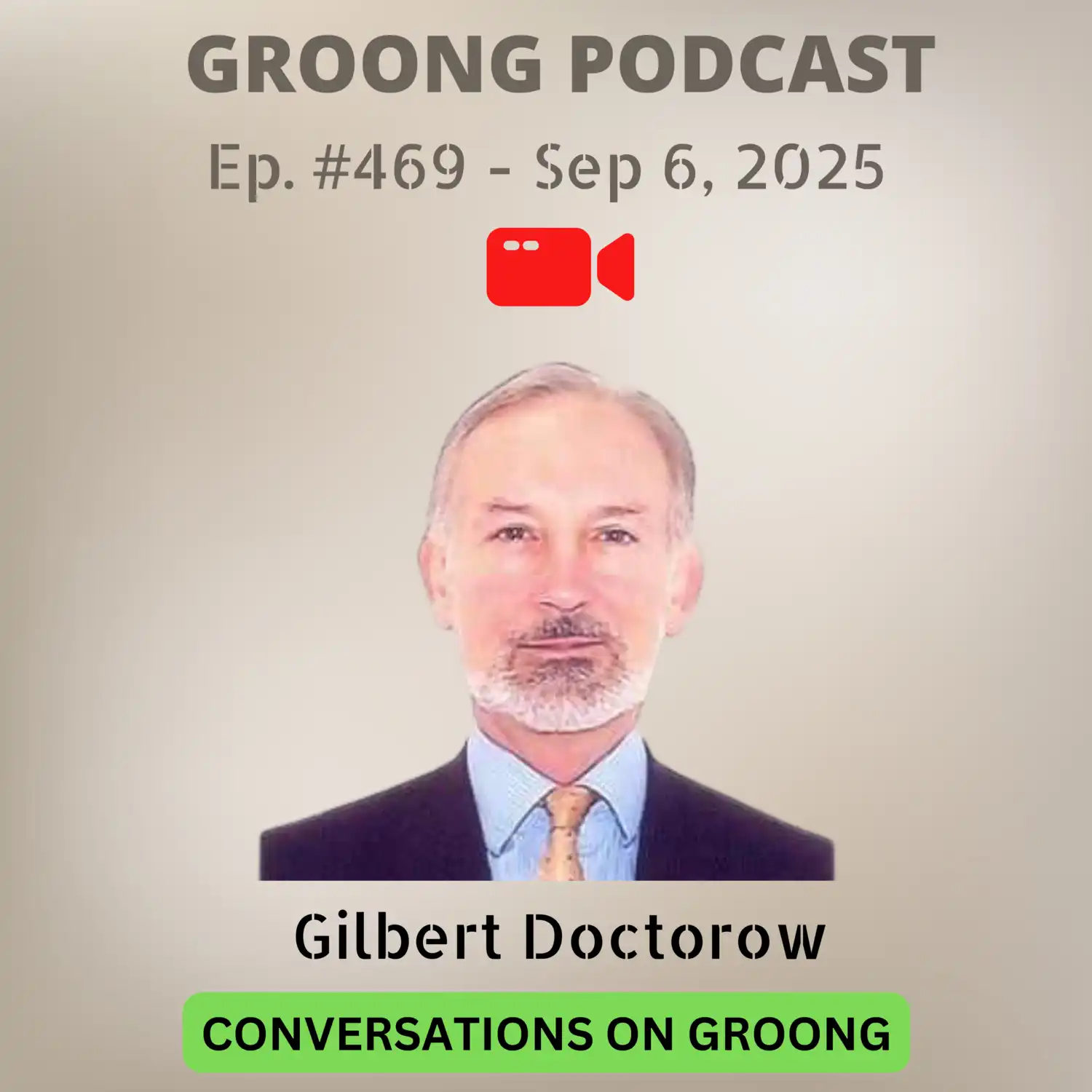
- Dr. Gilbert Doctorow , Author of - War Diaries. Volume 1
Topics:
- SCO Summit in Tianjin, China
- China-India Thaw
- Power of Siberia Gas Pipeline
- Whatâs in it for Armenia?
Episode 469 | Recorded: September 4, 2025
Gilbert Doctorow - Multipolar Shifts at the SCO Summit | Ep 469, Sep 6, 2025 [EP469]
Posted on Saturday, Sep 6, 2025 | Category: Armenia, Politics, Russia, China, India, Nagorno Karabakh, BRICS, Economy, Iran, Azerbaijan, NATO, Turkey, UkraineGroong Links:
Guest:
- Dr. Gilbert Doctorow , Author of - War Diaries. Volume 1
Topics:
- SCO Summit in Tianjin, China
- China-India Thaw
- Power of Siberia Gas Pipeline
- Whatâs in it for Armenia?
Episode 469 | Recorded: September 4, 2025
Robert Amsterdam - In Our Own Way: The Samvel Karapetyan Case | Ep 468, Sep 4, 2025 [EP468]
Posted on Thursday, Sep 4, 2025 | Category: Armenia, Politics, Armenian Church, Russia, Ukraine, Artsakh, Nagorno Karabakh, Human Rights, NATO | Series: cog, video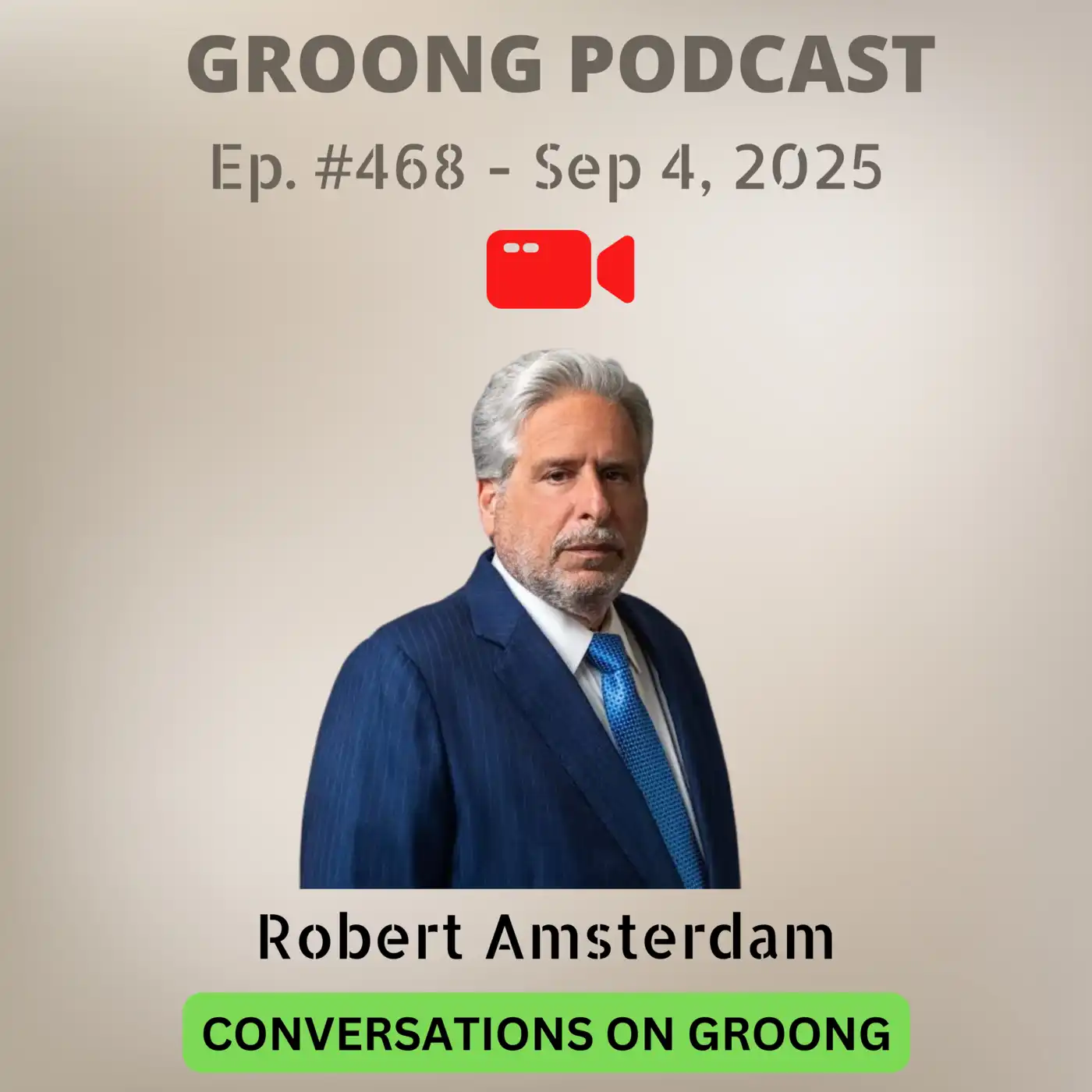
Groong Links:
Guest:
Topics:
- Arrest of Samvel Karapetyan
- Pre-trial detention practices
- Lawfare and double standards
- Armeniaâs global consequences
Episode 468 | Recorded: September 4, 2025
Robert Amsterdam - In Our Own Way: The Samvel Karapetyan Case | Ep 468, Sep 4, 2025 [EP468]
Posted on Thursday, Sep 4, 2025 | Category: Armenia, Politics, Armenian Church, Russia, Ukraine, Artsakh, Nagorno Karabakh, Human Rights, NATOGroong Links:
Guest:
Topics:
- Arrest of Samvel Karapetyan
- Pre-trial detention practices
- Lawfare and double standards
- Armeniaâs global consequences
Episode 468 | Recorded: September 4, 2025
Benyamin Poghosyan - SCO Summit, TRIPP Corridor, RU - AZ Rift, UK Ties | Ep 467, Aug 31, 2025 [EP467]
Posted on Tuesday, Sep 2, 2025 | Category: Armenia, Politics, Artsakh, Nagorno Karabakh, Azerbaijan, China, India, Russia, USA, Georgia, Armenian Genocide, NATO, Iran, Turkey, Genocide, Israel, European Union | Series: video, wir
Groong Links:
Guest:
Topics:
- SCO Summit in China
- The UK in Armenia
- TRIPP / Zangezur Corridor
- Russian Azerbaijani Relations
Episode 467 | Recorded: September 1, 2025
Benyamin Poghosyan - SCO Summit, TRIPP Corridor, RU - AZ Rift, UK Ties | Ep 467, Aug 31, 2025 [EP467]
Posted on Tuesday, Sep 2, 2025 | Category: Armenia, Politics, Artsakh, Nagorno Karabakh, Azerbaijan, China, India, Russia, USA, Georgia, Armenian Genocide, NATO, Iran, Turkey, Genocide, Israel, European UnionGroong Links:
Guest:
Topics:
- SCO Summit in China
- The UK in Armenia
- TRIPP / Zangezur Corridor
- Russian Azerbaijani Relations
Episode 467 | Recorded: September 1, 2025
Jeffrey Sachs - TRIPP down Zangezur Corridor | Ep 466, Aug 29, 2025 [EP466]
Posted on Friday, Aug 29, 2025 | Category: Armenia, Geopolitics, Azerbaijan, Artsakh, Nagorno Karabakh, Russia, Iran, Turkey, Georgia, USA, Economy, Israel, European Union, NATO | Series: cog, video
Groong Links:
Guest:
Topics:
- Pashinyan, Aliyev, in the White House
- What âPeaceâ?
- Armenian Economy
Episode 466 | Recorded: August 28, 2025
Jeffrey Sachs - TRIPP down Zangezur Corridor | Ep 466, Aug 29, 2025 [EP466]
Posted on Friday, Aug 29, 2025 | Category: Armenia, Geopolitics, Azerbaijan, Artsakh, Nagorno Karabakh, Russia, Iran, Turkey, Georgia, USA, Economy, Israel, European Union, NATOGroong Links:
Guest:
Topics:
- Pashinyan, Aliyev, in the White House
- What âPeaceâ?
- Armenian Economy
Episode 466 | Recorded: August 28, 2025
Transcript: Jeffrey Sachs - TRIPP down Zangezur Corridor | Ep 466, Aug 29, 2025 [EP466]
Posted on Friday, Aug 29, 2025 | Category: Armenia, Geopolitics, Azerbaijan, Artsakh, Nagorno Karabakh, Russia, Iran, Turkey, Georgia, USA, Economy, Israel, European Union, NATO, TranscriptIn this episode of Conversations on Groong, renowned economist Jeffrey Sachs joins to discuss the U.S.-brokered “TRIPP” (Trump Route for International Peace and Prosperity), also known as the Zangezur Corridor. The discussion covers the risks of foreign powers imposing corridors through Armenia, the muted response from Moscow, Tehran’s strong opposition, and what this means for regional security. Sachs stresses that Armenia should not look to distant powers like the United States for security or stability, but instead pursue prudent arrangements and economic cooperation with its immediate Read More
Armen Ashotyan - Reflections on Life as a Political Prisoner, Attacks on the Church and Sovereignty | Ep 465, Aug 28, 2025 [EP465]
Posted on Thursday, Aug 28, 2025 | Category: Armenia, Artsakh, Nagorno Karabakh, Human Rights, Armenian Church, Lebanon, Syria, Iran, Russia, India, Middle East, China, European Union, Ukraine, Azerbaijan | Series: cog
Groong Links:
Guest:
- Armen Ashotyan , MP, VP Republican Party of Armenia (HHK)
Topics:
- Imprisonment and Political Persecution
- International and Diaspora Response
- Pashinyan Regime Attack on the Church
- The Managed Capitulation Process
Episode 465 | Recorded on August 27, 2025
Armen Ashotyan - Reflections on Life as a Political Prisoner, Attacks on the Church and Sovereignty | Ep 465, Aug 28, 2025 [EP465]
Posted on Thursday, Aug 28, 2025 | Category: Armenia, Artsakh, Nagorno Karabakh, Human Rights, Armenian Church, Lebanon, Syria, Iran, Russia, India, Middle East, China, European Union, Ukraine, AzerbaijanGroong Links:
Guest:
- Armen Ashotyan , MP, VP Republican Party of Armenia (HHK)
Topics:
- Imprisonment and Political Persecution
- International and Diaspora Response
- Pashinyan Regime Attack on the Church
- The Managed Capitulation Process
Episode 465 | Recorded on August 27, 2025
Tevan Poghosyan - State Sovereignty Day, TRIPP Trap, Reactions, Kitchen Sink | Ep 464, Aug 24, 2025 [EP464]
Posted on Tuesday, Aug 26, 2025 | Category: Armenia, Geopolitics, Artsakh, Nagorno Karabakh, Azerbaijan, Iran, Turkey, Russia, Israel, Genocide, China, Ukraine | Series: wir, video
Groong Links:
Guest:
- Tevan Poghosyan , Former MP, Heritage Party
Topics:
- August 23: Armeniaâs declaration of State Sovereignty
- The TRIPP Trap
- Iran - Pezeshkianâs Visit
- Russia - Overchukâs visit
- The Kitchen Sink
Episode 464 | Recorded: August 25, 2025
Tevan Poghosyan - State Sovereignty Day, TRIPP Trap, Reactions, Kitchen Sink | Ep 464, Aug 24, 2025 [EP464]
Posted on Tuesday, Aug 26, 2025 | Category: Armenia, Geopolitics, Artsakh, Nagorno Karabakh, Azerbaijan, Iran, Turkey, Russia, Israel, Genocide, China, UkraineGroong Links:
Guest:
- Tevan Poghosyan , Former MP, Heritage Party
Topics:
- August 23: Armeniaâs declaration of State Sovereignty
- The TRIPP Trap
- Iran - Pezeshkianâs Visit
- Russia - Overchukâs visit
- The Kitchen Sink
Episode 464 | Recorded: August 25, 2025
Sergei Melkonian - Alaska Summit, Trump Corridor, Russia, Azerbaijan, Iran, Our Way | Ep 463, Aug 17, 2025 [EP463]
Posted on Tuesday, Aug 19, 2025 | Category: Armenia, Geopolitics, Artsakh, Nagorno Karabakh, Azerbaijan, Turkey, Russia, Ukraine, Iran, Syria, Armenian Church, NATO | Series: wir, video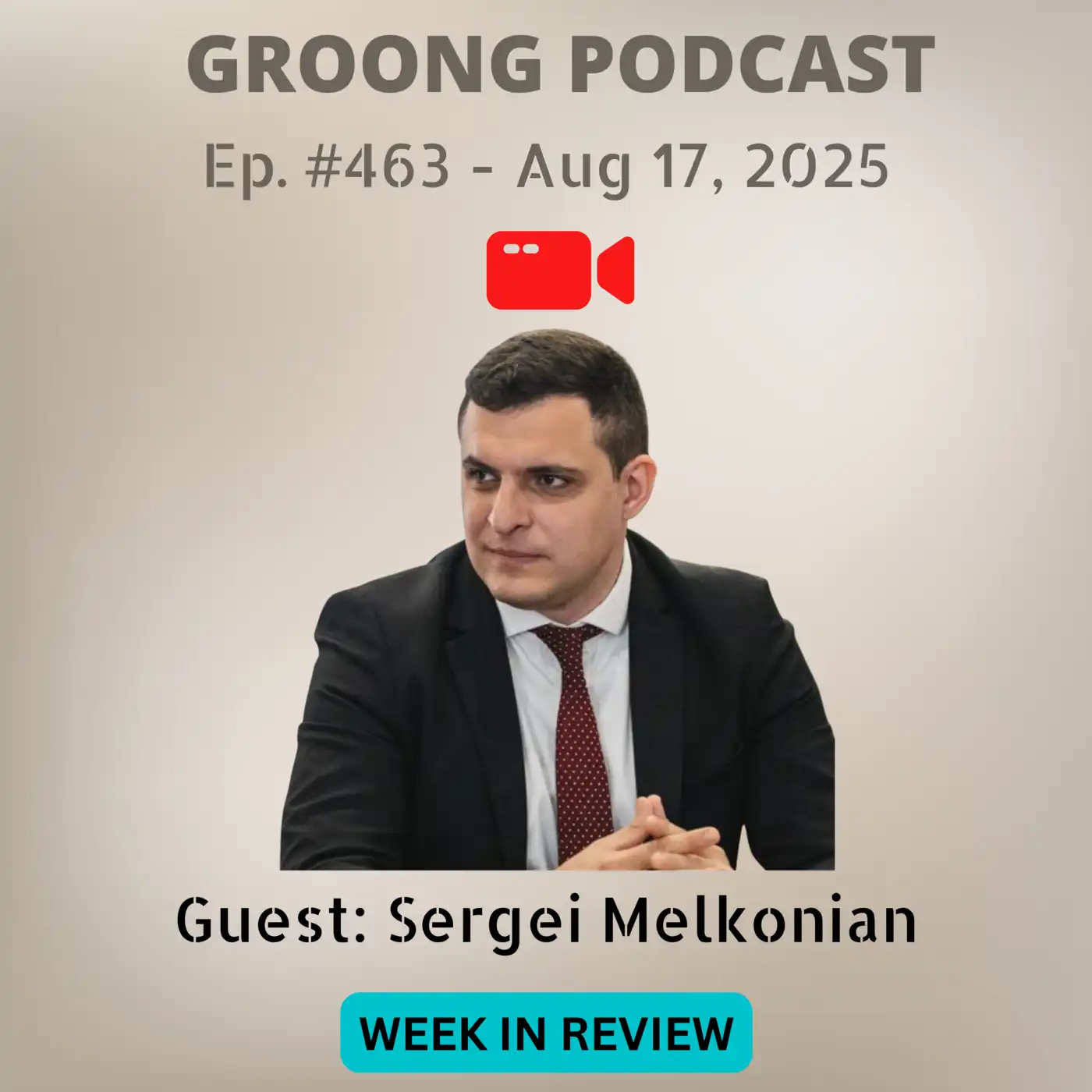
Groong Links:
Guest:
Topics:
- Trump-Putin Alaska Summit
- Trump Corridor Politics
- Russian-Azerbaijani Relations
- Russian-Iranian Recalibration
- New Opposition Emerging - Our Way
Episode 463 | Recorded: August 18, 2025
Sergei Melkonian - Alaska Summit, Trump Corridor, Russia, Azerbaijan, Iran, Our Way | Ep 463, Aug 17, 2025 [EP463]
Posted on Tuesday, Aug 19, 2025 | Category: Armenia, Geopolitics, Artsakh, Nagorno Karabakh, Azerbaijan, Turkey, Russia, Ukraine, Iran, Syria, Armenian Church, NATOGroong Links:
Guest:
Topics:
- Trump-Putin Alaska Summit
- Trump Corridor Politics
- Russian-Azerbaijani Relations
- Russian-Iranian Recalibration
- New Opposition Emerging - Our Way
Episode 463 | Recorded: August 18, 2025
Christine Arakelian - Pashinyan vs. the Church, India Armenia, NGOs and Foreign Influence | Ep 462, Aug 17, 2025 [EP462]
Posted on Sunday, Aug 17, 2025 | Category: Georgia, Politics, Armenia, Armenian Church, Human Rights, Russia, India, Turkey, Ukraine, Israel, Economy | Series: cog, video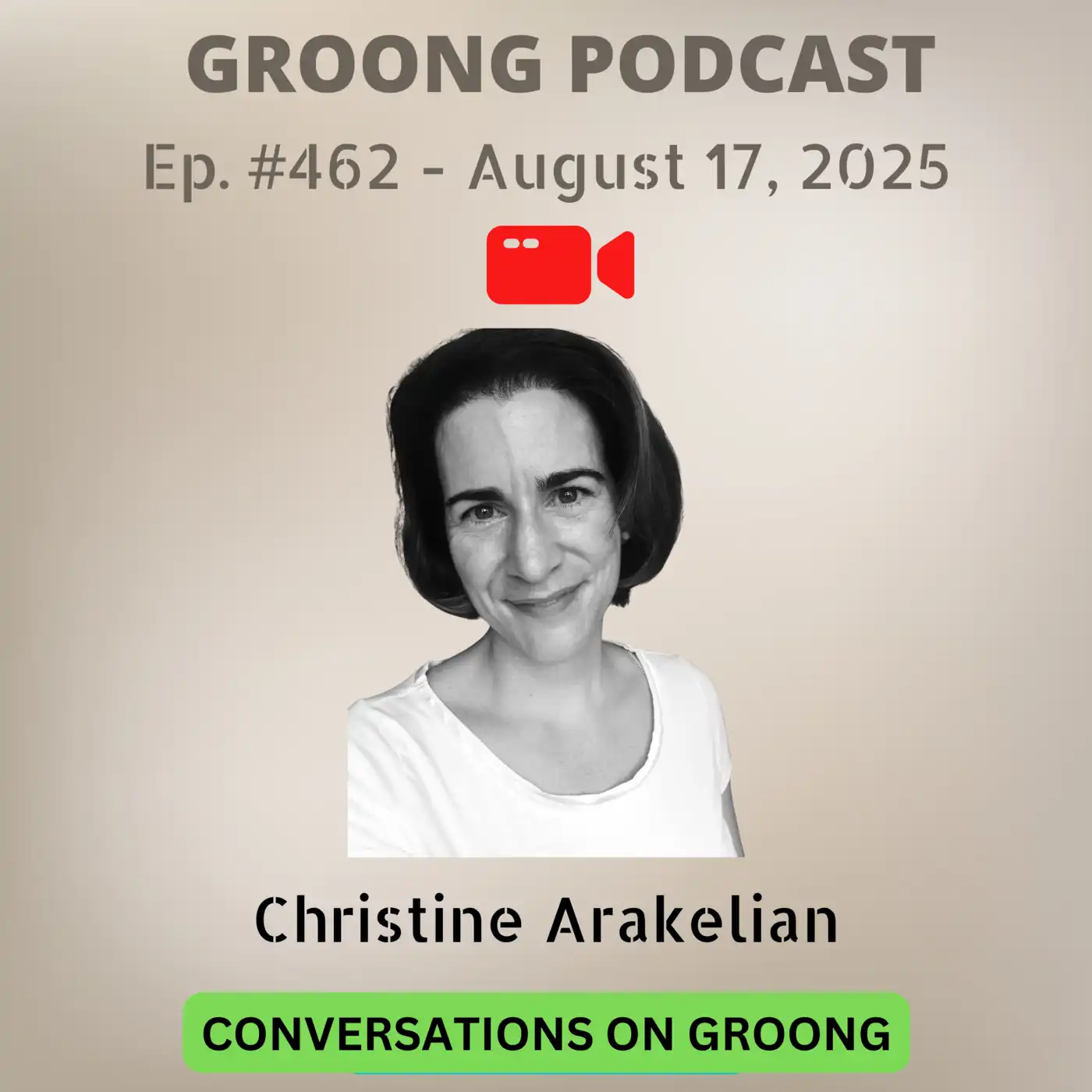
Groong Links:
Guest:
Topics:
- Pashinyan vs. The Armenian Church
- Indian-Armenian Relations
- NGOs and Foreign Influence
- U.S. Geopolitics and the Trump Corridor
Episode 462 | Recorded: August 15, 2025
Christine Arakelian - Pashinyan vs. the Church, India Armenia, NGOs and Foreign Influence | Ep 462, Aug 17, 2025 [EP462]
Posted on Sunday, Aug 17, 2025 | Category: Georgia, Politics, Armenia, Armenian Church, Human Rights, Russia, India, Turkey, Ukraine, Israel, EconomyGroong Links:
Guest:
Topics:
- Pashinyan vs. The Armenian Church
- Indian-Armenian Relations
- NGOs and Foreign Influence
- U.S. Geopolitics and the Trump Corridor
Episode 462 | Recorded: August 15, 2025
Hamid Bahrami - Iran and the corridor through Syunik, Armenia | Ep 461, Aug 16, 2025 [EP461]
Posted on Saturday, Aug 16, 2025 | Category: Iran, Geopolitics, Armenia, Azerbaijan, Russia, China, Turkey, Israel, Nagorno Karabakh, NATO, Ukraine, Syria, Middle East, Georgia | Series: cog, video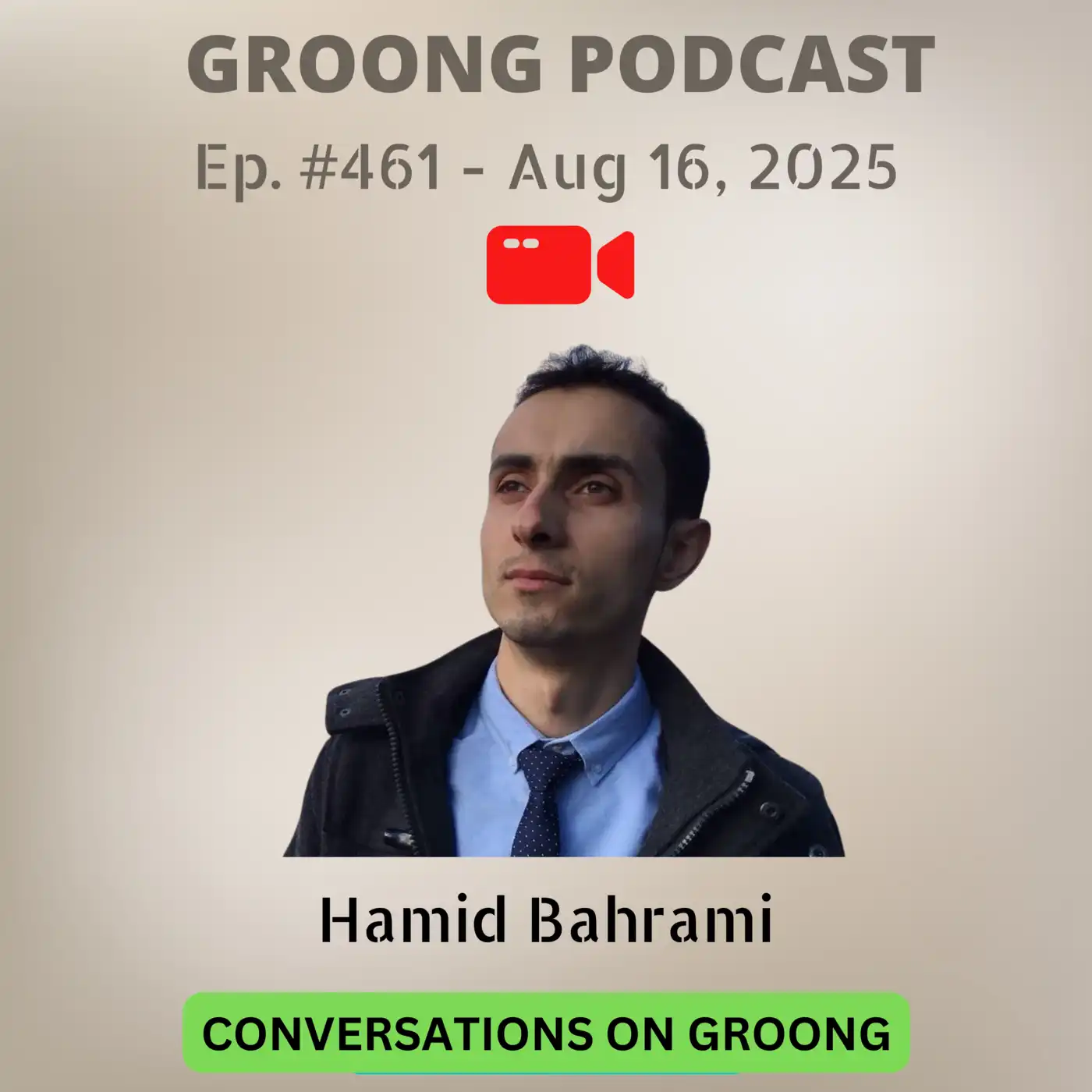
Groong Links:
Guest:
Topics:
- TRIPP Corridor & US Involvement
- US-Israel Strategy & War Risks
- Iranâs Missed Opportunities & Shifts
- Future of IranâArmenia Relations
Episode 461 | Recorded: August 13, 2025
Hamid Bahrami - Iran and the corridor through Syunik, Armenia | Ep 461, Aug 16, 2025 [EP461]
Posted on Saturday, Aug 16, 2025 | Category: Iran, Geopolitics, Armenia, Azerbaijan, Russia, China, Turkey, Israel, Nagorno Karabakh, NATO, Ukraine, Syria, Middle East, GeorgiaGroong Links:
Guest:
Topics:
- TRIPP Corridor & US Involvement
- US-Israel Strategy & War Risks
- Iranâs Missed Opportunities & Shifts
- Future of IranâArmenia Relations
Episode 461 | Recorded: August 13, 2025
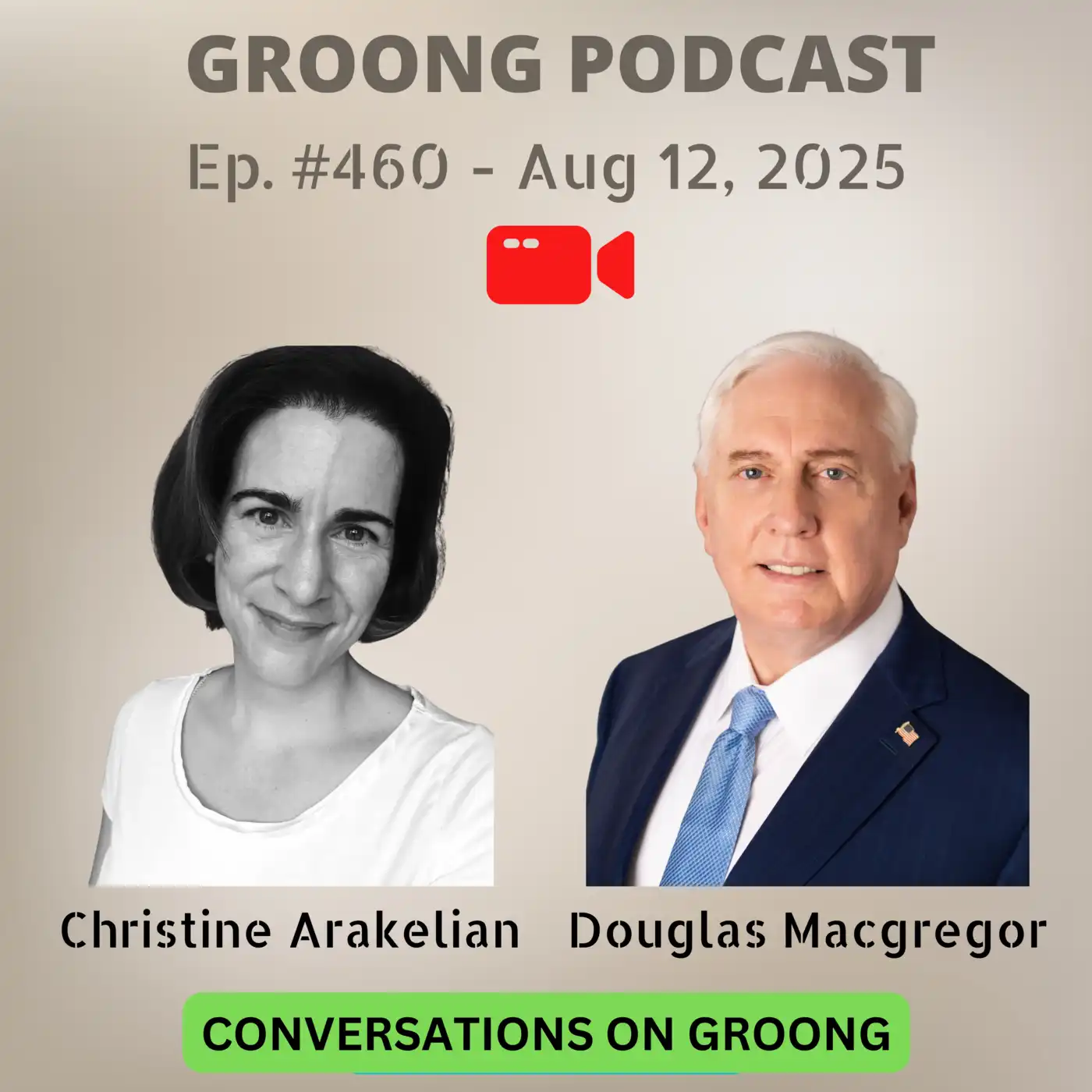
Groong Links:
Guest:
Topics:
- US Geopolitics
- #Gaza, #Iran, #Russia, #Ukraine
- #DonaldTrump, #Pashinyan, #Aliyev meet in the #WhiteHouse
Episode 460 | Recorded: August 11, 2025
Groong Links:
Guest:
Topics:
- US Geopolitics
- #Gaza, #Iran, #Russia, #Ukraine
- #DonaldTrump, #Pashinyan, #Aliyev meet in the #WhiteHouse
Episode 460 | Recorded: August 11, 2025
Dziunik Aghajanian - Trump, Aliyev, Pashinyan Oval Office Meeting and Reactions | Ep 459, Aug 10, 2025 [EP459]
Posted on Tuesday, Aug 12, 2025 | Category: Armenia, Politics, Iran, Nagorno Karabakh, Azerbaijan, Turkey, USA, Russia, BRICS, Genocide, China, Economy, Israel, Ukraine, Human Rights, Lebanon, Middle East, Syria | Series: wir, video
Groong Links:
Guest:
Topics:
- Trump, Aliyev, Pashinyan Meeting
- Iranian Reaction
- Russian Reaction
Episode 459 | Recorded: August 11, 2025
Dziunik Aghajanian - Trump, Aliyev, Pashinyan Oval Office Meeting and Reactions | Ep 459, Aug 10, 2025 [EP459]
Posted on Tuesday, Aug 12, 2025 | Category: Armenia, Politics, Iran, Nagorno Karabakh, Azerbaijan, Turkey, USA, Russia, BRICS, Genocide, China, Economy, Israel, Ukraine, Human Rights, Lebanon, Middle East, SyriaGroong Links:
Guest:
Topics:
- Trump, Aliyev, Pashinyan Meeting
- Iranian Reaction
- Russian Reaction
Episode 459 | Recorded: August 11, 2025
Summary In this episode, Christine Arakelian and Col. Douglas MacGregor join the hosts to analyze U.S. foreign policy moves from Gaza to the South Caucasus. They discuss Israel’s ongoing campaign in Gaza, the recent U.S. and Israeli strikes on Iran, and the likely resumption of hostilities. The conversation examines the Trump–Pashinyan–Aliyev White House summit, the strategic “Trump Corridor” across Armenia, and its impact on Russia, Iran, and India. The guests explore India–Armenia relations, U.S. economic vulnerabilities, and the challenges of sustaining a long-term American role in the Read More
Stanislav Krapivnik - The Evolving World Order, Russia, and the South Caucasus | Ep 458, Aug 9, 2025 [EP458]
Posted on Sunday, Aug 10, 2025 | Category: Georgia, Politics, Ukraine, Artsakh, Nagorno Karabakh, Armenia, Azerbaijan, Armenian Church, Russia, Iran, NATO, Turkey, Economy, Israel | Series: cog, video
Groong Links:
Guest:
Topics:
- Trump, Pashinyan, Aliyev DC Summit
- Ukraine War and the Shifting World Order
- Russia and the South Caucasus
Episode 458 | Recorded: August 9, 2025
Stanislav Krapivnik - The Evolving World Order, Russia, and the South Caucasus | Ep 458, Aug 9, 2025 [EP458]
Posted on Sunday, Aug 10, 2025 | Category: Georgia, Politics, Ukraine, Artsakh, Nagorno Karabakh, Armenia, Azerbaijan, Armenian Church, Russia, Iran, NATO, Turkey, Economy, IsraelGroong Links:
Guest:
Topics:
- Trump, Pashinyan, Aliyev DC Summit
- Ukraine War and the Shifting World Order
- Russia and the South Caucasus
Episode 458 | Recorded: August 9, 2025
Transcript: Stanislav Krapivnik - The Evolving World Order, Russia, and the South Caucasus | Ep 458, Aug 9, 2025 [EP458]
Posted on Sunday, Aug 10, 2025 | Category: Georgia, Politics, Ukraine, Artsakh, Nagorno Karabakh, Armenia, Azerbaijan, Armenian Church, Russia, Iran, NATO, Turkey, Economy, Israel, TranscriptIn this episode, former U.S. Army officer and military-political analyst Stanislav Krapivnik discusses the geopolitical fallout from the Trump-Pashinyan-Aliyev summit in Washington, which saw the announcement of a “peace” framework, the dissolution of the OSCE Minsk Group, U.S. plans for a 99-year “Trump Corridor” across Armenia, and the dropping of Section 907 to allow arms sales to Azerbaijan. He examines Russia’s heavy focus on the Ukraine war at the expense of the South Caucasus, the loss of Russian leverage over Armenia and Azerbaijan, and the growing role of Turkey. Krapivnik warns of Read More
Benyamin Poghosyan - Trump Ultimatum to Putin, Corridor Pressures, DC Summit, Kitchen Sink | Ep 457, Aug 3, 2025 [EP457]
Posted on Tuesday, Aug 5, 2025 | Category: Armenia, Politics, Poll, Artsakh, Nagorno Karabakh, Azerbaijan, Iran, Ukraine, Russia, India, China, Armenian Genocide, NATO | Series: wir, video
Groong Links:
Guest:
Topics:
- Trump Ultimatum to Putin
- US Sanctions effect on Armenia
- Turkey, US, and Armeniaâs Territory
- The Kitchen Sink
Episode 457 | Recorded: August 3, 2025
Benyamin Poghosyan - Trump Ultimatum to Putin, Corridor Pressures, DC Summit, Kitchen Sink | Ep 457, Aug 3, 2025 [EP457]
Posted on Tuesday, Aug 5, 2025 | Category: Armenia, Politics, Poll, Artsakh, Nagorno Karabakh, Azerbaijan, Iran, Ukraine, Russia, India, China, Armenian Genocide, NATOGroong Links:
Guest:
Topics:
- Trump Ultimatum to Putin
- US Sanctions effect on Armenia
- Turkey, US, and Armeniaâs Territory
- The Kitchen Sink
Episode 457 | Recorded: August 3, 2025
Benyamin Poghosyan - Public Trust in Freefall, Church on the Rise, and Corridor Pressures Mount | Ep 456, Jul 27, 2025 [EP456]
Posted on Tuesday, Jul 29, 2025 | Category: Armenia, Politics, Poll, Russia, Iran, Georgia, Azerbaijan, Turkey, Ukraine, Middle East, Israel, China, India, Geopolitics, Artsakh, Armenian Church, Nagorno Karabakh, European Union, Economy, Syria | Series: wir, video
Groong Links:
Guest:
Topics:
- Corridor Logic
- Crackdown Logic
- IRI Poll
- Russian-Azerbaijani Relations
Episode 456 | Recorded: July 28, 2025
Benyamin Poghosyan - Public Trust in Freefall, Church on the Rise, and Corridor Pressures Mount | Ep 456, Jul 27, 2025 [EP456]
Posted on Tuesday, Jul 29, 2025 | Category: Armenia, Politics, Poll, Russia, Iran, Georgia, Azerbaijan, Turkey, Ukraine, Middle East, Israel, China, India, Geopolitics, Artsakh, Armenian Church, Nagorno Karabakh, European Union, Economy, SyriaGroong Links:
Guest:
Topics:
- Corridor Logic
- Crackdown Logic
- IRI Poll
- Russian-Azerbaijani Relations
Episode 456 | Recorded: July 28, 2025
Arthur Khachatryan - Artsakh Negotiations, Armenian Domestic Politics | Ep 455, Jul 27, 2025 [EP455]
Posted on Sunday, Jul 27, 2025 | Category: Georgia, Politics, Artsakh, Nagorno Karabakh, Azerbaijan, Armenian Church, Armenia, Russia, Turkey, Human Rights, Ukraine, Genocide | Series: cog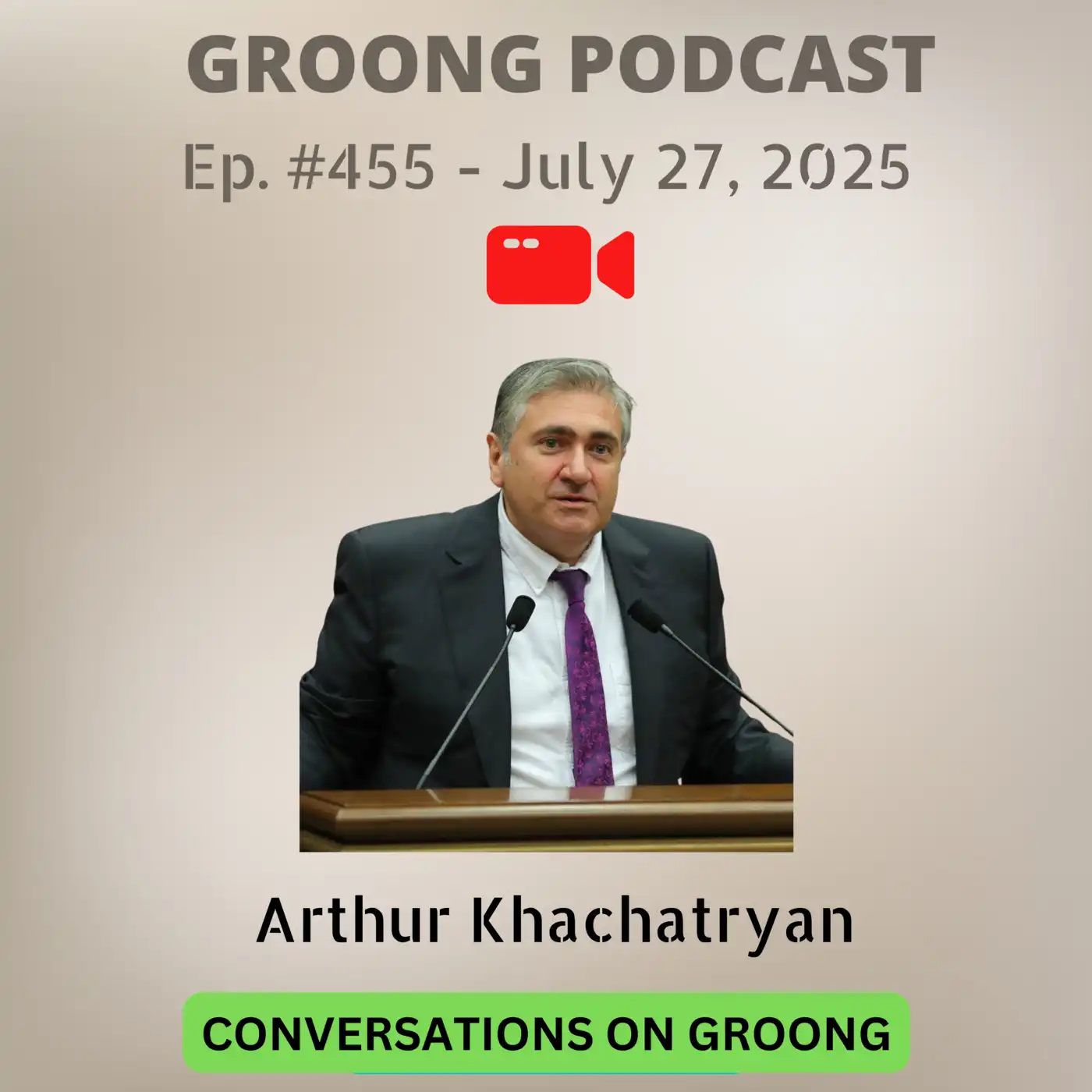
Groong Links:
Guest:
- Arthur Khachatryan , MP
Topics:
- Artsakh Negotiations
- Armenian Domestic Politics
Episode 455 | Recorded: July 25, 2025
Arthur Khachatryan - Artsakh Negotiations, Armenian Domestic Politics | Ep 455, Jul 27, 2025 [EP455]
Posted on Sunday, Jul 27, 2025 | Category: Georgia, Politics, Artsakh, Nagorno Karabakh, Azerbaijan, Armenian Church, Armenia, Russia, Turkey, Human Rights, Ukraine, GenocideGroong Links:
Guest:
- Arthur Khachatryan , MP
Topics:
- Artsakh Negotiations
- Armenian Domestic Politics
Episode 455 | Recorded: July 25, 2025
Archil Sikharulidze - Why does Georgia matter for the EU | Ep 454, Jul 24, 2025 [EP454]
Posted on Thursday, Jul 24, 2025 | Category: Georgia, Politics, Armenia, Azerbaijan, Russia, USA, Armenian Church, Nagorno Karabakh, European Union, Iran, China, Turkey, Ukraine, NATO, Economy, Human Rights, India, Israel | Series: cog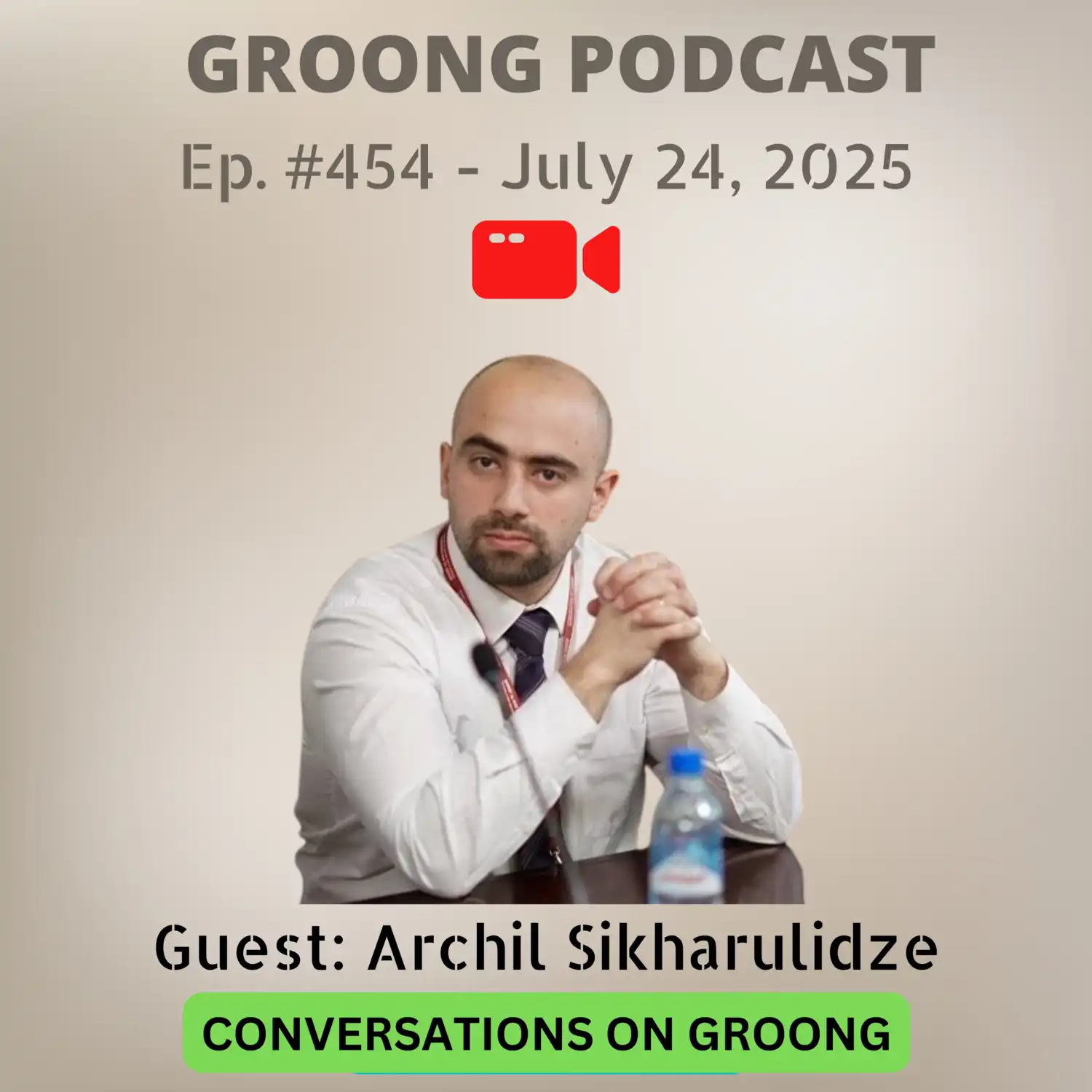
Groong Links:
Guest:
Topics:
- EU Strategy in the South Caucasus
- Attacks on the National Church
- 2025 Local Election Politics
Episode 454 | Recorded: July 22, 2025
Archil Sikharulidze - Why does Georgia matter for the EU | Ep 454, Jul 24, 2025 [EP454]
Posted on Thursday, Jul 24, 2025 | Category: Georgia, Politics, Armenia, Azerbaijan, Russia, USA, Armenian Church, Nagorno Karabakh, European Union, Iran, China, Turkey, Ukraine, NATO, Economy, Human Rights, India, IsraelGroong Links:
Guest:
Topics:
- EU Strategy in the South Caucasus
- Attacks on the National Church
- 2025 Local Election Politics
Episode 454 | Recorded: July 22, 2025
Pashinyan Meets Aliyev as Armenia Cracks Down on Opposition and Church | Ep 453, Jul 13, 2025 [EP453]
Posted on Sunday, Jul 13, 2025 | Category: Armenia, Politics, Artsakh, Nagorno Karabakh, Azerbaijan, Turkey, Russia, Armenian Church, Iran, Economy, Israel, NATO, Middle East, Ukraine | Series: wir, video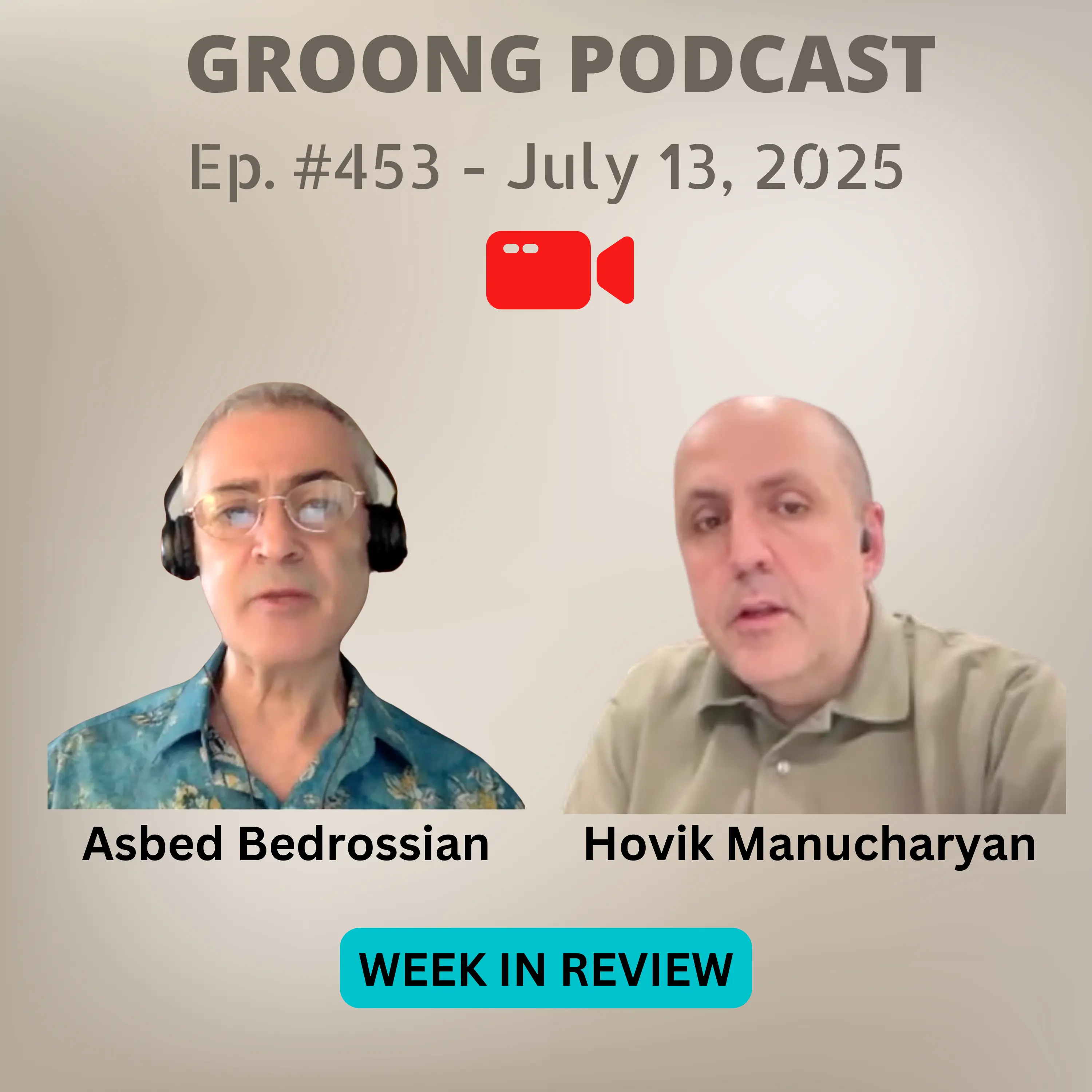
Groong Links:
Topics:
- Pashinyan meets Aliyev in Abu Dhabi
- Continued Persecution of Church and Opposition
Episode 453 | Recorded: July 13, 2025
Pashinyan Meets Aliyev as Armenia Cracks Down on Opposition and Church | Ep 453, Jul 13, 2025 [EP453]
Posted on Sunday, Jul 13, 2025 | Category: Armenia, Politics, Artsakh, Nagorno Karabakh, Azerbaijan, Turkey, Russia, Armenian Church, Iran, Economy, Israel, NATO, Middle East, UkraineGroong Links:
Topics:
- Pashinyan meets Aliyev in Abu Dhabi
- Continued Persecution of Church and Opposition
Episode 453 | Recorded: July 13, 2025
Arthur Martirosyan - Constitution, Western Controlled Syunik, Church Crackdown | Ep 452, Jul 6, 2025 [EP452]
Posted on Tuesday, Jul 8, 2025 | Category: Armenia, Politics, Turkey, Azerbaijan, Russia, Iran, Armenian Church, Artsakh, Nagorno Karabakh, Ukraine, NATO, China, Economy, Genocide | Series: wir, video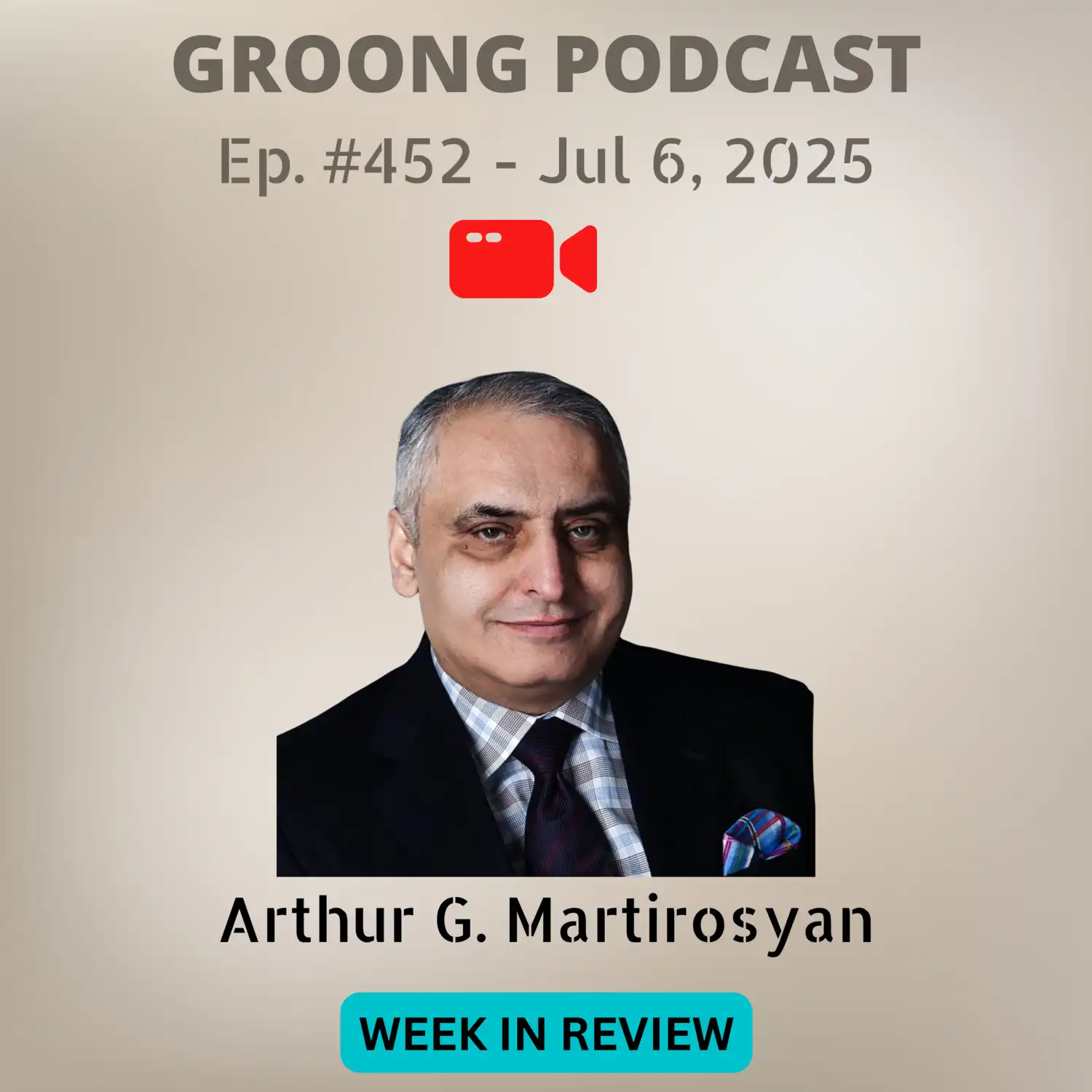
Groong Links:
Guest:
Topics:
- Constitution Day
- Western Controlled Syunik?
- What was Kallas Doing in Yerevan?
- Russian-Azerbaijani Relations
- Coup dâEtat? Or Coup dâÃglise?
- The Kitchen Sink
Episode 452 | Recorded: July 7, 2025
Arthur Martirosyan - Constitution, Western Controlled Syunik, Church Crackdown | Ep 452, Jul 6, 2025 [EP452]
Posted on Tuesday, Jul 8, 2025 | Category: Armenia, Politics, Turkey, Azerbaijan, Russia, Iran, Armenian Church, Artsakh, Nagorno Karabakh, Ukraine, NATO, China, Economy, GenocideGroong Links:
Guest:
Topics:
- Constitution Day
- Western Controlled Syunik?
- What was Kallas Doing in Yerevan?
- Russian-Azerbaijani Relations
- Coup dâEtat? Or Coup dâÃglise?
- The Kitchen Sink
Episode 452 | Recorded: July 7, 2025
Dziunik Aghajanian – Fallout from Israel’s War on Iran, Azerbaijan’s Confrontation with Russia, Pashinyan’s Persecution of the Armenian Church, while he courts the EU | Ep 451 [EP451]
Posted on Tuesday, Jul 1, 2025 | Category: Armenia, Politics, Iran, Nagorno Karabakh, Azerbaijan, Turkey, USA, Israel, Armenian Church, Artsakh, Georgia, Russia, Economy | Series: wir, video
Groong Links:
Guest:
Topics:
- Iran War
- Iran-Azerbaijan Relations
- Russian-Azerbaijani Tensions
- Russian-Armenian Relations
- Persecution of The Church Continues
- Kaja Kallas in Armenia
- OIC Declaration
Episode 451 | Recorded: June 30, 2025
Dziunik Aghajanian – Fallout from Israel’s War on Iran, Azerbaijan’s Confrontation with Russia, Pashinyan’s Persecution of the Armenian Church, while he courts the EU | Ep 451 [EP451]
Posted on Tuesday, Jul 1, 2025 | Category: Armenia, Politics, Iran, Nagorno Karabakh, Azerbaijan, Turkey, USA, Israel, Armenian Church, Artsakh, Georgia, Russia, EconomyGroong Links:
Guest:
Topics:
- Iran War
- Iran-Azerbaijan Relations
- Russian-Azerbaijani Tensions
- Russian-Armenian Relations
- Persecution of The Church Continues
- Kaja Kallas in Armenia
- OIC Declaration
Episode 451 | Recorded: June 30, 2025
Karen Kwiatkowski - Israel Attacks Iran, Where did Trump’s America 1st Go | Ep 450, June 28, 2025 [EP450]
Posted on Saturday, Jun 28, 2025 | Category: Iran, USA, Geopolitics, Israel, Ukraine, China, Russia, Armenia, NATO, Syria, Turkey, Middle East, Lebanon, Azerbaijan | Series: cog, video
Groong Links:
Guest:
Topics:
- The 12-Day War
- Where did Trumpâs American 1st Go?
Episode 450 | Recorded: June 26, 2025
Karen Kwiatkowski - Israel Attacks Iran, Where did Trump’s America 1st Go | Ep 450, June 28, 2025 [EP450]
Posted on Saturday, Jun 28, 2025 | Category: Iran, USA, Geopolitics, Israel, Ukraine, China, Russia, Armenia, NATO, Syria, Turkey, Middle East, Lebanon, AzerbaijanGroong Links:
Guest:
Topics:
- The 12-Day War
- Where did Trumpâs American 1st Go?
Episode 450 | Recorded: June 26, 2025
Transcript: Karen Kwiatkowski - Israel Attacks Iran, Where did Trump’s America 1st Go | Ep 450, June 28, 2025 [EP450]
Posted on Saturday, Jun 28, 2025 | Category: Iran, USA, Geopolitics, Israel, Ukraine, China, Russia, Armenia, NATO, Syria, Turkey, Middle East, Lebanon, Azerbaijan, TranscriptThe 12-Day War. Where did Trump’s American 1st Go?
Sergei Melkonian - Israel & Iran, Opposition Crackdown, Pashinyan in Istanbul | Ep 449, Jun 22, 2025 [EP449]
Posted on Thursday, Jun 26, 2025 | Category: Armenia, Politics, Iran, Israel, Azerbaijan, Turkey, Russia, Artsakh, Nagorno Karabakh, Armenian Church, Economy, China, Middle East | Series: wir, video
Groong Links:
Guest:
Topics:
- Israel and Iran
- Crackdown on the Opposition
- Pashinyan in Istanbul
- The Kitchen Sink
Episode 449 | Recorded: June 25, 2025
Sergei Melkonian - Israel & Iran, Opposition Crackdown, Pashinyan in Istanbul | Ep 449, Jun 22, 2025 [EP449]
Posted on Thursday, Jun 26, 2025 | Category: Armenia, Politics, Iran, Israel, Azerbaijan, Turkey, Russia, Artsakh, Nagorno Karabakh, Armenian Church, Economy, China, Middle EastGroong Links:
Guest:
Topics:
- Israel and Iran
- Crackdown on the Opposition
- Pashinyan in Istanbul
- The Kitchen Sink
Episode 449 | Recorded: June 25, 2025
Arman Grigoryan - Iran and US vs Iran, Strategic Dangers to Armenia | Ep 448, Jun 23, 2025 [EP448]
Posted on Monday, Jun 23, 2025 | Category: Iran, Russia, Armenia, Israel, Politics, Syria, China, USA, Azerbaijan, European Union, Turkey, Ukraine, Middle East, Georgia | Series: cog, video
Groong Links:
Guest:
Topics:
- Israelâs war on Iran and U.S. involvement
- Risks of Iranian regime change or partition
- Strategic dangers to Armenia
Episode 448 | Recorded: June 21, 2025
Arman Grigoryan - Iran and US vs Iran, Strategic Dangers to Armenia | Ep 448, Jun 23, 2025 [EP448]
Posted on Monday, Jun 23, 2025 | Category: Iran, Russia, Armenia, Israel, Politics, Syria, China, USA, Azerbaijan, European Union, Turkey, Ukraine, Middle East, GeorgiaGroong Links:
Guest:
Topics:
- Israelâs war on Iran and U.S. involvement
- Risks of Iranian regime change or partition
- Strategic dangers to Armenia
Episode 448 | Recorded: June 21, 2025
Fyodor Lukyanov - Israel Attacks Iran: Perspectives From Russia | Ep 447, Jun 16, 2025 [EP447]
Posted on Monday, Jun 16, 2025 | Category: Iran, Russia, Armenia, Israel, Politics, Azerbaijan, Georgia, Geopolitics, Turkey, Ukraine, Armenian Church, Artsakh Blockade, NATO, China, Syria, Middle East, Economy | Series: cog, video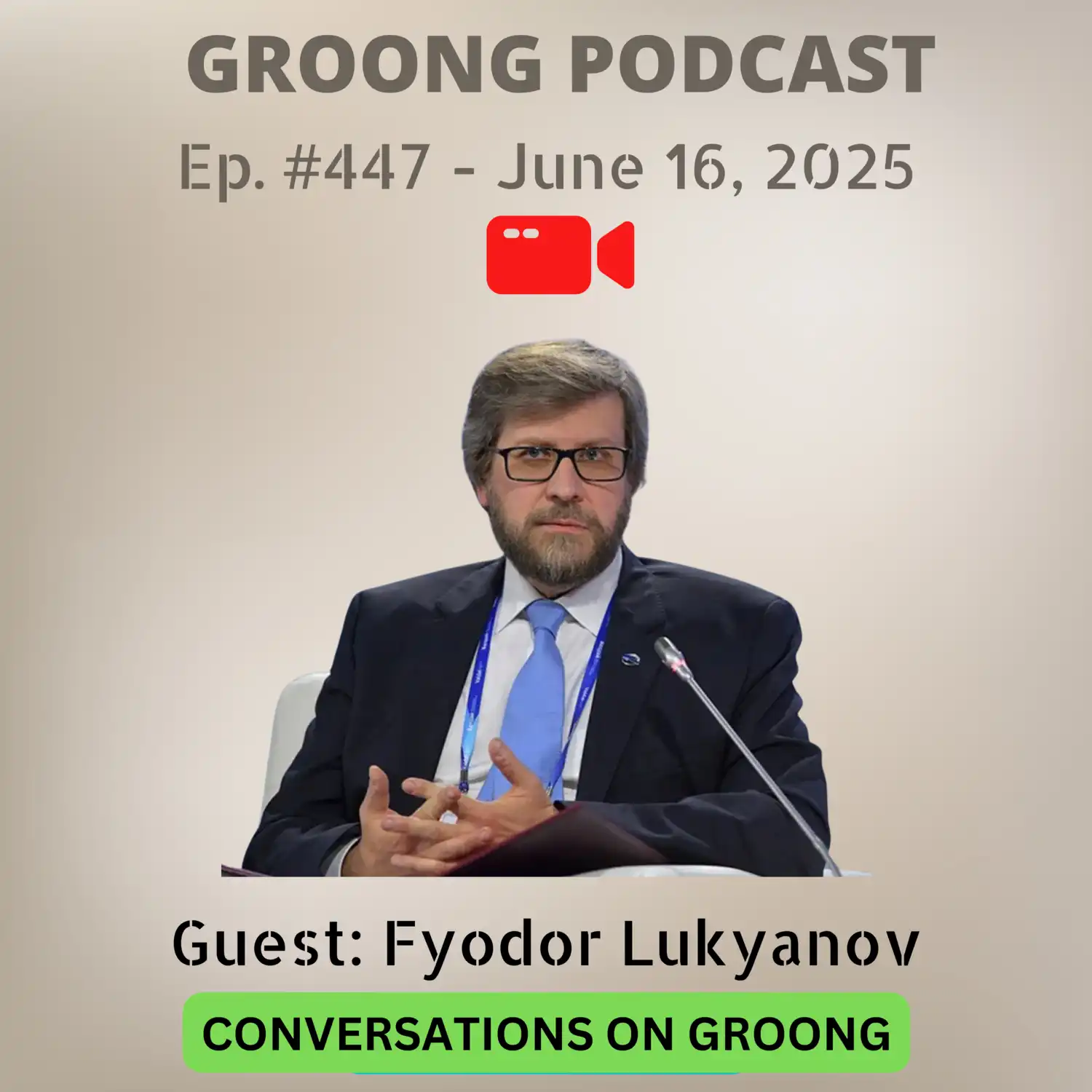
Groong Links:
Guest:
Topics:
- Israel hits Iran, talks collapse
- Armenia at risk if Iran weakens
- Russia hardens stance on Ukraine
Episode 447 | Recorded: June 15, 2025
Fyodor Lukyanov - Israel Attacks Iran: Perspectives From Russia | Ep 447, Jun 16, 2025 [EP447]
Posted on Monday, Jun 16, 2025 | Category: Iran, Russia, Armenia, Israel, Politics, Azerbaijan, Georgia, Geopolitics, Turkey, Ukraine, Armenian Church, Artsakh Blockade, NATO, China, Syria, Middle East, EconomyGroong Links:
Guest:
Topics:
- Israel hits Iran, talks collapse
- Armenia at risk if Iran weakens
- Russia hardens stance on Ukraine
Episode 447 | Recorded: June 15, 2025
Transcript: Fyodor Lukyanov - Israel Attacks Iran: Perspectives From Russia | Ep 447, Jun 16, 2025 [EP447]
Posted on Monday, Jun 16, 2025 | Category: Iran, Russia, Armenia, Israel, Politics, Azerbaijan, Georgia, Geopolitics, Turkey, Ukraine, Armenian Church, Artsakh Blockade, NATO, China, Syria, Middle East, Economy, TranscriptIn this episode of Conversations on Groong, we speak with Fyodor Lukyanov, editor-in-chief of Russia in Global Affairs, to analyze the geopolitical fallout from Israel’s surprise military campaign against Iran, known as Operation Rising Lion. We explore how the attacks may sabotage U.S.-Iran nuclear negotiations, shift Russia’s strategic calculus, and destabilize the South Caucasus—particularly Armenia’s Syunik province. We also examine the implications for Russia-Iran relations, the Zangezur corridor, and Azerbaijan’s military posture. Finally, we discuss Ukraine’s Operation Spiderweb, recent Read More
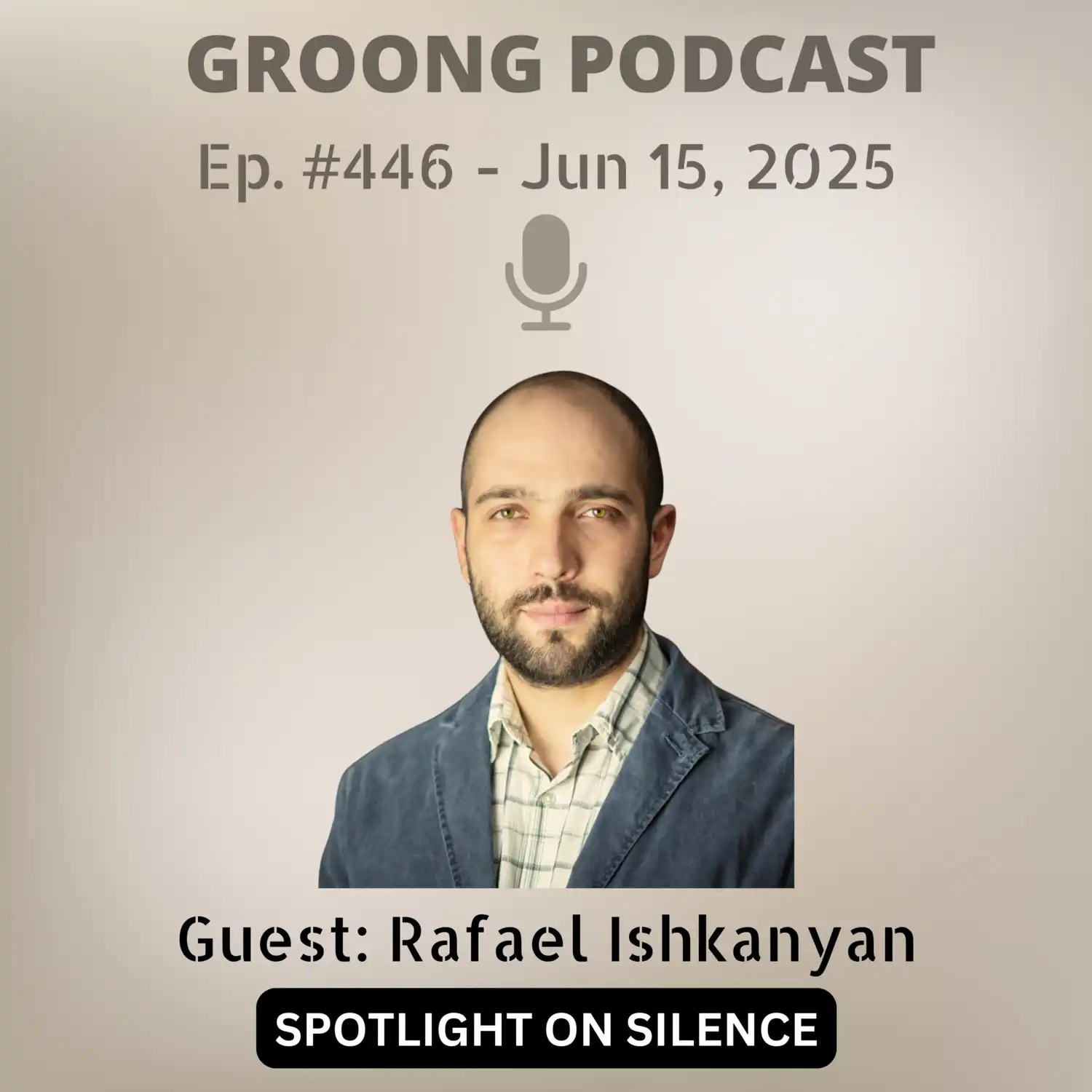
Groong Links:
Guest:
Topics:
- Armenia legalizes round-the-clock surveillance.
- Law enables political targeting, critics warn.
- No oversight, no privacy laws.
- Silence from Armenia’s new geopolitical allies.
Episode 446 | Recorded: June 12, 2025
Spotlight on Silence: Surveillance State: Armenia’s Biometric Crackdown | Ep 446, Jun 15, 2025 [EP446]
Posted on Sunday, Jun 15, 2025 | Category: Armenia, Privacy, Human Rights, Georgia, Russia, Economy, Ukraine, ChinaGroong Links:
Guest:
Topics:
- Armenia legalizes round-the-clock surveillance.
- Law enables political targeting, critics warn.
- No oversight, no privacy laws.
- Silence from Armenia’s new geopolitical allies.
Episode 446 | Recorded: June 12, 2025
Transcript: Spotlight on Silence: Surveillance State: Armenia’s Biometric Crackdown | Ep 446, Jun 15, 2025 [EP446]
Posted on Sunday, Jun 15, 2025 | Category: Armenia, Privacy, Human Rights, Georgia, Russia, Economy, Ukraine, China, TranscriptIn this episode of Groong: Spotlight on Silence, we speak with Rafael Ishkhanyan of the Armenian Center for Political Rights about Armenia’s sweeping new surveillance law. Passed quietly in March 2025, the law grants police 24/7 access to camera networks across public institutions and allows for real-time facial recognition, raising deep concerns about privacy, political targeting, and unchecked state power. We explore what the law says, what it leaves out, and why international silence—despite clear risks to civil liberties—has been so striking.
Rananjay Anand – Will India Turn to Armenia Amid Turkey-Azerbaijan Fallout? | Ep 445, June 12, 2025 [EP445]
Posted on Thursday, Jun 12, 2025 | Category: Armenia, Geopolitics, India, Turkey, Azerbaijan, Nagorno Karabakh, Economy, China, Genocide | Series: cog, video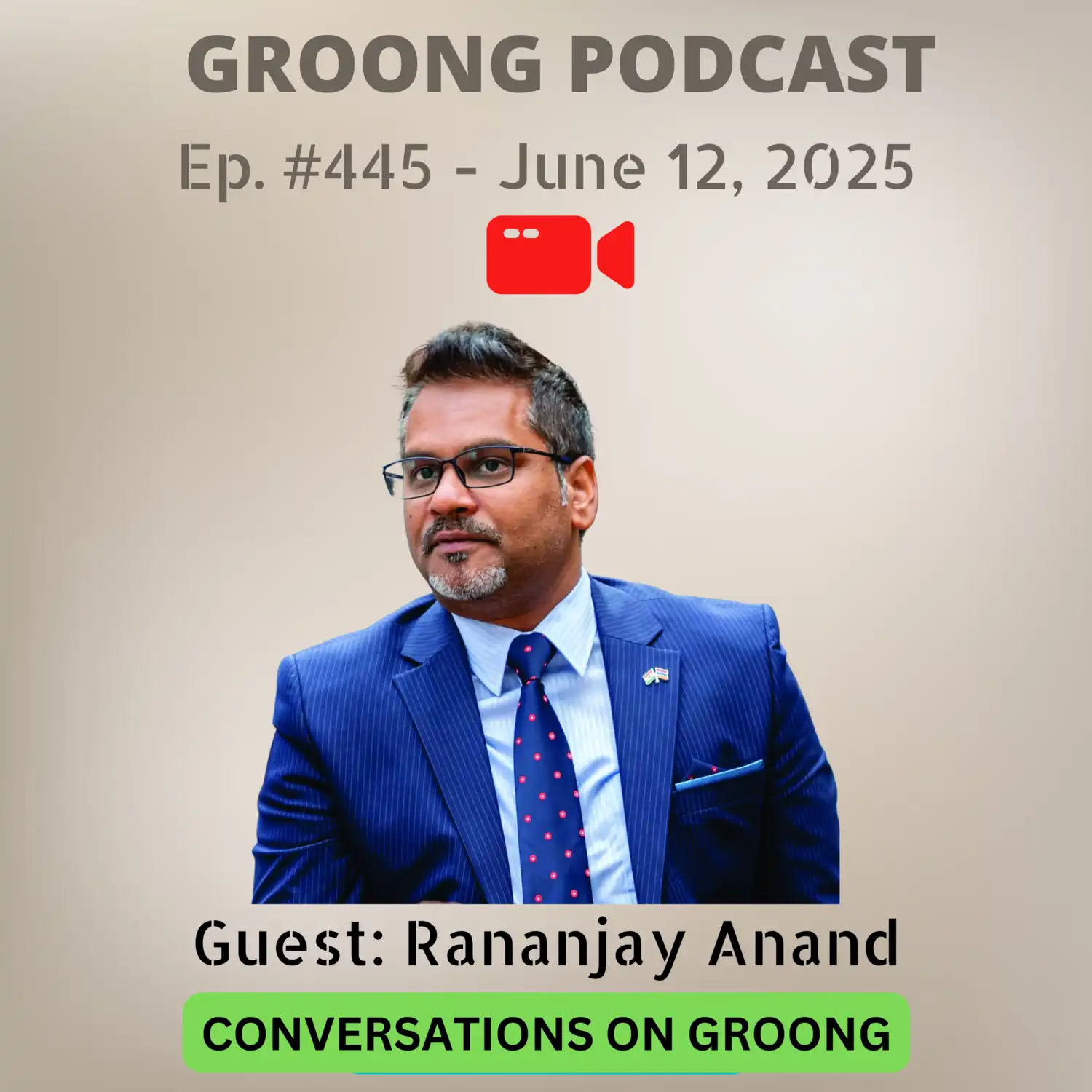
Groong Links:
Guest:
- Rananjay Anand , Co-Founder & President of the Indo-Armenian Friendship NGO.
Topics:
- Operation Sindoor
- Indians Boycott Turkey & Azerbaijan
- Armenia as a Robus Partner
Episode 445 | Recorded: June 9, 2025