Armenia
Last updated: June 10, 2026
Armenia is a landlocked nation in the South Caucasus region of Western Asia, bordered by Georgia, Azerbaijan, Iran, and Turkey. With a population of approximately 3 million, Armenia is one of the world’s oldest Christian civilizations, having adopted Christianity as its state religion in 301 CE—the first country to do so. The capital and largest city is Yerevan, located in the central part of the country. Armenia’s geography is characterized by the Armenian Highlands, a mountainous region with an average elevation exceeding 1,600 meters. The country is known for its rich cultural heritage, including ancient churches, monasteries, and archaeological sites. Armenia is a member of numerous international organizations including the United Nations, World Trade Organization, and the Eurasian Economic Union.
In the context of Groong’s coverage, Armenia is a landlocked South Caucasus republic facing an acute strategic and political crisis. Since the 2020 44-Day War , the country has lost control of Artsakh (Nagorno Karabakh) and hundreds of square kilometers of territory to Azerbaijan, undergone the complete ethnic cleansing of more than 150,000 Armenian inhabitants from Artsakh, and seen its borders redrawn under duress. Prime Minister Nikol Pashinyan and his Civil Contract party have governed through this catastrophe while pursuing what opponents describe as a capitulation strategy: signing ceasefire agreements, negotiating territorial concessions, and attempting to normalize relations with Turkey despite no reciprocal gesture. The government frames this course as realism and peace-building; critics argue it surrenders Armenian sovereignty without securing the rights or security of displaced Artsakhtsis. Armenia’s relationship with its traditional security guarantor Russia has deteriorated sharply, while its pivot toward the European Union and United States remains hesitant and incomplete, leaving the country in a precarious middle position between Moscow and the West.
Domestic politics in Armenia since 2021 have been dominated by the opposition’s demand for Pashinyan’s resignation and accountability for the war’s loss. The Established Opposition parties—Strong Armenia , Armenia Alliance (Hayastan Dashinq) , Prosperous Armenia , and the Republican Party of Armenia —have held street protests, mounted electoral challenges, and attempted to build coalitions for the June 7, 2026 parliamentary elections. Civil Contract’s supermajority in parliament has allowed it to pass constitutional amendments, strip opposition figures of immunity, and advance its agenda despite sustained criticism over corruption, misuse of administrative resources, and alleged election irregularities. The government has also escalated confrontation with the Armenian Church , arresting clergy, seizing church property, and pressuring the Catholicos , actions that have alarmed international observers and divided public opinion. Simultaneously, Pashinyan has consolidated control over state institutions, including the judiciary and security services, raising concerns about democratic backsliding and rule of law.
Armenia’s economy remains fragile. Growth statistics mask structural weaknesses: the country is heavily dependent on remittances and Russian trade, faces declining foreign investment, carries rising national debt, and has seen its ties to Iran—a key trade and energy partner—complicated by U.S. pressure over TRIPP, the so-called Trump Route for International Peace and Prosperity . The project aims to open transport corridors through Armenian territory in Syunik province, a move that would connect Azerbaijan to Turkey via Armenian land and raise questions about Armenian sovereignty over the route and control of its security. Russia has shifted from enthusiastic support of the corridor to public ambivalence, while Iran has issued explicit warnings that it will not accept any arrangement that bypasses or threatens its interests. The competing pressures from Washington, Moscow, Tehran, and Baku leave Armenia’s leadership navigating impossible choices between security guarantees that do not yet exist and economic partnerships that require territorial and strategic concessions it is reluctant to make permanent. The 2026 election will determine whether Armenian voters remain committed to Pashinyan’s course or whether opposition forces can forge a unified alternative around themes of security, sovereignty, and the rights of displaced Artsakhtsis to return home.
Groong episodes that include this tag
Below are all Groong episodes tagged with Armenia.
Rubio Visit, New MPG and IRI Polls, Hidden Votes and Why Are You Alive? | Ep 550, May 24, 2026 [EP550]
Posted on Wednesday, May 27, 2026 | Category: Armenia, Politics, Poll, Armenian Church, Nagorno Karabakh, Armenian Genocide, Azerbaijan, Russia, China | Series: wir, video
Groong Links:
Topics:
- Rubio’s sudden Armenia visit
- Polls diverge before election
- Hidden vote raises questions
- TRIPP remains deeply polarizing
- “Western Azerbaijan” pressure grows
- Opposition faces arrests, threats
- “Why are you alive?” campaign rhetoric
Episode 550 | Recorded: May 25, 2026
#ArmeniaElections #Armenia #NikolPashinyan #TRIPP #ZangezurCorridor #WesternAzerbaijan #ArmenianOpposition
Rubio Visit, New MPG and IRI Polls, Hidden Votes and Why Are You Alive? | Ep 550, May 24, 2026 [EP550]
Posted on Wednesday, May 27, 2026 | Category: Armenia, Politics, Poll, Armenian Church, Nagorno Karabakh, Armenian Genocide, Azerbaijan, Russia, ChinaGroong Links:
Topics:
- Rubio’s sudden Armenia visit
- Polls diverge before election
- Hidden vote raises questions
- TRIPP remains deeply polarizing
- “Western Azerbaijan” pressure grows
- Opposition faces arrests, threats
- “Why are you alive?” campaign rhetoric
Episode 550 | Recorded: May 25, 2026
#ArmeniaElections #Armenia #NikolPashinyan #TRIPP #ZangezurCorridor #WesternAzerbaijan #ArmenianOpposition
Transcript: Rubio Visit, New MPG and IRI Polls, Hidden Votes and Why Are You Alive? | Ep 550, May 24, 2026 [EP550]
Posted on Wednesday, May 27, 2026 | Category: Armenia, Politics, Poll, Armenian Church, Nagorno Karabakh, Armenian Genocide, Azerbaijan, Russia, China, TranscriptThis Week in Review examines the tightening political climate in Armenia ahead of the June 2026 parliamentary elections. Asbed and Hovik discuss Marco Rubio’s sudden Armenia visit, new polling from IRI, MPG, and CAEAC, and what the wide gaps in voter disclosure may reveal about hidden opposition support. The episode also covers TRIPP, “Western Azerbaijan” rhetoric, public trust in the Armenian Apostolic Church, and the growing use of arrests, threats, and state pressure against opposition figures. The discussion centers on Pashinyan’s escalating campaign rhetoric, including his “Why are you alive?” outburst, and what it signals about the stakes of the coming election.
Edgar Elbakyan - The Battle for Armenia’s Political Future | Ep 549, May 24, 2026 [EP549]
Posted on Sunday, May 24, 2026 | Category: Armenia, Politics, Armenian Church, Nagorno Karabakh, Azerbaijan | Series: cog, video
Groong Links:
Guest:
Topics:
- Armenia’s existential election
- Polling under fear
- Divergent polling results
- Church and state conflict
- Post-election street pressure
Episode 549 | Recorded: May 22, 2026
#Armenia #ArmenianPolitics #EdgarElbakyan #StrongArmenia #ArmeniaAlliance #ArmeniaElections
Edgar Elbakyan - The Battle for Armenia’s Political Future | Ep 549, May 24, 2026 [EP549]
Posted on Sunday, May 24, 2026 | Category: Armenia, Politics, Armenian Church, Nagorno Karabakh, AzerbaijanGroong Links:
Guest:
Topics:
- Armenia’s existential election
- Polling under fear
- Divergent polling results
- Church and state conflict
- Post-election street pressure
Episode 549 | Recorded: May 22, 2026
#Armenia #ArmenianPolitics #EdgarElbakyan #StrongArmenia #ArmeniaAlliance #ArmeniaElections
Groong News Digest — Week of May 18–24, 2026
Posted on Sunday, May 24, 2026 | Category: Digest, News DigestArmenia’s June 7 parliamentary campaign turned sharply confrontational as security forces raided opposition offices, Russia escalated economic pressure through export bans, and Pashinyan announced new railway connectivity through Turkey while signaling further territorial concessions to Azerbaijan.
Parties and Alliances in the 2026 Armenian Parliamentary Election | Ep 548, May 22, 2026 [EP548]
Posted on Saturday, May 23, 2026 | Category: Armenia, Politics, Armenian Church, Nagorno Karabakh, Artsakh Blockade, BRICS, Russia, Iran, Azerbaijan, European Union | Series: cog, video
Groong Links:
Topics:
- Armenia’s election rules
- Parties and alliances competing
- MPG polling and thresholds
- Opposition challenges and turnout
- Geopolitical positions heatmap
Episode 548 | Recorded: May 22, 2026
#Armenia #ArmenianElections #ArmenianPolitics #Artsakh #SouthCaucasus #CivilContract #StrongArmenia #HayastanDashinq
Parties and Alliances in the 2026 Armenian Parliamentary Election | Ep 548, May 22, 2026 [EP548]
Posted on Saturday, May 23, 2026 | Category: Armenia, Politics, Armenian Church, Nagorno Karabakh, Artsakh Blockade, BRICS, Russia, Iran, Azerbaijan, European UnionGroong Links:
Topics:
- Armenia’s election rules
- Parties and alliances competing
- MPG polling and thresholds
- Opposition challenges and turnout
- Geopolitical positions heatmap
Episode 548 | Recorded: May 22, 2026
#Armenia #ArmenianElections #ArmenianPolitics #Artsakh #SouthCaucasus #CivilContract #StrongArmenia #HayastanDashinq
Transcript: Edgar Elbakyan - The Battle for Armenia’s Political Future | Ep 549, May 24, 2026 [EP549]
Posted on Sunday, May 24, 2026 | Category: Armenia, Politics, Armenian Church, Nagorno Karabakh, Azerbaijan, TranscriptThis Conversations on Groong episode features Edgar Elbakyan in a discussion of Armenia’s upcoming election and the wider struggle over the country’s political future. The conversation examines whether the vote should be viewed as an existential election, how fear and pressure shape public opinion, why polling results differ so sharply, and which political forces may be positioned to enter parliament. The episode also looks at whether the opposition is focused on the issues that matter most, including statehood, security, public trust, and the possibility that the election may not end at the ballot box.
Transcript: Parties and Alliances in the 2026 Armenian Parliamentary Election | Ep 548, May 22, 2026 [EP548]
Posted on Saturday, May 23, 2026 | Category: Armenia, Politics, Armenian Church, Nagorno Karabakh, Artsakh Blockade, BRICS, Russia, Iran, Azerbaijan, European Union, TranscriptThis Conversations on Groong episode provides a primer on Armenia’s June 7, 2026 parliamentary elections, reviewing the 17 parties and 2 alliances registered to compete. The discussion explains the election rules, thresholds, coalition process, and the “stable majority” mechanism, while stressing the uneven political environment facing opposition forces. The episode then walks through each participant, including Civil Contract, Strong Armenia, Armenia Alliance, Prosperous Armenia, Wings of Unity, Bright Armenia, ANC, Bever, Republic, DOK, Democratic Consolidation, and smaller parties with Read More
Pashinyan's Hate Speech, Threats, and the June 7 Election Climate | Ep 547, May 17, 2026 [EP547]
Posted on Tuesday, May 19, 2026 | Category: Armenia, Politics, Election, Armenian Church, Nagorno Karabakh, Artsakh Blockade, Russia, China, Azerbaijan, Georgia, Iran, NATO | Series: wir, video
Groong Links:
Topics:
- Trump, China, and Iran
- Armenia-Russia “soft divorce”
- Pashinyan’s violent campaign rhetoric
- State resources and election pressure
- Javakhk church vandalism concerns
Episode 547 | Recorded: May 18, 2026
#Pashinyan #ArmeniaElections #ArmenianPolitics #PoliticalViolence #HateSpeech #ArmeniaRussia #IranWar #SouthCaucasus
Pashinyan's Hate Speech, Threats, and the June 7 Election Climate | Ep 547, May 17, 2026 [EP547]
Posted on Tuesday, May 19, 2026 | Category: Armenia, Politics, Election, Armenian Church, Nagorno Karabakh, Artsakh Blockade, Russia, China, Azerbaijan, Georgia, Iran, NATOGroong Links:
Topics:
- Trump, China, and Iran
- Armenia-Russia “soft divorce”
- Pashinyan’s violent campaign rhetoric
- State resources and election pressure
- Javakhk church vandalism concerns
Episode 547 | Recorded: May 18, 2026
#Pashinyan #ArmeniaElections #ArmenianPolitics #PoliticalViolence #HateSpeech #ArmeniaRussia #IranWar #SouthCaucasus
Transcript: Pashinyan's Hate Speech, Threats, and the June 7 Election Climate | Ep 547, May 17, 2026 [EP547]
Posted on Tuesday, May 19, 2026 | Category: Armenia, Politics, Election, Armenian Church, Nagorno Karabakh, Artsakh Blockade, Russia, China, Azerbaijan, Georgia, Iran, NATO, TranscriptThis Week in Review covers a tense mix of global and Armenian political crises, from Trump’s summit with Xi Jinping and the deepening Iran war, to Armenia’s worsening relations with Russia and the risks to trade, energy, and security ties. Hovik and Asbed also examine Armenia’s heated election climate, including allegations of state pressure, abuse of administrative resources, selective law enforcement, Pashinyan’s violent campaign rhetoric against opposition leaders, and the muted response of international observers. The episode also looks at Robert Kocharyan’s call for major-power guarantees for peace with Azerbaijan, and the vandalism of the Sourp Nshan Armenian Church in Javakhk.
Arman Grigoryan - Revolutionary Recklessness: Armenia After the War | Ep 546, May 15, 2026 [EP546]
Posted on Friday, May 15, 2026 | Category: Armenia, Politics, Geopolitics, Nagorno Karabakh, Artsakh Blockade, Russia, Iran, Israel, Azerbaijan, Turkey, Ukraine, NATO | Series: cog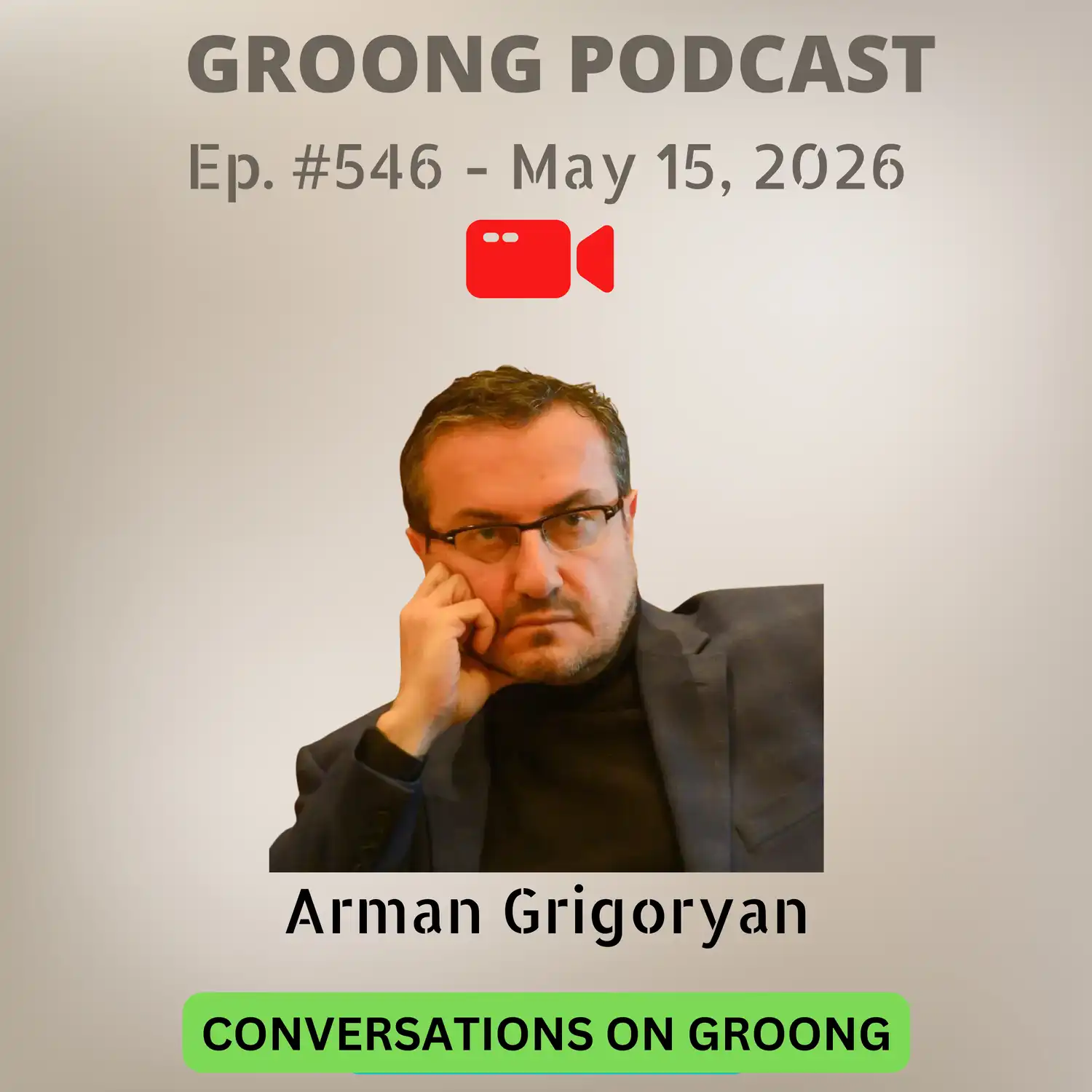
Groong Links:
Guest(s):
Topics:
- Revolutionary recklessness after 2020
- Armenia’s pivot away from Russia
- Artsakh’s surrender and strategic reorientation
- TRIPP, Syunik, and security guarantees
- Western backing, Armenian risk
Episode 546 | Recorded: May 13, 2026
#ArmanGrigoryan #Armenia #Russia #Pashinyan #Artsakh #TRIPP #SouthCaucasus #Geopolitics
Arman Grigoryan - Revolutionary Recklessness: Armenia After the War | Ep 546, May 15, 2026 [EP546]
Posted on Friday, May 15, 2026 | Category: Armenia, Politics, Geopolitics, Nagorno Karabakh, Artsakh Blockade, Russia, Iran, Israel, Azerbaijan, Turkey, Ukraine, NATOGroong Links:
Guest(s):
Topics:
- Revolutionary recklessness after 2020
- Armenia’s pivot away from Russia
- Artsakh’s surrender and strategic reorientation
- TRIPP, Syunik, and security guarantees
- Western backing, Armenian risk
Episode 546 | Recorded: May 13, 2026
#ArmanGrigoryan #Armenia #Russia #Pashinyan #Artsakh #TRIPP #SouthCaucasus #Geopolitics
Transcript: Arman Grigoryan - Revolutionary Recklessness: Armenia After the War | Ep 546, May 15, 2026 [EP546]
Posted on Friday, May 15, 2026 | Category: Armenia, Politics, Geopolitics, Nagorno Karabakh, Artsakh Blockade, Russia, Iran, Israel, Azerbaijan, Turkey, Ukraine, NATO, TranscriptDr. Arman Grigoryan joins Groong to discuss Armenia’s post-2020 foreign policy and his argument that Pashinyan’s government has replaced one failed project, maximalist claims over Artsakh, with another: a risky strategic pivot away from Russia and toward the West. The conversation examines “revolutionary recklessness,” the roots of the 2020 war, Armenia’s worsening ties with Russia, the surrender of Artsakh, TRIPP and Syunik, Western encouragement, and the absence of firm security guarantees. Grigoryan also considers whether Armenia is gaining real sovereignty or exposing itself to greater pressure from Azerbaijan, Turkey, and Russia.
Week in Review - EPC in Armenia, Russia, Parliamentary Election, Swiss Peace Initiative | Ep 545, May 10, 2026 [EP545]
Posted on Wednesday, May 13, 2026 | Category: Armenia, Politics, Nagorno Karabakh, Artsakh Blockade, Azerbaijan, Russia, Ukraine, NATO, European Union, Human Rights | Series: wir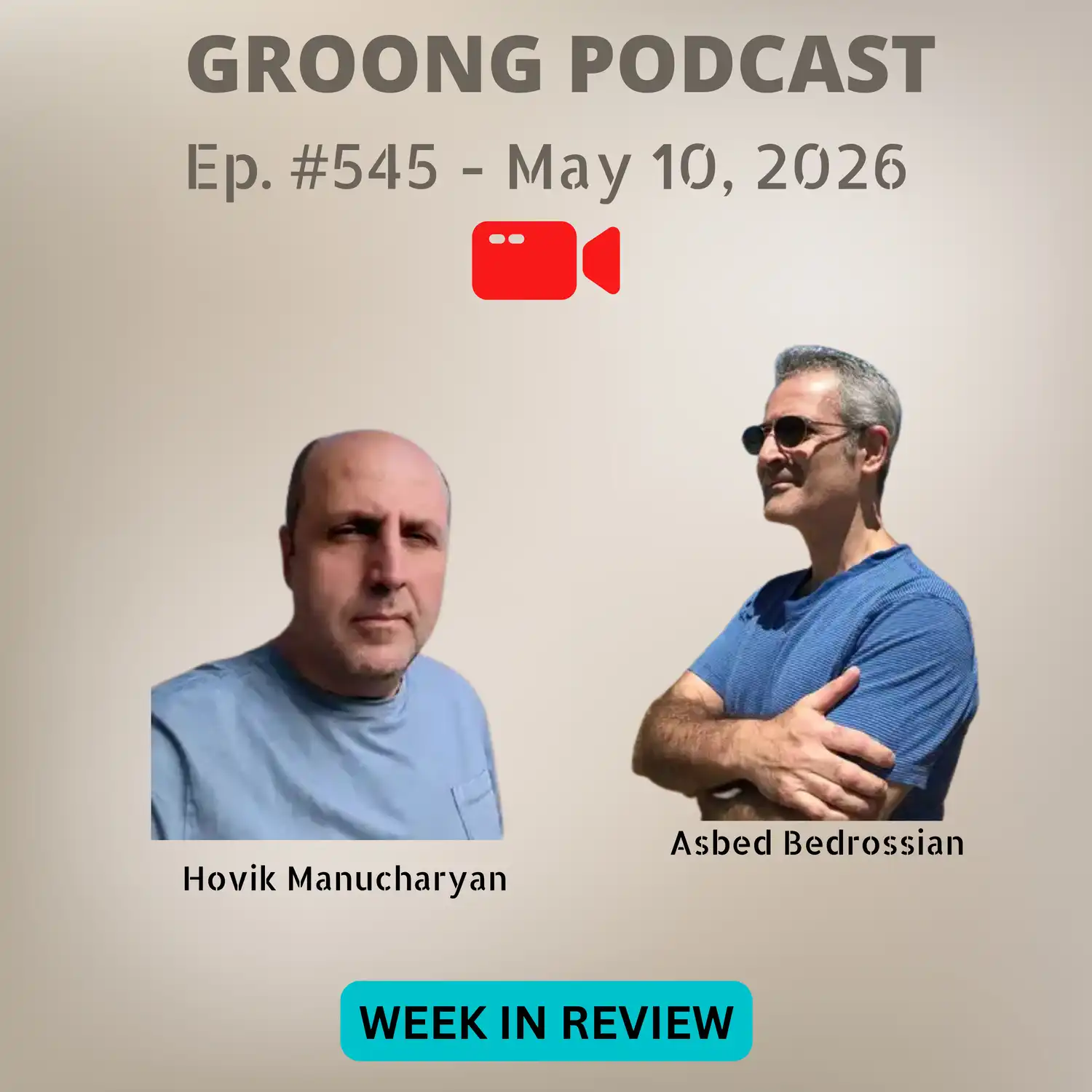
Groong Links:
Topics:
- EPC fallout and Russia response
- Armenia-EU declaration controversies
- Pashinyan’s Artsakh campaign narrative
- Aliyev-Pashinyan tag-team messaging
- Swiss Peace Initiative
- Pollsters diverge on election forecasts
Episode 545 | Recorded: May 12, 2026
#WeekInReview #Armenia #SwissPeaceInitiative #NagornoKarabakh #Artsakh
Week in Review - EPC in Armenia, Russia, Parliamentary Election, Swiss Peace Initiative | Ep 545, May 10, 2026 [EP545]
Posted on Wednesday, May 13, 2026 | Category: Armenia, Politics, Nagorno Karabakh, Artsakh Blockade, Azerbaijan, Russia, Ukraine, NATO, European Union, Human RightsGroong Links:
Topics:
- EPC fallout and Russia response
- Armenia-EU declaration controversies
- Pashinyan’s Artsakh campaign narrative
- Aliyev-Pashinyan tag-team messaging
- Swiss Peace Initiative
- Pollsters diverge on election forecasts
Episode 545 | Recorded: May 12, 2026
#WeekInReview #Armenia #SwissPeaceInitiative #NagornoKarabakh #Artsakh
Transcript: Week in Review - EPC in Armenia, Russia, Parliamentary Election, Swiss Peace Initiative | Ep 545, May 10, 2026 [EP545]
Posted on Wednesday, May 13, 2026 | Category: Armenia, Politics, Nagorno Karabakh, Artsakh Blockade, Azerbaijan, Russia, Ukraine, NATO, European Union, Human Rights, TranscriptIn this Week in Review, Asbed and Hovik discuss the fallout from the EPC summit in Yerevan, Armenia’s role as a platform for anti-Russian messaging, and Putin’s warning about a possible “separation” if Armenia moves toward the EU. They examine the Armenia-EU declaration, focusing on TRIPP, Ukraine, hybrid threats, security cooperation, visa liberalization, and the Armenian Nuclear Power Plant. The episode then turns to Armenia’s election campaign, Pashinyan’s claim that Artsakh was “never ours,” Aliyev’s parallel messaging from occupied Artsakh, pressure on opposition figures, the Swiss Peace Initiative, and sharp divergence between election polls.
Anna Grigoryan - Armenia Alliance in the 2026 Armenian Parliamentary Election | Ep 544, May 11, 2026 [EP544]
Posted on Monday, May 11, 2026 | Category: Nagorno Karabakh, Armenia, Azerbaijan, Russia, Iran, European Union, Economy, NATO, Human Rights | Series: cog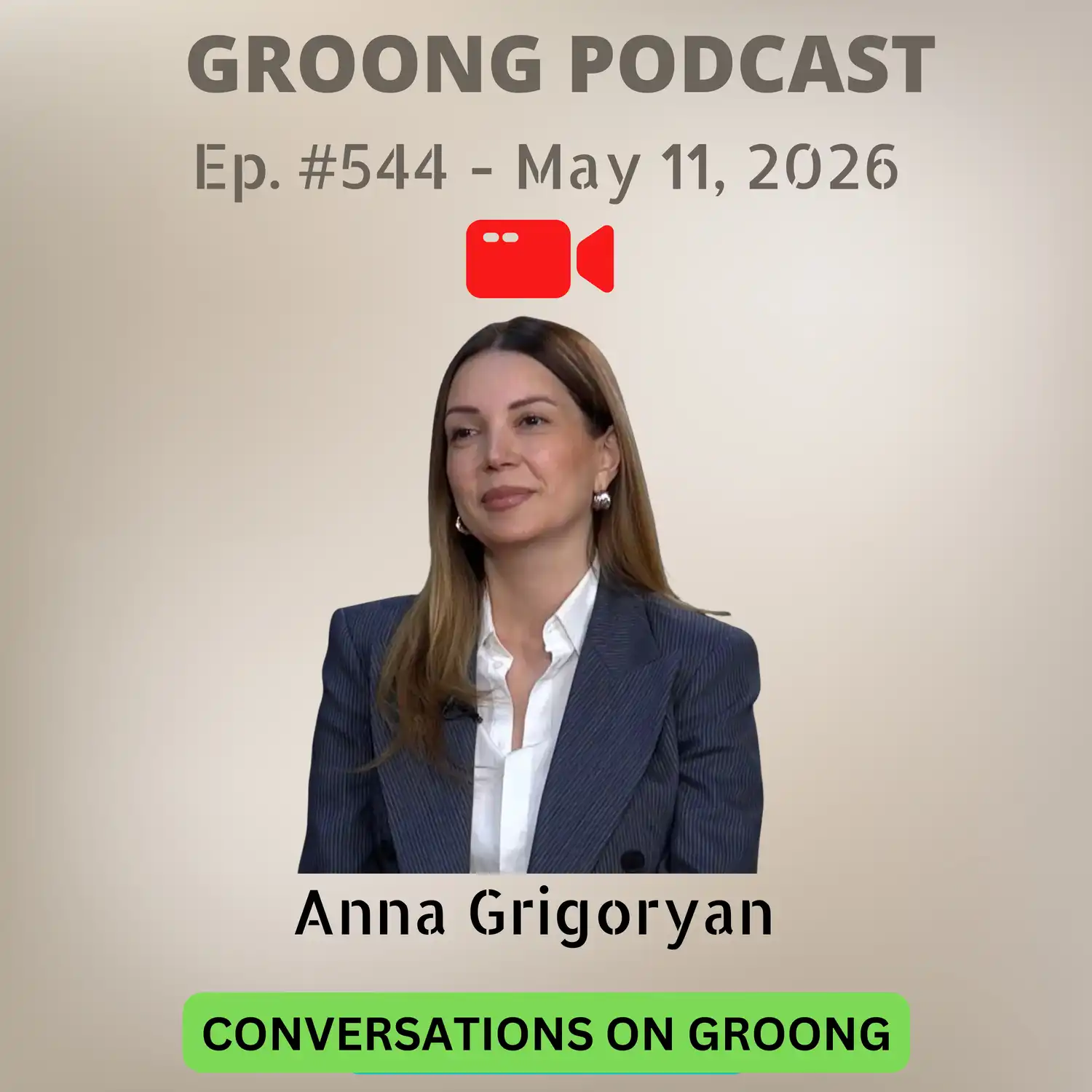
Groong Links:
Guest(s):
Topics:
- Election campaign and opposition strategy
- EPC, EU-Armenia summit, and foreign influence
- Foreign policy, security, and regional risks
- Domestic priorities and election integrity
Episode 544 | Recorded: May 9, 2026
#AnnaGrigoryan #Armenia #ArmenianPolitics #ArmeniaElections #HayastanDashinq #EPCSummit #TRIPP #Artsakh
Anna Grigoryan - Armenia Alliance in the 2026 Armenian Parliamentary Election | Ep 544, May 11, 2026 [EP544]
Posted on Monday, May 11, 2026 | Category: Nagorno Karabakh, Armenia, Azerbaijan, Russia, Iran, European Union, Economy, NATO, Human RightsGroong Links:
Guest(s):
Topics:
- Election campaign and opposition strategy
- EPC, EU-Armenia summit, and foreign influence
- Foreign policy, security, and regional risks
- Domestic priorities and election integrity
Episode 544 | Recorded: May 9, 2026
#AnnaGrigoryan #Armenia #ArmenianPolitics #ArmeniaElections #HayastanDashinq #EPCSummit #TRIPP #Artsakh
EU Interference and Armenia's 2026 Elections | Ep 543, May 10, 2026 [EP543]
Posted on Sunday, May 10, 2026 | Category: Armenia, Politics, Armenian Church, Nagorno Karabakh, Artsakh Blockade, Russia, Azerbaijan, Iran, Turkey, Georgia, Human Rights, NATO, European Union | Series: cog, video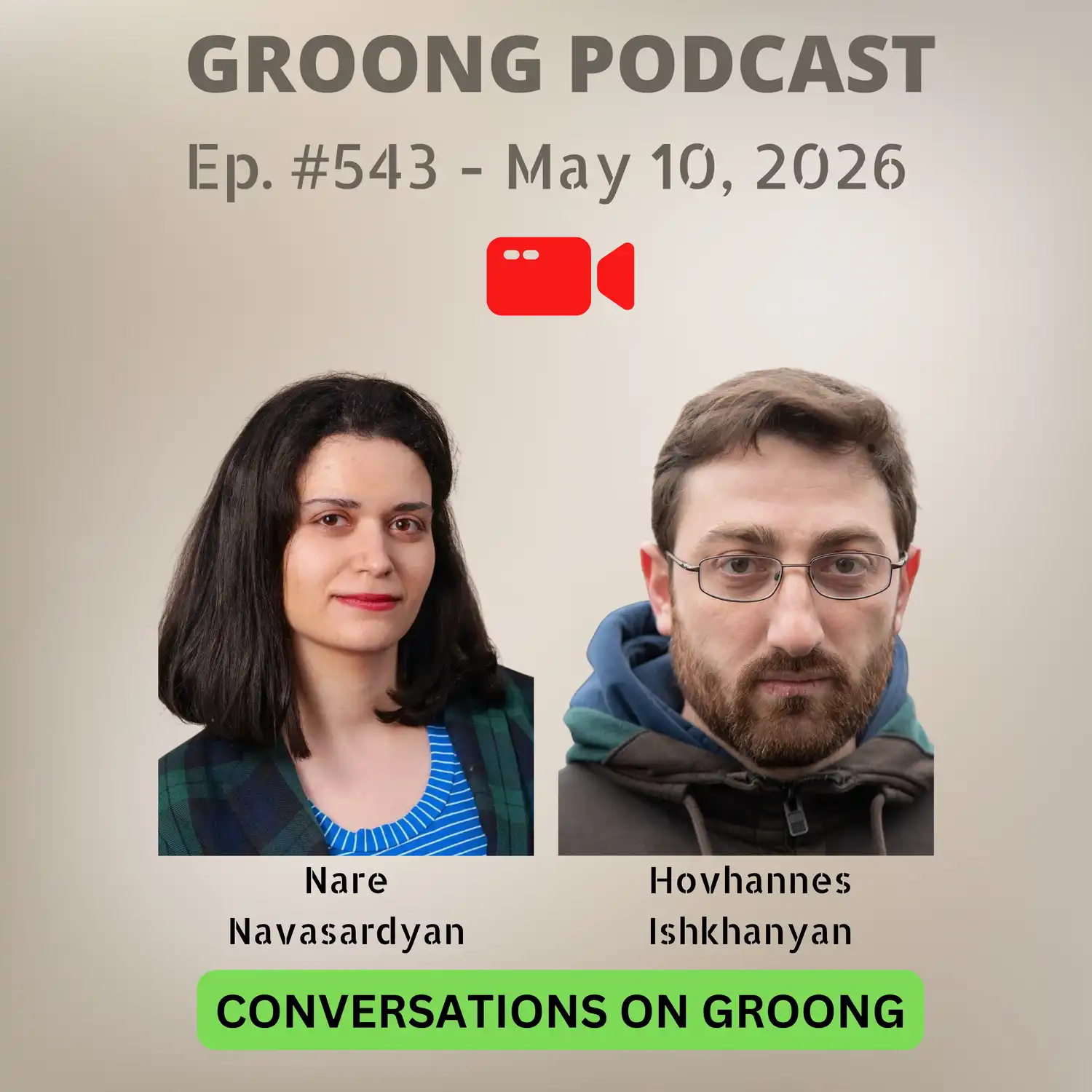
Groong Links:
Guest(s):
Topics:
- EU role in Armenia’s elections
- Fact-checkers and political bias
- Dissent labeled as disinformation
- Lawsuits, pressure, and intimidation
- Censorship and social media control
Episode 543 | Recorded: May 7, 2026
#Armenia #ArmenianElections #EU #Disinformation #FactChecking #Censorship #CivilSociety #FreeSpeech
EU Interference and Armenia's 2026 Elections | Ep 543, May 10, 2026 [EP543]
Posted on Sunday, May 10, 2026 | Category: Armenia, Politics, Armenian Church, Nagorno Karabakh, Artsakh Blockade, Russia, Azerbaijan, Iran, Turkey, Georgia, Human Rights, NATO, European UnionGroong Links:
Guest(s):
Topics:
- EU role in Armenia’s elections
- Fact-checkers and political bias
- Dissent labeled as disinformation
- Lawsuits, pressure, and intimidation
- Censorship and social media control
Episode 543 | Recorded: May 7, 2026
#Armenia #ArmenianElections #EU #Disinformation #FactChecking #Censorship #CivilSociety #FreeSpeech
Transcript: Anna Grigoryan - Armenia Alliance in the 2026 Armenian Parliamentary Election | Ep 544, May 11, 2026 [EP544]
Posted on Monday, May 11, 2026 | Category: Nagorno Karabakh, Armenia, Azerbaijan, Russia, Iran, European Union, Economy, NATO, Human Rights, TranscriptAnna Grigoryan of Hayastan Dashinq (Armenia Alliance) joins Groong to discuss Armenia’s June 7 parliamentary election and the start of the official campaign. The conversation examines the EPC and Armenia-EU summits in Yerevan, EU political and financial support for Pashinyan, Aliyev’s remote demarche, and opposition protests around Artsakh rights, Armenian prisoners, and democratic backsliding. The episode also covers opposition coalition math, Hayastan Dashinq’s 8% bloc threshold, Strong Armenia’s lead among opposition forces, possible post-election governing formulas, Read More
Tatevik Soghoyan - Who Failed the Children of Vedi | Ep 542, May 10, 2026 [EP542]
Posted on Sunday, May 10, 2026 | Category: Armenia, Politics, Human Rights, Nagorno Karabakh | Series: cog, video
Groong Links:
Guest(s):
Topics:
- Vedi abuse case timeline
- Law-enforcement delays and failures
- Victim protection and privacy
- Political responsibility and accountability
- Child-protection system breakdown
Episode 542 | Recorded: May 9, 2026
#VediCase #ChildProtection #JusticeForChildren #RuleOfLaw #Accountability #Armenia #HumanRights #VictimsRights
Tatevik Soghoyan - Who Failed the Children of Vedi | Ep 542, May 10, 2026 [EP542]
Posted on Sunday, May 10, 2026 | Category: Armenia, Politics, Human Rights, Nagorno KarabakhGroong Links:
Guest(s):
Topics:
- Vedi abuse case timeline
- Law-enforcement delays and failures
- Victim protection and privacy
- Political responsibility and accountability
- Child-protection system breakdown
Episode 542 | Recorded: May 9, 2026
#VediCase #ChildProtection #JusticeForChildren #RuleOfLaw #Accountability #Armenia #HumanRights #VictimsRights
Transcript: EU Interference and Armenia's 2026 Elections | Ep 543, May 10, 2026 [EP543]
Posted on Sunday, May 10, 2026 | Category: Armenia, Politics, Armenian Church, Nagorno Karabakh, Artsakh Blockade, Russia, Azerbaijan, Iran, Turkey, Georgia, Human Rights, NATO, European Union, TranscriptHovhannes Ishkhanyan and Nare Navasardyan discuss the growing role of the EU, fact-checking networks, and counter-disinformation programs in Armenia’s 2026 election environment. The conversation examines claims of foreign interference, the use of “hybrid threats” and “disinformation” labels against domestic dissent, and the political bias of Armenia’s fact-checking ecosystem. The guests also share personal experiences with lawsuits, public confrontation, protest, and censorship, raising broader questions about free speech, election fairness, and the management of Armenia’s information space.
Transcript: Tatevik Soghoyan - Who Failed the Children of Vedi | Ep 542, May 10, 2026 [EP542]
Posted on Sunday, May 10, 2026 | Category: Armenia, Politics, Human Rights, Nagorno Karabakh, TranscriptThis Conversations on Groong episode examines the Vedi abuse case, a disturbing story involving alleged sexual abuse of vulnerable minors and serious questions about Armenia’s law-enforcement response. Attorney Tatevik Soghoyan joins the program to discuss the known timeline, the delays between the first reports and arrests, the treatment of the victims, and the public statements by investigators and government officials. The discussion focuses on whether this was a local failure, a systemic breakdown, or a deeper case of political responsibility, while asking what Armenia’s justice and child-protection systems must do to prevent such cases from being ignored, delayed, or mishandled.
Anatol Lieven - Russia, Iran, Europe, and the Remaking of World Order | Ep 541, May 8, 2026 [EP541]
Posted on Friday, May 8, 2026 | Category: Armenia, Ukraine, Russia, European Union, Iran, Israel, China, Azerbaijan, Turkey | Series: cog
Groong Links:
Guest(s):
Topics:
- Russia, Iran, Europe, multipolar order
- Ukraine war and Russia-West tensions
- Iran war and diplomatic offramps
- Armenia, TRIPP, South Caucasus
Episode 541 | Recorded: May 5, 2026
#AnatolLieven #Russia #Iran #Europe #UkraineWar #SouthCaucasus
Anatol Lieven - Russia, Iran, Europe, and the Remaking of World Order | Ep 541, May 8, 2026 [EP541]
Posted on Friday, May 8, 2026 | Category: Armenia, Ukraine, Russia, European Union, Iran, Israel, China, Azerbaijan, TurkeyGroong Links:
Guest(s):
Topics:
- Russia, Iran, Europe, multipolar order
- Ukraine war and Russia-West tensions
- Iran war and diplomatic offramps
- Armenia, TRIPP, South Caucasus
Episode 541 | Recorded: May 5, 2026
#AnatolLieven #Russia #Iran #Europe #UkraineWar #SouthCaucasus
Transcript: Anatol Lieven - Russia, Iran, Europe, and the Remaking of World Order | Ep 541, May 8, 2026 [EP541]
Posted on Friday, May 8, 2026 | Category: Armenia, Ukraine, Russia, European Union, Iran, Israel, China, Azerbaijan, Turkey, TranscriptIn this episode of Conversations on Groong, Dr. Anatol Lieven joins us to examine Russia’s place in a rapidly shifting global order. The discussion looks at the war in Ukraine, the state of Russia-EU relations after Viktor Orbán’s political defeat, and the uncertain trajectory of the war on Iran, including whether any real diplomatic offramp still exists. They also explore whether Russia’s relationship with Iran is truly strategic or mainly transactional, how China fits into the wider balance of power, and what all of this means for the South Caucasus, Armenia’s current path under Pashinyan, and Azerbaijan’s ambitions to turn wartime leverage into lasting regional influence.
Mikael Darbinian - Armenia’s Borders, TRIPP, and the Price of Weakness | Ep 540, May 6, 2026 [EP540]
Posted on Wednesday, May 6, 2026 | Category: Armenia, Politics, Geopolitics, Armenian News, Azerbaijan, Russia, Turkey, NATO, Iran, Georgia, Artsakh, Nagorno Karabakh, European Union | Series: cog
Groong Links:
Guest:
Topics:
- Strong Armenia security doctrine
- Azerbaijani occupation of Armenian territory
- TRIPP and Zangezur Corridor risks
- Diplomacy from a position of strength
- EPC optics and national insecurity
Episode 540 | Recorded: May 5, 2026
#Armenia #Artsakh #StrongArmenia #MikaelDarbinian #TRIPP #ZangezurCorridor #ArmenianSecurity #SouthCaucasus
Mikael Darbinian - Armenia’s Borders, TRIPP, and the Price of Weakness | Ep 540, May 6, 2026 [EP540]
Posted on Wednesday, May 6, 2026 | Category: Armenia, Politics, Geopolitics, Armenian News, Azerbaijan, Russia, Turkey, NATO, Iran, Georgia, Artsakh, Nagorno Karabakh, European UnionGroong Links:
Guest:
Topics:
- Strong Armenia security doctrine
- Azerbaijani occupation of Armenian territory
- TRIPP and Zangezur Corridor risks
- Diplomacy from a position of strength
- EPC optics and national insecurity
Episode 540 | Recorded: May 5, 2026
#Armenia #Artsakh #StrongArmenia #MikaelDarbinian #TRIPP #ZangezurCorridor #ArmenianSecurity #SouthCaucasus
Transcript: Mikael Darbinian - Armenia’s Borders, TRIPP, and the Price of Weakness | Ep 540, May 6, 2026 [EP540]
Posted on Wednesday, May 6, 2026 | Category: Armenia, Politics, Geopolitics, Armenian News, Azerbaijan, Russia, Turkey, NATO, Iran, Georgia, Artsakh, Nagorno Karabakh, European Union, TranscriptThis Conversations on Groong episode with Mikael Darbinian examines Armenia’s security crisis through the lens of the Strong Armenia doctrine. The discussion focuses on deterrence, diplomacy from a position of strength, Azerbaijani positions inside Armenia’s sovereign territory, the risks around TRIPP and the Zangezur Corridor, the rights of Artsakh Armenians, regional war scenarios involving Iran, and the gap between international political theater and Armenia’s unresolved national security threats.
Trump’s Iran Ceasefire, Operation Kochari, and Armenia’s Election Fog | Ep 539, May 3, 2026 [EP539]
Posted on Tuesday, May 5, 2026 | Category: Armenia, Politics, Poll, Armenian News, Israel, Artsakh, Nagorno Karabakh, Azerbaijan, USA, Armenian Church, Artsakh Blockade, Armenian Genocide, Iran, Russia, Georgia, Genocide, Human Rights | Series: wir, video
Groong Links:
Topics:
- Iran War
- Mustafayev in Armenia
- Destruction of the Stepanakert cathedral by Azerbaijan
- Election politics
Episode 539 | Recorded: May 3, 2026
#Armenia #Azerbaijan #IranWar #TRIPP #Artsakh #Stepanakert #ArmenianElections #Groong
Trump’s Iran Ceasefire, Operation Kochari, and Armenia’s Election Fog | Ep 539, May 3, 2026 [EP539]
Posted on Tuesday, May 5, 2026 | Category: Armenia, Politics, Poll, Armenian News, Israel, Artsakh, Nagorno Karabakh, Azerbaijan, USA, Armenian Church, Artsakh Blockade, Armenian Genocide, Iran, Russia, Georgia, Genocide, Human RightsGroong Links:
Topics:
- Iran War
- Mustafayev in Armenia
- Destruction of the Stepanakert cathedral by Azerbaijan
- Election politics
Episode 539 | Recorded: May 3, 2026
#Armenia #Azerbaijan #IranWar #TRIPP #Artsakh #Stepanakert #ArmenianElections #Groong
Transcript: Trump’s Iran Ceasefire, Operation Kochari, and Armenia’s Election Fog | Ep 539, May 3, 2026 [EP539]
Posted on Tuesday, May 5, 2026 | Category: Armenia, Politics, Poll, Armenian News, Israel, Artsakh, Nagorno Karabakh, Azerbaijan, USA, Armenian Church, Artsakh Blockade, Armenian Genocide, Iran, Russia, Georgia, Genocide, Human Rights, TranscriptThis Groong Week in Review covers Trump’s Iran ceasefire, failed US-Iran talks in Islamabad, the naval blockade, and Washington’s war politics. Asbed and Hovik also examine “Operation Kochari,” Shahin Mustafayev’s secret visit to Armenia, TRIPP, border demarcation, Armenia-Azerbaijan trade, Azerbaijan’s destruction of the Stepanakert cathedral, Pashinyan’s response, the MPG poll, opposition coalition math, election fraud risks, the EPC meeting, legal pressure, mass surveillance, and Armenia’s falling press freedom ranking.
Hrair Balian - From Karabakh to TRIPP: Armenia’s Security Dilemma | Ep 538, May 3, 2026 [EP538]
Posted on Sunday, May 3, 2026 | Category: Armenia, Politics, Artsakh, Nagorno Karabakh, Iran, Israel, Azerbaijan, Turkey, Lebanon, Armenian News, Artsakh Blockade, Russia, Georgia, NATO, Human Rights | Series: cog, video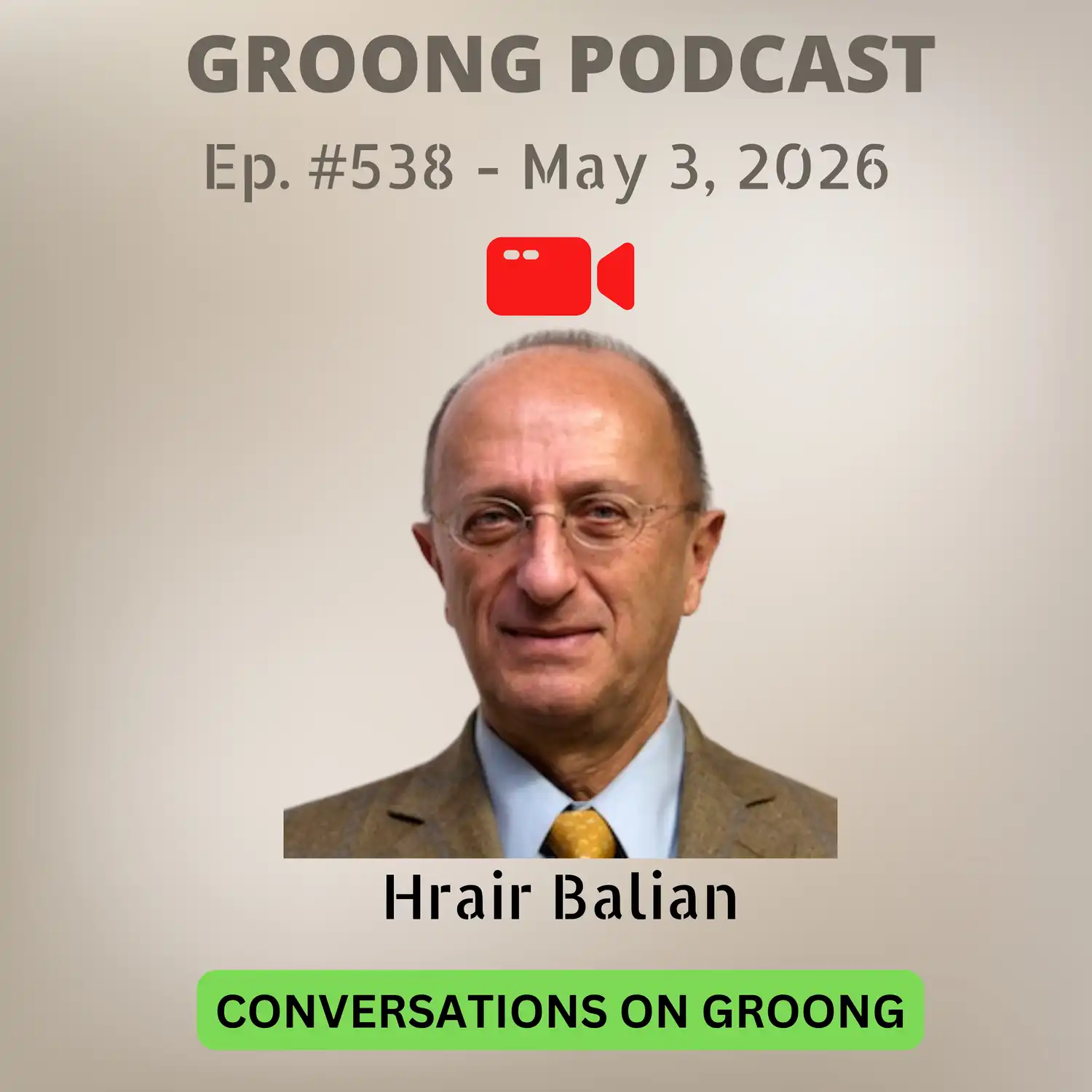
Groong Links:
Guest:
Mr. Balian’s book: https://www.amazon.com/Anatomy-Peacemaking-Nagorno-Karabakh-Opportunities-Rethinking/dp/3032124891
Topics:
- US-Iran war and failed diplomacy
- TRIPP and Armenia’s security risks
- Karabakh negotiations and missed chances
- Pashinyan’s Artsakh policy reversal
- Armenia’s June elections and monitoring
Episode 538 | Recorded: April 30, 2026
#HrairBalian #Groong #Armenia #Artsakh #NagornoKarabakh #TRIPP #ZangezurCorridor #ArmenianElections
Hrair Balian - From Karabakh to TRIPP: Armenia’s Security Dilemma | Ep 538, May 3, 2026 [EP538]
Posted on Sunday, May 3, 2026 | Category: Armenia, Politics, Artsakh, Nagorno Karabakh, Iran, Israel, Azerbaijan, Turkey, Lebanon, Armenian News, Artsakh Blockade, Russia, Georgia, NATO, Human RightsGroong Links:
Guest:
Mr. Balian’s book: https://www.amazon.com/Anatomy-Peacemaking-Nagorno-Karabakh-Opportunities-Rethinking/dp/3032124891
Topics:
- US-Iran war and failed diplomacy
- TRIPP and Armenia’s security risks
- Karabakh negotiations and missed chances
- Pashinyan’s Artsakh policy reversal
- Armenia’s June elections and monitoring
Episode 538 | Recorded: April 30, 2026
#HrairBalian #Groong #Armenia #Artsakh #NagornoKarabakh #TRIPP #ZangezurCorridor #ArmenianElections
Transcript: Hrair Balian - From Karabakh to TRIPP: Armenia’s Security Dilemma | Ep 538, May 3, 2026 [EP538]
Posted on Sunday, May 3, 2026 | Category: Armenia, Politics, Artsakh, Nagorno Karabakh, Iran, Israel, Azerbaijan, Turkey, Lebanon, Armenian News, Artsakh Blockade, Russia, Georgia, NATO, Human Rights, TranscriptHrair Balian joins us to discuss his book Anatomy of Peacemaking: Nagorno Karabakh Conflict & Missed Opportunities, the failure of diplomacy around Artsakh, and what Armenia should learn from the long collapse of the peace process. The conversation also looks at the Iran war, US and Israeli goals in the region, the TRIPP/Zangezur Corridor and its security impact on Armenia, and the role of outside powers in shaping outcomes in the South Caucasus. The episode closes with a discussion of Armenia’s June parliamentary elections, opposition repression, election monitoring, and whether international observers will judge the vote by facts on the ground or political convenience.
Arega Hovsepyan - June 2026 Parliamentary Election in Armenia | Ep 537, Apr 30, 2026 [EP537]
Posted on Thursday, Apr 30, 2026 | Category: Armenia, Politics, Artsakh, Nagorno Karabakh, Azerbaijan, Human Rights, Armenian News, Russia, Iran | Series: cog, video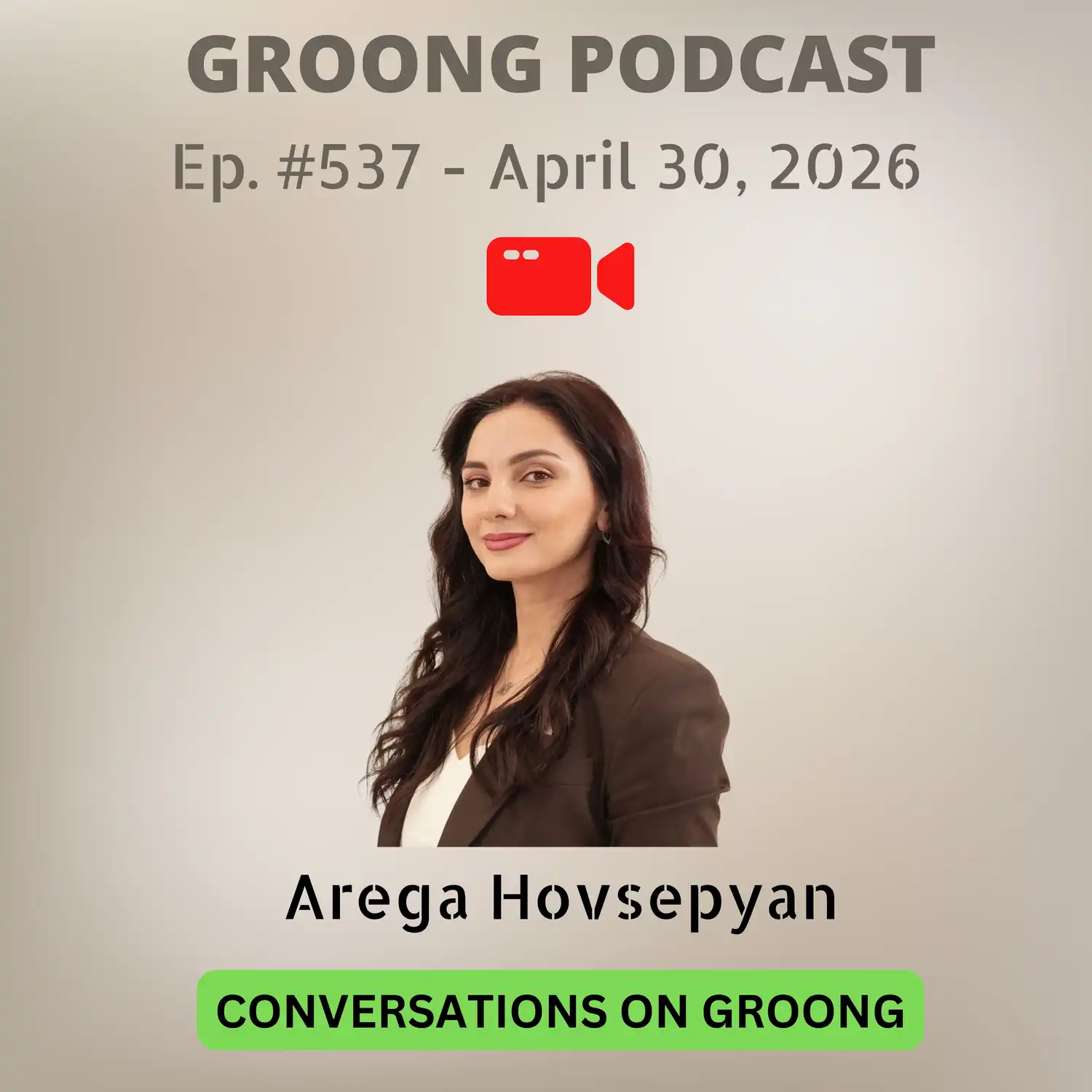
Groong Links:
Guest:
Topics:
- Strong Armenia and election dynamics
- New arrests and political pressure
- Artsakh Armenians and their rights
- TRIPP corridor and regional security
Episode 537 | Recorded: April 27, 2026
#Armenia #Artsakh #StrongArmenia #AregaHovsepyan #ArmenianPolitics #SouthCaucasus #TRIPP #ZangezurCorridor #Geopolitics
Arega Hovsepyan - June 2026 Parliamentary Election in Armenia | Ep 537, Apr 30, 2026 [EP537]
Posted on Thursday, Apr 30, 2026 | Category: Armenia, Politics, Artsakh, Nagorno Karabakh, Azerbaijan, Human Rights, Armenian News, Russia, IranGroong Links:
Guest:
Topics:
- Strong Armenia and election dynamics
- New arrests and political pressure
- Artsakh Armenians and their rights
- TRIPP corridor and regional security
Episode 537 | Recorded: April 27, 2026
#Armenia #Artsakh #StrongArmenia #AregaHovsepyan #ArmenianPolitics #SouthCaucasus #TRIPP #ZangezurCorridor #Geopolitics
Transcript: Arega Hovsepyan - June 2026 Parliamentary Election in Armenia | Ep 537, Apr 30, 2026 [EP537]
Posted on Thursday, Apr 30, 2026 | Category: Armenia, Politics, Artsakh, Nagorno Karabakh, Azerbaijan, Human Rights, Armenian News, Russia, Iran, TranscriptIn this Conversations on Groong episode, we speak with Arega Hovsepyan of the Strong Armenia party about Armenia’s upcoming June 2026 parliamentary elections and the broader political climate. The discussion focuses on recent arrests targeting opposition figures, the situation of displaced Artsakh Armenians, competing narratives around “peace” with Azerbaijan, and the implications of the TRIPP or Zangezur Corridor project. We also examine opposition unity, polling trends, and legal questions surrounding Strong Armenia’s political strategy.
Transcript: Arthur Martirosyan - Iran War, Effect on Armenia, June Parliamentary | Ep 536, Apr 26, 2026 [EP536]
Posted on Tuesday, Apr 28, 2026 | Category: Armenia, Politics, Armenian Church, Ukraine, Iran, Azerbaijan, Israel, USA, Turkey, Russia, Artsakh, Nagorno Karabakh, Armenian Genocide, Armenian News, Artsakh Blockade, Genocide, Georgia, European Union, TranscriptWe examine how the Iran war fallout and the extension of the ceasefire are reshaping Armenia’s geopolitical position. We break down the push for the TRIPP or Zangezur Corridor and the claims of Armenia-Azerbaijan normalization, and assess how they tie to regional power dynamics involving Iran, Russia, Turkey, and the United States. The episode also covers Armenia’s 2026 elections and rising elite tensions. In addition, we discuss the global commemoration of the Armenian Genocide, contrasting international messaging with domestic narratives and linking it to ongoing debates around Artsakh and historical continuity.
Arthur Martirosyan - Iran War, Effect on Armenia, June Parliamentary | Ep 536, Apr 26, 2026 [EP536]
Posted on Tuesday, Apr 28, 2026 | Category: Armenia, Politics, Armenian Church, Ukraine, Iran, Azerbaijan, Israel, USA, Turkey, Russia, Artsakh, Nagorno Karabakh, Armenian Genocide, Armenian News, Artsakh Blockade, Genocide, Georgia, European Union | Series: wir, video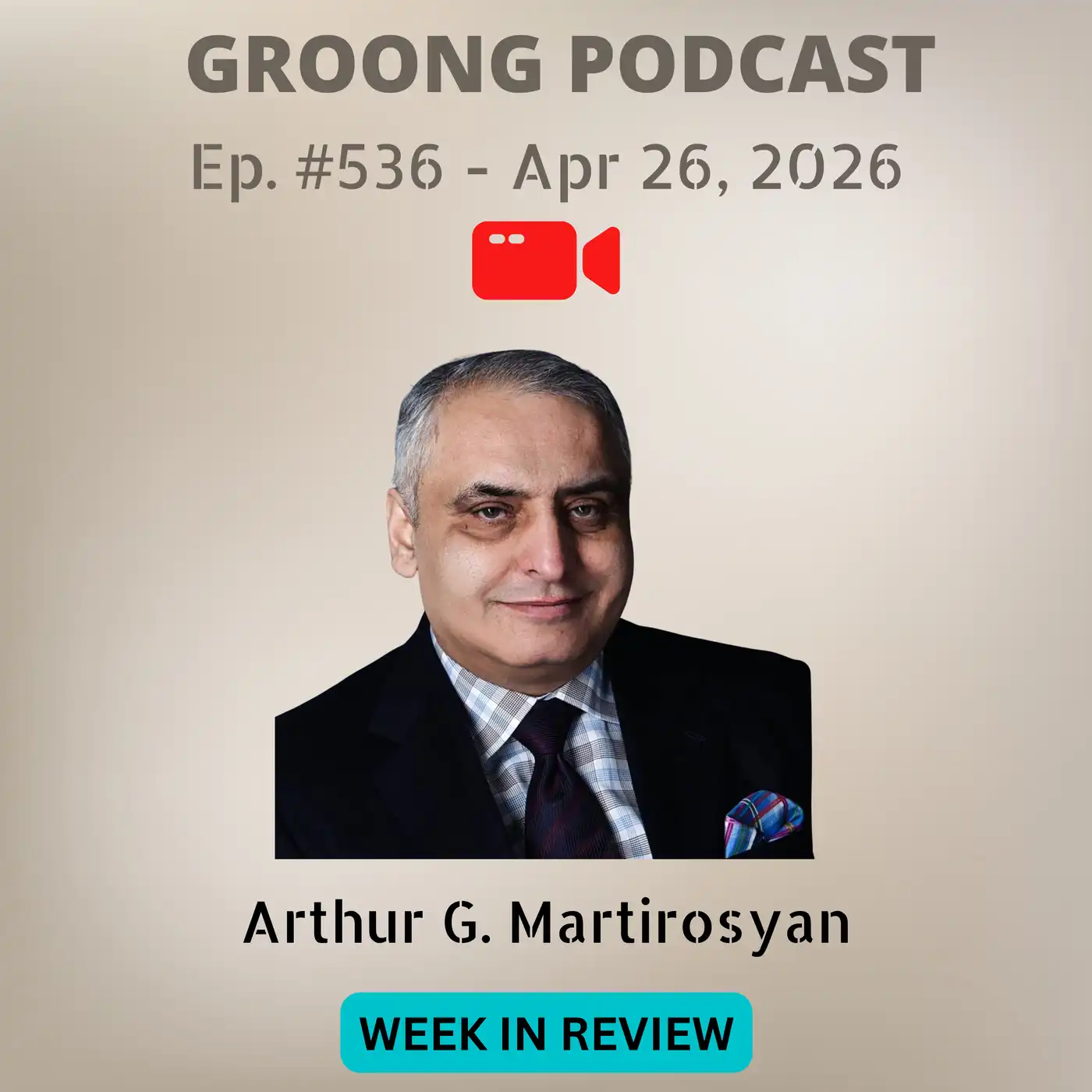
Groong Links:
Guest:
Topics:
- Iran War and TRIPP
- Armenian Genocide commemoration
- Peace narrative vs corridor reality
- Parliamentary election
Episode 536 | Recorded: April 27, 2026
Arthur Martirosyan - Iran War, Effect on Armenia, June Parliamentary | Ep 536, Apr 26, 2026 [EP536]
Posted on Tuesday, Apr 28, 2026 | Category: Armenia, Politics, Armenian Church, Ukraine, Iran, Azerbaijan, Israel, USA, Turkey, Russia, Artsakh, Nagorno Karabakh, Armenian Genocide, Armenian News, Artsakh Blockade, Genocide, Georgia, European UnionGroong Links:
Guest:
Topics:
- Iran War and TRIPP
- Armenian Genocide commemoration
- Peace narrative vs corridor reality
- Parliamentary election
Episode 536 | Recorded: April 27, 2026
Philippe Raffi Kalfayan - Monitoring the June 2026 Parliamentary Elections in Armenia | Ep 535, Apr 27, 2026 [EP535]
Posted on Monday, Apr 27, 2026 | Category: Armenia, Politics, Election, Armenian News, Nagorno Karabakh, Armenian Genocide, Human Rights, Russia | Series: cog, video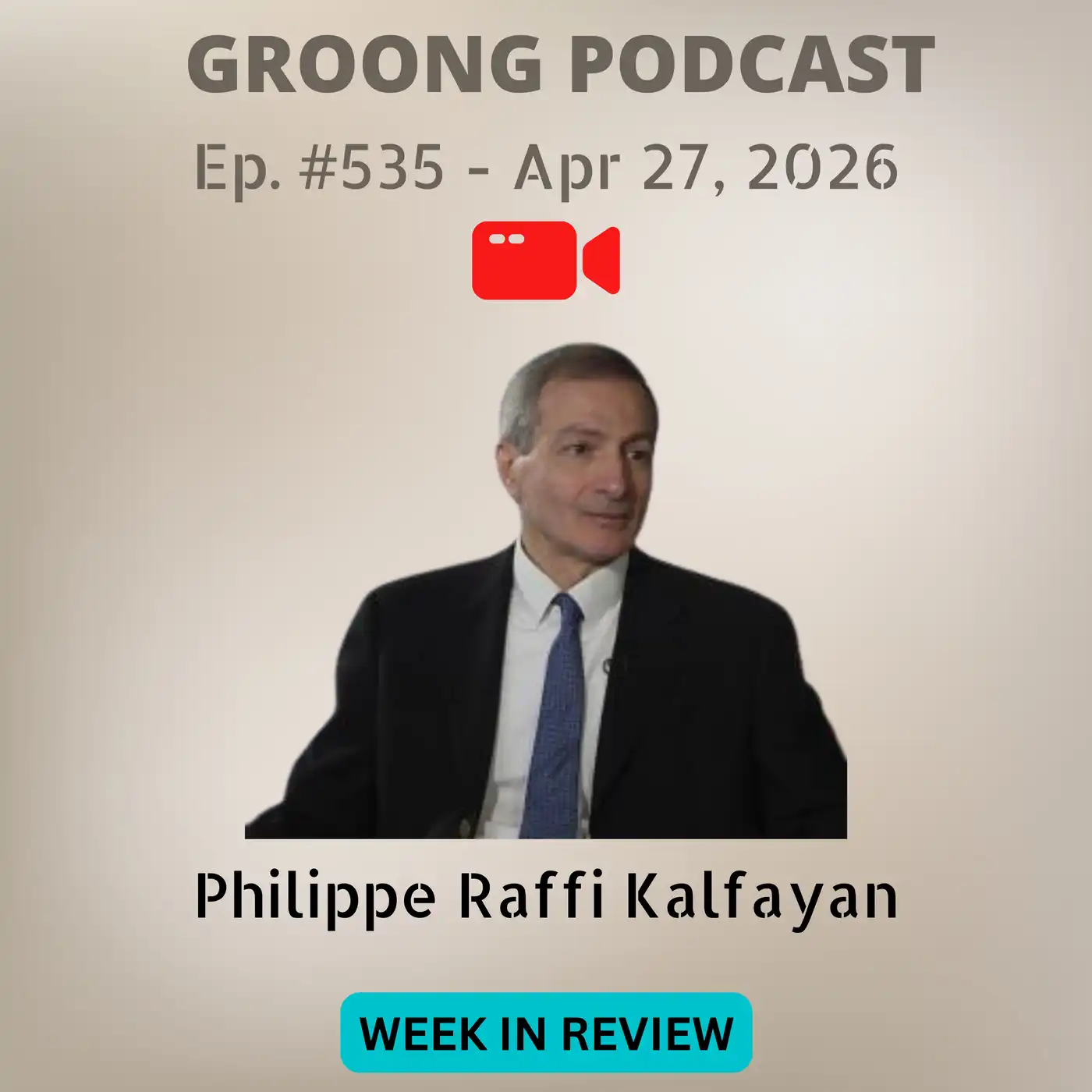
Groong Links:
Guest:
Topics:
- IODA’s mission and election observation work
- Armenia’s June 2026 parliamentary election risks
- Questions around international observer impartiality
- Suspect voter lists, fraud, and transparency concerns
- Pressure on opposition figures and parties
Episode 535 | Recorded: April 24, 2026
#Armenia #ArmenianElections #Election2026 #IODA #OSCE #ODIHR #Geopolitics #Democracy
Philippe Raffi Kalfayan - Monitoring the June 2026 Parliamentary Elections in Armenia | Ep 535, Apr 27, 2026 [EP535]
Posted on Monday, Apr 27, 2026 | Category: Armenia, Politics, Election, Armenian News, Nagorno Karabakh, Armenian Genocide, Human Rights, RussiaGroong Links:
Guest:
Topics:
- IODA’s mission and election observation work
- Armenia’s June 2026 parliamentary election risks
- Questions around international observer impartiality
- Suspect voter lists, fraud, and transparency concerns
- Pressure on opposition figures and parties
Episode 535 | Recorded: April 24, 2026
#Armenia #ArmenianElections #Election2026 #IODA #OSCE #ODIHR #Geopolitics #Democracy
Transcript: Philippe Raffi Kalfayan - Monitoring the June 2026 Parliamentary Elections in Armenia | Ep 535, Apr 27, 2026 [EP535]
Posted on Monday, Apr 27, 2026 | Category: Armenia, Politics, Election, Armenian News, Nagorno Karabakh, Armenian Genocide, Human Rights, Russia, TranscriptDr. Philippe Raffi Kalfayan joined Groong to discuss the International Observatory for Democracy in Armenia (IODA), its work ahead of Armenia’s June 7, 2026 parliamentary elections, and the risks it sees in the pre-election environment. The conversation covered IODA’s mission, its first fact-finding trip to Armenia, concerns about judicial control and administrative resources, questions about OSCE/ODIHR and EU impartiality, and the pressure facing opposition figures and parties before election day.
Dmitry Suslov - War, Leverage, and Corridors, Russia’s View from All Fronts | Ep 534, Apr 25, 2026 [EP534]
Posted on Saturday, Apr 25, 2026 | Category: Geopolitics, Iran, World, Economy, Armenia, USA, China, Russia, Nagorno Karabakh, Artsakh Blockade, BRICS, Azerbaijan, Ukraine, European Union, Turkey | Series: cog, video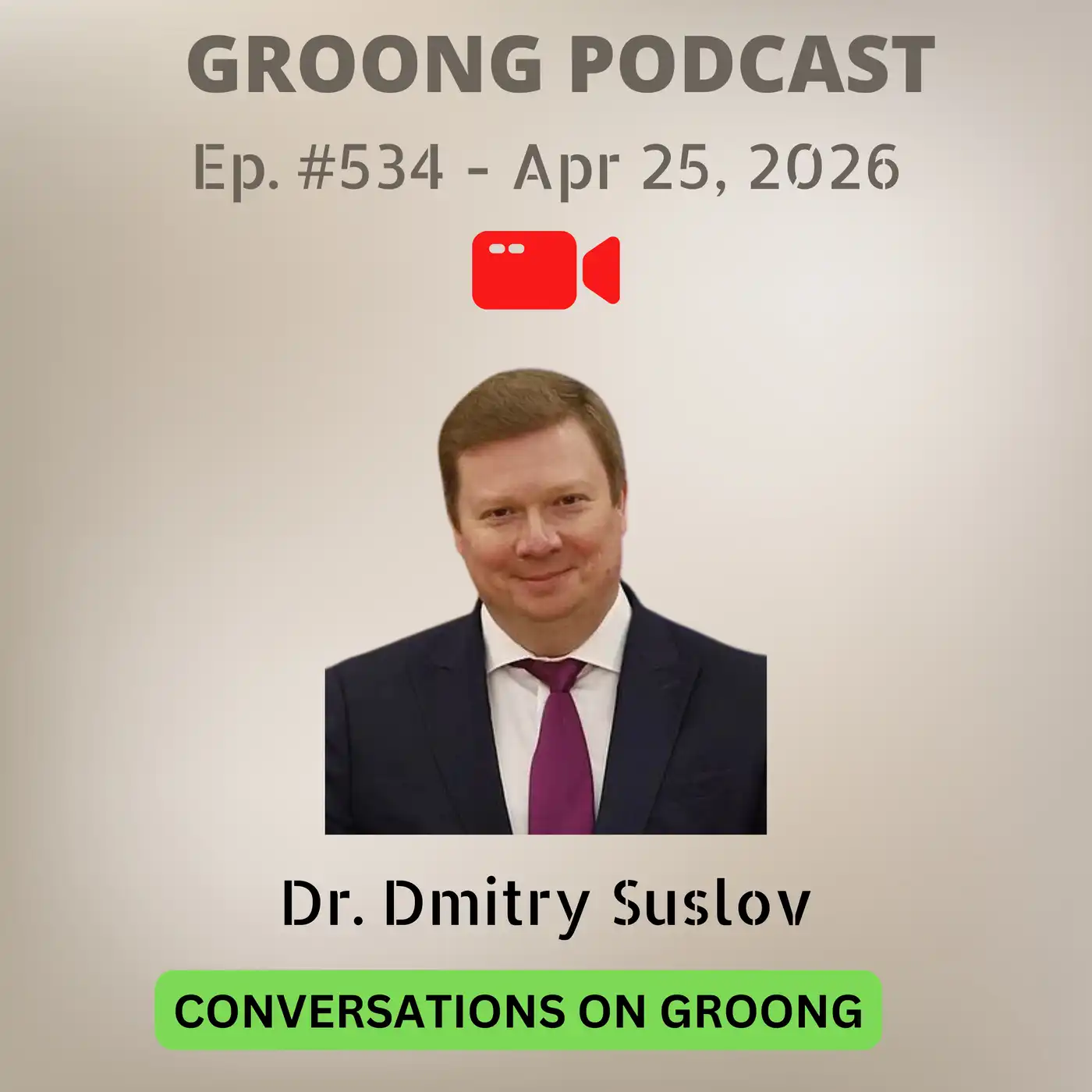
Groong Links:
Guest:
Topics:
- Iran war dynamics and Russiaâs role
- Ukraine war and Europeâs militarization
- Armeniaâs pivot and Russiaâs response
- Regional power balance
Episode 534 | Recorded: April 21, 2026
Dmitry Suslov - War, Leverage, and Corridors, Russia’s View from All Fronts | Ep 534, Apr 25, 2026 [EP534]
Posted on Saturday, Apr 25, 2026 | Category: Geopolitics, Iran, World, Economy, Armenia, USA, China, Russia, Nagorno Karabakh, Artsakh Blockade, BRICS, Azerbaijan, Ukraine, European Union, TurkeyGroong Links:
Guest:
Topics:
- Iran war dynamics and Russiaâs role
- Ukraine war and Europeâs militarization
- Armeniaâs pivot and Russiaâs response
- Regional power balance
Episode 534 | Recorded: April 21, 2026
Transcript: Dmitry Suslov - War, Leverage, and Corridors, Russia’s View from All Fronts | Ep 534, Apr 25, 2026 [EP534]
Posted on Saturday, Apr 25, 2026 | Category: Geopolitics, Iran, World, Economy, Armenia, USA, China, Russia, Nagorno Karabakh, Artsakh Blockade, BRICS, Azerbaijan, Ukraine, European Union, Turkey, TranscriptIn this episode of the Groong podcast, we speak with Dr. Dmitry Suslov about the shifting geopolitical landscape across the Iran war, the Ukraine conflict, and the South Caucasus. We examine the fragile state of the Iran war and its impact on global trade and regional escalation, Russia’s strategic positioning, and the potential for a broader conflict involving Azerbaijan and Turkey. The discussion then turns to the Ukraine war, focusing on attrition, Europe’s growing militarization, and the prospects for a long-term Russia–Europe confrontation. Finally, we explore Russia’s policy in the South Read More
Warwick Powell - ThermoEconomics, Iran, and the New Geopolitical Economy | Ep 533, Apr 23, 2026 [EP533]
Posted on Thursday, Apr 23, 2026 | Category: Geopolitics, Iran, World, Economy, Armenia, USA, China, Russia, BRICS, Israel, Middle East, NATO | Series: cog, video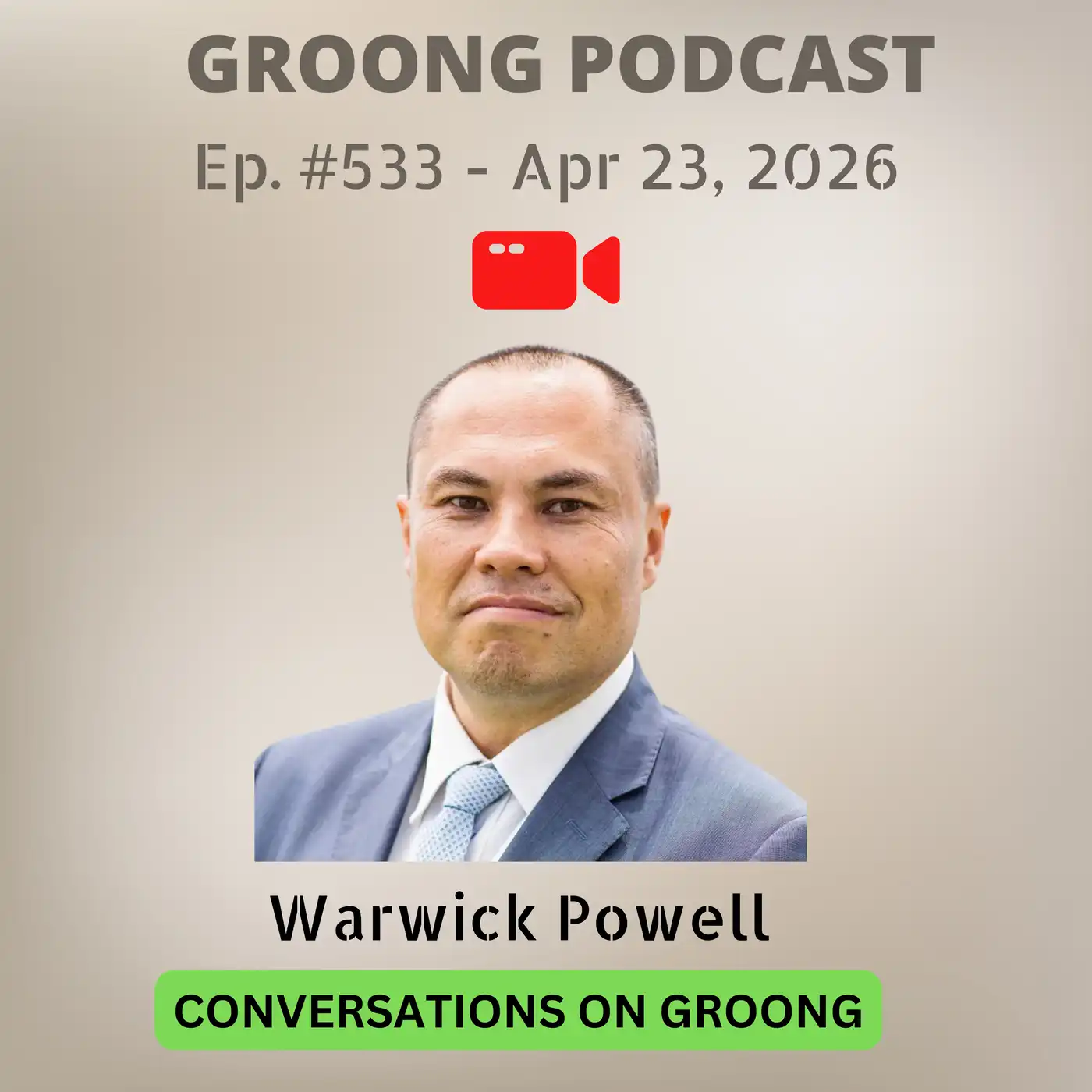
Groong Links:
Guest:
Topics:
- ThermoEconomics and global power
- Iran war and energy
- De-dollarization and sovereignty
- Armenia: AI data centers, SMRs, and imperialism
Episode 533 | Recorded: April 21, 2026
Warwick Powell - ThermoEconomics, Iran, and the New Geopolitical Economy | Ep 533, Apr 23, 2026 [EP533]
Posted on Thursday, Apr 23, 2026 | Category: Geopolitics, Iran, World, Economy, Armenia, USA, China, Russia, BRICS, Israel, Middle East, NATOGroong Links:
Guest:
Topics:
- ThermoEconomics and global power
- Iran war and energy
- De-dollarization and sovereignty
- Armenia: AI data centers, SMRs, and imperialism
Episode 533 | Recorded: April 21, 2026
Transcript: Warwick Powell - ThermoEconomics, Iran, and the New Geopolitical Economy | Ep 533, Apr 23, 2026 [EP533]
Posted on Thursday, Apr 23, 2026 | Category: Geopolitics, Iran, World, Economy, Armenia, USA, China, Russia, BRICS, Israel, Middle East, NATO, TranscriptProf. Warwick Powell discusses his thermoeconomic view of world politics, where energy, money, and information form a single system. We connect the war on Iran to declining U.S. energy efficiency, the limits of airpower, de-dollarization, and the rise of alternative financial and information architectures. We also bring the conversation back to Armenia, asking what TRIPP, SMRs, and large AI data centers could mean for a small state trying to protect its energy and information sovereignty. We close by reflecting on considerations for Armenia in implementing centralized data infrastructure, more Read More
Dziunik Aghajanian - Iran War, Antalya Diplomatic Forum, Armenian Parliamentary Elections | Ep 532, Apr 19, 2026 [EP532]
Posted on Tuesday, Apr 21, 2026 | Category: Iran, Armenia, Politics, USA, Israel, Azerbaijan, Turkey, Russia, Artsakh, Nagorno Karabakh, Georgia, Armenian Church, Artsakh Blockade, China, NATO | Series: wir, video
Groong Links:
Guest:
- Amb. Dziunik Aghajanian
Topics:
- Iran War Fears
- June Parliamentary Elections
- Attacks on the Armenian Church
Episode 532 | Recorded: April 20, 2026
#Armenia #Iran #IranWar #Hormuz #ArmeniaElections #SouthCaucasus
Dziunik Aghajanian - Iran War, Antalya Diplomatic Forum, Armenian Parliamentary Elections | Ep 532, Apr 19, 2026 [EP532]
Posted on Tuesday, Apr 21, 2026 | Category: Iran, Armenia, Politics, USA, Israel, Azerbaijan, Turkey, Russia, Artsakh, Nagorno Karabakh, Georgia, Armenian Church, Artsakh Blockade, China, NATOGroong Links:
Guest:
- Amb. Dziunik Aghajanian
Topics:
- Iran War Fears
- June Parliamentary Elections
- Attacks on the Armenian Church
Episode 532 | Recorded: April 20, 2026
#Armenia #Iran #IranWar #Hormuz #ArmeniaElections #SouthCaucasus
Transcript: Dziunik Aghajanian - Iran War, Antalya Diplomatic Forum, Armenian Parliamentary Elections | Ep 532, Apr 19, 2026 [EP532]
Posted on Tuesday, Apr 21, 2026 | Category: Iran, Armenia, Politics, USA, Israel, Azerbaijan, Turkey, Russia, Artsakh, Nagorno Karabakh, Georgia, Armenian Church, Artsakh Blockade, China, NATO, TranscriptIn this Week in Review episode, Ambassador Dziunik Aghajanian discusses the stalled Iran negotiations after the Islamabad talks, the renewed pressure around Hormuz and the naval blockade, Turkey’s posture toward Israel and the region; Armenia’s lower-profile participation in the Antalya Diplomatic Forum; Russia’s shifting rhetoric on TRIPP and the South Caucasus; and the June 7 parliamentary election in Armenia, including constitutional changes, border concessions, the gas pipeline rerouting issue, and the use of surveillance and arrests against opposition figures.
Hrant Mikaelian - US-Iran Talks, Orban Loses, Armenian Parliamentary Elections, MPG Polls | Ep 531, Apr 12, 2026 [EP531]
Posted on Thursday, Apr 16, 2026 | Category: Iran, Armenia, Election, Poll, Iran, Armenia, USA, Israel, Georgia, Russia, Azerbaijan, Turkey, Artsakh, Nagorno Karabakh, European Union | Series: wir, video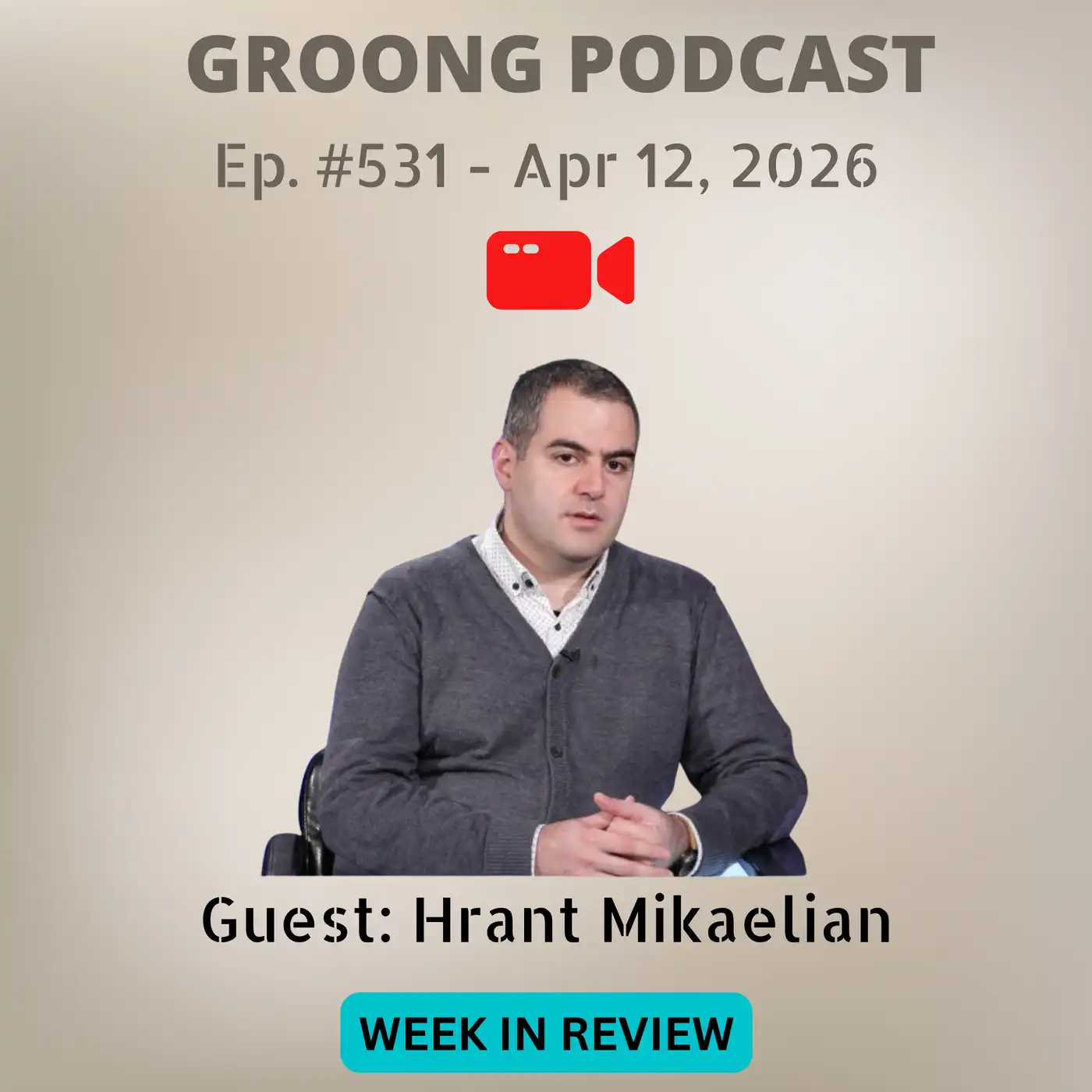
Groong Links:
Guest:
Topics:
- US-Iran Talks in Pakistan
- Orban Loses Hungary Elections
- Armenian Parliamentary Elections
- Polls: MPG, IRI, ARAR, EVN
Episode 531 | Recorded: April 14, 2026
#Armenia #IranWar #ArmenianPolitics #HungaryElections #ArmeniaPolls
Hrant Mikaelian - US-Iran Talks, Orban Loses, Armenian Parliamentary Elections, MPG Polls | Ep 531, Apr 12, 2026 [EP531]
Posted on Thursday, Apr 16, 2026 | Category: Iran, Armenia, Election, Poll, Iran, Armenia, USA, Israel, Georgia, Russia, Azerbaijan, Turkey, Artsakh, Nagorno Karabakh, European UnionGroong Links:
Guest:
Topics:
- US-Iran Talks in Pakistan
- Orban Loses Hungary Elections
- Armenian Parliamentary Elections
- Polls: MPG, IRI, ARAR, EVN
Episode 531 | Recorded: April 14, 2026
#Armenia #IranWar #ArmenianPolitics #HungaryElections #ArmeniaPolls