Armenia
Last updated: June 10, 2026
Armenia is a landlocked nation in the South Caucasus region of Western Asia, bordered by Georgia, Azerbaijan, Iran, and Turkey. With a population of approximately 3 million, Armenia is one of the world’s oldest Christian civilizations, having adopted Christianity as its state religion in 301 CE—the first country to do so. The capital and largest city is Yerevan, located in the central part of the country. Armenia’s geography is characterized by the Armenian Highlands, a mountainous region with an average elevation exceeding 1,600 meters. The country is known for its rich cultural heritage, including ancient churches, monasteries, and archaeological sites. Armenia is a member of numerous international organizations including the United Nations, World Trade Organization, and the Eurasian Economic Union.
In the context of Groong’s coverage, Armenia is a landlocked South Caucasus republic facing an acute strategic and political crisis. Since the 2020 44-Day War , the country has lost control of Artsakh (Nagorno Karabakh) and hundreds of square kilometers of territory to Azerbaijan, undergone the complete ethnic cleansing of more than 150,000 Armenian inhabitants from Artsakh, and seen its borders redrawn under duress. Prime Minister Nikol Pashinyan and his Civil Contract party have governed through this catastrophe while pursuing what opponents describe as a capitulation strategy: signing ceasefire agreements, negotiating territorial concessions, and attempting to normalize relations with Turkey despite no reciprocal gesture. The government frames this course as realism and peace-building; critics argue it surrenders Armenian sovereignty without securing the rights or security of displaced Artsakhtsis. Armenia’s relationship with its traditional security guarantor Russia has deteriorated sharply, while its pivot toward the European Union and United States remains hesitant and incomplete, leaving the country in a precarious middle position between Moscow and the West.
Domestic politics in Armenia since 2021 have been dominated by the opposition’s demand for Pashinyan’s resignation and accountability for the war’s loss. The Established Opposition parties—Strong Armenia , Armenia Alliance (Hayastan Dashinq) , Prosperous Armenia , and the Republican Party of Armenia —have held street protests, mounted electoral challenges, and attempted to build coalitions for the June 7, 2026 parliamentary elections. Civil Contract’s supermajority in parliament has allowed it to pass constitutional amendments, strip opposition figures of immunity, and advance its agenda despite sustained criticism over corruption, misuse of administrative resources, and alleged election irregularities. The government has also escalated confrontation with the Armenian Church , arresting clergy, seizing church property, and pressuring the Catholicos , actions that have alarmed international observers and divided public opinion. Simultaneously, Pashinyan has consolidated control over state institutions, including the judiciary and security services, raising concerns about democratic backsliding and rule of law.
Armenia’s economy remains fragile. Growth statistics mask structural weaknesses: the country is heavily dependent on remittances and Russian trade, faces declining foreign investment, carries rising national debt, and has seen its ties to Iran—a key trade and energy partner—complicated by U.S. pressure over TRIPP, the so-called Trump Route for International Peace and Prosperity . The project aims to open transport corridors through Armenian territory in Syunik province, a move that would connect Azerbaijan to Turkey via Armenian land and raise questions about Armenian sovereignty over the route and control of its security. Russia has shifted from enthusiastic support of the corridor to public ambivalence, while Iran has issued explicit warnings that it will not accept any arrangement that bypasses or threatens its interests. The competing pressures from Washington, Moscow, Tehran, and Baku leave Armenia’s leadership navigating impossible choices between security guarantees that do not yet exist and economic partnerships that require territorial and strategic concessions it is reluctant to make permanent. The 2026 election will determine whether Armenian voters remain committed to Pashinyan’s course or whether opposition forces can forge a unified alternative around themes of security, sovereignty, and the rights of displaced Artsakhtsis to return home.
Groong episodes that include this tag
Below are all Groong episodes tagged with Armenia.
Tevan Poghosyan on Diplomacy, War and The Way Forward (#37 - Dec 29, 2020) [EP37]
Posted on Tuesday, Dec 29, 2020 | Category: Armenia, Russia, Turkey, Economy, Georgia, NATO, European Union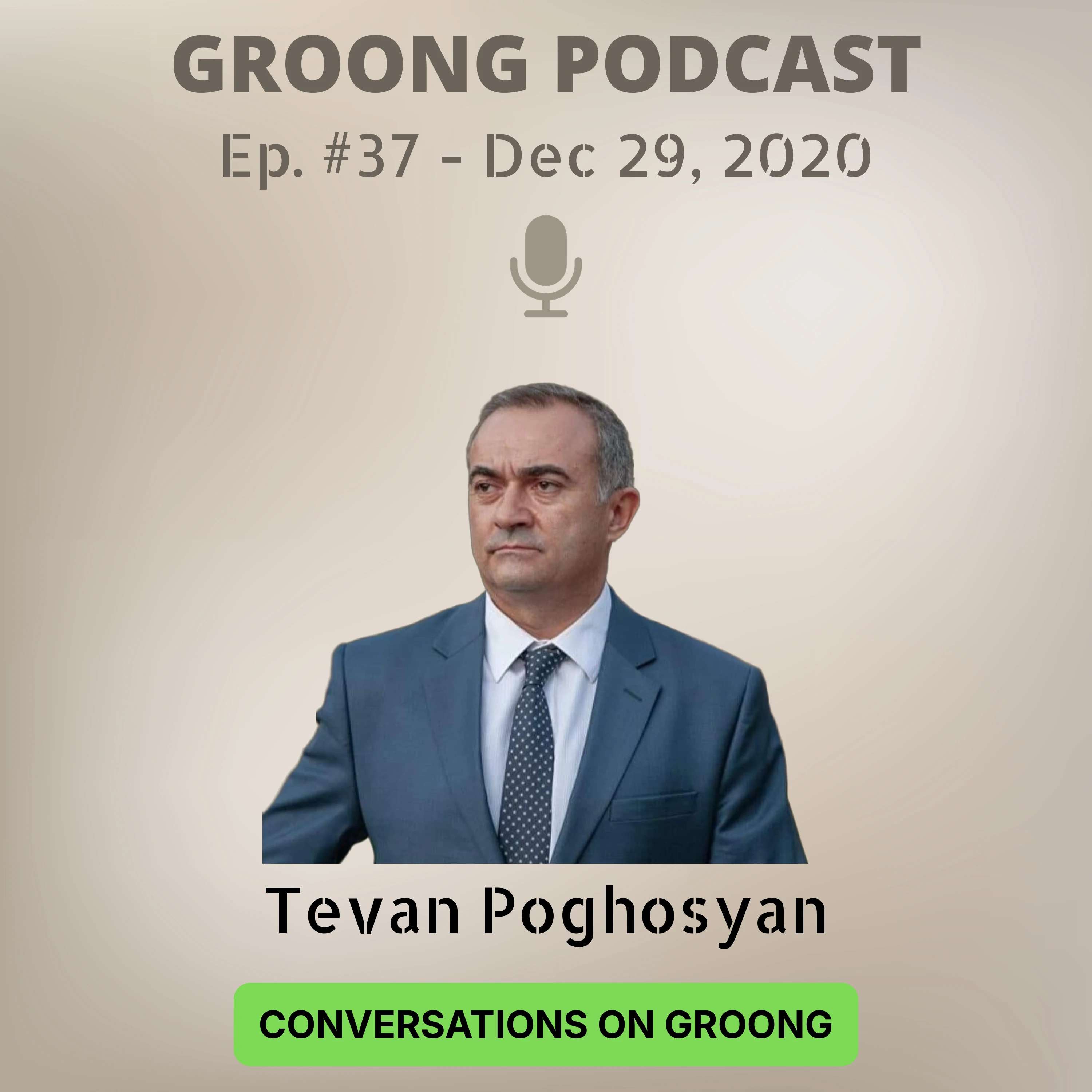
Guest(s):
Since the end of the first Nagorno-Karabakh war in 1994 and for over quarter of a century, Armenia has engaged in diplomatic activity with Azerbaijan, Turkey, Russia and the West. The aim of those diplomatic initiatives was to find a solution to the conflict by engaging in direct diplomatic negotiations as well as track two diplomacy.
In September 2020, diplomatic initiatives gave way to a military one resulting in a war that reversed Armeniaâs military successes and led to the signing of a cease-fire agreement which completely undermined Armeniaâs position
Read MoreOpposition Talks: Edmon Marukyan of Bright Armenia Party (Ep. 36) [EP36]
Posted on Wednesday, Dec 23, 2020 | Category: Armenia, Russia, Turkey, Economy, Genocide, Human Rights, NATO | Series: cog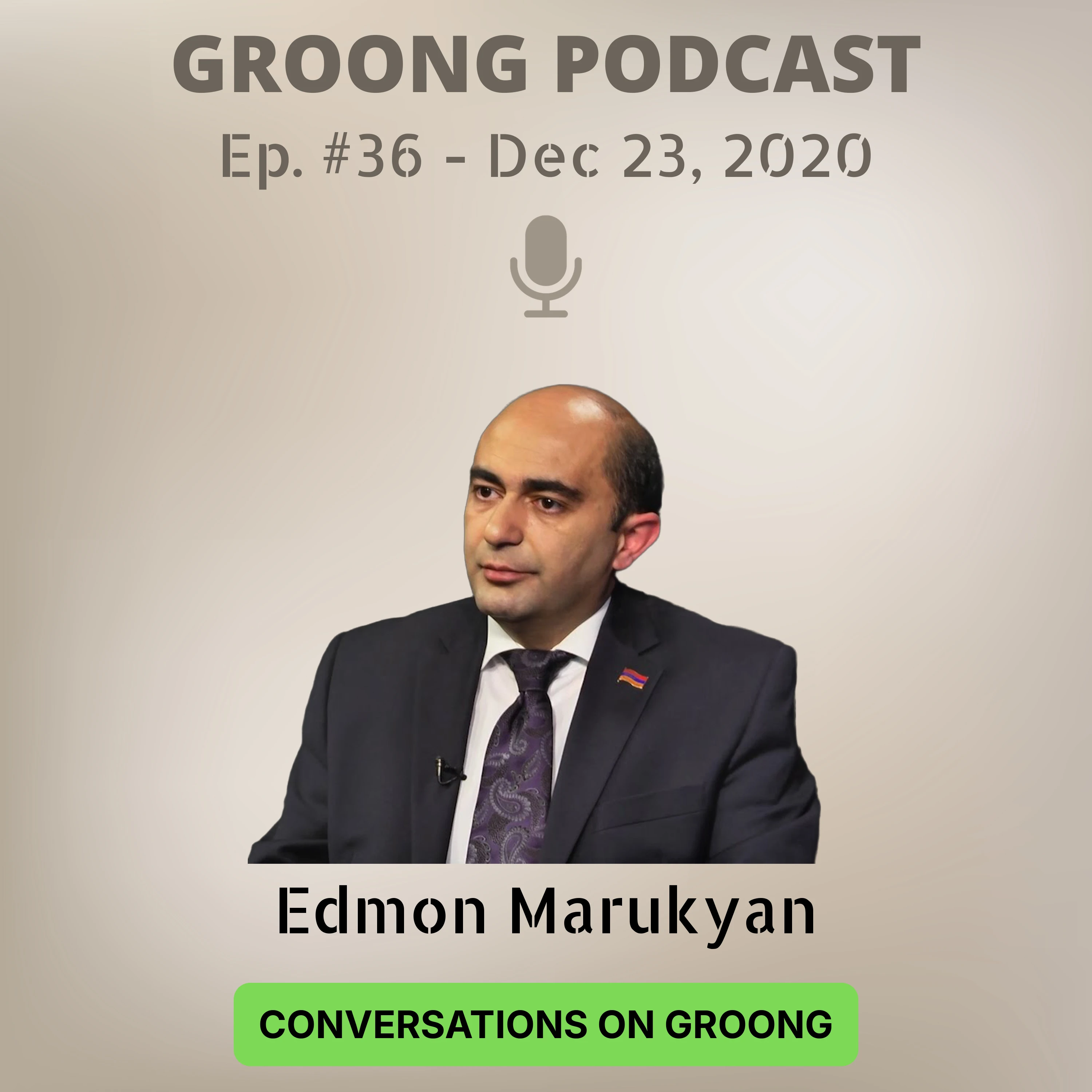
Guest(s):
Conversation with Bright Armenia’s Edmon Marukyan
Following the trilateral Karabakh ceasefire of Nov 9, all major political forces in Armenia (except for the ruling party) condemned Nikol Pashinyanâs agreement to the deal. While the dissatisfaction with the agreement is widespread, the opposition is not entirely unified on what to do next.
Weâll talk with the leader of one of the 2 parliamentary opposition factions, Bright Armenia about his, and his partyâs vision and subsequent actions to be taken by Armenia.
What is Bright Armeniaâs vision for post
Read MoreOpposition Talks: Edmon Marukyan of Bright Armenia Party (Ep. 36) [EP36]
Posted on Wednesday, Dec 23, 2020 | Category: Armenia, Russia, Turkey, Economy, Genocide, Human Rights, NATOGuest(s):
Conversation with Bright Armenia’s Edmon Marukyan
Following the trilateral Karabakh ceasefire of Nov 9, all major political forces in Armenia (except for the ruling party) condemned Nikol Pashinyanâs agreement to the deal. While the dissatisfaction with the agreement is widespread, the opposition is not entirely unified on what to do next.
Weâll talk with the leader of one of the 2 parliamentary opposition factions, Bright Armenia about his, and his partyâs vision and subsequent actions to be taken by Armenia.
What is Bright Armeniaâs vision for post
Read More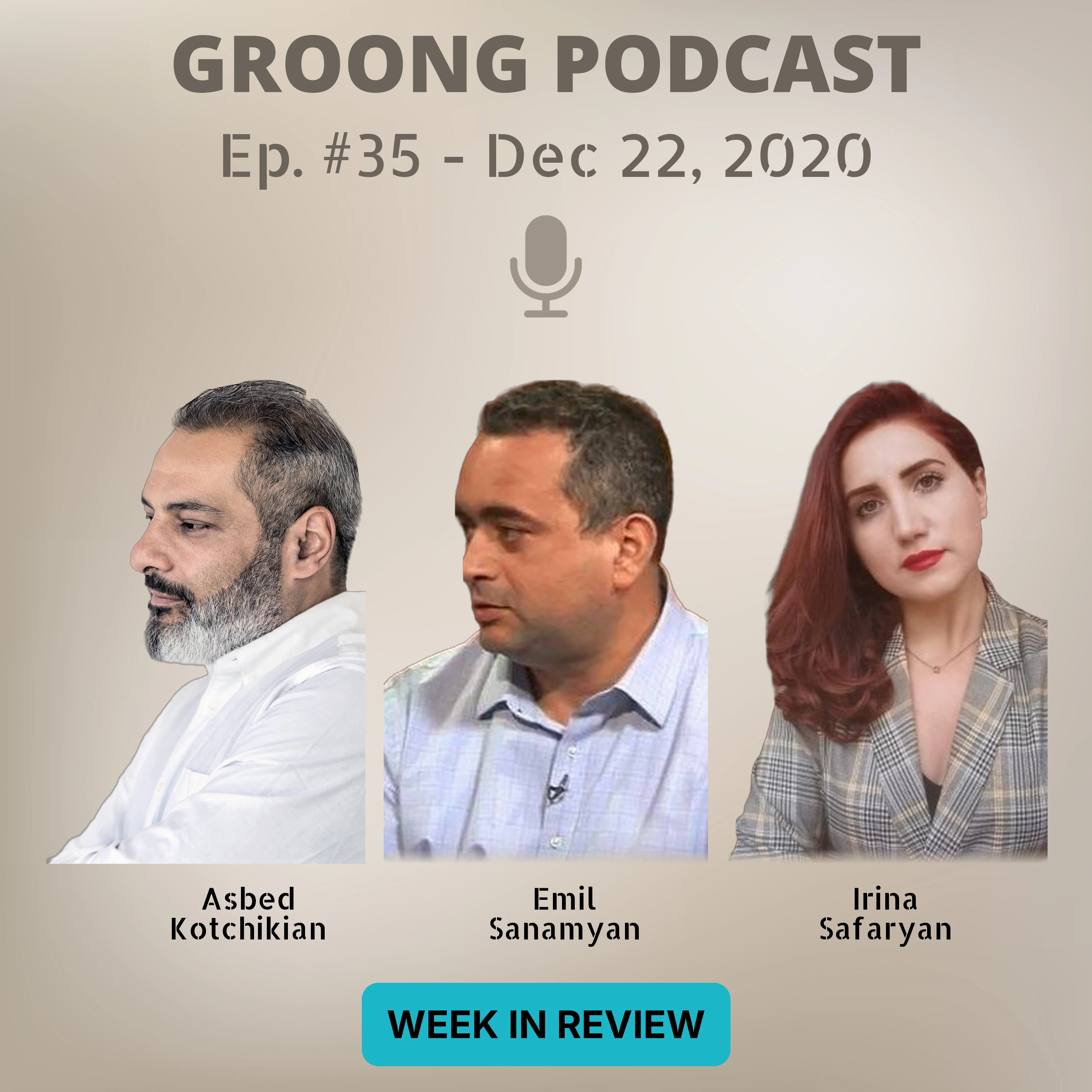
Guest(s):
ANN/Groong Week in Review Episode 35 - Dec 20, 2020
Topics Covered:
- Life in Artsakh
- Update on Hin Tagher & Khtsaberd
- Internal Political Situation in Yerevan
- Kapan Border Tension
Guests
- Asbed Kotchikian
- Irina Safaryan
- Emil Sanamyan
Your Hosts:
- Asbed Bedrossian
- Hovik Manucharyan
Website: https://groong.org/podcasts/WiR-20201220.html Recorded: Dec 20, 2020
Guest(s):
ANN/Groong Week in Review Episode 35 - Dec 20, 2020
Topics Covered:
- Life in Artsakh
- Update on Hin Tagher & Khtsaberd
- Internal Political Situation in Yerevan
- Kapan Border Tension
Guests
- Asbed Kotchikian
- Irina Safaryan
- Emil Sanamyan
Your Hosts:
- Asbed Bedrossian
- Hovik Manucharyan
Website: https://groong.org/podcasts/WiR-20201220.html Recorded: Dec 20, 2020
Opposition Talks: Arthur Khachatryan - ARF Dashnaktsutyun (Ep. 34) [EP34]
Posted on Saturday, Dec 19, 2020 | Category: Armenia, Russia, Armenian Genocide, Economy, Genocide, Turkey | Series: cog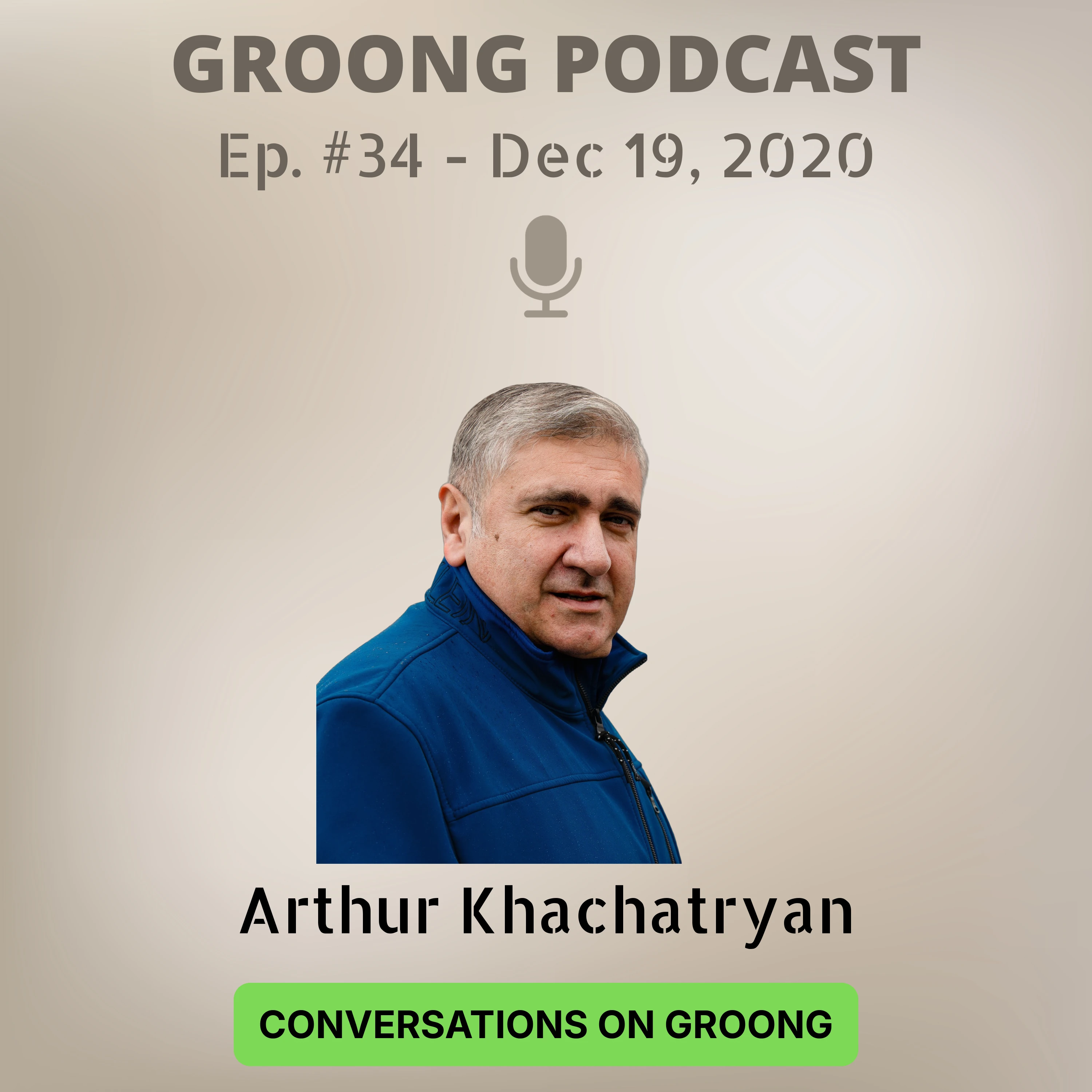
Guest(s):
Conversation with ARF’s Arthur Khachatryan
Following the trilateral Karabakh ceasefire of Nov 9, the Armenian opposition has nearly universally condemned Nikol Pashinyanâs agreement to the deal. The largest opposition grouping, called Movement of the Salvation of the Homeland (ÕÕ¡ÕµÖÕ¥Õ¶Õ«ÖÕ« ÖÖÕ¯Õ¸ÖÕ©ÕµÕ¡Õ¶ Õ·Õ¡ÕªÕ¸ÖÕ´ in Armenian), composed of 17 political parties including the Armenian Revolutionary Federation (ARF), Prosperous Armenia, and the Republican Party, are demanding Pashinyanâs immediate resignation and the appointment of their
Read MoreOpposition Talks: Arthur Khachatryan - ARF Dashnaktsutyun (Ep. 34) [EP34]
Posted on Saturday, Dec 19, 2020 | Category: Armenia, Russia, Armenian Genocide, Economy, Genocide, TurkeyGuest(s):
Conversation with ARF’s Arthur Khachatryan
Following the trilateral Karabakh ceasefire of Nov 9, the Armenian opposition has nearly universally condemned Nikol Pashinyanâs agreement to the deal. The largest opposition grouping, called Movement of the Salvation of the Homeland (ÕÕ¡ÕµÖÕ¥Õ¶Õ«ÖÕ« ÖÖÕ¯Õ¸ÖÕ©ÕµÕ¡Õ¶ Õ·Õ¡ÕªÕ¸ÖÕ´ in Armenian), composed of 17 political parties including the Armenian Revolutionary Federation (ARF), Prosperous Armenia, and the Republican Party, are demanding Pashinyanâs immediate resignation and the appointment of their
Read More
Guest(s):
ANN/Groong Week in Review Episode 33 - Dec 13, 2020
Topics Covered:
- Renewed Fighting & the OSCE MG visit
- Expedited Border Demarcation?
- What will happen to Sotq?
- Diplomatic Relations with Azerbaijan?
Your Hosts:
- Asbed Bedrossian
- Hovik Manucharyan
Resident Panelists:
- Emil Sanamyan
- Pietro Shakarian
Recorded: Dec 13, 2020
Guest(s):
ANN/Groong Week in Review Episode 33 - Dec 13, 2020
Topics Covered:
- Renewed Fighting & the OSCE MG visit
- Expedited Border Demarcation?
- What will happen to Sotq?
- Diplomatic Relations with Azerbaijan?
Your Hosts:
- Asbed Bedrossian
- Hovik Manucharyan
Resident Panelists:
- Emil Sanamyan
- Pietro Shakarian
Recorded: Dec 13, 2020