Armenia
Last updated: June 10, 2026
Armenia is a landlocked nation in the South Caucasus region of Western Asia, bordered by Georgia, Azerbaijan, Iran, and Turkey. With a population of approximately 3 million, Armenia is one of the world’s oldest Christian civilizations, having adopted Christianity as its state religion in 301 CE—the first country to do so. The capital and largest city is Yerevan, located in the central part of the country. Armenia’s geography is characterized by the Armenian Highlands, a mountainous region with an average elevation exceeding 1,600 meters. The country is known for its rich cultural heritage, including ancient churches, monasteries, and archaeological sites. Armenia is a member of numerous international organizations including the United Nations, World Trade Organization, and the Eurasian Economic Union.
In the context of Groong’s coverage, Armenia is a landlocked South Caucasus republic facing an acute strategic and political crisis. Since the 2020 44-Day War , the country has lost control of Artsakh (Nagorno Karabakh) and hundreds of square kilometers of territory to Azerbaijan, undergone the complete ethnic cleansing of more than 150,000 Armenian inhabitants from Artsakh, and seen its borders redrawn under duress. Prime Minister Nikol Pashinyan and his Civil Contract party have governed through this catastrophe while pursuing what opponents describe as a capitulation strategy: signing ceasefire agreements, negotiating territorial concessions, and attempting to normalize relations with Turkey despite no reciprocal gesture. The government frames this course as realism and peace-building; critics argue it surrenders Armenian sovereignty without securing the rights or security of displaced Artsakhtsis. Armenia’s relationship with its traditional security guarantor Russia has deteriorated sharply, while its pivot toward the European Union and United States remains hesitant and incomplete, leaving the country in a precarious middle position between Moscow and the West.
Domestic politics in Armenia since 2021 have been dominated by the opposition’s demand for Pashinyan’s resignation and accountability for the war’s loss. The Established Opposition parties—Strong Armenia , Armenia Alliance (Hayastan Dashinq) , Prosperous Armenia , and the Republican Party of Armenia —have held street protests, mounted electoral challenges, and attempted to build coalitions for the June 7, 2026 parliamentary elections. Civil Contract’s supermajority in parliament has allowed it to pass constitutional amendments, strip opposition figures of immunity, and advance its agenda despite sustained criticism over corruption, misuse of administrative resources, and alleged election irregularities. The government has also escalated confrontation with the Armenian Church , arresting clergy, seizing church property, and pressuring the Catholicos , actions that have alarmed international observers and divided public opinion. Simultaneously, Pashinyan has consolidated control over state institutions, including the judiciary and security services, raising concerns about democratic backsliding and rule of law.
Armenia’s economy remains fragile. Growth statistics mask structural weaknesses: the country is heavily dependent on remittances and Russian trade, faces declining foreign investment, carries rising national debt, and has seen its ties to Iran—a key trade and energy partner—complicated by U.S. pressure over TRIPP, the so-called Trump Route for International Peace and Prosperity . The project aims to open transport corridors through Armenian territory in Syunik province, a move that would connect Azerbaijan to Turkey via Armenian land and raise questions about Armenian sovereignty over the route and control of its security. Russia has shifted from enthusiastic support of the corridor to public ambivalence, while Iran has issued explicit warnings that it will not accept any arrangement that bypasses or threatens its interests. The competing pressures from Washington, Moscow, Tehran, and Baku leave Armenia’s leadership navigating impossible choices between security guarantees that do not yet exist and economic partnerships that require territorial and strategic concessions it is reluctant to make permanent. The 2026 election will determine whether Armenian voters remain committed to Pashinyan’s course or whether opposition forces can forge a unified alternative around themes of security, sovereignty, and the rights of displaced Artsakhtsis to return home.
Groong episodes that include this tag
Below are all Groong episodes tagged with Armenia.
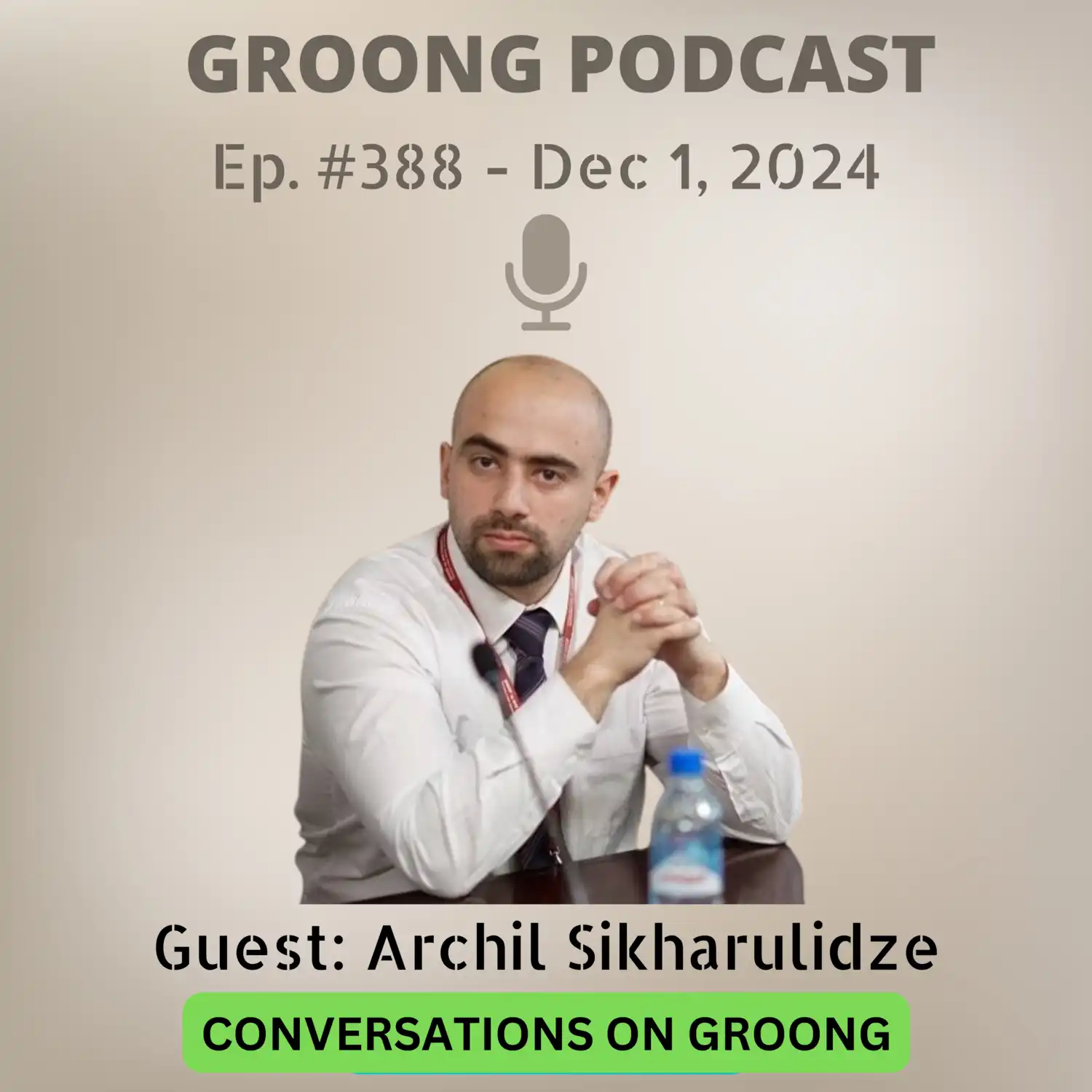
Groong Links:
Guest:
Topics:
- Constitutional Crisis In Georgia?
- Western Reactions and Escalation
- Russian Reactions and Georgiaâs Strategic Direction
- Unrest In Abkhazia
Episode 388 | Recorded: November 30, 2024
Arthur G. Martirosyan - Government Firings by Text, Another Scandalous Pashinyan Interview, New Escalation in Ukraine | Ep 387 - Nov 24, 2024 [EP387]
Posted on Tuesday, Nov 26, 2024 | Category: Armenia, Politics, Artsakh, Nagorno Karabakh, Georgia, Turkey, Russia, Azerbaijan, Ukraine, China, Genocide, Economy, Middle East, NATO, Syria | Series: wir
Groong Links:
Guest:
Topics:
- Supreme Judicial Council Head, MPs resign at Pashinyanâs âAskâ
- Another Pashinyan Interview, More Scandalous Statements
- Speed Cameras, Government Officials Cars
- âWestern Azerbaijanâ â âWestern Armeniaâ
- EU Mission in Armenia
- New Escalation in Ukraine
Episode 387 | Recorded: November 25, 2024
Arthur G. Martirosyan - Government Firings by Text, Another Scandalous Pashinyan Interview, New Escalation in Ukraine | Ep 387 - Nov 24, 2024 [EP387]
Posted on Tuesday, Nov 26, 2024 | Category: Armenia, Politics, Artsakh, Nagorno Karabakh, Georgia, Turkey, Russia, Azerbaijan, Ukraine, China, Genocide, Economy, Middle East, NATO, SyriaGroong Links:
Guest:
Topics:
- Supreme Judicial Council Head, MPs resign at Pashinyanâs âAskâ
- Another Pashinyan Interview, More Scandalous Statements
- Speed Cameras, Government Officials Cars
- âWestern Azerbaijanâ â âWestern Armeniaâ
- EU Mission in Armenia
- New Escalation in Ukraine
Episode 387 | Recorded: November 25, 2024
Tevan Poghosyan - Armenia-Azerbaijan Talks, COP29 in Baku, Gyumri Politics, Police Reform | Ep 386 - Nov 17, 2024 [EP386]
Posted on Tuesday, Nov 19, 2024 | Category: Armenia, Artsakh, Nagorno Karabakh, Azerbaijan, Georgia, Turkey, Russia, Human Rights, Economy, Ukraine, China, Iran, Israel, Middle East | Series: wir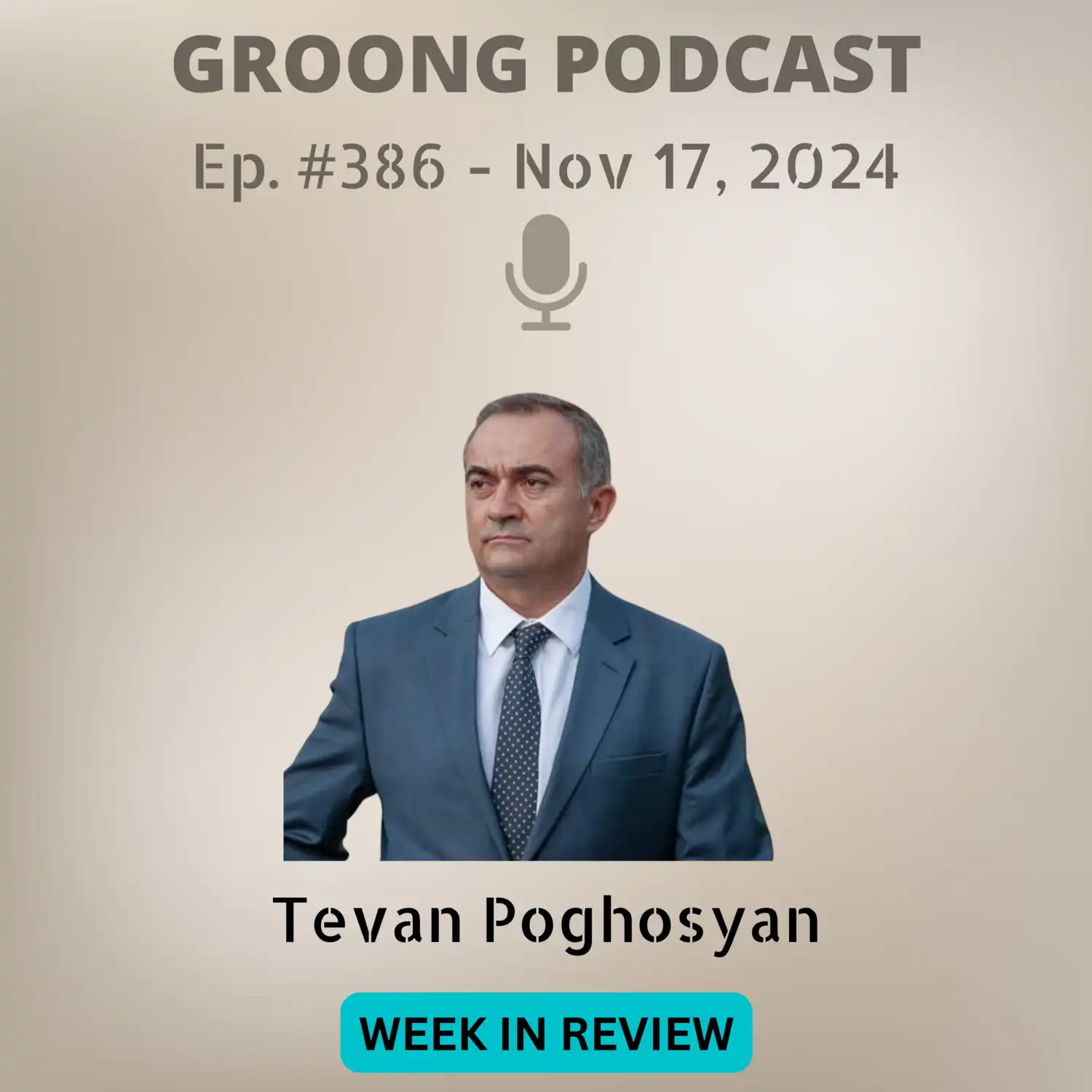
Groong Links:
Guest:
Topics:
- Armenia-Azerbaijan talks
- COP29: Diplomacy and boycotts
- Gyumri’s political intrigues
- Mass dismissal of Armenian government members
- Police âreformâ
- Legislative Changes In Preparation For Elections
Episode 386 | Recorded: November 17, 2024
Tevan Poghosyan - Armenia-Azerbaijan Talks, COP29 in Baku, Gyumri Politics, Police Reform | Ep 386 - Nov 17, 2024 [EP386]
Posted on Tuesday, Nov 19, 2024 | Category: Armenia, Artsakh, Nagorno Karabakh, Azerbaijan, Georgia, Turkey, Russia, Human Rights, Economy, Ukraine, China, Iran, Israel, Middle EastGroong Links:
Guest:
Topics:
- Armenia-Azerbaijan talks
- COP29: Diplomacy and boycotts
- Gyumri’s political intrigues
- Mass dismissal of Armenian government members
- Police âreformâ
- Legislative Changes In Preparation For Elections
Episode 386 | Recorded: November 17, 2024
Arthur Khachatryan - Armenia Azerbaijan Talks, 2025 State Budget, Internal Political Developments | Ep 385 - Nov 10, 2024 [EP385]
Posted on Thursday, Nov 14, 2024 | Category: Armenia, Artsakh, Nagorno Karabakh, Economy, Turkey, Russia, Ukraine, Genocide, Iran, Lebanon, European Union, Georgia, Israel, Middle East, NATO, Syria | Series: wir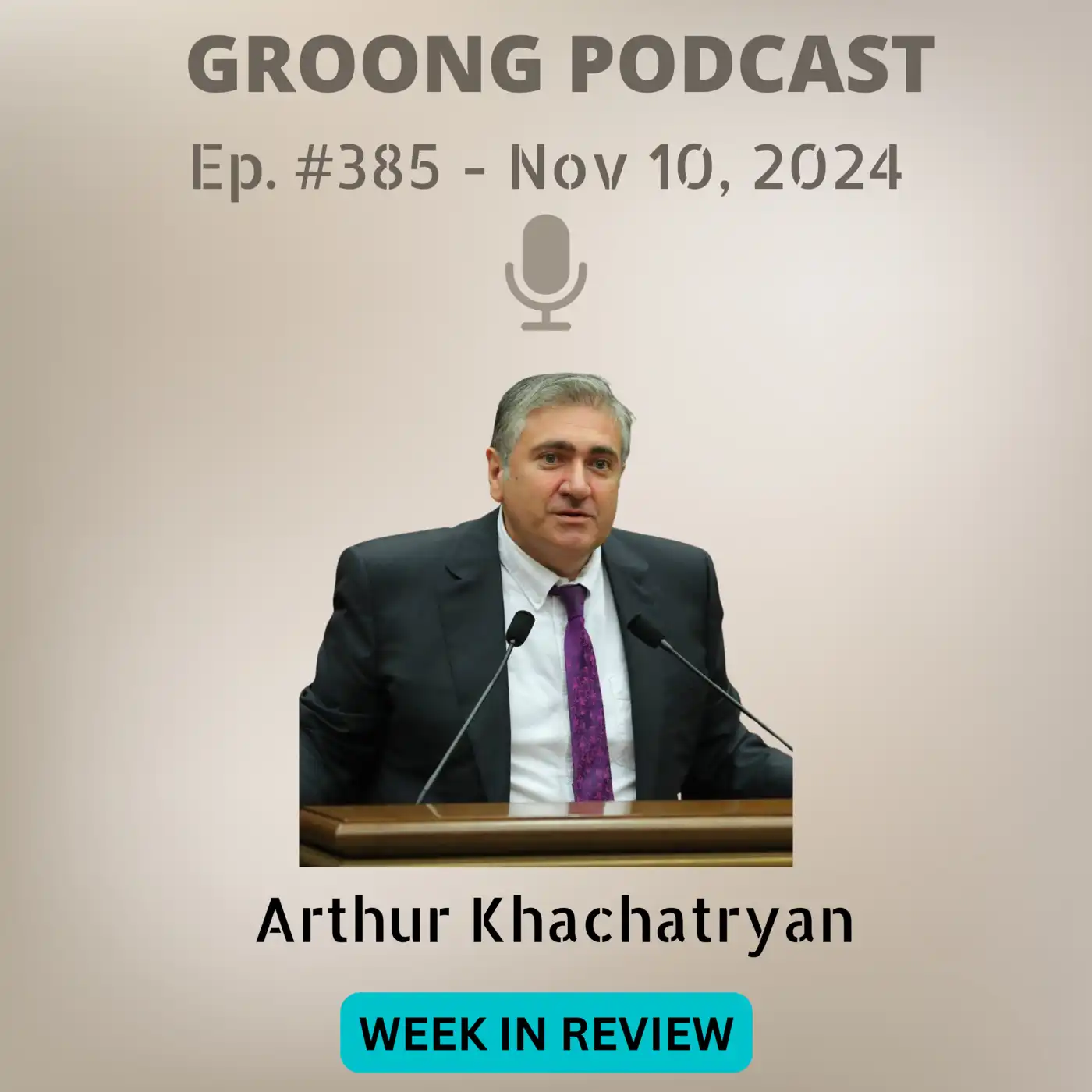
Groong Links:
Guest:
Topics:
- Armenia Azerbaijan Talks
- Draft 2025 State Budget
- Armenian Internal Politics
Episode 385 | Recorded: November 13, 2024
Arthur Khachatryan - Armenia Azerbaijan Talks, 2025 State Budget, Internal Political Developments | Ep 385 - Nov 10, 2024 [EP385]
Posted on Thursday, Nov 14, 2024 | Category: Armenia, Artsakh, Nagorno Karabakh, Economy, Turkey, Russia, Ukraine, Genocide, Iran, Lebanon, European Union, Georgia, Israel, Middle East, NATO, SyriaGroong Links:
Guest:
Topics:
- Armenia Azerbaijan Talks
- Draft 2025 State Budget
- Armenian Internal Politics
Episode 385 | Recorded: November 13, 2024
Suren Sargsyan - Armenia and Trump’s Election as President Again | Ep 384 - Nov 9, 2024 [EP384]
Posted on Saturday, Nov 9, 2024 | Category: Armenia, Politics, USA, Middle East, Ukraine, Artsakh, Nagorno Karabakh, Israel, Lebanon, Genocide, Armenian Church, China, Russia, NATO, Iran, Economy, Human Rights | Series: cog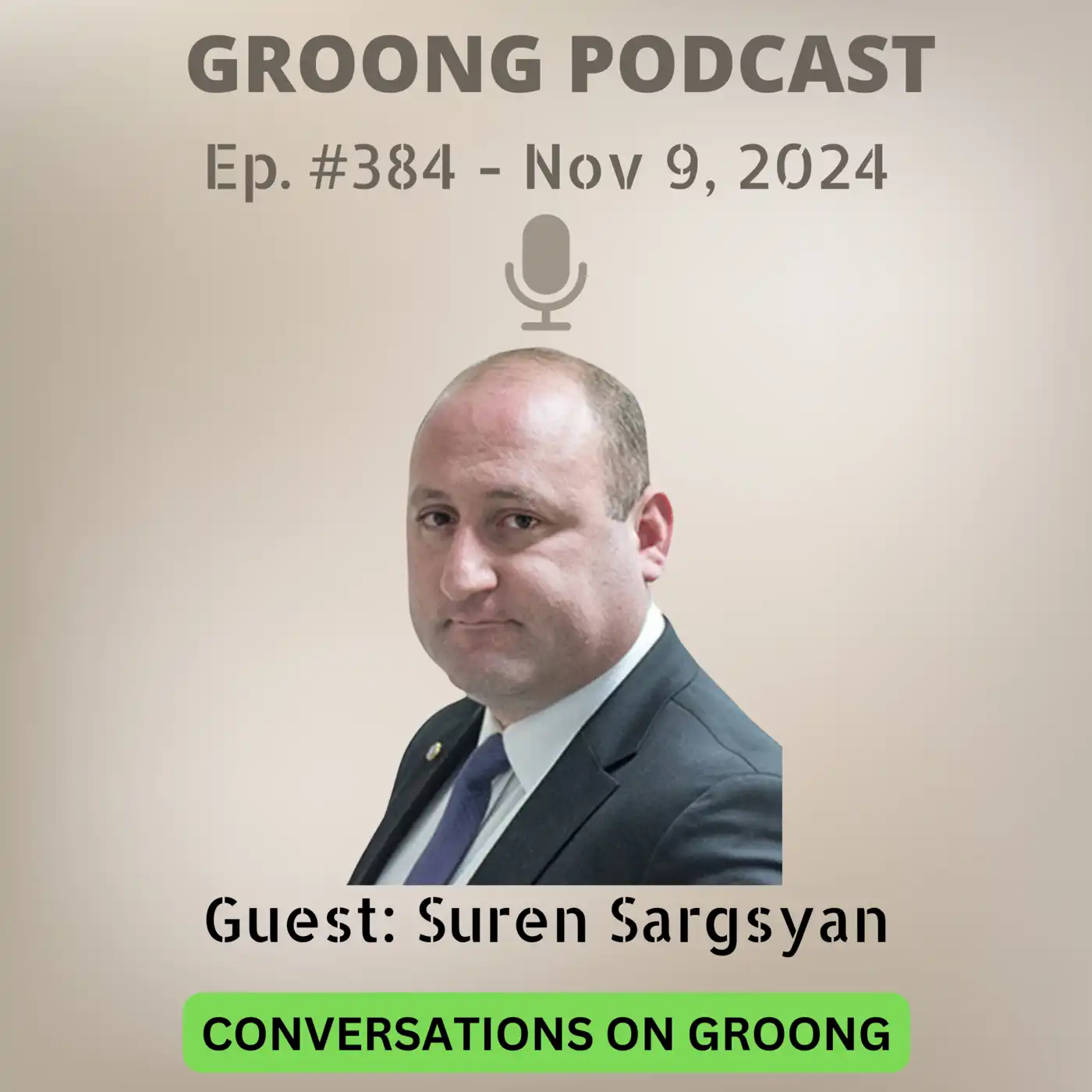
Groong Links:
Guest:
Topic:
- Armenia, Armenian Americans, Artsakh
- Ukraine War, NATO, China
- Israel, Gaza, Lebanon, Iran
Episode 384 | Recorded: April 3, 2023
Suren Sargsyan - Armenia and Trump’s Election as President Again | Ep 384 - Nov 9, 2024 [EP384]
Posted on Saturday, Nov 9, 2024 | Category: Armenia, Politics, USA, Middle East, Ukraine, Artsakh, Nagorno Karabakh, Israel, Lebanon, Genocide, Armenian Church, China, Russia, NATO, Iran, Economy, Human RightsGroong Links:
Guest:
Topic:
- Armenia, Armenian Americans, Artsakh
- Ukraine War, NATO, China
- Israel, Gaza, Lebanon, Iran
Episode 384 | Recorded: April 3, 2023
Նարեկ Մալյան - Քաղաքական Հալածանքներ և Ընտրովի Արդարադատուտյուն | Ep 383 - Nov 8, 2024 [EP383]
Posted on Friday, Nov 8, 2024 | Category: Armenia, Politics, In Armenian, Artsakh, Nagorno Karabakh | Series: cog
Groong Links:
Guest:
Topics:
- Կալանավորում, մեկ տարի բանտում (Arrest, one year in prison)
- Նախնական կալանք որպես պատիժ (Pretrial detention as punishment)
- Ընտրովի «արդարադատություն» ընդդիմադիրների նկատմամբ (Selective “justice” towards oppositionists)
- Արեւմուտքի լռությունը (The silence of the West)
Episode 382 | Recorded: October 29, 2024
Նարեկ Մալյան - Քաղաքական Հալածանքներ և Ընտրովի Արդարադատուտյուն | Ep 383 - Nov 8, 2024 [EP383]
Posted on Friday, Nov 8, 2024 | Category: Armenia, Politics, In Armenian, Artsakh, Nagorno KarabakhGroong Links:
Guest:
Topics:
- Կալանավորում, մեկ տարի բանտում (Arrest, one year in prison)
- Նախնական կալանք որպես պատիժ (Pretrial detention as punishment)
- Ընտրովի «արդարադատություն» ընդդիմադիրների նկատմամբ (Selective “justice” towards oppositionists)
- Արեւմուտքի լռությունը (The silence of the West)
Episode 382 | Recorded: October 29, 2024
Benyamin Poghosyan - China, BRICS, New World Order, Armenia in Kazan, Georgian Elections in 2024 | Ep 382 - Nov 4, 2024 [EP382]
Posted on Monday, Nov 4, 2024 | Category: China, World Order, Georgia, Armenia, Russia, USA, India, Ukraine, Azerbaijan, Artsakh Blockade, BRICS, NATO, Turkey, Iran, Economy, European Union, Geopolitics, Syria | Series: cog
Groong Links:
Guest:
Topics:
- China, and the New World Order
- BRICS Summit and Multipolarity
- Armenia at BRICS
- Georgian Elections in 2024
Episode 382 | Recorded: October 29, 2024
Benyamin Poghosyan - China, BRICS, New World Order, Armenia in Kazan, Georgian Elections in 2024 | Ep 382 - Nov 4, 2024 [EP382]
Posted on Monday, Nov 4, 2024 | Category: China, World Order, Georgia, Armenia, Russia, USA, India, Ukraine, Azerbaijan, Artsakh Blockade, BRICS, NATO, Turkey, Iran, Economy, European Union, Geopolitics, SyriaGroong Links:
Guest:
Topics:
- China, and the New World Order
- BRICS Summit and Multipolarity
- Armenia at BRICS
- Georgian Elections in 2024
Episode 382 | Recorded: October 29, 2024
Groong Links:
Guest:
Topics:
- Georgian Elections Outcome
- Political Landscape
- Effect on Armenia and Beyond
Episode 381 | Recorded: November 3, 2024
Groong Links:
Guest:
Topics:
- Georgian Elections Outcome
- Political Landscape
- Effect on Armenia and Beyond
Episode 381 | Recorded: November 3, 2024
Harut Sassounian - Armenian American and the 2024 US Presidential Elections | Ep 380 - Nov 2, 2024 [EP380]
Posted on Saturday, Nov 2, 2024 | Category: Armenia, Artsakh, USA, Elections, Nagorno Karabakh, Genocide, Azerbaijan, Israel, Lebanon, Armenian Genocide, Ukraine, Russia, NATO, Economy, Middle East, Turkey | Series: cog
Groong Links:
Guest:
Topics:
On the Major US Presidential Candidates Do Minor Candidates Matter for us? Are We Organized Enough to Influence US Elections? How would Harris or Trump Affect Armenia & Region?
Episode 380 | Recorded: November 1, 2024
Harut Sassounian - Armenian American and the 2024 US Presidential Elections | Ep 380 - Nov 2, 2024 [EP380]
Posted on Saturday, Nov 2, 2024 | Category: Armenia, Artsakh, USA, Elections, Nagorno Karabakh, Genocide, Azerbaijan, Israel, Lebanon, Armenian Genocide, Ukraine, Russia, NATO, Economy, Middle East, TurkeyGroong Links:
Guest:
Topics:
On the Major US Presidential Candidates Do Minor Candidates Matter for us? Are We Organized Enough to Influence US Elections? How would Harris or Trump Affect Armenia & Region?
Episode 380 | Recorded: November 1, 2024
Anna Karapetyan - BRICS, Armenia-Azerbaijan Talks, COP29, EU Res | Ep 379 - Oct 27, 2024 [EP379]
Posted on Thursday, Oct 31, 2024 | Category: Armenia, Artsakh, Nagorno Karabakh, Azerbaijan, Georgia, Armenian Genocide, BRICS, Russia, Iran, Turkey, Genocide, Human Rights, Israel, Middle East, Syria, European Union, Lebanon, NATO | Series: wir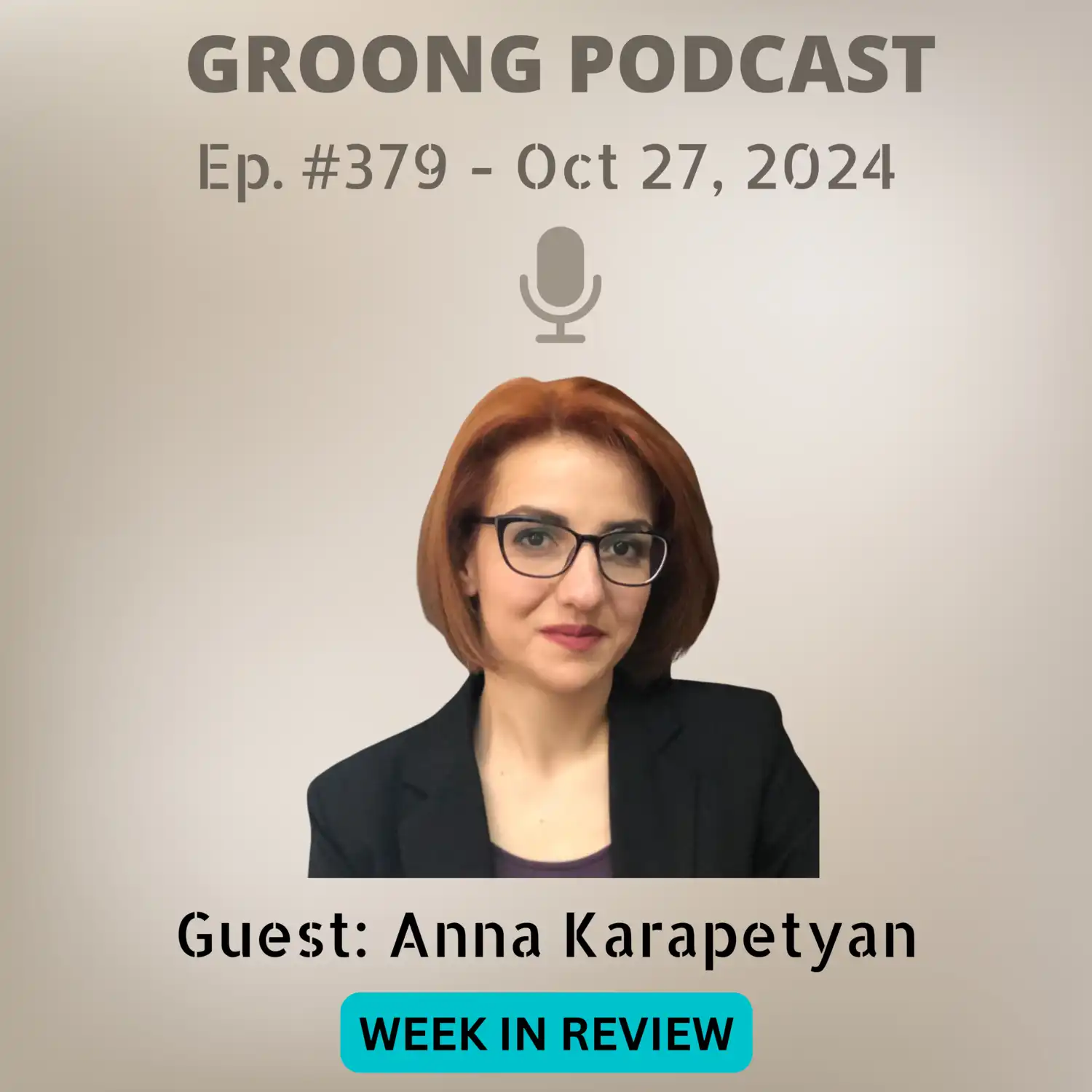
Groong Links:
Guest:
- Anna Karapetyan Director of the Insight Analytical Center for Applied Policy and Research.
Topics:
- Armenia at the BRICS Summit
- Armenia Azerbaijan Talks
- Armenia at COP29
- European Parliament Resolution
Episode 379 | Recorded: October 29, 2024
Anna Karapetyan - BRICS, Armenia-Azerbaijan Talks, COP29, EU Res | Ep 379 - Oct 27, 2024 [EP379]
Posted on Thursday, Oct 31, 2024 | Category: Armenia, Artsakh, Nagorno Karabakh, Azerbaijan, Georgia, Armenian Genocide, BRICS, Russia, Iran, Turkey, Genocide, Human Rights, Israel, Middle East, Syria, European Union, Lebanon, NATOGroong Links:
Guest:
- Anna Karapetyan Director of the Insight Analytical Center for Applied Policy and Research.
Topics:
- Armenia at the BRICS Summit
- Armenia Azerbaijan Talks
- Armenia at COP29
- European Parliament Resolution
Episode 379 | Recorded: October 29, 2024
Aram Suren Hamparian - Armenian American and the 2024 US Presidential Elections | Ep 378 - Oct 27, 2024 [EP378]
Posted on Sunday, Oct 27, 2024 | Category: Armenia, Artsakh, USA, Elections, Nagorno Karabakh, Genocide, Azerbaijan, Turkey, Israel, Artsakh Blockade, Armenian Genocide, NATO | Series: cog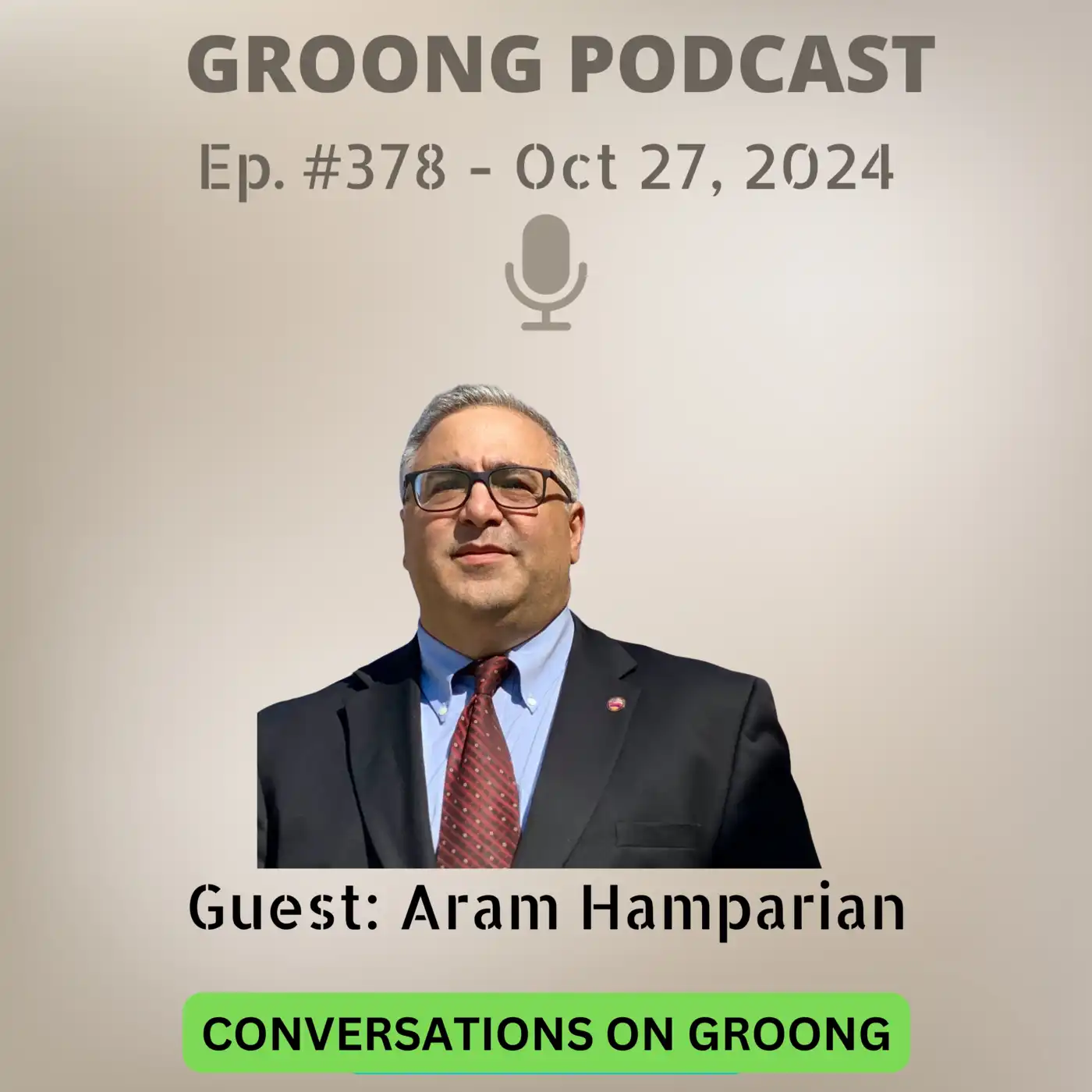
Groong Links:
Guest:
Topics:
- ANCA Endorsements Methodology
- On the Major Presidential Candidates
- Arab-Americans Still Uncommitted
- Where is the Armenian Vote?
Episode 378 | Recorded: October 25, 2024
Aram Suren Hamparian - Armenian American and the 2024 US Presidential Elections | Ep 378 - Oct 27, 2024 [EP378]
Posted on Sunday, Oct 27, 2024 | Category: Armenia, Artsakh, USA, Elections, Nagorno Karabakh, Genocide, Azerbaijan, Turkey, Israel, Artsakh Blockade, Armenian Genocide, NATOGroong Links:
Guest:
Topics:
- ANCA Endorsements Methodology
- On the Major Presidential Candidates
- Arab-Americans Still Uncommitted
- Where is the Armenian Vote?
Episode 378 | Recorded: October 25, 2024
Groong Links:
Guest:
Topics:
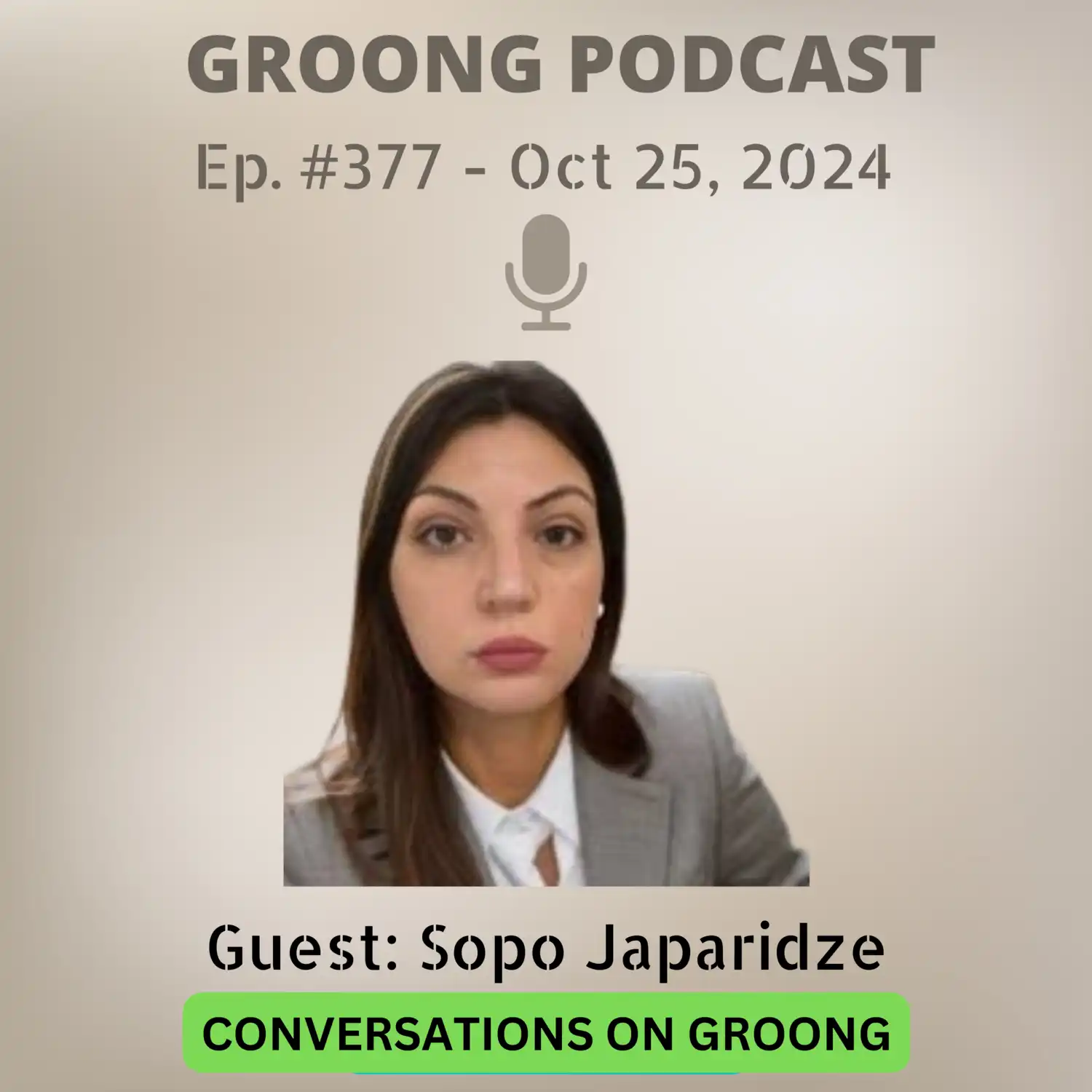
- Georgian Elections in 2024
- Election Landscape
- Themes of the Campaigns
- Comparison with Moldova 2024
- Outcomes and Expectations
Episode 377 | Recorded: October 23, 2024
Groong Links:
Guest:
Topics:
- Georgian Elections in 2024
- Election Landscape
- Themes of the Campaigns
- Comparison with Moldova 2024
- Outcomes and Expectations
Episode 377 | Recorded: October 23, 2024
Sergei Melkonian - Armenia Azerbaijan, Moldova Georgia Elections, Iran Russia, BRICS in Kazan, Russia | Ep 376 - Oct 20, 2024 [EP376]
Posted on Tuesday, Oct 22, 2024 | Category: Armenia, Azerbaijan, Russia, Georgia, Artsakh, Nagorno Karabakh, Turkey, Iran, USA, Israel, Lebanon, Armenian Church, BRICS, Middle East, Syria, China, Ukraine, Genocide, Human Rights, European Union, Geopolitics | Series: wir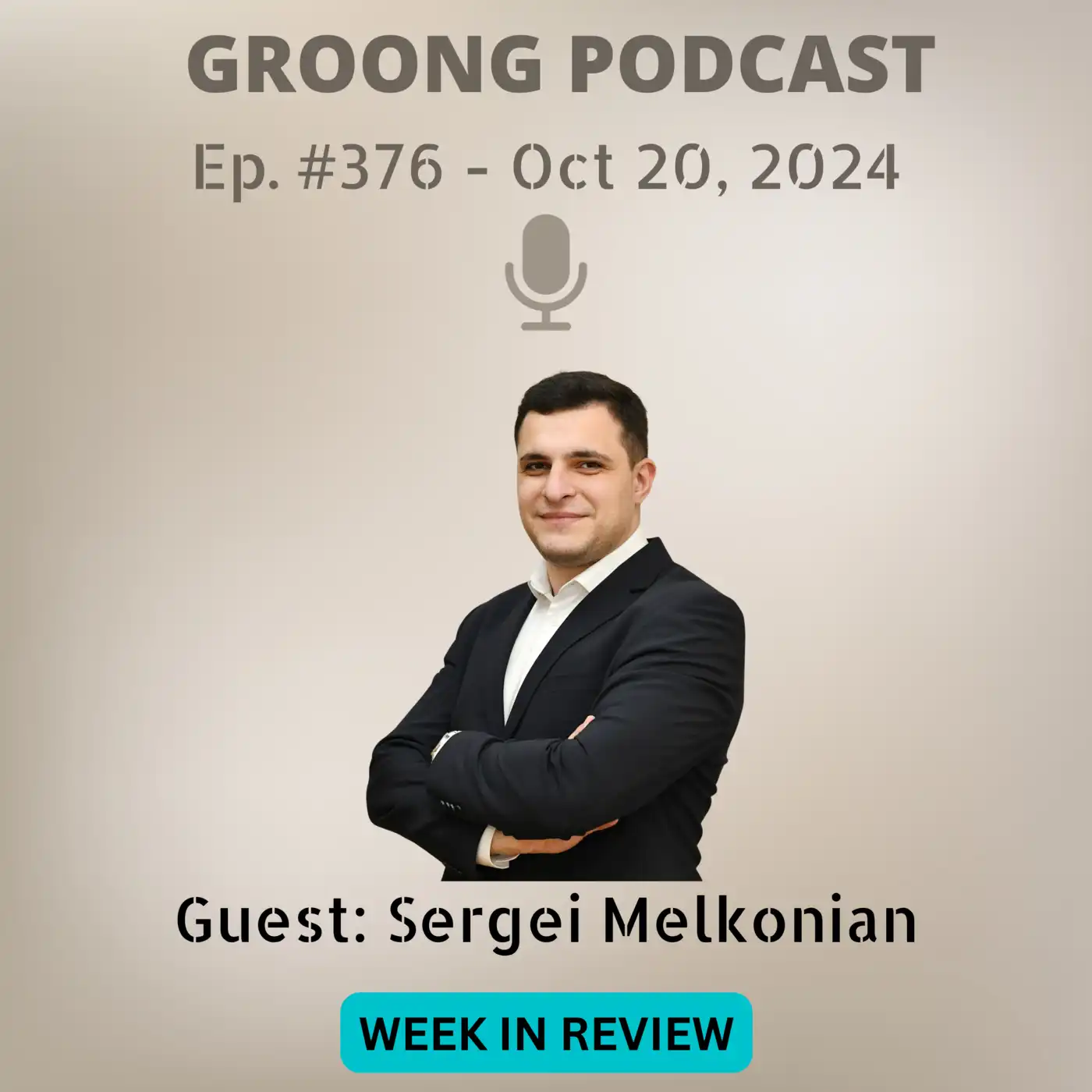
Groong Links:
Guest:
Topics:
- Armenia Azerbaijan Talks
- Elections in Moldova and Georgia
- Iran Russia Relations
- BRICS Summit in Kaza, Russia
Episode 376 | Recorded: October 20, 2024
Sergei Melkonian - Armenia Azerbaijan, Moldova Georgia Elections, Iran Russia, BRICS in Kazan, Russia | Ep 376 - Oct 20, 2024 [EP376]
Posted on Tuesday, Oct 22, 2024 | Category: Armenia, Azerbaijan, Russia, Georgia, Artsakh, Nagorno Karabakh, Turkey, Iran, USA, Israel, Lebanon, Armenian Church, BRICS, Middle East, Syria, China, Ukraine, Genocide, Human Rights, European Union, GeopoliticsGroong Links:
Guest:
Topics:
- Armenia Azerbaijan Talks
- Elections in Moldova and Georgia
- Iran Russia Relations
- BRICS Summit in Kaza, Russia
Episode 376 | Recorded: October 20, 2024
Nino Skvortsova - Political Science, Politics, and Identity in Georgia, Relations with Armenia | Ep 375 - Oct 21, 2024 [EP375]
Posted on Monday, Oct 21, 2024 | Category: Georgia, Armenia, Elections, Azerbaijan, Turkey, Russia, USA, European Union, NATO, Iran, China, Economy, Genocide, Geopolitics, Israel, Lebanon, Middle East, Ukraine | Series: cog
Groong Links:
Guest:
Topics:
- Political Science in Georgia
- Elections and Potential Political Pivot
- Influences on Georgian Identity
- Georgia-Armenia Relations
Episode 375 | Recorded: October 15, 2024
Nino Skvortsova - Political Science, Politics, and Identity in Georgia, Relations with Armenia | Ep 375 - Oct 21, 2024 [EP375]
Posted on Monday, Oct 21, 2024 | Category: Georgia, Armenia, Elections, Azerbaijan, Turkey, Russia, USA, European Union, NATO, Iran, China, Economy, Genocide, Geopolitics, Israel, Lebanon, Middle East, UkraineGroong Links:
Guest:
Topics:
- Political Science in Georgia
- Elections and Potential Political Pivot
- Influences on Georgian Identity
- Georgia-Armenia Relations
Episode 375 | Recorded: October 15, 2024
Dziunik Aghajanian - Azerbaijan Escalates Threats, Russia-Armenia Relations, Eat Rice, not Wheat, Have some Cold Winters, Srbazan Movement Update, Regional Geopolitics, Georgian Elections | Ep 374 - Oct 13, 2024 [EP374]
Posted on Tuesday, Oct 15, 2024 | Category: Armenia, Azerbaijan, Georgia, Middle East, Iran, Artsakh, Nagorno Karabakh, Russia, Israel, Artsakh Blockade, Economy, European Union, NATO, Lebanon, Syria, Turkey, China, Ukraine | Series: wir
Groong Links:
Guest:
Topics:
- Azerbaijan Escalates Threats
- Russia-Armenia Relations
- Eat Rice, not Wheat, Have some Cold Winters!
- Srbazan Movement Update
- Regional Geopolitics
- Iran-Russia
- Israel-Iran
- Georgian Elections
Episode 374 | Recorded: October 14, 2024
Dziunik Aghajanian - Azerbaijan Escalates Threats, Russia-Armenia Relations, Eat Rice, not Wheat, Have some Cold Winters, Srbazan Movement Update, Regional Geopolitics, Georgian Elections | Ep 374 - Oct 13, 2024 [EP374]
Posted on Tuesday, Oct 15, 2024 | Category: Armenia, Azerbaijan, Georgia, Middle East, Iran, Artsakh, Nagorno Karabakh, Russia, Israel, Artsakh Blockade, Economy, European Union, NATO, Lebanon, Syria, Turkey, China, UkraineGroong Links:
Guest:
Topics:
- Azerbaijan Escalates Threats
- Russia-Armenia Relations
- Eat Rice, not Wheat, Have some Cold Winters!
- Srbazan Movement Update
- Regional Geopolitics
- Iran-Russia
- Israel-Iran
- Georgian Elections
Episode 374 | Recorded: October 14, 2024
Benyamin Poghosyan - Armenia Azerbaijan, Escalation in the Middle East, Constitutional Court Punts, Upcoming BRICS Summit | Ep 373 - Oct 6, 2024 [EP373]
Posted on Tuesday, Oct 8, 2024 | Category: Armenia, Artsakh, Middle East, Nagorno Karabakh, Azerbaijan, Georgia, Turkey, Russia, Israel, Iran, Armenian Genocide, BRICS, China, Economy, Syria, European Union, NATO, Ukraine, Genocide, Geopolitics, Lebanon | Series: wir
Groong Links:
Guest:
Topics:
- Armenian Azerbaijani Talks
- Escalation in the Middle East
- Constitutional Court Punts
- Upcoming BRICS Summit
Episode 373 | Recorded: Octoberr 7, 2024
Benyamin Poghosyan - Armenia Azerbaijan, Escalation in the Middle East, Constitutional Court Punts, Upcoming BRICS Summit | Ep 373 - Oct 6, 2024 [EP373]
Posted on Tuesday, Oct 8, 2024 | Category: Armenia, Artsakh, Middle East, Nagorno Karabakh, Azerbaijan, Georgia, Turkey, Russia, Israel, Iran, Armenian Genocide, BRICS, China, Economy, Syria, European Union, NATO, Ukraine, Genocide, Geopolitics, LebanonGroong Links:
Guest:
Topics:
- Armenian Azerbaijani Talks
- Escalation in the Middle East
- Constitutional Court Punts
- Upcoming BRICS Summit
Episode 373 | Recorded: Octoberr 7, 2024
Vahram Ter Matevosyan - The Dynamics of Identity and Geopolitics in the South Caucasus | Ep 372 - Oct 5, 2024 [EP372]
Posted on Saturday, Oct 5, 2024 | Category: Russia, Armenia, Artsakh, Nagorno Karabakh, History, Geopolitics, Georgia, Azerbaijan, Turkey, Iran, Armenian Genocide, Ukraine, Genocide, China, Economy, European Union, India | Series: cog
Groong Links:
Guest:
Topics:
- Armenian Identity and Integration in the South Caucasus
- On the Nature and Thinking of the Armenian Constitution
- Relations with Russia Through Time
- The Geopolitics Around the South Caucasus
Episode 372 | Recorded: October 2, 2024
Vahram Ter Matevosyan - The Dynamics of Identity and Geopolitics in the South Caucasus | Ep 372 - Oct 5, 2024 [EP372]
Posted on Saturday, Oct 5, 2024 | Category: Russia, Armenia, Artsakh, Nagorno Karabakh, History, Geopolitics, Georgia, Azerbaijan, Turkey, Iran, Armenian Genocide, Ukraine, Genocide, China, Economy, European Union, IndiaGroong Links:
Guest:
Topics:
- Armenian Identity and Integration in the South Caucasus
- On the Nature and Thinking of the Armenian Constitution
- Relations with Russia Through Time
- The Geopolitics Around the South Caucasus
Episode 372 | Recorded: October 2, 2024
Hrant Mikaelian - Commemorating the 44-Day War, Armenia Azerbaijan Talks, Draft 2025 State Budget, | Ep 371 - Sep 29, 2024 [EP371]
Posted on Tuesday, Oct 1, 2024 | Category: Armenia, Politics, Economy, Artsakh, Nagorno Karabakh, Azerbaijan, Turkey, Iran, Armenian Church, Russia, Georgia, Ukraine, European Union, India | Series: wir
Groong Links:
Guest:
Topics:
- Tavush Protests Gain Momentum
- Pashinyan Pressing Ahead with Land Concessions
- Poll Results on Tavush Protests
Episode 371 | Recorded: September 30, 2024
Hrant Mikaelian - Commemorating the 44-Day War, Armenia Azerbaijan Talks, Draft 2025 State Budget, | Ep 371 - Sep 29, 2024 [EP371]
Posted on Tuesday, Oct 1, 2024 | Category: Armenia, Politics, Economy, Artsakh, Nagorno Karabakh, Azerbaijan, Turkey, Iran, Armenian Church, Russia, Georgia, Ukraine, European Union, IndiaGroong Links:
Guest:
Topics:
- Tavush Protests Gain Momentum
- Pashinyan Pressing Ahead with Land Concessions
- Poll Results on Tavush Protests
Episode 371 | Recorded: September 30, 2024
Nikoloz Bitsadze - Georgian Elections in October 2024| Ep 370 - Sep 26, 2024 [EP370]
Posted on Thursday, Sep 26, 2024 | Category: Georgia, Armenia, Elections, Azerbaijan, Russia, USA, Human Rights, European Union, Turkey, Genocide, NATO, China, Geopolitics, Ukraine | Series: cog
Groong Links:
Guest:
Topics:
- Election, Politics, and The Geopolitical Context
- Who are the Major External Influencers in Georgiaâs Politics?
- Is Talk of Civilizational Catastrophe, or Rapprochement with Abkhazia/South Ossetia Election-time Populism?
- Neutrality and Georgian-Armenian Relations
Episode 370 | Recorded: September 21, 2024
Nikoloz Bitsadze - Georgian Elections in October 2024| Ep 370 - Sep 26, 2024 [EP370]
Posted on Thursday, Sep 26, 2024 | Category: Georgia, Armenia, Elections, Azerbaijan, Russia, USA, Human Rights, European Union, Turkey, Genocide, NATO, China, Geopolitics, UkraineGroong Links:
Guest:
Topics:
- Election, Politics, and The Geopolitical Context
- Who are the Major External Influencers in Georgiaâs Politics?
- Is Talk of Civilizational Catastrophe, or Rapprochement with Abkhazia/South Ossetia Election-time Populism?
- Neutrality and Georgian-Armenian Relations
Episode 370 | Recorded: September 21, 2024
Groong Links:
Guest:
Topics:
- Israel’s end goal
- Likelihood of land invasion
- Will Iran and US intervene
- Popular support for Hezbollah
- Armenian community
Episode 369 | Recorded: September 24, 2024
Groong Links:
Guest:
Topics:
- Israel’s end goal
- Likelihood of land invasion
- Will Iran and US intervene
- Popular support for Hezbollah
- Armenian community
Episode 369 | Recorded: September 24, 2024
Arthur G Martirosyan - Armenian Independence Day, Strategic Partnerships, Talks with Azerbaijan | Ep 368 - Sep 22, 2024 [EP368]
Posted on Tuesday, Sep 24, 2024 | Category: Armenia, Politics, Artsakh, Nagorno Karabakh, USA, Georgia, Azerbaijan, Russia, Turkey, NATO, Ukraine, Israel, China, European Union, Iran, Economy, Human Rights, Middle East | Series: wir
Groong Links:
Guest:
Topics:
- Armenian Day of Independence: Sep. 21
- âStrategic Partnershipsâ
- Armenian Azerbaijani Talks
Episode 368 | Recorded: September 23, 2024
Arthur G Martirosyan - Armenian Independence Day, Strategic Partnerships, Talks with Azerbaijan | Ep 368 - Sep 22, 2024 [EP368]
Posted on Tuesday, Sep 24, 2024 | Category: Armenia, Politics, Artsakh, Nagorno Karabakh, USA, Georgia, Azerbaijan, Russia, Turkey, NATO, Ukraine, Israel, China, European Union, Iran, Economy, Human Rights, Middle EastGroong Links:
Guest:
Topics:
- Armenian Day of Independence: Sep. 21
- âStrategic Partnershipsâ
- Armenian Azerbaijani Talks
Episode 368 | Recorded: September 23, 2024
Pascal Lottaz - Neutrality Studies, Armenia and the Incoming Multipolar World | Ep 367 - Sep 23, 2024 [EP367]
Posted on Tuesday, Sep 24, 2024 | Category: Armenia, Artsakh, World Order, Georgia, Russia, Ukraine, Israel, Azerbaijan, BRICS, European Union, China, Genocide, NATO, Lebanon, Turkey, Iran, India | Series: cog, video
Groong Links:
Guest:
Topics:
- What is Neutrality Studies?
- Rise of the Multi-Polar World
Episode 367 | Recorded: September 18, 2024
Pascal Lottaz - Neutrality Studies, Armenia and the Incoming Multipolar World | Ep 367 - Sep 23, 2024 [EP367]
Posted on Tuesday, Sep 24, 2024 | Category: Armenia, Artsakh, World Order, Georgia, Russia, Ukraine, Israel, Azerbaijan, BRICS, European Union, China, Genocide, NATO, Lebanon, Turkey, Iran, IndiaGroong Links:
Guest:
Topics:
- What is Neutrality Studies?
- Rise of the Multi-Polar World
Episode 367 | Recorded: September 18, 2024
Arthur Khachatryan - Politics and Economy in Armenia, Fall 2024 | Ep 366 - Sep 21, 2024 [EP366]
Posted on Saturday, Sep 21, 2024 | Category: Armenia, Artsakh, Nagorno Karabakh, Economy, Georgia, Russia, Turkey, Lebanon, Iran, European Union, Israel, Genocide, Ukraine | Series: cog
Groong Links:
Guest:
Topics:
- The Governmentâs Track Record
- The State of the Economy
- âPivot to the Westâ
- Elections in Georgia
Episode 366 | Recorded: September 18, 2024
Arthur Khachatryan - Politics and Economy in Armenia, Fall 2024 | Ep 366 - Sep 21, 2024 [EP366]
Posted on Saturday, Sep 21, 2024 | Category: Armenia, Artsakh, Nagorno Karabakh, Economy, Georgia, Russia, Turkey, Lebanon, Iran, European Union, Israel, Genocide, UkraineGroong Links:
Guest:
Topics:
- The Governmentâs Track Record
- The State of the Economy
- âPivot to the Westâ
- Elections in Georgia
Episode 366 | Recorded: September 18, 2024
Sergei Melkonian - September 12-13 Anniv, Armenia Azerbaijan Talks, More USAID, Georgian Parliamentary Elections | Ep 365 - Sep 15, 2024 [EP365]
Posted on Thursday, Sep 19, 2024 | Category: Armenia, Azerbaijan, Russia, Artsakh, Nagorno Karabakh, Artsakh Blockade, Turkey, Georgia, Iran, NATO, Ukraine, China, Genocide, Geopolitics, Israel, Middle East, India | Series: wir
Groong Links:
Guest:
Topics:
- September 12-13 Anniversary
- Between Blinken and a Hard Place
- More USAID for Armenia
- Georgian Parliamentary Elections
Episode 365 | Recorded: Sep. 17, 2024
Sergei Melkonian - September 12-13 Anniv, Armenia Azerbaijan Talks, More USAID, Georgian Parliamentary Elections | Ep 365 - Sep 15, 2024 [EP365]
Posted on Thursday, Sep 19, 2024 | Category: Armenia, Azerbaijan, Russia, Artsakh, Nagorno Karabakh, Artsakh Blockade, Turkey, Georgia, Iran, NATO, Ukraine, China, Genocide, Geopolitics, Israel, Middle East, IndiaGroong Links:
Guest:
Topics:
- September 12-13 Anniversary
- Between Blinken and a Hard Place
- More USAID for Armenia
- Georgian Parliamentary Elections
Episode 365 | Recorded: Sep. 17, 2024
Giro Manoyan - The ARF in Armenia’s Politics | Ep 364 - Sep 16, 2024 [EP364]
Posted on Monday, Sep 16, 2024 | Category: Armenia, Artsakh, Nagorno Karabakh, Azerbaijan, Economy, Diaspora, Russia, Iran, Turkey, Ukraine, Genocide, Georgia | Series: cog
Groong Links:
Guest:
Topics:
- Role of the Opposition
- Relations with the Tavush Movement
- Relations with the Diaspora
Episode 364 | Recorded: September 13, 2024
Giro Manoyan - The ARF in Armenia’s Politics | Ep 364 - Sep 16, 2024 [EP364]
Posted on Monday, Sep 16, 2024 | Category: Armenia, Artsakh, Nagorno Karabakh, Azerbaijan, Economy, Diaspora, Russia, Iran, Turkey, Ukraine, Genocide, GeorgiaGroong Links:
Guest:
Topics:
- Role of the Opposition
- Relations with the Tavush Movement
- Relations with the Diaspora
Episode 364 | Recorded: September 13, 2024
David Darchiashvili - Georgian Elections in October 2024| Ep 363 - Sep 14, 2024 [EP363]
Posted on Saturday, Sep 14, 2024 | Category: Georgia, Armenia, Elections, Azerbaijan, Russia, USA, Human Rights, Armenian Church, European Union, Turkey, Ukraine, Iran, Economy, NATO, China | Series: cog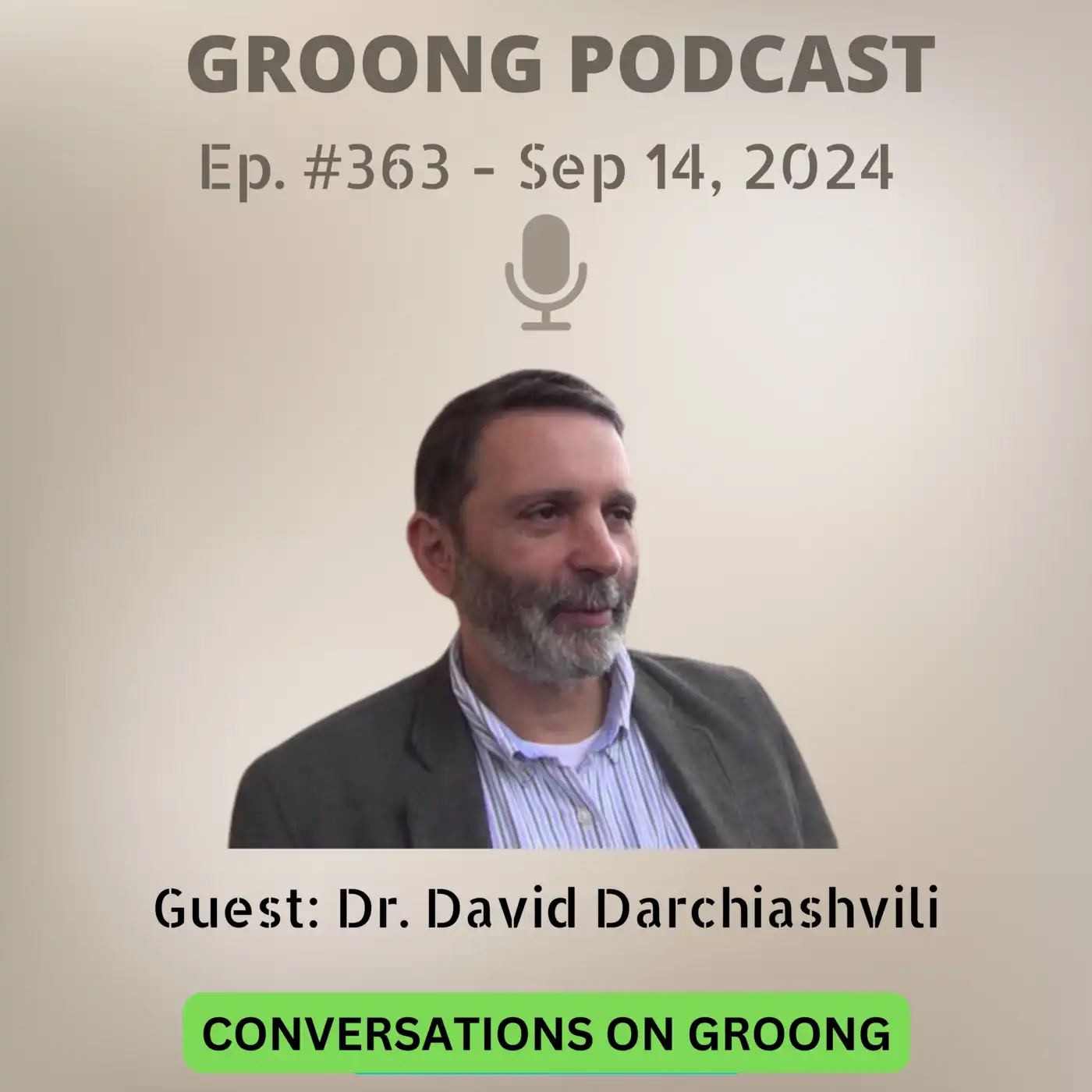
Groong Links:
Guest:
Topics:
- Election and Politics, and The Geopolitical Context
- Who are the Major External Influencers in Georgiaâs Politics?
- Why is the EU hell bent against the Law on âForeign Agentsâ?
- Armenia, Georgia, Azerbaijan and Russia Relations
Episode 363 | Recorded: September 11, 2024
David Darchiashvili - Georgian Elections in October 2024| Ep 363 - Sep 14, 2024 [EP363]
Posted on Saturday, Sep 14, 2024 | Category: Georgia, Armenia, Elections, Azerbaijan, Russia, USA, Human Rights, Armenian Church, European Union, Turkey, Ukraine, Iran, Economy, NATO, ChinaGroong Links:
Guest:
Topics:
- Election and Politics, and The Geopolitical Context
- Who are the Major External Influencers in Georgiaâs Politics?
- Why is the EU hell bent against the Law on âForeign Agentsâ?
- Armenia, Georgia, Azerbaijan and Russia Relations
Episode 363 | Recorded: September 11, 2024
Groong Links:
Guest:
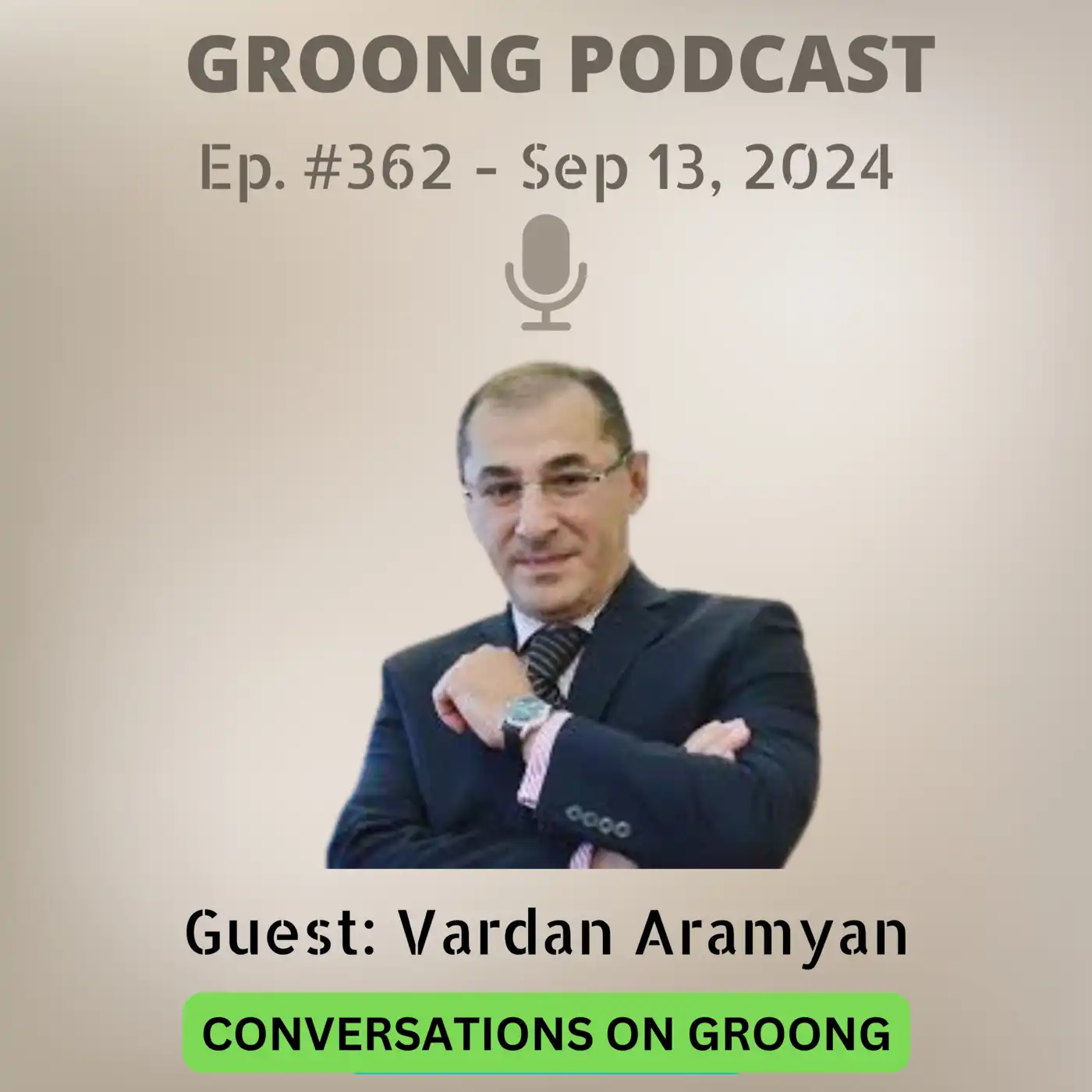
- Mr. Vardan Aramyan - Fmr. Minister of Finance, Republic of Armenia
Topics:
- Inflation
- Monetary Policy
- Economic Performance
- Remittances
- National Debt
- Economic Outlook
- References
Episode 362 | Recorded: Septemberr 11, 2024
Groong Links:
Guest:
- Mr. Vardan Aramyan - Fmr. Minister of Finance, Republic of Armenia
Topics:
- Inflation
- Monetary Policy
- Economic Performance
- Remittances
- National Debt
- Economic Outlook
- References
Episode 362 | Recorded: Septemberr 11, 2024
Dziunik Aghajanian - Iran Shuts Down Talk of Zangezur Corridor, Regional Trade Routes, Accountability and the Foreign Intelligence Service, Georgian and Azerbaijani Elections | Ep 361 - Sep 8, 2024 [EP361]
Posted on Thursday, Sep 12, 2024 | Category: Armenia, Azerbaijan, Iran, Artsakh, Nagorno Karabakh, Georgia, Turkey, Russia, Geopolitics, Artsakh Blockade, Armenian Genocide, BRICS, European Union, NATO, Ukraine, Genocide, China, Economy, Israel, Middle East | Series: wir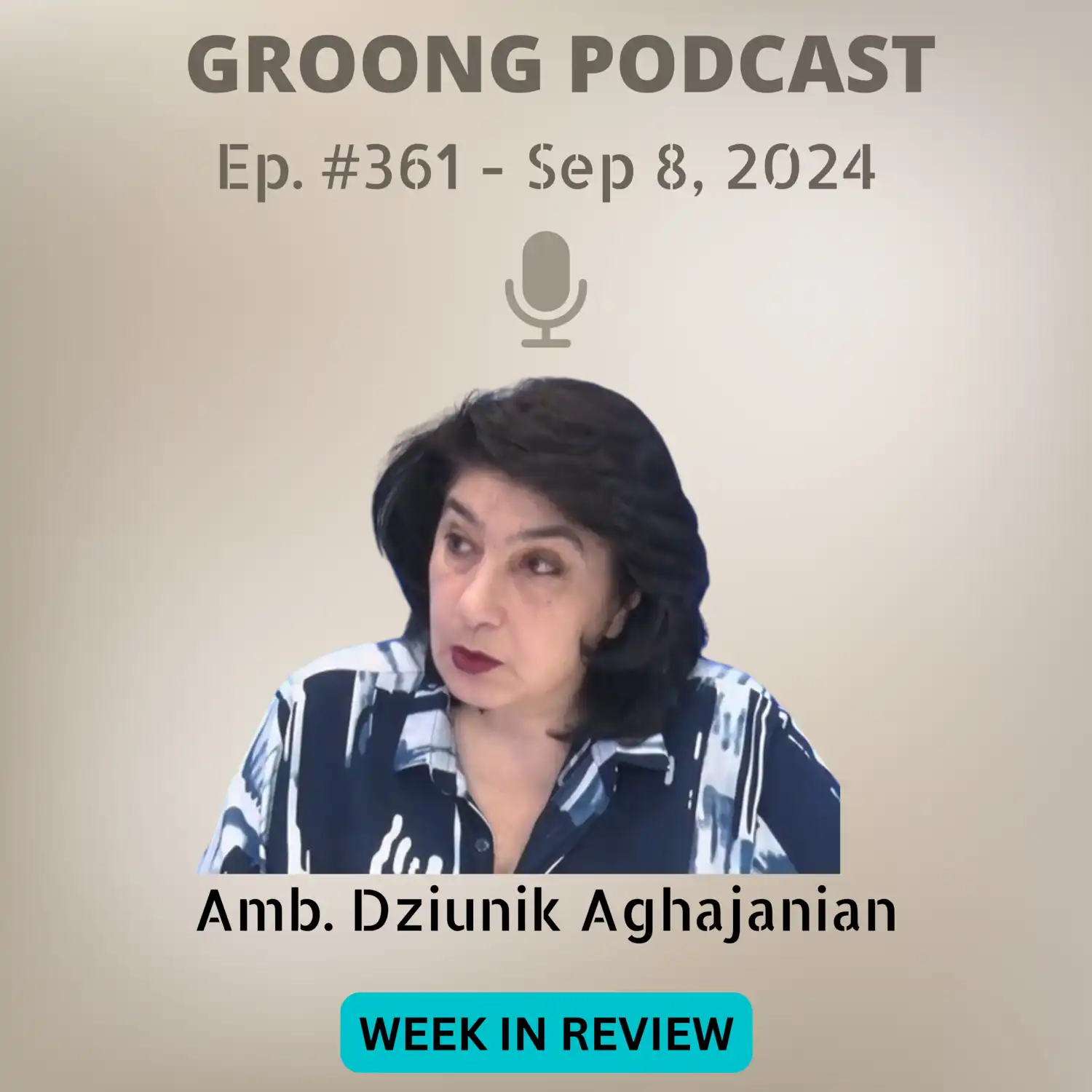
Groong Links:
Guest:
Topics:
- Iran Shuts Down Talk of âZangezur Corridorâ
- Armenia Azerbaijan Talks
- Iran Armenia Trade / BRICS
- Foreign Intelligence Service
- Georgian and Azerbaijani Elections
Episode 361 | Recorded: September 11, 2024
Dziunik Aghajanian - Iran Shuts Down Talk of Zangezur Corridor, Regional Trade Routes, Accountability and the Foreign Intelligence Service, Georgian and Azerbaijani Elections | Ep 361 - Sep 8, 2024 [EP361]
Posted on Thursday, Sep 12, 2024 | Category: Armenia, Azerbaijan, Iran, Artsakh, Nagorno Karabakh, Georgia, Turkey, Russia, Geopolitics, Artsakh Blockade, Armenian Genocide, BRICS, European Union, NATO, Ukraine, Genocide, China, Economy, Israel, Middle EastGroong Links:
Guest:
Topics:
- Iran Shuts Down Talk of âZangezur Corridorâ
- Armenia Azerbaijan Talks
- Iran Armenia Trade / BRICS
- Foreign Intelligence Service
- Georgian and Azerbaijani Elections
Episode 361 | Recorded: September 11, 2024
Aram Suren Hamparian - Armenian American Priorities in the 2024 US Elections | Ep 360 - Sep 6, 2024 [EP360]
Posted on Friday, Sep 6, 2024 | Category: Armenia, Artsakh, USA, Elections, Nagorno Karabakh, Genocide, Russia, Azerbaijan, Turkey, Israel, Artsakh Blockade, Armenian Genocide, Iran, NATO, Syria, Geopolitics, Georgia, Human Rights, Middle East | Series: cog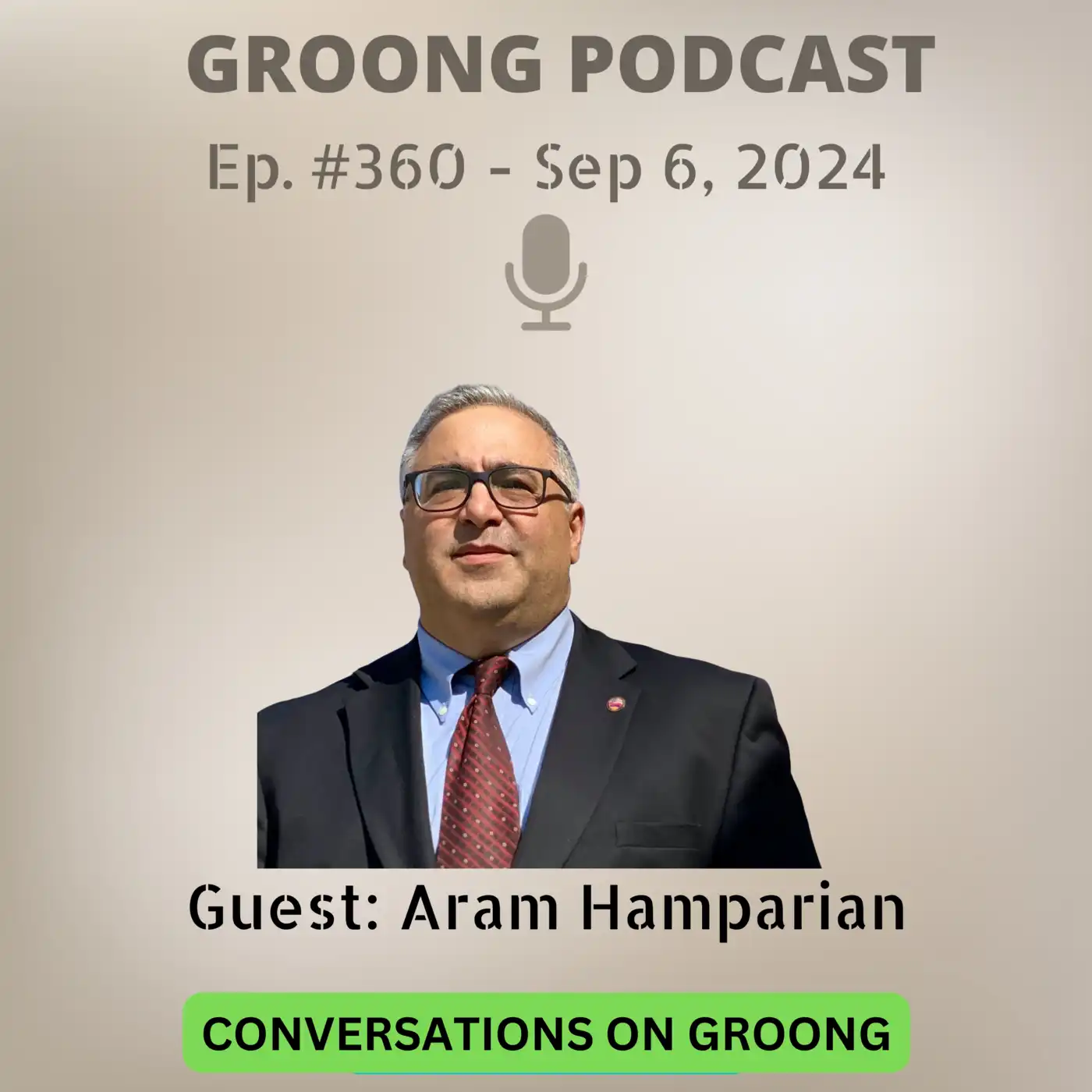
Groong Links:
Guest:
Topics:
- Armenia, Artsakh and the 2024 US Elections
- On the Major Presidential Candidates
- On the Vice President Candidates
- On the National Security Apparatus
- Arab-American âUncommittedâ Movement
- And the Armenian Vote goes toâ¦
Episode 360 | Recorded: September 4, 2024
Aram Suren Hamparian - Armenian American Priorities in the 2024 US Elections | Ep 360 - Sep 6, 2024 [EP360]
Posted on Friday, Sep 6, 2024 | Category: Armenia, Artsakh, USA, Elections, Nagorno Karabakh, Genocide, Russia, Azerbaijan, Turkey, Israel, Artsakh Blockade, Armenian Genocide, Iran, NATO, Syria, Geopolitics, Georgia, Human Rights, Middle EastGroong Links:
Guest:
Topics:
- Armenia, Artsakh and the 2024 US Elections
- On the Major Presidential Candidates
- On the Vice President Candidates
- On the National Security Apparatus
- Arab-American âUncommittedâ Movement
- And the Armenian Vote goes toâ¦
Episode 360 | Recorded: September 4, 2024
Glenn Diesen - Russia and The Eurasian World Order | Ep 359 - Sep 4, 2024 [EP359]
Posted on Wednesday, Sep 4, 2024 | Category: Russia, Ukraine, Video, World Order, Armenia, China, Turkey, India, Iran, Georgia, Economy, Israel, Human Rights, Nagorno Karabakh, BRICS, NATO, Azerbaijan | Series: cog, video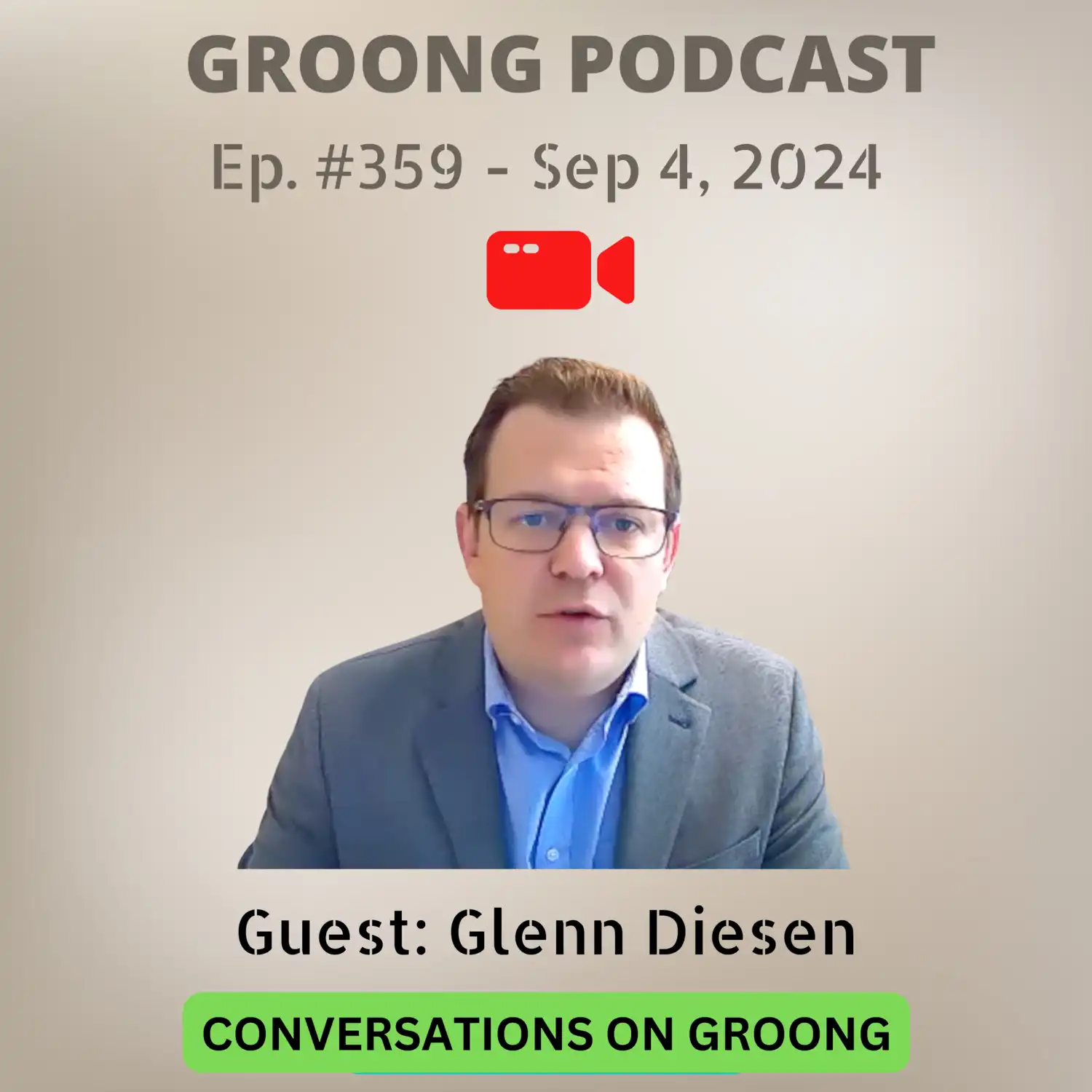
Groong Links:
Guest:
Topics:
- Norwegian & NATO Support for Ukraine
- âThe Ukraine War & the Eurasian World Orderâ
- Small States and Multipolarity
- Armenia’s Position in a Multipolar World
Episode 359 | Recorded: August 30, 2024
Glenn Diesen - Russia and The Eurasian World Order | Ep 359 - Sep 4, 2024 [EP359]
Posted on Wednesday, Sep 4, 2024 | Category: Russia, Ukraine, Video, World Order, Armenia, China, Turkey, India, Iran, Georgia, Economy, Israel, Human Rights, Nagorno Karabakh, BRICS, NATO, AzerbaijanGroong Links:
Guest:
Topics:
- Norwegian & NATO Support for Ukraine
- âThe Ukraine War & the Eurasian World Orderâ
- Small States and Multipolarity
- Armenia’s Position in a Multipolar World
Episode 359 | Recorded: August 30, 2024
Transcript: Glenn Diesen - Russia and The Eurasian World Order | Ep 359 - Sep 4, 2024 [EP359]
Posted on Wednesday, Sep 4, 2024 | Category: Russia, Ukraine, Video, World Order, Armenia, China, Turkey, India, Iran, Georgia, Economy, Israel, Human Rights, Nagorno Karabakh, BRICS, NATO, Azerbaijan, TranscriptNorwegian & NATO Support for Ukraine. “The Ukraine War & the Eurasian World Order”. Small States and Multipolarity. Armenia’s Position in a Multipolar World.