Armenia-Azerbaijan Peace Process
Last updated: May 29, 2026
The Armenia-Azerbaijan peace process has been one of the most consequential and contested diplomatic threads of the post-Soviet South Caucasus. After the 44-Day War of 2020 ended with Armenia’s military defeat and the Russian-brokered November 9 ceasefire, negotiations over a final peace treaty began in earnest — mediated at different times by Russia, the European Union, and the United States. The agenda covers border delimitation, the opening of transportation routes, the fate of Armenian prisoners of war , and the legal status of the so-called “Zangezur Corridor”.
Progress has been fitful. Talks collapsed repeatedly over competing interpretations of key provisions, and Azerbaijan’s September 2023 offensive that carried out the ethnic cleansing of the entire Armenian population of Nagorno Karabakh (Artsakh) reshaped the political ground beneath both sides. Groong has covered every major round of negotiations — in Prague, Chisinau, Brussels, Washington, and Granada — as well as the periods of stalled talks and renewed tension that have punctuated the process.
The core dispute over a final peace agreement remains unresolved. Armenian officials speak of a peace treaty that anchors the country’s sovereignty and territorial integrity; Azerbaijani officials demand constitutional amendments and a formal renunciation of any claims. Groong episodes in this category address the evolving framework for peace, the role of external mediators, domestic political reactions on both sides, and what a durable settlement would require.
Groong episodes that include this tag
Below are all Groong episodes tagged with Armenia-Azerbaijan Peace Process.
Regional Fault Lines, Domestic Confrontation | Ep 599, Nov 1, 2026 [EP599]
Posted on Monday, Nov 2, 2026 | Category: Armenia, Politics, Geopolitics | Series: wir, video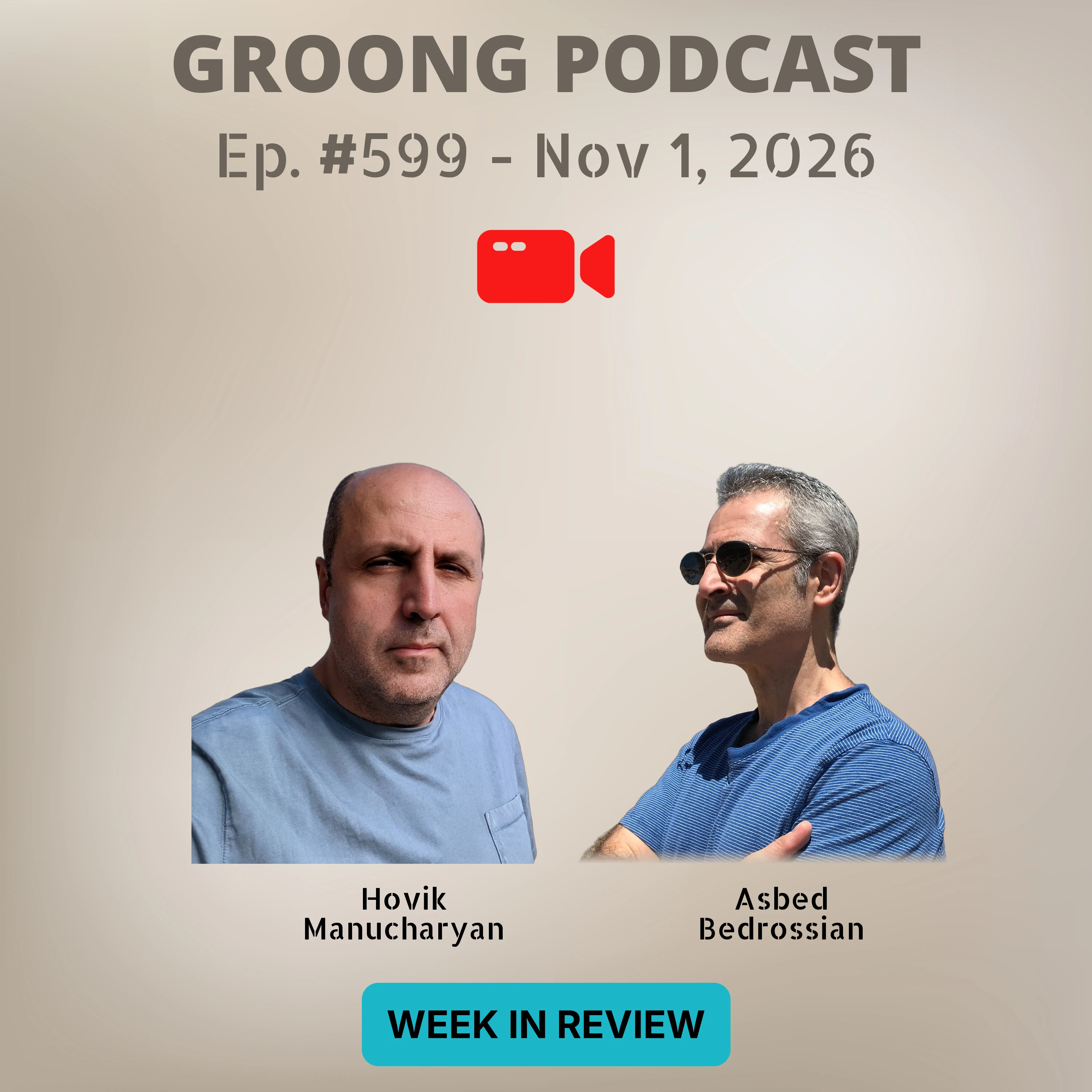
Groong Links:
Topics:
- Iran War Risks and Yemen
- Municipal Elections Under Pressure
- Parliamentary Brawl and Political Provocation
- TRIPP and Constitutional Changes
- Strains Between Azerbaijan and Turkey
- Armenian Prisoners and Political Will
- State Interference in the Church
Episode 599 | Recorded: November 1, 2026
#Armenia #IranWar #ArmenianPolitics #TRIPP #TurkeyAzerbaijan #ArmenianPrisoners #ArmenianChurch
Regional Fault Lines, Domestic Confrontation | Ep 599, Nov 1, 2026 [EP599]
Posted on Monday, Nov 2, 2026 | Category: Armenia, Politics, GeopoliticsGroong Links:
Topics:
- Iran War Risks and Yemen
- Municipal Elections Under Pressure
- Parliamentary Brawl and Political Provocation
- TRIPP and Constitutional Changes
- Strains Between Azerbaijan and Turkey
- Armenian Prisoners and Political Will
- State Interference in the Church
Episode 599 | Recorded: November 1, 2026
#Armenia #IranWar #ArmenianPolitics #TRIPP #TurkeyAzerbaijan #ArmenianPrisoners #ArmenianChurch
Why Armenia Won't Free Its Prisoners in Baku [EP599]
Posted on Monday, Nov 2, 2026 | Category: Human Rights, Armenia, AzerbaijanThe hosts argue Armenia could have tied TRIPP to the release of Armenians held in Baku, and ask why it refused the leverage.
Transcript: Regional Fault Lines, Domestic Confrontation | Ep 599, Nov 1, 2026 [EP599]
Posted on Monday, Nov 2, 2026 | Category: Armenia, Politics, Geopolitics, TranscriptIn this episode of Groong Week in Review for November 1, 2026, we examine regional escalation risks and domestic political turmoil in Armenia. We discuss renewed Iran War threats alongside the Armenia-Azerbaijan Peace Process stalemate, municipal elections under government pressure, parliamentary violence endorsed by leadership, TRIPP and constitutional changes, widening strains between Azerbaijan and Turkey, Armenian Prisoners of War dossiers, and state interference in the Armenian Church—exposing a government prioritizing domestic confrontation over serious preparation for regional conflict.
Graded F: Arizona Rep. Abe Hamadeh (R-08) [EP598]
Posted on Wednesday, Oct 28, 2026 | Category: USA, Azerbaijan, PoliticsHamparian explains Abe Hamadeh’s F: co-sponsoring the repeal of Section 907 and advocating a peace deal that rewards Azerbaijan.
Graded F: Florida Rep. Anna Paulina Luna (R-13) [EP598]
Posted on Wednesday, Oct 28, 2026 | Category: USA, Azerbaijan, PoliticsHamparian on Anna Paulina Luna’s F: she authored legislation to eliminate Section 907 and strike all U.S. scrutiny of Azerbaijan.
Graded F: Maloy & Owens (Utah), Van Orden (Wisconsin) [EP598]
Posted on Wednesday, Oct 28, 2026 | Category: USA, Azerbaijan, PoliticsHamparian on three F grades: Utah’s Maloy and Owens and Wisconsin’s Van Orden co-sponsored the Section 907 repeal and refused to withdraw.
Armenia on Fire Sale: Land Swaps, COP17, POWs, and the War for Gyumri | Ep 595, Oct 18, 2026 [EP595]
Posted on Thursday, Oct 22, 2026 | Category: Armenia, Politics, Geopolitics | Series: wir, video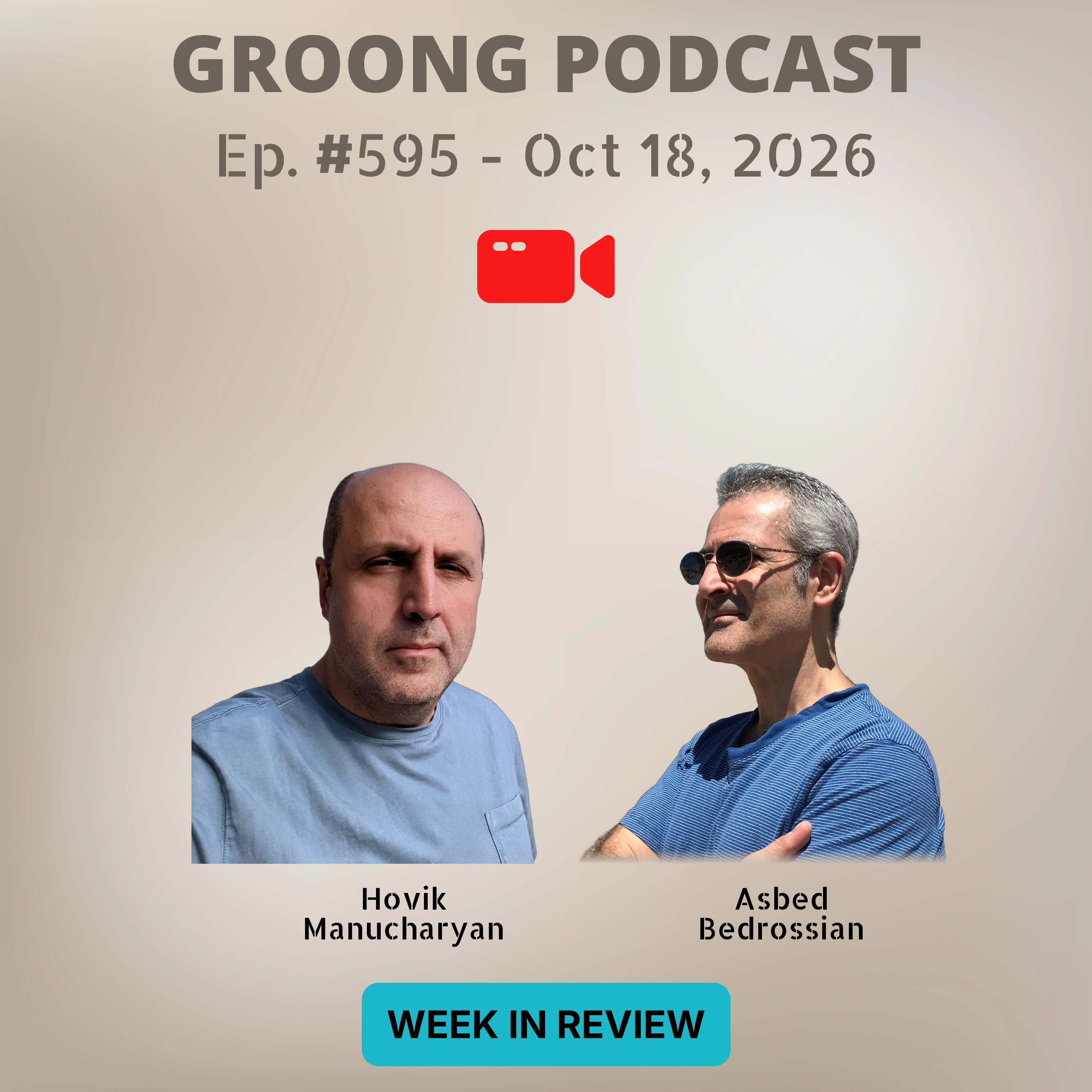
Groong Links:
Topics:
- Pashinyan’s territorial swap proposal with Azerbaijan
- COP17 controversies and environmental double standards
- UN inaction on Armenian POWs
- Inadequate housing aid for Artsakh refugees
- Municipal elections and alleged government pressure
- Gyumri’s growing role as an opposition stronghold
Episode 595 | Recorded: October 21, 2026
#Armenia #Azerbaijan #Pashinyan #TerritorialSwap #COP17 #ArmenianPOWs #ArtsakhRefugees #Gyumri
Armenia on Fire Sale: Land Swaps, COP17, POWs, and the War for Gyumri | Ep 595, Oct 18, 2026 [EP595]
Posted on Thursday, Oct 22, 2026 | Category: Armenia, Politics, GeopoliticsGroong Links:
Topics:
- Pashinyan’s territorial swap proposal with Azerbaijan
- COP17 controversies and environmental double standards
- UN inaction on Armenian POWs
- Inadequate housing aid for Artsakh refugees
- Municipal elections and alleged government pressure
- Gyumri’s growing role as an opposition stronghold
Episode 595 | Recorded: October 21, 2026
#Armenia #Azerbaijan #Pashinyan #TerritorialSwap #COP17 #ArmenianPOWs #ArtsakhRefugees #Gyumri
Is Every Square Inch of Armenia Equal? [EP595]
Posted on Thursday, Oct 22, 2026 | Category: Geopolitics, Politics, ArmeniaThe hosts explain why Tigranashen, Armenia’s road artery to Iran, is not an equal trade for the Artsvashen enclave.
Transcript: Armenia on Fire Sale: Land Swaps, COP17, POWs, and the War for Gyumri | Ep 595, Oct 18, 2026 [EP595]
Posted on Thursday, Oct 22, 2026 | Category: Armenia, Politics, Geopolitics, TranscriptIn this episode of Groong Week in Review, Hovik and Asbed break down Pashinyan’s territorial swap proposal with Azerbaijan, examining the strategic implications for Armenia’s 29,743 square kilometers and the security of border communities. We discuss the Armenia-Azerbaijan Peace Process, contradictions between government officials on formal negotiations, inadequate housing aid for Artsakh refugees displaced during the ethnic cleansing, UN inaction on Armenian Prisoners of War, and Gyumri’s emergence as an opposition stronghold ahead of municipal elections.
There Is No Peace Without Justice [EP594]
Posted on Saturday, Oct 17, 2026 | Category: Politics, Azerbaijan, ArmeniaMartirosyan argues a settlement built on one side’s wrongdoing cannot hold, and that Pashinyan’s version of peace is unilateral concession.
You Can Win Without Firing a Shot [EP594]
Posted on Saturday, Oct 17, 2026 | Category: Geopolitics, Azerbaijan, PoliticsMartirosyan explains how Aliyev extracts concessions by threatening war, especially when Armenia’s leadership primes its own public to concede.
Concessions Without Peace [EP593]
Posted on Wednesday, Oct 14, 2026 | Category: Politics, Azerbaijan, ArmeniaArmenia says raising Azerbaijani forest destruction at the COP17 biodiversity summit it hosts would violate the presidency’s principles.
Shot Defending Her Children in Shaki [EP593]
Posted on Wednesday, Oct 14, 2026 | Category: Azerbaijan, Armenia, Human RightsAn armed Azerbaijani soldier traveled 20 km into Armenia and shot a mother in her own home as she tried to defend her children in Shaki.
Trump Offered to Call Aliyev About Armenian Prisoners [EP592]
Posted on Friday, Oct 2, 2026 | Category: Politics, Human Rights, USASassounian says Trump offered to call Aliyev to free Armenian prisoners in Baku, and Pashinyan never took him up on it.
Turkey's Spy Chiefs Advise Washington on Armenia [EP591]
Posted on Thursday, Oct 1, 2026 | Category: Geopolitics, Turkey, USASteve Witkoff names his go-to advisors on Armenia: Turkey’s foreign minister and its intelligence chief, both spymasters.
Dziunik Aghajanian - From Moscow to Riyadh: New Fault Lines Around Armenia | Ep 590, Sep 25, 2026 [EP590]
Posted on Friday, Sep 25, 2026 | Category: Armenia, Politics, Geopolitics | Series: cog, video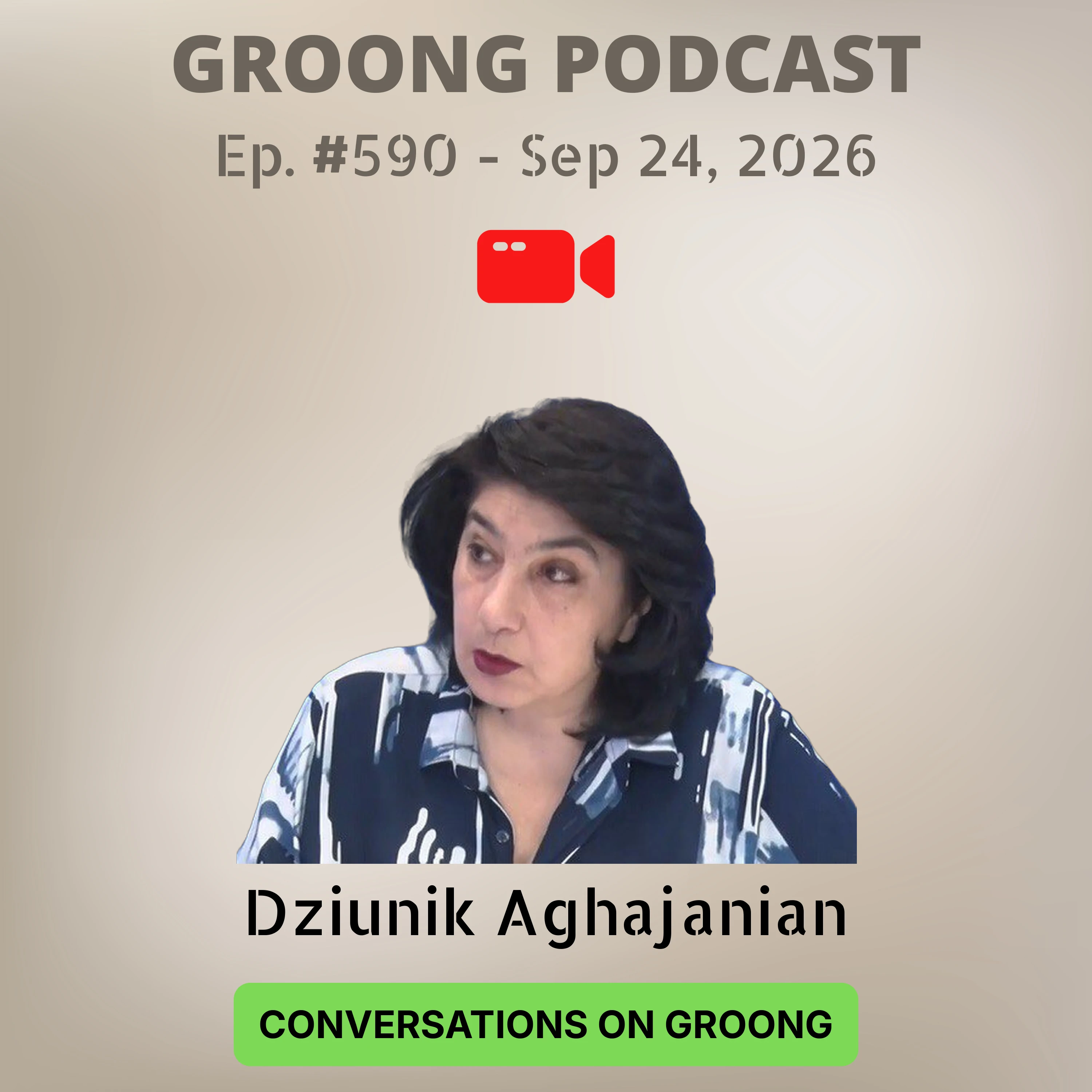
Groong Links:
Guest(s):
Topics:
- Russian parliamentary election outcome
- Middle East escalation and the Houthis
- Armenia-Russia confrontation, including the 102nd base
- Asset confiscation, anti-corruption, and Russian interests
- Azerbaijan-Armenia “durable peace” tensions
- Armenian opposition strategy
Episode 590 | Recorded: September 23, 2026
#Armenia #Russia #SouthCaucasus #Azerbaijan #MiddleEast #UkraineWar #ArmenianPolitics #Geopolitics
Dziunik Aghajanian - From Moscow to Riyadh: New Fault Lines Around Armenia | Ep 590, Sep 25, 2026 [EP590]
Posted on Friday, Sep 25, 2026 | Category: Armenia, Politics, GeopoliticsGroong Links:
Guest(s):
Topics:
- Russian parliamentary election outcome
- Middle East escalation and the Houthis
- Armenia-Russia confrontation, including the 102nd base
- Asset confiscation, anti-corruption, and Russian interests
- Azerbaijan-Armenia “durable peace” tensions
- Armenian opposition strategy
Episode 590 | Recorded: September 23, 2026
#Armenia #Russia #SouthCaucasus #Azerbaijan #MiddleEast #UkraineWar #ArmenianPolitics #Geopolitics
Transcript: Dziunik Aghajanian - From Moscow to Riyadh: New Fault Lines Around Armenia | Ep 590, Sep 25, 2026 [EP590]
Posted on Friday, Sep 25, 2026 | Category: Armenia, Politics, Geopolitics, TranscriptIn this episode of Conversations on Groong, we speak with Dziunik Aghajanian about shifting geopolitical pressures on Armenia following Russia’s September 2026 parliamentary elections. We discuss Putin’s strengthened domestic position, the Armenia-Russia confrontation over the 102nd base, asset confiscation and anti-corruption efforts targeting Russian interests, and how Middle East escalation and the Iran War reshape Armenia’s strategic environment amid ongoing Armenia-Azerbaijan Peace Process tensions.
Groong Podcast Digest — Week of September 14–20, 2026
Posted on Sunday, Sep 20, 2026 | Category: Digest, Podcast DigestHovik and Asbed examine the fourth anniversary of the September 2022 border war, Azerbaijan’s occupation of Armenian territory, Pashinyan’s trajectory toward recognizing Artsakh’s loss, Hajiyev’s revisionist claims at Gandzasar, TRIPP semiconductor leverage, Pashinyan’s Paris space summit visit, Russian financial flows through Armenia, and Russia-Iran coordination in the South Caucasus. Hrant Mikaelian examines U.S. chip diplomacy tied to TRIPP, Armenia’s energy crisis as the nuclear plant nears shutdown, and the structural failures driving Armenia’s Read More
Hrant Mikaelian - Chips for TRIPP, Education Crisis, and Economic Risks | Ep 586, Sep 17, 2026 [EP586]
Posted on Friday, Sep 18, 2026 | Category: Armenia, Politics, Geopolitics | Series: cog, video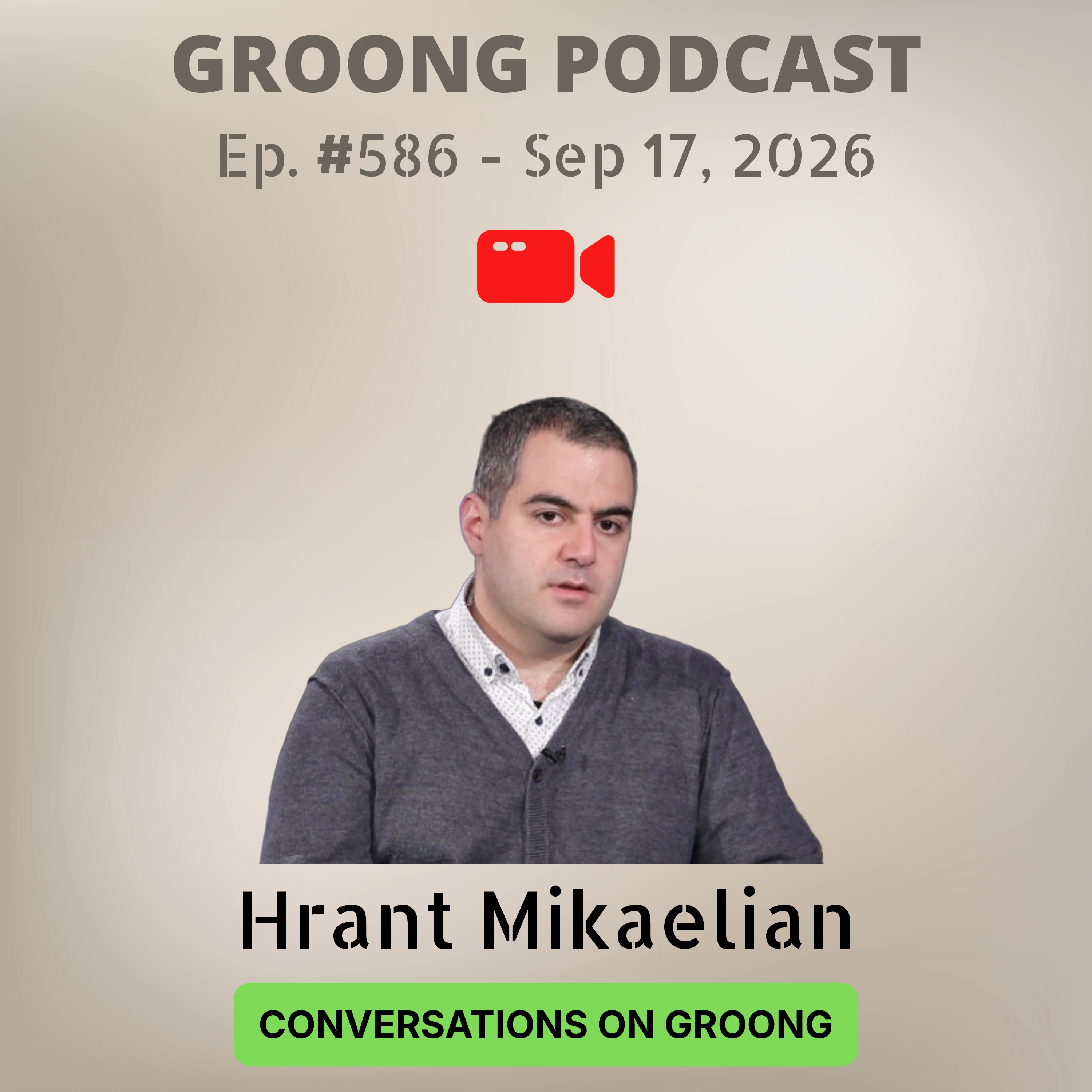
Groong Links:
Guest(s):
Topics:
- AI chips tied to TRIPP diplomacy
- Data centers raise major energy questions
- Armenia faces severe education outcomes
- Government reforms versus poor student performance
- Azerbaijan targets Armenian heritage in Artsakh
- Gas dependence exposes Armenia to shocks
Episode 586 | Recorded: September 16, 2026
#Armenia #TRIPP #ArtificialIntelligence #EducationCrisis #Artsakh #EnergySecurity #SouthCaucasus #HrantMikaelian
Hrant Mikaelian - Chips for TRIPP, Education Crisis, and Economic Risks | Ep 586, Sep 17, 2026 [EP586]
Posted on Friday, Sep 18, 2026 | Category: Armenia, Politics, GeopoliticsGroong Links:
Guest(s):
Topics:
- AI chips tied to TRIPP diplomacy
- Data centers raise major energy questions
- Armenia faces severe education outcomes
- Government reforms versus poor student performance
- Azerbaijan targets Armenian heritage in Artsakh
- Gas dependence exposes Armenia to shocks
Episode 586 | Recorded: September 16, 2026
#Armenia #TRIPP #ArtificialIntelligence #EducationCrisis #Artsakh #EnergySecurity #SouthCaucasus #HrantMikaelian
Transcript: Hrant Mikaelian - Chips for TRIPP, Education Crisis, and Economic Risks | Ep 586, Sep 17, 2026 [EP586]
Posted on Friday, Sep 18, 2026 | Category: Armenia, Politics, Geopolitics, TranscriptIn this episode of Conversations on Groong, we speak with Hrant Mikaelian about chip diplomacy, the TRIPP framework, and Armenia’s structural economic vulnerabilities. We discuss how the U.S. fast-tracked advanced AI exports to secure the Armenia-Azerbaijan Peace Process agreement, the massive energy demands of the planned Firebird data center, Armenia’s deepening education crisis, and the risks of energy dependence as the Armenian Nuclear Power Plant approaches shutdown.
The EU's 'Diverging Narratives' Is Both-Sides-ism [EP585]
Posted on Wednesday, Sep 16, 2026 | Category: Artsakh, Politics, European UnionEU Special Representative Magdalena Grono called the Gandzasar dispute a matter of “deeply diverging views and narratives.” The hosts call it false equivalence.
Groong Podcast Digest — Week of September 7–13, 2026
Posted on Sunday, Sep 13, 2026 | Category: Digest, Podcast DigestHovik and Asbed examine September 2026 developments across Armenia and the South Caucasus, reviewing Artsakh’s remembered independence declaration, Putin’s military base signaling, Armenian Church prosecutions, EU trade negotiations, non-combat military deaths, and political pressures ahead of local elections.
Non-Combat Army Deaths Are Climbing After 'Peace' [EP584]
Posted on Monday, Sep 7, 2026 | Category: Politics, Armenia, Human RightsNon-combat deaths in Armenia’s army are rising sharply since the declared peace. The hosts detail a case of conscripts run over while forced to jog at night.
Pashinyan Blames Army Deaths on His Own 'Peace' [EP584]
Posted on Monday, Sep 7, 2026 | Category: Politics, ArmeniaPashinyan reportedly explains rising army deaths by saying that with no enemy shooting, soldiers grow lax and fight over who sleeps on watch.
Armenian Trade with Azerbaijan: $20M Imports, $960 Exports, a One-Sided Illusion [EP582]
Posted on Wednesday, Sep 2, 2026 | Category: Economy, Politics, Armenia, AzerbaijanArmenia imports $18-20M in petroleum from Azerbaijan but exports only $960 worth of goods. Hovik reveals the fuel is actually Russian energy white-labeled through Baku, exposing the false ‘peace’ narrative.
Tigranashen: The Strategic Prize Behind the 'Peace' Narrative [EP582]
Posted on Wednesday, Sep 2, 2026 | Category: Geopolitics, Politics, Armenia, AzerbaijanTigranashen, a small village controlling roads between North and South Armenia, is the next territorial concession demanded by Azerbaijan as the price of ‘peace.’ Its strategic value exposes the coercive nature of the settlement.
Arthur Martirosyan - The Fourth Republic and the Politics of Erasure | Ep 581, Aug 29, 2026 [EP581]
Posted on Saturday, Aug 29, 2026 | Category: Armenia, Politics | Series: cog, video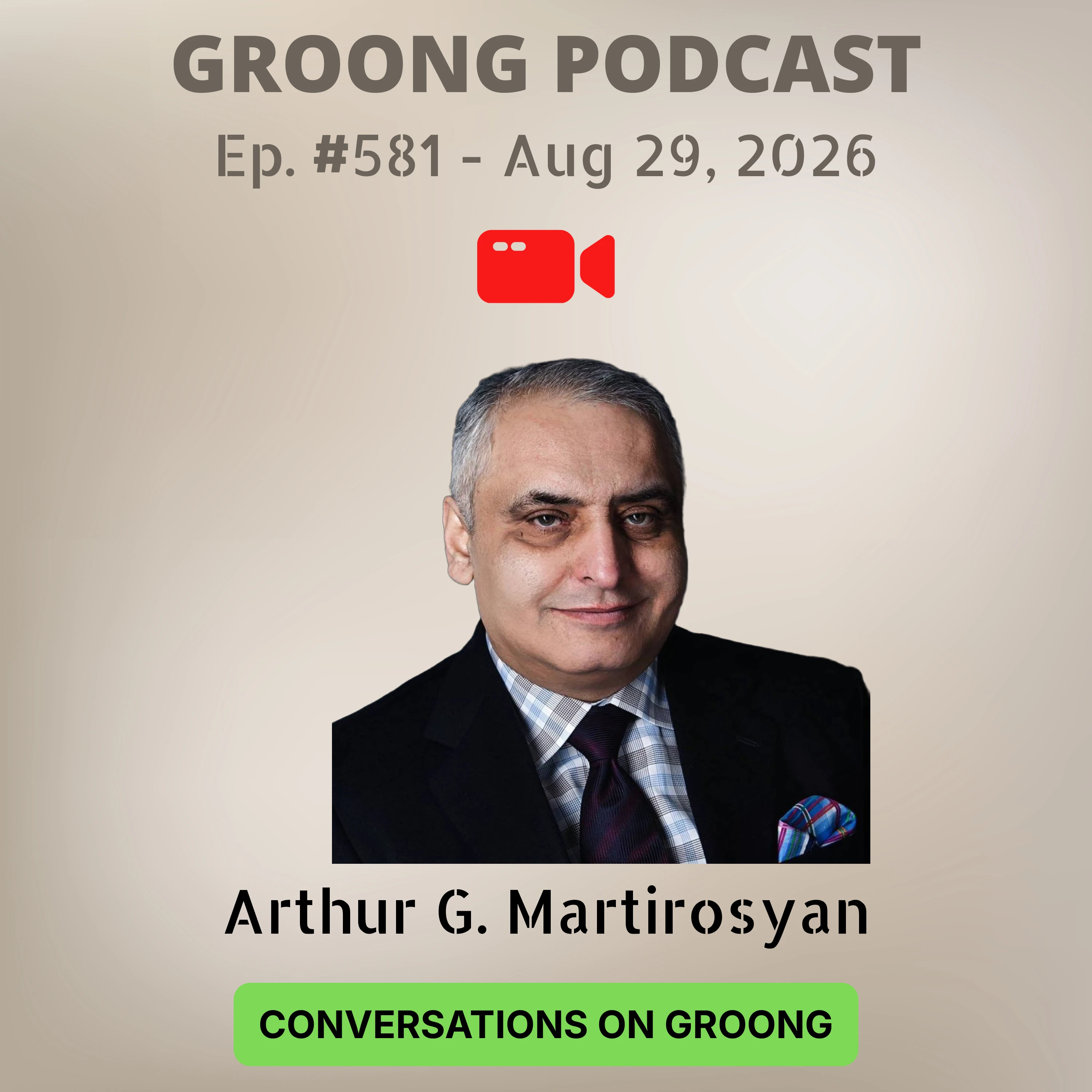
Groong Links:
Guest(s):
Topics:
- Pashinyan’s Revenge Against Opposition
- Kocharyan Arrested, Family Under State Pressure
- Opposition Strategy Under Repression
- Pashinyan’s Five-Year Transformation Agenda
- Government Assault on Armenian Church
- Tigranashen and Border Concessions
- TRIPP, Turan, and Central Asia
Episode 581 | Recorded: August 28, 2026
#ArmenianElections #Armenia #NikolPashinyan #CivilContract #StrongArmenia #ArmenianOpposition
Arthur Martirosyan - The Fourth Republic and the Politics of Erasure | Ep 581, Aug 29, 2026 [EP581]
Posted on Saturday, Aug 29, 2026 | Category: Armenia, PoliticsGroong Links:
Guest(s):
Topics:
- Pashinyan’s Revenge Against Opposition
- Kocharyan Arrested, Family Under State Pressure
- Opposition Strategy Under Repression
- Pashinyan’s Five-Year Transformation Agenda
- Government Assault on Armenian Church
- Tigranashen and Border Concessions
- TRIPP, Turan, and Central Asia
Episode 581 | Recorded: August 28, 2026
#ArmenianElections #Armenia #NikolPashinyan #CivilContract #StrongArmenia #ArmenianOpposition
Tigranashen: The Strategic Enclave Pashinyan Plans to Give Away [EP581]
Posted on Saturday, Aug 29, 2026 | Category: Geopolitics, Politics, ArmeniaPashinyan explicitly stated Armenia comprises 29,743 sq km, excluding Tigranashen. Expert analyzes this strategic territory’s importance and why Azerbaijan uses Jermuk occupation as leverage.
Transcript: Arthur Martirosyan - The Fourth Republic and the Politics of Erasure | Ep 581, Aug 29, 2026 [EP581]
Posted on Saturday, Aug 29, 2026 | Category: Armenia, Politics, TranscriptIn this episode of Conversations on Groong, we speak with Arthur G. Martirosyan about Armenia’s post-election political crisis and Pashinyan’s governance agenda. We discuss the arrest of opposition leaders including Robert Kocharyan, attacks on the Armenian Church, border concessions including Tigranashen, the TRIPP corridor, and how the Established Opposition is strategizing under state repression in the Fourth Republic.
Aliyev's TRIPP Play: Azerbaijani Teams Scoping Syunik, Threatening Armenian Nuclear Power [EP578]
Posted on Wednesday, Aug 19, 2026 | Category: Azerbaijan, Geopolitics, ArmeniaAliyev revealed that Azerbaijani technical teams have surveyed transmission line routes through Syunik for TRIPP, and he is now signaling that Armenia’s nuclear power plant could become a future demand.
Armenia Could Be a Data Bridge Connecting Its Neighbors-If It Chooses Peace [EP577]
Posted on Sunday, Aug 16, 2026 | Category: Geopolitics, Technology, ArmeniaCampbell proposes that Armenia’s landlocked position and fiber connectivity could make it a regional data hub, turning potential vulnerability into strategic advantage through trade and interconnection.
Groong Podcast Digest — Week of August 10–16, 2026
Posted on Sunday, Aug 16, 2026 | Category: Digest, Podcast DigestAsbed and Hovik examine Pashinyan’s confrontation with the Armenian Church, Armenia’s balancing act between Russia and the EU, the geopolitical implications of TRIPP, Iran’s military leadership realignment under wartime pressure, the Turkey-Pakistan-Saudi Arabia defense pact, and how these shifts reshape Armenia’s role in the South Caucasus. Richard Campbell discusses the global AI race, data center economics, energy constraints, and Armenia’s Firebird project, examining whether current AI infrastructure investments align with physical and economic realities.
Hovik on Tigranashen Handover: Clear as Day [EP574]
Posted on Tuesday, Aug 4, 2026 | Category: Politics, Armenia, GeopoliticsHovik Manucharyan argues that Pashinyan has already agreed to hand over Tigranashen and is executing a piecemeal territorial surrender strategy, bypassing Soviet-era border protocols.
Point 9 of the Ceasefire: Russia's Syunik Presence vs. TRIPP [EP574]
Posted on Tuesday, Aug 4, 2026 | Category: Geopolitics, Armenia, RussiaAsbed explains how Pashinyan has committed Syunik’s transit corridor simultaneously to Russia via the 2020 ceasefire and to the US-backed TRIPP framework, creating an irresolvable conflict.
Rubinyan Dodges Question on Tigranashen Surrender [EP574]
Posted on Tuesday, Aug 4, 2026 | Category: Politics, Armenia, GeopoliticsNew parliament speaker Ruben Rubinyan evades direct questions about whether Tigranashen, a strategically critical Armenian territory, falls within the government’s stated 29,743 square kilometers.
Archil Sikharulidze - Armenia and Georgia Between Russia and Europe | Ep 570, Jul 26, 2026 [EP570]
Posted on Monday, Jul 27, 2026 | Category: Armenia, Georgia, Geopolitics, Politics | Series: cog, video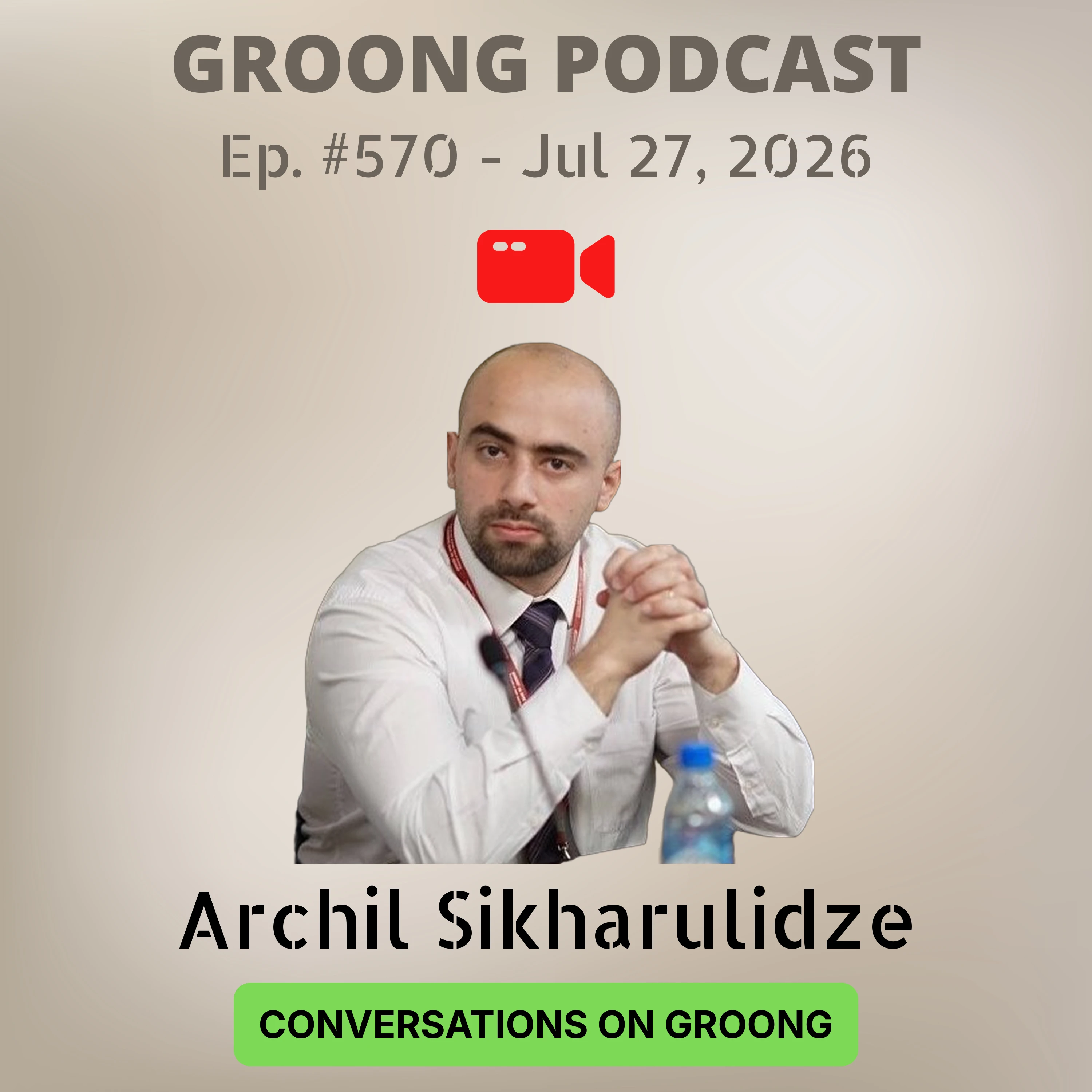
Groong Links:
Guest(s):
Topics:
- Russia’s changing South Caucasus strategy
- Georgia’s widening dispute with Europe
- Armenia’s shift away from Russia
- Georgia’s role in regional transit
- Armenia-Georgia ties under pressure
Episode 570 | Recorded: July 24, 2026
#Armenia #Georgia #Russia #EuropeanUnion #SouthCaucasus #GeorgianDream #NikolPashinyan #MiddleCorridor
Archil Sikharulidze - Armenia and Georgia Between Russia and Europe | Ep 570, Jul 26, 2026 [EP570]
Posted on Monday, Jul 27, 2026 | Category: Armenia, Georgia, Geopolitics, PoliticsGroong Links:
Guest(s):
Topics:
- Russia’s changing South Caucasus strategy
- Georgia’s widening dispute with Europe
- Armenia’s shift away from Russia
- Georgia’s role in regional transit
- Armenia-Georgia ties under pressure
Episode 570 | Recorded: July 24, 2026
#Armenia #Georgia #Russia #EuropeanUnion #SouthCaucasus #GeorgianDream #NikolPashinyan #MiddleCorridor
Transcript: Archil Sikharulidze - Armenia and Georgia Between Russia and Europe | Ep 570, Jul 26, 2026 [EP570]
Posted on Monday, Jul 27, 2026 | Category: Armenia, Georgia, Geopolitics, Politics, TranscriptIn this episode of Conversations on Groong, we speak with Dr. Archil Sikharulidze about Russia’s shifting strategy in the South Caucasus and Armenia and Georgia’s diverging paths. We discuss Moscow’s assessment of Armenia-Azerbaijan Peace Process developments, Georgia’s widening dispute with Europe, Armenia’s shift away from Russia, and how regional transit corridors reshape geopolitical competition between Moscow, Brussels, and Washington.
The U.S. Has No Theory of Victory in Iran [EP568]
Posted on Wednesday, Jul 22, 2026 | Category: Iran, USA, Middle East, GeopoliticsHovik argues the U.S. lacks a coherent strategy in the escalating Iran conflict, citing John Mearsheimer’s assessment that Washington is flailing without a clear path to victory.
Missing Maps in Border Delimitation: How Pashinyan Negotiates Without Showing the Armenians [EP567]
Posted on Wednesday, Jul 15, 2026 | Category: Politics, Armenia, AzerbaijanAsbed and Hovik expose the absence of transparent maps in Armenia’s border delimitation process, questioning what territorial figure the government is actually negotiating.
Pashinyan's 'Scissors' Metaphor: Setting Up Territorial Concessions [EP567]
Posted on Wednesday, Jul 15, 2026 | Category: Politics, Armenia, AzerbaijanAsbed breaks down Pashinyan’s dangerous ‘scissors’ metaphor on border delimitation, which treats Azerbaijani military occupation as a negotiating position rather than an illegal invasion.
Groong Podcast Digest — Week of July 6–12, 2026
Posted on Sunday, Jul 12, 2026 | Category: Digest, Podcast DigestHovik and Asbed analyze Armenia’s Constitutional Court ruling upholding the 2026 Armenian Parliamentary Election results, the disqualification of Prosperous Armenia votes, Civil Contract’s three-fifths majority, the opposition’s parliamentary leverage, and what these outcomes mean for Armenian sovereignty amid ongoing Armenia-Azerbaijan Peace Process negotiations and regional pressures. Dr. Sergey Markedonov examines Russia’s strategic bandwidth problem in Ukraine, the geopolitical stakes of TRIPP in Syunik, and Pashinyan’s Western pivot following Armenia’s Read More
Pashinyan's Western Pivot: Maidanization of Armenia or Armenian Choice? [EP566]
Posted on Saturday, Jul 11, 2026 | Category: Armenia, Politics, Geopolitics, RussiaSuslov compares Pashinyan’s regime to Georgia’s Saakashvili, arguing Armenia is being systematically repurposed as a Western pawn against Russia.
Russia's Ultimatum to Armenia: Referendum or Pivot Away [EP566]
Posted on Saturday, Jul 11, 2026 | Category: Geopolitics, Politics, ArmeniaSuslov explains Russia’s demand that Armenia hold a referendum to legitimize its choice between Eurasian integration and Western alignment, rejecting Pashinyan’s pivot as undemocratic.
The Constitutional Court has ruled, now what? | Ep 564, Jul 5, 2026 [EP564]
Posted on Wednesday, Jul 8, 2026 | Category: Armenia, Politics | Series: wir, video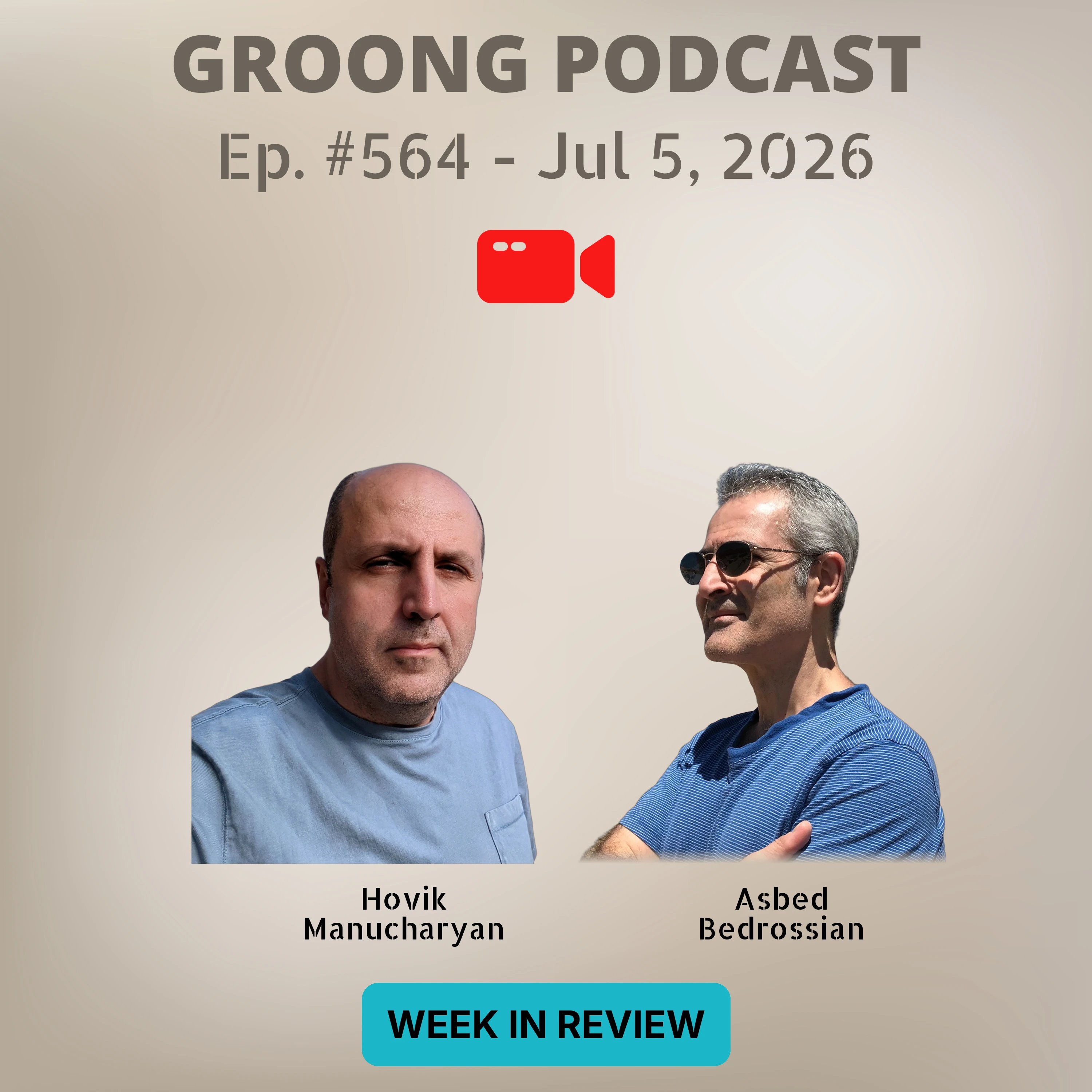
Groong Links:
Topics:
- Court rubber stamps stolen elections
- Von der Leyen in the South Caucasus
- EU connectivity push in Caucasus
- Rubinyan vs. Simonyan
- Post-election opposition raids begin
- IMEI or IMEI not
Episode 564 | Recorded: July 6, 2026
#Armenia #ArmenianNews #Pashinyan #ArmenianPolitics #SouthCaucasus #ConstitutionalCourt #SurveillanceState
The Constitutional Court has ruled, now what? | Ep 564, Jul 5, 2026 [EP564]
Posted on Wednesday, Jul 8, 2026 | Category: Armenia, PoliticsGroong Links:
Topics:
- Court rubber stamps stolen elections
- Von der Leyen in the South Caucasus
- EU connectivity push in Caucasus
- Rubinyan vs. Simonyan
- Post-election opposition raids begin
- IMEI or IMEI not
Episode 564 | Recorded: July 6, 2026
#Armenia #ArmenianNews #Pashinyan #ArmenianPolitics #SouthCaucasus #ConstitutionalCourt #SurveillanceState
Transcript: The Constitutional Court has ruled, now what? | Ep 564, Jul 5, 2026 [EP564]
Posted on Wednesday, Jul 8, 2026 | Category: Armenia, Politics, TranscriptIn this episode of Groong Week in Review for July 5, 2026, Hovik and Asbed analyze Armenia’s Constitutional Court ruling upholding the disputed 2026 Armenian Parliamentary Election results. We examine the disqualification of Prosperous Armenia votes, Civil Contract’s three-fifths majority, the opposition’s parliamentary leverage, and what these outcomes mean for Armenian sovereignty amid ongoing Armenia-Azerbaijan Peace Process negotiations and regional pressures.
Groong Podcast Digest — Week of June 22–28, 2026
Posted on Sunday, Jun 28, 2026 | Category: Digest, Podcast DigestArman Grigoryan discusses US-Iran negotiations and their implications for TRIPP, regional power dynamics, and Armenia’s contested 2026 parliamentary election aftermath. We examine the fallout from Armenia’s 2026 Armenian Parliamentary Elections, including six opposition parties challenging results at the Constitutional Court, escalating political persecutions targeting opposition figures, Russia’s continued economic pressure on Pashinyan’s government, US-Iran ceasefire negotiations and their regional implications, and a new Armenia-Azerbaijan telecommunications agreement that raises cybersecurity and strategic dependency concerns.
Groong Podcast Digest — Week of June 15–21, 2026
Posted on Sunday, Jun 21, 2026 | Category: Digest, Podcast DigestHovik Manucharyan and Asbed Bedrossian examine Armenia’s 2026 parliamentary election results, shifting Armenia-Georgia relations amid EU corridor initiatives, and a landmark US-Iran interim agreement that reshapes regional security architecture. Hrant Mikaelian examines the disputed aftermath of Armenia’s June 7, 2026 parliamentary election, discussing electoral fraud allegations, government threats against opposition parties, Armenia-Russia tensions, EU support for Armenian exports, and why political polling failed to predict the result.
Groong Podcast Digest — Week of June 9–15, 2026
Posted on Monday, Jun 15, 2026 | Category: Digest, Podcast DigestWe analyze the disputed results of Armenia’s June 7, 2026 parliamentary election, examining Civil Contract’s contested majority, alleged irregularities and invalid ballots, the OSCE/ODIHR preliminary report, the last-minute exclusion of Prosperous Armenia, opposition arrests and pressure, and what a three-fifths majority could mean for Armenia’s courts, institutions, and foreign policy. Arthur G. Martirosyan examines Armenia’s contested 2026 Armenian Parliamentary Election, discussing whether the vote was free and fair, how state pressure and Western backing shaped the Read More
Arthur Martirosyan - After the Anger, What Next? | Ep 557, Jun 10, 2026 [EP557]
Posted on Thursday, Jun 11, 2026 | Category: Armenia, Politics | Series: cog, video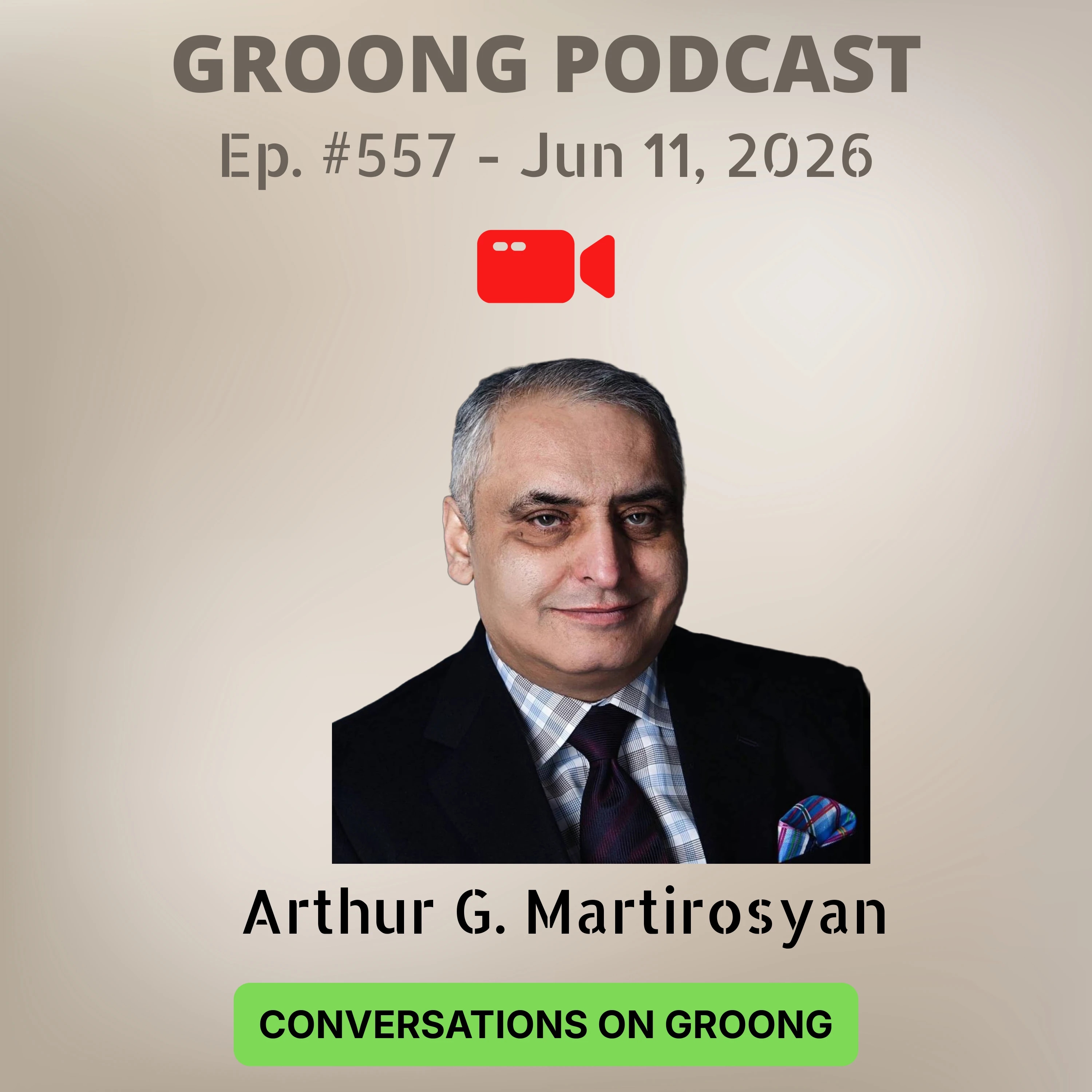
Groong Links:
Guest(s):
Topics:
- Contested results and thresholds
- Pashinyan’s post-election crackdown
- Western backing and interference
- Russia’s delayed pressure campaign
- Opposition choices after the vote
Episode 557 | Recorded: June 9, 2026
#ArmenianElections #Armenia #NikolPashinyan #CivilContract #StrongArmenia #ArmenianOpposition
Arthur Martirosyan - After the Anger, What Next? | Ep 557, Jun 10, 2026 [EP557]
Posted on Thursday, Jun 11, 2026 | Category: Armenia, PoliticsGroong Links:
Guest(s):
Topics:
- Contested results and thresholds
- Pashinyan’s post-election crackdown
- Western backing and interference
- Russia’s delayed pressure campaign
- Opposition choices after the vote
Episode 557 | Recorded: June 9, 2026
#ArmenianElections #Armenia #NikolPashinyan #CivilContract #StrongArmenia #ArmenianOpposition
Transcript: Arthur Martirosyan - After the Anger, What Next? | Ep 557, Jun 10, 2026 [EP557]
Posted on Thursday, Jun 11, 2026 | Category: Armenia, Politics, TranscriptIn this episode of Conversations on Groong, we speak with Arthur G. Martirosyan about Armenia’s contested 2026 Armenian Parliamentary Election and Pashinyan’s path to a third term. We discuss whether the vote was free and fair, how state pressure and Western backing shaped the outcome, the razor-thin thresholds that determine parliamentary representation, Pashinyan’s post-election crackdown against the Established Opposition, and what a Civil Contract supermajority would mean for Armenia’s governance and the Armenia-Azerbaijan Peace Process.
Rubio Visit, New MPG and IRI Polls, Hidden Votes and Why Are You Alive? | Ep 550, May 24, 2026 [EP550]
Posted on Wednesday, May 27, 2026 | Category: Armenia, Politics, Poll, Armenian Church, Nagorno Karabakh, Armenian Genocide, Azerbaijan, Russia, China | Series: wir, video
Groong Links:
Topics:
- Rubio’s sudden Armenia visit
- Polls diverge before election
- Hidden vote raises questions
- TRIPP remains deeply polarizing
- “Western Azerbaijan” pressure grows
- Opposition faces arrests, threats
- “Why are you alive?” campaign rhetoric
Episode 550 | Recorded: May 25, 2026
#ArmeniaElections #Armenia #NikolPashinyan #TRIPP #ZangezurCorridor #WesternAzerbaijan #ArmenianOpposition
Rubio Visit, New MPG and IRI Polls, Hidden Votes and Why Are You Alive? | Ep 550, May 24, 2026 [EP550]
Posted on Wednesday, May 27, 2026 | Category: Armenia, Politics, Poll, Armenian Church, Nagorno Karabakh, Armenian Genocide, Azerbaijan, Russia, ChinaGroong Links:
Topics:
- Rubio’s sudden Armenia visit
- Polls diverge before election
- Hidden vote raises questions
- TRIPP remains deeply polarizing
- “Western Azerbaijan” pressure grows
- Opposition faces arrests, threats
- “Why are you alive?” campaign rhetoric
Episode 550 | Recorded: May 25, 2026
#ArmeniaElections #Armenia #NikolPashinyan #TRIPP #ZangezurCorridor #WesternAzerbaijan #ArmenianOpposition