Ankara
Last updated: June 10, 2026
Ankara serves as the seat of Turkish state power and the command center for Turkey’s expansive regional ambitions in the South Caucasus. Turkish foreign policy under Recep Tayyip Erdogan has consistently backed Ilham Aliyev and Azerbaijan’s military and territorial objectives, most visibly during the 44-Day War in 2020 and again through Turkey’s refusal to recognize Armenia’s sovereignty over Artsakh (Nagorno Karabakh) or acknowledge the rights of Armenians displaced from the region. Turkey’s pan-Turanic ideology—the vision of linking Turkish and Azerbaijani power across the region—drives Ankara’s insistence on what it calls the “Zangezur Corridor” through Armenian Syunik province. In contrast, the United States frames the same transit route as TRIPP (Trump Route for International Peace and Prosperity), a project designed to connect Asia to Europe while bypassing Russia and Iran and serving American strategic interests in critical minerals and limiting Chinese and Russian influence. This terminological and strategic divide reflects a deeper contest over who will dominate the corridor infrastructure and the region’s geopolitical alignment.
Ankara’s position has hardened as Iran war dynamics have reshaped the region. In episode 525, Eldar Mamedov examined how Turkey’s ambiguous posture toward the widening US-Israeli conflict against Iran leaves room for Azerbaijan to move closer to Israel while Turkey itself maintains plausible deniability. Turkey has also consolidated control over northern Syria through its backed forces, expanding its footprint in the Middle East in ways that complicate its relationship with both Iran and Russia. These moves have implications for Armenia: as Varuzhan Geghamyan outlined in episode 524, Turkey’s continued support for the “Zangezur Corridor” agenda reflects Ankara’s view of Armenia as an obstacle to pan-Turanic regional integration, a framing that persists regardless of whether the corridor is ever operationalized.
The tension between Ankara’s regional dominance and European and American alternative visions for the South Caucasus creates structural instability. Europe , dependent on Azerbaijani gas to replace lost Russian supplies, has found itself unable to push back against Turkish-Azerbaijani territorial and demographic claims with any force. Meanwhile, the United States under Donald Trump has pursued transactional partnerships with both Turkey and Azerbaijan, treating them as tools for containing Iran and China rather than as actors whose interests might conflict with Armenian sovereignty or TRIPP’s stated aims. Ankara’s willingness to coordinate with Baku on ethnic cleansing from Artsakh, coupled with its historical Armenian Genocide denial, means that Turkish policy has consistently worked to erase Armenian presence from territories Turkey and Azerbaijan control. This erasure is not incidental to Turkish regional strategy; it is central to it.
Groong episodes that include this tag
Below are all Groong episodes tagged with Ankara.
Yeghia Tashjian | Artsakh Blockade | Relations with Russia | Role of the Armenian Government | Draft 'Peace' Proposals | Weekend Protests in Artsakh [EP194]
Posted on Monday, Dec 26, 2022 | Category: Politics, Armenia, Artsakh, Azerbaijan, Russia, Turkey, Nagorno Karabakh, Artsakh Blockade, NATO, Ukraine, Iran, China, Georgia, Lebanon, Syria, Human Rights, Economy, Genocide, Israel, Middle East, India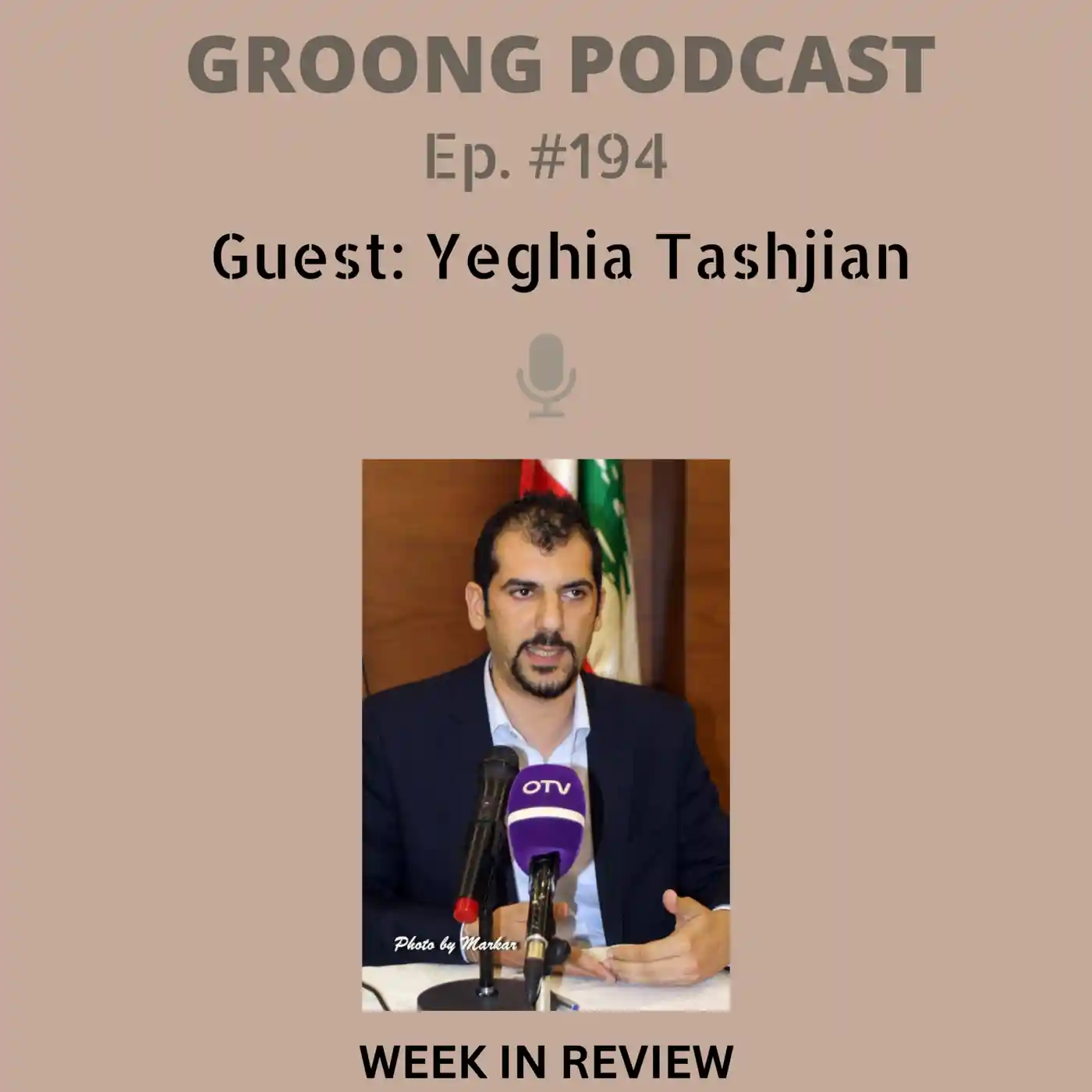
Guest:
Topic:
- The Artsakh Blockade
- The Role of the Armenian Government
- Relations with Russia
- Latest Draft of “Peace” Proposal
- Weekend Protests in Artsakh
Episode 194 | Recorded: December 26, 2022
Arthur Khachatryan: Artsakh Under Blockade: Day 15 [EP193]
Posted on Monday, Dec 26, 2022 | Category: Artsakh, Politics, Armenia, Azerbaijan, Russia, Turkey, Artsakh Blockade, Armenian Church, Nagorno Karabakh, Economy | Series: cog, video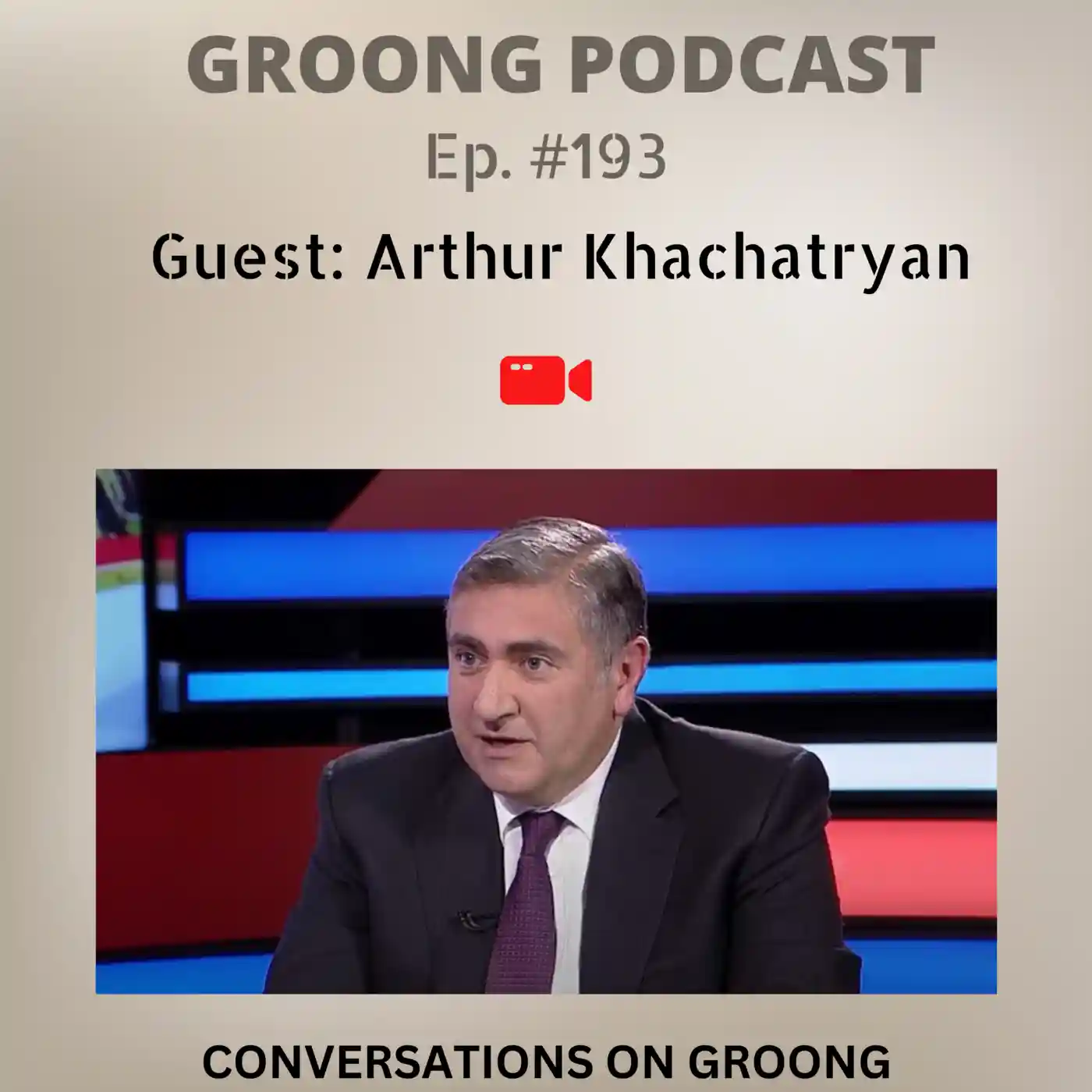
Guest:
- Arthur Khachatryan , an MP from the Hayastan (Armenia) alliance and member of the Armenian Revolutionary Federation (ARF Dashnaktsutyun). In the past, he held government posts such as Deputy Minister of Territorial Administration and Development, Governor of Shirak, and Minister of Agriculture.
“The Armenian authorities are trying to bury the issue of status of Artsakh” -Arthur Khachatryan
Topic:
More than 120,000 people remain trapped in the Republic of Artsakh (or Nagorno-Karabakh) due to Azerbaijanâs blockade of the Lachin corridor, as this crisis enters its 15th day.
Read MoreArthur Khachatryan: Artsakh Under Blockade: Day 15 [EP193]
Posted on Monday, Dec 26, 2022 | Category: Artsakh, Politics, Armenia, Azerbaijan, Russia, Turkey, Artsakh Blockade, Armenian Church, Nagorno Karabakh, EconomyGuest:
- Arthur Khachatryan , an MP from the Hayastan (Armenia) alliance and member of the Armenian Revolutionary Federation (ARF Dashnaktsutyun). In the past, he held government posts such as Deputy Minister of Territorial Administration and Development, Governor of Shirak, and Minister of Agriculture.
“The Armenian authorities are trying to bury the issue of status of Artsakh” -Arthur Khachatryan
Topic:
More than 120,000 people remain trapped in the Republic of Artsakh (or Nagorno-Karabakh) due to Azerbaijanâs blockade of the Lachin corridor, as this crisis enters its 15th day.
Read MoreEdgar Elbakyan: Artsakh Under Blockade: Day 13 [EP192]
Posted on Saturday, Dec 24, 2022 | Category: Artsakh, Politics, Armenia, Azerbaijan, Russia, Turkey, Artsakh Blockade, Nagorno Karabakh, Iran, Genocide, Human Rights, Georgia, Israel, Ukraine | Series: cog, video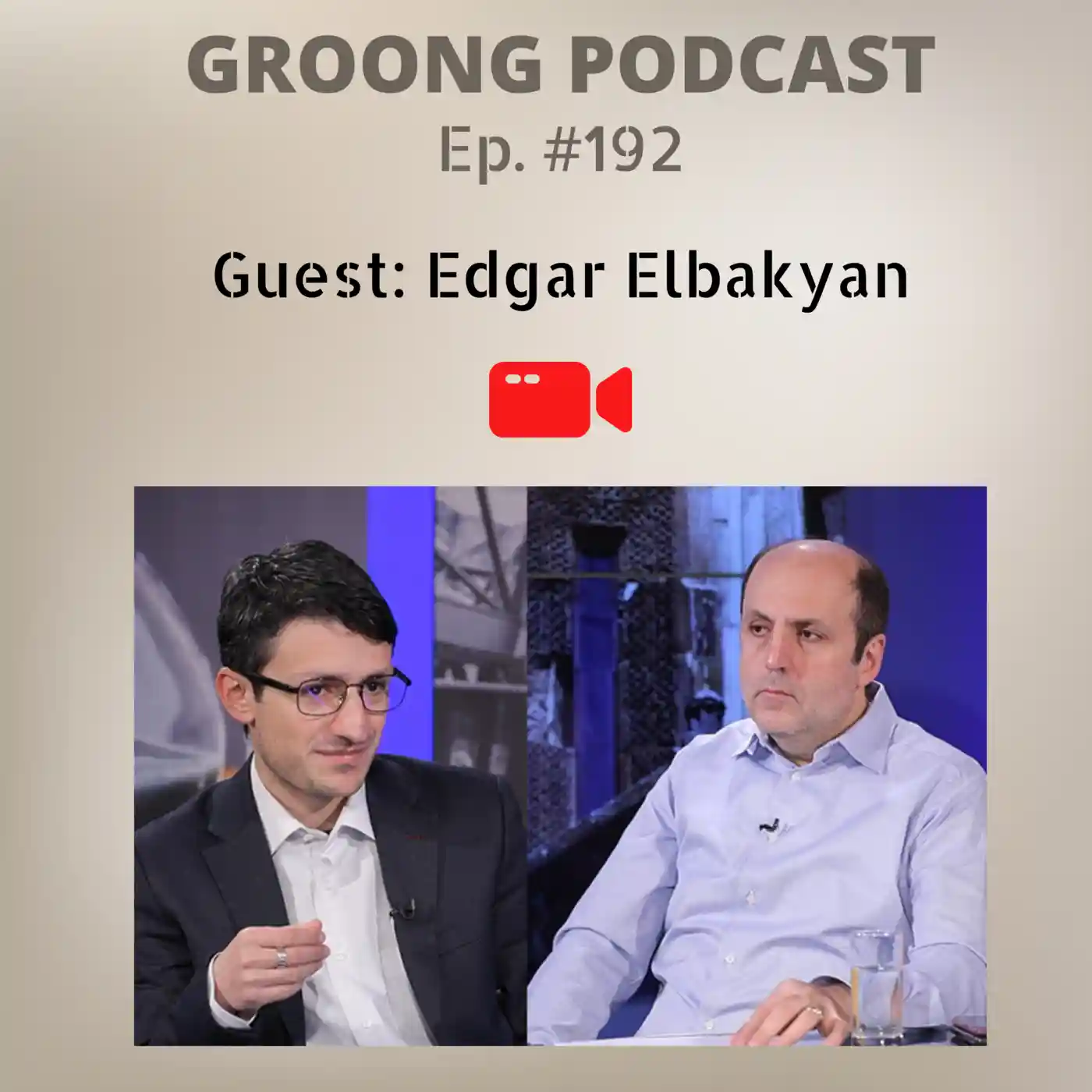
Guest:
- Edgar Elbakyan , a political scientist and social thinker based in Yerevan, Armenia. He is a co-founder of the Armenian Project non-profit organization, which contributes to enhancing Armenian national civil society.
“The problem is not resources or power, the problem is how you put forward your goals”
Topic:
The blockade of Artsakh is now 13 days old. More than 120,000 people remain trapped in the Republic of Artsakh (or Nagorno-Karabakh). Supermarket shelves are empty. Essential medicine is running out.
On Friday, December 23, thatâs yesterday, a meeting between
Read MoreEdgar Elbakyan: Artsakh Under Blockade: Day 13 [EP192]
Posted on Saturday, Dec 24, 2022 | Category: Artsakh, Politics, Armenia, Azerbaijan, Russia, Turkey, Artsakh Blockade, Nagorno Karabakh, Iran, Genocide, Human Rights, Georgia, Israel, UkraineGuest:
- Edgar Elbakyan , a political scientist and social thinker based in Yerevan, Armenia. He is a co-founder of the Armenian Project non-profit organization, which contributes to enhancing Armenian national civil society.
“The problem is not resources or power, the problem is how you put forward your goals”
Topic:
The blockade of Artsakh is now 13 days old. More than 120,000 people remain trapped in the Republic of Artsakh (or Nagorno-Karabakh). Supermarket shelves are empty. Essential medicine is running out.
On Friday, December 23, thatâs yesterday, a meeting between
Read MoreVaruzhan Geghamyan: Artsakh Under Blockade: Day 11 [EP191]
Posted on Friday, Dec 23, 2022 | Category: Artsakh, Politics, Armenia, Azerbaijan, Russia, Turkey, Artsakh Blockade, Nagorno Karabakh, Iran, Genocide, NATO, Georgia, Human Rights, Syria, Ukraine, European Union, Middle East, India | Series: cog, video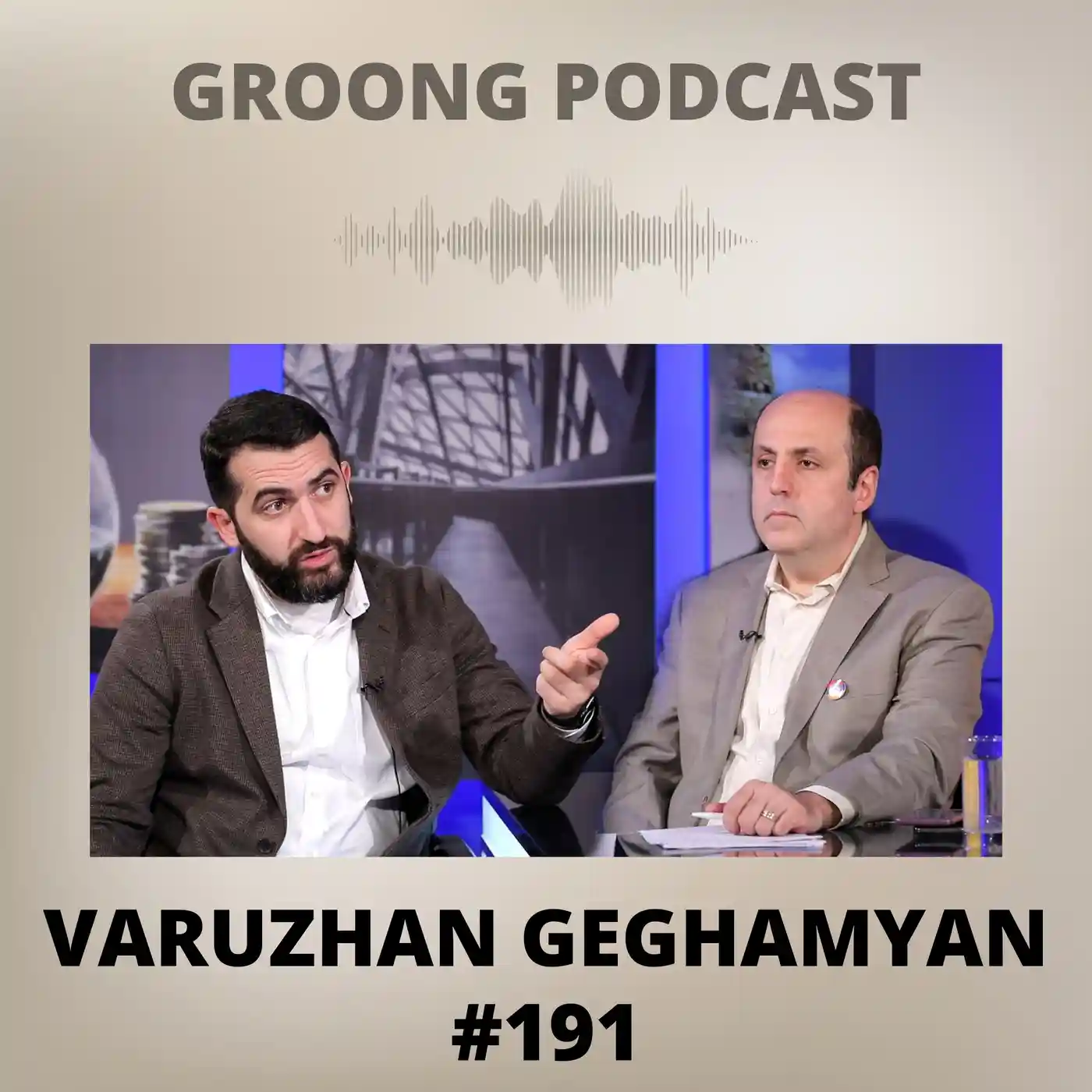
“Turkish threats are going to disappear only when there is no Armenia” - Varuzhan Geghamyan
Guest:
Topic:
- We continue our coverage of the crisis in Artsakh by developments in the UN Security Council as well as Turkish and Iranian concerns in the region.
- More than 120 thousand people, including 30 thousand children, are under siege. Today is the 11th day of the crisis.
- This interview is a continuation of the collaboration between ANN/Groong and 168 Hours aiming to bring you more English-language coverage on the developments of this very serious humanitarian
Varuzhan Geghamyan: Artsakh Under Blockade: Day 11 [EP191]
Posted on Friday, Dec 23, 2022 | Category: Artsakh, Politics, Armenia, Azerbaijan, Russia, Turkey, Artsakh Blockade, Nagorno Karabakh, Iran, Genocide, NATO, Georgia, Human Rights, Syria, Ukraine, European Union, Middle East, India“Turkish threats are going to disappear only when there is no Armenia” - Varuzhan Geghamyan
Guest:
Topic:
- We continue our coverage of the crisis in Artsakh by developments in the UN Security Council as well as Turkish and Iranian concerns in the region.
- More than 120 thousand people, including 30 thousand children, are under siege. Today is the 11th day of the crisis.
- This interview is a continuation of the collaboration between ANN/Groong and 168 Hours aiming to bring you more English-language coverage on the developments of this very serious humanitarian
Aram Orbelyan: Artsakh Under Blockade: Day 11 [EP190]
Posted on Friday, Dec 23, 2022 | Category: Artsakh, Politics, Armenia, Azerbaijan, Russia, Turkey, Armenian Genocide, Artsakh Blockade, Nagorno Karabakh, Human Rights, European Union, Genocide, NATO, Ukraine | Series: cog, video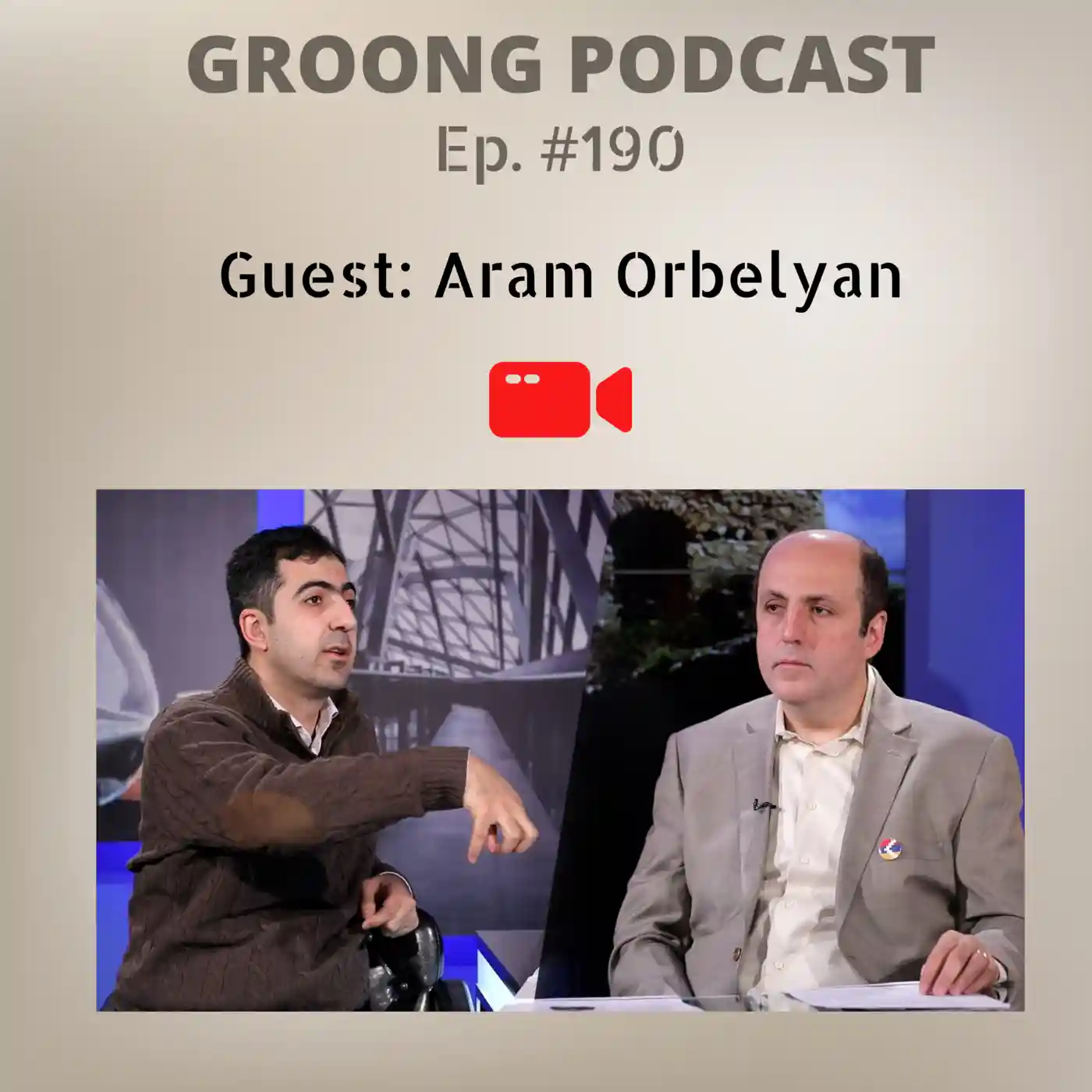
“Current Armenian government blames everyone, but themselves, Azerbaijan and Turkey.” -Aram Orbelyan
Guest:
- Aram Orbelyan , an international law specialist, who is an attorney and managing partner at Concern Dialog law firm, and PhD in Public international law. Mr. Orbelyan lectures at the Academy of Advocates of the Republic of Armenia, and lectured public international law at French University of Armenia. Mr. Orbelyan was Deputy Minister of Justice of Armenia between 2011 and 2014.
Topic:
This is Day 11 of the complete blockade of Artsakh by Azerbaijan. More than 120 thousand
Read MoreAram Orbelyan: Artsakh Under Blockade: Day 11 [EP190]
Posted on Friday, Dec 23, 2022 | Category: Artsakh, Politics, Armenia, Azerbaijan, Russia, Turkey, Armenian Genocide, Artsakh Blockade, Nagorno Karabakh, Human Rights, European Union, Genocide, NATO, Ukraine“Current Armenian government blames everyone, but themselves, Azerbaijan and Turkey.” -Aram Orbelyan
Guest:
- Aram Orbelyan , an international law specialist, who is an attorney and managing partner at Concern Dialog law firm, and PhD in Public international law. Mr. Orbelyan lectures at the Academy of Advocates of the Republic of Armenia, and lectured public international law at French University of Armenia. Mr. Orbelyan was Deputy Minister of Justice of Armenia between 2011 and 2014.
Topic:
This is Day 11 of the complete blockade of Artsakh by Azerbaijan. More than 120 thousand
Read More