2026 Armenian Parliamentary Election
Last updated: May 30, 2026
Armenia’s June 7, 2026 parliamentary elections are the most consequential vote since the 2018 Velvet Revolution. Seventeen parties and two alliances registered with the Central Electoral Commission to compete under Armenia’s proportional representation system, with single-party thresholds at 4% and alliance thresholds ranging from 8% to 10%.
The election takes place against the backdrop of the 2020 and 2023 Nagorno Karabakh wars and the ethnic cleansing of more than 150,000 ethnic Armenians from Artsakh, unresolved peace negotiations with Azerbaijan, Armenia’s fraught relationship with Russia, its emerging partnership with the European Union and the United States, and a deep church-state confrontation that saw multiple senior clergy arrested in 2025.
Groong’s coverage of the election includes a comprehensive guide to the competing parties and alliances — Civil Contract , the Strong Armenia Alliance, the Armenia Alliance (Hayastan Dashinq), Prosperous Armenia , Wings of Unity, Bright Armenia , the Republic Party , the Armenian National Congress, Bever Party (National Democratic Panarmenian Party), Against All Party , and smaller forces — as well as analysis of election rules, MPG and IRI polling numbers, geopolitical alignment of the main forces, and the structural challenges facing opposition parties in an environment where state resources and media access are unevenly distributed.
Pre-election coverage has also examined the phenomenon of “hidden votes” — voters whose intentions are not captured in public polling — and the rhetorical climate set by Pashinyan’s increasingly combative campaigning, which opposition figures and civil society have characterized as designed to suppress turnout and delegitimize rivals.
A key question running through Groong’s pre-election coverage is whether the fragmented opposition can collectively clear enough thresholds to deny Civil Contract the parliamentary supermajority it has used to govern since 2021, and whether the Armenian diaspora and domestic voters will treat this election as an existential choice about the country’s direction.
Groong episodes that include this tag
Below are all Groong episodes tagged with 2026 Armenian Parliamentary Election.
Arega Hovsepyan - June 2026 Parliamentary Election in Armenia | Ep 537, Apr 30, 2026 [EP537]
Posted on Thursday, Apr 30, 2026 | Category: Armenia, Politics, Artsakh, Nagorno Karabakh, Azerbaijan, Human Rights, Armenian News, Russia, Iran | Series: cog, video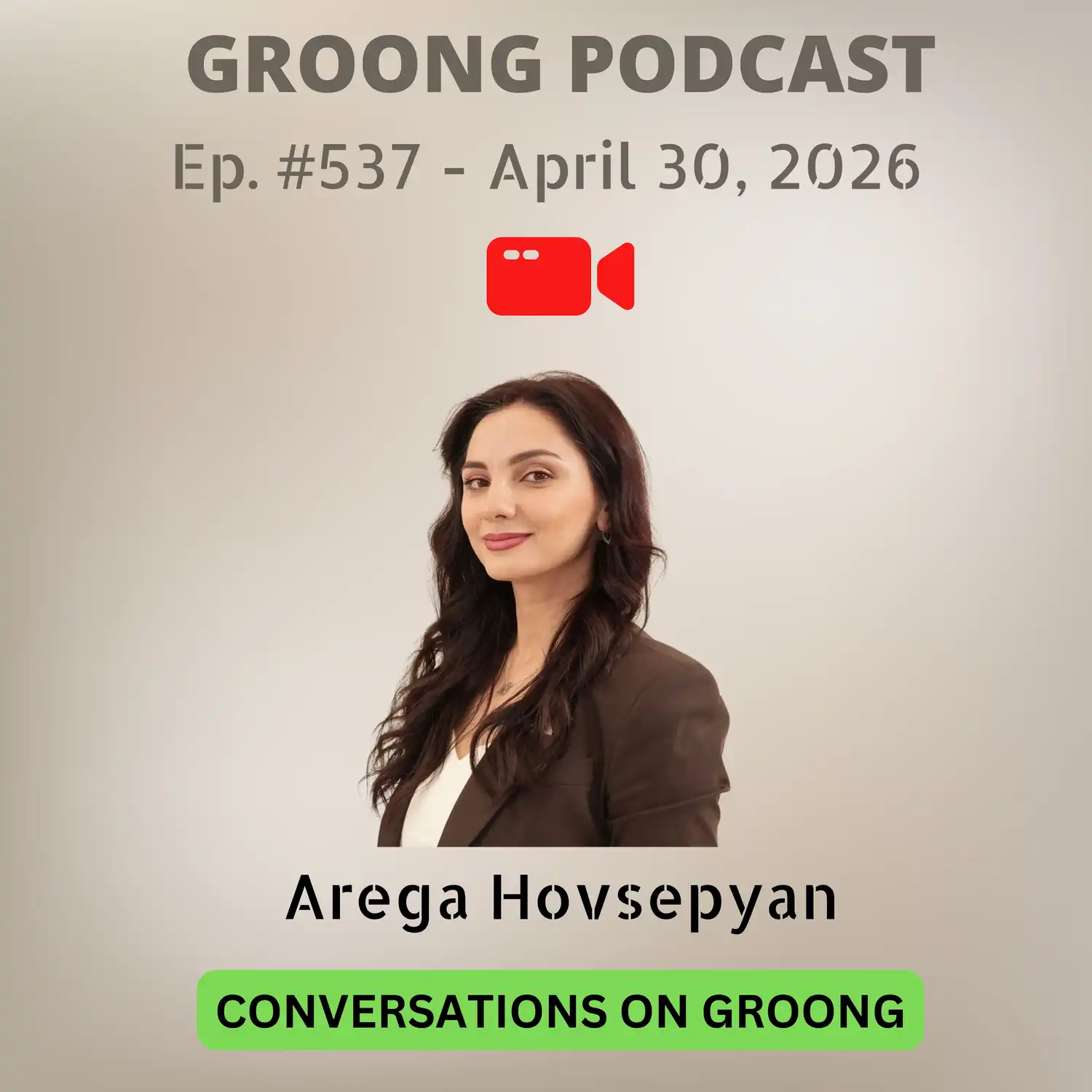
Groong Links:
Guest:
Topics:
- Strong Armenia and election dynamics
- New arrests and political pressure
- Artsakh Armenians and their rights
- TRIPP corridor and regional security
Episode 537 | Recorded: April 27, 2026
#Armenia #Artsakh #StrongArmenia #AregaHovsepyan #ArmenianPolitics #SouthCaucasus #TRIPP #ZangezurCorridor #Geopolitics
Arega Hovsepyan - June 2026 Parliamentary Election in Armenia | Ep 537, Apr 30, 2026 [EP537]
Posted on Thursday, Apr 30, 2026 | Category: Armenia, Politics, Artsakh, Nagorno Karabakh, Azerbaijan, Human Rights, Armenian News, Russia, IranGroong Links:
Guest:
Topics:
- Strong Armenia and election dynamics
- New arrests and political pressure
- Artsakh Armenians and their rights
- TRIPP corridor and regional security
Episode 537 | Recorded: April 27, 2026
#Armenia #Artsakh #StrongArmenia #AregaHovsepyan #ArmenianPolitics #SouthCaucasus #TRIPP #ZangezurCorridor #Geopolitics
Transcript: Arega Hovsepyan - June 2026 Parliamentary Election in Armenia | Ep 537, Apr 30, 2026 [EP537]
Posted on Thursday, Apr 30, 2026 | Category: Armenia, Politics, Artsakh, Nagorno Karabakh, Azerbaijan, Human Rights, Armenian News, Russia, Iran, TranscriptIn this Conversations on Groong episode, we speak with Arega Hovsepyan of the Strong Armenia party about Armenia’s upcoming June 2026 parliamentary elections and the broader political climate. The discussion focuses on recent arrests targeting opposition figures, the situation of displaced Artsakh Armenians, competing narratives around “peace” with Azerbaijan, and the implications of the TRIPP or Zangezur Corridor project. We also examine opposition unity, polling trends, and legal questions surrounding Strong Armenia’s political strategy.
Transcript: Arthur Martirosyan - Iran War, Effect on Armenia, June Parliamentary | Ep 536, Apr 26, 2026 [EP536]
Posted on Tuesday, Apr 28, 2026 | Category: Armenia, Politics, Armenian Church, Ukraine, Iran, Azerbaijan, Israel, USA, Turkey, Russia, Artsakh, Nagorno Karabakh, Armenian Genocide, Armenian News, Artsakh Blockade, Genocide, Georgia, European Union, TranscriptWe examine how the Iran war fallout and the extension of the ceasefire are reshaping Armenia’s geopolitical position. We break down the push for the TRIPP or Zangezur Corridor and the claims of Armenia-Azerbaijan normalization, and assess how they tie to regional power dynamics involving Iran, Russia, Turkey, and the United States. The episode also covers Armenia’s 2026 elections and rising elite tensions. In addition, we discuss the global commemoration of the Armenian Genocide, contrasting international messaging with domestic narratives and linking it to ongoing debates around Artsakh and historical continuity.
Arthur Martirosyan - Iran War, Effect on Armenia, June Parliamentary | Ep 536, Apr 26, 2026 [EP536]
Posted on Tuesday, Apr 28, 2026 | Category: Armenia, Politics, Armenian Church, Ukraine, Iran, Azerbaijan, Israel, USA, Turkey, Russia, Artsakh, Nagorno Karabakh, Armenian Genocide, Armenian News, Artsakh Blockade, Genocide, Georgia, European Union | Series: wir, video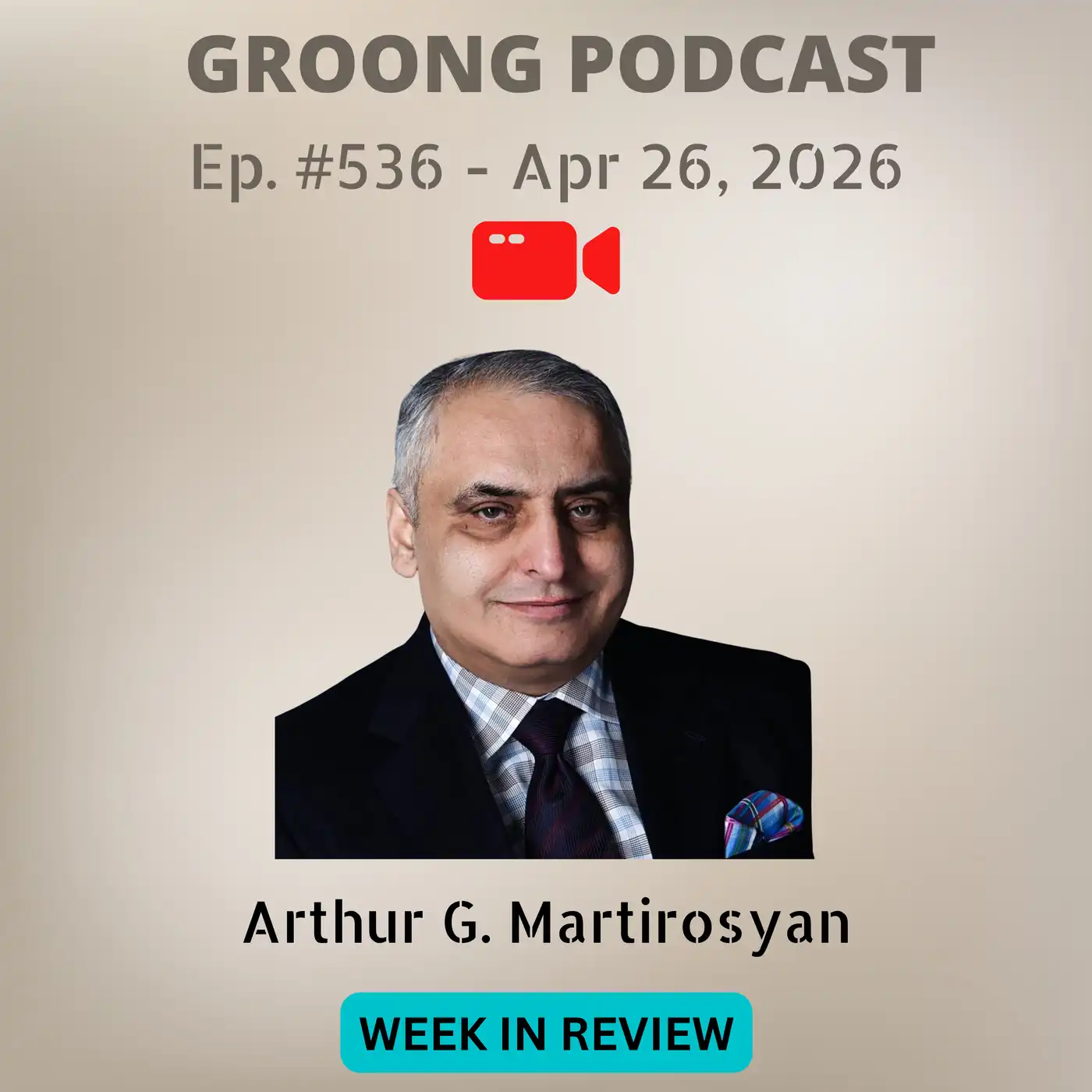
Groong Links:
Guest:
Topics:
- Iran War and TRIPP
- Armenian Genocide commemoration
- Peace narrative vs corridor reality
- Parliamentary election
Episode 536 | Recorded: April 27, 2026
Arthur Martirosyan - Iran War, Effect on Armenia, June Parliamentary | Ep 536, Apr 26, 2026 [EP536]
Posted on Tuesday, Apr 28, 2026 | Category: Armenia, Politics, Armenian Church, Ukraine, Iran, Azerbaijan, Israel, USA, Turkey, Russia, Artsakh, Nagorno Karabakh, Armenian Genocide, Armenian News, Artsakh Blockade, Genocide, Georgia, European UnionGroong Links:
Guest:
Topics:
- Iran War and TRIPP
- Armenian Genocide commemoration
- Peace narrative vs corridor reality
- Parliamentary election
Episode 536 | Recorded: April 27, 2026
Philippe Raffi Kalfayan - Monitoring the June 2026 Parliamentary Elections in Armenia | Ep 535, Apr 27, 2026 [EP535]
Posted on Monday, Apr 27, 2026 | Category: Armenia, Politics, Election, Armenian News, Nagorno Karabakh, Armenian Genocide, Human Rights, Russia | Series: cog, video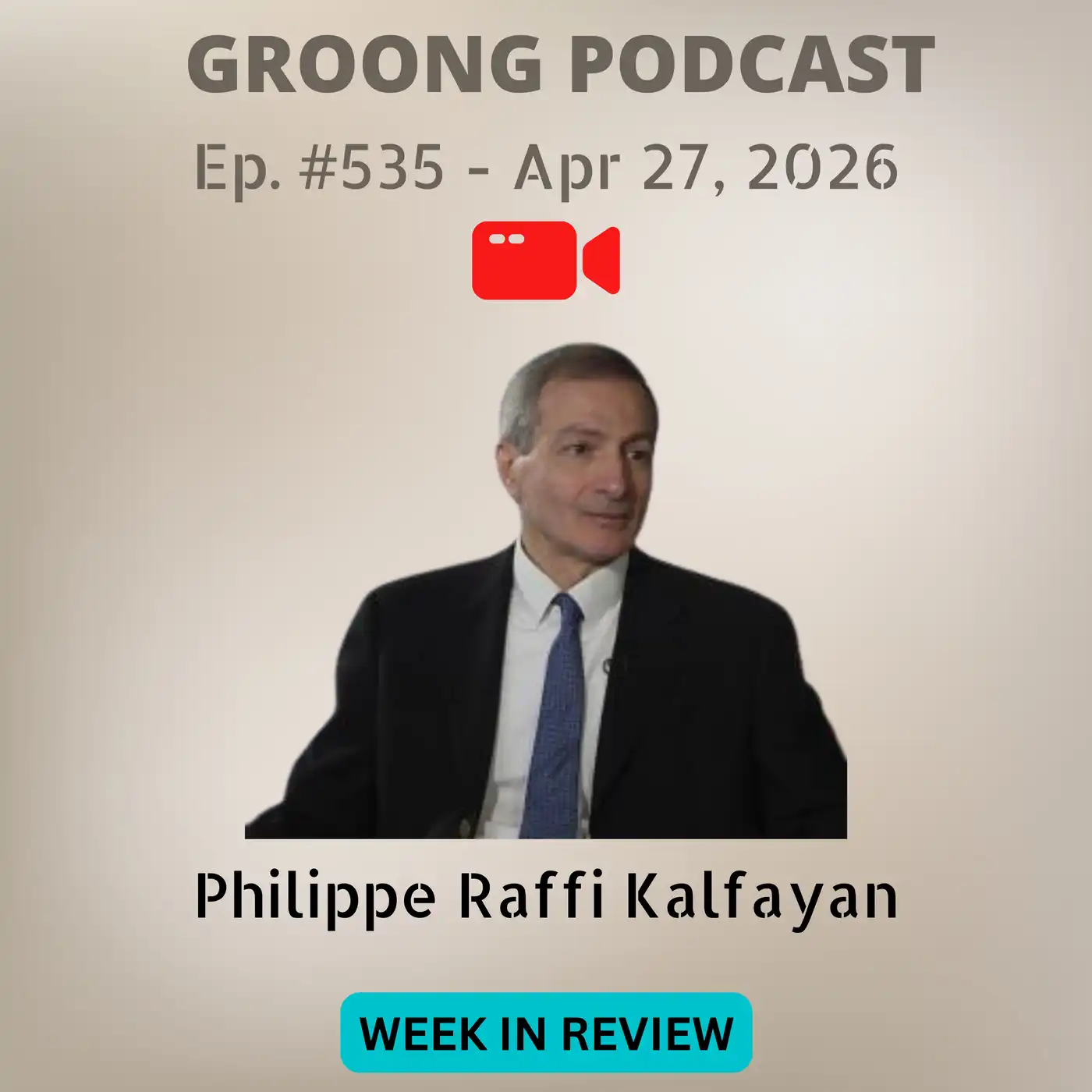
Groong Links:
Guest:
Topics:
- IODA’s mission and election observation work
- Armenia’s June 2026 parliamentary election risks
- Questions around international observer impartiality
- Suspect voter lists, fraud, and transparency concerns
- Pressure on opposition figures and parties
Episode 535 | Recorded: April 24, 2026
#Armenia #ArmenianElections #Election2026 #IODA #OSCE #ODIHR #Geopolitics #Democracy
Philippe Raffi Kalfayan - Monitoring the June 2026 Parliamentary Elections in Armenia | Ep 535, Apr 27, 2026 [EP535]
Posted on Monday, Apr 27, 2026 | Category: Armenia, Politics, Election, Armenian News, Nagorno Karabakh, Armenian Genocide, Human Rights, RussiaGroong Links:
Guest:
Topics:
- IODA’s mission and election observation work
- Armenia’s June 2026 parliamentary election risks
- Questions around international observer impartiality
- Suspect voter lists, fraud, and transparency concerns
- Pressure on opposition figures and parties
Episode 535 | Recorded: April 24, 2026
#Armenia #ArmenianElections #Election2026 #IODA #OSCE #ODIHR #Geopolitics #Democracy
Transcript: Philippe Raffi Kalfayan - Monitoring the June 2026 Parliamentary Elections in Armenia | Ep 535, Apr 27, 2026 [EP535]
Posted on Monday, Apr 27, 2026 | Category: Armenia, Politics, Election, Armenian News, Nagorno Karabakh, Armenian Genocide, Human Rights, Russia, TranscriptDr. Philippe Raffi Kalfayan joined Groong to discuss the International Observatory for Democracy in Armenia (IODA), its work ahead of Armenia’s June 7, 2026 parliamentary elections, and the risks it sees in the pre-election environment. The conversation covered IODA’s mission, its first fact-finding trip to Armenia, concerns about judicial control and administrative resources, questions about OSCE/ODIHR and EU impartiality, and the pressure facing opposition figures and parties before election day.