Series: Cog
A Conversation with Narek Margaryan (Ep 63) - 05/25/2021 [EP63]
Posted on Tuesday, May 25, 2021 | Category: Armenia, Turkey, Genocide, Russia, China, Iran, Armenian Genocide | Series: cog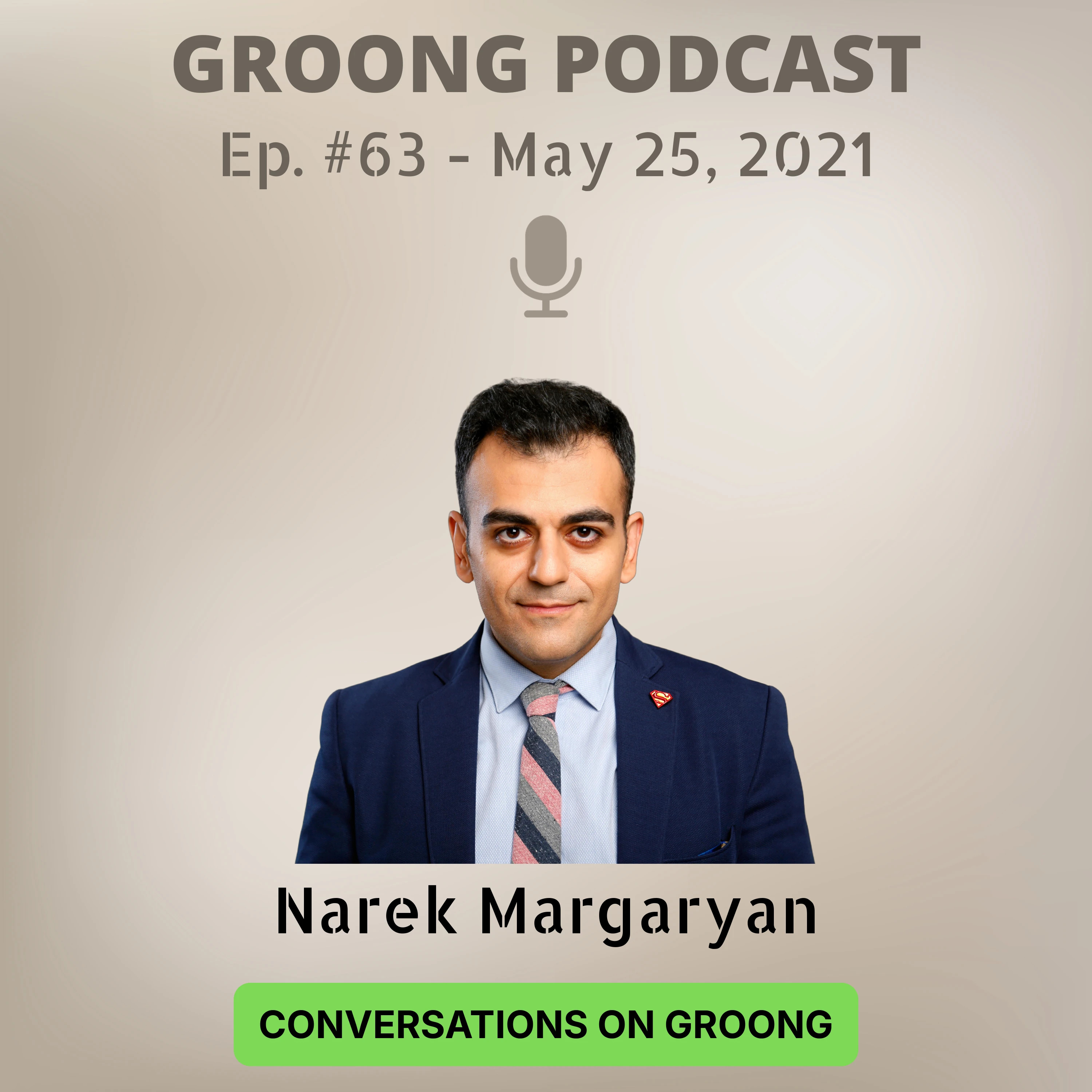
Guest(s):
A Conversation with Narek Margaryan - 05/25/2021
Guest:
Narek Margaryan is an Armenian comedian, screenwriter and TV host. Along with his co-host Sergey Sargsyan, Narek stars in ArmComedy, a satiric news show series broadcast on Armenian television and on Youtube.
Hosts
Hovik Manucharyan Asbed Bedrossian
Episode 63 | Recorded: April 25, 2021
Armenians at Crossroads - a Conversation with Dr. Viken Hovsepian (Ep #58) - 04/17/2021 [EP58]
Posted on Friday, Apr 16, 2021 | Category: Armenia, Politics, NATO | Series: cog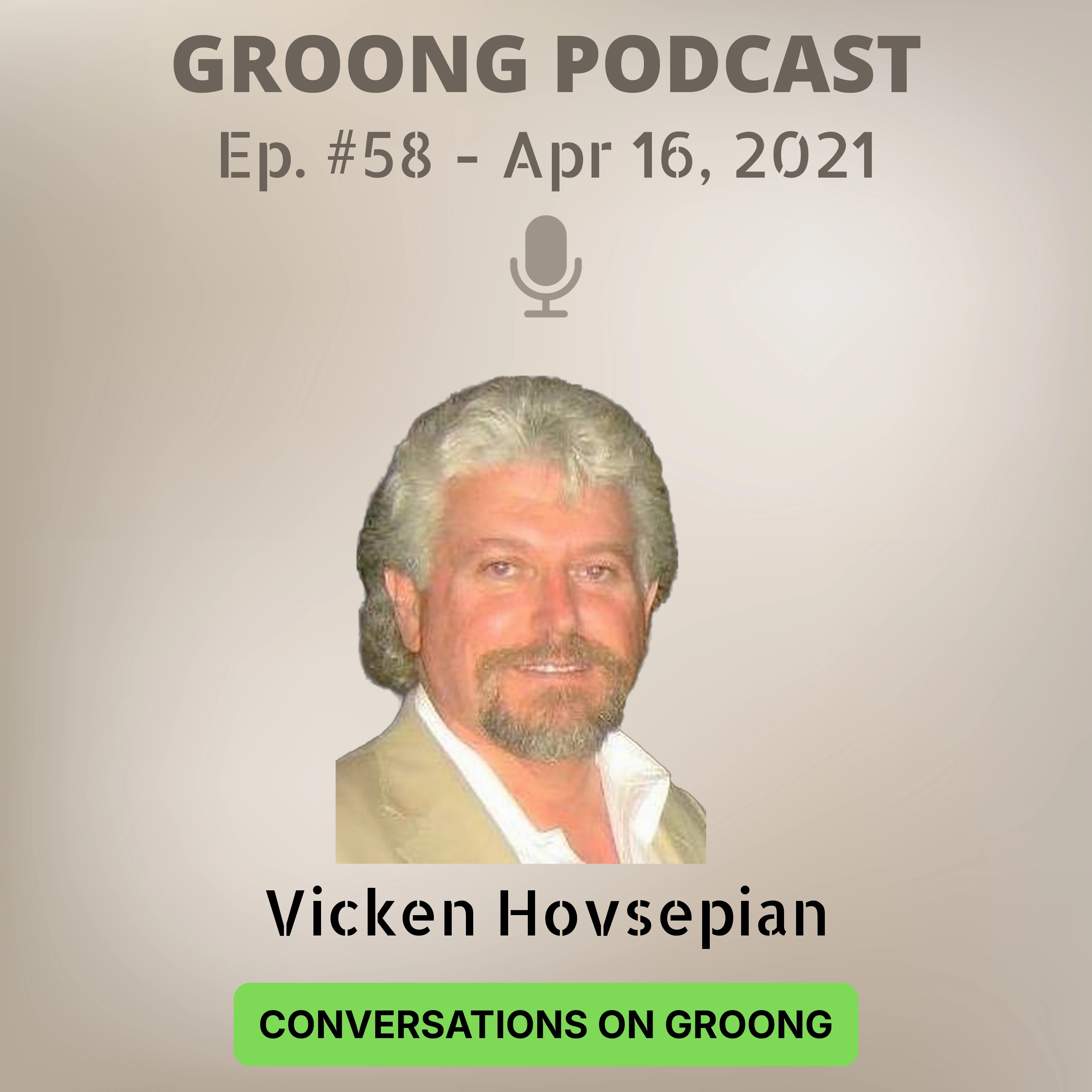
Guest(s):
Armenians at Crossroads - 04/17/2021
Topics:
- The Last Few Years in Armenian Politics
- Thoughts on the Second War in Artsakh
- What is the Role of the Diaspora?
- How do we get back on our Feet?
- Thoughts on the Current Rift in the ARF
Guest
- Dr. Viken Hovsepian holds a BA in Political Science from UCLA, and an MA and PhD in International Relations from USC. He has served on the ARF Dashnaktsutyun Bureau, the highest executive body of the Organization, and has been a member, and chairman of the ARF Western US Central Committee. In 2019, he helped establish the Pan
Guest(s):
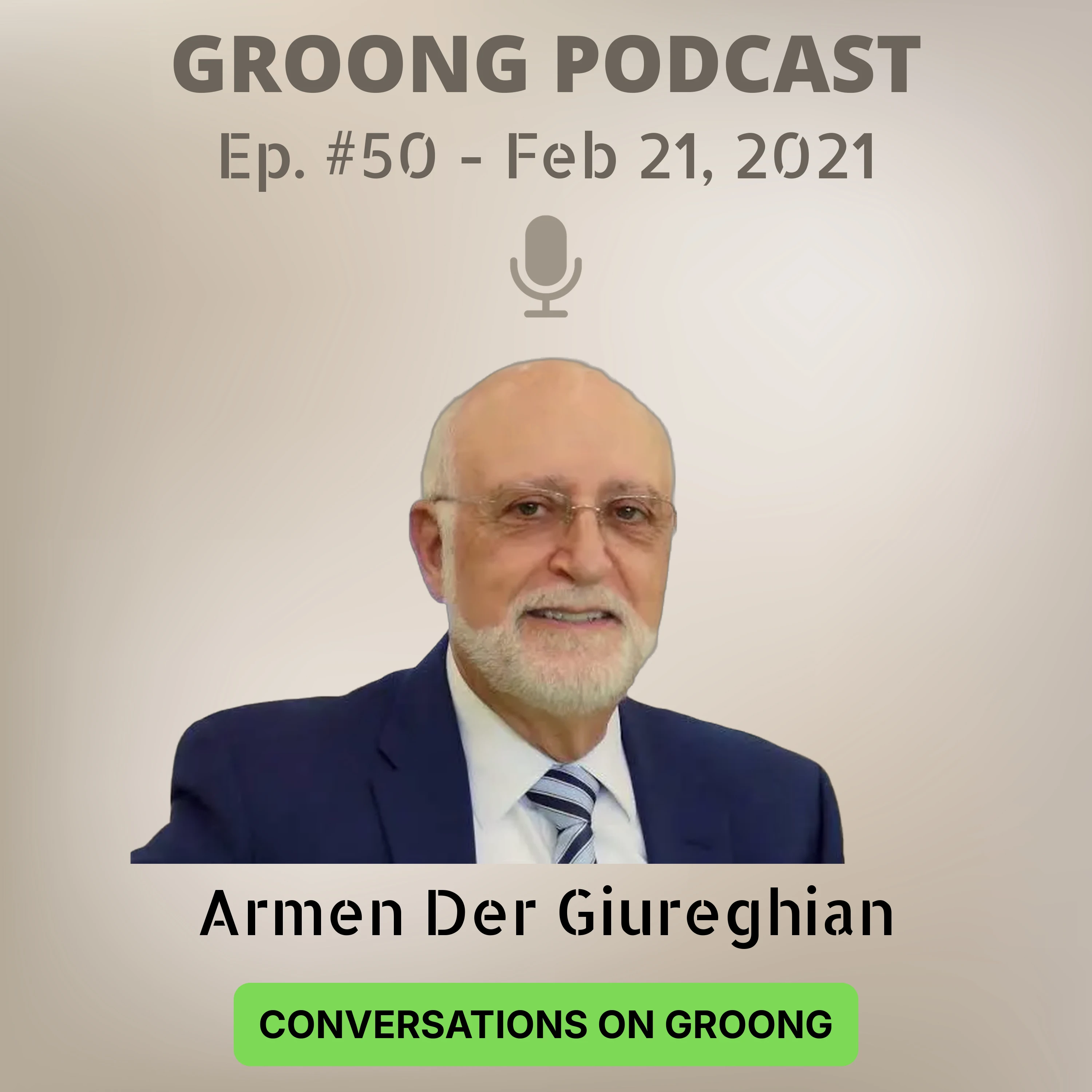
Armenia’s Earthquake Preparedness - 02/21/2021
Topics:
- Was it an Earthquake?
- Have Construction Codes Improved since 1988?
- Do Contractors Comply with Regulations?
- Is Armenia Ready for The Big One?
- Is there Earthquake Preparedness in Armenia?
- What Conversations are not Happening?
Guest:
- Dr. Armen Der Giureghian is a structural and civil engineering professor at UC Berkeley with research focus on earthquake engineering. He is a co-founder and was president of the American University of Armenia from 2014 until 2019.
Host:
- Asbed Bedrossian
Website:
Read MoreArmenian IT Security and Readiness During Wartime - with Ruben Muradyan (Ep #46) - 01/31/2021 [EP46]
Posted on Sunday, Jan 31, 2021 | Category: Armenia, Azerbaijan, Artsakh, Iran, Turkey, Nagorno Karabakh | Series: cog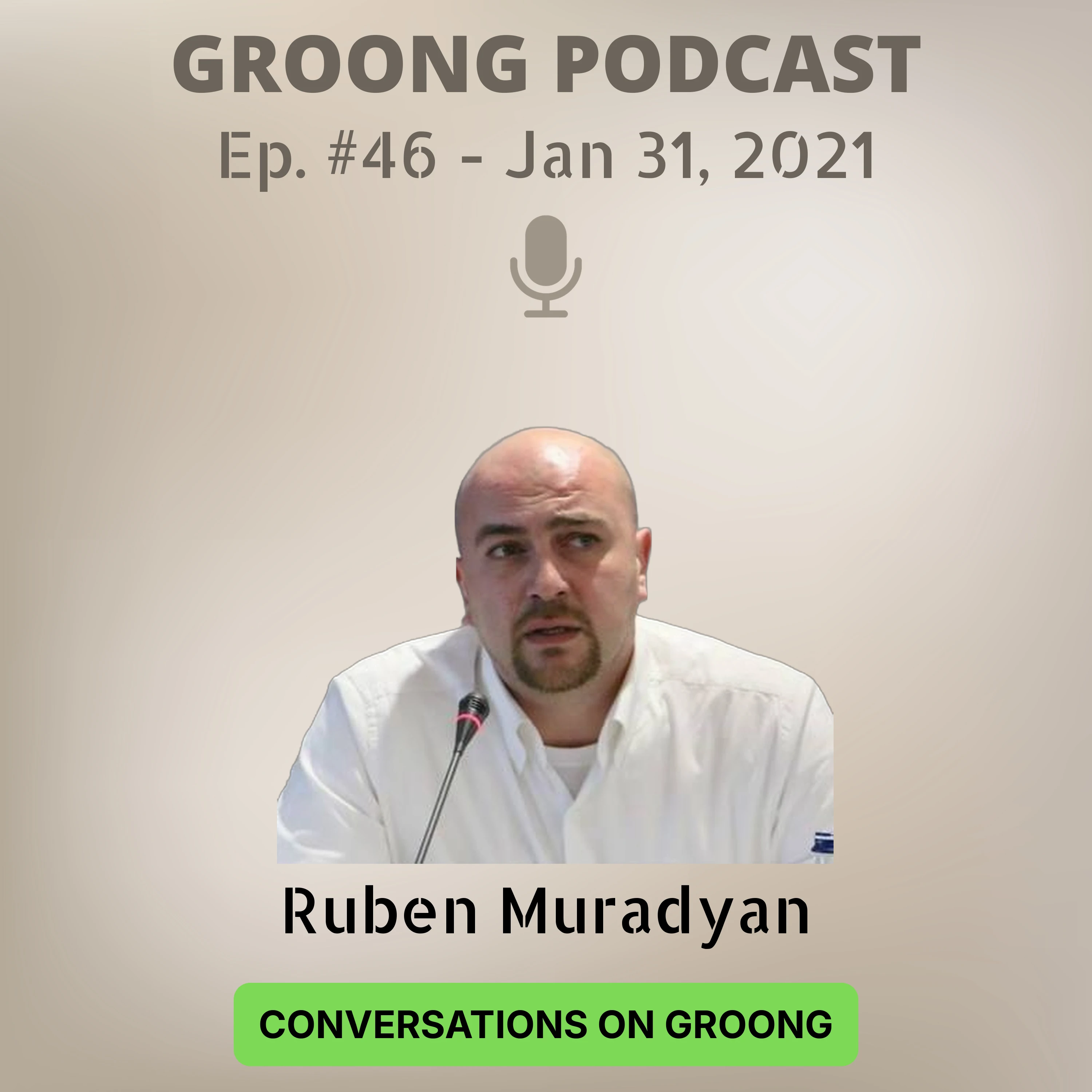
Guest(s):
Armenian IT Security and Readiness During Wartime - with Ruben Muradyan - Jan. 31, 2021
Experience being called up and participating in the war
Ethics of a security professional. What to do when a government member asks you to conduct greyhat (potentially unlawful or unethical) security?
On the 2nd day of the war Ruben was called up to the army as part of an infantry company.
- Can you describe your experience?
- How were you drafted? And where did you serve?
- What specialty did you have in the army?
- What can you tell us about what you saw?
- Why did we lose the war?
Armen Ashotyan - Opposition Talks | Ep 44, Jan 19, 2021 [EP44]
Posted on Tuesday, Jan 19, 2021 | Category: Armenia, Politics, Artsakh, Nagorno Karabakh, Armenian Genocide, Azerbaijan, Russia, China, European Union, Genocide, Geopolitics, Turkey | Series: cog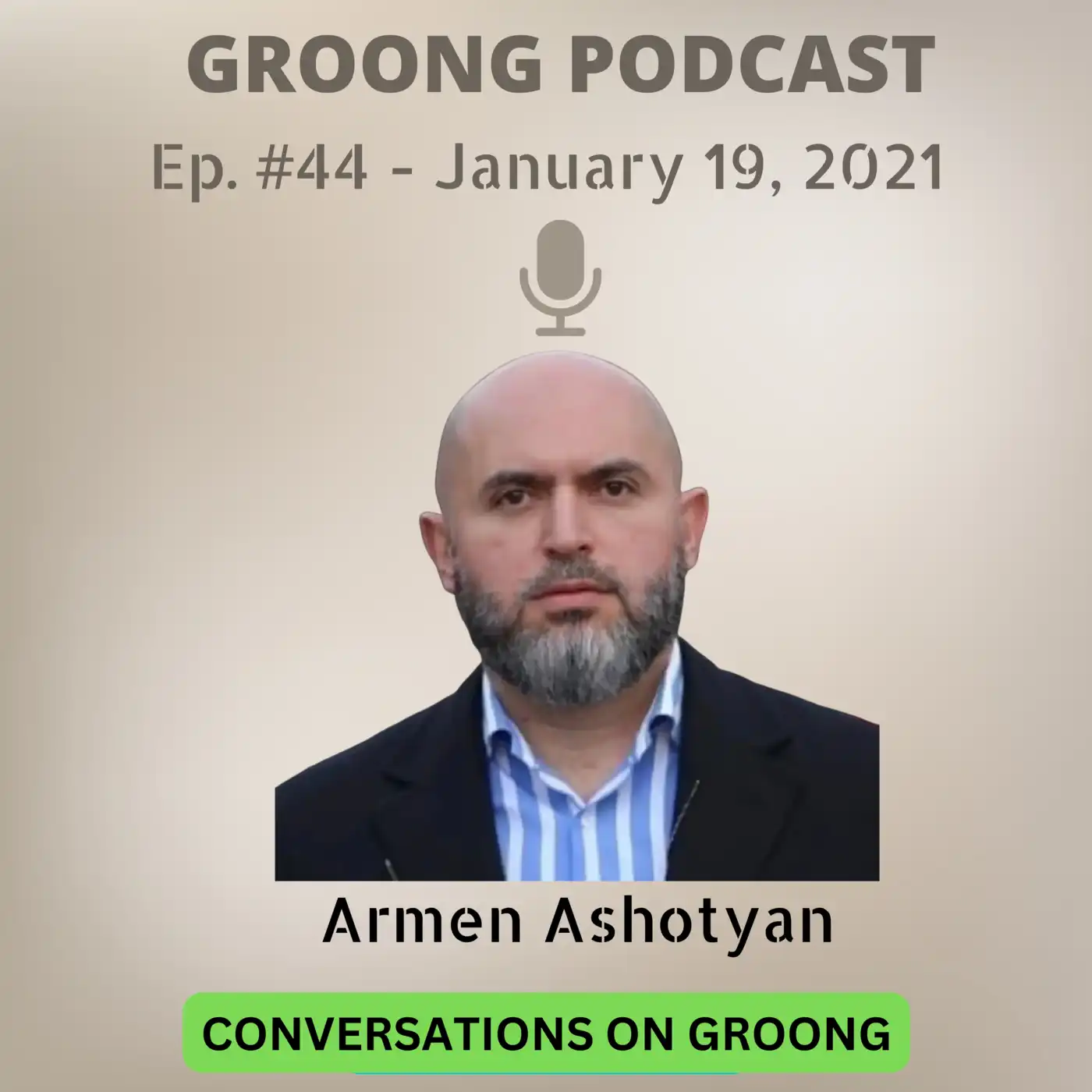
Groong Links:
Guest:
- Armen Ashotyan , MP, VP Republican Party of Armenia (HHK)
Topics:
- What took place in 2018?
- Why did RPA support Vazgen Manukyan as PM candidate?
- Nov. 9/10 ceasefire agreement & Jan 11 statement
- Is the RPA truly serious about removing Pashinyan? Why hasnât the opposition mobilized more people onto the streets?
- Lessons learned from Dec. 2018 elections.
Episode 44 | Recorded on January 17, 2021
Former Artsakh Ombudsman Ruben Melikyan (Ep #42) - 01/18/2021 [EP42]
Posted on Monday, Jan 18, 2021 | Category: Nagorno Karabakh, Artsakh, Armenia, Azerbaijan, Human Rights, Iran, Ukraine, Israel, Syria, Russia | Series: cog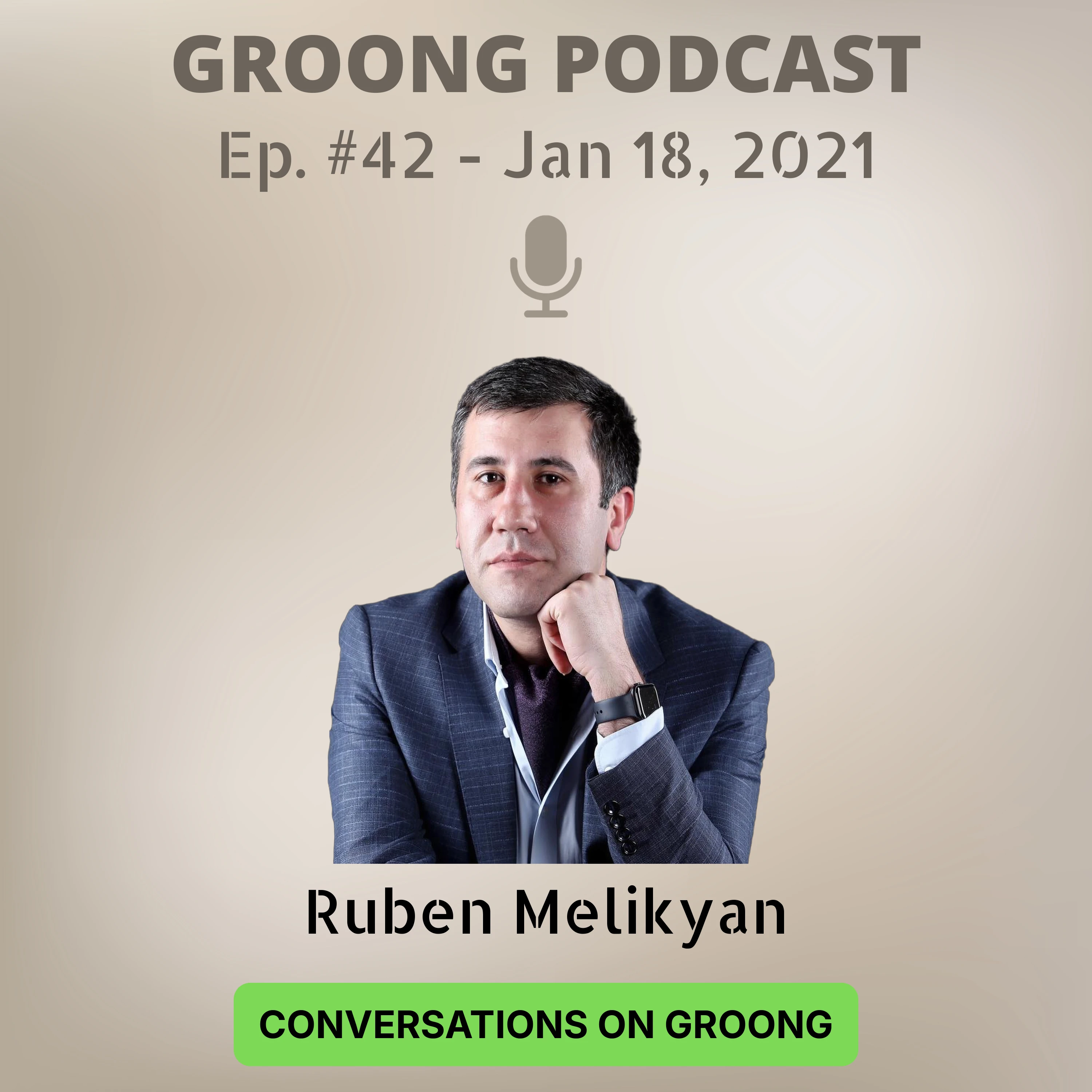
Guest(s):
Former Artsakh Ombudsman Ruben Melikyan - 01/18/2021
Weâll be discussing various legal and human-rights topics within the context of recent developments in Armenia.
Guest:
- Ruben Melikyan was formerly Artsakhâs Human Rights Ombudsman and prior to that rector of the Justice Academy of Armenia. In 2019, Melikyan co-founded and currently leads the âPath of Lawâ NGO.
Topics:
- Why are there Armenian POWs still in Azerbaijan so long after the Nov. 9 ceasefire agreement?
- On Constitutional Court judges being forced to resign
- On Parliamentâs endorsement of Gagik
Conversation with Aram Vardevanyan (Ep #41) - 01/13/2021 [EP41]
Posted on Wednesday, Jan 13, 2021 | Category: Armenia, Human Rights, Azerbaijan, Artsakh, Israel, Russia, Nagorno Karabakh, Artsakh Blockade | Series: cog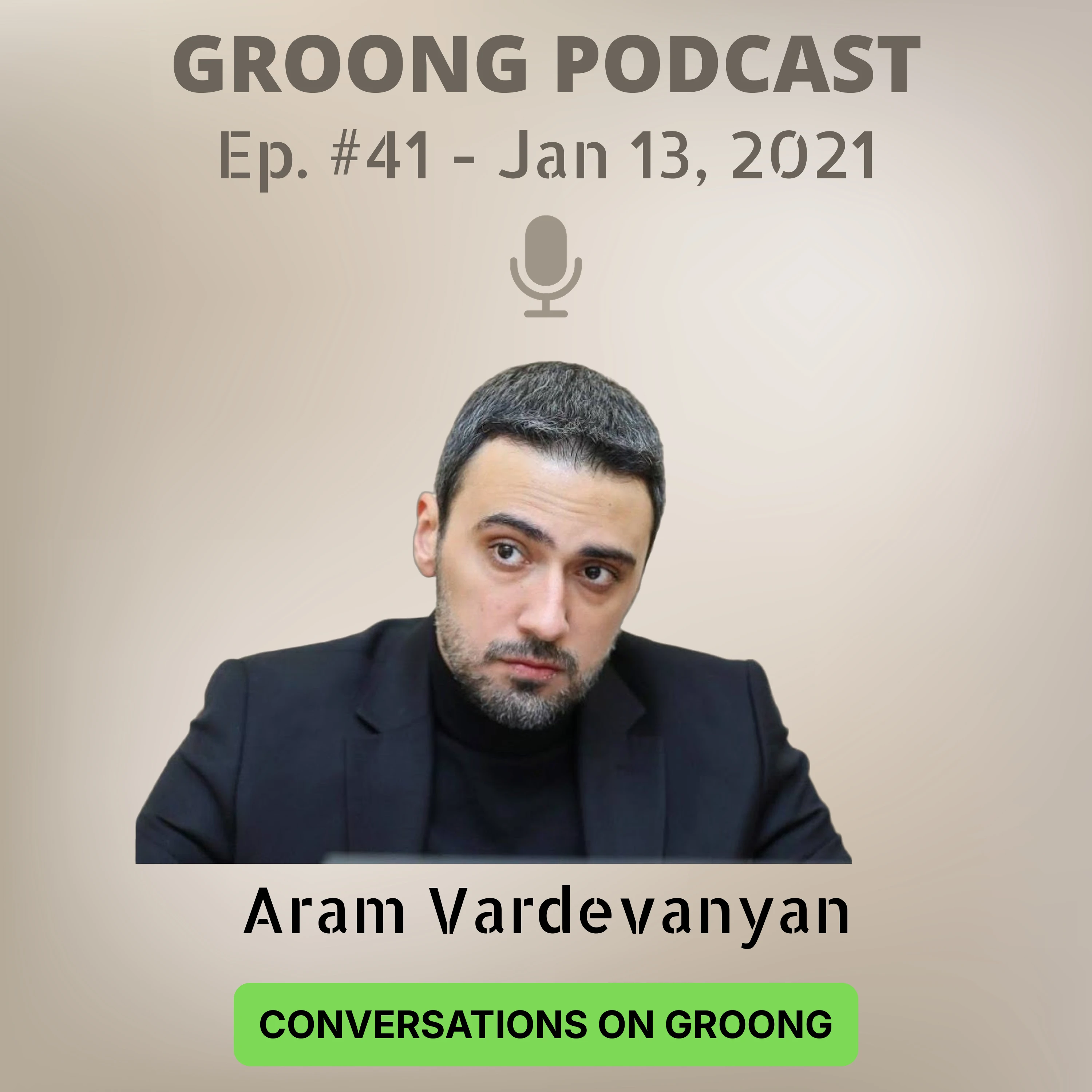
Guest(s):
Conversation with Aram Vardevanyan - 01/13/2021
Since Nikol Pashinyan came to power in 2018, and prior to the Artsakh war of 2020, issues around the Armenian constitution and constitutional court have been in the center of public attention. These issues have been partly fueled by one of the most prominent legal cases in recent Armenian history, the March 1 trial against Armenian president Robert Kocharyan and military leadership at the time. We’ll explore issues surrounding the March 1 case, as well as legal and specifically constitutional questions related
Read MoreConversation with My Step's Maria Karapetyan (Ep #39) - 01/08/2021 [EP39]
Posted on Friday, Jan 8, 2021 | Category: Armenia, Politics, Azerbaijan, China, Human Rights, Israel, Nagorno Karabakh | Series: cog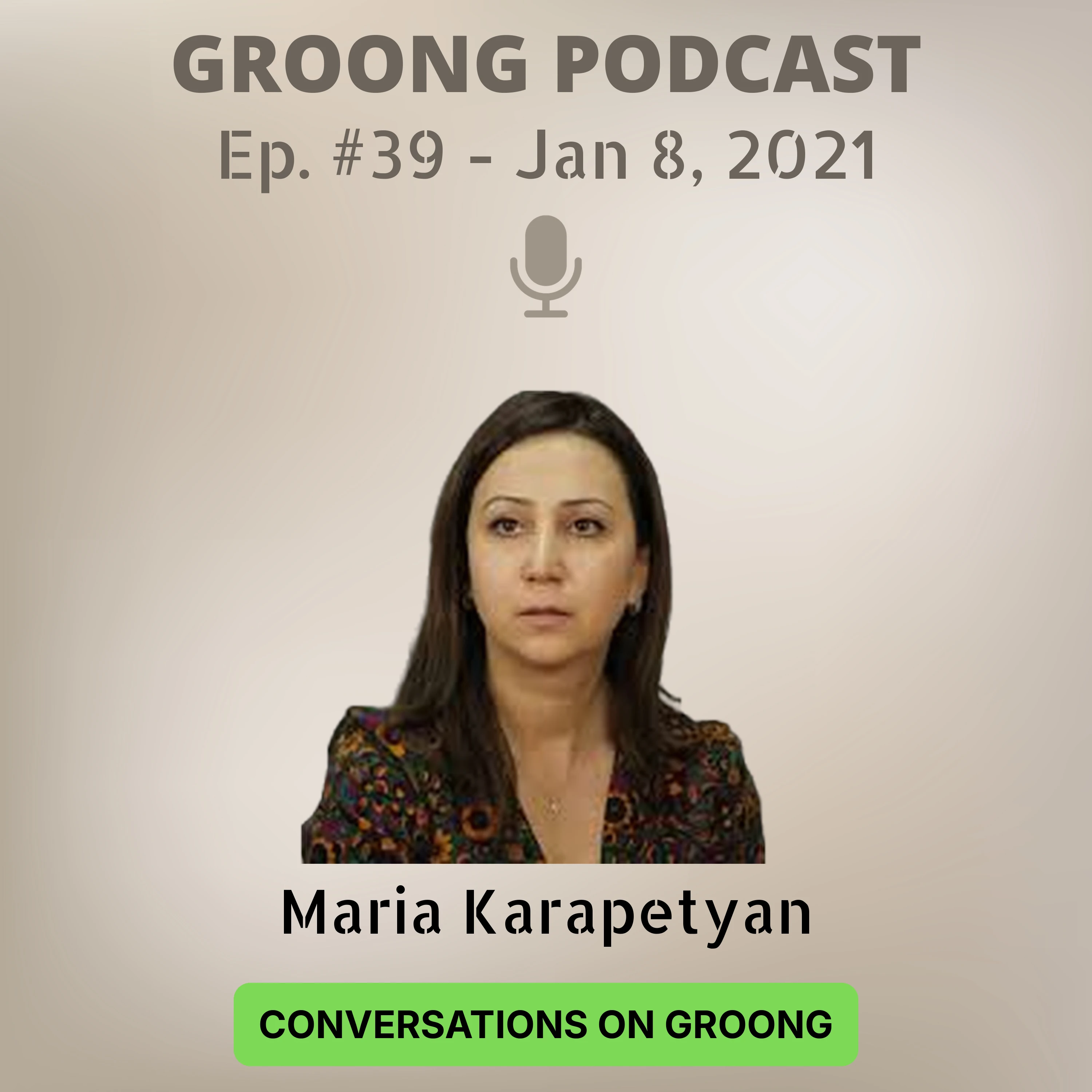
Guest(s):
Conversation with My Step’s Maria Karapetyan - 01/08/2021
As protesters in the streets of Yerevan continue demanding the resignation of PM Nikol Pashinyan in the aftermath of the war in Nagorno-Karabakh, the ruling My Step faction seems to be firmly on the side of the prime minister.
In the last week or so here at Groong we hosted representatives of various opposition parties and today we will host a representative from the ruling My Step faction to talk about the ongoing political crisis in Armenia.
Today weâre joined by:
Maria Karapetyan, who is a member
Read MoreArevik Anapiosyan on Research in Policy Making and Implementation (Ep #38) - 01/03/2021 [EP38]
Posted on Sunday, Jan 3, 2021 | Category: Armenia, Middle East, NATO | Series: cog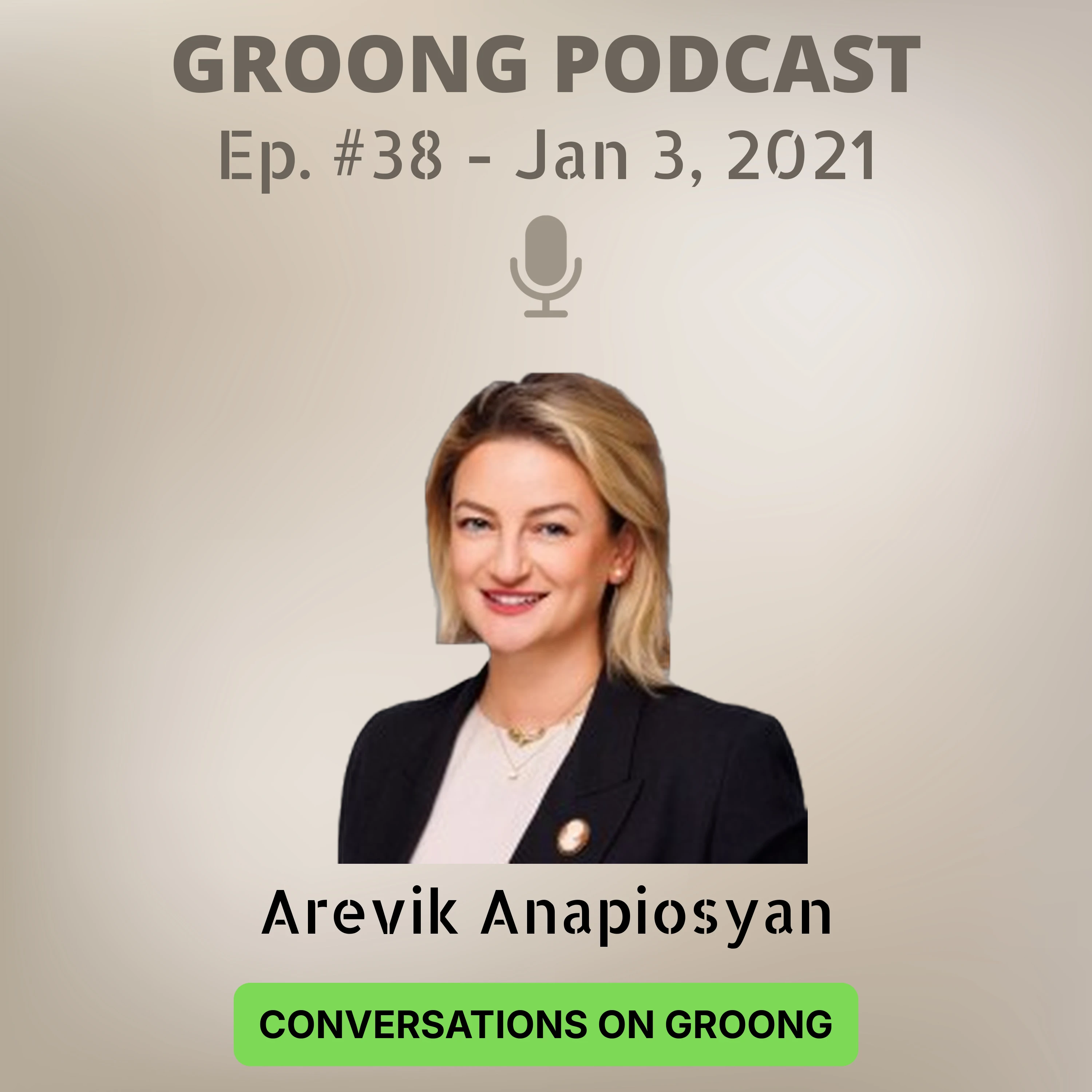
Guest(s):
Research in Policy Making and Implementation (Ep #38) - 01/03/2021
Asbed Kotchikian is an associate professor of political science and international relations at the American University of Armenia, where he teaches courses on post-Soviet space and the Middle East.
Talks with
Arevik Anapiosyan is the Partnerships and Development Finance Advisor to the UN Resident Coordinator in Armenia, and has served as the Deputy Minister of Education, Science, Culture and Sport of the Republic of Armenia. She co-founded and was the Executive Director of the Institute of Public
Read More