Groong Podcast Digest — Week of August 24–30, 2026
Published August 30, 2026 5 min read See also: News Digest →- EP580: Ambassador Jack Matlock, the last U.S. Ambassador to the Soviet Union, examines whether the West missed a historic opportunity to integrate Russia into Western security architecture after the Cold War, and reflects on how Cold War-era decisions shape Armenia’s geopolitical choices today.
- EP581: Arthur G. Martirosyan discusses Armenia’s post-election political crisis, the arrest of opposition leaders including Robert Kocharyan, attacks on the Armenian Church, border concessions including Tigranashen, the TRIPP corridor, and how the Established Opposition is strategizing under state repression in what Pashinyan calls the Fourth Republic.
This Week’s Podcast Episodes
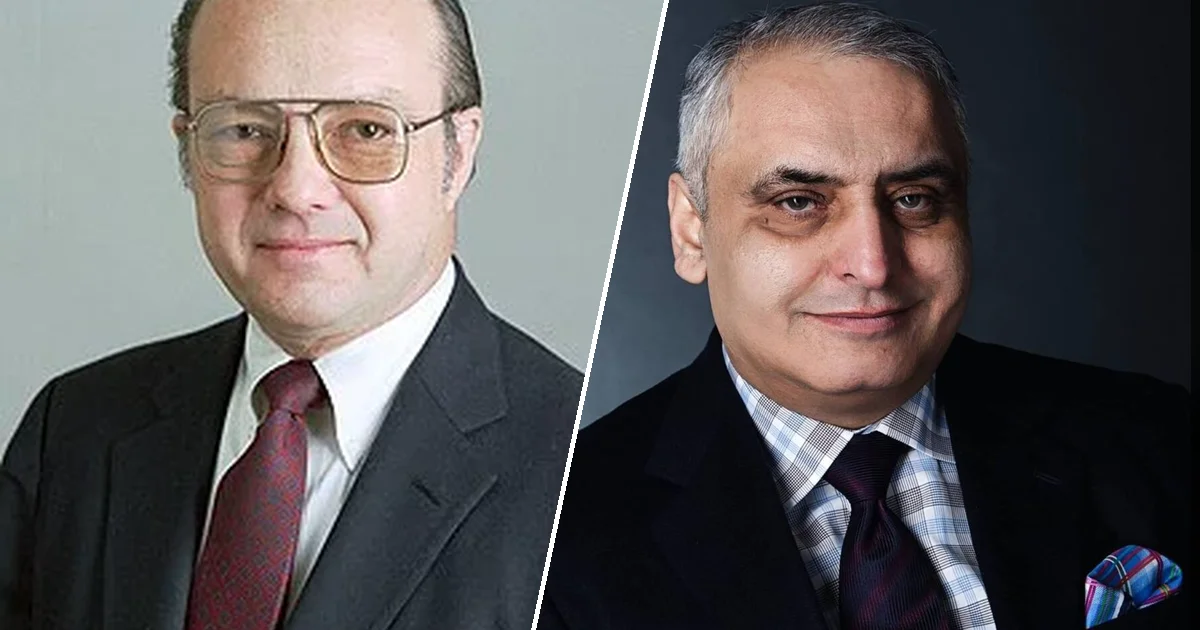
Episode 580: Ambassador Jack Matlock - Did the West Fumble the Post-Cold War Peace? | Ep 580, Aug 28, 2026
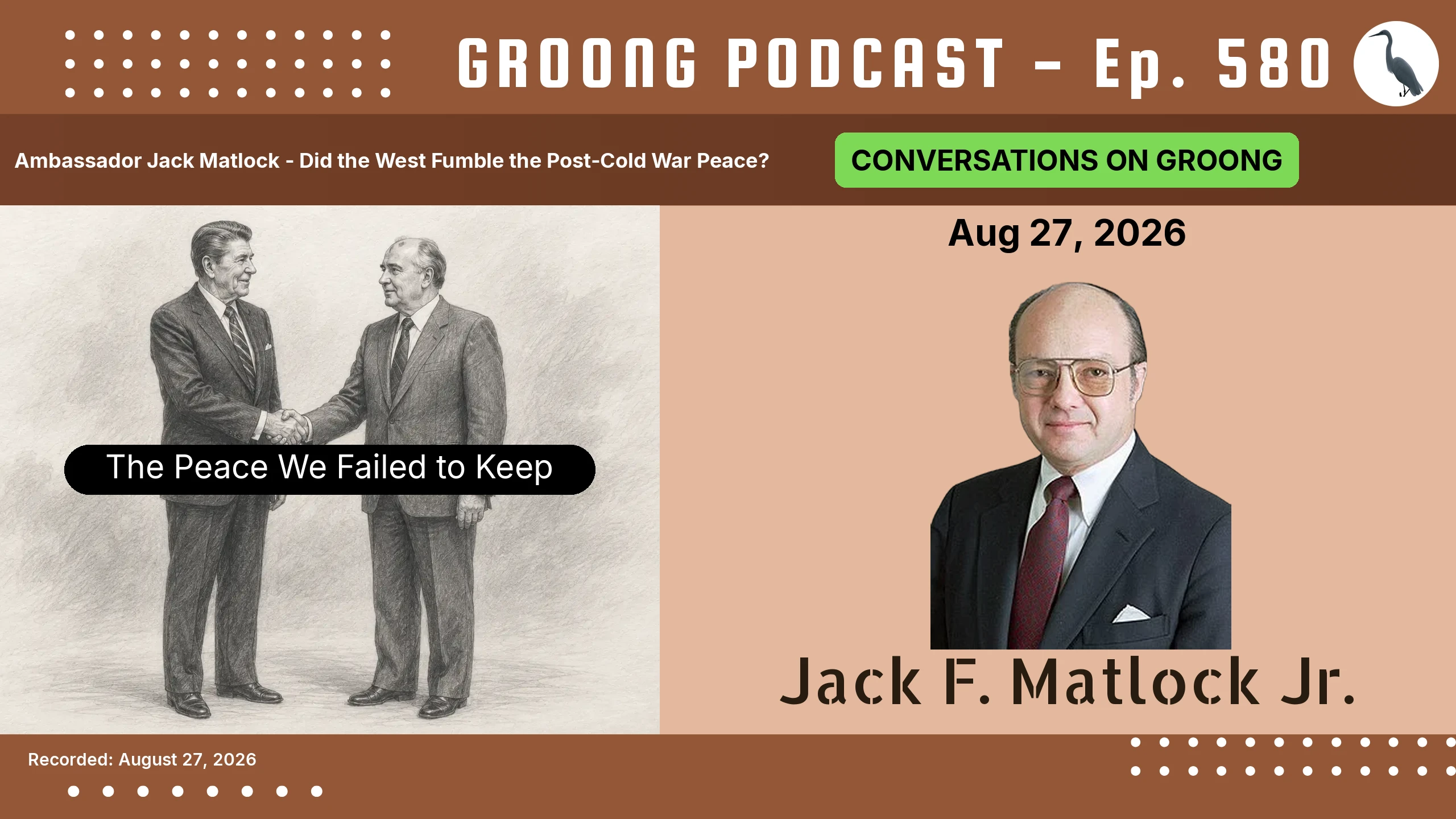
Ambassador Jack Matlock brings four decades of diplomatic experience to bear on one of the defining questions of the post-Cold War era: did Western policy choices squander an opportunity for genuine partnership with Russia? Matlock was instrumental in U.S.-Soviet relations during the Reagan-Gorbachev years and served as ambassador through the USSR’s collapse in 1991. He draws on firsthand observations of Soviet Armenia during glasnost to ground his analysis in regional context.
Matlock argues that the Soviet collapse resulted primarily from internal contradictions within the Communist system rather than external pressure. Gorbachev’s reforms weakened central authority, and Boris Yeltsin ultimately chose to dissolve the union rather than preserve it. The Cold War itself ended through Reagan and Gorbachev’s diplomatic engagement, not through military victory. Yet Matlock contends that American triumphalism after 1991 derailed a potential path toward genuine integration. He cites discussions around German reunification and NATO expansion, noting that James Baker’s assurances about NATO moving “not one inch eastward” proved ephemeral. Successive enlargements into Eastern Europe, the Baltic states, and eventually discussion of Ukraine and Georgia membership convinced Moscow that Western security guarantees were hollow.
On Armenia’s current situation, Matlock urges caution against zero-sum choices. He advises Armenian leaders to avoid being drawn into broader great-power conflicts, whether framed as civilizational struggles or otherwise. Armenia should seek peaceful relations with all neighbors while resisting pressure to take sides in Russia-West rivalry. Matlock emphasizes that diplomacy requires understanding of language, culture, and local history, assets now in short supply in American foreign policy. He warns that the era of empire is over and that any attempt by the United States or others to achieve dominance through military and economic coercion leads only to catastrophe. Armenia’s survival lies in preserving its unique values while steering clear of conflicts that can only prove destructive.
Watch/Listen: Episode 580
Keywords: Cold War, Soviet Union, Reagan, Gorbachev, NATO expansion, South Caucasus , Armenia-Azerbaijan Peace Process , Nagorno Karabakh , Russia, Diplomacy
Episode 581: Arthur Martirosyan - The Fourth Republic and the Politics of Erasure | Ep 581, Aug 29, 2026
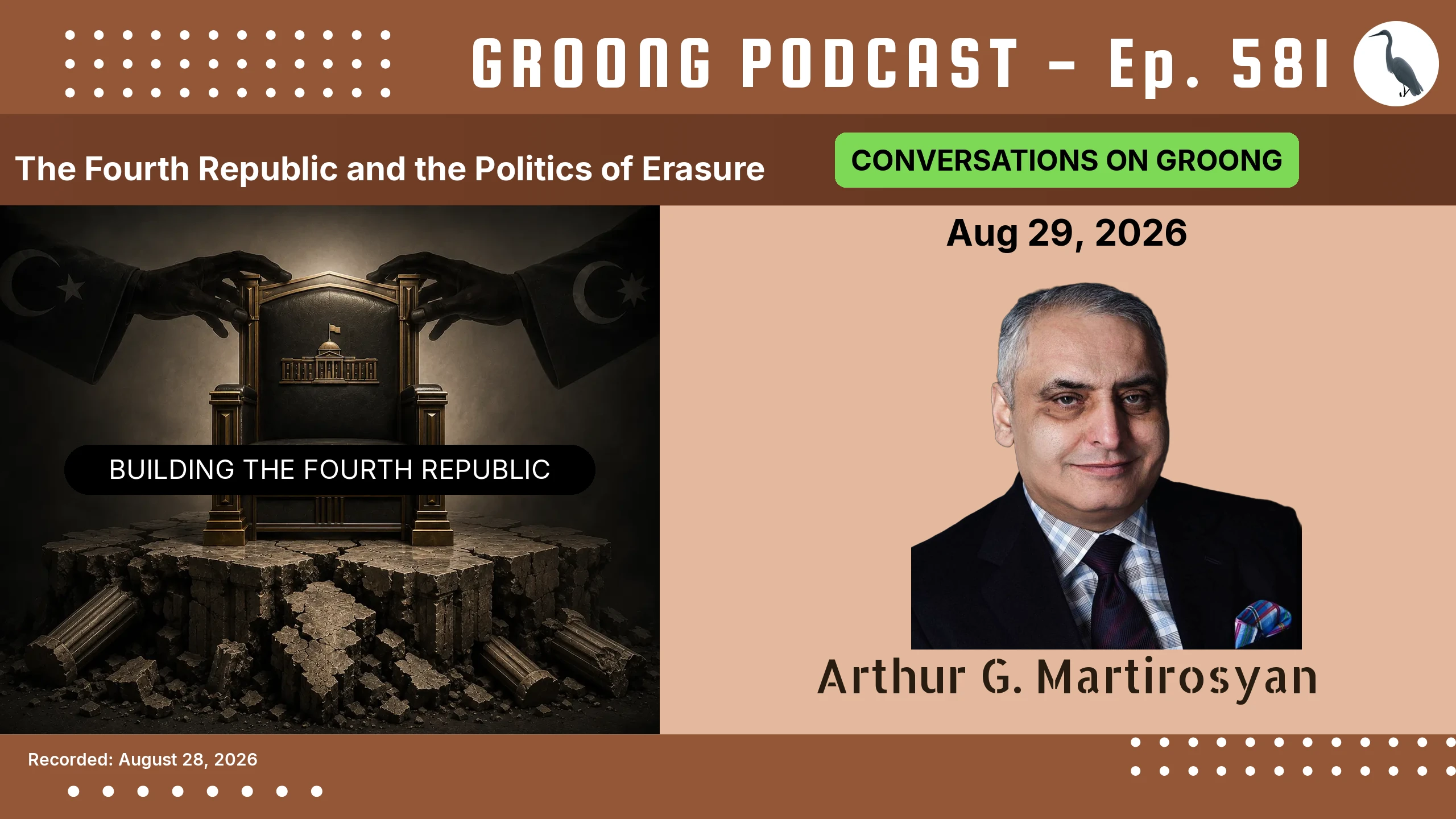
Asbed and Hovik speak with Arthur G. Martirosyan about the intensifying crackdown on Armenia’s opposition following the 2026 elections . Pashinyan has ordered arrests of key opposition figures, including Robert Kocharyan and his family members, alongside criminal investigations targeting businessmen with ties to former presidents. Martirosyan characterizes the regime as sultanistic rather than democratic, noting that while Pashinyan received less than half the popular vote, he controls all three branches of government and the security apparatus. The opposition now faces a strategic dilemma: entering parliament provided some legitimacy to the system but offers minimal leverage against an executive that can arrest, search homes, and intimidate at will. Without meaningful European intervention or a willing population, Martirosyan argues the opposition cannot effectively contest Pashinyan’s authority through conventional political means.
The discussion turns to territorial concessions and strategic vulnerability. Pashinyan has indicated Armenia’s internationally recognized borders comprise 29,743 square kilometers, implicitly excluding Tigranashen (known to Pashinyan and Turkish actors as Kyarki), a territory Armenian forces fought to regain during the late 1980s and early 1990s because it connects Armenia’s north and south. Martirosyan emphasizes that yielding Tigranashen would be catastrophic for Armenia’s territorial integrity and transportation infrastructure, yet Pashinyan justifies the concession by invoking Azerbaijan’s occupation of Armenian territory near Jermuk. The logic is circular and contradictory, Martirosyan argues, but operates within a broader pattern: by making everything dependent on Turkey and Azerbaijan, Pashinyan ensures Armenia’s permanent subordination. Pashinyan’s proposed “Fourth Republic” represents an ideological rupture from the post-1991 state, reframing Armenian national identity to abandon claims on Artsakh, the genocide, and diaspora influence in favor of coexistence with regional neighbors.
Martirosyan connects Pashinyan’s governance model to his assault on the Armenian Church. The government program explicitly includes “church reform,” and Pashinyan’s attacks intensified after Catholicos Karekin II spoke internationally about the rights of displaced Artsakh Armenians and Armenian cultural heritage. By weakening the Church, Pashinyan simultaneously diminishes diaspora influence and aligns with Turkish and Azerbaijani strategic preferences for an Armenia isolated from global Armenian networks. The AI infrastructure plan, proposed nuclear energy expansion, and offers to sell TRIPP shares to Kazakhstan and Kyrgyzstan all reflect a pattern: creating new dependencies on Azerbaijan and Turkey while distancing Armenia from Russia and the diaspora. Martirosyan concludes that without accountability for broken 2021 promises, meaningful constitutional safeguards, or a mobilized opposition, Pashinyan will continue reshaping Armenia according to external and authoritarian imperatives.
Watch/Listen: Episode 581
Keywords: Pashinyan, Civil Contract , Robert Kocharyan, Established Opposition, Armenia-Azerbaijan Peace Process, Tigranashen, Artsakh, Armenian Church , TRIPP, Eurasian Economic Union , Corruption
Stay Connected
For the full, unfiltered stream of Armenia news as it happens, subscribe to the Groong Mailing List on Google Groups. Subscribers receive the complete daily news feed directly in their inbox — expect tens of emails per day covering Armenia, Artsakh, the diaspora, and the broader region.