Groong News Digest — Week of September 14–20, 2026
Published September 20, 2026 13 min read See also: Podcast Digest →Three years after Artsakh’s ethnic cleansing, Azerbaijan escalates cultural erasure while Armenia faces internal tensions over TRIPP, Russian relations, and governmental accountability.
News Highlights from Armenia
Artsakh Ethnic Cleansing and Armenian Heritage
Three years after Azerbaijan’s military offensive in September 2023 that completely displaced Artsakh’s 150,000-plus Armenian inhabitants, Azerbaijani officials continue systematic efforts to erase Armenian cultural identity in the depopulated territory. The displacement constitutes ethnic cleansing that has stripped the region of its entire native Armenian population. On the anniversary, Armenia’s Cultural Heritage Ombudsman Hovik Avanesov released a statement condemning what he characterized as a “years-long policy of repression, ethnic cleansing, and systematic efforts aimed at the destruction of the national identity of the Armenians of Artsakh.”
A diplomatic visit to occupied Artsakh in mid-September by foreign diplomats, organized by Azerbaijani presidential aide Hikmet Hajiyev, sparked outrage across Armenia. Hajiyev claimed the 13th-century Gandzasar and 9th-century Dadivank monasteries were Caucasian Albanian rather than Armenian heritage sites, then mocked Armenian manuscripts by showing diplomats a fake book with blank pages. The EU’s special envoy to the South Caucasus, Magdalena Grono, attended the tour, later insisting she had not questioned Artsakh’s Armenian heritage despite her presence at such claims. EU envoys and U.S. officials danced in occupied Shushi, effectively legitimizing Azerbaijan’s crimes in Armenian eyes.
Yerevan’s response drew fierce criticism. Foreign Minister Ararat Mirzoyan claimed the government had “taken the necessary steps” to address Baku’s mockery, while Security Council Secretary Alen Simonian said he phoned Hajiyev to express concern that such incidents might hinder the peace process. Parliament Speaker Ruben Rubinian described Hajiyev’s assertions as “baseless,” but the Armenian government offered no official statement. Strong Armenia and other opposition figures called for international pressure on Azerbaijan to protect Armenian rights, cultural heritage, and the right of return for displaced Artsakh Armenians.
Sources (9)
Azerbaijan continues efforts to erase Armenian identity in d (panorama.am)
Strong Armenia says Artsakh’s depopulation cannot erase Arme (panorama.am)
Outcry in Armenia as Azerbaijan portrays Armenian heritage i (oc-media.org)
EU Envoy Acknowledges Karabakh’s Armenian Heritage After Cr (azatutyun.am)
RFE/RL - Armenian Government Silent As Parliament Speaker Re (azatutyun.am)
Asbarez: Mounting Outrage at Yerevan’s Silence over Baku’s (asbarez.com)
Government Silent as Baku Mocks Armenians and Foreign Diplom (asbarez.com)
Yerevan Has ‘Taken the Necessary Steps’ to Address Baku’s A (asbarez.com)
As Baku Doubles Down on Anti-Armenian Attacks, Yerevan is Un (asbarez.com)
Peace Process and TRIPP Corridor
Armenia’s Constitutional Court validated a U.S.-Armenian framework agreement for the Trump Route for International Peace and Prosperity (TRIPP) in mid-September, just weeks after the agreement was signed by U.S. Secretary of State Marco Rubio and Foreign Minister Mirzoyan in June. The court concluded that the accord conforms to the Armenian constitution. The deal establishes a joint venture that will manage a railway, road, energy lines, and other infrastructure along a corridor connecting Azerbaijan to its Nakhijevan exclave and Turkey. The U.S. government will own 74 percent of the TRIPP Development Company and receive exclusive development rights for at least 49 years, fundamentally reshaping regional connectivity while bypassing Russia and Iran.
Construction timelines have shifted. Azerbaijan’s Foreign Minister Jeyhun Bayramov announced that road construction within Azerbaijan is 95 percent complete and railway work is 75 percent done, both targeted for 2027 completion. However, a 42-kilometer railway segment through Armenian territory remains subject to ongoing negotiations with the U.S. and Armenia. Bayramov noted that while the section runs through Armenian soil, entry and exit will be controlled by Azerbaijan. In contrast, Baku and Ankara continue using the term “Zangezur Corridor”—a framing that reflects pan-Turanic territorial ambitions rather than the U.S.-backed TRIPP framework.
Energy diversification and gas imports have entered Armenia’s policy calculus. With Russia threatening to end subsidized gas pricing and blocking Armenian agricultural exports, Pashinyan’s government signaled openness to importing natural gas from Azerbaijan as part of supply diversification. Security Council Secretary Simonyan told reporters the government would purchase gas “from all possible places” including Russia, Iran, and Azerbaijan. Meanwhile, Armenia and Azerbaijan’s foreign ministers plan to meet in New York during the UN General Assembly session to discuss ongoing peace negotiations.
Sources (6)
RFE/RL - Armenian Court OKs ‘Trump Route’ Deal (azatutyun.am)
Բայրամովը հայտարարել է, որ «ԹՐԻՓՓ-ի» շրջանակներում Հայաստան (168.am)
Հայաստանի և Ադրբեջանի ԱԳ նախարարները կհանդիպեն Նյու Յորքում (verelq.am)
Start date for TRIPP trade corridor connecting Armenia and A (eurasianet.org)
A US-owned corridor through Russia and Iran’s backyard, Arm (thehill.com)
Yerevan Eyes Gas Supplies From Azerbaijan (azatutyun.am)
Russia-Armenia Relations and Security Tensions
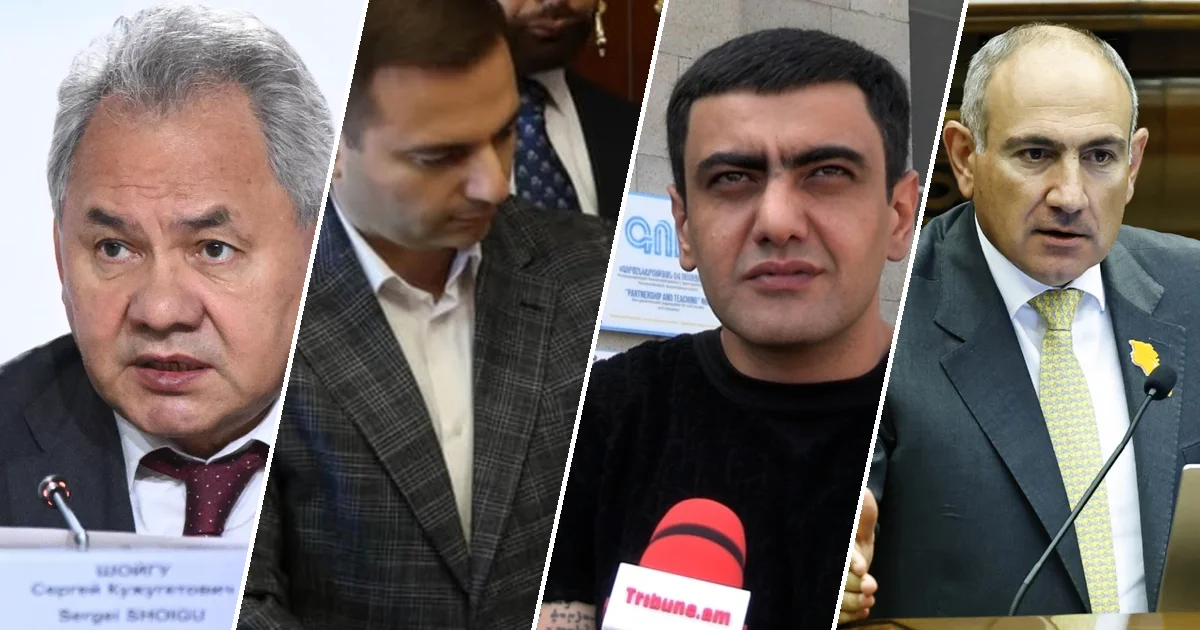
Tensions between Moscow and Yerevan intensified sharply in mid-September as Russia’s top security officials accused Pashinyan’s government of attempting to sever ties and pursue Western integration at Russia’s expense. Russian Security Council Secretary Sergei Shoigu claimed Armenia was conducting “raider seizures” of Russian-invested enterprises, particularly citing the ongoing nationalization of Samvel Karapetyan ’s Electric Networks of Armenia company. Deputy Foreign Minister Mikhail Galuzin warned that violations of Russian economic interests “would not go without an appropriate response from the Russian side.” Russia had invested billions in Armenian infrastructure; Shoigu argued that during Armenia’s ten years in the Eurasian Economic Union, the economy grew nearly threefold before the current authorities allegedly adopted policies of severing ties with Moscow.
Russia denied claims it wanted to artificially slow Armenia’s diversification efforts while insisting Yerevan must make a strategic choice between European Union membership and remaining within Russian-led blocs. Foreign Minister Sergei Lavrov stated the EU would likely deceive Armenia about membership prospects, given Turkey and Serbia’s decades-long waiting periods. Yet Russia simultaneously warned it would not finance EU integration. Putin had publicly stated readiness to withdraw the Gyumri military base if Armenia requested, but Deputy Foreign Minister Galuzin countered that the base remained “a key element of the security architecture of Armenia and the South Caucasus,” with no viable alternative visible.
Pashinyan disputed Putin’s framing during parliamentary questioning, asserting that Armenia had never raised the withdrawal issue and that Russia’s public statements did not reflect genuine Armenian government requests. This public disagreement underscored deepening mistrust. Western analysts observed Armenia becoming a contested arena in U.S.-Russia competition, with Armenia’s leadership attempting to balance EU engagement, U.S. security cooperation, and Russian military presence—a geopolitical tightrope complicated by Moscow’s explicit ultimatum that Armenia must hold a referendum on EU or EAEU membership.
Sources (9)
Moscow Sees No Alternative To Russian Military Presence In A (azatutyun.am)
Արևմուտքը կասկածե՞լ է Փաշինյանին՝ ՀԱՊԿ-ին «ալգորիթմներ» փոխ (168.am)
ՌԴ-ն ոչ մի կերպ չի ցանկանում արհեստականորեն դանդաղեցնել Փաշ (168.am)
RFE/RL - Moscow Warns Yerevan Against Russian Asset Seizures (azatutyun.am)
Yerevan carrying out “raider seizure” of Armenia enterprise (news.am)
Russia MFA: Violation of our economic interests in Armenia w (news.am)
Asbarez: Moscow Accuses Yerevan of Attempts to ‘Sever Ties’ (asbarez.com)
Հայաստանն ասպարեզ է Արևմուտքի և Ռուսաստանի հակամարտության հ (168.am)
Armenia never raised matter of withdrawing Russian military (news.am)
Domestic Politics and Governance
Armenia’s domestic political landscape revealed fractures between Pashinyan’s Civil Contract party and longstanding opponents. The Constitutional Court agreed to examine a government-backed law that would effectively disenfranchise hundreds of thousands of Armenians living abroad by requiring residency in Armenia for at least half of the two-year period preceding elections. The court, whose nine judges were all appointed by Civil Contract, scheduled hearings to begin in December. Opposition parties argue the law violates Article 48 of the Armenian constitution, which guarantees universal suffrage without residency requirements. The timing suggests the law was designed to limit diaspora participation in future electoral contests.
Goris Mayor Arush Arushanian, once a fierce critic of Pashinyan, reversed course after eight months in prison. Armenia’s top appeals court rejected prosecutors’ demand to imprison him again after he announced an alliance with Civil Contract for upcoming local elections. Arushanian had been arrested alongside three other Syunik community leaders who demanded Pashinyan’s resignation following the 2020 war. His defection illustrated how the government has used legal pressure to coerce political realignment. The broader pattern drew accusations of selective prosecution targeting opponents while rewarding turncoats.
Pashinyan’s government approved plans to roughly double salaries for top officials and parliament deputies starting January 2027. President Vahagn Khachaturian and Pashinyan would each earn 2.6 million drams monthly, while ministers’ salaries would nearly double to 2 million drams. The measure, requiring over 25 billion drams in additional spending, was framed as an anti-corruption reform. Yet critics noted the pay increases occurred amid tensions over Russian asset seizures and broader questions about government transparency. A newspaper reported Pashinyan angrily rebuked novice ruling-party MPs for mishandling legislative matters, warning of consequences for further lapses.
Sources (6)
RFE/RL - Constitutional Court To Rule On Voter Disenfranchis (azatutyun.am)
Armenian Mayor Avoids Jail After Election Deal With Pashinia (azatutyun.am)
RFE/RL - Senior Armenian Officials Set For Massive Pay Rise (azatutyun.am)
Լևոն Քոչարյան․ Փաշինյանի վերաբերմունքը Ռոբերտ Քոչարյանի նկա (verelq.am)
«Ապրելու երկիր»-ն ու «ՀայաՔվե»-ն Գորիսի ընտրություններին կմ (verelq.am)
Newspaper: Armenia PM gets very angry at novice MPs of rulin (news.am)
International Engagement and U.S. Relations
The United States deepened engagement with Armenia across religious, diplomatic, and defense channels in mid-September. President Trump met with Armenian religious leaders including Archbishop Hovnan Derderian, Bishop Mesrop Parsamian, and representatives of the Armenian Catholic and Evangelical communities, along with Ambassador Narek Mkrtchyan. Discussions focused on Armenia-U.S. relations, Christian and civilizational ties, religious freedom, and peace efforts. The Armenian Church leaders offered a collective prayer for both nations and praised Trump’s contribution to the Armenia-Azerbaijan peace process. Deputy U.S. Defense Secretary Andrew Loomis met with Armenian Armed Forces Chief of Staff Edvard Asryan in Yerevan, discussing expanded cooperation in peacekeeping, military training, non-commissioned officer development, and joint exercises.
Congressional action reflected strong U.S. support for Artsakh’s displaced population. A dozen House and Senate members, participating in a Capitol Hill program organized by the Armenian National Committee of America, demanded Azerbaijan release Armenian hostages held in Baku and permit the safe, collective, and protected return of Artsakh’s indigenous population. Over two days, more than 100 advocates from 30 states met with all 435 House members and 100 senators, pressing for enforcement of Section 907 sanctions, Global Magnitsky designations against Azerbaijani war criminals, and co-sponsorship of the Armenia Security Partnership Act and Azerbaijan Sanctions Review Act.
The European Union approved trade preferences for Armenian agricultural products and beverages, removing EU tariffs for two years following Russia’s ban on Armenian imports earlier in 2026. The Autonomous Trade Measures initiative, backed by all 27 EU member states and overwhelming European Parliament support, aimed to mitigate damage from Russian “economic coercion” after Armenia hosted EU summits in May. Germany’s Bundestag urged the EU not to force Armenia to choose artificially between Europe and Russia, arguing Armenia’s strength lay in political equidistance and maintaining relationships with multiple partners.
Sources (9)
Trump Meets with Armenian Religious Leaders; ANCA Calls Out (asbarez.com)
RFE/RL - Armenian Bishops Meet Trump At White House (azatutyun.am)
U.S. Ready to Expand Defense Cooperation with Armenia (asbarez.com)
Congress Rallies for Return of Artsakh Refugees, Release of (anca.org)
RFE/RL - EU Parliament Approves Trade Preferences For Armeni (azatutyun.am)
Fundamental Issues and Future Horizons of Armenia–Diaspora (asbarez.com)
Asbarez: Khachig Tölölyan to Begin Scholars Residency at US (asbarez.com)
ANCA-WR to Honor Shevan Basmadjian with the ‘Steve Artinian (asbarez.com)
Germany’s Bundestag urges EU not to make Armenia choose bet (news.am)
Turkey, Azerbaijan, and Regional Tensions
Turkey elevated commemoration of the Caucasian Islamic Army, the Ottoman-era military force that captured Baku in September 1918 and massacred tens of thousands of Armenian Christians. Turkey unveiled a third monument to the army in Ankara on September 15, joining existing memorials in Baku and Ganja. Turkish Defense Minister remarked that Azerbaijan’s control of Artsakh constituted “a source of great pride not only for Azerbaijan but for the entire Turkish world.” The monuments symbolize the Ankara-Baku “one nation, two states” military alliance and signal regional ambitions. Turkish Foreign Minister Hakan Fidan visited Baku for talks with President Ilham Aliyev and Foreign Minister Bayramov, emphasizing defense and security cooperation alongside energy and transit corridor development.
Aliyev reaffirmed the Shusha Declaration signed with Erdogan in 2021 as the apex of Azerbaijan-Turkey relations, stating that the partnership had transformed them from informal allies into formal strategic partners. He noted the declaration’s military logic and emphasized that the two nations would continue strengthening their unified presence in the region. Turkish units were reportedly deployed to Nakhijevan for unspecified purposes. Aliyev also highlighted Azerbaijan’s view that international law was frequently violated by powerful actors, suggesting that unilateral strength mattered more than formal treaties.
Turkey officially reported direct trade with Armenia for the first time, exporting goods worth $1.336 million to Armenia in January-August 2026. Previously, Turkish officials had claimed no direct land trade existed between the two countries. The disclosure signaled normalization of commercial ties, though Armenia-Turkey relations remain complicated by historical grievances and ongoing geopolitical competition. Analysts noted that Azerbaijan was preparing militarily while having its “hands freed” through ongoing negotiations, suggesting Baku viewed diplomatic processes as providing tactical advantage.
Sources (9)
Թուրքիան Արցախի գրավումն ուղղակիորեն համարում է ամբողջ թյու (verelq.am)
Ալիևը՝ Շուշիի հռչակագրի մասին, թուրքական ստորաբաժանումները՝ (168.am)
Թրամփի «մեծ առավելությունը»՝ ԹՐԻՓՓ, որի մասին ոչ ոք չի խոսո (168.am)
«Եթե վաղն աշխարհաքաղաքական կոնյունկտուրան փոխվի…». Վերջին օ (168.am)
168: Ադրբեջանը պատերազմի է պատրաստվում, ձեռքերն ազատվում են (168.am)
Հաջիևը հայկական կողմի վրա բարդեց ևս մեկ «ցեղասպանություն». (168.am)
Azerbaijan revokes disability benefits from Second Nagorno-K (oc-media.org)
Azerbaijani Press: “Bridge of Peace” condemns Armenian medi (todaypress.tv)
Brief Notes
- Former opposition MP Tigran Abrahamyan accused Pashinyan of signaling satisfaction with Azerbaijan’s 2023 takeover of Artsakh after the premier thanked Aliyev and said he was equally deserving of the Hesse Peace Prize. (panorama.am )
- Relatives of Artsakh war victims marched silently to Yerevan’s Yerablur Military Pantheon on September 19 to honor fallen soldiers and commemorate the loss of Artsakh three years after the military offensive. (panorama.am )
- The trial of Catholicos Garegin II resumed on September 20 before Judge Serzh Rushanian after a three-week pause, with the case stemming from charges related to the defrocking of a pro-government bishop involved in Pashinyan’s controversial campaign. (azatutyun.am )
- The Armenian national chess team secured its fourth consecutive victory at the 46th World Olympiad in Samarkand, defeating Argentina 2.5–1.5, while the women’s team suffered its first loss to Kazakhstan. (sport.news.am )
- Armenia’s current authorities did not commemorate the fourth anniversary of Azerbaijan’s September 2022 military aggression, which killed 224 Armenian servicemen; only parliament honored the casualties with a minute of silence. (news.am )
- Artsakh’s former president Arayik Harutyunyan used notary services while imprisoned in Baku, according to Azerbaijani Human Rights Commissioner Sabina Aliyeva, though the specifics of those services were not disclosed. (168.am )
- The Acting National Assembly Speaker of Artsakh reaffirmed that the collective and safe return of Artsakh’s displaced population to their homeland is an inalienable right that three years of Armenian ethnic cleansing cannot erase. (168.am )
- Opposition figure Aram Manukyan argued that Pashinyan eliminated the international legal language of peoples’ right to self-determination from Armenian diplomacy, prioritizing territorial integrity over Artsakh Armenians’ self-determination and facing judgment by history. (168.am )
- Scholar Khachig Tölölyan, founding architect of modern diaspora studies and editor of the first comparative diaspora journal, began a residency at USC’s Armenian Institute. (asbarez.com )
- The ANCA-Western Region announced it will honor Shevan Basmadjian with the Steve Artinian Visionary Activist Award at its October 11 gala in Los Angeles for her grassroots advocacy on the Armenian Cause in Texas. (asbarez.com )
Stay Connected
For the full, unfiltered stream of Armenia news as it happens, subscribe to the Groong Mailing List on Google Groups. Subscribers receive the complete daily news feed directly in their inbox — expect tens of emails per day covering Armenia, Artsakh, the diaspora, and the broader region.