Groong News Digest — Week of August 31–6, 2026
Published September 6, 2026 12 min read See also: Podcast Digest →Armenia navigates complex regional diplomacy as Pashinyan meets Putin on EU ties, discusses TRIPP corridor implementation, while prisoner rights concerns and domestic political tensions escalate.
News Highlights from Armenia
Peace Process & Regional Diplomacy
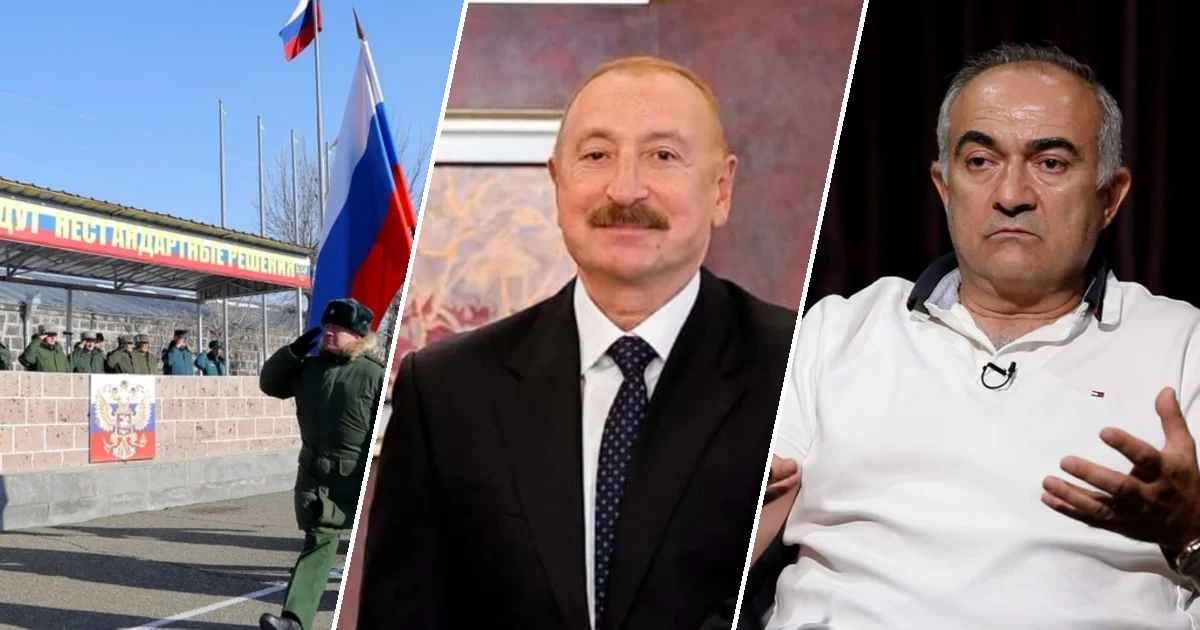
Pashinyan and Aliyev met in Bishkek on August 31 on the sidelines of the Shanghai Cooperation Organization summit, focusing on implementing TRIPP (Trump Route for International Peace and Prosperity) and advancing border delimitation efforts. The leaders highlighted the historic significance of the August 8, 2025 Washington Peace Summit and the initialing of the Armenia-Azerbaijan peace agreement witnessed by President Donald Trump. Both emphasized practical dividends of peace, including Azerbaijani petroleum exports to Armenia, third-country grain transit through Azerbaijan, and growing business-to-business contacts.
Regional connectivity projects under TRIPP remain central to the peace framework. Pashinyan has intensified outreach to Central Asian nations, discussing Kazakhstan and Kyrgyzstan participation with their leaders despite wariness about angering Moscow. The corridor would link Azerbaijan to its Nakhijevan exclave while creating an east-west trade route bypassing Russia and Iran, backed by Washington but opposed by Moscow and Tehran.
Turkey and the EU have both signaled support for Armenia-Azerbaijan normalization. An Armenian-Turkish business forum was held in Yerevan in early September, with Armenian Foreign Minister Ararat Mirzoyan stating both countries are ready to open their common border. The EU Council approved temporary trade liberalization measures covering 80 percent of Armenian exports, responding to Russian trade restrictions imposed in June 2026. Czech President Petr Pavel lauded the normalization process during talks with Armenian President Vahagn Khachaturyan, noting the path began in Prague in 2022 and reached new momentum in Washington in 2025.
Sources (12)
RFE/RL - Pashinian, Aliyev Discuss TRIPP, Border Delimitation At … (azatutyun.am)
Asbarez: Pashinyan Meets with Aliyev, India’s Modi at Bishkek Sum… (asbarez.com)
President Aliyev, Pashinyan meet, discuss Azerbaijan-Armenia p… (kz.kursiv.media)
Pashinyan, Aliyev highlight importance of connectivity projects u… (armenpress.am)
Pashinyan: Armenia is deepening ties with Georgia and Iran while … (georgiatoday.ge)
Erdoğan: Türkiye will continue to contribute to Armenia-Azerbaija… (armenpress.am)
Yerevan is preparing to host a reciprocal Armenian-Turkish busine… (arka.am)
Armenia Courts Central Asia As TRIPP Corridor Takes Shape (indiasnews.net)
Armenian, Turkish businesspeople continue cooperation despite clo… (armenpress.am)
Czech president lauds Armenia-Azerbaijan normalization process (armenpress.am)
Asbarez: EU Council Approves Temporary Trade Liberalization Measu… (asbarez.com)
EU Council Backs Temporary Trade Measures To Support Armenia (azatutyun.am)
Russia & EU Integration Pressures
Putin reiterated calls for an Armenia referendum on EU membership during his September 1 meeting with Pashinyan in Bishkek, warning that simultaneous membership in both the European Union and the Eurasian Economic Union is incompatible due to differing economic policies and tariff structures. Putin said Moscow needs clarity on Armenia’s intentions, stressing that the sooner Yerevan decides on EU accession, the better for developing future relations. He warned that Armenia’s move toward the EU would eliminate advantages received through the EEU market and disrupt established trade chains.
Pashinyan rejected the referendum proposal, stating Armenia sees no urgent need for such a vote at this stage and will not rescind the law on EU accession procedures launched in 2024. He emphasized that Armenia intends to diversify its political and economic relations while maintaining EAEU membership until a choice becomes necessary. The EU Council’s September 2 approval of temporary trade measures signals Brussels willingness to support Armenia’s economic reorientation as Moscow implements restrictions. Russian official Maria Zakharova warned that if Armenia imposes visa requirements on Russian citizens, such action would harm Armenians themselves, not Moscow.
The tone of Putin-Pashinyan relations reflects deepening tensions over Armenia’s strategic direction. Pashinyan described their Bishkek meeting as very good and agreed to continue frank and constructive dialogue during a forthcoming visit to Moscow. However, the public disagreement over integration trajectories and Russia’s pressure on the military base issue signal a fundamental recalibration of the two countries’ alliance model, with each side indicating willingness to adjust relations to new geopolitical realities.
Sources (10)
RFE/RL - Putin Reiterates Call For Armenian Referendum On EU Entr… (azatutyun.am)
Asbarez: Putin Again Presses Pashinyan for Referendum on EU Membe… (asbarez.com)
Որքան շուտ Հայաստանը որոշում կայացնի ԵՄ-ին անդամակցելու հարցի վեր… (168.am)
#Live. Խոշտանգում՝ Երեվանում, Դեսերտ՝ Բիշքեկում. Ի՞Նչ Ասաց Պուտին… (168.am)
Pashinyan publicly clashed with Putin over Armenia’s future in th… (ua.news)
Pashinyan stated that Armenia will not hold a referendum on EU me… (nashaniva.com)
Verelq: Շատ լավ հանդիպում Պուտինի հետ. Փաշինյանն առաջիկայում կմեկ… (verelq.am)
Verelq: Զախարովա․ եթե Հայաստանը վիզային ռեժիմ սահմանի, դա քայլ կլ… (verelq.am)
Հայաստանը ԵՄ անդամակցության մասին օրենքը չեղարկելու մտադրություն … (168.am)
Pashinyan: Export market diversification should remain Armenia’s … (armenpress.am)
Russian Military Base & Defense Relations
Putin stated Moscow could withdraw its military base from Armenia in Gyumri even tomorrow if Yerevan decided it was no longer needed, marking a significant shift in rhetoric around Russia’s 102nd Military Base. Pashinyan responded by saying Armenia would not object if Russia decided to withdraw but was equally prepared to discuss the base’s continued presence if Russia desired to stay. He clarified that the base’s status was not discussed during his Bishkek meeting with Putin and that Armenia does not consider its presence a vital necessity.
The public discussion of base withdrawal reflects deteriorating Armenia-Russia relations and Turkish pressure. A Turkish-language expert noted that Turkey has long demanded the base’s withdrawal as part of normalization conditions, viewing Russian military superiority in the region as threatening to Ankara’s interests. Armenian political analysts warned that if Armenia pursues closer EU ties, Russia will eventually demand the base’s removal, following the pattern used in Georgia two decades earlier.
Defense cooperation with India provides partial counterweight to Russian disengagement. High-level visits from Indian military officials in recent weeks signal expanding security ties, though observers note this does not necessarily replace Russian defense cooperation. The uncertainty surrounding the base’s future adds to Armenia’s strategic vulnerability as it navigates simultaneous reorientation toward the West and maintenance of Russian security partnerships.
Sources (9)
Putin Says Russia Could Withdraw Military Base From Armenia ‘Even… (azatutyun.am)
Yerevan ‘Would Not Object’ to Russian Military Base Withdrawal, P… (asbarez.com)
RFE/RL - Armenia ‘Would Not Object’ To Russian Military Base With… (azatutyun.am)
«Եթե 102-րդ ռազմաբազայի հարցը Պուտինի հետ չի քննարկել, գուցե Պուտ… (168.am)
Ռուսական ռազմաբազան 1992-93թթ. վահանի դեր է կատարել Հայաստանի համ… (168.am)
«102-րդ ռազմաբազայի դուրսբերումը նաև Թուրքիայի պահանջներից է եղել… (168.am)
ՀԱՊԿ-ին մերժելը չի ենթադրում ՌԴ-ի հետ պաշտպանական հարաբերությունն… (168.am)
Pashinyan Does Not Consider Russian Military Base Vital to Armeni… (reform.news)
Pashinyan says Russian military base not a ‘vital necessity’ for … (oc-media.org)
Armenian Prisoners & Human Rights
Twenty ethnic Armenians remain imprisoned in Azerbaijan, including eight former leaders of Artsakh detained after Baku’s 2023 military recapture of the region. All have been tried and convicted on various charges with sentences ranging from 20 years to life. Attorney Siranush Sahakyan, representing prisoners at the European Court of Human Rights , reported on September 4 that captives are held in absolute isolation from the outside world, with only monitored telephone calls as contact and without access to families, consular officials, independent doctors, or International Committee of the Red Cross representatives.
Documented human rights violations include burning of Christian cross tattoos, forced reading of the Quran, and denial of Bible access, according to Sahakyan. She linked systematic targeting of Christian religious identity among prisoners to Azerbaijan’s state policy destroying Armenian and Christian heritage in Artsakh. Medical care complaints are widespread, with prisoners allegedly denied adequate treatment. Armenian authorities have requested third-country diplomatic visits to assess conditions but have not publicly disclosed Azerbaijan’s response.
A complaint filed August 21 at the European Court of Human Rights concerns 15 Artsakh Armenians, alleging violations of fair trial rights under Article 6 of the European Convention on Human Rights. The cases involve former Artsakh presidents Bako Sahakyan and Arayik Harutyunyan, former Parliament Speaker Davit Ishkhanyan, and other senior officials and military commanders. Rights activists warn that statements from prisoners may be coerced, as many who returned to Armenia reported signing documents under torture that did not reflect their actual views.
Sources (7)
RFE/RL - Lawyer Says Armenian Prisoners In Azerbaijan Kept In ‘Ab… (azatutyun.am)
Yerevan Mum On Possible Request To Baku For Third-Country Visits … (azatutyun.am)
168: Ռուբենը դիմեց ՀՀ վարչապետին՝ հարցնելով՝ ով է պատասխանատու Ադ… (168.am)
Պատերազմական «հանցագործությունների» հարցը՝ խաղաղության օրակարգից … (168.am)
Asbarez: Cross Tattoos of Armenian Captives Burned Off, Forced to… (asbarez.com)
Attorney Files Complaint at European Court for Artsakh Captives R… (asbarez.com)
Rights activist Siranush Sahakyan: ‘Lives of all Armenians held i… (jam-news.net)
Domestic Politics & Justice
Robert Kocharyan remains in custody on charges of abuse of official powers, receiving large-scale bribes, and money laundering, which he rejects as politically motivated. A court extended his detention by two months on August 31, his 72nd birthday. Putin sent Kocharyan a congratulatory message expressing wishes for spiritual strength and resilience, a symbolic gesture viewed as supporting Armenia’s opposition leader. The opposition contends Kocharyan’s arrest is part of an effort to neutralize the regime’s principal critic before planned territorial and constitutional concessions to Azerbaijan.
The regime faces a broader crackdown on opposition figures and businesspeople. Gagik Tsarukyan, whose Prosperous Armenia party narrowly failed to enter parliament in June elections, has been detained on fraud, tax evasion, and money laundering charges. His business holdings have been seized by authorities. Gagik Khachatryan, former tax chief and finance minister, remains in custody despite lawyers documenting poor health, with prosecutors arguing his medical condition does not prevent participation in proceedings. A third Armenian judge declined to hear the case against Catholicos Garegin II and six bishops, with jurisdictional disputes delaying proceedings.
Corruption investigations continue across government and business sectors. The General Prosecutor’s Office filed charges involving an ex-deputy mayor seeking approximately 230 million drams and 20 properties on illicit enrichment grounds. A separate criminal case involves fraud targeting 59 citizens for over 1 billion drams. Samvel Karapetyan won a defamation case against a blogger who accused him of defrauding the state, with the court ordering a retraction and 100,000 dram compensation.
Sources (14)
«Որտեղ չի հասնում Ալիևը, օգնում է Փաշինյանը». ընդդիմությունը՝ Քոչ… (verelq.am)
Շնորհավորանք Քոչարյանին, ուղերձ Փաշինյանին. Պուտինի քաղաքական ազդ… (168.am)
Putin Wishes ‘Resilience’ In Birthday Message To Jailed Ex-Armeni… (azatutyun.am)
Պուտինն աջակցել է կալանավորված Քոչարյանին՝ Փաշինյանի հետ հանդիպու… (verelq.am)
Սերժ մերժելով՝ Ազատ Արցախն եք մերժել, Արցախյան շարժումն եք մերժել… (168.am)
Նրանք, ովքեր ասում են՝ ինչո՞ւ Ռոբերտ Քոչարյանին կալանավորեցին, իս… (168.am)
RFE/RL - Former Armenian Tax Chief Jailed Amid Health Dispute (azatutyun.am)
RFE/RL - Third Judge Declines To Try Armenian Church Head (azatutyun.am)
Asbarez: A Third Judge Declines to Hear Karekin II Case (asbarez.com)
Դատախազություն․ 59 քաղաքացուց խարդախությամբ հափշտակվել է ավելի քա… (verelq.am)
Երևանի նախկին փոխքաղաքապետից պահանջում են բռնագանձել 20-ից ավելի … (verelq.am)
Սամվել Կարապետյանը դատարանում հաղթել է Ռոման Բաղդասարյանին (verelq.am)
RFE/RL - Tsarukian’s Pretrial Detention Extended (azatutyun.am)
Pashinian Orders Probe Into Claims Linking His Family To Business… (azatutyun.am)
Turkey, Jihadist Networks & Regional Security
Armenian court files have documented Turkey’s infrastructure for deploying jihadist fighters to foreign conflicts, revealing recruitment of hundreds of Syrian fighters from Turkish-backed armed factions, their training in northern Syria, clandestine transport through Turkey, and deployment to Azerbaijan during the 2020 war. The criminal case against two captured Syrian nationals, Muhammad al-Shkheri and Youssef Alabet al-Haji, provides granular detail on the modus operandi developed under President Recep Tayyip Erdogan , apparently sanctioned at the highest levels and carried out by Turkish military and intelligence agency MIT. Recruiters linked to the Sultan Suleiman Shah Brigade enlisted men, transported them via civilian aircraft between Turkish airports, and coordinated with Azerbaijani military for deployment.
Turkey has maintained public denial of Syrian fighters’ participation despite documented evidence. The pipeline mirrors networks previously used in Syria and Libya. Court testimony identified Muhammad Hussein al-Jasim, known as Abu Amsha, as commander of the Sultan Suleiman Shah Brigade operating under Turkish control. The case represents one of the most detailed judicial records yet of Ankara’s systematic use of jihadist proxies to advance regional interests without direct military engagement.
Armenian-Turkish normalization efforts proceed despite this backdrop. Military checkpoints on the Armenia-Turkey border have been upgraded and are ready for operation, with Armenia stating readiness to open the border at any time pending Turkey’s decision. Turkey has signaled willingness to contribute to peace processes while pursuing regional connectivity projects. Azerbaijan has begun teaching Armenian language at Baku Slavic University starting the 2026-27 academic year, framing it as preparation for future diplomatic and institutional roles.
Sources (9)
CC: Armenian court files confirm Turkey’s pipeline for deploying … (thecaliforniacourier.com)
Armenian court files confirm Turkey’s pipeline for deploying jiha… (nordicmonitor.com)
The Turkish Pipeline: How Syrian Fighters Were Recruited, Moved a… (allinnet.info)
Armenian diplomats inspect border checkpoint with Türkiye (armenpress.am)
Armenian language to be taught in Azerbaijan (thecaliforniacourier.com)
«Ադրբեջանի նպատակը Հայաստանին էներգետիկ առումով կախվածության մեջ … (168.am)
Ջերմուկի դիրքերի պահպանումն Ադրբեջանի համար ապագա ռազմական հաշվար… (168.am)
168: Ռուսաստանն ամեն գնով պետք է պահեր Լաչինի միջանցքը. պնդում եմ… (168.am)
Իրանի և Ադրբեջանի նախագահների հանդիպումը պատերազմի ստվերում. Ի՞նչ… (168.am)
Brief Notes
- The US used promises of Nvidia artificial-intelligence chip access for an Armenian data-center project to help secure the August 2025 Armenia-Azerbaijan peace deal, according to Wall Street Journal reporting on chip diplomacy. (panorama.am )
- Pashinyan indicated Russia agreed to discuss transferring its railway concession to a third country, but Moscow responded that it sees no reason to relinquish its 30-year concession agreement signed in 2008. (azatutyun.am )
- Pashinyan stated Armenia will not rescind the law initiating EU accession procedures and will consider all available options for a new nuclear power plant, prioritizing safety and economic criteria over geopolitical preferences. (verelq.am )
- Armenian diplomats inspected the Akhurik border checkpoint with Turkey and discussed restoration of the Gyumri-Kars railway as part of normalization efforts. (armenpress.am )
- Activists reported destruction of an Armenian-Russian cemetery in Shusha, Artsakh, containing medieval khachkars and 19th-century graves dating to 1810-1871, consistent with other documented demolitions of Armenian cultural heritage. (eng.kavkaz-uzel.eu )
- Russian analyst Sergey Markedonov assessed that Armenian-Russian relations face a systemic crisis as the former alliance model no longer functions and no new framework has been established. (168.am )
- Foreign Minister Ararat Mirzoyan stated that Armenia-Azerbaijan border delimitation will eventually become a technical process once maps, procedures, and documentation are agreed upon. (verelq.am )
- Ambassador Narek Mkrtchyan told Semafor that Armenia views the US government’s 74 percent stake in the TRIPP corridor developer as critical to the peace agreement and expects feasibility studies later this year with potential groundbreaking in early 2027. (semafor.com )
Stay Connected
For the full, unfiltered stream of Armenia news as it happens, subscribe to the Groong Mailing List on Google Groups. Subscribers receive the complete daily news feed directly in their inbox — expect tens of emails per day covering Armenia, Artsakh, the diaspora, and the broader region.