Groong News Digest — Week of August 24–30, 2026
Published August 30, 2026 13 min read See also: Podcast Digest →Pashinyan presents contentious five-year government program amid church confrontation, opposition arrests, and deepening rifts with Russia over EU membership and CSTO participation.
News Highlights from Armenia
Domestic Politics & Governance
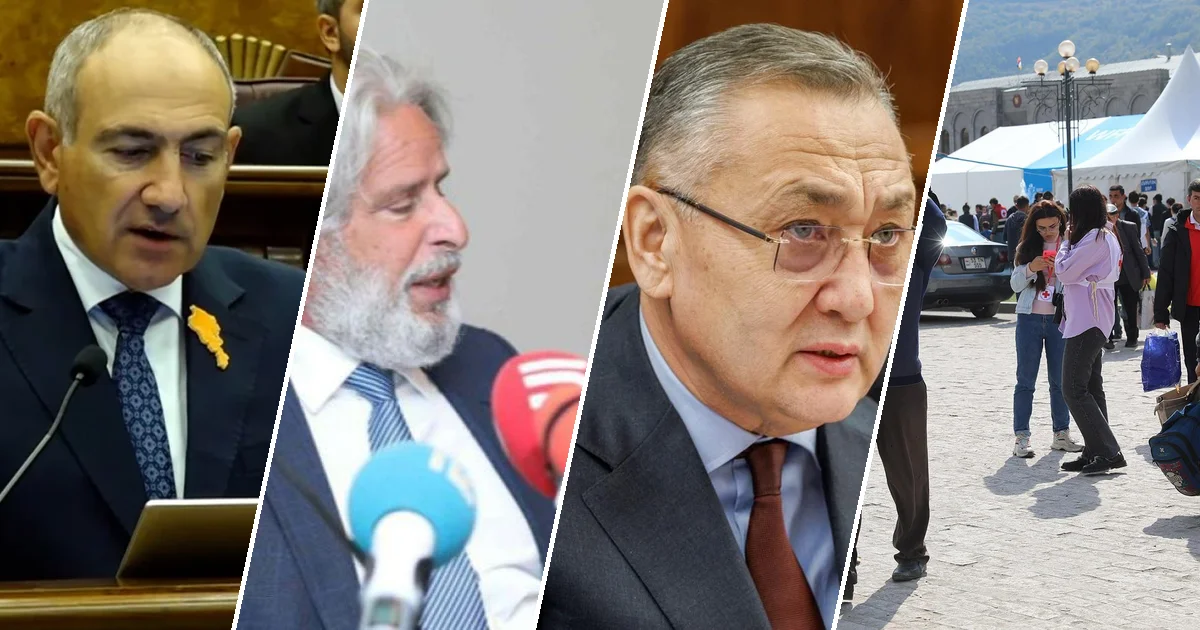
Pashinyan presented his government’s 2026-2031 program to parliament on August 24, outlining priorities including border delimitation with Azerbaijan, prisoner repatriation, and a new constitution that excludes reference to Armenia’s 1990 Declaration of Independence. The parliament approved the program on August 25 with 63 votes in favor and 24 against. Pashinyan argued that including the declaration in the new constitution would perpetuate the Karabakh movement and conflict logic, asserting instead that Armenia must accept the territorial boundaries of Soviet Armenia and Soviet Azerbaijan as final. He also announced plans to overhaul the judicial system, citing its continued protection of former elites, and pledged that capital investments during his tenure have exceeded Soviet-era levels.
The presentation sparked sharp clashes with opposition lawmakers over the Armenian Church . Pashinyan repeatedly referred to Catholicos Garegin II by his lay name, Ktrich Nersisyan, accusing him of turning the church into an institution of war propaganda by mandating prayers for the Republic of Artsakh. Opposition deputies from Strong Armenia banged their desks in protest and eventually walked out. Pashinyan also leveled personal attacks on the Catholicos regarding alleged celibacy violations, stating the church leadership should resign on moral grounds.
Former President Robert Kocharyan was arrested on August 25, a day after his younger son Levon clashed with Pashinyan in parliament. The Anti-Corruption Committee charged Kocharyan with abuse of power, money laundering, and bribery for allegedly acquiring state property at below-market prices during his 1998-2008 presidency. His son Sedrak and four company executives were also detained. After hospitalization, Kocharyan was remanded in custody for two months on August 27 and transferred to Yerevan-Kentron Prison. The Armenia Alliance opposition party condemned the arrest as politically motivated and part of a campaign to dismantle opposition to the government.
Constitutional law expert and Strong Armenia MP Gohar Meloyan argued that all opposition leaders whose parties cleared the electoral threshold in June’s elections have now been imprisoned, including businessman Samvel Karapetyan who has been detained for roughly 450 days. Analyst Stepan Danielyan characterized the arrests of Kocharyan and former Artsakh leaders as part of a broader effort to erase the Karabakh movement’s legacy and align Armenia with Azerbaijan’s demands. Political observers described the pattern of arrests as serving to intimidate critics and divert attention from broader governance failures.
Sources (17)
Pashinyan says repatriation of Armenian prisoners held in Azerbai… (armenpress.am)
There should be no reference to declaration of Armenia’s independ… (news.am)
Pashinian, Opposition Lawmakers Clash Over Armenian Catholicos (azatutyun.am)
Pashinyan Cites Karekin II’s Support for Artsakh as New Reason to… (asbarez.com)
Kocharian Arrested After Heated Parliament Exchange (azatutyun.am)
Armenian parliament approves Pashinyan administration’s 2026-2031… (armenpress.am)
Pashinyan: New Armenian Constitution to address judicial gaps (todaypress.tv)
Armenian government levels corruption charges against leading opp… (eurasianet.org)
Armenian Government Levels Corruption Charges Against Leading Opp… (eurasiareview.com)
Political arrests used to divert public attention in Armenia, ana… (panorama.am)
Meloyan: All opposition leaders whose political groups entered pa… (panorama.am)
Analyst: Arrests of Kocharyan, Artsakh leaders aim to erase Karab… (panorama.am)
Attorney: Armenia ex-president Robert Kocharyan discharged from h… (news.am)
Verelq: Ռոբերտ Քոչարյանը դուրս է գրվել «Գրիգոր Լուսավորիչ»-ից և տ… (verelq.am)
Kocharian Sent To Jail From Hospital (azatutyun.am)
Pashinyan says Armenians are overcoming Soviet nostalgia (armenpress.am)
Որևէ բռնապետություն հավերժ չէ․ «Հայաստան» դաշինք (verelq.am)
Church & State Relations
Pashinyan’s campaign against Catholicos Garegin II escalated significantly during the week. The government filed criminal charges against the Catholicos and six bishops of the Armenian Apostolic Church, alleging crimes related to the defrocking of a pro-government bishop in January 2026. The church rejected the charges as illegal interference in its internal affairs, asserting that civil courts have no jurisdiction over ecclesiastical matters. The Armenian constitution guarantees the church’s independence and separation from the state, a principle the church cited in its defense.
Judicial proceedings in the case encountered difficulties when two judges recused themselves. Judge Hakob Manukyan of the Armavir provincial court cited a conflict of interest on August 7, the first day of trial. A second judge, Serzh Rushanyan, transferred the case to Yerevan on August 28, arguing that the indictment did not specify where the alleged crime occurred. Both the prosecution and defense objected to the transfers, with the Catholicos’ legal team noting that conscientious judges appeared to understand the case’s problematic nature and the political pressure surrounding it.
International legal observers condemned Pashinyan’s actions. Robert Amsterdam’s law firm stated that the prime minister is placing himself above God by usurping ecclesiastical authority and violating Armenian and international religious freedom standards. The firm noted that the church survived centuries of persecution, genocide, and Soviet repression while preserving Armenian faith and identity, making the government’s assault on its autonomy particularly egregious. The confrontation represents an unprecedented attempt by the state to reshape the Armenian Apostolic Church’s leadership and doctrine.
Sources (5)
Holy Etchmiadzin: Charge against Catholicos of All Armenians, 6 b… (news.am)
Second judge also declines to preside over trial in criminal case… (news.am)
RFE/RL - Another Judge Declines To Try Armenian Church Head (azatutyun.am)
Asbarez: Court Punts Case Against Karekin II and Bishops to Yerev… (asbarez.com)
Robert Amsterdam: Pashinyan is placing himself ‘above God’ in ass… (panorama.am)
Russia Relations & Regional Security
Russia intensified its criticism of Armenia’s westward orientation and political repression during the week. Foreign Ministry spokeswoman Maria Zakharova condemned the arrests of opposition leaders as targeting figures who support preservation of allied relations with Russia, contradicting Pashinyan’s claims of maintaining normal ties with Moscow. Kremlin spokesman Dmitry Peskov reaffirmed that Armenia remains free to leave the CSTO if it chooses, but Pashinyan must bear full responsibility for such a decision. The Russian Foreign Ministry dismissed Pashinyan’s continuing calls for transferring railway management away from Russian Railways, calling the requests baseless attempts to appease Western pressure.
Pashinyan announced that Armenia would not unfreeze its CSTO participation over the next five years and expressed willingness to be expelled from the organization, saying such expulsion would free Yerevan from choosing between withdrawal and membership. The CSTO Secretary General confirmed Armenia’s de facto non-participation despite de jure membership status. Pashinyan also pledged to accelerate Armenia’s formal application for EU membership, a decision that triggered warnings from Russian lawmakers predicting economic crisis if Armenia follows through. Deputies cited Ukraine’s experience as cautionary, arguing that EU integration would devastate Armenia’s economy dependent on Russian trade.
A Putin-Pashinyan meeting was scheduled for September 1 in Bishkek on the margins of a Shanghai Cooperation Organization summit. Kremlin aide Yury Ushakov indicated Putin would repeat demands that Armenia quickly choose between EU membership and EAEU participation, warning that simultaneous pursuit of both paths is impossible. Russian officials accused Western countries of blackmailing Armenia over railway management, offering investment bribes to eliminate Russian influence. Pashinyan’s government responded by expressing intent to continue dialogue with Russia despite geopolitical differences, though the underlying tensions remained unresolved.
Sources (19)
RFE/RL - Russia Warns Against Closure Of Armenian Nuclear Plant (azatutyun.am)
RFE/RL - Russia Blasts Government ‘Repression’ Against Armenian O… (azatutyun.am)
RFE/RL - Russia Again Refuses To Give Up Management Of Armenian R… (azatutyun.am)
Armenian Speaker Blames Moscow For Mounting Tensions (azatutyun.am)
Asbarez: Putin to Meet Pashinyan on Tuesday, Kremlin Says (asbarez.com)
Երևանն ազատ է լքել ՀԱՊԿ-ը, եթե իր ազգային շահերից ելնելով այլևս ա… (168.am)
Secretary general: Armenia de facto not participating in CSTO dis… (news.am)
Հայաստանում Ռուսաստանի հետ դաշնակցային հարաբերությունների պահպանմ… (168.am)
Pashinyan says Russia’s import restrictions are encouraged by Arm… (armenpress.am)
Armenia PM: Russia should sell Yeraskh-Akhurik railway section ma… (news.am)
RFE/RL - Russian Lawmakers Predict Hard Times For Yerevan (azatutyun.am)
Russia State Duma speaker “reminds” Armenia of “Ukrainian experie… (news.am)
RFE/RL - Yerevan ‘Ruining’ Ties With Moscow, Says Russian Officia… (azatutyun.am)
RFE/RL - Putin, Pashinian To Meet Amid Rising Tensions (azatutyun.am)
Pashinyan Wants Out, Moscow Says ‘Leave’: Drama Behind Armenia–Ru… (english.pravda.ru)
Pashinyan says he would be happy if CSTO expelled Armenia (armenpress.am)
Pashinyan urges Russia to transfer Armenian railway concession to… (armenpress.am)
Russia puts pressure on Armenia ahead of Putin-Pashinyan meeting … (commonspace.eu)
Armenian Parliament speaker meets Russian ambassador (armenpress.am)
Armenia-Azerbaijan Relations & Regional Developments
Armenia and Azerbaijan held their first working meeting on electricity trade in Lachin on August 25, with officials from both countries discussing import and export possibilities and interconnecting energy infrastructure. Pashinyan noted that Armenia needs additional electricity options including from Azerbaijan as the country invests in artificial intelligence development. Similar meetings were planned with Georgia, Iran, and Turkey regarding electricity imports. Azerbaijani President Ilham Aliyev had recently proposed supplying electricity to Armenia, highlighting the latter’s dependency on the Metsamor Nuclear Power Plant, though Russian officials warned that closure of the plant posed dangers to the region and threatened Armenia’s sovereignty.
Pashinyan asserted that the enclave and exclave issue would become routine as border delimitation progresses on the ground, cautioning against inflaming tensions over the matter. He stressed that both Armenia and Azerbaijan face similar challenges regarding territorial access and settlements, arguing that Azerbaijan’s situation is actually worse. The prime minister emphasized his goal of removing tension from the delimitation discourse so both governments and societies could discuss border adjustments calmly. He also addressed the socio-psychological component of lasting peace , arguing that both countries must accept that independent Armenian and Azerbaijani territories correspond to Soviet-era boundaries, no more and no less.
Pashinyan reframed his earlier 2019 statement that Artsakh is Armenia, explaining that the Karabakh movement was ultimately a project that threatened Armenia’s statehood and future. He claimed his government invested over one billion dollars in Karabakh before recognizing what he described as the movement’s destructive nature. The prime minister called for ending discourse in both Armenia and Azerbaijan about refugee returns and territorial expansion, framing such rhetoric as incompatible with peaceful coexistence. He insisted that Armenia must stop looking for territory in Azerbaijan and vice versa.
Sources (11)
Լաչինում քննարկվել է Հայաստանի և Ադրբեջանի միջև էլեկտրաէներգիայի … (verelq.am)
Officials from Armenia, Azerbaijan meet in Lachin to discuss elec… (oc-media.org)
Pashinyan: Armenia needs more options for importing electricity, … (armenpress.am)
Pashinyan: Enclave/exclave issue will become routine as Armenia-A… (armenpress.am)
RFE/RL - Pashinian Confirms Talks On Kazakh Role In ‘Trump Route’… (azatutyun.am)
Pashinyan: Karabakh movement was a project to destroy Armenia’s s… (armenpress.am)
Pashinyan highlights socio-psychological component of lasting Arm… (armenpress.am)
Trump’s Route Begins to Re-Make the South Caucasus (cepa.org)
Armenia Offered Kazakhstan and Kyrgyzstan Shares in the Zangezur … (open.kg)
Azerbaijani Press: Zakharova to Pashinyan: We came to defend you,… (todaypress.tv)
The direction of Armenia’s policy has been named the topic of the… (eng.kavkaz-uzel.eu)
European Integration & Foreign Policy
Pashinyan pledged to accelerate Armenia’s formal application for EU membership despite growing Russian pressure and sanctions. He outlined a procedure where Armenia would first submit an official application, receive EU response and a roadmap, and then conduct a referendum on EU membership versus continued participation in the Eurasian Economic Union. Pashinyan stated he would launch the application process soon and expressed confidence that a referendum would eventually take place. He aimed to achieve visa-free travel with the EU within three years and vowed to refrain from active CSTO participation for five years. The announcement triggered strong warnings from Russian officials predicting economic devastation and citing Ukraine’s unsuccessful EU integration experience.
Pashinyan expressed concern about new U.S. sanctions on Iran, stating that Armenia was analyzing the impact on economic ties with Tehran. He noted that previous Russian sanctions required careful trade management to avoid harm, and that decisions on sanctions sometimes changed. Armenia would work with international partners to understand the full scope of Iran restrictions and ensure compliance. The government also continued diplomatic outreach, with Pashinyan speaking by phone with Georgian Prime Minister Irakli Kobakhidze to discuss strategic relations and invite Georgia to participate in the October Conference of the Parties to the Convention on Biological Diversity summit in Armenia.
A European advocacy group called Europeans for Artsakh condemned the ruling Civil Contract party for attacking the Armenian diaspora and suggesting that strengthening diaspora institutions weakens Armenia. The group rejected the false dichotomy, asserting that diaspora organizations have worked for decades to advance Armenian interests from genocide recognition to protecting Artsakh rights. The organization also criticized the government’s evasive stance on the Armenian Genocide , warning that downplaying historical injustices undermines national dignity and aspirations for justice.
Sources (6)
Asbarez: Yerevan Wants to Speed Up EU Membership, Further Escalat… (asbarez.com)
Pashinian Vows To Step Up EU Membership Efforts (azatutyun.am)
Pashinyan outlined the procedure for conducting the referendum on… (eng.kavkaz-uzel.eu)
Pashinyan: Armenia analyzing impact of new U.S. sanctions on Iran (armenpress.am)
Armenian, Georgian prime ministers hold phone call (armenpress.am)
Europeans for Artsakh Initiative Condemns Armenia’s Ruling Party … (asbarez.com)
Economy & Trade
Armenian exports continued to decline sharply in July, falling approximately 16 percent to 594.3 million dollars compared to July 2025, reflecting the impact of Russian trade sanctions imposed in May and June. Physical volumes of fruits, vegetables, and cut flowers exported in June and July had shrunk by roughly half. While Armenia secured a European Commission pledge to open EU markets to agricultural products, many exporters reported difficulty replacing lost Russian revenue given supply chain disruptions and logistics challenges. The government offered subsidies to farmers and agribusiness firms finding new export markets, but the economic damage from the embargo remained substantial.
Trade between Armenia and Azerbaijan remained unidirectional through August, with no Armenian goods exported to Azerbaijan while Azerbaijani imports reached approximately 18 million dollars in the first six months of 2026. Officials periodically announced plans to exchange goods lists and facilitate mutual trade, but such discussions had not translated into Armenian exports. Meanwhile, the government announced 800 billion drams in funding for displaced persons housing and expanded social support for families, servicemen, and teachers. Approximately seven thousand families had already received housing acquisition certificates, with the total beneficiary pool expected to exceed the initial ten thousand estimate.
Foreign residence permits granted to Armenia increased 59 percent in the first half of 2026 compared to the same period in 2025, with 10,561 permits issued. Russian, Indian, and Iranian citizens dominated temporary residence permits, with Vietnamese, Iranian, Chinese, and Indian nationals leading employment-based applications. Russian citizens led in permanent residence status, followed by Georgian and Iranian nationals. The government claims that the surge reflects Armenia’s appeal to foreign workers and investors seeking refuge from geopolitical instability in neighboring regions.
Sources (5)
Armenian Exports Keep Falling After Russian Sanctions (azatutyun.am)
Number of residence permits granted to foreigners in Armenia up 5… (news.am)
Գործադիրը նախատեսում է 800 մլրդ դրամ տեղահանվածների բնակապահովման… (verelq.am)
168: Հայաստանից ոչ մի ապրանք չի արտահանվել Ադրբեջան, իսկ Ադրբեջան… (168.am)
Authorities Move To Also Seize Tsarukian’s Villa (azatutyun.am)
Brief Notes
- Armenian and Georgian prime ministers discussed strategic relations and invited Georgia to participate in Armenia’s October biodiversity summit. (armenpress.am )
- Archaeological excavations at Yeritsvank monastery in Syunik revealed evidence of 10th-11th century fortification walls and a 12th-13th century chapel-tomb. (news.am )
- Armenia’s Culture Minister inspected maintenance works at the Armenian Genocide Memorial, confirming the second restoration phase is proceeding on schedule. (armenpress.am )
- Turkish-occupied Northern Cyprus introduced electronic visa requirements affecting Syrian, Nigerian, and Armenian citizens, eliminating prior consular procedures. (news.am )
- Armenian and Georgian football federations met in Tbilisi to coordinate preparations for jointly hosting the 2029 FIFA U-20 World Cup. (armenpress.am )
- Pashinyan called for ending weaponization of the Armenian Genocide, arguing Armenia must focus on development rather than viewing itself as a repository of historical victimhood. (armenpress.am )
- Turkish authorities banned Armenian citizen children from attending Armenian minority schools in Istanbul, requiring them to enroll in Turkish state schools instead. (armenpress.am )
Stay Connected
For the full, unfiltered stream of Armenia news as it happens, subscribe to the Groong Mailing List on Google Groups. Subscribers receive the complete daily news feed directly in their inbox — expect tens of emails per day covering Armenia, Artsakh, the diaspora, and the broader region.