Groong News Digest — Week of August 3–9, 2026
Published August 9, 2026 15 min read See also: Podcast Digest →One year after Trump-brokered peace , Armenia and Azerbaijan mark accord while Pashinyan faces mounting pressure from Russia, religious conflict, and domestic opposition challenges.
News Highlights from Armenia
Armenia-Azerbaijan Peace Process & TRIPP
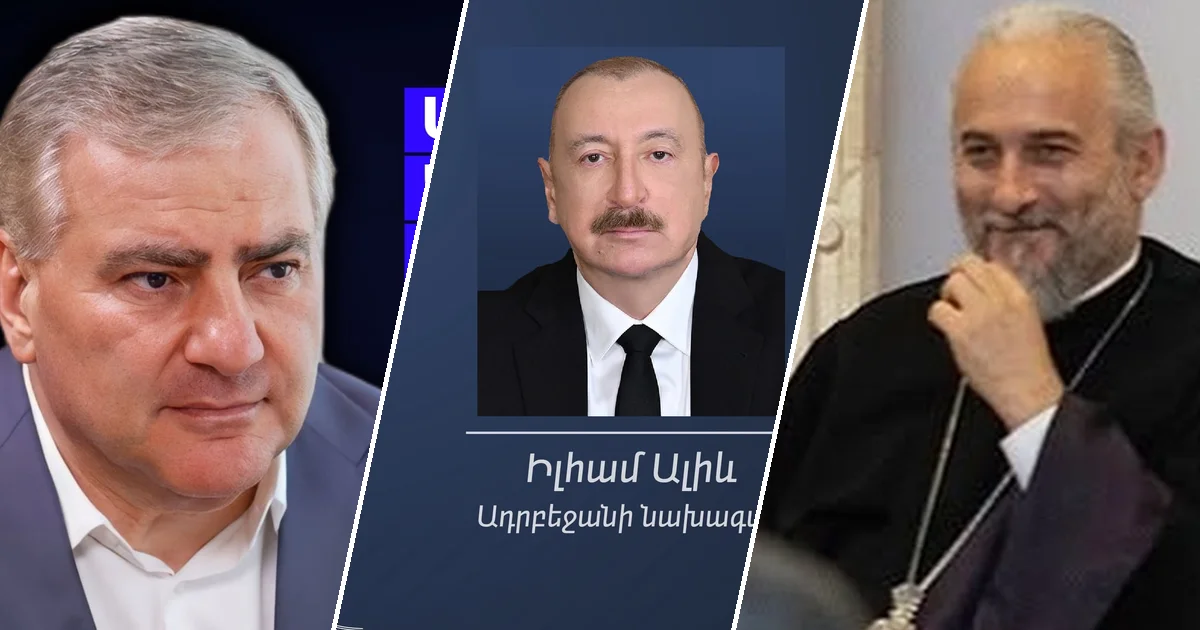
On August 8, leaders of Armenia and Azerbaijan marked the first anniversary of the Washington Peace Summit by telephone, reflecting on a year of progress toward normalizing relations. Pashinyan and Aliyev discussed the implementation of the Trump Route for International Peace and Prosperity, or TRIPP, which aims to establish a U.S.-backed transit corridor through Armenia connecting the South Caucasus to broader Asian trade networks. Both leaders emphasized development of bilateral trade and economic ties as a tangible benefit of peace, noting Azerbaijani petroleum exports to Armenia and cargo transit through Azerbaijani territory. Trump likewise praised the peace process in separate conversations with both leaders, reaffirming determination to begin TRIPP construction in the near future.
The U.S. government has doubled its financial commitment to the TRIPP initiative, increasing the Trans-Caspian Enterprise Fund from $201 million to $402 million, with most funding directed toward Armenian infrastructure development. Senior U.S. officials, including adviser Aryeh Lightstone and fund director Konstantin Sokolov, met with Pashinyan in Yerevan on August 5 to discuss implementation of technical issues surrounding the corridor. Engineering surveys for the railway section through Armenia have begun, while Azerbaijan nears completion of highway and railroad links connecting the trade route. Azerbaijan’s Foreign Minister Bayramov stated that physical construction on Armenia’s 42-kilometer section is expected to begin in 2026, with the entire Armenian and Azerbaijani portions targeted for completion by early 2027.
Azerbaijan has made clear that a final peace agreement depends on Armenia removing territorial claims from its constitution. Azerbaijani presidential adviser Hikmet Hajiyev repeatedly stated that if Armenia holds a referendum adopting a new constitution that removes references to territorial claims against Azerbaijan and Turkey, Baku sees no obstacle to signing a formal peace treaty. Hajiyev expressed satisfaction with Pashinyan’s stated commitment to an ‘actual Armenia’ concept, suggesting this approach aligns with Azerbaijani expectations. France issued a statement expressing hope that Armenia and Azerbaijan will proceed to sign and ratify a peace treaty following the anniversary.
Armenia and Turkey have launched joint working group efforts to reconstruct the historic Ani bridge, holding their second meeting in Yerevan on August 4. The parties reaffirmed commitment to implementing a protocol signed in May 2026 within the European Political Community framework.
Sources (20)
Pashinyan, Aliyev discuss progress in Armenia-Azerbaijan normaliz… (armenpress.am)
U.S. backs South Caucasus trade corridor with $201 million fund a… (tradersunion.com)
Trump Hails Armenia-Azerbaijan Peace During Talks with Aliyev, Pa… (menafn.com)
RFE/RL - Witkoff Adviser Discusses ‘Trump Route’ In Armenia (azatutyun.am)
TRIPP+ Fund Upped to $402 Million; Senior U.S. Officials in Yerev… (asbarez.com)
Azerbaijani Press: Zangezur corridor’s Armenian section set for c… (trend.az)
«Եթե Զանգեզուրի միջանցքը բացվի, Ստամբուլից Բաքու հնարավոր կլինի հ… (168.am)
Մինչև Հայաստանի սահման երկաթգծի և ավտոճանապարհի շինարարությունը ն… (168.am)
Բաքուն ողջունել է Փաշինյանի «իրական Հայաստան» հայեցակարգը (168.am)
Pashinyan, Trump hold phone call, discuss TRIPP (armenpress.am)
Rubio marks first anniversary of Armenia-Azerbaijan peace deal, h… (armenpress.am)
France hopes Armenia, Azerbaijan will formalize peace treaty (armenpress.am)
Armenia-Türkiye joint working group holds second meeting on Ani b… (armenpress.am)
“Azerbaijan is awaiting the adoption of a new constitution in Arm… (mediamax.am)
RFE/RL - Baku Sees Constitutional Referendum In Armenia (azatutyun.am)
Ադրբեջանի և Թուրքիայի նկատմամբ տարածքային պահանջների հոդվածը պետք… (168.am)
Ադրբեջանը չպիտի որոշի` մեր Սահմանադրությունն ինչպես լինի, պայմանա… (168.am)
Turkish Press: Azerbaijan sees no peace obstacle if Armenia drops… (en.yenisafak.com)
Turkish Press: Azerbaijan sees no obstacle to Armenia peace deal … (aa.com.tr)
Turkish Press: No obstacle to Armenia peace deal if constitutiona… (trtworld.com)
Domestic Politics & the New Parliament
Armenia’s newly elected parliament convened on August 2 with deep political divisions visible from the outset. Ruben Rubinyan was elected speaker the following day, cementing Civil Contract ’s control over the chamber. The opening session was marked by bitter accusations between the ruling party and opposition representatives from Strong Armenia and Armenia Alliance blocs, who continue to dispute the legitimacy of the June 7 elections. Opposition lawmakers denounced the elections as among the most disgraceful in Armenian history, though they secured parliamentary seats regardless.
A significant breach of tradition occurred when Catholicos Garegin II was not invited to deliver the customary blessing at parliament’s opening session, the first time in Armenia’s independence era this occurred. Opposition lawmakers visited the Catholicos at his Echmiadzin headquarters to show solidarity, describing his exclusion as part of Pashinyan’s ongoing campaign to depose the Armenian Apostolic Church ’s supreme head. Opposition politicians continue to argue that the elections were fraudulent and that Pashinyan lacks a legitimate mandate to govern.
Sources (7)
RFE/RL - New Armenian Parliament Meets, Elects Speaker (azatutyun.am)
Asbarez: Armenia’s New Parliament Convenes, Elects Speaker (asbarez.com)
Armenia’s new parliament holds first session as opposition, as ex… (jam-news.net)
Armenian Parliament elects new speaker as Catholicos skips sessio… (oc-media.org)
Rubinyan’s Speaker confirmation vote underway in Armenian Parliam… (armenpress.am)
RFE/RL - Opposition Lawmakers Meet Armenian Catholicos Snubbed By… (azatutyun.am)
Karekin II Meets with Parliament’s Opposition Forces Ahead of Ina… (asbarez.com)
Religious Freedom & Catholicos Crisis
Catholicos Garegin II faced his first criminal court hearing on August 7 after being indicted on charges stemming from his January defrocking of a pro-government bishop. The case centers on allegations that the Catholicos obstructed execution of a court order requiring reinstatement of Bishop Gevorg Saroyan, whom Garegin had dismissed from his diocesan post. However, an Armenian judge unexpectedly recused himself from the trial moments after proceedings began, adding another unusual dimension to what legal observers and human rights organizations have denounced as a sham proceeding. The Catholicos and six other senior churchmen stand accused of obstruction, charges their lawyers argue violate constitutional protections for church autonomy and the separation of church and state.
The indictment has generated international criticism and domestic outcry from opposition figures and civil society. The Armenian General Benevolent Union issued a statement condemning the proceedings and calling for their immediate withdrawal, noting they raise serious concerns about religious freedom and the rule of law. The ARF Bureau released a statement characterizing the government’s targeting of the Armenian Apostolic Church as crossing every red line and undermining the constitutional principle of church-state separation. Opposition Strong Armenia leader Samvel Karapetyan declared the trial a national disgrace and announced his faction would attend court hearings in support of the Catholicos and bishops.
Pashinyan’s yearlong campaign against Garegin II intensified following the Catholicos’s January decision to defrock Saroyan, a bishop involved in the government’s effort to depose the church leader. Saroyan had challenged his dismissal in court and won an extraordinary injunction requiring his reinstatement pending trial verdict. The government has used this as a pretext to prosecute Garegin and the six other clergy, accusing them of defying judicial authority. Critics argue this represents an unprecedented weaponization of state power against the country’s most revered religious institution, which has served as the spiritual anchor of Armenian national identity for centuries.
The conflict reflects broader tensions between the government and Armenia’s religious establishment. Pashinyan has long been at odds with Garegin, who had criticized what the church viewed as moral failures during the 2020 war and government mismanagement. The current campaign appears designed to force the Catholicos’s resignation and install a more compliant church leadership. Many Armenians view the proceedings as not merely a legal matter but as an assault on the Armenian Apostolic Church itself and the spiritual and cultural values it represents.
Sources (6)
RFE/RL - Judge Refuses To Try Armenian Church Head (azatutyun.am)
Government’s Indictment of Karekin II ‘Raises Concerns about Reli… (asbarez.com)
Asbarez: ARF Bureau Condemns Legal Proceedings Against Catholicos… (asbarez.com)
168: Իշխանություն բանտերով չե՛ն պահում. մի՛ մտեք, մի՛ քանդեք հայկ… (168.am)
«Փաշինյանը մեր հավատքն է քարշ տալիս պիղծ դատարան, մեր դավանանքն է… (168.am)
Մի՞թե ժողովուրդը կշարունակի մնալ թմբիրի մեջ, եթե Փաշինյանը բանտար… (verelq.am)
Russian Relations & Geopolitical Shifts
Russian-Armenian tensions have escalated sharply as Moscow applies economic and diplomatic pressure to force Yerevan to choose between European integration and continued participation in the Russian-led Eurasian Economic Union. Russia imposed bans on agricultural imports from Armenia in late May and early June, devastating sectors heavily dependent on Russian markets. Armenian banks have restructured over 30 billion drams in agricultural loans to affected farmers and firms, with projections that worse-case scenarios could require restructuring of substantially larger loan portfolios. June exports fell 20 percent year-on-year as a direct consequence of the sanctions. The Russian Foreign Ministry accused Pashinyan’s government on August 6 of attempting to blackmail Moscow and misleading Armenians about economic consequences of pro-Western policies.
Russia’s upper house speaker Valentina Matvienko delivered thinly veiled threats during a call with newly elected Armenian parliament speaker Ruben Rubinyan, warning that Russian tourists might be discouraged from visiting Armenia. Putin has notably declined to congratulate Pashinyan on the June elections or his reconfirmation as prime minister, a diplomatic snub absent in his prior elections in 2018 and 2021. Russian officials have demanded that Armenia hold a referendum on EU membership and made clear that Moscow will consider Armenia’s continued EAEU participation contingent on such a vote. On August 7, Pashinyan again rejected those calls, arguing that Armenia cannot hold such a vote before completing preliminary EU membership procedures, while Russian Foreign Ministry representatives and parliamentary leaders escalated their warnings, some raising Armenia’s potential expulsion from the CSTO. According to Armenian sources, Western partners have advised Pashinyan to delay any such referendum, arguing that Russian positions have been weakened by the Ukraine War . However, Russian channels are signaling that Moscow intends to apply even tougher mechanisms toward Armenia to eliminate any remaining room for maneuvering.
Armenia’s public debt has more than doubled during Pashinyan’s tenure and now stands at roughly 14.6 billion dollars, up from 6.5 billion in 2018. The government continues external borrowing to finance substantial budget deficits, with the Asian Development Bank and World Bank providing long-term loans. The sharp increase reflects more expensive internal borrowing rather than reliance on low-interest IMF and multilateral institution loans. Meanwhile, imports from Turkey and Azerbaijan are expanding rapidly, with trade remaining strictly one-directional: Armenian exports to these countries remain negligible while their goods flow increasingly into Armenia.
Commentary from political analysts suggests Armenia faces a false choice between two negative scenarios. One path leads toward increased Turkish-Azerbaijani integration at Armenia’s expense, while the other leads to deeper dependence on Russia and loss of strategic autonomy. A senior former Russian Foreign Ministry official warned that Pashinyan lacks legitimacy in Moscow’s eyes and that Russia may move to exclude him from EAEU and CSTO structures. The consensus view among analysts is that Armenia’s current course is unsustainable, as Moscow will not tolerate indefinite ambiguity and Western alternatives remain insufficient and unrealistic.
Sources (17)
RFE/RL - Russian-Armenian Tensions Keep Rising (azatutyun.am)
168: Ռուսաստանի պանիխիդան շուտ չե՞ք անում. Պուտինը մեղմ է վարվում… (168.am)
RFE/RL - Armenian Agricultural Loans Restructured Due To Russian … (azatutyun.am)
RFE/RL - Armenian Government Continues Foreign Borrowing (azatutyun.am)
Verelq: Փակվող շուկաներ և ծանր գին. Ինչո՞ւ է Մոսկվան հստակություն… (verelq.am)
168: Թուրքիայից ու Ադրբեջանից ներմուծումը թափ է հավաքում (168.am)
Opposition plans parliamentary discussions over Russian restricti… (armenpress.am)
Russia Lost Armenia. So Did Iran. (nationalinterest.org)
Թիկունքային ապահովումը մարտական խնդիր է. Պուտինի կարևոր բարեփոխմա… (168.am)
Pashinian Again Rejects Russian Calls For Armenian Vote On EU Ent… (azatutyun.am)
Հայաստանը չի ցանկանա լքել ԵԱՏՄ-ն. ՀԱՊԿ և ԵԱՏՄ՝ երկու կառույց, մեկ… (168.am)
Եվրոպացիները կօգտագործեն ու կնետեն զուգարանը. Փաշինյանը դա հասկան… (168.am)
168: Փաշինյանը լեգիտիմ չէ․ Ինչո՞ւ Պուտինը մերժեց. ի՞նչ է ասել Միշ… (168.am)
168: Փաշինյանի սցենարը՝ կյանքում դուրս չի գա ԵԱՏՄ-ից. կվռնդե՞ն, ի… (168.am)
Newspaper: The West urges Armenia not to be afraid of Putin’s thr… (news.am)
«Երկաթուղային» դիսկուրսը Հայաստանում. հեռահար նպատակո՞վ (168.am)
Ընտրությունների արդյունքները և Հայաստանի ճակատագիրը՝ ԵԱՏՄ, թե՞ ԵՄ (168.am)
Opposition Persecution & Civil Liberties
Opposition politician Aregnaz Manukian remains incarcerated one month after her arrest on high treason charges she categorically rejects as politically motivated. Manukian, a member of the Mayr Hayastan party, is accused of sharing classified information with party chairman Andranik Tevanian. She is prohibited from any contact with her 13-year-old daughter and other family members. Tevanian himself was arrested on May 22 on espionage charges alleging he was recruited by a foreign intelligence service two years ago and paid $622,000 to supply state secrets, including confidential details about border demarcation discussions. The government’s crackdown has expanded significantly since the June elections.
Gagik Tsarukyan, the jailed businessman and Prosperous Armenia Party leader who was a main opposition contender in June, now faces additional criminal charges of extortion related to a 2010 business dispute with a Lebanese-Armenian partner. The Investigative Committee claims Tsarukyan forced his partner to surrender a fifty percent stake valued at $2.5 million, though Tsarukyan’s lawyer argues the allegations are baseless and documents prove his client was actually defrauded. Tsarukyan is already facing charges of money laundering, fraud, and tax evasion following his July arrest. The government has seized his major business assets including a cement plant and brandy distillery, and stripped his Multi Wellness fitness center through an extraordinary expropriation that courts have allowed to stand pending verdict.
The government has undertaken what appears to be a systematic campaign to neutralize opposition figures through criminal prosecution. Strong Armenia leader Samvel Karapetyan, detained since February and currently under house arrest, faces further prosecution and questioning stemming from his vocal defense of the church. His nephew, parliamentary faction leader Narek Karapetyan, has become a visible opposition voice in parliament. Both Karapetyan figures argue that charges against opposition figures and the stripping of assets are purely retaliatory and designed to eliminate political competition. The government appears determined to complete the nationalization of Armenian Electric Networks, the country’s largest utility and Karapetyan’s most valuable asset in Armenia, with proceedings already advanced despite Tashir Group’s appeal to international arbitration seeking $500 million in damages.
Sources (9)
RFE/RL - Jailed Armenian Oppositionist Still Denied Family Visits (azatutyun.am)
Փաշինյանն ինքն իրեն կհեռացնի․ Ո՛չ Ծառուկյանին, ո՛չ ինձ ոչինչ չեն … (168.am)
RFE/RL - Another Charge Brought Against Tsarukian (azatutyun.am)
Government Seizure Of Tsarukian Asset Challenged In Court (azatutyun.am)
Gagik Tsarukyan vs. Yerevan city hall: What does arrested opposit… (news.am)
Բարեգործություն արել եմ, անում եմ, անելու եմ, ոչ ոք չի կարող ինձ … (168.am)
Pashinian Determined To Nationalize Armenian Electric Utility (azatutyun.am)
#Հիմա. Սամվել Կարապետյանի Գործով Դատական Նիստը. #Ուղիղ (168.am)
ՀԷՑ-ը դեռ պետք է կարողանան խլել, որ հանձնեն, կան ՀՀ-ի ու միջազգայ… (168.am)
Artsakh & Regional Affairs
An Azerbaijani appeals court on August 6 upheld lengthy prison sentences against seven former leaders of Artsakh captured by Baku during the September 2023 forced displacement of the region’s entire Armenian population. Five former Artsakh leaders including former President Arayik Harutyunyan and former Defense Army Commander Levon Mnatsakanyan received life sentences, while two others received twenty-year terms. Eight additional Artsakh Armenians also tried together with them received slightly shorter sentences. Amnesty International has denounced both trials as a travesty, and Armenian lawyers maintain that the proceedings represent show trials lacking any foundation in law. Former Artsakh leaders have stated that the verdict was decided long before trial proceedings began. Former State Minister Ruben Vardanyan, tried separately, received a twenty-year sentence but did not appeal, unlike the other detainees who appeal to international courts.
Azerbaijan has acknowledged exerting diplomatic pressure on Israel to halt efforts by the Israeli cabinet to seek Knesset recognition of the Armenian Genocide . Presidential adviser Hikmet Hajiyev confirmed that Azerbaijan conveyed messages to Israel stating that such recognition would be unfair and would not reflect historical reality, and that it would damage Israel’s relations with Turkey. The issue prompted Israeli cabinet recognition followed by a parliamentary recess that indefinitely delayed a Knesset vote. Azerbaijan characterized the intervention as necessary to protect Turkey’s interests, which Hajiyev described as a red line for Baku. The U.S. Trump administration has signaled intent to renew a waiver of Section 907 restrictions on assistance to Azerbaijan, drawing condemnation from the Armenian National Committee of America.
Iran has signaled ongoing concern about Azerbaijan’s alignment with Israel and what Tehran perceives as potential use of Azerbaijani territory against Iranian interests. A prominent Iranian official emphasized Syunik’s particular cultural and strategic importance to the Islamic Republic. Regional security analysts warn that the danger of new military escalation remains serious, with some noting that Azerbaijan may be attempting to establish plausible deniability regarding potential Israeli operations in the region. Meanwhile, Turkey has transferred its modern command and control system for air operations to Azerbaijan’s air force, providing the HvBS system that handles planning, management, monitoring and assessment of air operations. This system successfully completed NATO’s technical evaluation process.
Former Armenian government officials have criticized current policies regarding Artsakh. Former Defense Minister Seyran Ohanyan stated that the current government not only failed to prevent the forced displacement of Artsakh’s more than 150,000 Armenian inhabitants but actively contributed to it. He argued that messaging about defensive rather than combat-capable forces communicated weakness to Azerbaijan. Ohanyan noted that Pashinyan has stated Armenia will not pursue restoration of territorial integrity, yet questioned how this aligns with military planning. He suggested that military leaders who developed defensive strategies should be removed from power. Cultural heritage destruction in Artsakh continues at an accelerated pace according to observers monitoring the region.
Sources (13)
Azeri Court Upholds Jail Terms For Former Karabakh Leaders (azatutyun.am)
Azerbaijan appeals court upholds verdicts against Armenian detain… (armenpress.am)
Ինչո՞ւ է Բաքուն ավելի վստահ, քան Երևանը (verelq.am)
Բաքվի վերաքննիչ դատարանն անփոփոխ է թողել հայ գերիների վերաբերյալ … (verelq.am)
Asbarez: Baku Raves About Exerting Pressure on Israel to Foil Arm… (asbarez.com)
Azerbaijan says pressure halted Israel’s Armenian genocide recogn… (ynetnews.com)
ANCA Condemns Trump Administration’s Intent to Renew Azerbaijan A… (asbarez.com)
Տարածաշրջանում ռազմական գործողությունների նոր ալիքի վտանգը շատ իր… (168.am)
Իրանը դառնալու է Պարսից ծոցի միանձնյա տերը (verelq.am)
Սյունիքը մշակութային տեսանկյունից առանձնահատուկ կարևորություն ուն… (168.am)
Թուրքիան Ադրբեջանին է փոխանցել իր բանակի համար մշակված օդային օպե… (168.am)
Նիկոլ Փաշինյանն է ատելության մթնոլորտի և արատավոր բարքերի առաջին … (168.am)
Յուրաքանչյուր նման հայտարարությունից հետո մենք նկատում ենք Արցախո… (168.am)
Brief Notes
- A workshop on Istanbul’s Armenian printers opened at the Matenadaran on August 7, featuring the contributions of Armenian type-makers and craftspeople in Ottoman printing culture. (mediamax.am )
- The Hrant Dink Foundation opened applications for its fifth round of Turkey-Armenia Long-Term Fellowship Program, with priority fields including environment, climate change, cultural heritage and tourism. (agos.com.tr )
- The Armenian Foreign Ministry declined to comment on Italy’s proposal to establish EU migrant processing centers in third countries including Armenia. (azatutyun.am )
Stay Connected
For the full, unfiltered stream of Armenia news as it happens, subscribe to the Groong Mailing List on Google Groups. Subscribers receive the complete daily news feed directly in their inbox — expect tens of emails per day covering Armenia, Artsakh, the diaspora, and the broader region.