Groong News Digest — Week of July 27–2, 2026
Published August 2, 2026 12 min read See also: Podcast Digest →Tensions between Pashinyan and Putin over Armenia’s EU trajectory, Russian trade sanctions, and a forced choice between Moscow and Brussels dominate regional developments as a new parliament convenes.
News Highlights from Armenia
Armenia-Russia Relations & Strategic Orientation
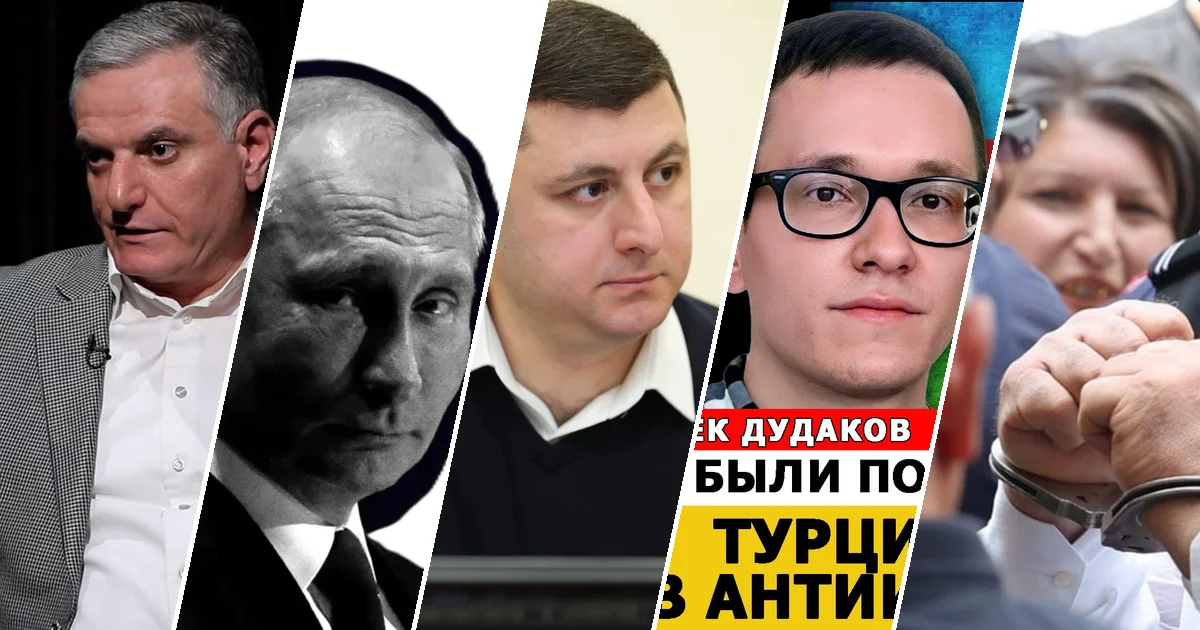
Pashinyan and Putin held their first phone call since June elections on July 27, a conversation initiated by the Armenian side that exposed deep fissures in bilateral ties. Putin reiterated the demand from the May 29 Astana summit, backed by Belarus, Kazakhstan, and Kyrgyzstan, that Armenia hold a referendum on EU membership or continued membership in the Eurasian Economic Union “as soon as possible.” The Kremlin’s readout emphasized this ultimatum, while Pashinyan’s office stressed instead that Armenia raised Russian trade restrictions on agricultural products, which contradict EAEU regulations and bilateral legal frameworks.
Two days after the call, Pashinyan struck a defiant tone, telling reporters the EAEU is “paralyzed” and predicting its collapse if Russian sanctions on Armenian goods are not lifted immediately. Russia’s Economic Development Minister Maxim Reshetnikov dismissed the claim, noting Armenia accounts for less than 1 percent of Russian foreign trade and can be easily replaced. Pashinyan countered by hinting Armenia may demand compensation for services previously provided free to Russia, potentially including railway access and other resources. The rhetorical escalation signals a structural rupture rather than a temporary dispute.
Pashinyan announced a pivot toward foreign policy diversification, revealing that Armenia has signed strategic partnership documents with China, the United States, the United Kingdom, the Netherlands, and France. He rejected Moscow’s assertion that relations must be exclusive, framing the shift as Armenia’s legitimate right to form alternatives. The government later announced plans to end Russian Railways’ 30-year management concession over Armenia’s railway network, further antagonizing the Kremlin. Government officials downplayed tensions in public statements, but the August 1 assessment from Armenian analysts suggested Armenia-Russia relations have entered a critical new phase of structural confrontation.
Sources (19)
Putin Insists On Armenian Referendum On EU Entry (azatutyun.am)
Putin Urges Pashinyan to Hold EU Membership Referendum ‘As Soon a… (asbarez.com)
Saying Eurasian Union is ‘Paralyzed,’ Pashinyan Blasts Russia aft… (asbarez.com)
Москва слезам не верит. Փաշինյան-Պուտին հեռախոսազրույցի հետքերով (verelq.am)
168: Դիվանագիտական մանևրների ավարտը. Պուտինը Երևանի առաջ հանրաքվե… (168.am)
RFE/RL - Pashinian Blasts Russian Sanctions After Call With Putin (azatutyun.am)
Փաշինյանը զանգահարել է Պուտինին. ՌԴ նախագահը կրկին ընդգծել է ԵԱՏՄ… (168.am)
Verelq: Փաշինյանն ու Պուտինը զրուցել են. ի՞նչ է խնդրել Փաշինյանը … (verelq.am)
RFE/RL - Armenian Minister Downplays Tensions With Russia (azatutyun.am)
Moscow Warns Of Economic Cost Of Armenia’s Exit From Eurasian Uni… (azatutyun.am)
Ինչո՞ւ է Փաշինյանը զանգահարել Պուտինին. «Արտահանման զանգ». Եվրոպա… (168.am)
168: Հարավկովկասյան երկաթուղու գծով պարտավորությունների միակողման… (168.am)
Հարաբերությունները ՌԴ-ի հետ այլևս էքսկլյուզիվ չեն. Փաշինյանը` նոր… (verelq.am)
Մոսկվան ու Բաքուն այլևս չեն բավարարվում Փաշինյանի խոստումներով (verelq.am)
Փաշինյանն անպատիժ նորից չի կարողանա շրջվել դեպի ԵԱՏՄ. նրա տերերն … (168.am)
Yerevan Prophet: Pashinyan did not find the problem in Armenia, a… (eadaily.com)
The beginning of the end of the EAEU or the end of illusions: Arm… (eadaily.com)
Pashinyan addresses Armenia-Russia relations amid Yerevan’s forei… (armenpress.am)
168: Փաշինյան-Պուտին անհաջող բանակցություններից հետո հարաբերությո… (168.am)
Economy, Trade & Energy
Armenia’s exports fell sharply in June, declining over 20 percent year-on-year following Russian sanctions imposed in late May and early June on fruits, vegetables, mineral water, flowers, fish, and alcoholic beverages. Overall exports for January-June 2026 dropped 6.7 percent despite government claims of growth in EU, China, and India markets. Russian restrictions remain the primary driver of economic distress for Armenian exporters, who face lost access to their largest trading partner. The government’s Statistical Committee has yet to release detailed country-by-country breakdowns, limiting transparency on the full scope of damage.
Armenia pursued energy diversification during the week, with Infrastructure Minister Davit Khudatian holding high-level talks in Tehran on July 25-26. Iranian officials expressed readiness to increase gas supplies, and the two sides agreed to establish a joint task force on energy cooperation and discussed expanding electricity-for-gas swap arrangements. Khudatian insisted the overture toward Iran was not a reaction to Russian threats to raise gas prices, but rather an economic calculation. Armenia imports over 80 percent of its natural gas from Russia and the remainder from Iran, making energy supply lines a critical vulnerability during deteriorating Moscow ties.
Transport and infrastructure talks with Iran also advanced, with officials from both countries agreeing to activate the Iran-Armenia-Georgia corridor and reduce transit barriers. Pashinyan addressed Iranian concerns about the TRIPP project, emphasizing transparency and noting that the corridor would ultimately benefit the region through Persian Gulf-Black Sea rail connectivity. Separately, Pashinyan vowed to end Russian Railways’ management of Armenia’s South Caucasus Railway and hinted at claiming 2 billion dollars annually for resources Armenia has provided Russia for free, signaling escalating economic confrontation with Moscow across multiple sectors.
Sources (17)
RFE/RL - Armenian Exports Tumble Following Russian Sanctions (azatutyun.am)
Asbarez: Iran, Armenia Agree on Comprehensive Energy Partnership (asbarez.com)
Armenia Looks To Boost Gas Imports From Iran (azatutyun.am)
RFE/RL - Yerevan Confirms Plans To Import More Iranian Gas (azatutyun.am)
Iran and Armenia seek to turn joint corridor into an engine of re… (en.irna.ir)
Pashinyan asks Putin to take measures to resolve restrictions on … (aysor.am)
Armenia’s Pashinyan asks Putin to help resolve Russian restrictio… (reuters.com)
Pashinyan asks Putin to help resolve issues affecting imports of … (armenpress.am)
Pashinyan Putin Meeting Focuses on Ending Russian Restrictions on… (brusselsmorning.com)
Pashinyan says Armenia ready to address Iran’s concerns over TRIP… (armenpress.am)
Pashinian Vows To End Russian Management Of Armenian Railway (azatutyun.am)
How much does it cost to export Armenian products to Europe? Smal… (news.am)
Moscow says replacing supplies from Armenia “will not be difficul… (mediamax.am)
Pashinyan admitted to making $2 billion financial demands on Russ… (arka.am)
Gagik Tsarukyan’s Belarusian business partner intends to file an … (nashaniva.com)
Pashinyan calls for major investment to overhaul Armenia’s water … (armenpress.am)
Business in step with politics: Armenian and Turkish business for… (armenpress.am)
Domestic Politics & Rule of Law
Armenia’s newly elected parliament held its inaugural session on August 2, with the ruling Civil Contract party nominating Ruben Rubinyan as the sole candidate for Speaker. The opposition immediately raised concerns about political persecution, noting that Strong Armenia faction deputy Artur Sarkisyan could not attend because he remains under house arrest due to political views. The session proceeded with Pashinyan submitting his government’s resignation as required by the Constitution, and the National Assembly subsequently reappointed him as Prime Minister later the same day. Opposition deputies from Armenia and Strong Armenia visited the Catholicos at Holy Etchmiadzin to receive his blessing.
Law enforcement continued targeting opposition figures throughout the week. Strong Armenia leader Samvel Karapetyan, detained since February and under house arrest, filed suit against an administrative fine from the Anti-Corruption Committee for failing to declare assets while under movement restrictions imposed by the court. Prosecutors announced plans to seize dozens of Karapetyan’s assets worth hundreds of millions of dollars. A former government lawyer, Liparit Drmeyan, sued Pashinyan for defamation after the Prime Minister branded him a “Trojan horse” for billionaire Gagik Tsarukian and demanded criminal investigations into his activities. Drmeyan had opposed Pashinyan’s seizure of Tsarukian’s electric utility company and warned authorities to comply with Stockholm arbitration orders.
In another high-profile case, the Prosecutor-General officially seized shares in the Ararat Brandy-Wine-Vodka Factory belonging to Gagik Tsarukian, a prominent opposition leader arrested July 6 on fraud charges he denies. The government had similarly taken control of Tsarukian’s cement plant two weeks earlier. Civil Contract designated twelve party lawmakers as parliamentary committee chairs, including Vilen Gabrielian, who resigned from the previous parliament in April 2025 after appearing drunk in public and swearing at journalists. Opposition critics argued the appointment demonstrates the ruling party’s dismissal of accountability standards.
Sources (20)
Armenian Opposition Leader’s Home Searched Again (azatutyun.am)
Pashinian Ally To Head Armenian Parliament Panel After Drunken Sc… (azatutyun.am)
RFE/RL - Armenian Oppositionist Moved To House Arrest (azatutyun.am)
Այսօրվանից՝ նոր խորհրդարան, նոր պատգամավորներ, քաղաքական ուժերի ն… (168.am)
Դուք ՔՊ-ի սպրուտն եք՝ ծովահրեշը, պարոն Ռուբինյան, Ալեն Սիմոնյանն … (168.am)
«Գագիկ Ծառուկյանի ունեցվածքի հետ կապված այս ամբողջ թնջուկը կրում … (168.am)
Դատարանը վարույթ է ընդունել Սոֆիա Հովսեփյանի՝ Փաշինյանի դեմ հայցը (verelq.am)
«Ուժեղ Հայաստան»-ի ղեկավարը դատարանում վիճարկում է ԿԿՀ-ի տուգանքը (verelq.am)
Ինչ է պահանջում դատախազությունը բռնագանձել Գագիկ Ծառուկյանից (verelq.am)
168: Դատավոր դառնալու փշոտ ճանապարհը. արդարադատության նախարարի խո… (168.am)
RFE/RL - Former Official Sues Pashinian After ‘Prosecution Order’ (azatutyun.am)
RFE/RL - Another Tsarukian Company Officially Seized By Governmen… (azatutyun.am)
Armenian government resigns as newly elected parliament convenes … (armenpress.am)
Reappointed Pashinyan meets with Armenian pr… (armenpress.am)
RFE/RL - Pashinian Demands Criminal Proceedings Against Former Of… (azatutyun.am)
Op-ed: If Armenia’s ruling party wants constitutional reform, it … (constitutionnet.org)
Opposition deputies received the blessing of the Catholicos after… (eng.kavkaz-uzel.eu)
The Armenian opposition stated at the first meeting of the new pa… (eng.kavkaz-uzel.eu)
ՔՊ-ն որոշել է խորհրդարանական հանձնաժողովների նախագահների թեկնածու… (verelq.am)
Regional Security & Artsakh
Azerbaijan continued military modernization and strategic realignment during the reporting period. Baku announced a major expansion of its procurement of Pakistan’s JF-17 fighter jets, increasing the order from 16 to 40 units worth 4.2 billion dollars, representing Pakistan’s largest arms deal in history. The aircraft have already been delivered and integrated into Azerbaijani air operations, with pilot training exercises underway. Simultaneously, Azerbaijan deepened ties with Central Asian nations, with President Ilham Aliyev visiting Kyrgyzstan on July 30-31 and signing an alliance treaty elevating bilateral relations to a strategic partnership level. The accord facilitates deeper foreign policy coordination and military-technical cooperation, positioning Baku as a regional hub.
Conditions for Armenian captives held in Baku remained dire. Relatives reported that prisoners held in the Baku Military Court and other facilities suffer from inadequate medical care and injuries potentially sustained through violence. The wife of Ruben Vardanyan, a former Artsakh official sentenced to 20 years, submitted formal requests to both Pashinyan and Azerbaijan’s human rights commissioner seeking permission for international humanitarian delegations to visit Armenian detainees, to no avail. Vardanyan was detained since September 2023 and has been denied in-person family visits throughout his imprisonment.
Marriott Bonvoy withdrew a controversial 14-hour tourism package to ethnically cleansed Artsakh (Nagorno Karabakh) after a five-day international campaign by the Armenian National Committee of America and global partners. The tour, advertised without mentioning Artsakh’s Armenian civilizational heritage or the blockade and ethnic cleansing that emptied the territory of over 150,000 Armenians, was promoted on Marriott’s platform with loyalty points incentives. Armenia continued diplomatic efforts to secure the release of prisoners of war held in Azerbaijan, with Pashinyan stating that quiet, confidential approaches proved most effective.
Sources (15)
Հայաստանը, Թուրքիան և Ադրբեջանը հակաիրանյան կոալիցիայի մեջ ներգրա… (168.am)
Ադրբեջանը հզորացնում է իր հակաօդային պաշտպանությունը՝ առանց «տնտե… (168.am)
Հայերի «պահած» Շուշիի բանտից՝ մինչև Բաքվի բանտ. Ալիևի «ինքնախոստո… (168.am)
Ադրբեջանում հայատյացությունը դարձել է պետական քաղաքականություն (verelq.am)
168: Բաքվի նոր դաշնակիցը. Ադրբեջանը շարունակում է ակտիվ քաղաքական… (168.am)
Asbarez: For Truth and Justice: ANC Central Council Responds to M… (asbarez.com)
Pashinyan says continuous efforts underway to free Armenian POWs … (armenpress.am)
ԵԽ պատգամավորին է ներկայացրվել արցախցիների իրավունքների պաշտպանու… (verelq.am)
Երկրորդ անգամ պաշտոնապես նամակ եմ ուղարկել Նիկոլ Փաշինյանին և Ադր… (168.am)
The condition of Armenian captives in Azerbaijan has raised conce… (eng.kavkaz-uzel.eu)
Asbarez: Marriott Drops Genocide-Tourism Package in Ethnically Cl… (asbarez.com)
Genocide Tourism, Occupied Artsakh and the 14-Hour Tour (asbarez.com)
Azerbaijan says Russian framing of Nagorno-Karabakh conflict ‘dis… (oc-media.org)
Air University examines lessons from the Nagorno-Karabakh wars (aetc.af.mil)
RFE/RL - Iranian Mission Urged To Help Free Tsarukian (azatutyun.am)
Armenia-Turkey Normalization & Regional Diplomacy
Armenia-Turkey normalization talks remain stalled despite limited diplomatic activity. Pashinyan told Putin that a referendum on EU membership could not proceed until Armenia formally applied to Brussels, a position that mirrors his earlier rejection of the May 29 EAEU ultimatum. The ruling Civil Contract party announced it is discussing candidates for a new special envoy to Turkey, as outgoing Deputy Speaker Ruben Rubinyan was nominated for the Speaker role. Pashinyan declined to specify timelines or approaches, noting that discussions on format and strategy are still underway with Turkish counterparts.
Turkish media reported on the slow progress of the Ani Bridge restoration agreement signed in early May by Armenian and Turkish envoys Rubinyan and Serdar Kilic. The bridge, which spans the Akhuryan gorge at the medieval Armenian city of Ani, has remained in ruins, with its two towers leaning toward each other across empty space. Restoration poses significant technical challenges and awaits funding, design finalization, and further diplomatic coordination. The initiative remains largely symbolic until practical implementation advances. Armenia and Turkey have not yet reestablished direct trade or border crossings despite the nominal normalization framework.
Sources (7)
Turkish Press: Referendum on Armenia’s EU accession ‘practically … (aa.com.tr)
Armenia weighs new envoy for normalization talks with Türkiye (armenpress.am)
Turkish press: A broken bridge, a rose ban, and slow thaw of Arme… (turkiyetoday.com)
Նեղուցները դառնում են աշխարհաքաղաքական նոր ռազմաճակատ (verelq.am)
Turkish Press: Pashinyan: Armenia’s EU referendum awaits formal b… (hurriyetdailynews.com)
Putin presses Armenia to hold referendum on EU or Eurasian bloc m… (brusselssignal.eu)
Pashinyan spoke with Putin and responded to demands to hold a ref… (news.liga.net)
Brief Notes
- Armenia awarded a medal to France’s Internal Security Attaché for the South Caucasus, Olivier Lefebvre, in recognition of cooperation between the two countries’ interior ministries. (armenpress.am )
- Armenian wrestler Janes Nazaryan won the U17 Greco-Roman world championship in Baku, successfully defending his title despite hostile crowd reactions and booing during the medal ceremony. (asbarez.com )
- Armenian Film Society London launched an international open call for films in or about Western Armenian to premiere at the Institute of Contemporary Arts as part of a new permanent festival program. (asbarez.com )
- The 13th Pan-Homenetmen Scouting Jamboree kicked off in Byurakan with approximately 900 scouts representing 26 Homenetmen regions and four Armenian scout organizations from Iran. (asbarez.com )
- The Armenian Museum of Fresno opened an exhibition titled ‘ART That Transcends Borders ’ featuring the work of internationally collected painter and illustrator Evgenia Parsadanian-Harris. (asbarez.com )
- The Horizon Festival, co-organized by the Children of Armenia Fund and Turntables, launched on August 2 at the COAF SMART Campus in Lori with electronic music performances. (asbarez.com )
- Armenian prosecutors indicted Catholicos Garegin II and paved the way for his trial on charges related to his defrocking of a bishop during Pashinyan’s campaign to oust the supreme head of the Armenian Apostolic Church . (azatutyun.am )
- Armenian creative professional Elen Gasparyan, Creative Director at Davel Creative Agency in Los Angeles, shared insights on the growing inclusion of Armenian professionals on international awards juries. (armenpress.am )
Stay Connected
For the full, unfiltered stream of Armenia news as it happens, subscribe to the Groong Mailing List on Google Groups. Subscribers receive the complete daily news feed directly in their inbox — expect tens of emails per day covering Armenia, Artsakh, the diaspora, and the broader region.