Groong News Digest — Week of July 13–19, 2026
Published July 19, 2026 13 min read See also: Podcast Digest →Azerbaijan insists Armenia amend its constitution before signing a final peace treaty, while TRIPP corridor ratification advances and domestic political tensions escalate over opposition arrests.
News Highlights from Armenia
Armenia-Azerbaijan Peace Process
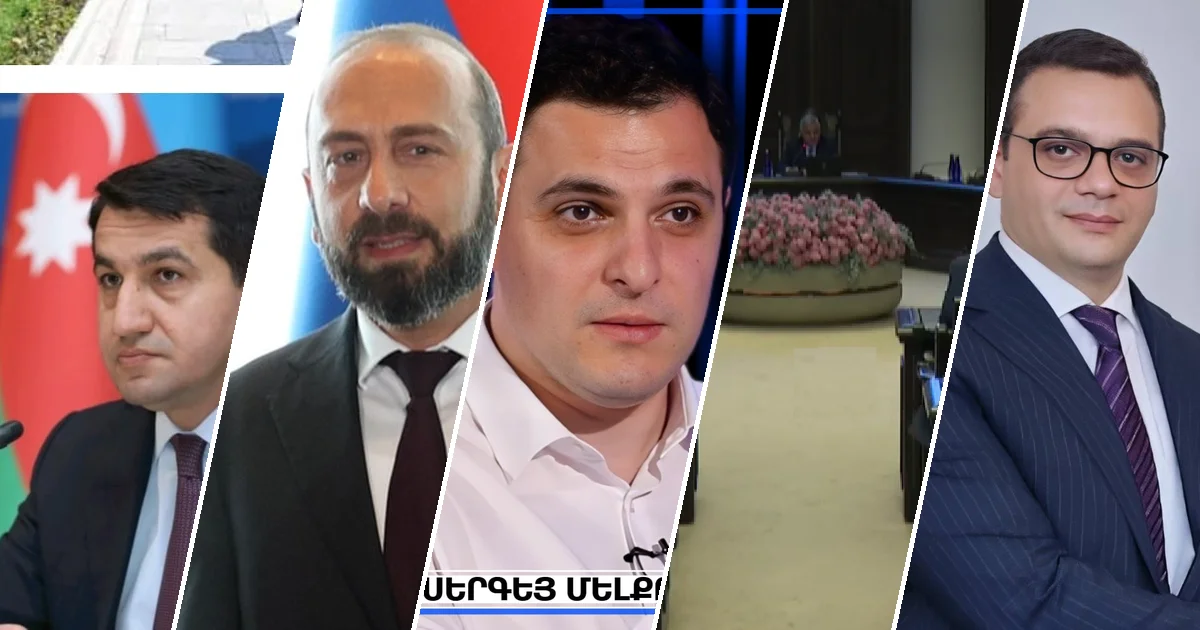
Azerbaijan and Armenia are in a state of what Baku describes as “real peace,” with trade resuming and direct contacts expanding despite the absence of a final treaty. Yet Azerbaijani officials have made constitutional reform a prerequisite for a comprehensive peace agreement. Specifically, Baku demands that Armenia remove language from its constitution preamble referencing a Soviet-era document calling for reunification of Armenia and Nagorno-Karabakh (Artsakh), which Azerbaijan views as an implicit territorial claim. Pashinyan has indicated he plans to hold a popular referendum to draft and adopt a revised constitution, though the timetable remains uncertain because his Civil Contract party lacks the parliamentary majority needed to advance the process smoothly.
Azerbaijani Foreign Minister Jeyhun Bayramov told Moscow this week that “de facto peace exists between Baku and Yerevan,” citing growing supplies of Azerbaijani oil products to Armenia and increased bilateral trade as evidence of improved relations. From January to June 2026, Azerbaijan exported over $17 million in goods to Armenia, while Armenian exports to Azerbaijan remained zero. Russia’s Foreign Ministry reiterated support for full normalization, including border delimitation and transport corridor unblocking, describing peace and stability in the South Caucasus as important to Moscow. Meanwhile, Aliyev credited U.S. President Trump with brokering the preliminary peace agreement reached in August 2025, describing him as a peacemaker whose approach differs fundamentally from previous administrations that, in Baku’s view, froze rather than resolved the conflict.
Sources (10)
Azerbaijan at ‘real peace’ with Armenia but wants it to change co… (reuters.com)
Turkish Press: Armenia constitution change can secure peace with … (dailysabah.com)
Azerbaijan Says Peace With Armenia Depends on Constitutional Chan… (moderndiplomacy.eu)
Moscow ready to support full normalization of Armenia-Azerbaijan … (armenpress.am)
Armenia, Azerbaijan Expand Trade as Constitutional Dispute Delays… (themedialine.org)
Lavrov and Bayramov discuss South Caucasus and bilateral relation… (armenpress.am)
Bayramov says de facto peace exists between Armenia and Azerbaija… (armenpress.am)
EXCLUSIVE: Azerbaijani President Ilham Aliyev Lauds Trump as ‘a M…
Armenpress: Aliyev thanks Trump for role in advancing Armenia-Aze… (armenpress.am)
Asbarez: Azerbaijan’s Exports to Armenia Exceed $17 Million in Fi… (asbarez.com)
TRIPP Trade Corridor
Armenia’s government has launched the ratification process for the TRIPP (Trump Route for International Peace and Prosperity) strategic cooperation agreement with the United States, moving the controversial transit project closer to implementation. The Armenian cabinet approved legislation on July 16 establishing a framework for a TRIPP Development Company in which the United States will hold a 74 percent stake and Armenia 26 percent, under an initial 49-year concession with an option to extend for an additional 50 years. The project, which will connect Azerbaijan to Nakhijevan through Armenia’s Syunik Province, must now be reviewed by Armenia’s Constitutional Court to ensure compliance with the constitution before proceeding to the National Assembly for ratification.
Armenia’s Justice Ministry, in a written opinion submitted to the government, concluded that some TRIPP provisions run counter to Armenian law, yet recommended approval citing political reasons. The State Department confirmed that Armenia will retain full sovereignty and jurisdiction over borders and customs operations. Meanwhile, the U.S. appointed Russian-born American businessman Konstantin Sokolov to chair the TRIPP+ Enterprise Fund, a separate $200 million investment mechanism tasked with supporting infrastructure projects across the South Caucasus and Central Asia. Sokolov, a private equity investor from Chicago with business interests in Armenia including a stake in a mobile phone operator, has donated over $12 million to Republican campaigns during Trump’s second term. Iran and Russia have expressed concerns about the corridor, with Tehran emphasizing the need to develop mechanisms preventing it from posing security threats, while Moscow watches closely as Armenia shifts westward away from the Eurasian Economic Union framework.
Sources (11)
Asbarez: Armenia Will Oversee Border, Customs on TRIPP, State Dep… (asbarez.com)
RFE/RL - ‘Trump Route’ Deal In Conflict With Armenian Law, Says J… (azatutyun.am)
Armenian FM says U.S. to hold 74% stake in TRIPP Development Comp… (panorama.am)
Կառավարությունը հաստատել է Հայաստանի և ԱՄՆ-ի միջև TRIPP համաձայնա… (verelq.am)
Կառավարությունը սկսում է TRIPP-ի վավերացման գործընթացը․ նախագիծը … (verelq.am)
Կոնստանտին Սոկոլովը՝ TRIPP+-ի ղեկին. ներդրումներ, ենթակառուցվածքն… (168.am)
U.S. Businessman To Run ‘Trump Route’ Fund (azatutyun.am)
Trump-Backed Trade Corridor Moves Closer to Reality in Armenia (oilprice.com)
TRIPP takes step toward implementation (eurasianet.org)
Թրամփի վերջնագրերը, Իրանի պատասխանները և TRIPP-ի շուրջ նոր անորոշ… (168.am)
TRIPP նախագիծը՝ Թեհրանի և Մոսկվայի «կարմիր գծերի» բախման կիզակետո… (verelq.am)
Domestic Politics and Rule of Law
Armenia’s opposition alliance “Hayastan” confirmed on July 17 that it will take parliamentary mandates according to its pre-election candidate list, with former president Robert Kocharyan declining to assume his seat. This means Mesrop Manukyan will become the 12th opposition representative. The Established Opposition parties view Armenia’s election results as delegitimized, with critics noting that civil society groups documented widespread electoral violations, restrictions on freedom of expression, media manipulation, and an atmosphere of fear and intimidation surrounding the June 7 parliamentary vote. Constitutional lawyer Grigor Muradyan argued that the opposition’s main challenge will be obtaining a genuine popular mandate independent of the disputed electoral process, as the legitimacy of the current parliament remains contested.
The government continues a post-election crackdown on opposition figures. On July 6, businessman and Prosperous Armenia Party leader Gagik Tsarukyan was arrested on fraud charges he characterizes as politically motivated; Pashinyan had pledged during campaigning to imprison and dispossess him. An anti-corruption court ordered his cement plant placed under state management on July 16, and law-enforcement authorities have sealed off dozens of his other companies, leaving thousands of workers without income. Opposition politician Aregnaz Manukian, arrested July 9 on high treason charges related to party chairman Andranik Tevanian, reported being completely isolated from family and unable to contact her 13-year-old daughter even by phone. Doctor Arpine Soghoyan was dismissed from her state clinic in July, two months after a heated public argument with Pashinyan in which she blamed him for the loss of her brother in the 2020 war. Law-enforcement sources acknowledged arresting a man for tearing down Civil Contract campaign posters, leading to his death in psychiatric custody, yet no officials have faced prosecution.
Sources (17)
«Հայաստան» դաշինքը մանդատները կվերցնի ըստ հերթական համարների, բաց… (verelq.am)
Օրենքի և իրավունքի մասին խոսելն ուղղակի ավելորդ է, Հայաստանում առ… (168.am)
Armenian opposition figure claims government is establishing ’neo… (panorama.am)
Yerevan Doctor Fired After Pre-Election Row With Pashinian (azatutyun.am)
RFE/RL - No One Prosecuted Over Pre-Election Death In Armenia (azatutyun.am)
Jailed Oppositionist Protests Against ‘Inhuman’ Treatment (azatutyun.am)
RFE/RL - Armenian Government Faces More Demands To Reopen Tsaruki… (azatutyun.am)
RFE/RL - More Workers Protest Against Forced Closure Of Tsarukian… (azatutyun.am)
RFE/RL - Tsarukian Slams ‘Illegal’ Shutdowns Of His Firms (azatutyun.am)
Armenian court orders opposition figure Tsarukyan’s cement plant … (oc-media.org)
Two Tsarukian Companies Officially Seized By Government (azatutyun.am)
Armenian Government Takes Control of Opposition Leader’s Cement C… (the420.in)
RFE/RL - Gyumri Mayor Moved To House Arrest (azatutyun.am)
Doctor dismissed months after heated exchange with Pashinyan over… (oc-media.org)
168: Եթե ընդդիմությունը չկարողանա բացառել ձայնագողությունը, մանդա… (168.am)
Սոֆյա Հովսեփյանը դատի է տվել Նիկոլ Փաշինյանին (verelq.am)
Սերժ Սարգսյանն ու Բարսեղ Բեգլարյանը կարող են ներկա չգտնվել իրենց … (168.am)
International Recognition and Diplomacy
Israel’s parliament suspended a planned vote to formally recognize the Armenian Genocide , casting doubt on whether the initiative will advance despite unanimous cabinet approval in late June. The Knesset’s summer recess and October 27 elections make parliamentary approval unlikely in the near term. The suspension comes amid renewed regional tensions involving Israel, the United States, and Iran, as well as diplomatic efforts to reduce friction with Turkey, whose government strongly opposes Armenian Genocide recognition. Azerbaijan, Israel’s strategic partner in defense and energy, also reportedly urged Israel to reverse course. Pashinyan declined to comment on Israel’s decision, stating Armenia saw no need to engage in what he called the “weaponization” of the genocide.
Armenia’s diplomatic efforts focused on multilateral engagement this week. Deputy Foreign Minister Robert Abisoghomonyan met UN officials in New York to discuss genocide prevention and to advance preparations for the 6th Global Forum Against the Crime of Genocide, scheduled to be held in Yerevan later in 2026. The Armenian Ombudsperson highlighted the importance of addressing hate speech and strengthening human rights protections during meetings with European Parliament members. Georgia’s Prime Minister Irakli Kobakhidze emphasized his country’s improved relations with Armenia, Azerbaijan, and Turkey as central to strengthening Georgia’s role as a regional transit hub and connectivity provider. Catholicos Garegin II visited Iran’s embassy to pay respects to Iran’s late Supreme Leader Ayatollah Ali Khamenei following his burial, expressing condolences and support to the Iranian government and people.
Sources (16)
Israel’s Knesset Suspends Armenian Genocide Recognition Vote (asbarez.com)
Israel delays Armenian Genocide recognition vote amid tensions wi… (greekcitytimes.com)
Knesset vote on official recognition of Armenian Genocide postpon… (i24news.tv)
Israeli Parliament ‘postpones’ vote on recognising Armenian Genoc… (oc-media.org)
Israeli parliament delays vote on recognizing Armenian Genocide (georgiatoday.ge)
Israel’s recognition of the events of 1915 as the Armenian Genoci… (thecaliforniacourier.com)
Armenpress: Knesset vote on Armenian Genocide recognition suspend… (armenpress.am)
India Must Also Recognize Armenian Genocide (meforum.org)
Հայաստանը ՄԱԿ-ում խաղաղության ամրապնդմանն ուղղված ջանքերն է ներկա… (verelq.am)
Armenpress: European Parliament hosts conference on Armenian deta… (armenpress.am)
Armenian ambassador, Albanian parliament vice speaker discuss str… (armenpress.am)
Armenian Ombudsperson highlights importance of countering hate sp… (armenpress.am)
Armenian deputy foreign minister meets UN Special Adviser on the … (armenpress.am)
Statements Attributed to the OSCE Secretary General Constitute a … (news.am)
RFE/RL - Garegin Pays Tribute To Slain Iranian Leader (azatutyun.am)
Kobakhidze highlights ties with Armenia in push to strengthen Geo… (armenpress.am)
Economy and Trade
Armenia faces significant economic challenges as Russia intensifies restrictions on agricultural imports in response to Yerevan’s Western turn. Moscow banned Armenian flower imports in May, and Russian officials claimed this month that flowers ostensibly exported from Iran were actually Armenian products illegally relabeled, requesting Iran suspend certification of flower exports until the matter is clarified. Armenian flower exports, which reached $53 million last year with Russia absorbing over 85 percent, are now severely disrupted. The government approved new licensing rules aimed at redirecting fish farm exports to the European Union after Russia banned Armenian fish imports, though Deputy Prime Minister Mher Grigoryan sounded cautious about the transition’s feasibility. Armenia and the United States discussed expanding agricultural exports to American markets, focusing on market access procedures and export promotion mechanisms.
Armenia continues navigating complex resource and infrastructure dynamics with neighboring states. A Russian bank completed the sale of Armenia’s second-largest mining company, Teghut, to an entity ultimately owned by U.S. businessman Konstantin Sokolov, marking another shift in foreign investment patterns. Iran continues oil exports despite renewed U.S. sanctions, maintaining mechanisms developed to circumvent American restrictions. The Armenian government increased subsidies for the Russian Railways-operated South Caucasus Railway by 65.22 million drams to cover losses on passenger routes, though the concession agreement signed in 2008 has seen freight volumes halve and mandatory investment commitments largely unfulfilled. Separately, a grassroots civic initiative launched signature collection for a constitutional referendum proposing to prohibit Armenia from signing interstate agreements that contradict existing treaties, effectively targeting potential conflicts between EEU and EU obligations.
Sources (11)
Russia Blocks ‘Armenian’ Flower Imports From Iran (azatutyun.am)
Իրանը շարունակում է նավթի արտահանումը՝ չնայած ԱՄՆ պատժամիջոցների … (verelq.am)
RFE/RL - Armenian Government Hopes To Redirect Fish Exports To EU (azatutyun.am)
Հայաստանն ու ԱՄՆ-ն քննարկել են հայկական գյուղմթերքի արտահանման ըն… (verelq.am)
A trade war has broken out between Iran and Armenia over flowers (ua.news)
Իրանական, թե՞ հայկական. «Ռոսսելխոզնադզորի» հարցերը ծաղիկների ծագմ… (verelq.am)
RFE/RL - Armenian Mining Giant Bought By U.S. Firm (azatutyun.am)
Russian Bank Completes Sale Of Armenian Mining Giant (azatutyun.am)
Armenia increases subsidies for South Caucasus Railway, Russia co… (jam-news.net)
Armenia increases subsidies for South Caucasus Railway, Russia co… (jam-news.net)
A “referendum from below” is starting in Armenia to break Pashiny… (eadaily.com)
Military and Security Issues
The European Union formally launched a civilian advisory mission in Armenia on July 13 to help the country counter hybrid threats including cyberattacks, foreign information manipulation, and illicit financial flows. The mission, approved in April, will deploy EU experts from member states to provide strategic advice and institutional capacity building across Armenian government agencies. Russia criticized the move, with Foreign Ministry spokeswoman Maria Zakharova calling it an “instrument of interference” against a sovereign state, claiming the EU is attempting to transform Armenia into an anti-Russian outpost. EU foreign policy chief Kaja Kallas countered that the bloc intended to support Armenian independence and the Armenian people’s right to determine their own future, citing the EU as Armenia’s main defender against external coercion. A Slovak delegation led by President Peter Pellegrini visited occupied Artsakh this week, with both sides emphasizing defense cooperation; Slovakia will host NATO contact office functions in Baku through 2028 and intends to showcase results of Azerbaijani military acquisitions at a September defense exhibition.
Armenia faces mounting prisoner-of-war concerns and potential territorial security risks. Ludwig Mkrtchyan, a volunteer fighter captured by Azerbaijan in the 2020 war and now serving a 20-year sentence on war crime charges he denies, is reportedly in critical health condition with severe heart damage, chronic headaches, dizziness, and dangerously elevated blood pressure, yet receives inadequate medical care. One of at least 19 Armenian prisoners remaining in Azerbaijani custody, his family expressed alarm during their monthly phone contact. Former Armenian ombudsperson Arman Tatoyan warned that if Azerbaijan takes control of disputed enclaves in Tavush and other border areas, Armenian settlements could find themselves in immediate proximity to Azerbaijani forces, disrupting connectivity and creating new security vulnerabilities. Azerbaijan has expanded military modernization partnerships, including cooperation with Georgia’s defense sector on upgrading Su-25 attack aircraft, some of which have already been updated through Turkish channels and are operational.
Sources (13)
EU Launches New Mission in Armenia to ‘Against Hybrid Threats’ (asbarez.com)
RFE/RL - EU Launches New Mission To Armenia Denounced By Russia (azatutyun.am)
168: Ռուսաստան-Հայաստան պատերազմը դեռ չի սկսվել. այսօր Սյունիքի ա… (168.am)
2021թ. փետրվարի ԳՇ հայտարարությունը ռազմական հեղաշրջման փորձ չէր.… (168.am)
Ադրբեջան-Սլովակիա ռազմական գործարքների առաջին արդյունքները կներկա… (168.am)
Ռուս-ադրբեջանական երկխոսության նոր փուլը. ի՞նչ է թաքնված Բայրամով… (168.am)
Ադրբեջանական զորքեր կարող են հայտնվել մեր բնակավայրերի անմիջական … (168.am)
Ադրբեջանը որոշել է համագործակցել նաև Սու-25 գրոհիչների արդիականաց… (168.am)
Wife Fears For Armenian POW’s Life (azatutyun.am)
«Փաշինյանը մեզ ասաց՝ «դե, կարողանում ենք՝ չե՞նք բերում, Ադրբեջանն… (168.am)
Armenian prisoner in Azerbaijan ‘fighting for his life’ as health… (oc-media.org)
Armenian Deputy Defense Minister receives new head of EU Mission … (armenpress.am)
New EU mission in Armenia to help address post-election risks (jam-news.net)
Brief Notes
- The Washington-based Armenian Youth Center of Greater Washington held its first-ever Casino Royale fundraiser on July 17, which sold out before opening, reflecting strong community commitment to supporting future generations. (asbarez.com )
- The International Olympic Committee is exploring ways to protect Armenia’s National Olympic Committee after the Armenian government seized its headquarters during the arrest of Gagik Tsarukian, disrupting the committee’s operations. (azatutyun.am )
- Conductor Tigran Arakelyan and mezzo-soprano Laurel Semerdjian will perform Gustav Mahler’s Symphony No. 3 at the Northwest Mahler Festival in Seattle on August 1, with the mezzo accompanied by the Northwest Boychoir and Women’s Chorus. (asbarez.com )
- Samuel Chatto, great-nephew of Queen Elizabeth II, announced his engagement to British-Armenian artist Eleonora Exerdjian on July 13, with a wedding planned for spring 2027, marking the first time a member of the House of Windsor will wed someone of Armenian heritage. (style.news.am )
- Armenian astrophysicist Professor Vahagn Gurzadyan contributed to a Nature study confirming Einstein’s frame-dragging effect around Earth with unprecedented precision using data from the LARES-2 satellite launched in 2022. (asbarez.com )
- Azerbaijani President Ilham Aliyev said on July 13 he is considering withdrawing his country from the Parliamentary Assembly of the Council of Europe, citing what he describes as punishment for Azerbaijan’s military actions in Artsakh. (asbarez.com )
- The original musical “When Two of Us Meet,” created by Armenian-American composer Emily Simonian and following an Armenian family’s immigration story, sold out all PenArts Theatre performances in Pensacola, Florida before opening night. (asbarez.com )
Stay Connected
For the full, unfiltered stream of Armenia news as it happens, subscribe to the Groong Mailing List on Google Groups. Subscribers receive the complete daily news feed directly in their inbox — expect tens of emails per day covering Armenia, Artsakh, the diaspora, and the broader region.